Skip to content
WhatToEat.Today

Jain recipes: no onion, garlic or root vegetables

2,799

2799 Jain recipes with no onion, garlic, potato, carrot, fresh ginger or other root vegetables, and no mushrooms, eggs or honey. Hing, dry ginger and turmeric powder are fine. Each has photos, step-by-step instructions and cook times. The quickest, Apfelschorle, takes 2 minutes. Most take around 40 minutes.

Filter these by time, diet or cuisine · Make Jain your diet to see only these recipes everywhere on the site.

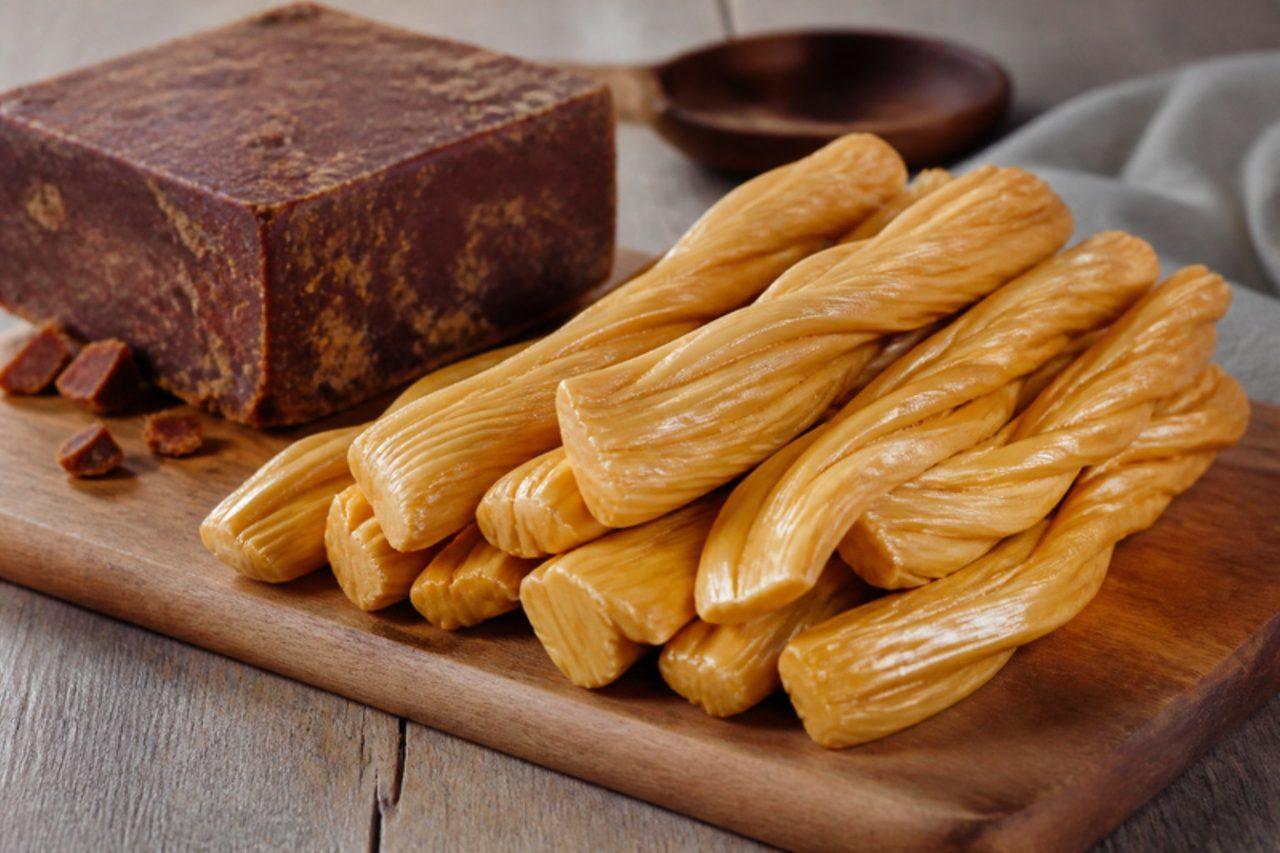
MelcochasPulled panela taffy

Pulling melcocha is a spectacle at roadside stalls in panela country, around Villeta in Cundinamarca and the Santander highlands. A syrup of panela is boiled until thick, cooled just enough to handle, then stretched, folded and stretched again until it turns from dark brown to a pale, satiny gold and becomes chewy. It is twisted into ropes and cut into pieces that taste of caramel and molasses. Kids and adults both buy it in little bags, and it makes a fun kitchen project for a group. Getting the timing wrong is the usual mistake: too hot and it burns your hands and sticks, too cold and it snaps instead of stretching. Work when it feels like warm putty. The syrup is dangerously hot, so keep children well back until it has cooled. Chef's tip: a sugar thermometer takes the guesswork out; take the syrup off at 125 °C for a chewy result.

by KrazyBadal 0 views

Cortado de lecheCurdled milk in panela syrup

On farms in Antioquia and Santander, when there was more milk than anyone could drink, it became cortado: milk deliberately split with lime juice, then simmered slowly with panela and spices until the curds turn tender and tan and the whey reduces into a thin, molasses-flavoured syrup. It is a country dessert, served warm or cold in small bowls after Sunday lunch, sometimes with a piece of white cheese on the side. The texture is somewhere between a soft ricotta and baked custard, sweet and lightly spiced with cinnamon and clove. Because lime does the curdling, there is no rennet involved. Stirring hard as soon as the lime goes in is the usual mistake; it breaks the curds into grainy specks, so let them form undisturbed and then move the pan gently. Chef's tip: use full-fat milk that is not ultra-heat-treated; UHT milk gives smaller, softer curds.

by KrazyBadal 0 views

CharamuscasTwisted piloncillo taffy

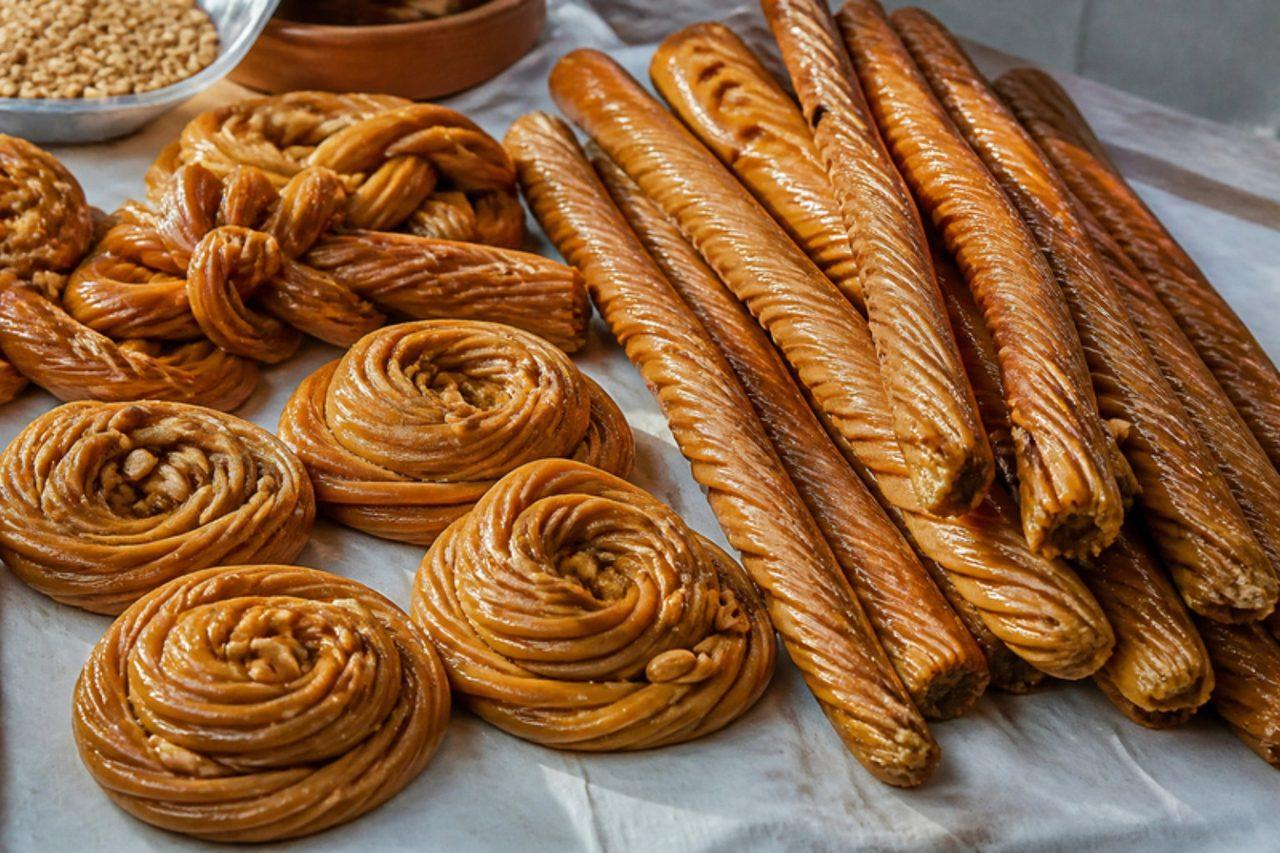
Around Day of the Dead in Guanajuato city, sweet sellers display charamuscas pulled and shaped into skulls, mummies (a nod to the town's famous museum) and simple twists, glossy amber and wrapped in cellophane. The everyday ones are rope-like spirals of pulled piloncillo, chewy then brittle, with a deep molasses taste. Pulling the hot sugar is a two-person job and great fun with older children; younger ones should watch. Chef's tip: wear clean rubber kitchen gloves rubbed with oil; you can handle the sugar sooner and much more comfortably.

by KrazyBadal 0 views

Mango bicheGreen mango with salt and lime

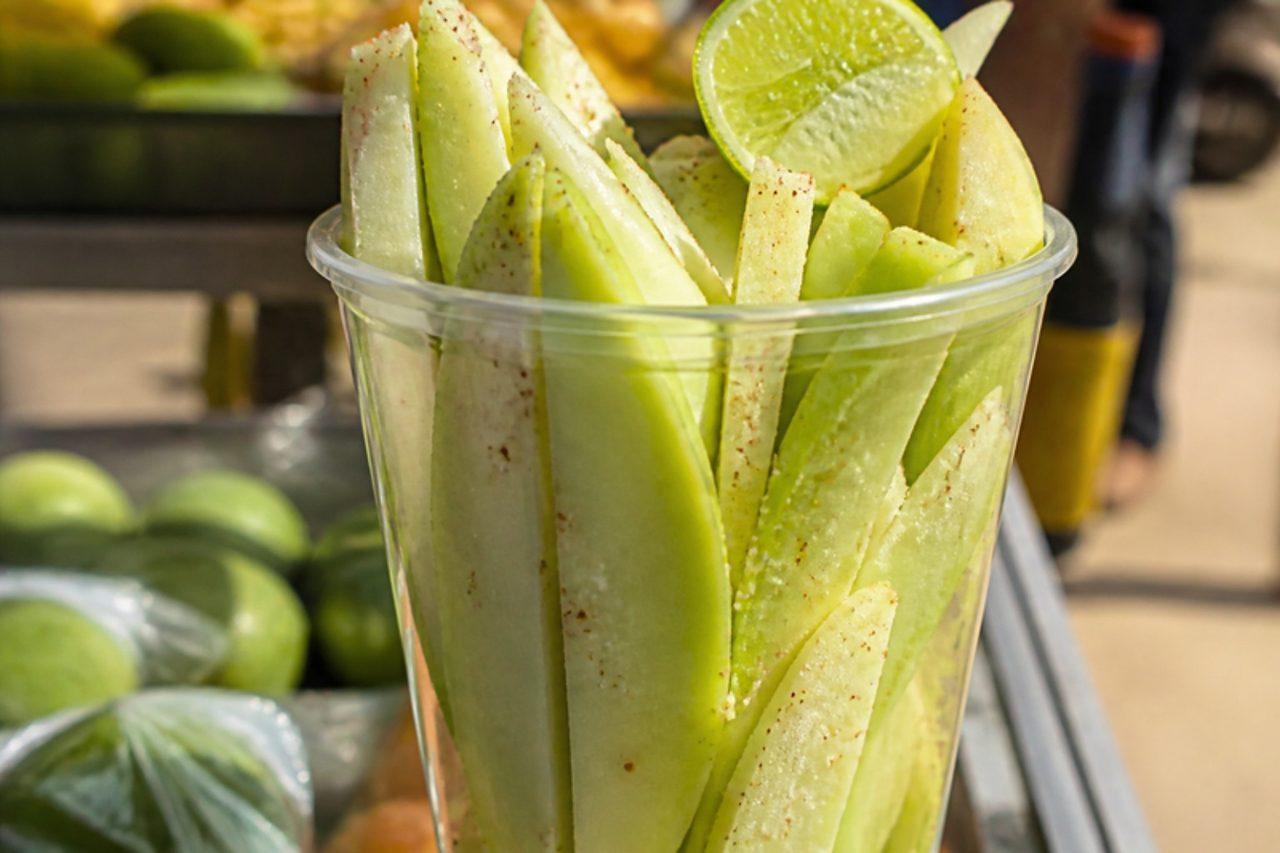
Paper and plastic cones of mango biche are sold from street carts in Cali, Barranquilla and Bogotá, especially around schools, parks and bus stops. Biche means unripe: the mango is still hard and pale green inside, so it is crunchy and mouth-puckeringly sour, and the vendor cuts it into long strips and shakes on salt, lime and black pepper, sometimes a pinch of chilli. It is a refreshing, almost savoury snack, eaten in the afternoon heat. Choosing a mango that has started to ripen is the slip that spoils it: the flesh should be firm and white-green with no yellow, or it turns soft and sweet. Look for green mangoes in Asian and Latin shops. Chef's tip: chill the mango for 30 minutes before cutting; the strips stay crisp and the salt and lime cling better.

by KrazyBadal 0 views

RaspaoShaved ice with blackberry syrup

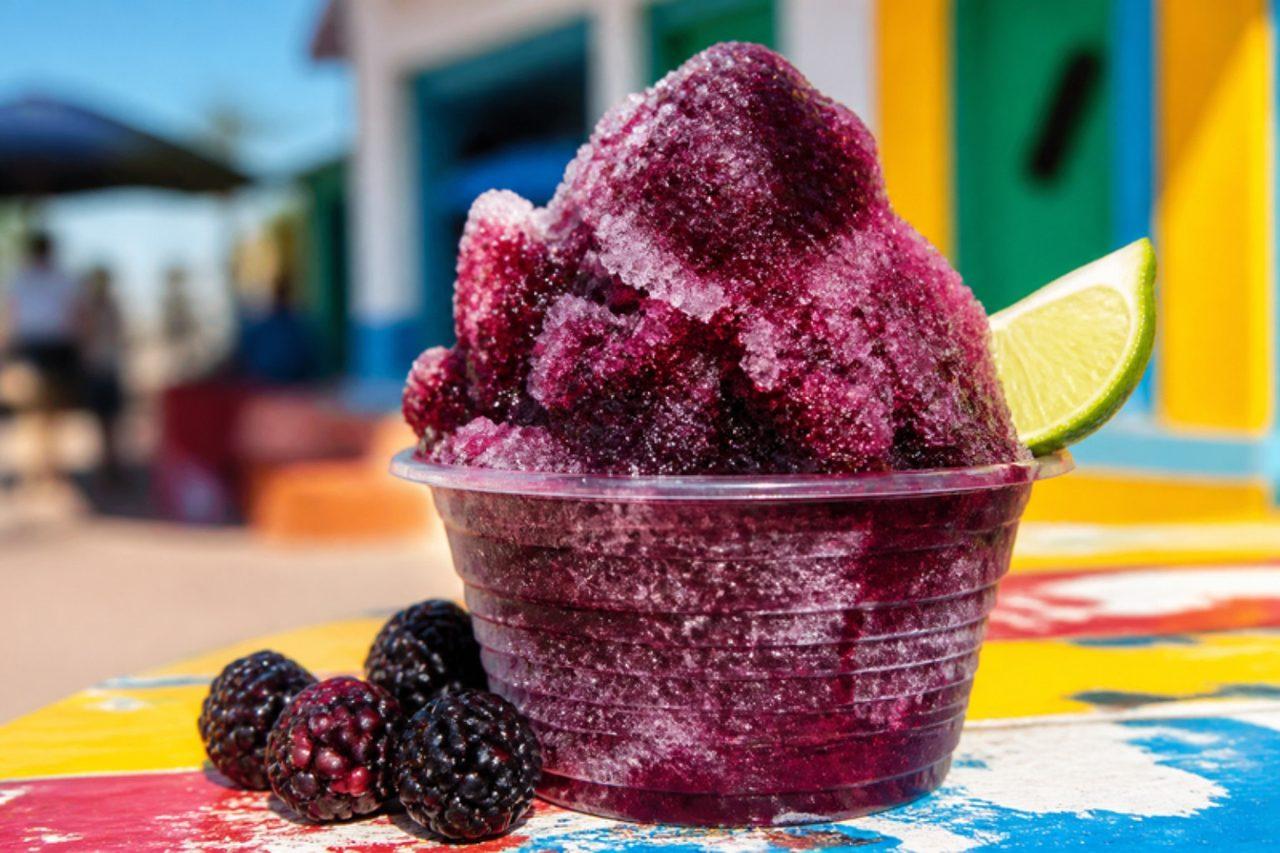
On a hot Barranquilla afternoon, the raspao cart is the fastest way to cool down. The vendor scrapes a block of ice with a metal plane, packs the snow into a cup and floods it with bright syrups: kola, tamarind, lime, blackberry. Many add a ribbon of condensed milk on top, but this version stays vegan and lets the fruit carry it. Children love it, and it is a fun one to make at home with a blender and a jug of syrup. The usual misstep is pouring warm syrup over the ice, which melts it to slush in seconds, so chill the syrup completely first. Make the syrup a day ahead if you like; it keeps a week in the fridge. Chef's tip: freeze water in a shallow tray, then blitz the slab in pieces with a few pulses for fluffier, snow-like ice than ice cubes give.

by KrazyBadal 0 views

Cajeta de CelayaGoat milk caramel

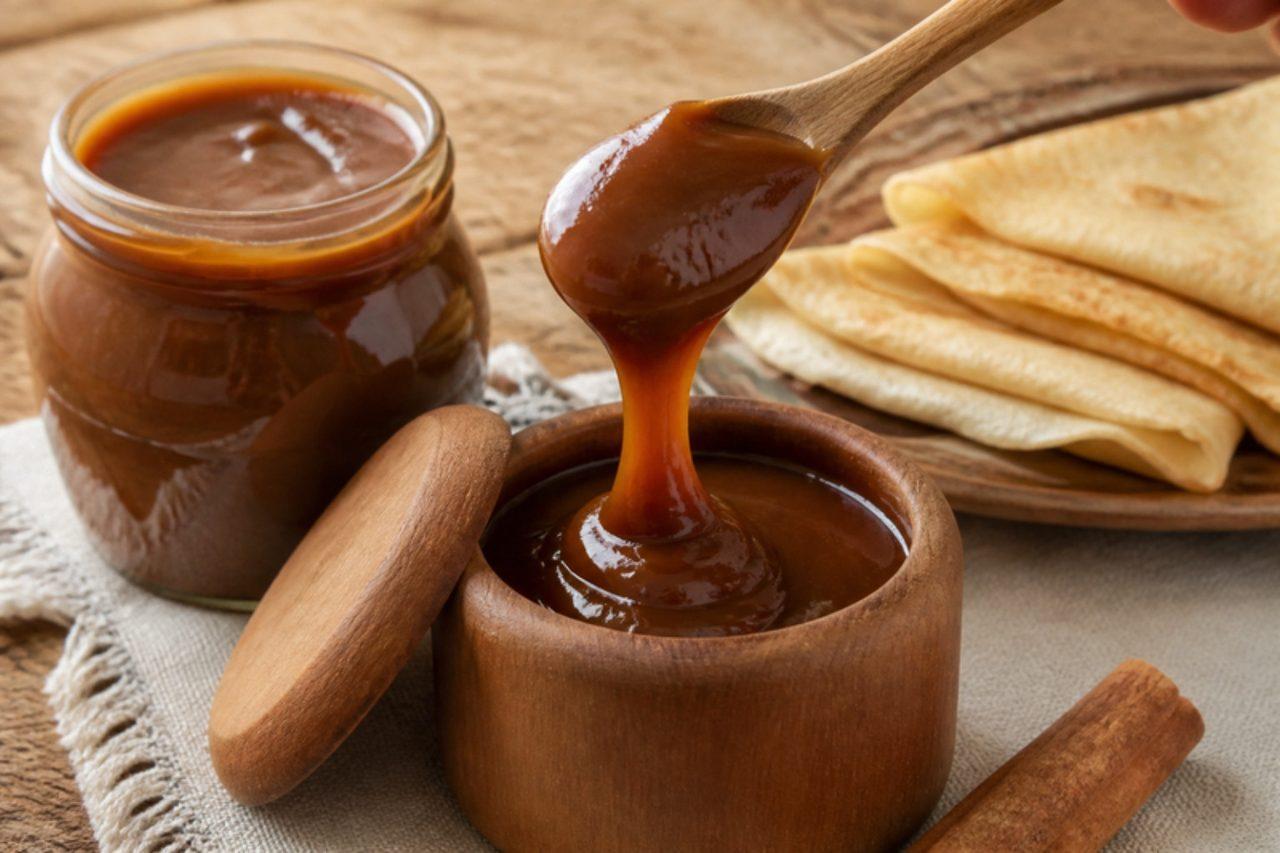
Celaya, in the Bajío of Guanajuato, has made cajeta for centuries, once packing it into little wooden boxes (cajetes) that gave it its name. It is caramel cooked from goat's milk, so it is looser and has a gentle tang compared with the cow's-milk dulce de leche of Argentina. Mexicans spread it on crêpes and churros, pour it over ice cream, sandwich it between obleas (wafers) and turn it into glorias. A splash of rum-flavoured 'envinada' cajeta exists, but this one is plain and alcohol-free. Chef's tip: use a pan at least three times the volume of the milk; it foams high when the bicarbonate goes in.

by KrazyBadal 0 views

Suero costeñoTangy fermented cream

Market stalls in Montería, Sincelejo and Valledupar sell suero costeño from big tubs, ladled into bags: a sour, salty, spoonable cream that goes onto bollos, arepas, boiled cassava, fried plantain and mote de queso. Traditionally it comes from raw milk left to sour in the heat. This home version keeps the flavour but uses pasteurised cream and milk with live yogurt as a starter, which is far safer. Plan for 12–24 hours of fermenting plus chilling. Hygiene matters: wash the jar and spoon in hot soapy water and scald them with boiling water, never use raw milk, and keep the jar at room temperature (20–25 °C, out of direct sun) for no more than 24 hours before it goes into the fridge. Throw it out if you see mould, pink or orange patches, or it smells putrid rather than pleasantly sour. Leaving it out too long is the big mistake: it goes bitter and separates. Chef's tip: salt only after fermenting, as salt slows the cultures.

by KrazyBadal 0 views

Arepa paisaThin white corn arepa

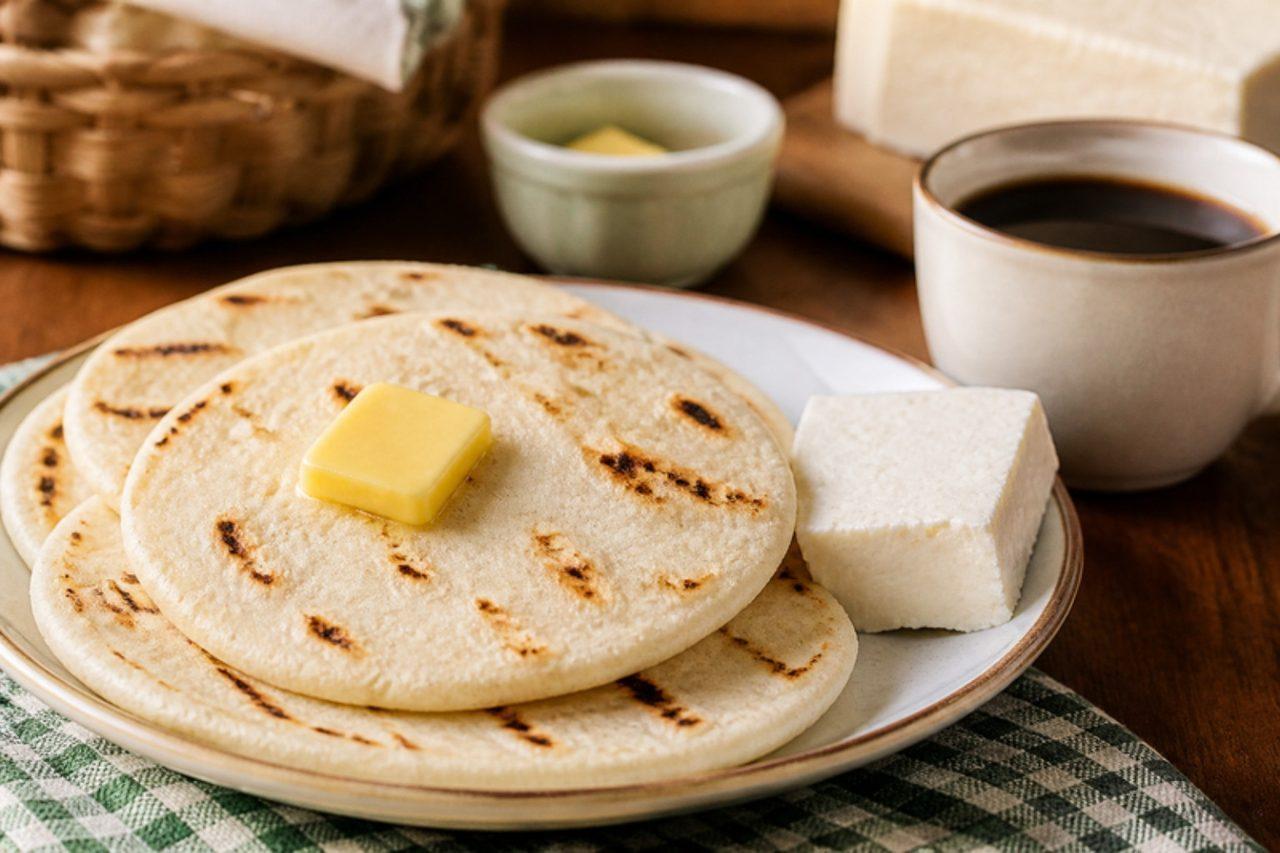
Antioquia eats arepas the way other places eat bread: a thin, pale disc of white corn sits beside the eggs at breakfast, the bandeja paisa at lunch and the hot chocolate at night. The paisa arepa is deliberately plain, with no salt, cheese or butter in the dough, so it frames whatever comes with it; locals spread it with butter or a slice of quesito at the table. It is chewy and soft inside with a toasted, freckled skin. Traditionally it is made from boiled, ground pilado corn; precooked white corn meal (masarepa) makes an excellent home version. The mistake is a dry dough: the edges crack and the arepas turn hard. Chef's tip: knead in warm water until the dough feels like soft play dough, and rest it 5 minutes before shaping.

by KrazyBadal 0 views

GloriasPecan and goat milk caramels

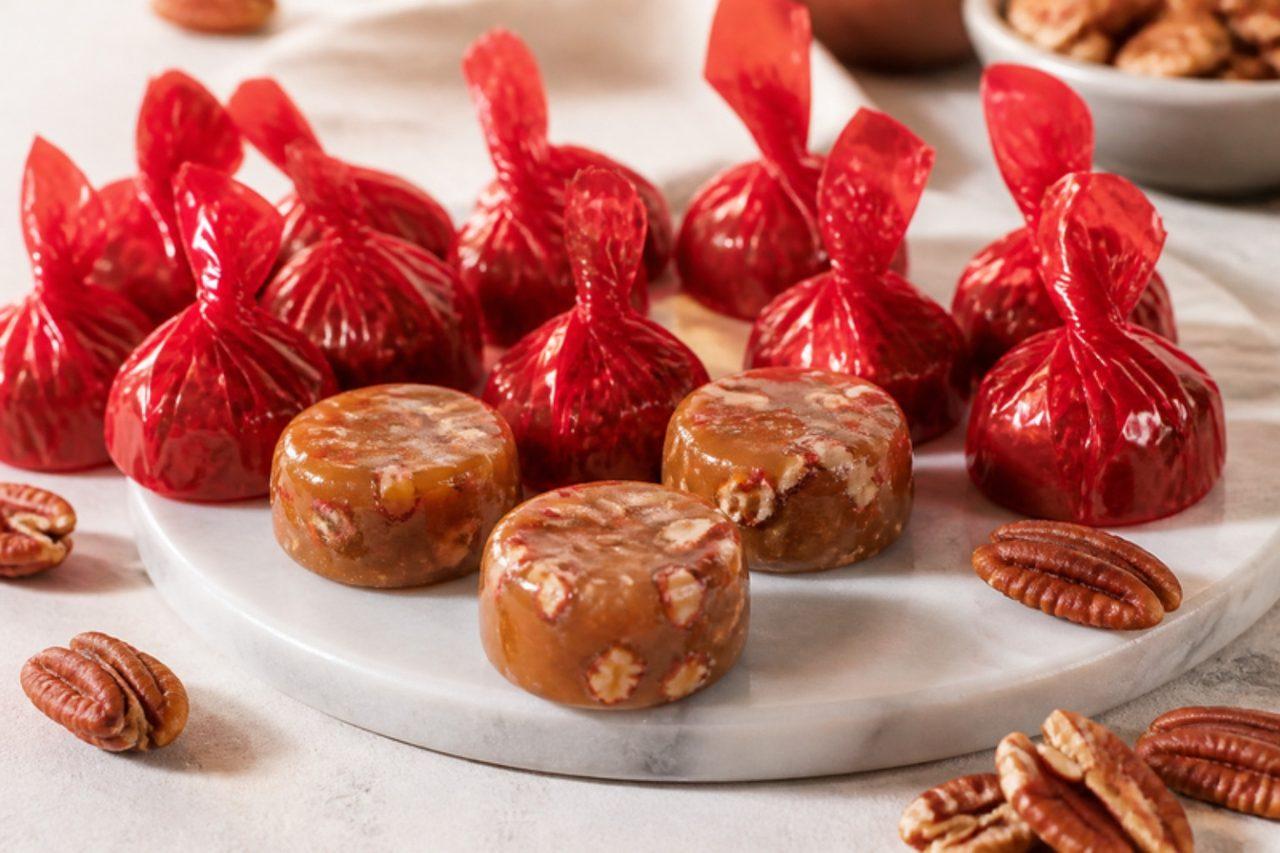
Linares, a small town in Nuevo León, is famous across Mexico for glorias: soft, chewy balls of goat's milk caramel packed with pecans, each wrapped in a twist of red cellophane. They are bought by the box at roadside sweet shops on the way to Monterrey and handed out at weddings and Christmas. Goat's milk gives them a gentle tang; a mix of goat's and cow's milk is milder. Chef's tip: the last ten minutes need constant stirring, as the caramel thickens and catches fast.

by KrazyBadal 0 views

Salame de chocolateNo-bake chocolate biscuit log

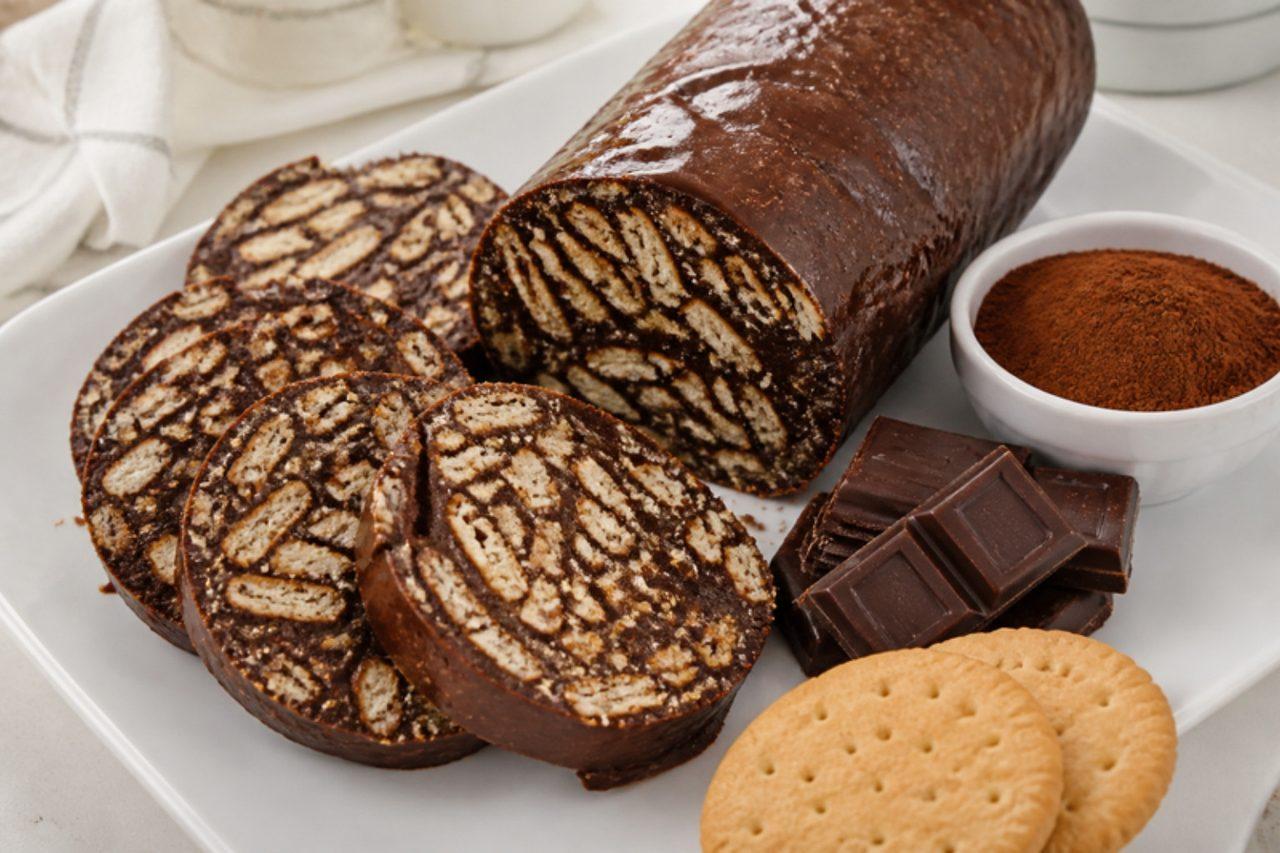
Every Portuguese child seems to have helped make one: crushed Maria-style tea biscuits folded through rich chocolate, rolled into a log, chilled and dusted with icing sugar until each slice looks like salami. It turns up at birthday parties, in café display cases around Lisbon and on Christmas dessert tables. The traditional mix uses raw eggs; this version leaves them out and sets with melted chocolate and butter instead, so there is nothing raw in it. A splash of port is often added, which contains alcohol; leave it out or use milk. A common mistake is crushing the biscuits to crumbs; leave some larger pieces, or the slices lose their marbled look. Chef's tip: break the biscuits by hand into pieces the size of a fingernail; crumbs turn it into fudge and you lose the salami look.

by KrazyBadal 0 views

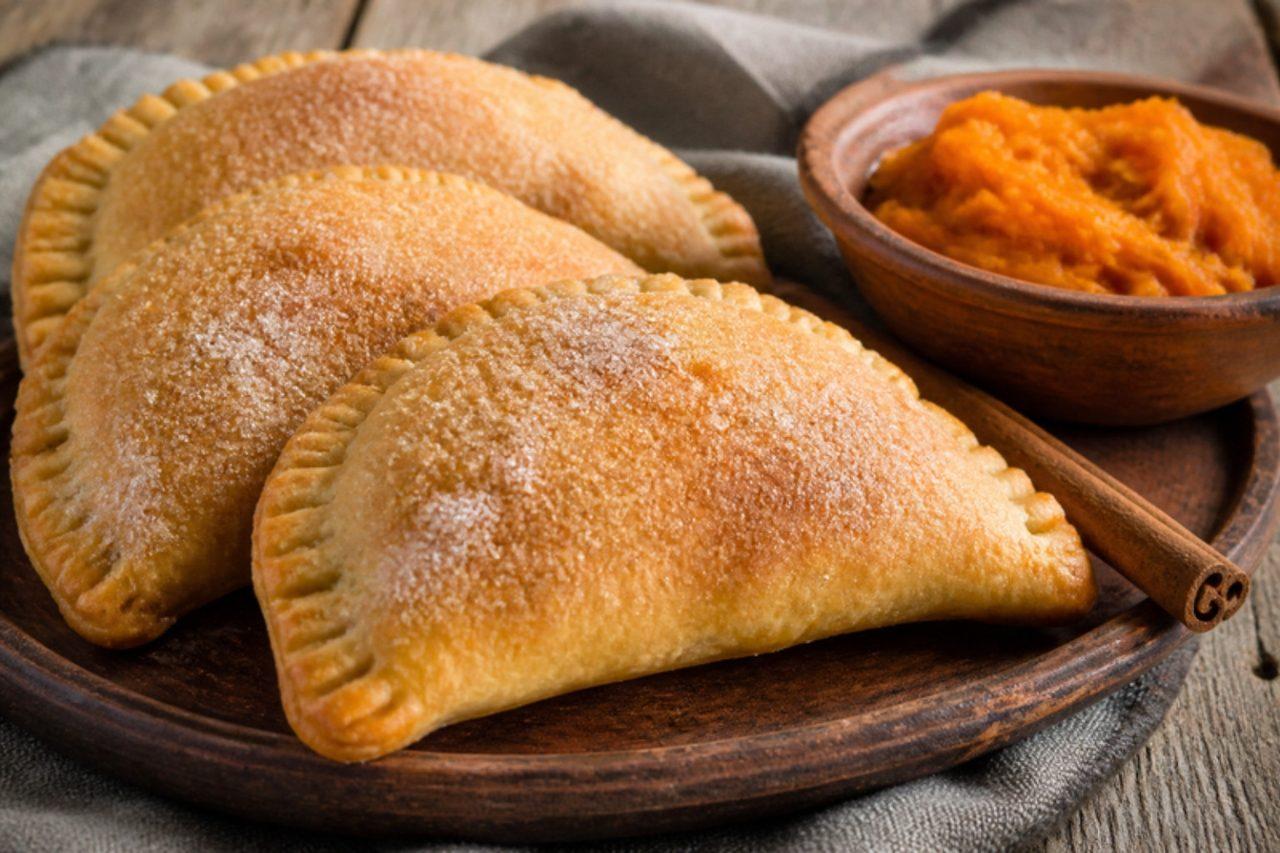
Empanadas de calabazaSweet pumpkin turnovers

When the cold fronts reach Monterrey in November, panaderías start stacking trays of empanadas de calabaza next to the conchas, and families bake them at home for Day of the Dead and Christmas. A tender, lightly sweet pastry is folded around a thick purée of pumpkin cooked with piloncillo, cinnamon and anise, so each half-moon tastes like a spiced pumpkin pie you can hold. They are eaten with café de olla or a glass of milk. Chef's tip: cook the filling until a spoon leaves a trail across the pan; watery pumpkin turns the pastry soggy.

by KrazyBadal 0 views

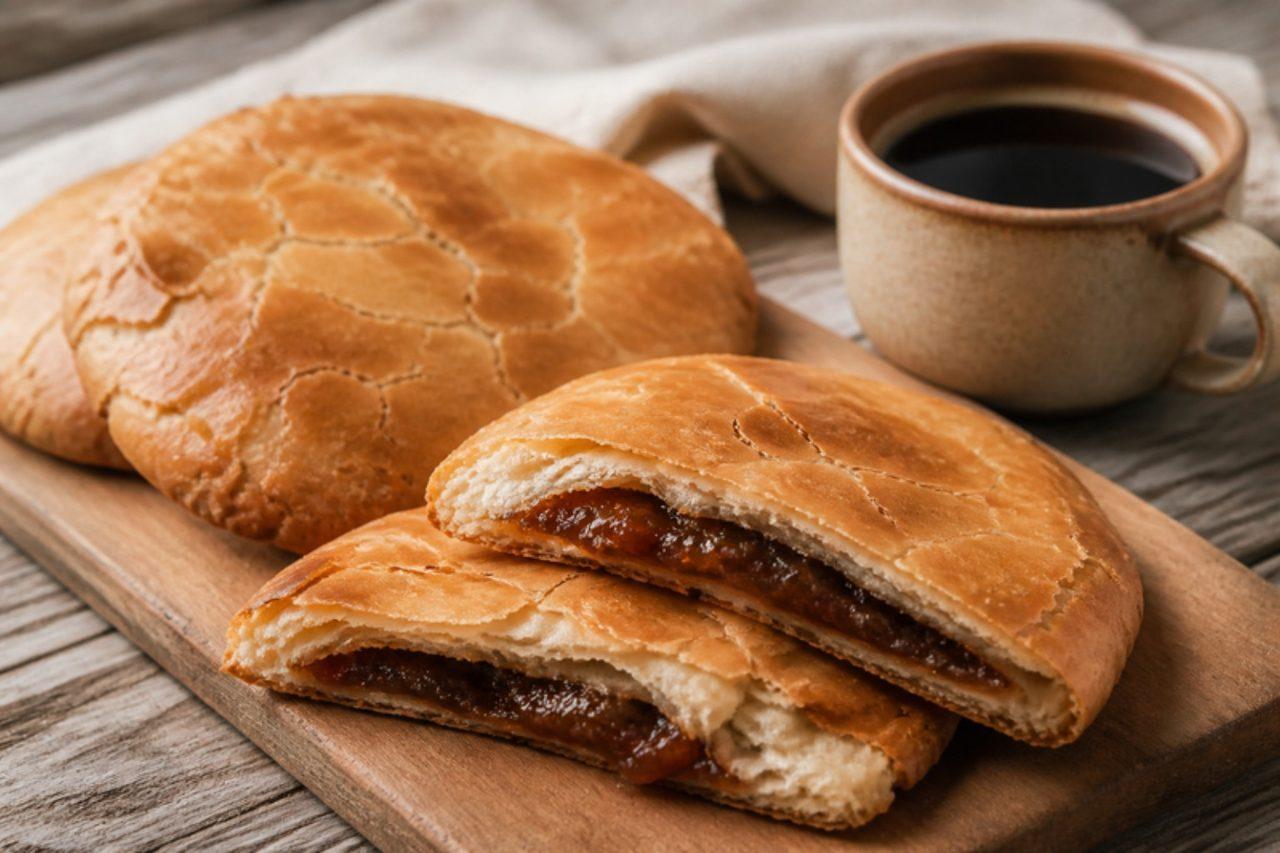
CoyotasPiloncillo-filled turnovers

Coyotas were first baked in the Villa de Seris neighbourhood of Hermosillo, and today Sonorans buy them by the dozen in paper bags to eat with morning coffee or take as a gift when they travel. They are flat, round, pale pastries with a crisp, crumbly crust and a thin layer of molten piloncillo inside, like a giant cookie with a toffee middle. Some bakers add guava or cajeta, but brown sugar loaf is the classic. Chef's tip: pinch the edges firmly and prick the tops; otherwise the hot sugar bubbles out and burns on the tray.

by KrazyBadal 0 views

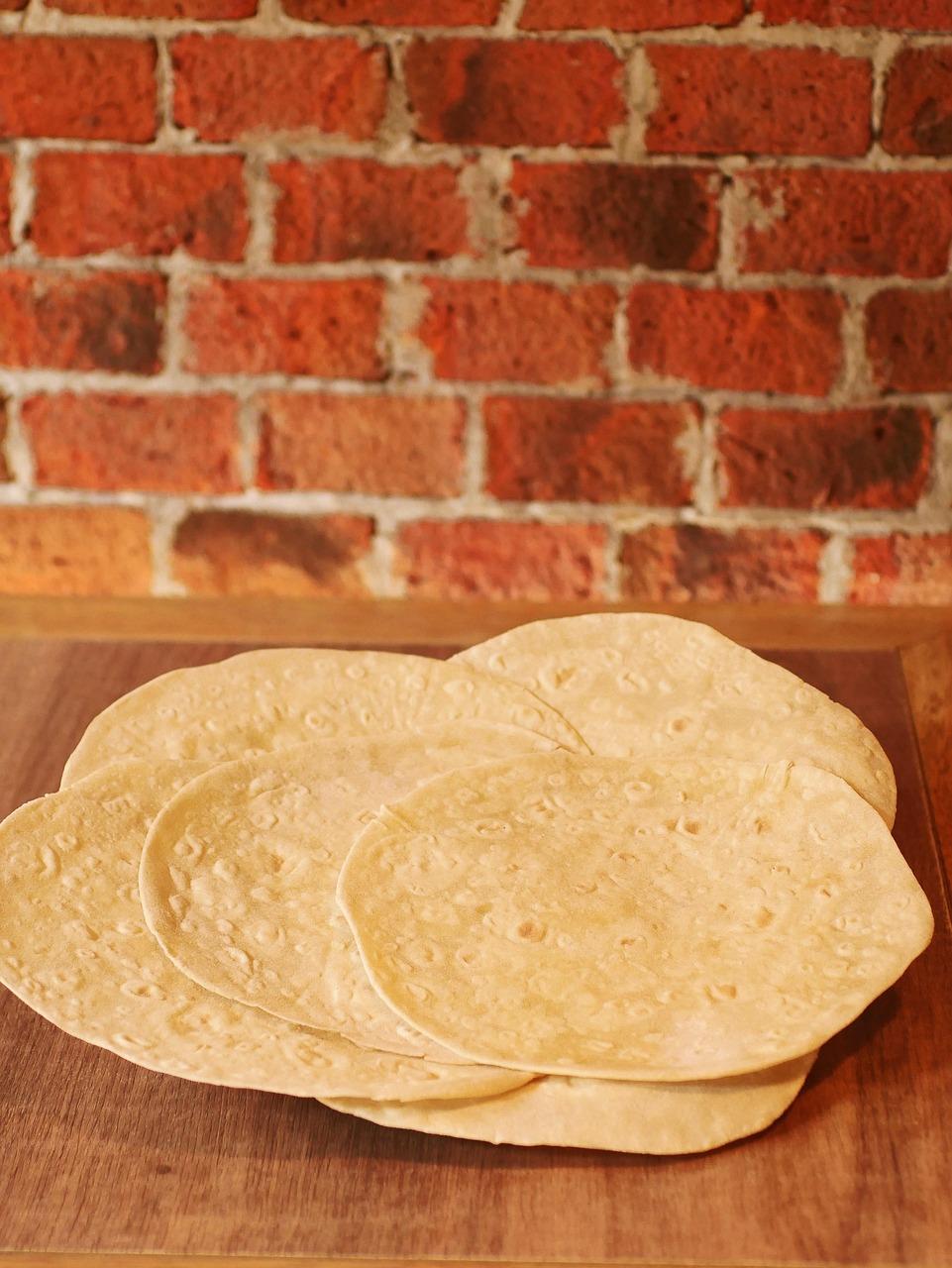
Tortillas de harina sobaquerasGiant flour tortillas

In Sonora, wheat is the grain, and the pride of Hermosillo kitchens is the sobaquera: a flour tortilla stretched over the backs of the hands and arms until it is almost see-through and as wide as a serving tray (the name comes from sobaco, armpit, because it reaches that far). It cooks in seconds on a big comal and is folded around beans, cheese or machaca, or torn and eaten with caldo de queso. Sonoran cooks use lard; vegetable shortening works the same. A 30–35 cm tortilla is a realistic home size. Chef's tip: the long rest is what makes the dough stretch; do not cut it short.

by KrazyBadal 0 views

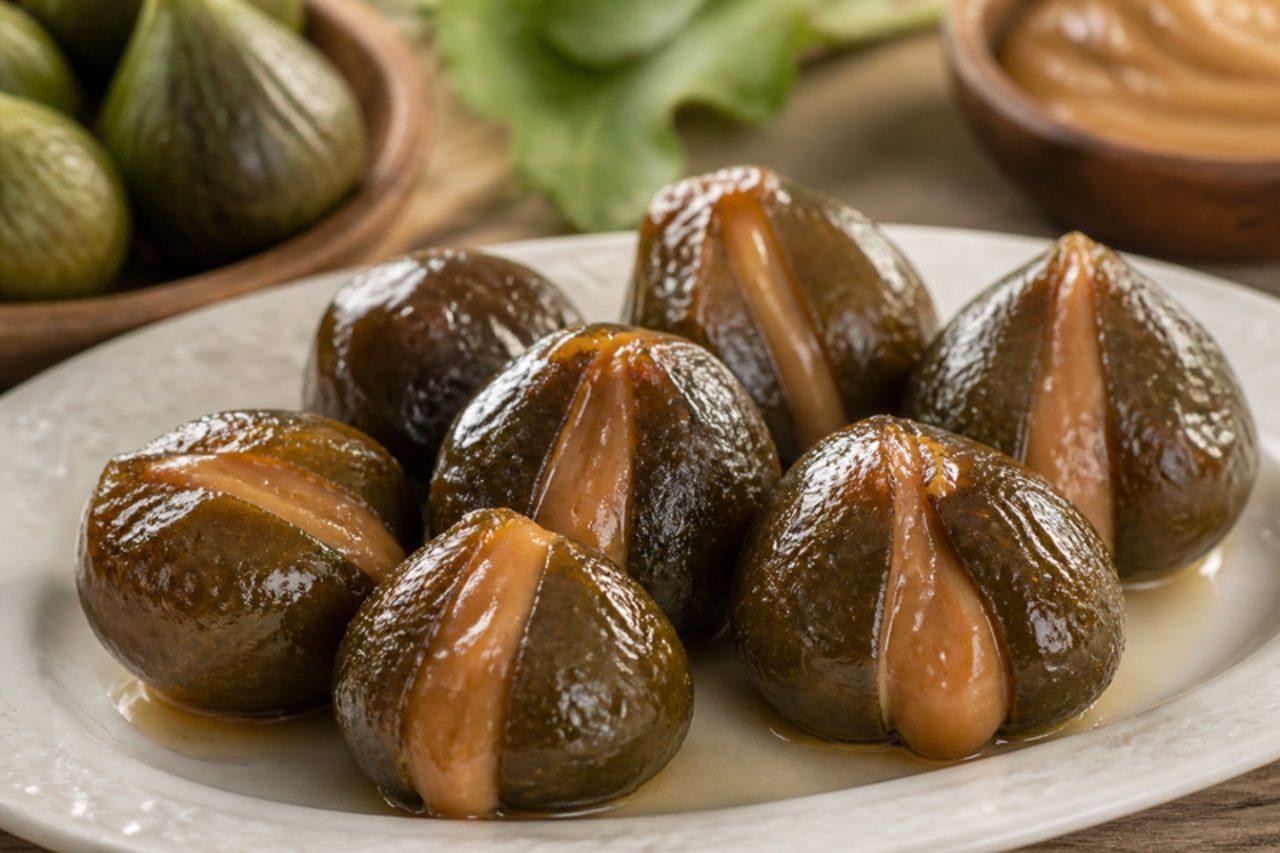
Brevas con arequipeCandied figs with milk caramel

Bogotá's old sweet shops and the dessert counters of Cundinamarca sell brevas caladas, firm green figs cooked for hours in panela syrup until they turn dark, glossy and tender, then split and filled with arequipe. A slice of salty fresh cheese alongside balances all that sugar. They are a classic Christmas and Sunday treat and keep for a week in the fridge, so make them ahead. Use hard, unripe green figs from Middle Eastern or Latin shops; ripe figs fall apart. Arequipe is Colombian milk caramel, the same as dulce de leche. The fresh cheese is usually animal-rennet, so pick a vegetarian one. Skipping the first boils is the common error: the figs keep a bitter, milky sap that spoils the syrup. Chef's tip: cook the syrup slowly and keep the figs just covered; a hard boil splits the skins.

by KrazyBadal 0 views

Saykouk (couscous in cold buttermilk)

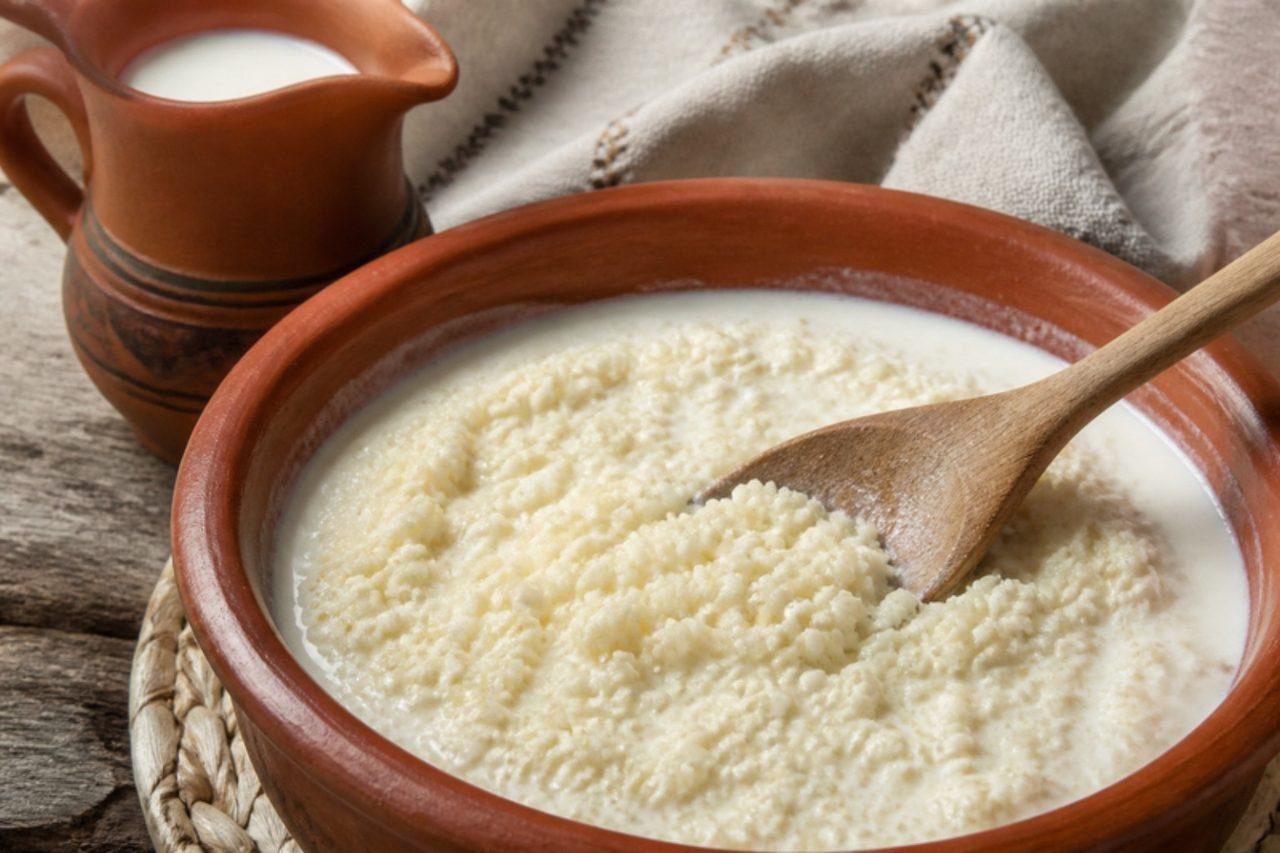
On hot evenings in the villages of the Middle and High Atlas, supper is often nothing more than saykouk: steamed couscous, usually barley, cooled and then drowned in ice-cold lben, the tangy buttermilk left after churning butter. It is eaten with spoons from a big shared bowl and is wonderfully cooling, sour and creamy, with the grains soaking up the milk as you eat. Some families sweeten it with a little sugar, others keep it salty; both are right. This quick version uses instant couscous so it is ready in about 20 minutes. Don't pour the buttermilk over warm couscous: it should be fully cool, or the buttermilk splits and the dish loses its refreshing chill. Chef's tip: let the couscous cool completely before the buttermilk goes in, or it turns the buttermilk warm and slightly grainy.

by KrazyBadal 0 views

Jben (fresh Moroccan cheese)

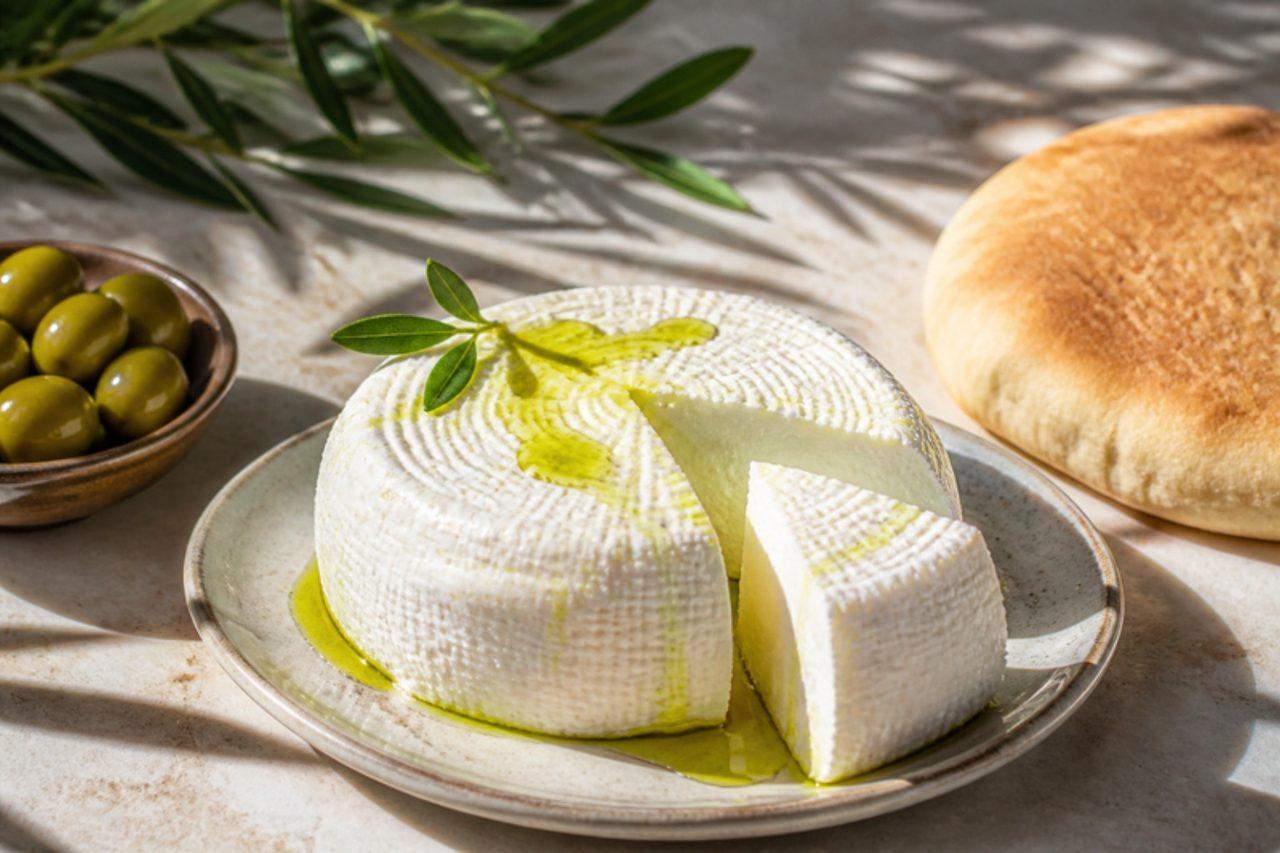
On the road into Chefchaouen, women from the Rif villages sit with rounds of jben wrapped in palm leaves, a fresh, soft, lightly salted cheese with a clean, milky tang. Breakfast in the north often means a slab of it drizzled with olive oil, sprinkled with dried thyme or za'atar, with olives, honey and warm bread. Traditionally jben is curdled with animal rennet (sometimes with thistle or fig sap), so check if you buy it; this home version uses vegetarian (microbial) rennet and pasteurised milk, and is drained in the fridge. Hands-on time is about an hour; the curd then needs 1–2 hours to set and 4–6 hours to drain. Keep it chilled and eat it within 4 days. Chef's tip: avoid UHT and ultra-pasteurised milk, which will not set into a firm curd; ordinary pasteurised whole milk works well.

by KrazyBadal 0 views

Cuajada con melaoCurd cheese with panela syrup

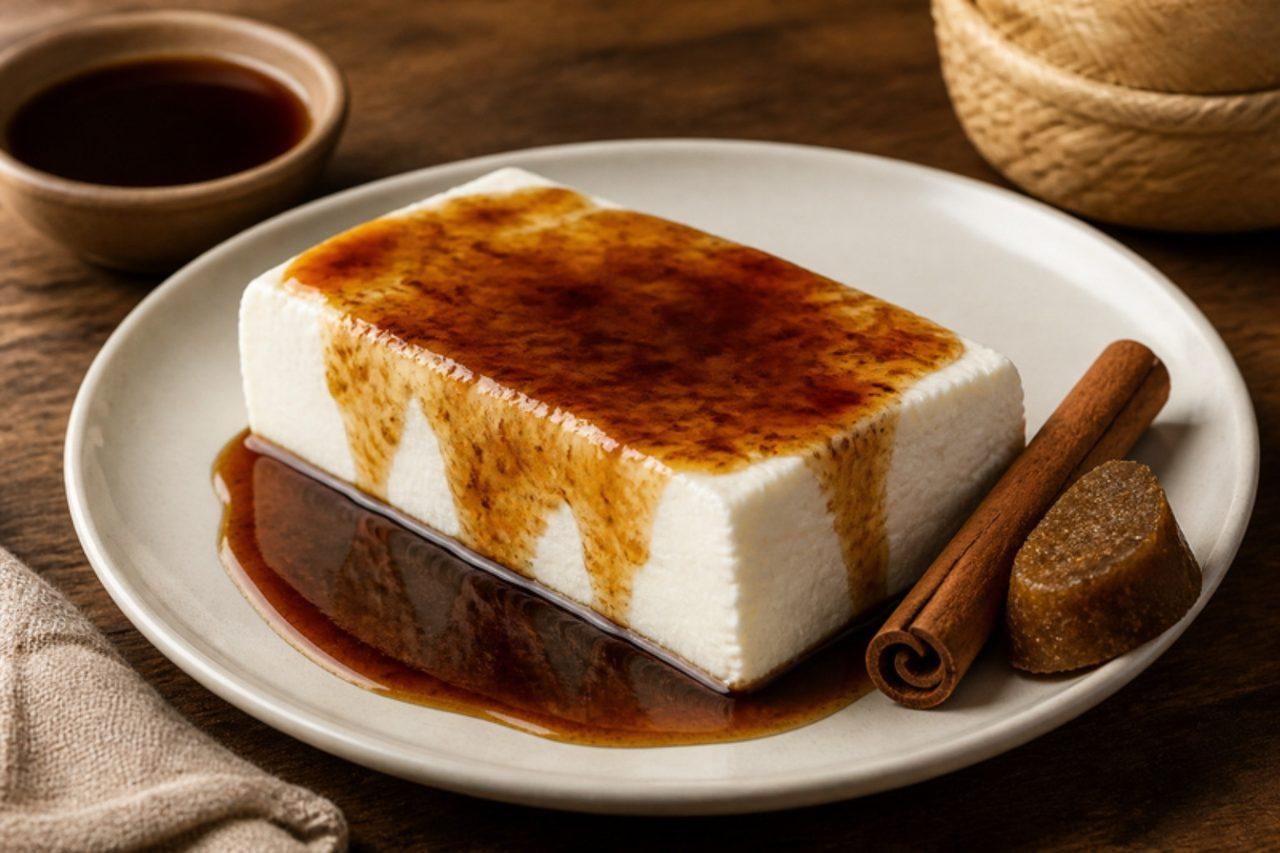
Simplicity is the charm of this Andean dessert: a slab of fresh, milky cuajada, barely salted, with a dark syrup of panela poured over it, still warm. Highland fondas between Bogotá and Boyacá serve it after a lunch of ajiaco or sancocho, and the contrast of cool, squeaky curd with molasses-deep, spiced syrup is the point. Cuajada is set with rennet, traditionally animal; buy a vegetarian curd or fresh ricotta-style cheese, or make cuajada at home with microbial rennet. Panela is unrefined cane sugar; dark muscovado is the closest swap. The mistake is boiling the syrup too long: it turns to toffee as soon as it meets the cold cheese. Take it off when it coats a spoon thinly. Chef's tip: a strip of lime zest in the syrup cuts the sweetness beautifully.

by KrazyBadal 0 views

Arepas boyacensesCheese-stuffed sweet arepas

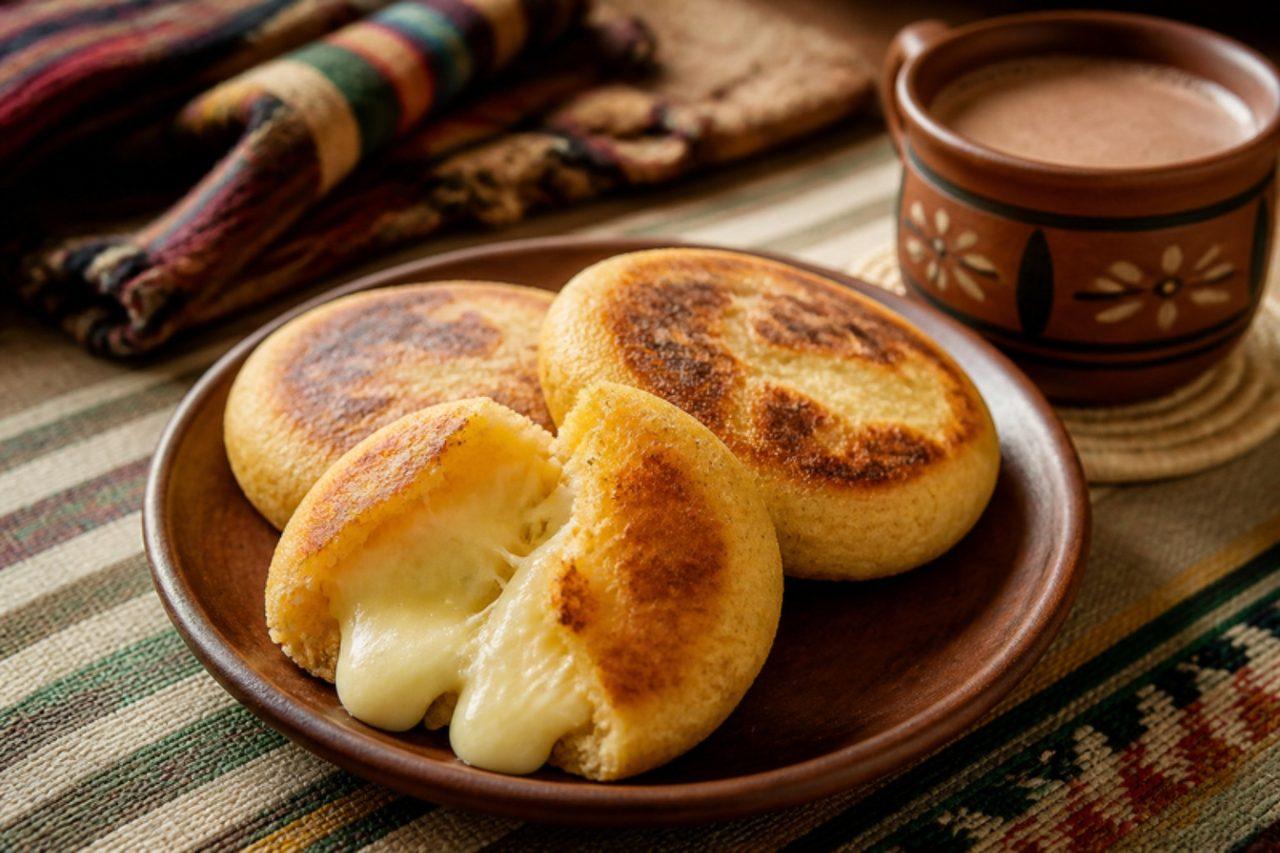
Roadside stalls on the highway from Bogotá to Tunja sell these golden, puffed discs straight off the griddle. Unlike the plain arepas of Antioquia, the boyacense mixes yellow corn with wheat flour, butter and a little sugar, and it hides a layer of fresh cheese that melts as it cooks, so each bite is sweet, salty and buttery at once. Eat them warm with coffee, hot chocolate or a cup of aguapanela. Queso campesino or cuajada is traditionally set with animal rennet; choose a vegetarian mozzarella or other microbial-rennet fresh cheese. The trap is cooking them on a high heat: the sugar browns fast and the middle stays raw and doughy. Chef's tip: keep the griddle at low-medium and give them time; a slow cook gives a thin crisp crust and lets the cheese melt fully.

by KrazyBadal 0 views

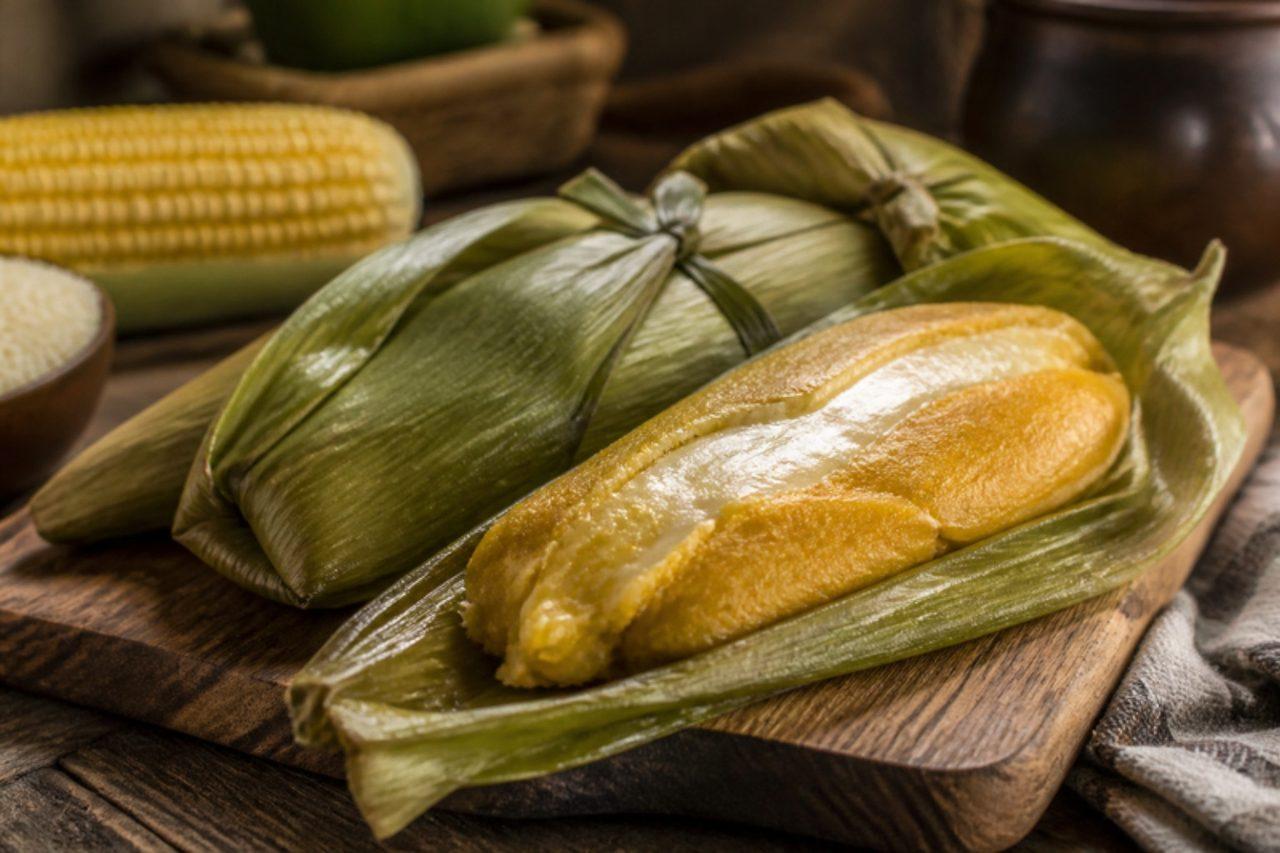
Envueltos de mazorcaSteamed corn parcels

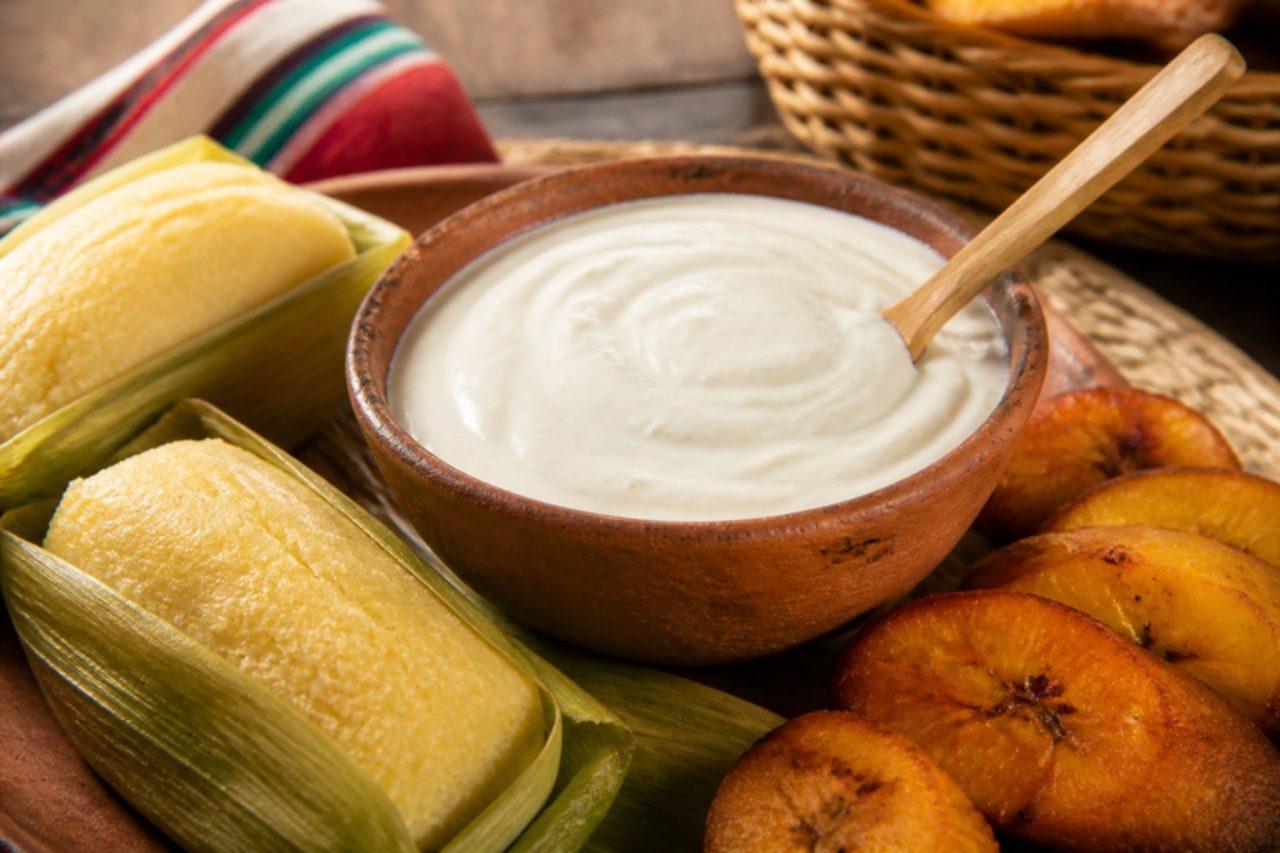
When the maize ripens in the fields of Boyacá, families grind the fresh kernels and steam little husk-wrapped parcels that are sold at Sunday markets in Tunja, Paipa and Duitama. Envueltos are soft, moist and gently sweet, somewhere between a tamal and a corn pudding, with pockets of melted cheese, and they are eaten for breakfast or as an onces snack with hot chocolate or coffee. Use fresh corn on the cob; the starchier, less sugary types are closest to Colombian maíz, and frozen kernels work at a pinch. Fresh campesino cheese is usually made with animal rennet, so pick a vegetarian one. The commonest fault is wrapping the parcels loosely, so water gets in and they turn soggy. Chef's tip: grind the corn coarsely, not to a purée; a little texture lets the envueltos set firm and sliceable.

by KrazyBadal 0 views

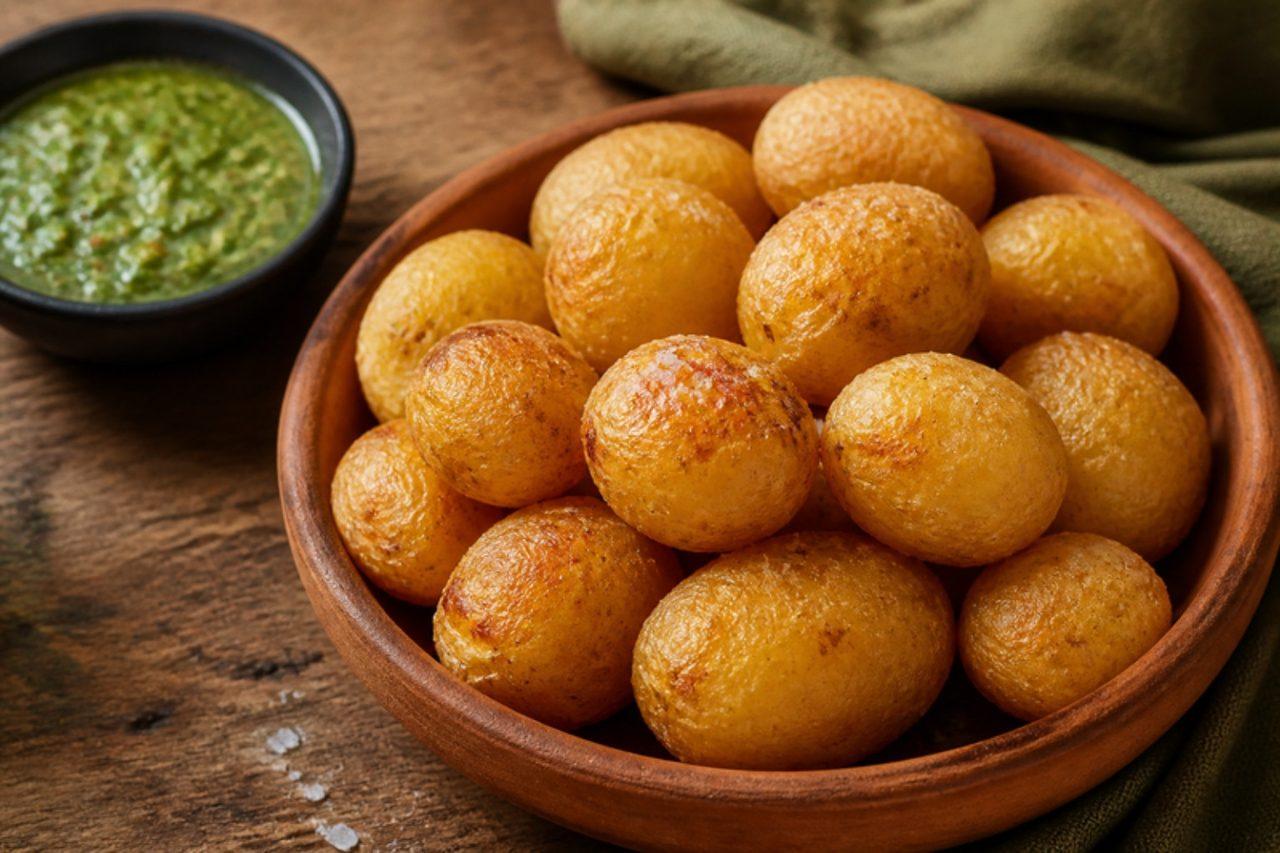
Papas criollas fritasFried small yellow potatoes

Little golden papas criollas are the potato Bogotá loves best: thin-skinned, buttery-yellow and so creamy they almost melt. At the asaderos along the roads out of the capital, and next to every plate of ajiaco or fritanga, they come fried whole, skin on, crackling outside and soft in the middle, with nothing but salt and a bowl of ají. Frozen papas criollas are sold in Latin American shops; otherwise use the smallest waxy yellow potatoes you can find. Frying them raw is the usual mistake: the skins brown before the insides are cooked. A quick boil first fixes that. Chef's tip: let the boiled potatoes steam dry for a few minutes and squash a few slightly with your palm before frying, so the split skins catch extra crunch.

by KrazyBadal 0 views

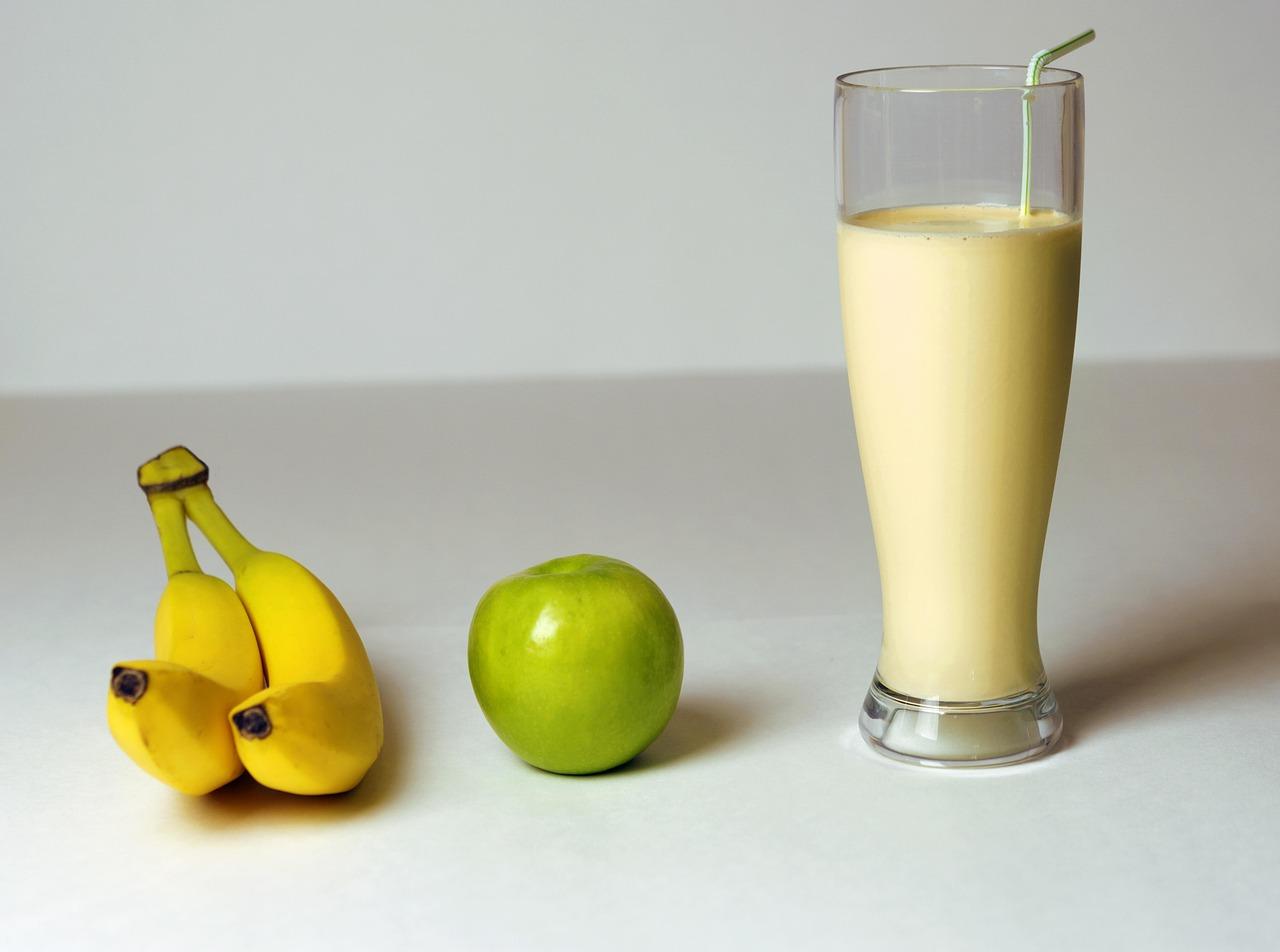
Licuado de bananaBanana milk shake

Order a licuado in any Argentine café or bar and you will get a tall glass of fruit blended with milk (con leche) or water (con agua), and banana with milk is the one nearly everyone grows up on. It is breakfast for teenagers in a hurry, a merienda with tostados, and the drink parents in Buenos Aires make when the fruit bowl has spotty bananas. It should be thick, cold and smooth, with a light froth, sweet mainly from ripe fruit. Using under-ripe bananas is the mistake: they taste chalky and need lots of sugar, so wait for brown freckles. Chef's tip: slice and freeze the bananas the night before and you can skip the ice; the shake comes out colder and thicker without being watered down.

by KrazyBadal 0 views

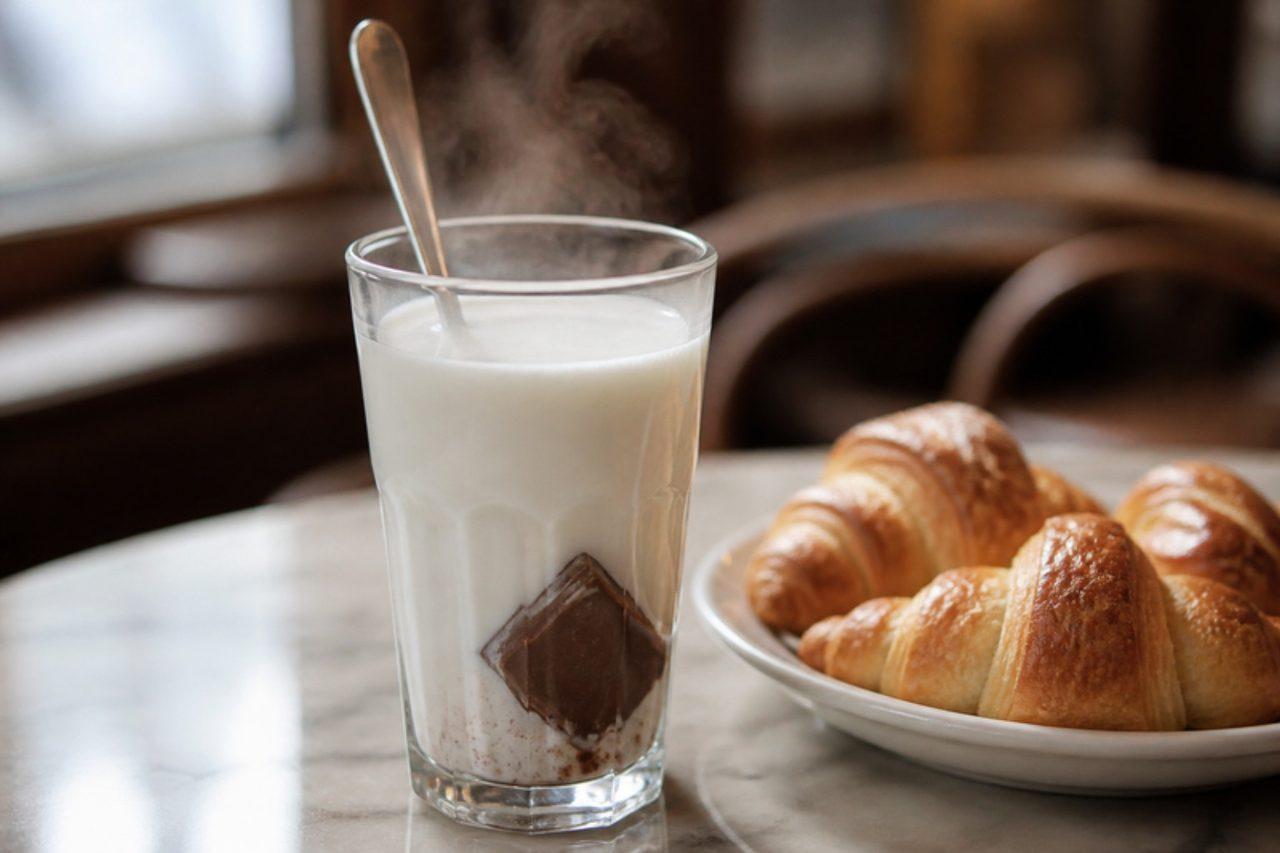
SubmarinoHot milk with chocolate bar

Café tables in Buenos Aires have their own way with hot chocolate: the waiter brings a tall glass of frothy, steaming milk on a saucer with a slim bar of dark chocolate, and you drop the bar in yourself and watch it sink like a submarine. Stirred with a long spoon, it melts into a rich, not-too-sweet drink, and it is the classic order with medialunas on a cold winter afternoon or after school. At home it takes five minutes, and children love the moment of dropping the bar in. The common letdown is milk that is only warm: the chocolate sits in a lump at the bottom. Heat it until it is steaming and just starting to rise, but not boiling. Chef's tip: froth the hot milk with a whisk or milk frother before pouring; the foam on top is part of the café ritual and keeps the drink hot while the chocolate melts.

by KrazyBadal 0 views

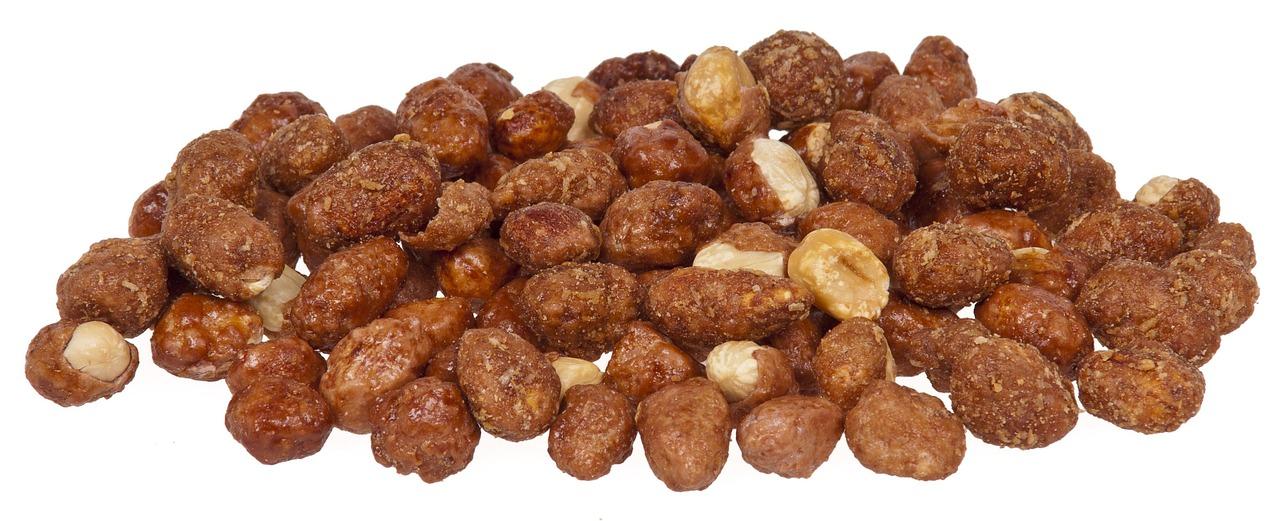
GarrapiñadaCaramelised peanuts

On Florida street, in the plazas of San Telmo and outside every football ground in Buenos Aires, vendors stir copper pans of peanuts over little burners, and the smell of hot caramel reaches you half a block away. Garrapiñada comes in a paper cone, still warm, each peanut wrapped in a rough, sandy, crunchy sugar shell. It takes 20 minutes and three ingredients at home, and it is vegan. The process looks wrong halfway: the syrup turns cloudy and grainy, and that is exactly what you want, because the crystallised sugar is what gives the crunchy coating. The mistake is to stop stirring once it turns sandy; keep going until some of the sugar melts again and glazes the nuts. Chef's tip: use raw, skinned peanuts and a heavy pan, and add a pinch of salt at the end; it lifts the sweetness the way the street carts' slightly smoky pans do.

by KrazyBadal 0 views

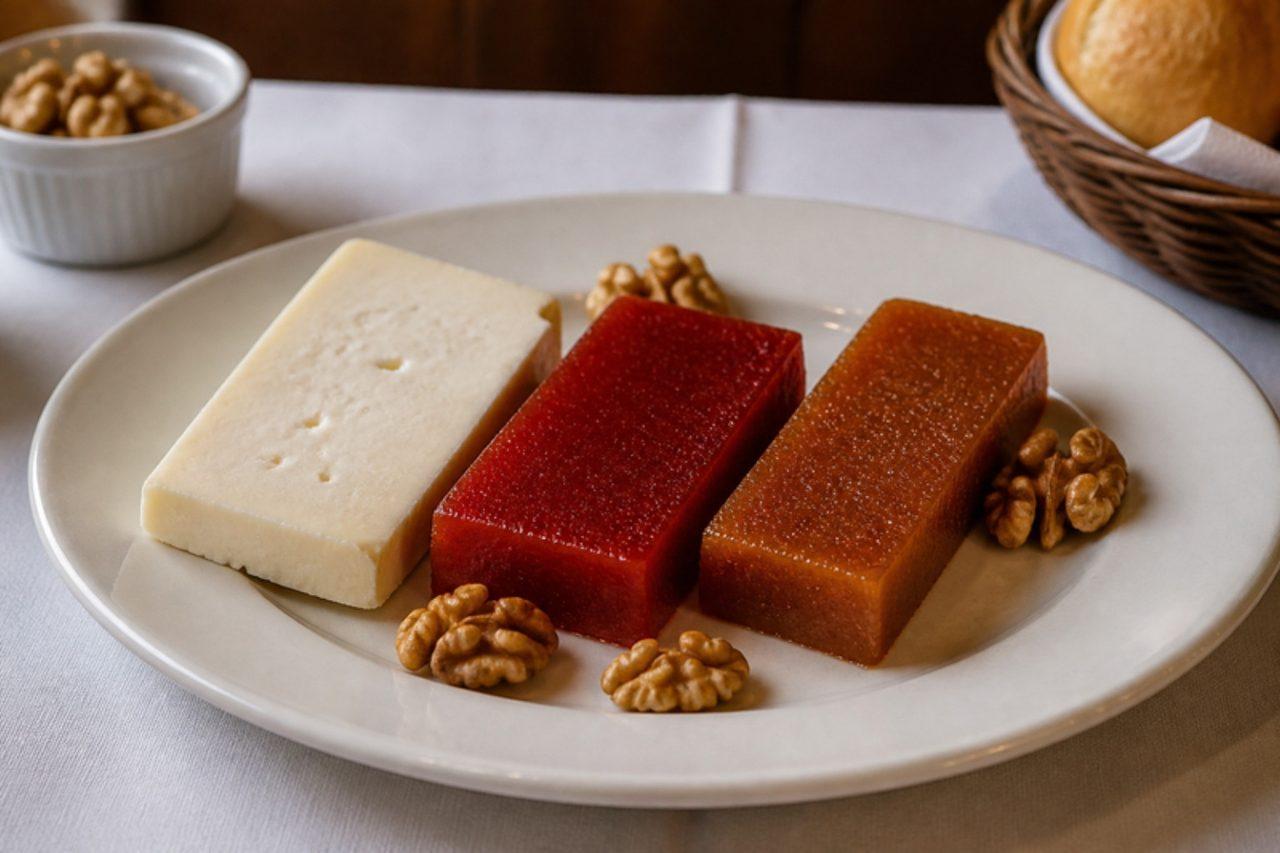
Postre vigilanteCheese with quince paste

Ask for dessert in an old Buenos Aires bodegón and the waiter will rattle off flan, budín and, inevitably, vigilante: a thick slab of soft, mild cheese laid beside an equal slab of dulce de membrillo or dulce de batata. The name, "policeman", is said to come from the beat officers who ordered it as a cheap sweet in early twentieth-century cafés; Uruguayans call the same plate Martín Fierro. It is salty against sweet, creamy against firm, and takes five minutes. The traditional cheese is fresh queso cremoso or cuartirolo, or a firmer port salut; a young Havarti or mild Gouda is the best stand-in abroad. Like many soft cheeses, these are often made with animal rennet, so check the label for a vegetarian (microbial-rennet) cheese. The usual error is cutting the slabs thin like a cheese board; vigilante is about generous, equal bricks. Chef's tip: take the cheese out of the fridge 20 minutes ahead; cold cheese tastes of nothing next to the paste.

by KrazyBadal 0 views

Showing 24 of 2,799 recipes

Show more recipes

Page 92 of 117

More Jain ideas

Other diets