Skip to content

Japanese recipes

26 Japanese recipes to cook at home, each with photos, step-by-step instructions and cook times. The quickest, Matcha latte, takes 7 minutes. Most take around 30 minutes.

Filter these by time, diet or cuisine

Okonomiyaki

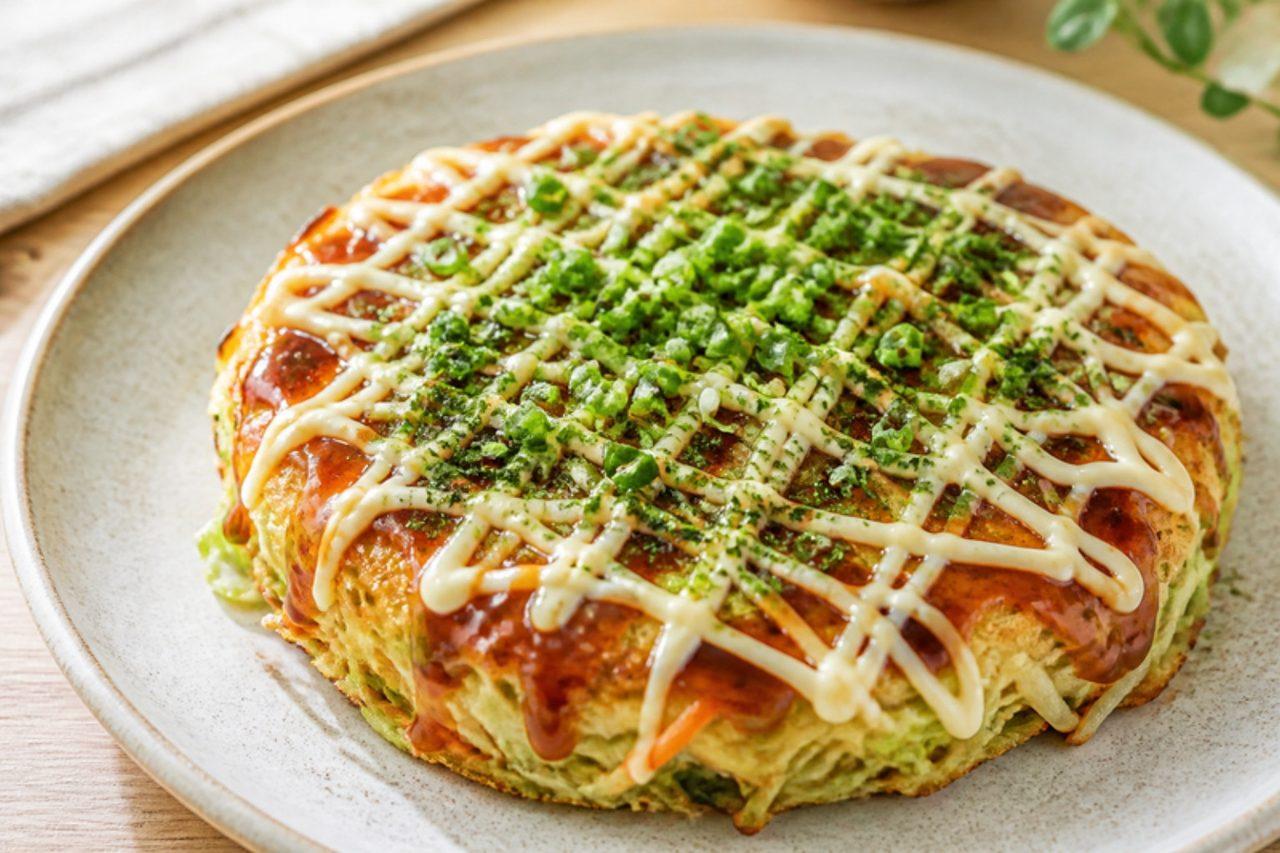
Okonomiyaki (お好み焼き, 'grilled as you like it') is the pride of Osaka, where it's cooked on hot iron griddles in lively restaurants. Finely shredded cabbage is folded into a light batter with egg and spring onion, then fried into a thick, soft pancake with a crisp outside. It's painted with a fruity brown sauce and zigzagged with mayonnaise. Bonito flakes are usual on top; this vegetarian version uses seaweed flakes and pickled ginger instead. Chef's tip: don't press the pancake down with your spatula while it cooks. Osaka cooks leave it alone so the cabbage steams inside and stays light and fluffy; pressing squeezes out the air.

by KrazyBadal 0 views
Hiroshima okonomiyaki

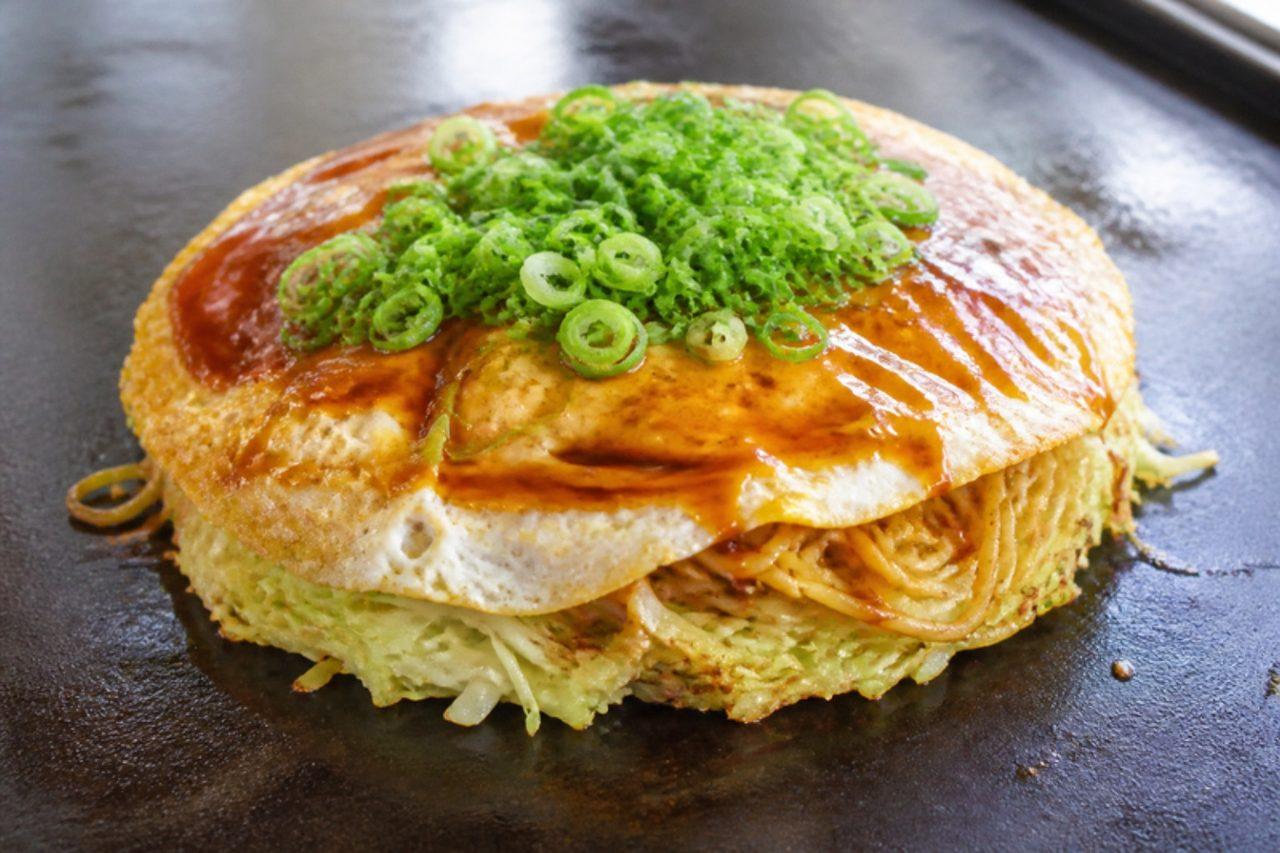
Hiroshima okonomiyaki (広島風お好み焼き) is built in layers rather than mixed: a thin crêpe, a tall heap of cabbage and bean sprouts, a layer of fried noodles and a fried egg, all pressed together on the griddle. It's the city's signature dish, and Hiroshima has hundreds of small okonomiyaki counters. Pork belly is the usual layer; this vegetarian version leaves it out and adds mushrooms. Take your time with the layering; it's worth it. Chef's tip: shred the cabbage as finely as you can and pile it high; it looks far too much, but it steams down by half under the crêpe, and that sweet, soft cabbage is the heart of the Hiroshima style.

by KrazyBadal 0 views

Vegetable gyoza

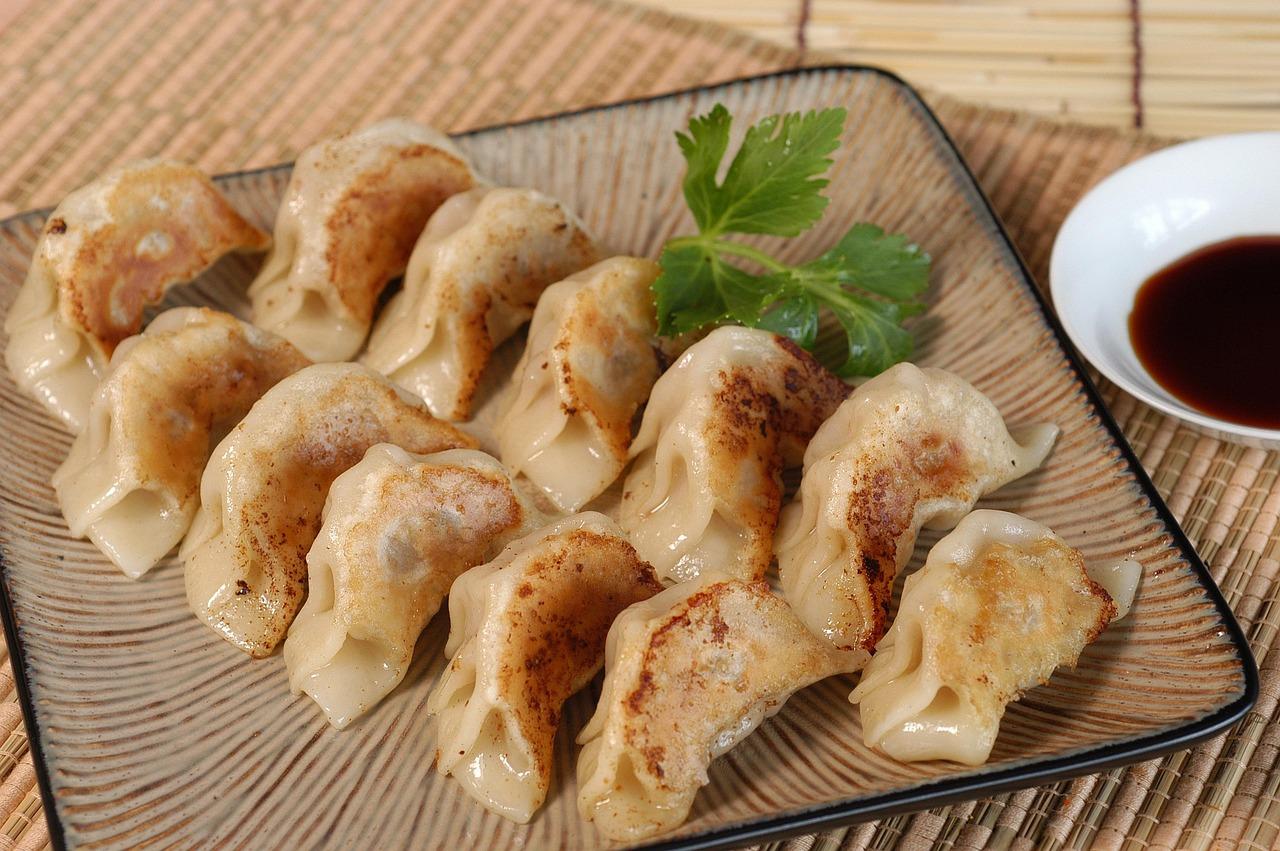
Gyoza (餃子) came to Japan from China and became a passion in Utsunomiya, a city north of Tokyo that calls itself the gyoza capital, with a gyoza statue outside the station. These vegetarian dumplings are filled with salted cabbage, shiitake, tofu and garlic chives. They're pan-fried and then steamed, so the bottoms turn crisp and golden while the tops stay soft. Shape a big batch and freeze some for later. Chef's tip: squeeze the salted cabbage really hard. Watery filling makes soggy, torn gyoza; a dry filling keeps the wrappers sealed and the bottoms crisp.

by KrazyBadal 0 views

Vegetable tempura

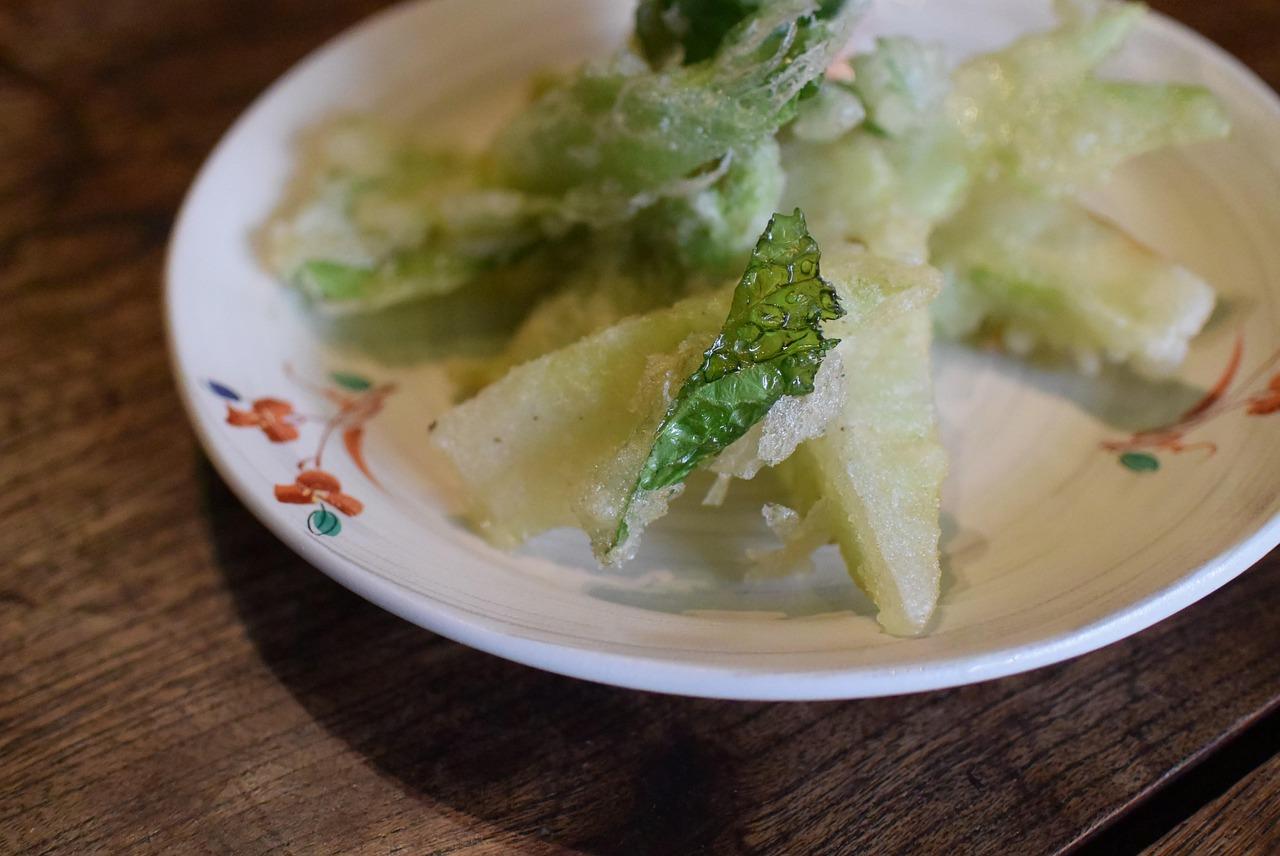
Tempura (天ぷら) became a Tokyo street food in the Edo period, when stalls fried it to order by the city's riverbanks. The secret to the thin, lacy coating is an ice-cold, lumpy batter mixed at the last second and vegetables fried in small batches. Sweet potato, aubergine, pepper, shiitake and green beans all work well. Serve straight from the pan with a light dipping sauce and grated daikon. Chef's tip: keep everything cold. Use ice-cold water, mix the batter only seconds before frying, leave it lumpy, and stand the bowl in a larger bowl of ice. Cold batter hitting hot oil is what makes the lacy, crackly shell that Tokyo tempura masters prize.

by KrazyBadal 0 views

Agedashi tofu

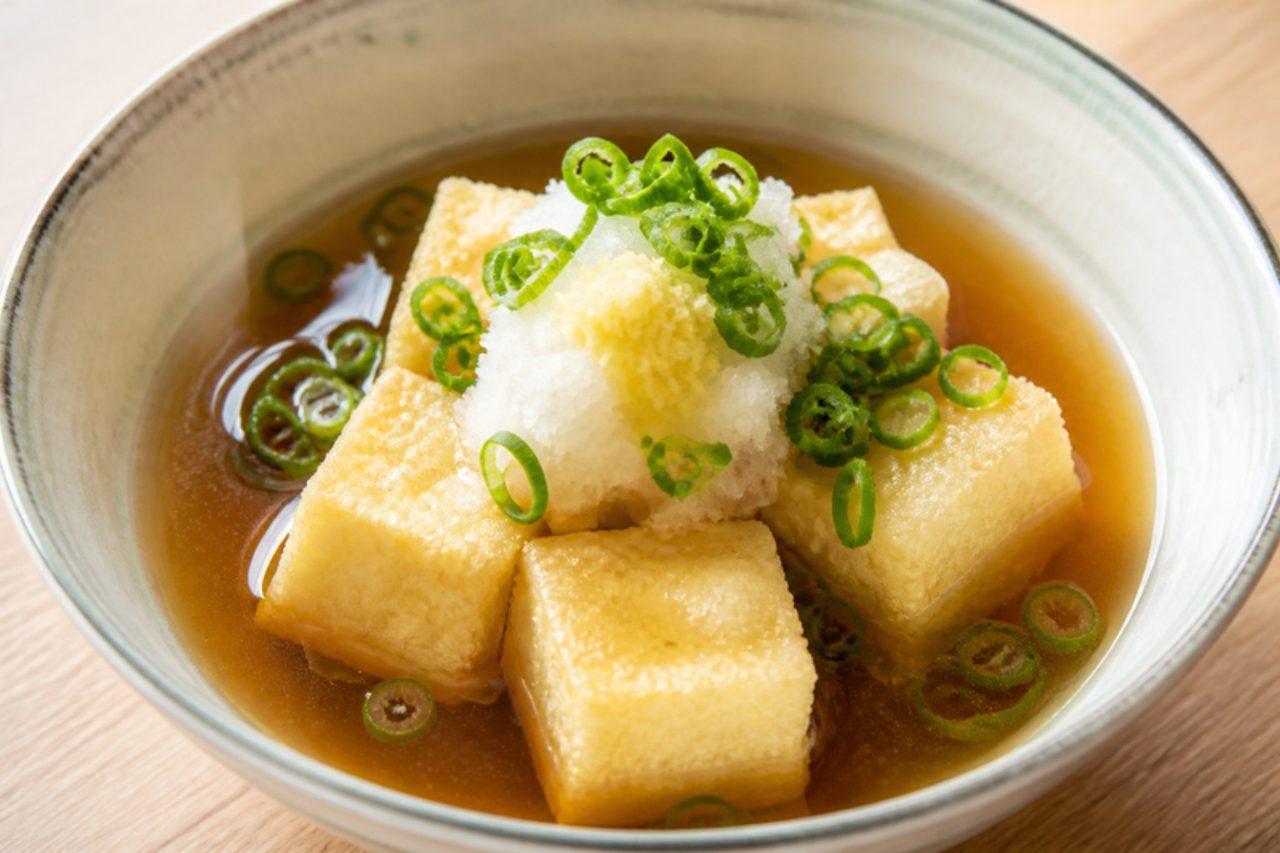
Agedashi tofu (揚げ出し豆腐) is a classic izakaya dish eaten all over Japan: cubes of soft tofu dusted in potato starch, fried until they form a thin, crisp shell, then bathed in a hot, savoury broth. The coating turns silky as it soaks up the sauce while the tofu inside stays creamy. Usually topped with bonito flakes; here it's grated daikon, ginger and spring onion with a kombu-shiitake broth instead. Chef's tip: coat the tofu in starch right before it goes into the oil, not ahead of time; if it sits, the starch turns damp and the coating fries up gummy instead of crisp.

by KrazyBadal 0 views

Tamagoyaki

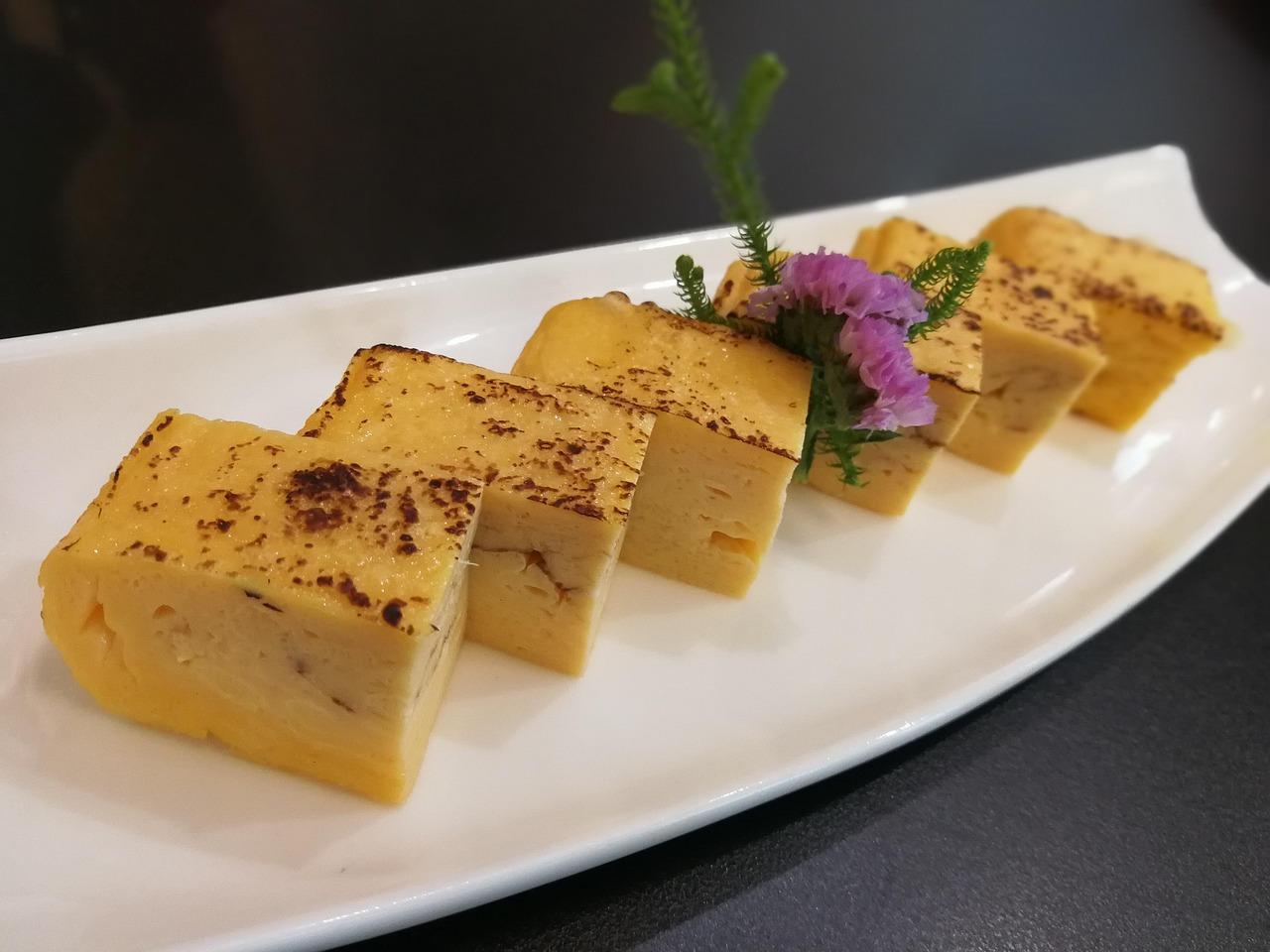
Tamagoyaki (卵焼き) is a rolled omelette made in layers, found in breakfast trays and bento boxes all over Japan. Thin sheets of seasoned egg are cooked one at a time and rolled up around each other, giving soft, springy slices with pretty spiral lines. This is the gently sweet home style; a little soy keeps it savoury. A square tamagoyaki pan helps, but a small round frying pan works too. Chef's tip: keep the heat moderate and the pan well oiled between layers. If the egg browns, the heat is too high; a good tamagoyaki is evenly yellow with just a few golden patches.

by KrazyBadal 0 views

Miso soup

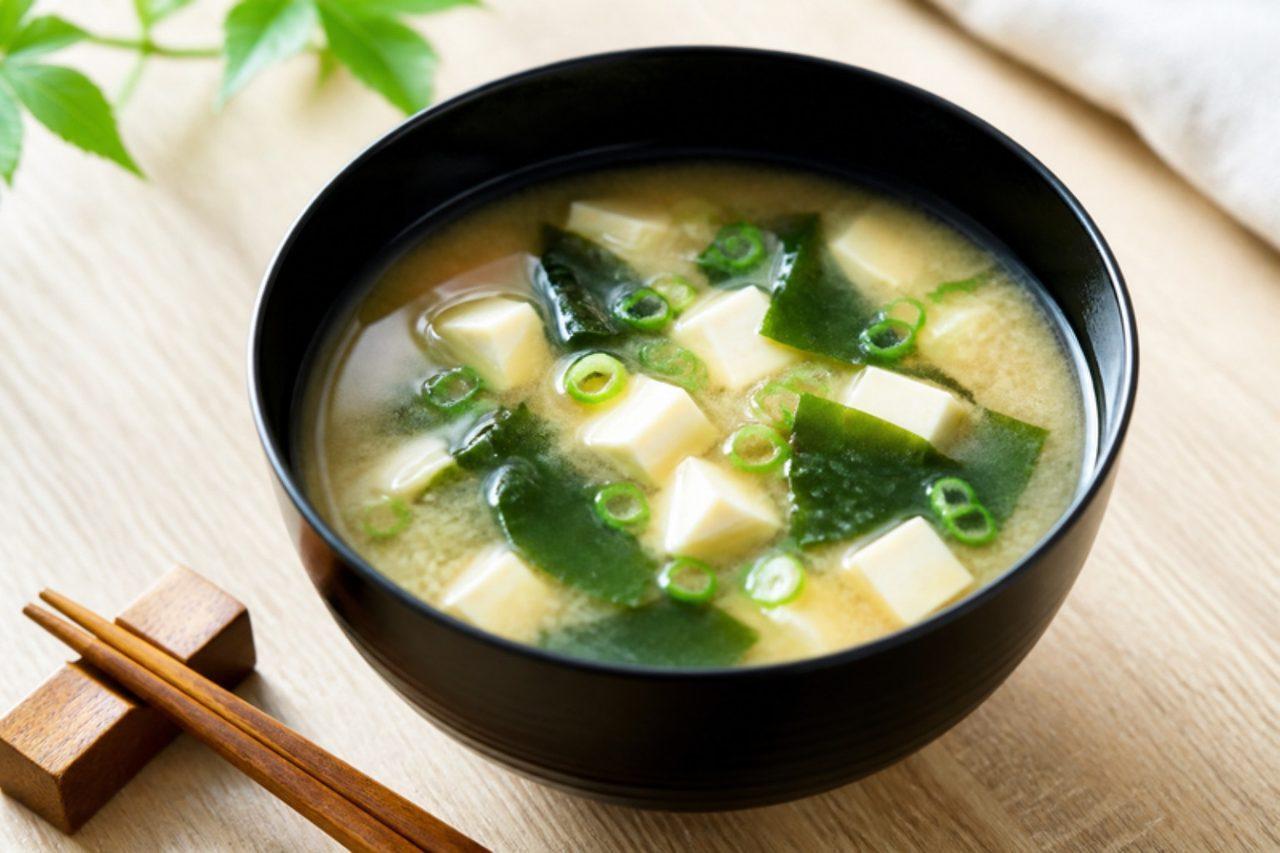
Miso soup (味噌汁) is drunk every day in homes all over Japan, at breakfast as well as dinner, beside a bowl of rice. The base is dashi; this vegan version uses kombu and dried shiitake instead of bonito, which gives it a deep, rounded flavour. Silken tofu and wakame seaweed are the classic fillings. It takes ten minutes; just remember not to boil the miso. Chef's tip: add the miso at the very end and never let it boil. Boiling kills the miso's fresh, fermented aroma; Japanese cooks say the soup should only 'smile', with the surface barely trembling.

10 minSoupsVegan
by KrazyBadal 0 views

Goya champuru

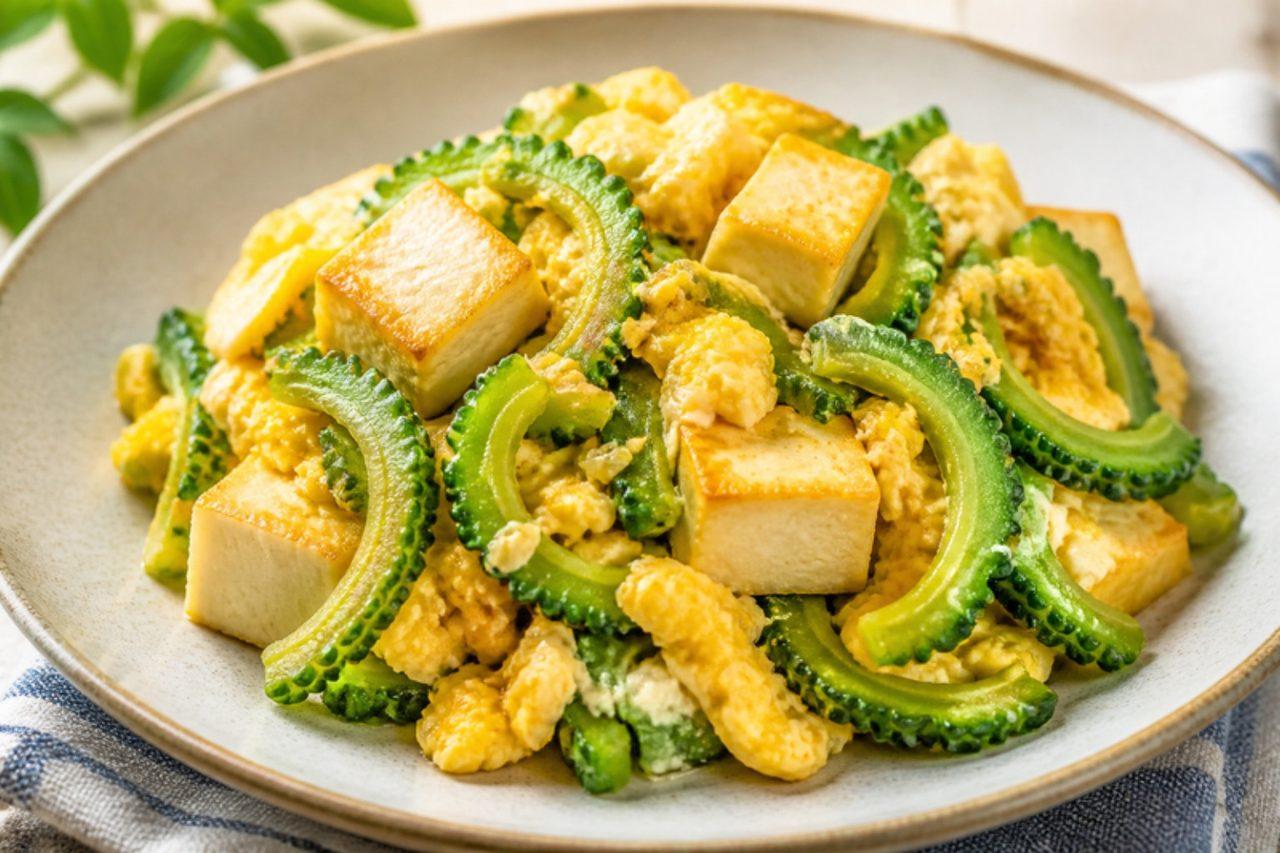
Goya champuru (ゴーヤーチャンプルー) is the best-known dish of Okinawa, Japan's southern islands, where bitter melon (goya) grows on vines in summer. Champuru means 'mixed up' in the Okinawan language: slices of goya are stir-fried with firm tofu and egg, and the bitterness is balanced by soy and the richness of the egg. Pork or Spam is usual; this vegetarian version relies on well-browned tofu. Serve with rice. Chef's tip: scrape out every bit of the white pith from inside the goya. That's where most of the harsh bitterness lives, so a clean scrape gives you the pleasant, refreshing bitterness Okinawans love.

20 minVegetarian
by KrazyBadal 0 views

Sunomono

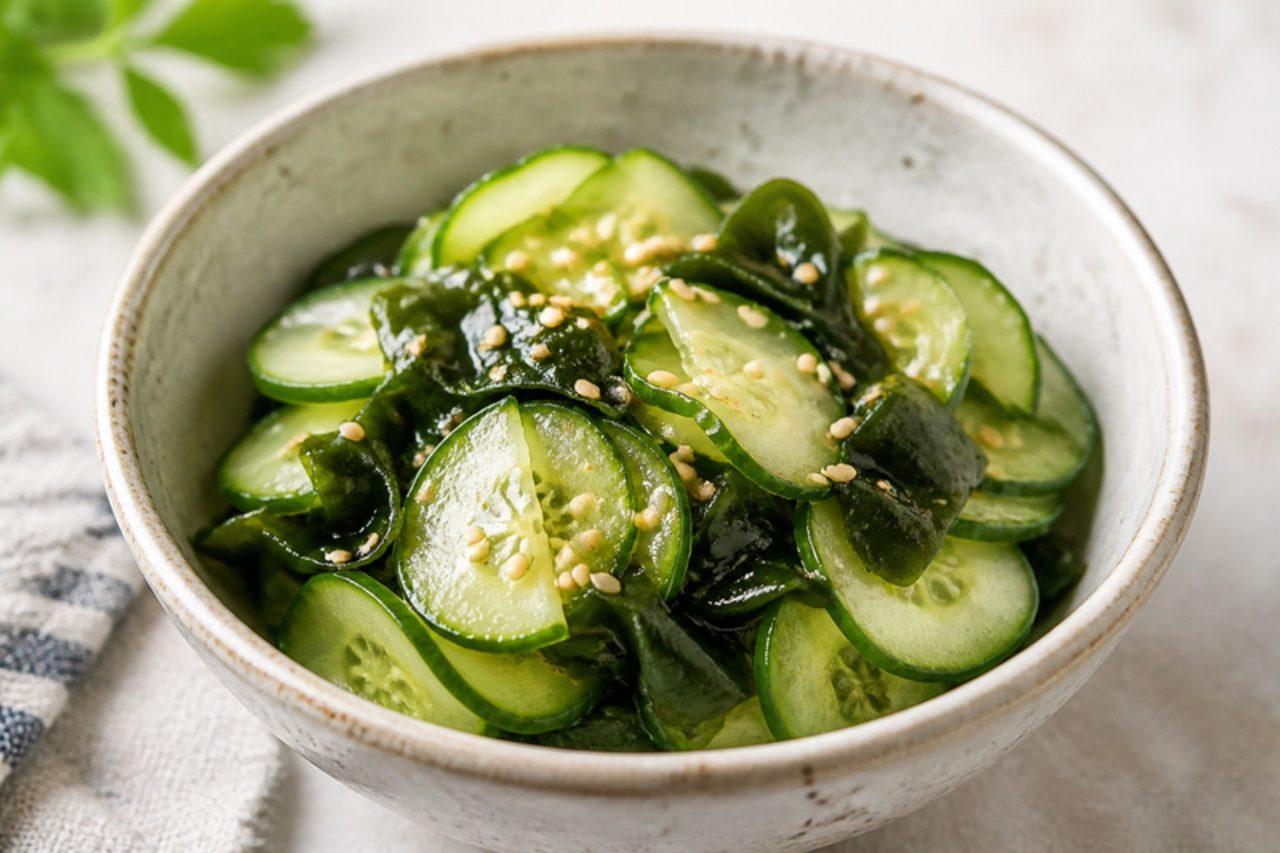
Sunomono (酢の物, 'vinegared things') are small, refreshing dishes served alongside rice and richer food in homes all over Japan. This one, kyūri to wakame no sunomono, is the most common: paper-thin salted cucumber and wakame seaweed in a sweet, gentle rice-vinegar dressing. It cuts through fried food like tempura or gyoza. Ready in ten minutes, and best eaten chilled. Chef's tip: salt the cucumber and squeeze it hard. It draws out the water so the slices turn pleasantly crunchy and drink up the dressing instead of diluting it.

10 minSaladsVegan
by KrazyBadal 0 views

Horenso goma-ae

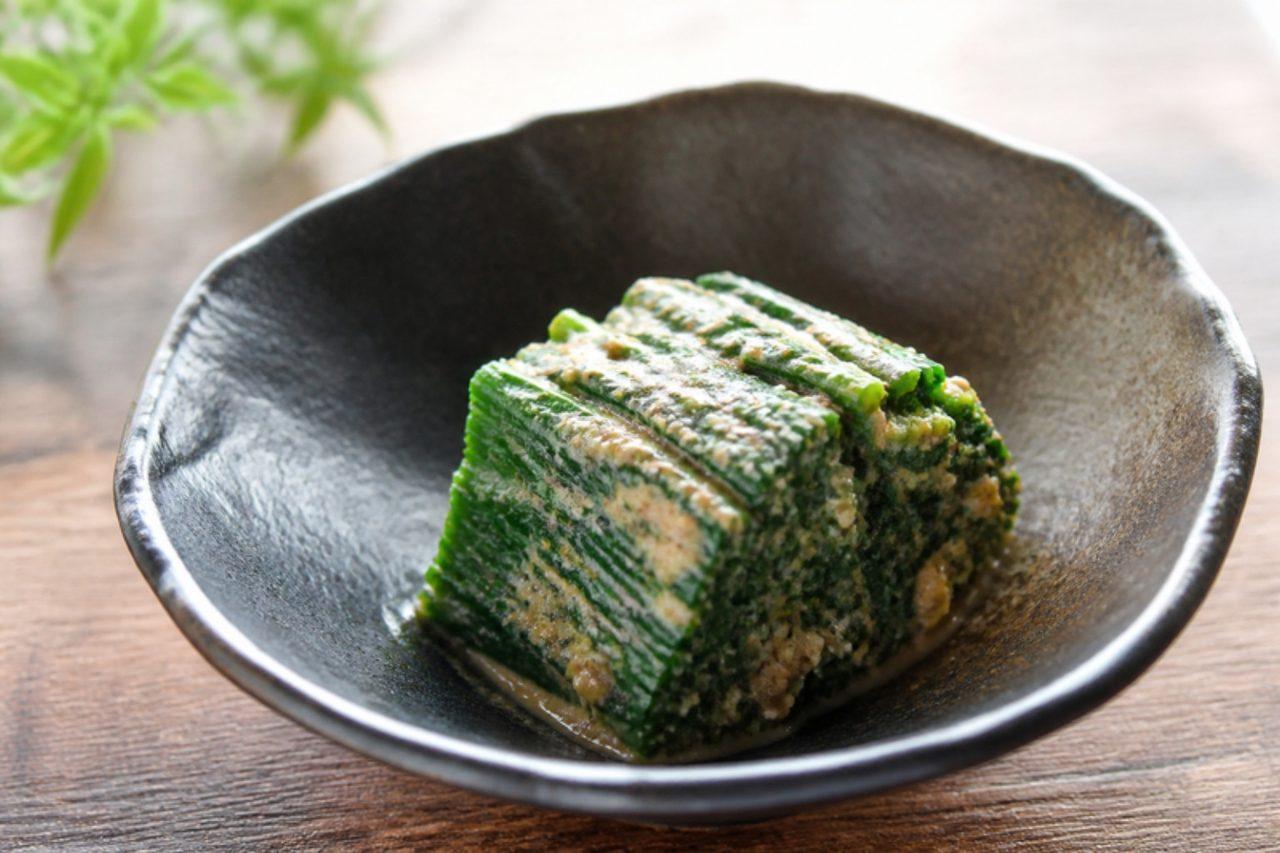
Horenso no goma-ae (ほうれん草の胡麻和え) is one of the most common side dishes in Japanese home cooking and bento boxes. Spinach is blanched for a few seconds, squeezed dry and tossed in a nutty dressing of freshly toasted, crushed sesame seeds with soy and a little sugar. Toasting and grinding the seeds yourself makes all the difference. Serve as one of several small dishes with rice and miso soup. Chef's tip: toast and grind the sesame yourself just before mixing. Ready-ground sesame tastes flat; freshly ground seeds smell like roasted nuts and give the dish its rich flavour.

10 minSidesVegan
by KrazyBadal 0 views

Edamame with sea salt

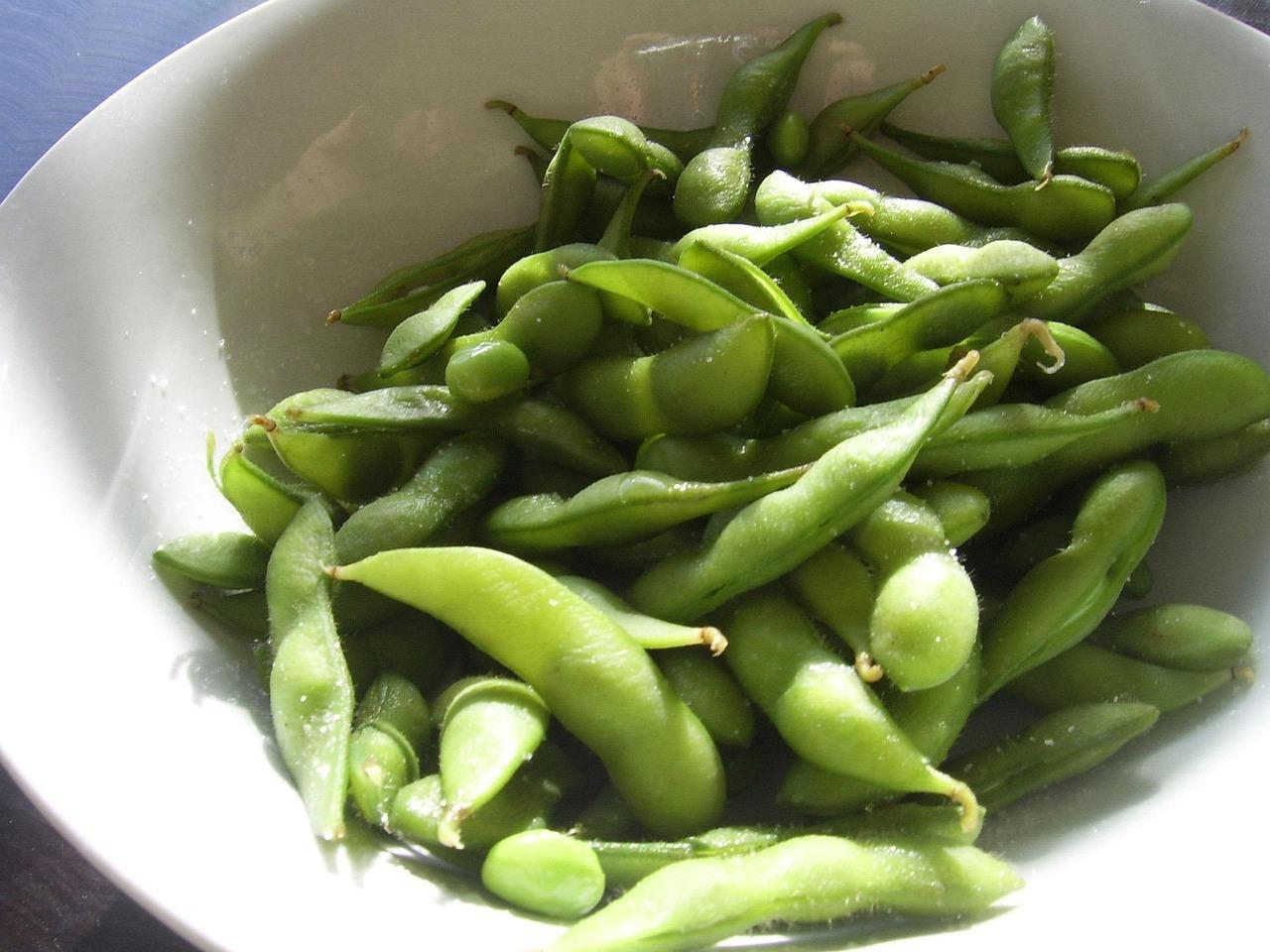
Edamame (枝豆) are young green soybeans cooked in their pods, the classic snack with a cold drink in izakaya and beer gardens all over Japan, especially in summer. You squeeze the beans straight from the salty pod into your mouth. Rubbing the pods with salt before boiling seasons them through and keeps them bright green. They're a good source of plant protein too. Chef's tip: rub the pods with salt before boiling, as izakaya cooks do. It scrubs off the fuzz, keeps the pods bright green and seasons the beans inside.

by KrazyBadal 0 views

Vegetable miso ramen

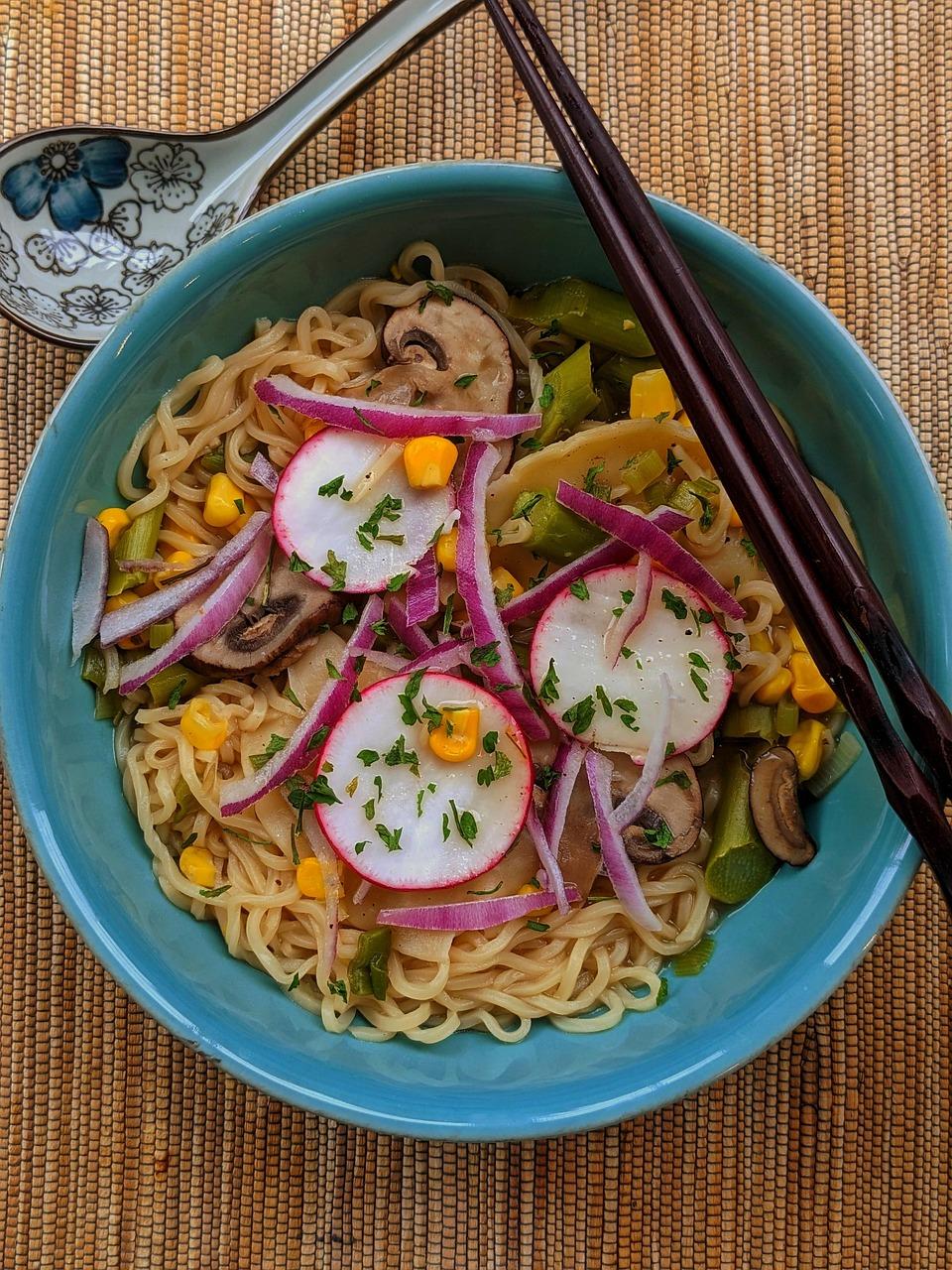
Miso ramen was born in Sapporo, Hokkaido, and is now eaten all over Japan. This vegetarian version builds a deep broth from kombu and dried shiitake instead of pork bones, then thickens it with miso and toasted sesame paste. A pile of quickly stir-fried cabbage, bean sprouts, carrot and sweetcorn goes on top with a soft-boiled egg. Slurp it while it's piping hot on a cold day. Chef's tip: fry the miso paste for a minute in the hot wok with the garlic and ginger before it meets the broth, as Sapporo shops do; the toasted miso gives the soup its deep, roasted flavour.

by KrazyBadal 0 views
Hiyashi chuka

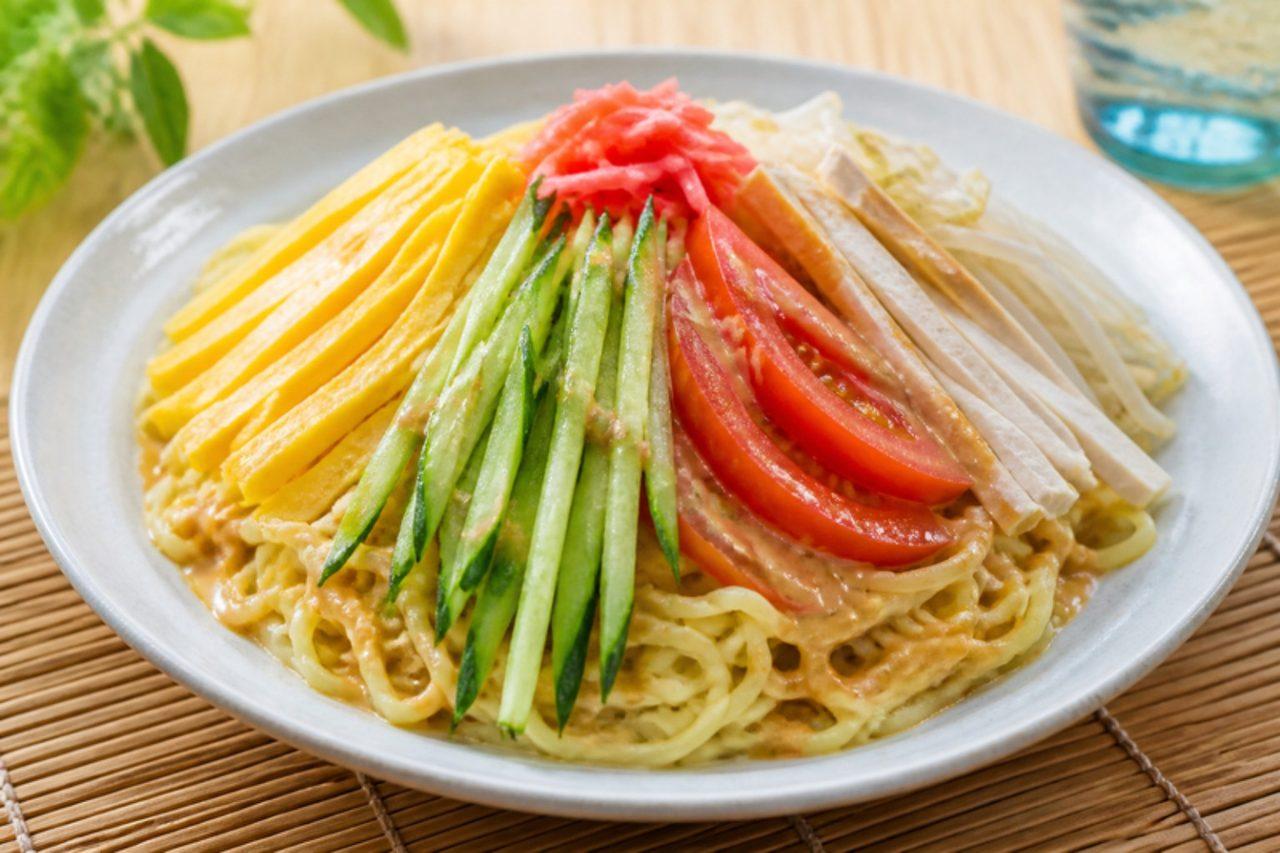
Hiyashi chuka (冷やし中華) is Japan's summer noodle dish: shops all over the country hang up a 'hiyashi chuka hajimemashita' (we've started serving it) sign when the hot weather arrives. Cold, springy ramen noodles are topped with neat strips of thin omelette, cucumber, tomato and other vegetables, then dressed with a tangy soy, vinegar and sesame sauce. This vegetarian version uses sweetcorn and seasoned tofu in place of the usual ham. Fresh, light and ready in under half an hour. Chef's tip: rinse the noodles until they squeak and are truly cold, then shake them dry; any warmth or water left on them makes the dressing taste flat.

by KrazyBadal 0 views
Kitsune udon

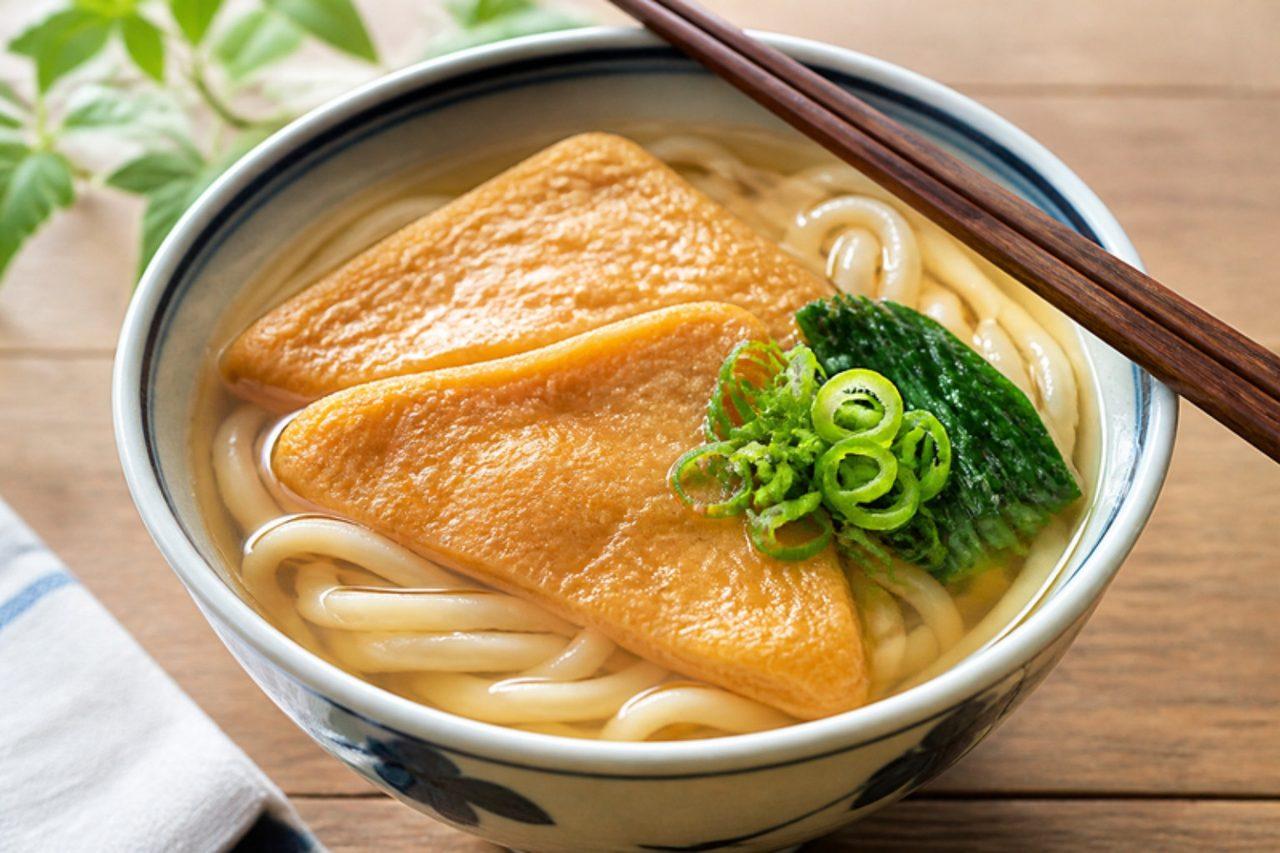
Kitsune udon (きつねうどん, 'fox udon') comes from Osaka, where a noodle shop first floated a sheet of sweet simmered fried tofu on a bowl of udon in the 1890s. The name comes from the folk tale that foxes love fried tofu. Soft, chewy noodles sit in a pale, gently sweet broth, and the tofu soaks up the soup like a sponge. This version uses a kombu and shiitake dashi instead of bonito, so it is fully vegetarian. Chef's tip: let the sweet tofu cool in its simmering liquid if you have time; as it cools it drinks up the sauce, so every bite bursts with sweet soy juice in the hot broth.

by KrazyBadal 0 views
Zaru soba

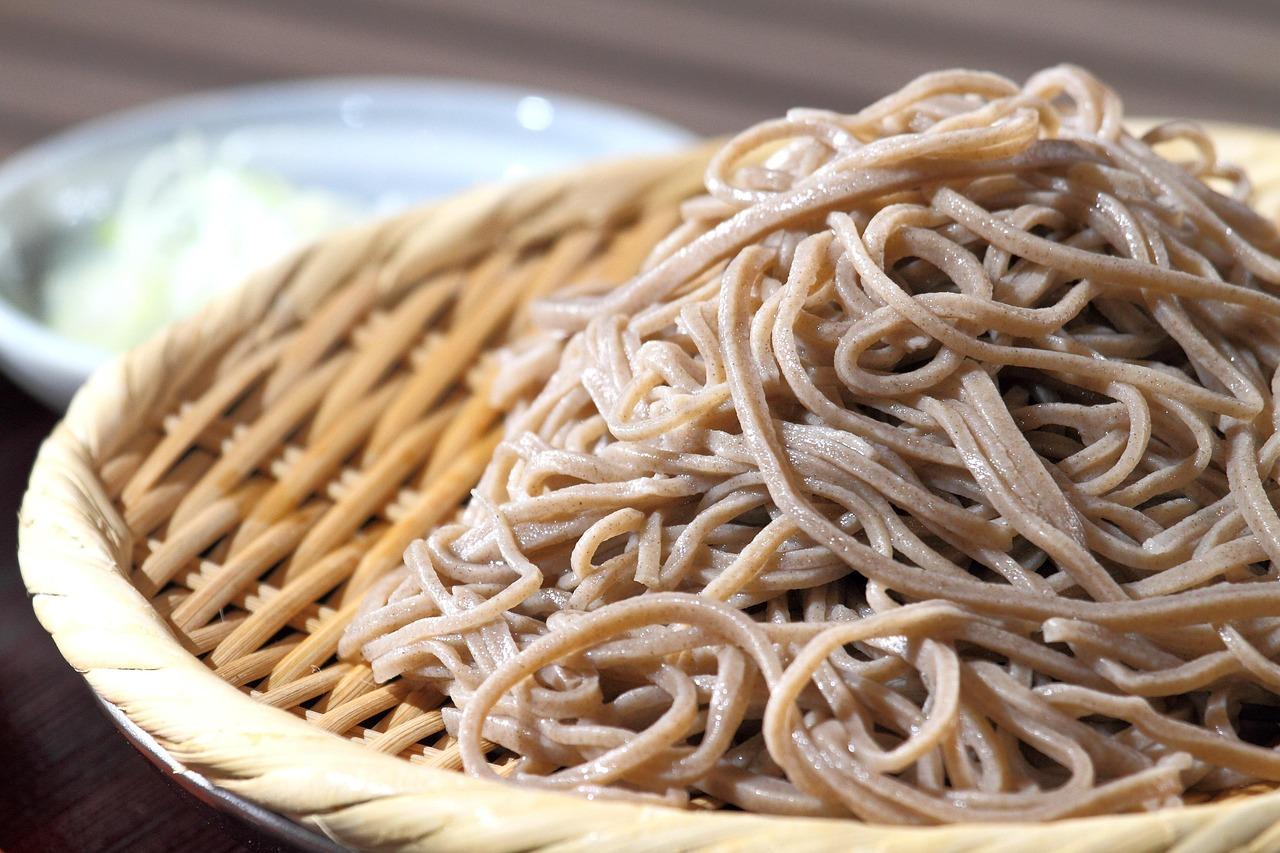
Zaru soba (ざるそば) is the simplest and most loved way to eat buckwheat noodles in Japan, served chilled on a bamboo tray (zaru) with a small cup of dipping sauce. You pick up a mouthful of noodles, dip them, and slurp. The usual tsuyu sauce is made with bonito; this one gets its savoury depth from kombu and dried shiitake. Refreshing on a hot day, with grated wasabi, spring onion and a little nori. Chef's tip: the ice-water rinse is not optional. It washes off the surface starch and tightens the noodles so they're slippery and firm; soba shops call this 'shime', the finishing chill.

by KrazyBadal 0 views
Yaki udon

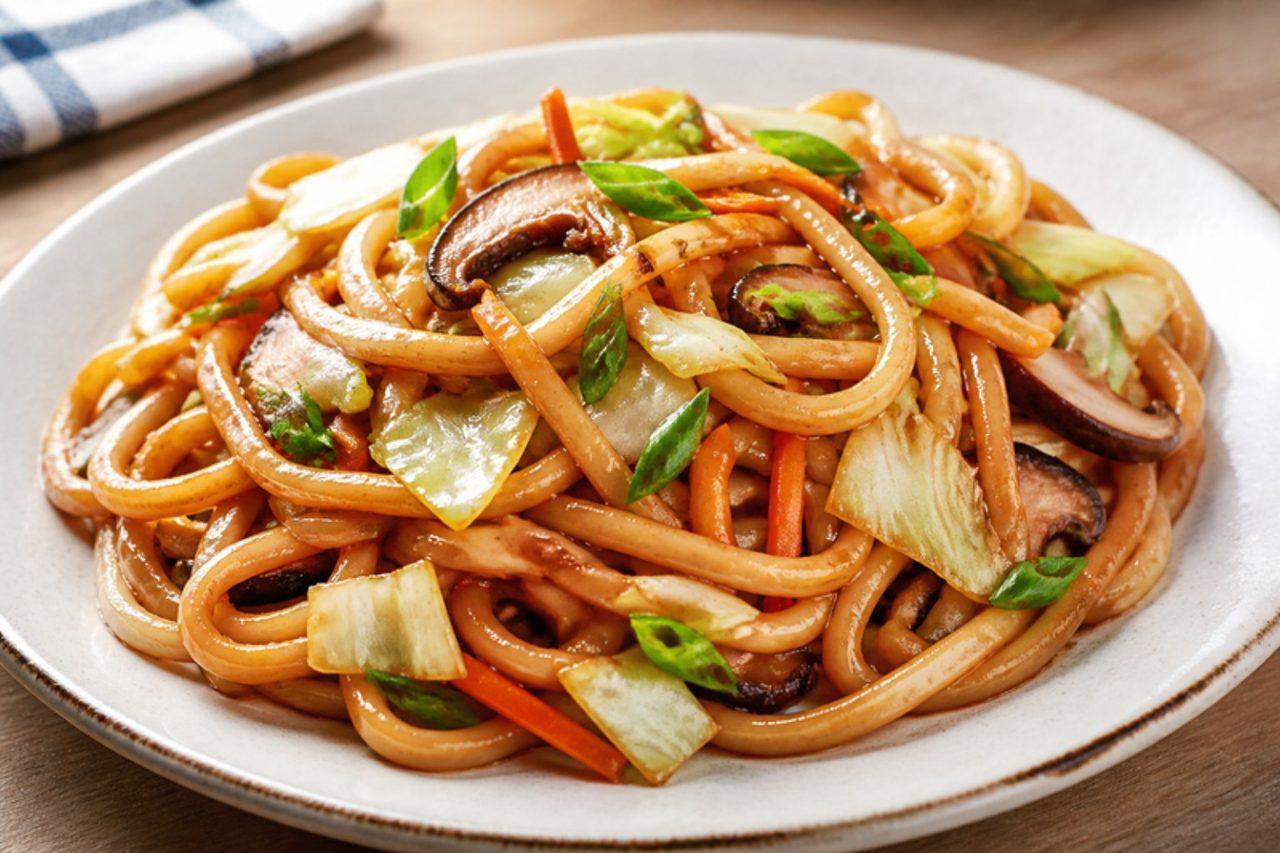
Yaki udon (焼うどん) was first made in Kitakyushu, in northern Kyushu, just after the war, when a café owner ran out of soba for yakisoba and fried udon instead. The thick, chewy noodles are tossed in a hot pan with cabbage, onion, mushrooms and carrot, then glazed with soy, mirin and a little vegetarian Worcestershire-style sauce. Meat is usual in Japan; this vegetarian version gets its richness from shiitake and a fried egg on top. A fast, filling weeknight supper. Chef's tip: get the pan really hot and leave the noodles alone for 30 seconds at a time, so they pick up slightly charred edges; that smoky 'koge' is what makes yaki udon taste like the street-stall version.

by KrazyBadal 0 views
Japanese curry rice

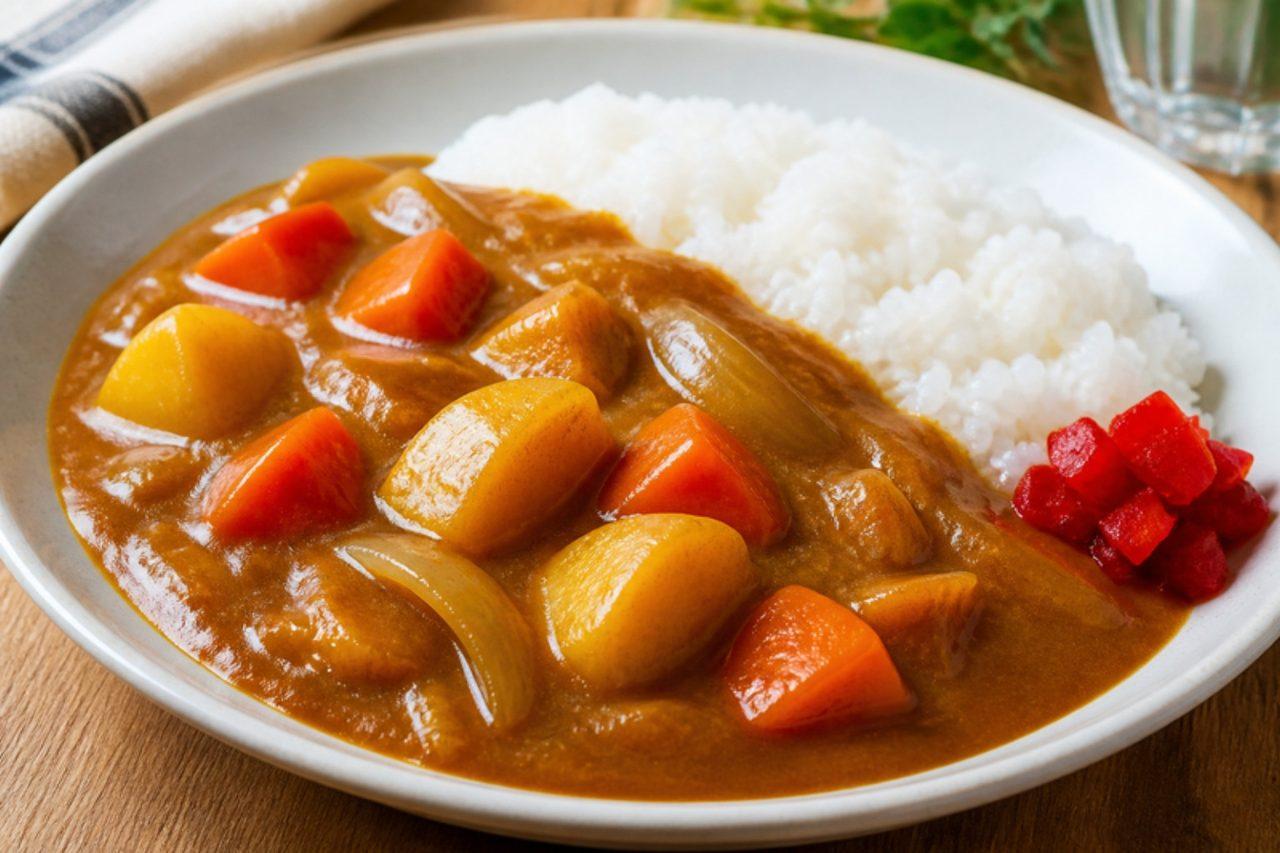
Japanese curry rice (カレーライス) arrived in Japan from Britain via the navy in the late 1800s and is now a national comfort food, cooked in homes from Hokkaido to Okinawa. It is nothing like an Indian curry: the sauce is thick, glossy and mild, made with a roux of butter, flour and curry powder, and sweetened with grated apple. This vegetarian version is packed with potato, carrot, onion and mushrooms. It tastes even better the next day, and children love it. Chef's tip: take the onions all the way to a deep golden brown before anything else goes in. Japanese home cooks swear by this step, as the caramelised onion gives the curry its rounded sweetness.

50 minCurries
by KrazyBadal 0 views
Tofu katsu curry

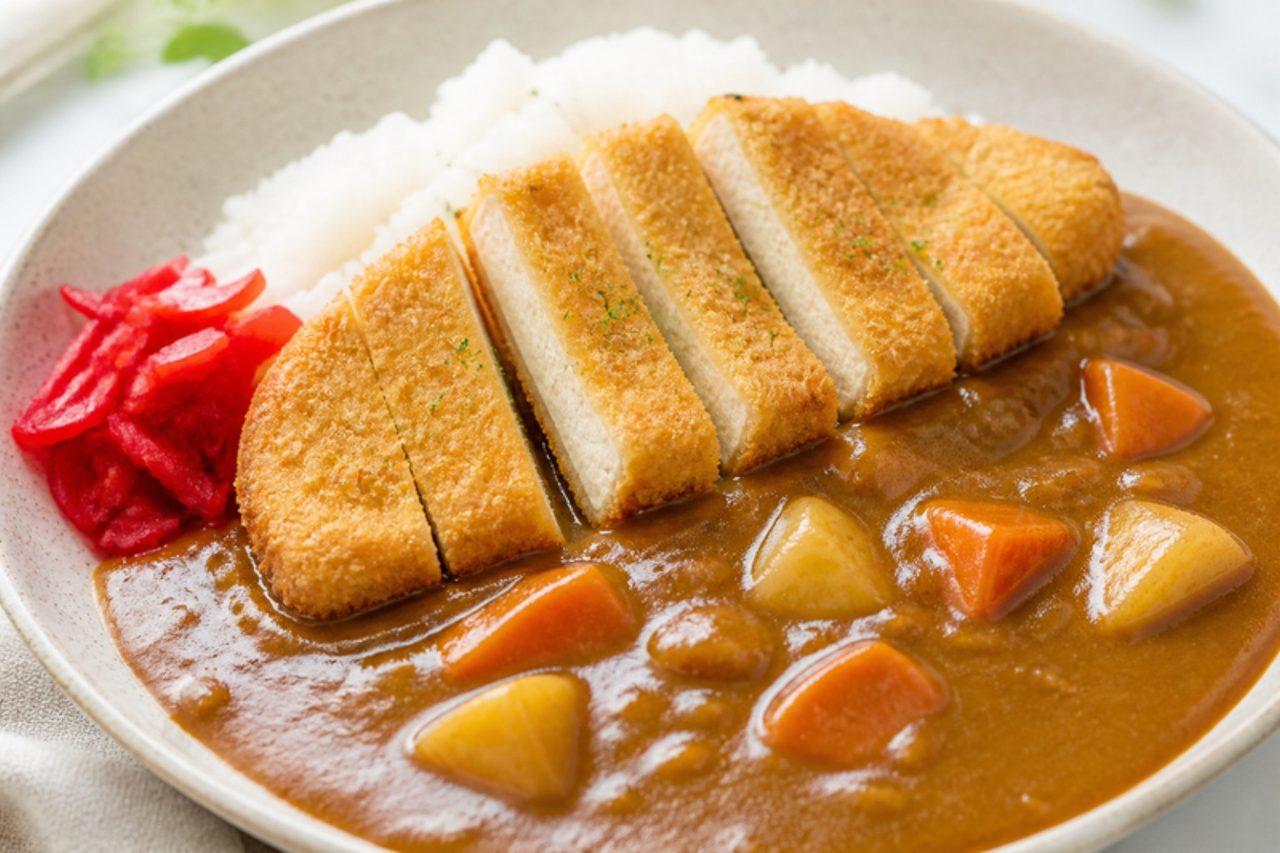
Katsu curry (カツカレー) is a favourite in canteens and curry houses across Japan, first served in Tokyo's Ginza in the 1940s. A crunchy breaded cutlet is sliced and laid over rice, then half of it is smothered in thick, mild curry sauce, so you get crisp and saucy bites. Here firm tofu replaces the pork. It is a little more work than plain curry rice, but children love it. Chef's tip: fry the katsu at the last minute and pour the curry over only half of it, so you always keep some crunch; Japanese curry houses serve it exactly this way.

45 minCurries
by KrazyBadal 0 views
Yaki onigiri

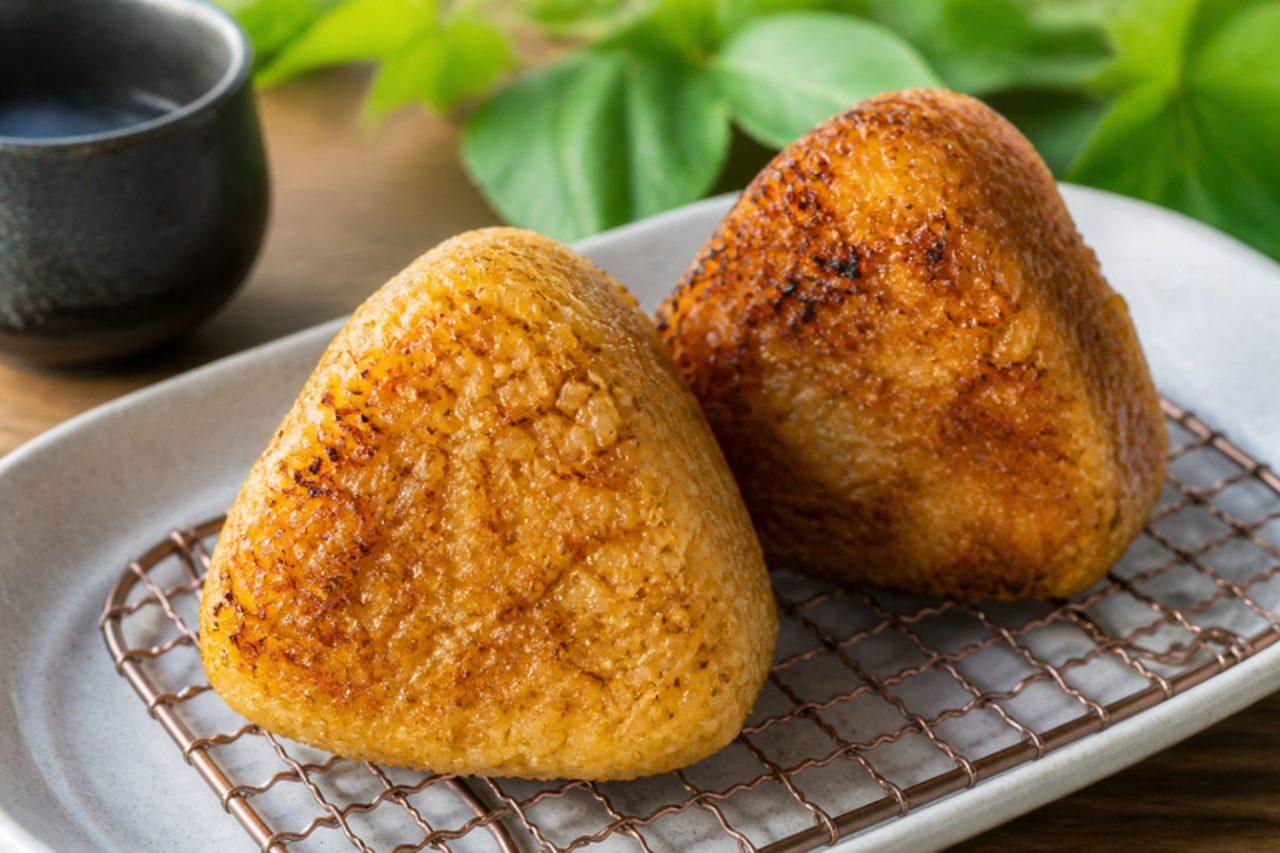
Yaki onigiri (焼きおにぎり) are rice balls grilled until they form a crisp, toasty crust, then brushed with soy sauce glaze. They are eaten all over Japan, at izakaya, at barbecues and from the freezer section, as a snack or with miso soup. The inside stays soft and steamy while the outside crackles. Best eaten hot, straight from the pan. Chef's tip: let the shaped rice balls dry for 10 minutes before they go in the pan. A drier surface forms a better crust and won't stick, and the glaze goes on only at the end so it doesn't burn.

by KrazyBadal 0 views

Vegetable onigiri

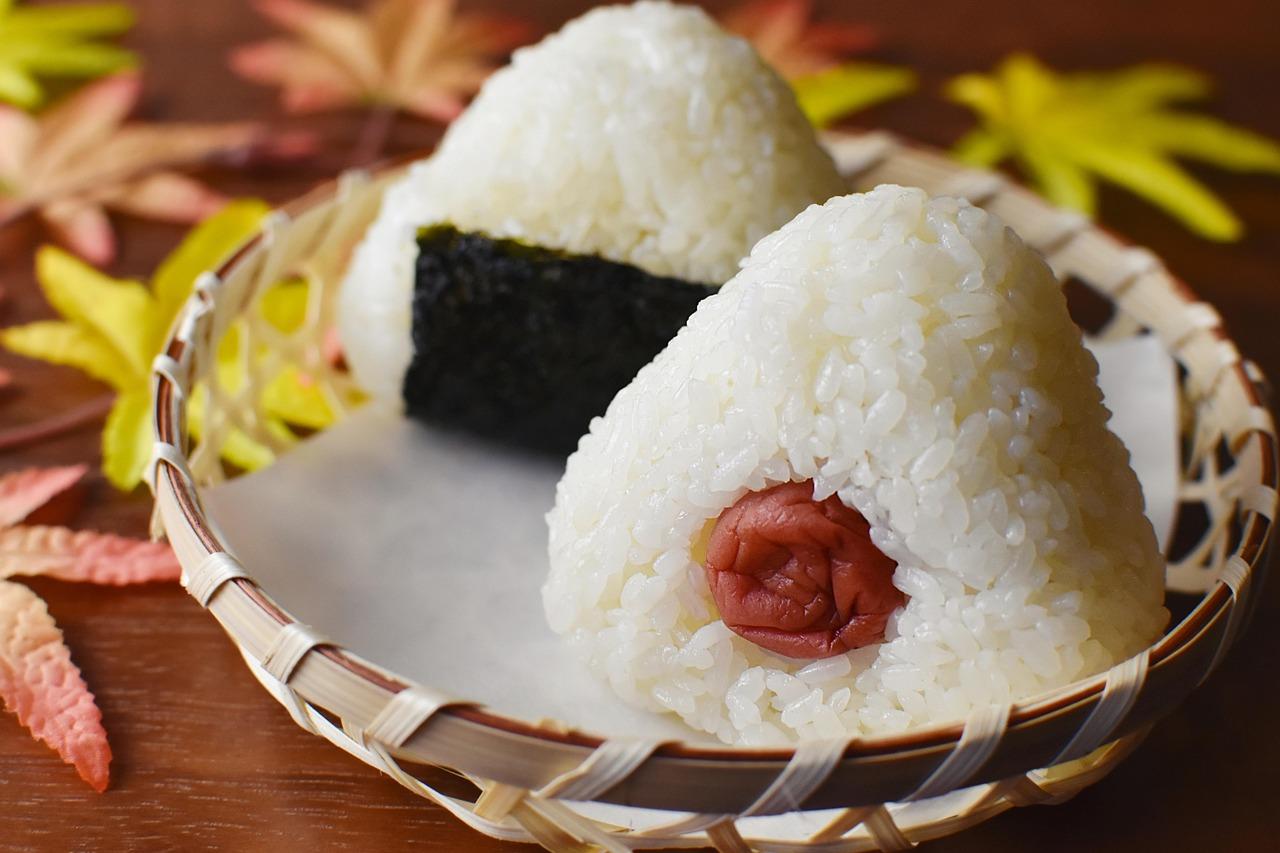
Onigiri (おにぎり) are Japan's everyday lunchbox and picnic food, sold in every convenience store from Tokyo to Kyushu. Warm rice is pressed around a salty or savoury filling and wrapped in a strip of crisp nori. This recipe gives three vegetarian fillings: sour umeboshi (pickled plum), sweet-salty simmered kombu, and a soy-glazed mushroom and carrot mix. Children love helping to shape them, and they keep well for a packed lunch. Chef's tip: use freshly cooked, still-warm rice and salt your hands, not the rice. The grains stick together only while warm, and the salt on the outside seasons every bite the way a Japanese mother would.

by KrazyBadal 0 views
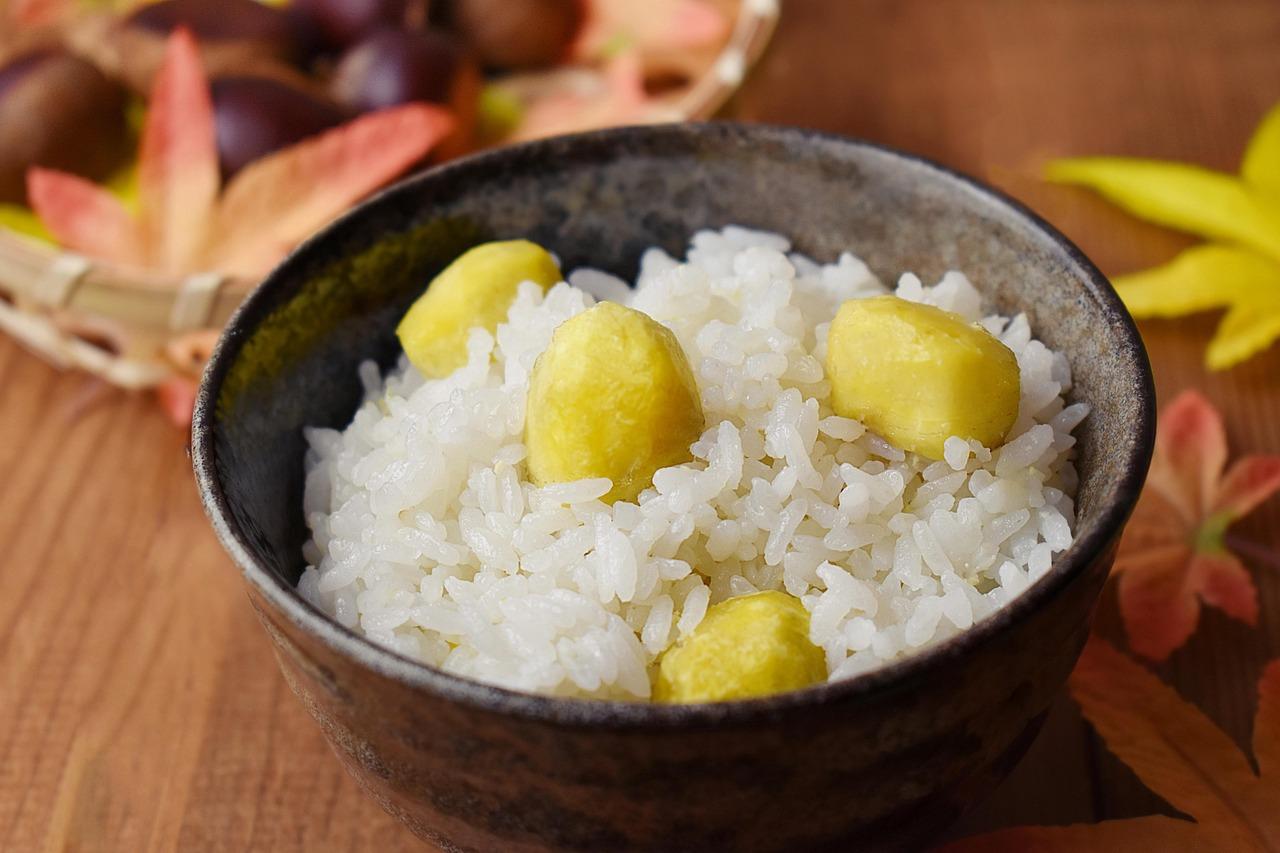
Takikomi gohan

Takikomi gohan (炊き込みご飯) is mixed rice cooked in one pot with seasonal vegetables and a savoury broth, made in homes across Japan, especially in autumn when mushrooms and chestnuts are in season. Every grain soaks up the soy, mirin and mushroom flavour, and the bottom forms a prized toasty crust (okoge). This vegetarian version uses a kombu and shiitake dashi. Serve it with miso soup and pickles, or pack it into onigiri the next day. Chef's tip: never stir once the vegetables are on top, and don't lift the lid while it cooks. The heavy vegetables would sink and the rice cook unevenly; leaving it alone also gives you the toasty okoge crust at the bottom.

by KrazyBadal 0 views
Omurice

Omurice (オムライス) is a yōshoku dish, Western-style Japanese food, said to have been invented at a Tokyo restaurant around 1900. Tangy ketchup fried rice is wrapped in a thin, soft omelette and topped with more ketchup. Chicken is usual inside; this vegetarian version uses mushrooms, sweetcorn, peas and onion. A favourite with children, and on the table in half an hour. Chef's tip: pull the pan off the heat while the top of the omelette is still a little runny; it finishes cooking from the heat of the rice, and stays soft and silky as in a Tokyo yōshoku diner.

by KrazyBadal 0 views

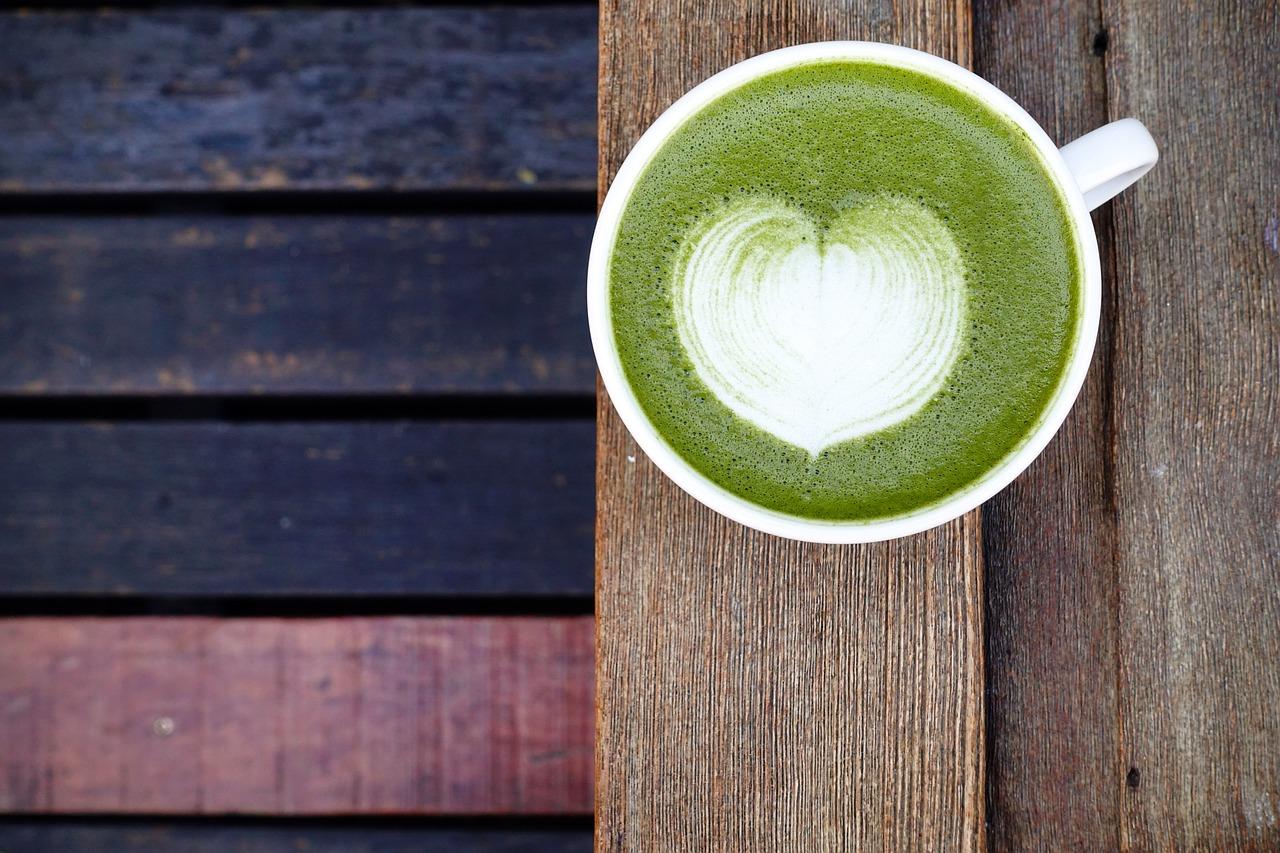
Matcha latte

Matcha (抹茶) is finely ground green tea from Uji, near Kyoto, the heart of Japanese tea-growing for centuries. A matcha latte (抹茶ラテ) is the café version: the powder is whisked to a smooth, frothy shot, then topped up with steamed milk and lightly sweetened. It tastes grassy, creamy and gently bitter. Use any milk you like; oat milk froths especially well. Chef's tip: keep the water at about 80°C. Boiling water scorches matcha and makes it bitter; let the kettle stand for 2–3 minutes after boiling before you pour.

7 minDrinks
by KrazyBadal 0 views

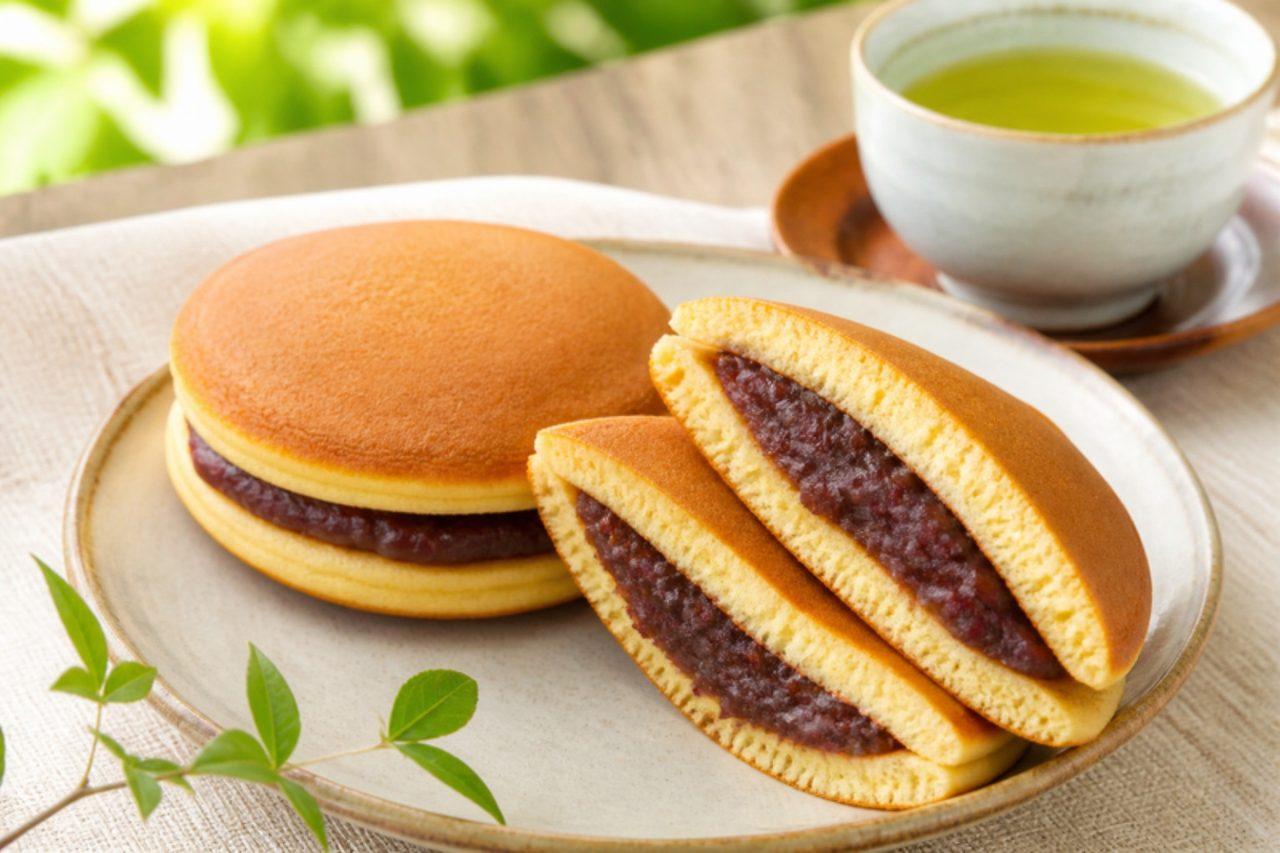
Dorayaki

Dorayaki (どら焼き) are two small, golden honey pancakes pressed around a thick layer of sweet red bean paste (anko). They were first sold in their modern form by a Tokyo sweet shop in the early 1900s, and are now in every Japanese bakery and convenience store. The pancakes are soft, moist and slightly springy, with a deep brown, even surface. A good afternoon treat with green tea, and children love them. Chef's tip: wipe the pan almost dry of oil and keep the heat low. That's how Japanese sweet shops get the smooth, evenly brown 'gong' surface (dora means gong); too much oil gives a blotchy, spotted pancake.

40 minDesserts
by KrazyBadal 0 views

More Japanese ideas

Other cuisines