Skip to content

Baby and toddler food

Soft, mild first foods and family meals for babies and toddlers. (109 recipes)

Tom BrownRoasted maize and groundnut porridge

Tom Brown is the porridge Ghanaian babies grow up on: a blend of roasted maize, groundnuts (peanuts) and soya beans, ground fine and sold in bags at Makola Market in Accra and in clinics' nutrition corners, or roasted and milled at home. Cooked with water it becomes a smooth, beige porridge that smells of toasted corn and peanuts, and it is rich in protein and energy. It is loved in Nigeria too. For babies there is no salt, sugar, evaporated milk or honey. It contains peanuts and soya. Chef's tip: early, regular peanut is recommended for most babies, but if your baby has severe eczema or a known egg allergy, talk to your health visitor or doctor before the first spoonful.

by KrazyBadal 1 views

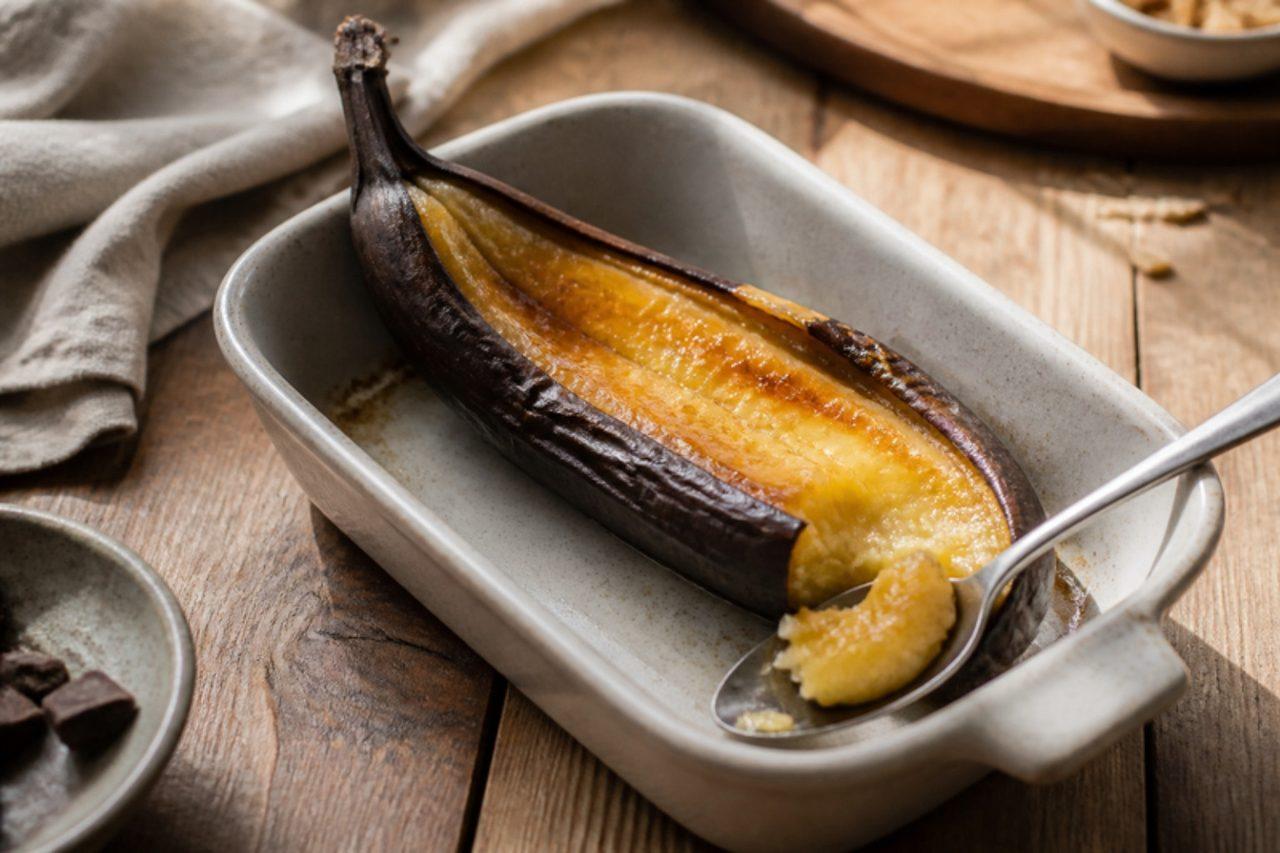
Baked banana

A small banana baked in a foil parcel with butter, lemon, a pinch of sugar and cinnamon until soft and fragrant. A warm, easy pudding for babies of 8–18 months, mashed or left in soft pieces for older babies. Serve warm, not hot.

15 minDessertsGluten free
by KrazyBadal 1 views

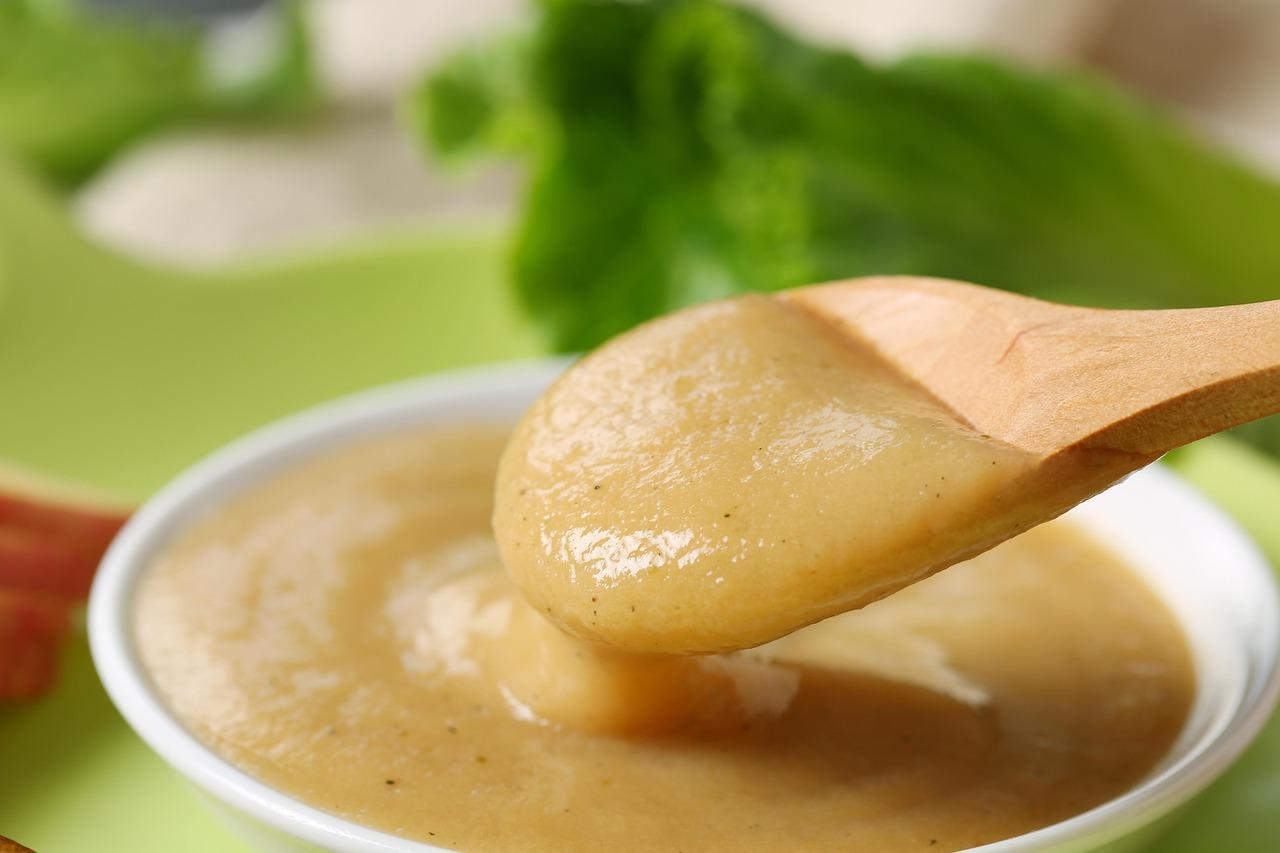
Apple & pear puree

A smooth, naturally sweet puree of gently stewed apple and pear, one of the first foods for babies of 4–8 months. The fruit cooks in a little unsweetened apple juice, so nothing else is needed. Serve it lukewarm; any leftover keeps covered in the fridge for a day, or freezes well in small pots.

11 minDessertsVeganGluten free
by KrazyBadal 1 views

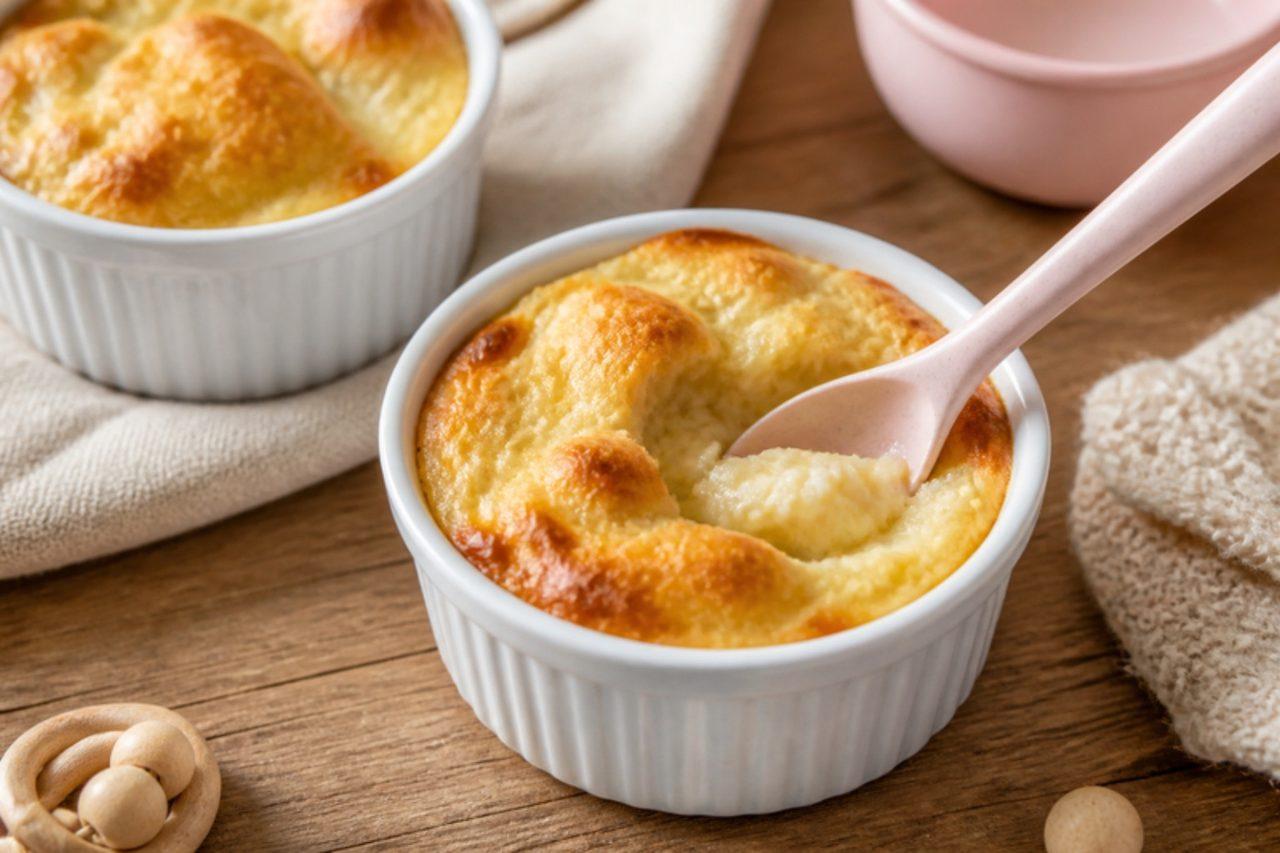
Cheese charlotte

Rounds of bread spread with cream cheese, soaked in egg custard and baked gently in a water bath until just set. Soft and mild, it suits babies of 8–18 months and makes a good light lunch for toddlers too. Serve warm.

45 minVegetarian
by KrazyBadal 1 views

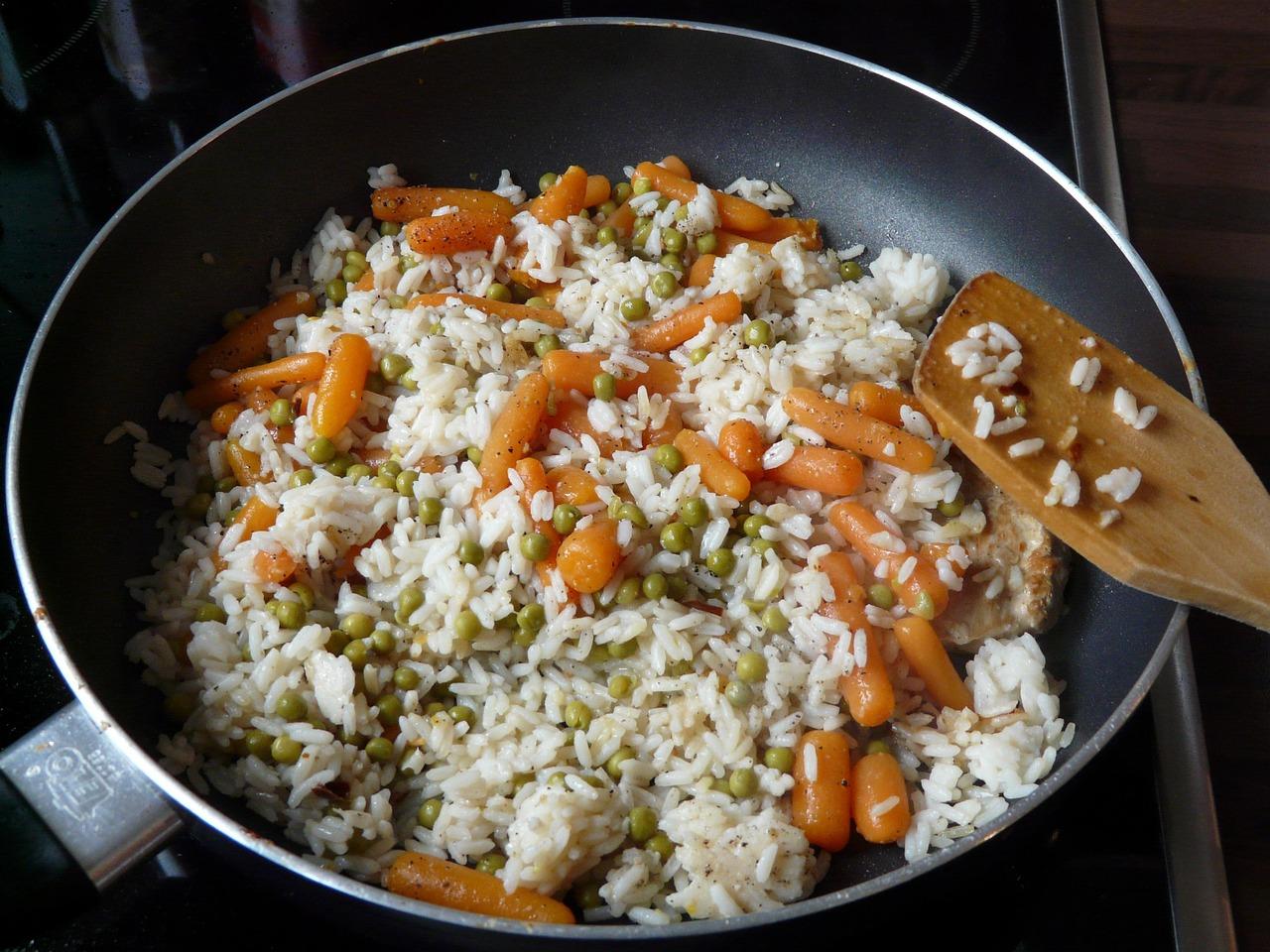
Vegetable risotto for babies

A smooth, savoury first meal of rice with carrot, new potatoes and spinach, pureed with baby milk for babies of 4–8 months. Use plain, unsalted cooked rice. Make it a little thicker as your baby gets used to texture.

by KrazyBadal 1 views

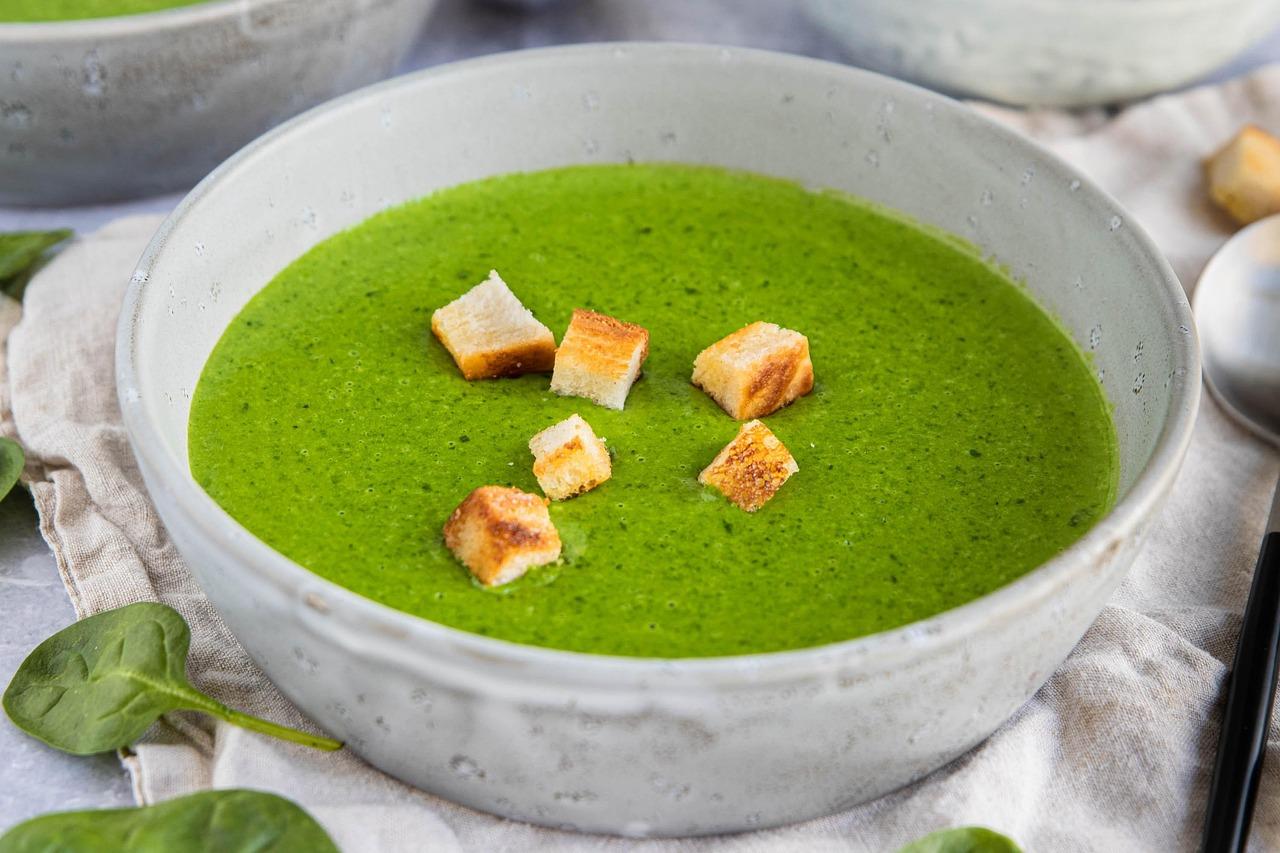
Spinach with mushrooms

A bright green, savoury puree of potato, mushrooms and fresh spinach cooked in home-made baby stock. Thick and smooth, it's a good way to get iron-rich greens into babies of 8–18 months. Serve warm; spare portions freeze well.

30 minVegetarianVeganGluten free
by KrazyBadal 1 views

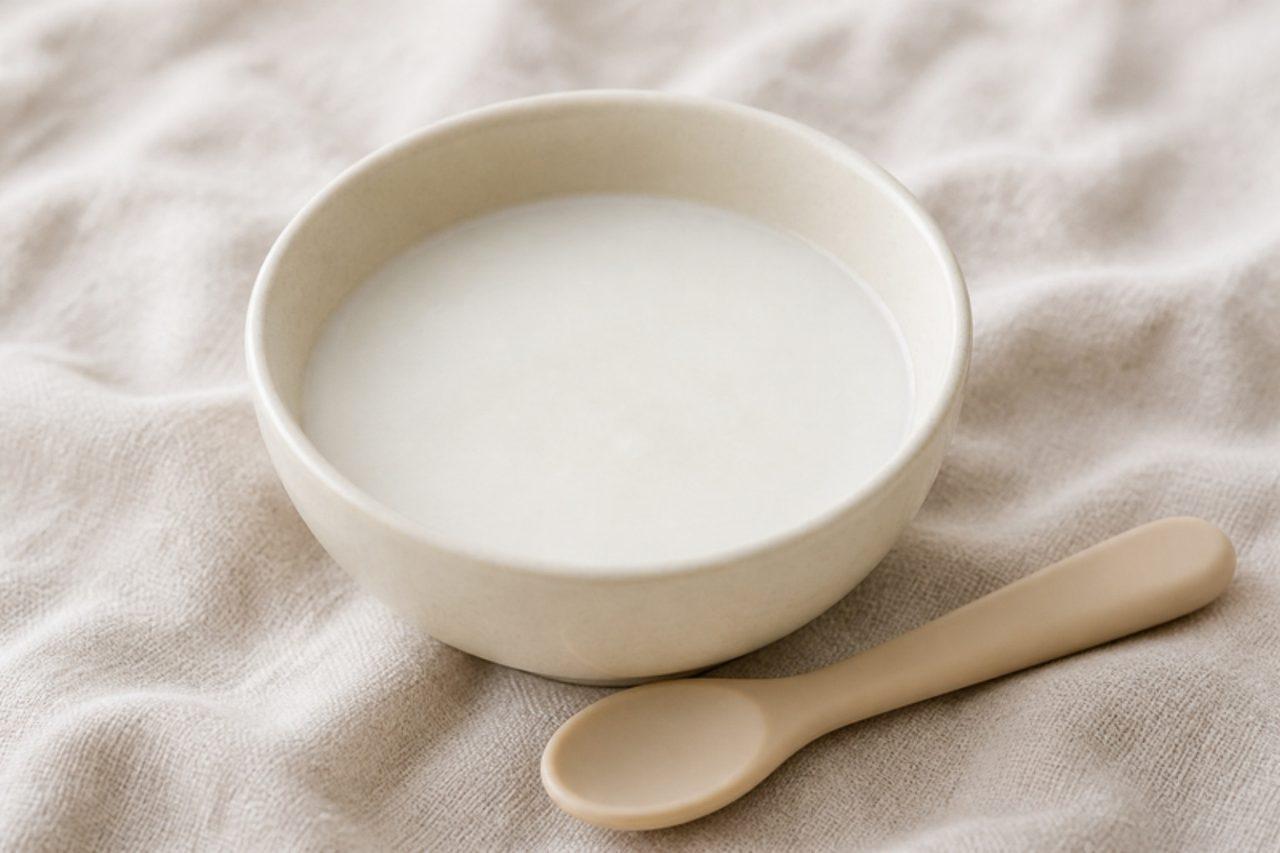
Ssal mieum (Korean first rice gruel)

In Korean homes the weaning journey, called iyusik, begins with ssal mieum, a gruel so thin it is almost a drink. The rice is soaked, blended raw with water and then stirred over a low flame, which gives a finer, silkier result than boiling whole grains. Families offer it at around six months, a spoonful in the morning, before moving on to thicker juk with vegetables a few weeks later. It contains none of the common allergens: no milk, egg, gluten, peanut, tree nuts, soya, sesame or fish. Chef's tip: grind the soaked rice with only part of the water first; a thick slurry blends smoother than a watery one.

by KrazyBadal 0 views

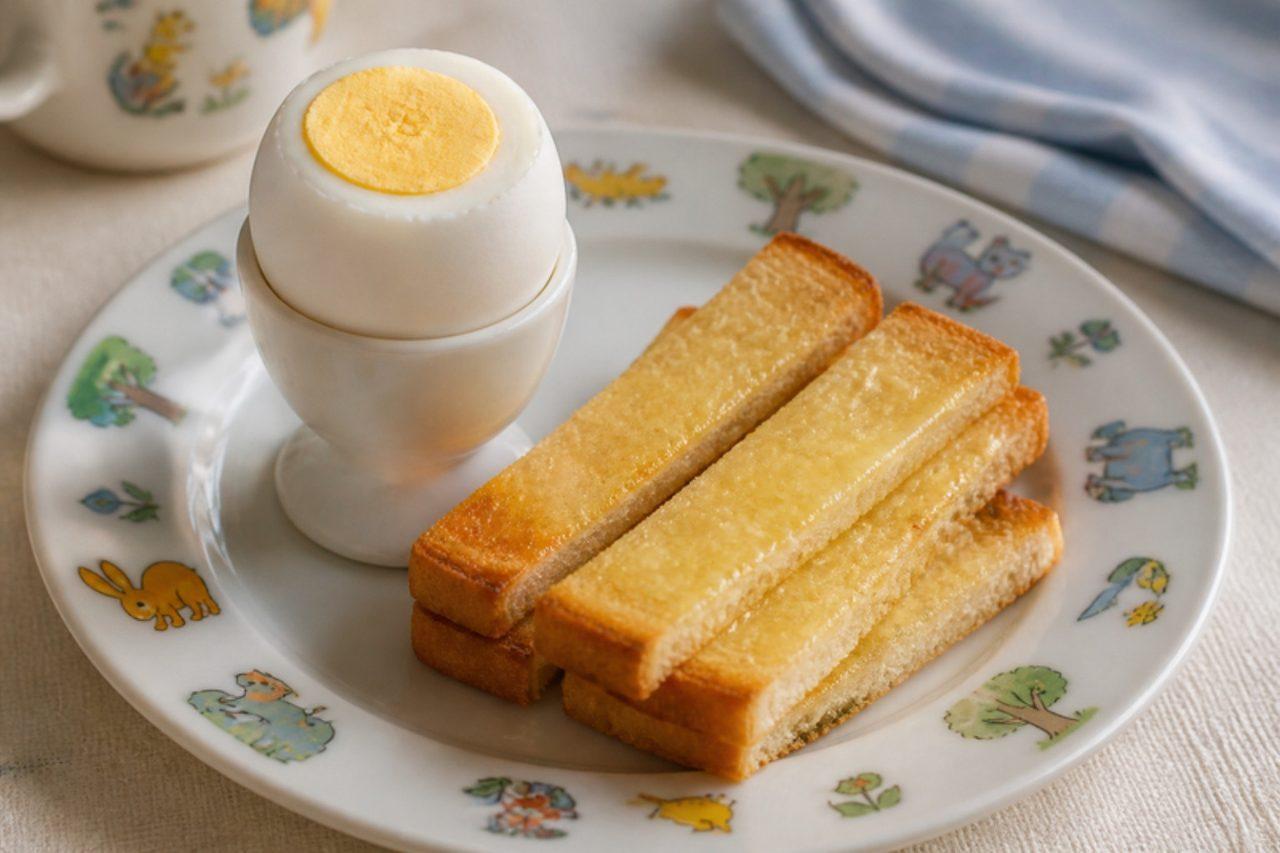
Œuf et mouillettes (egg and soldiers for toddlers)

In France, l'œuf à la coque with mouillettes, buttered bread fingers, is the gentle supper or Sunday breakfast every child knows. For babies and toddlers the egg is boiled a little longer, until the white is firm and the yolk is set but still soft and fudgy, so little ones can scoop and spread it rather than dip into a runny centre. It contains egg, gluten (wheat) and milk (butter). Chef's tip: start with eggs at room temperature so they don't crack in the hot water, and lower them in gently on a spoon.

by KrazyBadal 0 views

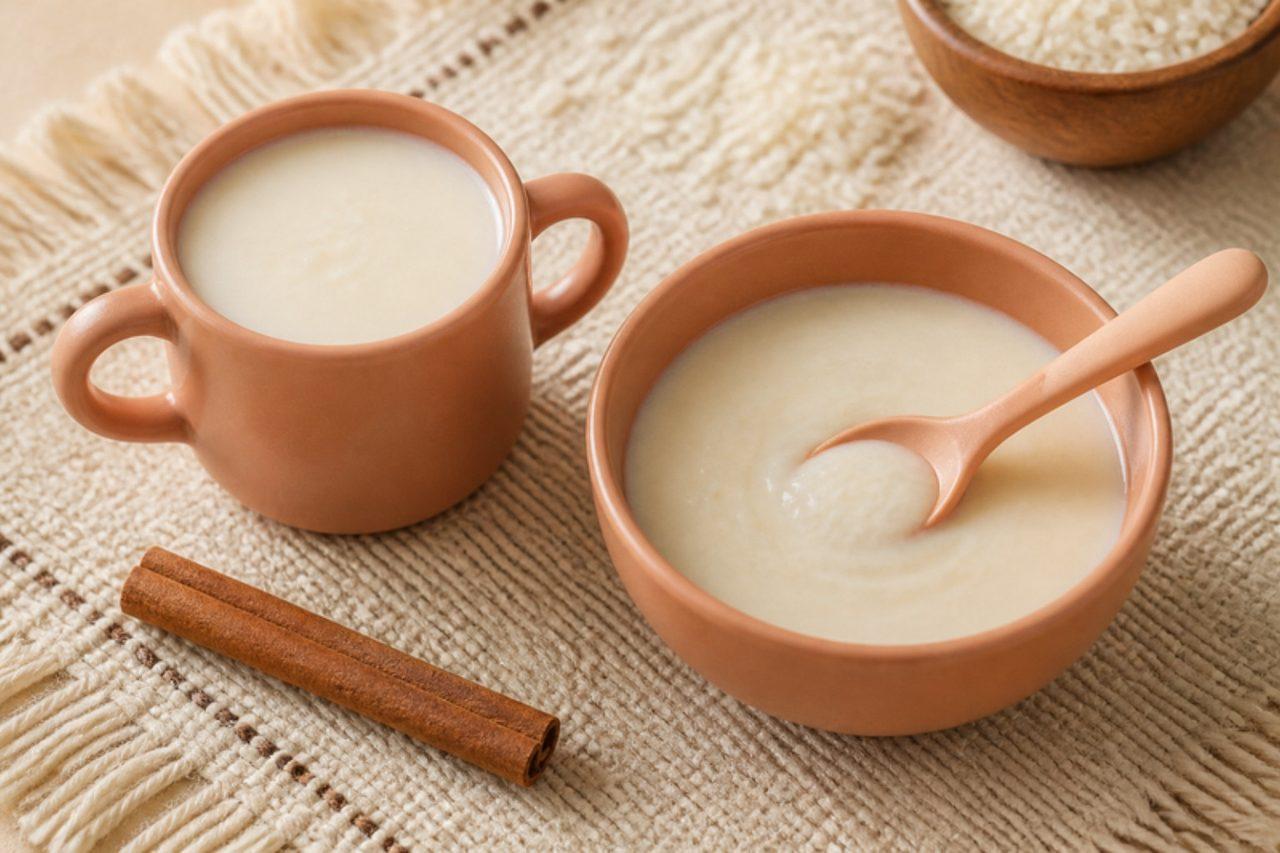
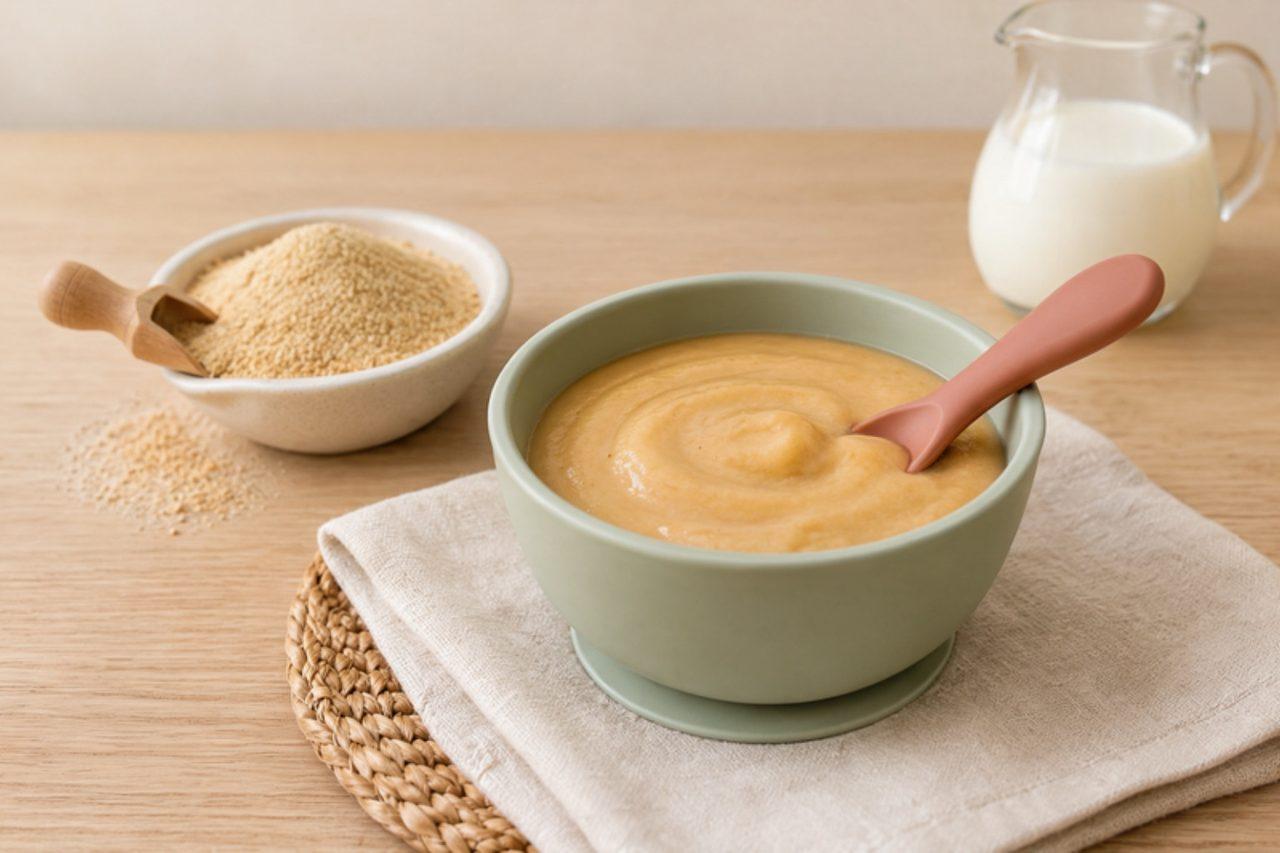
Rice atole for babies (atole de arroz)

Atole is the warm, thick drink Mexicans have sipped since before the conquest, and in many homes the first version a baby tastes is atole de arroz, ground rice cooked with a stick of true cinnamon. For grown-ups it is sweetened with piloncillo and drunk at breakfast or on cold evenings around Día de Muertos; for babies the sugar stays out and it is thickened enough to eat from a spoon. It contains milk; there is no egg, gluten, nuts, soya, sesame or fish. Chef's tip: grind the rice yourself in a spice grinder; shop-bought rice flour works, but freshly ground rice tastes sweeter.

by KrazyBadal 0 views

Gemüse-Kartoffel-Fleisch-Brei (vegetable, potato and beef mash)

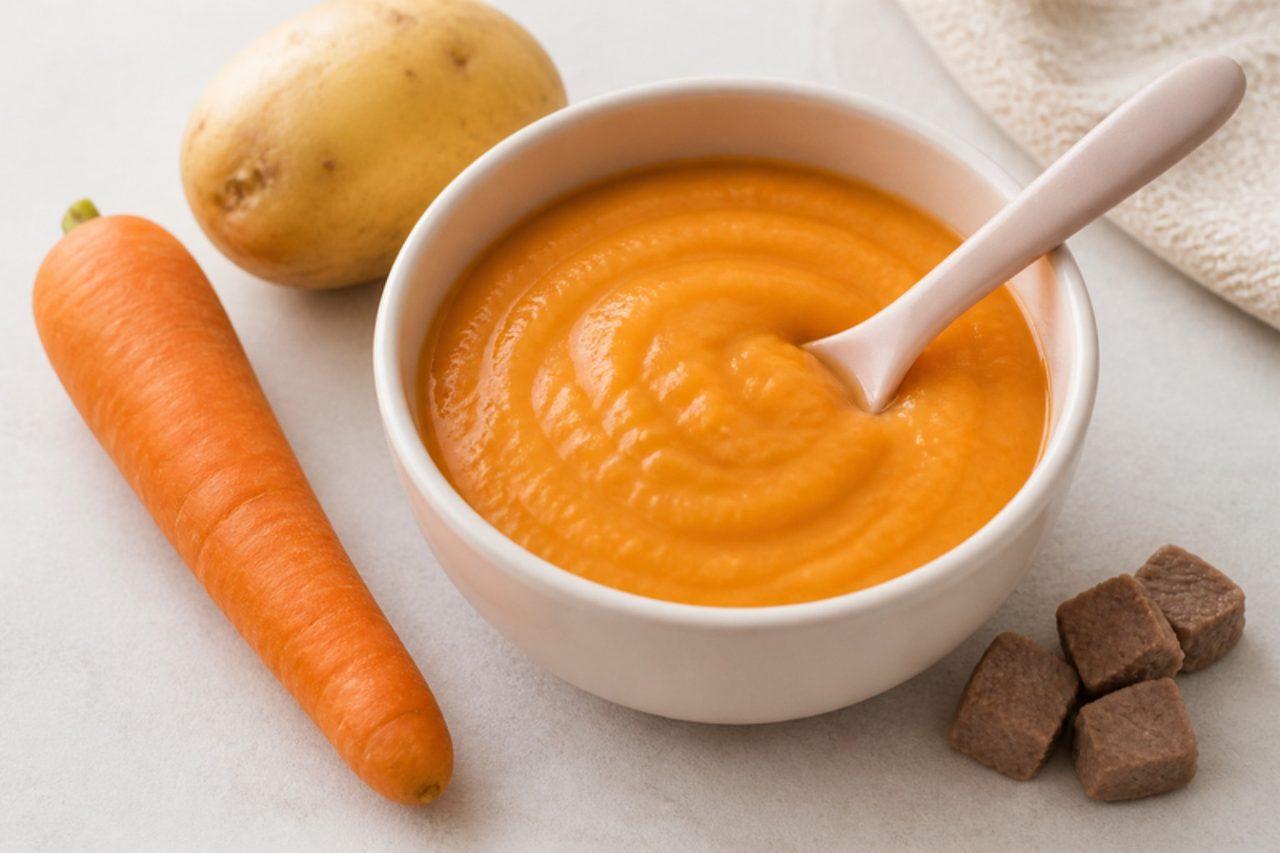
In Germany the first proper lunch for a baby of about six months is the Gemüse-Kartoffel-Fleisch-Brei, a smooth purée of carrot or parsnip with potato and a little lean beef, finished with a spoonful of rapeseed oil. Many parents stir in a little unsweetened fruit juice or purée too, as vitamin C helps the body take up the iron from the meat. It tastes sweet and mild and is made with no salt. It contains none of the common allergens (milk, egg, gluten, peanut, tree nuts, soya, sesame, fish). Chef's tip: add the oil to each portion after reheating rather than before freezing, so it stays fresh-tasting.

40 minGermanMeatGluten free
by KrazyBadal 0 views

Dubu buchim tofu fingers

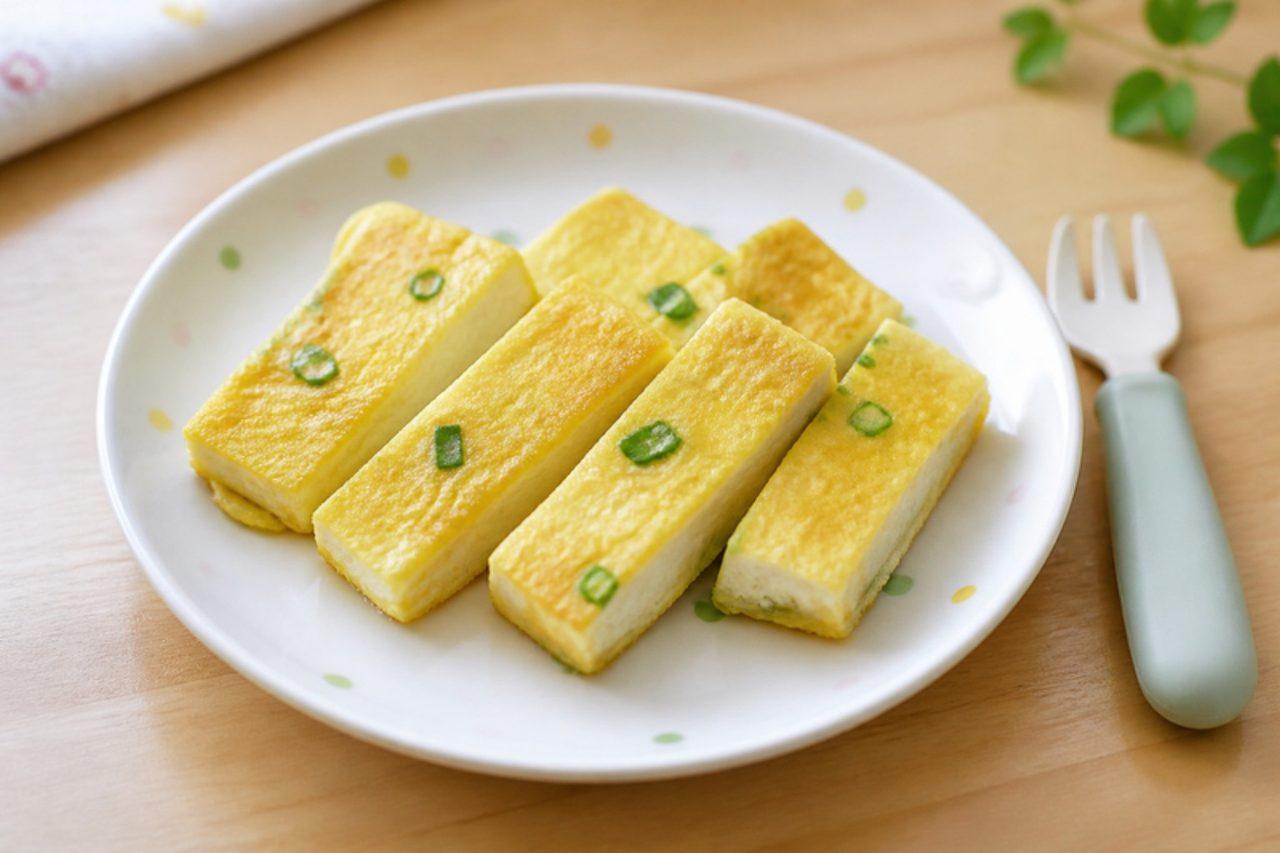
Dubu buchim, slices of tofu dipped in beaten egg and fried until golden, is an everyday Korean banchan, and families cut it into fingers for babies from about nine months to hold and gum. The outside is lightly crisp and the inside custard-soft, with a mild, nutty flavour. For babies it is made without salt, soy sauce or the usual sesame-soy dip; older children and adults can add the dip at the table. It contains soya and egg. Chef's tip: press the tofu well first, so it fries rather than steams and the egg coating sticks.

by KrazyBadal 0 views

Nyumen (hot somen for toddlers)

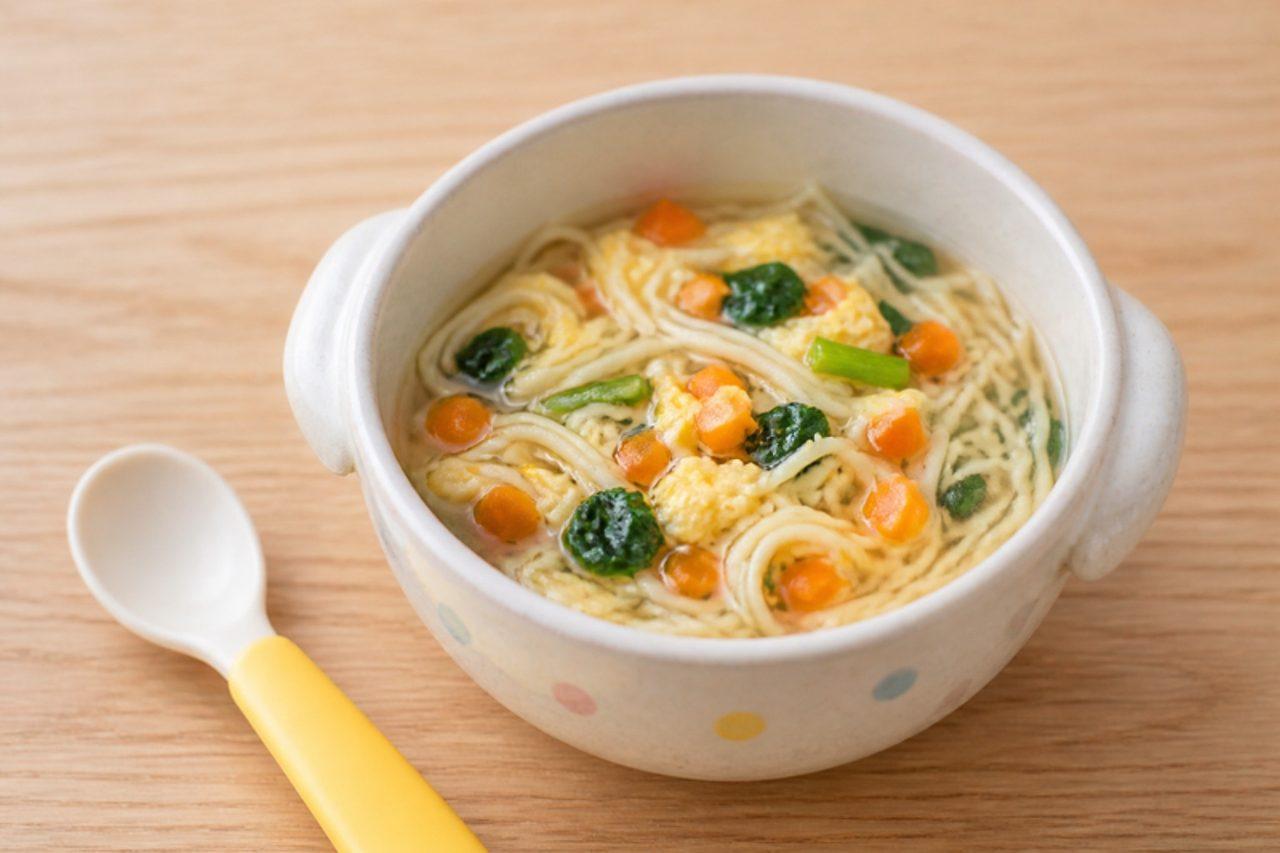
Nyumen is the hot, winter way of eating thin somen noodles, loved in Nara and across the Kansai region, and with its gentle broth it is a classic supper for small children and anyone feeling poorly. Fine noodles, soft carrot and spinach and silky ribbons of egg sit in a light stock of kombu and dried shiitake, seasoned for toddlers with only a few drops of low-salt soy sauce. It contains gluten (wheat), egg and soya. Chef's tip: somen dough is salted, so always boil and rinse the noodles separately rather than cooking them in the broth.

by KrazyBadal 0 views

Polenta e lattePolenta in milk

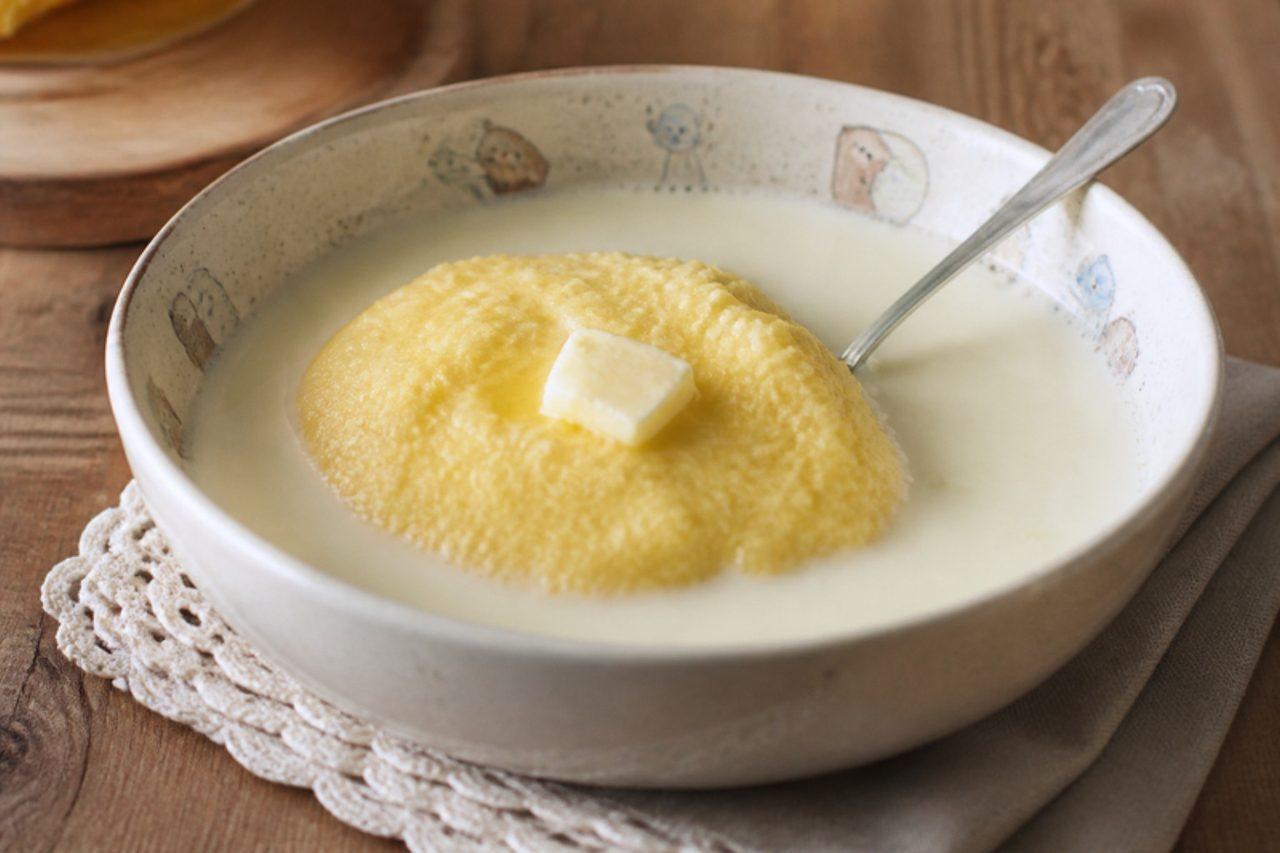
In farmhouses across Lombardy and the Veneto, the polenta left over from lunch was cut into pieces at night and dropped into bowls of warm milk for the children, and polenta e latte is still remembered fondly as a cosy winter supper. Freshly made polenta works just as well: soft, golden and comforting, with the milk soaking into it. It contains milk; it has no gluten, egg, nuts, soya, sesame or fish. Chef's tip: whisk the polenta into the water in a thin stream, like rain, to keep it smooth.

by KrazyBadal 0 views

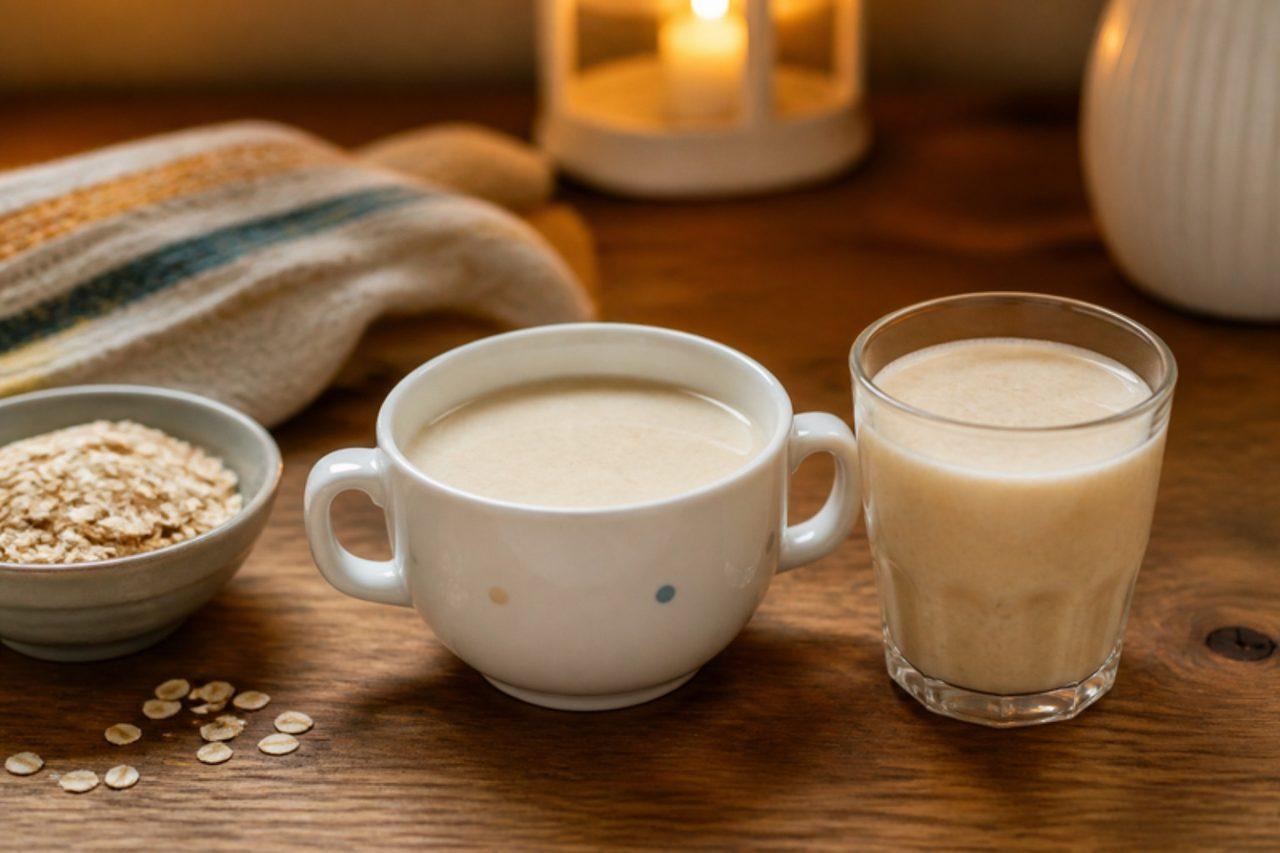
Välling (Swedish oat and milk drink)

Välling, a thin gruel of cereal and milk, has been the Swedish child's bedtime drink for generations, and many families still make their own for toddlers once they move on to cow's milk at around a year old. It is smooth, warm and lightly oaty, with no added sugar or honey. It contains milk and gluten (oats are often processed with wheat; use certified gluten-free oats if needed); there is no egg, nuts, soya, sesame or fish. Chef's tip: blend the oats to a fine flour first, so the drink is silky and flows easily from a beaker.

by KrazyBadal 0 views

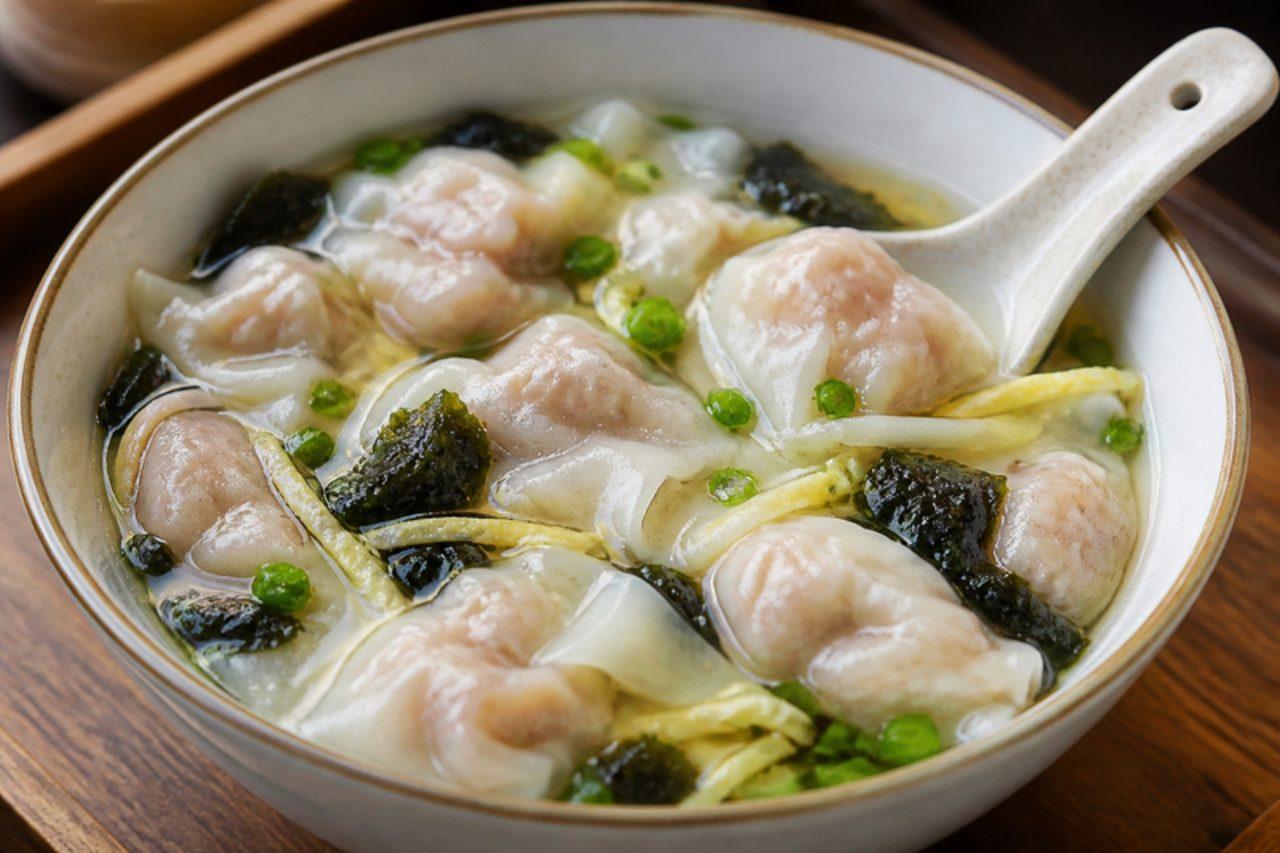
Xiao huntun (little wontons in broth)

Xiao huntun, 'little wontons' with wrappers so thin you can see the filling, are sold from breakfast stalls across Shanghai and the Jiangnan region, and their soft, slippery texture makes them a children's favourite for breakfast or supper. For toddlers from a year old the filling is seasoned with ginger and only a few drops of low-salt soy, and the broth is no-salt stock with laver and ribbons of omelette. It contains gluten (wheat wrappers), egg, soya and sesame. Chef's tip: use just half a teaspoon of filling per wrapper and scrunch it closed; that is how the little ones are made, and they cook in moments.

by KrazyBadal 0 views

Sogogi yachae-juk (beef and vegetable baby porridge)

In Korea, beef is added to a baby's rice porridge, or ijuksik, within the first weeks of weaning at about six months, because it is rich in iron. This sogogi yachae-juk blends soaked rice with lean beef, carrot and courgette into a smooth, savoury porridge that tastes gently meaty and sweet. It is made without salt, soy sauce or the sesame oil grown-ups would add. It contains none of the common allergens (milk, egg, gluten, peanut, tree nuts, soya, sesame, fish). Chef's tip: soak the beef in cold water for 15 minutes first to draw out the blood, which keeps the porridge clean-tasting and pale.

by KrazyBadal 0 views

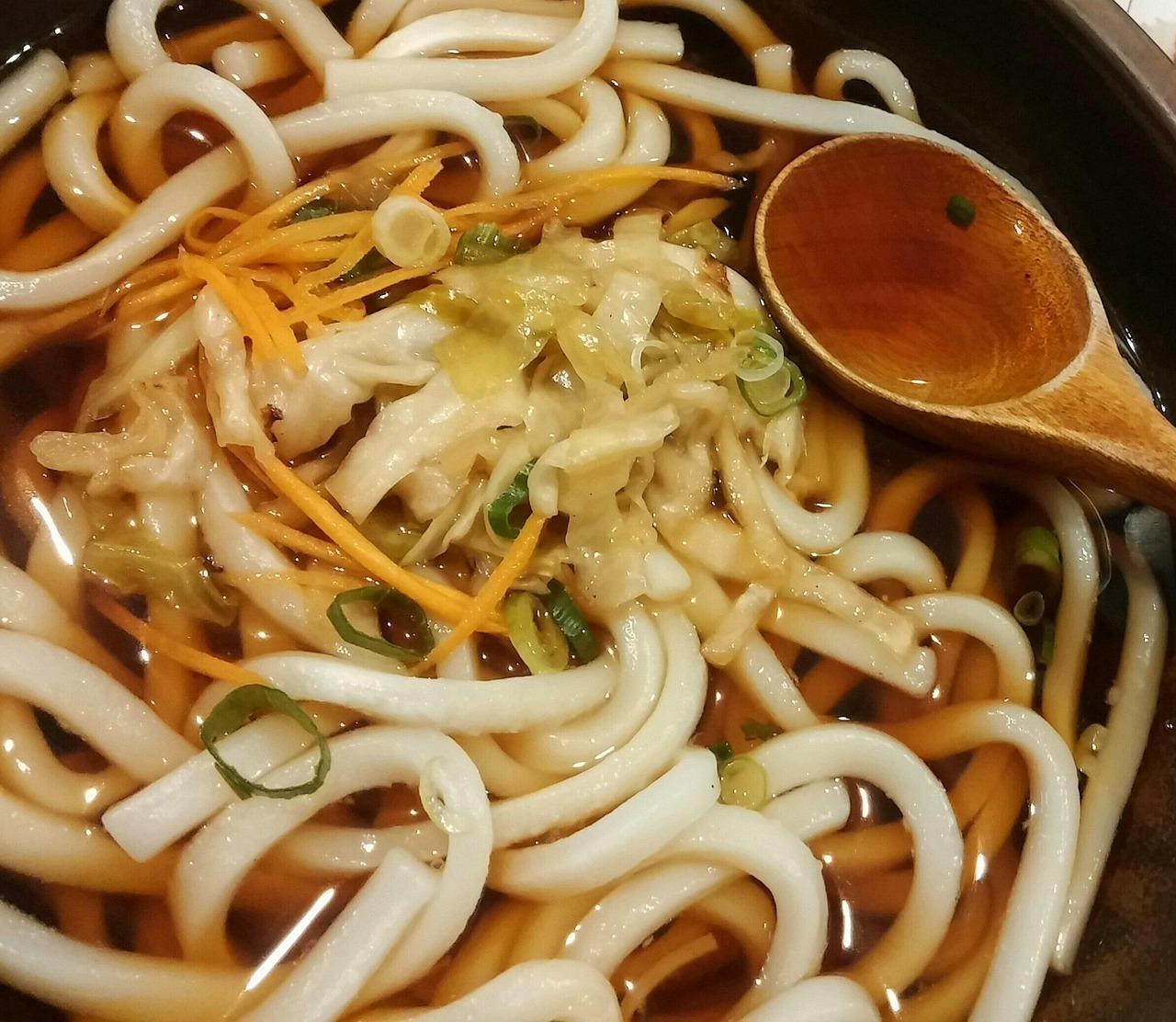
Kutakuta udon (soft-simmered baby udon)

Japanese parents call this kutakuta udon, 'floppy udon': thick wheat noodles simmered far longer than usual until they are soft enough to squash between two fingers, then chopped short for babies who are learning to chew, usually from around seven to nine months. The broth is a light kombu stock with sweet grated carrot and daikon and no soy sauce at all, so it tastes gentle and clean. It contains gluten (wheat); the other common allergens (milk, egg, peanut, tree nuts, soya, sesame, fish) are not in it. Chef's tip: kombu is rich in iodine, so use only a small piece, soak it briefly and lift it out before the broth boils.

by KrazyBadal 0 views

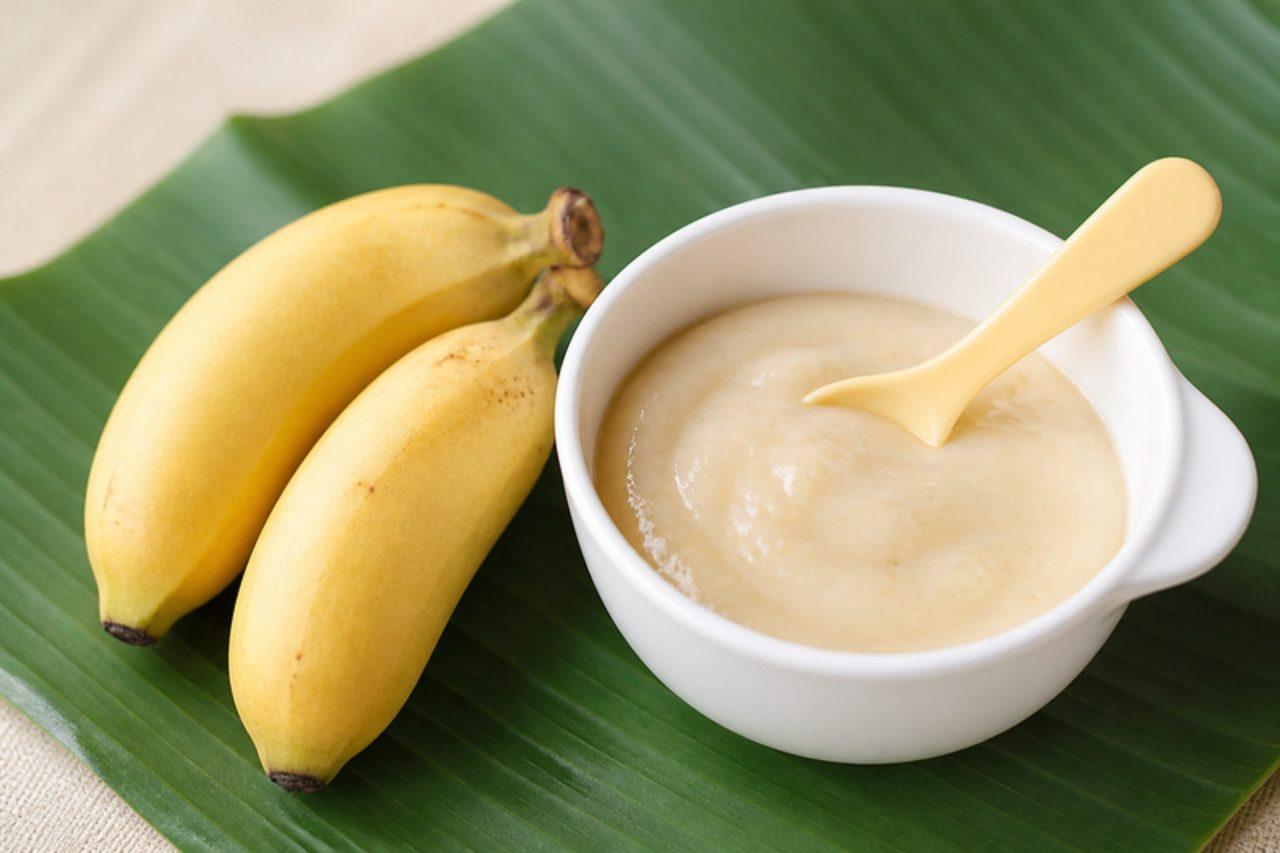
Mashed nam wa banana (kluay nam wa bod)

Ask a Thai grandmother about first foods and she will talk about kluay nam wa, the short, plump banana that grows in nearly every garden in Thailand. Ripe ones are steamed, which softens the slightly astringent edge, then scraped and mashed for a baby's first taste, often in the afternoon. It is sweet, creamy and needs nothing added. There are no common allergens (milk, egg, gluten, peanut, tree nuts, soya, sesame, fish). If you can't find nam wa, use a small, very ripe ordinary banana. Chef's tip: steam the banana in its skin; it keeps the flesh moist and stops it browning.

by KrazyBadal 0 views

Bouillie (French baby cereal porridge)

In France, la bouillie is the warm cereal porridge that joins a baby's morning or evening milk at around six months. It is simply the baby's usual milk, breast milk or formula, thickened with plain infant cereal or fine oat or rice flour, and given from a spoon, or thinner from a bottle as many French families do at bedtime. It is creamy and mild. It contains milk from the formula, and gluten if you use oat or wheat cereal; there is no egg, nuts, soya, sesame or fish. Chef's tip: choose a cereal with no added sugar or flavourings; you can add a spoon of fruit purée for sweetness later.

by KrazyBadal 0 views

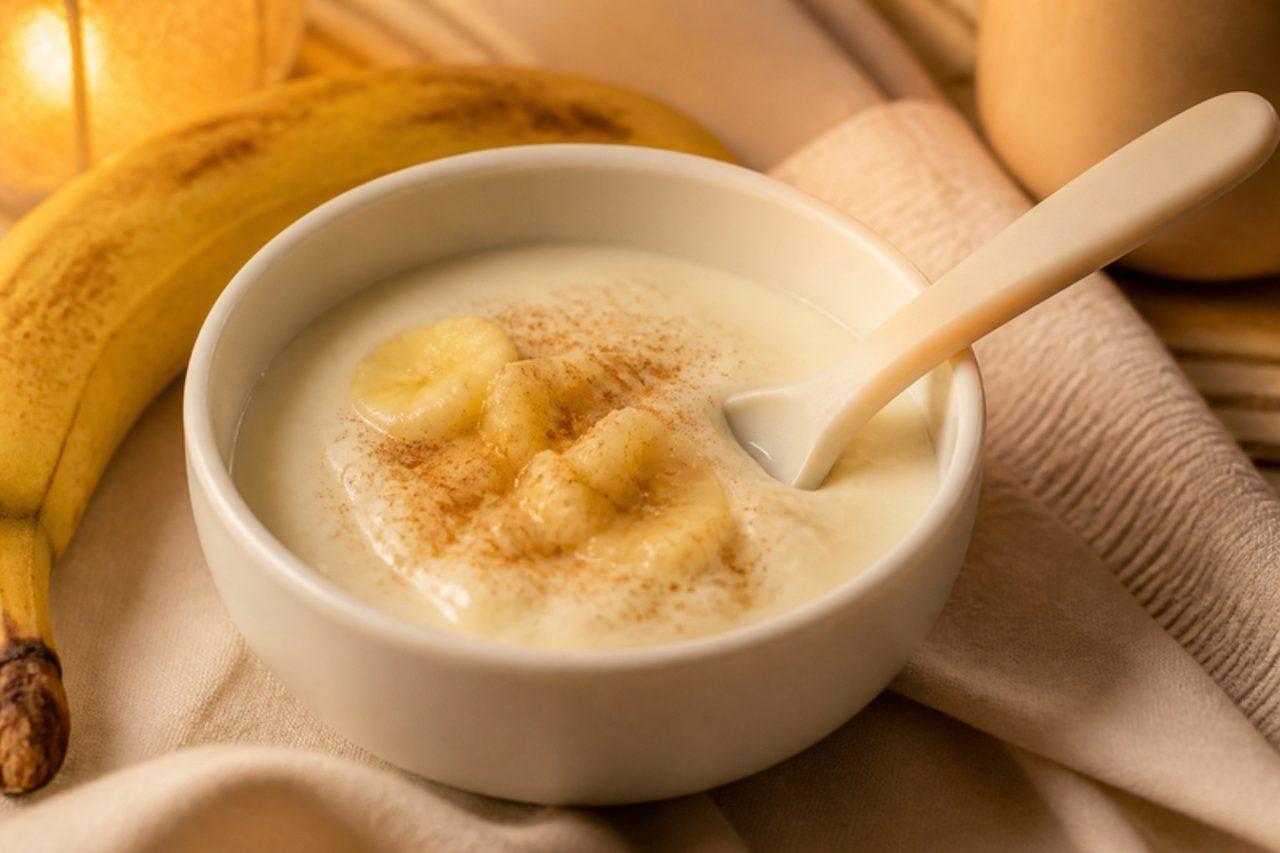
Mingau de maisena (cornflour milk porridge)

In homes across Brazil, a little bowl of mingau de maisena is the classic supper before bed: milk stirred with cornflour over a low heat until it turns smooth and spoonable, like a thin custard. Grandmothers usually add sugar and cinnamon, but for babies from nine months the sweetness comes from mashed ripe banana instead. It contains milk (cow's milk is fine cooked into food from this age); it has no gluten, egg, nuts, soya, sesame or fish. Chef's tip: mix the cornflour into cold milk before heating, never into hot milk, or it forms lumps at once.

by KrazyBadal 0 views

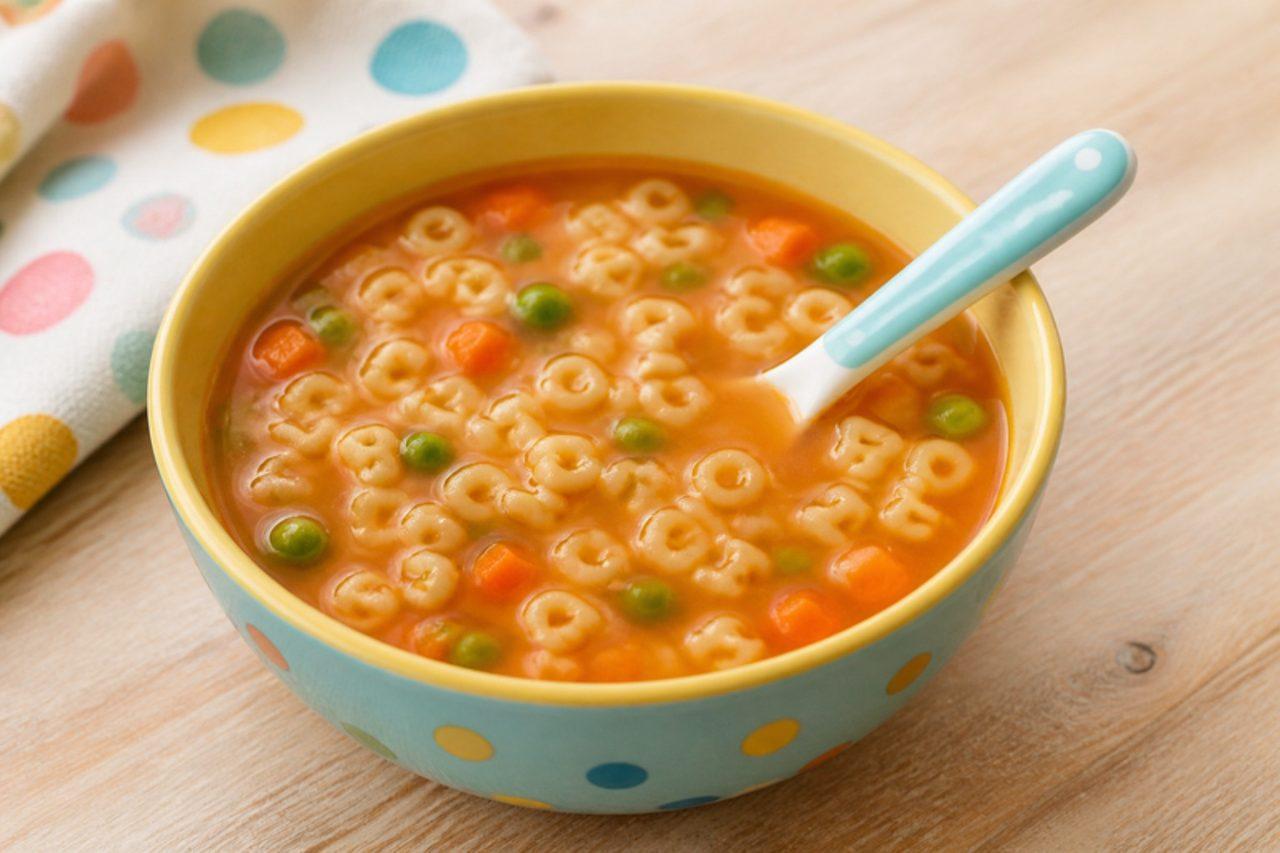
Sopa de letras (Mexican alphabet soup)

Sopa de letras is the soup almost every Mexican child grows up on, served as the 'sopa aguada' course at the midday meal: tiny letter-shaped pasta, toasted golden in oil, then simmered in a broth of blended tomato, onion and garlic with soft diced carrot. For toddlers it is made with a no-salt vegetable stock, so the sweetness of the tomato comes through. It contains gluten (wheat); it has no milk, egg, nuts, soya, sesame or fish. Chef's tip: toast the pasta until it smells nutty and turns light gold; that is where the flavour comes from.

by KrazyBadal 0 views

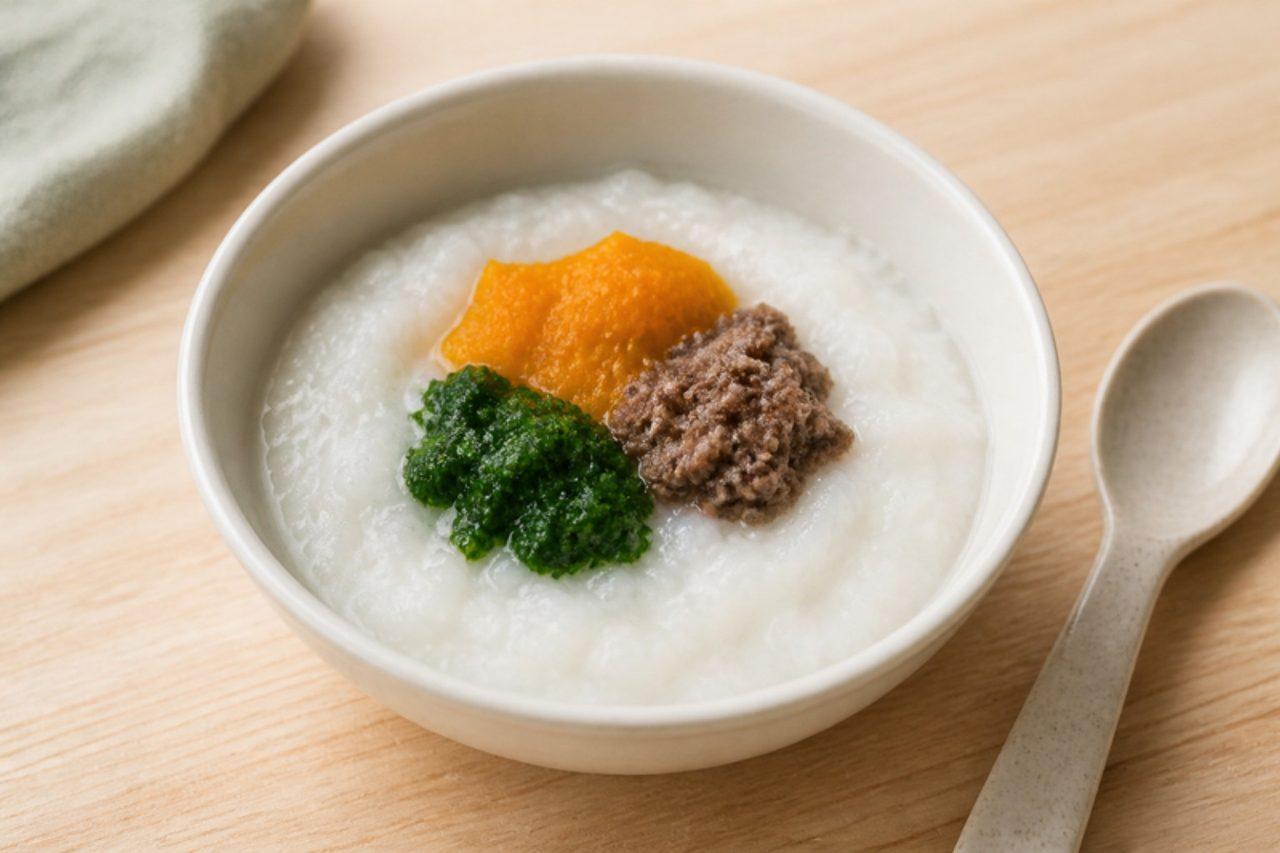
Khao bod tap gai (mashed rice with chicken liver)

Khao bod, mashed soft rice, is how Thai babies start eating with the family, and steamed chicken liver is a favourite addition because it is so rich in iron. Here it is mashed with sweet pumpkin and a few morning glory or spinach leaves, so the flavour is mellow rather than strong. Liver is very high in vitamin A, so keep it to a small portion about once a week. It contains none of the common allergens (milk, egg, gluten, peanut, tree nuts, soya, sesame, fish). Chef's tip: trim every white sinew from the livers, and the mash will be silky rather than stringy.

by KrazyBadal 0 views

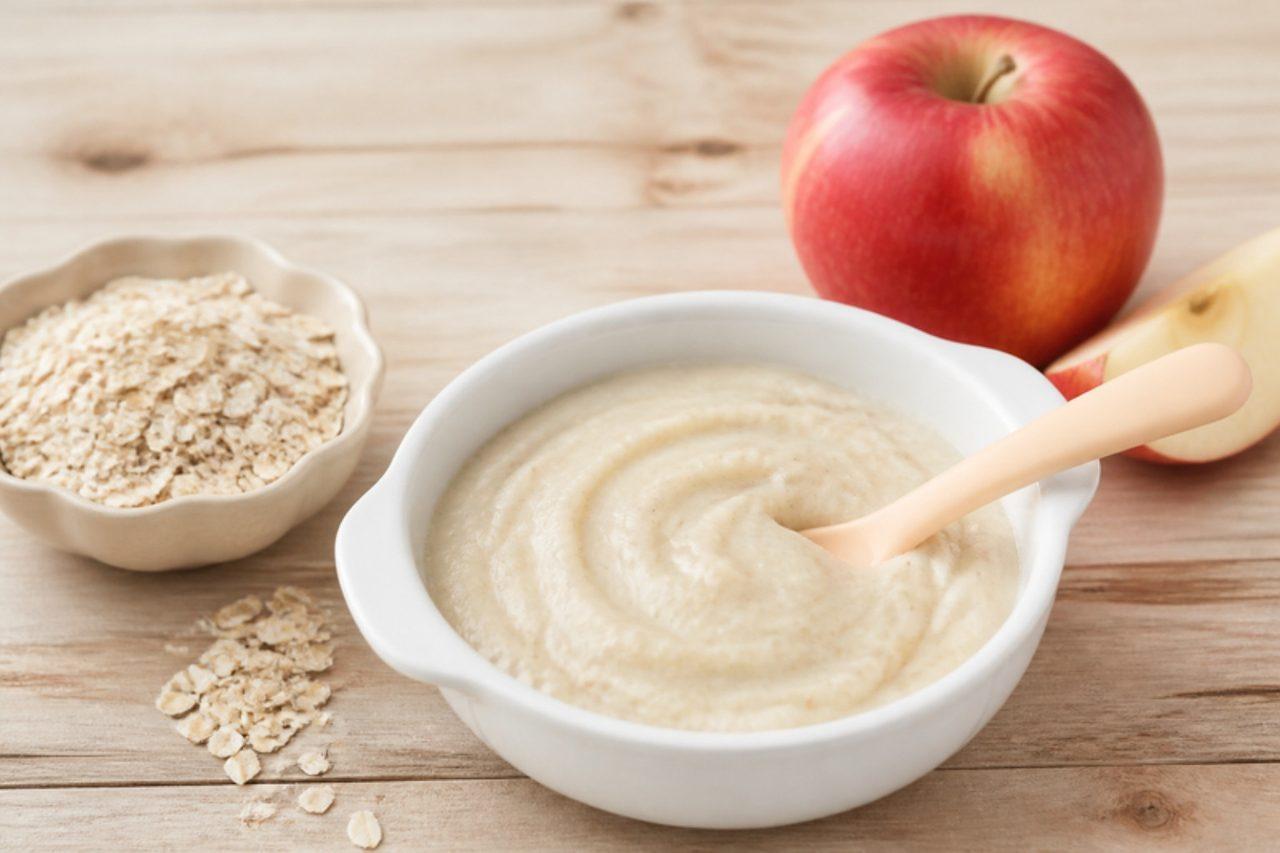
Fruit and cereal mash (Obst-Getreide-Brei)

German weaning follows a well-known plan: a vegetable lunch first, then a milk and cereal evening meal, and finally an afternoon Obst-Getreide-Brei, a dairy-free mash of cooked cereal flakes and fruit, usually from around seven months. Fine oat or millet flakes are simmered in water, then stirred into stewed apple or pear with a spoon of rapeseed oil, which German paediatric advice recommends for healthy fats. It is fruity, smooth and naturally sweet. It contains gluten if made with oats (use millet flakes for gluten free); there is no milk, egg, nuts, soya, sesame or fish. Chef's tip: stew the fruit in a little water rather than using juice, which adds sugar.

by KrazyBadal 0 views

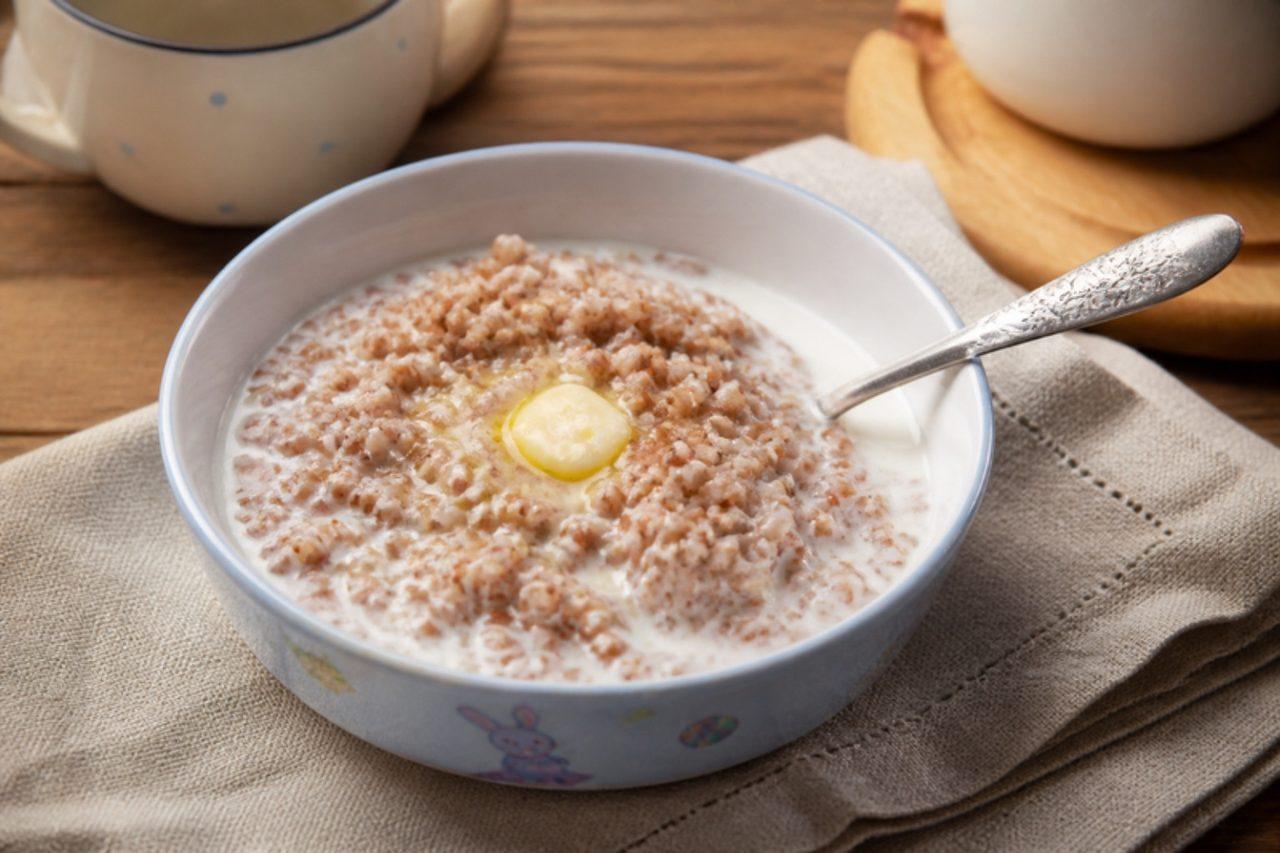
Grechka s molokom (buckwheat with milk)

Grechka s molokom, buckwheat groats cooked soft and served in a bowl of warm milk with a little butter, is the breakfast or light supper that generations of Russian children have eaten at home and in nursery school. The groats are earthy and nutty and the milk makes them gentle and sweet-tasting, without any sugar. Buckwheat is naturally gluten free (despite its name); the dish contains milk and has no egg, nuts, soya, sesame or fish. Chef's tip: use toasted buckwheat (the brown kind sold for kasha), which has the rounder, nuttier flavour.

by KrazyBadal 0 views

Showing 24 of 109 recipes

Show more recipes

Page 1 of 5

More collections