
Skip to content

Quick soups

Warming soups on the table in 30 minutes or less. (67 recipes)

Miso soup

Miso soup (味噌汁) is drunk every day in homes all over Japan, at breakfast as well as dinner, beside a bowl of rice. The base is dashi; this vegan version uses kombu and dried shiitake instead of bonito, which gives it a deep, rounded flavour. Silken tofu and wakame seaweed are the classic fillings. It takes ten minutes; just remember not to boil the miso. Chef's tip: add the miso at the very end and never let it boil. Boiling kills the miso's fresh, fermented aroma; Japanese cooks say the soup should only 'smile', with the surface barely trembling.

by KrazyBadal 1 views

Blåbärssoppa

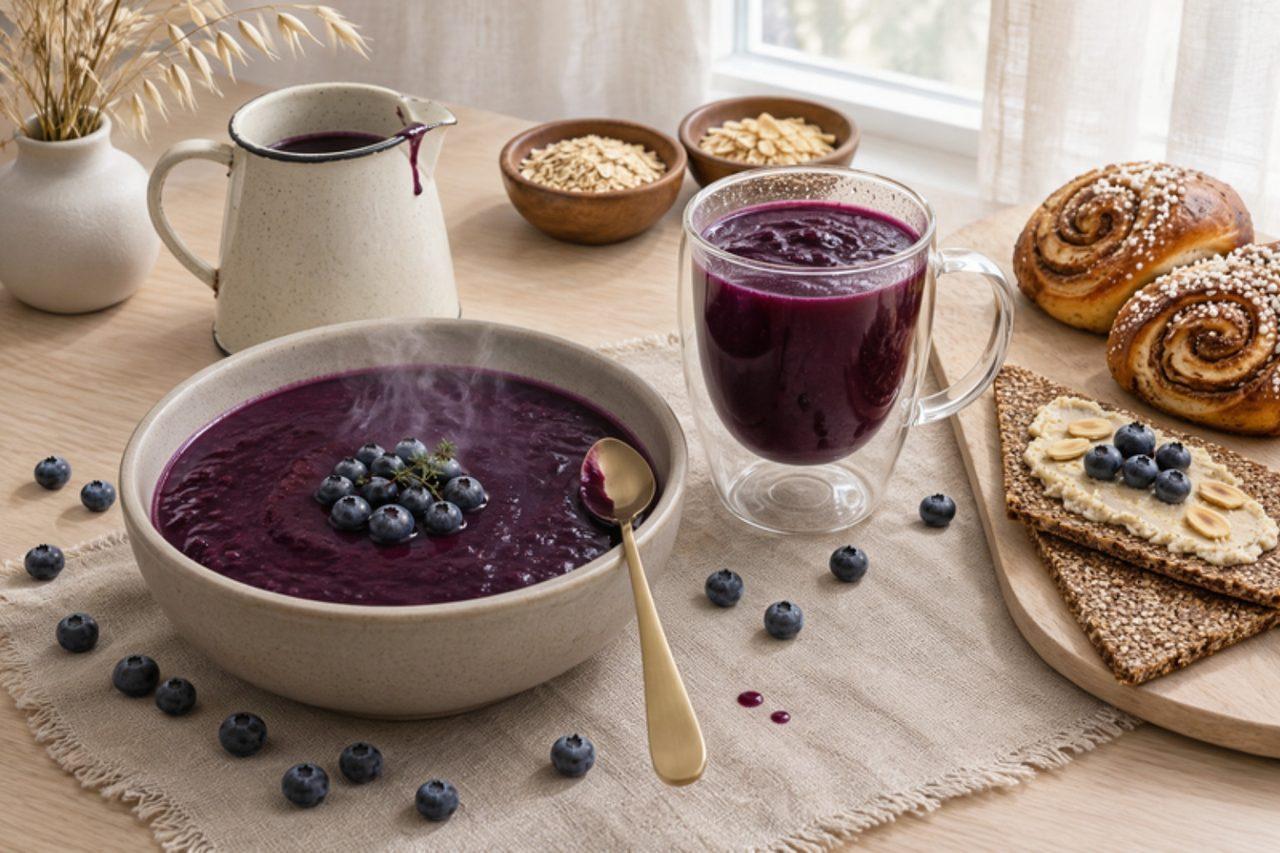
Swedes have drunk blåbärssoppa for generations, warm on a winter morning and cold from a cup after the Vasaloppet ski race, where skiers are handed it at every station. It is a thin, deep purple soup of bilberries or blueberries, sweetened and thickened just enough with potato starch to coat the tongue. The common mistake is boiling the soup after adding the starch: it turns stringy and then thins out again, so take it off the heat as soon as it thickens. Chef's tip: wild bilberries give a far deeper colour and flavour than cultivated blueberries, and frozen ones work perfectly.

by KrazyBadal 0 views

Köménymagos leves

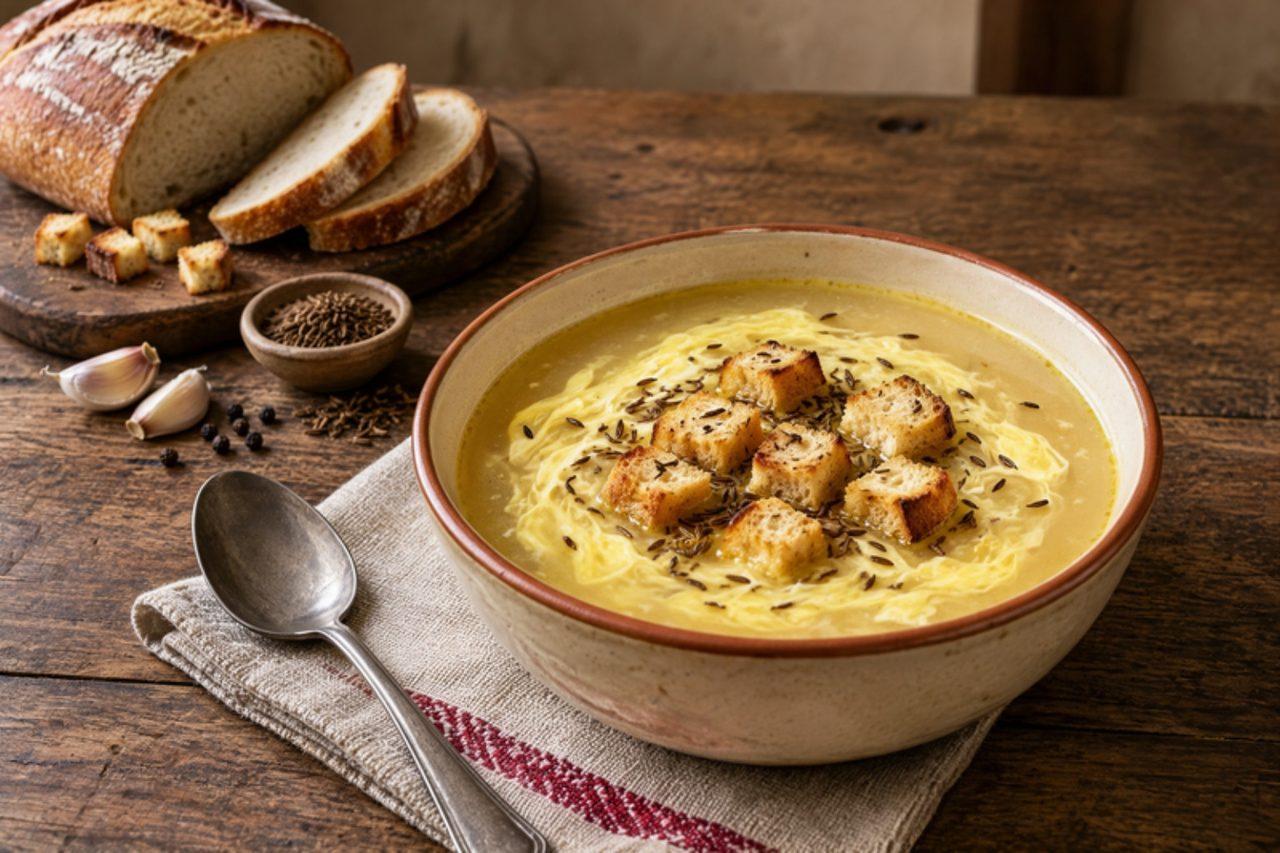
Köménymagos leves was the breakfast of Hungarian peasants and soldiers long before coffee arrived, and it is still made in villages on cold mornings and as a soothing soup after a big night. A dark roux of flour and fat is cooked with plenty of caraway and a touch of paprika, thinned with water and finished with beaten egg and crisp bread cubes. The common mistake is not browning the roux enough: pale roux gives a floury, grey soup, so keep stirring until it is the colour of hazelnuts. Chef's tip: add the paprika off the heat, just before the water, because paprika burns in seconds in hot fat and turns bitter.

by KrazyBadal 0 views

Bulanglang

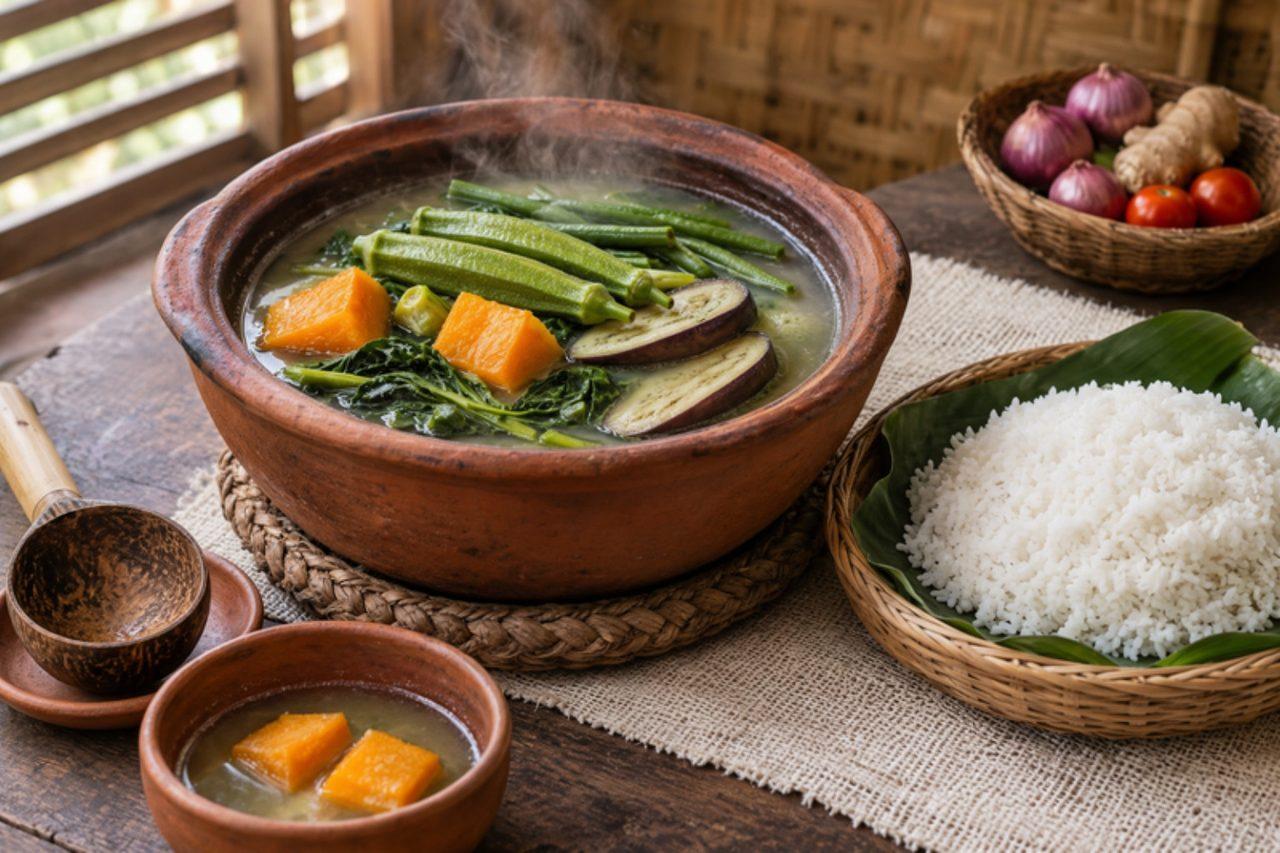
Bulanglang is the plain, light vegetable soup of Batangas and the Tagalog provinces, made in farmhouses at lunchtime from whatever is in the garden: squash, okra, string beans, eggplant and a handful of malunggay or sweet potato leaves. Instead of stock it uses hugas bigas, the cloudy water from washing rice, which gives the broth a soft, milky body. It is often eaten with grilled fish and a dip of bagoong; this version stays vegan and is served with a soy-and-calamansi dip. The usual mistake is boiling everything together from the start, which leaves mushy squash and raw-tasting okra; add the vegetables in order of firmness. Chef's tip: save the second rice wash, not the first, for the cleanest, creamiest broth.

by KrazyBadal 0 views

Jwano ko jhol

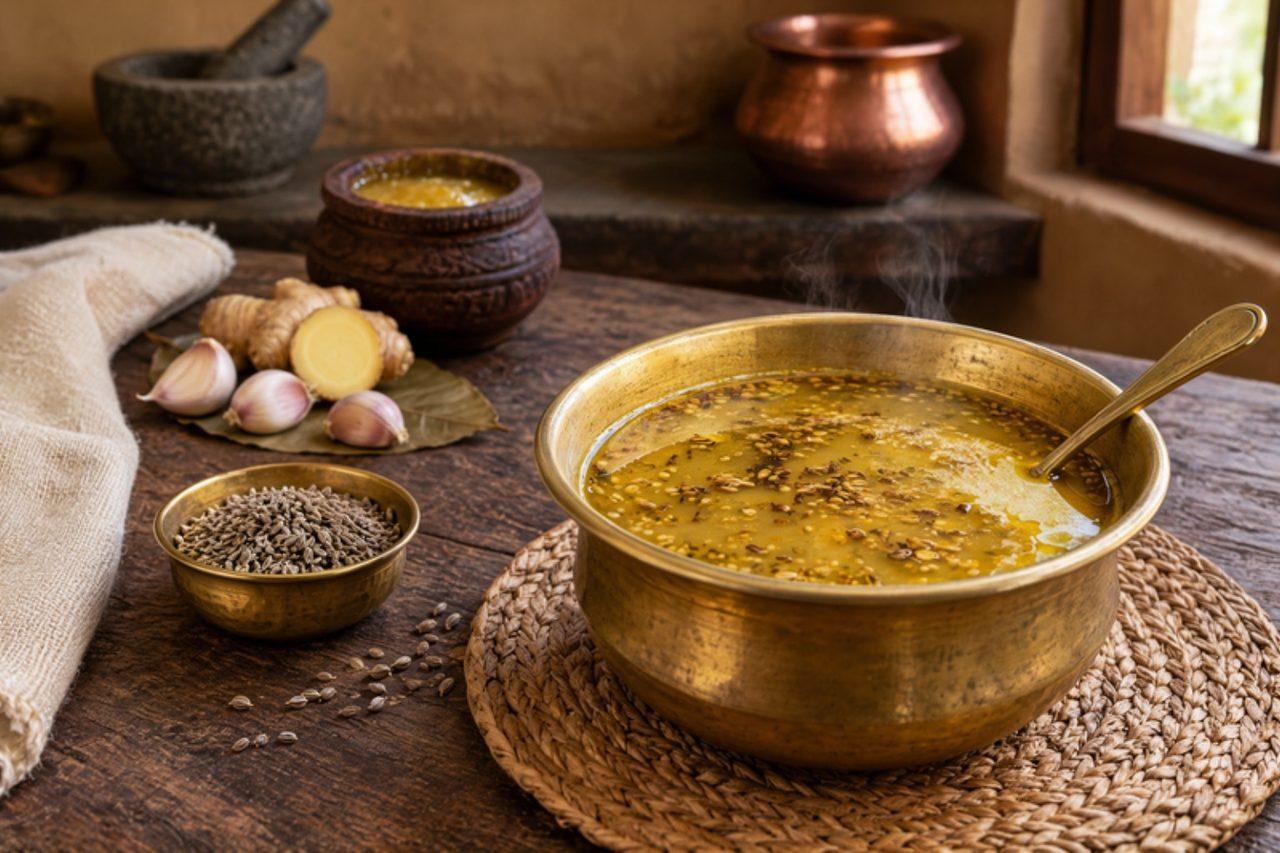
Jwano ko jhol is the soup Nepali families make for a mother in the weeks after a birth, and for anyone in the house who has a cold during the Kathmandu winter. Carom seeds are fried in ghee with a spoon of flour until nutty, then whisked with water, garlic and ginger into a thin, peppery, slightly thyme-like broth that is sipped hot from a bowl or poured over rice. The usual mistake is burning the jwano: it turns bitter in seconds, so take it off the heat as soon as it darkens a shade. Chef's tip: whisk the water in a little at a time, as with gravy, so the flour never forms lumps.

by KrazyBadal 0 views

Bantan

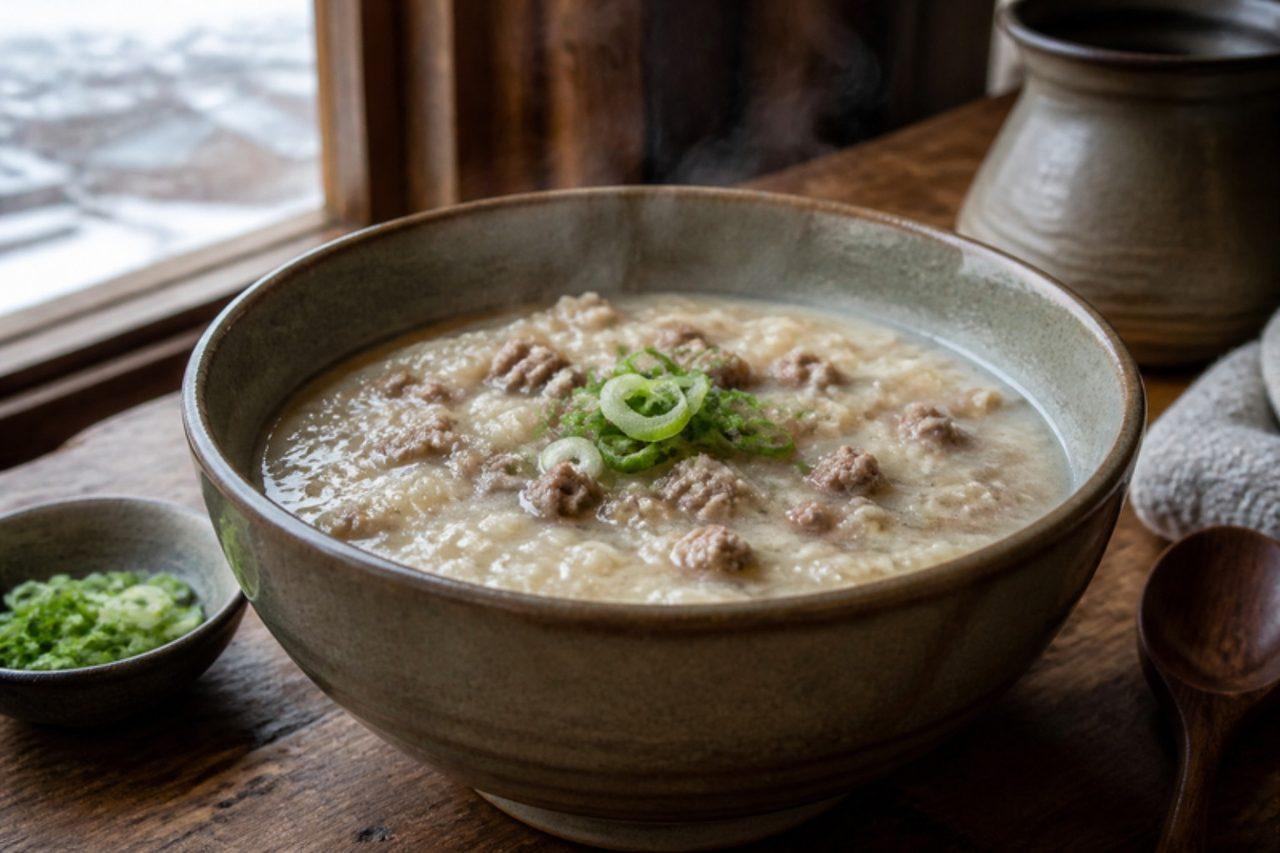
Bantan is the Mongolian comfort soup, cooked in Ulaanbaatar homes on freezing winter mornings and given to anyone who's ill, tired or recovering from a long night out. Flour is rubbed with a little water into tiny crumbs, which thicken a broth of minced mutton or beef into a soft, porridge-like soup. It is plain, warming and ready in half an hour. A common mistake is dumping the crumbs in at once, which makes lumps; sprinkle them slowly while stirring. Chef's tip: rub the flour between your palms until the crumbs are the size of rice grains.

by KrazyBadal 0 views

Hobak jjigae

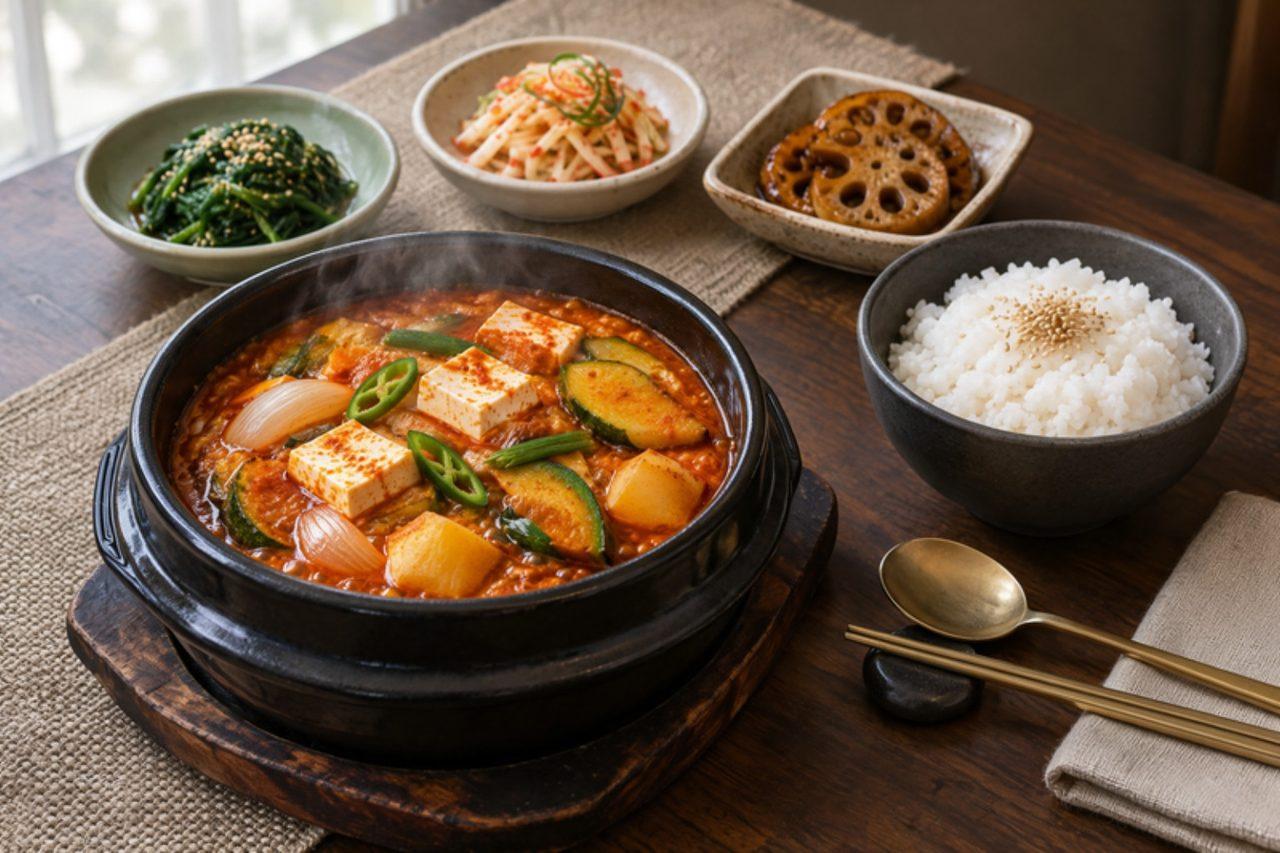
Hobak jjigae is the late-summer stew of Korean home kitchens, made when the garden throws up more courgettes (aehobak) than anyone can eat, and it lands on the table in its own pot next to rice and kimchi on any ordinary weeknight. Potato and soft tofu soften in a red, gently spicy broth of gochujang and kelp, and the courgette turns silky without falling apart. Most cooks start with anchovy stock; this one uses dried kelp and shiitake so it stays vegan. The usual mistake is adding the courgette with the potato, which leaves it mushy and grey by the time the potato is cooked. Chef's tip: a final splash of soup soy sauce (guk-ganjang) seasons the broth more deeply than salt without darkening it.

by KrazyBadal 0 views

Sayur bobor

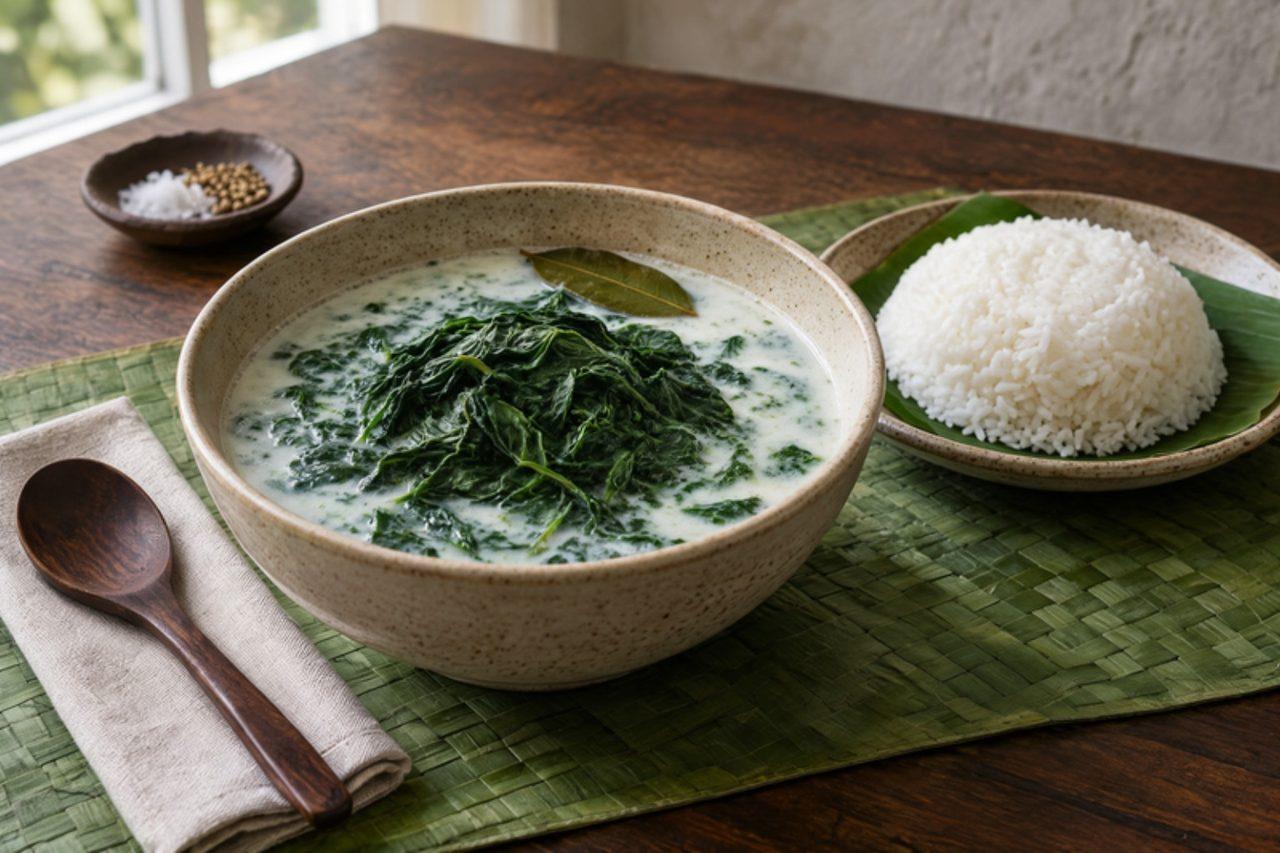
Sayur bobor is the gentle everyday soup of Central Javanese homes around Semarang and Solo, ladled over rice at lunch and often made for children, older relatives and anyone feeling poorly. Spinach, amaranth or moringa leaves are simmered for just a few minutes in a thin coconut broth scented with galangal, coriander seed and salam leaves, so it tastes creamy and mild with a hint of sweetness. Eat it with rice, fried tempeh and sambal. The usual mistake is boiling the greens too long, which turns them khaki and slimy; they need only 2–3 minutes. Chef's tip: add a few chayote or young corn pieces with the broth for a more filling bowl.

by KrazyBadal 0 views

Bouillon brède

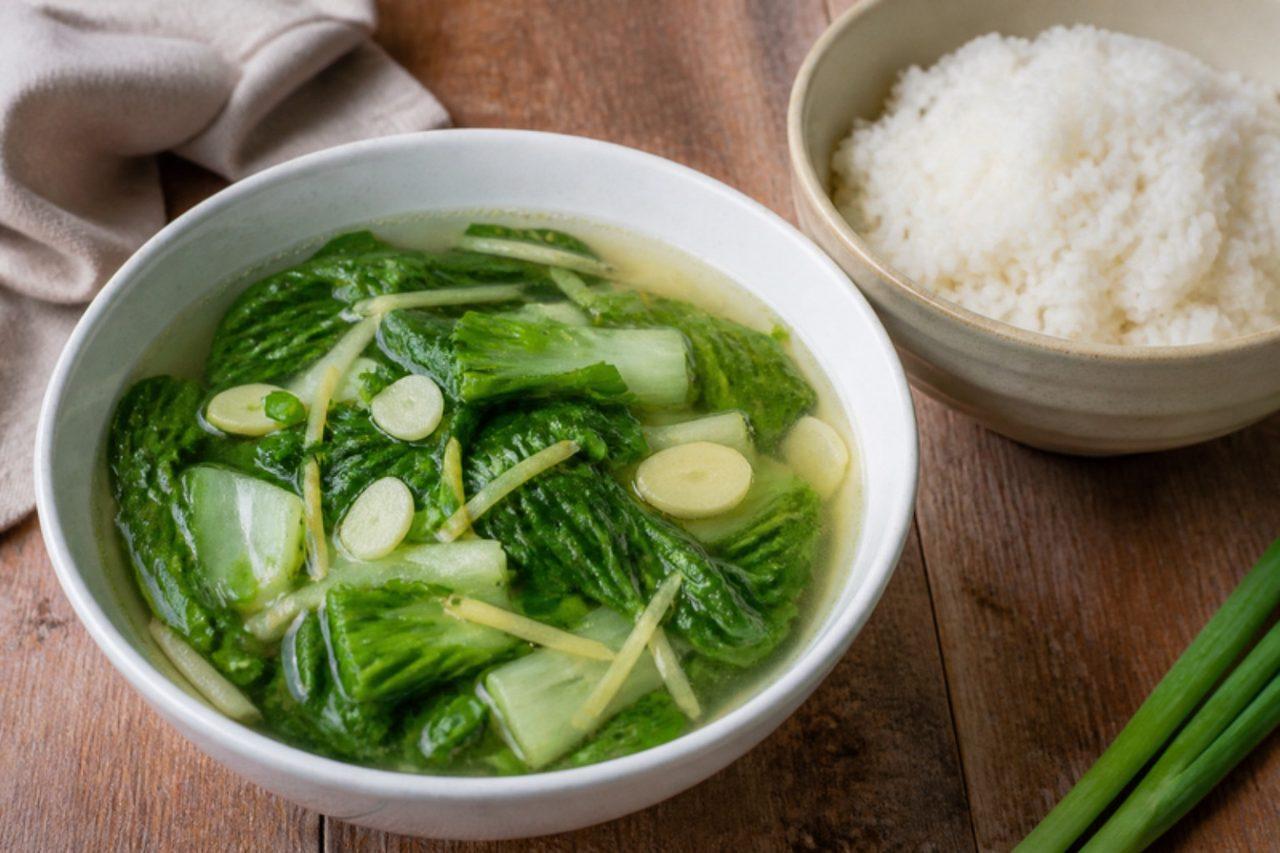
Ask a Mauritian what they eat when they are tired or under the weather and the answer is often a bowl of bouillon brède: a clear, gingery broth with soft greens, poured over plain rice next to a fried fish or a dish of lentils. The greens change with the market, from petsai (Chinese leaves) to watercress, pak choi or the leaves of the chayote vine, and the broth is never thickened, so it stays clean and almost sweet. It is done in under twenty minutes, which is why it turns up on so many weeknight tables from Rose-Hill to Mahébourg. People often boil the greens until they turn khaki and stringy; add them at the end and stop as soon as the stems are just tender. Chef's tip: crush the garlic and ginger, don't chop them, and fry them for just a minute so the broth smells warm without turning brown.

by KrazyBadal 0 views

Cheonggukjang jjigae

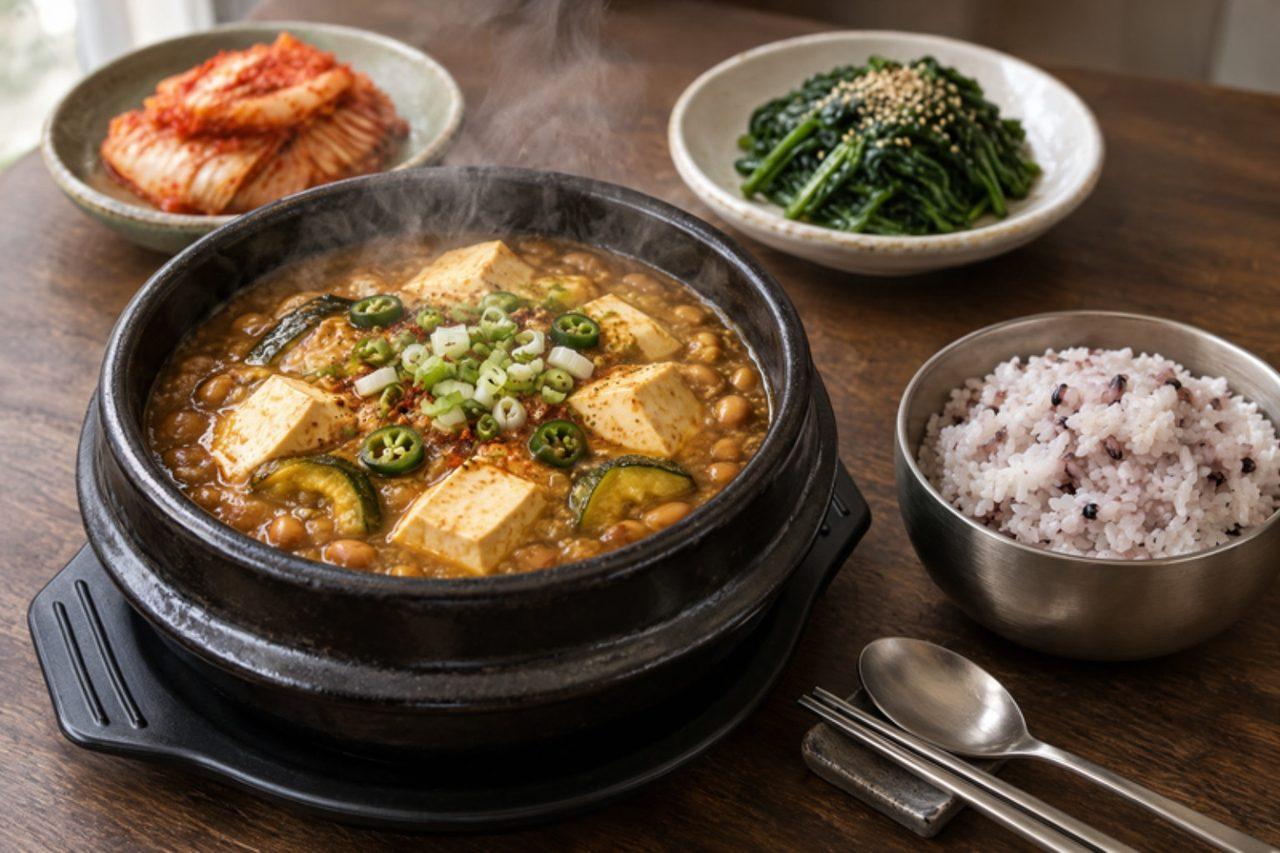
Cheonggukjang is a sticky, quick-fermented soybean paste made over two or three days in a warm room, and in Korean homes it becomes a bubbling winter stew, cooked in an earthenware pot and set in the middle of the table with rice and banchan. Its smell is famously strong, but the taste is nutty and deeply savoury, with tofu, courgette, onion and greens simmered in an anchovy-kelp stock. Suitable as part of a balanced diet: it is high in plant protein and fibre. About 230 kcal and 14 g carbohydrate per portion; eat it with a small bowl of mixed-grain rice. The usual mistake is boiling the cheonggukjang for a long time, which makes it bitter and dulls its flavour; it goes in for the last few minutes. Chef's tip: mash a spoon of doenjang in with it for a rounder, saltier base.

by KrazyBadal 0 views

Jicai doufu geng

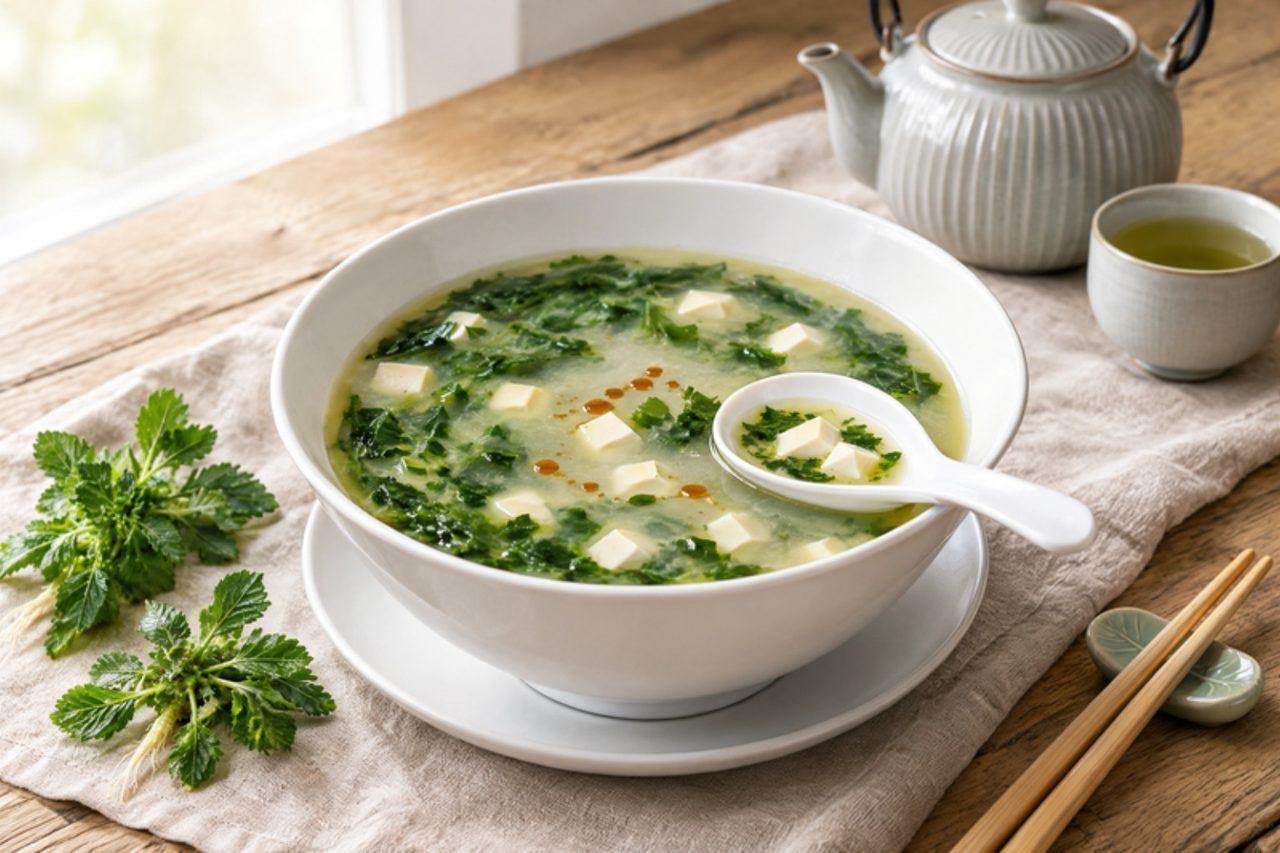
In Shanghai and Jiangsu, shepherd's purse (jicai) is picked from field edges in early spring, and this gentle, lightly thickened soup is one of the first dishes of the season at home and in Shanghainese restaurants. Finely chopped greens and small cubes of soft tofu are simmered in vegetable stock with a few shiitake, then thickened just enough to coat a spoon, giving a soothing, savoury soup with a fresh, grassy taste. Serve it as a starter or with a small bowl of rice. It is suitable as part of a balanced diet. About 110 kcal and 7 g carbohydrate per portion. The usual mistake is adding too much starch, which makes it gluey; it should flow off the spoon. Spinach works if you can't find jicai. Chef's tip: blanch and squeeze the greens before chopping, which keeps the soup bright green instead of murky.

by KrazyBadal 0 views

Sayur bening bayam for toddlers

Sayur bening, 'clear vegetables', is the light soup that turns up at nearly every Javanese family lunch in Yogyakarta and Solo, and it is one of the first family dishes Indonesian children share. Spinach and sweet corn are simmered for just a few minutes in water scented with shallot and temu kunci (fingerroot), giving a sweet, fresh broth to spoon over rice. For toddlers from 12 months it is made with no salt or sugar, and the corn is chopped. It is vegan and free of the major allergens. Chef's tip: add the spinach at the very end; overcooked bayam turns grey and bitter.

by KrazyBadal 0 views

Nyponsoppa

Nyponsoppa, rosehip soup, is one of Sweden's oldest breakfast and school-dinner soups, bright orange-red, gently sweet-sour and full of vitamin C. Families buy dried rosehip shells or powder, simmer them into a smooth soup and serve it warm in deep plates, traditionally with little almond biscuits or a spoon of cream on top. The mistake is not straining well enough: rosehips have tiny irritating hairs around the seeds, so use seedless dried shells and strain through a fine sieve. Chef's tip: finish with lemon juice off the heat, which brightens the colour and stops the soup tasting flat.

by KrazyBadal 0 views

Gē da tāng (flour-knot soup with tomato and egg)

Gē da tāng is the soup of northern Chinese homes, from Beijing hutongs to the kitchens of Hebei and Shandong, made on cold evenings or when someone is under the weather. Water is dripped onto flour until it forms little knots, which are rained into a broth of soft tomatoes and finished with egg, so the bowl is part soup, part tiny dumpling. For toddlers from 12 months it is cooked without salt or soy sauce, and the egg is simmered until fully set. It contains wheat (gluten) and egg, and sesame if you add the oil; there is no milk, nuts or soya. Chef's tip: drip the water in a thin trickle while stirring with chopsticks, so you get rice-sized knots, not a paste.

by KrazyBadal 0 views

Chłodnik litewski

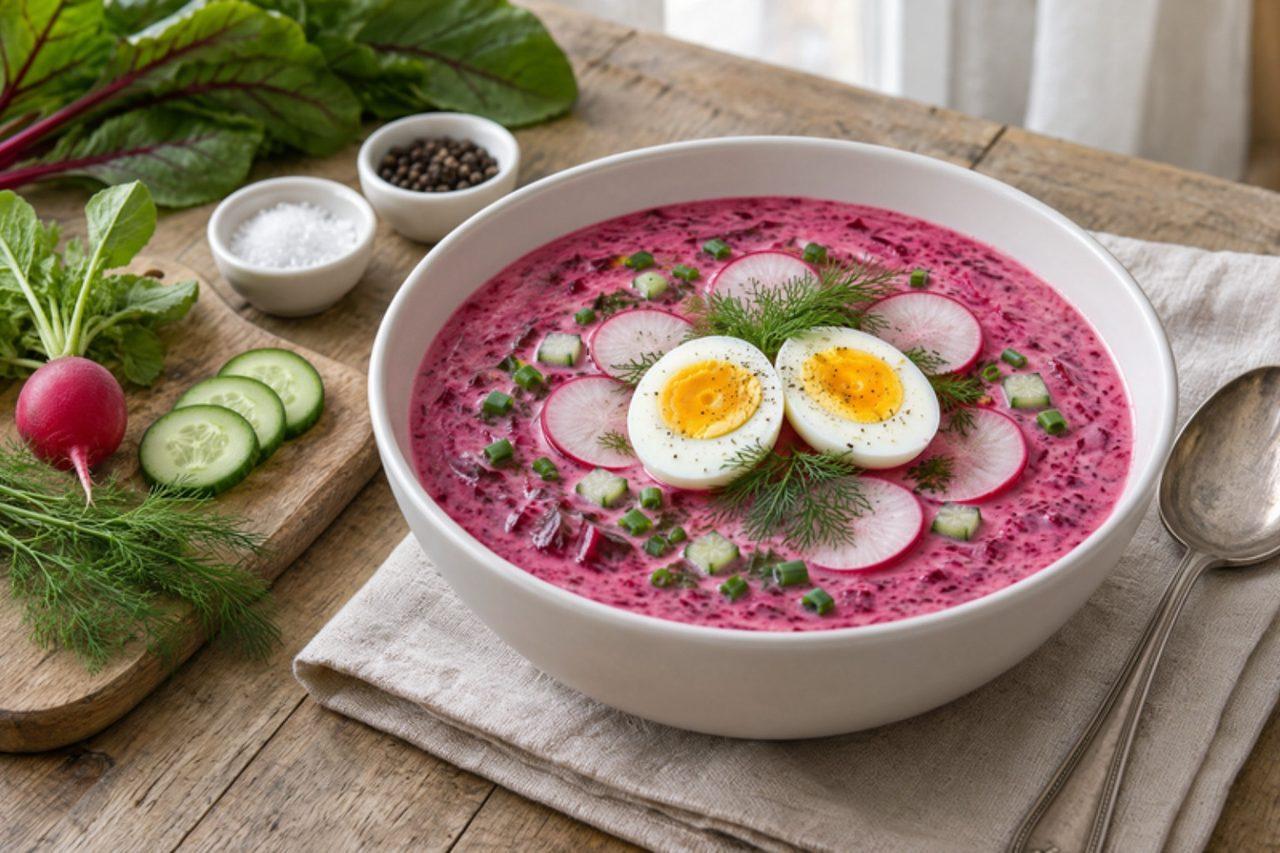
In Podlasie and the lake country of north-east Poland, chłodnik is the soup of hot June and July days, when young beets are pulled with their leaves still tender. The beet greens and baby beets are cooked briefly, chilled, then stirred into kefir with cucumber, radish, spring onion and lots of dill, so the soup turns shocking pink, tangy and cold. It is served as a starter or a light lunch with half a hard-boiled egg in each bowl. Suitable as part of a balanced diet. About 170 kcal and 13 g carbohydrate per portion. The usual mistake is mixing the kefir into warm beets, which makes it split and dulls the colour, so chill them completely first. Chef's tip: add a squeeze of lemon to the cooking beets; the acid keeps the colour a vivid pink instead of brownish.

by KrazyBadal 0 views

Chhurpi ko jhol

Soft chhurpi is the fresh, crumbly cheese that Sikkimese and Darjeeling hill families make by souring leftover buttermilk, and on cold, misty evenings it goes into this thin, fiery soup that is drunk from a bowl alongside rice. The broth is little more than tomato, onion, chilli and coriander, so the cheese has to be good: ricotta-like and mild. The most common mistake is boiling hard once the cheese is in, which makes it rubbery and the soup grainy; keep it at a gentle simmer. Chef's tip: if you cannot find chhurpi, drain fresh ricotta or crumble homemade paneer while it is still soft.

by KrazyBadal 0 views

Šaltibarščiai

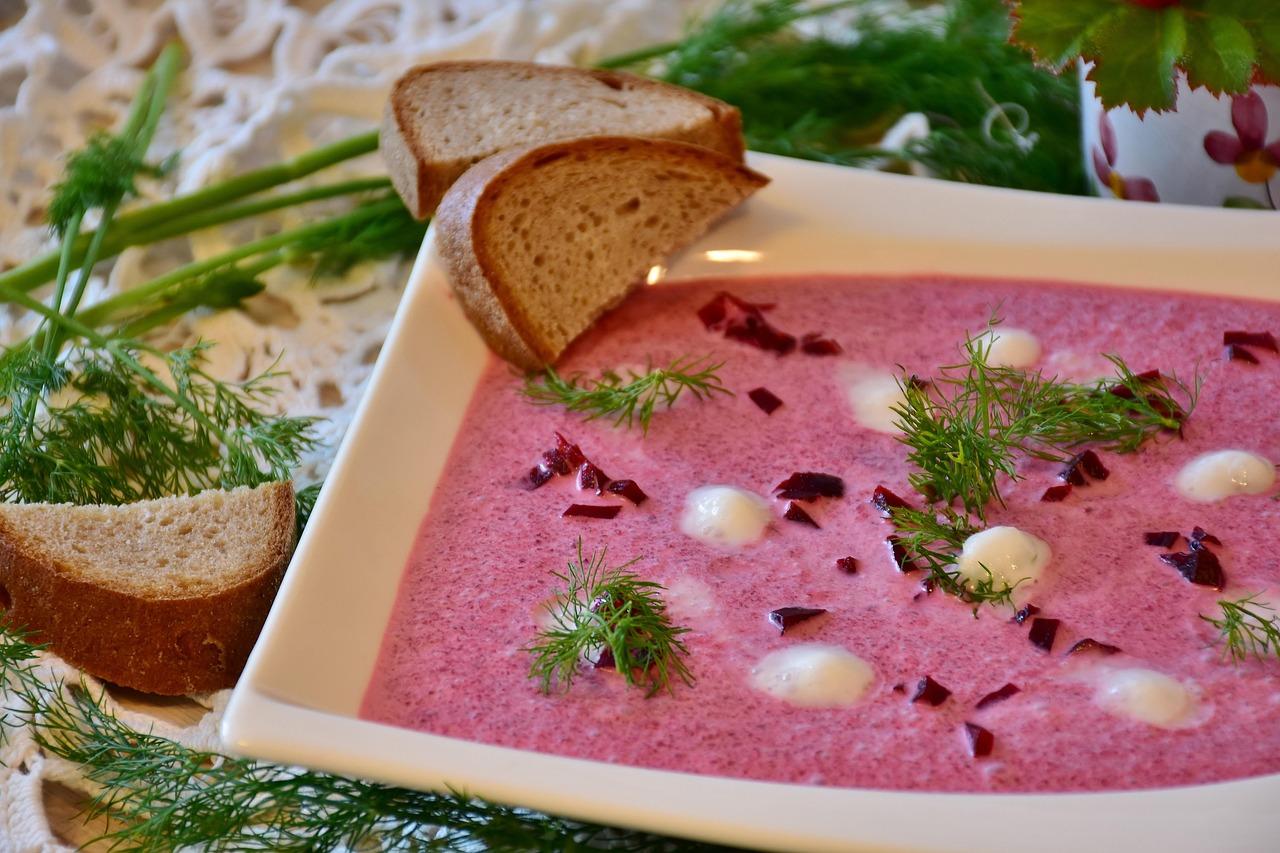
Šaltibarščiai is the shocking-pink soup of Lithuanian summers, so loved that Vilnius holds a pink soup festival every June: cooked or pickled beetroot grated into cold kefir with cucumber, dill, spring onion and boiled egg, served with a plate of hot boiled potatoes on the side. The contrast of icy soup and steaming potatoes is the point. A common mistake is using warm beetroot, which dulls the colour and warms the soup. Chef's tip: grate chilled beetroot into ice-cold kefir and let it stand for 10 minutes; the colour deepens to vivid fuchsia.

by KrazyBadal 0 views

Groninger mosterdsoep

Groningen in the far north of the Netherlands has been making mustard since the Middle Ages, and its creamy mustard soup is served in every café in the city: a velvety roux soup with leek, stock and cream, sharpened with a generous amount of coarse Groninger mustard. Most cafés top it with crisp bacon bits; this vegetarian version uses toasted croutons and chives. A common mistake is boiling the soup after the mustard goes in, which makes it bitter and grainy. Chef's tip: whisk the mustard in off the heat at the end, so it keeps its tang.

30 minDutchSoups
by KrazyBadal 0 views

Chalop

When Tashkent summers reach 40 °C, families eat chalop: chilled katyk or suzma loosened with cold water and filled with diced cucumber, radish and a pile of fresh dill, coriander, basil and spring onion. It is served in bowls with torn non bread, alongside plov or grilled shashlik, and some like a little ice in it. A common mistake is using thin, runny yogurt, which makes the soup watery; start with a thick yogurt and thin it to taste. Chef's tip: salt the cucumbers lightly and leave for 5 minutes before adding them, so they season through and stay crisp.

15 minUzbekSoupsGluten free
by KrazyBadal 0 views

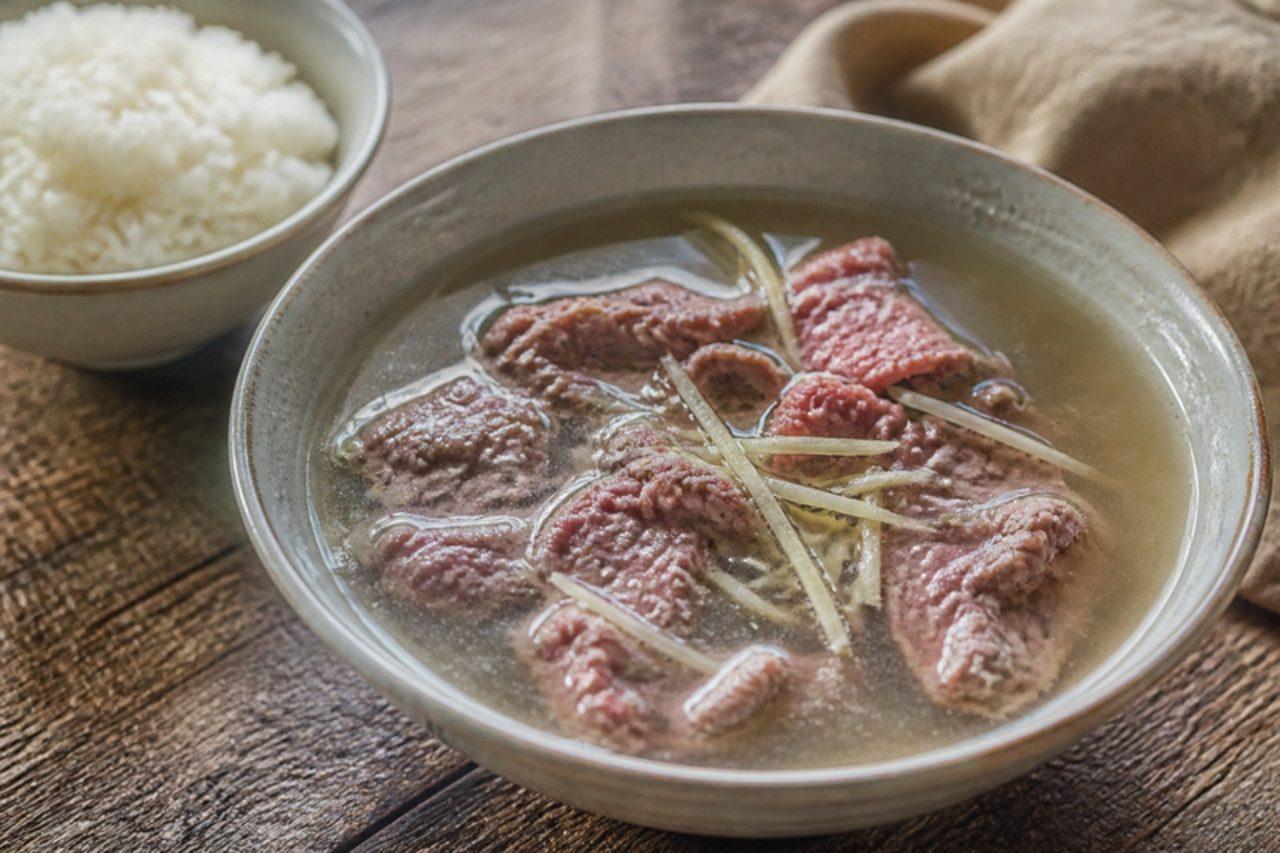
Tainan beef soup

Before dawn in Tainan, workers and night owls fill steamy shops near the slaughterhouse districts for bowls of fresh local beef sliced paper-thin and blanched by a ladle of boiling broth, eaten with rice and a saucer of soy and ginger as a sunrise breakfast. The meat is tender and rosy, the broth clean, sweet and beefy. Traditionally the slices are barely cooked; this recipe gives a safer 30-second dip in simmering broth and a fully cooked option. The pink version is not for pregnant women, young children or anyone with a weakened immune system. People often cut the beef too thick, so it toughens before it cooks through; firm it in the freezer and slice it as thin as you can. Chef's tip: bring the broth to a hard, rolling boil right before every ladle; a broth that has dropped off the boil never cooks the beef evenly.

by KrazyBadal 0 views

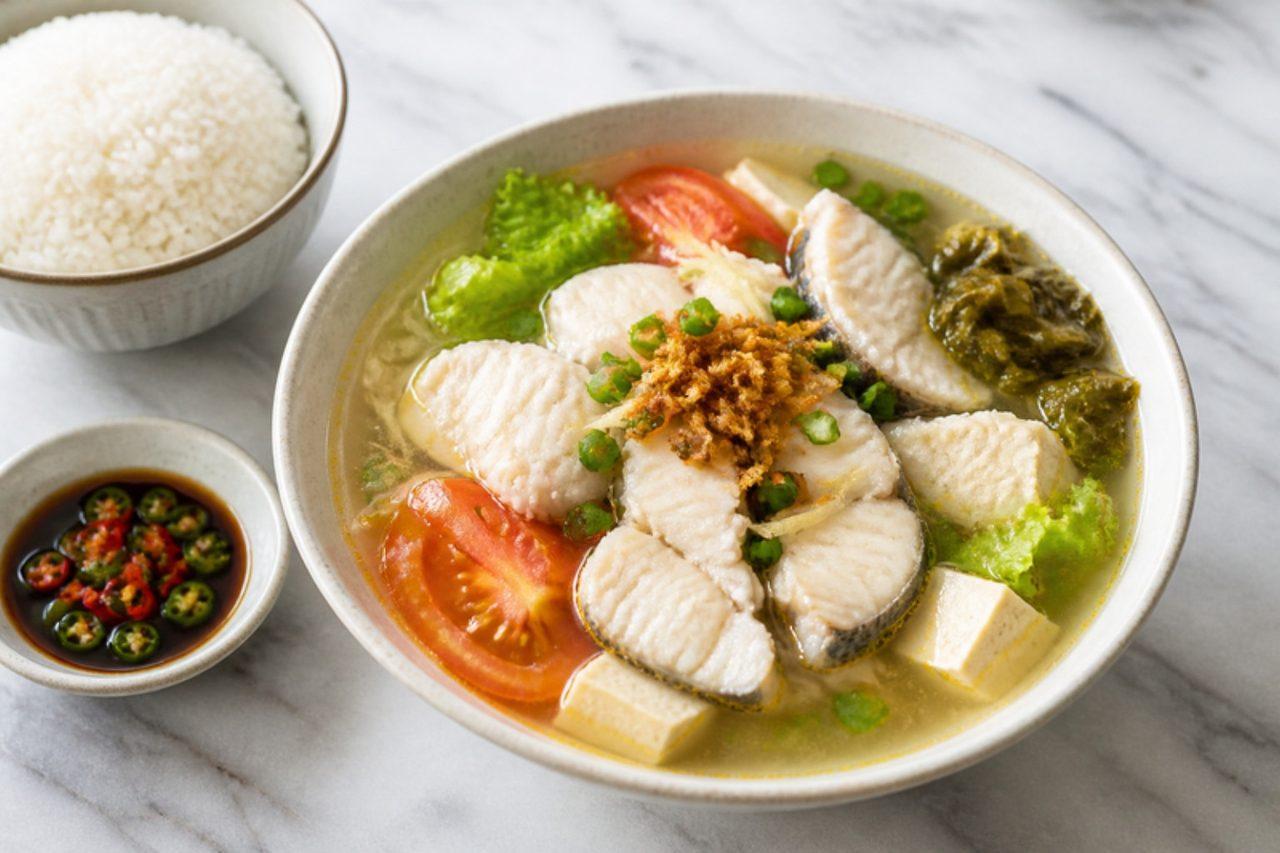
Teochew fish soup

Office workers in the CBD form long lunch queues for a dish that looks almost plain: a bowl of clear, sweet broth with thick slices of batang (Spanish mackerel), wedges of tomato, silken tofu, lettuce and a little salted vegetable, served with rice or thick rice noodles. Good stalls simmer fish bones for hours, but at home a well-flavoured stock and plenty of ginger get you close in half an hour. The fish should be just set and springy, the broth light, gently tangy from tomato and savoury from fish sauce. Most home versions go wrong by boiling the slices hard, which breaks them up and turns them chalky; they need only a few minutes at a gentle simmer. Chef's tip: toss the fish slices with a pinch of salt and a teaspoon of tapioca starch before cooking, which keeps them silky and stops them falling apart.

by KrazyBadal 0 views

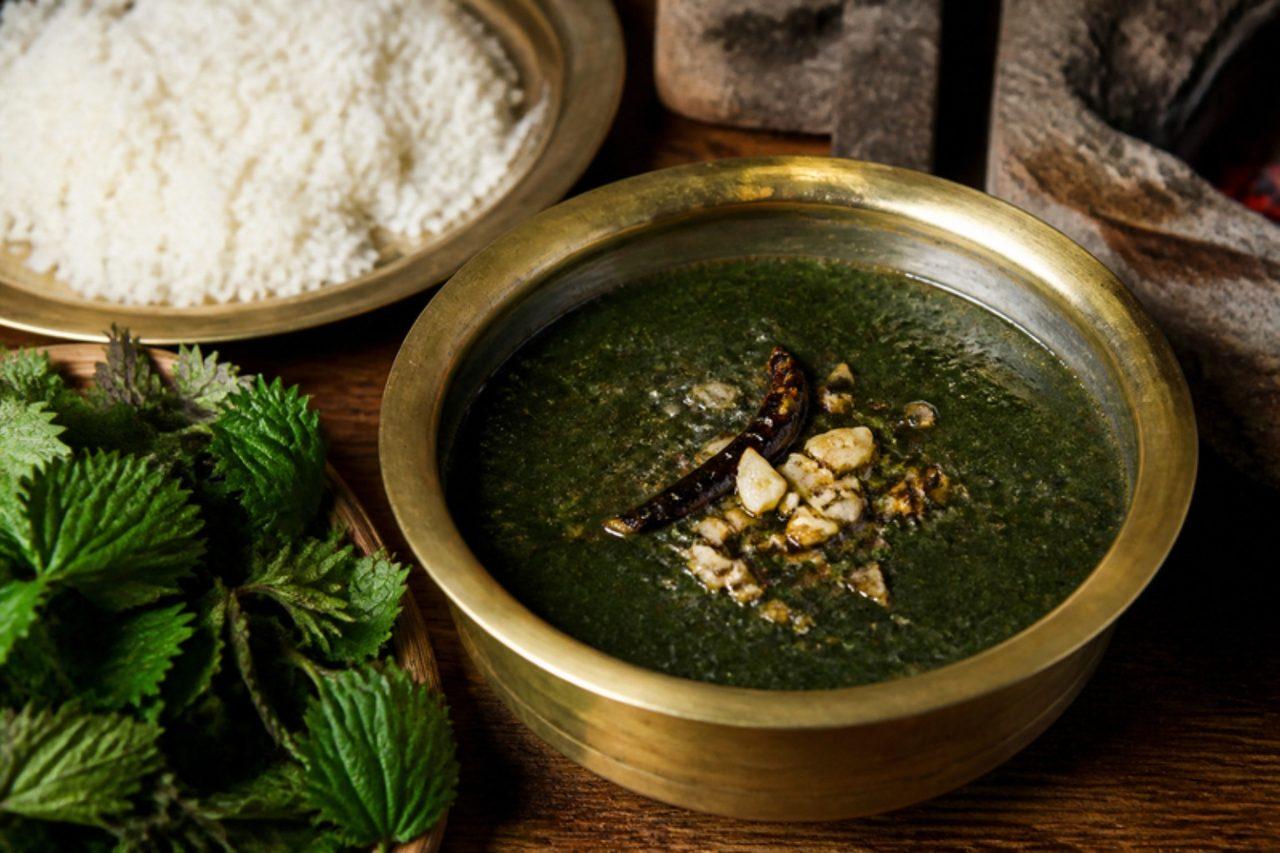
Sisnu ko jhol

Sisnu grows wild along every terrace wall and trail in the middle hills, and before vegetables were easy to buy it was the green that kept villages going through the dry season; Rai and Magar families still pick the tender tips with tongs or with a cloth wrapped round the hand. Cooked, the sting disappears completely, leaving a deep green, silky soup that tastes somewhere between spinach and seaweed, thickened with a spoonful of cornmeal and seasoned with garlic, chilli, jimbu and timur. It is poured over rice or eaten with dhido, and many Kathmandu restaurants now serve it as a proud reminder of hill cooking. Never handle the raw leaves bare-handed; the sting lasts for hours. Chef's tip: wear rubber gloves until the nettles have been in boiling water for a minute, and pick only the top four to six leaves of each shoot.

by KrazyBadal 0 views

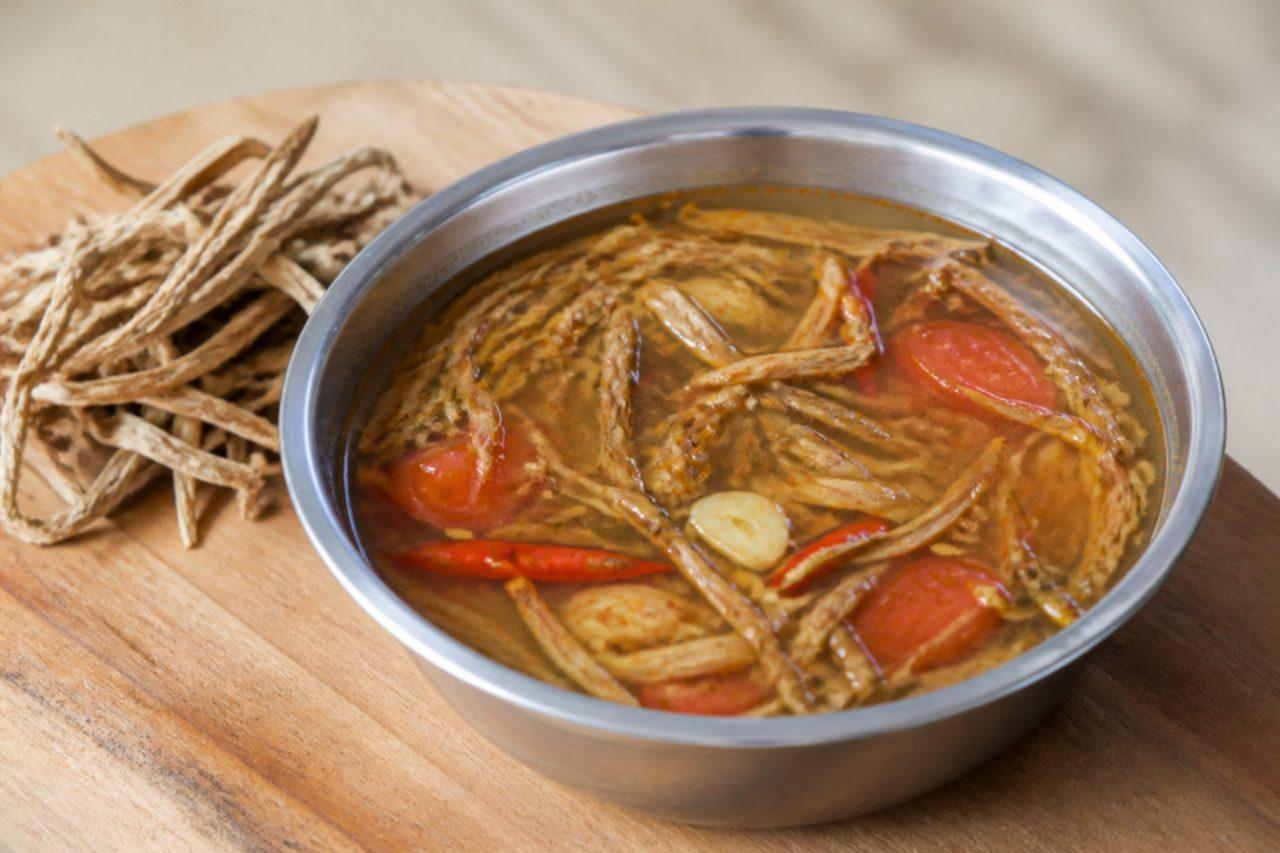
Sinki ko jhol

Sinki is the radish answer to gundruk: in late autumn, families in Ilam, Dhankuta and Terhathum pack chunks of radish root into pits lined with straw or into airtight jars, let them ferment for a few weeks, then cut and sun-dry the pieces into chewy, pungent strips that last all year. In winter and through the monsoon, a handful turns a pot of water, tomato, garlic and chilli into a thin, tangy, warming soup that is poured over rice or drunk from a bowl alongside dal bhat. It is light, sharp and savoury, and many people in the hills swear by it for a cold or a heavy stomach. It goes wrong if the sinki is not rinsed and soaked, so the soup tastes musty and gritty. Chef's tip: soak the strips in warm water for 10 minutes, squeeze them dry and fry them briefly in the oil before the water goes in, which mellows the funk and brings out a pleasant smokiness.

by KrazyBadal 0 views

Wodzionka

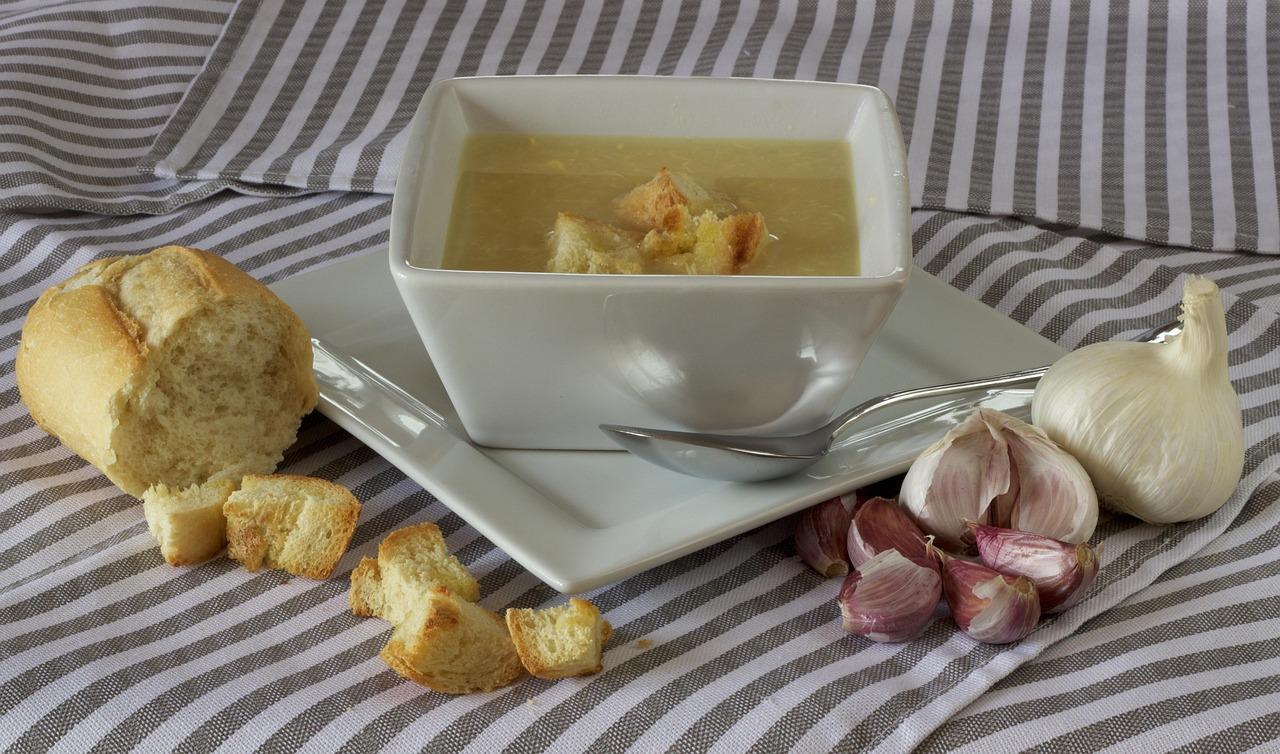
Miners' families in Upper Silesia made this from almost nothing: a few slices of yesterday's rye bread, a garlic clove, a knob of butter and boiling water poured straight into the bowl. Called brotzupa by some older Silesians, it still turns up in Zabrze and Ruda Śląska homes as a cheap, soothing supper, and newer versions use vegetable stock and add caraway or a fried onion. The bread softens into a rich, garlicky porridge with crisp-edged croutons on top. The usual slip is using fresh bread, which turns to slime; it has to be properly dry. Chef's tip: toast the cubes in butter first for a nuttier flavour and a little crunch.

by KrazyBadal 0 views

Showing 24 of 67 recipes

Show more recipes

Page 1 of 3

More collections