Skip to content

Vegan Indian recipes

Indian dishes with no dairy, ghee, eggs or meat. (418 recipes)

Sabudana khichdi

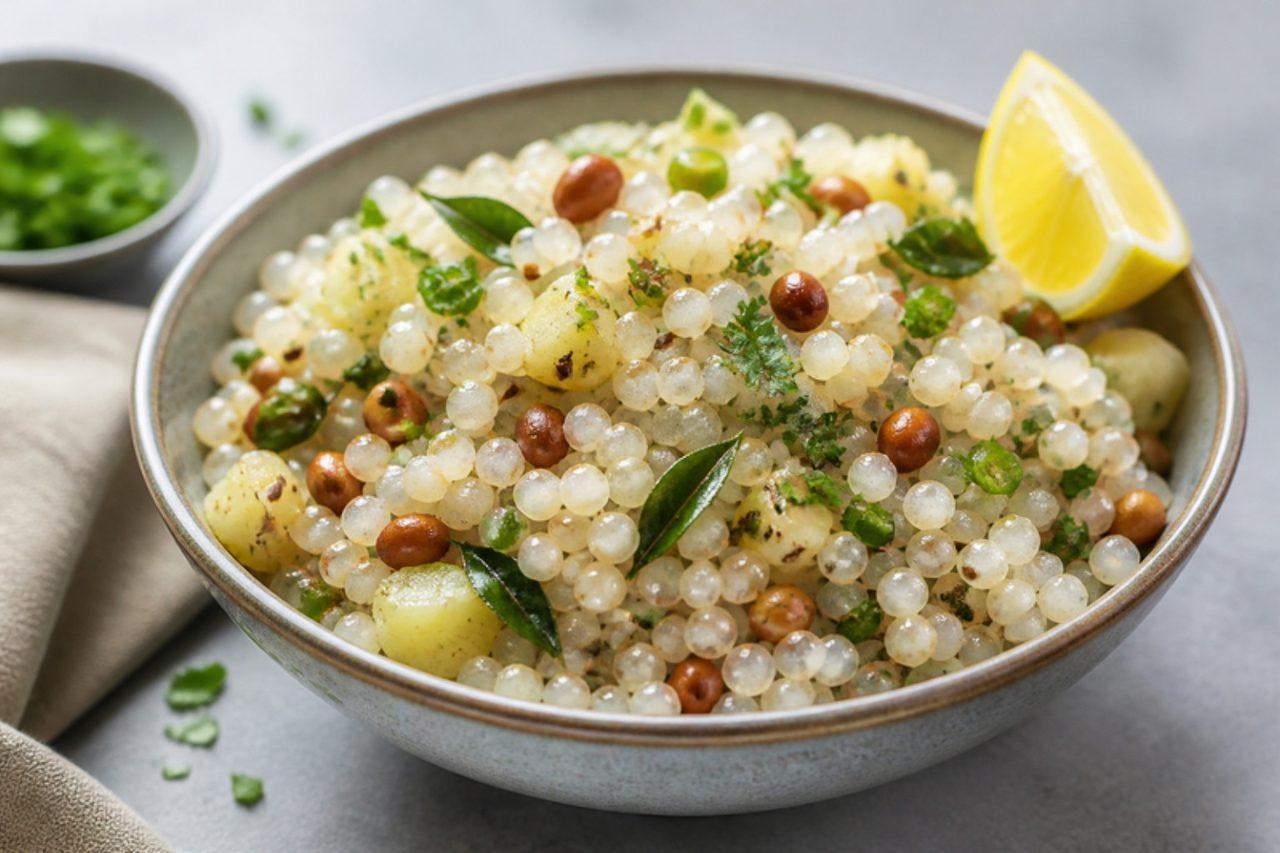
Sabudana khichdi is the dish that sees Maharashtra through every vrat (fast), from Navratri to Ekadashi, but it's so good that people eat it any day of the week. Soaked sago pearls are tossed in a pan with crushed roasted peanuts, cubes of potato, cumin and green chilli until each pearl turns glassy and separate, then finished with lemon and coriander. It's soft, chewy, nutty and gently hot. Fasting rules vary from family to family, so check yours; this version uses rock salt and no asafoetida, onion or garlic. Traditionally it's cooked in ghee; use ghee instead of oil if you aren't keeping it vegan. Chef's tip: soak the sago in just enough water to cover by the height of the pearls themselves, no more; too much water is the reason khichdi turns into one sticky lump.

by KrazyBadal 2 views

Bagara baingan

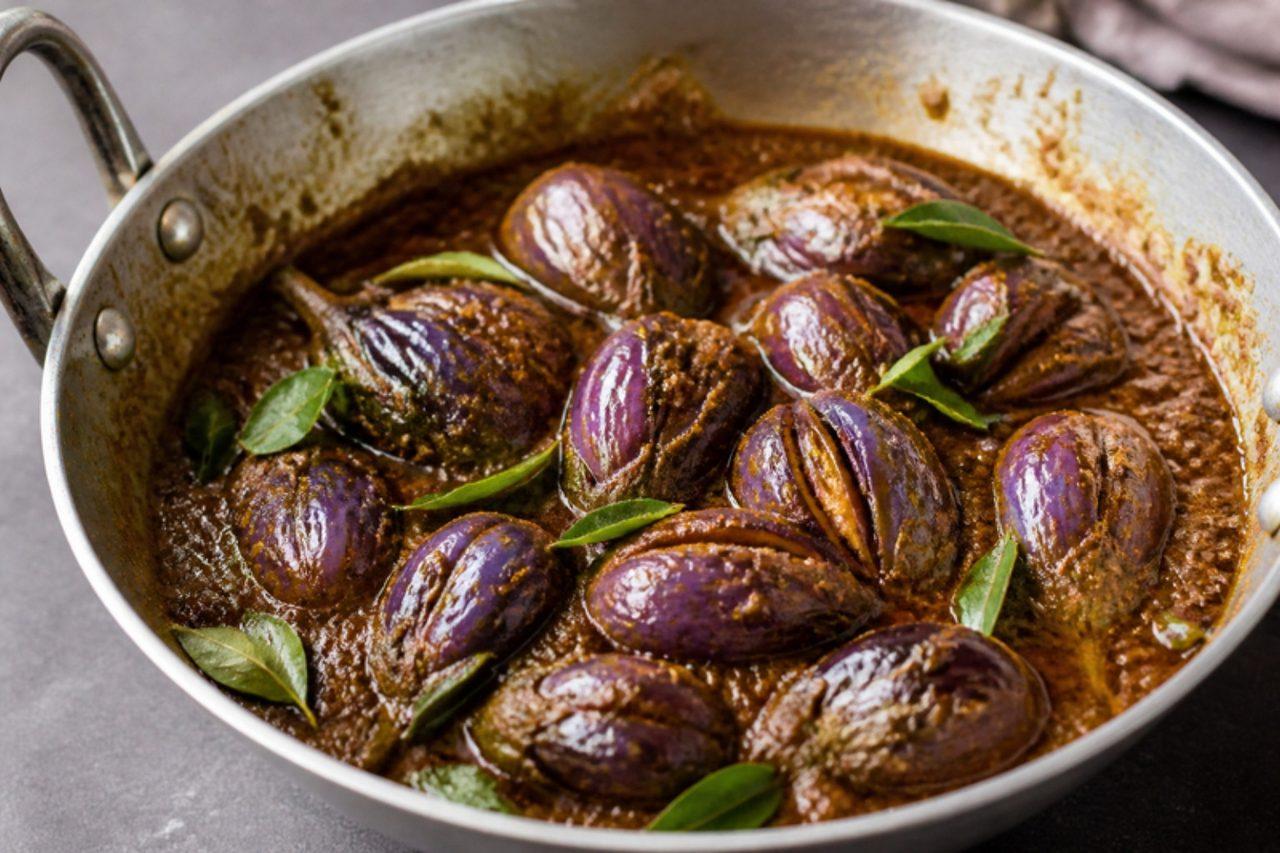
Bagara baingan is a Hyderabadi wedding dish of small aubergines cooked whole in a dark, tangy gravy of roasted peanuts, sesame, dried coconut and tamarind. Unlike a Gujarati stuffed brinjal, the aubergines here are only quartered at the base and fried until silky, then left to soak up a thin-but-rich sauce that is finished with a tempering, the 'baghar' that gives the dish its name. It's sour, nutty and gently spiced, and is served with biryani, bagara rice or plain rice. Chef's tip: choose small, glossy purple aubergines that feel heavy for their size; soft, light ones are full of seeds and turn mushy before the gravy has a chance to cling.

by KrazyBadal 2 views

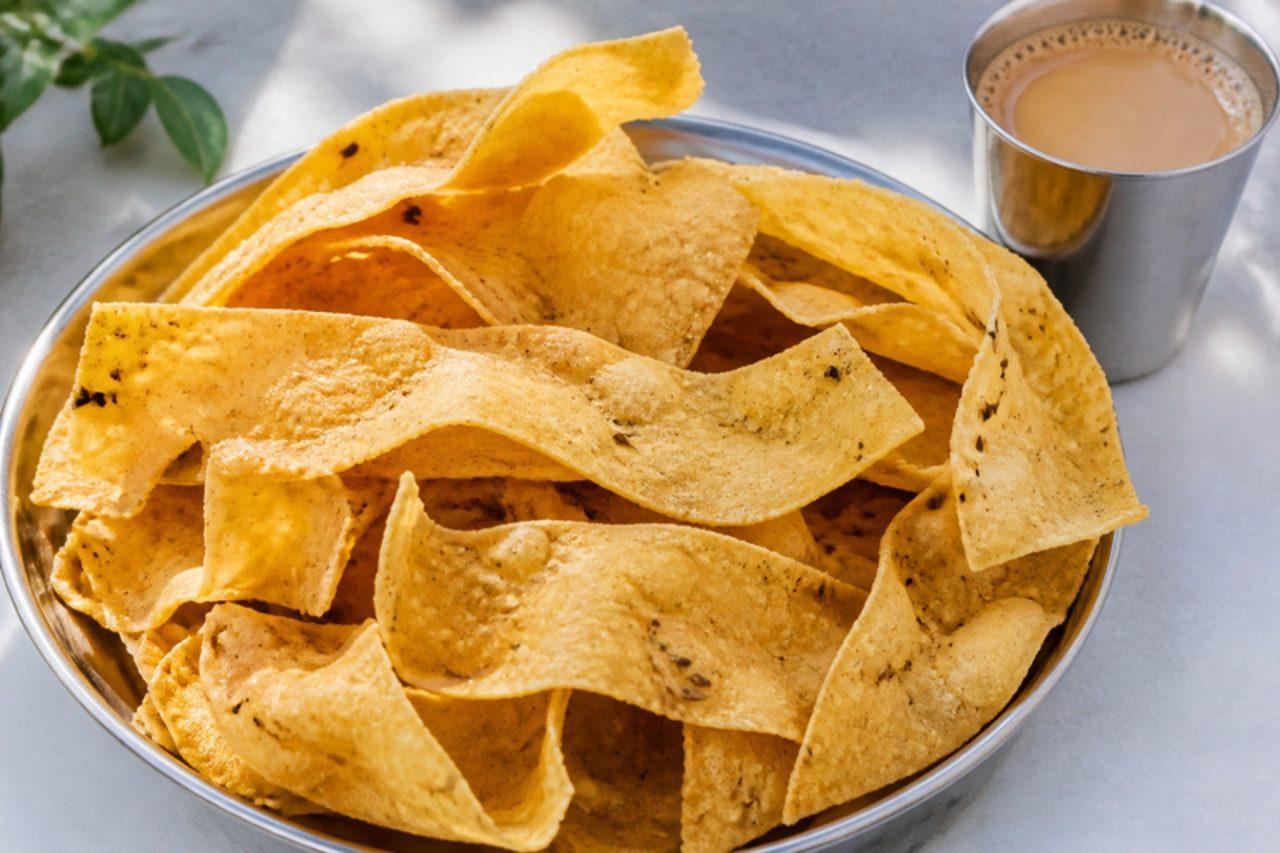
Masala khakhra

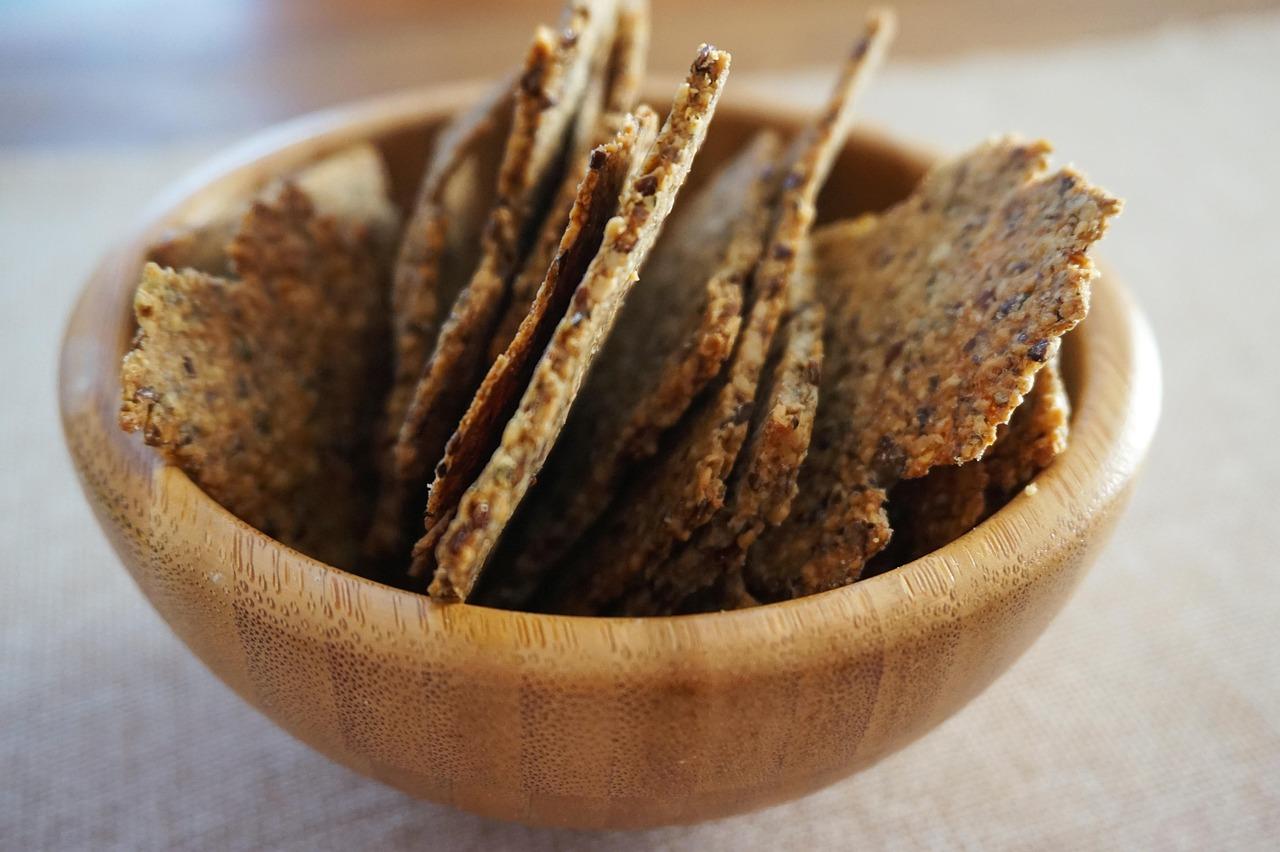
Khakhra are thin chapaties roasted slowly on a griddle until they turn crisp, like a cracker. This masala version adds gram flour, fresh fenugreek, turmeric and chilli to the wheat dough. They are a light Gujarati breakfast or tea-time snack, and lovely with pickle, chutney or a smear of butter. You can also make them in a roti maker.

by KrazyBadal 2 views

Mysore masala dosa

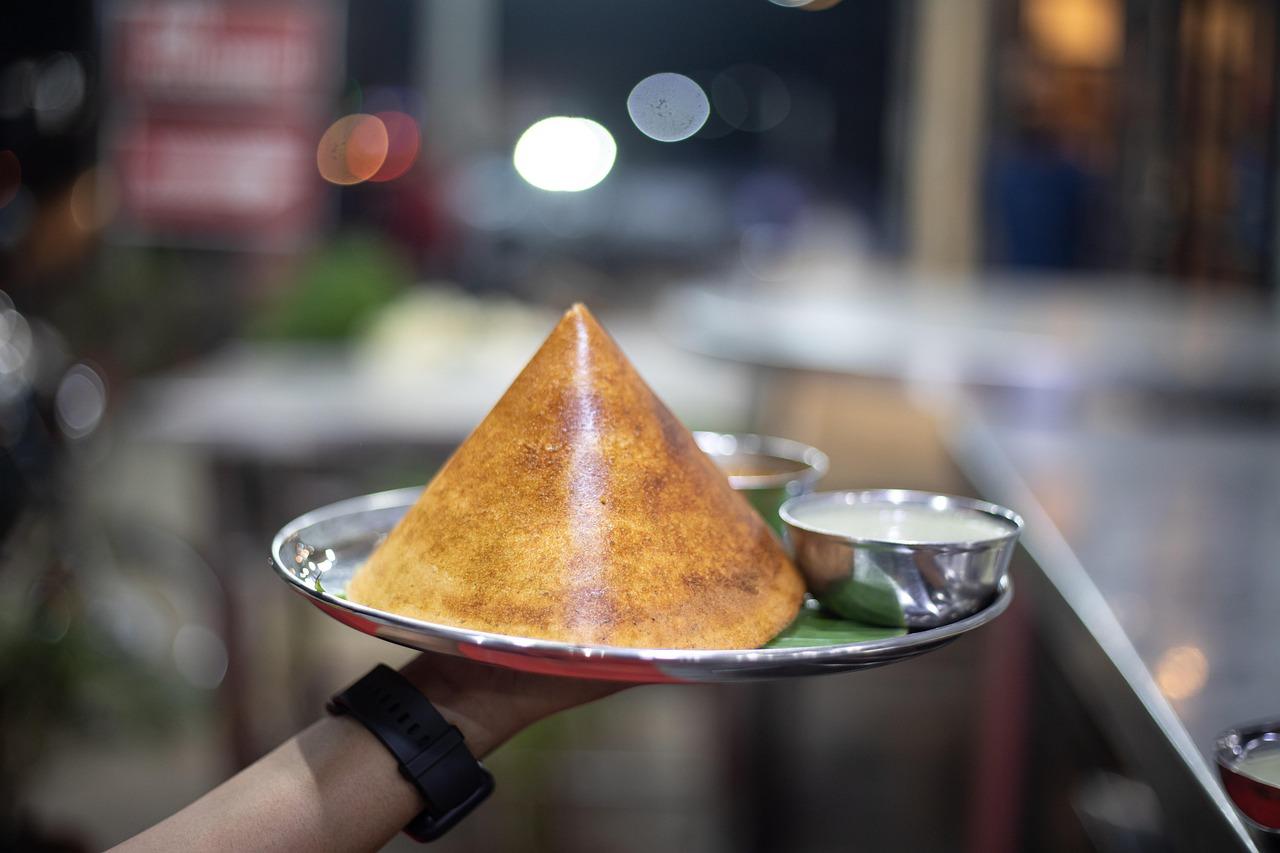
Mysuru in Karnataka gave its name to this bolder dosa: a slightly thicker, golden crêpe that is crisp outside and soft inside, painted with a hot red chutney of dried chillies, garlic and roasted chana dal before the potato palya goes in. The chutney melts into the dosa as it cooks, so every bite has a sweet-spicy, garlicky kick. In Mysuru's old cafés it's served flat and folded, with coconut chutney to cool things down. Chef's tip: use Byadagi or Kashmiri chillies for the chutney; they give a deep red colour without blowing your head off, so you can spread it generously.

by KrazyBadal 1 views

Lal sah

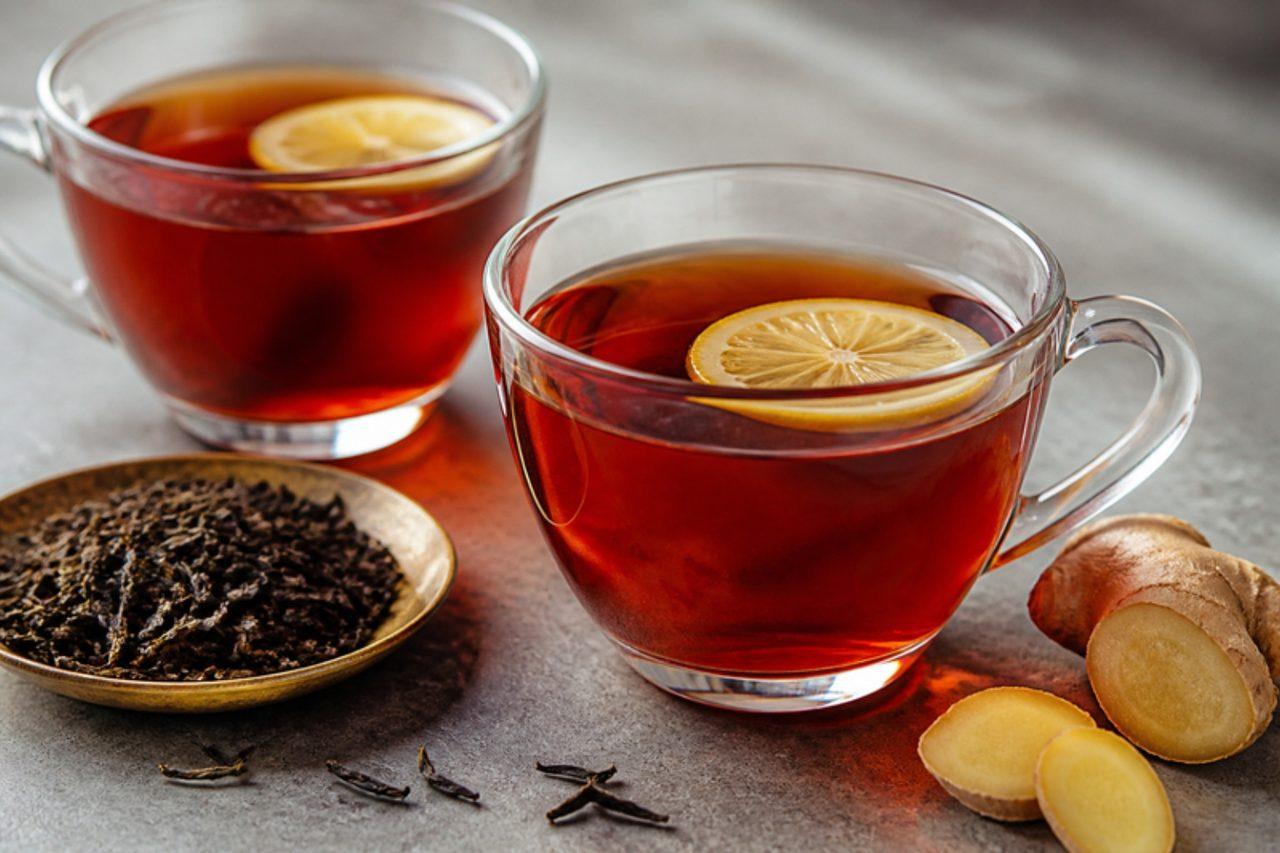
In Assam, the home of half of India's tea, the everyday cup is lal sah, 'red tea': strong CTC or orthodox Assam leaf brewed briefly, poured off, sweetened and drunk black. It is what tea-garden workers, Guwahati office-goers and grandmothers drink from morning till evening, often with a slice of lemon, a crushed piece of ginger or, in upper Assam, a bay leaf. Its colour is a deep, clear red and its taste is malty and brisk, never stewed. Chef's tip: take the pan off the heat before adding the leaves; boiling them makes the tea harsh and cloudy.

by KrazyBadal 1 views

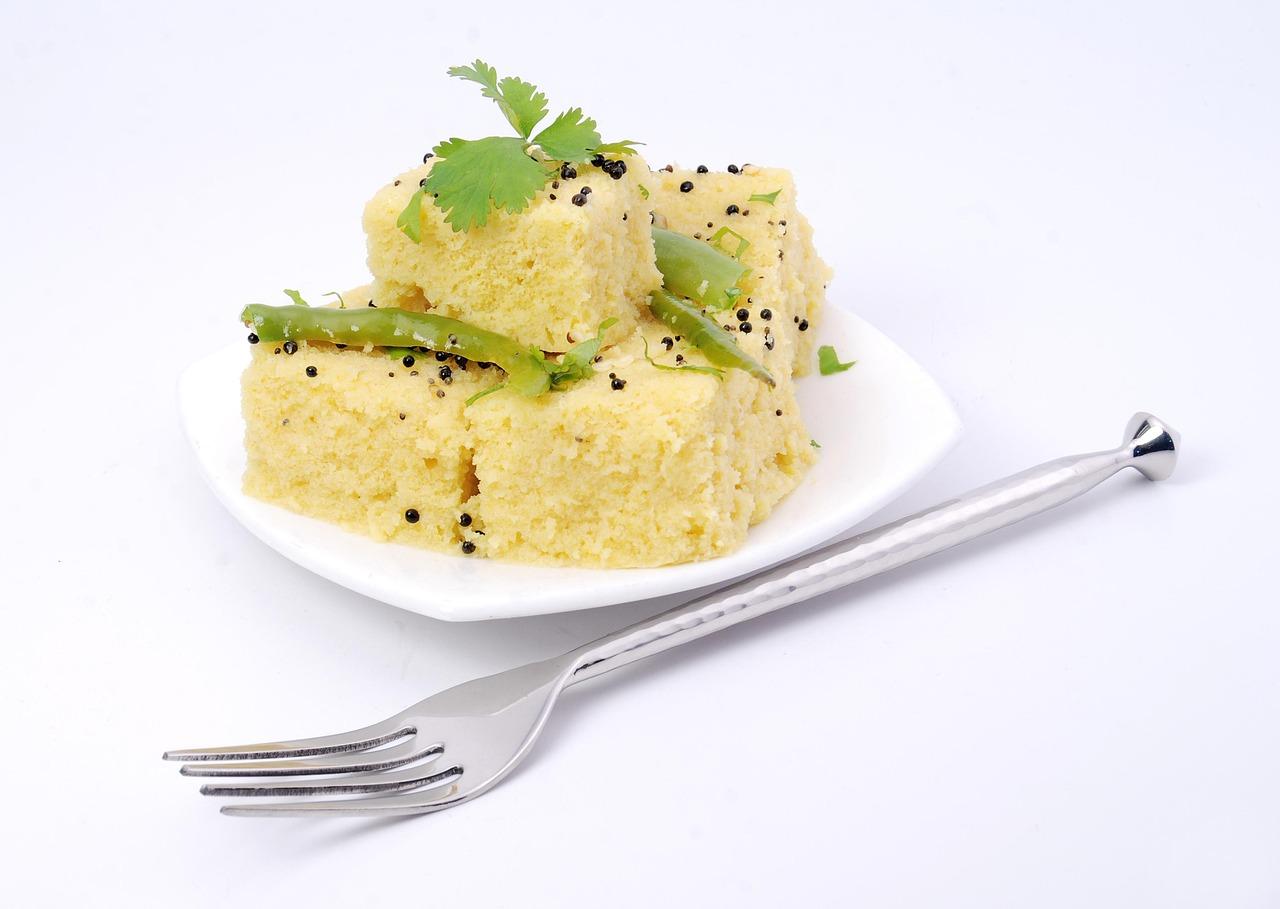
Methi palak dhokra

A soft, spongy, low-calorie dhokra made from soaked black-eyed beans blended to a batter with fresh fenugreek, spinach and green chilli-ginger paste, lifted with fruit salt and steamed. Cut into squares and serve with green chutney as a snack or light meal.

by KrazyBadal 1 views

Patta gathia

Patta gathia are flat, ribbon-like strips of gram flour dough, rolled paper-thin under the palm on a wooden board and fried until crisp. Black pepper and ajwain give them their flavour. They are a classic Gujarati tea-time snack and are great with fried chillies and papaya sambharo.

by KrazyBadal 1 views

Mint and onion chutney

Onions fried gently until soft and sweet, then blended with fresh mint, green chilli and lemon juice. It's a mellow, fresh-tasting chutney that is great with bhajias, samosas, kebabs and tikka, or spread in sandwiches.

by KrazyBadal 1 views

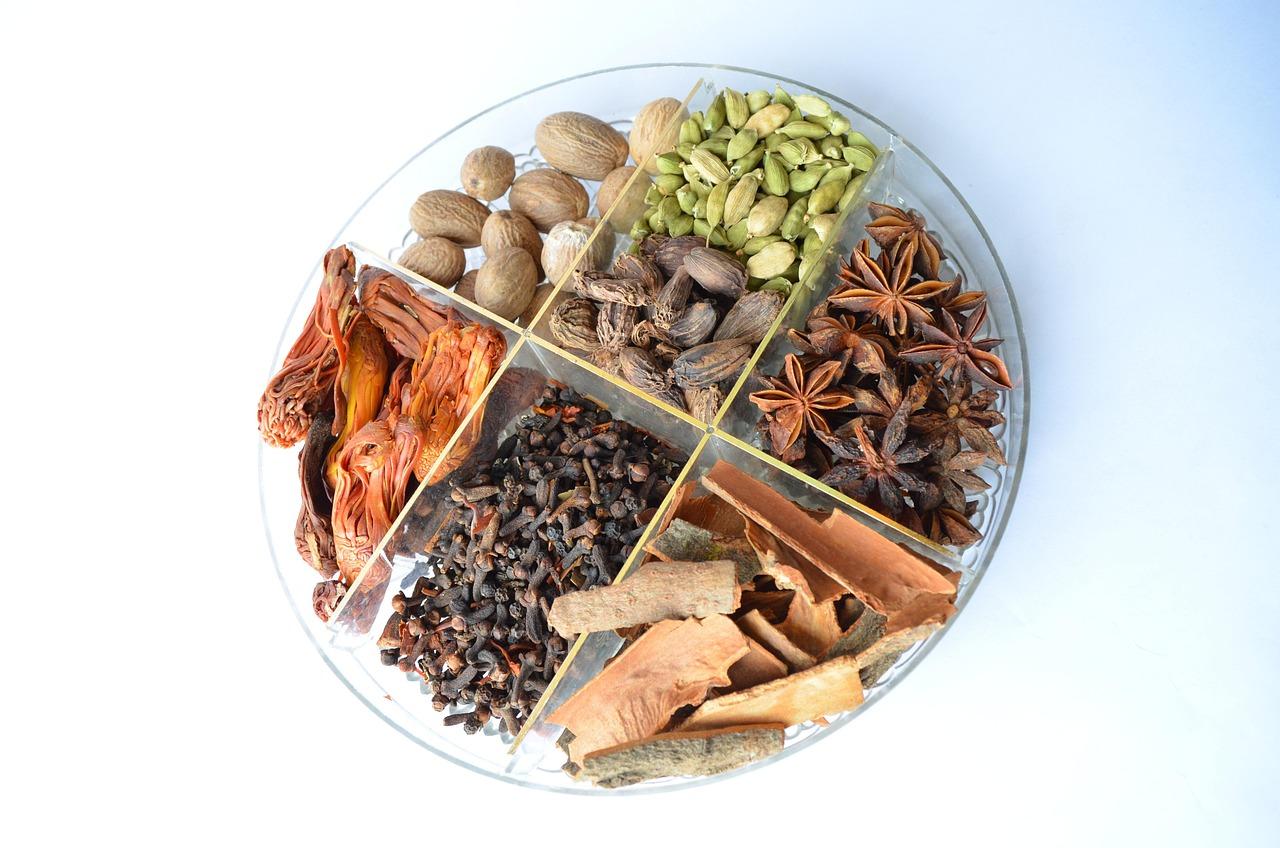
Dal masala

A Gujarati dal masala with whole spices roasted in a little oil, plus star anise, black cardamom and dagad phool (stone flower) for depth. A teaspoon gives dals, kadhi and khichdi a warm, rounded flavour. The recipe makes a big batch, so it's worth making once a season.

by KrazyBadal 1 views

Sugar syrup

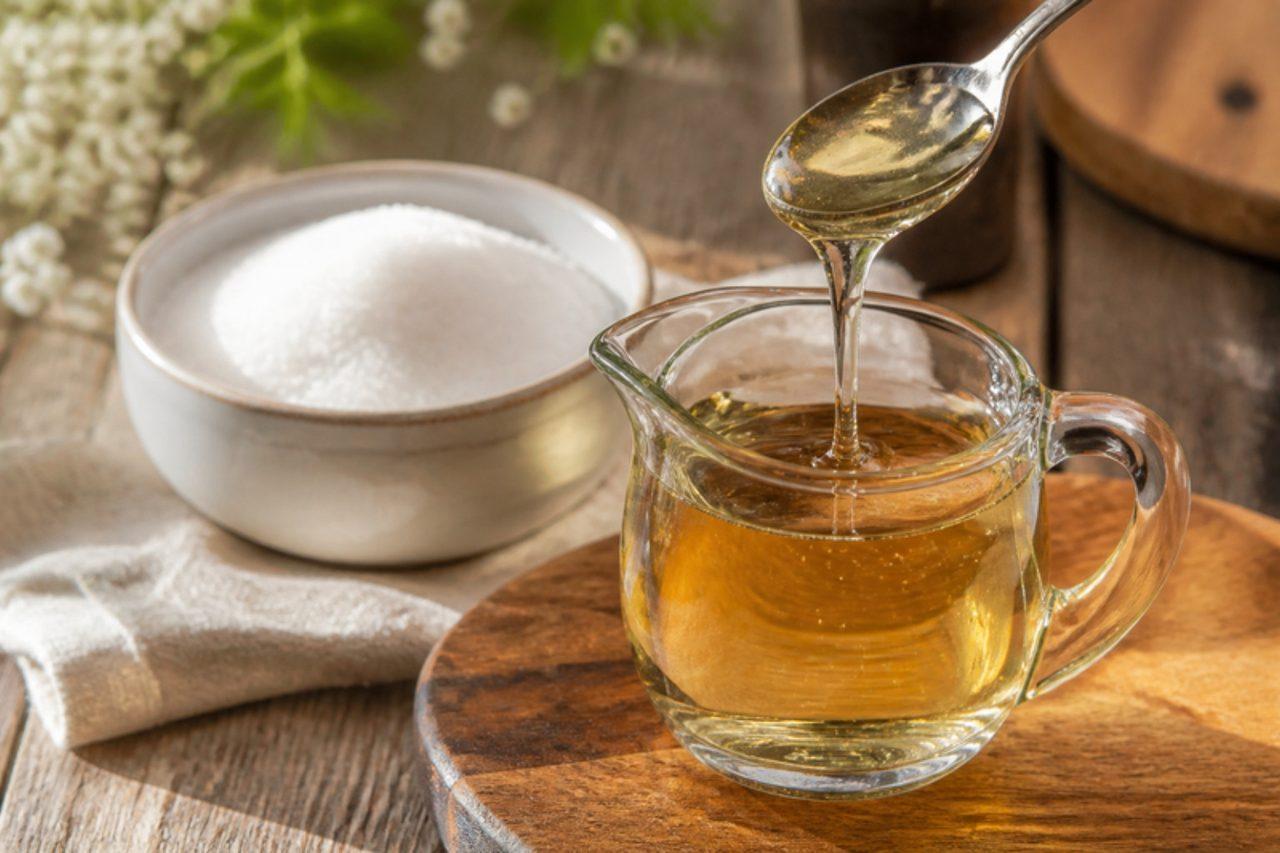
Sugar syrup (chashni) is the base of many Indian sweets, and recipes ask for it at different stages. A light syrup is for soaking sweets and sweetening drinks. One-thread and two-thread syrups are boiled longer so the sweet sets. You can make it with milk instead of water for some sweets.

by KrazyBadal 1 views

Bean sprouts

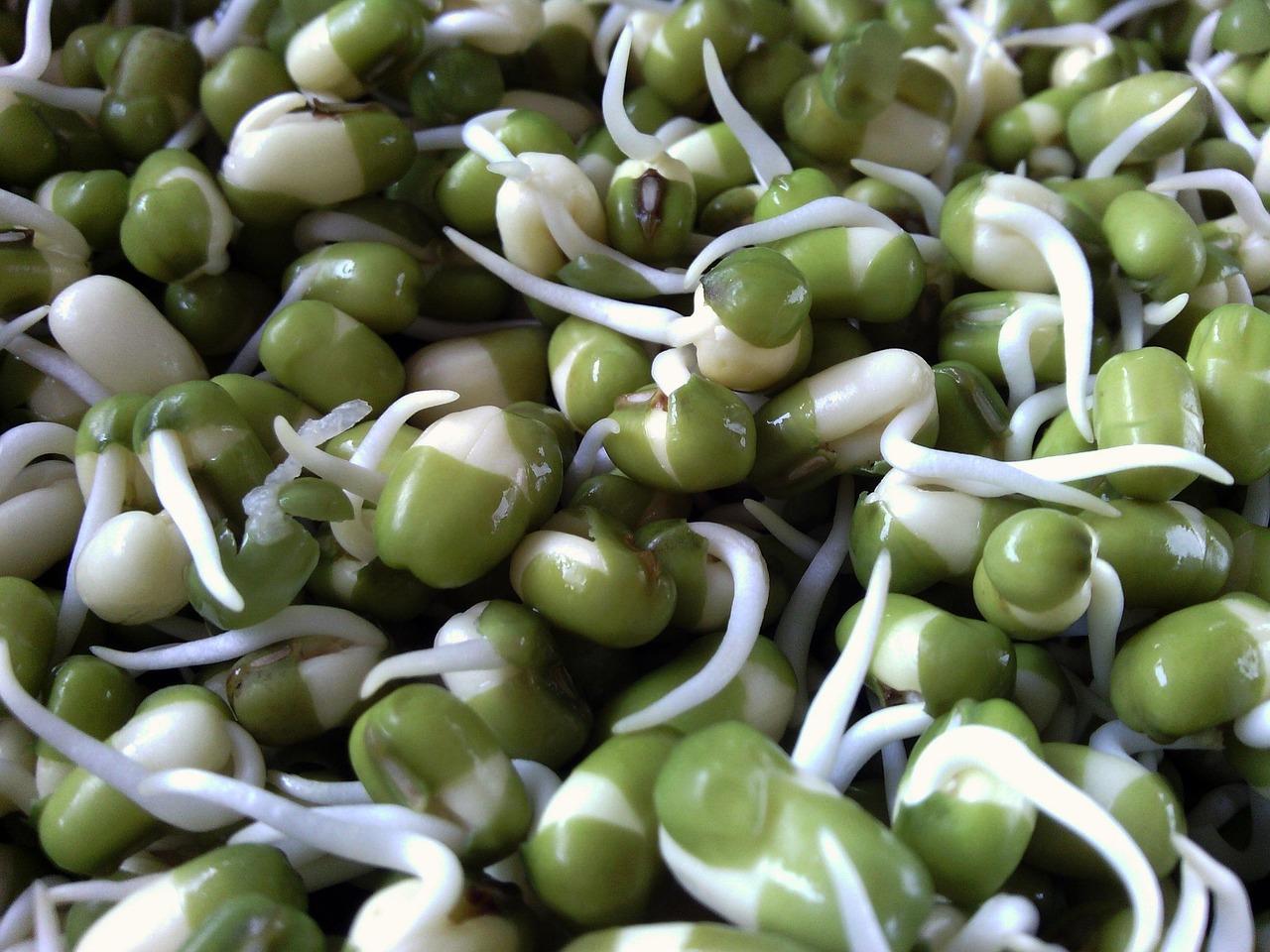
Sprouting whole green grams makes them crunchier, quicker to cook and more nutritious. All you need is muslin, water and a warm spot, and they're ready in 3–4 days. Use them in salads, bhel, usal and stir-fries. Any other whole pulse sprouts the same way.

by KrazyBadal 1 views

Chaat masala

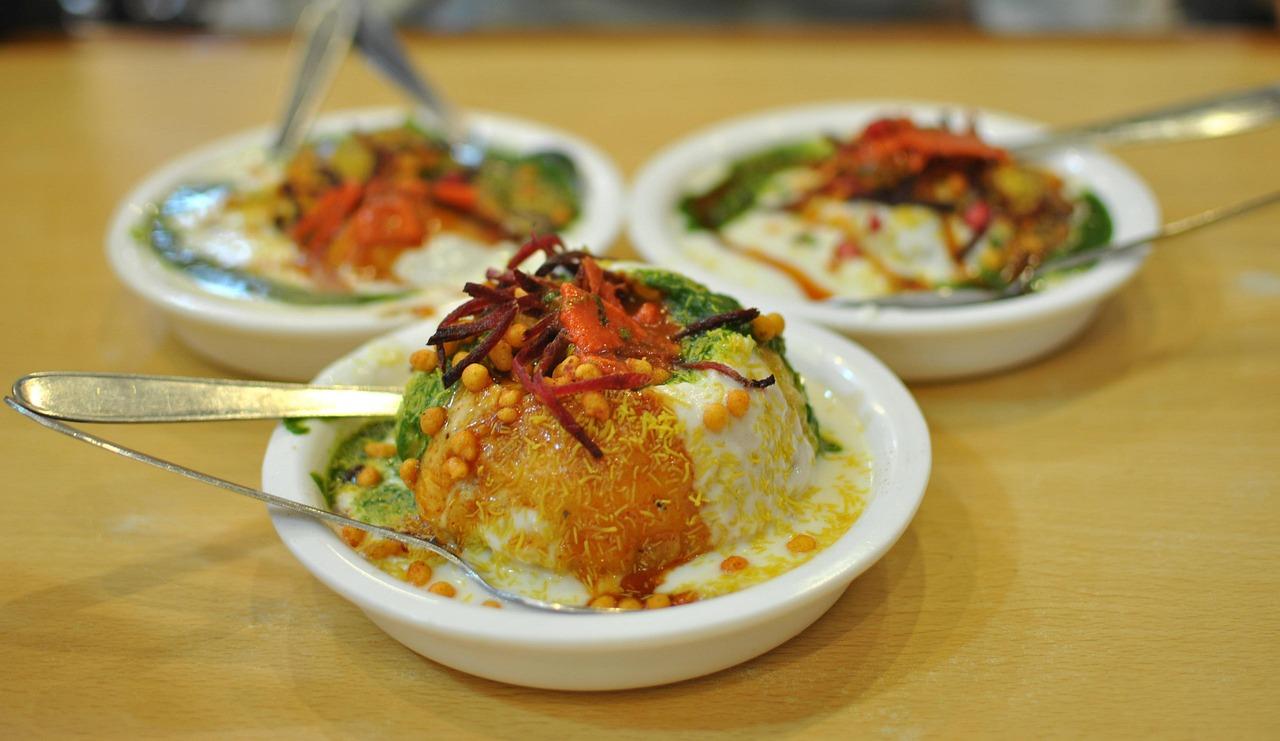
Chaat masala is the tangy, salty, slightly sulphurous sprinkle that makes chaat taste like chaat. Dried mango (amchur) gives the sourness and black salt the distinctive savoury edge. Sprinkle it over fruit, salads, raita, chips and street-food snacks.

by KrazyBadal 1 views

Bachali kura pappu

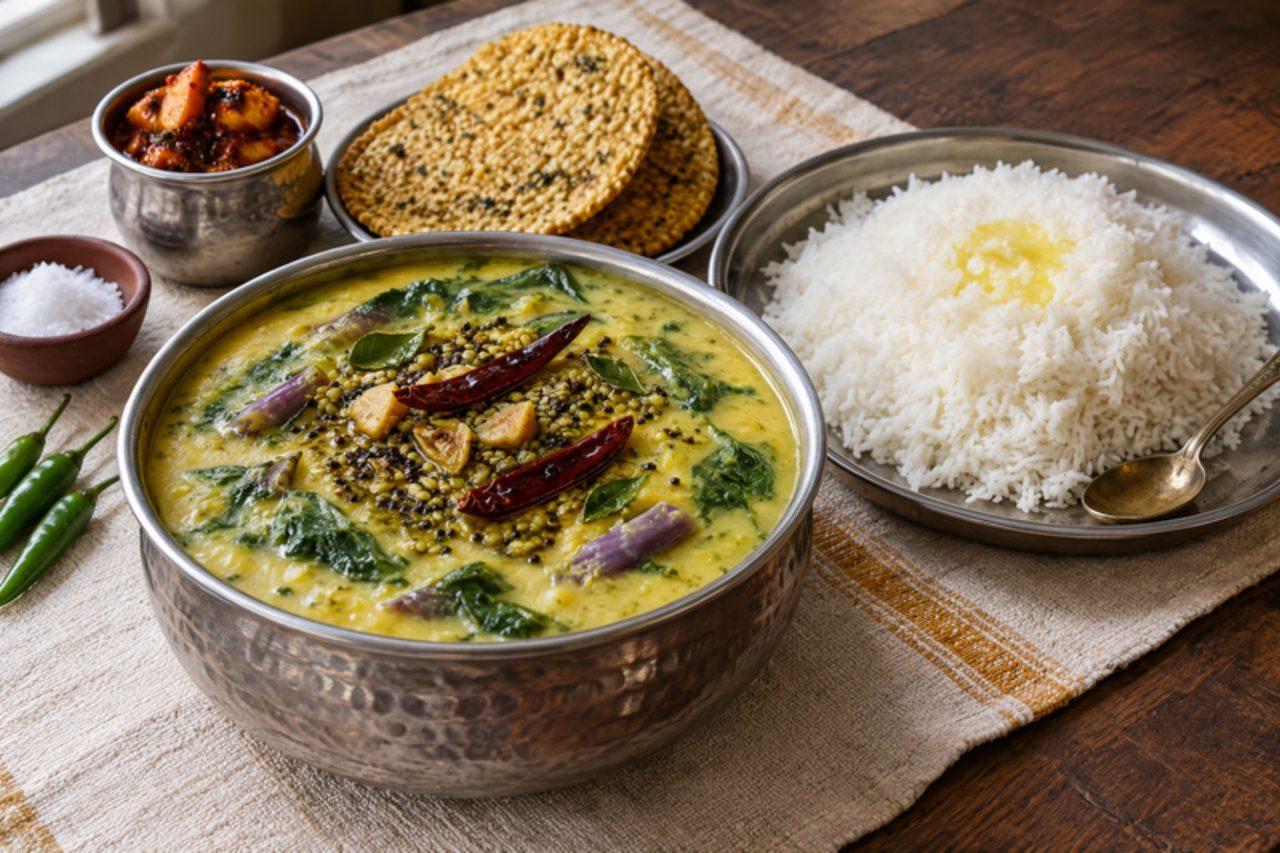
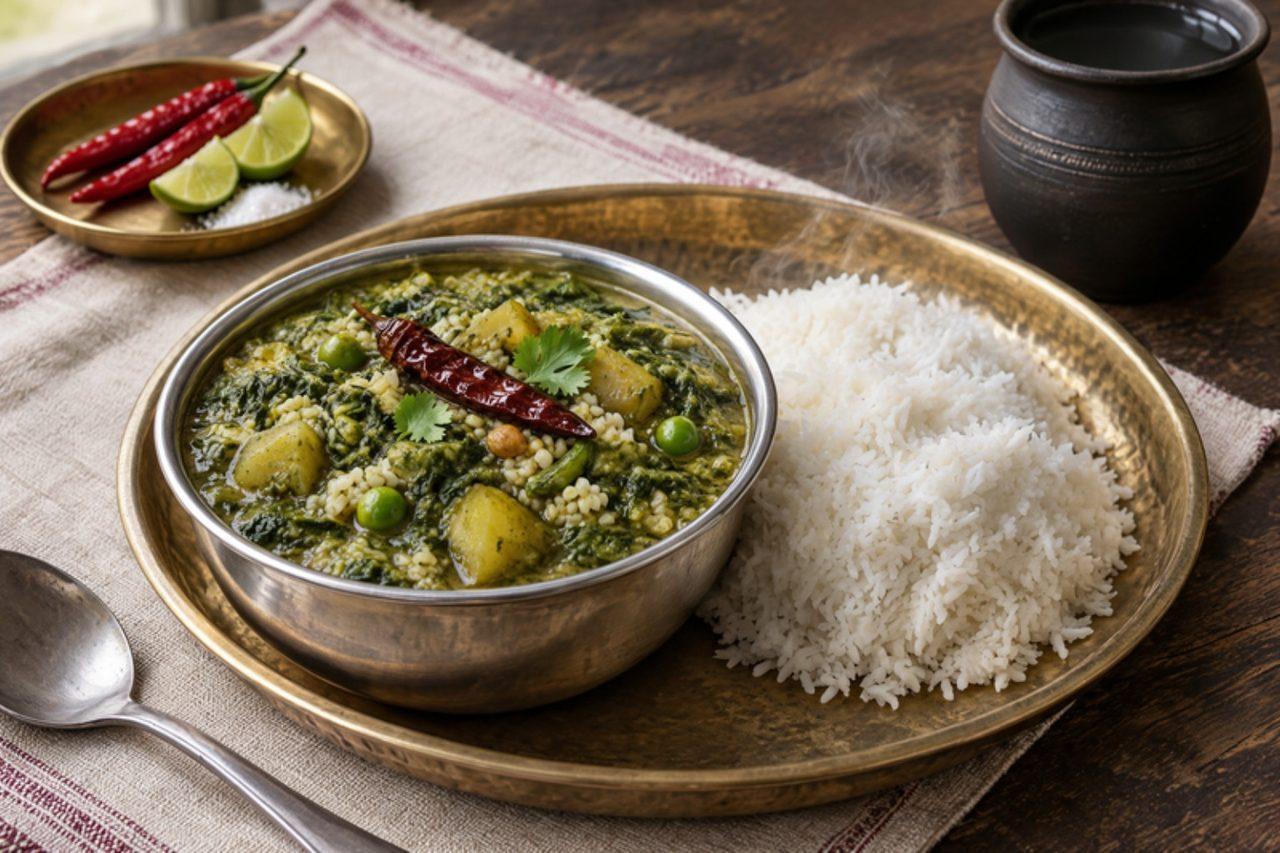
Bachali, or Malabar spinach, climbs over back walls all across Telangana and Andhra, and its thick, glossy leaves go into this everyday pappu that turns up at lunch several times a month with rice, ghee and a pickle. The leaves give the dal a silky body and a faint lemony note. People often overcook it until the greens turn khaki; add them after the dal is soft and cook just long enough to wilt. Chef's tip: use the tender stems too, chopped small; they add a pleasant crunch.

by KrazyBadal 0 views

Phing tarkari

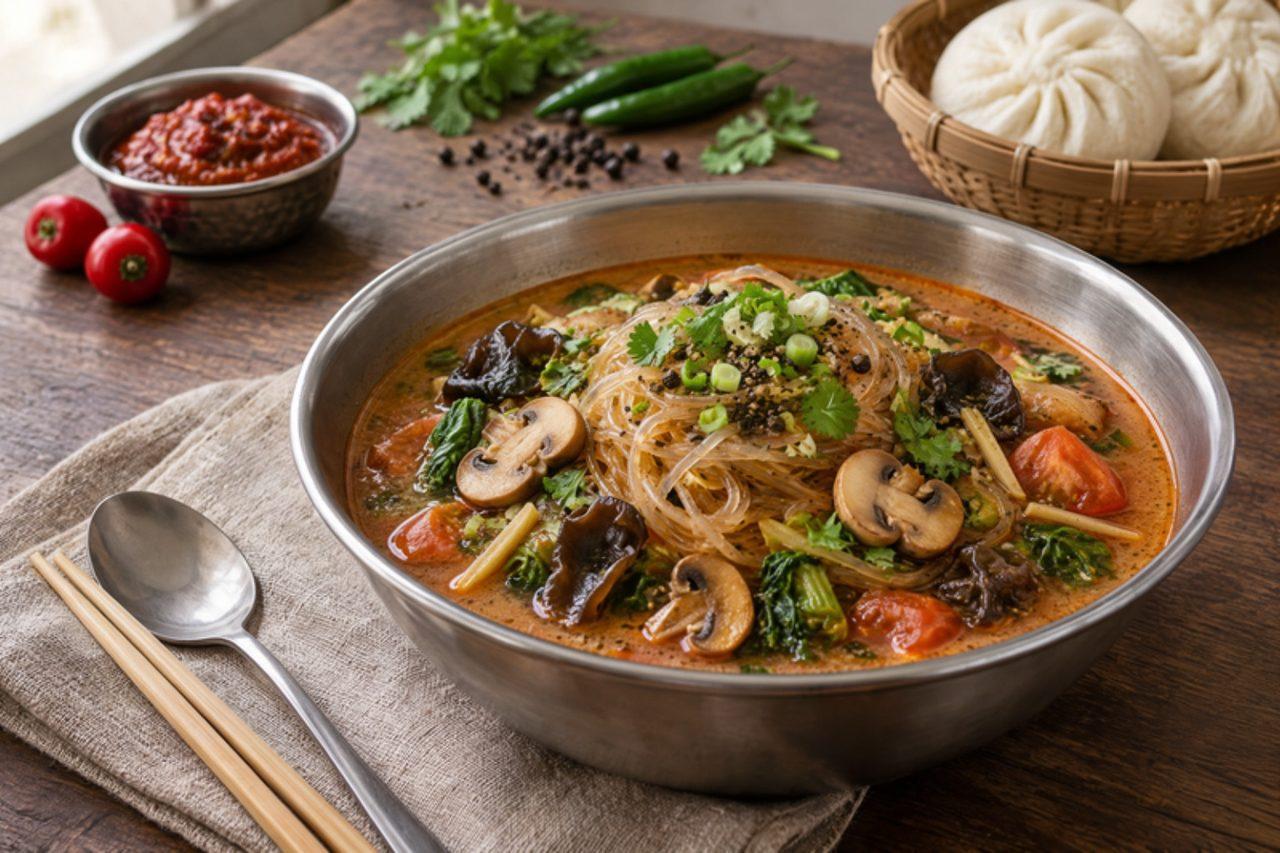
In Gangtok kitchens phing tarkari turns up beside rice on ordinary weeknights and at Losar and Dashain spreads, the slippery noodles soaking up a thin, gingery gravy studded with mushrooms and greens. Phing are mung-bean glass noodles, and Sikkimese cooks treat them more like a vegetable than pasta, so the dish is spooned over rice rather than eaten as a noodle bowl. The usual mistake is boiling the noodles first: they turn to mush, so only soak them in warm water and let them finish in the gravy for the last few minutes. Chef's tip: snip the soaked noodles into 10 cm lengths with kitchen scissors so they mix evenly and are easy to serve.

by KrazyBadal 0 views

Kudrum chutney

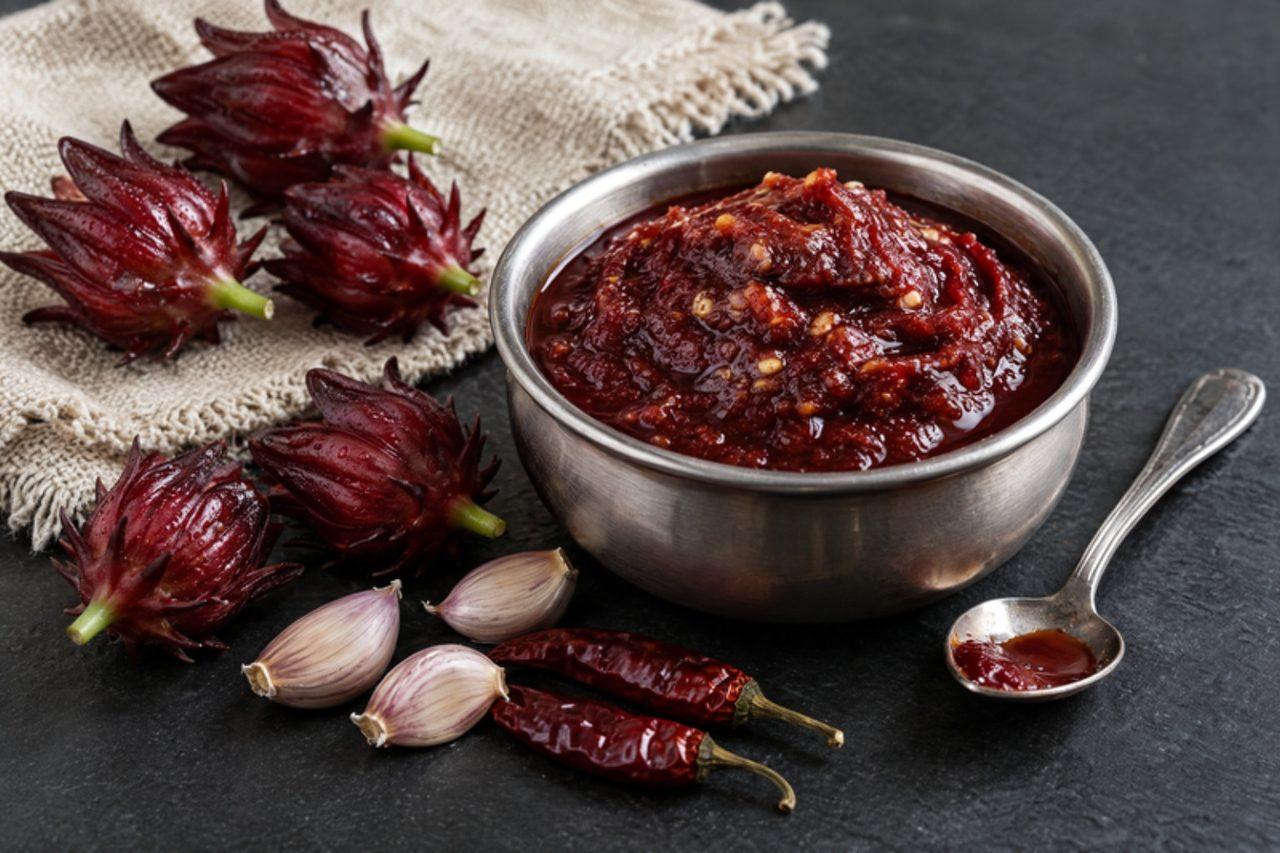
Kudrum is roselle, the red-calyxed hibiscus that tribal households in Jharkhand grow round their homes, and in the post-monsoon months its sour fleshy calyces and leaves are cooked into this bright red chutney. It is eaten with plain rice, dhuska or pitha, and a spoonful wakes up a simple meal of dal and saag. A frequent mistake is leaving the hard green seed pod inside each calyx, which makes the chutney woody; split each one and pop the pod out. Chef's tip: dried hibiscus flowers sold for tea make a good stand-in; soak them 20 minutes in hot water first.

by KrazyBadal 0 views

Koinar saag

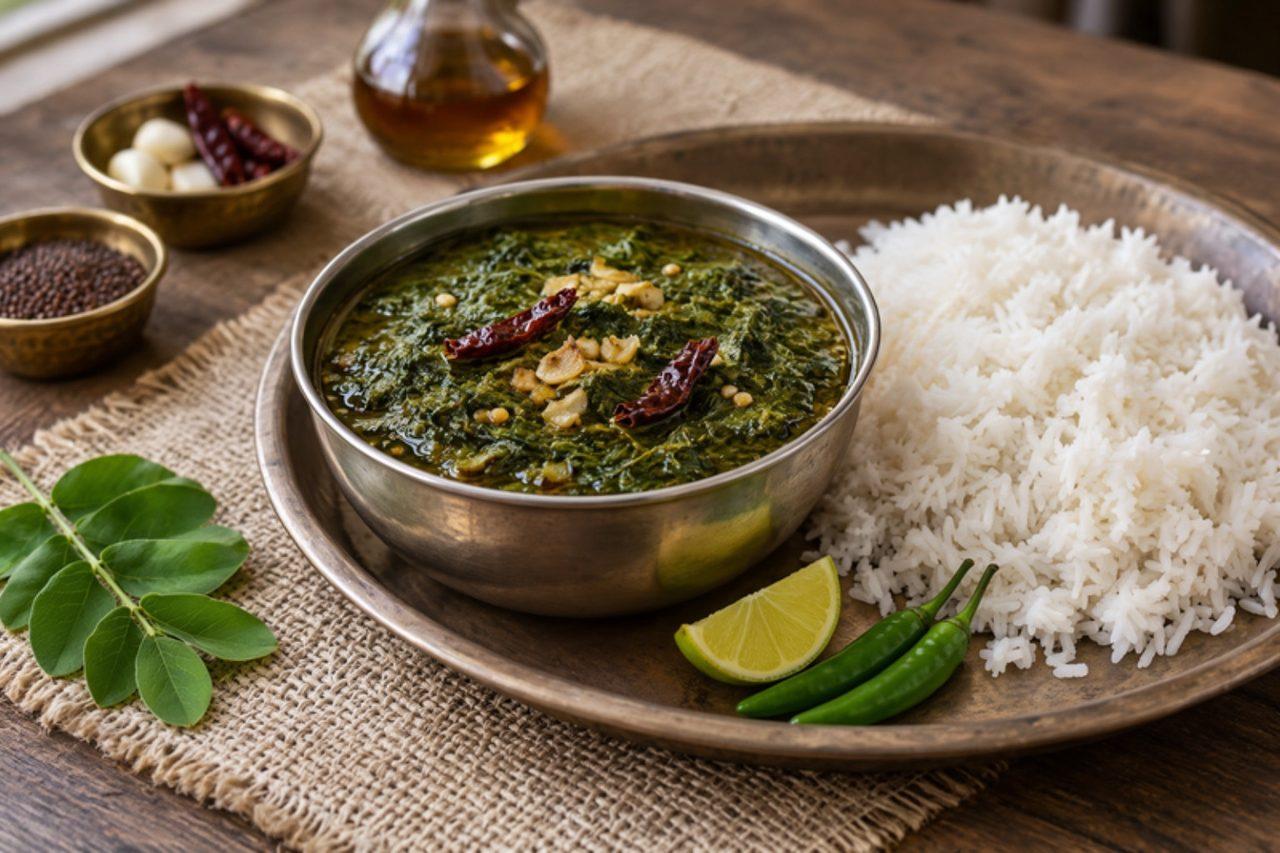
In Jharkhand's spring, as the kachnar (Bauhinia) trees put out pale tender leaves, Santhal, Munda and Oraon families gather them for koinar saag, a slightly tangy, earthy green cooked with lots of garlic in mustard oil and eaten with rice and dal or with madua roti. Some households dry the leaves to use through the summer. The usual mistake is using older, darker leaves, which stay tough and fibrous however long you cook them. Chef's tip: blanch the leaves first and squeeze them hard; it softens the faint astringency and the saag absorbs the garlic oil better.

by KrazyBadal 0 views

Chintha chiguru pappu

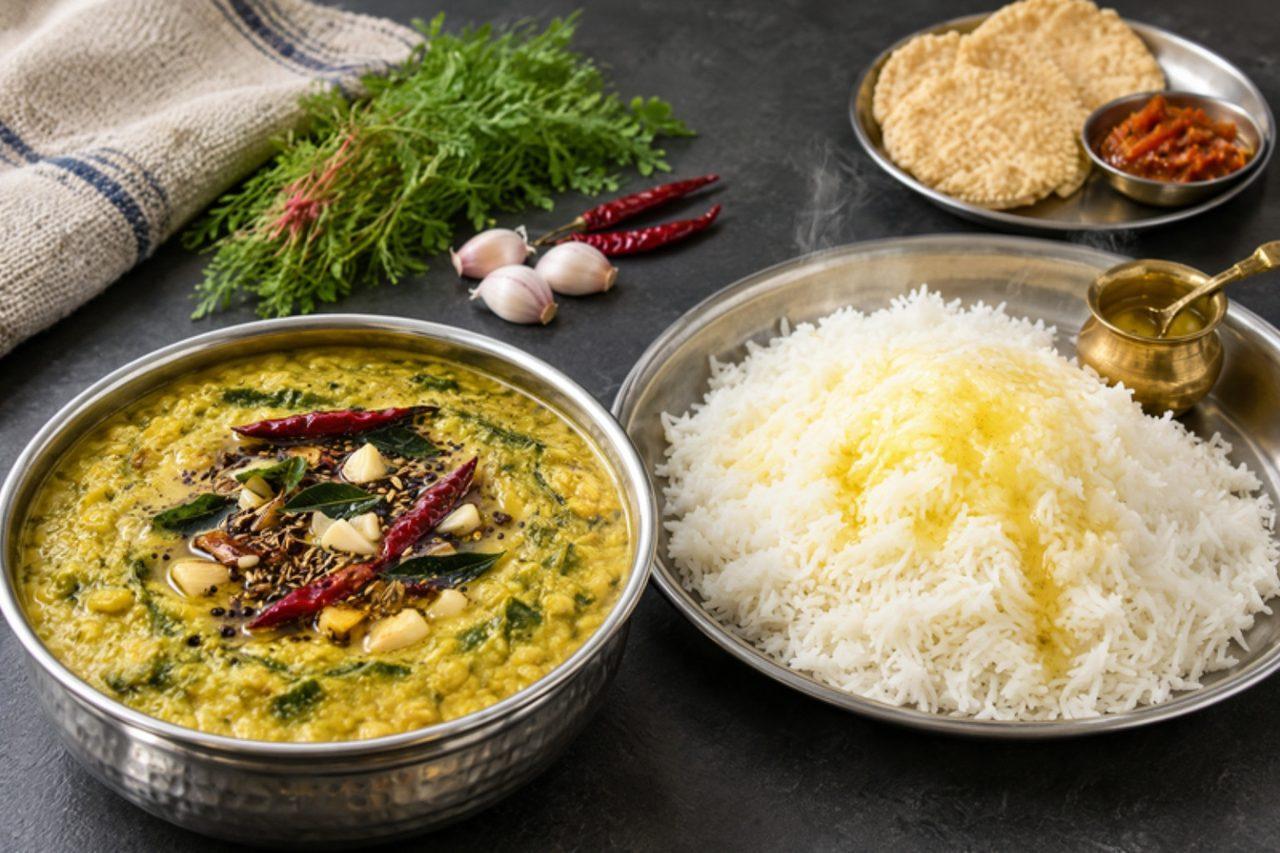
Every spring the tamarind trees of Telangana put out soft, coppery new leaves, chintha chiguru, and housewives in Hyderabad and the districts strip them by the handful for a few weeks of this pleasantly sour dal. The leaves give the tang that tamarind pulp gives the rest of the year, and the pappu is eaten with hot rice, ghee and a crisp papad. The common mistake is adding all the leaves at the start; they lose their fresh sourness, so stir half in near the end. Chef's tip: if tamarind shoots are out of reach, use a mix of sorrel and a teaspoon of tamarind paste.

by KrazyBadal 0 views

Mangane

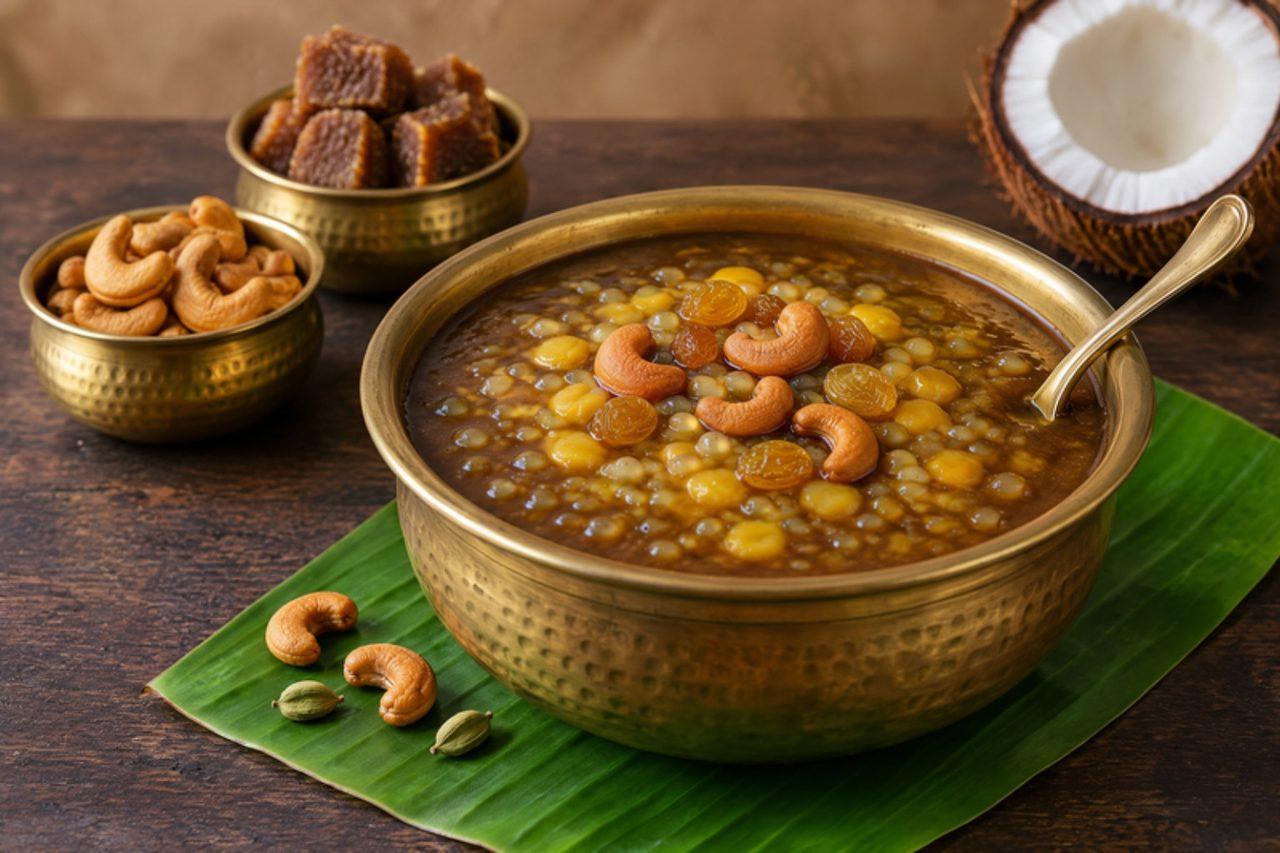
In Goan Hindu homes, especially around Ganesh Chaturthi, a pot of mangane is cooked for the naivedya and handed round warm after the aarti. Soft chana dal and glassy sago pearls sit in a thick, caramel-coloured sauce of coconut jaggery and fresh coconut milk, scented with cardamom and studded with cashews. The common mistake is boiling the dal hard after the thick coconut milk goes in, which splits it into oily curds; once the first milk is added the pot should only steam gently. Serve it warm in small bowls, or cool so it sets a little and spoon it up like a soft pudding. Chef's tip: soak the sago only until the pearls just give when pressed, or they melt into glue in the pot.

by KrazyBadal 0 views

Chagem pomba

Chagem pomba is a thick Meitei stew of mustard leaves and seasonal vegetables, bound with rice flour and flavoured with hawaijar, Manipur's sticky fermented soybean; it is cooked especially for Ningol Chakouba and family gatherings, and eaten with rice. To make hawaijar, keep boiled, drained soybeans wrapped in leaves at 30–40 °C for 3 days until stringy and pungent; discard if black, green or pink mould appears or it smells rotten. The mistake is adding dry rice flour straight to the pot, which forms lumps: whisk it into water first. Chef's tip: bought natto or kinema replaces hawaijar well.

by KrazyBadal 0 views

Methi gajar

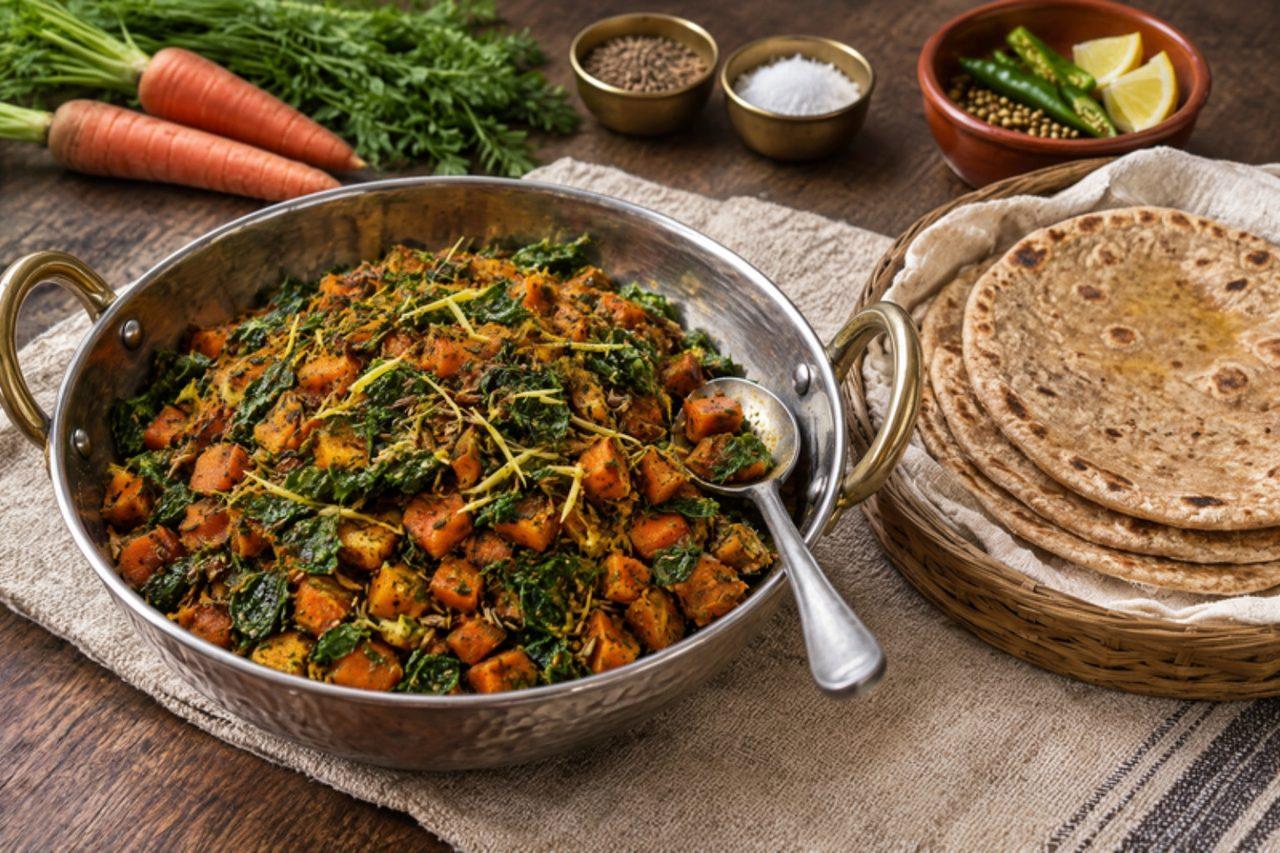
When the long red Delhi carrots and bunches of fresh methi fill the winter markets of Haryana and Punjab, this quick dry sabzi turns up beside every plate of rotis and dal. The slight bitterness of the fenugreek leaves and the sweetness of the carrots balance each other, helped along by a pinch of sugar and a squeeze of lemon. It takes about 25 minutes. The common mistake is adding the methi too early, which makes it bitter and dark. Chef's tip: rub the chopped methi with a little salt and squeeze it after 10 minutes; this tames the bitterness without losing the fragrance.

by KrazyBadal 0 views

Koova kurukku (arrowroot porridge)

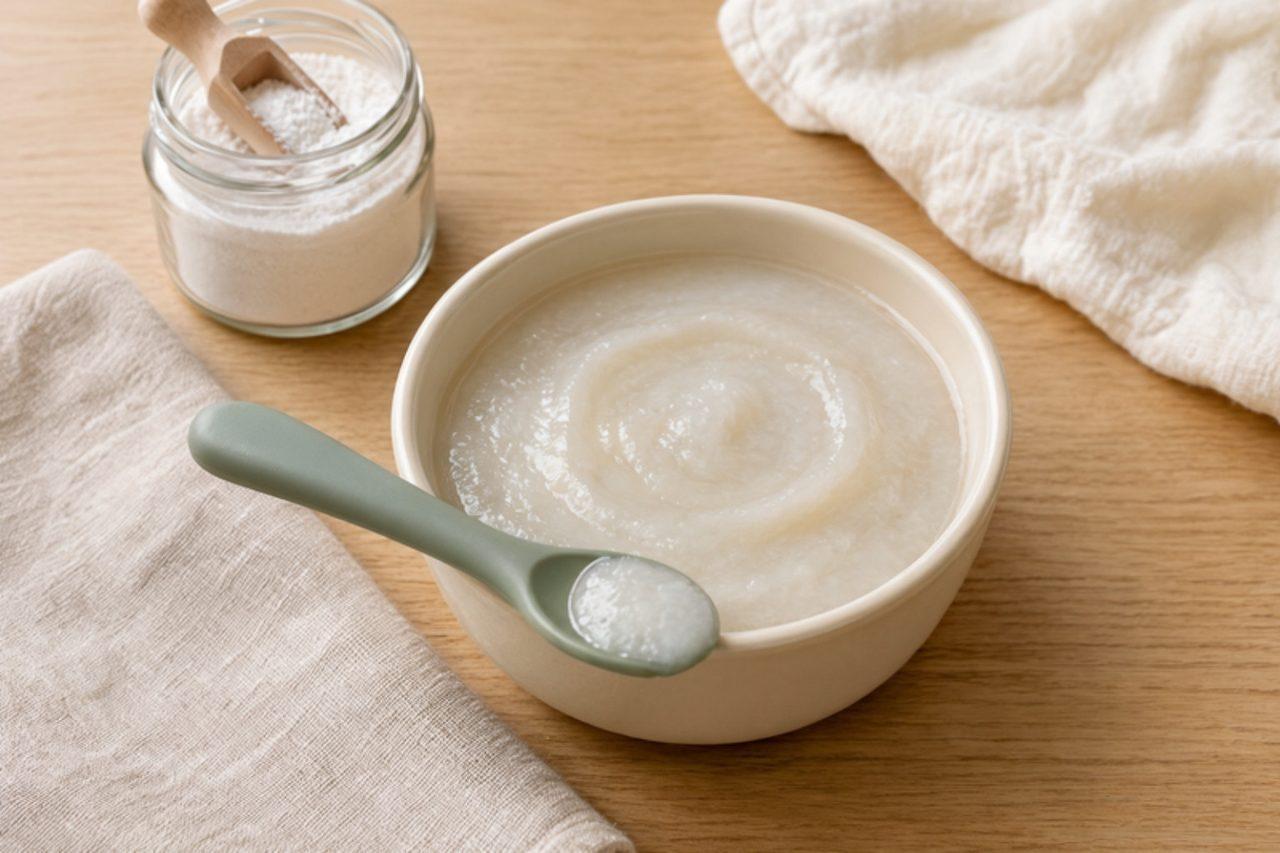
Koova, the arrowroot that grows in Kerala's backyards, is dug, washed, grated and dried into a snow-white powder that many families in Thrissur and Kottayam still make themselves. Stirred with water over a low flame, it turns from chalky to clear and glossy in a few minutes, and this kurukku is a classic first spoonful at six months, often given in the hot months because it is thought to be cooling. It is very mild and smooth. No salt, sugar, jaggery or honey goes in for babies. It is free of the major allergens. Chef's tip: buy pure koova or arrowroot powder, not a cornflour blend, and stop cooking the moment the whole pan turns translucent.

by KrazyBadal 0 views

Lauki kofta

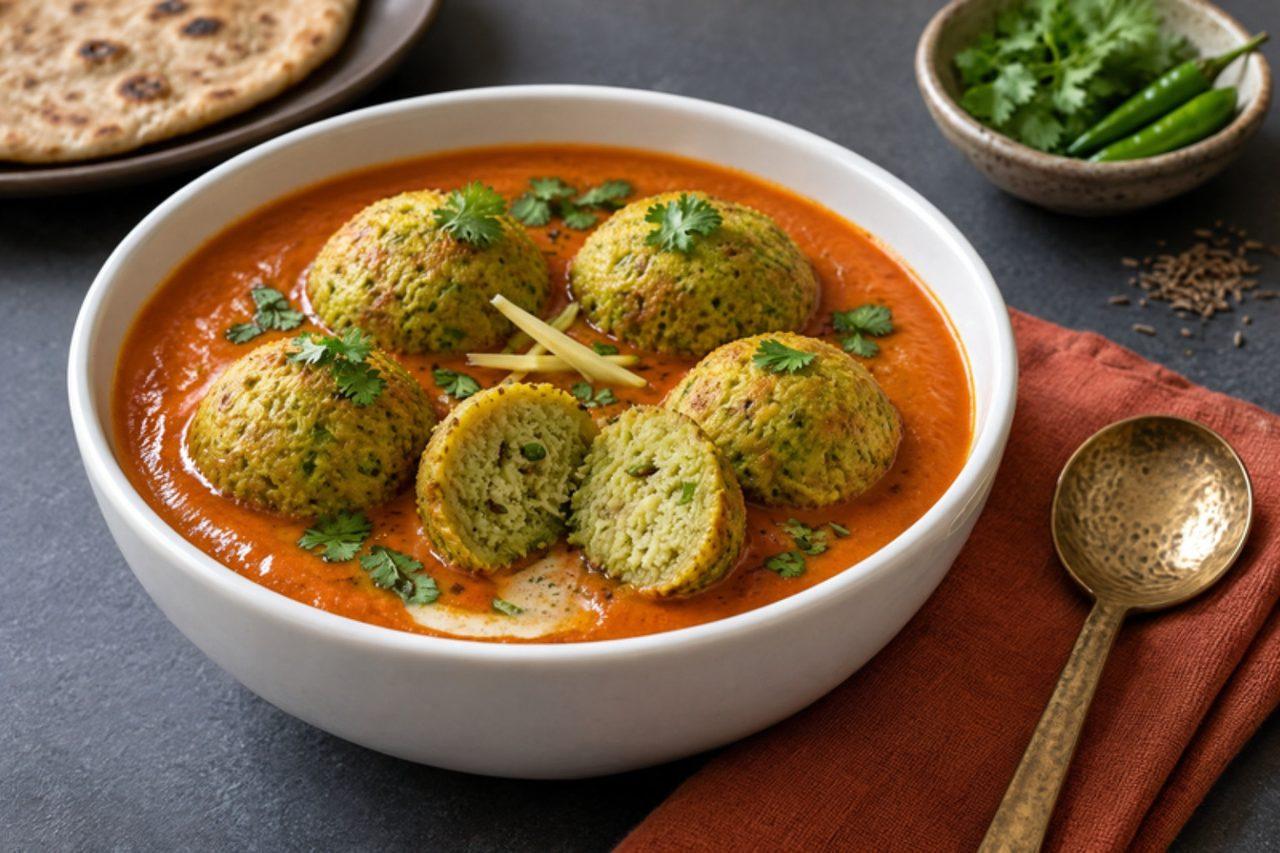
Lauki kofta is how North Indian mothers in Punjab and Uttar Pradesh smuggle the humble bottle gourd onto a party table: the gourd is grated and squeezed, bound with gram flour, fried into soft balls and slipped into an onion-tomato gravy. It is a Sunday-lunch and dinner-party curry with phulka, jeera rice or laccha paratha. The classic mistake is not squeezing the lauki hard enough; wet mixture splutters in the oil and the koftas fall apart. Chef's tip: save the squeezed lauki juice and use it in place of water in the gravy, so none of its flavour is wasted.

by KrazyBadal 0 views

Bihari aloo bhujia

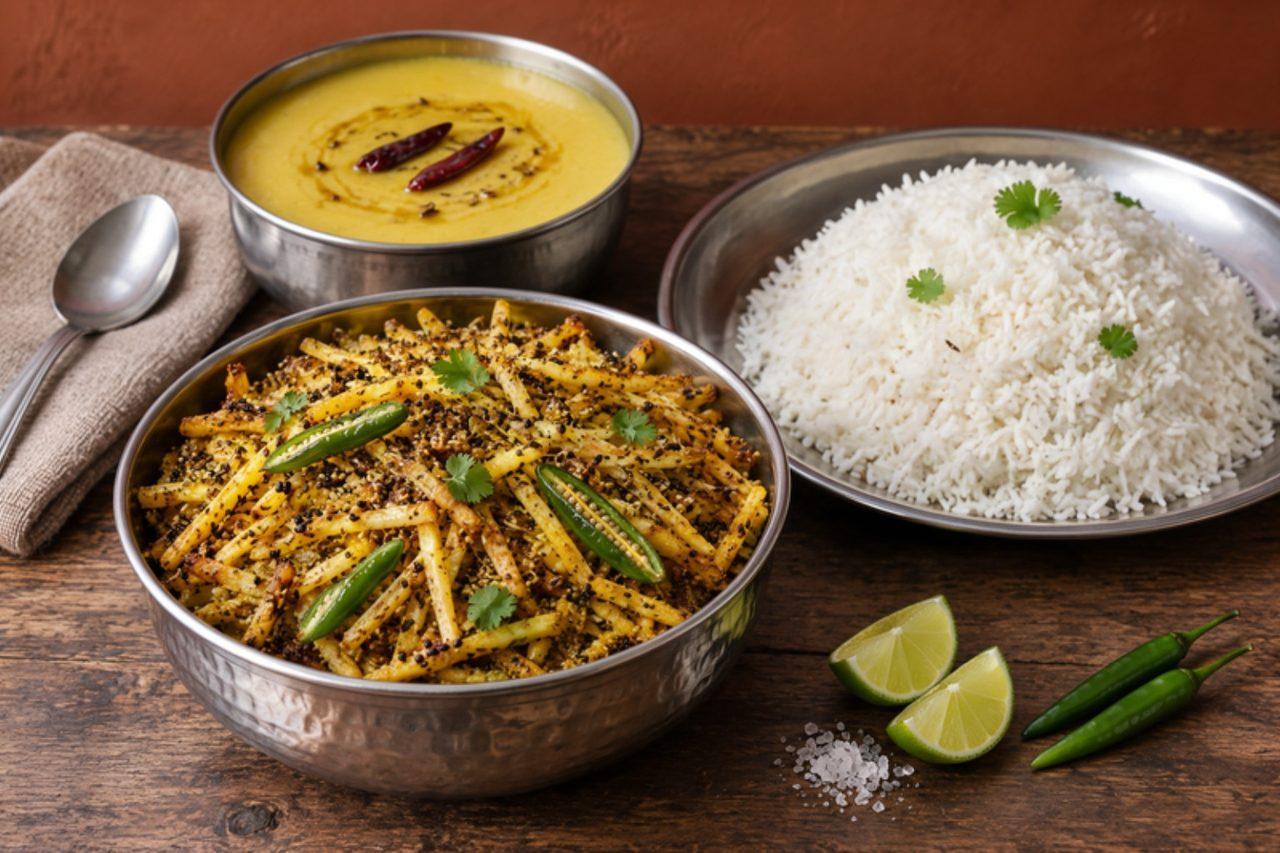
In Bihar, aloo bhujia is not the packaged snack but the everyday matchstick-potato fry that sits beside dal, bhaat and chokha on the lunch plate, cooked in mustard oil with panch phoron and a slit green chilli. Patna households make it most days of the week because it takes twenty minutes and pleases everyone. The common slip is crowding the pan and stirring too much, which turns the sticks to mash; give them room and toss gently. Chef's tip: soak the cut potatoes in cold water for 10 minutes and dry them well; washing off surface starch keeps the sticks separate and lightly crisp.

by KrazyBadal 0 views

Goan pez

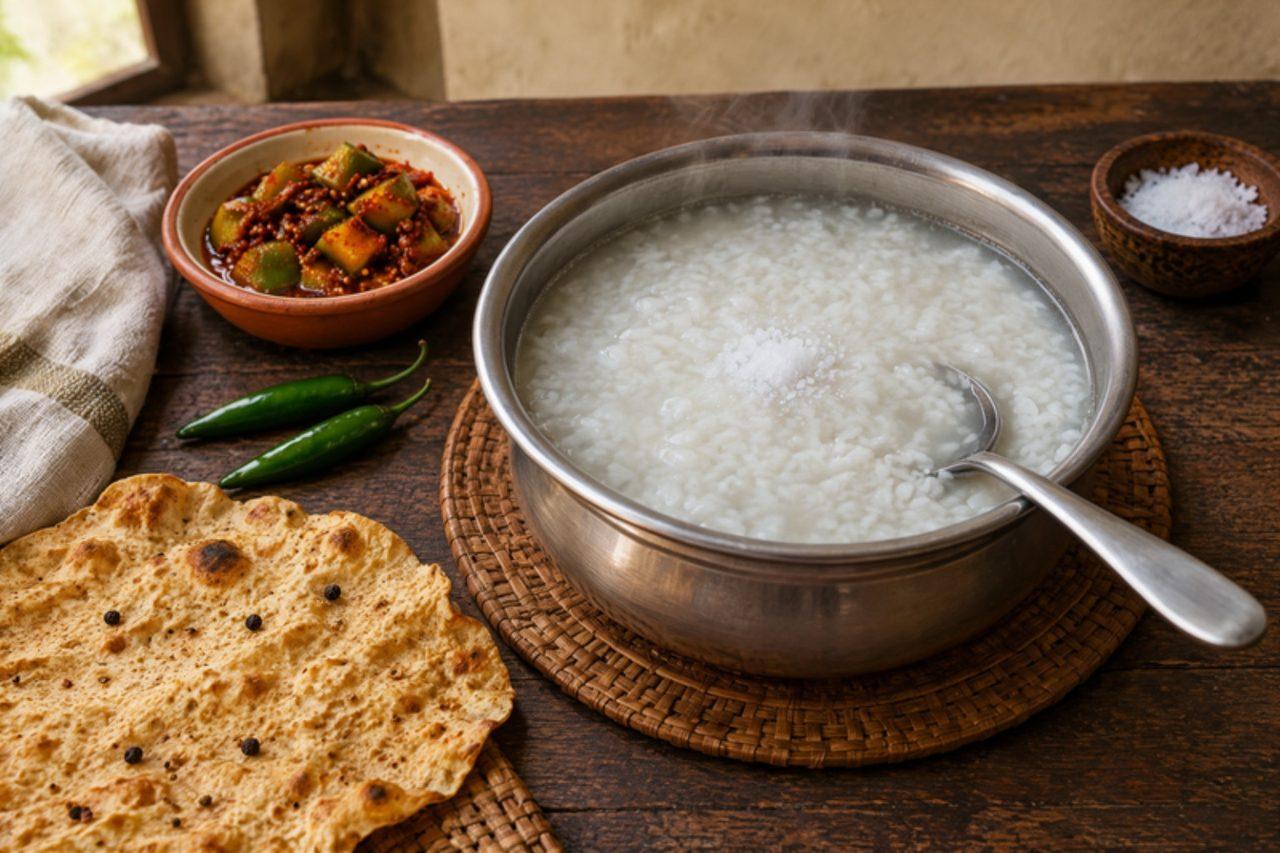
Pez is the plainest food in a Goan kitchen and one of the most loved: red parboiled rice simmered in plenty of water until the grains burst and the liquid turns milky. Fishermen and farmers ate it before a day's work, mothers serve it to anyone who feels unwell, and on heavy monsoon evenings it comes with a spoon of mango or lime pickle, a roasted papad and sometimes a dry fish or vegetable on the side. The mistake is cooking it in too little water so it becomes a sticky porridge; good pez has whole soft grains floating in thin, starchy broth. Chef's tip: stir in a little salt only at the end and let everyone add buttermilk or coconut milk to their own bowl.

by KrazyBadal 0 views

Showing 24 of 418 recipes

Show more recipes

Page 1 of 18

More collections