Skip to content

Mocktails and cool drinks

Sharbats, lassis, juices and coolers with no alcohol. (412 recipes)

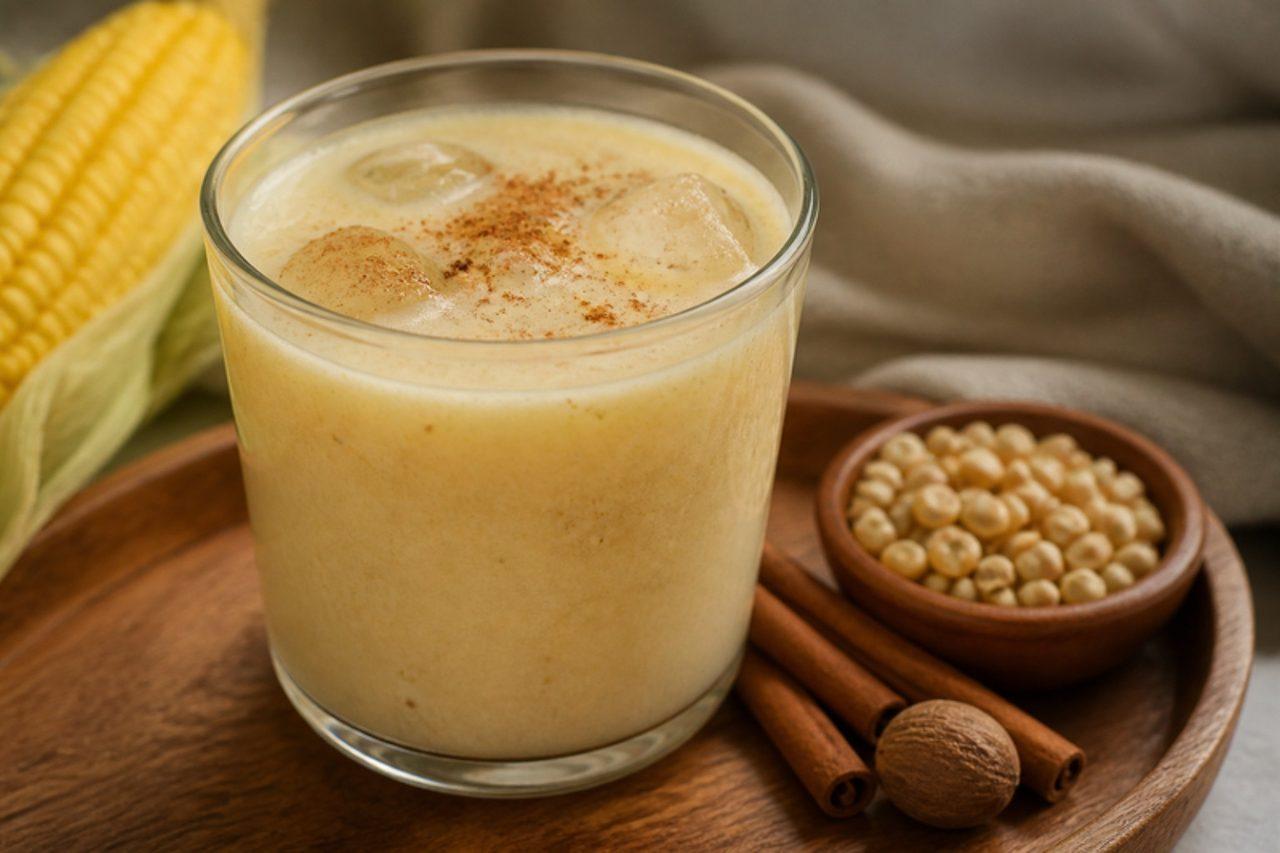
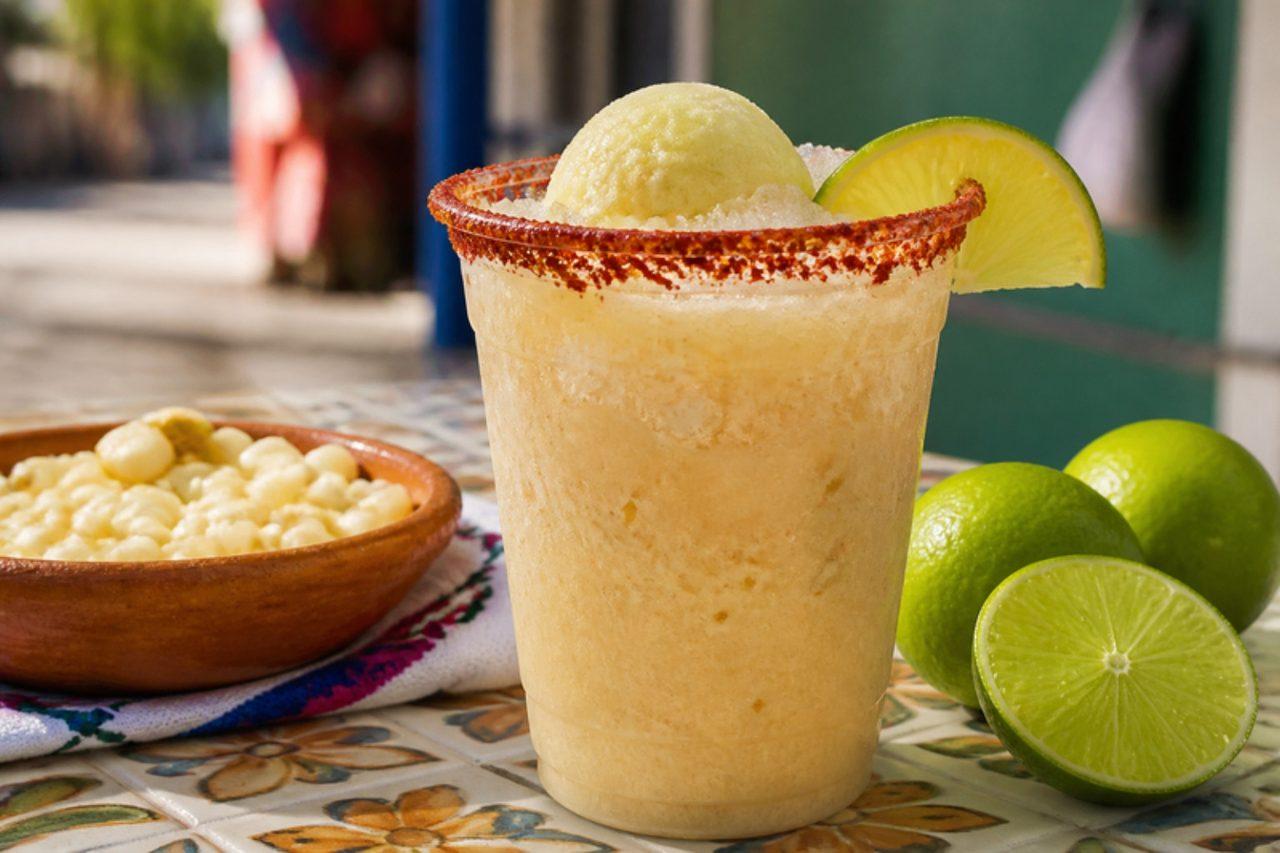
Tejuino

On hot afternoons in Guadalajara, vendors ladle tejuino from big clay pots into plastic bags or glasses with ice, a squeeze of lime, a pinch of salt and often a scoop of lime sorbet. It is made from corn masa cooked with piloncillo and left for two or three days to ferment a little, which gives it a tangy, slightly sour taste. The fermentation is light and the drink is sold as non-alcoholic, but a trace of alcohol can form, so keep the fermentation to 2 days and serve it well chilled. Skip the fermenting stage entirely for children: drink it fresh as a sweet atole-style cooler. Chef's tip: taste it each day; take it to the fridge as soon as it tastes pleasantly sour, like a mild yoghurt.

by KrazyBadal 1 views

Lal sah

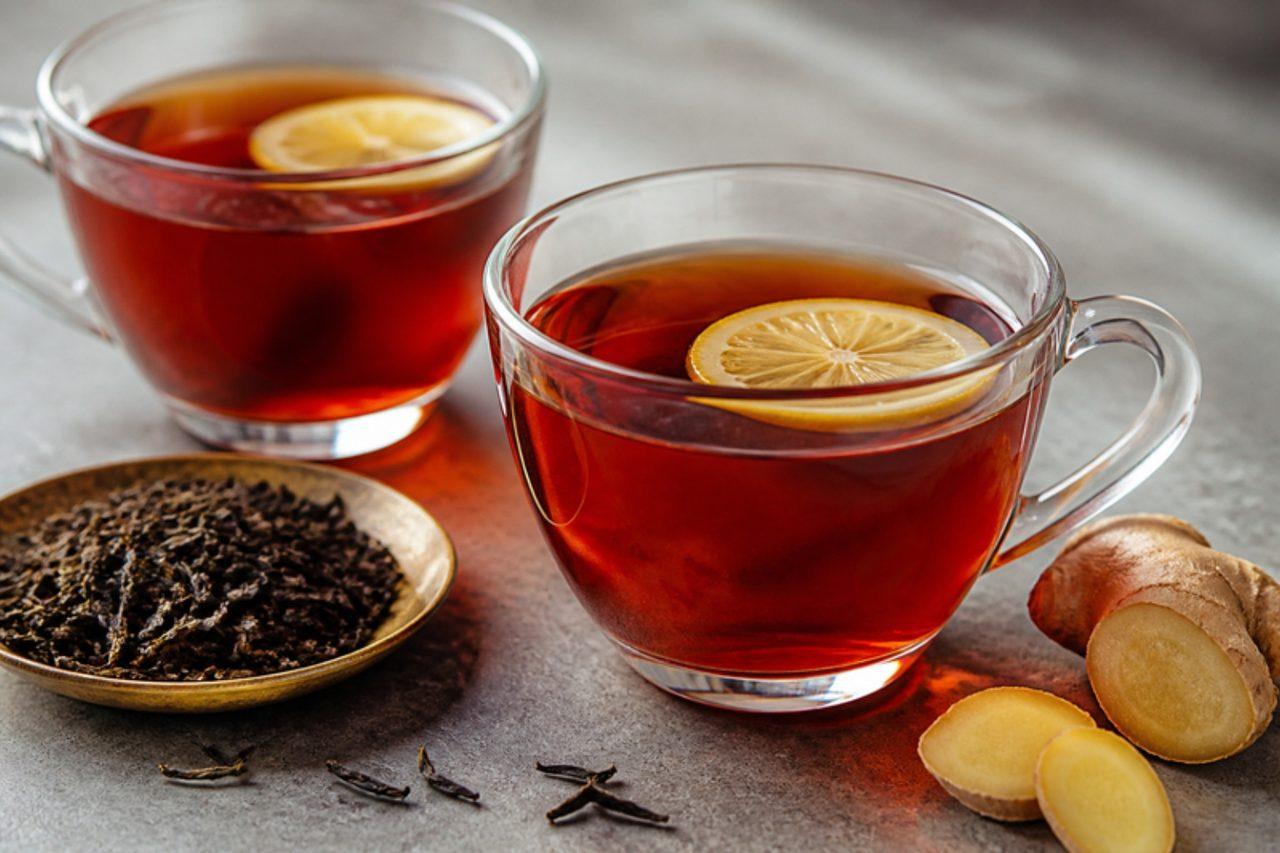
In Assam, the home of half of India's tea, the everyday cup is lal sah, 'red tea': strong CTC or orthodox Assam leaf brewed briefly, poured off, sweetened and drunk black. It is what tea-garden workers, Guwahati office-goers and grandmothers drink from morning till evening, often with a slice of lemon, a crushed piece of ginger or, in upper Assam, a bay leaf. Its colour is a deep, clear red and its taste is malty and brisk, never stewed. Chef's tip: take the pan off the heat before adding the leaves; boiling them makes the tea harsh and cloudy.

by KrazyBadal 1 views

Armenian coffee

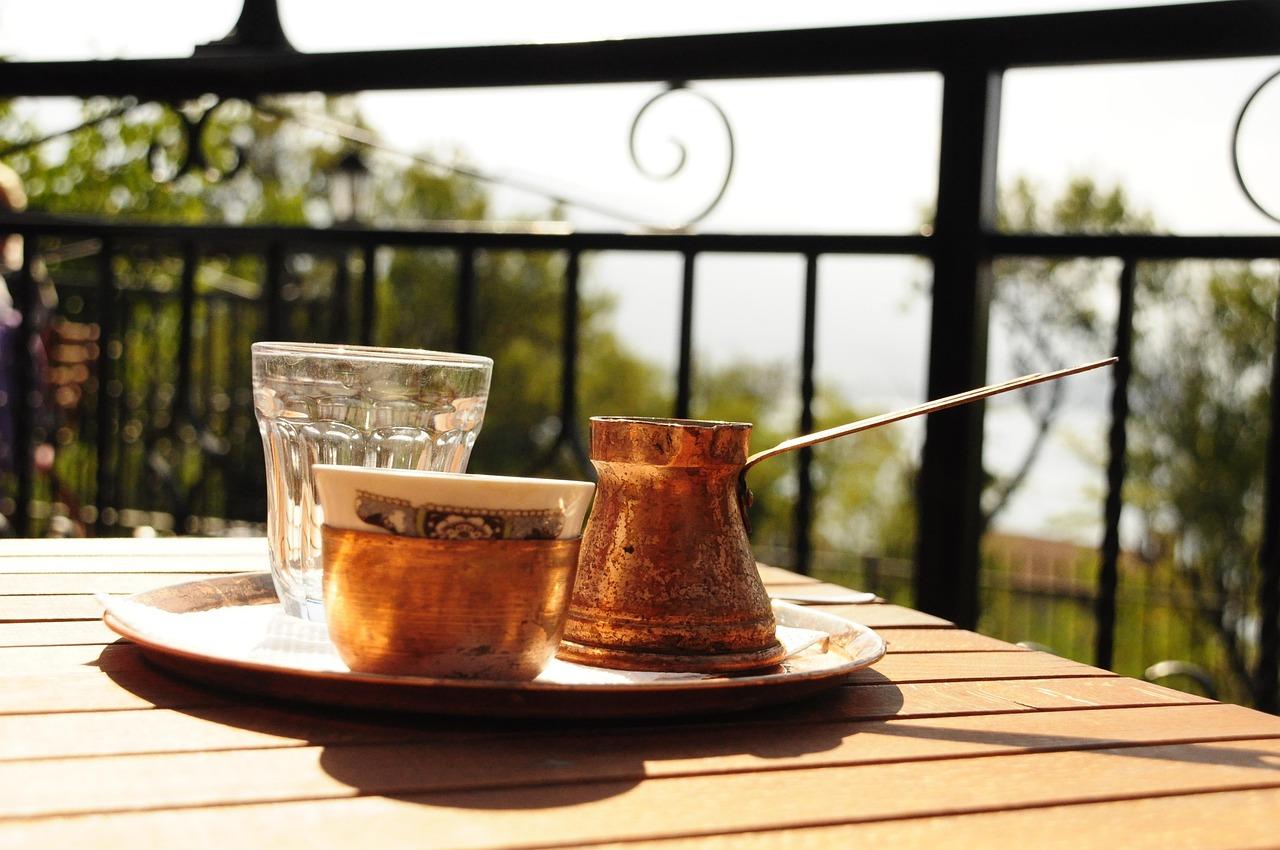
Armenian coffee, soorj, is boiled in a small long-handled pot called a jazzve and poured unfiltered into tiny cups. It is offered the moment a guest sits down in any Yerevan home and lingers after meals while the grounds settle; when the cup is empty, it is turned upside down on its saucer so someone can read the patterns left in the grounds. The coffee is powder-fine, often scented with a pinch of cardamom, with a velvety foam (kaymak) on top that is a point of pride for the host. Serve with a glass of water and a little gata or dried fruit. Chef's tip: start with cold water and a low flame; the slower the coffee heats, the thicker and longer-lasting the foam.

by KrazyBadal 1 views

Horchata de chufa

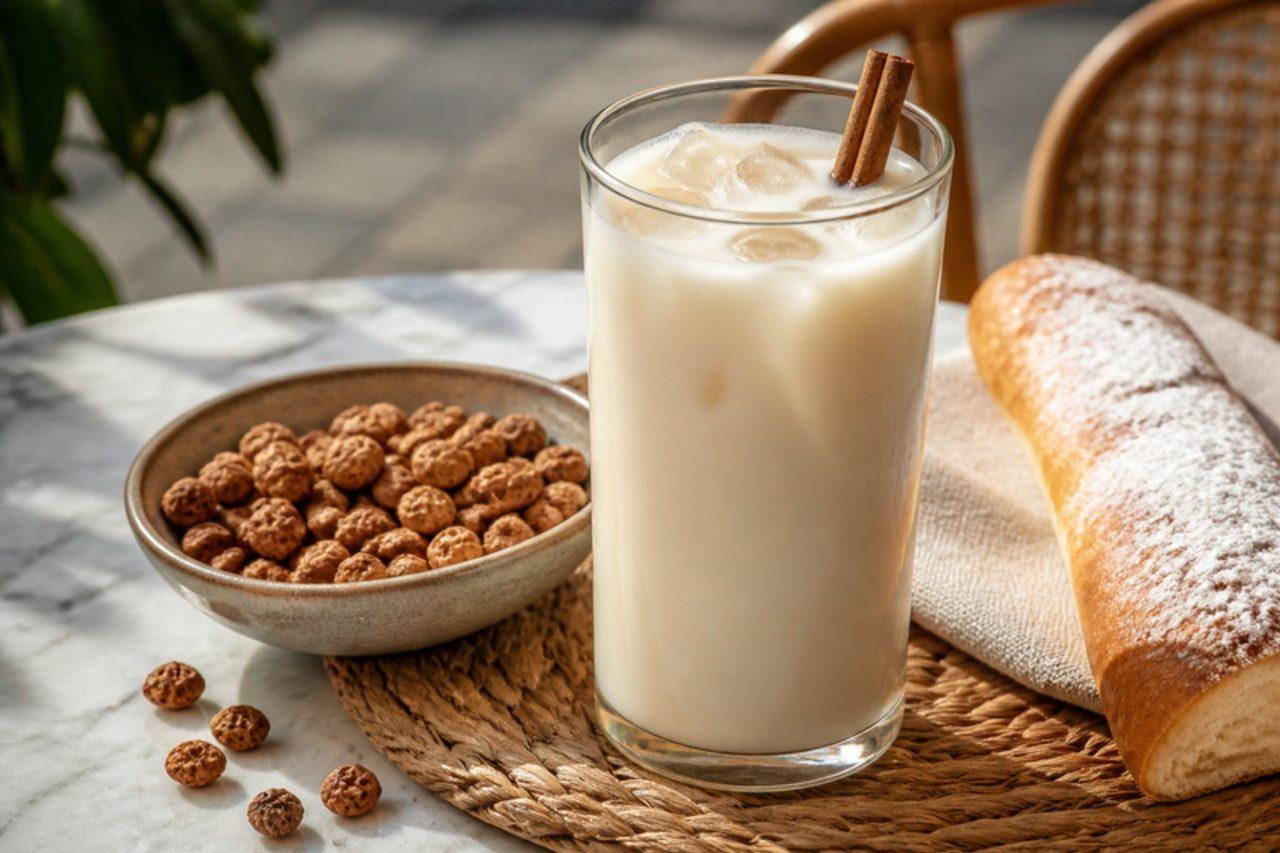
Horchata de chufa is the drink of Valencia's summer, sold ice-cold in the city's horchaterías with long, soft fartons pastries for dipping. It is made from chufas, or tiger nuts: small wrinkled tubers grown around the village of Alboraya just north of Valencia, which have their own protected designation of origin. Soaked, ground with water, strained and sweetened, they give a creamy, nutty, naturally dairy-free milk with a hint of cinnamon. Valencians drink it very cold, or half-frozen as 'granizada'. Chef's tip: soak the tiger nuts for a full 24 hours and change the water once; they must be plump and soft enough to blend into a fine pulp, or the horchata will be thin and taste of raw starch.

by KrazyBadal 1 views

Power pack

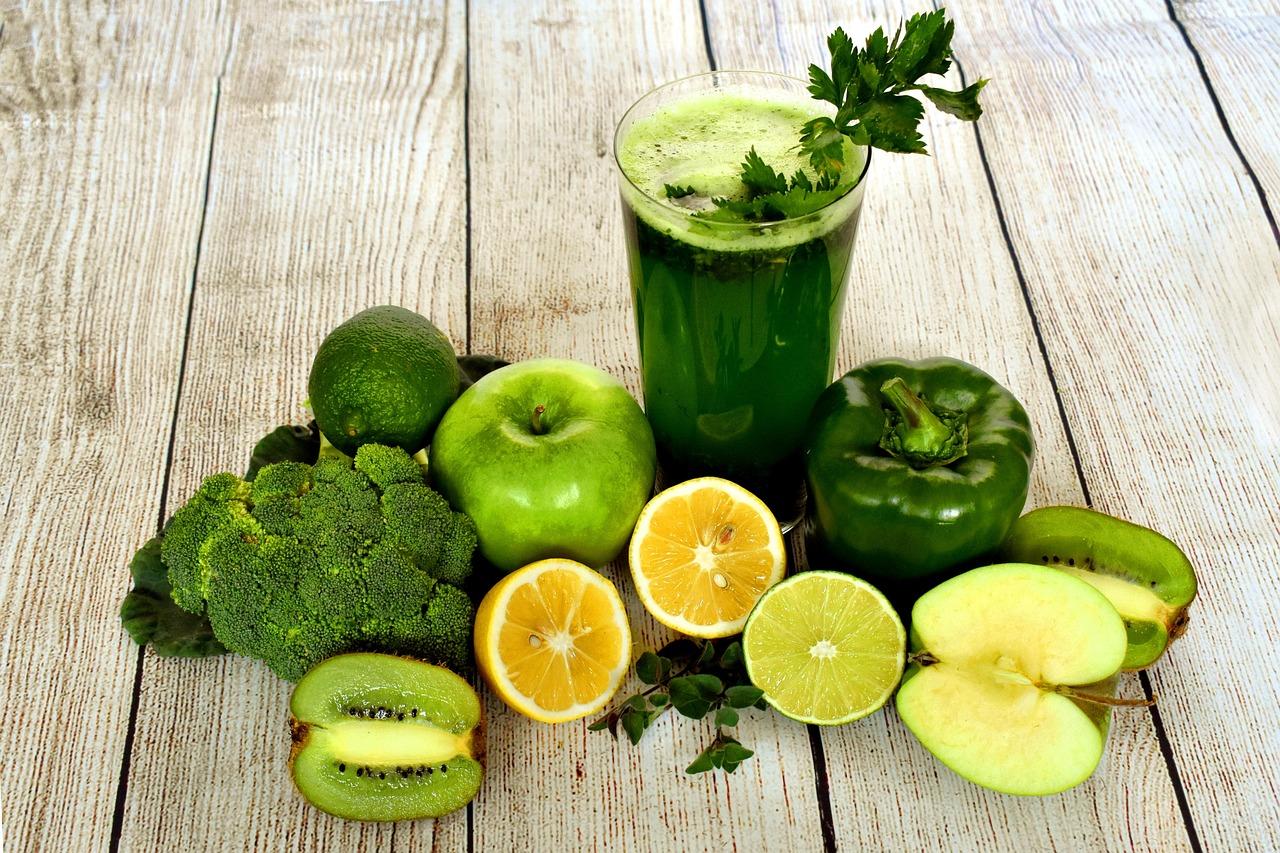
A sweet, energising juice of apples, pears and kiwi fruit with a stick of celery, all used unpeeled for extra goodness. It's naturally sweet, so it needs no sugar. Serve well chilled.

10 minDrinksVeganGluten free
by KrazyBadal 1 views

Guava delight

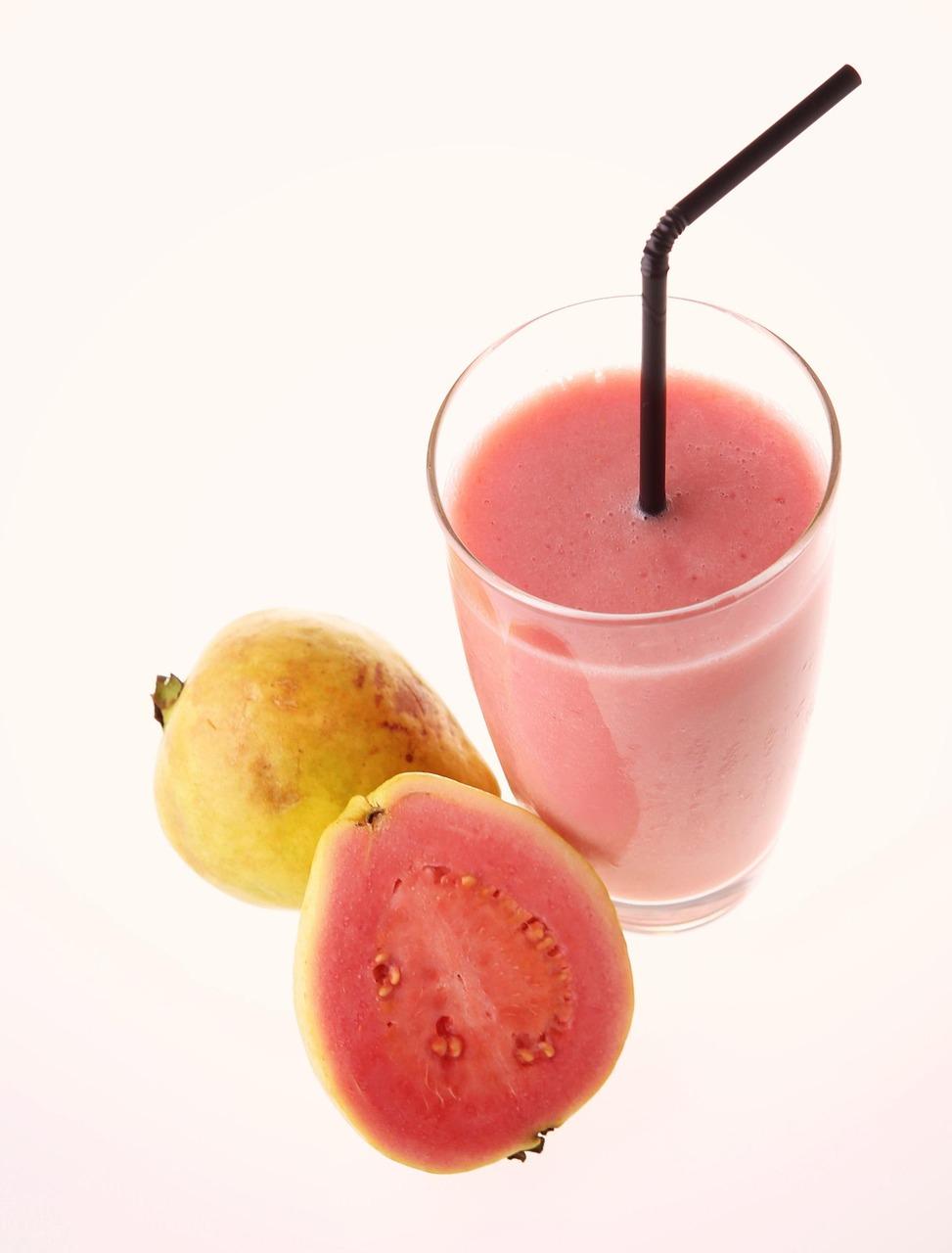
A thick, fragrant blend of ripe guava, mango and banana, boosted with a spoonful of guava powder from the health shop. The book calls it a modern-day vitality drink, drawing on guava's long use in traditional Indian medicine. Serve it well chilled; sieve it if you don't like the little guava seeds.

10 minDrinksVeganGluten free
by KrazyBadal 1 views

Somó

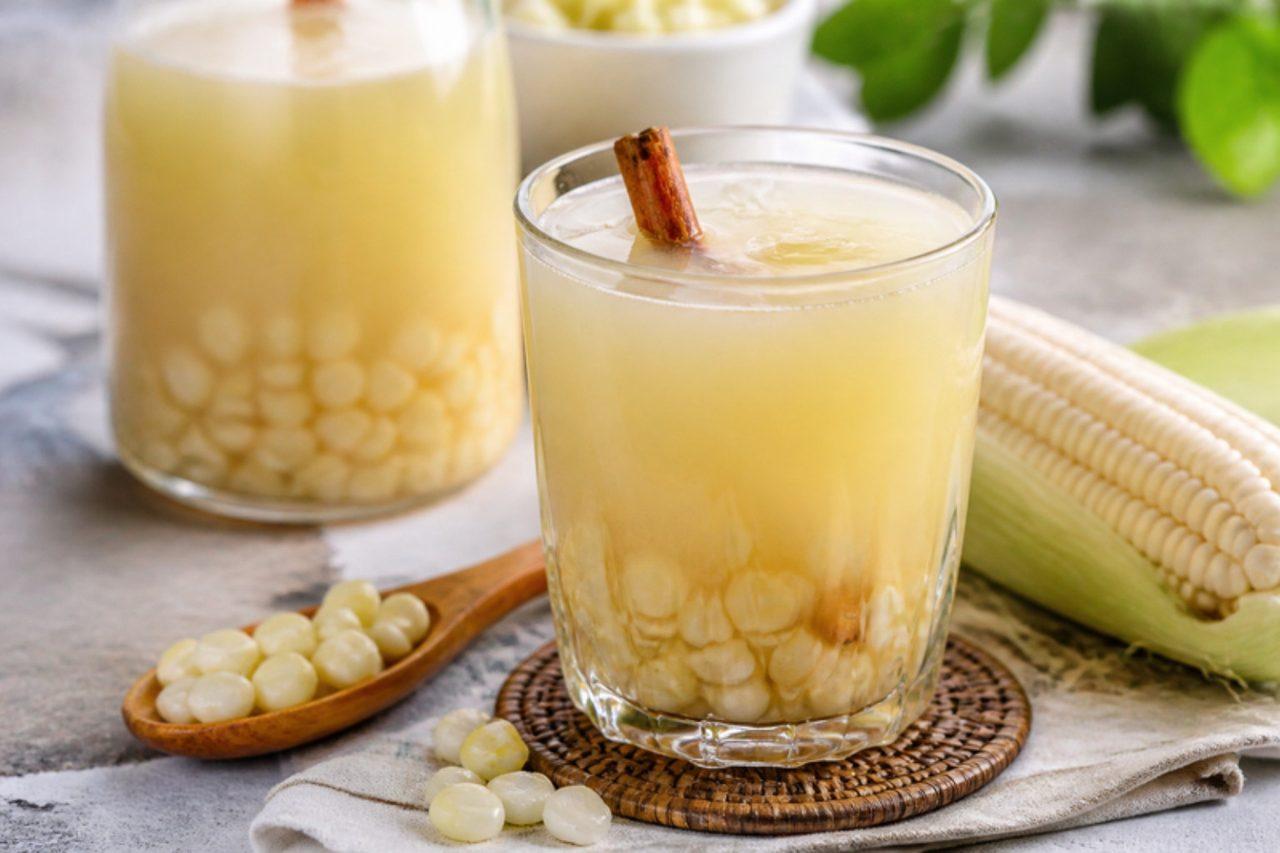
Somó is how Santa Cruz cools down: big tubs of chilled, sweet, cinnamon-scented corn water sold in markets and at the door of lowland homes, with soft kernels of white corn floating in every glass to be eaten with a spoon. It is a simple drink, but it needs time, because the dried corn must soak and then simmer until each kernel bursts open. People often serve it before the kernels have fully opened, and then they are hard and chalky. Chef's tip: add a strip of orange peel with the spices for a fresher note, as some cruceño grandmothers do.

100 minAndeanDrinksVeganGluten free
by KrazyBadal 0 views

Surinamese dawet

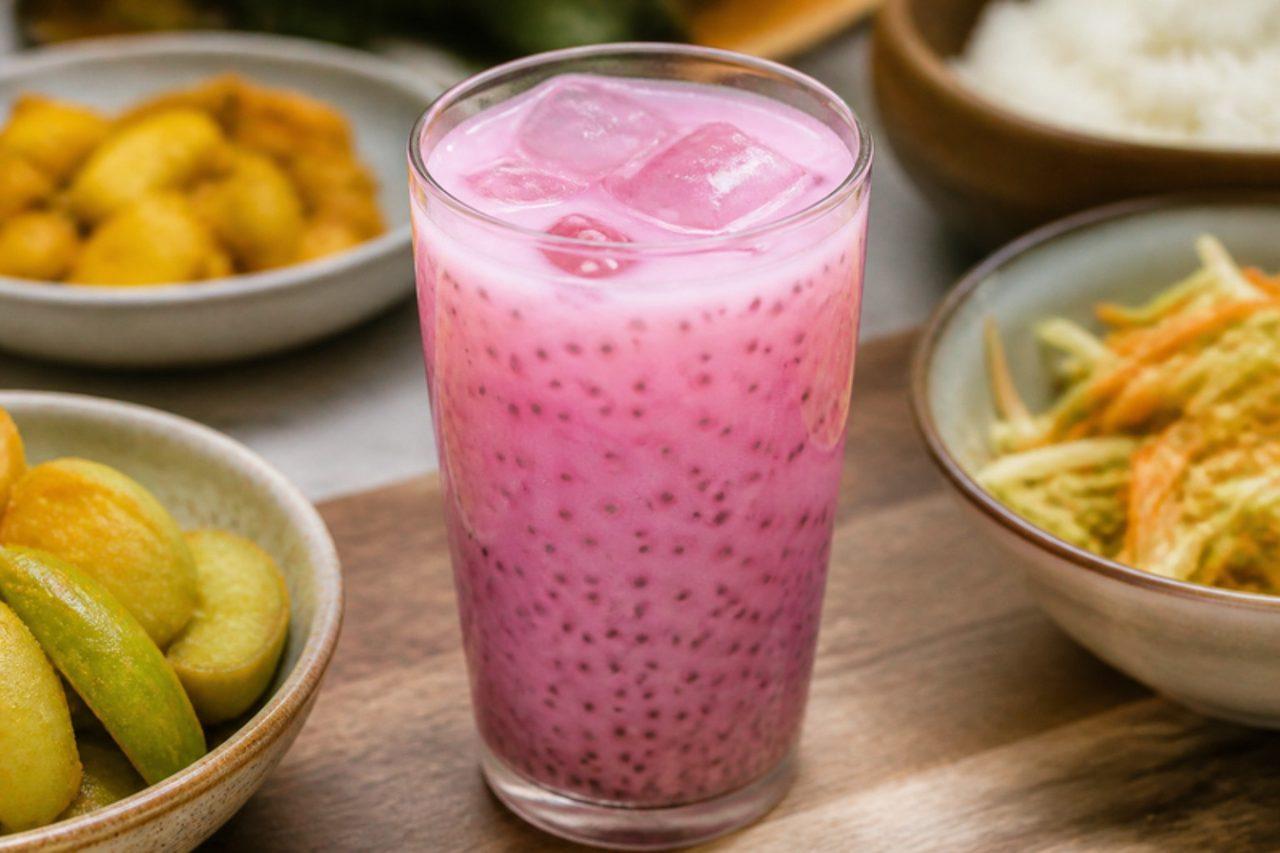
Javanese Surinamers brought dawet from Java, and today it is sold cold from big jars at warungs in Lelydorp and the Paramaribo district of Blauwgrond, especially on hot Sunday afternoons. In Suriname it has become its own drink, quite different from the Malaysian cendol with its green noodles: chilled coconut milk sweetened with a lemongrass and pandan syrup, often tinted pale pink and studded with soaked basil seeds or soft jelly strips. The common mistake is boiling the coconut milk, which makes it split and taste flat; it should only be warmed. Chef's tip: bruise the lemongrass hard with a rolling pin before simmering it, so the syrup tastes bright and lemony.

by KrazyBadal 0 views

Colada morada

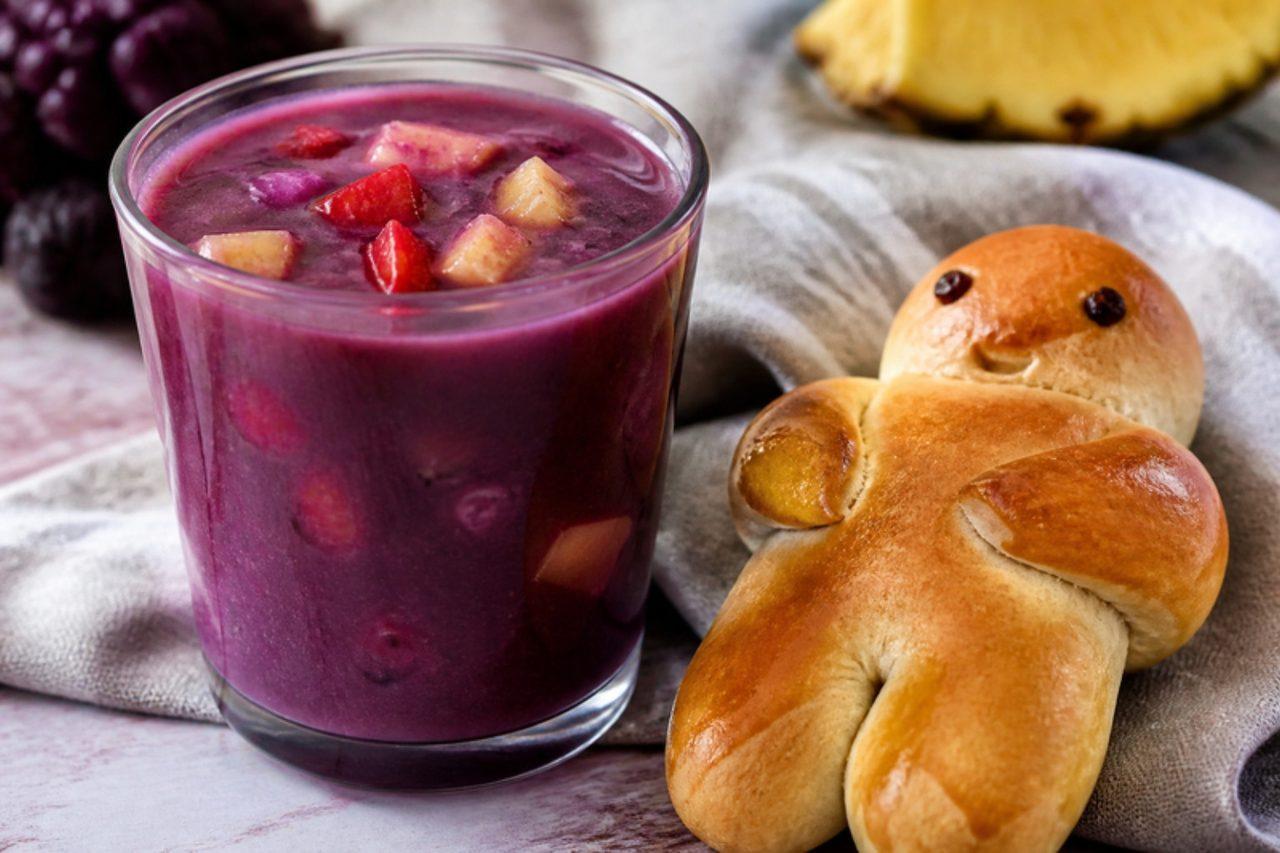
Every year in the days before 2 November, the Día de los Difuntos, Quito's kitchens and bakeries fill with the smell of colada morada: a warm, spoon-thick drink of purple corn flour cooked with blackberries, blueberries, pineapple and a bundle of fragrant herbs and spices. It is deep violet, sweet-tart and full of chopped fruit, and it is always served with guaguas de pan, the bread babies, often shared with family at the cemetery. The most common mistake is stirring the corn flour straight into hot liquid, which makes lumps: whisk it into cold water first. Chef's tip: lemon verbena and lemongrass give the authentic perfume; if you can find naranjilla or a few orange leaves, add them to the spice pot too.

100 minAndeanDrinksVeganGluten free
by KrazyBadal 0 views

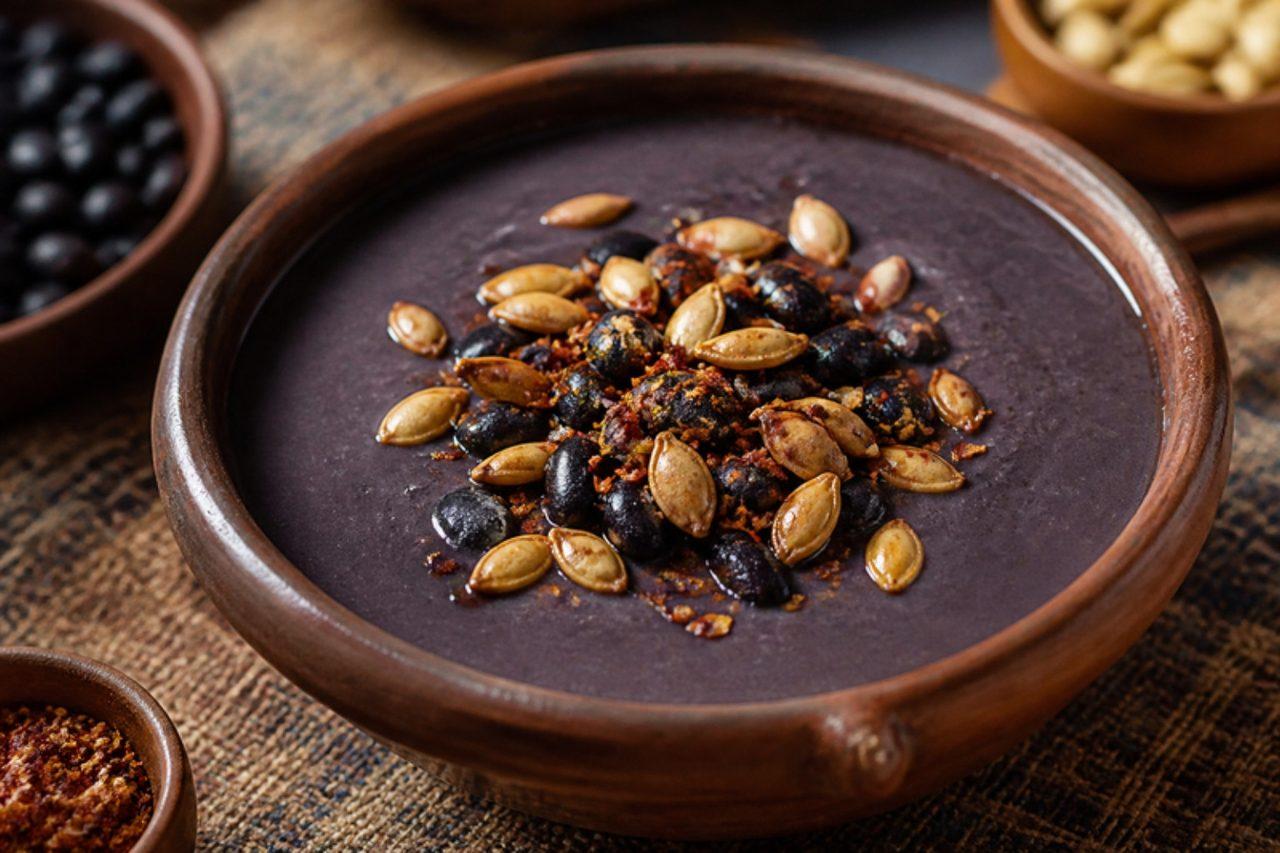
Atol shuco

In San Salvador's Plaza Libertad and outside churches on cool mornings, atol shuco is ladled from steaming clay pots into gourd bowls. Shuco means 'dirty', for its dusky purple-grey colour: it is made from fermented black corn, so it tastes slightly sour and earthy, topped with ground toasted pumpkin seeds, a few whole black beans and a pinch of chilli salt. It is savoury and filling rather than sweet. The usual mistake is leaving the masa to ferment too long in a hot kitchen; check it after a day and use it as soon as it smells pleasantly tangy. Throw it away if you see mould or it smells unpleasant. Chef's tip: if you can't wait for fermentation, a squeeze of lime at the end gives a similar tang.

by KrazyBadal 0 views

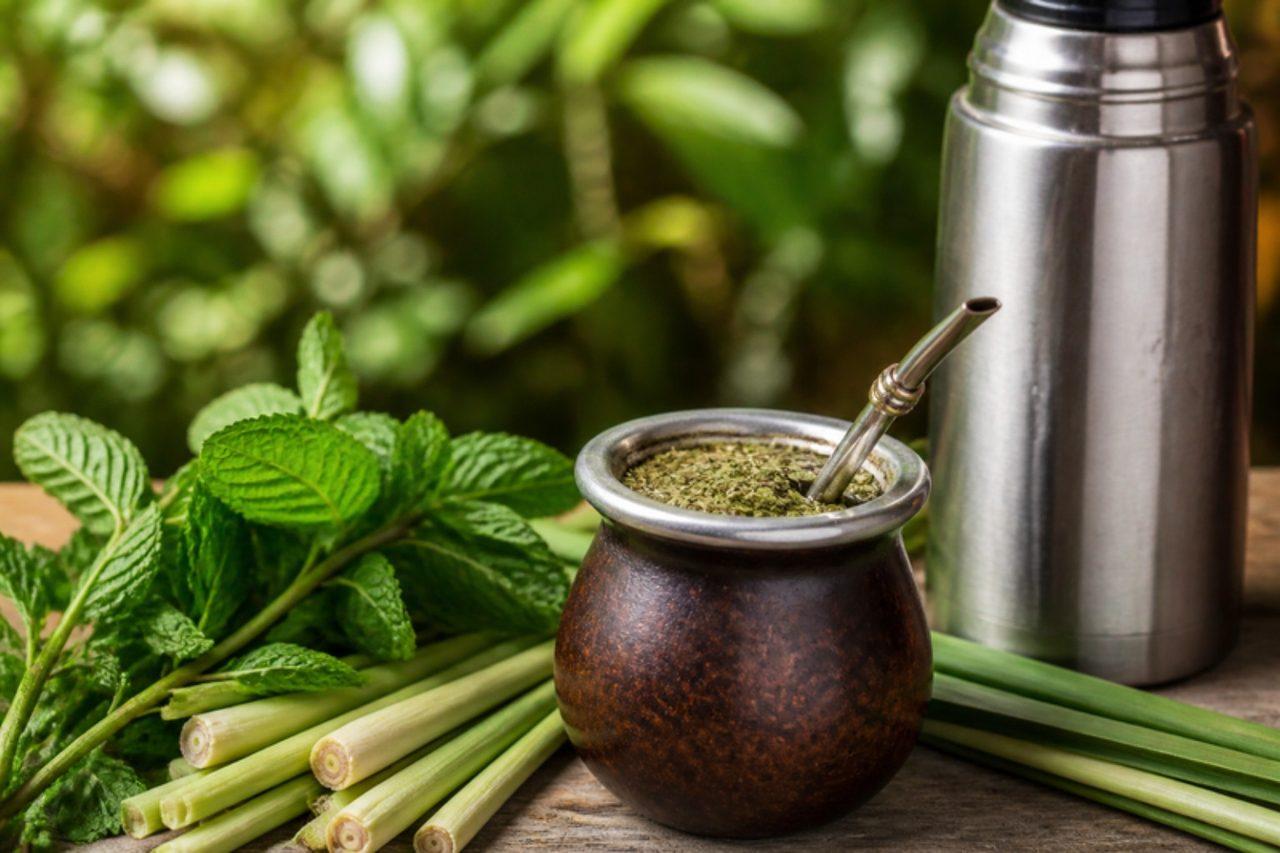
Tereré

In Asunción the hottest part of the day stops for tereré: a horn or cup packed with yerba mate, topped up again and again with ice water infused with crushed herbs, and passed round the group through a metal straw. It was recognised by UNESCO as part of Paraguay's cultural heritage, and the herbs (yuyos) change with the season and the drinker's mood. Yerba mate contains caffeine, so it isn't one for small children. The common mistake is pouring water straight into loose yerba, which then clogs the straw; tilt the yerba to one side first. Chef's tip: for tereré ruso, swap the water for cold orange or grapefruit juice.

by KrazyBadal 0 views

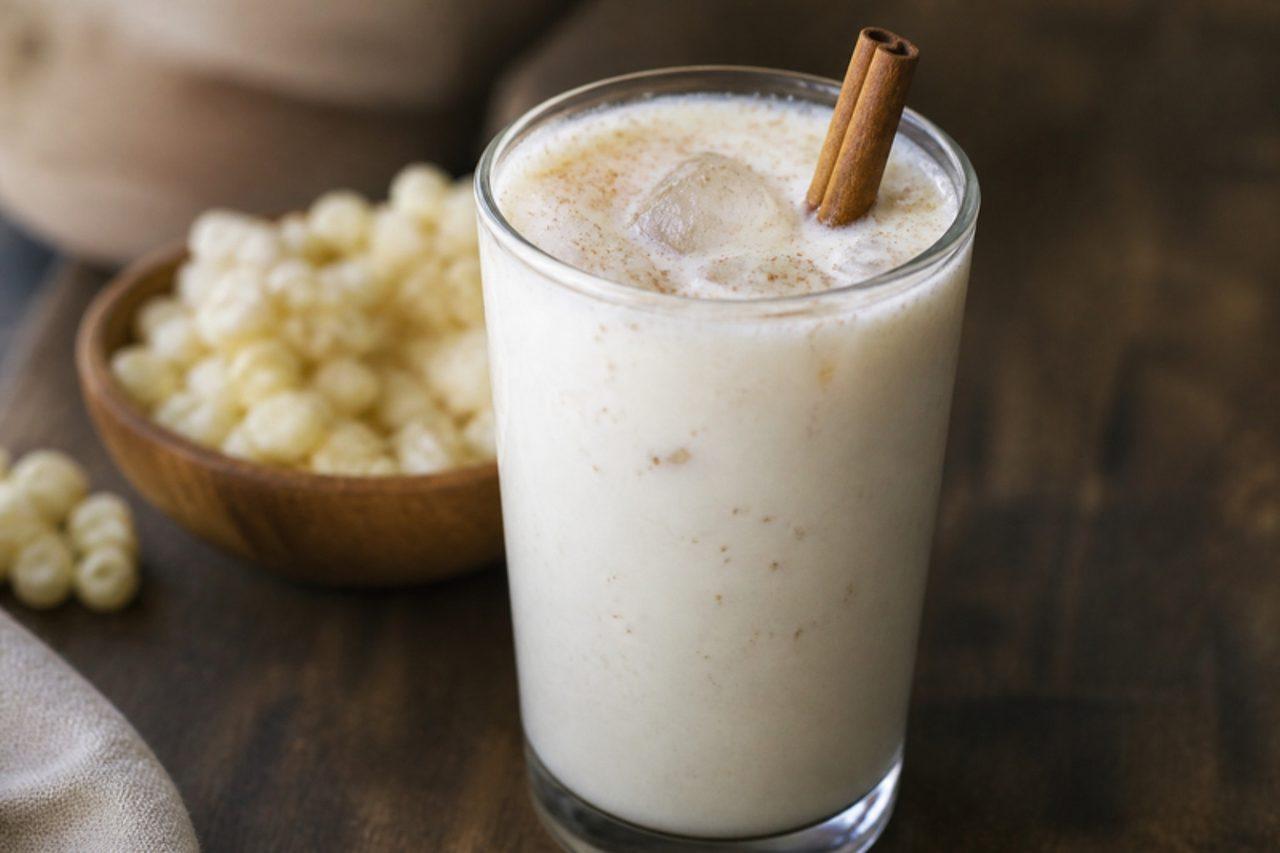
Chicheme

Chicheme comes from La Chorrera, just west of Panama City, where it is sold by the glass at the town's fairs alongside bollos and chorizo, and it is now drunk all over the country on hot afternoons. Cracked white corn is cooked until soft and swollen, then mixed with sweetened milk, cinnamon and vanilla and served very cold, so every sip has chewy grains in it. Undercooked corn is the classic mistake; the kernels must be soft right through or the drink feels gritty. Chef's tip: soak the corn overnight, and it cooks in under an hour instead of two.

by KrazyBadal 0 views

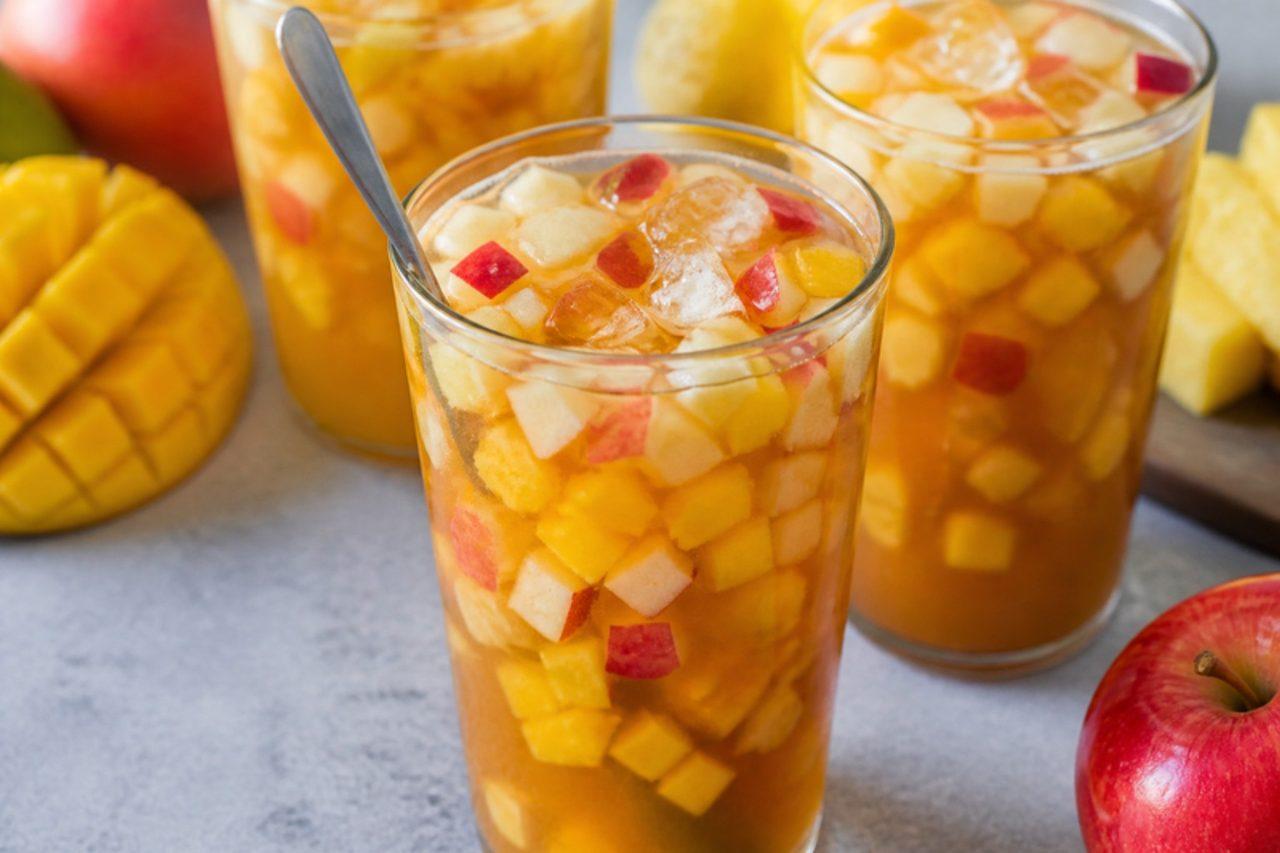
Ensalada salvadoreña

Order an ensalada at a pupusería in El Salvador and a tall glass arrives: apple juice crowded with tiny cubes of apple, mango and marañón (cashew fruit), drunk through a straw and finished with a spoon. It is the country's favourite cooler for hot afternoons and Sunday lunches. Outside Central America cashew fruit is rare, so pineapple stands in well. Cutting the fruit too big is the mistake people make; pieces should be small enough to come up a wide straw. Chef's tip: chop the apple last and drop it straight into the juice so it stays white.

by KrazyBadal 0 views

Carato de maíz

Out on the hot plains of the Llanos, a jug of carato is kept cold for the afternoon: white corn cooked until soft, blended with its water, strained and sweetened with panela, cinnamon and clove. It is thick, creamy and filling enough to be a snack in a glass. Keep it in the fridge, because left out it starts to ferment. The common mistake is skipping the straining, which leaves it gritty. Chef's tip: strain through a fine sieve and then once more through a clean cloth for the silkiest drink.

by KrazyBadal 0 views

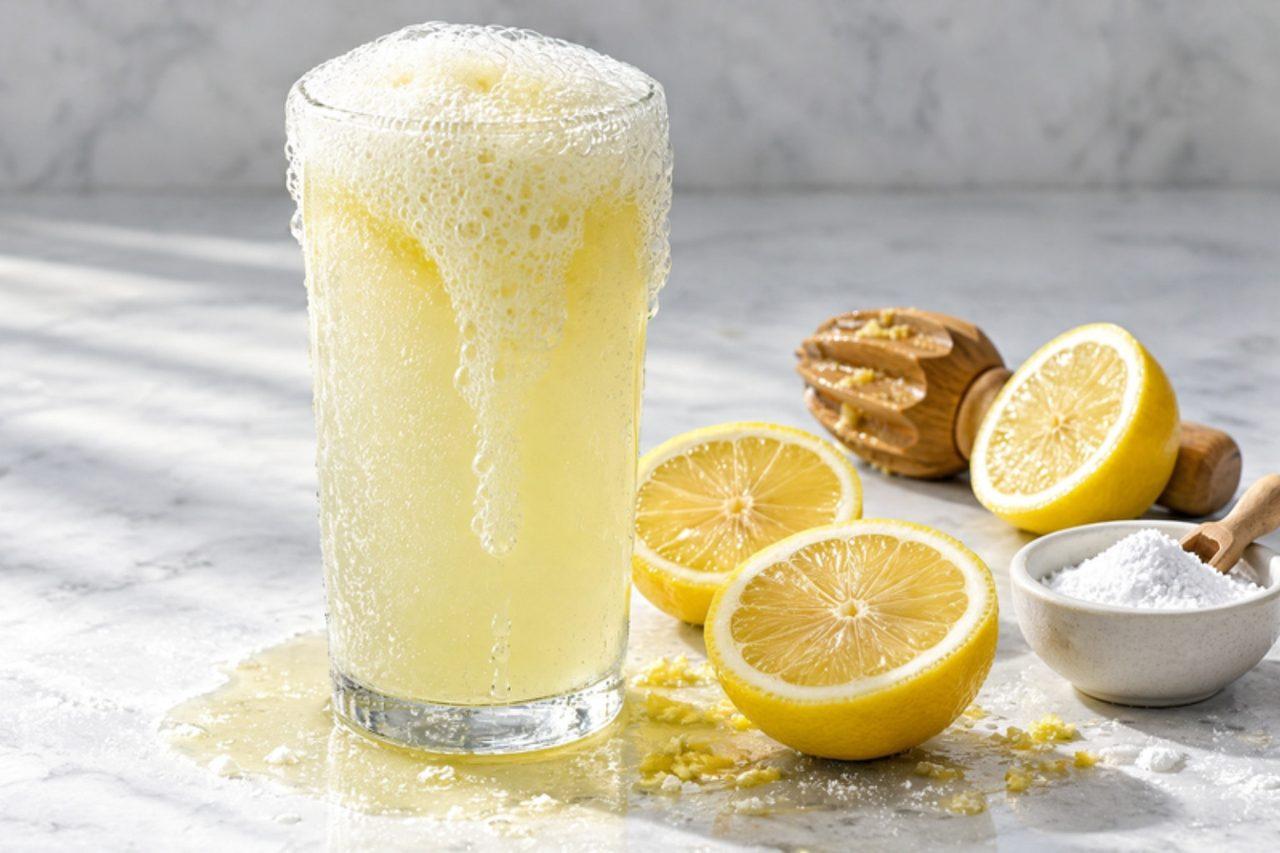
Limonata a cosce aperte

On hot afternoons along the Lungomare and in Piazza Sannazaro, the old acquafrescai kiosks squeeze half a lemon into a glass of sparkling water, then add a pinch of bicarbonate of soda. The drink foams up and over the rim, so you have to lean forward with your legs apart to drink it without soaking your shoes, which is where the cheeky name comes from. It tastes sharp, salty-fresh and very fizzy, and Neapolitans swear by it after a heavy lunch. Chef's tip: have the glass at your lips before you stir in the bicarbonate; the foam rises in seconds.

by KrazyBadal 0 views

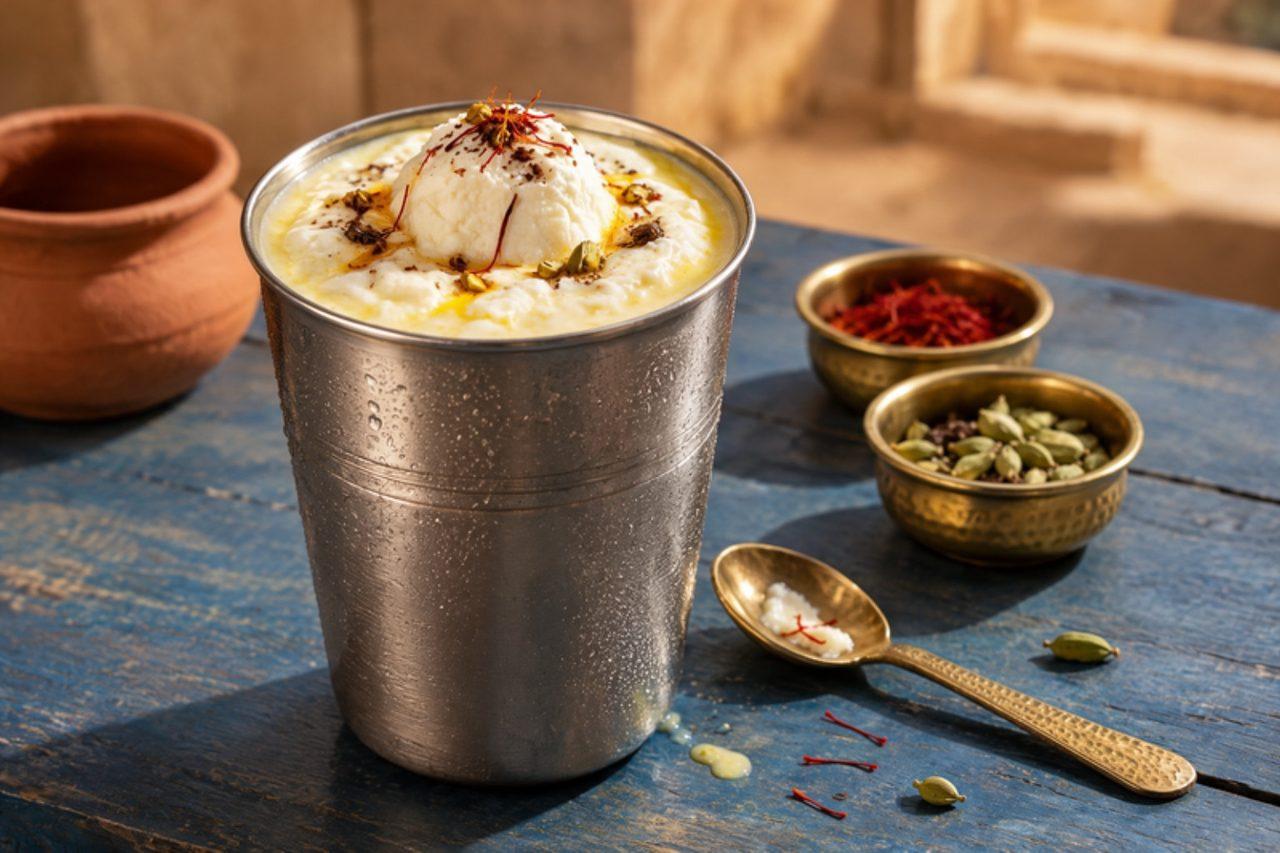
Makhaniya lassi

Around the clock tower and old city of Jodhpur, lassi shops churn this rich drink all day in summer: chilled set curd whisked with sugar, saffron and cardamom, poured into tall glasses and crowned with a spoon of fresh white butter (makhan) and a layer of malai. You drink the cool lassi and eat the butter and cream with a spoon. It is a meal in itself. The common mistake is thinning it with too much water or ice, which loses the thick, almost spoonable texture that makes it Jodhpuri. Chef's tip: use curd set from full-fat milk the night before and whisk it by hand or with a few pulses only.

by KrazyBadal 0 views

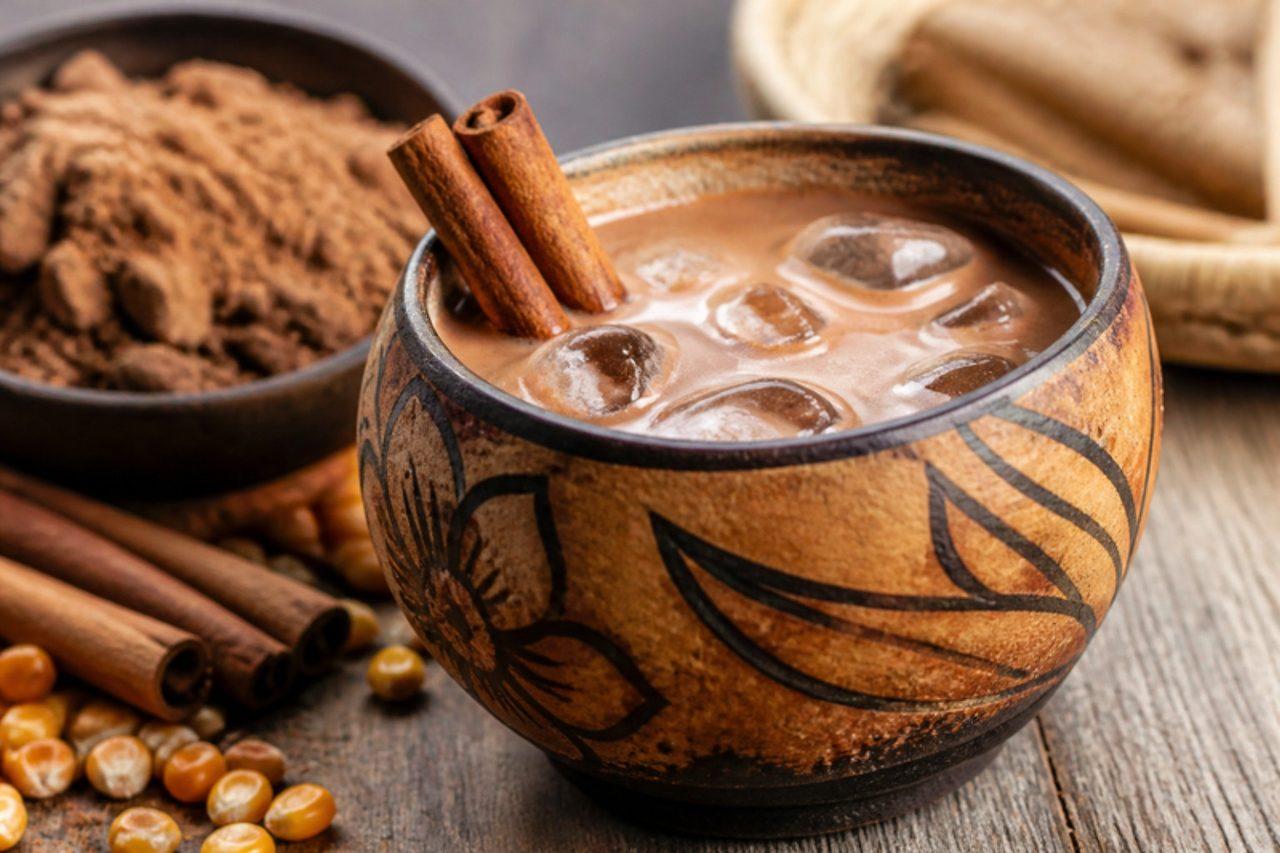
Pinolillo

Nicaraguans call themselves pinoleros after this drink, sold cold from plastic jugs at markets in Masaya and León and stirred up at home in gourd cups called jícaras. Toasted ground corn, cacao and a little cinnamon and clove are whisked into water or milk, giving a nutty, gently chocolatey drink with a soft, grainy body that settles if you leave it. Made with water or a plant milk it is vegan. Burning the corn while toasting is the mistake to avoid: it only needs to turn biscuit-coloured, and anything darker tastes bitter. Chef's tip: shake the powder and liquid in a lidded jar with ice instead of stirring, and there will be no lumps.

by KrazyBadal 0 views

Bajre ki raabdi

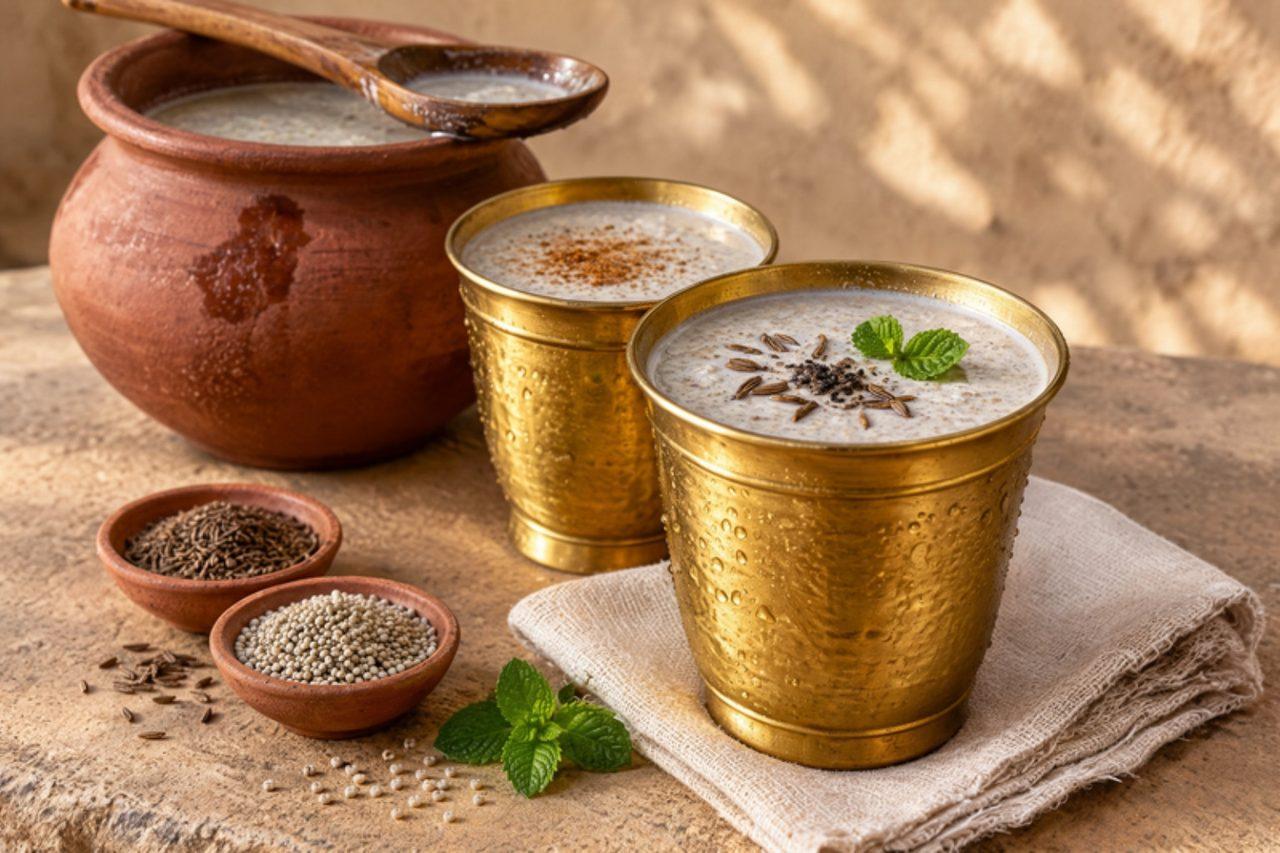
In the villages of Haryana and the Rajasthan border, raabdi is drunk at midday in May and June to keep cool in the fields. Pearl-millet flour is stirred into buttermilk and left to ferment for a few hours, then cooked slowly until thick, cooled in a clay pot and thinned with more buttermilk and salt. It tastes tangy and earthy, a little like a savoury porridge you can drink. Ferment at warm room temperature (25–32 °C) for 4–6 hours: it should smell pleasantly sour with a few bubbles. Throw it away if you see pink, black or furry mould or it smells rotten or of nail varnish. The common mistake is cooking on high heat, which scorches the millet and leaves raw lumps. Chef's tip: keep the cooked raabdi in the fridge and drink it within 2 days, thinning each glass to taste.

by KrazyBadal 0 views

Tsestalulu (sea-buckthorn juice)

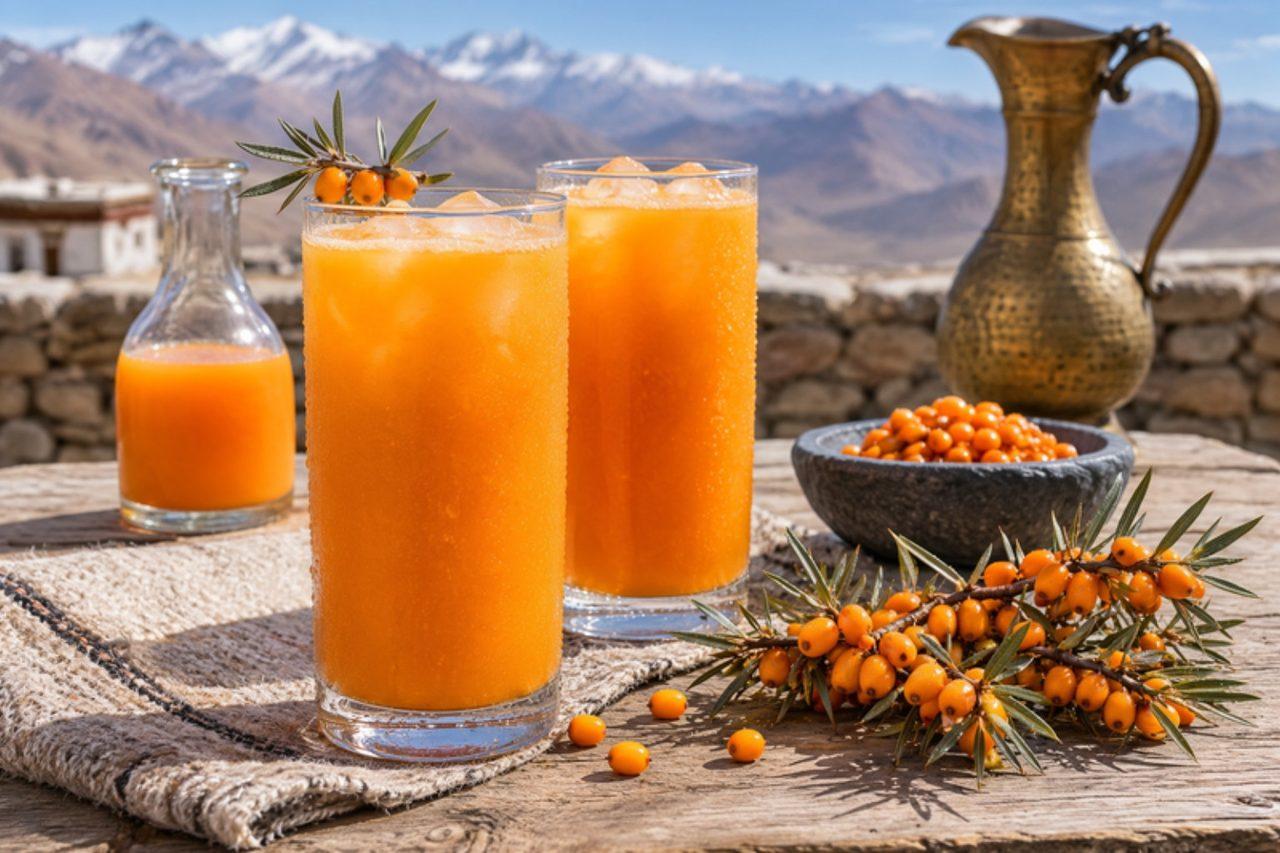
Sea buckthorn grows wild along the river beds of Ladakh, and in Leh the bright orange berries are pressed into tsestalulu, a sharp, tropical-tasting juice sold in summer cafés and made at home after the autumn harvest. It is drunk chilled, sweetened with sugar or honey and thinned with cold water. The berries are very sour and slightly oily, so the juice is always diluted. The common mistake is boiling the pulp, which dulls both the colour and the fresh taste; just blend and strain. Chef's tip: frozen sea-buckthorn berries or plain unsweetened purée from health shops work very well; strain twice through a fine sieve for a silky drink.

by KrazyBadal 0 views

Masala doodh

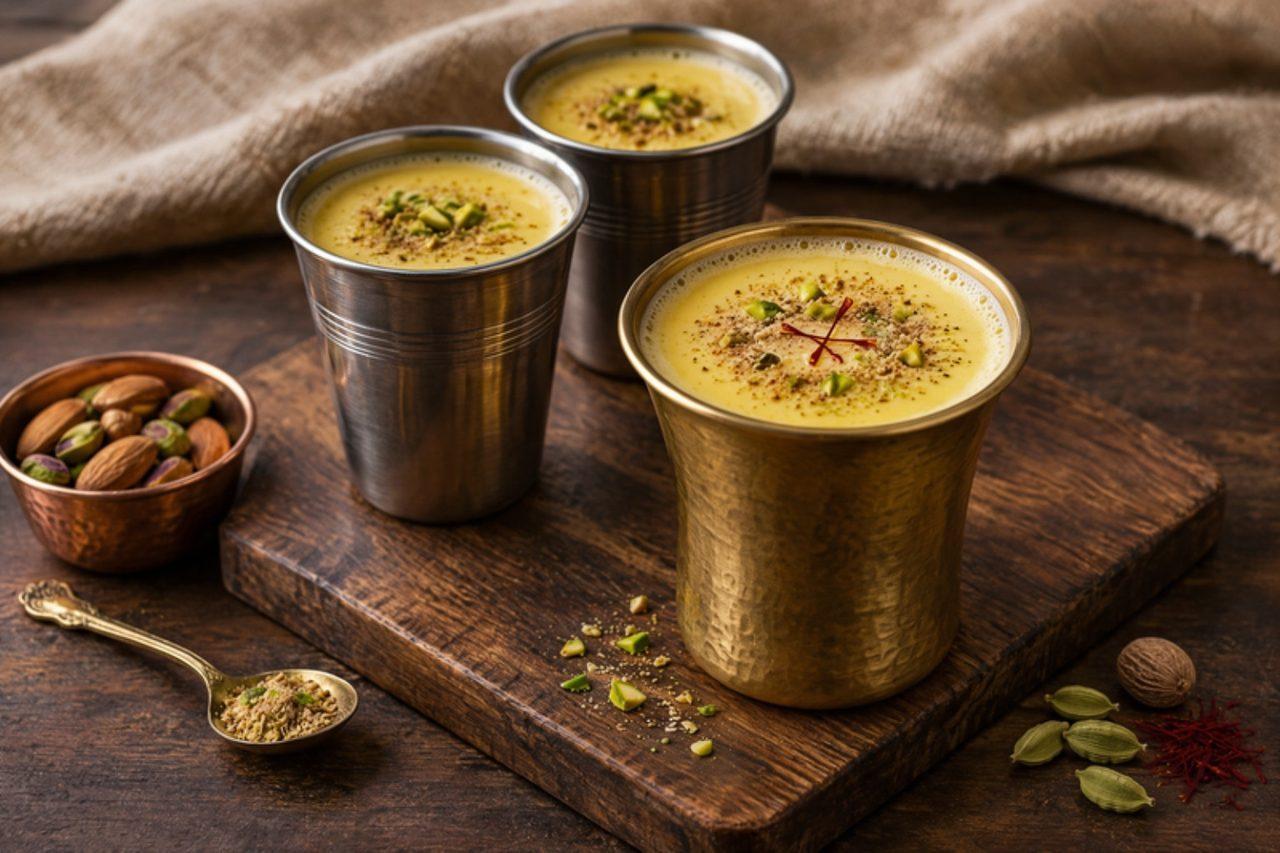
Late evening at Ahmedabad's Manek Chowk, milk sellers pour masala doodh from a height between two brass pots to cool and froth it, and on Sharad Purnima families set a pot of it under the full moon before drinking it chilled. It is richer and more fragrant than plain badam milk: a home-ground masala of almonds, pistachios, cardamom, nutmeg and a little black pepper is stirred into milk reduced with saffron and sugar. The common mistake is boiling it hard after the nut masala goes in, which makes it catch and taste scorched. Chef's tip: grind a jar of the masala in one go and keep it in the fridge; two teaspoons turn any glass of milk into a treat.

by KrazyBadal 0 views

Mocochinchi

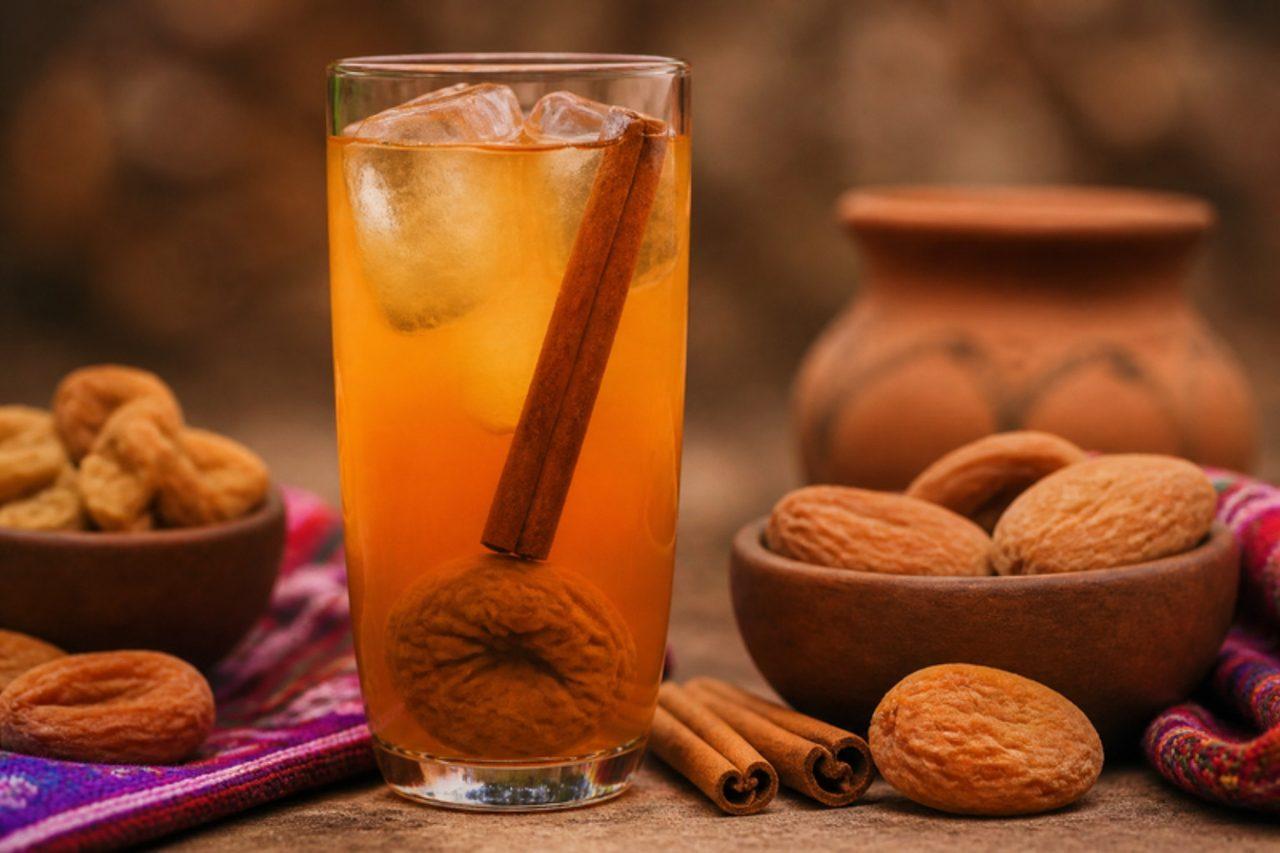
Walk through any Bolivian plaza on a warm afternoon and someone will be selling mocochinchi from a big glass jar: a cool, amber drink of sun-dried peaches simmered with cinnamon and cloves, served with a whole wrinkled peach at the bottom of the glass to eat at the end. It is the classic drink with lunch from Cochabamba to Tarija. People often skip the overnight soak, and then the peaches stay leathery and the drink tastes thin. Chef's tip: rub the soaked peaches between your hands under water to clean off dust and loosen the skins, which also releases more flavour.

by KrazyBadal 0 views

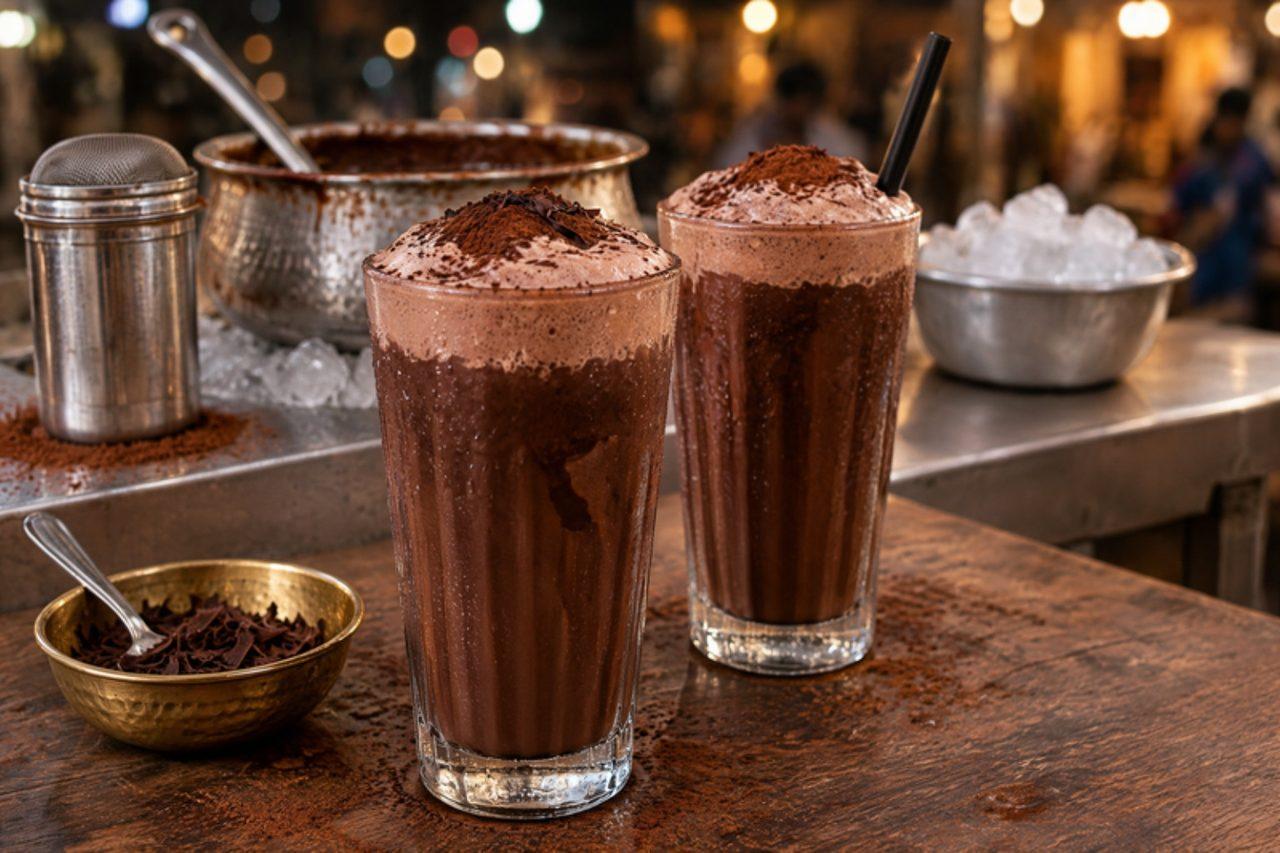
Surti cold cocoa

Long after dinner, the lanes around Surat's Chowk Bazaar and Athwa Lines fill with families queueing for cold cocoa, a thick, almost milkshake-like chocolate milk poured from big steel cans into tall glasses. The secret is cooking cocoa and a spoon of cornflour into rich milk first, then chilling it for hours so it thickens and the cocoa flavour deepens, before whisking it frothy to order. The common mistake is stirring cocoa powder straight into cold milk, which leaves bitter, dusty lumps floating on top. Chef's tip: make it the night before and whisk with a hand blender for 30 seconds just before pouring for the classic foamy head.

by KrazyBadal 0 views

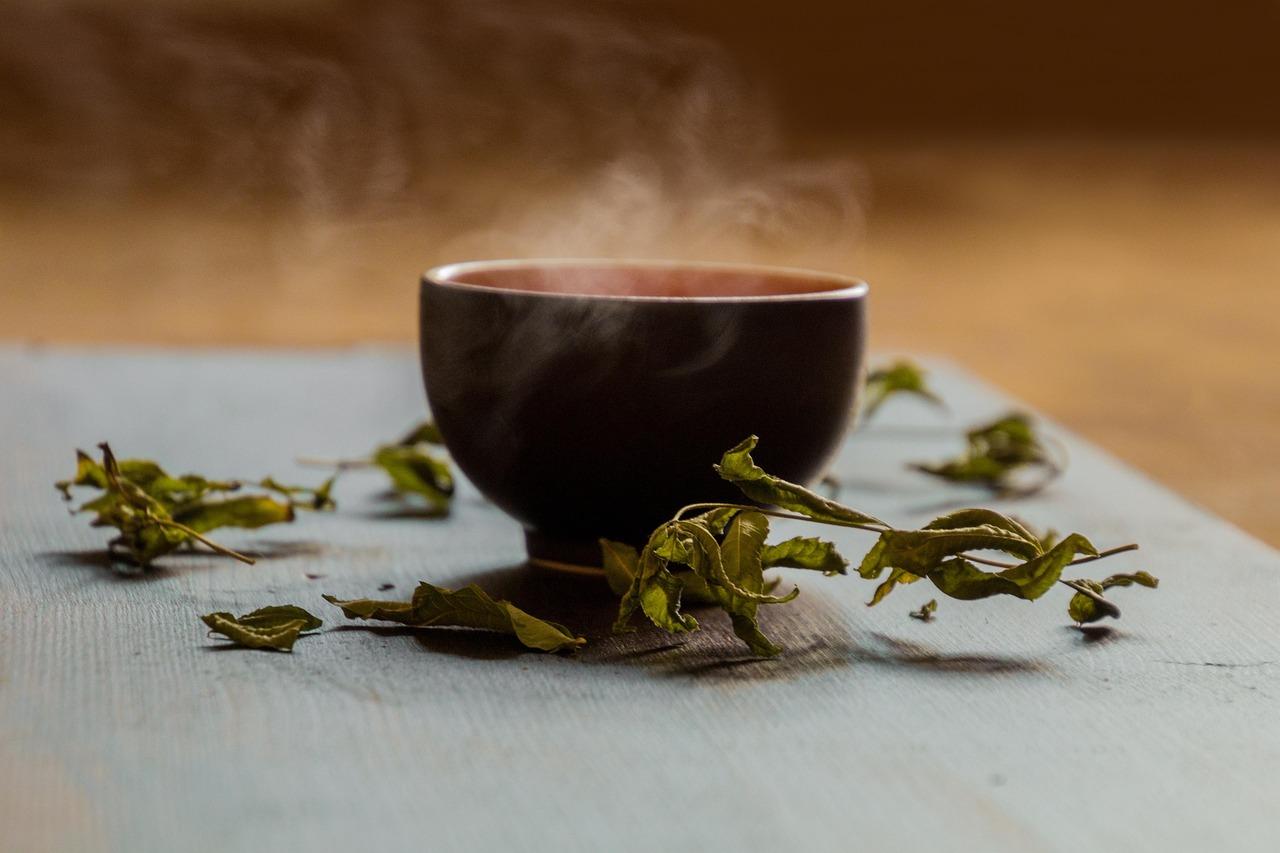
Guayusa

In Kichwa villages along the Napo river around Tena, families rise before dawn, gather around the fire and share a pot of guayusa: an infusion of the large leaves of an Amazon holly tree, passed round while people talk over dreams and plan the day. It tastes smooth, grassy and faintly sweet, with none of the bitterness of black tea, and it carries a steady lift of caffeine, so it is not one for young children or late evenings. Dried guayusa is sold loose in health-food and tea shops. A common mistake is treating it like delicate green tea and steeping it for just a minute; it needs a gentle simmer to draw out its flavour. Chef's tip: add a strip of lemongrass or a slice of ginger for a fragrant twist, and sweeten, if at all, with a little panela.

by KrazyBadal 0 views

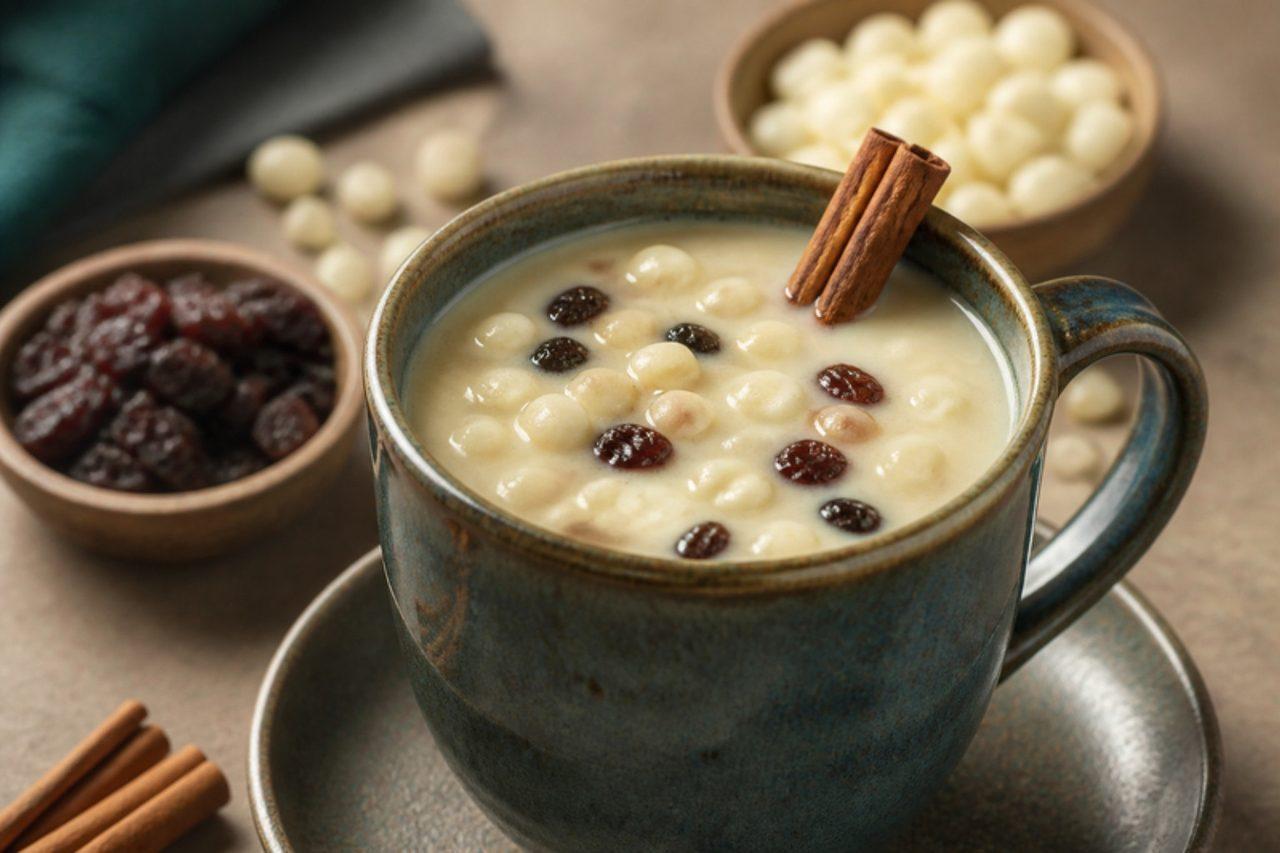
Morocho

Morocho is what Quiteños drink on a chilly evening at a market stall, often with a crisp empanada de morocho alongside: cracked white corn simmered for an hour with milk, cinnamon and cloves until it turns into a thick, creamy drink you half sip, half spoon, studded with plump raisins. It tastes like a gently spiced rice pudding made with corn. The usual mistake is adding the milk too early and not stirring, so it catches and scorches on the bottom of the pan. Chef's tip: soak the corn overnight; it cooks faster and more evenly and turns properly creamy.

by KrazyBadal 0 views

Showing 24 of 412 recipes

Show more recipes

Page 1 of 18

More collections