Skip to content

Vegetarian Japanese recipes

Noodles, rice bowls, tofu and vegetable dishes without meat or fish. (93 recipes)

Miso nikomi udon

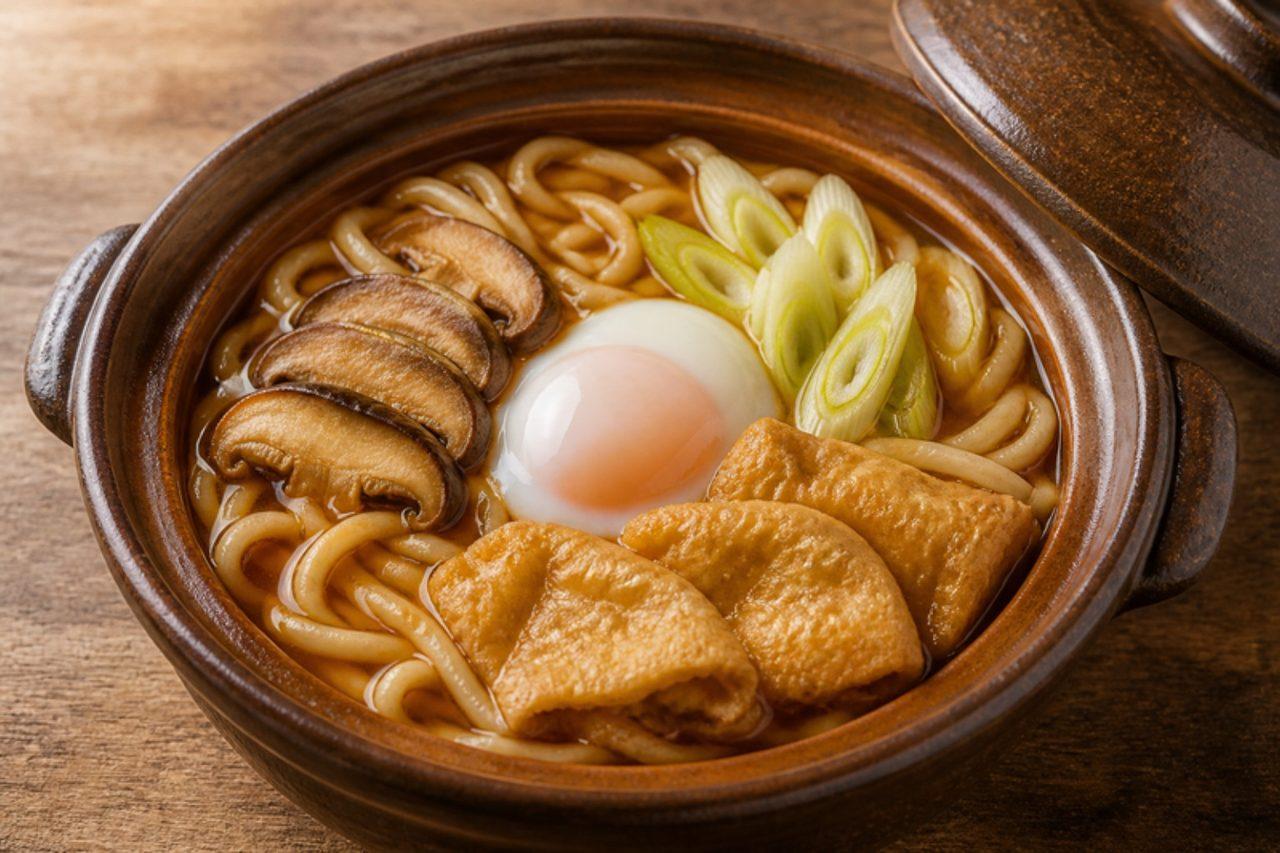
In Nagoya, udon is cooked in its broth rather than boiled separately, in a small clay pot called a donabe that comes to the table still bubbling. The broth is made with Aichi's famous dark soybean miso, hatcho miso, which is aged for years and tastes deep, slightly bitter and chocolatey. Nagoya's noodles are deliberately firm, almost chewy at the centre, and locals use the pot's lid as a plate to cool each mouthful. It is a cold-weather lunch, and the egg poached on top is part of the ritual. Our version uses kombu-shiitake dashi and fried tofu instead of chicken. Chef's tip: dissolve the miso in a ladle of broth before adding it. Hatcho miso is dense and stays in lumps if it goes straight in.

by KrazyBadal 1 views
Miso soup

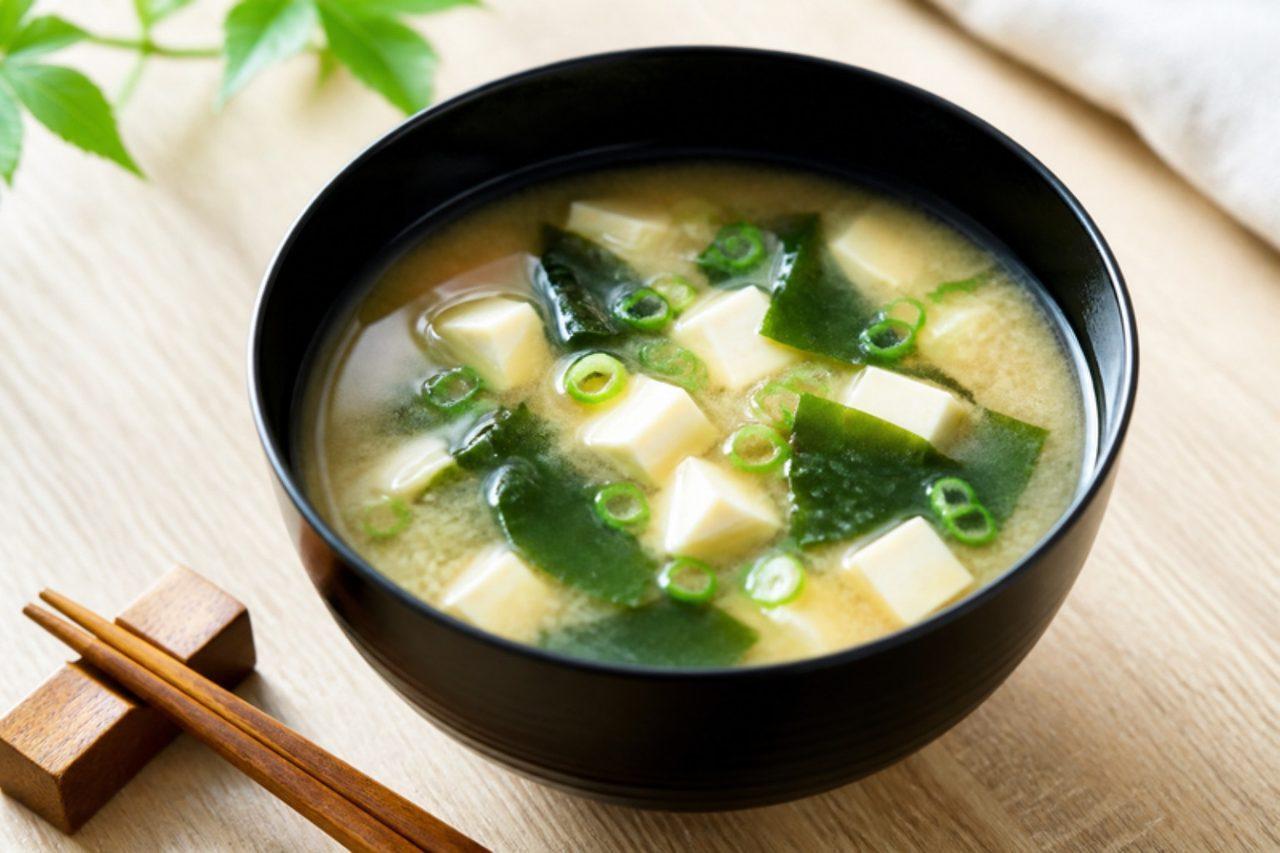
Miso soup (味噌汁) is drunk every day in homes all over Japan, at breakfast as well as dinner, beside a bowl of rice. The base is dashi; this vegan version uses kombu and dried shiitake instead of bonito, which gives it a deep, rounded flavour. Silken tofu and wakame seaweed are the classic fillings. It takes ten minutes; just remember not to boil the miso. Chef's tip: add the miso at the very end and never let it boil. Boiling kills the miso's fresh, fermented aroma; Japanese cooks say the soup should only 'smile', with the surface barely trembling.

by KrazyBadal 1 views
Okonomiyaki

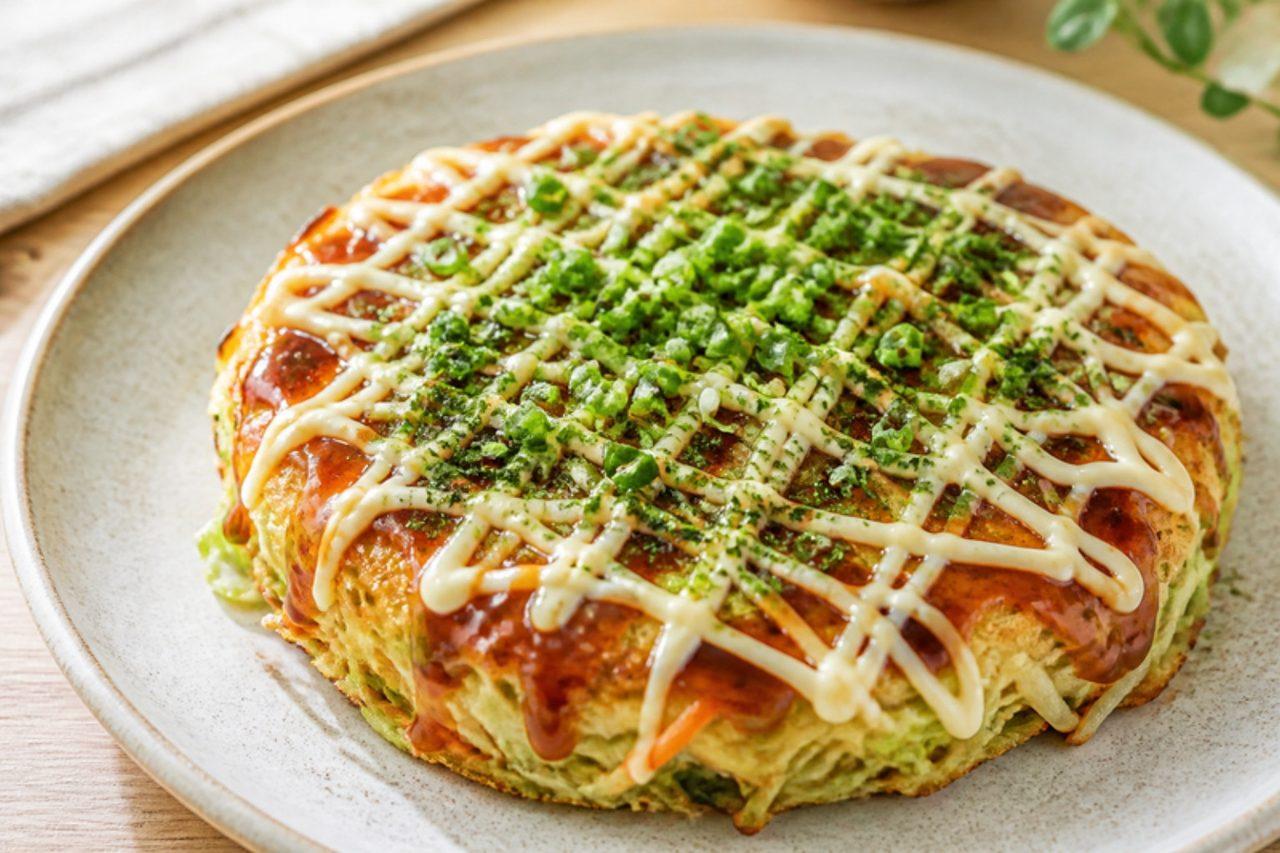
Okonomiyaki (お好み焼き, 'grilled as you like it') is the pride of Osaka, where it's cooked on hot iron griddles in lively restaurants. Finely shredded cabbage is folded into a light batter with egg and spring onion, then fried into a thick, soft pancake with a crisp outside. It's painted with a fruity brown sauce and zigzagged with mayonnaise. Bonito flakes are usual on top; this vegetarian version uses seaweed flakes and pickled ginger instead. Chef's tip: don't press the pancake down with your spatula while it cooks. Osaka cooks leave it alone so the cabbage steams inside and stays light and fluffy; pressing squeezes out the air.

by KrazyBadal 1 views
Agedashi tofu

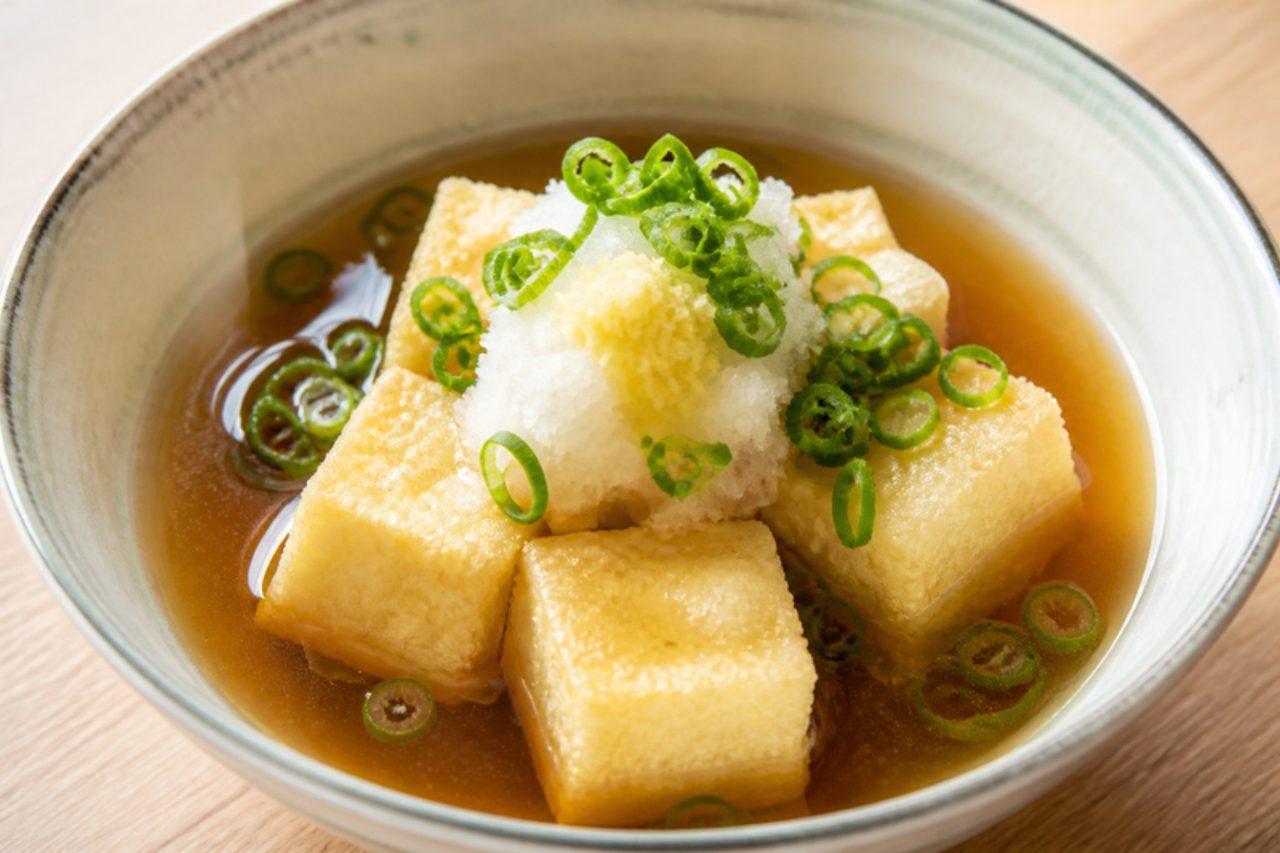
Agedashi tofu (揚げ出し豆腐) is a classic izakaya dish eaten all over Japan: cubes of soft tofu dusted in potato starch, fried until they form a thin, crisp shell, then bathed in a hot, savoury broth. The coating turns silky as it soaks up the sauce while the tofu inside stays creamy. Usually topped with bonito flakes; here it's grated daikon, ginger and spring onion with a kombu-shiitake broth instead. Chef's tip: coat the tofu in starch right before it goes into the oil, not ahead of time; if it sits, the starch turns damp and the coating fries up gummy instead of crisp.

by KrazyBadal 1 views
Wakame gohan

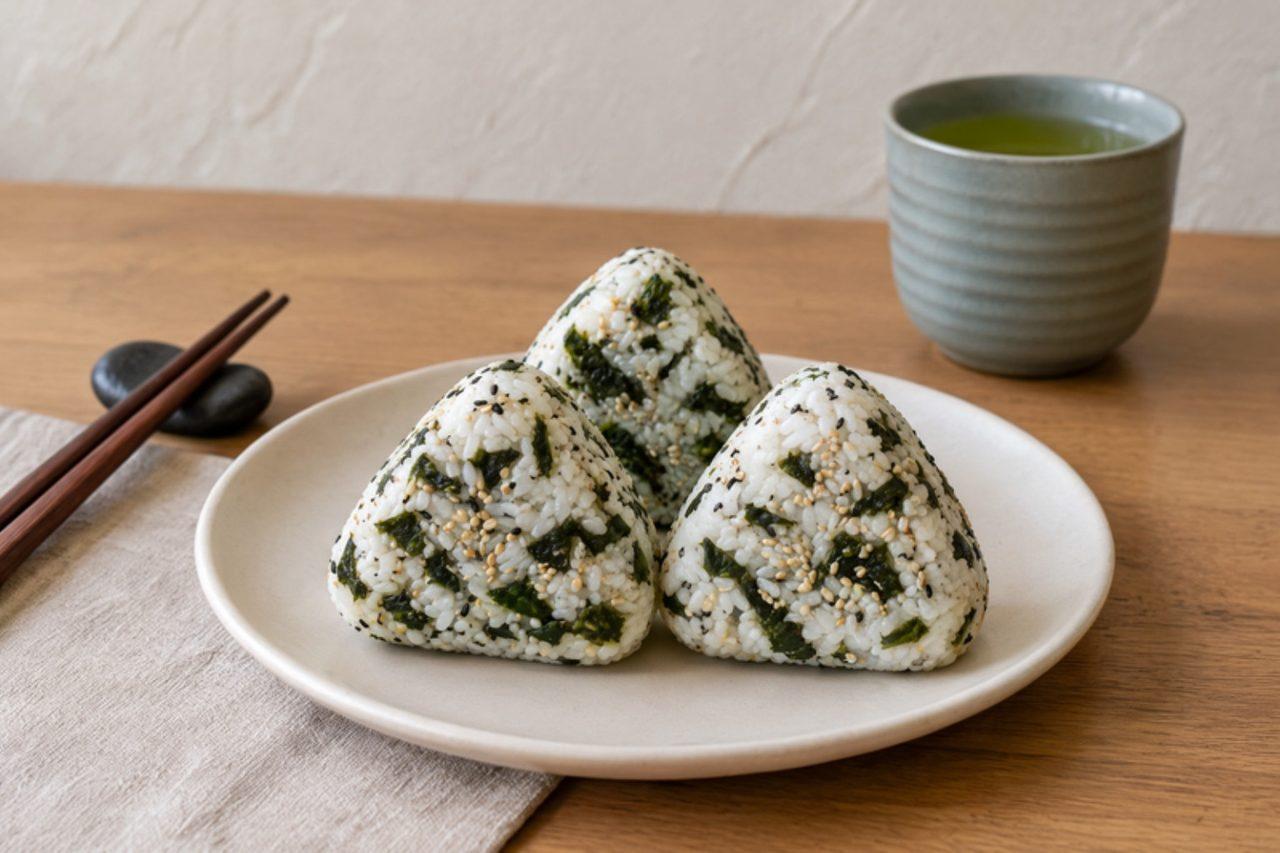
Wakame gohan is the green-flecked rice that turns up in Japanese school lunches and convenience-store onigiri: plain rice mixed with salted, toasted wakame flakes and sesame. At home you make your own seasoning in five minutes from a pack of dried cut wakame. The common mistake is soaking the wakame first, which gives slimy rice; it should go in dry and crisp so it softens only with the rice's steam. Chef's tip: shape onigiri with wet, salted hands while the rice is hot, then cool them fast on a plate before wrapping for the lunchbox.

by KrazyBadal 0 views

Sansai okowa

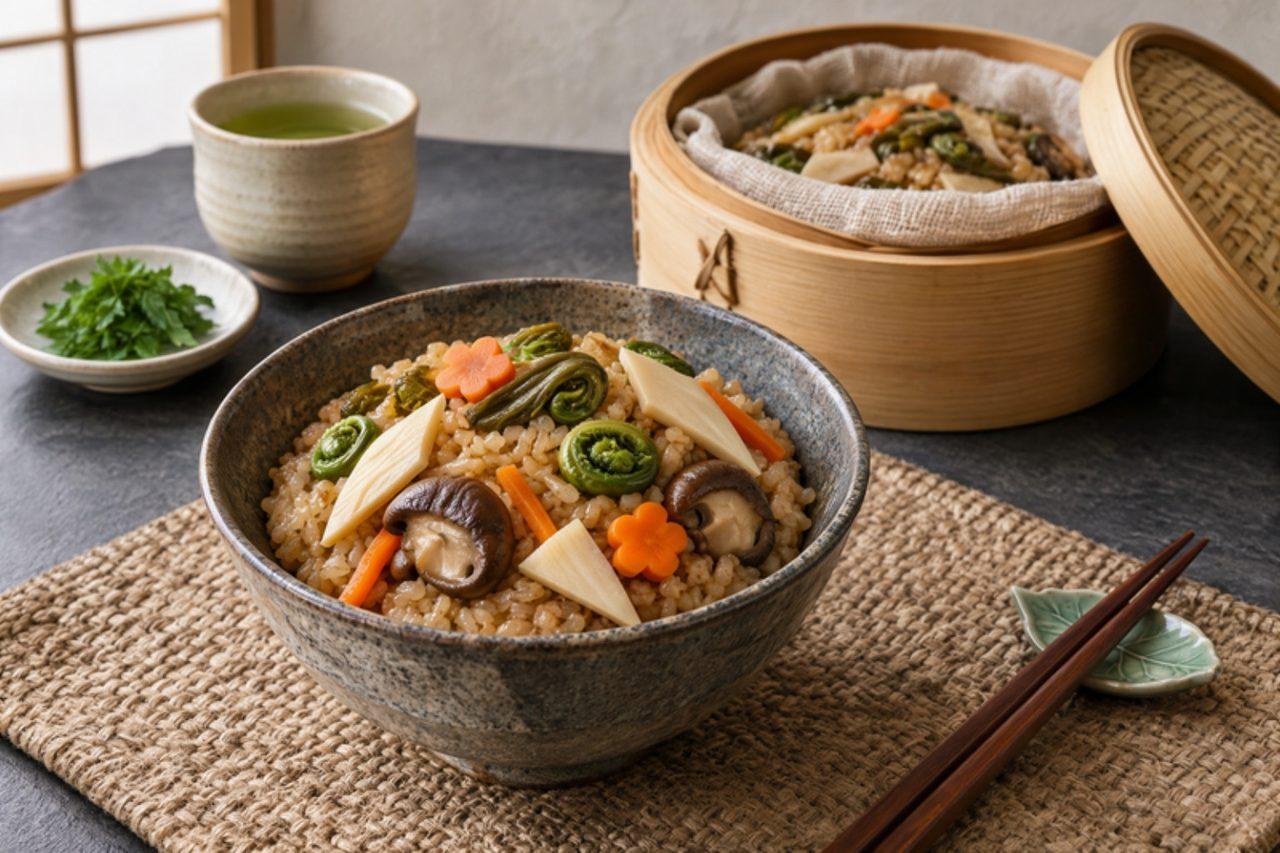
In the snowy valleys of Yamagata, Niigata and Nagano, sansai okowa is what families cook in late spring when bracken, royal fern and bamboo shoots come down from the hills, and it turns up again in autumn rice-ball lunchboxes and at temple festivals. Soaked glutinous rice soaks up a soy and shiitake broth and cooks to a chewy, glossy, gently savoury pile studded with crunchy, slightly bitter greens. Eat it warm or at room temperature with miso soup and pickles, or shape it into onigiri. The usual mistake is giving sticky rice as much water as ordinary rice: it turns into paste, so use much less and let the soaking do the work. Chef's tip: buy the boiled, vacuum-packed mixed sansai sold in Japanese shops, and rinse it well, as it is often stored in brine.

by KrazyBadal 0 views

Daikon to aburaage no nimono

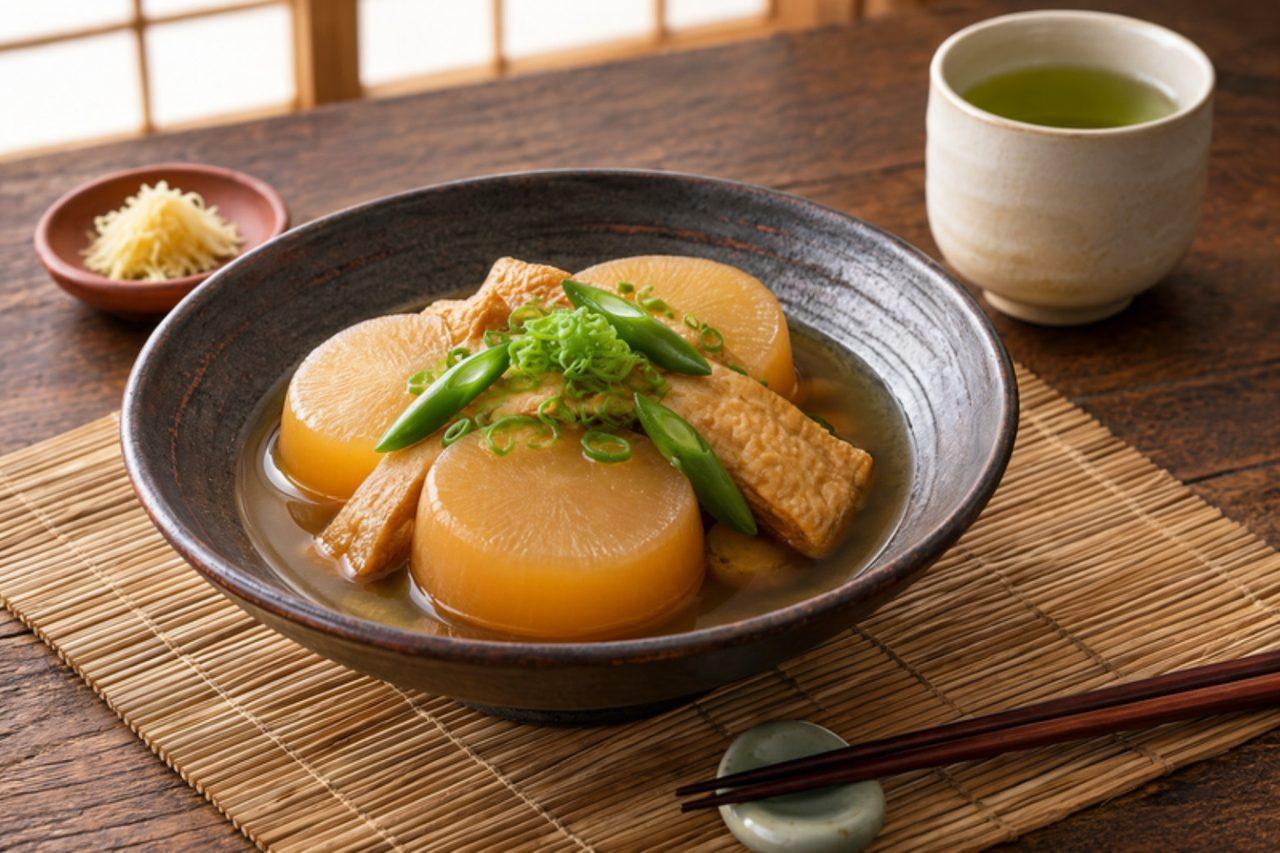
When winter daikon is fat, sweet and cheap in every Japanese market, home cooks from Hokkaido to Kyushu simmer it with strips of aburaage, the thin fried tofu pouches, as an everyday side for rice and grilled food. The radish turns soft and see-through and drinks up a light soy broth, while the tofu soaks up the rest like a sponge. This version uses a kelp and shiitake dashi instead of bonito, so the whole pot is vegan, and it tastes even better reheated the next day. The usual mistake is boiling it hard: the daikon edges crumble and the broth goes cloudy, so keep it at a lazy simmer under a drop lid. Chef's tip: pour boiling water over the aburaage before cutting it, which rinses off the stale frying oil and lets the broth soak in.

by KrazyBadal 0 views

Harusame salad

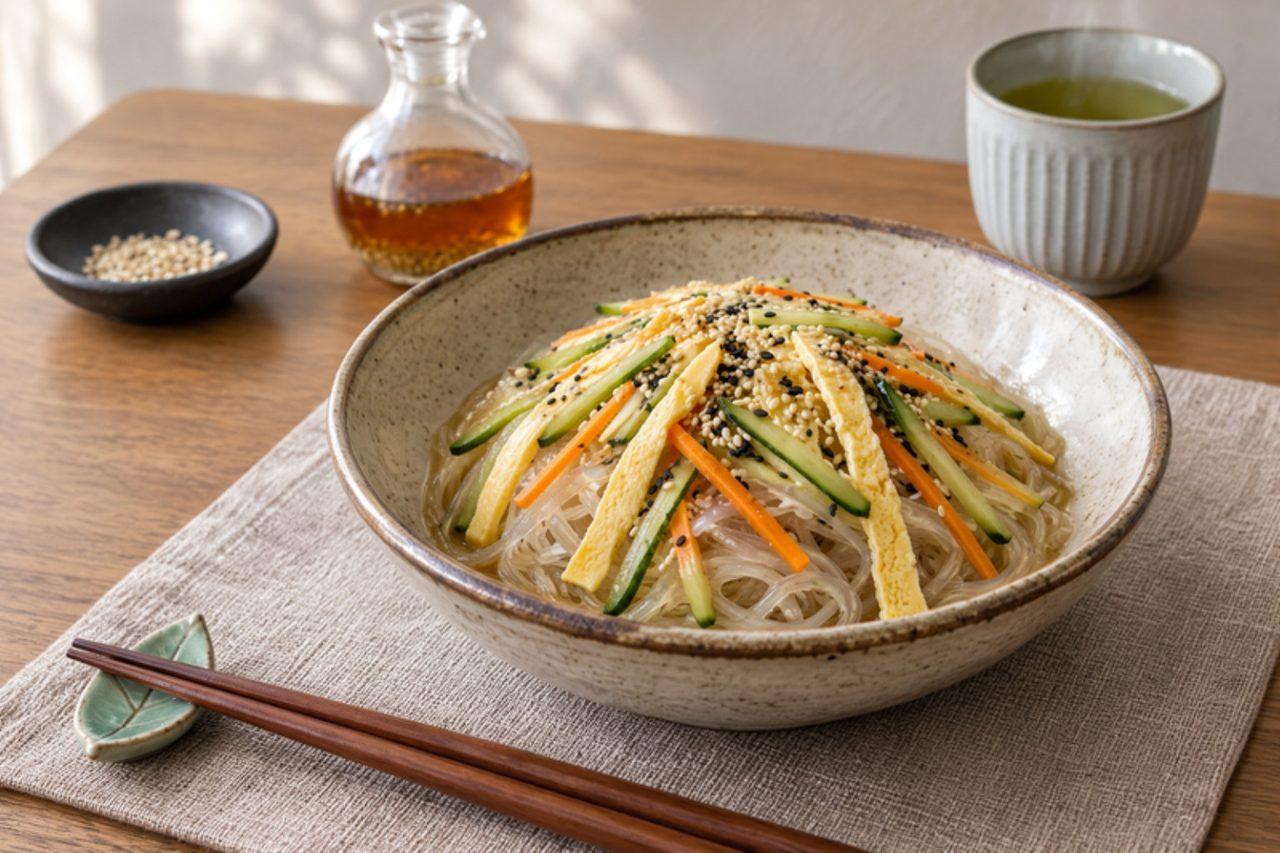
Harusame, "spring rain" noodles, are fine glass noodles made from mung bean or potato starch, and this tangy salad of them with cucumber, carrot and ribbons of thin omelette is a supermarket deli favourite and a regular bento side across Japan. Ham is usually added; this version keeps it vegetarian. The common mistake is leaving the noodles long, which makes the salad impossible to eat from a bento with chopsticks; cut them with scissors after cooking. Chef's tip: dress the noodles while they are still slightly warm, because they drink up the dressing then and stay flavourful cold.

by KrazyBadal 0 views

Nori tsukudani

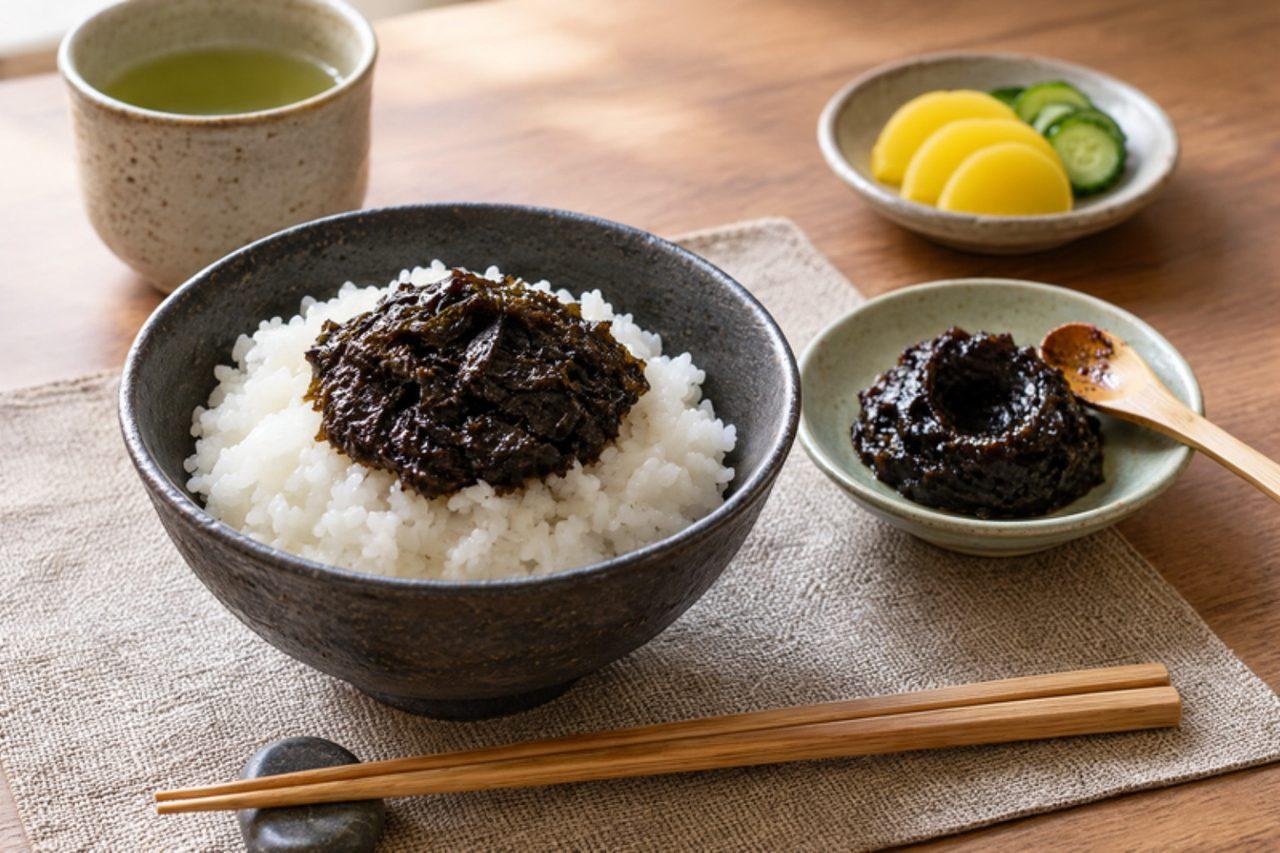
When a pack of nori loses its crispness, Japanese cooks turn it into nori tsukudani, the jet-black, jammy seaweed paste sold in jars as "gohan desu yo" and spread over the rice in bento boxes up and down the country. It tastes of the sea, soy and a gentle sweetness. The common mistake is walking away: once the water has gone the paste catches on the bottom within a minute. Chef's tip: soak the torn nori before you heat it, so it melts into a smooth paste instead of leaving chewy shreds.

by KrazyBadal 0 views

Kyuchan cucumber pickle

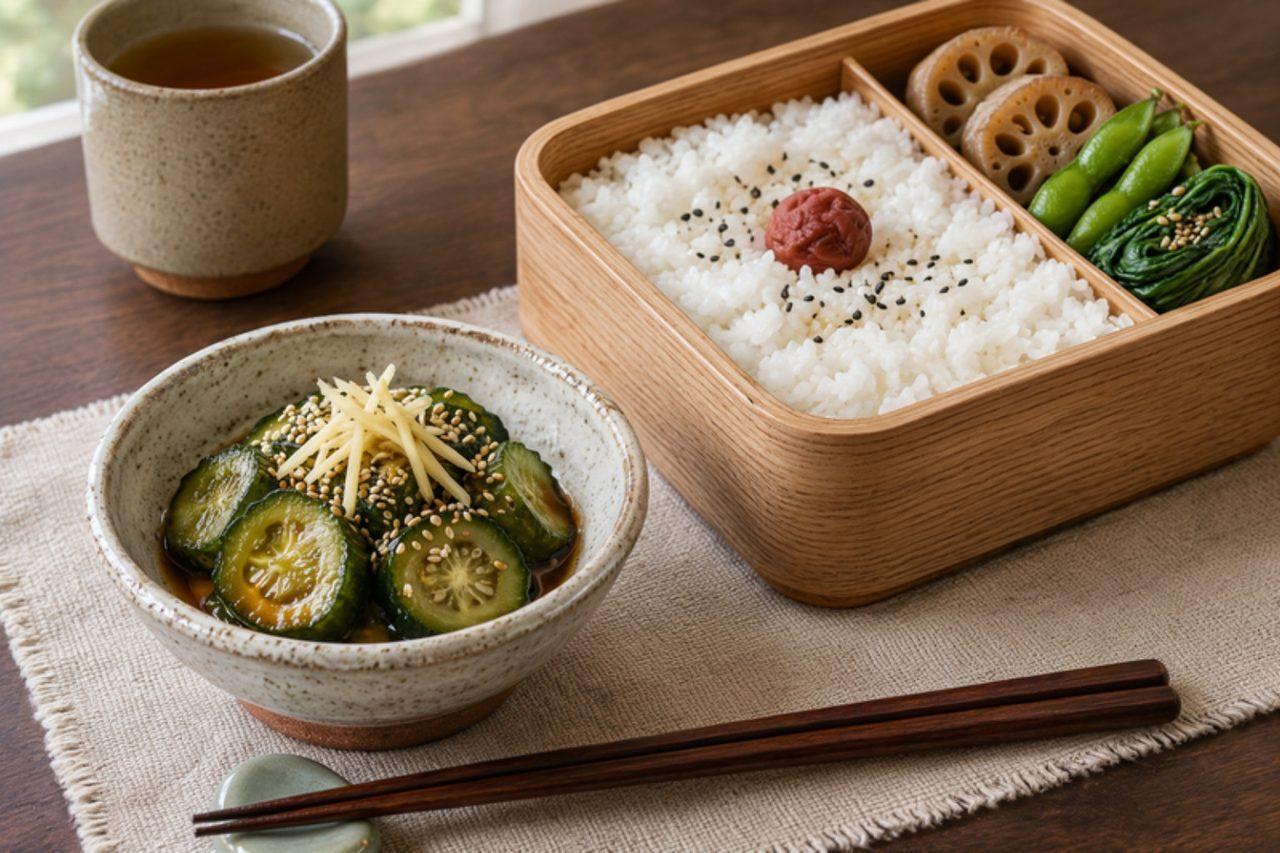
Kyuchan is the sweet-salty soy pickle that Japanese mothers tuck into the corner of a bento: thin coins of cucumber that stay crunchy for days thanks to an old trick of pouring hot pickling liquid over them several times. It brightens plain rice and cuts the richness of fried karaage-style dishes. The common mistake is simmering the cucumbers in the sauce, which makes them soft and grey; they should only ever sit in hot liquid off the heat. Chef's tip: squeeze the salted cucumbers really hard in a cloth, because every drop of water you remove is crunch you keep.

by KrazyBadal 0 views

Shibazuke

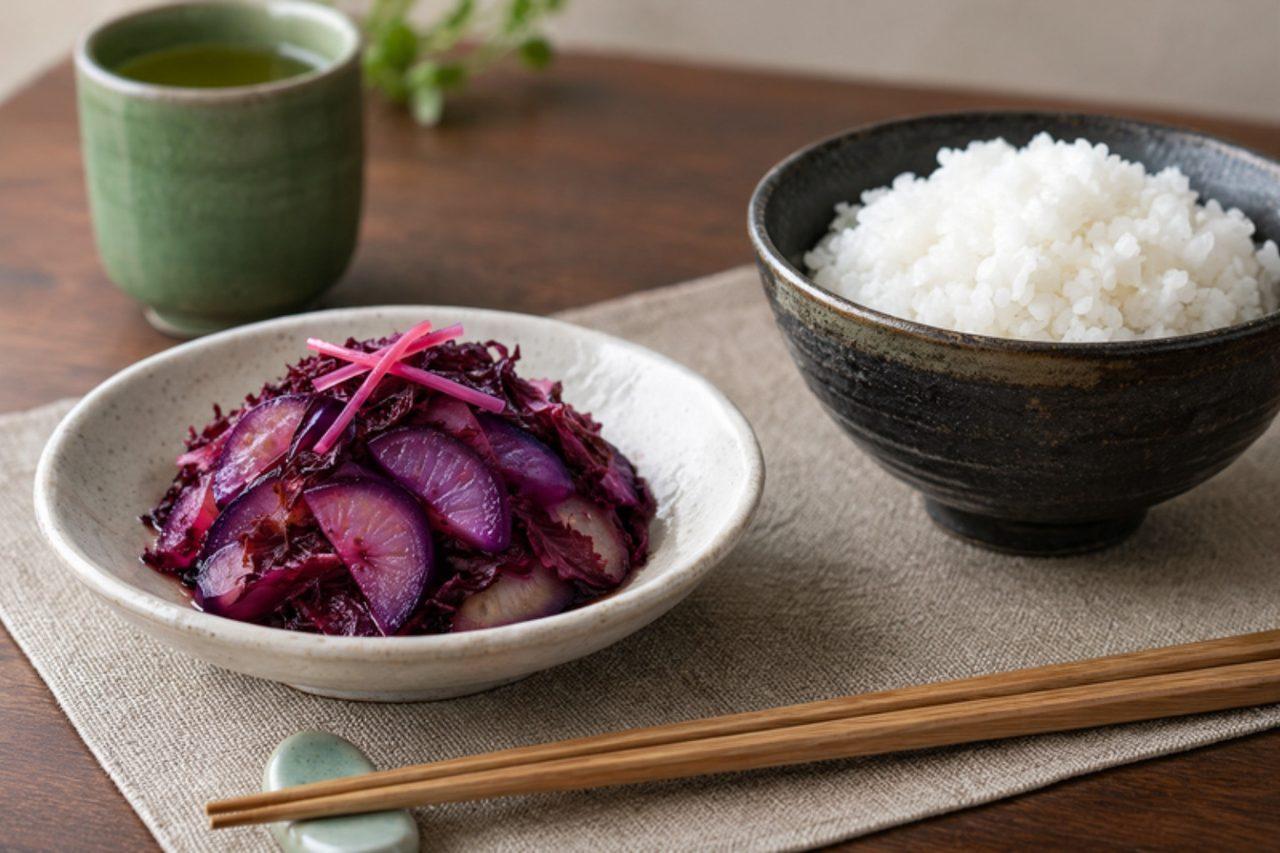
Shibazuke comes from Ohara, in the hills north of Kyoto, where summer aubergines, cucumbers and myoga ginger are pressed with salt and red shiso leaves until everything turns a vivid purple and pleasantly sour. A few slivers sit beside the rice in Kyoto bento boxes. This home version is lightly fermented for a day under a weight. The common mistake is too little weight: the vegetables must sit under their own brine or they spoil instead of souring. Chef's tip: rub the shiso with salt and squeeze out its first dark, bitter juice before it ever touches the vegetables.

by KrazyBadal 0 views

Kabocha salad

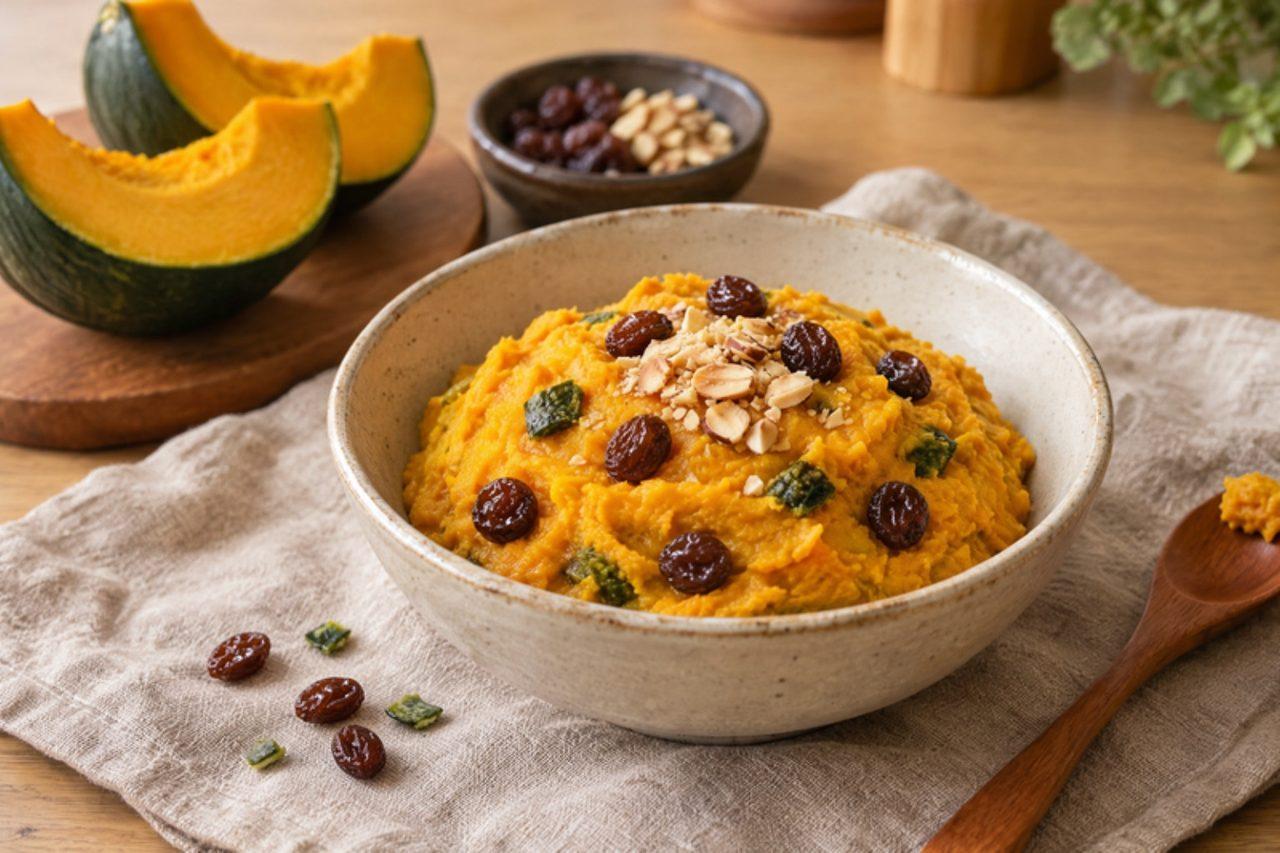
Children across Japan know this golden, chunky salad from their bento boxes and school lunches: steamed kabocha squash crushed with mayonnaise, a few plump raisins and a touch of pepper, sweet enough to pass for dessert. It holds its shape cold, so it fills a bento cup neatly. The common mistake is mashing the squash while it is wet, which gives a watery salad; dry it off in the pan first. Leave some skin on for colour. The mayonnaise contains egg. Chef's tip: dress the squash while it is still warm with the salt and pepper, but add the mayonnaise only once it has cooled, so it stays creamy instead of turning oily.

by KrazyBadal 0 views

Satsumaimo gohan

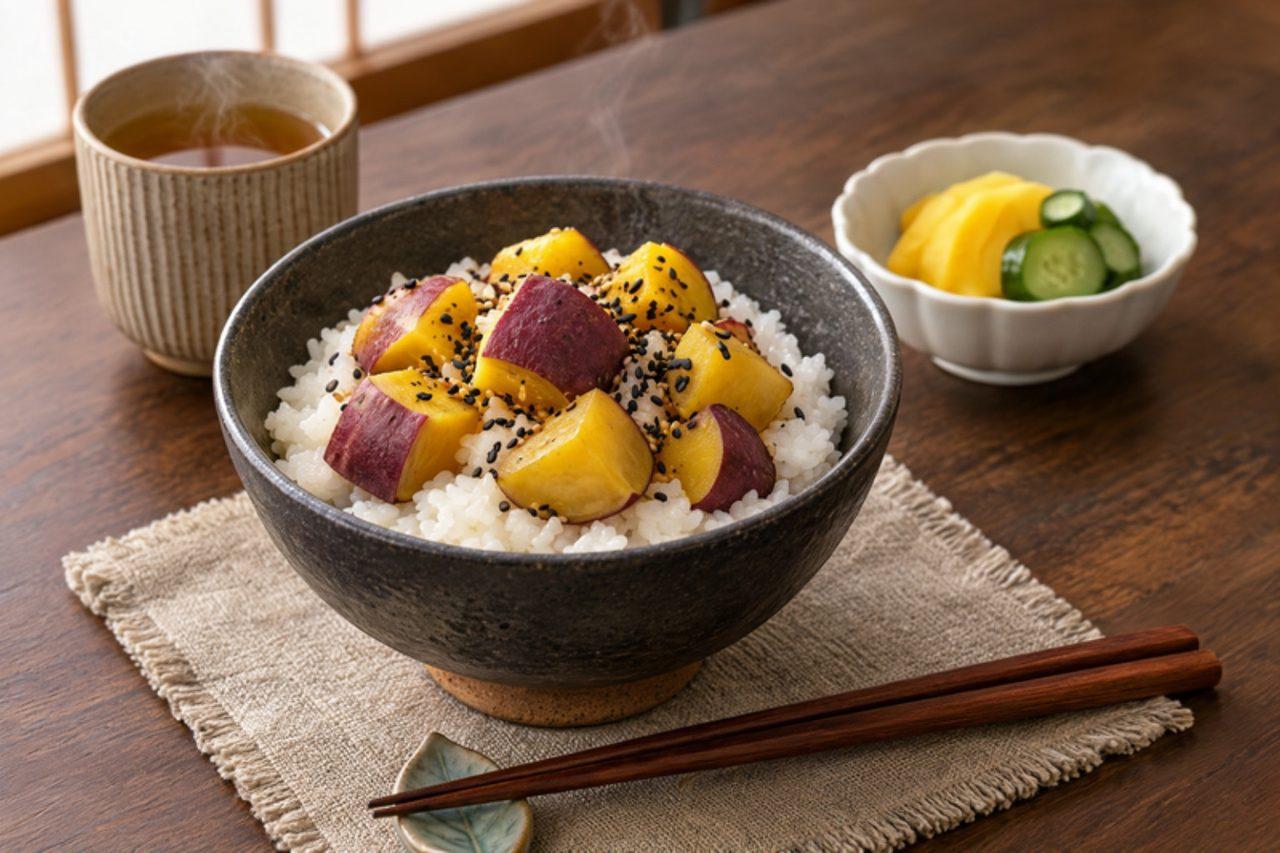
When the first purple-skinned satsumaimo arrive in Japanese shops in October, families cook them right into the rice pot: the cubes turn soft and honeyed, and a sprinkle of black sesame and salt makes it taste like autumn. It is a favourite in children's bento boxes and needs nothing but a pickle on the side. The common mistake is skipping the soak for the sweet potato, so it bleeds starch and turns the rice grey and gummy. Chef's tip: leave the skin on; it holds each cube together and gives the rice its purple-and-gold look.

by KrazyBadal 0 views

Yukari shiso salt

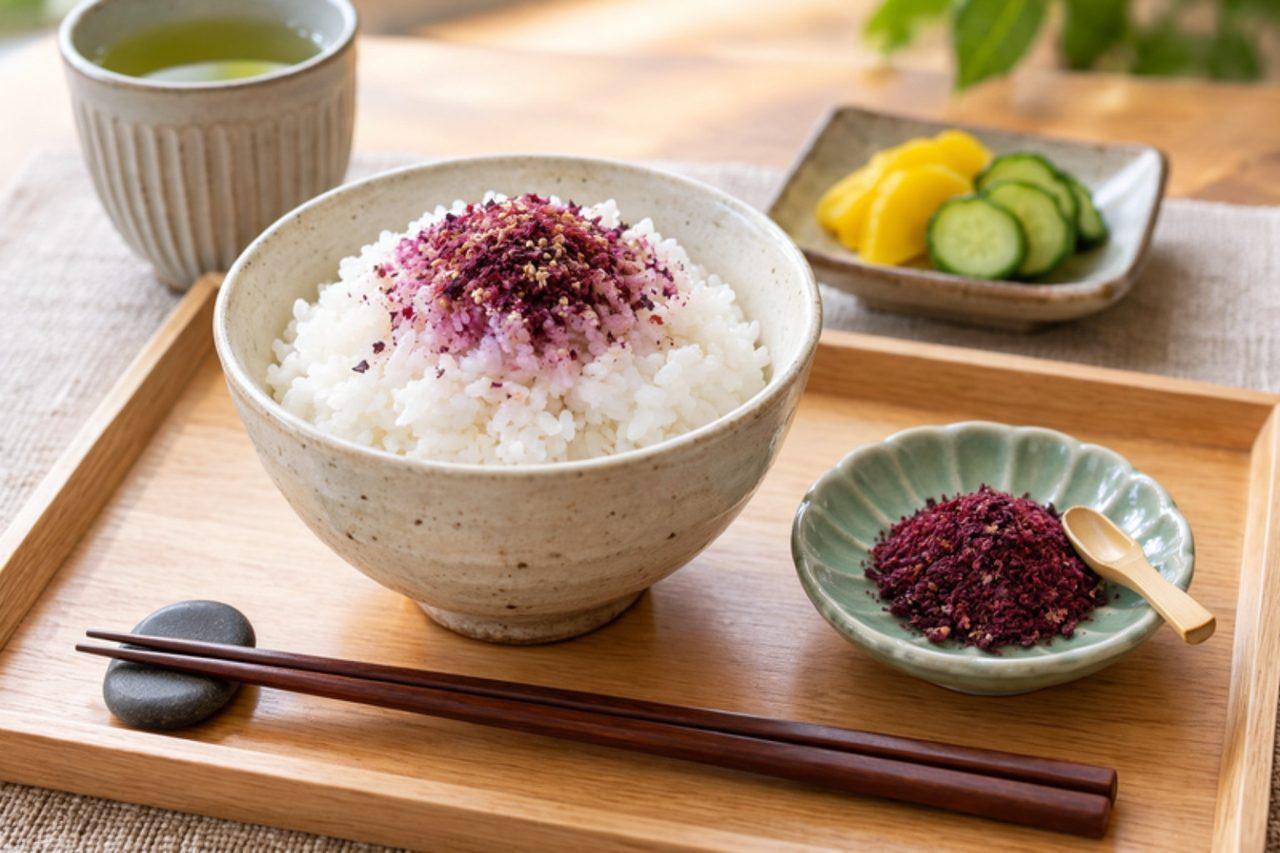
Yukari is the bright purple, salty-sour shaker that Japanese parents sprinkle over plain rice so that a bento looks cheerful and tastes of something even when it has gone cold. Traditionally it is made from the red shiso leaves left after pickling umeboshi plums; this home version gets the same flavour by salting and souring fresh red shiso in early summer. The common mistake is drying the leaves too hot, which turns them brown and bitter. Chef's tip: keep the oven no hotter than 80 °C and leave the door ajar, and the colour stays a jewel-like magenta.

by KrazyBadal 0 views

Ojiya for babies

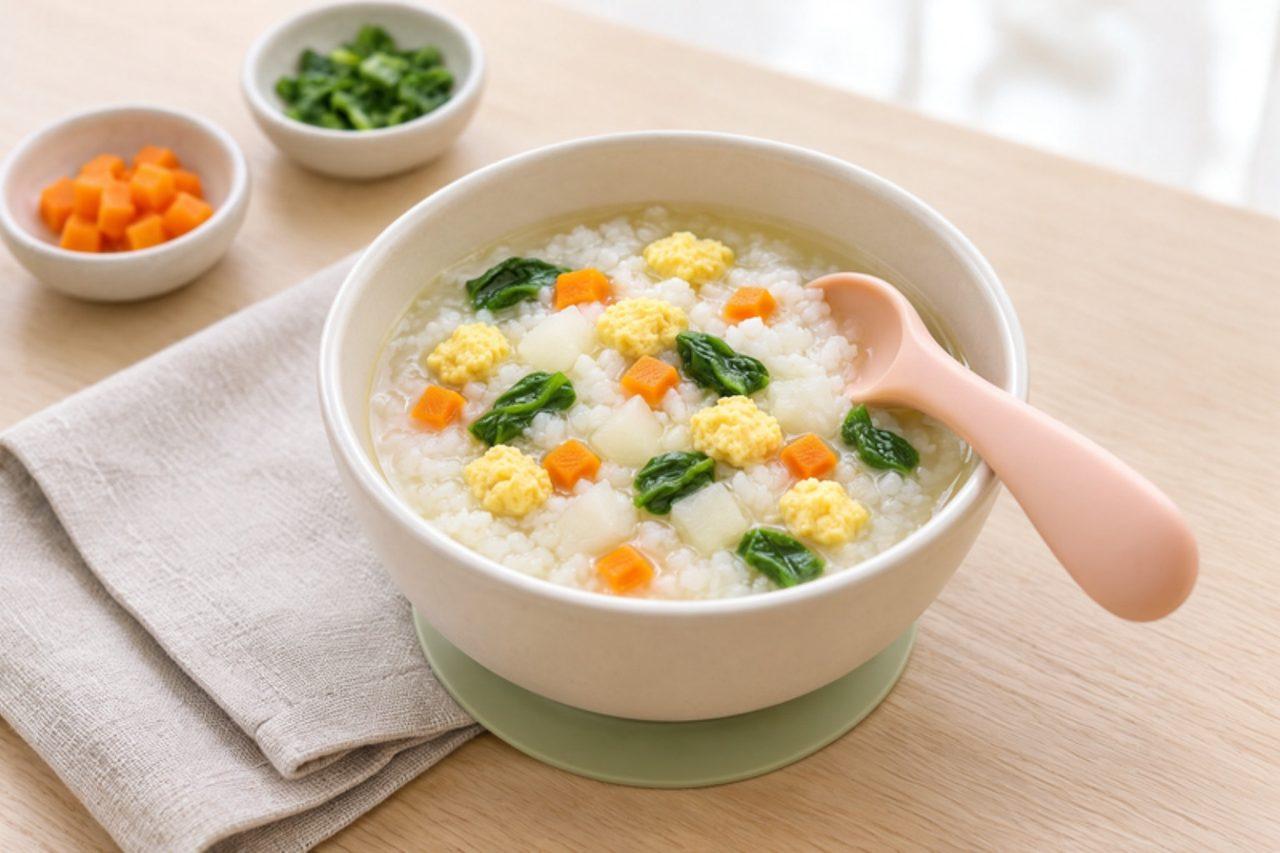
Ojiya, cooked rice simmered into a soft porridge with broth and vegetables, is what Japanese families eat on chilly evenings or after a cold, and it is a staple of the kamikami-ki, the stage around nine months when babies start mashing soft lumps with their gums. Instead of soy sauce or salted dashi, it is made with plain home-made kombu stock, so the flavour comes from the sweetness of the carrot and daikon. For babies, the beaten egg is cooked until completely set. It contains egg and is free of milk, gluten, nuts, soya, sesame and fish. Chef's tip: chop the vegetables to the size of a grain of rice; that is just right for the kamikami stage.

by KrazyBadal 0 views

Pan-gayu (bread porridge)

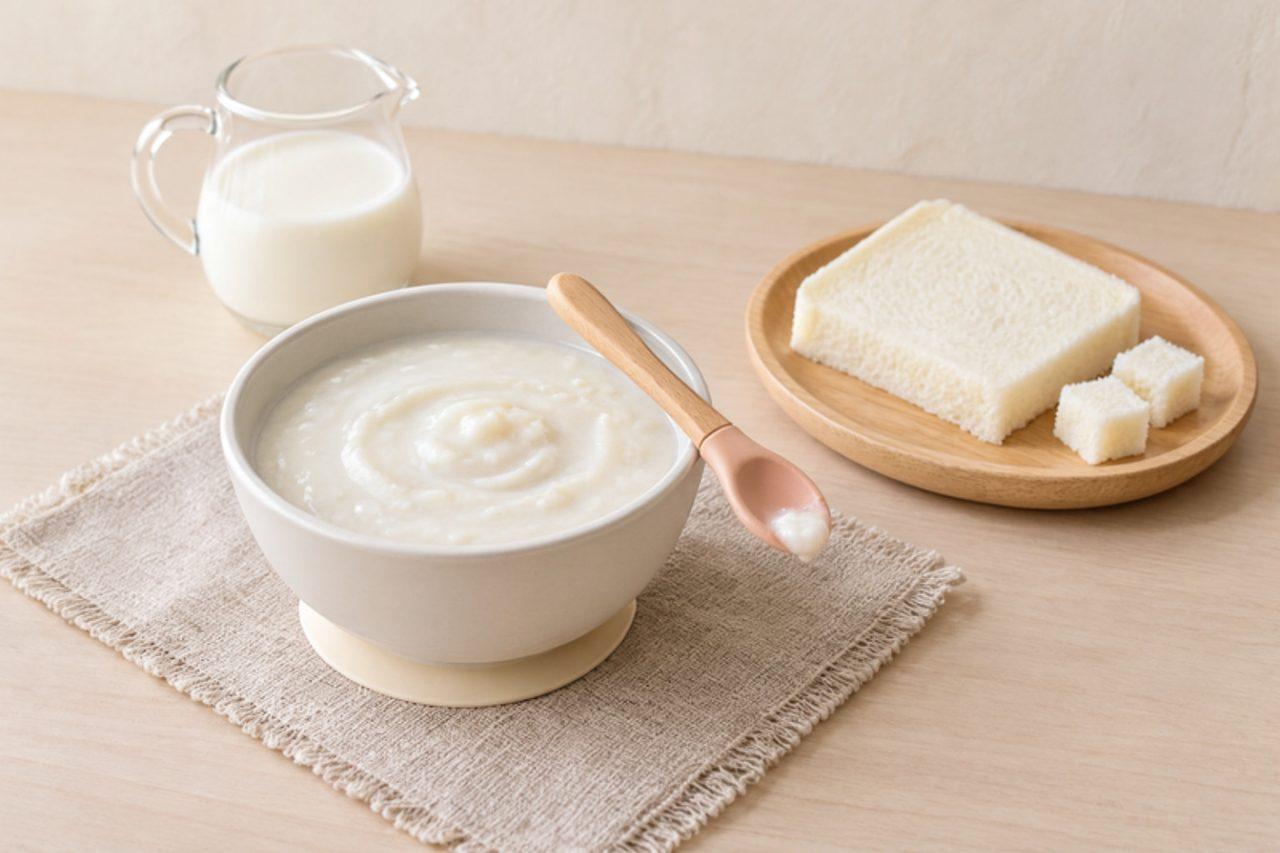
Pan-gayu is a staple of the early rinyushoku (weaning) stage in Japan, the second grain after rice porridge, and it fills the 'first foods' pages of every baby magazine sold in Tokyo convenience stores. Crustless white bread is torn into a pan of water, breast milk or formula and simmered until it collapses, then mashed smooth for a soft, milky, faintly sweet porridge. Bread already contains a little salt, so this is an occasional porridge rather than an everyday one, and no extra salt, sugar or honey goes in. It contains wheat (gluten) and milk if made with milk. Chef's tip: choose the softest, plainest white sandwich loaf with the lowest salt on the label, and cut away every bit of crust.

by KrazyBadal 0 views

Kombu dashi for babies

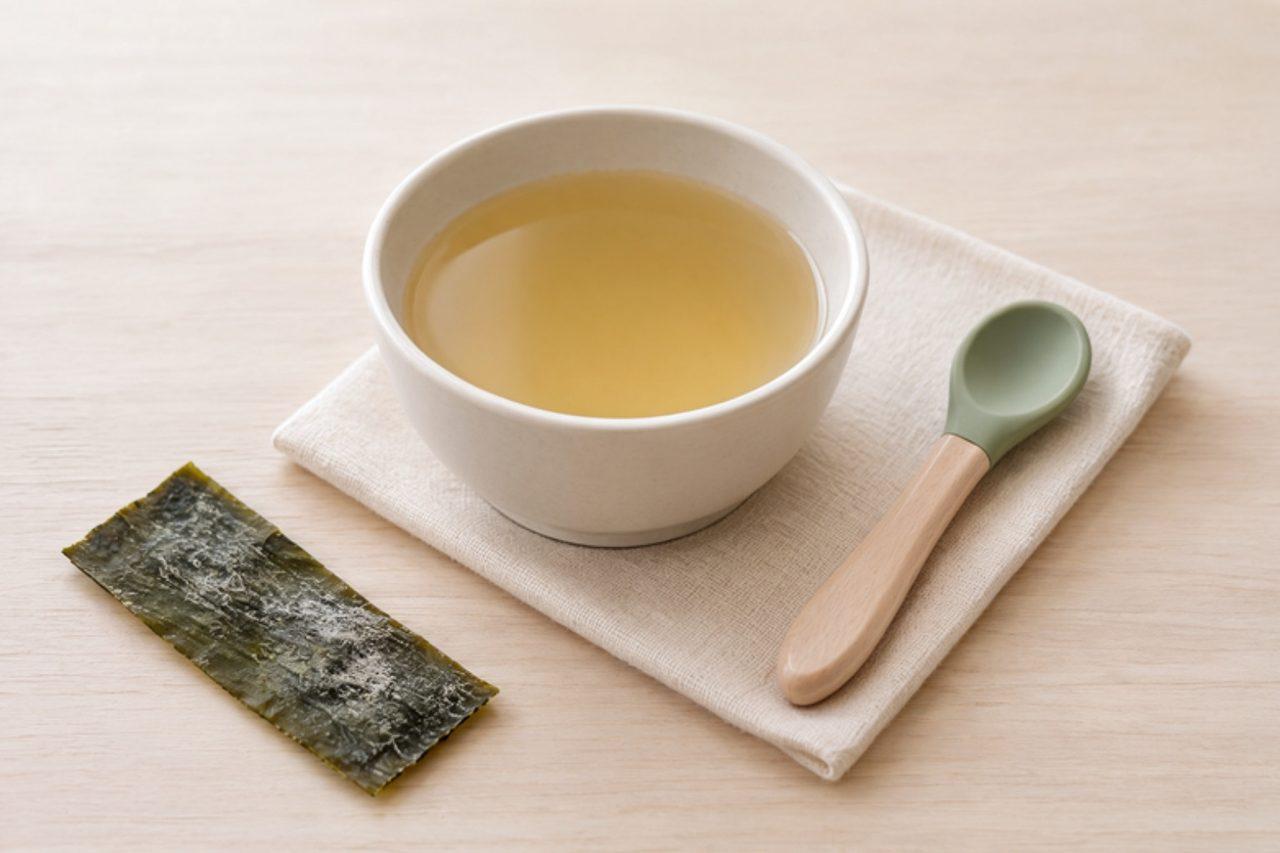
Kombu dashi is where Japanese weaning starts: the gentle, savoury water that thins jūbai-gayu (rice porridge) and vegetable purées, so babies learn umami instead of salt. Japanese parents make a jug every few days, and baby-food counters in Osaka department stores sell frozen cubes of it. Kombu is very high in iodine, so this broth is used a spoonful or two at a time to flavour a meal, a few times a week, never as a drink. Nothing else goes in: no salt, soy sauce, bonito or stock powder. It is free of the major allergens. Chef's tip: lift the kombu out just before the water simmers; boiled kombu turns slimy and gives a bitter, sea-weedy taste.

by KrazyBadal 0 views

Gohan oyaki (rice finger patties)

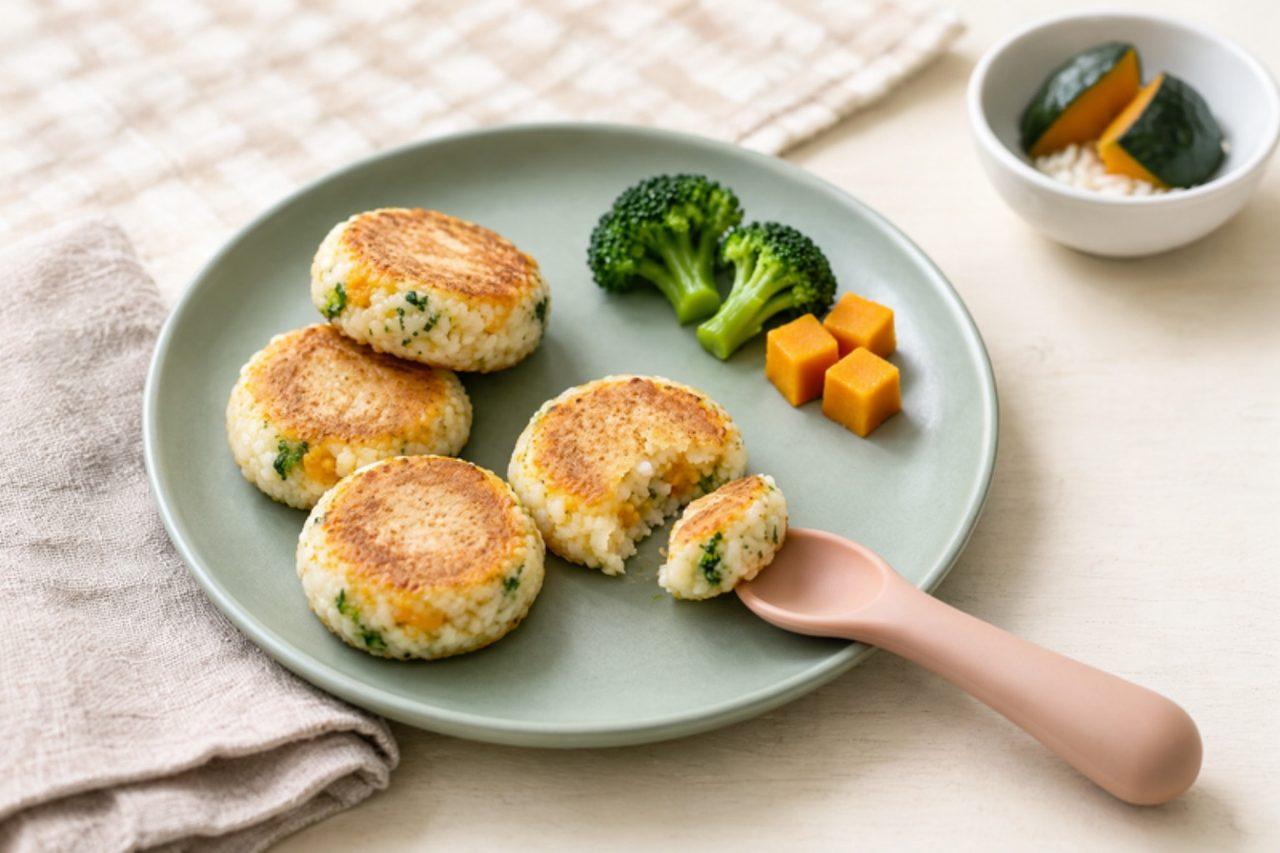
Oyaki means a little pan-cooked cake, and Japanese parents make gohan oyaki from leftover rice when babies around nine months start wanting to feed themselves. Mashed rice is mixed with steamed kabocha squash (or grated carrot) and a spoon of potato starch, shaped into finger-sized patties and cooked gently until lightly golden. They are soft and sweet inside, hold together in a small fist and squash easily against the gums. They are free of the major allergens: no milk, egg, gluten, nuts, soya, sesame or fish. Chef's tip: mash the rice while it is warm; cold rice will not stick together and the patties crumble.

by KrazyBadal 0 views

Ogura toast

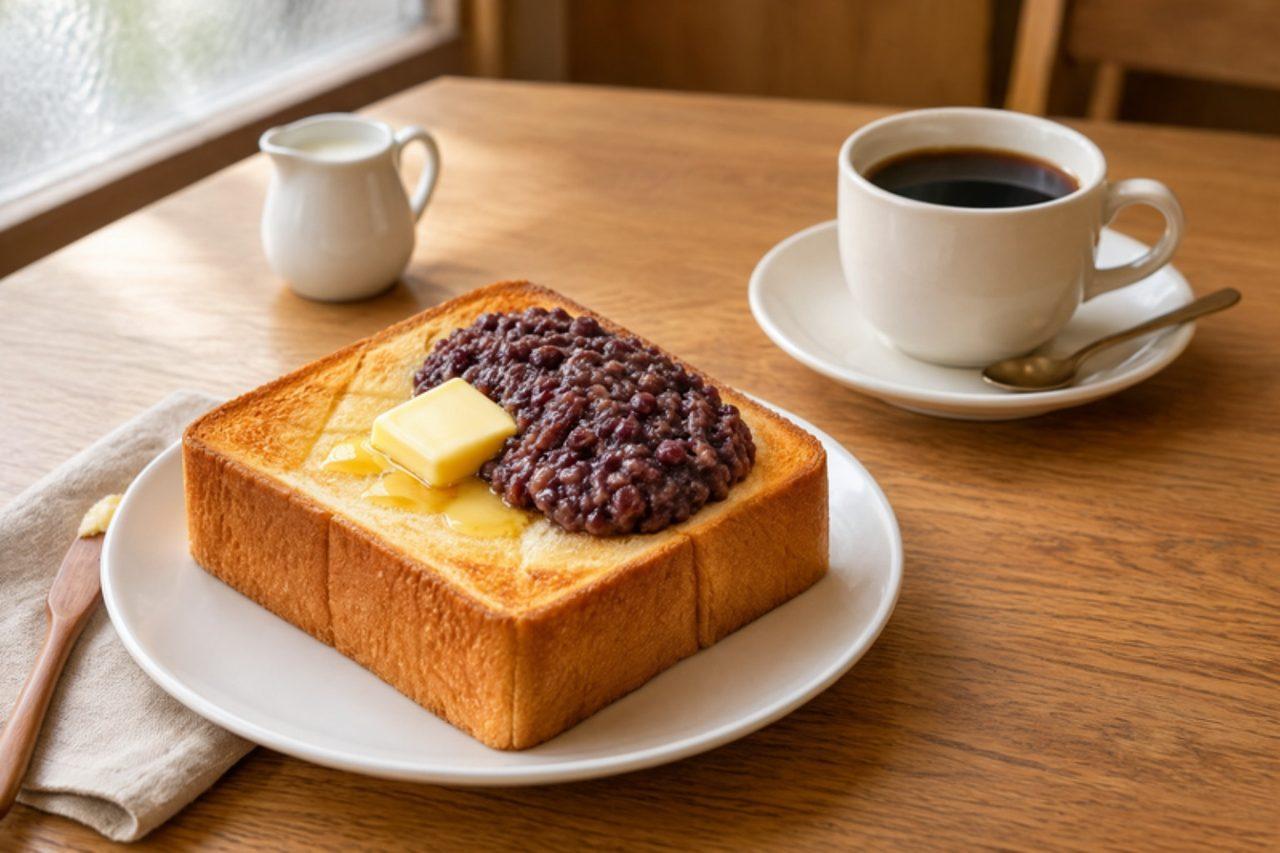
Walk into a kissaten coffee shop in Nagoya before 11 am, order a coffee, and the "morning service" brings a thick slab of toast spread with butter and a mound of ogura-an, coarse sweet azuki bean paste. The hot, salty butter melting into the cool, grainy beans is the whole point. The common mistake is thin sandwich bread: it goes limp under the paste, so use a 3–4 cm slice of shokupan or soft white bloomer. Chef's tip: butter the toast the second it comes out, then spread the bean paste only on half of each slice so every bite gets a different balance of salt and sweet.

by KrazyBadal 0 views

Onsen tamago

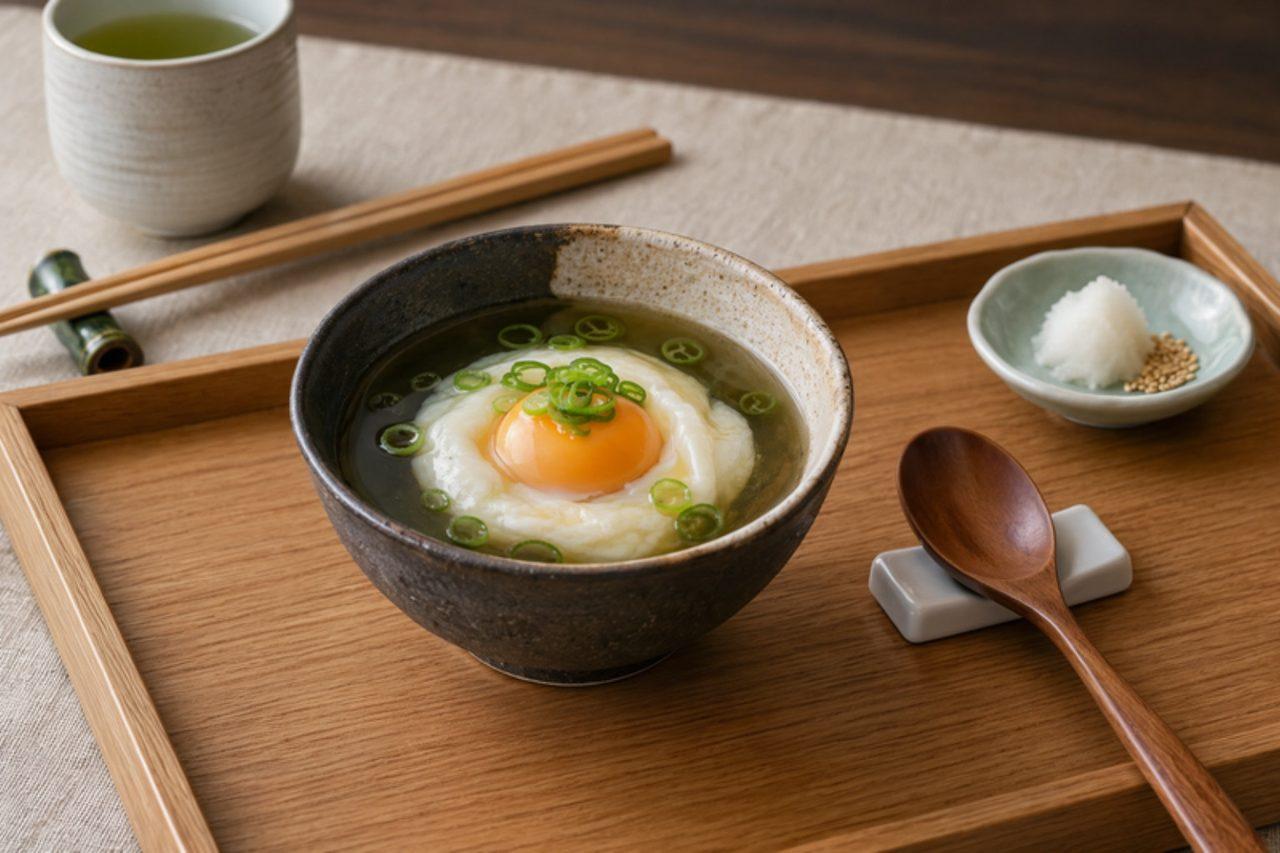
In hot-spring towns like Beppu and Kusatsu, ryokan guests find a little bowl beside their breakfast rice: an egg cooked slowly in the spring water, its white barely holding together and its yolk thick like custard, sitting in a splash of seasoned dashi. At home you copy the hot spring with a pan of water held well below the boil. The mistake almost everyone makes is using water that is too hot, which gives an ordinary soft-boiled egg with a set white; keep it at about 70 °C. This version uses a kombu and shiitake dashi, so it stays vegetarian. Because the eggs are only partly set, cook eggs fully for anyone pregnant, young children, older people or anyone with a weakened immune system. Chef's tip: take the eggs out of the fridge 30 minutes early, because a cold egg drops the water temperature and the yolk stays raw.

by KrazyBadal 0 views

Kombu tsukudani

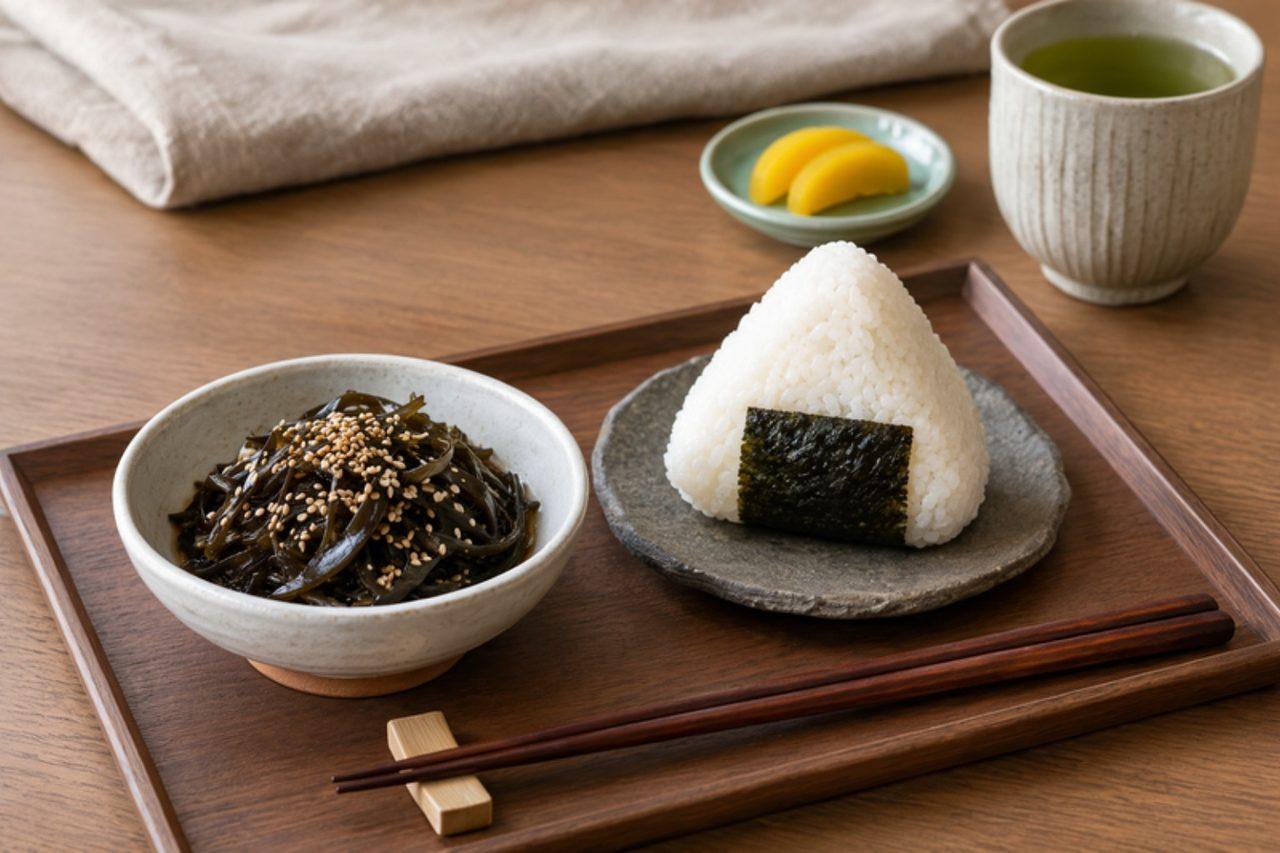
Japanese home cooks hate waste, so the softened kelp left over from making dashi is saved in the freezer until there is enough to simmer down into tsukudani, a dark, chewy relish named after Tokyo's Tsukudajima island, where fishermen first preserved their catch in soy. A teaspoon goes into the middle of an onigiri or on top of the rice in a weekday bento, and it lasts a week in the fridge. The common mistake is boiling it hard from the start: the kelp turns slimy and the sauce scorches before the strips are tender. A splash of vinegar early on softens the kelp so it cooks evenly. Chef's tip: stop when only a spoonful of glaze clings to the pan, because the relish thickens a lot more as it cools.

by KrazyBadal 0 views

Nametake

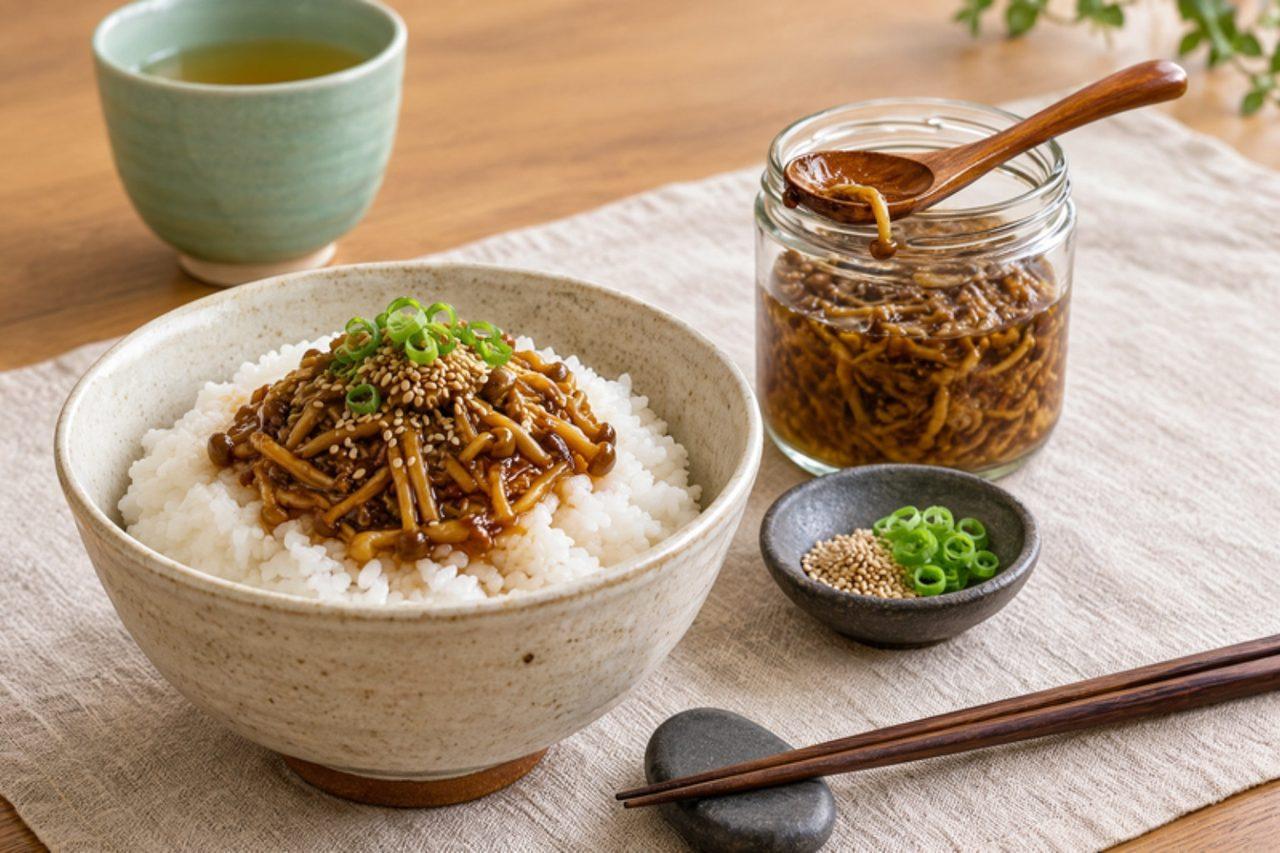
Jars of nametake sit in almost every Japanese fridge: enoki mushrooms cooked down in sweet soy until they turn silky and slightly slippery, ready to spoon on plain rice, tofu or a bento's onigiri for a quick hit of savoury flavour. Homemade takes ten minutes and costs a fraction of the shop jars. The common mistake is chopping the enoki too short, which turns the relish to mush; 3 cm lengths keep a little bite. Chef's tip: add the vinegar at the very end, off the heat, for a brighter taste and a longer life in the fridge.

by KrazyBadal 0 views

Shiitake no umani

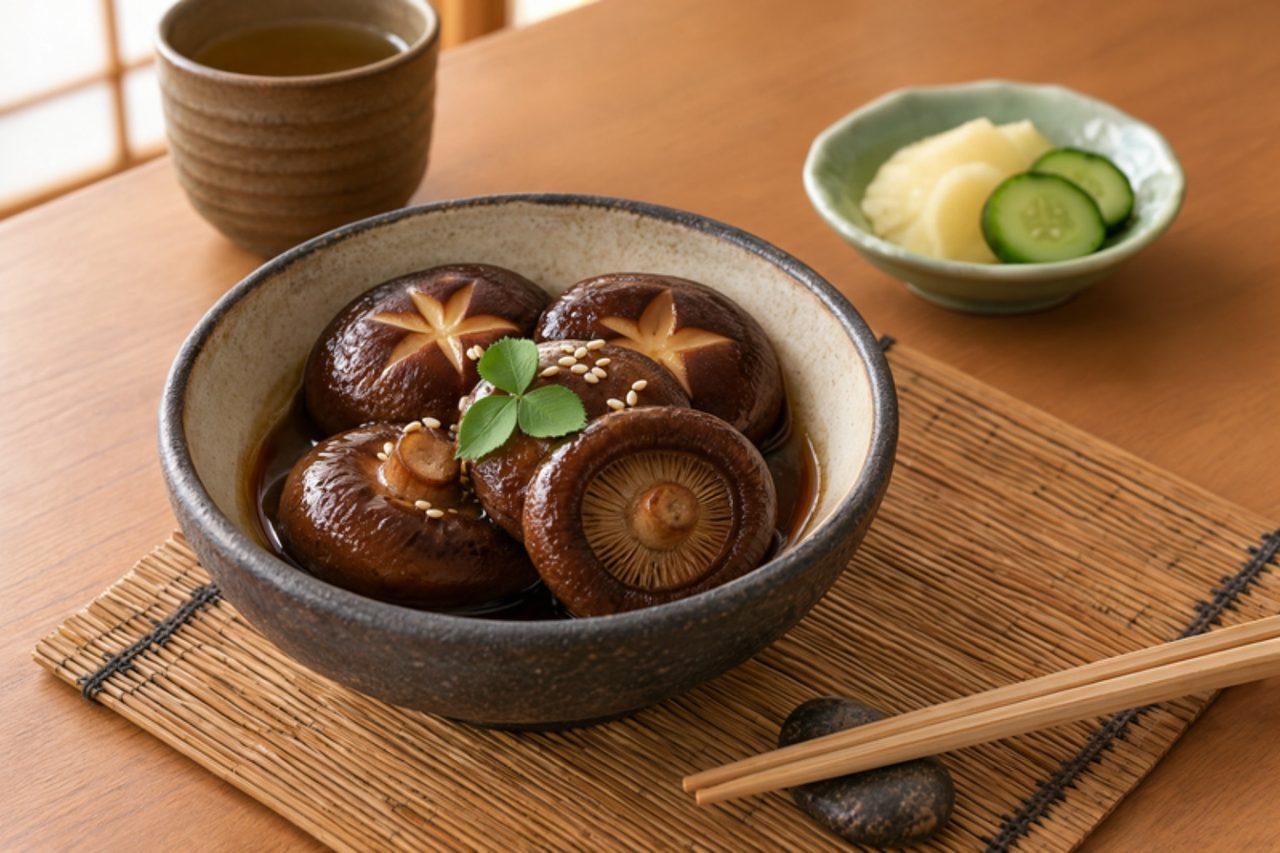
These sweet-savoury simmered mushrooms are a fixture of Japanese bento and of osechi New Year boxes, and they are sliced into chirashi sushi and inari as well. The caps are rehydrated, then cooked in their own deep-flavoured soaking water with soy and sugar until the liquid becomes a sticky glaze. The common mistake is throwing away the soaking water, which holds most of the flavour. Chef's tip: soak the mushrooms in the fridge overnight if you can; a slow, cold soak gives a far meatier texture than a quick hot one.

by KrazyBadal 0 views

Genmaicha

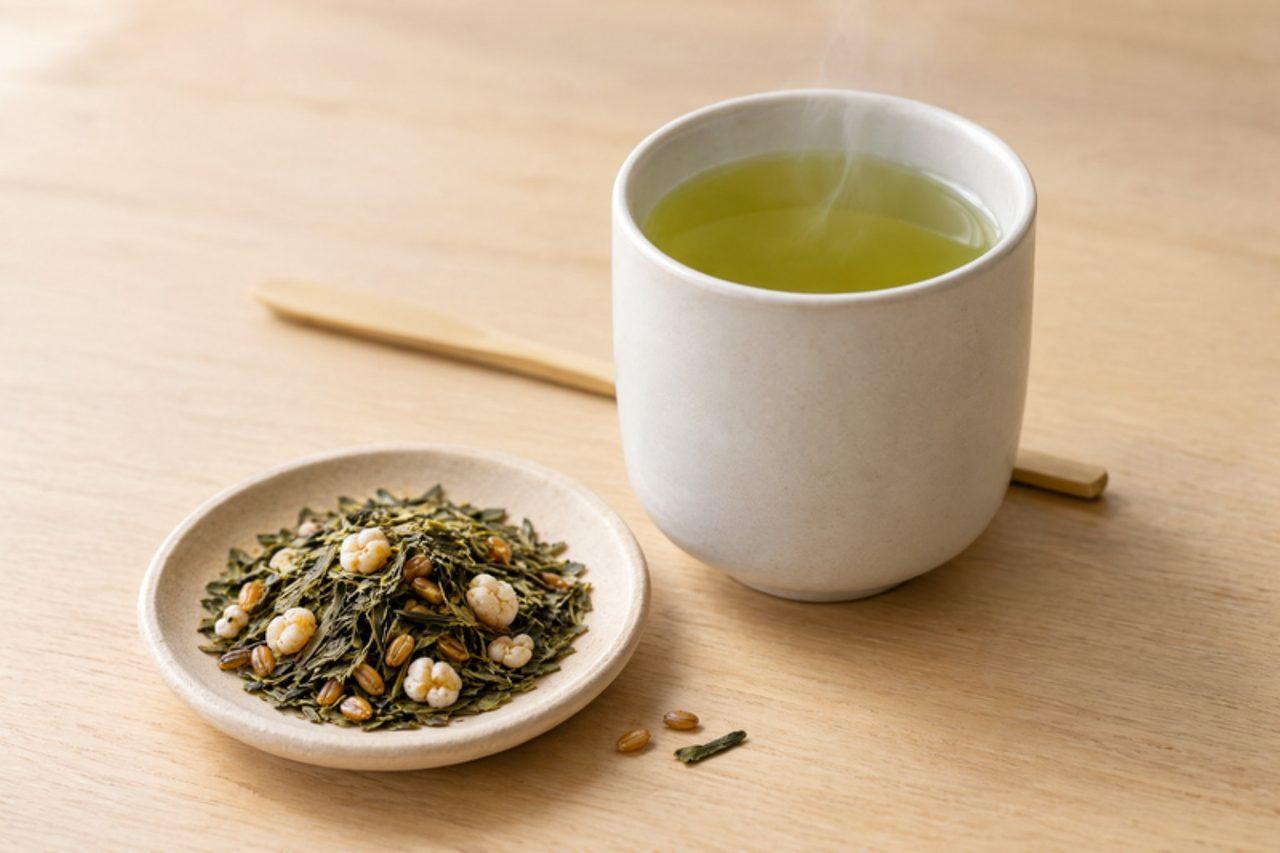
Genmaicha started as a thrifty Japanese blend: toasted rice stretched expensive tea leaves and made the pot go further. It is now loved for itself and turns up everywhere, from office kettles in Tokyo to the free tea at sushi counters and ramen shops, poured all through the meal because its gentle, roasted flavour does not fight with soy or fish. The rice gives a nutty, savoury, almost buttery taste; the green tea adds a light grassy edge. It has about half the caffeine of plain sencha, so many people drink it in the afternoon. The usual mistake is pouring boiling water straight onto it: the green leaves scald and the cup turns bitter while the rice flavour gets lost. Let the kettle sit for a minute or two so the water is around 80–85 °C, and steep for no more than a minute. It is ready when the liquor is pale yellow-green and clear, and the steam smells of popcorn and cut grass. Chef's tip: matcha-iri genmaicha, with powdered matcha dusted over the blend, gives a greener, fuller cup; use it the same way but stir the pot once before pouring.

by KrazyBadal 0 views

Showing 24 of 93 recipes

Show more recipes

Page 1 of 4

More collections