Skip to content

Argentinian recipes

18 Argentinian recipes to cook at home, each with photos, step-by-step instructions and cook times. The quickest, Mate, takes 5 minutes. Most take around 60 minutes.

Filter these by time, diet or cuisine

Tarta de acelga

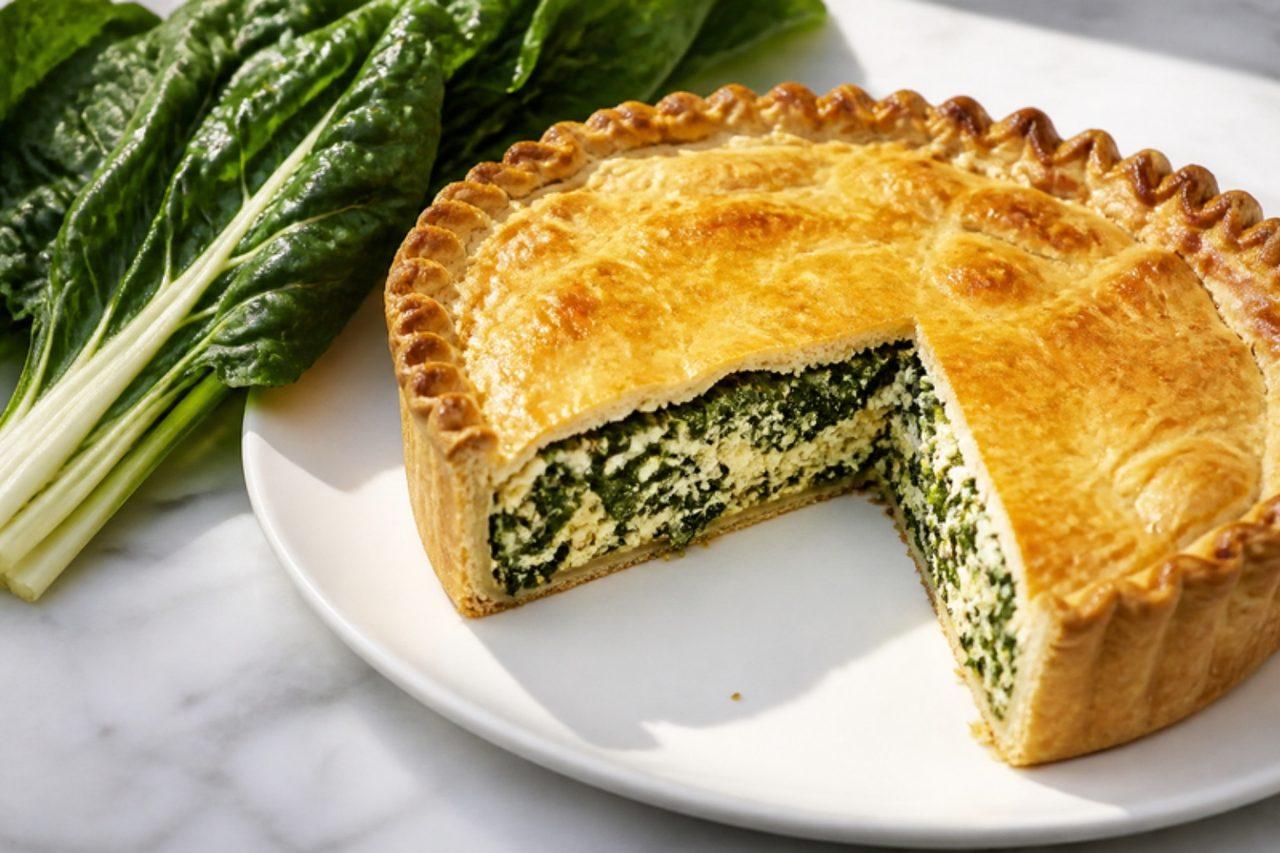
Tarta de acelga is the green, savoury pie found in every Argentine bakery window and on weeknight tables, a legacy of Italian torta pasqualina. Swiss chard is wilted with onion, bound with eggs and soft cheese, seasoned with nutmeg and baked between layers of pastry, sometimes with whole eggs hidden inside. It's eaten warm or cold, for dinner with a salad or packed for a picnic. Chef's tip: squeeze the cooked chard hard in your hands; any water left in it makes the pastry soggy.

60 minBaking
by KrazyBadal 0 views

Chimichurri

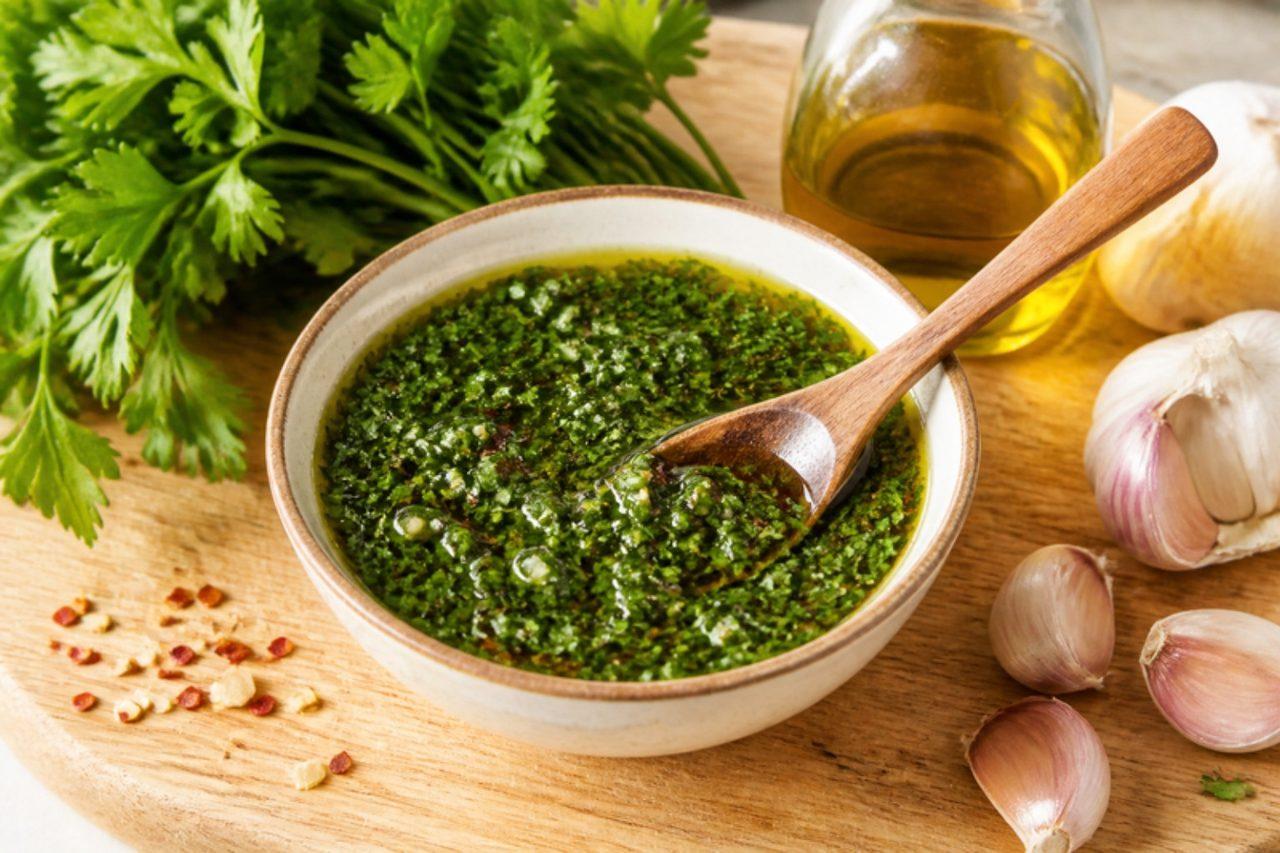
No Argentine asado (barbecue), from a Buenos Aires rooftop to an estancia in the Pampas, is complete without a jar of chimichurri on the table. It is a loose, oily sauce of finely chopped parsley, garlic, dried oregano and chilli flakes in red wine vinegar and oil, sharp and herby rather than smooth like pesto. Spoon it over grilled vegetables, provoleta, halloumi, potatoes and bread. Chef's tip: chop everything by hand and let it sit for a few hours; a food processor bruises the parsley into a green purée and the flavours never settle.

by KrazyBadal 0 views
Provoleta

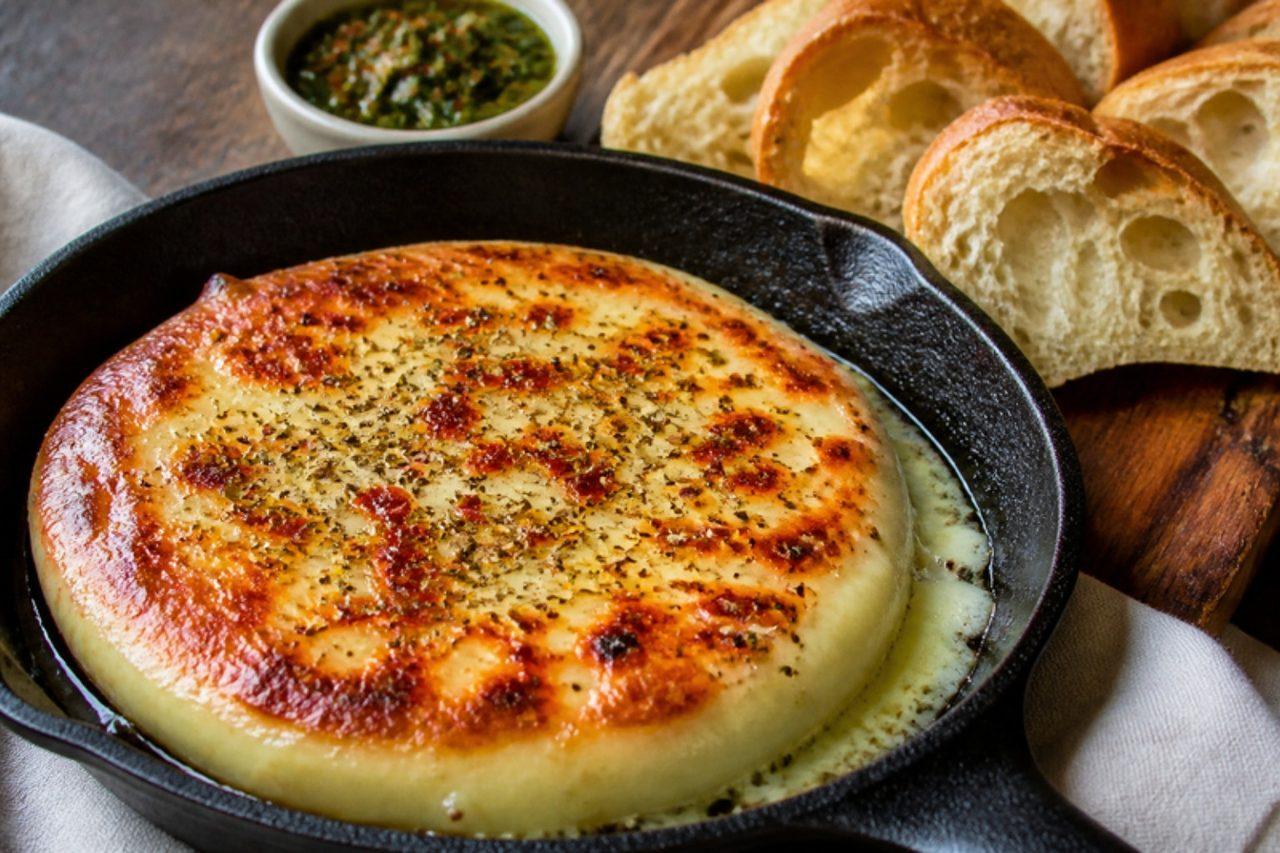
Provoleta is the first thing off the grill at an Argentine asado: a thick round of provolone-style cheese, invented by Italian immigrants in Buenos Aires, cooked in a small iron pan or straight on the grate until the outside forms a golden crust and the inside turns molten. It comes to the table bubbling, sprinkled with oregano and chilli flakes and drizzled with chimichurri, to scoop up with crusty bread. Many provolones use animal rennet, so check the label and choose one made with vegetarian rennet. Chef's tip: chill the cheese well before cooking; cold cheese forms a crust before the middle melts and runs.

by KrazyBadal 0 views
Milanesa de berenjena

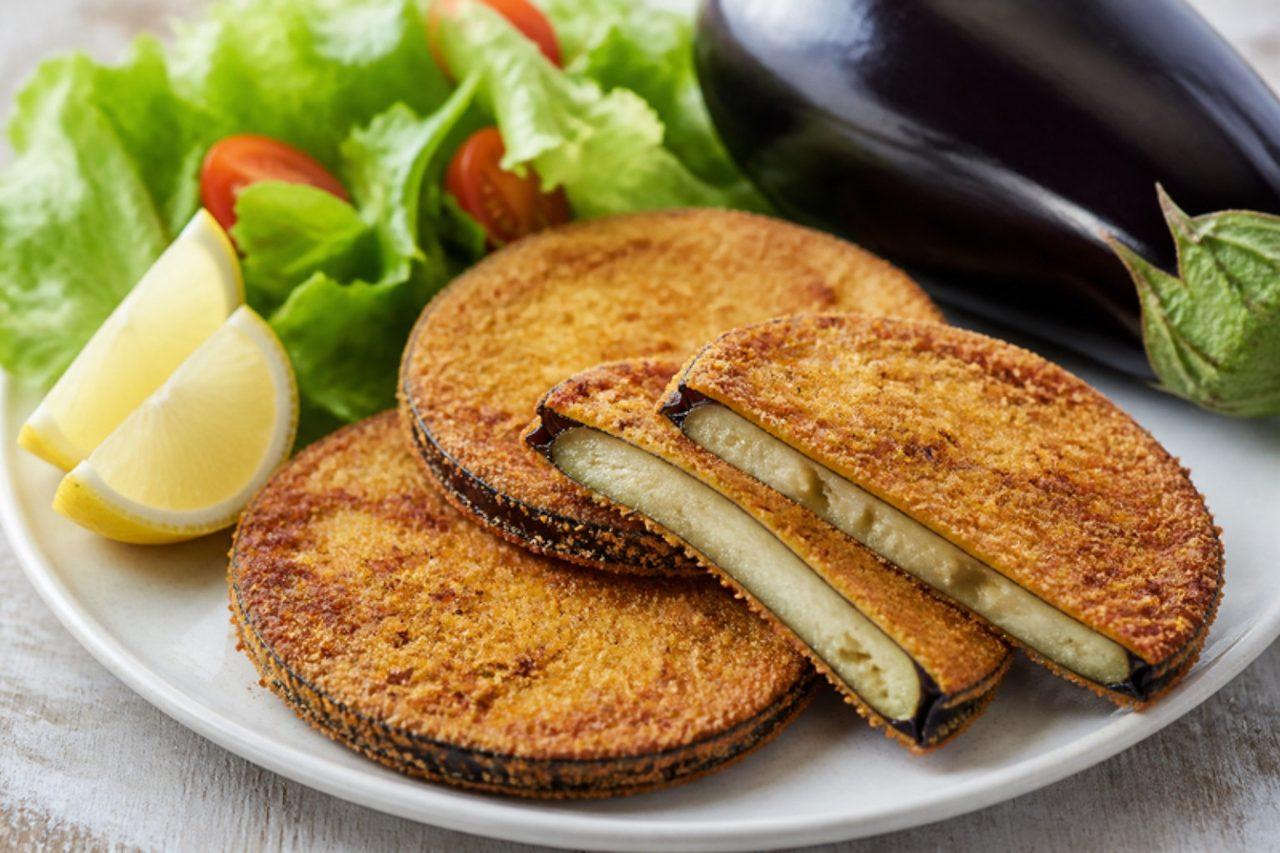
Milanesas, thin breaded cutlets brought by Italian immigrants, are the everyday dinner of Argentina and Uruguay, made in every home from Rosario to Mendoza. Vegetarian families make them with aubergine slices, which turn creamy inside a crunchy golden crumb, and serve them with mashed potato, salad or between bread as a sandwich de milanesa. Children love them with a squeeze of lemon. Turn them into milanesa a la napolitana by topping with tomato sauce and mozzarella and grilling. Chef's tip: season the egg, not just the crumbs: garlic and parsley in the egg are what make an Argentine milanesa taste like home.

30 minVegetarian
by KrazyBadal 0 views
Humita en chala

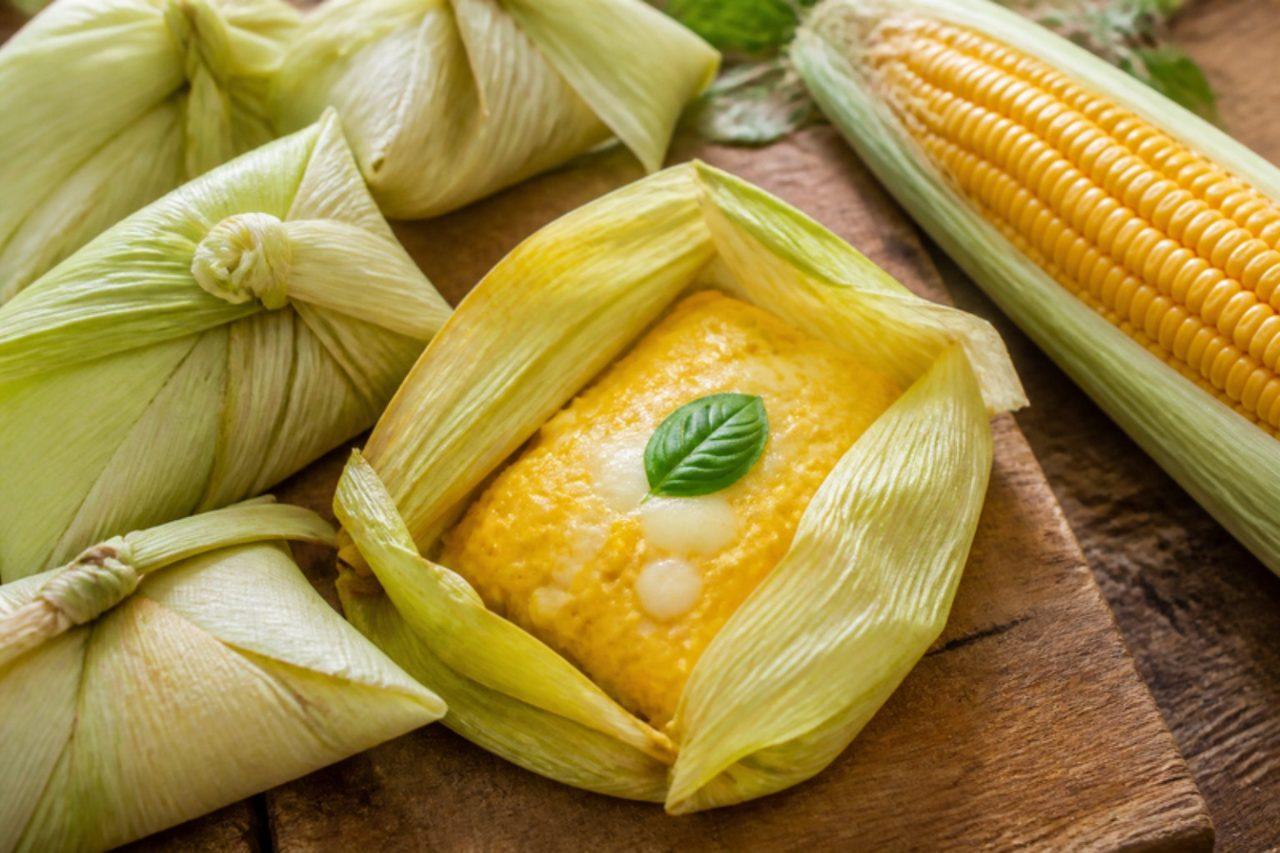
In Salta, Jujuy and Tucumán in Argentina's Andean northwest, humitas are made in late summer when the corn is young and milky. Fresh kernels are grated off the cob and cooked with onion, red pepper, squash and a little sweet paprika, then bound with cheese, wrapped in the fresh green husks (chala), tied with strips of husk and simmered. They come out soft, sweet and savoury, like a delicate corn pudding. Chef's tip: grate the corn on a box grater; it releases the milky juice that sets the humita, which cut kernels never will.

by KrazyBadal 0 views

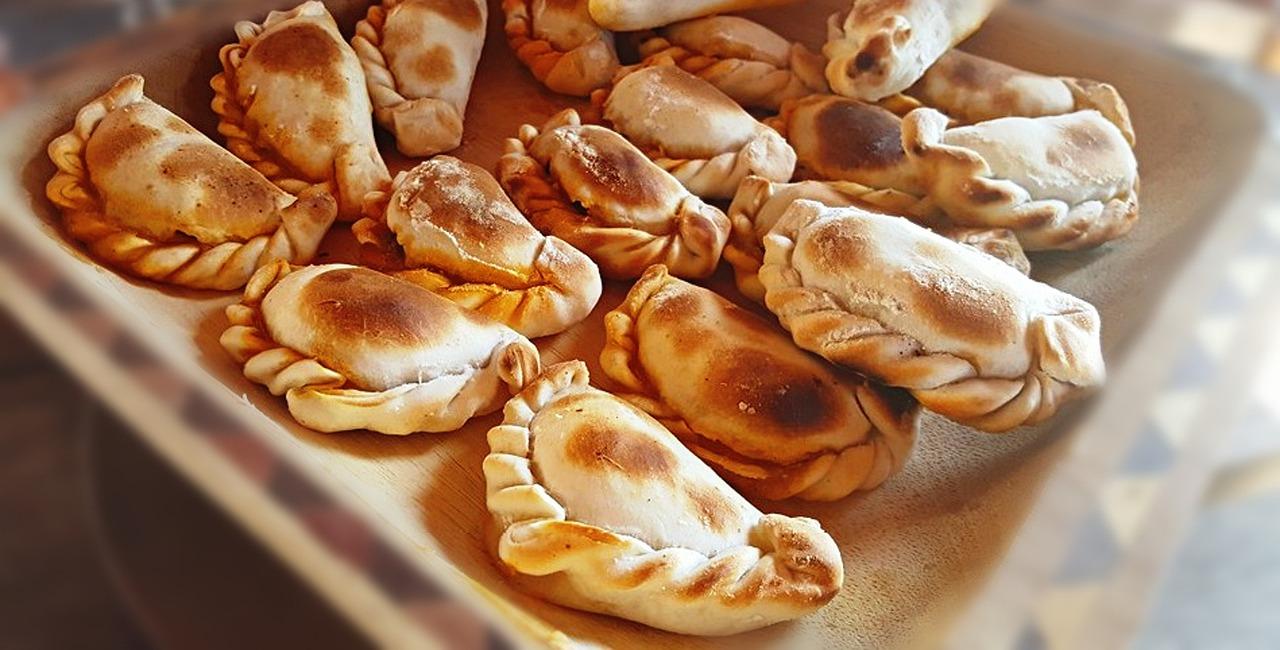
Empanadas de humita

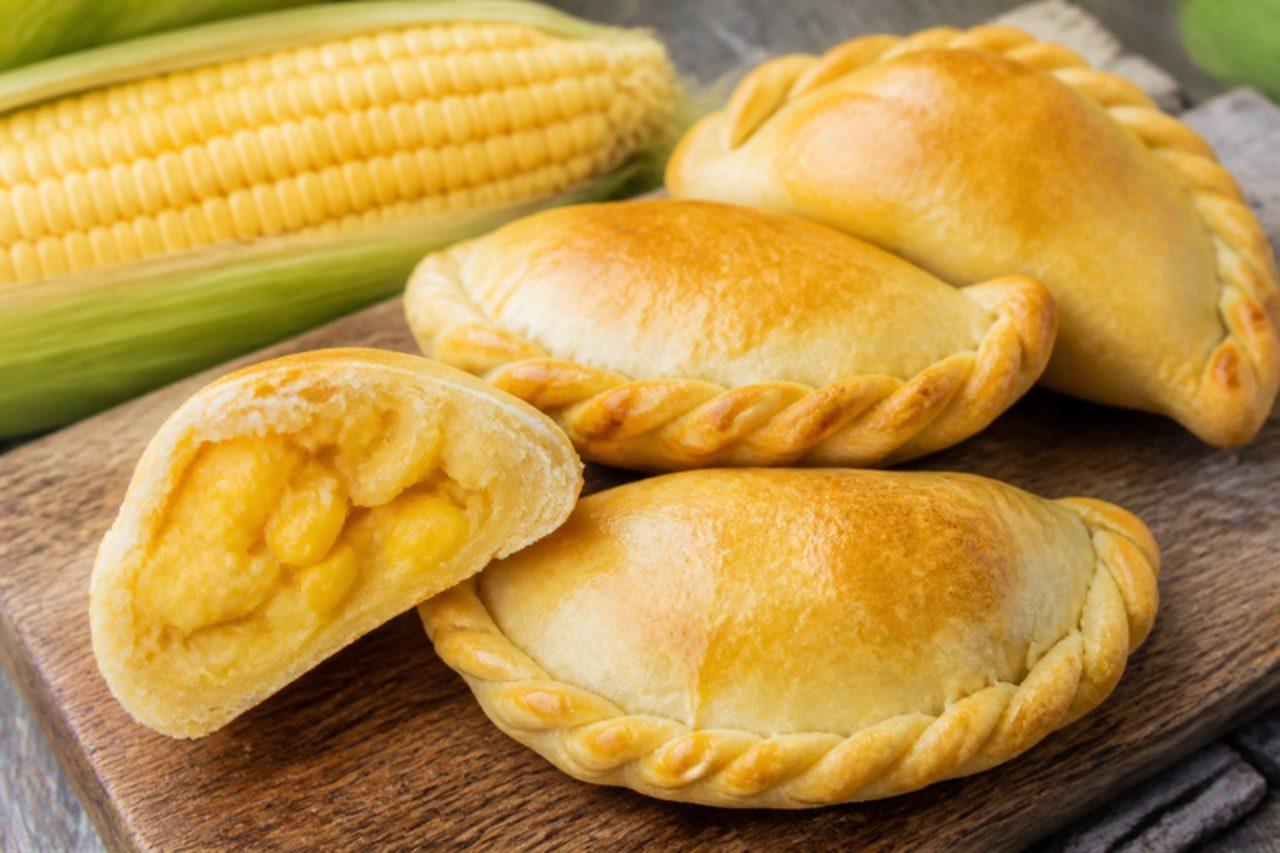
Empanadas de humita are the vegetarian favourite at every Argentine empanada shop, from Tucumán, which claims the best empanadas in the country, to the delivery menus of Buenos Aires. The filling is sweetcorn and onion cooked with red pepper, nutmeg and a little white sauce until creamy, then folded into wheat pastry discs and closed with the twisted edge (repulgue) that tells you what's inside. Unlike the husk-wrapped humita en chala, these are baked and golden. Chef's tip: chill the filling until firm before filling; warm filling melts the pastry and the empanadas open in the oven.

by KrazyBadal 0 views

Fugazzeta

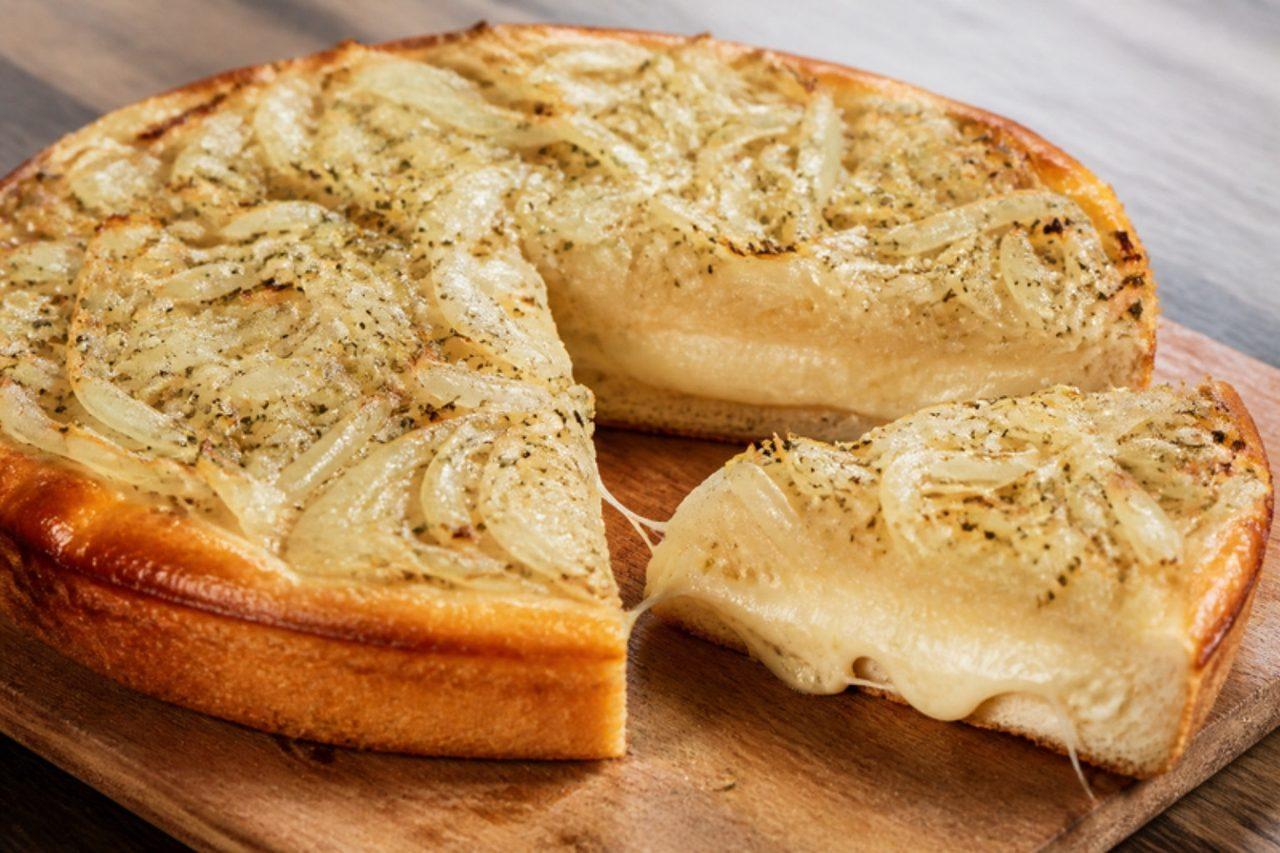
Fugazzeta is a Buenos Aires original from the pizzerias of the Corrientes and La Boca neighbourhoods, where Genoese immigrants' focaccia (fugazza) met mozzarella. A thick, soft pan dough is filled with a layer of mozzarella, sealed with a second layer of dough, then covered with a mound of thinly sliced onions and more cheese and baked until the onions are sweet and golden. It's a big, rich pizza to share. Use mozzarella made with vegetarian rennet. Chef's tip: salt the onions and squeeze them out before using; this keeps the pizza from going soggy.

55 minPizza
by KrazyBadal 0 views

Medialunas de manteca

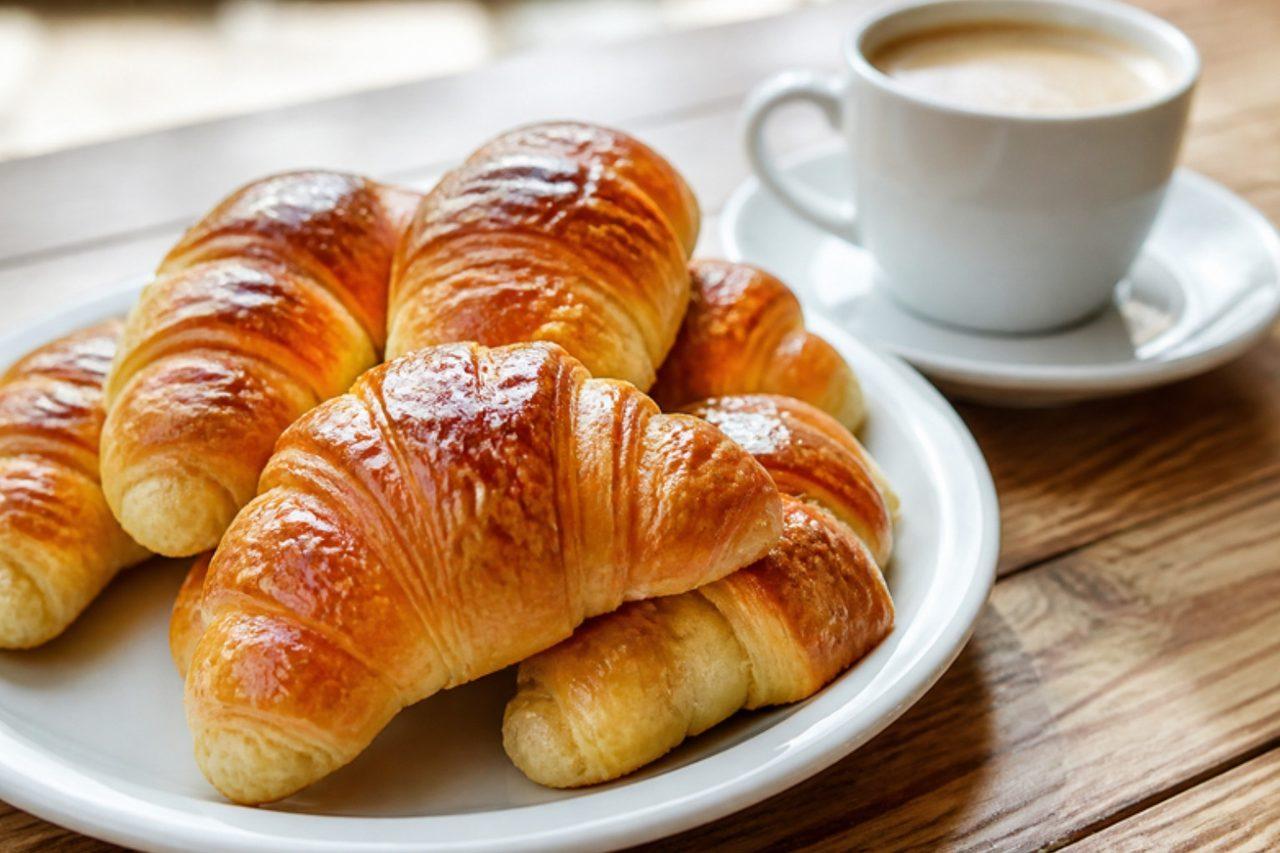
Medialunas, 'half moons', are what Argentines order with a café con leche at every confitería in Buenos Aires: smaller, sweeter and softer than a French croissant, with a sticky shine from a sugar syrup brushed on as they leave the oven. The dough is enriched with egg, sugar and a little honey and laminated with butter, so it's a weekend project. Chef's tip: keep the butter and dough at the same cool temperature; if the butter is too hard it breaks into pieces, too soft and it melts into the dough and the layers disappear.

78 minBaking
by KrazyBadal 0 views

Dulce de leche

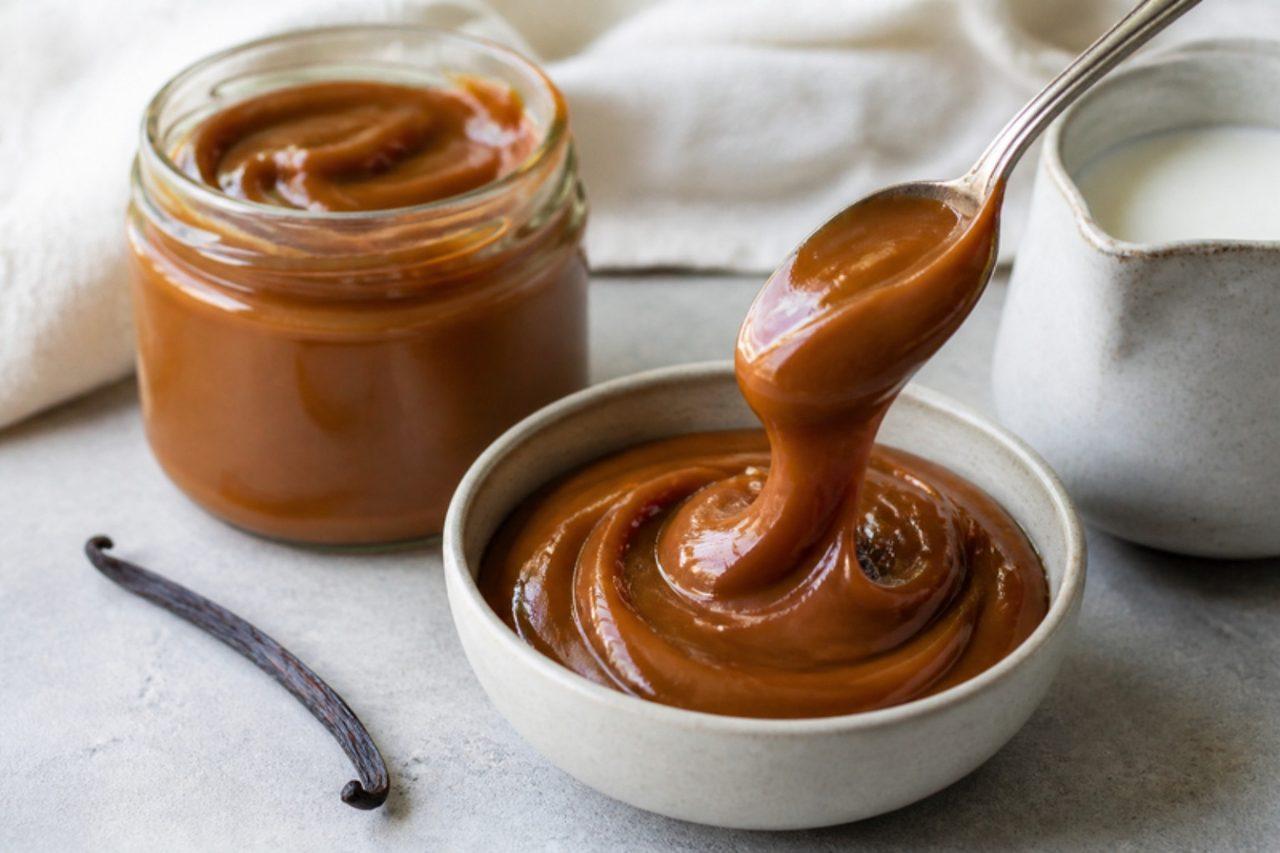
Dulce de leche is Argentina's national sweet, spread on toast at breakfast, sandwiched in alfajores, rolled into panqueques and spooned onto flan. Argentine families traditionally make it by slowly cooking milk and sugar with a vanilla pod and a pinch of bicarbonate of soda, which helps it turn deep brown, until it becomes a thick, glossy caramel cream. It takes about three hours of gentle cooking and regular stirring. Chef's tip: use a wide, heavy pan and keep the heat low; the wider the surface, the faster the milk reduces, and the less it catches on the bottom.

185 minBasicsGluten free
by KrazyBadal 0 views

Alfajores de maicena

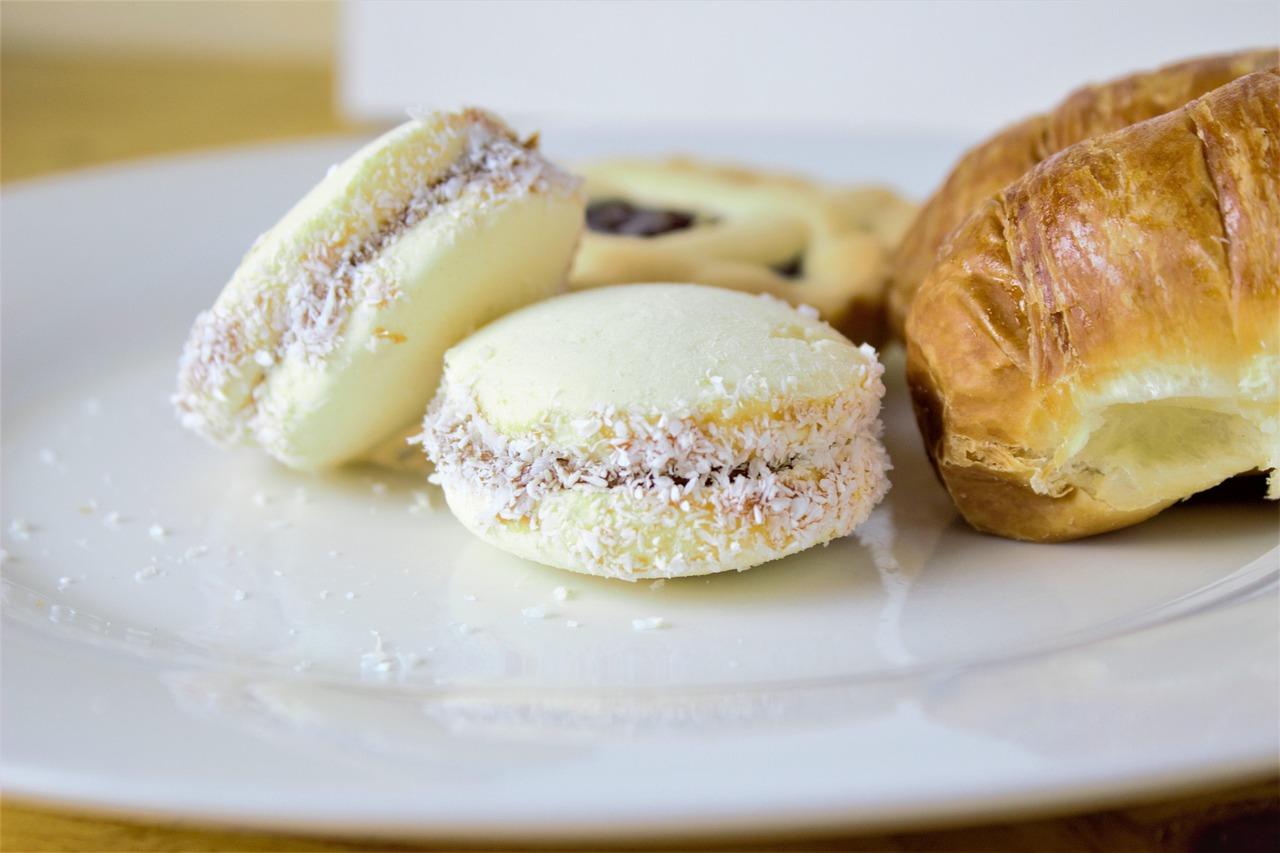
Alfajores de maicena are the homemade alfajor of Argentina and Uruguay, baked for birthdays, school fairs and merienda (afternoon tea) with mate. Two pale, melt-in-the-mouth biscuits made mostly with cornflour are sandwiched with a thick layer of dulce de leche and rolled in desiccated coconut around the edge. They should crumble at the first bite. Chef's tip: take them out of the oven while still pale; if they colour they lose their tender, sandy texture.

42 minBaking
by KrazyBadal 0 views

Panqueques con dulce de leche

In Argentina and Uruguay, panqueques are not fluffy American pancakes but thin crêpes, and the classic way to eat them is rolled around dulce de leche, often as the dessert at a neighbourhood parrilla or on a rainy Sunday afternoon at home. Some restaurants sprinkle them with sugar and caramelise the top with a hot iron; at home a dusting of sugar is enough. Chef's tip: rest the batter for 20 minutes so the flour relaxes and the crêpes come out thin and tender rather than rubbery.

25 minDesserts
by KrazyBadal 0 views

Mate

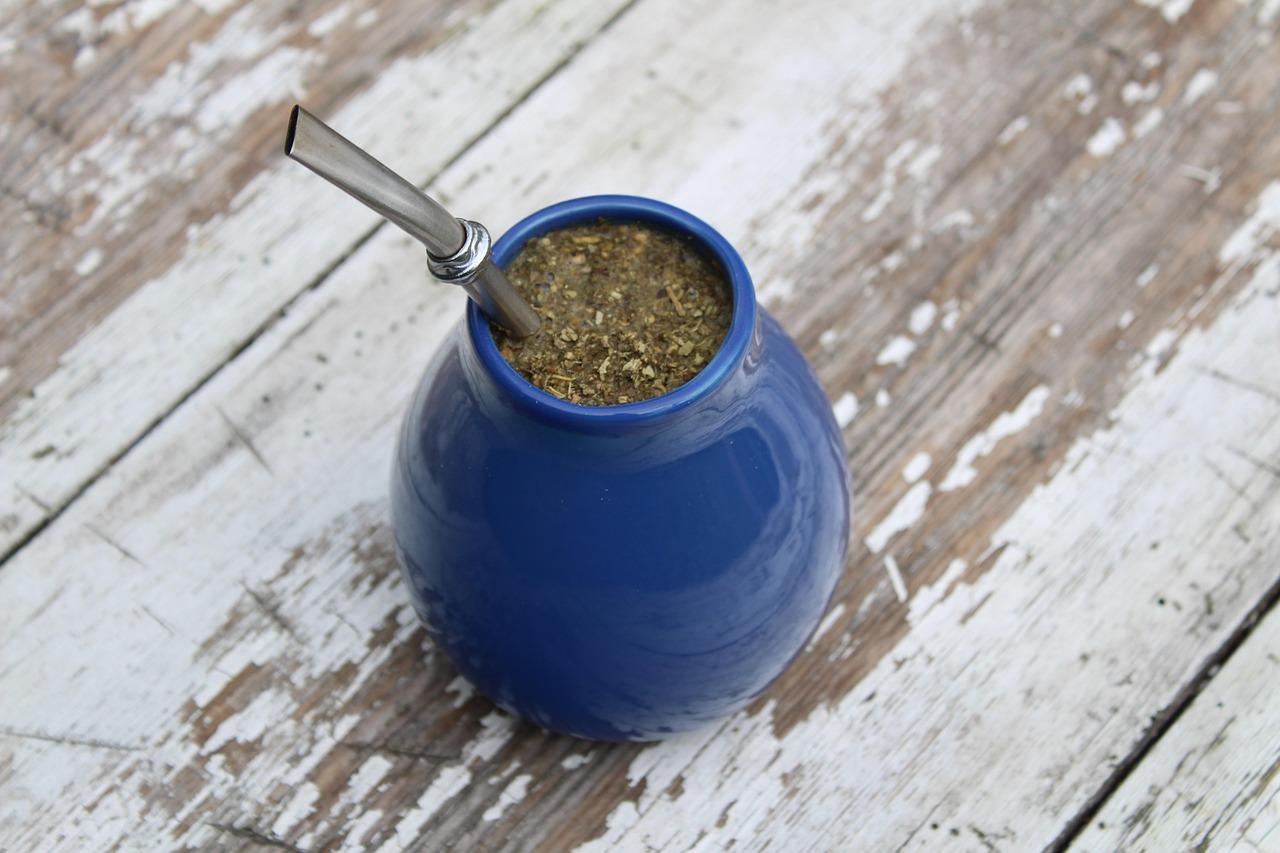
Mate is less a drink than a ritual in Argentina, Uruguay and Paraguay: a gourd (also called a mate) packed with yerba mate leaves, a metal straw called a bombilla, and a thermos of hot water passed around friends, family and coworkers, from the parks of Buenos Aires to long bus rides across Patagonia. One person, the cebador, pours and drinks first, then refills and passes it on. It's grassy, bitter and gently stimulating; sweet versions add sugar. Chef's tip: never use boiling water; at about 75–80 °C the yerba stays fresh for many rounds instead of 'burning' and turning bitter.

5 minDrinksVeganGluten free
by KrazyBadal 0 views

Asado argentino

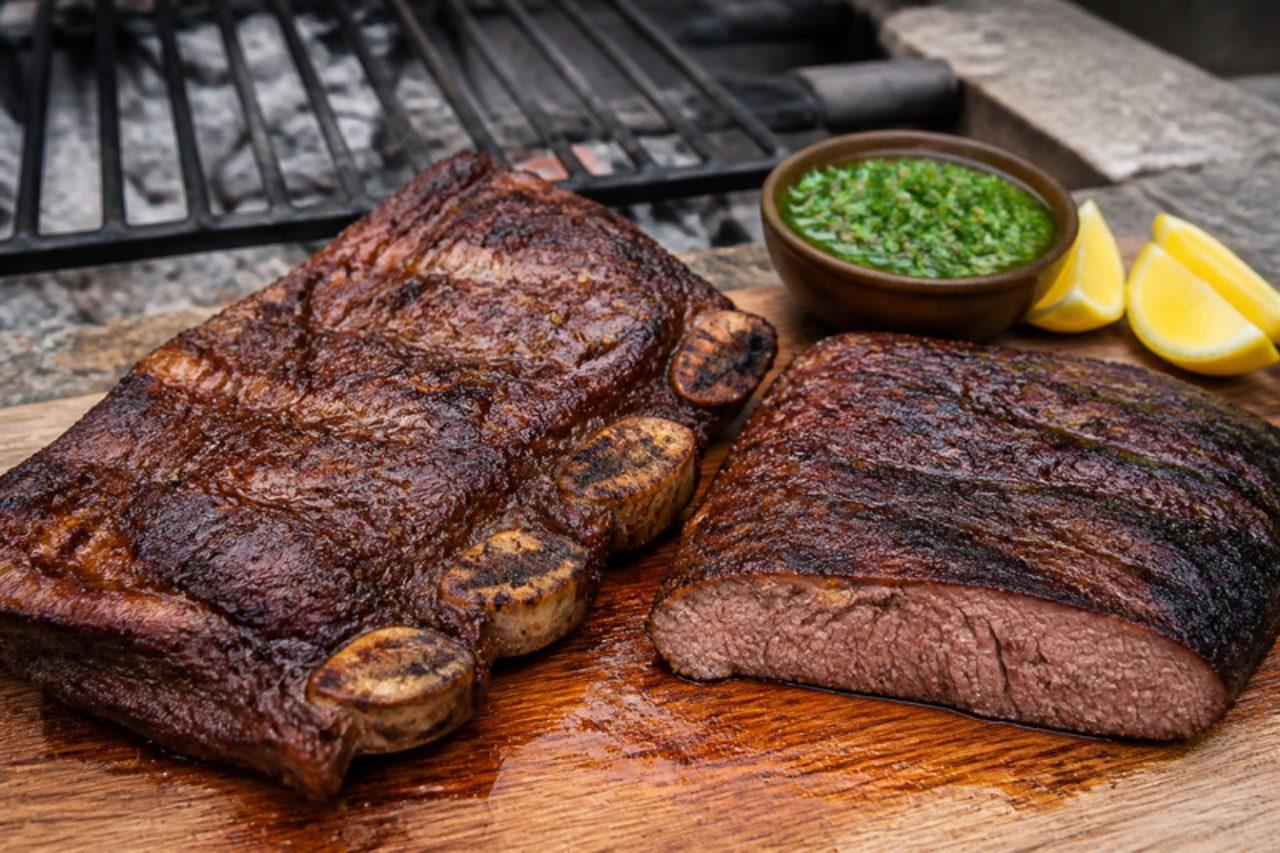
For Argentines the Sunday asado is less a recipe than a ritual: someone (the asador) lights the fire mid-morning in a backyard in Buenos Aires or a ranch in the Pampas, and lunch happens hours later. Beef is cooked low and slow over glowing embers, seasoned with nothing but coarse salt, and carved at the grill to be eaten with bread, salad and a bowl of chimichurri. This home version uses two favourite cuts: tira de asado (thin cross-cut short ribs) and vacío (flank). The classic mistake is grilling over flames; wait until the coals are covered in white ash, and spread them so the heat is gentle. Chef's tip: hold your hand 15 cm above the grill; if you can keep it there for 8–10 seconds, the heat is right for asado.

140 minMeatGluten free
by KrazyBadal 0 views

Milanesa de carne

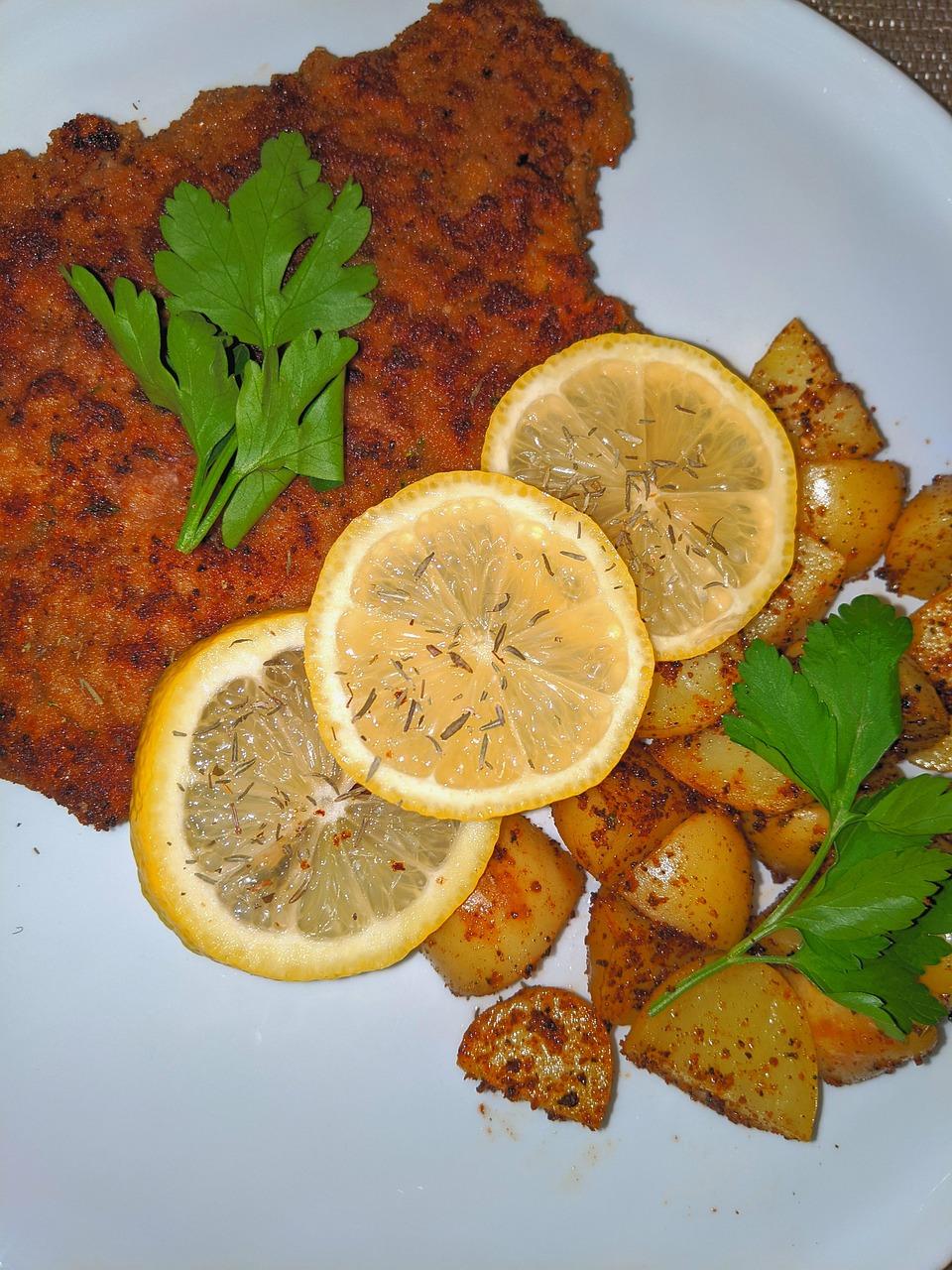
If there is one dinner every Argentine child grows up on, it is milanesa: beef pounded very thin, dipped in garlicky egg, coated in breadcrumbs and fried until golden. It came with Italian immigrants to Buenos Aires and Rosario, and today it is eaten on weekday nights with mashed potato or chips, cold in sandwiches the next day (milanesa al pan), and on long car trips. Lemon wedges are a must. The mistake most people make is leaving the beef too thick; it should be about 5 mm, so it cooks through by the time the crumb is golden. Chef's tip: bread the milanesas, lay them on a tray and chill them for 30 minutes before frying, so the coating sticks firmly and doesn't fall off in the pan.

40 minMeat
by KrazyBadal 0 views

Milanesa a la napolitana

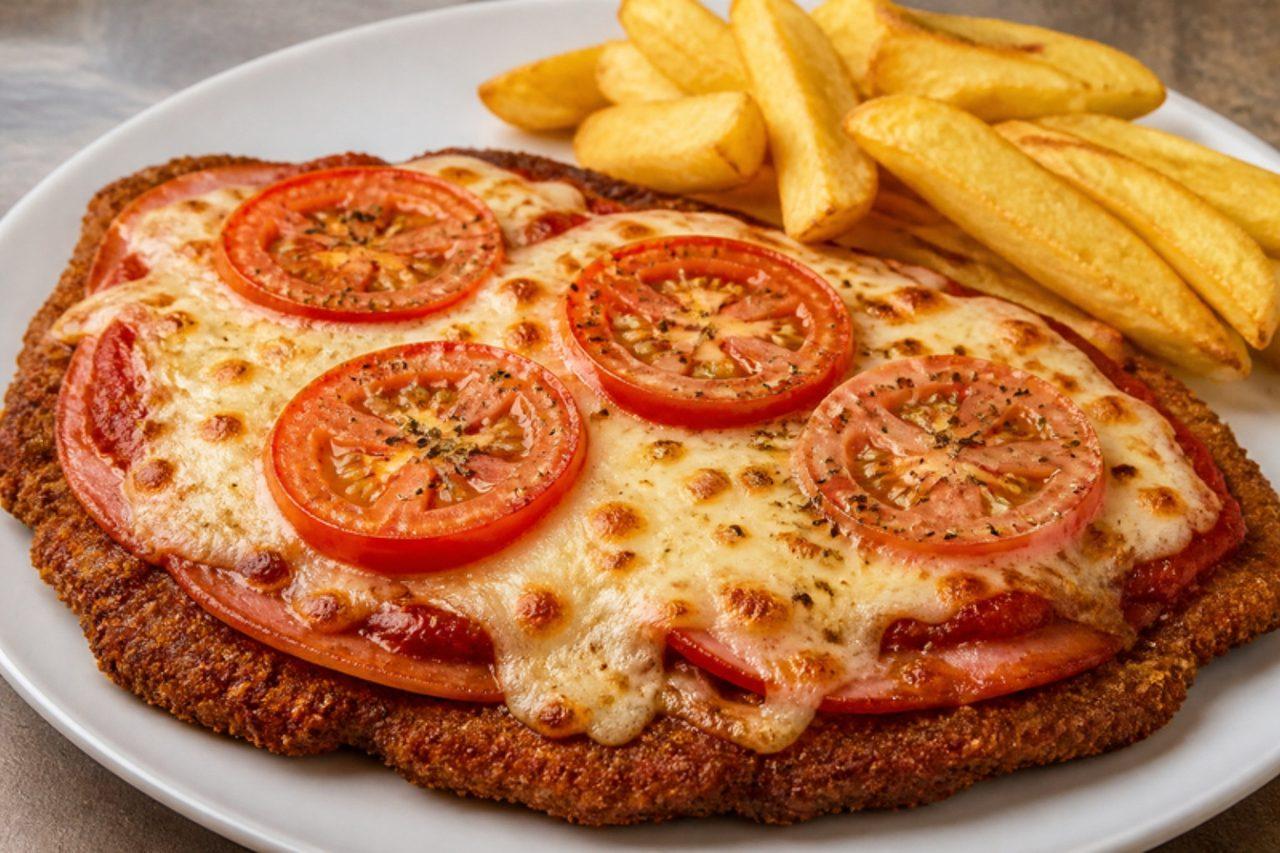
Despite the name, this has nothing to do with Naples: it was invented in Buenos Aires in the 1940s at a restaurant called Nápoli, near the Luna Park stadium. A crisp milanesa is topped with tomato sauce, a slice of ham and plenty of mozzarella, then grilled until the cheese bubbles. It is a pork-and-beef dish, because of the ham. Porteños order it at the corner bodegón with a mountain of chips, one plate often shared by two. The common mistake is spooning on too much sauce, which turns the crumb soggy; a thin layer is enough. Chef's tip: fry the milanesas a minute less than usual, since they finish cooking under the grill, and keep the sauce thick.

60 minMeat
by KrazyBadal 0 views

Choripán

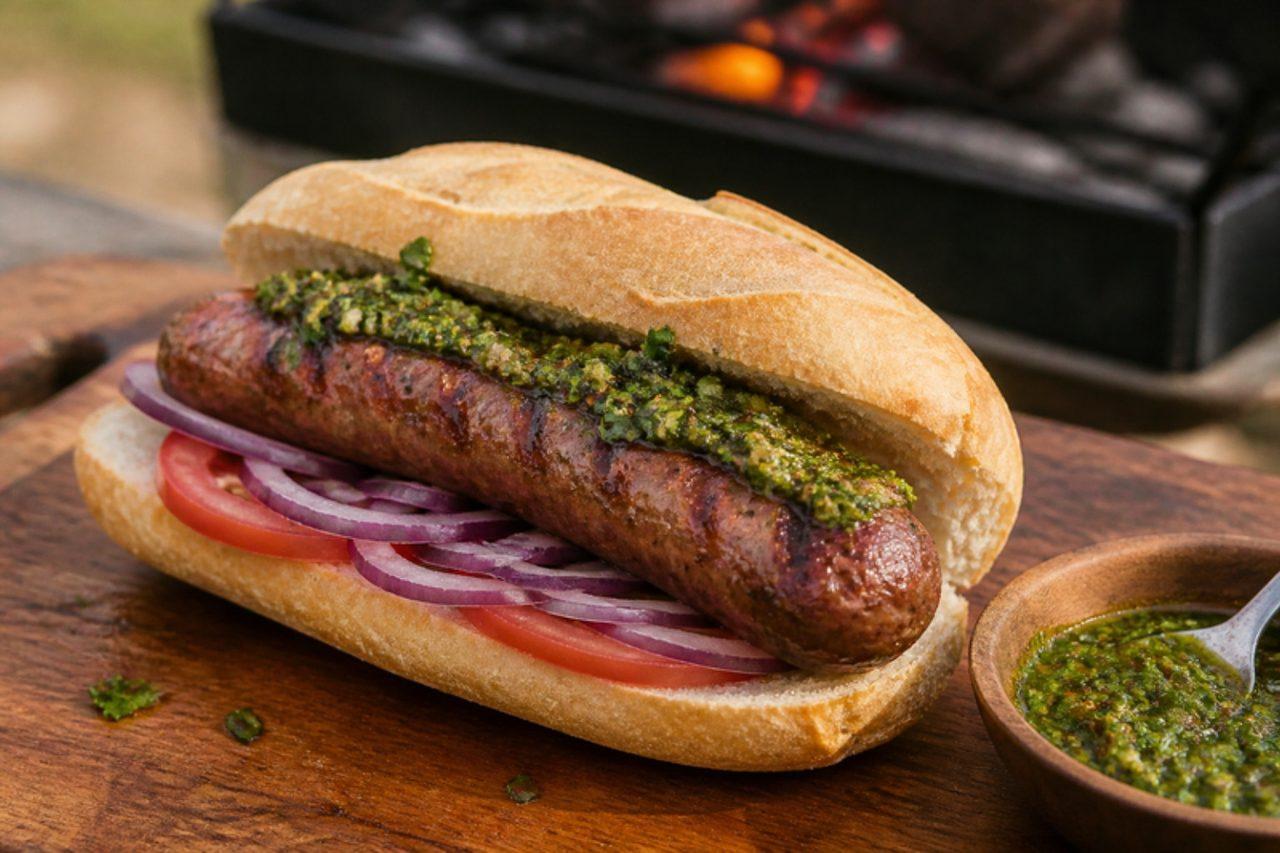
Choripán is what fans buy outside football stadiums in Buenos Aires, what the asador hands round while the beef is still cooking, and what stalls sell along Costanera Sur on a Sunday afternoon. This is a pork dish: a fat Argentine-style fresh chorizo (pork, sometimes mixed with beef) is grilled slowly, split open (a mariposa) and tucked into a crusty roll with chimichurri or salsa criolla. That's it, and it doesn't need more. The common mistake is grilling the chorizos too hot, so the skins burst and the centre stays raw; low and slow is the rule. Chef's tip: once cooked, split each chorizo lengthways and give the cut sides 1 minute on the grill so they char a little.

30 minFast Food
by KrazyBadal 0 views

Locro argentino

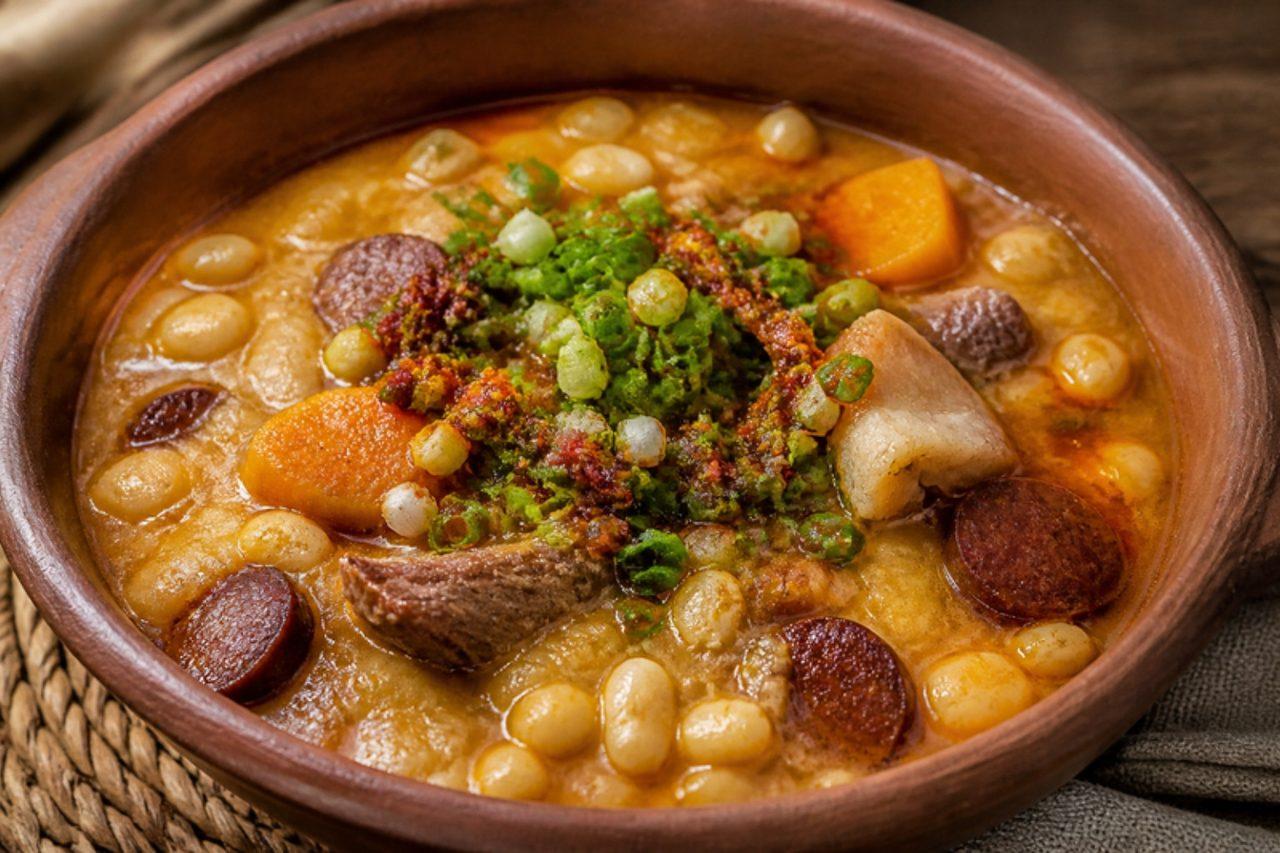
Locro comes from the Andean northwest, from Salta, Jujuy and Tucumán, and today the whole country eats it on 25 May and 9 July, the two national holidays, when it simmers in huge pots at clubs and church halls. Dried white corn, white beans and squash cook down with beef, pork belly and chorizo into a stew so thick a spoon stands up in it. This is a pork dish. It is topped with quiquirimichi, a red oil of paprika, chilli and spring onion. The classic mistake is not soaking the corn and beans overnight; without it they never soften. Chef's tip: stir often in the last hour, scraping the bottom, as the squash breaks down and the locro catches easily.

240 minSoupsGluten free
by KrazyBadal 0 views

Empanadas salteñas

In Salta, in Argentina's far northwest, empanadas are small, sealed with a tight twisted edge (the repulgue) and so juicy that locals eat them leaning forward with their feet apart. The filling is hand-cut beef with potato, spring onion, cumin and paprika, plus chopped hard-boiled egg; they are eaten at Sunday gatherings, at peñas with folk music and on any public holiday. The mistake that ruins them is filling them while the beef is still warm: the fat melts the pastry. Chill the filling until it is firm. Chef's tip: add a few spoonfuls of the cooking juices to the cold filling; they set to a jelly in the fridge and melt in the oven, which is where the famous juiciness comes from.

by KrazyBadal 0 views

More Argentinian ideas

Other cuisines