
Skip to content
WhatToEat.Today

Jain recipes: no onion, garlic or root vegetables

2,799

2799 Jain recipes with no onion, garlic, potato, carrot, fresh ginger or other root vegetables, and no mushrooms, eggs or honey. Hing, dry ginger and turmeric powder are fine. Each has photos, step-by-step instructions and cook times. The quickest, Apfelschorle, takes 2 minutes. Most take around 40 minutes.

Filter these by time, diet or cuisine · Make Jain your diet to see only these recipes everywhere on the site.

Chickpeas with cumin (hummus bel kamoun)

On chilly evenings, street carts in the medinas steam a great pot of chickpeas and scoop them, piping hot, into paper cones with a shake of cumin, salt and sometimes a little chilli. It is one of the cheapest and most comforting snacks in the country, eaten while strolling, and the chickpeas should be tender and creamy but whole, never mushy. At home they make a lovely warm nibble, a lunchbox protein or something to pick at alongside soups. Dried chickpeas give the best texture and need an overnight soak; tinned ones work in a hurry, just warmed through in salted water. Chef's tip: toss the cumin and salt onto the chickpeas the moment they come out of the water, while they are still steaming and damp, so the seasoning clings.

by KrazyBadal 0 views

Sfenj (Moroccan doughnut rings)

Early in the morning, in medina lanes from Fez to Casablanca, the sfenji pulls handfuls of sticky dough from a bowl, pokes a hole through each with his thumb and drops the rings into a big pan of oil, where they puff into crisp, golden, irregular doughnuts with a chewy, airy inside. Customers carry them away threaded on a strip of palm leaf, to eat hot with mint tea or coffee, plain, dusted with sugar or dipped in honey. The dough is just flour, yeast, salt and water, and deliberately very wet; that is what gives the open, holey crumb. Allow about 1 1/2 hours for it to rise. Where sfenj go wrong is a dough that is too stiff; it should be sticky and slack, or the rings come out bready instead of open and chewy. Chef's tip: keep a bowl of water beside you and wet your hands before every piece, so the sticky dough slides off your fingers instead of clinging to them.

by KrazyBadal 0 views

Tafarnout (pebble-baked Amazigh bread)

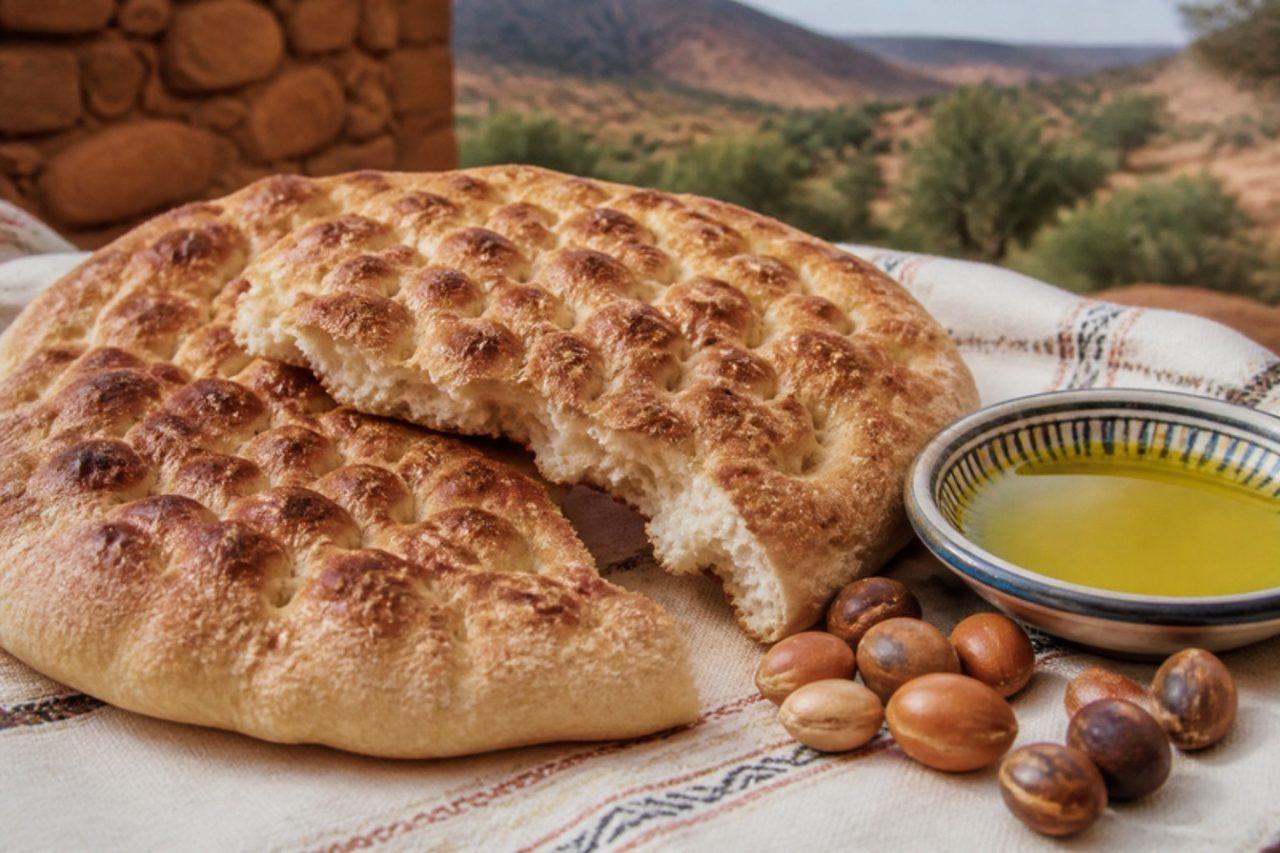
In the villages of the Anti-Atlas and the south, tafarnout is named after the domed clay oven it is baked in, lined with pebbles that are heated by a wood fire until the dough slapped onto them puffs and blisters within minutes. The stones leave the bottom deeply dimpled and charred in spots, while the top stays soft; it is torn and dipped into argan oil, amlou or olive oil, or eaten with tagines. You can come close at home with a tray of clean, smooth river pebbles or a baking stone in a very hot oven. Allow about 1 1/2 hours for the dough to rise. Use only smooth, dense pebbles, scrubbed and dried for an hour in a low oven first: stones with trapped water can crack in the heat. Chef's tip: let the pebbles heat for a full 40 minutes; lukewarm stones make a pale, flat loaf.

by KrazyBadal 0 views

Ras el hanout

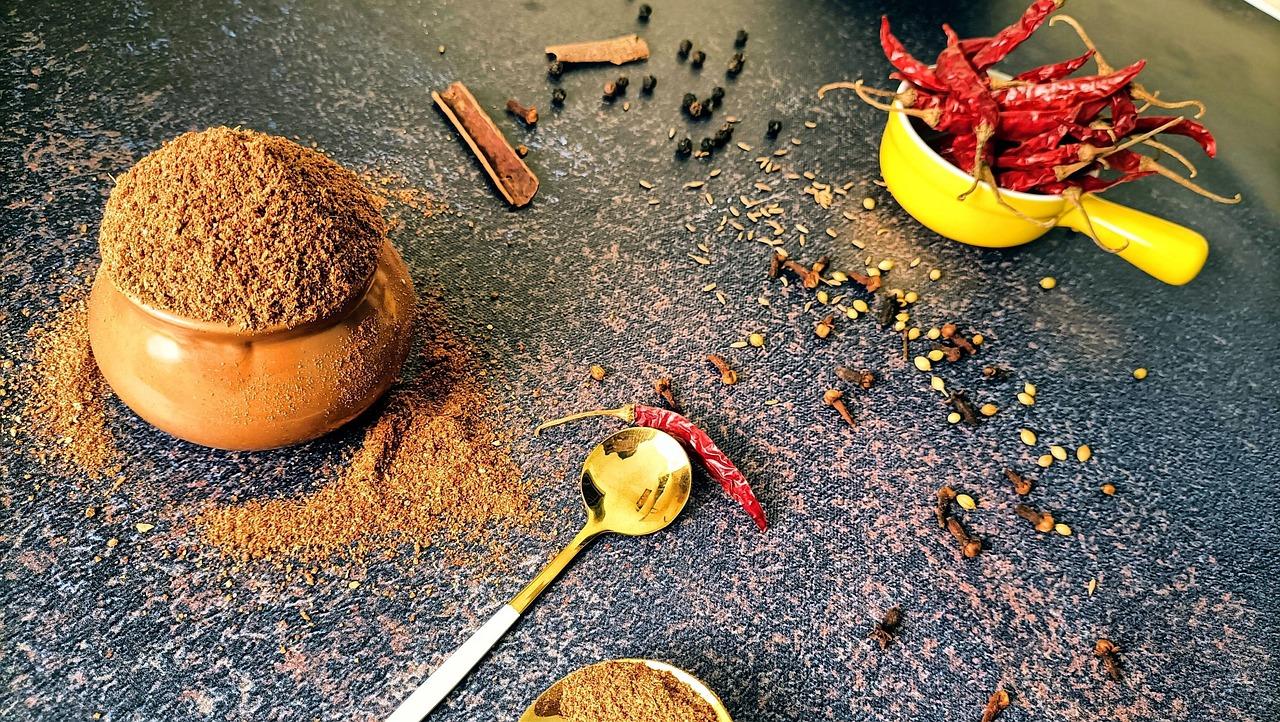
Ras el hanout means 'head of the shop', and every spice seller in the Marrakech souk will tell you theirs is the best: a warm, complex mix of a dozen or more spices that they grind to their own formula. This home version balances earthy cumin and coriander with sweet cinnamon, ginger and turmeric, the perfume of cardamom and dried rosebuds, and the heat of black pepper. Rub it on vegetables before roasting, stir a teaspoon into tagines, lentils or couscous broth, or season chickpeas and roast pumpkin with it. Toasting the whole spices first takes 5 minutes and makes a real difference. Chef's tip: make small batches and store the blend in a sealed jar away from light; it is at its best for about 3 months.

by KrazyBadal 0 views

Hssoua belboula (barley soup with milk)

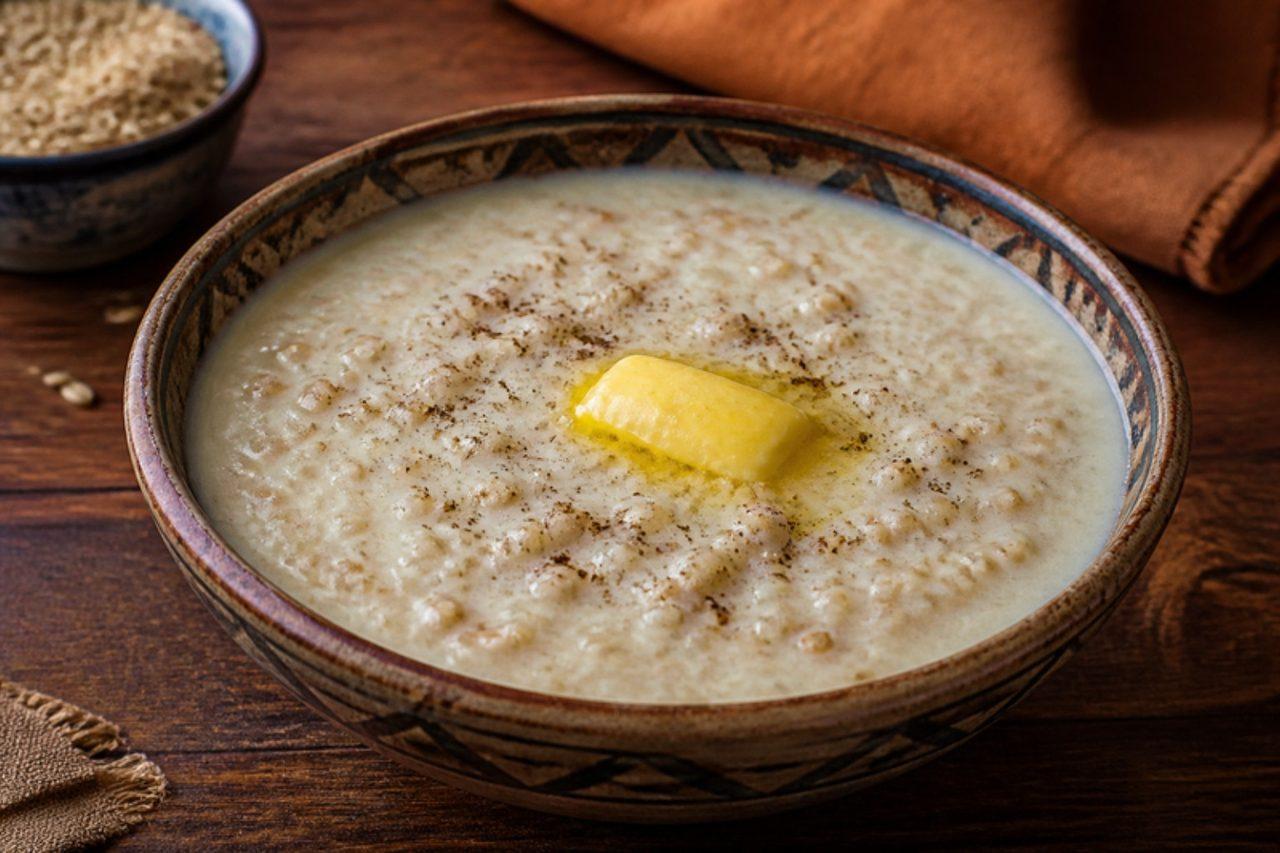
Few things are as soothing on a cold morning in Fez or Marrakech as a bowl of hssoua belboula, the pale, porridge-like soup of cracked barley cooked in water and then milk. Many families eat it for breakfast in winter or as a light supper, and it often appears on the Ramadan table too. It is mild and gently savoury, with a whisper of cumin and a knob of butter melting on top, and the barley grains stay soft but slightly chewy. Serve it piping hot with a little extra cumin to sprinkle, plus dates or bread on the side. A common slip is adding the milk too early and boiling hard, which catches on the bottom and scorches the soup. Chef's tip: rinse the barley grits in a sieve until the water runs almost clear; it washes away loose flour so the soup is creamy rather than gluey.

by KrazyBadal 0 views

Jugo de moraBlackberry milk juice

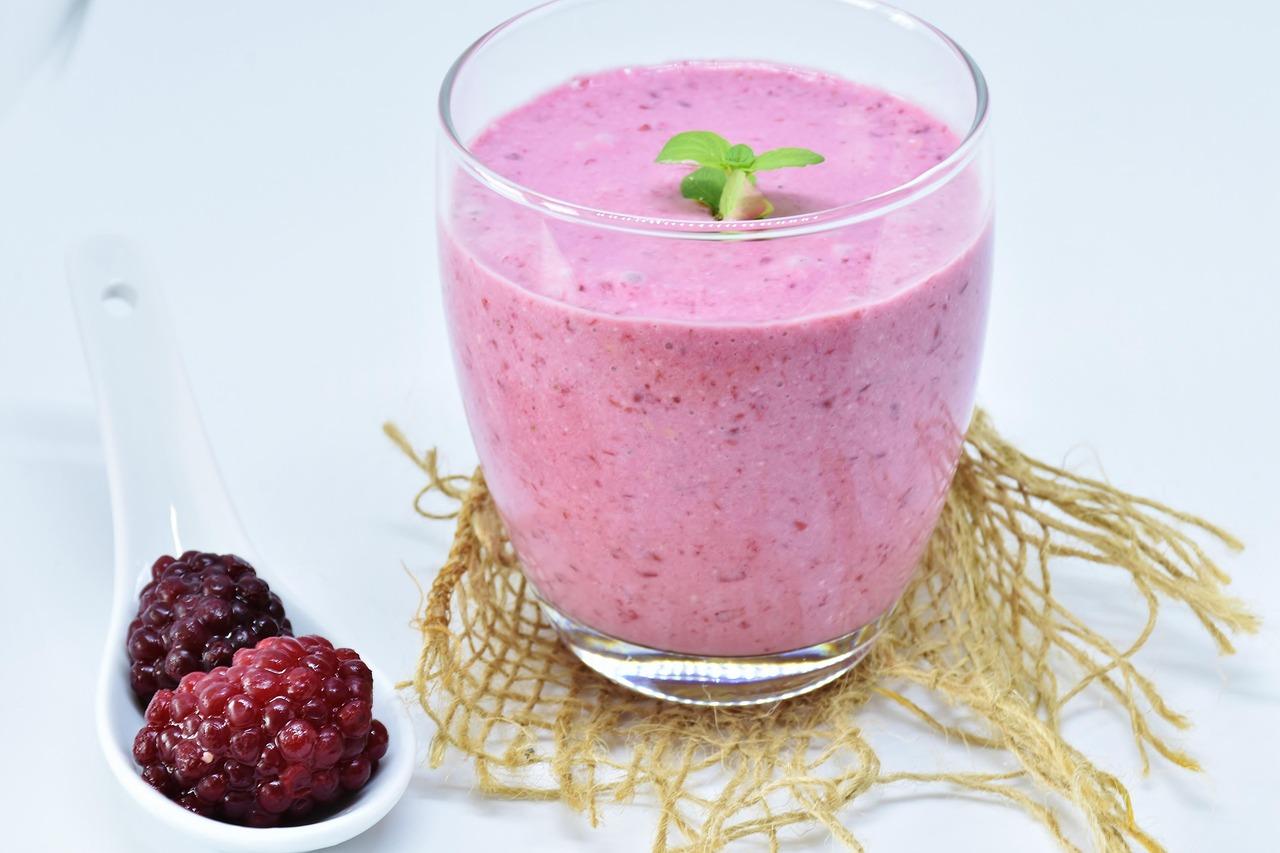
Order a juice anywhere in Colombia and the waiter will ask: en agua o en leche? With mora, the tart Andean blackberry, the milk version is the treat: a thick, dusky-purple shake with a sour-sweet berry flavour, served with lunch at corrientazo restaurants and in tall glasses at bakeries. Mora de Castilla is longer and sharper than European blackberries and is sold frozen in Latin shops; ordinary blackberries with a squeeze of lime make a good stand-in. Straining is what makes it smooth, since the seeds are gritty. The mistake many people make is blending the berries with the milk and leaving it to stand: the fruit acid slowly curdles the milk, so blend the fruit with water first, strain, then add cold milk and serve straight away. Chef's tip: very cold milk and a few ice cubes keep the drink thick and frothy.

by KrazyBadal 0 views

KumisFermented milk drink

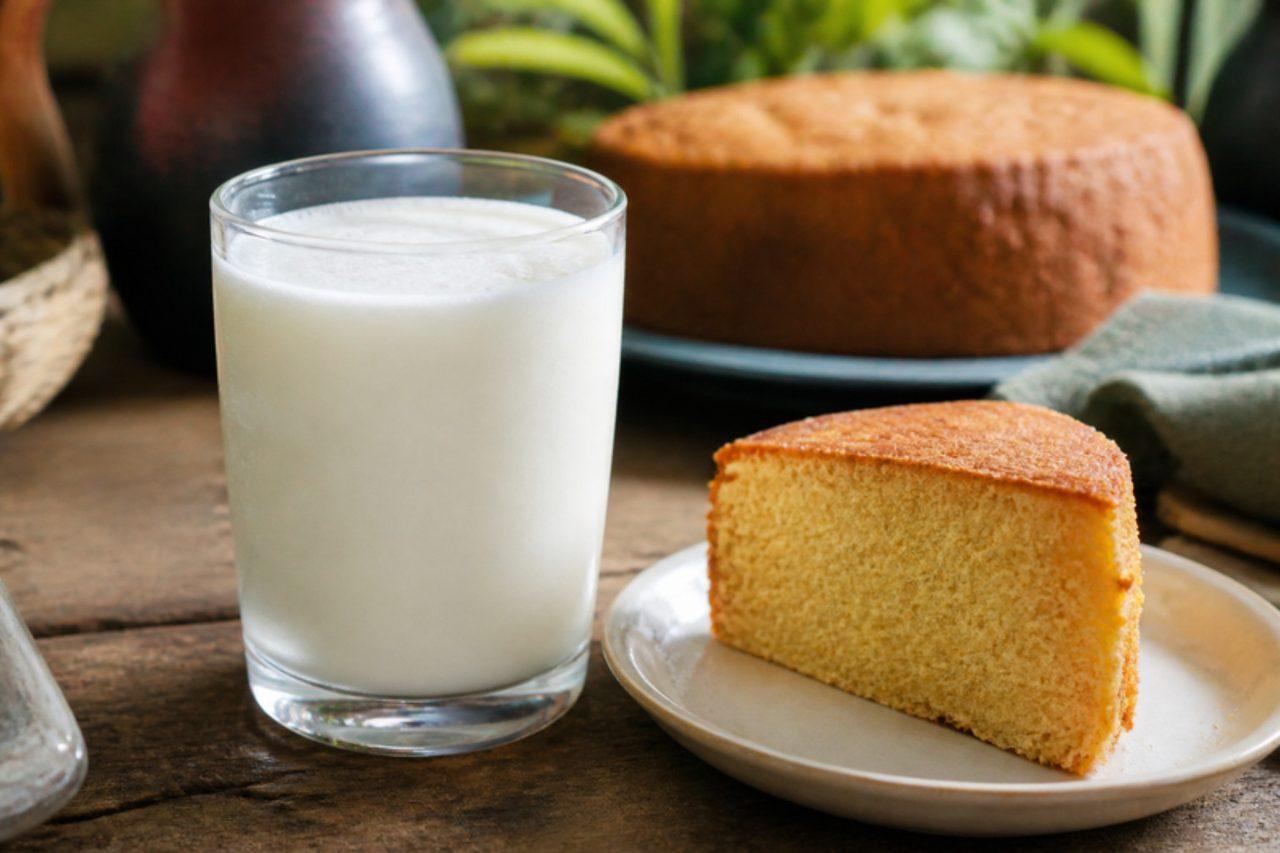
Kumis in Colombia is a thick, sweetened fermented milk, nothing like the Central Asian mare's-milk drink of the same name. Bakeries and cafeterias sell it chilled in glasses with a slice of plain sponge cake, the classic kumis con ponqué, and many families still make it at home. It is cool, tangy and creamy, somewhere between drinking yogurt and buttermilk. Use only pasteurised milk, heat it first, and work with very clean equipment: wash jars and spoons in hot soapy water and scald them with boiling water. The milk ferments at room temperature (20–28 °C, out of direct sun) for 12–24 hours, then goes into the fridge; never leave it out longer. Discard any batch with mould, pink or orange patches, or a rotten rather than sour smell. Adding the starter to milk that is still too hot is the common slip, as heat kills the cultures and nothing sets. Chef's tip: add the sugar after fermenting, then chill well before serving.

by KrazyBadal 0 views

Avena colombianaChilled oat drink

Bakeries all over Colombia keep a fridge of avena in plastic cups, ready to pair with a warm pandebono, buñuelo or almojábana. It is a thick, sweet oat drink cooked in milk with cinnamon and cloves, then blended smooth and chilled until it is creamy and spoonable, somewhere between a milkshake and rice pudding. Children drink it after school, and it is a common mid-morning snack with something baked. Home versions are less sweet and more spiced than shop ones. The thing to watch is texture: if you skip blending or straining, you end up with slimy flecks of oats, so blend thoroughly once it is cooked. It thickens a lot as it chills, so loosen it with cold milk before serving. Chef's tip: toast the oats in the dry pan for 2 minutes first; it gives a nutty, biscuity flavour.

by KrazyBadal 0 views

Postre de guanábanaSoursop cream dessert

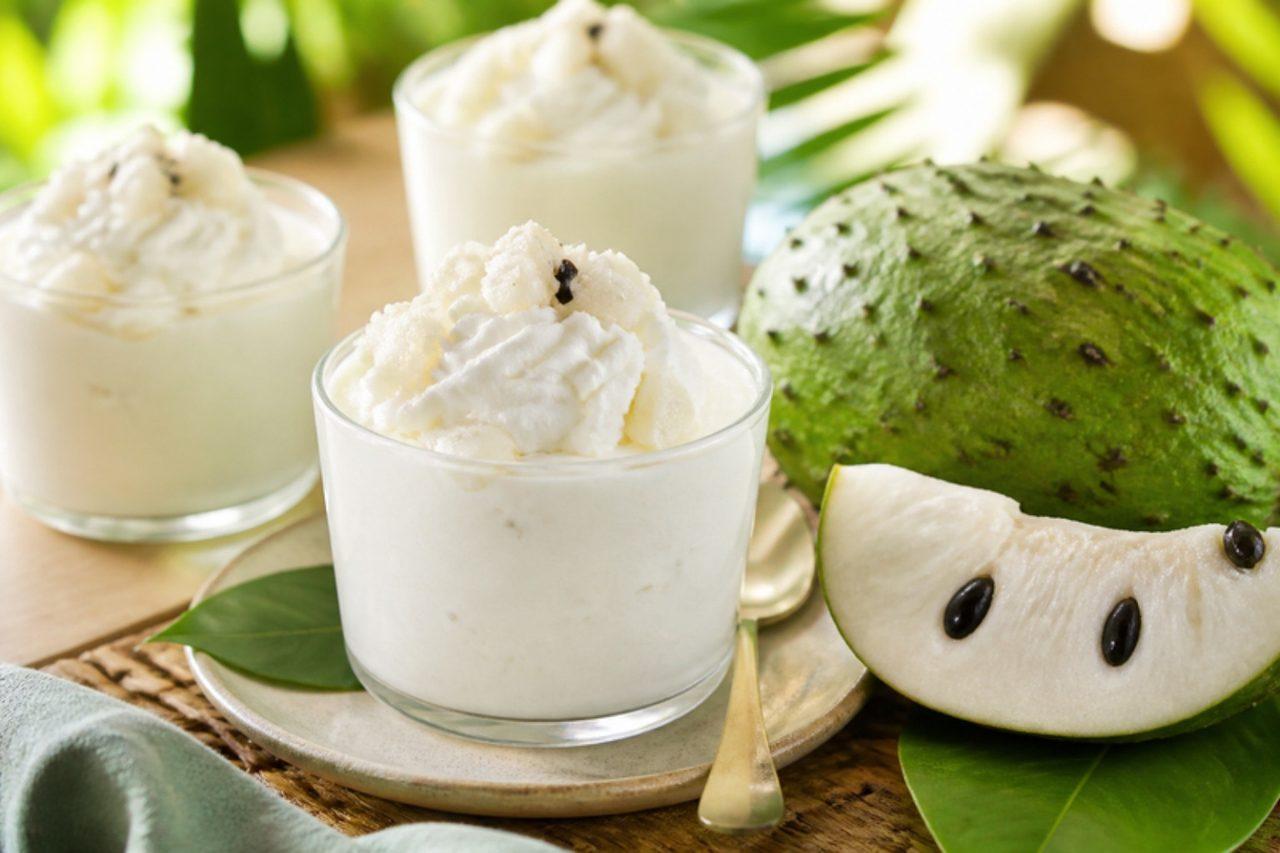
Soursop has a perfume all its own, somewhere between pineapple, banana and citrus, with a creamy white flesh, and Colombians turn it into this no-bake fridge dessert for birthdays, Sunday lunches and Christmas tables. Soursop pulp is blended with condensed milk and lime, then folded through whipped cream and chilled until it sets into a light, mousse-like cream that is sweet, tangy and fragrant. It is served in glasses or one big dish, sometimes with crumbled biscuits on top; leave them out to keep it gluten free. Frozen soursop pulp is sold in Latin American shops and is easier than fresh fruit. If you start from a whole fruit, the error people make is blending the seeds, which are inedible and add bitterness; pick every one out by hand. Plan for at least 4 hours of chilling. Chef's tip: keep back a few spoonfuls of pulp and swirl them over the top just before serving for a sharper finish.

by KrazyBadal 0 views

Helado de pailaHand-spun blackberry sorbet

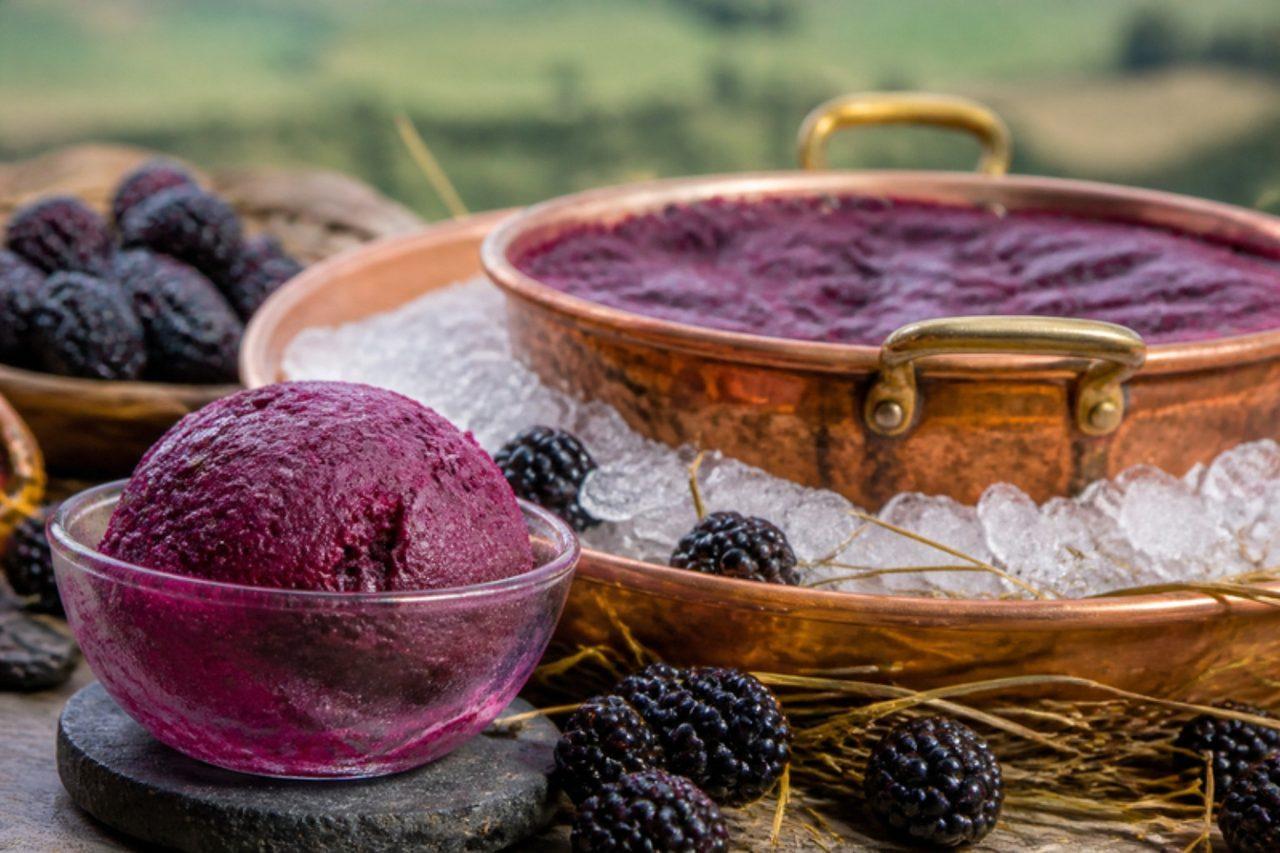
Watching helado de paila being made is half the pleasure. In Pasto and Ipiales, and over the border in Ecuador, a wide copper or steel pan (the paila) spins on a bed of ice and salt in a straw-lined barrel, while the maker scrapes the fruit juice from the sides with a wooden paddle until it turns into a light, intensely fruity sorbet. Mora, lulo and naranjilla are the favourite flavours. At home a wide steel bowl sitting in a larger bowl of salted ice does the same job, and the hand-churning takes about 30 minutes, so get everyone to take turns. The base must be cold before it goes into the bowl; a warm base never freezes properly and turns into slush. Andean blackberries are tart and bright; ordinary blackberries with extra lime work. Chef's tip: keep scraping the frozen layer off the sides and folding it in, every 20–30 seconds; that motion is what makes the texture smooth.

by KrazyBadal 0 views

TintoBlack coffee with panela

Ask for a tinto anywhere in Colombia and you get a small cup of black coffee, never red wine. Street vendors carry it in thermos flasks through the plazas of Manizales, Pereira and Bogotá, and offices, bus stations and farm kitchens in the coffee region brew pots of it all day. It is light, hot and gently sweet, often made by simmering ground coffee with water and a little panela, then straining it through a cloth bag. The usual error is boiling the coffee hard, which makes it harsh and bitter; let it come to the boil only once. Chef's tip: let the grounds settle for a minute off the heat before straining, so the cup stays clear.

by KrazyBadal 0 views

Mazamorra antioqueñaHulled corn with milk

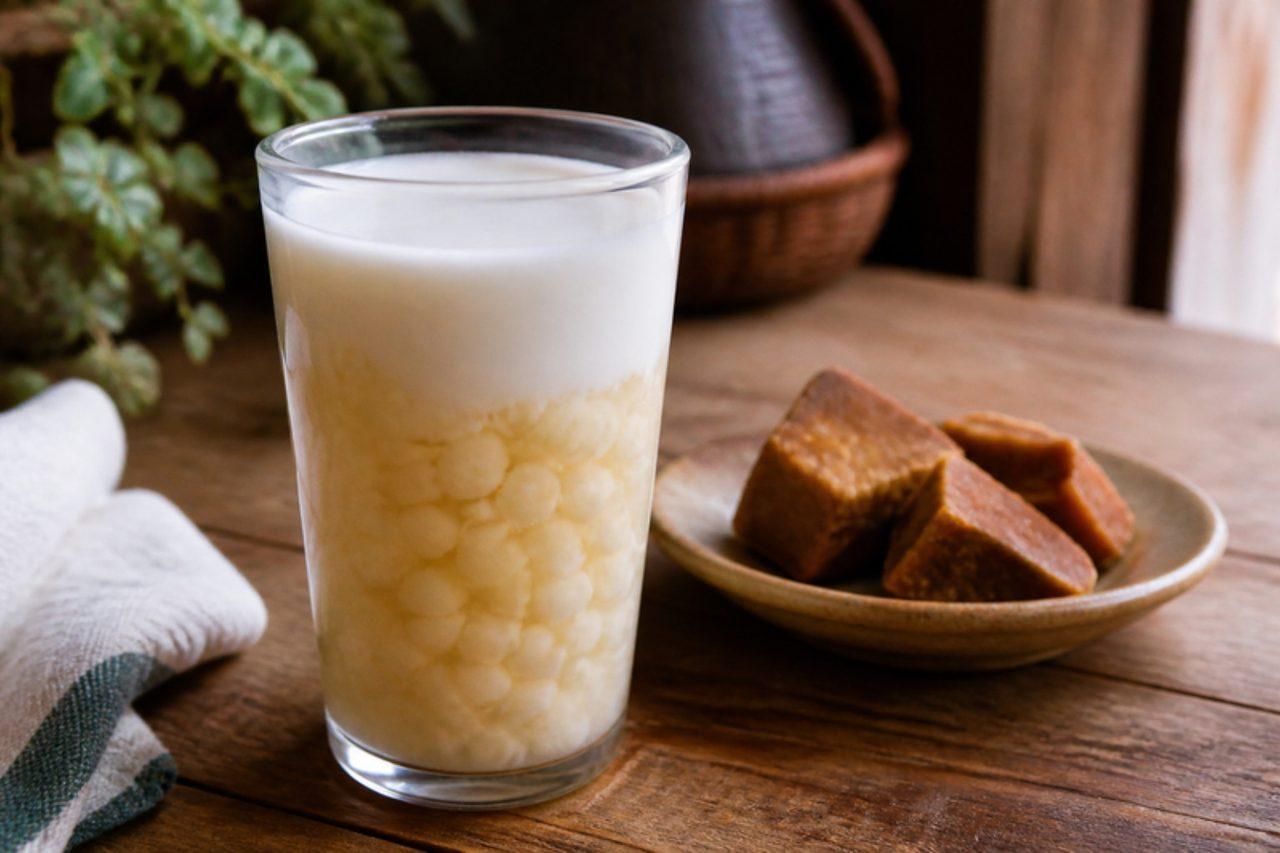
Paisas finish lunch with a glass of mazamorra the way others take dessert: soft, swollen kernels of hulled white corn in their own starchy cooking liquid, topped up with cold milk and eaten with a piece of panela or guava paste to nibble between sips. In Medellín it is sold from carts as well as made in big pots at home for the week, and it is mild, milky and quietly filling. Look for dried hulled white corn (maíz pilado or peto) in Latin American shops. Soak it overnight first. A common mistake is serving it before the corn is fully soft; the kernels should split open and be tender to the bite. Chef's tip: save the thick cooking liquid; it gives the drink its silky body, and the corn keeps in it for 4 days in the fridge.

by KrazyBadal 0 views

Moroccan spiced coffee

In many Moroccan homes, coffee is bought ready-mixed from the roaster with a spoonful of 'attria', a warm blend of ground spices such as cinnamon, ginger, nutmeg, cardamom, black pepper and toasted sesame, that gives it a rounded, gently peppery aroma. It is brewed in a pan or a pot and sipped black and sweet, or with a splash of milk, after lunch, with pastries for guests, or on cold mornings. The spices soften the bitterness and make the whole kitchen smell wonderful. This home version mixes the spices into ordinary ground coffee. Chef's tip: keep the coffee at a bare simmer and never let it boil hard; vigorous boiling, the usual mistake, extracts bitterness from both coffee and spices.

by KrazyBadal 0 views

Nous-nous (half-half coffee)

Sit down at a café terrace in Casablanca, Rabat or Marrakech and order a 'nous-nous' (from 'nus', half) and you will get a small glass of half espresso, half steamed milk, often layered so the coffee floats in a dark band over the pale milk with a cap of foam. It is the default morning and afternoon coffee for many Moroccans, sipped slowly while watching the street, usually with a sugar lump or two on the saucer. It is smaller and stronger than a latte and milkier than a macchiato. A moka pot works fine at home if you have no espresso machine. Chef's tip: heat the milk only to 60–65 °C, hot to the touch but not scalding; boiled milk loses its sweetness and the foam collapses, a common mistake.

by KrazyBadal 0 views

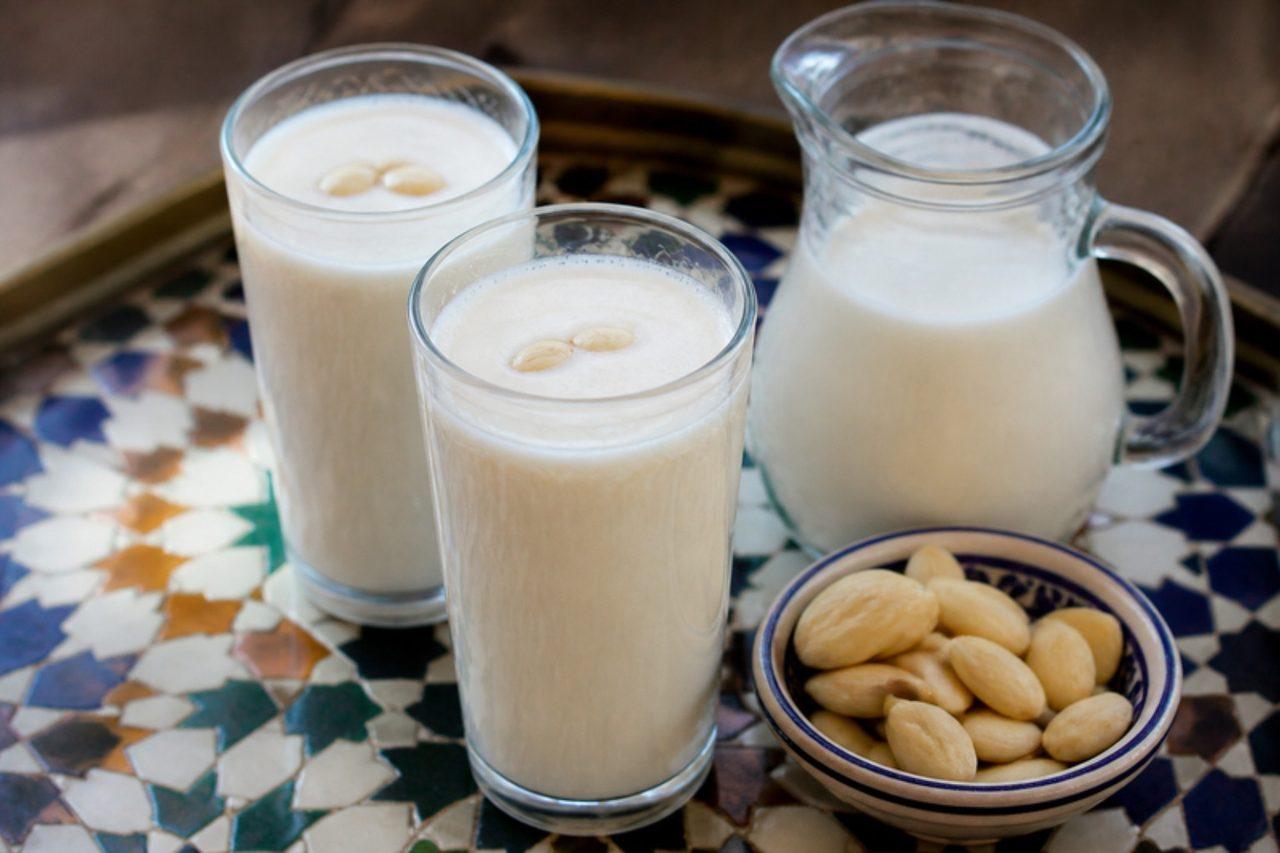
Moroccan almond milk (sharbat louz)

At Moroccan weddings and engagement parties, silver trays of tall glasses filled with sharbat louz are passed among the guests: chilled milk blended smooth with blanched almonds, sugar and a perfume of orange-flower water. It is also a favourite summer drink at home and is often offered to break the fast in Ramadan. The taste is creamy, delicate and nutty, a world away from carton almond milk, since it is real dairy milk enriched with almonds. Serve it very cold, on its own or with sweets. A common mistake is skipping the straining, which leaves a gritty drink instead of a smooth, silky one. Chef's tip: blend the almonds with the sugar and a little milk first, into a fine paste, before adding the rest; that way it ends up silky rather than gritty. Not for anyone with a nut allergy.

by KrazyBadal 0 views

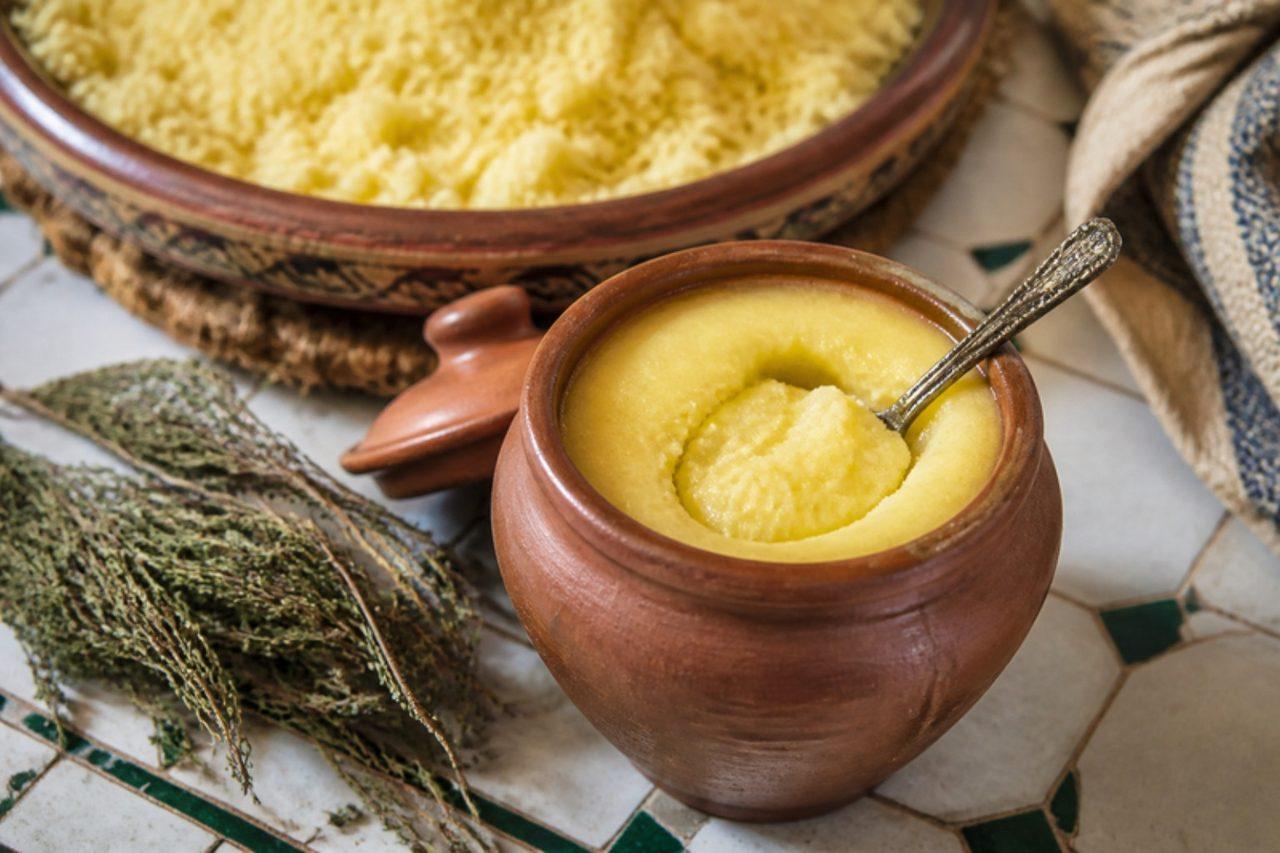
Smen (salted, herbed butter)

Atlas households once kept jars of smen for months, even years, until the salted butter developed a pungent, almost blue-cheese aroma; a spoonful stirred into couscous, harira or a chicken tagine gives a depth nothing else can. Long ageing at room temperature is risky at home, so this is a safer fridge version: pasteurised unsalted butter is simmered with dried za'atar or oregano, strained, salted and then matured in the fridge for 2–4 weeks, which gives a mellow, nutty, faintly tangy smen rather than the fiercely strong old kind. For the real long-aged flavour, buy smen from a reputable shop. Use it a teaspoon at a time; it is meant as a seasoning, not a cooking fat. The mistake to avoid is leaving any milk solids or water in the butter, as that is what turns it rancid or mouldy rather than pleasantly aged. Chef's tip: strain it through muslin until perfectly clear; any milky bits left in the jar are what turn butter rancid.

by KrazyBadal 0 views

Chocolate santafereñoHot chocolate with cheese

Old Bogotá, once Santafé, built an afternoon ritual around hot chocolate. In the café-restaurants of La Candelaria it comes in a big cup, frothed with a wooden molinillo, with a plate of white cheese, almojábanas and buttered bread on the side. The surprise for visitors is the cheese: cubes go straight into the hot chocolate, softening into stretchy strings that are fished out with a spoon, a salty contrast to the sweet, spiced drink. Colombian table chocolate comes in bars already sweetened and often flavoured with cinnamon and clove; dark chocolate plus sugar and spice is a fair swap. The usual cheese, queso campesino or doble crema, is normally set with animal rennet, so choose a vegetarian (microbial-rennet) mozzarella-style cheese. Boiling the chocolate hard is the misstep that makes it grainy and scorched; keep it at a gentle simmer. Chef's tip: no molinillo? Whisk briskly with a balloon whisk or a milk frother until there's a thick foam.

by KrazyBadal 0 views

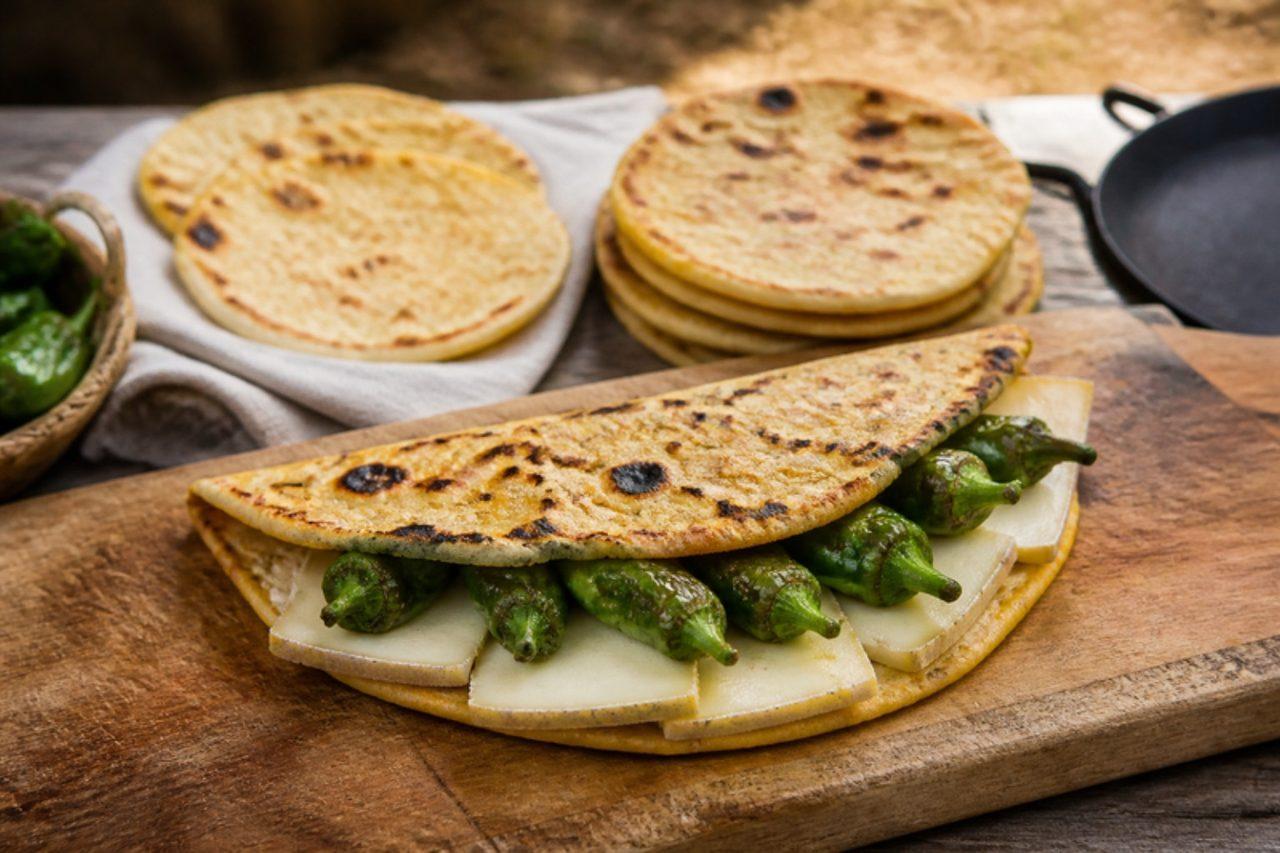
TaloGriddled corn flatbread

At Bilbao's and San Sebastián's Santo Tomás fair each 21 December, queues form at stalls where cooks pat out talos and slap them onto hot iron plates. The dough is nothing more than finely ground maize flour, warm water and salt, and the flatbreads were once the everyday bread of Basque farms. This vegetarian version is folded around melting cheese; Idiazabal, the classic choice, is made with animal rennet, so pick a vegetarian sheep's cheese if you need to. A common mistake is a dough that is too dry, which cracks at the edges when you press it out. Chef's tip: keep your hands wet while shaping, and the discs will come out smooth and round.

by KrazyBadal 0 views

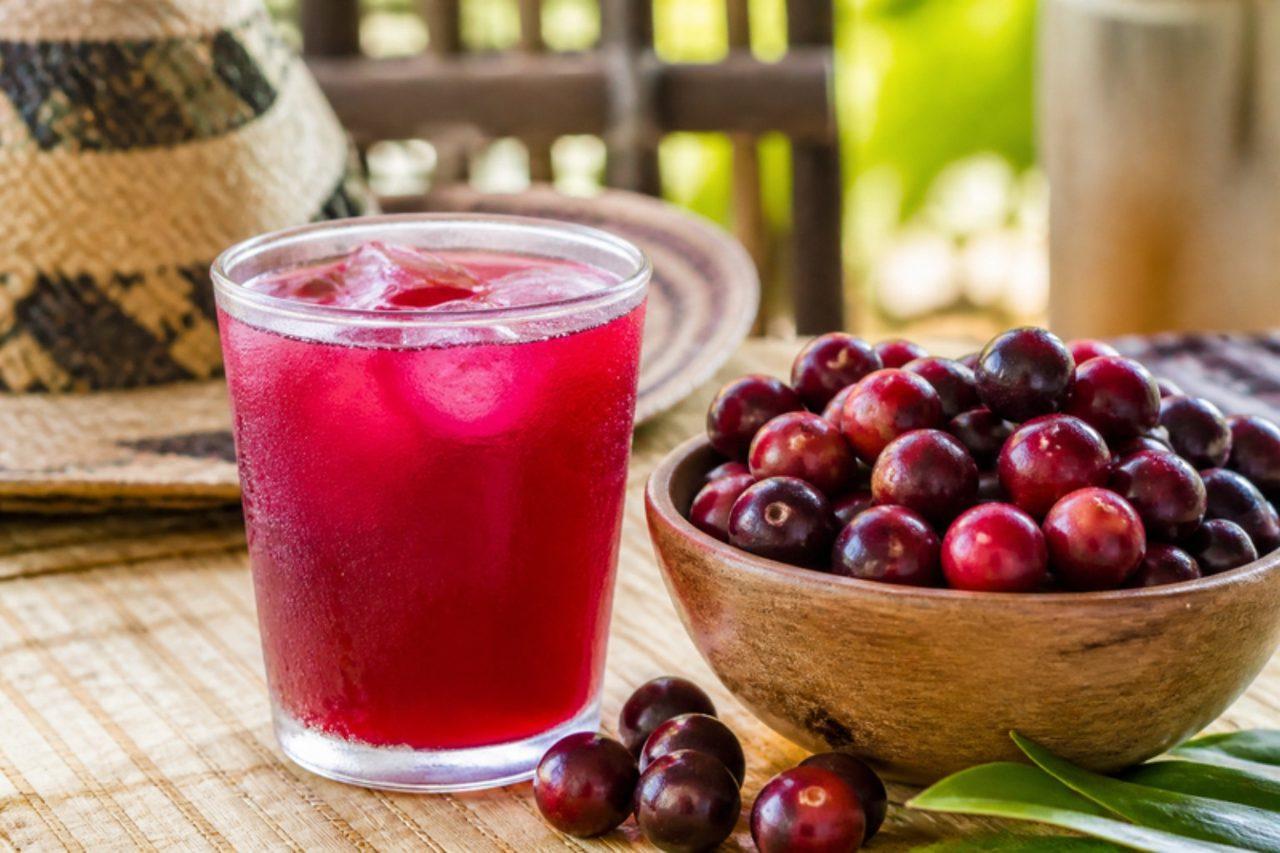
Jugo de corozoCorozo palm fruit juice

Corozo is a tiny, glossy red-black palm fruit that grows wild across Colombia's Caribbean lowlands, and in Sincelejo, Montería and Cartagena it is boiled into a deep wine-red juice that is tart, slightly bitter and very refreshing. It is sold in bags from street coolers and served with lunch at home, especially in the dry season when the fruit is plentiful. The fruit is mostly stone and skin, so it is boiled to release the colour and flavour, then mashed and strained. Blending the whole fruit is the trap here: the hard stones can break a blender and add bitterness, so only mash them. Frozen corozo pulp is sold in some Latin shops; there is no true substitute, but tart cherry juice with a squeeze of lime gives a similar colour and sourness. Chef's tip: dissolve the sugar while the juice is still warm, then chill well; it tastes sharper and brighter cold.

by KrazyBadal 0 views

Limonada de cocoCoconut lime cooler

Cartagena's heat makes limonada de coco almost compulsory: beach kiosks and restaurants in the old walled city blend it to order, and it arrives as a pale, frosty slush, sharp with lime and rich with coconut. It is a drink to sip slowly with fried fish, coconut rice and patacones, or on its own on a hot afternoon. Coconut cream gives the body, sugar balances the lime, and a full load of ice gives the frozen texture. The common slip is blending lime pieces with their peel for too long, which turns it bitter within minutes; use juice plus a little zest instead. Shake the tin of coconut cream before measuring, since it separates. Serve it straight away, before it melts and separates. Chef's tip: freeze some of the coconut cream in an ice-cube tray beforehand and use it in place of half the ice for a thicker, creamier result.

by KrazyBadal 0 views

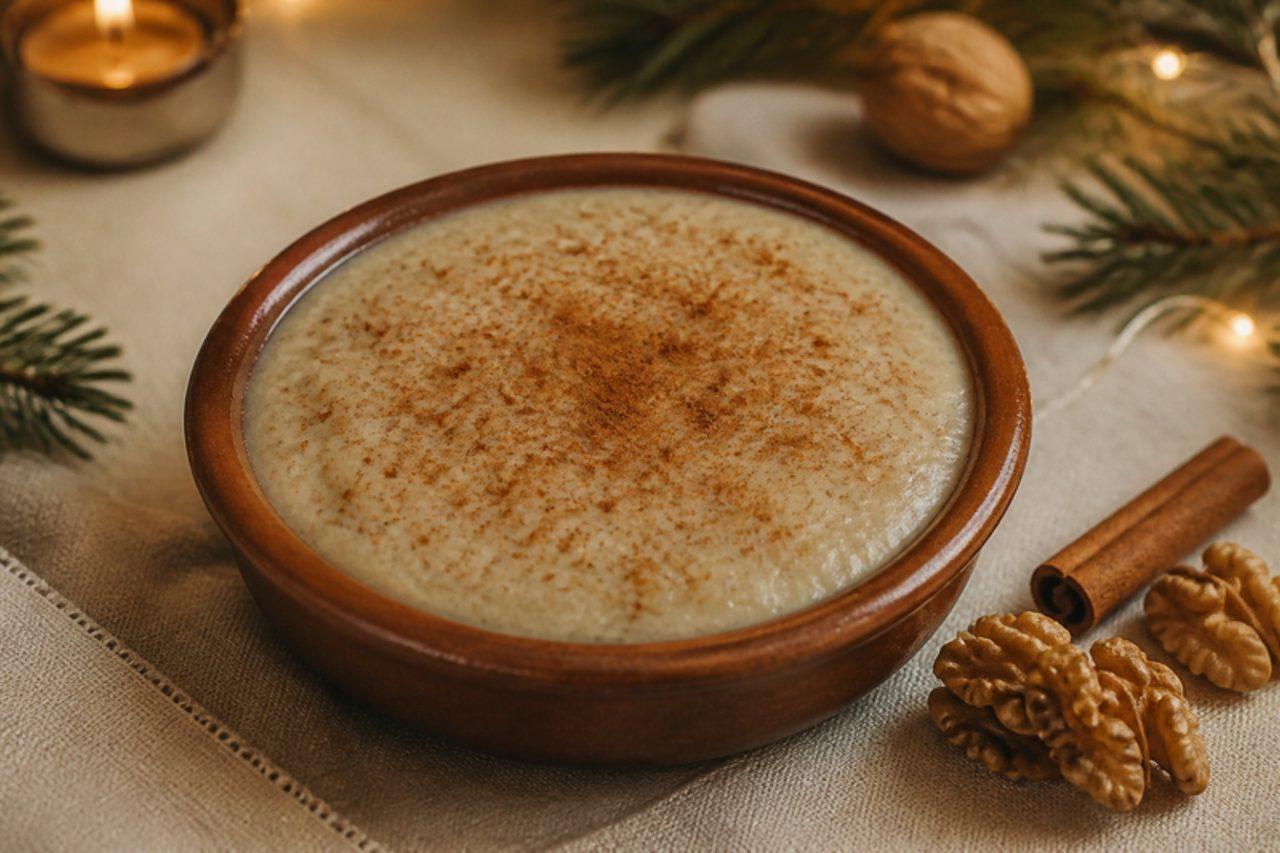
IntxaursaltsaWalnut cream with milk and cinnamon

On Christmas Eve in Gipuzkoa farmhouses, after the sea bream and before midnight, a pot of intxaursaltsa appears: walnuts slowly simmered in milk with sugar and cinnamon until thick and creamy. It was the sweet of the caseríos, made with walnuts from the farm's own trees, and it is eaten warm or cold from small bowls. A common mistake is letting it boil hard, which makes the milk catch and taste scorched; it should only murmur. Chef's tip: grind the walnuts in short pulses so they stay like coarse sand and don't turn into an oily paste.

by KrazyBadal 0 views

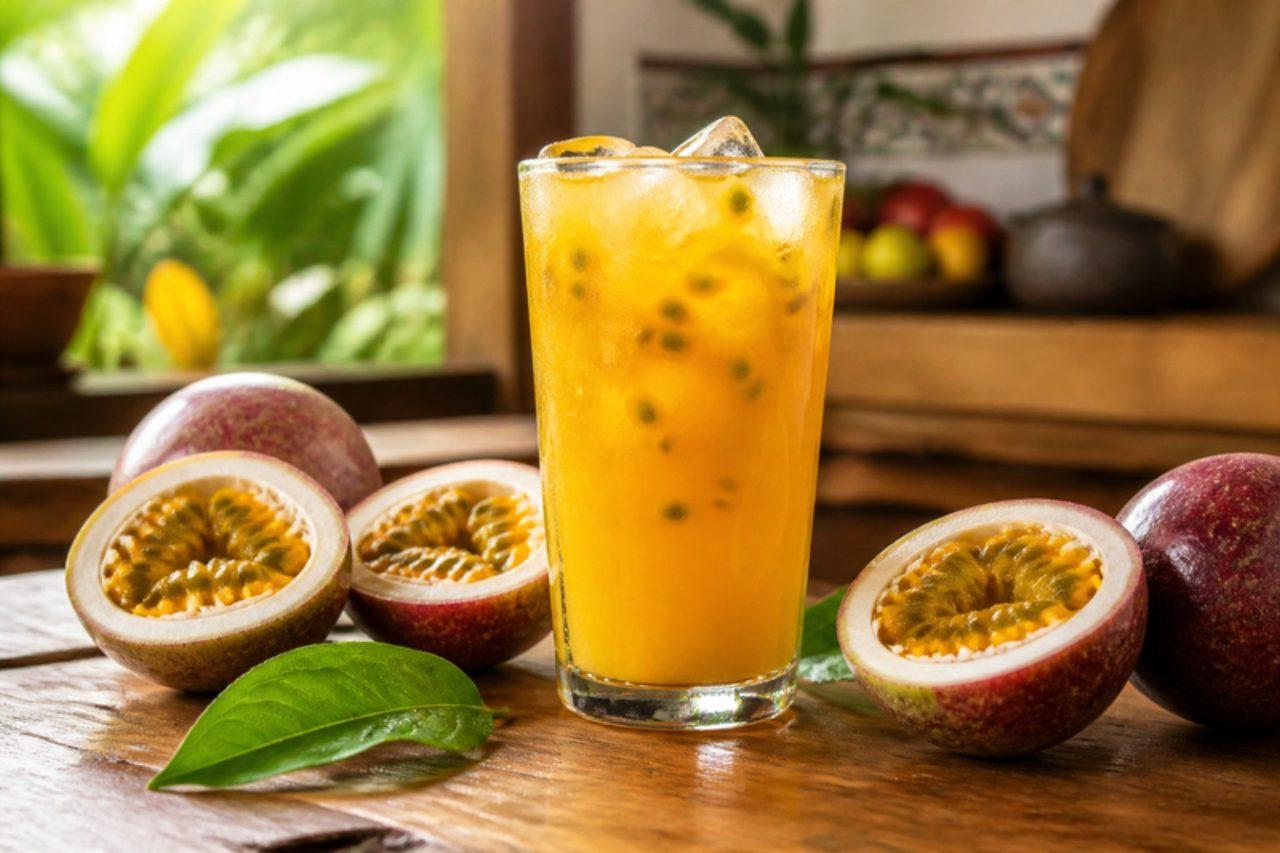
Jugo de maracuyáPassion fruit juice

Passion fruit grows easily in the warm valleys of Colombia, and maracuyá juice is the default glass at many lunch tables, from Huila to the coast. It is intensely aromatic and sharp, so it needs plenty of water and sugar, and it is served over ice; a milk version is made too, but the water one is the more refreshing. Street juice stands blend it fresh all day, and it pairs especially well with fried fish, rice and patacones, or any spicy dish. People tend to over-blend it, crushing the black seeds into gritty, bitter bits; just pulse until the pulp lets go of the seeds, then strain. Frozen passion fruit pulp from Latin shops is a good, cheaper option and needs no straining. Chef's tip: scoop the pulp from wrinkled, heavy fruit; the more wrinkled the skin, the sweeter and more fragrant the fruit inside.

by KrazyBadal 0 views

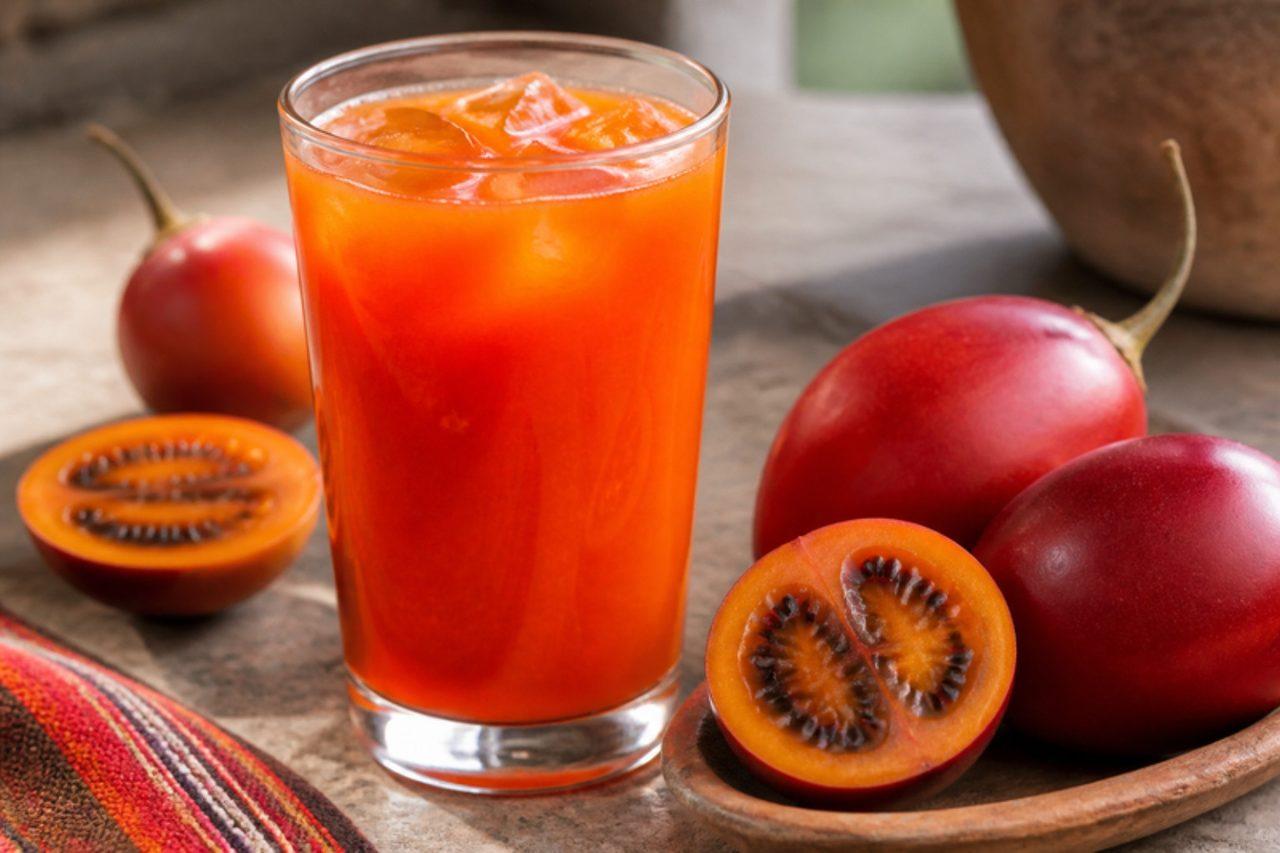
Jugo de tomate de árbolTamarillo juice

Tomate de árbol, the tree tomato or tamarillo, is everywhere in Andean Colombia: in market piles, in ají and above all in juice. Blended with water and sugar, it makes a tangy, deep orange drink with a flavour between passion fruit, tomato and apricot, and it turns up at lunch counters and family tables with almost every meal. Many people blend it with milk instead of water for a creamier glass; this version keeps it vegan. Blending the fruit with its skin is the most common misstep, as the peel is bitter and astringent; a quick blanch makes it slip off easily. Look for tamarillos in good greengrocers, or frozen pulp in Latin shops. Chef's tip: blend only briefly so you do not crush the small seeds, then strain; it stays bright and clean-tasting.

by KrazyBadal 0 views

Agua de fresa cremosaCreamy strawberry drink

In Hidalgo, the pulque country north of Mexico City, the pulquerías serve curados: pulque blended with fruit, and the strawberry one is pink, thick and creamy. Home cooks and taquerías make this alcohol-free cousin for the whole family, a strawberry agua fresca blended with evaporated milk, so it is like a light milkshake that you drink with tacos on a hot afternoon. It contains no pulque or alcohol. Chef's tip: use the ripest, darkest strawberries you can find; pale ones give a thin, sour drink.

by KrazyBadal 0 views

Showing 24 of 2,799 recipes

Show more recipes

Page 91 of 117

More Jain ideas

Other diets