Skip to content
WhatToEat.Today

Jain recipes: no onion, garlic or root vegetables

2,797

2797 Jain recipes with no onion, garlic, potato, carrot, fresh ginger or other root vegetables, and no mushrooms, eggs or honey. Hing, dry ginger and turmeric powder are fine. Each has photos, step-by-step instructions and cook times. The quickest, Apfelschorle, takes 2 minutes. Most take around 40 minutes.

Filter these by time, diet or cuisine · Make Jain your diet to see only these recipes everywhere on the site.

KadambuttuSteamed rice and coconut balls

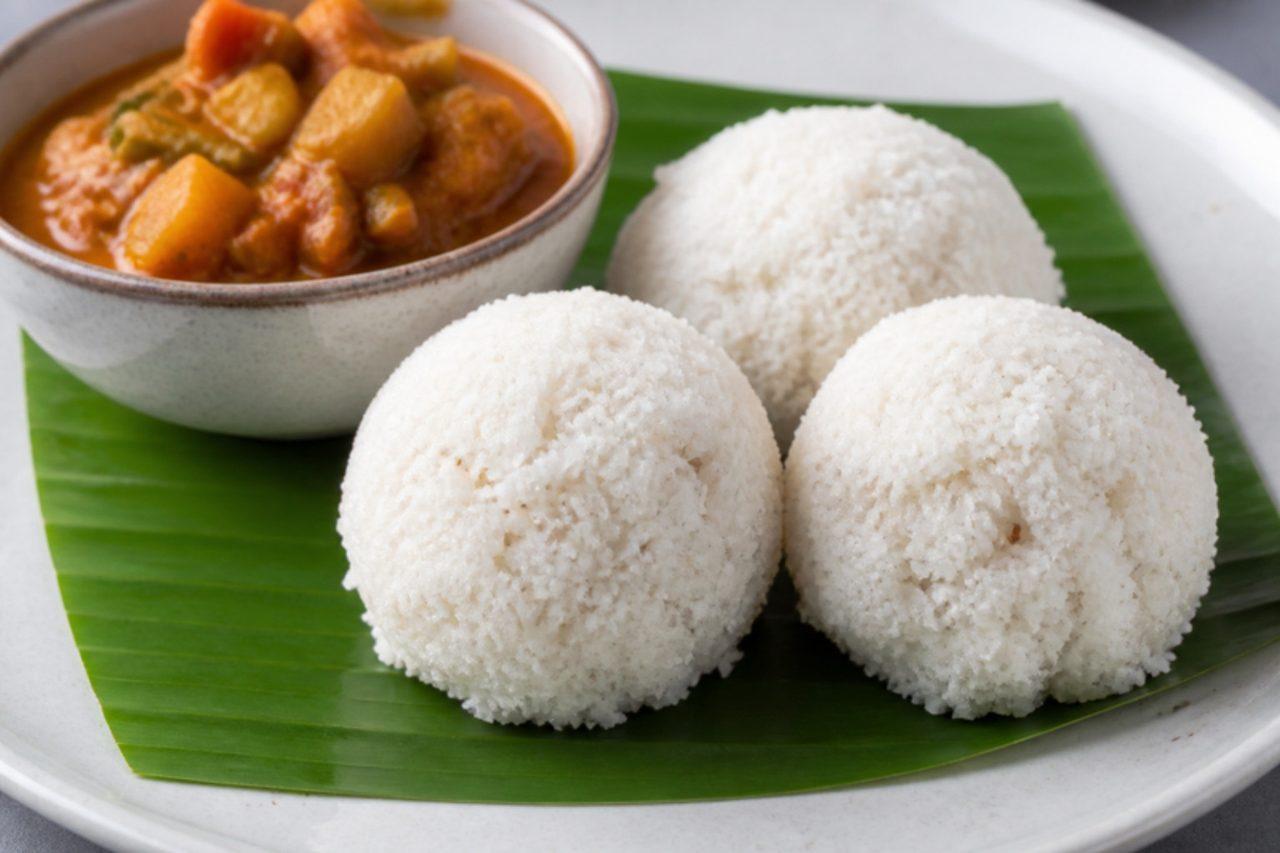
Kadambuttu are the steamed rice balls of Kodagu (Coorg), made in every Kodava home for breakfast and in great heaps for Puttari, the rice harvest festival in late November or early December. Broken rice is cooked to a thick porridge with coconut, rolled into balls and steamed, so they're dense, slightly sticky and mild, the perfect sponge for a fiery curry; at home they go with pandi curry, but a spicy kadala or mushroom curry works beautifully too. A common mistake is using whole rice flour or fine semolina; you need coarse broken rice, or the balls turn gluey. Chef's tip: wet your palms between each ball so the dough stays smooth and doesn't crack.

by KrazyBadal 0 views

Thiruvathirai kaliRice and moong dal with jaggery

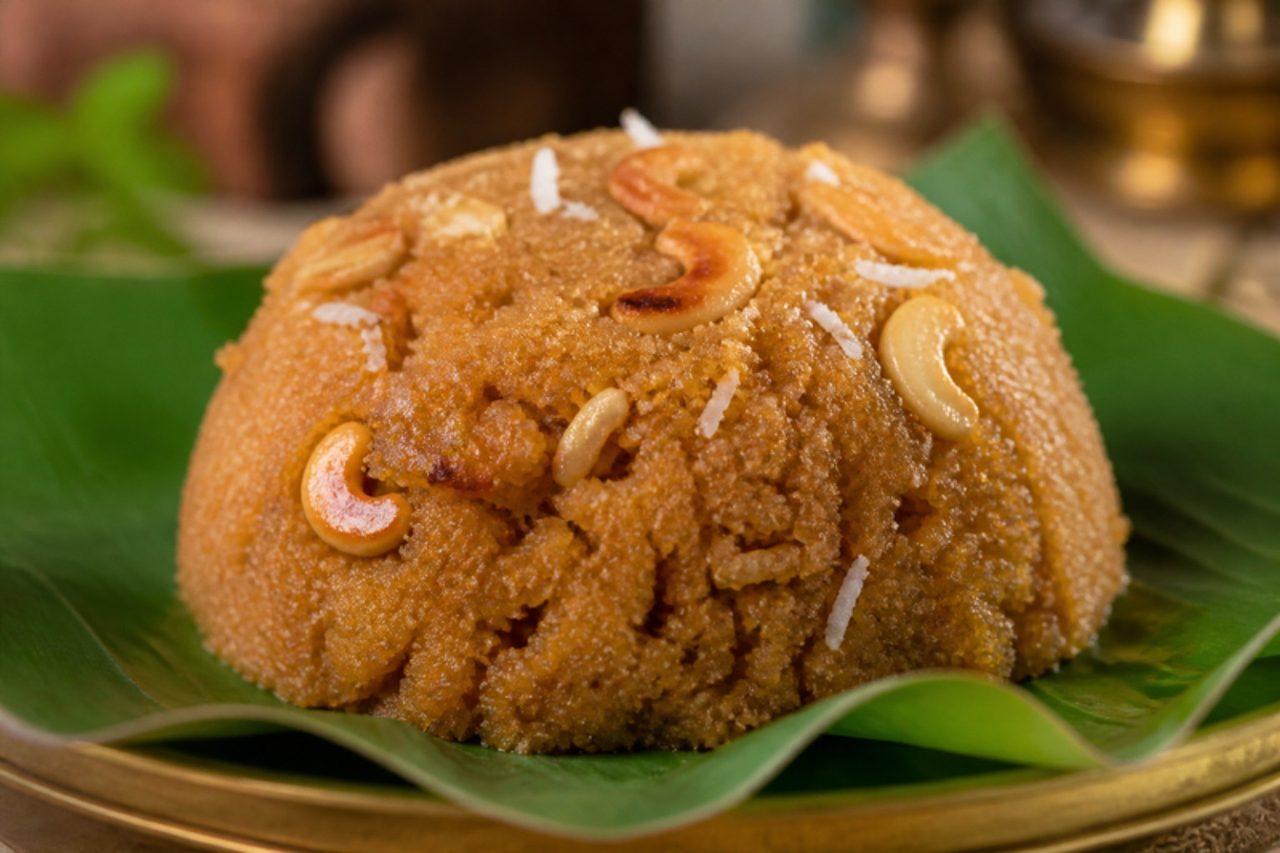
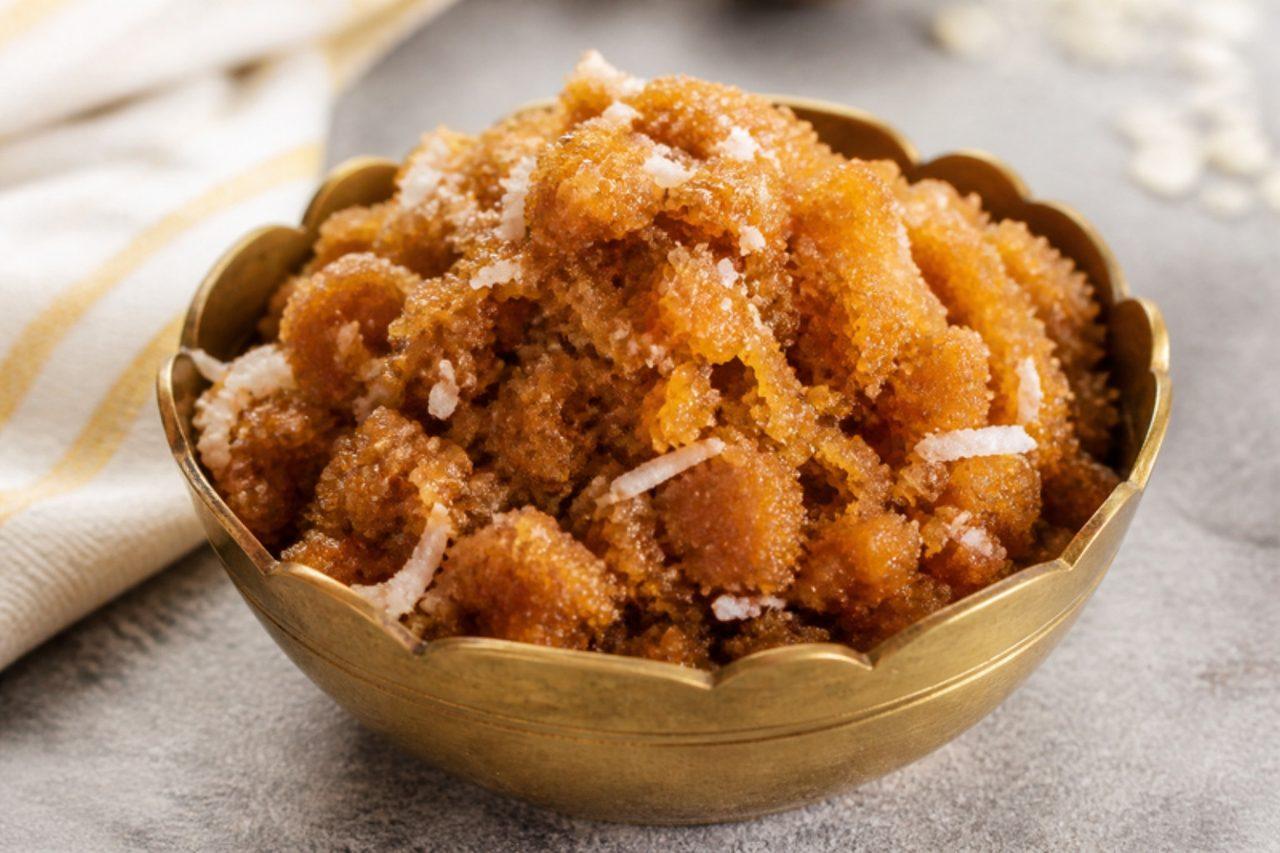
On Arudra Darshan in the Tamil month of Margazhi, temples across Tamil Nadu, Chidambaram above all, celebrate Shiva as Nataraja, and homes offer him kali with ezhu kari kootu at dawn. The rice and a little moong dal are dry-roasted until fragrant, ground to a coarse rava and then cooked in jaggery water until soft and set, a loose, grainy sweet rather than a smooth halwa. Grated coconut, cardamom and plenty of ghee finish it. Common mistake: grinding the roasted rice to a fine flour, which cooks into a sticky paste; you want grains like fine semolina, and the kali is done when it leaves the sides of the pan and the ghee glistens on top. Chef's tip: roast the rice only until it smells like popcorn and turns faintly golden; any darker and the kali tastes bitter.

by KrazyBadal 0 views

Thunka puriGiant puffed puris

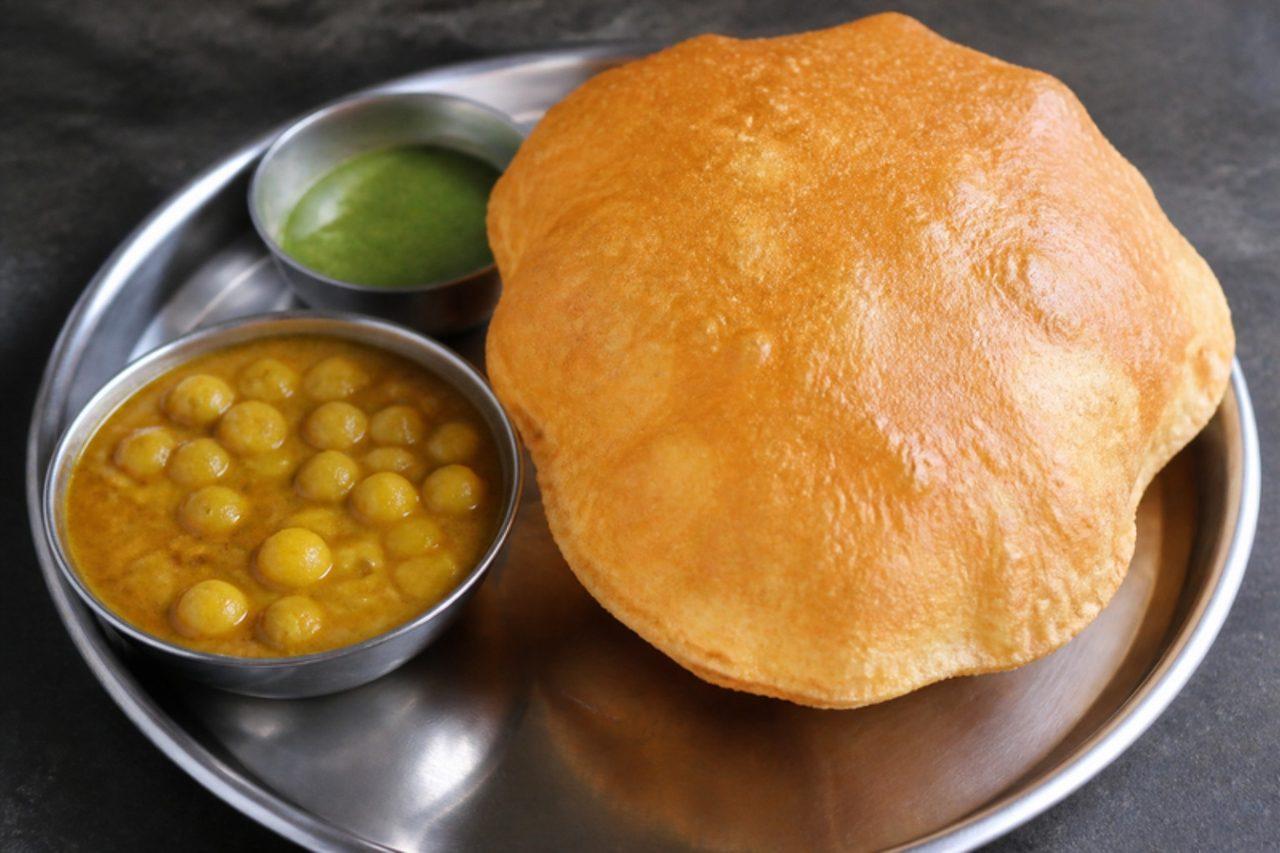
Every Kartik Purnima, Cuttack holds Bali Jatra on the banks of the Mahanadi, a huge open-air fair that remembers the Odia sailors who once set off for Bali and Java; families float little paper and banana-bark boats at dawn and spend the day eating at the stalls. Thunka puri is the fair's famous snack: puris rolled as big as a plate, which balloon into hollow golden domes in the oil and are torn open over a bowl of hot ghugni (yellow pea curry), onion and tamarind chutney. Common mistake: oil that is not hot enough or dough that is too soft; the puri then drinks oil and stays flat. Get the oil to about 190 °C, so a pinch of dough rises at once, and it is done when it is puffed and pale gold on both sides. Chef's tip: slide the puri in, then gently press the centre with a slotted spoon and splash hot oil over the top; it will puff fully within seconds.

by KrazyBadal 0 views

Mor kaliButtermilk rice flour cake

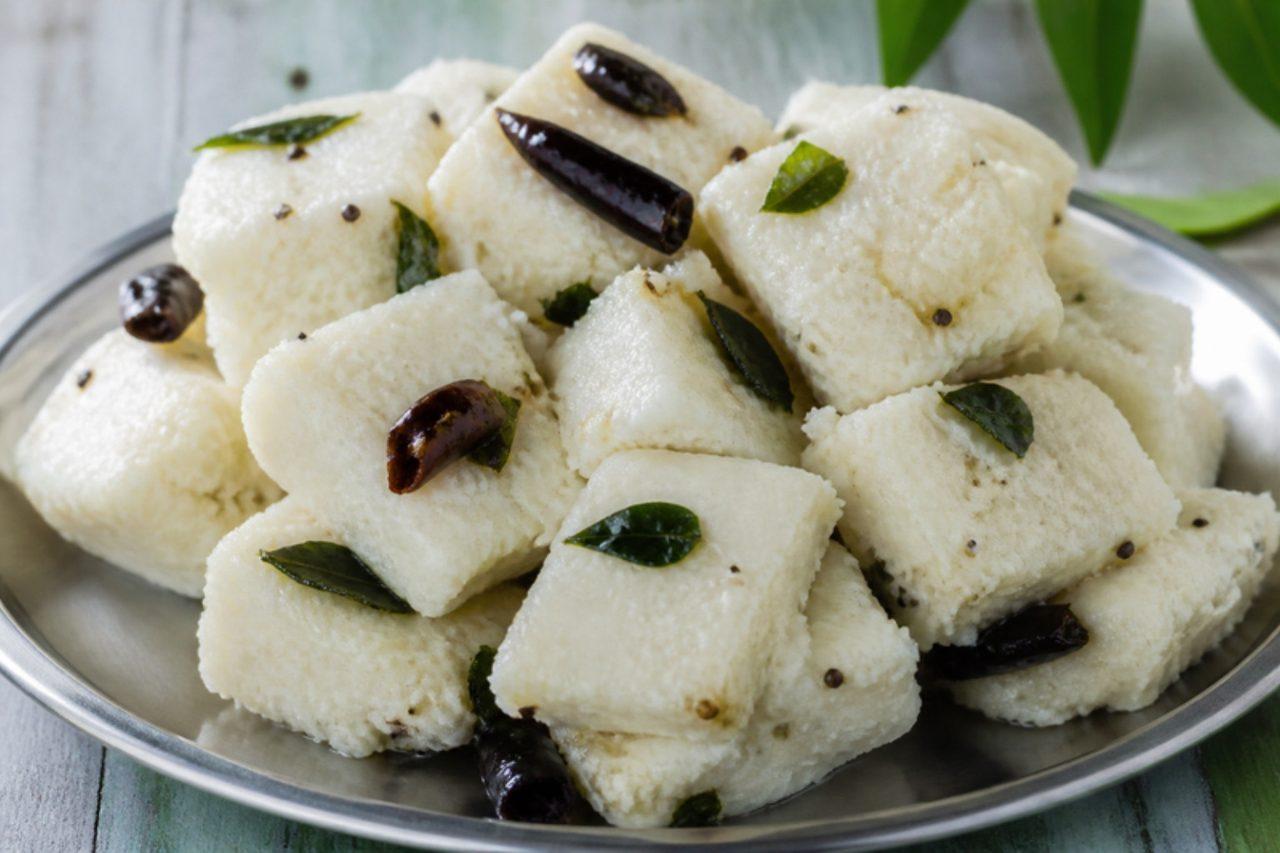
Mor kali is a quick Tamil tiffin of the old style, made in Tirunelveli and Chennai Brahmin homes when there's sour buttermilk to use up. Rice flour is stirred into tempered buttermilk until it turns glossy and leaves the pan, then cut into squares, soft and wobbly with the salty, smoky crunch of fried mor milagai (curd chillies). The mistake is stopping too early: undercooked kali tastes raw and sticks to the teeth, so cook until it rolls into a ball that doesn't stick to a wet finger. Chef's tip: use buttermilk that is properly sour, a day or two old; fresh buttermilk tastes flat here.

by KrazyBadal 0 views

GojhaSweet coconut half-moon pastries

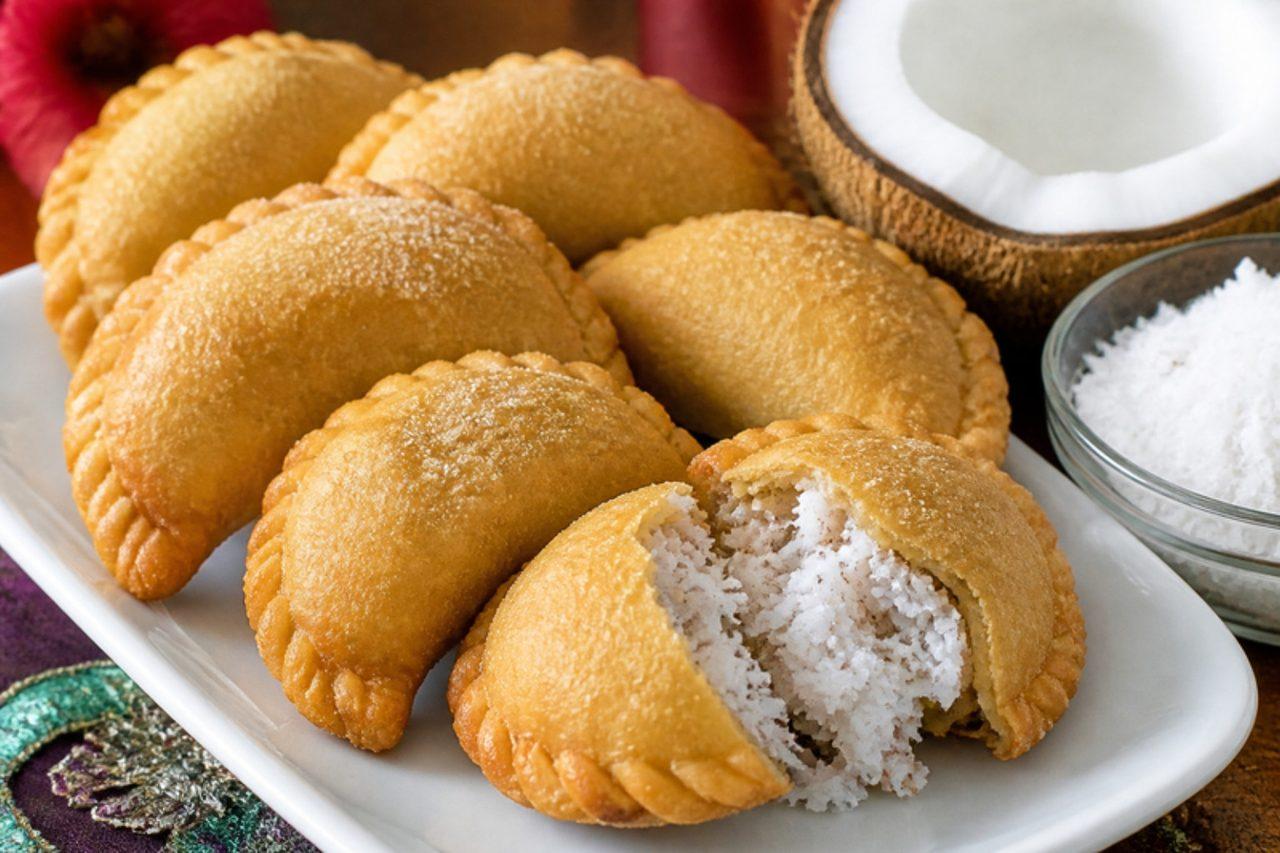
When Divali comes to Trinidad, Hindu families light rows of clay deyas along bamboo frames, and the kitchen fills up with sweets to share with neighbours of every faith: kurma, parsad, barfi and gojha. Gojha are the Caribbean cousin of the North Indian gujiya: a short dough rolled thin, filled with grated coconut cooked with brown sugar, cinnamon, nutmeg and ginger, folded into half-moons, crimped and fried golden; the same tray reappears at Phagwah, the spring colour festival. Common mistake: frying in oil that is too hot, which browns the outside while the pastry stays raw; keep the oil at about 170 °C and fry until the bubbles slow and the gojha are evenly golden. Chef's tip: seal the edges with a dab of water and crimp them tightly, or the filling leaks and spits in the oil.

by KrazyBadal 0 views

Veppampoo rasamNeem flower rasam

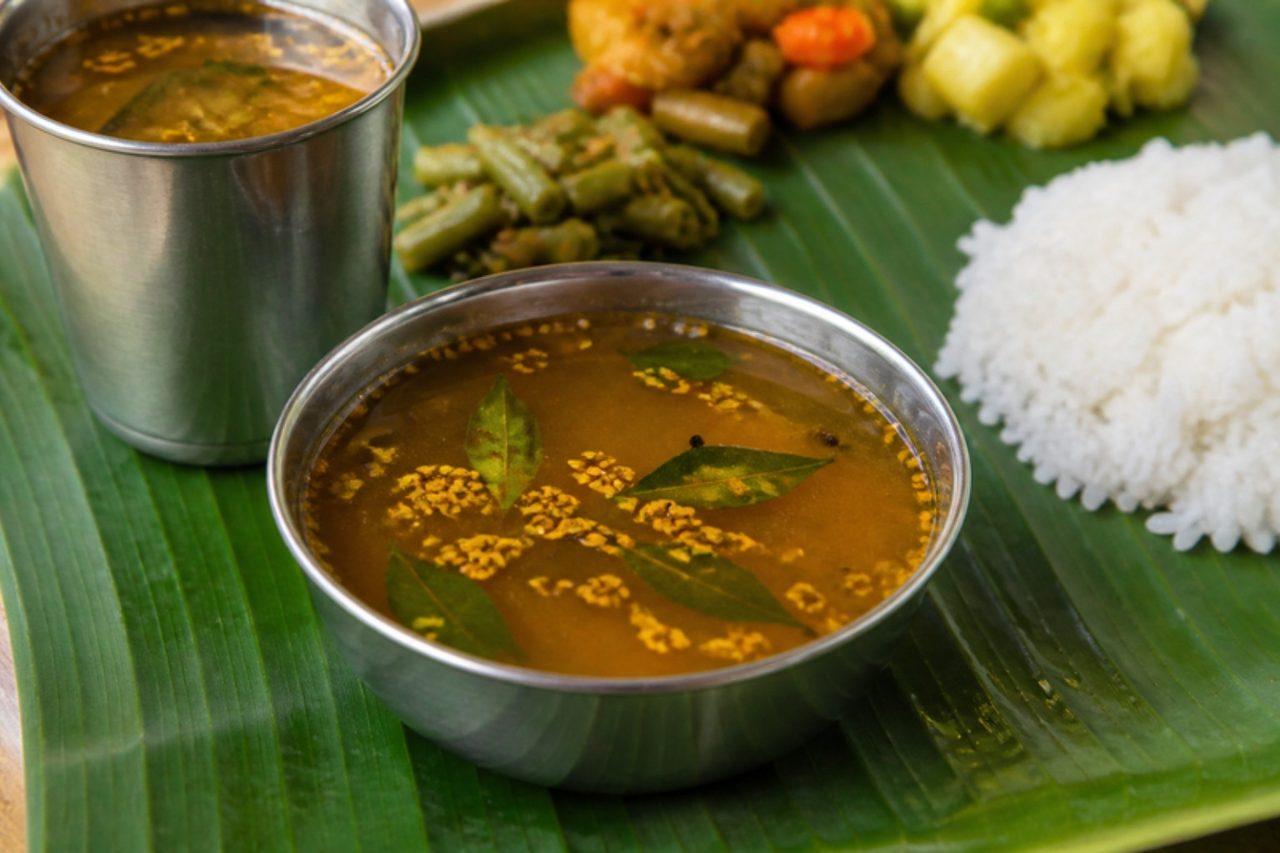
Puthandu, the Tamil New Year in mid-April, falls when neem trees across Tamil Nadu are in flower, and the festive lunch has a little bitterness on purpose, to remind everyone that the year will bring both sweet and bitter. Veppampoo rasam does it gently: dried neem flowers are fried in ghee until crisp and stirred into a light tamarind rasam with pepper and cumin. It is thin, warming and sour, with a toasty bitter finish, and it is poured over rice or sipped from a tumbler. The common mistake is burning the flowers; they turn from golden to black in seconds and taste acrid, so have the rasam ready before you heat the ghee. The rasam is ready when it froths up to the top of the pan; take it off before it reaches a rolling boil. Chef's tip: fry a few extra flowers and scatter them over each serving for crunch.

by KrazyBadal 0 views

MoodeSteamed idli in leaf cylinders

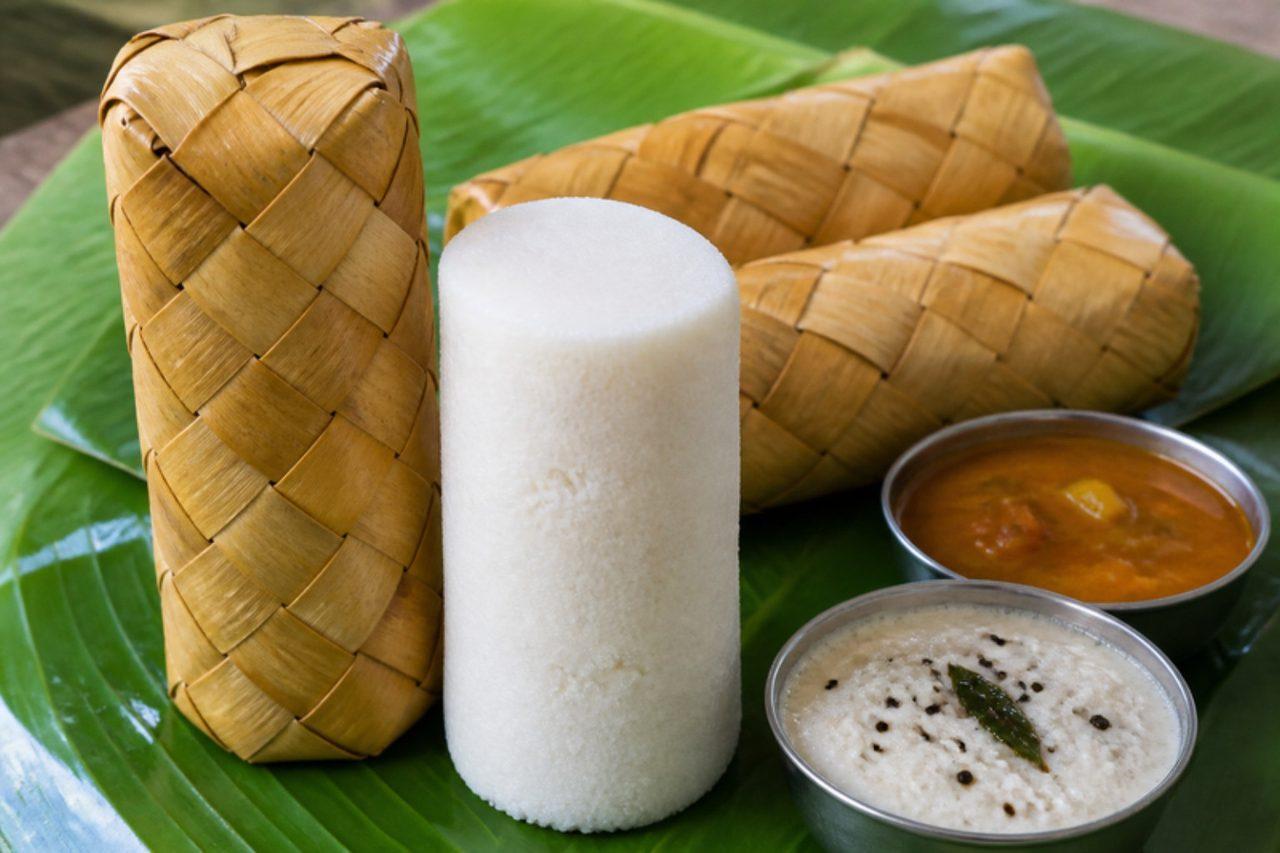
Moode is the festive idli of Mangaluru and Udupi, made for Krishna Janmashtami, Ganesh Chaturthi and big family breakfasts. The batter goes into tall cylinders woven from kedige (screwpine) leaves, which perfume the soft, spongy rice cake with a floral scent you can't get any other way; markets on the coast sell the woven moulds ready to fill. Slice it into thick rounds and serve with coconut chutney, sambar or a spicy chana gassi. The common mistake is filling the leaf moulds to the brim: the batter rises as it steams and spills out, leaving a dense cake. Fill them only two-thirds full. Chef's tip: if you can't find screwpine leaves, roll banana leaves into tight cones and tie them with string; the shape and steaming are the same, only the scent is milder.

by KrazyBadal 0 views

KaradantuEdible gum and jaggery slab

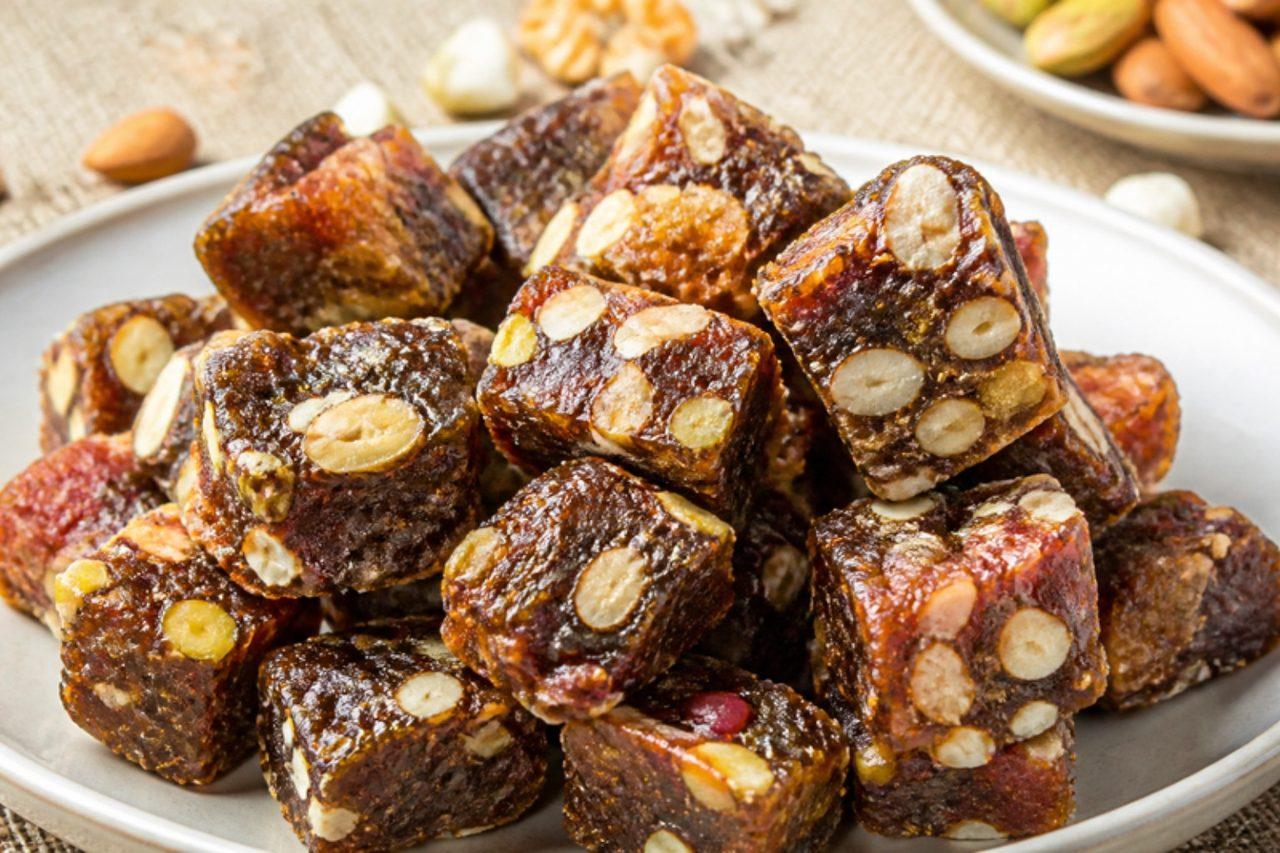
Karadantu is the famous sweet of Gokak in Belagavi district, sold in sweet shops near the Gokak falls and carried home as a gift, and also made in north Karnataka homes for new mothers and in winter. Edible gum is fried in ghee until it puffs like popcorn, then bound with jaggery syrup, dry coconut, poppy seeds and plenty of dry fruit and pressed into slabs. It's dense, chewy-crisp and deeply caramel-tasting. A common mistake is frying the gum on high heat; it browns outside and stays hard and glassy inside. Chef's tip: fry the gum a few pieces at a time in warm ghee and wait for each to swell to three times its size before lifting.

by KrazyBadal 0 views

SukhiyanGreen gram jaggery fritters

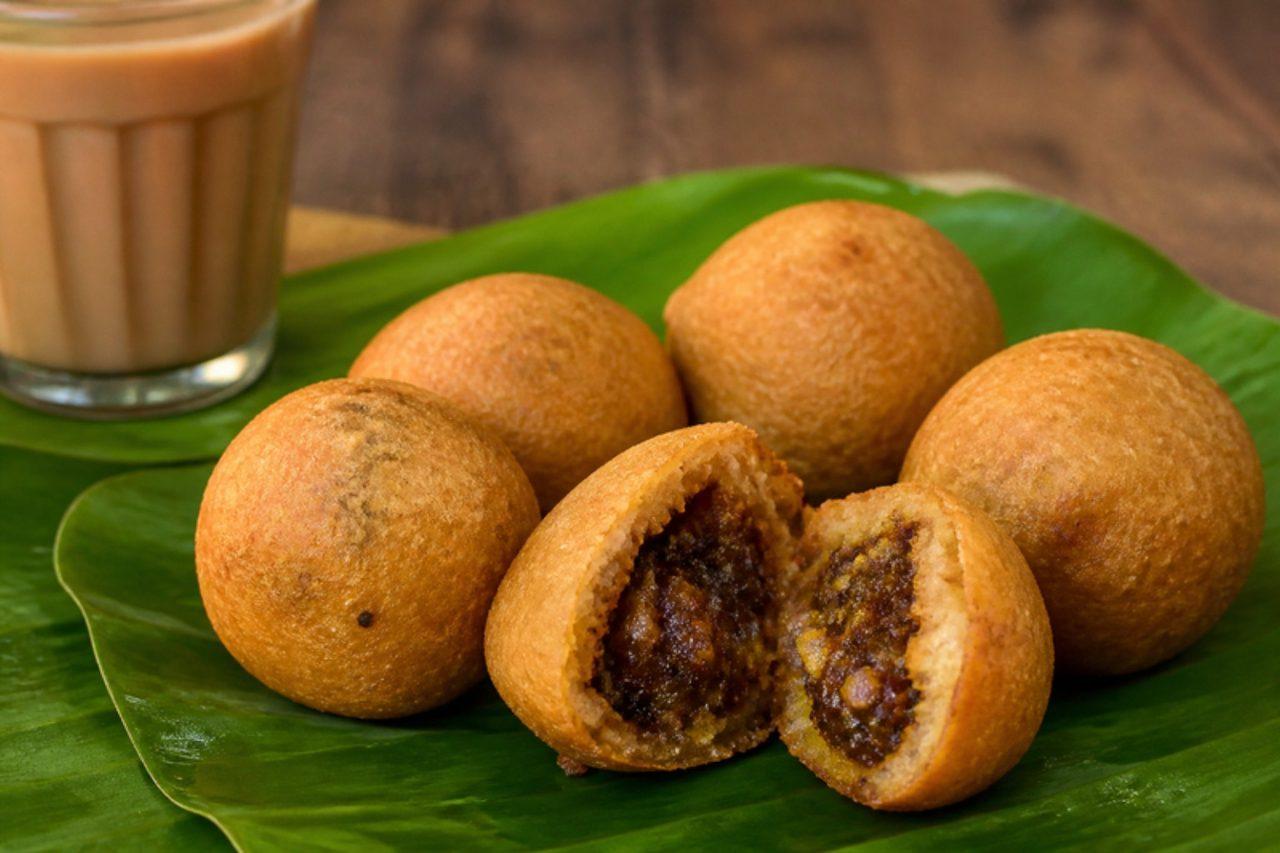
Sukhiyan is one of the old nalumani palaharam, the 'four o'clock' snacks of central Kerala, sold in glass cases in Kottayam and Ernakulam tea shops next to unniyappam and banana fritters. Whole green gram is cooked soft and mashed with melted jaggery, coconut and cardamom, then rolled into balls, dipped in a light batter and fried. The outside is thin and slightly crisp, the inside soft and earthy-sweet, lovely with strong black tea. A common mistake is a wet filling; if the jaggery mix is not cooked until it leaves the pan, the balls crack and leak in the oil. Chef's tip: a pinch of salt and a little turmeric in the batter give the classic golden colour and balance the sweetness.

by KrazyBadal 0 views

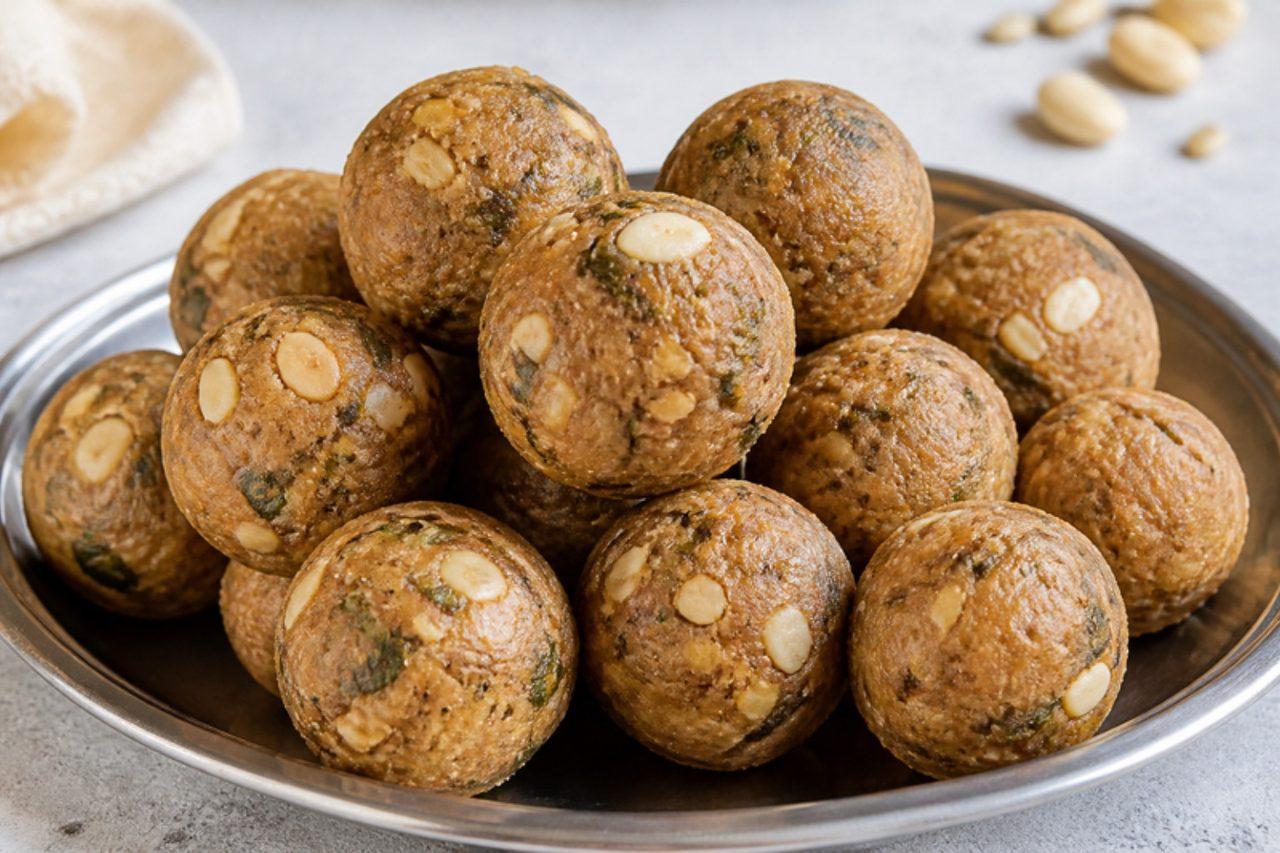
Methi laddooFenugreek and jaggery laddoos

Every Punjabi winter, mothers and grandmothers roast a big batch of methi laddoos and hand out one a day with morning tea or warm milk, for strength and to keep the cold out of the joints. Fenugreek gives a gentle bitterness that the jaggery, ghee and roasted wheat balance into something nutty and warming, with crunch from puffed gond and almonds. The mistake people make is roasting the atta on high heat: it browns outside, stays raw inside and the laddoos taste floury. Keep it low and patient until it smells of biscuits. Chef's tip: soak the fenugreek powder in milk overnight; it softens the bitterness so even children will eat them.

by KrazyBadal 0 views

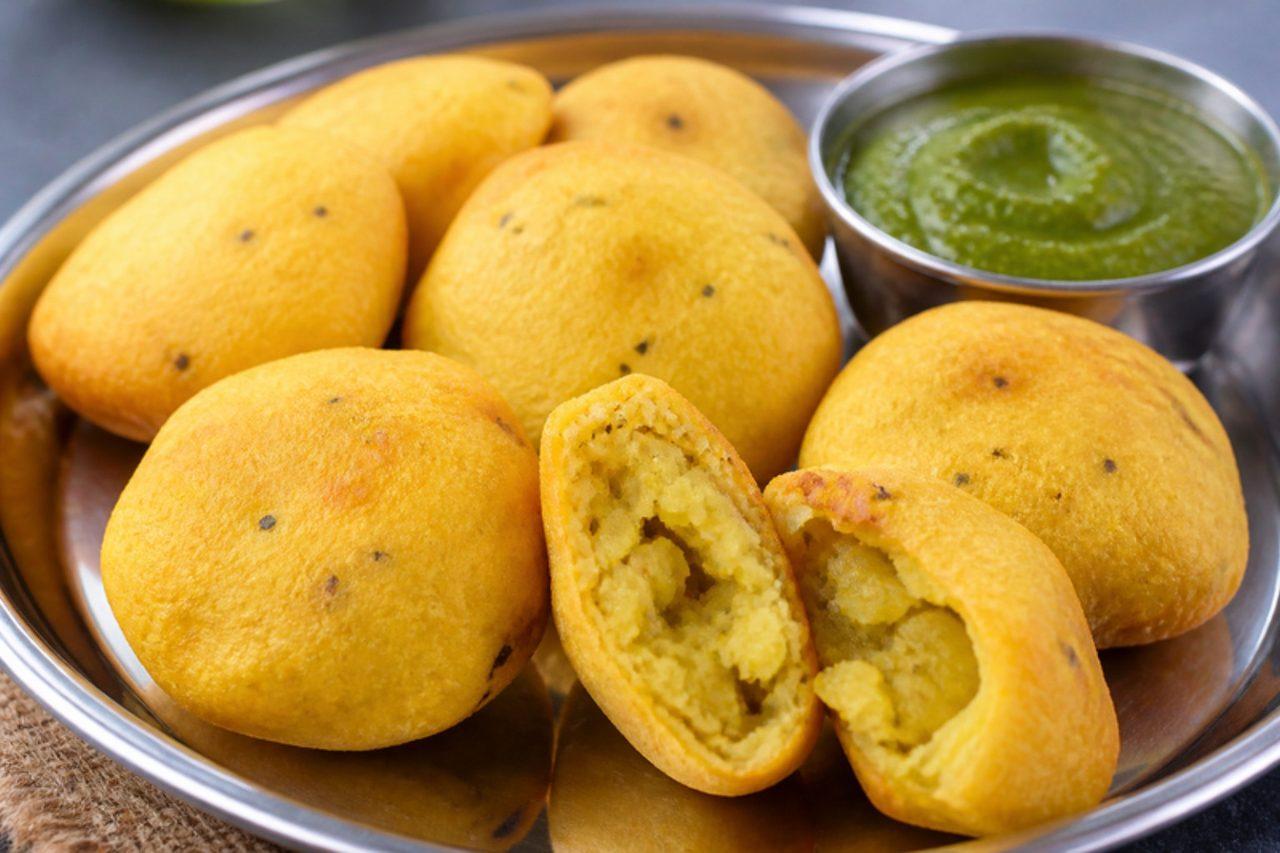
Kacha kela na vadaRaw banana fritters

In Jain homes in Ahmedabad, Palanpur and Mumbai's Gujarati neighbourhoods, raw green banana takes the place of potato, so these vada are the Jain answer to batata vada, made for paryushan-season tea and for guests. The bananas are boiled, mashed and spiced with dry ginger, green chilli, lemon and a little sugar, rolled into balls, dipped in gram flour batter and fried. They taste much like batata vada but are slightly firmer, sweeter and fruity. There is no onion, garlic, potato or fresh ginger in this version. The common mistake is overboiling the bananas until they are waterlogged; the filling then goes sticky and the vada split in the oil, so cook them only until a knife slides in. Chef's tip: mash the bananas while warm with a potato masher, not a blender, so the filling stays light.

by KrazyBadal 0 views

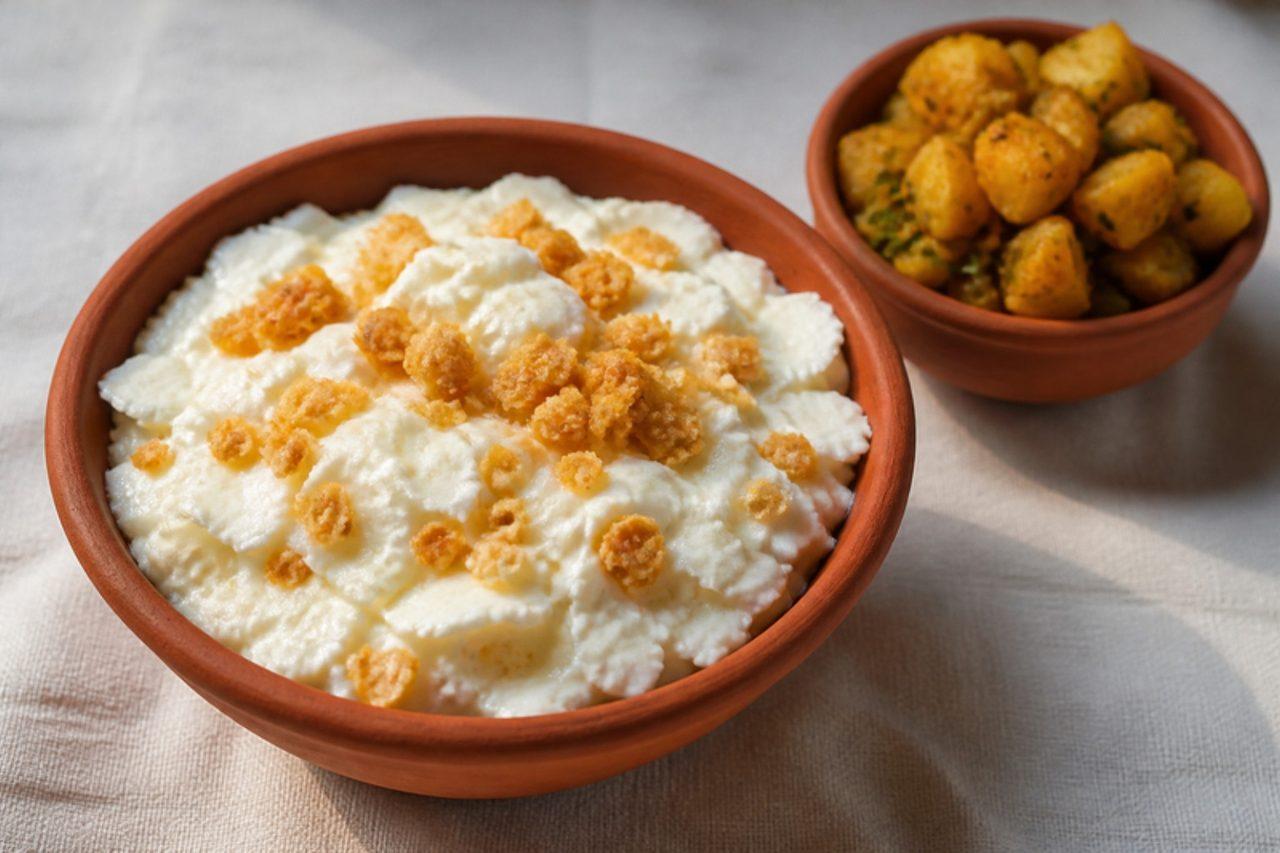
Dahi churaFlattened rice with curd and jaggery

Dahi chura belongs to Bihar and eastern Uttar Pradesh: it is the traditional Makar Sankranti breakfast, but on summer nights in Patna and Gaya it is also the supper that needs no stove at all. Thick chura (flattened rice) is rinsed, mixed with creamy set curd and sweetened with jaggery, then eaten with a spicy potato sabzi or a pinch of pickle alongside. It is cool, mildly sweet and gently chewy. The usual mistake is soaking the chura in water, which leaves it soggy and dilutes the curd. Chef's tip: rinse the chura and let it drain for two minutes so the flakes swell from the water clinging to them, then add the curd.

by KrazyBadal 0 views

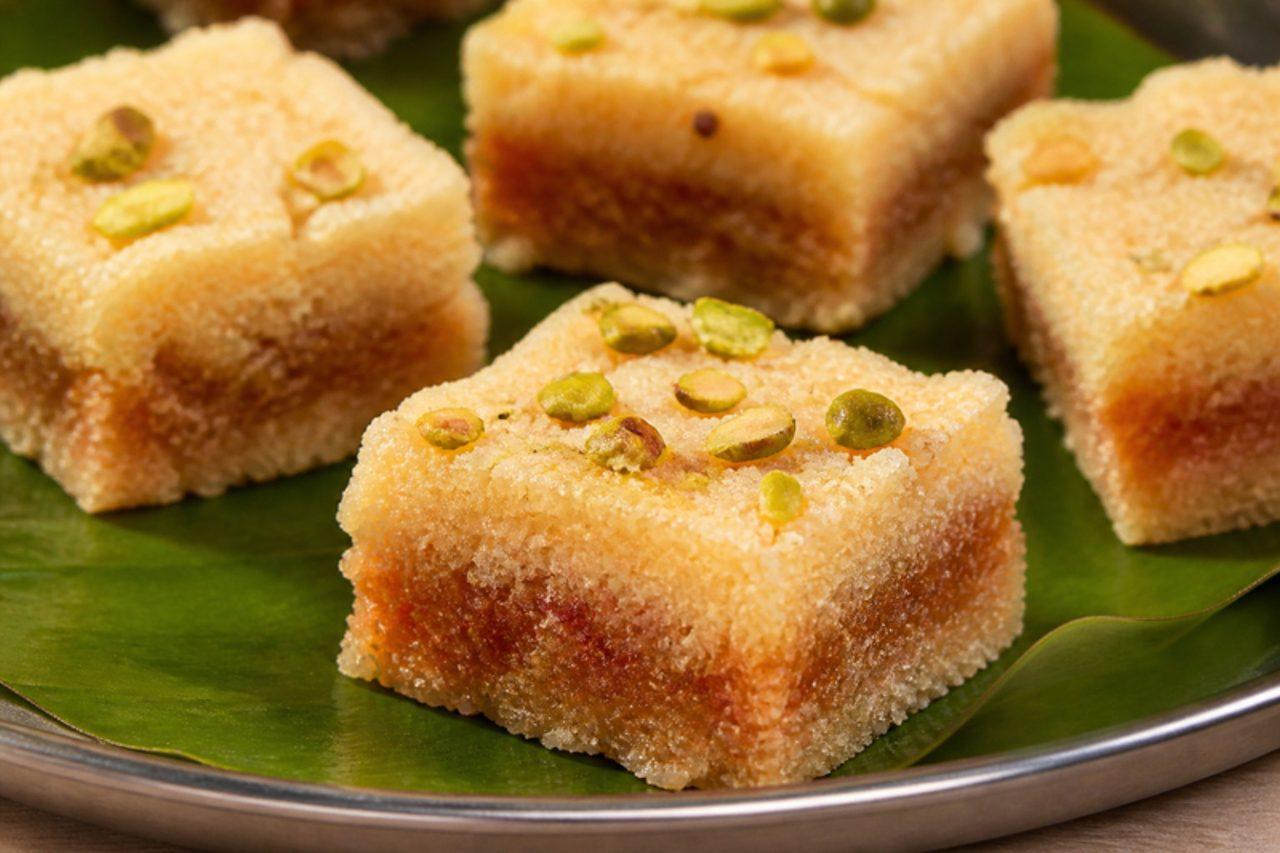
Alwar milk cakeGrainy reduced-milk sweet

Sweet boxes swapped on Raksha Bandhan in Rajasthan very often hold Alwar milk cake: a dense slab of full-fat milk reduced for hours with sugar, then left to set slowly in its own heat so the middle caramelises dark brown while the edges stay pale and grainy. Unlike kalakand, it uses no chhena at all; the grain comes from souring the milk just a little as it reduces, and the colour from long, patient cooking. It is fudgy, milky and toffee-like. Common mistake: hurrying the last stage on a high flame, which scorches the base instead of browning it; the mass is ready when it leaves the sides of the pan as one sticky lump and the ghee starts to show at the edges. Chef's tip: wrap the filled tin in a thick towel and leave it overnight; that slow cooling is what browns the centre.

by KrazyBadal 0 views

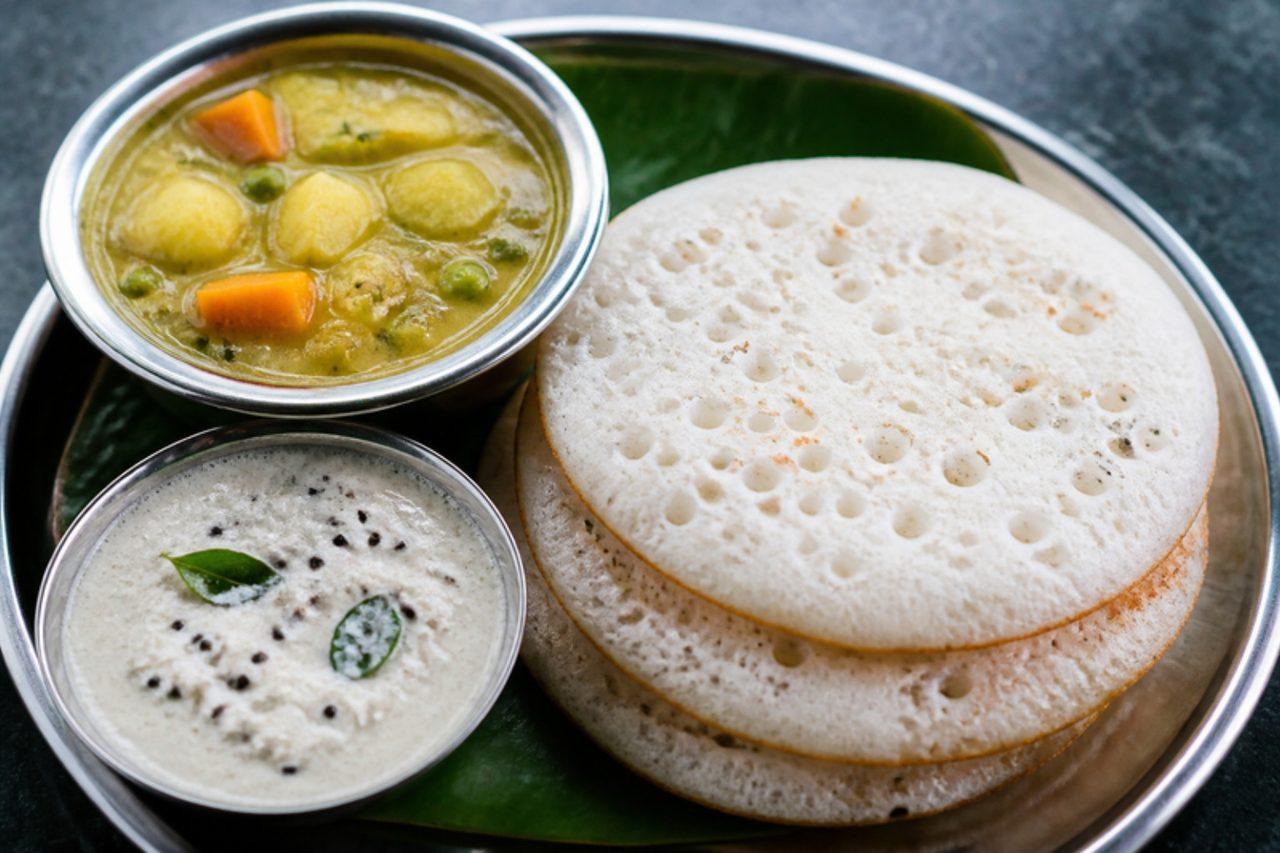
Set dosaThick spongy dosas

Set dosa is a Bengaluru darshini breakfast, ordered as a 'set' of three small, thick, pancake-soft dosas served with vegetable sagu and coconut chutney, often before the office rush or at a lazy Sunday table. Poha and a high share of rice make the batter rise into a holey, spongy dosa that's cooked on one side only. A common mistake is spreading it thin like a crisp dosa; pour it and just nudge it into a thick round so it stays soft. Chef's tip: cover the dosa for a minute while it cooks so the steam sets the top and the holes stay open.

by KrazyBadal 0 views

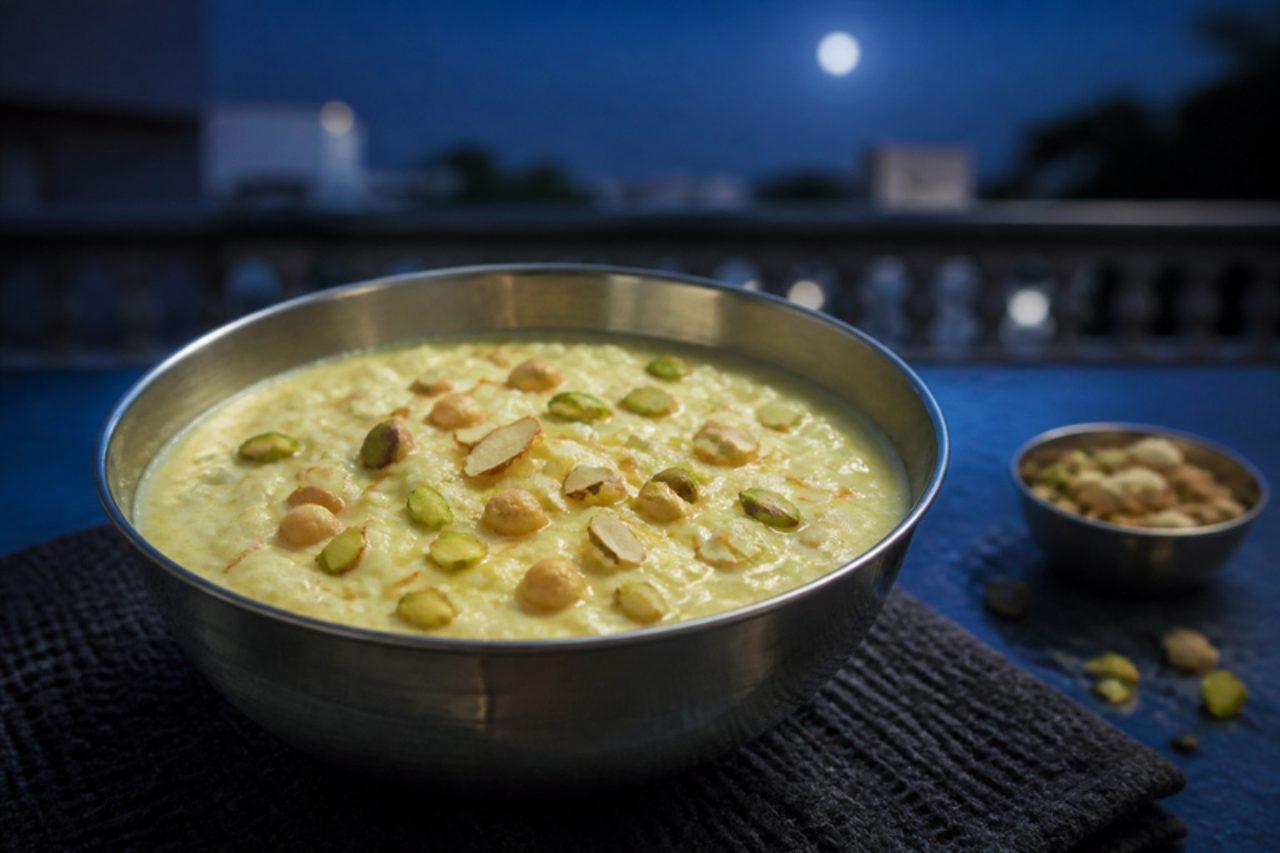
Doodh pauvaChilled saffron milk with flattened rice

Sharad Poonam, the brightest full moon of the year, ends the Navratri season in Gujarat; families sing garba late into the night and leave a bowl of doodh pauva out under the moon, believing its rays make it healing, before eating it cold together. It is thin poha soaked in reduced, sweetened milk with cardamom, saffron and nuts, cooling, soft and lightly creamy, the Gujarati cousin of Maharashtra's Kojagiri masala doodh. Common mistake: adding poha to hot milk or too early, so it turns to porridge; chill the milk first and stir the poha in only 10–15 minutes before eating, when the flakes are soft but still separate. Chef's tip: simmer the milk down by a quarter before chilling; a little reduction gives body without needing cream.

by KrazyBadal 0 views

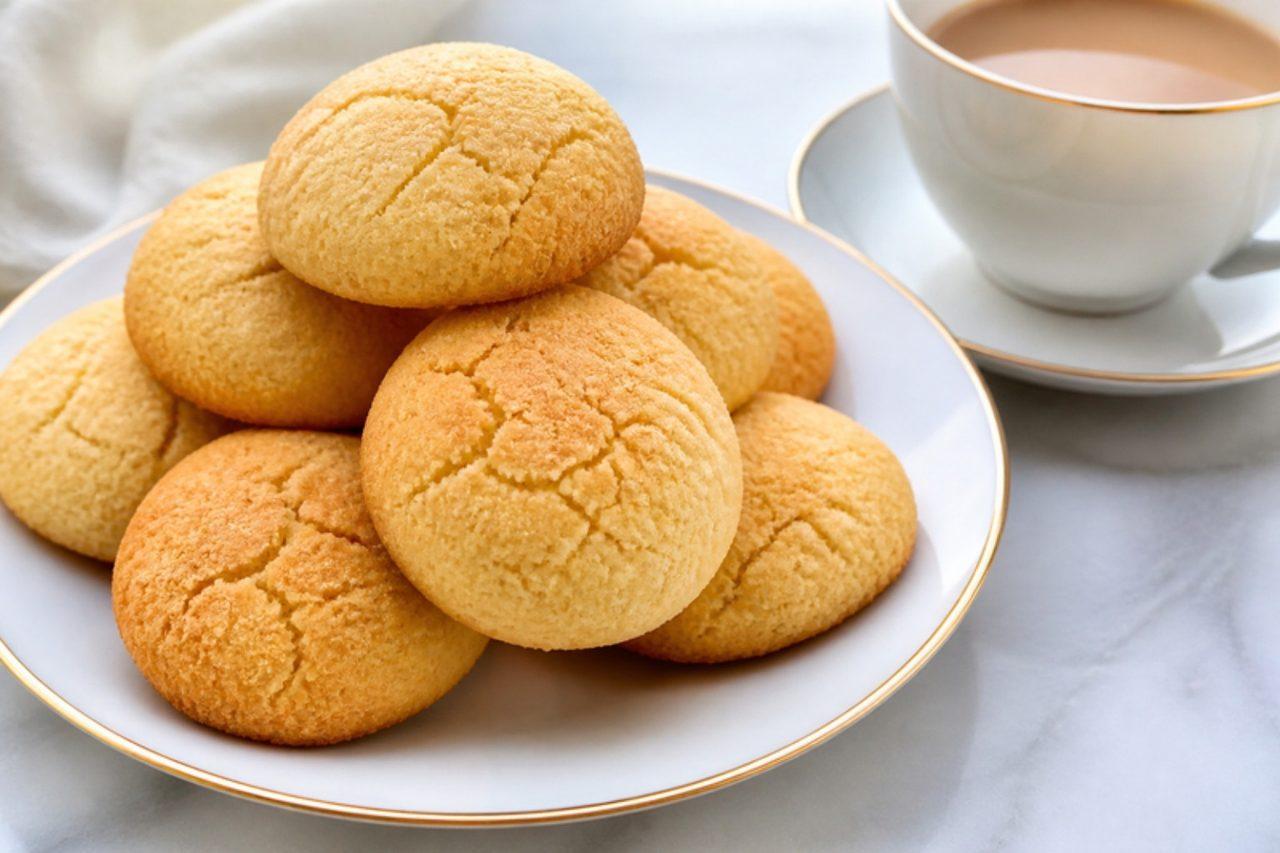
Parsi batasaSalted butter tea biscuits

Batasa come from the wood-fired Parsi bakeries of Navsari, Udvada and Surat, where they are baked low and slow until dry and pale gold, then sold by the tin for morning chai. They are domed, flaky-crumbly and buttery, with just a whisper of salt and sugar, and they are made to be dunked. Bakeries traditionally raise the dough with toddy; this home version uses yogurt and a little baking powder for the same light, short crumb. The usual mistake is baking them hot and fast, which browns the outside while the inside stays soft; batasa need a long, gentle bake to dry right through. Chef's tip: switch the oven off at the end and leave the biscuits inside with the door ajar for 20 minutes so they crisp completely.

100 minIndianBaking
by KrazyBadal 0 views

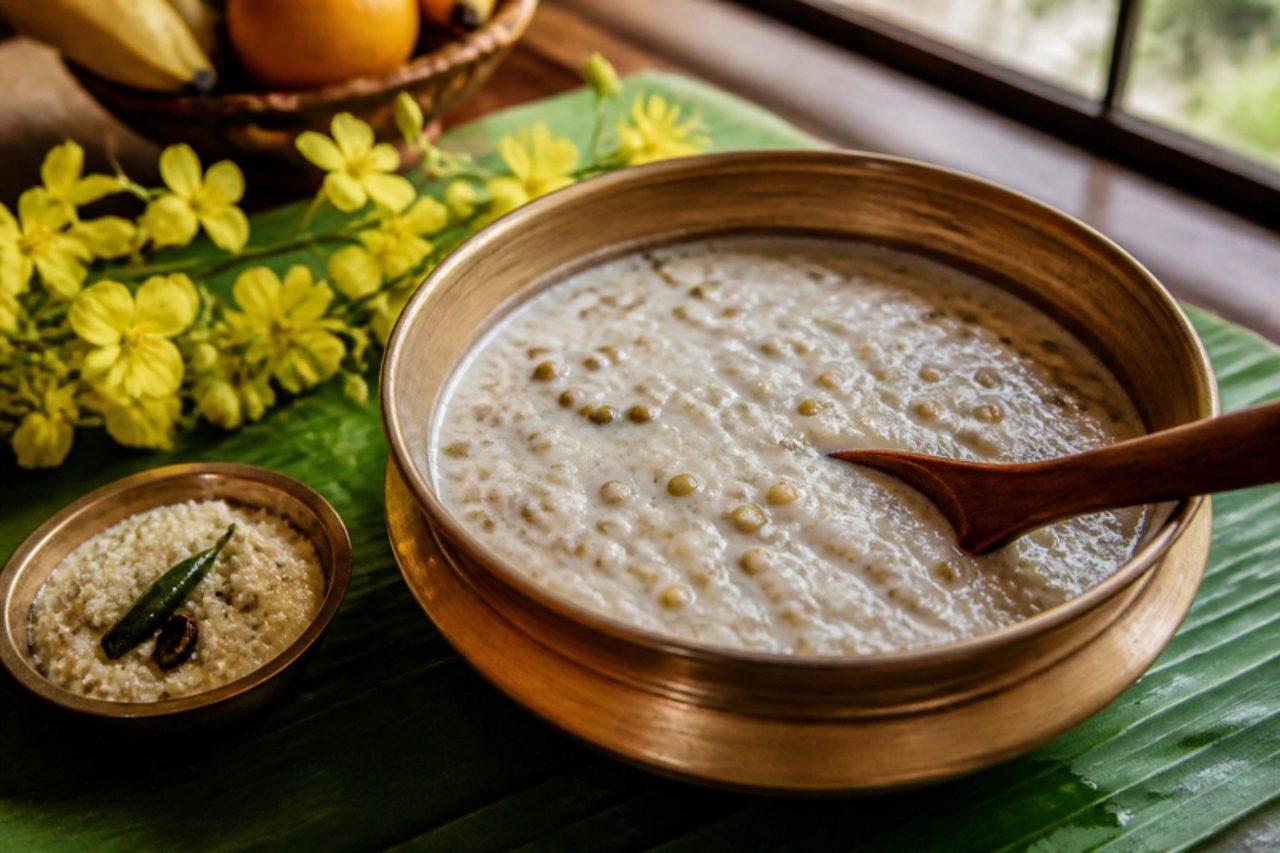
Vishu kanjiRice and green gram porridge

In Kerala, Vishu starts before sunrise with the kani, when each member of the family is led with closed eyes to see a tray of rice, gold-yellow konna flowers, fruit, a mirror and a lamp, so the year begins with something lucky. Breakfast afterwards, in many central Kerala homes, is this kanji: rice and lightly roasted whole green gram cooked soft and finished with coconut milk, eaten with a dry chakka or pumpkin side and pappadam. It is mild, creamy and nourishing, nothing like a plain rice gruel. The common mistake is boiling the thick coconut milk, which splits it and turns the kanji grainy; it goes in at the end, off the boil. It is ready when the gram has burst and the rice falls apart when stirred. Chef's tip: a few crushed cumin seeds and a shallot fried in coconut oil spooned over each bowl make it taste festive.

by KrazyBadal 0 views

Congress kadlekaiSpiced roasted peanuts

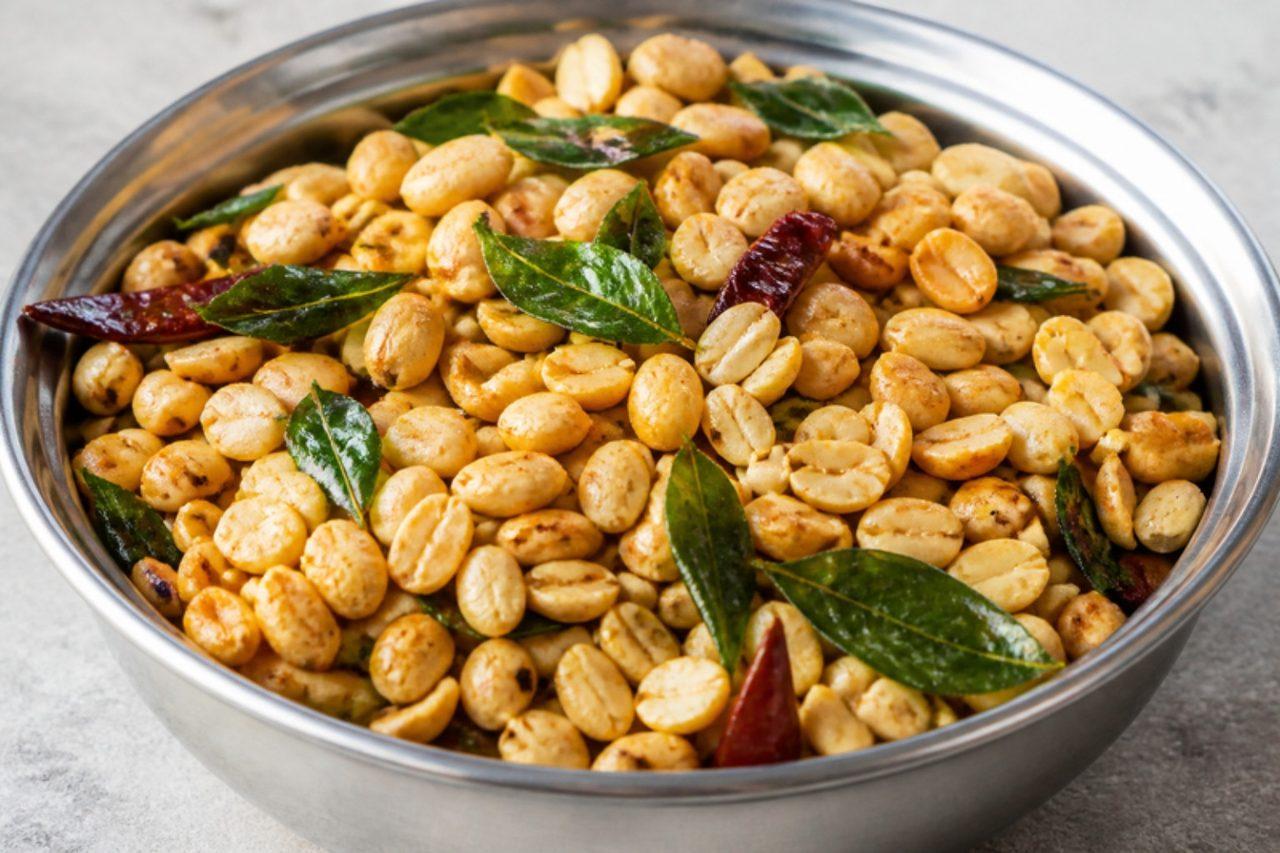
Congress kadlekai is a fixture of Bengaluru's Iyengar bakeries and the Basavanagudi Kadlekai Parishe, the peanut fair held each November. Roasted peanuts are split in half, which is said to be where the name comes from, and tossed in a little hot oil with curry leaves, hing and chilli so the spices cling to the flat sides. It's salty, crunchy and very hard to stop eating with evening coffee. A common mistake is frying the peanuts in the tempering: they're already roasted and burn quickly, so add them off the heat. Chef's tip: rub the warm roasted peanuts in a cloth and blow away the skins; skinless halves take the masala much better.

by KrazyBadal 0 views

Arisi upmaBroken rice and dal upma

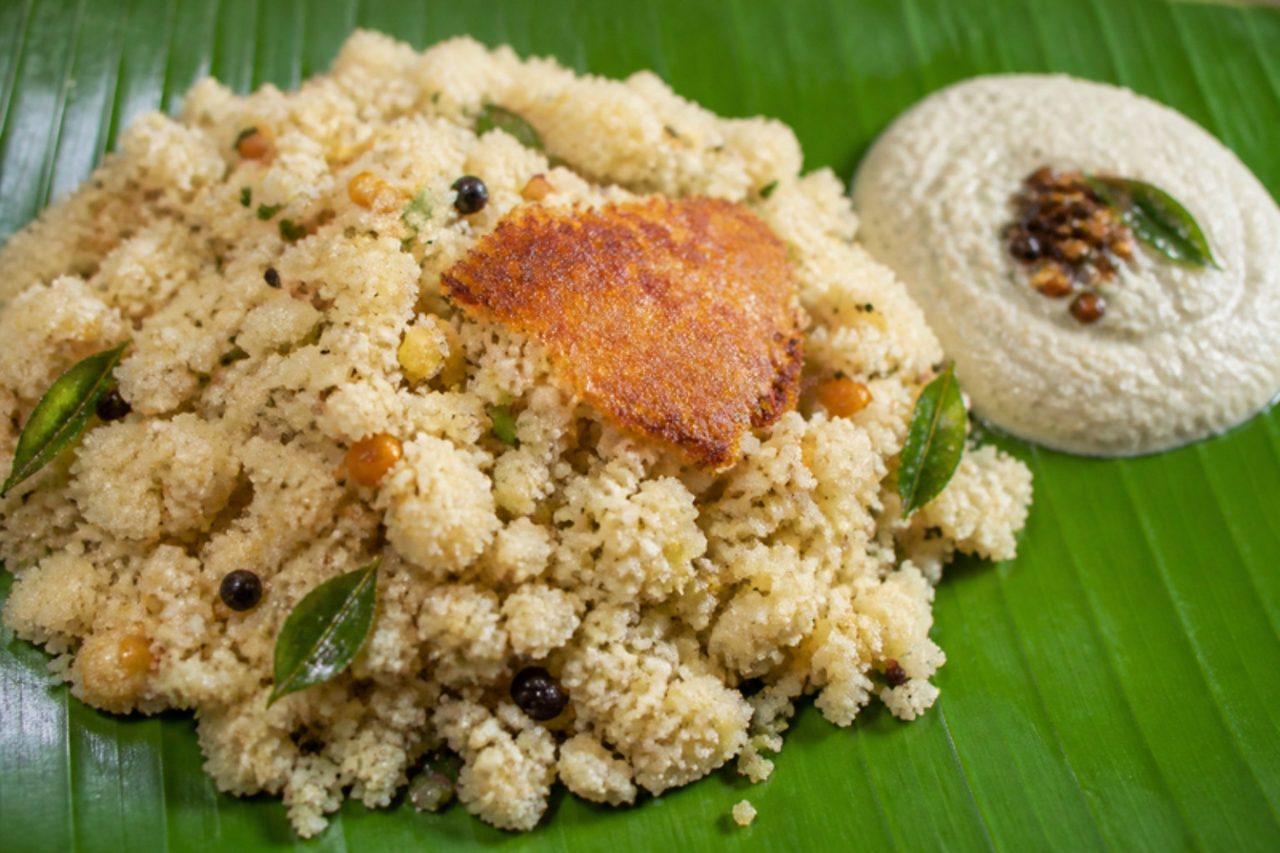
Arisi upma is the old Tamil country breakfast and evening dinner, especially in Tirunelveli and Madurai homes, made from rice and toor dal coarsely broken at home and cooked in a heavy pot. The best part is the 'kaanthal', the crisp golden crust that forms on the bottom, which families fight over. The mistake is too much water, which gives a sticky porridge; use about two and a half times the volume of the broken rice. Chef's tip: once cooked, leave it on the lowest heat with a lid for ten minutes, undisturbed, to build that crust.

by KrazyBadal 0 views

Chakka varattiJackfruit jaggery preserve

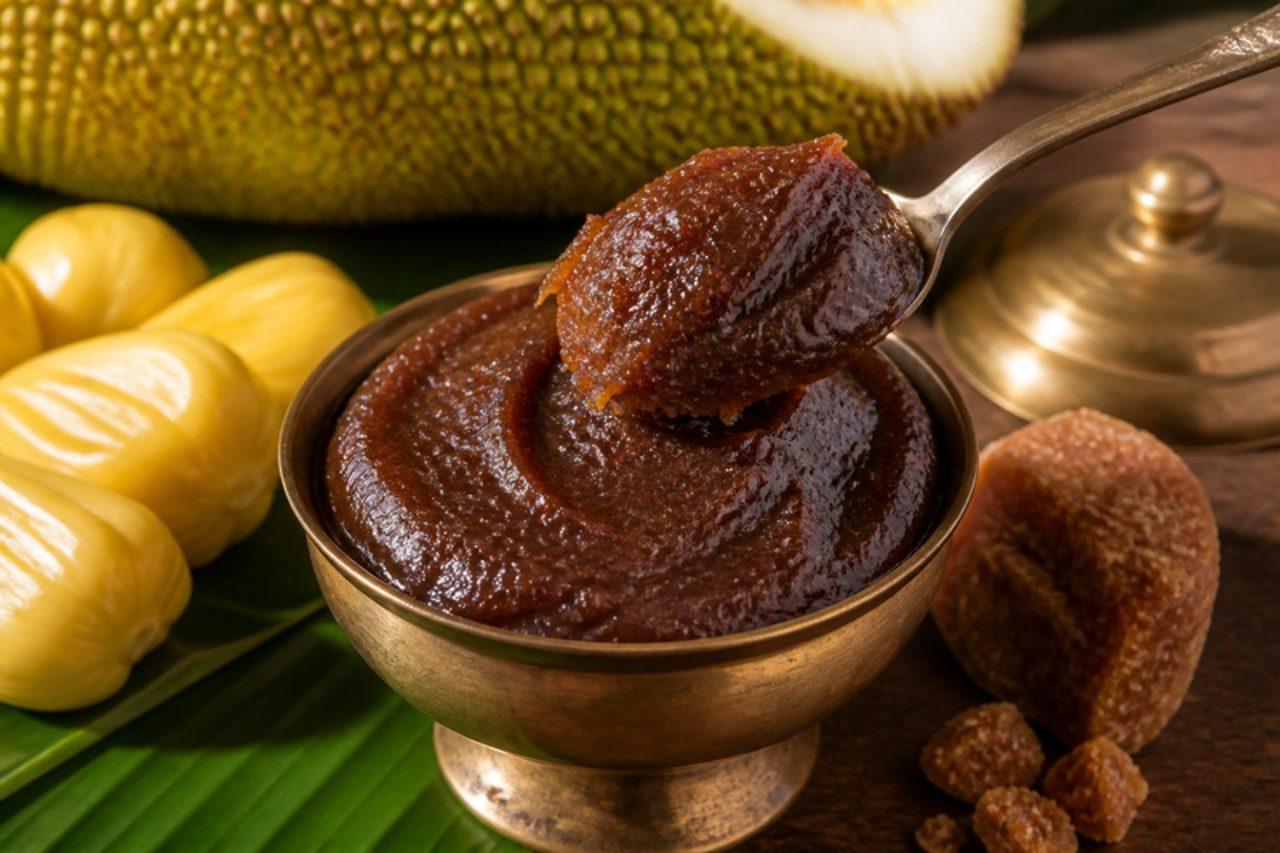
Vishu arrives in April when Kerala's jackfruit trees are heavy, and homes turn the glut into chakka varatti, a dark, glossy jam stirred for well over an hour in a wide uruli. It is eaten by the spoon, spread on dosa, and kept in jars for the payasam and ada made at festivals through the year. The taste is deep and caramel-like, with the floral sweetness of ripe jackfruit. The common mistake is cooking it on a high heat to save time: jaggery burns quickly and turns the whole batch bitter. It is done when the ghee starts to separate and shine at the edges, the colour is a dark mahogany brown, and the mass rolls round the pan as one lump. Chef's tip: use only very ripe, fragrant jackfruit bulbs, and if your jackfruit is the firm varikka type, steam it first so it purées smoothly.

by KrazyBadal 0 views

Then mittaiSyrup-soaked rice and urad balls

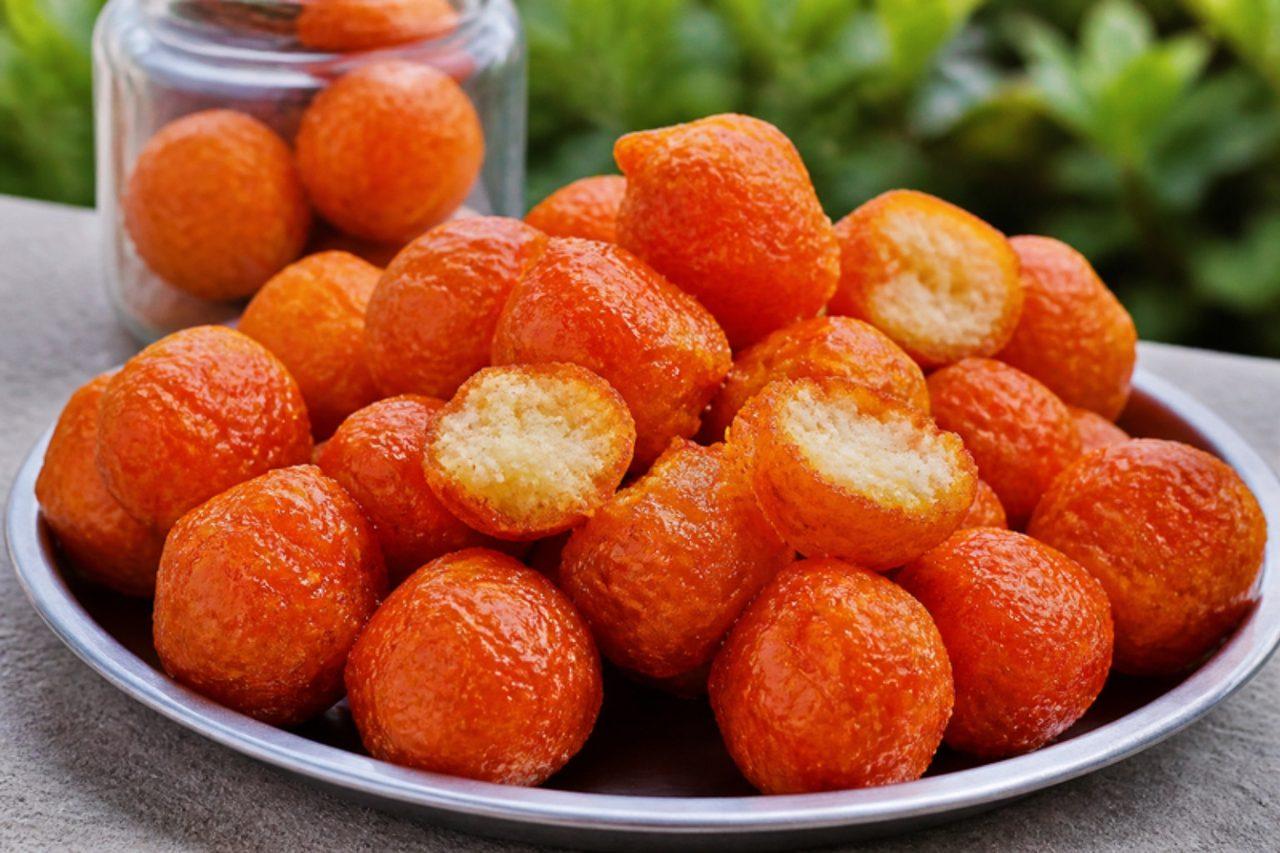
Then mittai, 'honey sweets', were sold from glass jars at the petti kadai outside every Tamil village school in the 1980s and 90s, glossy red balls that crunch and then squirt sweet syrup. They're nostalgic now and great fun to make at home for children's parties. The mistake is frying too hot, which browns the outside before the centre cooks; they should fry slowly to a crisp shell. Chef's tip: let the fried balls cool for a minute before dropping them into warm, not hot, syrup so they stay crisp instead of going soggy.

by KrazyBadal 0 views

TambittuRoasted rice flour jaggery laddus

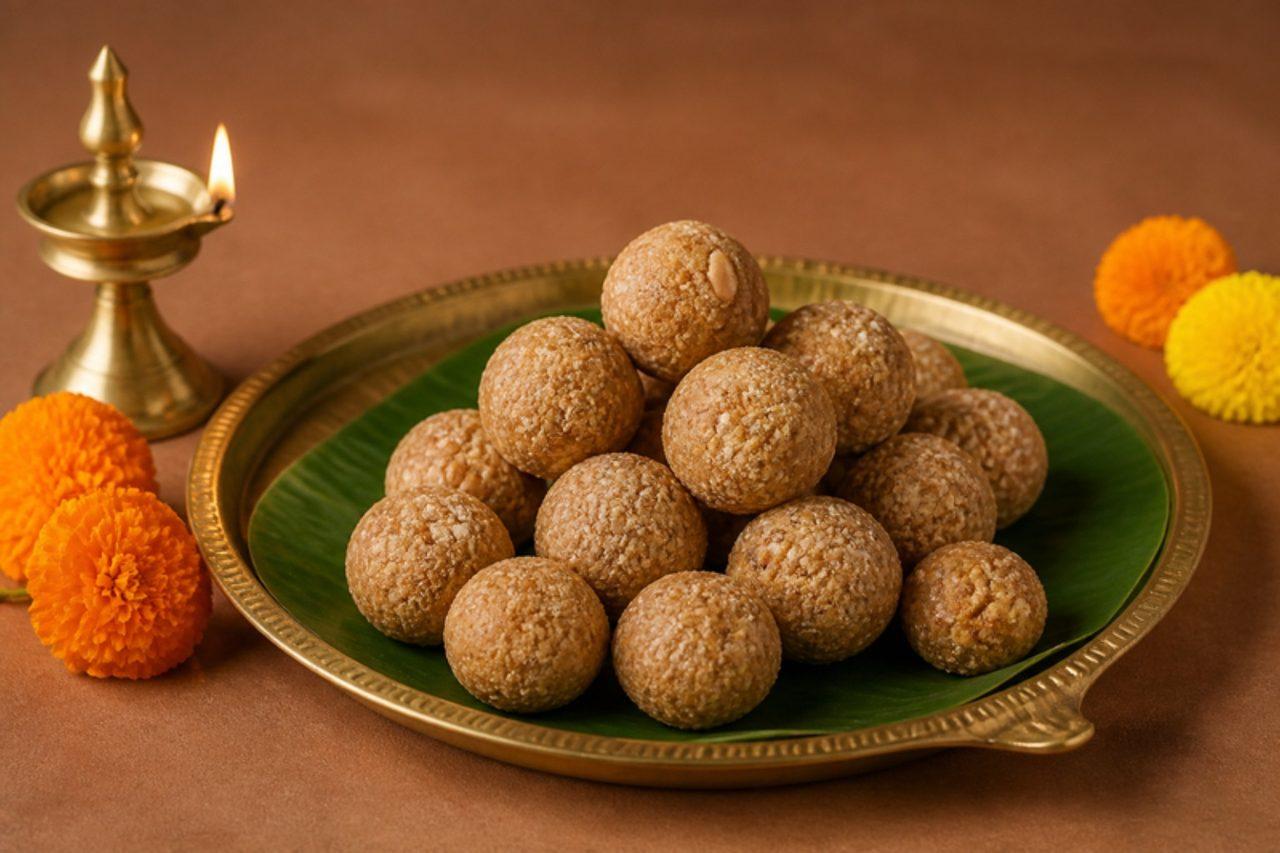
Nagara Panchami in Karnataka is a festival of sisters and brothers as much as of snakes: women offer milk to the stone naga images under peepal trees, and the sweets made at home are tambittu, laddus of roasted rice flour, roasted gram, coconut and sesame bound with jaggery syrup and ghee. They are crumbly-soft and earthy, and a few are also offered at Varamahalakshmi. Common mistake: binding with thin syrup, which leaves the laddus wet and collapsing; boil the jaggery only to a soft-ball stage, when a drop in cold water forms a soft ball you can pick up. Chef's tip: roast the rice flour until it just smells toasty and is barely cream-coloured; too dark and the laddus taste bitter.

by KrazyBadal 0 views

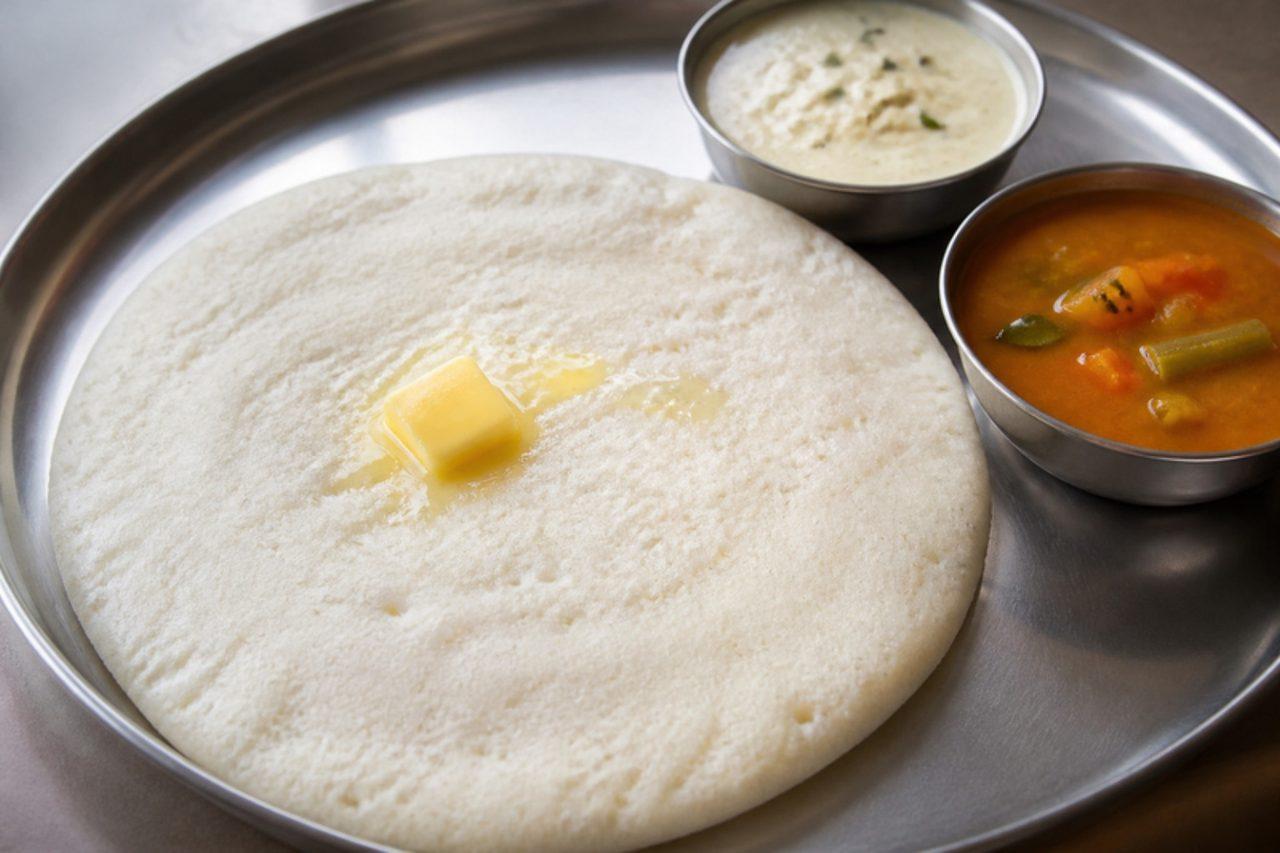
Thatte idliLarge flat plate idli

Thatte idli comes from Bidadi, on the old highway from Bengaluru to Mysuru, where roadside hotels steam plate-sized idlis on round thatte trays from dawn for travellers' breakfast. Poha in the batter makes them soft and spongy, and they are served with a knob of butter melting on top, coconut chutney and a thin sambar or podi. A common mistake is a stiff batter: thatte idlis need a looser, pourable batter than ordinary idli or they turn dense in the wide plate. Chef's tip: grind the urad dal with ice-cold water until it is light and almost doubled; that air carries the whole idli.

by KrazyBadal 0 views

ChalimidiRice flour and jaggery sweet

Chalimidi is a no-cook-flour sweet from Andhra and Telangana, offered to the goddess at Navaratri and Nagula Chavithi and handed out at naming ceremonies and baby showers. Soaked rice is dried, pounded into fresh flour and stirred into a thick jaggery syrup with coconut, so it sets into a soft, damp, slightly crumbly dough that is shaped into small balls. It tastes of molasses and cardamom and is eaten as it is, at room temperature. The most common mistake is undercooking the syrup: a thin syrup leaves the chalimidi sticky and pasty, so cook it to a firm soft-ball stage. Chef's tip: use freshly ground soaked rice, not shop rice flour; the slightly damp flour is what gives chalimidi its tender bite.

by KrazyBadal 0 views

Showing 24 of 2,797 recipes

Show more recipes

Page 7 of 117

More Jain ideas

Other diets