Skip to content
WhatToEat.Today

Jain recipes: no onion, garlic or root vegetables

2,797

2797 Jain recipes with no onion, garlic, potato, carrot, fresh ginger or other root vegetables, and no mushrooms, eggs or honey. Hing, dry ginger and turmeric powder are fine. Each has photos, step-by-step instructions and cook times. The quickest, Apfelschorle, takes 2 minutes. Most take around 40 minutes.

Filter these by time, diet or cuisine · Make Jain your diet to see only these recipes everywhere on the site.

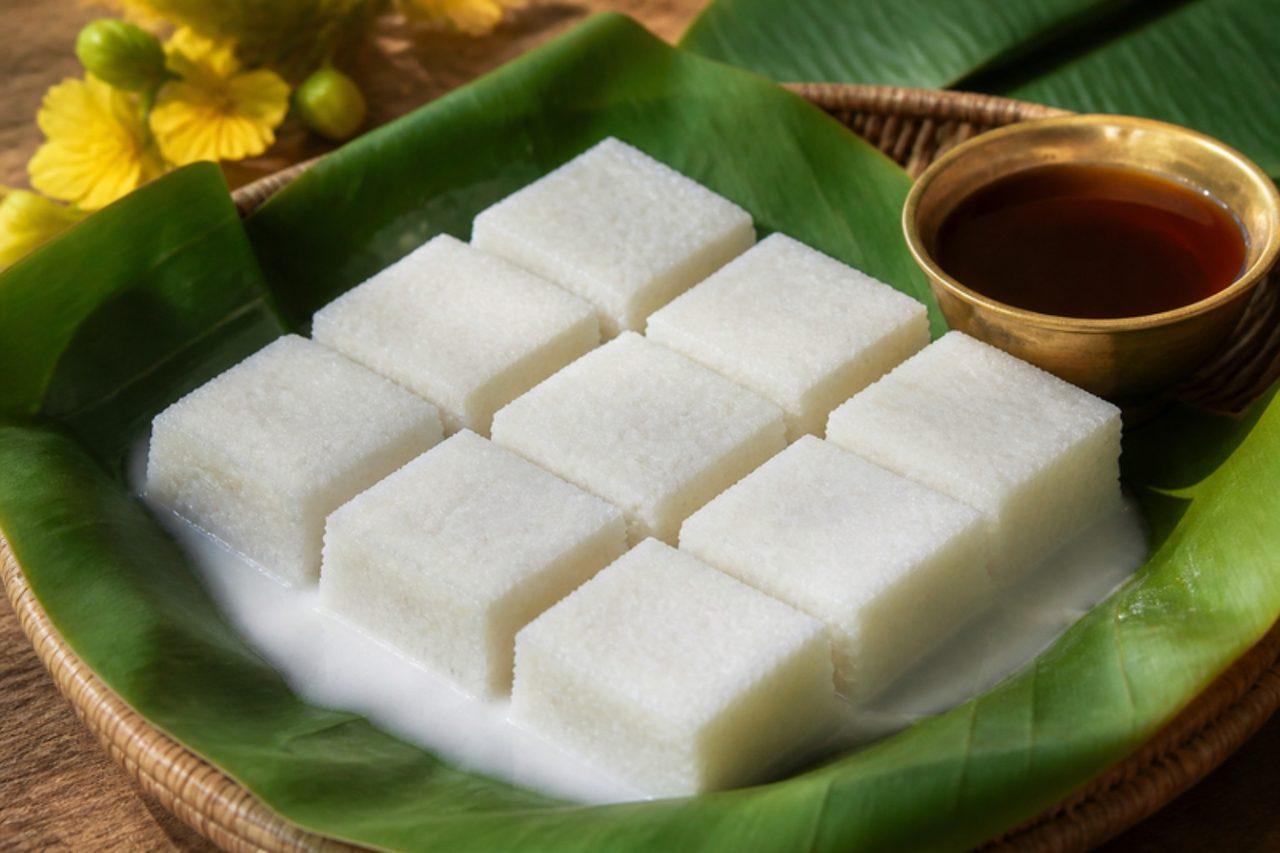
Vishu kattaCoconut milk rice squares

Around Thrissur and Palakkad the Vishu breakfast table is not complete without katta, rice cooked slowly in coconut milk until it can be spread on a plate, set and cut like a cake. Families eat the squares two ways: with a pour of dark jaggery syrup for sweetness, or with a hot, sour curry for those who prefer savoury on a festival morning. Set, it is soft, rich and faintly salty, with the scent of cumin. The common mistake is rushing it on a high flame; the coconut milk splits and the rice catches before it turns creamy. It is ready when the whole mass comes away from the sides of the pan and holds a ridge when you draw a spoon through it. Chef's tip: smooth the top with a piece of banana leaf or the back of a wet spoon, and cut the katta only once it is fully cool, or the squares will tear.

by KrazyBadal 0 views

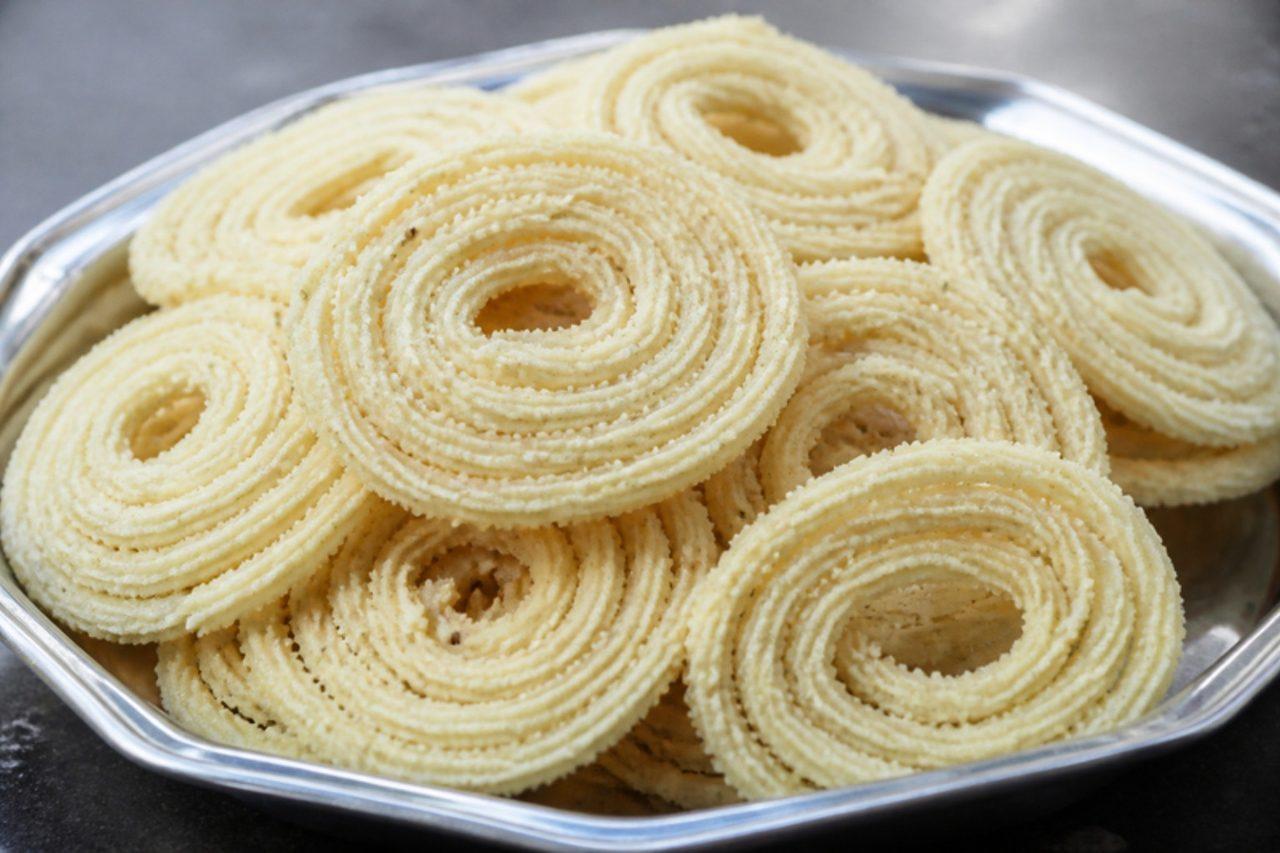
ThenkuzhalRice and urad flour spirals

Thenkuzhal is the plain, pale murukku of Tamil Nadu, especially in Chettinad and Thanjavur kitchens, pressed through a single-hole plate into neat spirals for Deepavali and Krishna Jayanthi. Unlike butter murukku, it relies on roasted urad flour and a spoon of hot oil for its crunch, with cumin and a little sesame for flavour, and it should be cream-coloured, smooth and light. It is eaten with coffee and kept in tins for weeks. The common mistake is a dough that is too stiff, which breaks while pressing and gives a rough, cracked surface; it should be soft enough to pipe smoothly. Chef's tip: press the spirals onto the back of an oiled slotted spoon or a square of parchment and slide them into the oil, so they keep their shape.

by KrazyBadal 0 views

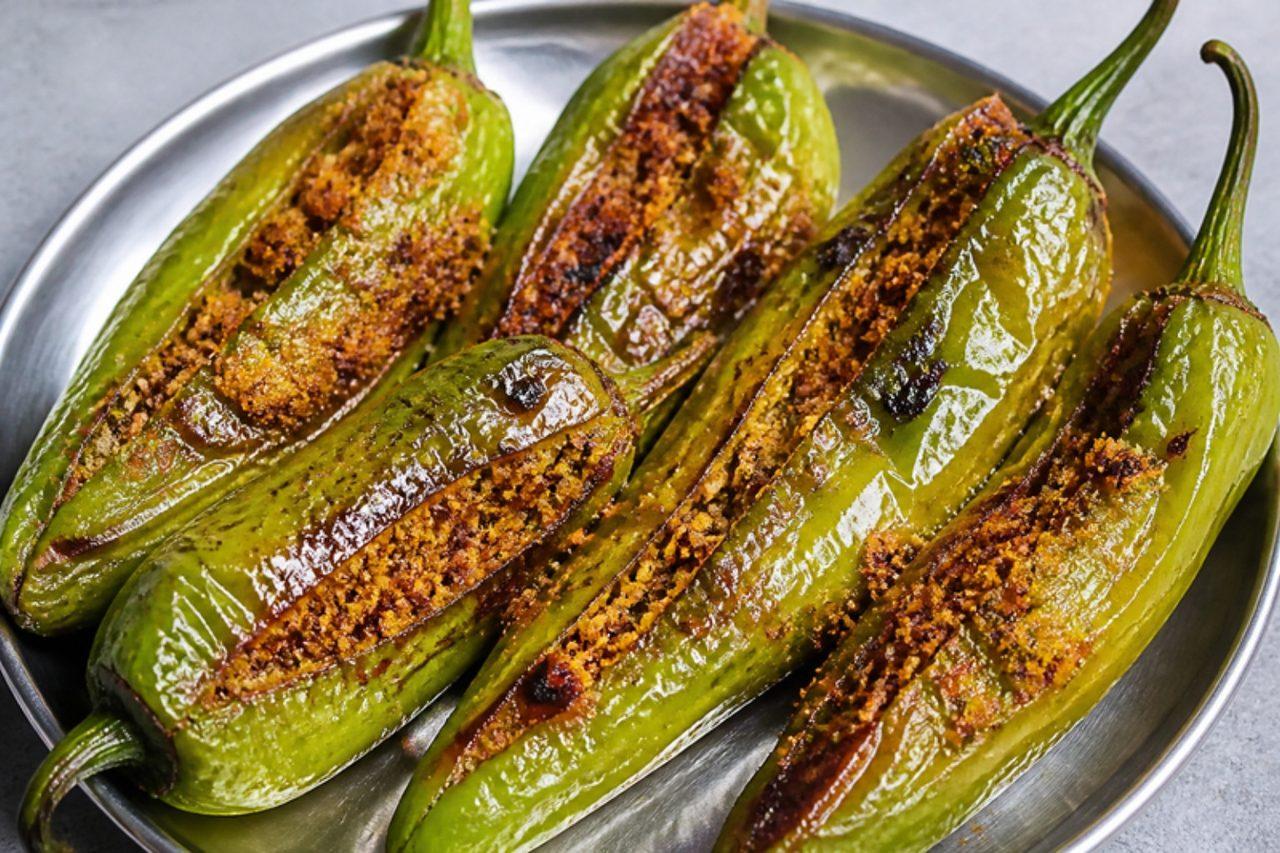
Bharela marchaStuffed green chillies

In Kathiawad, bharela marcha are made with the long, fat and fairly mild bhavnagri chillies that come in every winter, and they sit beside a thali of rotla, kadhi and khichdi as a sweet-sour-hot side. The filling is besan roasted in oil until nutty, mixed with sugar, lemon, turmeric and dhana-jiru, and the chillies are cooked covered on low heat until soft and blistered in patches. A common mistake is using small, very hot chillies; choose large mild ones, or the dish is too fierce to eat. Chef's tip: slit the chillies only on one side and scrape out the seeds and ribs; the heat drops right down and the filling stays inside.

by KrazyBadal 0 views

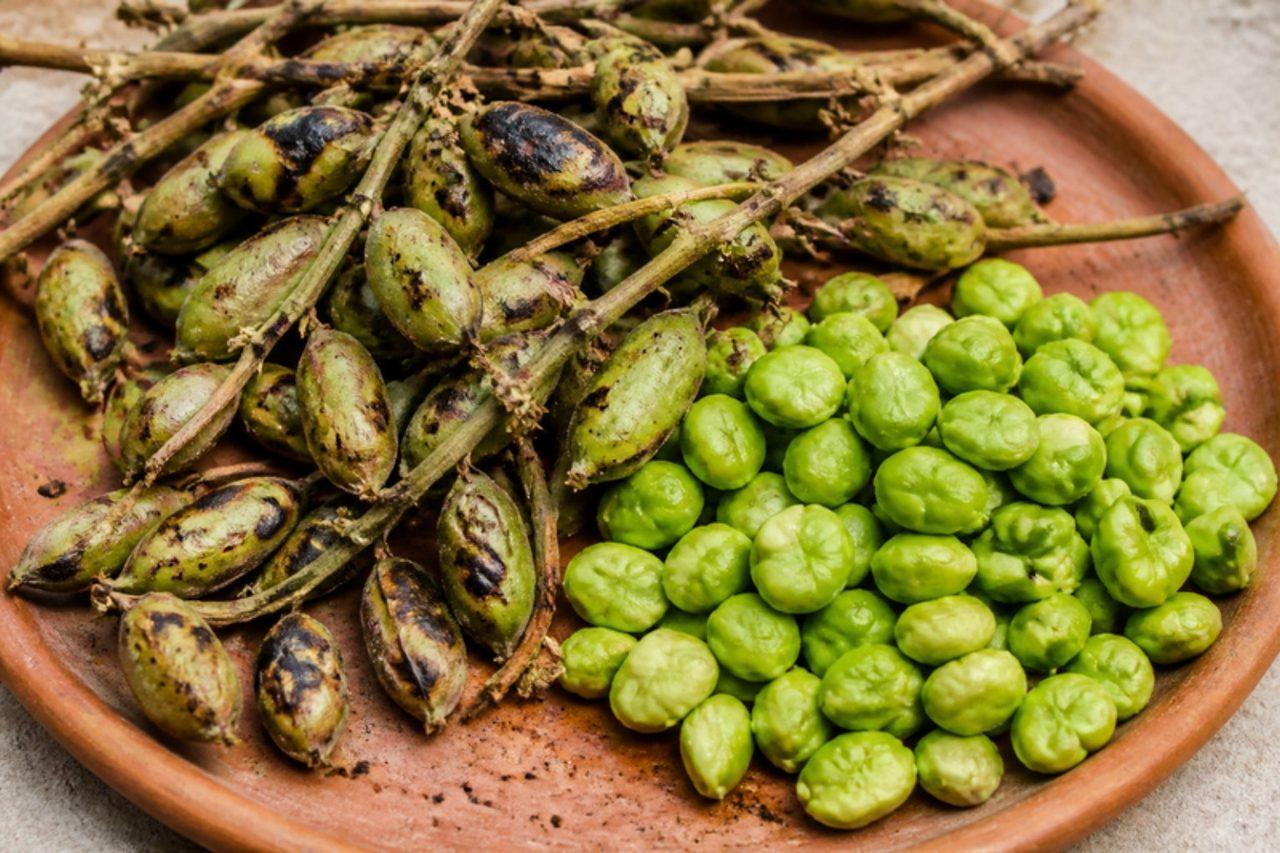
HolanRoasted green chickpeas

In late winter, around the time of Holi, village children in rural Punjab pull up bunches of green chickpea plants from the edge of the field and throw them onto a small fire of dry stalks. Once the pods blacken they rake them out and shell them hot, blowing on their fingers, and the bright green peas inside taste smoky, sweet and nutty. At home you can do the same in a heavy iron kadai. The mistake is leaving them on until the pods are fully burnt; by then the peas inside are dry and hard. Stop when the pods are blistered black in patches and the peas are just tender. Chef's tip: a pinch of salt and chilli with a squeeze of lemon on the shelled peas turns them into a quick chaat.

by KrazyBadal 0 views

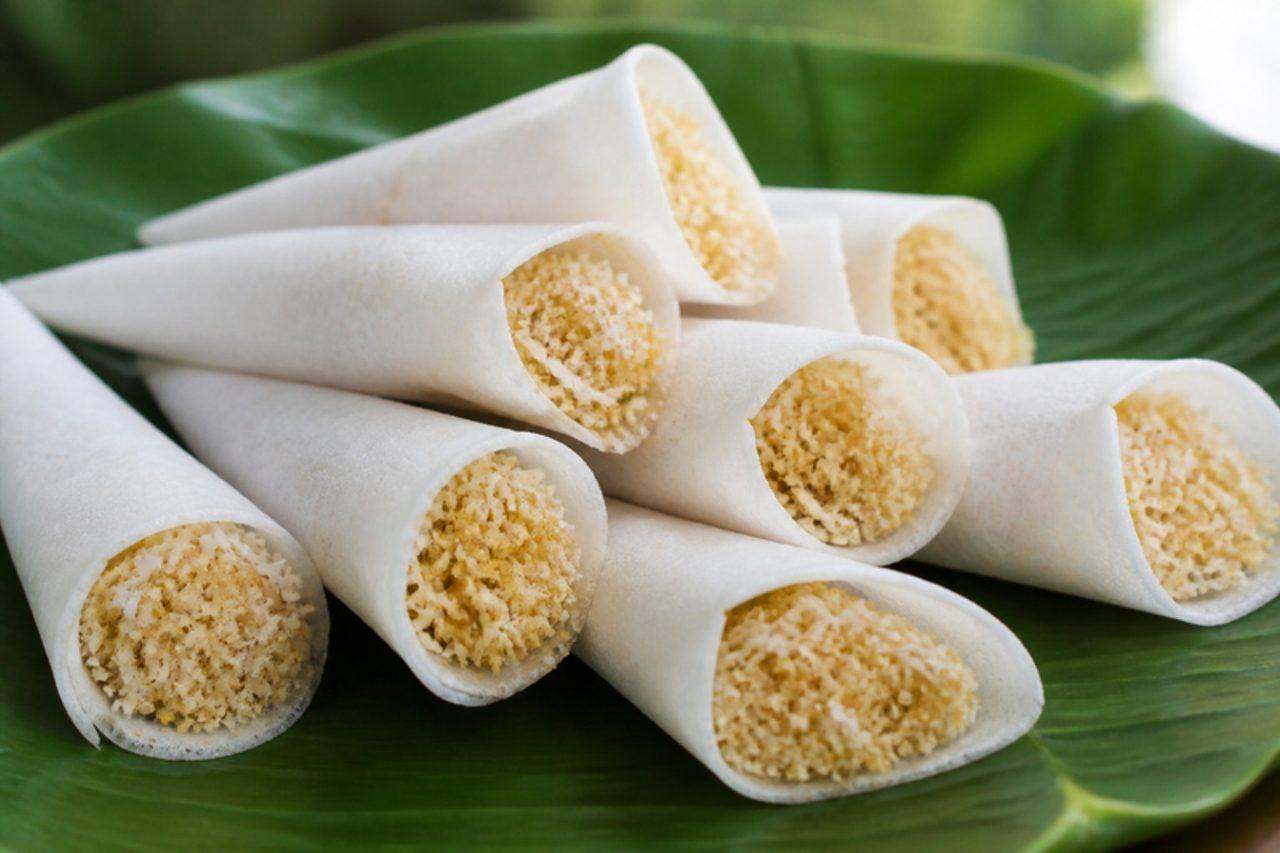
ChuruttuRice wafer cones with coconut filling

Churuttu, 'the roll', is a wedding sweet of the Syrian Christian families of central Kerala, around Kottayam, Pala and Changanassery, where aunts sit together for a day before the wedding shaping hundreds of these cones for the guests to take home. Paper-thin rice wafers are rolled into cones, filled with a sweet crumble of roasted rice flour, coconut and cardamom, sealed and dried until crisp. They shatter at the first bite and melt to a sweet, toasty dust. The mistake is a wet filling; damp coconut softens the cones within a day, so the filling must be roasted dry. Chef's tip: work with one wafer at a time and keep the rest under a damp cloth; they crack if they dry before rolling.

by KrazyBadal 0 views

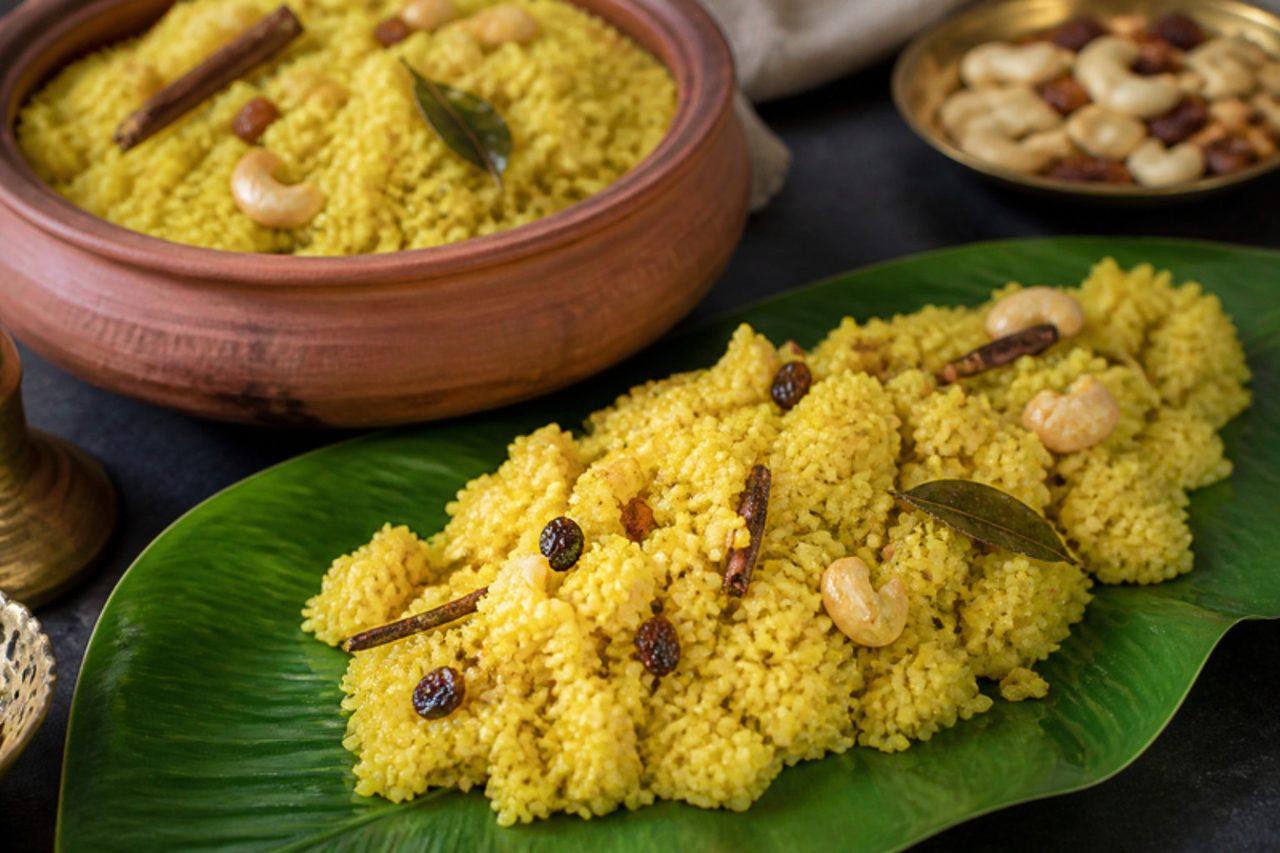
KanikaSweet ghee rice

Kanika is one of the dishes of the Jagannath temple's mahaprasad in Puri, cooked in clay pots over wood fires and sold at the Ananda Bazaar to pilgrims, and Odia homes make it for Rath Yatra, when the deities ride their chariots through the town. It is a fragrant, glossy rice sweetened with sugar and perfumed with cinnamon, bay leaf and cloves in plenty of ghee, studded with fried cashews and raisins. It sits halfway between a pulao and a dessert and is eaten with dalma or a temple-style mahura. Common mistake: adding the sugar at the start, which hardens the grains; cook the rice almost through first, then add the sugar, and it is done when the syrup is absorbed and the ghee shines on the surface. Chef's tip: use a short-grain aromatic rice such as gobindobhog or the Odia arua rice for the true temple texture; basmati works but gives separate, longer grains.

by KrazyBadal 0 views

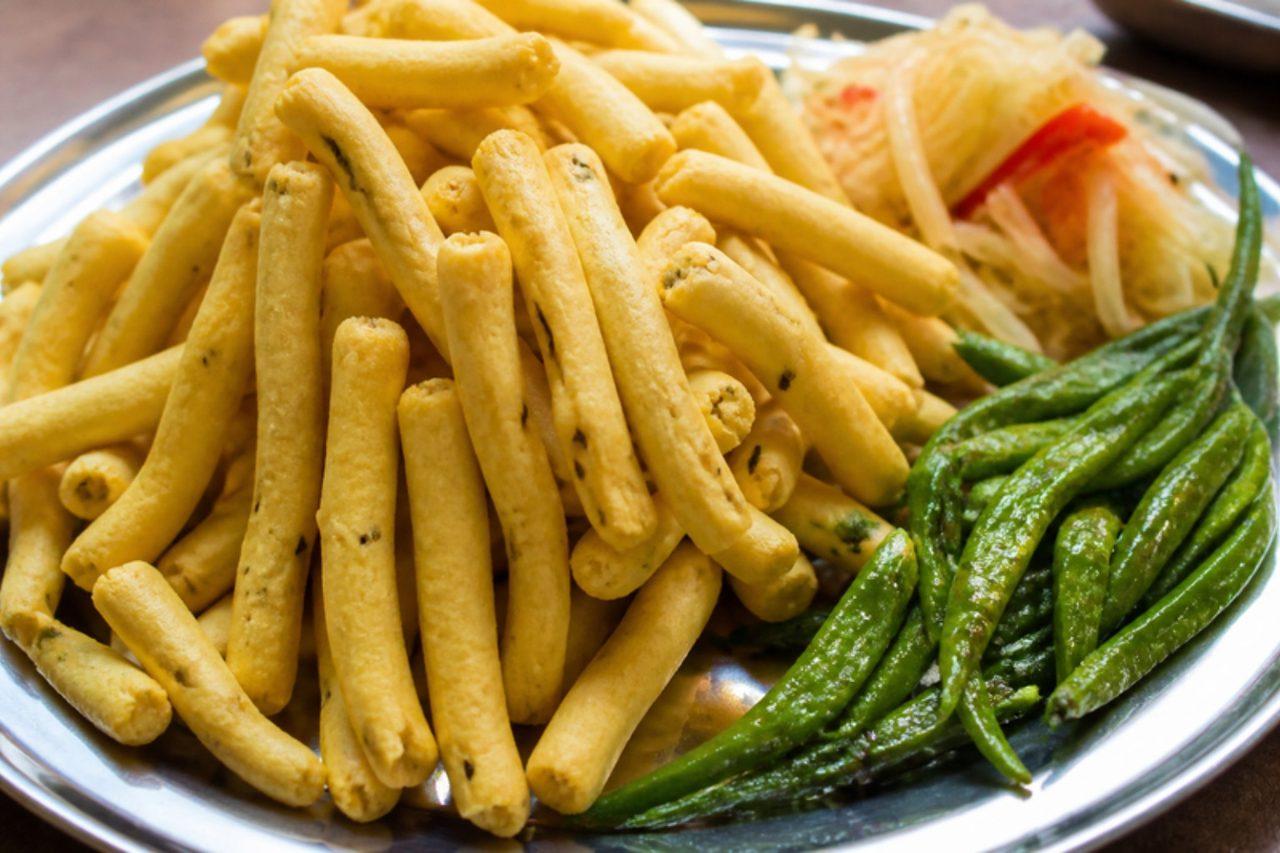
Bhavnagari gathiyaCrunchy gram flour sticks

Bhavnagar is Gujarat's gathiya town, and its namkeen shops sell these thick, knobbly sticks by the kilo, warm in the morning with fried chillies and papaya sambharo, and boxed up for relatives abroad. They are thicker than any sev, with a rough, bubbly surface from being rubbed through a flat perforated gathiya jharo (or pressed through the largest disc of a sev press), and the dough is beaten with oil and soda so they stay light and crunchy rather than hard. Ajwain and coarse black pepper give them their warmth. The common mistake is a stiff dough: it will not pass through the holes and the gathiya come out dense. Chef's tip: beat the oil, water and soda together until white and frothy before adding the flour; that is what makes them airy.

by KrazyBadal 0 views

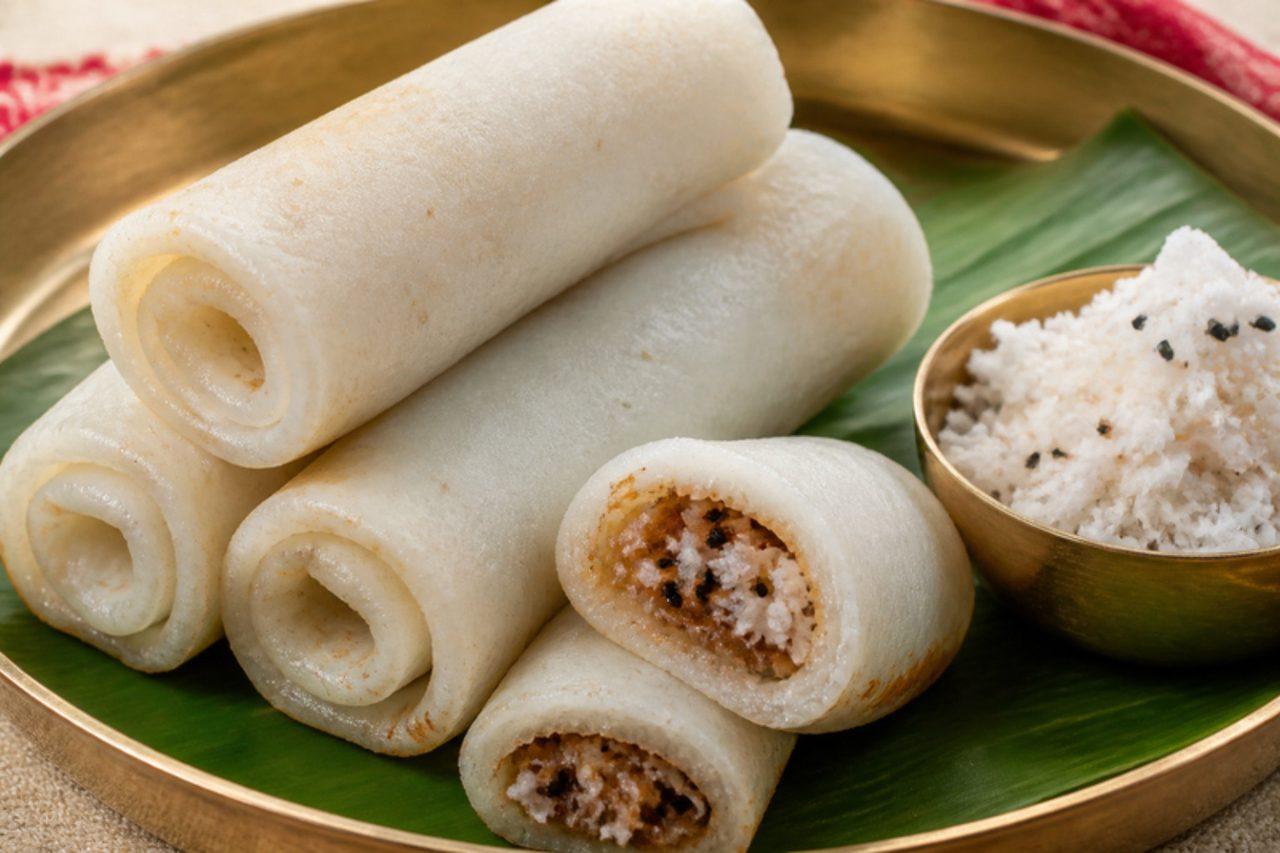
Kholasapori pithaRice pancakes with coconut and jaggery

Kholasapori means 'pressed in the khola', the shallow clay pan that every Assamese kitchen brings out for Magh Bihu, when guests are offered a plate of pitha before anything else. These are thicker and softer than the crisp til pitha: a loose batter of sticky rice flour is spread on the hot pan, filled with coconut and jaggery and folded over, so the outside is lightly speckled and the inside chewy and sweet. A heavy cast-iron pan stands in well for the khola. Common mistake: a pan that is too hot; the batter should set slowly with no browning in the first minute, and it is ready to fold when the edges lift and the top no longer looks wet. Chef's tip: wipe the pan with a cloth dipped in oil between each pitha rather than pouring oil in, so they stay pale and even.

by KrazyBadal 0 views

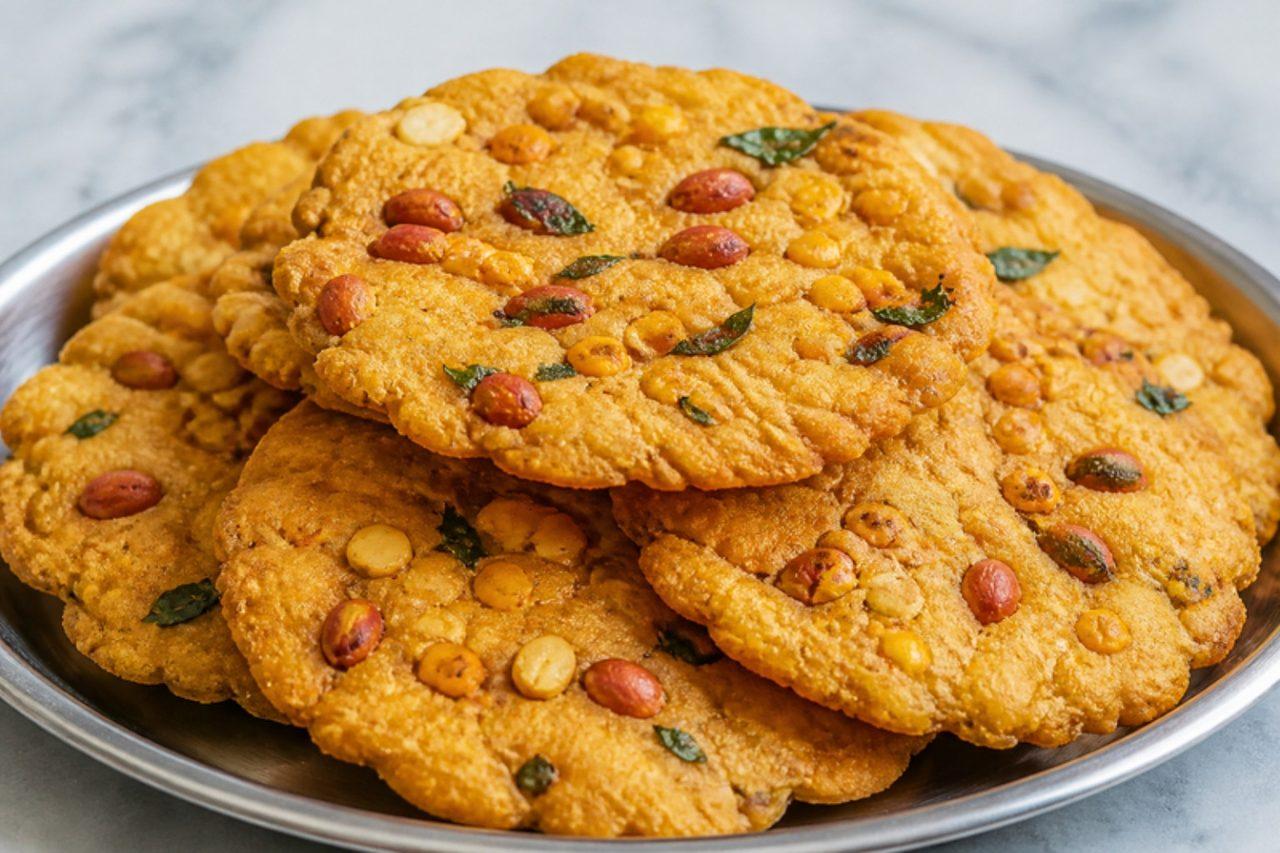
NippattuPeanut rice crackers

Nippattu is the Karnataka tea-time cracker, sold in Iyengar bakeries from Bengaluru to Mysuru and fried at home for Gowri-Ganesha and Deepavali. Unlike the thin, delicate Tamil thattai, nippattu is thicker and chunkier, packed with crushed peanuts and roasted gram (hurigadale) so every bite crunches with nuts. It's spiced with chilli, hing and curry leaves and keeps for weeks. A common mistake is skipping the hot oil rubbed into the flour; without it the crackers turn hard instead of short and crisp. Chef's tip: prick each disc a few times with a fork so it fries flat and crisp right through instead of puffing.

by KrazyBadal 0 views

Vazhakkai bajjiRaw banana fritters

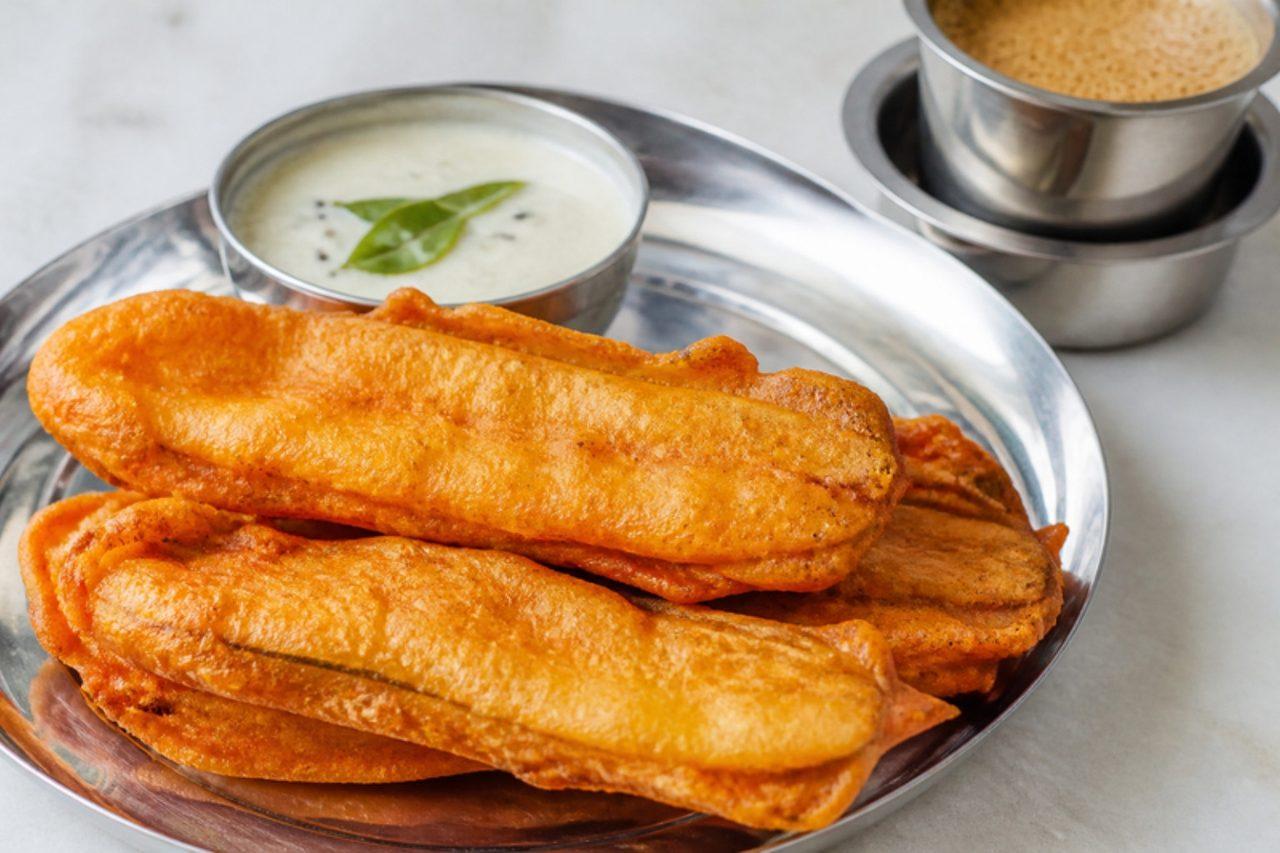
Every Chennai beach stall and every Tamil wedding tiffin has a tray of vazhakkai bajji, long thin slices of raw plantain in a soft, puffy, red-tinged coat. They are best eaten minutes out of the oil around 5 pm, with coconut chutney and a tumbler of coffee. The mistake is slicing too thick: the banana stays starchy and hard while the batter overbrowns, so cut slices 2–3 mm thin, ideally on a mandoline, lengthways. Chef's tip: a spoonful of rice flour and a pinch of hot oil whisked into the batter makes the coating crisp outside and keeps it from going soggy.

by KrazyBadal 0 views

Thavala vadaiMixed dal and rice fritters

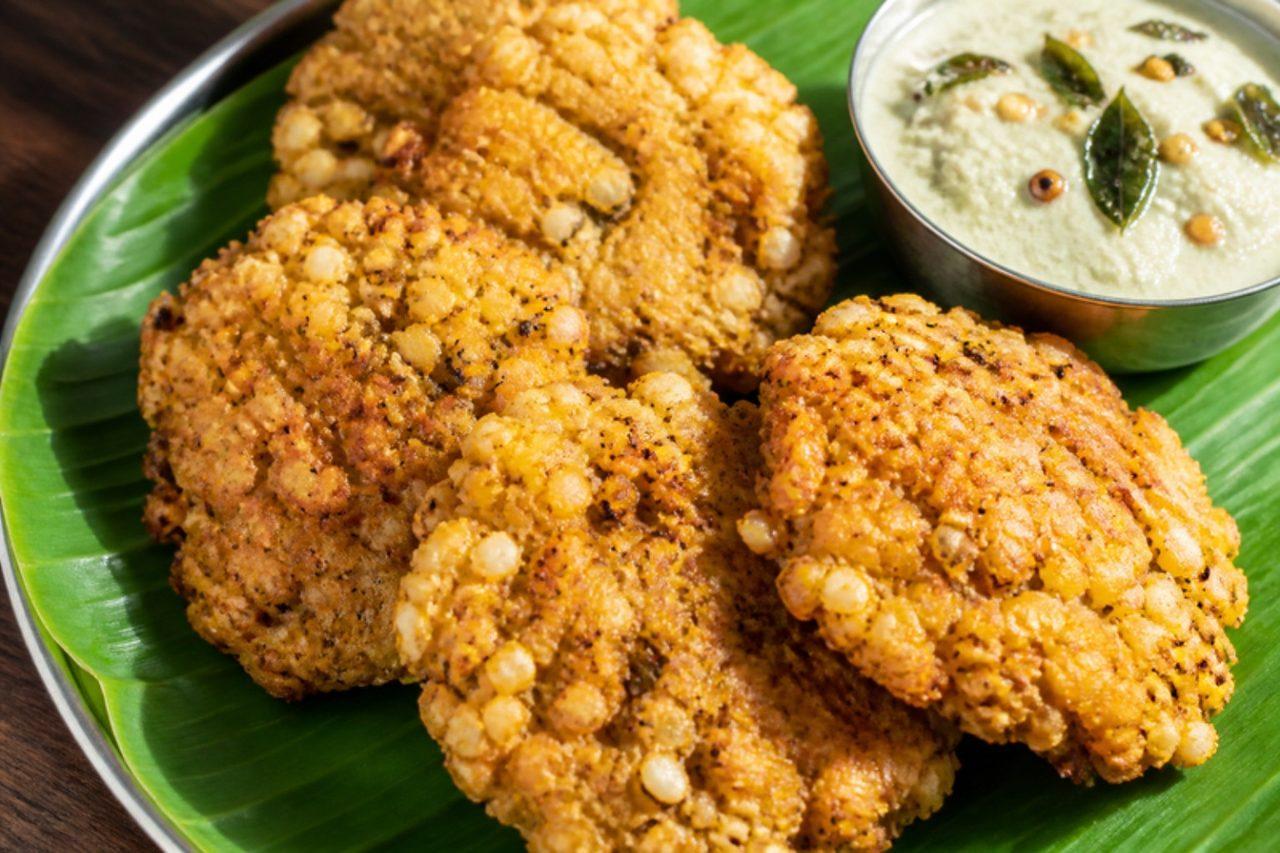
Thavala vadai belongs to the old Brahmin kitchens of Thanjavur and Kumbakonam, where it is fried for the afternoon 'tiffin' or for guests on festival days. Four dals and a little rice are ground coarse with pepper, then studded with tiny coconut cubes, so each vadai is rough and pebbly outside and soft and nutty within. The usual mistake is grinding it as smooth as medu vada batter; thavala vadai wants a gritty, semolina-like texture, so keep the grinder on pulse. Chef's tip: shape them small and thick with a dent in the middle using your thumb, so the centre cooks through before the outside darkens.

by KrazyBadal 0 views

Thunka puriGiant puffed puris

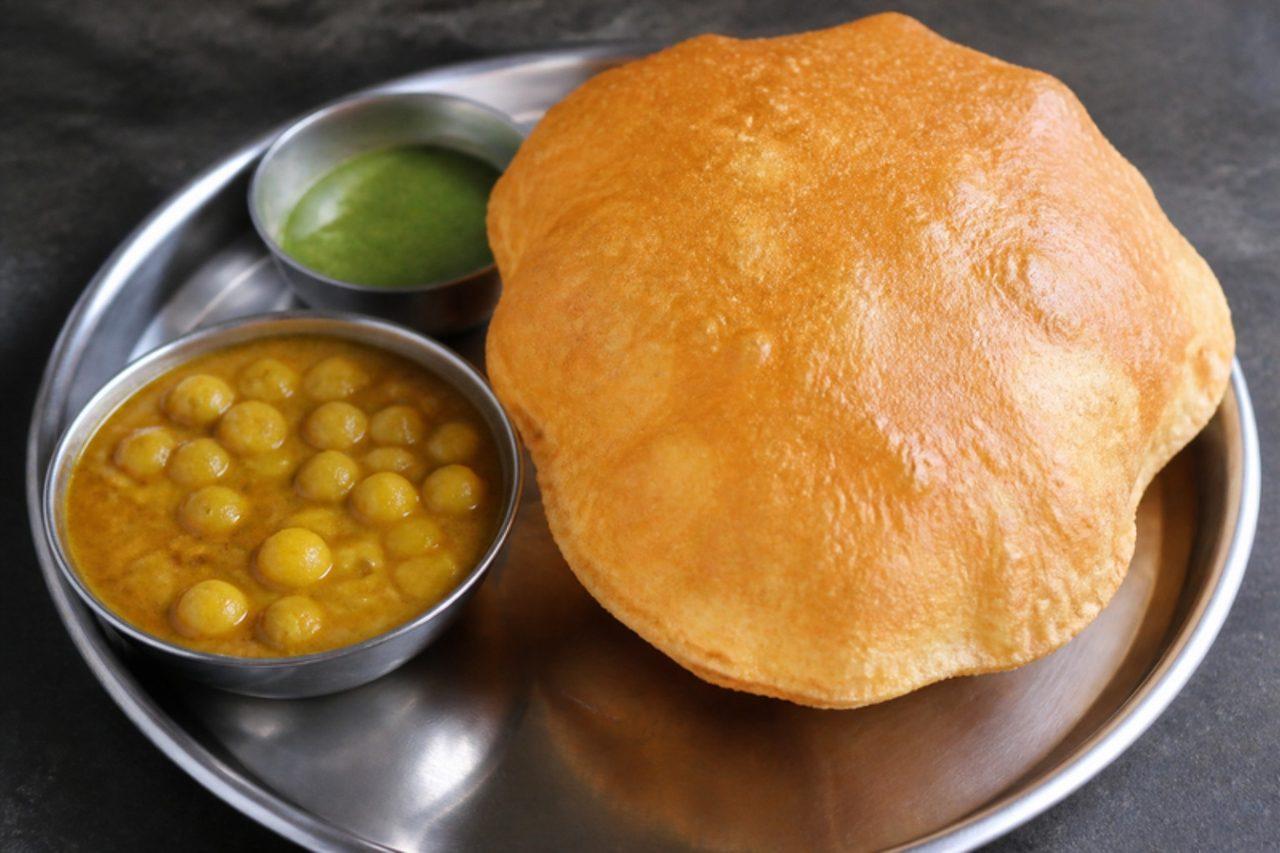
Every Kartik Purnima, Cuttack holds Bali Jatra on the banks of the Mahanadi, a huge open-air fair that remembers the Odia sailors who once set off for Bali and Java; families float little paper and banana-bark boats at dawn and spend the day eating at the stalls. Thunka puri is the fair's famous snack: puris rolled as big as a plate, which balloon into hollow golden domes in the oil and are torn open over a bowl of hot ghugni (yellow pea curry), onion and tamarind chutney. Common mistake: oil that is not hot enough or dough that is too soft; the puri then drinks oil and stays flat. Get the oil to about 190 °C, so a pinch of dough rises at once, and it is done when it is puffed and pale gold on both sides. Chef's tip: slide the puri in, then gently press the centre with a slotted spoon and splash hot oil over the top; it will puff fully within seconds.

by KrazyBadal 0 views

KamarkattuCoconut jaggery candy balls

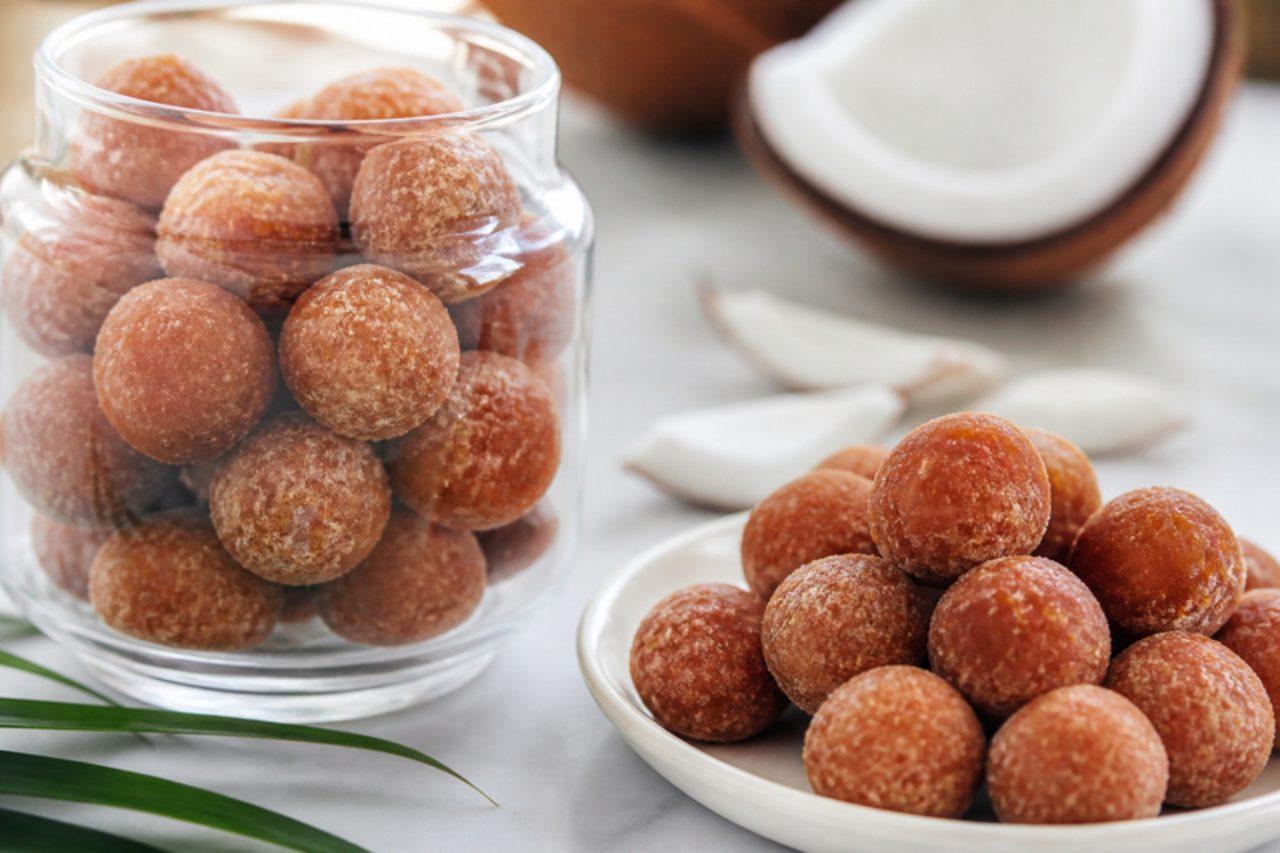
Kamarkattu is the toffee of Tamil village shops, dark, chewy, caramel-scented balls of coconut and jaggery that cost a few paise in the days when children bought sweets one at a time. It's quick to make at home and keeps for a couple of weeks. The mistake is taking the jaggery too far: if the syrup hardens past the soft-ball stage, kamarkattu turns rock hard and pulls fillings. Chef's tip: test a drop in cold water; when it forms a soft ball you can squash, switch off and shape immediately.

by KrazyBadal 0 views

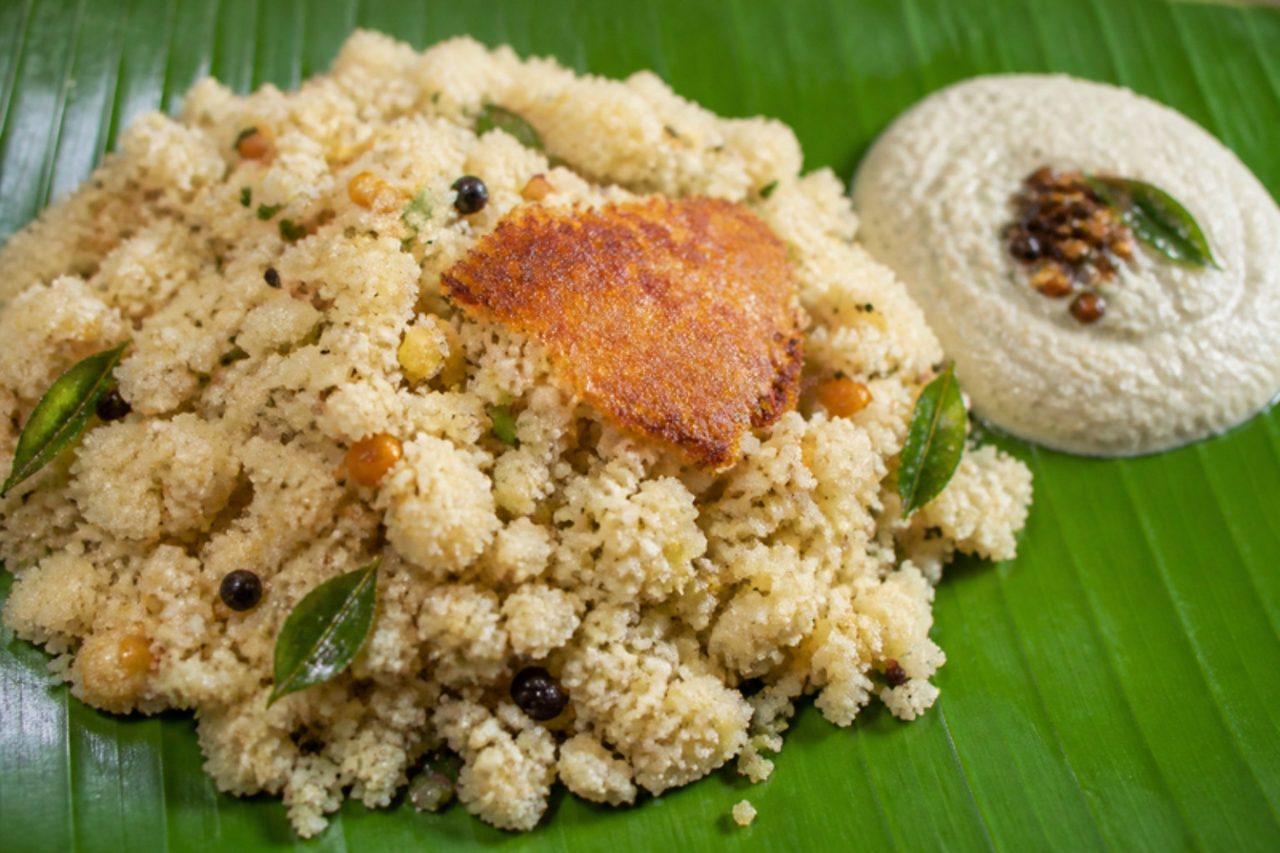
Arisi upmaBroken rice and dal upma

Arisi upma is the old Tamil country breakfast and evening dinner, especially in Tirunelveli and Madurai homes, made from rice and toor dal coarsely broken at home and cooked in a heavy pot. The best part is the 'kaanthal', the crisp golden crust that forms on the bottom, which families fight over. The mistake is too much water, which gives a sticky porridge; use about two and a half times the volume of the broken rice. Chef's tip: once cooked, leave it on the lowest heat with a lid for ten minutes, undisturbed, to build that crust.

by KrazyBadal 0 views

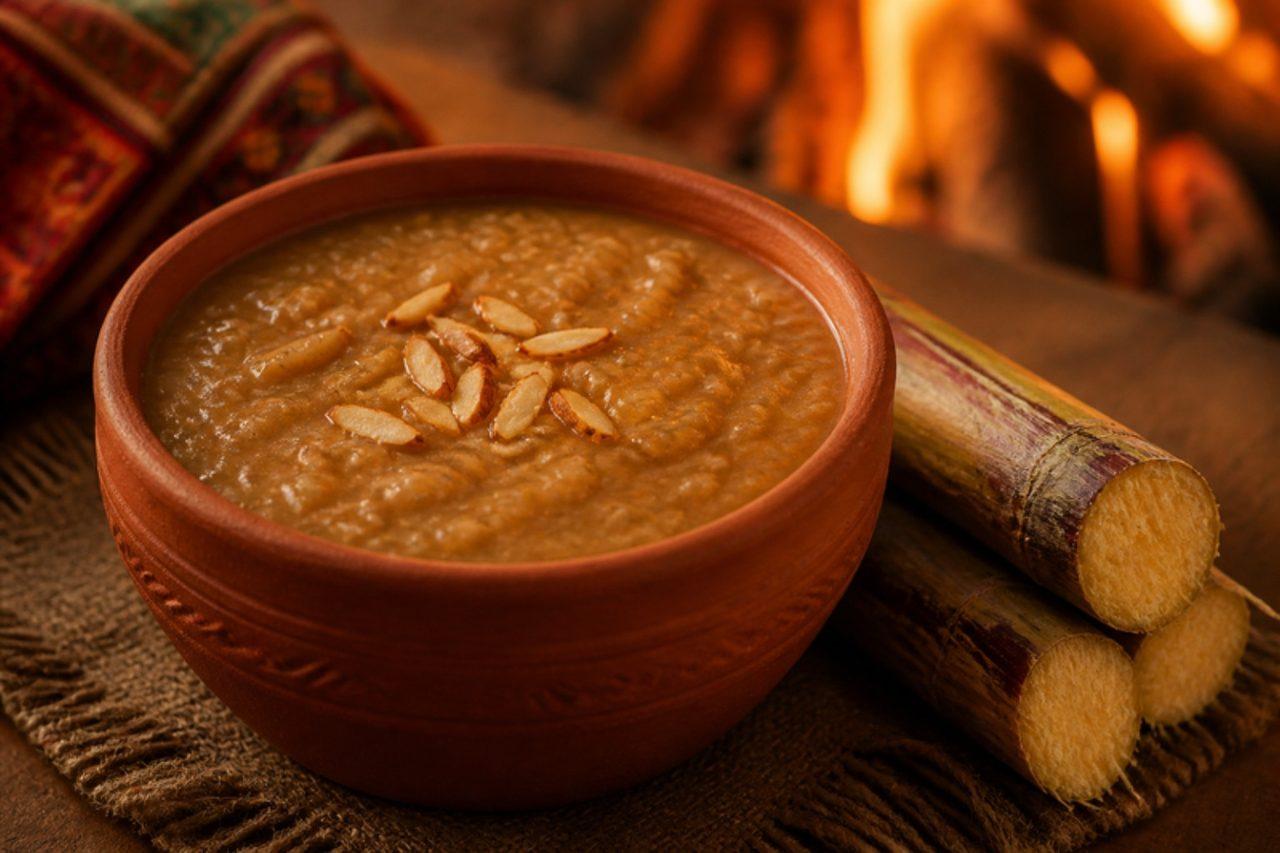
Rauh di kheerRice in sugarcane juice

In Punjabi villages the cane harvest is in by Lohri, and on the night of the bonfire a pot of rice is set to cook slowly in fresh sugarcane juice (rauh) with no milk and no added sugar. The custom is to leave it to cool overnight and eat it cold the next morning, on Maghi, so you will often hear 'poh rinni, magh khaadi': cooked in Poh, eaten in Magh. It sets into a soft, brown, gently caramel pudding that tastes of cane. Common mistake: cooking on a high heat; the juice catches and turns bitter, so simmer it low and stir from the bottom, and it is done when the rice is very soft and the kheer coats the back of a spoon thickly. Chef's tip: skim off all the grey scum as the juice first comes to the boil, or the kheer tastes earthy.

by KrazyBadal 0 views

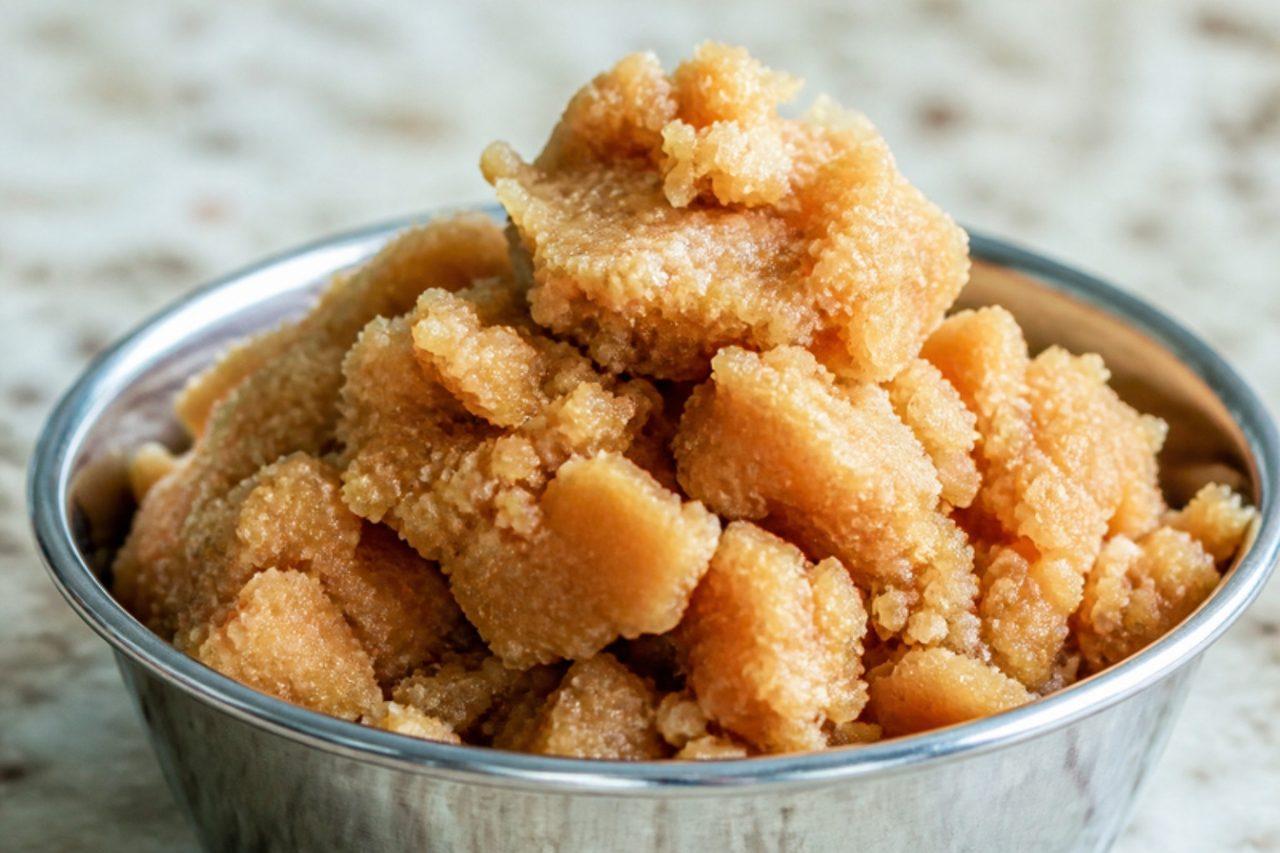
PalkovaMilk fudge

Srivilliputhur, the temple town of Andal near Virudhunagar, is so famous for its palkova that it has a protected geographical name. Local cows' milk is reduced in wide iron pans over a wood fire with sugar until it becomes a soft, grainy, pale caramel-coloured fudge, sold on banana-leaf squares and eaten as a sweet with tea or after meals. The mistake is turning the heat up to save time; the milk scorches, tastes burnt and the texture turns tough. Chef's tip: use full-fat milk and a wide, heavy pan, and stir the bottom and sides constantly in the last twenty minutes.

by KrazyBadal 0 views

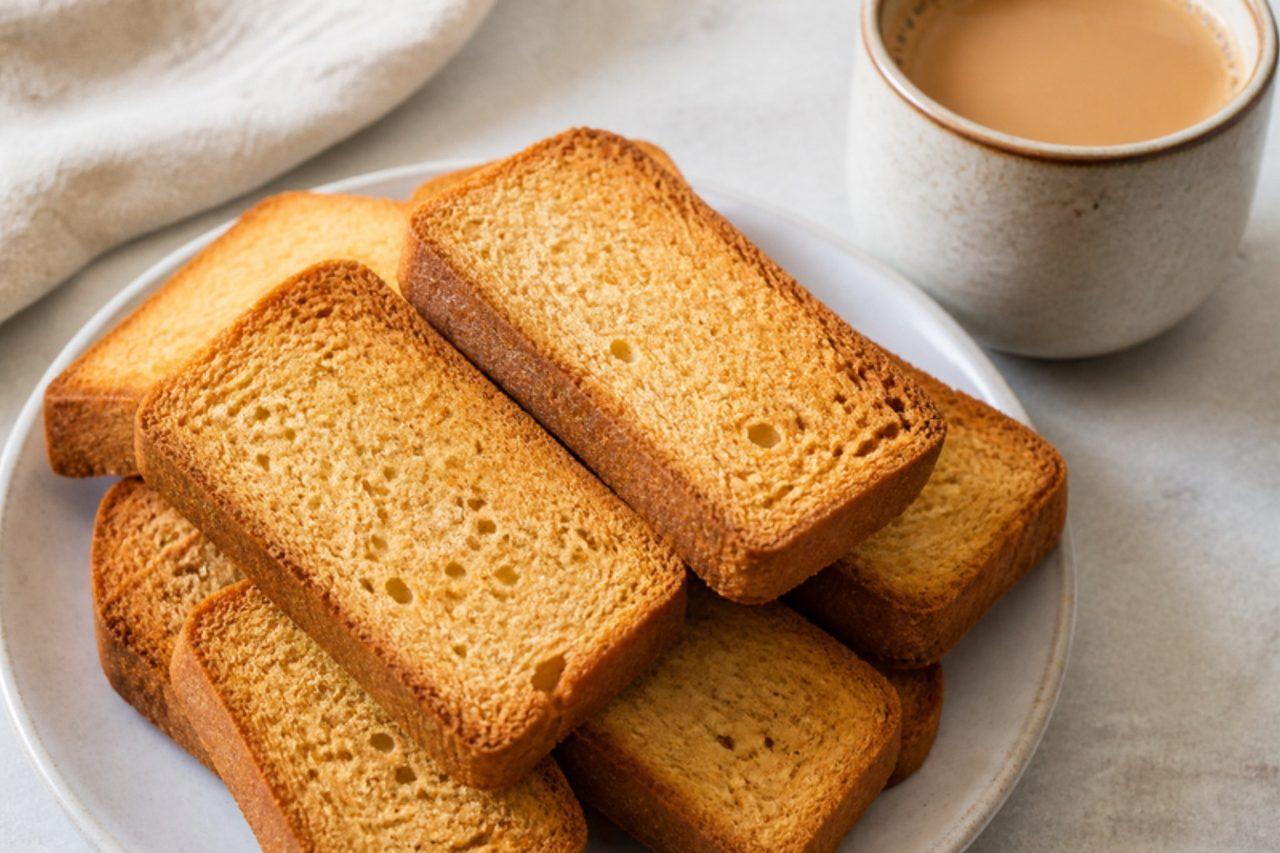
PaapeTwice-baked tea rusks

No Punjabi kitchen is without a tin of paape. They are dunked in the first cup of tea at dawn and again at four o'clock, carried to the fields, and offered to every guest who drops in. Bakeries across Punjab bake a sweet, light loaf, slice it and dry it slowly until it snaps, and this home version does exactly the same. The common mistake is slicing the loaf while it is still warm: it squashes, and the rusks dry out dense and gummy. Let it cool completely, ideally overnight. Chef's tip: dry the slices at a low temperature until the centre snaps cleanly; any softness in the middle and they go stale within days.

by KrazyBadal 0 views

Kanchipuram idliSpiced temple idli

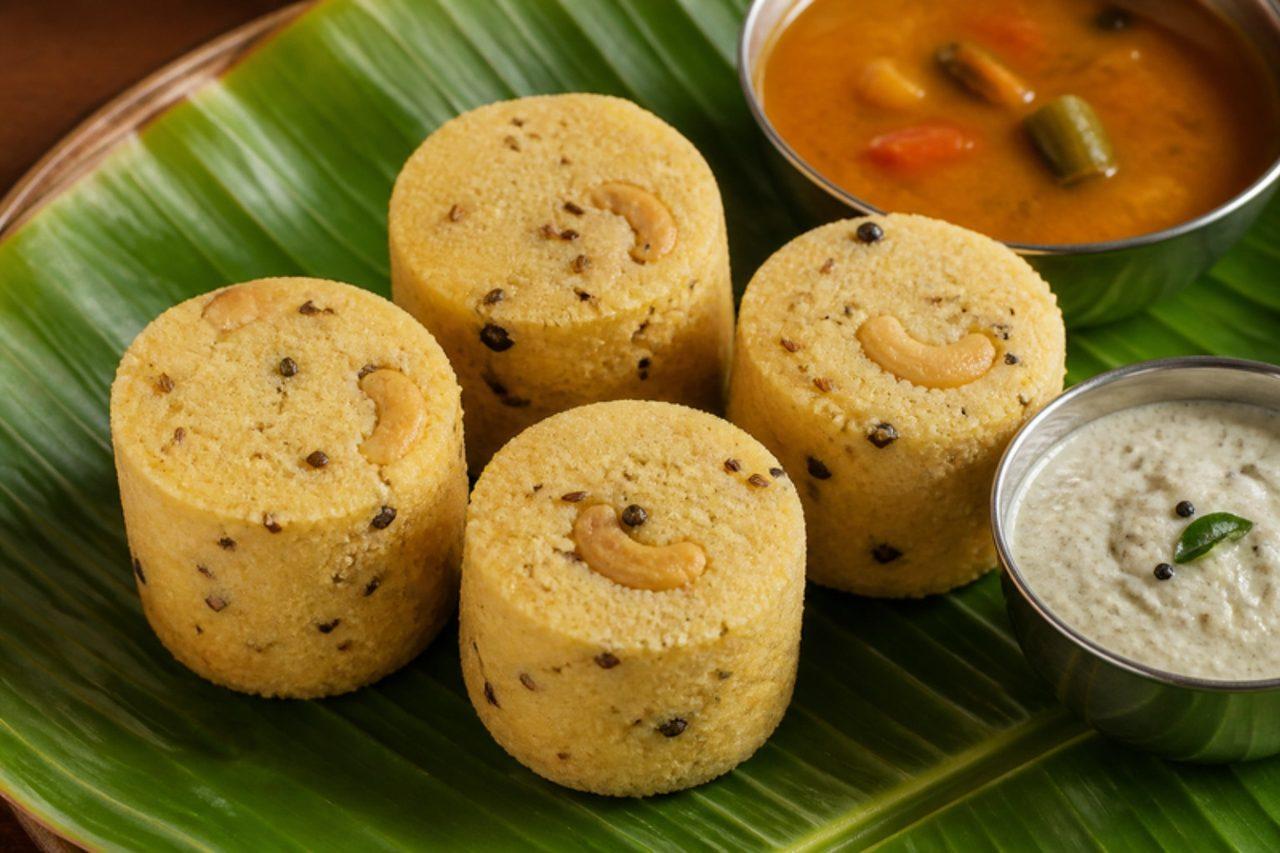
Kanchipuram idli is the temple prasadam of the Varadharaja Perumal temple, where it was traditionally steamed in tall bamboo baskets lined with mandarai leaves. It is coarser and richer than everyday idli, with cracked pepper, cumin, dry ginger and cashews fried in ghee folded through, and it's eaten for breakfast or festival tiffin with coconut chutney and sambar. The mistake is grinding the rice as fine as for plain idli; it should feel like fine semolina so the idli has a crumbly, open bite. Chef's tip: steam in tumblers or small bowls lined with banana leaf for the tall shape and a gentle leaf aroma.

by KrazyBadal 0 views

Veppampoo rasamNeem flower rasam

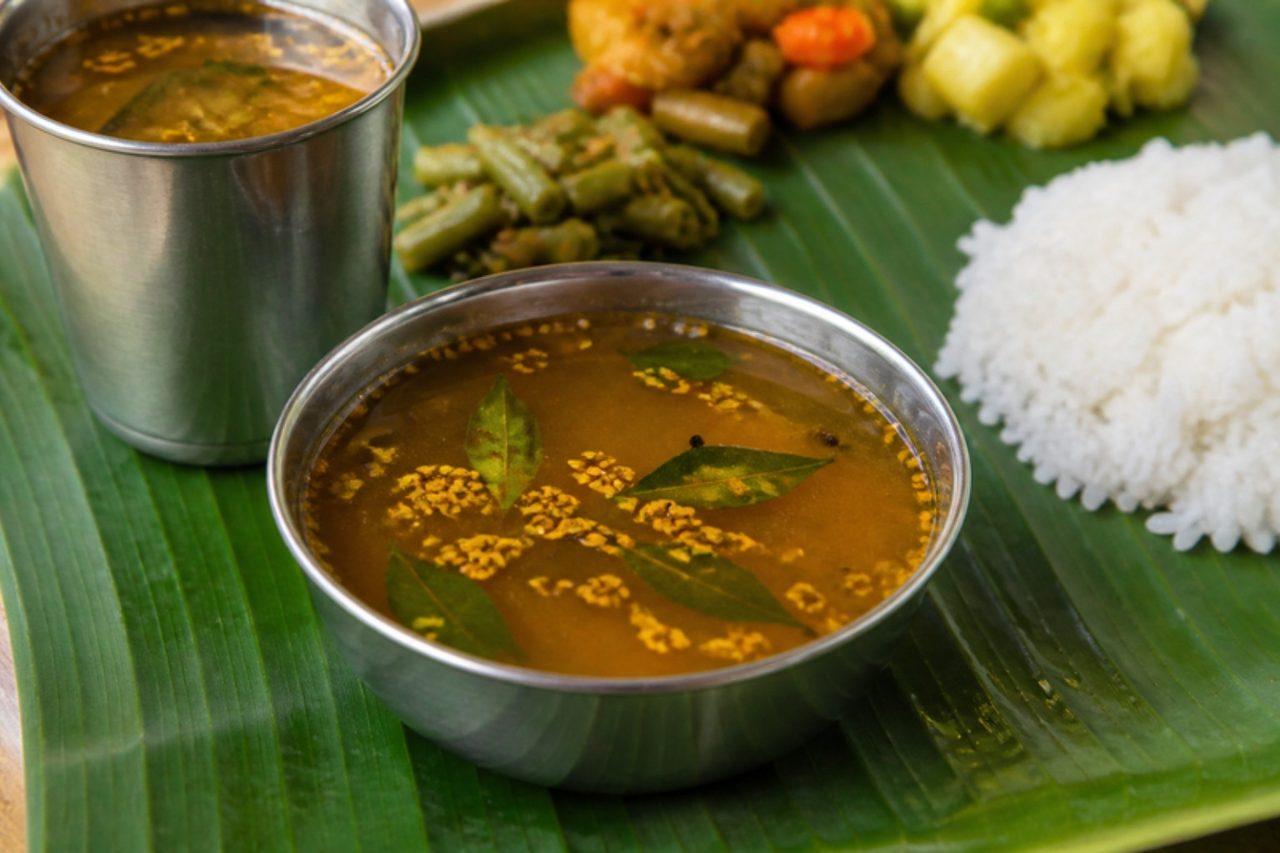
Puthandu, the Tamil New Year in mid-April, falls when neem trees across Tamil Nadu are in flower, and the festive lunch has a little bitterness on purpose, to remind everyone that the year will bring both sweet and bitter. Veppampoo rasam does it gently: dried neem flowers are fried in ghee until crisp and stirred into a light tamarind rasam with pepper and cumin. It is thin, warming and sour, with a toasty bitter finish, and it is poured over rice or sipped from a tumbler. The common mistake is burning the flowers; they turn from golden to black in seconds and taste acrid, so have the rasam ready before you heat the ghee. The rasam is ready when it froths up to the top of the pan; take it off before it reaches a rolling boil. Chef's tip: fry a few extra flowers and scatter them over each serving for crunch.

by KrazyBadal 0 views

Mor kaliButtermilk rice flour cake

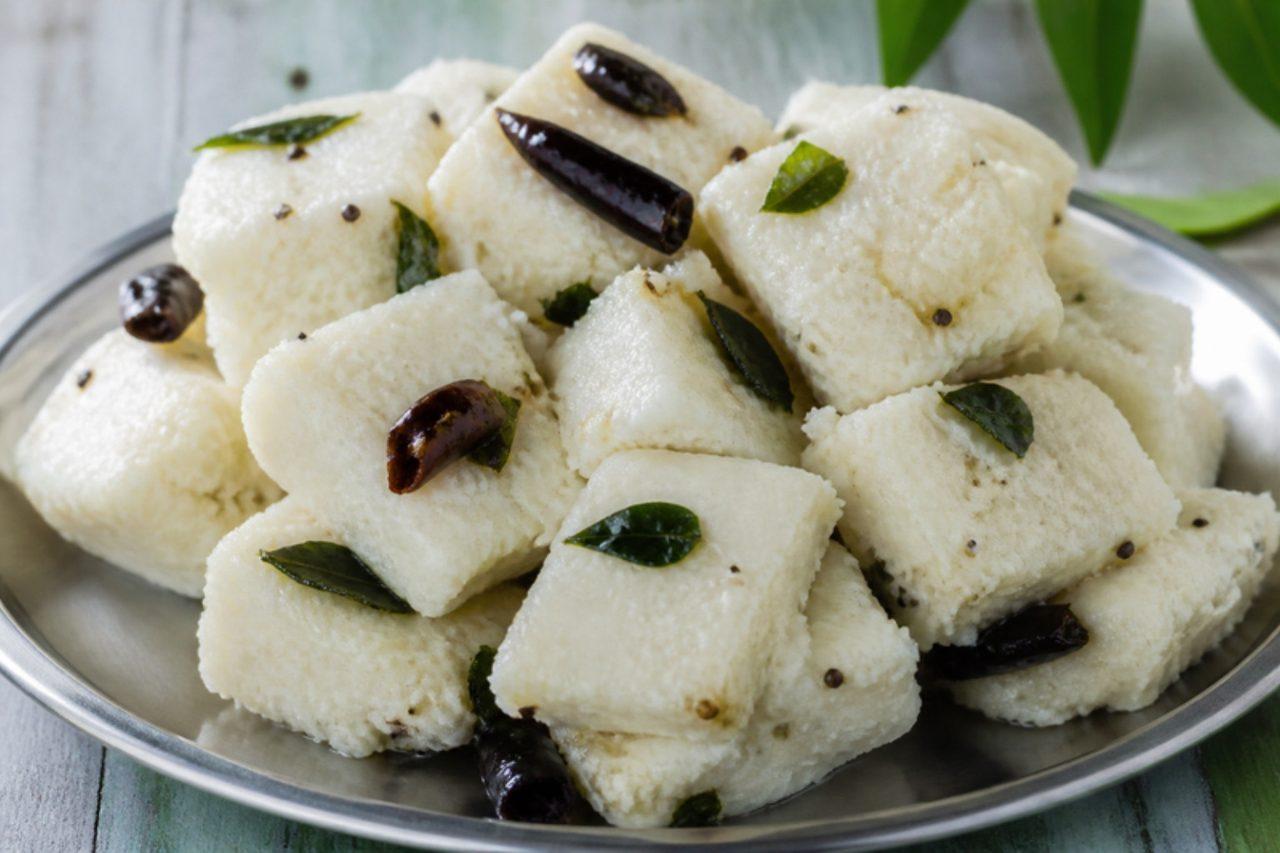
Mor kali is a quick Tamil tiffin of the old style, made in Tirunelveli and Chennai Brahmin homes when there's sour buttermilk to use up. Rice flour is stirred into tempered buttermilk until it turns glossy and leaves the pan, then cut into squares, soft and wobbly with the salty, smoky crunch of fried mor milagai (curd chillies). The mistake is stopping too early: undercooked kali tastes raw and sticks to the teeth, so cook until it rolls into a ball that doesn't stick to a wet finger. Chef's tip: use buttermilk that is properly sour, a day or two old; fresh buttermilk tastes flat here.

by KrazyBadal 0 views

Nombu adaiSweet rice flour and cowpea cakes

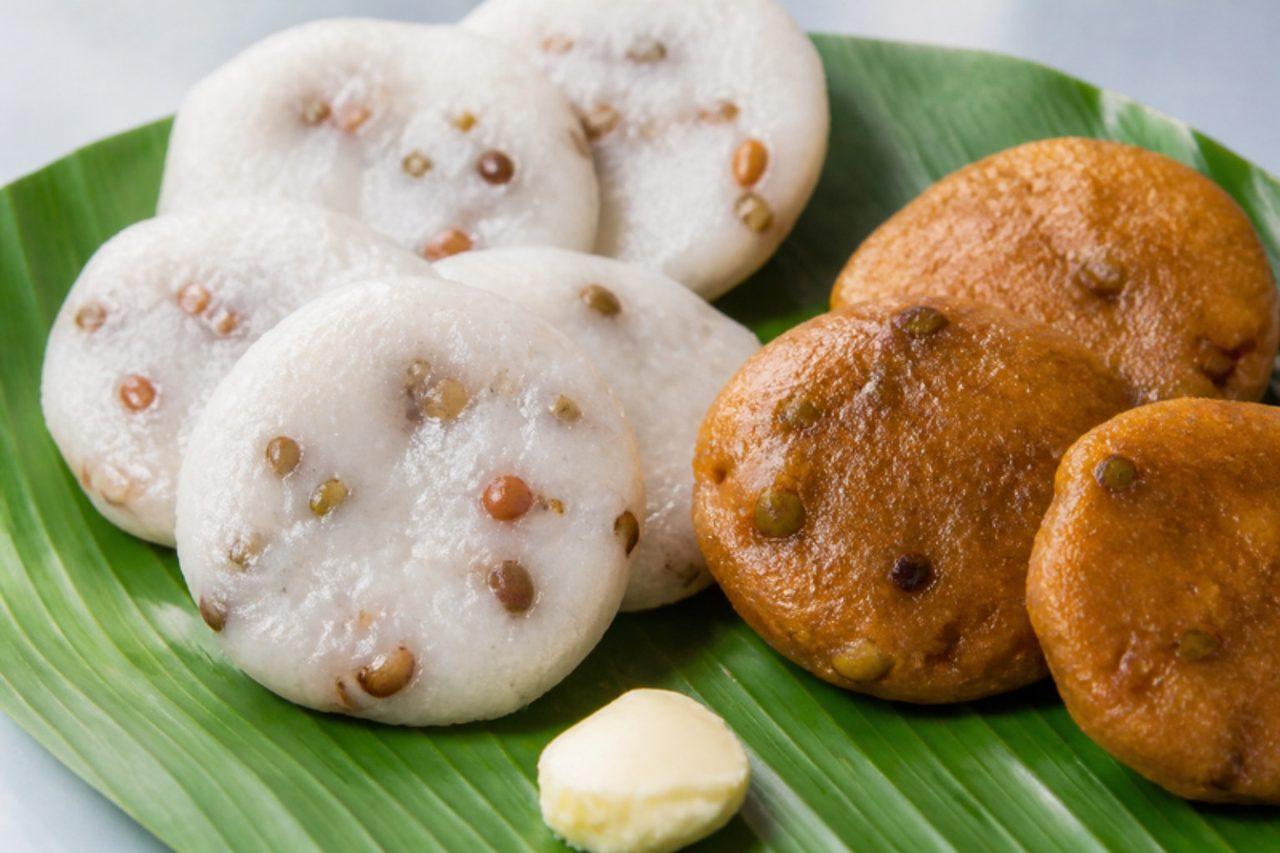
Karadaiyan Nombu falls on the day the Tamil month of Maasi turns into Panguni, and married women in Tamil Nadu fast for their husbands' long life in memory of Savitri, who won her husband back from Yama. The fast is broken at an auspicious minute with these adai, offered with a lump of unmelted butter and tied on with a yellow thread. The rice flour is roasted, cooked into a dough with jaggery, coconut and boiled cowpeas, shaped into small discs with a hole in the middle and steamed. A savoury batch with green chilli, ginger and curry leaves is usually made alongside. Common mistake: using raw rice flour, which makes the adai sticky; roast it until it is warm and flows like sand, and the adai are done when they turn glossy and no longer stick to a wet finger. Chef's tip: for the savoury version, swap the jaggery for 2 chopped green chillies, a little grated ginger and a mustard-seed tempering.

by KrazyBadal 0 views

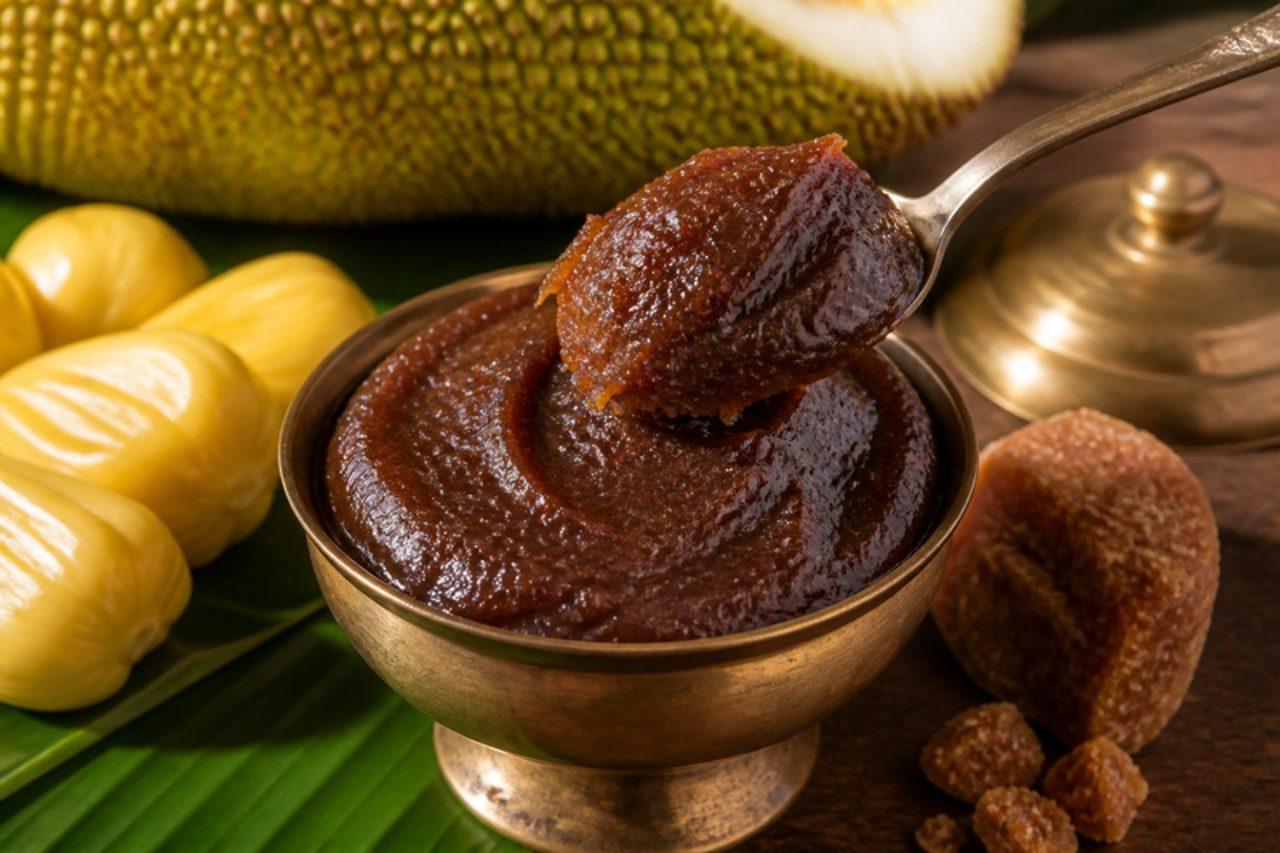
Chakka varattiJackfruit jaggery preserve

Vishu arrives in April when Kerala's jackfruit trees are heavy, and homes turn the glut into chakka varatti, a dark, glossy jam stirred for well over an hour in a wide uruli. It is eaten by the spoon, spread on dosa, and kept in jars for the payasam and ada made at festivals through the year. The taste is deep and caramel-like, with the floral sweetness of ripe jackfruit. The common mistake is cooking it on a high heat to save time: jaggery burns quickly and turns the whole batch bitter. It is done when the ghee starts to separate and shine at the edges, the colour is a dark mahogany brown, and the mass rolls round the pan as one lump. Chef's tip: use only very ripe, fragrant jackfruit bulbs, and if your jackfruit is the firm varikka type, steam it first so it purées smoothly.

by KrazyBadal 0 views

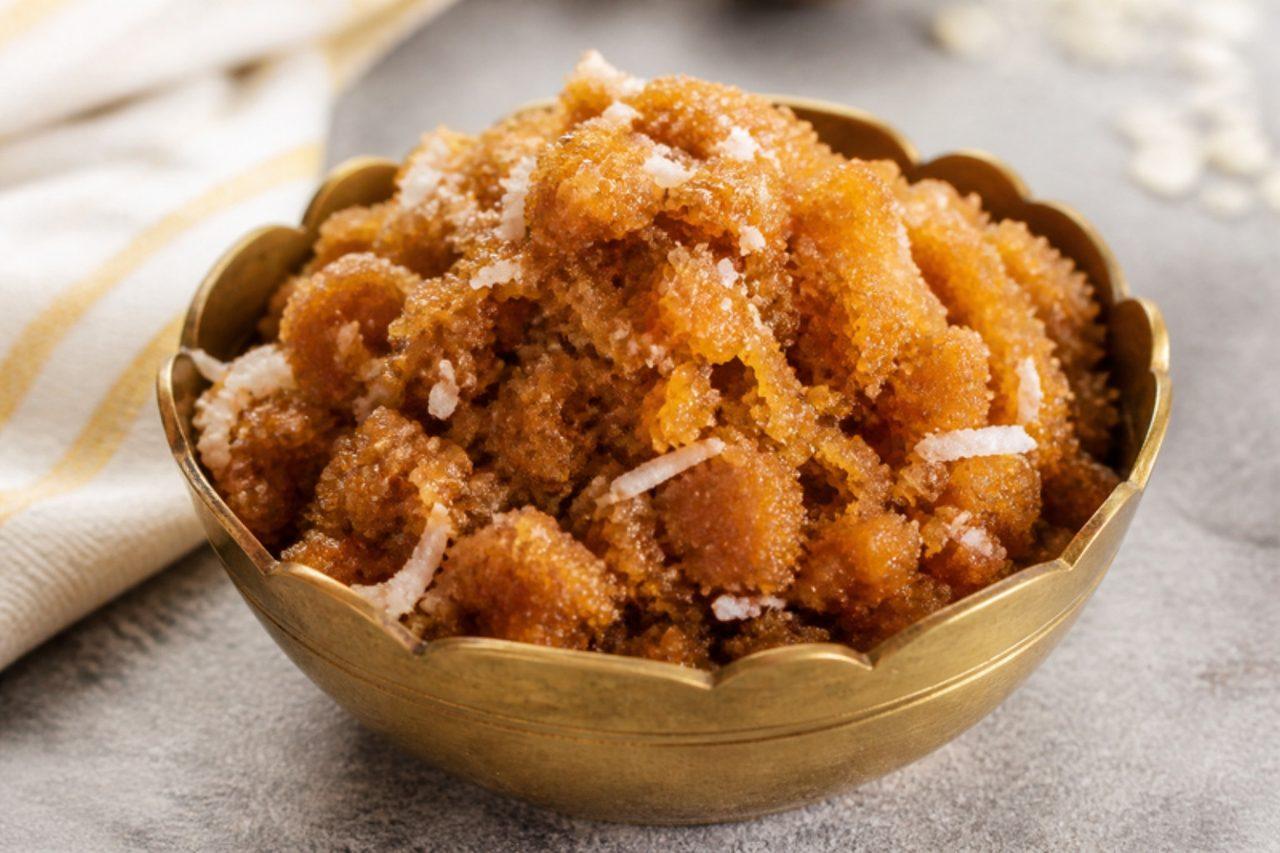
ChalimidiRice flour and jaggery sweet

Chalimidi is a no-cook-flour sweet from Andhra and Telangana, offered to the goddess at Navaratri and Nagula Chavithi and handed out at naming ceremonies and baby showers. Soaked rice is dried, pounded into fresh flour and stirred into a thick jaggery syrup with coconut, so it sets into a soft, damp, slightly crumbly dough that is shaped into small balls. It tastes of molasses and cardamom and is eaten as it is, at room temperature. The most common mistake is undercooking the syrup: a thin syrup leaves the chalimidi sticky and pasty, so cook it to a firm soft-ball stage. Chef's tip: use freshly ground soaked rice, not shop rice flour; the slightly damp flour is what gives chalimidi its tender bite.

by KrazyBadal 0 views

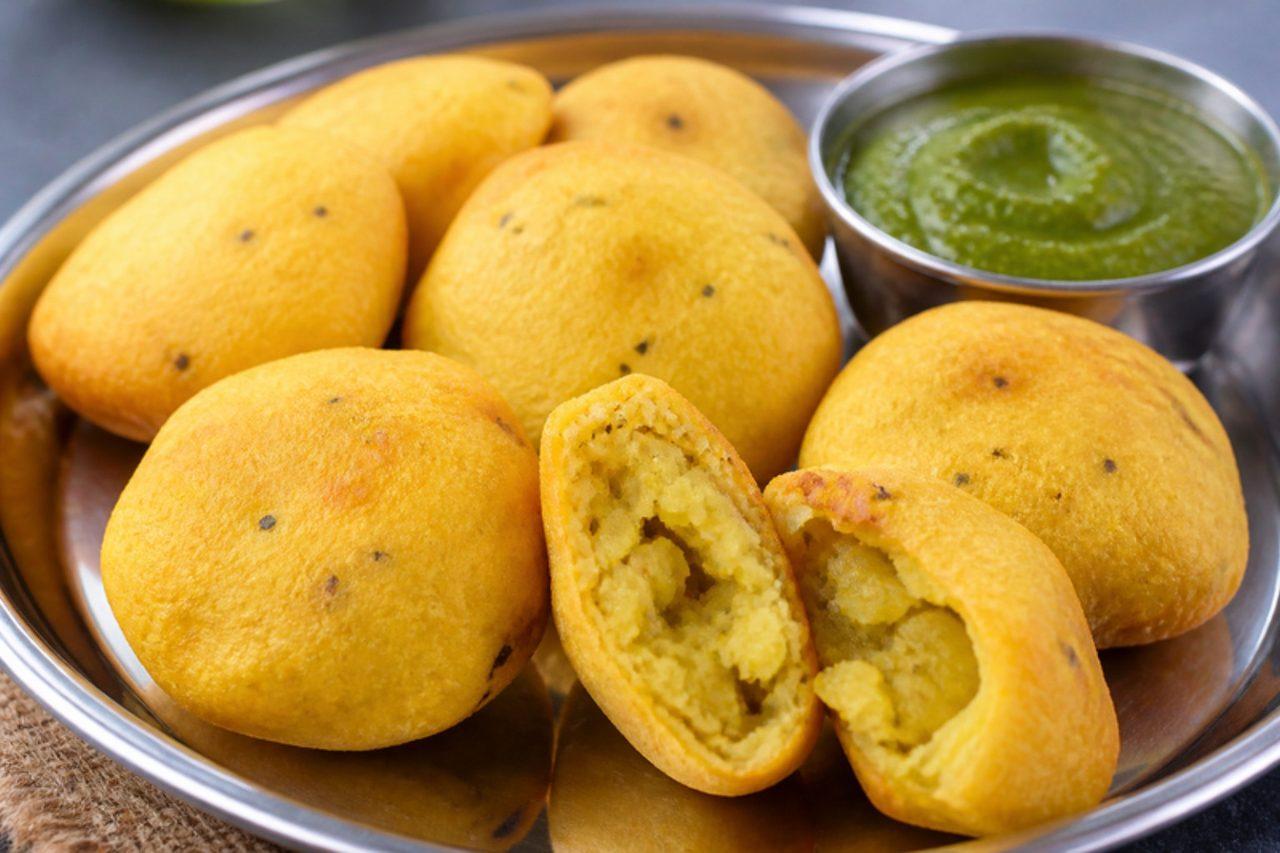
Kacha kela na vadaRaw banana fritters

In Jain homes in Ahmedabad, Palanpur and Mumbai's Gujarati neighbourhoods, raw green banana takes the place of potato, so these vada are the Jain answer to batata vada, made for paryushan-season tea and for guests. The bananas are boiled, mashed and spiced with dry ginger, green chilli, lemon and a little sugar, rolled into balls, dipped in gram flour batter and fried. They taste much like batata vada but are slightly firmer, sweeter and fruity. There is no onion, garlic, potato or fresh ginger in this version. The common mistake is overboiling the bananas until they are waterlogged; the filling then goes sticky and the vada split in the oil, so cook them only until a knife slides in. Chef's tip: mash the bananas while warm with a potato masher, not a blender, so the filling stays light.

by KrazyBadal 0 views

Showing 24 of 2,797 recipes

Show more recipes

Page 6 of 117

More Jain ideas

Other diets