Skip to content
WhatToEat.Today

No onion, no garlic recipes (Swaminarayan and sattvic)

3,470

3470 vegetarian recipes cooked without onion or garlic, as in Swaminarayan and sattvic kitchens, with no meat, fish, eggs or alcohol. Each has photos, step-by-step instructions and cook times. The quickest, Apfelschorle, takes 2 minutes. Most take around 45 minutes.

Filter these by time, diet or cuisine · Make No onion & garlic your diet to see only these recipes everywhere on the site.

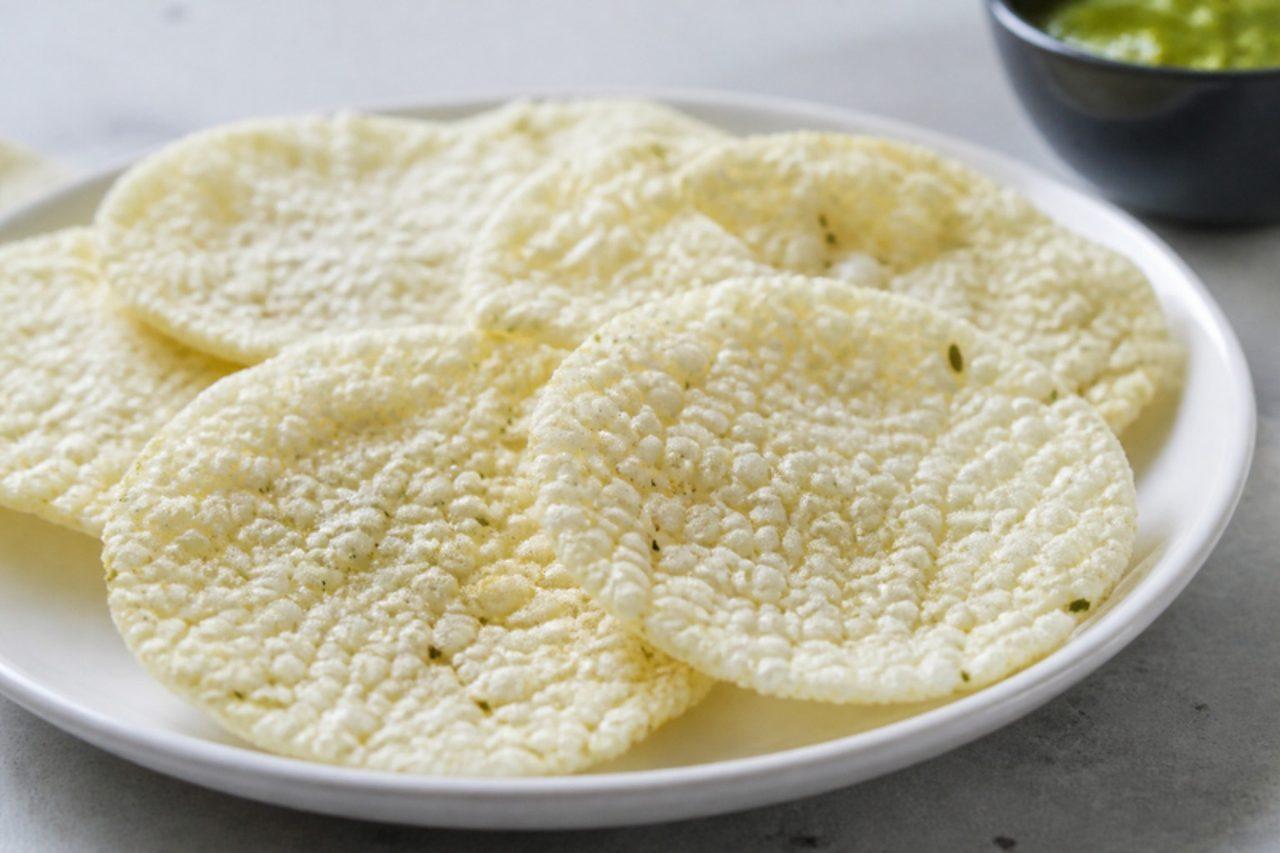
Sabudana papadSago crisps

When Ashadhi Ekadashi, Navratri or a Monday fast comes round in Pune and Nashik, the upvas plate needs something crunchy, and these sago papads are it. They are made in the hottest weeks of summer: soaked sabudana is boiled into a thick, glassy porridge with cumin, green chilli and rock salt, spooned onto plastic sheets and left in the sun until it turns into thin, translucent discs. In hot oil they expand to nearly double, go snow-white and crackle when you bite. They sit next to sabudana khichdi, varyache tandul (sama rice) with peanut amti, or plain farali potato bhaji. The recipe keeps to fasting rules: no grains, no turmeric or asafoetida, and sendha namak (rock salt) instead of regular salt; fry them in groundnut oil or ghee, as your household allows. Chef's tip: cook the sago until there is not a single white dot left in the pearls; any uncooked centres stay hard and chalky after drying and never puff.

by KrazyBadal 0 views

Nolen gurer payeshRice pudding with date palm jaggery

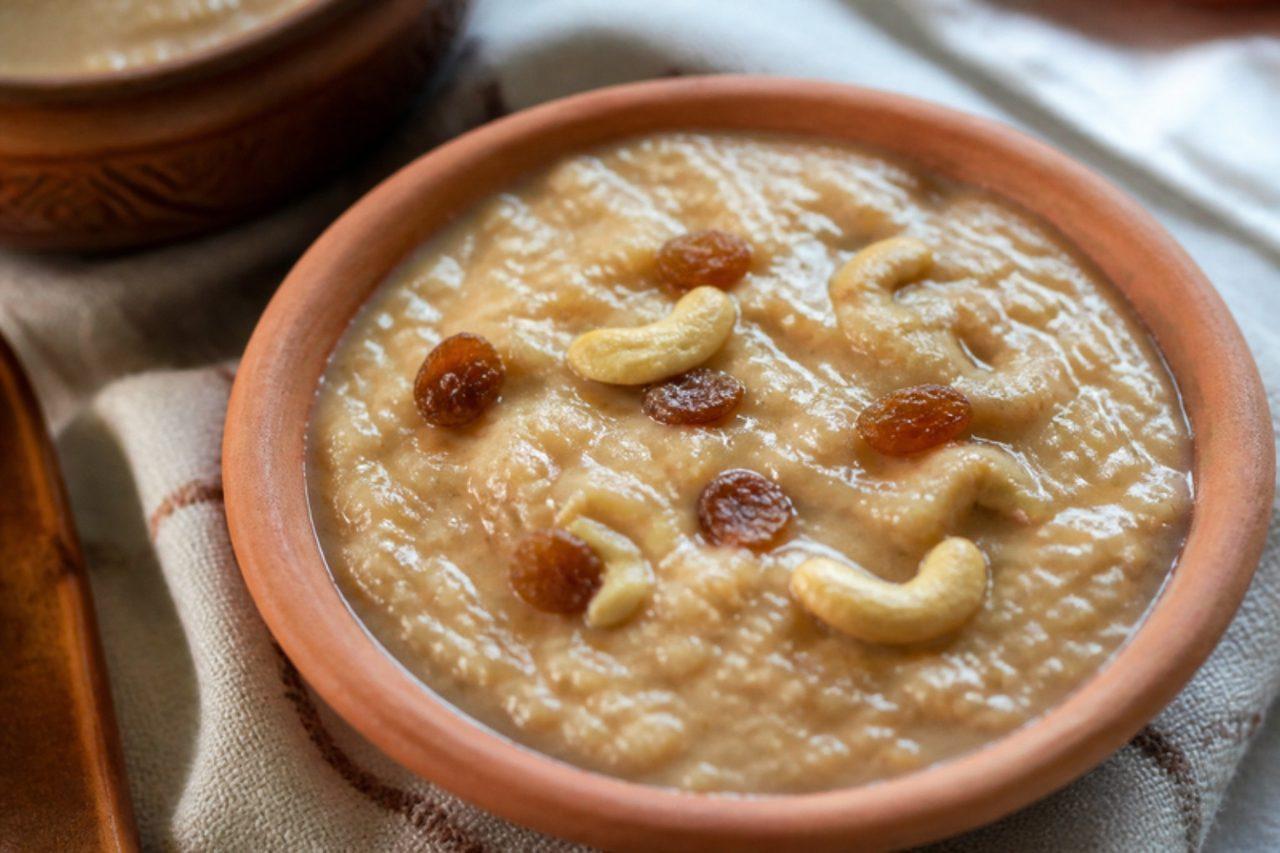
In Bengal winter means nolen gur, the new date-palm jaggery that arrives in clay pots in December and January and smells of caramel and smoke. Kolkata sweet shops put it in everything, but at home the best use is a pot of payesh for Poush Sankranti or a birthday. Short, buttery gobindobhog rice is fried briefly in ghee with a bay leaf, then cooked slowly in full-fat milk until the grains break down and the milk reduces to a creamy, spoonable pudding. The jaggery goes in last and turns it a soft brown. Serve warm or cold, in small bowls or clay bhar, with pithe on the side. Common mistake: adding the gur while the milk is boiling, which almost always curdles it; take the pot off the heat and let it cool for a few minutes first. Chef's tip: no nolen gur? Use liquid date-palm jaggery (jhola gur) or a soft palm jaggery; cane jaggery works but the flavour is flatter.

by KrazyBadal 0 views

Breadfruit chipsBreadfruit crisps

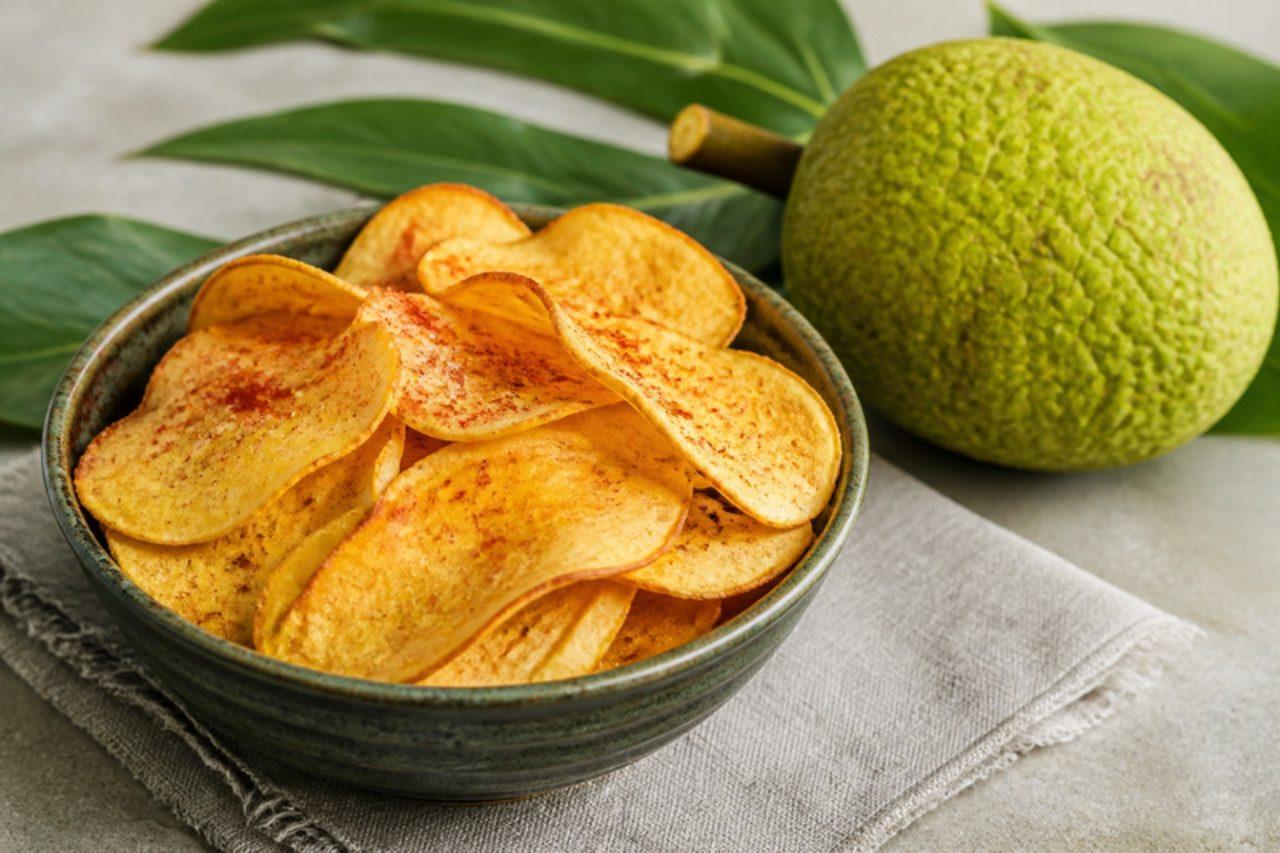
Roadside kiosks on La Digue and the Victoria market sell paper cones of chips friyapen, still warm, to people walking back from the beach. Breadfruit fries up lighter than potato, with a faintly nutty, bready taste and a crunch that shatters, and islanders say whoever eats breadfruit will come back to the Seychelles. Use a fruit that is mature but still firm, with green skin and no soft patches; ripe, yielding breadfruit is too sweet and wet and the slices go leathery. Breadfruit has no gluten at all, so the chips suit coeliac friends if the oil is fresh. Eat them as they are with a cold drink, or alongside grilled fish and a sharp tomato chutney. Chef's tip: rub a little oil on your knife and hands before cutting, because the white sap is sticky and hard to wash off.

by KrazyBadal 0 views

KurdaiSun-dried wheat starch spirals

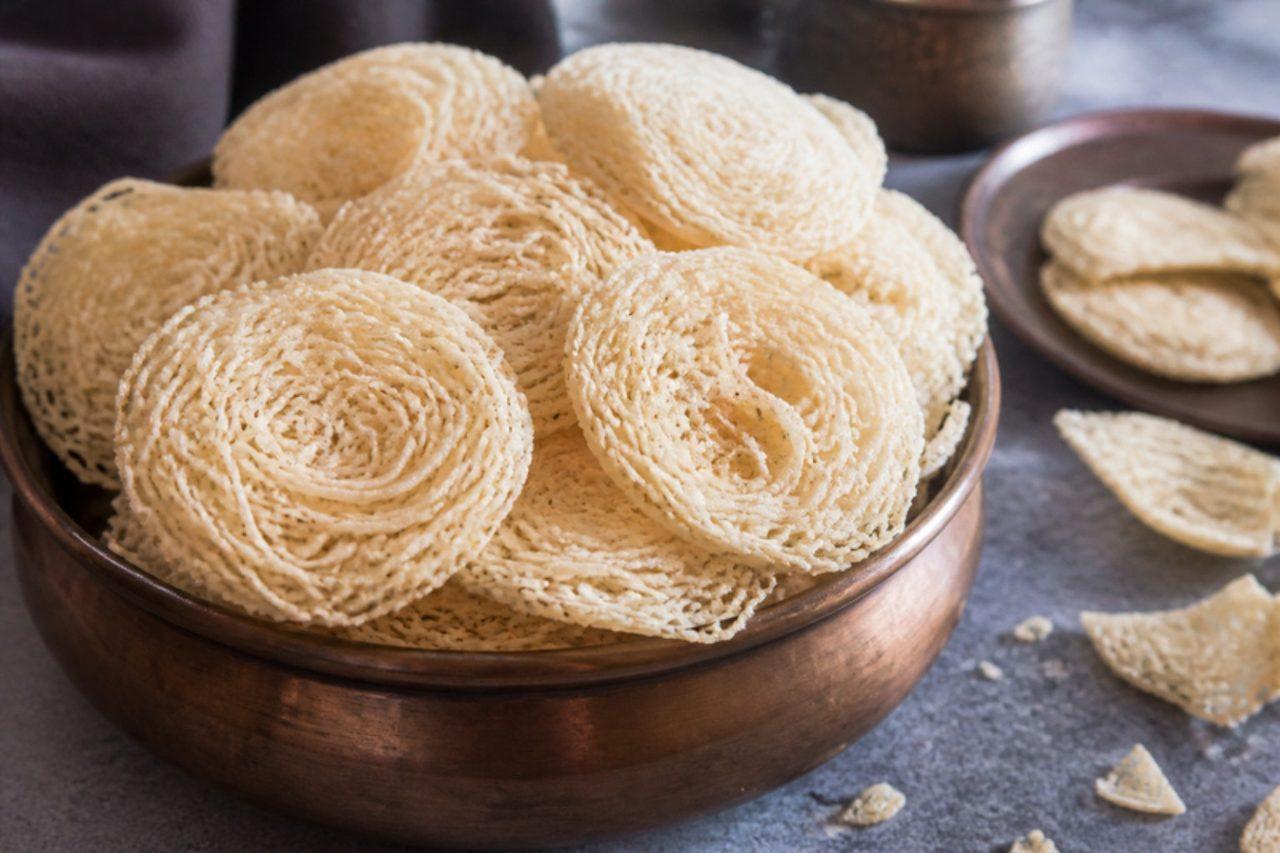
Kurdai is one of the great Marathi summer projects, the kind that takes the whole family and most of the week. In Marathwada and Khandesh, whole wheat grains are soaked for three days, ground, and strained to collect the fine starch (chik), which settles and slightly ferments. That starch is cooked into a glossy paste and pressed through a kurdai press into flat spirals that dry hard and translucent in the April sun. Fried, they swell into airy, rippled curls, crisp and almost melting, with a faint tang from the fermentation. Kurdai turns up on the side of a Maharashtrian thali with varan-bhaat, at festivals, and as a tea-time crunch. Note that it is made from wheat, so it is not gluten-free. Chef's tip: change the soaking water morning and evening without fail. Skip it and the wheat starts to smell sour and musty instead of clean and yeasty, and the kurdai will taste of it.

by KrazyBadal 0 views

Besan ladooGram flour sweet balls

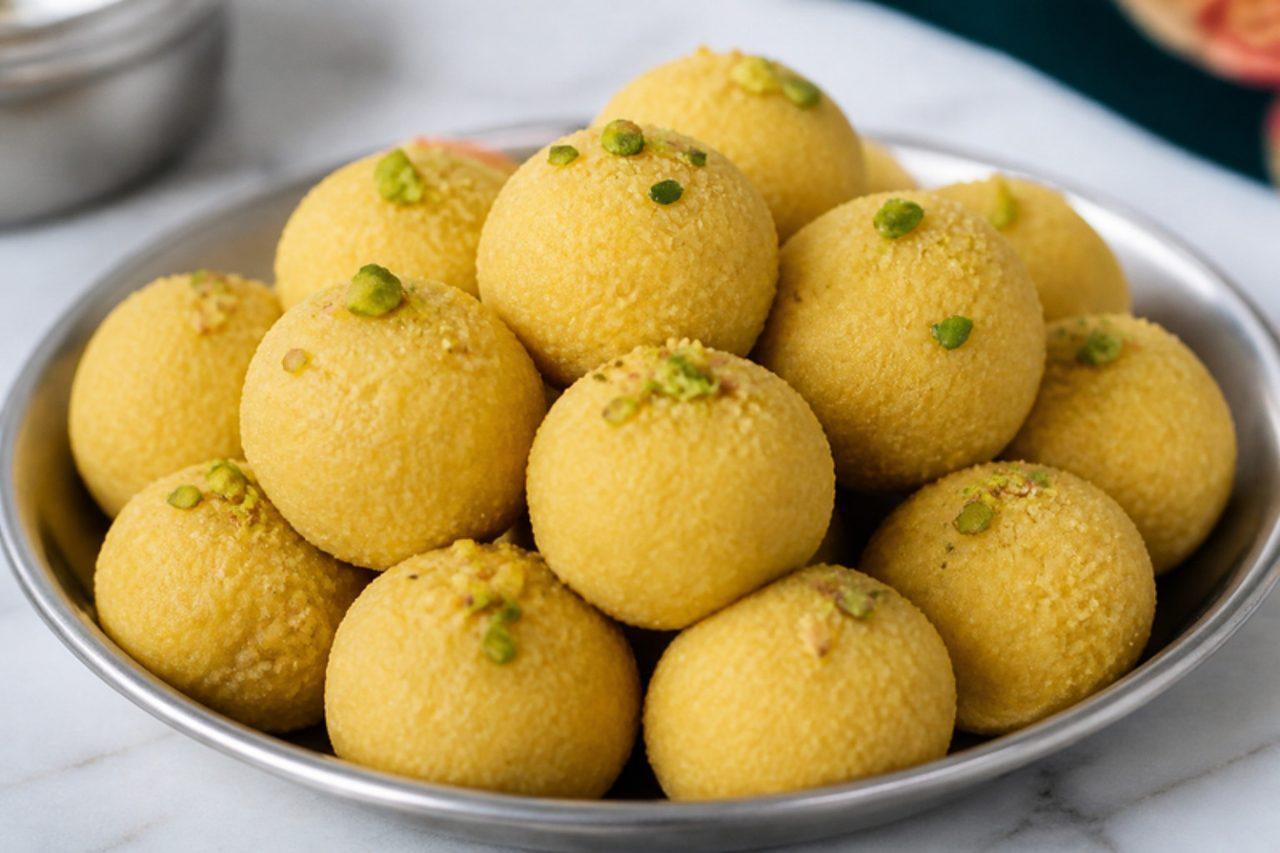
Every North Indian and Gujarati kitchen has its besan ladoo argument: coarse or fine flour, boora or caster sugar, nuts or not. What nobody argues about is the roasting. The gram flour has to cook in ghee on a low flame for half an hour, going from a stiff lump to a loose, flowing paste the colour of sand, until the raw beany smell is gone and the kitchen smells like roasted peanuts. That patient roast gives a ladoo that is melt-in-the-mouth, faintly grainy and rich, never pasty. They are made for Diwali, offered to Ganesh on Chaturthi and packed for travellers because they keep for weeks. Use besan packed without wheat if you need it gluten-free. Chef's tip: let the roasted besan cool until just warm to the touch before the sugar goes in; hot besan melts the sugar and your ladoos slump into flat discs.

by KrazyBadal 0 views

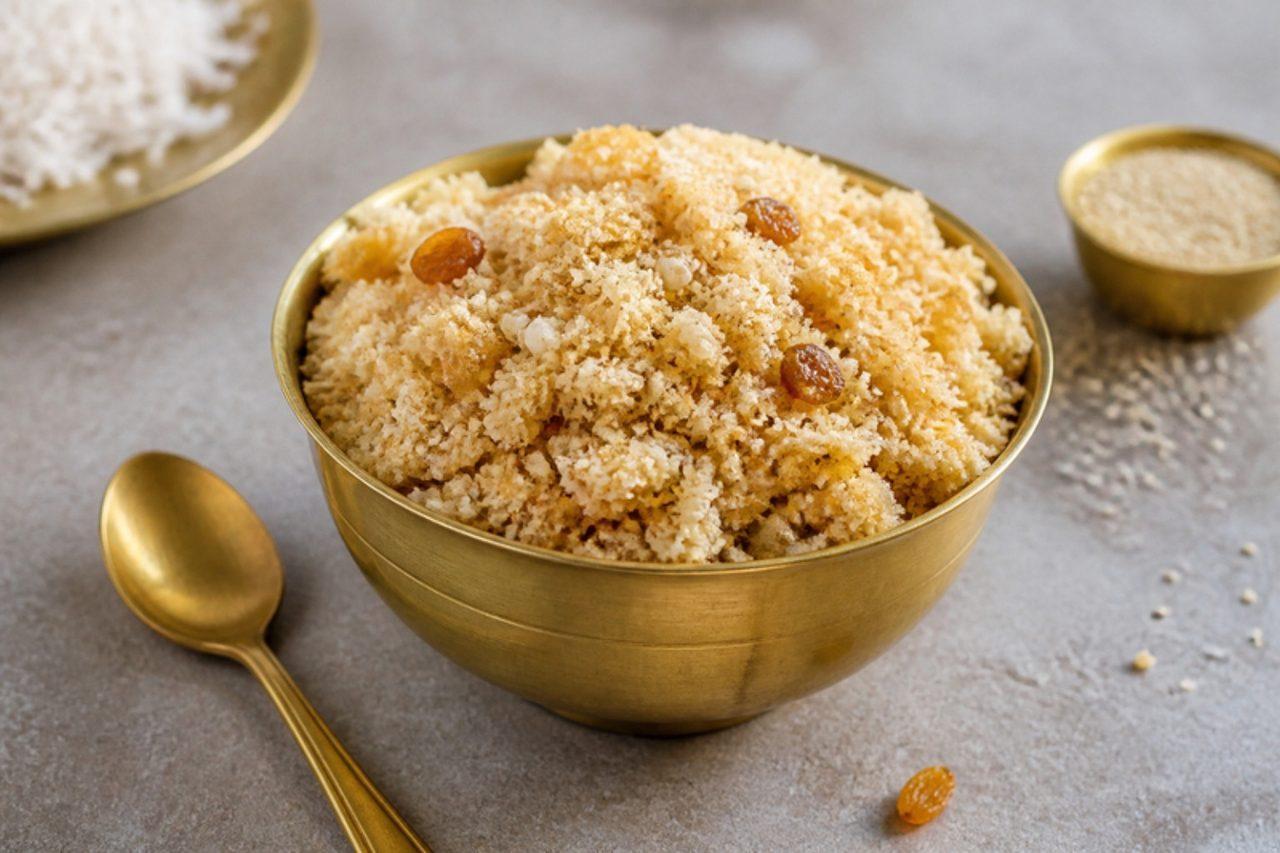
PanchakhadyaCoconut, jaggery and poppy seed offering

Walk into a Maharashtrian home during the ten days of Ganeshotsav and the evening aarti ends with a spoonful of panchakhadya pressed into your palm. Pancha means five and khadya means things to eat: dry coconut (khobra), jaggery, poppy seeds, dry dates (kharik) and dry ginger (sunth) powder, all toasted and pounded together into a loose, sweet crumble. Some families add a few raisins or almonds, but the five are the heart of it. It is warming, chewy and gently spicy from the sunth, and it keeps for weeks, which is why it is made in a big tin at the start of the festival. Eat it by the spoon, or sprinkle over hot milk. The common mistake is grinding everything together into a sticky paste; the jaggery should be grated and stirred in at the end so the mixture stays crumbly. Chef's tip: dry kharik are rock hard; soak them for 10 minutes in hot water, then pat dry and chop, or buy ready kharik powder.

by KrazyBadal 0 views

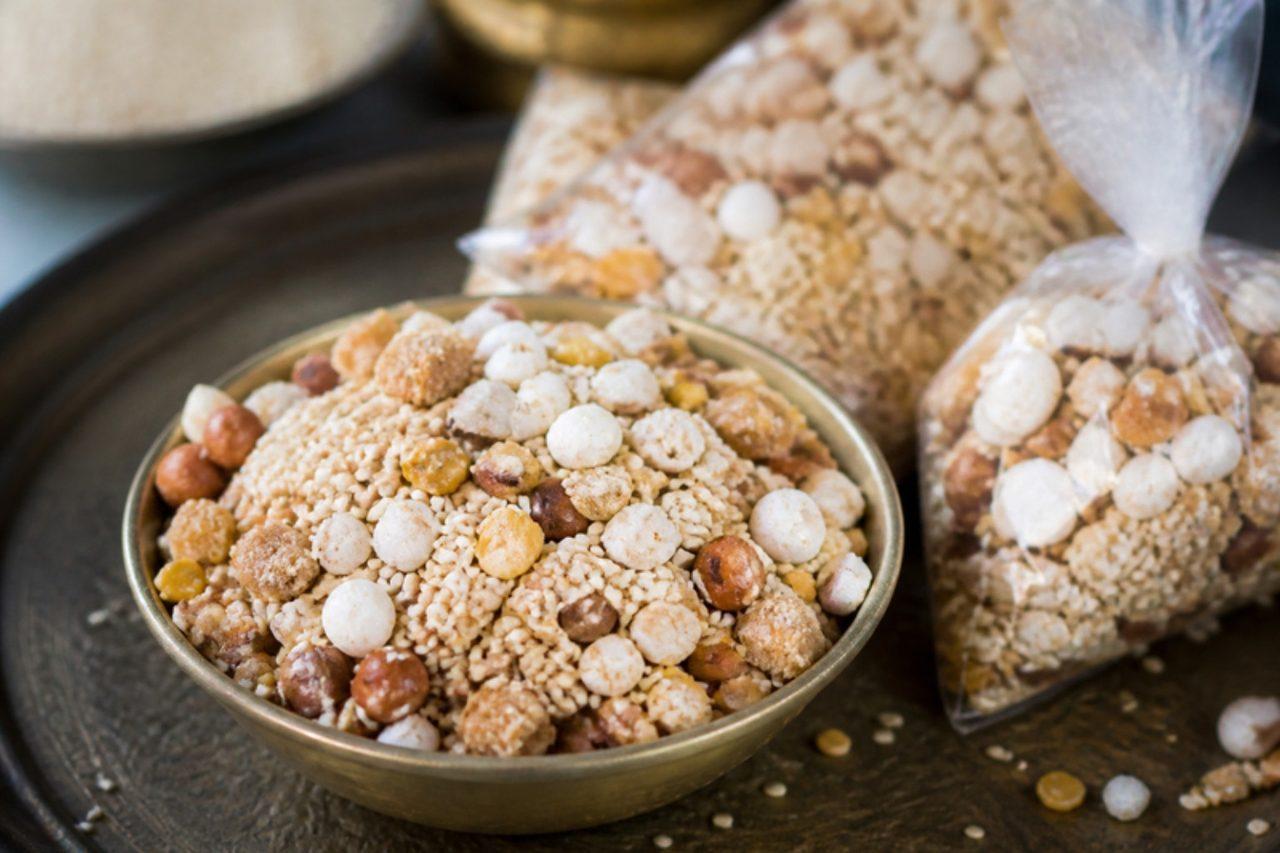
Ellu bellaSesame and jaggery mix

'Ellu bella thindu olle maathadi': eat sesame and jaggery and speak only good words. On Sankranti morning, girls in Bengaluru and Mysuru dress in new silk and carry small steel plates of ellu bella, a sugarcane stick, a banana and a sugar figure (sakkare acchu) from house to house, a custom called ellu birodhu. The mix itself is uncooked once its parts are roasted: white sesame, tiny cubes of dry coconut and jaggery, peanuts and putani (roasted gram), sometimes with a few fried gram-dal sugar beads. It is crunchy, nutty and sweet in small bursts. Families make a kilo at a time to give away. The common mistake is mixing it while the sesame is still warm, which melts the jaggery and turns everything into a lump. Chef's tip: cut the copra and jaggery to the same small size as the peanuts so every spoonful has a bit of everything.

by KrazyBadal 0 views

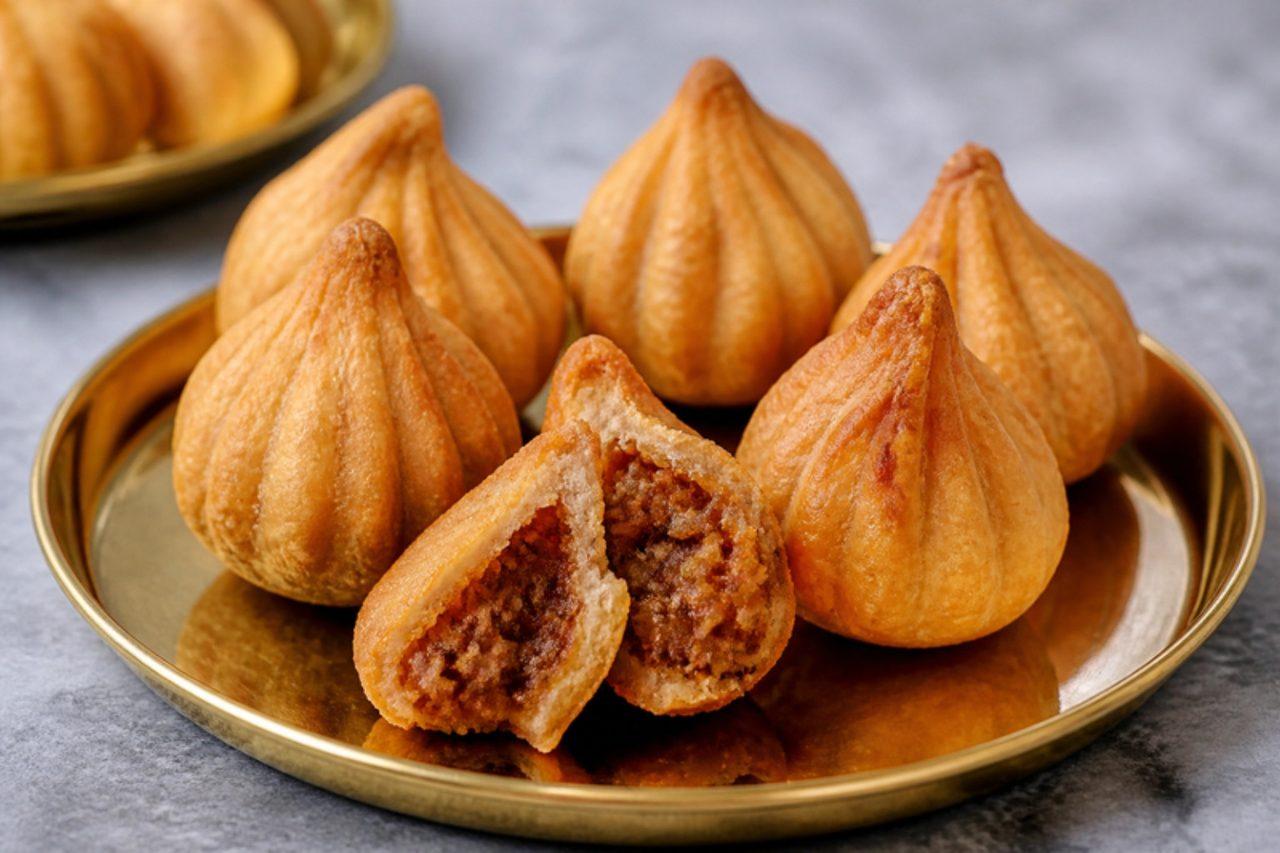
Talniche modakFried coconut jaggery dumplings

Steamed ukadiche modak may be the star of Ganesh Chaturthi in Konkan homes, but across Pune, Nashik and Vidarbha the plate of twenty-one for Bappa is just as often fried. Talniche modak use a short dough of wheat flour and fine semolina, pleated by hand around the same coconut, jaggery and poppy-seed saran, then fried slowly until they turn pale gold and shatter when bitten. Because they are dry and crisp they travel well: they go into the steel dabba for relatives and last through all ten days of the festival. The filling is sticky and fragrant with cardamom and nutmeg, the shell flaky like a karanji. Serve them at room temperature with a cup of tea or as part of the naivedya thali. The usual mistake is frying in oil that is too hot, which browns the outside in a minute and leaves the inner pleats raw and doughy. Chef's tip: rub the ghee into the flour until it holds in a clump when pressed; that moyan is what makes the shell blister and flake rather than turn hard like a puri.

by KrazyBadal 0 views

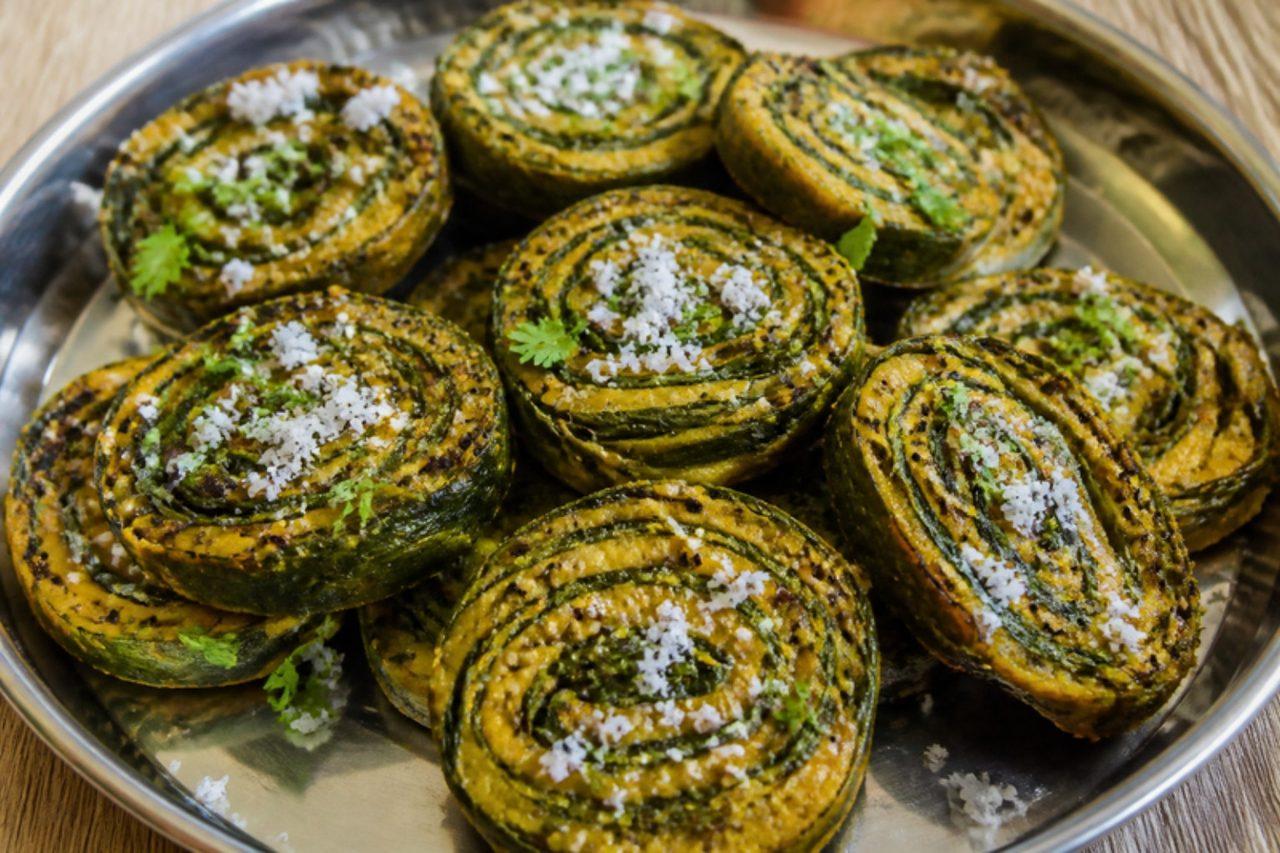
PatraSteamed colocasia leaf rolls

Arbi leaves (colocasia, sold as patra or alu leaves in Indian shops) are on every farsan counter from Surat to Ahmedabad, and steamed patra is the one Gujarati mothers make on a Sunday when the leaves look good at the market. Several leaves are glued together with a thick besan paste that is sour with tamarind, sweet with jaggery and warm with ginger and chilli, then rolled, steamed, cooled and cut into spirals. A final vaghar of mustard, sesame and curry leaves gives a crisp edge. The same dish in Maharashtra is alu vadi, where the slices are usually fried. Patra is a must on a wedding or Diwali farsan plate and is good cold in a dabba too, with green chutney or nothing at all. Tamarind matters for more than taste: raw colocasia makes the throat itch, and the acid in the paste stops it, so never skip it. Common mistake: slicing the rolls while hot, when they crumble; let them cool completely first. Chef's tip: choose medium leaves without holes, and shave the thick back veins flat with a knife so the leaves lie flat and roll tight.

by KrazyBadal 0 views

Athela marchaQuick pickled green chillies

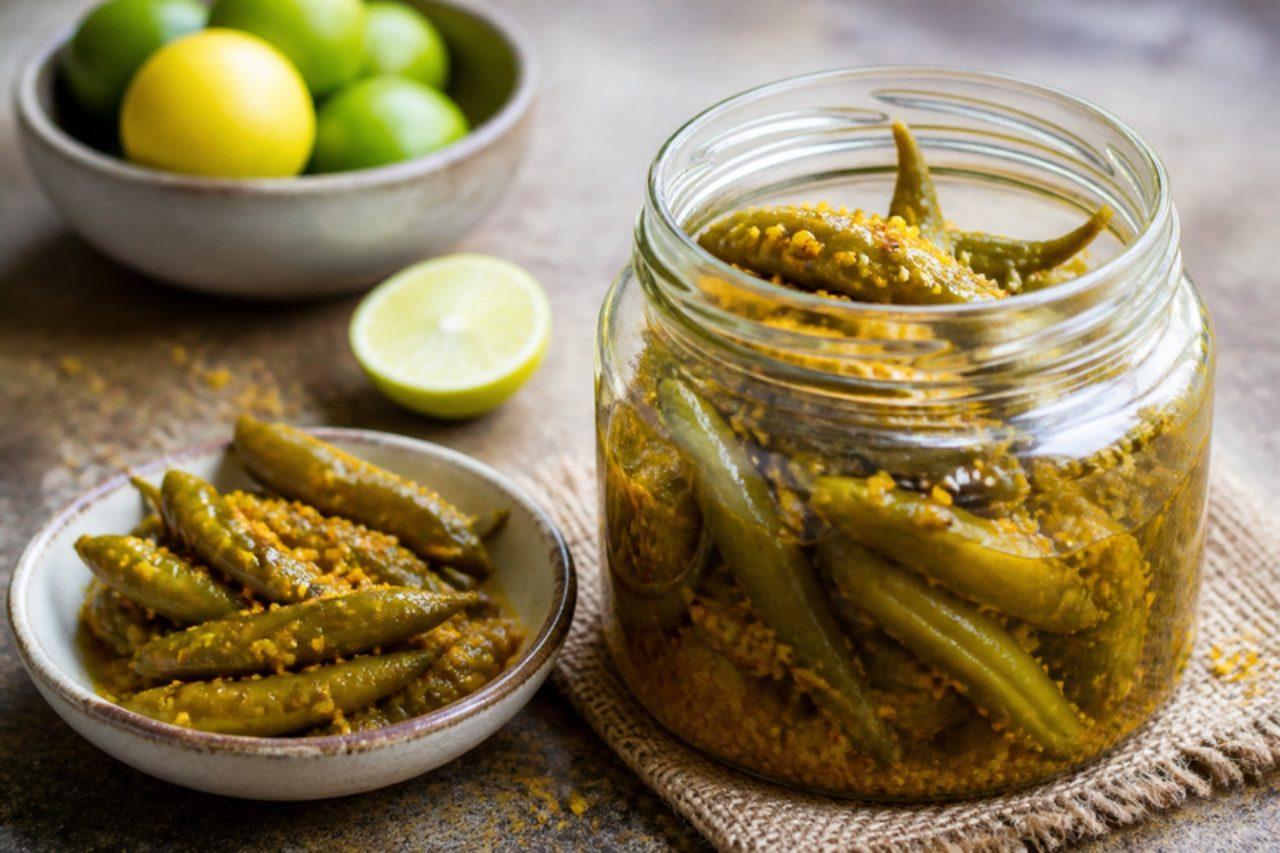
On a Gujarati table there is nearly always a small steel bowl of athela marcha beside the thali, the quick daily pickle that makes plain khichdi, dal-bhaat, thepla or a plate of fafda taste complete. Thick, mild chillies (Bhavnagri or the pale green ones sold for bhajia) are slit, tossed with rai kuria (split mustard), salt, turmeric and hing, and soused with lemon juice. Within a few hours the mustard blooms and turns pleasantly pungent, the lemon softens the chillies and the colour turns olive green. They stay crunchy for about a week in the fridge, so most homes make a small batch every few days. Use thin, hot chillies if your family likes the heat. Common mistake: washing the chillies and using them damp, which waters down the masala and turns the pickle slimy; dry them completely before slitting. Always serve with a clean, dry spoon and throw the jar out if it turns cloudy, mouldy or smells off. Chef's tip: a pinch of methi kuria and half a teaspoon of sugar round out the sharpness if the lemons are very sour.

by KrazyBadal 0 views

Namak pareSalted dough diamonds

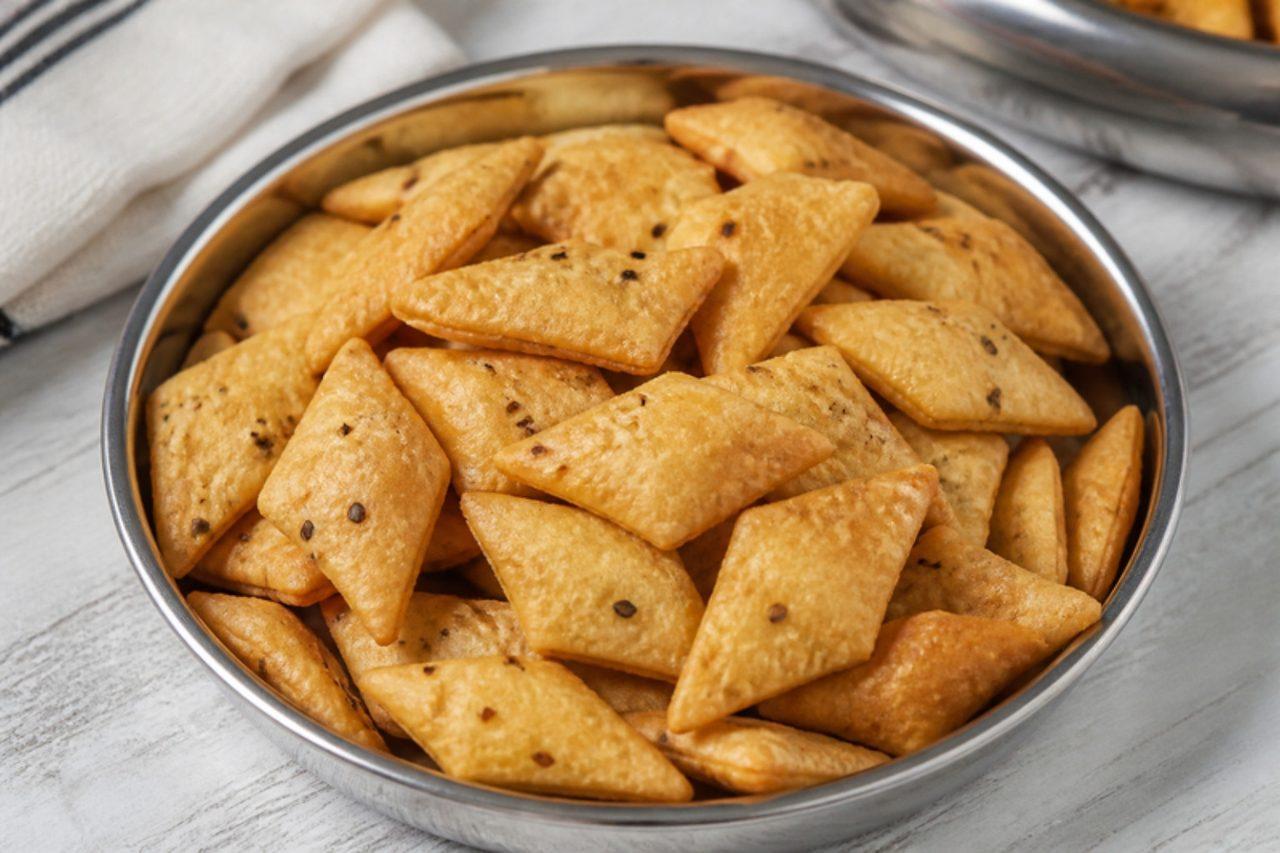
Namak pare are the easiest thing in the festive tin, and usually the first to run out. A simple salted dough with a little ghee, ajwain and black nigella seeds is rolled thin, cut into small diamonds and fried until golden and crunchy. They are much thinner and crisper than mathri, with a satisfying snap rather than a flaky crumble, and the kalonji gives a slightly oniony, peppery note. Punjabi and UP homes make big batches before Holi and Diwali, but they also turn up on train journeys, at kitty parties and with evening tea. Sprinkle with chaat masala for a tangier version. Chef's tip: roll the dough evenly, about 3 mm; thin spots burn while thick ones stay soft, and even sheets give every piece the same crunch.

by KrazyBadal 0 views

Soan papdiFlaky threaded sweet cubes

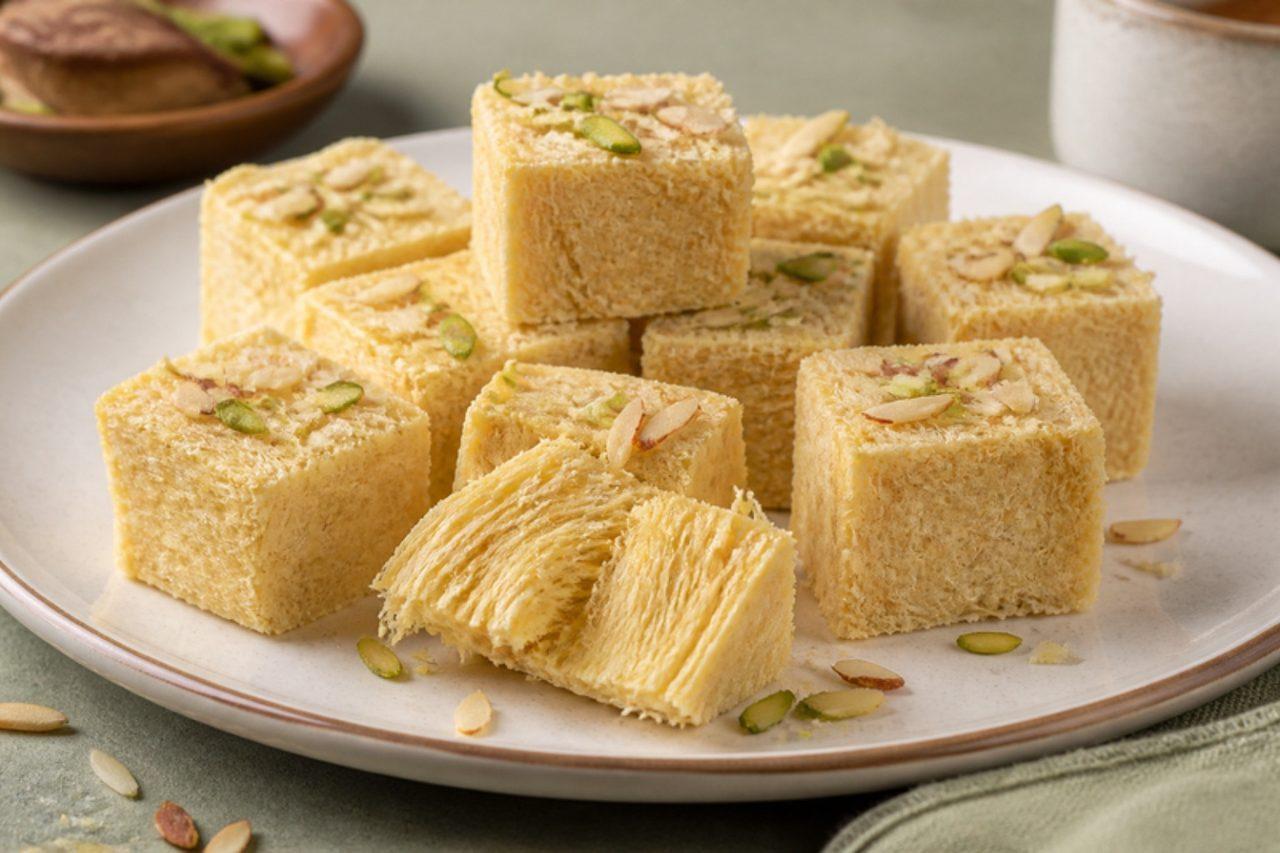
Long before it came in gift boxes, soan papdi was a halwai's showpiece in the bazaars of western Uttar Pradesh and Delhi. Hot sugar syrup is pulled like taffy, then worked into a warm paste of gram flour and maida roasted in ghee, and the folding stretches it into hundreds of fine threads. The result is airy, flaky and crumbly, with a toasty, cardamom-sweet flavour, nothing like the stale boxes passed around offices at Diwali. It is genuinely a two-person job at home: one person pulls while the other keeps the flour warm. Wear clean kitchen gloves rubbed with ghee if your hands are sensitive to heat, and keep children away from the syrup. Chef's tip: keep the roasted flour on the lowest possible heat the whole time; the moment it cools, it stops coating the sugar threads and you get dense, chewy lumps.

by KrazyBadal 0 views

Aam papadMango fruit leather

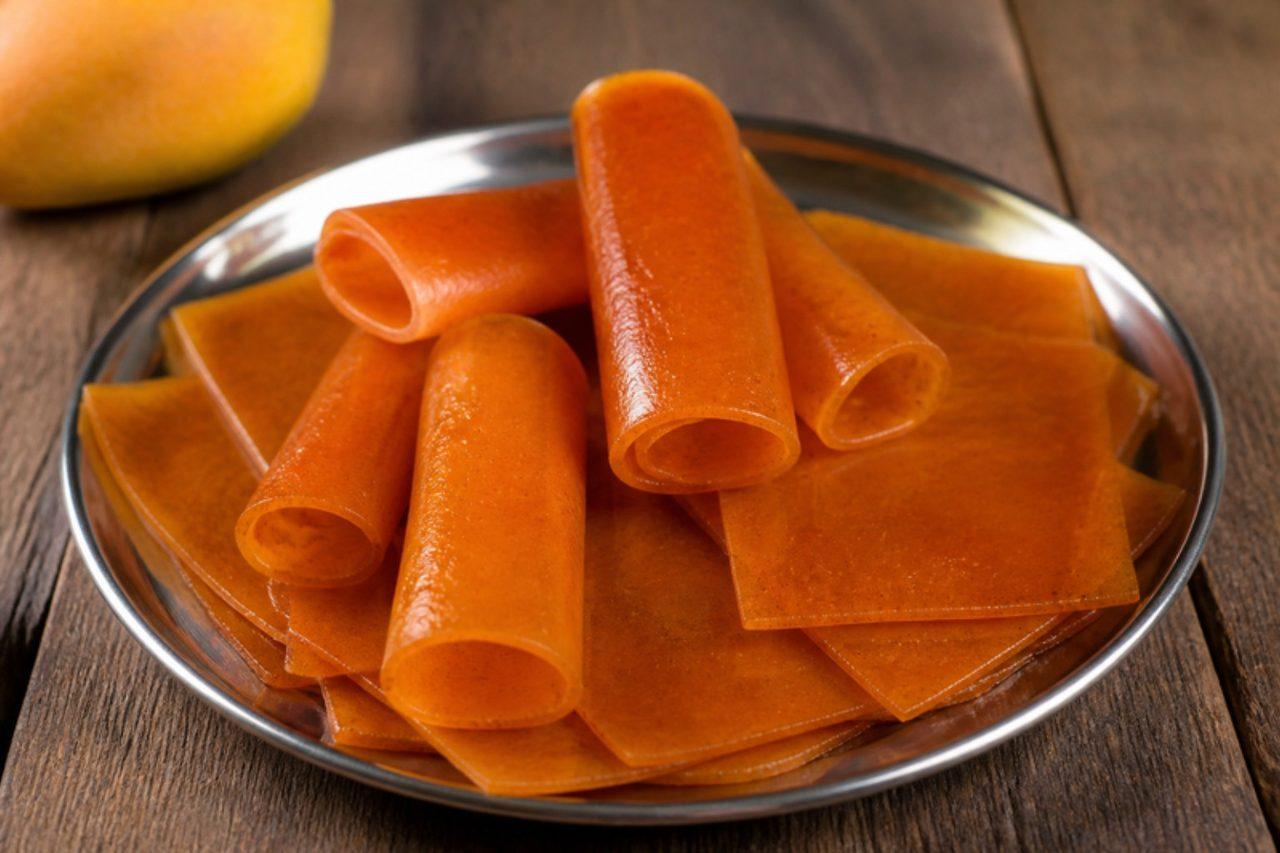
Children in Lucknow, Varanasi and across Uttar Pradesh grew up tearing strips off aam papad from the corner shop, but the homemade kind, made when Dussehri and Langra mangoes are cheap and overripe in June, is in another league: thick, glossy, chewy, deep orange and properly mango-tasting, with a sour edge. Ripe pulp is cooked down with a little sugar and lemon until thick, then spread thinly on greased thalis and left on the terrace. Many families add a new layer every day for a week to build up a thick slab. Eat it as a sweet snack, cut into squares or rolls, or tuck it into a lunchbox. Common mistake: spreading the pulp in one thick layer to save time; the outside dries while the centre stays sticky and can turn mouldy. Chef's tip: no sun? Spread it on a lined tray and dry it in the oven at 60–70 °C, door slightly ajar, for 6–8 hours.

by KrazyBadal 0 views

Idli podiLentil and chilli powder

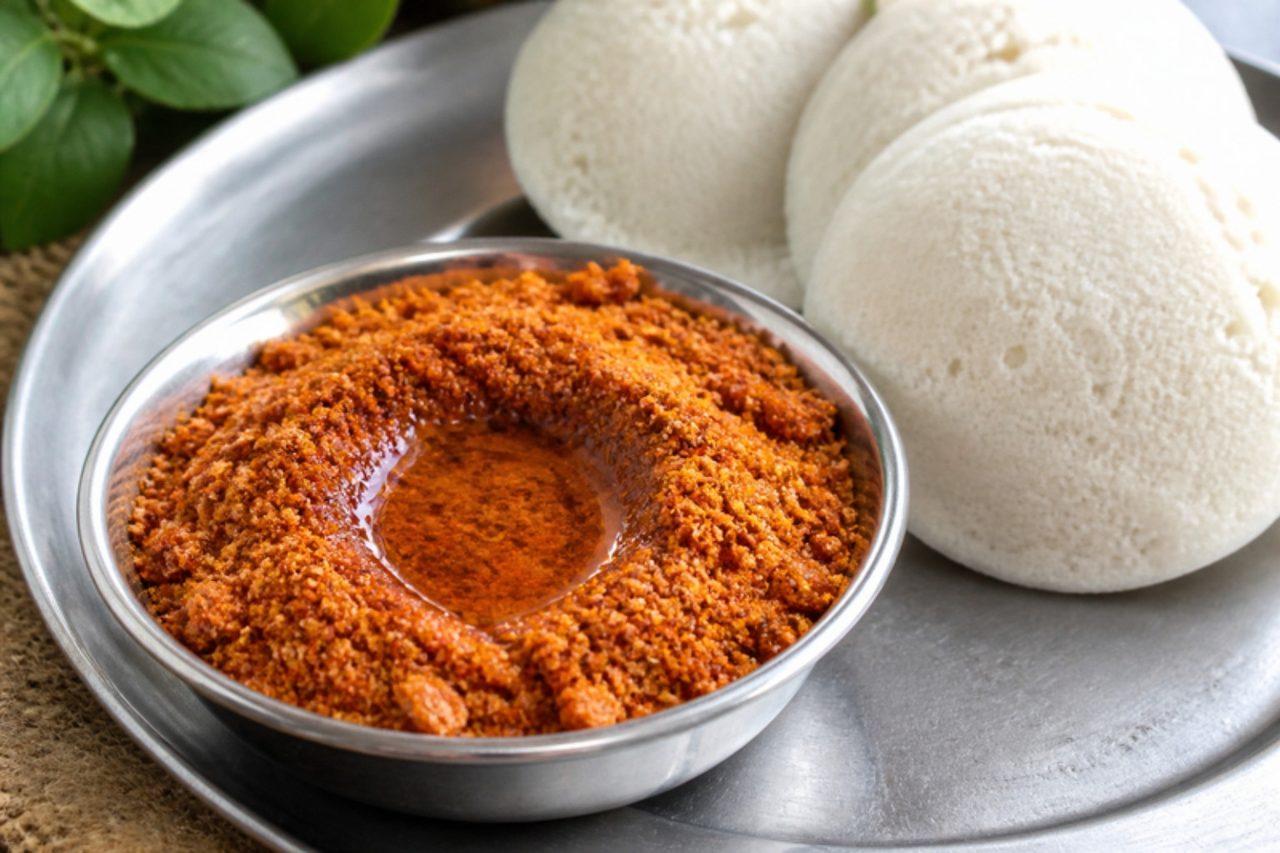
Pack idlis for a train journey out of Chennai Central and they travel already smeared in milagai podi and gingelly oil, which is why Tamilians call this the travel chutney. At home, a small mound sits on the side of every breakfast plate: you make a well in it, pour in sesame oil and drag hot idli or crisp dosa through the paste. A good podi is coarse and sandy rather than floury, nutty from slow-roasted urad and chana dal, toasty from sesame, smoky from the chillies and lifted by curry leaves and asafoetida. Mix byadgi chillies for colour with a few hotter ones for bite. Common mistake: grinding the dals while still warm; the steam turns the podi damp and lumpy and it loses its crunch in a week. Chef's tip: roast each ingredient separately on a low flame, because the dals, chillies and sesame all brown at different speeds.

by KrazyBadal 0 views

AnnakutWinter vegetable shaak

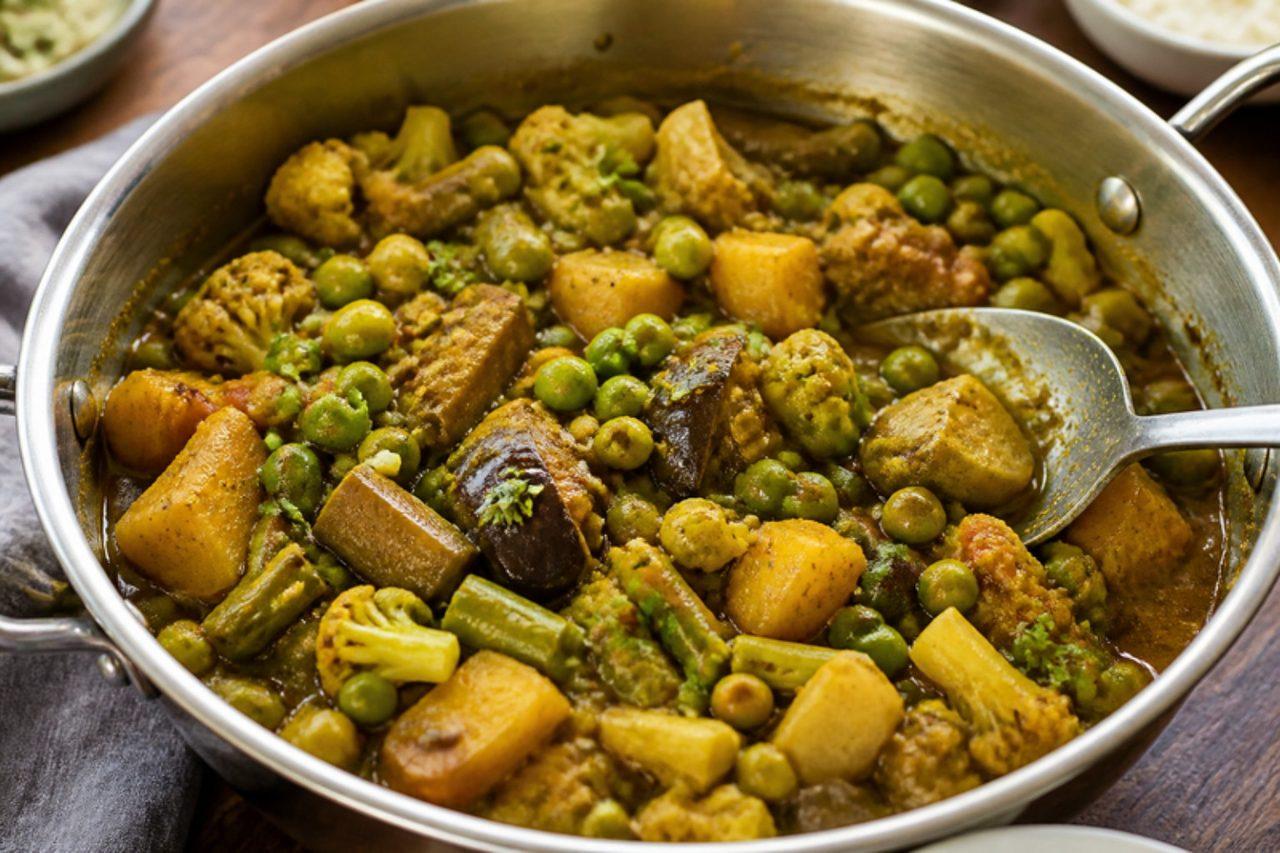
The day after Diwali, Pushtimarg havelis from Nathdwara to Ahmedabad build the annakut, literally a mountain of food, piled before Shrinathji to remember Krishna lifting Govardhan hill. Among dozens of sweets and farsan, there is always a shaak cooked from every vegetable of the new season, and many Gujarati and Rajasthani homes make their own version for the New Year meal. In the haveli tradition there is no onion or garlic, and many families leave out tomato too; the flavour comes from ajwain, ginger, green chilli, a little jaggery and lemon. It is lightly spiced, sweet-sour and full of different textures, from creamy raw banana to crunchy beans. Serve with puri, kadhi and rice. This version uses groundnut oil, so it is vegan; havelis cook it in ghee. Chef's tip: cut every vegetable to roughly the same size and add them in order of how long they take, so the shaak ends up tender, not mushy.

by KrazyBadal 0 views

Gulab jamun

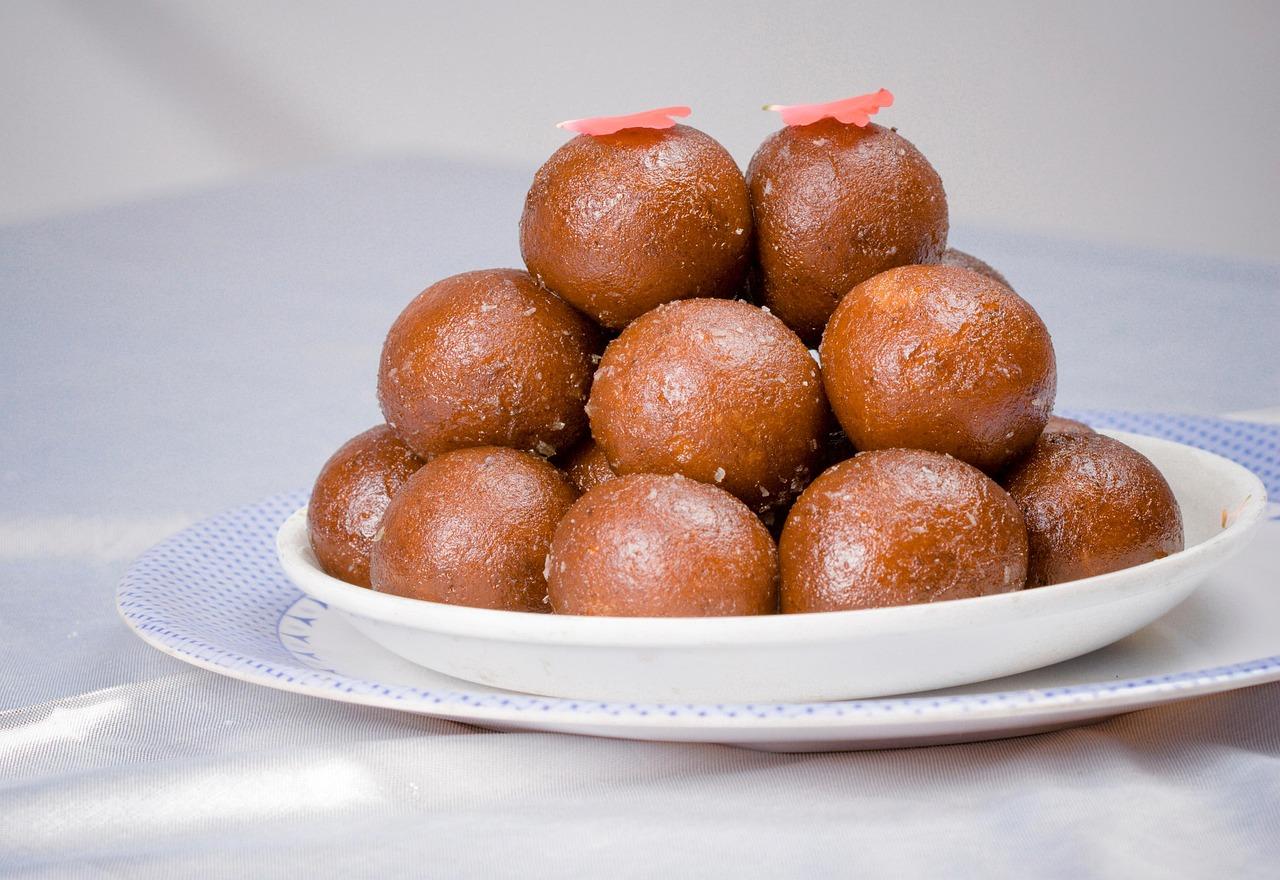
No Diwali sweet box, wedding thali or birthday party in India feels complete without a gulab jamun or two. This is the classic halwai version made with khoya, milk reduced to a dense crumbly solid, kneaded with a little flour and fried slowly in ghee until the outside is deep mahogany and the inside cooked through. Soaked in light syrup scented with rose and cardamom, the balls swell and become soft and spongy, with a faint caramel milkiness. Serve them warm on their own, or with a scoop of vanilla ice cream or a spoonful of rabri. Buy soft, unsweetened khoya (mawa) for this; dry, hard khoya makes dense jamuns. Chef's tip: fry one test ball first; if it cracks, knead in a teaspoon of milk, and if it spreads, add a pinch more flour.

by KrazyBadal 0 views

ChhundoSweet grated mango preserve

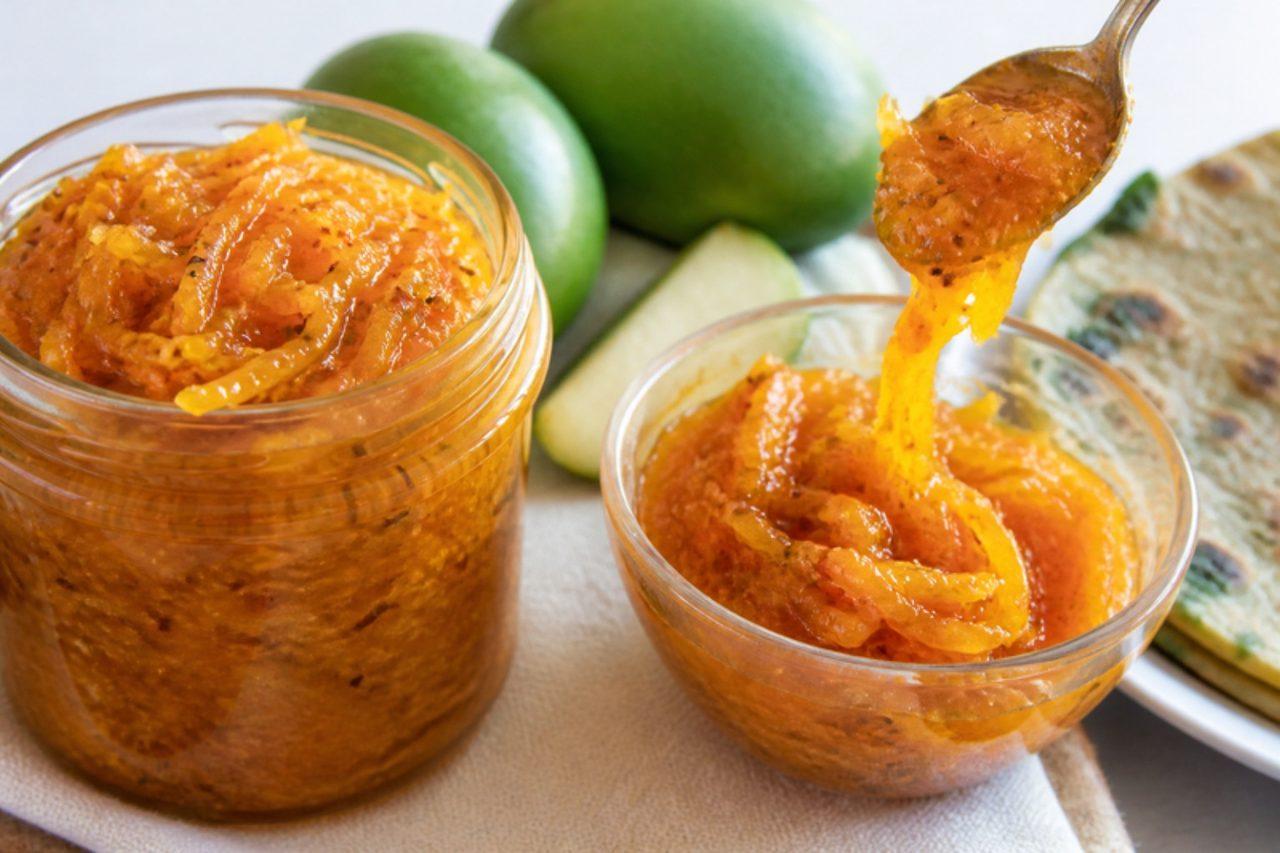
Every May, when rajapuri mangoes arrive hard and green, Gujarati terraces fill with muslin-covered jars of chhundo slowly cooking in the sun. Grated raw mango is salted, mixed with sugar and left out for a week or more, stirred each day, until the sugar melts into a clear, glossy syrup and the shreds turn translucent. Red chilli and roasted cumin go in at the end, so it is sweet first and then warm. It is what children spread inside a thepla or a rotli for the school dabba, and it sits beside khakhra, puri and dal-bhaat all year round. No terrace or no sun? It cooks just as well on the stove in 25 minutes; both methods are below. Use rajapuri (or another firm, sour, fibre-free raw mango) and grate it on the large holes so the shreds hold. Common mistake: cooking past one-string; the syrup keeps thickening as it cools and the chhundo sets hard like candy. Store it in a dry, sterilised jar and always use a clean, dry spoon; discard it if you ever see mould or it smells fermented. Chef's tip: mix part Kashmiri chilli for colour and part hot chilli for heat, and add the chilli only after the syrup is ready so it stays bright red.

by KrazyBadal 0 views

Kopra pakFresh coconut fudge

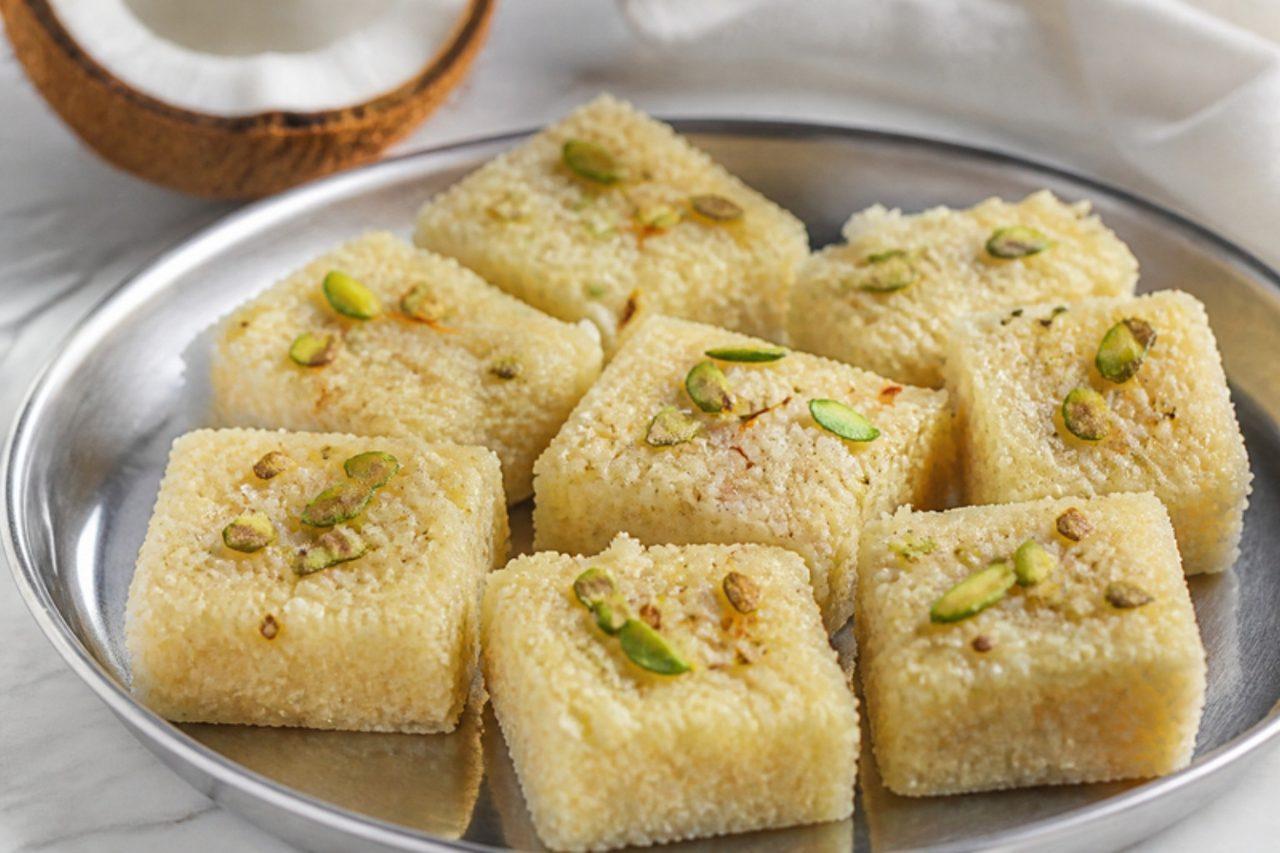
Kopra pak is the sweet a Gujarati home makes when a coconut has been broken for a puja and there is too much to use. It is ready in under an hour: fresh coconut is cooked with milk until the milk is soaked up, then with sugar until the mixture comes away from the pan, and it is spread in a thali to set. The result is soft and moist, with the clean, milky sweetness of fresh coconut and a little chew, quite different from dry desiccated barfi. It appears at Diwali, Sharad Purnima and on Bestu Varas, and as prasad after Satyanarayan katha. Use only the white part of the coconut for a pale barfi. Chef's tip: grate the coconut finely or pulse it briefly; coarse shreds make a loose barfi that crumbles when you cut it.

by KrazyBadal 0 views

Kali gajar ki kanjiFermented black carrot drink

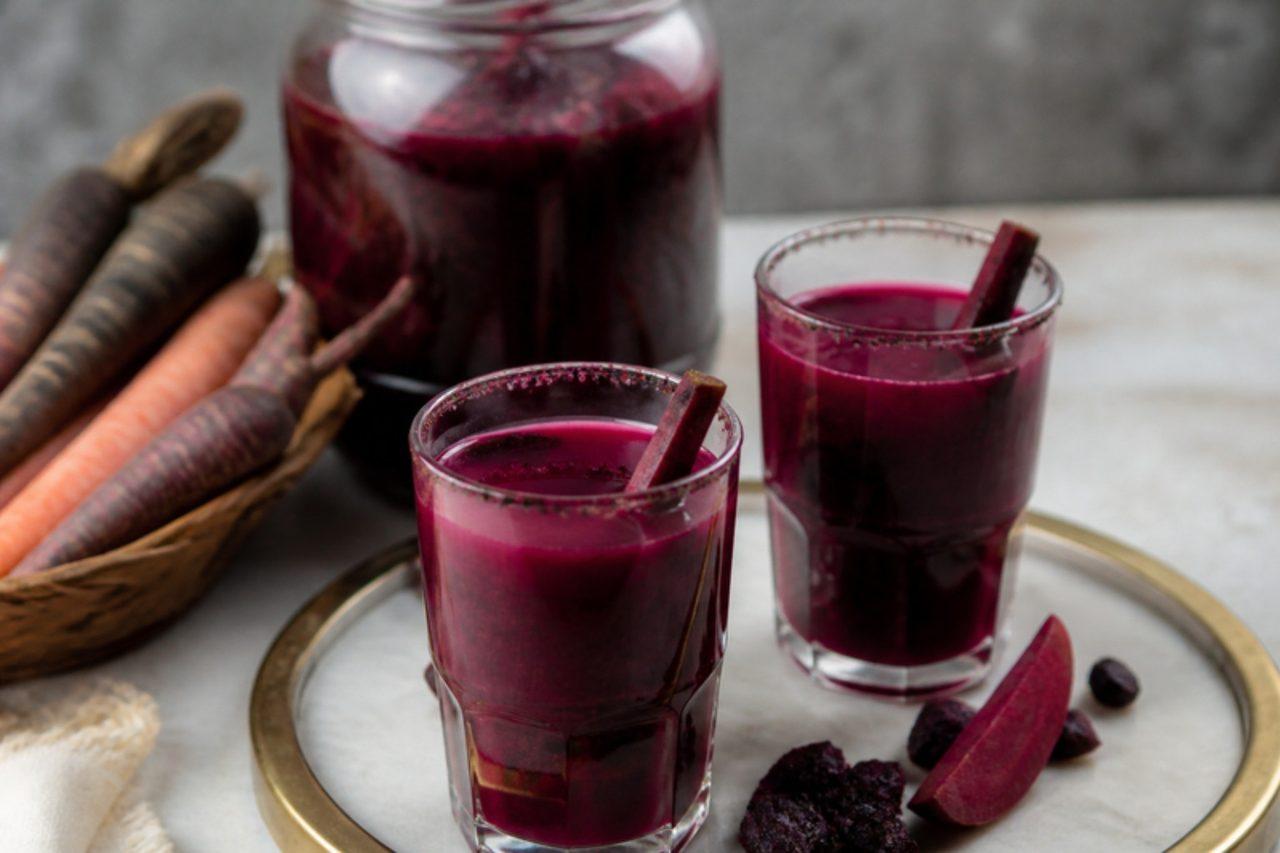
When the last black carrots of winter reach Punjabi and UP markets in February and March, kitchens start a jar of kanji. The carrots are cut into fingers, steeped in water with crushed mustard seed, salt and chilli, and left in the sun for a few days until the liquid turns deep purple, sour and sharp enough to tickle your nose. It is drunk by the glass before meals around Holi as a digestive and a spring tonic, and the soft, tangy carrot sticks are eaten too. The flavour is like a lively pickle brine, earthy from the carrots and peppery from mustard. Use a glass or ceramic jar that you have washed and dried completely, keep the vegetables under the water, stir with a clean dry spoon, and discard if mould or an unpleasant smell appears. Chef's tip: a small beetroot deepens the colour if your carrots are more red than black, but don't overdo it or the kanji tastes earthy and sweet.

by KrazyBadal 0 views

Kanji vadaLentil dumplings in mustard water

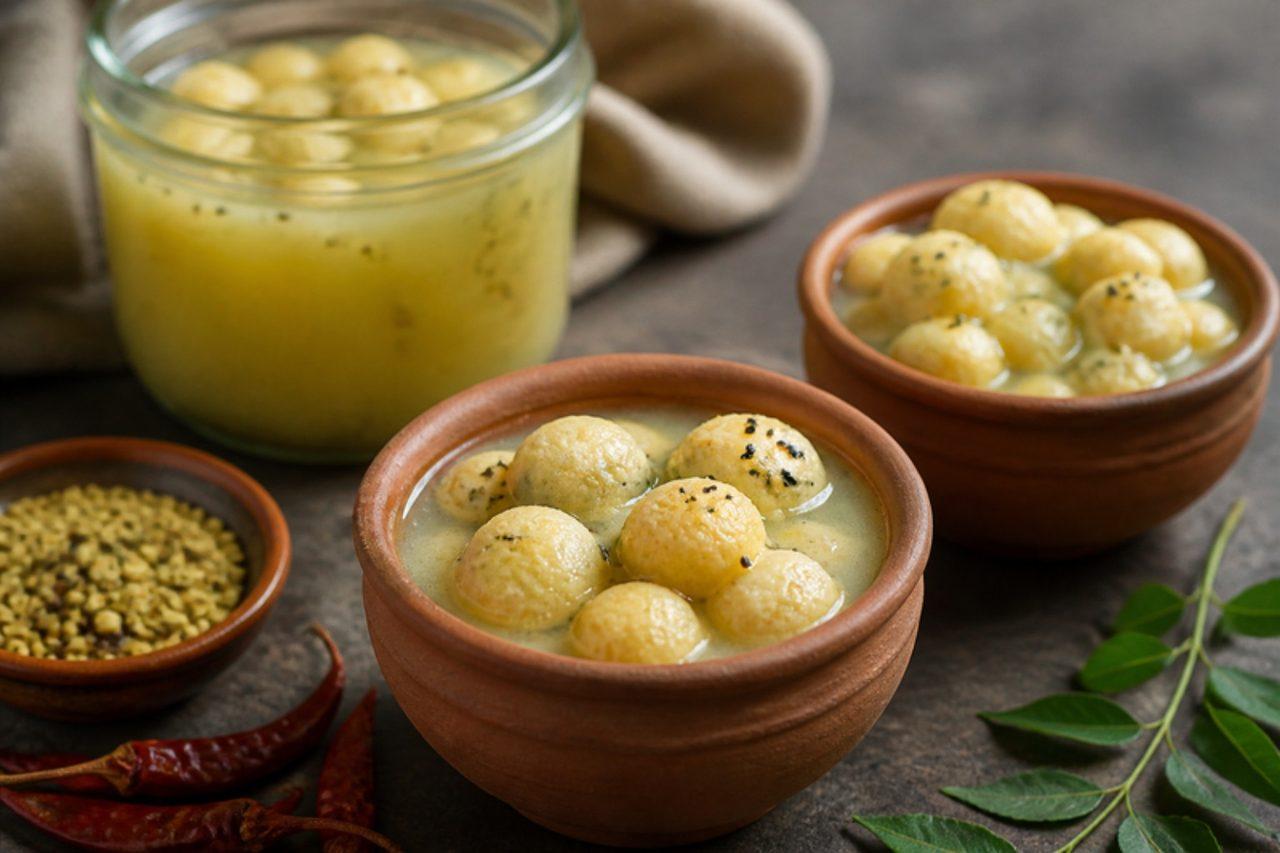
Around Holi, glass jars of cloudy water sit on rooftops across Jaipur, Jodhpur and old Delhi, fermenting in the spring sun. That water is kanji: boiled water with ground mustard seed, salt and chilli, which turns sour, pungent and faintly fizzy in two or three days. Small moong dal fritters are soaked in hot water to soften, then dropped into the kanji, where they drink up its tang and turn spongy. Served chilled in clay kulhads with a vada or two in each, it is a cooling, appetite-sharpening drink-snack that cuts through the rich Holi sweets. Ferment only in a clean, sterilised glass or ceramic jar, stir with a clean dry spoon, and discard the batch if you see mould or it smells rotten rather than pleasantly sour. Chef's tip: grind the mustard seed coarsely and fresh; pre-ground mustard powder goes bitter and dull.

by KrazyBadal 0 views

LadobPlantain in sweet coconut milk

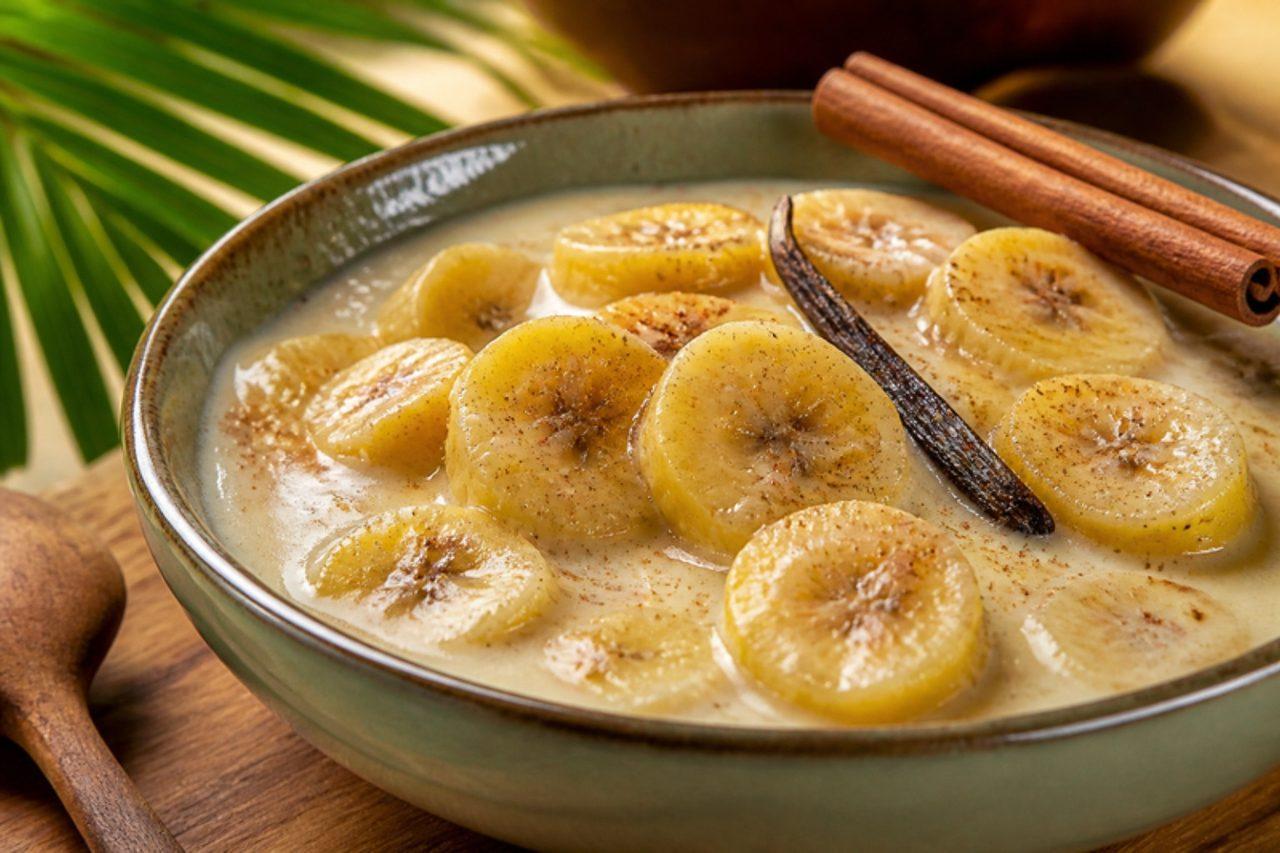
Sunday lunch on Mahé often ends with a pot of ladob carried warm to the table: thick slices of ripe plantain, sometimes breadfruit or sweet potato, stewed in coconut milk until they turn soft and amber. The sauce reduces to a pale, silky cream scented with vanilla, which grows on the islands, and a scrape of nutmeg. Families eat it warm in bowls, or cold from the fridge the next afternoon, and children like it best with the sauce spooned over a little extra. Pick plantains with black-speckled or nearly black skins; yellow-green ones stay starchy and never go sweet and tender, which is the most common disappointment. Chef's tip: simmer gently and never let the coconut milk boil hard, or it splits and the sauce turns oily instead of creamy.

by KrazyBadal 0 views

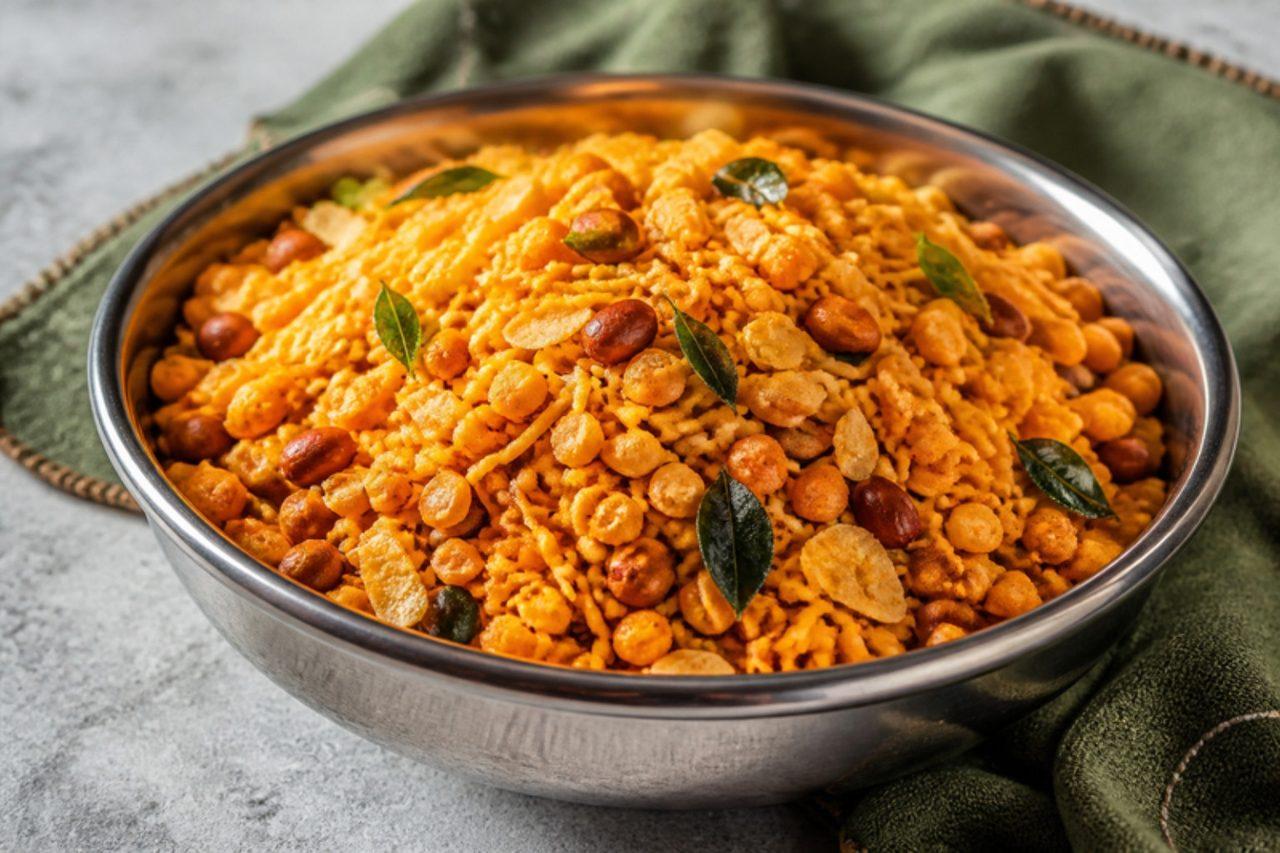
Madras mixtureCrunchy savoury snack mix

In Chennai sweet shops the glass jars of mixture sit beside the murukku, and at Deepavali most Tamil families make their own. It is built from separately fried parts: thin besan omapodi-style sev, little spiced kara boondi pearls, thick poha fried to a crunch, fried gram, peanuts and a big handful of curry leaves, all tossed with chilli and asafoetida while warm. The flavour is salty, peppery and savoury, with no sugar and no raisins, which is what sets it apart from Gujarati chevdo. Each part has a different crunch, so every handful is different. Serve it with filter coffee or tea. Use gluten-free asafoetida if you need it gluten-free. Chef's tip: fry everything in the same oil in order, from lightest to heaviest flavour: poha and peanuts first, then boondi, then sev; that keeps the oil clean and every part tastes fresh.

by KrazyBadal 0 views

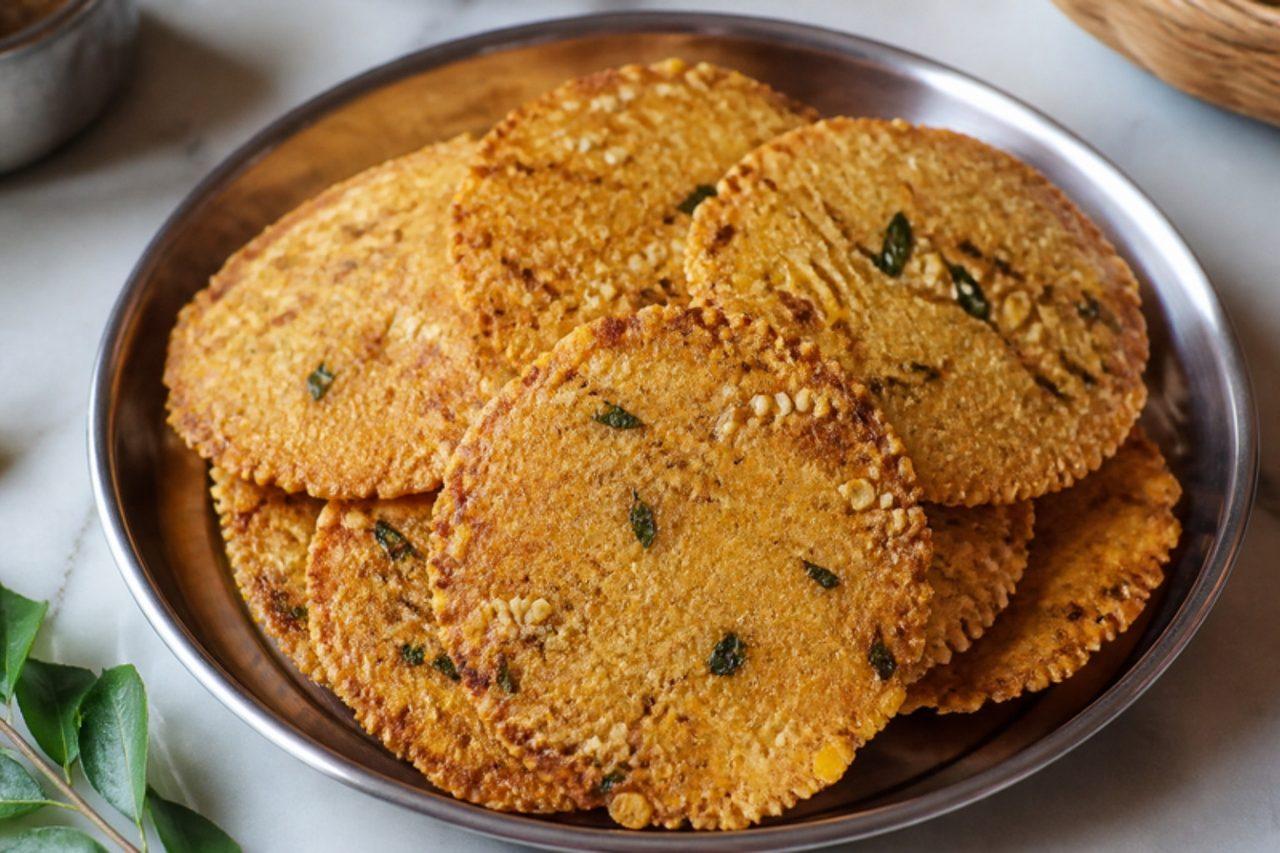
ThattaiCrisp rice flour crackers

Thattai means flat, and that is the whole secret: these Tamil rice crackers are patted out so thin you can see light through them, then fried until they crack like glass. Soaked chana dal pops inside each one for little nubs of crunch, torn curry leaves crisp in the oil, and roasted urad powder gives a savoury, biscuity depth. They fill tins for Deepavali and Gokulashtami across Tamil Nadu; in Karnataka a thicker cousin with peanuts is called nippattu, and in Andhra chekkalu. Many homes add butter to the dough; this version uses hot oil, which keeps it vegan and just as crisp. Use gluten-free asafoetida for a gluten-free batch. Chef's tip: pat them out on a sheet of oiled plastic or a banana leaf, then peel each one straight into the oil; lifting by hand tears thin dough.

by KrazyBadal 0 views

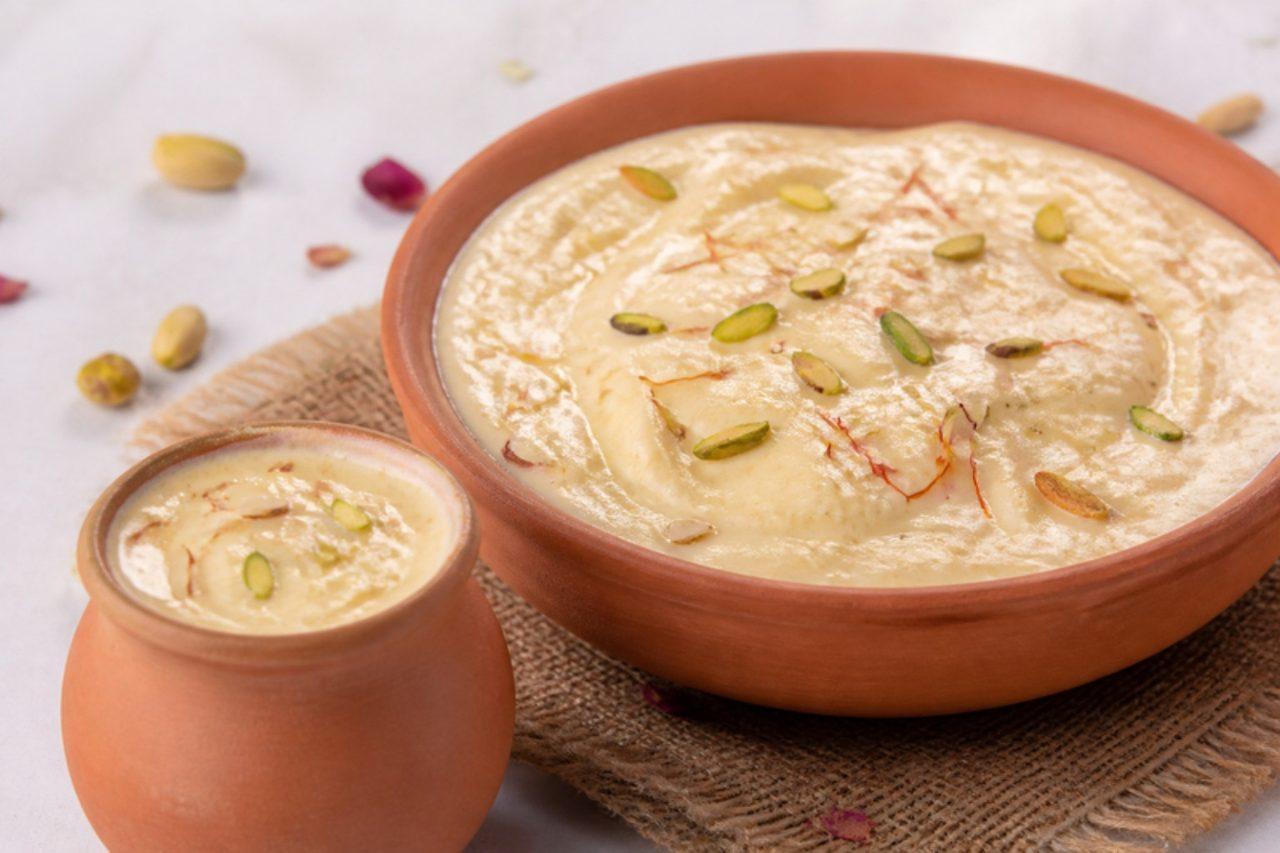
RabriThickened sweet milk

Halwais in Mathura, Varanasi and Lucknow make rabri in wide iron kadhais, fanning the surface so a skin forms fast, then pushing each layer of malai to the cooler sides of the pan. After an hour or more, the milk has shrunk to a quarter, and the layers are scraped back in to give a thick, spoonable sweet full of soft, chewy ribbons of cream. It is much thicker than Gujarati basundi, which is stirred smooth. Rabri is served chilled in kulhads, or spooned over hot jalebi or malpua at Holi, the hot-cold contrast being the whole point. Use the widest heavy pan you own; the bigger the surface, the more malai and the faster it reduces. Chef's tip: add the sugar only at the end; sugar added early makes the milk catch and stops the skins forming properly.

by KrazyBadal 0 views

Showing 24 of 3,470 recipes

Show more recipes

Page 50 of 145

More No onion & garlic ideas

Other diets