Skip to content
WhatToEat.Today

No onion, no garlic recipes (Swaminarayan and sattvic)

3,470

3470 vegetarian recipes cooked without onion or garlic, as in Swaminarayan and sattvic kitchens, with no meat, fish, eggs or alcohol. Each has photos, step-by-step instructions and cook times. The quickest, Apfelschorle, takes 2 minutes. Most take around 45 minutes.

Filter these by time, diet or cuisine · Make No onion & garlic your diet to see only these recipes everywhere on the site.

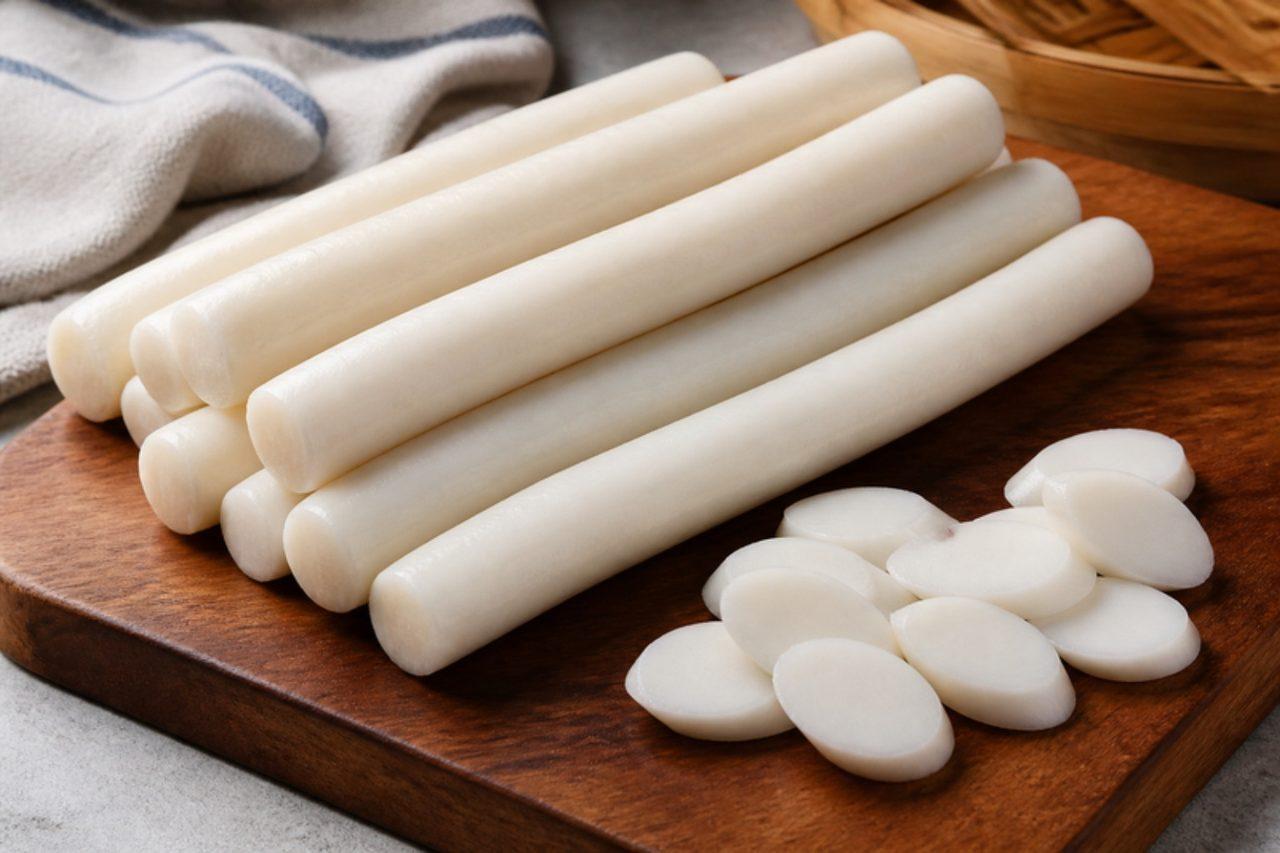
GaraetteokLong cylinder rice cakes

Garaetteok are the long white rice-cake logs that Korean mills churn out before Seollal, when families queue with their own rice to have them pressed and then slice them into ovals for tteokguk, the New Year soup. The length is meant to wish for a long life. Freshly made, they are soft and chewy and eaten warm, dipped in honey or toasted over a grill; once they firm up they are sliced for soup or cut into sticks for tteokbokki. Making them at home is simple, though the logs come out a little less glossy than machine-pressed ones. The usual mistake is rolling the dough when it has cooled: it must be hot to stay smooth. Rice cakes are chewy and sticky, a known choking risk: cut them into small pieces for young children and older people and eat them sitting down. Chef's tip: leave the logs to firm overnight before slicing on the diagonal; they cut cleanly instead of squashing.

by KrazyBadal 0 views

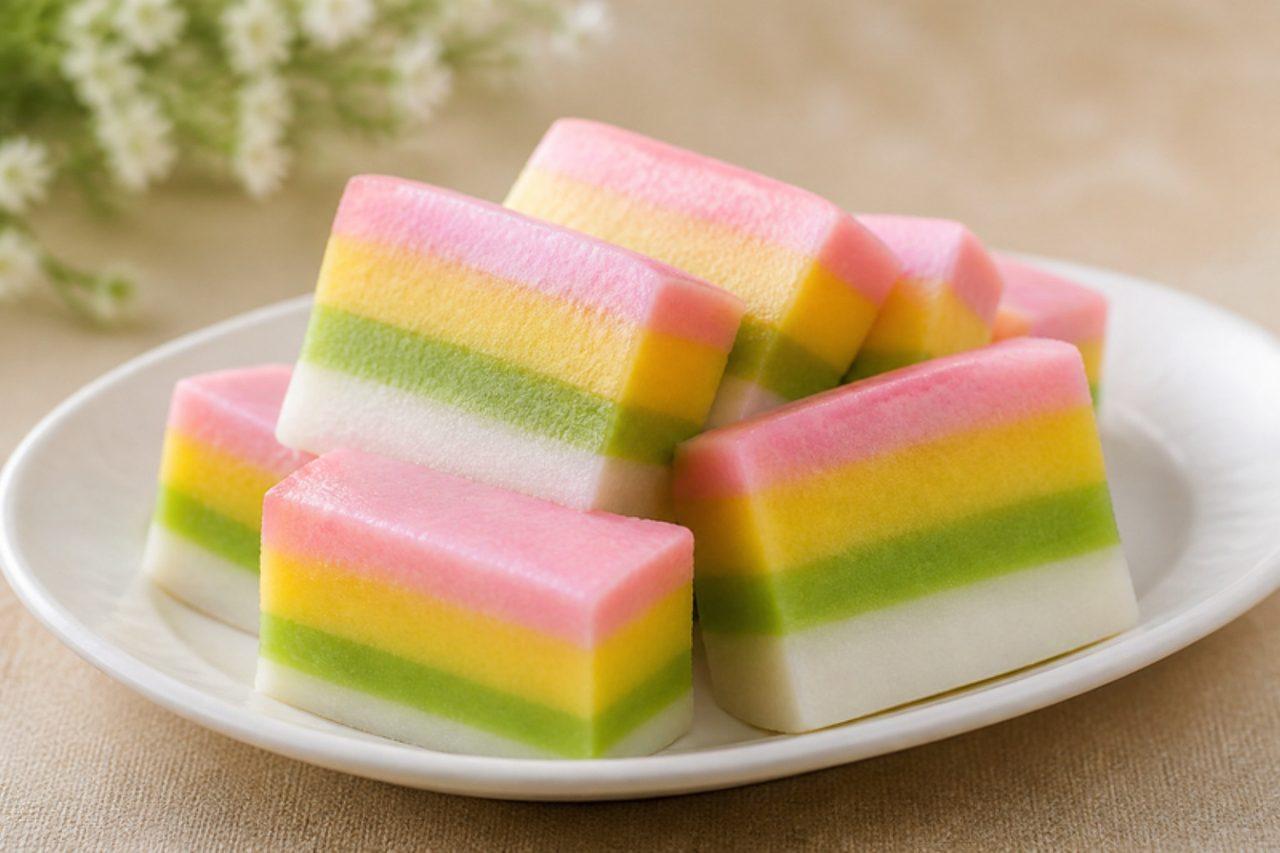
Mujigae tteokRainbow rice cake

Mujigae tteok is the rice cake of children's birthdays and school picnics in Korea, with soft stripes of pink, yellow, green and white that stand for harmony and happiness; it is also a fixture on the doljanchi first-birthday table. Each layer is the same lightly sweet, fluffy steamed rice flour, coloured naturally. The common mistake is packing the layers down: press too hard and the cake turns dense and the colours bleed, so spread each layer and just level it with a scraper. Rice cakes are chewy and sticky, a known choking risk: cut them into small pieces for young children and older people and eat them sitting down. Chef's tip: colour each portion of flour before sieving it, so the colour is even with no streaks.

by KrazyBadal 0 views

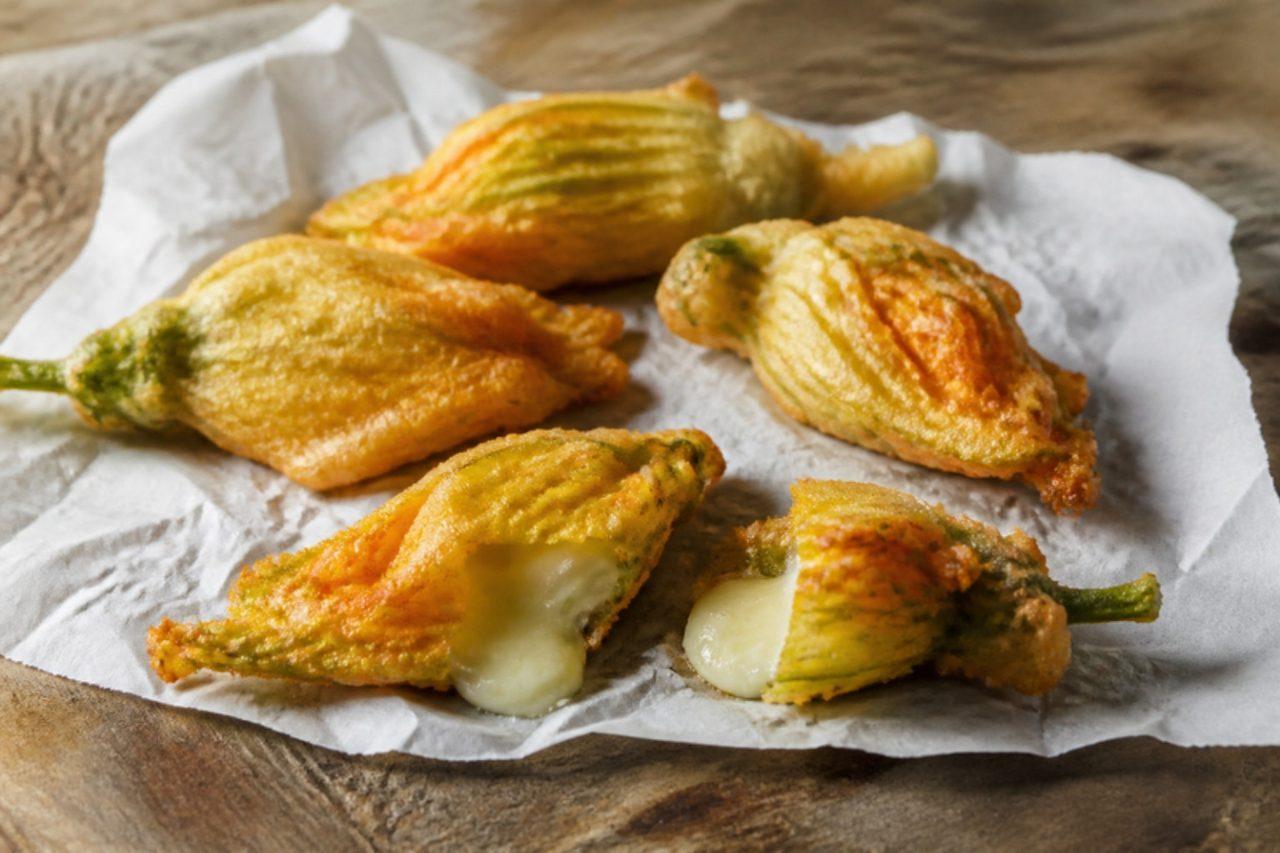
Fiori di zucca ripieni frittiFried stuffed courgette flowers

Every Roman pizzeria a taglio and friggitoria has a tray of fiori di zucca in summer: courgette flowers stuffed with a stick of mozzarella, dipped in a thin cold batter and fried until they shatter. Romans usually tuck in an anchovy fillet, but this vegetarian version swaps it for a little lemon zest and a caper, which gives the same salty spark. They are eaten as an antipasto before pizza or as a snack standing at the counter. Mozzarella is usually made with calf rennet; vegetarian versions are easy to find. Chef's tip: make the batter with ice-cold sparkling water and leave a few lumps; a smooth, warm batter fries heavy and soft.

by KrazyBadal 0 views

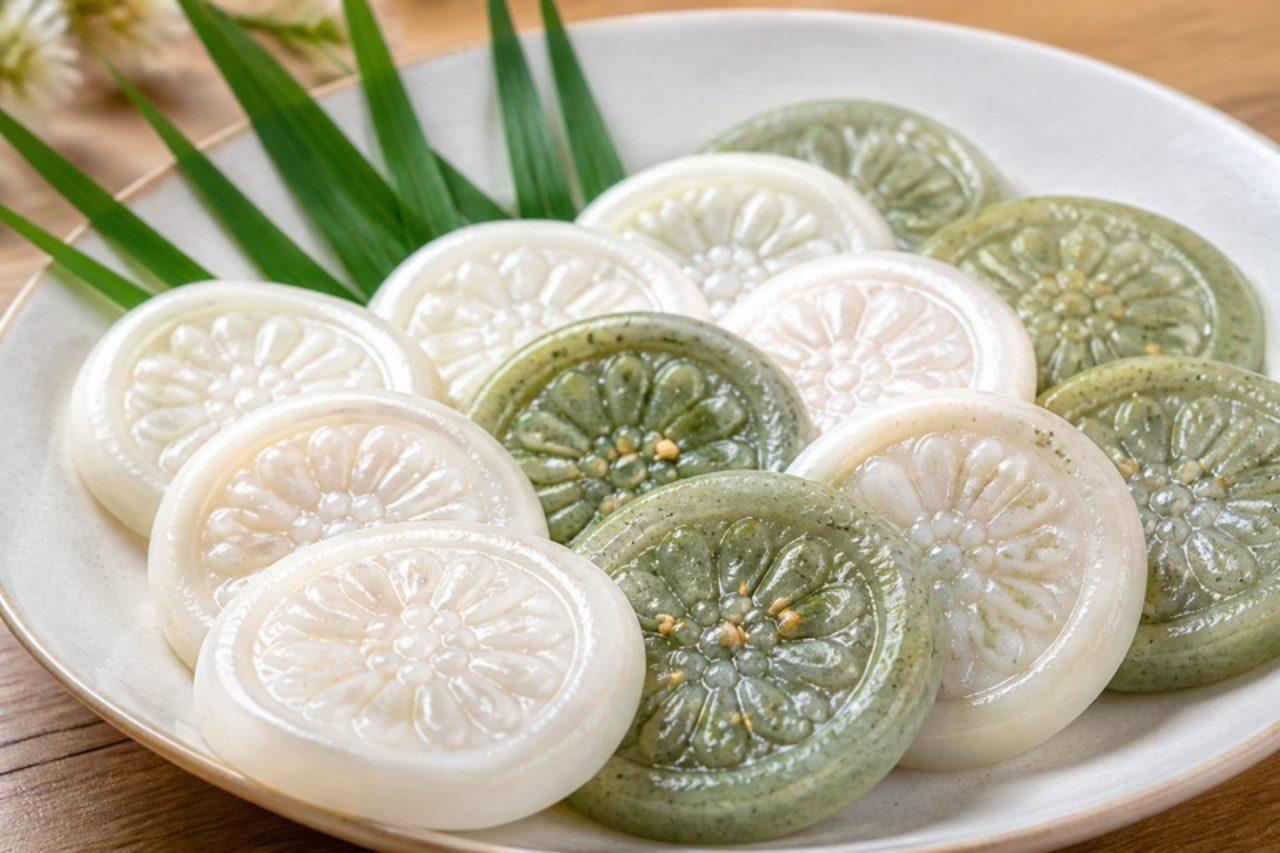
JeolpyeonStamped rice cakes

Jeolpyeon are the patterned rice cakes Korean tteok shops press with carved wooden stamps called tteoksal, so each piece carries a flower or a wish for long life; they appear at weddings, 60th birthdays and Dano, the early-summer festival, when they were made green with mugwort or Korean ox-eye daisy. The cakes are plain and only lightly salted, firm yet chewy, and glossy with sesame oil. The common mistake is pounding too little: the dough must be kneaded until completely smooth, or the stamp won't leave a clean pattern and the cakes crack. Rice cakes are chewy and sticky, a known choking risk: cut them into small pieces for young children and older people and eat them sitting down. Chef's tip: no stamp? Press the base of a decorative glass or a clean biscuit mould into each piece.

by KrazyBadal 0 views

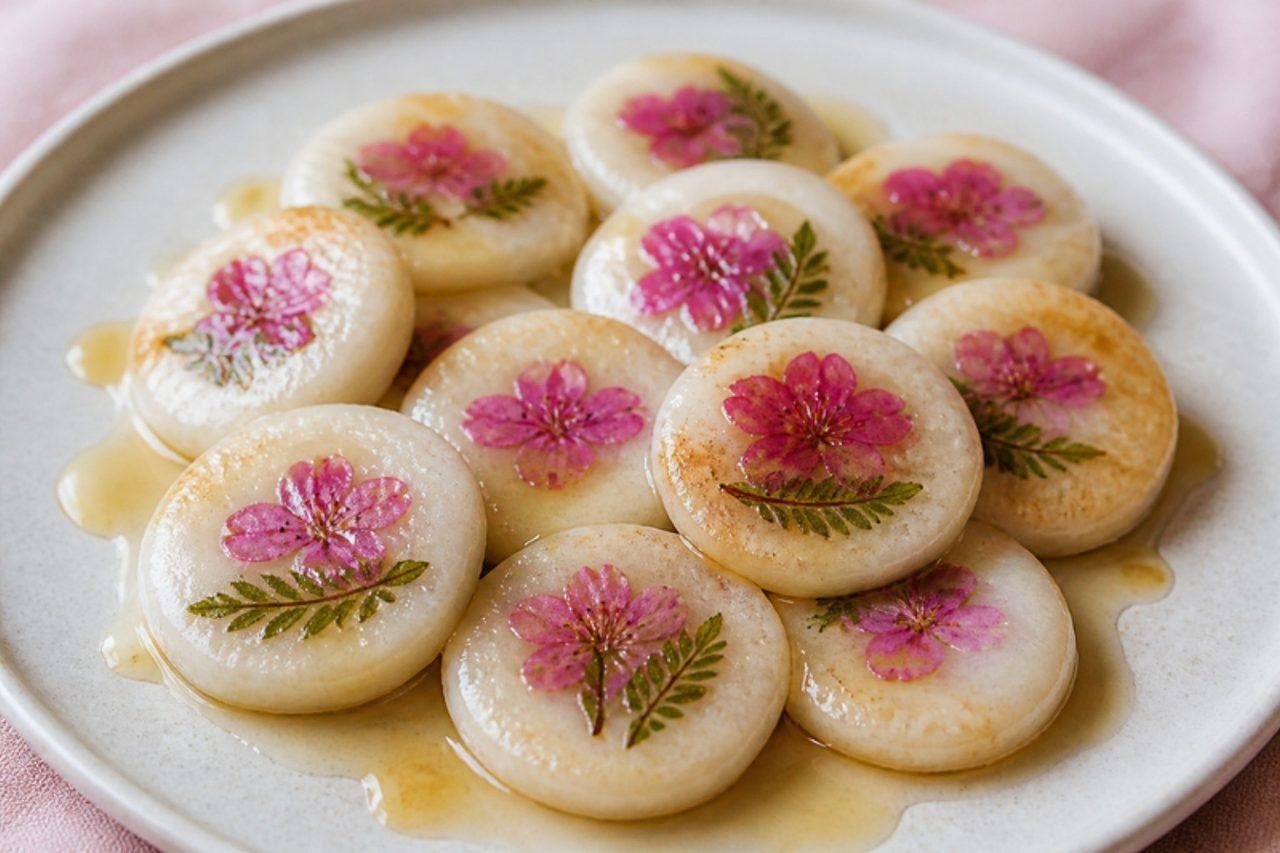
HwajeonFlower rice cake pancakes

In April, when the azaleas bloom on Korean hillsides, women in Joseon times climbed to picnic spots for hwajeonnori, the flower-cake party, frying little rice cakes with fresh petals pressed into them on the spot. Hwajeon are still made for spring festivals and Samjinnal, the third day of the third lunar month. The cakes are soft and chewy, barely crisp at the edges, and brushed with syrup. The common mistake is frying over too high a heat: the cakes should stay white with the flower bright, so keep the pan low and turn only once. Use only flowers you know are edible and unsprayed, such as pansies, violas or azalea (jindallae) petals; never ornamental shop flowers. Rice cakes are chewy and sticky, a known choking risk: cut them into small pieces for young children and older people and eat them sitting down. Chef's tip: press the flower on after you flip the cake, so it warms through and sticks without browning.

by KrazyBadal 0 views

SirutteokRed bean steamed rice cake

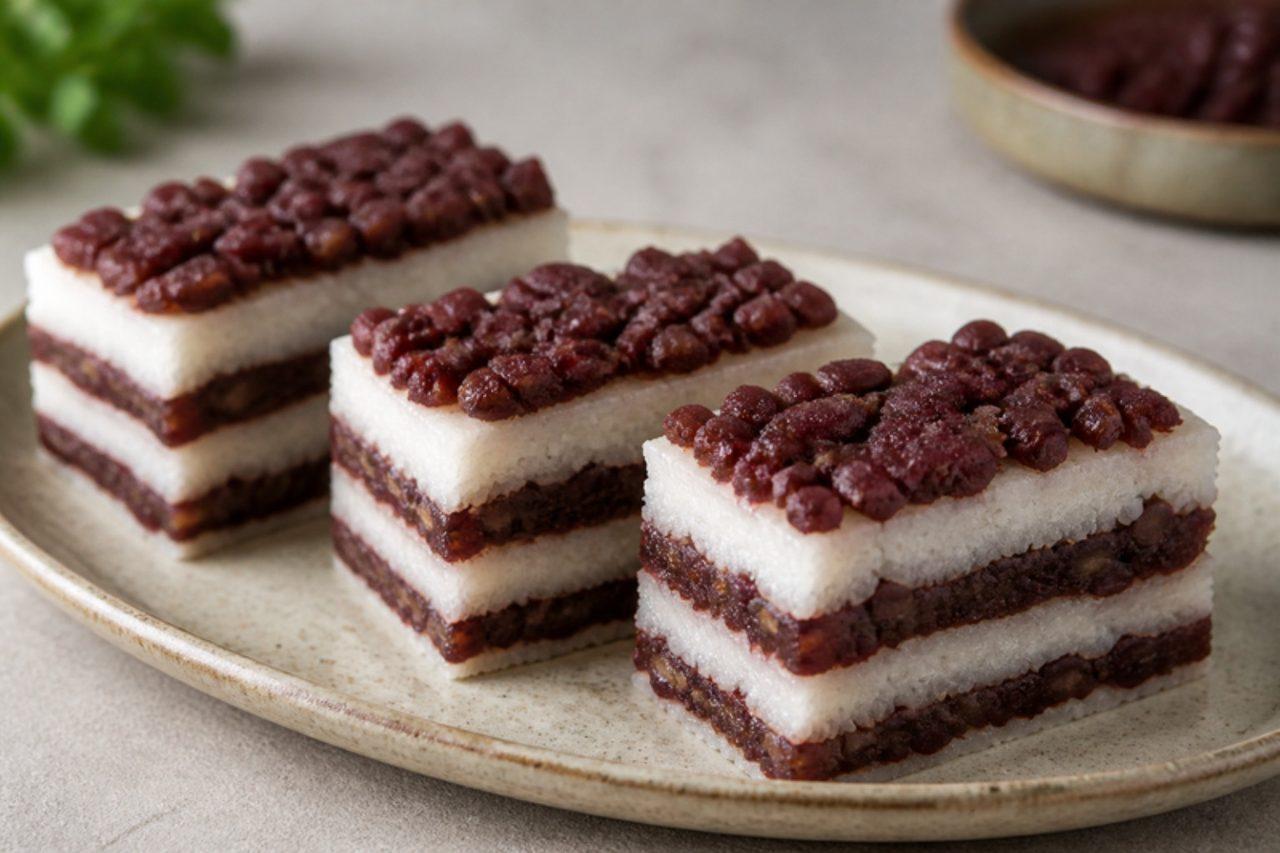
Sirutteok, named after the earthenware siru steamer, is the rice cake Koreans make to bless a new home, open a shop or mark the autumn harvest at a village gosa ceremony; the red adzuki beans were believed to chase away bad luck, and a slice is often left at the door. Layers of fluffy rice flour are steamed between layers of coarse, salted red bean crumble, so every bite is soft, a little sweet and earthy. The common mistake is mashing the beans to paste: the crumble should stay dry and grainy or the layers turn soggy. Rice cakes are chewy and sticky, a known choking risk: cut them into small pieces for young children and older people and eat them sitting down. Chef's tip: cook the beans until just tender, drain them, then dry them out in the pan over a low heat until the crumble falls apart.

by KrazyBadal 0 views

BaekseolgiWhite steamed rice cake

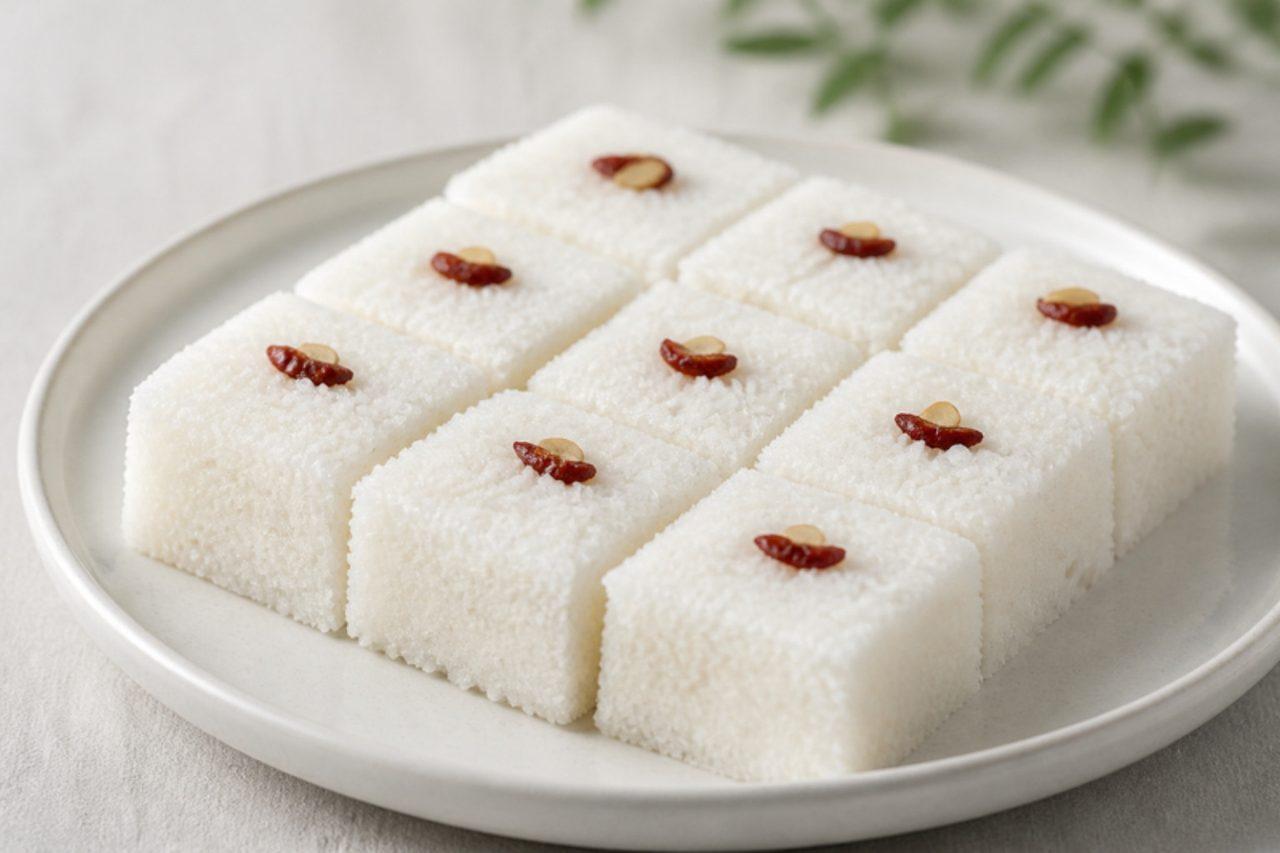
Baekseolgi, 'white snow cake', is the plain steamed rice cake that Korean families share out on a baby's baek-il, the 100th day, and at the doljanchi first-birthday party, where its pure white colour stands for a clean, long life. Custom says it should go to a hundred neighbours. It has a fine, crumbly-soft, cake-like texture and a mild, milky rice sweetness, best eaten the day it is made with a cup of barley tea. The usual mistake is skipping the sieving: unsieved flour steams into a heavy, patchy cake, so push it through twice. Rice cakes are chewy and sticky, a known choking risk: cut them into small pieces for young children and older people and eat them sitting down. Chef's tip: score the raw cake into portions before steaming; it cooks more evenly and you can lift pieces out cleanly.

by KrazyBadal 0 views

InjeolmiSoybean-coated rice cake

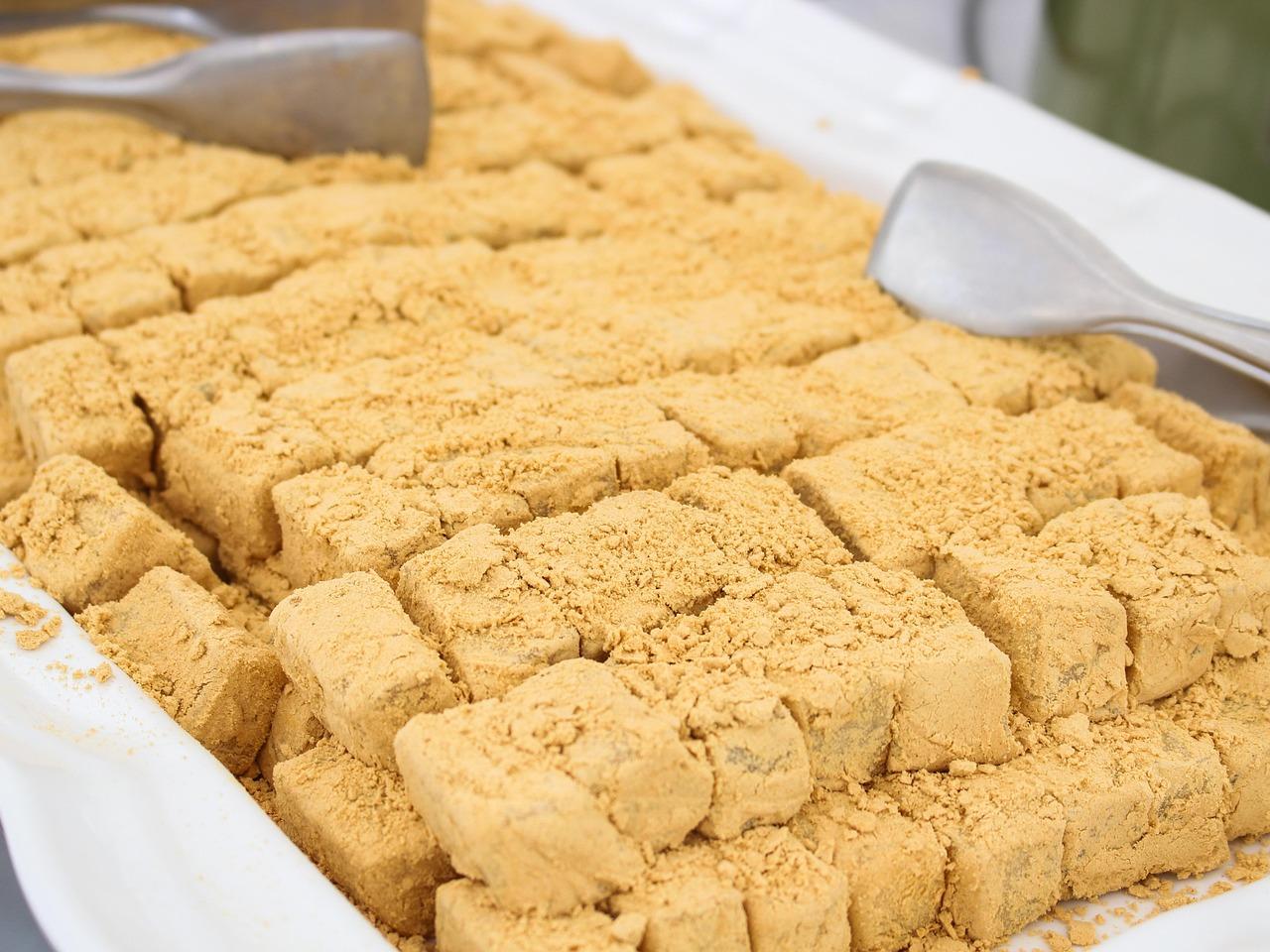
Injeolmi is the rice cake you meet everywhere in Korea, from the tteok shop by a Seoul subway exit to the trays handed round at weddings, Chuseok and housewarmings. Glutinous rice is steamed, pounded until it stretches like soft taffy, then cut into pillows and rolled in nutty, sweet roasted soybean powder. Bingsu cafés now pile it on shaved ice too. The common mistake is under-steaming the dough, which leaves powdery white specks that never turn chewy; keep cooking until it is evenly translucent. Rice cakes are chewy and sticky, a known choking risk: cut them into small pieces for young children and older people and eat them sitting down. Chef's tip: oil the knife and your hands, and cut the warm slab with a dough scraper pressed straight down rather than a sawing knife.

by KrazyBadal 0 views

Gelato al fiordilatteMilk gelato

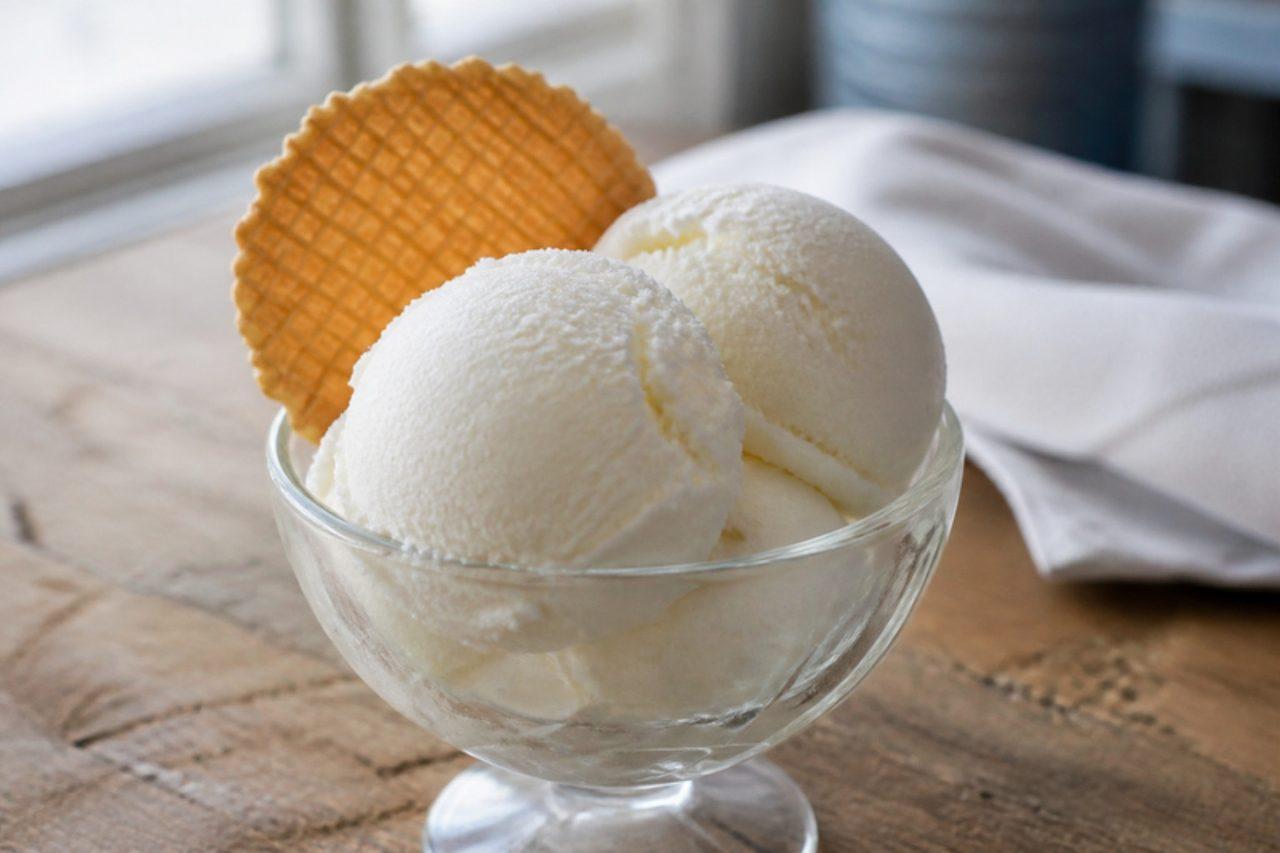
In every gelateria from Turin to Palermo, fior di latte ("flower of milk") is the plainest flavour in the case and the one gelato makers judge each other by: just fresh milk, cream and sugar, with no eggs and no vanilla, so it tastes clean and milky. It is the base for stracciatella and the perfect partner for fruit sorbets in a cone. Italian children often choose it on summer evenings during the passeggiata. Chef's tip: chill the base overnight before churning; a fully cold base freezes faster into smaller ice crystals, which makes it smoother.

by KrazyBadal 0 views

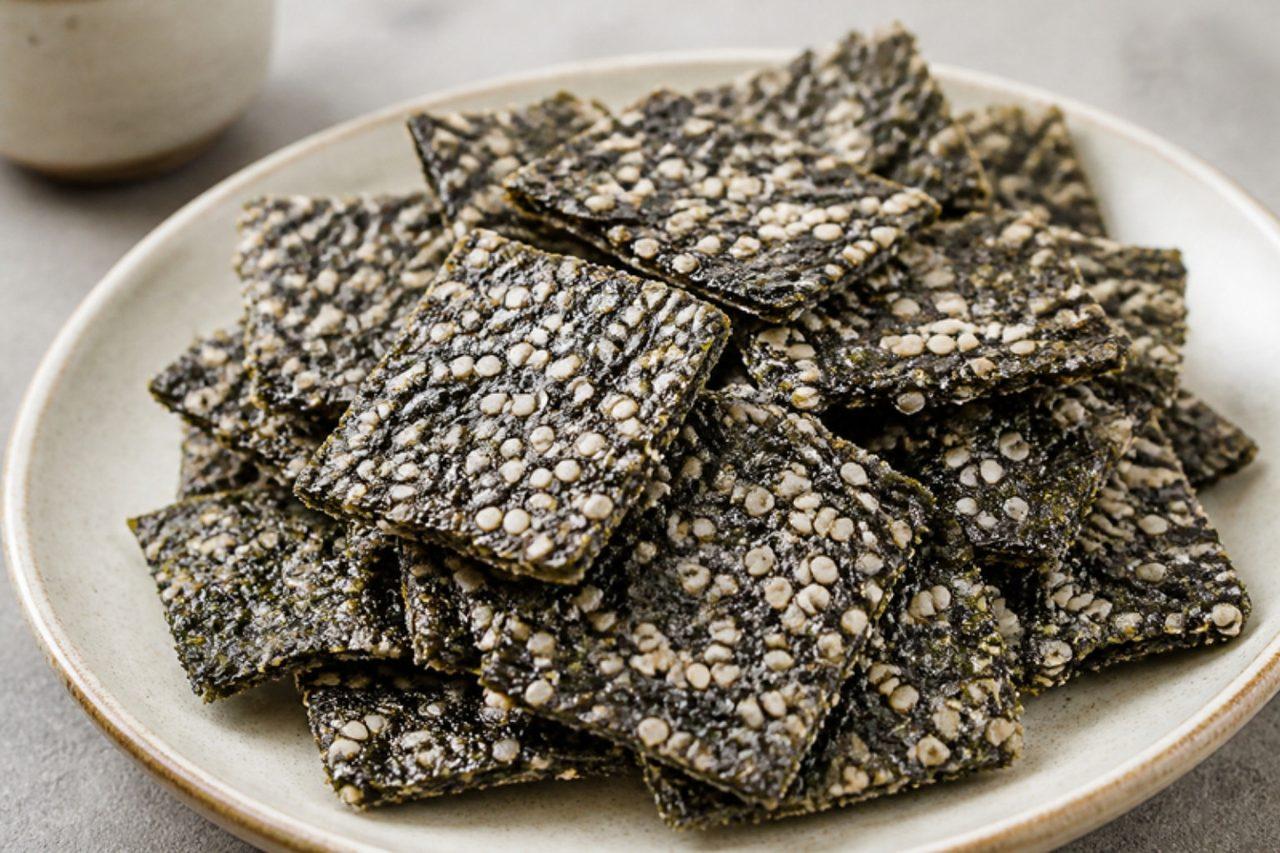
Gim bugakCrisp fried seaweed

Gim bugak is a temple snack that Buddhist nuns and village cooks in South Jeolla, especially around Damyang and Namwon, still make in large batches in autumn: sheets of laver are painted with glutinous rice porridge, scattered with sesame, dried in the sun and fried until they puff into crackling, savoury chips. It is eaten as a banchan with rice or as a snack with tea. The common mistake is frying it before it is completely dry; any damp patches stay chewy and spit in the oil. Chef's tip: cut the dried sheets with scissors before frying; once fried they shatter if you try to cut them.

by KrazyBadal 0 views

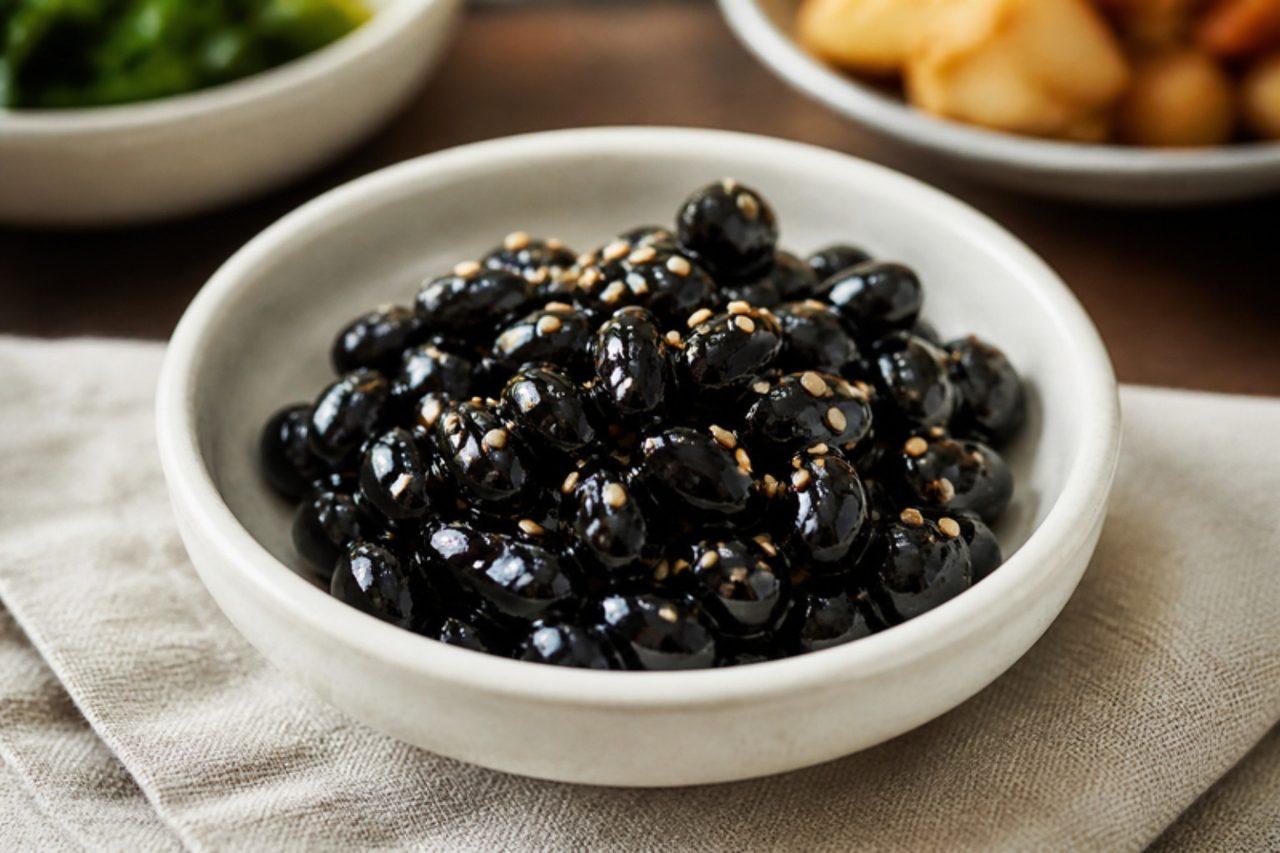
KongjabanSoy-braised black soybeans

Kongjaban is the shiny black bean banchan that sits in a small dish on Korean tables from Gwangju to Seoul and fills countless lunchboxes, because one batch keeps for a week. Dried black soybeans are soaked, simmered in soy and sugar and finished with rice syrup until each bean is chewy, sweet-salty and gleaming. It is a good source of plant protein and children usually love it. The common mistake is adding the syrup too early: it scorches before the beans are tender and makes them hard. Chef's tip: keep the lid off while the beans cook; the steam escaping helps the skins stay intact and wrinkled rather than bursting.

by KrazyBadal 0 views

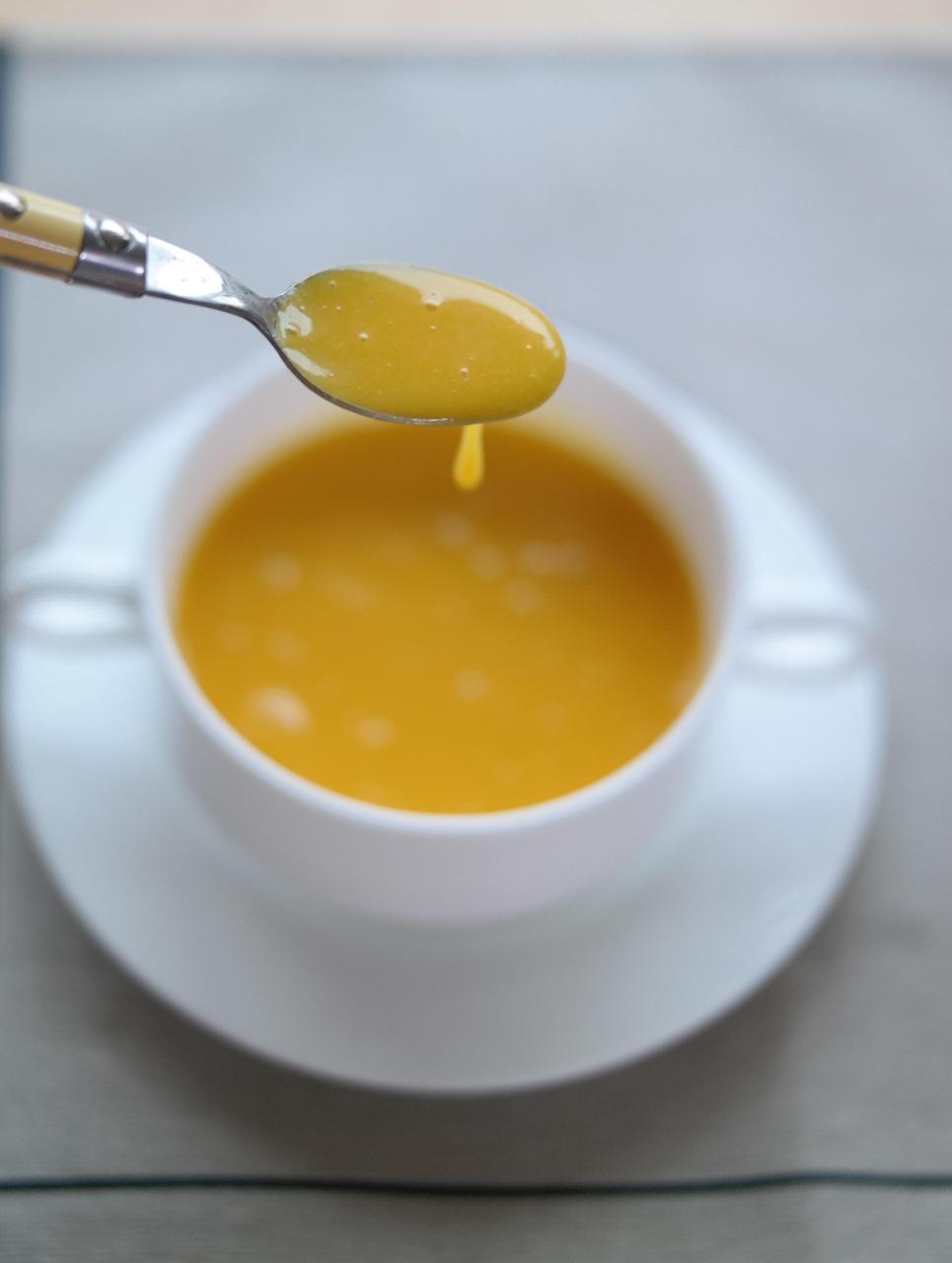
Hobak jukPumpkin porridge

Hobak juk is the golden pumpkin porridge sold in thermos-sized portions at Seoul's Gwangjang market and cooked in temple kitchens through the cold months, when stored pumpkins are at their sweetest. Steamed pumpkin is blended smooth, thickened with glutinous rice flour and dotted with chewy little rice-cake balls, giving a velvety, naturally sweet bowl that is soothing for convalescents and children alike. The rice balls are soft and sticky, so cut them small for young children to avoid choking. The common mistake is adding the rice-flour slurry in one go to boiling porridge, which makes lumps. The optional pine-nut topping is a tree-nut allergen; leave it off for anyone with a nut allergy. Chef's tip: roast or steam the pumpkin rather than boiling it in water; less water means a deeper colour and sweeter taste.

by KrazyBadal 0 views

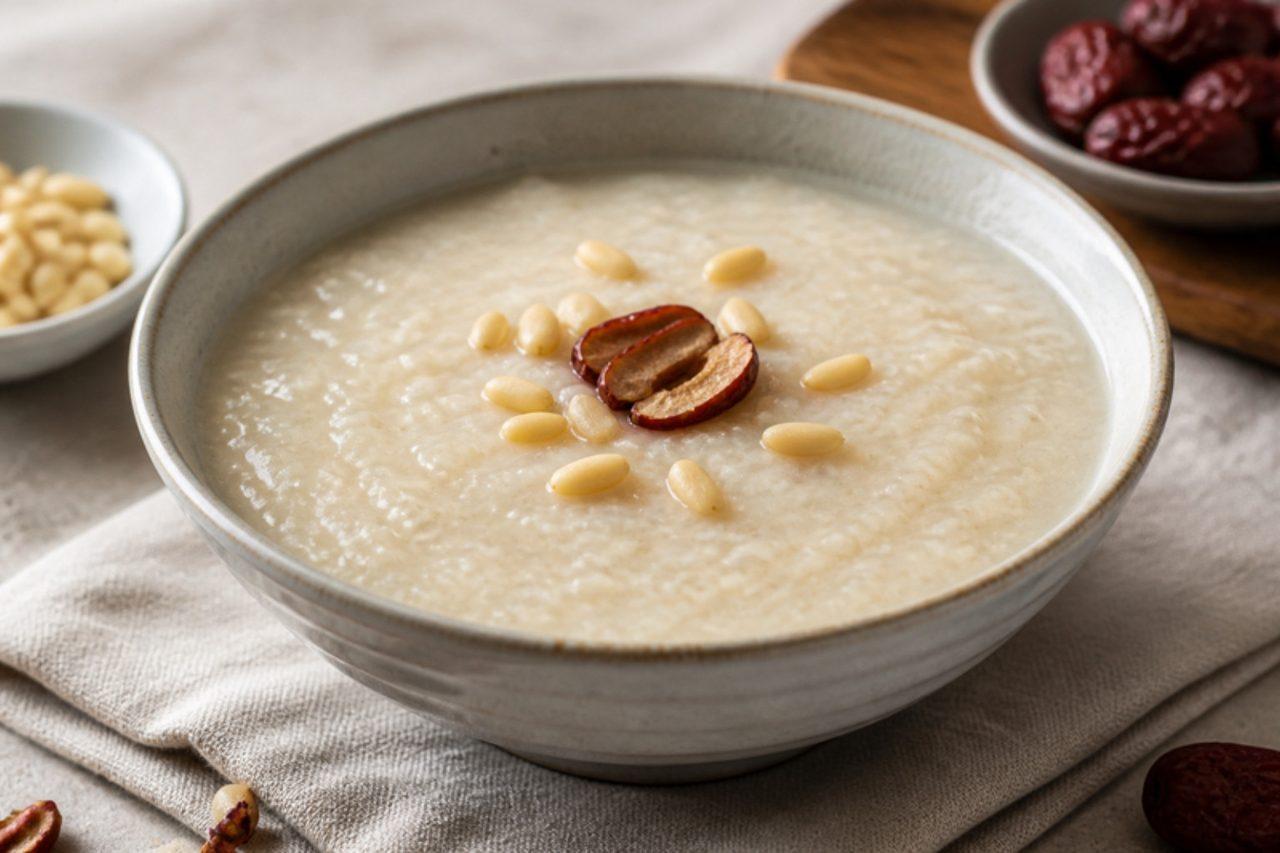
Jat jukPine nut porridge

Jat juk is a pale, silky porridge of ground rice and pine nuts, once served to the royal household in Seoul and still made by Korean families for anyone recovering from illness, for elderly parents and as a gentle breakfast. Pine nuts from Gapyeong, Korea's pine nut capital, give it a rich, buttery taste with nothing more than salt. Pine nuts are a tree-nut allergen. The common mistake is adding the pine nut milk too early; its oil makes the rice starch thin out, so the porridge turns watery. Chef's tip: thicken the ground rice first and stir in the pine nut purée only for the last few minutes.

by KrazyBadal 0 views

PittuleFried dough balls

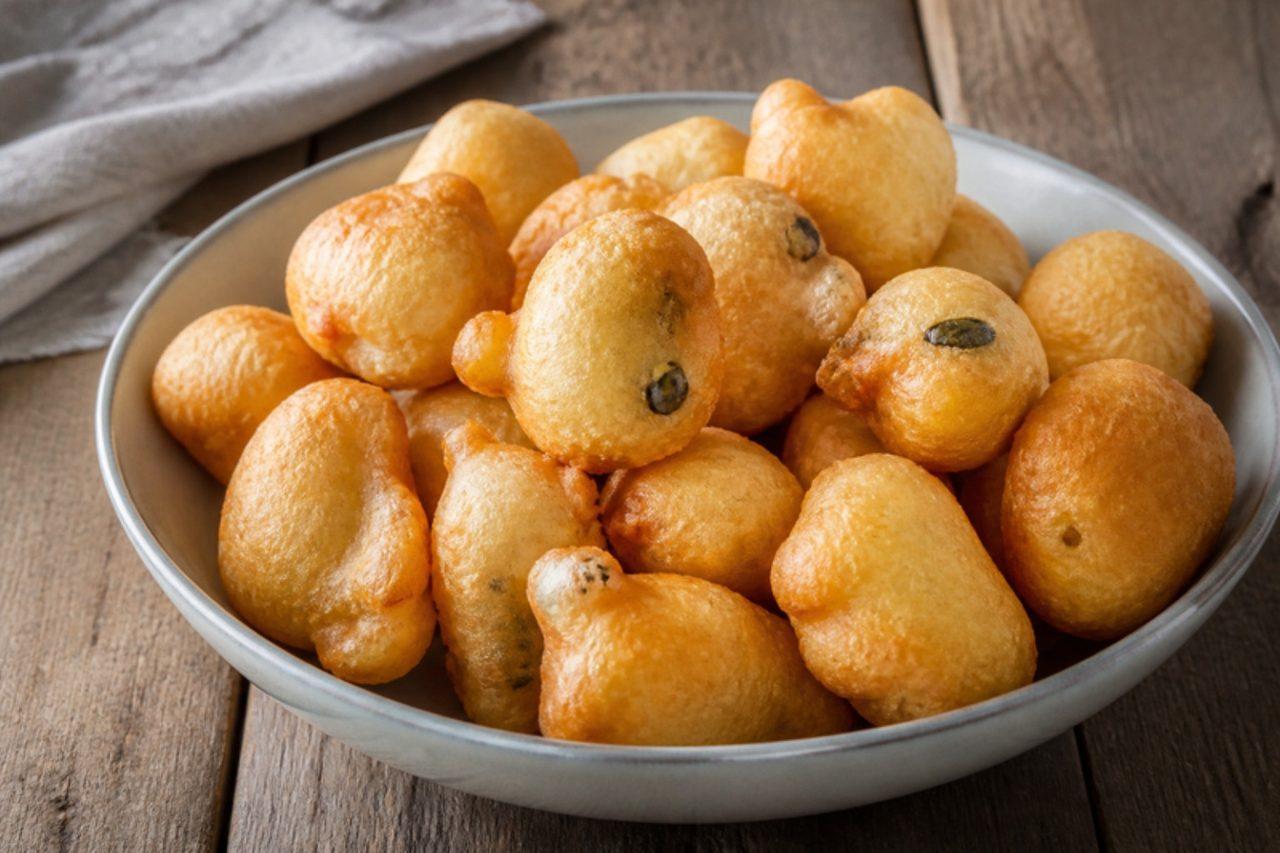
In the Salento, the heel of Puglia, pittule are fried on the night of 7 December, the eve of the Immaculate Conception, to open the Christmas season, and again on St Martin's Day in November when the new wine is tasted. The dough is so wet it can't be shaped; it is dropped from a spoon or a wet hand into hot olive oil, puffing into soft, irregular golden balls. Plain ones are dusted with sugar; savoury ones hide olives, capers or cherry tomatoes. Chef's tip: dip your hand or spoon in water before each scoop so the sticky dough slides off into the oil.

by KrazyBadal 0 views

HoppangRed bean steamed buns

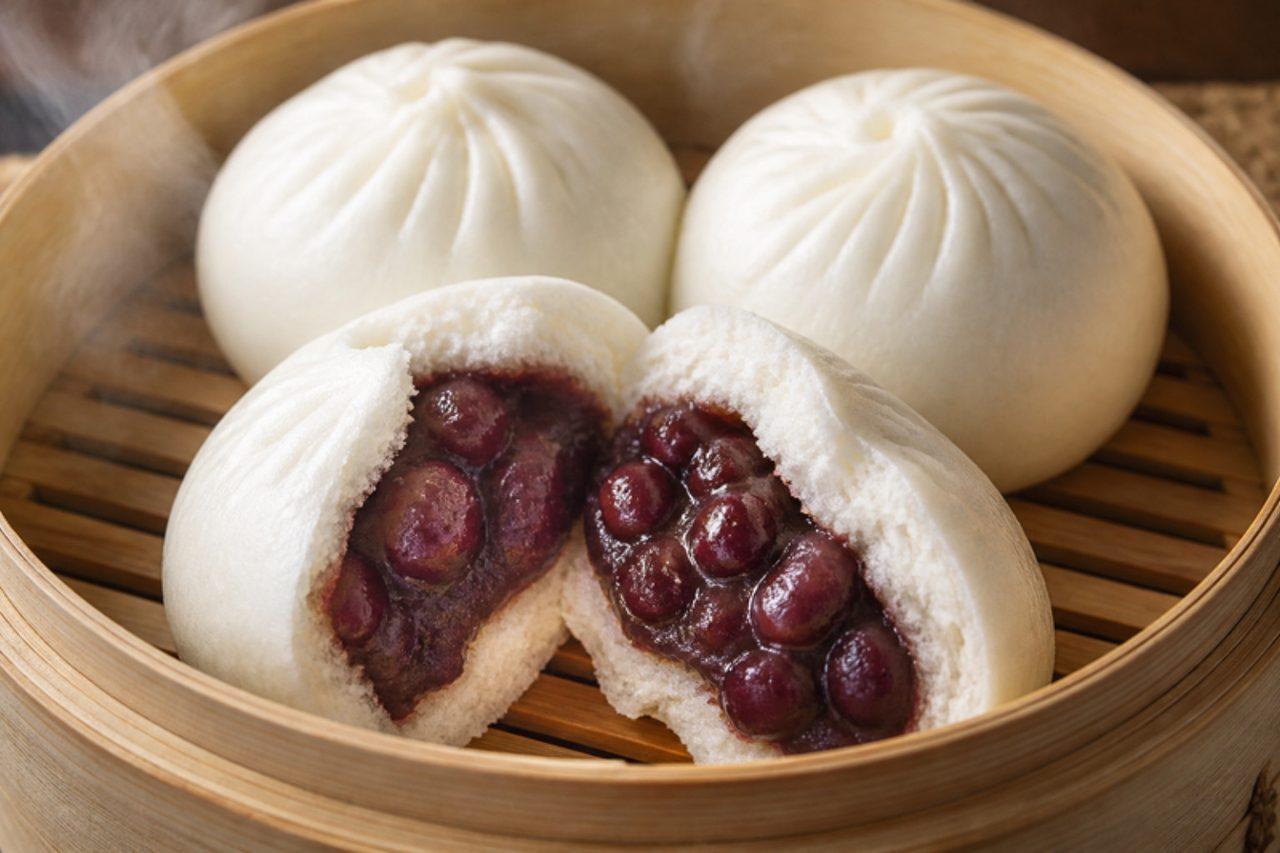
When the first cold snap hits, Korean convenience stores bring out glass steamer cabinets full of hoppang, and office workers grab one for breakfast on the way to the subway. The bun is soft, slightly sweet yeasted dough wrapped around a thick, smooth red bean paste, steamed until pillowy and eaten piping hot. Making them at home takes a morning but they freeze perfectly. The usual mistake is opening the lid too early or steaming over too fierce a heat: the buns collapse and wrinkle, so keep a steady medium heat and leave them to rest 5 minutes before lifting the lid. Contains wheat. Chef's tip: let the shaped buns rise on squares of baking paper; you can move them into the steamer without squashing them.

120 minKoreanBakingVegan
by KrazyBadal 0 views

Nukazuke (rice-bran pickles)

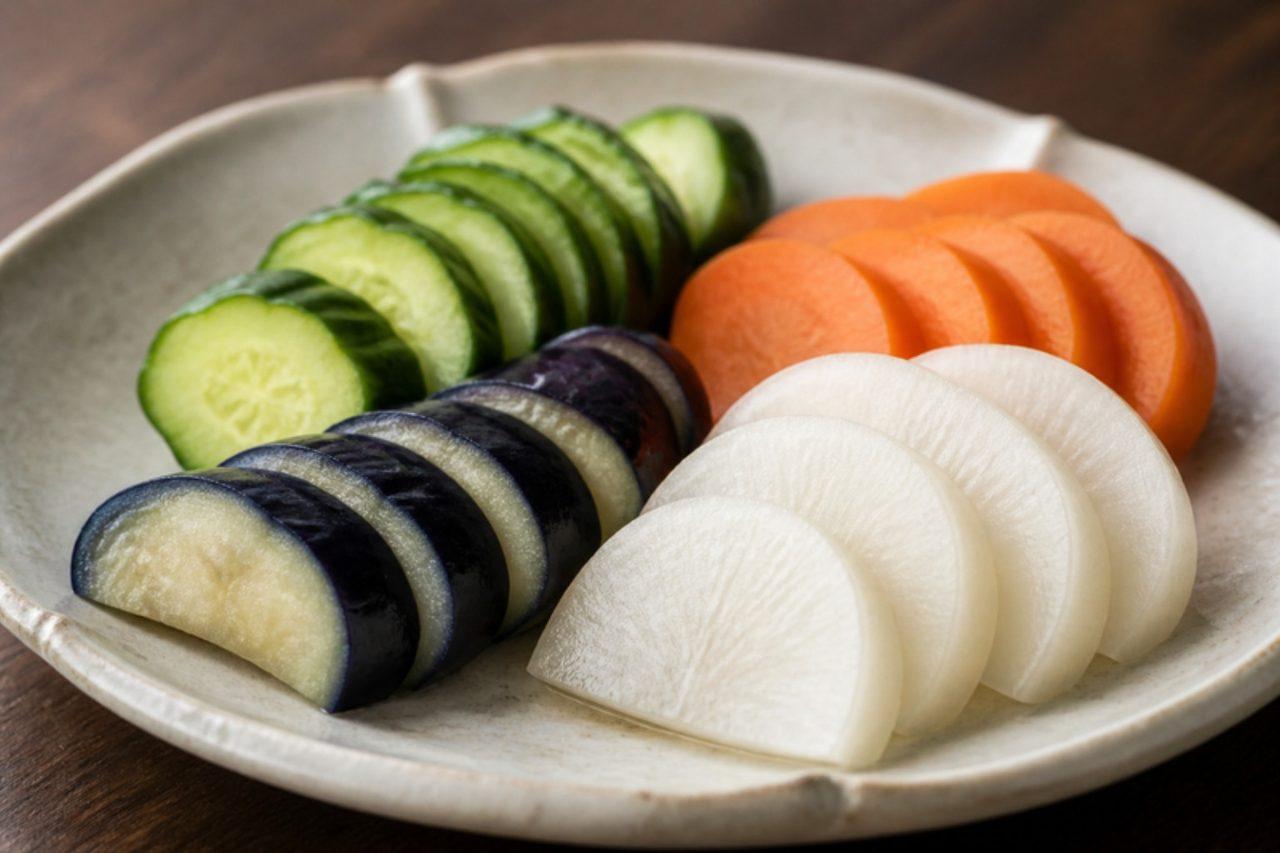
Before refrigerators, almost every Japanese kitchen kept a nukadoko, a crock of salted, fermenting rice bran that someone stirred by hand every morning, and families in Kyoto and Kyushu still pass theirs down for decades. Cucumbers, carrots, daikon or aubergine buried overnight come out crisp, sour and deeply savoury, a little like a gentle sauerkraut. Starting a bed takes about an hour of work and a week of 'feeding' with scraps before it pickles well. The most common mistake is forgetting to stir: left alone, the surface grows yeast and the bed starts to smell sharp and off. Chef's tip: stir from the bottom up once a day with clean hands, and if the bed gets watery, soak up the liquid with a clean cloth rather than pouring it away.

by KrazyBadal 0 views

Beoseot jeongolMushroom hot pot

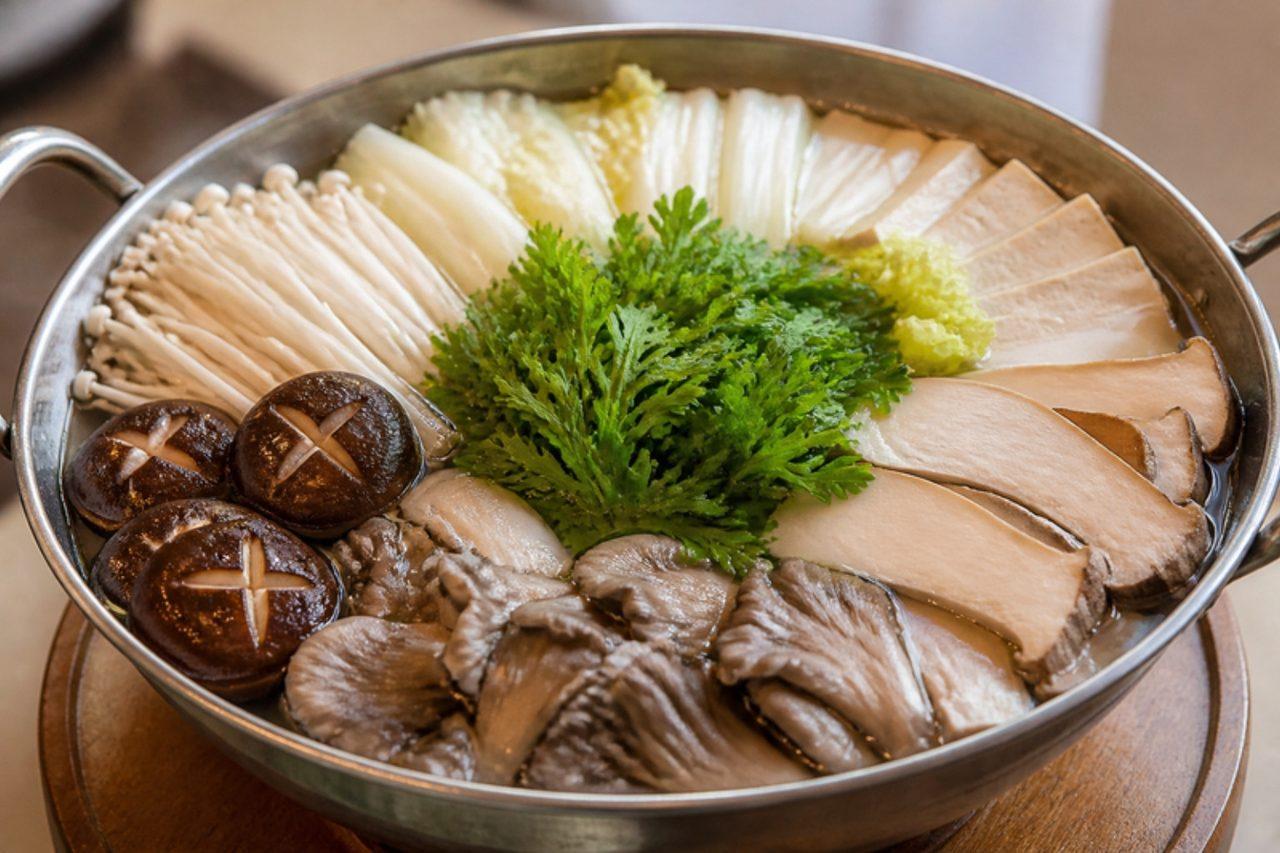
Beoseot jeongol is the mushroom hot pot that Korean temple kitchens and mountain restaurants around Odaesan and Songnisan serve in autumn, when wild mushrooms come down from the slopes. Fans of shiitake, oyster, enoki and king oyster mushrooms are arranged with tofu, cabbage and greens in a shallow pot and cooked at the table in a clear kelp and shiitake broth. It tastes deep, clean and woodsy, with no garlic or onion in the temple way. The common mistake is boiling it hard from the start, which turns the broth cloudy and the enoki stringy. Chef's tip: save the shiitake soaking water and add it to the broth; it doubles the savoury depth without any seasoning.

by KrazyBadal 0 views

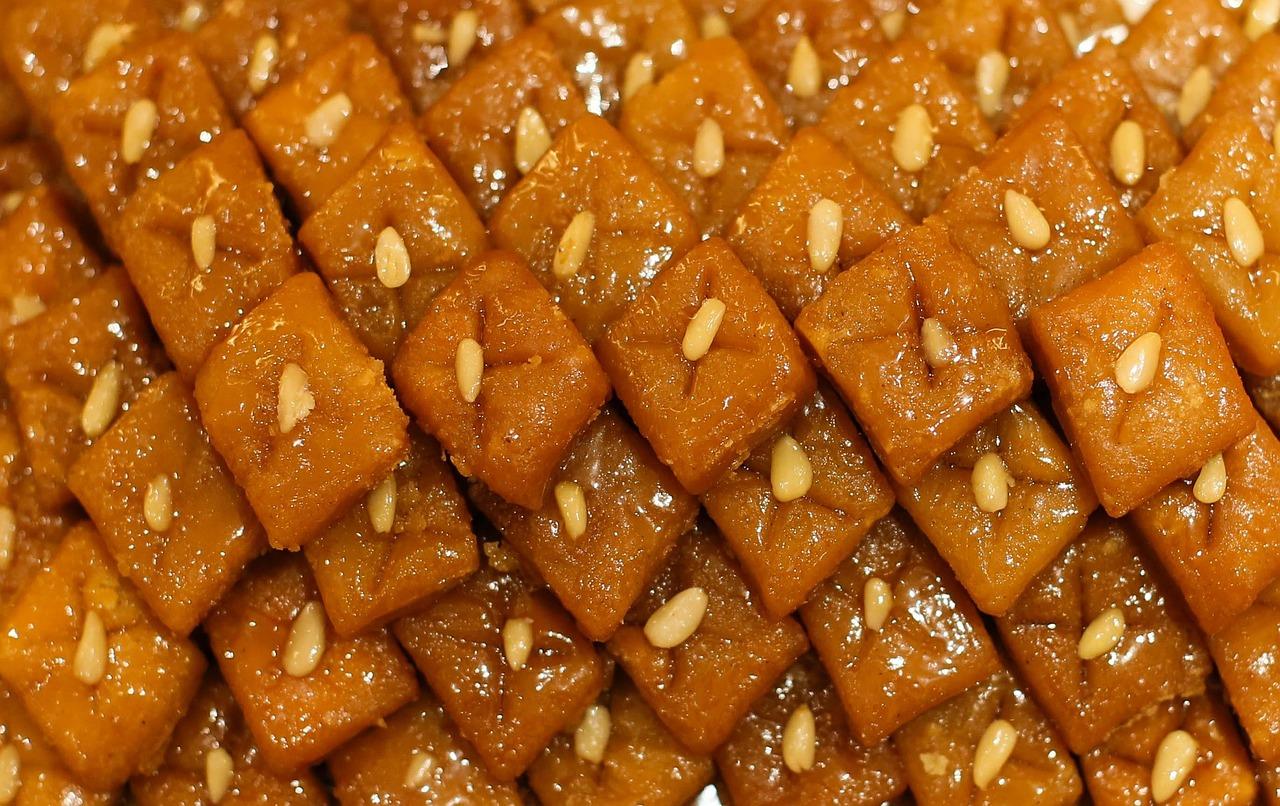
YakgwaHoney ginger cookies

Yakgwa, 'medicinal sweet', were once so prized at royal banquets in Joseon-era Seoul that the court restricted who could make them, because of the honey and oil they swallowed. Today they turn up in gift boxes for Seollal and Chuseok and on the ancestral memorial table, and lately in Seoul cafés that cannot keep them in stock. The flaky, layered dough is fried at a low heat, then left to drink a ginger and cinnamon honey syrup until it is dense and soft all the way through. The mistake nearly everyone makes the first time is frying too hot: the outside browns while the middle stays raw and hard, so keep the oil low and be patient. Contains wheat and sesame. Chef's tip: fold and press the dough, don't knead it; the loose layers are what open up into those flaky ridges.

by KrazyBadal 0 views

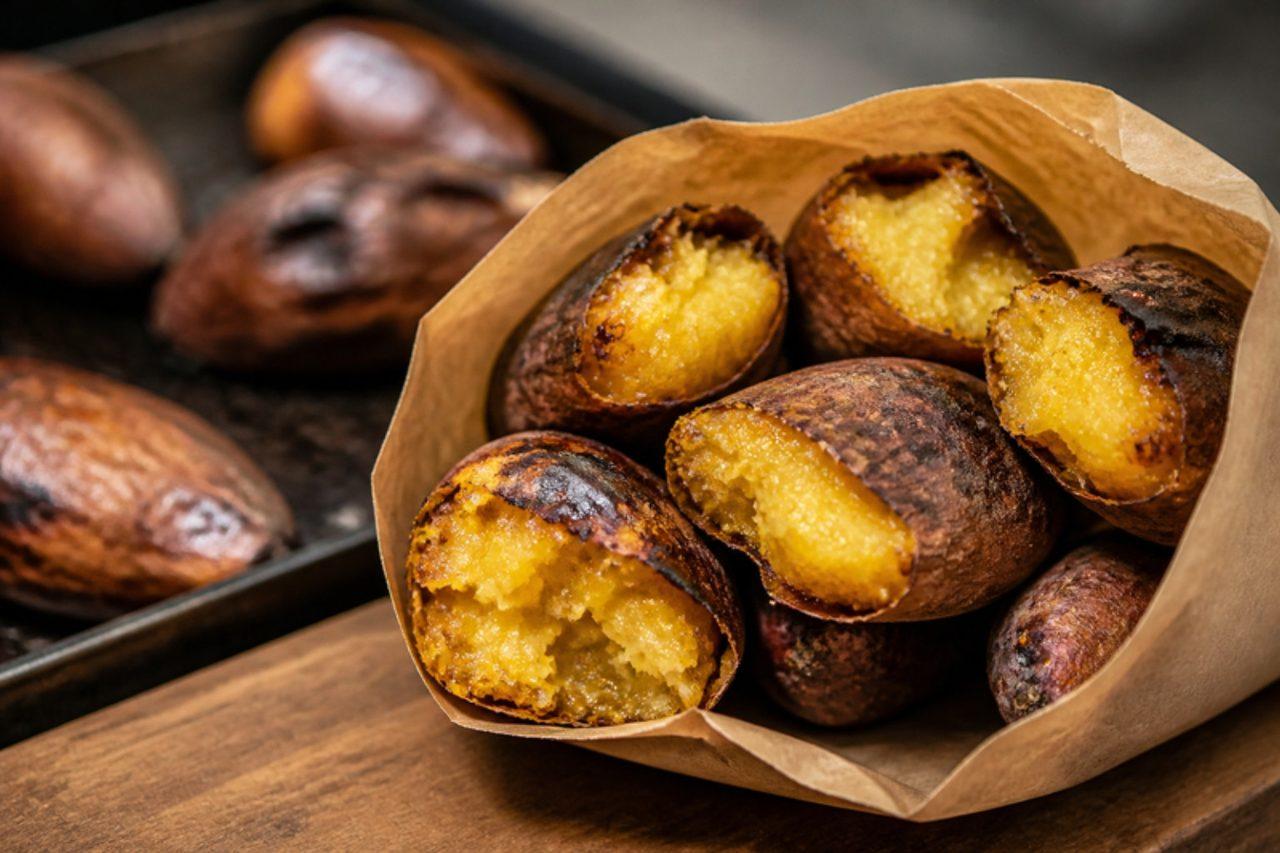
Gun gogumaRoasted sweet potato

On a winter evening in Seoul, the smell of gun goguma drifts out of black drum ovens on street corners, and vendors hand the potatoes over in paper bags to warm cold hands on the way home. Korean sweet potatoes have purple skin and pale, chestnut-sweet flesh that turns dense and sticky when slow-roasted, and the sugars seep out and caramelise on the skin. At home they are eaten with cold dongchimi or kimchi and a glass of milk or a cup of tea. The common mistake is roasting too hot and too short: the potato cooks but never turns syrupy, so give it the full hour. Chef's tip: once roasted, leave them in the switched-off oven for 15 minutes; they keep getting sweeter as they rest.

by KrazyBadal 0 views

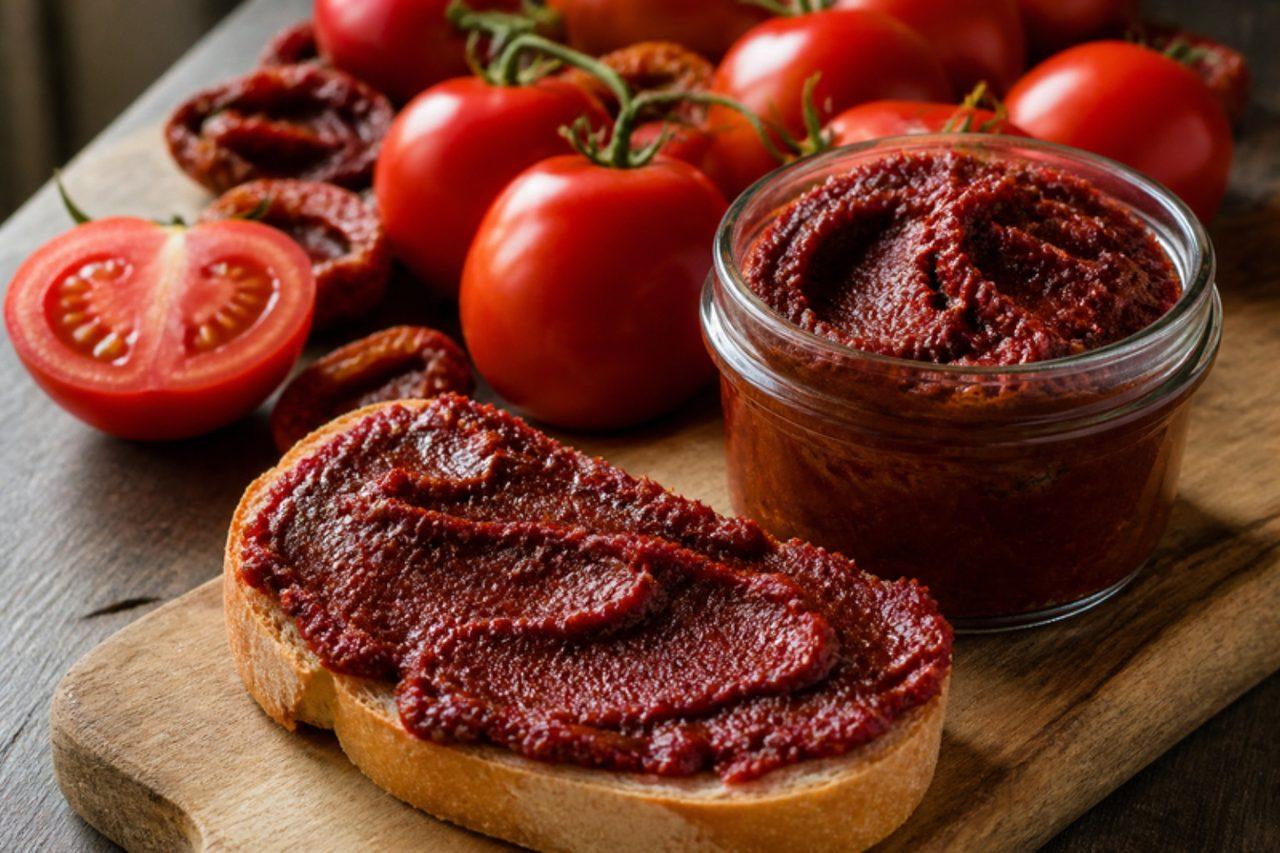
StrattuSun-dried tomato paste

In late August in western Sicily, around Trapani and Palermo, tomato purée is spread on large wooden boards and left in the hot sun for several days, stirred by hand until it turns into a thick, dark-red paste that smells of sun and sweet tomatoes. Strattu, short for "estratto", is used a spoonful at a time to give depth to sauces and stews. This home version dries the passata slowly in a low oven over a day. Chef's tip: spread the purée thin, no more than 1 cm, and stir it every hour; thick layers dry on top and stay wet underneath.

by KrazyBadal 0 views

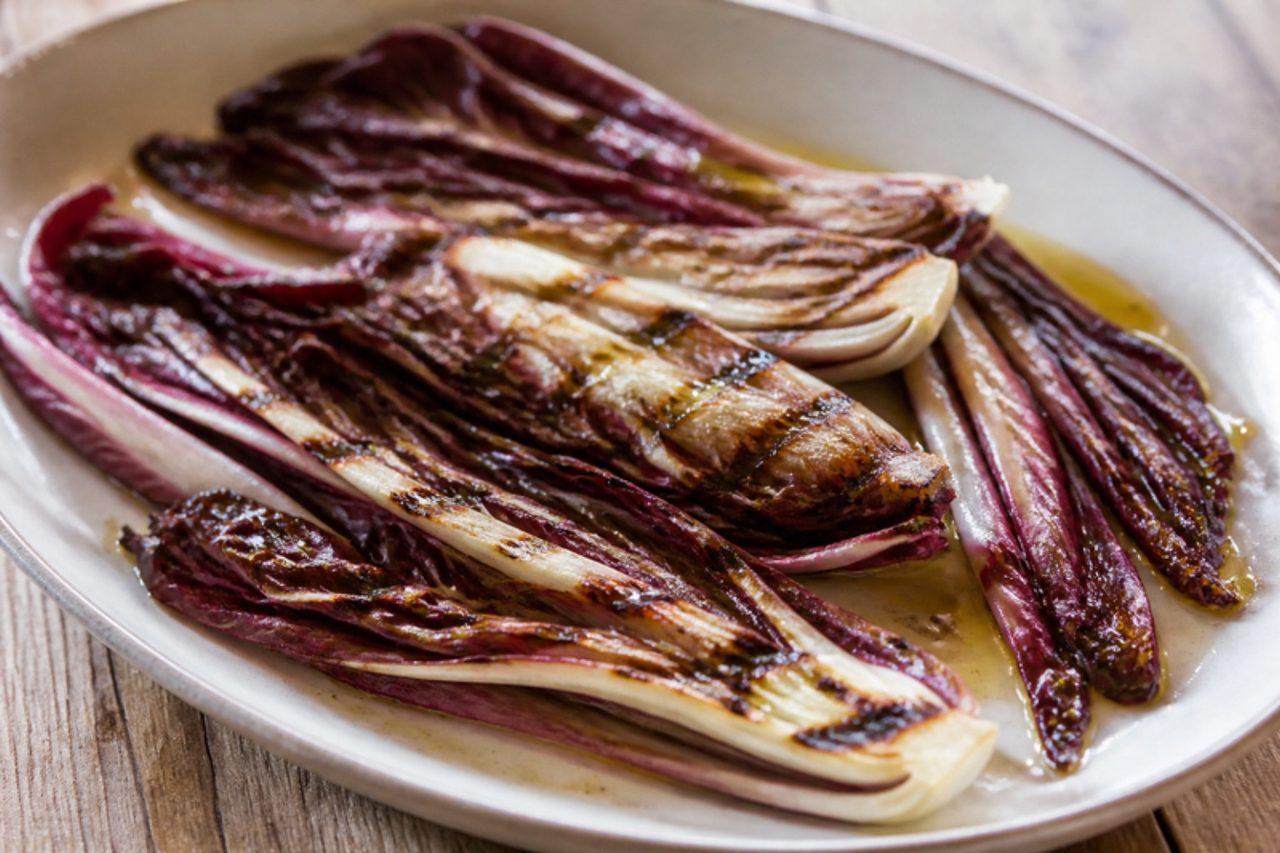
Radicchio trevigiano ai ferriGrilled radicchio

Treviso, north of Venice, is famous for its radicchio tardivo, long crimson leaves with white ribs that are harvested in December and forced in cold spring water until they are crisp and only gently bitter. In the Veneto it is often grilled on a griddle over the fire, dressed with olive oil, salt and a few drops of vinegar, and served next to grilled meat or polenta. The heat softens the bitterness and adds a smoky sweetness. Chef's tip: cut the heads lengthways through the root so the leaves stay joined and don't fall through the grill.

by KrazyBadal 0 views

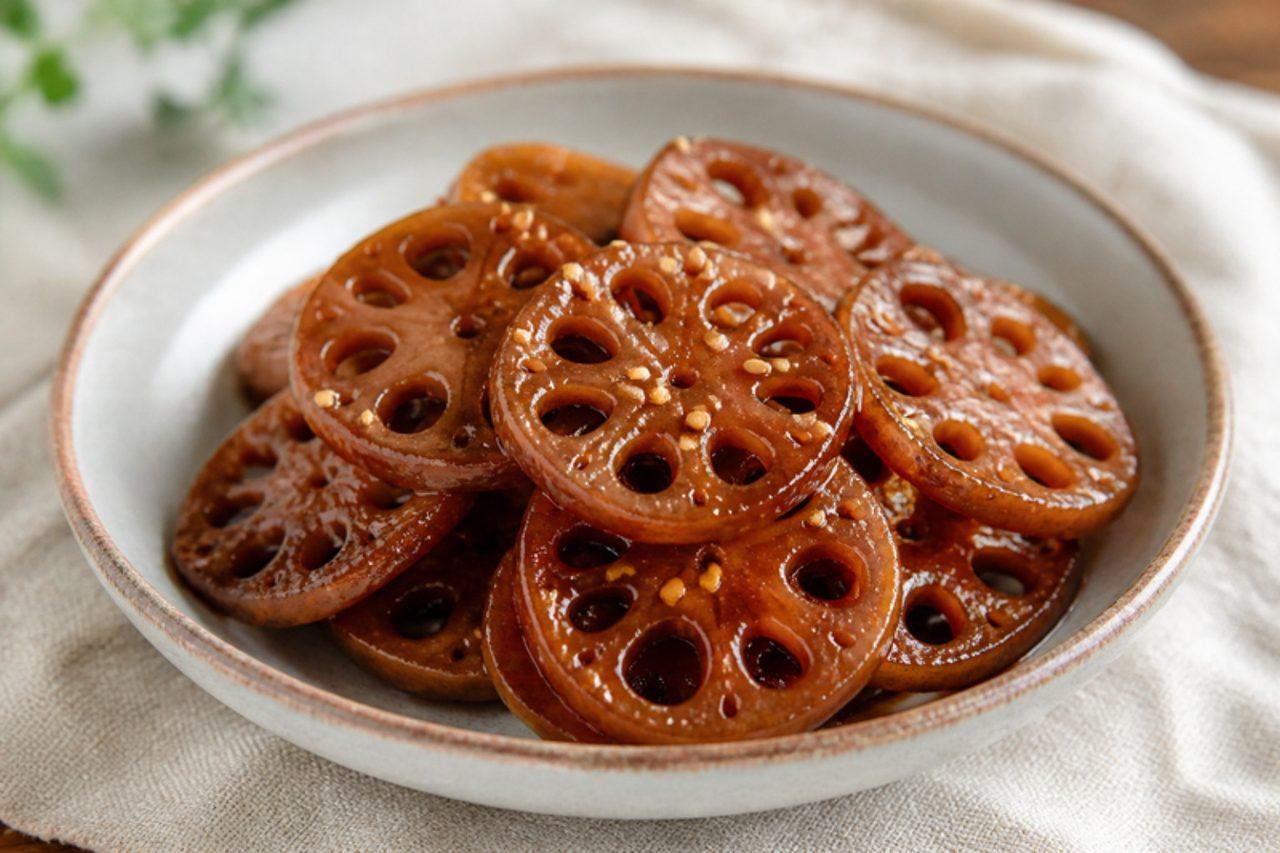
Yeongeun jorimSoy-braised lotus root

Yeongeun jorim is a winter banchan from the lotus ponds of South Jeolla, where Muan county is famous for its lotus fields, and it is now made in homes all over Korea for lunchboxes and holiday tables. Slices of lotus root are blanched in vinegared water, then simmered in soy and syrup until they turn dark, glossy and chewy with a lingering crunch. The holes make every slice look like lace. The common mistake is skipping the vinegar blanch, which leaves the slices grey and starchy. Chef's tip: stop cooking while there are still a couple of spoonfuls of sauce in the pan; the glaze thickens as it cools and turns sticky rather than hard.

by KrazyBadal 0 views

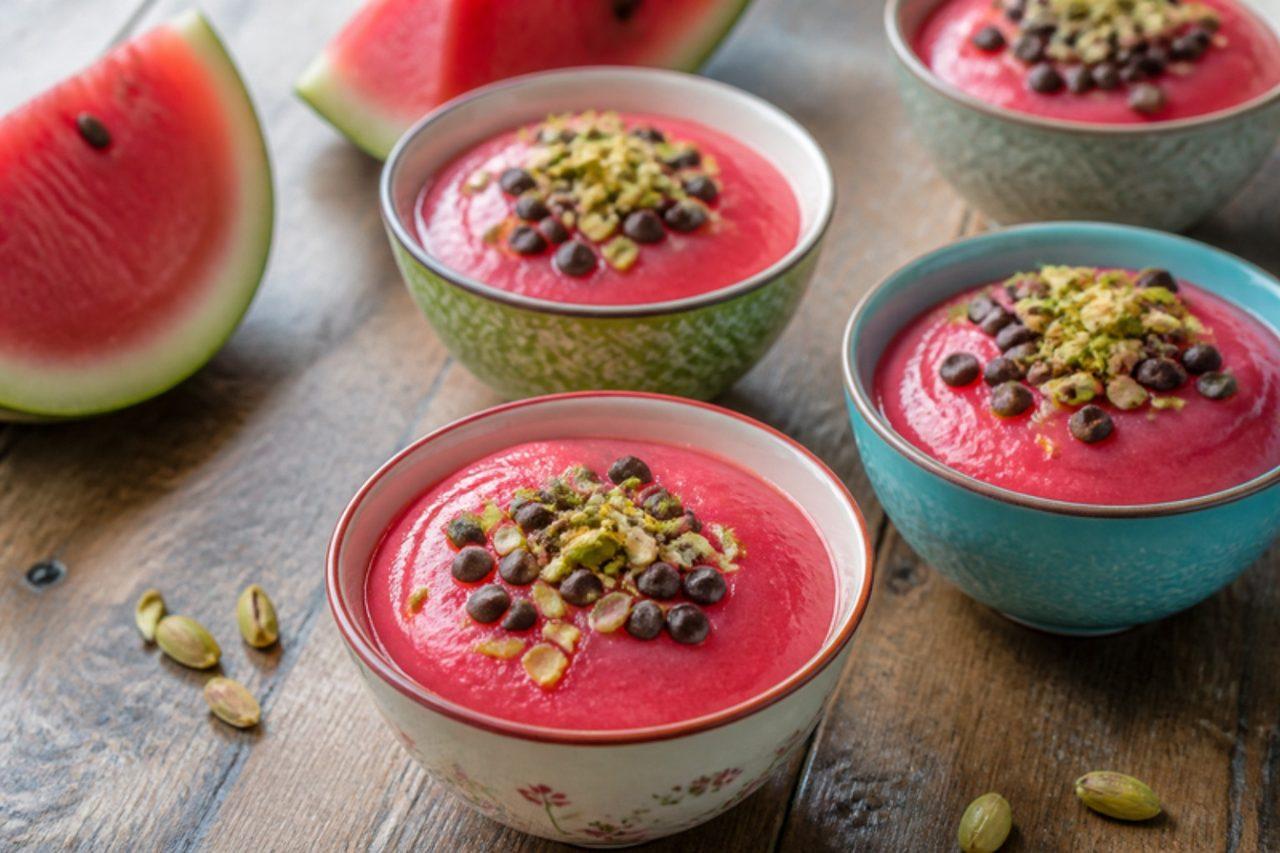
Gelo di melloneWatermelon jelly pudding

Gelo di mellone is the summer dessert of Palermo, eaten above all on 15 July for the feast of Santa Rosalia, the city's patron saint. Fresh watermelon juice is set with starch into a soft, wobbly pink pudding, scented with cinnamon and sometimes jasmine flowers, and topped with chocolate chips and chopped pistachios that look like watermelon seeds. It is served chilled in small bowls or as a tart filling. Contains nuts in the topping. Chef's tip: strain the watermelon juice through a fine sieve; any pulp clouds the jelly and stops it from setting smoothly.

by KrazyBadal 0 views

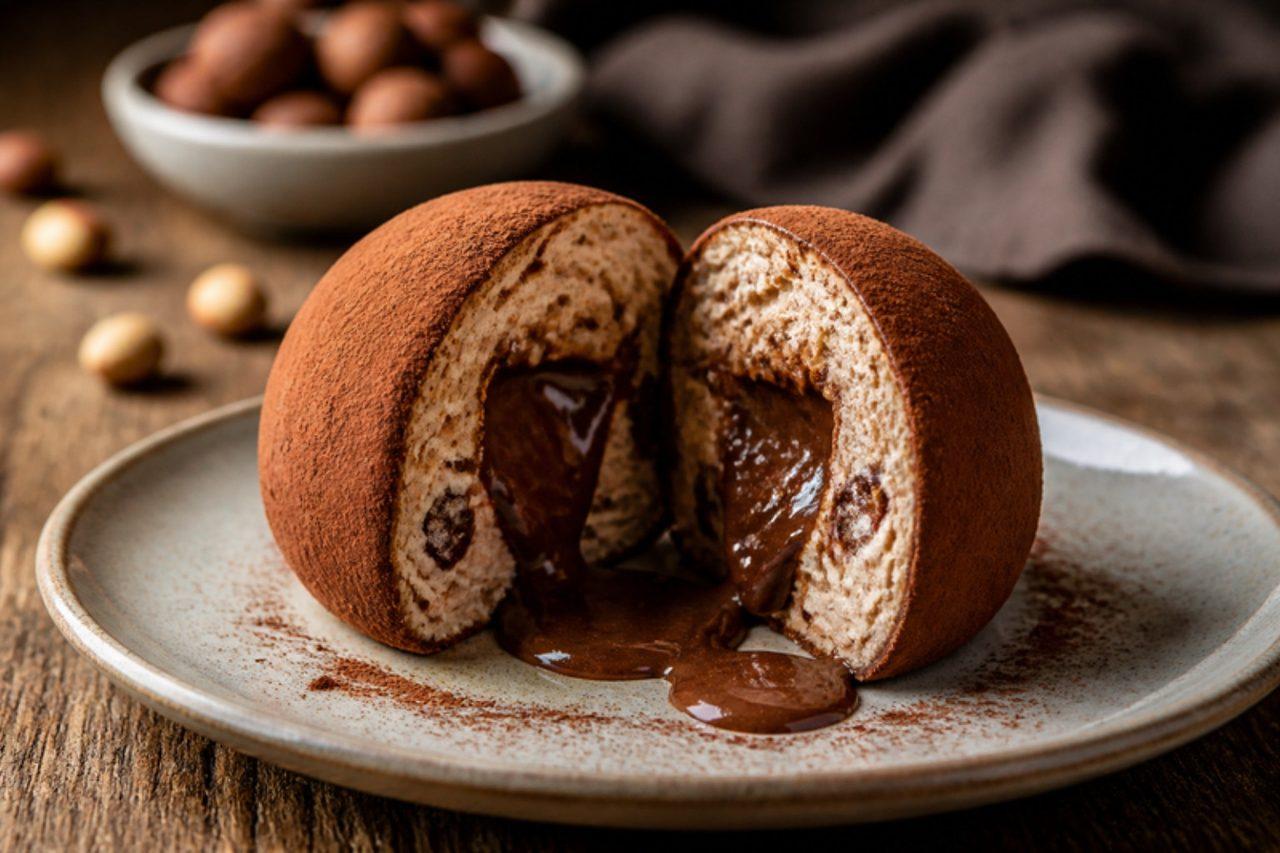
Tartufo di PizzoChocolate hazelnut gelato ball

In 1952, in the seaside town of Pizzo in Calabria, a gelato maker ran out of moulds for a wedding banquet and shaped gelato by hand in his palm, around a centre of molten chocolate, then rolled it in cocoa. The tartufo, named for its resemblance to a truffle, is now protected as a local speciality, and the cafés on Pizzo's main piazza serve it in summer to crowds of visitors. Contains nuts. Chef's tip: work in a cold kitchen with chilled cling film and refreeze between each step; the gelato must stay firm enough to hold its ball shape.

by KrazyBadal 0 views

Showing 24 of 3,470 recipes

Show more recipes

Page 46 of 145

More No onion & garlic ideas

Other diets