Skip to content
WhatToEat.Today

No onion, no garlic recipes (Swaminarayan and sattvic)

3,470

3470 vegetarian recipes cooked without onion or garlic, as in Swaminarayan and sattvic kitchens, with no meat, fish, eggs or alcohol. Each has photos, step-by-step instructions and cook times. The quickest, Apfelschorle, takes 2 minutes. Most take around 45 minutes.

Filter these by time, diet or cuisine · Make No onion & garlic your diet to see only these recipes everywhere on the site.

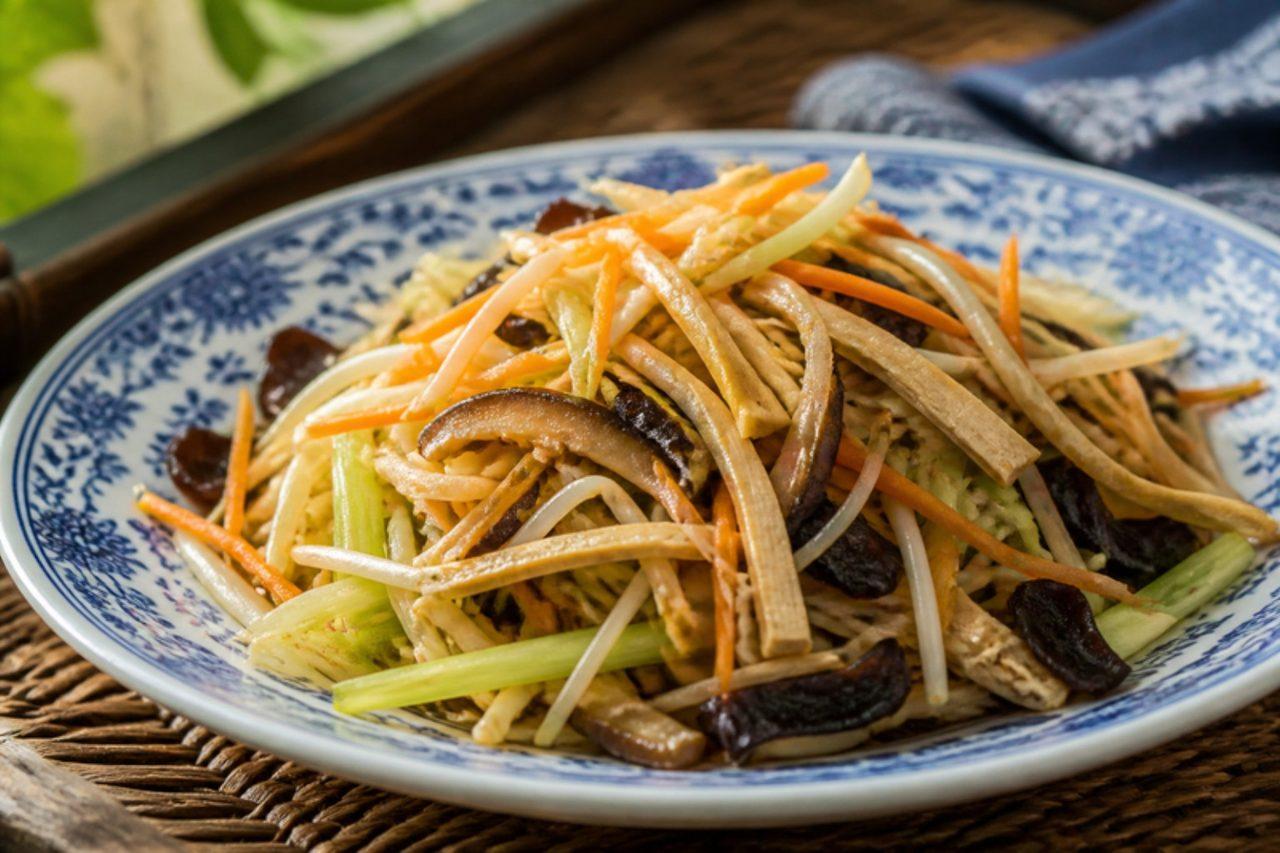
Shi xiang cai (ten-treasure vegetables)

Shanghai families make a big tub of shi xiang cai on the last days of the old year, and it sits on the table, cold, through the first fortnight of New Year as a fresh, crunchy counterweight to all the braised meat. Ten ingredients, each shredded as fine as matchsticks and stir-fried separately, are tossed together with soy, sugar and sesame oil: soybean sprouts, carrot, celery, wood ear, shiitake, lily buds, bamboo, pressed tofu, preserved mustard tuber and red pepper. Throwing everything into the wok at once is the mistake; each vegetable cooks at its own speed, and only separate frying keeps them crisp. Chef's tip: the finer and more even the shreds, the more it tastes like the real thing.

by KrazyBadal 0 views

Coconut milk jelly

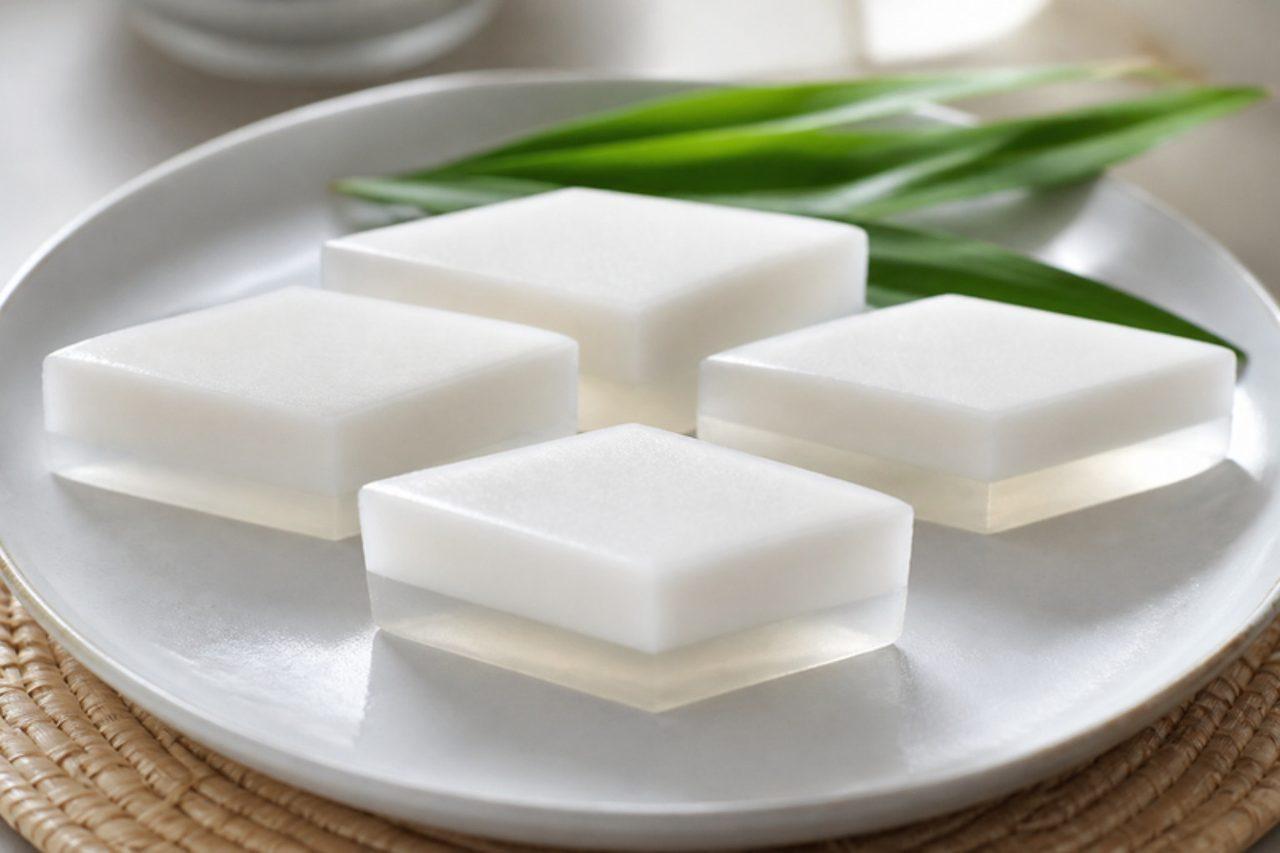
Hong Kong yum cha halls finish a long Sunday lunch with plates of these cool white-and-clear diamonds, and Guangdong homes set a tray in the fridge for hot summer evenings. The bottom layer is rich coconut milk, the top a clear, gently sweet jelly, both set with agar so it is fully vegan and holds firm even on a warm table. Set the layers too far apart in time and they peel away from each other, which is the usual mistake: pour the second layer while the first is set on top but still warm. Chef's tip: shake the can of coconut milk hard before opening, or the rich cream stays in a lump at the top.

by KrazyBadal 0 views

Laba congeeMixed grain and bean porridge

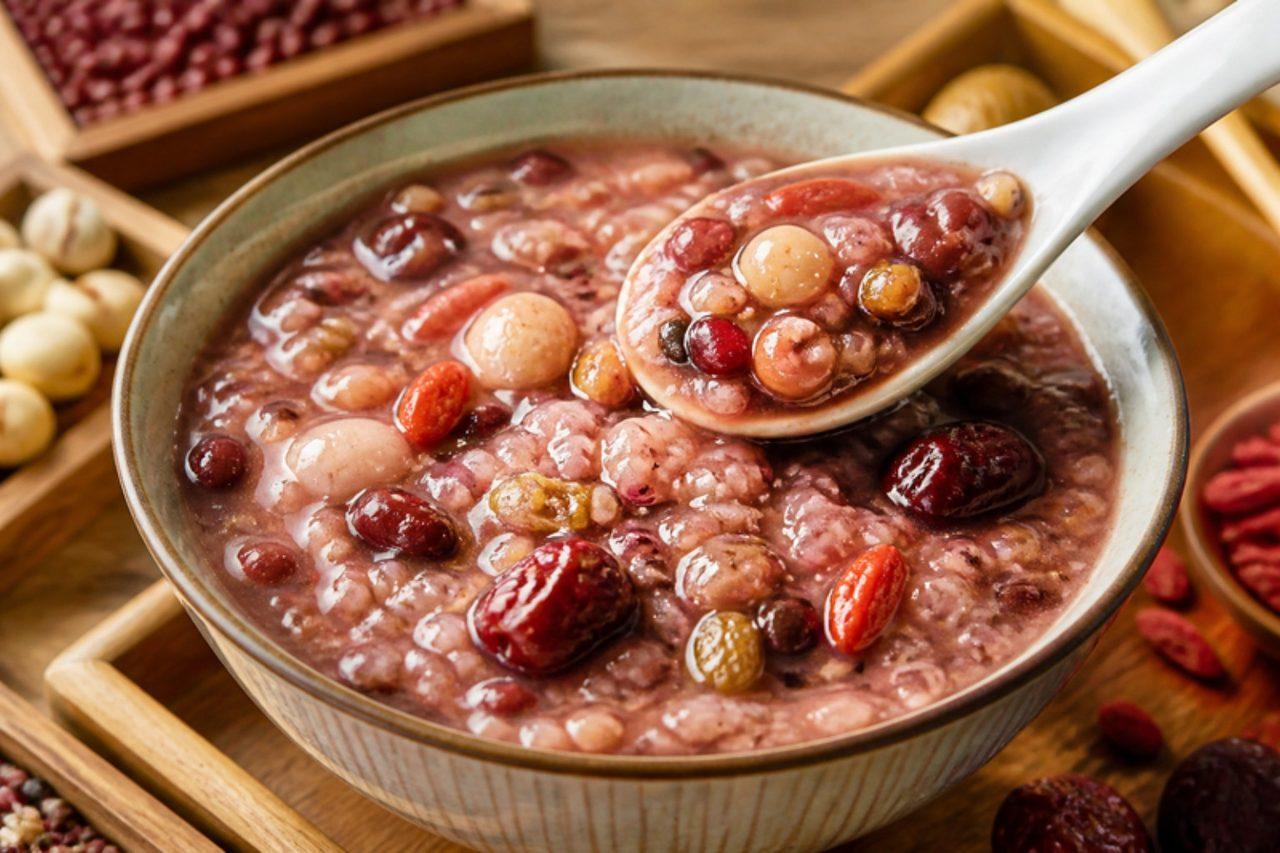
On Laba, the eighth day of the twelfth lunar month, Buddhist temples across China from Beijing's Yonghe Temple to Hangzhou's Lingyin hand out bowls of this porridge to everyone who queues, marking the day the Buddha is said to have reached enlightenment. Families cook it at home the same morning, and it signals that the New Year is on its way. It is thick, gently sweet and full of different textures: chewy black rice, soft red beans, creamy lotus seeds and sticky dates. A common mistake is putting everything in at once; the beans need a head start or they stay hard while the rice turns to glue. Chef's tip: soak the beans and black rice overnight, and cook the porridge low and slow with the lid ajar so it does not boil over.

by KrazyBadal 0 views

Mahua (crisp fried dough twists)

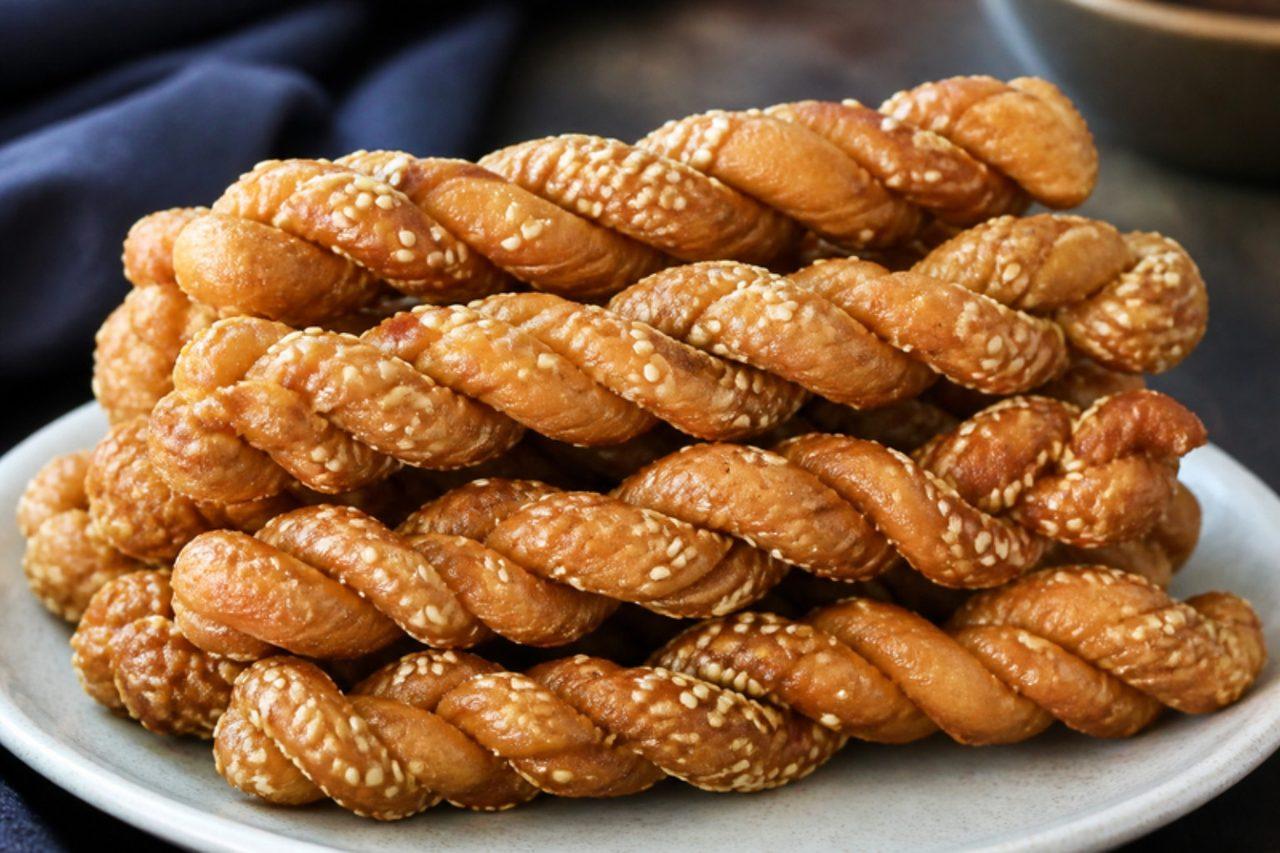
Tianjin in northern China is famous for mahua, and the shops on Guifaxiang street sell giant ones stuffed with candied fruit; but the everyday kind is a small, hard, golden twist sold in bags in every corner shop and eaten with tea or as a snack on the train. This home version is crisp right through with a little sweetness and toasted sesame. The common mistake is frying too hot: the outside browns while the thick twist stays doughy and raw in the middle. Keep the oil at about 160 °C and give them time. Chef's tip: let the shaped twists rest 10 minutes before frying so the dough relaxes; tight twists spring open in the oil.

by KrazyBadal 0 views

Shojin dashiKombu and shiitake stock

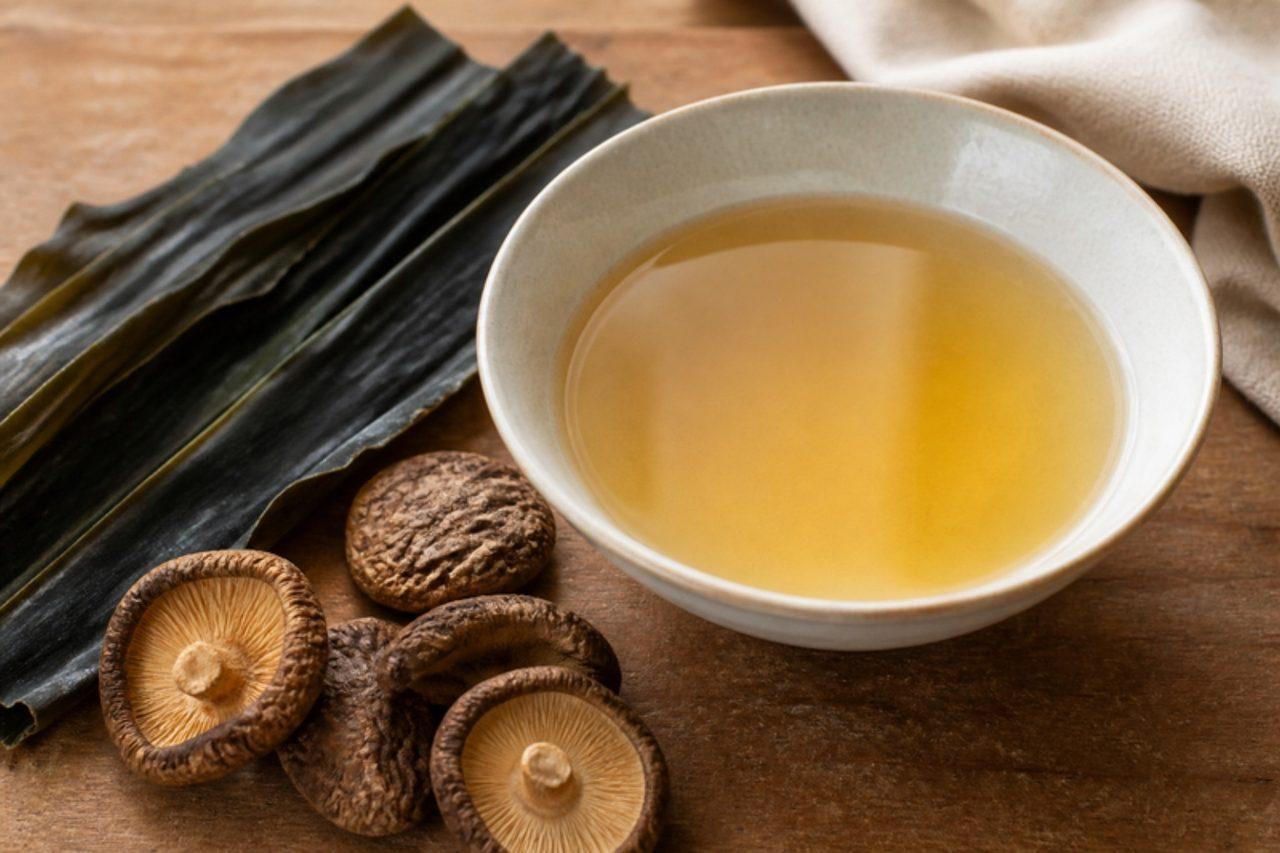
Zen temples in Kyoto and Kamakura build their whole cuisine on this stock: kombu kelp and dried shiitake soaked in cold water until the liquid turns golden and deeply savoury, with no bonito at all. It is the vegan dashi for miso soup, simmered vegetables, noodle broths and dipping sauces, and every vegetarian Japanese recipe on this site can use it. The common mistake is boiling the kombu, which releases slime and bitterness; it should never go beyond a gentle simmer, and taking it out just before boiling gives the cleanest flavour. Chef's tip: soak overnight in the fridge (mizudashi) for the best, roundest flavour with no effort, then keep the softened shiitake for a simmered dish.

by KrazyBadal 0 views

Almond tofu (xingren doufu)

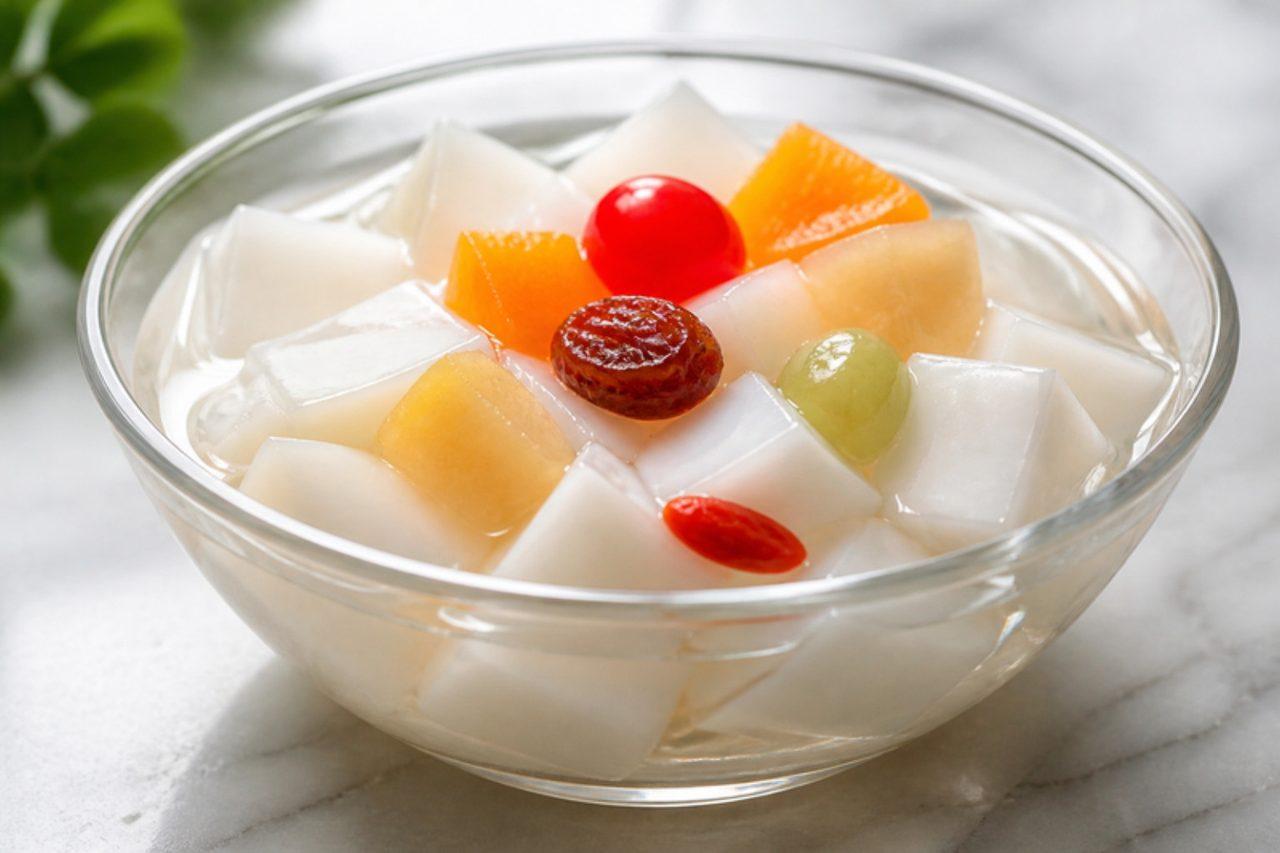
Almond tofu has nothing to do with soybeans: it is a soft, white jelly of sweetened almond milk, cut into cubes like tofu and floated in cold syrup with fruit. It was once a palace dessert in Beijing and is now on dim sum menus in Guangzhou and Hong Kong in summer. The traditional flavour comes from southern apricot kernels (nan xing ren); this home version uses blanched almonds with a few drops of almond extract, and agar, so it is fully vegetarian. The common mistake is using too much agar, which makes it firm and rubbery; it should only just hold its shape and wobble on the spoon. Chef's tip: bring the agar to a full boil for 2 minutes before adding the milk, or it won't set at all.

by KrazyBadal 0 views

Luo han guo teaMonk fruit tea

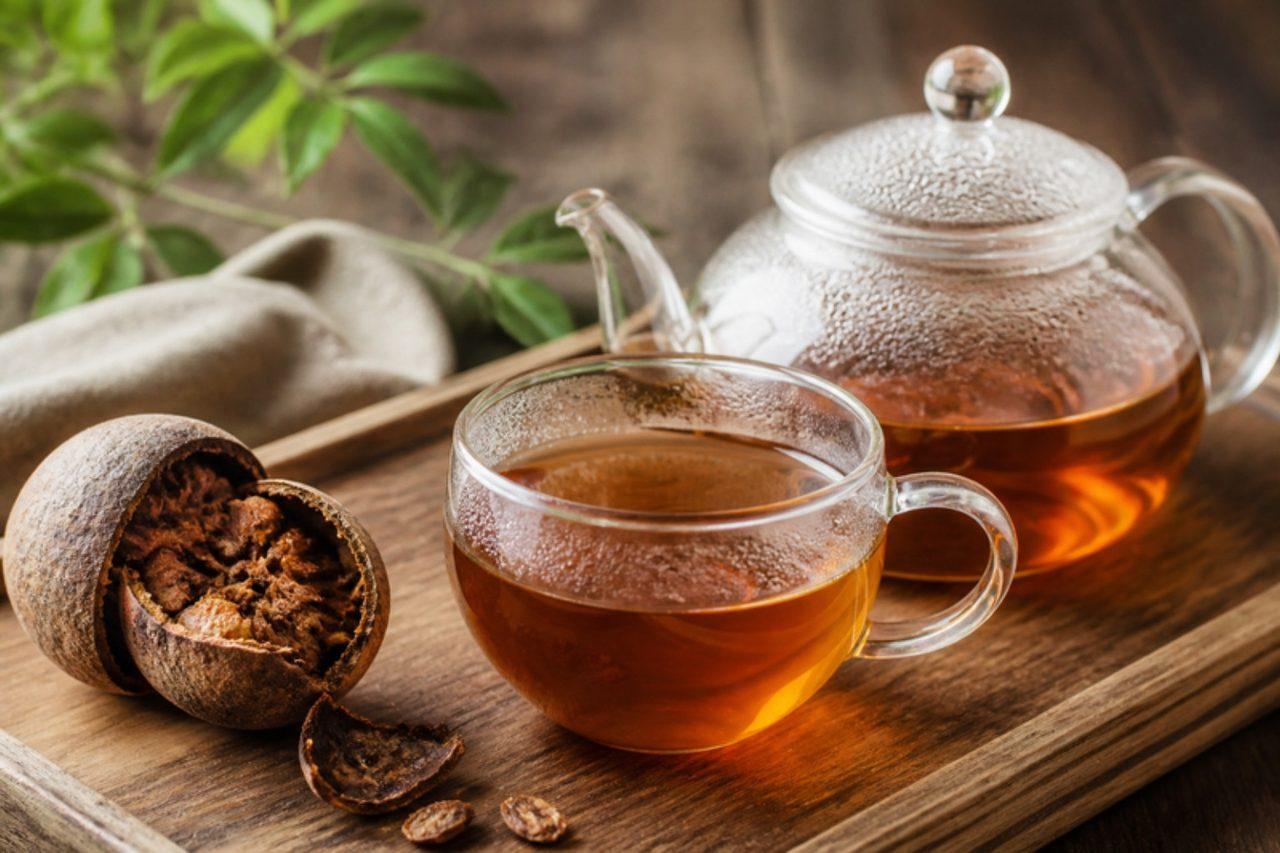
The hills around Guilin in Guangxi grow luo han guo, a small round gourd that is dried until its shell turns brown and brittle. Cantonese and Guangxi households simmer one in water when someone has a scratchy throat or a dry cough, or simply in the heat of summer, and the result is a dark amber tea that tastes of caramel and dried fig with no sugar added at all. Drink it hot in winter or chilled in summer. The mistake most people make is using a whole fruit for a single cup, which is cloyingly sweet; one fruit is enough for a large pot. Chef's tip: crack the shell and tear the pulp into pieces, so the flavour comes out in 15 minutes instead of an hour.

by KrazyBadal 0 views

Goma dofuSesame tofu

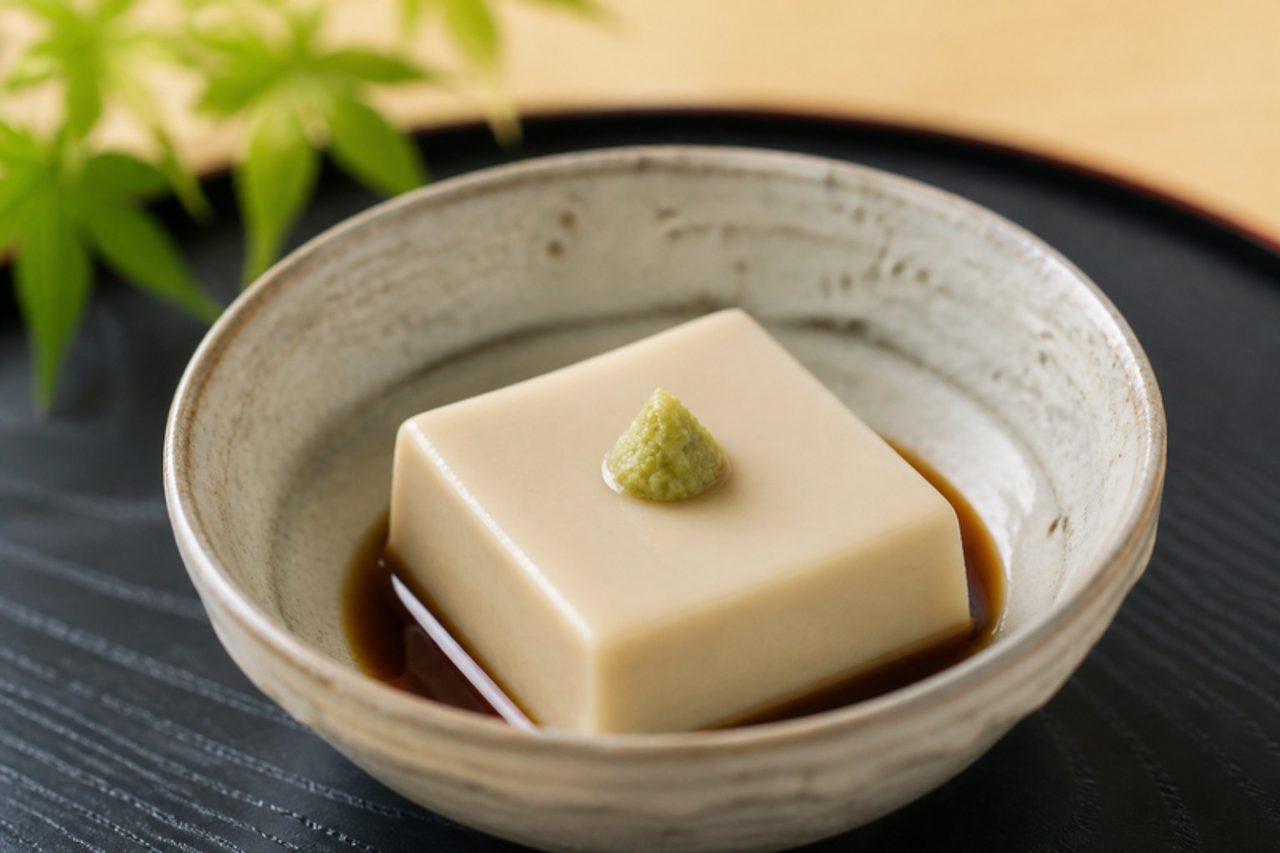
Despite its name, goma dofu contains no soybeans: it is a pale, wobbly block of ground sesame and water, set with kudzu starch, and it is the signature dish of the temple lodgings on Mount Kōya in Wakayama, served at breakfast and at the start of shojin ryori meals. It has a bouncy, almost mochi-like texture and a deep, toasty sesame flavour, eaten with a dab of wasabi and soy. The common mistake is stopping the stirring too soon: it must be beaten hard over the heat for a full 15 minutes, or it sets soft and pasty instead of springy. Chef's tip: use pure white sesame paste (neri goma) rather than tahini if you can; it is more roasted and gives a richer, creamier flavour.

by KrazyBadal 0 views

Kao fu (braised wheat gluten)

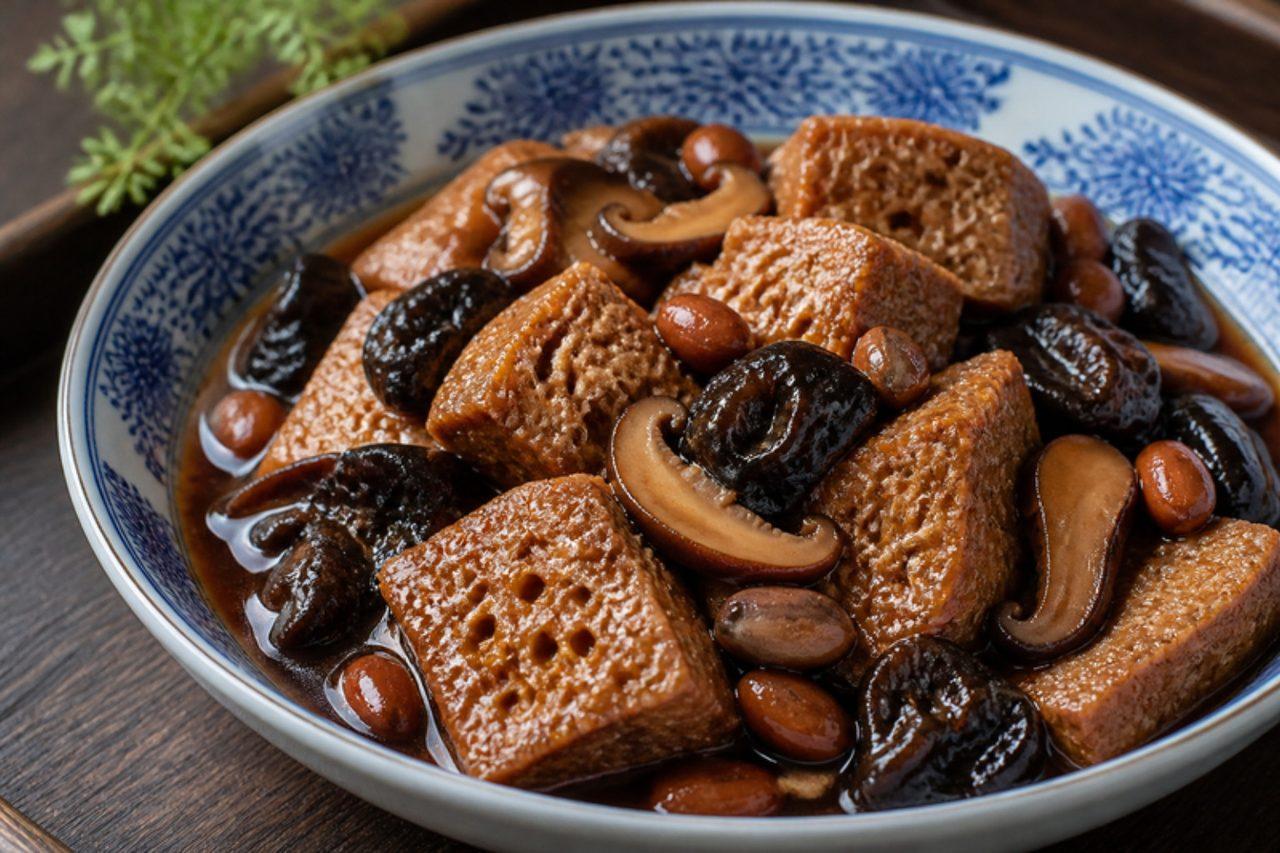
Every Shanghainese family puts a bowl of kao fu on the table for Chinese New Year, and the city's temple canteens serve it all year as a cold dish. The spongy wheat-gluten cubes drink up a dark, glossy braise of soy and rock sugar, with crunchy wood ear, meaty shiitake and soft peanuts in every mouthful. It tastes better the next day, eaten cold or just above room temperature with rice or congee. Most people get it wrong by cutting the gluten with a knife; tear it by hand so the rough edges soak up more sauce. Chef's tip: squeeze the boiled gluten hard, like a sponge, before frying, or it spits in the oil and stays bland inside.

by KrazyBadal 0 views

Eight treasures rice

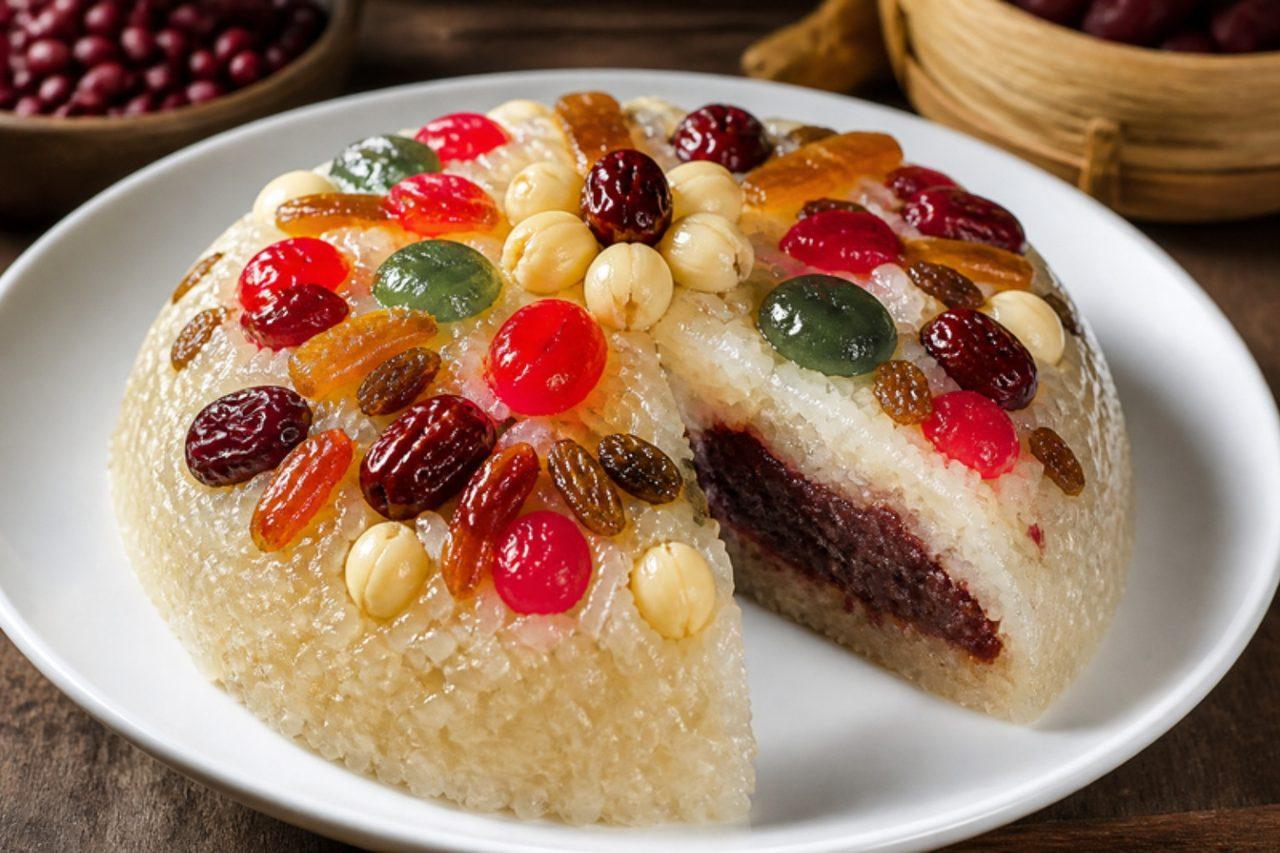
On New Year's Eve in Shanghai and the towns of Jiangnan, the reunion dinner ends with a dome of sticky rice turned out onto a plate, its top patterned with red dates, raisins, goji berries, walnuts and lotus seeds, and a heart of sweet red bean paste. A glossy syrup goes over just before it reaches the table. Older recipes use lard; this one uses neutral oil, so it is vegan. The usual mistake is undercooking the rice at the first steaming: if it is still chalky before shaping, it never turns tender. Chef's tip: pack the fruit pattern into the bowl first and press the rice firmly over it, so the design comes out sharp.

by KrazyBadal 0 views

Paruppu sadamMashed rice and toor dal

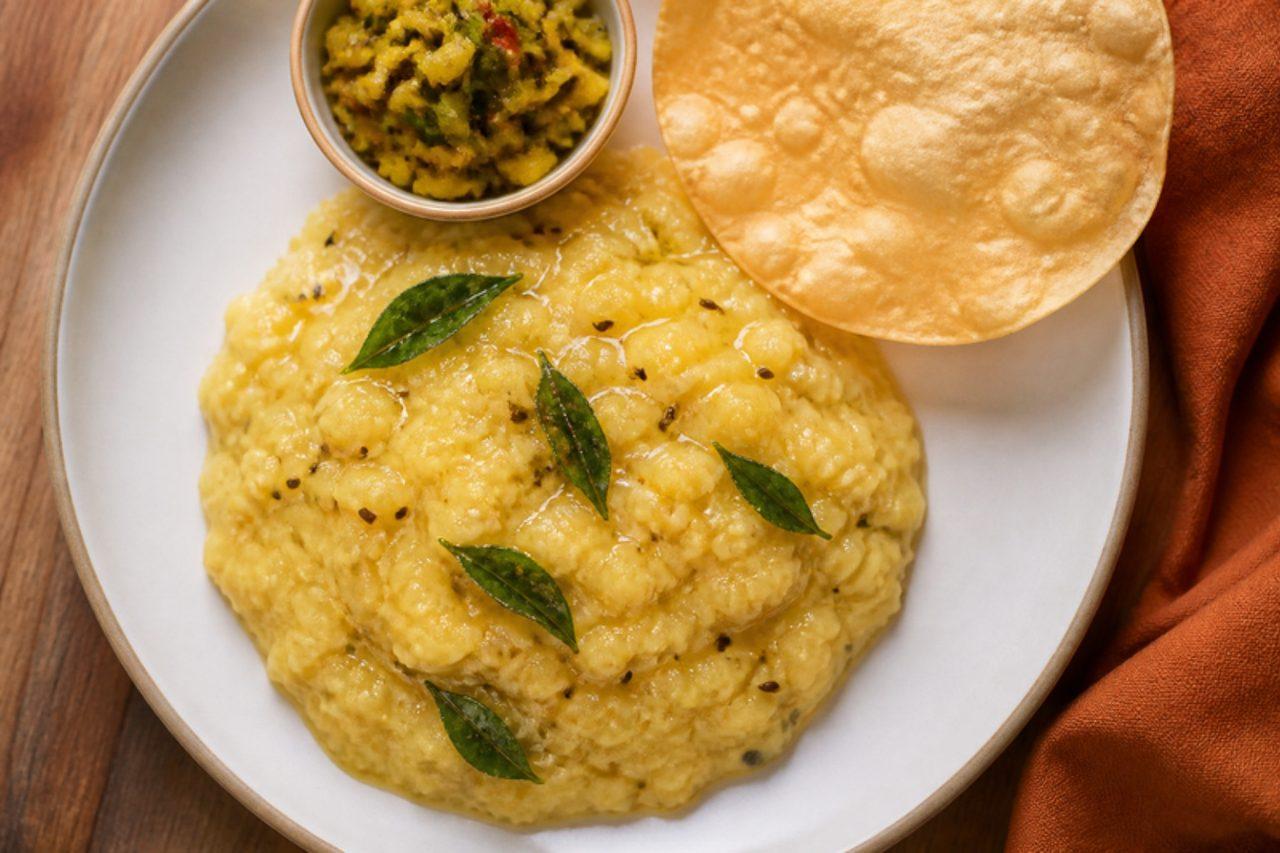
Long before they can manage rasam or sambar, children in Tamil homes are fed paruppu sadam: rice and toor dal cooked together until very soft, mashed smooth and loosened with a spoonful of ghee. It is plainer and wetter than a khichdi, with no vegetables or spice blend, just turmeric, salt and a light thalippu (tempering) of cumin, curry leaves and a pinch of asafoetida. The same bowl is comfort food for grown-ups, eaten with a crisp potato roast, a fried appalam (urad papad) and a dollop of mango pickle. It also turns up at the start of a festive Tamil meal, where the first course is always dal rice with ghee. The texture should be creamy and spoonable, almost like a thick soup. Chef's tip: mash the rice and dal while they are piping hot; once they cool, the starch sets and the mash turns gluey rather than smooth.

by KrazyBadal 0 views

Vegetarian gooseTofu-skin roll

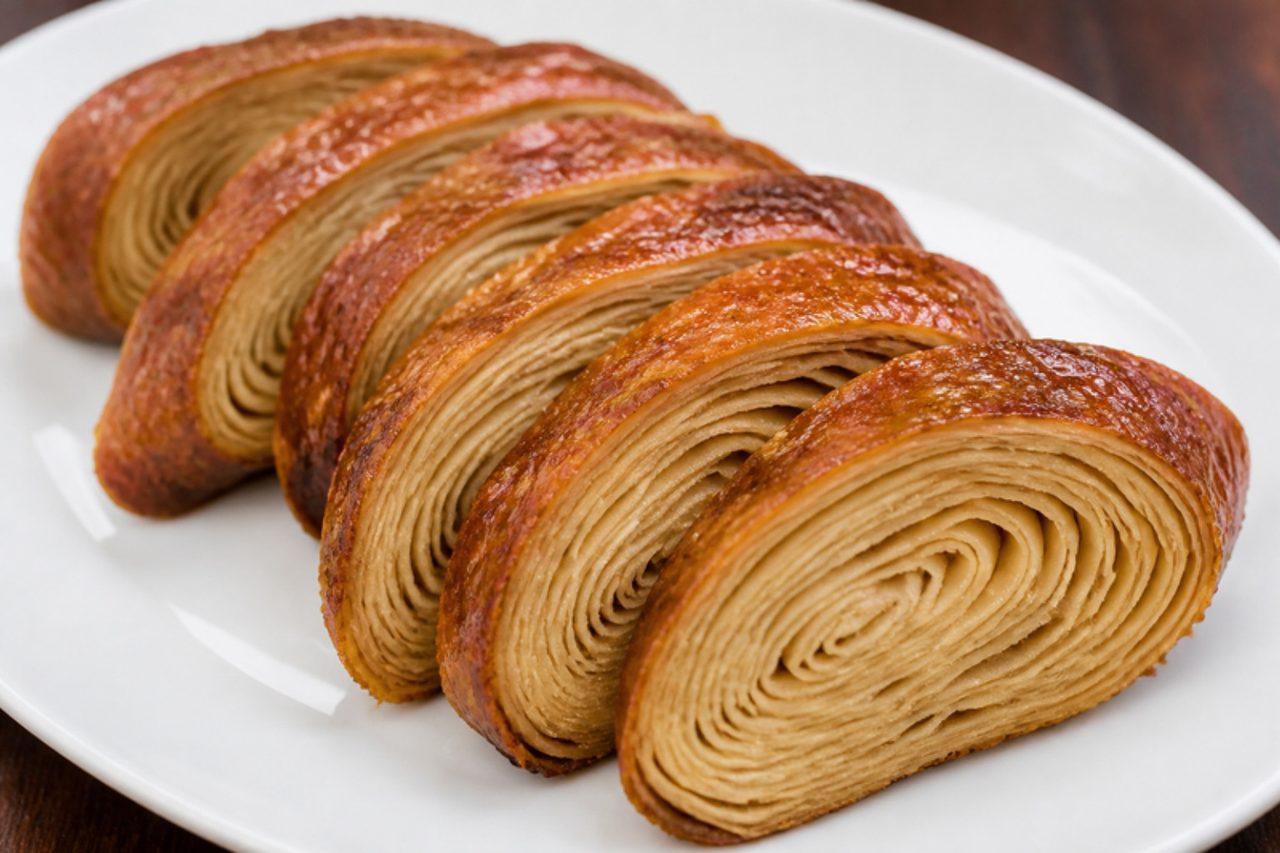
Shanghai's Buddhist temple kitchens, and the vegetarian restaurant at Jade Buddha Temple in particular, have long served su e as a cold starter: sheets of tofu skin brushed with sweet soy, rolled tight, steamed to set and then fried until the outside turns bronze and blistered like the skin of a roast bird. Sliced on the diagonal, it shows dozens of thin, savoury layers that are tender inside and faintly chewy at the edge. It is eaten at room temperature with other cold plates before a banquet, or tucked into lunch boxes. The usual mistake is soaking the dried tofu skin until it falls apart; you only need to brush it with the warm seasoning so it softens as you roll. Chef's tip: roll each log as tightly as you can and tie it in a cloth before steaming, because loose rolls separate into strips when you slice them.

by KrazyBadal 0 views

Ragi ganjiFinger millet milk porridge

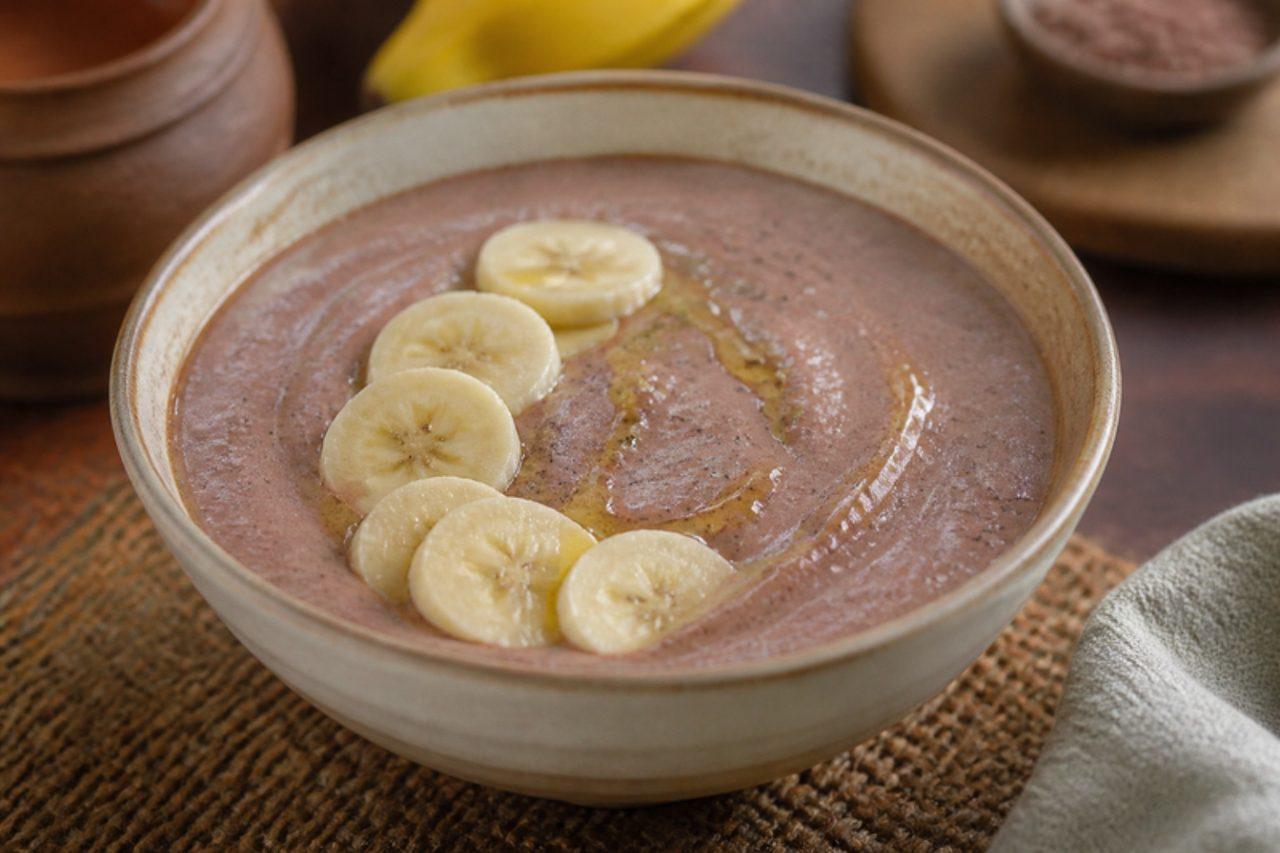
Across Karnataka and the Tamil country, a cup of warm ragi is often the very first grain a child tastes and the same drink a grandfather has before his morning walk. Finger millet (ragi) flour cooks into a silky, cocoa-brown porridge with an earthy, slightly malty taste that jaggery and a whisper of cardamom round off beautifully. Bengaluru mothers pour it into steel tumblers for school mornings; it is filling, naturally gluten-free and gentle on small tummies. Keep it pourable for drinking or cook it a minute longer for a spoonable bowl, and serve it warm with a ripe banana alongside. For children under one, most families leave out the jaggery and use water or the milk the baby already drinks. Chef's tip: always whisk the flour into cold water first; ragi flour dropped into hot liquid seizes into lumps that no amount of stirring will fix.

by KrazyBadal 0 views

Fa gao (prosperity cakes)Steamed rice flour cakes

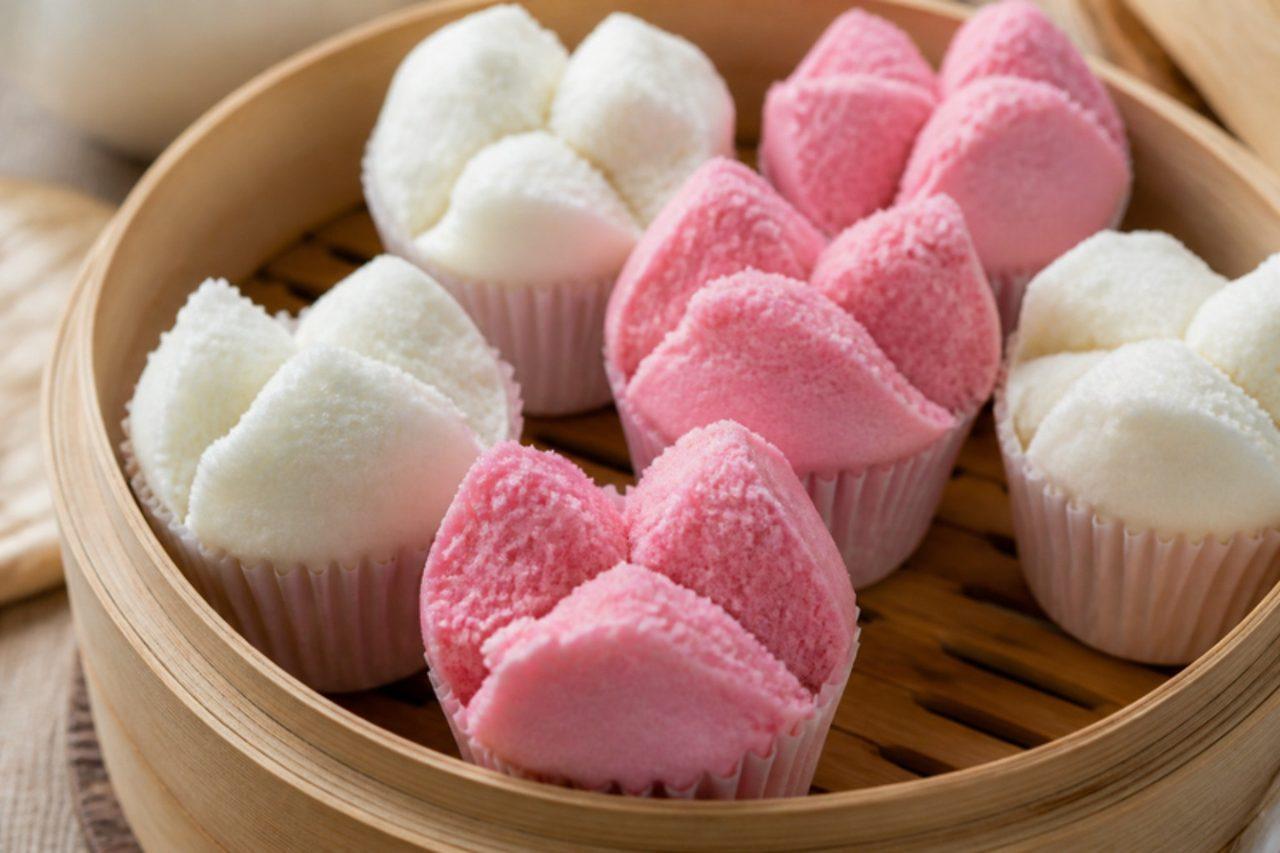
Fa gao is the little cake on every Cantonese New Year altar in Guangzhou and in Chinatowns from Kuala Lumpur to London: the word 'fa' means both 'rise' and 'prosper', and the deeper the cross-shaped crack on top, the luckier the year. This quick version uses rice flour, a little wheat flour and baking powder, steamed hard so the tops burst open, and it is egg- and dairy-free. The mistake that stops them smiling is a gentle steamer; the water must be at a fierce rolling boil before the cups go in. Chef's tip: fill the cups right to the brim, so the batter has to split as it rises.

by KrazyBadal 0 views

Sichuan pao cai (brine pickles)Brine-pickled vegetables

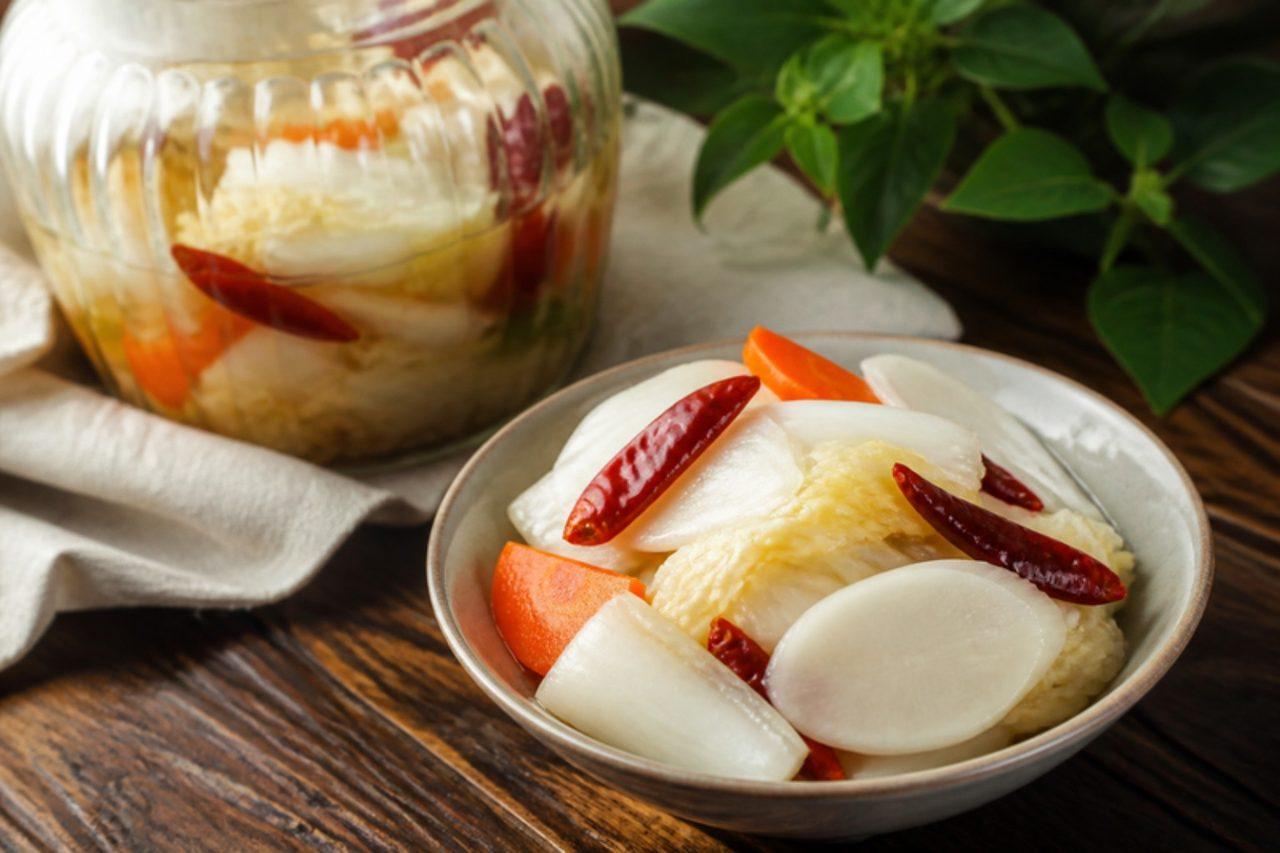
Almost every family in Sichuan keeps a glazed pao cai jar with a water-sealed lid, and some brines have been topped up for decades. Vegetables steep in salted water with Sichuan pepper and fresh chillies until they turn crisp, sour and lightly fizzy; they are eaten as a little dish with rice porridge at breakfast in Chengdu, and chopped into fish, beans and stir-fries for that clean sourness. Many cooks add a splash of baijiu to the jar; this version leaves it out, and the pickle ferments perfectly well without it. The mistake that ruins a jar is a wet or oily spoon: any oil or raw water lets white mould grow, so always use a clean, dry spoon. Chef's tip: dry the cut vegetables in the sun or on a rack for a few hours before packing, as slightly wilted vegetables stay crunchier for longer.

by KrazyBadal 0 views

Dudhi nu shaakBottle gourd curry

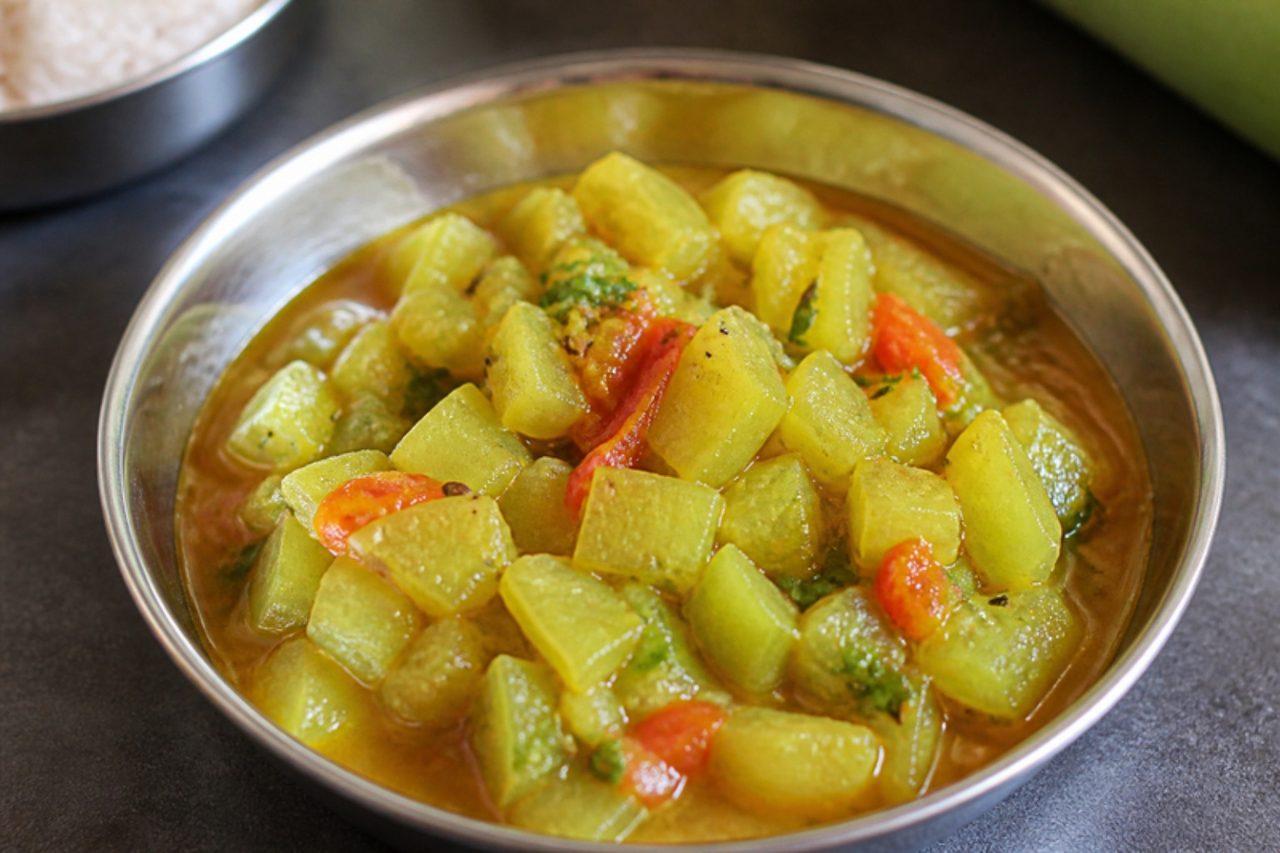
When someone in a Gujarati house is unwell, or it's simply too hot to eat anything heavy, this is the shaak that appears with khichdi or thin rotli. Pale green bottle gourd cubes are cooked in a vaghar of cumin, mustard seed and hing with green chilli, a little tomato and a pinch of jaggery, and they release so much juice that almost no water is needed. With no onion, garlic or fresh ginger, it's everyday Jain food too. It ends up soft, light and gently sweet-sour, with a little thin gravy to soak into rice. The common mistake is adding water; dudhi is mostly water itself, and the shaak goes soupy and bland. Cover and let it stew in its own juice. Chef's tip: always taste a tiny raw piece first; a bottle gourd that tastes bitter can make you ill and must be thrown away.

by KrazyBadal 0 views

Tanghulu (candied hawthorn and fruit skewers)

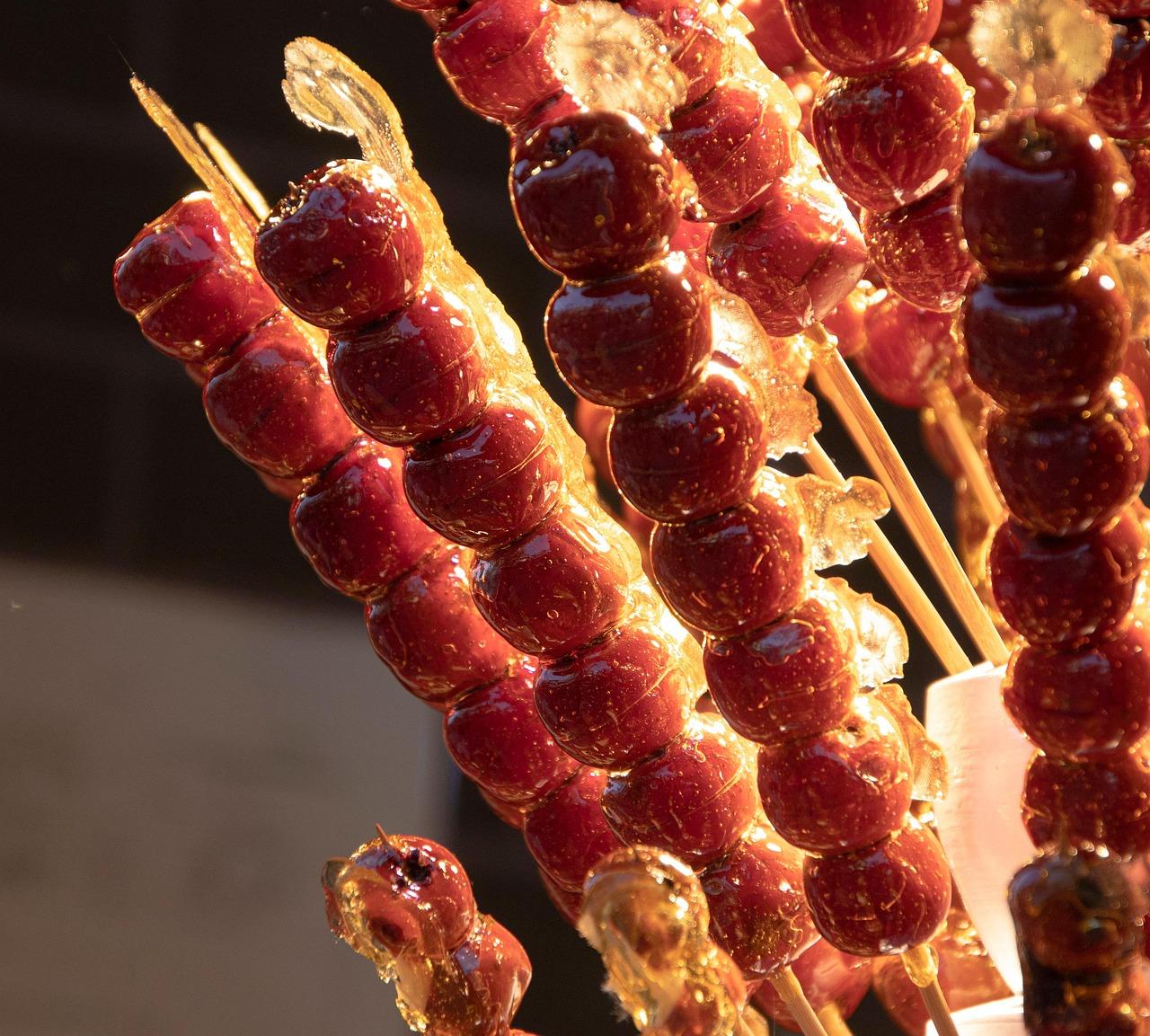
Tanghulu sellers carrying poles bristling with red skewers are a winter sight in Beijing's hutongs and at the Spring Festival temple fairs at Ditan and Changdian. The classic is hawthorn, tart and mealy under a shell of hard sugar; strawberries, mandarin segments and grapes are the modern favourites. Everything depends on the syrup reaching the hard-crack stage, about 150 °C; the common mistake is stopping too early, which gives a sticky coating that never sets. The syrup is far hotter than boiling water and sticks to skin, so keep children well back while you cook and dip, and let them help only with threading the fruit. Chef's tip: the fruit must be bone dry; any water on the skin makes the sugar slide off and bubble.

by KrazyBadal 0 views

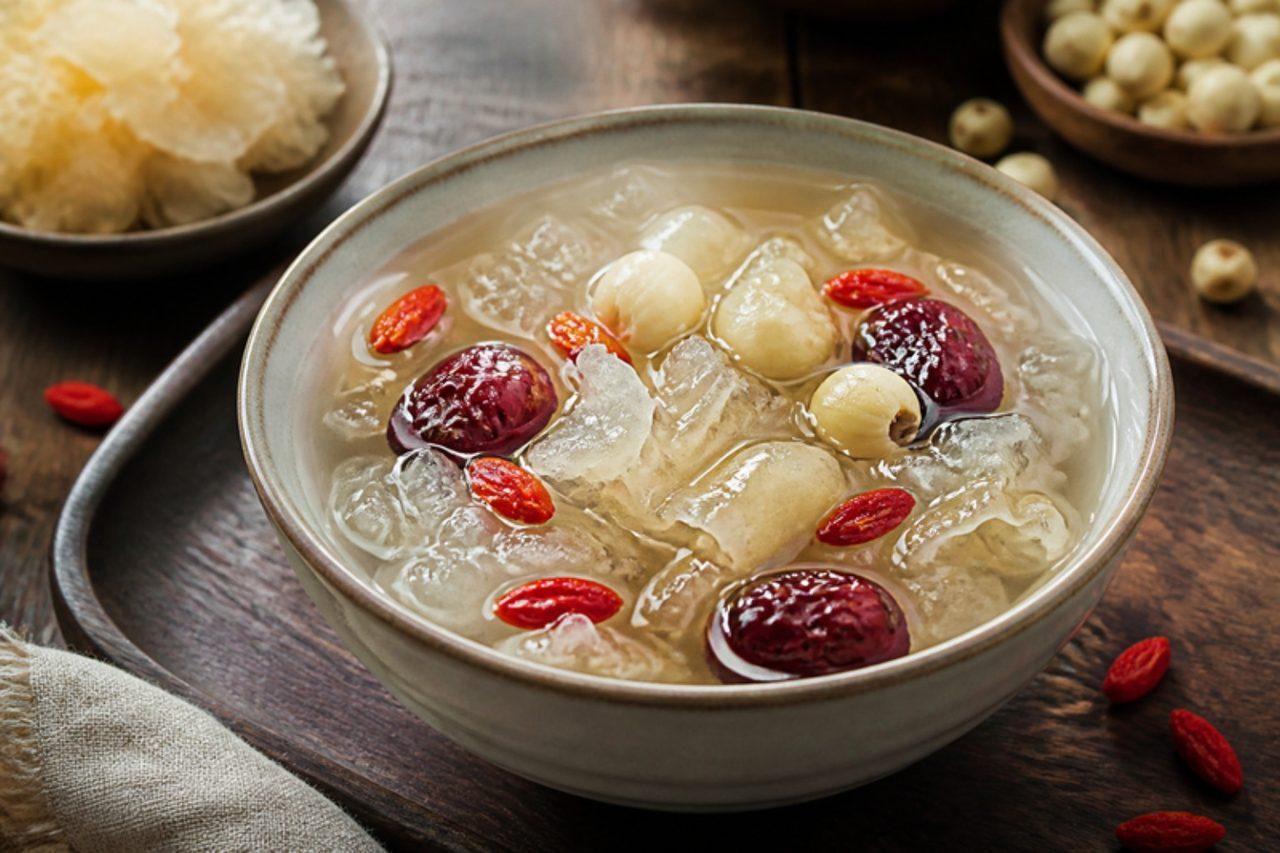
Yin er tang (snow fungus sweet soup)

Gutian county in Fujian grows most of the world's snow fungus, a frilly white dried fungus that softens into a soft, jelly-like tangle when simmered. Mothers across southern China cook it into a lightly sweet soup with red dates, lotus seeds and goji, served warm in winter and chilled in summer, and it is thought good for the skin and for dry autumn coughs. Done well, the liquid turns thick and glossy on its own. The common mistake is not simmering long enough: under an hour the fungus stays crunchy and the soup thin. Chef's tip: tear the soaked fungus into small pieces and cut away the hard yellow base; the smaller the pieces, the more body the soup gets.

by KrazyBadal 0 views

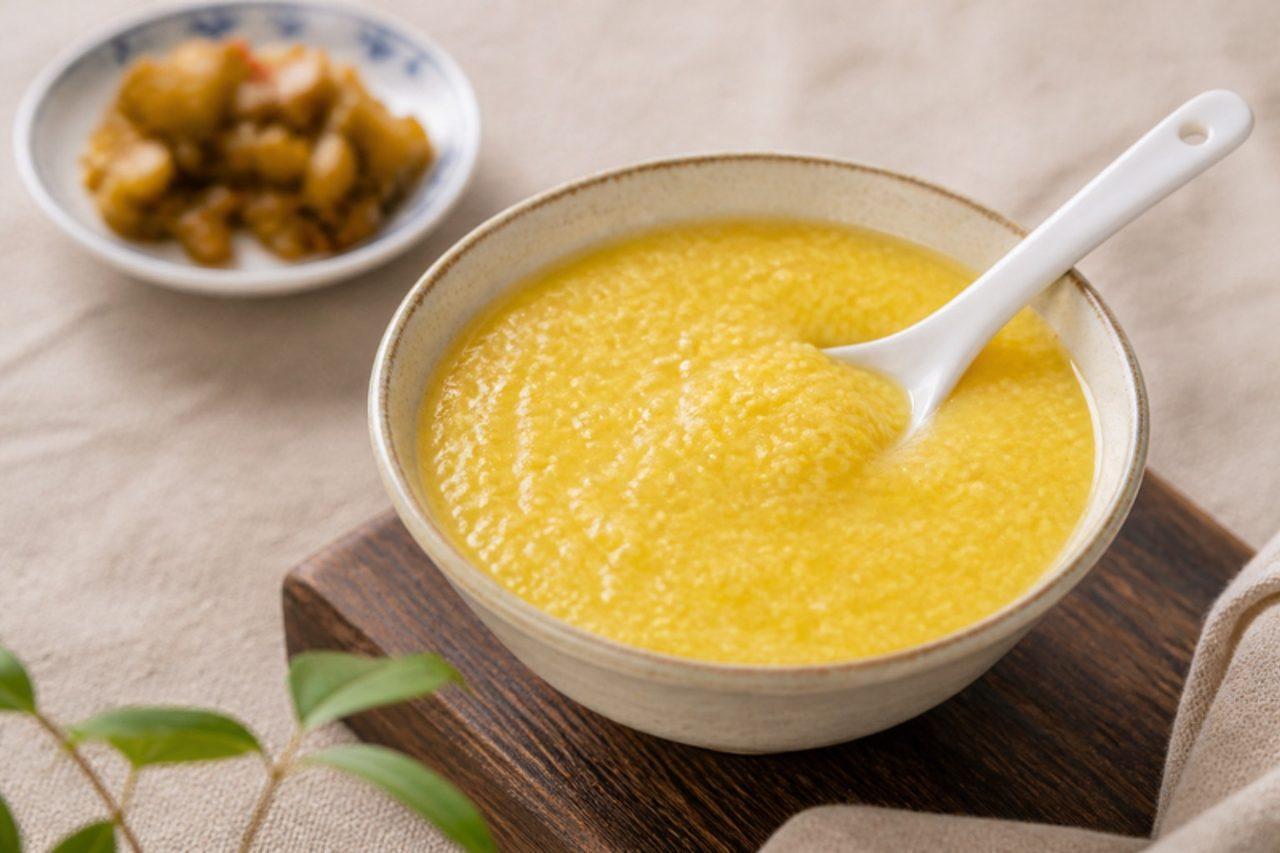
Xiaomi zhou (golden millet porridge)

In Shanxi, Hebei and the rest of the north, where rice was once a luxury, a pot of golden foxtail millet porridge is breakfast with steamed buns and pickles, a light supper, and the first food given to new mothers and anyone who is unwell. It needs just millet and water, cooked until a thin, silky layer called mi you, 'rice oil', forms on top. The common mistake is to stir it constantly or add the millet to cold water; start with boiling water and let it simmer gently and it turns creamy without catching. Serve it plain, or with a few red dates or cubes of pumpkin simmered in. Chef's tip: toast the rinsed millet in a dry pan for a minute before boiling for a deeper, nutty flavour.

by KrazyBadal 0 views

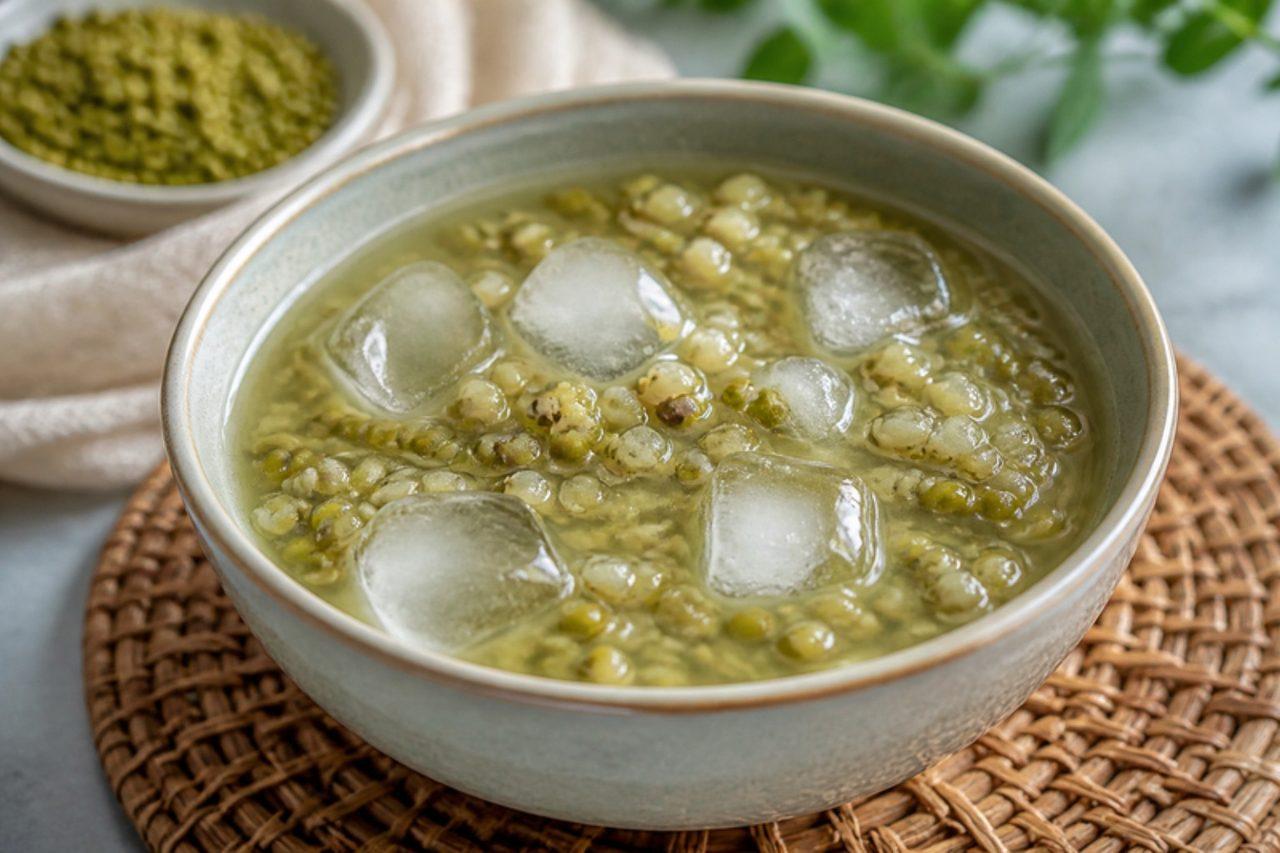
Lü dou tang (chilled mung bean soup)

When the heat settles on Guangzhou, Wuhan or Shanghai in July, families keep a jug of mung bean soup in the fridge, and school canteens and workplaces hand it out by the bowl; traditional medicine calls mung beans 'cooling', a reason to drink it on the hottest days. It is just mung beans simmered with rock sugar until some burst and the liquid turns pale green or soft red, eaten chilled. The common mistake is cooking it in an iron or aluminium pan or leaving it uncovered too long, which turns the soup dark brown-red; a stainless steel pot with the lid on keeps it greener. Chef's tip: for a clear green soup, take a few ladles of the liquid after 10 minutes of boiling, before the beans split, and drink that as a lighter tea.

by KrazyBadal 0 views

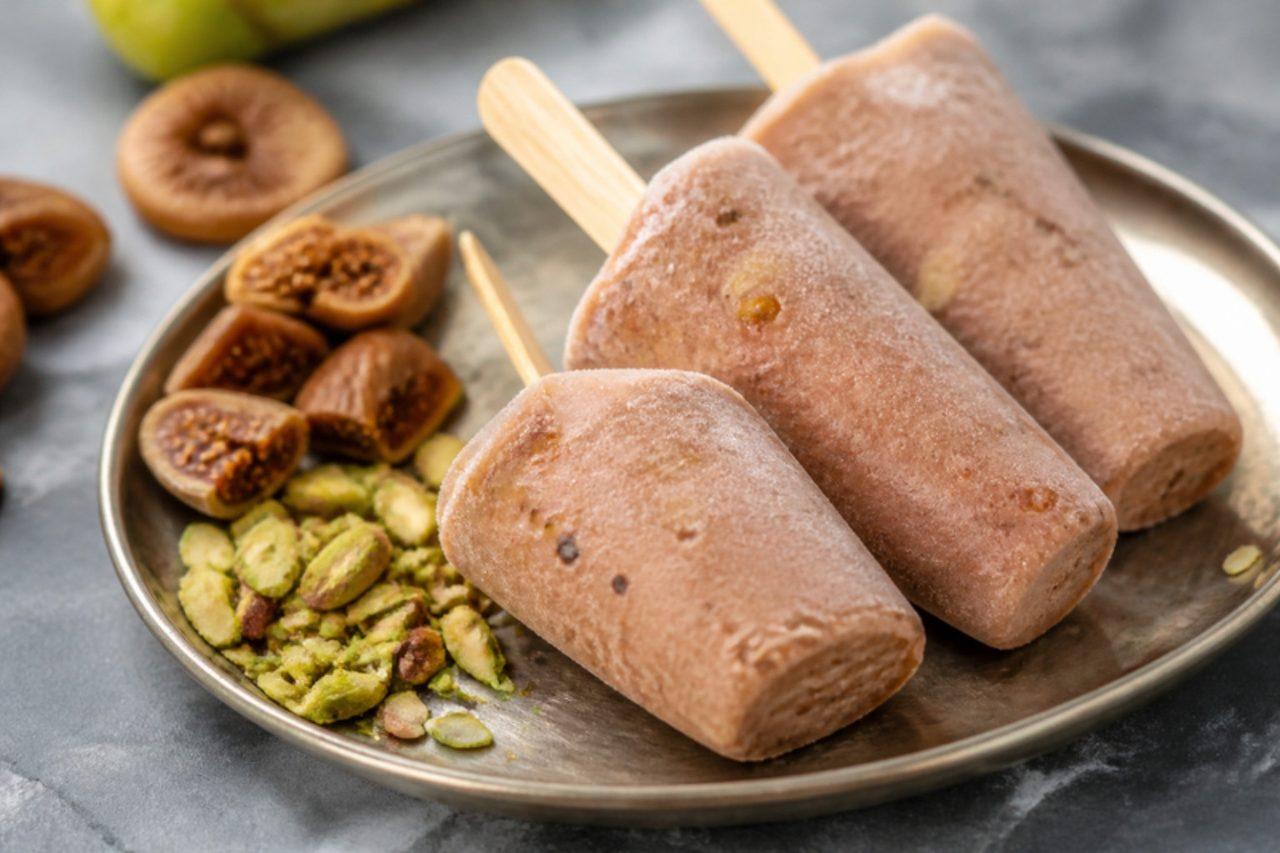
Anjeer kulfiFig ice cream

Dried figs from Afghanistan have been sold in the dry-fruit markets of Delhi's Khari Baoli and Amritsar for centuries, and anjeer kulfi is how North Indian halwais show them off in winter-wedding dessert spreads and Diwali parties. The figs bring natural sweetness, a jammy colour and a gentle crunch of tiny seeds, so less sugar goes in than in plain kulfi. Puréeing half the figs flavours every bite while the chopped half gives chewy pieces. It's lovely after a rich dinner or with a cup of masala chai. A common mistake is skipping the soak: hard dried figs stay leathery and grate on the blades. Soak them in warm milk until plump. Chef's tip: let the reduced milk cool to just warm before adding the fig paste; added while boiling, figs can make the milk look grainy.

by KrazyBadal 0 views

Cheese corn ballsCheesy sweetcorn potato balls

Every children's birthday party in Mumbai, Pune or Bengaluru seems to have a tray of these on the table: crunchy, golden balls of mashed potato and sweetcorn that break open to a stretchy pocket of melted cheese. They are mild enough for little ones (pepper and a pinch of oregano rather than chilli) but grown-ups reach for them too, with tomato ketchup or a green chutney. The mix can be rolled and crumbed hours ahead, so they are handy for parties. Mozzarella and processed cheese are the usual choices; each uses cheese made with animal rennet unless labelled vegetarian, so choose a vegetarian one. The trickiest part is keeping the cheese in: a wet mixture or a gap in the crumb coat lets it leak into the oil. Chef's tip: freeze the crumbed balls for 15 minutes before frying; the cold, firm coat crisps quickly and holds the cheese inside.

by KrazyBadal 0 views

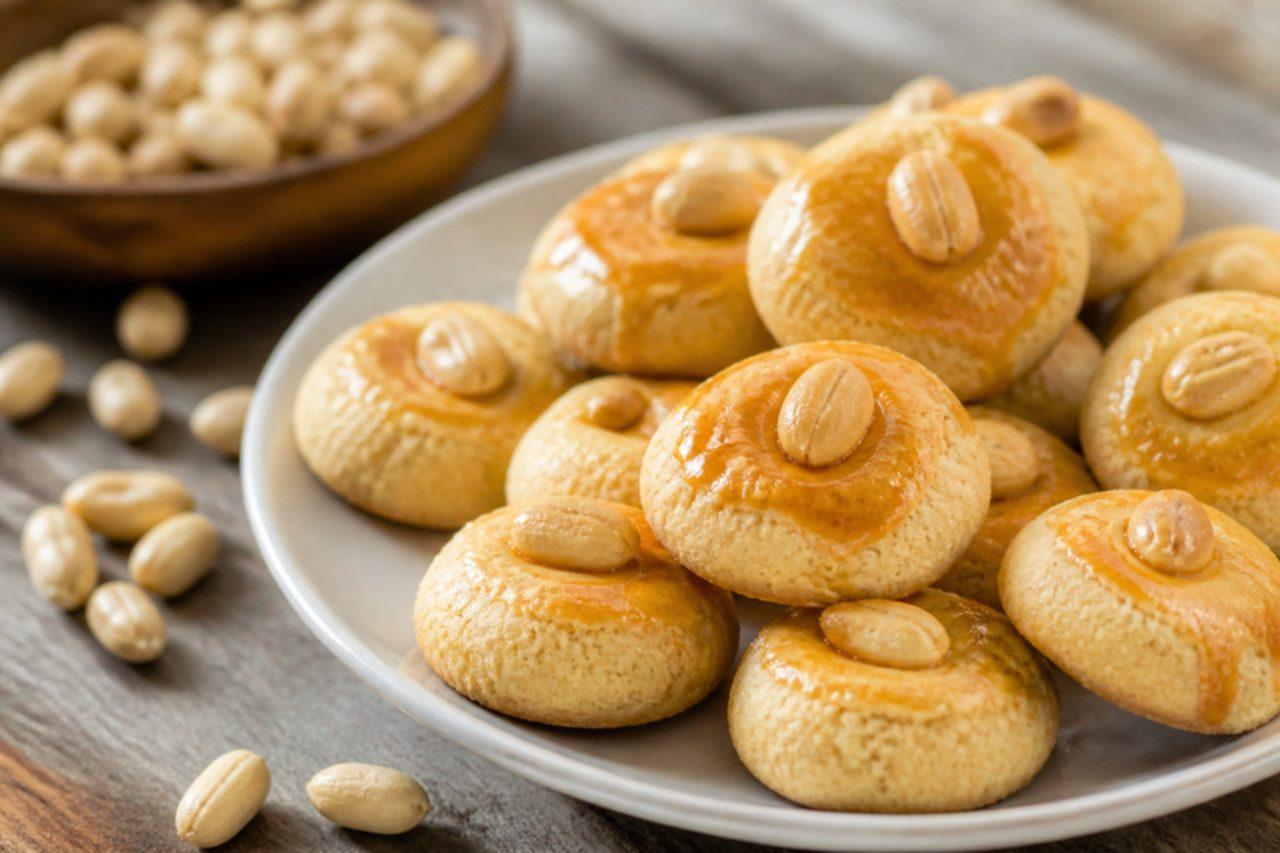
Peanut cookies (hua sheng bing)

Lift the lid on a Chinese New Year snack tray in Guangdong, Penang or Singapore and there will be these pale golden domes, so short they crumble the moment they touch your tongue. They are nothing but roasted peanuts ground fine, flour, icing sugar and oil, and this version skips the usual egg wash, so they are vegan. The mistake is over-grinding the peanuts into a paste, which makes the dough greasy and the cookies flat; stop while it is still a fine powder. Chef's tip: let them cool fully on the tray before moving them, because they are fragile until set.

by KrazyBadal 0 views

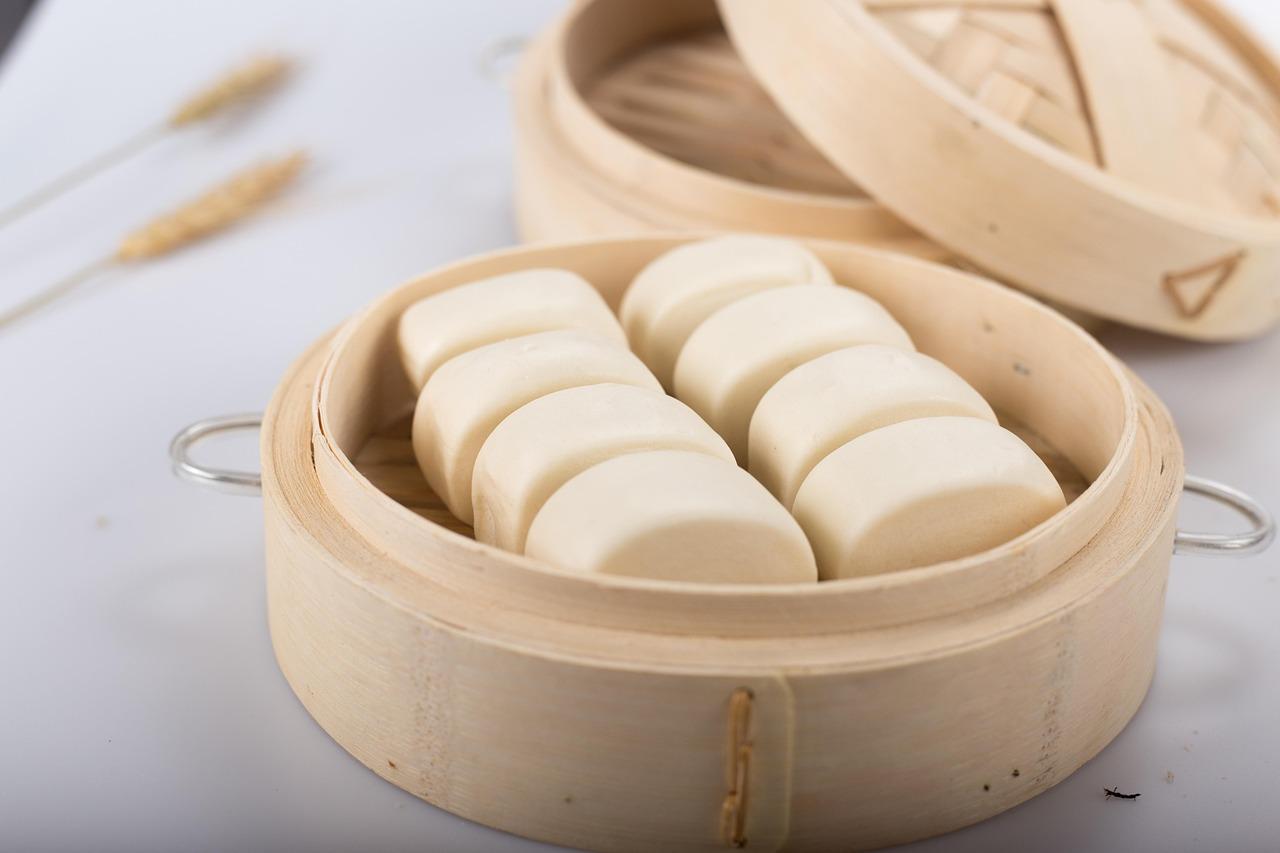
Mantou (plain steamed buns)

From Shandong to Shaanxi, mantou are what bread is elsewhere: plain, slightly sweet steamed wheat buns bought by the bagful each morning and eaten with porridge, pickles, braised dishes or a fried egg. A good one is snowy white, smooth-skinned and springy, with a fine, close crumb that tears in soft layers. The common mistake is lifting the lid the moment the heat goes off: the sudden cold air makes the skins wrinkle and collapse, so let them stand covered for 5 minutes first. Leftovers are sliced and pan-fried, or split and filled with anything from braised tofu to chilli sauce. Chef's tip: knead much longer than you think, then knead again after the rise; the second knead pushes out the big air bubbles and gives that silky skin.

by KrazyBadal 0 views

Showing 24 of 3,470 recipes

Show more recipes

Page 37 of 145

More No onion & garlic ideas

Other diets