Skip to content
WhatToEat.Today

No onion, no garlic recipes (Swaminarayan and sattvic)

3,470

3470 vegetarian recipes cooked without onion or garlic, as in Swaminarayan and sattvic kitchens, with no meat, fish, eggs or alcohol. Each has photos, step-by-step instructions and cook times. The quickest, Apfelschorle, takes 2 minutes. Most take around 45 minutes.

Filter these by time, diet or cuisine · Make No onion & garlic your diet to see only these recipes everywhere on the site.

Sirap limauRose syrup lime drink

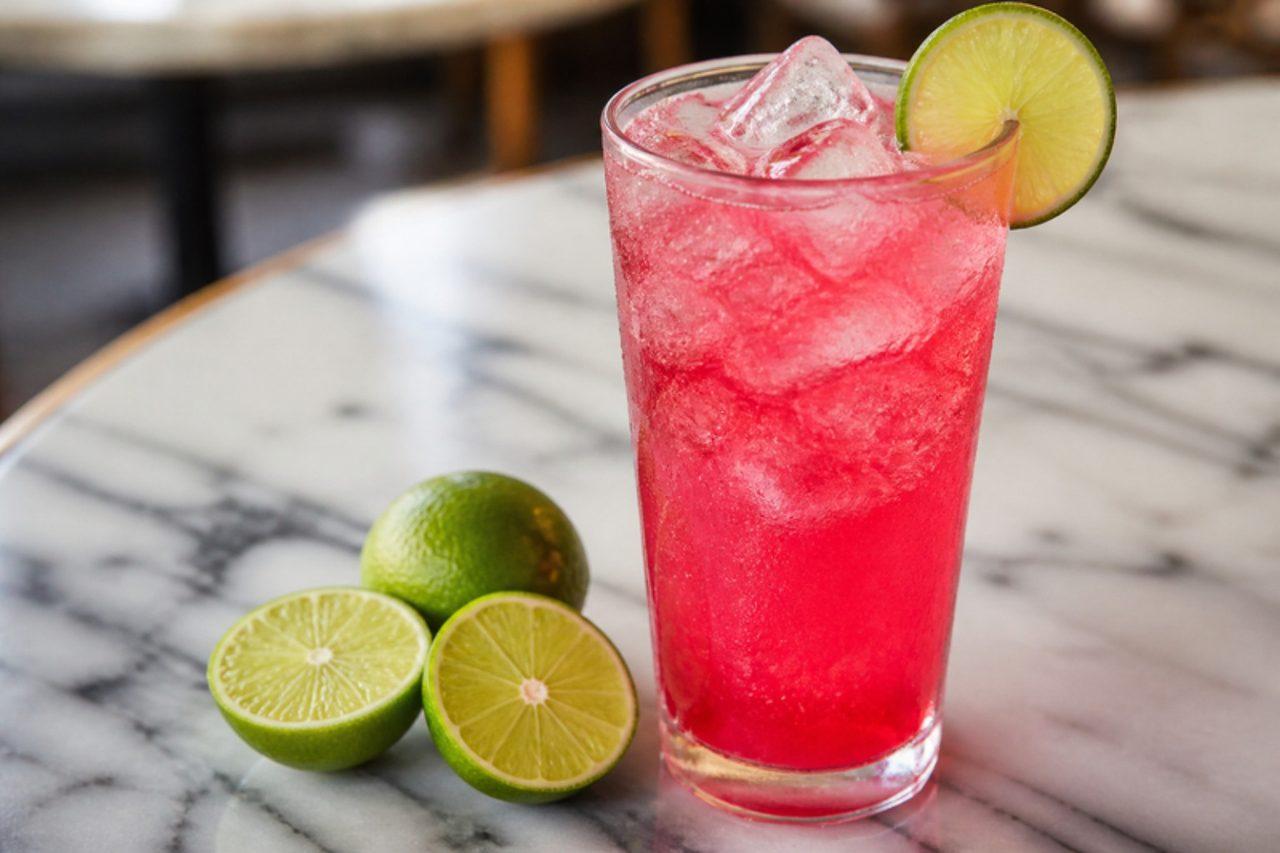
Order a sirap limau at any kopitiam or warung from Johor to Kedah and a tall glass of shocking pink arrives, sweet with rose syrup and sharpened with fresh lime; it is the drink that goes with nasi lemak at lunch and fried snacks after school. The rose syrup, 'sirap', is easy to make at home and keeps for weeks. Chef's tip: squeezing the limes hours ahead makes the drink taste flat and bitter; squeeze them just before you pour.

by KrazyBadal 0 views

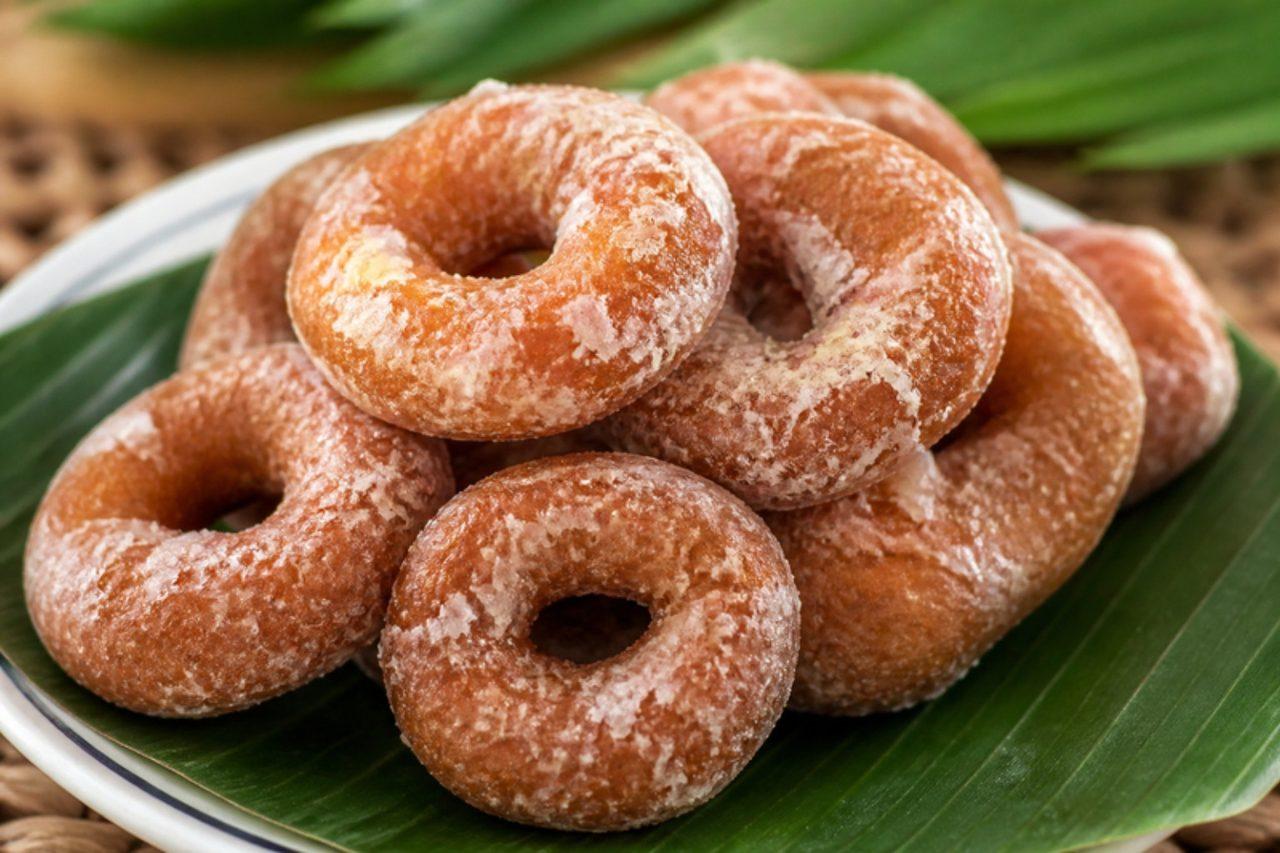
Kuih keriaSweet potato doughnuts

Afternoon kuih sellers in Kuala Lumpur and Ipoh pile kuih keria on trays still warm, each ring wearing a thin white shell of crystallised sugar that crackles when you bite. The dough is mostly mashed sweet potato with just enough flour to hold it, so the inside is soft and almost creamy. Orange-fleshed sweet potato gives a sunny colour; the yellow or purple ones are used too. Chef's tip: adding the sugar to syrup that isn't boiled long enough leaves the doughnuts sticky; it must reach the point where a drop turns cloudy and grainy on a cold plate.

by KrazyBadal 0 views

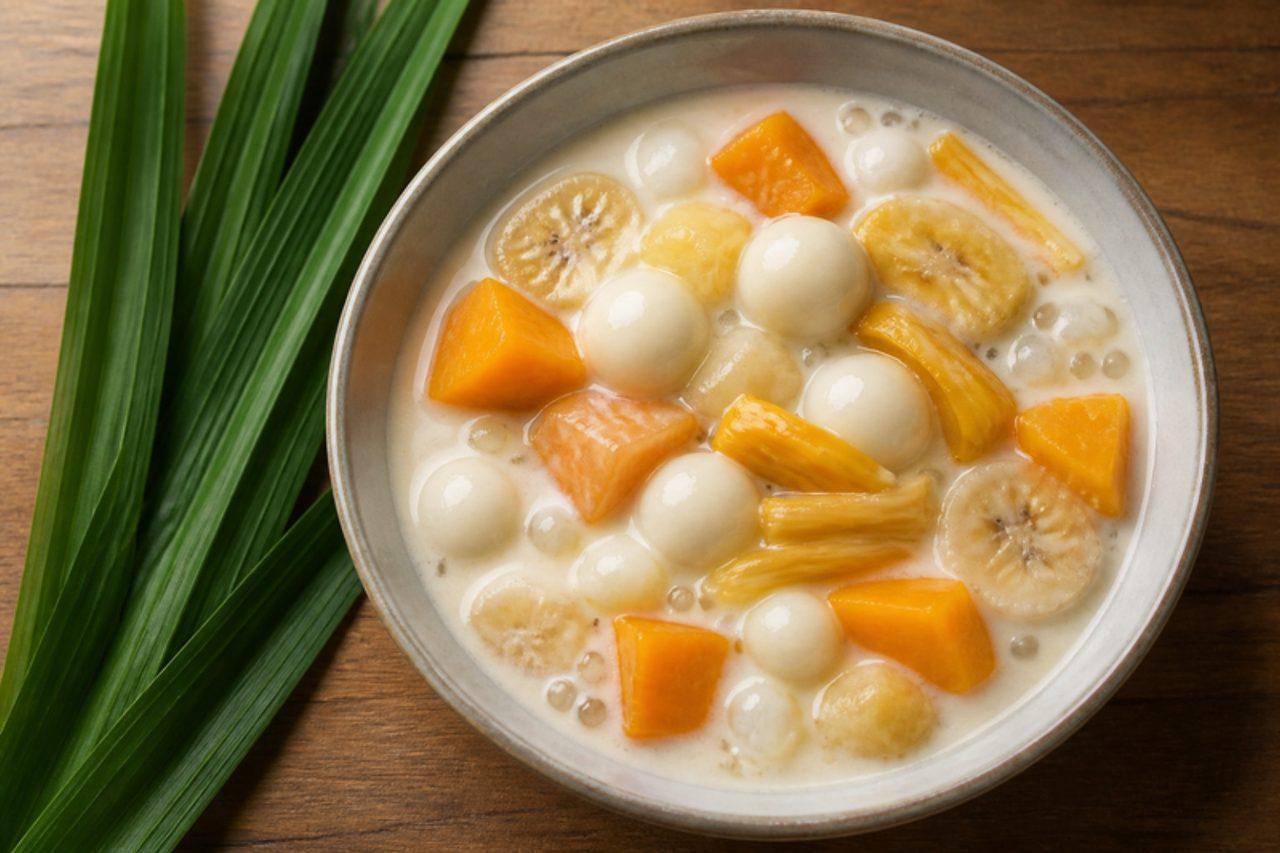
Ginataang bilo-biloRice balls in coconut milk

On rainy afternoons across Luzon, a big pot of ginataan bubbles on the stove and the whole street seems to know about it. Little balls of glutinous rice dough, saba banana, purple and orange sweet potato, strips of ripe jackfruit and sago pearls all simmer together in sweet coconut milk until it thickens into a soft, fragrant soup. Serve it hot in bowls, or cold the next day when it sets almost like pudding. Chef's tip: make the rice balls no bigger than a marble; large ones stay raw and gummy in the middle long after the bananas have collapsed.

by KrazyBadal 0 views

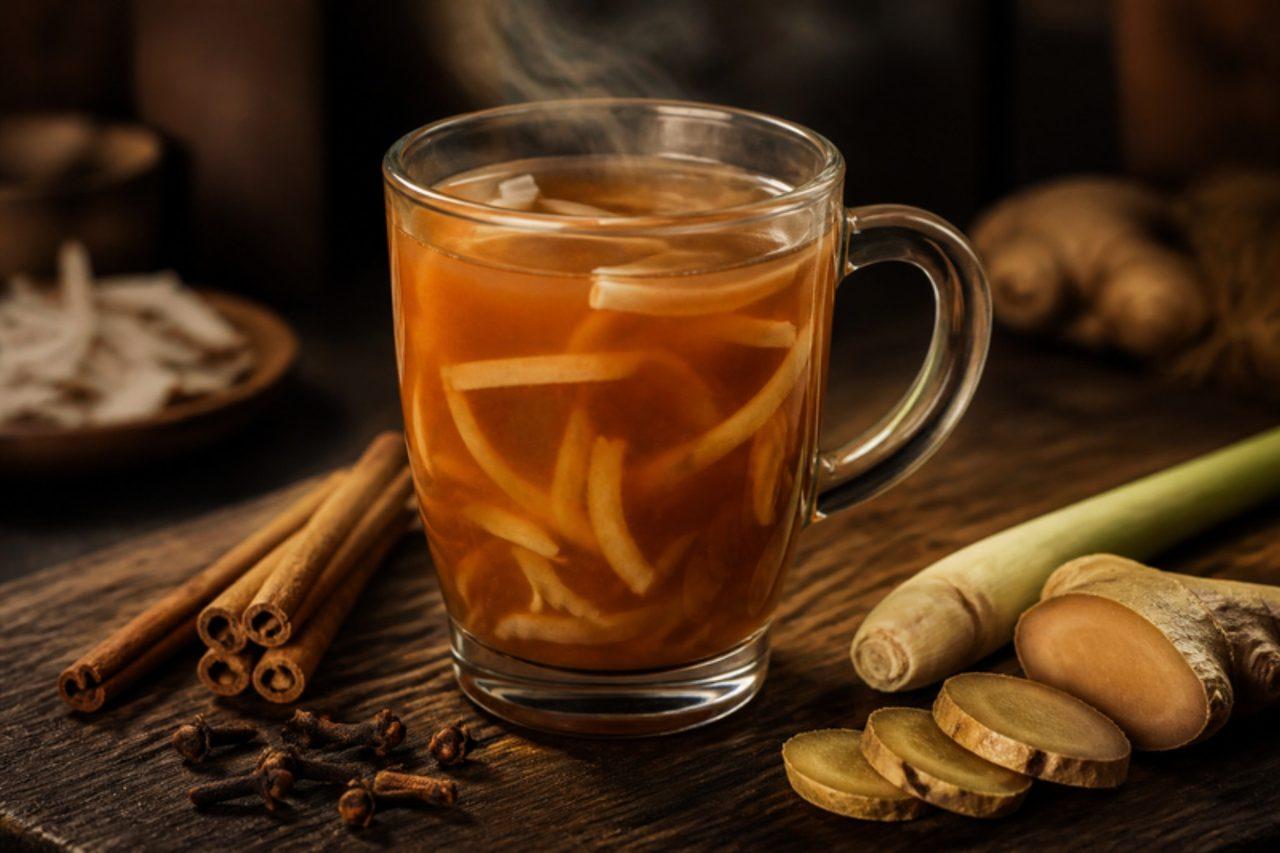
BandrekSpiced ginger drink

Up in the cool tea highlands around Bandung and Garut, bandrek warms people through damp nights; vendors carry it in big kettles to night markets and football matches. It starts like wedang jahe but goes further, with cinnamon, cloves, pepper and lemongrass, and Sundanese sellers often float slivers of young coconut in each glass. The flavour is sweet, spicy and lingering. Chef's tip: simmer the whole spices, don't boil them hard; a fierce boil draws out bitterness from the clove.

by KrazyBadal 0 views

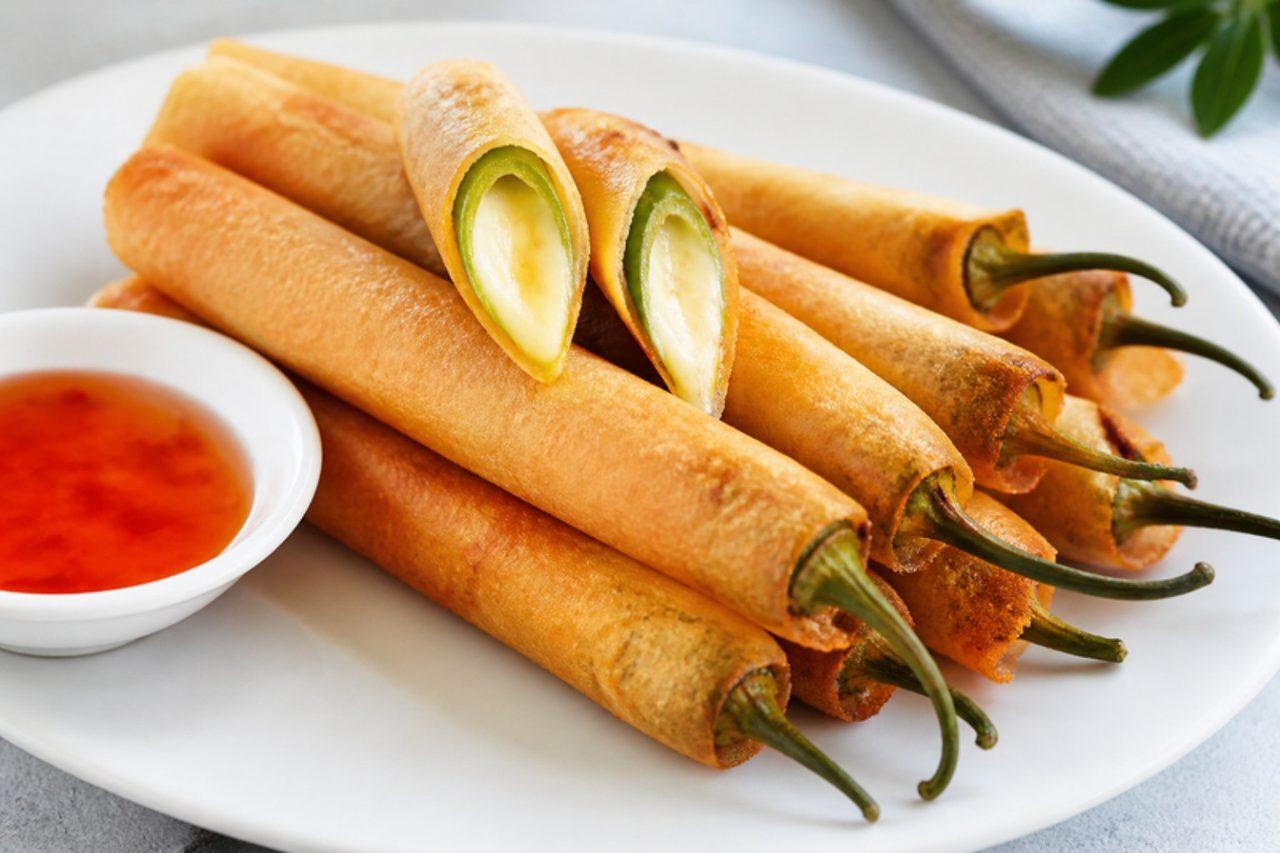
Dynamite lumpiaCheese-stuffed chilli rolls

Bar chow menus in Quezon City and roadside stalls in Pampanga both claim dinamita: a whole long green chilli, seeded, stuffed with a stick of cheese and wrapped tightly in lumpia pastry with its stalk poking out like a fuse. Fried until blistered and crisp, the chilli turns sweet and only mildly hot while the cheese melts into it. A sweet chilli or banana ketchup dip is usual. Many versions add seasoned meat; this one keeps it to cheese. Chef's tip: dry the chillies well inside after seeding; trapped water bursts the wrapper in the hot oil.

by KrazyBadal 0 views

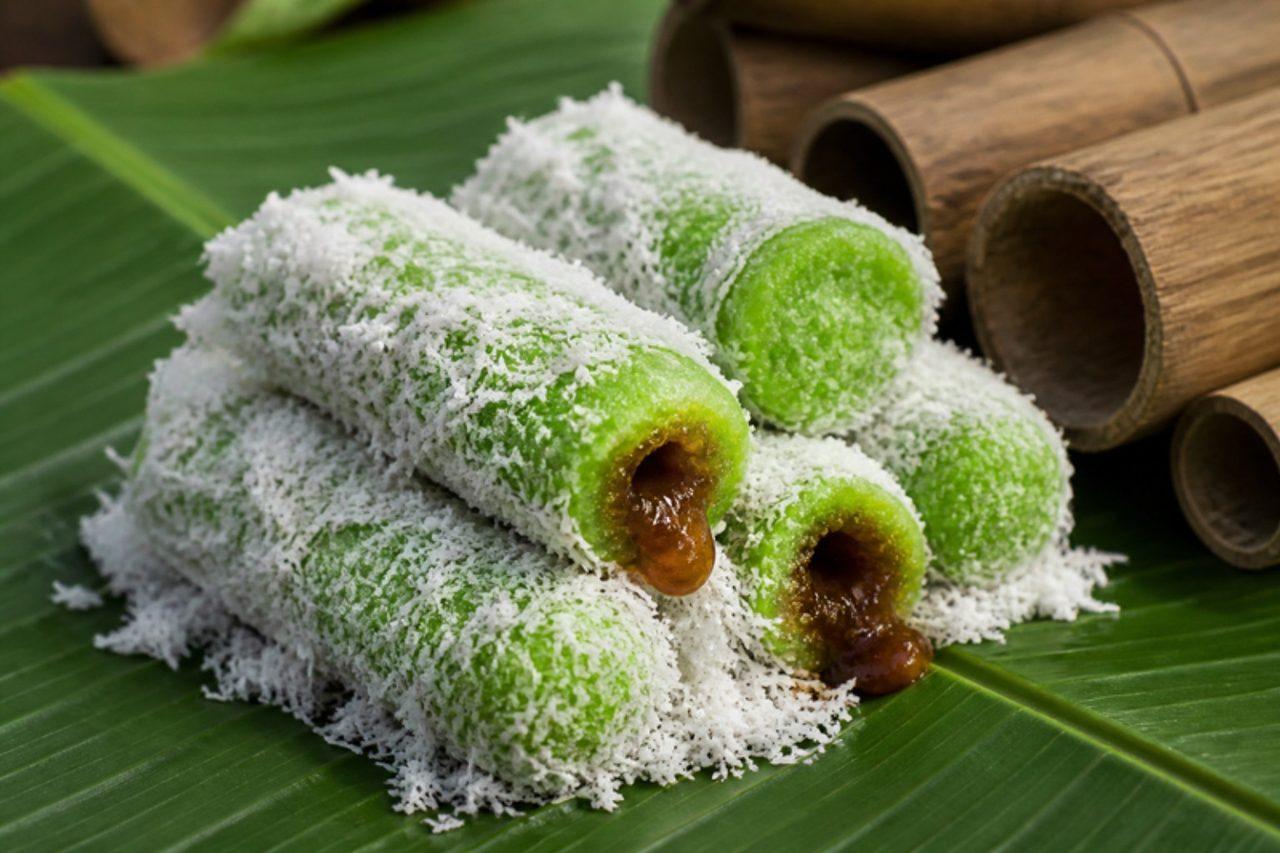
Kue putuPandan palm sugar cakes

After dark in Yogyakarta and Jakarta you can hear a kue putu seller before you see him: the steam cart whistles as the bamboo tubes cook. Each little cylinder is coarse pandan-green rice flour packed round a nugget of palm sugar, steamed for a few minutes until the sugar melts into a dark syrup, then pushed out and rolled in salted grated coconut. Eat them warm, straight away, as an evening snack. At home, small metal moulds, egg cups or a cut bamboo tube set over a steamer work well. Chef's tip: the rice flour must be damp and crumbly like wet sand, not a dough; pressing it too hard into the mould makes dense, rubbery cakes.

by KrazyBadal 0 views

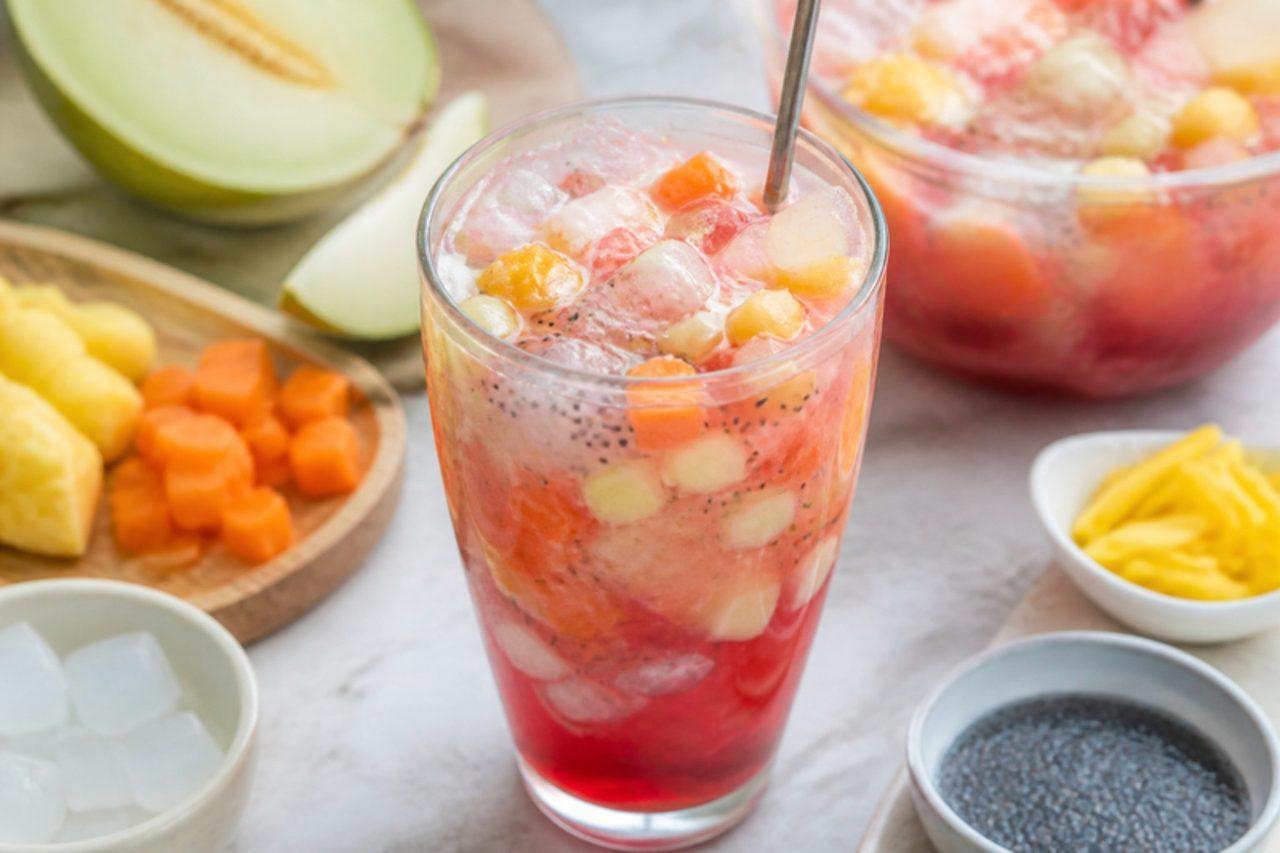
Es buahIced fruit cocktail

Ramadan evenings in Jakarta mean queues at the es buah carts, where melon, papaya, pineapple, jackfruit and nata de coco are scooped into glasses with swollen basil seeds, red rose syrup and a ribbon of condensed milk over crushed ice. It is drunk with a spoon at iftar, after dates, and it is just as welcome on any hot afternoon. Use whatever ripe fruit you have. Chef's tip: soak the basil seeds fully before adding them; dry seeds clump and stay gritty in the cold syrup.

by KrazyBadal 0 views

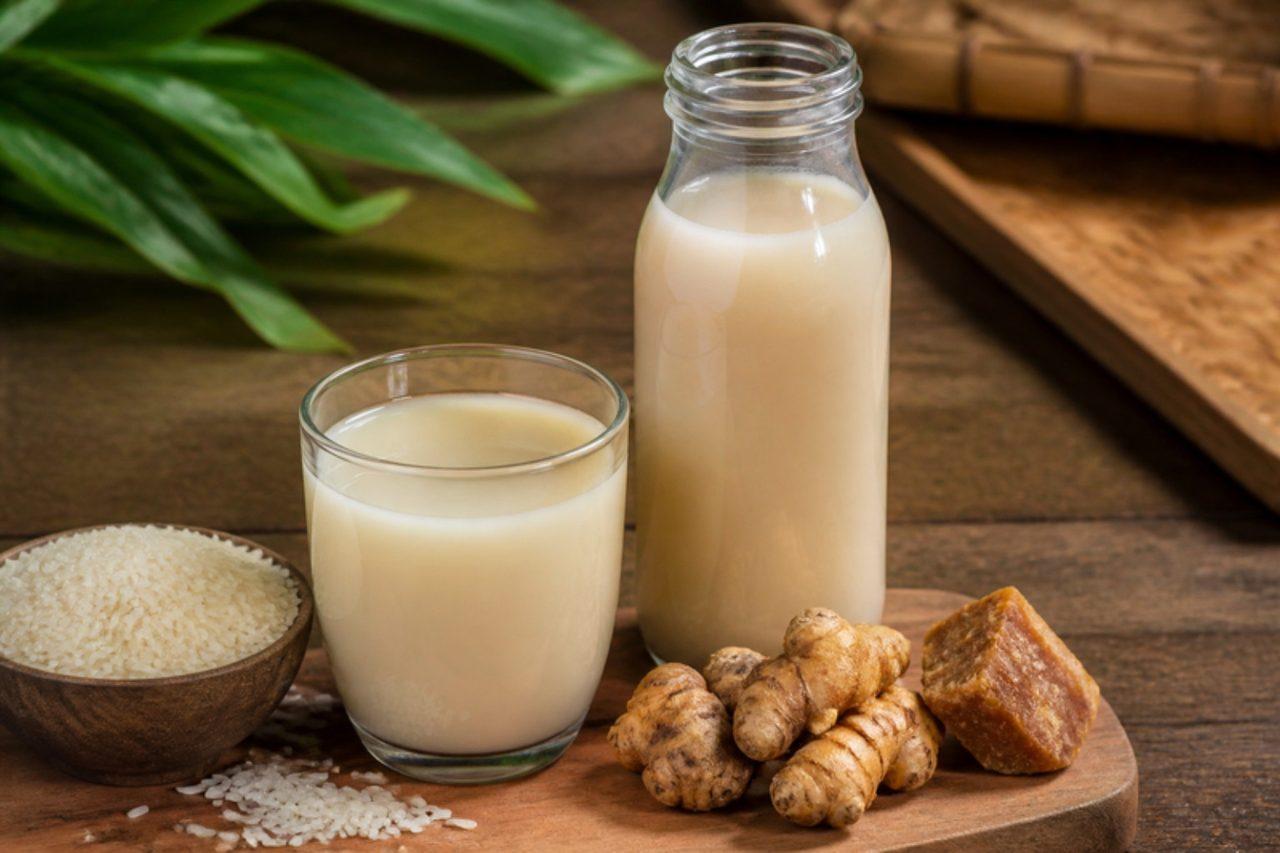
Beras kencurRice and ginger drink

The other half of the jamu seller's basket, beras kencur is milky-white and gently sweet, made from soaked rice blended with kencur, a peppery, camphor-scented relative of ginger, then strained into palm sugar syrup. Javanese children are often given it as their first taste of jamu, and adults drink it mid-morning. Kencur (sometimes sold as aromatic ginger or sand ginger) is found fresh or frozen in Asian shops. Chef's tip: use only a little kencur at first; too much makes the drink medicinal and soapy rather than fresh and spicy.

by KrazyBadal 0 views

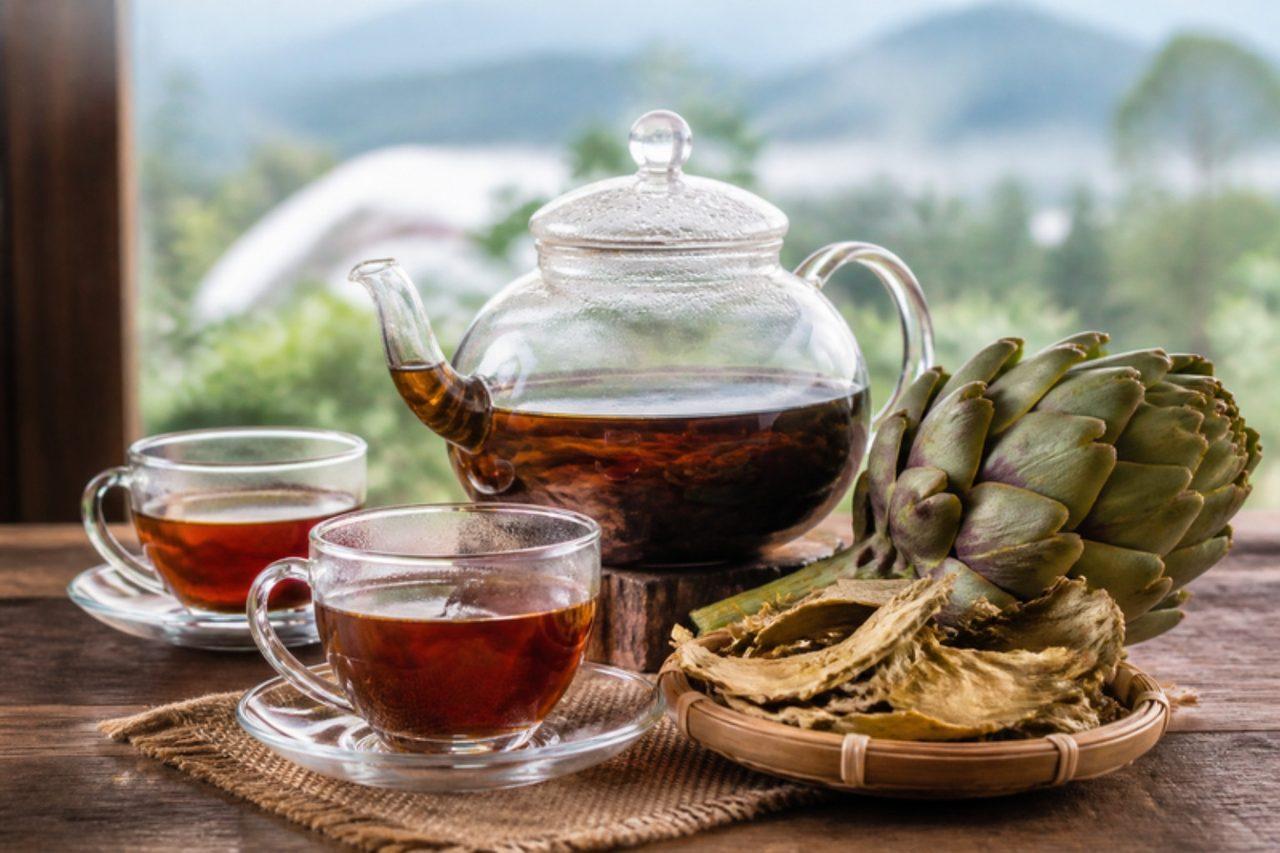
Trà atisôArtichoke tea

Artichokes arrived in the cool Đà Lạt highlands with French planters, and today the town's markets sell dried artichoke leaves, stems and flower buds for tea along with fresh heads for soup. Local cafés serve it hot on misty mornings and iced in the afternoon, slightly sweet, earthy and pleasantly bitter, and many Vietnamese drink it as a gentle tonic after rich meals. This version brews fresh globe artichokes with their stems; a 30 g bag of dried trà atisô works the same way. Chef's tip: skip the aluminium pan; artichokes react with it and the tea turns grey and metallic.

by KrazyBadal 0 views

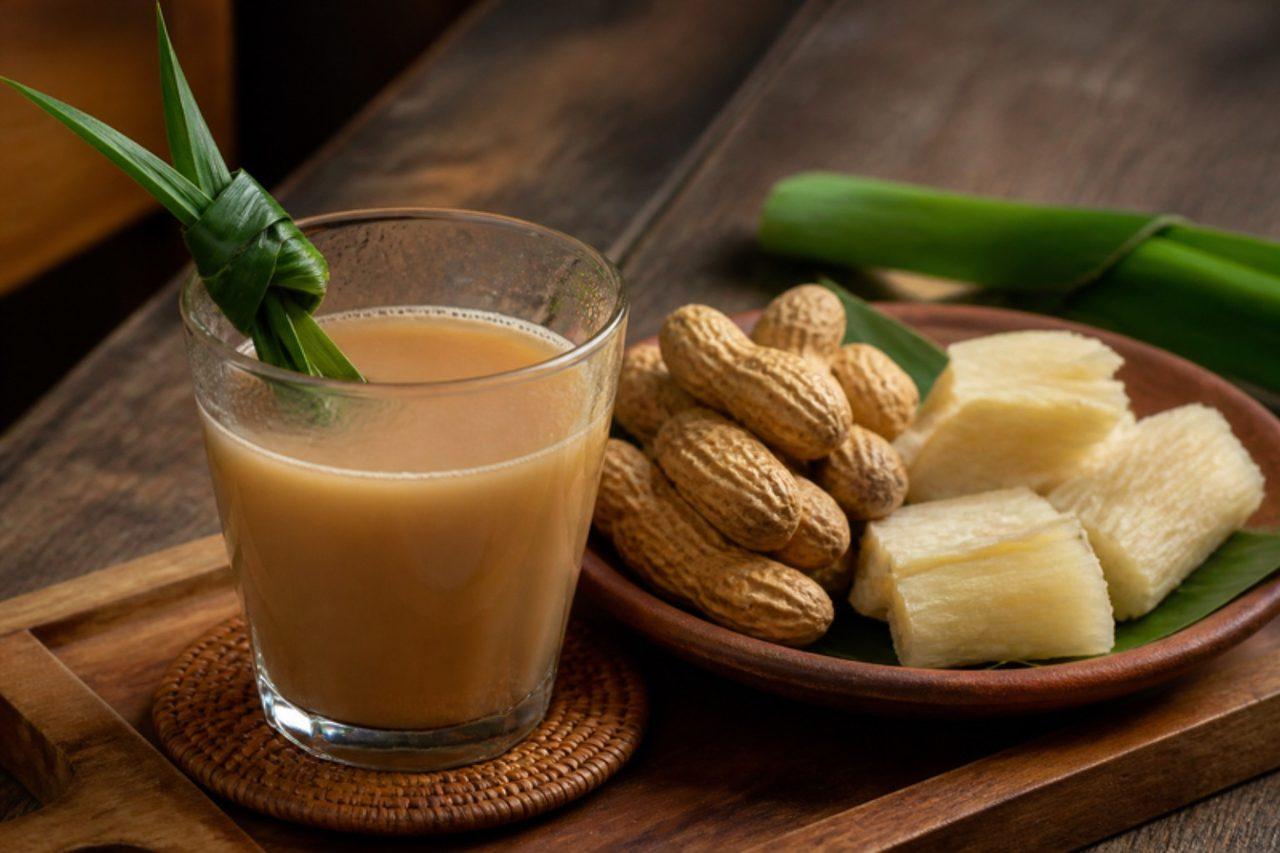
BajigurCoconut palm sugar drink

Bajigur carts in Bogor and Bandung come out in the late afternoon, steaming pots of coconut milk with palm sugar, ginger and pandan served alongside boiled peanuts, cassava and sweet potato. It is creamy and caramel-sweet with a warm ginger finish, a drink to wrap your hands round on a cool highland evening. Some sellers add a spoon of coffee; this version leaves it out. Chef's tip: keep it below a boil once the coconut milk is in; boiling makes it grainy and an oily film forms on top.

by KrazyBadal 0 views

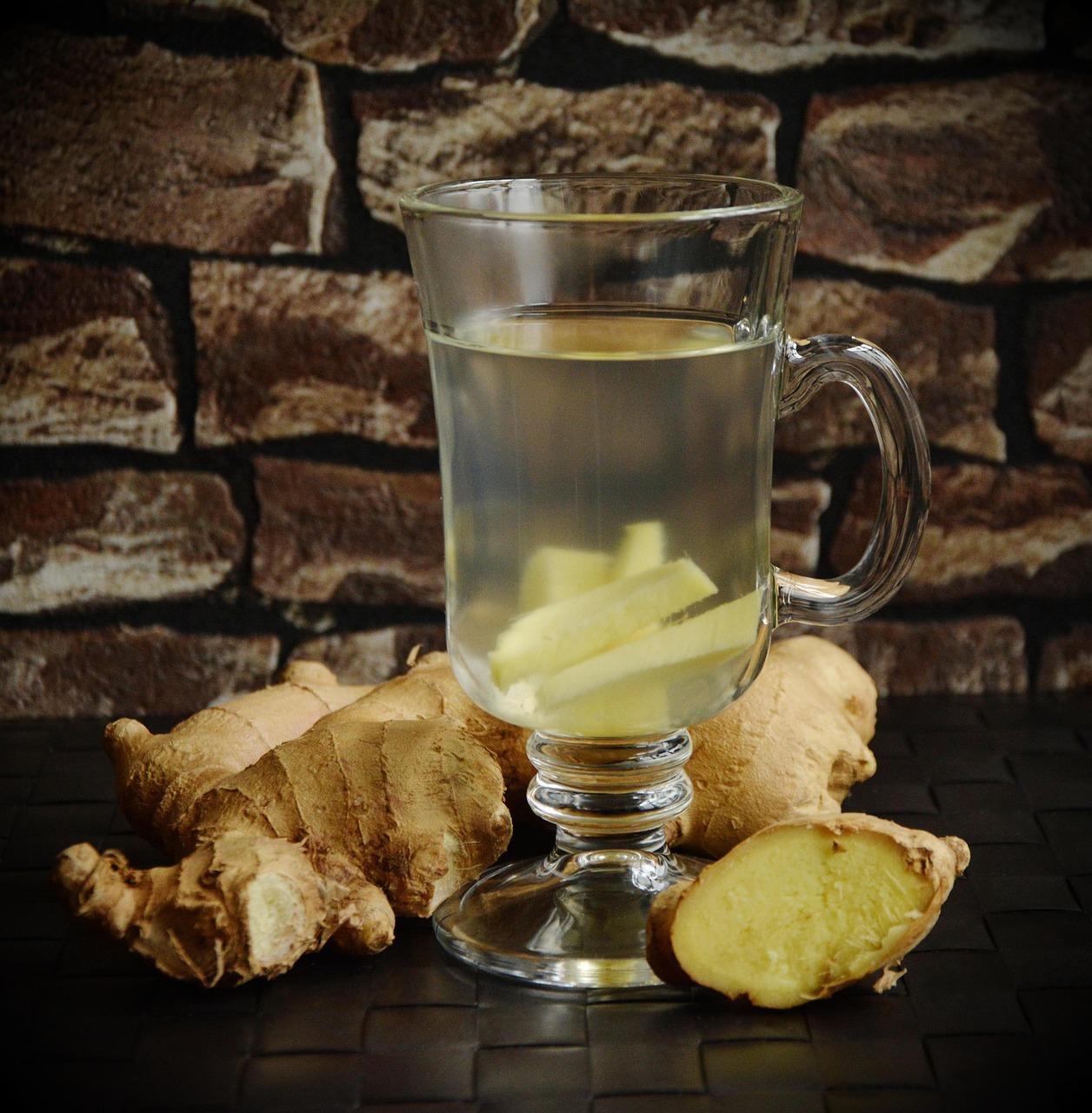
Wedang jaheHot ginger drink

When the evening rain comes in over Yogyakarta, angkringan street stalls start ladling out wedang jahe, a fiery hot drink of grilled, bruised ginger and lemongrass simmered with palm sugar. It is sipped slowly from glasses alongside sticky rice snacks and fried tofu, and families make it at home whenever the weather turns cool. Chef's tip: grill or dry-roast the ginger until scorched before bruising it; raw ginger gives a sharper but flatter drink, without the smoky depth.

by KrazyBadal 0 views

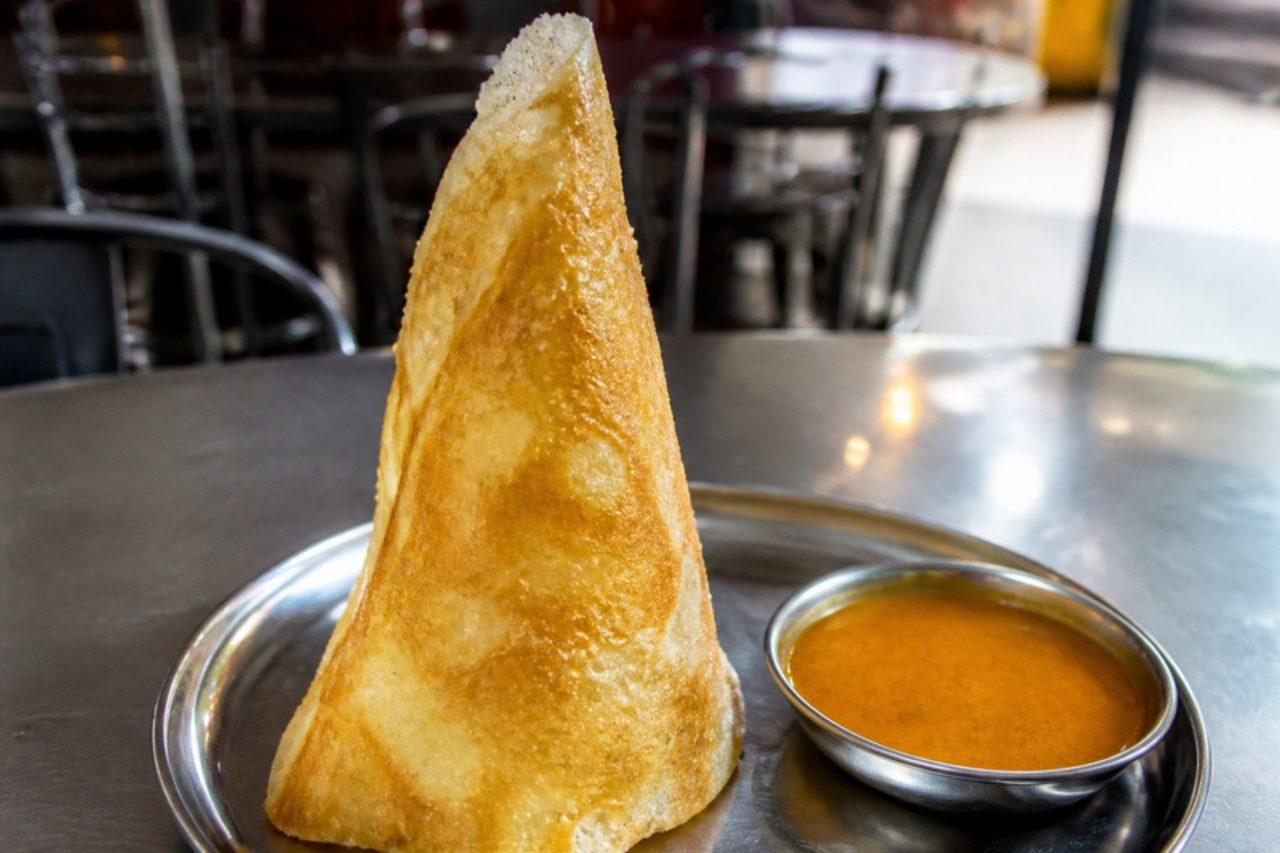
Roti tisuPaper-thin crisp flatbread

Late at night in Kuala Lumpur's 24-hour mamak restaurants, someone at the next table will order roti tisu and a towering golden cone arrives, as tall as a teh tarik glass, brushed with butter and sugar. The dough is the same as roti canai, but stretched on the oiled counter until you can read a newspaper through it, then griddled into a single crisp sheet. Kids break it from the top down; adults dip it in dhal. It takes practice, so expect the first one or two to tear. Chef's tip: the dough must rest at least 6 hours, better overnight, in plenty of oil; rushed dough snaps back and tears instead of stretching thin.

by KrazyBadal 0 views

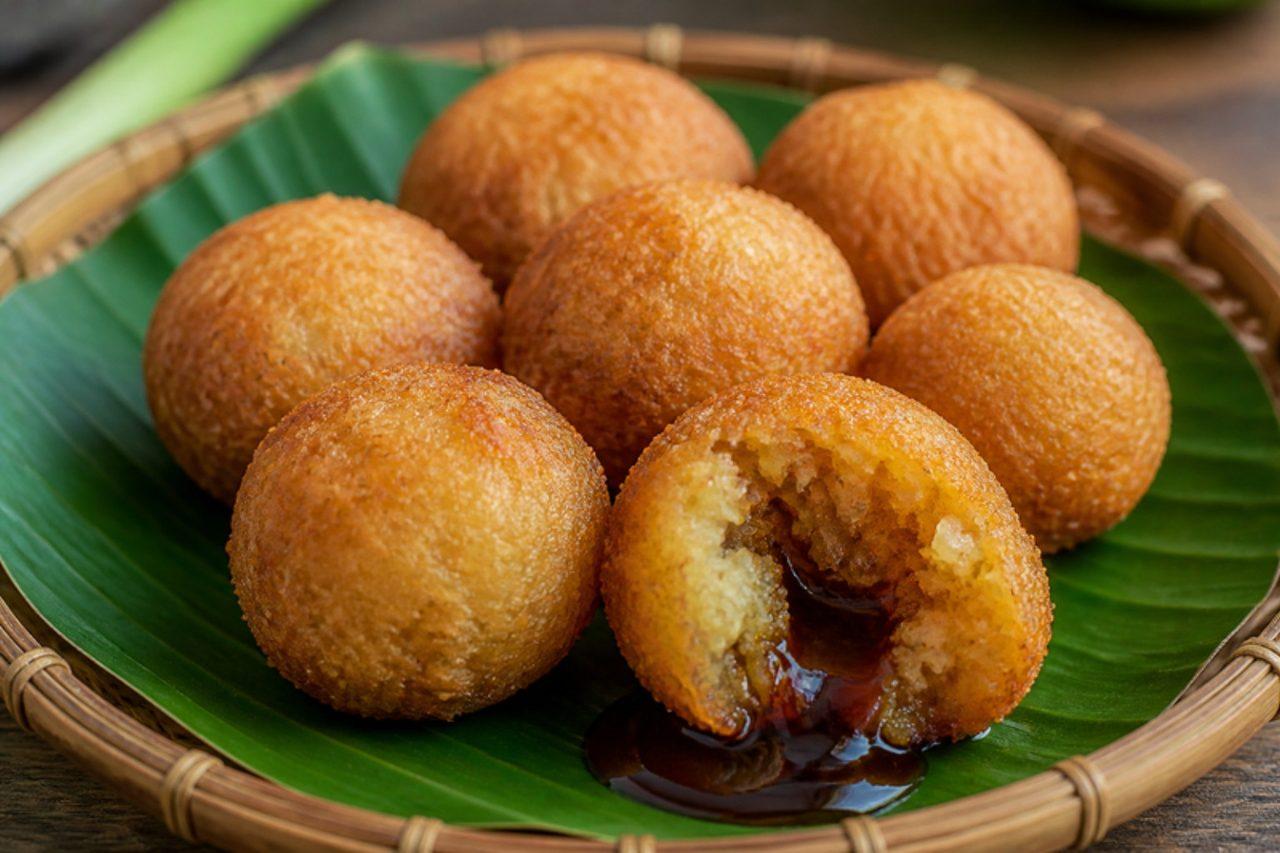
MisroCassava palm sugar fritters

In West Java combro and misro are sold side by side, savoury and sweet; misro's name means 'sweet inside', and biting through the crisp shell releases a trickle of melted palm sugar into the chewy grated cassava. Gorengan sellers in Sumedang and Bandung fry them in the afternoon and they vanish with glasses of hot tea. They need only cassava, coconut, salt and gula aren. Chef's tip: let them rest for two minutes before eating; the sugar centre is far hotter than the shell and is the most common burnt tongue in Java.

by KrazyBadal 0 views

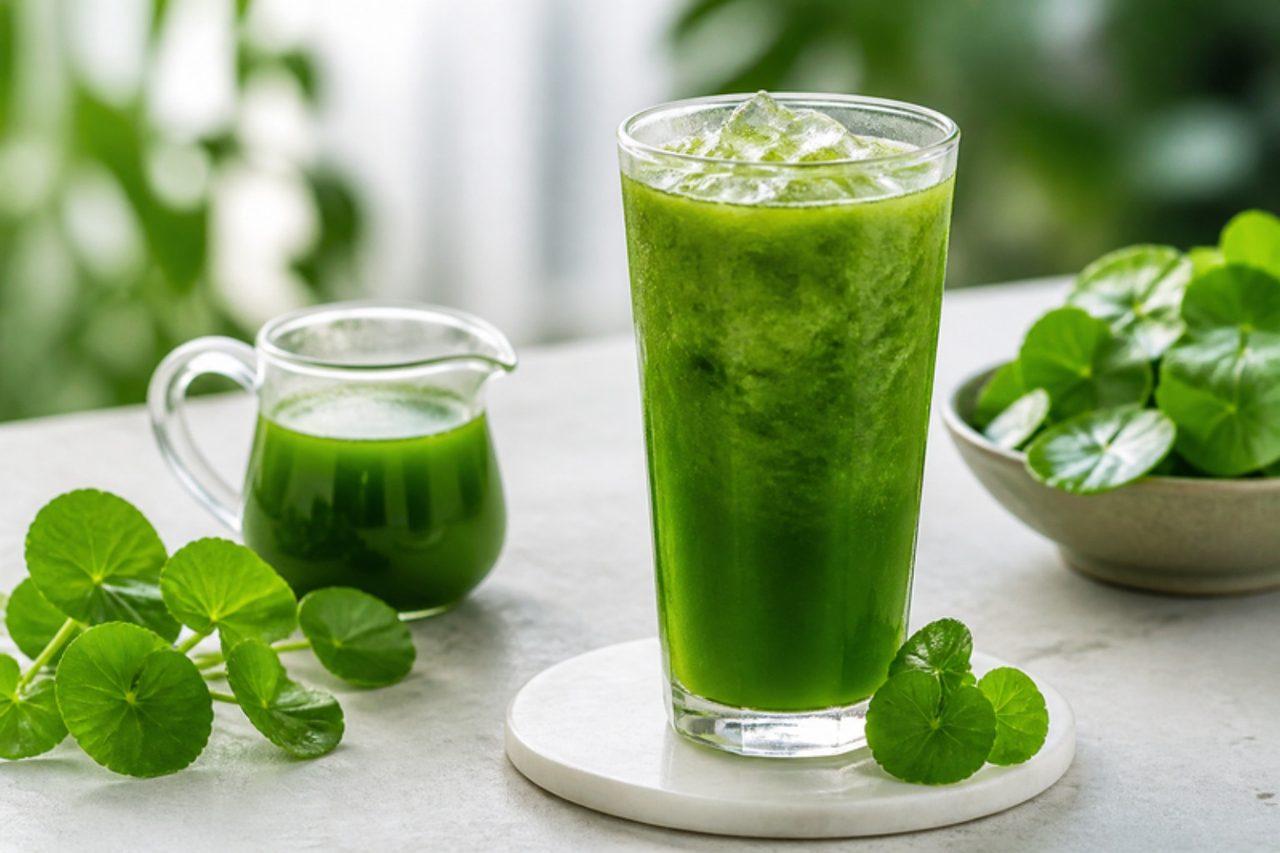
Nước rau máPennywort juice

Saigon street carts blend nước rau má to order through the hottest part of the afternoon, pouring the bright green juice into plastic cups over crushed ice for office workers and students. Pennywort (rau má) tastes fresh, grassy and very slightly bitter, and southerners drink it to 'cool the body' in the dry season; some stalls blend in cooked mung beans or a splash of coconut milk to make it richer. Look for bunches of rau má in Vietnamese and South Asian grocers, where it is also sold as gotu kola. Chef's tip: strain twice through a fine cloth and drink it within the hour; left standing, it separates and darkens to a dull khaki.

by KrazyBadal 0 views

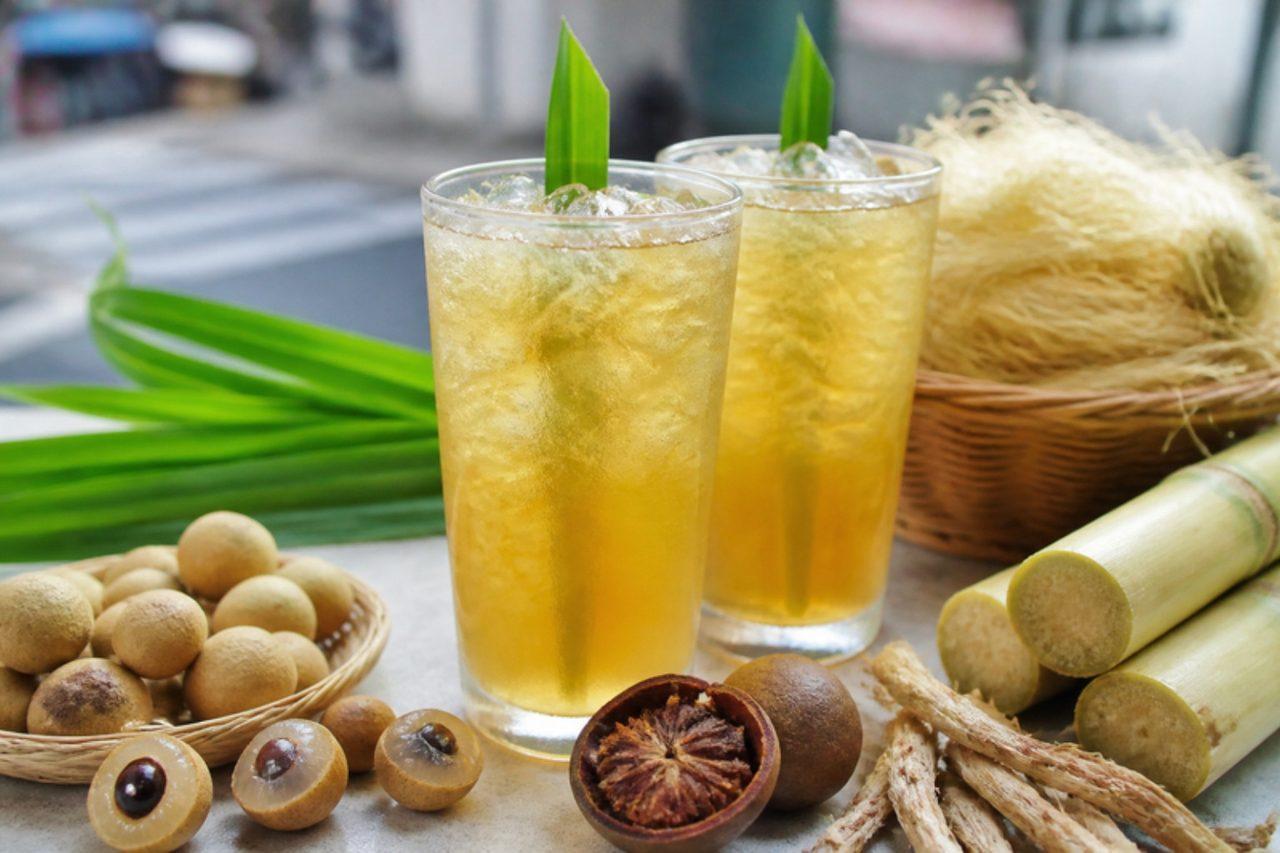
Nước sâmCooling herbal drink

Big glass jars of amber nước sâm sit on pavement stalls all over Hồ Chí Minh City, ladled over ice for anyone who has eaten too much fried food or spent too long in the sun. The brew is gently sweet and earthy, with honeyed dried longan, the liquorice note of monk fruit and fresh sugarcane, and Chinese-Vietnamese herbalists sell ready-mixed bags of the dried roots. Make a big pot: it keeps for four days in the fridge. Chef's tip: simmer, never boil hard; a rolling boil pulls bitterness out of the roots and turns the drink cloudy.

by KrazyBadal 0 views

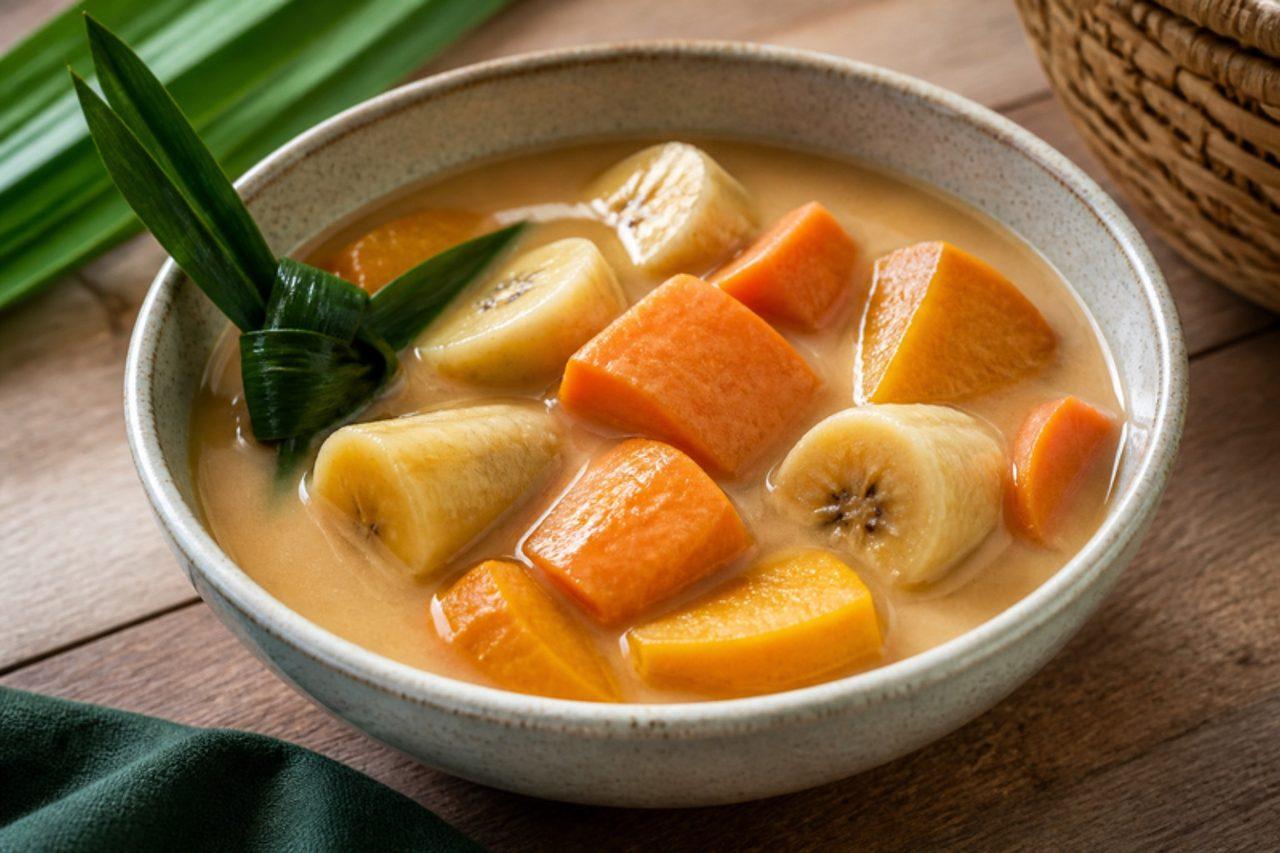
Kolak pisang ubiBanana and sweet potato dessert

In the last hour before maghrib during Ramadan, Javanese pavements fill with takjil sellers, and a bag of warm kolak is the first thing many families eat when the call to prayer ends the fast. Plantain or ripe saba bananas, sweet potato and pumpkin simmer in palm sugar and pandan until tender, then coconut milk turns the syrup creamy and caramel-brown. Serve warm or chilled. Chef's tip: add the bananas last; they collapse into mush if they cook as long as the sweet potato.

by KrazyBadal 0 views

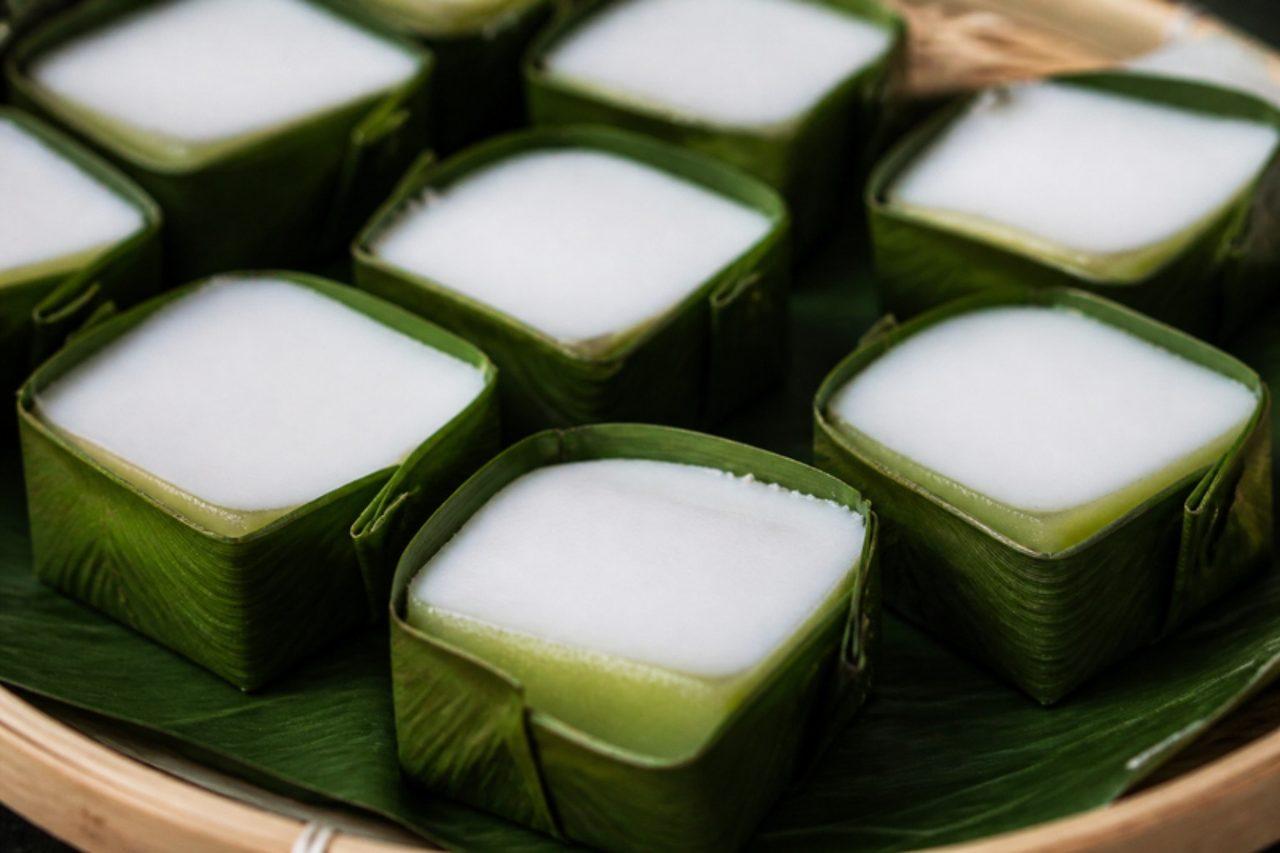
Tepung pelitaPandan pudding with coconut cream

Tepung pelita, 'lamp' kuih, gets its name from the little square banana-leaf boxes it is set in, which look like old oil lamps, and every Ramadan bazaar from Melaka to Penang has trays of them chilling on ice. Each cup holds a soft green pandan layer under a thick, salty-sweet white coconut layer; you eat it with a spoon or straight from the leaf. Small ramekins or silicone cups work if you have no banana leaves. Chef's tip: pour the white layer only once the green one has set a skin, or the two colours bleed into each other.

by KrazyBadal 0 views

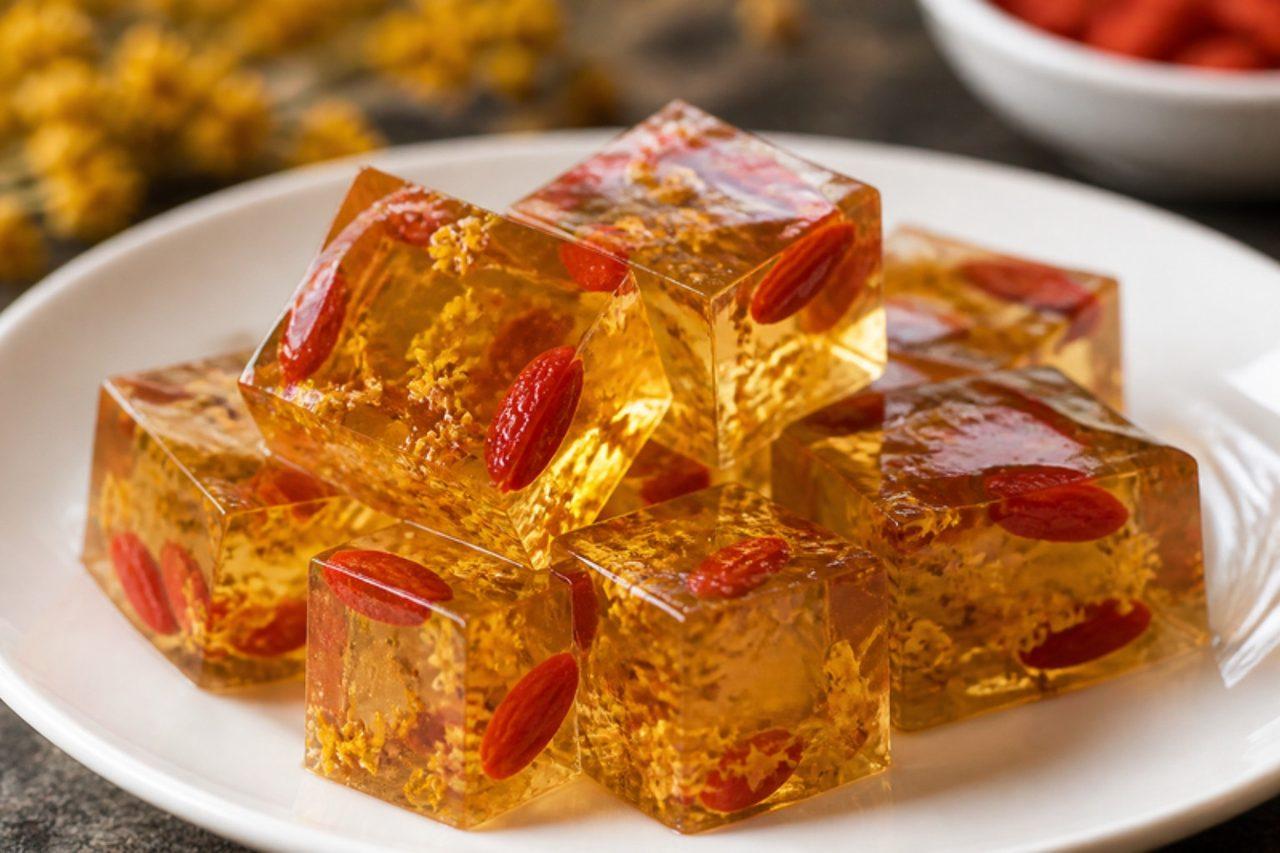
Osmanthus jelly (gui hua gao)

In Hangzhou and Guilin the sweet osmanthus trees flower around Mid-Autumn, and their tiny golden blossoms are dried to scent teas, wine and this crystal-clear jelly, a light dessert after a mooncake-heavy festival meal. Set with agar instead of gelatine, it is vegan, firm enough to cut into neat squares, and studded with flowers and red goji berries. The mistake is adding all the flowers to hot liquid at once: they float to the top in a crowd, so stir them in once the mix starts to thicken. Chef's tip: a mould with layers of flowers suspended all through looks far prettier than one with all the petals at the top.

by KrazyBadal 0 views

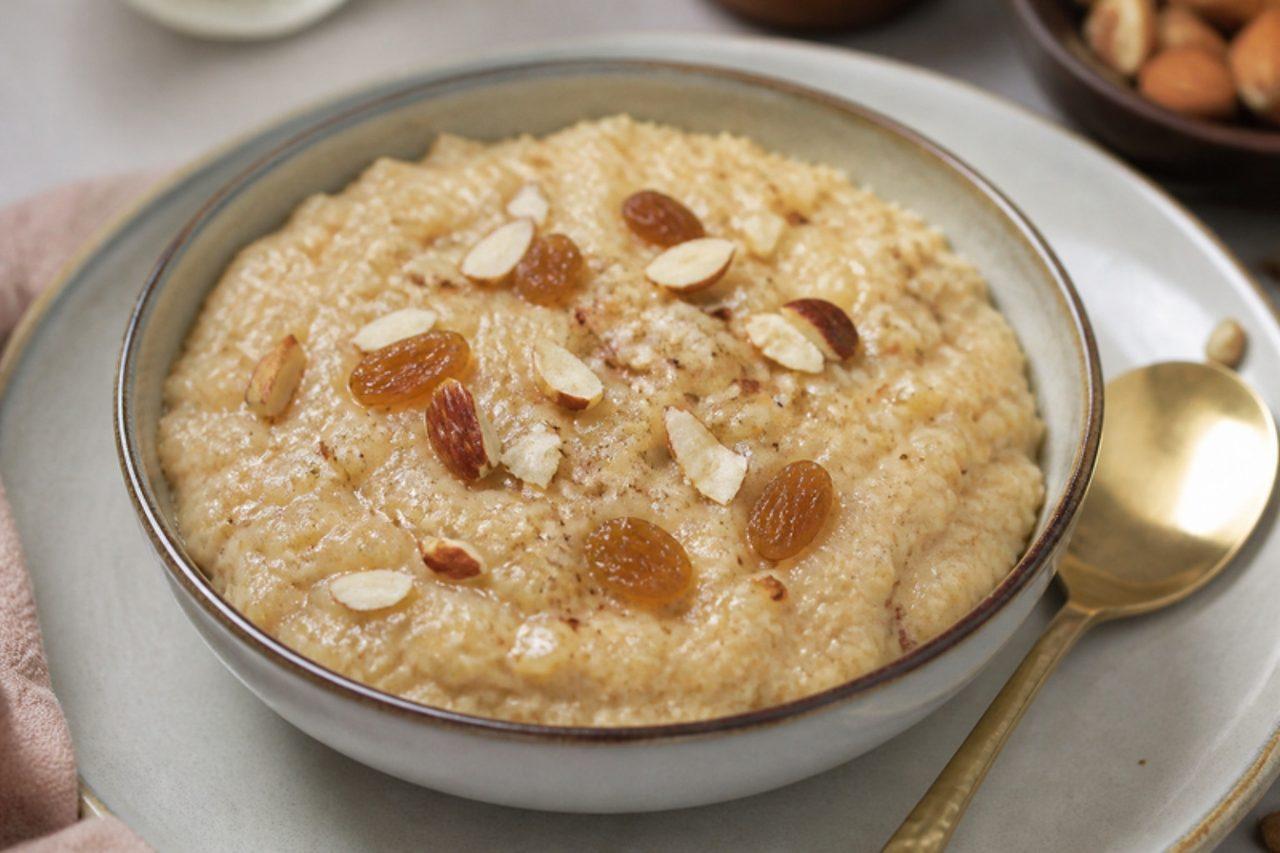
Meetha daliaSweet broken wheat porridge

On cold mornings in Punjab, Haryana and across Uttar Pradesh, a steaming bowl of milky dalia is what gets children out of the door. Fine broken wheat is first toasted in a spoonful of ghee, then cooked soft and finished in milk until it is creamy and loose, closer to a rice kheer than to a thick Gujarati lapsi. Jaggery gives it a gentle caramel sweetness, cardamom and plump raisins do the rest, and chopped almonds or a sliced banana on top make it a proper meal. It travels well in a flask for a tiffin, and toddlers who are already eating family food usually love it. Leftovers thicken in the fridge; loosen them with hot milk. Chef's tip: soak the jaggery in two tablespoons of warm water while the dalia cooks, then strain it in; this catches any grit and the syrup blends in smoothly.

by KrazyBadal 0 views

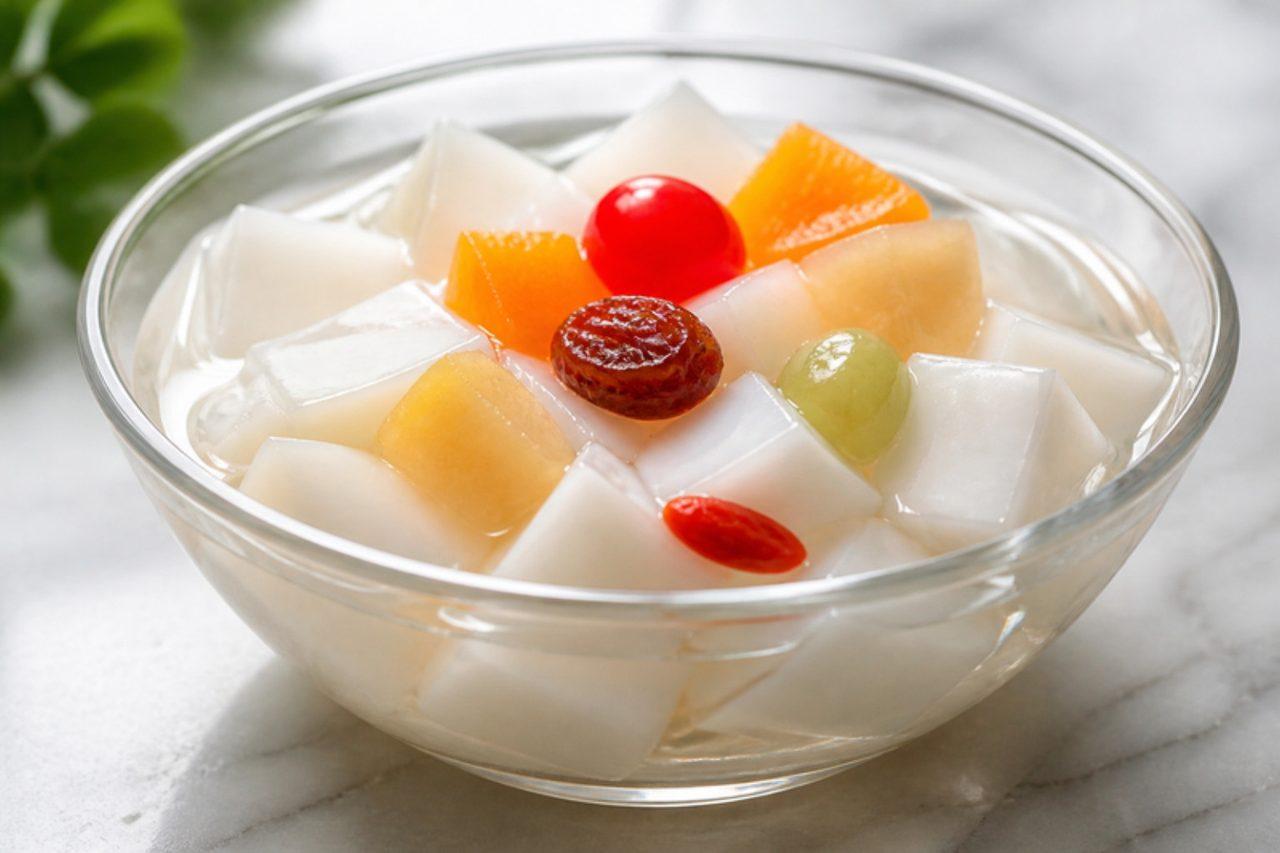
Almond tofu (xingren doufu)

Almond tofu has nothing to do with soybeans: it is a soft, white jelly of sweetened almond milk, cut into cubes like tofu and floated in cold syrup with fruit. It was once a palace dessert in Beijing and is now on dim sum menus in Guangzhou and Hong Kong in summer. The traditional flavour comes from southern apricot kernels (nan xing ren); this home version uses blanched almonds with a few drops of almond extract, and agar, so it is fully vegetarian. The common mistake is using too much agar, which makes it firm and rubbery; it should only just hold its shape and wobble on the spoon. Chef's tip: bring the agar to a full boil for 2 minutes before adding the milk, or it won't set at all.

by KrazyBadal 0 views

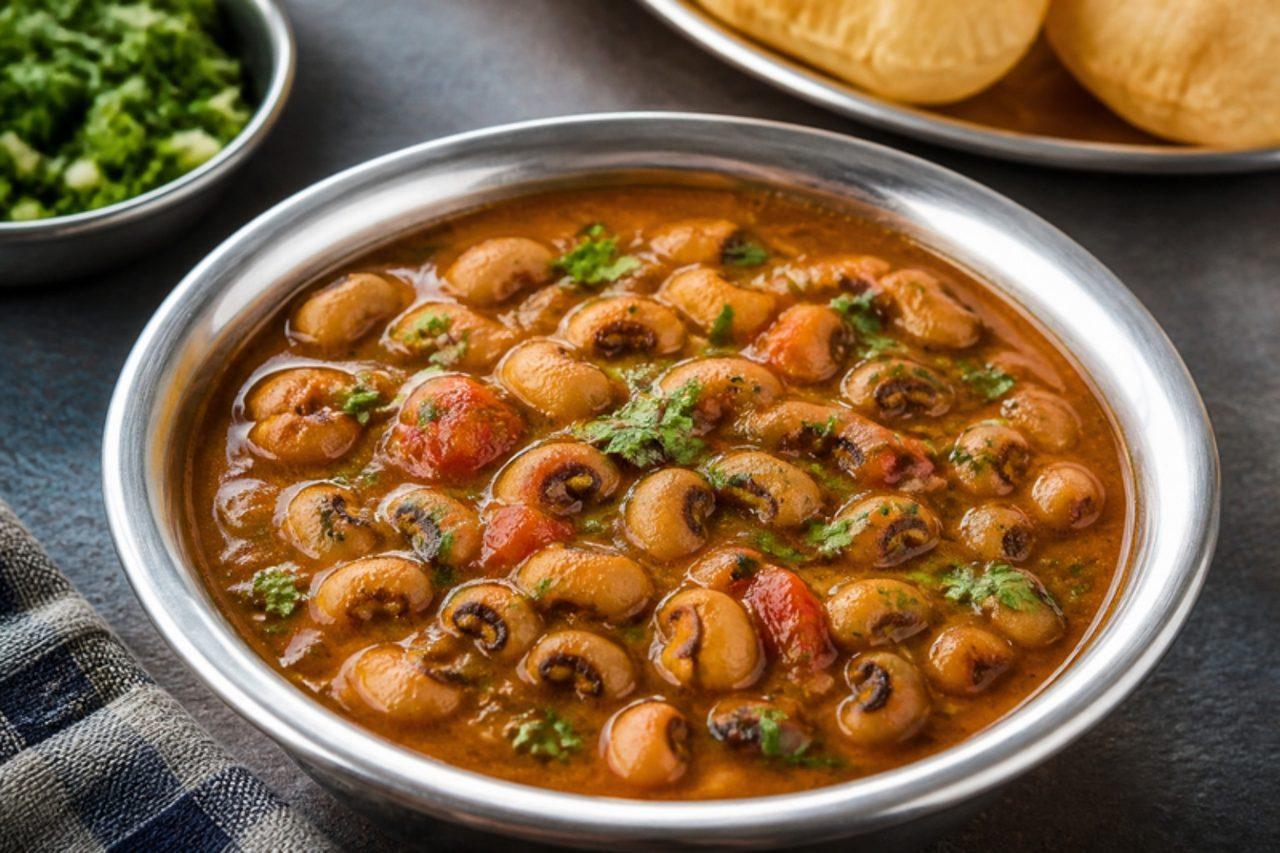
Chora nu shaakBlack-eyed pea curry

Chora nu shaak is a Sunday favourite in Surat and Baroda homes and one of the pulse shaaks that rotate through a Jain kitchen in place of onion-based gravies. Black-eyed peas are cooked soft, then simmered in a thin tomato gravy built on a vaghar of mustard seed, cumin, hing, cloves and dry red chilli, sweetened with jaggery and sharpened with lemon in true Gujarati style. Dry ginger powder replaces fresh ginger, and there is no onion or garlic. The gravy should be loose enough to soak into rotli or rice, with a few beans mashed to give it body. A common mistake is adding tomato and jaggery before the beans are fully soft; acid and sugar keep them hard however long you cook them. Chef's tip: let the shaak rest for 10 minutes before serving; the chora drink up the gravy and the flavours round out.

by KrazyBadal 0 views

Goda masalaMaharashtrian spice blend

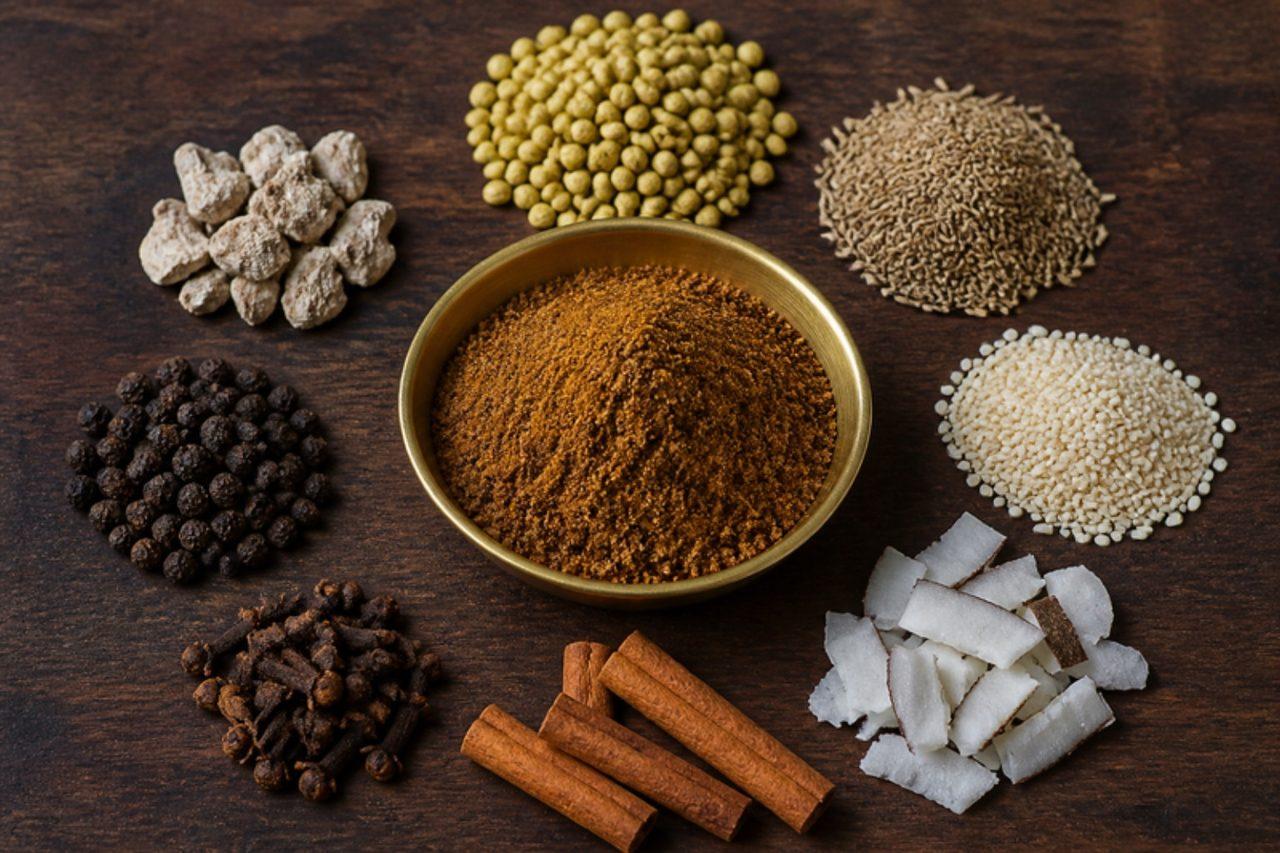
Goda means sweet in Marathi, and the word describes not sugar but the warm, rounded fragrance of this masala, which every Pune and Satara household roasts in small batches. It is the soul of Brahmin Maharashtrian cooking: masale bhaat at weddings, a spoonful in amti (tangy toor dal), bharli vangi (stuffed brinjal), and usal for misal. It is dark and aromatic rather than hot, built on coriander, dry coconut (kopra) and sesame, perfumed with cinnamon, cloves and cardamom, and given its earthy, slightly musky depth by dagad phool (stone flower, a lichen), with nagkesar and maratha moggu if you can find them at a Marathi grocer. Common mistake: roasting the coconut and sesame with the hard spices on a high flame; the coconut burns before the coriander is done and the whole batch tastes bitter. Chef's tip: roast each spice in a drop of oil until a shade darker, because that slow roasting is what gives goda masala its colour.

by KrazyBadal 0 views

Chikoo ice creamSapodilla ice cream

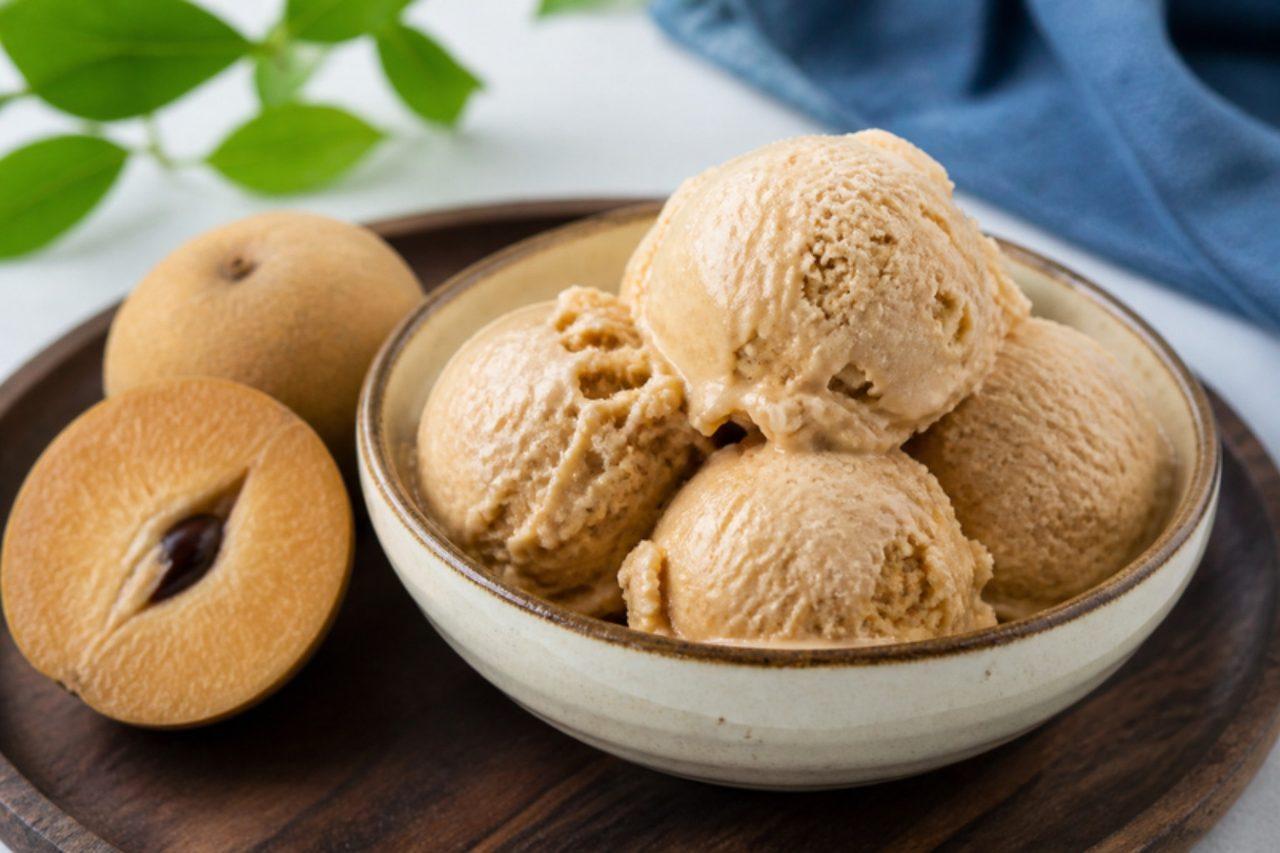
The coast from Dahanu and Gholvad in Maharashtra up to Navsari and Valsad in South Gujarat is chikoo country, and when the orchards are heavy in winter, every home freezes a tub of this. Ripe chikoo tastes of brown sugar, malt and pear, so the ice cream needs barely any sugar and comes out a soft caramel colour, a little grainy from the fruit in a pleasing way. It's a family dessert after Sunday lunch and a favourite at Uttarayan terrace parties. The common mistake is using chikoos that are not fully soft; underripe fruit is astringent and makes the mouth feel furry. Press each one: it should give like a ripe peach. Chef's tip: blend the chikoo with the milk only just before folding; the pulp browns and turns flat if it sits around.

by KrazyBadal 0 views

Thengai sadamCoconut rice

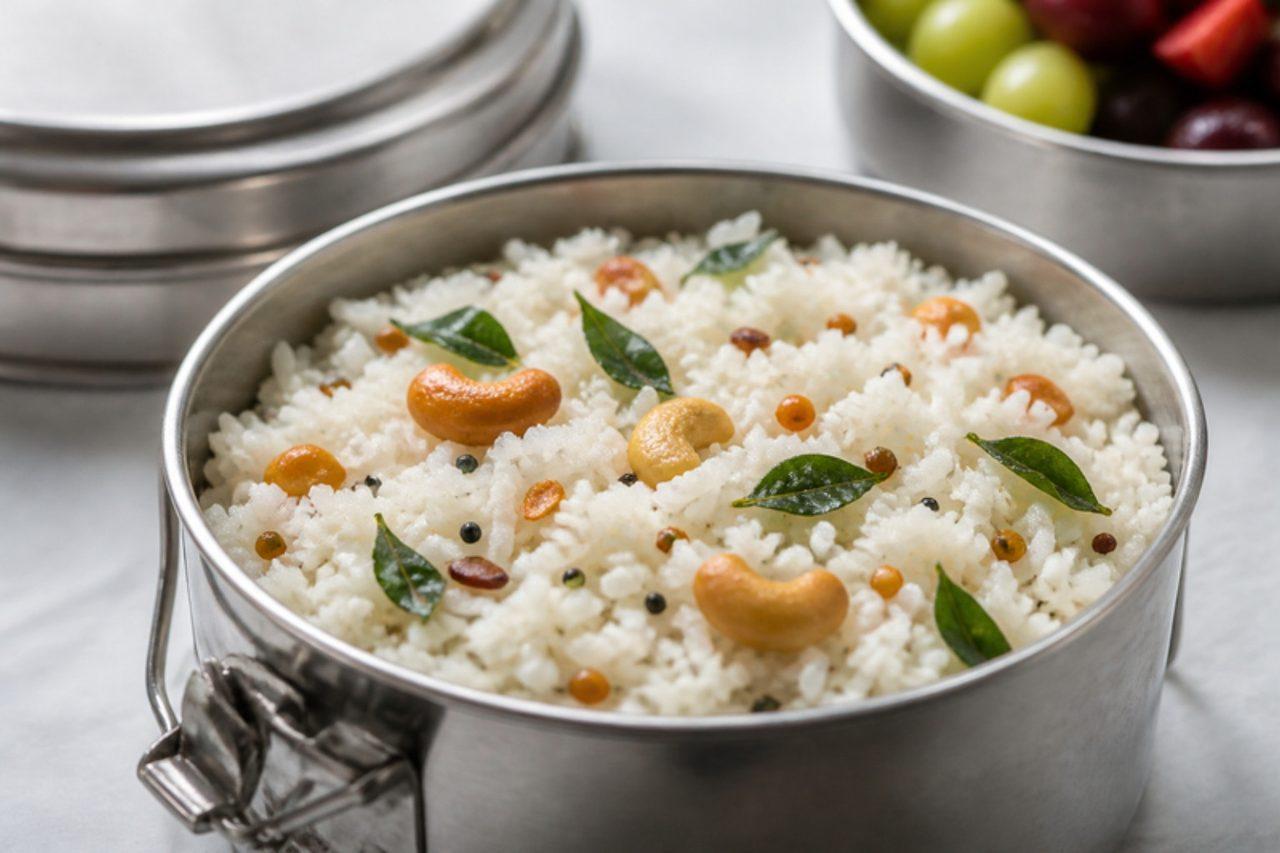
Thengai sadam is one of the 'variety rice' dishes that fill Tamil lunchboxes and temple prasadam lines, alongside lemon and tamarind rice. It is made for Aadi Perukku and Varalakshmi Vratam, packed for train journeys to Madurai, and turned out on busy weekdays from leftover rice. Fresh coconut, lightly toasted in coconut oil, clings to every grain; crunchy urad and chana dal, cashews and curry leaves give bite, and a dry red chilli a gentle heat. It tastes mild, sweet from the coconut and very fragrant. Serve it with potato roast, appalam or a spoon of mor kuzhambu. A common mistake is browning the coconut; it should only lose its raw smell and stay snowy white. Chef's tip: spread the rice on a plate to cool fully; warm, freshly cooked rice breaks and turns pasty when tossed.

by KrazyBadal 0 views

Showing 24 of 3,470 recipes

Show more recipes

Page 35 of 145

More No onion & garlic ideas

Other diets