Skip to content
WhatToEat.Today

No onion, no garlic recipes (Swaminarayan and sattvic)

3,470

3470 vegetarian recipes cooked without onion or garlic, as in Swaminarayan and sattvic kitchens, with no meat, fish, eggs or alcohol. Each has photos, step-by-step instructions and cook times. The quickest, Apfelschorle, takes 2 minutes. Most take around 45 minutes.

Filter these by time, diet or cuisine · Make No onion & garlic your diet to see only these recipes everywhere on the site.

Alu bokhara chutneyPlum and date chutney

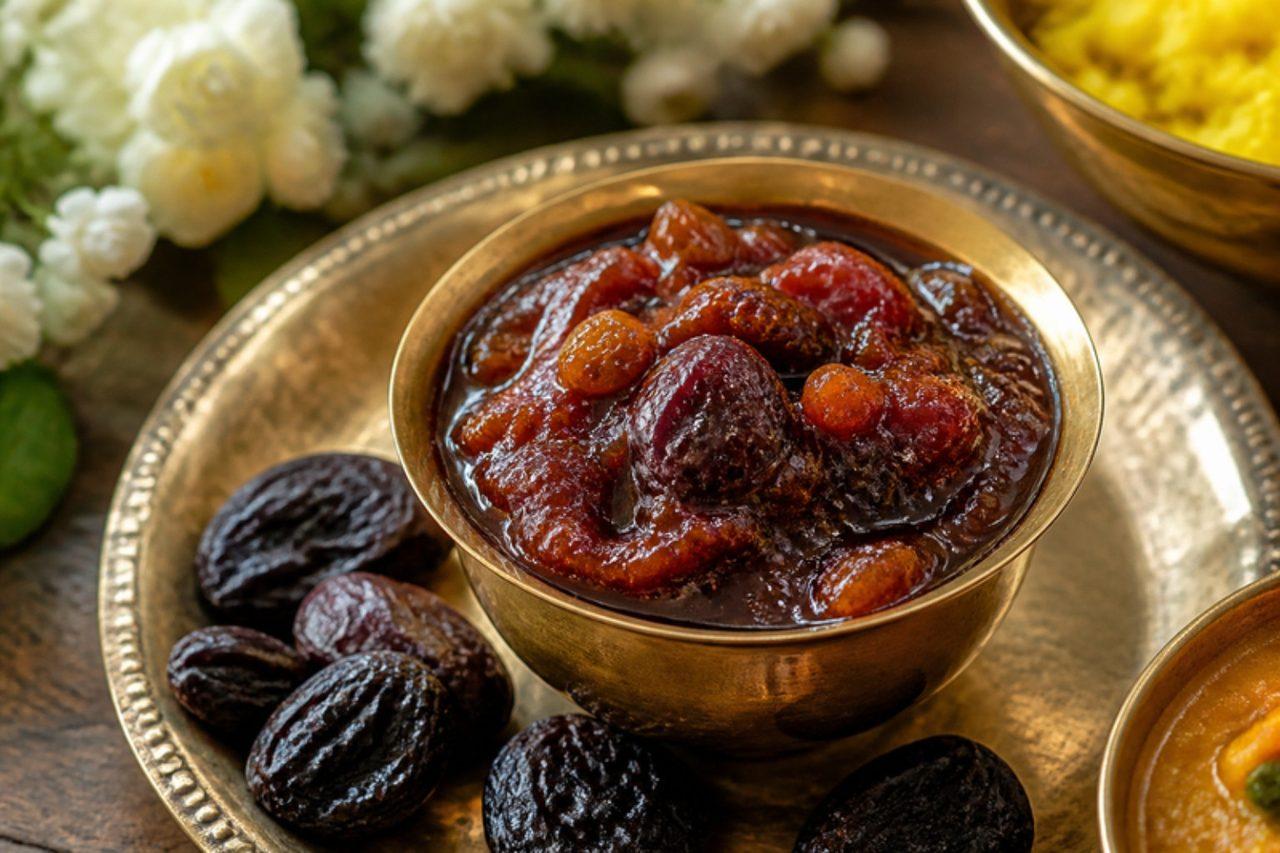
At Bangladeshi weddings and Eid lunches, a small spoon of glossy, garnet alu bokhara chutney comes round after the polao and meat, a sweet and tangy palate-cleanser before the doi and mishti; Old Dhaka caterers are known for theirs. Dried plums and dates simmer with sugar, a splash of vinegar and spices until the fruit is soft and the syrup thick enough to coat a spoon, with a hint of chilli and roasted panch phoron. The mistake is cooking it until it looks thick in the pan; it sets much firmer as it cools, so stop while the syrup is still loose. Chef's tip: toast panch phoron in a dry pan, crush it and stir it in at the end rather than frying it at the start, which keeps the flavour bright.

by KrazyBadal 0 views

RundstykkerBreakfast rolls

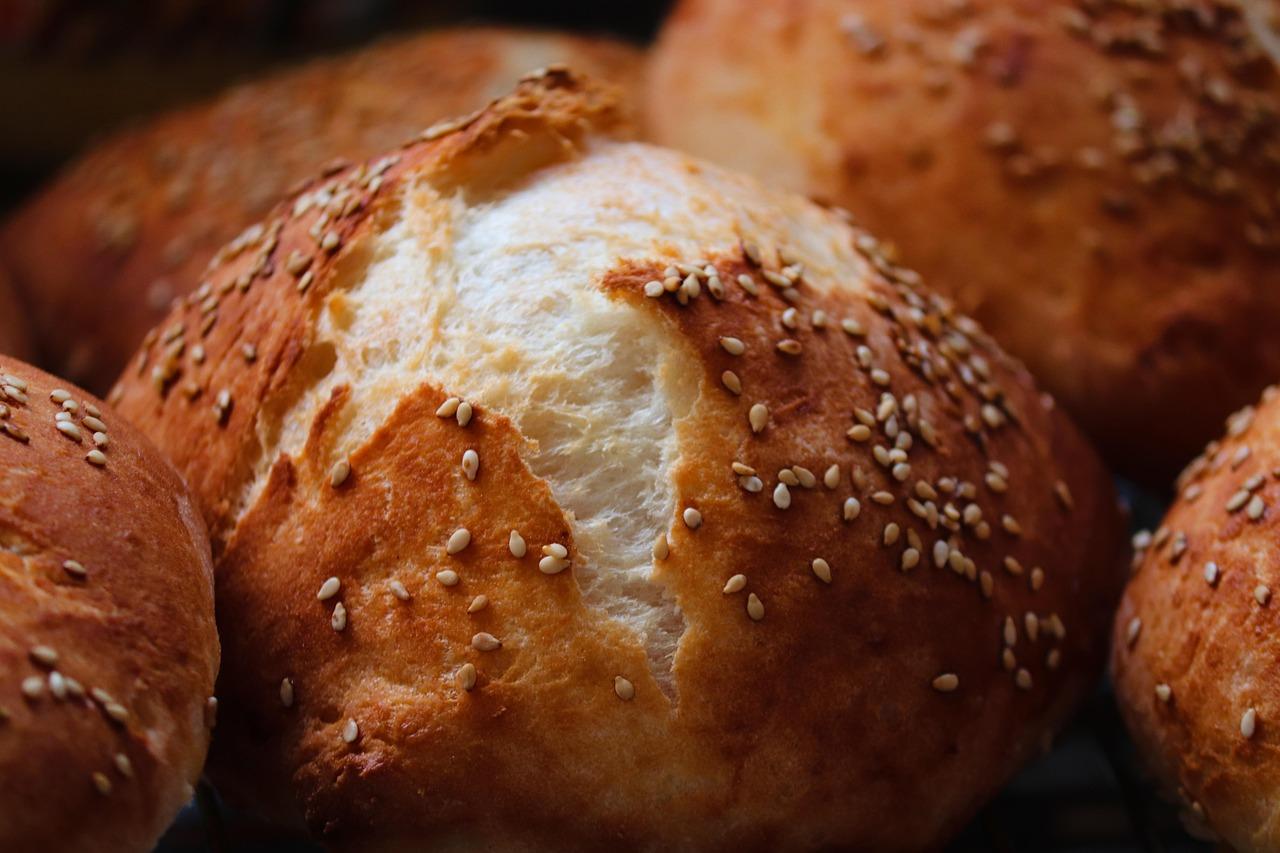
Weekend mornings in Denmark and Norway start with a bag of warm rundstykker from the bakery, or a tray baked at home. They are crusty white rolls topped with poppy or sesame seeds, split and eaten with cheese, jam or a slice of brunost alongside coffee. This version is vegan and uses an overnight rise in the fridge, so the rolls go straight into the oven in the morning. A common mistake is adding too much flour, which makes them dense. Chef's tip: put a tray of boiling water in the bottom of the oven for the first 10 minutes so the crust turns thin and crackly.

by KrazyBadal 0 views

KongguksuCold soybean noodle soup

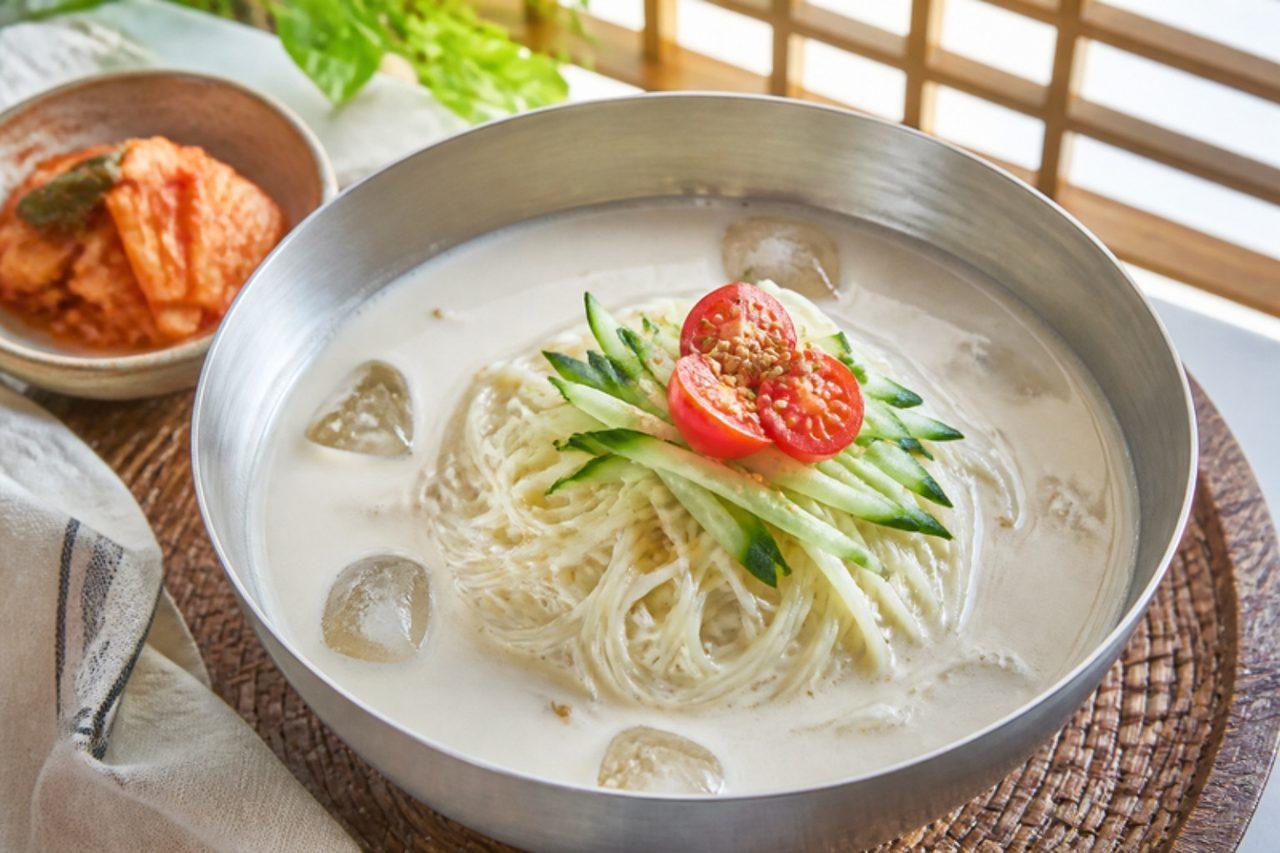
When the monsoon heat settles over Seoul in July, queues form outside old noodle houses near City Hall for kongguksu: thin wheat noodles in an ice-cold, thick, nutty broth of soybeans boiled and blended with their skins, topped with cucumber and sesame. It is plain, rich and very cooling, and people season it at the table with salt (in Seoul) or sugar (in Jeolla). A bowl is about 520 kcal, a full meal with plenty of protein. Soak the soybeans overnight first, not counted in the times. The most common mistake is overboiling the soybeans, which gives a fermented, "meju" smell; boil them for exactly 10–12 minutes and taste one: it should be cooked but not soft. Chef's tip: blend a handful of pine nuts or toasted sesame with the beans; it makes the broth even creamier.

by KrazyBadal 0 views

Zupa owocowaFruit soup with pasta

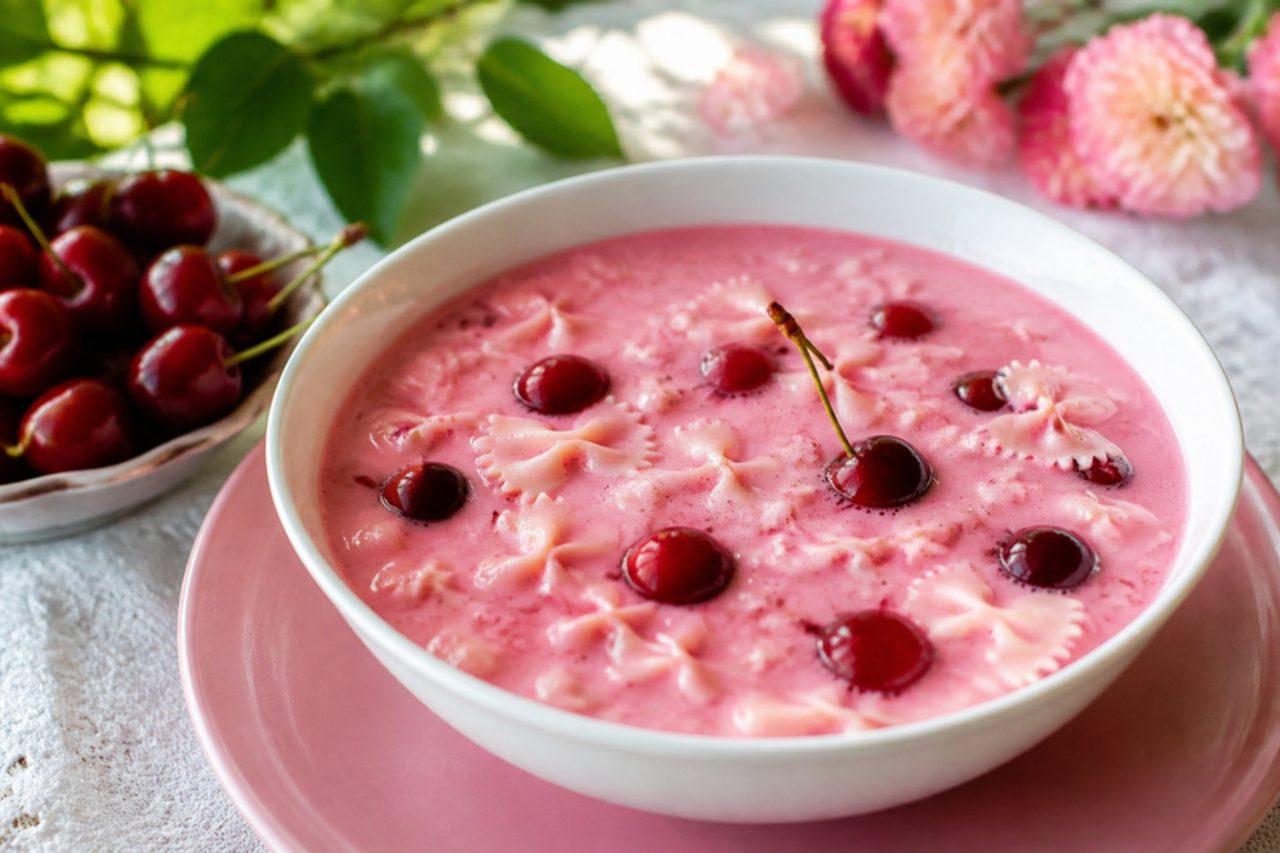
On a hot July afternoon in a Mazurian village or a Warsaw allotment, a pot of zupa owocowa sits cooling on the windowsill: sour cherries or strawberries simmered with sugar, lightly thickened, and served cold over little pasta shells or bow ties. Polish children often get it as the first course of a summer lunch, and it tastes like a drinkable fruit compote. A common mistake is thickening it too much, so it sets into jelly in the fridge; it should stay pourable. Chef's tip: stir a spoon of soured cream into each bowl, not the pot, so the colour stays bright.

by KrazyBadal 0 views

Varagu pongalKodo millet pongal

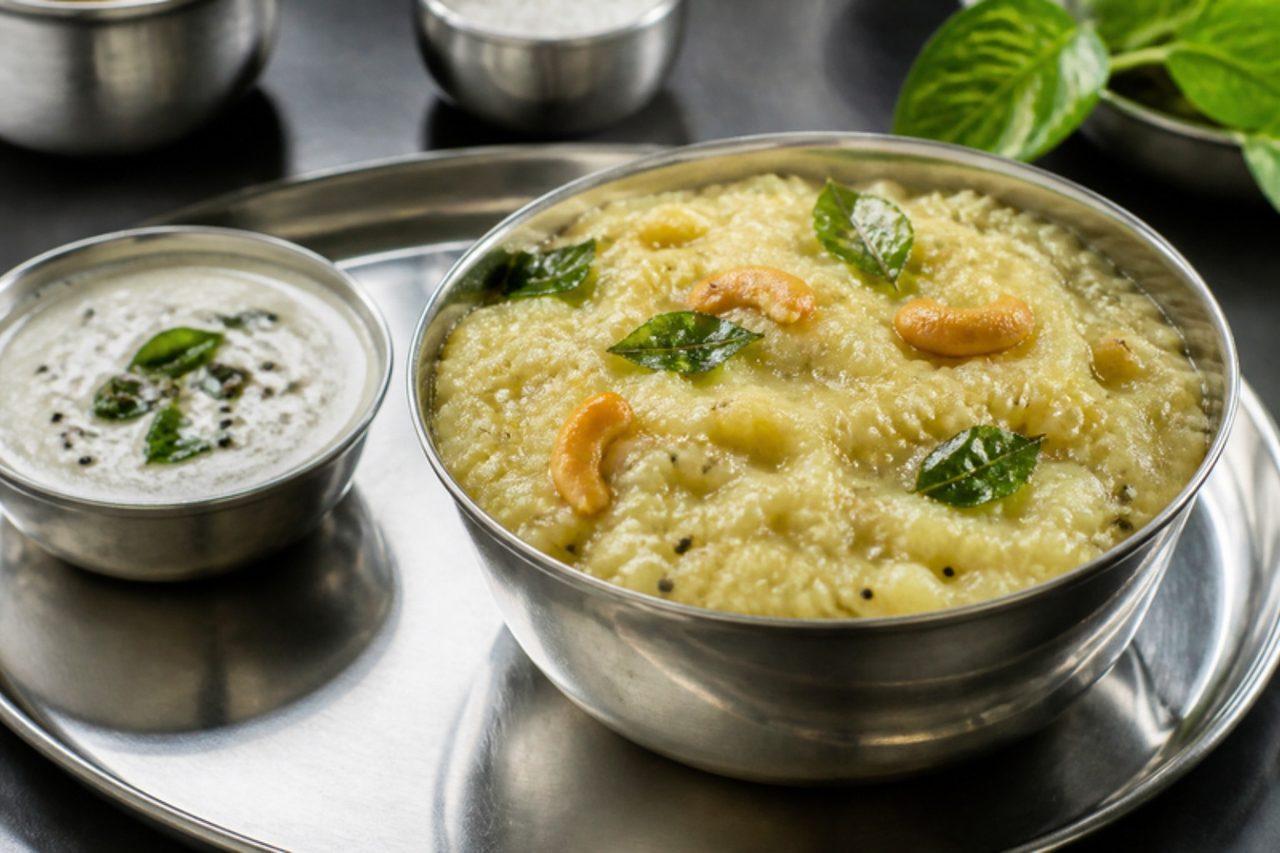
Ven pongal, the peppery rice and dal porridge, is the Sunday breakfast of Tamil Nadu and the prasadam handed out at temples; in Chennai homes that have turned to millets, kodo millet (varagu) now often takes the rice's place. It cooks into the same soft, creamy mass with yellow moong dal, scented with crushed black pepper, cumin, ginger and curry leaves fried in a modest spoon of ghee, and is eaten with coconut chutney and sambar. A portion is about 280 kcal, far less ghee than the temple version. The mistake people make is serving it too thick; pongal firms up fast as it cools, so make it looser than you think. Chef's tip: crush the peppercorns coarsely in a mortar rather than grinding them fine; you want little bursts of heat in each spoonful.

by KrazyBadal 0 views

StielmusTurnip greens mash

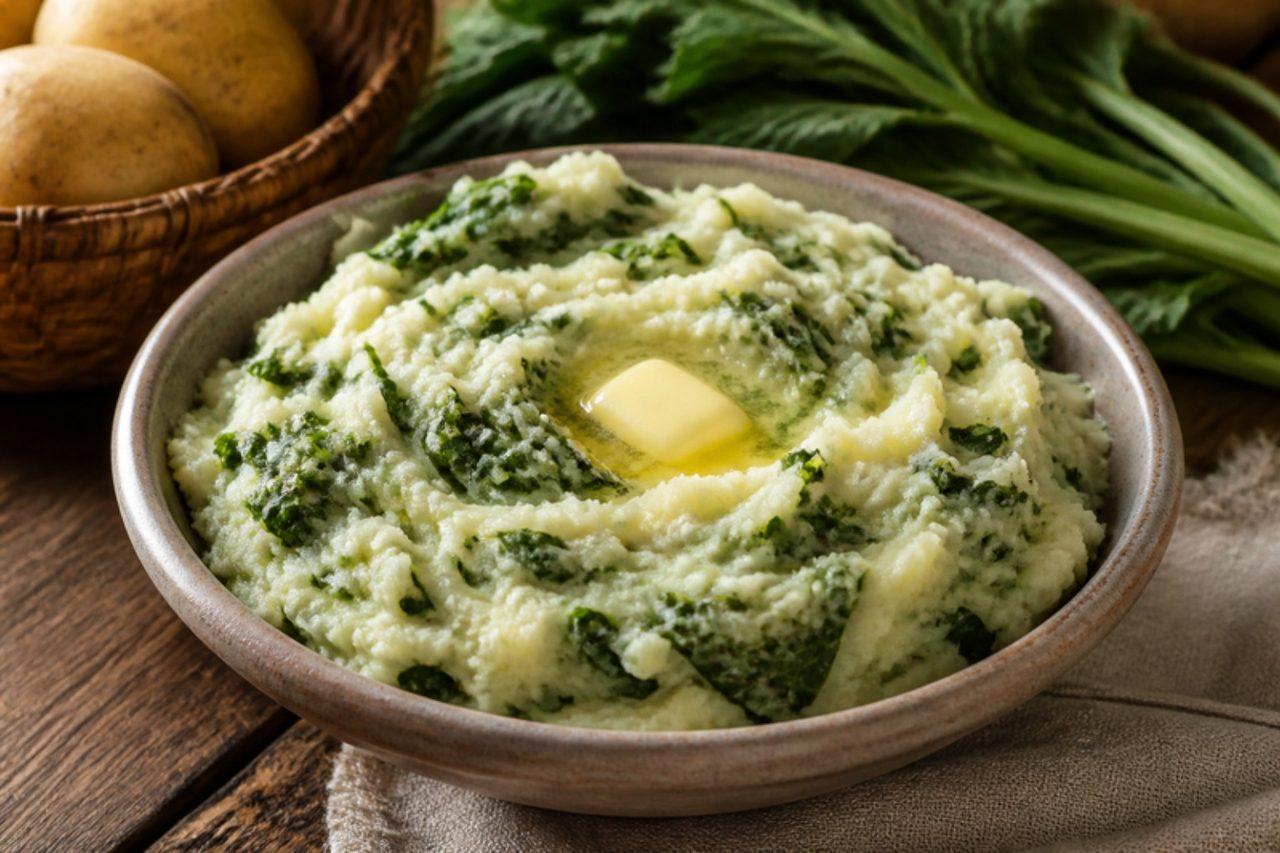
Stielmus, also called Rübstiel, is the young stalks and leaves of turnips, sold in bunches at markets in Cologne, Düsseldorf and the Münsterland only in spring and early autumn. Rhinelanders chop them and cook them with potatoes, then mash everything together with butter and nutmeg into a green, slightly peppery mash. It is traditionally eaten with bacon or sausage, but works as a vegetarian main with a fried egg. A common mistake is chopping the stalks too coarsely, which leaves stringy pieces. Chef's tip: if you cannot find Stielmus, a mix of turnip tops and chard gives a similar mild bitterness.

by KrazyBadal 0 views

ParadiesäpfelCandy apples

Paradiesäpfel shine from the sugar stalls at German fairs and Christmas markets, from the Cannstatter Wasen to the Hamburg Dom: small tart apples on wooden sticks, dipped in a glassy red sugar glaze that cracks when you bite it. Children often get them on the way home from the rides in autumn. The glaze is just sugar, water and a drop of vinegar boiled to the hard-crack stage, so a sugar thermometer helps. The most common mistake is using wet or waxed apples, which makes the glaze slide off. Chef's tip: scrub the apples in hot water and dry them completely first, then dip quickly and twist so the excess drips back into the pan.

by KrazyBadal 0 views

Bajri ni raabPearl millet jaggery drink

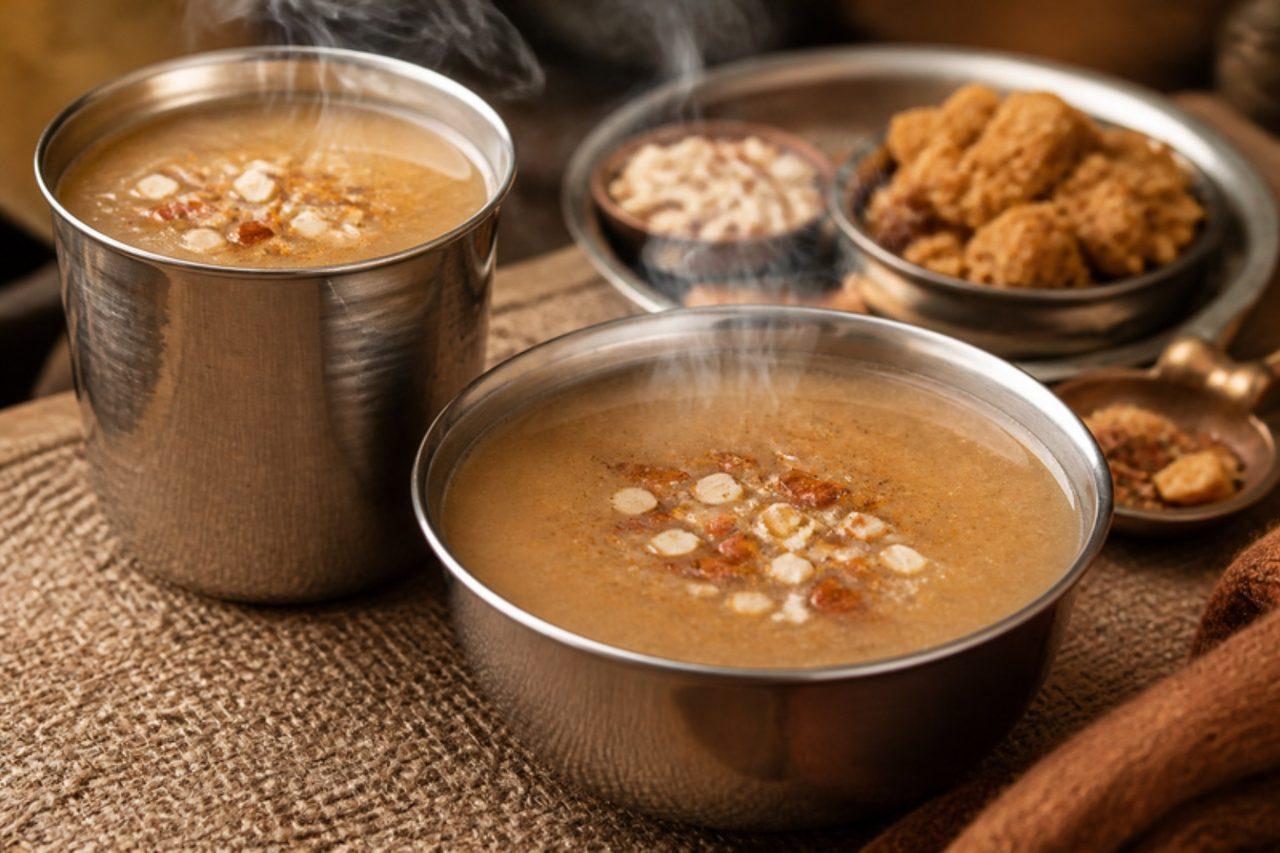
In Gujarati homes from Ahmedabad to the villages of Saurashtra, raab is what is made on a cold January evening, for a cough, or for a new mother regaining her strength: a spoon of bajri flour roasted in ghee with ajwain and dry ginger, then cooked with water and jaggery into a thin, sippable porridge. It is drunk hot from a steel tumbler and tastes of toasted grain, caramel and warm spice. A tumbler is about 220 kcal. The most common mistake is adding jaggery to boiling raab with the flame high, which can make it split; turn the heat down first and stir it in until it melts. Chef's tip: roast the flour on a low flame until it smells like toasted biscuit and darkens just slightly; underroasted bajri tastes raw and bitter.

by KrazyBadal 0 views

Surówka z marchewkiCarrot and apple salad

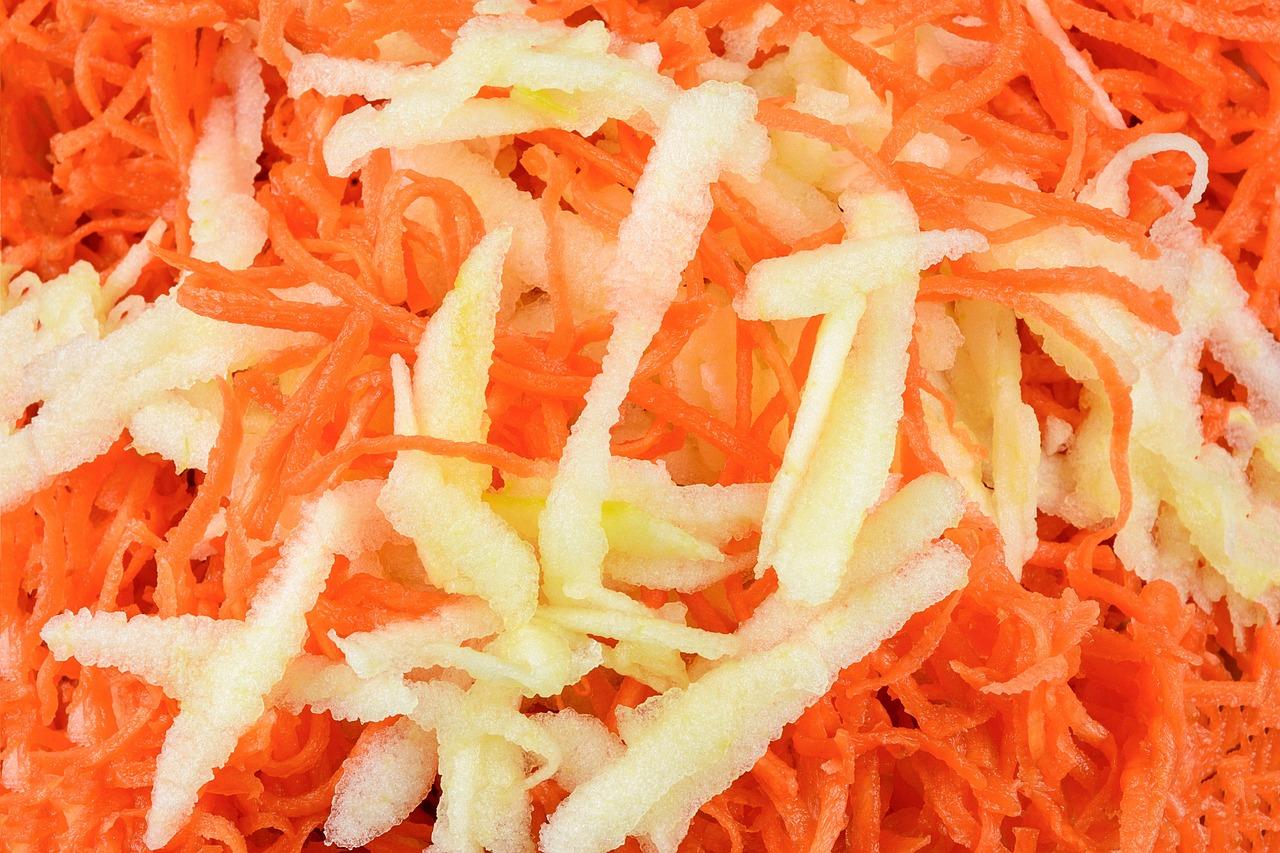
That little mound of orange on the side of every milk-bar plate in Łódź or Wrocław is surówka z marchewki, raw carrot and apple grated together and sharpened with lemon. Polish families make it beside Sunday chops, Friday fish and plain potatoes all year round, because carrots and apples keep through the winter. It takes ten minutes and is crisp, sweet and tart. A common mistake is grating the apple long before serving, so it browns and the salad turns watery. Chef's tip: grate the carrots on the fine side of the grater and the apple on the coarse side, so the apple stays juicy and the carrot soaks up the dressing.

by KrazyBadal 0 views

VarenyeFruit preserve in syrup

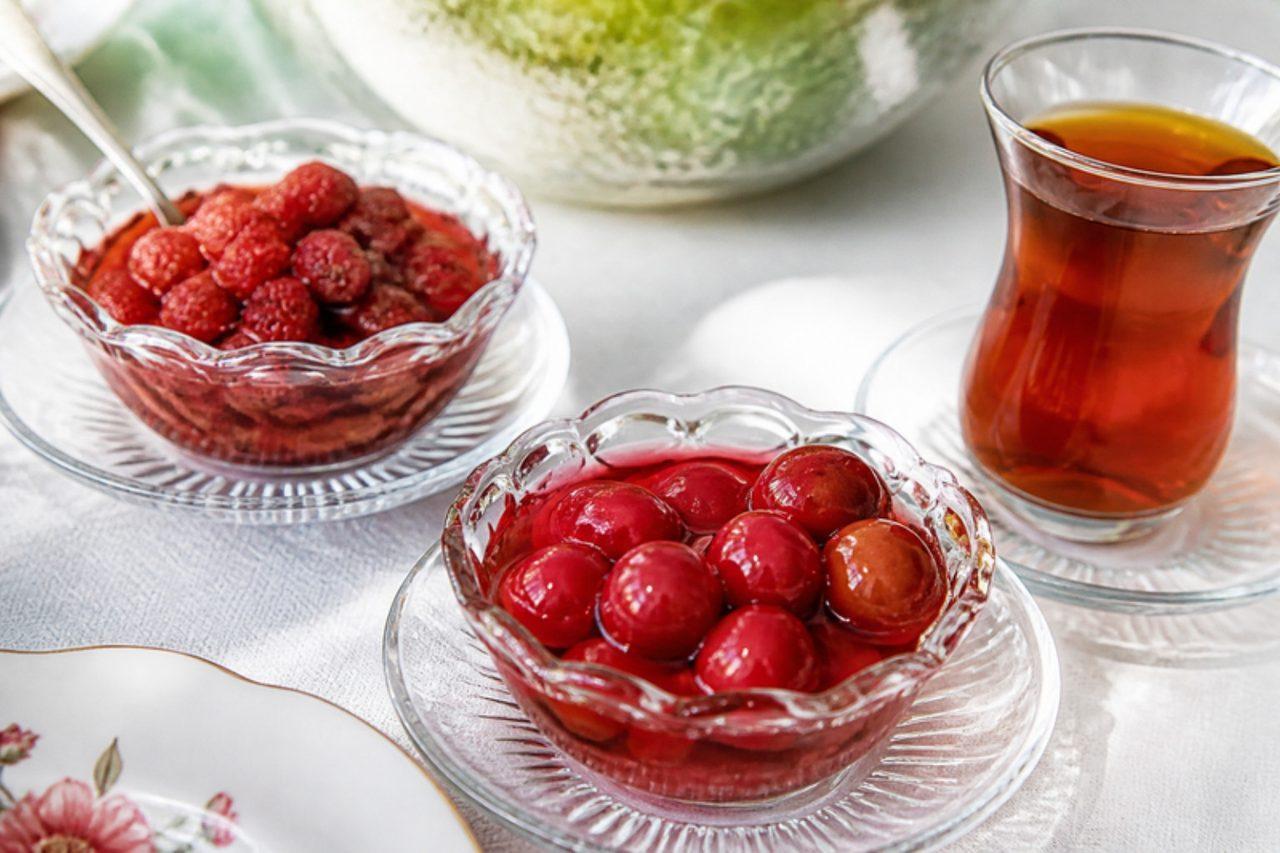
Varenye is not quite jam: whole berries or fruit are steeped and cooked in short bursts so they stay intact in a clear, glossy syrup. All summer at dachas around Moscow and Vladimir, copper basins of strawberry, cherry or gooseberry varenye bubble outside, and in winter it is spooned into tiny glass rosettes and eaten with tea, sometimes straight from the spoon between sips. The common mistake is boiling it in one long go, which turns the fruit to mush. Chef's tip: cook it in three short boils with long rests between; the fruit soaks up syrup slowly and stays whole.

by KrazyBadal 0 views

Pane ticinesePull-apart white loaf

Pane ticinese comes from Switzerland's Italian-speaking south and is now sold in bakeries across the country: a long, flat loaf made of linked rolls, each section easy to break off, with a soft, slightly chewy crumb thanks to a little olive oil in the dough. In Lugano and Bellinzona it goes on the table at lunch with salami and formaggini, or is torn into hunks for minestrone; this version is vegan. Chef's tip: when shaping, press each fold right down with the side of your hand; the deep creases are what let the loaf snap into neat pieces after baking.

by KrazyBadal 0 views

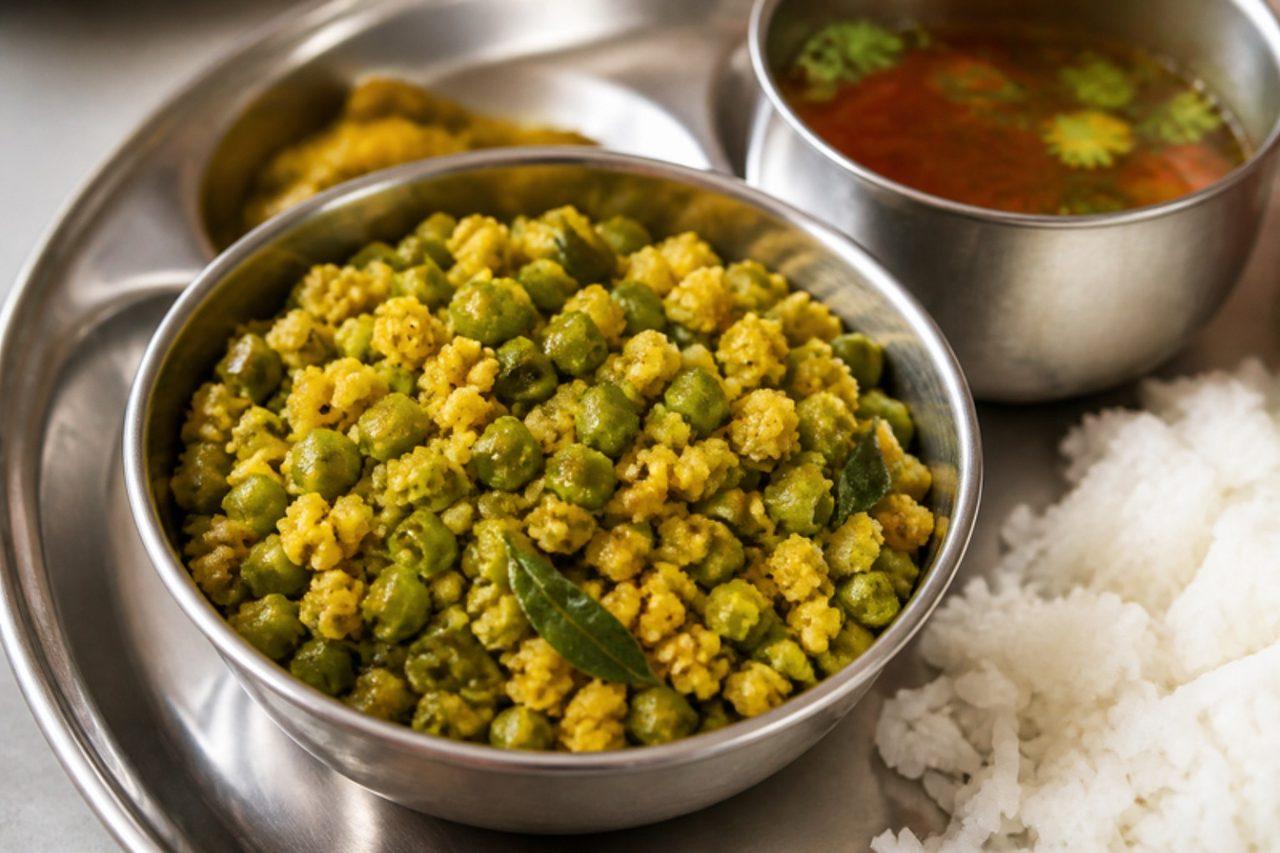
Paruppu usiliGreen beans with crumbled lentils

Paruppu usili is a Tamil Brahmin speciality, the dry dish that sits beside more kuzhambu or rasam on a Thanjavur lunch leaf at weddings and at home: chana and toor dal are soaked, ground coarsely with red chilli, steamed into a cake, crumbled, then fried with finely chopped green beans until the crumbs turn golden and crisp in places. The result is nutty, spicy and full of protein. A portion is about 220 kcal. The dals soak for 1 hour first (not counted in the times). The mistake most people make is grinding the dal to a smooth paste; it should be coarse like semolina, or the usili turns into lumps instead of crumbs. Chef's tip: steam the ground dal before frying, rather than frying it raw; it crumbles perfectly and needs far less oil.

by KrazyBadal 0 views

WeggliSoft milk rolls

Weggli are the soft white rolls Swiss-German children grow up on: in Zurich, Bern and Basel they are bought warm on Saturday mornings, pulled apart along their deep central crease and eaten with butter and jam, or with a bar of chocolate pressed inside for the school break. The dough is enriched with milk and butter, so the crumb is fine and fluffy and the crust thin and golden. Chef's tip: press the crease firmly with the handle of a wooden spoon almost to the tray; if it's too shallow the rolls rise back into plain buns.

by KrazyBadal 0 views

Kaasblokjes met mosterdCheese cubes with mustard

Friday afternoon in a Dutch brown café, or a birthday circle in a living room in Utrecht, means a borrel, and the first thing on the table is a plate of cheese cubes on cocktail sticks. Belegen or oude Gouda, aged until it is firm and nutty with little salt crystals, is cut into neat cubes and served with a pot of coarse mustard and a shake of celery salt. Traditional Gouda is made with animal rennet, so pick a vegetarian aged Gouda-style cheese if needed. A common mistake is serving the cheese fridge-cold, which hides its flavour. Chef's tip: cut it half an hour before guests arrive and let it come to room temperature, covered.

by KrazyBadal 0 views

Doodh pattiStrong milk tea

Doodh patti is poured from a dented pan at every truck stop, university canteen and street-corner dhaba in Pakistan, from Karachi's Saddar to the Murree road, and it is drunk at all hours: before work, after cricket, at midnight with a paratha. The tea is made without any water at all, boiling loose black tea and sugar in milk until it turns a deep caramel colour and tastes rich, malty and strong. The mistake is simmering too gently and pulling it off too soon, giving a weak, milky drink; it needs a proper rolling boil, more than once. Contains milk. Chef's tip: lift the pan off the heat each time the tea froths to the top and return it, three times; each rise deepens the colour and flavour.

by KrazyBadal 0 views

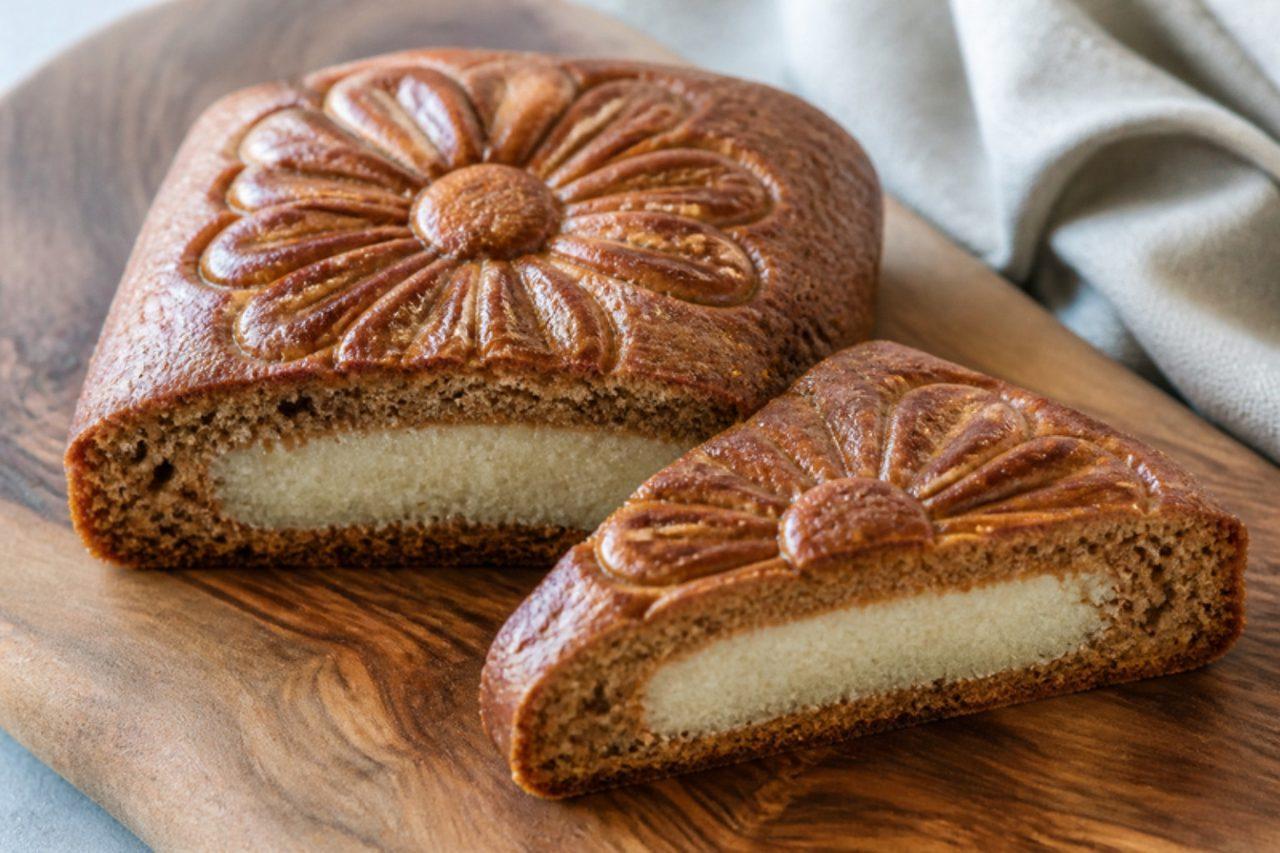
Appenzeller BiberAlmond-filled gingerbread

In the green hills of Appenzell, Biber are the sweet that marks Christmas, New Year and christenings, and bakers in Appenzell town stamp them with wooden moulds of cows, bears and the traditional alpine ascent. The dough is a dark, spicy honey gingerbread wrapped around a layer of almond paste, baked until it glows chestnut brown. They keep well and are sliced or eaten whole with coffee. Chef's tip: leave the dough to rest for at least a day if you can; honey doughs get smoother and spicier with time and crack less when stamped.

by KrazyBadal 0 views

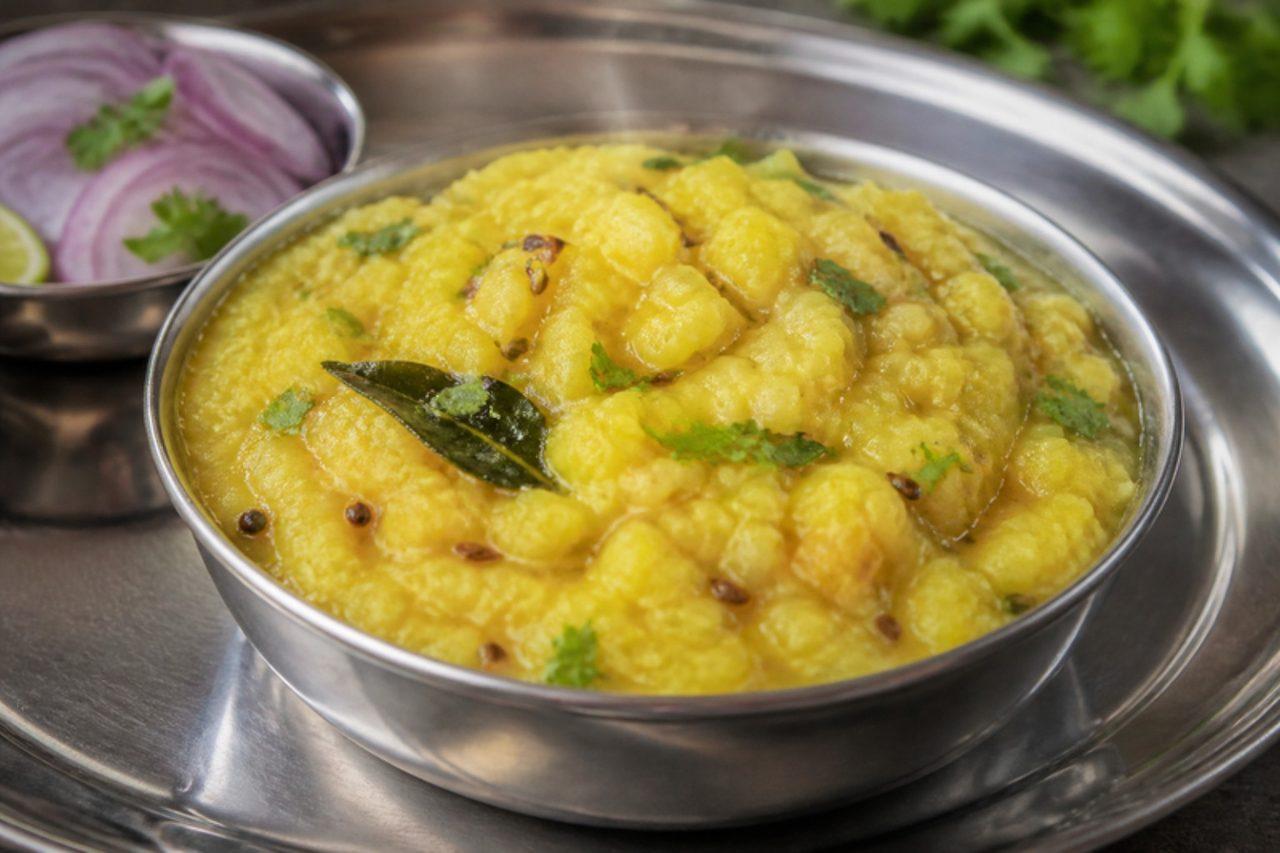
Moong dal khichdiRice and moong dal porridge

When someone in a Gujarati or Rajasthani home is under the weather, has just come back from a long trip, or simply wants a light supper on a Monday, the pressure cooker comes out for plain moong dal khichdi. Rice and split yellow moong cook together with turmeric until they collapse into a soft, spoonable porridge, and a small tempering of ghee, cumin and asafoetida is poured over at the end. It is eaten with yogurt, papad and a pickle, and it is gentle enough for toddlers over one year. A portion is about 290 kcal. The most common mistake is too little water, which leaves a stiff, dry khichdi; it should be loose enough to settle flat in the bowl. Chef's tip: dry-roast the dal for two minutes before adding water; it gives a nutty smell that plain boiled dal never has.

by KrazyBadal 0 views

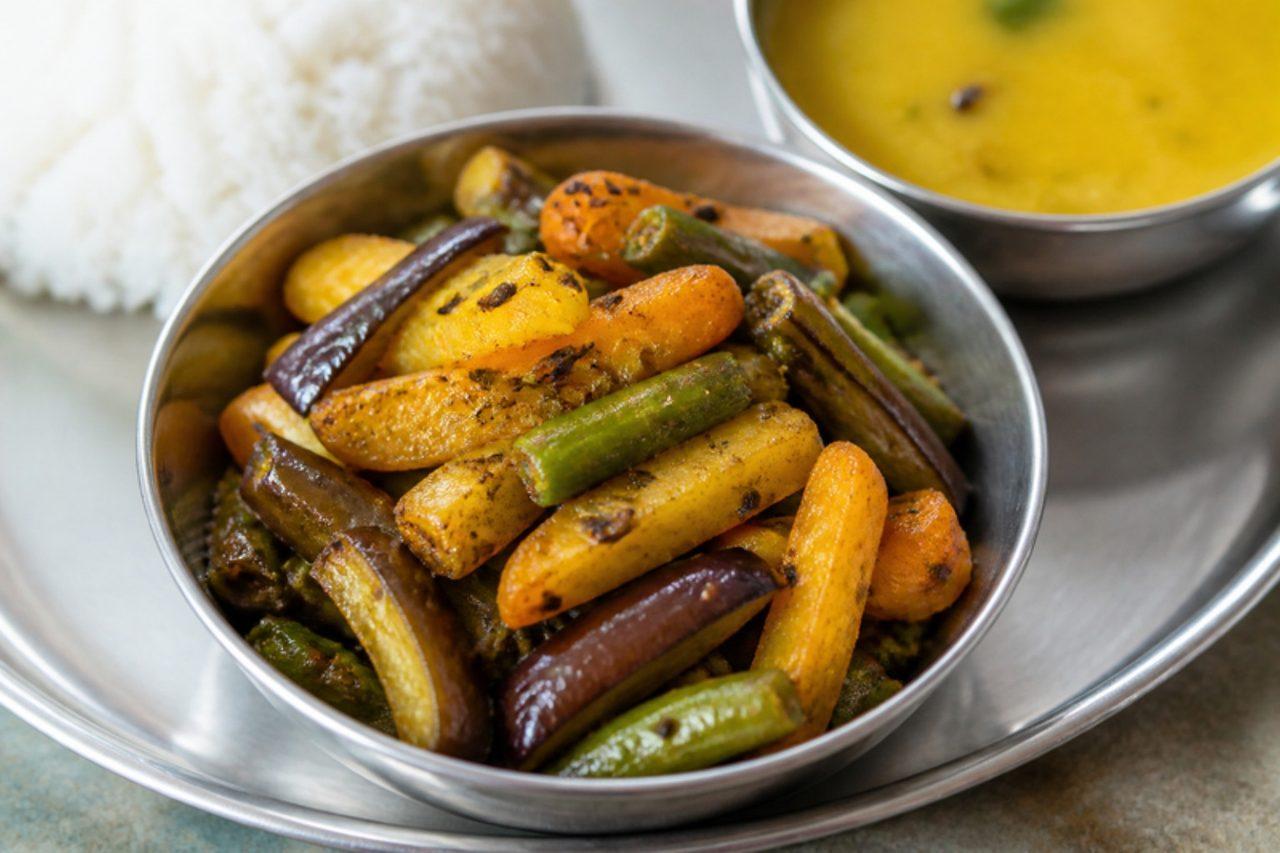
ChorchoriMixed vegetable stir-fry

Chorchori is the thrifty everyday dish of Kolkata kitchens, where whatever vegetables are in the basket, pumpkin, potato, aubergine, radish, beans, are cut into sticks and cooked down slowly with panch phoron and mustard oil until the pan is dry and the bottom catches a little. Bengalis love that slightly caramelised scrape at the bottom of the pan. It is eaten with rice and dal at lunch. A portion is about 150 kcal. The usual mistake is stirring too much, which breaks the vegetables into mush; once the lid is on, leave it and just shake the pan. Chef's tip: add a teaspoon of mustard paste or a pinch of sugar at the end, as many Bengali homes do; it rounds out the flavour.

by KrazyBadal 0 views

Shimla mirch besanCapsicum with gram flour

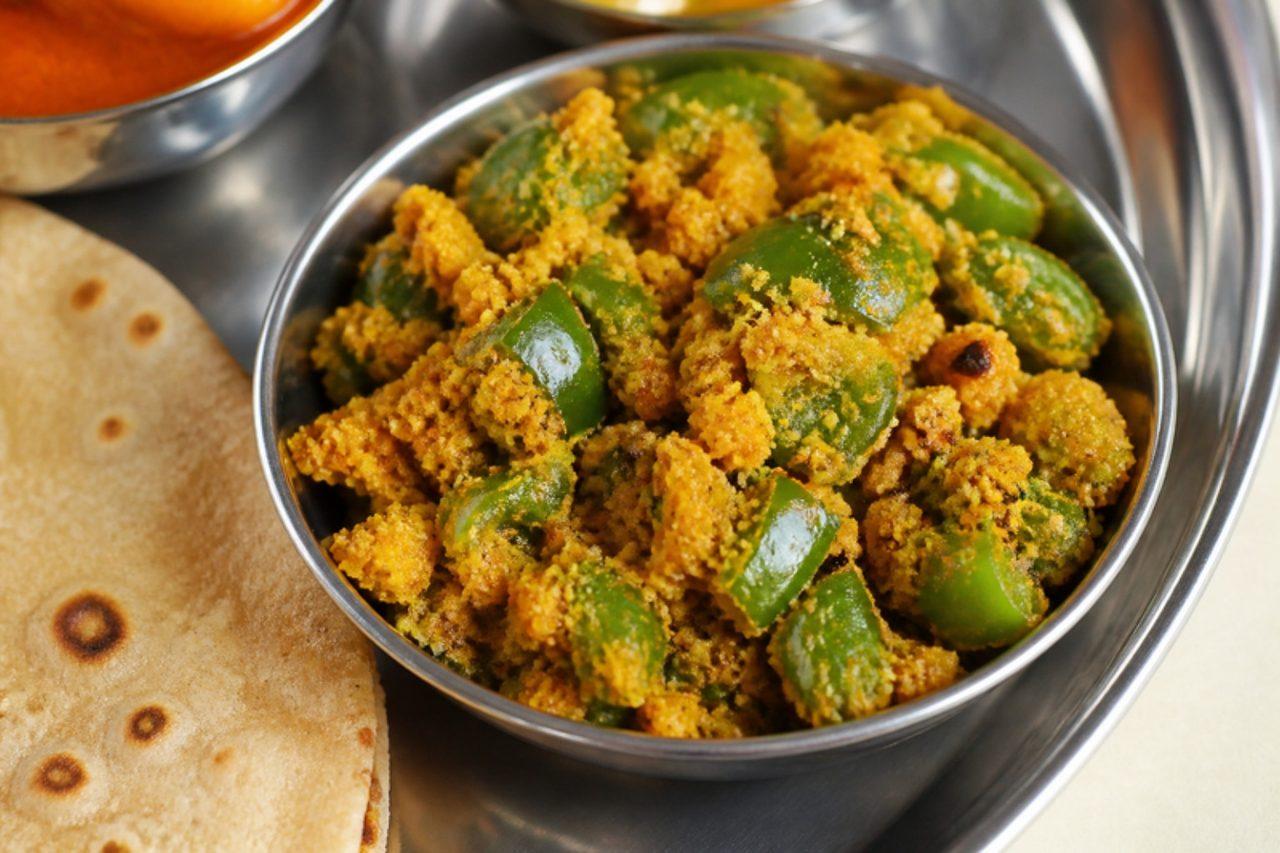
In Marwari homes in Jodhpur and Bikaner, and across Vidarbha in Maharashtra, gram flour stretches a few vegetables into a satisfying dry sabzi, and capsicum with besan is the weekday favourite, eaten with phulka and a bowl of kadhi or dal. Diced green peppers are cooked until just soft, then dusted with roasted, spiced besan, which turns into crumbly golden bits that cling to the peppers. A portion is about 165 kcal. The common mistake is adding the besan raw to the wet peppers, which gives a pasty, raw-tasting coating; roast it dry in a separate pan first until it smells nutty. Chef's tip: keep the capsicum slightly crunchy; it carries on softening once the besan goes in.

by KrazyBadal 0 views

HoorischeRaw potato dumplings

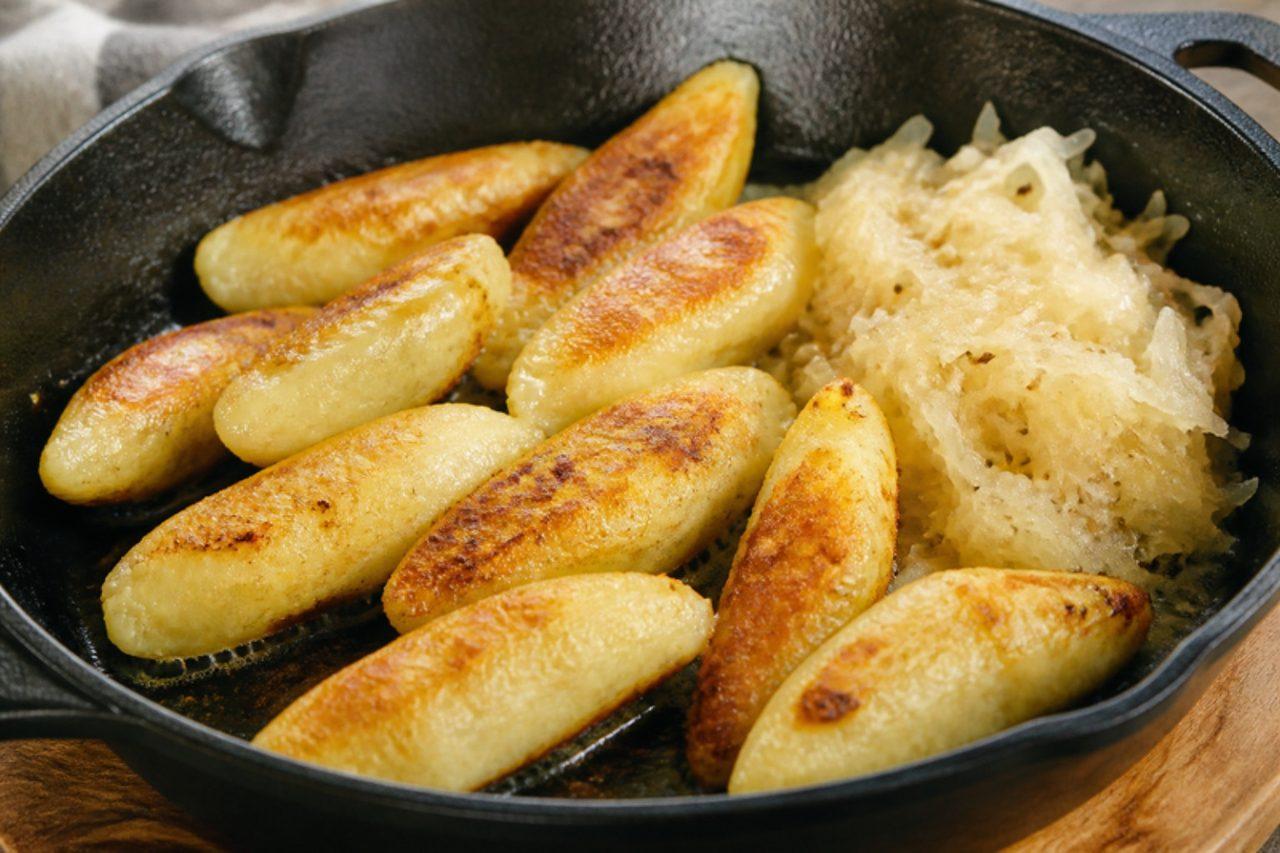
In the Saarland, Hoorische means 'hairy ones', after the rough, fibrous surface of these long dumplings made from grated raw potato squeezed dry and mixed with a little cooked potato. Families in Saarbrücken, Neunkirchen and St. Wendel eat them on Fridays and in autumn, simmered, then browned in butter and served with sauerkraut or a creamy sauce. They are chewy, filling and pleasantly rough-textured. The classic mistake is not squeezing the grated potato hard enough, so the dumplings fall apart in the water. Chef's tip: keep the starch that settles out of the potato water and work it back into the dough; it is the glue that holds Hoorische together.

by KrazyBadal 0 views

DrömmarCrisp dream cookies

Drömmar, 'dreams', are on almost every plate of the seven kinds of cookies that Swedish hosts traditionally set out for kafferep, the old coffee party, and grandmothers in Dalarna still bake them by the tin. They are pale, domed and so light they crack and melt on the tongue. That texture comes from hjorthornssalt, baker's ammonia, which smells strongly while baking but leaves nothing behind once the cookies are cooked through. Baking powder works too, but the cookies will be less airy. A common mistake is baking at a high heat; they must stay white. Chef's tip: bake in a low oven until completely dry inside, or the ammonia taste lingers.

by KrazyBadal 0 views

RuispuuroRye porridge

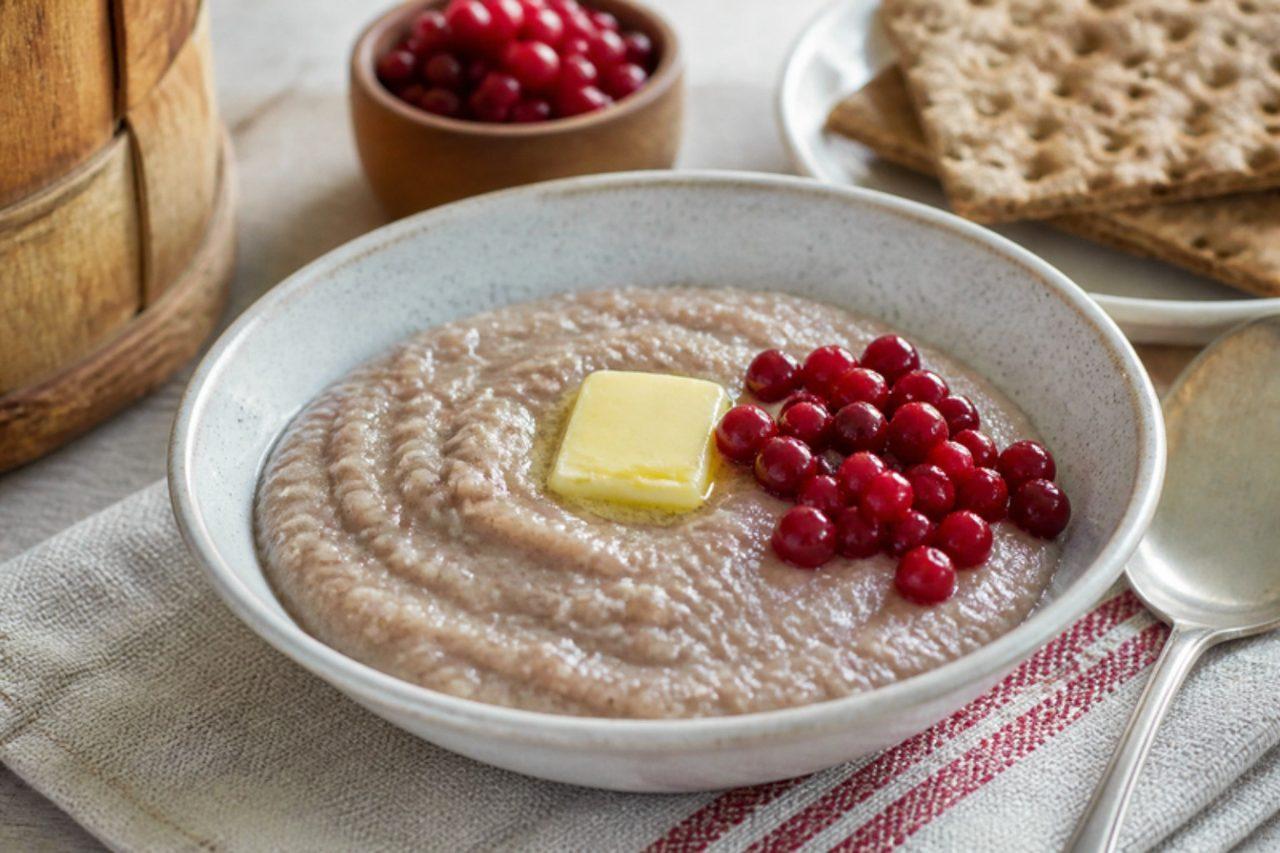
In Finnish homes and school canteens, ruispuuro is the plain, filling porridge of winter mornings, from Helsinki flats to farmhouses in Ostrobothnia. Rye flakes or coarse rye meal simmer in salted water until thick and slightly tangy, and the classic topping is a pool of melting butter, called a voisilmä or 'butter eye'. This version is vegan: use a plant butter, or tart lingonberries and a little oat milk. A common mistake is serving it too soon, when the flakes are still chewy. Chef's tip: let the porridge rest off the heat with the lid on for 5 minutes — the rye swells and turns creamy.

by KrazyBadal 0 views

TirggelHoney biscuits

Tirggel have been baked in Zurich since the Middle Ages and are still sold at the Christmas markets on the Bahnhofstrasse and the old-town bakeries: wafer-thin honey biscuits pressed into carved moulds of guild scenes, animals and town views, then baked with heat from the top only so the raised picture turns golden while the back stays pale. They are hard and meant to be broken into pieces and let melt on the tongue. Wooden or silicone springerle moulds work at home. Chef's tip: bake them under the top heat only, or on the highest shelf with a tray below; full heat browns the whole biscuit and the picture disappears.

by KrazyBadal 0 views

Tokma sharbatBasil seed lemon drink

When the azan sounds at sunset during Ramadan, tables from Dhaka's Mirpur flats to village courtyards in Comilla carry a jug of tokma sharbat: lemon water swirling with soaked sweet basil seeds, each one wearing a soft, jelly-like halo. It is sweet, sharp and cooling, a gentle first sip after a long hot fast before the dates and piyaju. The most common mistake is stirring the seeds straight into the jug dry, where they clump into slimy lumps; always soak them separately in plenty of water first. Chef's tip: bruise a few mint leaves or add a thumb of grated ginger to the jug, which many Dhaka families do in the hottest months.

by KrazyBadal 0 views

Showing 24 of 3,470 recipes

Show more recipes

Page 31 of 145

More No onion & garlic ideas

Other diets