Skip to content
WhatToEat.Today

No onion, no garlic recipes (Swaminarayan and sattvic)

3,470

3470 vegetarian recipes cooked without onion or garlic, as in Swaminarayan and sattvic kitchens, with no meat, fish, eggs or alcohol. Each has photos, step-by-step instructions and cook times. The quickest, Apfelschorle, takes 2 minutes. Most take around 45 minutes.

Filter these by time, diet or cuisine · Make No onion & garlic your diet to see only these recipes everywhere on the site.

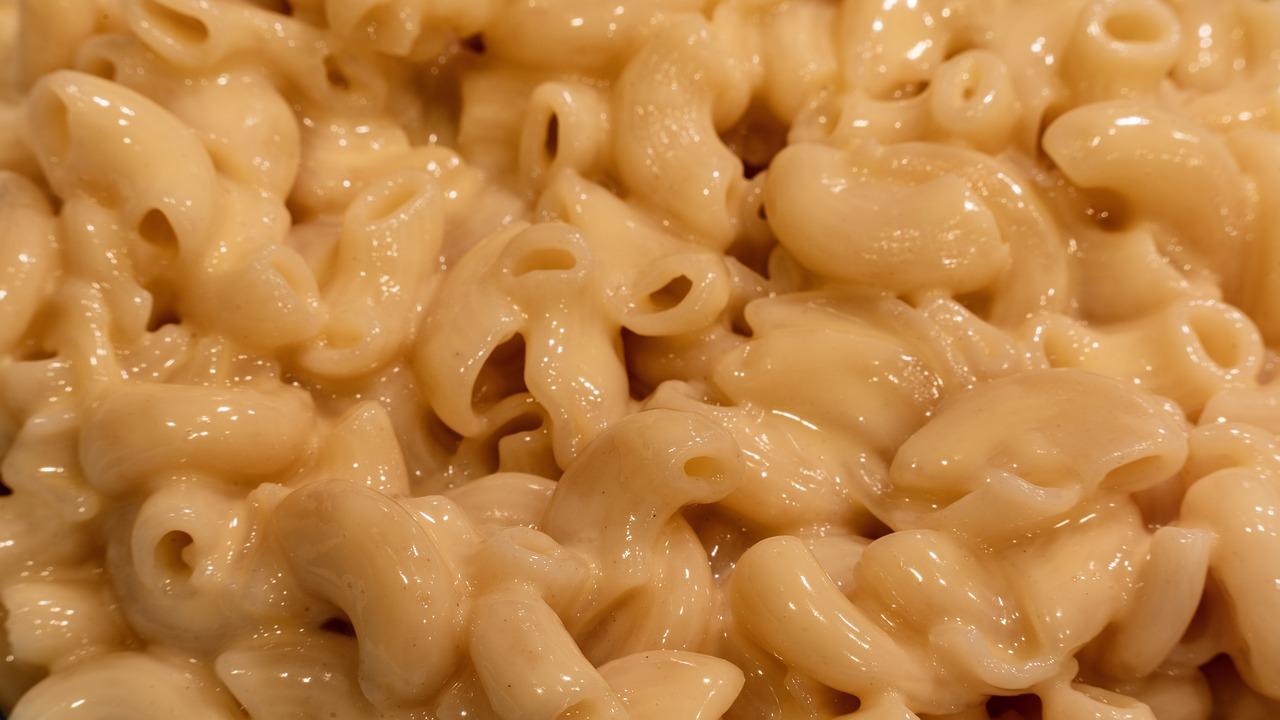
Stuvade makaronerCreamy macaroni

Stuvade makaroner is a Swedish childhood classic, cooked on weekday evenings all over the country: small macaroni simmered in milk with butter and a grating of nutmeg until thick and creamy, served beside meatballs, sausages or, for a vegetarian plate, fried halloumi or eggs and a spoonful of lingonberries. It is mild, comforting and made in one pan. The most common mistake is cooking on too high a heat, so the milk catches and burns on the bottom; keep it at a gentle simmer and stir often. Chef's tip: boil the macaroni in water for 3 minutes first, then finish in the milk, so it cooks evenly without the sauce turning gluey.

by KrazyBadal 0 views
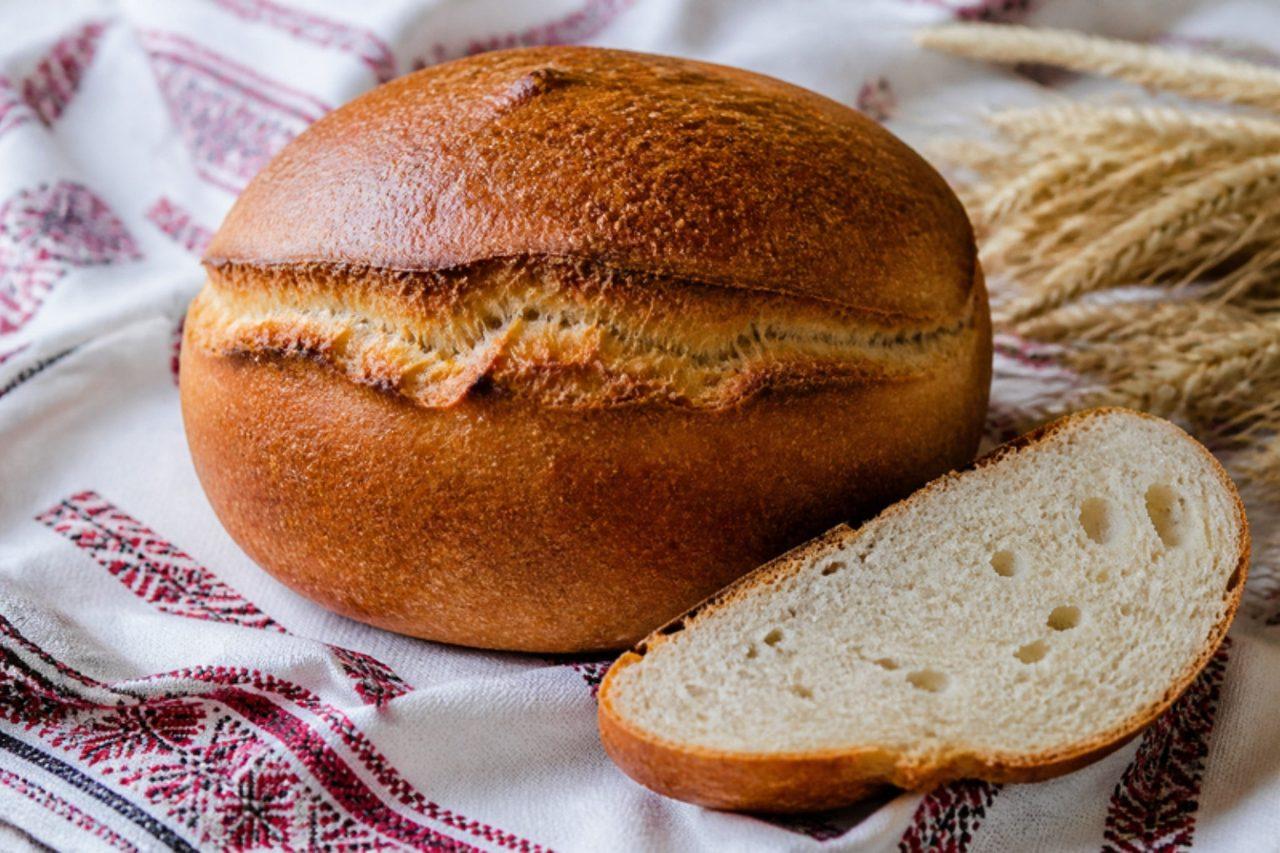
PalianytsiaRound hearth loaf

Its name is famously hard to pronounce for anyone who did not grow up speaking Ukrainian, and the loaf itself is just as recognisable: a tall, round wheat hearth bread with one deep cut along its side, which opens in the oven into a raised, crunchy crest. Ukrainian families have long baked palianytsia for everyday meals and for welcoming guests. The crust is thick and well browned, the crumb white, open and slightly chewy. It belongs next to a bowl of borscht with garlic, or sliced with sunflower oil, salt and spring onions. A slow rise gives it flavour, so it uses little yeast. A shallow, timid cut is the commonest mistake: the side bursts in a random place instead of lifting into the crest. Chef's tip: cut at a low angle, about 2 cm deep, a third of the way up the side, and cool the loaf fully before slicing.

by KrazyBadal 0 views

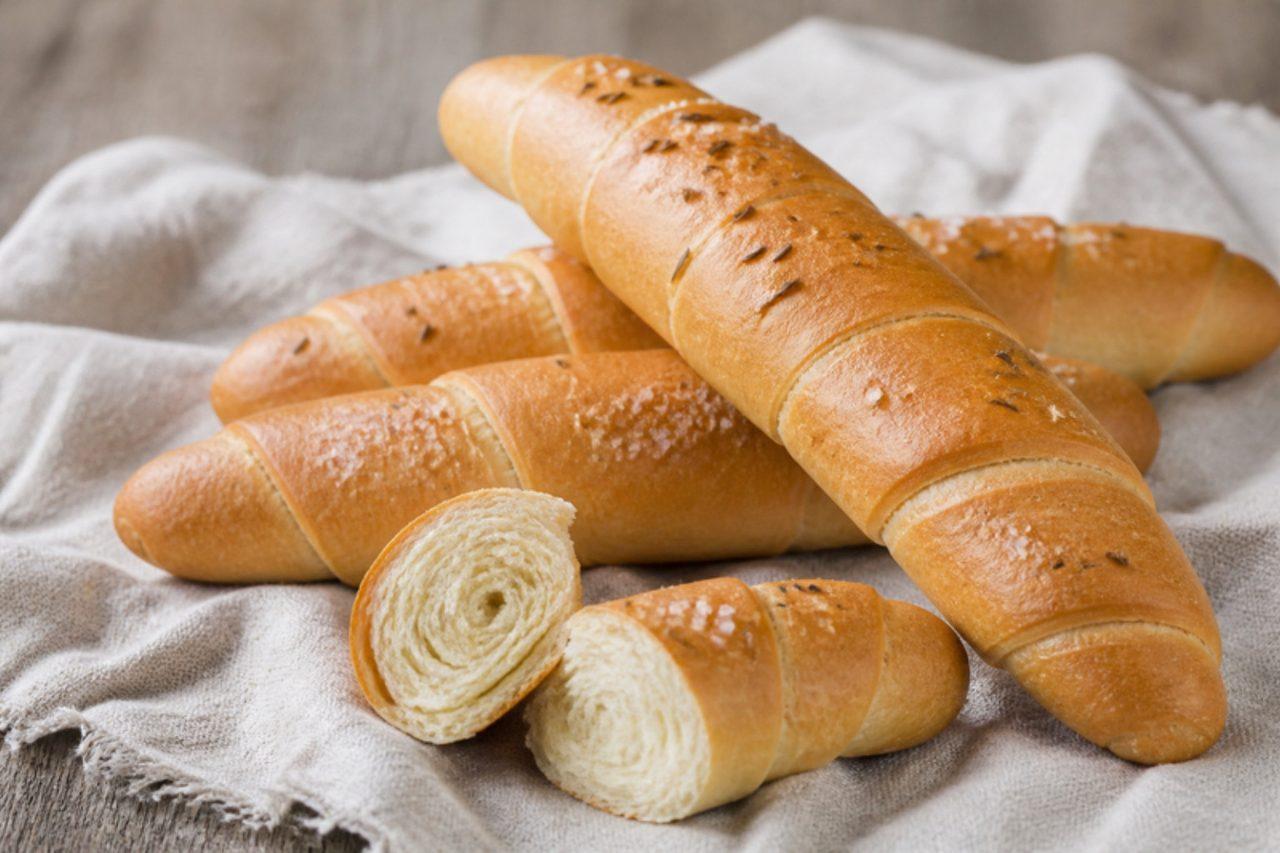
RohlíkSalt and caraway breakfast roll

Ask a Czech or Slovak what they ate for breakfast as a child and the answer is usually a rohlík: a long, slim roll rolled up from a triangle of dough, sold for a few crowns at every bakery and supermarket from Prague to Bratislava. It has a thin, crisp golden crust scattered with coarse salt and caraway, and a soft, tight spiral inside. People eat it with butter and jam, with a spread such as egg or bean pomazánka, with a cup of white coffee, or simply dunked in a mug of cocoa. This version uses sunflower oil, so it is vegan. Rolling the triangles loosely is the usual mistake; the spiral opens in the oven and the roll splits. Chef's tip: stretch each triangle gently by its point as you roll it up, which keeps the coil tight and gives the long, even shape.

by KrazyBadal 0 views

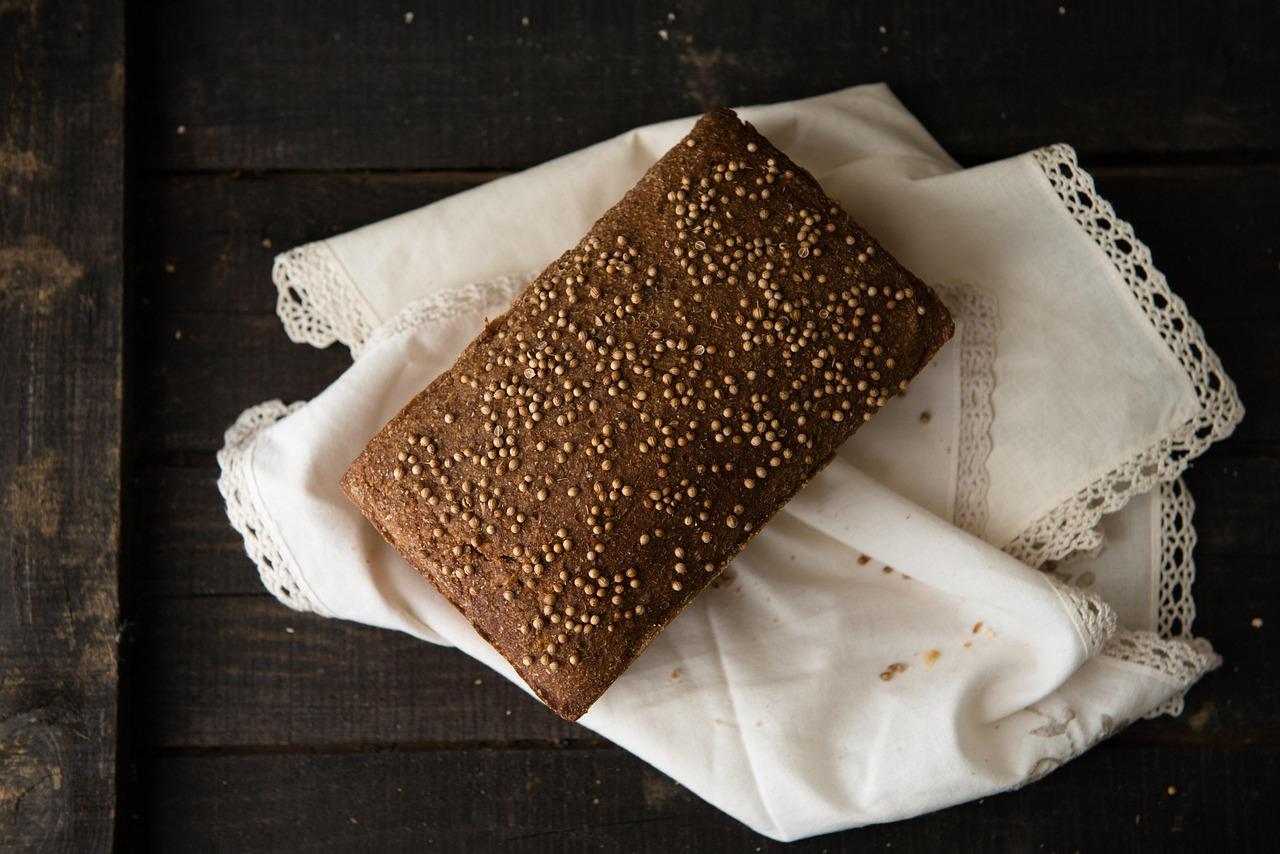
Borodinsky breadDark sourdough rye with coriander

Moscow's darkest everyday loaf is said to be named after the 1812 Battle of Borodino, though the recipe bakers follow today was fixed by the city's bread trust in 1933. Borodinsky (Бородинский хлеб) is a dense, moist sourdough rye, sweet-sour from molasses and red fermented rye malt, with whole coriander seeds crackling on the crust. Russians slice it thin for breakfast with butter and salted cucumbers, alongside borscht or herring for meat-eaters, or under a slice of cheese with strong tea. The method looks long, but most of it is the starter and the scald quietly working on their own. The usual mistake is cutting it on baking day: rye crumb needs a full day wrapped in a cloth to set, and a warm loaf is gummy right through. Chef's tip: red fermented rye malt gives the colour and the deep flavour; plain diastatic malt will not do the same job, so look for the reddish-brown 'fermented' kind in Eastern European shops.

by KrazyBadal 0 views

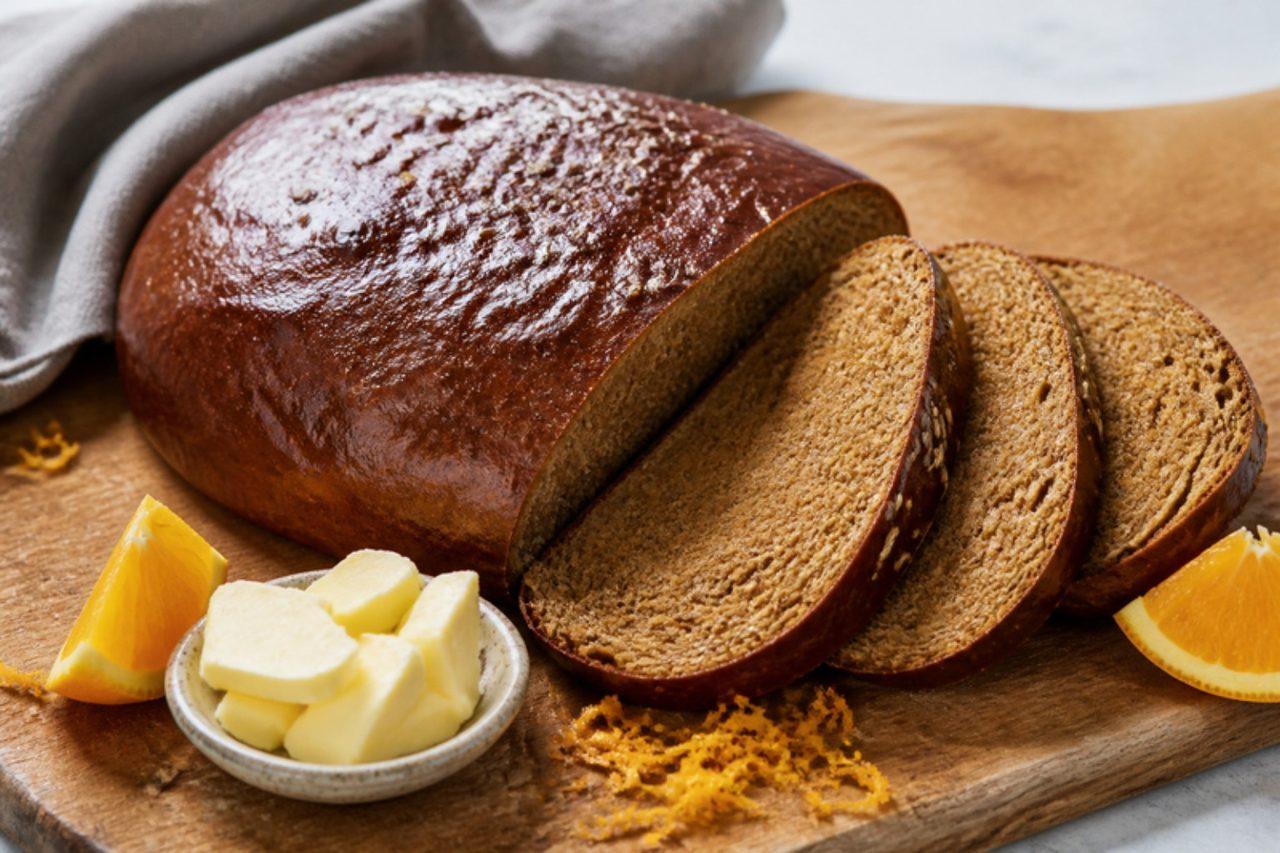
LimpaSweet orange and fennel rye loaf

Sweet, fragrant and a little dark, limpa is the soft rye loaf that Swedes slice thinly for breakfast and stack high on the Christmas julbord. Dark syrup gives it a gentle sweetness and a deep brown crumb, while orange zest, fennel and anise make the whole kitchen smell festive. The Christmas version, vörtlimpa, is made with wort or dark beer; this everyday loaf uses milk instead, so there is no alcohol. Eat it with butter and a sharp aged cheese, with marmalade, or with pickled beetroot and egg on the smörgåsbord. Rye dough is sticky by nature, and working in extra flour until it feels like wheat dough is the classic mistake that bakes a heavy brick; oil your hands instead. Chef's tip: brush the loaves with syrup and water the moment they come out of the oven, which gives them their soft, glossy, slightly sticky crust.

by KrazyBadal 0 views

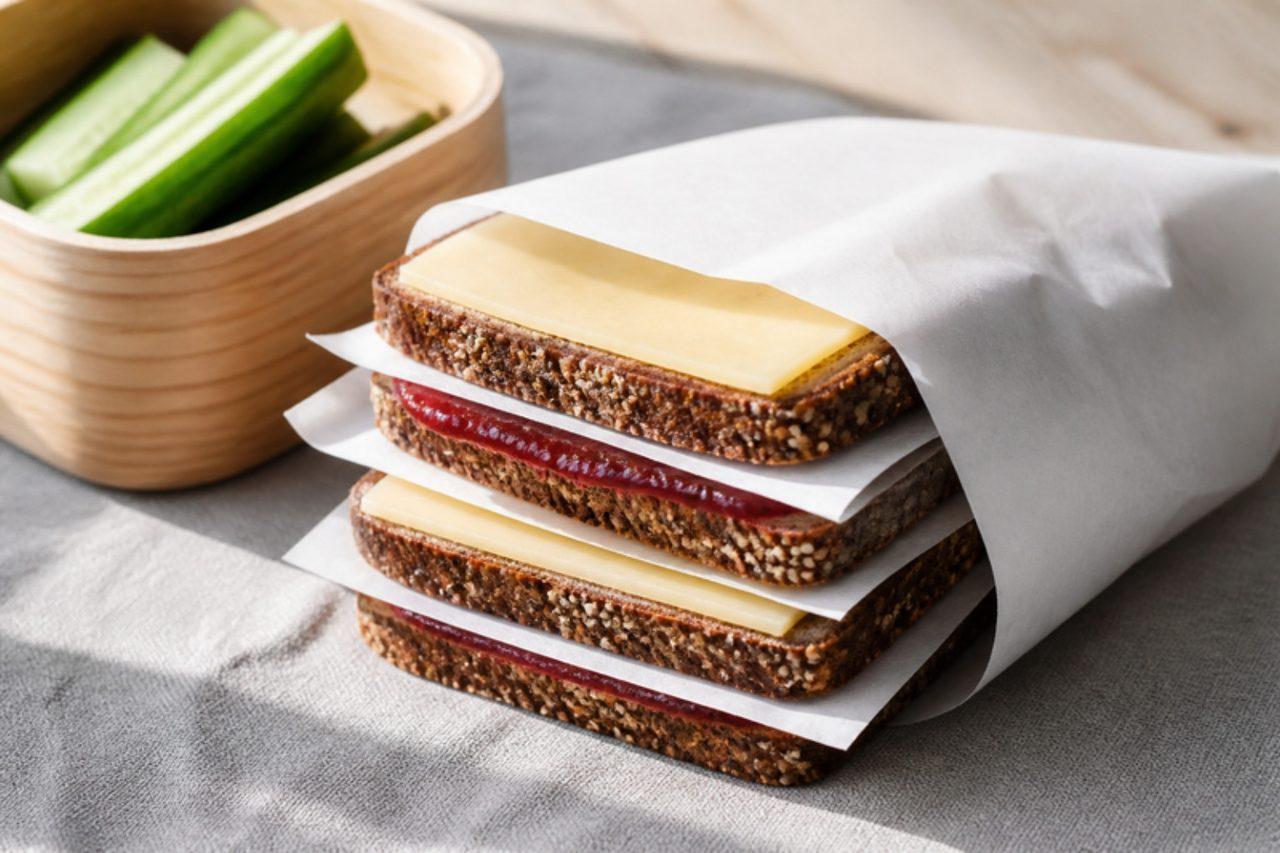
Matpakke (Norwegian packed lunch)

Nearly every Norwegian child carries a matpakke to school: slices of wholemeal bread, each with one simple topping, stacked with sheets of sandwich paper in between and wrapped in a neat parcel. Yellow cheese, sweet caramel-like brown cheese (brunost) and jam are the classics, with cucumber or pepper sticks on the side; liver paste is the meaty favourite. It is plain, filling and built to survive a school bag. It contains gluten (wheat) and milk. Chef's tip: keep wet toppings like tomato out of the stack; they make the bread soggy by lunchtime.

by KrazyBadal 0 views

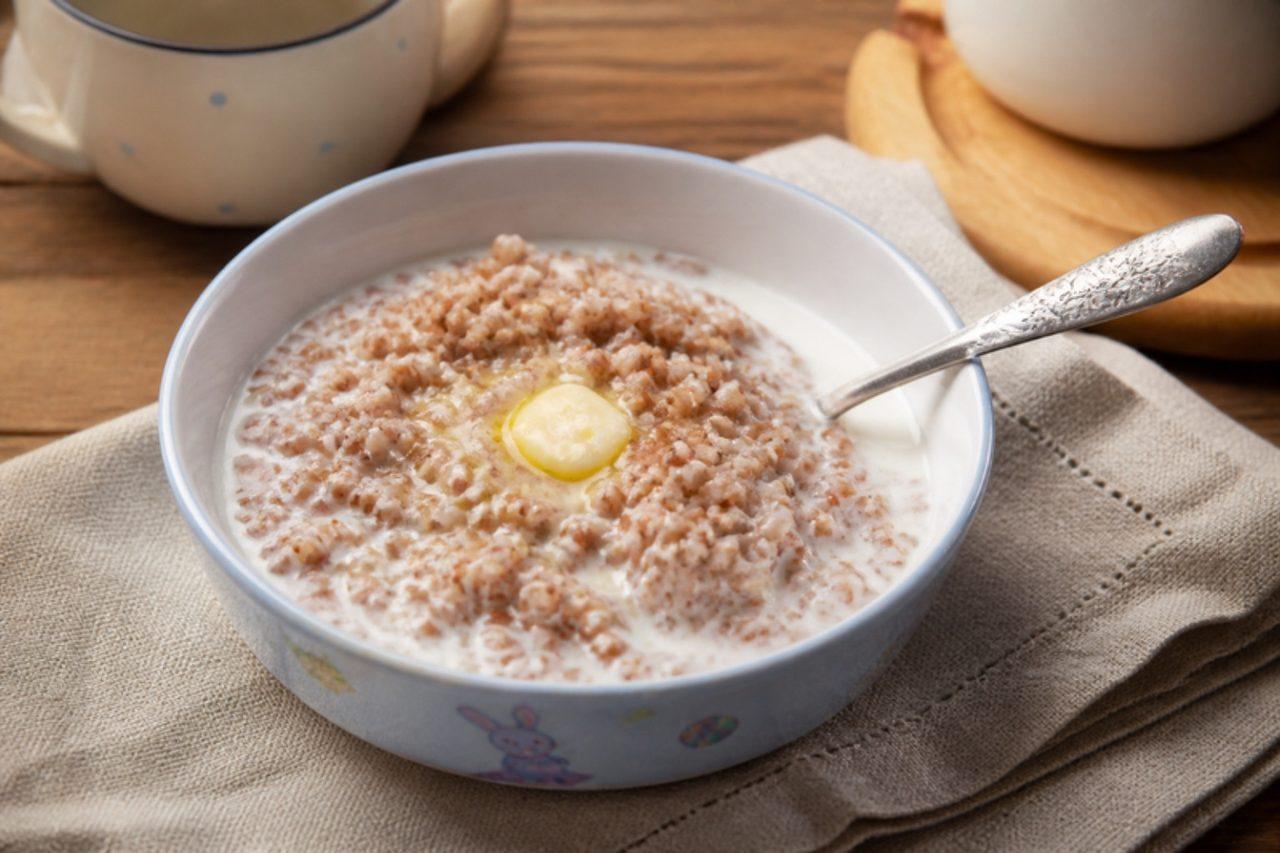
Grechka s molokom (buckwheat with milk)

Grechka s molokom, buckwheat groats cooked soft and served in a bowl of warm milk with a little butter, is the breakfast or light supper that generations of Russian children have eaten at home and in nursery school. The groats are earthy and nutty and the milk makes them gentle and sweet-tasting, without any sugar. Buckwheat is naturally gluten free (despite its name); the dish contains milk and has no egg, nuts, soya, sesame or fish. Chef's tip: use toasted buckwheat (the brown kind sold for kasha), which has the rounder, nuttier flavour.

by KrazyBadal 0 views

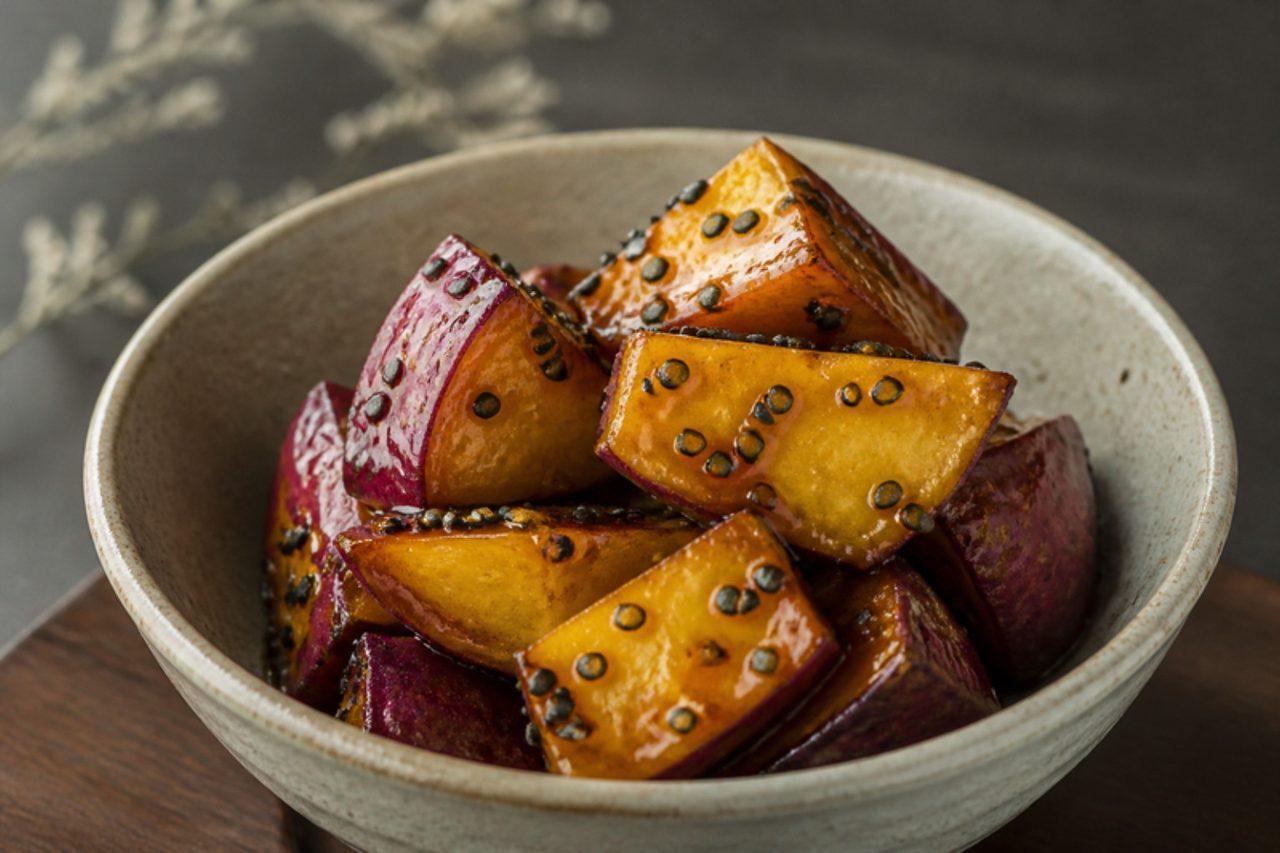
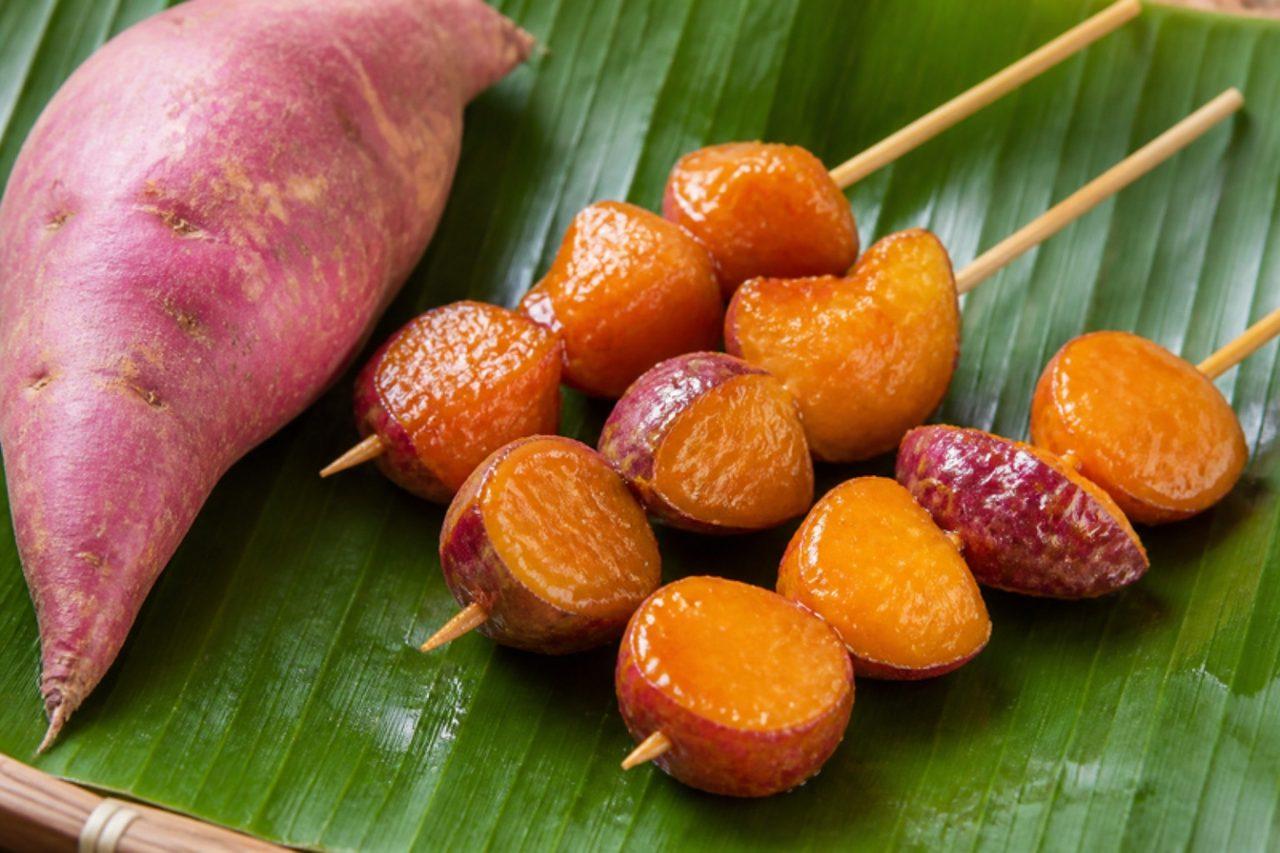
Daigaku imo (candied sweet potato)

Daigaku imo, 'university potatoes', got their name from the Tokyo student cafés of the early 1900s, and today they are what Japanese parents fry when autumn sweet potatoes arrive and children come home hungry. The chunks are crisp at the edges and fluffy inside, coated in a glossy glaze that sets to a light crackle, with nutty black sesame on top. This version uses a modest amount of sugar balanced with soy sauce. It contains soya, gluten (soy sauce) and sesame. Chef's tip: pull the pan off the heat the moment the glaze turns thick and bubbly; a few seconds more and it hardens into toffee.

by KrazyBadal 0 views

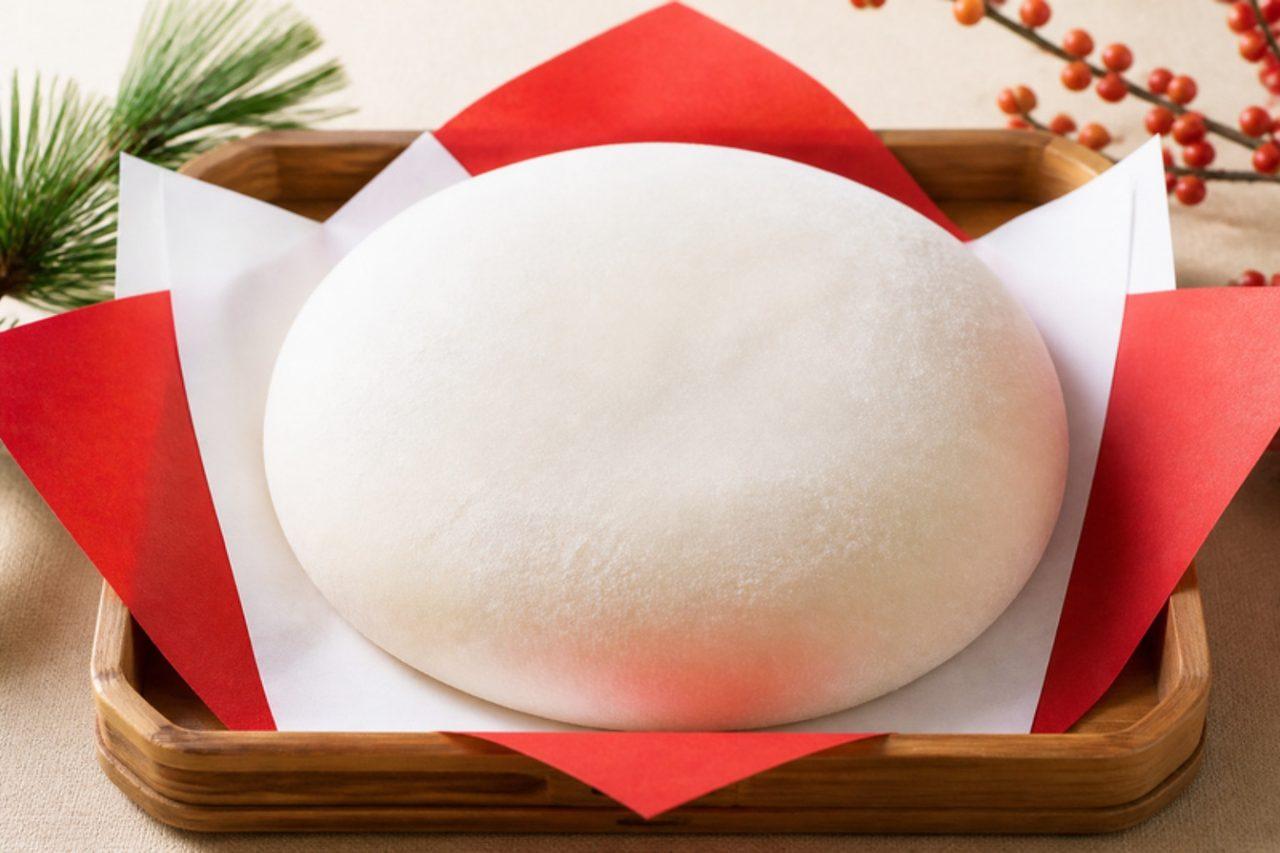
Issho mochi (first-birthday rice cake)

In homes all over Japan, a child's first birthday is marked with issho mochi: a single large, round rice cake made from about 1.8 kg of glutinous rice, wrapped in a cloth and strapped to the baby's back. Whether the toddler stands, crawls or plops down laughing, the family cheers, and the mochi is then cut up, grilled and shared by the adults and older children as a wish for a lifetime of plenty. This home version uses glutinous rice flour, so no pounding is needed, and it is free of milk, egg, gluten, nuts and soya. Sticky mochi is a choking risk: the baby only carries it, adults and older children eat it, and small children should only have tiny, soft pieces while an adult watches. Chef's tip: write the child's name on the cloth bundle, not on the cake, so the mochi stays plain and everyone can eat it.

by KrazyBadal 0 views

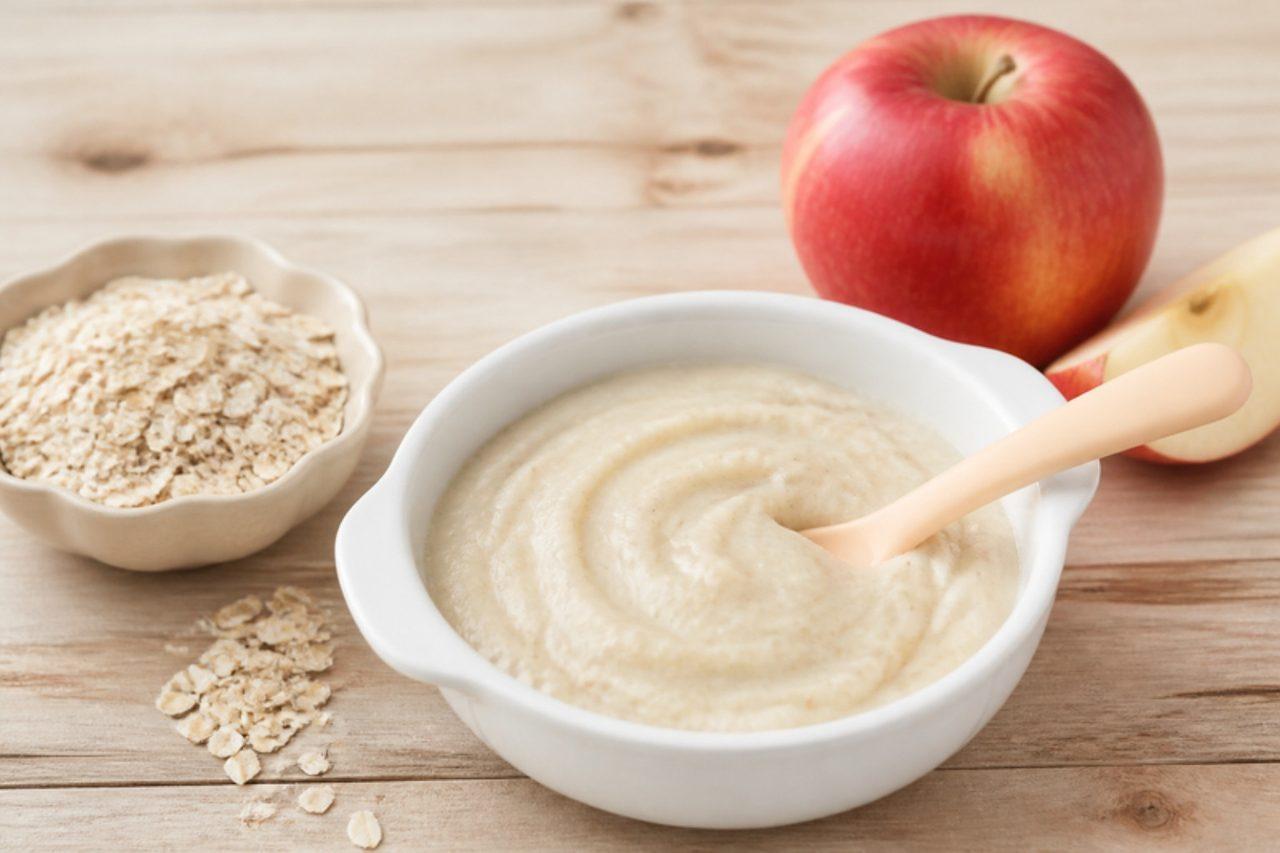
Fruit and cereal mash (Obst-Getreide-Brei)

German weaning follows a well-known plan: a vegetable lunch first, then a milk and cereal evening meal, and finally an afternoon Obst-Getreide-Brei, a dairy-free mash of cooked cereal flakes and fruit, usually from around seven months. Fine oat or millet flakes are simmered in water, then stirred into stewed apple or pear with a spoon of rapeseed oil, which German paediatric advice recommends for healthy fats. It is fruity, smooth and naturally sweet. It contains gluten if made with oats (use millet flakes for gluten free); there is no milk, egg, nuts, soya, sesame or fish. Chef's tip: stew the fruit in a little water rather than using juice, which adds sugar.

by KrazyBadal 0 views

Ssal mieum (Korean first rice gruel)

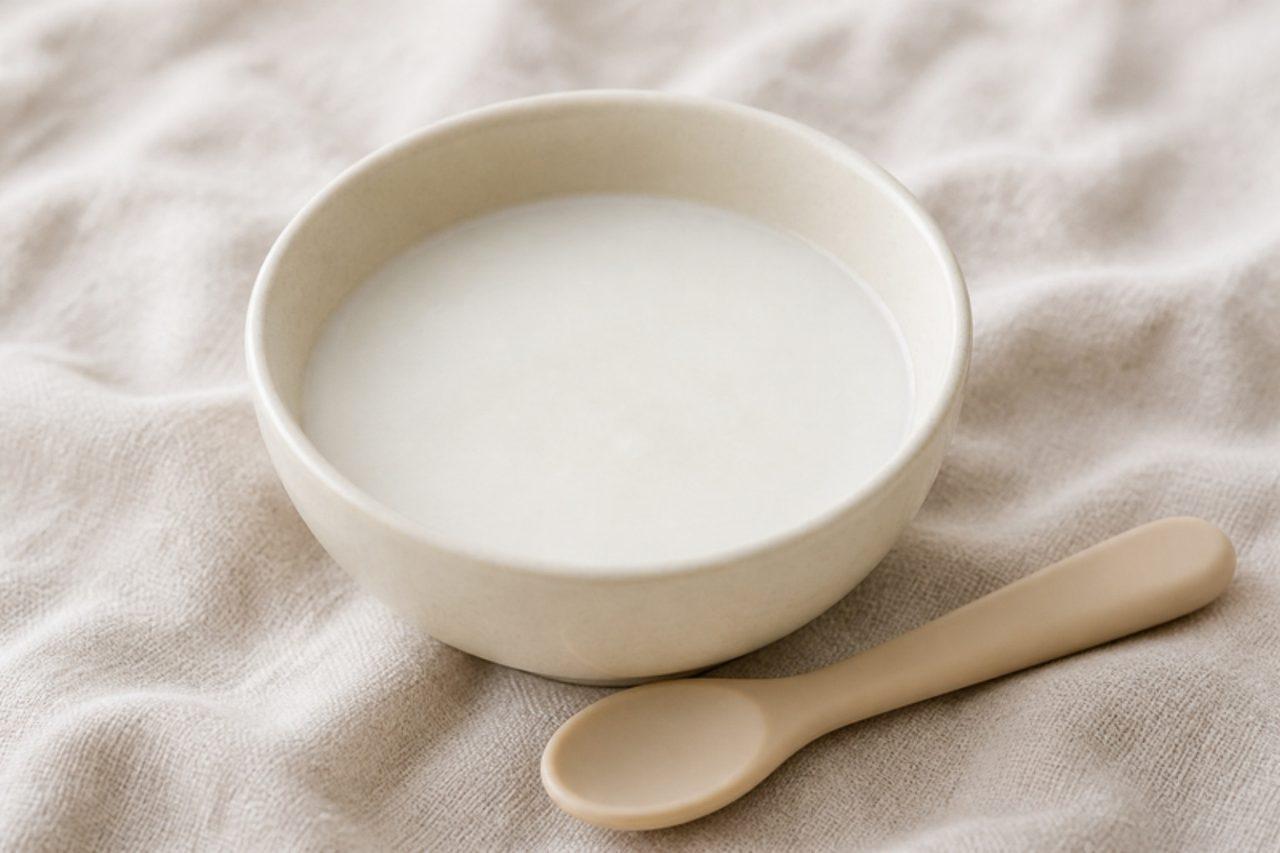
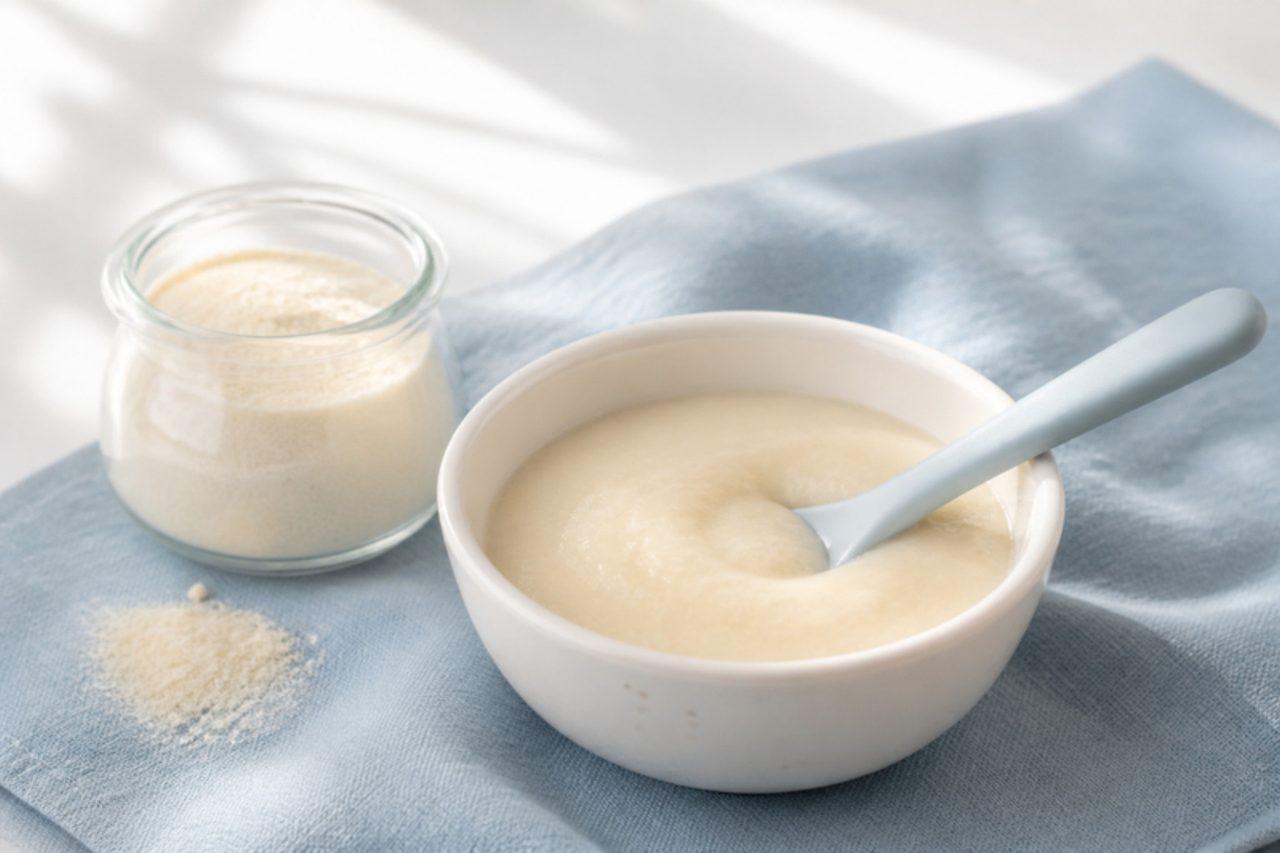
In Korean homes the weaning journey, called iyusik, begins with ssal mieum, a gruel so thin it is almost a drink. The rice is soaked, blended raw with water and then stirred over a low flame, which gives a finer, silkier result than boiling whole grains. Families offer it at around six months, a spoonful in the morning, before moving on to thicker juk with vegetables a few weeks later. It contains none of the common allergens: no milk, egg, gluten, peanut, tree nuts, soya, sesame or fish. Chef's tip: grind the soaked rice with only part of the water first; a thick slurry blends smoother than a watery one.

by KrazyBadal 0 views

Rice atole for babies (atole de arroz)

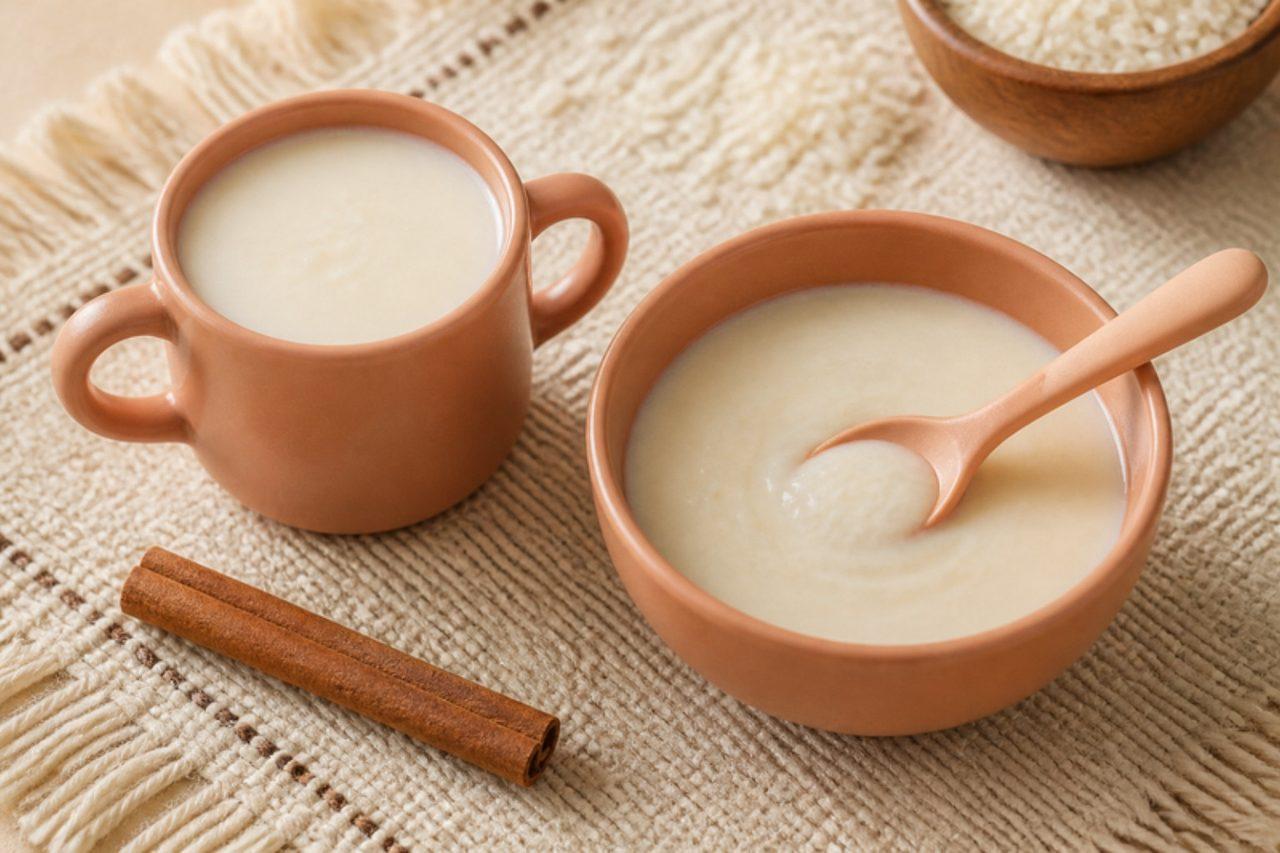
Atole is the warm, thick drink Mexicans have sipped since before the conquest, and in many homes the first version a baby tastes is atole de arroz, ground rice cooked with a stick of true cinnamon. For grown-ups it is sweetened with piloncillo and drunk at breakfast or on cold evenings around Día de Muertos; for babies the sugar stays out and it is thickened enough to eat from a spoon. It contains milk; there is no egg, gluten, nuts, soya, sesame or fish. Chef's tip: grind the rice yourself in a spice grinder; shop-bought rice flour works, but freshly ground rice tastes sweeter.

by KrazyBadal 0 views

RieskaPotato and barley flatbread

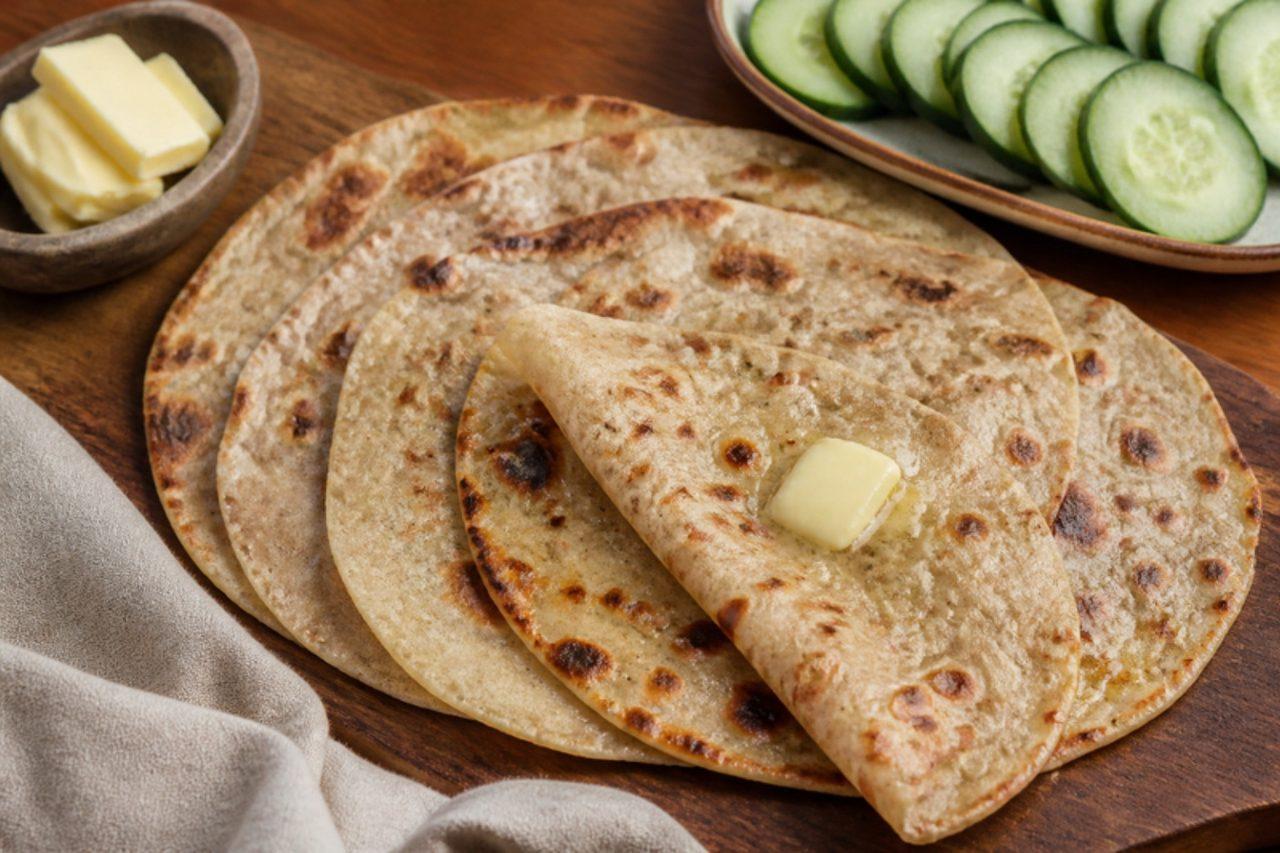
Ten minutes in a very hot oven is all rieska needs, which is why Finnish cooks in Lapland and Ostrobothnia have long baked it on the spot whenever there were cold boiled potatoes in the larder. This version, perunarieska, is unleavened: mashed potato bound with barley flour, rolled thin and baked until speckled brown. It is soft and slightly chewy, with an earthy barley flavour, and is best eaten straight from the oven with plenty of butter melting into it, perhaps with cheese and cucumber or a bowl of soup. Barley gives it the traditional taste but means it is not gluten free. Using warm potatoes is the common mistake; they soak up far more flour and the rieska turns tough. Chef's tip: prick the rounds all over with a fork before baking so they stay flat, then stack them under a cloth as they come out to keep them soft.

by KrazyBadal 0 views

Imo mochi (Hokkaido potato mochi)

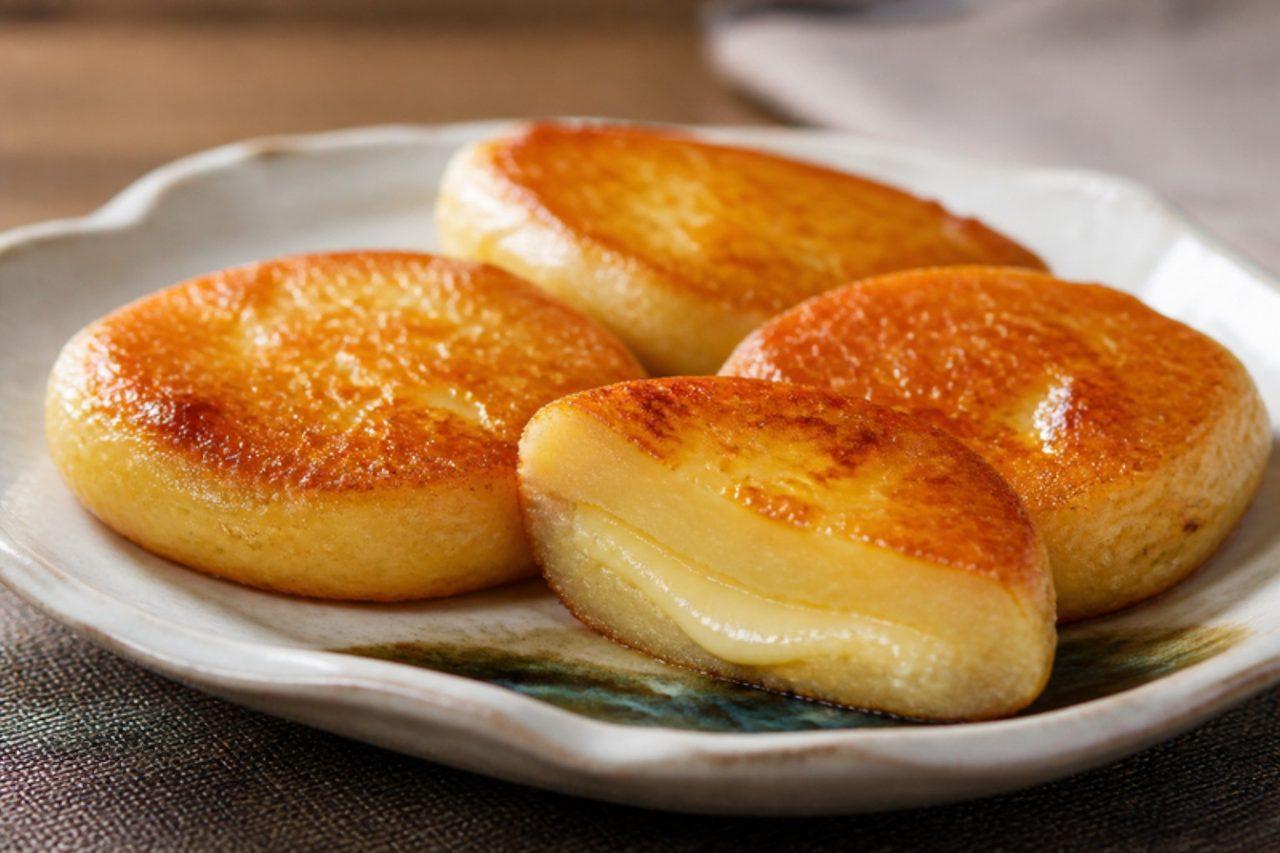
On Hokkaido, Japan's great potato island, imo mochi are what grandparents make from leftover boiled potatoes when the children come in from school or the ski slopes. Mashed potato is kneaded with potato starch into a smooth, stretchy dough, shaped into thick discs and fried until crisp outside and pleasantly chewy within, then glazed in a little butter, soy and sugar. A cube of cheese hidden inside is a popular children's twist. It contains milk, soya and gluten (soy sauce). Chef's tip: mash the potatoes while they are still hot; cold potato turns gluey and the patties crack.

by KrazyBadal 0 views

Bouillie (French baby cereal porridge)

In France, la bouillie is the warm cereal porridge that joins a baby's morning or evening milk at around six months. It is simply the baby's usual milk, breast milk or formula, thickened with plain infant cereal or fine oat or rice flour, and given from a spoon, or thinner from a bottle as many French families do at bedtime. It is creamy and mild. It contains milk from the formula, and gluten if you use oat or wheat cereal; there is no egg, nuts, soya, sesame or fish. Chef's tip: choose a cereal with no added sugar or flavourings; you can add a spoon of fruit purée for sweetness later.

by KrazyBadal 0 views

Välling (Swedish oat and milk drink)

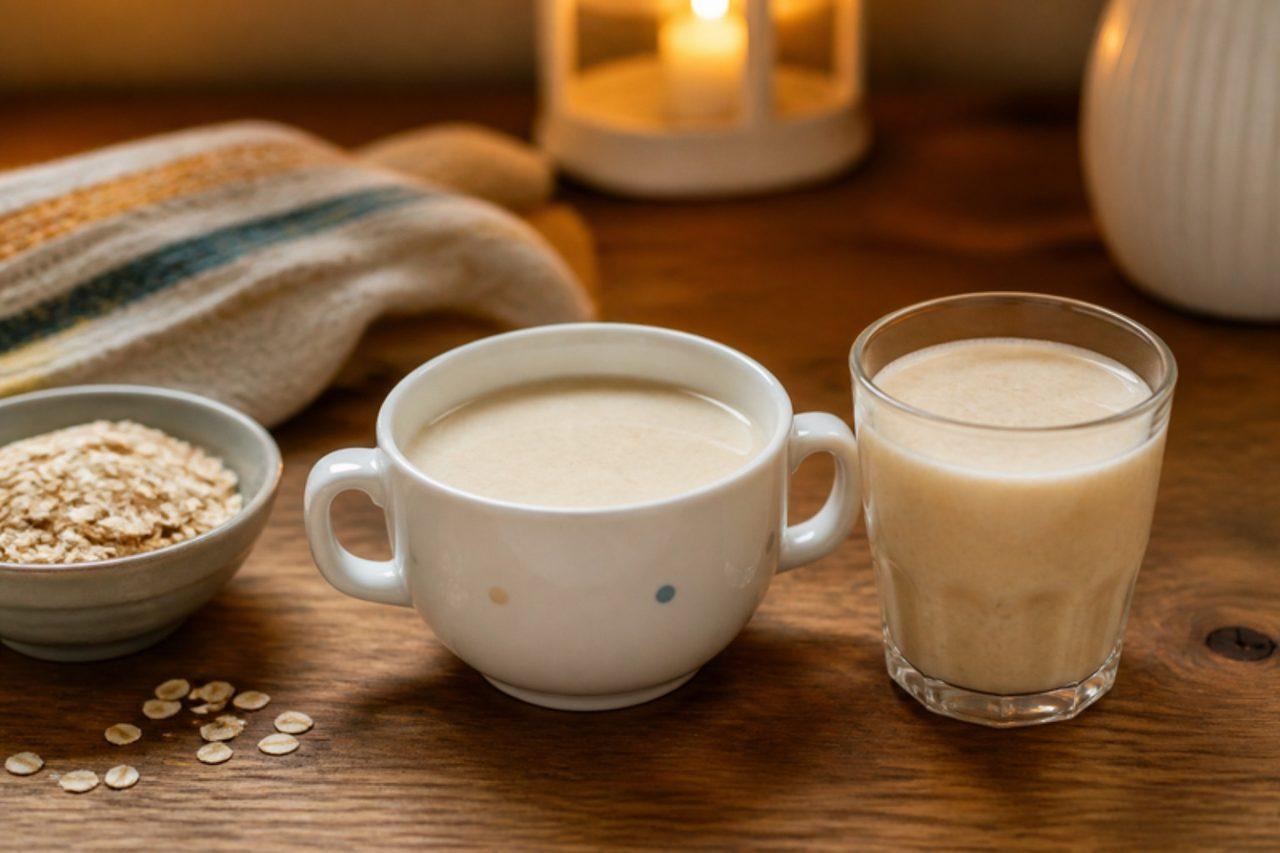
Välling, a thin gruel of cereal and milk, has been the Swedish child's bedtime drink for generations, and many families still make their own for toddlers once they move on to cow's milk at around a year old. It is smooth, warm and lightly oaty, with no added sugar or honey. It contains milk and gluten (oats are often processed with wheat; use certified gluten-free oats if needed); there is no egg, nuts, soya, sesame or fish. Chef's tip: blend the oats to a fine flour first, so the drink is silky and flows easily from a beaker.

by KrazyBadal 0 views

Baguette

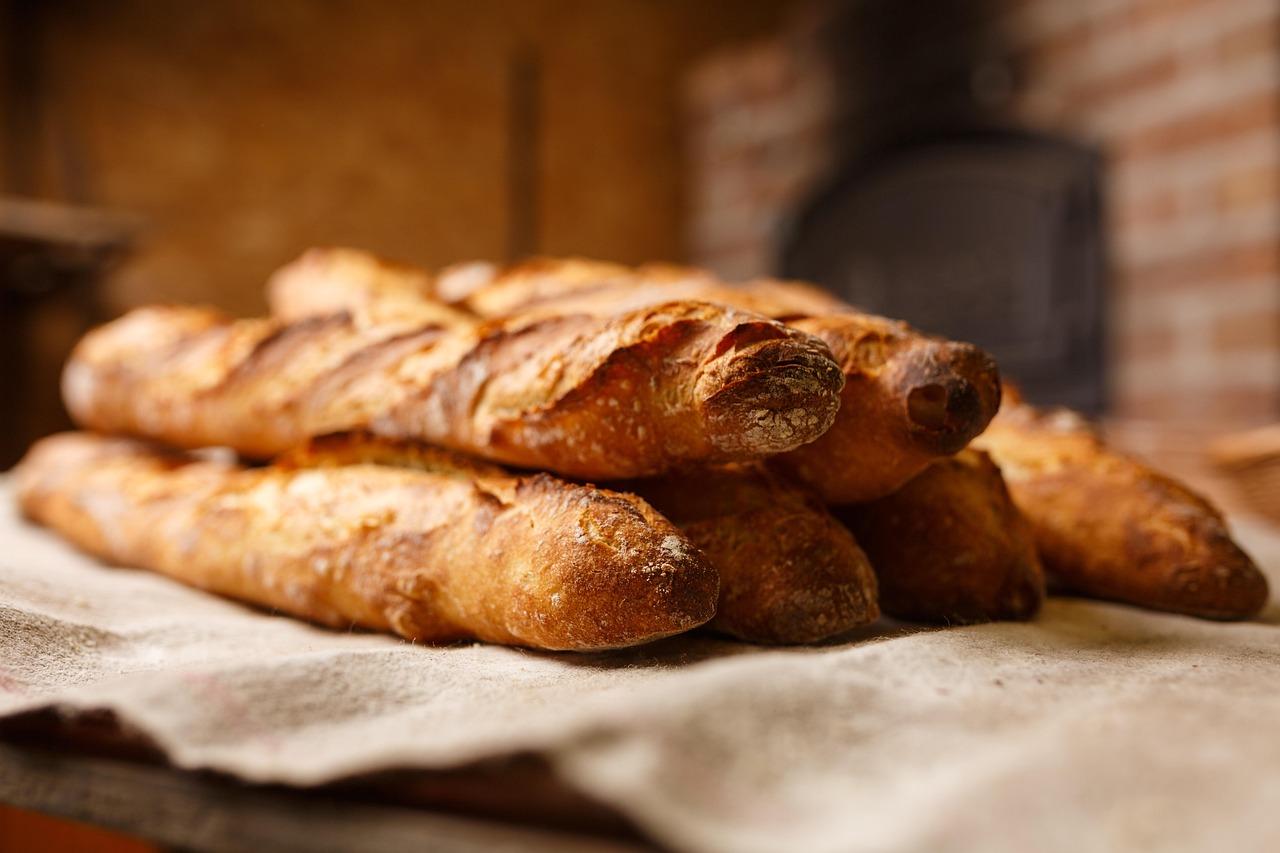
Four ingredients and nothing else: since a 1993 decree, a loaf sold in France as a baguette de tradition may contain only flour, water, salt and leavening. Parisians buy one or two a day, warm from the boulangerie, and the end of the loaf rarely makes it home uneaten. A good one has a thin, shattering, deep golden crust, an open, creamy crumb and a faint nutty sweetness from a long, slow rise. Tear it for butter and jam at breakfast, split it for a jambon-beurre or a cheese sandwich, or put it on the table with soup, salad and a cheese board. Shaping is where most home bakers go wrong: pressing all the air out while rolling the dough long gives a tight, cottony crumb, so handle it lightly and let the bench rest do the work. Chef's tip: cut the slashes almost lengthways, at a shallow angle with the blade nearly flat, and overlap each one by a third; straight-down, crosswise cuts just open into flat scars instead of the raised 'ears' you want.

by KrazyBadal 0 views

Bubur merah putih (red and white porridge)

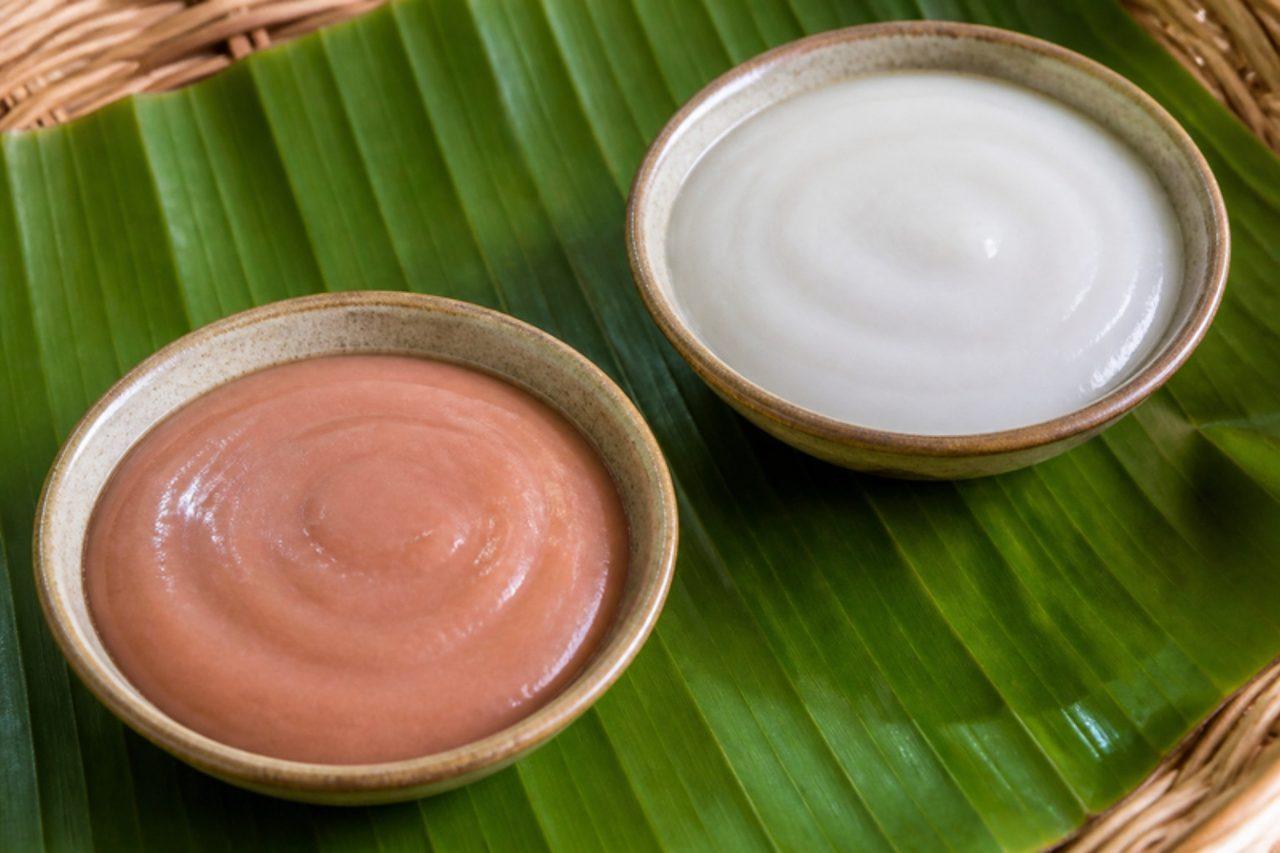
In Java, bubur merah putih is cooked for a baby's naming day, a child's birthday or a new house: a red-brown porridge sweetened with palm sugar and a white one rich with coconut milk, spooned side by side into one bowl. The red is said to stand for courage and the white for purity, and the bowls are shared with neighbours as thanks. The family and older children eat the sweetened red half; it is not for babies under one because of the sugar. Free of milk, egg, gluten, nuts and soya. Chef's tip: tie a pandan leaf in a knot and simmer it in both pots for a gentle vanilla-like scent.

by KrazyBadal 0 views

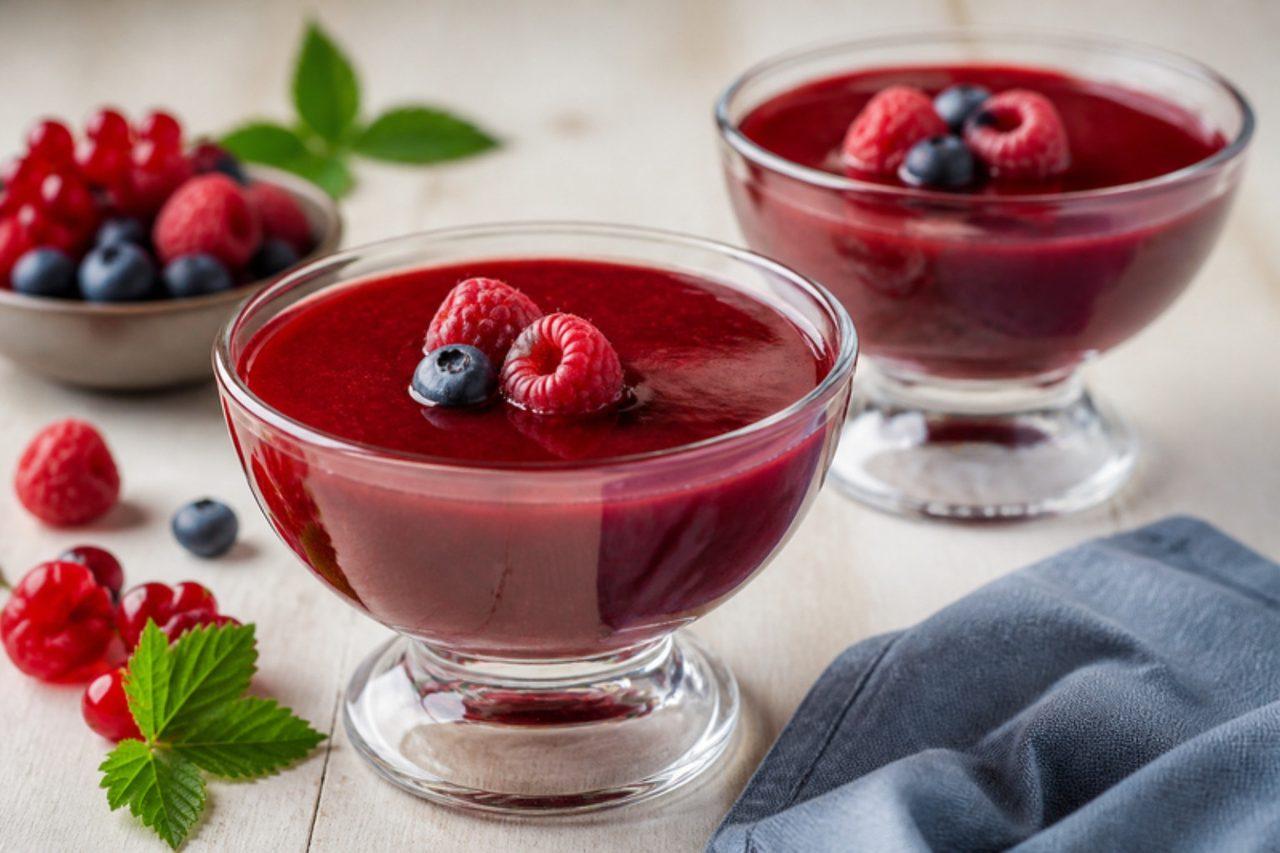
Kisiel (Polish fruit jelly drink)

Kisiel is a Polish childhood staple served in school canteens and at home after school, warm in winter and chilled in summer, somewhere between a thick drink and a soft jelly. Home-made versions use fruit or juice thickened with potato starch, without the bright colours of packet mixes. This one uses mixed berries and only a little sugar. None of the common allergens are in it. Chef's tip: always mix the starch with cold water first and pour it into the boiling fruit while stirring; added dry, it forms lumps that never dissolve.

by KrazyBadal 0 views

Indian bakery cream roll

Cream rolls are a sweet memory for children across India, from the Irani cafés of Mumbai to Kerala's small-town bakeries: spirals of flaky puff pastry baked around a cone, glazed with sugar and piped with soft vanilla cream. They turn up on birthday party plates and in after-school bakery treats. This version uses whipped cream rather than the shortening icing of many shops. It contains gluten and milk. Chef's tip: fill them only an hour or two before serving so the pastry stays crisp.

by KrazyBadal 0 views

Kamote cueFried caramelised sweet potato

Kamote cue is merienda sold from roadside woks across the Philippines, and children buy a stick or two on the walk home from school. Chunks of sweet potato are fried with brown sugar, which melts and wraps them in a crackly, shiny caramel crust while the inside goes soft and fluffy. It is a sweet treat, so portions are small. None of the common allergens are in it. Chef's tip: add the sugar only once the oil is hot and let it float and melt on the surface before stirring; stirring too early clumps it.

by KrazyBadal 0 views

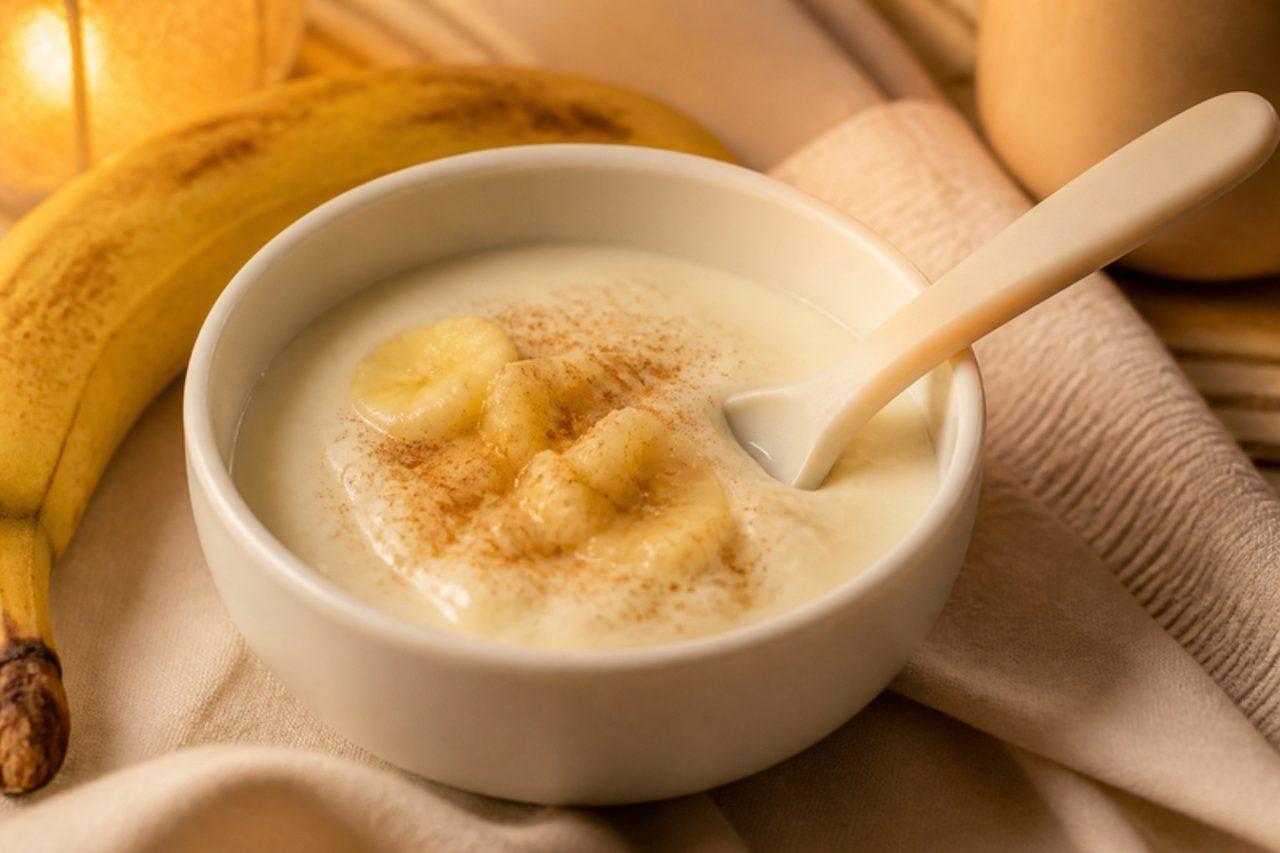
Mingau de maisena (cornflour milk porridge)

In homes across Brazil, a little bowl of mingau de maisena is the classic supper before bed: milk stirred with cornflour over a low heat until it turns smooth and spoonable, like a thin custard. Grandmothers usually add sugar and cinnamon, but for babies from nine months the sweetness comes from mashed ripe banana instead. It contains milk (cow's milk is fine cooked into food from this age); it has no gluten, egg, nuts, soya, sesame or fish. Chef's tip: mix the cornflour into cold milk before heating, never into hot milk, or it forms lumps at once.

by KrazyBadal 0 views

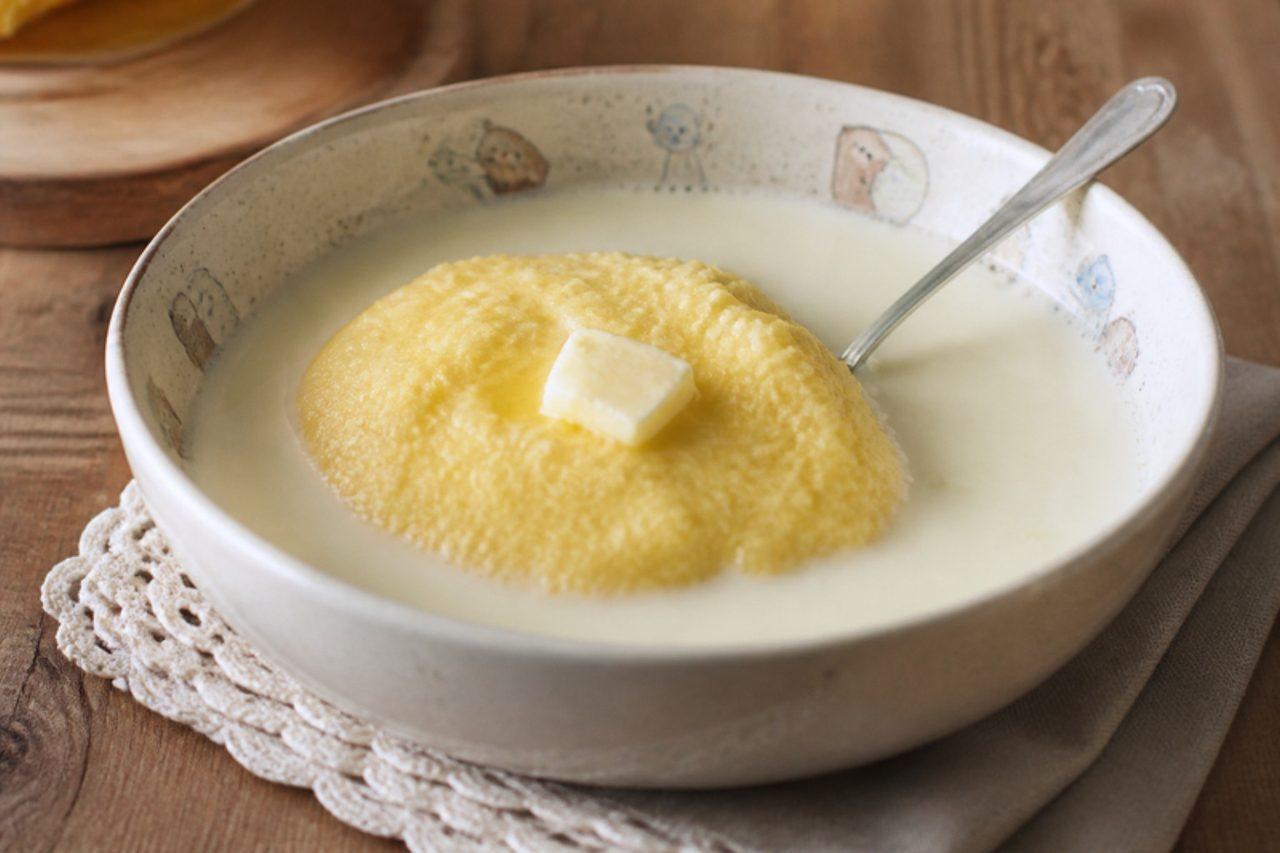
Polenta e lattePolenta in milk

In farmhouses across Lombardy and the Veneto, the polenta left over from lunch was cut into pieces at night and dropped into bowls of warm milk for the children, and polenta e latte is still remembered fondly as a cosy winter supper. Freshly made polenta works just as well: soft, golden and comforting, with the milk soaking into it. It contains milk; it has no gluten, egg, nuts, soya, sesame or fish. Chef's tip: whisk the polenta into the water in a thin stream, like rain, to keep it smooth.

by KrazyBadal 0 views

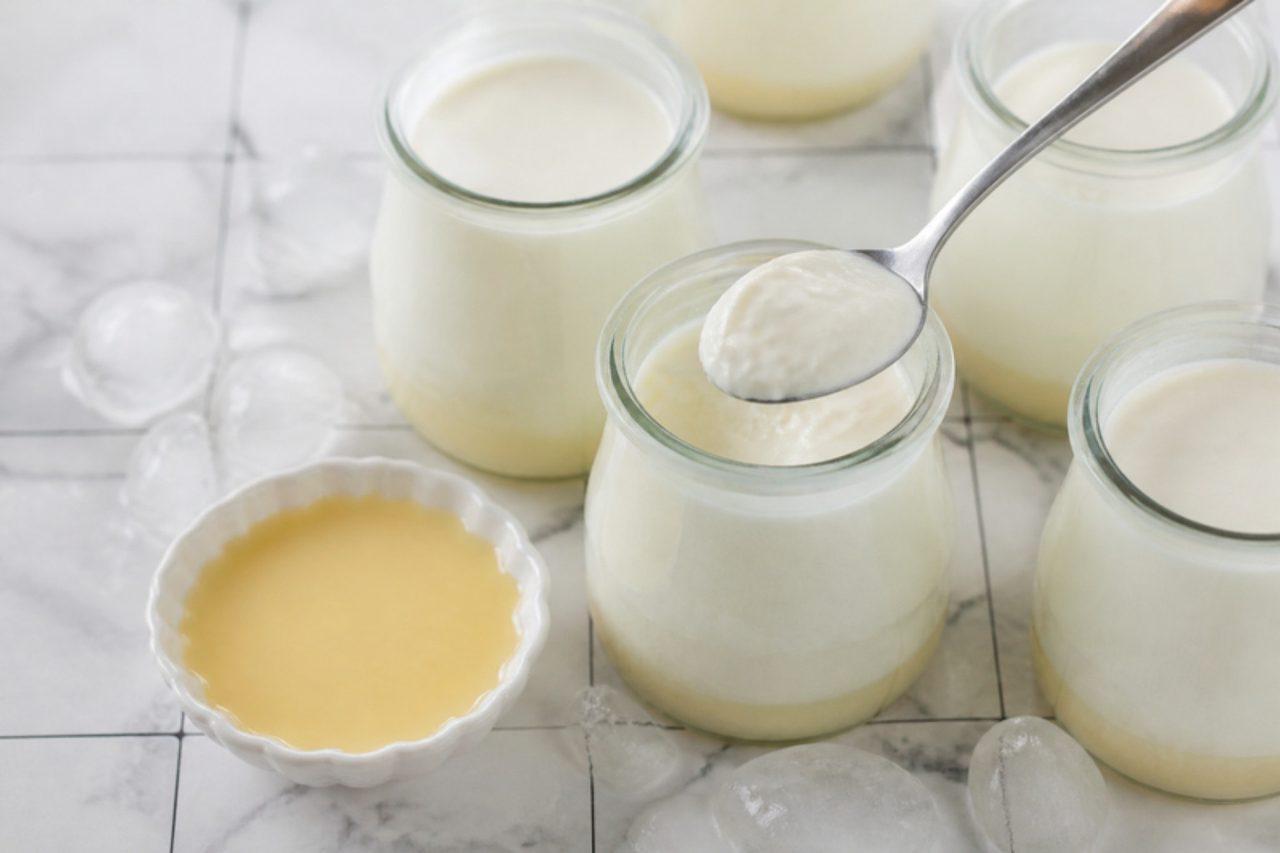
Sữa chua (Vietnamese set yogurt)

In Vietnamese homes, sữa chua is made in a row of small jars and kept in the fridge or freezer, and children in Hanoi and Saigon eat it after school straight from the cup, sometimes frozen hard like ice cream. The condensed milk gives it a mild caramel sweetness and a smooth, firm set that is less sharp than plain yogurt. It is sweetened, so this version uses less condensed milk than the street-stall kind. It contains milk. Chef's tip: keep the milk at blood heat, about 43 °C; hotter kills the yogurt culture and cooler sets slowly and sour.

by KrazyBadal 0 views

Showing 24 of 3,470 recipes

Show more recipes

Page 27 of 145

More No onion & garlic ideas

Other diets