Skip to content
WhatToEat.Today

No onion, no garlic recipes (Swaminarayan and sattvic)

3,470

3470 vegetarian recipes cooked without onion or garlic, as in Swaminarayan and sattvic kitchens, with no meat, fish, eggs or alcohol. Each has photos, step-by-step instructions and cook times. The quickest, Apfelschorle, takes 2 minutes. Most take around 45 minutes.

Filter these by time, diet or cuisine · Make No onion & garlic your diet to see only these recipes everywhere on the site.

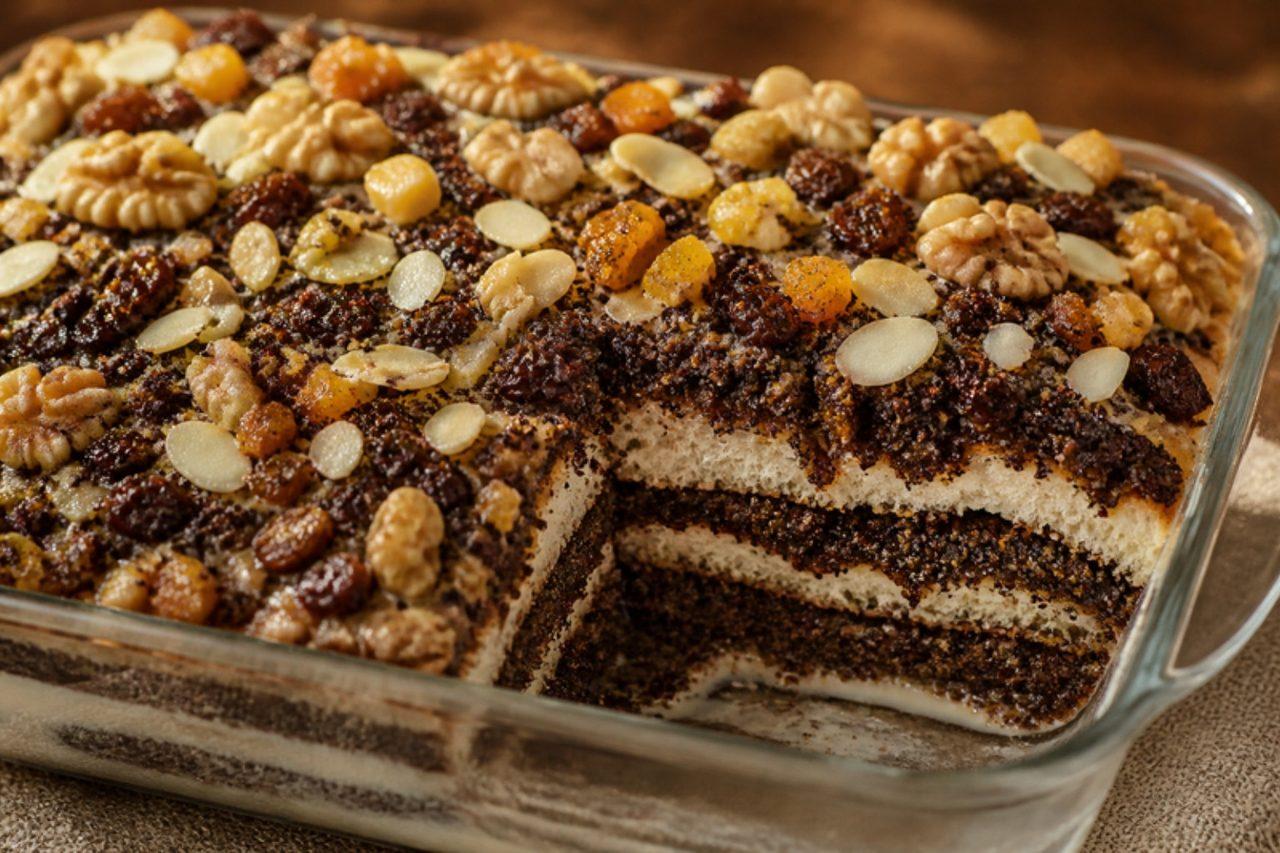
Makówki (Silesian poppy-seed bread pudding)

Makówki are a must on the Christmas Eve table in Silesia, around Katowice and Opole, made the day before so they are ready when the first star appears. Slices of stale white rolls are soaked in sweet milk and layered with a thick mass of ground poppy seed cooked with honey, butter, nuts, raisins and candied peel, then left overnight to settle into a soft, moist, spoonable pudding. It tastes of honey and nuts, rich and not too sweet. Serve it cold, scooped from the dish. Use plain eggless white rolls (kajzerki or a basic white loaf), not brioche or challah, which are enriched doughs. The pudding is otherwise naturally egg-free: the soaked bread and the sticky poppy mass bind each other as they chill, so nothing else is needed. Chef's tip: grind the scalded poppy seed twice until it looks like wet paste; the common mistake is grinding it once, which leaves it gritty and bitter.

by KrazyBadal 0 views

Ciambelline al mosto (alcohol-free ring biscuits)Grape juice ring biscuits

All over Lazio, from the Castelli Romani to the countryside around Rome, these sugar-crusted ring biscuits are put out at the end of a meal and at the autumn grape harvest, when they are dunked into a glass to soften. The classic dough is made with equal measures of liquid, olive oil and sugar; here the liquid is red grape juice, which is close to the fresh mosto of harvest time and gives the same pinkish crumb and fruity edge with no alcohol at all. The rings are crunchy and light, a little crumbly, with a crackly sugar coat and a hint of aniseed. Serve them with grape juice, coffee or a pot of tea for dunking. They are naturally egg-free: the olive oil and juice bind the flour into a smooth dough, and baking powder does the lifting that eggs might do elsewhere. Chef's tip: roll the ropes no thicker than a pencil and a half, about 1 cm; the common mistake is chunky ropes, which brown outside before the middle dries and leave the biscuits hard instead of crisp.

by KrazyBadal 0 views

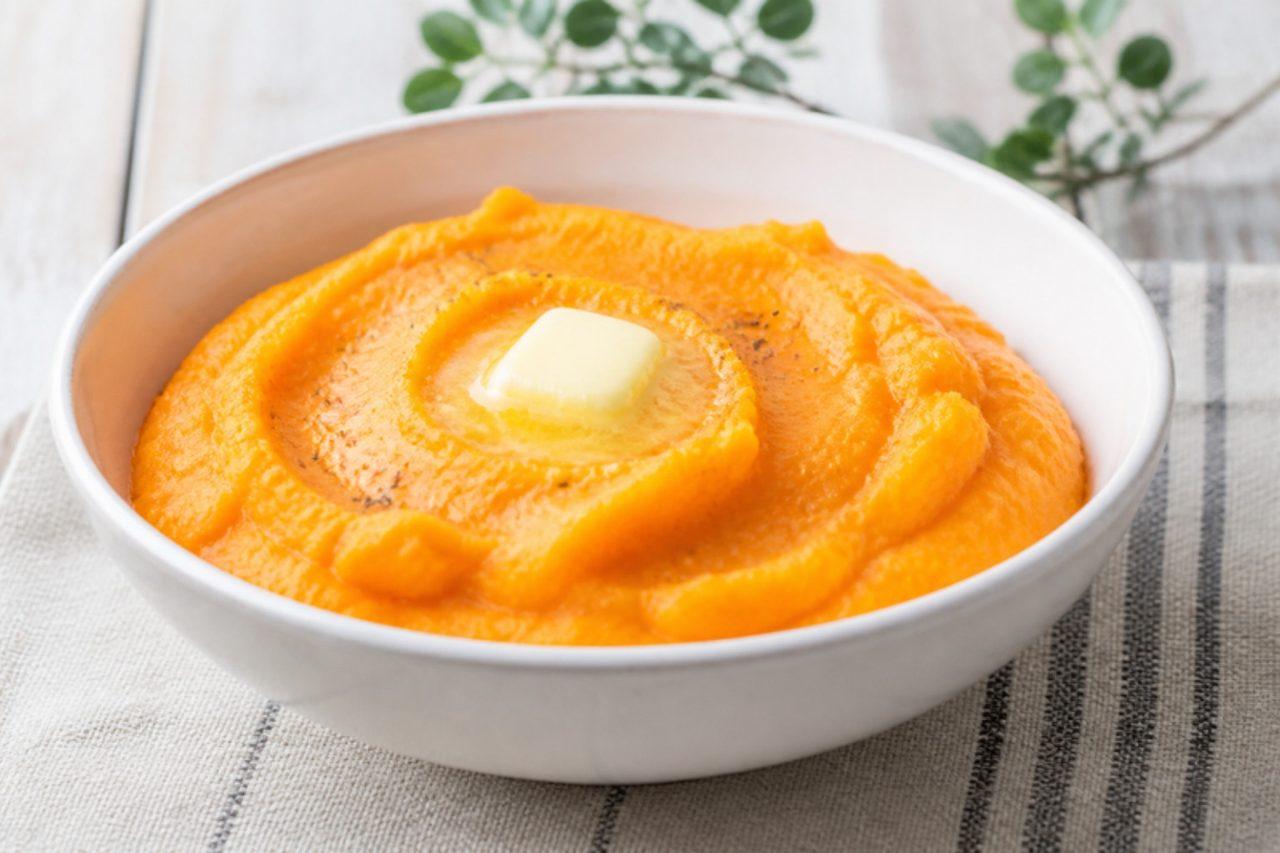
RotmosMashed swede and carrot

Rotmos, literally 'root mash', is a Swedish winter staple, cooked from Skåne to Norrland when the cellars are full of swede, and served beside sausages or boiled pork at home dinners, and on Thursdays with pea soup. Swede gives the mash its golden colour and gently peppery sweetness, potato makes it smooth, and a little butter and allspice round it out. It is a vegetarian side with about 3 g of protein per portion; try it with fried halloumi or a bean stew. The common mistake is mashing it straight from the pan: watery roots give a sloppy mash, so steam-dry them first. Chef's tip: leave the mash a little coarse; Swedes like to see flecks of swede and carrot rather than a smooth purée.

by KrazyBadal 0 views

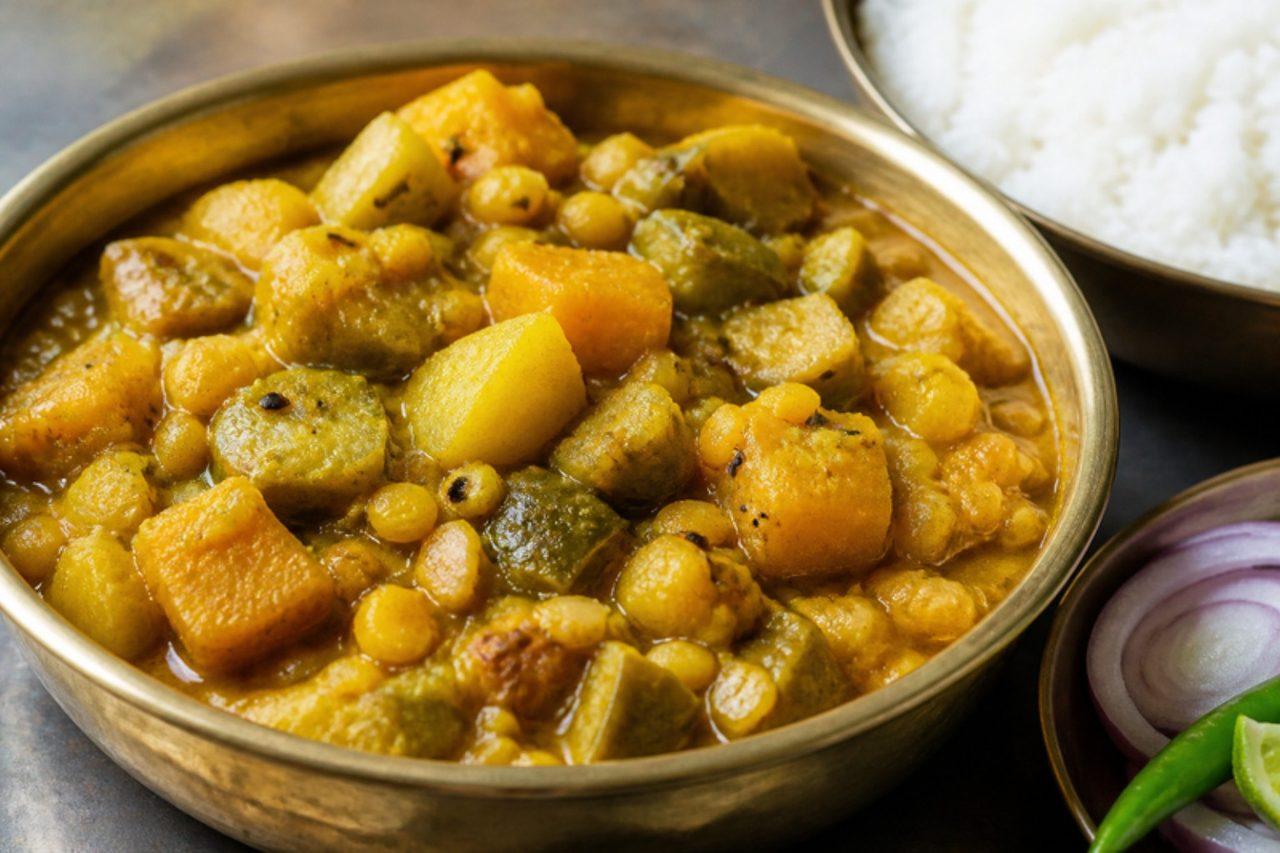
Ghanta tarkariMixed vegetables with dried peas

Ghanta is the Odia one-pot of everything the winter market offers, cooked in Bhubaneswar and Cuttack homes for festival days and pujas, and in a similar form in the temple kitchens at Puri. Pumpkin, raw banana, sweet potato, aubergine and beans are cooked with soaked dried peas and chana dal until the pulses thicken it into a soft, chunky stew, seasoned with ginger, cumin and a light panch phoron tempering. A portion gives about 20 g of protein from the dried peas, chana dal and vegetables. The dried peas and chana dal need 8 hours of soaking first (overnight), which is not counted in the times. The most common mistake is adding all the vegetables at once: pumpkin melts to mush while the raw banana is still hard, so add them in two stages. Chef's tip: grind the ginger and cumin with a little water to a fresh paste rather than using powder; it is what gives ghanta its clean, warm flavour.

by KrazyBadal 0 views

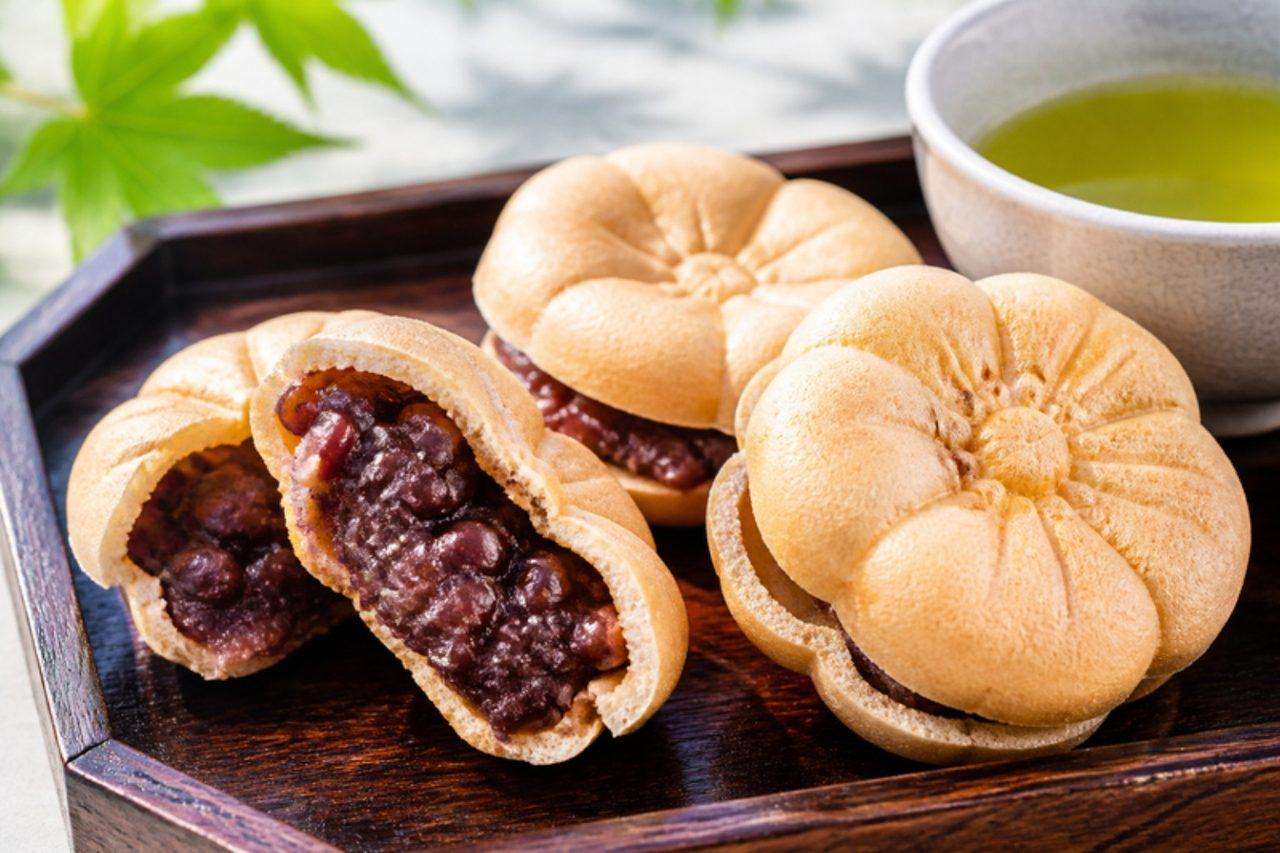
Monaka (最中, rice wafers with azuki bean paste)Rice wafers with sweet bean paste

Monaka is sold in wagashi shops all over Japan, from Tokyo's old districts to temple towns, often pressed into the shape of a flower, a fish or a local landmark. It is a year-round tea sweet and a favourite souvenir. Two crisp, paper-light wafers made of glutinous rice flour and water are filled with tsubuan, a chunky azuki paste cooked with sugar. The wafer is dry and toasty, the filling dense, sweet and earthy, and the pleasure is in eating it before the shell softens. Serve with matcha or sencha. Making the shells needs a special iron mould, so we use bought monaka shells; they are normally just rice flour and water, but check the pack to be sure they are eggless. The bean paste is naturally egg-free, set by the azuki's own starch and the sugar. Chef's tip: the common mistake is filling them in advance; sandwich them just before serving, or the wafers go limp.

by KrazyBadal 0 views

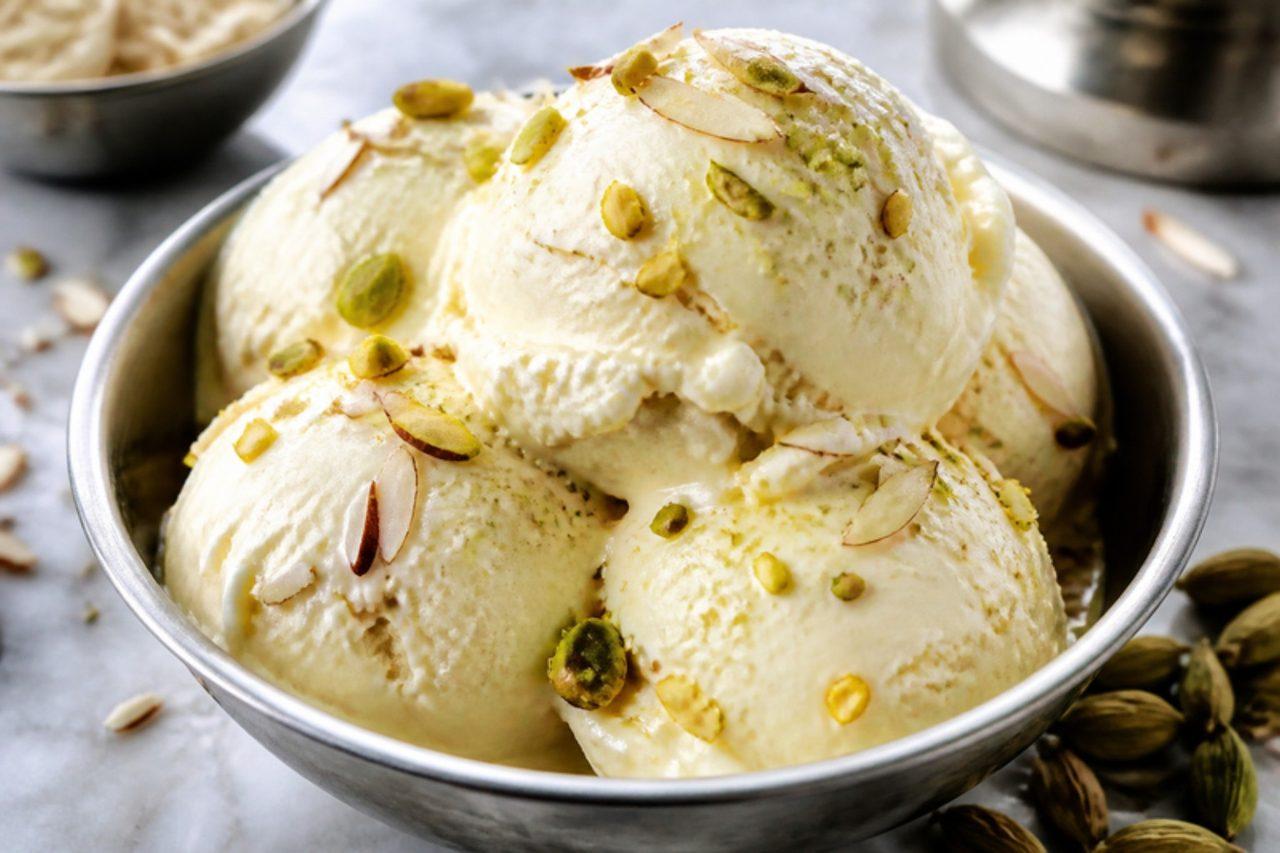
پشاوری آئس کریم (Peshawari ice cream)Cardamom pistachio ice cream

In the Qissa Khwani bazaar of Peshawar, ice-cream sellers spin a tall metal drum inside a tub of crushed ice and salt, scraping the freezing milk off the walls with a long paddle until it turns thick, stretchy and pale. It is a summer evening treat, eaten from small bowls after dinner or late at night when the streets cool down, and often topped with a spoonful of falooda vermicelli or more chopped pistachio. The flavour is simple: slowly reduced milk, green cardamom and a little rose. This version has no eggs and no custard: a cornflour slurry cooked into the milk thickens it the way yolks would, and the starch holds on to water so ice crystals stay small and the texture stays smooth, while milk powder adds body without extra fat. You can churn it in a machine or still-freeze it in a tray and stir it every 45 minutes. Chef's tip: the common mistake is churning a warm base; chill it until it is fridge-cold right through, or it will turn icy instead of silky.

by KrazyBadal 0 views

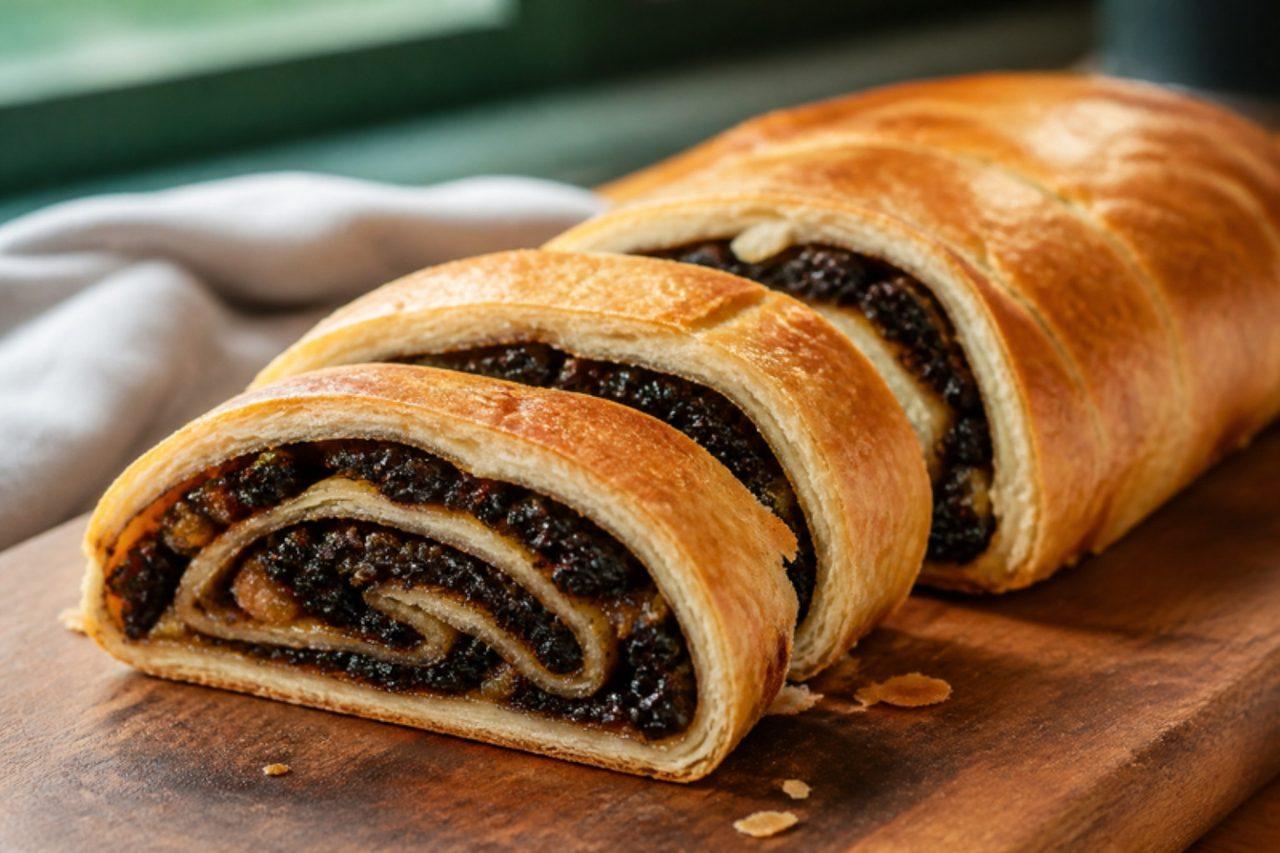
Currants rollSpiced currant pastry roll

In Trinidad and Tobago, currants roll is the thing in the bakery case next to the coconut drops and salara: flaky shortcrust rolled tightly around a dark, sticky mixture of currants, brown sugar, cinnamon and nutmeg, baked whole and cut into thick spiral slices. Schoolchildren buy a piece on the way home and it is a favourite at Christmas when the house is full of visitors. The pastry is crisp and short, the filling jammy and warmly spiced. Spooning the filling on hot and syrupy makes the roll leak and go soggy, so cool it until thick. Chef's tip: roll the pastry on baking paper and use the paper to lift and roll the log, keeping it tight and even.

by KrazyBadal 0 views

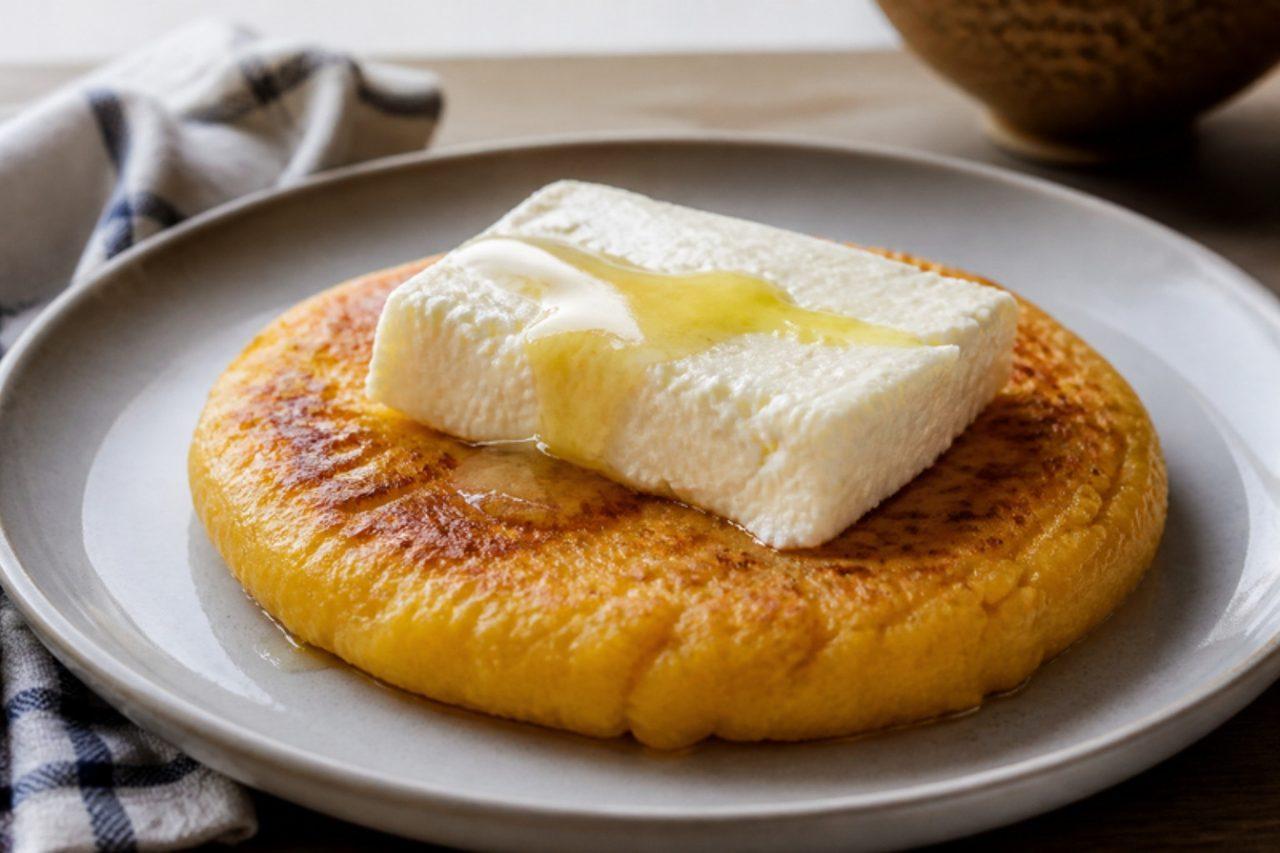
Arepa de chocloSweet corn griddle cakes with cheese

Along the mountain roads of Antioquia and Boyacá, roadside stalls cook arepas de choclo on wide griddles all day: thick, sweet cakes of blended fresh corn, golden outside and soft inside, folded or topped with a slab of fresh white cheese and a smear of butter. Colombians eat them for breakfast, as a mid-afternoon snack with hot chocolate, or as a quick supper. The usual mistake is a batter that is too wet, so the cakes tear when flipped; it should hold its shape on a spoon, and a little precooked cornmeal fixes a runny batch. Queso campesino and mozzarella are often made with animal rennet, so look for a vegetarian cheese if needed; check the cornmeal pack is gluten free if that matters. Chef's tip: cook them over a medium-low heat; the sugar in the corn burns before the middle sets if the pan is too hot.

by KrazyBadal 0 views

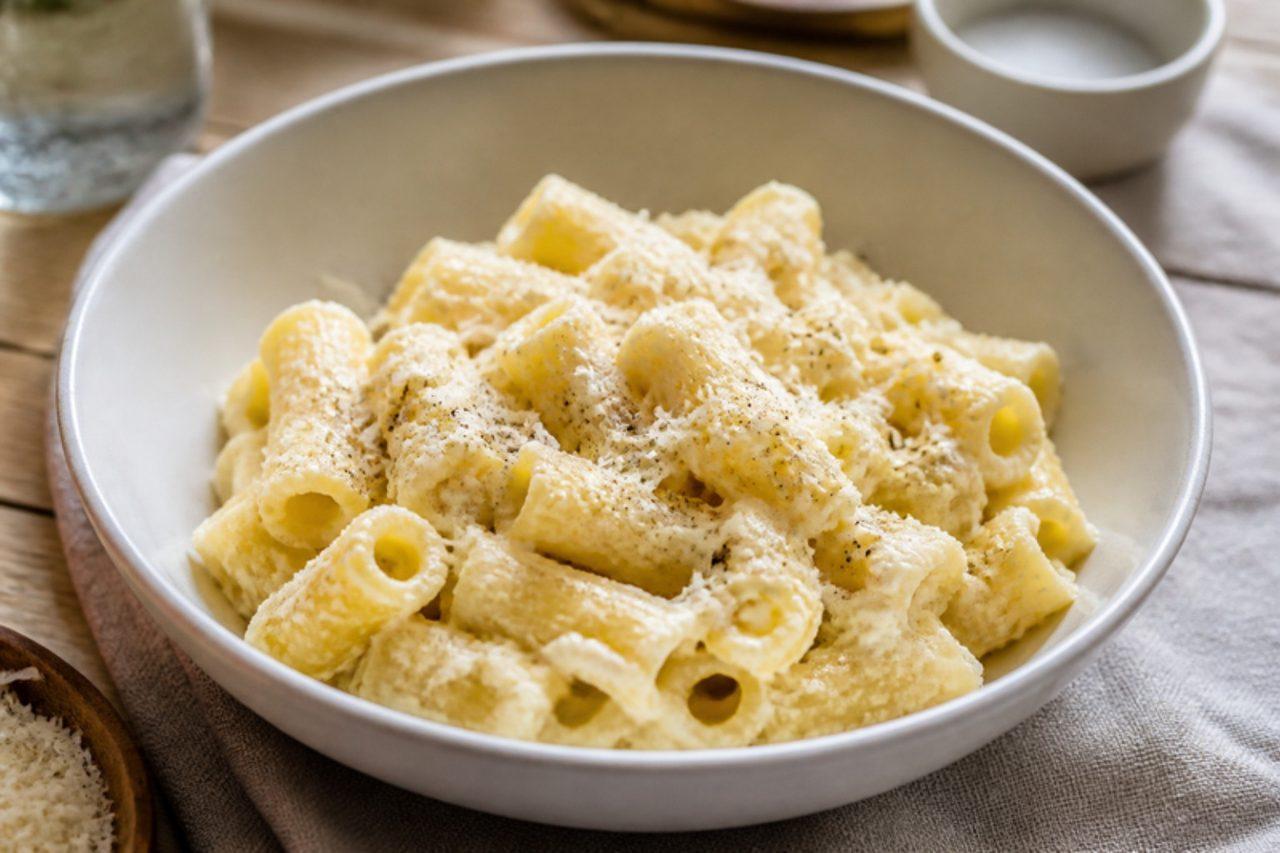
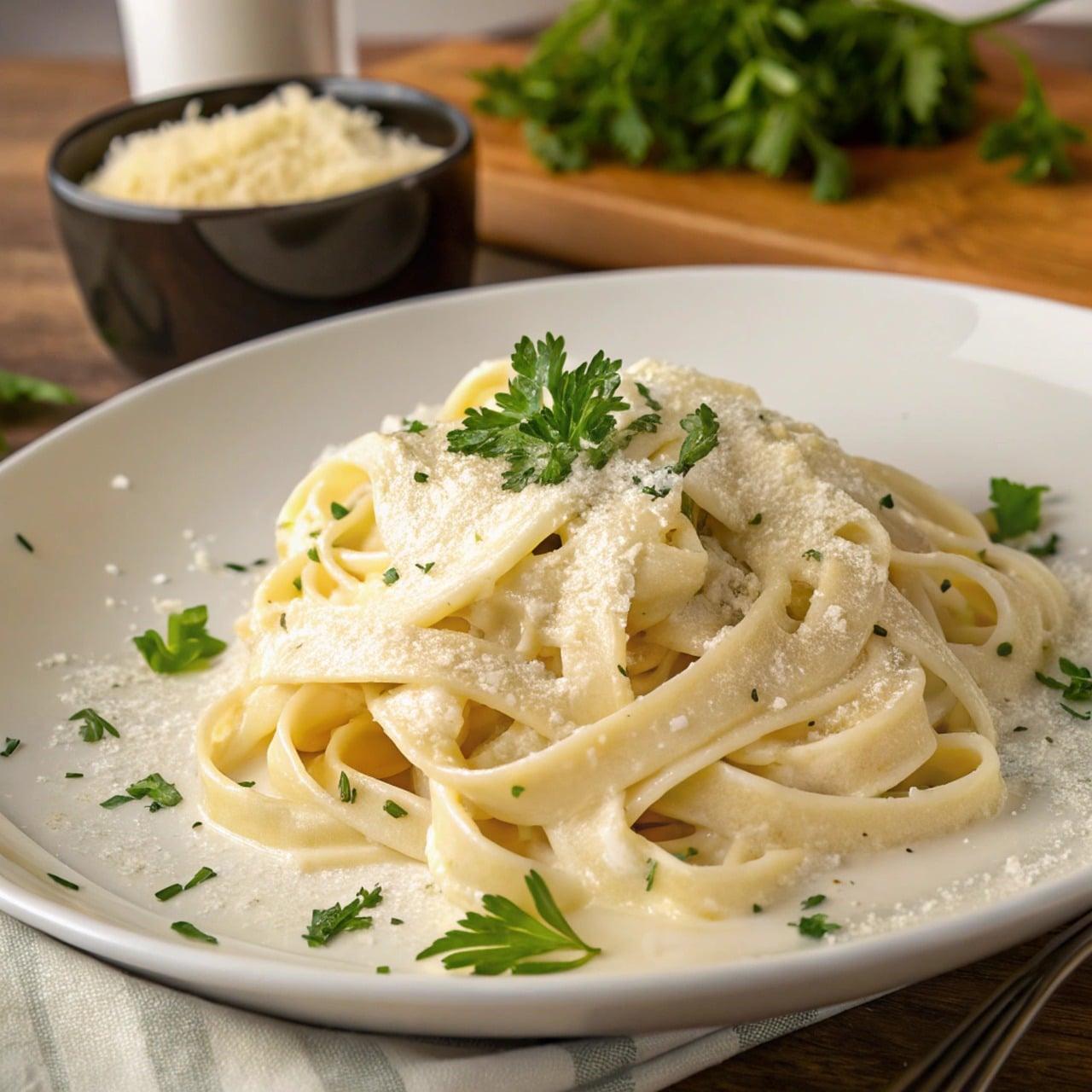
Pasta con la ricotta

Sicilian mothers make pasta con la ricotta on busy evenings and for children home from school: fresh sheep's or cow's milk ricotta is loosened with hot pasta water into a soft, milky sauce, then seasoned with black pepper and a little grated cheese. It is mild, creamy and ready in a quarter of an hour. Ricotta is made without rennet, but parmesan or pecorino usually contain animal rennet, so use a vegetarian hard cheese if needed. The common mistake is spooning cold ricotta straight onto the pasta, where it stays in lumps; whisk it with hot water first. Chef's tip: a little lemon zest or a few mint leaves lifts the sauce without hiding the ricotta.

by KrazyBadal 0 views

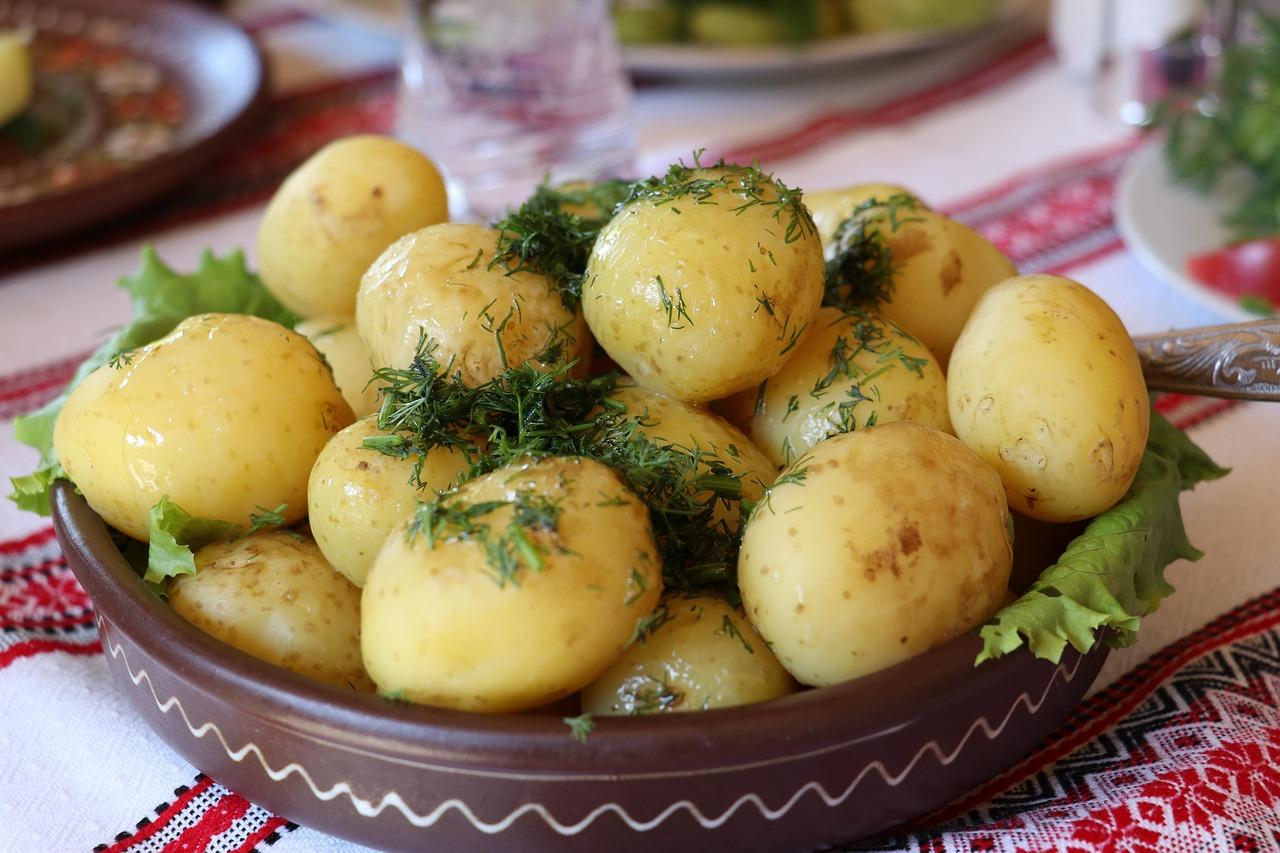
Młode ziemniaki z koperkiem (new potatoes with dill)

In June, when the first new potatoes reach Polish markets, many families make a whole supper of them: thin-skinned potatoes boiled, tossed in melted butter and a fistful of chopped dill, with a glass or bowl of cold kefir or buttermilk alongside. It is simple, early-summer country food, and it also sits next to fried eggs or cucumber salad. The common mistake is peeling them or boiling them hard; new potatoes should be scrubbed only and simmered gently, or they split and go watery. Chef's tip: add the dill only once the potatoes are off the heat, so it stays bright green and fresh-tasting.

by KrazyBadal 0 views

Fideos con mantecaButtered noodles with cheese

Ask anyone from Buenos Aires to Córdoba what they ate when they came home late or felt poorly as a child, and the answer is often fideos con manteca: short pasta tossed with butter and a snowfall of grated queso rallado. It is the plainest dish in the Argentine home kitchen and the one people cook for themselves on a tired weeknight. The mistake that ruins it is draining the pasta bone-dry and adding cold cheese to a hot empty pan, which leaves greasy strands and clumps; a splash of cooking water makes a light, creamy coating instead. Argentine reggianito and Parmesan are made with animal rennet, so use a vegetarian hard cheese if needed. Chef's tip: grate the cheese very finely, like dust, so it melts on contact.

by KrazyBadal 0 views

MantecaditosAlmond shortbread with guava

During the long Puerto Rican Christmas season, which runs from Thanksgiving to the fiestas de la calle San Sebastián in mid-January, trays of mantecaditos appear at every parranda and family visit. They are small, eggless shortbread balls scented with almond extract, pressed with a thumb and filled with a cube of sticky, ruby guava paste. They crumble in one bite, rich with butter, and the tart guava cuts the sweetness. Serve them with a cafecito, or a glass of milk for the children. Warm dough is what makes them spread into flat puddles, so chill the shaped balls before they go in. Chef's tip: cut the guava paste with a knife dipped in hot water, and press it into the hollow only after chilling so it stays neatly in place.

by KrazyBadal 0 views

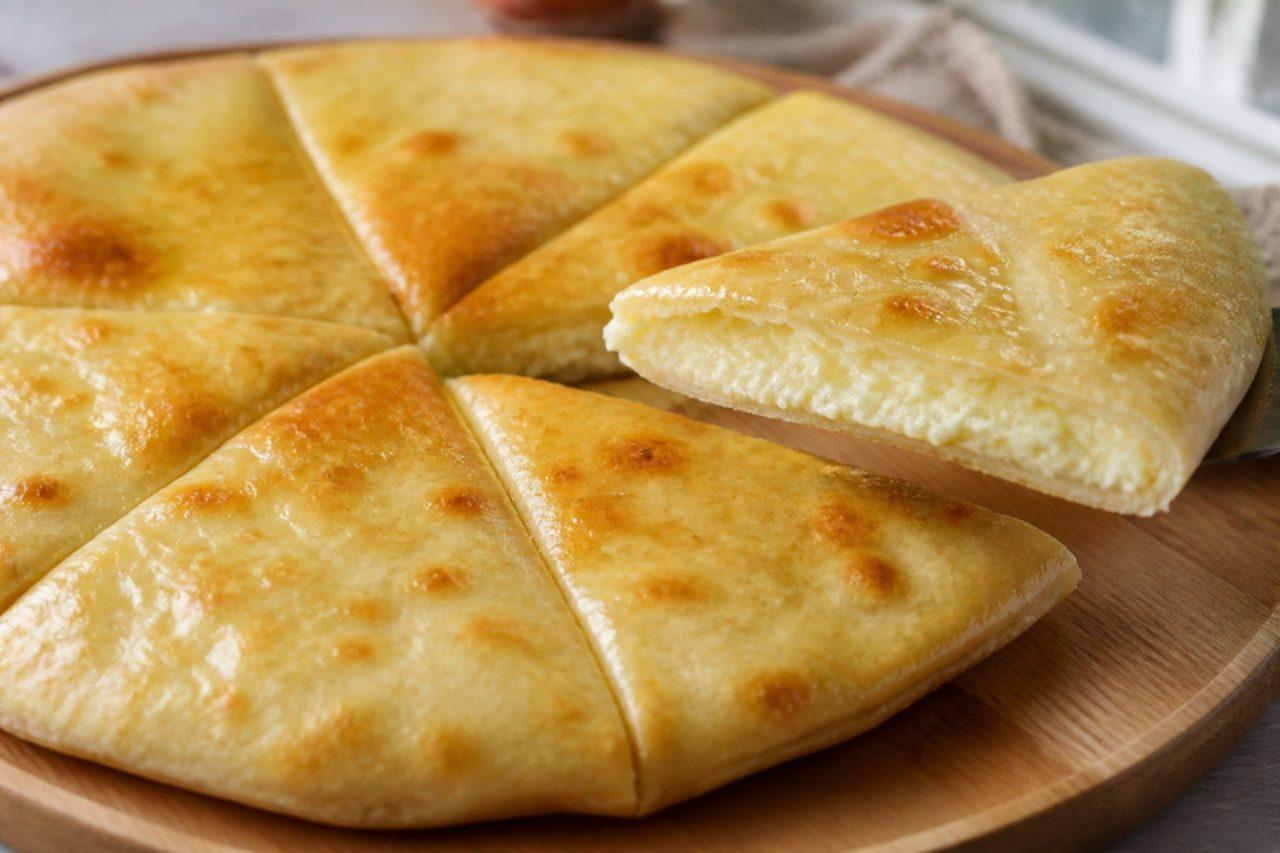
KhabizginaPotato and cheese pie

Of all the Ossetian pies, khabizgina is the homely one: a thin round of soft yeast dough wrapped around mashed potato and salty fresh cheese, baked hot and fast and drenched in melted butter. For feasts and remembrance days Ossetian cooks bake three pies and stack them, but on an ordinary evening one khabizgina cut into wedges is supper, with a pot of tea, yogurt or a crunchy salad. The crust is barely 1 cm thick and the filling creamy and peppery. Using a rolling pin tends to tear the dough over the filling, so shape it with your palms instead. If your cheese is made with animal rennet, look for a vegetarian alternative. Chef's tip: let the mash cool and mix it with the cheese until it is a stiff ball, roughly the same size and softness as the dough, and it spreads evenly to the edge.

by KrazyBadal 0 views

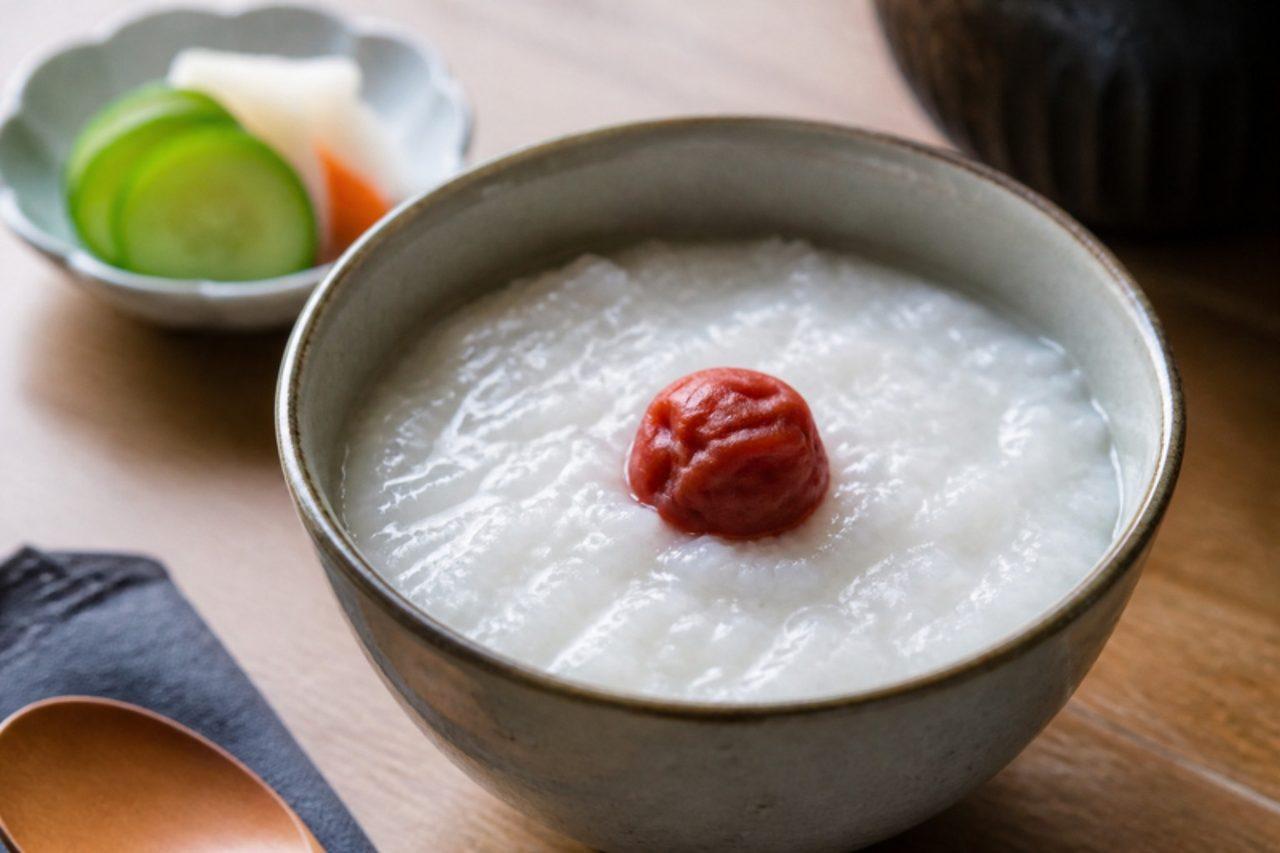
OkayuPlain rice porridge with pickled plum

Okayu is the porridge Japanese mothers make when someone is ill, tired or simply needs something gentle, and it is also eaten on 7 January as part of the new year with seven spring herbs. This weeknight version starts from cooked rice, simmered in water with a little salt until soft, white and spoonable, then served with a sour-salty umeboshi plum to stir in. The mistake is stirring it constantly, which breaks the grains and turns it gluey; stir only now and then. Chef's tip: for the full, silkier version, start with 100 g raw rice and 1 litre of water and simmer, lid ajar, for 40 minutes.

by KrazyBadal 0 views

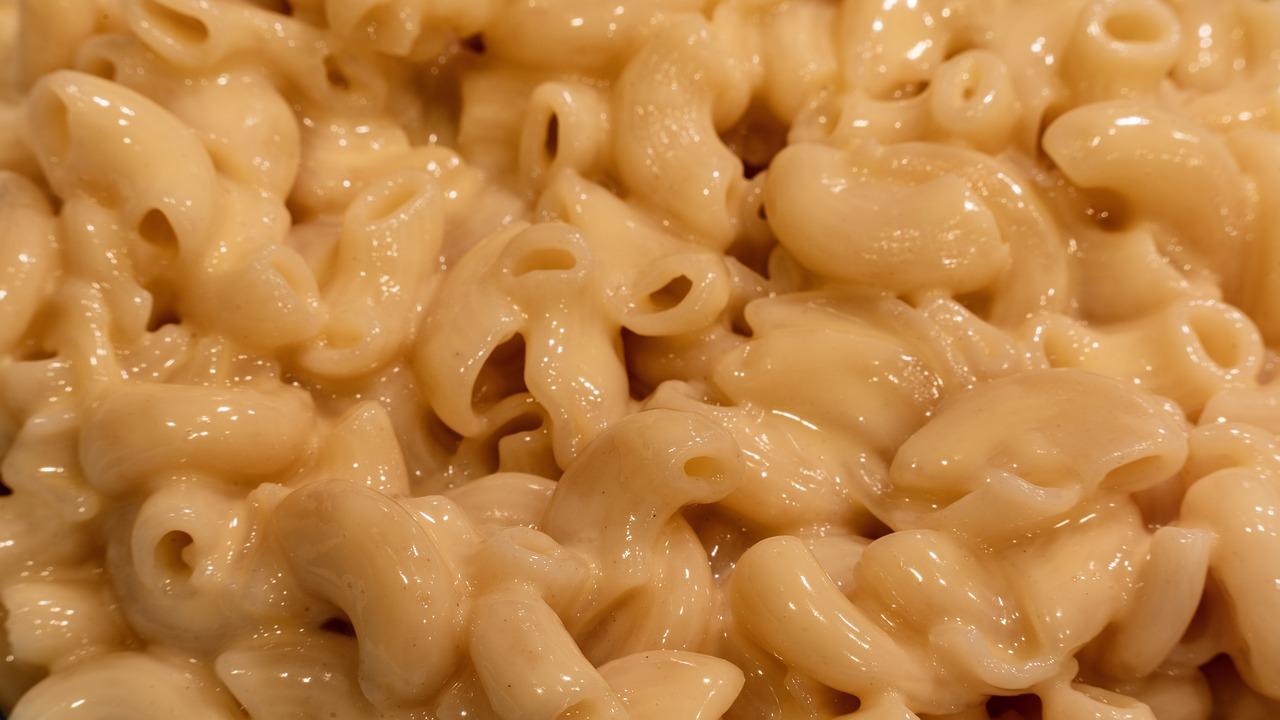
Stuvade makaronerCreamy macaroni

Stuvade makaroner is a Swedish childhood classic, cooked on weekday evenings all over the country: small macaroni simmered in milk with butter and a grating of nutmeg until thick and creamy, served beside meatballs, sausages or, for a vegetarian plate, fried halloumi or eggs and a spoonful of lingonberries. It is mild, comforting and made in one pan. The most common mistake is cooking on too high a heat, so the milk catches and burns on the bottom; keep it at a gentle simmer and stir often. Chef's tip: boil the macaroni in water for 3 minutes first, then finish in the milk, so it cooks evenly without the sauce turning gluey.

by KrazyBadal 0 views

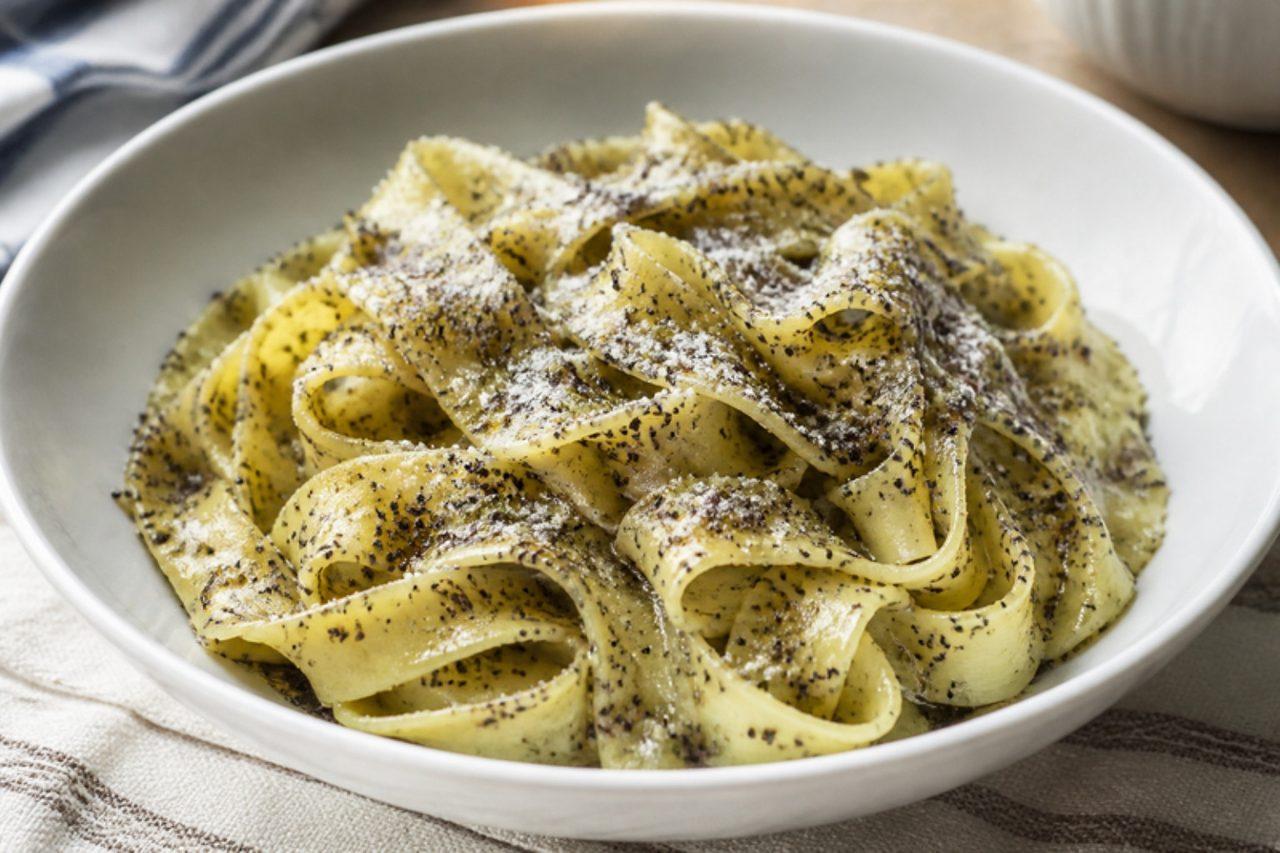
Mákos tészta (Hungarian poppy seed pasta)

Mákos tészta surprises people who meet it outside Hungary: hot wide noodles tossed in butter and finely ground poppy seeds with sugar, eaten as a main course, often on a Friday after a bowl of soup. Children across Hungary grow up on it, and grown-ups still order it in school-canteen-style restaurants in Budapest. The trick is grinding the seeds; whole poppy seeds just roll off the pasta, and the most common mistake is using them unground, which gives a gritty dish with little flavour. Chef's tip: a spice or coffee grinder turns poppy seeds into a fragrant, slightly oily powder in 20 seconds; grind them just before cooking.

by KrazyBadal 0 views

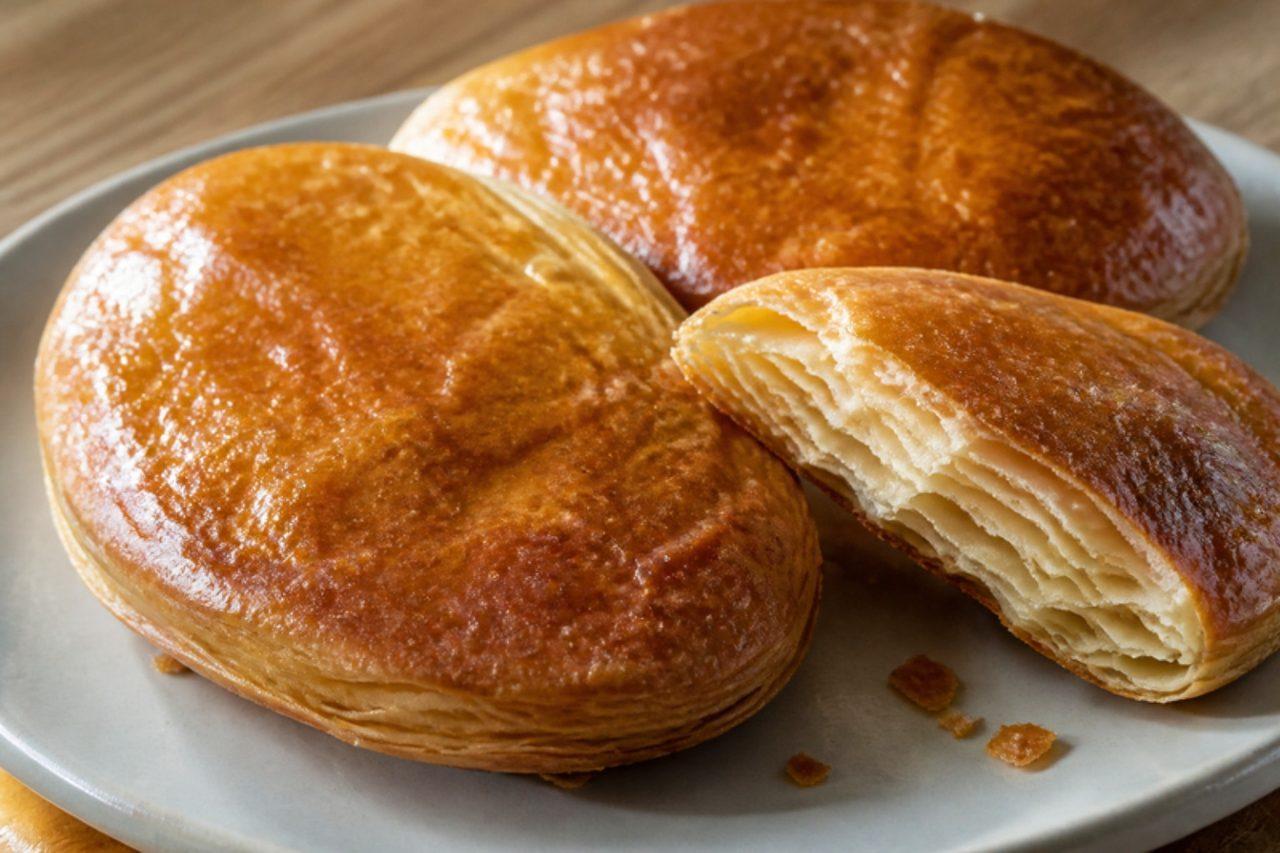
CampechanasFlaky sweet pastries with sugar top

Campechanas take their name from the port of Campeche, but now they shatter all over the coffee tables of Mexico City and Veracruz: oval, paper-thin layers of dough with a glossy, caramelised sugar crust that cracks as you bite. Mexicans buy them in the evening from the panadería, along with conchas, to dunk in café de olla or hot chocolate. They are traditionally made with lard; this version uses vegetable shortening, which gives the same light flakiness and keeps them vegan. Butter also works but browns faster. The trap is a timid oven: below full heat the sugar stays grainy and white instead of turning to glass. Chef's tip: press the sugar firmly into the top before baking so it melts into an even shiny layer.

by KrazyBadal 0 views

Sukhi moong dalDry yellow moong dal

Sukhi (dry) moong dal is made in Rajasthan and Uttar Pradesh when there is no time for a soupy dal, or to roll into parathas and pack for journeys; Marwari families often serve it at weddings with kachoris. Soaked yellow moong is cooked with just enough water to soften it while keeping the grains whole, then lifted with amchur, ginger and a ghee tempering. The mistake to avoid is too much water or stirring hard, which turns it into a mushy khichdi; add water a little at a time and fold gently. Chef's tip: soak the dal for at least 30 minutes, which is why this dish takes longer than the cooking alone. It is one of the few dals that is just as good at room temperature.

by KrazyBadal 0 views

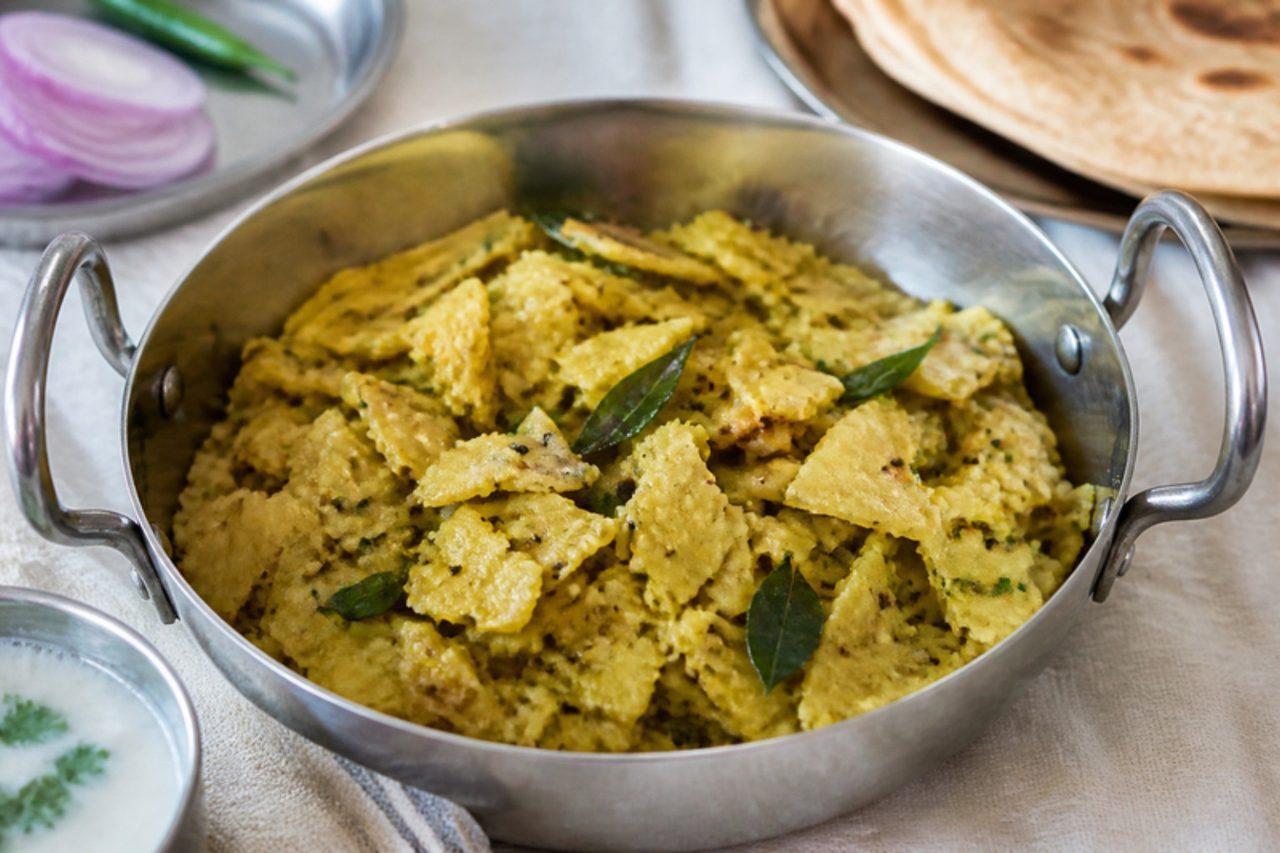
Vaghareli rotliStir-fried leftover flatbread

In Gujarati homes the last night's rotlis never go to waste: torn into pieces and tossed in a mustard-seed tempering with tangy yogurt, a little jaggery and green chilli, they become vaghareli rotli, a sweet-sour-hot breakfast or light supper on the table in fifteen minutes. The pieces soak up the seasoning and turn soft in the middle with a few crisp edges. Serve it with a cup of masala chai. The usual mistake is adding too much yogurt water, which turns the rotli into paste. Chef's tip: use rotlis that are a day old and slightly dry; fresh ones go gluey.

by KrazyBadal 0 views

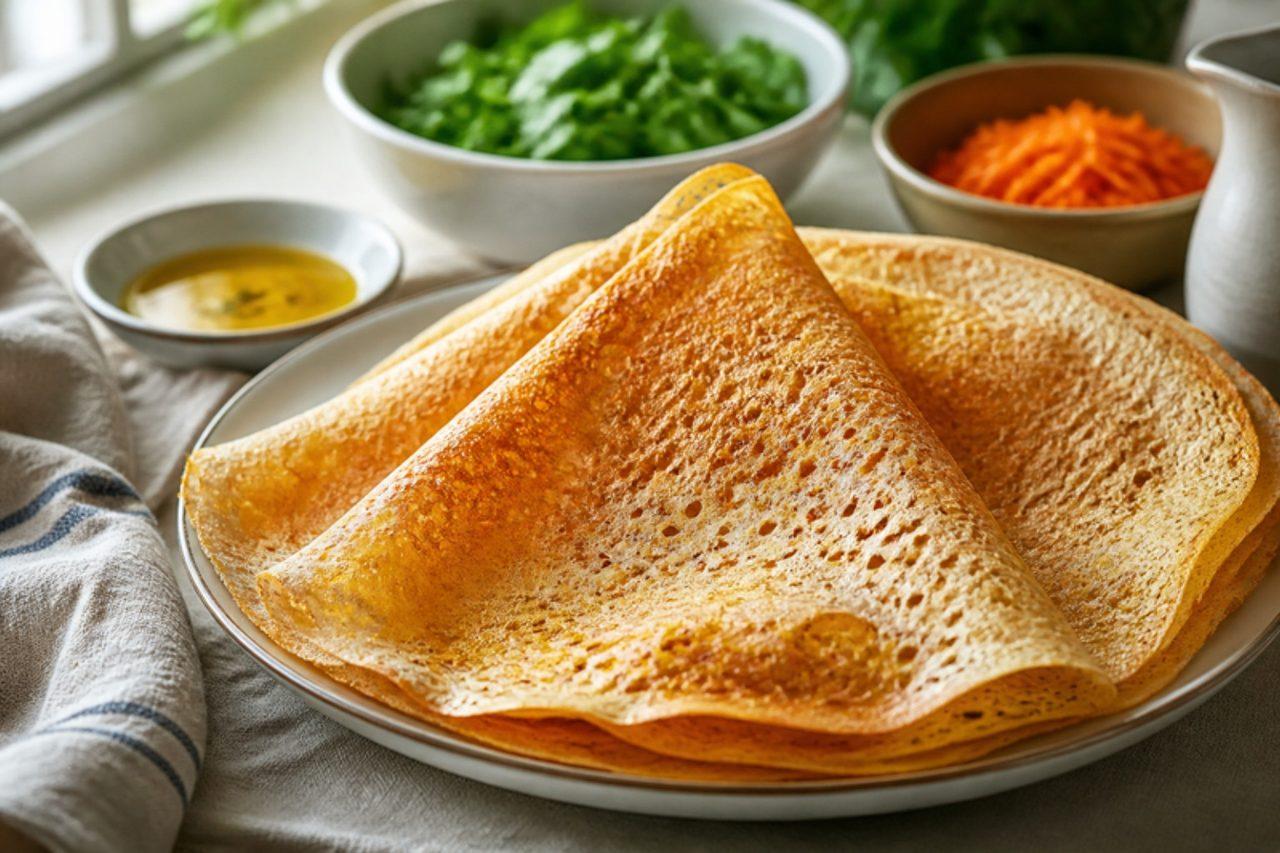
Khubz ragagPaper-thin batter flatbread

Khubz ragag is the tissue-thin bread of the UAE, traditionally spread by hand over a hot domed iron griddle by Emirati women at morning markets and cooked in seconds until crisp. At home it is breakfast drizzled with date syrup, or with eggs and cheese cooked on top, and in Ramadan it is torn into thareed stew. This plain version is egg-free and dairy-free, cooked in a non-stick frying pan. The common mistake is a dough that is too stiff: it should be loose and sticky so it can be smeared paper-thin. Toppings like egg or cheese can be added at the end if you are not keeping it vegan. Chef's tip: wipe the pan with a damp, folded cloth between breads to cool the surface slightly, so the next one spreads without tearing.

by KrazyBadal 0 views

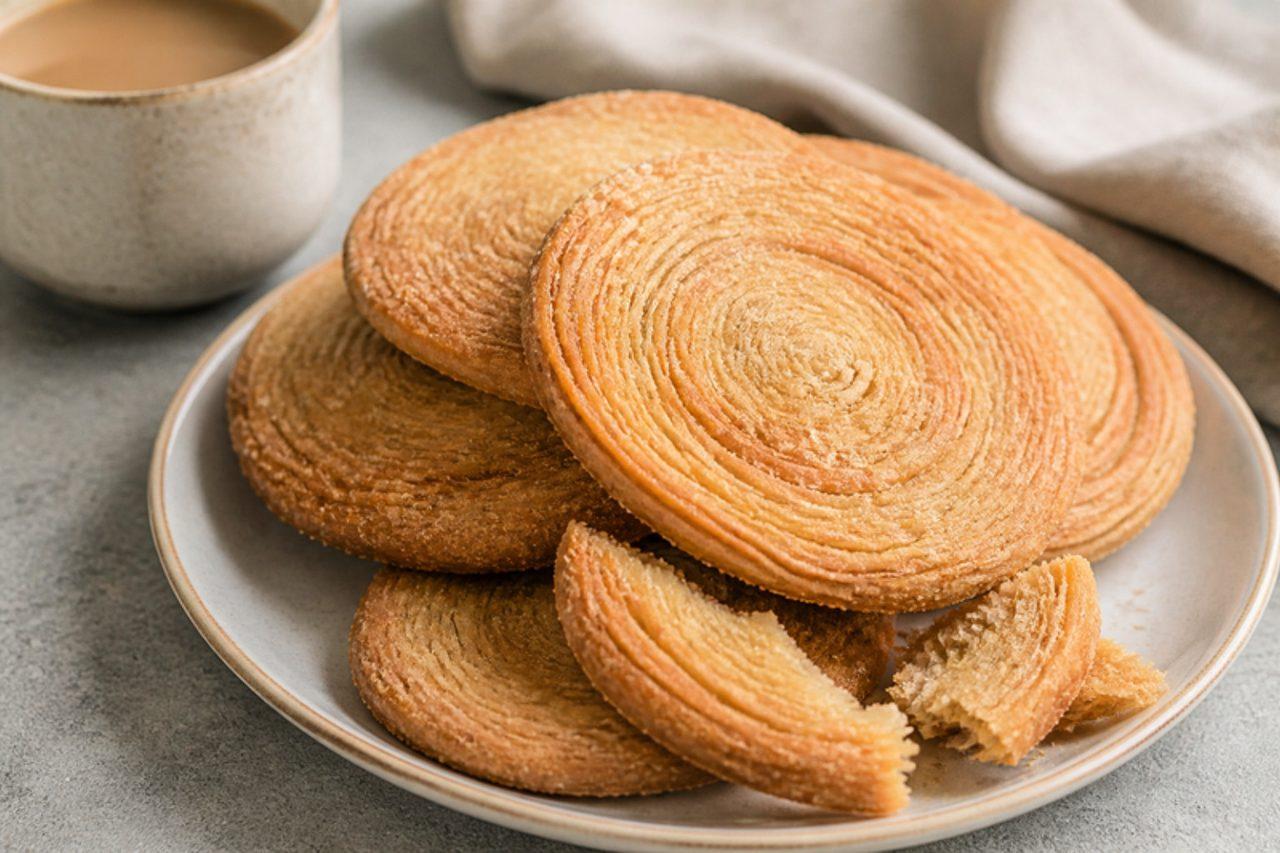
Ooty varkeyFlaky spiral tea biscuits

Up in the cool tea country of the Nilgiris, around Ooty and Coonoor, small bakeries turn out trays of varkey every morning, and tourists carry home bags of them alongside the estate tea. They are flat, golden and lightly sweet, with tight spiral layers that crunch and then melt, a texture the bakers get by rolling a sugared dough up around a fat paste and slicing it like a Swiss roll. Eat them with strong milky Nilgiri tea; locals also crumble them over hot milk. Bakeries traditionally use vanaspati for the paste; butter mixed with a little ghee gives a cleaner taste in this eggless home version. Watch the spiral: if you press the slices too hard when flattening, the layers fuse and the biscuit bakes dense. Chef's tip: chill the rolled log until it is firm enough to slice cleanly; a soft log squashes under the knife and you lose the swirl.

165 minIndianBaking
by KrazyBadal 0 views

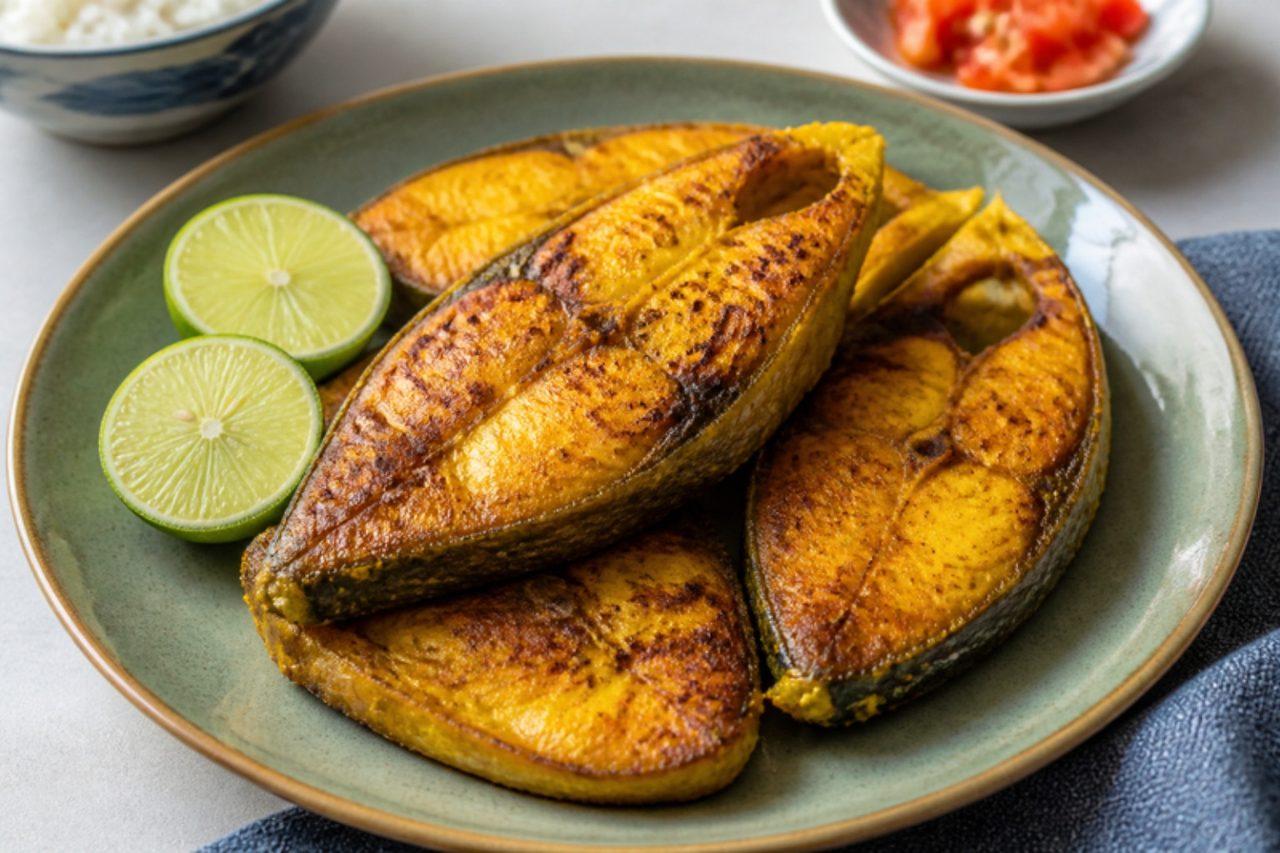
Ikan goreng kunyit (turmeric fried fish)

Ikan goreng kunyit is cooked in Malay kampung kitchens and city flats alike for a simple lunch or dinner with rice, sambal and vegetables: small whole fish or thick steaks rubbed with turmeric, salt and a little chilli, then fried until golden and crisp at the edges. The mistake is moving the fish too soon; leave it until it releases from the pan on its own, or the crust tears and sticks. Chef's tip: score the fish to the bone so the turmeric seasons the flesh and it cooks evenly.

by KrazyBadal 0 views

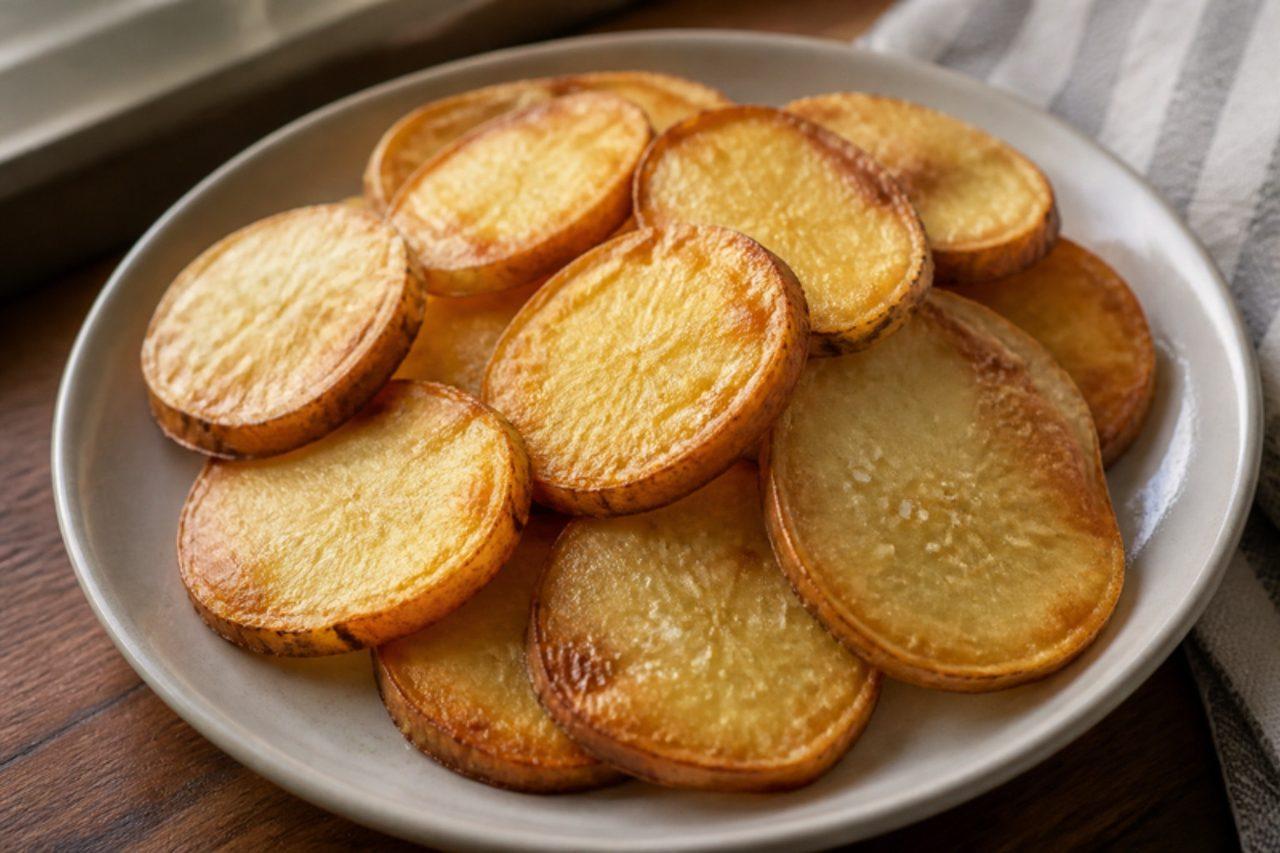
Boniato fritoFried white sweet potato

Boniato, the pale, chestnut-sweet sweet potato of the Caribbean, is fried in rounds all over Cuba as an everyday side for picadillo, eggs or rice and black beans, and in Miami's Little Havana it turns up next to most lunch plates. The slices come out golden and lightly crisp outside, fluffy and floury inside. The common mistake is oil that is too hot with slices that are too thick: the outside burns while the middle stays hard, so keep the slices 5 mm and the heat steady. Ordinary orange sweet potato works too, though it is sweeter and browns faster. Chef's tip: drop the cut slices into cold water as you go, as boniato darkens quickly, then dry them very well before frying.

20 minCubanSidesVeganGluten free
by KrazyBadal 0 views

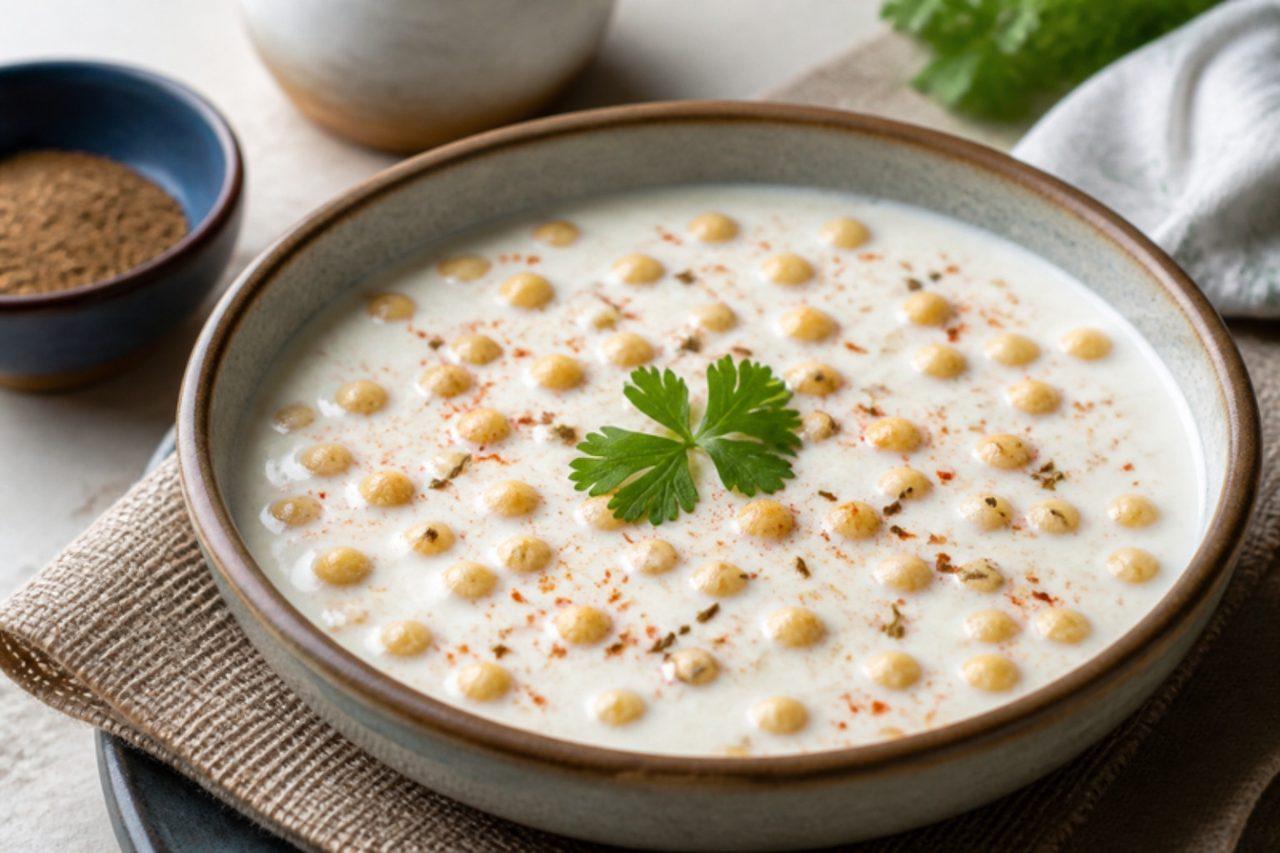
Boondi raitaYogurt with gram flour pearls

Across North India, from Delhi dhabas to Rajasthani wedding buffets, boondi raita is the cooling bowl that turns a plain weeknight dal and rice or a spicy pulao into a proper meal. Tiny fried gram-flour pearls (boondi) are softened briefly and folded into whisked yogurt seasoned with roasted cumin, black salt and red chilli, so each spoonful is creamy with soft little pops. Ready-made salted boondi is sold in Indian shops; check the packet says it is made only with gram flour if you need it gluten free. The common mistake is leaving the boondi to soak too long, which turns it to mush. Chef's tip: soak the boondi in warm water for just 2 minutes and squeeze it gently; this rinses off excess oil and salt and keeps the raita light.

by KrazyBadal 0 views

Showing 24 of 3,470 recipes

Show more recipes

Page 25 of 145

More No onion & garlic ideas

Other diets