Skip to content
WhatToEat.Today

No onion, no garlic recipes (Swaminarayan and sattvic)

3,468

3468 vegetarian recipes cooked without onion or garlic, as in Swaminarayan and sattvic kitchens, with no meat, fish, eggs or alcohol. Each has photos, step-by-step instructions and cook times. The quickest, Apfelschorle, takes 2 minutes. Most take around 45 minutes.

Filter these by time, diet or cuisine · Make No onion & garlic your diet to see only these recipes everywhere on the site.

Gato moutailleFried dough ropes in cardamom syrup

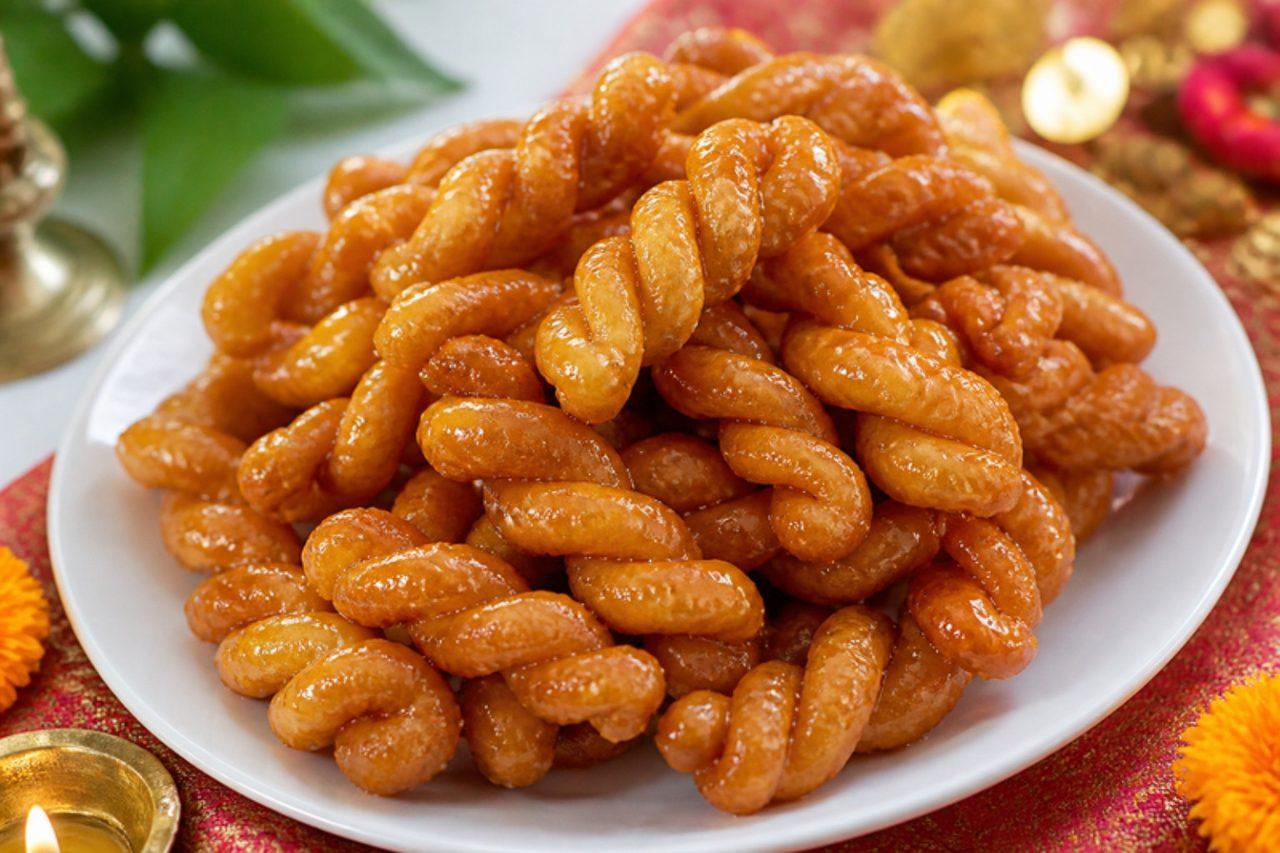
On Divali evening in Mauritius, Hindu households set out clay lamps and then walk plates of sweets round to their neighbours, Hindu, Muslim, Creole and Chinese alike; gato moutaille, gato cravate and gato zinzli are almost always on the plate. Moutaille (from the Bhojpuri mithai) are short ropes of soft dough twisted into knots or spirals, fried until crisp and soaked in a cardamom syrup so the outside is sticky and the inside stays slightly chewy. Common mistake: syrup that is too thick, which crystallises into a white crust; cook it only to one-string consistency, when a drop pulled between finger and thumb makes a single thread. Chef's tip: dip the moutaille while they are hot and the syrup is warm, then lift them out after a minute so they stay crisp.

by KrazyBadal 0 views

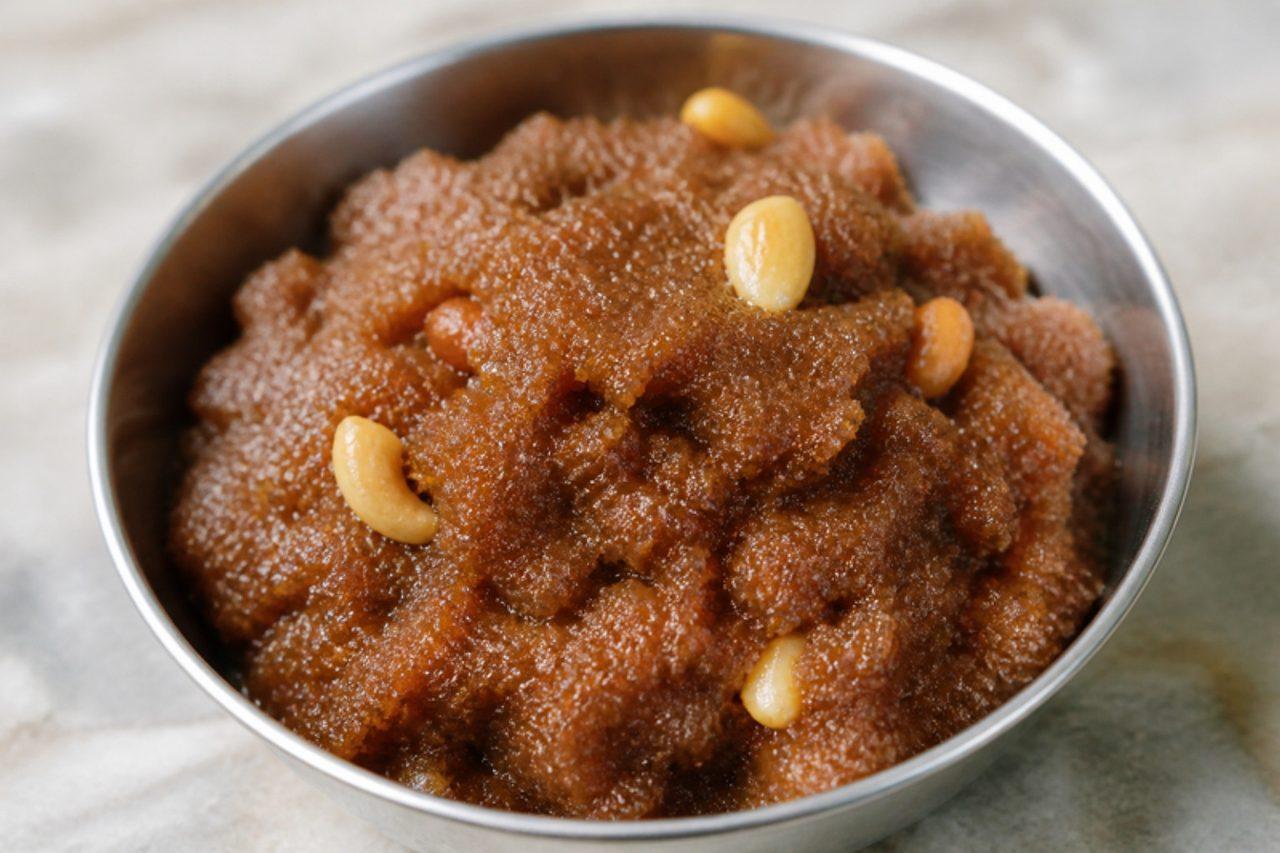
TambittuRoasted rice flour jaggery laddus

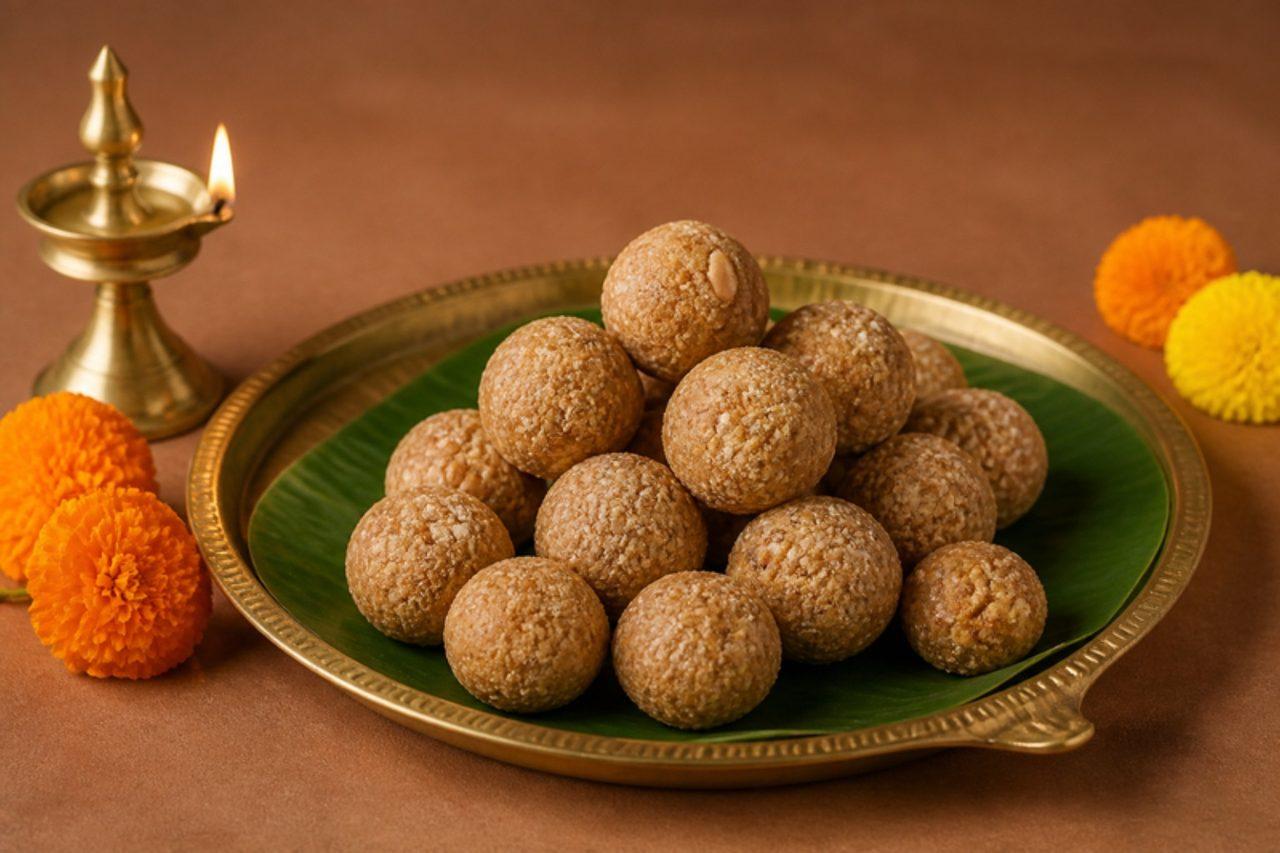
Nagara Panchami in Karnataka is a festival of sisters and brothers as much as of snakes: women offer milk to the stone naga images under peepal trees, and the sweets made at home are tambittu, laddus of roasted rice flour, roasted gram, coconut and sesame bound with jaggery syrup and ghee. They are crumbly-soft and earthy, and a few are also offered at Varamahalakshmi. Common mistake: binding with thin syrup, which leaves the laddus wet and collapsing; boil the jaggery only to a soft-ball stage, when a drop in cold water forms a soft ball you can pick up. Chef's tip: roast the rice flour until it just smells toasty and is barely cream-coloured; too dark and the laddus taste bitter.

by KrazyBadal 0 views

Alwar milk cakeGrainy reduced-milk sweet

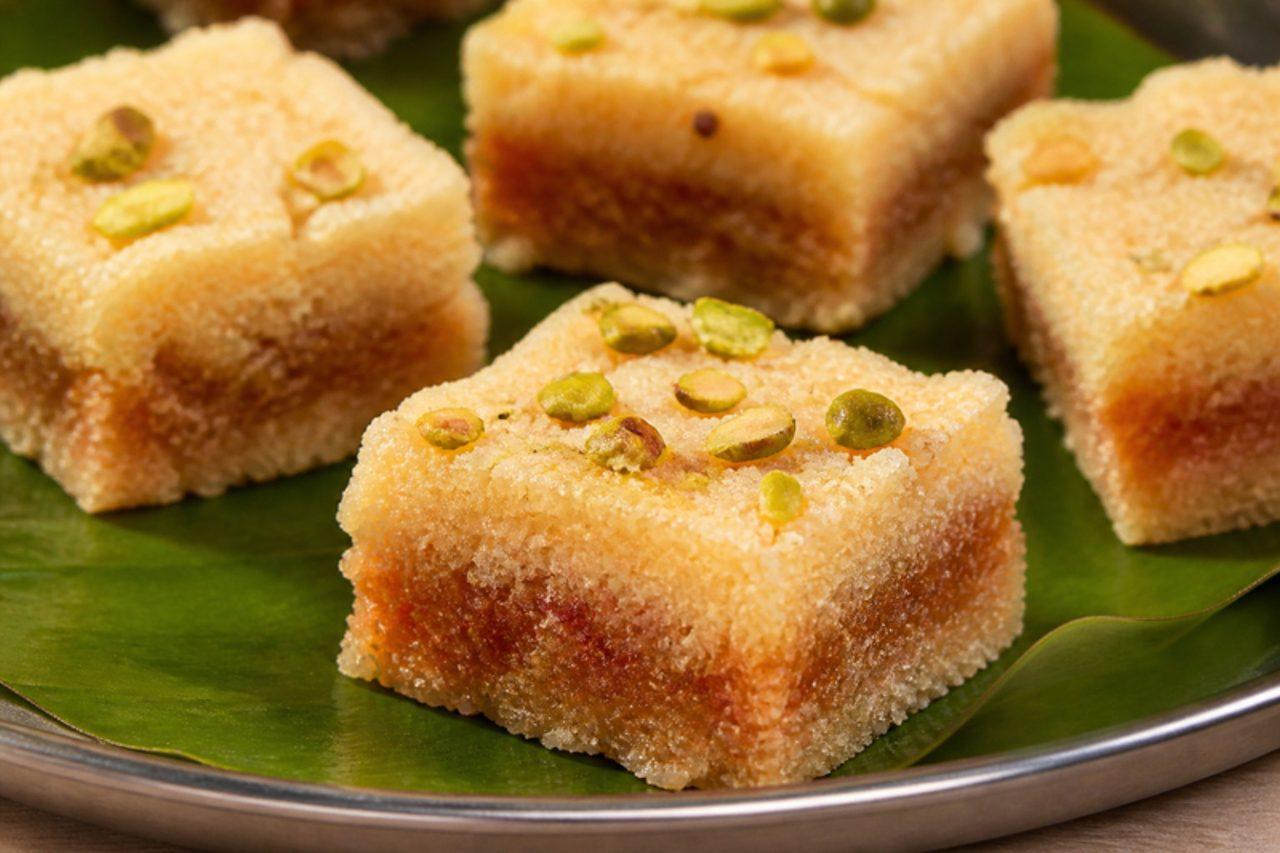
Sweet boxes swapped on Raksha Bandhan in Rajasthan very often hold Alwar milk cake: a dense slab of full-fat milk reduced for hours with sugar, then left to set slowly in its own heat so the middle caramelises dark brown while the edges stay pale and grainy. Unlike kalakand, it uses no chhena at all; the grain comes from souring the milk just a little as it reduces, and the colour from long, patient cooking. It is fudgy, milky and toffee-like. Common mistake: hurrying the last stage on a high flame, which scorches the base instead of browning it; the mass is ready when it leaves the sides of the pan as one sticky lump and the ghee starts to show at the edges. Chef's tip: wrap the filled tin in a thick towel and leave it overnight; that slow cooling is what browns the centre.

by KrazyBadal 0 views

KhichdoWheat, rice and dal porridge

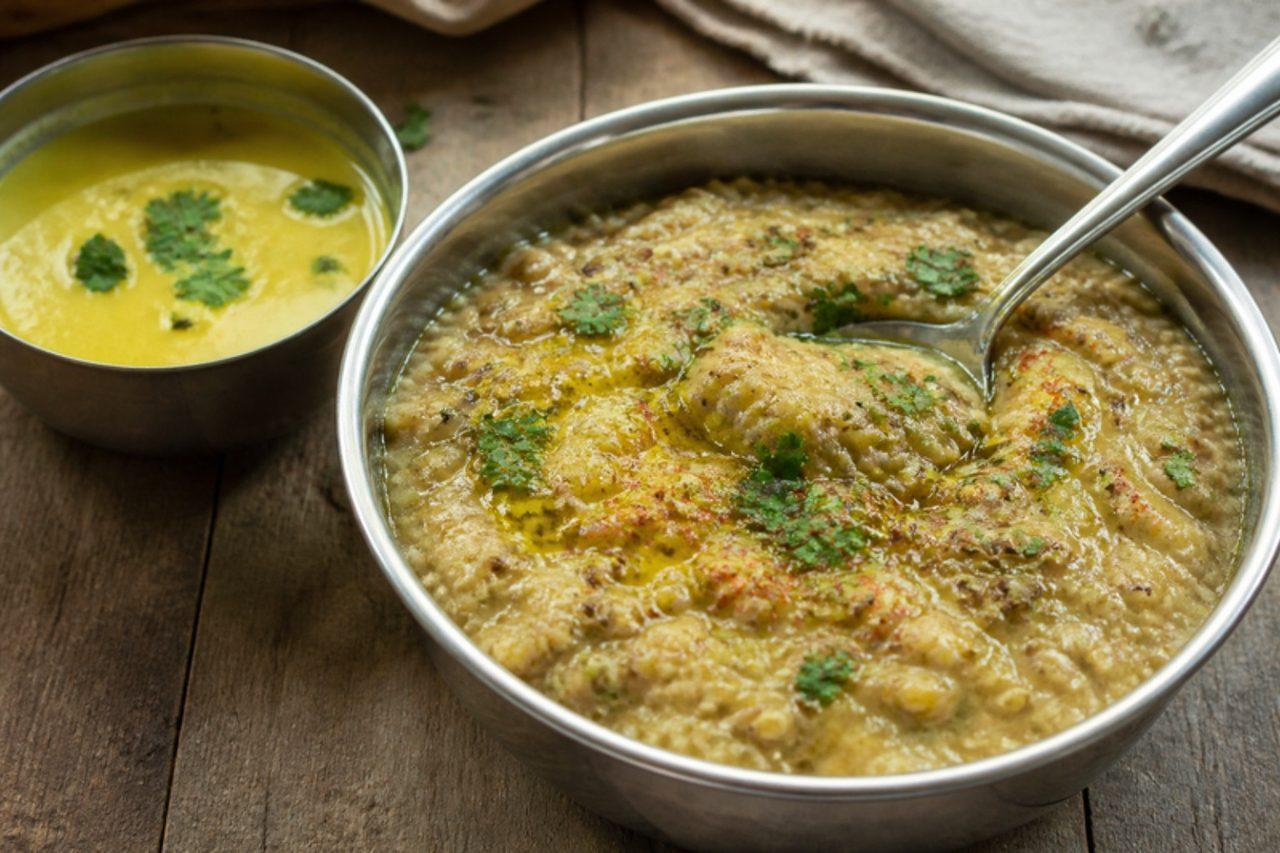
Khichdo is Gujarat's Uttarayan dish of giving: on the morning of the festival big pots of it are cooked and shared with neighbours, cows and anyone in need, because charity on Makar Sankranti is thought to bring blessings. It is a slow, hearty porridge of pounded whole wheat cooked with rice and several dals until everything melts together, finished with a ghee tadka of whole spices, ginger and chilli. Some families make it sweet with jaggery instead. Common mistake: skipping the soaking; the wheat needs a night in water or it never softens, and the khichdo is ready when the grains are bursting and it falls thickly from the ladle. Chef's tip: pounded khichda wheat is sold in Indian shops; cracked whole wheat (not bulgur) also works.

by KrazyBadal 0 views

Moong dal dhoklaSteamed moong dal squares

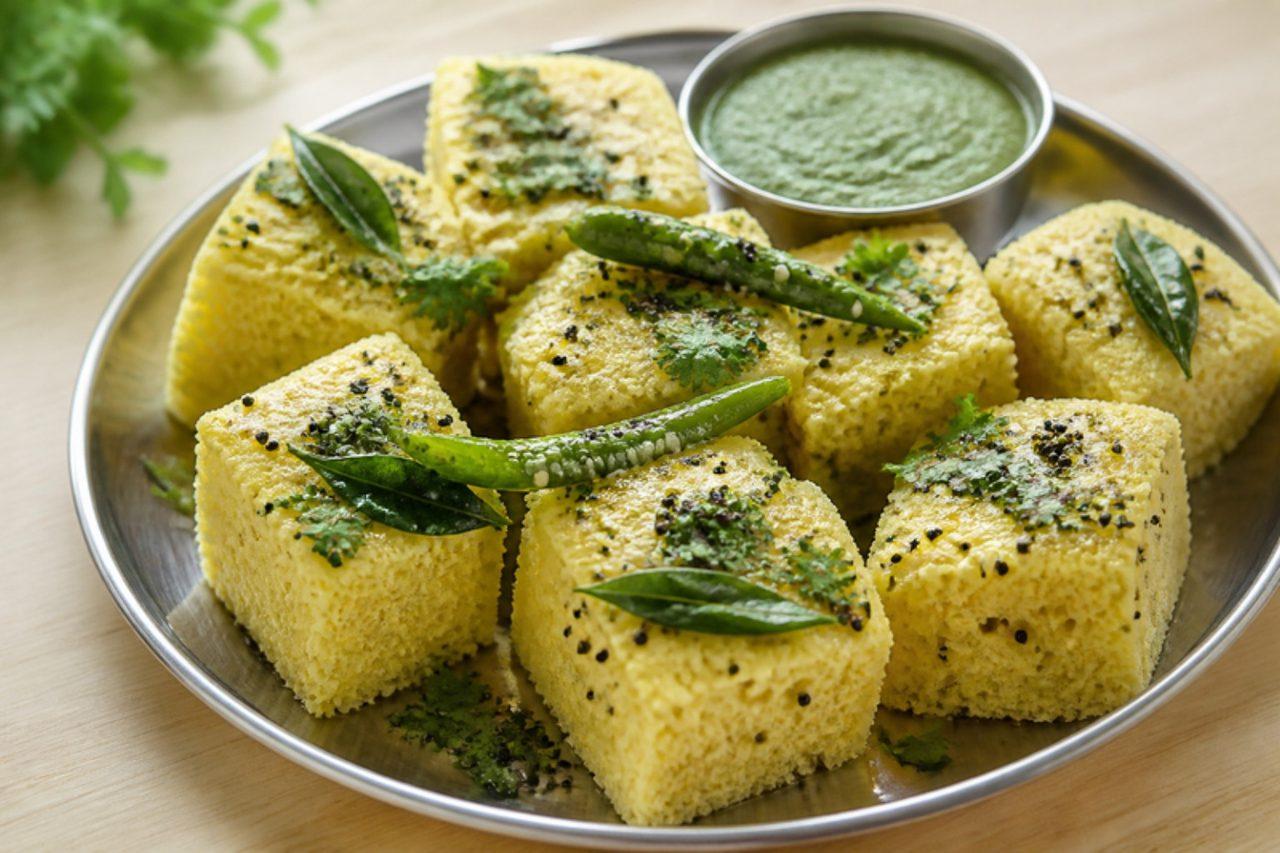
Across Gujarat, moong dal dhokla is the lighter cousin of khaman: the breakfast plate in Ahmedabad homes, the tiffin snack that travels well, and a regular on the table when someone in the house is eating light. Split yellow moong is soaked, ground with ginger and green chilli and steamed into pale, springy squares, then splashed with a hot tempering of mustard seeds, sesame and curry leaves. It is mild, savoury and slightly sweet from the dal itself, and best with green chutney. A common mistake is grinding the dal to a thin, watery paste; the dhokla then steams flat and dense, so keep the batter thick enough to drop slowly from a spoon. Chef's tip: stir in the fruit salt only when the steamer is already boiling and the tray is greased, because its fizz fades within a couple of minutes.

by KrazyBadal 0 views

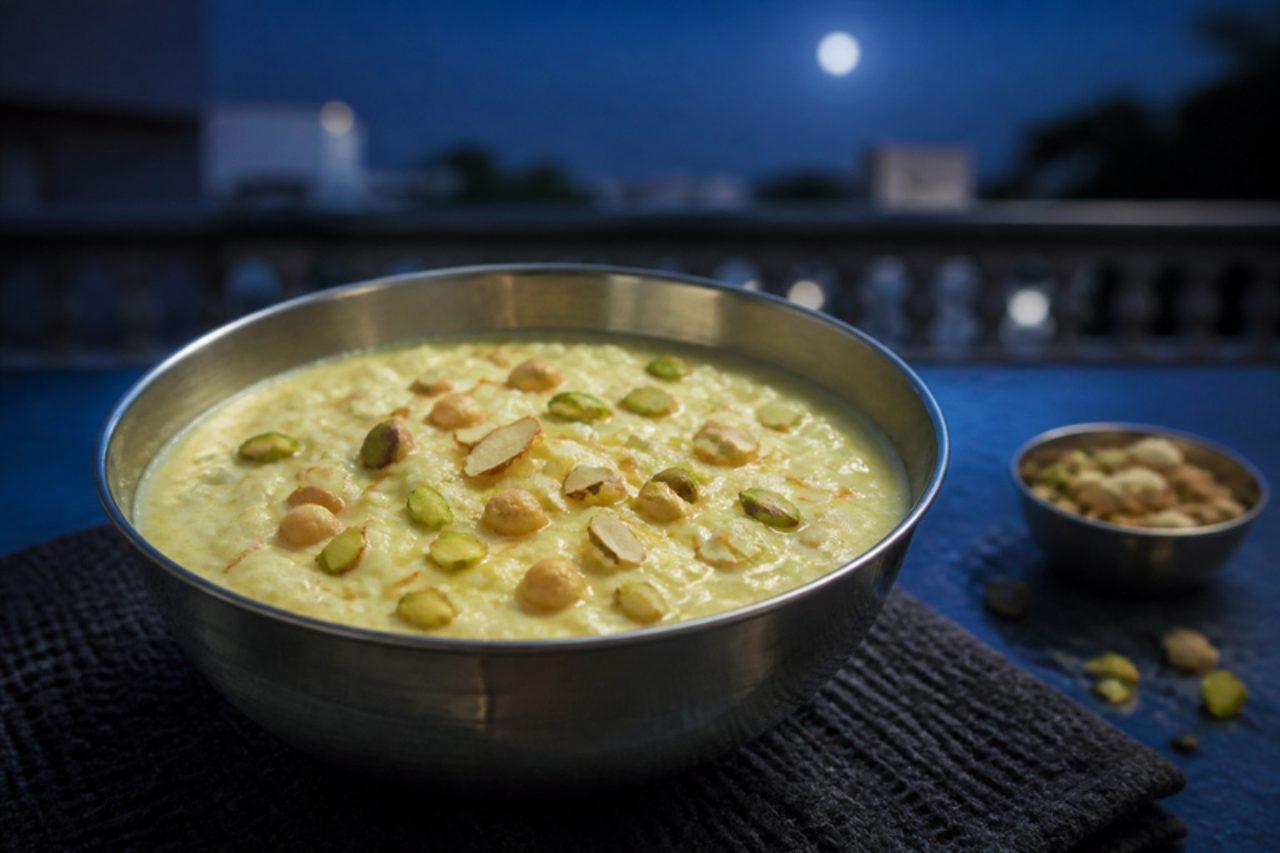
Doodh pauvaChilled saffron milk with flattened rice

Sharad Poonam, the brightest full moon of the year, ends the Navratri season in Gujarat; families sing garba late into the night and leave a bowl of doodh pauva out under the moon, believing its rays make it healing, before eating it cold together. It is thin poha soaked in reduced, sweetened milk with cardamom, saffron and nuts, cooling, soft and lightly creamy, the Gujarati cousin of Maharashtra's Kojagiri masala doodh. Common mistake: adding poha to hot milk or too early, so it turns to porridge; chill the milk first and stir the poha in only 10–15 minutes before eating, when the flakes are soft but still separate. Chef's tip: simmer the milk down by a quarter before chilling; a little reduction gives body without needing cream.

by KrazyBadal 0 views

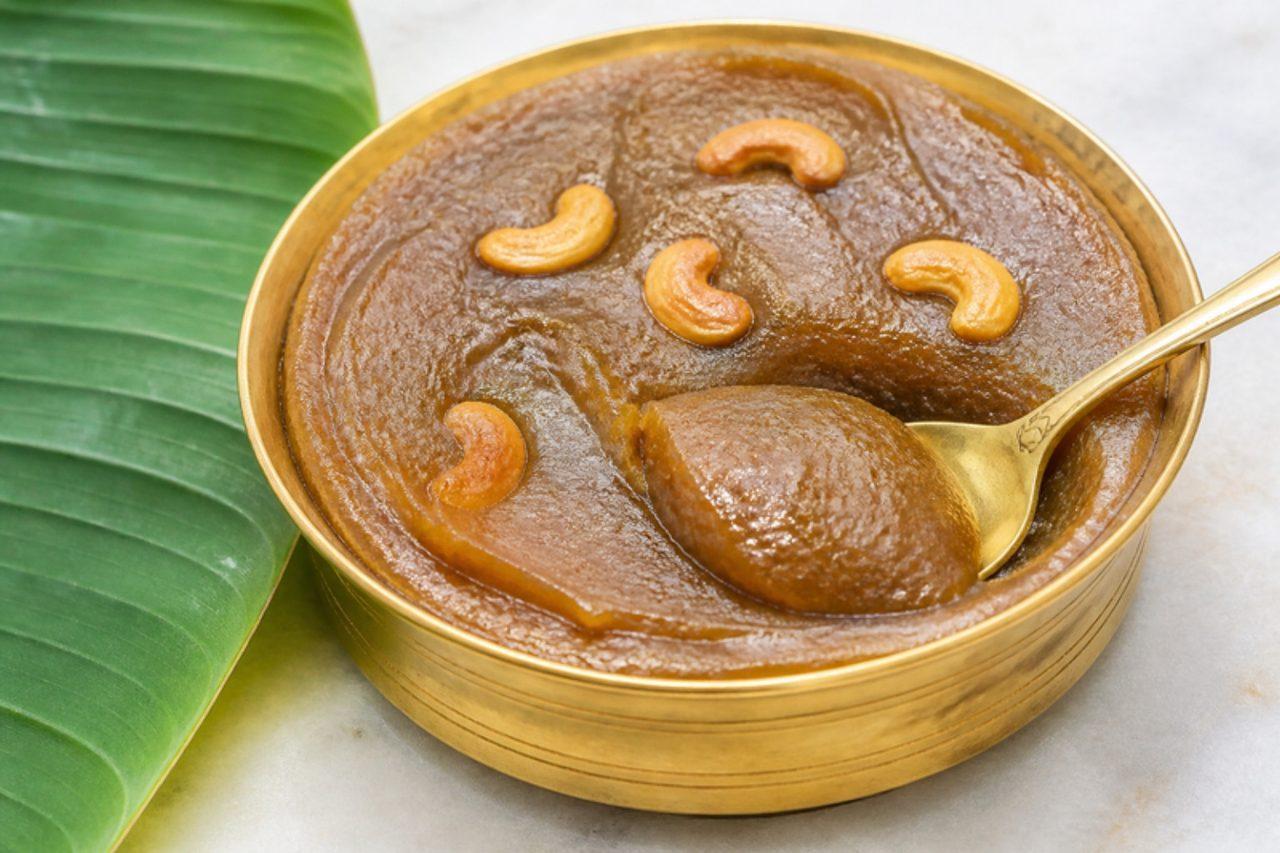
KummayamRoasted urad and moong halwa

Kummayam, also called aadi kummayam, is the sweet Chettinad homes make in the Tamil month of Aadi (July to August), when it is offered at the temple and shared with family. Urad dal, moong dal and rice are dry-roasted and ground into a flour, then cooked in thin jaggery syrup with ghee until it becomes a soft, glossy, dark halwa that pulls away from the pan. It tastes of roasted lentils and molasses and is eaten warm. The most common mistake is adding the flour to hot syrup in one go, which makes stubborn lumps; whisk it into cool syrup first, then cook. Chef's tip: add the ghee a spoonful at a time towards the end and stop when the halwa turns glossy and comes together in one mass.

by KrazyBadal 0 views

KundaCaramelised milk sweet

Kunda is the pride of Belagavi, where sweet shops near the old market have made it for over a century, and boxes go to weddings and Diwali visits across north Karnataka and Goa. Milk is reduced with a little curd so it turns grainy, then cooked with sugar that has been partly caramelised, ending as a soft, crumbly, toffee-brown sweet that tastes of burnt milk and cardamom. A common mistake is caramelising all the sugar; only a third should be darkened, or the kunda turns bitter instead of rich. Chef's tip: use full-fat milk and a wide heavy pan, and scrape the browned bits from the sides back in; they carry most of the flavour.

by KrazyBadal 0 views

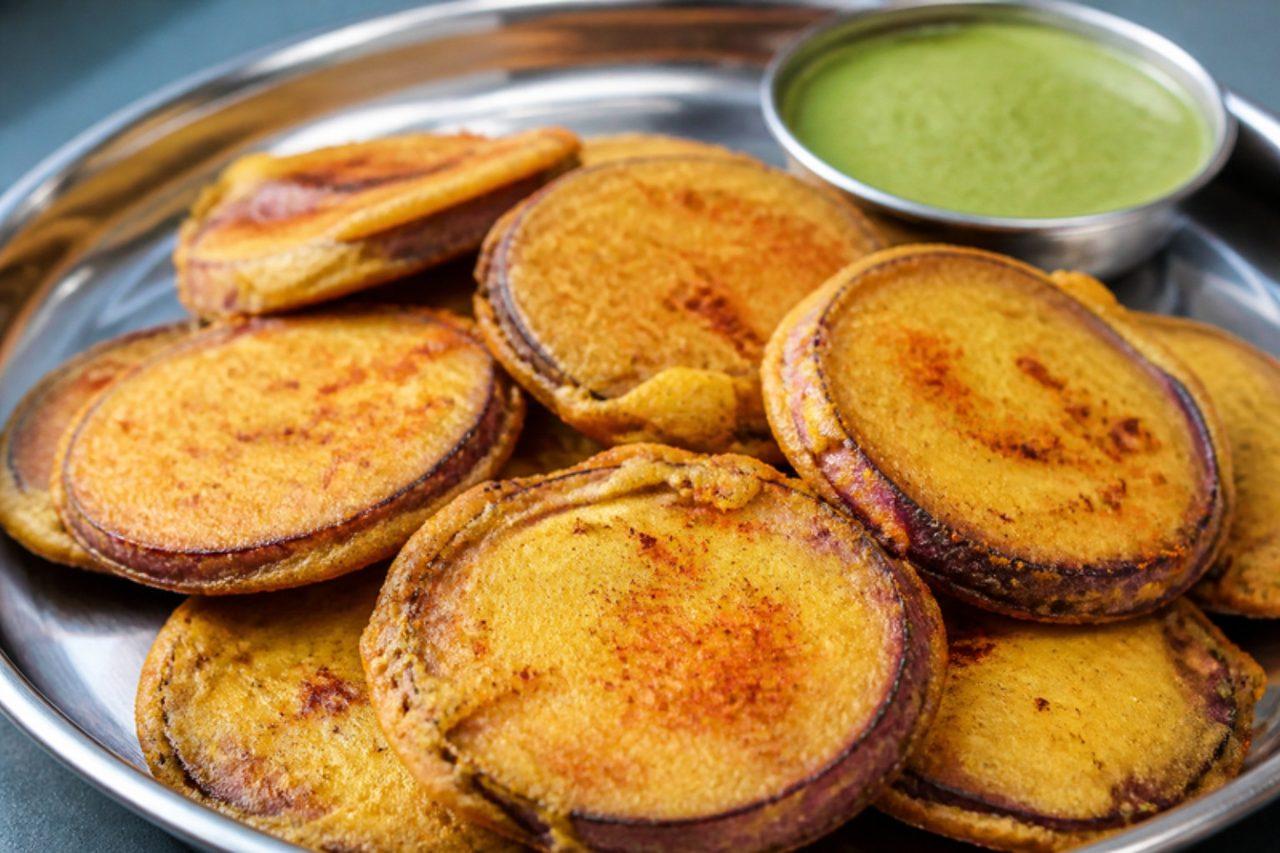
Ratalu puriFried purple yam slices

Ratalu puri belongs to Surat's evening snack trail, where farsan sellers on Chowk Bazaar fry purple yam slices to order and shake a tangy masala over them while they are still sizzling. Inside the crisp, golden coat the yam turns creamy and faintly sweet, and the masala of dry mango, black salt and chilli wakes everything up. They are eaten hot with green chutney, usually on cool winter evenings when ratalu is in season. A common mistake is cutting the yam too thick: slices thicker than 3 mm stay raw in the middle by the time the batter browns. Chef's tip: oil your hands before peeling ratalu, as the raw sap can make skin itch.

by KrazyBadal 0 views

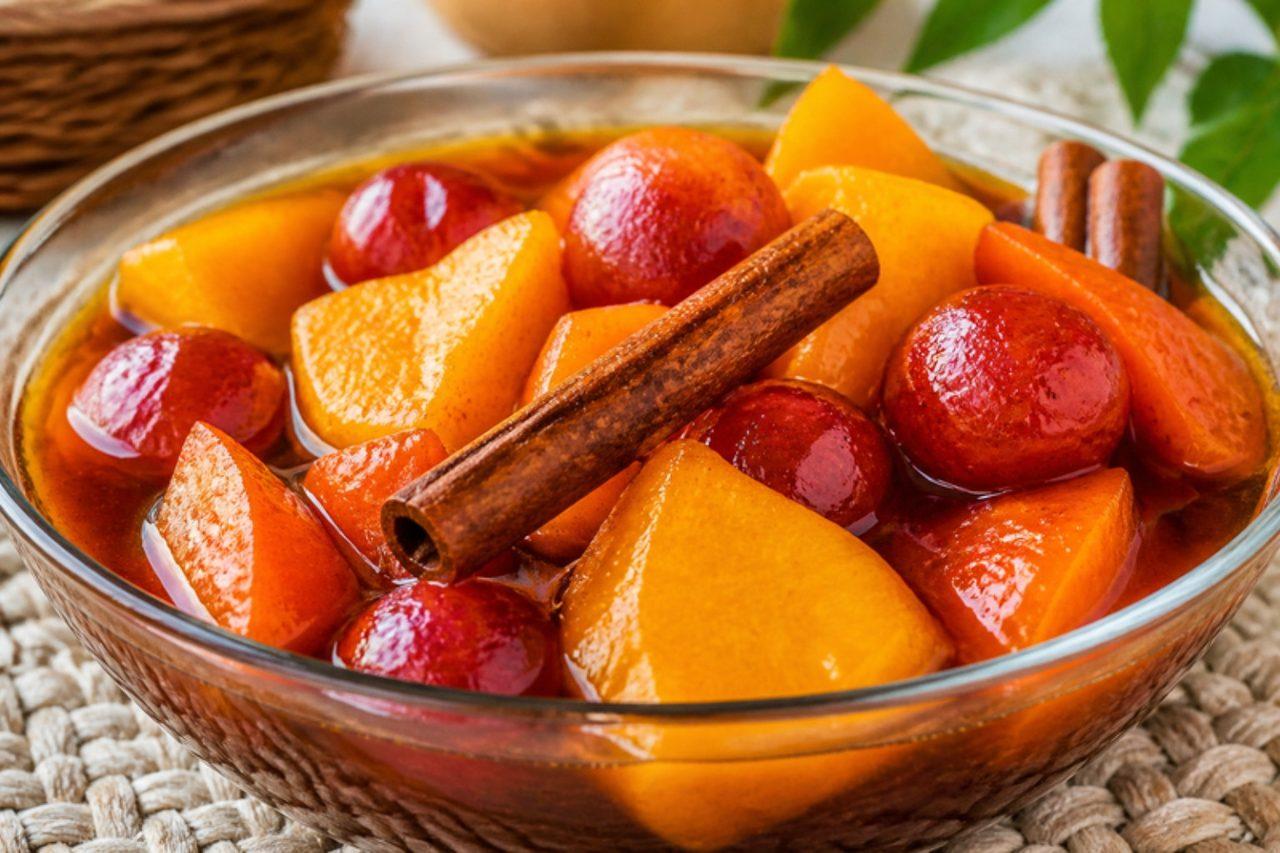
Almíbar nicaragüenseFruit preserve in panela syrup

In Nicaragua, Semana Santa means almíbar: a big pot of mango, papaya, jocote (hog plum) and grosella (gooseberry) simmered for hours in a dark panela syrup with cinnamon, cloves and allspice. Families make it ahead and share it with neighbours, who return the bowl full of their own. It is served cool in small bowls, sometimes with a slice of cheese. Jocotes and grosellas are hard to find abroad; firm plums and cape gooseberries are good stand-ins. It is vegan and gluten free. Chef's tip: add the fruit in order of firmness so everything finishes tender but whole.

by KrazyBadal 0 views

TaloaMaize flatbread with ham and cheese

During the Fêtes de Bayonne in July, when the whole town dresses in white with red scarves, stalls in the Pays Basque sell taloa: thick flatbreads of maize and wheat flour cooked on a hot griddle and folded around fillings. The classic is with jambon de Bayonne (a cured pork ham), with sheep's cheese or with ventrèche (cured pork belly), and it's eaten hot in the street. Cheese alone makes a good vegetarian version. Chef's tip: cook the taloa on a dry, very hot pan; it should blister and puff in patches like a tortilla.

by KrazyBadal 0 views

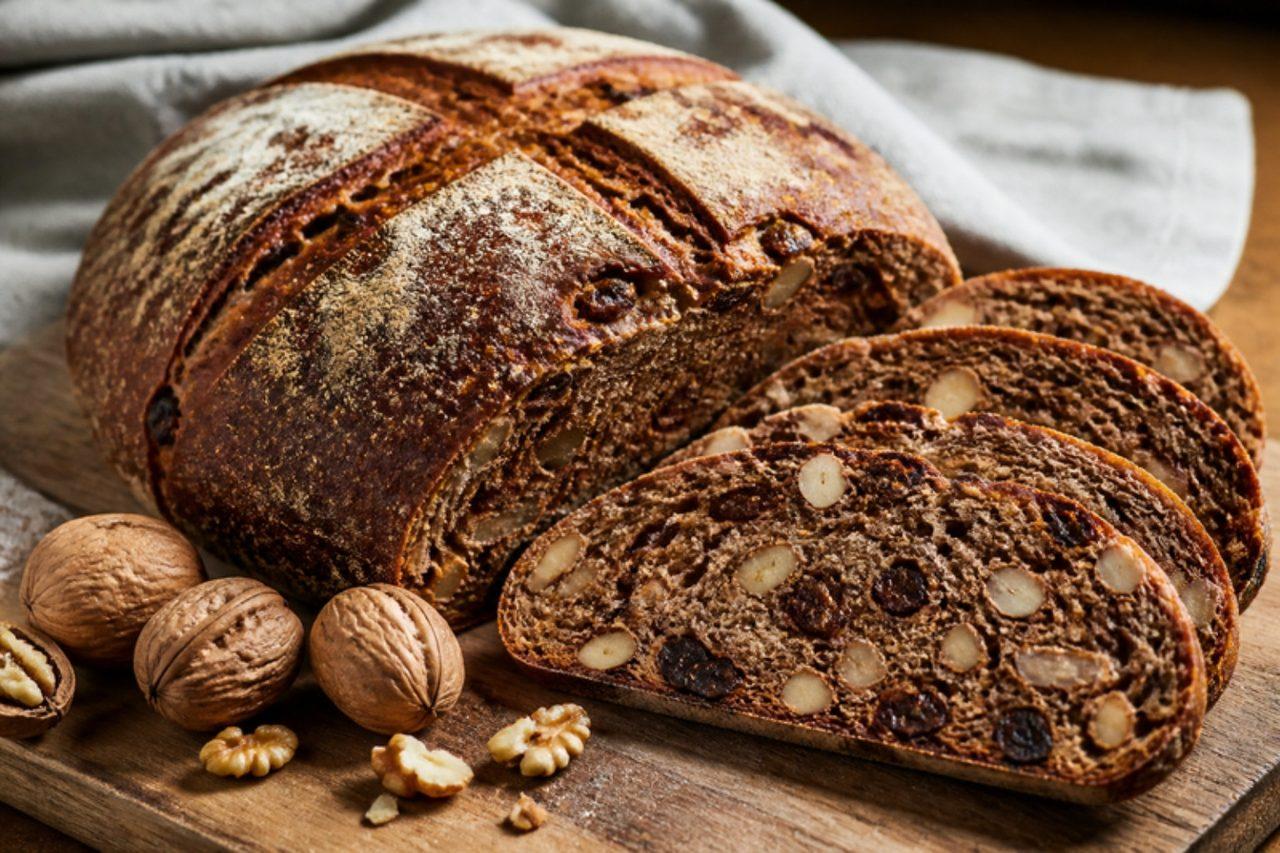
Pan co' santiWalnut and raisin loaf

In Siena and the Tuscan countryside, pan co' santi ('bread with the saints') is baked for All Saints' Day on 1 November, when the new walnuts and the late grapes come in. It is a dark, lightly sweet bread dough rich with olive oil, walnuts, raisins and a surprising amount of black pepper, which gives a warm bite. It is eaten with the new wine by adults, or with roasted chestnuts. It is vegan. Chef's tip: fry the raisins and walnuts briefly in the olive oil before adding them, as Sienese bakers do; it brings out their flavour.

by KrazyBadal 0 views

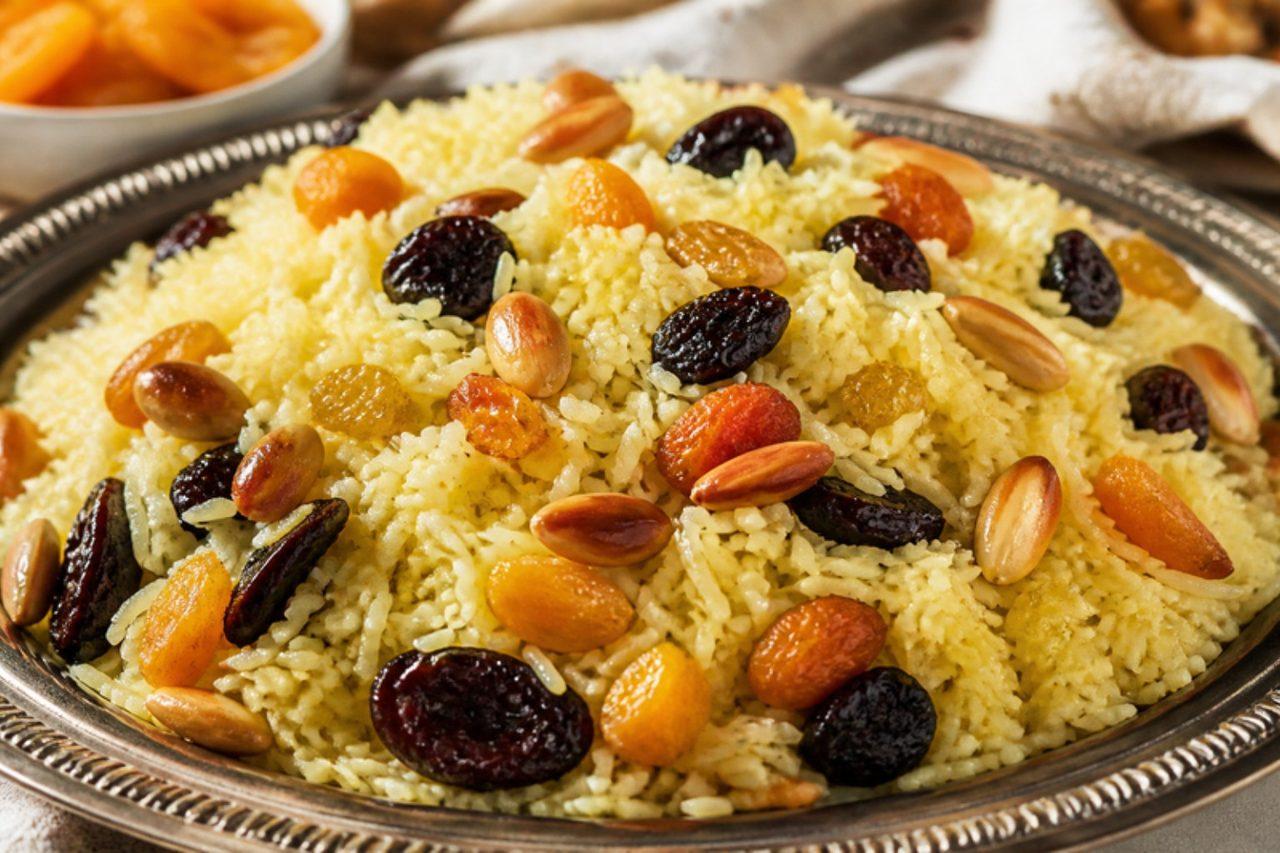
Chirov plavRice pilaf with dried fruit

Chirov plav, rice pilaf with dried fruit ('chir'), is the Armenian Easter dish: after the long Lenten fast, families gather on Easter Sunday to eat this glossy, buttery pilaf, often served beside fried or baked fish and red-dyed eggs. The rice is cooked separately so every grain stays loose, then layered with dried apricots, raisins and prunes warmed in butter, with a golden crust (tahdig-style) at the bottom. Chef's tip: rinse the rice until the water runs clear, and parboil it in plenty of salted water, as that keeps the grains separate.

by KrazyBadal 0 views

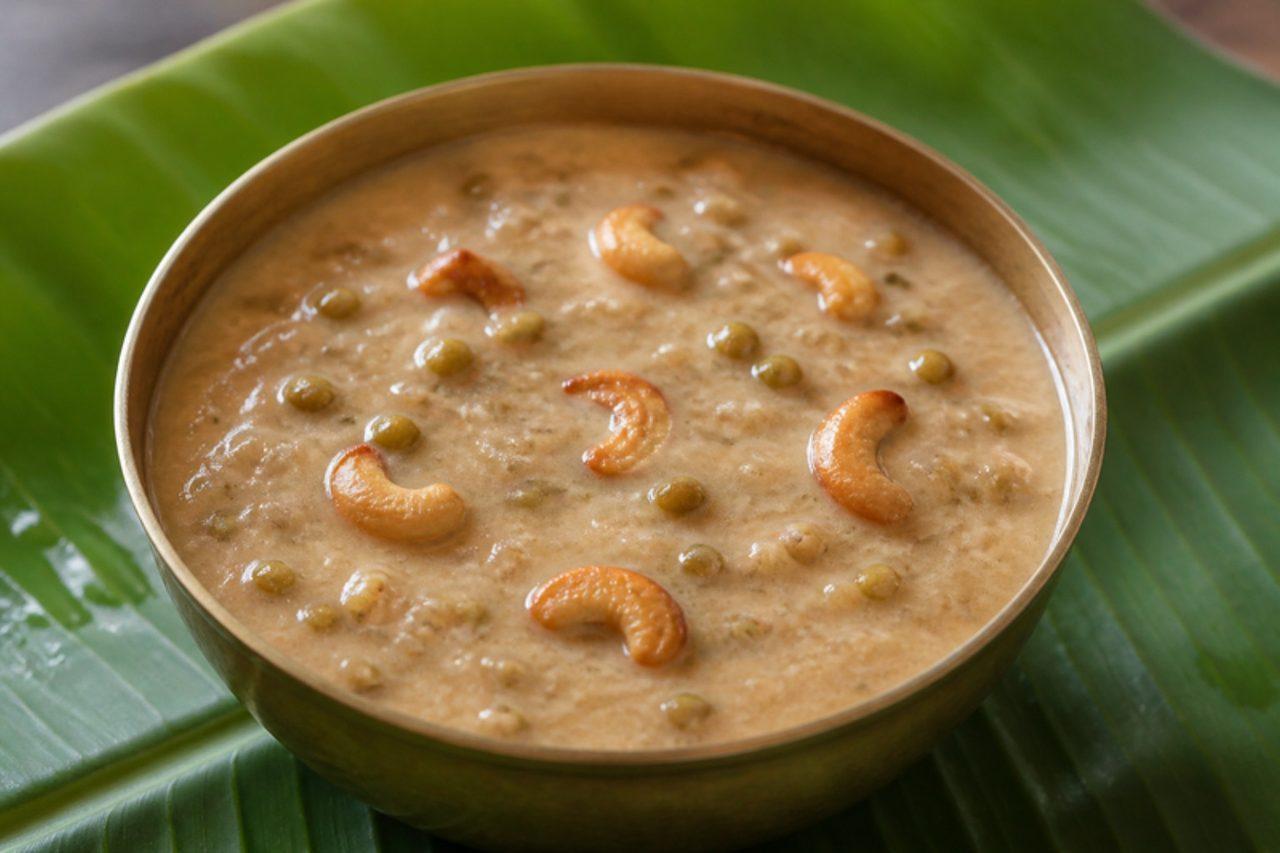
VornGreen gram and coconut milk sweet

On 8 September, Mangalorean Catholics celebrate Monti Fest, the feast of Mary's Nativity, which is also a harvest festival: new ears of grain are blessed at church and shared at home, and the family eats a vegetarian feast of new-season vegetables. Vorn, a pudding of split green gram (moong) cooked with coconut milk, jaggery and cardamom, is the sweet that ends it. It is like a gentle payasam, vegan and gluten free. Chef's tip: dry-roast the moong dal until fragrant before cooking it, which gives vorn its nutty flavour.

by KrazyBadal 0 views

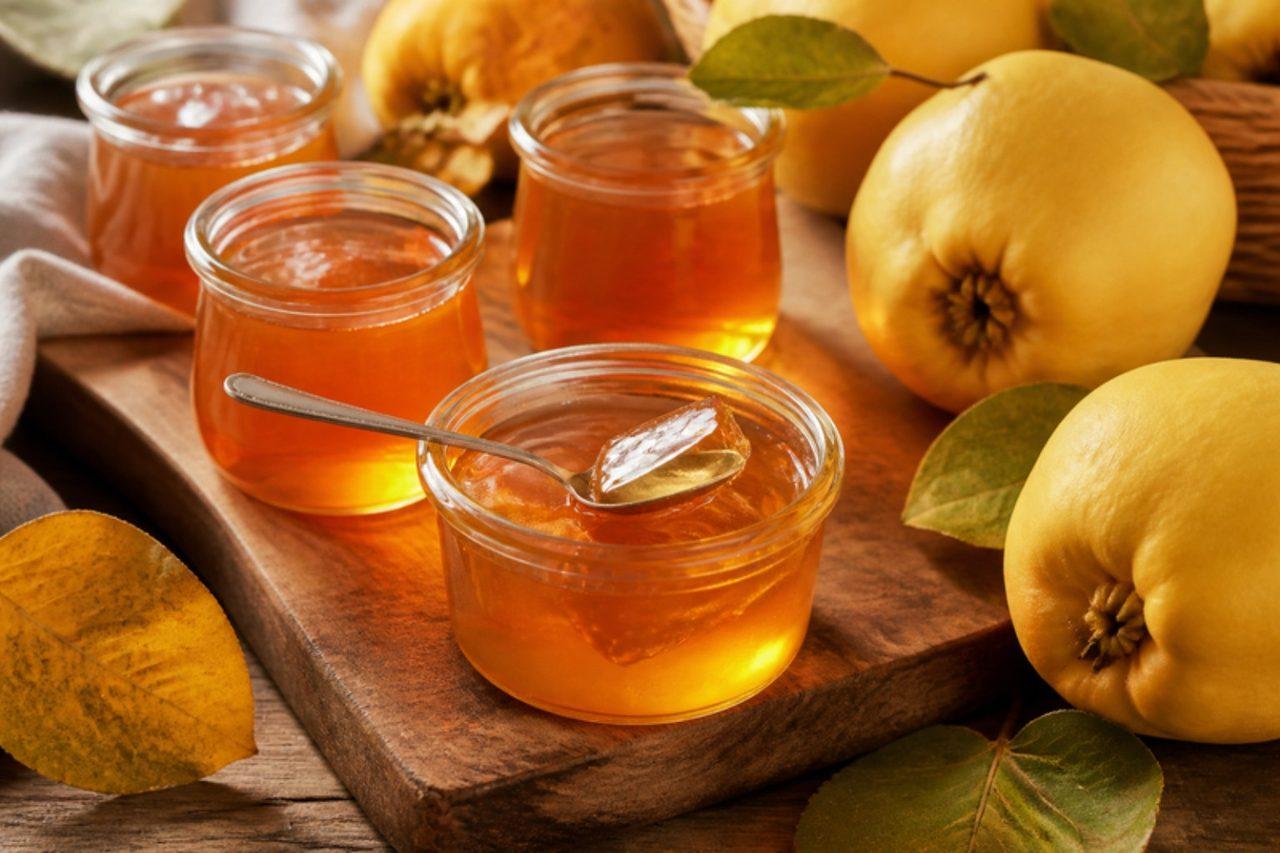
QuittengeleeQuince jelly

Quinces are too hard and sour to eat raw, so in Germany they are turned into Quittengelee, one of the jewel-coloured jars set out with the pumpkins and sheaves of wheat for Erntedank, the October harvest thanksgiving. The fruit is simmered whole in pieces, the juice drips through a cloth overnight, and then it is boiled with sugar until it sets into a clear jelly the colour of rosé, with a perfume like pear, honey and roses. Eat it on bread rolls, with cheese, or melted as a glaze for apple tart. Chef's tip: quince skin and cores are full of natural pectin, so cook them in with the flesh rather than peeling.

by KrazyBadal 0 views

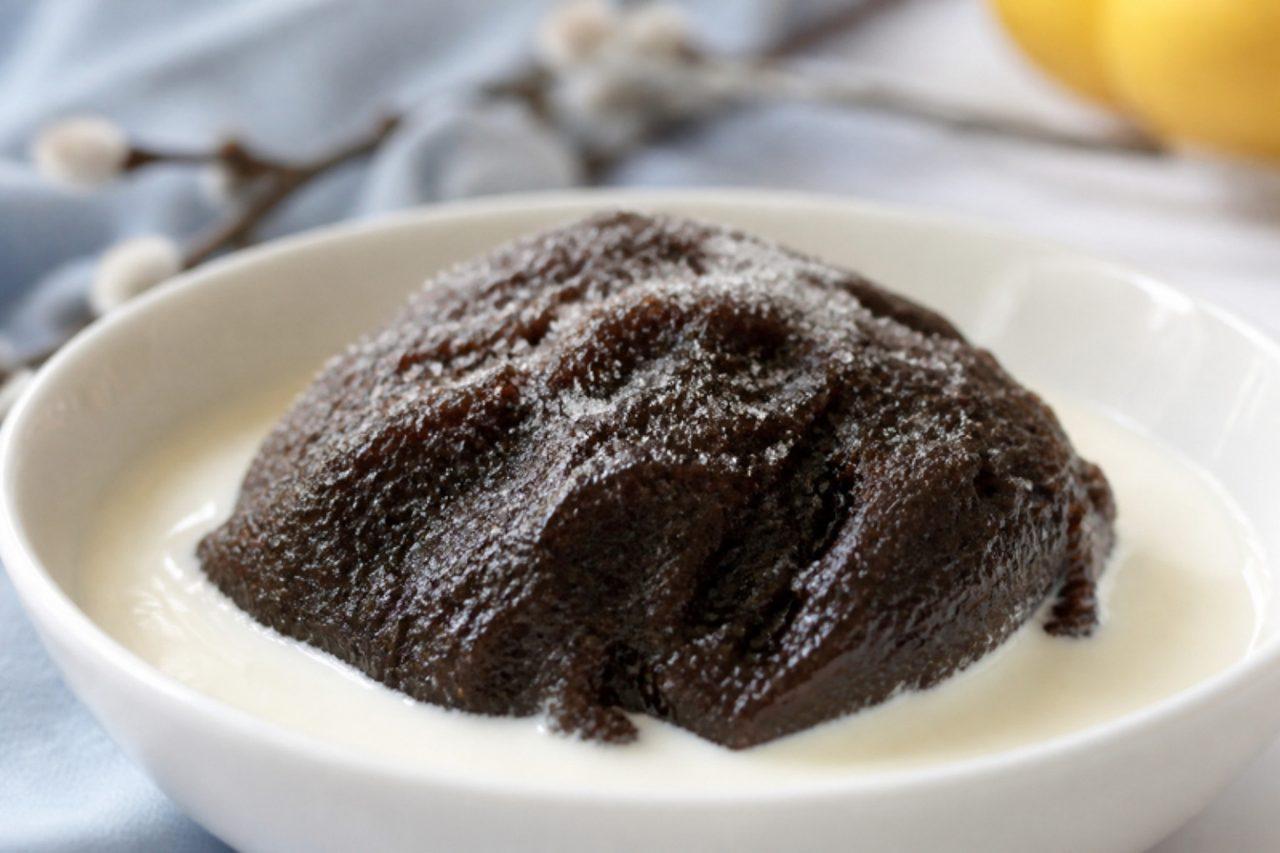
MämmiRye and malt Easter pudding

Mämmi is Finland's Easter dessert, a dark, almost black pudding of rye flour and malted rye, sweetened slowly by the malt's own enzymes and by a little molasses, then baked for hours in birch-bark boxes or small dishes. It looks unusual but tastes mild, malty and gently sweet, and is eaten cold with cream and sugar on Easter Sunday. It is vegan, and it was once eaten through Lent. You need powdered rye malt from a baking supplier or Nordic shop. Chef's tip: keep the porridge warm (around 60 °C) for two hours before baking so the malt can sweeten it; skip this and mämmi tastes bitter.

by KrazyBadal 0 views

SkābputraSoured barley porridge drink

Skābputra, 'sour porridge', is one of the oldest Latvian foods, and at Jāņi, Midsummer on 23–24 June, it is served cold alongside caraway cheese, pīrāgi and wreaths of flowers. Pearl barley is cooked soft, then soured with buttermilk or kefir for a day or two until it is tangy and fresh-tasting, and it is thinned with milk into a thick, cooling drink sipped or eaten with a spoon on hot summer days. This home version uses bought live buttermilk to start the souring safely. Chef's tip: use clean jars and utensils, and taste it each day; once it is pleasantly sour, chill it so it stops souring.

by KrazyBadal 0 views

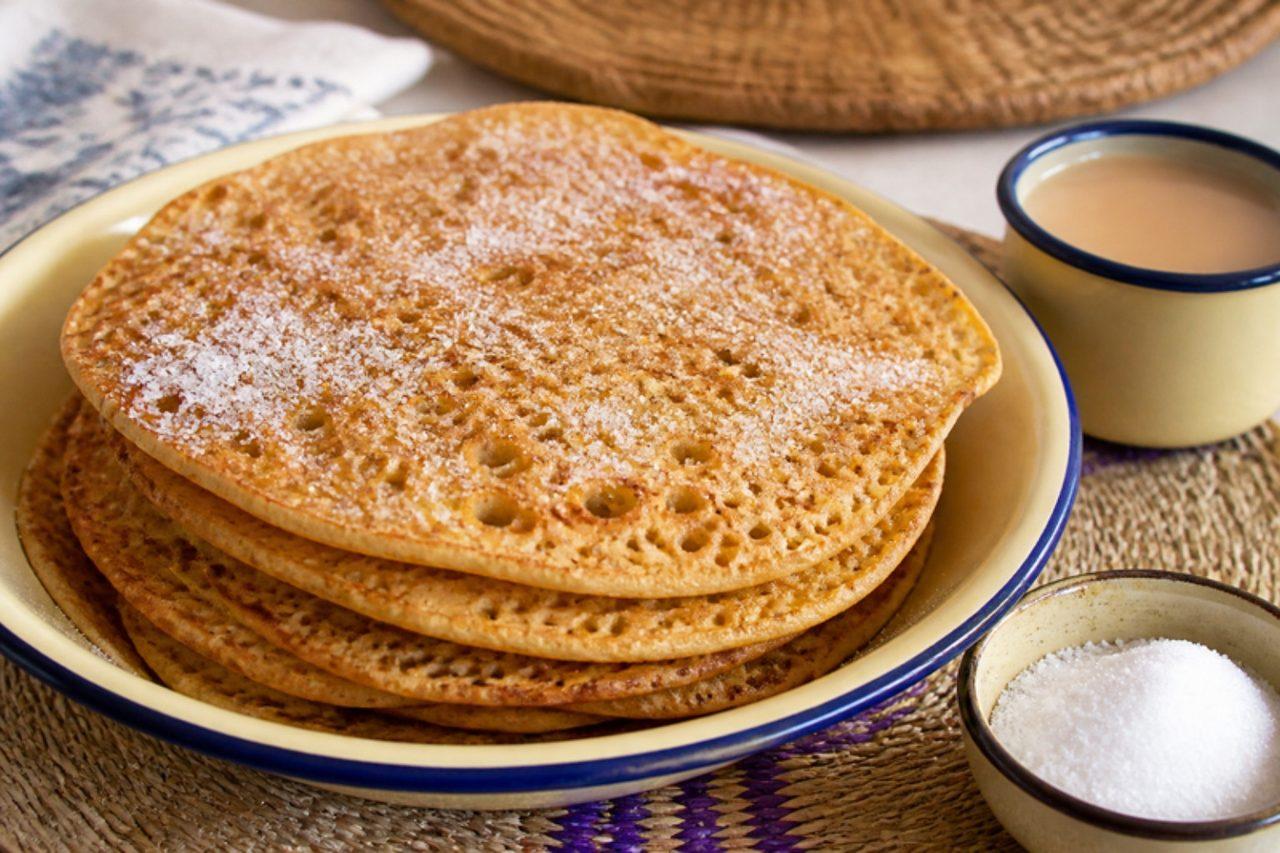
FunkasoFermented wheat pancakes

Funkaso is a Hausa pancake from northern Nigeria, made from a wheat batter left to ferment until bubbly and fried into soft, spongy rounds with crisp edges. Families cook stacks of it for the pre-dawn sahur and the evening meal during Ramadan, and again on Sallah morning for visitors. It is eaten simply, sprinkled with sugar, or dipped in a hot pepper sauce, with hot kunun or tea. Chef's tip: the batter should be as thick as double cream; too runny and the pancakes spread thin and lose their spongy middle.

by KrazyBadal 0 views

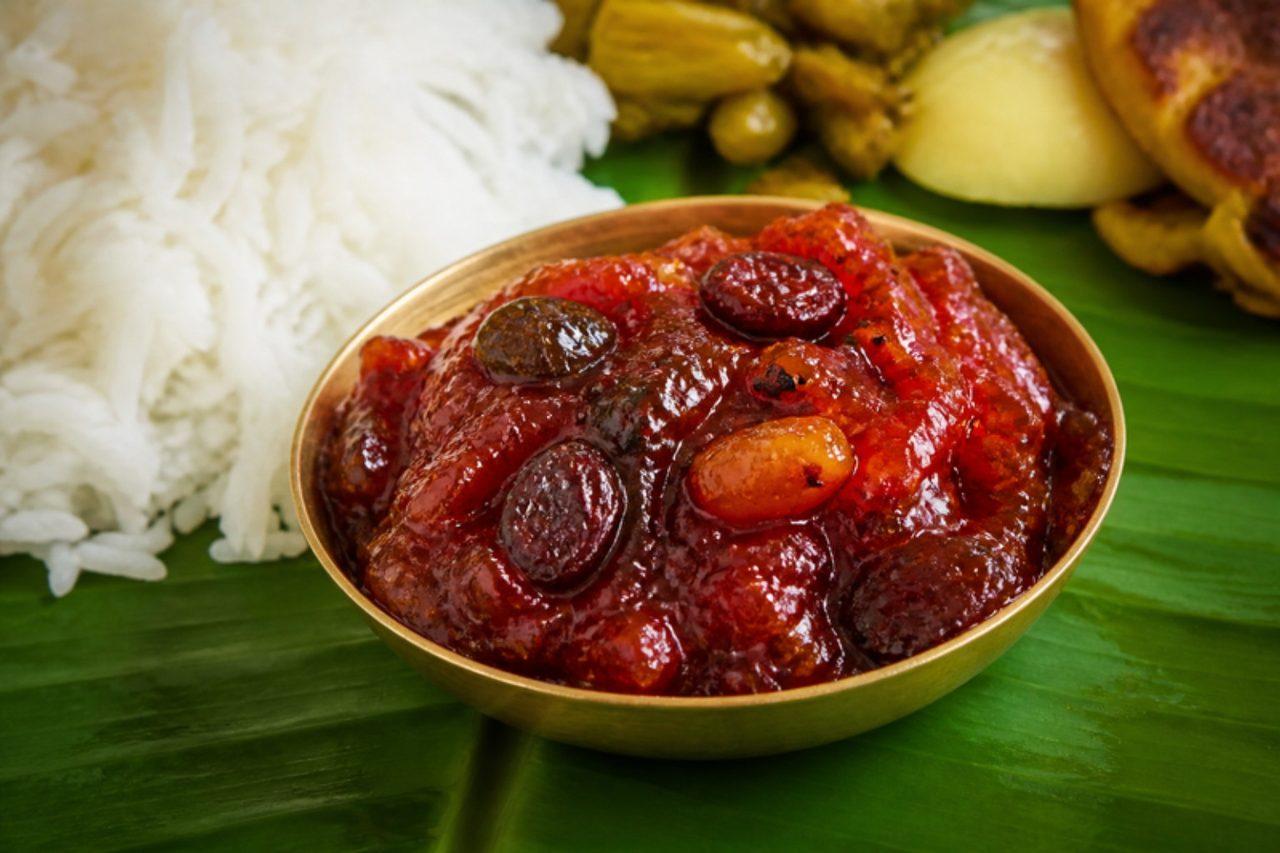
Tomato khejur chutneyTomato and date chutney

A Bengali festive meal ends with chutney, and during Durga Puja the bhog plate's last stop is often this glossy tomato and date chutney. Ripe tomatoes are cooked with a mustard-seed and dried-chilli tempering, then sweetened with sugar and stoned dates and studded with raisins until it turns jammy and sticky. It is eaten as its own course after the vegetables, to clean the palate before the sweets. Common mistake: taking it off the heat too early so it stays watery; it is ready when a spoon drawn through the pan leaves a clear line for a second and the chutney looks shiny. Chef's tip: add a few strips of aamsotto (dried mango leather) with the dates if you have it; it gives the deep, fruity sourness of the pandal chutney.

by KrazyBadal 0 views

MässmoggeHazelnut-filled striped sweets

Every autumn the Basler Herbstmesse, Switzerland's oldest fair, fills the old town with rides and stalls, and the smell of boiling sugar from the stands selling Mässmogge, glossy striped sweets in bright colours with a soft chocolate-hazelnut centre. They are made by pulling hot sugar until it turns satiny, wrapping it round a rope of filling and snipping it into little pillows. It takes practice and a sugar thermometer, and adults should do all the hot work; children can help once the sweets are cool. Chef's tip: work on an oiled silicone mat near a low oven, so the sugar stays pliable for longer.

by KrazyBadal 0 views

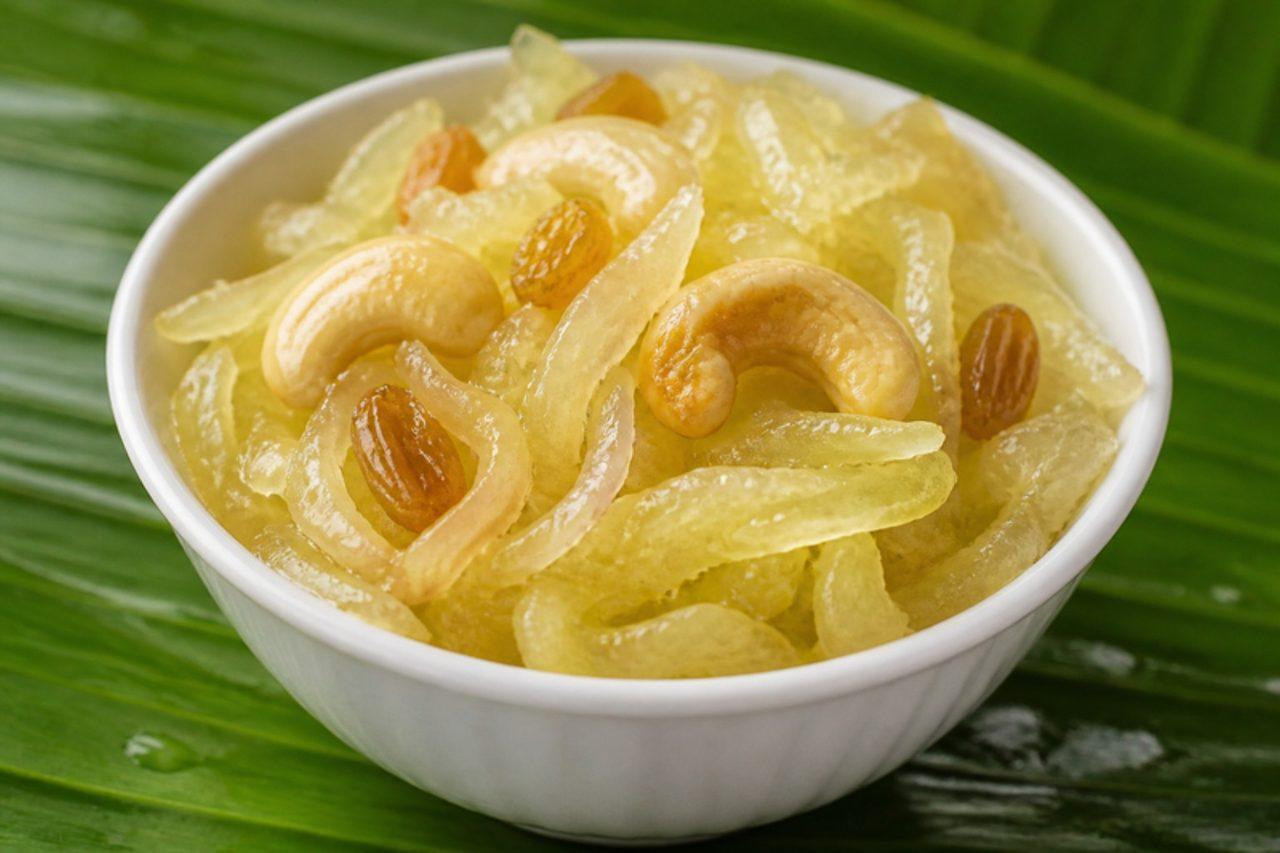
Plastic chutneyRaw papaya chutney

Plastic chutney gets its funny name from the way the thin slices of raw papaya turn clear and glassy, like cellophane, as they cook in syrup. It is the chutney of every Bengali wedding feast and of the Durga Puja bhog, served in a small heap at the end of the meal, sweet, sharp with lime, and dotted with raisins. No onion or garlic goes near it. Common mistake: cutting the papaya too thick or cooking it on high heat; thick slices stay opaque and chewy, while a fast boil caramelises the syrup before the papaya turns clear. The chutney is ready when every slice is see-through and the syrup coats a spoon. Chef's tip: soak the sliced papaya in water with a pinch of baking soda for 15 minutes, then rinse; this helps the slices stay crisp-tender and turn translucent evenly.

by KrazyBadal 0 views

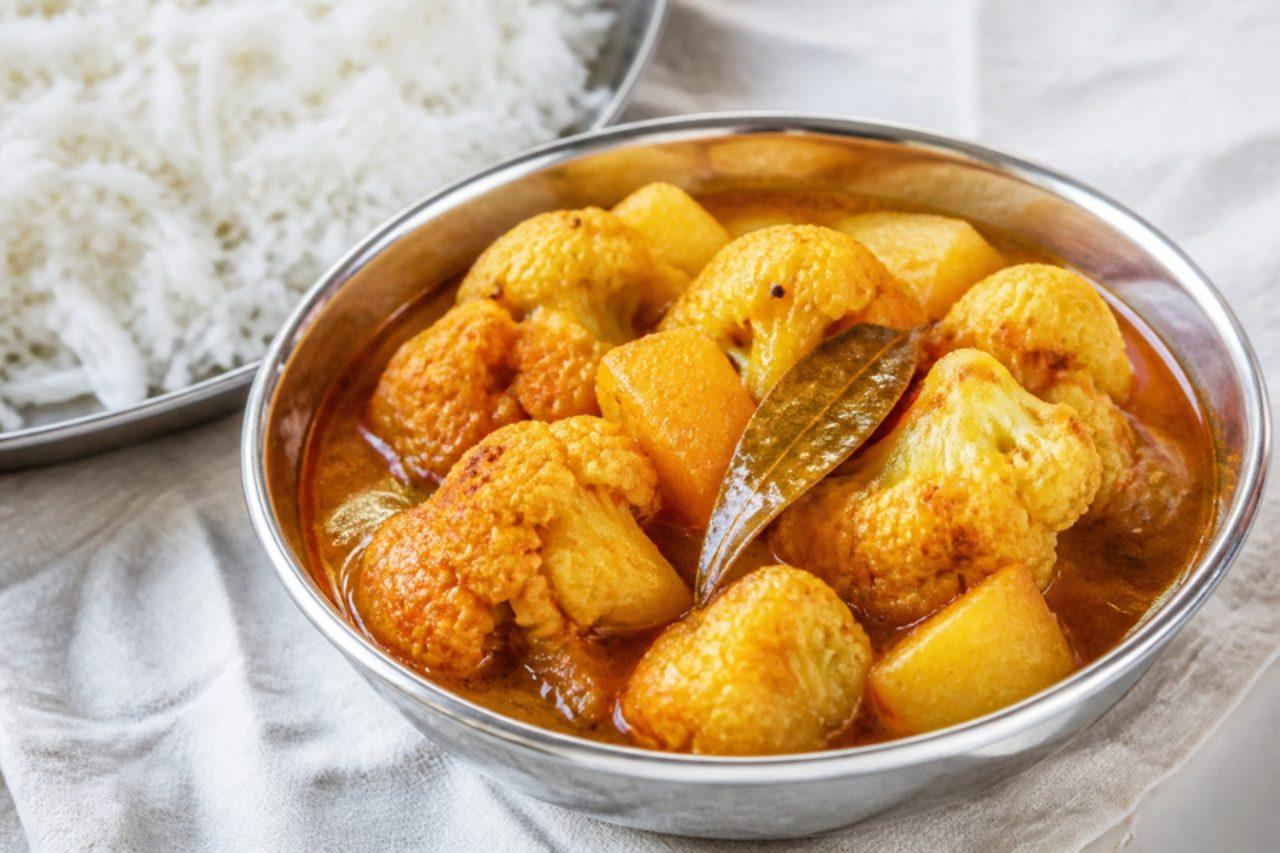
Fulkopir dalnaCauliflower and potato in light gravy

Fulkopir dalna is the gravy dish of a niramish (no onion, no garlic) Bengali menu, and it appears on the Durga Puja bhog table and at home on Navami and Dashami, when many families keep the day's food vegetarian. Large cauliflower florets and potatoes are fried golden and then simmered in a thin, glossy gravy of ginger, cumin, tomato and a little yoghurt, finished with ghee and Bengali garam masala. It should taste mellow, warm and slightly sweet rather than hot. Serve it with luchi or khichuri. Common mistake: boiling the cauliflower in the gravy from raw; fry the florets first until browned in patches, or they turn mushy and taste watery. Chef's tip: whisk the yoghurt with the ground spices before it goes in, and keep the heat low, so the gravy stays smooth instead of splitting.

by KrazyBadal 0 views

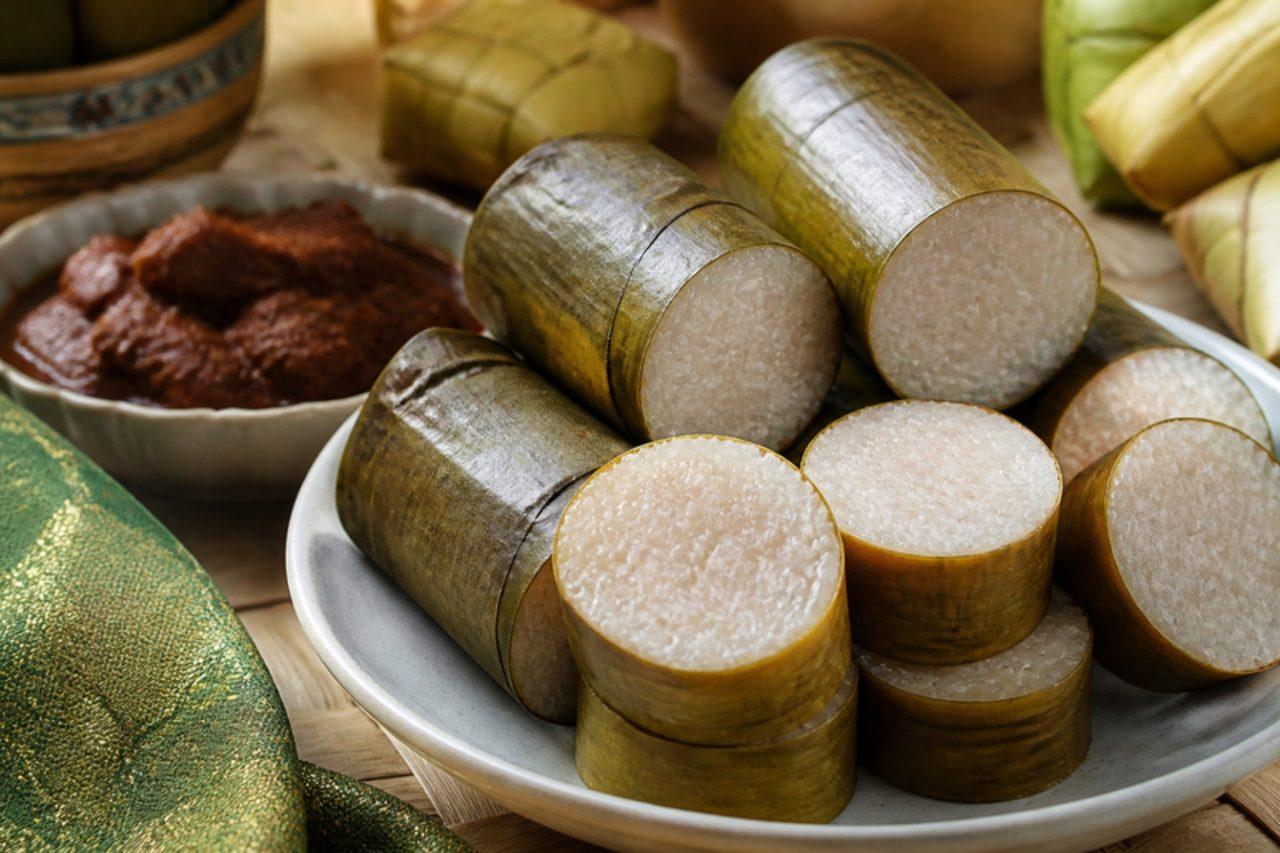
LemangBamboo-cooked coconut sticky rice

On the eve of Hari Raya Aidilfitri, Malay villages across the peninsula fill with smoke as families cook lemang: glutinous rice and coconut milk packed into banana-leaf-lined bamboo poles and turned slowly beside an open fire for hours. The rice comes out rich, salty and faintly smoky, sliced into thick rounds and eaten with rendang or serunding on Raya morning. Few homes have bamboo and a fire pit, so this recipe gives a home oven method in a banana-leaf-lined tin, with the bamboo way described too. Chef's tip: let the cooked lemang cool before slicing, as warm rice is too soft to cut cleanly.

by KrazyBadal 0 views

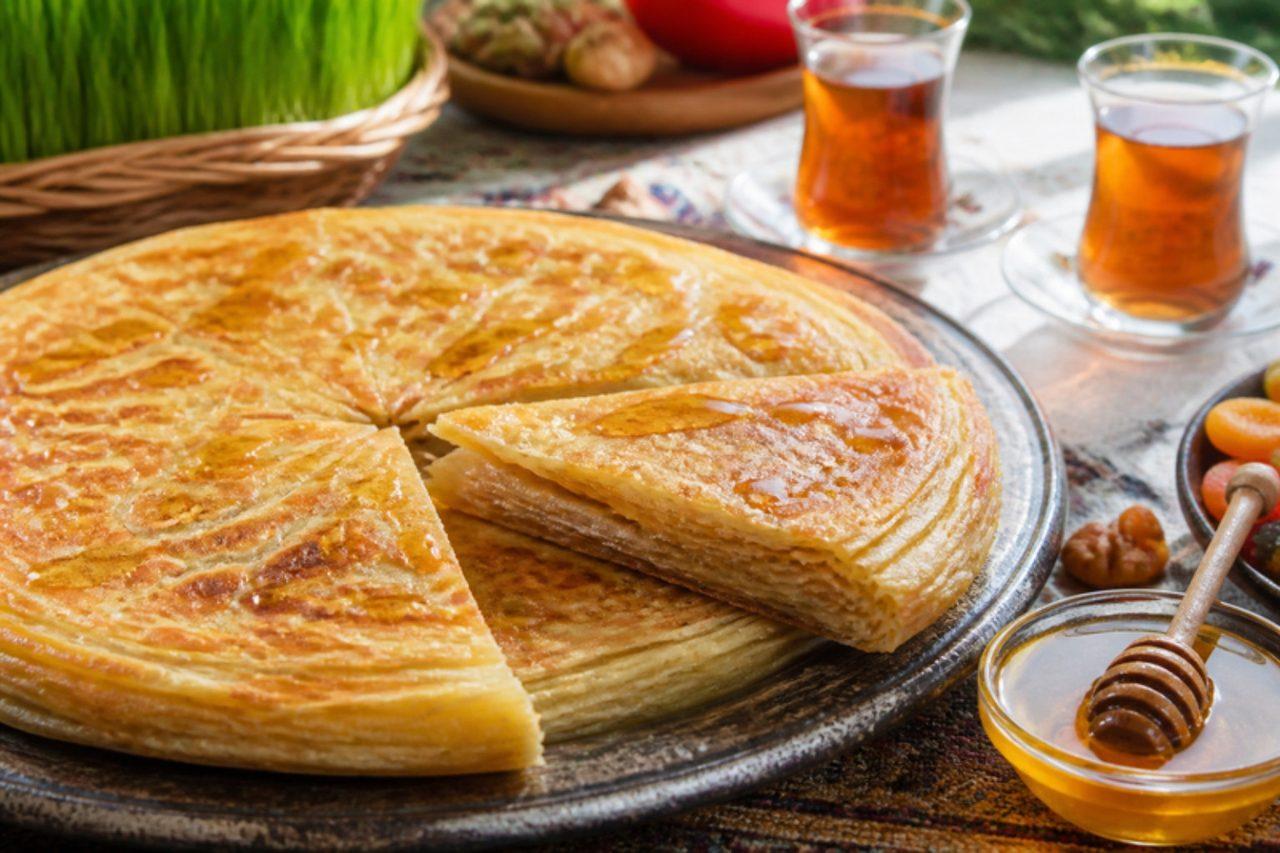
FasaliLayered butter pastry with honey

Fasali is a festive breakfast in Azerbaijan, made on Novruz mornings and other holidays when the house is full: a thin dough is brushed with melted butter, folded again and again into many layers, then cooked slowly in a covered pan until crisp outside and flaky within. It comes to the table cut in wedges with honey, syrup or a glass of sweet tea. The common mistake is cooking over a high heat, which burns the outside before the inner layers have cooked through. Chef's tip: chill the folded parcel for 10 minutes between folds and the butter stays in clean layers.

by KrazyBadal 0 views

Showing 24 of 3,468 recipes

Show more recipes

Page 13 of 145

More No onion & garlic ideas

Other diets