
Skip to content
WhatToEat.Today

Jain recipes: no onion, garlic or root vegetables

2,809

2809 Jain recipes with no onion, garlic, potato, carrot, fresh ginger or other root vegetables, and no mushrooms, eggs or honey. Hing, dry ginger and turmeric powder are fine. Each has photos, step-by-step instructions and cook times. The quickest, Apfelschorle, takes 2 minutes. Most take around 40 minutes.

Filter these by time, diet or cuisine · Make Jain your diet to see only these recipes everywhere on the site.

Lac-Saint-Jean blueberry pie

Around Lac-Saint-Jean in Quebec the low wild blueberries ripen in August, and the region is so proud of them that locals are nicknamed bleuets. Every church supper and roadside casse-croûte there sells a deep tarte aux bleuets with a flaky top crust and a dark, jammy filling that holds when sliced. Wild berries are smaller and more intense than cultivated ones and frozen wild berries work well. Serve slightly warm with vanilla ice cream or a jug of cream. A common mistake is skimping on the cornflour, which leaves a soupy filling. Chef's tip: let the pie cool for at least three hours so the juices set; cut it hot and the filling runs all over the plate.

by KrazyBadal 0 views

KanyaPeanut and rice flour bars

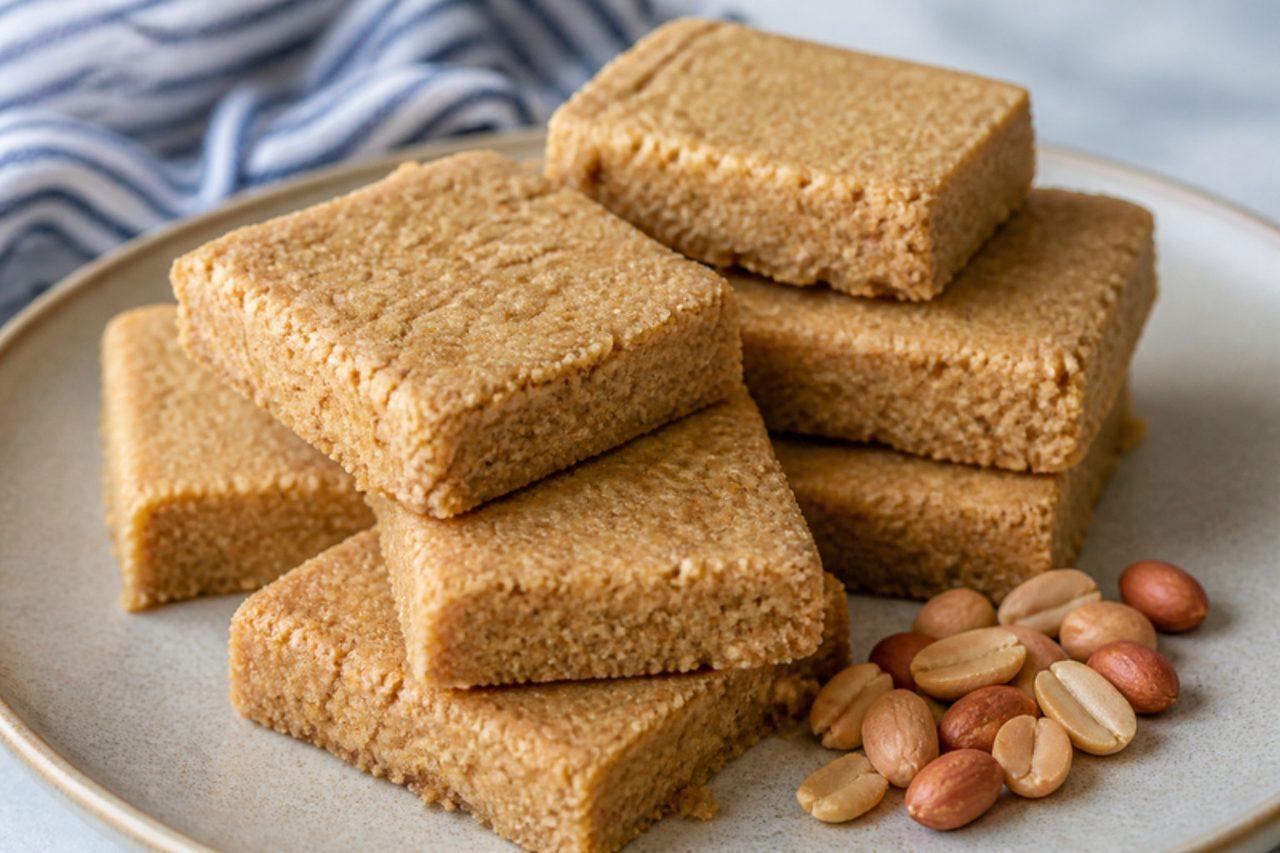
Children in Freetown buy kanya from school-gate sellers and market trays, wrapped in paper, and Sierra Leoneans abroad pack it in suitcases to share. It is a pressed sweet of roasted groundnuts pounded with sugar and toasted rice flour, crumbly yet firm, a little like a rustic peanut fudge. Traditionally everything is pounded in a mortar; a food processor does the job in a minute. Store the bars in an airtight tin for up to a week. Chef's tip: stop blending the moment the crumbs clump when squeezed; a few seconds more and the peanuts release their oil and the mixture turns greasy.

by KrazyBadal 0 views

AkpanFermented corn drink

Street sellers in Cotonou and Porto-Novo keep akpan in cool boxes, ladled into cups or tied plastic bags as a mid-afternoon pick-me-up. The base is fermented maize starch cooked into a thick pap, then left to sour further until it tastes like a mild, slightly yeasty yoghurt; cold milk and sugar loosen it into a creamy drink you can sip or eat with a spoon. It is refreshing, tangy and filling, and many people treat it as a light meal on hot days. Budget a day for the second souring, though the hands-on time is under half an hour, and always use pasteurised milk and keep the finished drink in the fridge. Don't let the fermented base sit at room temperature for longer than stated; past that it sours too far. Chef's tip: sieve the slurry before cooking; any maize husk left in makes the drink gritty.

by KrazyBadal 0 views

Kauk nyin baungSteamed sticky rice with peas

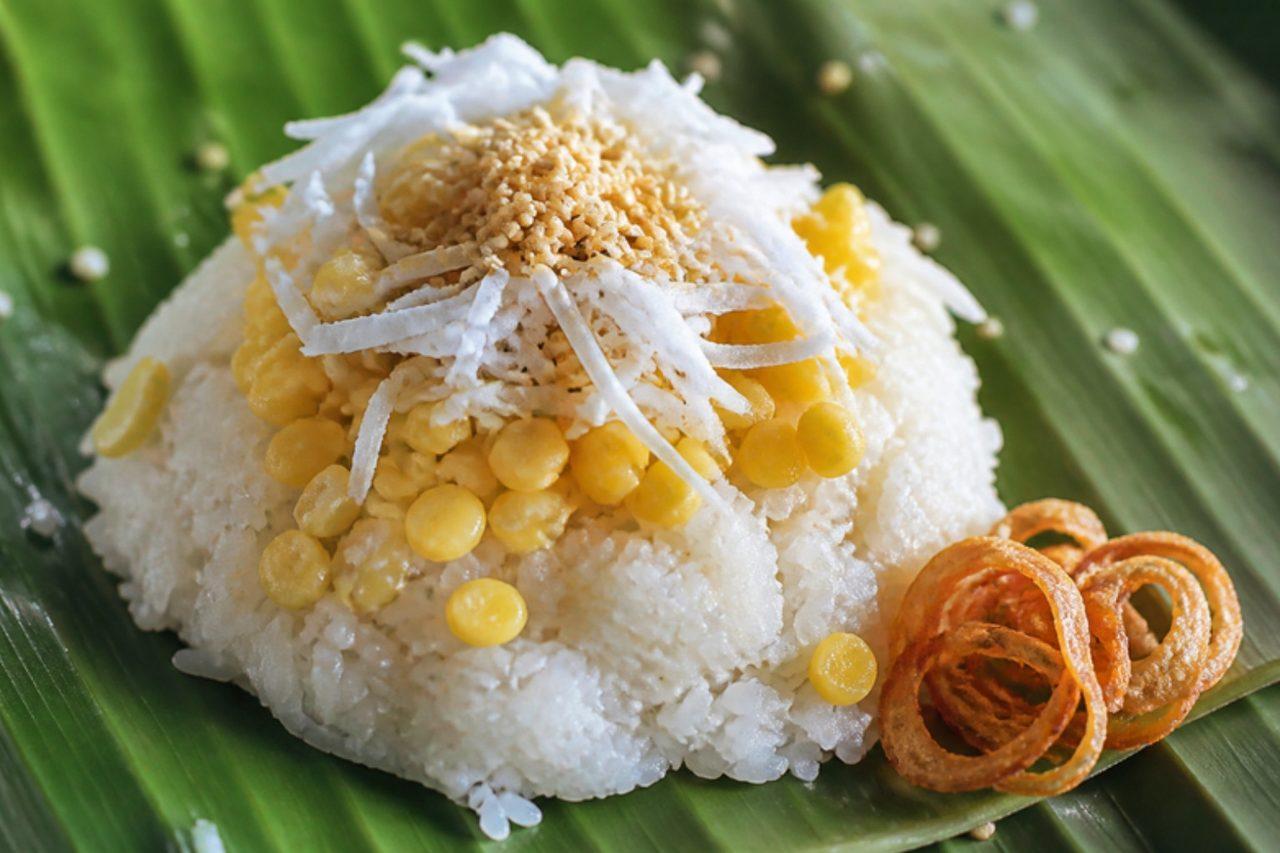
At sunrise on Yangon street corners, women sit behind bamboo baskets of steaming sticky rice wrapped in cloth, spooning portions onto squares of banana leaf for people heading to work. The glutinous rice is soaked and steamed until each grain is glossy, chewy and slightly translucent, then topped with soft pe pyot peas, freshly grated coconut and a sprinkle of toasted sesame pounded with salt. It is a plain, satisfying breakfast, sweet from the coconut, salty and nutty from the sesame, and usually eaten with a cup of green tea; some vendors use purple sticky rice for a darker, nuttier bowl. Boiling the rice like ordinary rice is the mistake that ruins it, turning it to glue, so always steam it. Chef's tip: soak the rice overnight; a short soak leaves hard white centres in the grains.

by KrazyBadal 0 views

Kueh tutuSteamed rice flour cakes

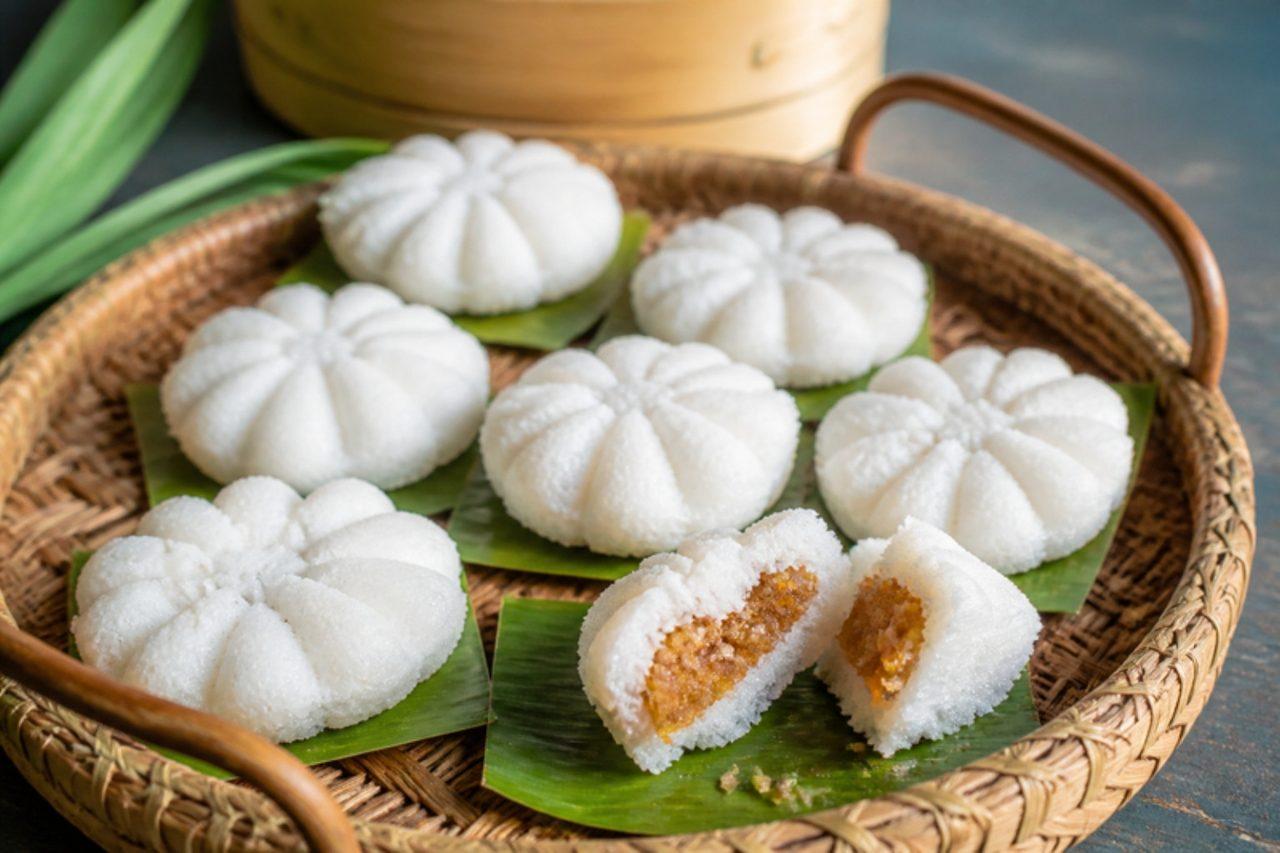
Pushcart sellers at Tanjong Katong and the old kampungs once made kueh tutu to order, and a few stalls in Queenstown and at Chinatown Complex still do: loose, fragrant rice flour is packed into small flower-shaped wooden moulds around a spoon of sweet ground peanut or brown-sugar coconut, steamed for barely three minutes on a cloth, then tipped onto a square of pandan leaf. Bite in and the white crumb dissolves, light and powdery-soft, around the crunchy or sticky centre. They are an afternoon snack, sold by the half-dozen and eaten warm on the spot. The usual mistake is making the rice flour too wet; it should feel like damp sand that just holds when squeezed, or the cakes turn dense and gummy. Chef's tip: toast the rice flour in a dry pan first and cool it; the cakes smell nuttier and the crumb steams up lighter.

by KrazyBadal 0 views

Mango pudding

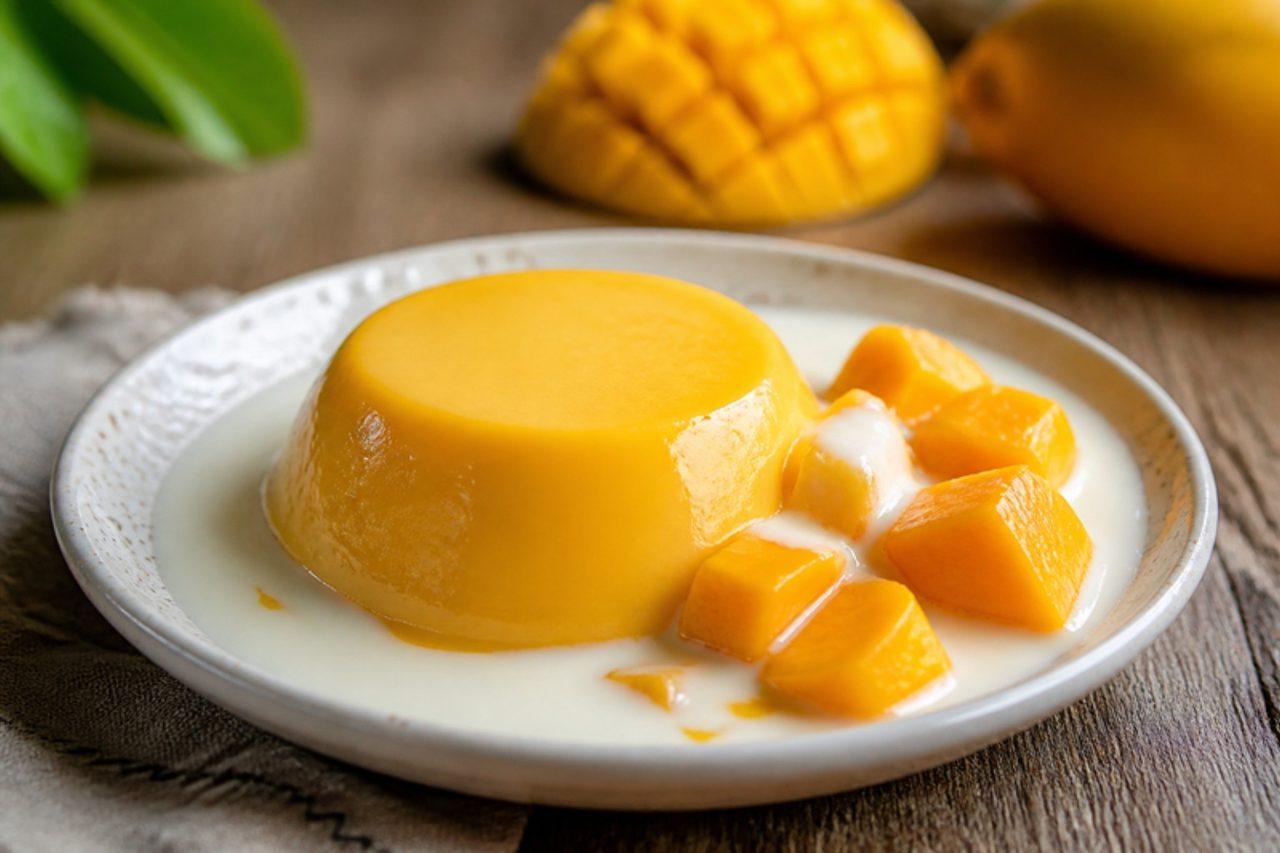
Wobbling out of fish-shaped moulds at the end of a Hong Kong dim sum lunch, mango pudding is just as popular in small cups from dessert chains, which sell it through the sticky summer months when Philippine and Thai mangoes flood the markets. It's smooth, creamy and full of fruit, with pieces of fresh mango through it and a drizzle of cold evaporated milk on top. Restaurants usually set it with gelatine; this version uses agar, which keeps it vegetarian and sets slightly firmer and cleaner. The problem with agar is impatience: it begins to set below about 40 °C, so cold purée added too slowly turns into lumpy strands. Chef's tip: warm the mango purée before you mix it in, then whisk briskly and pour into the moulds right away.

by KrazyBadal 0 views

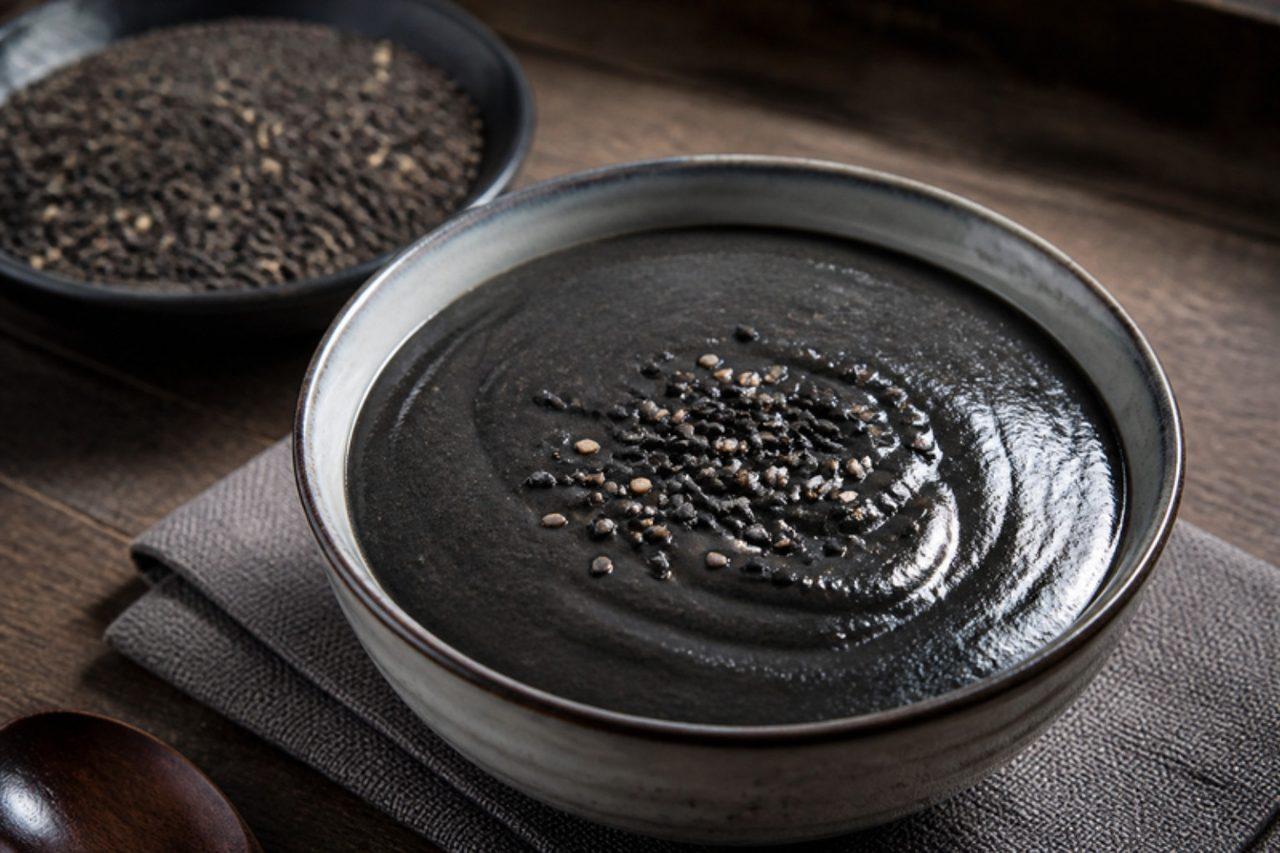
Black sesame soup

Steaming bowls of inky ji ma wu are a staple of Hong Kong dessert shops on cool evenings, eaten after dinner or as a late-night snack on the way home. The soup is thick enough to coat a spoon, nutty and roasted with a faint bitterness that balances the rock sugar, and so smooth it feels like warm velvet. It's often paired half-and-half in one bowl with almond tea or walnut soup, or served with sweet glutinous rice balls. Over-toasting the sesame is the mistake to avoid; once the seeds scorch, the whole pot tastes acrid. Chef's tip: blend the toasted seeds with water for a full two minutes, until no grit is left between your fingers, before it goes into the pan.

by KrazyBadal 0 views

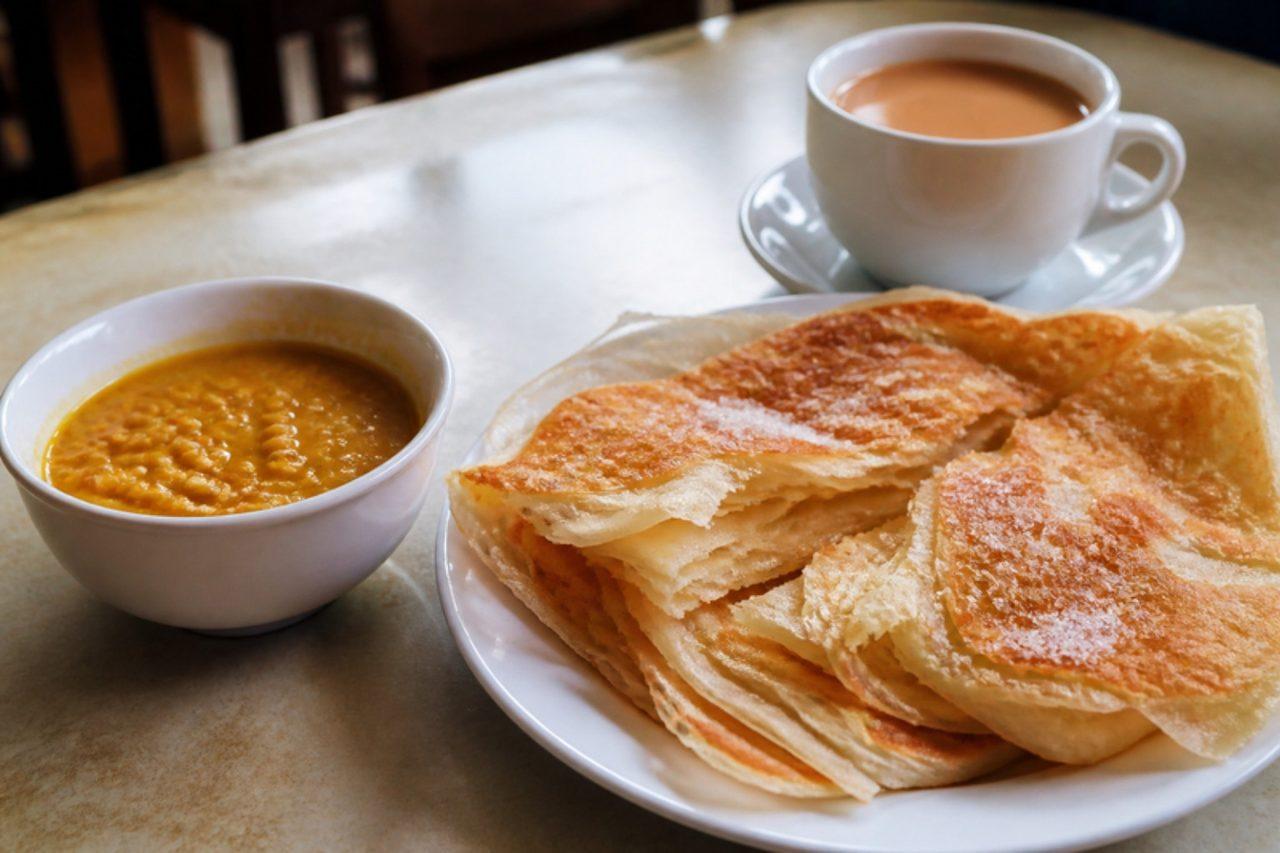
Burmese palataLayered flatbread

Indian-Burmese tea shops around Yangon's Sule Pagoda and Mandalay's 84th Street fry palata from early morning until late at night on wide, oiled griddles, the cook stretching each ball of dough until you can see through it before folding it into coils of layers. The bread comes out crisp and blistered outside, soft and chewy within, and it is eaten two ways: sprinkled with sugar as a sweet snack with milky tea, or torn and dipped into a curry or a bowl of split-pea dal. Rushing the rest is where it fails; dough that hasn't relaxed in oil for at least an hour tears when you stretch it, and the layers never form. Chef's tip: once the palata is cooked, scrunch it between your palms while still hot; it breaks the coils apart into flaky layers.

by KrazyBadal 0 views

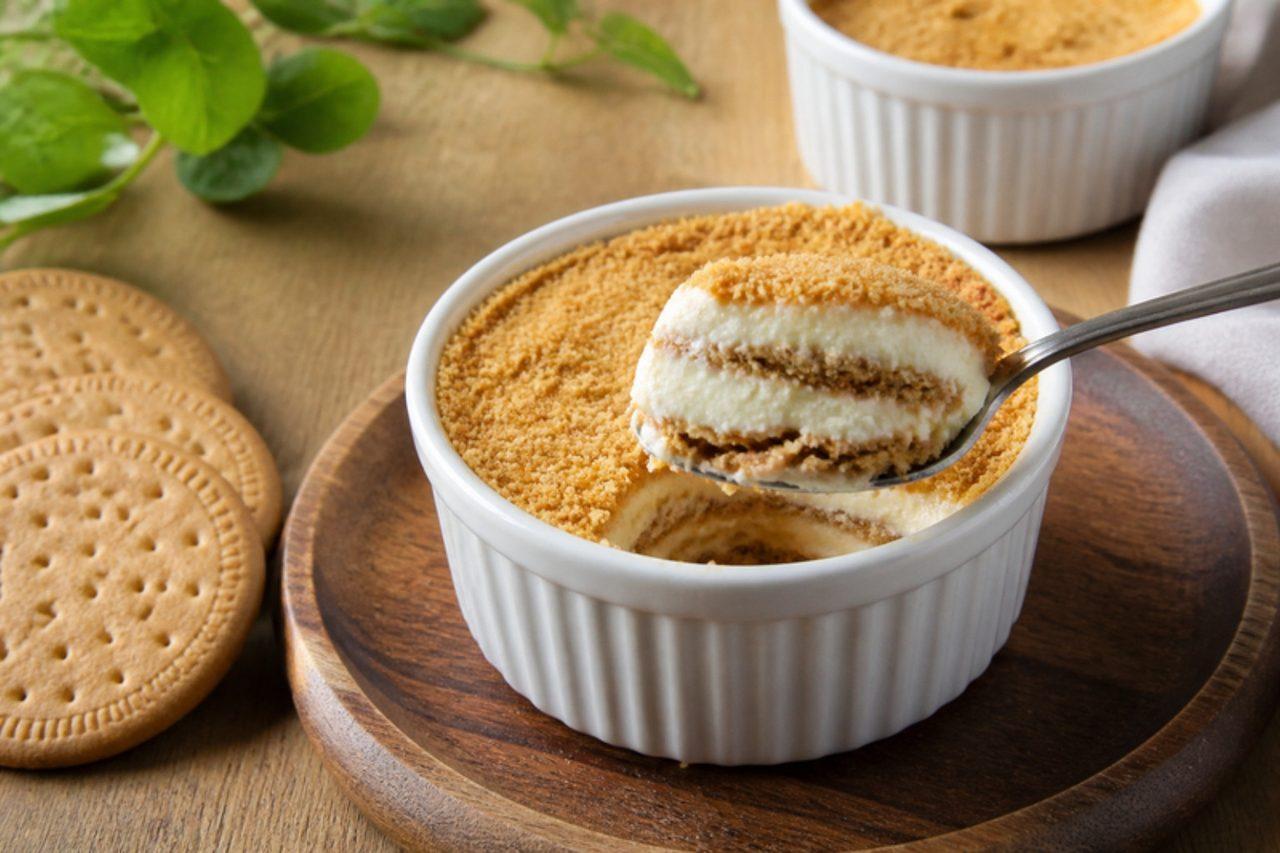
SerraduraCream and biscuit crumb pudding

Portuguese for 'sawdust', serradura is the cool, creamy dessert you'll find in every Macanese restaurant and café from Taipa to the Senado Square backstreets, ordered to round off a long Macanese lunch. Alternating layers of sweetened whipped cream and powder-fine tea biscuit crumbs set softly in the fridge, so each spoonful is light, milky and caramel-sweet, with a gentle crumbly texture. It is usually served in small glasses, sometimes semi-frozen like an ice cream cake. Coarse crumbs are where it goes wrong; they stay crunchy and gritty instead of melting into the cream, so grind the biscuits as fine as sand. Chef's tip: whip the cream and condensed milk together only to firm peaks and stop there, or it turns grainy and buttery.

by KrazyBadal 0 views

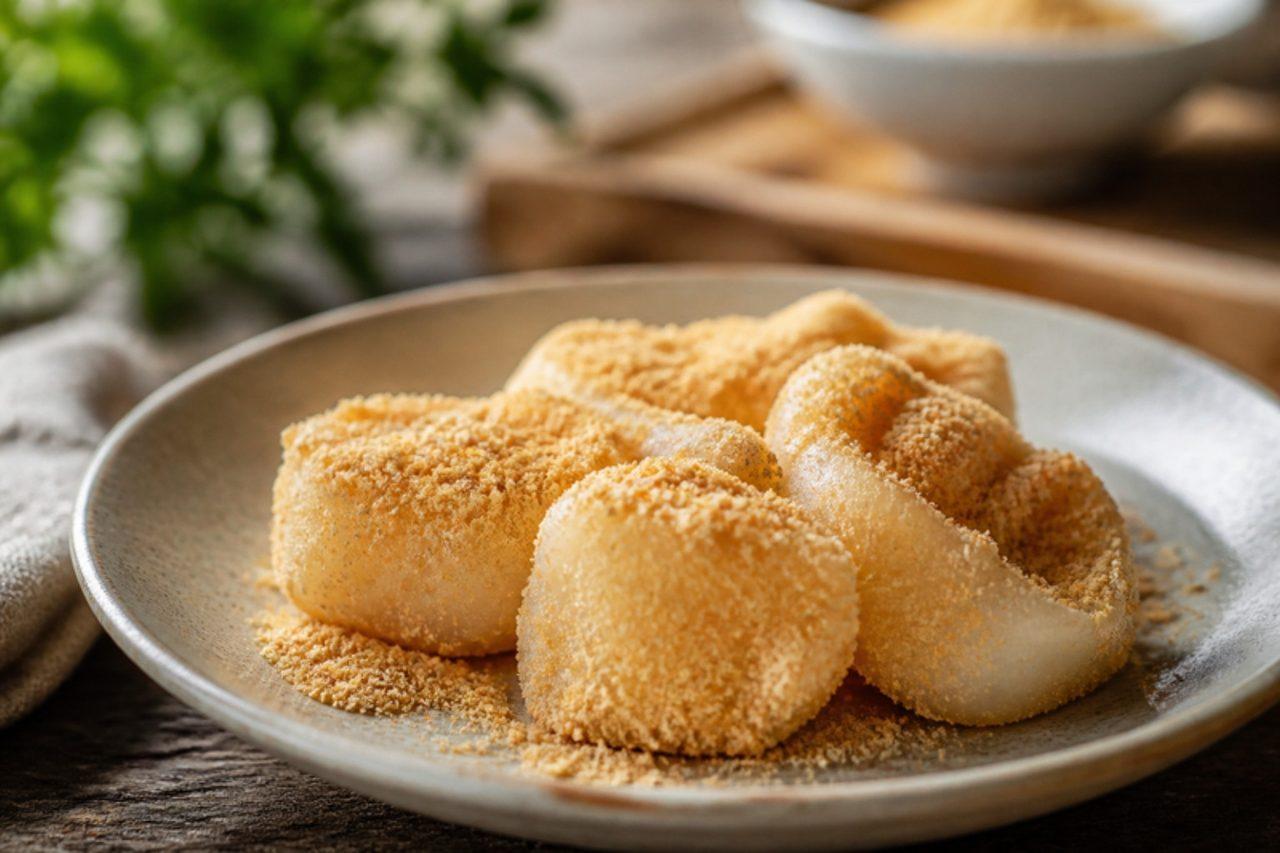
Hakka mochiSticky rice with peanut powder

At Hakka weddings, temple festivals and housewarmings in Hsinchu and Miaoli, an aunt stands over a big bowl of warm, glossy rice dough and squeezes it out between thumb and forefinger, dropping each little ball straight into sweet ground peanuts for the guests. The dough is soft, stretchy and barely sweet; the peanut sugar coats it in a fragrant, slightly gritty layer. In Beipu old town it's sold the same way to visitors, with black sesame as a second coating. People often grind the peanuts too long and end up with peanut butter, which clumps instead of dusting. Chef's tip: oil your hands and the bowl lightly before pinching, and eat the mochi the same day, while it's still pillowy.

by KrazyBadal 0 views

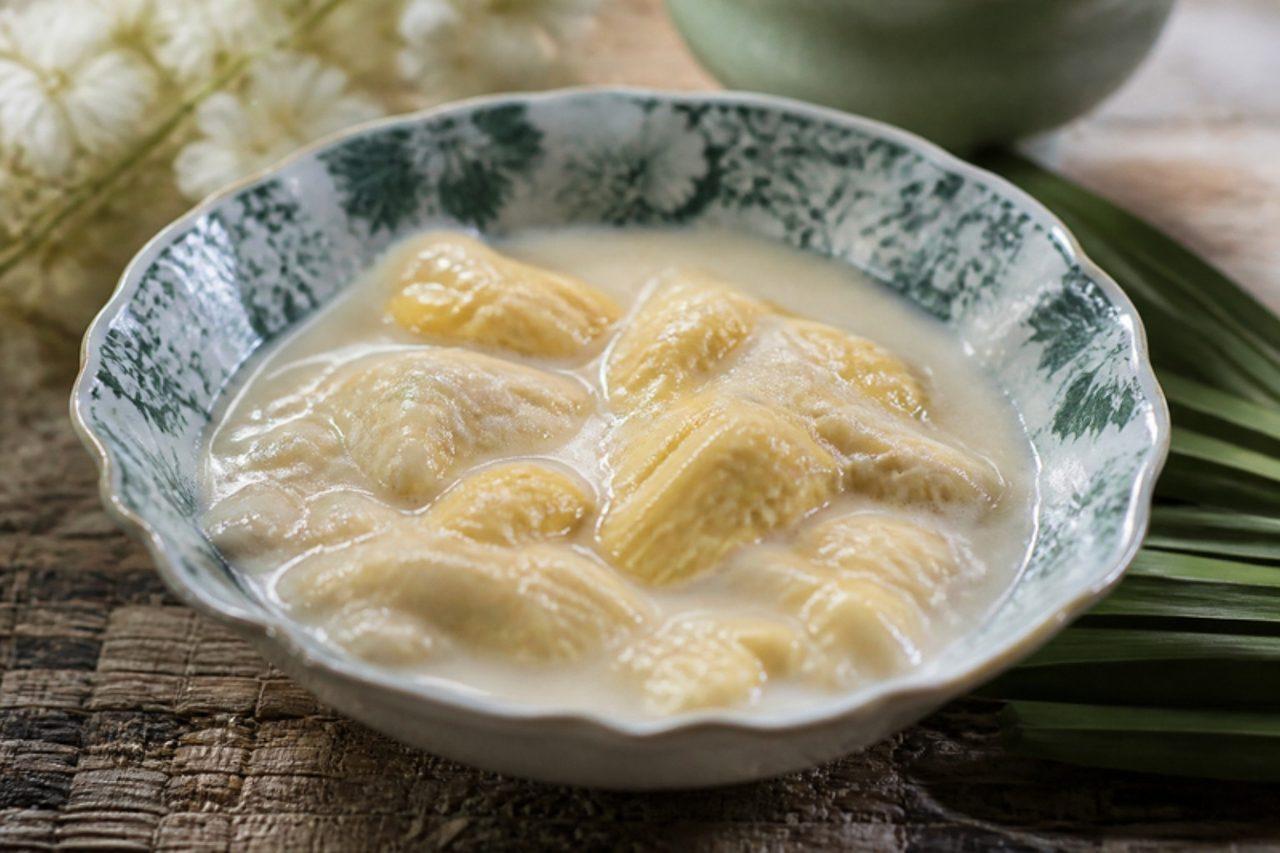
Durian pengatDurian in coconut milk

When the durian season peaks in Singapore from June to August, Peranakan families in Katong and Joo Chiat turn leftover or slightly overripe fruit into pengat, a thick, golden custard-like dessert of durian flesh cooked down in coconut milk with gula melaka and pandan. It is rich, creamy and boldly fragrant, with a caramel edge from the palm sugar and a little salt to balance it, and it is eaten warm or chilled in small bowls, or spooned over plain steamed glutinous rice or slices of white bread. The usual mistake is boiling the coconut milk hard, which splits it into oily curds; keep it to a lazy simmer. Chef's tip: mash half the durian and keep half in soft chunks, so you get both a smooth base and creamy pieces to bite into.

by KrazyBadal 0 views

Curaçao pastechiCheese turnovers

In Curaçao and Aruba, a paper bag of hot pastechi from a snack truck is breakfast on the way to work or a mid-morning bite with coffee: crisp, blistered half-moons of pastry filled with melted aged Gouda, a legacy of the Dutch on the islands. Other versions hold spiced beef, chicken or tuna; this one is vegetarian. Traditional Gouda is made with animal rennet, so choose a Gouda or other firm cheese labelled vegetarian if that matters to you. The usual mistake is frying too cool, so the pastry soaks up oil instead of blistering. Chef's tip: chill the filled pastechi for 15 minutes before frying so the seams hold.

by KrazyBadal 0 views

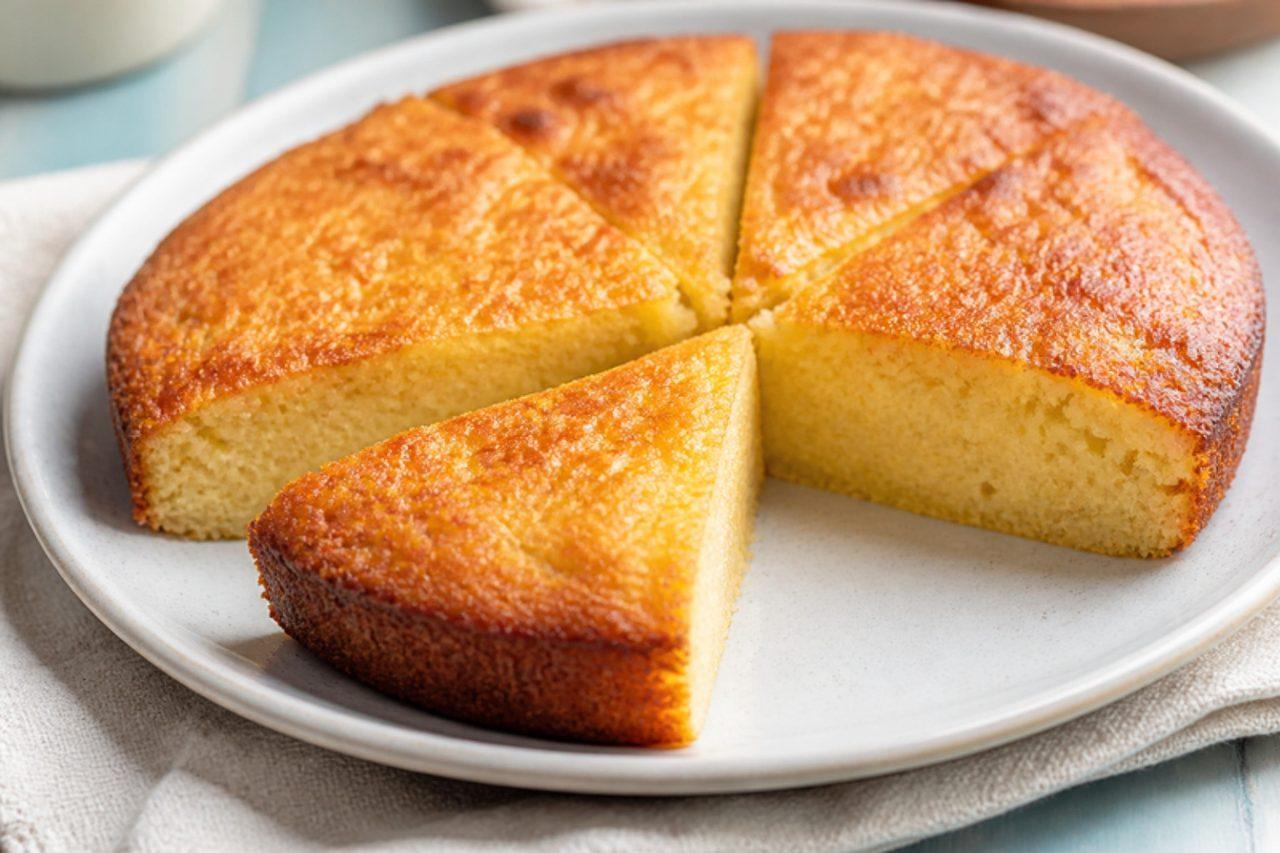
Arepa dominicanaSweet cornmeal coconut cake

Not the stuffed corn patty of Venezuela: in the Dominican Republic arepa means a dense, sweet cornmeal cake that grandmothers once baked in a covered pot with hot coals on the lid. The cornmeal is first cooked with coconut milk, milk, butter, sugar and cinnamon into a thick porridge, then baked until it sets with a dark, caramelised crust and a soft, pudding-like centre. It is eaten at merienda with coffee or a glass of cold milk. The common mistake is not cooking the cornmeal long enough on the hob, which leaves the cake gritty. Chef's tip: let the arepa cool completely before slicing; warm, it is too soft to cut cleanly.

by KrazyBadal 0 views

KhameerDate and fennel bread

In homes across the United Arab Emirates, from Abu Dhabi to the old quarters of Sharjah, khameer is the bread that comes out on a weekend morning, still warm, next to a pot of karak or cardamom coffee. Mashed dates sweeten the dough just a little, while fennel and saffron give it a gentle, perfumed warmth, and the rounds are cooked on a dry pan so they stay pillow-soft with freckled brown faces. Split them and fill with soft white cheese, a drizzle of date syrup or honey, or a fried egg. The usual mistake is cooking them over a fierce heat: the outside darkens long before the thick middle is done, so keep the flame moderate and be patient. Chef's tip: press the risen rounds flat with your fingertips just before they go in the pan; the dimples stop them doming and help them cook evenly.

by KrazyBadal 0 views

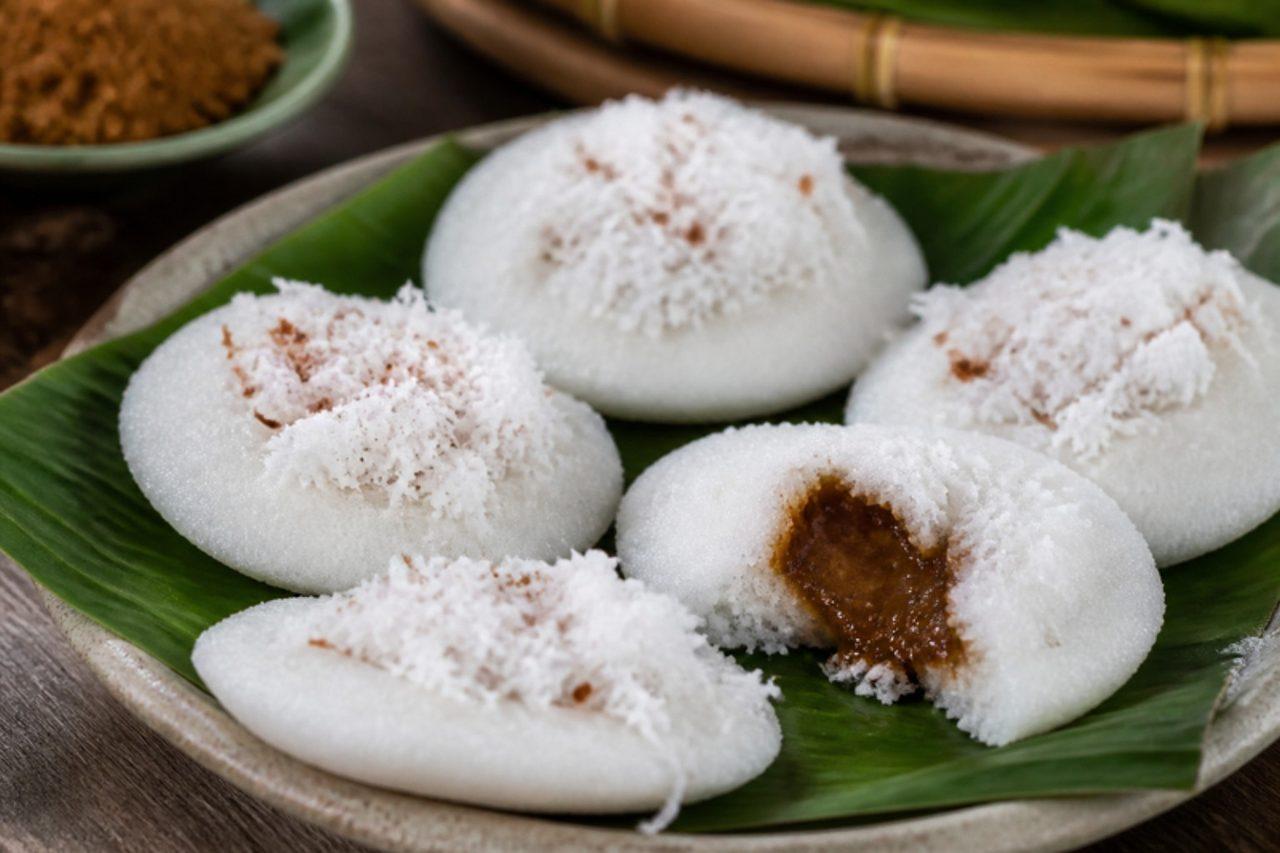
Putu piringPalm sugar steamed rice cakes

Long lines form outside the putu piring stalls around Haig Road and Geylang Serai, especially in the evenings of Ramadan, for these soft white discs steamed one by one in shallow cone-shaped moulds. Each one hides a centre of gula melaka that melts into a dark, smoky syrup, and the cakes come off the steamer on a pandan leaf with a heap of fresh grated coconut, lightly salted, on top. The texture is crumbly and light, and the salt in the coconut keeps the palm sugar from cloying; eat them hot, with a cup of teh. The usual mistake is chopping the gula melaka too coarsely, so the big chunks never melt and stay grainy; shave or chop it fine. Chef's tip: steam the grated coconut with a pinch of salt and a pandan leaf for a few minutes first, so it stays fresh-tasting and keeps longer.

by KrazyBadal 0 views

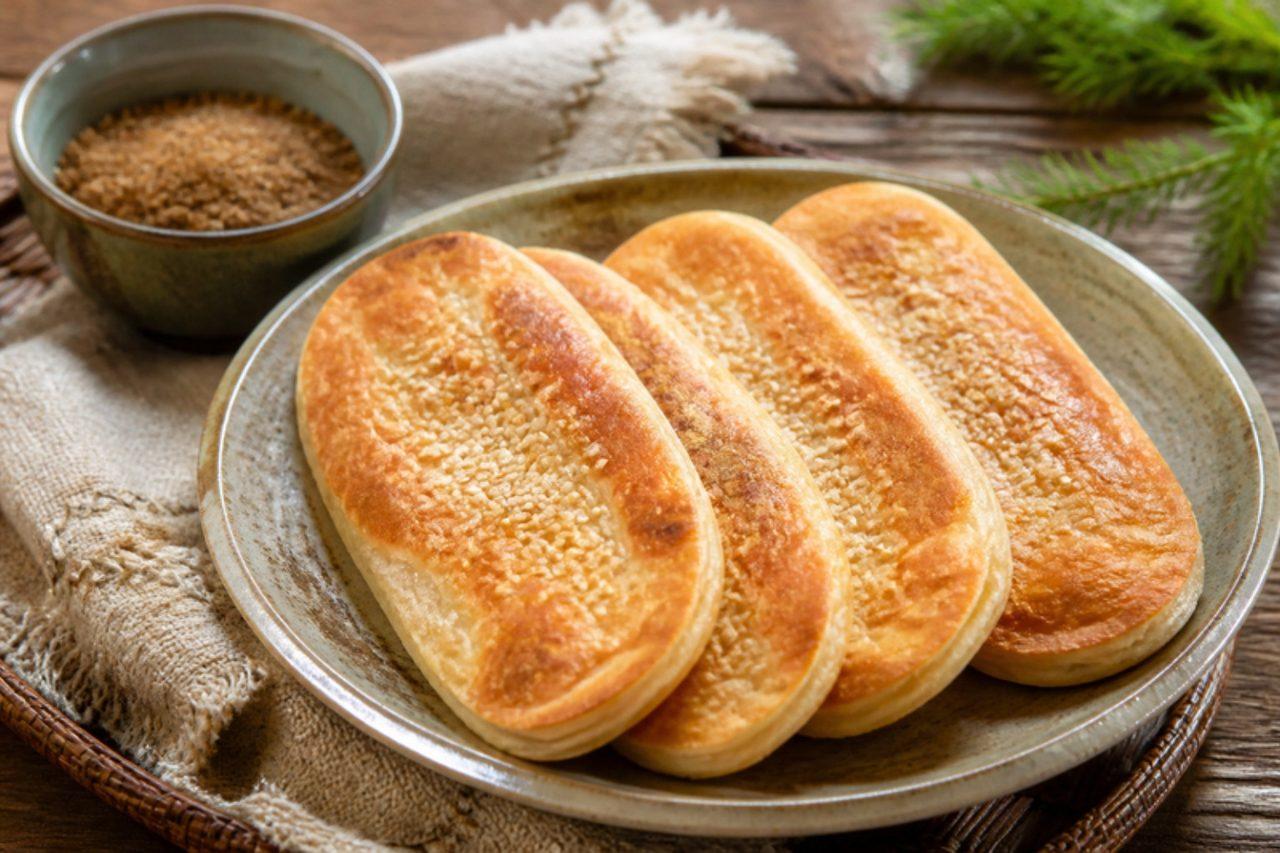
Lukang ox tongue cakesSesame maltose flat pastries

Their name comes from the shape, long and flat like a tongue, not from any meat: in the old port town of Lukang, Changhua, these pastries are pressed on hot griddles along the lanes near Tianhou Temple and handed out warm in paper bags. Lukang's style is thicker and chewier than the cracker-crisp Yilan version, with a crisp, blistered shell and a sticky brown-sugar centre that pulls like soft toffee. Bakeries there use lard, so this vegetarian recipe uses vegetable shortening in the pastry and a little butter in the filling. A frequent mishap is rolling the filled dough with heavy hands, which bursts the skin and lets the syrup scorch in the pan. Chef's tip: cook them over a low heat and be patient; slow griddling lets the centre turn molten before the outside darkens.

by KrazyBadal 0 views

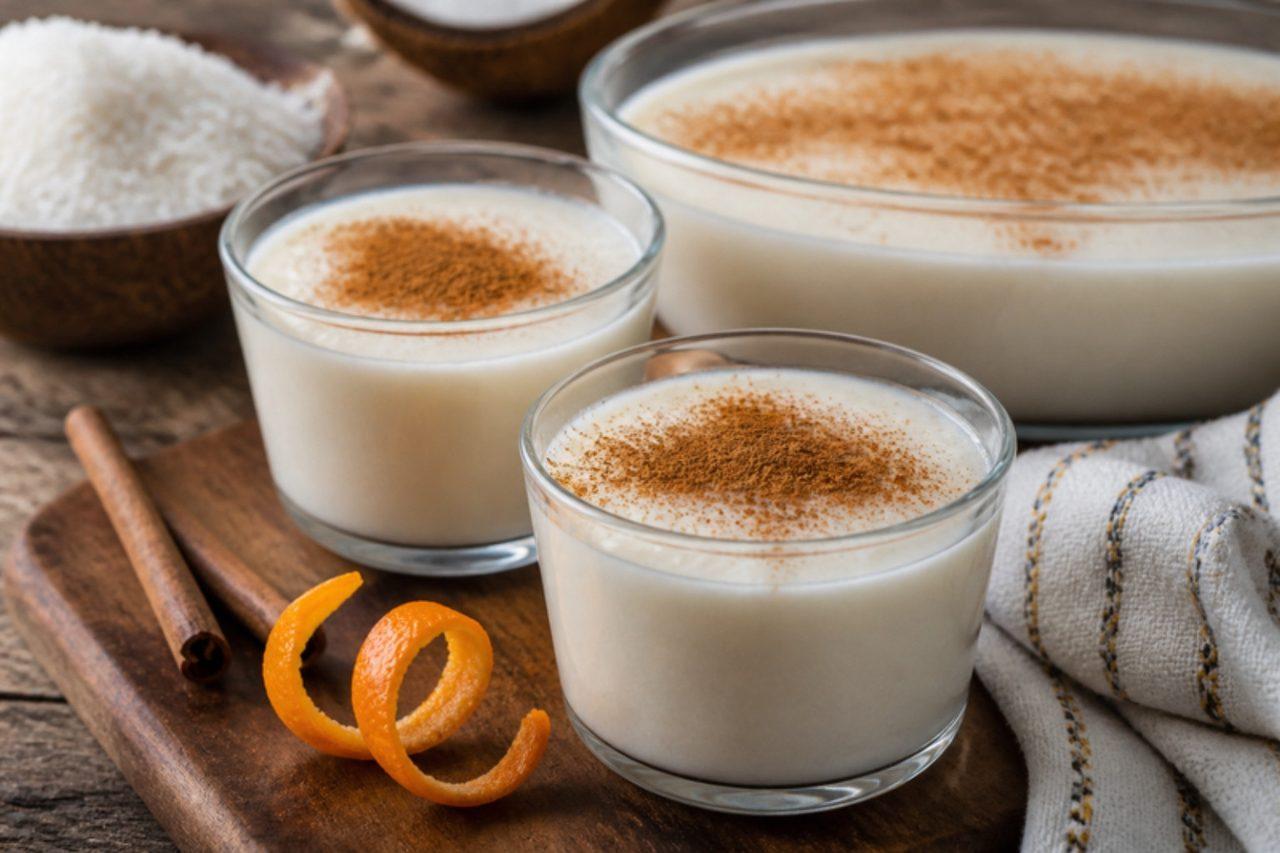
MajareteCoconut rice-flour pudding

Puerto Rican grandmothers cook majarete on the stove in one pan, pour it into a dish and leave it to set while the Sunday dinner is eaten; it shows up again at Christmas beside the tembleque. Rice flour, coconut milk and whole milk are stirred with cinnamon and a little orange zest until they thicken into a silky, spoonable pudding, dusted with more cinnamon. In the Dominican Republic the same name goes to a version made with fresh grated corn. The common mistake is walking away from the pan; rice flour lumps and catches in seconds, so whisk constantly. Chef's tip: whisk the rice flour into the cold milks before the pan goes on the heat, and it will be perfectly smooth.

by KrazyBadal 0 views

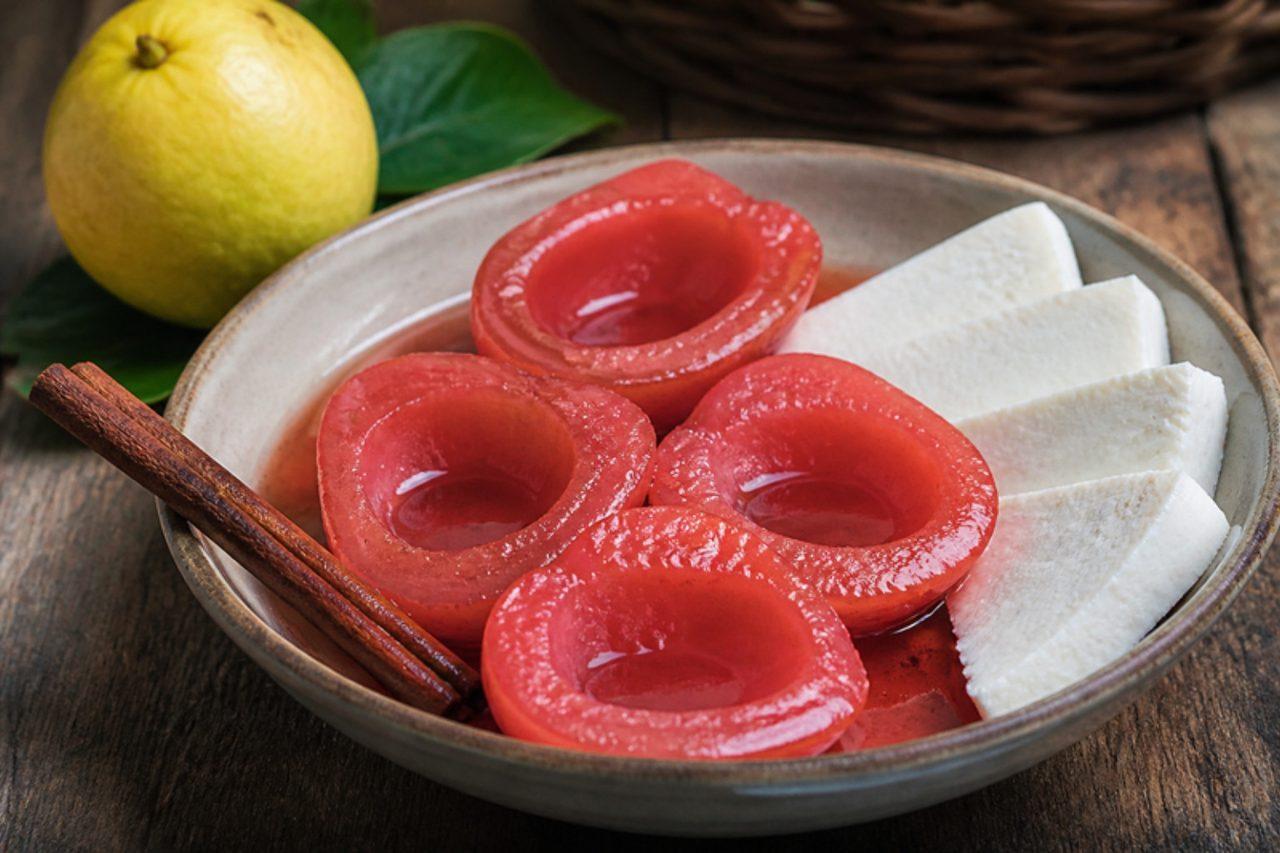
Cascos de guayaba con quesoGuava shells with white cheese

On Cuban tables from Havana to Pinar del Río, the most loved dessert is also one of the simplest: guava halves, scooped of their seeds and simmered in syrup until glossy and tender, served beside a slab of salty white cheese. The sweet, perfumed fruit and the sharp cheese balance each other perfectly. Cooks often overcook the shells until they fall apart; they should still hold their cup shape. Queso blanco and cream cheese are usually made with animal rennet or microbial enzymes depending on the maker, so check the label and choose a vegetarian one if needed. Chef's tip: simmer the scooped-out seeds and pulp in a little water, sieve them and add that purée to the syrup, which gives it a deep pink colour and real guava flavour.

by KrazyBadal 0 views

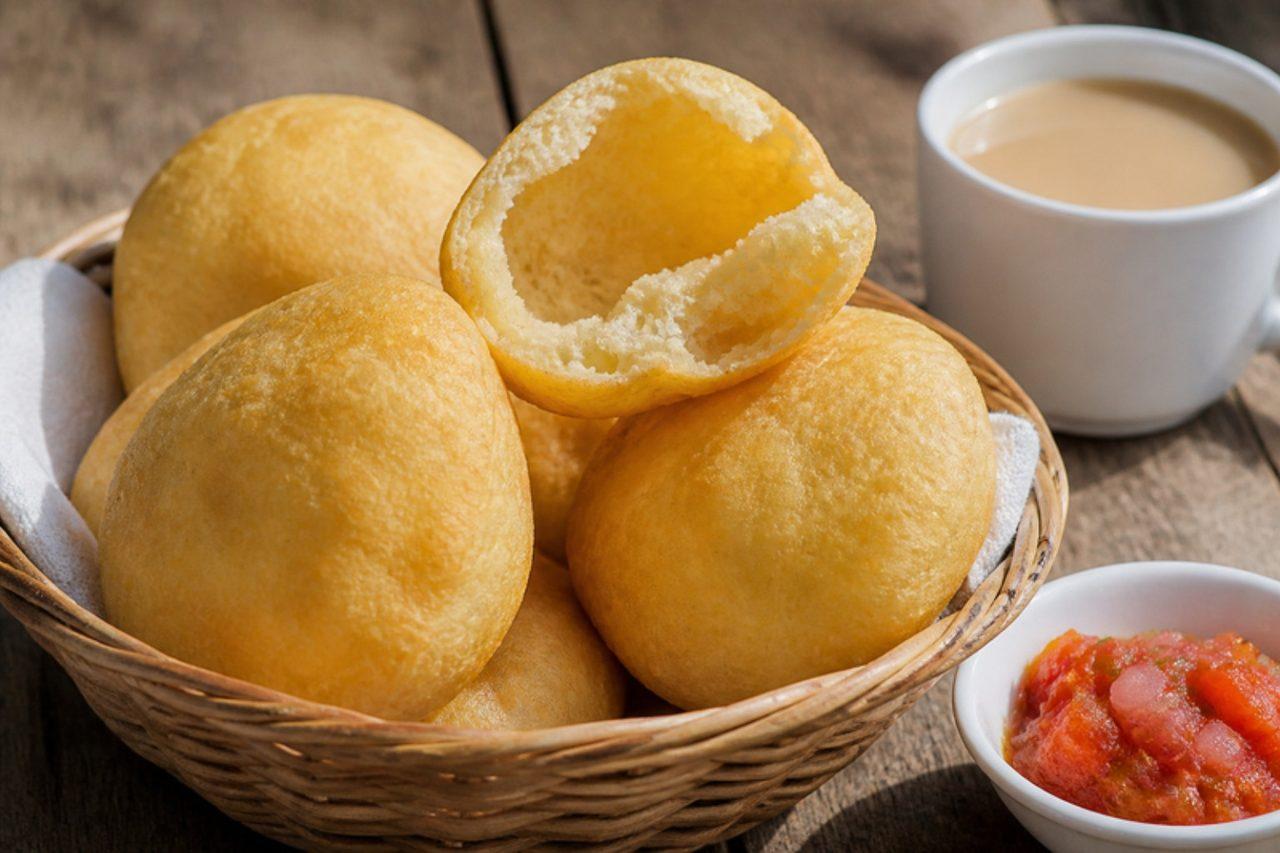
Trini fry bakePuffy fried breakfast bread

On Saturday and Sunday mornings across Port of Spain, a bowl of dough becomes a pile of golden, hollow-bellied bakes that get split open and stuffed with buljol, smoked herring, cheese or a fried egg. They are soft and slightly chewy inside with a thin, blistered crust, nothing like the dense coconut bake baked in the oven. The usual mistake is frying in oil that is not hot enough: the bakes soak up fat and stay flat instead of ballooning. A short rest for the dough helps them puff. Chef's tip: roll the rounds no thicker than 5 mm and spoon hot oil over the top as they fry, and almost every one will inflate like a pillow.

by KrazyBadal 0 views

PetelRaspberry cordial

A jug of petel on the table means summer in Israel: generations of kids have grown up drinking the bright red raspberry cordial in kindergarten, at kibbutz pools and at Shabbat lunches. The bottled kind is mostly colouring and flavouring; this homemade version simmers real raspberries with sugar and lemon into a fruity, tangy syrup you dilute with cold still or sparkling water. It keeps in the fridge for two weeks, or freezes in ice-cube trays. The common mistake is pressing the fruit hard through the sieve, which makes the syrup cloudy and pippy. Chef's tip: dilute one part syrup to five or six parts water, then adjust; it is meant to be light, not sticky.

by KrazyBadal 0 views

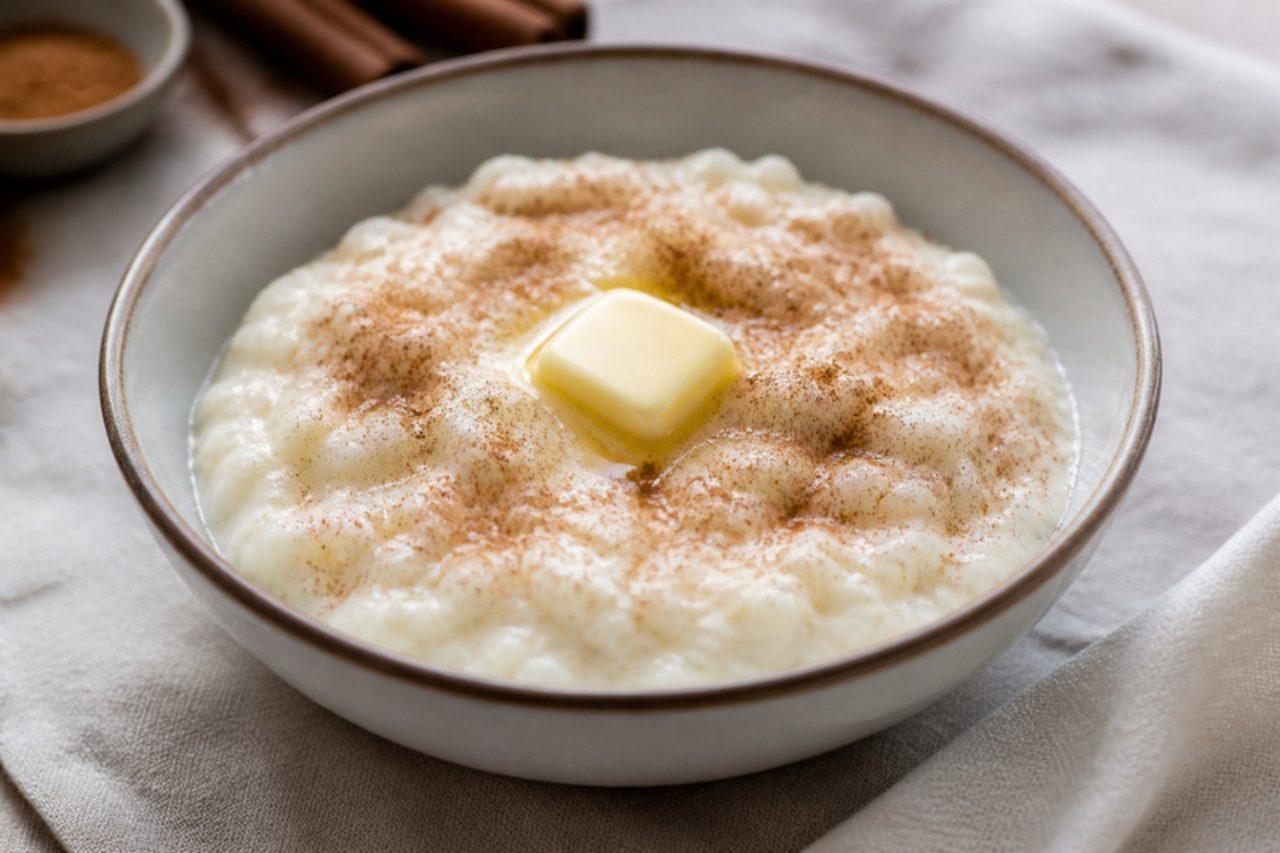
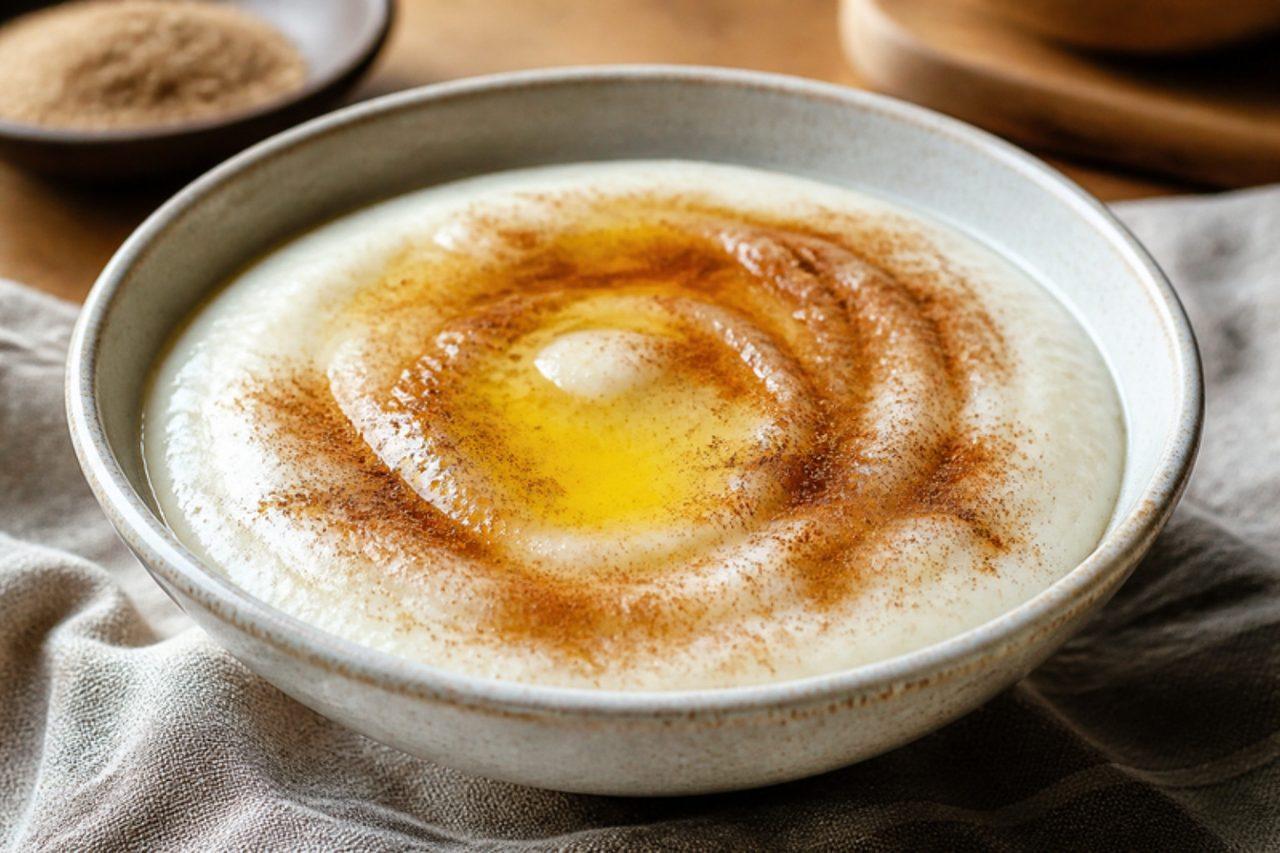
RisgrynsgrötChristmas rice porridge

Risgrynsgröt is the creamy rice porridge Swedes eat on Christmas Eve, either at breakfast or after the julbord, with cinnamon, sugar and cold milk; one whole almond is hidden in the pot, and whoever finds it will marry in the coming year, or simply gets a prize. Leftovers become ris à la Malta with whipped cream and oranges. A common mistake is cooking it on a high heat, which scorches the milk. Chef's tip: start the rice in water to soften, then add the milk and let it cook very gently, with a cinnamon stick, until thick and creamy.

by KrazyBadal 0 views

RømmegrøtSour cream porridge

Rømmegrøt is the porridge of Norwegian celebrations: full-fat sour cream simmered and thickened with flour until the butterfat seeps out, then loosened with milk into a rich, silky pudding and served with cinnamon sugar, melted butter and a side of cured meats or flatbread. It is eaten at midsummer, weddings and on St Olav's day, and in the summer farms of the mountains; in Oslo it is bought in tubs for Saturday treats. A common mistake is using low-fat sour cream, which will not release its butter. Chef's tip: skim off the golden fat that rises and drizzle it back over the porridge in the bowl; that is the traditional 'smørøye' (butter eye).

by KrazyBadal 0 views

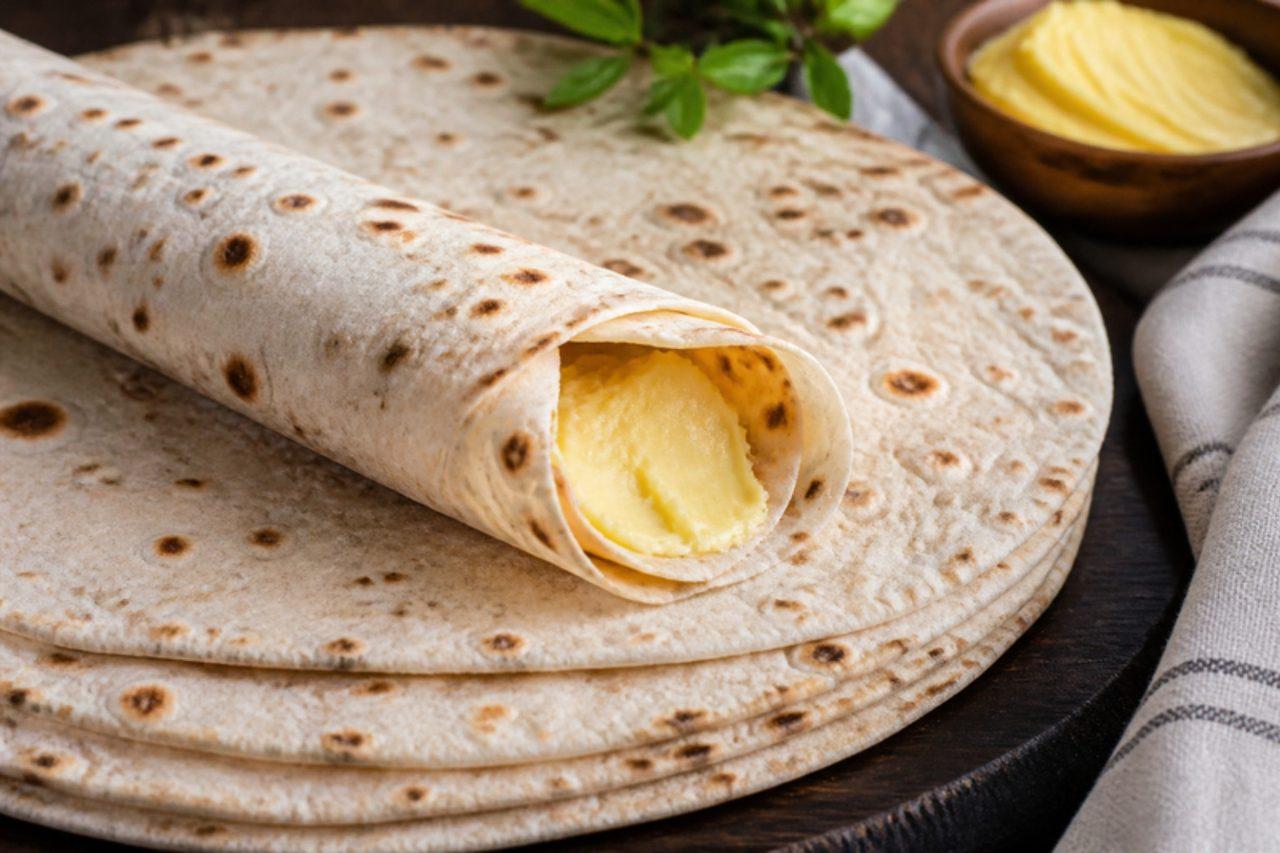
TunnbrödThin wheat and barley flatbread

Tunnbröd, 'thin bread', is the old flatbread of Norrland, northern Sweden, where barley grew better than wheat; families in Västerbotten and Jämtland baked it in big batches in wood ovens and kept it for months. It is made soft or crisp, rolled with a knobbled pin (kruskavel) that makes its dotted pattern, and the soft kind is wrapped around a hot dog with mashed potato in the famous tunnbrödsrulle. A common mistake is rolling it too thick, which makes it bready instead of flexible. Chef's tip: bake on a very hot stone for barely a minute or two and stack the breads under a cloth, so they steam soft.

by KrazyBadal 0 views

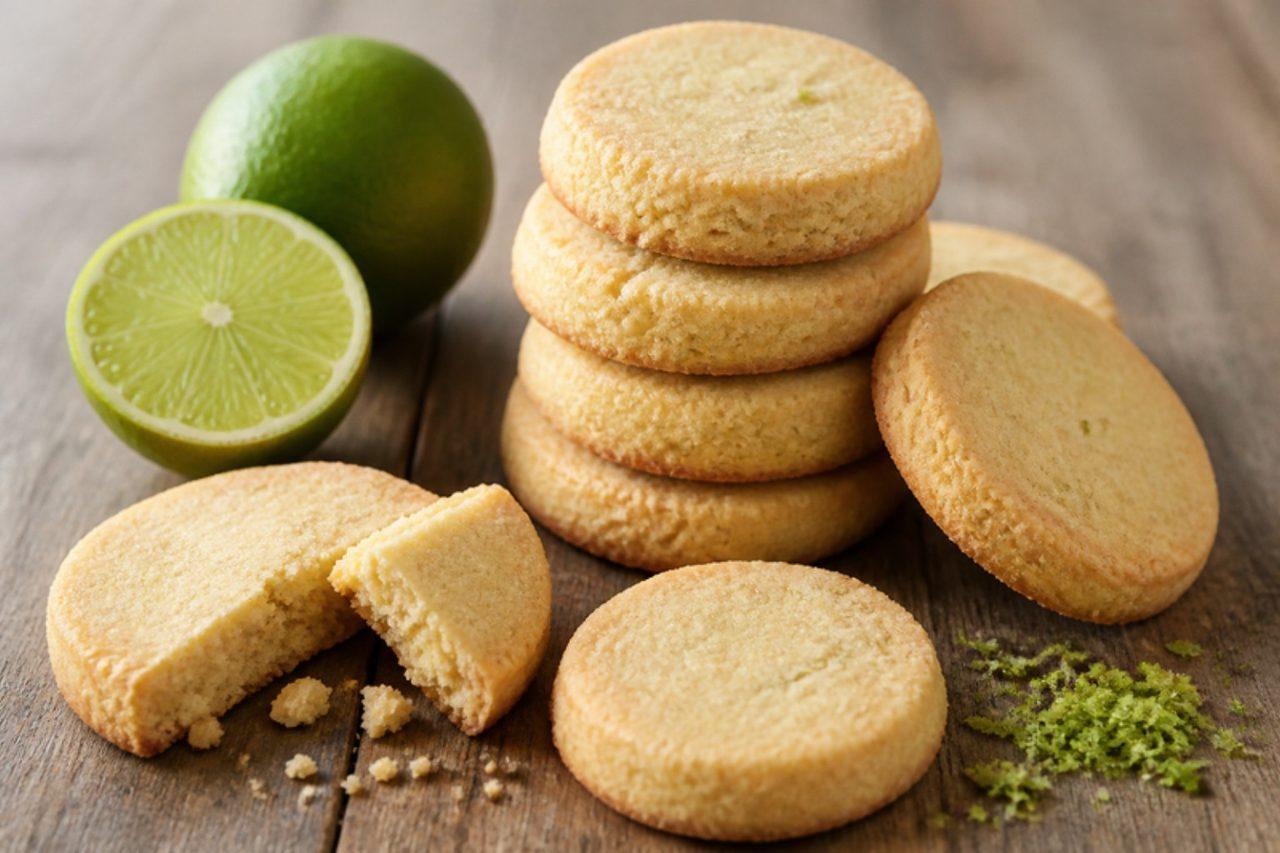
Torticas de MorónLime shortbread

The town of Morón in Ciego de Ávila gave its name to these crumbly little cookies, which Cuban bakeries sell in paper bags and grandmothers keep in a tin for visitors with coffee. They are pale, short and melt quickly, with a clear scent of lime zest. The common mistake is overworking the dough or baking until brown, which makes them hard rather than sandy, so pull them out while they are only just golden underneath. Chef's tip: chill the rolled dough for 20 minutes before cutting; the edges stay sharp and the cookies don't spread.

by KrazyBadal 0 views

Showing 24 of 2,809 recipes

Show more recipes

Page 66 of 118

More Jain ideas

Other diets