
Skip to content
WhatToEat.Today

Jain recipes: no onion, garlic or root vegetables

2,805

2805 Jain recipes with no onion, garlic, potato, carrot, fresh ginger or other root vegetables, and no mushrooms, eggs or honey. Hing, dry ginger and turmeric powder are fine. Each has photos, step-by-step instructions and cook times. The quickest, Apfelschorle, takes 2 minutes. Most take around 40 minutes.

Filter these by time, diet or cuisine · Make Jain your diet to see only these recipes everywhere on the site.

Mugicha (roasted barley tea)

From the rainy season in June until the cicadas fall quiet in September, almost every Japanese household keeps a tall jug of mugicha in the fridge. It is poured for children coming in from summer club practice, for grandparents after an afternoon nap, and alongside cold sōmen at lunch, because it carries no caffeine and can be drunk all day. Whole barley grains roasted until deep brown give a cup that tastes of toast, a little of coffee and a little of popcorn, with a clean, dry finish and no sweetness at all. Supermarkets sell it in tea bags, but loose roasted grains simmered in a pan make a rounder, darker brew. The usual mistake is leaving the grains in the jug or letting the hot tea sit out on the counter for hours: it turns bitter and, being a grain infusion, it sours quickly in summer heat. Strain it, cool it fast in a sink of cold water, and drink it within two days. It is ready when the liquid is a clear amber-brown and smells like freshly toasted bread. Chef's tip: dry-toast the grains for two minutes before brewing to wake up a bag that has been open a while.

by KrazyBadal 0 views

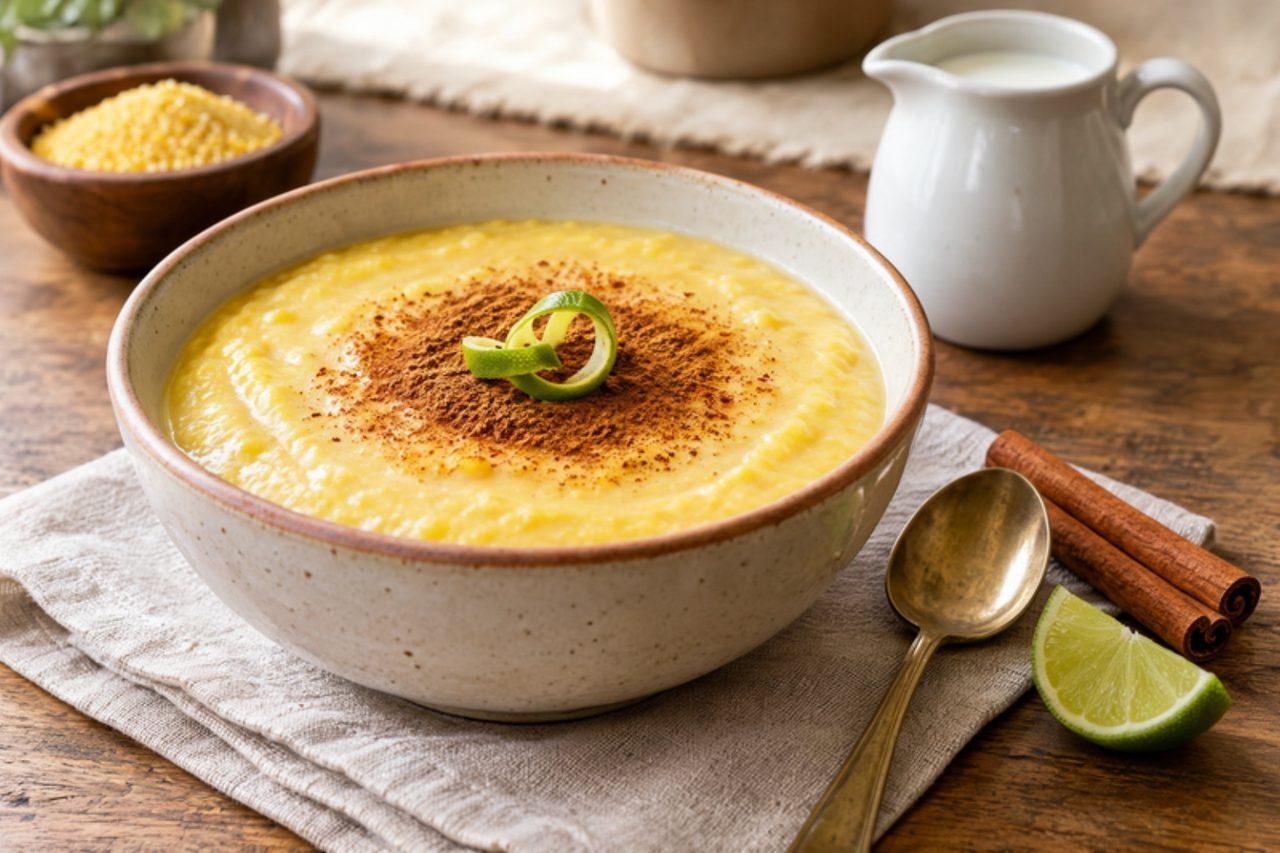
Harina de maíz dulceSweet cornmeal porridge

In Cuban homes "harina" means cornmeal, and harina dulce is the soft, sweet porridge that grandmothers in Havana and Santiago cooked for children before school, scented with cinnamon and a curl of lime peel the way rice pudding is. It should be smooth and spoonable, like a loose polenta. The usual mistake is pouring the cornmeal into boiling milk, which seizes into lumps at once: start it in cold liquid and whisk as it heats. Chef's tip: take the lime peel out once the porridge thickens, or its oils turn bitter as it sits.

by KrazyBadal 0 views

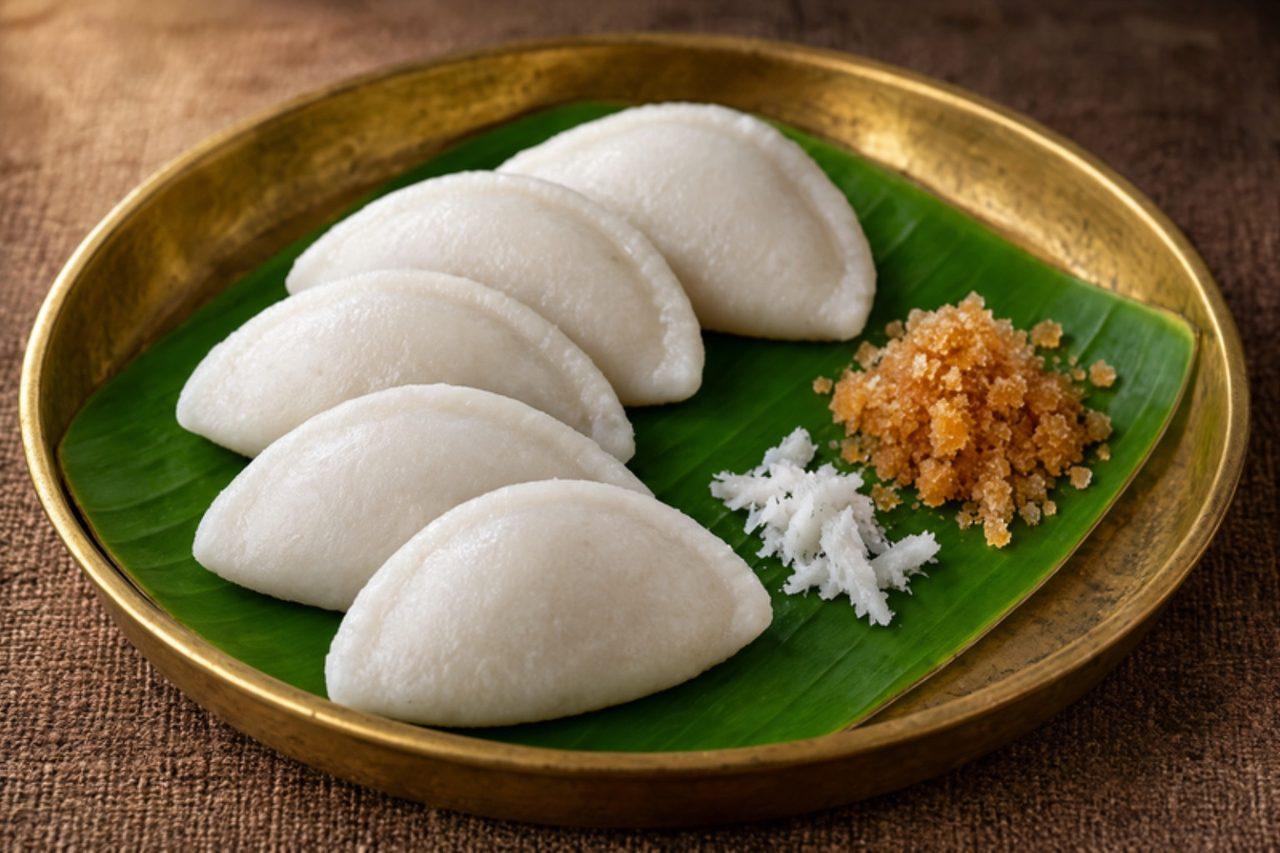
Manda pithaSteamed rice dumplings with coconut

Manda pitha is the soft white dumpling of Odisha's Raja festival in mid-June, when girls swing on rope swings, wear new clothes and eat pitha for three days; it is also made for Prathamastami and other family feasts. A smooth dough of rice flour cooked in water is wrapped around a filling of coconut, jaggery, chhena, black pepper and cardamom, then steamed. The common mistake is mixing raw rice flour with cold water: the dough must be cooked with boiling water and kneaded hot, or it cracks when shaped. Chef's tip: grease your palms with a drop of ghee while shaping so the dough stays silky and the edges seal cleanly.

by KrazyBadal 0 views

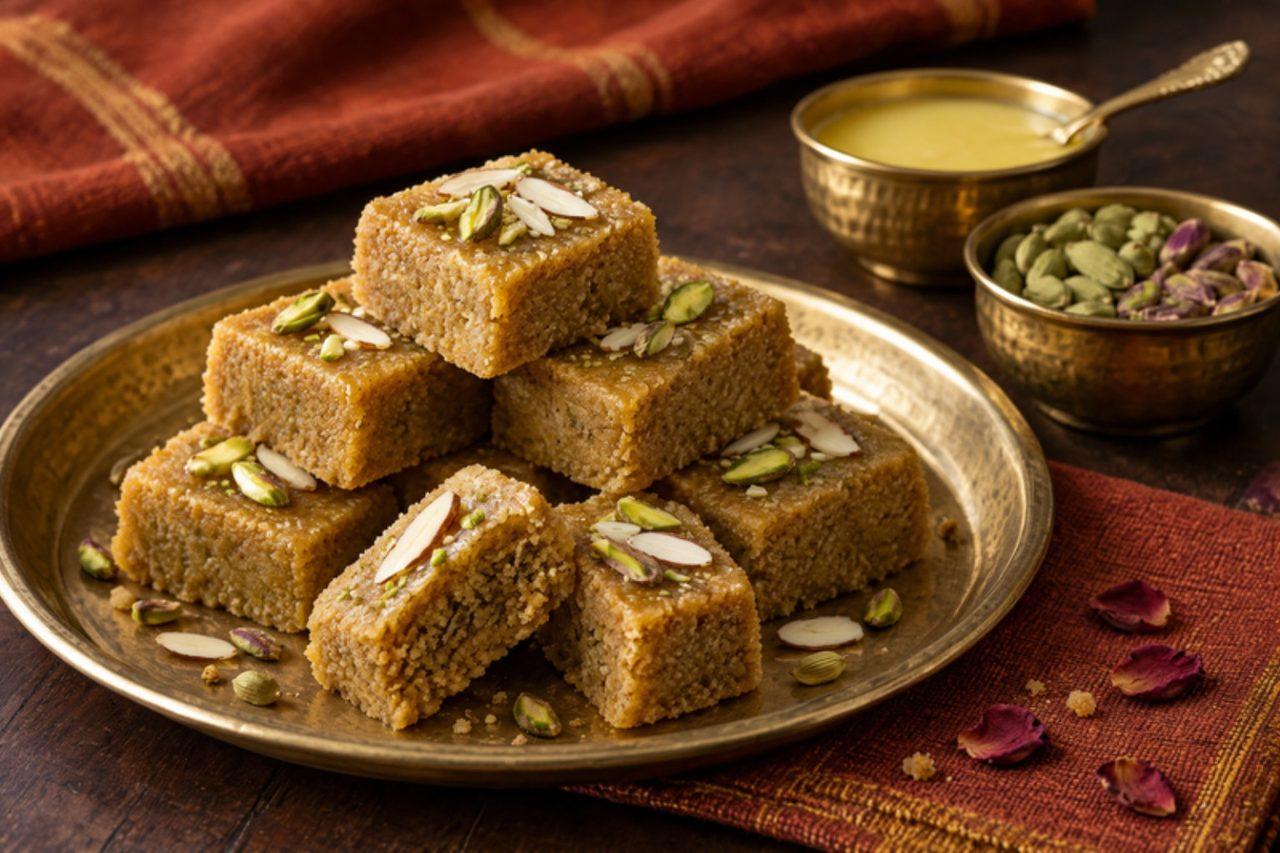
Moong thalMoong dal flour fudge

Moong thal is a Diwali tray sweet of Bikaner and Marwari homes, made by roasting coarsely ground moong dal in a generous amount of ghee, then setting it with sugar syrup and mawa and topping with nuts. It is richer and grainier than besan barfi, with a deep, toasty flavour. Marwari families in Kolkata and Mumbai still make it for Diwali boxes. The common mistake is under-roasting the moong, which leaves a raw, beany taste. Chef's tip: roast until the mixture turns light and frothy and the ghee releases from it; that is your sign it is cooked through.

by KrazyBadal 0 views

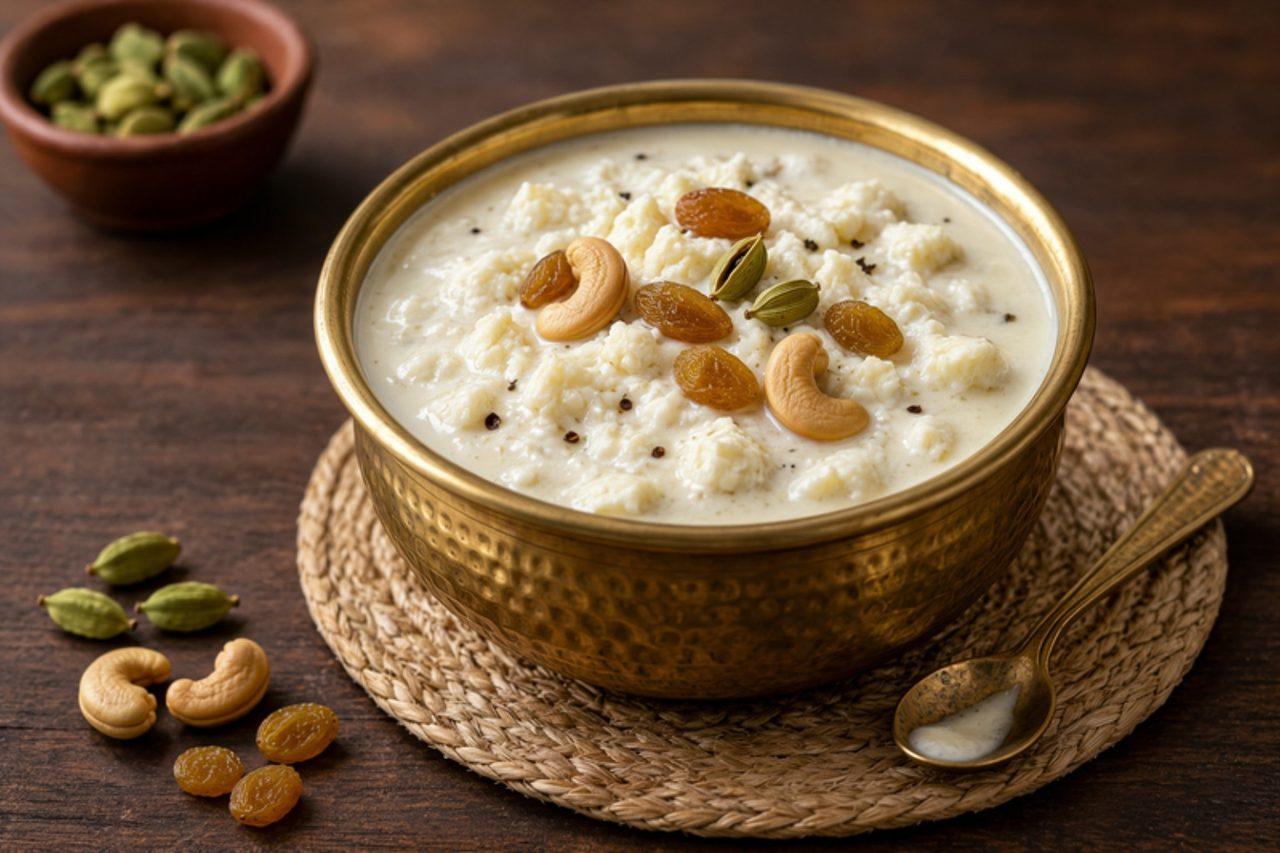
Chhena kheeriFresh cheese in sweet milk

Chhena kheeri is one of the dishes of the Jagannath temple's chhappan bhog in Puri, and Odia households make it for festivals, birthdays and the evening Rath Yatra meal. Soft, freshly made chhena is crumbled into milk that has been simmered down until creamy and sweet, then scented with cardamom and a little camphor in temple style, or simply nutmeg at home. The common mistake is adding the chhena too early and boiling it hard, which makes it rubbery; it should go in at the end and simmer only briefly. Chef's tip: crumble the chhena by hand into pieces the size of rice grains, so every spoonful has some.

by KrazyBadal 0 views

Pan amasadoHand-kneaded country rolls

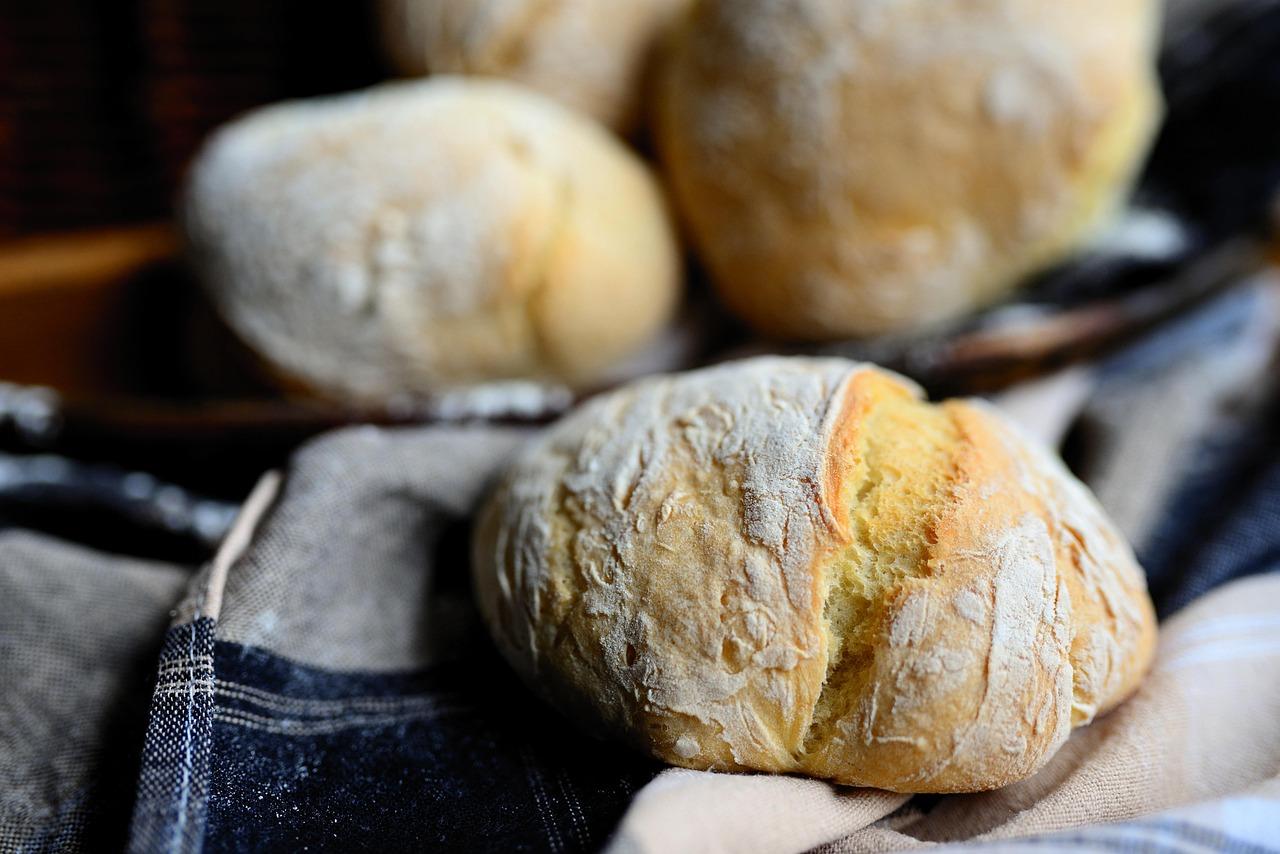
Pan amasado means simply 'kneaded bread', and in the countryside of the Central Valley and the south it is still made at home, in big batches, often baked in a mud-brick wood oven and sold by the side of the road in a basket under a cloth. The rolls are round, slightly flattened and pricked, with a thin crust and a dense, tender crumb, best warm with butter and jam or with pebre. Traditionally they are made with lard; this vegetarian version uses butter or vegetable shortening. Under-kneading is the usual mistake: the crumb stays heavy. Chef's tip: knead for a full 15 minutes, the way the name says, until the dough is smooth and springs back when poked.

by KrazyBadal 0 views

Marquesa de chocolateNo-bake chocolate icebox cake

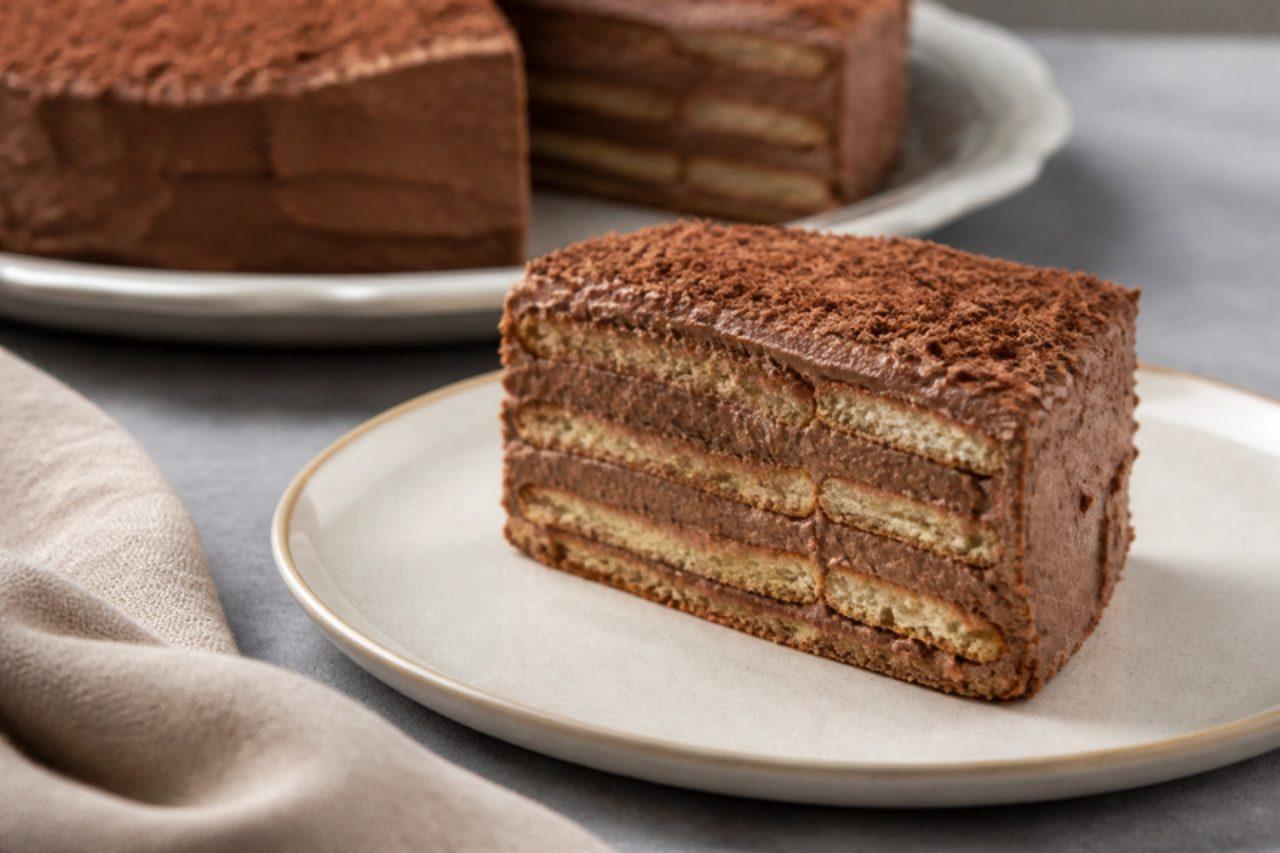
In Caracas homes the marquesa is the cake you make for a birthday when nobody wants to switch on the oven: plain tea biscuits dipped in vanilla milk and stacked with a rich chocolate cream, then chilled until it slices like a torte. Older recipes fold in raw egg yolks; this one uses whipped cream instead, so it is safe for everyone. The usual mistake is soaking the biscuits too long, so the cake slumps. Chef's tip: dip each biscuit for one second, then let the cream do the softening overnight.

by KrazyBadal 0 views

Bellam paramannamRice and moong dal jaggery pudding

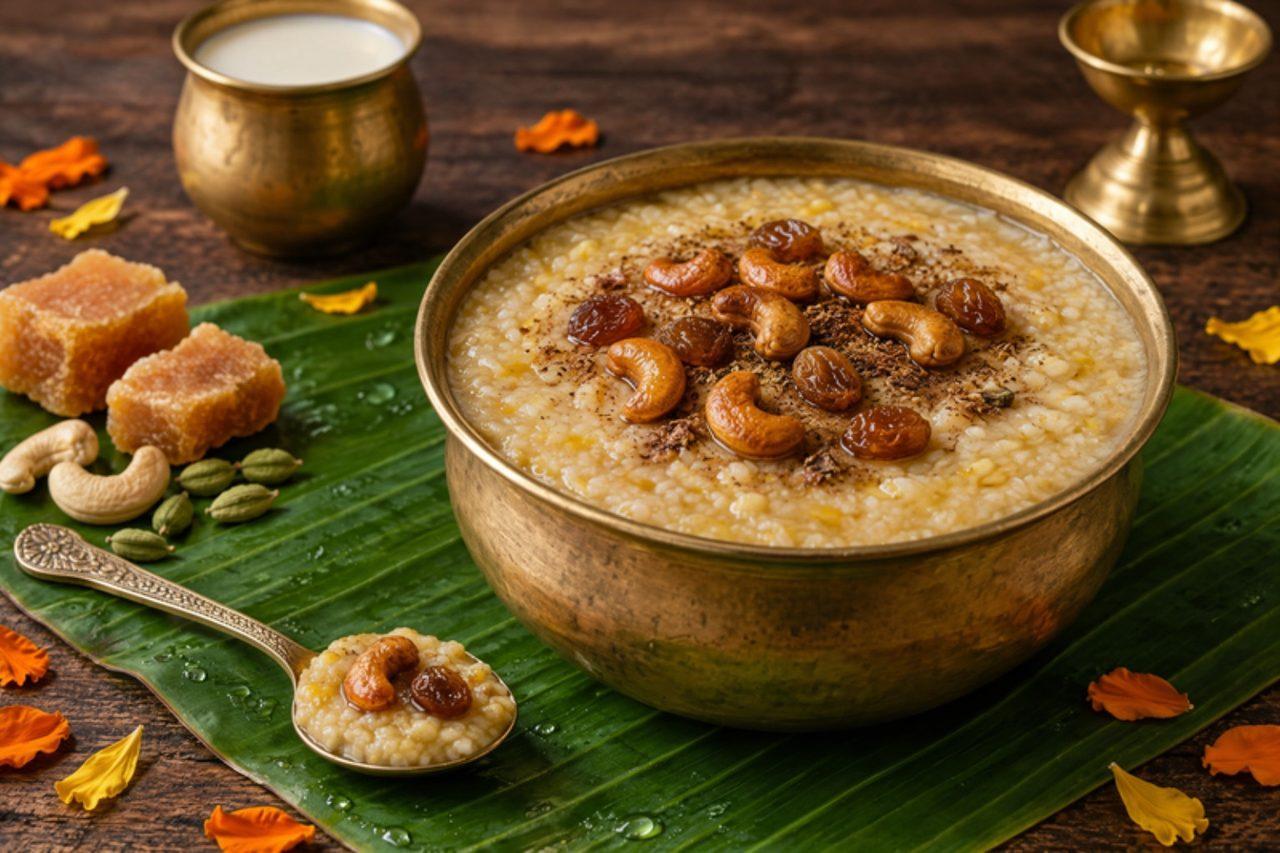
Bellam paramannam is the naivedyam of Telangana and Andhra homes, cooked for Sankranti, Ugadi, Varalakshmi Vratam and almost any puja, a soft rice-and-moong pudding sweetened with jaggery and glossed with ghee. Its colour is a warm caramel and its taste deeper than a sugar kheer. The classic mistake is adding jaggery to milk that is still on a high boil, which can split it; take the pot off the heat, let it stop bubbling, then stir the jaggery in. Chef's tip: roast the moong dal in a spoon of ghee until it smells toasty before cooking; it gives the paramannam its homely flavour.

by KrazyBadal 0 views

Dudh pithaRice dumplings in milk

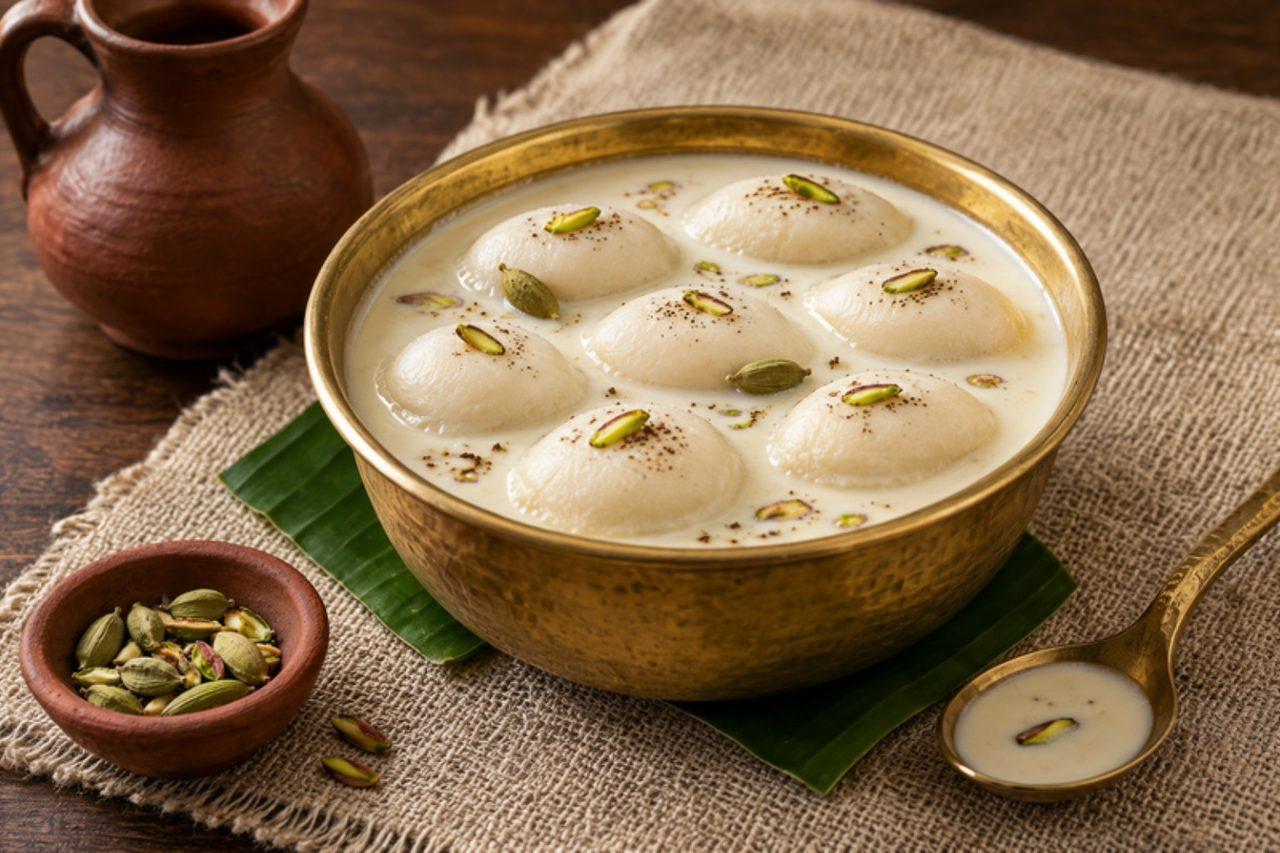
Dudh pitha is made in Jharkhand and Bihar for Makar Sankranti, Sohrai and winter evenings, when the new rice is milled: small rice-flour dumplings are stuffed with coconut and jaggery (some families use spiced chana dal instead) and simmered in milk until it thickens around them. It is eaten warm from a bowl with a spoon. The common mistake is adding jaggery straight to boiling milk, which can curdle it; sweeten the milk with sugar and keep the jaggery inside the dumplings. Chef's tip: shape the dumplings while the dough is warm and keep your palms greased, so the edges seal without cracking.

by KrazyBadal 0 views

PappchiFried wheat and rice biscuits

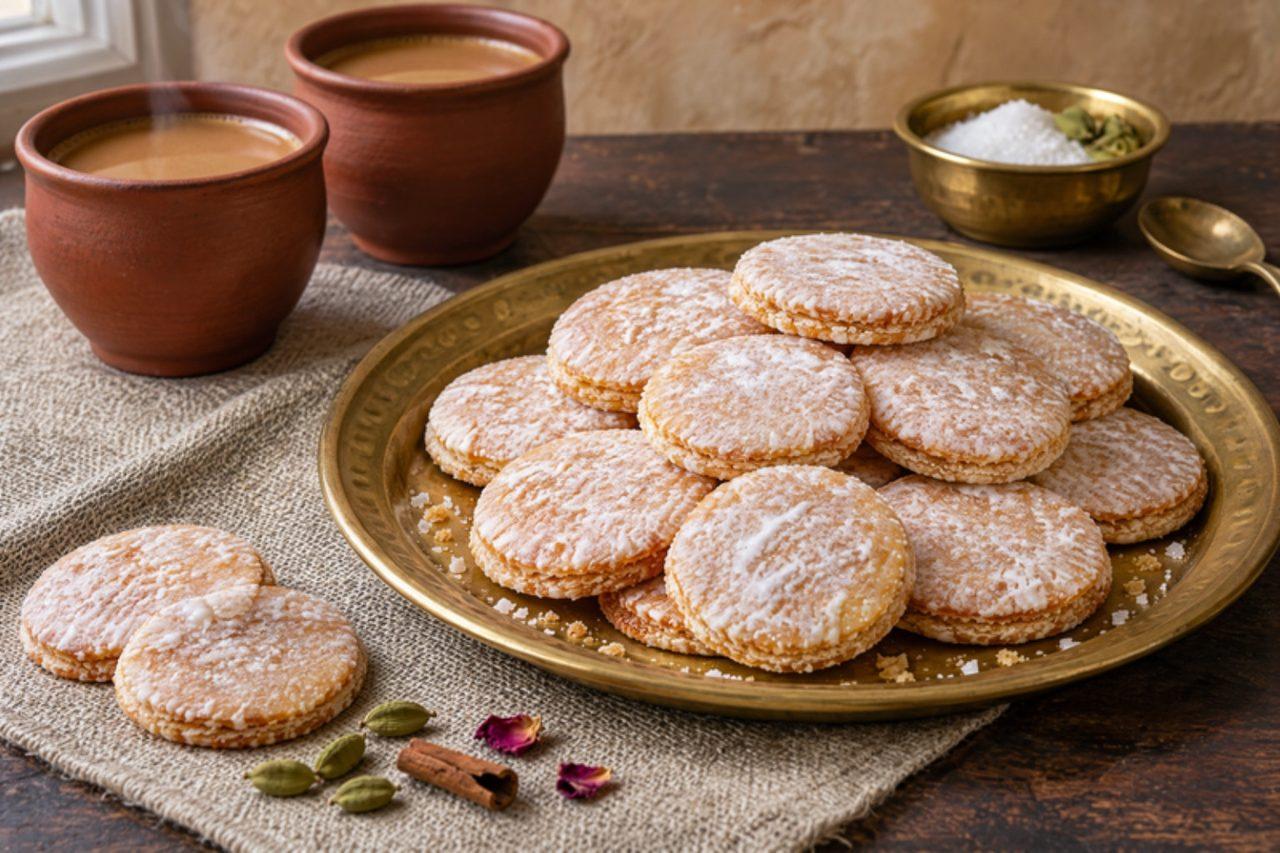
Pappchi are little scalloped discs that Chhattisgarhi families fry in large batches for Teeja, Diwali and weddings, made from wheat flour and rice flour, fried slowly and then turned in sticky sugar syrup until they wear a thin white glaze. They snap cleanly and keep for weeks in a steel tin. A common mistake is taking the syrup too far, so it crystallises into lumps; you want a one-string syrup that dries to a matt coat as it cools. Chef's tip: press the edge of each disc with a thimble or bottle cap to make the frilled pattern, which also helps them fry crisp.

by KrazyBadal 0 views

KusliSemolina-filled Diwali pastries

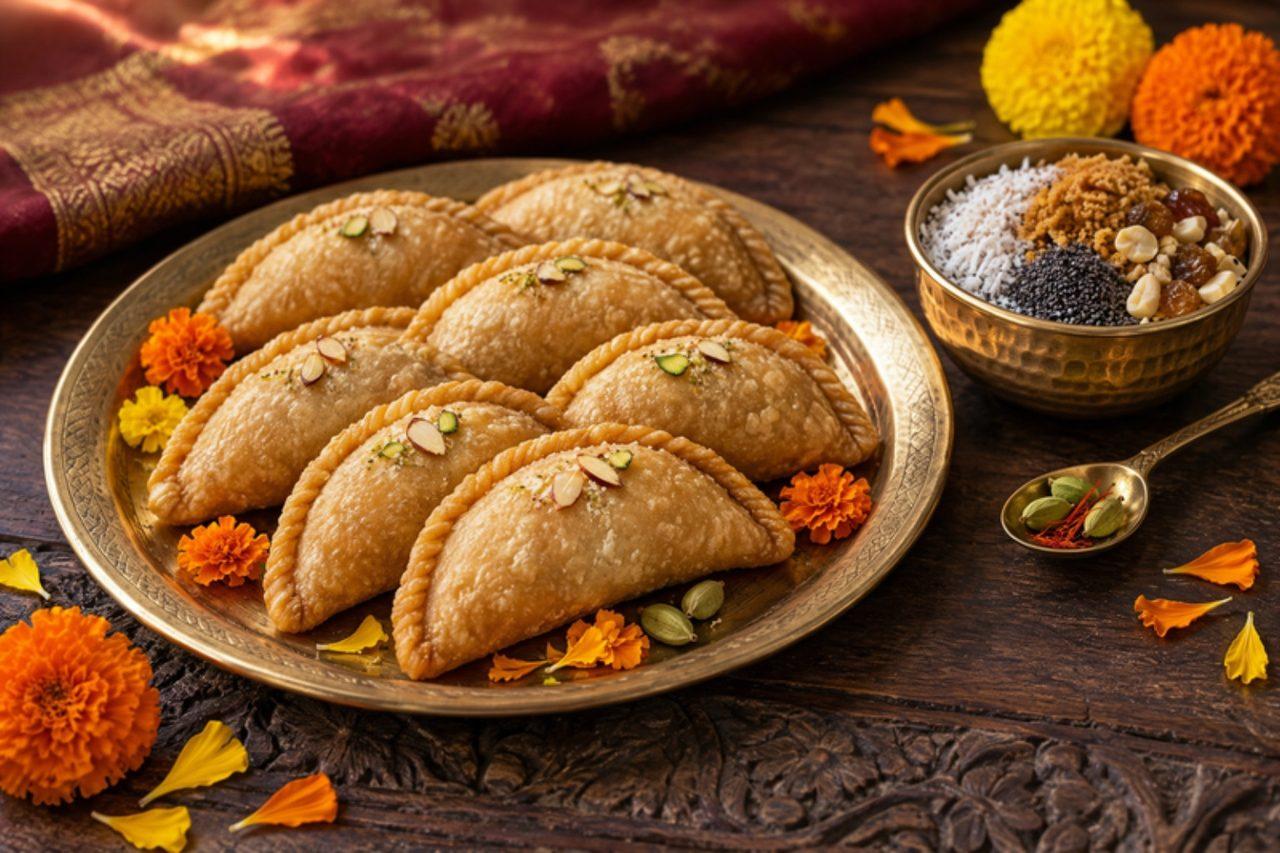
Kusli are the crimped half-moon pastries that fill tins in Chhattisgarhi homes before Diwali and Chhath, close cousins of the gujiya and karanji but filled with semolina roasted in ghee, dry coconut and sugar rather than mawa. They keep for a fortnight and are handed to visitors with thethri and khurmi. The common mistake is frying them in very hot oil; they blister and brown outside while the pastry stays raw within. Chef's tip: seal the edges with a dab of milk and a firm pinch-and-fold twist so not a crumb of filling leaks into the oil.

by KrazyBadal 0 views

SobachaRoasted buckwheat tea

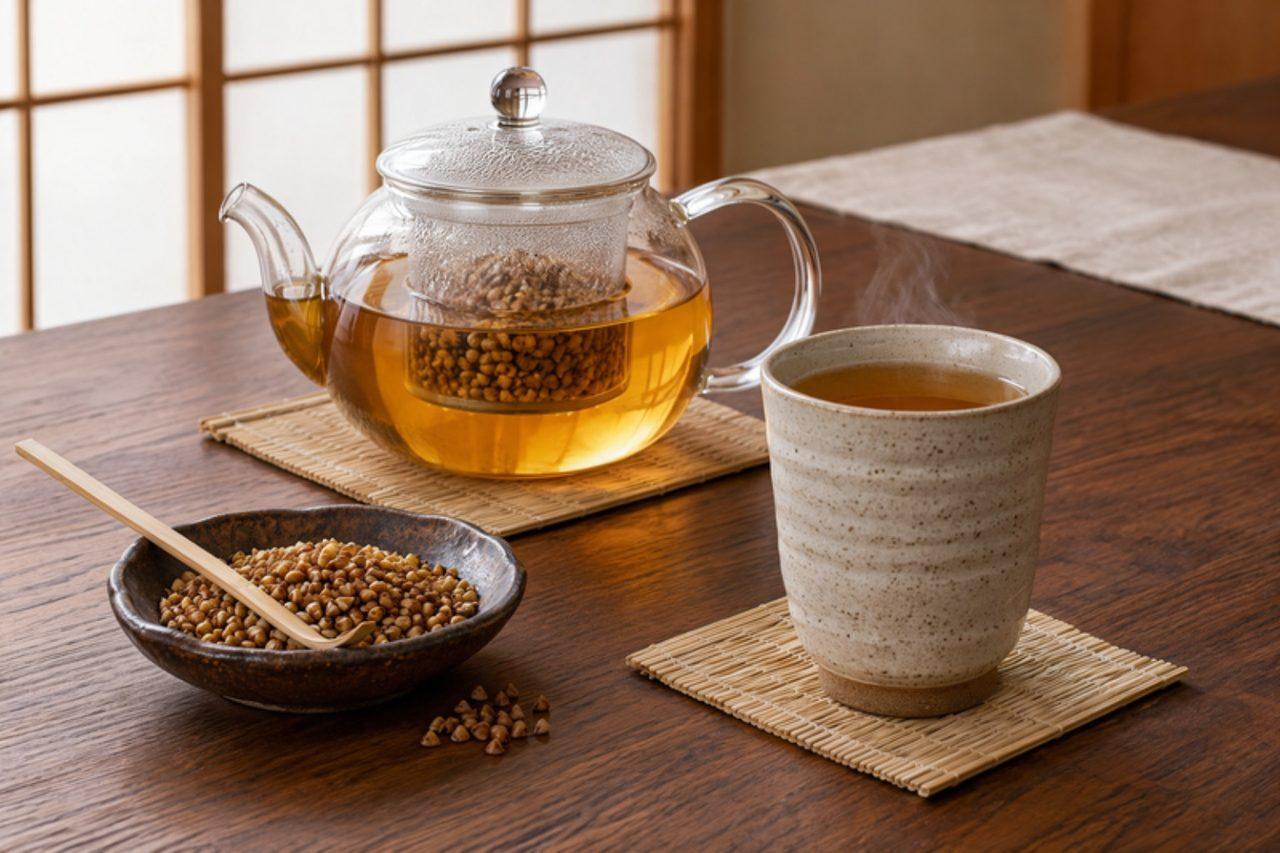
Sobacha is roasted buckwheat tea, drunk all over Japan and especially in the soba country of Nagano and Hokkaido, where it is poured free in noodle shops and kept in jugs in the fridge through summer. Toasted buckwheat groats are steeped in hot water to make a golden, caffeine-free tea with a nutty, almost popcorn aroma, and the softened groats can be eaten too, stirred into rice or salads. Nothing is added: no salt, no sugar, so about 0.0 g salt per cup. The usual mistake is burning the groats when roasting your own; keep the heat at medium and keep the pan moving. Use Tartary buckwheat (dattan soba) for a deeper yellow tea. Anyone with a buckwheat allergy should avoid it, as reactions can be serious. Chef's tip: steep a second time with slightly hotter water; the second cup is often the sweetest.

by KrazyBadal 0 views

Calia e simenzaRoasted chickpeas and pumpkin seeds

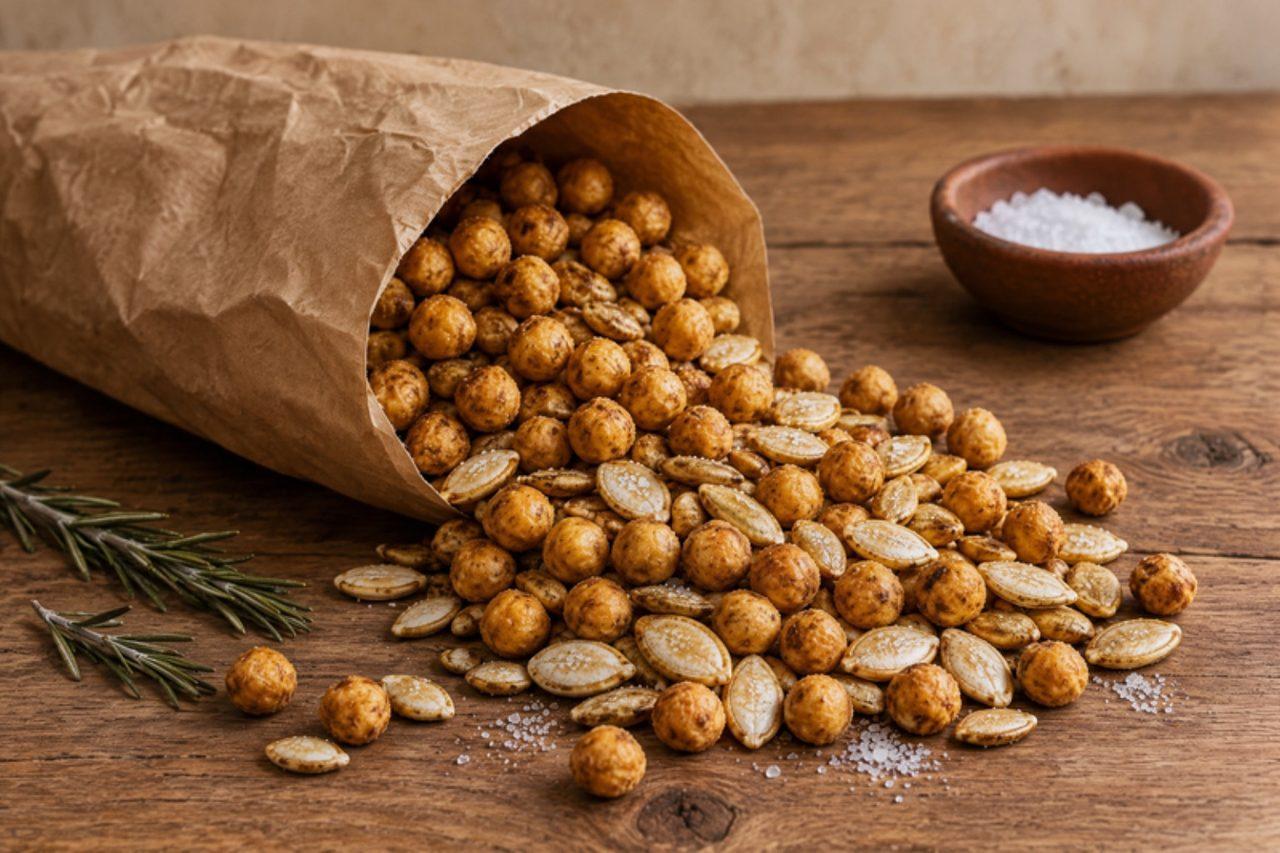
Calia (toasted chickpeas) and simenza (salted pumpkin seeds) are sold together in twisted paper bags by the old caliari of Palermo, at the Festino of Santa Rosalia in July, along the Foro Italico seafront and outside the Teatro Massimo after a show. You crack the seeds with your teeth and chase them with the crunchy, nutty chickpeas, a habit that can last a whole evening. This home version roasts soaked dried chickpeas and salted seeds in the oven. Chef's tip: dry the soaked chickpeas really well; any surface water steams them instead of making them crunchy.

by KrazyBadal 0 views

Kakinada kajaSyrup-soaked layered pastries

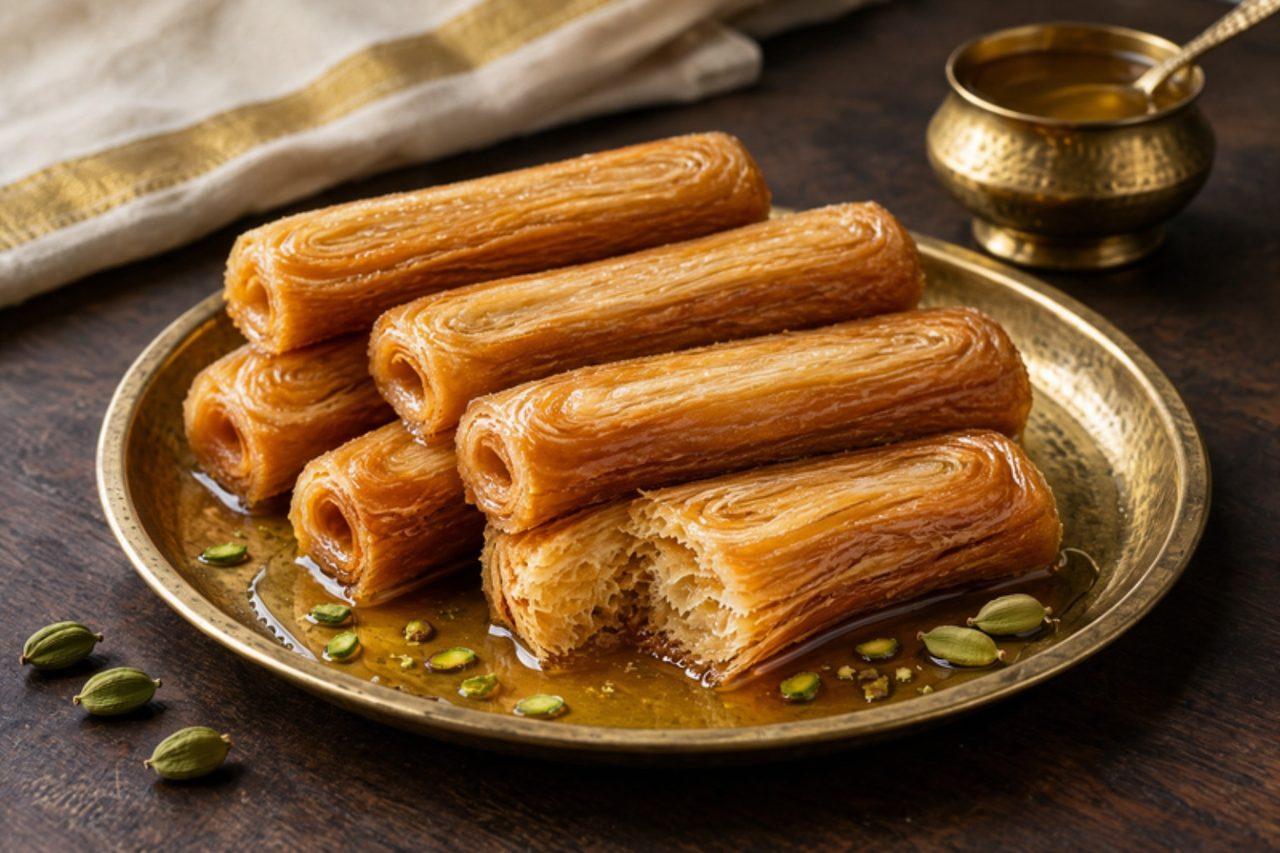
Kakinada kaja is the famous sweet of Kakinada in Andhra's East Godavari, a long, golden pastry made of layered dough that is fried and soaked in syrup until the hollow centre fills with sweetness and bursts when bitten. Telugu families buy it for weddings, Sankranti and housewarmings. The common mistake is syrup that is too thick: Kakinada kaja is soaked in a thin, just-sticky syrup so it seeps inside, while the outside stays crisp. Fry slowly so the layers open. Chef's tip: roll the dough sheet tightly into a log after spreading the ghee paste, and seal the ends, so each piece puffs into distinct layers.

by KrazyBadal 0 views

Guyanese plait breadBraided white loaf

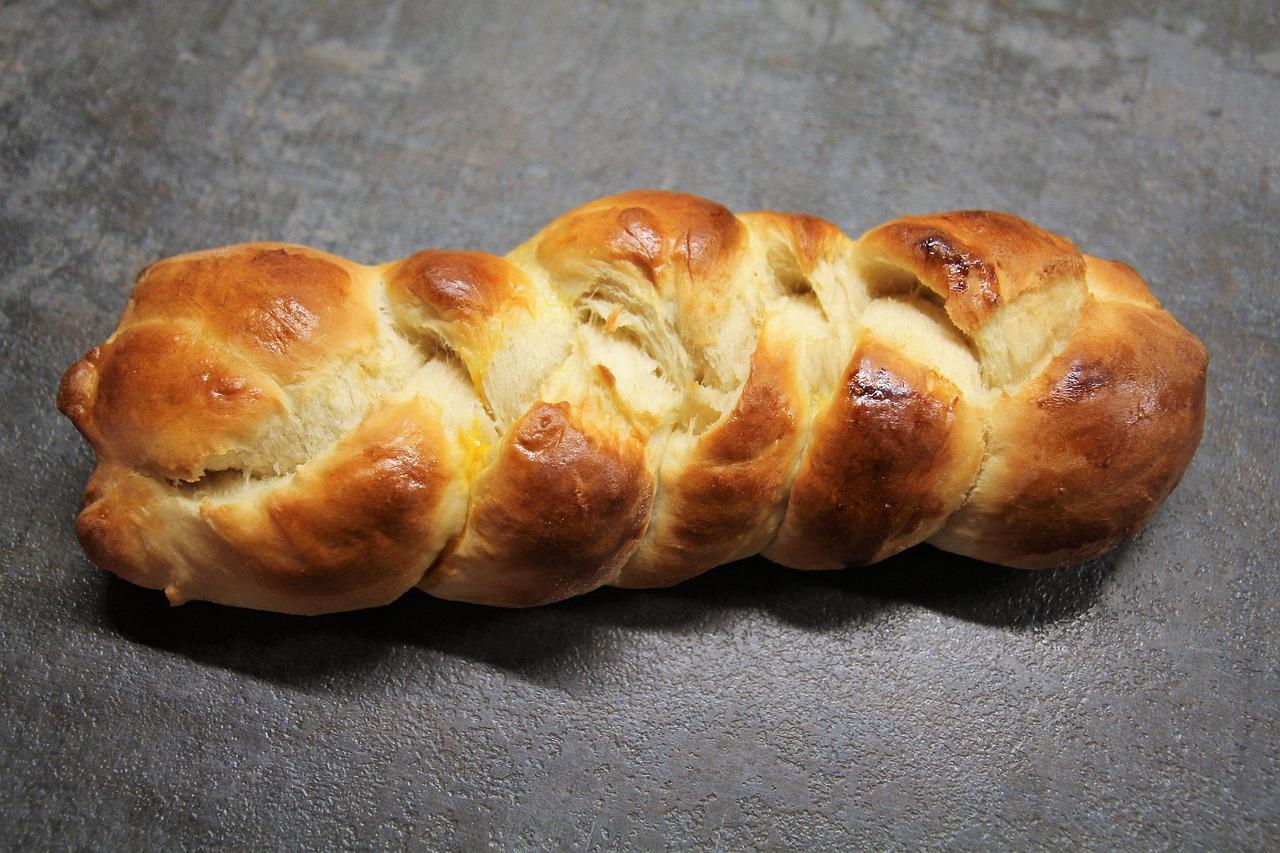
A glossy three-strand plait sits on the table in many Guyanese homes on Christmas morning and for Old Year's Night, next to garlic pork, pepperpot and black cake, and bakeries in Georgetown sell it every day for sandwiches. It is a soft, close-crumbed white bread, just a little sweet, that tears into pillowy pieces and soaks up pepperpot gravy beautifully. The common slip is adding too much flour while kneading: the dough should feel slightly tacky, or the loaf bakes up dry and dense. Chef's tip: let the shaped plait prove until a finger pressed into the side leaves a dent that springs back slowly; that is the moment to bake.

by KrazyBadal 0 views

Parwal ki mithaiStuffed candied pointed gourd

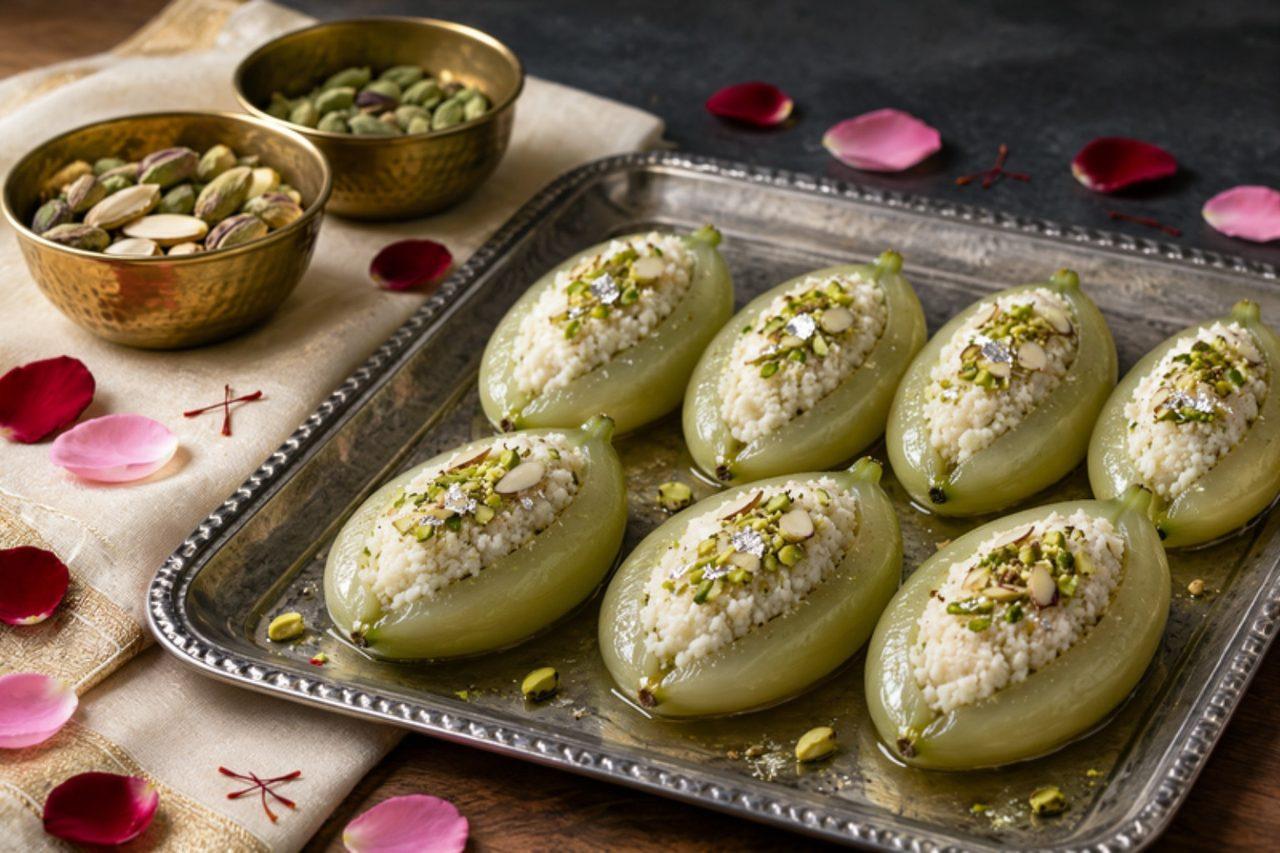
Parwal ki mithai surprises anyone who knows pointed gourd only as a curry vegetable: in Bihar and eastern Uttar Pradesh sweet makers peel the gourds, candy them in syrup until translucent, then fill them with sweetened mawa and nuts. They sit in shop windows at Diwali, Chhath and weddings, often glinting with silver leaf. The common mistake is undercooking the gourds before candying, which leaves them crunchy and vegetal; blanch until a knife slides in easily. Silver leaf (vark) is optional; choose one certified vegetarian. Chef's tip: scrape out every seed carefully, because even a few hard seeds spoil the soft bite.

by KrazyBadal 0 views

BelgramiChewy fresh cheese sweet

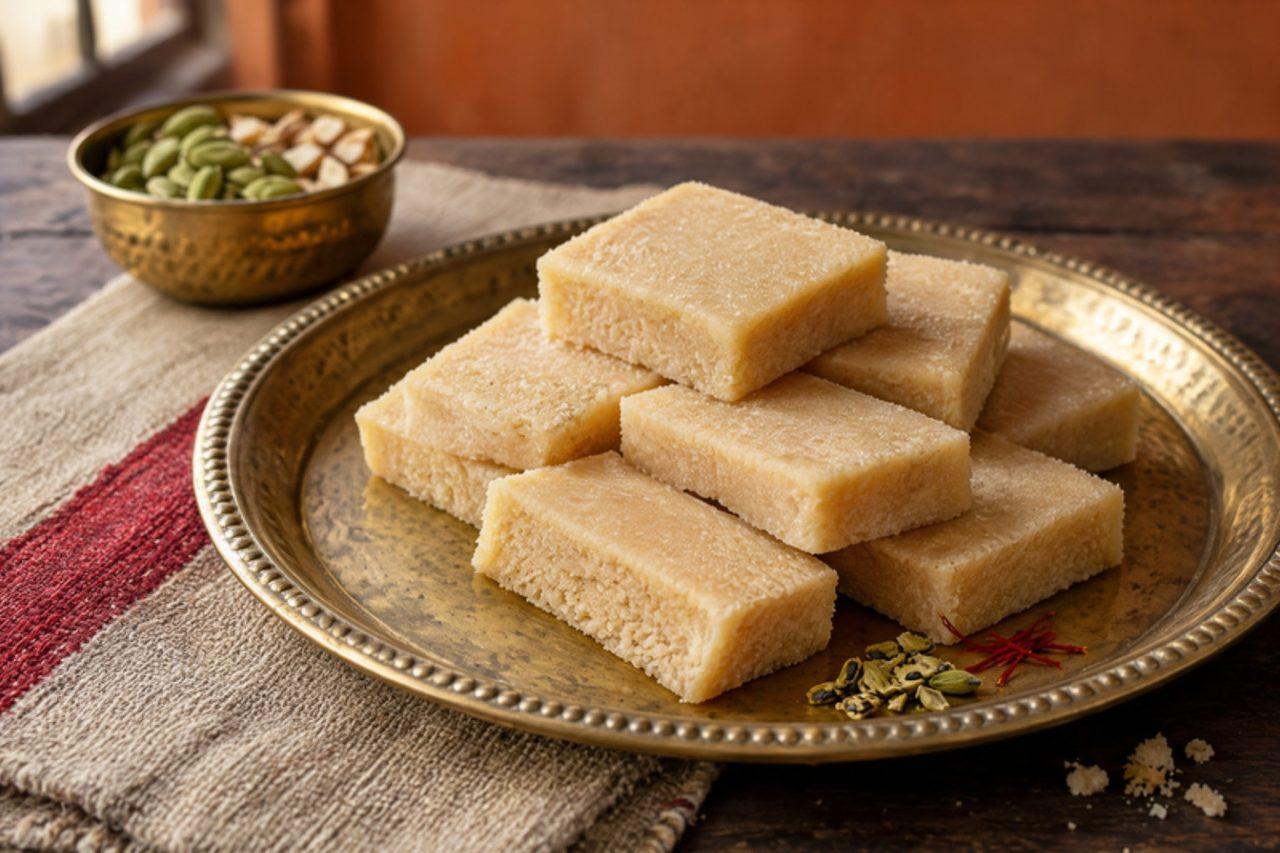
Belgrami belongs to Udwantnagar in Bihar's Bhojpur district, where sweet makers have cooked it for generations and travellers buy boxes on the way through. Fresh chhena is cooked down with sugar until it firms into a dense, slightly chewy, pale cream block with a gentle caramel note, then cut into pieces. It keeps for days, which makes it a favourite gift at weddings and Chhath. The common mistake is stopping too early: it must cook until the mass pulls into one lump and no longer sticks to the pan, or the pieces stay soft and weep. Chef's tip: use chhena from full-fat cow's milk and hang it for an hour, so it is dry enough to cook down quickly.

by KrazyBadal 0 views

PantuaFried milk balls in syrup

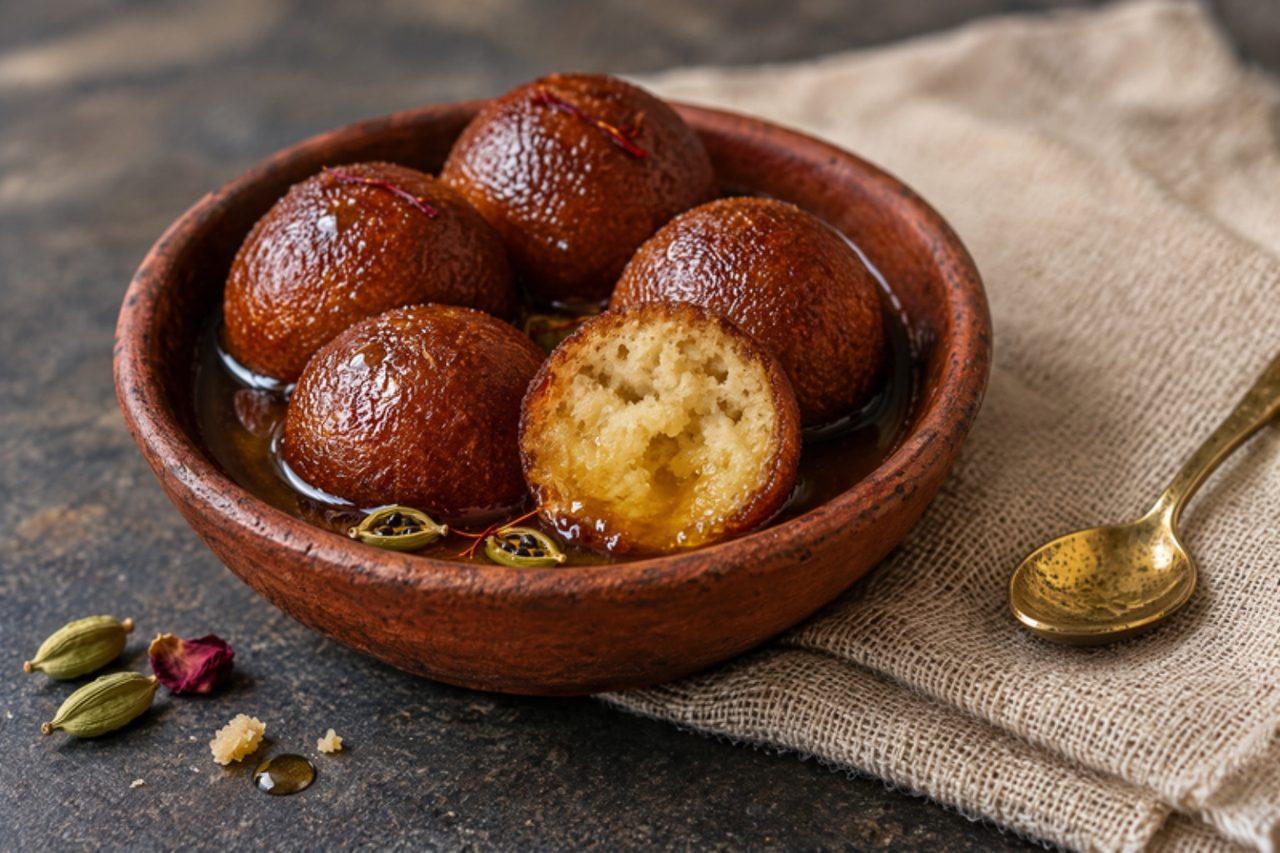
Pantua is the Bengali answer to gulab jamun, but made with fresh chhena and a little semolina instead of only khoya, which gives a lighter, slightly grainy inside under a deep brown skin. It is the sweet of Jamai Sasthi, Bijoya visits and Sunday afternoons in Kolkata, often with a hidden cardamom seed or nugget of sugar at the centre. The common mistake is under-kneading the chhena: if the dough is crumbly the balls crack and drink oil. Knead until it feels smooth and leaves a film of fat on your palm. Chef's tip: let the syrup and the fried pantua both be warm, not boiling, when they meet, so the balls soak up syrup without collapsing.

by KrazyBadal 0 views

Lavang latikaClove-sealed syrup pastries

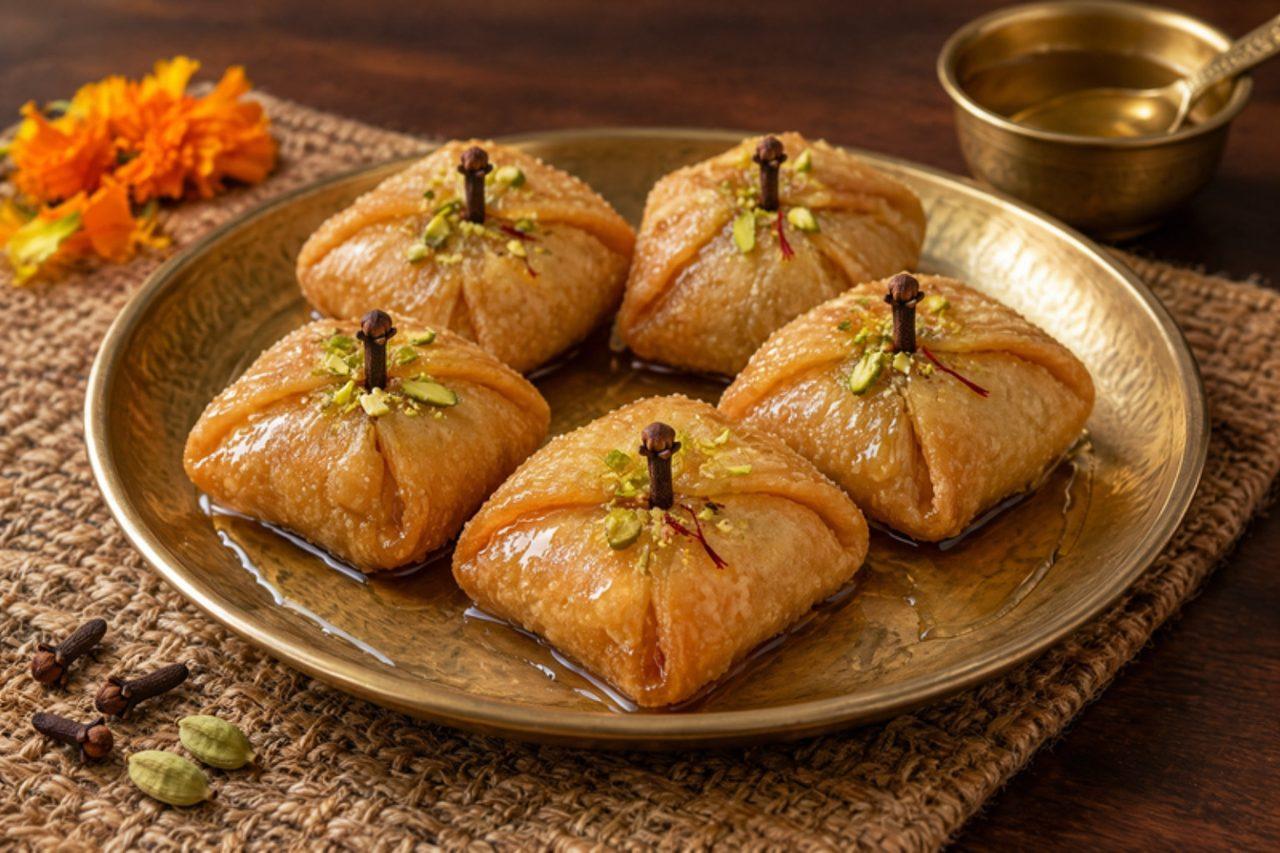
Lavang latika is a festive sweet of Bengal and Bihar, shaped like a tiny sealed envelope with a single clove pinned through the flap; it fills sweet-shop trays at Bijoya Dashami, Diwali and Bhai Phonta. Inside is mawa with coconut, nuts and cardamom, and after slow frying the parcels are soaked in syrup, so the outside is crisp and sweet and the clove gives a warm, peppery bite. The common mistake is folding the pastry loosely; the flaps must overlap well and be pressed shut before the clove goes in, or the parcels unfold in the ghee. Remove the clove before eating if you prefer. Chef's tip: soak the cloves in hot water for 5 minutes so they push through the pastry without cracking it.

by KrazyBadal 0 views

ChandrakalaSyrup-soaked milk pastries

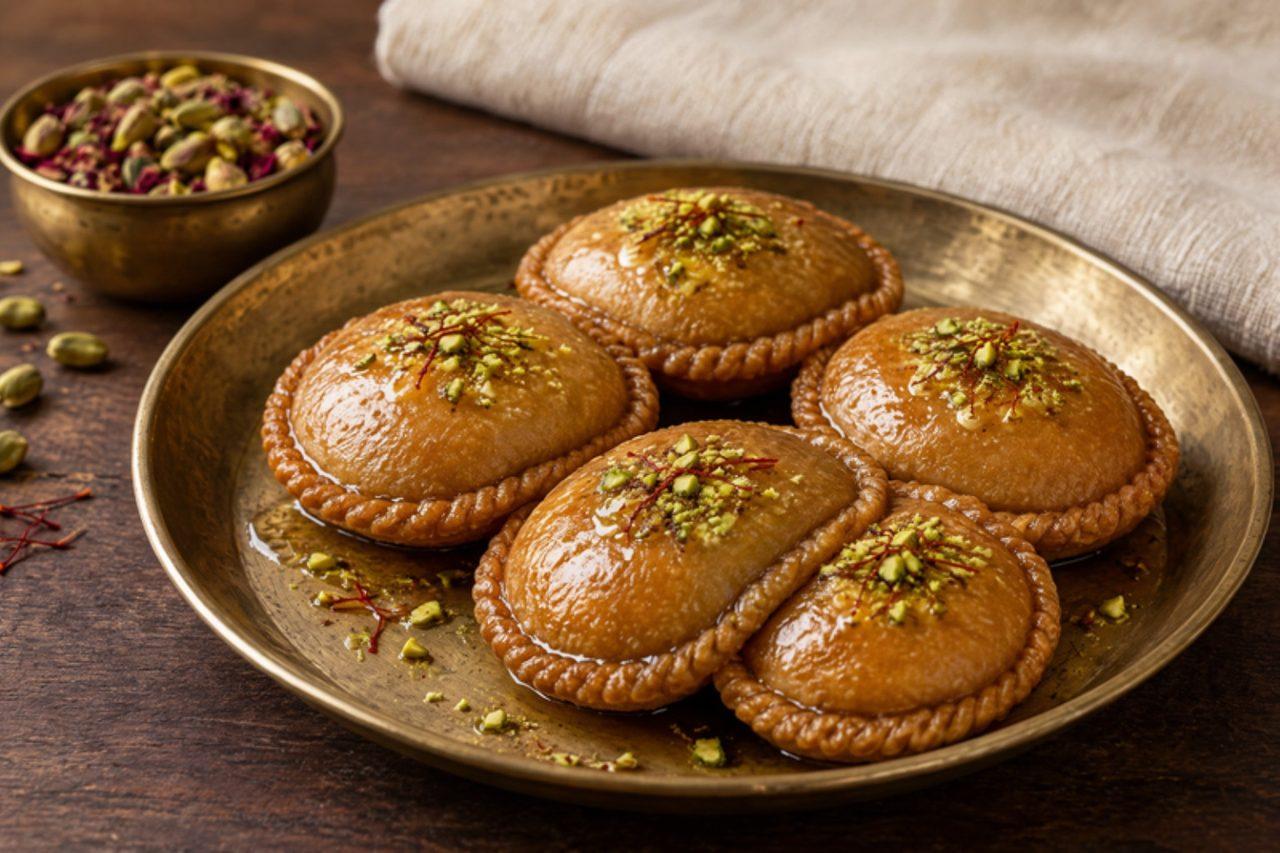
Chandrakala is the round, moon-shaped sweet of Bihar and eastern Uttar Pradesh, made for Holi, Diwali and Chhath and sold by sweet shops in Patna and Varanasi. Two circles of flaky pastry enclose a filling of mawa, nuts and cardamom; the edge is pleated into a rope, then the pastry is fried slowly and dipped in sugar syrup. Its sister suryakala is the same sweet shaped like a sun. The common mistake is syrup that is too thin, which makes the crust soggy within hours; it should reach one-string consistency. Chef's tip: pleat the edge firmly with damp fingertips, because a loose seal is where the filling leaks out in the hot ghee.

by KrazyBadal 0 views

Dal baflaBaked wheat balls with dal

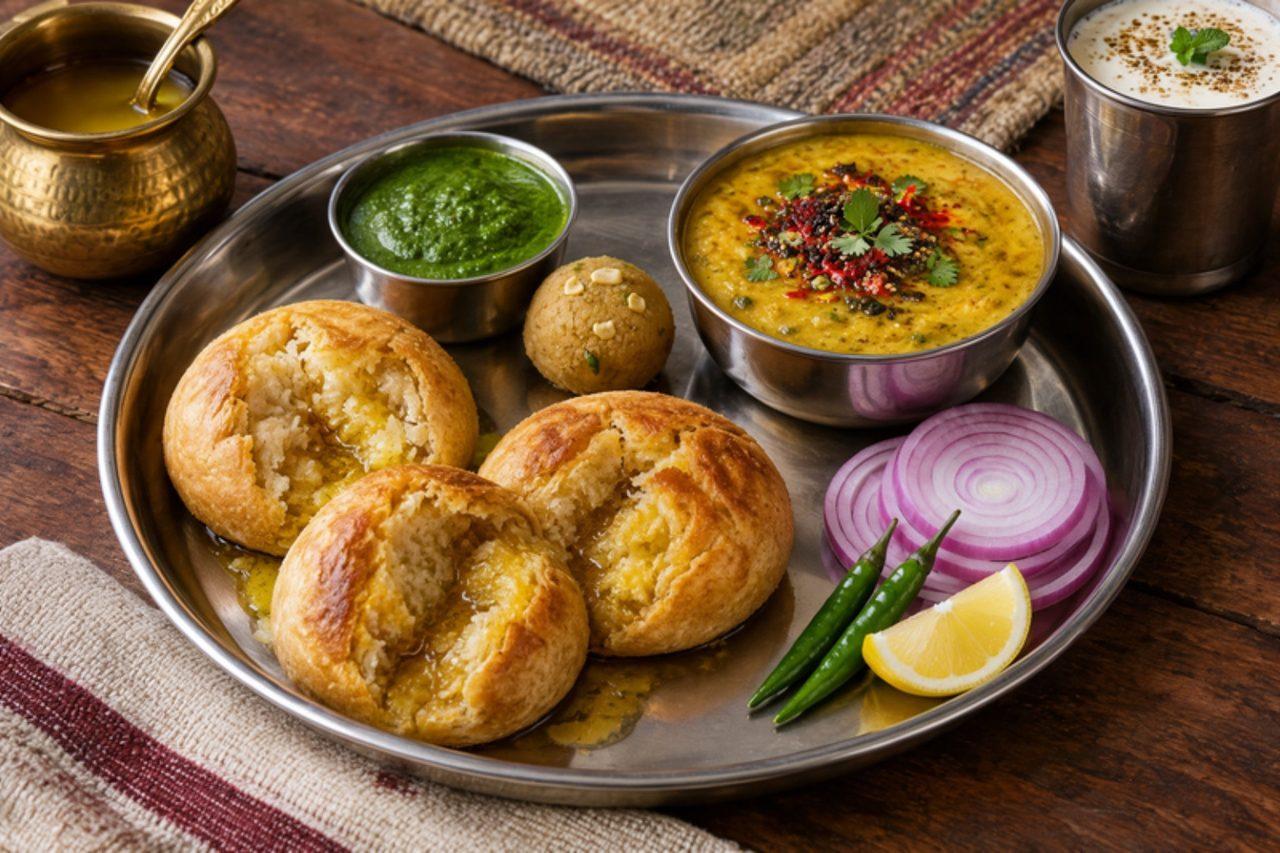
Dal bafla is Malwa's answer to Rajasthan's dal baati: the dough balls are first boiled until they float, then baked until crusty, so they turn out softer inside and lighter than baati. In Indore and Ujjain it is the meal for Sunday lunches, picnics and big family gatherings, broken open and drowned in ghee next to a bowl of tadka dal and garlic chutney. The common mistake is skipping the rest after boiling; wet baflas go straight into the oven and stay pale and leathery. Chef's tip: let the boiled baflas dry for 10 minutes and score a cross on top before baking, so they crack open and soak up the ghee.

by KrazyBadal 0 views

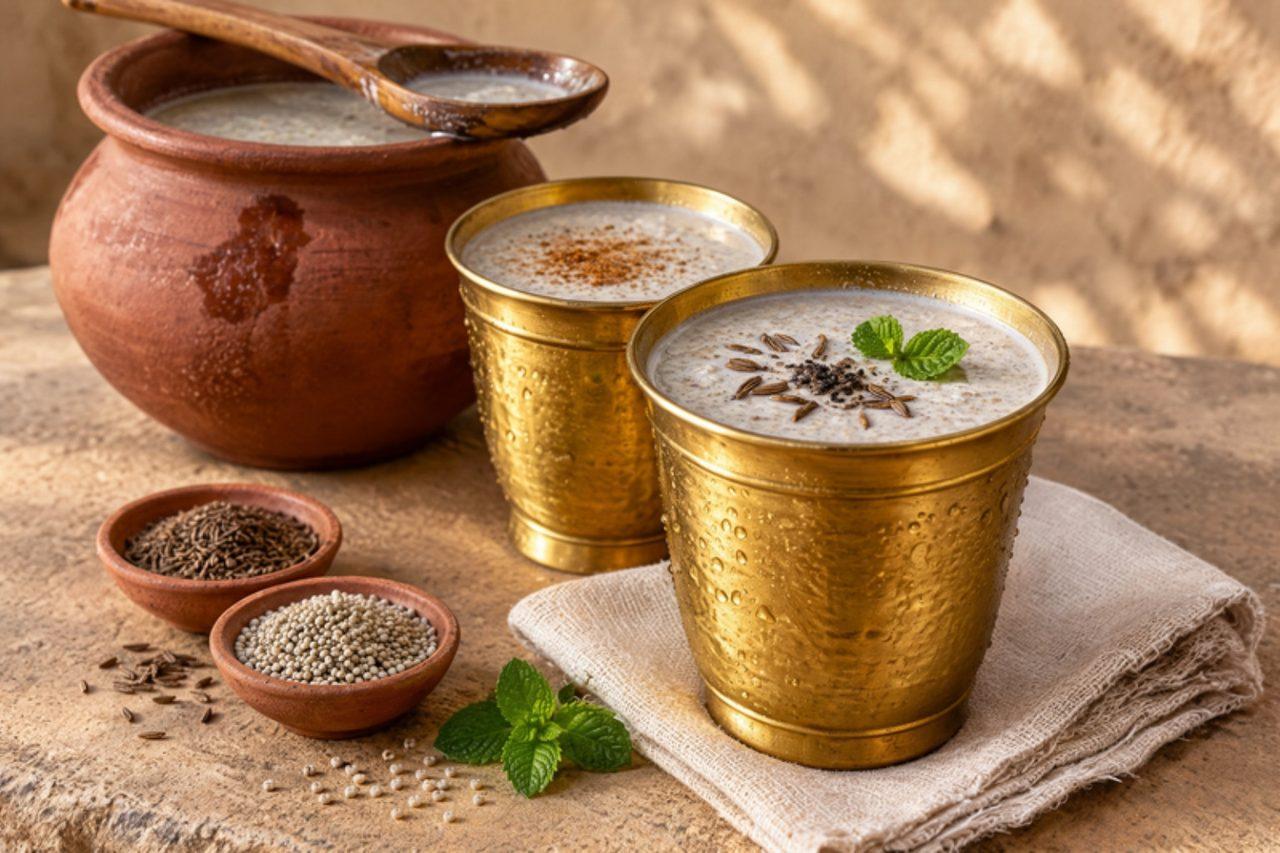
Bajre ki raabdiFermented pearl millet buttermilk porridge

In the villages of Haryana and the Rajasthan border, raabdi is drunk at midday in May and June to keep cool in the fields. Pearl-millet flour is stirred into buttermilk and left to ferment for a few hours, then cooked slowly until thick, cooled in a clay pot and thinned with more buttermilk and salt. It tastes tangy and earthy, a little like a savoury porridge you can drink. Ferment at warm room temperature (25–32 °C) for 4–6 hours: it should smell pleasantly sour with a few bubbles. Throw it away if you see pink, black or furry mould or it smells rotten or of nail varnish. The common mistake is cooking on high heat, which scorches the millet and leaves raw lumps. Chef's tip: keep the cooked raabdi in the fridge and drink it within 2 days, thinning each glass to taste.

by KrazyBadal 0 views

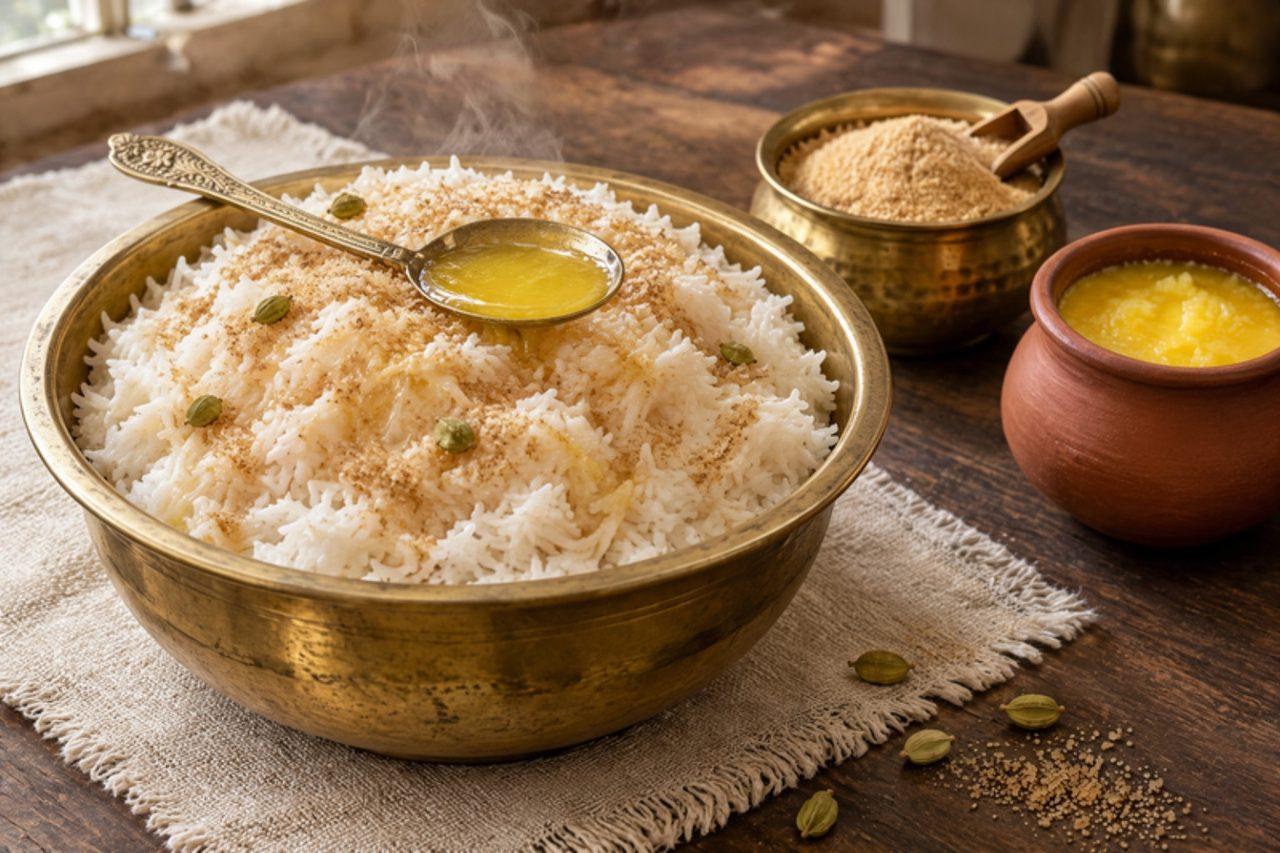
Bhure chawalRice with ghee and sugar

Bhure chawal is about as simple as Haryanvi village cooking gets: steaming rice tossed with plenty of desi ghee and bura, the fine, fluffy sugar sold in Haryana, and sometimes a few chopped nuts. It is the treat grandmothers make after the evening milking, at a new daughter-in-law's first meal, or on cold nights when something sweet is needed fast. Use fragrant, well-cooked rice and good ghee, as there is nothing to hide behind. The common mistake is adding the sugar to lukewarm rice, so it stays gritty instead of melting into the ghee. Chef's tip: no bura? Blitz ordinary sugar to a powder and add a pinch of cardamom.

by KrazyBadal 0 views

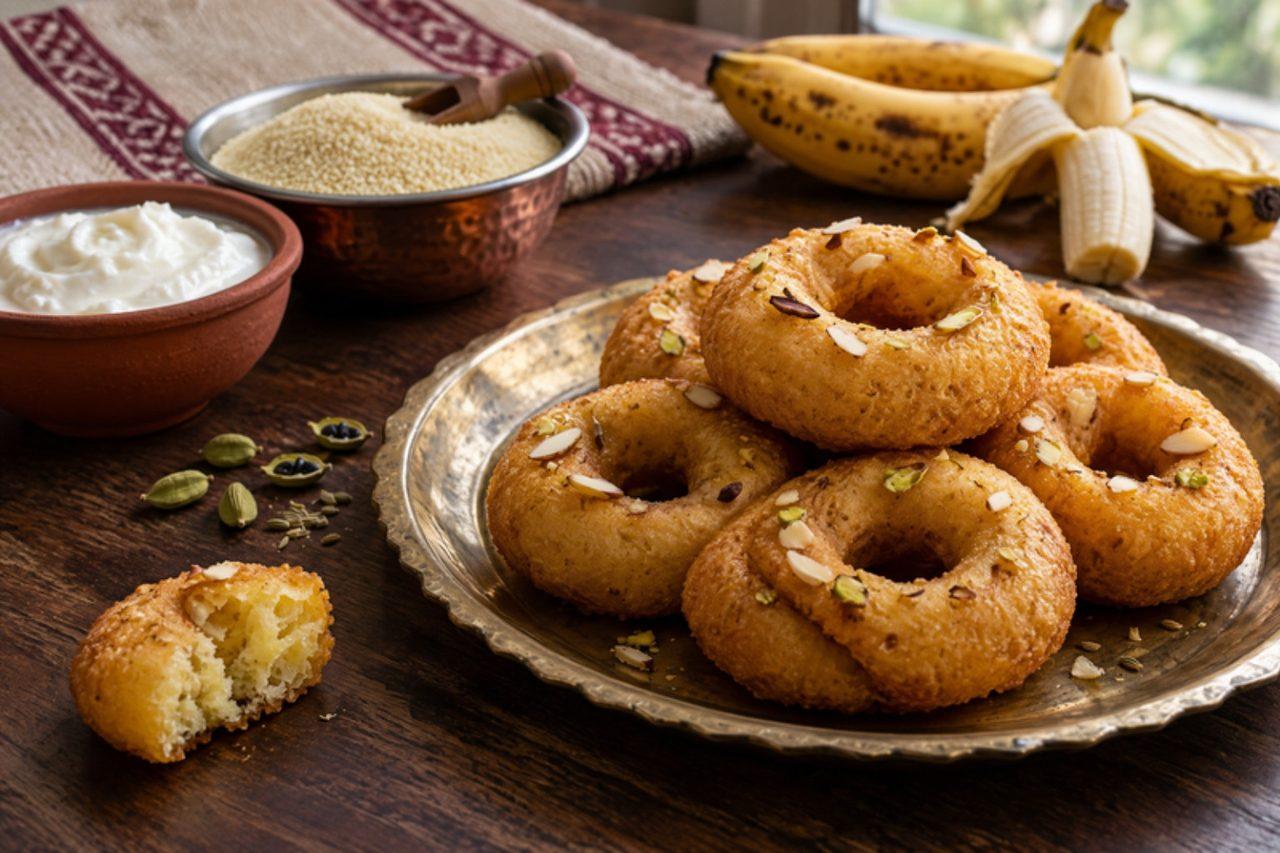
SingalFried semolina and banana spirals

Singal (also called singhal) are sweet, spongy spirals from Kumaon, fried for Diwali, weddings and the Harela festival and offered at the temple before the family eats them. A thick batter of semolina, ripe banana, curd and sugar rests until the semolina swells, then it is piped or poured in a spiral into hot ghee or oil. The outside turns crisp and the inside stays soft like a doughnut. The common mistake is frying straight away; unrested batter spreads into flat, greasy shapes. Chef's tip: the batter is right when it falls from a spoon in a thick ribbon that holds its shape for a second.

by KrazyBadal 0 views

Showing 24 of 2,805 recipes

Show more recipes

Page 55 of 117

More Jain ideas

Other diets