Skip to content
WhatToEat.Today

Jain recipes: no onion, garlic or root vegetables

2,799

2799 Jain recipes with no onion, garlic, potato, carrot, fresh ginger or other root vegetables, and no mushrooms, eggs or honey. Hing, dry ginger and turmeric powder are fine. Each has photos, step-by-step instructions and cook times. The quickest, Apfelschorle, takes 2 minutes. Most take around 40 minutes.

Filter these by time, diet or cuisine · Make Jain your diet to see only these recipes everywhere on the site.

Surinamese dawetCoconut milk and lemongrass drink

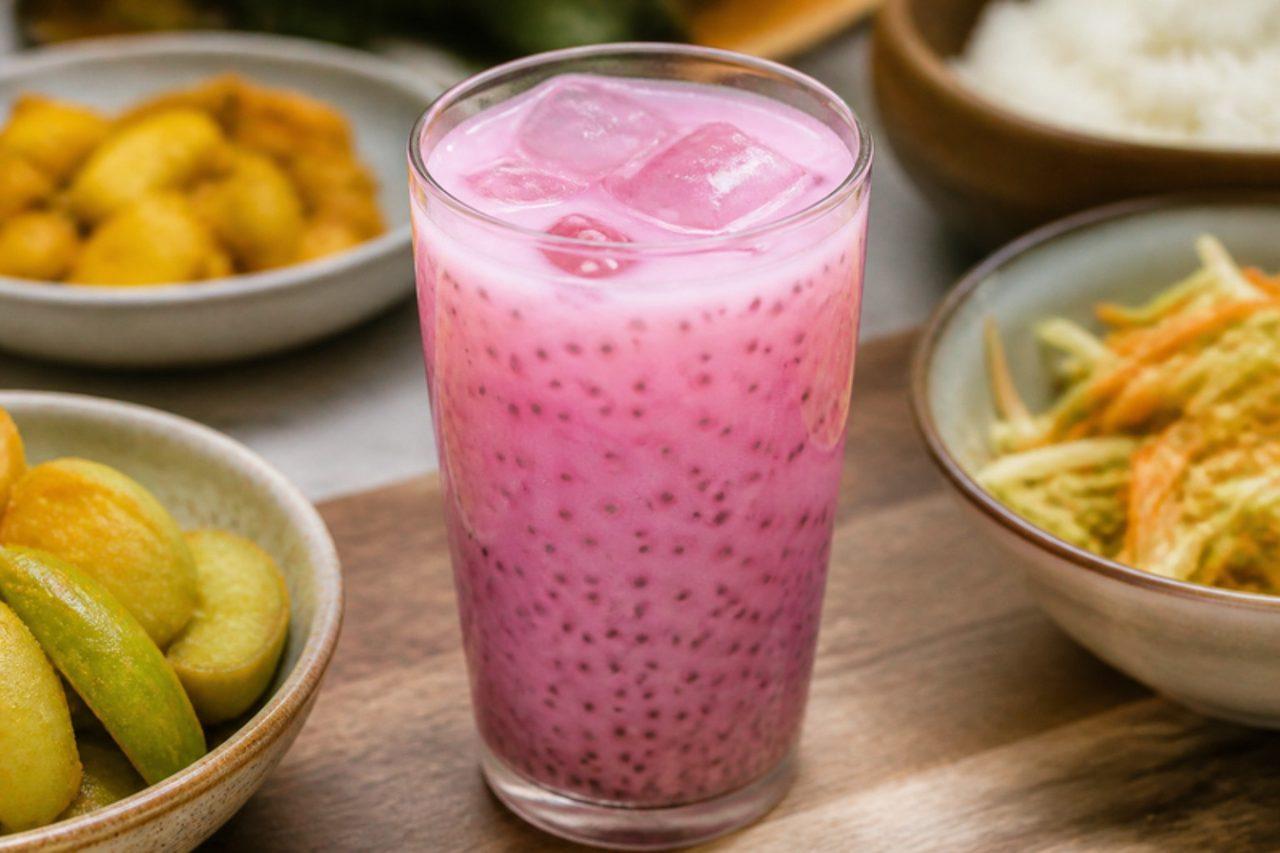
Javanese Surinamers brought dawet from Java, and today it is sold cold from big jars at warungs in Lelydorp and the Paramaribo district of Blauwgrond, especially on hot Sunday afternoons. In Suriname it has become its own drink, quite different from the Malaysian cendol with its green noodles: chilled coconut milk sweetened with a lemongrass and pandan syrup, often tinted pale pink and studded with soaked basil seeds or soft jelly strips. The common mistake is boiling the coconut milk, which makes it split and taste flat; it should only be warmed. Chef's tip: bruise the lemongrass hard with a rolling pin before simmering it, so the syrup tastes bright and lemony.

by KrazyBadal 0 views

GodsheBroken rice and jaggery pudding

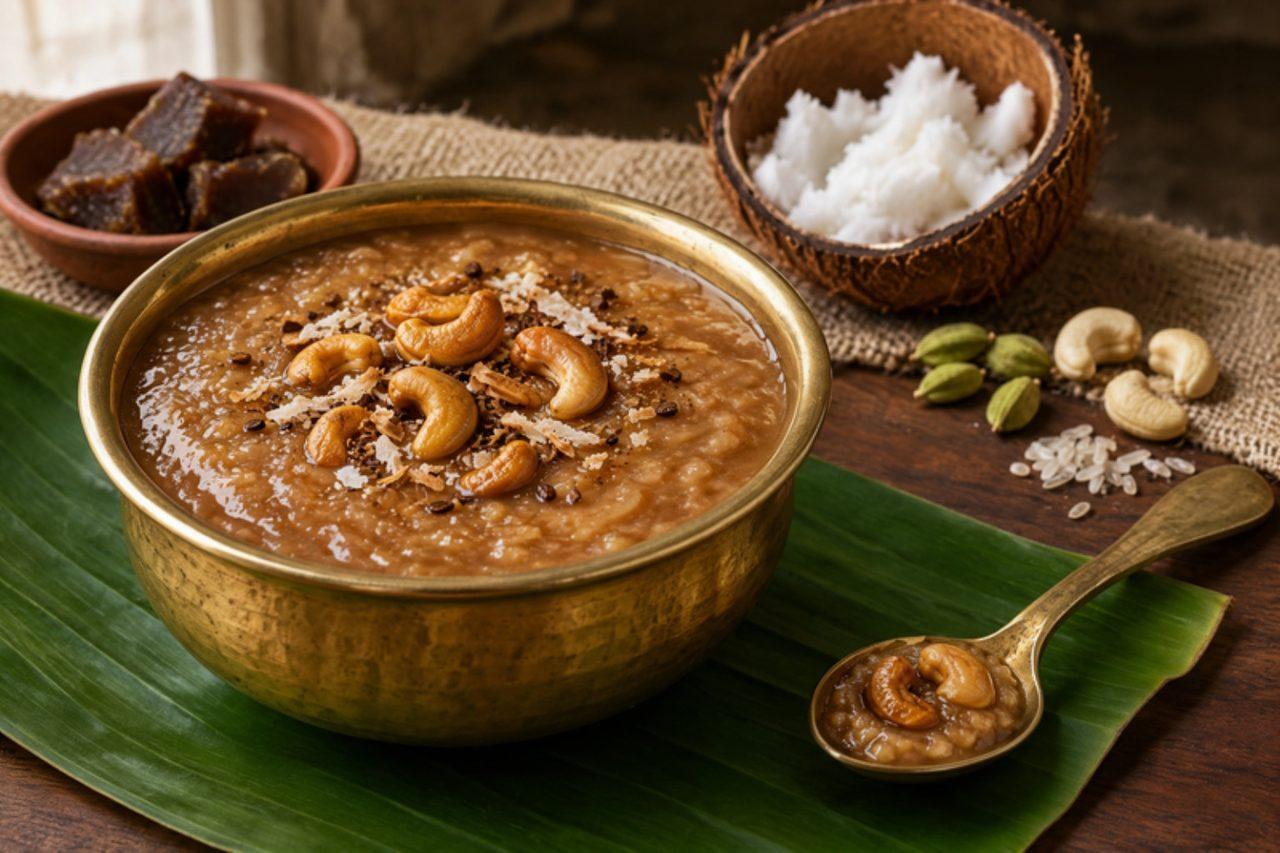
Godshe is the quiet sweet of Goan Saraswat and Gaud Saraswat kitchens, made on festival mornings, for a family puja, or simply when there is fresh coconut and good jaggery in the house. Broken rice is cooked until soft and creamy, then sweetened with dark coconut jaggery and loosened with first-press coconut milk, giving a pudding thicker than payasam and deeply caramel in flavour. Many families make the same dish with chana dal instead of rice. The usual mistake is adding jaggery while the rice is still firm, because the sugar stops the grains from softening any further. Chef's tip: a few slivers of fresh coconut and a pinch of nutmeg on top make it taste like a temple offering.

by KrazyBadal 0 views

BortsAir-dried beef strips

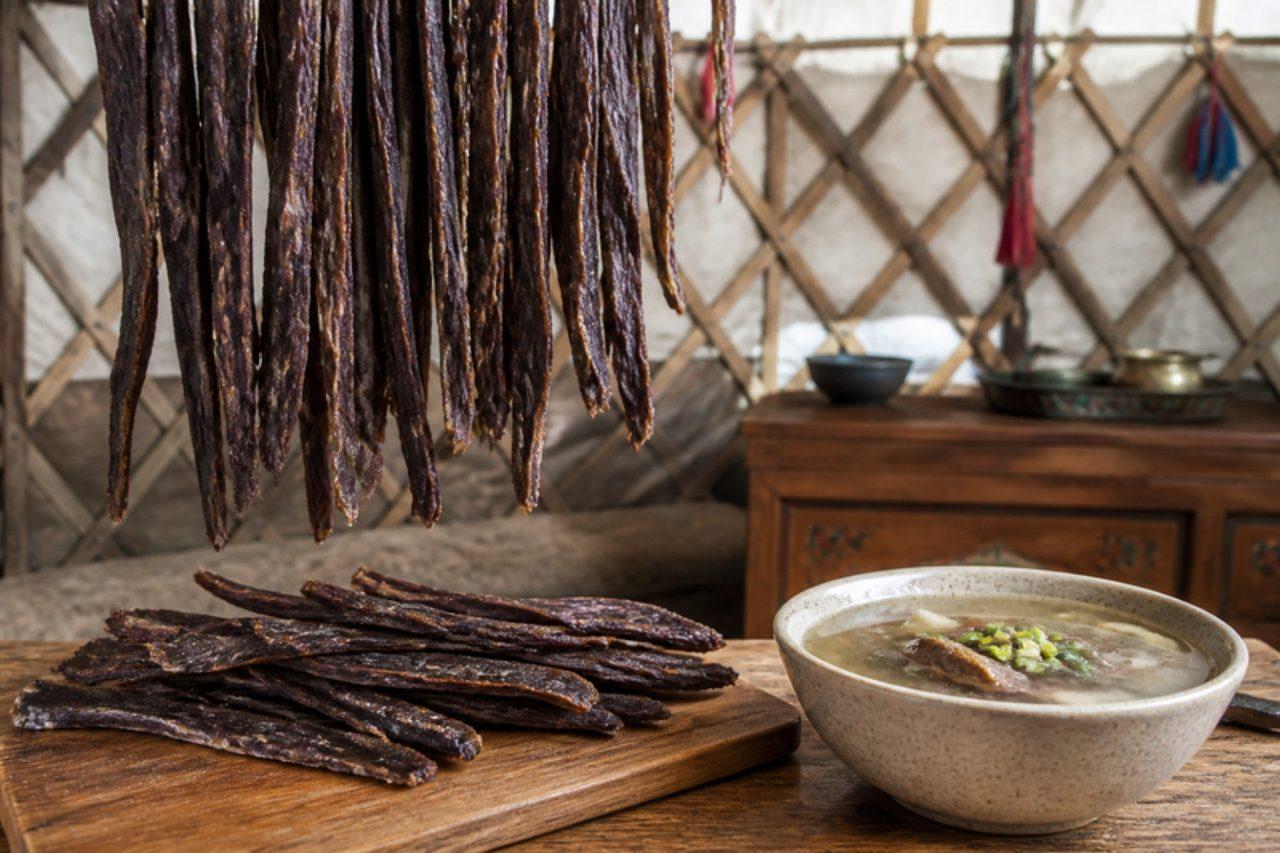
Borts is the winter-dried meat of Mongolian herding families: in the cold, dry air of late autumn, strips of beef are hung inside the ger until they shrink to hard, dark sticks, then pounded and stored in a bag to last until spring. A handful of borts dropped into hot water makes an instant soup, and nomads carry it on long journeys. In Mongolia it is also made from horse or camel meat; this recipe uses beef. Home kitchens don't have the steppe's freezing dry air, so here the meat is heated to a safe temperature first and dried in a low oven. A common mistake is leaving fat on the strips; fat turns rancid, so trim it all. Chef's tip: slice the meat while half-frozen to get thin, even strips.

by KrazyBadal 0 views

Verkadalai sadam (peanut rice)

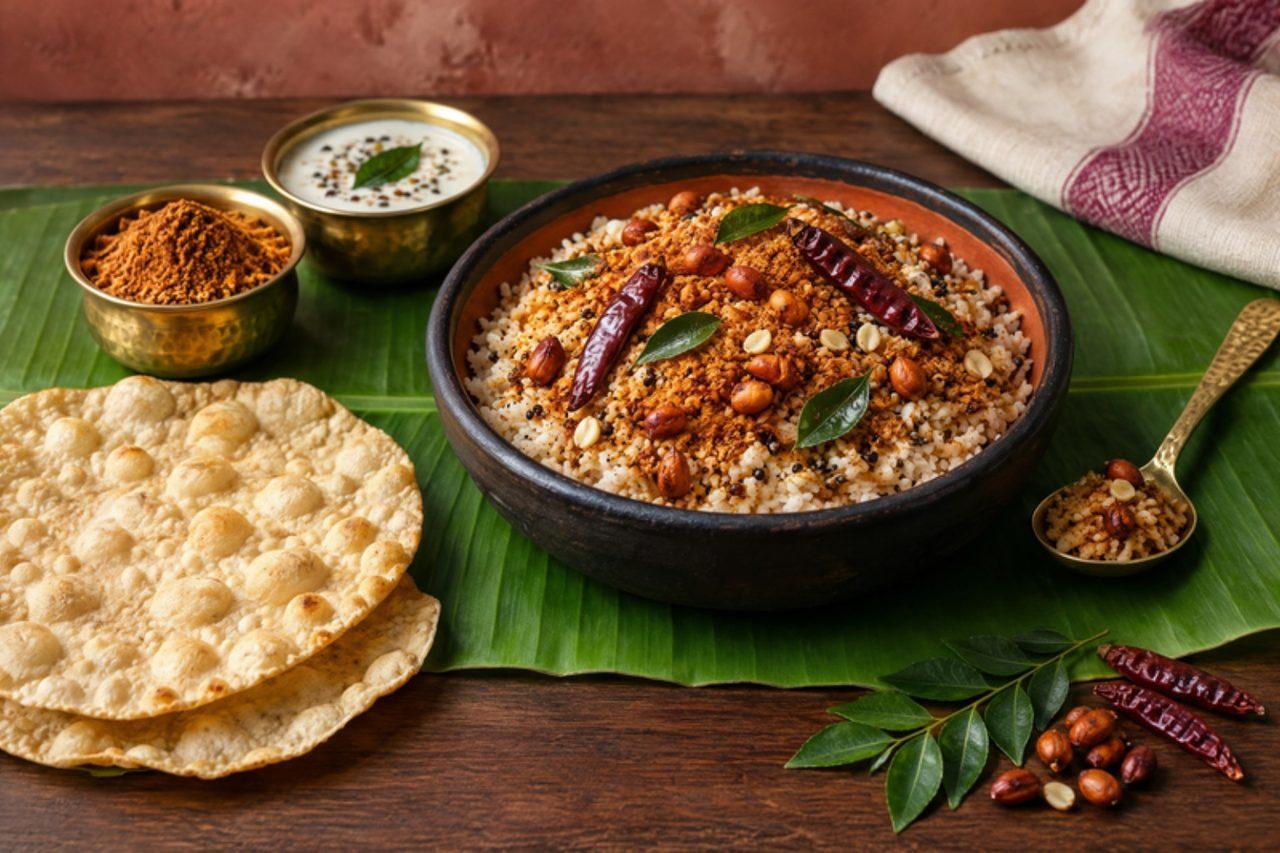
Peanut rice is the filling variety rice that Tamil and Kannada parents send when the school day ends with games: roasted peanuts, dry coconut, sesame and red chillies are ground into a coarse powder and tossed through rice in a curry leaf tempering. It tastes a little like a savoury peanut brittle, and it stays good at room temperature for hours. The mistake is grinding the peanuts too long; they turn into peanut butter and the rice clumps. Pulse in short bursts and stop while it is still sandy. Chef's tip: keep a few whole roasted peanuts aside and add them at the end for crunch.

by KrazyBadal 0 views

Pane toscanoUnsalted Tuscan bread

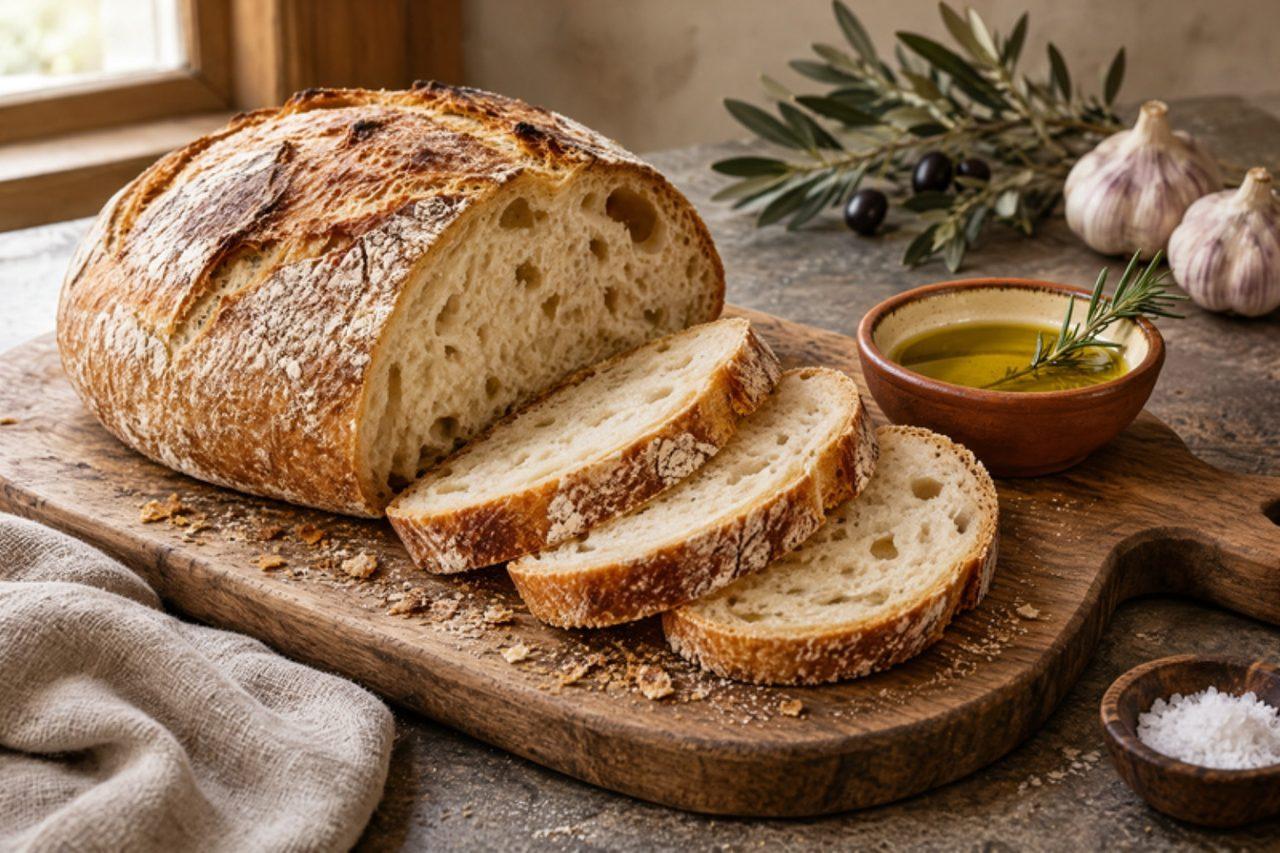
Pane toscano, called pane sciocco ('foolish' or 'bland' bread) in Florence and Siena, is the saltless loaf that Tuscans have eaten for centuries; legend blames a medieval salt tax. It has a thick, crackly crust and an open, chewy crumb, and it is made to be eaten with salty prosciutto, pecorino and ribollita, or soaked in panzanella and pappa al pomodoro. There is no salt in the dough: about 0.0 g salt per slice. The usual mistake is under-proving: without salt the dough rises fast, and with too little rest it tastes floury; a starter and a slow rise give it flavour. Chef's tip: bake with steam (a tray of boiling water in the oven) for the first 15 minutes, which is what gives the crust its proper Tuscan crunch.

by KrazyBadal 0 views

PanchkutaFive desert vegetables with spices

Panchkuta is the Marwari answer to a land where fresh vegetables are scarce: five sun-dried desert foods, ker berries, sangri beans, kumatiya seeds, gunda (lasoda) and amchur, soaked back to life and cooked in mustard oil with red chilli. Jodhpur and Bikaner families keep it for Sheetla Ashtami, when food is cooked a day ahead, and for wedding thalis with bajra roti, because it keeps for days without spoiling. The common mistake is cutting the soaking short; under-soaked ker and sangri stay leathery and bitter. Chef's tip: boil the soaked ker on its own and throw away the first water, which carries most of its bitterness.

by KrazyBadal 0 views

PutharoSteamed rice flour cakes

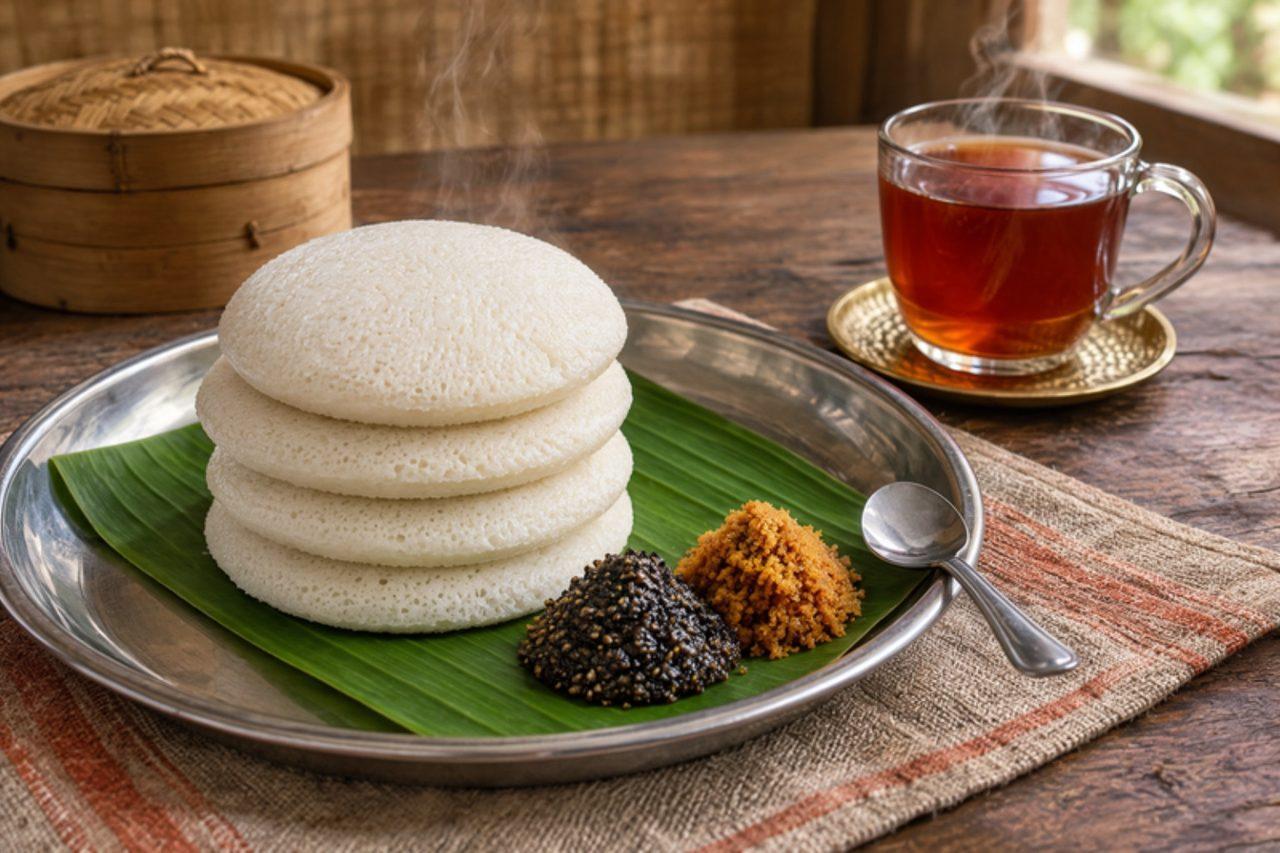
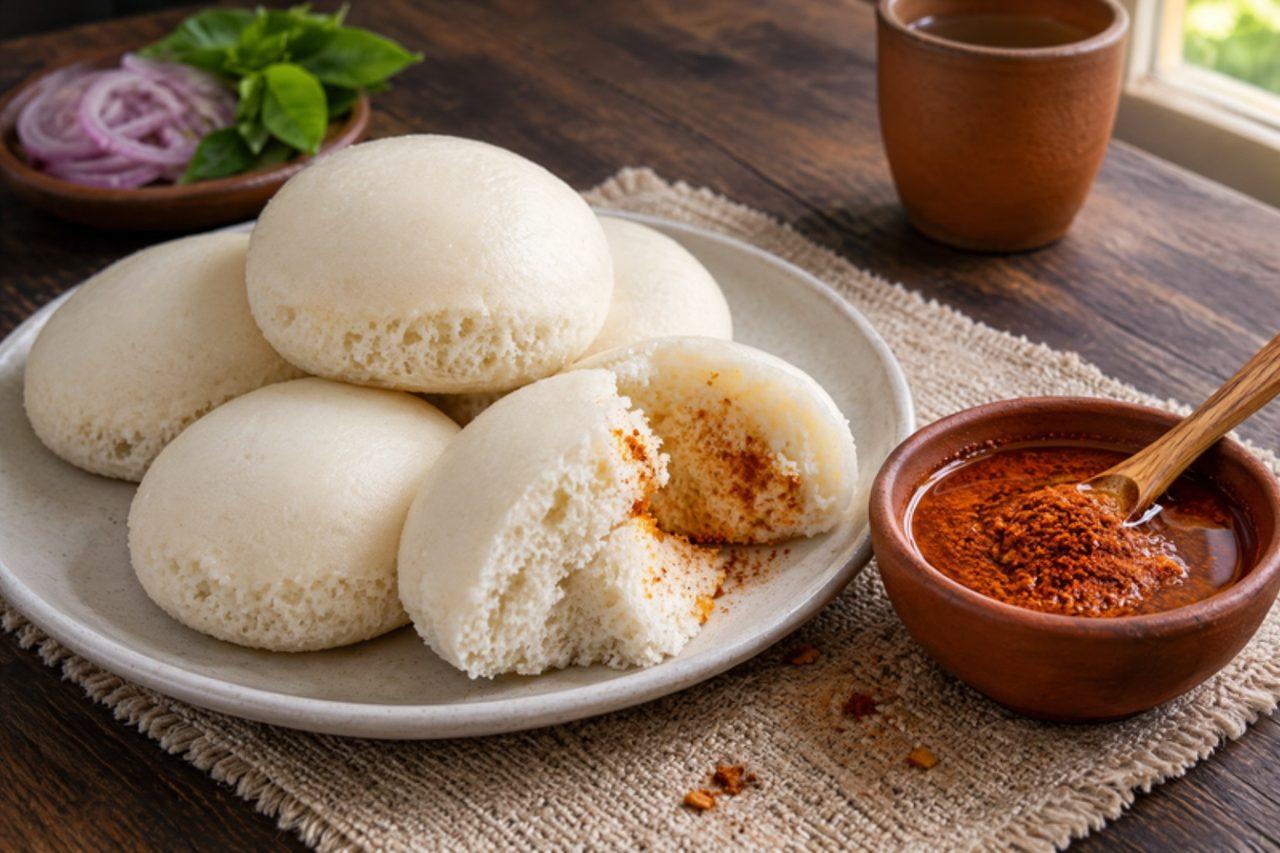
In Shillong and the Khasi Hills, putharo are plain steamed rice-flour cakes eaten at breakfast with red tea or with a bowl of curry. Freshly milled, slightly damp rice flour is what makes them soft. The common mistake is using dry supermarket flour without moistening it, which gives crumbly, dusty cakes; sprinkle the flour with water and rub until it holds when squeezed. Chef's tip: steam on a cloth so the bottoms don't turn soggy.

by KrazyBadal 0 views

ShibazukeRed shiso aubergine pickle

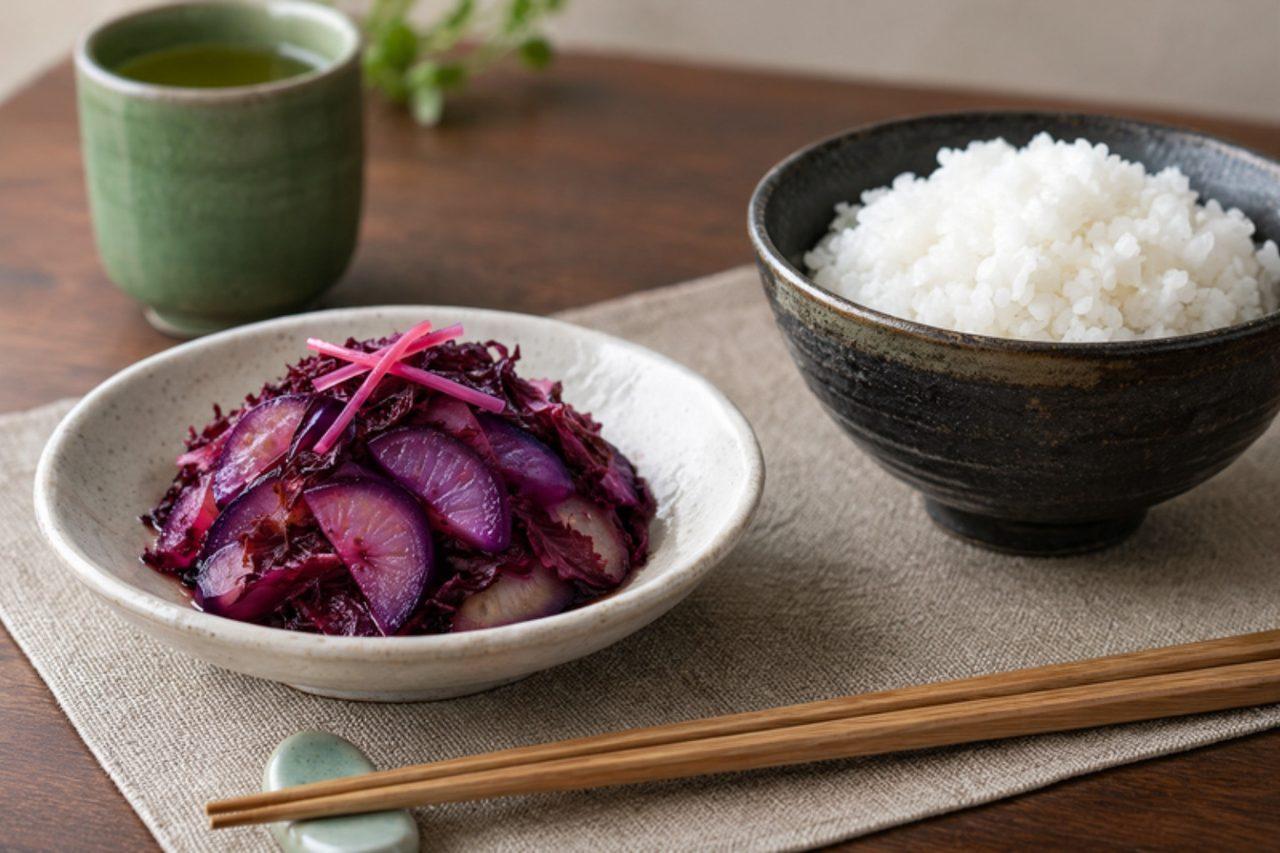
Shibazuke comes from Ohara, in the hills north of Kyoto, where summer aubergines, cucumbers and myoga ginger are pressed with salt and red shiso leaves until everything turns a vivid purple and pleasantly sour. A few slivers sit beside the rice in Kyoto bento boxes. This home version is lightly fermented for a day under a weight. The common mistake is too little weight: the vegetables must sit under their own brine or they spoil instead of souring. Chef's tip: rub the shiso with salt and squeeze out its first dark, bitter juice before it ever touches the vegetables.

by KrazyBadal 0 views

Wakame gohanWakame rice

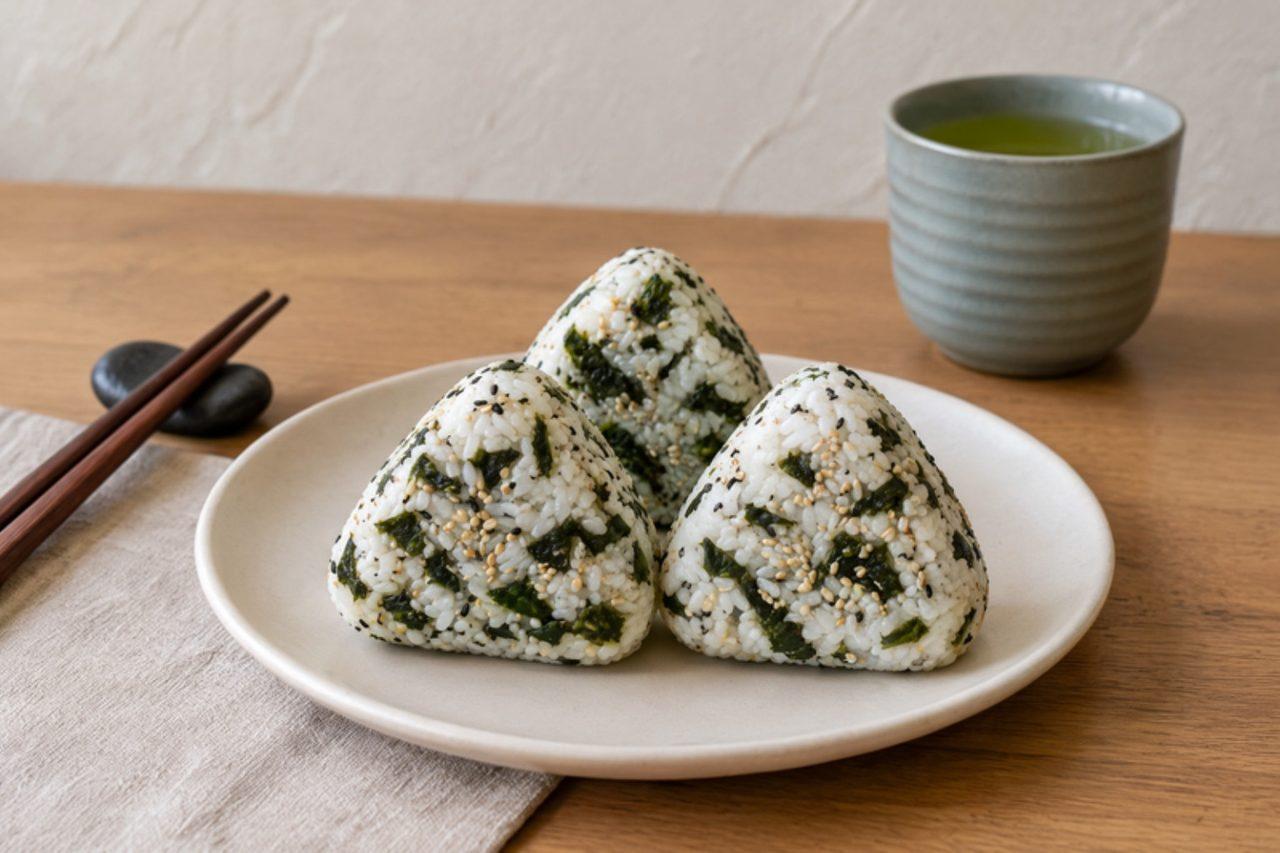
Wakame gohan is the green-flecked rice that turns up in Japanese school lunches and convenience-store onigiri: plain rice mixed with salted, toasted wakame flakes and sesame. At home you make your own seasoning in five minutes from a pack of dried cut wakame. The common mistake is soaking the wakame first, which gives slimy rice; it should go in dry and crisp so it softens only with the rice's steam. Chef's tip: shape onigiri with wet, salted hands while the rice is hot, then cool them fast on a plate before wrapping for the lunchbox.

by KrazyBadal 0 views

Vary sosoa for babiesSoft rice with greens for babies

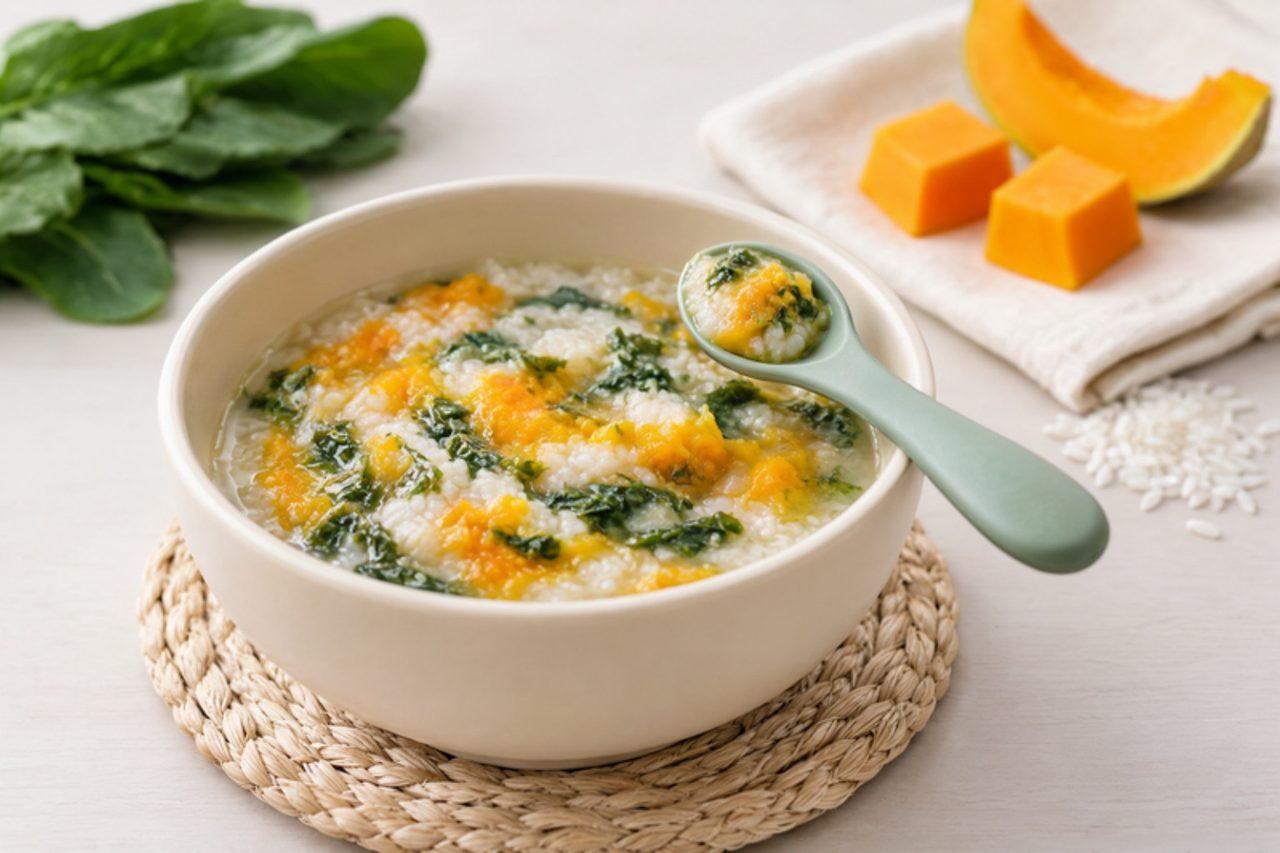
Vary sosoa, rice cooked with lots of water until soft and soupy, is the classic Malagasy breakfast, eaten in Antananarivo and the highland villages before the day's work starts, and the food given to the sick and the very young. For babies from about nine months it is cooked with diced pumpkin and finished with a handful of mild greens, then mashed. It is gentle, sweet and creamy. Skip brède mafane (paracress), the tingling green used for grown-ups' romazava, as it numbs the mouth; spinach or sweet potato leaves are kinder. It is free of the major allergens: no milk, egg, gluten, nuts, soya, sesame or fish. Chef's tip: use a short, starchy rice such as vary gasy or any broken rice; it releases more starch and makes the creamiest sosoa.

by KrazyBadal 0 views

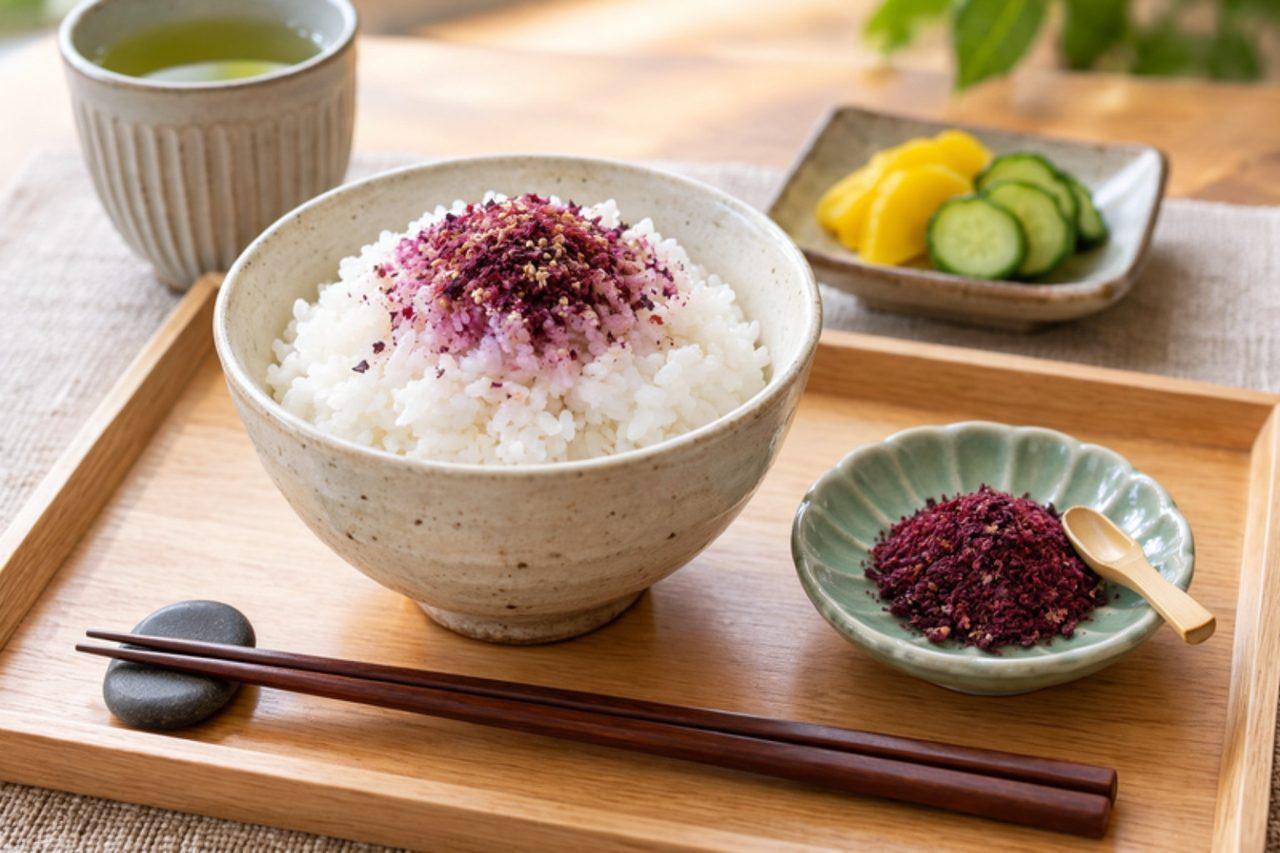
Yukari shiso saltRed shiso rice seasoning

Yukari is the bright purple, salty-sour shaker that Japanese parents sprinkle over plain rice so that a bento looks cheerful and tastes of something even when it has gone cold. Traditionally it is made from the red shiso leaves left after pickling umeboshi plums; this home version gets the same flavour by salting and souring fresh red shiso in early summer. The common mistake is drying the leaves too hot, which turns them brown and bitter. Chef's tip: keep the oven no hotter than 80 °C and leave the door ajar, and the colour stays a jewel-like magenta.

by KrazyBadal 0 views

Cơm nắm muối vừngRice blocks with sesame salt

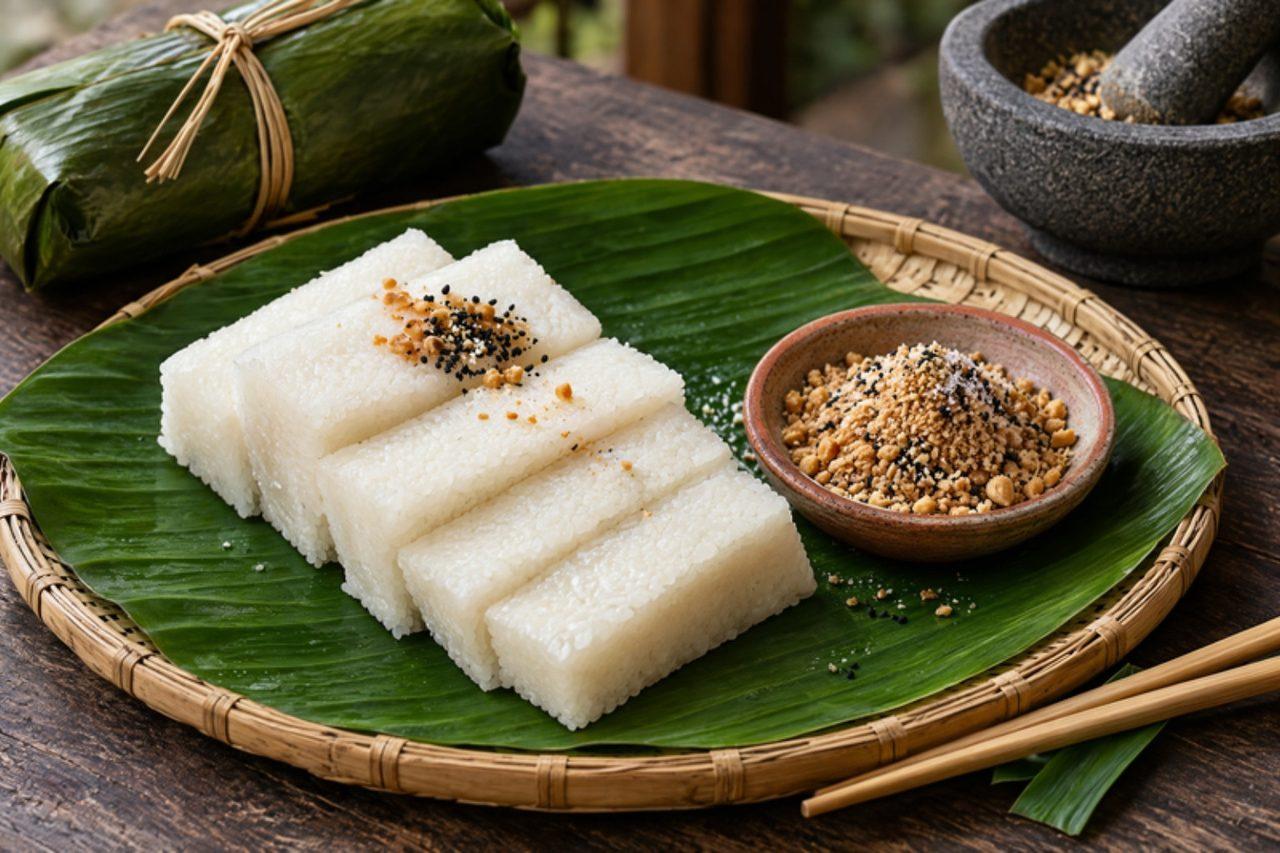
Before trains, buses and school trips, families in northern Vietnam press warm rice into firm, dense blocks and wrap them in banana leaf or paper with a twist of muối vừng, toasted sesame and peanut salt, for dipping. It is humble, filling and keeps its shape for a whole day's journey. Peanuts and sesame are both allergens. The common mistake is using cold or loose rice, which will not stick; it must be pressed hot. Chef's tip: mix a handful of sticky rice into ordinary jasmine rice before cooking, and the blocks hold together firmly without being gluey.

by KrazyBadal 0 views

Sakin gataSticky rice and sesame cakes

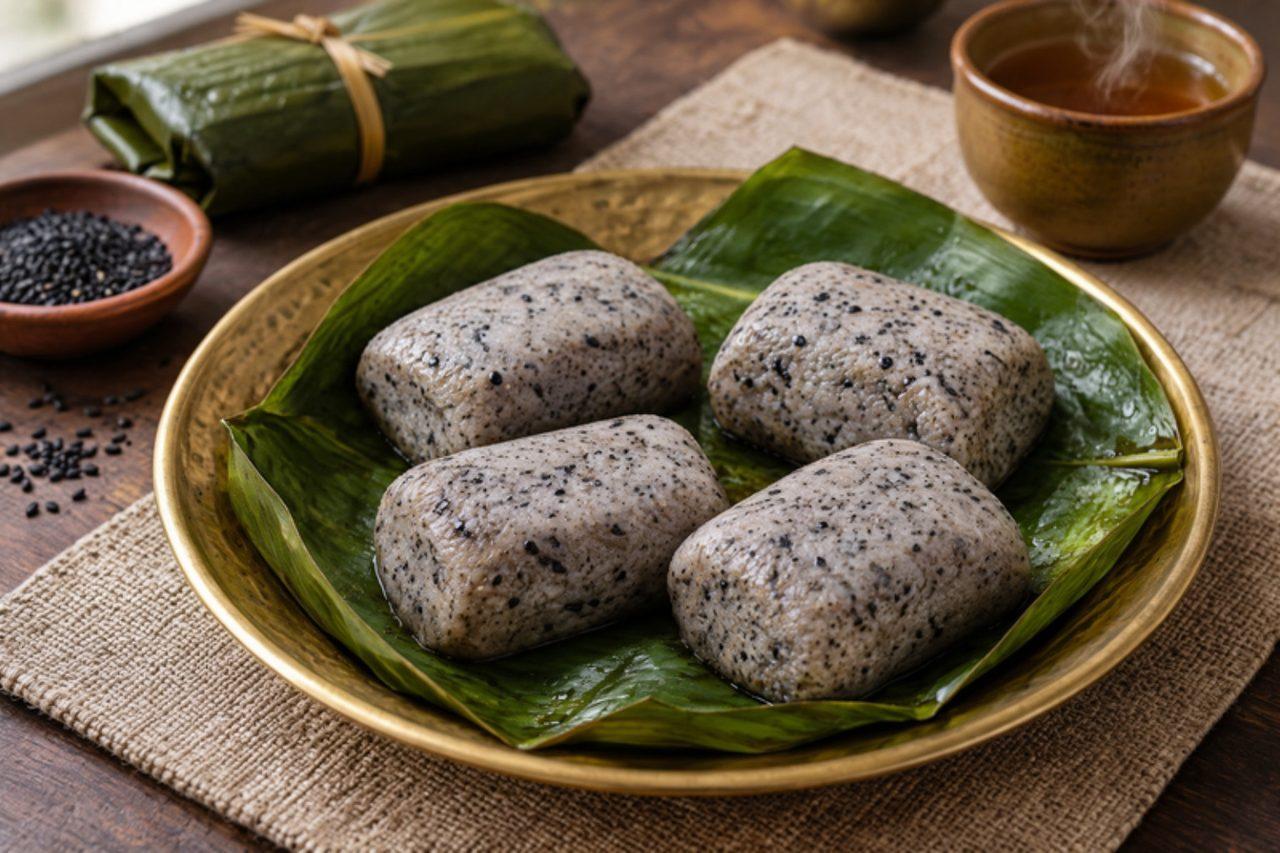
During Wangala, the Garo harvest festival of drums and dancing each autumn, families steam sakin gata: sticky rice ground with black sesame, sweetened lightly and wrapped in leaves. The cakes are chewy, nutty and grey-black, shared with visitors and offered at the celebrations. The common mistake is grinding the rice too dry, which makes cakes that crack; the dough should feel like soft clay. Chef's tip: toast the sesame until it just starts to pop, no darker, or it turns bitter.

by KrazyBadal 0 views

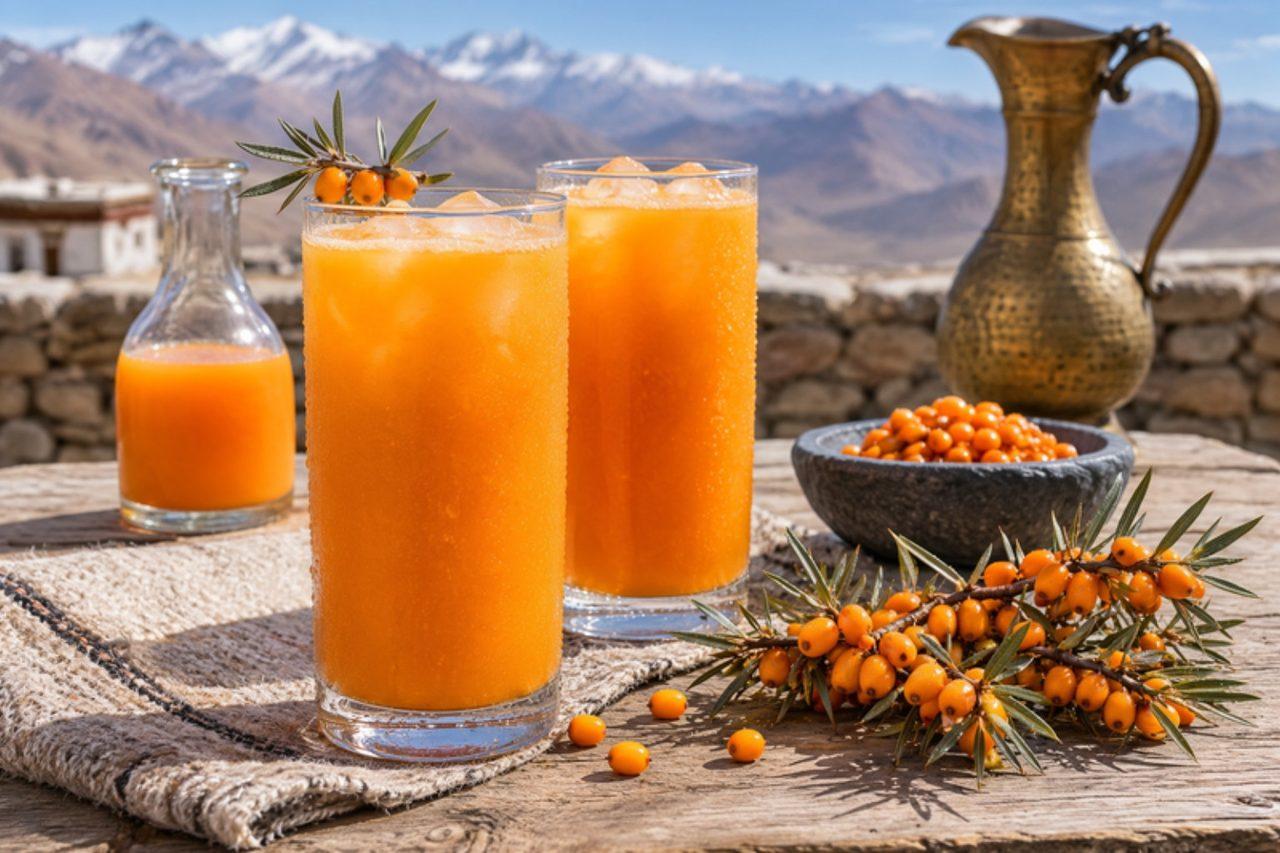
Tsestalulu (sea-buckthorn juice)

Sea buckthorn grows wild along the river beds of Ladakh, and in Leh the bright orange berries are pressed into tsestalulu, a sharp, tropical-tasting juice sold in summer cafés and made at home after the autumn harvest. It is drunk chilled, sweetened with sugar or honey and thinned with cold water. The berries are very sour and slightly oily, so the juice is always diluted. The common mistake is boiling the pulp, which dulls both the colour and the fresh taste; just blend and strain. Chef's tip: frozen sea-buckthorn berries or plain unsweetened purée from health shops work very well; strain twice through a fine sieve for a silky drink.

by KrazyBadal 0 views

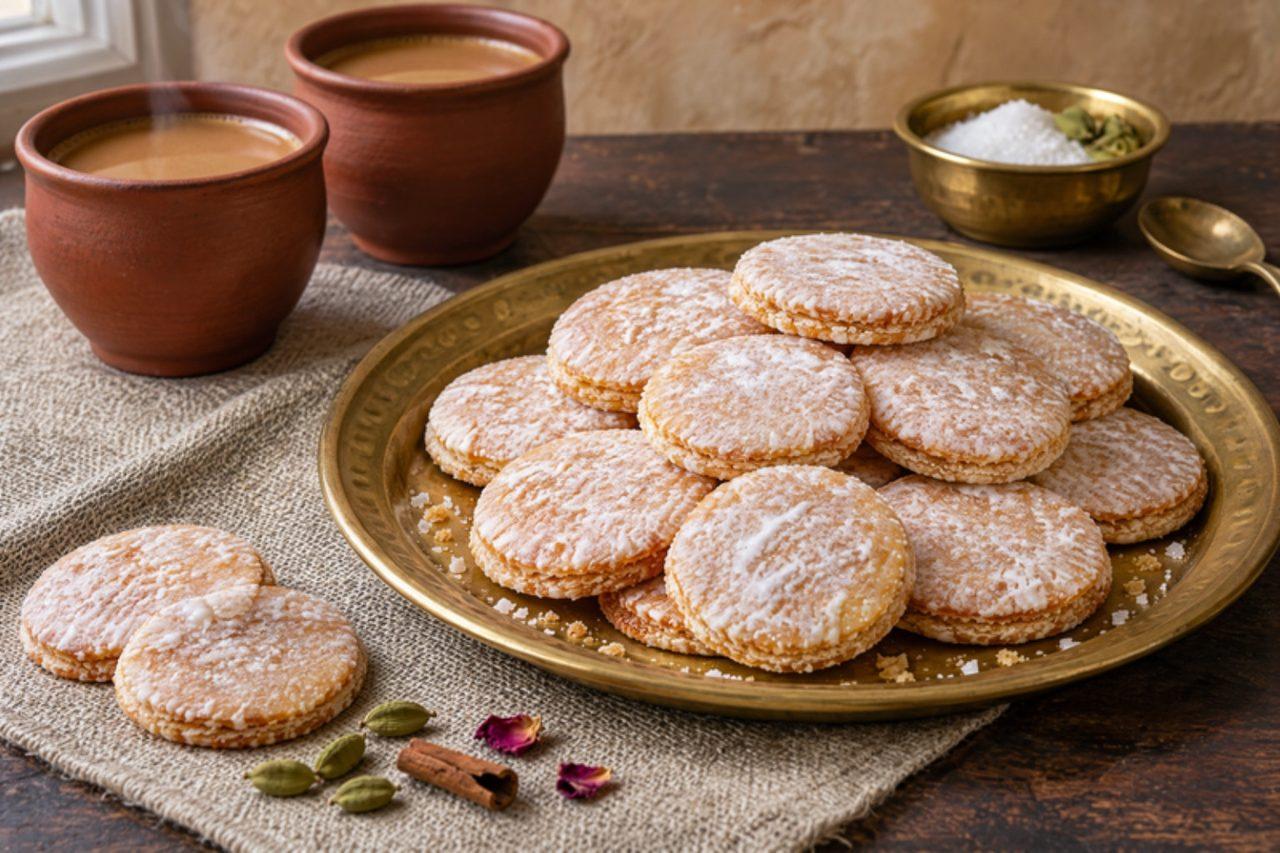
PappchiFried wheat and rice biscuits

Pappchi are little scalloped discs that Chhattisgarhi families fry in large batches for Teeja, Diwali and weddings, made from wheat flour and rice flour, fried slowly and then turned in sticky sugar syrup until they wear a thin white glaze. They snap cleanly and keep for weeks in a steel tin. A common mistake is taking the syrup too far, so it crystallises into lumps; you want a one-string syrup that dries to a matt coat as it cools. Chef's tip: press the edge of each disc with a thimble or bottle cap to make the frilled pattern, which also helps them fry crisp.

by KrazyBadal 0 views

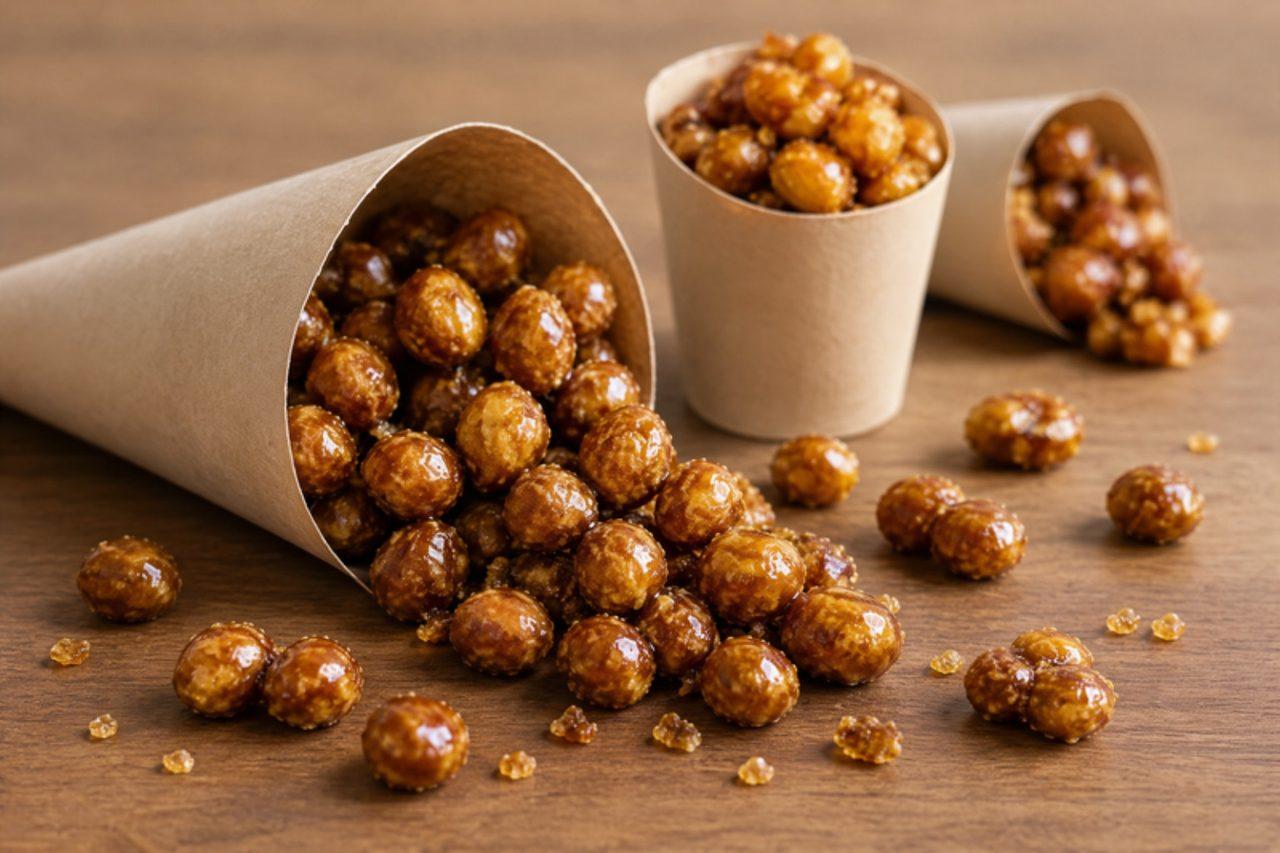
ThiafCaramelised peanuts

In Dakar, thiaf sellers sit beside big blackened pans of hot sand outside Sandaga market, near Place de l'Indépendance and on the quay for the Gorée ferry, stirring peanuts through the sand until they roast evenly. Some are sold plain and salted; the sweet ones, thiaf sucré, are tumbled in boiling sugar until they wear a crunchy, glassy shell. This home version dry-roasts the nuts in a heavy pan instead of sand, then caramelises them with a pinch of salt. It is an afternoon snack bought in a twist of paper and nibbled on the walk home. It contains peanuts, and whole nuts are a choking risk for children under five. Chef's tip: keep stirring after the sugar turns sandy; a few minutes more melts it into glossy amber patches.

by KrazyBadal 0 views

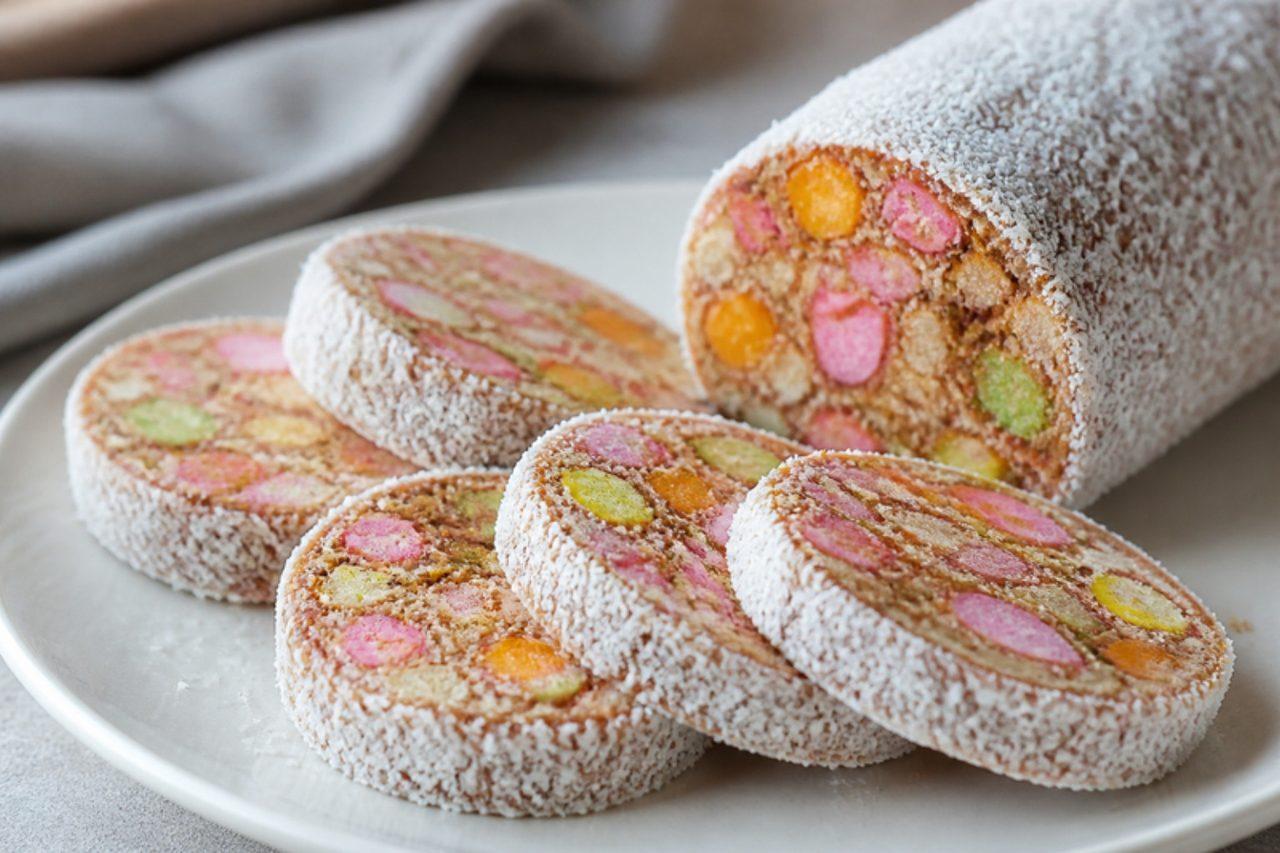
Lolly cakeNo-bake malt biscuit log

Lolly cake is the no-bake treat every New Zealand child helps make for birthday parties and bake sales, a log of crushed malt biscuits bound with butter and condensed milk, studded with chewy, brightly coloured fruit lollies (fruit puffs) and rolled in coconut. Sliced into rounds, it shows off the colours. A common mistake is crushing the biscuits to dust; leave some small chunks for texture. Many fruit lollies contain gelatine, so choose gelatine-free ones to keep it vegetarian. Chef's tip: wrap the log tightly in cling film and twist the ends so it chills into a neat cylinder.

by KrazyBadal 0 views

DashmiMilk and jaggery flatbread

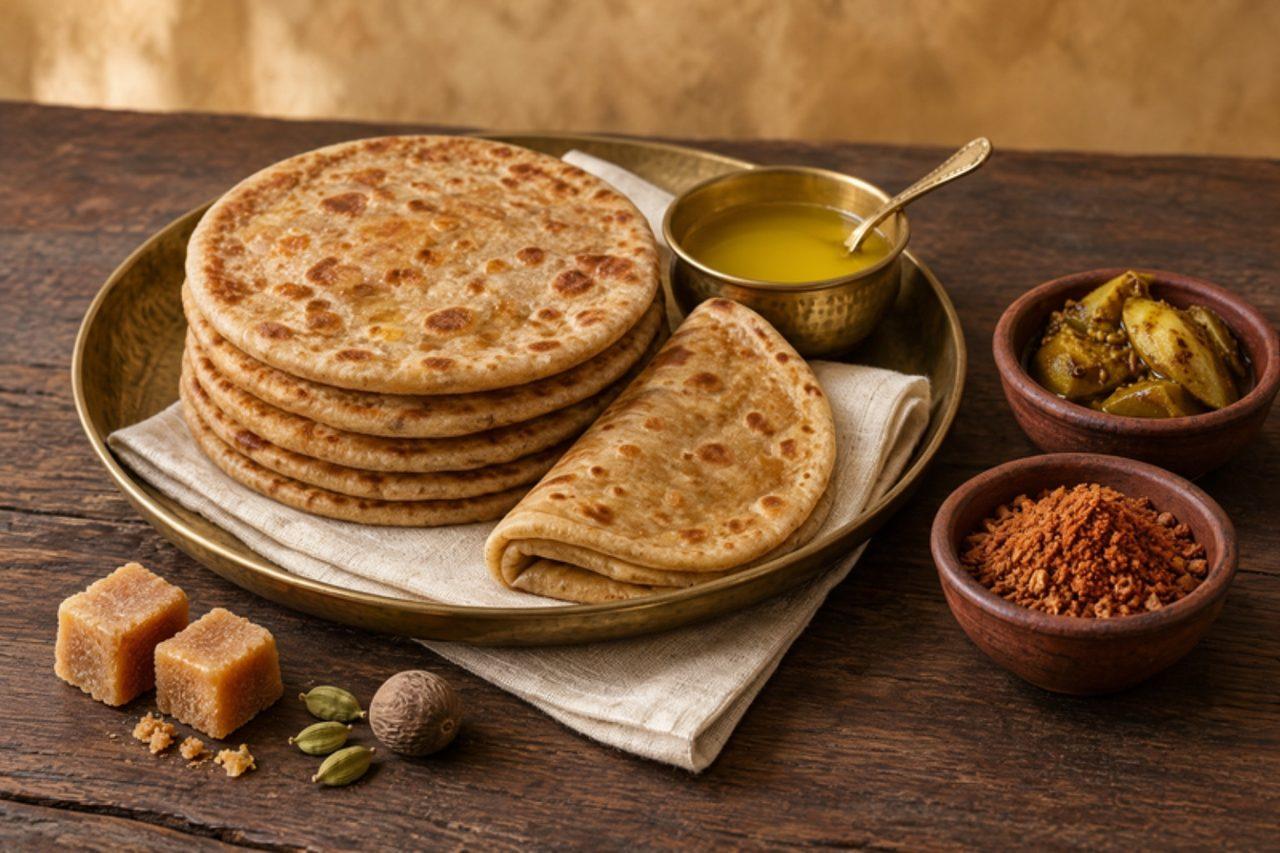
Dashmi is the bread Maharashtrian mothers make for pilgrimages, school trips and the first days of a long journey: wholewheat dough kneaded with warm milk instead of water and sweetened with jaggery, cooked on a tawa until soft and spotted. Milk and ghee keep it tender for two or three days without a fridge in cool weather, and children eat it plain or with pickle. The common mistake is rolling it too thin and cooking it on a fierce tawa, which makes it crisp like a khakhra; it should stay soft and pliable. Chef's tip: stack the dashmis in a cloth as they come off the tawa, so the trapped steam softens them further.

by KrazyBadal 0 views

Dudh pithaRice dumplings in milk

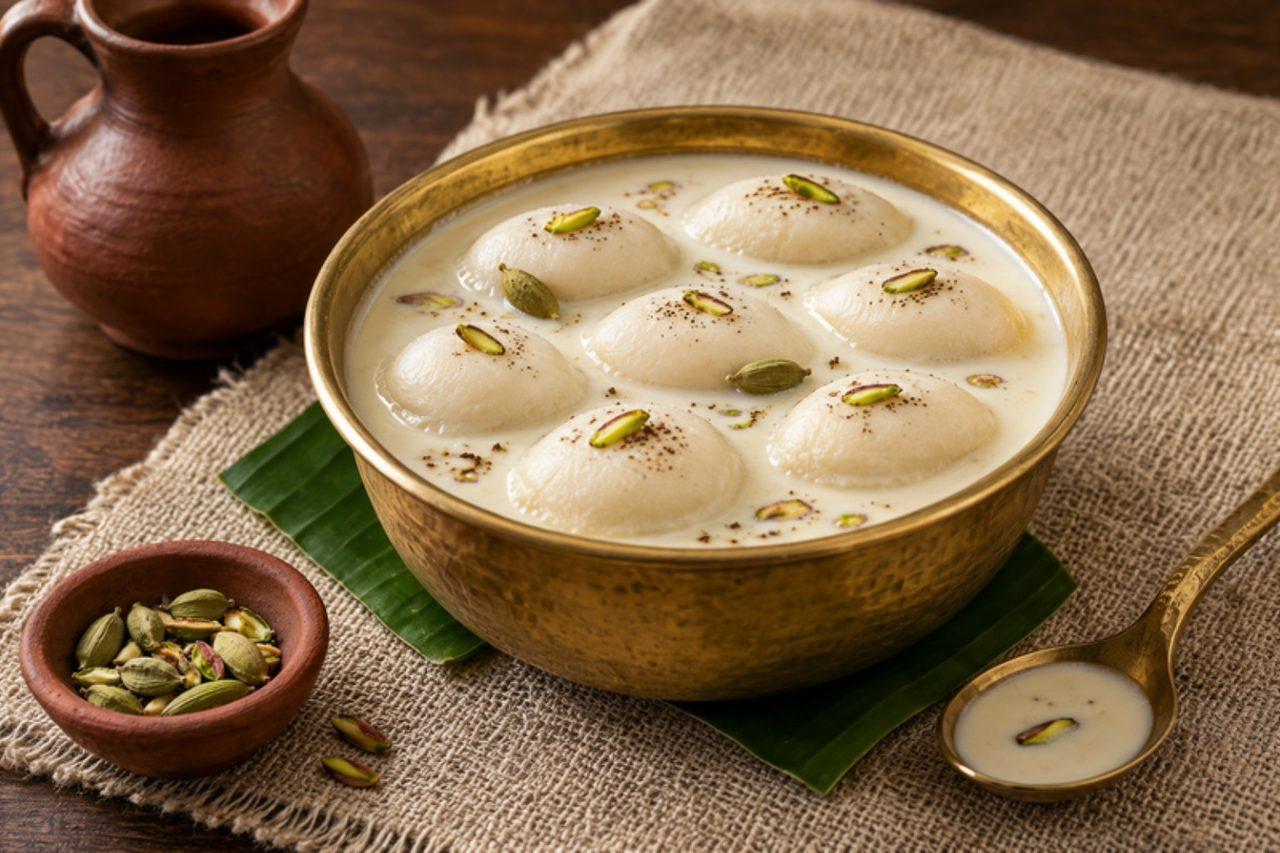
Dudh pitha is made in Jharkhand and Bihar for Makar Sankranti, Sohrai and winter evenings, when the new rice is milled: small rice-flour dumplings are stuffed with coconut and jaggery (some families use spiced chana dal instead) and simmered in milk until it thickens around them. It is eaten warm from a bowl with a spoon. The common mistake is adding jaggery straight to boiling milk, which can curdle it; sweeten the milk with sugar and keep the jaggery inside the dumplings. Chef's tip: shape the dumplings while the dough is warm and keep your palms greased, so the edges seal without cracking.

by KrazyBadal 0 views

Minil songaBamboo-roasted sticky rice

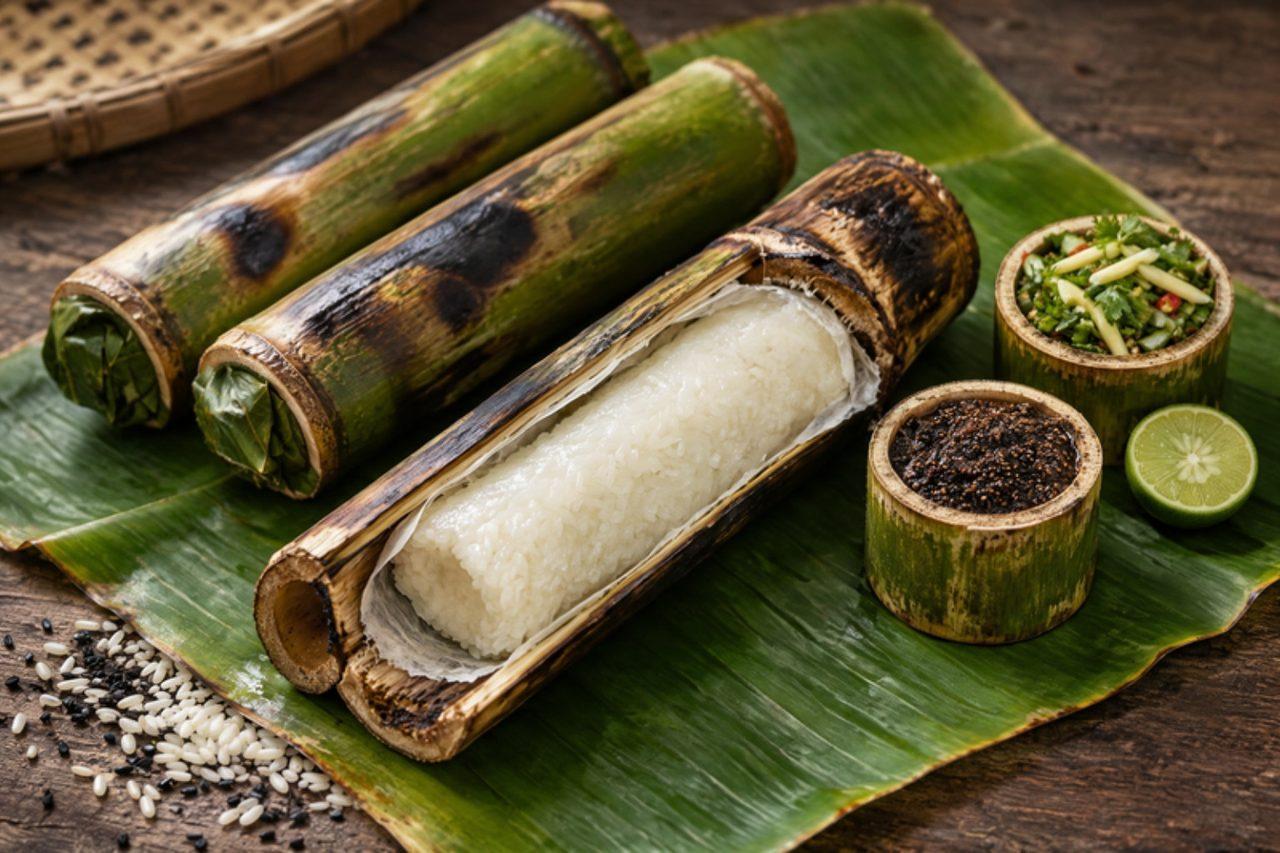
The Garo of western Meghalaya make minil songa for festivals, hunting trips and family picnics, packing soaked sticky rice into lengths of green bamboo and roasting them in the embers until the rice comes out fragrant, firm and faintly smoky. At home, a hot oven or a grill gives a very good result. The mistake to avoid is sealing the bamboo too tightly: steam must escape. Chef's tip: if you have no bamboo, roll the rice in a double layer of banana leaf and foil.

by KrazyBadal 0 views

Ambadyachi udda methiHog plum coconut gravy

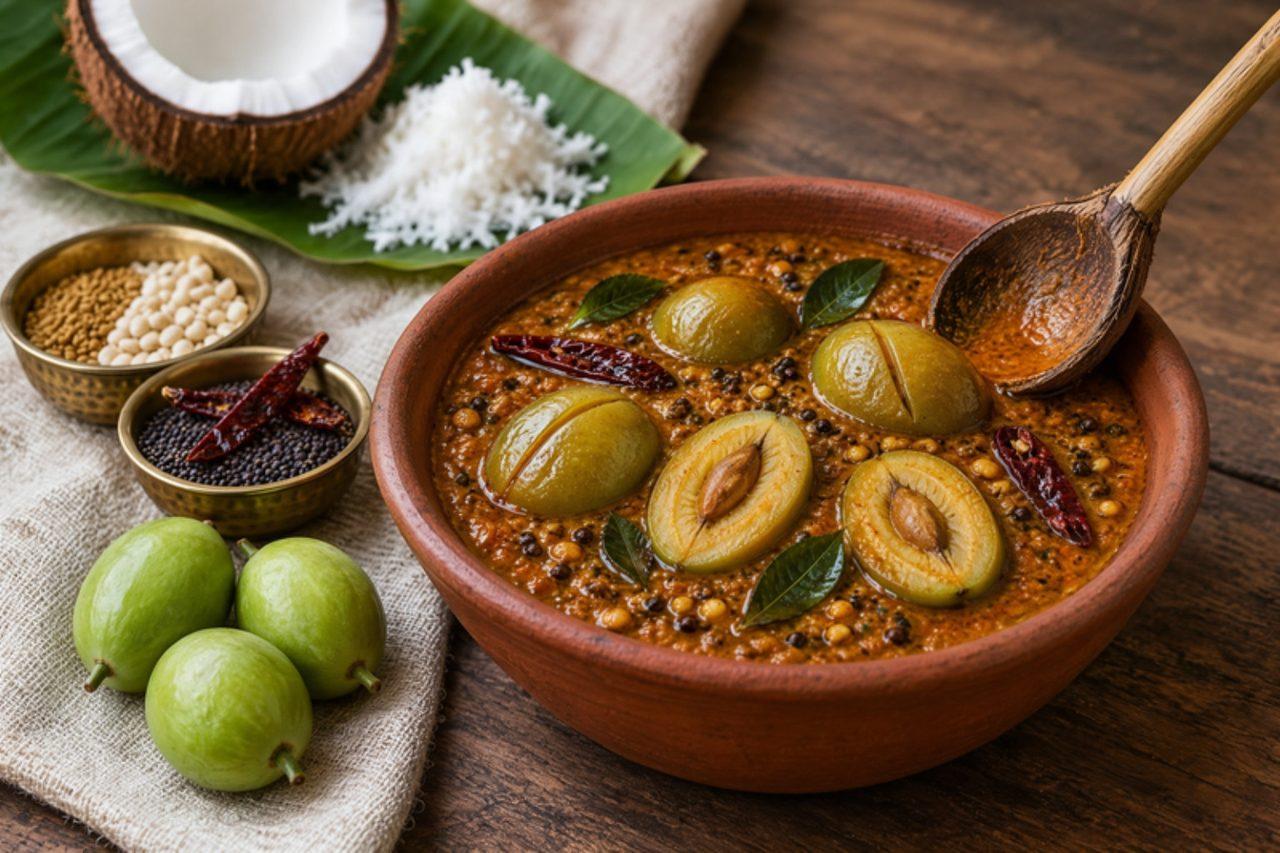
Udda methi is a Goan Saraswat curry named for its two roasted seasonings, urad dal and fenugreek seeds, and in the monsoon months the best version is made with tart green hog plums, ambade. The plums simmer whole in a coconut gravy that is sour, a little bitter, hot and faintly sweet from jaggery, and it is eaten with plain rice on rainy days or at a Shravan meal. The common mistake is burning the fenugreek: it should be roasted only until reddish, because dark seeds make the whole pot bitter. Raw mango works in place of ambade outside the season. Chef's tip: crush each hog plum lightly with a pestle before cooking so the gravy can soak into the flesh around the stone.

by KrazyBadal 0 views

KabokPuffed rice and sesame balls

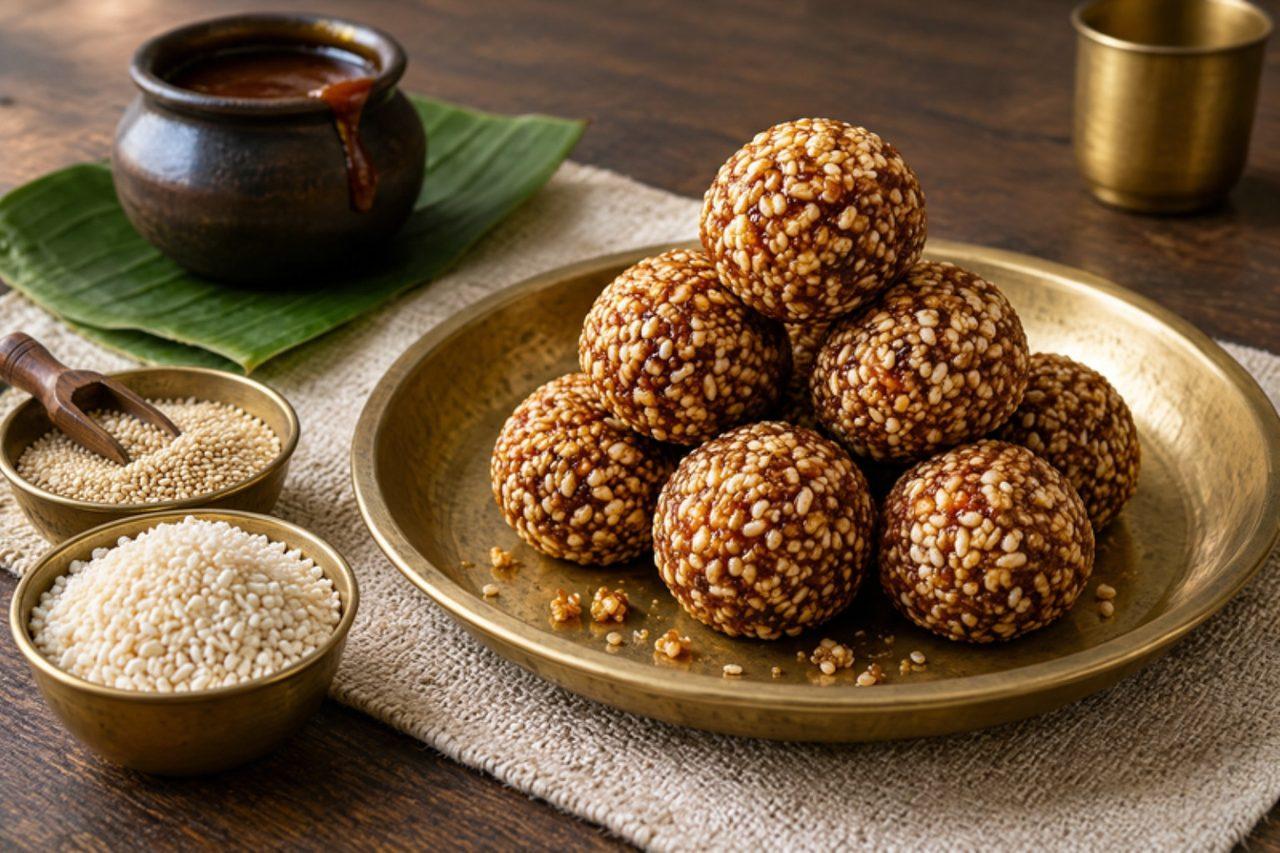
Kabok are crunchy balls of puffed rice and sesame bound with hot jaggery syrup, made in Meitei homes for Yaoshang, Cheiraoba and temple offerings. Black puffed rice is used in some villages, giving dark, toasty kabok. The key is the syrup: cook it to the hard-ball stage, when a drop in cold water sets into a firm ball, or the balls will fall apart. The common mistake is shaping with dry hands; wet them so the hot mixture doesn't stick or burn. Chef's tip: warm the puffed rice in the oven for a few minutes first so it stays crisp.

by KrazyBadal 0 views

Ellu sadam (sesame rice)

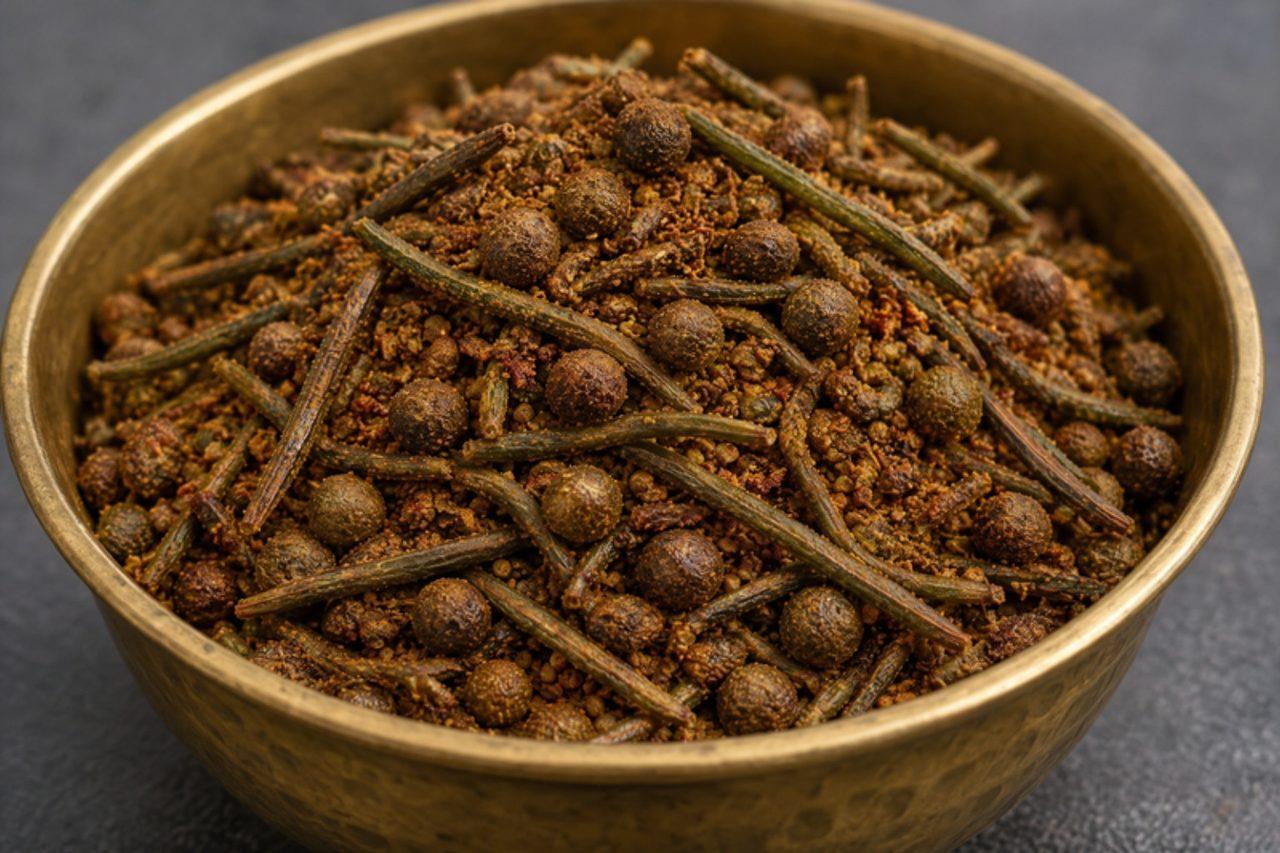
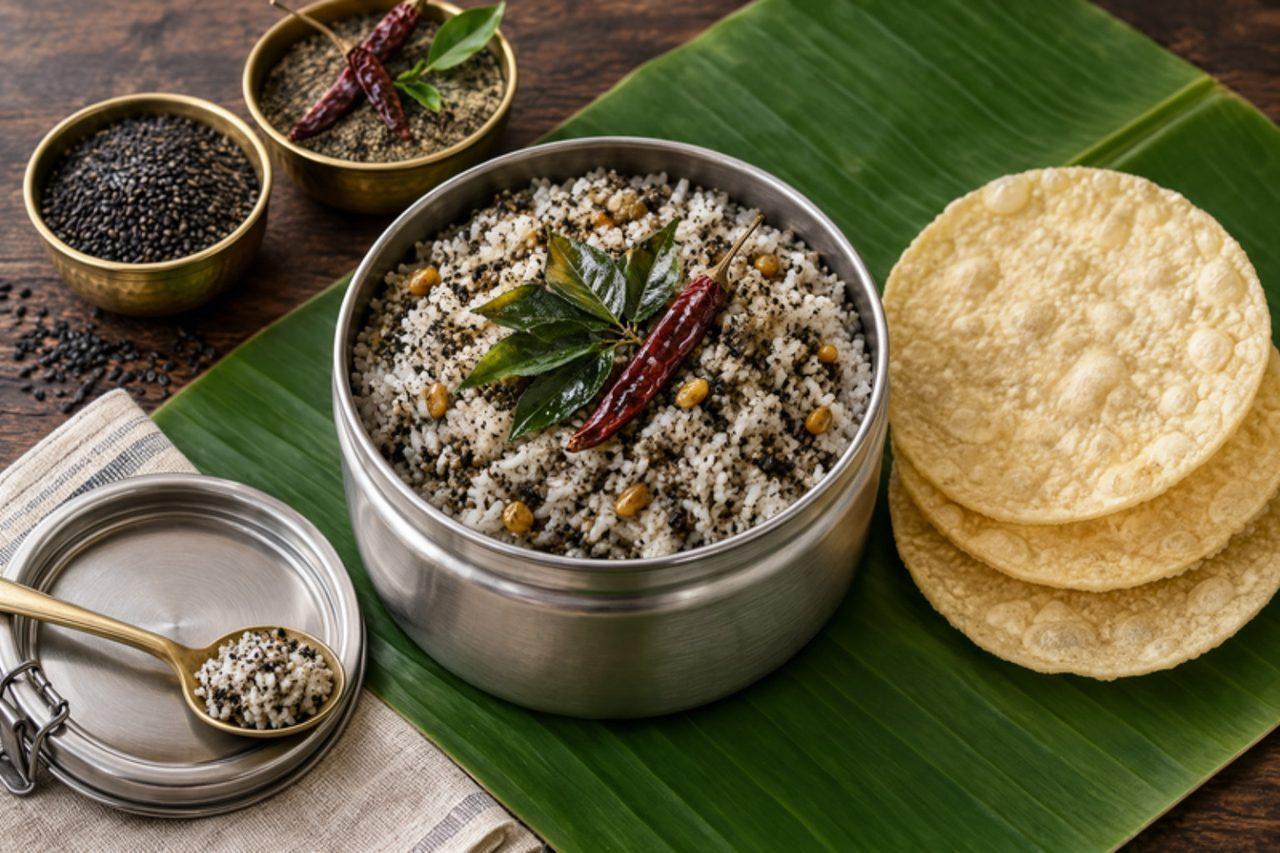
In Tamil homes ellu sadam is cooked on Saturdays and temple days, and it is one of the variety rices that keeps best in a school lunch box, because the dry sesame powder soaks up the oil and does not spoil the way coconut rice can. The powder is roasted from black sesame, urad dal and dried red chillies, ground coarse and tossed through plain rice with a nutty gingelly oil tempering. The usual mistake is roasting the sesame too hard: it turns bitter within seconds, so take it off as soon as it starts to pop and smell toasty. Chef's tip: pound the powder rather than blitzing it to dust, so you keep a little crunch from the dal.

by KrazyBadal 0 views

AlkubusSteamed wheat bread

In Kano, Katsina and Sokoto, alkubus is a breakfast bread you steam rather than bake: a soft yeasted wheat dough set in small cups or tins over boiling water until it puffs into fluffy, slightly sticky domes. It is eaten warm, pulled apart and dipped into groundnut oil with yaji, the peanut and chilli spice mix, or with a bowl of miyan taushe or other soup. The common mistake is lifting the lid during steaming; the rush of cold air makes the breads sink and turn dense. Yaji contains peanuts. Chef's tip: wrap the pot lid in a tea towel so condensation can't drip back and leave wet craters on the tops.

by KrazyBadal 0 views

Showing 24 of 2,799 recipes

Show more recipes

Page 50 of 117

More Jain ideas

Other diets