Skip to content
WhatToEat.Today

Jain recipes: no onion, garlic or root vegetables

2,799

2799 Jain recipes with no onion, garlic, potato, carrot, fresh ginger or other root vegetables, and no mushrooms, eggs or honey. Hing, dry ginger and turmeric powder are fine. Each has photos, step-by-step instructions and cook times. The quickest, Apfelschorle, takes 2 minutes. Most take around 40 minutes.

Filter these by time, diet or cuisine · Make Jain your diet to see only these recipes everywhere on the site.

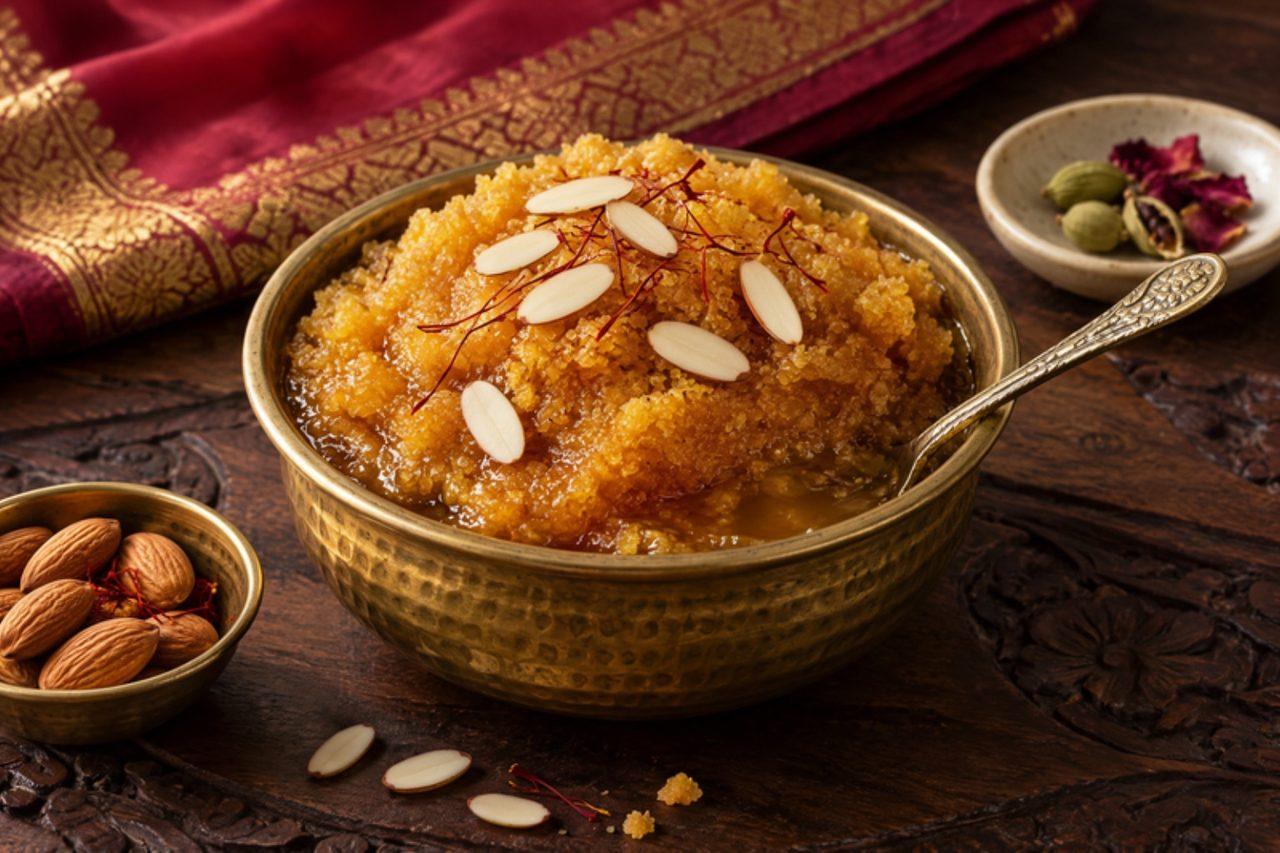
Badam ka halwaAlmond halwa

In Jaipur, badam ka halwa came out of the royal kitchens and now appears at winter weddings and on cold nights when someone wants a real treat. Soaked, peeled almonds are ground to a coarse paste and cooked slowly in ghee with milk, sugar and saffron until the halwa turns golden, glossy and leaves the sides of the pan. It is very rich, so a small bowl is enough. The common mistake is grinding the almonds too fine, which gives a pasty halwa instead of a soft, grainy one. Chef's tip: stop grinding when the almonds look like wet semolina and add the milk only during grinding, never water.

by KrazyBadal 0 views

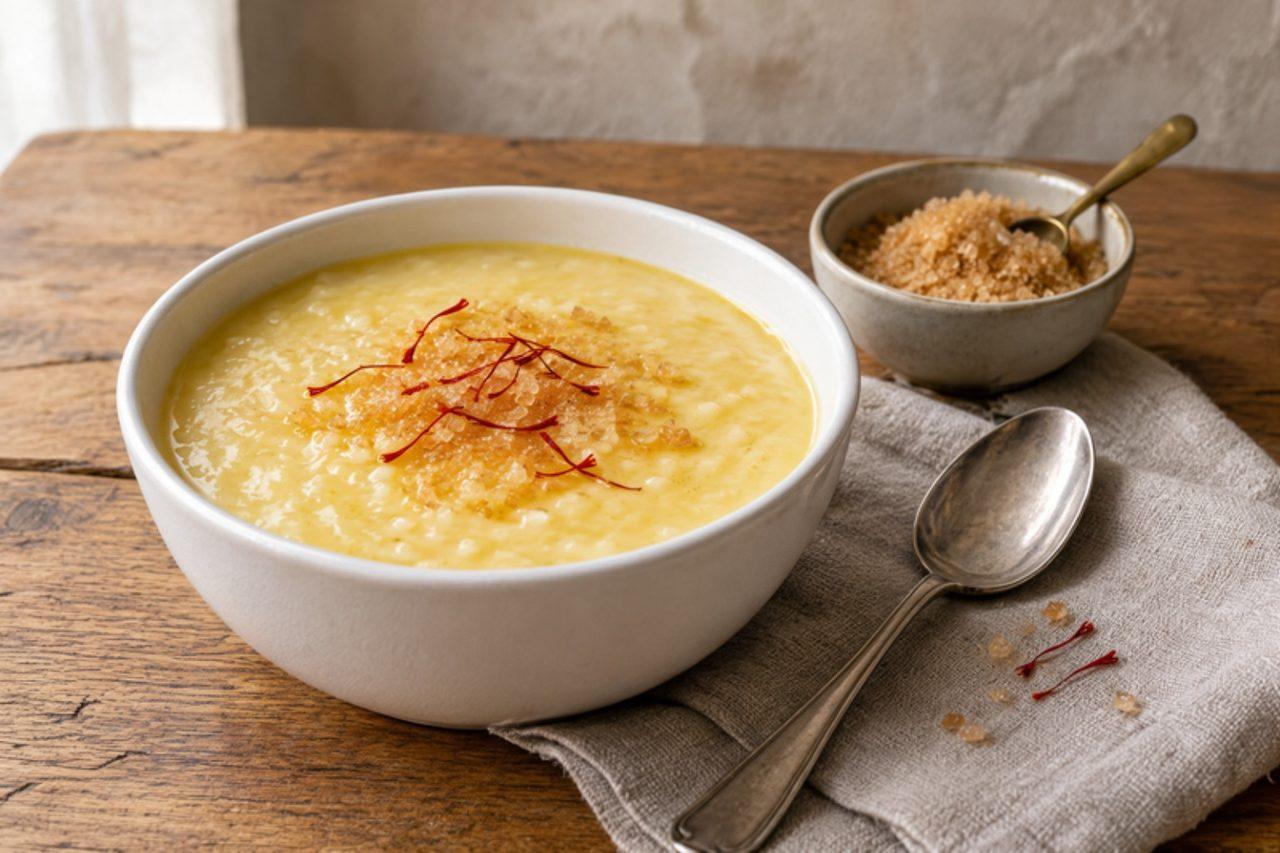
Saffron rijstpapSaffron rice porridge

Flemish rijstpap, rice slowly cooked in milk until thick and creamy, is a breakfast, a pudding and a childhood memory, and in East and West Flanders it is coloured golden with saffron and eaten with a spoonful of brown sugar. Old Flemish sayings even promise that in heaven you eat rijstpap with golden spoons. The mistake is cooking it too fast: the milk catches on the bottom and the rice stays chalky, so keep it at the barest simmer and stir often. Chef's tip: use round pudding rice, not long-grain, because its starch is what makes the porridge thick and silky without any cream.

by KrazyBadal 0 views

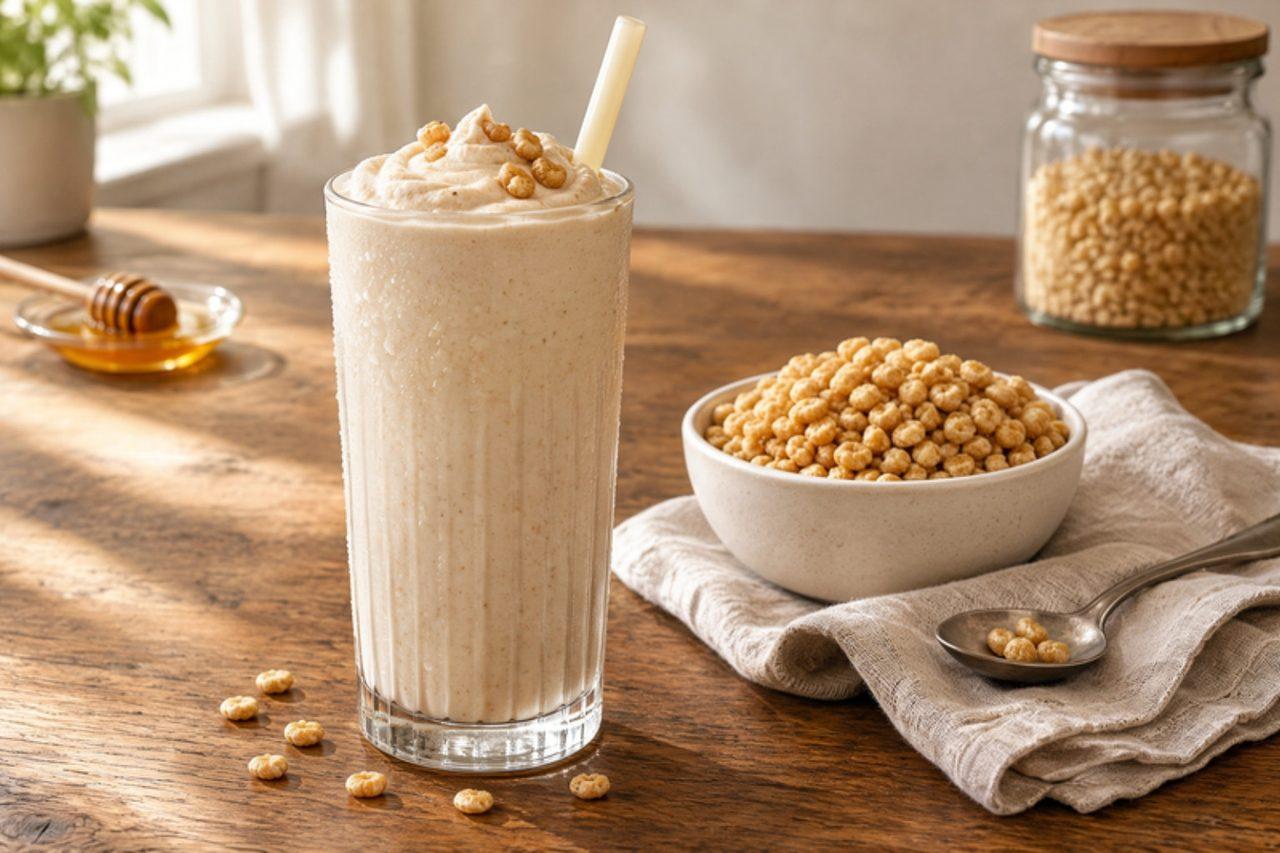
Batido de trigoPuffed wheat shake

Havana cafeterías and Miami ventanitas blend this for breakfast on the run: puffed wheat, cold milk, sugar and ice whizzed into a thick, frothy shake that tastes like a malted milk with toasted cereal. It is one of the most loved Cuban batidos, and quick to make at home. The common mistake is using sweetened, honey-coated cereal, which makes it cloying; plain puffed wheat lets the toasty grain flavour come through. Chef's tip: blend the puffed wheat with half the milk first until completely smooth, then add the ice, so you don't get soggy flecks of cereal.

by KrazyBadal 0 views

Melting momentsLemon buttercream sandwich biscuits

Melting moments are the soft, crumbly biscuits found in Australian and New Zealand bakery jars and grandmother's tins, two rounds made with custard powder and icing sugar sandwiched with a lemon butter icing. The custard powder gives them their yellow colour and tender, short texture that melts in the mouth, hence the name. A common mistake is overbaking; they should be pale, not golden. Chef's tip: press each ball with a floured fork for the classic stripes.

by KrazyBadal 0 views

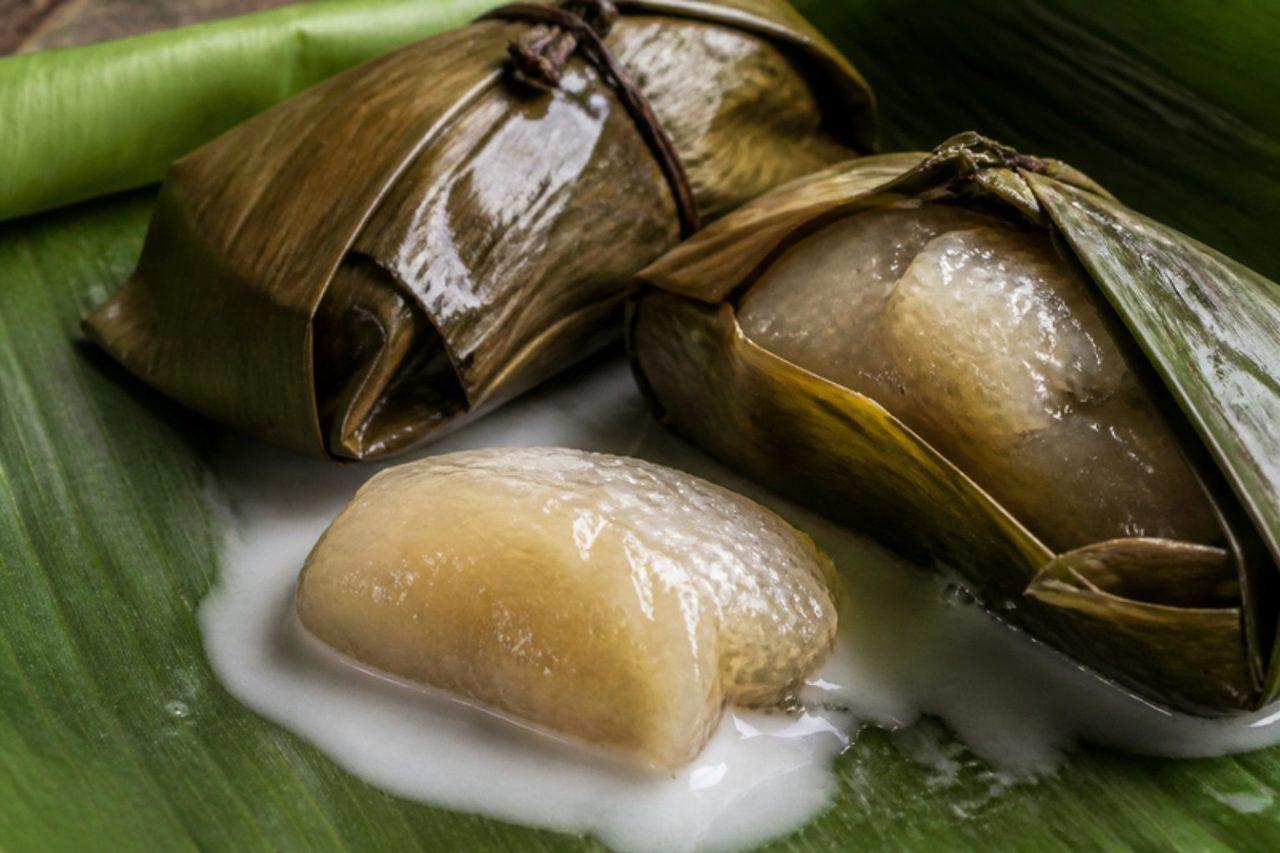
SaksakSago and banana dumplings

Saksak is a dish of the Sepik and coastal lowlands of Papua New Guinea, where sago palm starch is the staple food. Sago flour is mixed with mashed ripe banana, wrapped in leaves and boiled in coconut milk until it turns into soft, chewy, translucent dumplings. It is eaten as a snack or a sweet side with fish. Sago palm starch (sometimes sold as sago flour) is found in Asian shops. A common mistake is using too little banana or coconut, which makes it rubbery. Chef's tip: if you can't get banana leaves, form the mix into balls and drop them straight into the simmering coconut milk.

by KrazyBadal 0 views

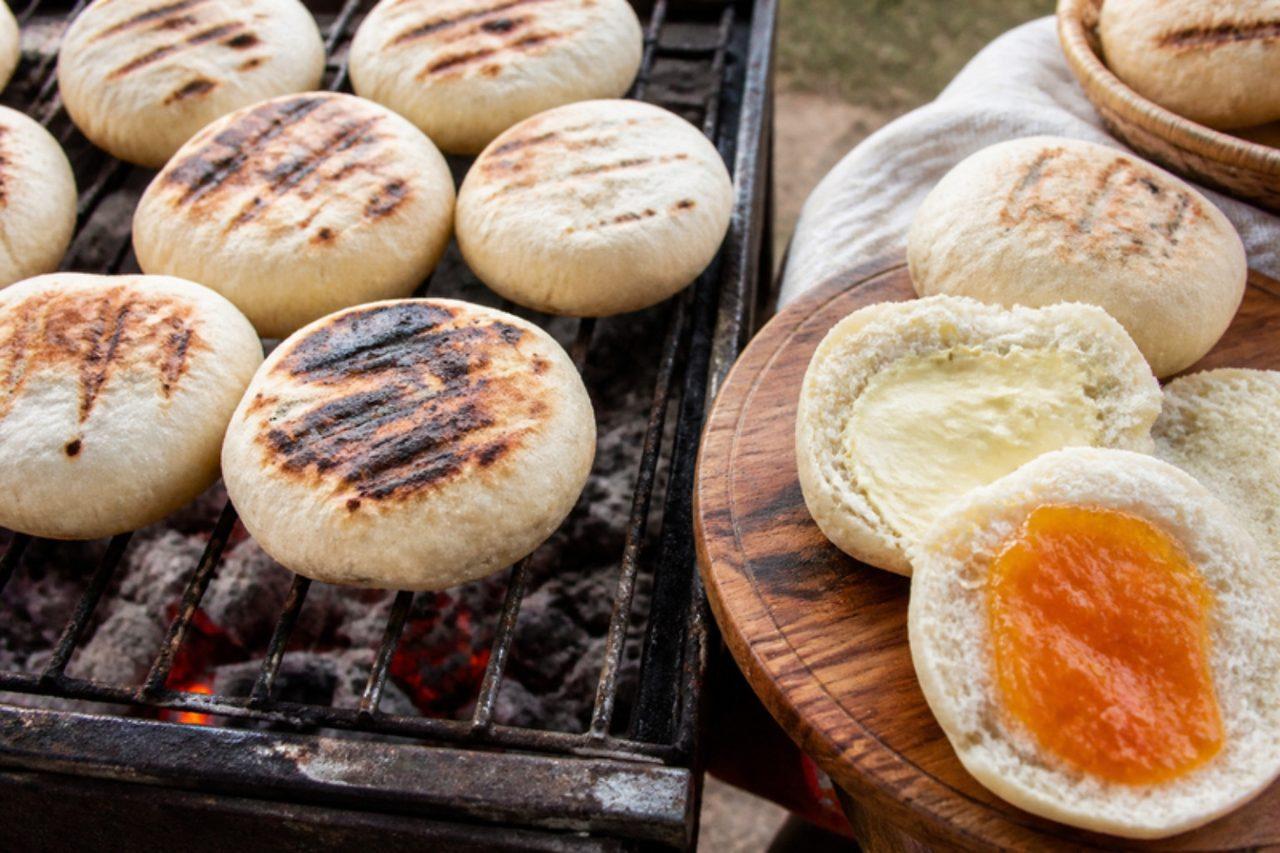
RoosterkoekGrilled bread rolls

Nobody at a South African braai minds waiting for the meat when there is roosterkoek: rounds of simple white bread dough laid on the grid over gentle coals and turned until they puff up, crack open at the sides and blister with dark grill marks. Rooster means grid, and the bread tastes of the fire, smoky and crisp outside, steaming and chewy within. Tear them open hot and fill with butter and apricot jam, or with grated cheese and tomato, or use them to mop up chakalaka. Cooking them over the fierce heat used for steak is the usual error: the crust blackens long before the middle is cooked, so give them the cooler edges of the fire or wait until the coals have died back. A heavy ridged griddle pan or the oven work well when there is no fire. Chef's tip: dust the shaped balls with flour before they go on the grid, and they won't stick to the bars.

by KrazyBadal 0 views

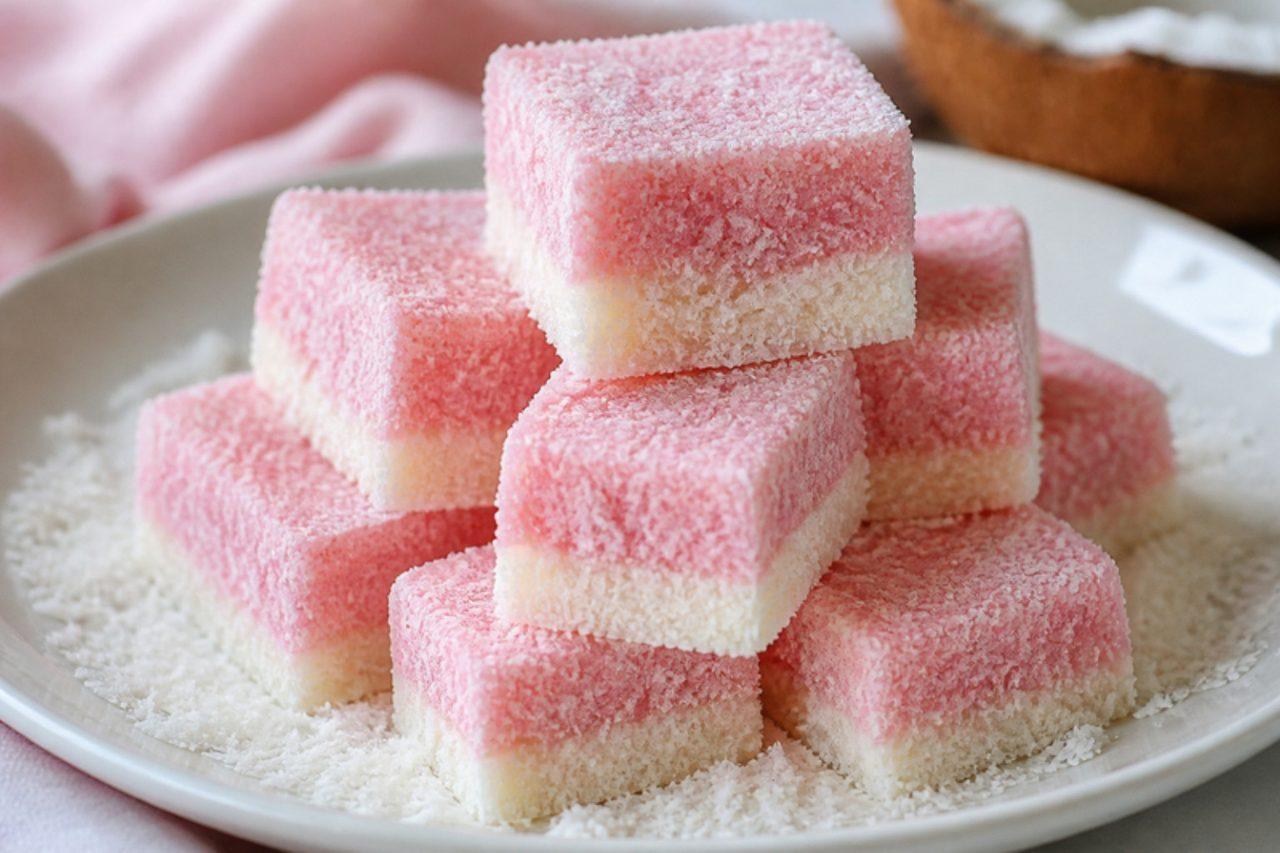
Coconut icePink and white coconut fudge

Coconut ice is the pink and white sweet that fills Australian school fete stalls, Christmas hampers and CWA cake tables, a no-cook fudge of desiccated coconut, condensed milk and icing sugar. It is soft, chewy and very sweet, so cut small squares. A common mistake is a mixture that's too wet to hold; add more coconut until it's firm enough to press. Chef's tip: press the white layer first, then the pink, and chill before cutting for sharp stripes.

by KrazyBadal 0 views

ChorreadasSweet corn pancakes

In the Costa Rican countryside, from the Central Valley to Guanacaste, chorreadas are made when the corn is fresh and milky: kernels are blended into a thick batter with a little sugar and butter and "poured" (chorrear) onto a hot griddle, then eaten with a dollop of natilla, Costa Rica's soured cream, and a cup of coffee. They are soft, sweet and taste purely of corn. The common mistake is a thin batter that spreads and tears; it should drop thickly from a spoon, so add masa harina if your corn is very juicy. Chef's tip: leave a few kernels only half-blended so the pancakes have little pops of whole corn.

by KrazyBadal 0 views

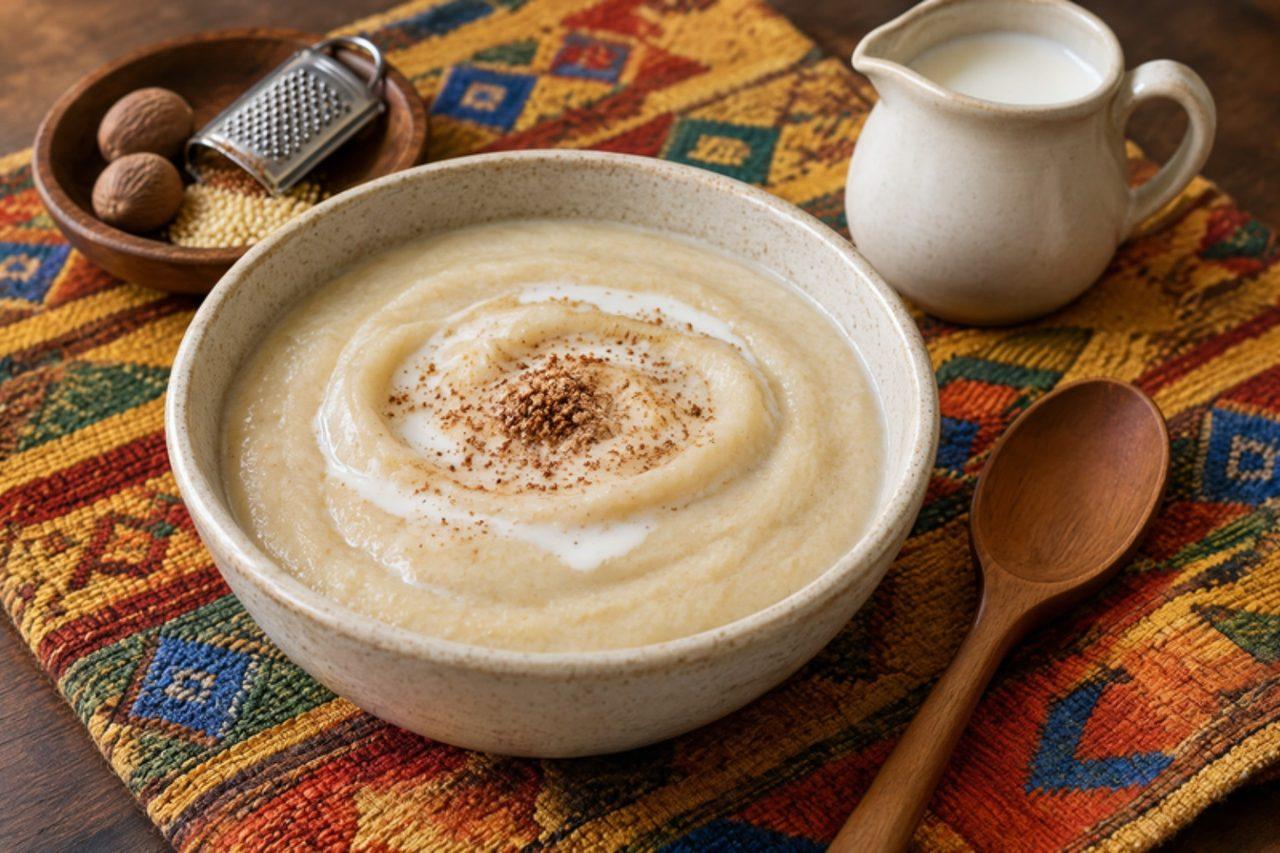
RouyMillet porridge

In Dakar, Saint-Louis and the Gambia, rouy is a morning porridge of fine millet flour cooked in water until silky, then sweetened and loosened with milk or lait caillé (soured milk) and a grating of nutmeg. During Ramadan it is a favourite at ndogou, the evening fast-breaking, because it is gentle and filling. The common mistake is under-cooking: millet needs a good 25–30 minutes or it tastes raw and slightly bitter. Choose millet flour from a mill that doesn't handle wheat if you need it strictly gluten free. Chef's tip: a spoon of orange-blossom water or vanilla stirred in at the very end makes it taste like a Dakar breakfast stall.

by KrazyBadal 0 views

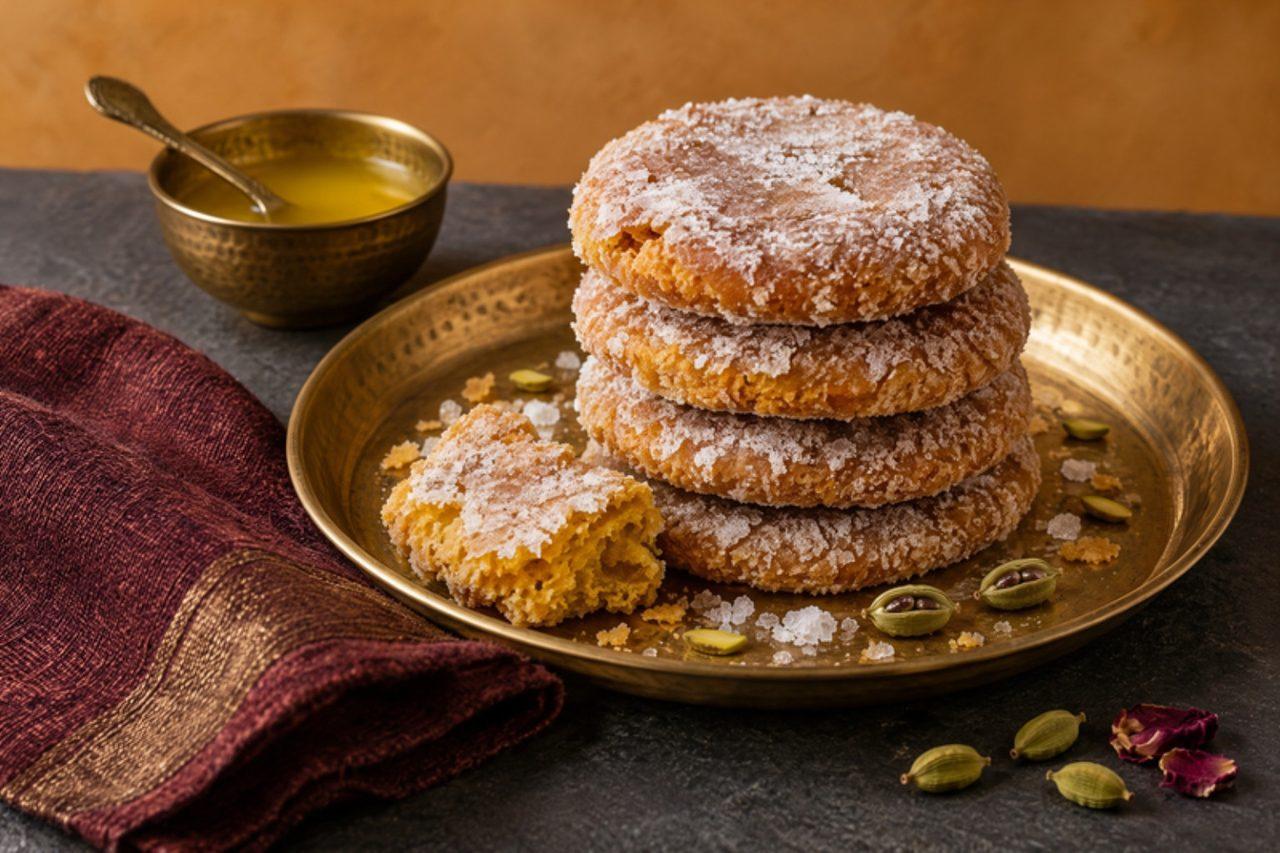
ThorSugar-coated fried dough discs

At the Shrinathji temple in Nathdwara, near Udaipur, thor is one of the dry prasads that pilgrims carry home in paper parcels, because it keeps for weeks. A very short dough of flour, semolina and plenty of ghee is shaped into thick discs, fried slowly in ghee until cooked right through, then coated in sugar syrup that dries to a crisp white glaze. It crumbles like shortbread. The common mistake is frying in hot fat; the outside browns while the thick centre stays raw. Chef's tip: the ghee should be only warm when the discs go in, rising slowly to medium, so they take a full 15 minutes.

by KrazyBadal 0 views

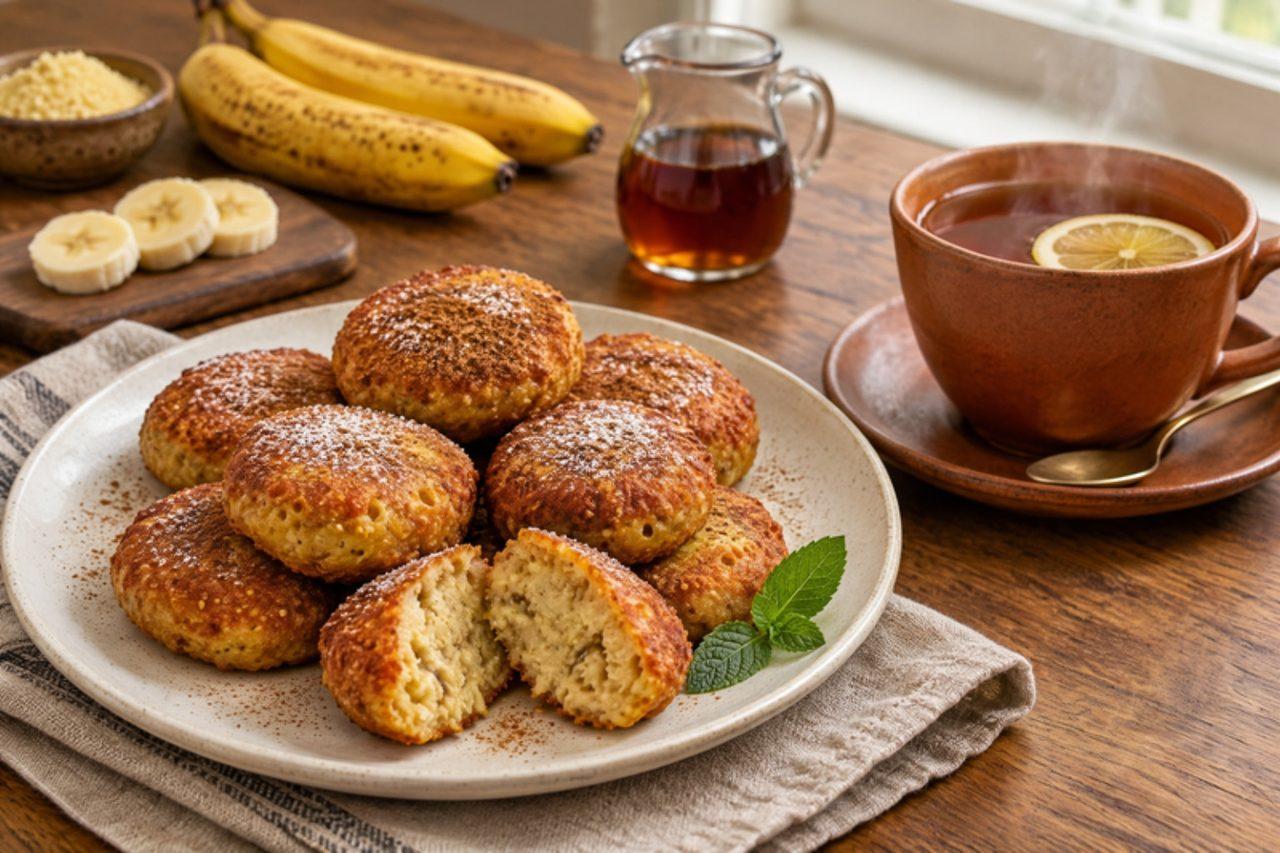
ZitumbuwaBanana and maize flour fritters

Along the roads of Lilongwe, Blantyre and the lakeshore, women fry zitumbuwa in big pots of oil early in the morning and sell them warm in paper twists: soft, sweet fritters of very ripe banana mashed with maize flour and a little sugar. They are crisp at the edges and custardy inside, perfect with sweet tea. The common mistake is using bananas that are only just yellow; you want them heavily speckled with brown for sweetness and a loose, droppable batter. Chef's tip: let the batter rest for 10 minutes so the maize flour swells, and the fritters hold their shape in the oil.

by KrazyBadal 0 views

Parwal ki mithaiStuffed candied pointed gourd

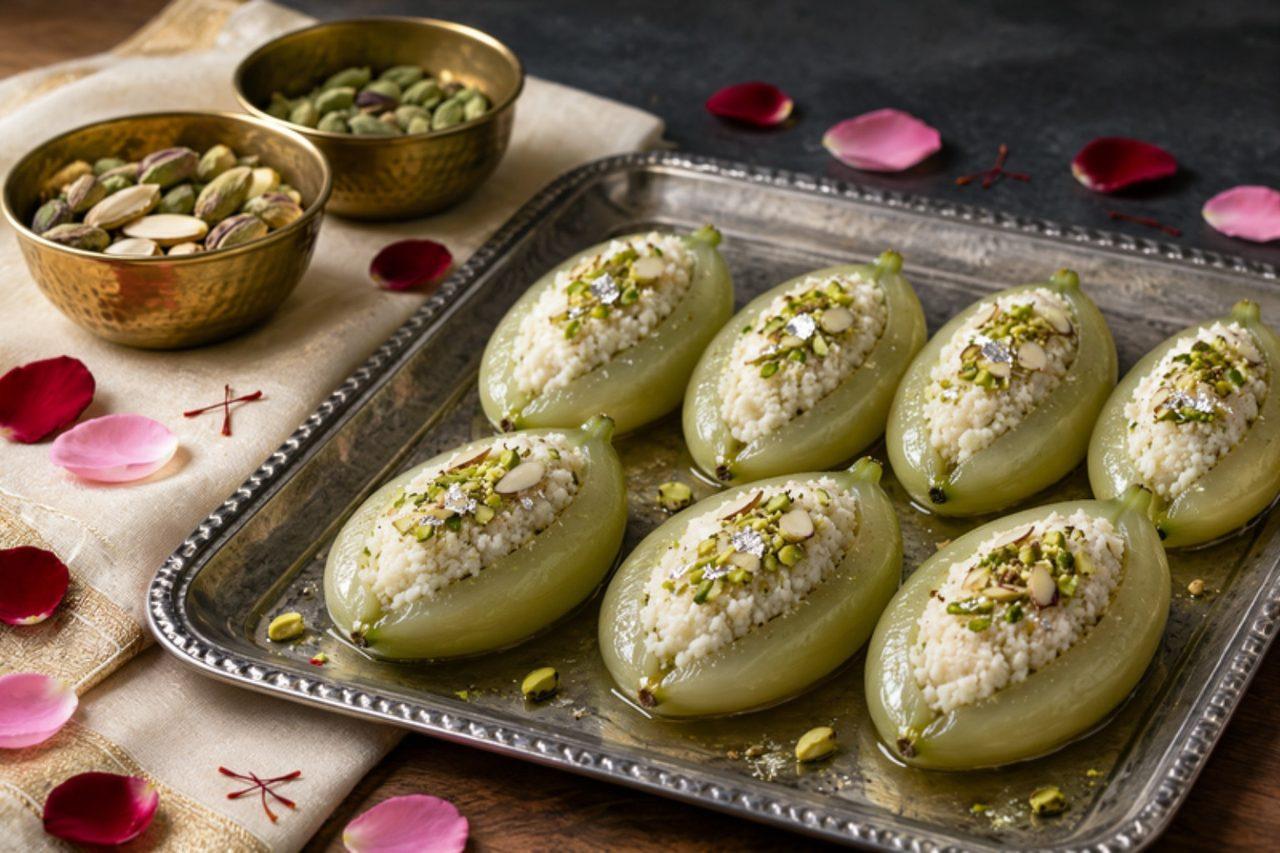
Parwal ki mithai surprises anyone who knows pointed gourd only as a curry vegetable: in Bihar and eastern Uttar Pradesh sweet makers peel the gourds, candy them in syrup until translucent, then fill them with sweetened mawa and nuts. They sit in shop windows at Diwali, Chhath and weddings, often glinting with silver leaf. The common mistake is undercooking the gourds before candying, which leaves them crunchy and vegetal; blanch until a knife slides in easily. Silver leaf (vark) is optional; choose one certified vegetarian. Chef's tip: scrape out every seed carefully, because even a few hard seeds spoil the soft bite.

by KrazyBadal 0 views

Feijoa crumble

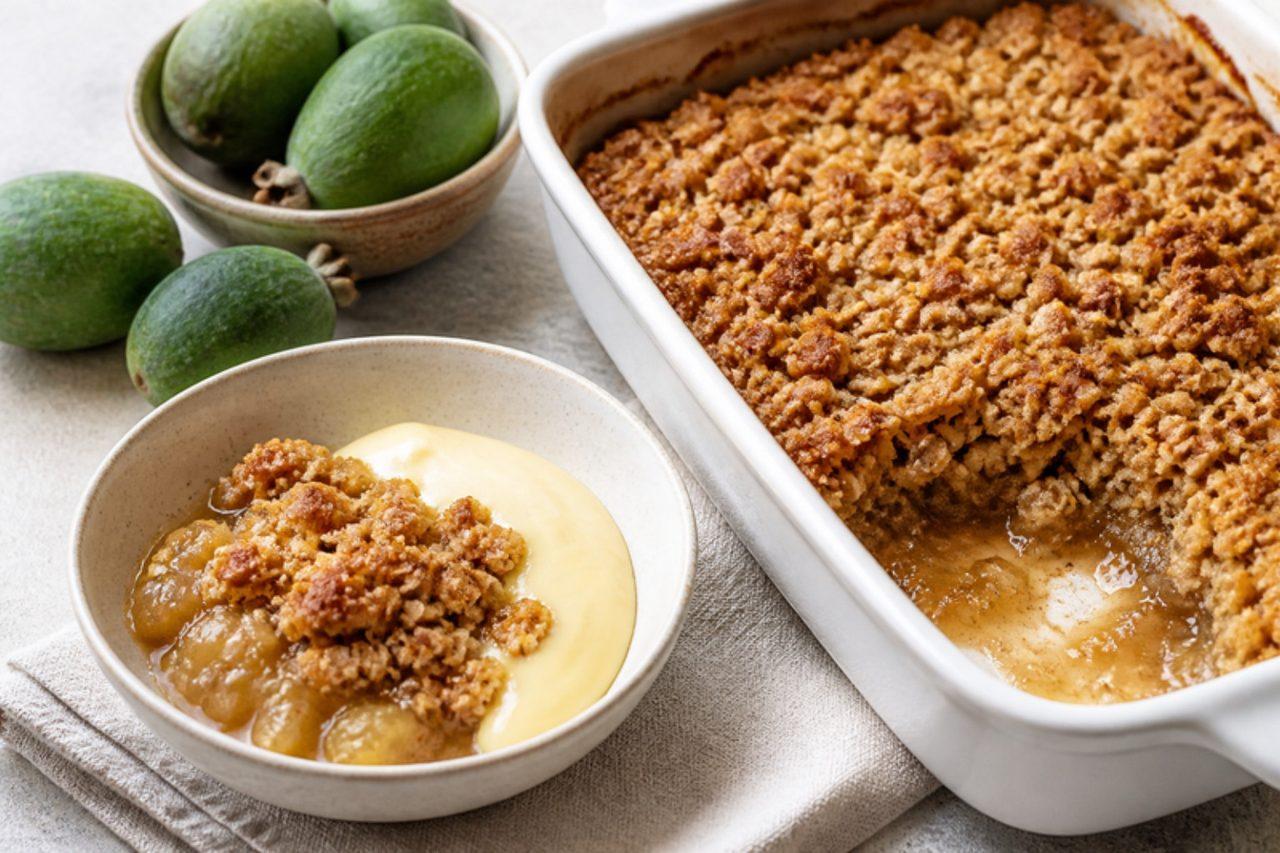
Every autumn, from March to June, New Zealand back gardens drop more feijoas than anyone can eat, and bags of the green, perfumed fruit get passed over fences and left on office desks. Baking them into a crumble is the classic way to use them: their fragrant, pineapple-guava flavour softens under a buttery oat and brown-sugar topping. Serve with custard or vanilla ice cream. A common mistake is leaving the gritty skin on; scoop out the flesh. Chef's tip: add a couple of apples to stretch the feijoas and give the filling body.

by KrazyBadal 0 views

MotohoFermented sorghum porridge

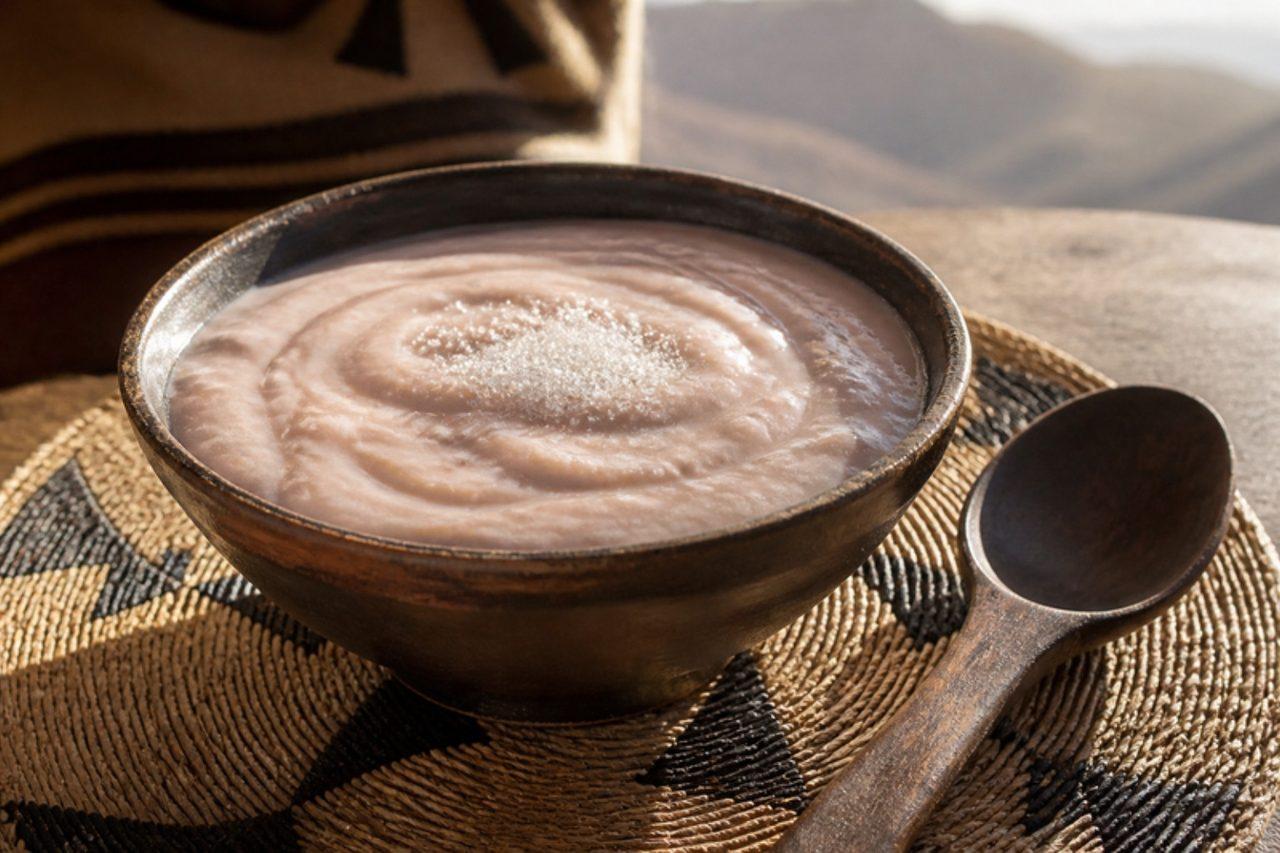
Highland mornings in Lesotho can be bitterly cold, and a mug or bowl of warm motoho, thin enough to sip and pleasantly tangy, is how many Basotho families in Maseru and the mountain villages start the day. Sorghum meal is mixed with warm water and a spoonful of starter from the last batch, left overnight by the stove to sour, then cooked into a smooth, pourable porridge with a yoghurt-like tang and a nutty, toasty flavour. Some sweeten it with sugar; others drink it plain with bread. If you have no starter, make one two days ahead with sorghum and water, as below. Chef's tip: keep the ferment warm but not hot; a pot left right on the stove gets too sour and too thin, so a spot nearby is perfect.

by KrazyBadal 0 views

BlåbärssoppaBilberry soup

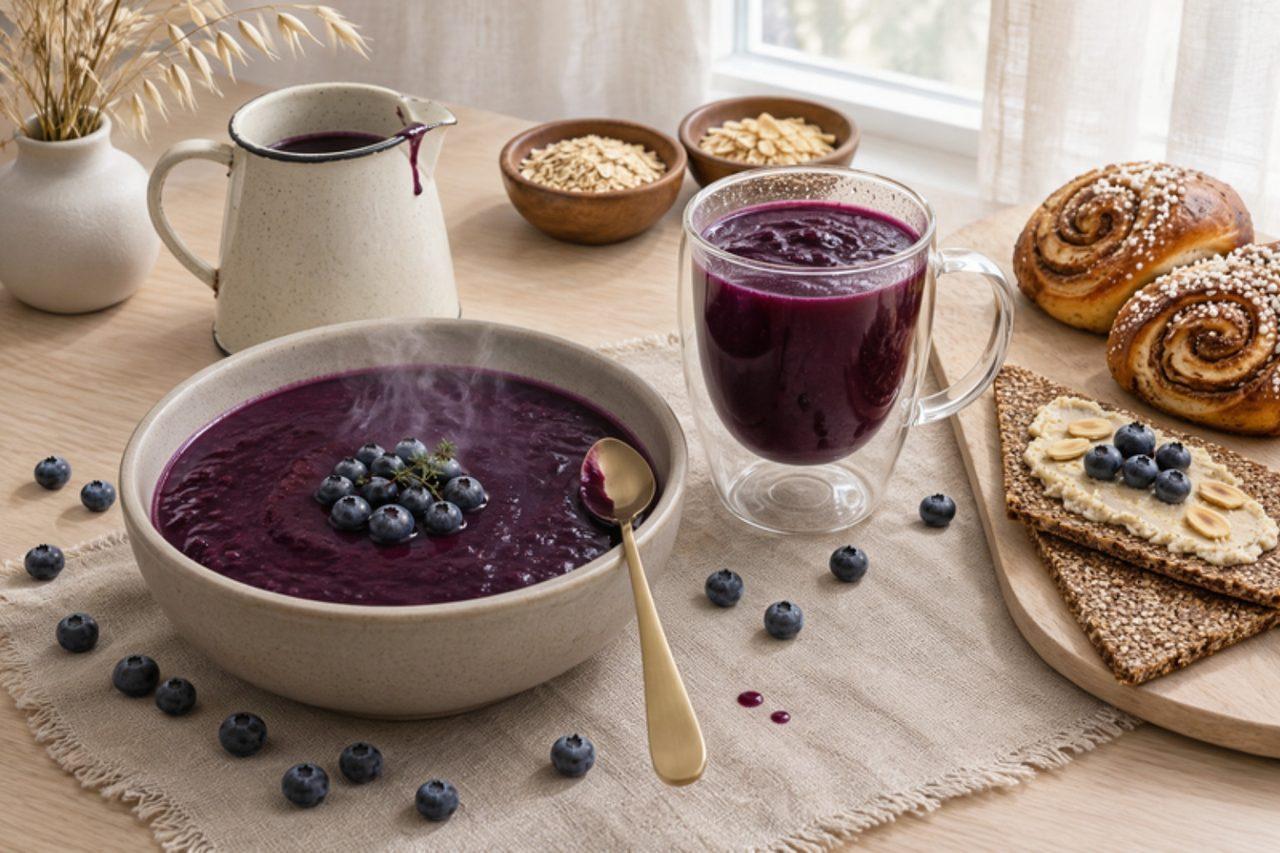
Swedes have drunk blåbärssoppa for generations, warm on a winter morning and cold from a cup after the Vasaloppet ski race, where skiers are handed it at every station. It is a thin, deep purple soup of bilberries or blueberries, sweetened and thickened just enough with potato starch to coat the tongue. The common mistake is boiling the soup after adding the starch: it turns stringy and then thins out again, so take it off the heat as soon as it thickens. Chef's tip: wild bilberries give a far deeper colour and flavour than cultivated blueberries, and frozen ones work perfectly.

by KrazyBadal 0 views

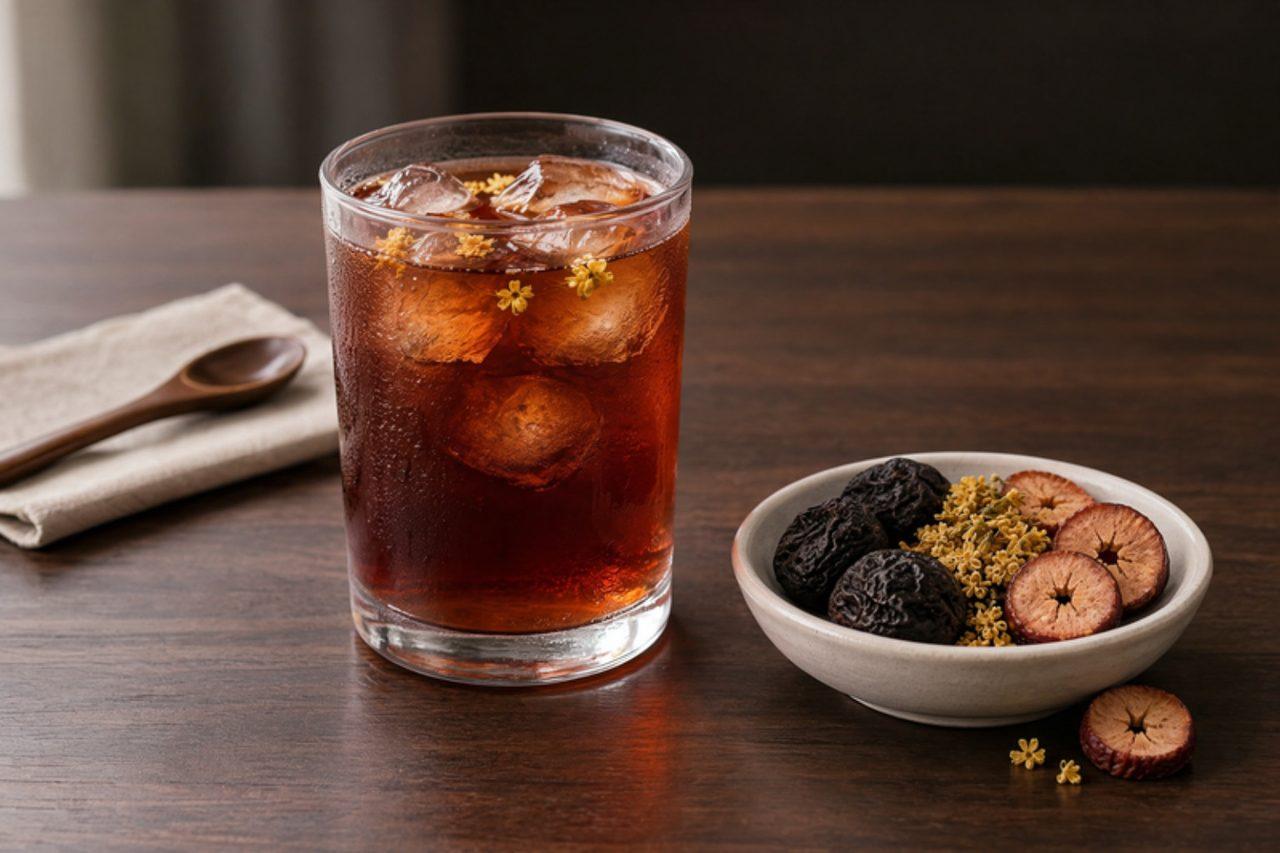
Suanmeitang (sour plum drink)

Old Beijing sold suanmeitang from brass bowls at street corners in summer, chilled with blocks of river ice, and the Qing court drank a version as a cooler. Today it comes in big jugs at copper-pot hotpot restaurants, where its sourness cuts through mutton and sesame sauce; families brew a pot every few days all summer. Smoked wumei plums give a deep, almost bacon-like smokiness, hawthorn adds fruity acid, licorice softens the edges and rock sugar rounds everything off, with dried osmanthus on top for a honeyed scent. It should be dark ruby, clear and refreshing, tart first and sweet after. The common mistake is boiling it hard for hours: the plum stones and hawthorn seeds release bitterness and the brew turns muddy. Simmer gently, strain early and chill fast. It is ready when the plums have collapsed and the liquid tastes clearly sour-sweet with a smoky finish. Licorice root is traditionally used in small amounts; people with high blood pressure, heart or kidney problems, or who are pregnant should keep the licorice out or check with a doctor. Chef's tip: add the osmanthus only after the heat is off, or its perfume vanishes.

by KrazyBadal 0 views

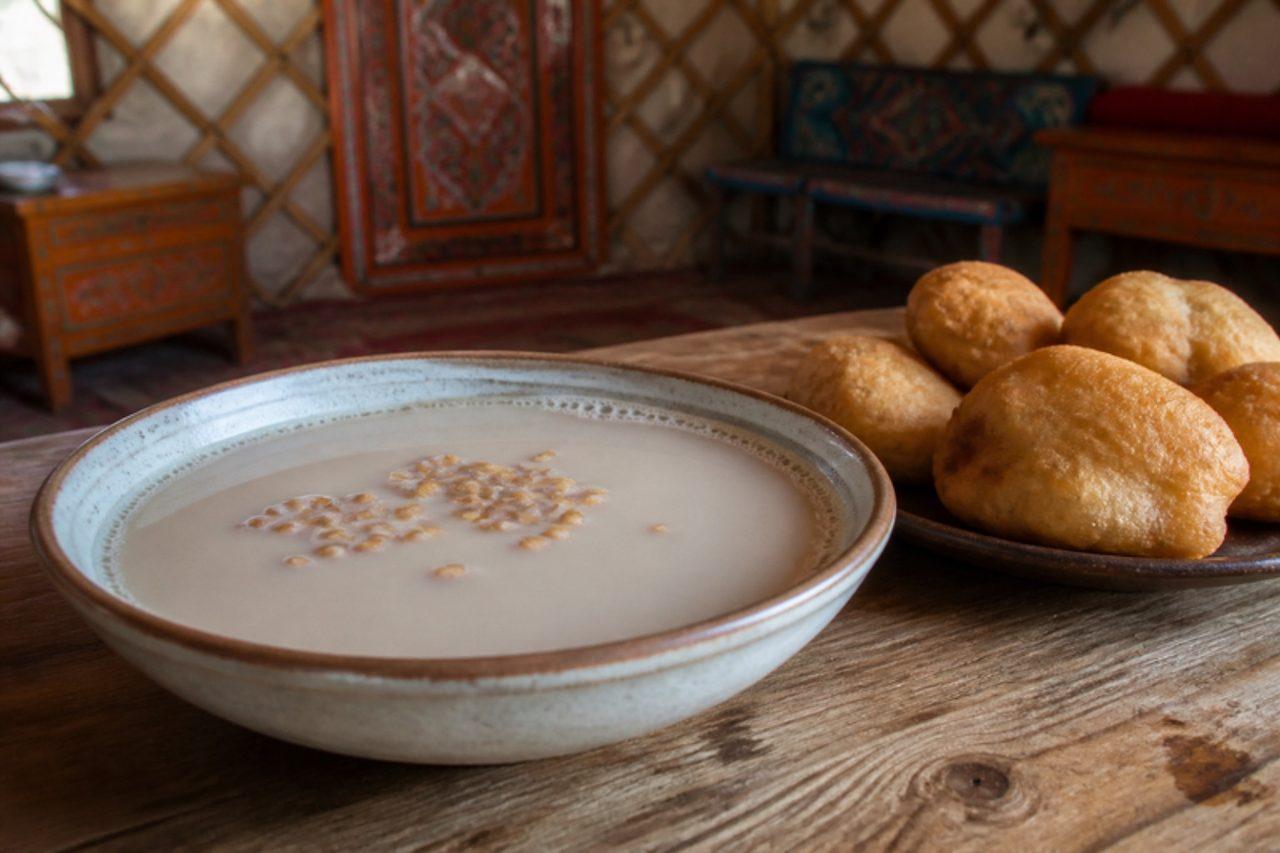
Mongolian salty milk tea

Süütei tsai is the first thing offered to anyone who steps into a ger on the Mongolian steppe, from Arkhangai to the Gobi, and families drink it all day long from wide bowls. Green brick tea is boiled in water, then milk and a pinch of salt go in, and the tea is ladled high and poured back again and again to aerate it. Some households add a knob of butter or a spoon of toasted millet for a richer, more filling bowl. It is savoury, not sweet, which surprises first-time visitors. A common mistake is using black tea leaves, which go bitter; use green brick tea or a mild green tea. Chef's tip: the ladling is not just ritual, it gives the tea a smooth, rounded taste.

by KrazyBadal 0 views

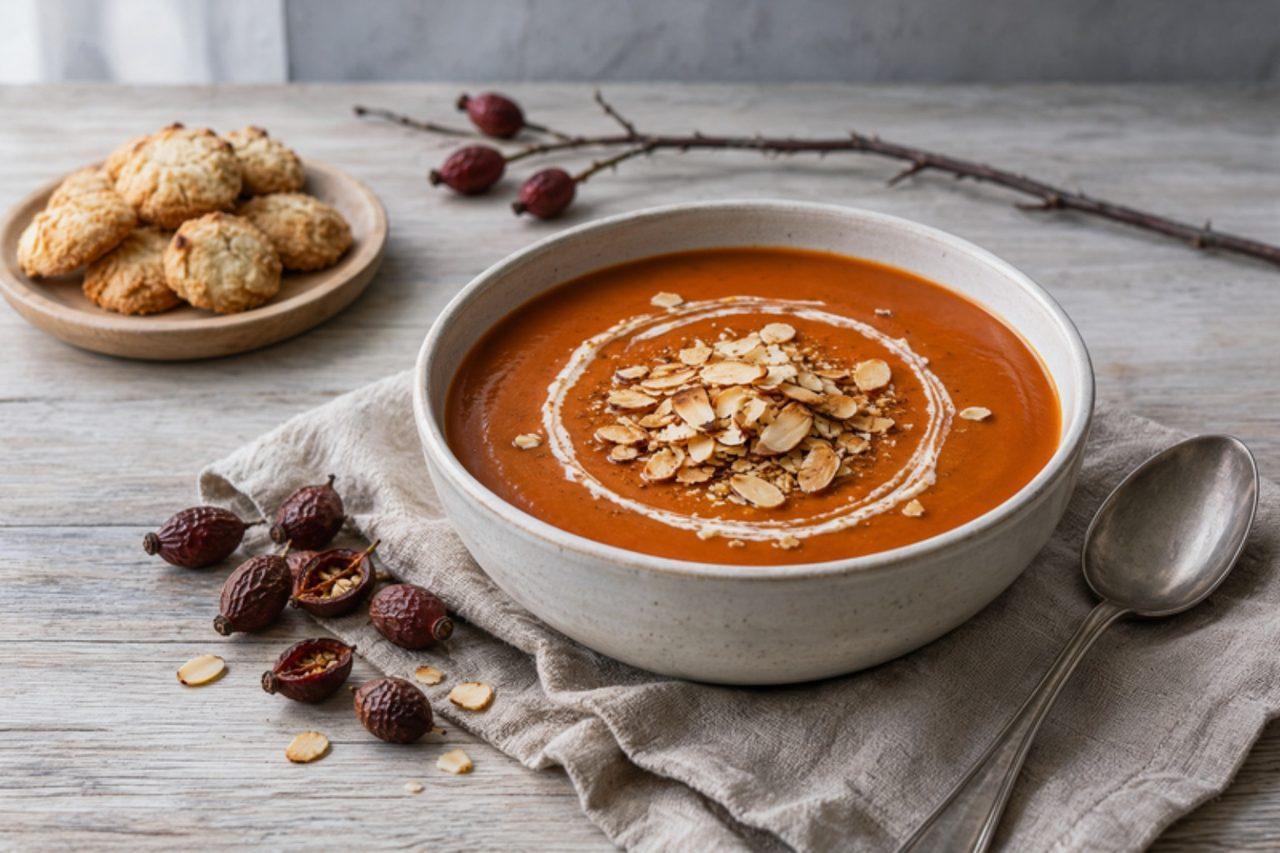
NyponsoppaRosehip soup

Nyponsoppa, rosehip soup, is one of Sweden's oldest breakfast and school-dinner soups, bright orange-red, gently sweet-sour and full of vitamin C. Families buy dried rosehip shells or powder, simmer them into a smooth soup and serve it warm in deep plates, traditionally with little almond biscuits or a spoon of cream on top. The mistake is not straining well enough: rosehips have tiny irritating hairs around the seeds, so use seedless dried shells and strain through a fine sieve. Chef's tip: finish with lemon juice off the heat, which brightens the colour and stops the soup tasting flat.

by KrazyBadal 0 views

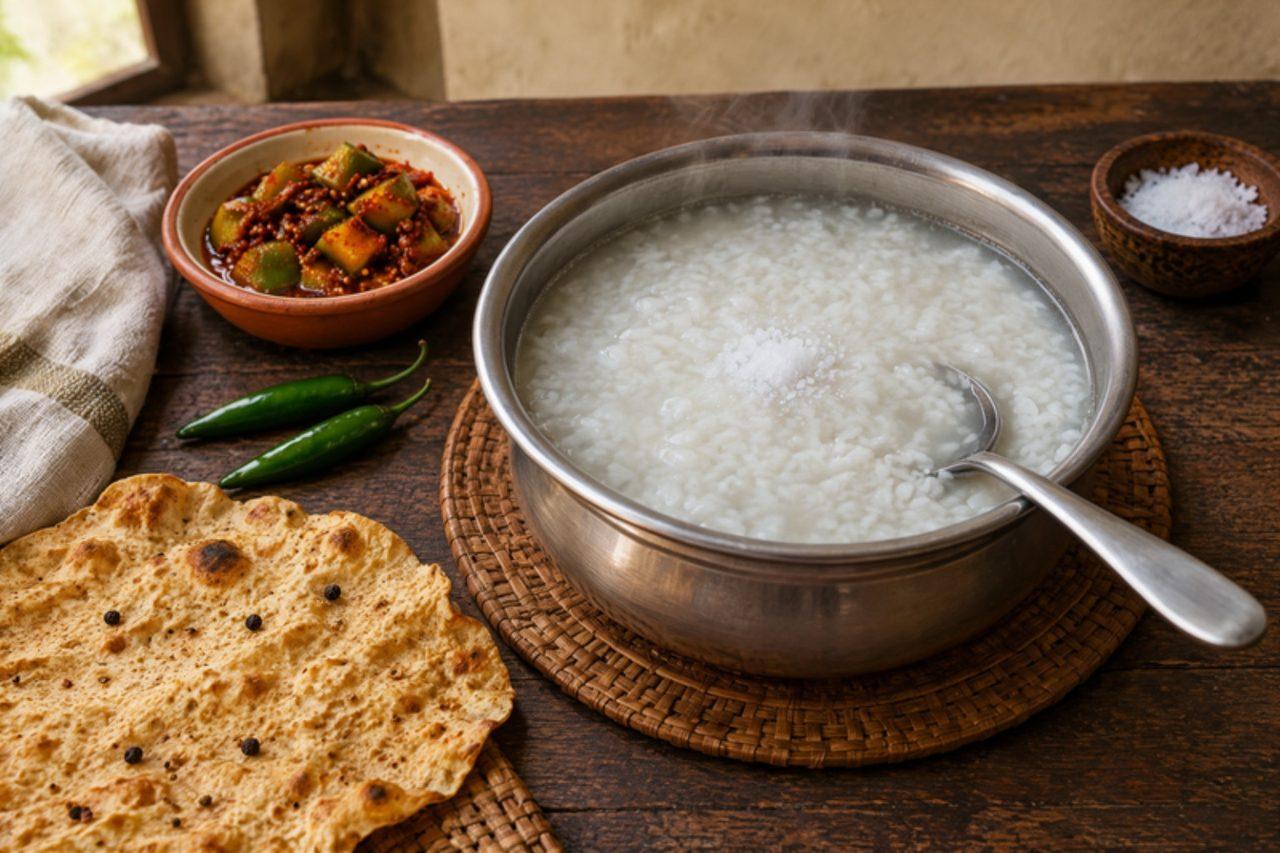
Goan pezRice porridge with pickle and papad

Pez is the plainest food in a Goan kitchen and one of the most loved: red parboiled rice simmered in plenty of water until the grains burst and the liquid turns milky. Fishermen and farmers ate it before a day's work, mothers serve it to anyone who feels unwell, and on heavy monsoon evenings it comes with a spoon of mango or lime pickle, a roasted papad and sometimes a dry fish or vegetable on the side. The mistake is cooking it in too little water so it becomes a sticky porridge; good pez has whole soft grains floating in thin, starchy broth. Chef's tip: stir in a little salt only at the end and let everyone add buttermilk or coconut milk to their own bowl.

by KrazyBadal 0 views

Gondhoraj gholLime-scented yogurt drink

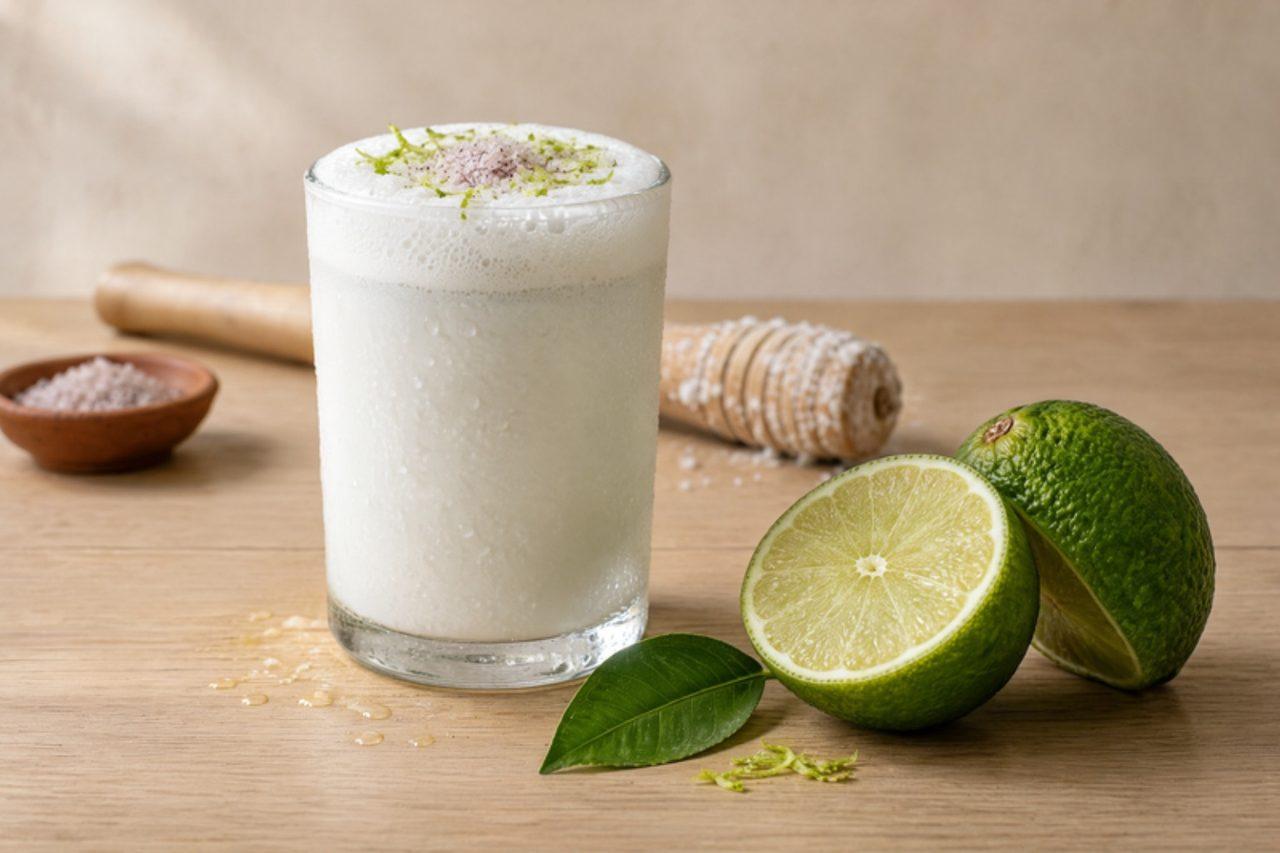
In Kolkata the gondhoraj lime arrives with the monsoon heat, a knobbly green fruit whose peel smells of flowers and pine more than of sour citrus. Bengali households use it to lift dal and fish, but in the sticky months from Boishakh into Srabon it goes into ghol: dahi churned with cold water until frothy, sweetened lightly and scented with the zest, a squeeze of juice and a torn leaf. Cafés along Gariahat and old sweet shops serve it in clay bhaar cups after lunch, and it is just as good mid-afternoon with a plate of muri. It drinks thin, cool and silky, with a soft tang and a perfume that hits the nose before the first sip. The usual mistake is grating too deep or leaving the zest to sit for an hour: the white pith and the oils turn bitter. Take only the green outer layer, add it just before serving, and stop when the ghol smells floral rather than sharp. It is ready when the top is covered in fine foam and a spoon comes out lightly coated. Chef's tip: for the salted version, swap the sugar for black salt and a pinch of roasted cumin, as many Kolkata homes do on the hottest days.

by KrazyBadal 0 views

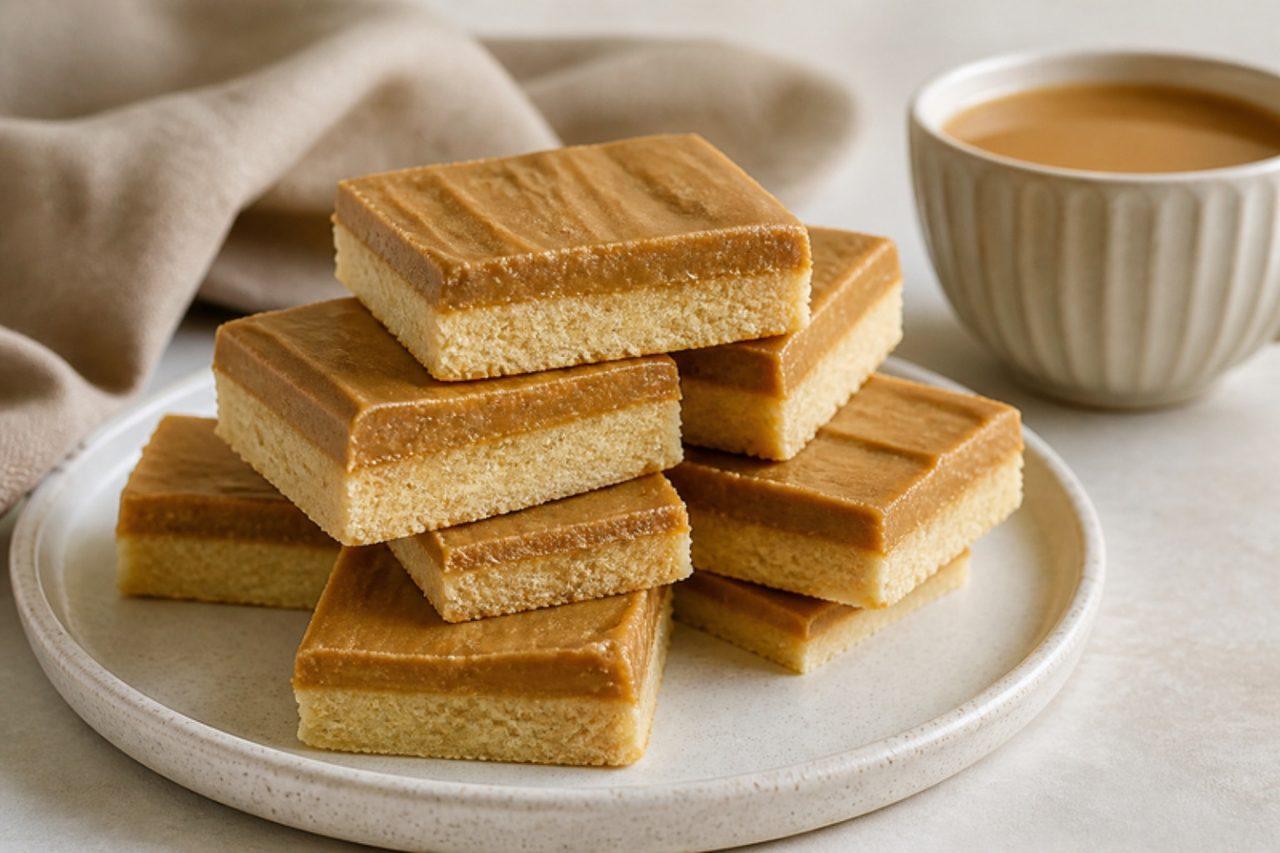
Ginger crunchGinger shortbread slice

Ginger crunch is in every New Zealand café cabinet and was in every school fair tin long before that, a recipe passed between generations in handwritten notebooks. A crisp, buttery ginger shortbread base is covered while still hot with a thick, fudgy icing of butter, golden syrup, icing sugar and plenty of ground ginger. Cut into bars, it keeps a week in a tin. A common mistake is letting the base cool before icing; hot base and hot icing set together properly. Chef's tip: use more ginger than you think; the icing should have a real bite.

by KrazyBadal 0 views

Kakinada kajaSyrup-soaked layered pastries

Kakinada kaja is the famous sweet of Kakinada in Andhra's East Godavari, a long, golden pastry made of layered dough that is fried and soaked in syrup until the hollow centre fills with sweetness and bursts when bitten. Telugu families buy it for weddings, Sankranti and housewarmings. The common mistake is syrup that is too thick: Kakinada kaja is soaked in a thin, just-sticky syrup so it seeps inside, while the outside stays crisp. Fry slowly so the layers open. Chef's tip: roll the dough sheet tightly into a log after spreading the ghee paste, and seal the ends, so each piece puffs into distinct layers.

by KrazyBadal 0 views

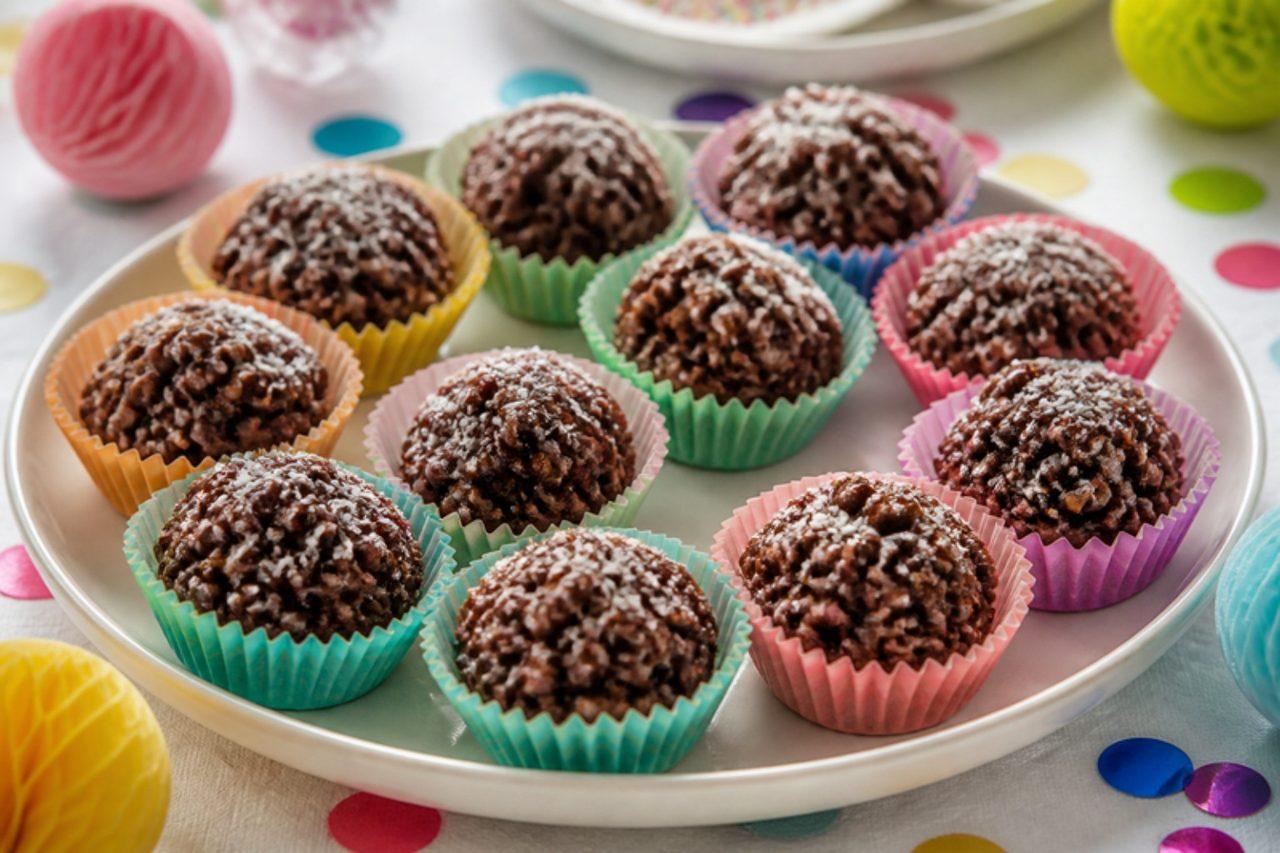
Chocolate cracklesChocolate puffed rice cakes

No Australian child's birthday party is complete without chocolate crackles, served in paper patty cases alongside fairy bread at backyard parties from Adelaide to Cairns. Puffed rice cereal is bound with melted solid coconut fat, icing sugar, cocoa and desiccated coconut, then set in the fridge. Kids can make them almost entirely on their own. A common mistake is using hot fat, which makes the mixture greasy; let it cool a few minutes. Chef's tip: use solid white hydrogenated coconut fat sold in blocks, not jarred coconut oil, which won't set firm at room temperature.

by KrazyBadal 0 views

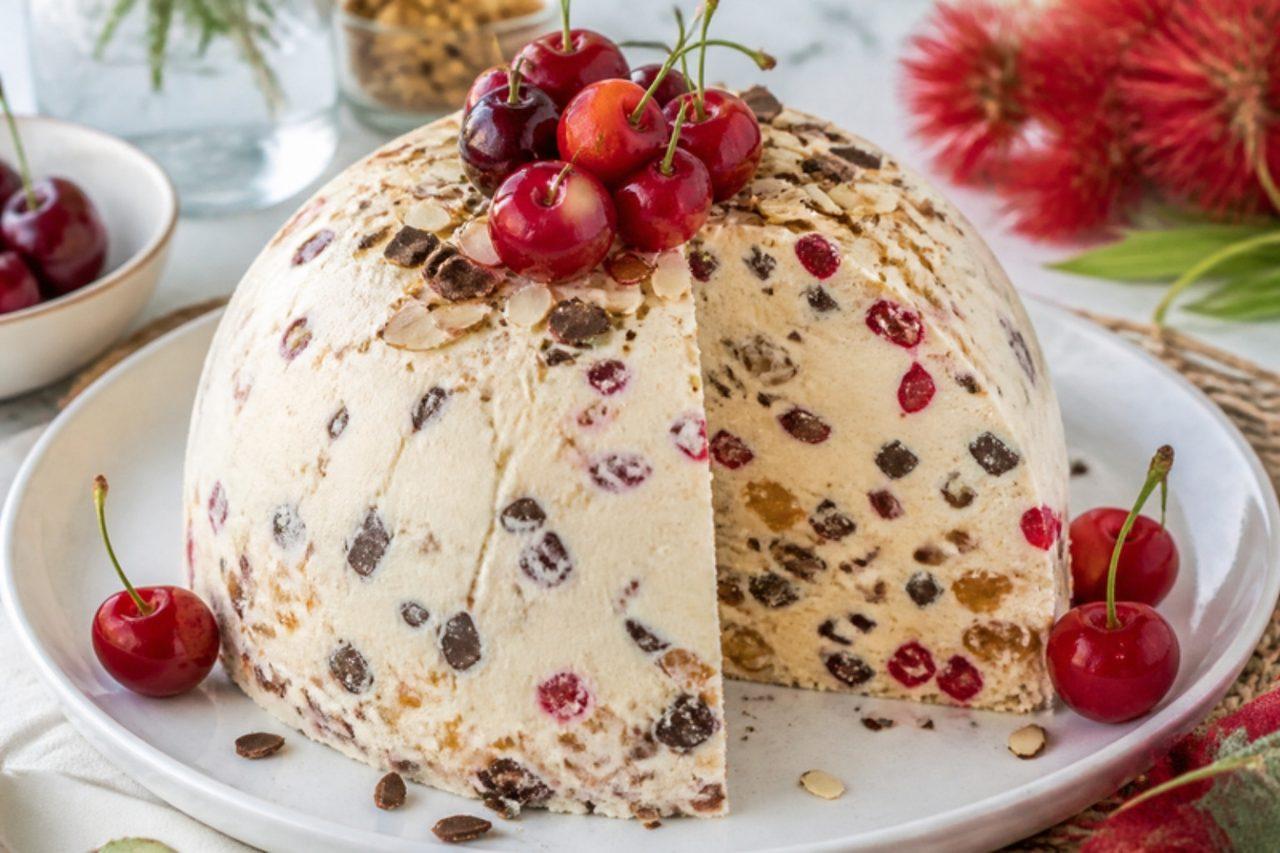
Frozen Christmas pudding

In the heat of an Australian December, many families swap the steamed pudding for a frozen one, ice cream packed with fruit, nuts and chocolate and set in a pudding basin so it still looks the part on the Christmas table in Brisbane or Perth. It is made days ahead and turned out just before serving. A common mistake is letting the ice cream melt too much while mixing, which makes it icy when refrozen; soften it only until stirrable. Chef's tip: soak the fruit in orange juice the night before so it stays soft when frozen.

by KrazyBadal 0 views

Showing 24 of 2,799 recipes

Show more recipes

Page 46 of 117

More Jain ideas

Other diets