Skip to content
WhatToEat.Today

Jain recipes: no onion, garlic or root vegetables

2,799

2799 Jain recipes with no onion, garlic, potato, carrot, fresh ginger or other root vegetables, and no mushrooms, eggs or honey. Hing, dry ginger and turmeric powder are fine. Each has photos, step-by-step instructions and cook times. The quickest, Apfelschorle, takes 2 minutes. Most take around 40 minutes.

Filter these by time, diet or cuisine · Make Jain your diet to see only these recipes everywhere on the site.

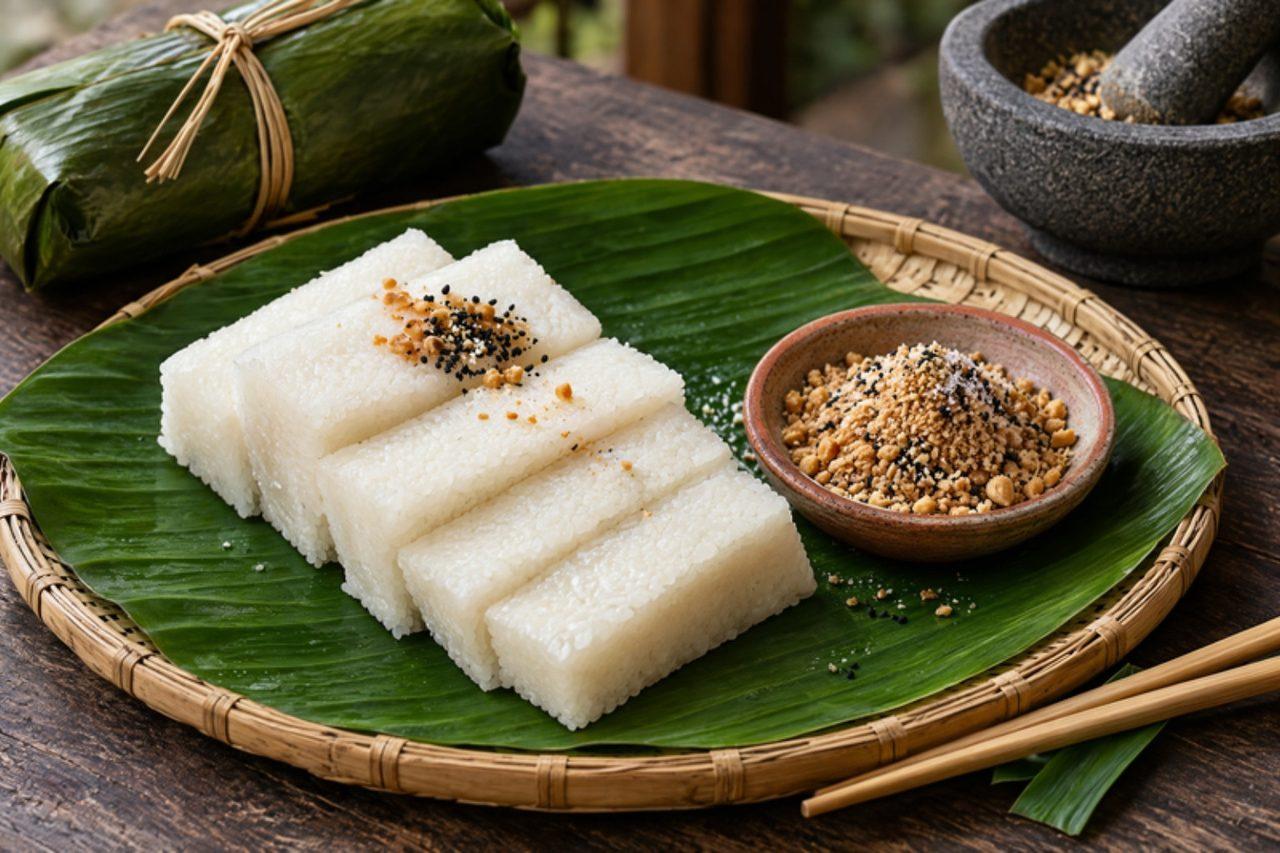
Cơm nắm muối vừngRice blocks with sesame salt

Before trains, buses and school trips, families in northern Vietnam press warm rice into firm, dense blocks and wrap them in banana leaf or paper with a twist of muối vừng, toasted sesame and peanut salt, for dipping. It is humble, filling and keeps its shape for a whole day's journey. Peanuts and sesame are both allergens. The common mistake is using cold or loose rice, which will not stick; it must be pressed hot. Chef's tip: mix a handful of sticky rice into ordinary jasmine rice before cooking, and the blocks hold together firmly without being gluey.

by KrazyBadal 0 views

DashmiMilk and jaggery flatbread

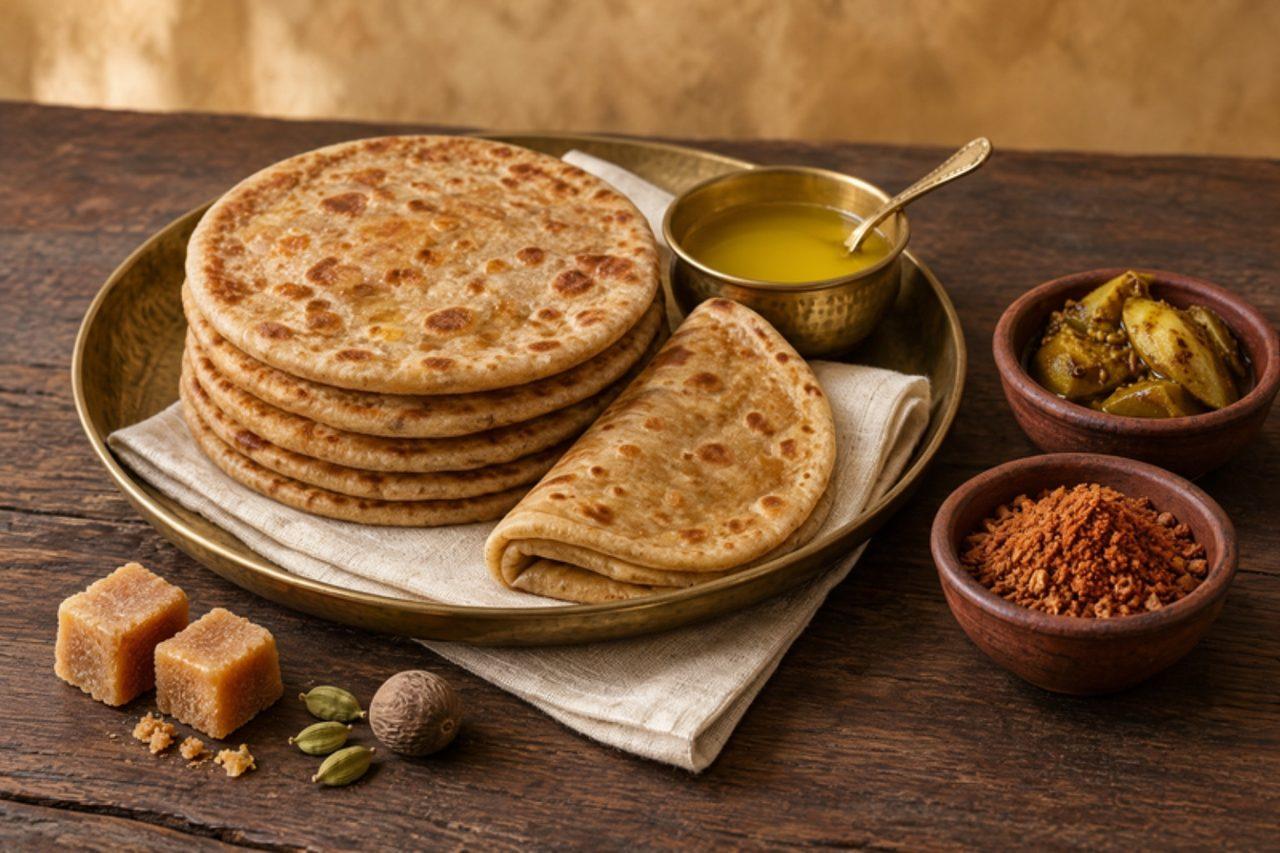
Dashmi is the bread Maharashtrian mothers make for pilgrimages, school trips and the first days of a long journey: wholewheat dough kneaded with warm milk instead of water and sweetened with jaggery, cooked on a tawa until soft and spotted. Milk and ghee keep it tender for two or three days without a fridge in cool weather, and children eat it plain or with pickle. The common mistake is rolling it too thin and cooking it on a fierce tawa, which makes it crisp like a khakhra; it should stay soft and pliable. Chef's tip: stack the dashmis in a cloth as they come off the tawa, so the trapped steam softens them further.

by KrazyBadal 0 views

Wakame gohanWakame rice

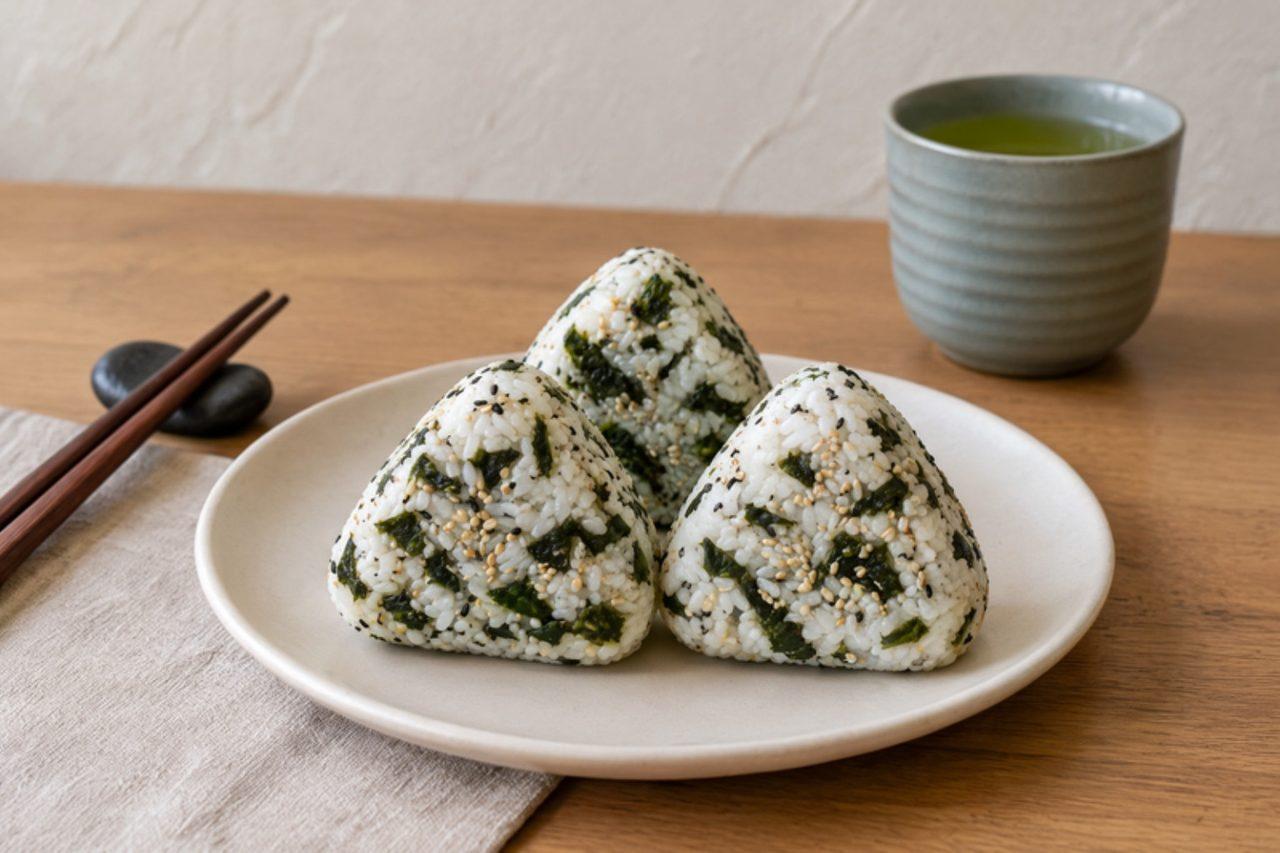
Wakame gohan is the green-flecked rice that turns up in Japanese school lunches and convenience-store onigiri: plain rice mixed with salted, toasted wakame flakes and sesame. At home you make your own seasoning in five minutes from a pack of dried cut wakame. The common mistake is soaking the wakame first, which gives slimy rice; it should go in dry and crisp so it softens only with the rice's steam. Chef's tip: shape onigiri with wet, salted hands while the rice is hot, then cool them fast on a plate before wrapping for the lunchbox.

by KrazyBadal 0 views

ShibazukeRed shiso aubergine pickle

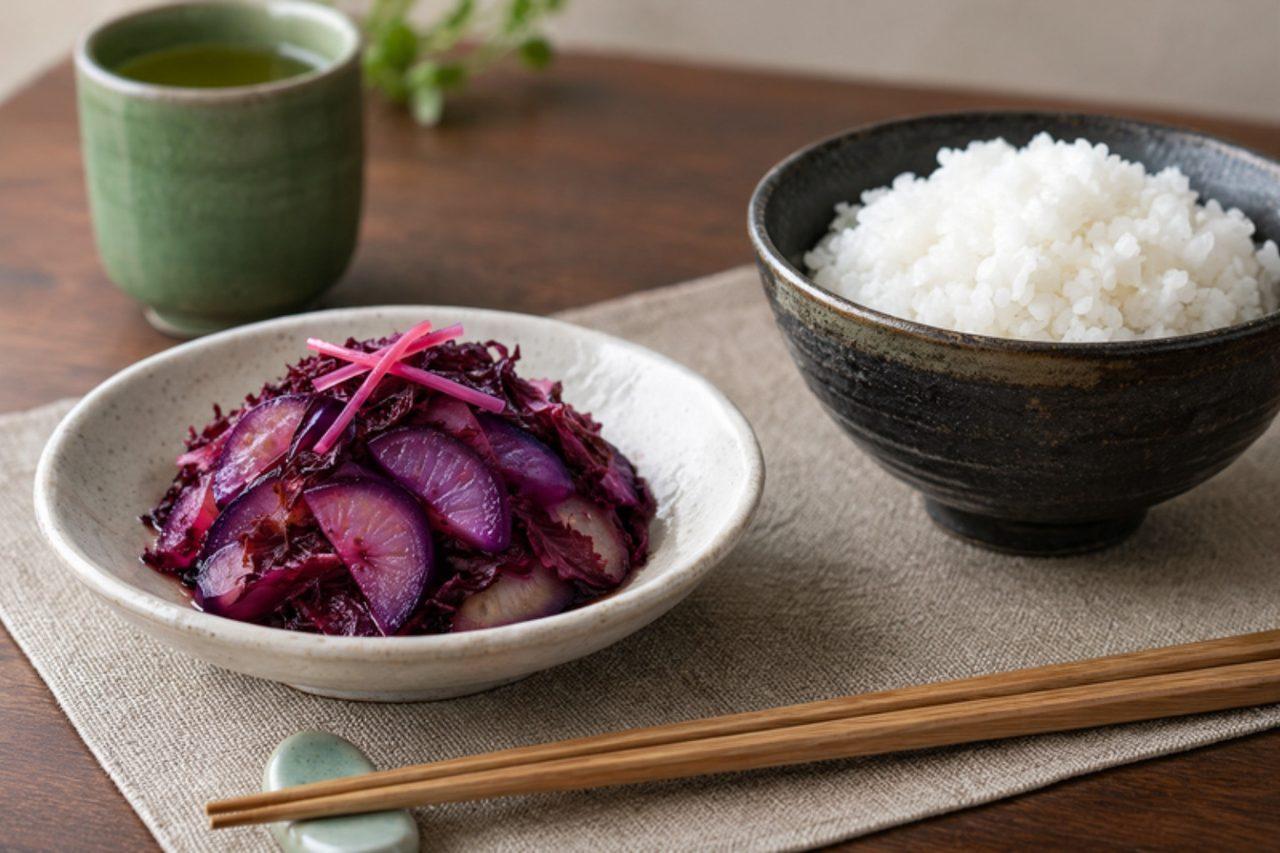
Shibazuke comes from Ohara, in the hills north of Kyoto, where summer aubergines, cucumbers and myoga ginger are pressed with salt and red shiso leaves until everything turns a vivid purple and pleasantly sour. A few slivers sit beside the rice in Kyoto bento boxes. This home version is lightly fermented for a day under a weight. The common mistake is too little weight: the vegetables must sit under their own brine or they spoil instead of souring. Chef's tip: rub the shiso with salt and squeeze out its first dark, bitter juice before it ever touches the vegetables.

by KrazyBadal 0 views

Ellu sadam (sesame rice)

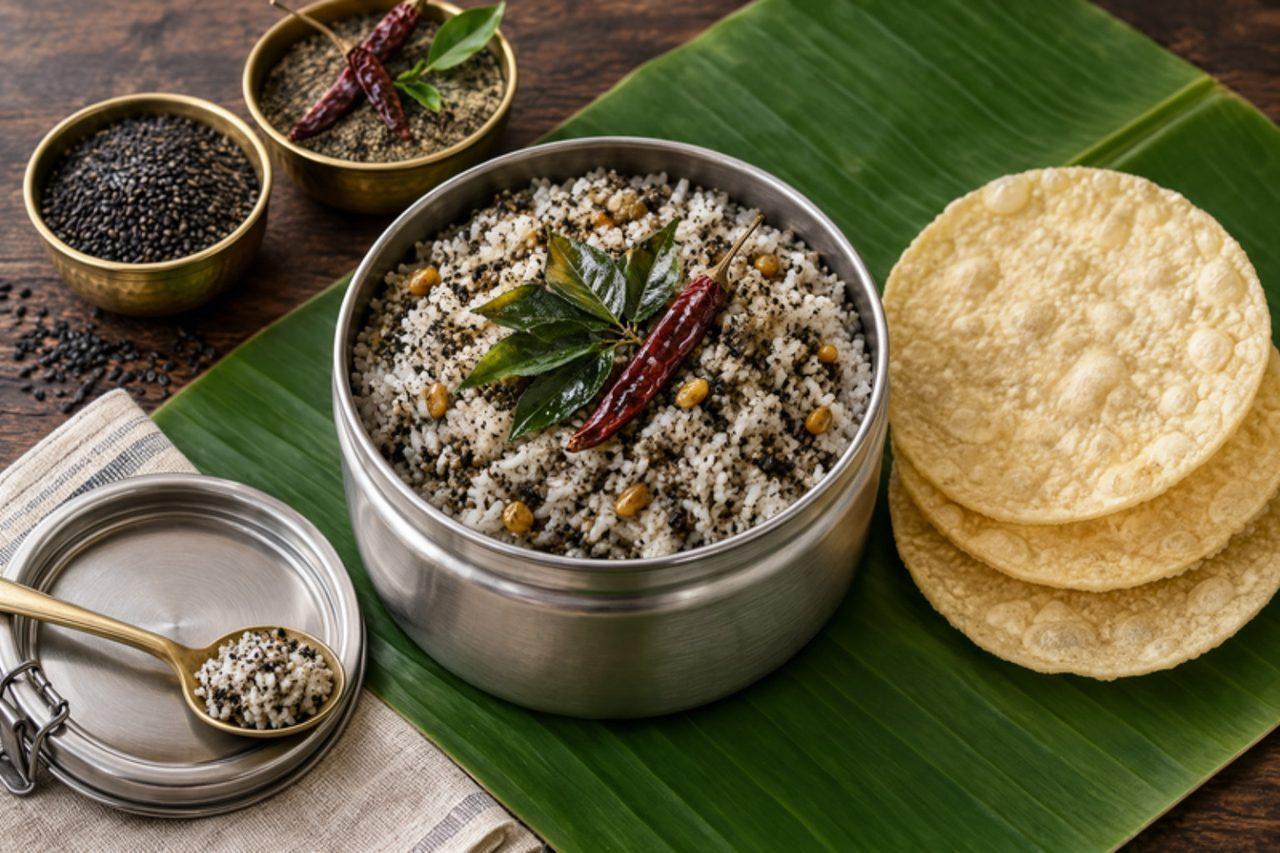
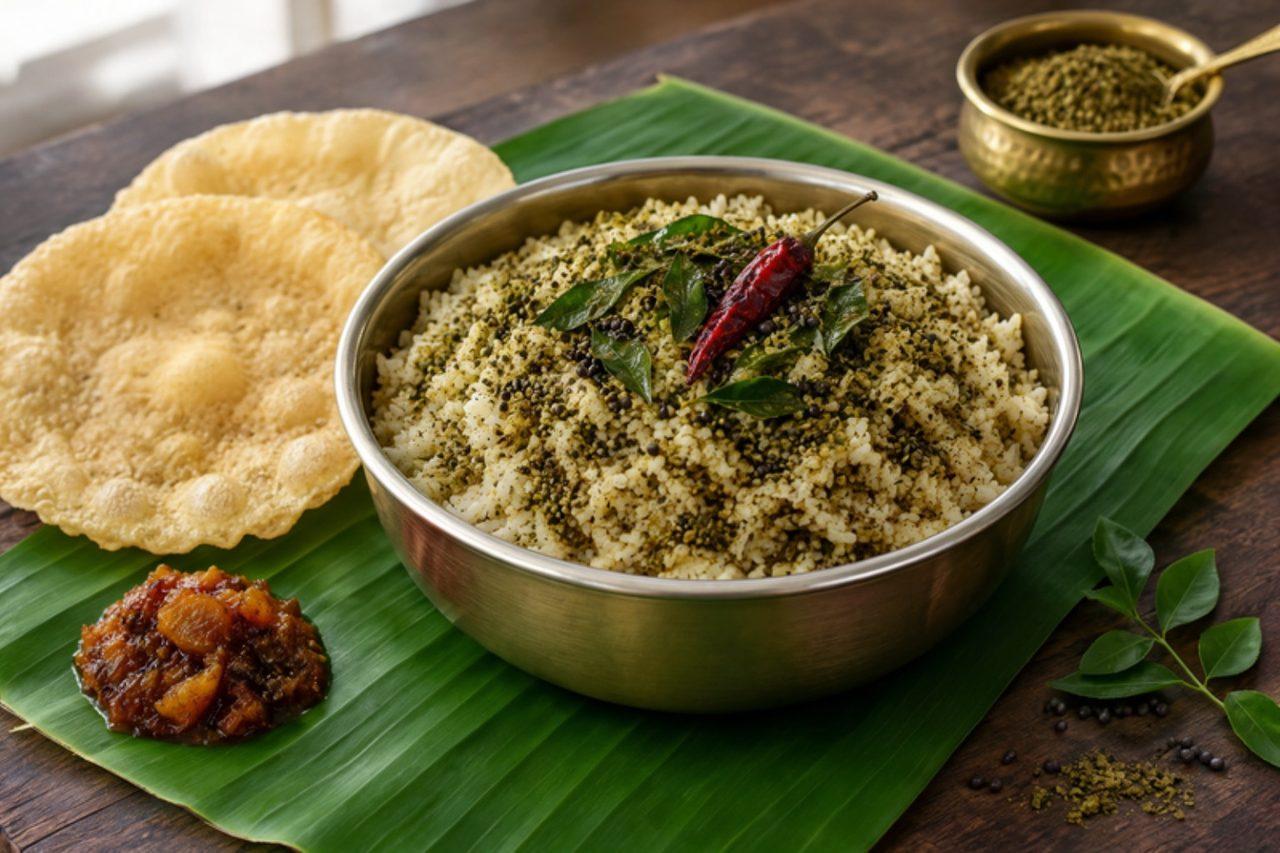
In Tamil homes ellu sadam is cooked on Saturdays and temple days, and it is one of the variety rices that keeps best in a school lunch box, because the dry sesame powder soaks up the oil and does not spoil the way coconut rice can. The powder is roasted from black sesame, urad dal and dried red chillies, ground coarse and tossed through plain rice with a nutty gingelly oil tempering. The usual mistake is roasting the sesame too hard: it turns bitter within seconds, so take it off as soon as it starts to pop and smell toasty. Chef's tip: pound the powder rather than blitzing it to dust, so you keep a little crunch from the dal.

by KrazyBadal 0 views

Dalia chikkiRoasted chana and jaggery brittle

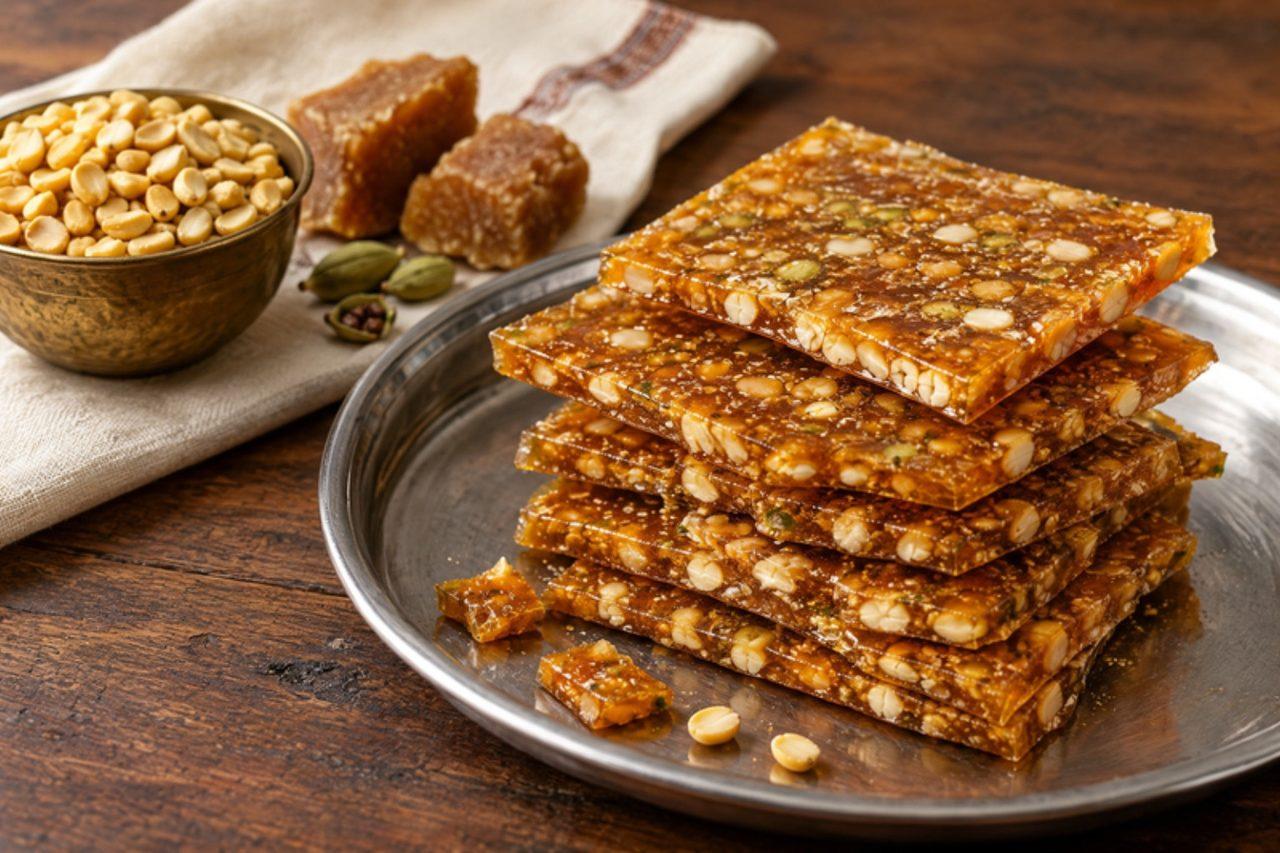
For Uttarayan, the January kite festival, every Gujarati kitchen turns out trays of chikki, and dalia (roasted split chana, the yellow dal sold for chutneys) is the one that gets forgotten until someone tastes it. It is lighter and crunchier than peanut chikki, with a toasty, slightly savoury edge from the dal. It is all about the jaggery syrup. The common mistake is pulling the jaggery off too early; underdone syrup gives sticky, chewy chikki that never snaps. Chef's tip: drop a little syrup into cold water: when it sets hard and cracks cleanly (hard-crack stage), tip in the dalia straight away.

by KrazyBadal 0 views

MaputiPopped maize

Sold by the cupful from enamel basins at Mbare bus terminus and passed around at rural beer-hall gatherings and funerals alike, maputi is maize popped in a dry, lidded pot until the kernels split into white, crunchy clouds. It tastes plainer and more of corn than cinema popcorn, with just salt and sometimes a few roasted peanuts tossed through. Children carry pockets of it to school; adults eat it with a mug of sweet tea in the afternoon. Abroad, popping corn gives the most reliable result; dried field maize from African grocers pops less, with more half-open kernels, which some people prefer. The mistake to avoid is lifting the lid while the kernels are still popping, which lets the heat escape and leaves a pot of hard duds. Chef's tip: shake the pot constantly over the flame so no kernel sits on the hot base long enough to burn.

by KrazyBadal 0 views

Karuveppilai sadam (curry leaf rice)

Around Madurai and Tiruchirappalli this dark, peppery rice comes out when there is a big handful of curry leaves and very little else in the kitchen, and it keeps so well that it goes into lunch boxes and onto long bus journeys. The leaves are roasted until crisp with chana and urad dal, black pepper, cumin and red chilli, then ground into a fragrant podi. The common mistake is roasting wet leaves: they steam instead of crisp, and the powder clumps. Dry them well on a towel first. Chef's tip: grind a double batch of the podi and store it airtight; it keeps for two weeks and makes lunch in five minutes.

by KrazyBadal 0 views

AlkubusSteamed wheat bread

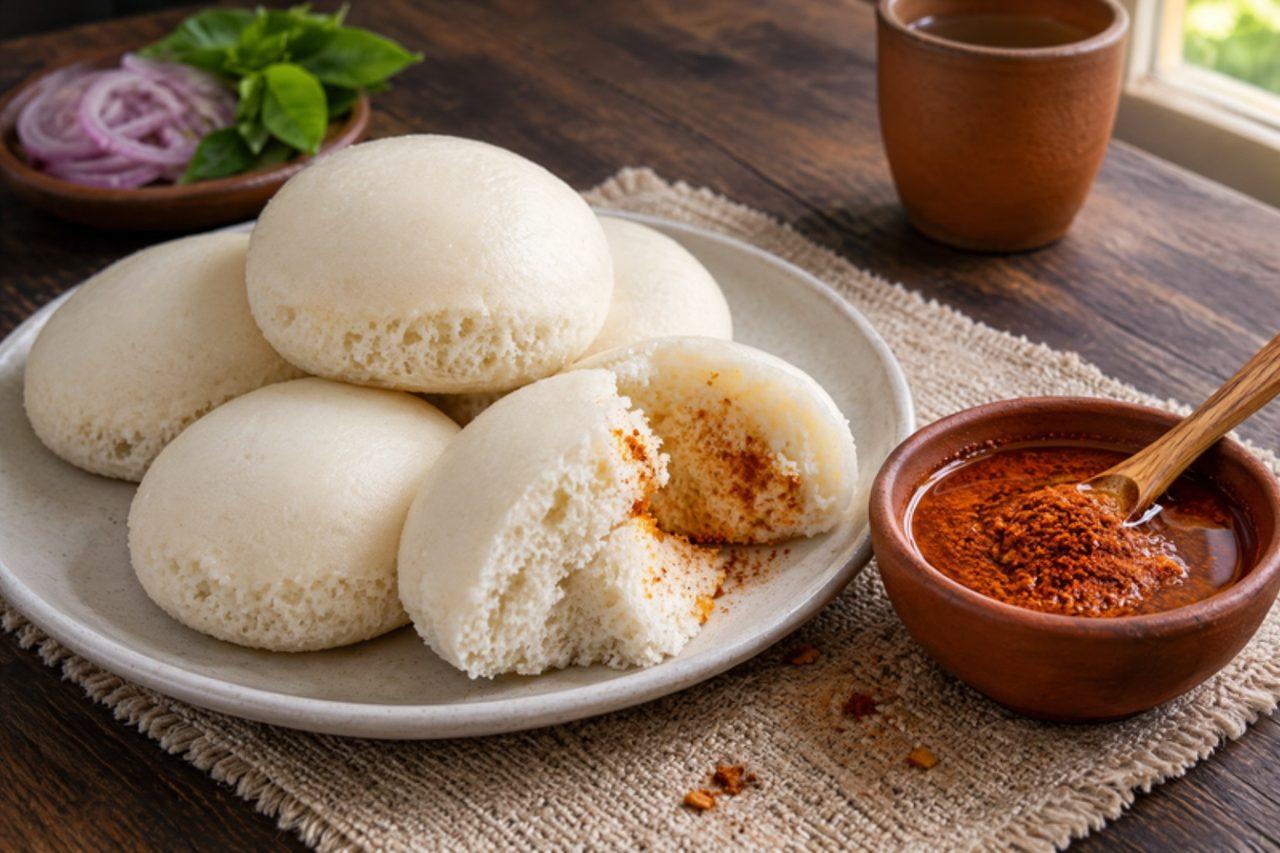
In Kano, Katsina and Sokoto, alkubus is a breakfast bread you steam rather than bake: a soft yeasted wheat dough set in small cups or tins over boiling water until it puffs into fluffy, slightly sticky domes. It is eaten warm, pulled apart and dipped into groundnut oil with yaji, the peanut and chilli spice mix, or with a bowl of miyan taushe or other soup. The common mistake is lifting the lid during steaming; the rush of cold air makes the breads sink and turn dense. Yaji contains peanuts. Chef's tip: wrap the pot lid in a tea towel so condensation can't drip back and leave wet craters on the tops.

by KrazyBadal 0 views

Lolly cakeNo-bake malt biscuit log

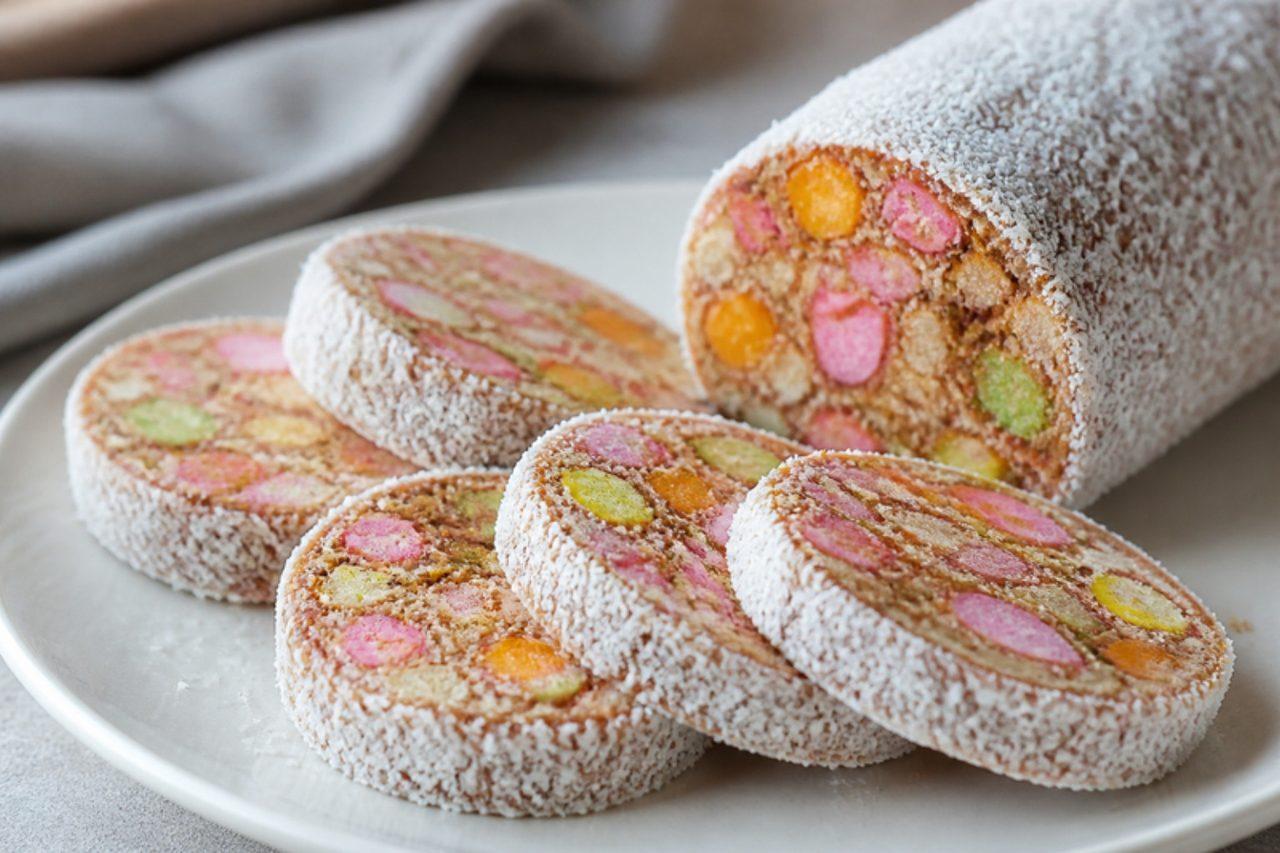
Lolly cake is the no-bake treat every New Zealand child helps make for birthday parties and bake sales, a log of crushed malt biscuits bound with butter and condensed milk, studded with chewy, brightly coloured fruit lollies (fruit puffs) and rolled in coconut. Sliced into rounds, it shows off the colours. A common mistake is crushing the biscuits to dust; leave some small chunks for texture. Many fruit lollies contain gelatine, so choose gelatine-free ones to keep it vegetarian. Chef's tip: wrap the log tightly in cling film and twist the ends so it chills into a neat cylinder.

by KrazyBadal 0 views

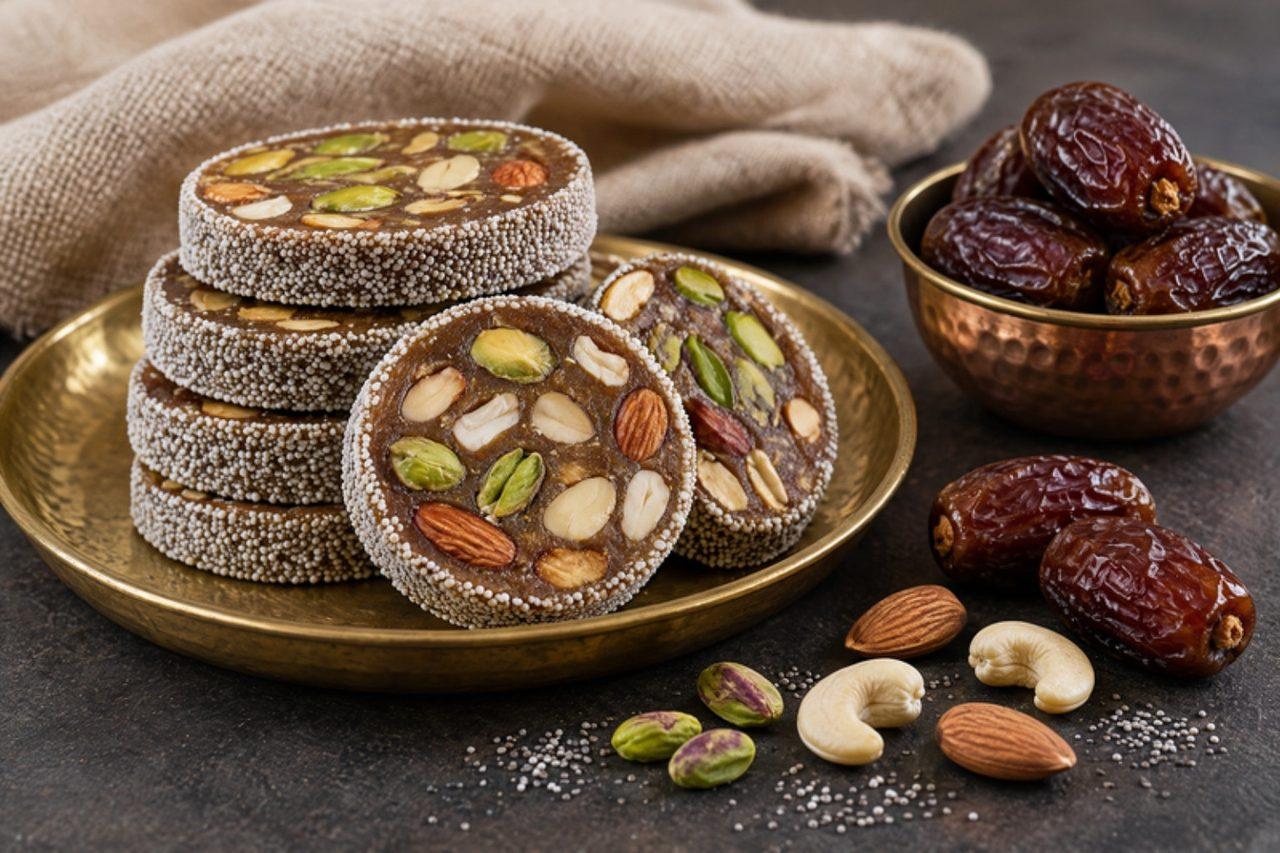
Khajur pakDate and nut fudge

Kutch grows some of India's best dates, and in Bhuj and Anjar homes khajur pak is the sweet made for Diwali boxes and for Ekadashi and other fast days, since it needs nothing but dates, ghee, nuts and coconut. The dates melt in warm ghee into a sticky paste, the nuts give crunch, and the log is rolled in poppy seeds and sliced into neat coins. The common mistake is cooking the dates too long, which dries them out so the log cracks when you slice it. Chef's tip: for a harder winter version, swap a third of the soft dates for chopped kharek (dry dates) soaked overnight in a little milk.

by KrazyBadal 0 views

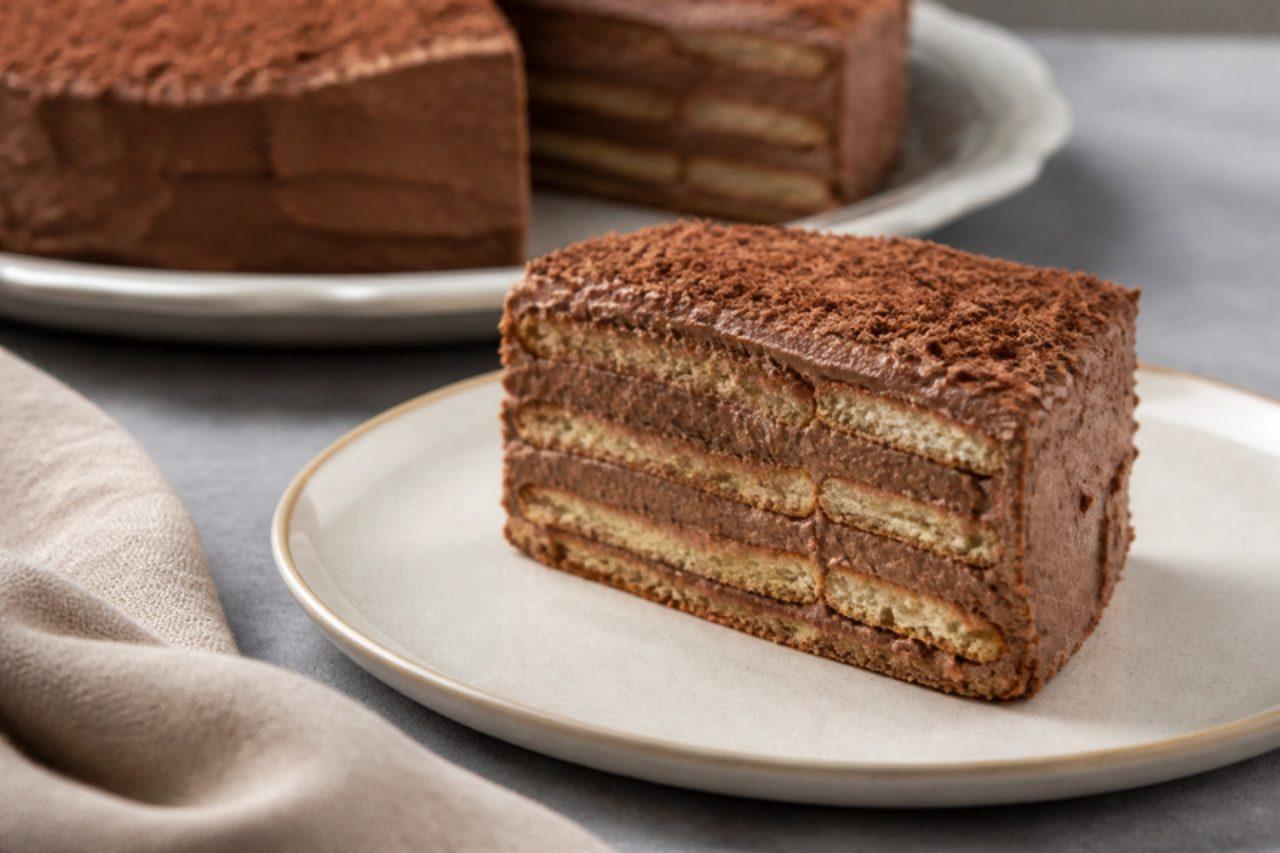
Marquesa de chocolateNo-bake chocolate icebox cake

In Caracas homes the marquesa is the cake you make for a birthday when nobody wants to switch on the oven: plain tea biscuits dipped in vanilla milk and stacked with a rich chocolate cream, then chilled until it slices like a torte. Older recipes fold in raw egg yolks; this one uses whipped cream instead, so it is safe for everyone. The usual mistake is soaking the biscuits too long, so the cake slumps. Chef's tip: dip each biscuit for one second, then let the cream do the softening overnight.

by KrazyBadal 0 views

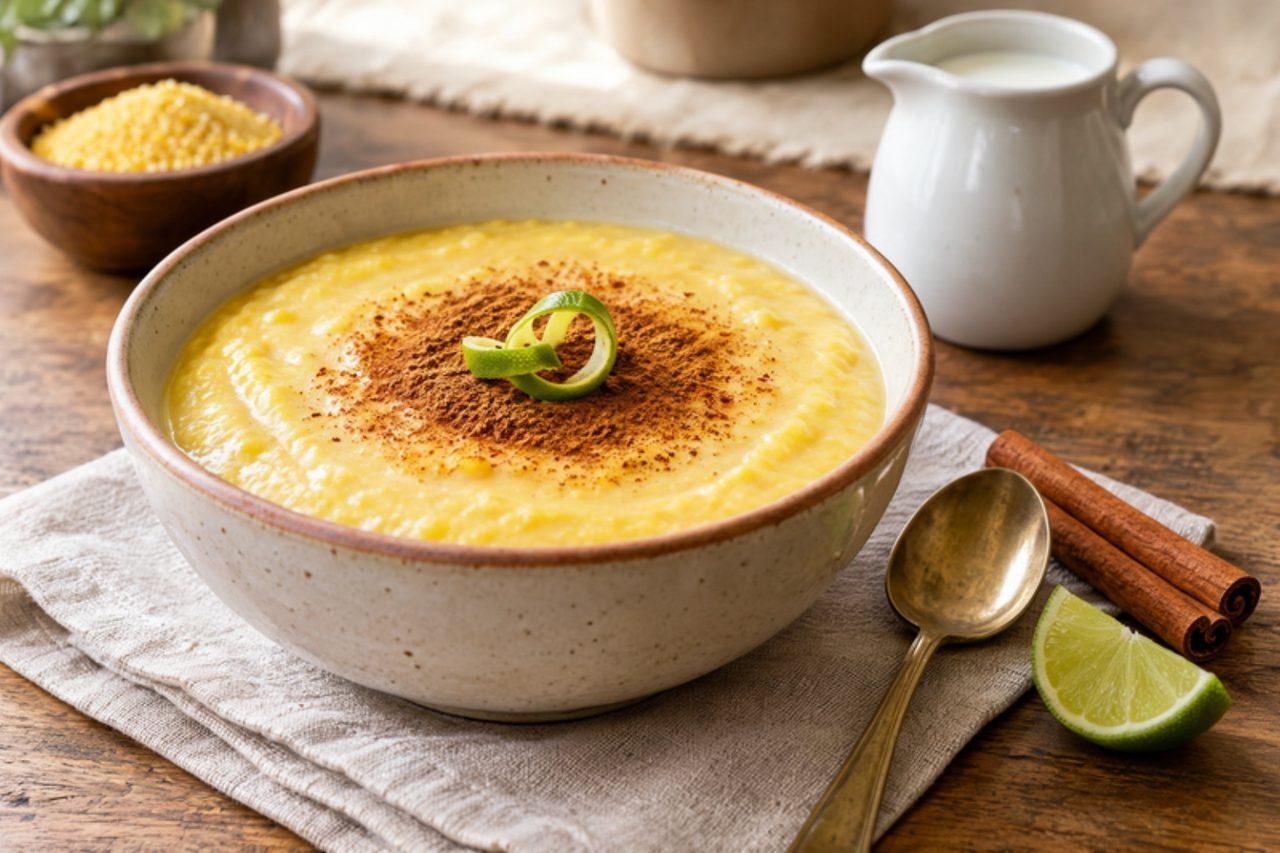
Harina de maíz dulceSweet cornmeal porridge

In Cuban homes "harina" means cornmeal, and harina dulce is the soft, sweet porridge that grandmothers in Havana and Santiago cooked for children before school, scented with cinnamon and a curl of lime peel the way rice pudding is. It should be smooth and spoonable, like a loose polenta. The usual mistake is pouring the cornmeal into boiling milk, which seizes into lumps at once: start it in cold liquid and whisk as it heats. Chef's tip: take the lime peel out once the porridge thickens, or its oils turn bitter as it sits.

by KrazyBadal 0 views

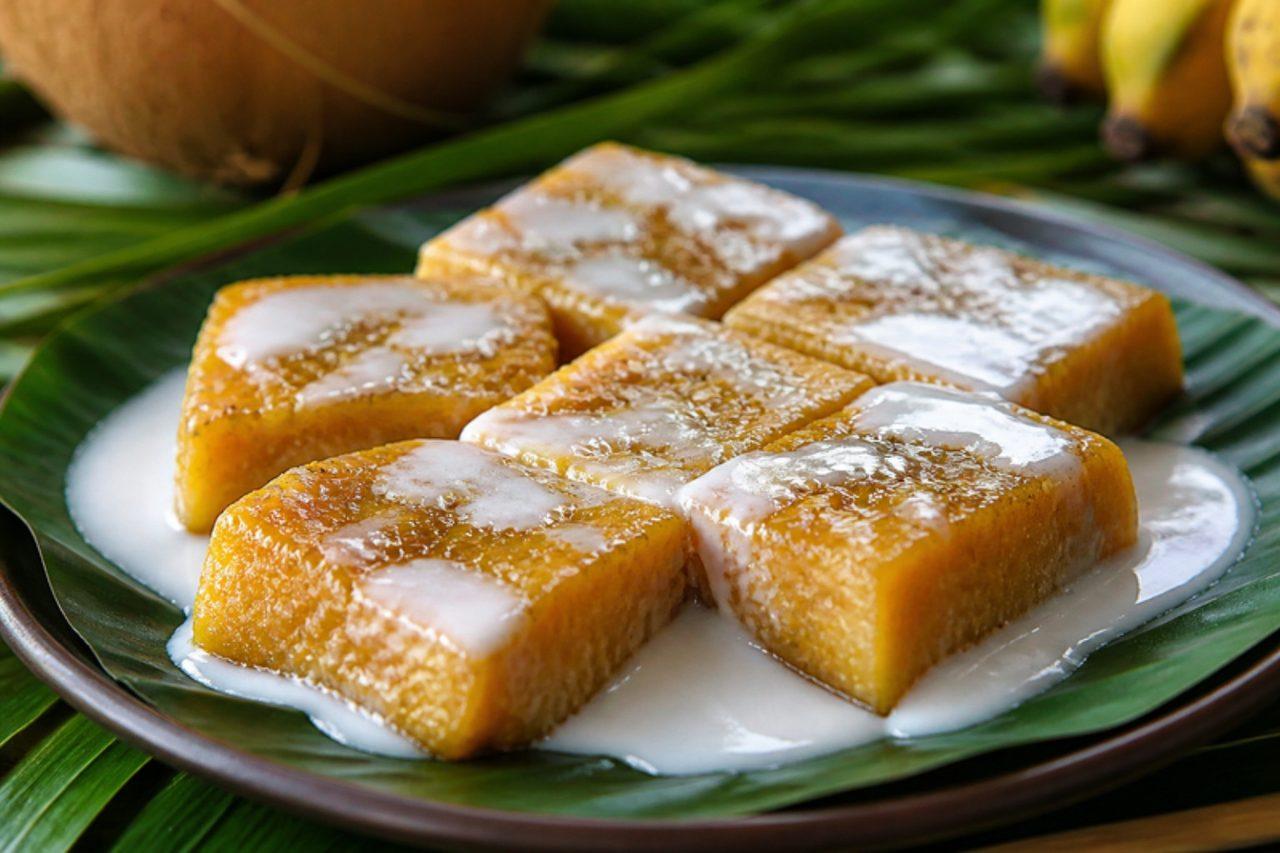
Po'eBaked banana pudding

Po'e is a Tahitian and wider Polynesian fruit pudding, made at home on Sundays across Tahiti and Mo'orea and sold at the Papeete market in thick slices wrapped in banana leaf. Ripe bananas (or papaya, pumpkin or taro) are puréed with sugar and a starch such as arrowroot, then baked until set into a glossy, jelly-like slab and served drenched in fresh coconut milk. A common mistake is pulling it from the oven too early; it should be firm and caramelised on top. Chef's tip: a vanilla pod from Taha'a-style vanilla is the island touch; split it and scrape the seeds in.

by KrazyBadal 0 views

MunkoyoFermented maize drink

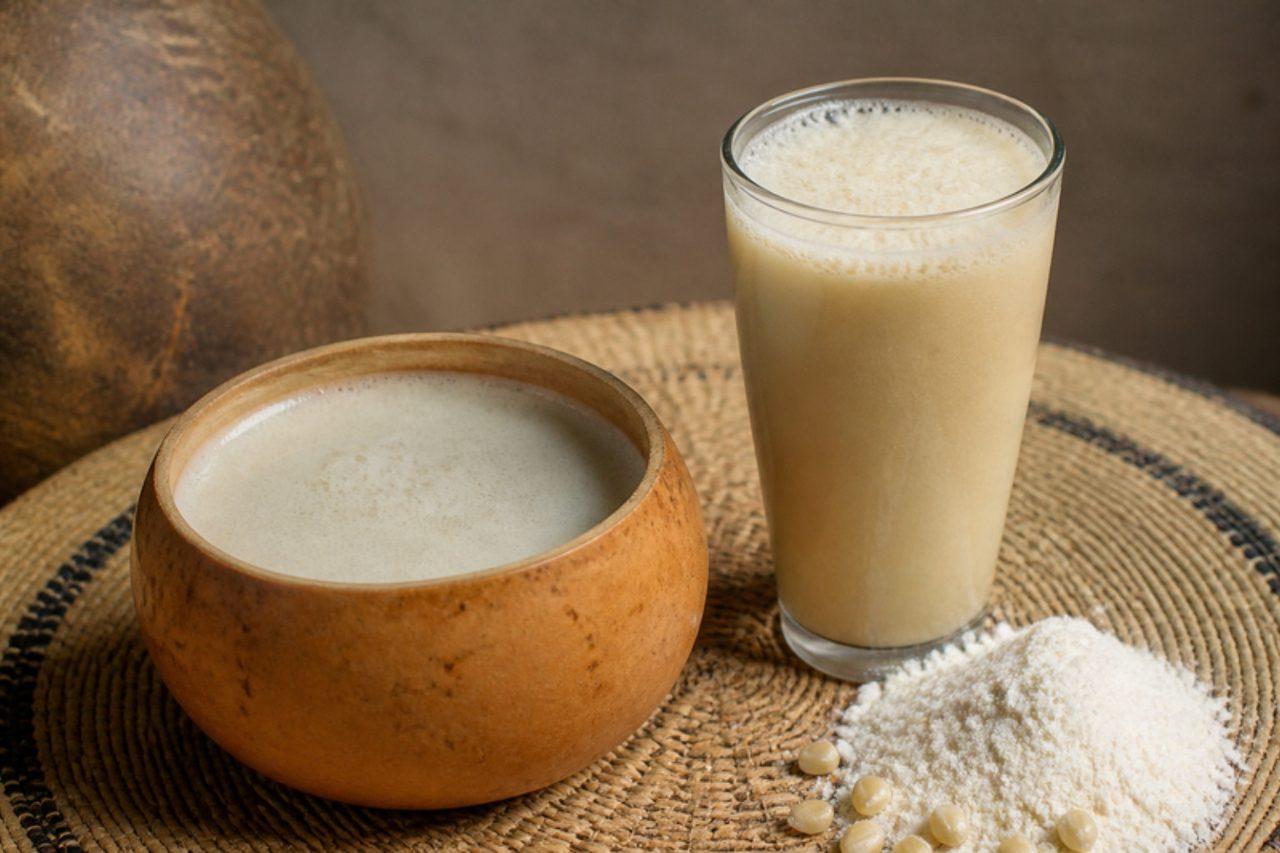
Munkoyo is the drink of Zambian village afternoons and long bus rides, sold in reused bottles at roadside stands from Kabwe to Mansa: a thin maize porridge sweetened and loosened by the pounded roots of the munkoyo shrub, then left to ferment lightly for about a day. It tastes gently sweet and sour, a little like a thin, cool maize yoghurt drink, and is drunk by everyone, children included, because it is not meant to be alcoholic. Munkoyo root is hard to find outside Zambia, so this recipe uses ground sorghum malt (sold as sorghum malt flour), which carries the same kind of starch-thinning enzymes; barley diastatic malt powder also works but makes it no longer gluten free. The big mistake is adding the root or malt to boiling-hot porridge, which kills the enzymes so it never thins. Chef's tip: drink it within two days and keep it chilled after fermenting, because if it ferments for longer it keeps souring and can start to develop traces of alcohol.

by KrazyBadal 0 views

ChikandaOrchid tuber and peanut loaf

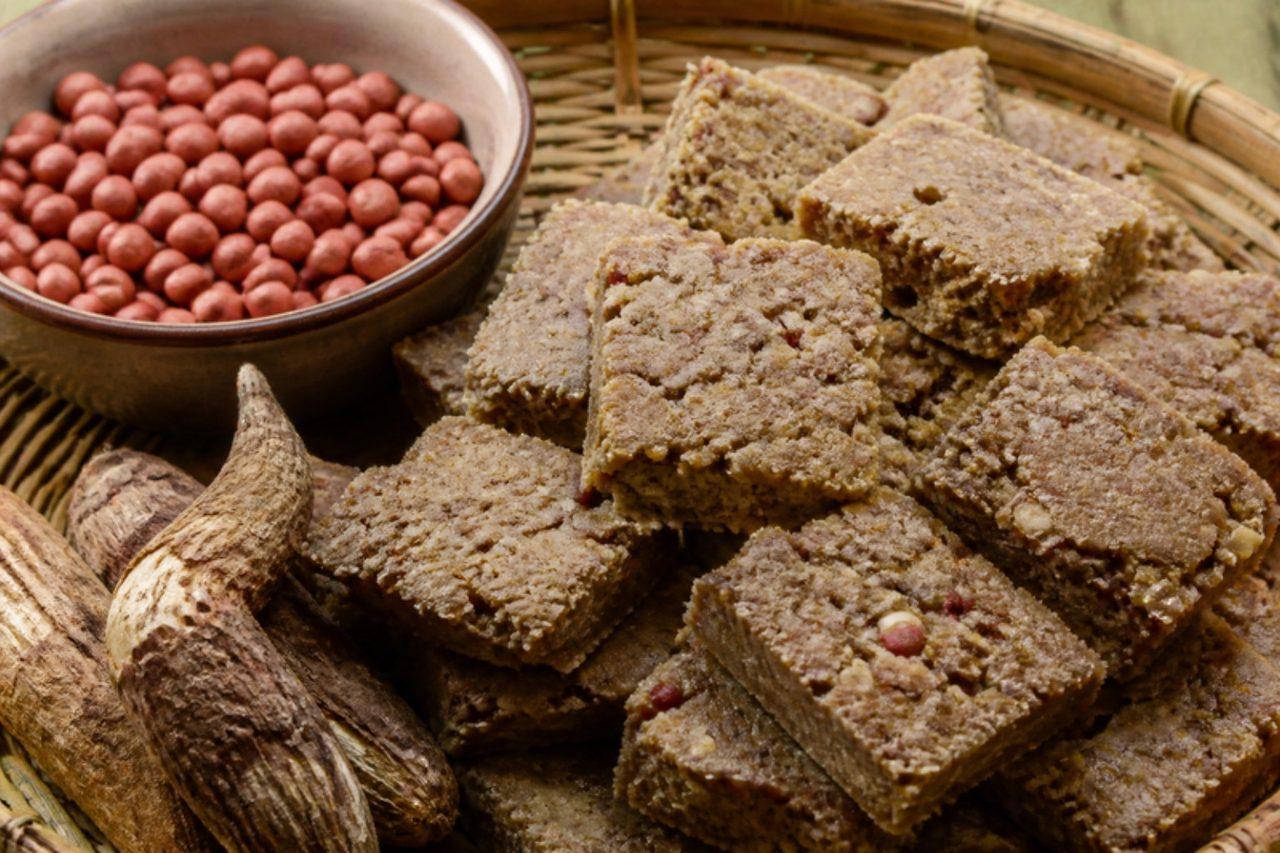
In Kasama and across the Bemba country of northern Zambia, chikanda is cooked for weddings, funerals and family gatherings, then sliced and sold on Lusaka street corners as 'African polony' because it looks like a pale sausage. It is made from the dried, pounded tubers of ground orchids mixed with groundnut flour, chilli and a little bicarbonate of soda, stirred over the fire until thick and then baked until firm. The texture is dense and springy, a little like a savoury jelly, with a nutty, earthy flavour and a gentle heat. Use bought dried chikanda powder from Zambian or Southern African grocers; wild orchids are badly over-harvested, so buy only from a trusted supplier. Too little stirring is the usual mistake, and it leaves raw lumps of powder through the loaf. Chef's tip: let the slices cool completely before frying or eating, as the loaf firms up a lot as it sets.

by KrazyBadal 0 views

ChorreadasSweet corn pancakes

In the Costa Rican countryside, from the Central Valley to Guanacaste, chorreadas are made when the corn is fresh and milky: kernels are blended into a thick batter with a little sugar and butter and "poured" (chorrear) onto a hot griddle, then eaten with a dollop of natilla, Costa Rica's soured cream, and a cup of coffee. They are soft, sweet and taste purely of corn. The common mistake is a thin batter that spreads and tears; it should drop thickly from a spoon, so add masa harina if your corn is very juicy. Chef's tip: leave a few kernels only half-blended so the pancakes have little pops of whole corn.

by KrazyBadal 0 views

Ghadichi poliLayered chapati

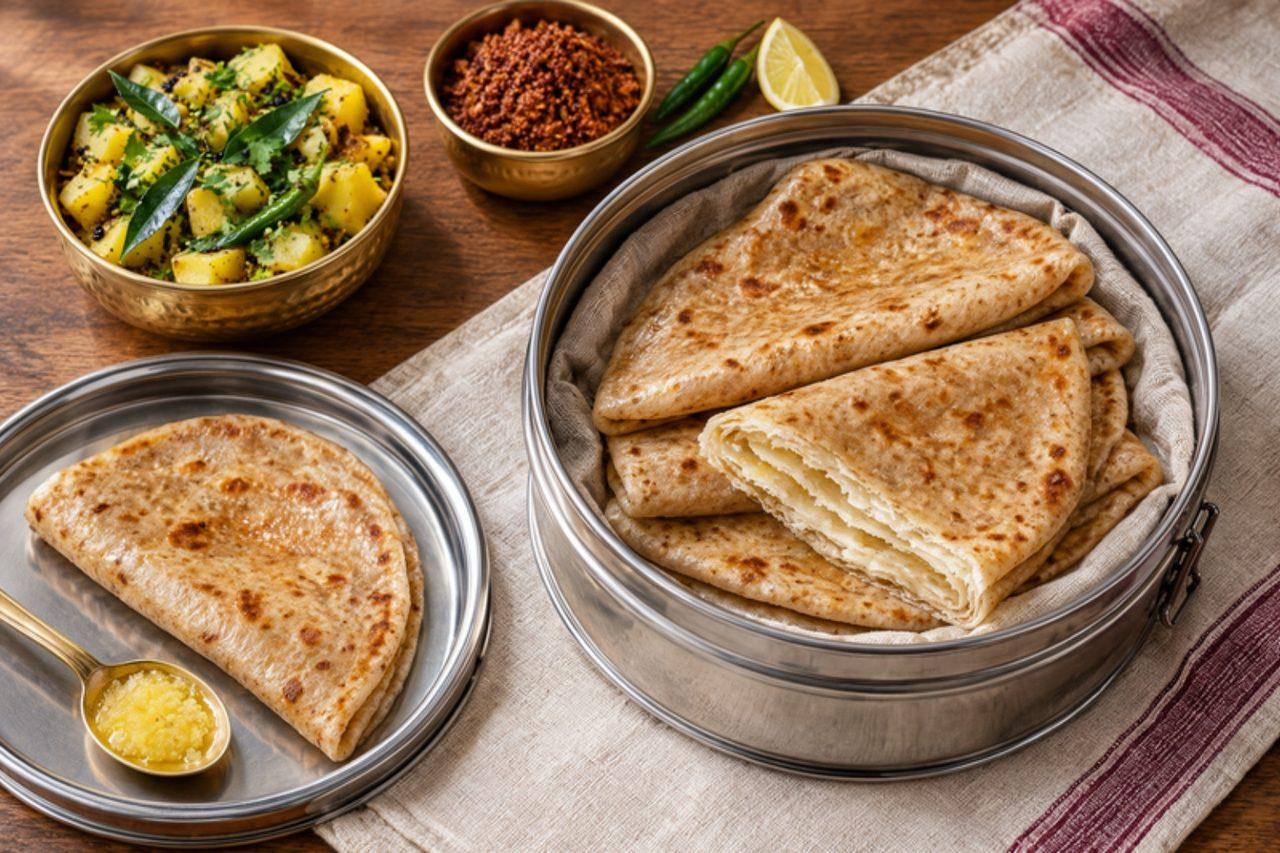
In Maharashtrian homes the everyday poli is not a plain chapati but a ghadichi poli: the dough is oiled, folded into a triangle and rolled again, so it puffs into soft, separate layers that stay tender in a dabba until lunchtime. Mumbai's dabbawalas carry thousands of them every day alongside bhaji and dal. The common mistake is a stiff dough, which makes leathery polis; it should be softer than you think. Chef's tip: as soon as each poli comes off the tawa, clap it between your palms to break open the layers, then stack it in a cloth-lined box.

by KrazyBadal 0 views

Biltong

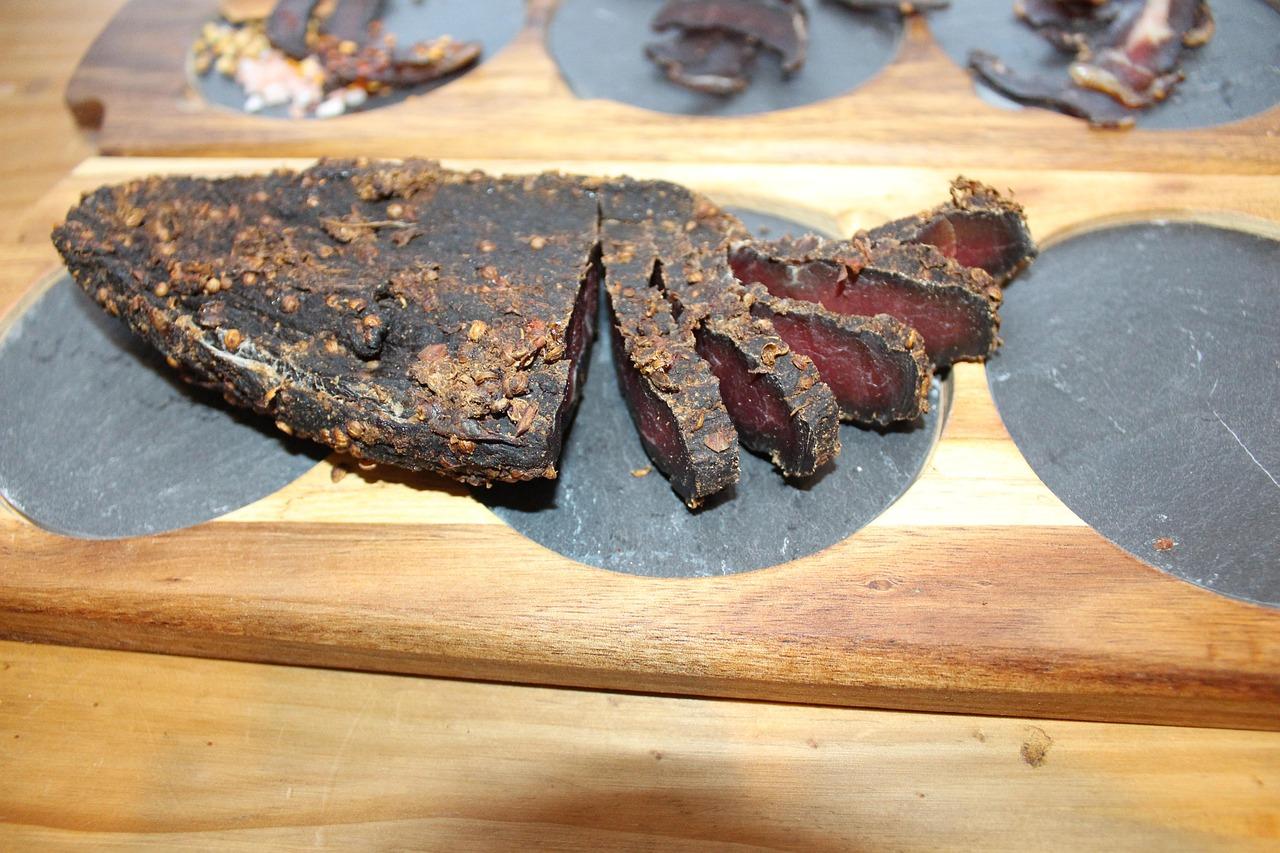
Rugby on the television, a paper bag of biltong passed round the room: few snacks say South Africa so plainly. Thick strips of beef are cured with vinegar, toasted coriander, salt and pepper, then dried until the outside is dark and firm and the inside still a little moist, ready to be sliced thin with a sharp knife. Farmers once hung it in the cold winter wind; this home method first heats the cured strips to 71 °C in a hot oven to make them safe, then dries them low and slow in the oven or a biltong box. Even so, home-dried meat is not for pregnant women, young children or anyone with a weakened immune system. The classic mistake is cutting the strips across the grain, so they crumble when you slice them. Chef's tip: toast the coriander seeds until they smell like orange peel before crushing them; that warm, citrusy note is what makes biltong taste right.

by KrazyBadal 0 views

PetullaFried dough fritters

In Albania and Kosovo, petulla are fried on weekend mornings and for family celebrations: a very soft, wet yeast dough is pulled into rough rounds with oiled hands and dropped into hot oil, where it puffs into golden, airy fritters. They are eaten hot with feta-style cheese, jam, honey or a dusting of sugar, alongside tea or coffee. The common mistake is adding flour until the dough is firm and easy to handle; it should be almost too wet to hold, which is what makes petulla light and hollow. Chef's tip: keep a bowl of oil beside the pan and dip your fingers in it before each fritter, so the sticky dough slides off your hand and stretches thin.

by KrazyBadal 0 views

PinoleToasted corn drink

In the canyons of the Sierra Tarahumara in Chihuahua, Rarámuri runners set off at dawn carrying a pouch of pinole, corn kernels toasted on a clay comal and ground fine, to stir into cold water along the trail. Across northern Mexico it is still a breakfast drink, sweetened with piloncillo and cinnamon and stirred into water or warm milk. This version toasts coarse cornmeal at home for the same nutty, popcorn-like flavour. The common mistake is toasting over a high heat: the outside burns and turns bitter before the inside goes golden. Chef's tip: toast a big batch and keep it in a jar, so a morning cup is just two spoonfuls stirred into water.

by KrazyBadal 0 views

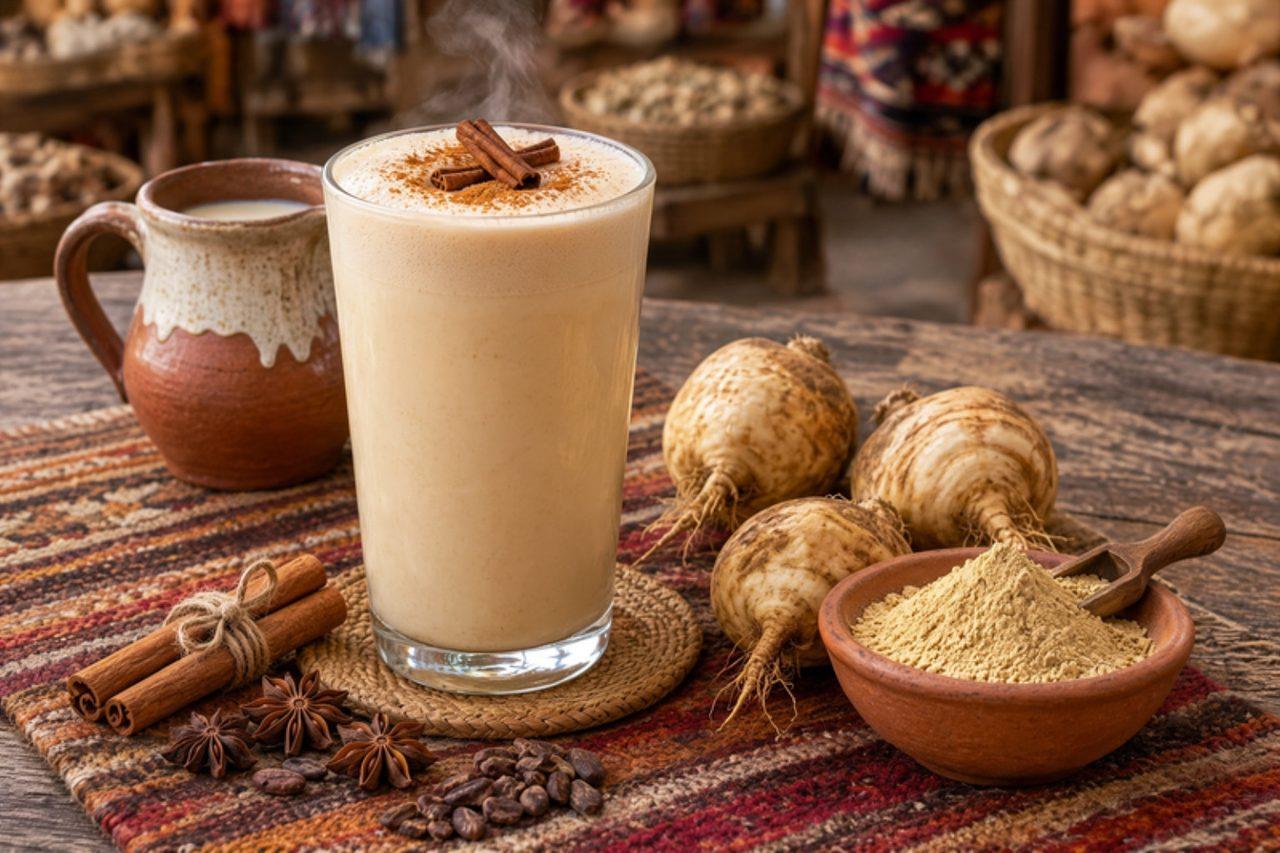
Jugo de macaWarm maca drink

Before dawn at markets in Huancayo, Cusco and Lima, juice ladies ladle hot jugo de maca from big pots for workers on their way in: maca root, a turnip relative grown above 4,000 metres in the Junín highlands, simmered with milk, cinnamon and cloves and sweetened with honey or sugar. It tastes malty and toasty, a bit like butterscotch. The common mistake is stirring the powder straight into hot milk, which leaves gritty lumps; whisk it into a little cold milk first. Maca is not usually advised in pregnancy, so ask your doctor first if you are pregnant. Chef's tip: use gelatinised (cooked) maca powder if you can find it; it dissolves smoothly and is gentler on the stomach.

by KrazyBadal 0 views

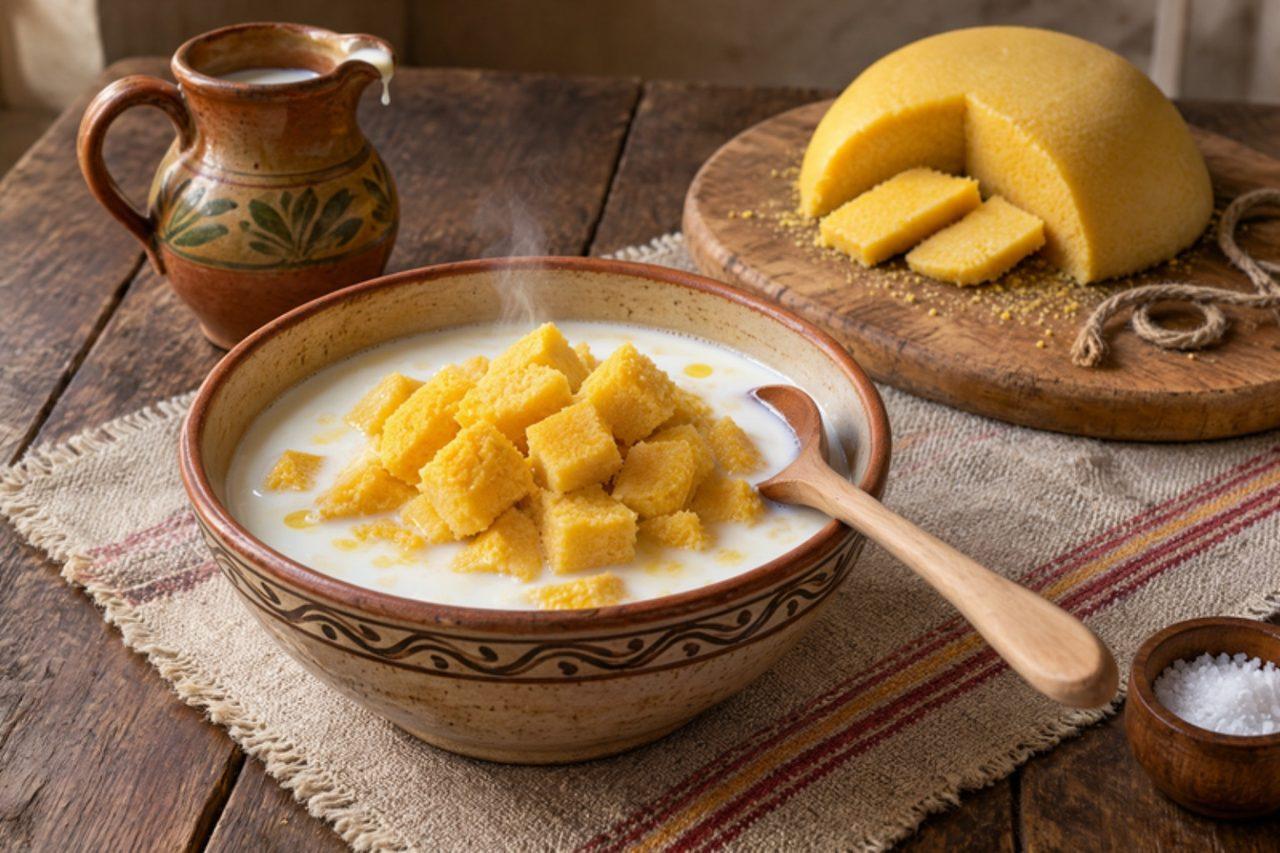
Mămăligă cu laptePolenta with milk

In the villages of Romanian Moldavia, mămăligă cu lapte is the simplest country breakfast or supper: a firm mămăligă (cornmeal mush) is turned out, cut into cubes and dropped into bowls of milk, warm in winter and cold from the cellar in summer. The soft, sweet corn soaks up the milk like a homely cereal. The mistake is making the mămăligă too soft; it has to be firm enough to cut with a thread or knife, or it melts away in the milk. Chef's tip: add the cornmeal in a thin rain while whisking, then switch to a wooden spoon once it thickens, and you will never get lumps.

by KrazyBadal 0 views

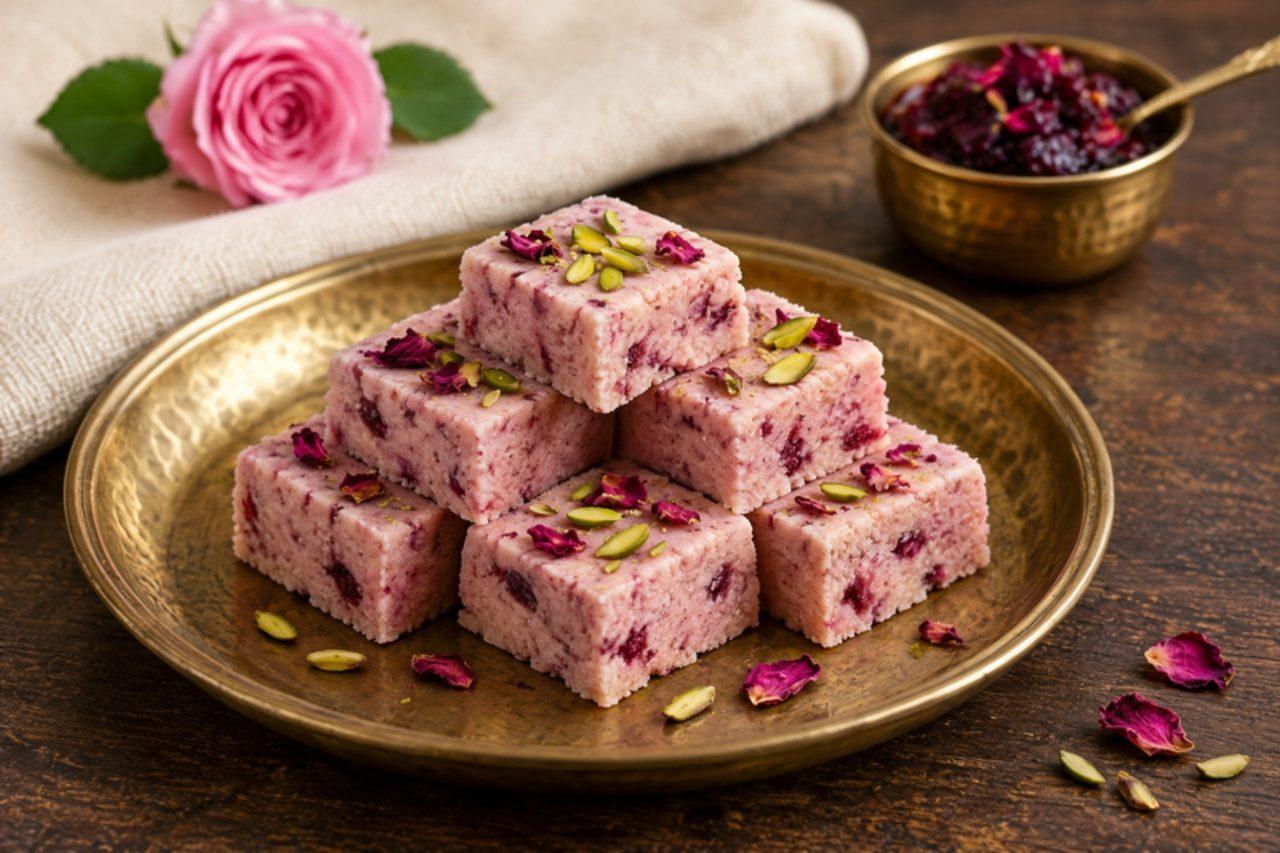
Gulab pakRose milk fudge

The sweet shops of Bhuj and Mandvi in Kutch sell gulab pak in pale pink slabs that smell of summer roses, and it is a favourite to carry home after a trip to the Rann or a family wedding. Mawa is cooked down with sugar and gulkand, the sun-cured rose-petal preserve, so the fudge is soft and grainy with little chewy flecks of petal through it. The mistake to watch for is adding the gulkand too early: cooked for long, it darkens and turns the fudge brown and toffee-like. Chef's tip: a few drops of rose water stirred in right at the end lift the perfume without making it taste soapy.

by KrazyBadal 0 views

Showing 24 of 2,799 recipes

Show more recipes

Page 42 of 117

More Jain ideas

Other diets