Skip to content
WhatToEat.Today

Jain recipes: no onion, garlic or root vegetables

2,799

2799 Jain recipes with no onion, garlic, potato, carrot, fresh ginger or other root vegetables, and no mushrooms, eggs or honey. Hing, dry ginger and turmeric powder are fine. Each has photos, step-by-step instructions and cook times. The quickest, Apfelschorle, takes 2 minutes. Most take around 40 minutes.

Filter these by time, diet or cuisine · Make Jain your diet to see only these recipes everywhere on the site.

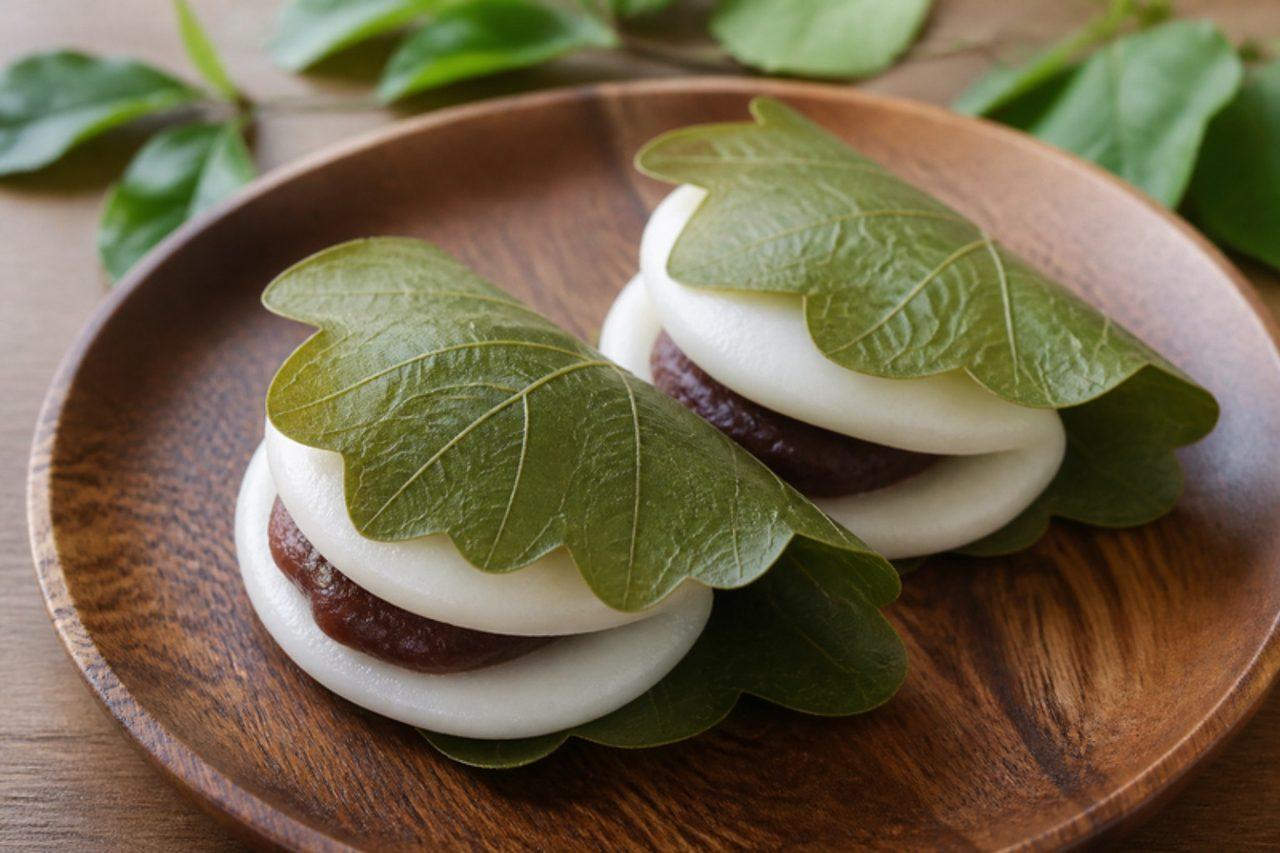
Kashiwa mochiOak leaf rice cakes

On 5 May, Children's Day, families in Tokyo and across eastern Japan eat kashiwa mochi: soft, flat rice cakes folded over sweet bean paste and wrapped in an oak leaf. Oak trees keep their old leaves until new ones bud, so the leaf stands for a family line carrying on. The leaf isn't eaten; it adds a faint woody scent and keeps the mochi moist. Mochi is very sticky: cut it into small pieces for young children and older people, and make sure they chew well and eat sitting down. The common mistake is steaming the dough too briefly, which leaves it pasty; steam until it turns slightly translucent, then knead. Chef's tip: dried oak leaves from Japanese grocers need a 10-minute simmer and a rinse before use; if you can't find them, wrap in cherry or bamboo leaves or baking paper.

by KrazyBadal 0 views

Gelato al pistacchioPistachio gelato

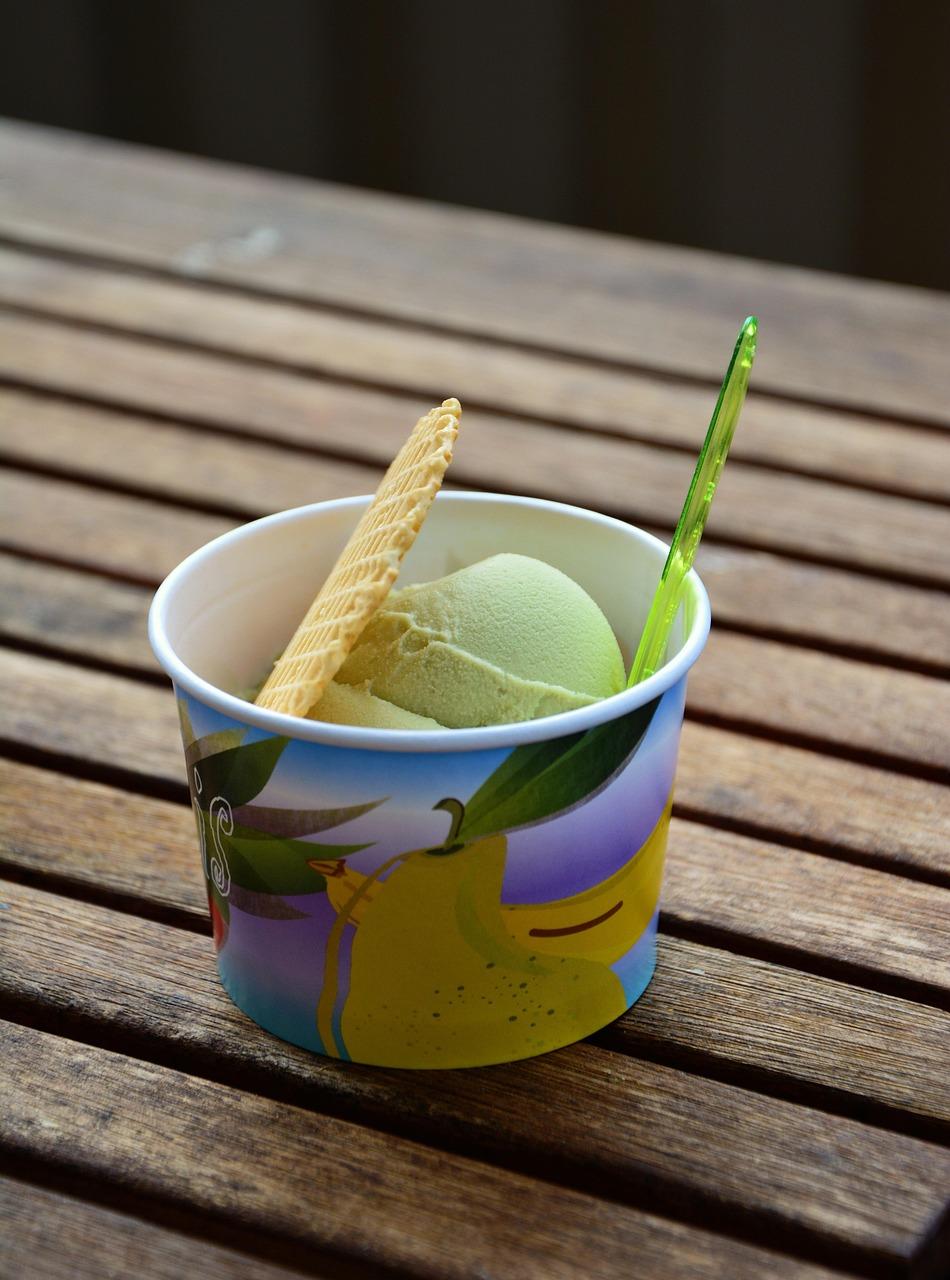
Real Sicilian pistachio gelato is not bright green; it is a dull, olive-brown colour and tastes intensely of roasted nuts, especially when made with pistachios from Bronte on the slopes of Mount Etna. In Palermo and Catania it is eaten in a brioche for breakfast or as a cone after dinner. The secret is pure pistachio paste, with no added colour or flavourings. Contains nuts. Chef's tip: if you can't find pistachio paste, blend roasted pistachios with a spoon of oil for 5 minutes until it runs smooth; any graininess shows up in the gelato.

by KrazyBadal 0 views

Pizza ai quattro formaggiFour-cheese pizza

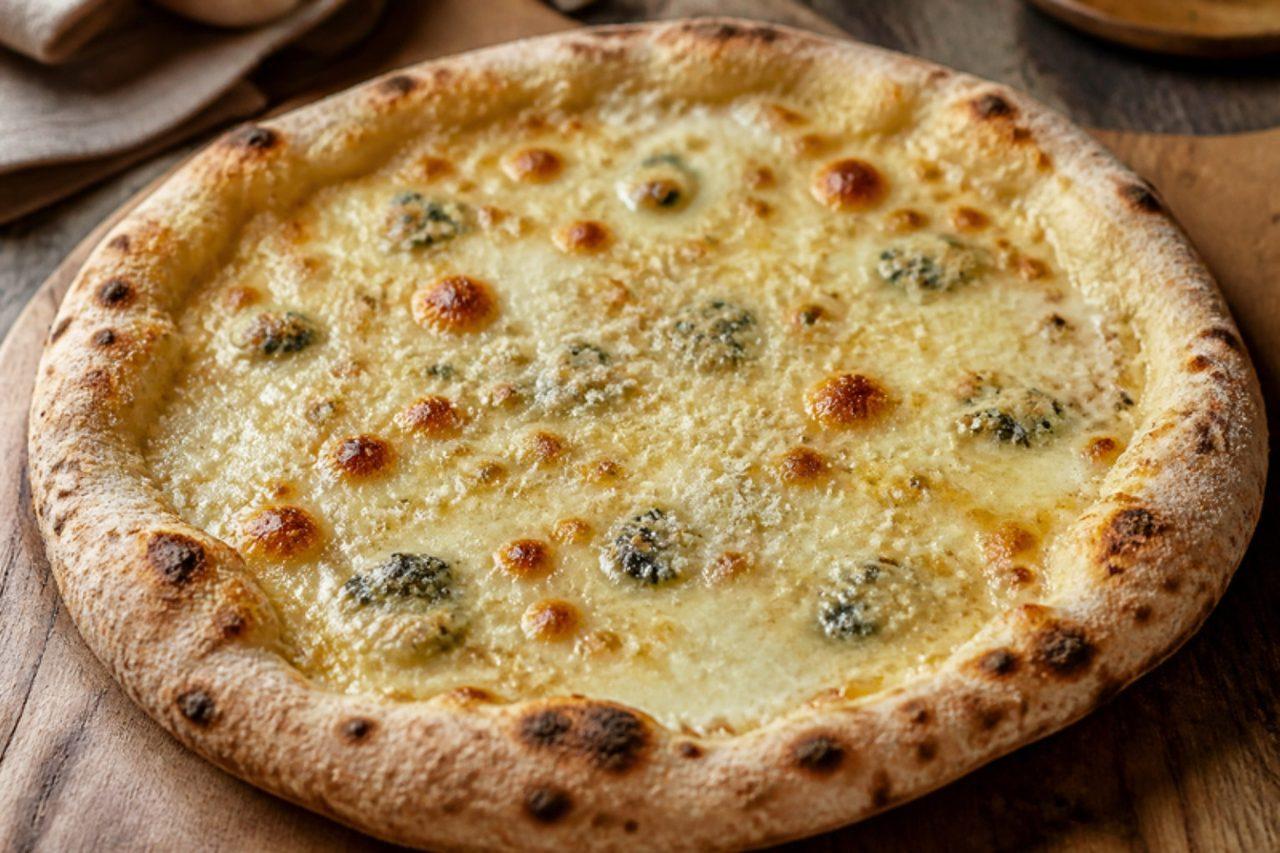
Four-cheese pizza is a pizzeria classic from Milan to Palermo, a pizza bianca (no tomato) where each cheese does a different job: mozzarella for stretch, gorgonzola for a blue tang, fontina from the Aosta Valley for creaminess and Parmigiano for a salty crust. It is the order for winter evenings, often with a drizzle of honey or a few walnuts on top. Most of these cheeses are made with animal rennet; choose vegetarian versions of each if you need to. Chef's tip: cut the cheeses into small cubes rather than slices and scatter them unevenly; they melt at different speeds and give pockets of flavour.

by KrazyBadal 0 views

AnmitsuAgar jelly with red bean

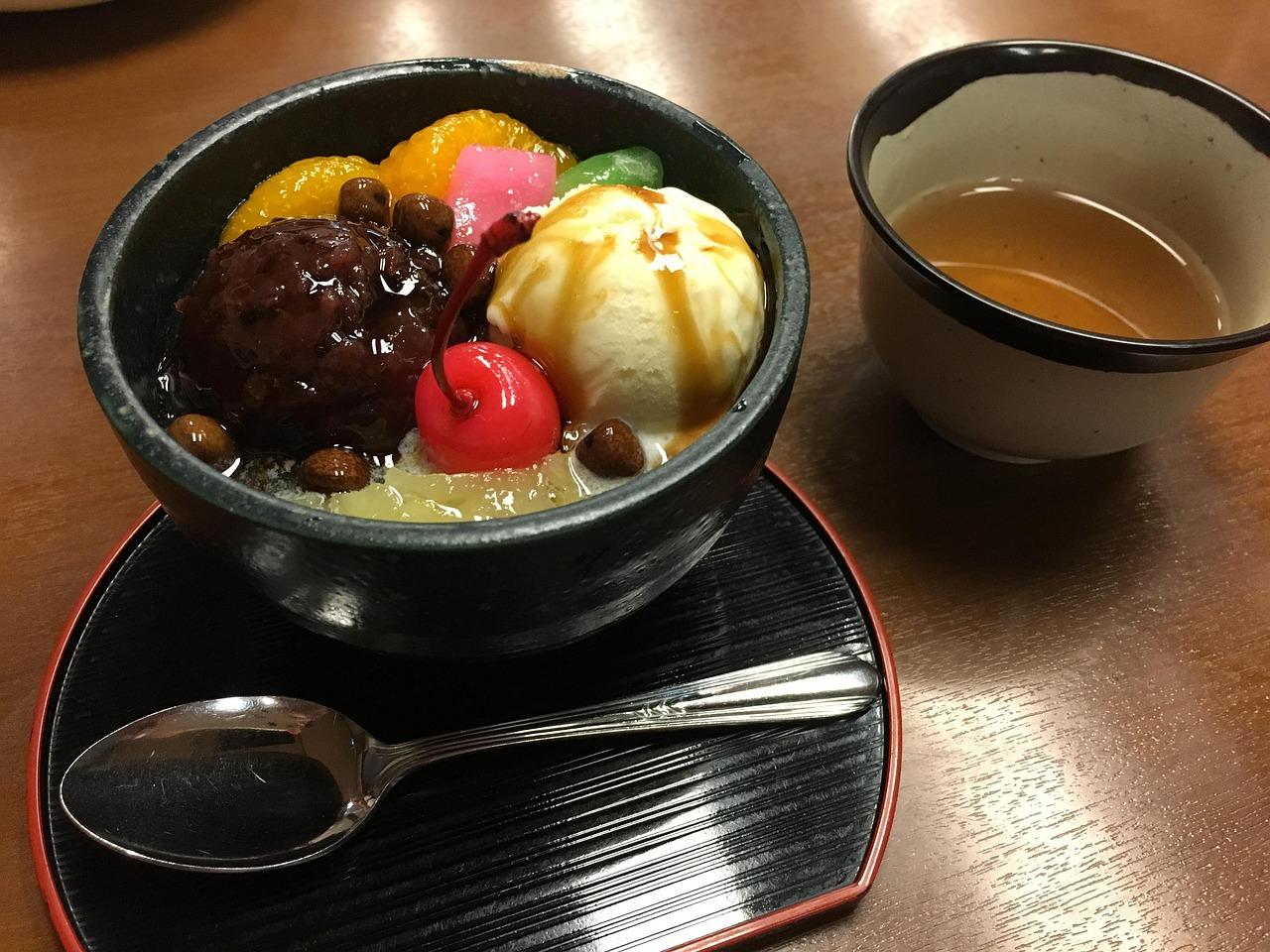
Anmitsu became a craze in Tokyo's Ginza and Asakusa tea rooms in the 1930s and is still the classic summer order in kanmidokoro, the sweet cafés of old Tokyo. Clear, firm cubes of agar jelly are piled into a bowl with seasonal fruit, a scoop of sweet bean paste and boiled red peas, then drenched in dark, smoky kuromitsu syrup. The common mistake is using gelatin, which melts; agar jelly stays firm and refreshing at room temperature. Chef's tip: make the kuromitsu with Okinawan kokuto black sugar if you can; it gives a deep, almost liquorice-like flavour that muscovado only gets close to.

by KrazyBadal 0 views

Mitarashi dangoSoy-glazed rice dumplings

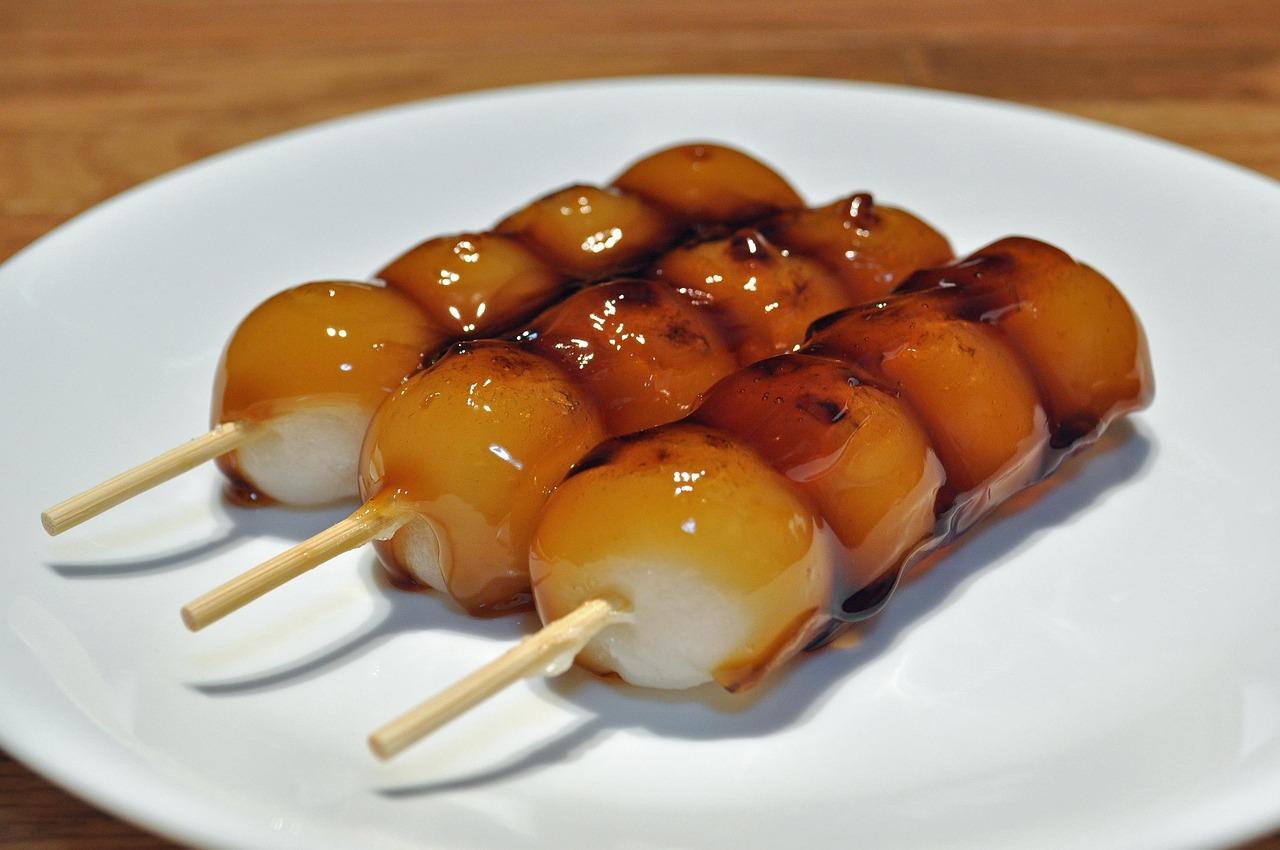
Mitarashi dango are said to come from Shimogamo Shrine in Kyoto, where they were sold at the midsummer purification festival; today they are the snack of shrine fairs, flower-viewing picnics and station kiosks all over Japan. Chewy little rice-flour balls are threaded on skewers, toasted until speckled, and coated in a translucent, sweet-salty soy glaze that tastes a little like caramel. Mochi is very sticky: cut it into small pieces for young children and older people, and make sure they chew well and eat sitting down. The common mistake is a runny glaze: it must simmer until it turns clear and thick, or it slides off. Chef's tip: mix silken tofu into the rice flour instead of some of the water; the dumplings stay soft for hours instead of hardening as they cool.

by KrazyBadal 0 views

Pinsa romanaOval Roman flatbread

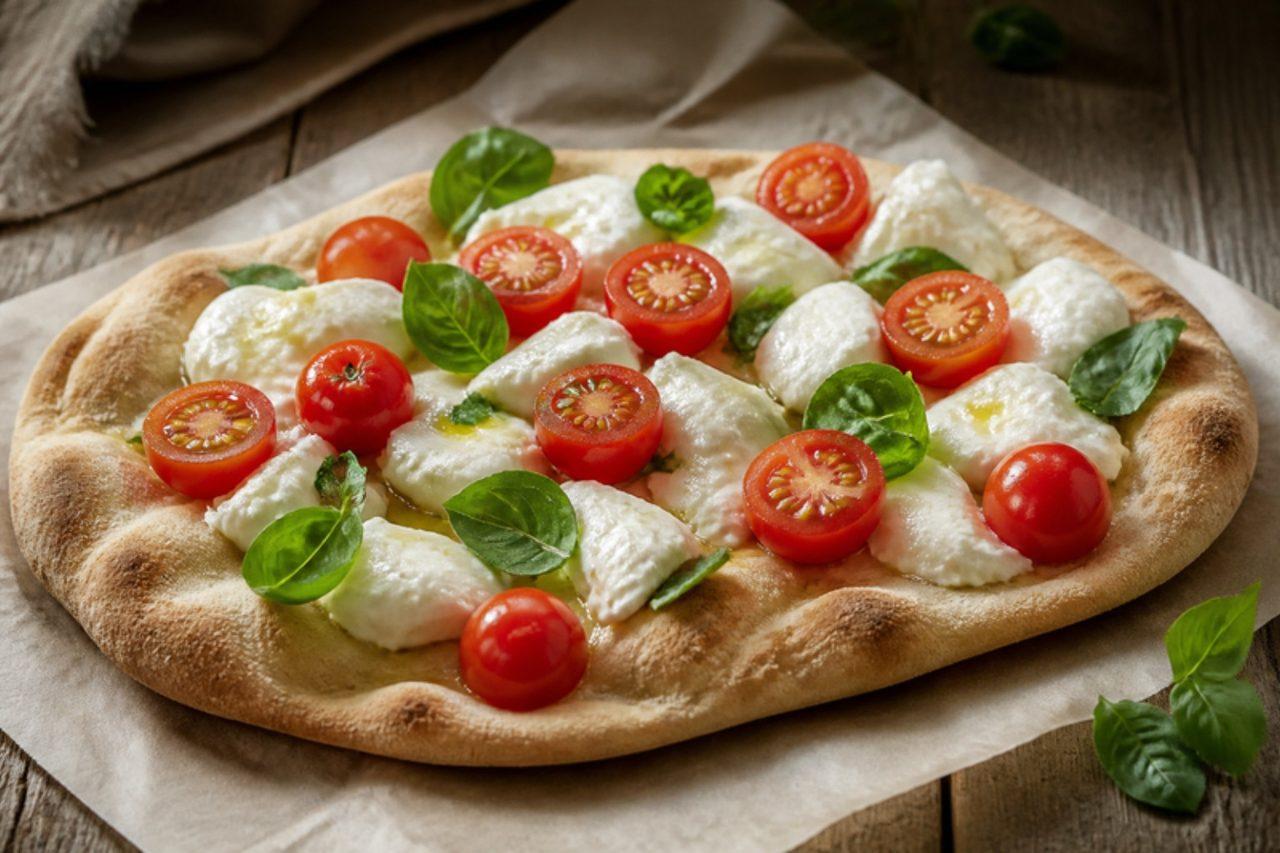
Pinsa is a modern Roman creation inspired by the flatbreads of ancient Rome: an oval base made from a mix of wheat, rice and soy flour (or in this home version, wheat and rice), with a lot of water and a long rest in the fridge. The result is crisp outside, light as a cloud inside and easy to digest. Pinserie in Rome top it with everything from buffalo mozzarella to courgette flowers; this version uses cherry tomatoes, mozzarella and basil. Mozzarella is usually made with calf rennet; vegetarian versions are easy to find. Chef's tip: shape the pinsa by pressing with your fingertips on a floured board, never stretching it; you want to keep all the bubbles.

by KrazyBadal 0 views

Fave e pecorinoRaw broad beans with pecorino

On 1 May, Romans head out to the parks and the Castelli Romani hills with a sack of fresh broad beans still in their pods and a hunk of young Pecorino Romano, and spend the afternoon shelling, nibbling and talking. The pairing is simple and very Roman: sweet, grassy raw beans against salty, sharp cheese, often with a glass of something cold and a hunk of bread. Only the youngest, smallest beans work raw, so this is a dish for a few weeks of spring. Traditional pecorino uses animal rennet; choose a vegetarian sheep's cheese if you need to. Chef's tip: taste a bean before you buy; if it is starchy or bitter rather than sweet, braise those beans instead.

by KrazyBadal 0 views

Riso al saltoCrisp fried saffron risotto cake

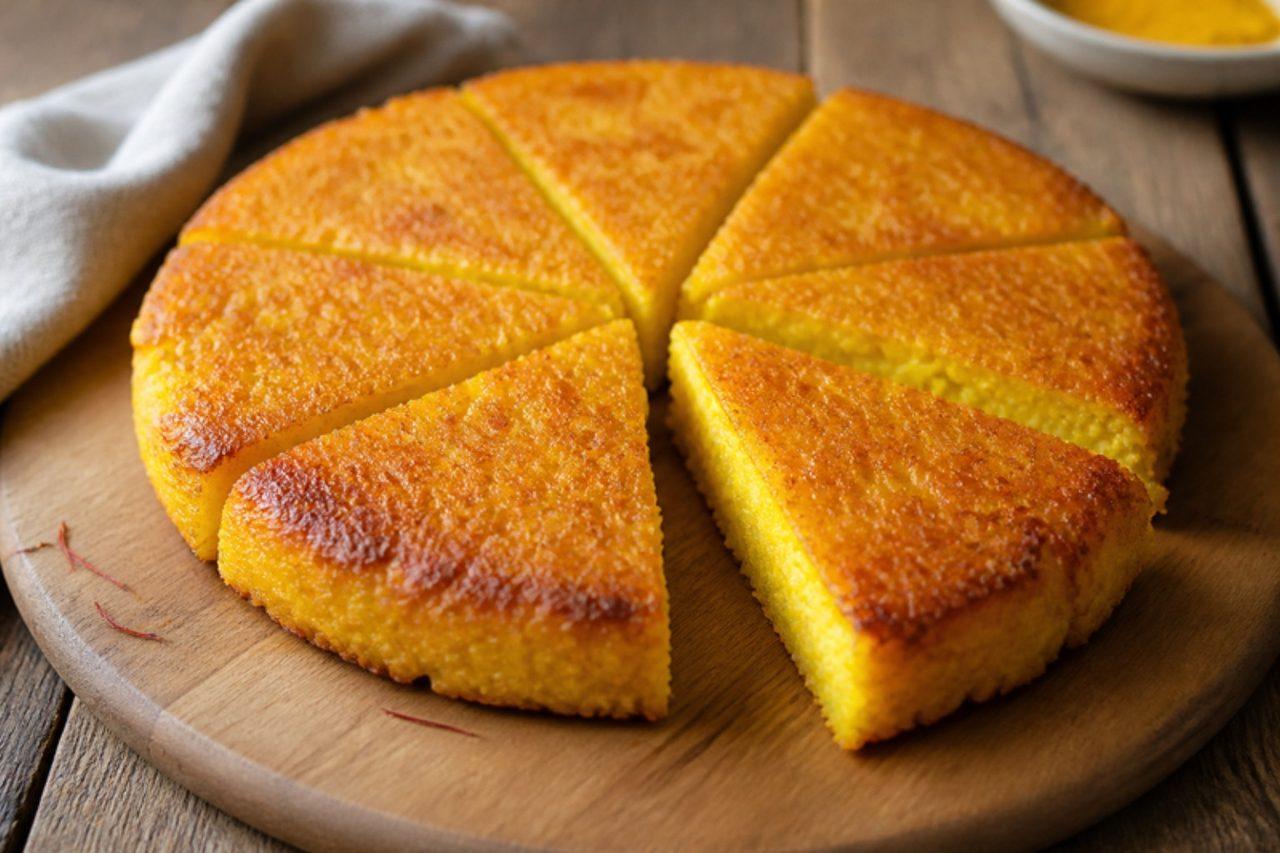
In Milan, nobody throws away risotto alla milanese. The next day it is pressed into a hot buttered pan and fried until it forms a thin, crackling golden disc, flipped "al salto" (with a jump) like a pancake. Old Milanese trattorie near the Brera district served it late at night after the theatre, and it is still a favourite way to use up saffron risotto. The cheese in the leftover risotto is usually made with animal rennet. Chef's tip: use cold risotto straight from the fridge and press it thin; warm or thick risotto won't crisp and falls apart when you flip it.

by KrazyBadal 0 views

DalgonaHoneycomb toffee

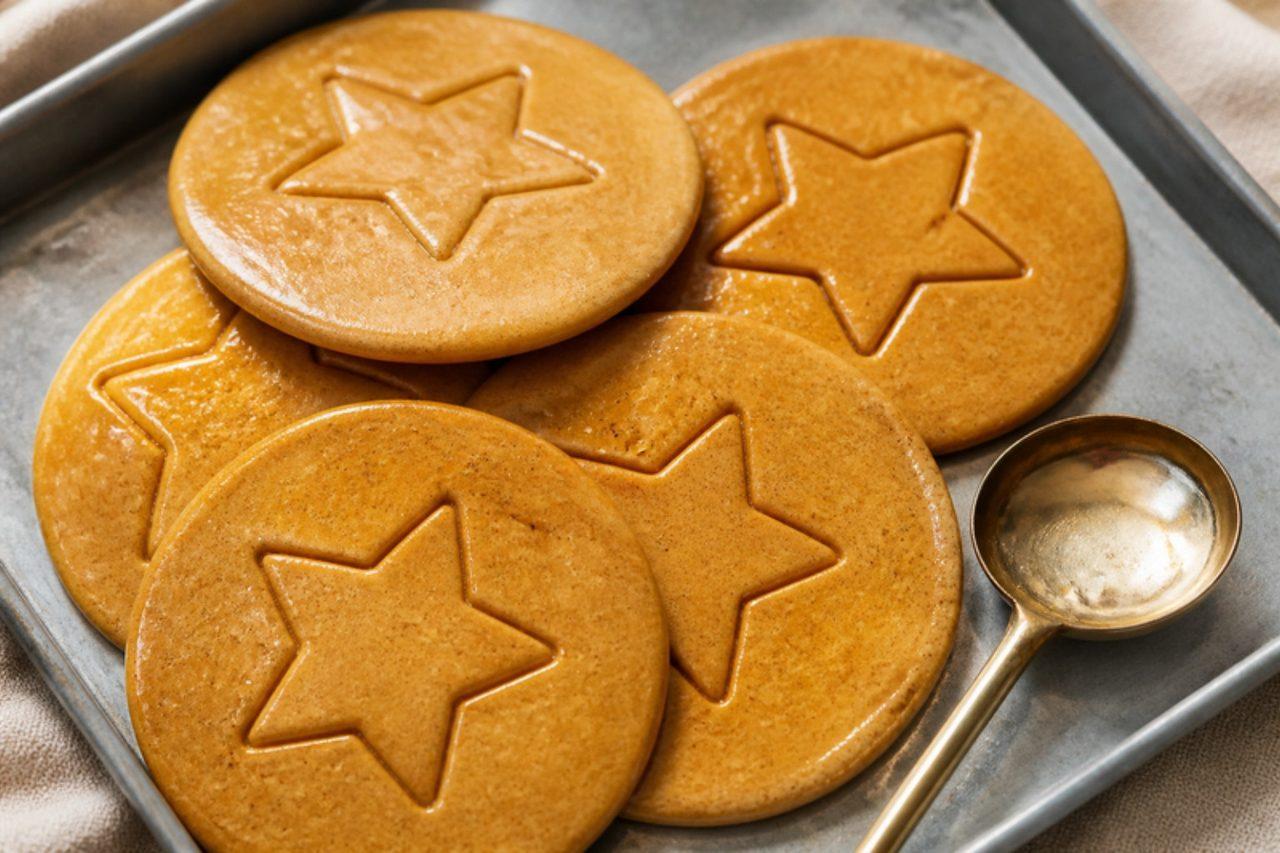
Dalgona, or ppopgi, was the 1970s and 80s snack of Seoul alleyways, where an old man with a little stove melted sugar in a ladle and stamped a star or umbrella into it; if you could break the shape out without cracking it you won a free one. It is just sugar and a pinch of baking soda, puffed into a crisp, toffee-brown honeycomb that tastes faintly bitter-sweet. The common mistake is adding too much baking soda, which leaves the candy bitter and soapy; a tiny pinch on the tip of a chopstick is all it needs. Melted sugar reaches about 160 °C and burns badly, so children should watch while an adult does the melting, and should only press shapes once the candy has set a little. Chef's tip: use a stainless-steel ladle or small pan, not non-stick, and keep the flame low; the moment the sugar is clear and amber, take it off.

by KrazyBadal 0 views

Pizza a portafoglioFolded street pizza

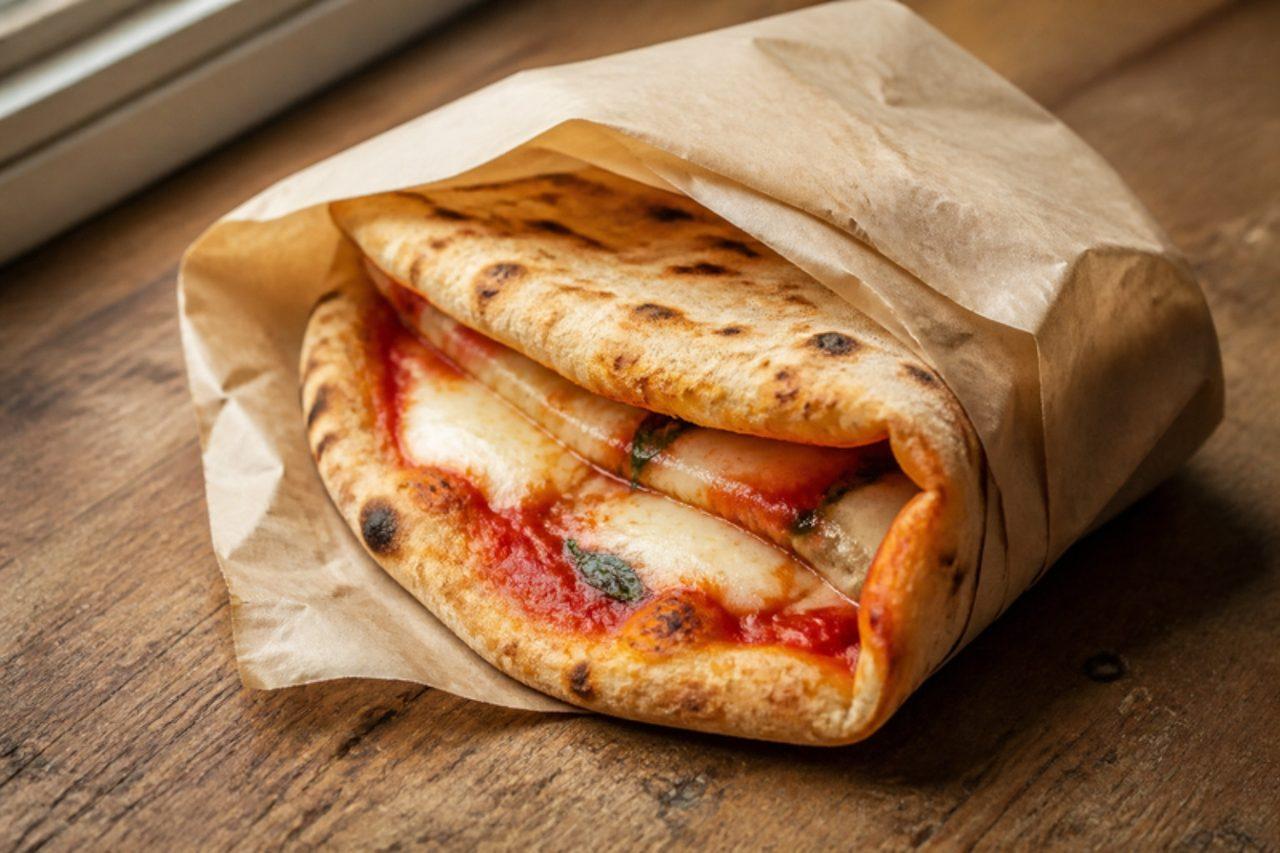
In the narrow streets of Naples's historic centre, pizzerie sell a small margherita folded in four like a wallet, wrapped in paper and eaten while walking, for a couple of euros. It is the city's original fast food and still a lunch for students and workers around Via dei Tribunali and the Spanish Quarter. The pizza is small and soft so it folds without cracking. Mozzarella is usually made with calf rennet; vegetarian versions are easy to find. Chef's tip: take the pizza out while the crust is still soft and a little pale; a crisp pizza snaps when you fold it.

by KrazyBadal 0 views

KuromameSweet black soybeans

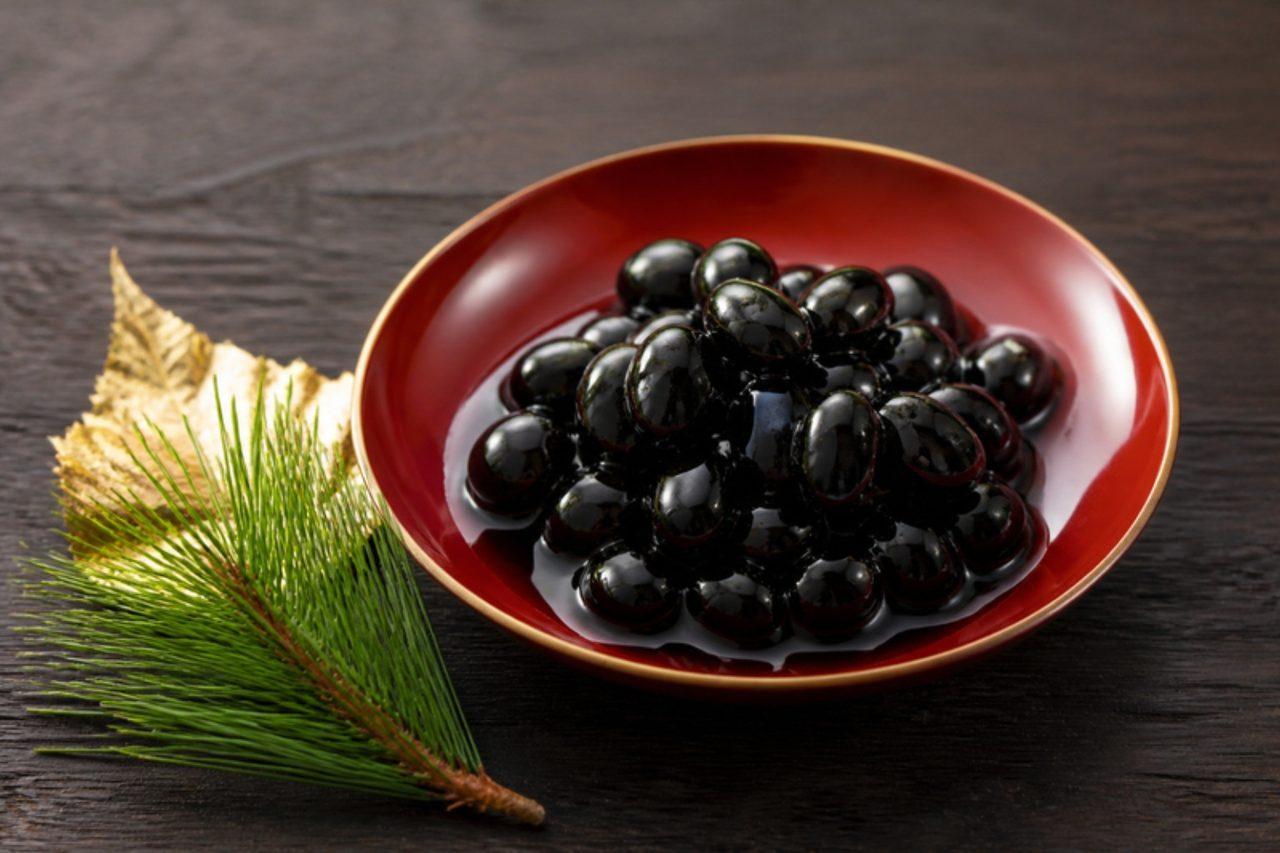
No osechi box, the lacquered stack of cold dishes Japanese families share over the first three days of January, is complete without kuromame: plump black soybeans simmered so slowly in syrup that they stay whole, wrinkle-free and shining like jet. The word 'mame' also means hard work and good health, so eating them wishes for a diligent year. They are soft, sweet and gently savoury, with a deep bean flavour. The common mistake is letting the beans touch the air while cooking, which wrinkles their skins; keep them submerged under a drop-lid the whole time and top up with water. Chef's tip: soak the dry beans directly in the hot seasoned syrup overnight rather than in plain water, which seasons them from the inside and keeps the skins smooth.

by KrazyBadal 0 views

OhagiSweet red bean rice balls

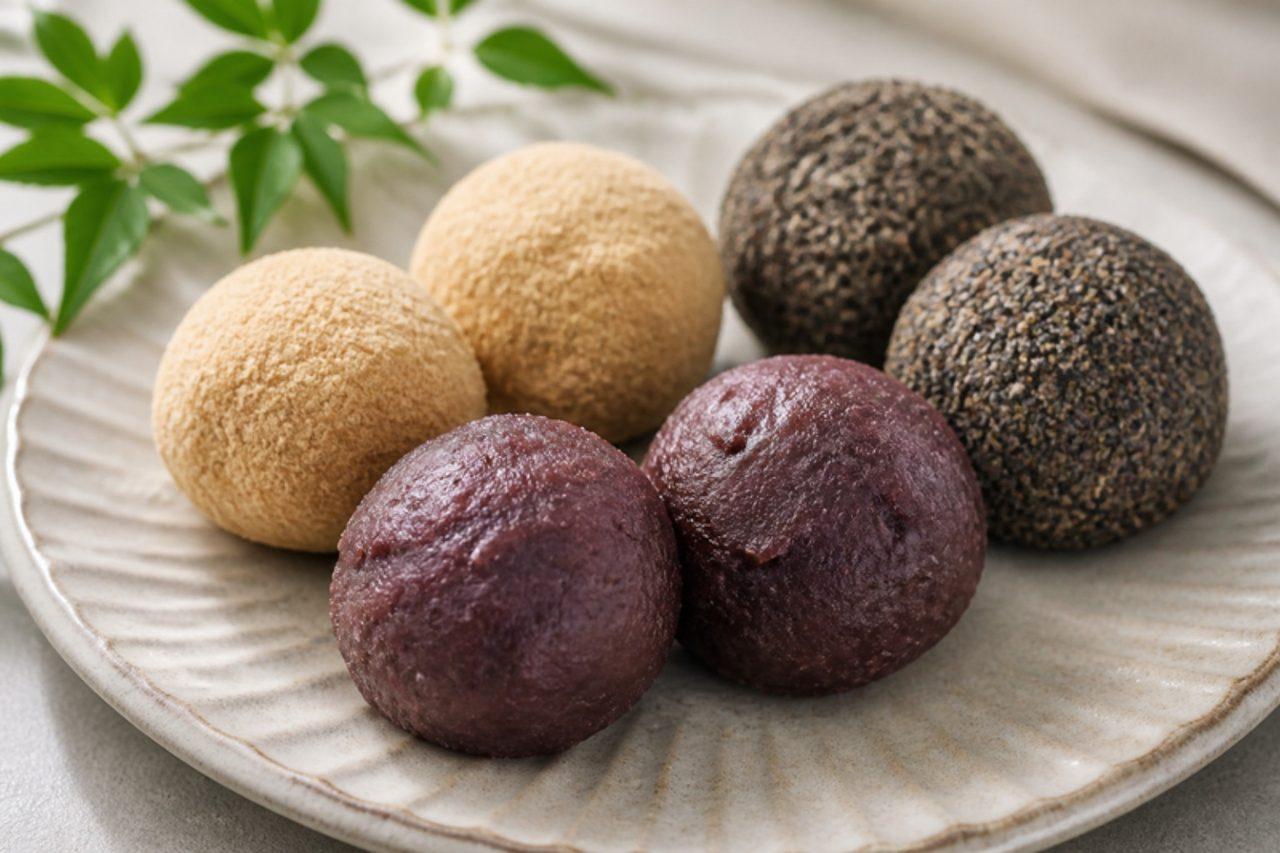
Ohagi are made twice a year, at the spring and autumn equinoxes (higan), when Japanese families visit ancestors' graves and leave these rice balls as offerings; in spring they are called botamochi. Sticky rice is cooked and only half-pounded, so you can still see the grains, then shaped into ovals and coated in chunky red bean paste, roasted soybean flour (kinako) or black sesame. Mochi is very sticky: cut it into small pieces for young children and older people, and make sure they chew well and eat sitting down. The common mistake is pounding the rice smooth like mochi; ohagi should keep a rustic, grainy texture. Chef's tip: wet your hands and squeeze out cling film between shaping, so the rice never sticks.

by KrazyBadal 0 views

Pizza bianca romanaRoman olive oil flatbread

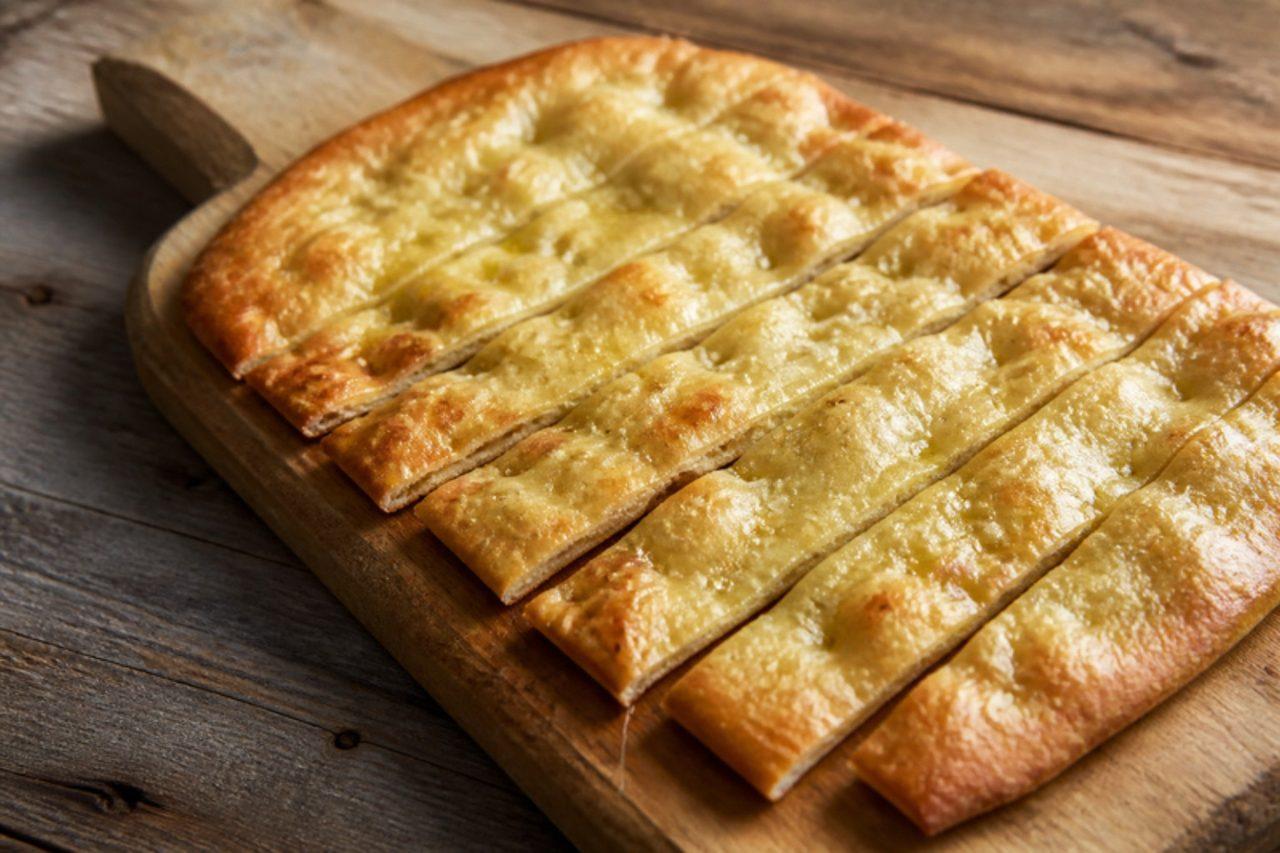
Walk past any Roman forno at eleven in the morning and you'll see pizza bianca coming out of the oven in planks a metre long: crisp on top, chewy and full of holes inside, brushed with olive oil and scattered with salt. Romans buy it by the slice for children's snacks after school, or split it open and fill it with mortadella or fresh figs in late summer. The dough is very wet and needs only folding, not kneading. Chef's tip: stretch the dough with oily fingertips straight onto the tray; dimpling it presses big bubbles into the dough that puff up in the oven.

by KrazyBadal 0 views

SciattBuckwheat cheese fritters

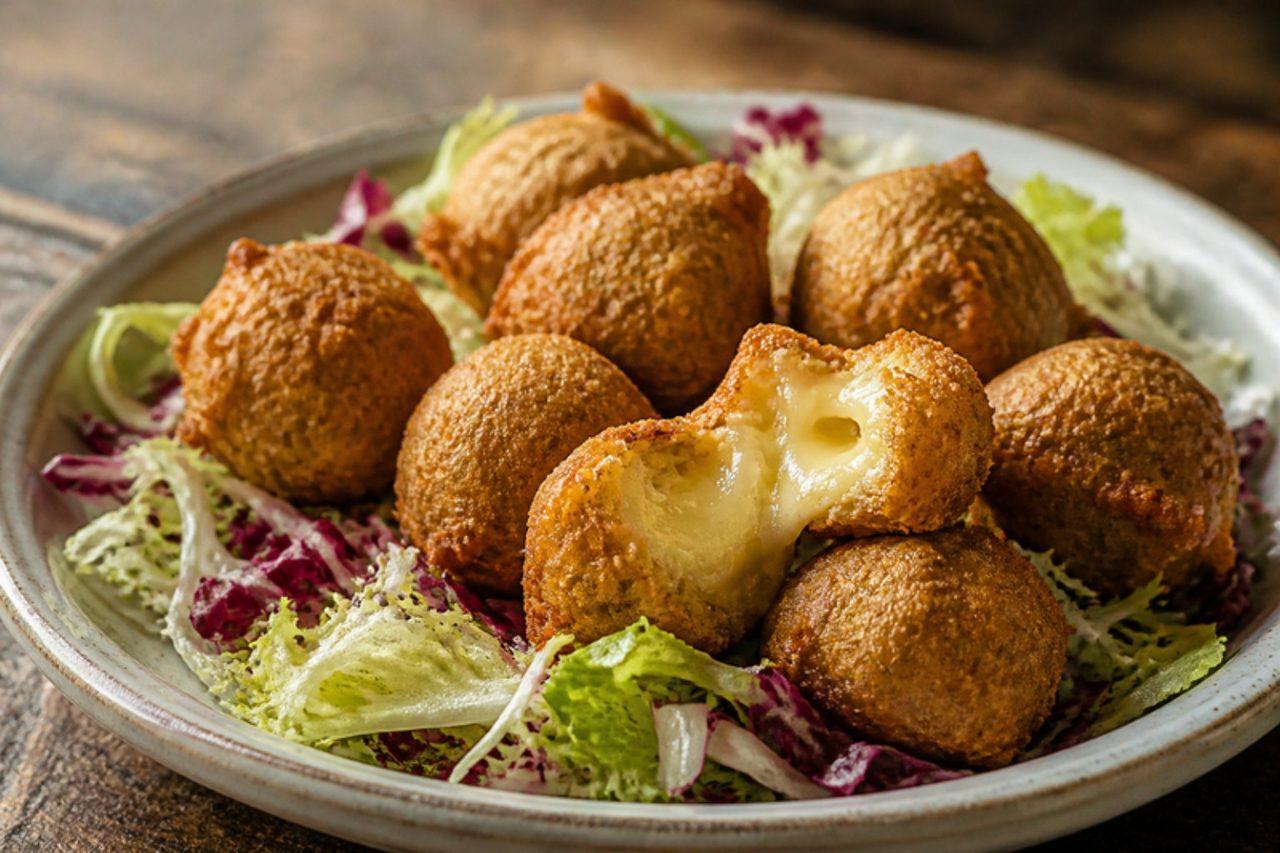
Sciatt means "toads" in the dialect of Valtellina, the Alpine valley near Sondrio, because of their lumpy shape. They are buckwheat batter fritters, each hiding a cube of Valtellina Casera cheese that melts as they fry, served on a bed of chicory salad. Mountain huts and village festivals serve them hot from the pan in autumn and winter. Local cheeses are usually made with animal rennet; choose a vegetarian melting cheese if you need to. Chef's tip: make the batter with very cold sparkling water and a splash of grappa, as locals do; the bubbles and alcohol make a lighter, crispier crust. The alcohol mostly cooks off in the frying; leave it out for an alcohol-free version.

by KrazyBadal 0 views

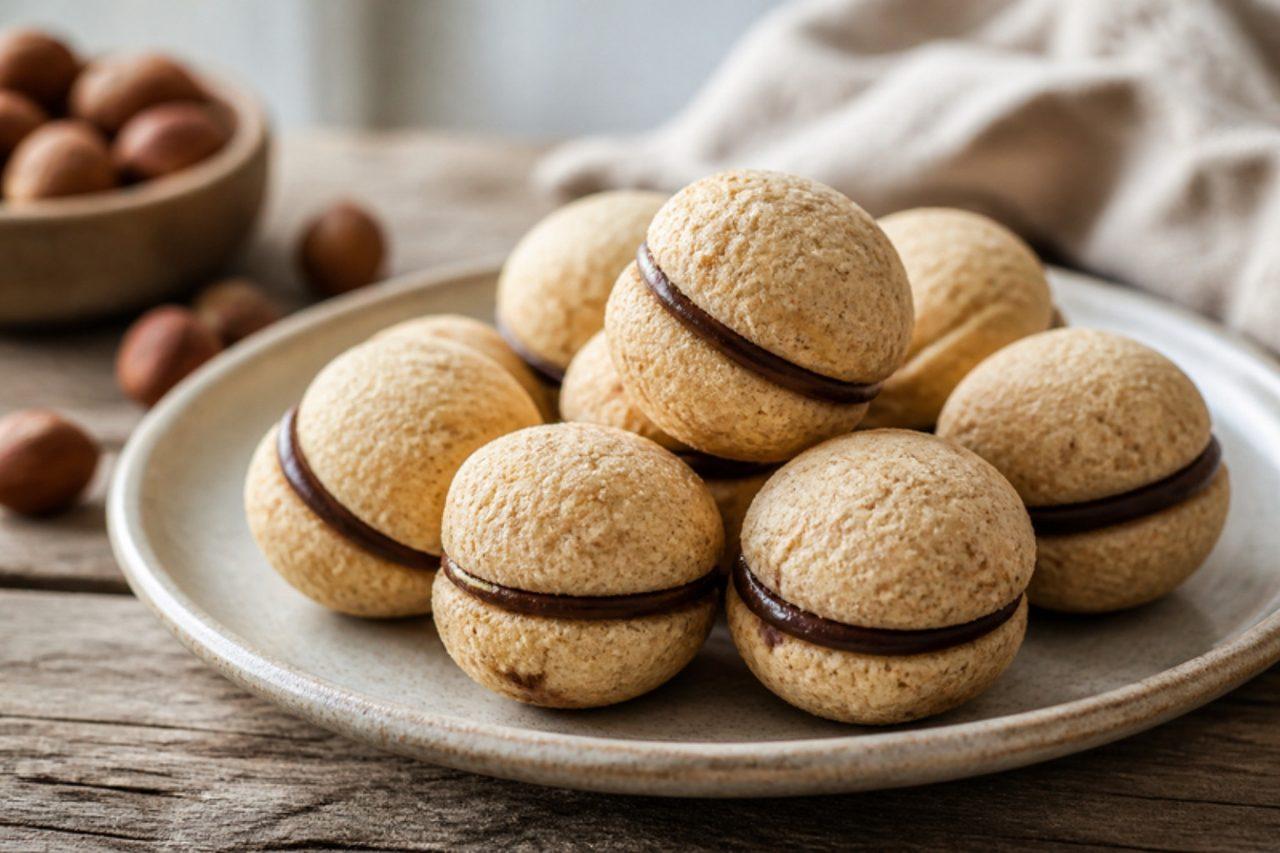
Baci di damaHazelnut shortbread sandwiches

Baci di dama, "lady's kisses", were born in Tortona in Piedmont in the 1800s: two small domes of buttery hazelnut shortbread pressed together with dark chocolate, like two lips meeting in a kiss. They are sold in every pastry shop in Piedmont and eaten with coffee or as a gift at Christmas. The local Piedmont hazelnuts are some of the best in the world. Contains nuts. Chef's tip: weigh each ball of dough so they're all the same size; matching domes make neat kisses.

by KrazyBadal 0 views

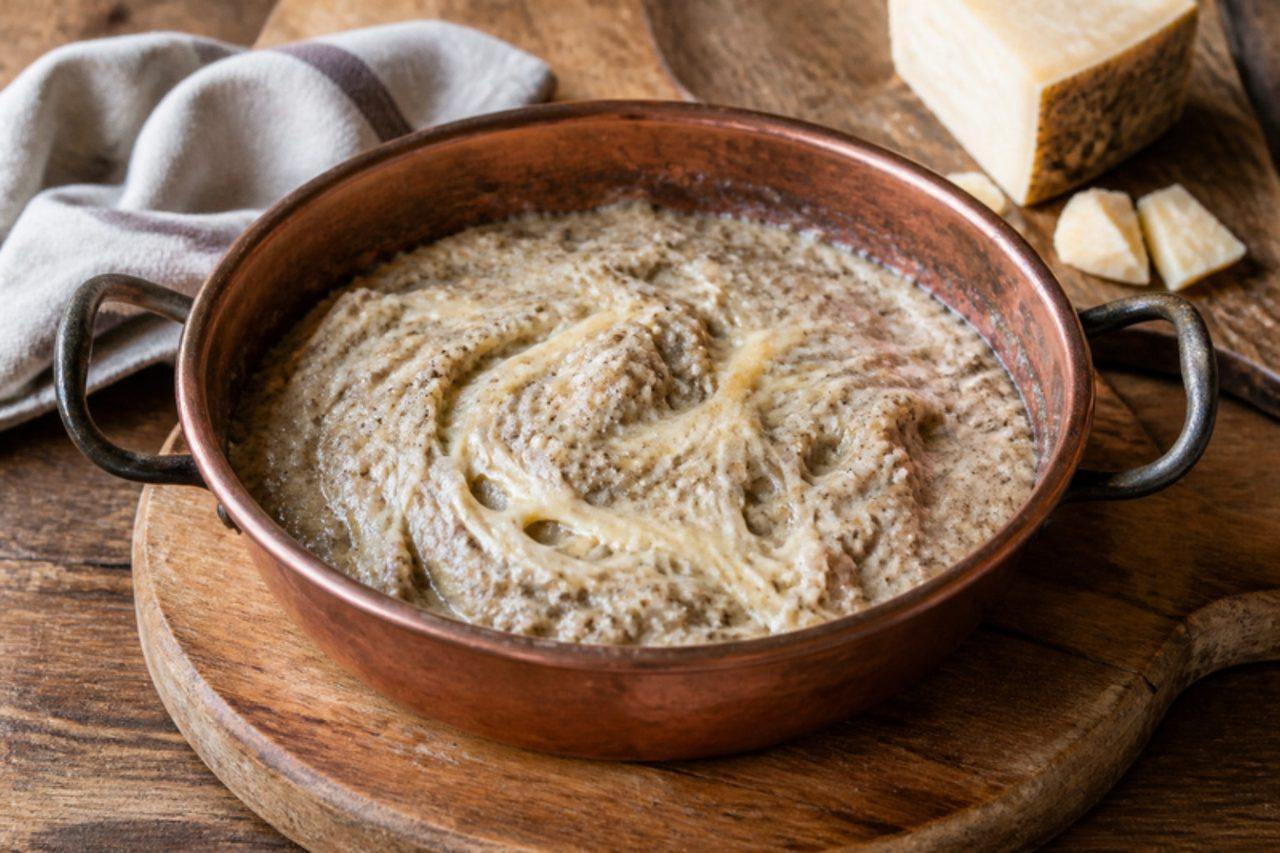
Polenta taragnaBuckwheat polenta with cheese

High in the Valtellina valley near Sondrio, where wheat struggles but buckwheat grows well, polenta is made grey-brown and nutty with a mix of buckwheat and cornmeal. Taragna gets its name from the tarell, the long wooden stick used to stir it in a copper pot over the fire. At the end, butter and cubes of the local Valtellina Casera or Bitto cheese are stirred in until they melt into strings. It is winter food for cold mountain evenings, eaten with mushrooms or sausages on the side. Local cheeses are usually made with animal rennet; a vegetarian melting cheese works. Chef's tip: stir the flour into the boiling water in a slow rain with a whisk; once it is all in, switch to a wooden spoon and keep stirring.

by KrazyBadal 0 views

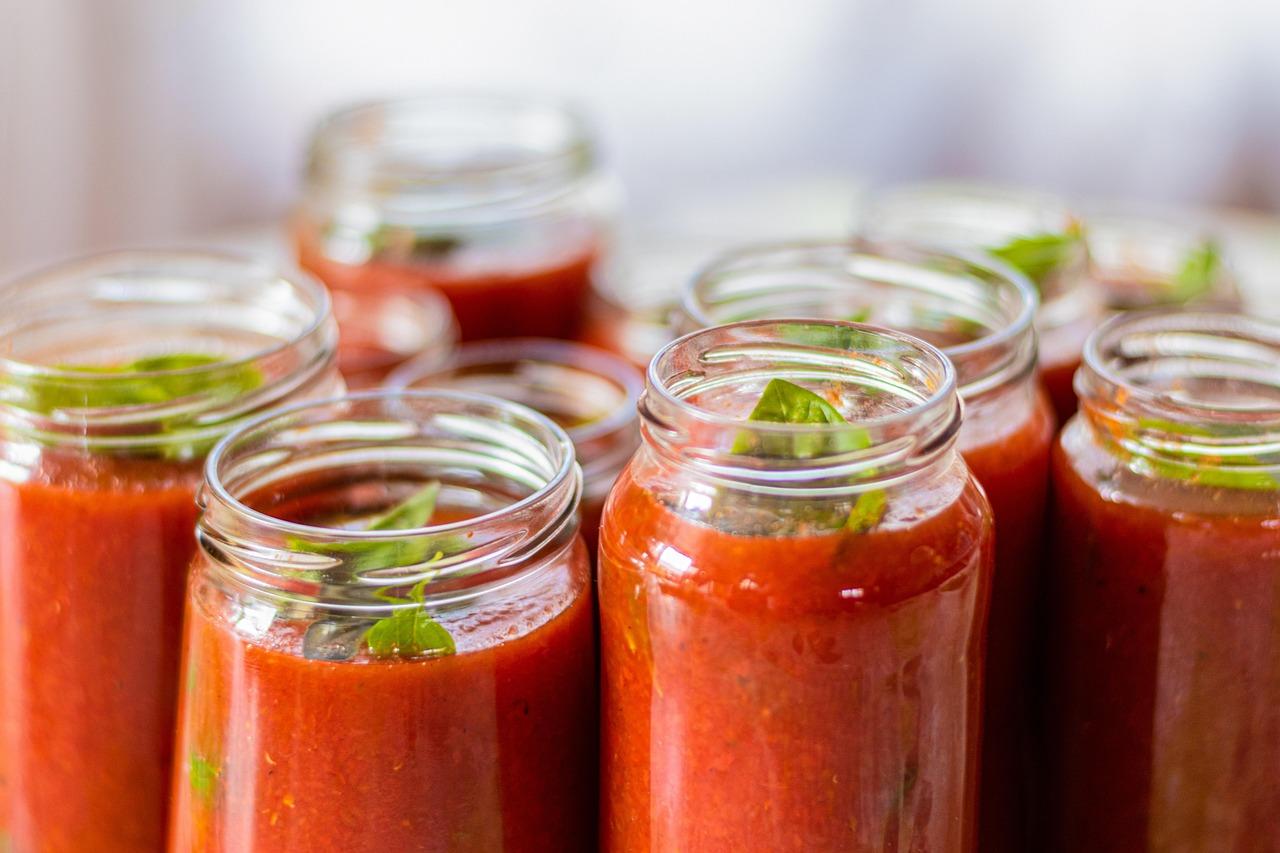
Passata di pomodoroBottled tomato purée

At the end of August, all over southern and central Italy, families gather for the "giornata della salsa", the day of the sauce: crates of ripe plum tomatoes are washed, cooked, passed through a hand-cranked mill and bottled in hundreds, with a basil leaf in each bottle. The passata lasts until the next summer and is used for every ragù and pizza. For home bottling, add lemon juice to each jar and process in a water bath, as tomatoes alone are not acidic enough to be safe at room temperature. Chef's tip: use only fully ripe, deep red plum tomatoes; underripe tomatoes give a pale, sour passata.

by KrazyBadal 0 views

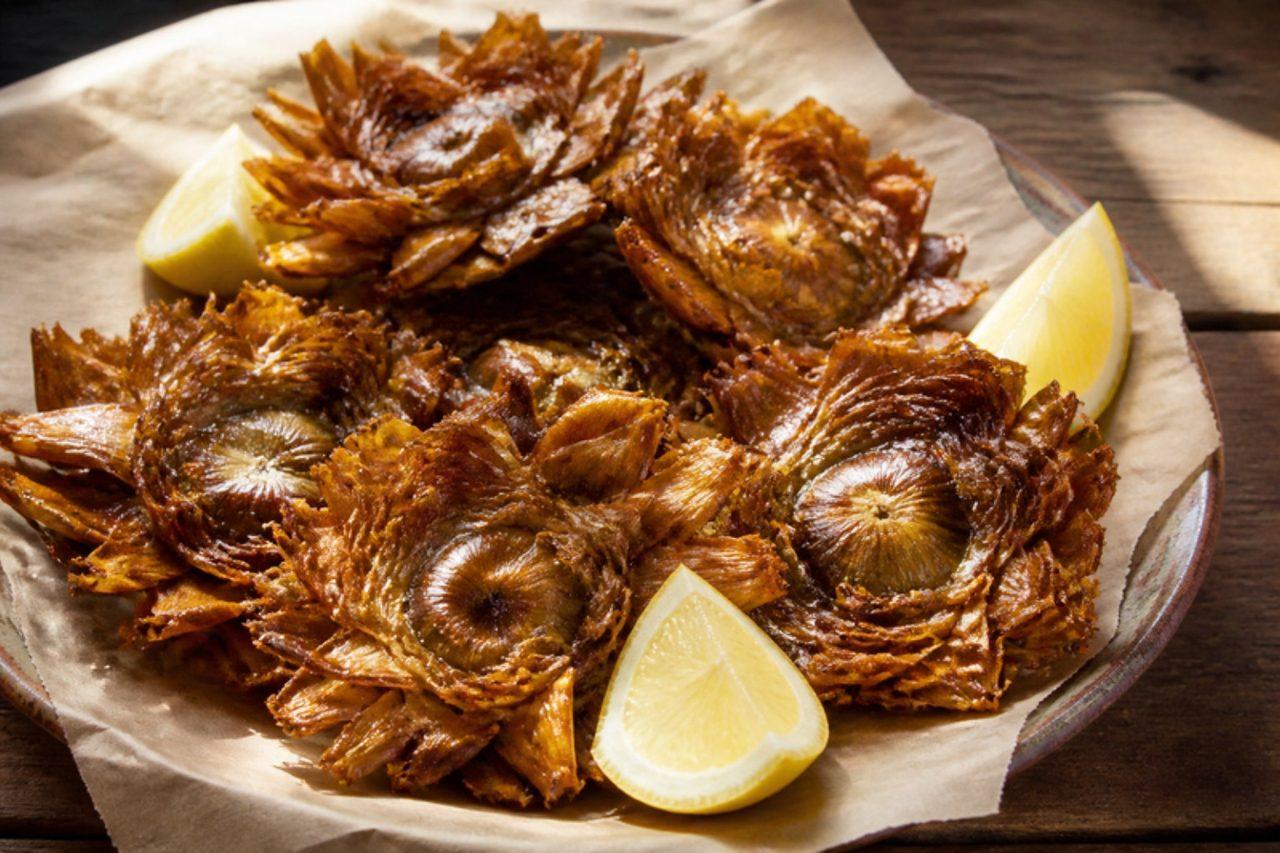
Carciofi alla giudiaCrisp fried artichokes

Carciofi alla giudia come from Rome's old Jewish Ghetto, where for centuries the restaurants along Via del Portico d'Ottavia have fried them from February to April, when the round Roman romanesco artichokes are in season. The artichokes are trimmed, fried once slowly until tender, then opened like flowers and fried again in hotter oil until the leaves are bronze and crunchy like crisps, while the heart stays soft. Chef's tip: before the second fry, flick a few drops of cold water into the oil from your fingers, standing well back; Roman cooks say the spatter is what makes the leaves extra crisp. Do this carefully.

by KrazyBadal 0 views

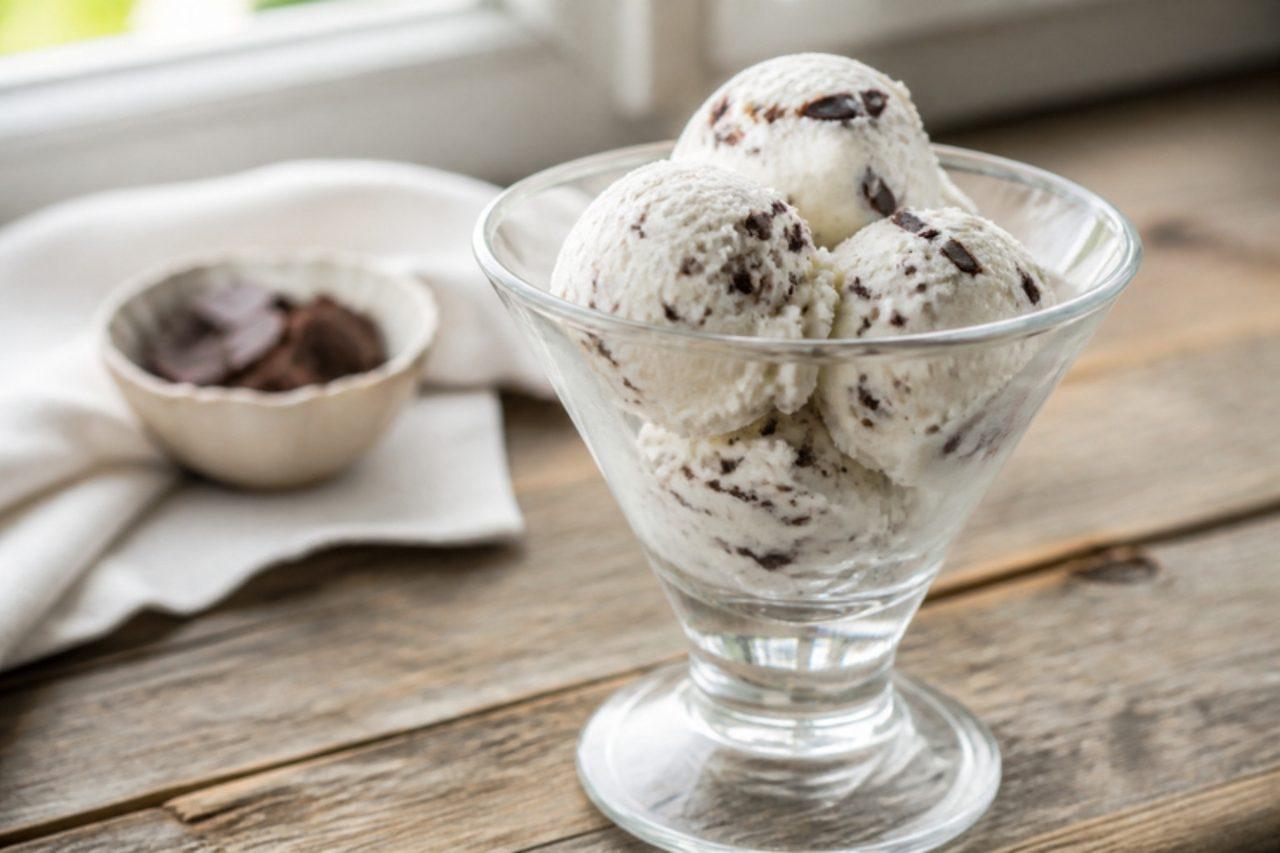
Gelato alla stracciatellaChocolate chip gelato

Stracciatella was invented in 1961 at the Gelateria La Marianna in Bergamo's upper town, inspired by stracciatella soup, where egg is stirred into broth in little rags (stracci). The gelato maker drizzled melted dark chocolate into churning fior di latte, where it froze instantly into thin, crisp shards. It became one of the best-loved flavours in Italy, a favourite with children. Chef's tip: drizzle the chocolate in a thin stream right at the end of churning; it must hit the cold gelato and set at once, or it forms hard lumps.

by KrazyBadal 0 views

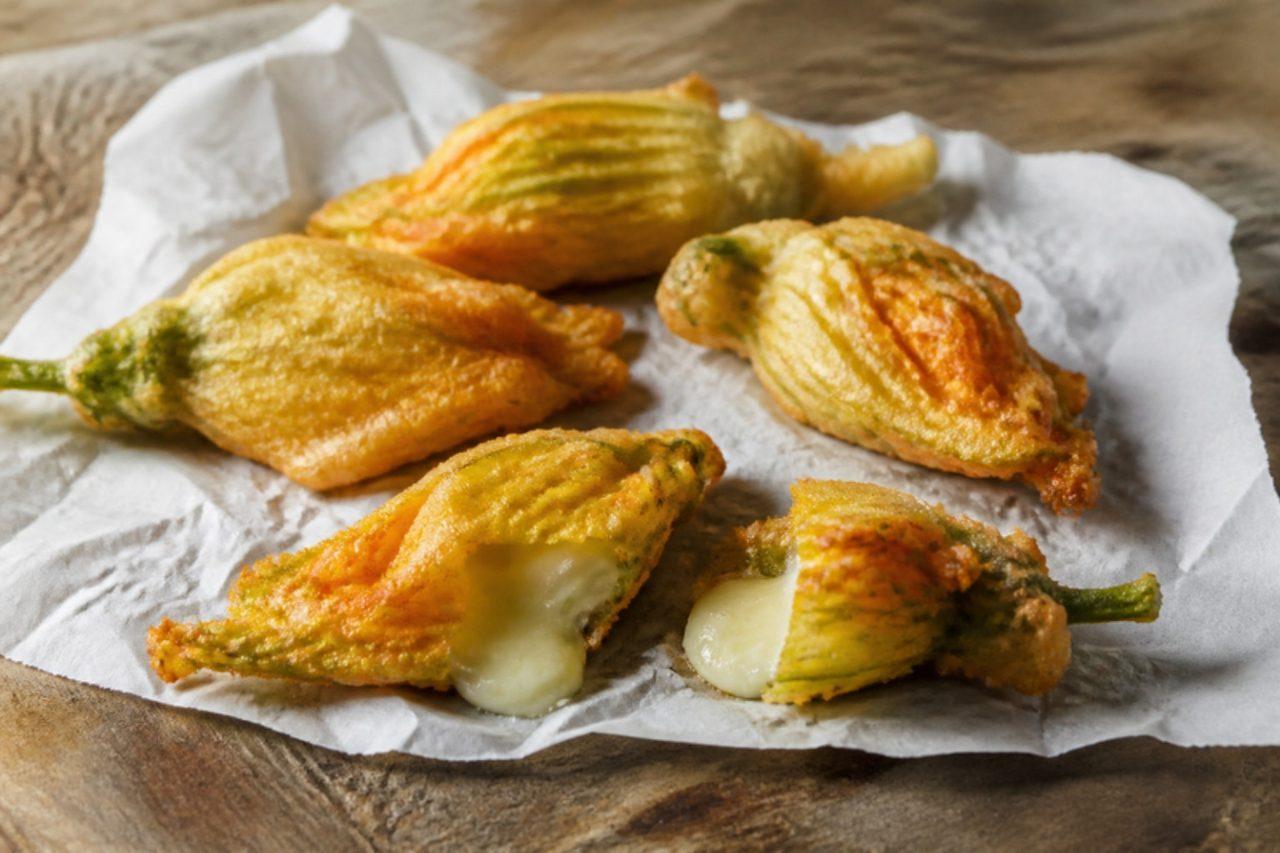
Fiori di zucca ripieni frittiFried stuffed courgette flowers

Every Roman pizzeria a taglio and friggitoria has a tray of fiori di zucca in summer: courgette flowers stuffed with a stick of mozzarella, dipped in a thin cold batter and fried until they shatter. Romans usually tuck in an anchovy fillet, but this vegetarian version swaps it for a little lemon zest and a caper, which gives the same salty spark. They are eaten as an antipasto before pizza or as a snack standing at the counter. Mozzarella is usually made with calf rennet; vegetarian versions are easy to find. Chef's tip: make the batter with ice-cold sparkling water and leave a few lumps; a smooth, warm batter fries heavy and soft.

by KrazyBadal 0 views

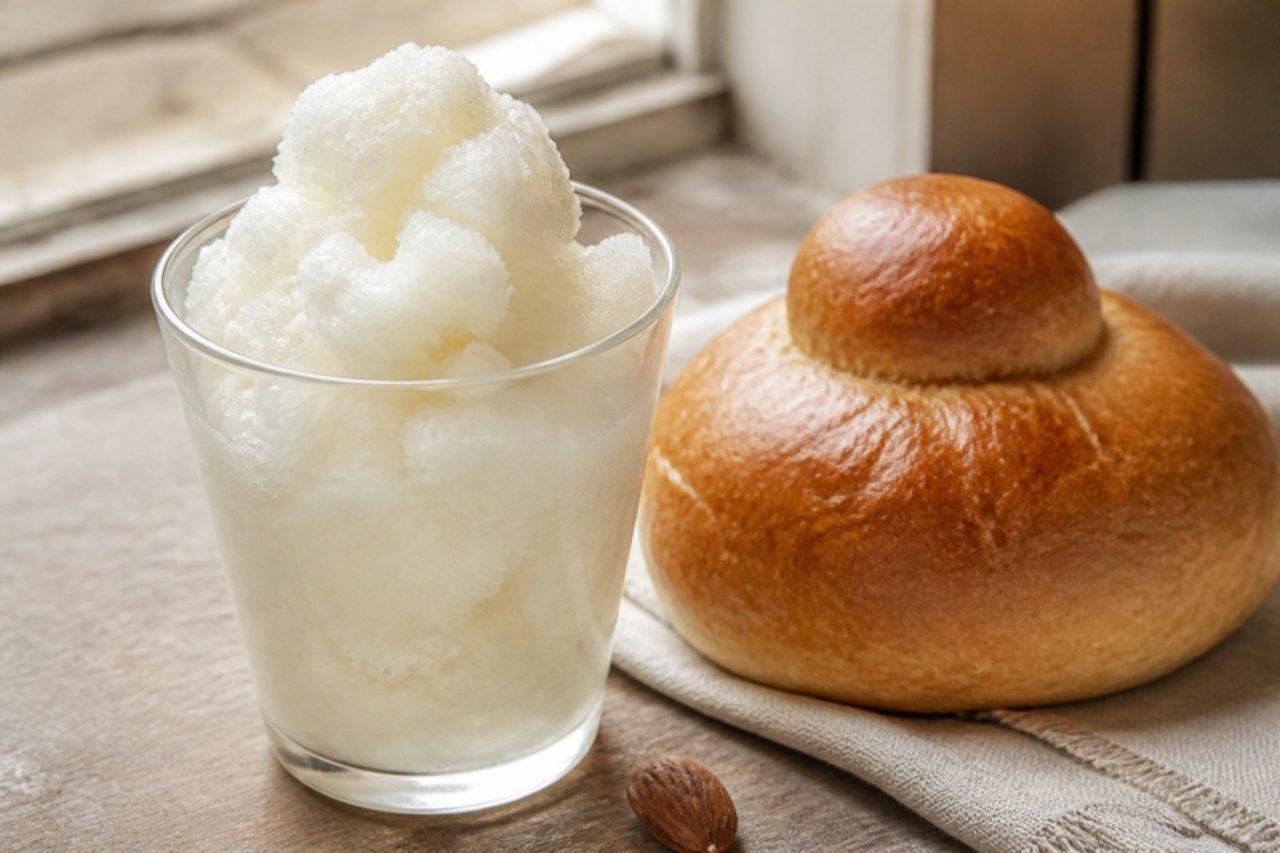
Granita di mandorlaAlmond granita

On summer mornings in Catania, Messina and the towns around Mount Etna, Sicilians have granita for breakfast: a glass of soft, flaky ice made from almond milk and sugar, eaten with a warm brioche col tuppo (with a little bun on top) for dunking. The almond granita is the most traditional flavour, white, sweet and fragrant. It is made without a machine, just scraped with a fork as it freezes. Contains nuts. Chef's tip: stir the granita every 30 minutes without fail; that's what gives it the soft, creamy flakes instead of a solid block.

by KrazyBadal 0 views

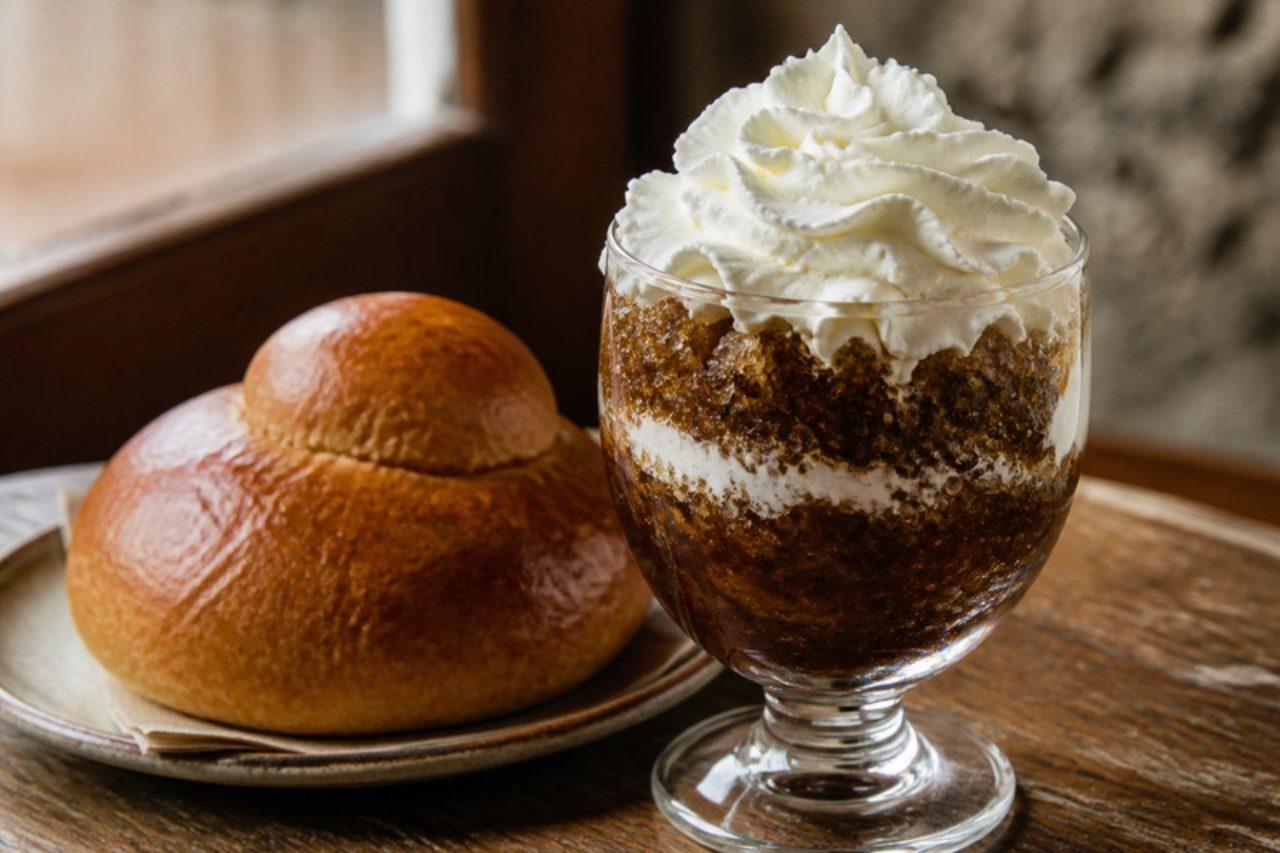
Granita al caffè con pannaCoffee granita with cream

In Sicily, and in Rome at the famous Tazza d'Oro café near the Pantheon, coffee granita is served in a glass layered with unsweetened whipped cream: cream at the bottom, coffee ice in the middle and more cream on top. It is a summer breakfast or afternoon pick-me-up, eaten with a long spoon or a brioche. It contains caffeine, so it isn't for children. Chef's tip: make the coffee strong and sweet; flavours fade when frozen, so it should taste almost too sweet before it goes in the freezer.

by KrazyBadal 0 views

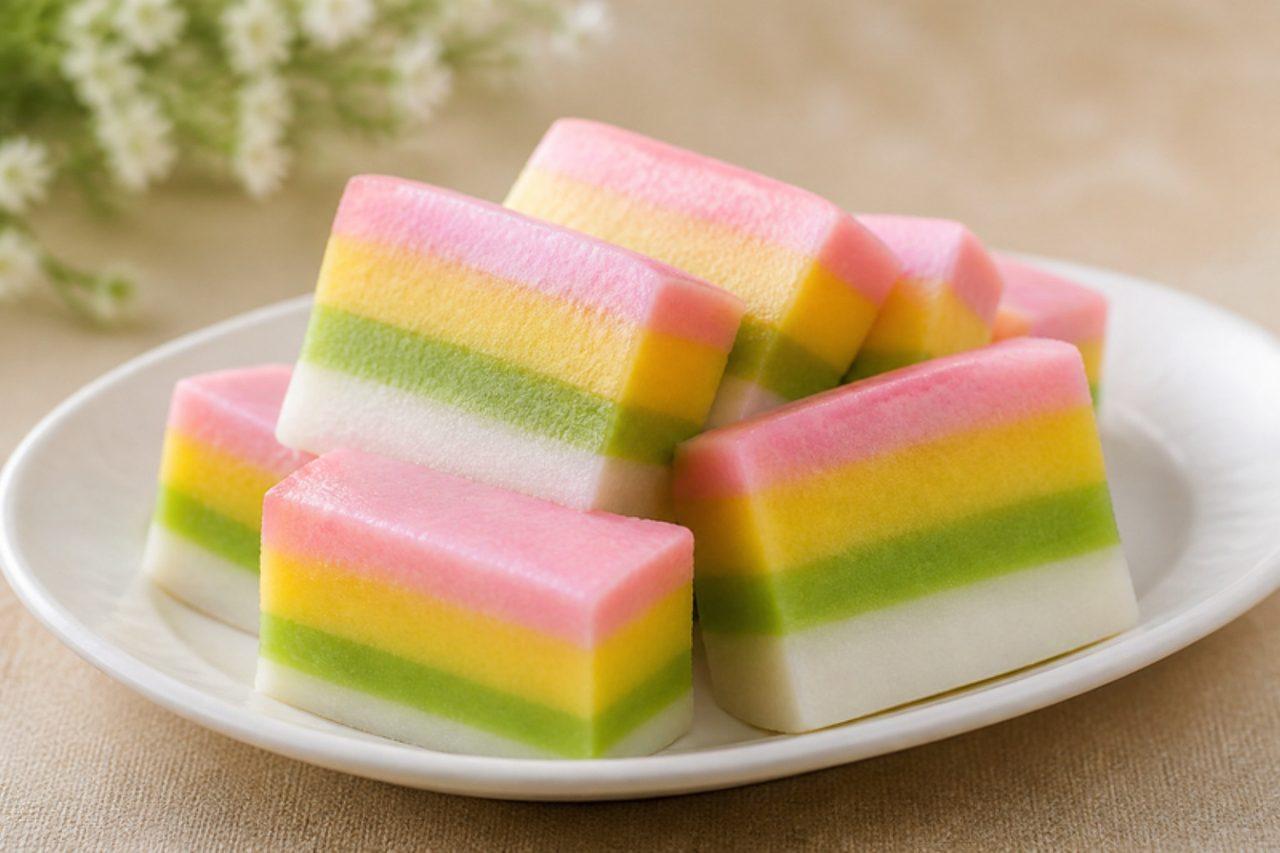
Mujigae tteokRainbow rice cake

Mujigae tteok is the rice cake of children's birthdays and school picnics in Korea, with soft stripes of pink, yellow, green and white that stand for harmony and happiness; it is also a fixture on the doljanchi first-birthday table. Each layer is the same lightly sweet, fluffy steamed rice flour, coloured naturally. The common mistake is packing the layers down: press too hard and the cake turns dense and the colours bleed, so spread each layer and just level it with a scraper. Rice cakes are chewy and sticky, a known choking risk: cut them into small pieces for young children and older people and eat them sitting down. Chef's tip: colour each portion of flour before sieving it, so the colour is even with no streaks.

by KrazyBadal 0 views

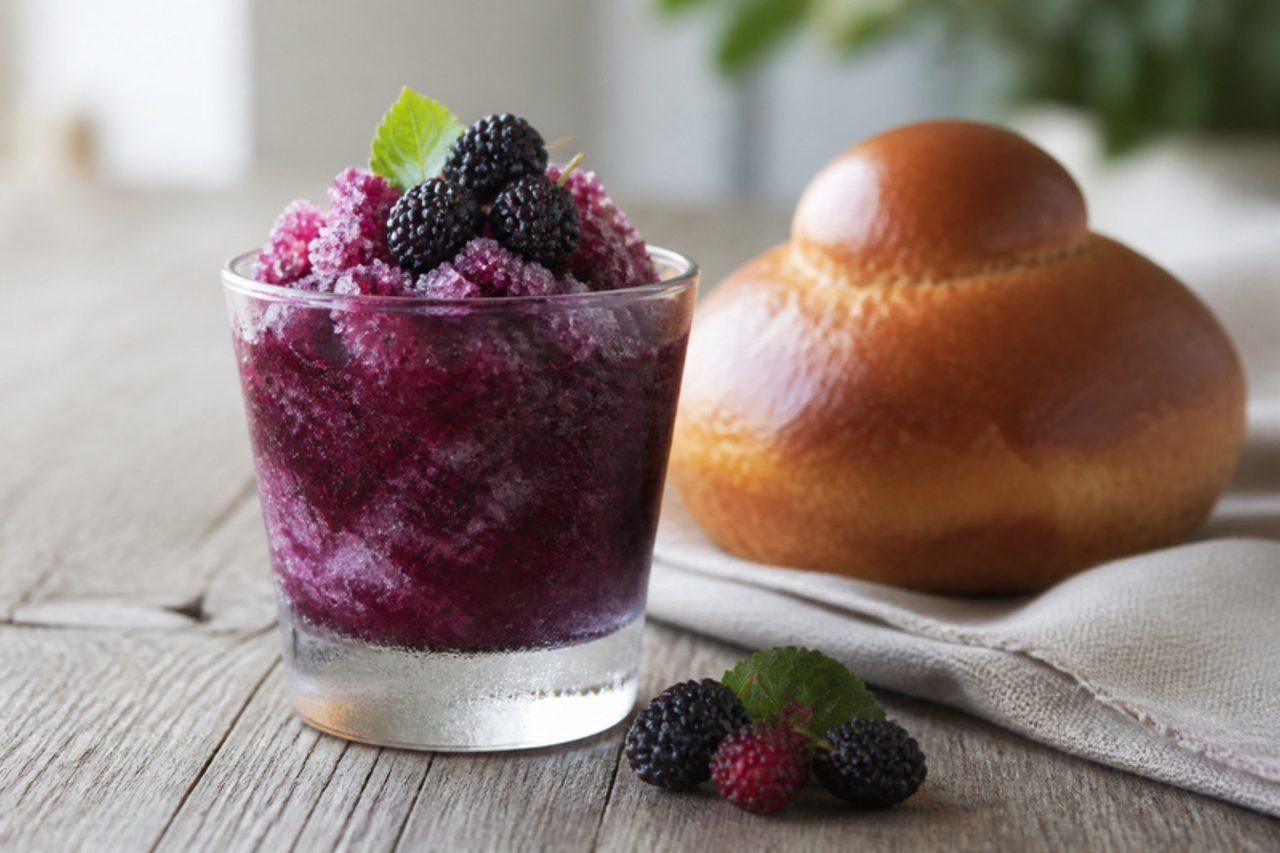
Granita di gelsi neriBlack mulberry granita

In late June and July the black mulberry trees of Sicily, especially around Messina and Acireale, drop their dark, juicy fruit, and the bars turn them into a granita the colour of ink, sweet and tangy, served in a glass with a warm brioche. Mulberries stain everything, so locals eat it carefully. If you can't find black mulberries, blackberries make a very similar granita. Chef's tip: add a squeeze of lemon; it brightens the berry flavour and keeps the colour vivid.

by KrazyBadal 0 views

Showing 24 of 2,799 recipes

Show more recipes

Page 35 of 117

More Jain ideas

Other diets