Skip to content
WhatToEat.Today

Jain recipes: no onion, garlic or root vegetables

2,799

2799 Jain recipes with no onion, garlic, potato, carrot, fresh ginger or other root vegetables, and no mushrooms, eggs or honey. Hing, dry ginger and turmeric powder are fine. Each has photos, step-by-step instructions and cook times. The quickest, Apfelschorle, takes 2 minutes. Most take around 40 minutes.

Filter these by time, diet or cuisine · Make Jain your diet to see only these recipes everywhere on the site.

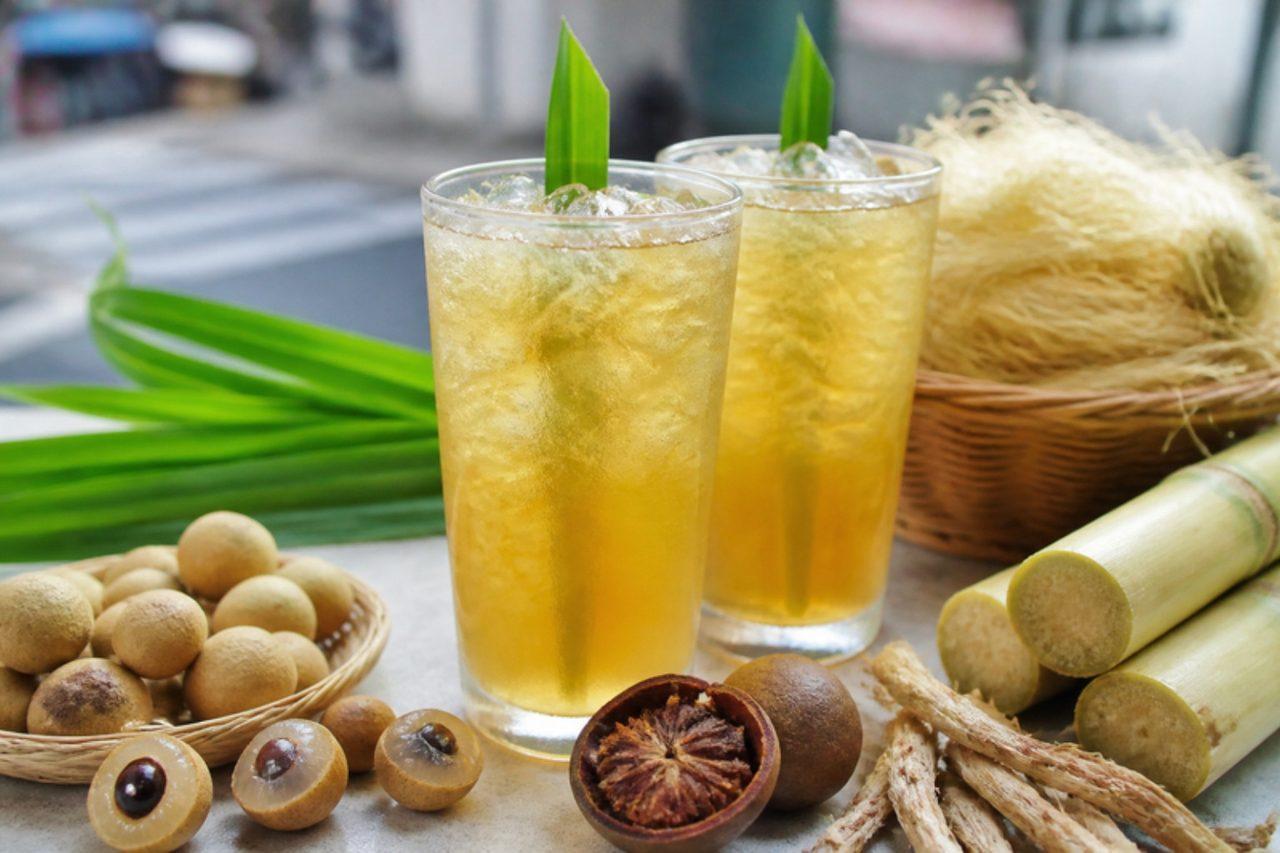
Nước sâmCooling herbal drink

Big glass jars of amber nước sâm sit on pavement stalls all over Hồ Chí Minh City, ladled over ice for anyone who has eaten too much fried food or spent too long in the sun. The brew is gently sweet and earthy, with honeyed dried longan, the liquorice note of monk fruit and fresh sugarcane, and Chinese-Vietnamese herbalists sell ready-mixed bags of the dried roots. Make a big pot: it keeps for four days in the fridge. Chef's tip: simmer, never boil hard; a rolling boil pulls bitterness out of the roots and turns the drink cloudy.

by KrazyBadal 0 views

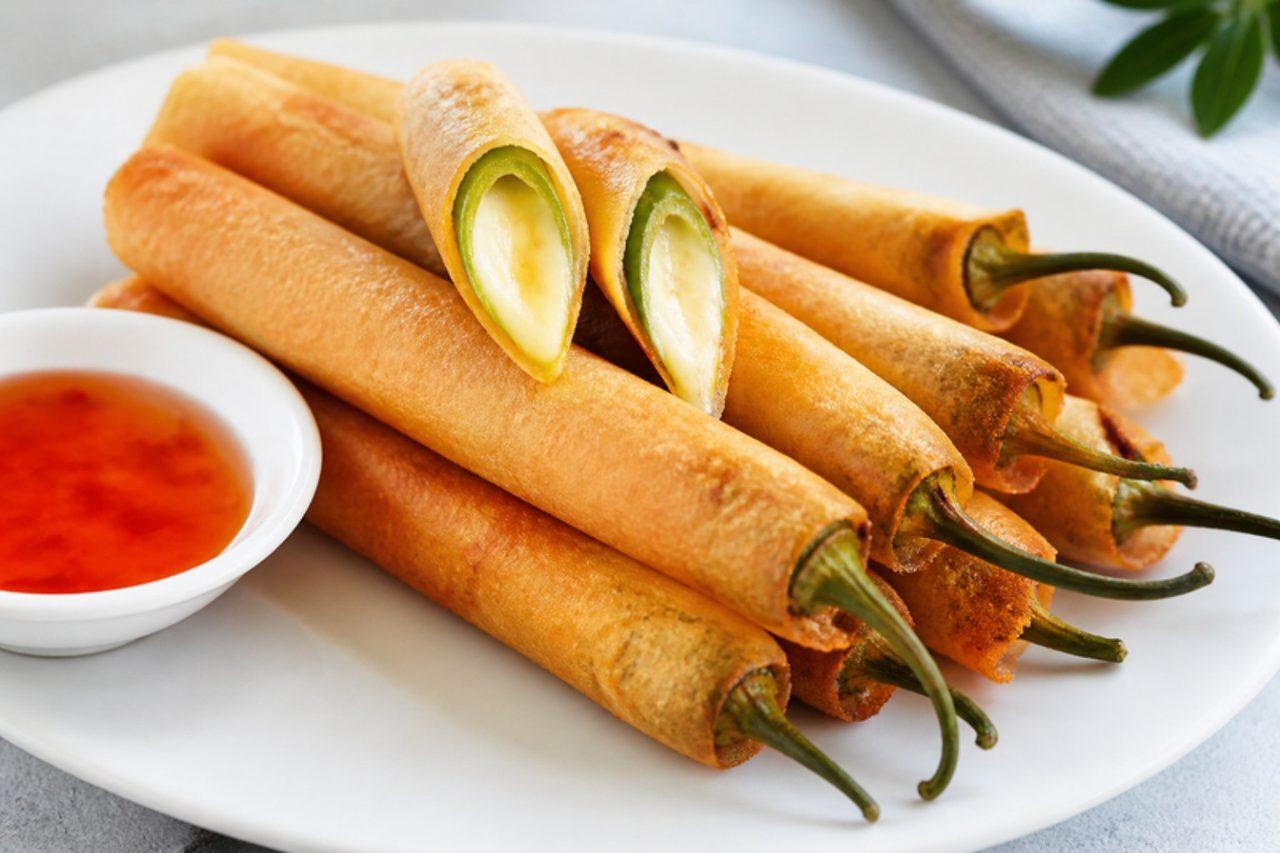
Dynamite lumpiaCheese-stuffed chilli rolls

Bar chow menus in Quezon City and roadside stalls in Pampanga both claim dinamita: a whole long green chilli, seeded, stuffed with a stick of cheese and wrapped tightly in lumpia pastry with its stalk poking out like a fuse. Fried until blistered and crisp, the chilli turns sweet and only mildly hot while the cheese melts into it. A sweet chilli or banana ketchup dip is usual. Many versions add seasoned meat; this one keeps it to cheese. Chef's tip: dry the chillies well inside after seeding; trapped water bursts the wrapper in the hot oil.

by KrazyBadal 0 views

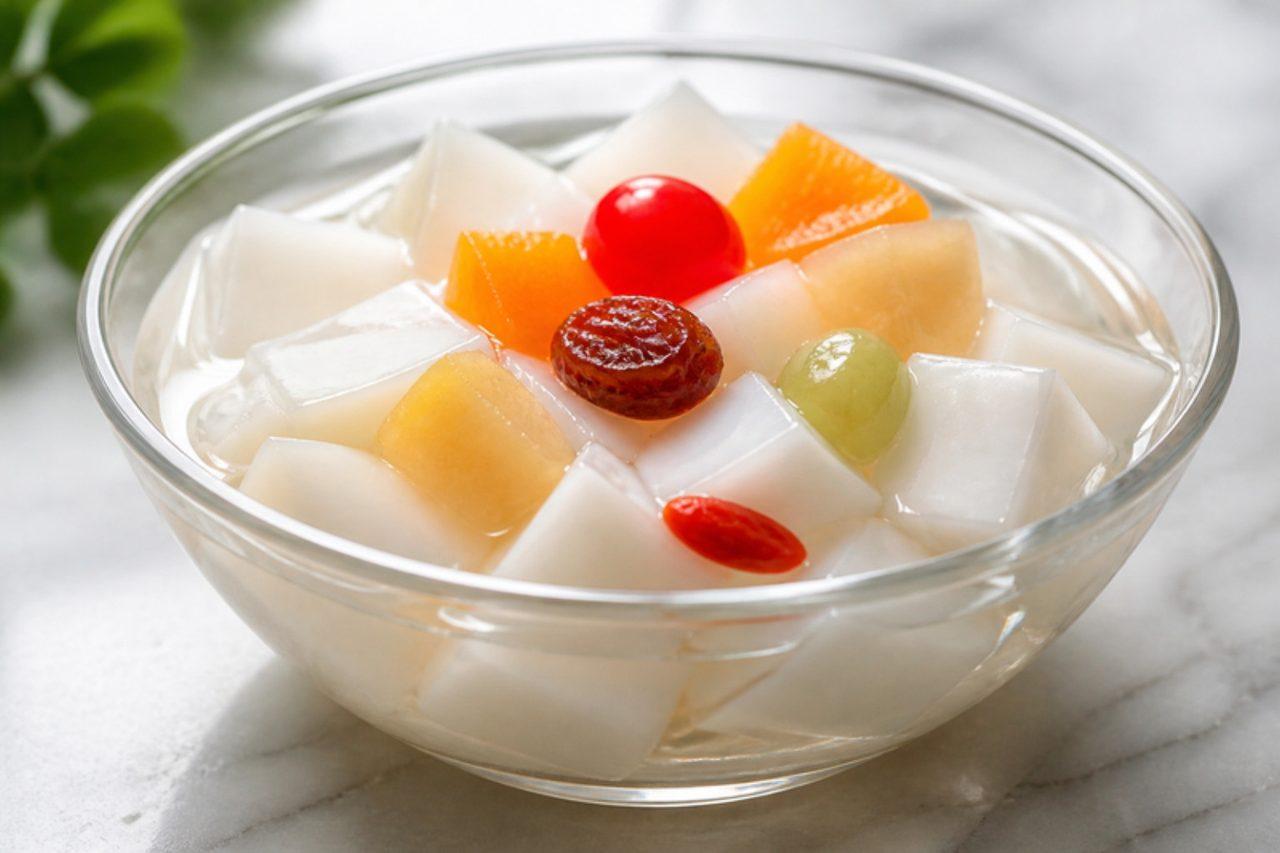
Almond tofu (xingren doufu)

Almond tofu has nothing to do with soybeans: it is a soft, white jelly of sweetened almond milk, cut into cubes like tofu and floated in cold syrup with fruit. It was once a palace dessert in Beijing and is now on dim sum menus in Guangzhou and Hong Kong in summer. The traditional flavour comes from southern apricot kernels (nan xing ren); this home version uses blanched almonds with a few drops of almond extract, and agar, so it is fully vegetarian. The common mistake is using too much agar, which makes it firm and rubbery; it should only just hold its shape and wobble on the spoon. Chef's tip: bring the agar to a full boil for 2 minutes before adding the milk, or it won't set at all.

by KrazyBadal 0 views

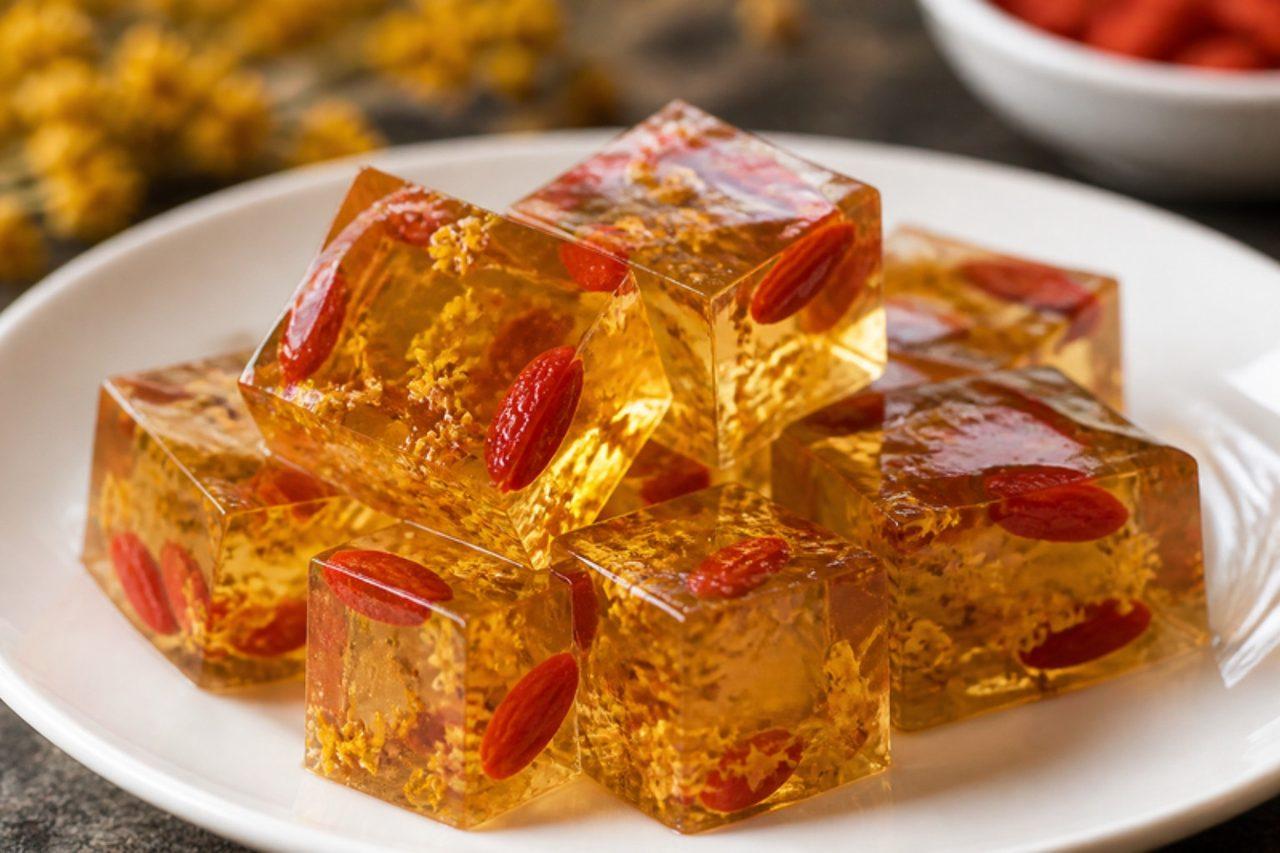
Osmanthus jelly (gui hua gao)

In Hangzhou and Guilin the sweet osmanthus trees flower around Mid-Autumn, and their tiny golden blossoms are dried to scent teas, wine and this crystal-clear jelly, a light dessert after a mooncake-heavy festival meal. Set with agar instead of gelatine, it is vegan, firm enough to cut into neat squares, and studded with flowers and red goji berries. The mistake is adding all the flowers to hot liquid at once: they float to the top in a crowd, so stir them in once the mix starts to thicken. Chef's tip: a mould with layers of flowers suspended all through looks far prettier than one with all the petals at the top.

by KrazyBadal 0 views

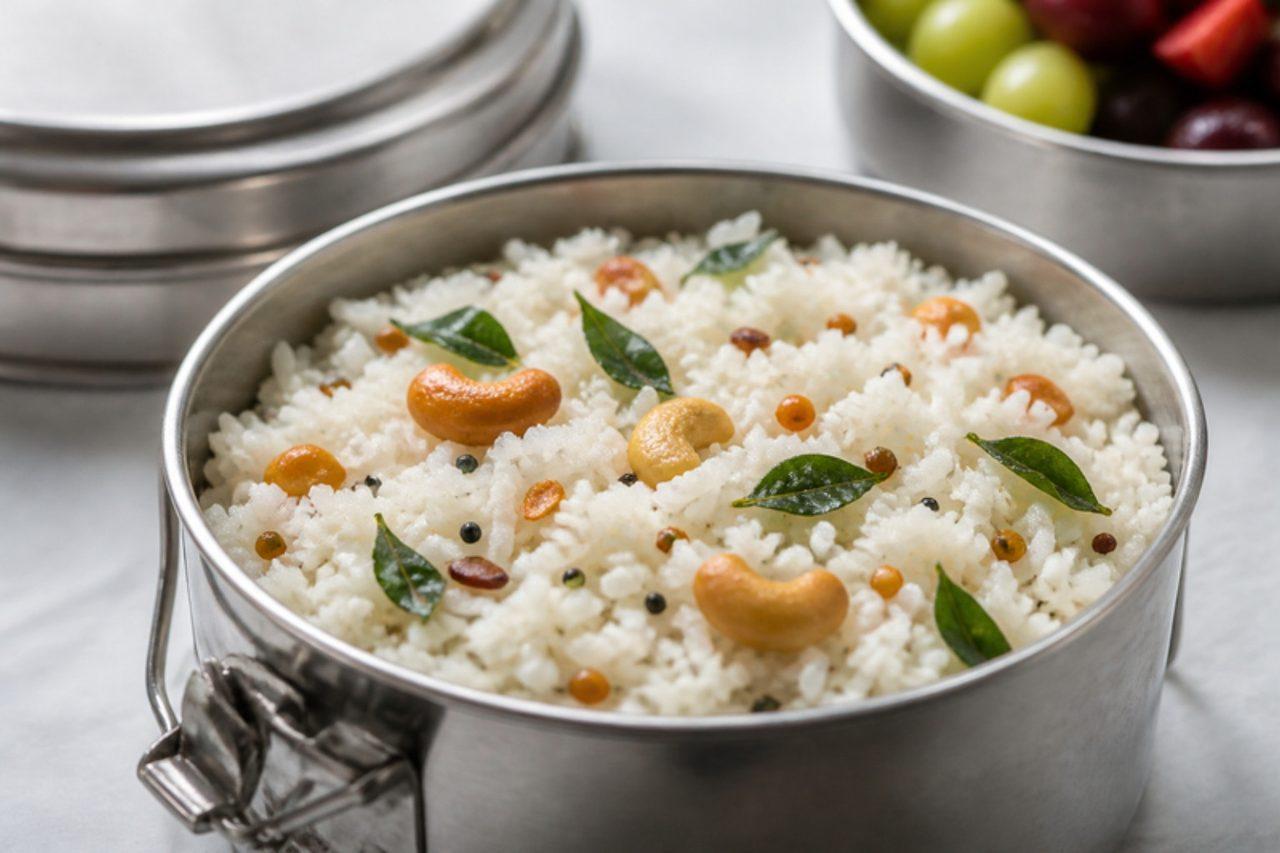
Thengai sadamCoconut rice

Thengai sadam is one of the 'variety rice' dishes that fill Tamil lunchboxes and temple prasadam lines, alongside lemon and tamarind rice. It is made for Aadi Perukku and Varalakshmi Vratam, packed for train journeys to Madurai, and turned out on busy weekdays from leftover rice. Fresh coconut, lightly toasted in coconut oil, clings to every grain; crunchy urad and chana dal, cashews and curry leaves give bite, and a dry red chilli a gentle heat. It tastes mild, sweet from the coconut and very fragrant. Serve it with potato roast, appalam or a spoon of mor kuzhambu. A common mistake is browning the coconut; it should only lose its raw smell and stay snowy white. Chef's tip: spread the rice on a plate to cool fully; warm, freshly cooked rice breaks and turns pasty when tossed.

by KrazyBadal 0 views

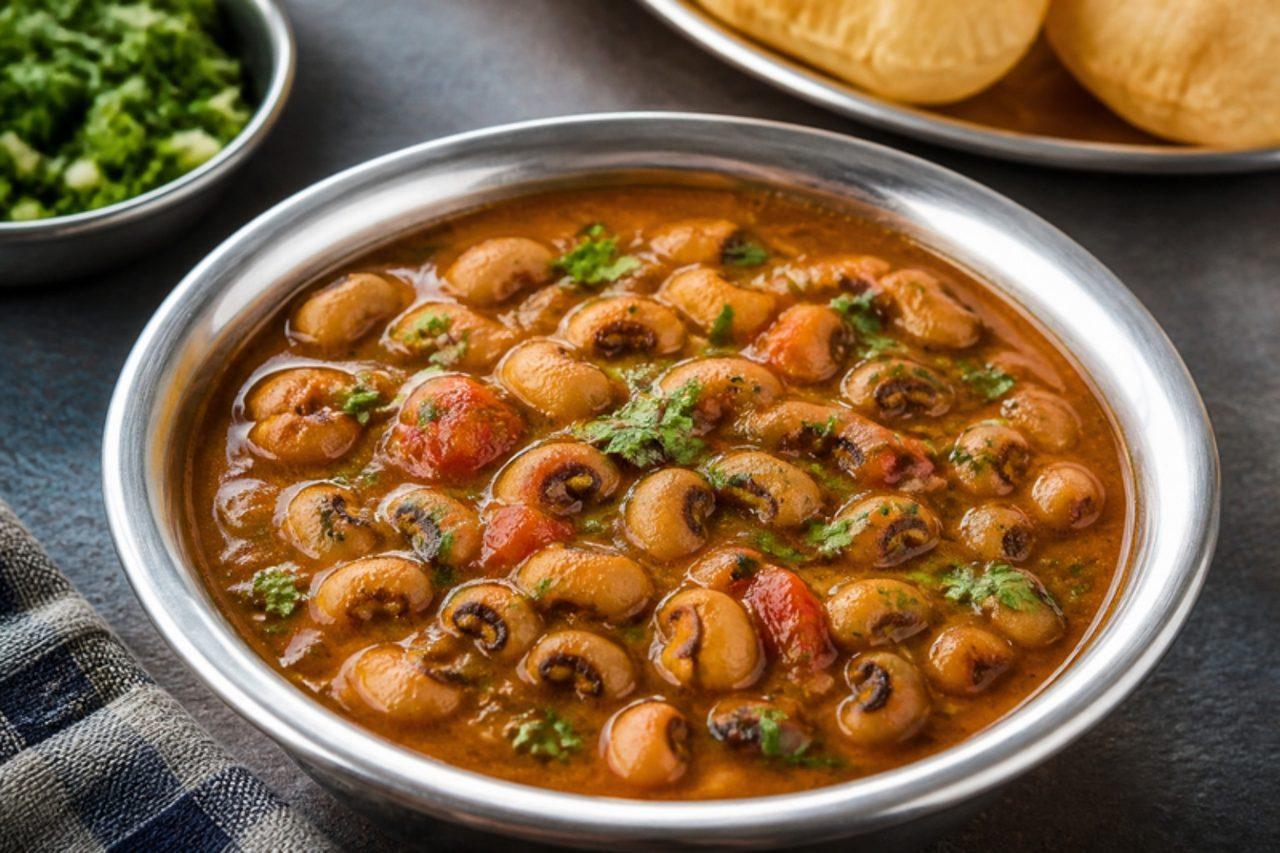
Chora nu shaakBlack-eyed pea curry

Chora nu shaak is a Sunday favourite in Surat and Baroda homes and one of the pulse shaaks that rotate through a Jain kitchen in place of onion-based gravies. Black-eyed peas are cooked soft, then simmered in a thin tomato gravy built on a vaghar of mustard seed, cumin, hing, cloves and dry red chilli, sweetened with jaggery and sharpened with lemon in true Gujarati style. Dry ginger powder replaces fresh ginger, and there is no onion or garlic. The gravy should be loose enough to soak into rotli or rice, with a few beans mashed to give it body. A common mistake is adding tomato and jaggery before the beans are fully soft; acid and sugar keep them hard however long you cook them. Chef's tip: let the shaak rest for 10 minutes before serving; the chora drink up the gravy and the flavours round out.

by KrazyBadal 0 views

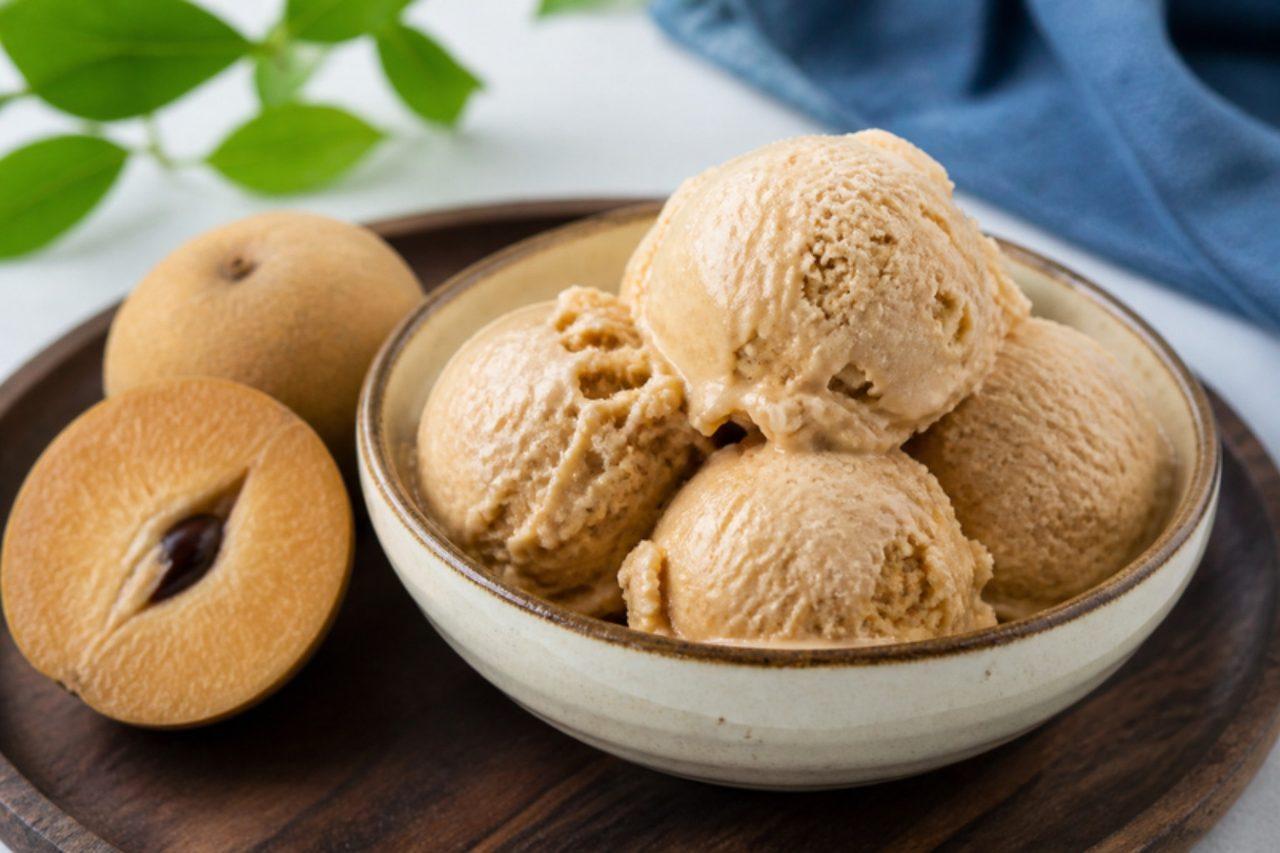
Chikoo ice creamSapodilla ice cream

The coast from Dahanu and Gholvad in Maharashtra up to Navsari and Valsad in South Gujarat is chikoo country, and when the orchards are heavy in winter, every home freezes a tub of this. Ripe chikoo tastes of brown sugar, malt and pear, so the ice cream needs barely any sugar and comes out a soft caramel colour, a little grainy from the fruit in a pleasing way. It's a family dessert after Sunday lunch and a favourite at Uttarayan terrace parties. The common mistake is using chikoos that are not fully soft; underripe fruit is astringent and makes the mouth feel furry. Press each one: it should give like a ripe peach. Chef's tip: blend the chikoo with the milk only just before folding; the pulp browns and turns flat if it sits around.

by KrazyBadal 0 views

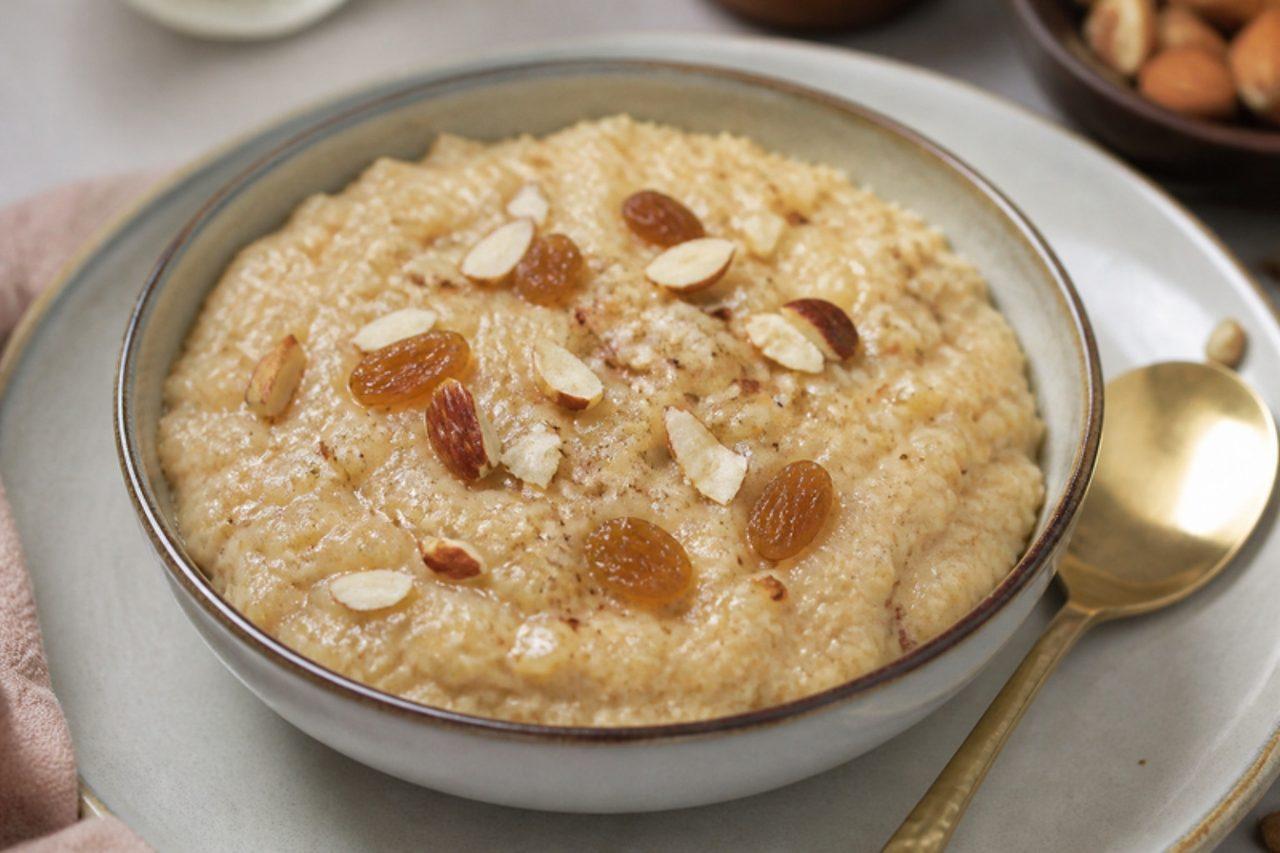
Meetha daliaSweet broken wheat porridge

On cold mornings in Punjab, Haryana and across Uttar Pradesh, a steaming bowl of milky dalia is what gets children out of the door. Fine broken wheat is first toasted in a spoonful of ghee, then cooked soft and finished in milk until it is creamy and loose, closer to a rice kheer than to a thick Gujarati lapsi. Jaggery gives it a gentle caramel sweetness, cardamom and plump raisins do the rest, and chopped almonds or a sliced banana on top make it a proper meal. It travels well in a flask for a tiffin, and toddlers who are already eating family food usually love it. Leftovers thicken in the fridge; loosen them with hot milk. Chef's tip: soak the jaggery in two tablespoons of warm water while the dalia cooks, then strain it in; this catches any grit and the syrup blends in smoothly.

by KrazyBadal 0 views

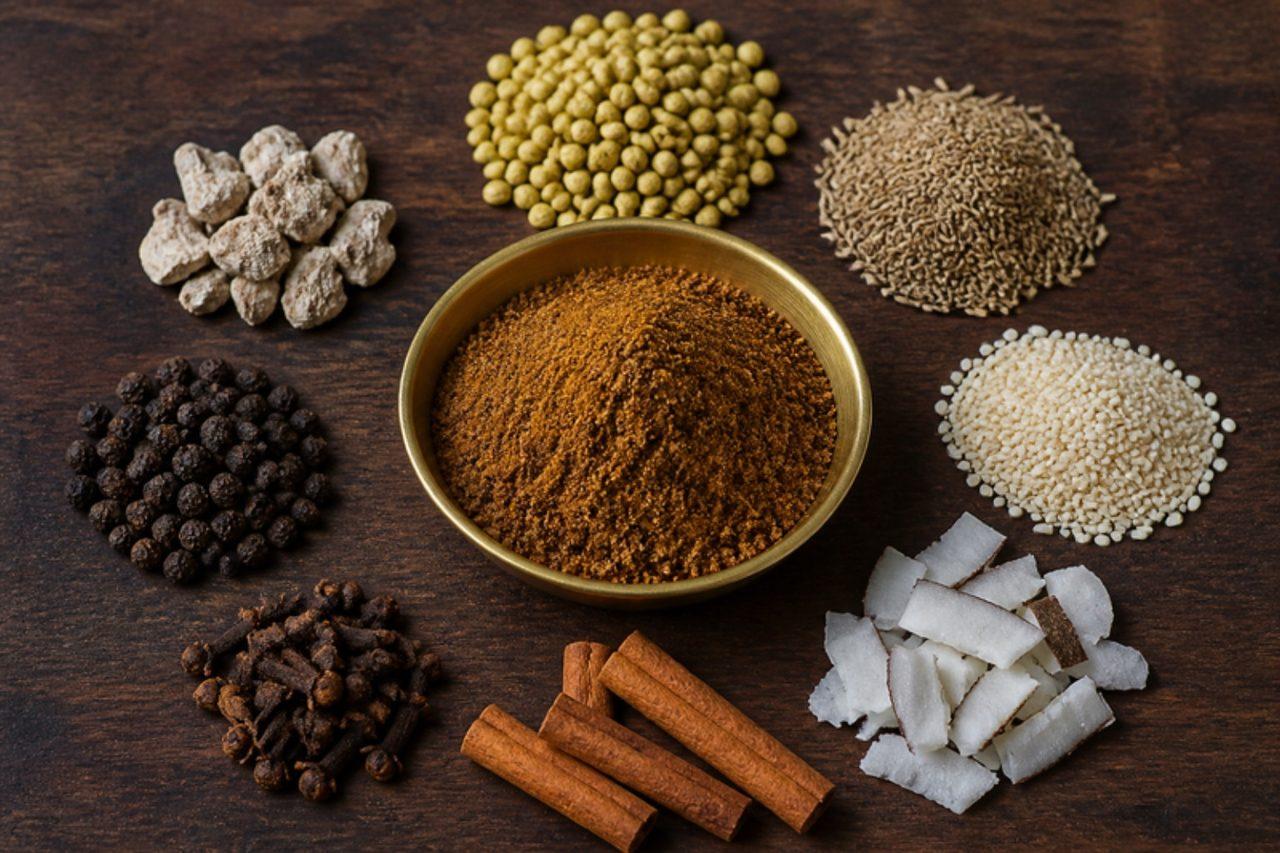
Goda masalaMaharashtrian spice blend

Goda means sweet in Marathi, and the word describes not sugar but the warm, rounded fragrance of this masala, which every Pune and Satara household roasts in small batches. It is the soul of Brahmin Maharashtrian cooking: masale bhaat at weddings, a spoonful in amti (tangy toor dal), bharli vangi (stuffed brinjal), and usal for misal. It is dark and aromatic rather than hot, built on coriander, dry coconut (kopra) and sesame, perfumed with cinnamon, cloves and cardamom, and given its earthy, slightly musky depth by dagad phool (stone flower, a lichen), with nagkesar and maratha moggu if you can find them at a Marathi grocer. Common mistake: roasting the coconut and sesame with the hard spices on a high flame; the coconut burns before the coriander is done and the whole batch tastes bitter. Chef's tip: roast each spice in a drop of oil until a shade darker, because that slow roasting is what gives goda masala its colour.

by KrazyBadal 0 views

Rasam powderRasam spice powder

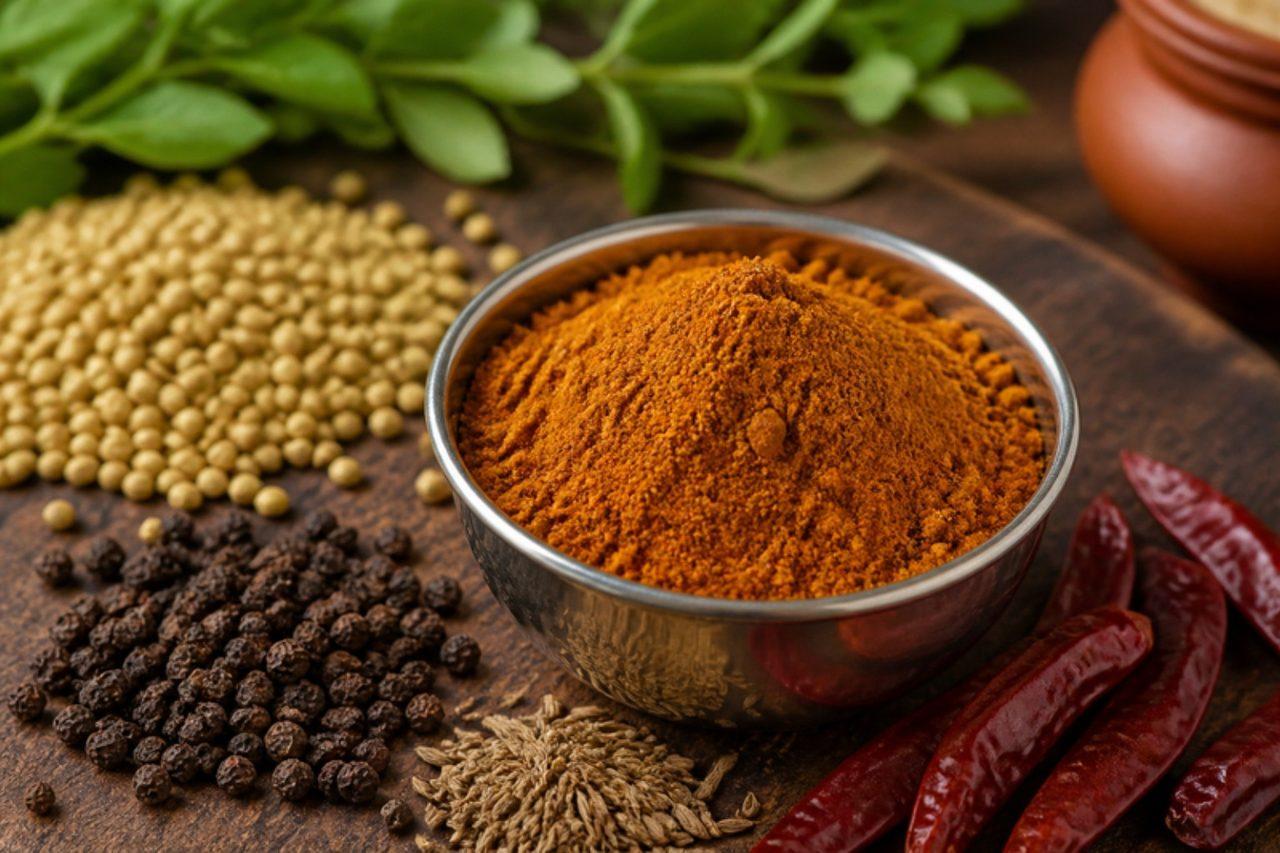
A spoon of rasam podi, a lime-sized ball of tamarind, a tomato and a ladle of cooked toor dal: that is lunch in countless Tamil homes, from Thanjavur to Tirunelveli, and the podi is what makes one family's rasam taste unlike the neighbour's. This version is peppery and cumin-forward, as rasam should be, with roasted coriander for body and a little toor dal that thickens the broth slightly and gives it a rounded, nutty base. It is meant for clear, thin rasams: tomato rasam, pepper rasam, lemon rasam, and the one you sip as a soup when you have a cold. Make a small batch, since the aroma fades after a couple of months. Common mistake: roasting the coriander seeds until dark brown; they turn bitter and the rasam tastes burnt. Chef's tip: add rasam powder at the end, when the tamarind water is already boiling, and switch off the heat as soon as the rasam froths; boiling it hard kills the pepper aroma.

by KrazyBadal 0 views

Badam milkAlmond milk

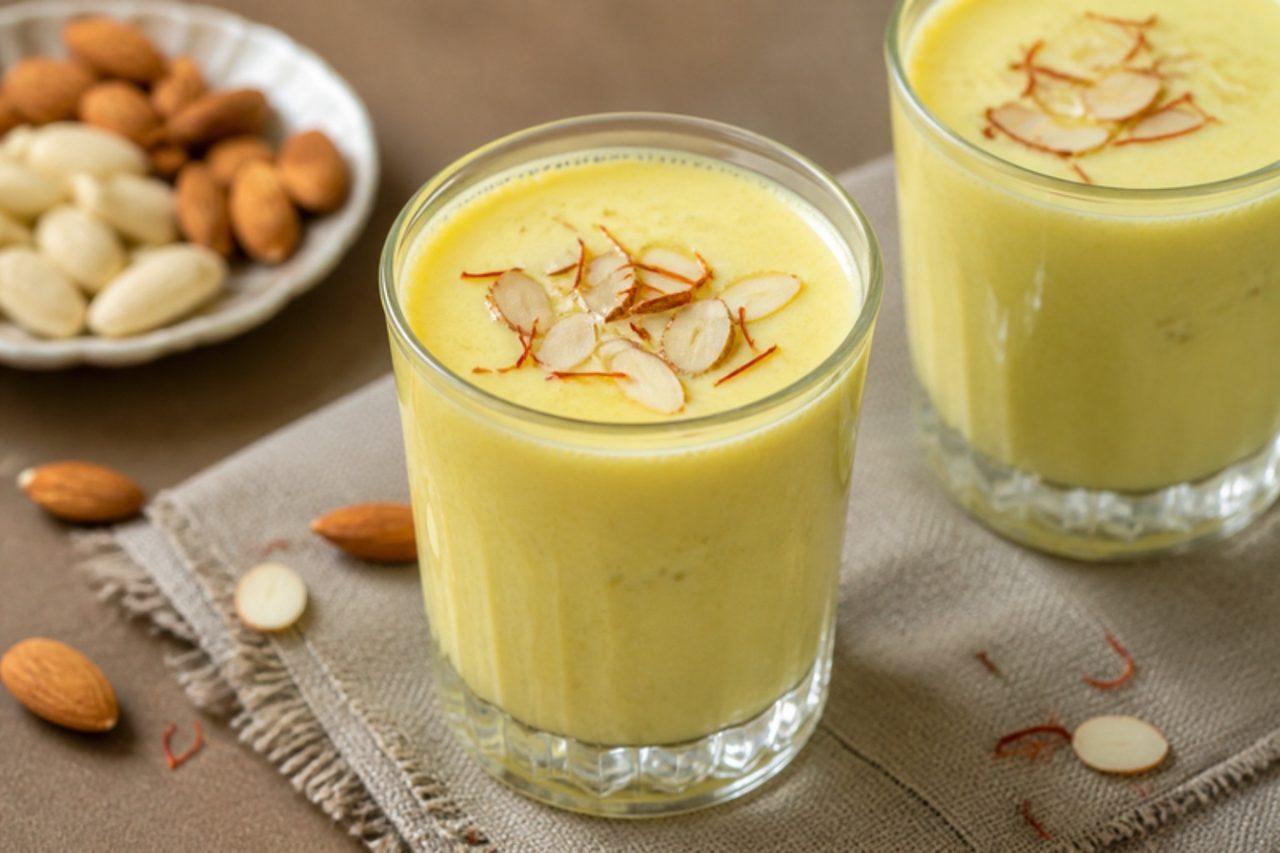
In Hyderabad and Bengaluru, darshinis and Irani cafés sell badam milk from steaming steel urns, while in North Indian homes a hot glass of it is what you get after an exam or on a cold Delhi evening. It is creamy and nutty, tinted pale gold by saffron, and has fine, pleasant flecks of almond rather than being smooth like a shake. Chilled, it is sold in bottles all summer and served at weddings. Soaking and peeling the almonds is what makes it taste clean and sweet. A common mistake is grinding the almonds dry, which turns them oily and gritty; grind soaked almonds with a little milk to a fine paste. Chef's tip: simmer gently after adding the almond paste and keep stirring, because it settles and catches on the bottom of the pan within minutes.

by KrazyBadal 0 views

Gulkand ice creamRose petal ice cream

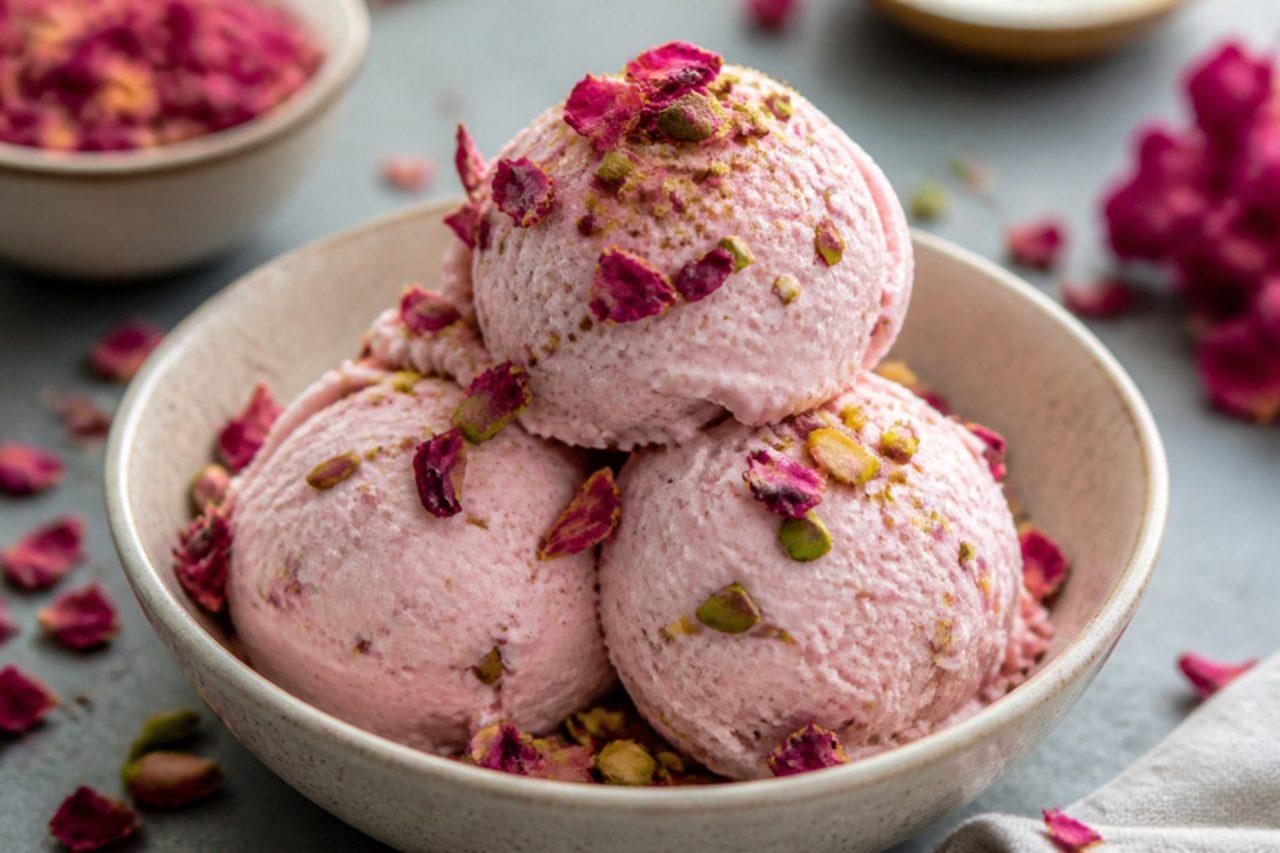
Gulkand, rose petals pounded with sugar and left to mature in the sun, is what gives a meetha paan its sweet floral heart, and Mumbai parlours and Delhi dessert shops have long turned it into a pink-flecked ice cream. This no-churn version needs no machine: whipped cream and condensed milk freeze smooth, and the gulkand stays in soft, jammy ribbons that taste of roses and honey. Serve it after a Mughlai dinner, at a summer party, or between slices of malpua. The common mistake is overwhipping the cream until grainy; then the ice cream feels buttery. Stop at soft, floppy peaks. Chef's tip: loosen the gulkand in the condensed milk before folding; stirred in on its own, it sinks as sticky clumps.

by KrazyBadal 0 views

Jianshui zong (alkaline rice dumplings)

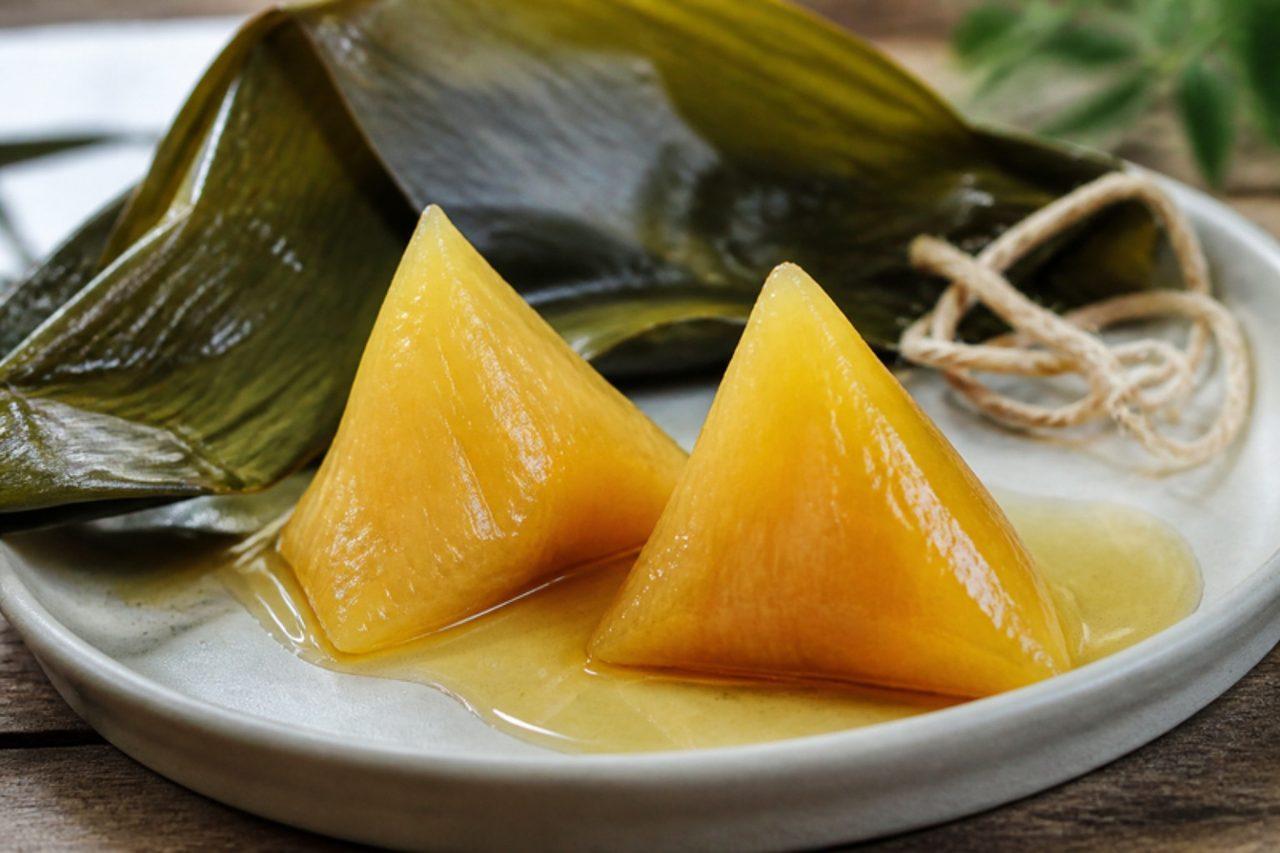
When the Dragon Boat Festival comes round in early summer, kitchens in Guangdong and the Jiangnan region boil batches of these plain, amber zongzi in bamboo leaves; they are chilled and eaten with syrup or sugar as a cooling sweet. Alkaline water turns the glutinous rice golden, springy and almost translucent, with a faint mineral taste. Food-grade lye water is strong, so keep it away from children, wear gloves and never taste the raw soaked rice. The mistake is wrapping too tightly: the rice swells a lot, so leave a little room. Chef's tip: boil them fully submerged under a heavy plate the whole time, or the tops stay hard.

by KrazyBadal 0 views

Coconut milk jelly

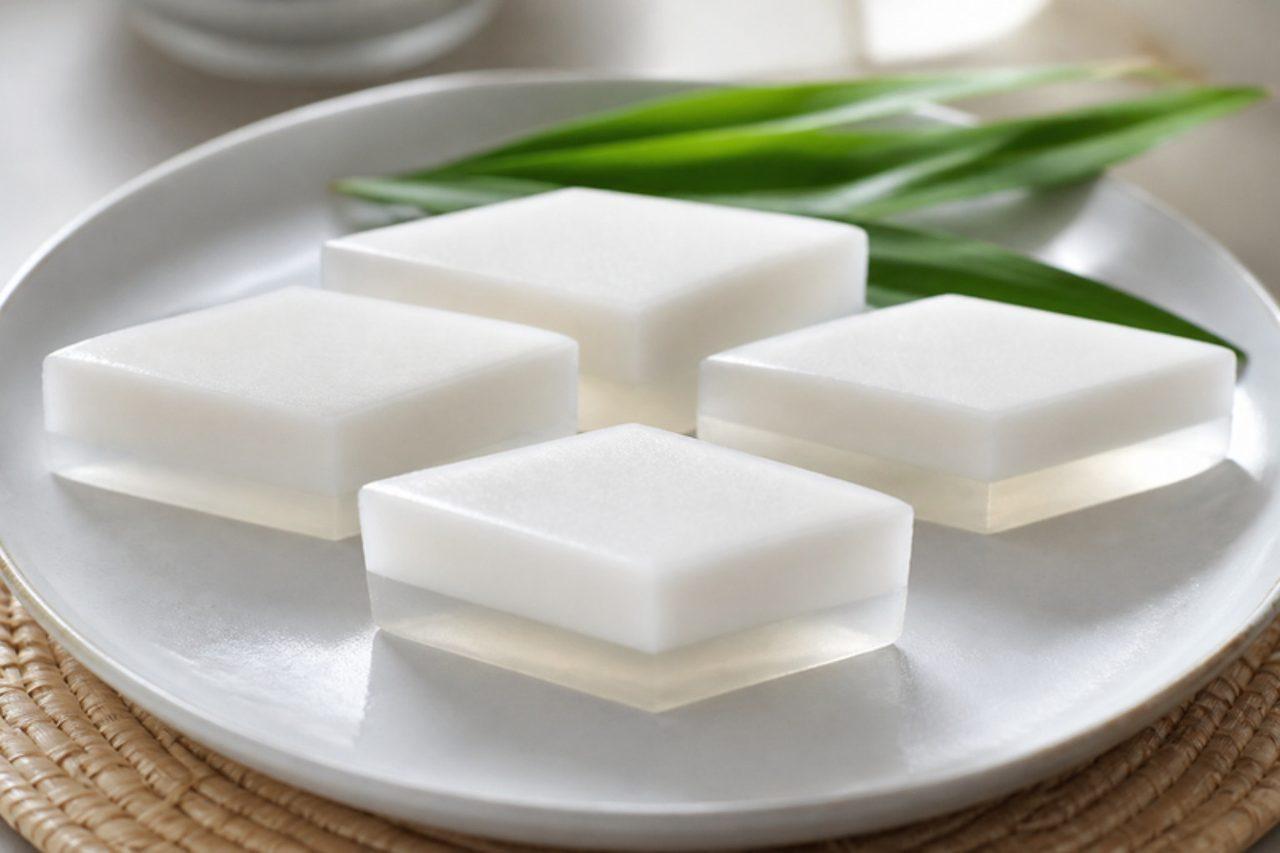
Hong Kong yum cha halls finish a long Sunday lunch with plates of these cool white-and-clear diamonds, and Guangdong homes set a tray in the fridge for hot summer evenings. The bottom layer is rich coconut milk, the top a clear, gently sweet jelly, both set with agar so it is fully vegan and holds firm even on a warm table. Set the layers too far apart in time and they peel away from each other, which is the usual mistake: pour the second layer while the first is set on top but still warm. Chef's tip: shake the can of coconut milk hard before opening, or the rich cream stays in a lump at the top.

by KrazyBadal 0 views

Mahua (crisp fried dough twists)

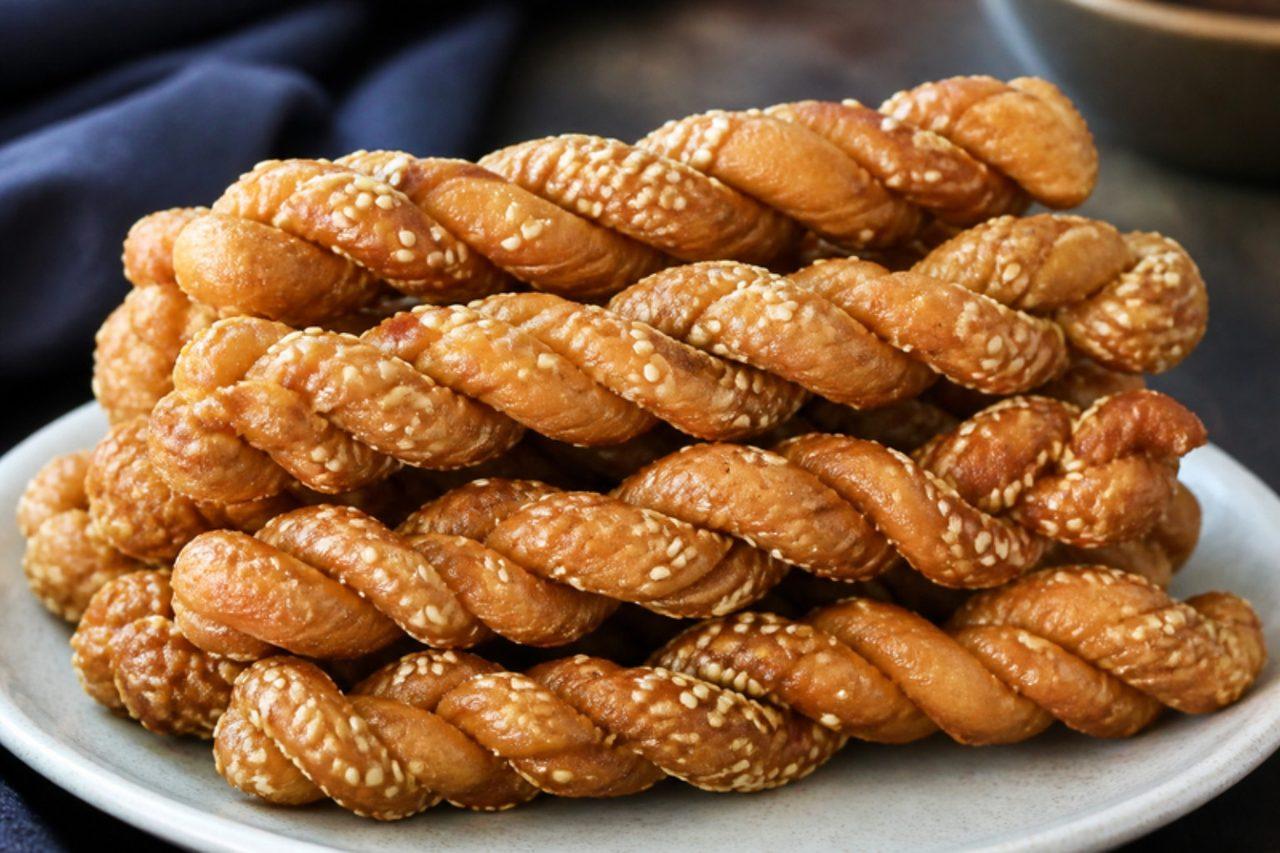
Tianjin in northern China is famous for mahua, and the shops on Guifaxiang street sell giant ones stuffed with candied fruit; but the everyday kind is a small, hard, golden twist sold in bags in every corner shop and eaten with tea or as a snack on the train. This home version is crisp right through with a little sweetness and toasted sesame. The common mistake is frying too hot: the outside browns while the thick twist stays doughy and raw in the middle. Keep the oil at about 160 °C and give them time. Chef's tip: let the shaped twists rest 10 minutes before frying so the dough relaxes; tight twists spring open in the oil.

by KrazyBadal 0 views

Laba congeeMixed grain and bean porridge

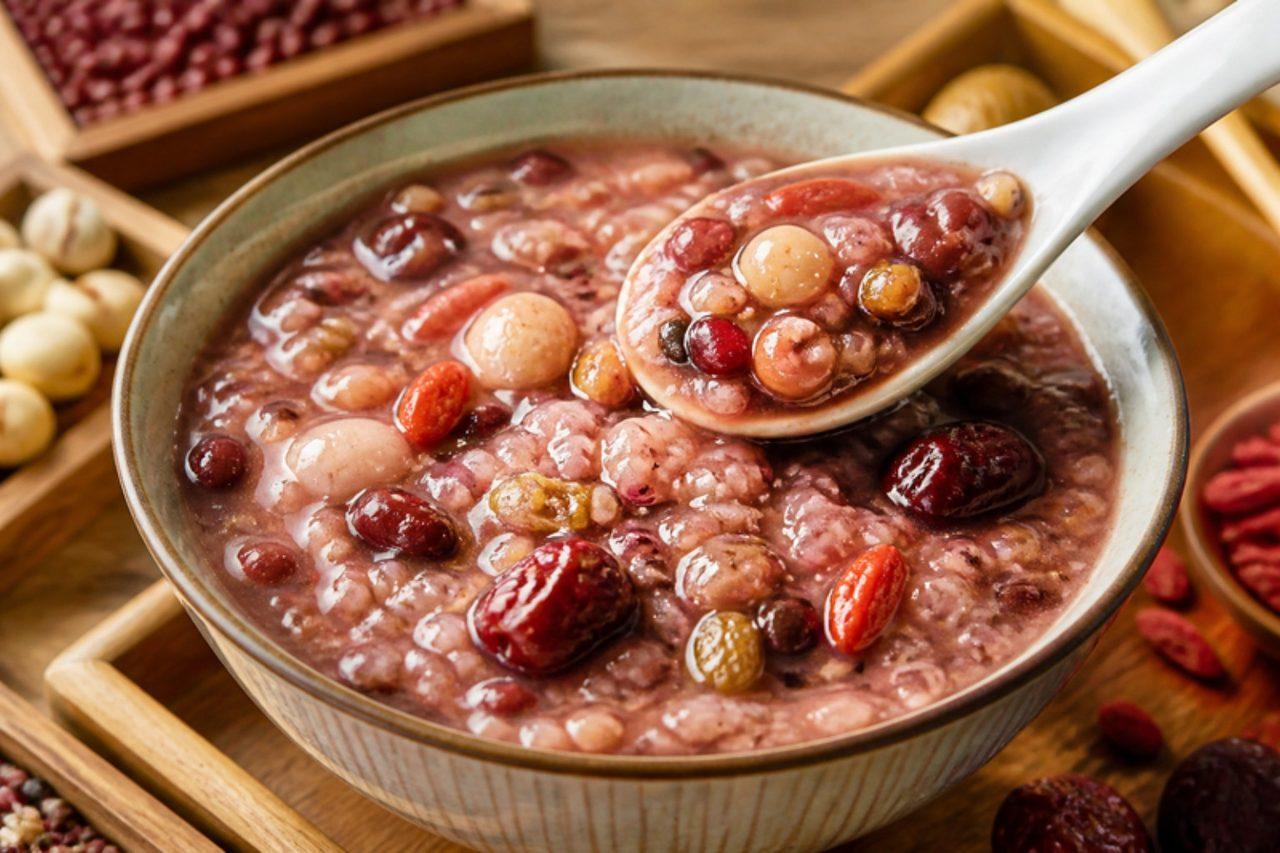
On Laba, the eighth day of the twelfth lunar month, Buddhist temples across China from Beijing's Yonghe Temple to Hangzhou's Lingyin hand out bowls of this porridge to everyone who queues, marking the day the Buddha is said to have reached enlightenment. Families cook it at home the same morning, and it signals that the New Year is on its way. It is thick, gently sweet and full of different textures: chewy black rice, soft red beans, creamy lotus seeds and sticky dates. A common mistake is putting everything in at once; the beans need a head start or they stay hard while the rice turns to glue. Chef's tip: soak the beans and black rice overnight, and cook the porridge low and slow with the lid ajar so it does not boil over.

by KrazyBadal 0 views

Paruppu sadamMashed rice and toor dal

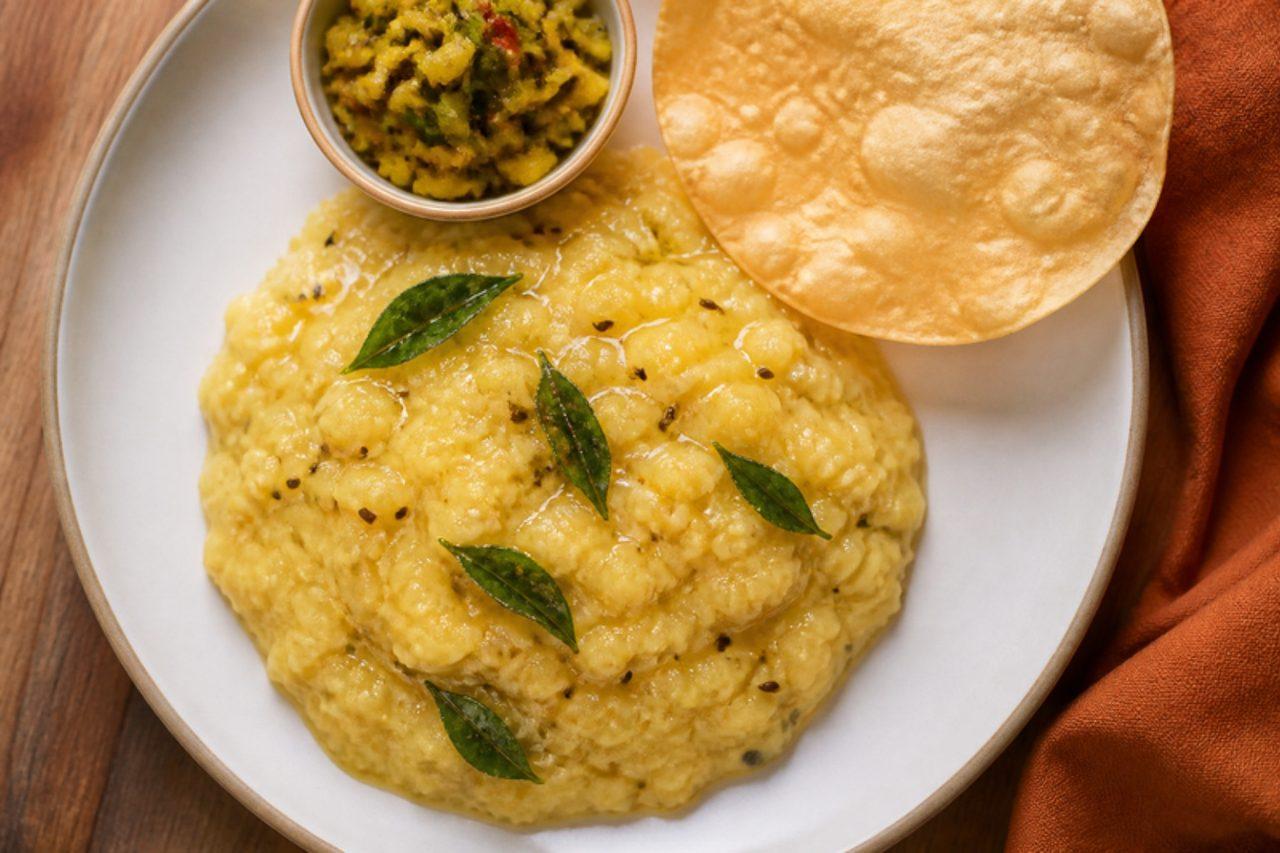
Long before they can manage rasam or sambar, children in Tamil homes are fed paruppu sadam: rice and toor dal cooked together until very soft, mashed smooth and loosened with a spoonful of ghee. It is plainer and wetter than a khichdi, with no vegetables or spice blend, just turmeric, salt and a light thalippu (tempering) of cumin, curry leaves and a pinch of asafoetida. The same bowl is comfort food for grown-ups, eaten with a crisp potato roast, a fried appalam (urad papad) and a dollop of mango pickle. It also turns up at the start of a festive Tamil meal, where the first course is always dal rice with ghee. The texture should be creamy and spoonable, almost like a thick soup. Chef's tip: mash the rice and dal while they are piping hot; once they cool, the starch sets and the mash turns gluey rather than smooth.

by KrazyBadal 0 views

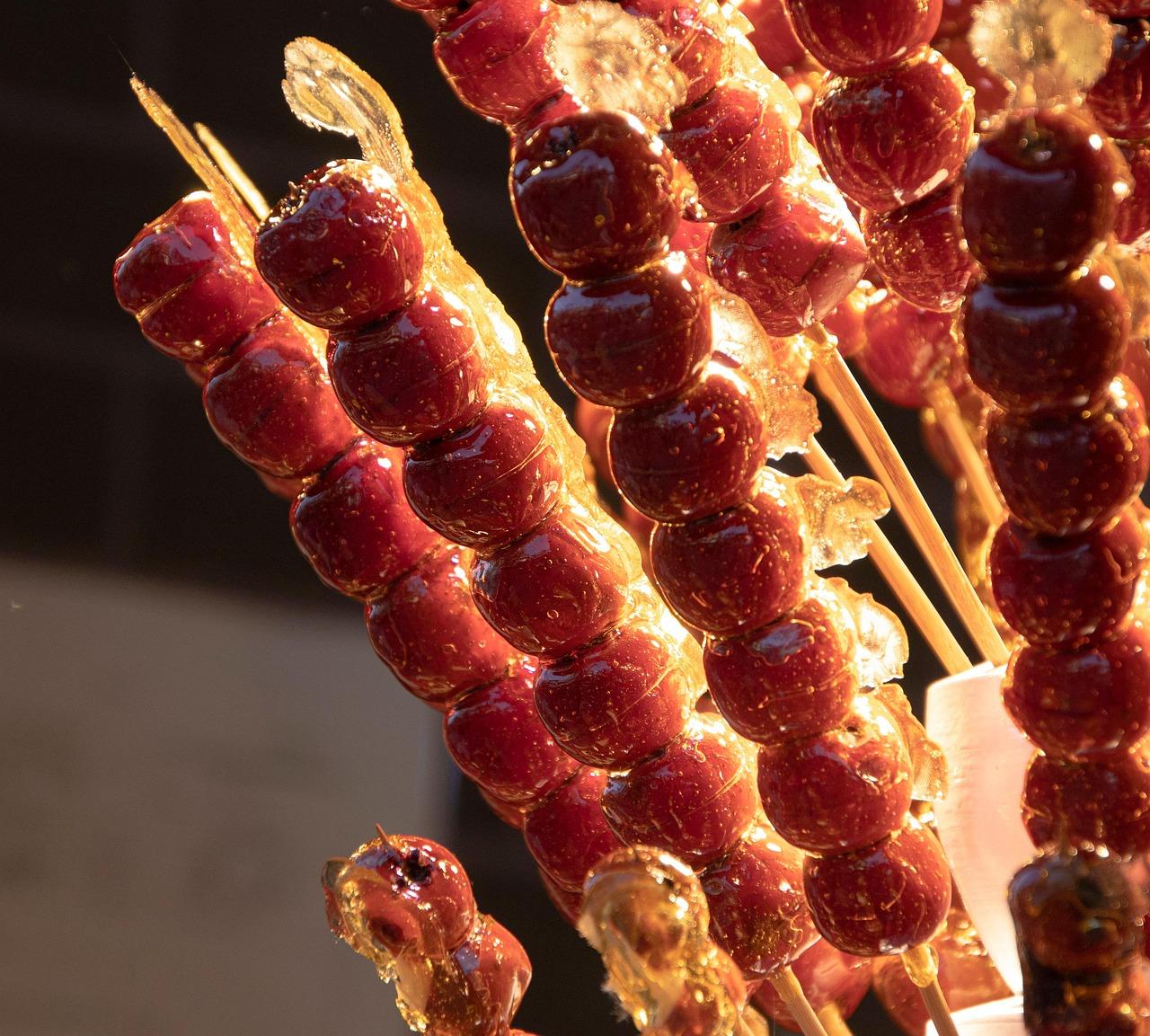
Tanghulu (candied hawthorn and fruit skewers)

Tanghulu sellers carrying poles bristling with red skewers are a winter sight in Beijing's hutongs and at the Spring Festival temple fairs at Ditan and Changdian. The classic is hawthorn, tart and mealy under a shell of hard sugar; strawberries, mandarin segments and grapes are the modern favourites. Everything depends on the syrup reaching the hard-crack stage, about 150 °C; the common mistake is stopping too early, which gives a sticky coating that never sets. The syrup is far hotter than boiling water and sticks to skin, so keep children well back while you cook and dip, and let them help only with threading the fruit. Chef's tip: the fruit must be bone dry; any water on the skin makes the sugar slide off and bubble.

by KrazyBadal 0 views

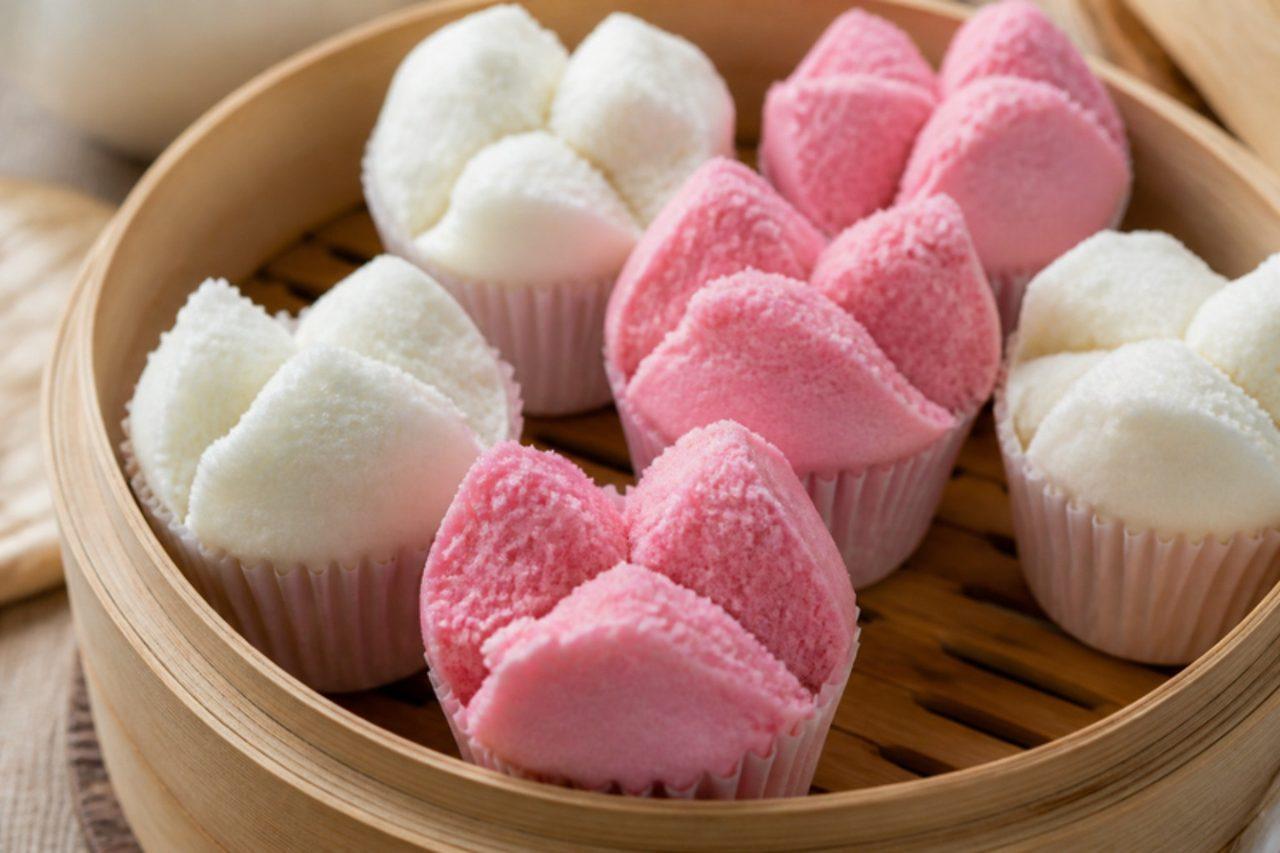
Fa gao (prosperity cakes)Steamed rice flour cakes

Fa gao is the little cake on every Cantonese New Year altar in Guangzhou and in Chinatowns from Kuala Lumpur to London: the word 'fa' means both 'rise' and 'prosper', and the deeper the cross-shaped crack on top, the luckier the year. This quick version uses rice flour, a little wheat flour and baking powder, steamed hard so the tops burst open, and it is egg- and dairy-free. The mistake that stops them smiling is a gentle steamer; the water must be at a fierce rolling boil before the cups go in. Chef's tip: fill the cups right to the brim, so the batter has to split as it rises.

by KrazyBadal 0 views

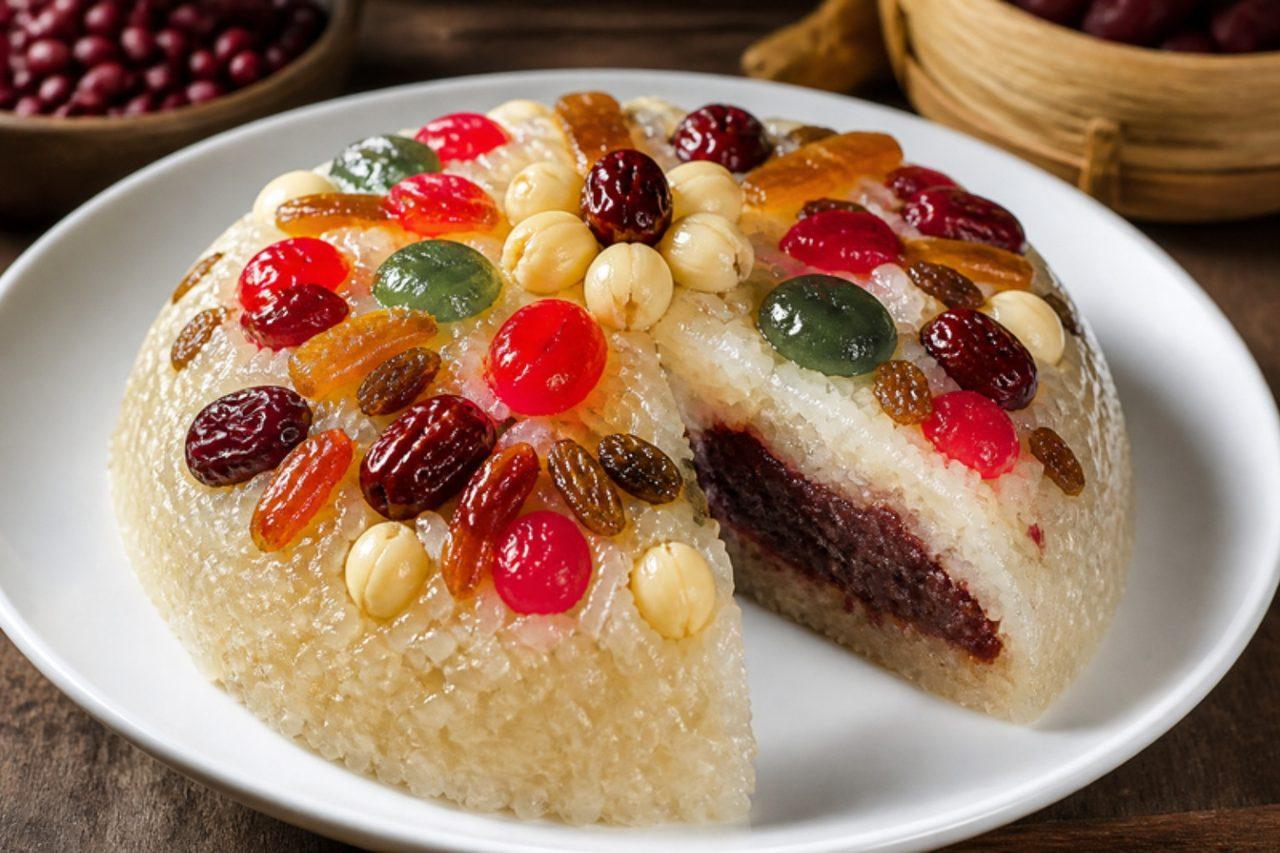
Eight treasures rice

On New Year's Eve in Shanghai and the towns of Jiangnan, the reunion dinner ends with a dome of sticky rice turned out onto a plate, its top patterned with red dates, raisins, goji berries, walnuts and lotus seeds, and a heart of sweet red bean paste. A glossy syrup goes over just before it reaches the table. Older recipes use lard; this one uses neutral oil, so it is vegan. The usual mistake is undercooking the rice at the first steaming: if it is still chalky before shaping, it never turns tender. Chef's tip: pack the fruit pattern into the bowl first and press the rice firmly over it, so the design comes out sharp.

by KrazyBadal 0 views

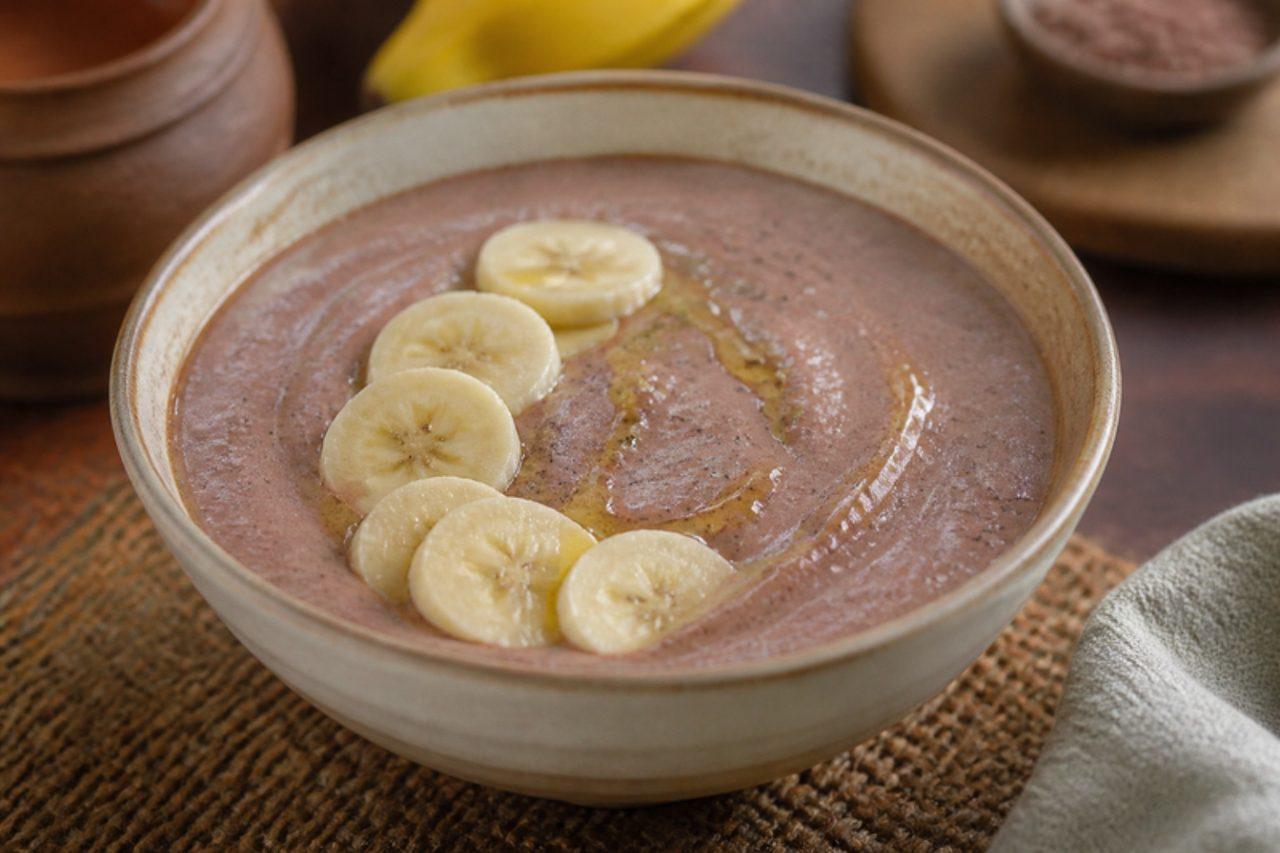
Ragi ganjiFinger millet milk porridge

Across Karnataka and the Tamil country, a cup of warm ragi is often the very first grain a child tastes and the same drink a grandfather has before his morning walk. Finger millet (ragi) flour cooks into a silky, cocoa-brown porridge with an earthy, slightly malty taste that jaggery and a whisper of cardamom round off beautifully. Bengaluru mothers pour it into steel tumblers for school mornings; it is filling, naturally gluten-free and gentle on small tummies. Keep it pourable for drinking or cook it a minute longer for a spoonable bowl, and serve it warm with a ripe banana alongside. For children under one, most families leave out the jaggery and use water or the milk the baby already drinks. Chef's tip: always whisk the flour into cold water first; ragi flour dropped into hot liquid seizes into lumps that no amount of stirring will fix.

by KrazyBadal 0 views

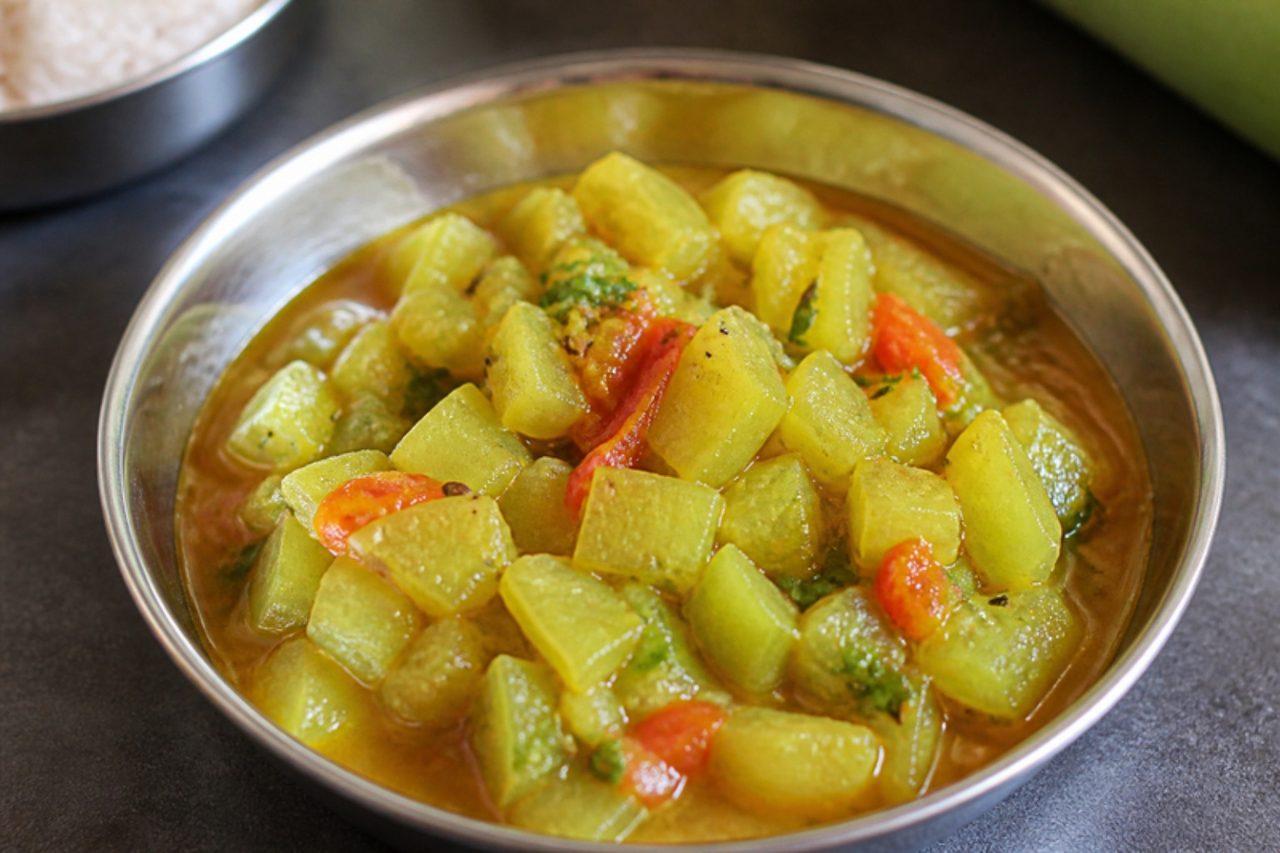
Dudhi nu shaakBottle gourd curry

When someone in a Gujarati house is unwell, or it's simply too hot to eat anything heavy, this is the shaak that appears with khichdi or thin rotli. Pale green bottle gourd cubes are cooked in a vaghar of cumin, mustard seed and hing with green chilli, a little tomato and a pinch of jaggery, and they release so much juice that almost no water is needed. With no onion, garlic or fresh ginger, it's everyday Jain food too. It ends up soft, light and gently sweet-sour, with a little thin gravy to soak into rice. The common mistake is adding water; dudhi is mostly water itself, and the shaak goes soupy and bland. Cover and let it stew in its own juice. Chef's tip: always taste a tiny raw piece first; a bottle gourd that tastes bitter can make you ill and must be thrown away.

by KrazyBadal 0 views

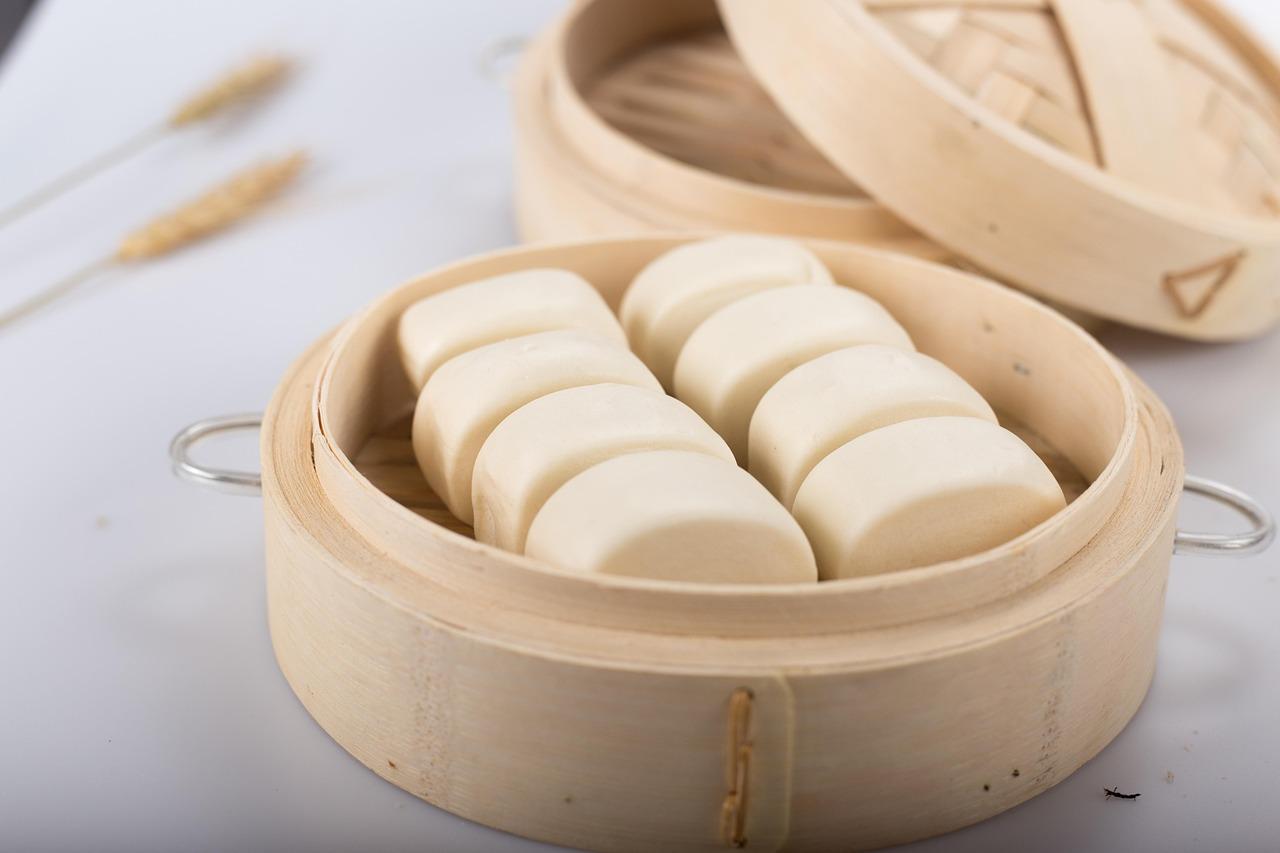
Mantou (plain steamed buns)

From Shandong to Shaanxi, mantou are what bread is elsewhere: plain, slightly sweet steamed wheat buns bought by the bagful each morning and eaten with porridge, pickles, braised dishes or a fried egg. A good one is snowy white, smooth-skinned and springy, with a fine, close crumb that tears in soft layers. The common mistake is lifting the lid the moment the heat goes off: the sudden cold air makes the skins wrinkle and collapse, so let them stand covered for 5 minutes first. Leftovers are sliced and pan-fried, or split and filled with anything from braised tofu to chilli sauce. Chef's tip: knead much longer than you think, then knead again after the rise; the second knead pushes out the big air bubbles and gives that silky skin.

by KrazyBadal 0 views

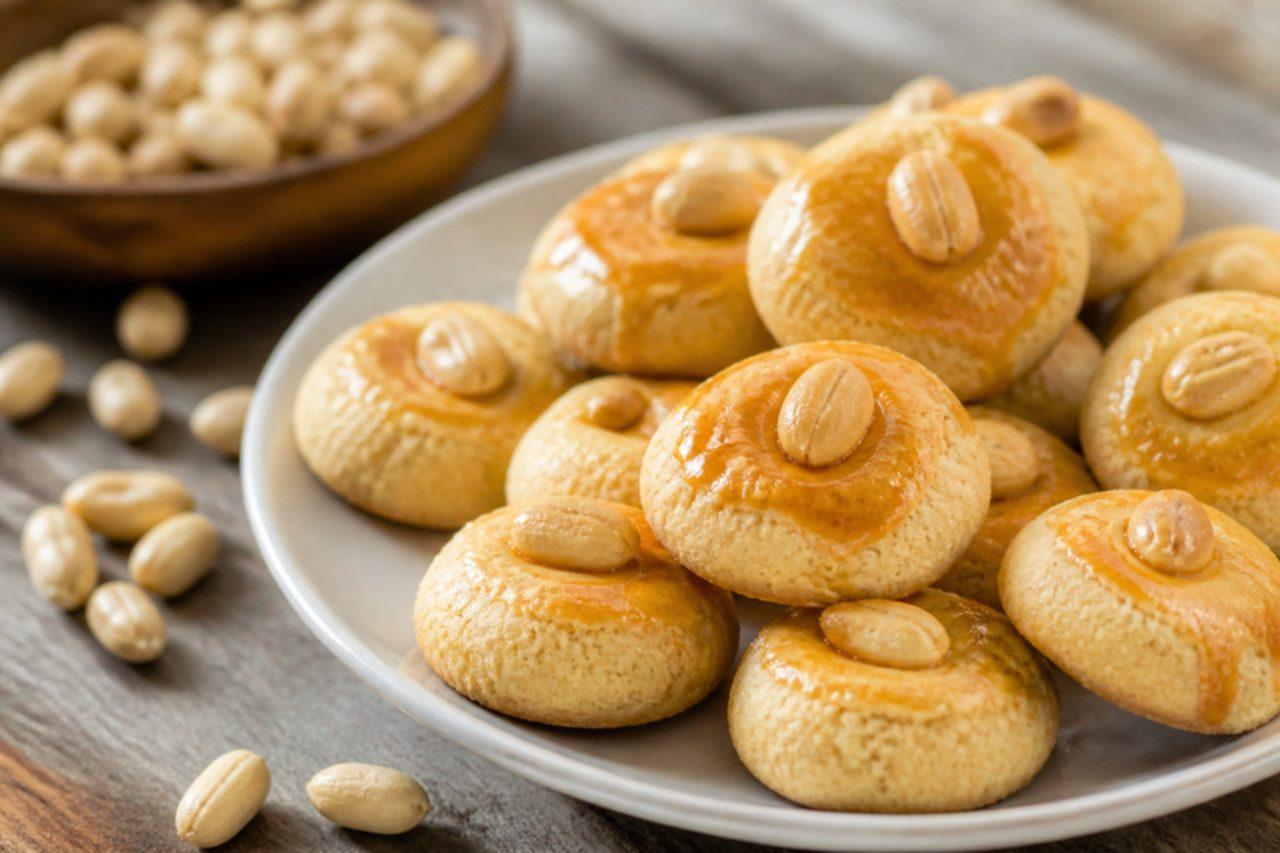
Peanut cookies (hua sheng bing)

Lift the lid on a Chinese New Year snack tray in Guangdong, Penang or Singapore and there will be these pale golden domes, so short they crumble the moment they touch your tongue. They are nothing but roasted peanuts ground fine, flour, icing sugar and oil, and this version skips the usual egg wash, so they are vegan. The mistake is over-grinding the peanuts into a paste, which makes the dough greasy and the cookies flat; stop while it is still a fine powder. Chef's tip: let them cool fully on the tray before moving them, because they are fragile until set.

by KrazyBadal 0 views

Showing 24 of 2,799 recipes

Show more recipes

Page 28 of 117

More Jain ideas

Other diets