
Skip to content
WhatToEat.Today

Jain recipes: no onion, garlic or root vegetables

2,799

2799 Jain recipes with no onion, garlic, potato, carrot, fresh ginger or other root vegetables, and no mushrooms, eggs or honey. Hing, dry ginger and turmeric powder are fine. Each has photos, step-by-step instructions and cook times. The quickest, Apfelschorle, takes 2 minutes. Most take around 40 minutes.

Filter these by time, diet or cuisine · Make Jain your diet to see only these recipes everywhere on the site.

Pane ticinesePull-apart white loaf

Pane ticinese comes from Switzerland's Italian-speaking south and is now sold in bakeries across the country: a long, flat loaf made of linked rolls, each section easy to break off, with a soft, slightly chewy crumb thanks to a little olive oil in the dough. In Lugano and Bellinzona it goes on the table at lunch with salami and formaggini, or is torn into hunks for minestrone; this version is vegan. Chef's tip: when shaping, press each fold right down with the side of your hand; the deep creases are what let the loaf snap into neat pieces after baking.

by KrazyBadal 0 views

VarenyeFruit preserve in syrup

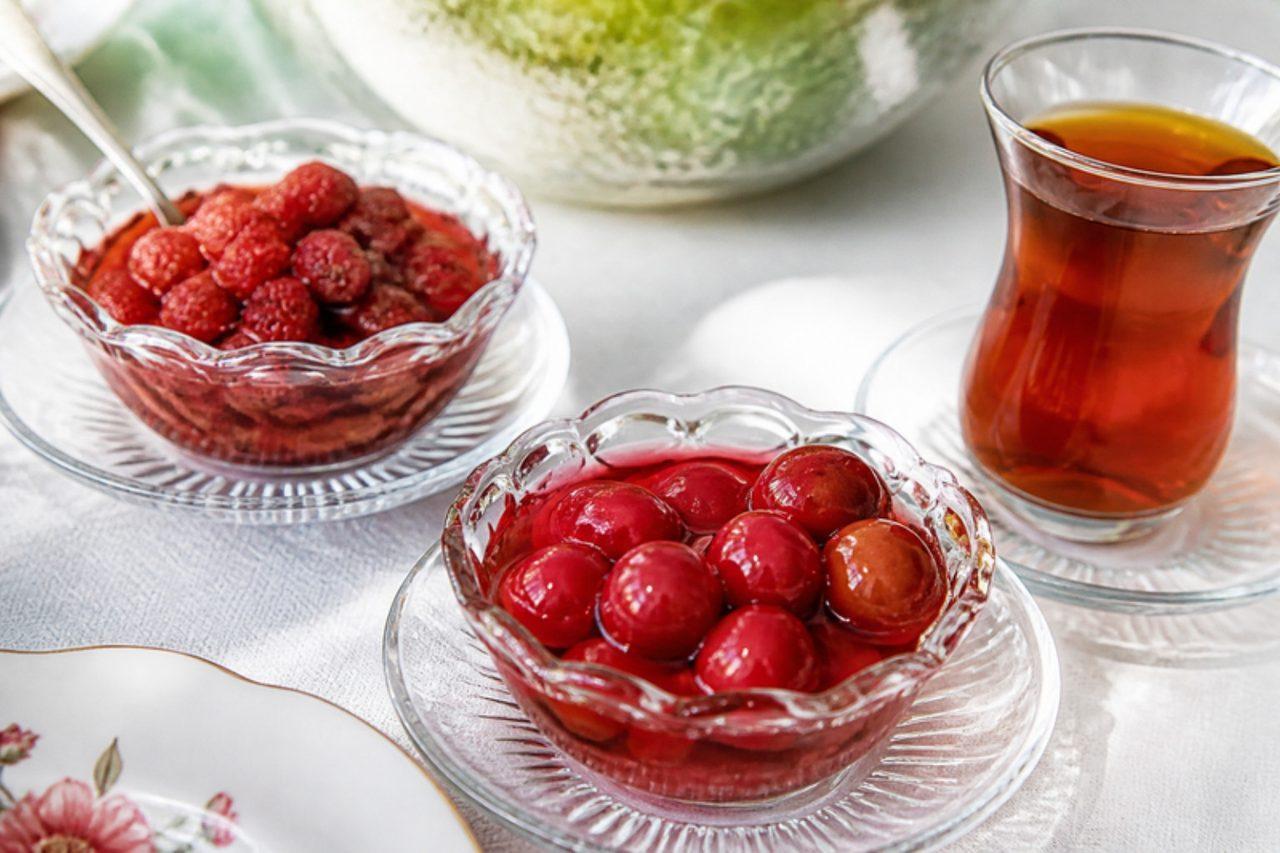
Varenye is not quite jam: whole berries or fruit are steeped and cooked in short bursts so they stay intact in a clear, glossy syrup. All summer at dachas around Moscow and Vladimir, copper basins of strawberry, cherry or gooseberry varenye bubble outside, and in winter it is spooned into tiny glass rosettes and eaten with tea, sometimes straight from the spoon between sips. The common mistake is boiling it in one long go, which turns the fruit to mush. Chef's tip: cook it in three short boils with long rests between; the fruit soaks up syrup slowly and stays whole.

by KrazyBadal 0 views

WeggliSoft milk rolls

Weggli are the soft white rolls Swiss-German children grow up on: in Zurich, Bern and Basel they are bought warm on Saturday mornings, pulled apart along their deep central crease and eaten with butter and jam, or with a bar of chocolate pressed inside for the school break. The dough is enriched with milk and butter, so the crumb is fine and fluffy and the crust thin and golden. Chef's tip: press the crease firmly with the handle of a wooden spoon almost to the tray; if it's too shallow the rolls rise back into plain buns.

by KrazyBadal 0 views

Shimla mirch besanCapsicum with gram flour

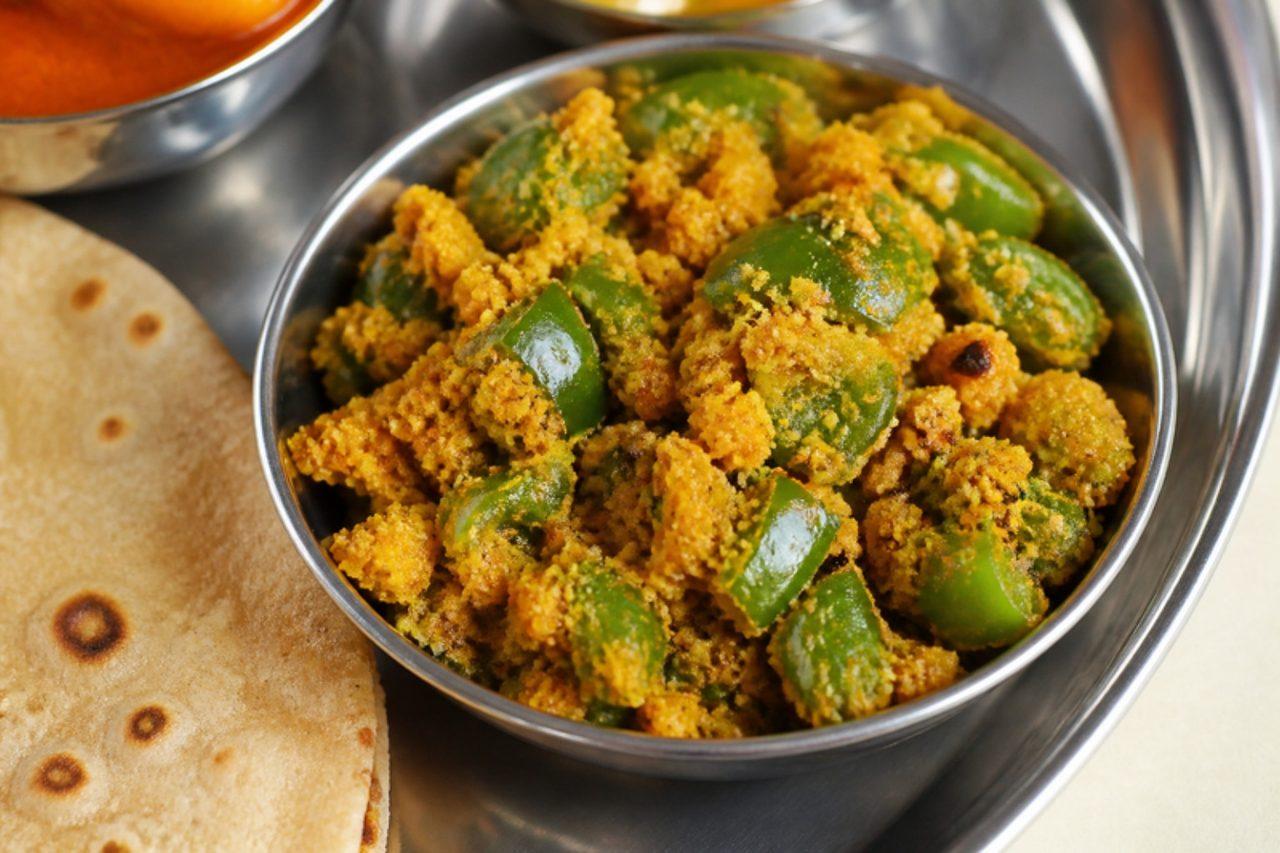
In Marwari homes in Jodhpur and Bikaner, and across Vidarbha in Maharashtra, gram flour stretches a few vegetables into a satisfying dry sabzi, and capsicum with besan is the weekday favourite, eaten with phulka and a bowl of kadhi or dal. Diced green peppers are cooked until just soft, then dusted with roasted, spiced besan, which turns into crumbly golden bits that cling to the peppers. A portion is about 165 kcal. The common mistake is adding the besan raw to the wet peppers, which gives a pasty, raw-tasting coating; roast it dry in a separate pan first until it smells nutty. Chef's tip: keep the capsicum slightly crunchy; it carries on softening once the besan goes in.

by KrazyBadal 0 views

Doodh pattiStrong milk tea

Doodh patti is poured from a dented pan at every truck stop, university canteen and street-corner dhaba in Pakistan, from Karachi's Saddar to the Murree road, and it is drunk at all hours: before work, after cricket, at midnight with a paratha. The tea is made without any water at all, boiling loose black tea and sugar in milk until it turns a deep caramel colour and tastes rich, malty and strong. The mistake is simmering too gently and pulling it off too soon, giving a weak, milky drink; it needs a proper rolling boil, more than once. Contains milk. Chef's tip: lift the pan off the heat each time the tea froths to the top and return it, three times; each rise deepens the colour and flavour.

by KrazyBadal 0 views

Tokma sharbatBasil seed lemon drink

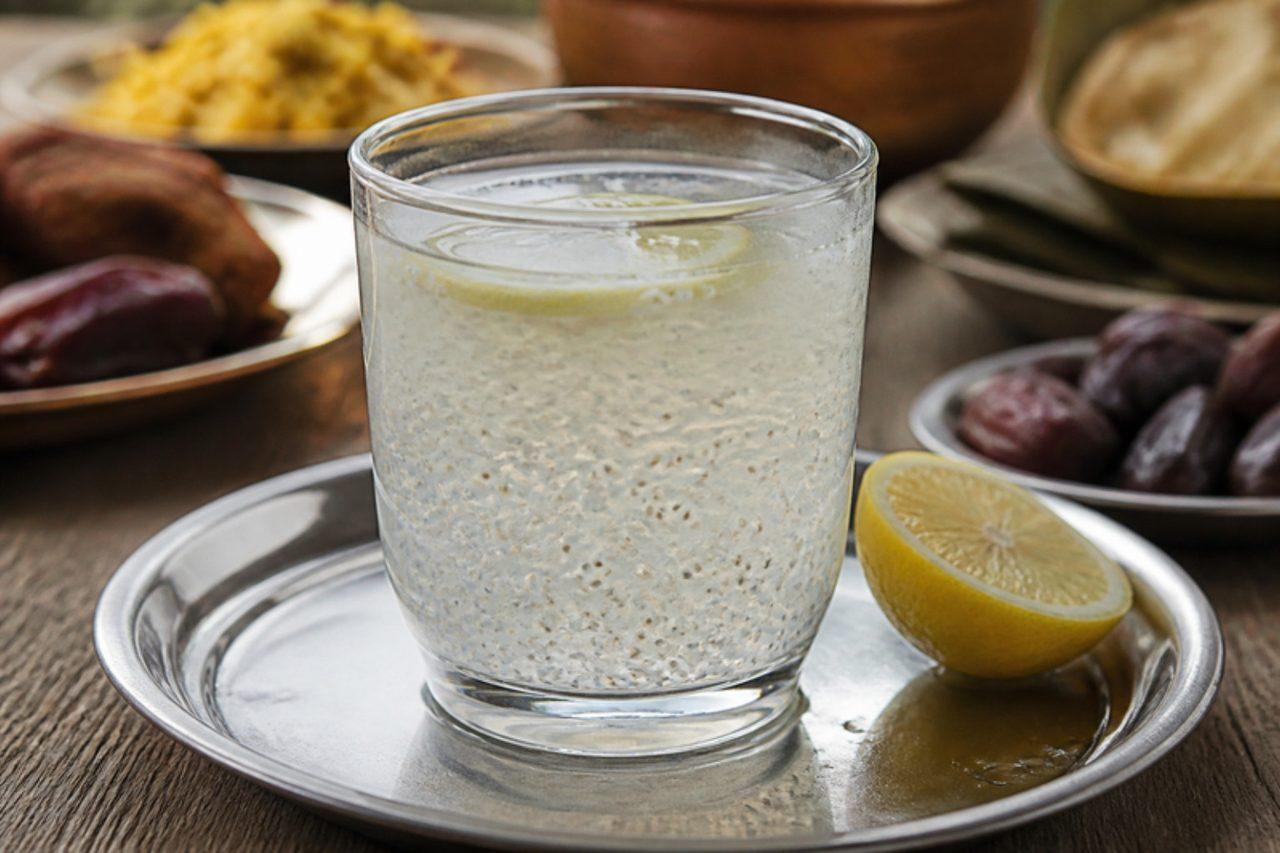
When the azan sounds at sunset during Ramadan, tables from Dhaka's Mirpur flats to village courtyards in Comilla carry a jug of tokma sharbat: lemon water swirling with soaked sweet basil seeds, each one wearing a soft, jelly-like halo. It is sweet, sharp and cooling, a gentle first sip after a long hot fast before the dates and piyaju. The most common mistake is stirring the seeds straight into the jug dry, where they clump into slimy lumps; always soak them separately in plenty of water first. Chef's tip: bruise a few mint leaves or add a thumb of grated ginger to the jug, which many Dhaka families do in the hottest months.

by KrazyBadal 0 views

RuispuuroRye porridge

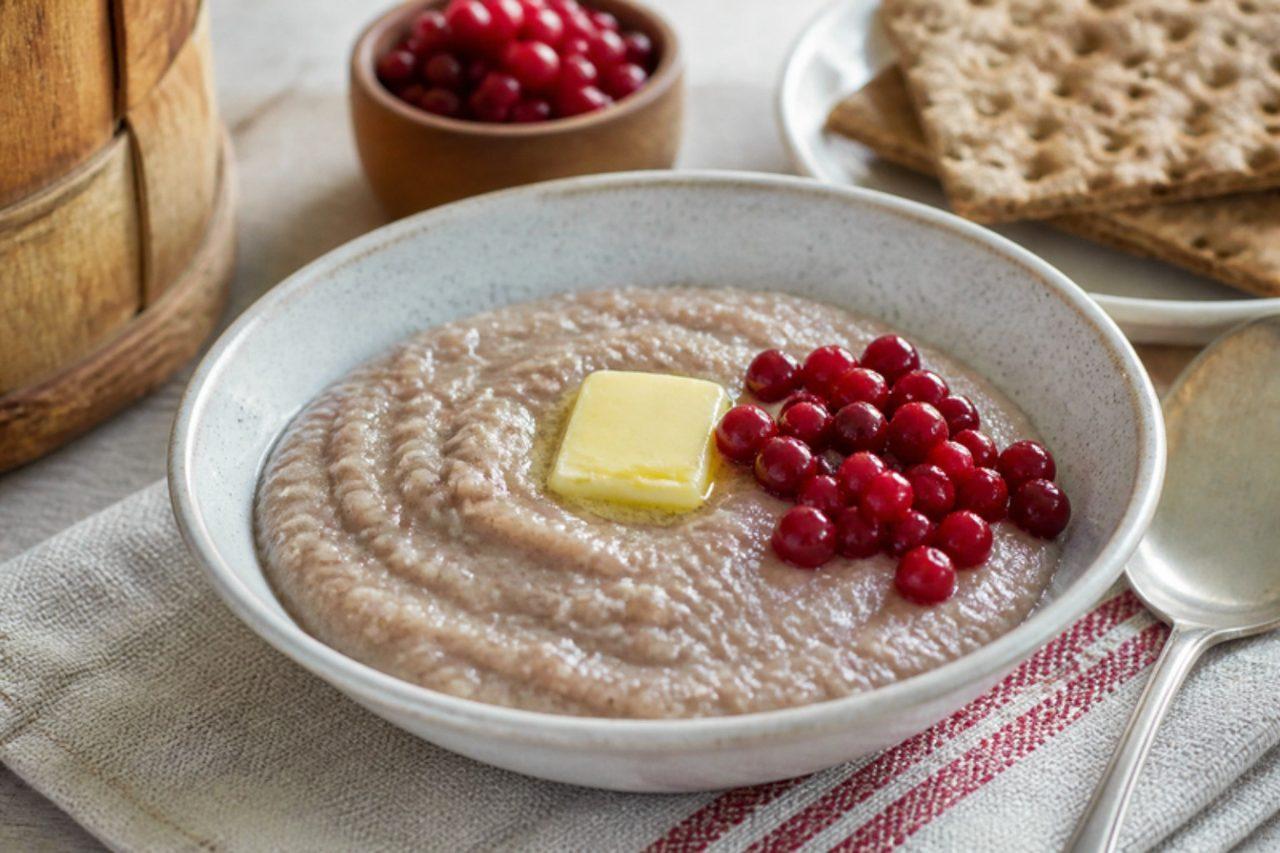
In Finnish homes and school canteens, ruispuuro is the plain, filling porridge of winter mornings, from Helsinki flats to farmhouses in Ostrobothnia. Rye flakes or coarse rye meal simmer in salted water until thick and slightly tangy, and the classic topping is a pool of melting butter, called a voisilmä or 'butter eye'. This version is vegan: use a plant butter, or tart lingonberries and a little oat milk. A common mistake is serving it too soon, when the flakes are still chewy. Chef's tip: let the porridge rest off the heat with the lid on for 5 minutes — the rye swells and turns creamy.

by KrazyBadal 0 views

DrömmarCrisp dream cookies

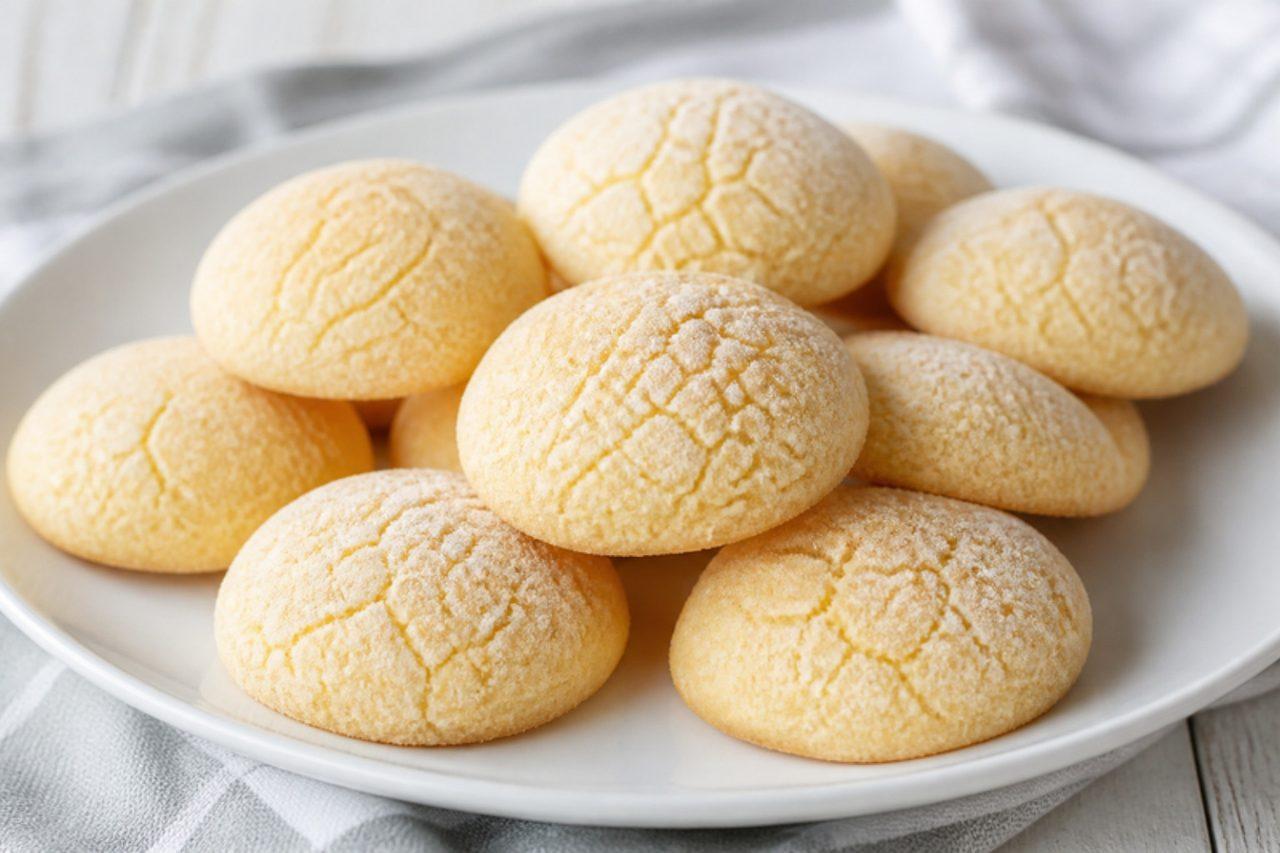
Drömmar, 'dreams', are on almost every plate of the seven kinds of cookies that Swedish hosts traditionally set out for kafferep, the old coffee party, and grandmothers in Dalarna still bake them by the tin. They are pale, domed and so light they crack and melt on the tongue. That texture comes from hjorthornssalt, baker's ammonia, which smells strongly while baking but leaves nothing behind once the cookies are cooked through. Baking powder works too, but the cookies will be less airy. A common mistake is baking at a high heat; they must stay white. Chef's tip: bake in a low oven until completely dry inside, or the ammonia taste lingers.

by KrazyBadal 0 views

Zupa mlecznaMilk soup with noodles

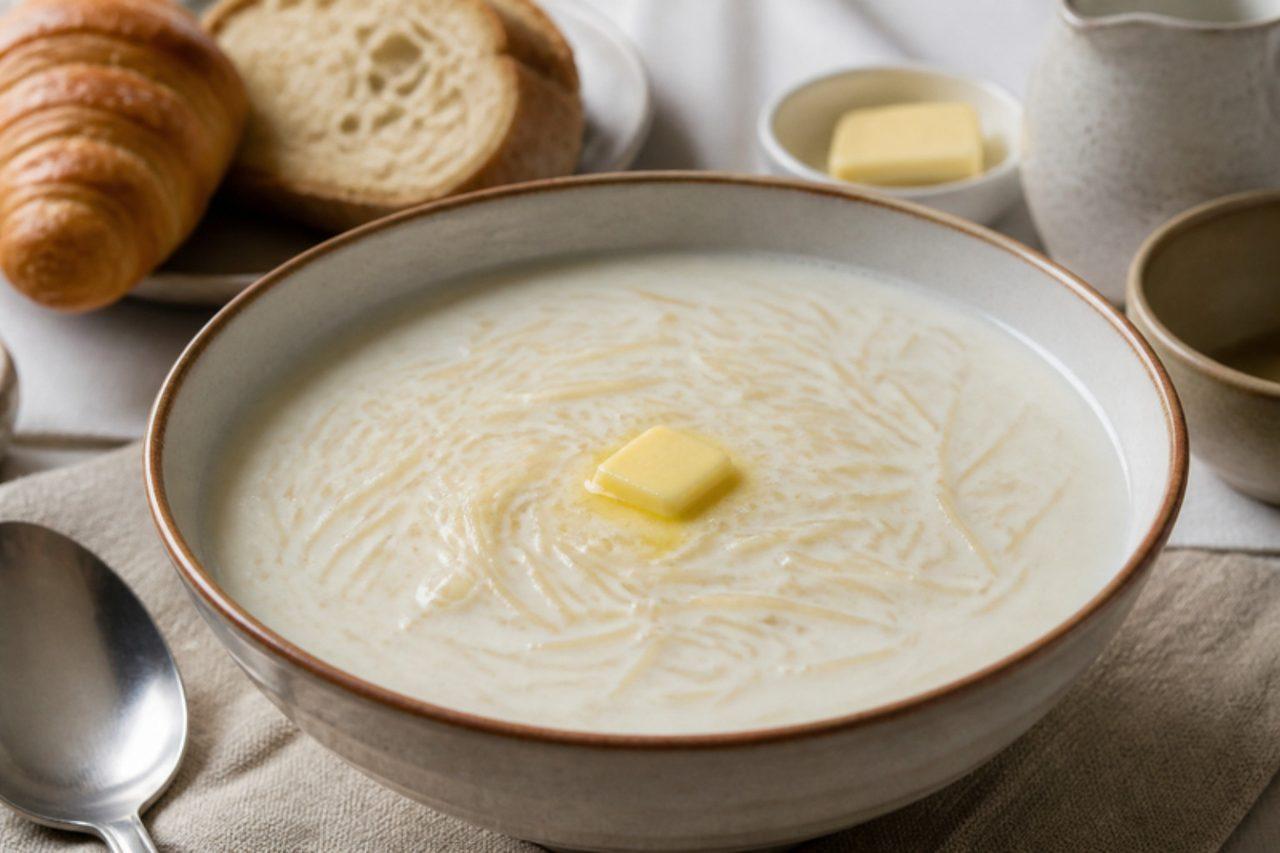
Ask anyone who grew up in Poland about zupa mleczna and you will hear about winter mornings before school, or about the steaming bowls ladled out at breakfast in Warsaw milk bars long before cafés served porridge. It is simply warm milk with small noodles or rice, sweetened lightly and sometimes finished with a knob of butter or cinnamon. Kids like it with lane kluski, egg drops poured straight into the milk. A common mistake is boiling the noodles in the milk over a high heat, so it catches and tastes scorched; cook them in water first. Chef's tip: warm the milk with a strip of lemon peel and a pinch of salt, which makes it taste rounder without adding more sugar.

by KrazyBadal 0 views

Makaron z truskawkamiPasta with strawberries

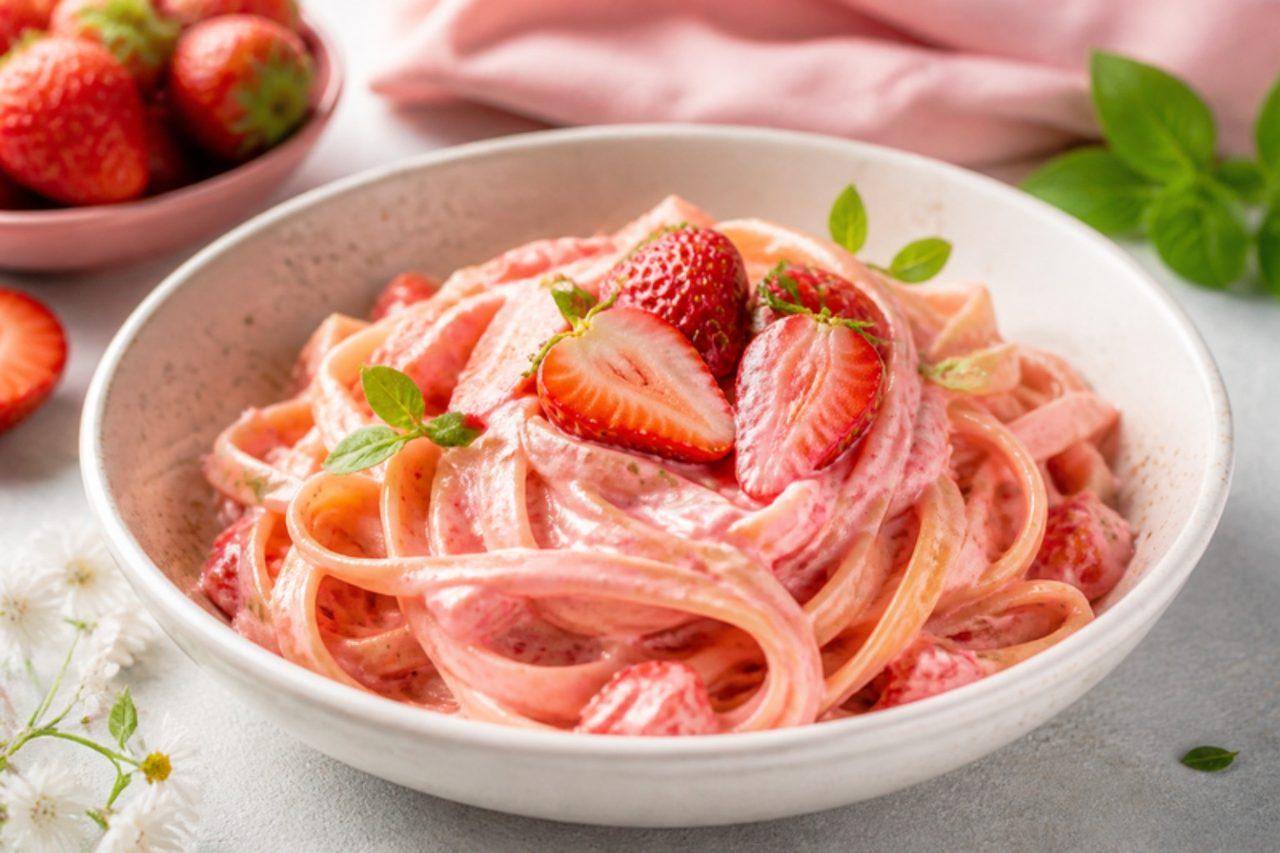
When the first Kashubian and Mazovian strawberries flood the stalls in June, Polish children get makaron z truskawkami for lunch: warm pasta tossed with crushed sweetened strawberries and cream. Milk bars in Kraków and Łódź put it on the summer board too, and it surprises visitors who expect pasta to be savoury. The berries are mashed with sugar until they turn into a loose pink sauce, then folded through hot ribbon pasta or bow ties with soured cream or yoghurt. A common mistake is crushing the strawberries too far ahead, so they turn dull and syrupy; mash them while the pasta cooks. Chef's tip: let the drained pasta cool for a minute before adding the cream, so it coats the pasta instead of splitting into thin streaks.

by KrazyBadal 0 views

BürliCrusty bread rolls

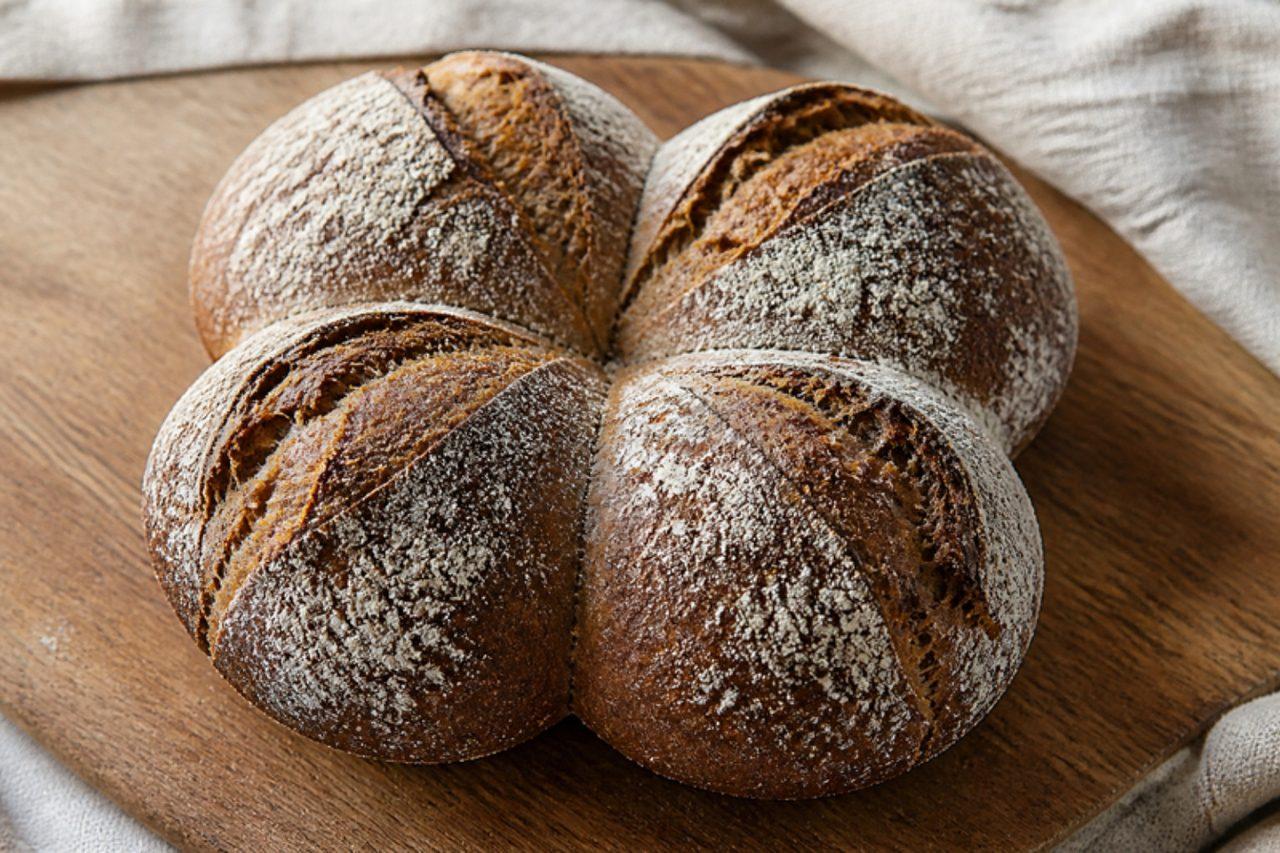
Walk into a bakery in St. Gallen, Appenzell or Thurgau in the morning and you will find trays of Bürli, rough, flour-dusted rolls baked in clusters of two or four that you tear apart at the table. Their dough is wet and lightly handled, so the crust bakes up thin and crackling while the inside stays open and chewy. In eastern Switzerland they are the classic partner for a grilled St. Galler Bratwurst at football matches and markets, and they're just as good with butter and cheese. Chef's tip: don't add extra flour to the sticky dough; the high water content is what gives Bürli their big holes, so use wet hands and a scraper instead.

by KrazyBadal 0 views

SpargelcremesuppeCream of asparagus soup

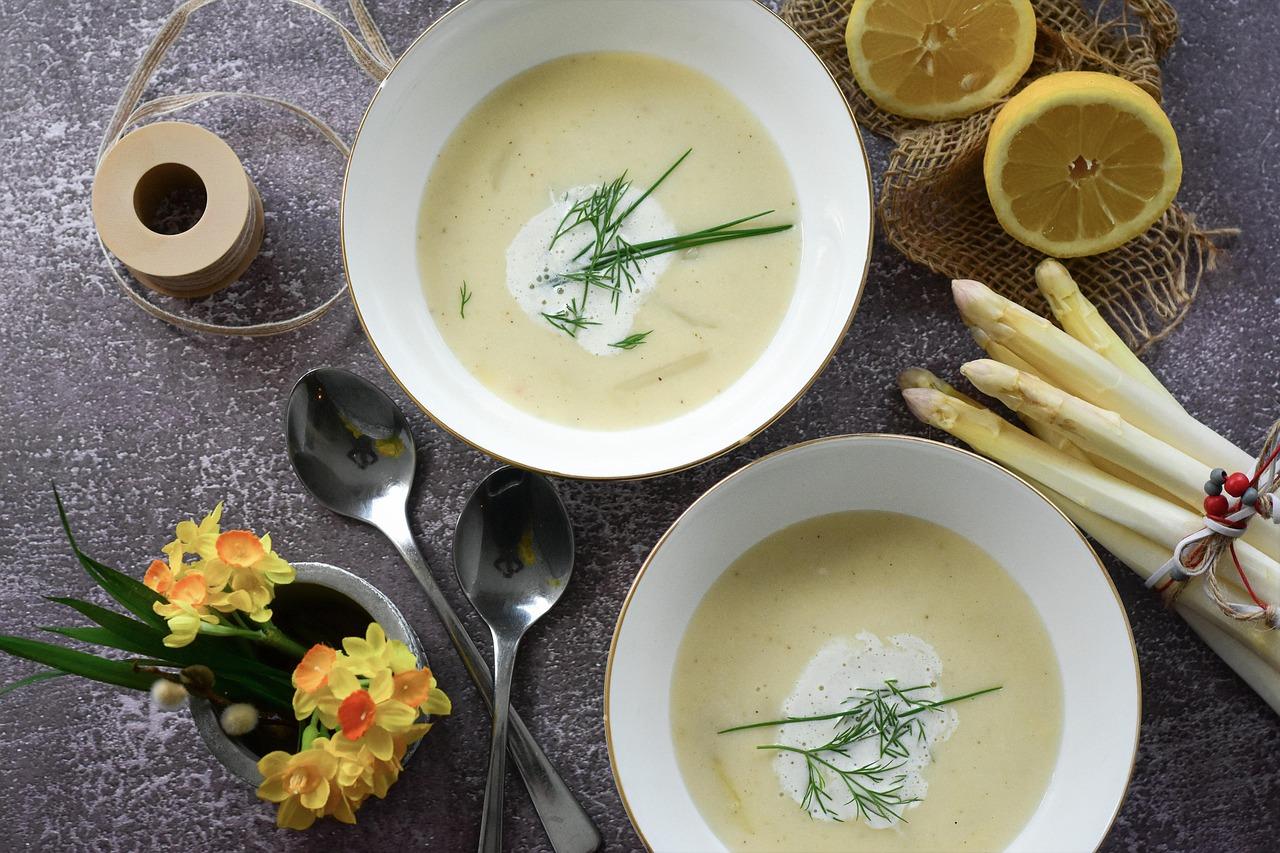
During Spargelzeit, from April to 24 June, kitchens around Schwetzingen, Beelitz and Schrobenhausen fill with white asparagus, and nothing is wasted. The peelings and woody ends are simmered into a light stock, which becomes this velvety cream soup with a few tender tips floating on top, served as a starter before the big asparagus platter or as lunch on its own. Its flavour is delicate, slightly sweet and nutty. Using a strong stock cube is the mistake to avoid; it drowns the asparagus. Chef's tip: a pinch of sugar and a squeeze of lemon in the stock balance the faint bitterness of the peel.

by KrazyBadal 0 views

KochkäseCooked cheese spread

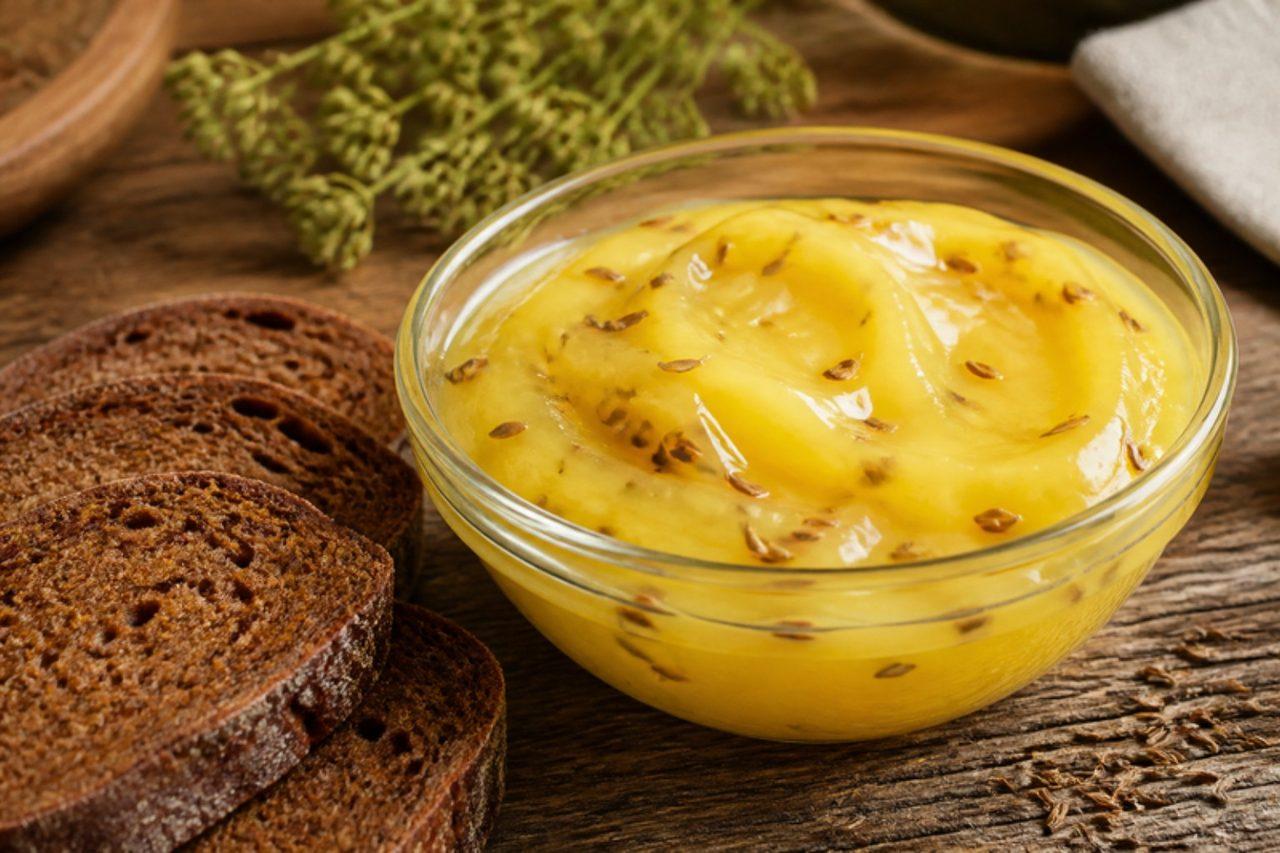
In Hesse, the Odenwald and Franconia, Kochkäse is the spreadable cooked cheese that farm kitchens made from leftover sour-milk curd. Dry quark is left to ripen for a day or two until it turns slightly yellow and smells tangy, then melted with butter, bicarbonate and caraway into a glossy, stretchy spread. It is eaten on rye bread for Abendbrot, often with onion and vinegar on top, and in Hessian pubs alongside cider. Most quark is set without animal rennet, but check the label if that matters. The common mistake is heating it too fast, which makes it grainy instead of smooth. Chef's tip: keep stirring over a low heat until no white flecks remain, then pour it into a jar while it is still runny.

by KrazyBadal 0 views

Kakdi koshimbirCucumber peanut salad

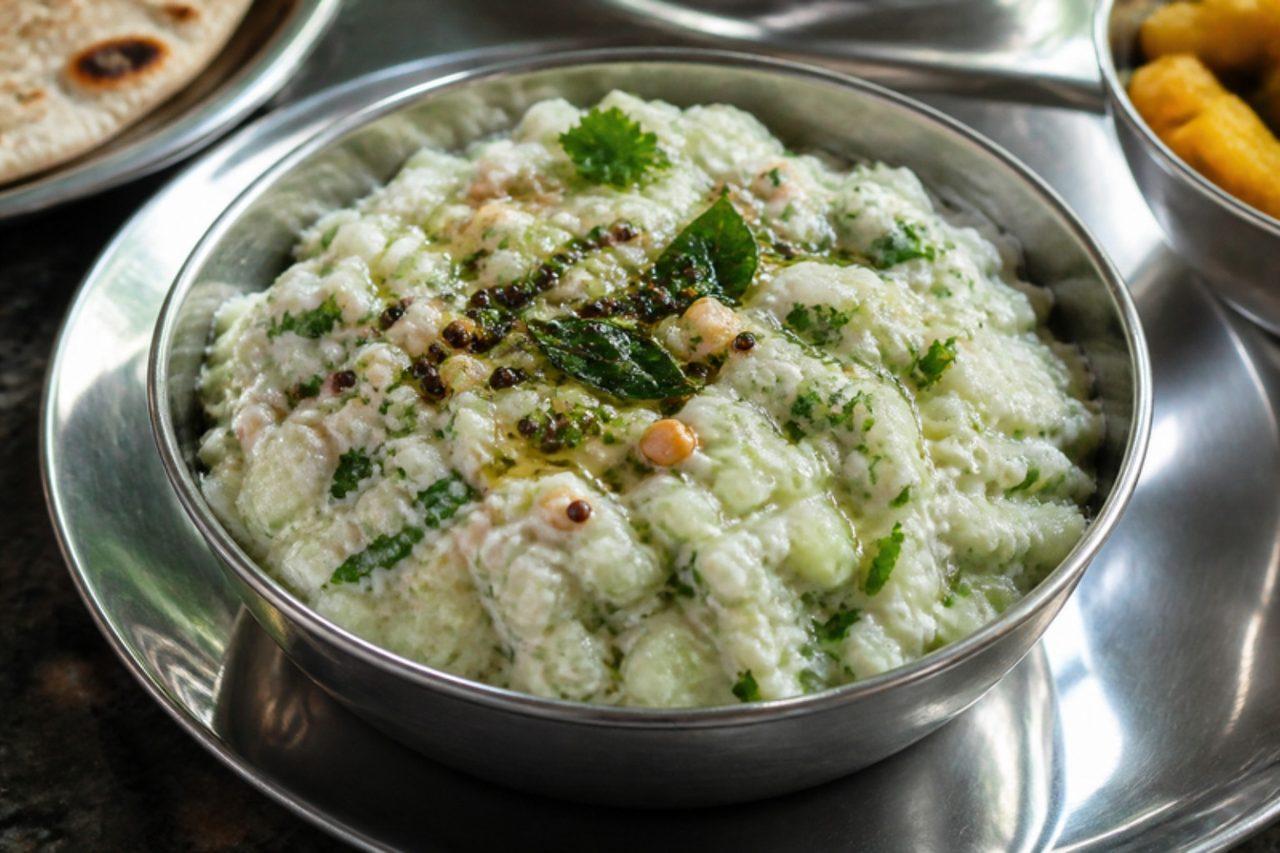
Koshimbir is the cool, crunchy salad that sits on the left side of a Marathi thali in Pune and Nashik, eaten at lunch with varan-bhaat and served at every festival meal. This one is grated or finely chopped cucumber mixed with crushed roasted peanuts, green chilli and a little yogurt, then finished with a fizz of mustard seeds and asafoetida in hot oil. A portion is about 110 kcal. The common mistake is not squeezing the cucumber, which makes the salad watery within minutes; press out the juice (and drink it). Chef's tip: add the crushed peanuts at the last moment so they stay crunchy, and use a pinch of sugar only if your yogurt is very sour.

by KrazyBadal 0 views

Kheera raitaCucumber yogurt dip

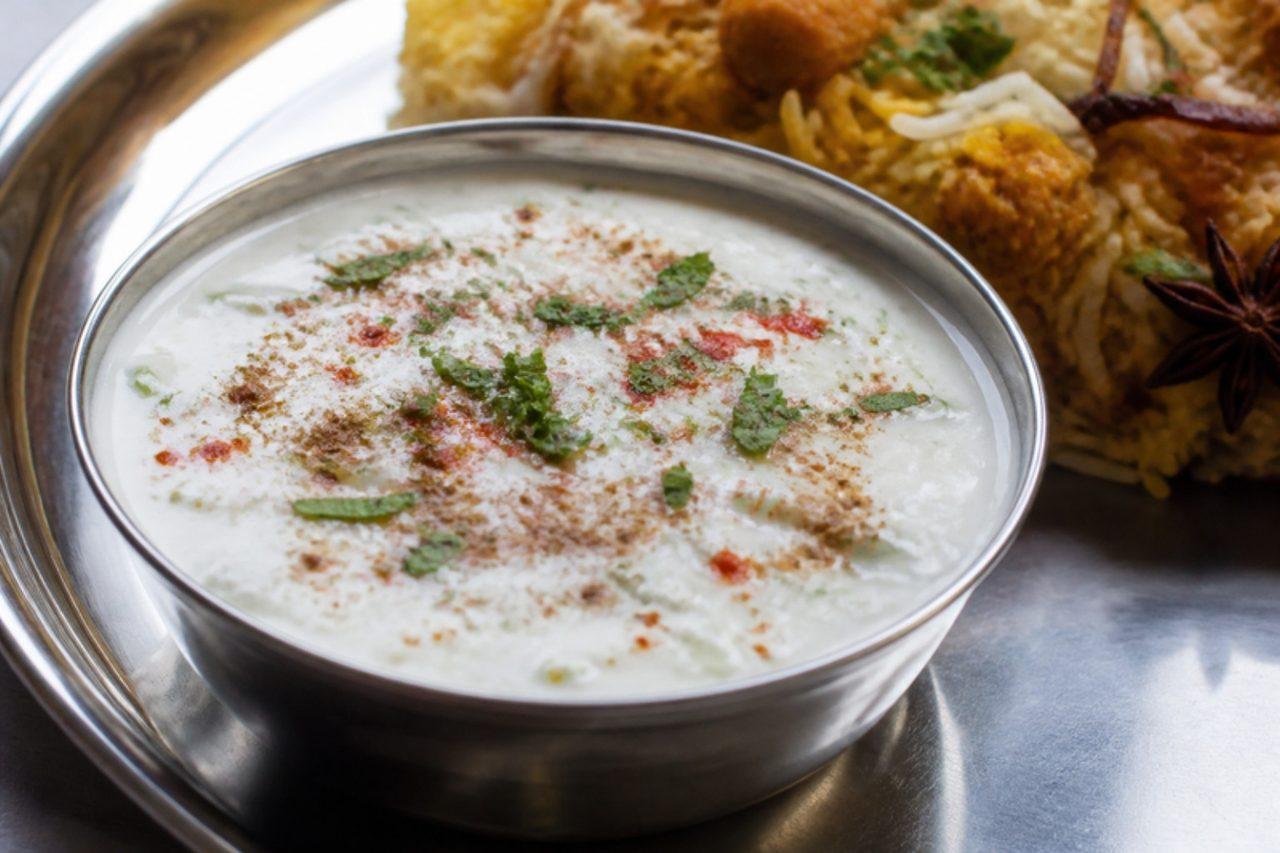
From Lucknow dinner tables to the biryani counters of Old Delhi, a bowl of cucumber raita is the cooling answer to anything spicy, and in summer it is eaten on its own with a paratha. Grated cucumber is folded into smooth, whisked yogurt with freshly roasted cumin, mint and a pinch of black salt. A portion is about 70 kcal. The common mistake is using yogurt straight from the pot without whisking, which gives a lumpy raita; whisk it smooth first and thin it with a spoon of cold water if needed. Chef's tip: roast whole cumin seeds in a dry pan and crush them yourself just before serving; the smoky smell is what makes a raita sing.

by KrazyBadal 0 views

PatjukRed bean porridge

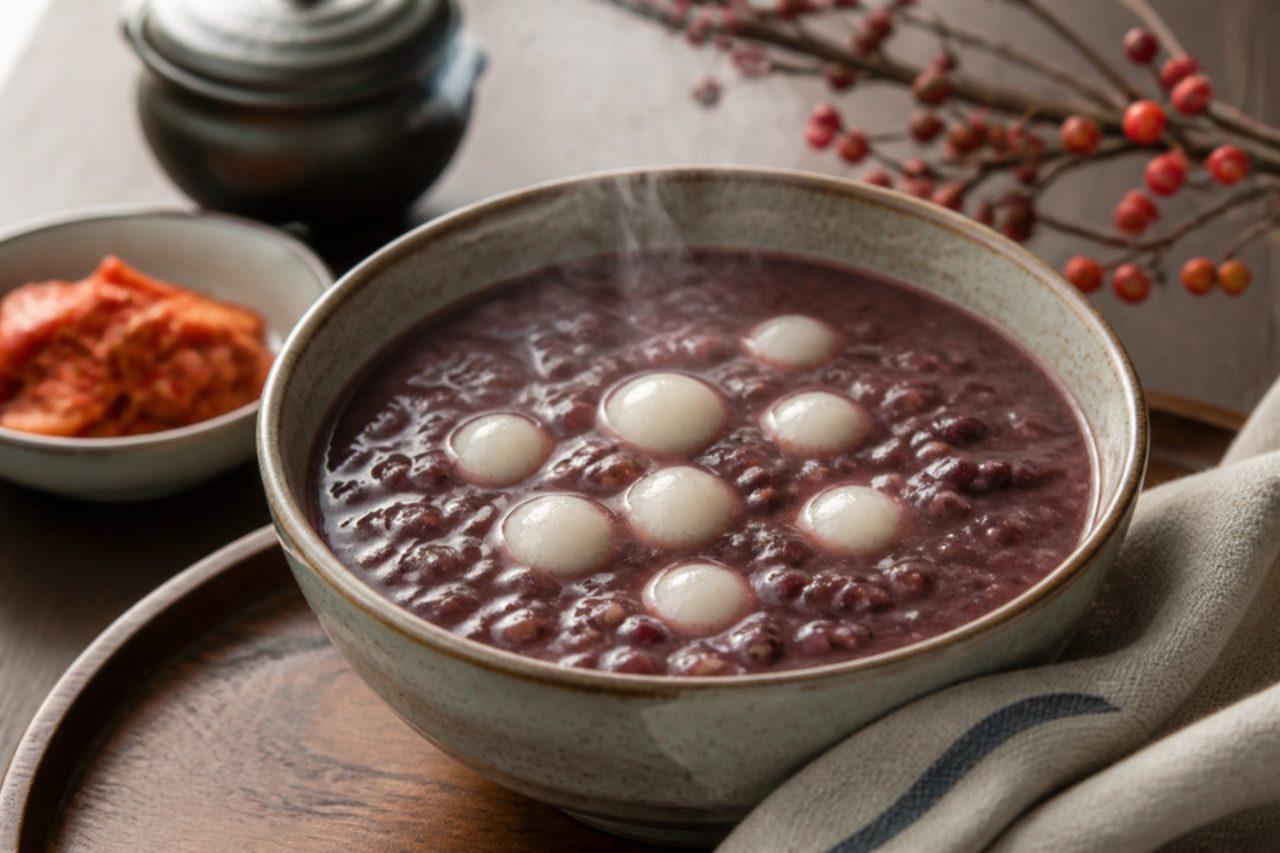
On Dongji, the winter solstice, Korean families eat a bowl of deep red patjuk: the colour was believed to drive away bad spirits on the longest night, and grandmothers still flick a little on the gate. Adzuki beans are boiled soft, pushed through a sieve and simmered with rice into a thick, earthy porridge, and little balls of glutinous rice dough called saealsim, one for each year of your age by tradition, are cooked in it. It is lightly salted; in Jeolla people add sugar. A bowl is about 380 kcal. The most common mistake is not stirring the bottom once the rice goes in; the thick porridge catches and burns quickly. Chef's tip: throw away the first boiling water of the beans; it removes bitterness and makes the porridge taste cleaner.

by KrazyBadal 0 views

Isubgul sharbatPsyllium lemon drink

Many Bangladeshi grandmothers insist on a glass of isubgul sharbat at iftar or before sehri, and in Dhaka's old neighbourhoods it is sold from shops alongside tokma and lebu sharbat throughout Ramadan; the psyllium is valued for keeping digestion comfortable during the fast. Stirred into sweetened lemon water, the husk swells into a soft, slightly thick drink with a mild, neutral taste. The classic mistake is letting it stand: psyllium keeps absorbing water and sets into a jelly within minutes, so mix it just before drinking. Drink plenty of water as well, and anyone taking regular medication should space it at least two hours away from psyllium. Chef's tip: sprinkle the husk on top and whisk immediately with a fork rather than spooning it in a heap, so it disperses without lumps.

by KrazyBadal 0 views

ApfelschorleApple juice spritzer

At any German beer garden, from Munich's Chinese Tower to the cider taverns of Frankfurt, the drink for children, drivers and anyone on a hot afternoon is Apfelschorle: cloudy apple juice topped up with sparkling mineral water. Germans drink it at family lunches, after sport and at school summer parties, and it is far less sweet than juice alone. The usual mix is half and half, but many people go lighter on the juice. The common mistake is pouring the water first, which knocks out the bubbles. Chef's tip: use naturally cloudy apple juice and very cold, strongly sparkling water, and pour the water in slowly down the side of the glass.

by KrazyBadal 0 views

Ryż z jabłkamiBaked rice with apples

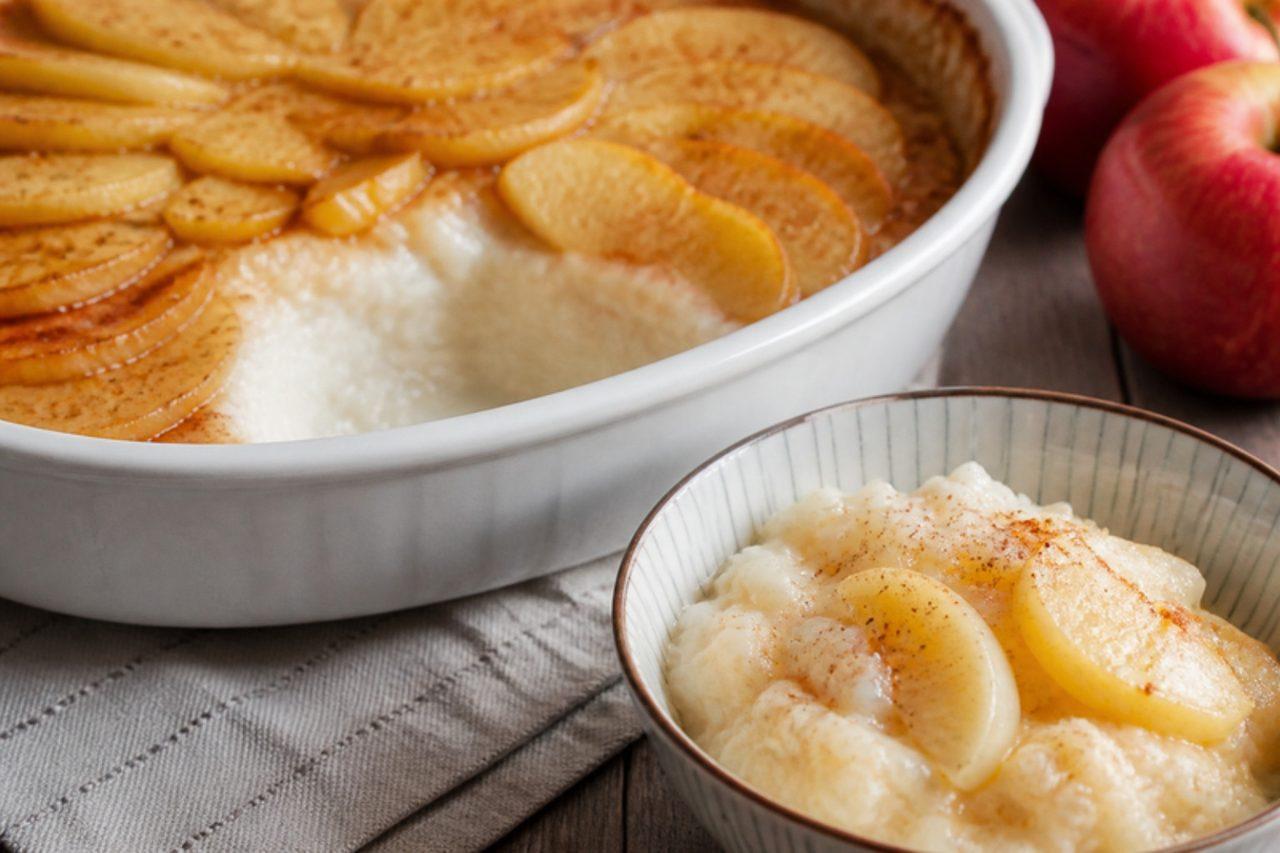
Every Polish school canteen and milk bar from Gdańsk to Rzeszów has served ryż z jabłkami, and many grown-ups still bake it on a cold Sunday afternoon when autumn apples fill the market. Rice is cooked slowly in milk until creamy, layered in a dish with grated sharp apples, sugar and cinnamon, then baked until the top turns golden and the apple juices soak into the rice. It is eaten warm with soured cream or cold the next day from the fridge. A common mistake is using sweet dessert apples, which go mushy and bland; tart apples like Antonówka, Bramley or Granny Smith keep their bite. Chef's tip: squeeze a little of the juice out of the grated apples, or the bottom layer turns watery.

by KrazyBadal 0 views

HallongrottorRaspberry thumbprint cookies

Hallongrottor, 'raspberry caves', are the cookie Swedish children learn to bake first, pressing a thumb into each ball of buttery dough and filling the hollow with raspberry jam. They turn up at birthday parties, school bake sales and every proper fika in homes from Malmö to Luleå. Baked in paper cases, they keep their shape and the jam bubbles into a glossy jewel. A common mistake is overfilling the hollows, which makes the jam boil over and burn. Chef's tip: use a thick, set jam and fill only to the rim.

by KrazyBadal 0 views

JapgokbapMultigrain rice

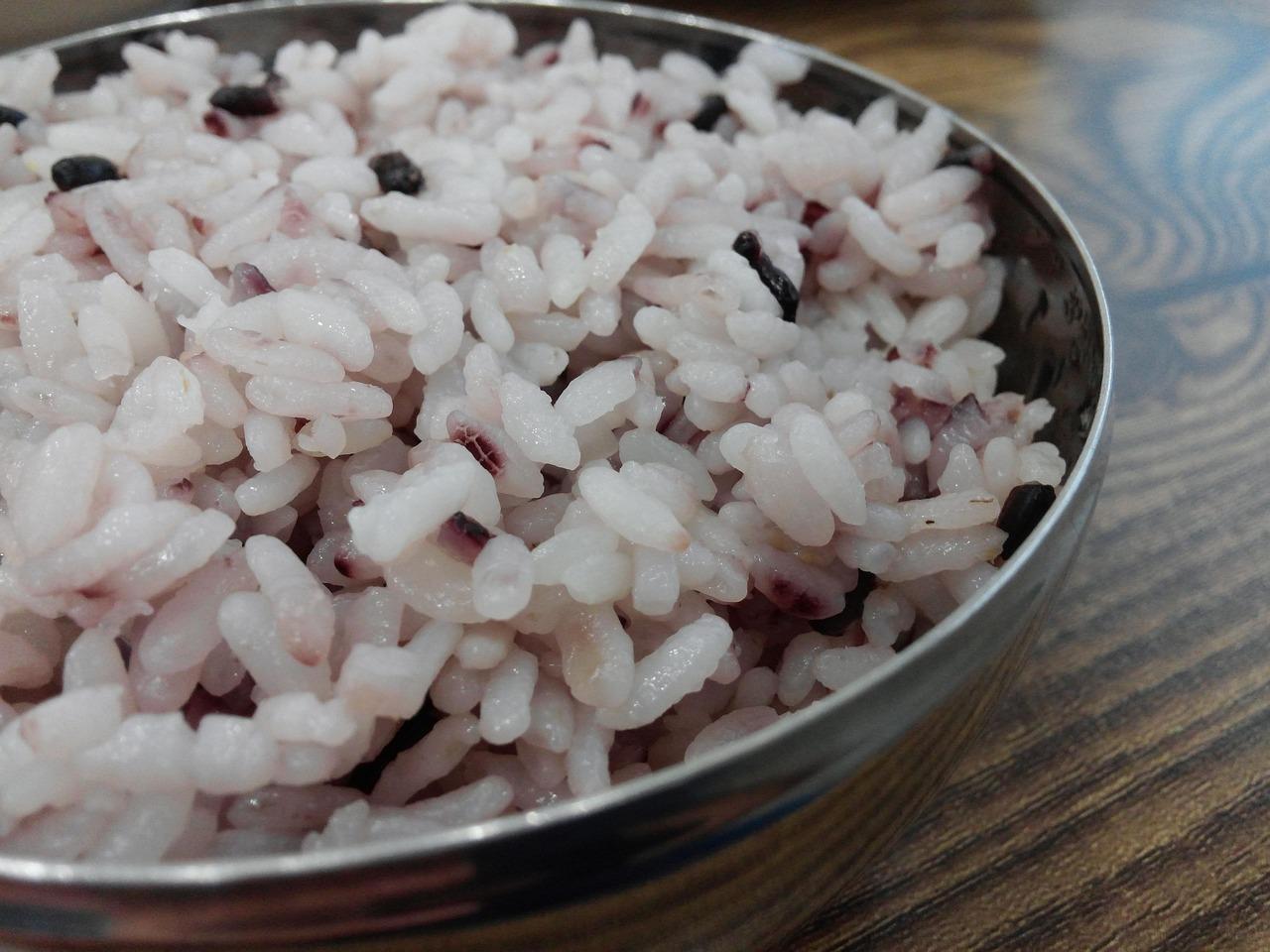
In Korean homes today, the bowl of rice beside the stew is more often japgokbap than plain white: short-grain rice cooked with a handful each of barley, brown rice, black rice, millet and beans, which turns it purple-grey, chewy and nutty. Supermarkets in Seoul sell ready-mixed bags of japgok for the rice cooker, and the habit goes back to times when rice was rationed and stretched with other grains. A portion is about 270 kcal, with far more fibre than white rice. The beans and brown grains need soaking: 4 hours or overnight (not counted). The common mistake is cooking it with the water for white rice; whole grains need about a quarter more. Chef's tip: soak the beans and brown grains separately from the white rice, which only needs 20 minutes; that way nothing ends up hard or mushy.

by KrazyBadal 0 views

ZöldborsófőzelékGreen pea stew

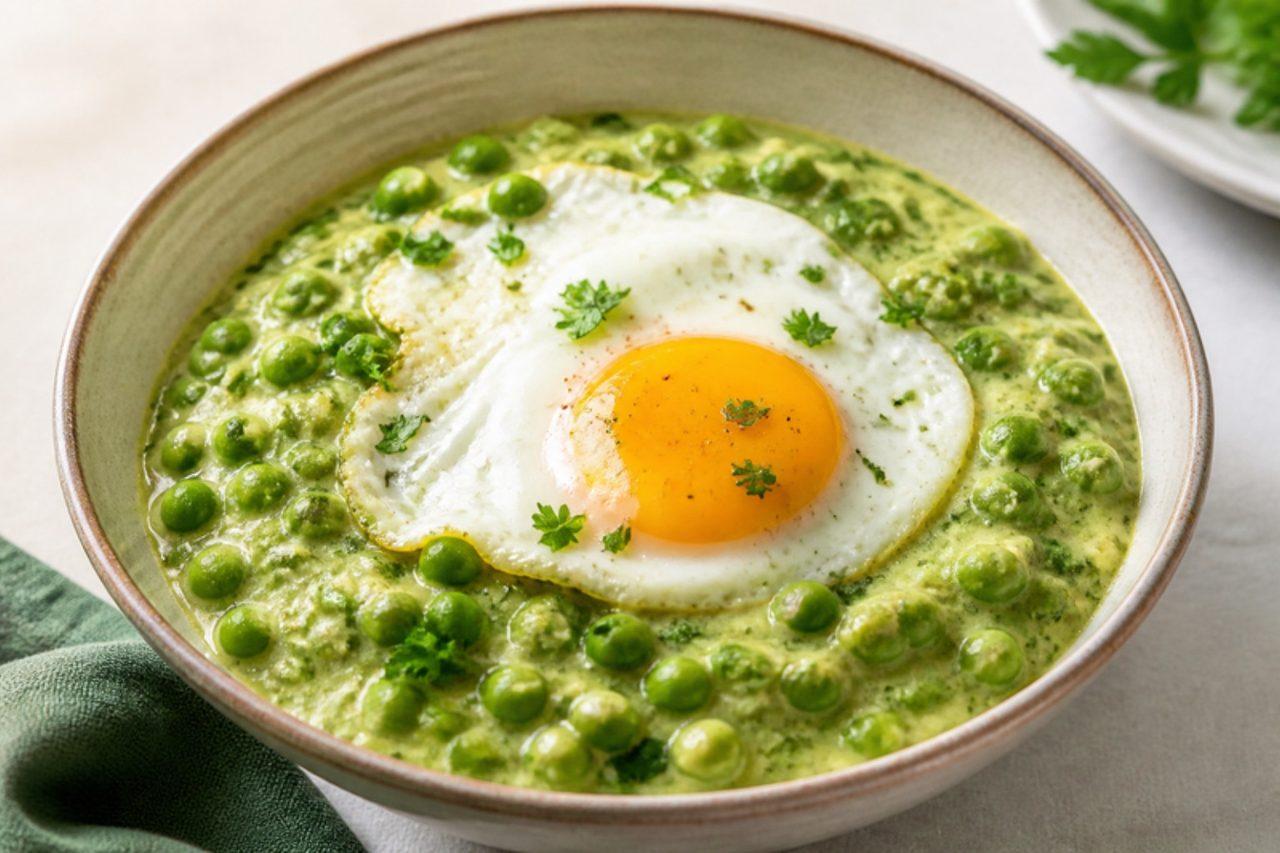
Ask Hungarians about their childhood lunches and zöldborsófőzelék comes up fast: a bright green, slightly sweet pea stew that grandmothers in Budapest and the villages of the Great Plain make in late spring with fresh peas and all year with frozen ones. The peas cook briefly in butter with a pinch of sugar, then a light roux and milk turn them creamy, and a fistful of parsley finishes it. It is eaten as a meal with fried eggs, potato croquettes or fasírt. Chef's tip: stop cooking as soon as the peas are tender; long simmering turns them khaki and floury.

by KrazyBadal 0 views

ØllebrødRye bread and beer porridge

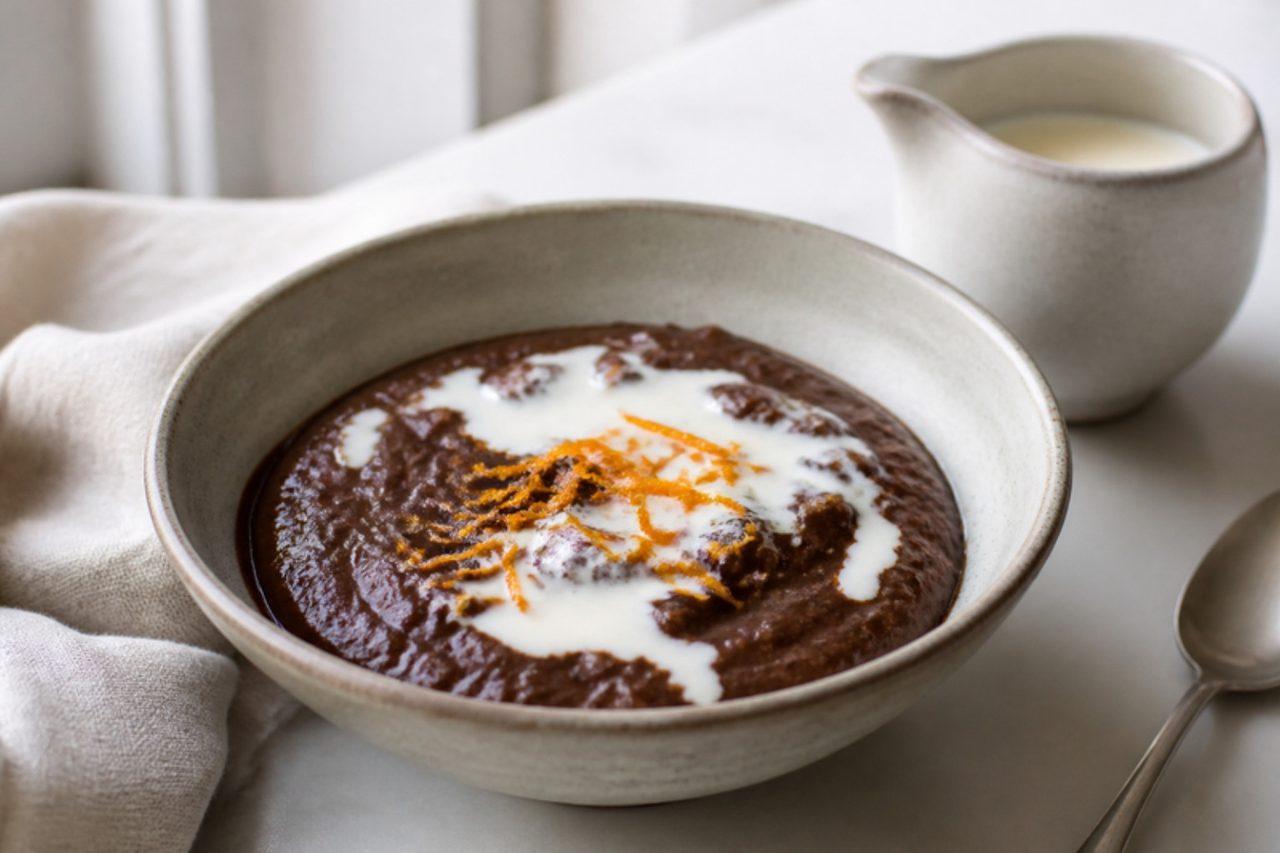
Øllebrød was the everyday breakfast of Danish farmhouses long before oats took over, a thrifty way to use up stale rye bread in the long Jutland winters. The bread is soaked and simmered with dark, sweet malt beer (hvidtøl), lemon and orange peel and a little sugar into a thick brown porridge, then served with cold cream or whipped cream. Hvidtøl is a very low-alcohol beer; use an alcohol-free malt beer or malt drink so it suits everyone, and for a fully alcohol-free version use half water and half apple juice with 1 tbsp black treacle. A common mistake is using fresh, seeded bread, which turns gluey. Chef's tip: soak the bread overnight so it collapses into a smooth porridge in minutes.

by KrazyBadal 0 views

Filmjölk with muesliSoured milk with muesli

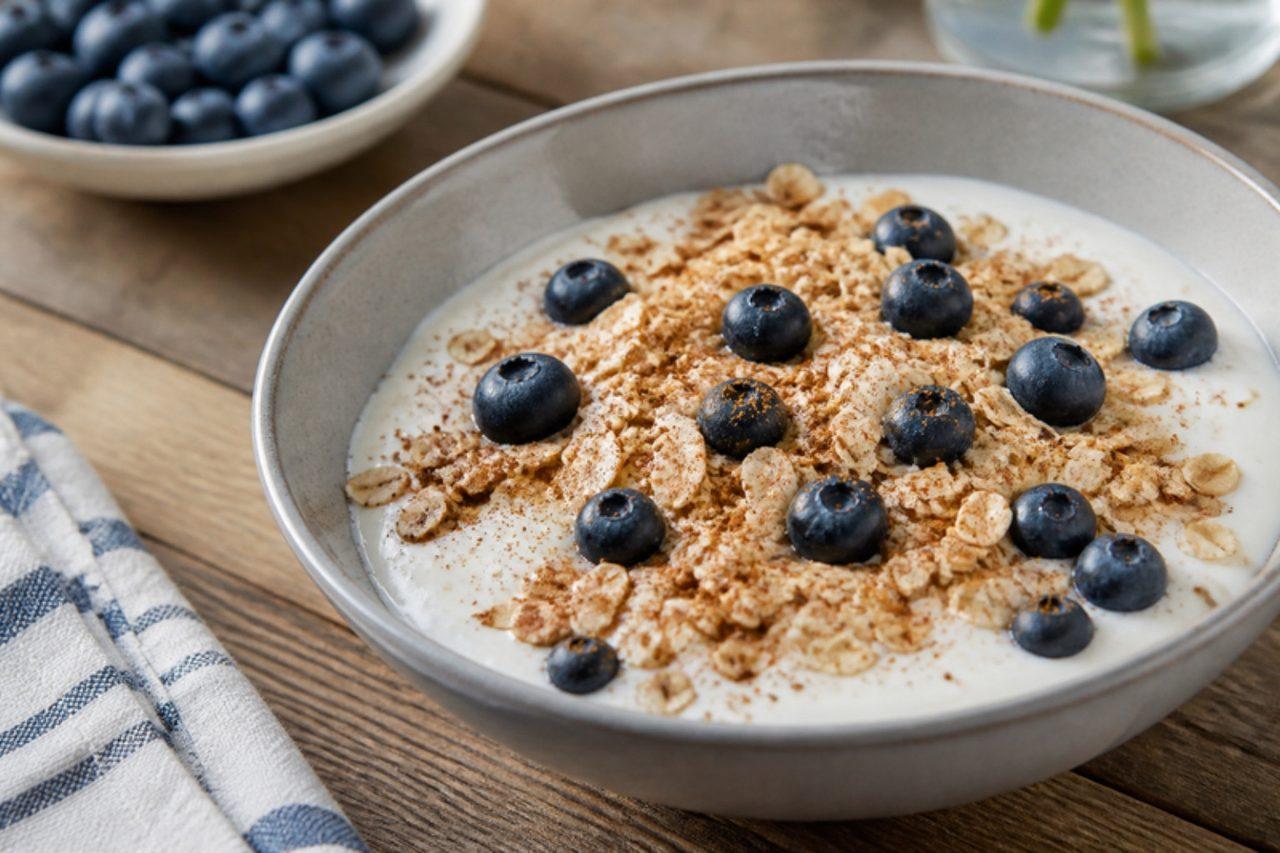
Swedish breakfast tables, from Stockholm flats to Norrland cabins, almost always have a carton of filmjölk: a mild, pourable cultured milk that is less sour than yogurt and thinner than kefir. It goes into a deep plate, never a glass, with muesli, fresh berries and a dusting of cinnamon. Here you can make your own filmjölk by culturing milk with a few spoons of shop-bought filmjölk or buttermilk. A common mistake is warming the milk too much, which kills the culture. Chef's tip: let it set at warm room temperature, about 20–22 °C, for 24 hours until it wobbles like soft custard.

by KrazyBadal 0 views

Showing 24 of 2,799 recipes

Show more recipes

Page 25 of 117

More Jain ideas

Other diets