Skip to content
Seasons

Winter recipes: hearty soups, halwa and warming food

Hearty soups and stews, gajar halwa, sarson da saag, undhiyu, gond ladoo and hot chocolate for cold days. (123 recipes)

Sukiyaki (Kanto style)

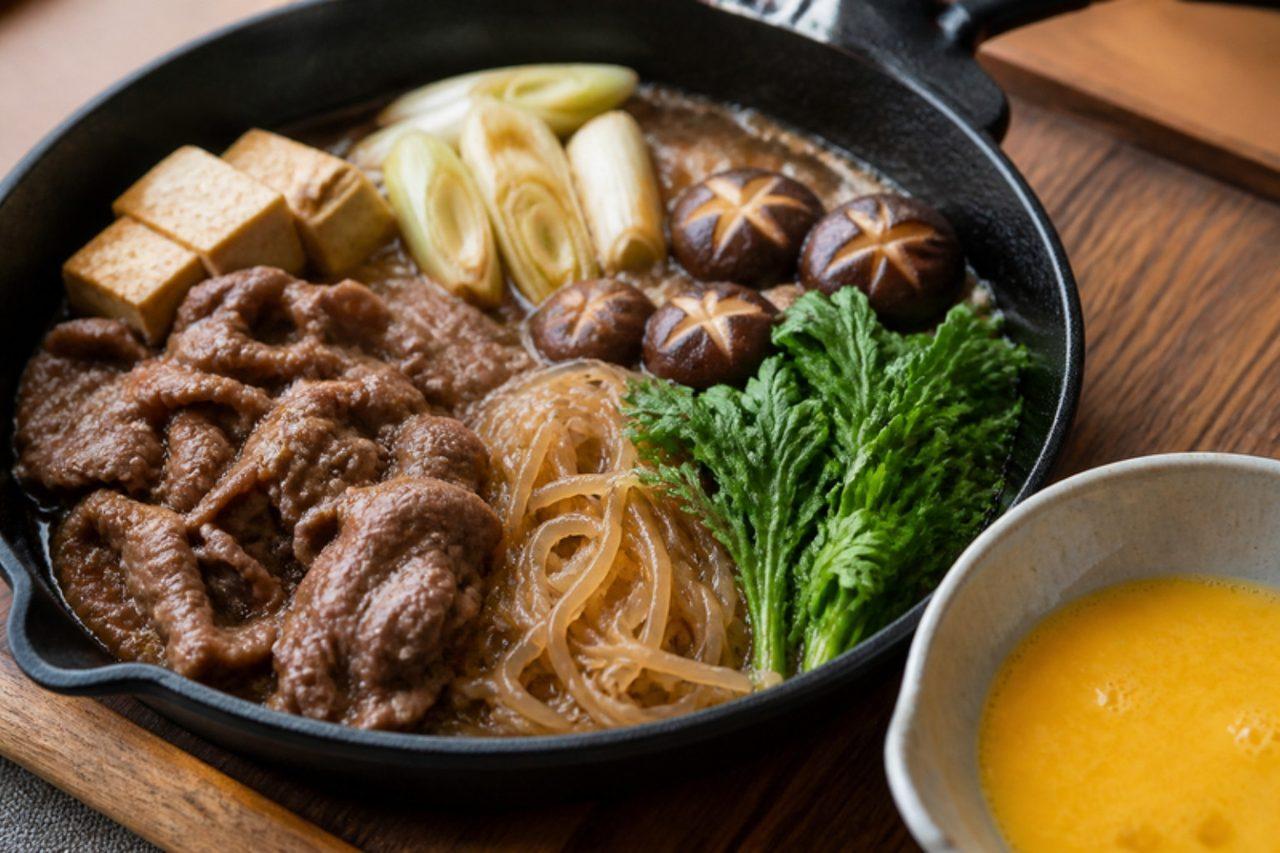
Beef was rarely eaten in Japan until the Meiji era, when Tokyo's new beef-pot restaurants made it fashionable, and sukiyaki grew out of those pots. Today it is a dish for New Year, birthdays and family gatherings, cooked in a shallow iron pan on a burner in the middle of the table. In the Kanto style of Tokyo, the cook pours in a ready-mixed sauce called warishita, whereas Kansai cooks sear the beef with sugar and add soy sauce afterwards. Each piece is dipped in beaten raw egg, which cools it and softens the sweet, salty sauce. Use very fresh eggs, ideally pasteurised; not for pregnant women, young children or anyone with a weakened immune system. If you prefer, skip the egg or poach it in the pan. Chef's tip: keep the shirataki noodles away from the beef in the pan; they can make the meat firm up and toughen where they touch.

by KrazyBadal 0 views

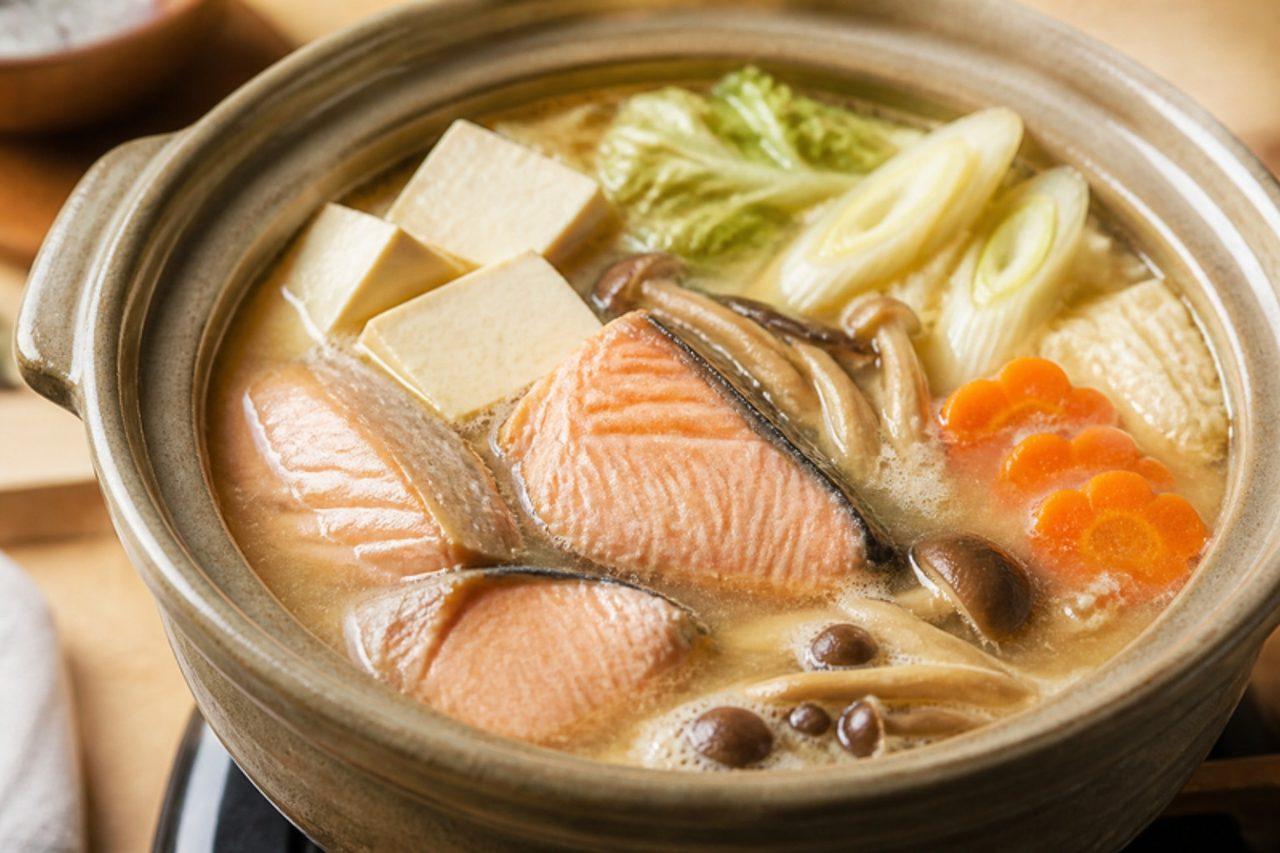
Ishikari nabeSalmon miso hot pot

Autumn salmon swimming up the Ishikari River, near Sapporo, gave the fishing families at its mouth a glut of fish, and this miso hot pot is how they cooked it. Today Hokkaido families bring a clay pot of it to the table on cold nights from October onwards, and everyone helps themselves as it bubbles on a portable burner. Chunks of salmon, potato, cabbage, tofu and mushrooms simmer in kombu broth thickened with miso. A pinch of sansho pepper at the end lifts the richness, and some cooks melt a knob of butter on top. Chef's tip: salt the salmon for 10 minutes and pour boiling water over it before it goes in the pot, as this firms the flesh and washes away any fishy smell.

by KrazyBadal 0 views

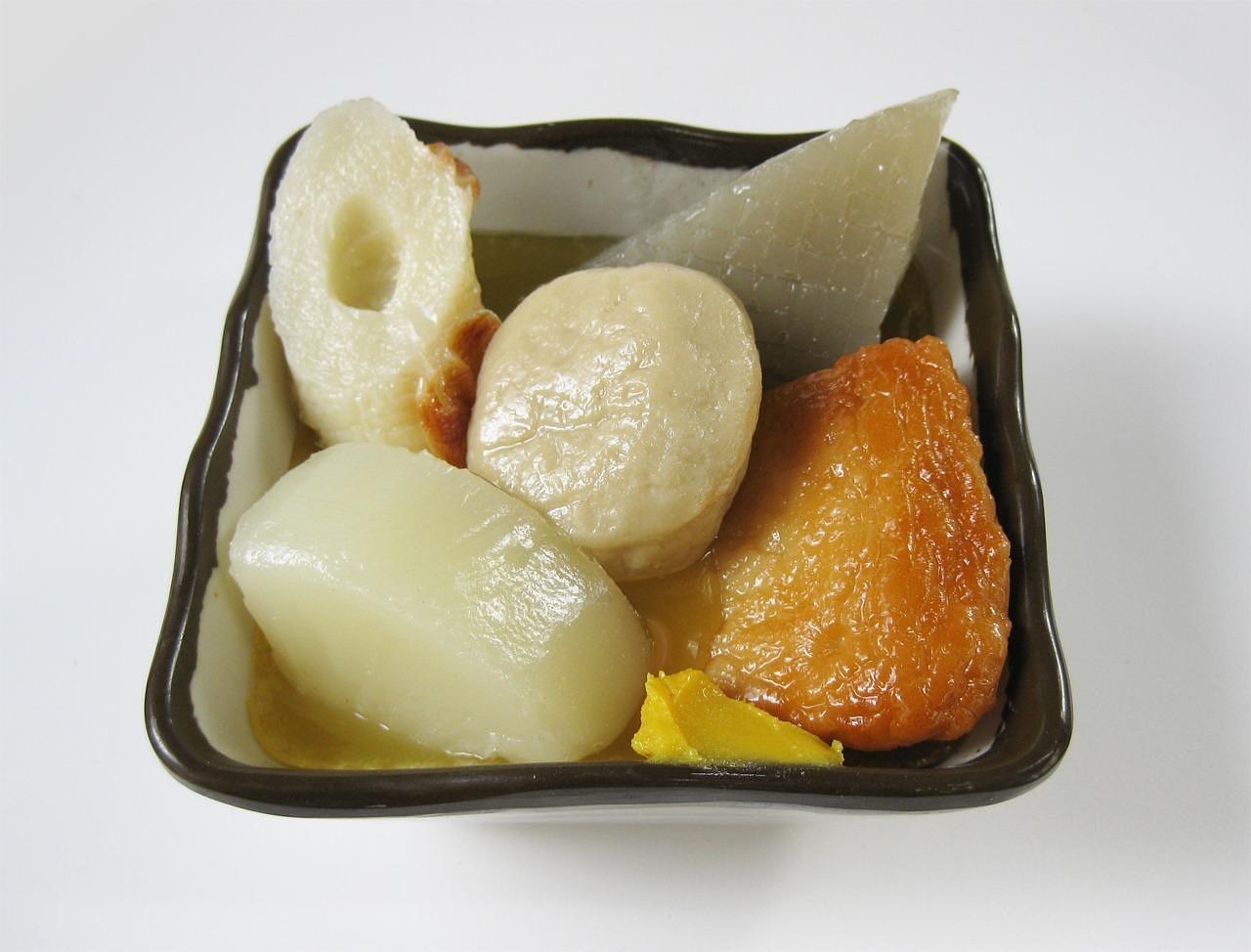
Oden (Tokyo style)

When the evenings turn cold, Tokyo's convenience stores set out steaming trays of oden by the till, and small oden bars and street stalls fill up with office workers. Tokyo's style uses a darker, soy-seasoned dashi than the paler Kansai one, and it includes chikuwabu, a chewy tube of wheat dough that is rarely seen outside the Kanto region. Everything simmers gently for a long time, so the daikon turns translucent and soaks up the broth. Serve it straight from the pot with a dab of hot Japanese mustard. Chef's tip: make oden a day ahead and let it cool in the broth overnight; the daikon and eggs take on far more flavour as they cool than while they boil.

by KrazyBadal 0 views

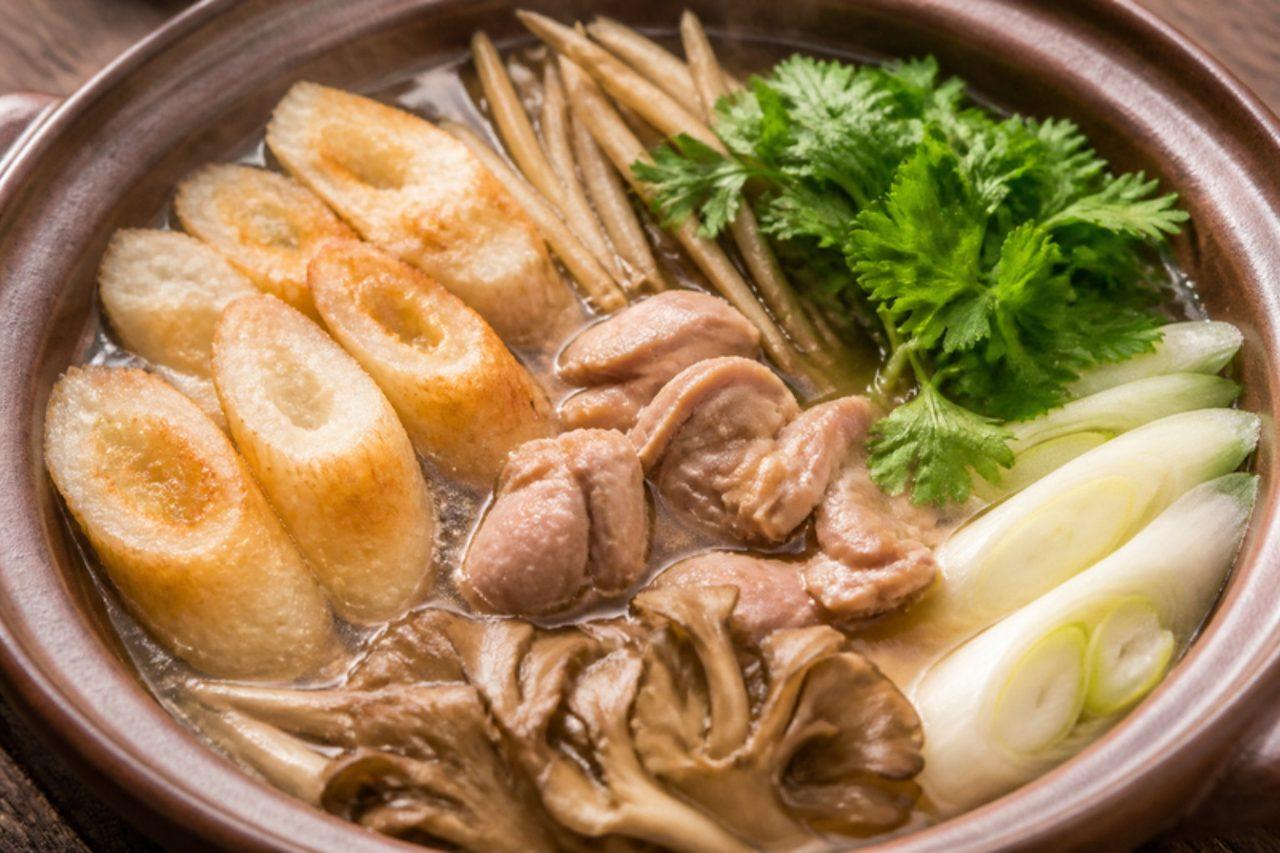
Kiritanpo nabeRice stick and chicken hot pot

In Akita, in Japan's snowy north-west, the new rice harvest in October marks the start of kiritanpo season, and the town of Odate holds a festival for it every autumn. Freshly cooked rice is half-pounded, pressed around sticks and toasted, then cut up and dropped into a soy-seasoned chicken broth with burdock, maitake mushrooms and crunchy Japanese parsley called seri. Locals use the region's Hinai-jidori chicken; any good free-range bird works. The toasted rice soaks up the broth but keeps a little chew. Chef's tip: toast the rice sticks until dry and golden in patches all over, as a crisp outer skin keeps them from dissolving in the pot.

by KrazyBadal 0 views

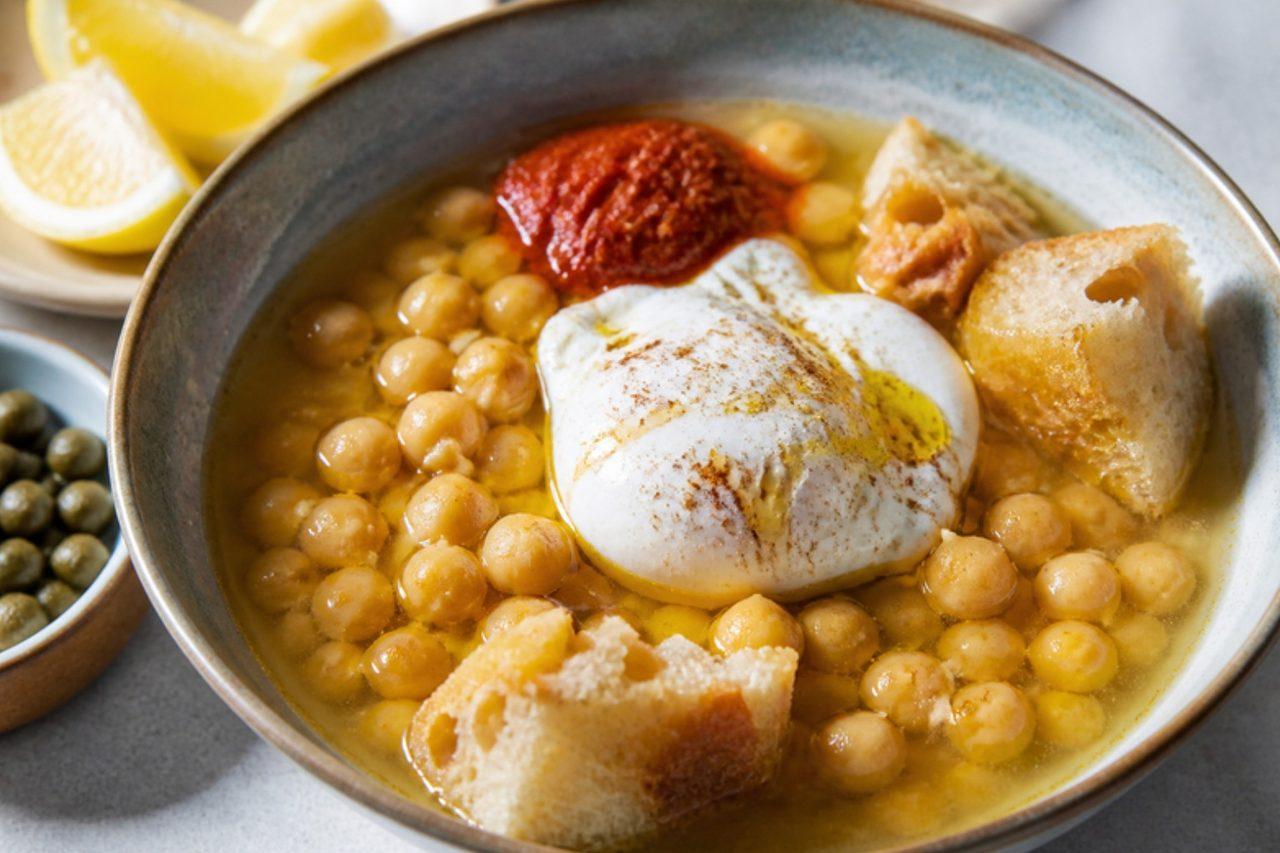
LablabiChickpea soup with bread

Lablabi is the working breakfast of Tunis, served from steaming cauldrons in tiny shops near the medina and the markets from dawn, and eaten all over Tunisia on cold winter mornings. Torn day-old bread goes into the bowl first, then hot chickpeas and their garlicky broth, and everyone dresses their own with harissa, cumin, olive oil, lemon and capers; many add a soft-poached egg that is broken through the bread. Chef's tip: let the bread soak for a minute before you stir in the harissa, so it turns soft and spoonable but not mushy.

by KrazyBadal 0 views

Basler MehlsuppeBrowned flour soup

Basel's Fasnacht starts at 4 a.m. on the Monday after Ash Wednesday with Morgestraich, when the city's lights go out and the cliques march with lanterns, piccolos and drums. Afterwards everyone crowds into the old-town restaurants for a bowl of Mehlsuppe: flour toasted in butter until it is the colour of hazelnuts, simmered into a smooth, savoury, deep-brown soup and finished with grated cheese. It warms you on a freezing February morning and is usually eaten with Zwiebelwähe (onion tart). The traditional soup is made with beef stock; this vegetarian version uses a strong vegetable stock with a little red wine and onion to give the same depth. Chef's tip: toast the flour slowly and stir all the time; the colour should be even chestnut brown, and the smell like toasted nuts.

60 minSwissSoups
by KrazyBadal 0 views

Raclette

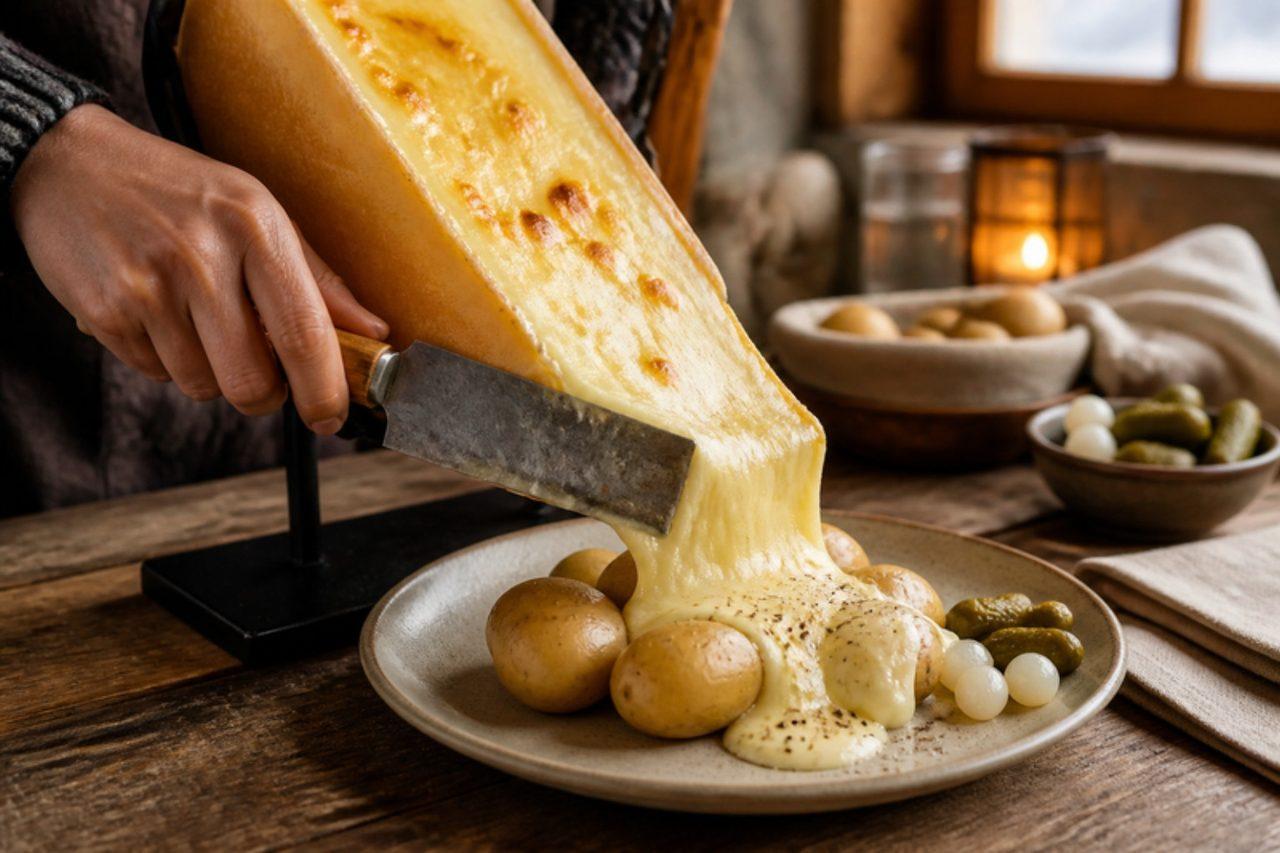
In the Valais, the vineyard-and-glacier canton along the upper Rhône, raclette began as a herders' meal: half a wheel of cheese propped beside an open fire, the melting face scraped (racler) onto a plate of potatoes. Today Valais families and village festivals still serve it the slow way, one plate at a time, while at home most people use a tabletop grill with small pans. The cheese is soft and pungent from the wheel and turns sweet and nutty as it bubbles, set off by sharp cornichons and little pickled onions. A proper Valais raclette needs nothing else: no charcuterie, just potatoes, pickles, pepper and a glass of Fendant or hot tea. Raclette cheese is usually made with animal rennet; choose a wheel or slices labelled with microbial or vegetarian rennet. Chef's tip: keep the potatoes hot in a covered basket wrapped in a cloth, so each scoop of cheese lands on a steaming potato and stays runny.

by KrazyBadal 0 views

Fondue moitié-moitiéGruyère and Vacherin fondue

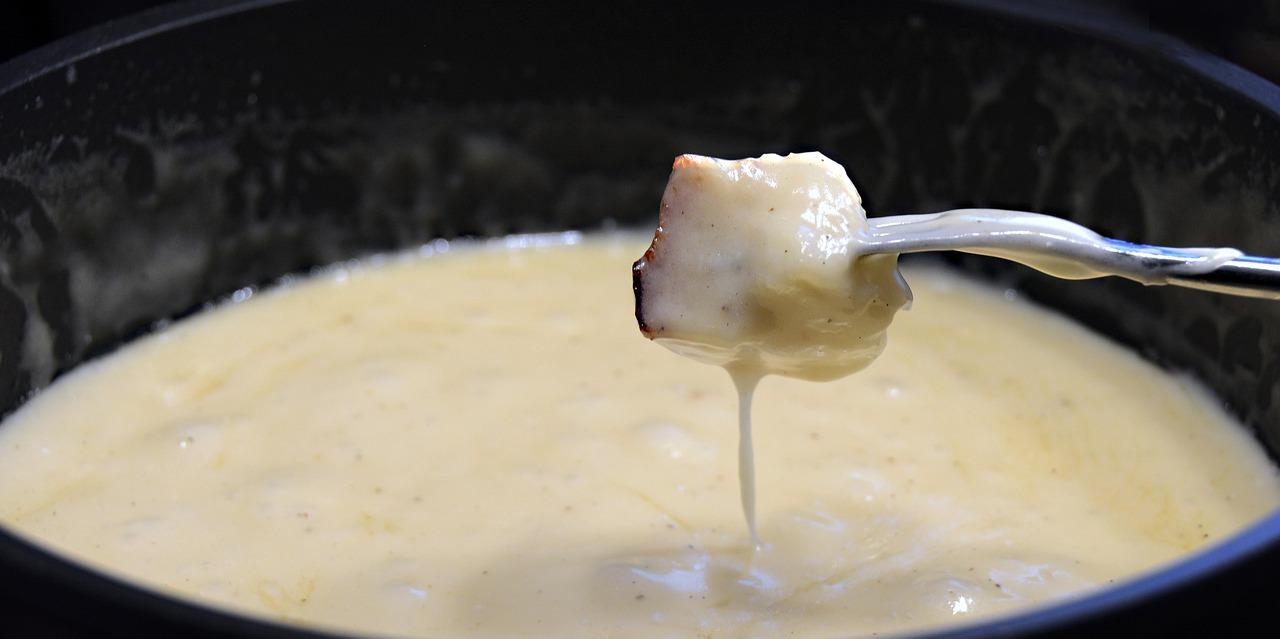
Moitié-moitié means half and half, and in Fribourg it names the canton's own fondue: equal weights of nutty Gruyère and soft, buttery Vacherin fribourgeois melted with dry white wine in a glazed earthenware caquelon. Families light the burner in the middle of the table on cold evenings from October to March, and ski huts above Gruyères serve it after a day on the slopes. The Vacherin makes it silkier and milder than a Gruyère-only fondue, so it clings to the bread in a thick, glossy coat. Serve with day-old bread, a plate of cornichons and small boiled potatoes, and drink white wine or warm black tea with it; locals say cold water sits badly with all that cheese. Traditional Gruyère and Vacherin are made with animal rennet, so for a vegetarian table look for wheels labelled with microbial or vegetarian rennet, or ask a cheesemonger for a similar Alpine cheese that uses it. Chef's tip: grate the cheese rather than cubing it and let it come to room temperature for 30 minutes; it melts evenly and the fondue stays smooth.

by KrazyBadal 0 views

Vegetarian erwtensoepSplit pea soup

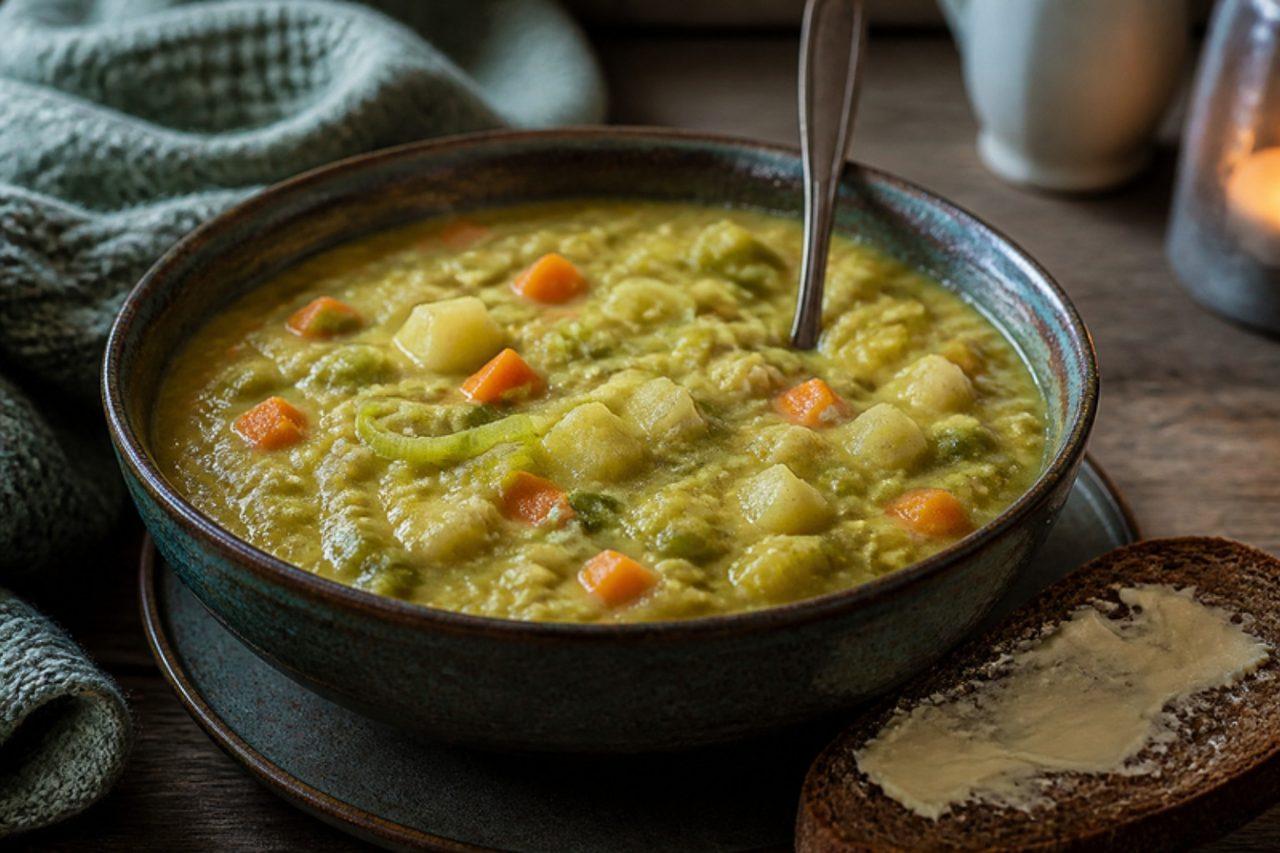
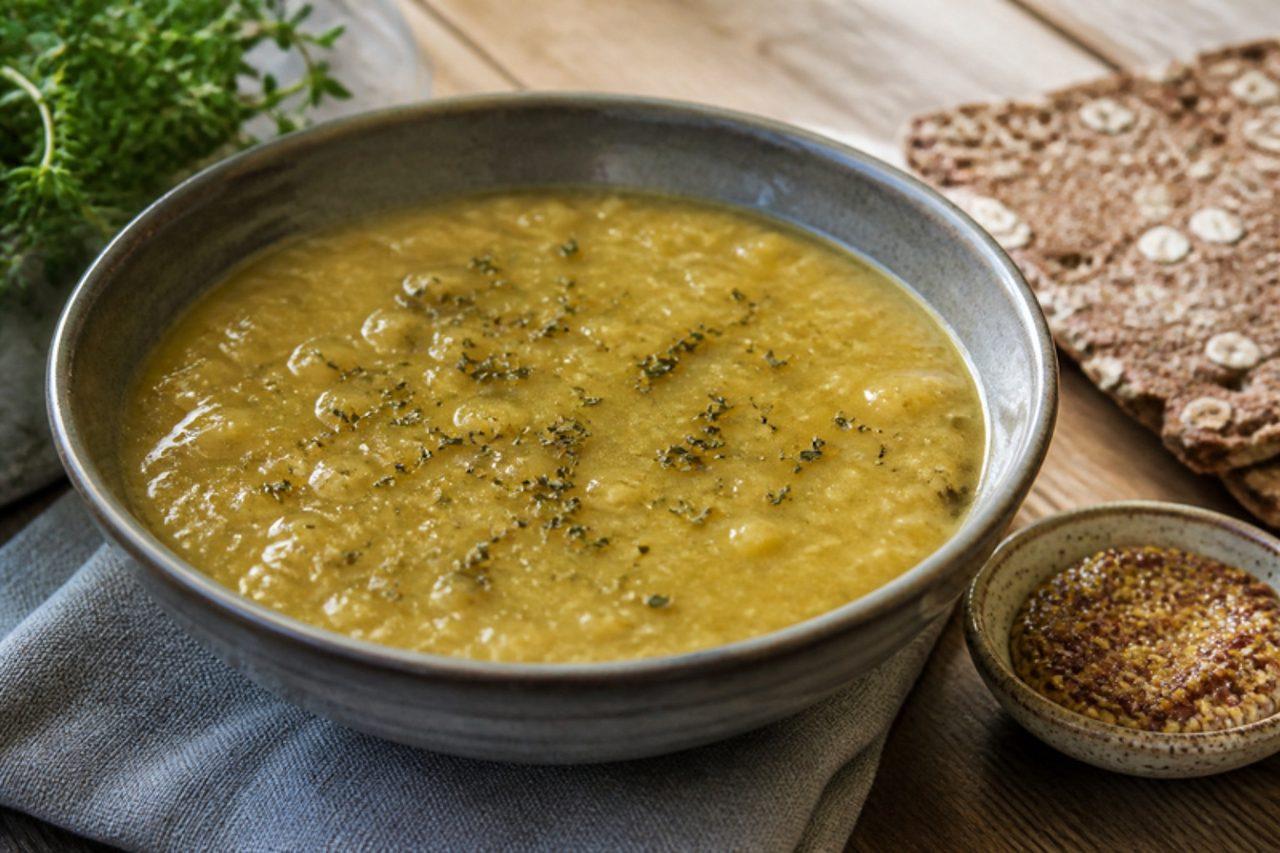
Erwtensoep, or snert, is the soup that Dutch skaters drink from paper cups at the koek-en-zopie stalls on frozen lakes, and that families leave to simmer on a Saturday in January. A proper snert is so thick that a spoon should stand upright in the pan, and it tastes better on the second day. The traditional pot is full of pork and smoked sausage; this version gets its depth from celeriac, leek, a little smoked paprika and a long, slow simmer. Serve it with dark rye bread (roggebrood), butter and mustard. Chef's tip: stir the bottom of the pan every 10 minutes in the last half hour; split peas settle as they thicken and catch easily, and a scorched taste spreads through the whole pot.

140 minDutchSoupsVeganGluten free
by KrazyBadal 0 views

BoerenkoolstamppotKale and potato mash

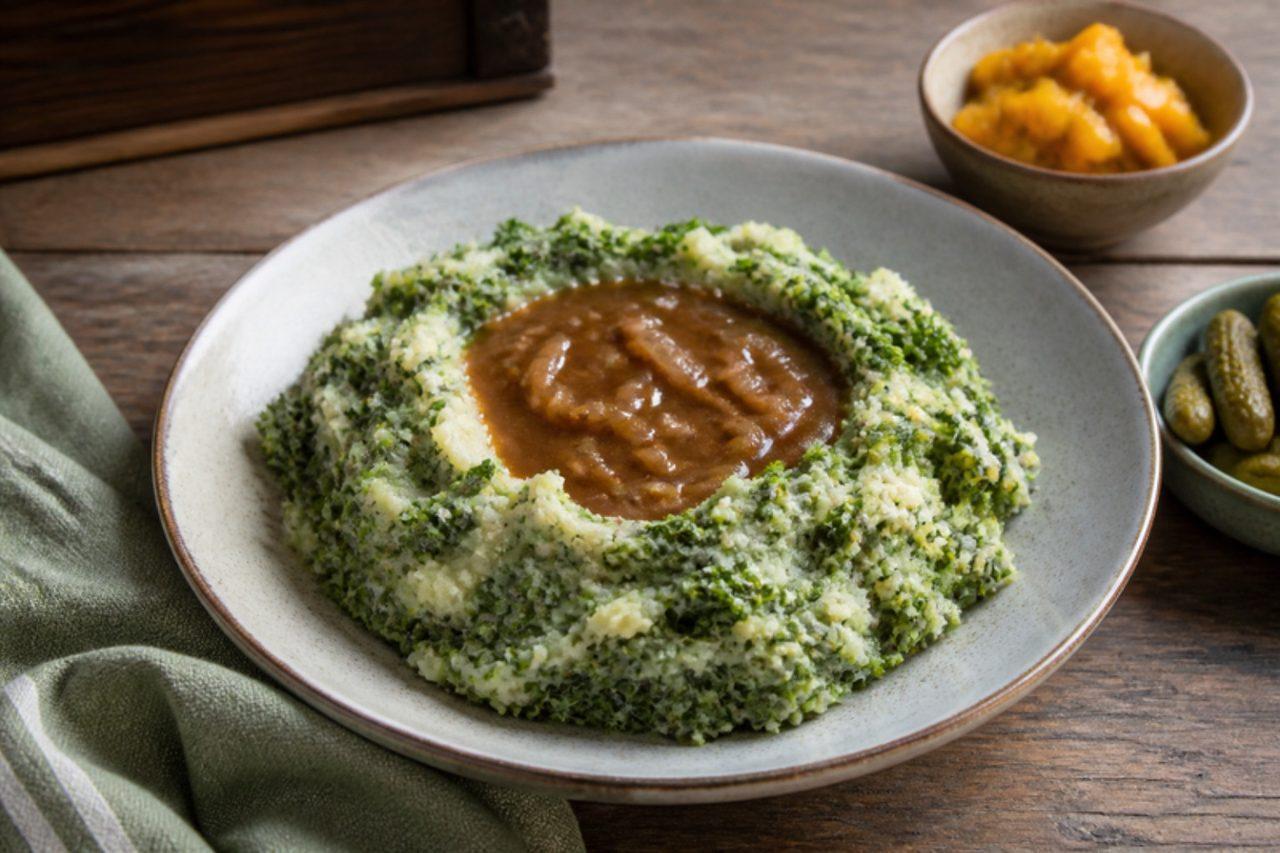
When the first frost hits the Dutch polders, farmers say the kale (boerenkool) finally turns sweet, and that is the signal for boerenkoolstamppot: floury potatoes mashed with finely shredded raw kale until the green is just wilted by the heat of the mash. Across the Netherlands it is the dinner of dark December evenings and the meal people want after skating on a frozen canal. Every plate gets a kuiltje, a little well pressed into the mash and filled with gravy. The classic partner is a smoked rookworst sausage; this vegetarian version keeps the smoky note with pan-fried smoked tofu and a slow-cooked onion gravy, and a spoon of mustard on the side. Chef's tip: shred the kale as fine as you can and stir it in raw at the very end, so it stays bright green with a little bite instead of turning grey and soggy.

by KrazyBadal 0 views

ÄrtsoppaYellow pea soup

For centuries Swedes have eaten ärtsoppa on Thursday: school canteens, army messes and home kitchens all serve thick yellow pea soup, followed by thin pancakes with jam (ärtsoppa och pannkakor). The tradition is said to date from Catholic times, a filling meal before Friday's fast. The soup is usually cooked with salt pork, but the soul of it is the dried yellow peas, onion and a generous hand of thyme and marjoram, so this version is fully plant-based and seasons the broth with a little smoked paprika instead. Each bowl gets a spoonful of sharp Swedish mustard stirred in at the table. Chef's tip: soak whole yellow peas overnight and skim the foam as they come to the boil; the skins that float up can then be lifted off, giving a smoother soup.

by KrazyBadal 0 views

Daulat ki chaatSaffron milk foam

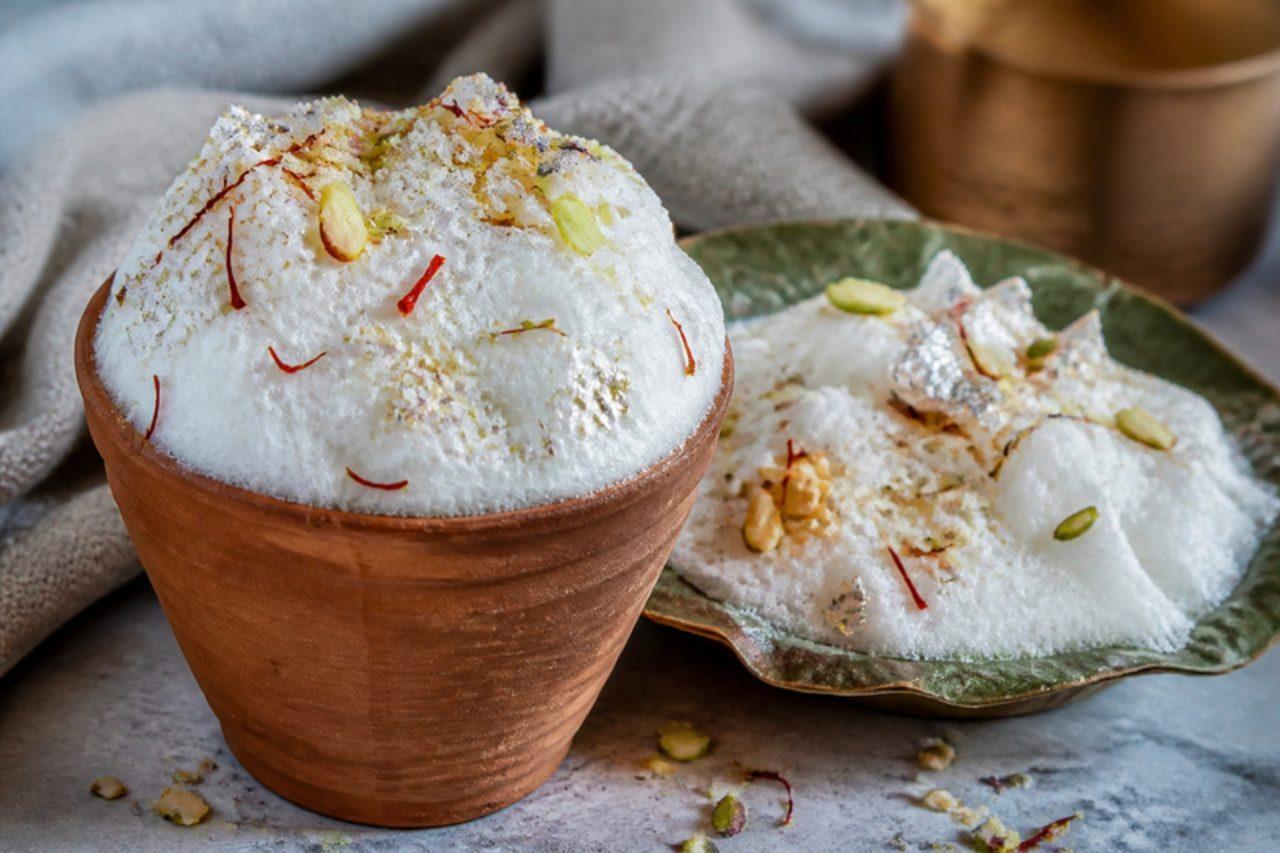
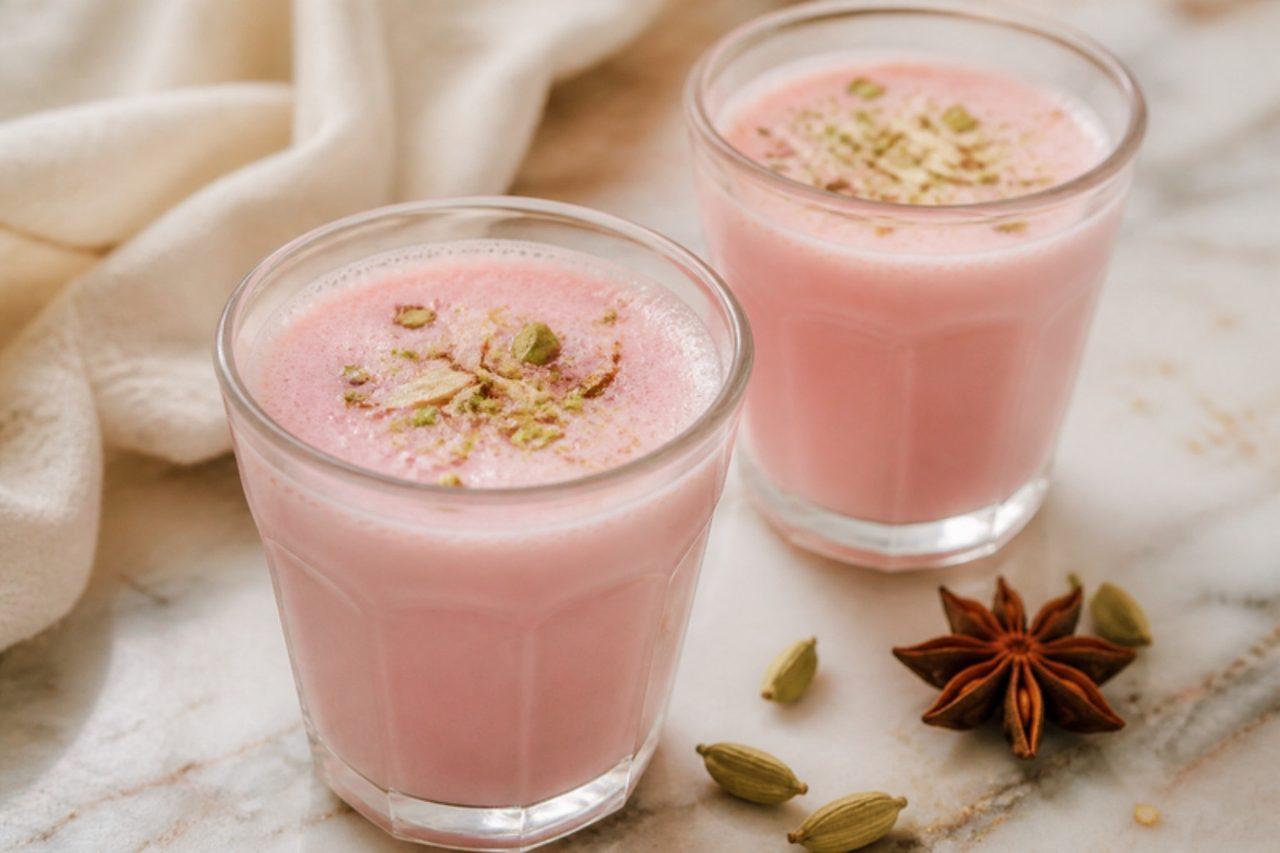
Daulat ki chaat appears in the lanes of Chandni Chowk only in the coldest months, from about November to February. Vendors whisk milk and cream through the night and leave it out under the winter dew, then skim off a foam so light it disappears on your tongue, topped with saffron, khoya, sugar and pistachios. It's sold before the sun gets high, because warmth destroys it. A home kitchen can't recreate a Delhi winter night, so this version uses very cold milk and cream whipped to a loose foam and layered with saffron. It comes close: airy, cool, faintly sweet. Chef's tip: chill everything, bowl and whisk included, for at least 4 hours; the colder the milk, the more stable the foam.

by KrazyBadal 0 views

PinniGhee wheat flour sweets

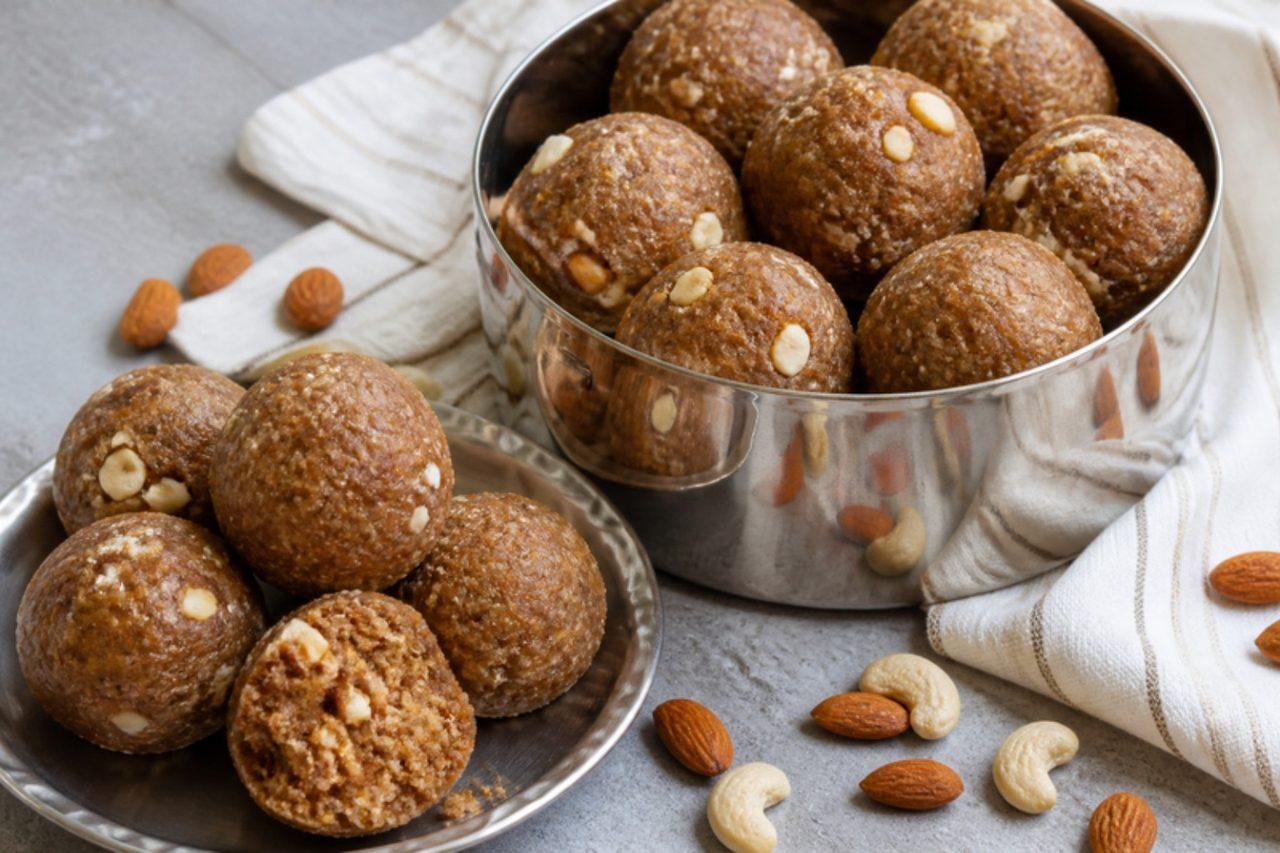
When the fog settles over Punjab in December, kitchens fill with the smell of wheat flour roasting slowly in ghee: pinni season has started. These dense, crumbly balls of roasted atta, jaggery, almonds and fried edible gum are made in big batches for Lohri, packed into tins for relatives and given to new mothers for strength. One pinni with a glass of hot milk is a classic winter breakfast. Chef's tip: let the roasted flour cool until just warm before adding the jaggery; if it is hot, the jaggery melts and the pinni set hard as stone.

by KrazyBadal 0 views

Kashmiri chaiPink salted milk tea

Kashmiri chai, called pink tea or gulabi chai across Pakistan, came down from Kashmir to become the winter drink of Lahore, Karachi and Islamabad: it is ladled out at weddings, sold from steaming pots at tea stalls on cold nights and served with nankhatai biscuits at family gatherings. The colour is real chemistry, not food colouring: green tea leaves are boiled hard with a pinch of baking soda until the brew turns deep red, then whisked and splashed to get air into it, and finally cooked with milk until it blushes pink. It is lightly salted in the old Kashmiri way and sweetened in the city way; add as much sugar as you like. The mistake people make is using black tea; only green tea leaves turn pink. Chef's tip: pour in ice-cold water as soon as the brew is reduced, and beat it hard; the shock and the air are what lock in the bright colour.

by KrazyBadal 0 views

Chocolat chaudThick hot chocolate

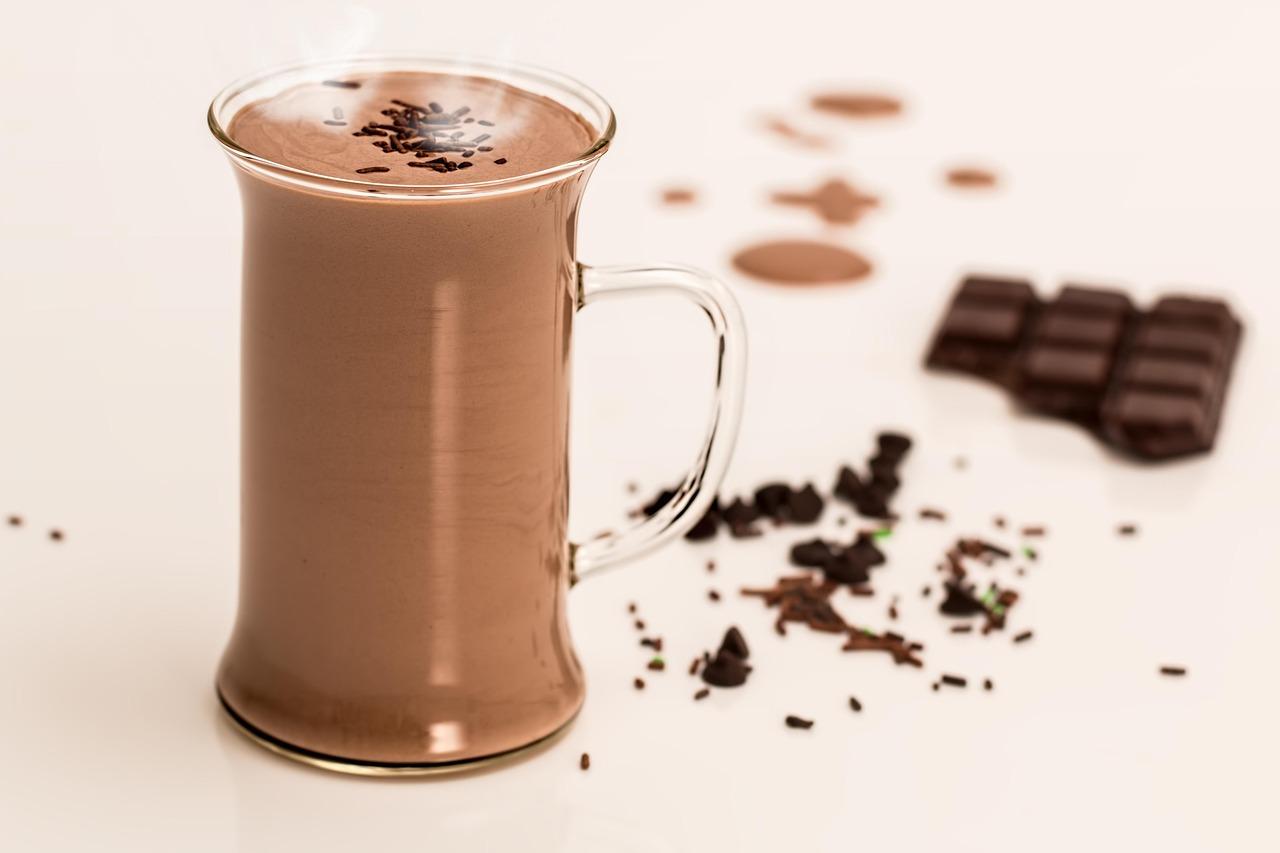
Paris's grand tearooms have served chocolat chaud since the 1800s, and it is nothing like a powdered cocoa drink: dark chocolate is melted into hot milk and cream until it is thick, glossy and rich enough to coat the cup. Parisians drink it in small cups on cold afternoons, often with a pot of whipped cream on the side and a pastry. It is also a winter treat at home after a walk. Use chocolate you'd enjoy eating. Chef's tip: keep the heat low and whisk; letting it boil is the common mistake and the chocolate can turn grainy and catch on the bottom.

by KrazyBadal 0 views

NimonaFresh green pea curry

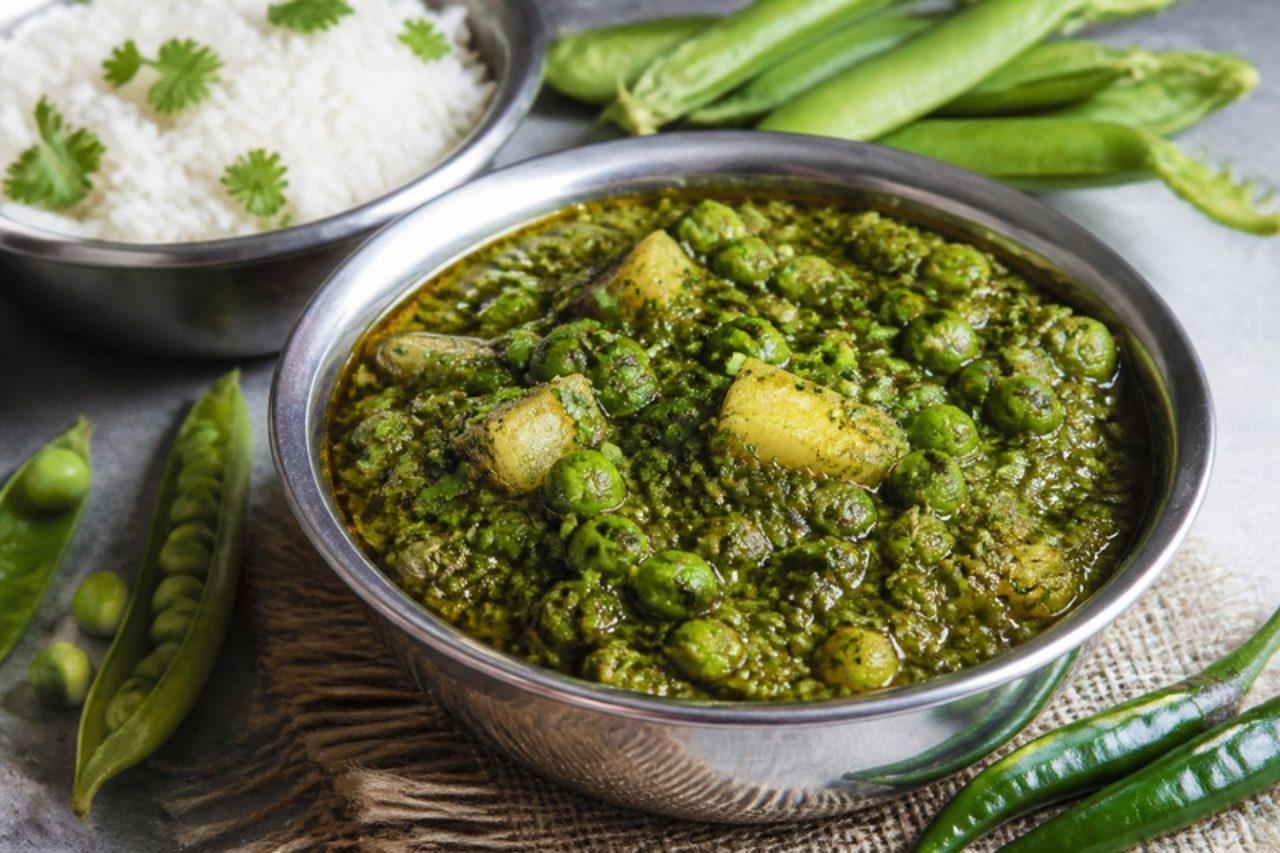
When fresh peas fill the markets of Varanasi and Gorakhpur in December, almost every household makes nimona. The peas are coarsely ground and fried in mustard oil until they lose their raw smell and turn a darker, nutty green. Potatoes are then added and everything simmers in a thin, spicy gravy. It is eaten with plain rice on a winter afternoon, and some families add fried moong dal vadis for extra bite. The most common mistake is grinding the peas into a smooth paste; nimona should have texture, like crushed peas rather than soup. Chef's tip: pulse the peas with the green chillies, ginger and garlic in short bursts, and stop as soon as they look like coarse, wet crumbs.

by KrazyBadal 0 views

French onion soup

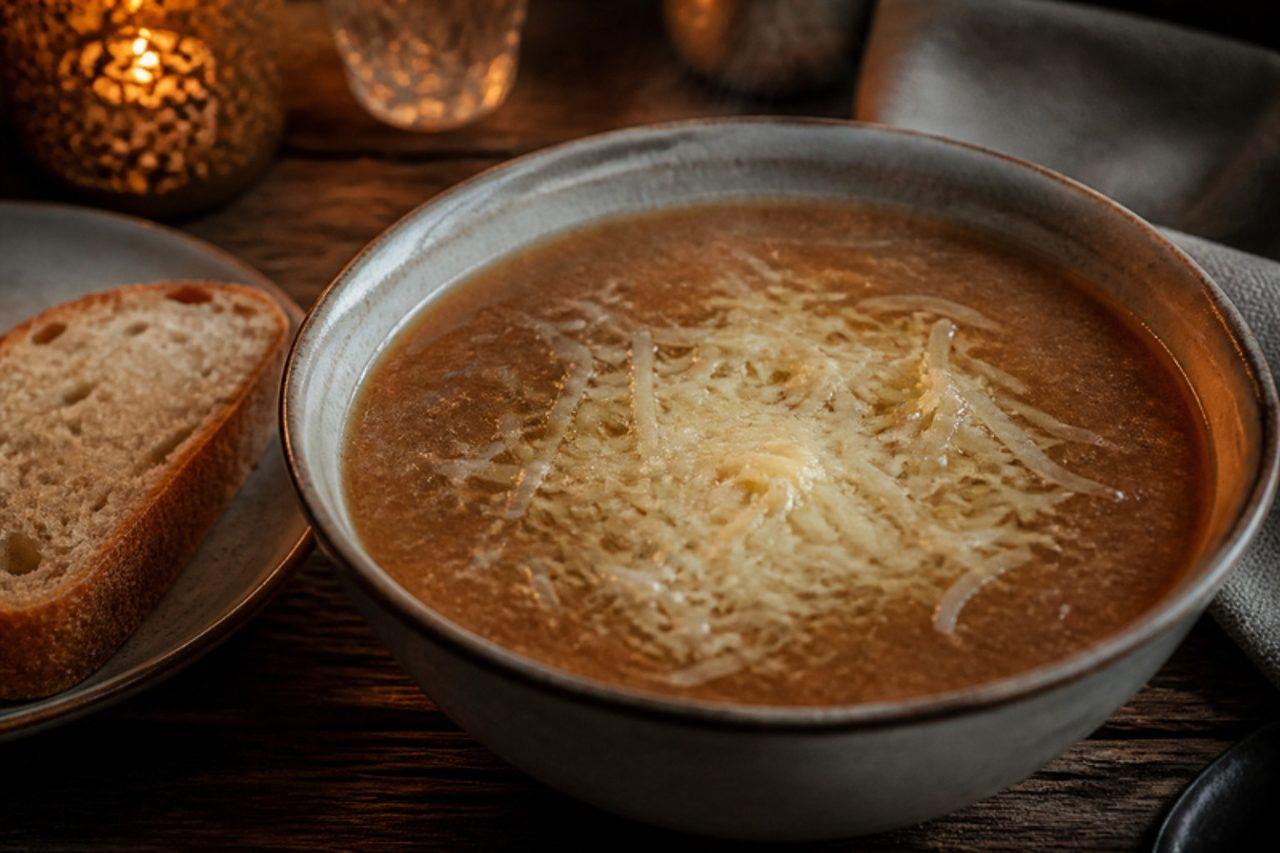
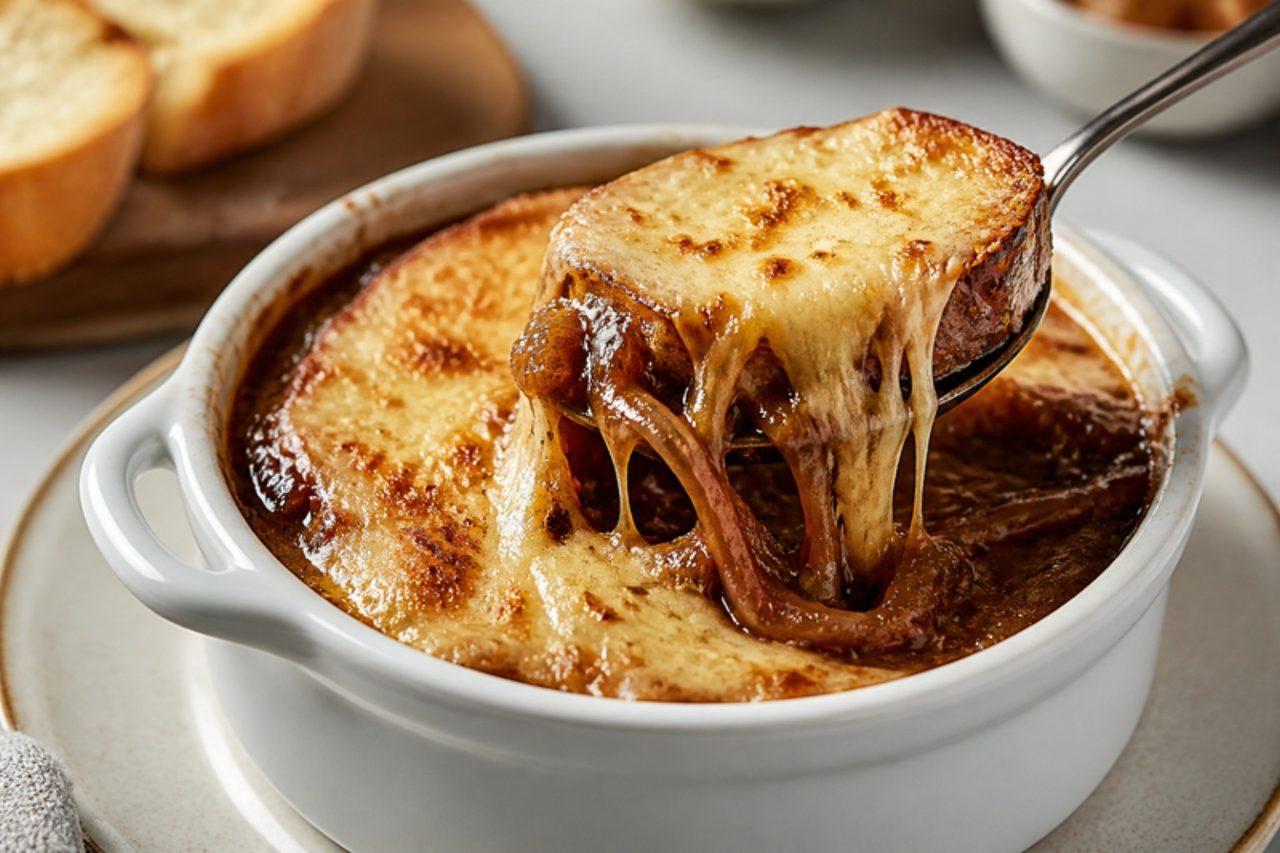
Soupe à l'oignon gratinée was the late-night meal of Les Halles, the old Paris food market, where porters and party-goers ate it at dawn; in Lyon, the city of onions, it's a winter bistro classic. Onions are cooked very slowly in butter until they turn a deep mahogany brown, then simmered in stock with a splash of wine and topped with toasted bread and melted cheese under the grill. The traditional soup uses beef stock; this version uses a rich vegetable stock and lets the deeply browned onions carry the flavour. Gruyère and Comté are made with animal rennet, so use a vegetarian alternative. Chef's tip: give the onions a full hour on a low heat; rushing them over a high heat is the common mistake and they burn before they sweeten.

by KrazyBadal 0 views

RibollitaBread and bean soup

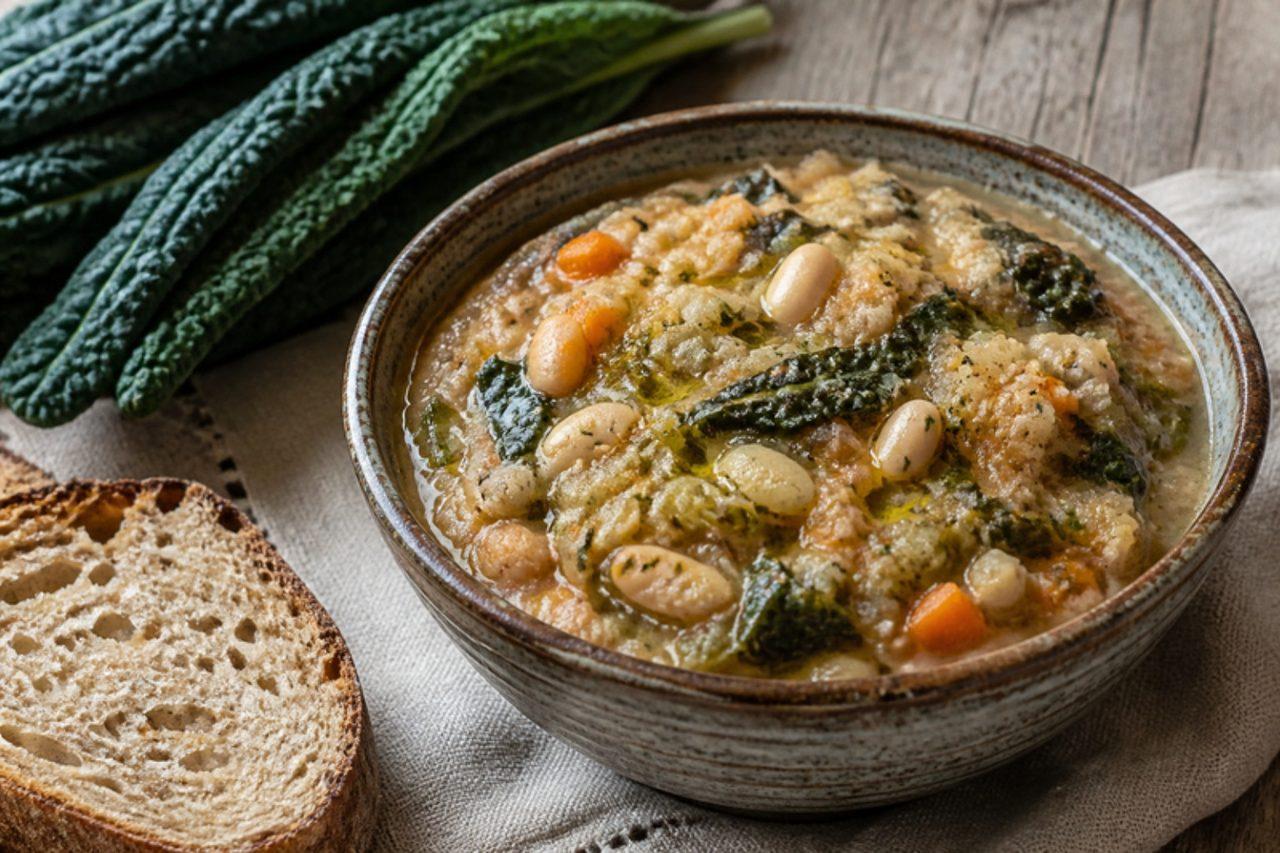
Ribollita means 'reboiled': a Tuscan peasant soup of cannellini beans, cavolo nero and other vegetables, layered with stale bread and heated again the next day until thick enough to eat with a fork. Florentines eat it through the cold months, when cavolo nero is sweetest after the first frosts, finished with a green thread of new-season olive oil. Make it a day ahead, because the reboil is the point. Chef's tip: when reheating, let the bottom catch very slightly before stirring; that toasty edge is what Tuscans love about day-two ribollita.

by KrazyBadal 0 views

Haryanvi bajra khichdiPearl millet and moong dal porridge

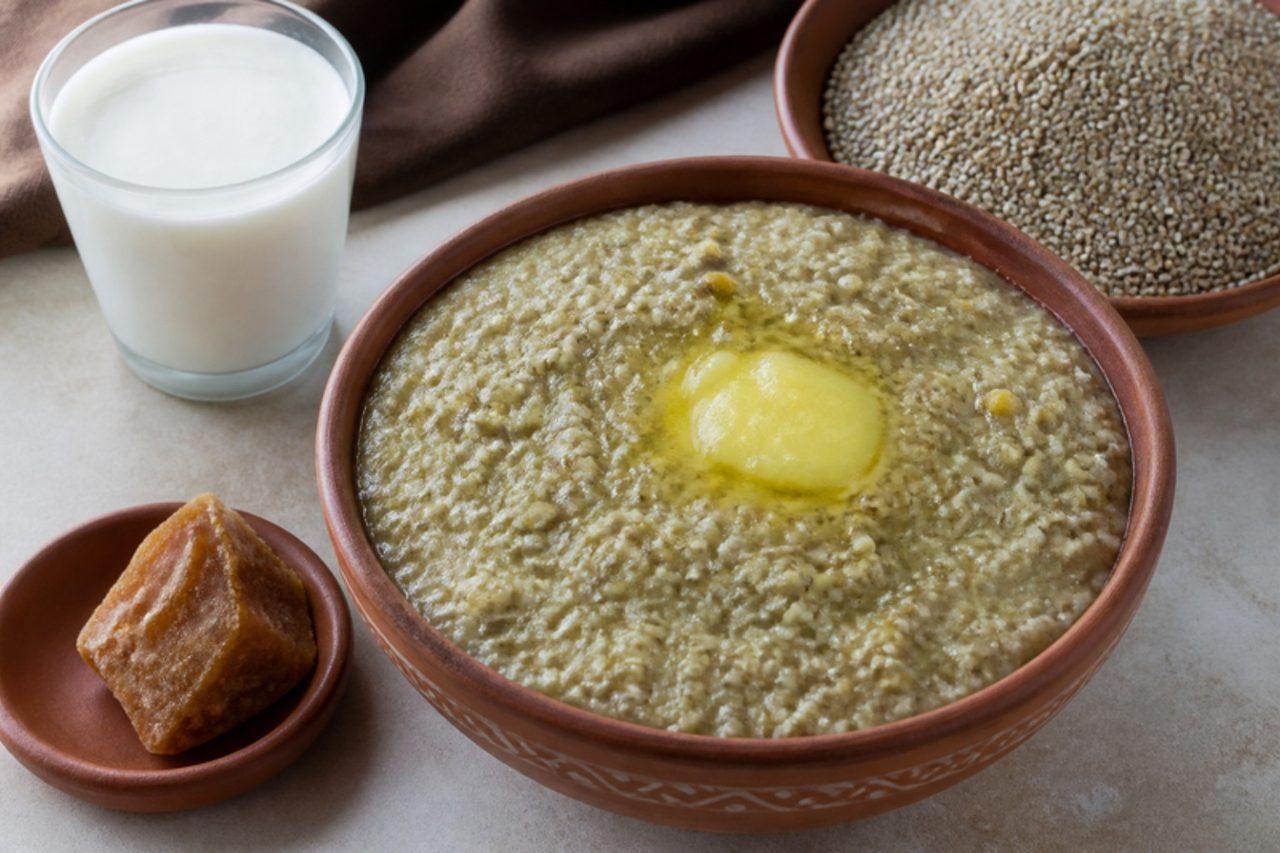
In village homes across Haryana, bajra khichdi is the food of cold winter nights and the days around Makar Sankranti: cracked pearl millet and yellow moong cooked slowly until soft and porridge-like, then eaten with a big spoon of ghee and either jaggery or a glass of lassi. It is plain, nutty and very filling, and grandmothers swear it keeps you warm. The millet was traditionally pounded in a stone mortar to crack it; a quick pulse in a grinder does the same. Chef's tip: soak the bajra overnight; unsoaked millet stays hard and gritty however long you cook it.

by KrazyBadal 0 views

ChampurradoThick masa hot chocolate

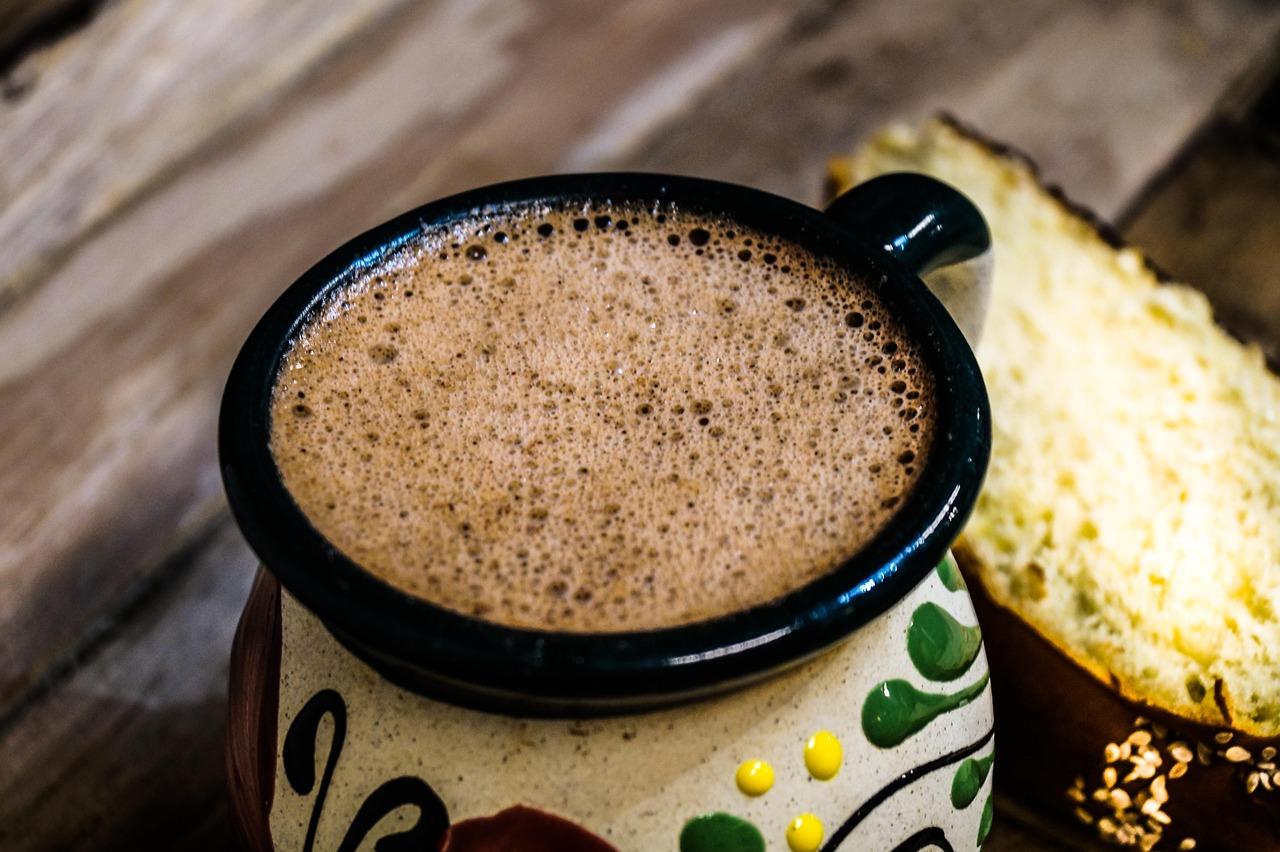
Champurrado is a chocolate atole, the thick, hot corn drink Mexicans have drunk since before the Spanish arrived. Masa harina is whisked into water and milk with Mexican chocolate (stone-ground with sugar and cinnamon) and piloncillo, a dark unrefined cane sugar, and cooked until velvety and spoon-coating. It is drunk on cold mornings with tamales or conchas, and above all during Día de Muertos and Christmas posadas. Chef's tip: always dissolve the masa harina in cold liquid before it meets the hot pot, and whisk constantly once it's in; dumped into hot milk it seizes into lumps.

by KrazyBadal 0 views

Sesame & peanut barfi

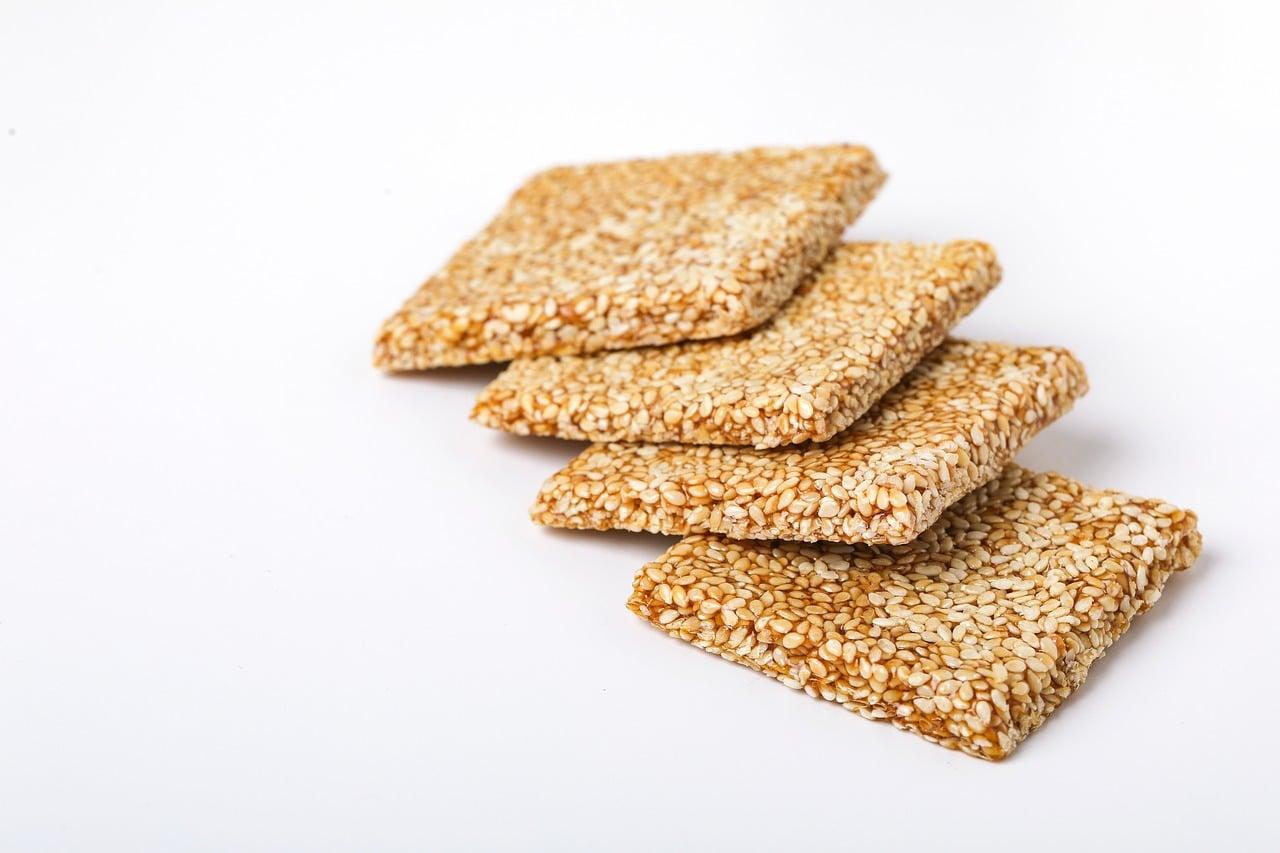
A crunchy, nutty barfi of roasted sesame seeds and ground peanuts set in a two-thread sugar syrup, pressed into a tray and topped with chopped peanuts. It's sweet and toasty, like a soft brittle, and keeps well. Good for fasting days and the winter festivals. Makes 20 pieces.

by KrazyBadal 0 views

Sarson ka saag

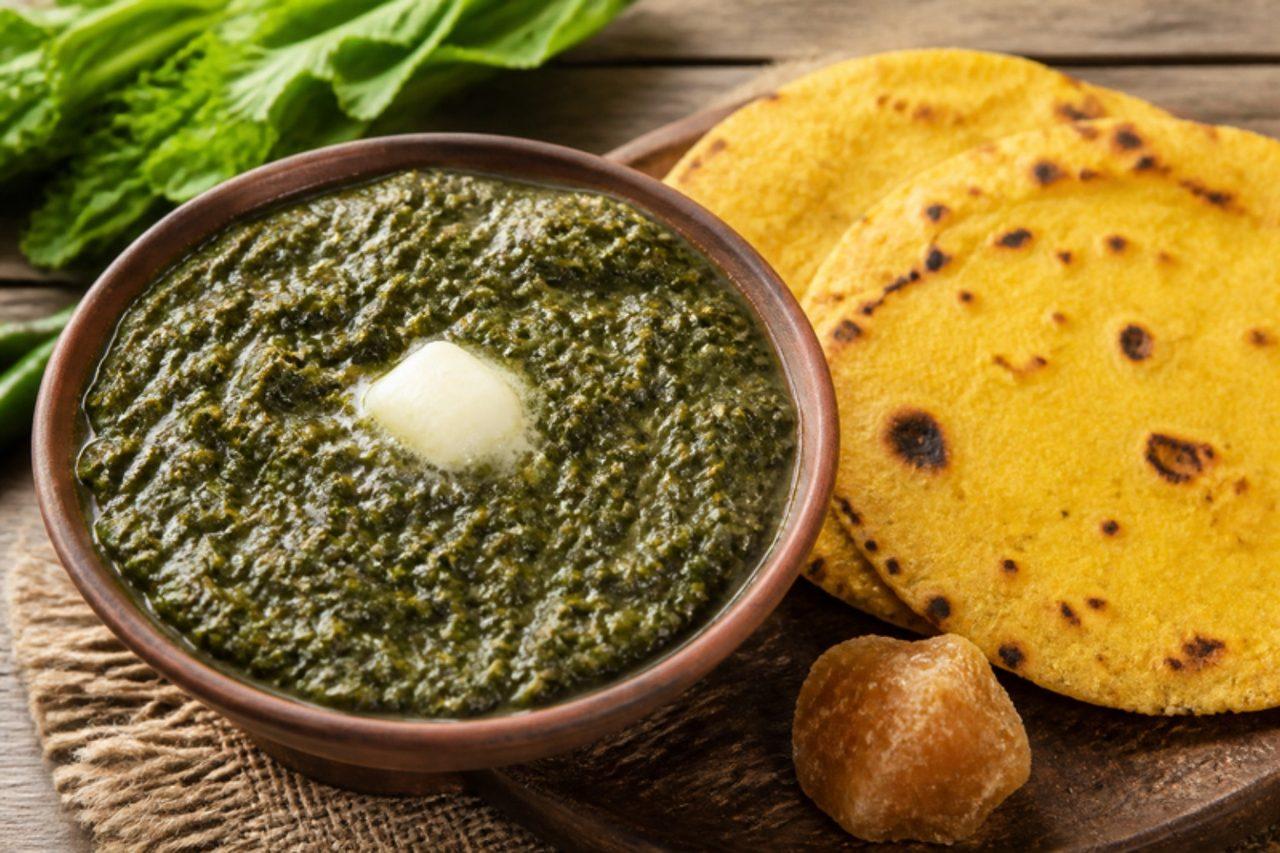
The classic Punjabi winter dish: mustard greens, spinach, fenugreek and a little cabbage pressure cooked until meltingly soft, then blended and thickened with maize flour. It's finished with onion, garlic and tomato fried in ghee and a sprinkle of Punjabi masala. Serve hot with chapati or makki ki roti.

by KrazyBadal 0 views

Surti undhiyuSlow-cooked mixed winter vegetables

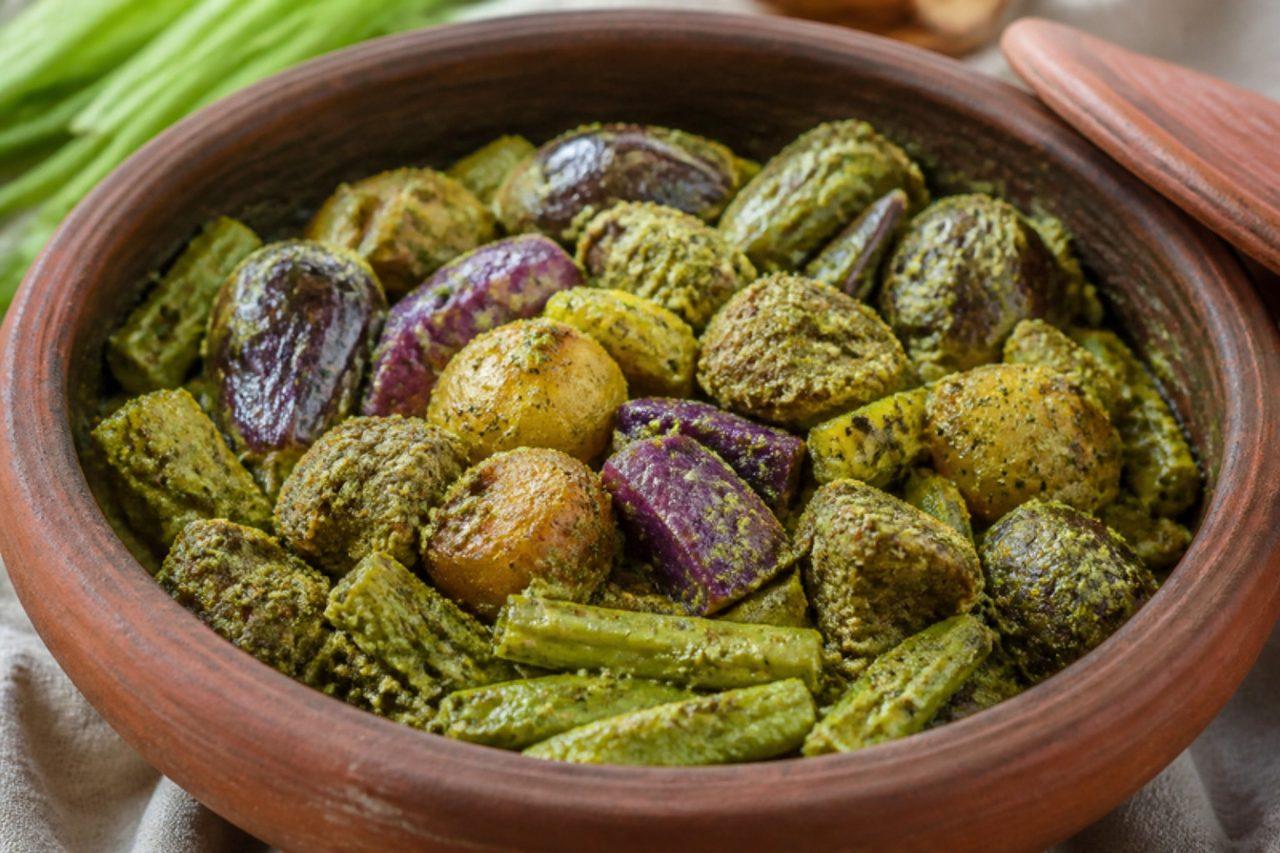
The great Gujarati winter feast: papdi, fresh pigeon peas, baby potatoes, suran, sweet potato, small brinjals and ripe bananas, slit and stuffed with a green masala of fresh green garlic, coriander and coconut, slow-cooked with fried fenugreek muthia. It's cooked gently under a plate of water so the vegetables steam in their own juices. This makes a big pot for 20; serve hot with chapaties or puri.

by KrazyBadal 0 views

Makki ki rotiMaize flour flatbread

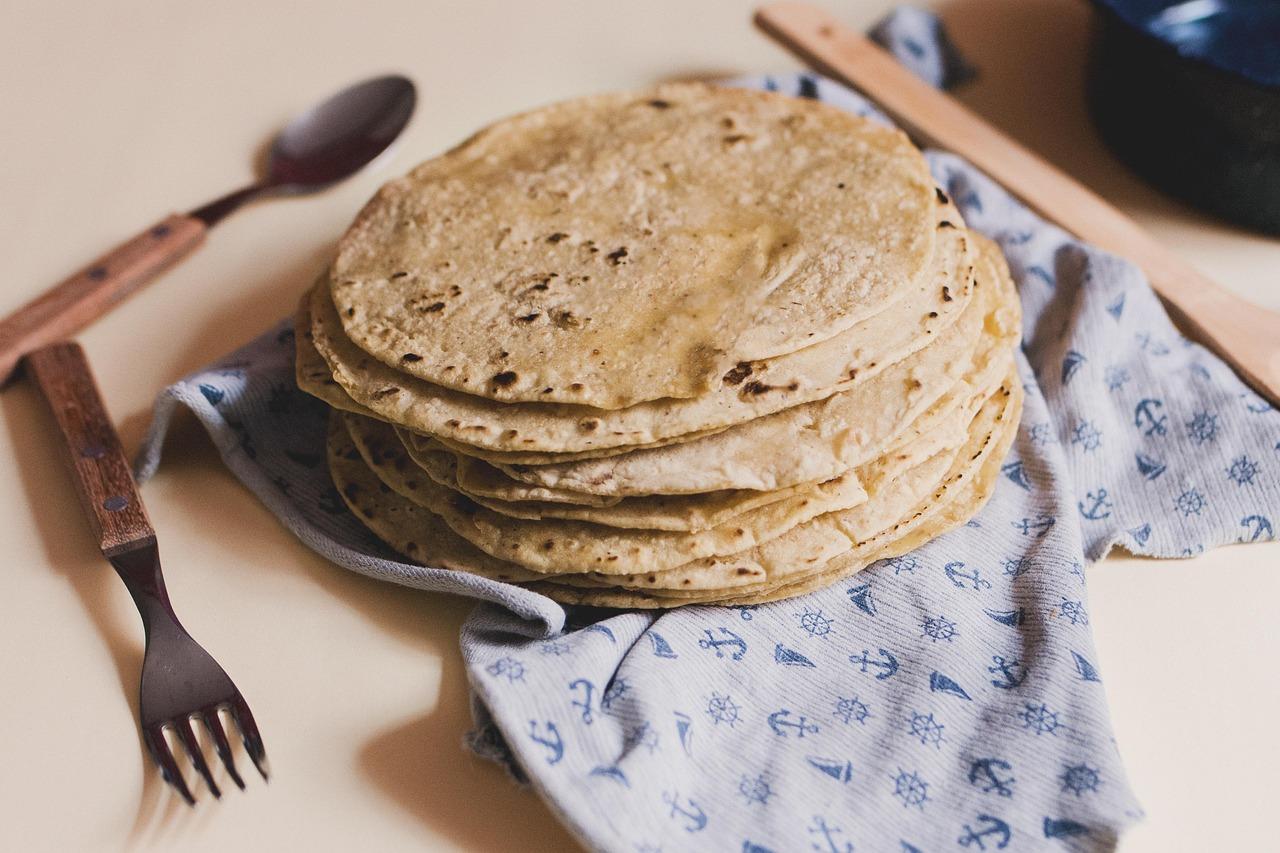
Makki ki roti is a rustic Punjabi flatbread made from maize flour bound with hot water. This version adds fresh fenugreek, onion and green chilli; leave them out for plain makki ki roti. It's naturally gluten free and traditionally served with sarson ka saag and a dab of ghee or butter.

by KrazyBadal 0 views

Showing 24 of 123 recipes

Show more recipes

Page 5 of 6

More occasions