Skip to content
Festivals

Diwali recipes: sweets, farsan and festive dishes

Mithai, crunchy farsan and festive dishes for Diwali, from chakli and chivda to besan ladoo and kaju katli. (47 recipes)

MathiaMoong and urad dal wafers

Mathia are thin, crisp, slightly sweet and peppery wafers made from mathia flour, a mix of ground husked moong and urad dal. They are a classic Gujarati Diwali snack. The dough is pounded until pale, rolled very thin between plastic sheets and fried one at a time. They are fragile, so store them gently. To make mathia flour, finely grind 4 parts husked green gram lentils with 1 part husked black gram lentils.

by KrazyBadal 1 views

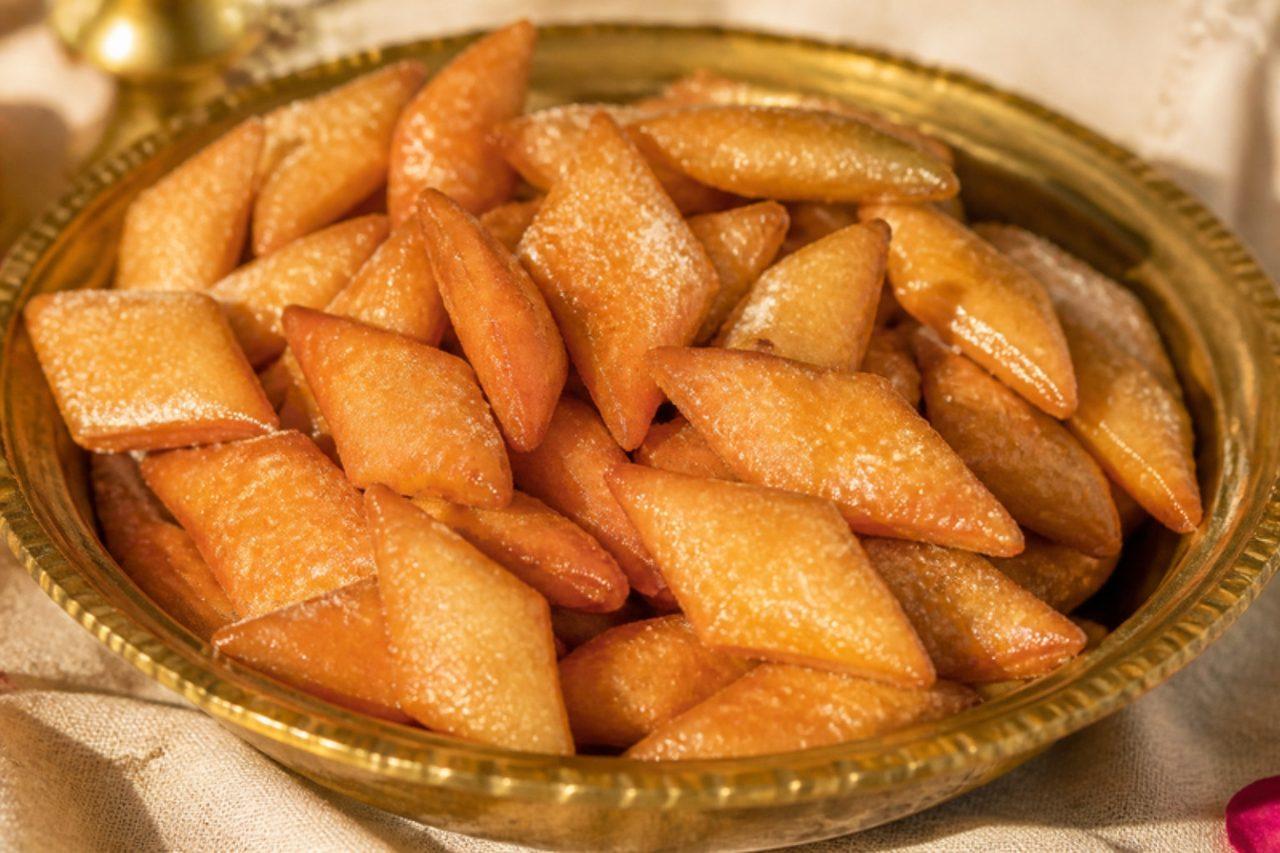
SakarpadaSweet fried dough diamonds

Sakarpada (shakarpara) are little sweet diamonds of a rich dough made with ghee, milk and sugar, fried until golden and crunchy. They are a Diwali favourite with tea, and the cubes go into bhusu too. They keep for weeks in an air-tight tin.

by KrazyBadal 1 views

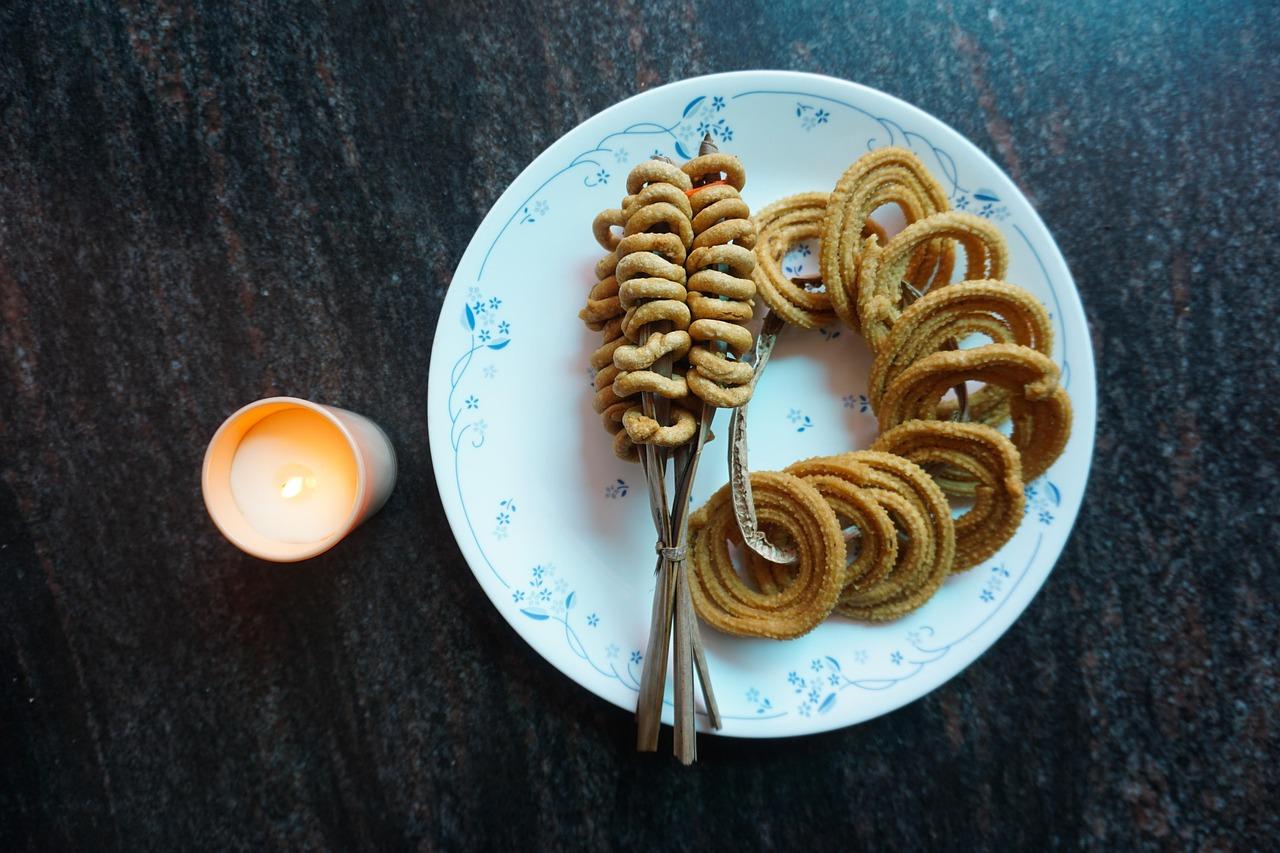
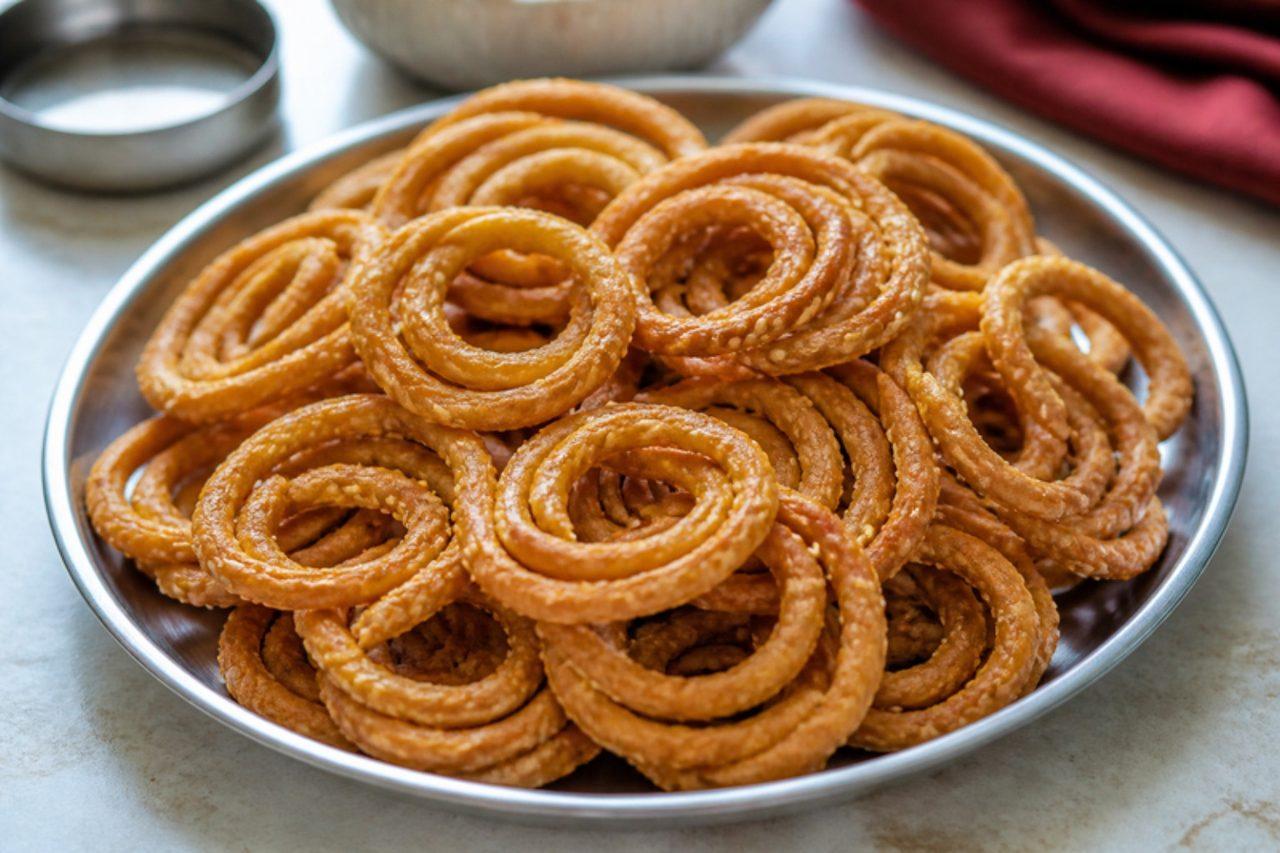
Potato chakriPotato and rice flour spirals

Potato chakri are crisp, light spirals made with rice flour and boiled potato, flavoured with ginger, chilli, lemon, sesame and coriander. The potato makes them extra tender-crisp. They keep for about 3 weeks in an air-tight container, so make them ahead for Diwali or guests.

by KrazyBadal 1 views

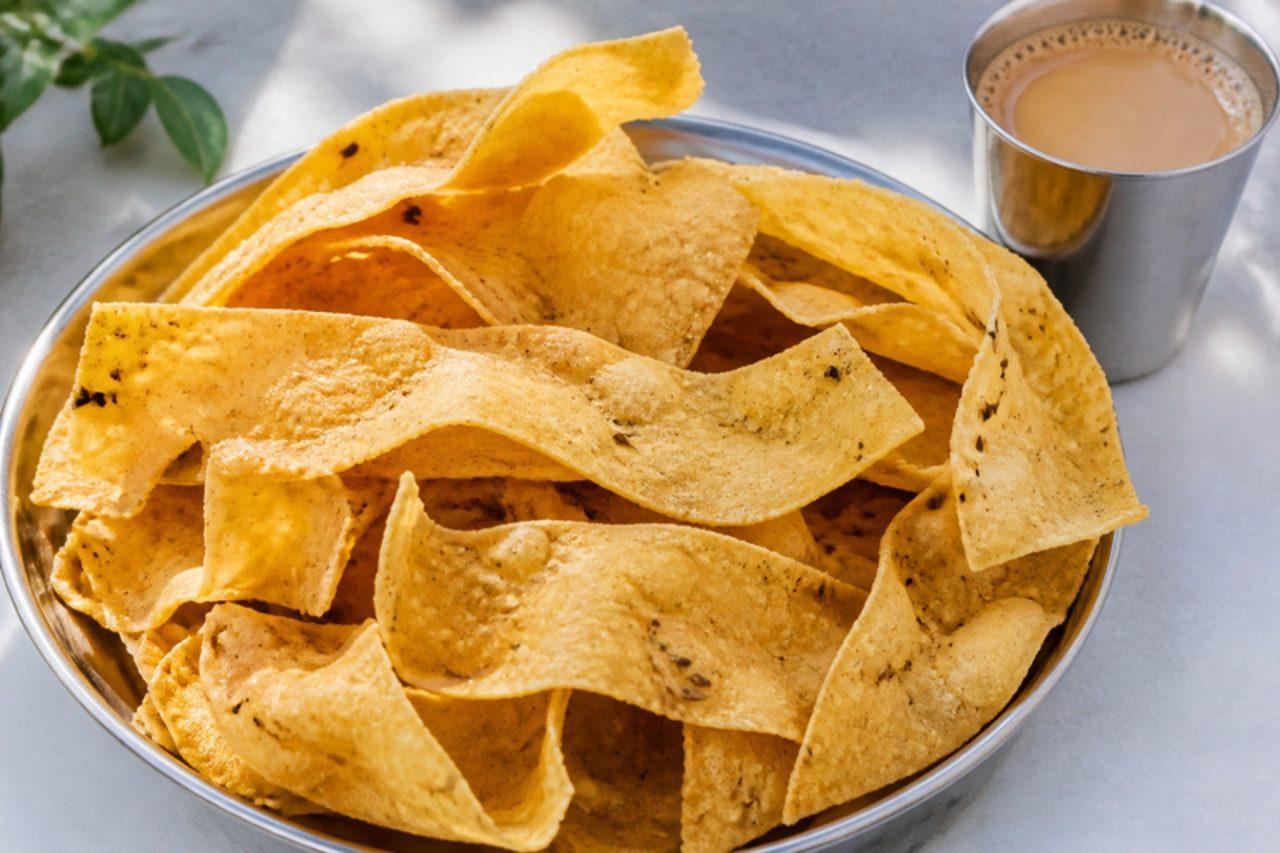
Patta gathiaThin gram flour ribbons

Patta gathia are flat, ribbon-like strips of gram flour dough, rolled paper-thin under the palm on a wooden board and fried until crisp. Black pepper and ajwain give them their flavour. They are a classic Gujarati tea-time snack and are great with fried chillies and papaya sambharo.

by KrazyBadal 1 views

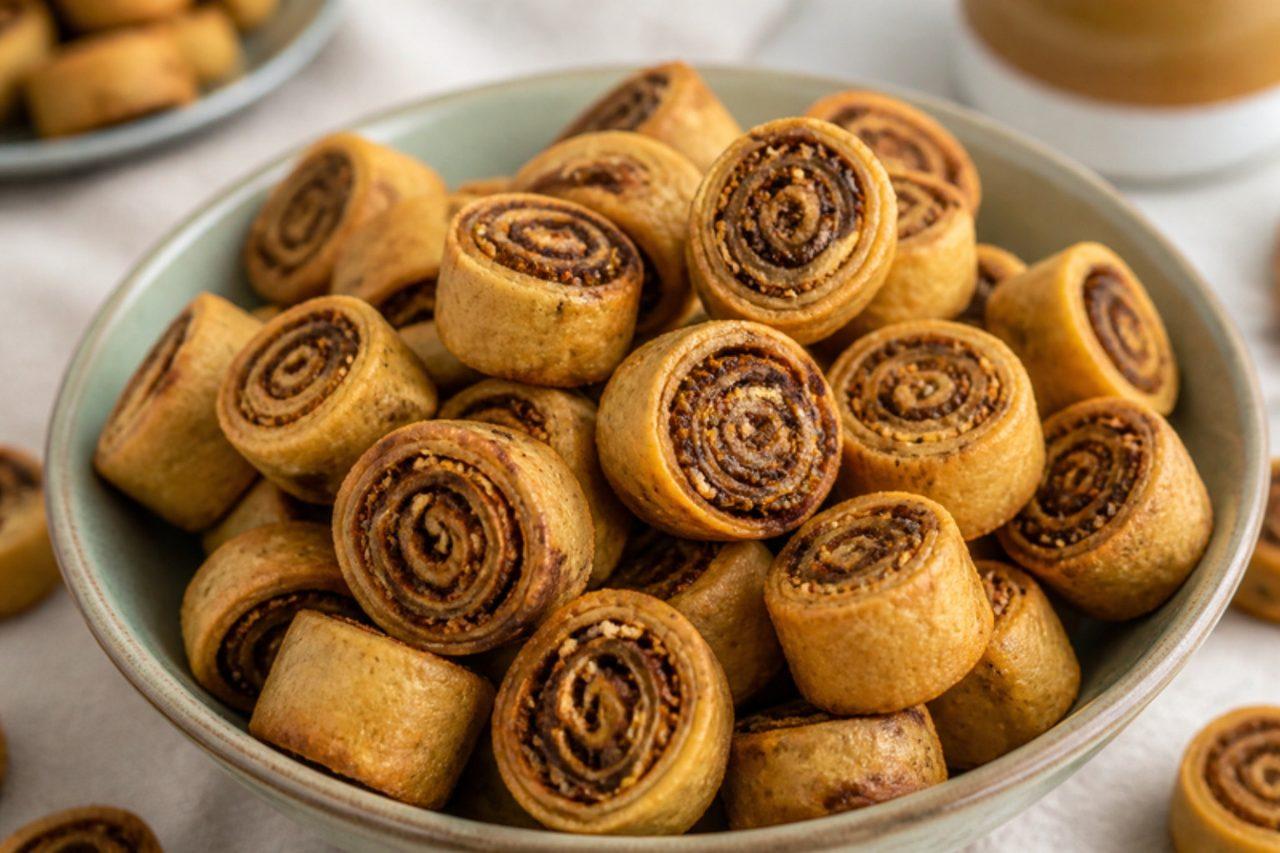
BhakarwadiSpiced coconut pastry pinwheels

Pune claims bhakarwadi as its own, and the queues outside the city's old sweet-and-farsan shops at Diwali prove it. Thin sheets of spiced pastry are spread with tamarind, sprinkled with a roasted filling of dry coconut, sesame, poppy seeds, coriander, fennel and chilli, rolled up tight and sliced into spirals before frying. Each bite is crisp, then sweet, then sour, then hot, which is why one is never enough. Gujarati farsan shops sell a sweeter cousin, but the Maharashtrian version keeps the chilli forward. They keep for weeks, travel well and make a good tea-time snack all year. Chef's tip: press the filling into the dough with the rolling pin before you roll the log; loose filling falls out when you slice and the spirals unwind in the oil.

by KrazyBadal 0 views

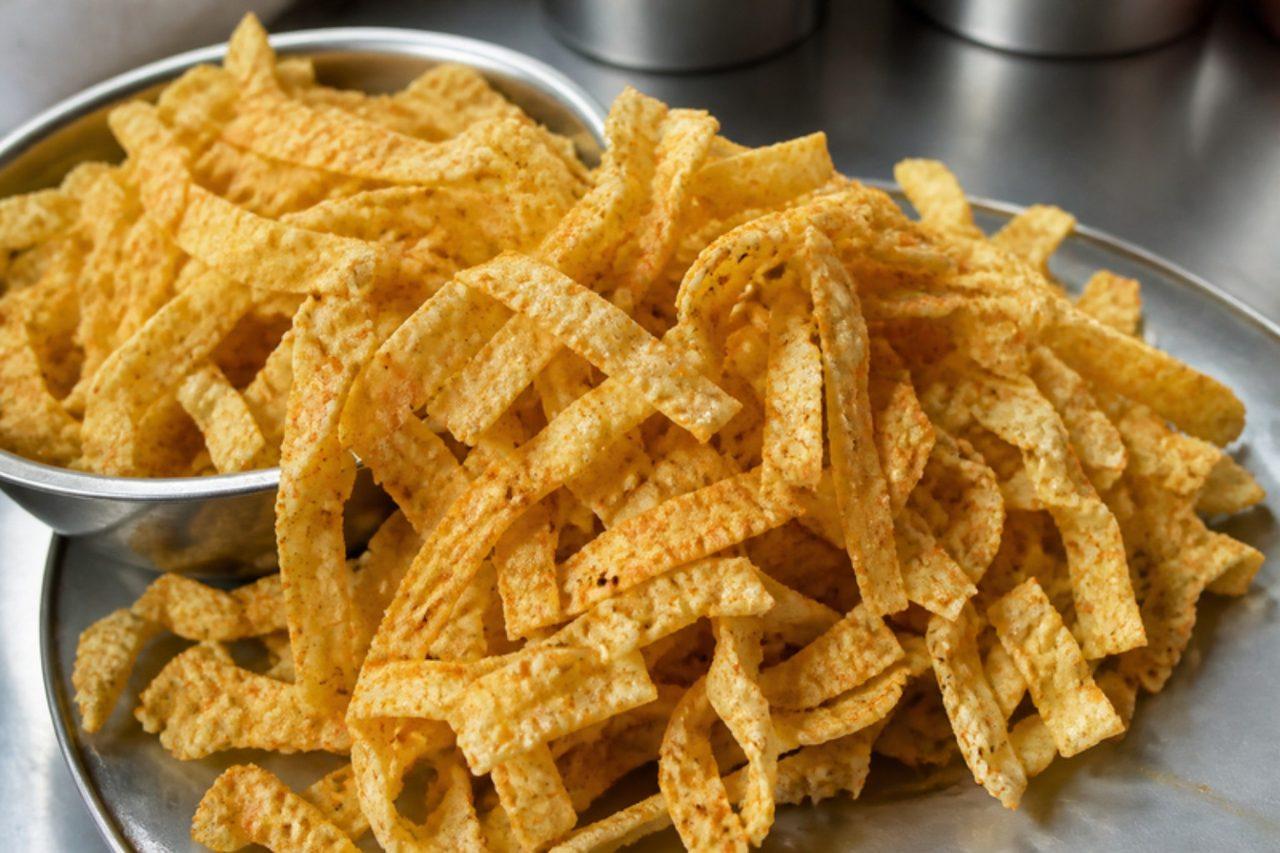
ChorafaliCrisp besan and urad strips

Chorafali is the snack Gujarati children wait for in Diwali week, because it is made in the last days and vanishes first. The dough of gram flour and white urad flour is kneaded, then pounded with a pestle until it turns pale and elastic, rolled out almost transparent and cut into strips. In hot oil the strips swell into crunchy, bubbled ribbons in under a minute, and a shower of red chilli, dry mango powder and kala namak while they are hot makes them tangy, salty and sharp. It is a Surat and Saurashtra favourite and comes out alongside suvali, mathiya and ghughra for guests on the New Year. Eat it on its own or with tea. Chef's tip: roll with oil on the board and pin, never dry flour; loose besan burns in the oil and leaves bitter brown flecks on the strips.

by KrazyBadal 0 views

KadboliCrunchy savoury rice and lentil rings

Kadboli is the Maharashtrian answer to chakli for people without a press: the same kind of roasted multi-grain flour, called bhajani, is rolled into ropes on a wooden board and twisted into rings by hand. Grandmothers in Kolhapur and Satara can turn out hundreds in an afternoon, each with the faint ridges of the board on it. The flavour is deeper and more toasty than a plain gram-flour snack, thanks to rice, chana, urad and moong all roasted before grinding, with coriander and cumin roasted in. They are hard-crunchy, spicy and moreish, eaten from the faral dabba with tea through Diwali week. Ready-made kadboli bhajani from a Maharashtrian grocer saves the roasting steps. Chef's tip: knead with water that is just off the boil; the heat partly cooks the starch and gives a pliable dough that rolls into smooth ropes without cracking.

by KrazyBadal 0 views

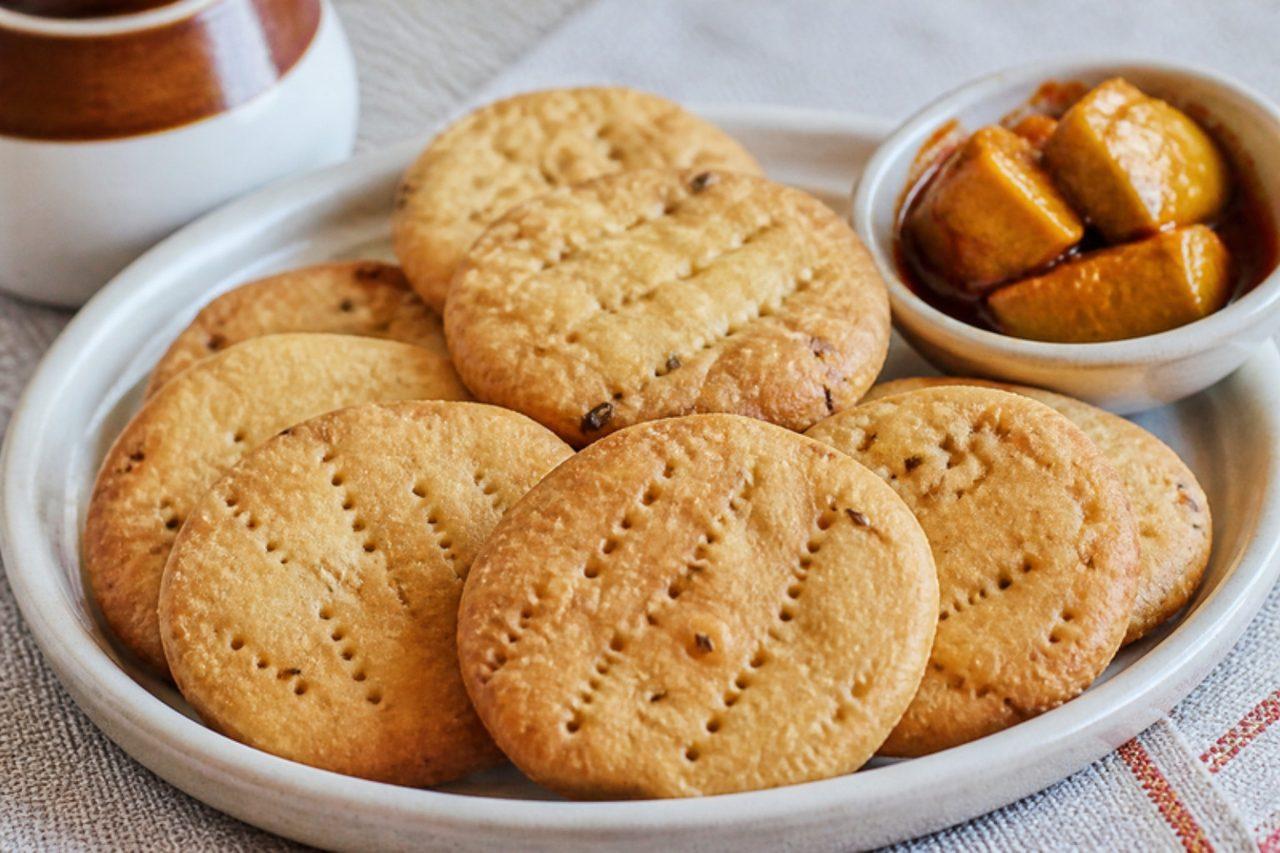
MathriFlaky savoury crackers

In Uttar Pradesh and Rajasthan the Holi tin is never complete without a stack of mathri next to the gujiya. These are thick, rough-edged discs of maida made very short with ghee, flecked with carom seeds and crushed black pepper, and fried slowly over a low flame for nearly twenty minutes until they turn pale gold and crumble into flaky layers. They taste savoury and peppery, a little like a buttery cracker, and they are meant for dipping in hot masala chai or eating with a sliver of mango or lemon pickle. Unlike the papad-thin Gujarati mathiya of moth bean flour, mathri is a sturdy wheat cracker that keeps for a month and travels in every child's luggage back to hostel. Chef's tip: don't knead the dough smooth; just press it together. Over-kneading builds gluten and makes mathri hard instead of flaky.

by KrazyBadal 0 views

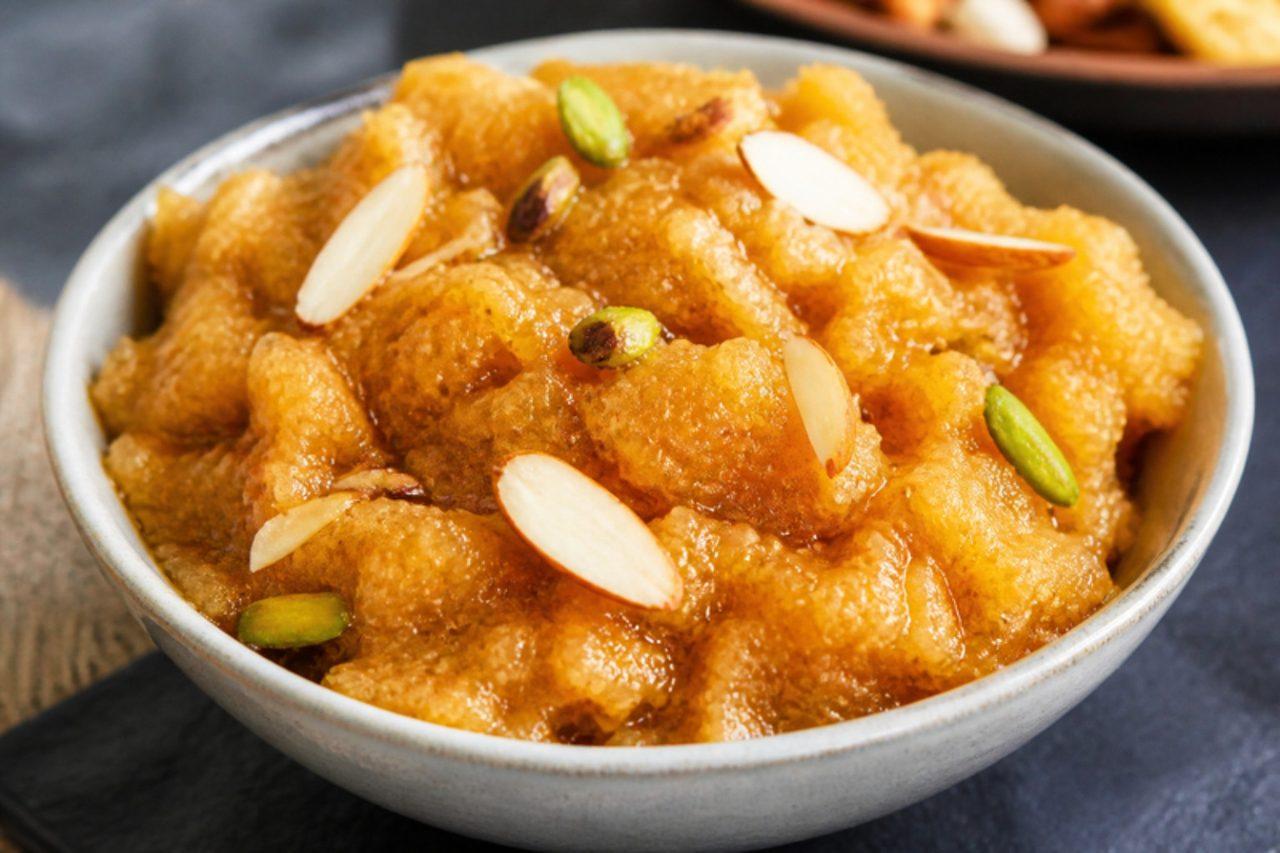
Moong dal halwaMoong dal pudding

At Rajasthani and Marwari weddings in winter, the halwai's moong dal halwa is the dish people go back for. It is also made at home for Holi, when it is cooked in big kadhais and passed around warm. Soaked yellow moong dal is ground to a coarse paste and roasted in ghee for the best part of an hour, first clumping into a heavy mass, then breaking down into golden grains that smell of toasted nuts and ghee. Hot saffron milk and sugar go in at the end and are cooked back until the ghee glistens. The result is rich, grainy, buttery and fragrant, best served warm in small bowls with slivered almonds. It needs steady stirring and a strong arm, so share the job. Chef's tip: grind the dal with as little water as possible; a wet paste takes far longer to roast and turns sticky instead of grainy.

by KrazyBadal 0 views

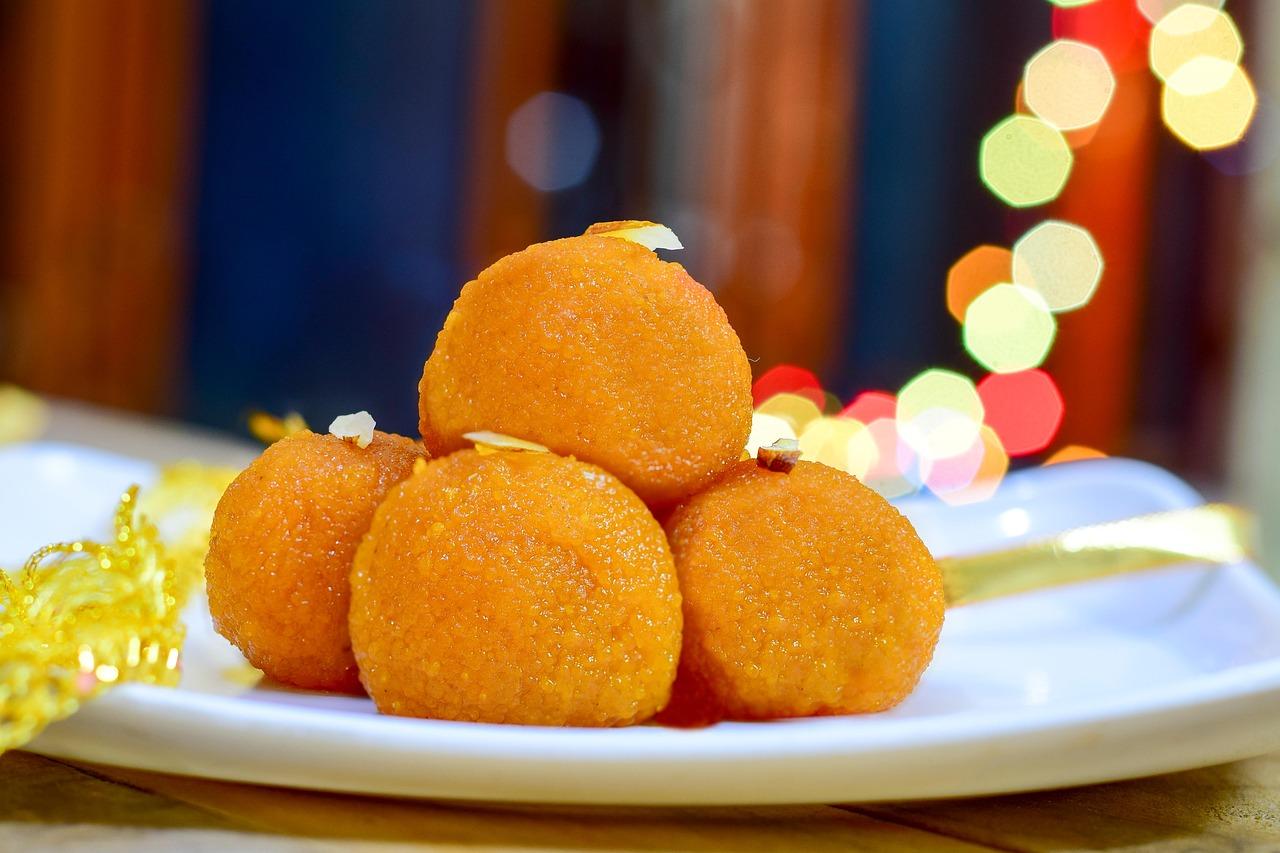
Motichoor ladooBoondi sweet balls

Halwais in Jaipur, Indore and old Delhi sell mountains of these during Ganesh Chaturthi, Diwali and every wedding season, and Ganesha himself is usually shown holding one. The difference from ordinary boondi laddu is size: the gram-flour batter is dropped through the finest jhara, so each pearl is no bigger than a mustard seed and the finished laddu is soft, moist and almost melts on the tongue. A light syrup of one-string consistency, saffron, cardamom and a little melon seed is all it needs. Serve them as prasad, in a festive mithai box, or after a thali. The classic mistake is a batter that is too thick: the drops come out with tails and stay chewy instead of round. Being made only from gram flour, sugar and ghee, these are gluten-free as long as no hing or wheat goes near the batter. Chef's tip: shape the laddus while the boondi is still warm and syrupy; once it cools, the pearls will not stick together and the laddus crumble.

by KrazyBadal 0 views

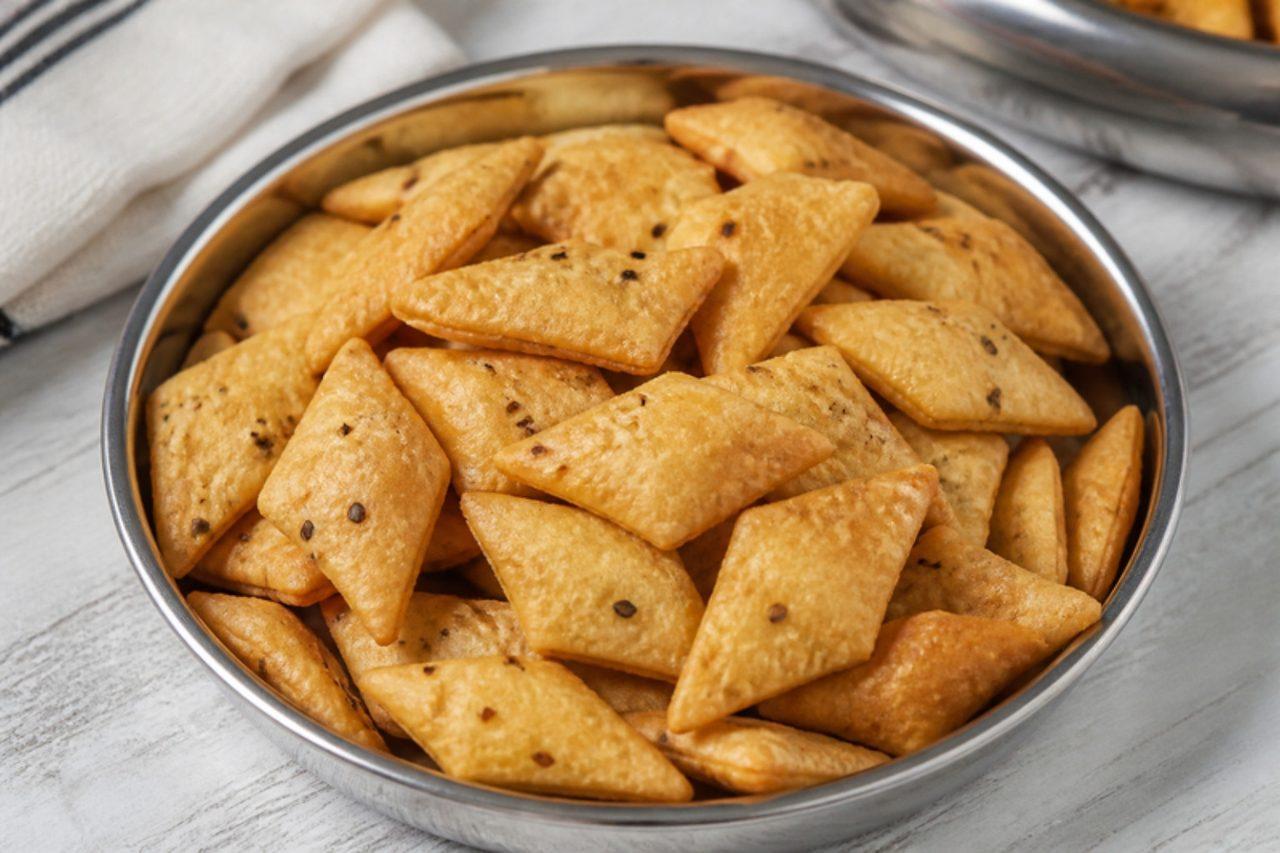
Namak pareSalted dough diamonds

Namak pare are the easiest thing in the festive tin, and usually the first to run out. A simple salted dough with a little ghee, ajwain and black nigella seeds is rolled thin, cut into small diamonds and fried until golden and crunchy. They are much thinner and crisper than mathri, with a satisfying snap rather than a flaky crumble, and the kalonji gives a slightly oniony, peppery note. Punjabi and UP homes make big batches before Holi and Diwali, but they also turn up on train journeys, at kitty parties and with evening tea. Sprinkle with chaat masala for a tangier version. Chef's tip: roll the dough evenly, about 3 mm; thin spots burn while thick ones stay soft, and even sheets give every piece the same crunch.

by KrazyBadal 0 views

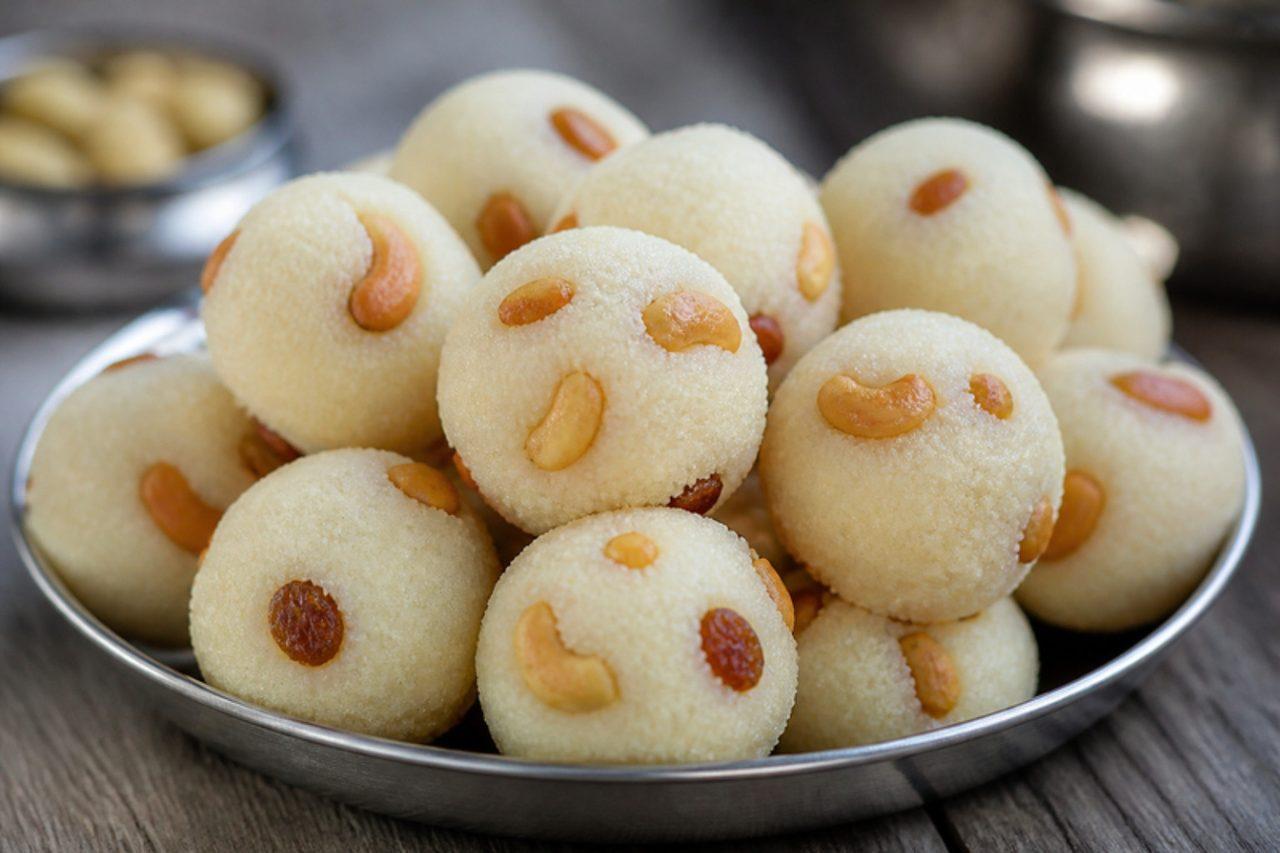
Rava ladooSemolina and coconut sweet balls

Ask a Maharashtrian or South Indian family which Diwali sweet goes first and rava ladoo is a strong answer. It needs no khoya and no special flour, just semolina toasted gently in ghee with coconut until it smells biscuity, then soaked with a hot cardamom sugar syrup. After a short rest the rava drinks up the syrup and can be rolled into soft, slightly grainy balls that firm up as they cool, studded with golden cashews and plump raisins. In Mumbai they sit in the faral platter next to chakli and karanji; in Tamil homes they are a quick Deepavali or Krishna Jayanthi offering. They keep for about a week, less if you use fresh coconut. Chef's tip: shape them while the mixture is still warm; if it cools and crumbles, sprinkle over a tablespoon of warm milk and it will bind again.

by KrazyBadal 0 views

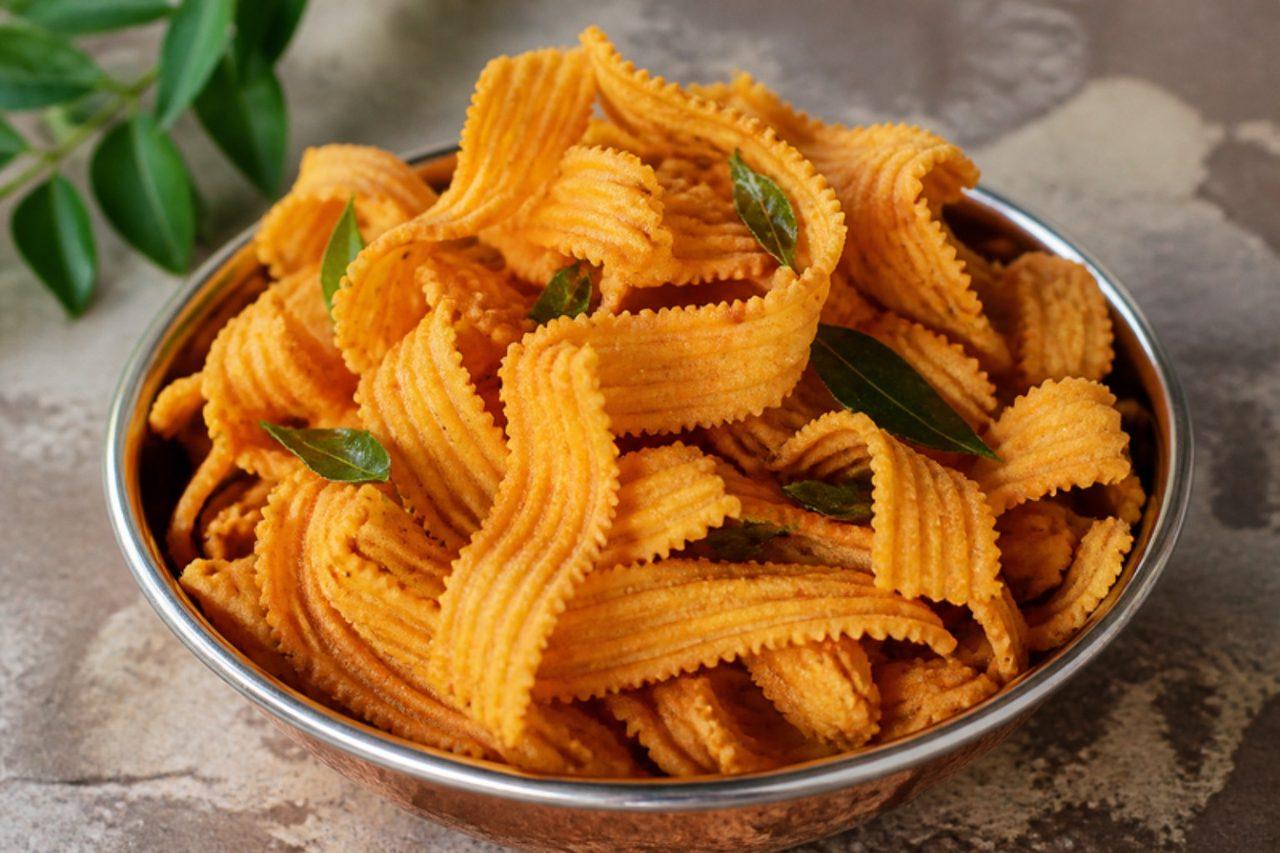
Ribbon pakodaCrisp rice flour ribbons

Tamil households fire up the murukku press in the week before Deepavali, and ribbon pakoda is usually the first thing through it because it is the most forgiving. The dough of rice flour and gram flour is spiced with red chilli, sesame and asafoetida and squeezed through a flat slit plate straight into the oil, where the ribbons fry into crunchy, ridged strips that break into bite-sized pieces. It is lighter and crisper than thenkuzhal, savoury with a little heat, and fills the tins for guests and neighbours. Children eat it by the handful with evening coffee. Use gluten-free asafoetida, as many brands are cut with wheat, and check your press is free of wheat dough. Chef's tip: listen to the oil; when the loud sizzle around the ribbons dies to a whisper, the moisture is gone and they are done.

by KrazyBadal 0 views

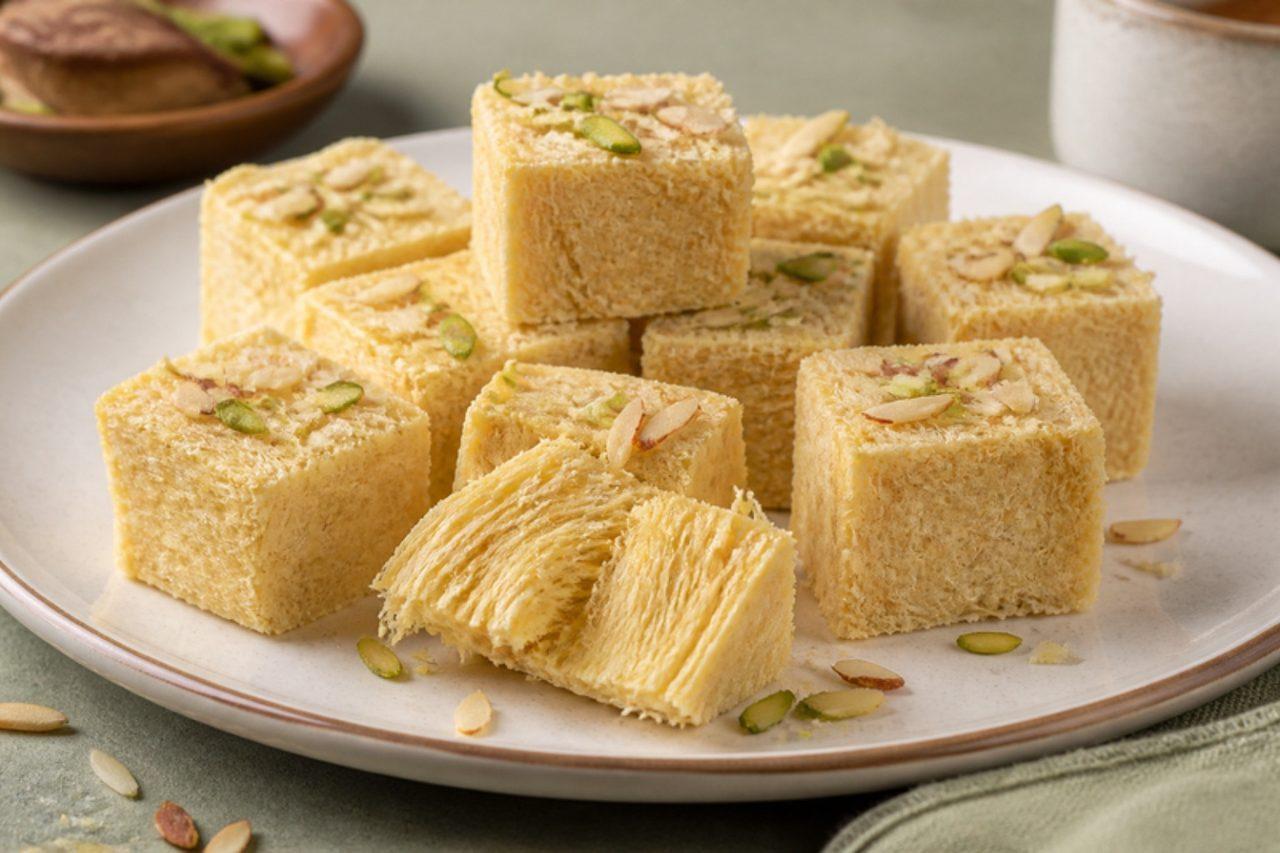
Soan papdiFlaky threaded sweet cubes

Long before it came in gift boxes, soan papdi was a halwai's showpiece in the bazaars of western Uttar Pradesh and Delhi. Hot sugar syrup is pulled like taffy, then worked into a warm paste of gram flour and maida roasted in ghee, and the folding stretches it into hundreds of fine threads. The result is airy, flaky and crumbly, with a toasty, cardamom-sweet flavour, nothing like the stale boxes passed around offices at Diwali. It is genuinely a two-person job at home: one person pulls while the other keeps the flour warm. Wear clean kitchen gloves rubbed with ghee if your hands are sensitive to heat, and keep children away from the syrup. Chef's tip: keep the roasted flour on the lowest possible heat the whole time; the moment it cools, it stops coating the sugar threads and you get dense, chewy lumps.

by KrazyBadal 0 views

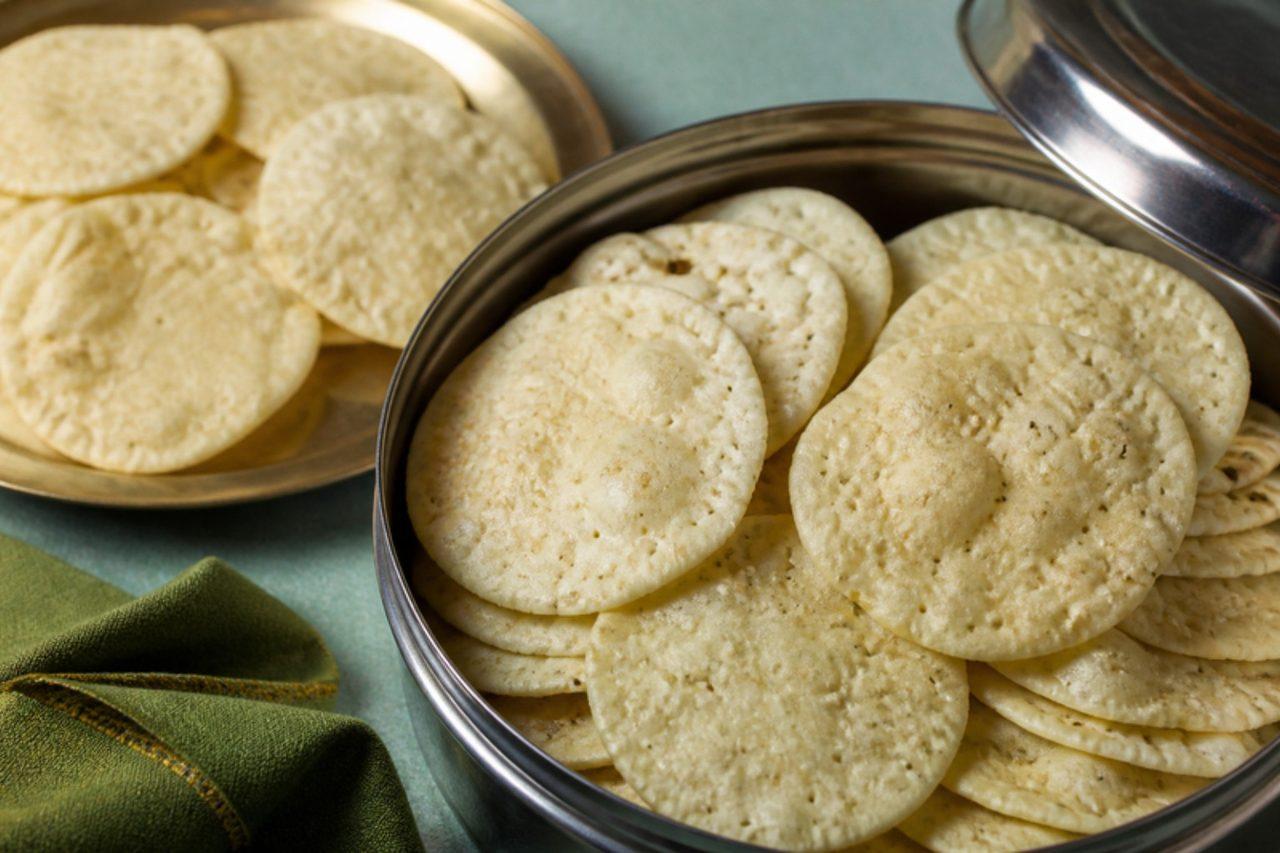
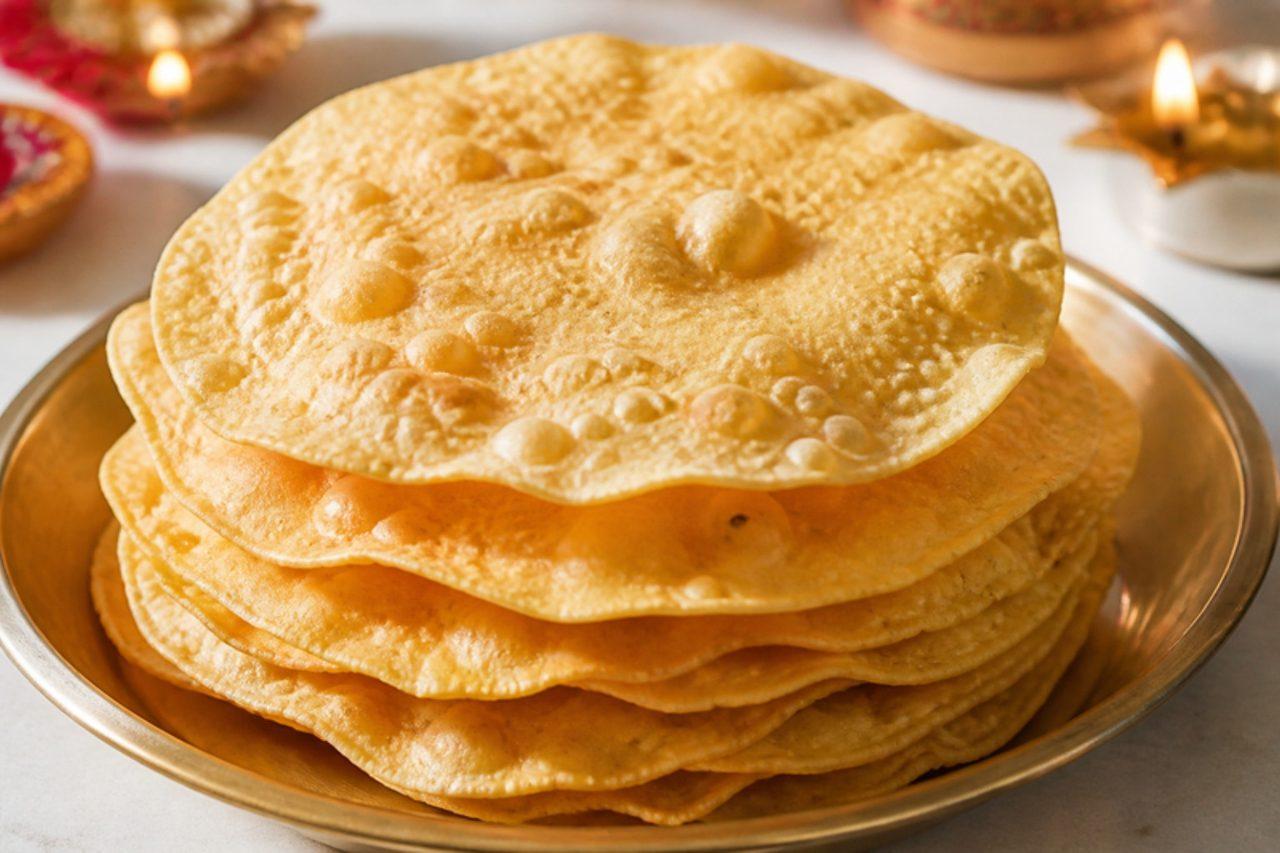
SuvaliSweet milk and sesame puris

Open any Gujarati steel dabba in Diwali week and suvali will be near the top, stacked between chorafali and mathiya. Families fry them on the days around Dhanteras and Kali Chaudas, then hand them to every guest who drops by on Bestu Varas, the Gujarati New Year, with a cup of masala tea. The dough is short with ghee and sweetened by sugar dissolved in milk, so the puris snap cleanly and melt into a gentle sweetness rather than tasting like a biscuit. Sesame gives a nutty crunch, cardamom the festive smell. They should stay ivory with only the faintest blush of colour. Eat them with tea, or the way many grandparents do, with a spoonful of chhundo or sweet mango pickle. Chef's tip: roll every suvali before you start frying and keep them under a damp cloth, so you can give the pan your full attention and keep the heat low and steady.

by KrazyBadal 0 views

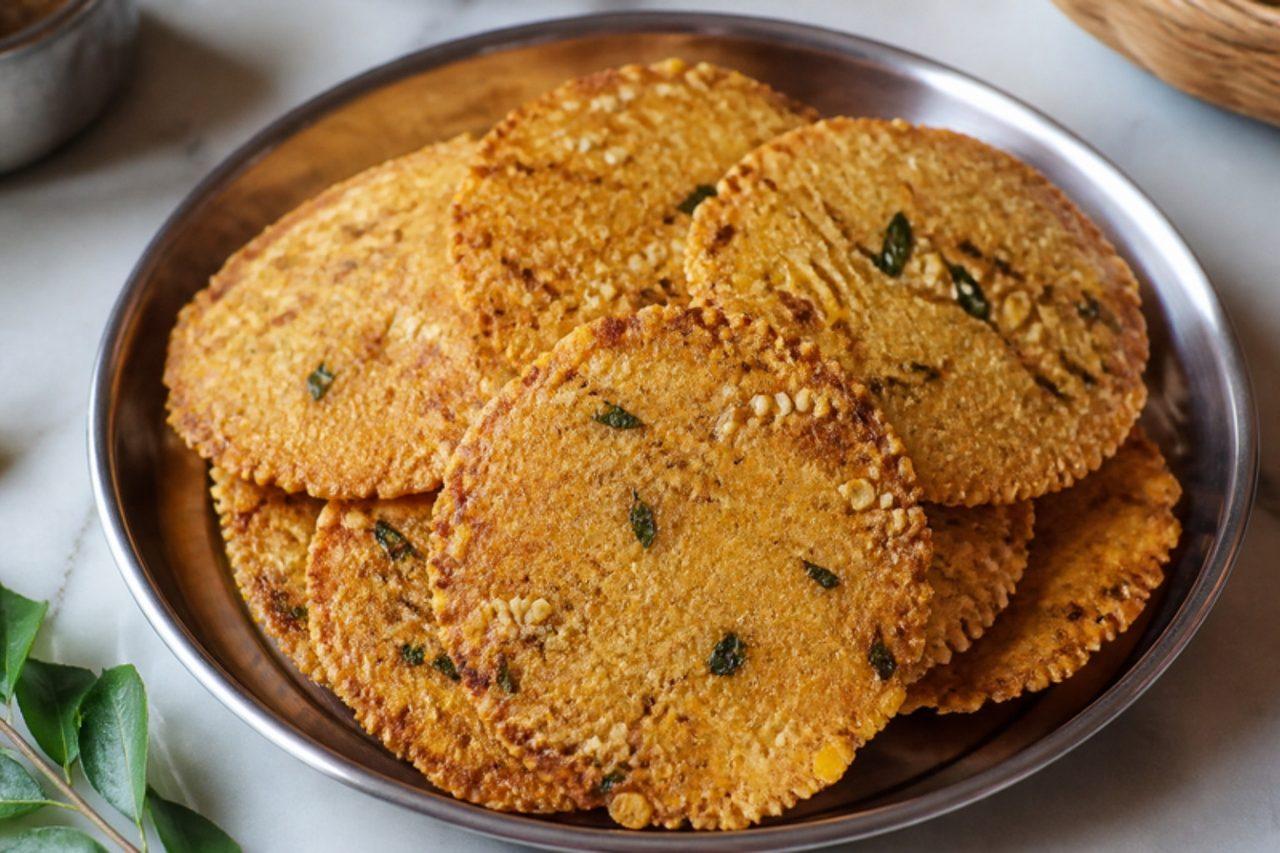
ThattaiCrisp rice flour crackers

Thattai means flat, and that is the whole secret: these Tamil rice crackers are patted out so thin you can see light through them, then fried until they crack like glass. Soaked chana dal pops inside each one for little nubs of crunch, torn curry leaves crisp in the oil, and roasted urad powder gives a savoury, biscuity depth. They fill tins for Deepavali and Gokulashtami across Tamil Nadu; in Karnataka a thicker cousin with peanuts is called nippattu, and in Andhra chekkalu. Many homes add butter to the dough; this version uses hot oil, which keeps it vegan and just as crisp. Use gluten-free asafoetida for a gluten-free batch. Chef's tip: pat them out on a sheet of oiled plastic or a banana leaf, then peel each one straight into the oil; lifting by hand tears thin dough.

by KrazyBadal 0 views

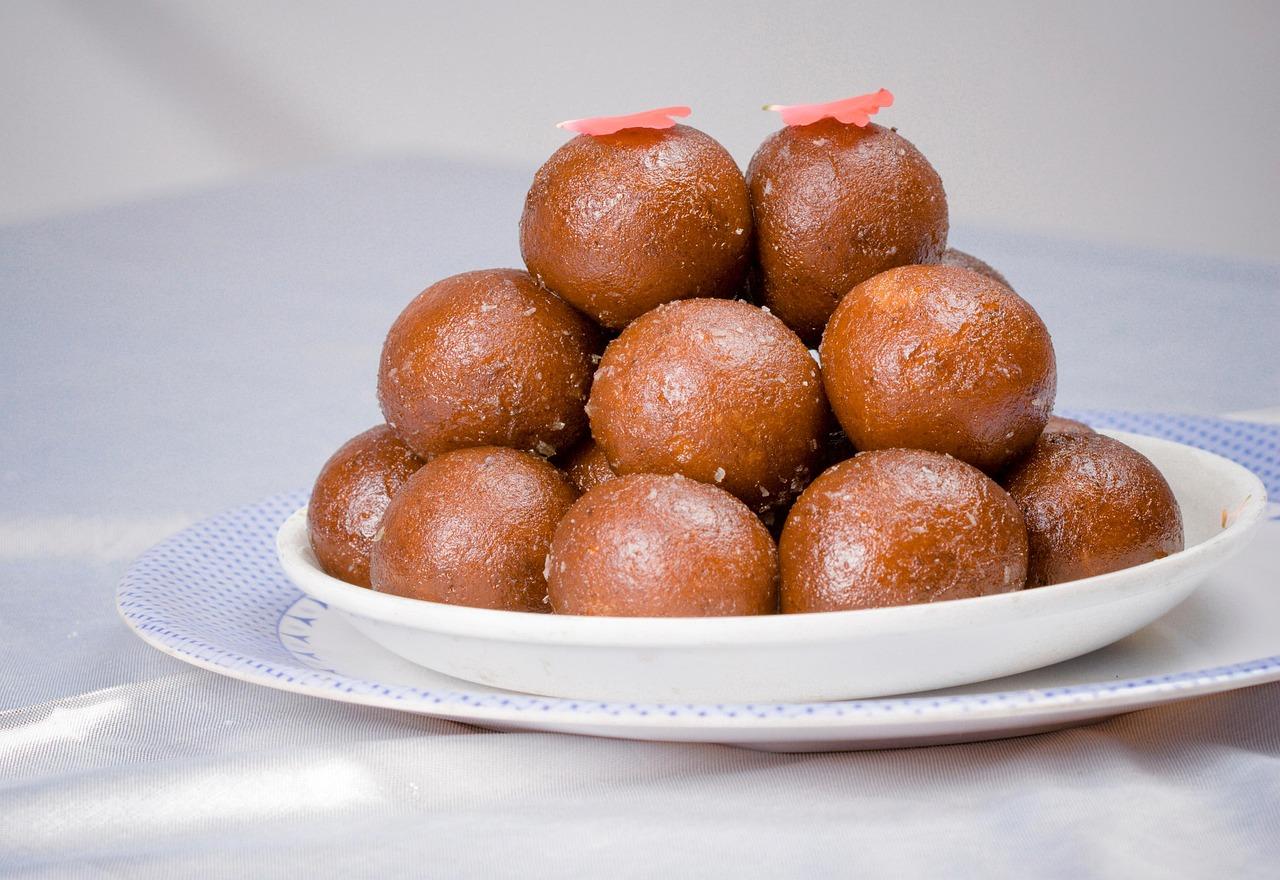
Gulab jamun

No Diwali sweet box, wedding thali or birthday party in India feels complete without a gulab jamun or two. This is the classic halwai version made with khoya, milk reduced to a dense crumbly solid, kneaded with a little flour and fried slowly in ghee until the outside is deep mahogany and the inside cooked through. Soaked in light syrup scented with rose and cardamom, the balls swell and become soft and spongy, with a faint caramel milkiness. Serve them warm on their own, or with a scoop of vanilla ice cream or a spoonful of rabri. Buy soft, unsweetened khoya (mawa) for this; dry, hard khoya makes dense jamuns. Chef's tip: fry one test ball first; if it cracks, knead in a teaspoon of milk, and if it spreads, add a pinch more flour.

by KrazyBadal 0 views

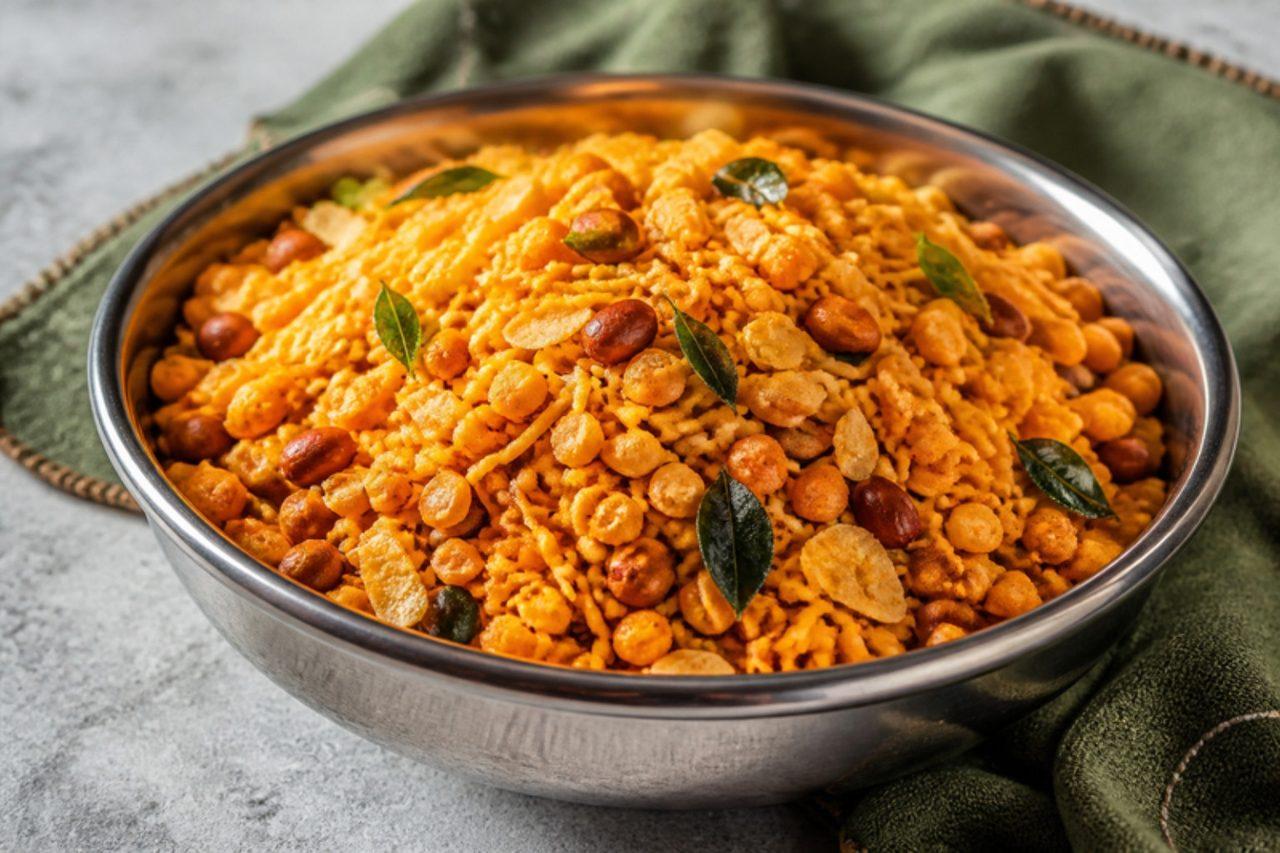
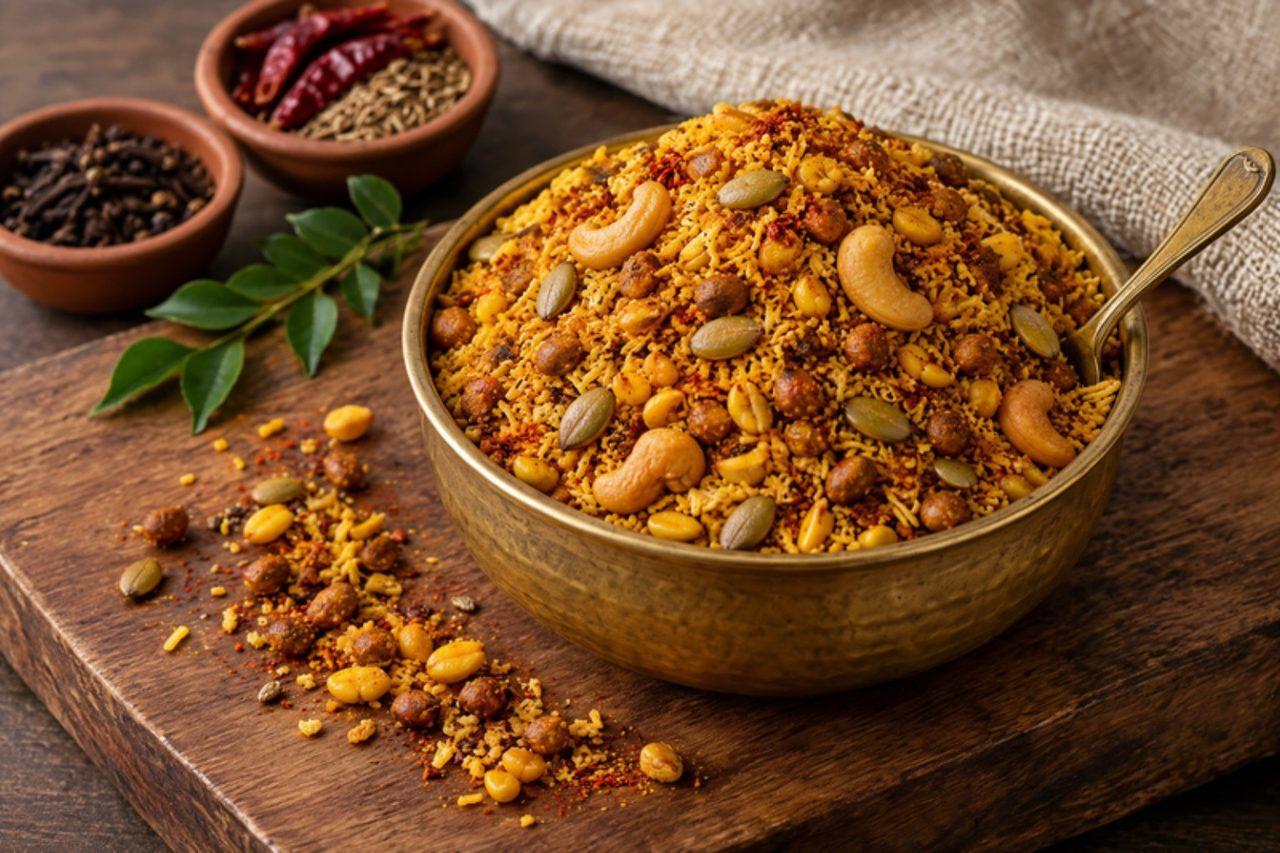
Madras mixtureCrunchy savoury snack mix

In Chennai sweet shops the glass jars of mixture sit beside the murukku, and at Deepavali most Tamil families make their own. It is built from separately fried parts: thin besan omapodi-style sev, little spiced kara boondi pearls, thick poha fried to a crunch, fried gram, peanuts and a big handful of curry leaves, all tossed with chilli and asafoetida while warm. The flavour is salty, peppery and savoury, with no sugar and no raisins, which is what sets it apart from Gujarati chevdo. Each part has a different crunch, so every handful is different. Serve it with filter coffee or tea. Use gluten-free asafoetida if you need it gluten-free. Chef's tip: fry everything in the same oil in order, from lightest to heaviest flavour: poha and peanuts first, then boondi, then sev; that keeps the oil clean and every part tastes fresh.

by KrazyBadal 0 views

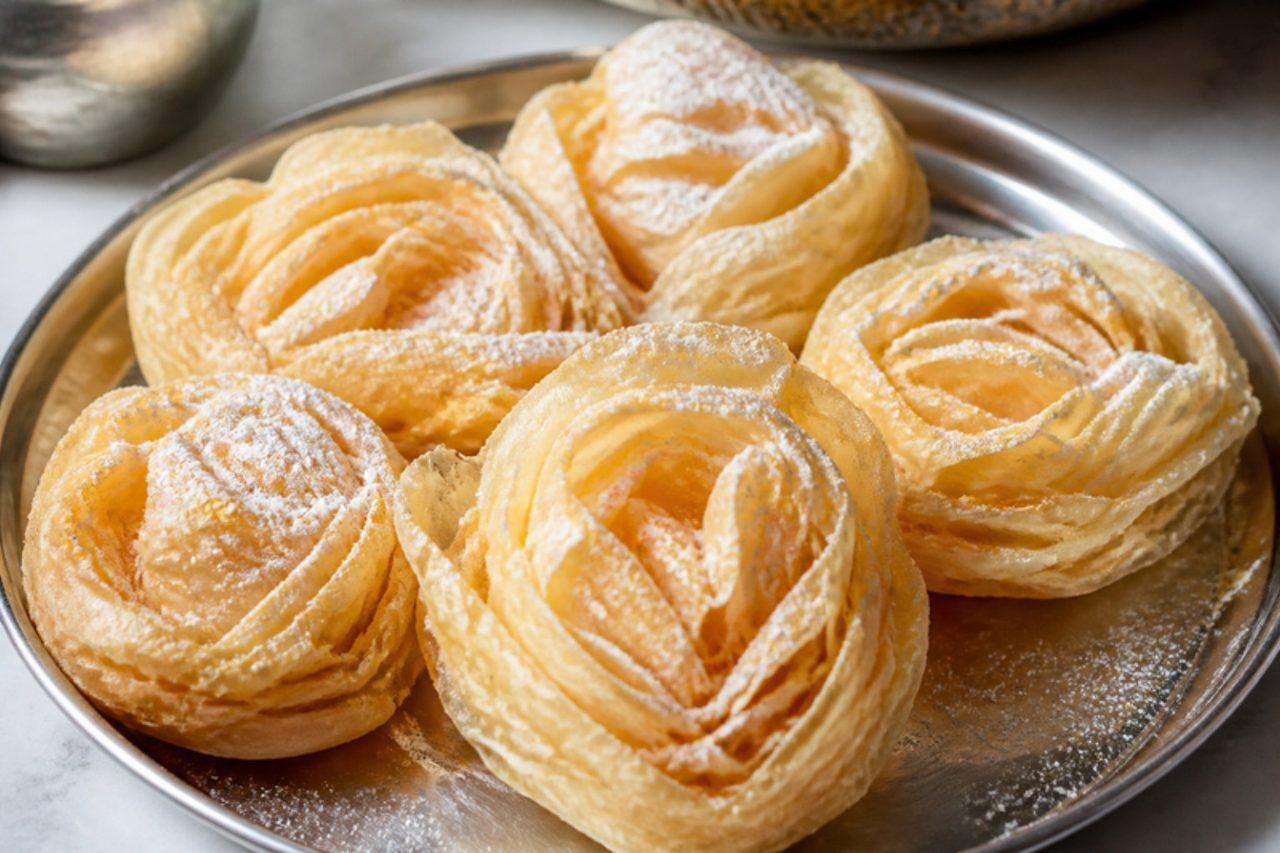
ChiroteLayered rose pastries

Chirote are what a Maharashtrian or Kannadiga family makes to show off at a wedding or Diwali. Thin sheets of maida dough are spread with satha, ghee whipped with rice flour, stacked, rolled into a log and sliced, so each piece opens in the hot fat like a many-petalled flower. Done well they shatter when you bite them, light and buttery, with sweetness only from the dusting of cardamom sugar on top. In Pune they appear on the faral platter beside karanji and anarse; in Karnataka the chiroti is often served at weddings drenched in warm saffron-almond milk. This takes patience and a cool kitchen, so set aside an unhurried morning. Chef's tip: whip the satha until it is white and fluffy like whipped cream; a dense, oily paste won't keep the layers apart and they fuse into a single chewy disc.

by KrazyBadal 0 views

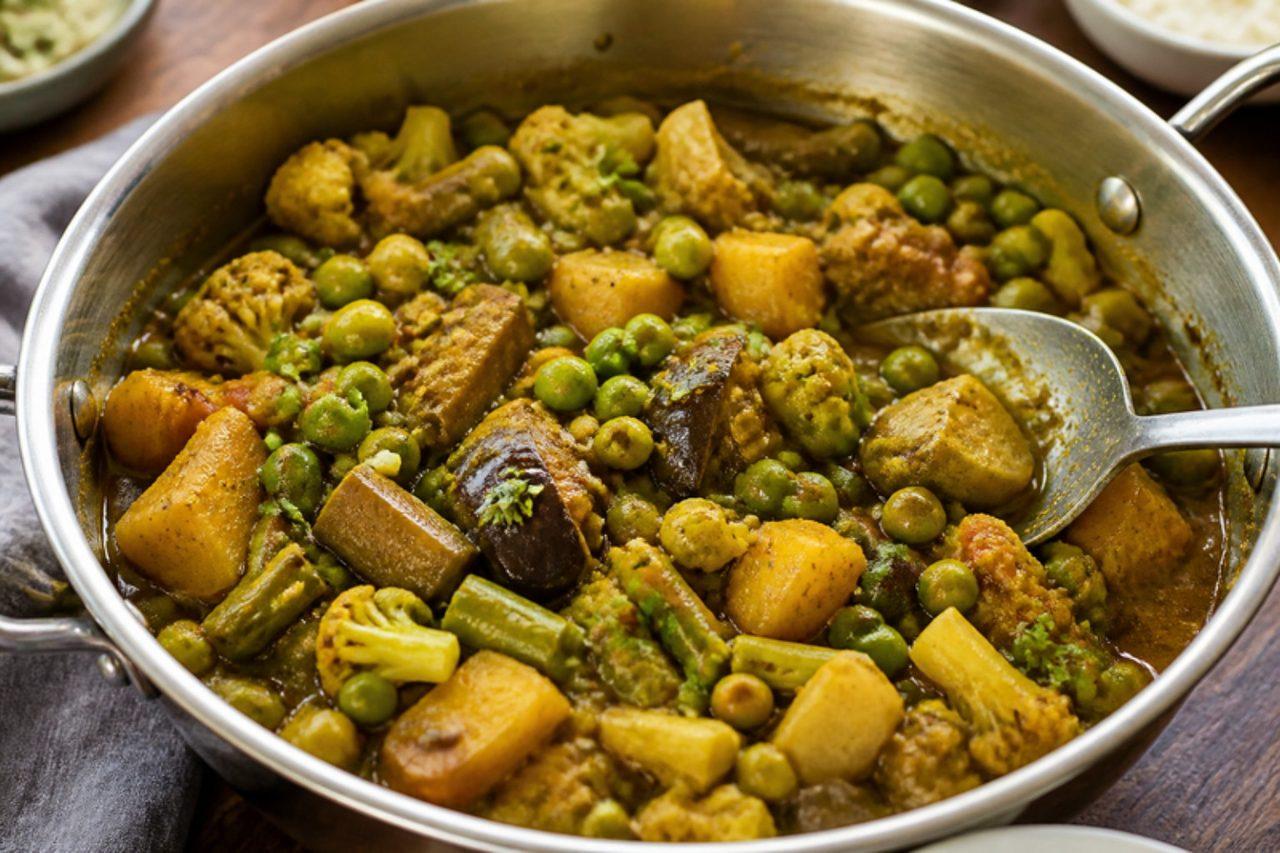
AnnakutWinter vegetable shaak

The day after Diwali, Pushtimarg havelis from Nathdwara to Ahmedabad build the annakut, literally a mountain of food, piled before Shrinathji to remember Krishna lifting Govardhan hill. Among dozens of sweets and farsan, there is always a shaak cooked from every vegetable of the new season, and many Gujarati and Rajasthani homes make their own version for the New Year meal. In the haveli tradition there is no onion or garlic, and many families leave out tomato too; the flavour comes from ajwain, ginger, green chilli, a little jaggery and lemon. It is lightly spiced, sweet-sour and full of different textures, from creamy raw banana to crunchy beans. Serve with puri, kadhi and rice. This version uses groundnut oil, so it is vegan; havelis cook it in ghee. Chef's tip: cut every vegetable to roughly the same size and add them in order of how long they take, so the shaak ends up tender, not mushy.

by KrazyBadal 0 views

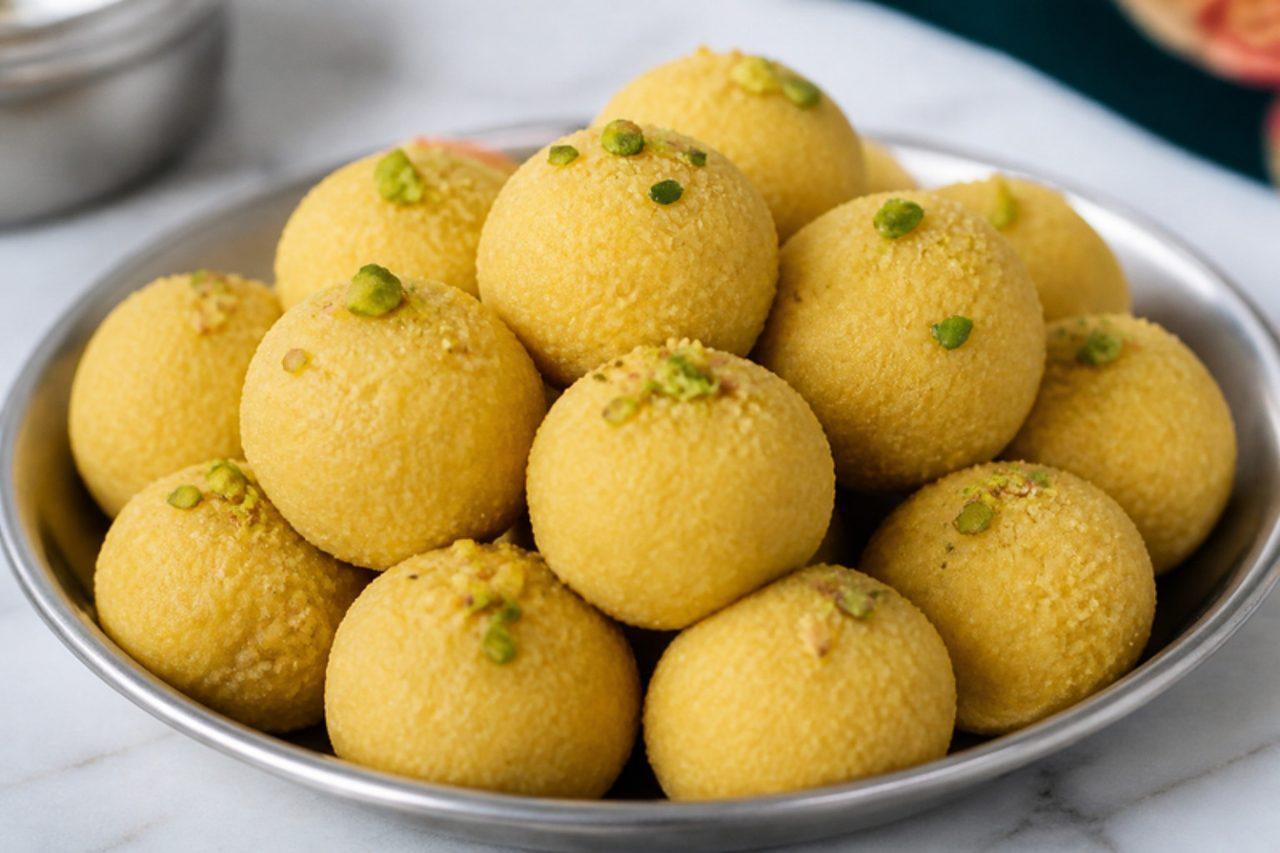
Besan ladooGram flour sweet balls

Every North Indian and Gujarati kitchen has its besan ladoo argument: coarse or fine flour, boora or caster sugar, nuts or not. What nobody argues about is the roasting. The gram flour has to cook in ghee on a low flame for half an hour, going from a stiff lump to a loose, flowing paste the colour of sand, until the raw beany smell is gone and the kitchen smells like roasted peanuts. That patient roast gives a ladoo that is melt-in-the-mouth, faintly grainy and rich, never pasty. They are made for Diwali, offered to Ganesh on Chaturthi and packed for travellers because they keep for weeks. Use besan packed without wheat if you need it gluten-free. Chef's tip: let the roasted besan cool until just warm to the touch before the sugar goes in; hot besan melts the sugar and your ladoos slump into flat discs.

by KrazyBadal 0 views

Agra dalmothFried lentil snack mix

Agra is famous for two sweets and one namkeen, and dalmoth is the namkeen: soaked masoor and chana dal fried until crunchy and tossed with chilli, black salt, dry mango and a little sugar, sold in big tins near the Taj and packed for every train journey. It is eaten with tea in the afternoon and handed round to guests at Diwali. The dal is fried dry, without any batter coating. The common mistake is frying the dal straight from soaking water; any moisture makes the oil spit dangerously and the dal chewy, so dry it on a cloth for at least an hour. Chef's tip: fry the masoor and chana separately, as they need different times to turn crisp.

by KrazyBadal 0 views

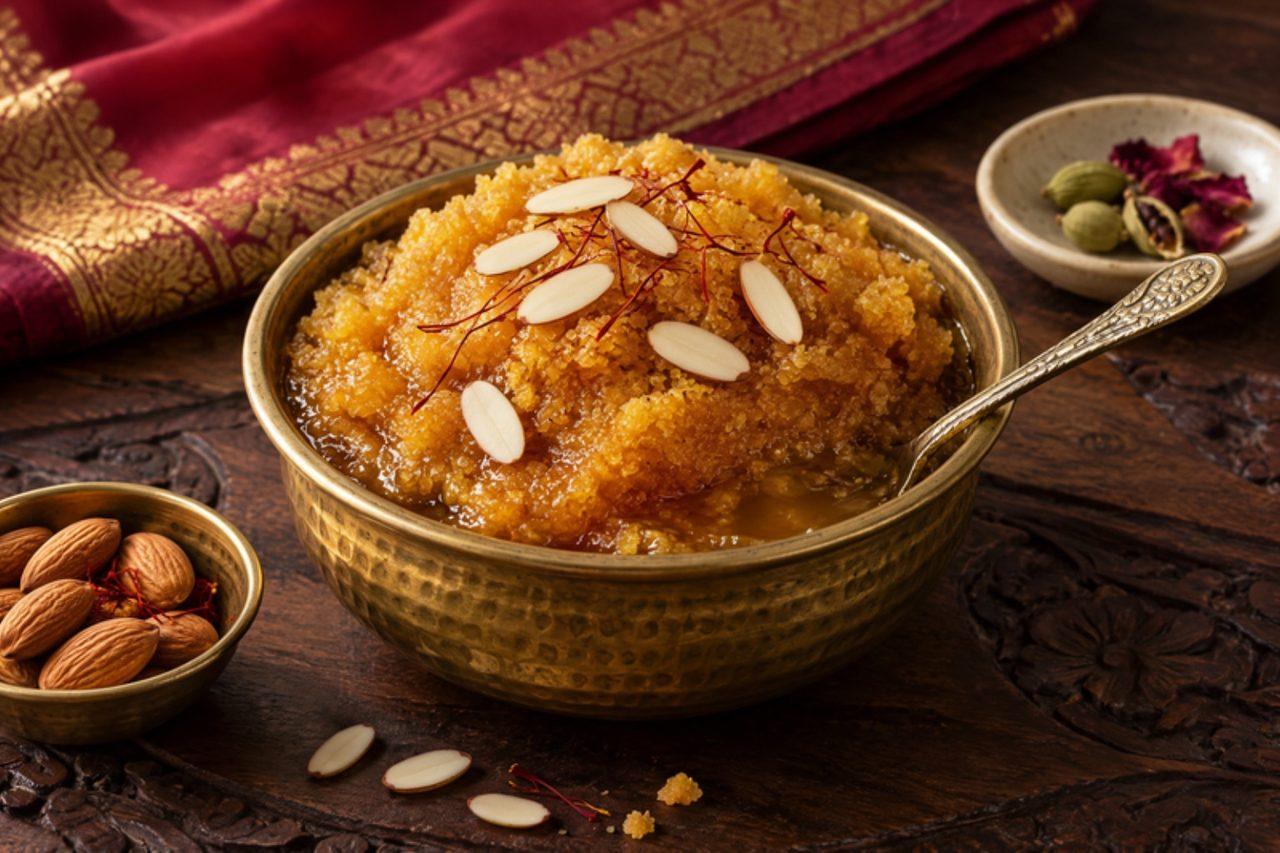
Badam ka halwaAlmond halwa

In Jaipur, badam ka halwa came out of the royal kitchens and now appears at winter weddings and on cold nights when someone wants a real treat. Soaked, peeled almonds are ground to a coarse paste and cooked slowly in ghee with milk, sugar and saffron until the halwa turns golden, glossy and leaves the sides of the pan. It is very rich, so a small bowl is enough. The common mistake is grinding the almonds too fine, which gives a pasty halwa instead of a soft, grainy one. Chef's tip: stop grinding when the almonds look like wet semolina and add the milk only during grinding, never water.

by KrazyBadal 0 views

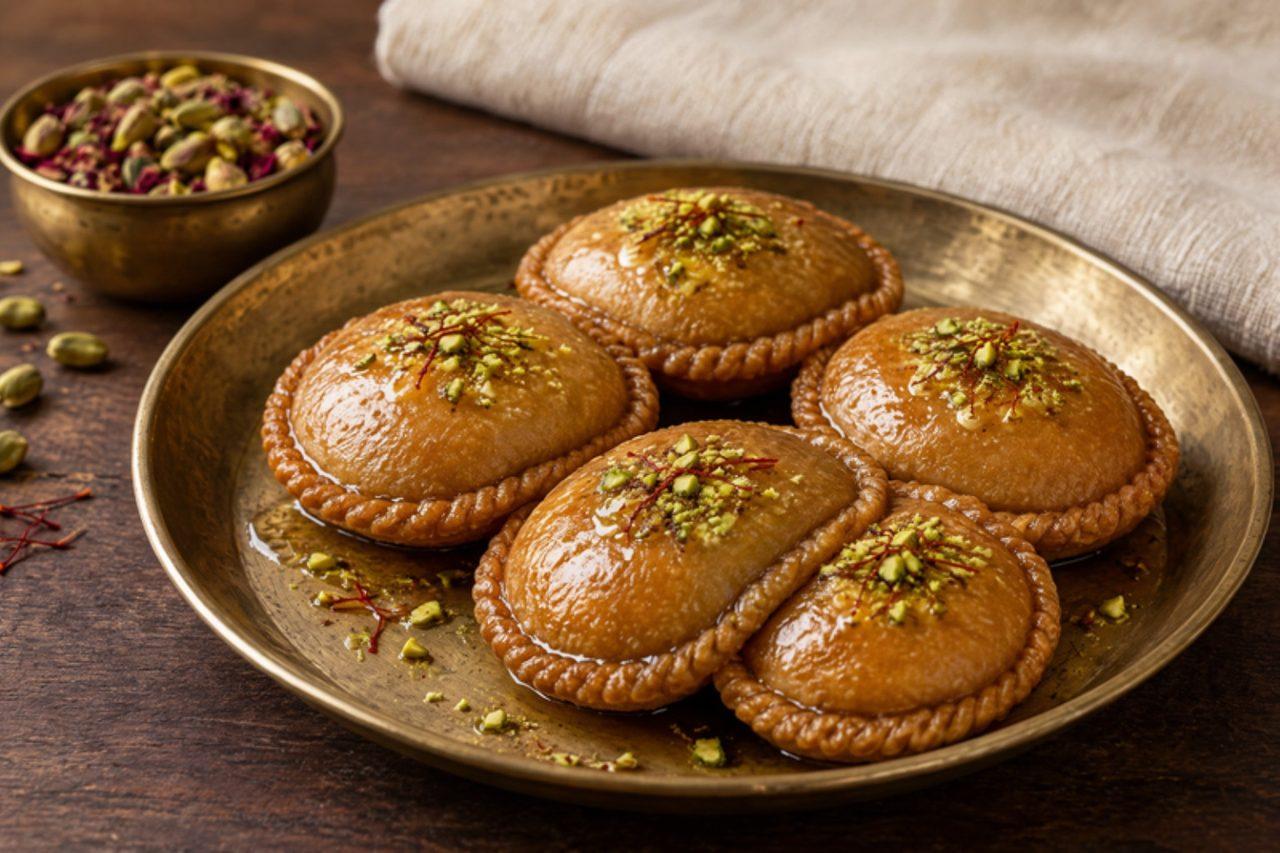
ChandrakalaSyrup-soaked milk pastries

Chandrakala is the round, moon-shaped sweet of Bihar and eastern Uttar Pradesh, made for Holi, Diwali and Chhath and sold by sweet shops in Patna and Varanasi. Two circles of flaky pastry enclose a filling of mawa, nuts and cardamom; the edge is pleated into a rope, then the pastry is fried slowly and dipped in sugar syrup. Its sister suryakala is the same sweet shaped like a sun. The common mistake is syrup that is too thin, which makes the crust soggy within hours; it should reach one-string consistency. Chef's tip: pleat the edge firmly with damp fingertips, because a loose seal is where the filling leaks out in the hot ghee.

by KrazyBadal 0 views

Showing 24 of 47 recipes

Show more recipes

Page 1 of 2

More occasions