Skip to content
Festivals

Christmas recipes: cakes, cookies, roasts and festive bakes

Christmas cakes and cookies, kulkuls and rose cookies, stollen, roasts and warming alcohol-free drinks. (129 recipes)

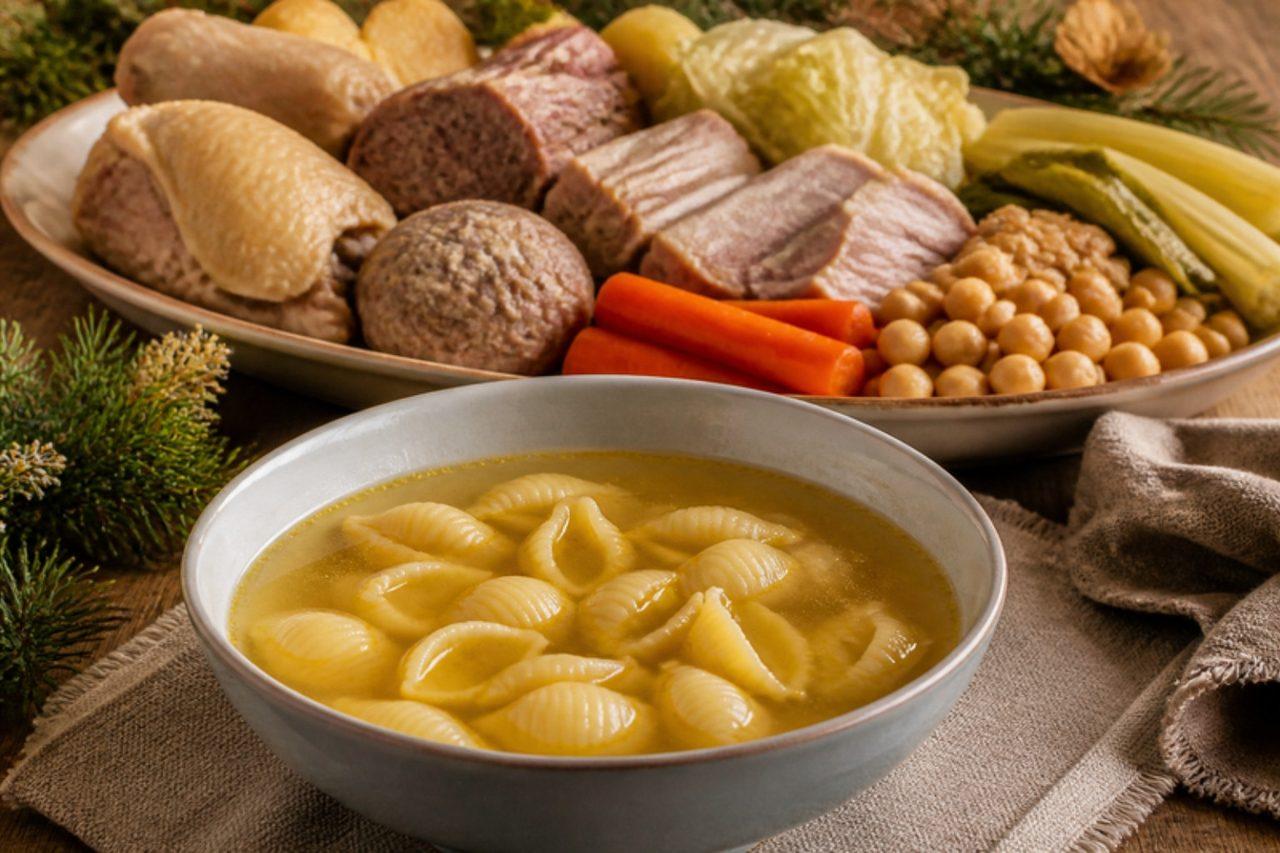
Escudella i carn d'ollaChristmas soup with giant pasta

This contains pork (pork belly and pork mince). On Christmas Day, Catalan families sit down to escudella i carn d'olla, served in two courses: first the broth with giant snail-shaped galets pasta, then the carn d'olla, a platter of the meats, chickpeas and vegetables that made it, including the pilota, a large herby meatball. The pot simmers for hours, and the leftovers become the next day's canelons. Chef's tip: start the meats in cold water and skim patiently as it comes to the boil; it is the only way to a clear, golden broth.

255 minSpanishSoups
by KrazyBadal 1 views

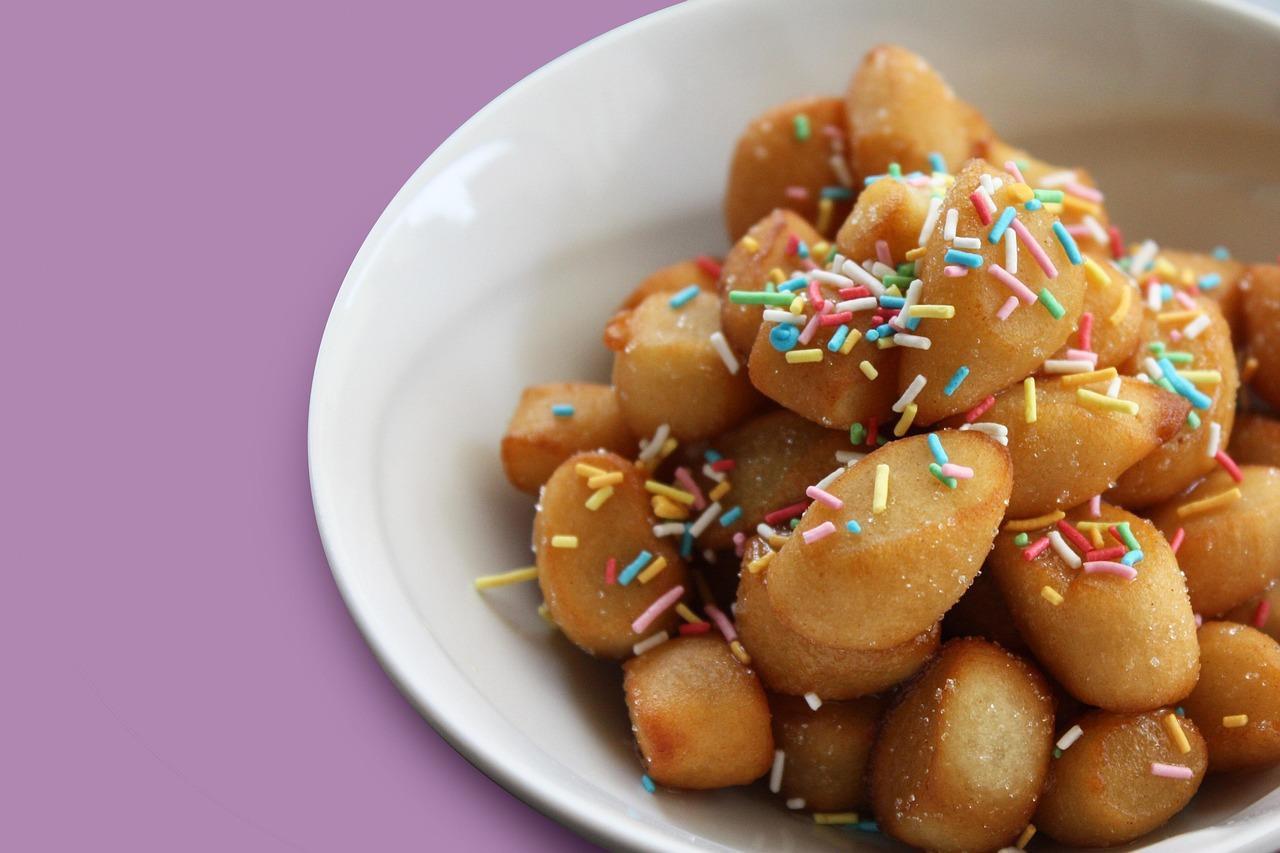
StruffoliHoney fried dough balls

No Neapolitan Christmas is complete without a plate of struffoli: hundreds of tiny balls of dough, fried until golden, then rolled in warm honey with candied orange and coloured sprinkles and piled into a wreath or a cone. Families make them in the week before Christmas, often together around the kitchen table, and give them away to neighbours. They keep for days under a cloth and are eaten with fingers or a spoon. Chef's tip: roll the ropes of dough no thicker than your little finger and cut tiny pieces, about the size of a chickpea; they puff up as they fry.

by KrazyBadal 0 views

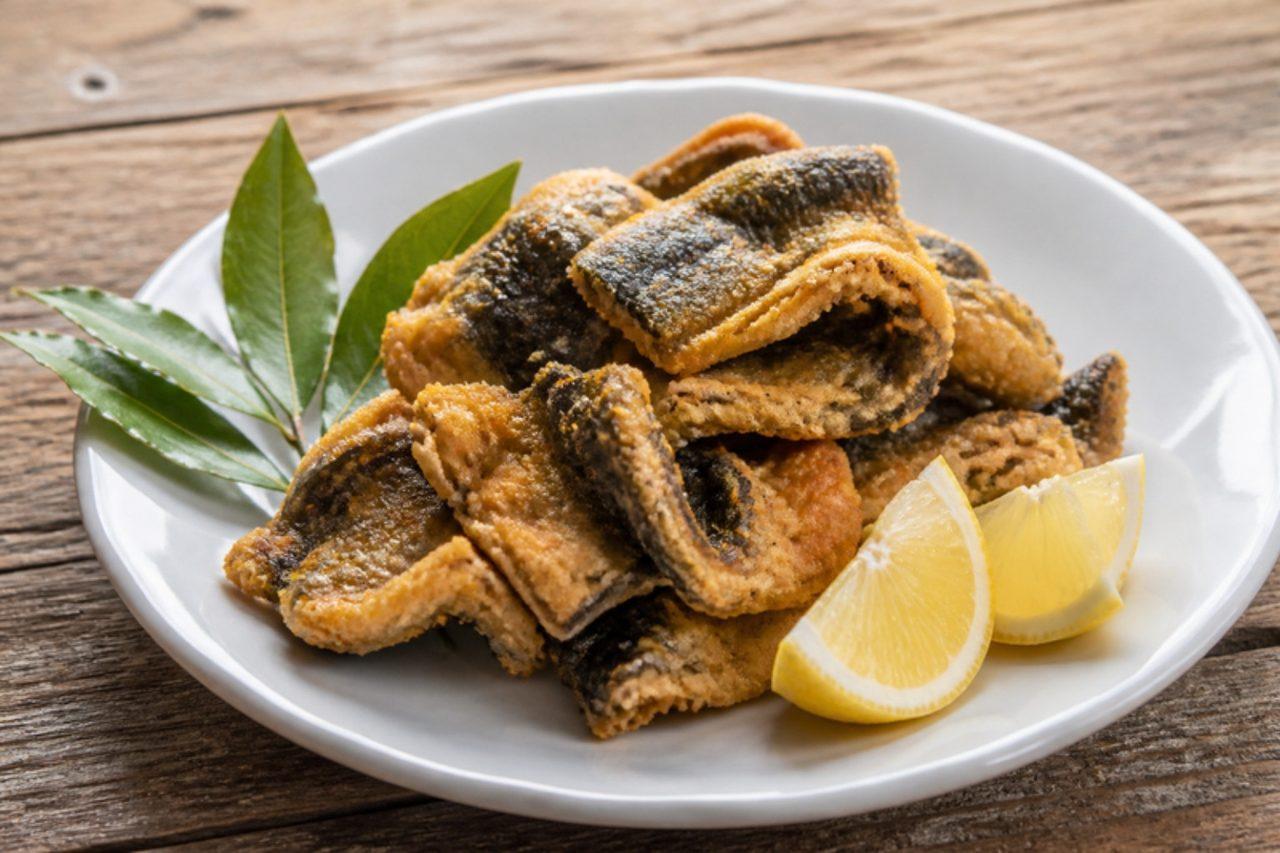
Capitone frittoFried eel

Capitone, the big female eel, is the star of Christmas Eve in Naples: families buy it at the markets in Porta Nolana or the Pignasecca on 23 December and fry it the next night as part of the meatless Vigilia dinner. Eels are said to represent the serpent of Eden, and eating them is said to bring luck for the year. Ask the fishmonger to kill, clean and cut the eel for you; at home you only need to cut, flour and fry. Chef's tip: marinate the eel pieces with vinegar and bay in the fridge for an hour; the acid tightens the skin and balances the rich, fatty flesh.

by KrazyBadal 0 views

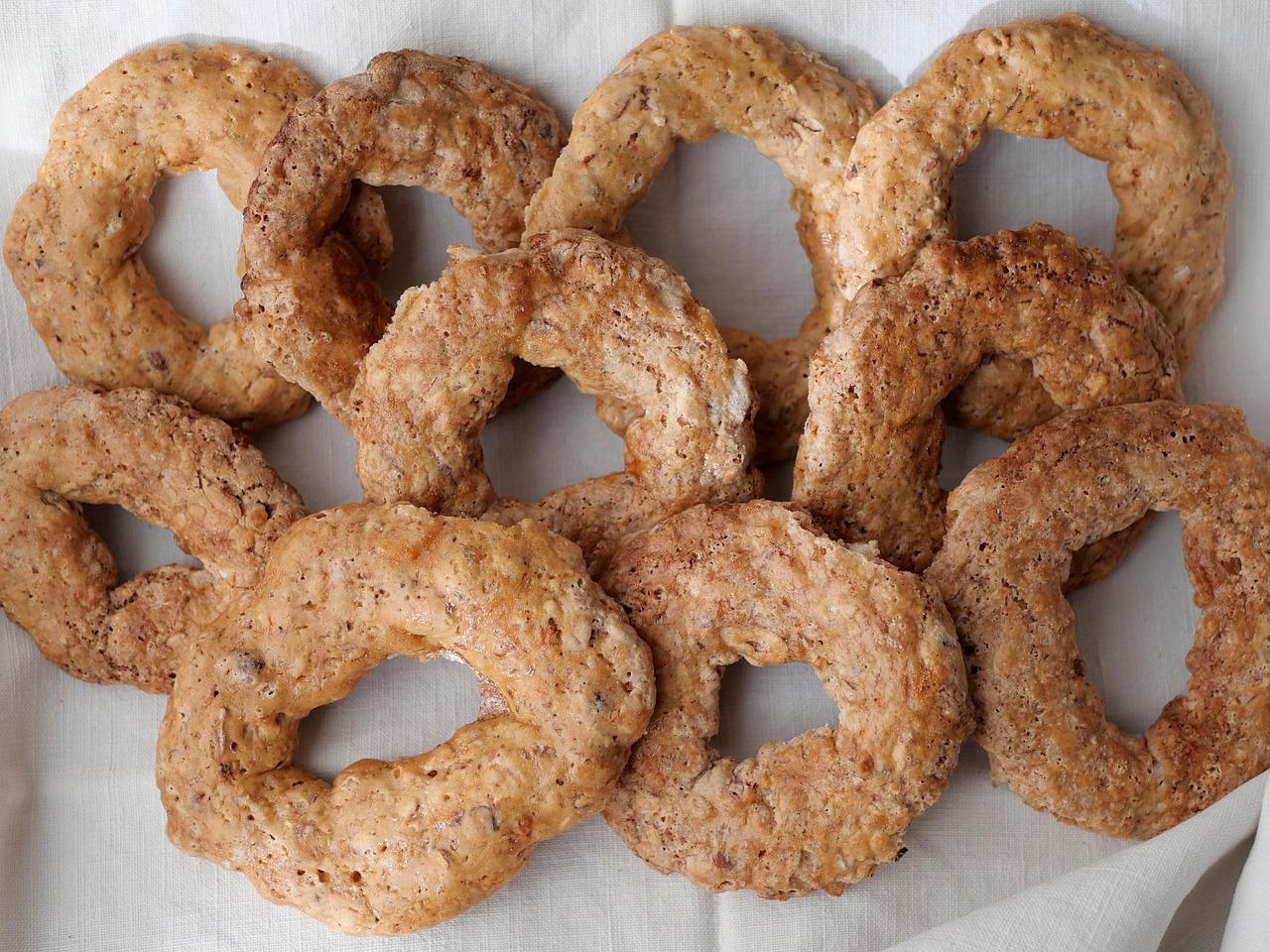
RoccocòHard almond spice rings

Roccocò are the hardest biscuits on the Neapolitan Christmas tray, ring-shaped and studded with whole almonds, scented with orange and pisto spice. The name is said to come from the curly French "rocaille" shape. They are baked in early December, and Neapolitans dunk them in sweet wine or milk, or break them carefully, because they are famously hard on teeth. Chef's tip: bake them twice as long as you think and leave them to dry overnight; roccocò are meant to be crunchy, and they soften pleasantly after a week in the tin.

by KrazyBadal 0 views

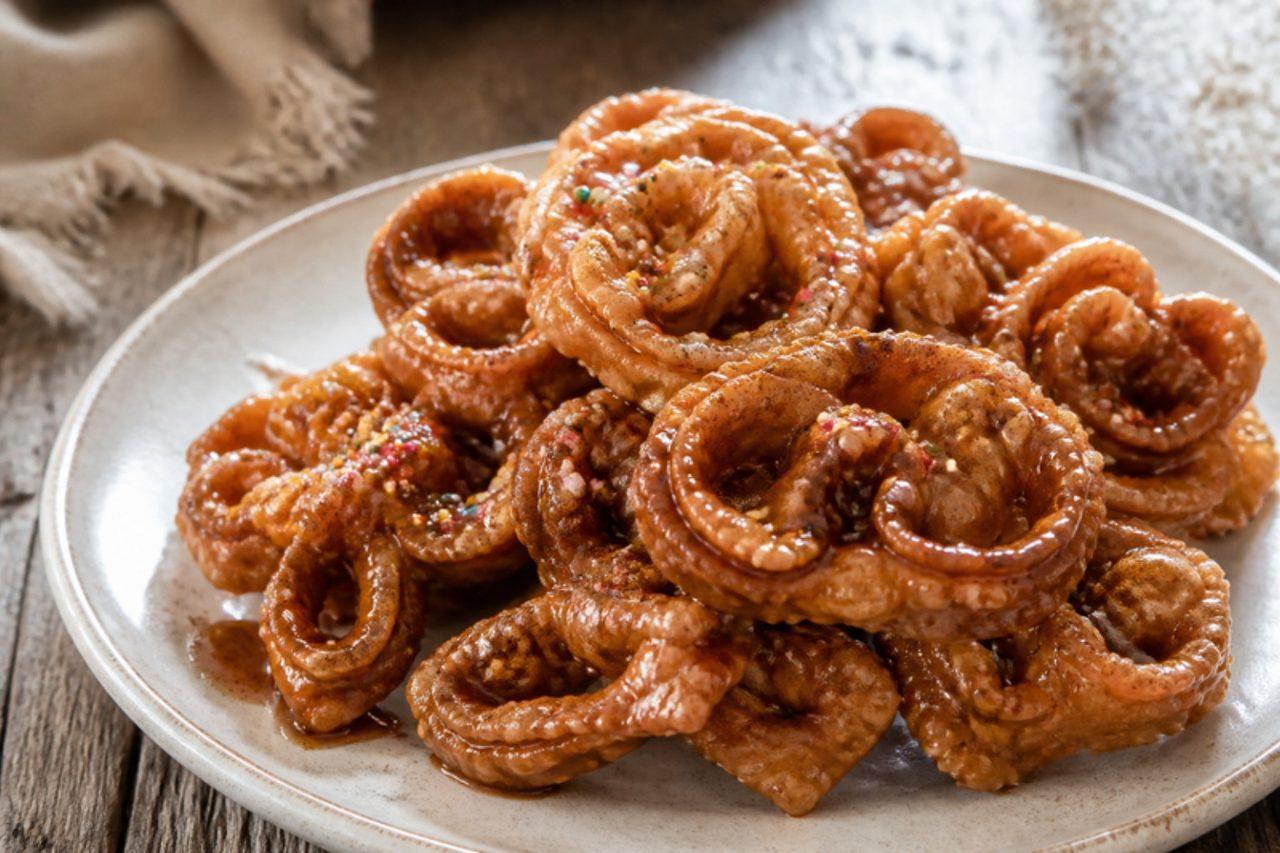
CartellateFried honey pastry rosettes

In Bari and the towns of Puglia, cartellate are the Christmas sweet that families make together: thin ribbons of dough, pinched every few centimetres and rolled up into a rosette with lots of small pockets, fried, then dipped in warm vincotto, a dark, syrupy reduced grape must, or honey. The pockets fill with syrup, and they are sprinkled with cinnamon and coloured sprinkles. The dough traditionally includes a little white wine; this version gives a water and lemon option for an alcohol-free bake. Chef's tip: pinch the ribbon firmly every 3 cm before rolling; well-sealed pockets hold the syrup instead of flattening in the oil.

by KrazyBadal 0 views

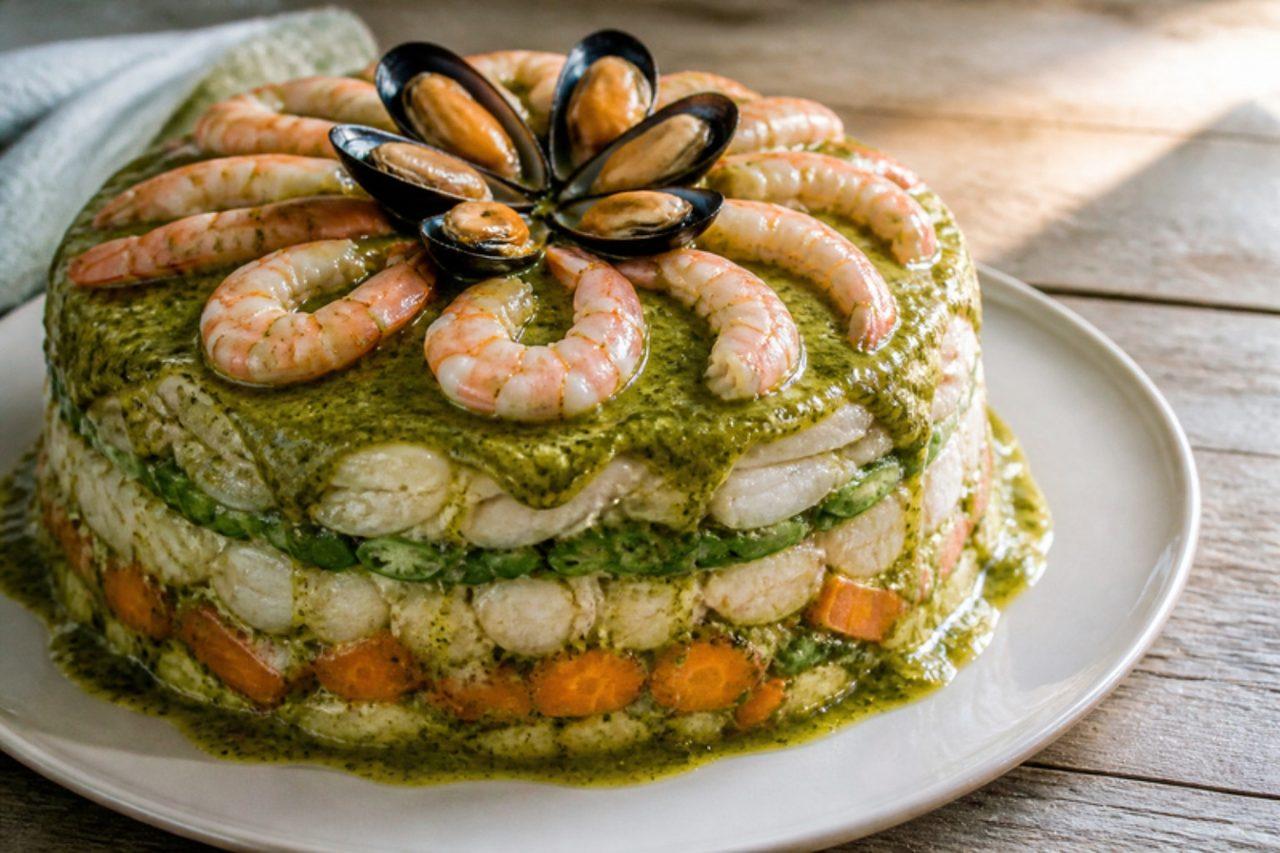
Cappon magroLayered fish and vegetable salad

Cappon magro is the grand Christmas Eve centrepiece of Genoa, once eaten by rich families on the night of "lean" eating before Christmas. On a base of gallette (ship's biscuits) rubbed with garlic and soaked with vinegar, cooks build a tall dome of boiled vegetables and white fish, held together by a rich green sauce of parsley, capers, pine nuts, anchovies and egg yolks, then decorated with prawns and mussels. It takes a whole afternoon and is served cold. Chef's tip: dress each layer of vegetables with oil and vinegar separately as you build; it seasons the whole dome evenly instead of only the outside.

150 minItalianFish
by KrazyBadal 0 views

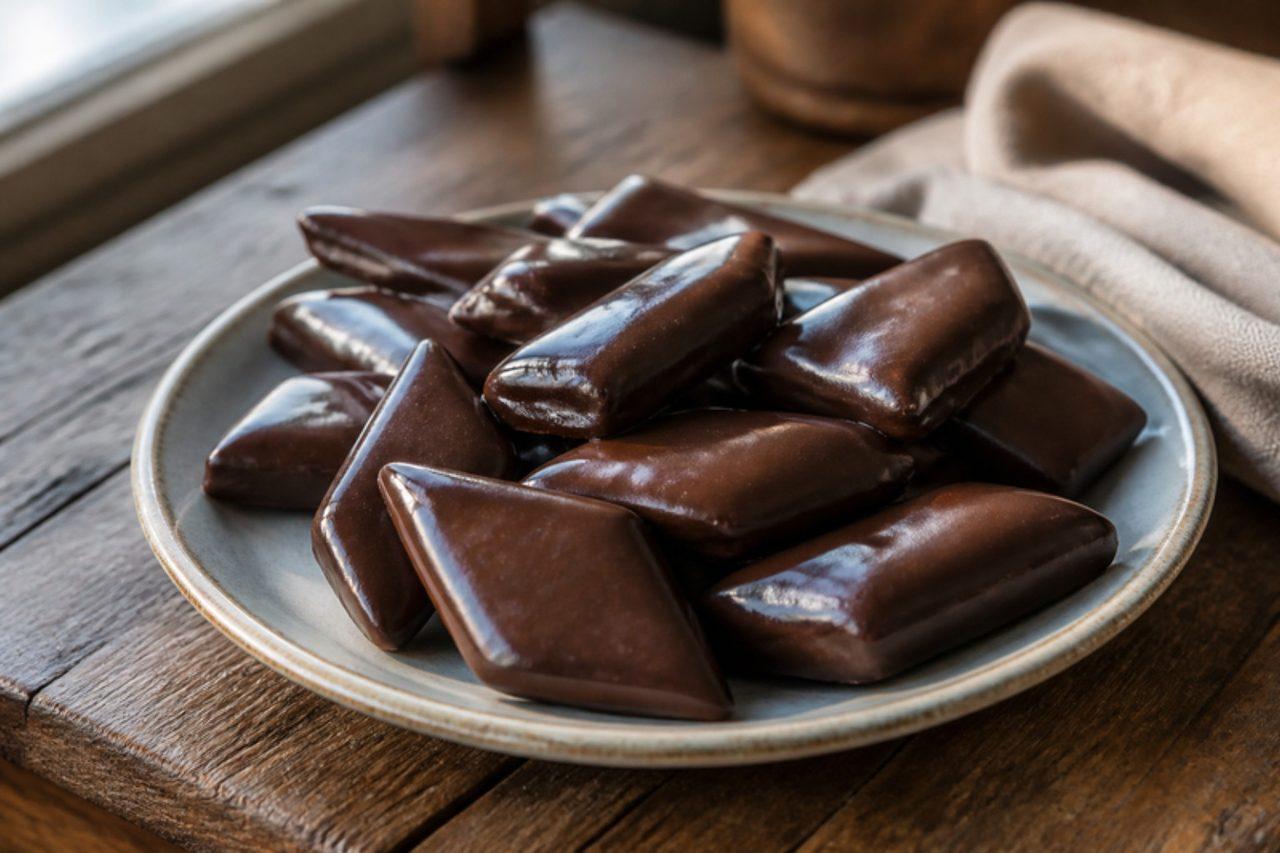
MostaccioliSpiced chocolate biscuits

Neapolitan Christmas trays always include mostaccioli: soft, spiced biscuits shaped like diamonds and covered in a shiny coat of dark chocolate. The dough is flavoured with honey, cocoa, orange and pisto, a Neapolitan spice mix of cinnamon, clove, nutmeg, star anise and coriander. They are made in early December with roccocò and struffoli and kept in tins for the whole holiday. Not for babies under 1 because of the honey. Chef's tip: let the biscuits rest a day before coating; spiced honey biscuits soften and their flavour deepens after a night in the tin.

by KrazyBadal 0 views

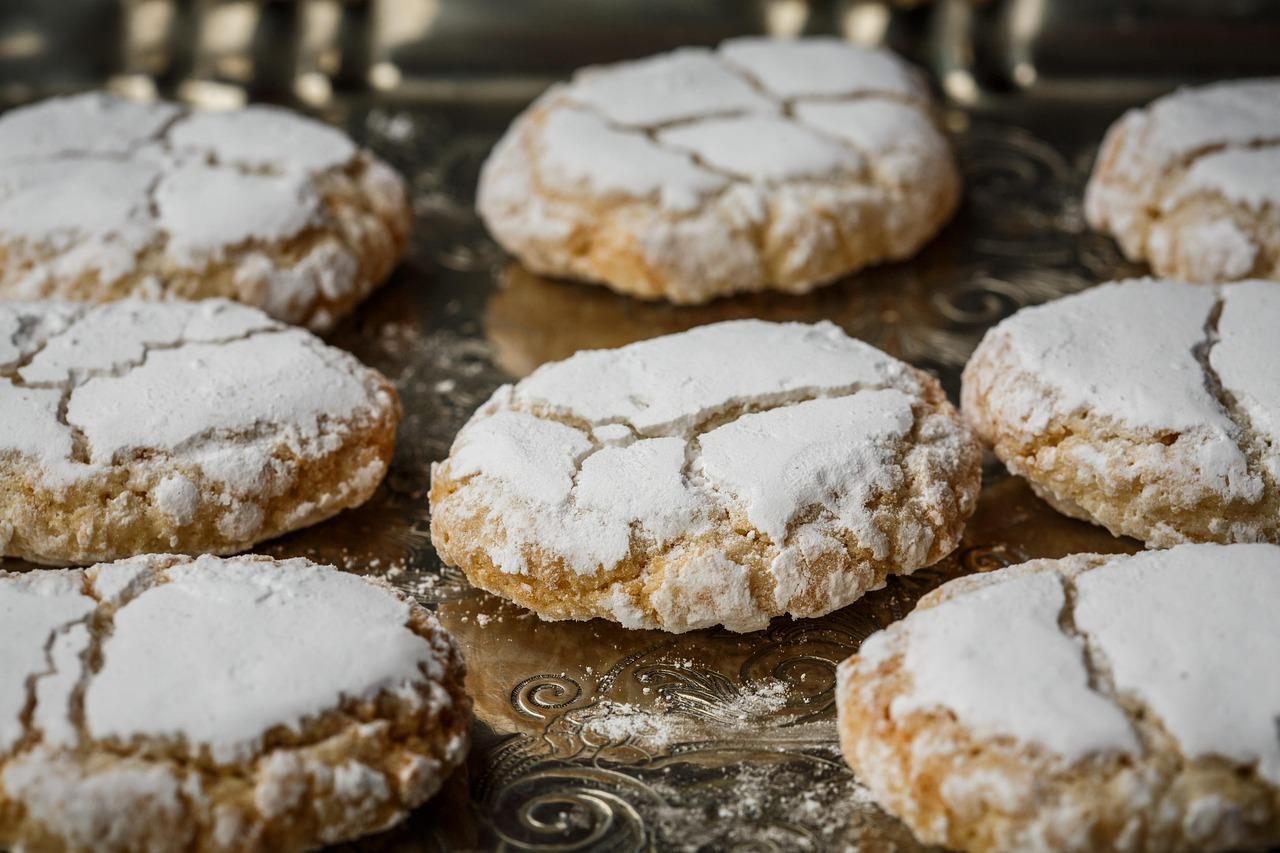
RicciarelliSoft almond biscuits

Siena has been making ricciarelli since the Renaissance: soft, chewy almond biscuits in the shape of a diamond or a curved eye, with a crackled top covered in icing sugar. Sienese families buy them from the historic pasticcerie near the Campo at Christmas and serve them with a glass of Vin Santo after dinner, but they are eaten all winter with coffee. This recipe is naturally gluten free. Chef's tip: let the shaped biscuits dry at room temperature overnight before baking; a dry crust cracks beautifully in the oven while the inside stays soft.

by KrazyBadal 0 views

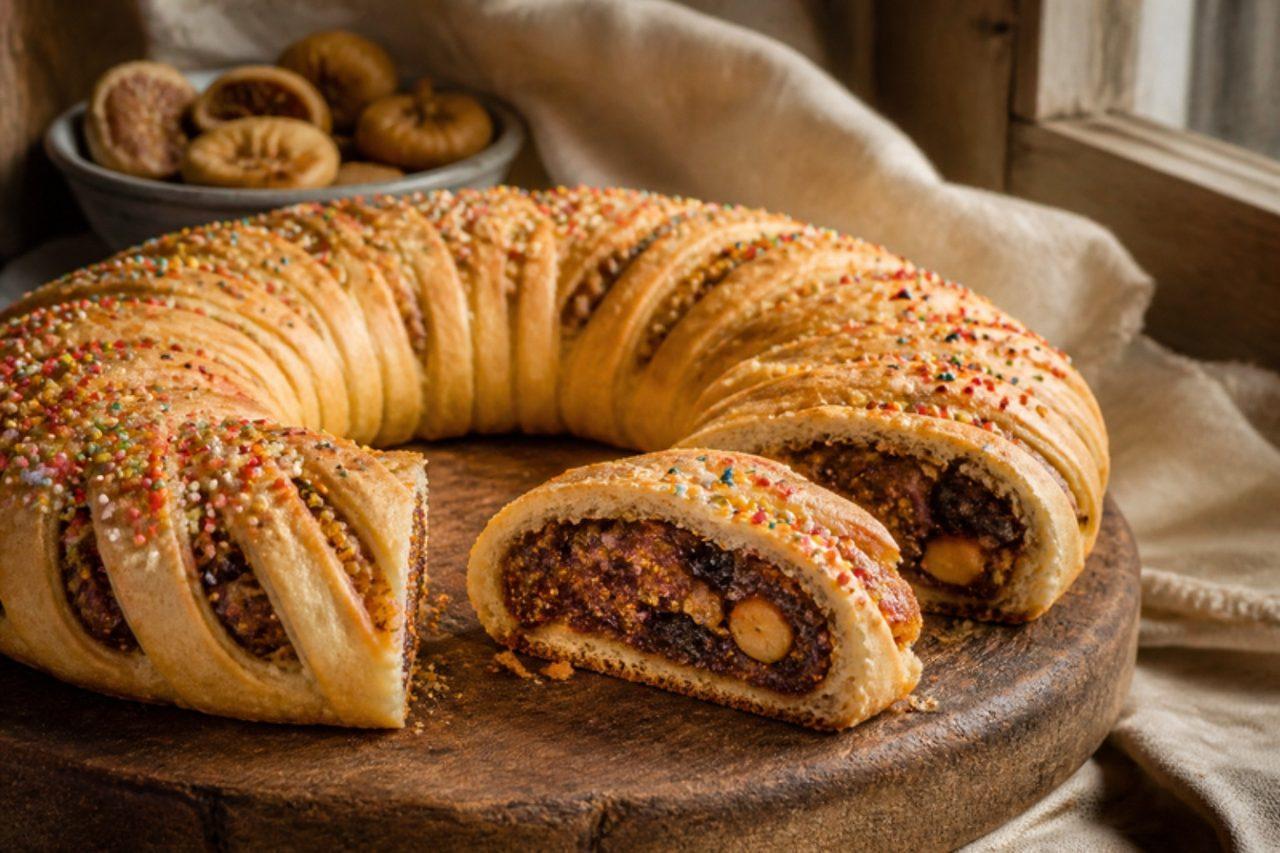
Buccellato sicilianoFig and nut pastry ring

In Palermo and western Sicily, buccellato is the great Christmas ring: a crumbly shortcrust wrapped around a dark, sticky filling of dried figs, raisins, almonds, walnuts, orange peel, chocolate and spices, often decorated with cuts along the top and coloured sprinkles. Families start the filling days ahead and bake several rings to give away. The filling traditionally includes a splash of Marsala; use orange juice for an alcohol-free version. Chef's tip: cut slits along the top of the ring before baking; they let steam out and show off the dark filling.

by KrazyBadal 0 views

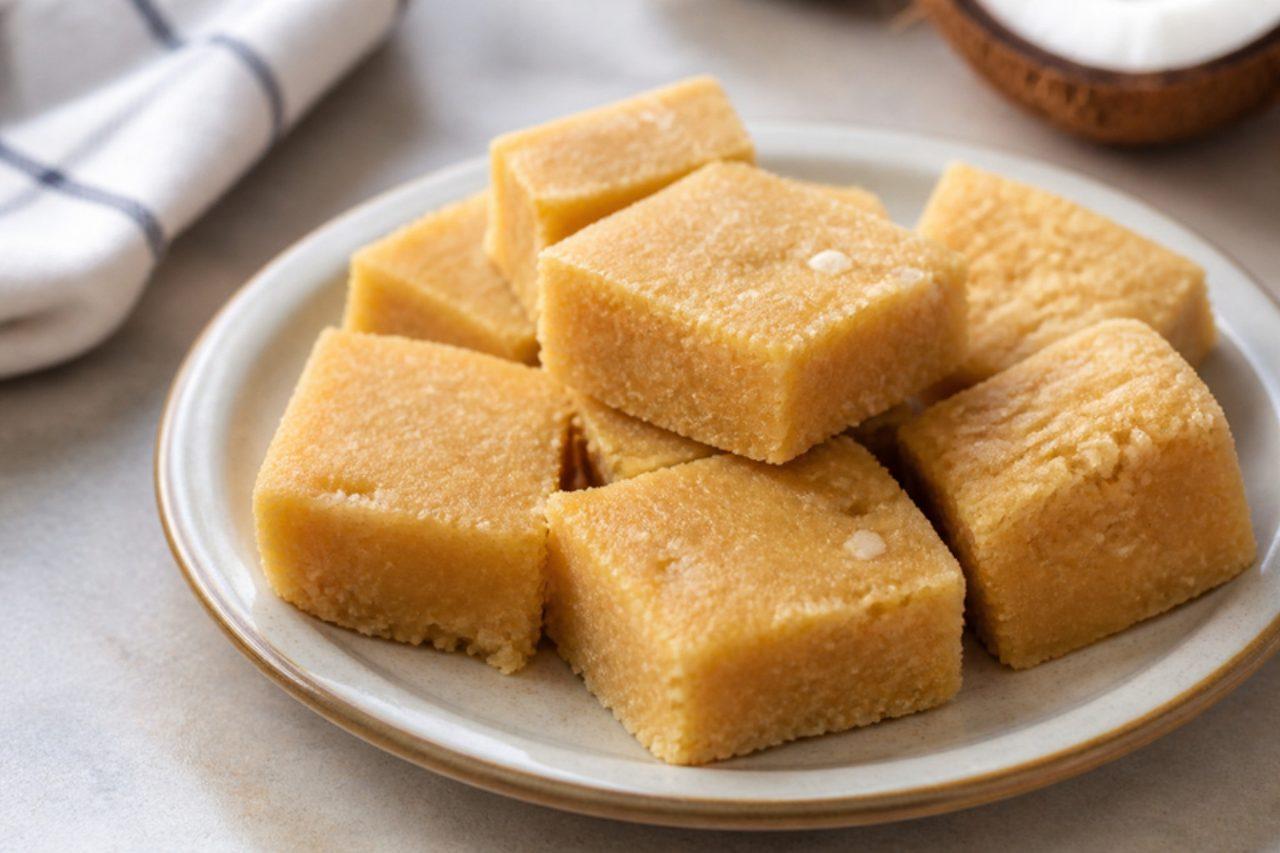
Goan chana dal doceChana dal and coconut fudge

Doce de grão is one of the oldest sweets on the Goan Christmas kuswar platter, made in Catholic homes from Margao to Mapusa in the weeks before Christmas and also for weddings. Chana dal is boiled and ground with fresh coconut, then cooked with sugar in a wide pan, stirred constantly for the best part of an hour, until it turns into a thick, glossy dough that leaves the sides of the pan. Spread on a plate, cut into diamonds or pressed into small moulds, it is dense, fudgy and nutty, with a soft coconut flavour. Some families add a little ghee at the end for shine, and that makes it vegetarian rather than vegan. The usual mistake is taking it off the heat too soon: it stays sticky and never sets. Push a spoon through the middle; it is ready when the line holds and the mixture rolls into a ball. Chef's tip: grind the coconut and dal together while the dal is warm and without water; a wet paste takes twice as long to cook down.

by KrazyBadal 0 views

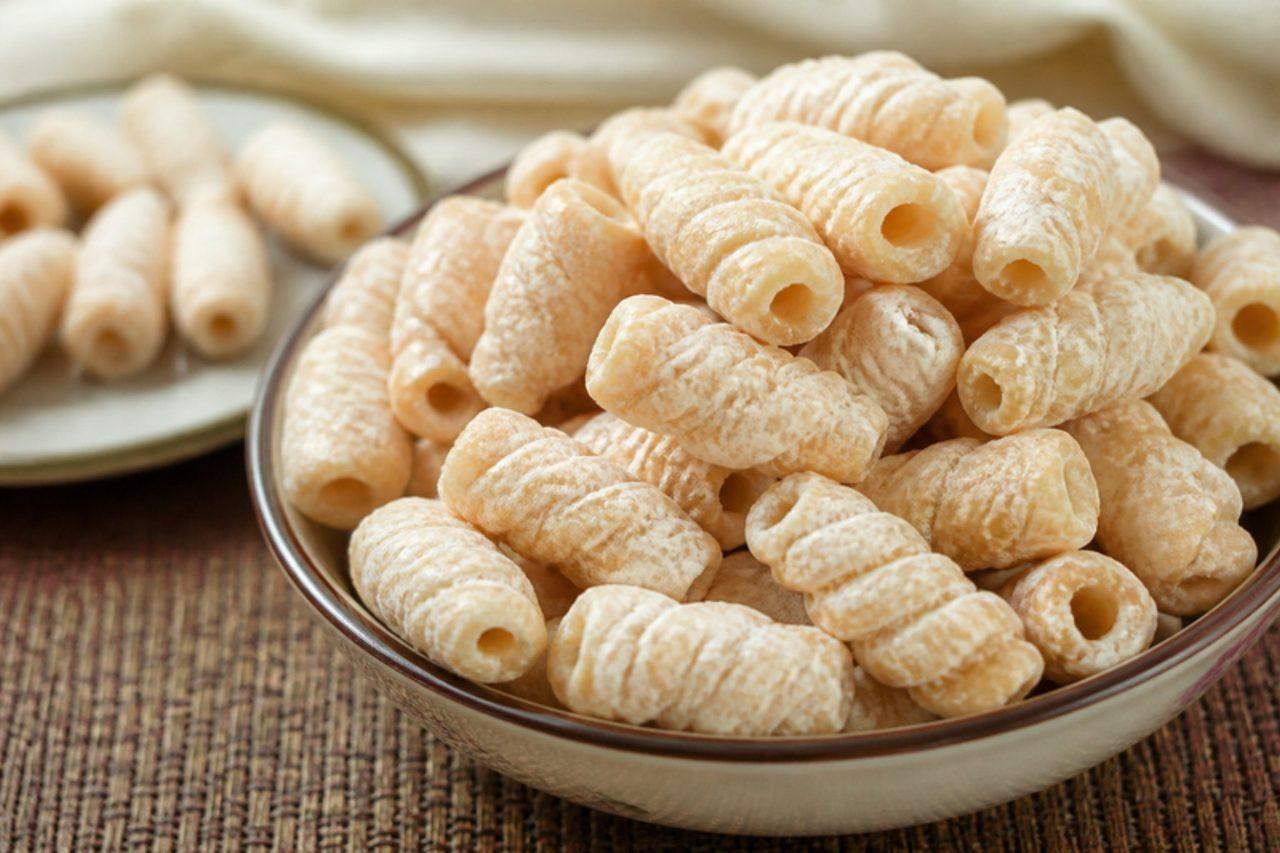
KulkulsSugar-glazed dough curls

No Goan or Mangalorean Catholic Christmas kuswar (sweet platter) is complete without kulkuls, the tiny ridged shells that families sit round the table rolling for hours in the week before 25 December. A soft dough of flour, coconut milk, egg and butter is pinched into small balls, pressed and rolled over the back of a fork (or a clean comb) so each curls into a ribbed shell, then fried until crisp and tossed in a white sugar glaze. They are crunchy, lightly sweet and moreish, and they keep for weeks in a tin, which is why the kuswar is shared round the neighbourhood. These contain egg: vegetarian, not vegan. The mistake everyone makes once is rolling the dough too thick, which leaves them hard and doughy inside; each should be no thicker than a coin. Chef's tip: fry on a medium-low flame until just golden; kulkuls darken a little more once out of the oil and the glaze is meant to stay white.

by KrazyBadal 0 views

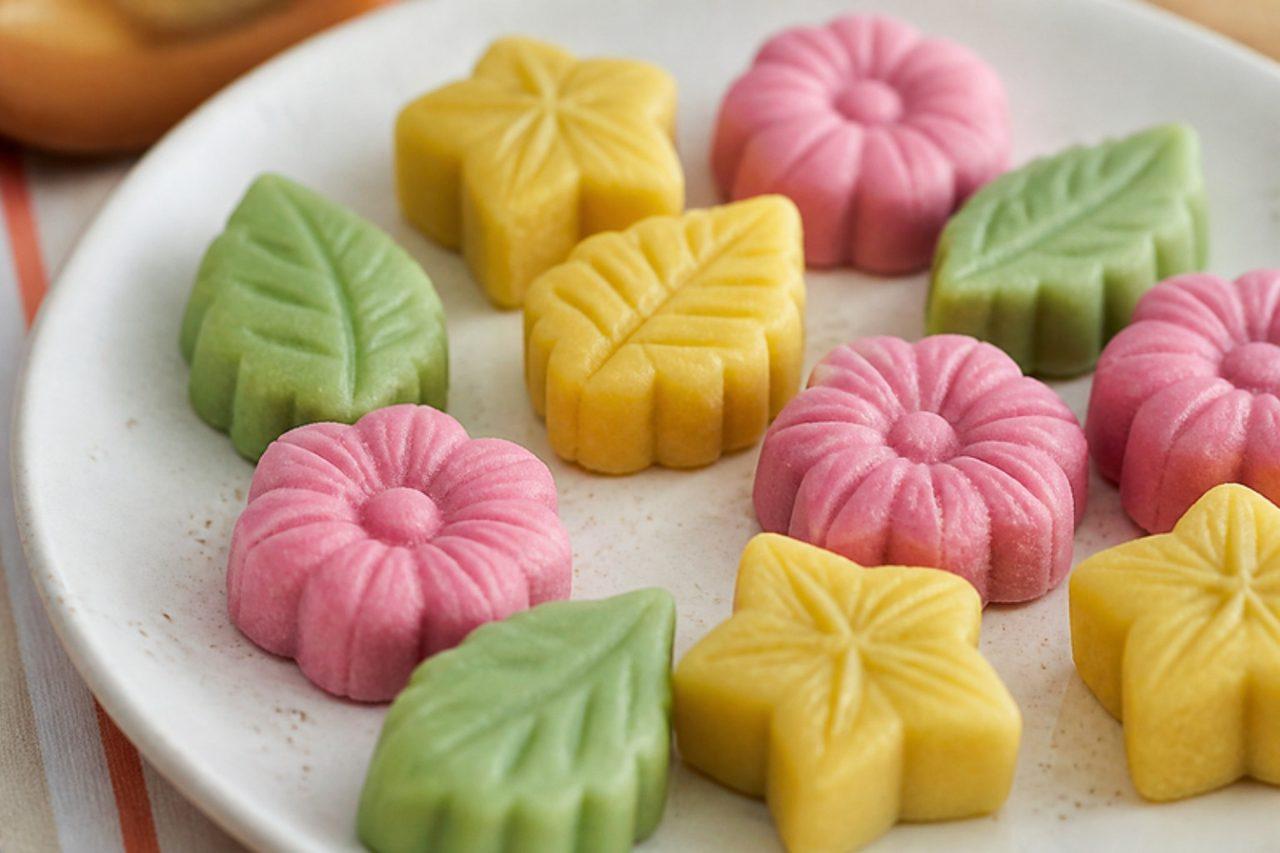
Goan cashew marzipan

Where Europe makes marzipan from almonds, Goa uses its own crop: cashews. Maçapão is a Portuguese legacy that Goan Catholic families make every December, pressing the cashew paste into rubber or plastic moulds of stars, flowers, fish and bells, tinted pink, green and yellow, for the Christmas kuswar tray. Ground cashews are cooked with sugar syrup and a little egg white (which gives it its smooth, pliable texture) until it leaves the pan, then kneaded, coloured and shaped. It tastes rich, sweet and buttery, softer and creamier than almond marzipan. Because of the egg white, it is vegetarian with egg rather than vegan. The common mistake is grinding the cashews too long, which releases their oil and gives a greasy, sticky paste; pulse them in short bursts. Chef's tip: when the mixture is ready, a small piece rolled between your fingers should feel like soft play dough and not stick; if it does, cook it a few minutes longer.

by KrazyBadal 0 views

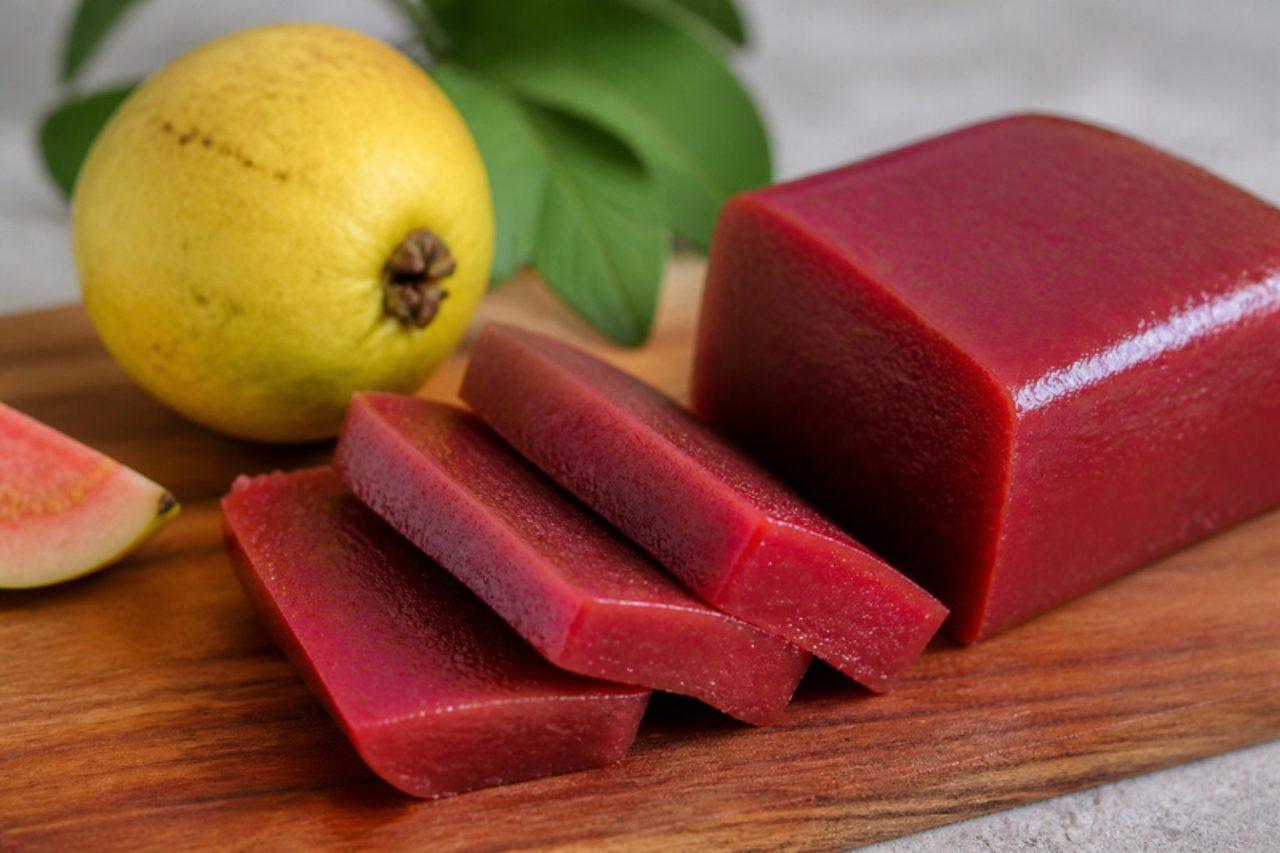
PeradGuava cheese

Goan grandmothers make perad when the guava trees are full in winter, and it sits in a tin on the dresser all through Christmas, cut into dark pink squares for the kuswar plate. The name and the method come from the Portuguese goiabada: ripe guavas are cooked, sieved, then boiled down with sugar and lime juice for the best part of an hour until the paste is thick, glossy and comes away from the pan in one mass. Set in a tray, it slices cleanly and tastes intensely of guava, sweet and slightly tart, with a chewy, jelly-like bite. Eat it on its own, with a piece of cheese, or on bread. The common mistake is stopping too early: it looks thick in the pan but stays soft and sticky once cool. Test a little on a cold plate; it should hold its shape and peel off cleanly. Chef's tip: choose fragrant pink-fleshed guavas and add a couple of slightly under-ripe ones; they carry more pectin and help it set.

by KrazyBadal 0 views

BolinhasSemolina and coconut cookies

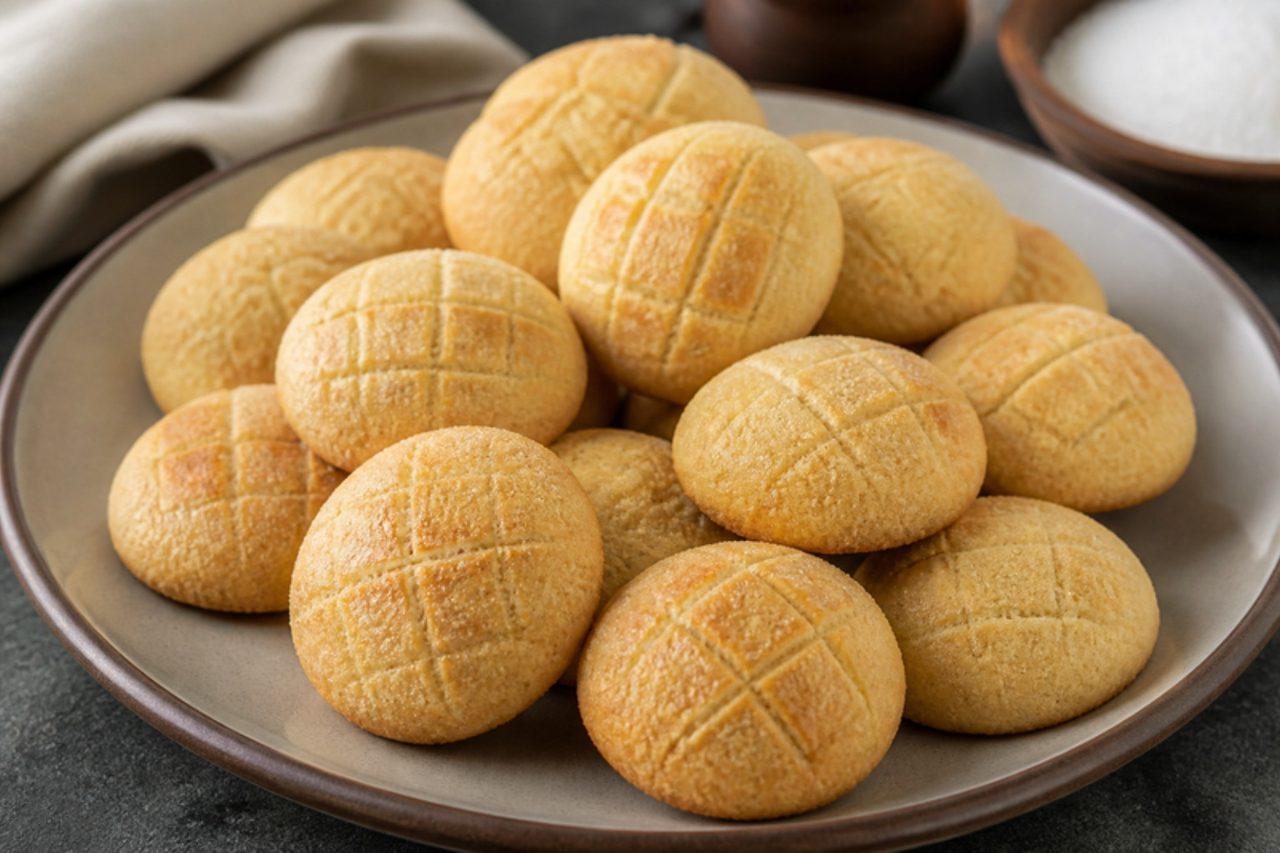
Bolinhas (small balls in Portuguese) are the cookies Goan Catholic families bake in batches for the Christmas kuswar, the tins of sweets sent to friends and neighbours in Panjim and Salcete in mid-December. Fresh coconut is cooked briefly in a sugar syrup, mixed with semolina and left overnight so the grains soften, then bound with butter and egg yolks, shaped into small balls, marked with a fork or a cross and baked until golden. The texture is sandy and crumbly outside with a chewy coconut centre, and they smell of cardamom and browned butter. They contain egg yolk, so they are vegetarian with egg, not vegan. The common mistake is baking them the same day: unsoaked semolina stays gritty and the cookies spread. Chef's tip: shape with slightly damp hands and keep them small, about 3 cm; they puff a little and need room on the tray.

by KrazyBadal 0 views

NeureosCoconut and jaggery pastries

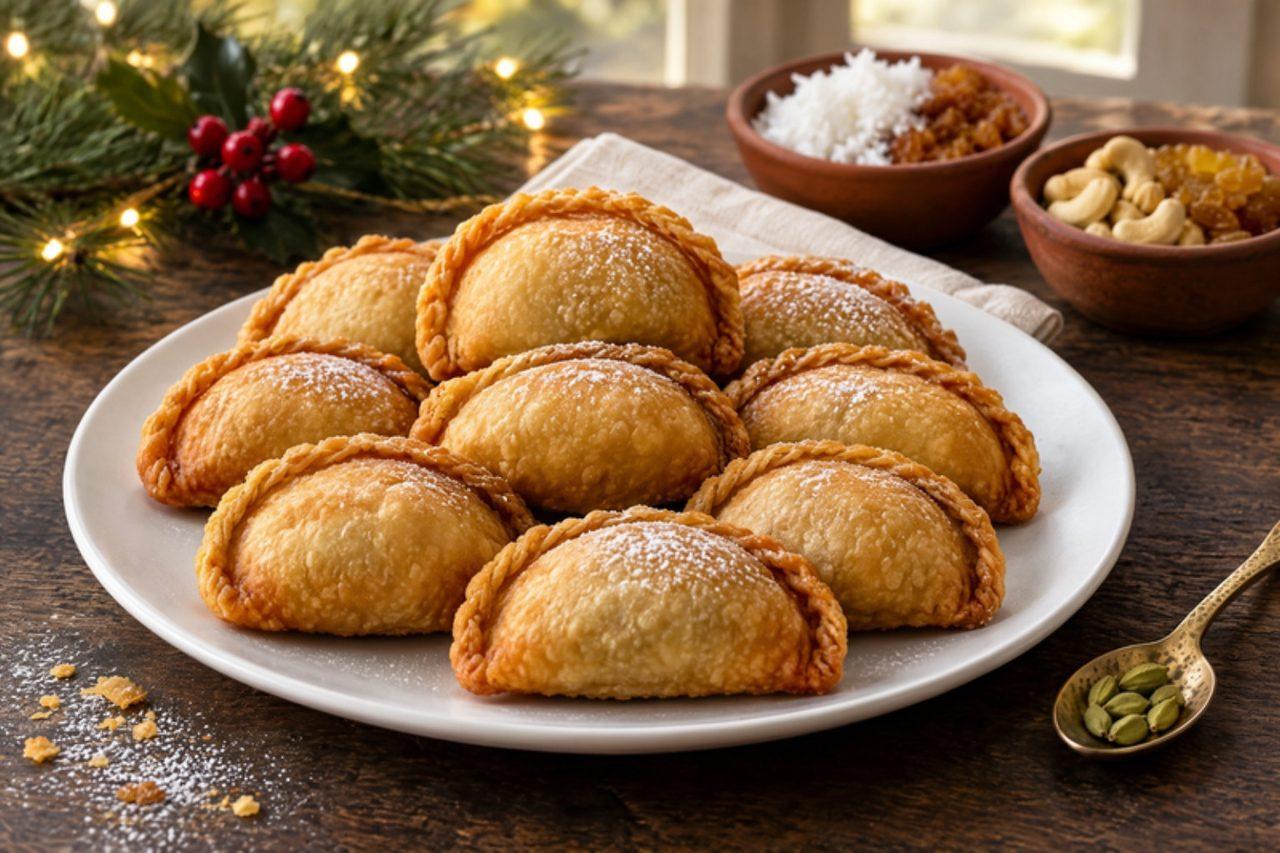
No Goan Catholic kuswar, the tray of Christmas sweets sent to neighbours, is complete without neureos, little crimped half-moons of crisp pastry stuffed with fresh coconut cooked down with jaggery, cardamom and a few raisins or cashews. Families gather in the week before Christmas to roll, fill and pinch them by the hundred, and they keep well in a tin until New Year. The common mistake is a wet filling: if the coconut mix is still moist when sealed the pastries burst in the oil, so cook it until it leaves the pan and cool it fully. Chef's tip: use a fluted pastry wheel to trim the edge after crimping, which gives the classic frilly finish and a tighter seal.

by KrazyBadal 0 views

KusliSemolina-filled Diwali pastries

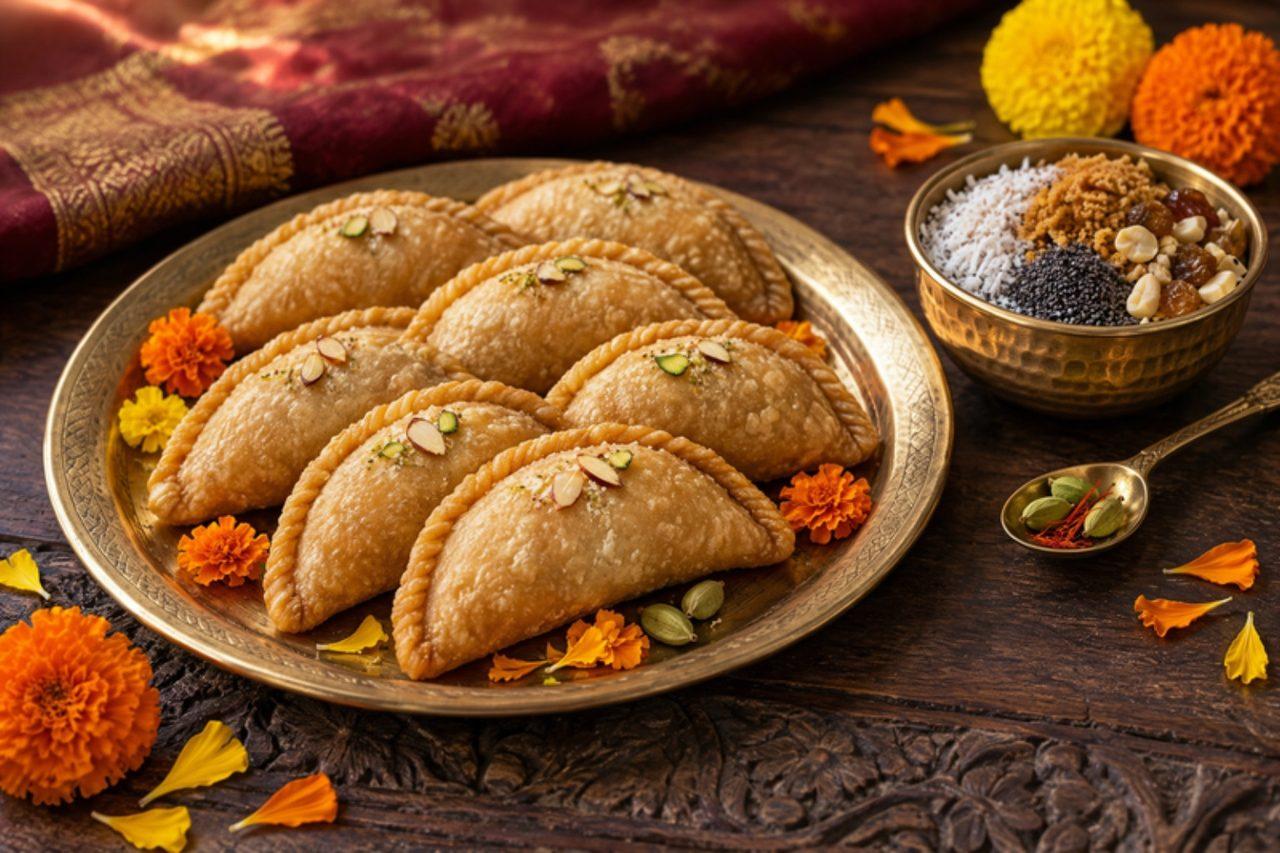
Kusli are the crimped half-moon pastries that fill tins in Chhattisgarhi homes before Diwali and Chhath, close cousins of the gujiya and karanji but filled with semolina roasted in ghee, dry coconut and sugar rather than mawa. They keep for a fortnight and are handed to visitors with thethri and khurmi. The common mistake is frying them in very hot oil; they blister and brown outside while the pastry stays raw within. Chef's tip: seal the edges with a dab of milk and a firm pinch-and-fold twist so not a crumb of filling leaks into the oil.

by KrazyBadal 0 views

Frozen Christmas pudding

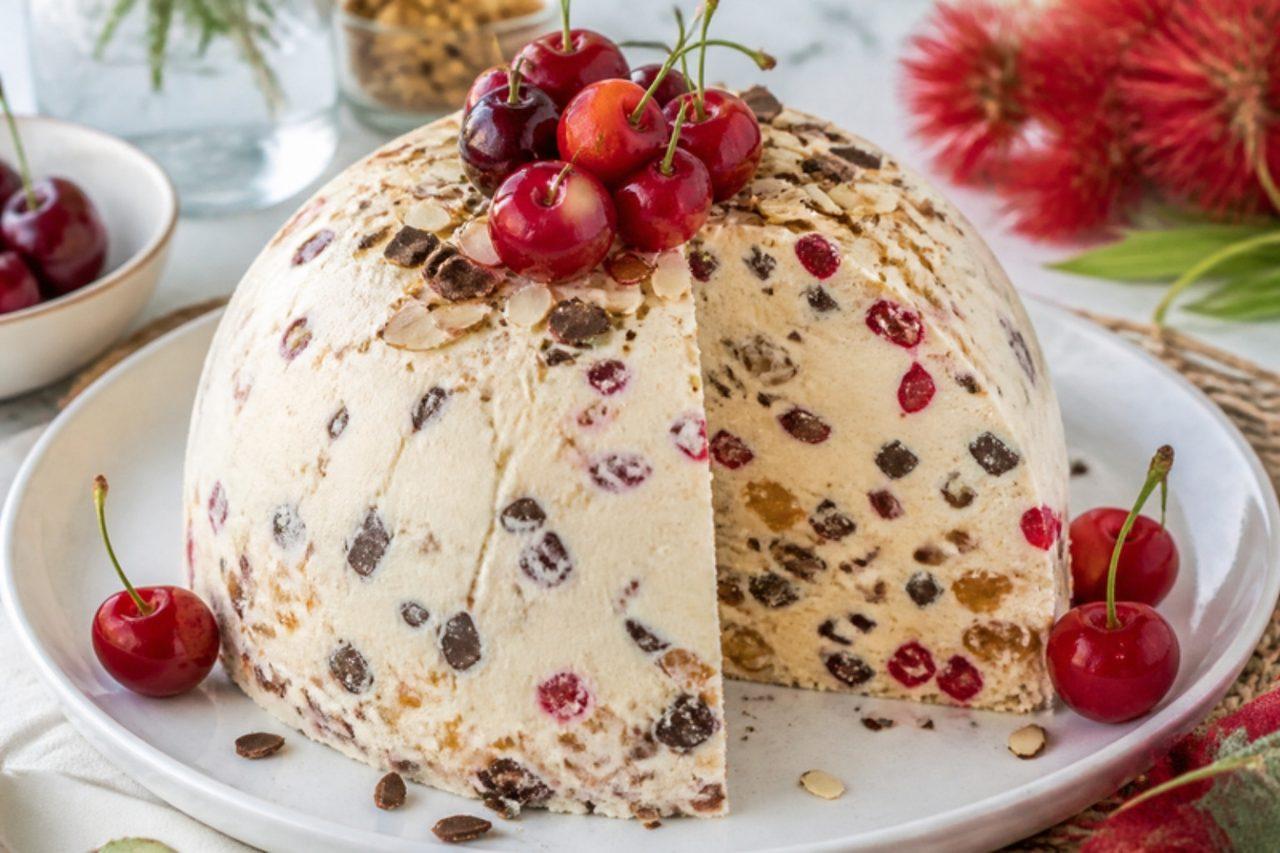
In the heat of an Australian December, many families swap the steamed pudding for a frozen one, ice cream packed with fruit, nuts and chocolate and set in a pudding basin so it still looks the part on the Christmas table in Brisbane or Perth. It is made days ahead and turned out just before serving. A common mistake is letting the ice cream melt too much while mixing, which makes it icy when refrozen; soften it only until stirrable. Chef's tip: soak the fruit in orange juice the night before so it stays soft when frozen.

by KrazyBadal 0 views

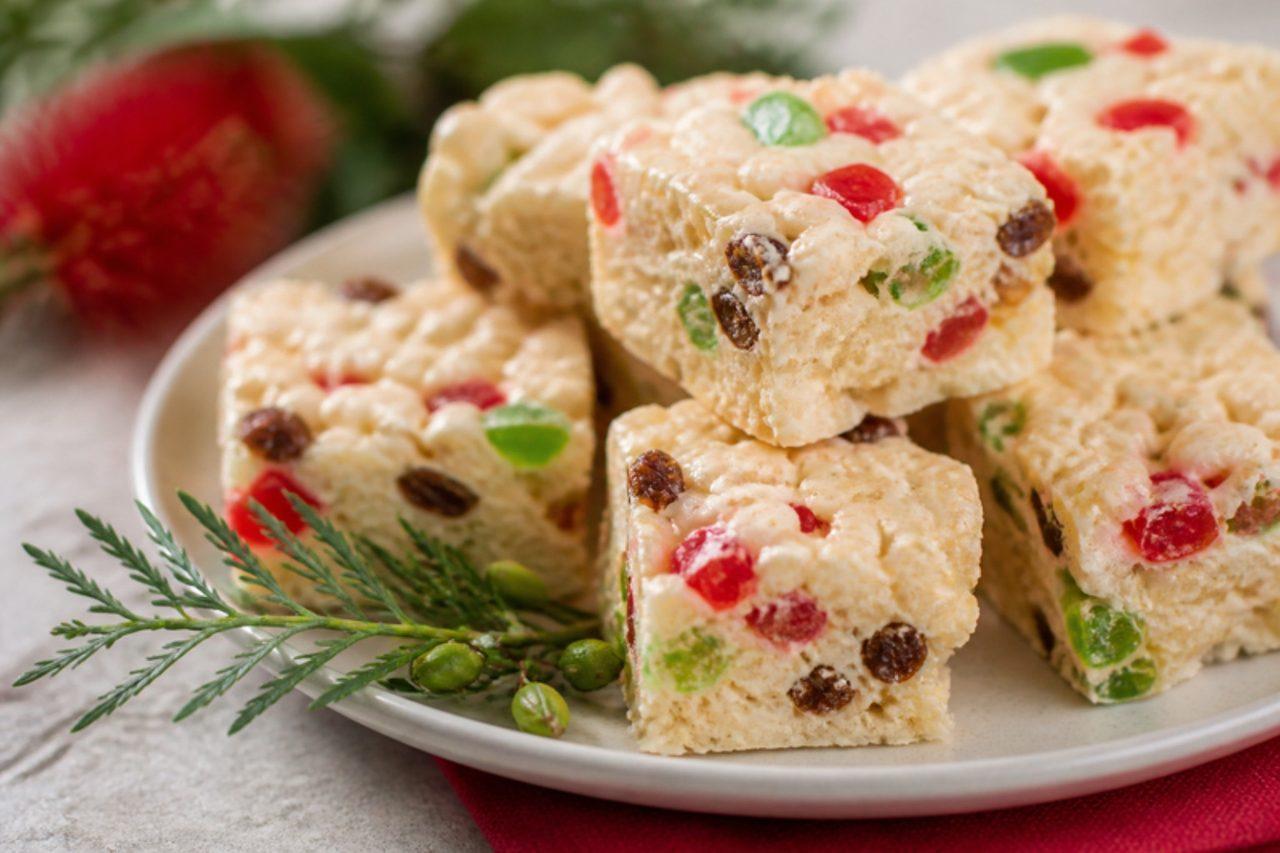
White ChristmasPuffed rice and coconut slice

White Christmas is an Australian Christmas tradition from the days when a hot December made baking a misery, a no-bake slice of puffed rice, dried fruit, glacé cherries and coconut set in white chocolate or coconut fat. It is cut into squares and kept in the fridge for drop-in visitors through the holidays. A common mistake is overheating the white chocolate, which seizes; melt it gently. Chef's tip: red and green glacé cherries make it look festive.

by KrazyBadal 0 views

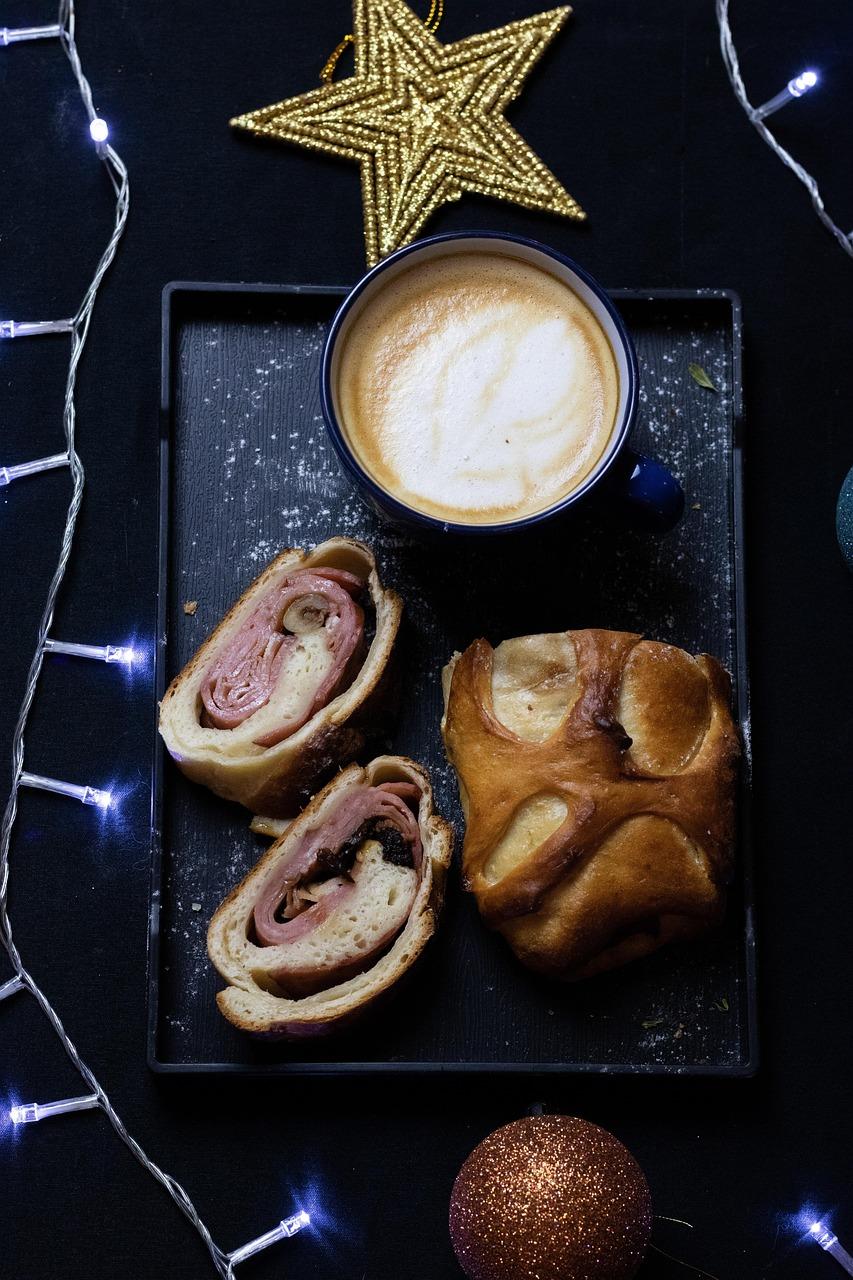
Pan de jamónChristmas ham bread

Caracas bakeries start taking orders for pan de jamón in early December, and families set it on the Christmas table beside the hallacas: a soft, slightly sweet bread rolled around cooked ham and smoked bacon (both pork), green olives and raisins, glazed with panela syrup. Each slice shows a spiral of salty and sweet. The common mistake is rolling loosely, which leaves gaps in the spiral. Chef's tip: roll it as tightly as you can, pressing as you go, and seal the seam well before it proves.

by KrazyBadal 0 views

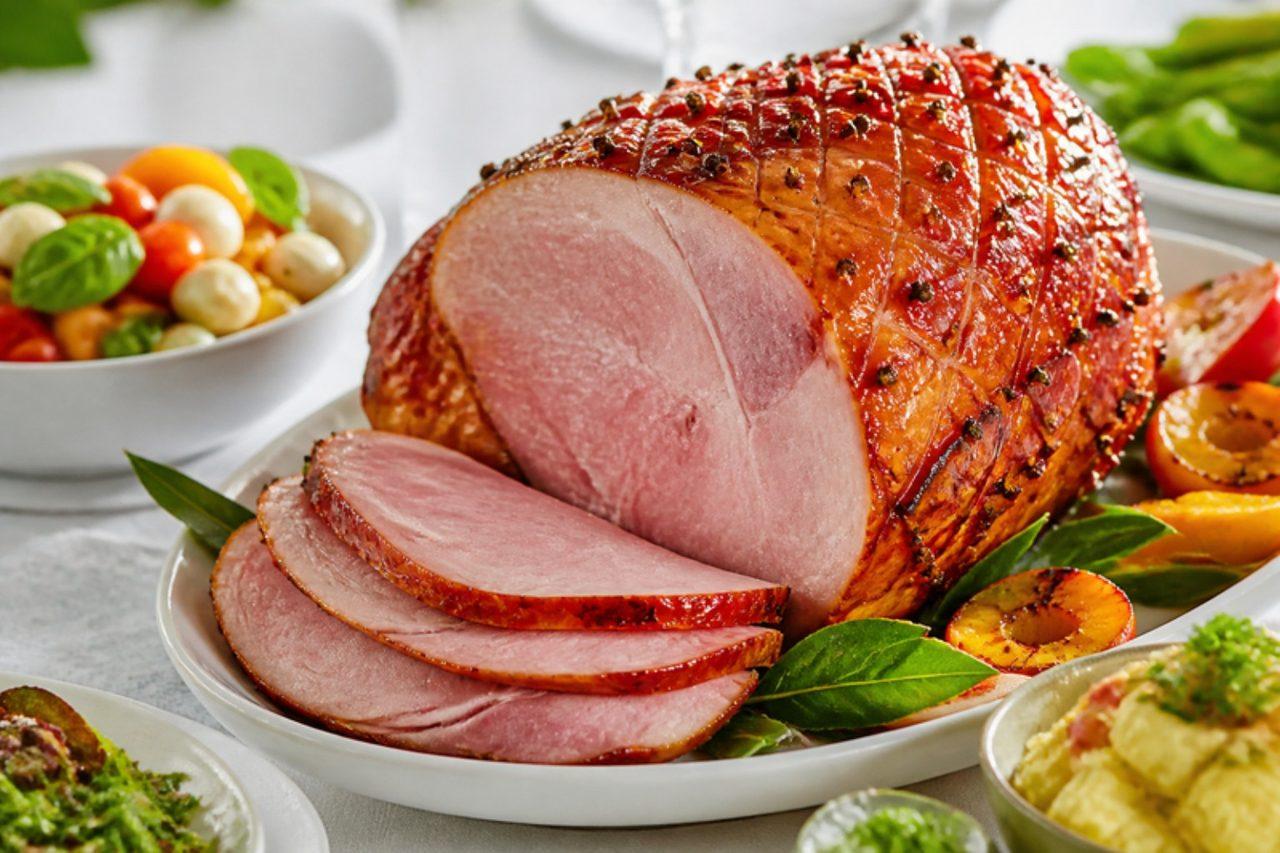
Glazed Christmas ham

A whole glazed leg ham is the centrepiece of the Australian Christmas table, served cold with salads and mustard on a hot December day and eaten in sandwiches for a week after Boxing Day. It is a cured, smoked leg of pork, already cooked, that is scored, studded with cloves and baked with a sticky orange and honey glaze. A common mistake is cutting the rind off too roughly; ease it away with your fingers so the fat stays smooth. Chef's tip: store the leftover ham in a cotton ham bag soaked in water and vinegar in the fridge to keep it moist.

by KrazyBadal 0 views

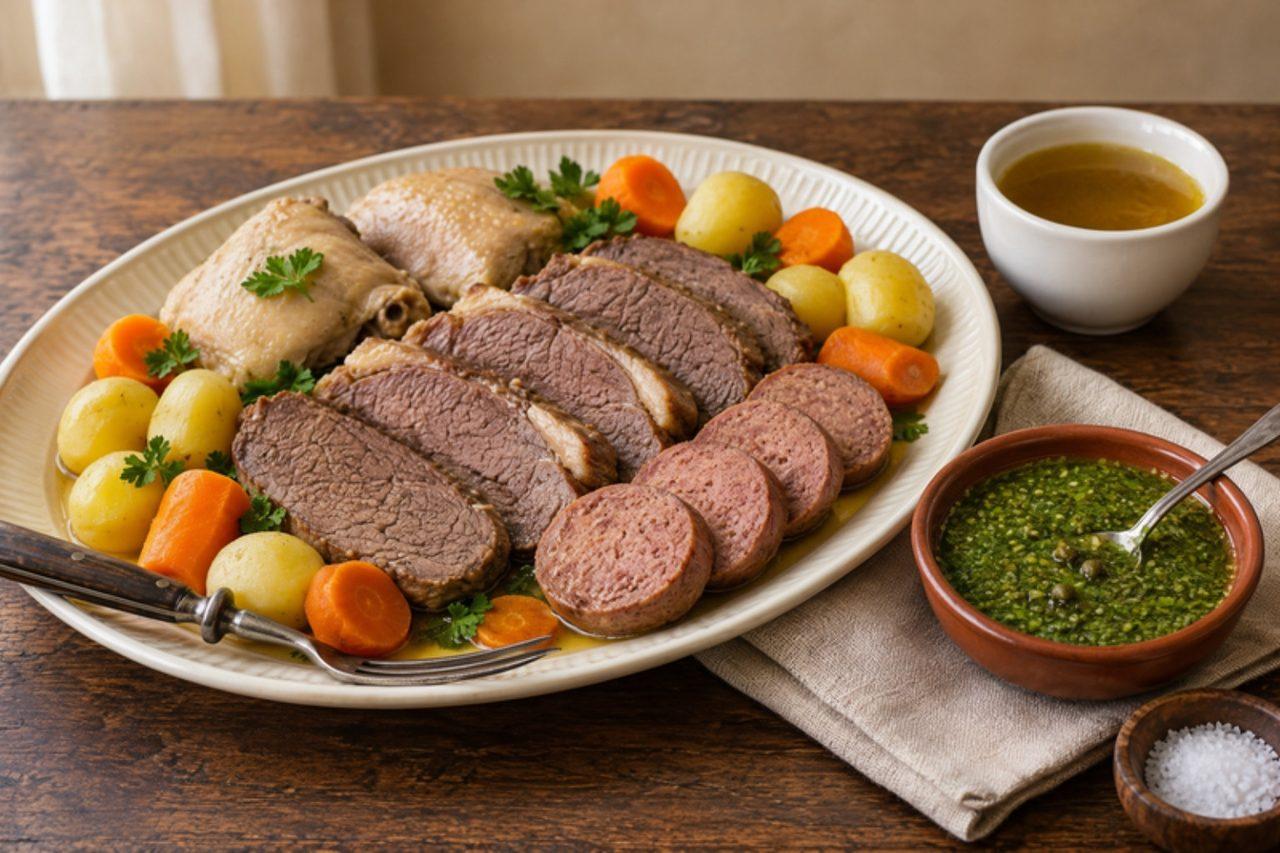
Bollito mistoMixed boiled meats

In Piedmont, bollito misto is the great winter feast, served from November to carnival in Turin trattorias and on family tables when there are many to feed. Several cuts of beef, a chicken and a cotechino (a soft, rich pork sausage) poach gently in one big pot until tender, then come to the table sliced on a warm platter with a sharp parsley and caper salsa verde; the broth is saved for soup or risotto the next day. The usual mistake is letting the pot boil hard: the meat turns stringy and the broth cloudy, so keep it at a bare shiver. Serve with boiled potatoes or mostarda if you like. Chef's tip: put the beef into water that is already boiling so its juices stay in the meat, and use cold water only if the broth matters more to you than the meat.

240 minItalianMeatGluten free
by KrazyBadal 0 views

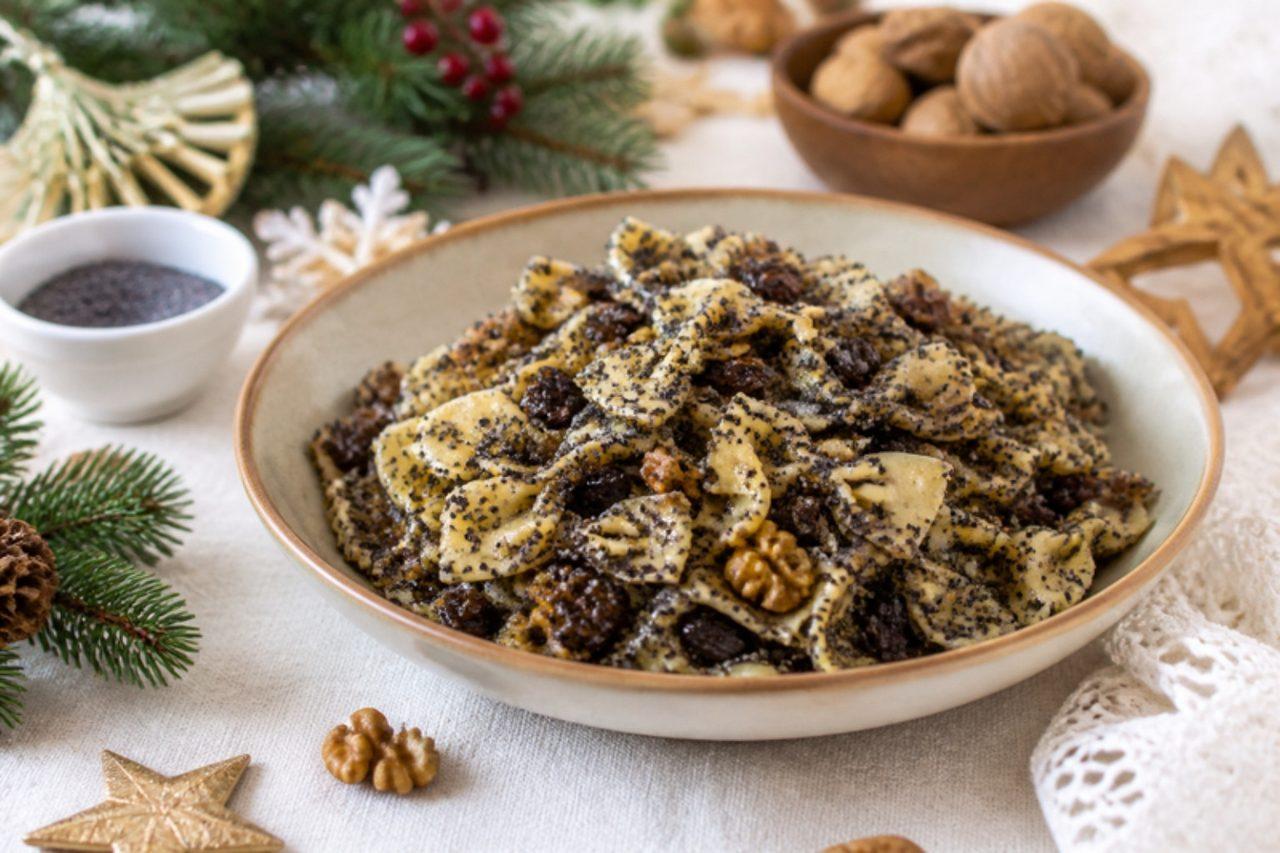
Kluski z makiemNoodles with sweet poppy seed

Poppy seed is the taste of a Polish Christmas Eve, and in central and eastern Poland it often reaches the table as a bowl of wide noodles in a sweet, dark poppy mixture with honey, walnuts and raisins. It sounds strange to anyone who expects pasta to be savoury, but it is closer to a pudding: nutty, slightly bitter, sticky with honey, eaten at room temperature as the last dish of the night. Where most people go wrong is using whole poppy seeds straight from the packet; they must be scalded and ground, or the dish is gritty and bland. Chef's tip: buy ready-ground poppy seed or grind scalded seeds twice in a spice grinder until they turn grey and buttery.

by KrazyBadal 0 views

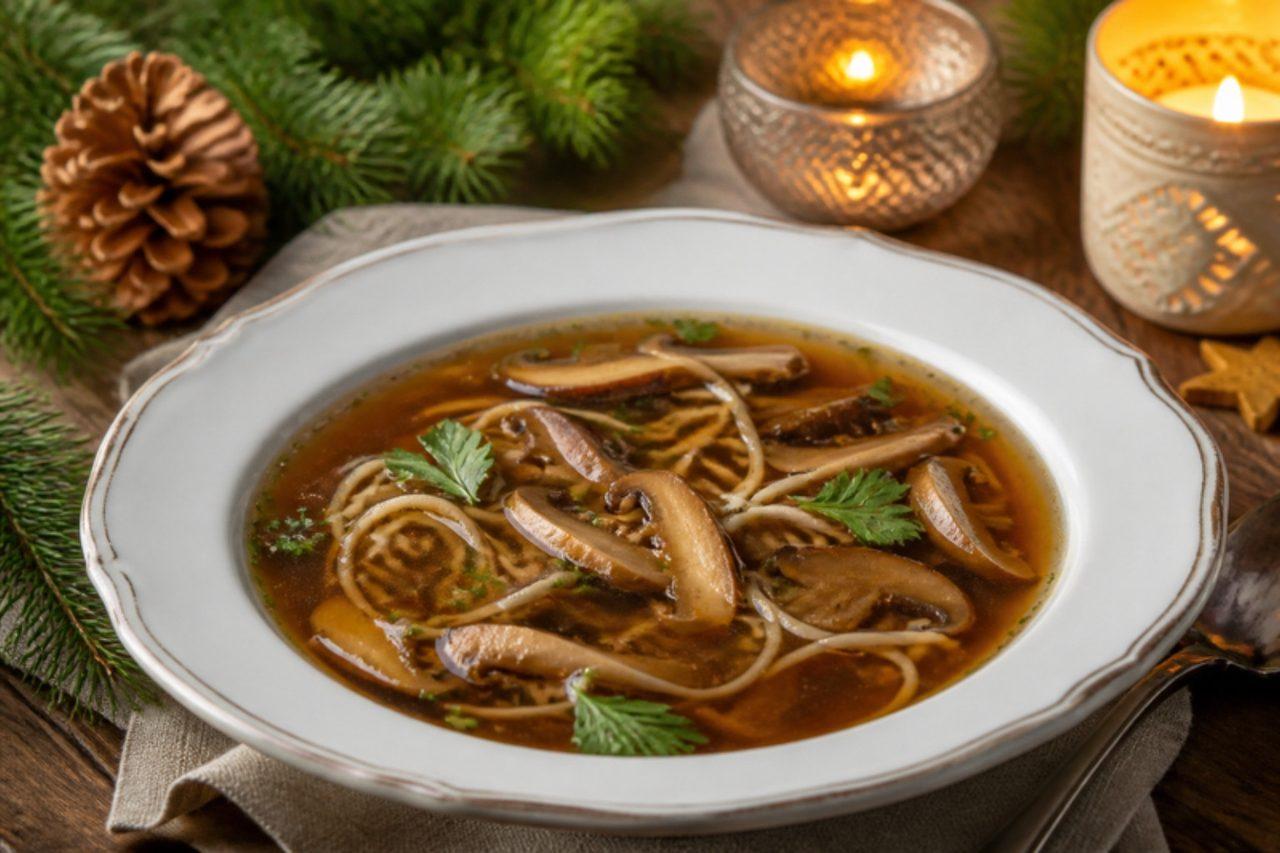
Christmas mushroom soup

In many Polish homes the Christmas Eve supper opens with either beetroot barszcz or this soup, and families argue about which is better. Dried porcini picked and threaded on strings in September are soaked and simmered with root vegetables into a clear, deep-brown broth with a smoky, almost meaty depth, then served with thin noodles or łazanki. It is fully meat-free, as Wigilia tradition requires, and kept dairy-free here. A common mistake is pouring the soaking water in with its grit; let it settle and leave the last spoonfuls behind. Chef's tip: soak the mushrooms overnight in cold water and cook them in that water for the most flavour.

by KrazyBadal 0 views

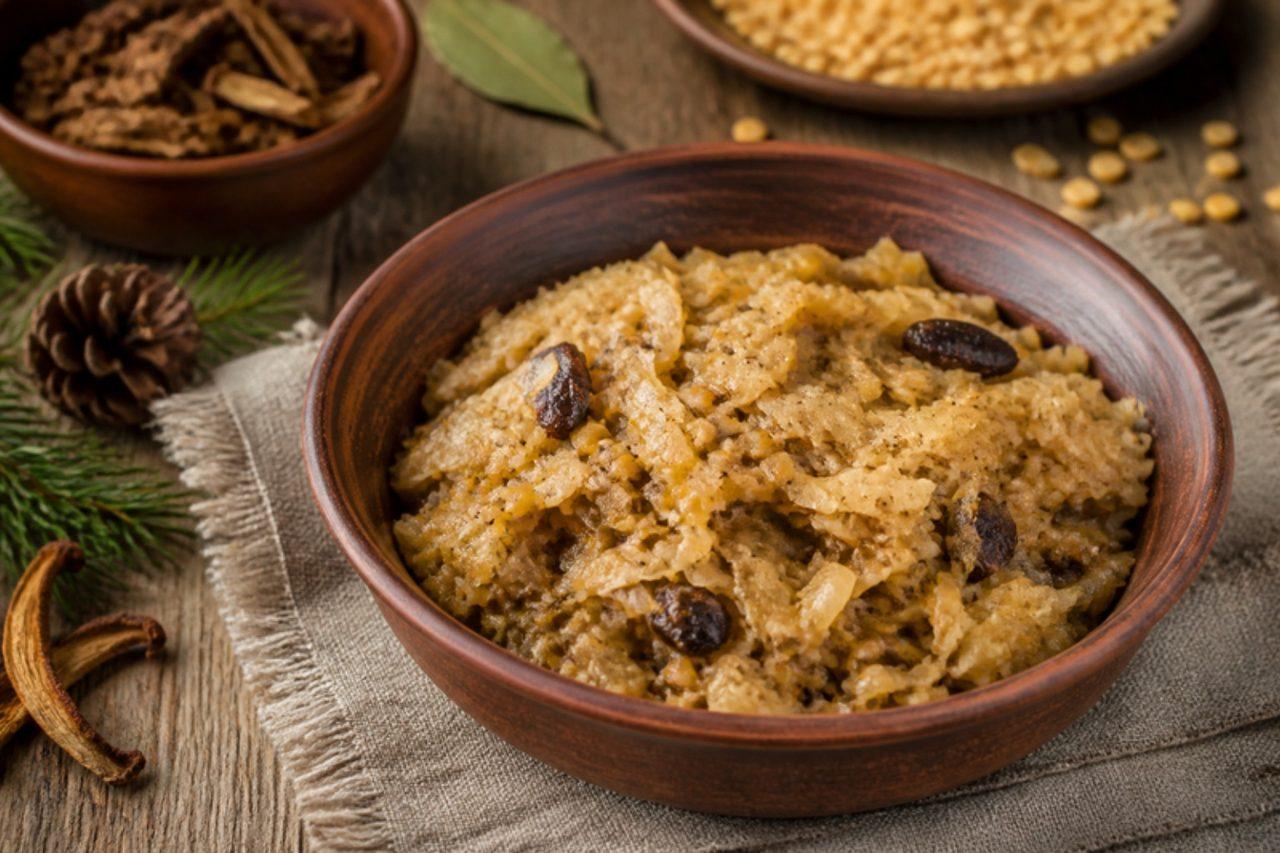
Cabbage with peas

Of the twelve dishes on a Polish Christmas Eve table, this is the humblest and often the one people go back to for seconds. Sour, tangy sauerkraut is braised slowly with yellow split peas until the peas collapse into a soft, savoury mash that binds the cabbage, with dried mushrooms and golden onion for depth. Serve it warm next to pierogi or potatoes, and know that it tastes even better reheated the next day. The usual slip is adding salt before the peas are cooked, which keeps them hard; season only at the end, as the sauerkraut is salty anyway. Chef's tip: if your sauerkraut is very sour, rinse it once and squeeze it, keeping a little juice to adjust the sharpness later.

by KrazyBadal 0 views

Showing 24 of 129 recipes

Show more recipes

Page 1 of 6

More occasions