Skip to content
Festivals

Lunar New Year recipes: dumplings, noodles and nian gao

Dumplings, spring rolls, longevity noodles, nian gao, tteokguk and tangyuan to welcome the new year. (18 recipes)

TteokgukRice cake soup

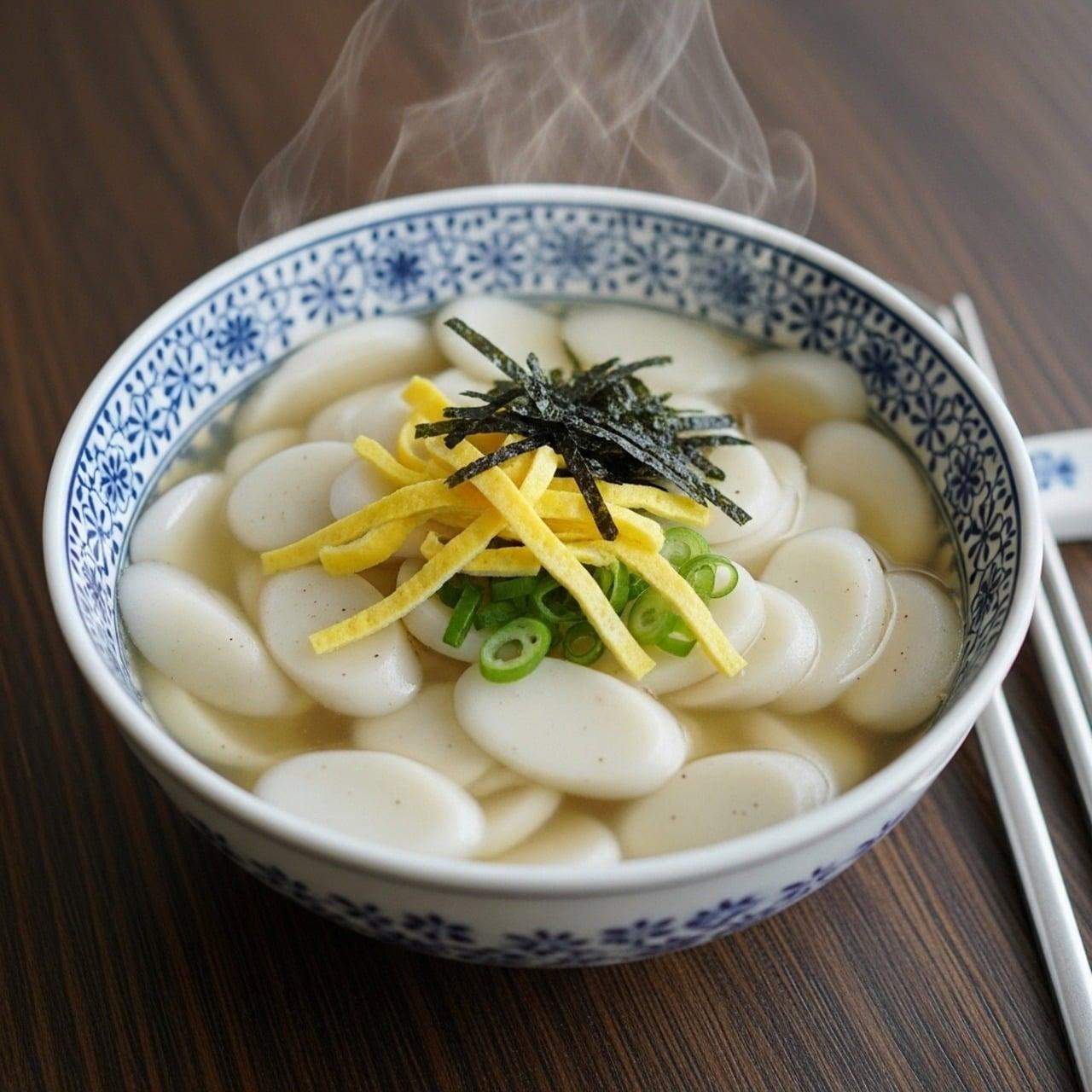
On the morning of Seollal, the Lunar New Year, families across Korea eat a bowl of tteokguk, and the saying goes that you only turn a year older once you have finished it. Thin ovals of white rice cake are simmered in a clear beef broth seasoned with soup soy sauce, then topped with strips of egg, shredded beef, spring onion and toasted laver. It is mild, comforting and chewy. Rice cakes are very sticky: cut pieces small and supervise young children and older people closely, as they can be a choking risk. The common mistake is boiling the rice cakes too long, until they turn mushy and the soup thick and gluey. Chef's tip: soak dried rice cake slices in cold water for 20 minutes before cooking; they cook evenly in 3 minutes and stay chewy.

by KrazyBadal 0 views

White cut chicken with ginger-scallion oil

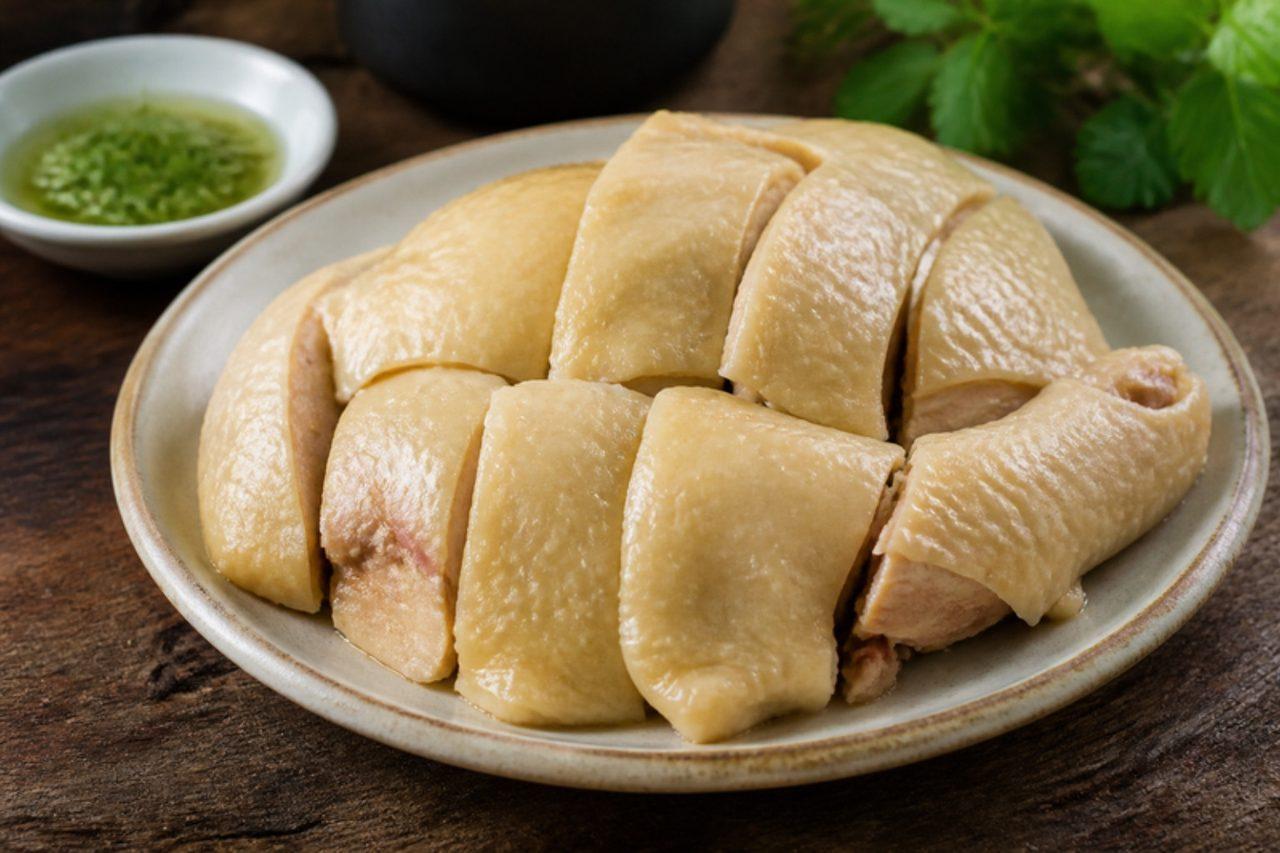
No Cantonese celebration in Hong Kong or Guangdong is complete without a plate of baak chit gai: at Lunar New Year, weddings and ancestor offerings, the whole chicken stands for family togetherness. It is the purest of the poached dishes, with pale, springy skin, a thin layer of jelly beneath it from the ice-water plunge, and smooth, juicy meat, all lifted by a dipping bowl of ginger and spring onion sizzled with hot oil and salt. Serve it at room temperature with rice cooked in the poaching stock. Old-style cooks leave it pink at the bone, but here the chicken is always cooked until the thickest part of the thigh reads 74 °C. The biggest error is boiling hard, which splits the skin; the water should only shiver. Chef's tip: grate the ginger finely and squeeze out a little of its juice, or the oil turns watery and bitter.

by KrazyBadal 0 views

Sesame balls (jin deui)

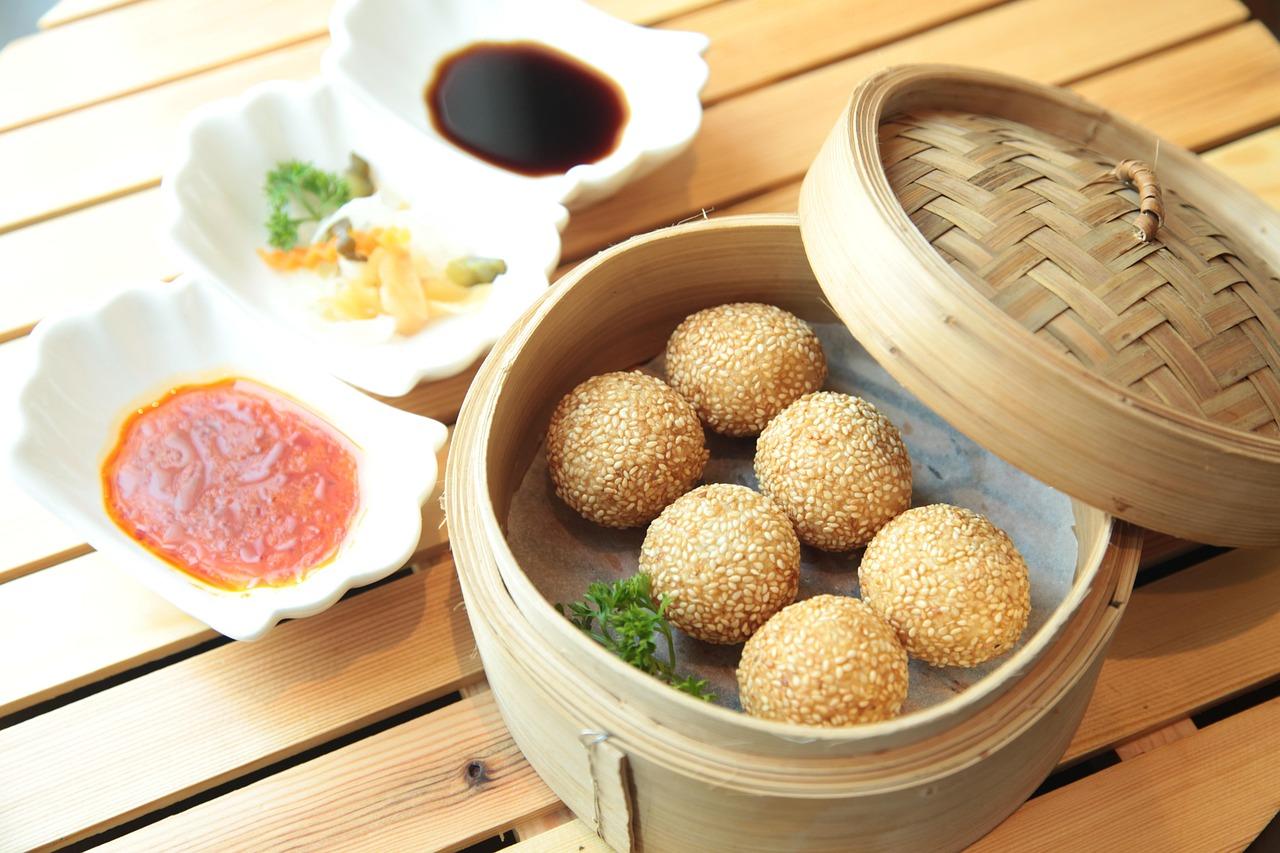
No Hong Kong Lunar New Year feels complete without a plate of jin deui, though dim sum restaurants serve these golden globes every day of the year with morning tea. Each one is a thin, crackly shell of fried glutinous rice dough wrapped in toasted sesame seeds, hollow and chewy inside around a spoonful of red bean or lotus seed paste. They are best eaten within minutes of frying, alongside a pot of tea, when the shell still shatters and the seeds smell nutty. Dropping the balls into very hot oil is the classic error: the seeds scorch before the dough expands, and the balls can burst. Chef's tip: start them in moderately hot oil and keep gently pressing them against the side of the pan with a slotted spoon, which makes them swell and turn hollow.

by KrazyBadal 0 views

Taiwanese pineapple cakes

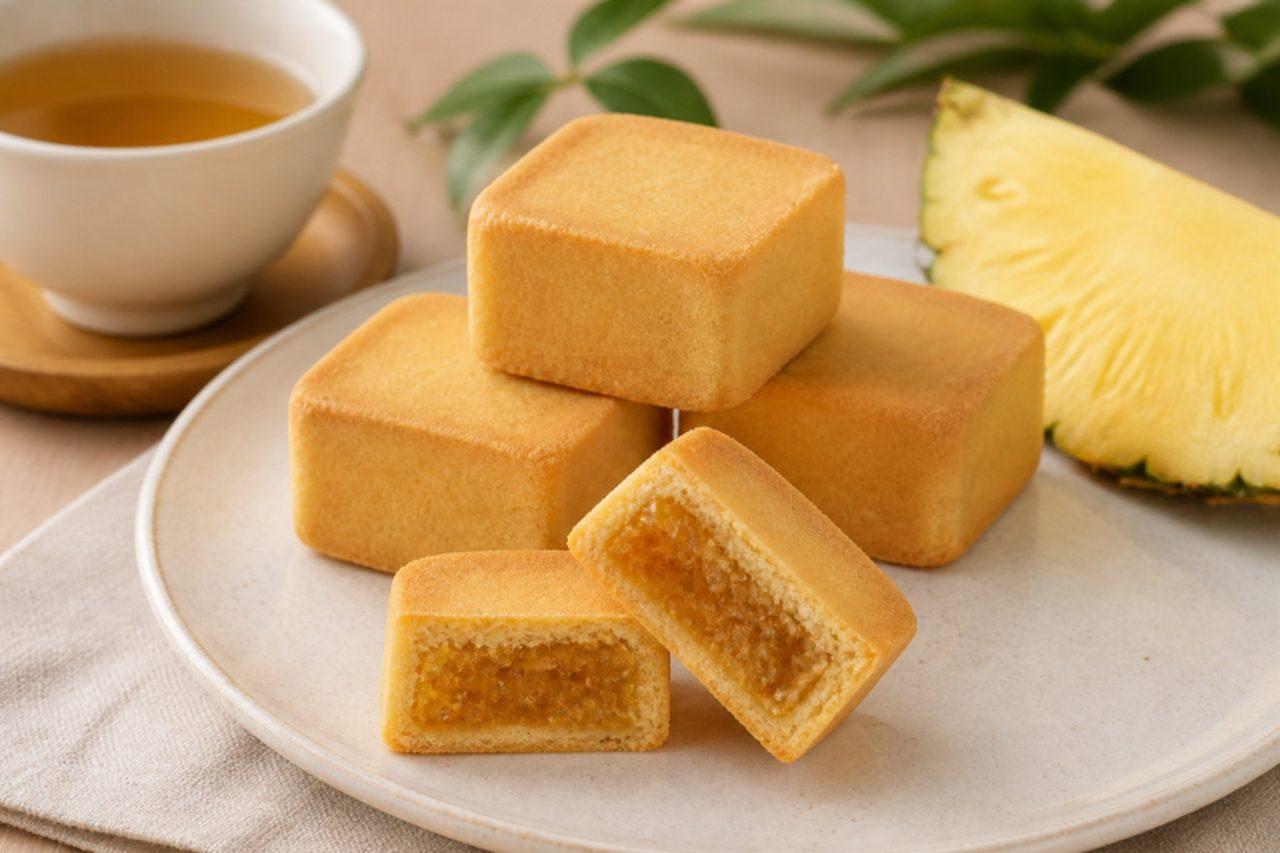
Feng li su are the gift-box sweet of Taiwan: little golden squares of crumbly, milky shortbread wrapped round a chewy pineapple jam. Bakeries in Taichung and Taipei pack them in tins for Lunar New Year, weddings and visiting relatives, and the name sounds like 'prosperity arriving' in Taiwanese Hokkien. Older bakeries bulk the filling with winter melon for a softer, sweeter jam; this home version uses fresh pineapple only, cooked down until thick and tangy. Chef's tip: chill the dough and the jam balls before wrapping; cold, firm pieces are far easier to seal without the jam breaking through.

by KrazyBadal 0 views

Nem ran (Hanoi fried spring rolls)

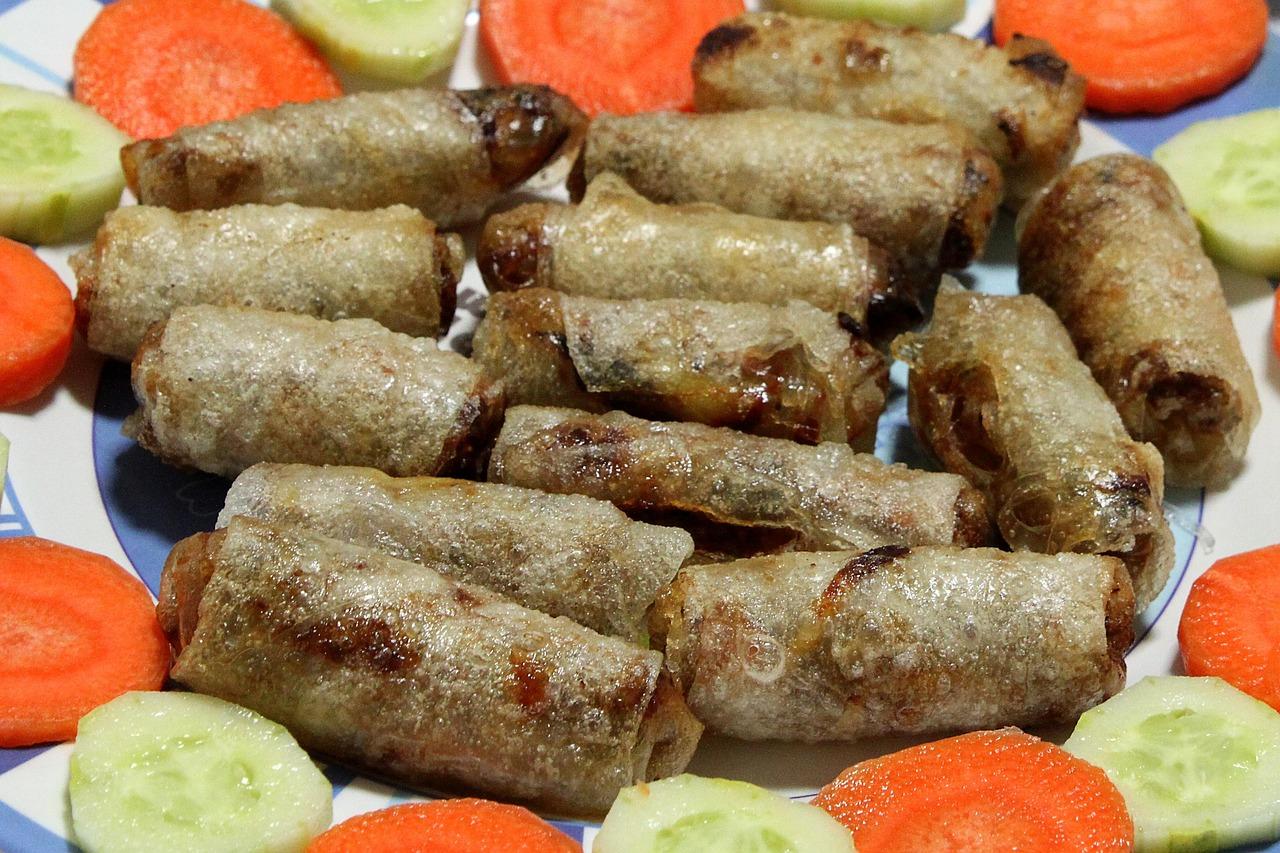
At Tết, the lunar new year, a plate of nem rán sits on almost every family feast tray in Hanoi and the north, and the same rolls turn up at weddings, death anniversaries and Sunday lunches all year. Northern cooks wrap a filling of minced pork, crab or prawn, glass noodles and wood ear mushroom in thin rice paper, which fries into a pale golden, bubbly shell quite different from wheat-wrapped spring rolls. Southerners call the same idea chả giò. Serve them cut in pieces with rice vermicelli, lettuce, herbs and a warm sweet-sour fish sauce. Chef's tip: fry them twice, first gently to cook the filling through, then briefly in hotter oil to crisp; they stay crunchy far longer.

by KrazyBadal 0 views

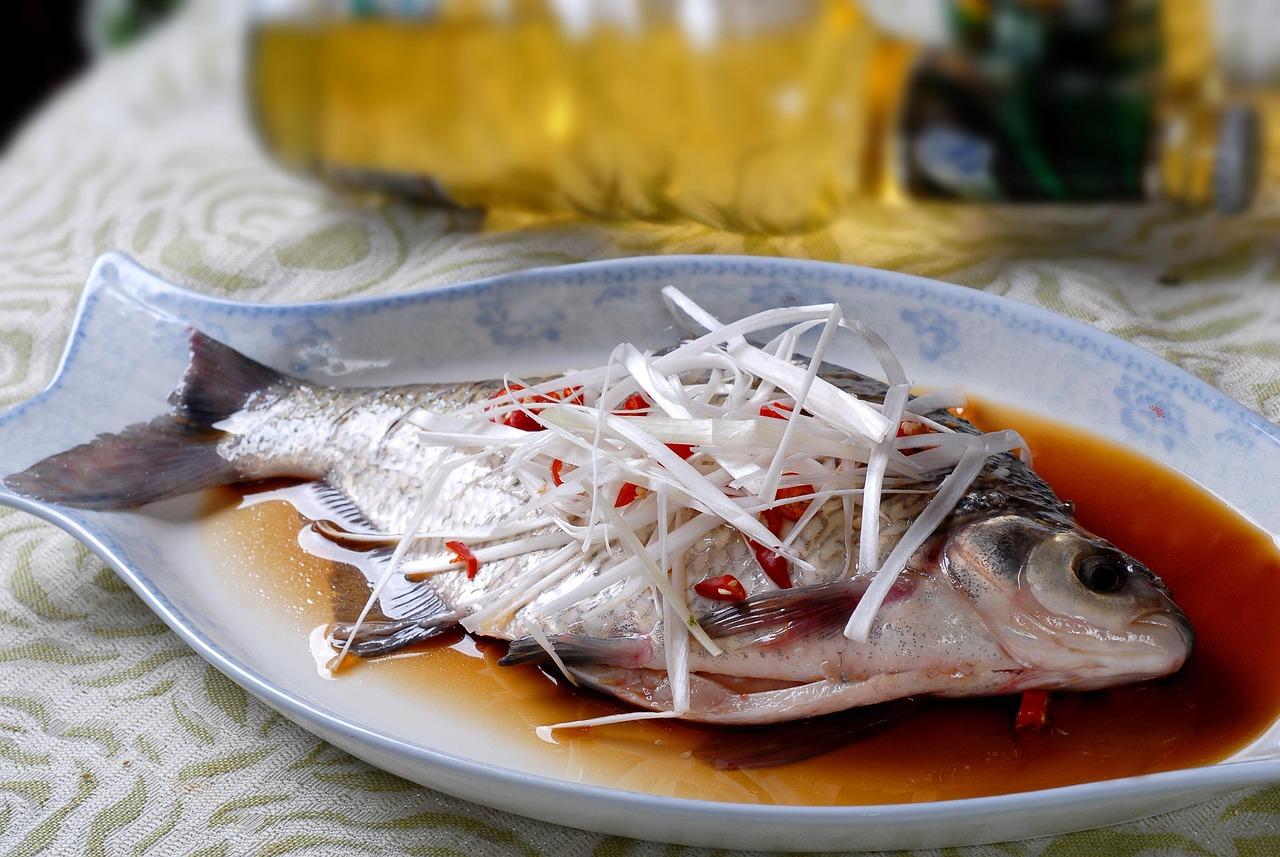
Cantonese steamed whole fish

Whole fish arrives near the end of every Cantonese banquet and Lunar New Year dinner across Guangdong, because the word for fish sounds like 'surplus'. At home it is one of the quickest dishes on the table: the fish is steamed plainly over ginger, then showered with shredded spring onion and a hiss of smoking oil, and finished with a light, slightly sweet soy dressing. Done right, the flesh is silky and just slips off the bone. Serve it in the middle of the table with steamed rice and stir-fried greens, letting everyone pick from the fish. Chef's tip: lay two chopsticks under the fish on the plate so steam circulates underneath and it cooks evenly.

by KrazyBadal 0 views

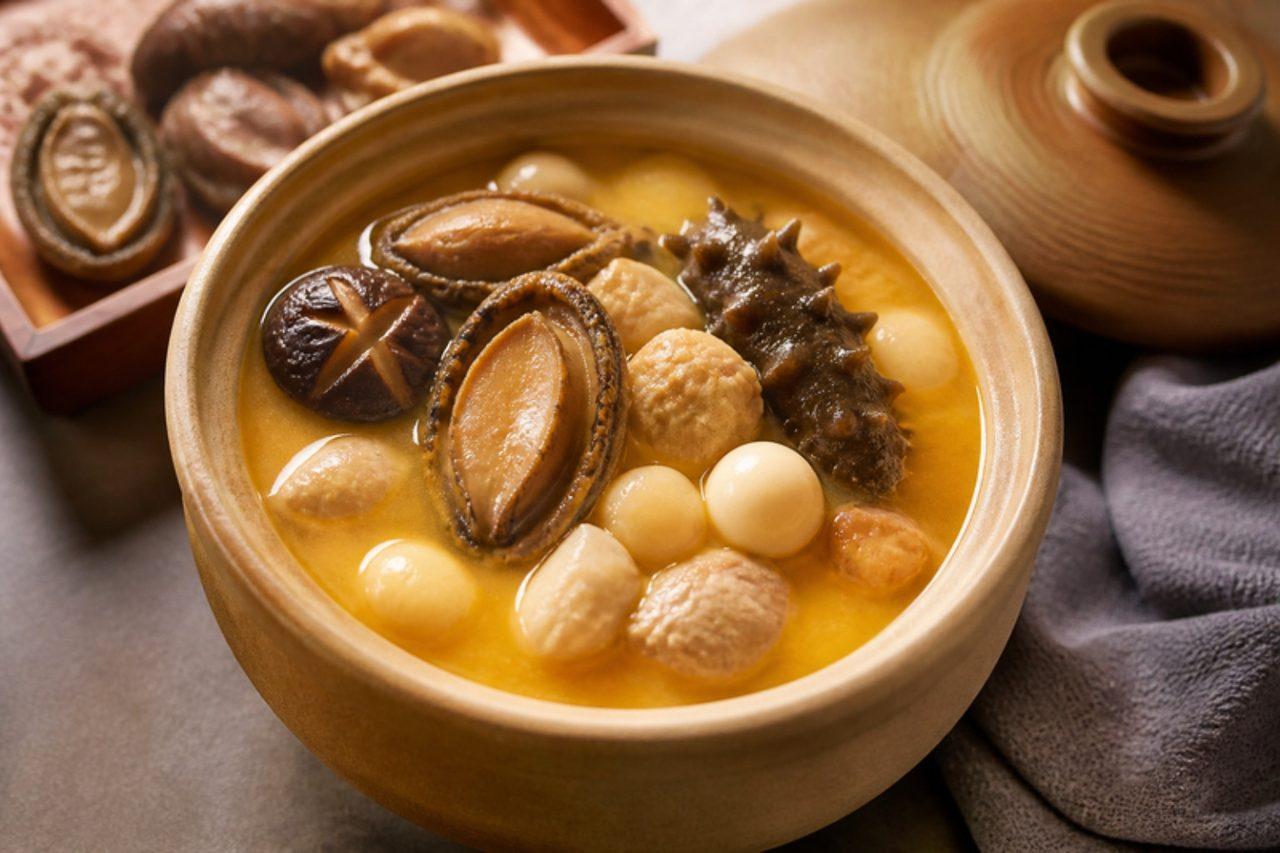
Buddha jumps over the wall

Legend in Fuzhou says the smell of this soup was so tempting that a monk climbed the monastery wall to taste it, and it is still the grandest dish at Fujian wedding banquets and Lunar New Year. Restaurant versions pack in a dozen expensive dried seafoods; this home version keeps the spirit with chicken, pork ribs, dried scallops, shiitake, taro and quail eggs, and leaves out shark fin and any endangered ingredient entirely. Everything simmers sealed for hours until the broth is golden, rich and lightly sticky, tasting of the sea, mushrooms and rice wine. Serve it in small bowls as the centrepiece of a celebration meal, with plain rice. Chef's tip: seal the pot with foil under the lid and resist peeking; the steam that stays inside is what makes the broth so intense.

240 minChineseSoups
by KrazyBadal 0 views

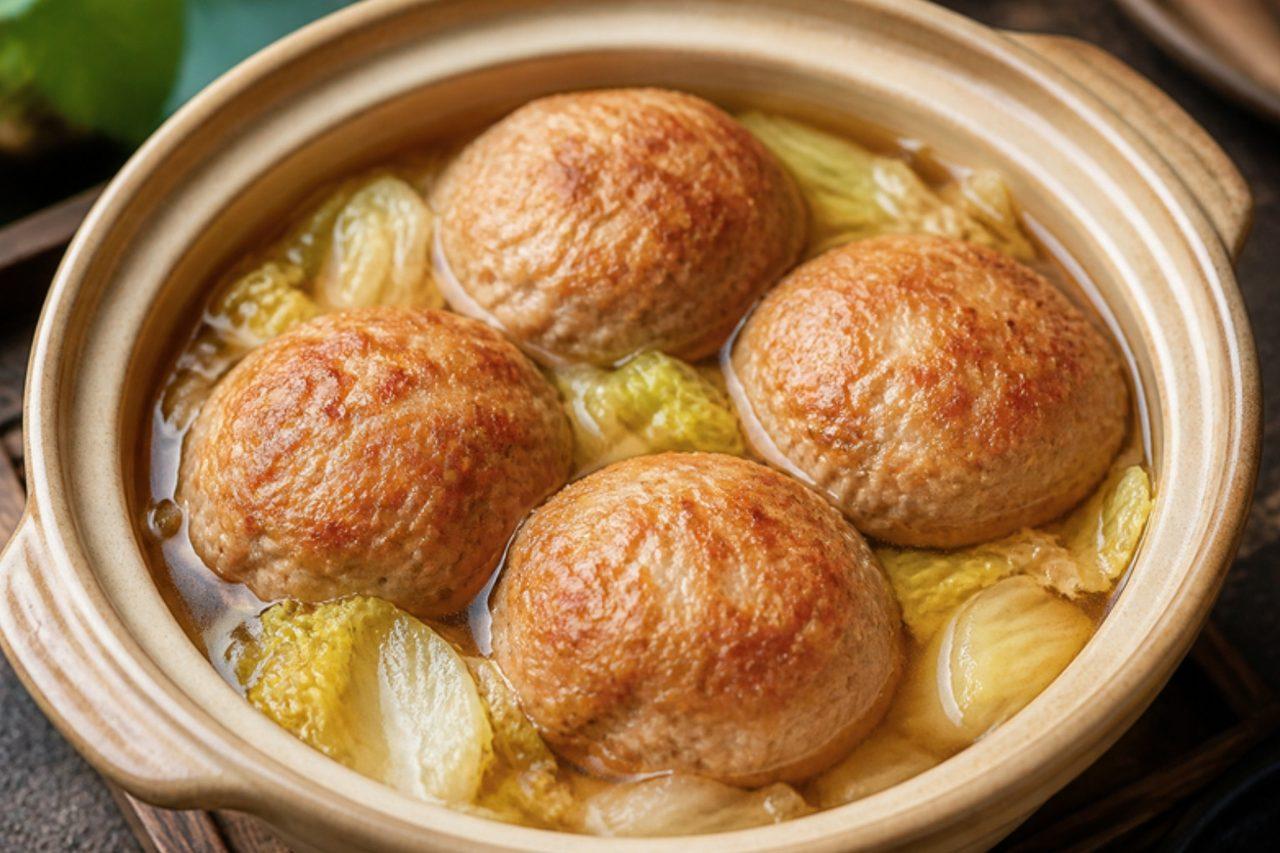
Lion's head meatballs

Cooks in Yangzhou say the shaggy meatball looks like a lion's head and the cabbage leaves around it like a mane. The Jiangsu way is the clear braise: no frying, just a slow simmer in stock until the meatballs are so tender that you eat them with a spoon, while the cabbage drinks up the pork juices. They appear at family reunions and at Chinese New Year, where the round shape stands for togetherness. Everything cooks in one pot; serve the meatballs in their broth with rice. Chef's tip: chop some of the pork belly by hand if you can, or ask for coarse mince; a fine, lean mince gives a dense, bouncy ball rather than a soft one.

by KrazyBadal 0 views

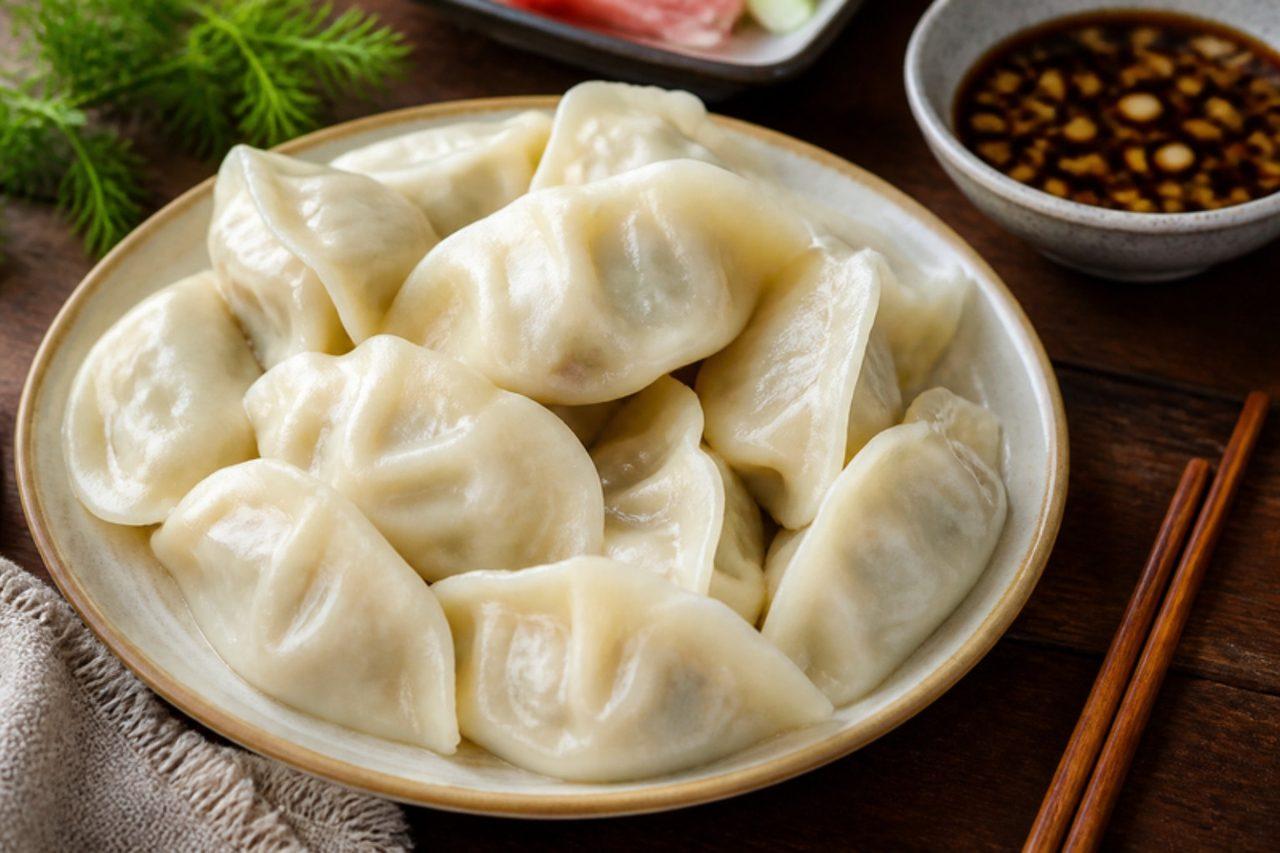
Pork and pickled cabbage dumplings

These are the dumplings north-eastern families make together on New Year's Eve and on any snowy Sunday, with the whole household rolling, filling and boiling around the kitchen table. Tangy fermented cabbage, chopped fine and squeezed dry, is mixed with fatty pork and sizzling Sichuan-pepper oil, so the filling is juicy, sour and warmly numbing at the same time. The wrappers are slightly thick and chewy, the way Dongbei cooks like them. Pile them on a plate and serve with black vinegar, garlic and a spoon of chilli oil; a bowl of the cooking water to drink afterwards is a northern habit. Chef's tip: pour the hot pepper oil straight onto the spring onions in the filling; the sizzle releases their fragrance into every dumpling.

by KrazyBadal 0 views

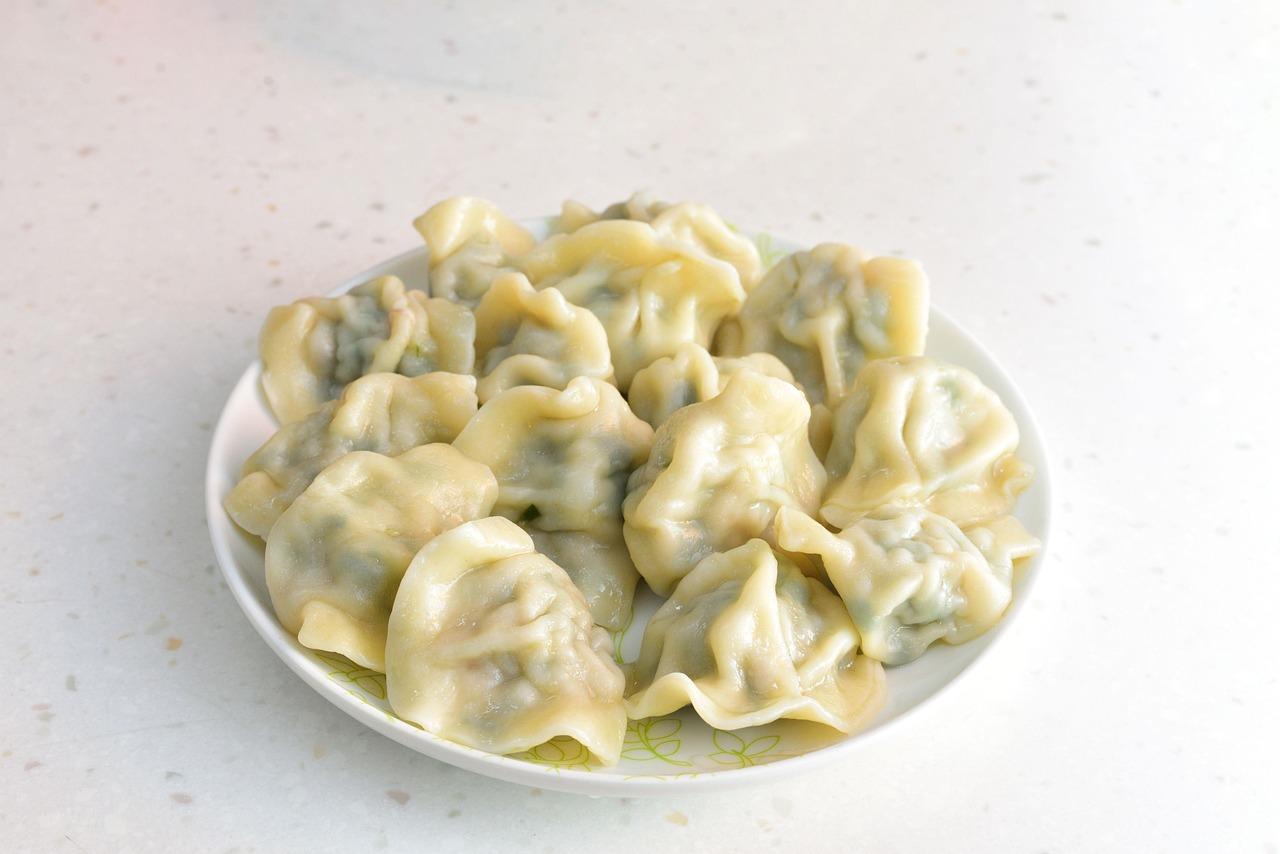
Egg and chive jiaoziEgg and chive dumplings

In northern China, from Shandong to Dongbei, families sit round the table on Chinese New Year's Eve and fold jiaozi together to eat at midnight. Jiu cai ji dan, egg and garlic chive, is the classic meat-free filling: soft scrambled egg, bright green chives and a few glass noodles to soak up the juices. Boil them and serve with black vinegar and chilli oil, or pan-fry the leftovers the next day. Chef's tip: stir a spoonful of oil into the chopped chives before adding the salt; the oil seals in their juice so the filling doesn't go watery.

by KrazyBadal 0 views

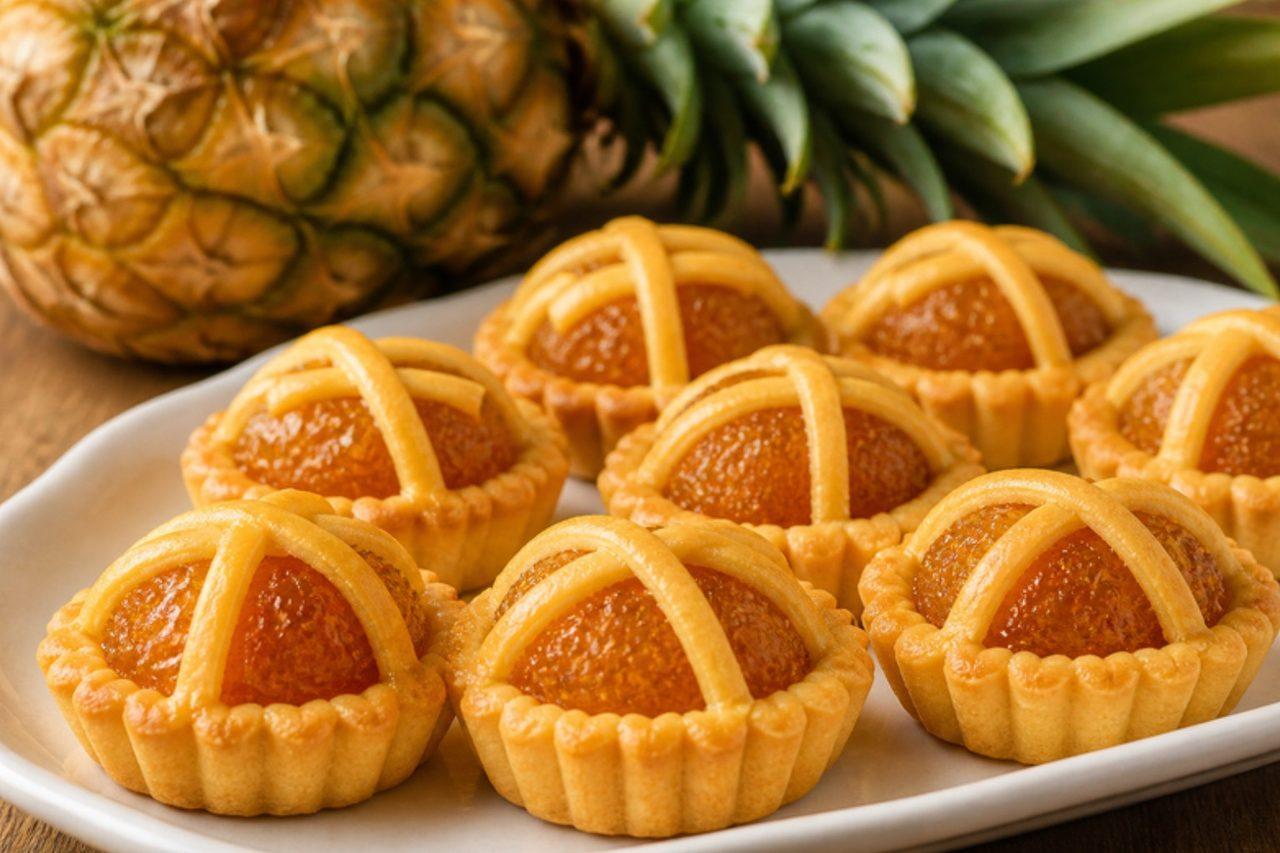
Pineapple tarts

Every Malaysian household seems to have someone who makes pineapple tarts in the weeks before Chinese New Year or Hari Raya, and the plastic tubs of them go round every visit and open house. In Hokkien the pineapple, 'ong lai', sounds like 'fortune comes', which is why they matter so much at the New Year. This is the rolled 'nastar' style: a little ball of golden, slow-cooked pineapple jam, scented with cinnamon, star anise and clove, wrapped in rich, crumbly butter pastry. Chef's tip: grate the pineapple by hand rather than blending it; the fibres give the jam its chewy body.

by KrazyBadal 0 views

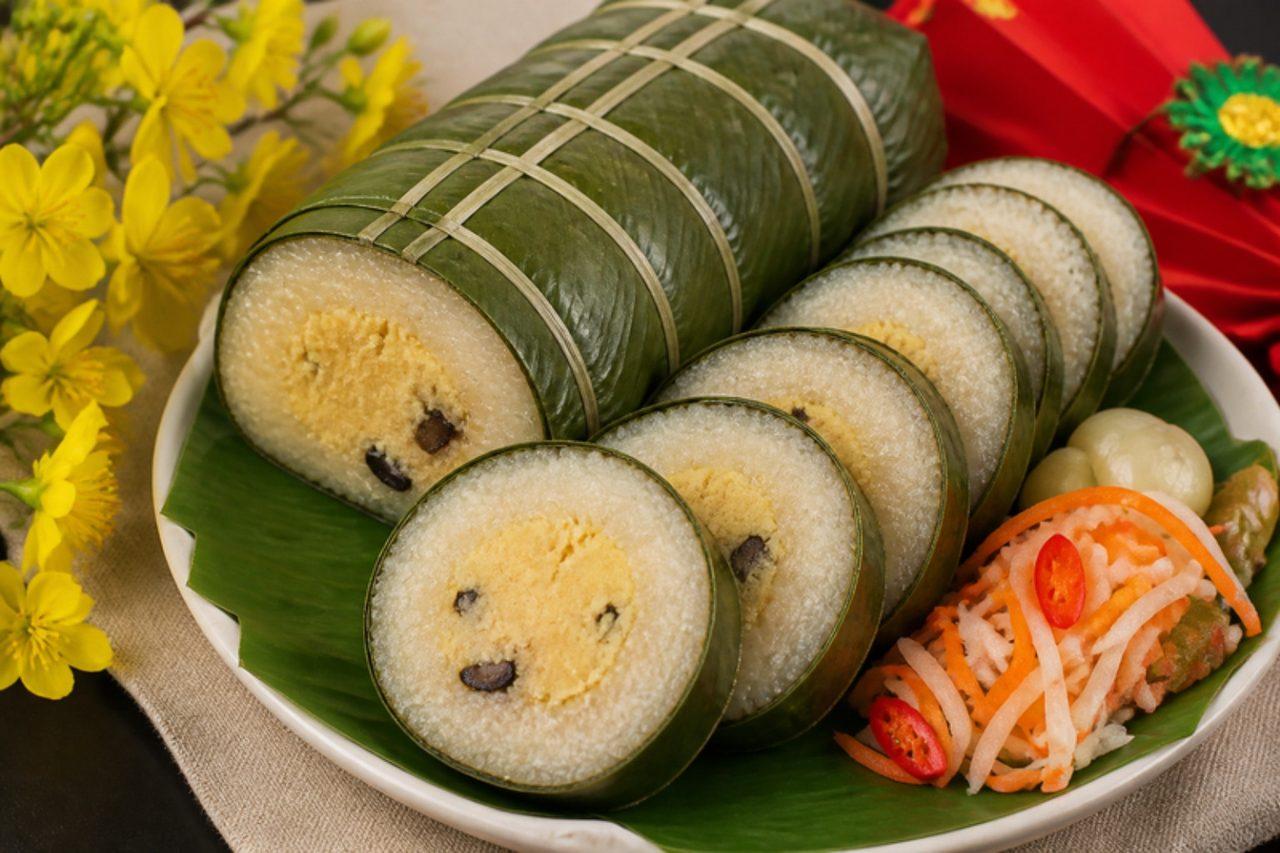
Vegetarian banh tet

In the Mekong Delta, families gather in the days before Tết (Lunar New Year) to wrap bánh tét: long, round logs of coconut-scented sticky rice around a core of mung bean, tied in banana leaves and boiled overnight over a wood fire. The everyday version hides a strip of pork belly in the middle; the chay version here, with peppery shallot-seasoned mung bean, is the one made in Buddhist pagodas and vegetarian households, and some cooks make a sweet bánh tét chuối with ripe banana instead. Slices are cut with a loop of string, eaten with pickled vegetables, or fried until crisp in the days after Tết. Chef's tip: roll and tie the log tightly; a firm parcel is what keeps the water out and gives clean, dense slices.

by KrazyBadal 0 views

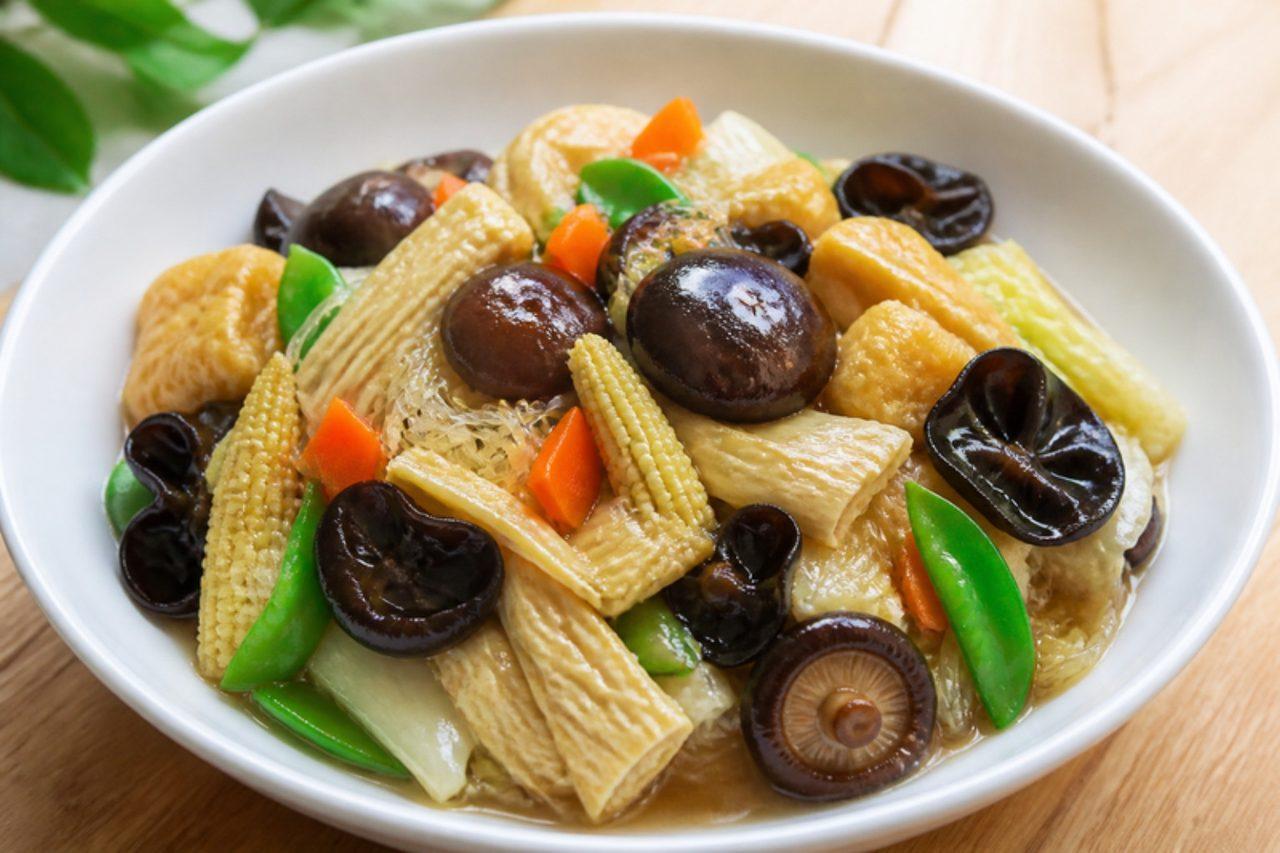
Buddha's delight (luohan zhai)Braised mushrooms, tofu and vegetables

Luohan zhai is the vegetarian dish of Chinese Buddhist temples, and many families cook it on the first day of the Lunar New Year, when eating meat is traditionally avoided. Recipes vary from house to house, but most combine dried shiitake, wood ear fungus, tofu puffs, tofu skin, napa cabbage and glass noodles, braised in one pot in a light, savoury sauce. It's light, colourful and full of different textures. Chef's tip: keep the shiitake soaking water; strained, it makes the base of the sauce and gives far more flavour than stock.

by KrazyBadal 0 views

BuuzSteamed mutton dumplings

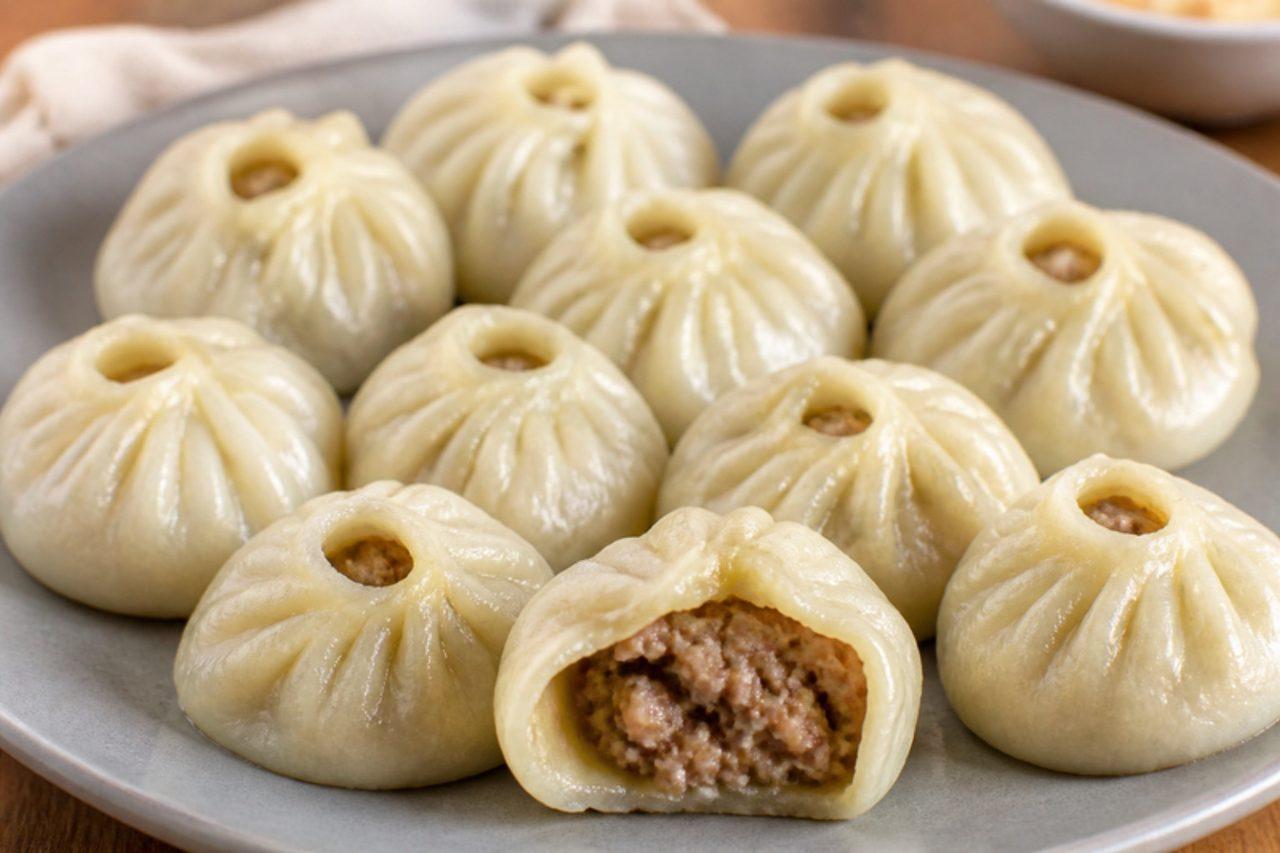
Buuz are the dumplings every Mongolian family makes in their hundreds before Tsagaan Sar, the Lunar New Year, in Ulaanbaatar flats and countryside gers alike, freezing them outside in the cold to steam for the stream of visitors. A simple dough wraps a juicy filling of chopped mutton, onion, garlic and caraway, pinched into a pleated shape with a small hole at the top, and the dumplings are eaten hot, with salty milk tea. The mistake is lean meat: buuz need some fat, or the filling is dry. Chef's tip: add a few spoons of cold water to the filling so it stays juicy when steamed.

by KrazyBadal 0 views

Black sesame tang yuan in ginger syrupSesame rice balls in ginger syrup

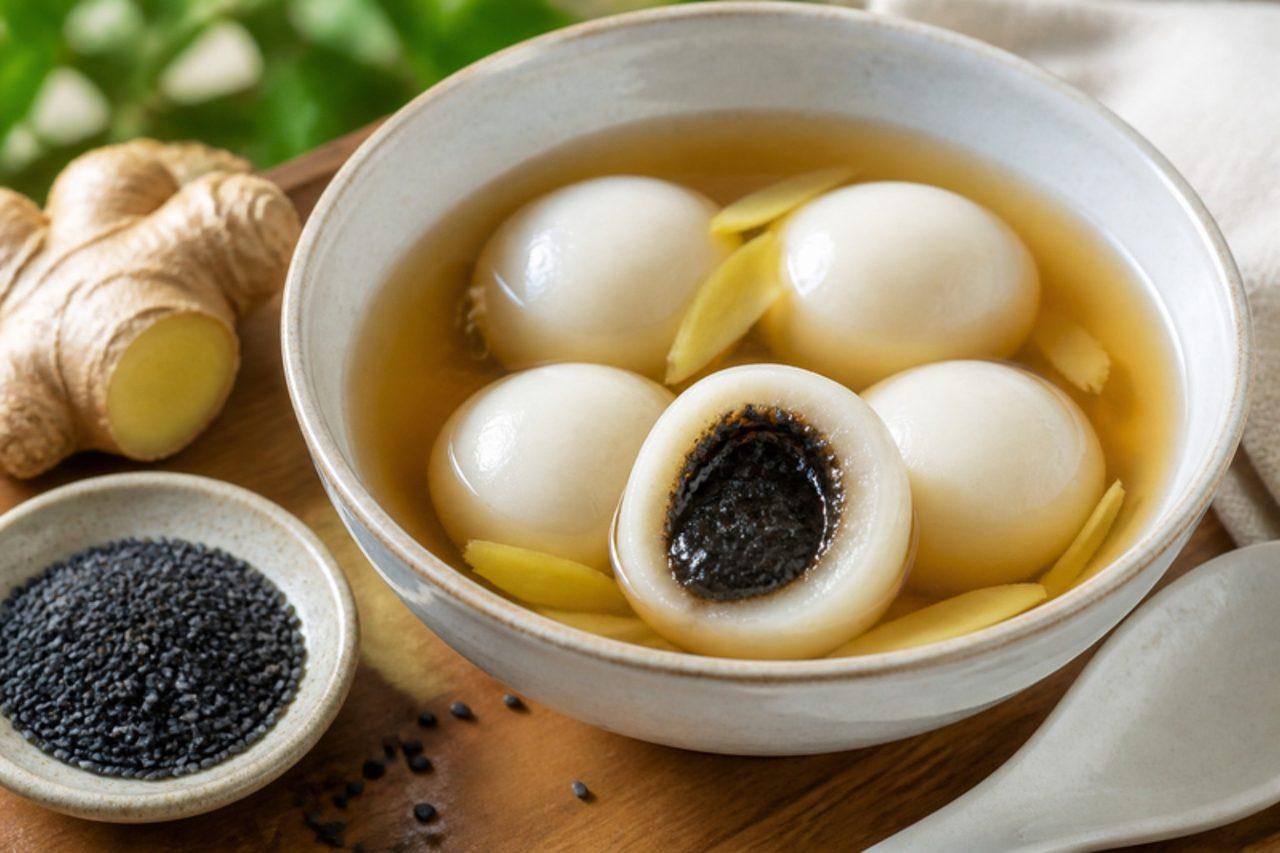
Tang yuan are eaten all over China at the Lantern Festival, on the fifteenth day of the Lunar New Year, and in the south also at the winter solstice; their roundness stands for family togetherness. The dough is glutinous rice flour, the classic filling black sesame, sugar and fat, served in a light ginger syrup. Lard is traditional in the filling; coconut oil sets just as firmly and keeps them vegan. Chef's tip: chill the filling until firm and roll it into balls before you start the dough; cold filling is far easier to wrap.

by KrazyBadal 0 views

Vegetable spring rolls

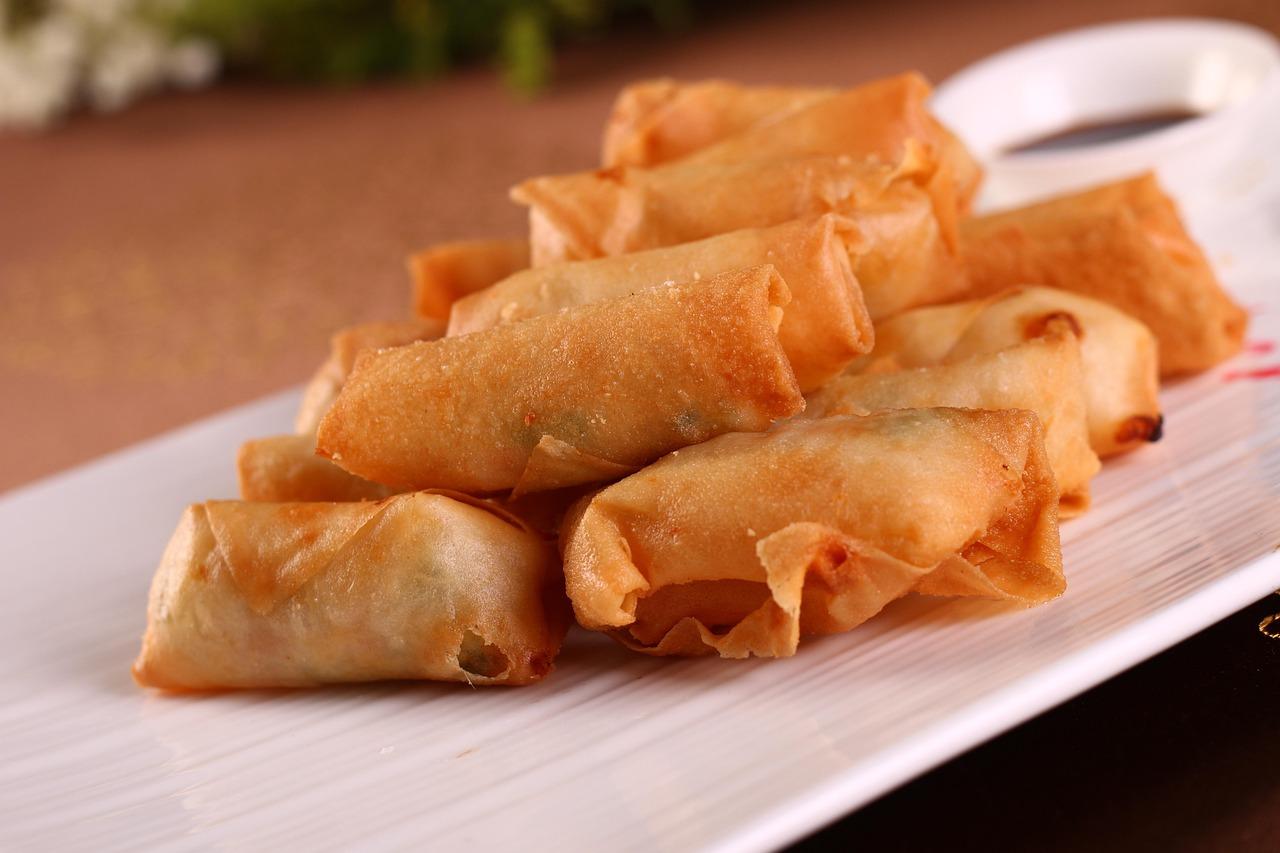
In Saigon and the south, fried spring rolls are called chả giò (in Hanoi, nem rán), and no family party or Tết table is without a platter of them. Southern cooks wrap them in rice paper, which fries up into a blistered, glassy-crisp shell quite unlike wheat pastry. This vegetarian filling of glass noodles, wood ear mushrooms, taro, carrot and tofu is the one served at chay restaurants. Roll them in lettuce with mint and perilla and dip in vegan nước chấm. Chef's tip: fry them twice, first gently until set and pale gold, then briefly in hotter oil, and let the rolled rolls dry for 15 minutes first; that is how you get the shattering, bubbly crust that stays crisp.

by KrazyBadal 0 views

Vegetable gyoza

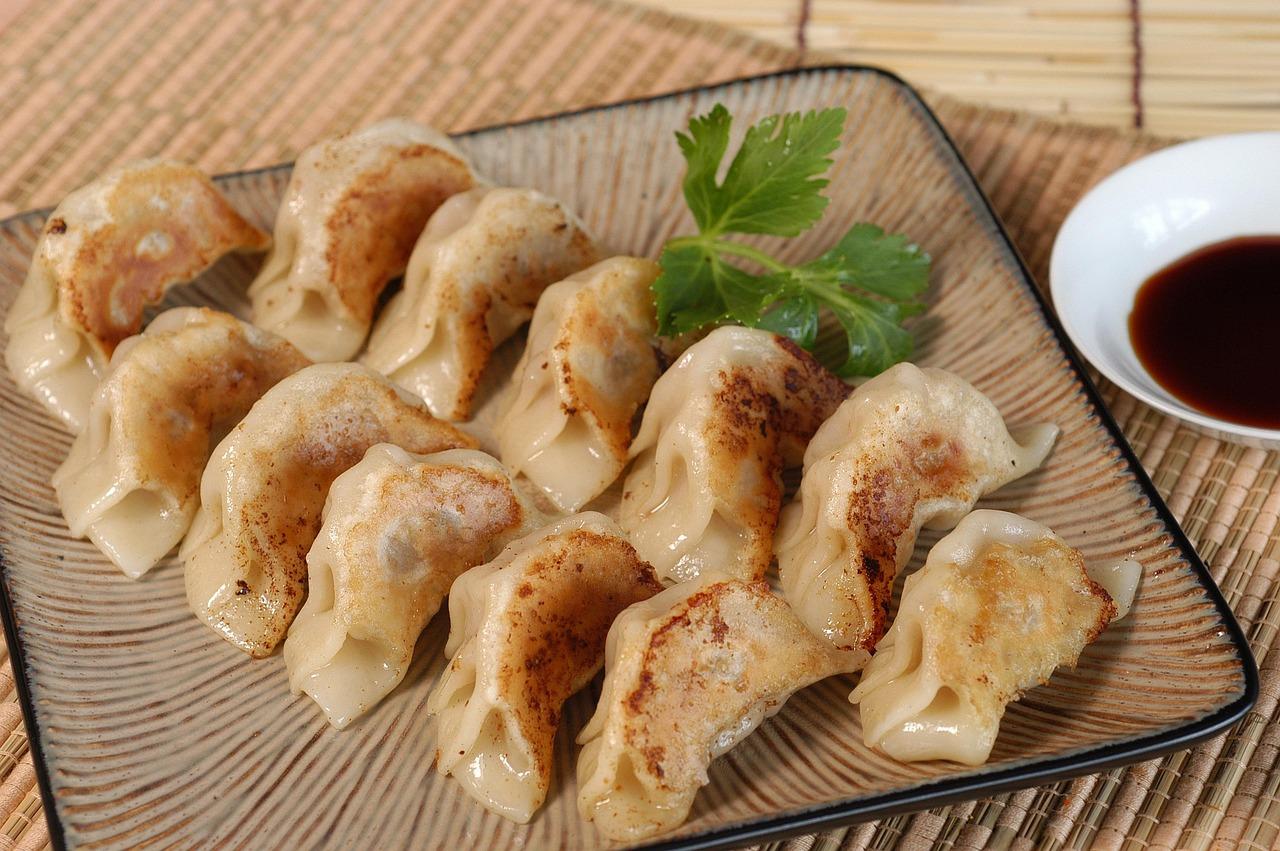
Gyoza (餃子) came to Japan from China and became a passion in Utsunomiya, a city north of Tokyo that calls itself the gyoza capital, with a gyoza statue outside the station. These vegetarian dumplings are filled with salted cabbage, shiitake, tofu and garlic chives. They're pan-fried and then steamed, so the bottoms turn crisp and golden while the tops stay soft. Shape a big batch and freeze some for later. Chef's tip: squeeze the salted cabbage really hard. Watery filling makes soggy, torn gyoza; a dry filling keeps the wrappers sealed and the bottoms crisp.

by KrazyBadal 0 views

Thai spring rolls with peanut sauce

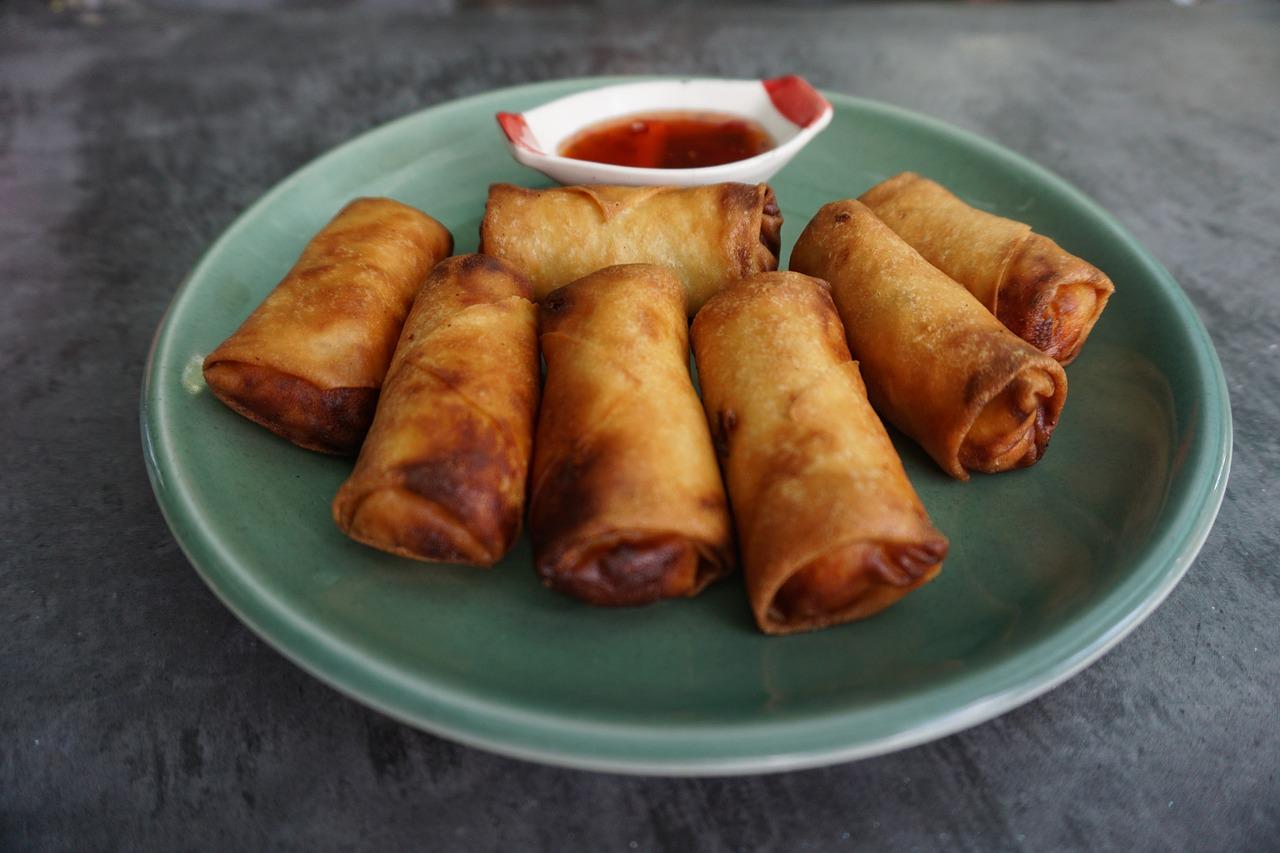
Golden, crackly spring rolls made with the book's home-made samosa pastry and filled with rice vermicelli, capsicum, carrot, celery and spring onion seasoned with chilli sauce and coriander. They are served hot with a sweet, sharp dipping sauce of vinegar syrup, cucumber, red chilli and peanuts. A party favourite: make 15 and watch them go.

by KrazyBadal 0 views

More occasions