Skip to content
Festivals

Makar Sankranti, Lohri and Pongal recipes

Til-gud, chikki, undhiyu, pongal, gajak and sarson da saag for Makar Sankranti, Uttarayan, Lohri and Pongal. (37 recipes)

Tilgul ladooSesame and jaggery balls

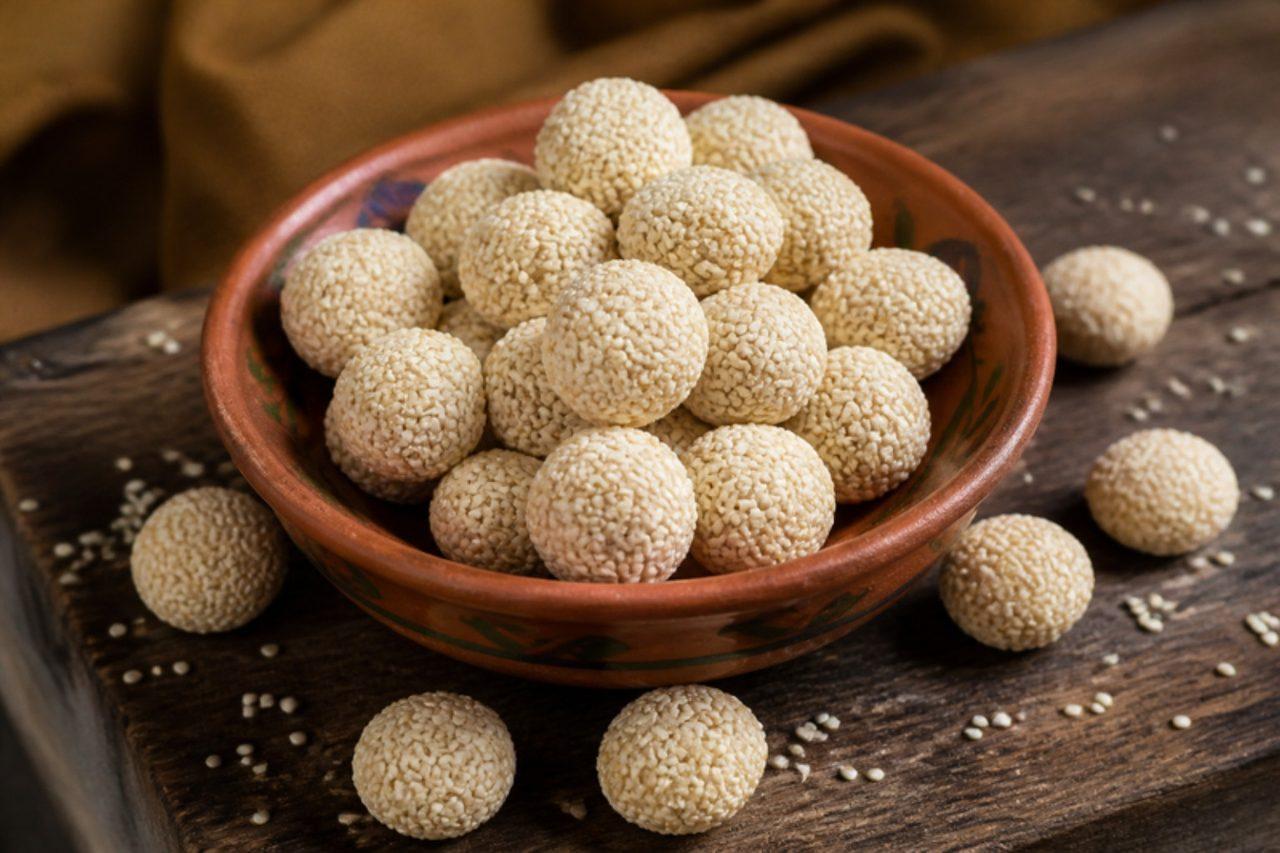
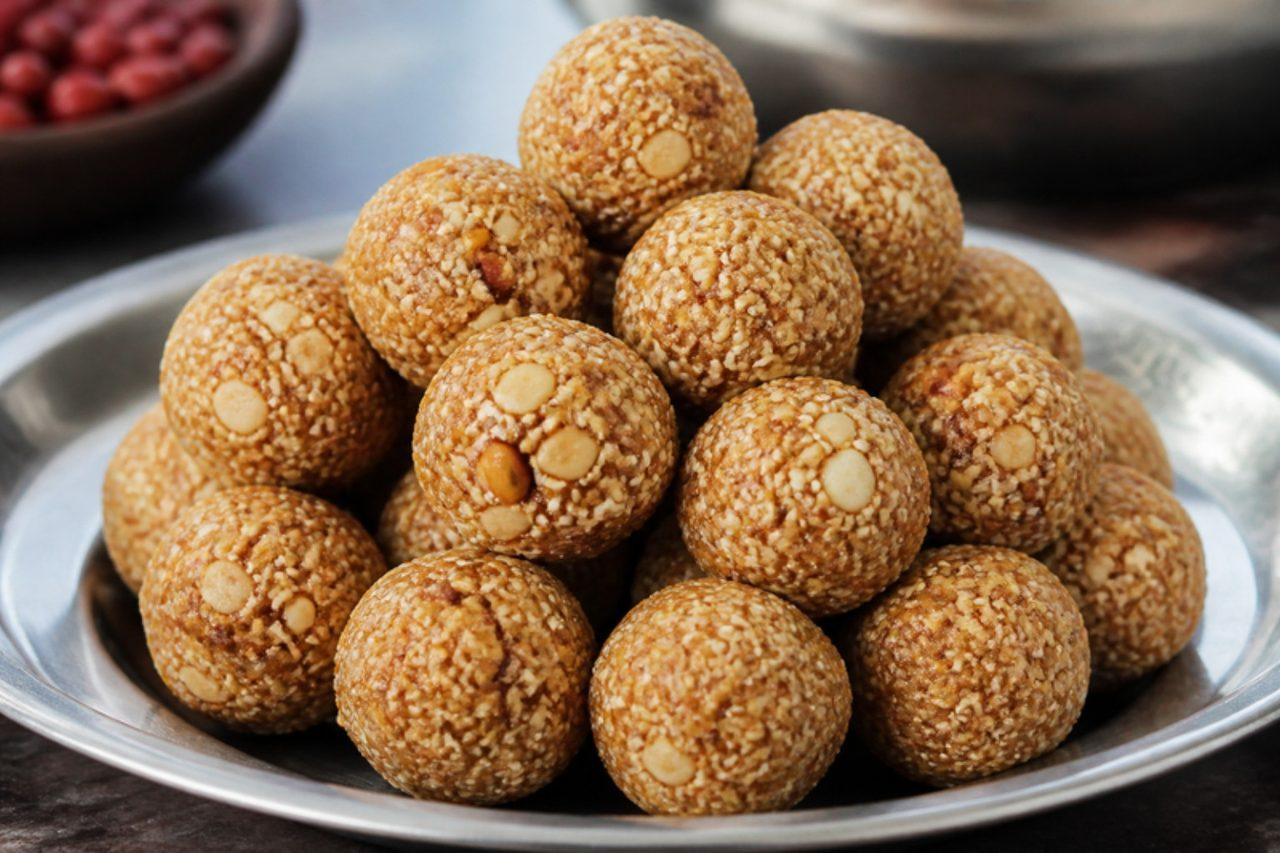
On Makar Sankranti in Maharashtra, neighbours, colleagues and old rivals swap tilgul and say 'tilgul ghya, goad goad bola': take this sesame and jaggery, and speak sweetly. Sesame and jaggery both warm the body in the coldest weeks of January, which is why the ladoo appears in every Pune and Mumbai home, often next to halwa sugar beads. These are the softer, chewy kind: sesame and peanuts are roasted separately, then bound with jaggery cooked just to the soft-ball stage and rolled quickly while warm. They taste nutty and toffee-like with a hint of cardamom. Hand them out in small bags or eat one after lunch. The common mistake is overcooking the jaggery: it sets rock hard and the ladoos can crack a tooth. Grease your hands with a little oil rather than ghee to keep them vegan. Chef's tip: test the jaggery by dropping a little into cold water; it should gather into a soft ball you can squash between your fingers.

by KrazyBadal 0 views

Ellu bellaSesame and jaggery mix

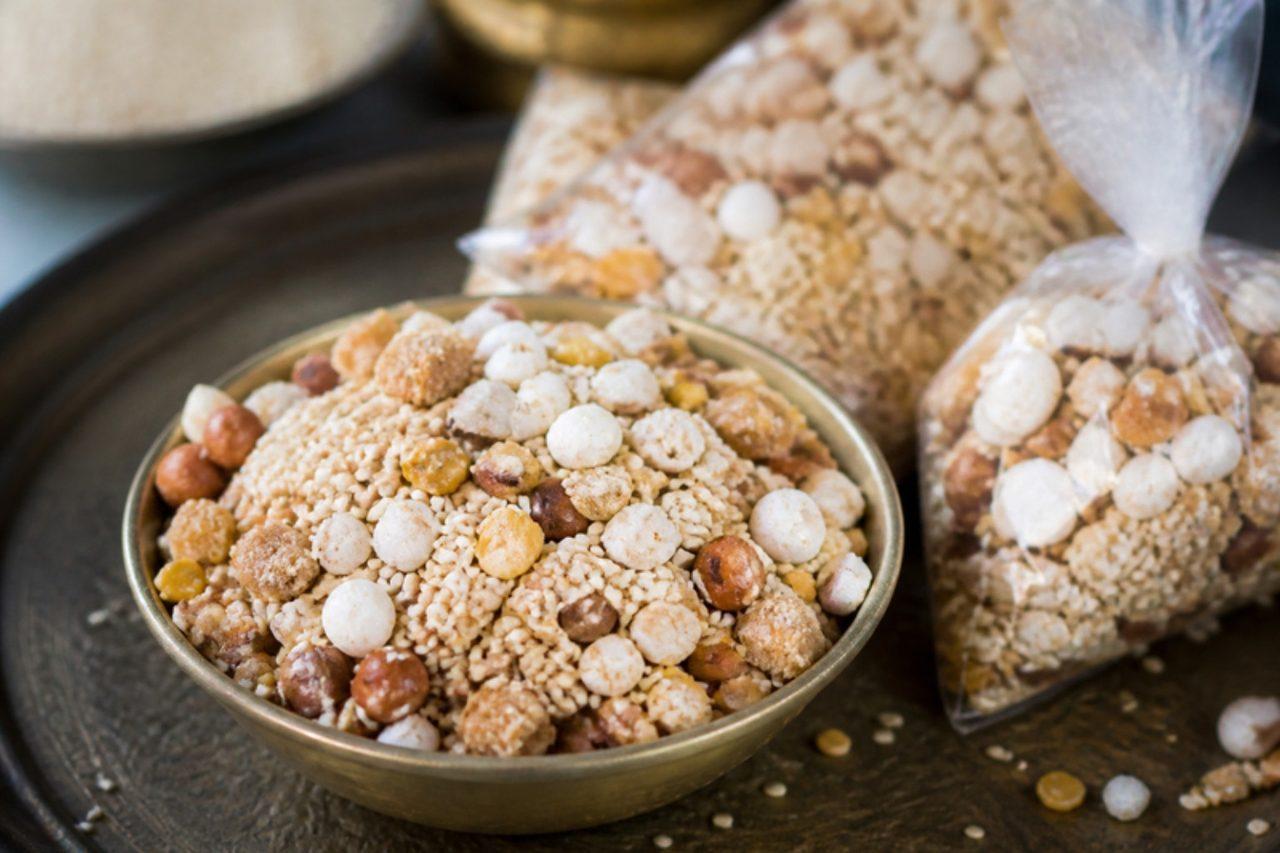
'Ellu bella thindu olle maathadi': eat sesame and jaggery and speak only good words. On Sankranti morning, girls in Bengaluru and Mysuru dress in new silk and carry small steel plates of ellu bella, a sugarcane stick, a banana and a sugar figure (sakkare acchu) from house to house, a custom called ellu birodhu. The mix itself is uncooked once its parts are roasted: white sesame, tiny cubes of dry coconut and jaggery, peanuts and putani (roasted gram), sometimes with a few fried gram-dal sugar beads. It is crunchy, nutty and sweet in small bursts. Families make a kilo at a time to give away. The common mistake is mixing it while the sesame is still warm, which melts the jaggery and turns everything into a lump. Chef's tip: cut the copra and jaggery to the same small size as the peanuts so every spoonful has a bit of everything.

by KrazyBadal 0 views

Gul poliJaggery-stuffed flatbread

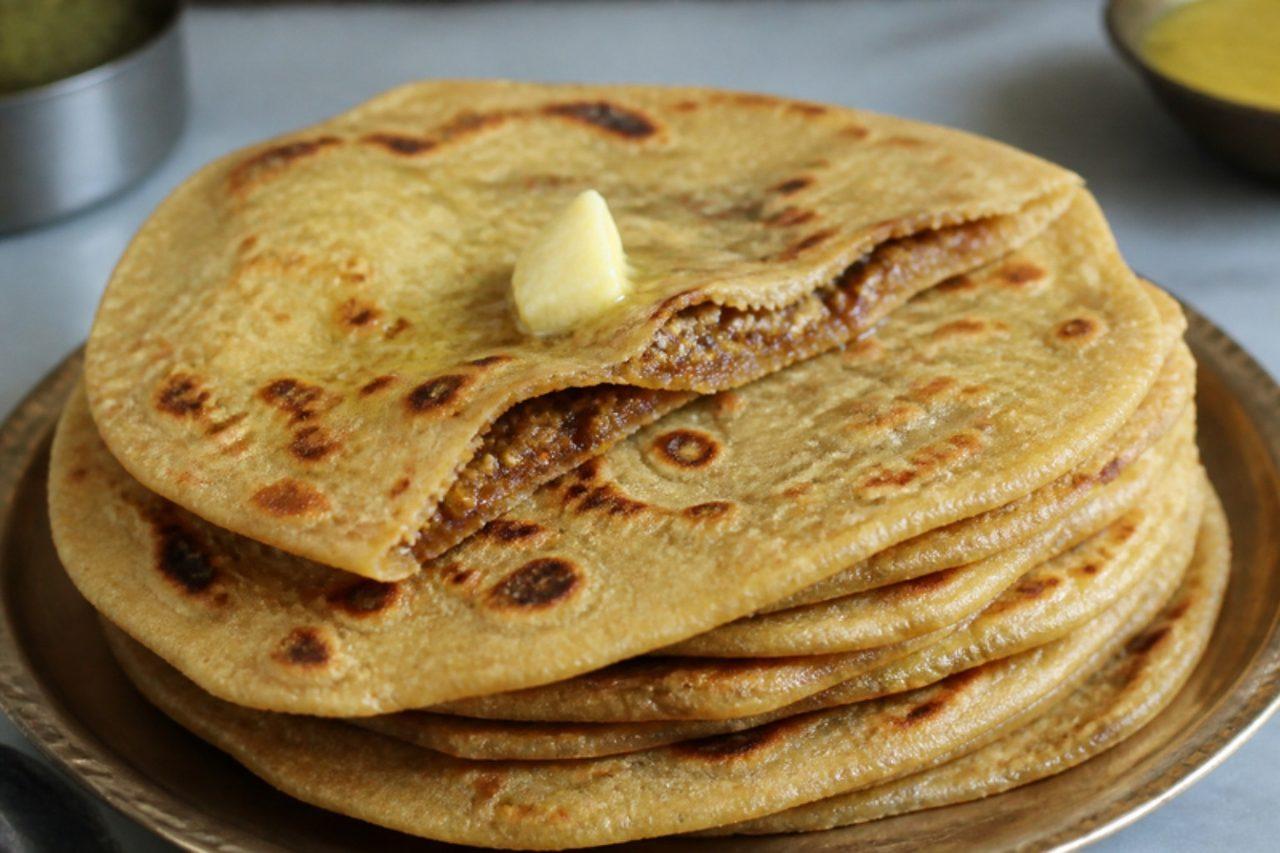
Puran poli belongs to Holi and Gudi Padwa, but Makar Sankranti in Maharashtra is the day of gul poli. The filling here is not chana dal at all: it is grated jaggery mixed with roasted sesame, roasted gram flour, poppy seeds and dry coconut, which melts inside the dough as the poli cooks and then sets slightly as it cools. A good one is thin, with crisp brown spots, and does not leak. It keeps for a week, so many Pune households make a stack on Bhogi and eat them through the festival, warm with a spoon of ghee or cold with milk. The mistake most beginners make is using sticky, wet jaggery, which melts into a puddle and bursts the poli; choose dry, crumbly jaggery and grate it fine. Chef's tip: roll on a sheet of plastic or rice flour and cook on a low to medium heat; jaggery burns fast and leaks if the tawa is too hot.

by KrazyBadal 0 views

Makar chaulaRaw rice, banana and jaggery offering

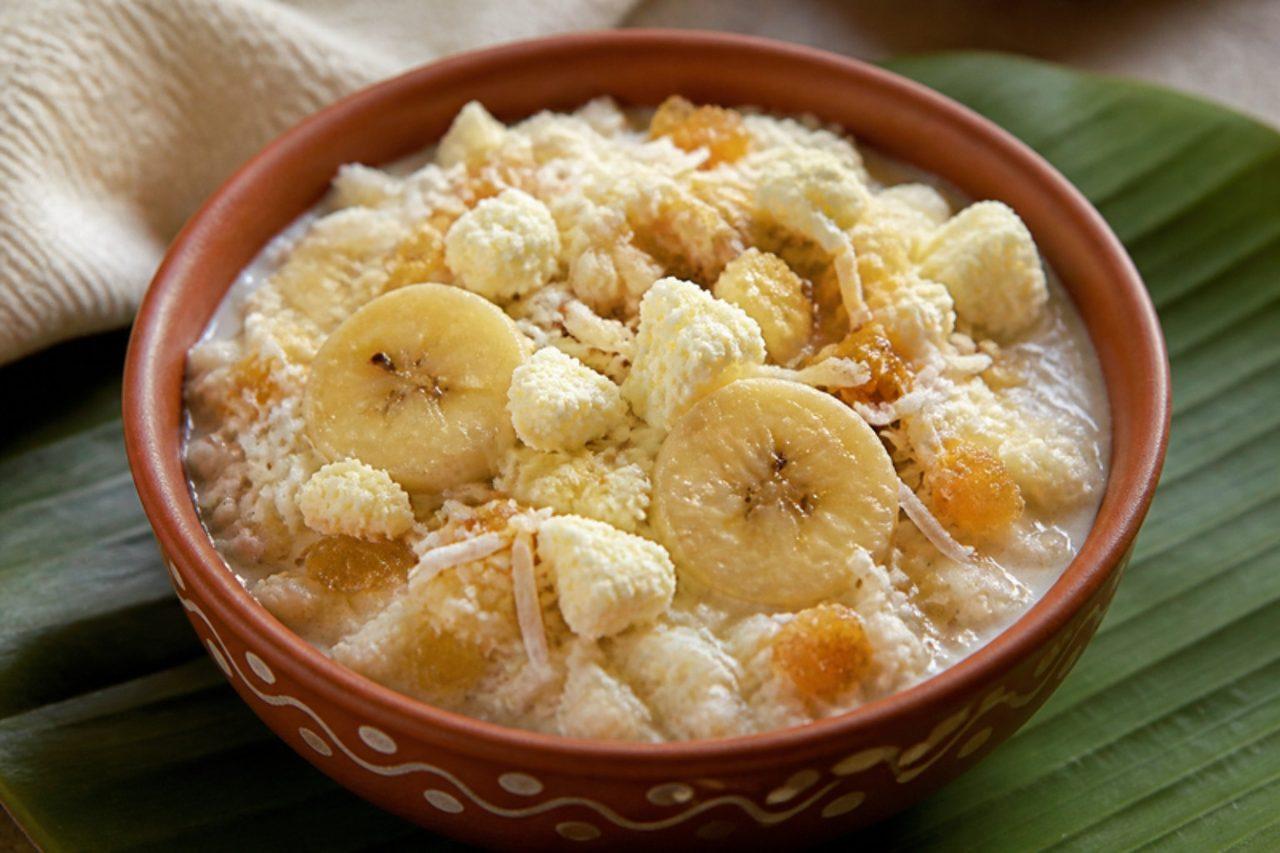
On Makar Sankranti in Odisha, the first rice of the winter harvest goes to the sun god before anyone else tastes it. Makar chaula is that offering: freshly harvested rice soaked and coarsely pounded, then mixed raw with grated coconut, ripe banana, chhena (fresh cheese), jaggery or sugarcane juice, milk, black pepper and a little ginger. Temples such as Puri and Konark offer huge quantities, and every home in Cuttack and Bhubaneswar makes its own bowl after the morning bath. It is not cooked at all, so it tastes fresh, milky and gently spiced, with a soft chew from the rice. Eat it in the morning as prasad, with sugarcane pieces and til ladoo. The common mistake is grinding the rice to a powder; it should stay coarse, like broken grains, or the mix turns gluey. Chef's tip: use the newest, softest short-grain rice you can find; old rice stays hard even after soaking.

by KrazyBadal 0 views

Ghila pithaFried rice and jaggery cakes

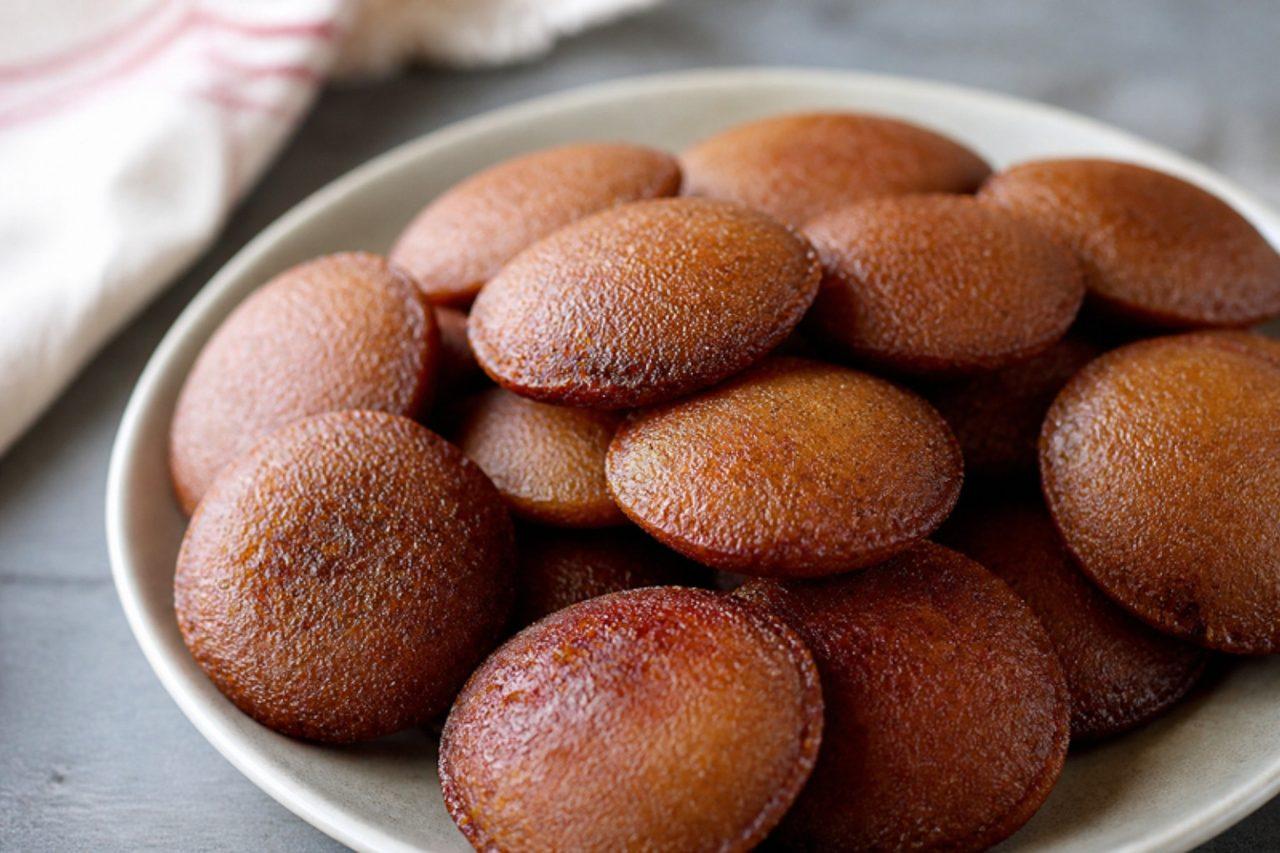
Magh Bihu in January closes the harvest in Assam with bonfires, feasts and plates full of pitha. Ghila pitha takes its name from ghila, the kneecap, because the little cakes are pressed into rounded discs that puff in the middle as they fry. Sticky bora or plain rice is soaked, dried and ground to a damp flour, then kneaded with melted jaggery and fried in mustard or vegetable oil. Outside they are dark brown and crisp; inside chewy and soft like a doughnut, with the deep flavour of jaggery. They keep a few days, so they are stacked in steel tins for visitors and eaten with black tea or with doi and jolpan. Some cooks add a pinch of fennel or sesame. The common mistake is oil that is too hot: jaggery darkens and burns long before the inside is cooked, so fry slowly. Chef's tip: let the dough rest for 30 minutes after kneading; the rice flour drinks up the syrup and the cakes hold together.

by KrazyBadal 0 views

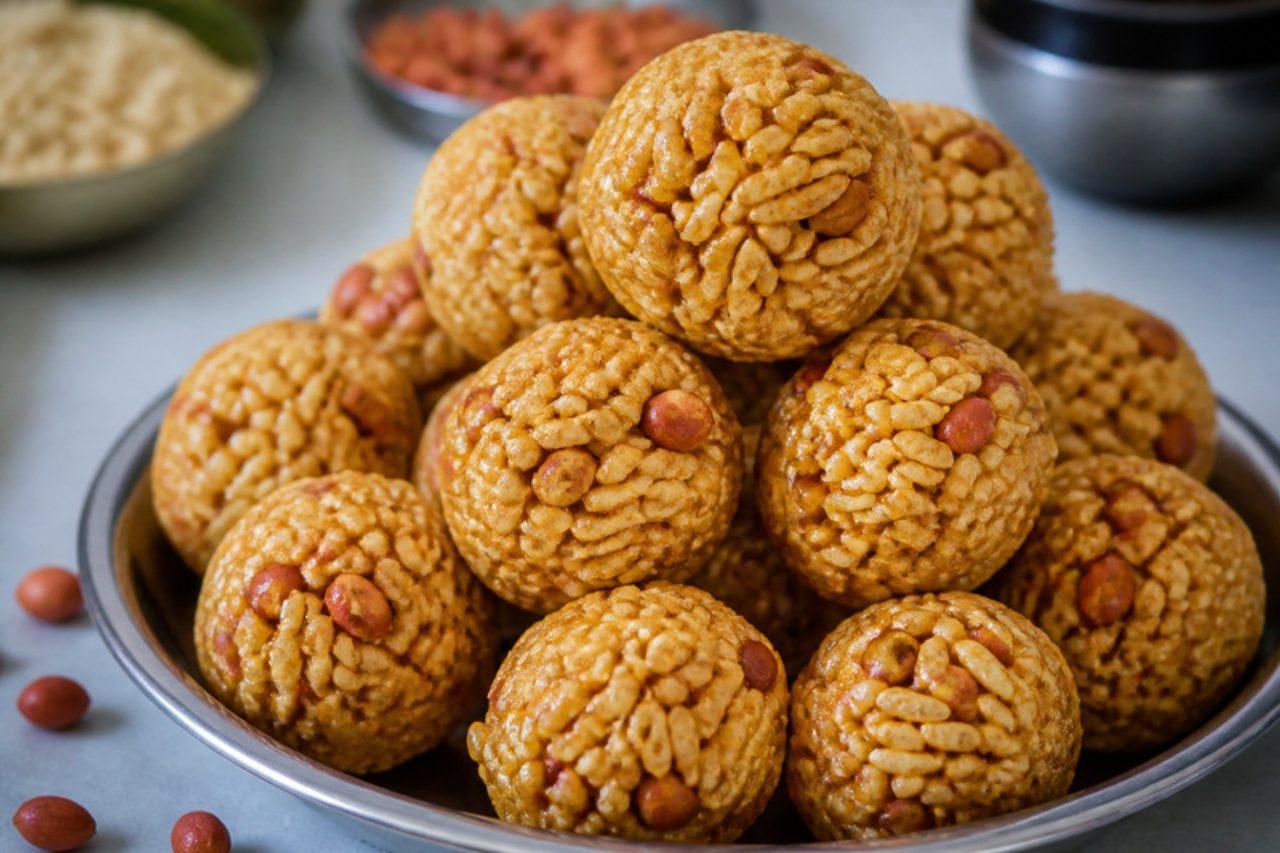
Murmura ladooPuffed rice jaggery balls

On Uttarayan, the whole of Ahmedabad climbs onto its rooftops to fly kites from dawn to dusk, and the steel dabbas that come up the stairs are full of chikki, til ladu and these mamra na ladu. Puffed rice is crisped in a pan, then tossed in jaggery cooked to the hard-crack stage and pressed quickly into balls that crunch loudly and taste of caramel. Children love them, they cost almost nothing and they keep for weeks. In North India the same sweet is made for Lohri and Sankranti as murmure ke laddu. The common mistake is undercooking the jaggery: the ladoos then turn chewy and soft after a day. A drop in cold water must snap cleanly. Grease your hands with oil and a splash of water to keep them vegan. Chef's tip: shape them fast and with wet, oiled hands, a few at a time; the syrup sets within a minute and the last balls crumble if you dawdle.

by KrazyBadal 0 views

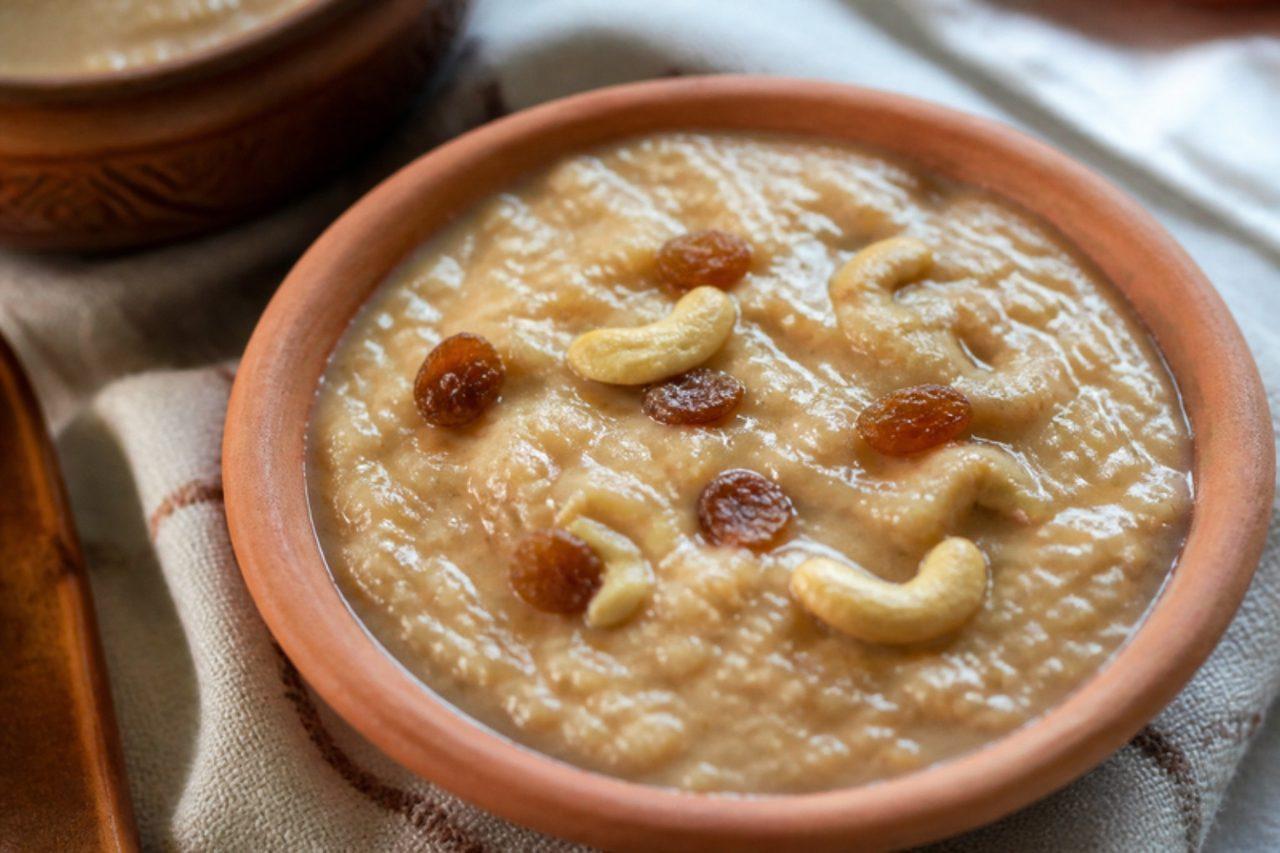
Nolen gurer payeshRice pudding with date palm jaggery

In Bengal winter means nolen gur, the new date-palm jaggery that arrives in clay pots in December and January and smells of caramel and smoke. Kolkata sweet shops put it in everything, but at home the best use is a pot of payesh for Poush Sankranti or a birthday. Short, buttery gobindobhog rice is fried briefly in ghee with a bay leaf, then cooked slowly in full-fat milk until the grains break down and the milk reduces to a creamy, spoonable pudding. The jaggery goes in last and turns it a soft brown. Serve warm or cold, in small bowls or clay bhar, with pithe on the side. Common mistake: adding the gur while the milk is boiling, which almost always curdles it; take the pot off the heat and let it cool for a few minutes first. Chef's tip: no nolen gur? Use liquid date-palm jaggery (jhola gur) or a soft palm jaggery; cane jaggery works but the flavour is flatter.

by KrazyBadal 0 views

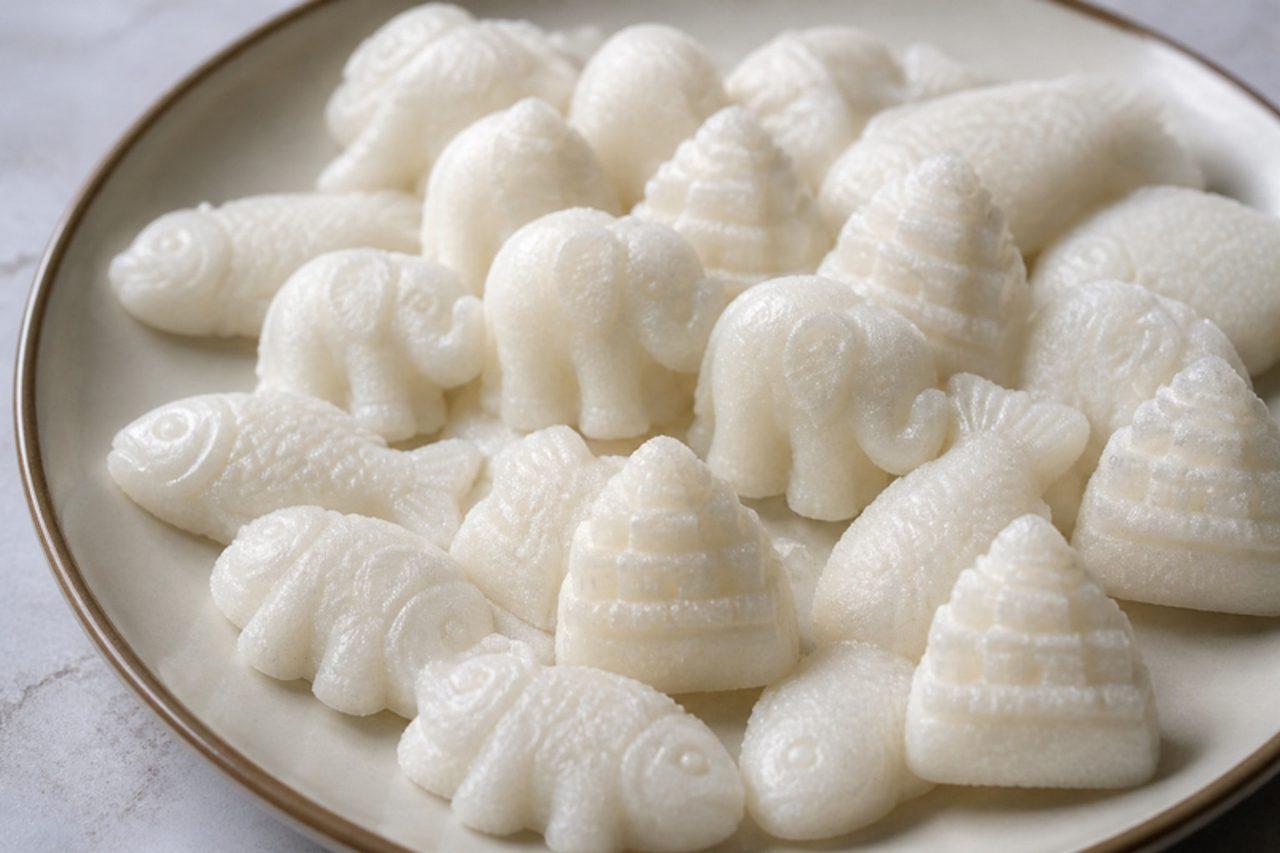
Sakkare acchuMoulded sugar figures

Every Sankranti plate in Karnataka carries a few of these little sugar figures beside the ellu bella: an elephant, a temple gopuram, a parrot, a coconut. The wooden moulds, two halves tied with string, are soaked in water overnight so the sugar does not stick, and the syrup is clarified with a splash of milk until it is crystal clear. It is cooked to a thick stage, then stirred until it turns cloudy and pours like thin cream, and poured fast before it sets. Children love making them almost as much as eating them; they melt on the tongue like a soft fondant. The milk makes them vegetarian rather than vegan. The common mistake is pouring before the syrup has been beaten enough: it stays clear and sets like brittle glass that sticks in the mould. Chef's tip: work in small batches of about 150 g sugar so the syrup does not set in the pan while you are still pouring.

by KrazyBadal 0 views

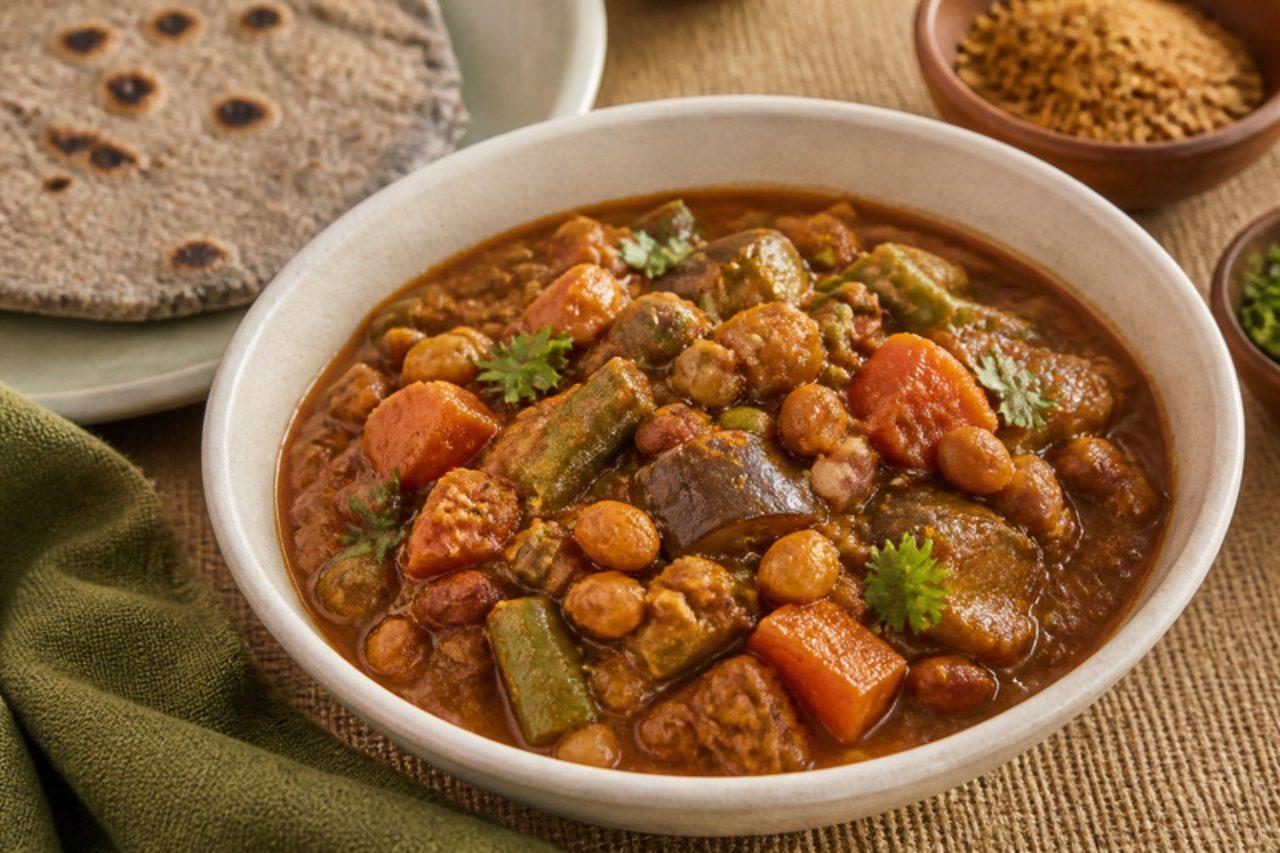
Bhogichi bhajiWinter vegetable and peanut stew

Bhogi, the day before Makar Sankranti, is a day of plenty in Maharashtra, and the lunch to match is this thick mixed bhaji made from everything the winter market offers: green chickpeas (harbhara), fresh field beans (pavta and ghevda), carrots, small brinjals, green peas, ber and sugarcane pieces in some homes. Peanuts and sesame are crushed into it for richness, and the spice is goda masala, the sweet-smoky Maharashtrian blend. It is served with bajra bhakri spread with white butter or sesame, a lump of jaggery and a piece of radish. The taste is earthy, slightly sweet and warming. The mistake is using too much water: it should be a thick, almost dry curry that coats the vegetables. Gluten-free if your goda masala has no wheat-cut asafoetida in it; check the label. Chef's tip: add a spoon of jaggery and a little tamarind at the end; that sweet-sour finish is what makes it taste like Bhogi.

by KrazyBadal 0 views

Dalia chikkiRoasted chana and jaggery brittle

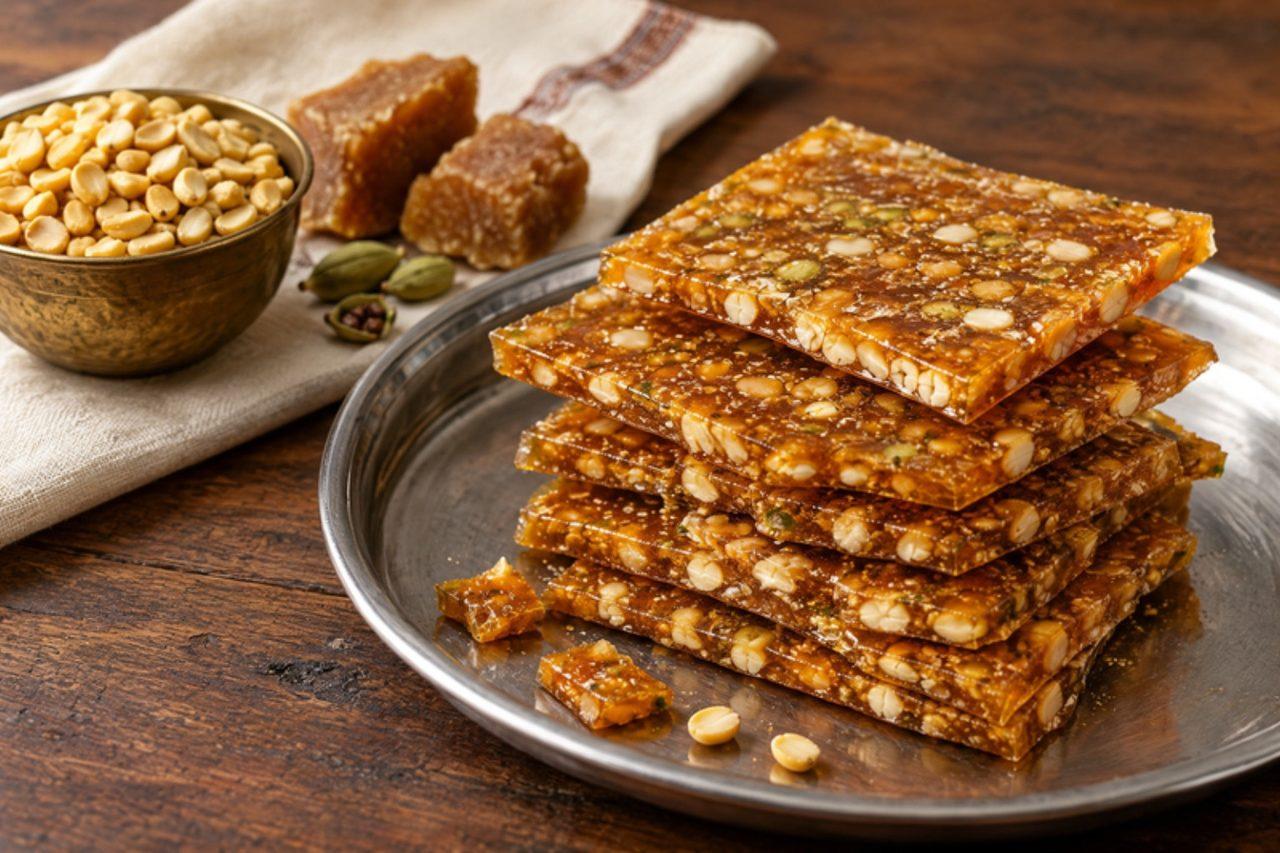
For Uttarayan, the January kite festival, every Gujarati kitchen turns out trays of chikki, and dalia (roasted split chana, the yellow dal sold for chutneys) is the one that gets forgotten until someone tastes it. It is lighter and crunchier than peanut chikki, with a toasty, slightly savoury edge from the dal. It is all about the jaggery syrup. The common mistake is pulling the jaggery off too early; underdone syrup gives sticky, chewy chikki that never snaps. Chef's tip: drop a little syrup into cold water: when it sets hard and cracks cleanly (hard-crack stage), tip in the dalia straight away.

by KrazyBadal 0 views

Dudh pithaRice dumplings in milk

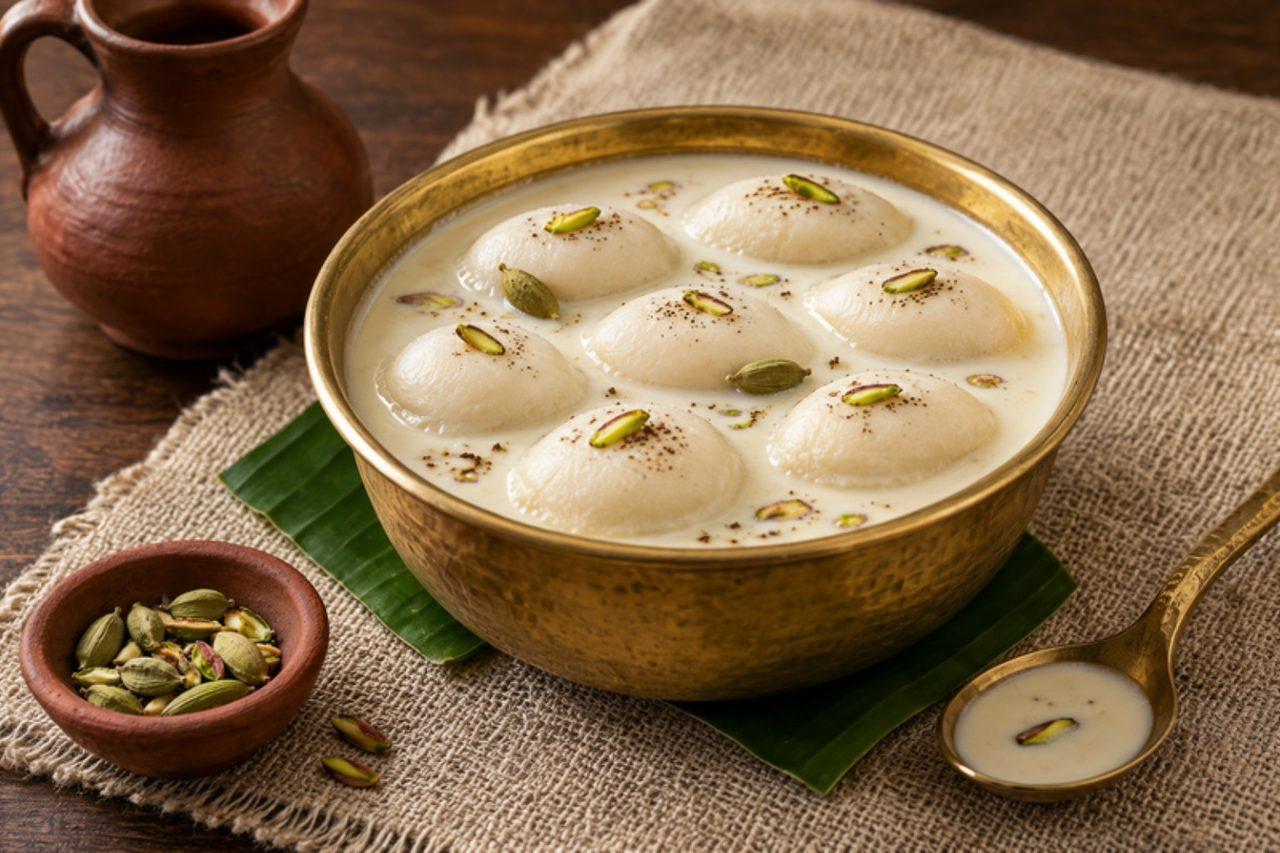
Dudh pitha is made in Jharkhand and Bihar for Makar Sankranti, Sohrai and winter evenings, when the new rice is milled: small rice-flour dumplings are stuffed with coconut and jaggery (some families use spiced chana dal instead) and simmered in milk until it thickens around them. It is eaten warm from a bowl with a spoon. The common mistake is adding jaggery straight to boiling milk, which can curdle it; sweeten the milk with sugar and keep the jaggery inside the dumplings. Chef's tip: shape the dumplings while the dough is warm and keep your palms greased, so the edges seal without cracking.

by KrazyBadal 0 views

Dudh puliRice dumplings in sweet milk

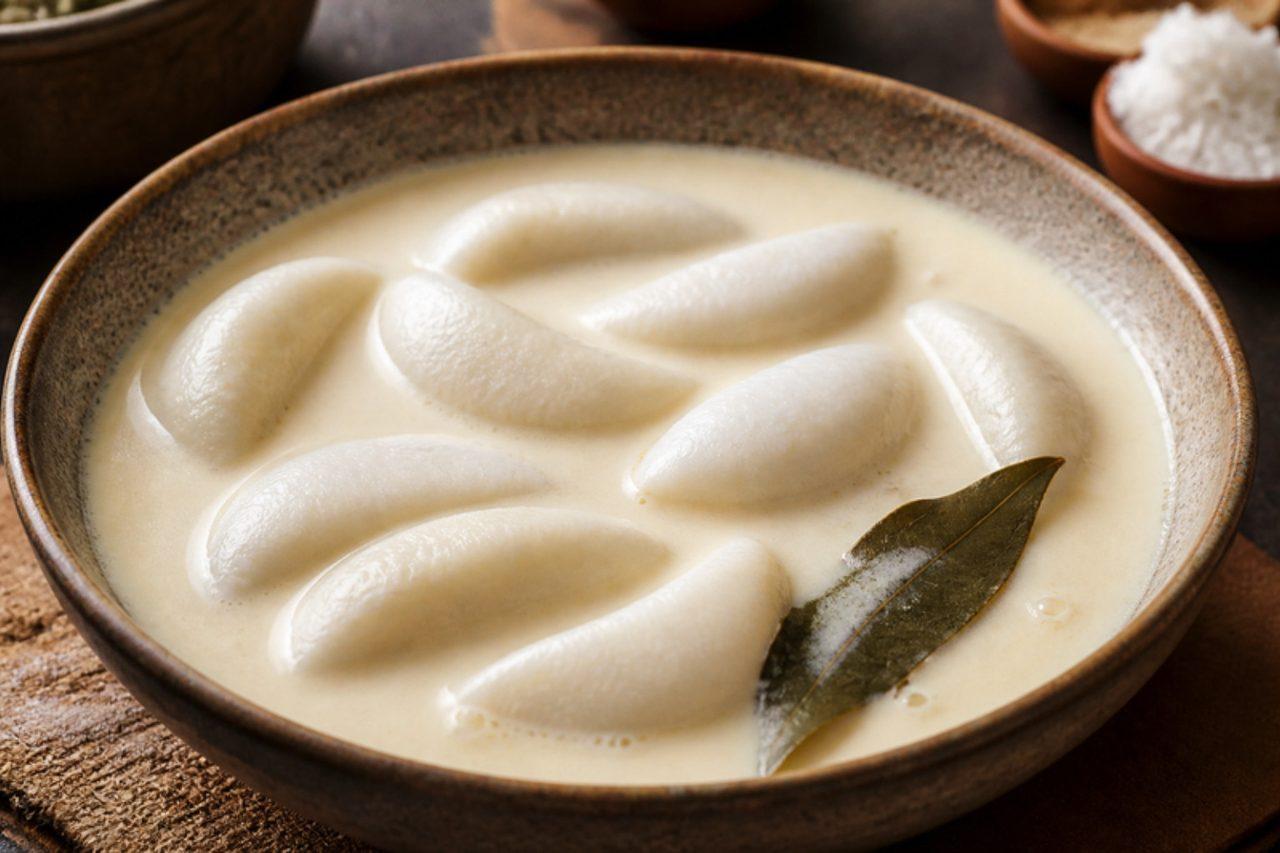
Poush Sankranti, the mid-January festival that marks the height of winter, is the day for dudh puli in Bangladeshi and Bengali homes, when grandmothers sit with daughters and granddaughters shaping dozens of little half-moon dumplings from cooked rice dough. Each one hides a sticky filling of fresh coconut and khejur gur, the smoky date-palm jaggery of the season, and the dumplings are simmered in milk until it thickens around them into a pale, fragrant sauce. The puli are soft and slightly chewy, the milk sweet and caramel-scented, and the bowl is eaten warm or cold the next morning. Milk often splits when cold jaggery hits it at a hard boil, so take the pan off the heat before stirring the jaggery in. Chef's tip: knead the hot rice dough with the heel of your hand until completely smooth, or the dumplings crack in the milk.

by KrazyBadal 0 views

RewriSesame-coated sugar sweets

Children in Lahore grow up buying rewri by the paper cone from the old shops in Rang Mahal and from the carts at the Basant and Mela Chiraghan fairs, little white coins of hard candy crusted with toasted sesame that crack between the teeth and then melt slowly. The sugar is boiled to hard crack, pulled on a greased hook or with oiled hands until it turns opaque and white, flavoured with kewra, then cut into tiny pieces and rolled in sesame. It is a winter sweet, eaten with peanuts and gajak around the fire and handed out at shrines. The step that trips people up is pulling the sugar when it is either too hot to handle or already cooling into glass, so time it carefully and work fast. Chef's tip: wear clean, thick rubber gloves rubbed with ghee for pulling, and keep the candy near a warm oven door so it stays pliable while you cut. Take care: boiled sugar causes serious burns, so keep children away while it is hot.

by KrazyBadal 0 views

Nakshi pithaCarved fried rice cakes in syrup

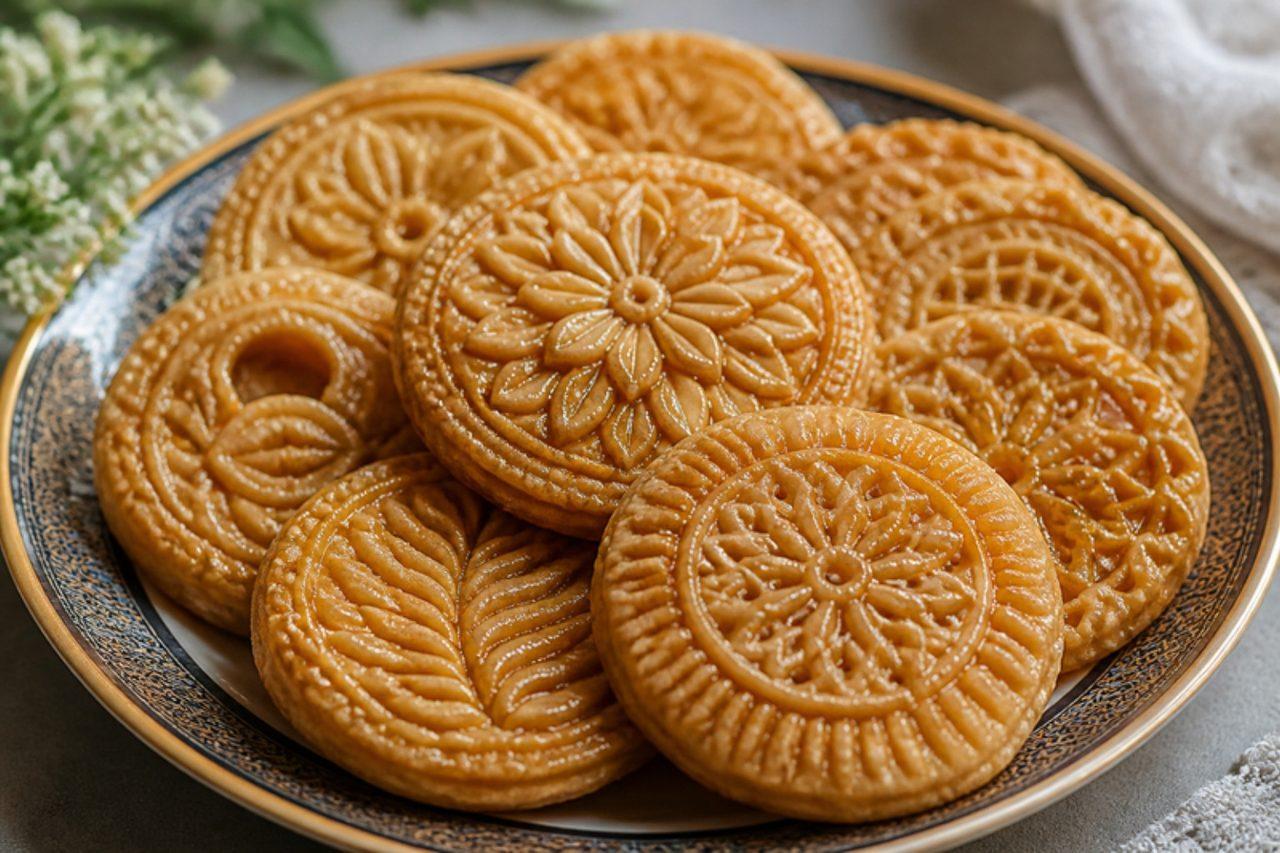
Nakshi means embroidered, and in Mymensingh and Kishoreganj these winter cakes are as much craft as food: women carve flowers, leaves, fish and paisleys into thick rounds of rice dough with a date-palm thorn or a sharpened bamboo stick, and a family's most beautiful pitha are set aside for a visiting son-in-law or a new bride's first winter. The carved cakes are fried slowly until crisp and then dipped in syrup, so the lines of the pattern fill with sweetness. They are crunchy outside, chewy within, and keep for days in a tin. Dough that is too dry cracks along the carving, which is the most frequent problem, so keep it covered with a damp cloth as you work. Chef's tip: fry over a low heat; hot oil browns the surface before the inside cooks and blurs the pattern.

by KrazyBadal 0 views

Pakan pithaFried rice flowers in date syrup

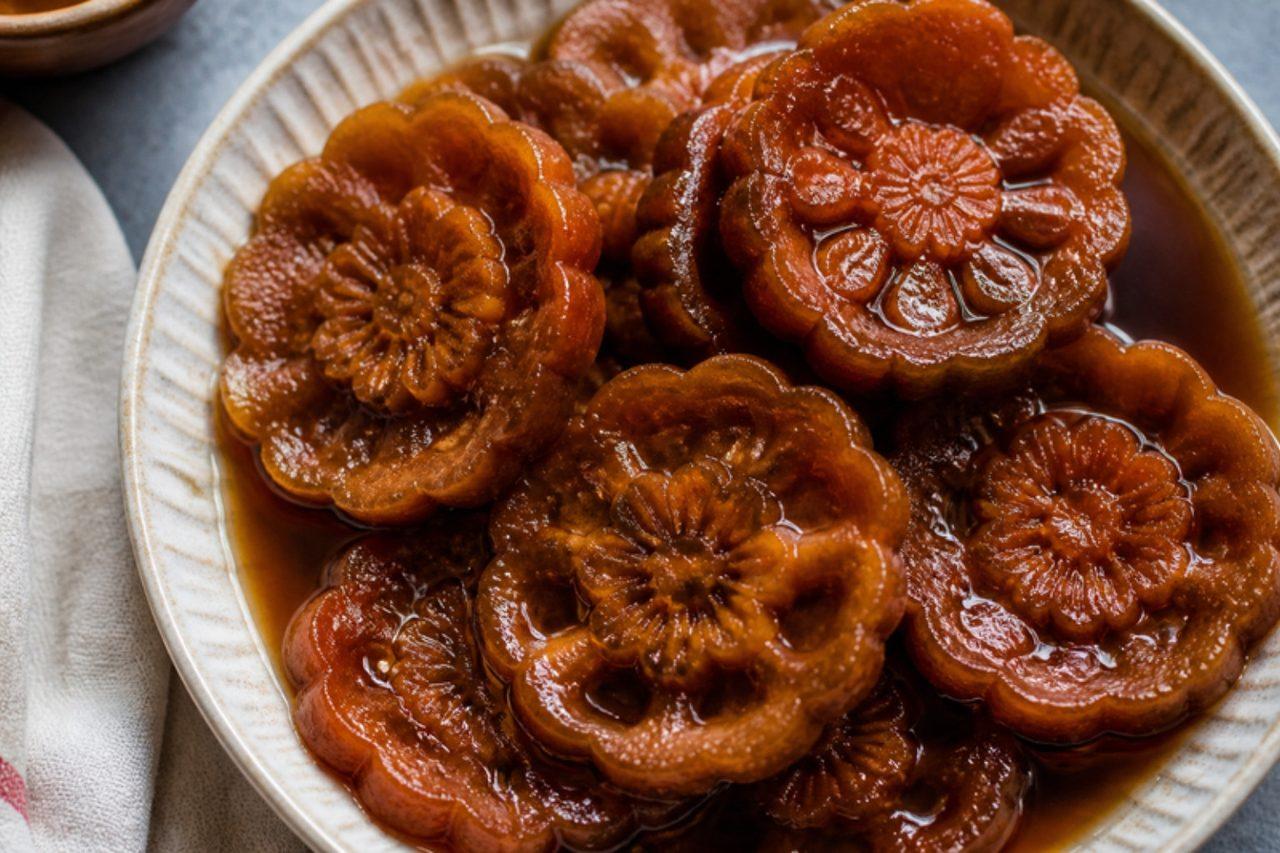
Pakan pitha belongs to the long nights of the Bengali month of Poush, when village kitchens in Rajshahi, Bogura and the Mymensingh plains make batch after batch for guests and for relatives coming home for the harvest. Smaller and quicker than nakshi pitha, each cake is cut into a flower and stamped with a carved wooden pitha mould or the tines of a fork, fried until crunchy, then dipped in syrup made with khejur gur, the date-palm jaggery that gives it a smoky, caramel colour and taste. The outside softens slightly in the syrup while the centre stays crisp, and they are eaten warm with tea or kept in a tin for visitors. Frying straight from the board with the dough warm and sticky makes the shapes collapse, so let the cut flowers dry for 10 minutes first. Chef's tip: a little sugar in the dough helps the pitha colour evenly.

by KrazyBadal 0 views

TilkutSesame and jaggery discs

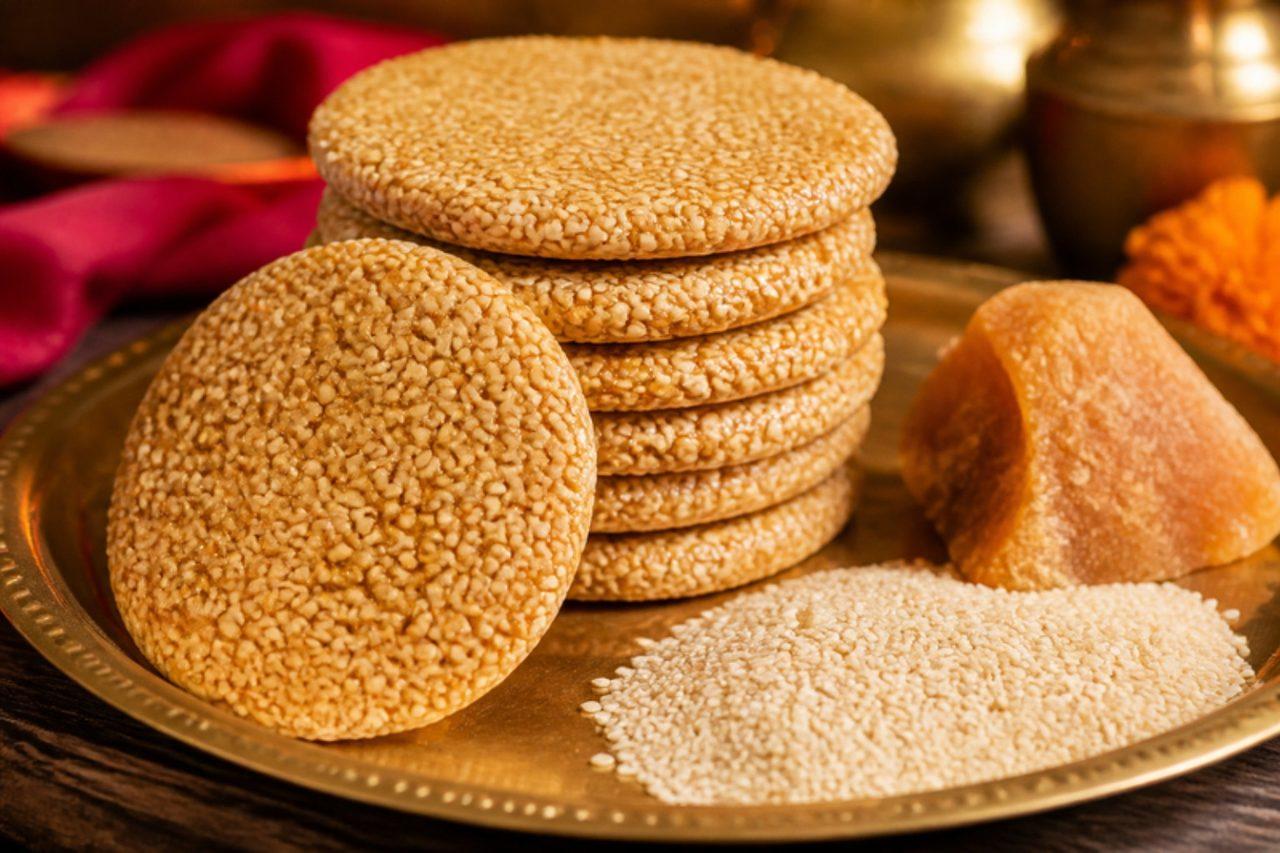
In the second week of January the sweet shops of Janakpur, Birgunj and Rajbiraj fill with the dull thud of wooden pestles, as tilkut makers pound roasted sesame into hot jaggery for Maghe Sankranti, the festival that marks the end of the coldest month. The result is a brittle, crumbly disc with a rich, toasty flavour and a melting, slightly chewy middle, and families give it to each other and eat it with yoghurt, beaten rice and sweet potatoes on the festival morning. Sesame is believed to warm the body in winter, so it is eaten all month. The thing that spoils it is burning the sesame, which turns the whole batch bitter. Chef's tip: roast the seeds only until they smell nutty and one crushes easily between your fingers; they keep darkening for a minute after they leave the pan.

by KrazyBadal 0 views

Bibikhana pithaBaked rice flour and coconut cake

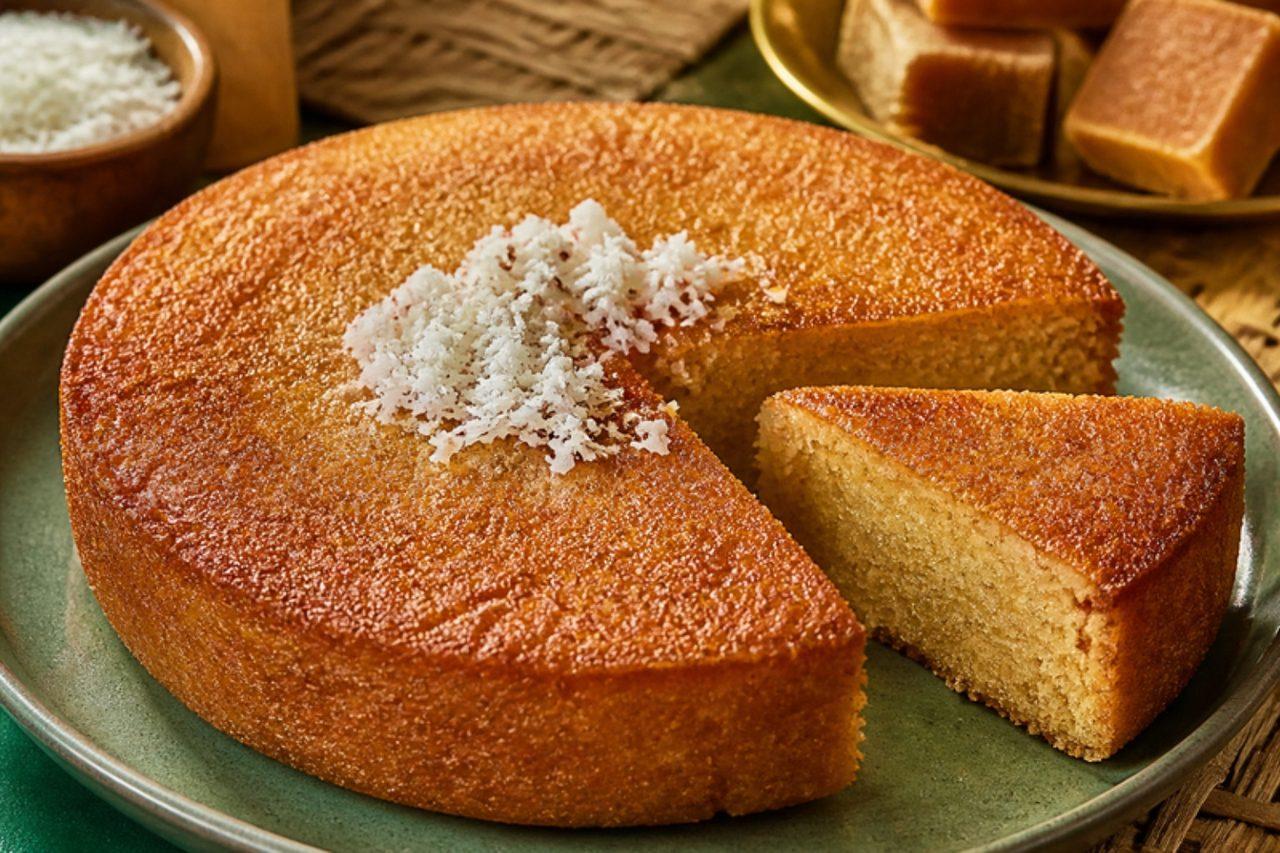
The name means something like a lady's dish, and bibikhana pitha has long been the grand, special-occasion pitha of well-off households in Dhaka, Comilla and Noakhali, made in winter when a son-in-law or important guest is expected. It is closer to a cake than most pithas: rice flour, eggs, milk, grated coconut and date-palm jaggery are beaten together and baked slowly, traditionally in a heavy pan over charcoal with more coals heaped on the lid, until it sets into a dense, moist, caramel-brown cake. It is cut into wedges and served with tea in the afternoon. Baking too hot is the typical slip, so the jaggery burns before the middle sets; a moderate oven and patience give an even colour. Chef's tip: let it cool completely before cutting, as it firms up and slices cleanly only once cold.

by KrazyBadal 0 views

ChakuMolasses toffee with nuts

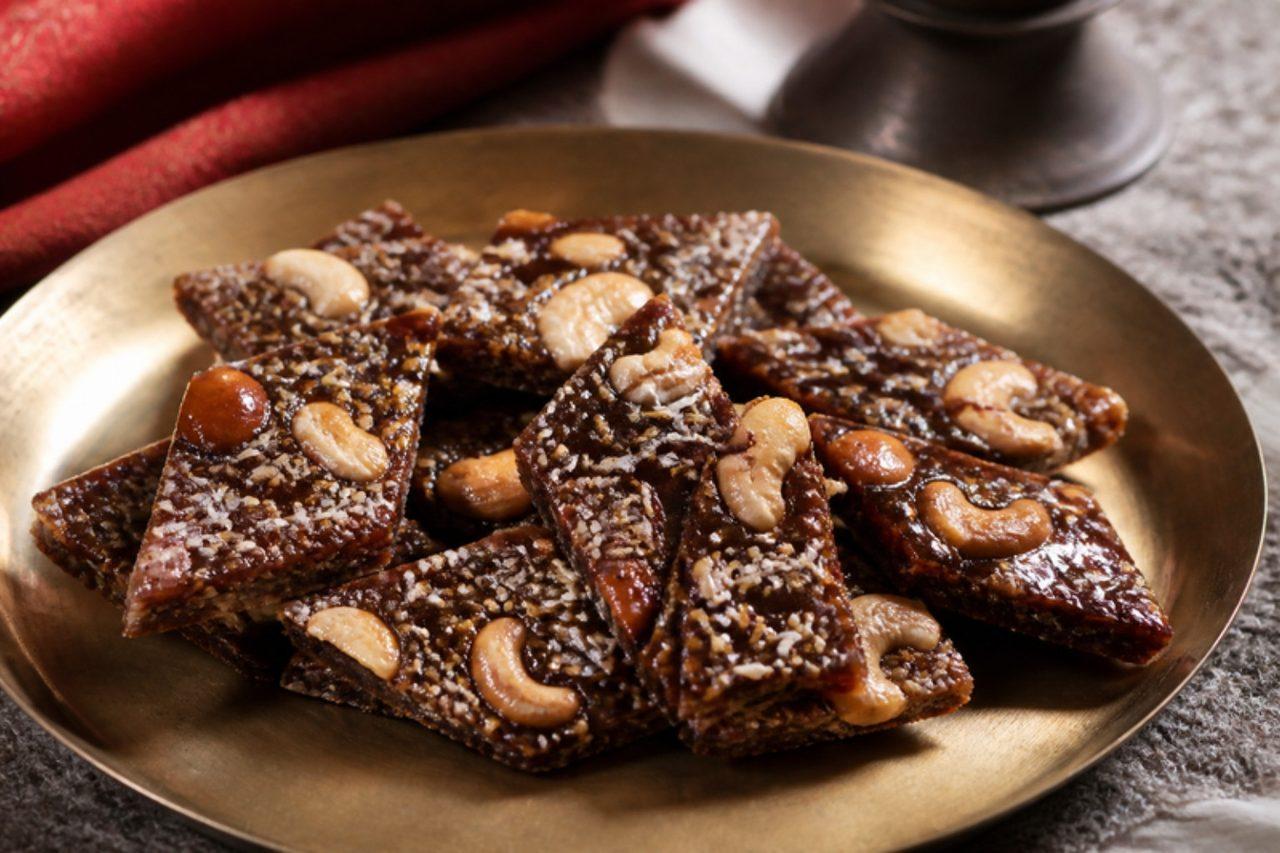
The towns of the Kathmandu Valley smell of hot molasses in early January, as Newar confectioners in Bhaktapur, Thimi and Patan boil sugarcane syrup down into chaku, a dark, glossy toffee that is pulled until it turns light and chewy and then mixed with ghee, cashews, coconut and sesame. On Ghyo Chaku Sanlhu, the Newar name for Maghe Sankranti, it is eaten with ghee and boiled yams to warm the body, and pieces are wrapped and sent to married daughters. At home it is easiest to start from good jaggery. Pulling it off the heat too early is the classic failure, leaving a runny mess that will never set. Chef's tip: once it reaches the hard-ball stage, let the toffee cool on a greased tray just until you can handle it, then stretch and fold it with greased hands for a few minutes until it turns from dark brown to golden and chewy.

by KrazyBadal 0 views

Chitoi pithaSpongy rice flour cakes

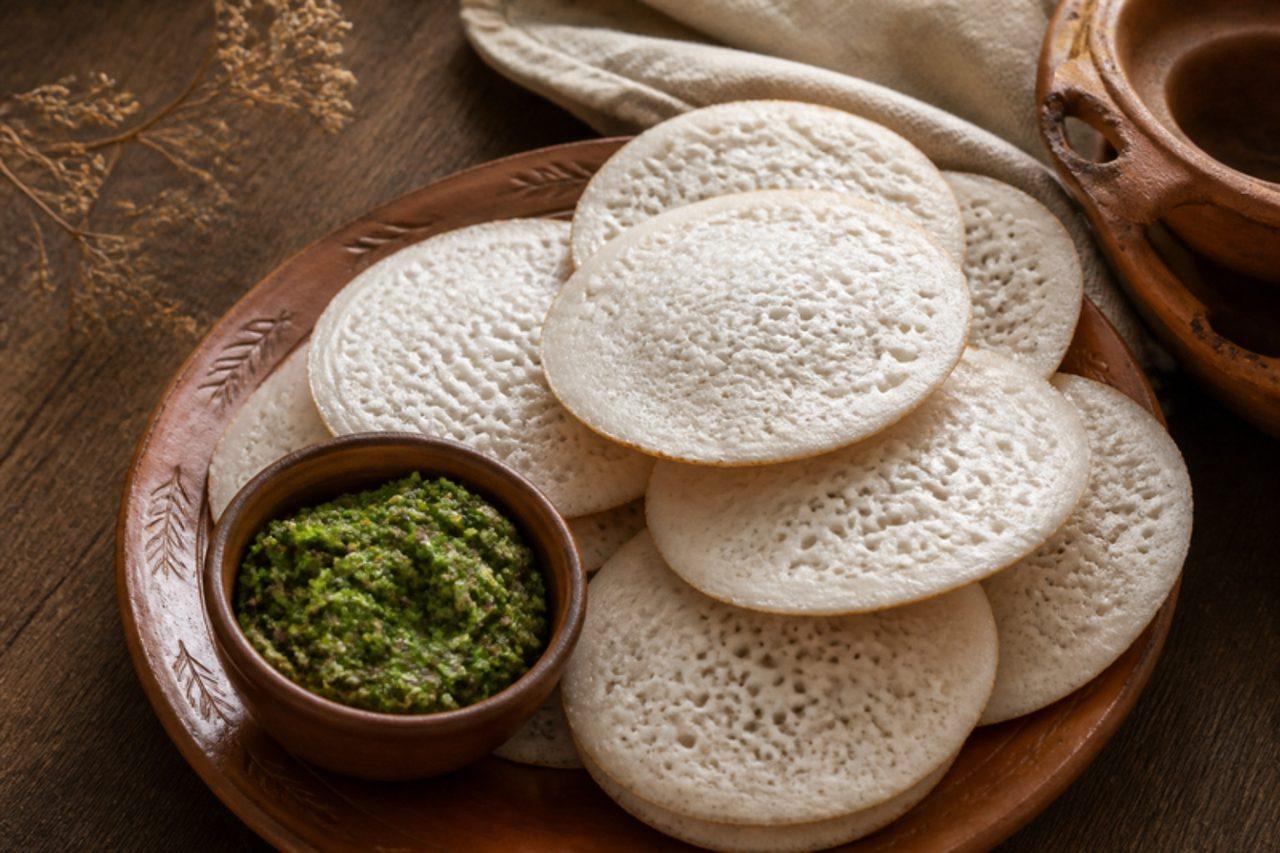
As soon as the cold arrives in December, women set up clay stoves on the pavements of Dhaka, Mymensingh and every district town, and chitoi pitha is what they sell: round, white rice cakes steamed and baked in small covered clay moulds, smooth and slightly crisp underneath and full of tiny holes on top. Winter evenings are spent queuing for them, and they are eaten hot with a row of bhortas, mustard, coriander, garlic or dried fish, or with duck curry. At home, leftover chitoi is soaked overnight in milk sweetened with date-palm jaggery to make dudh chitoi for breakfast. A batter that is too thin gives flat, dense cakes; it should be like a thick pancake batter. Chef's tip: blend a spoonful of cooked rice into the batter, which keeps the pitha soft and spongy even after it cools.

by KrazyBadal 0 views

Teler pithaFried rice and jaggery cakes

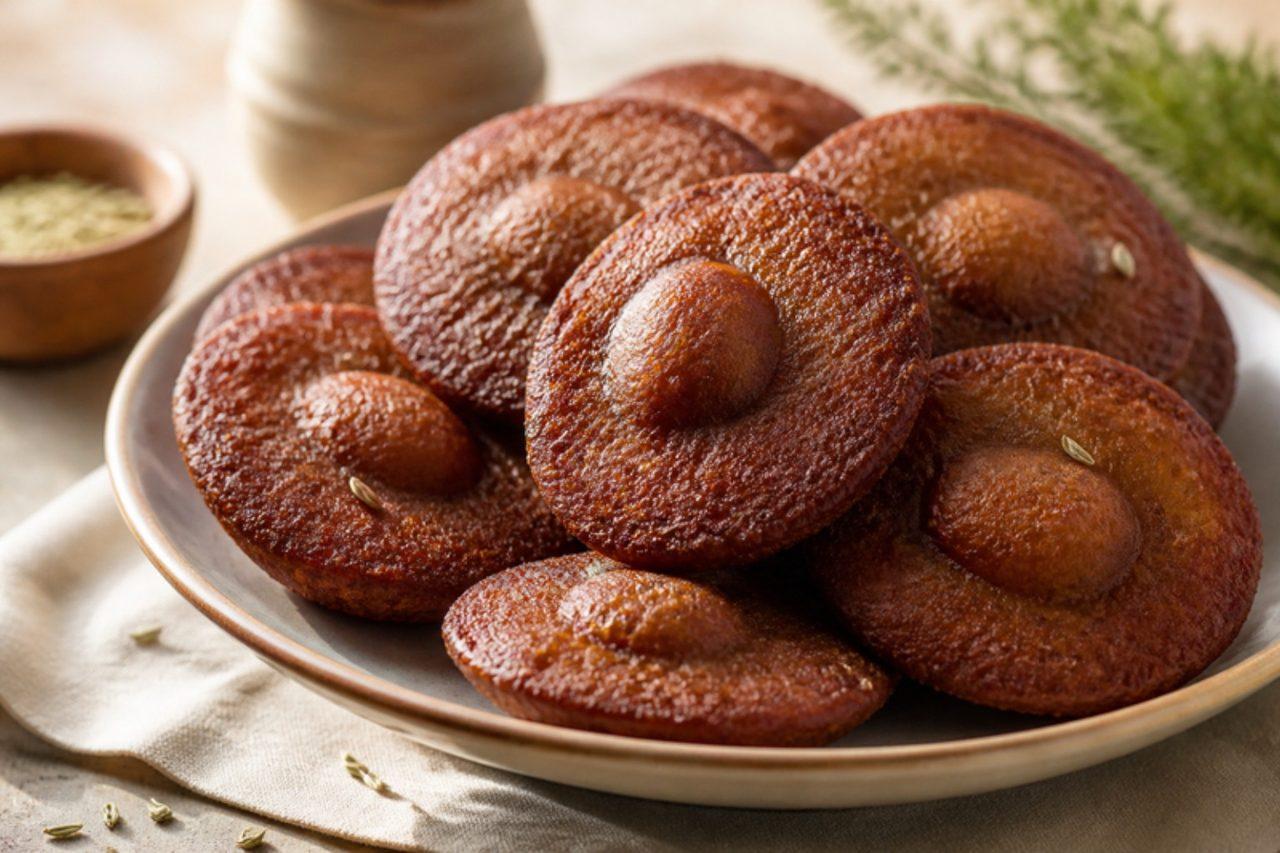
Teler pitha, literally oil cake, is the easiest of the winter pithas and the one children wait for at the start of the date-palm season, when the first pots of fresh khejur rosh are boiled down into gur in the villages of Jessore and Faridpur. A batter of rice flour and melted jaggery is poured into hot oil a ladle at a time, and each cake puffs into a round with a little raised hump in the middle, crisp and brown outside, soft and chewy inside, tasting of caramel and fennel. They are eaten warm in the afternoon or packed for a journey. Oil that is too hot gives dark cakes with raw centres, which is where most people go wrong; keep it at a steady medium heat. Chef's tip: rest the batter for at least an hour, ideally two, so the rice flour swells and the cakes rise properly.

by KrazyBadal 0 views

GajakSesame jaggery brittle

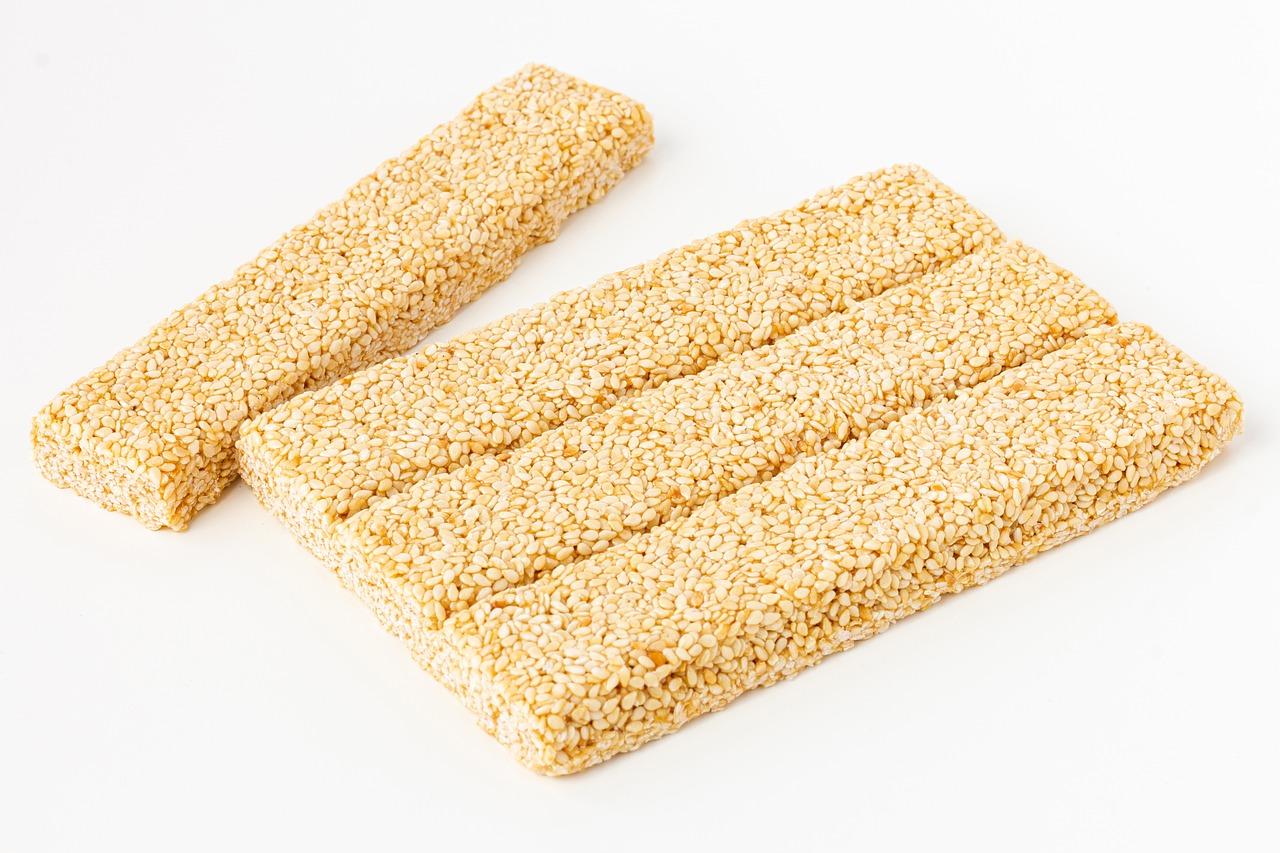
Winter in Punjab has a sound, and it is the snap of gajak: thin, glossy sheets of toasted sesame bound in jaggery, sold from piled trays outside the sweet shops of Multan, Gujranwala and Lahore from the first cold week of December. It is nutty, crunchy and toffee-sweet, with the earthy depth of gur, and families keep a tin of it beside the heater to nibble after dinner with green tea or to share with visitors. The commercial kind is hammered and pulled into flaky layers, but the home version poured thin and rolled flat is what most households make. The pitfall is pulling the jaggery off the heat too early, which gives a brittle that turns chewy and sticky after a day. Chef's tip: test the syrup by dropping a little into cold water; it must snap cleanly at once, and that hard-crack stage is reached quickly, so have the sesame warm and ready. Take care: the syrup is far hotter than boiling water.

by KrazyBadal 0 views

YomariSteamed rice flour dumplings

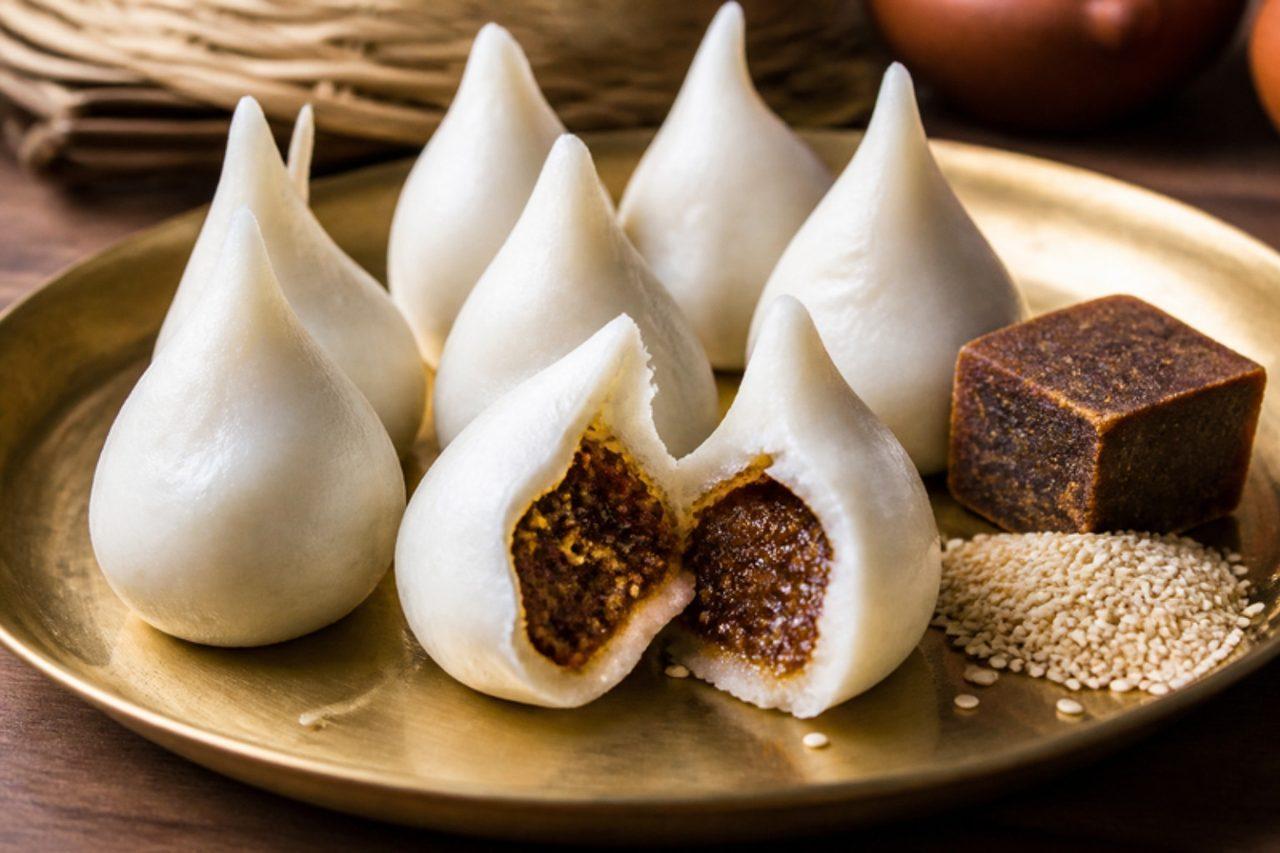
Yomari are the sweet dumplings of the Newars of the Kathmandu Valley, made once a year on Yomari Punhi, the full moon of December that marks the end of the rice harvest. Freshly milled rice flour is kneaded with hot water, pinched into a hollow cone, filled with chaku, a dark, fudgy Newari molasses, and toasted sesame, then shaped with a pointed tail like a fish or a teardrop and steamed. Children go from house to house singing for them, and families offer a few to the gods before anyone eats. The shell is soft and slightly chewy, and the filling melts into warm, smoky caramel. The usual mistake is mixing the dough with lukewarm water: it must be just off the boil so the starch swells and the dough stretches without cracking. Chef's tip: keep a bowl of warm water beside you and dip your fingertips often; damp hands smooth out cracks as you shape.

by KrazyBadal 0 views

AriseluRice flour and jaggery sweets

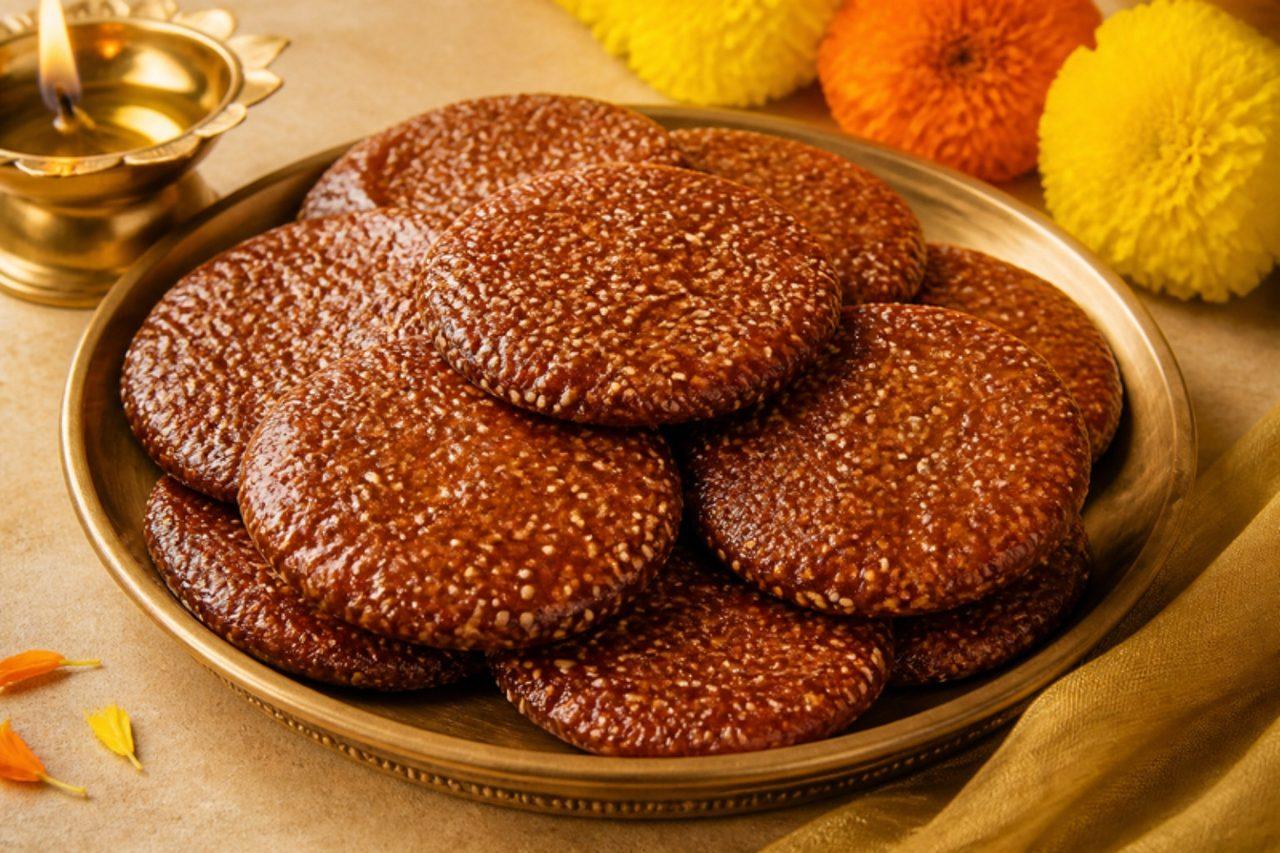
No Sankranti in coastal Andhra Pradesh is complete without ariselu. In the days before the January harvest festival, women gather to pound soaked rice into damp flour, cook it into a thick jaggery syrup, and press the dough into rounds on sesame seeds before frying. Each ariselu is chewy, dense and caramel-sweet, with a crisp sesame coat; after frying they are squeezed between two wooden spatulas to push out the excess oil. They keep for two weeks and are shared with every neighbour. Chef's tip: use home-made flour from soaked rice that is still slightly damp; dry shop flour gives hard, cracking ariselu.

by KrazyBadal 0 views

Bhapa pithaSteamed rice flour cakes

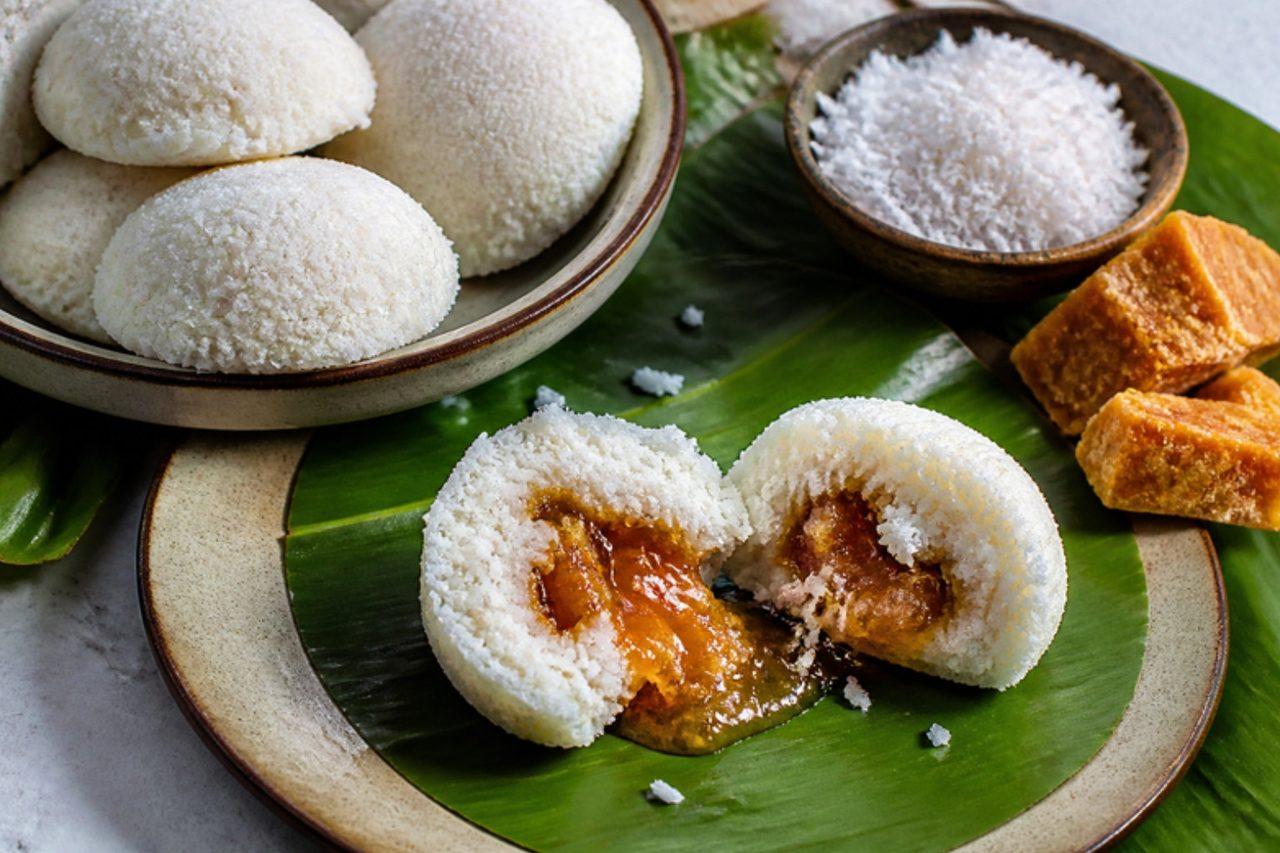
When the date palm sap starts flowing in early winter, small steaming pots appear on street corners all over Bangladesh, from Rajshahi to Dhaka's Karwan Bazar, selling bhapa pitha in the dark mornings. Damp, lightly salted rice flour is packed into a small bowl around a layer of grated coconut and khejur gur (date jaggery), wrapped in cloth and steamed over a narrow-necked pot until soft, fluffy and fragrant. Eat them warm, straight from the cloth. Chef's tip: the rice flour should feel like damp sand that just holds when squeezed; too wet and the cake turns gummy, too dry and it crumbles.

by KrazyBadal 0 views

Showing 24 of 37 recipes

Show more recipes

Page 1 of 2

More occasions