Skip to content
Festivals

Easter recipes: hot cross buns, Easter breads and lamb

Hot cross buns, colomba, paska and kulich, egg dishes and Easter lamb. (42 recipes)

Stuffed eggs

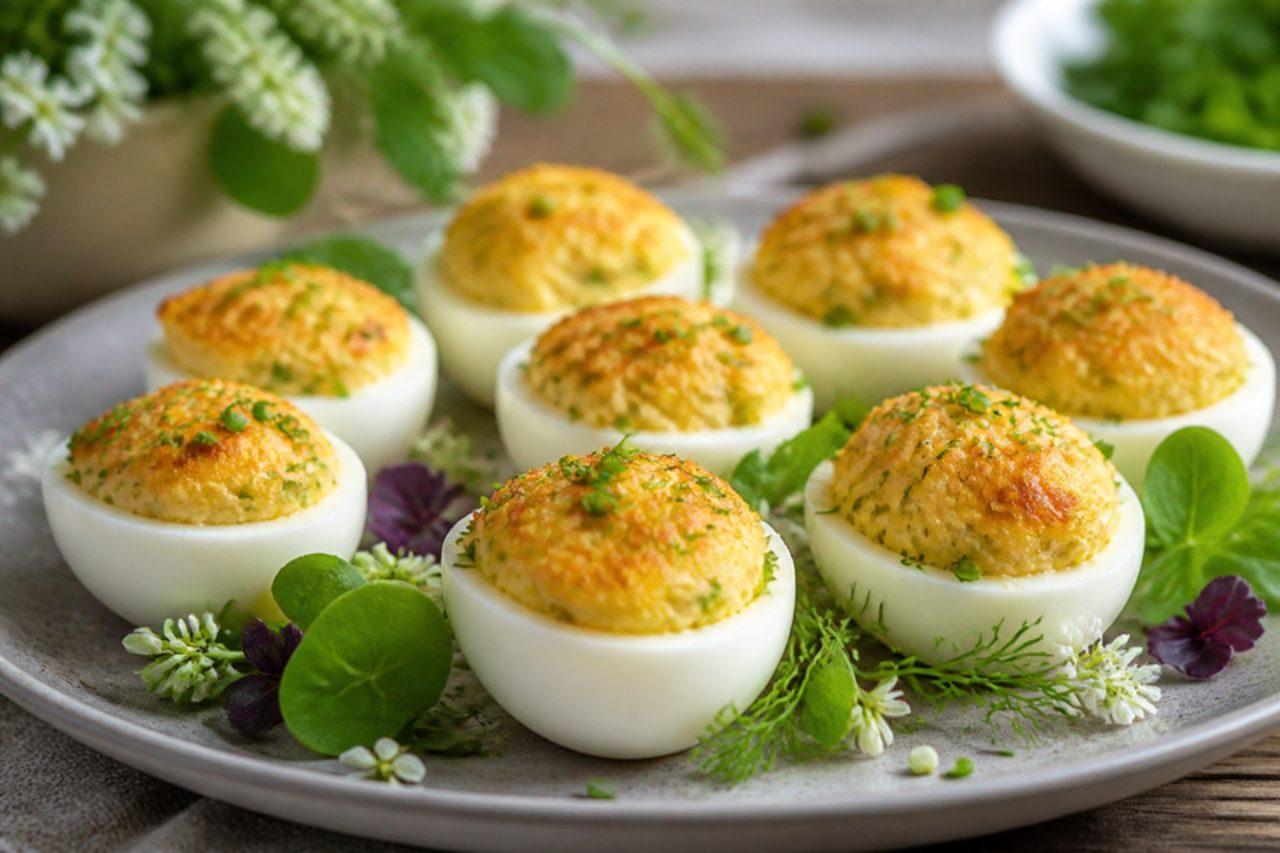
The clever bit of the Polish Easter version is that the eggs are halved lengthways shell and all with a sharp knife, then the filling goes back into the shells and the cut sides are fried until crusty. It is a dish of the Easter breakfast and of name-day parties, served hot from the pan or cold from the fridge. The filling of mashed yolk, chives, mayonnaise and a little mustard turns golden and slightly crisp on top while staying soft beneath. Where most people go wrong is cutting with a blunt knife, which shatters the shell; use a large, very sharp knife and one firm stroke. Chef's tip: chill the boiled eggs fully before cutting so the white holds together.

by KrazyBadal 1 views

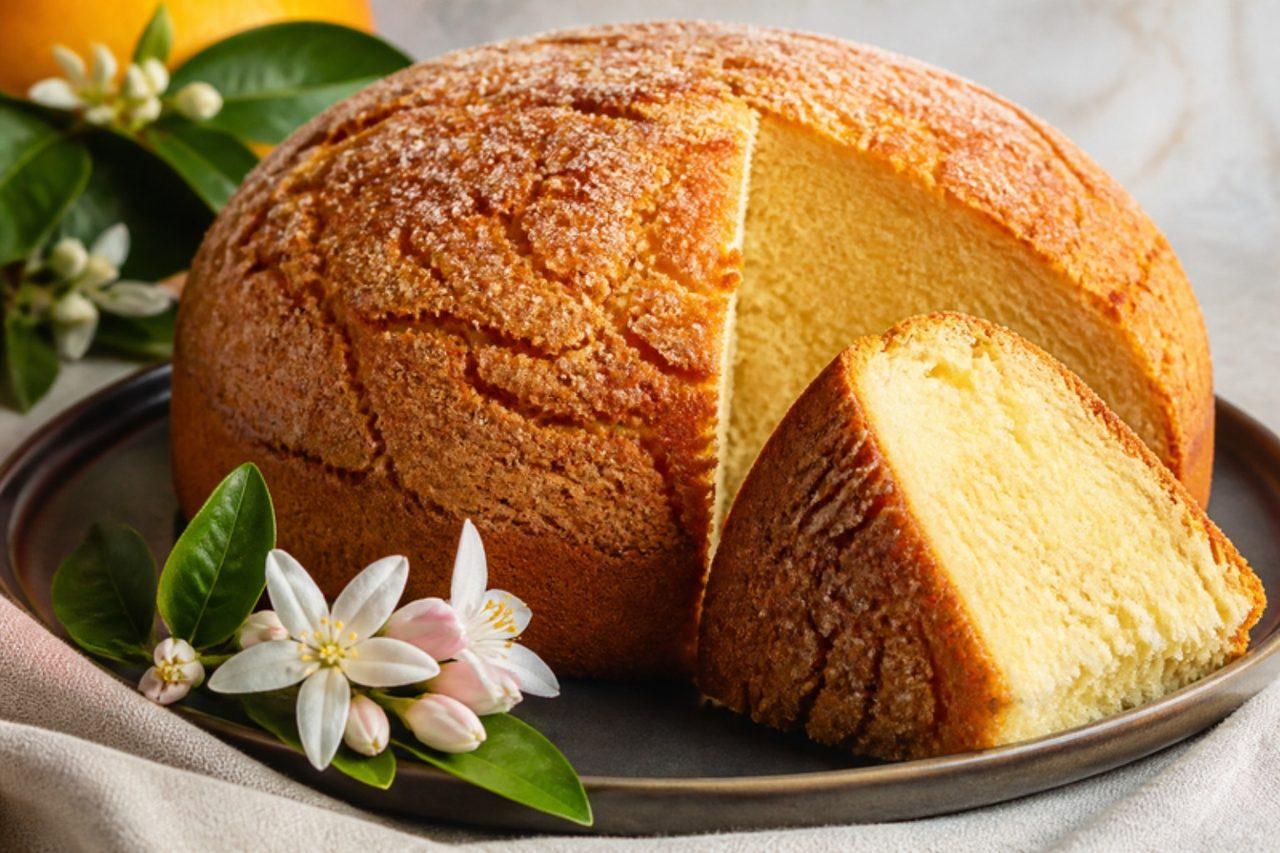
MounaOrange-flower brioche

Oran's mouna came over with Spanish settlers as the Easter mona, and it is still baked for spring outings, recalling the Easter Monday picnics once held at the Santa Cruz chapel above the city. It is a tall, light, golden brioche with a crackly sugar crust, softly flavoured with orange-flower water and lemon zest rather than butter-heavy, and it tears into long, feathery strands. Eat it with coffee or hot chocolate, plain or with jam. The dough is slow and sticky, so give it time. Chef's tip: let the dough rise slowly overnight in the fridge after the first knead; it becomes easier to shape and the flavour deepens.

by KrazyBadal 1 views

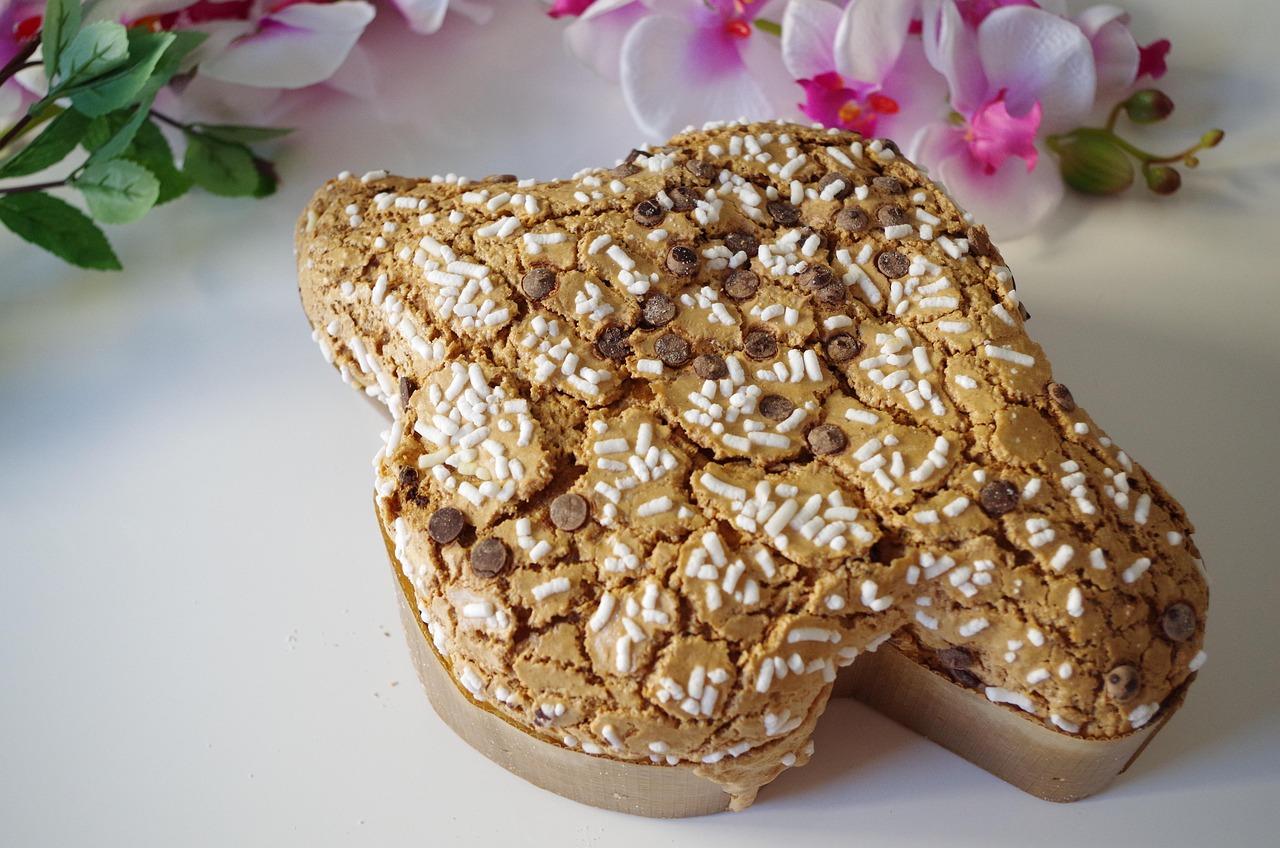
Colomba pasqualeEaster dove bread

The colomba, the "dove" of peace, is Milan's Easter answer to Christmas panettone: a rich, buttery yeasted bread full of candied orange, baked in a dove-shaped paper mould and topped with a crunchy almond and sugar glaze. Italian families buy or bake one for Easter Sunday and eat it for breakfast through Easter Monday. Bakers use a sourdough starter and three days; this home version uses yeast and an overnight rise in the fridge, so it fits a weekend. Chef's tip: let the dough rise until it really reaches the top of the mould before baking; under-risen colomba bakes dense and heavy.

by KrazyBadal 0 views

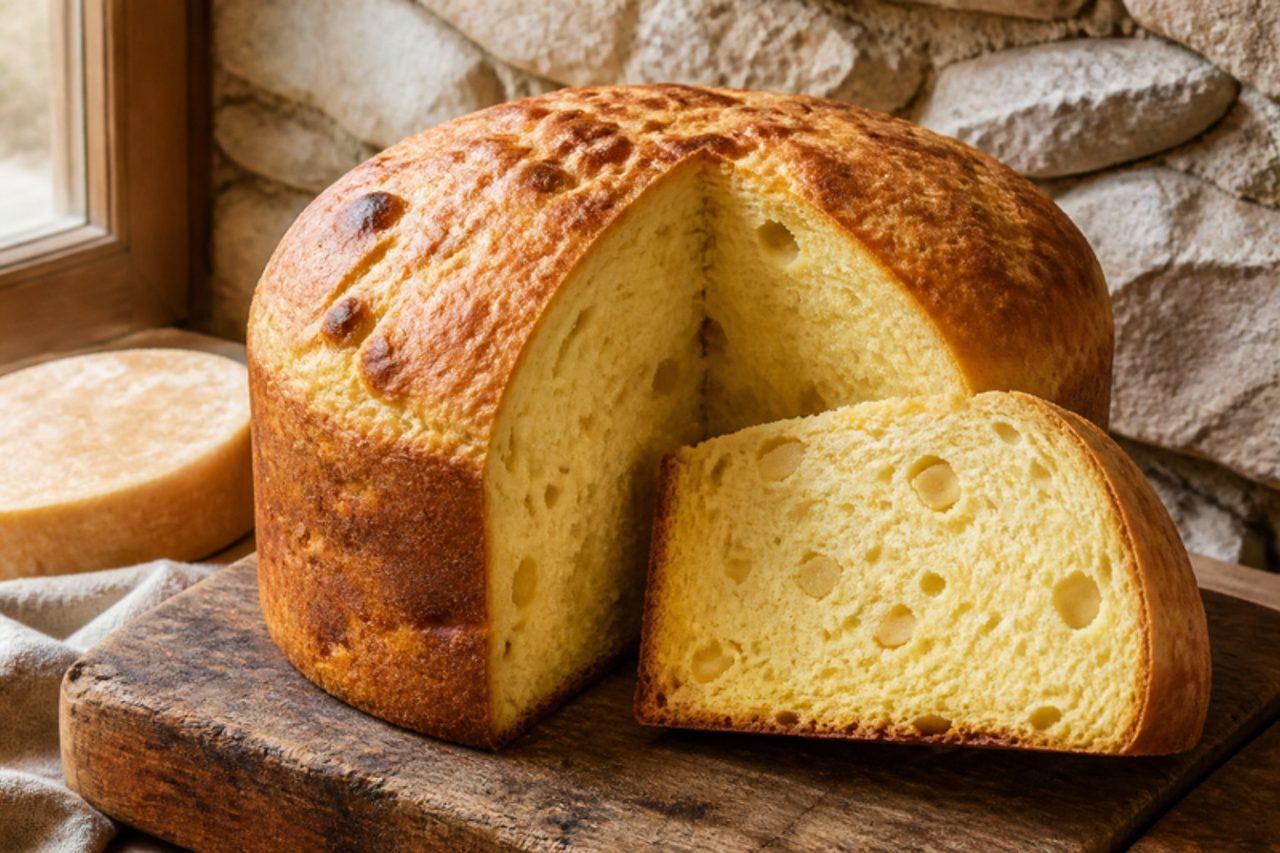
Pizza di Pasqua al formaggioEaster cheese bread

On Easter morning in Perugia, Ancona and the villages of Umbria and the Marche, families sit down to a breakfast that comes after Lent: a tall, golden cheese bread, rich with eggs, pecorino and Parmigiano, sliced and eaten with hard-boiled eggs and salami that has been blessed in church. The bread rises high like a panettone and has a soft yellow crumb dotted with cubes of cheese. Pecorino and Parmigiano are usually made with animal rennet; vegetarian hard cheeses work. Chef's tip: bake it in a tall, straight-sided tin or a clean coffee can lined with paper; the high sides help it rise up rather than spread.

by KrazyBadal 0 views

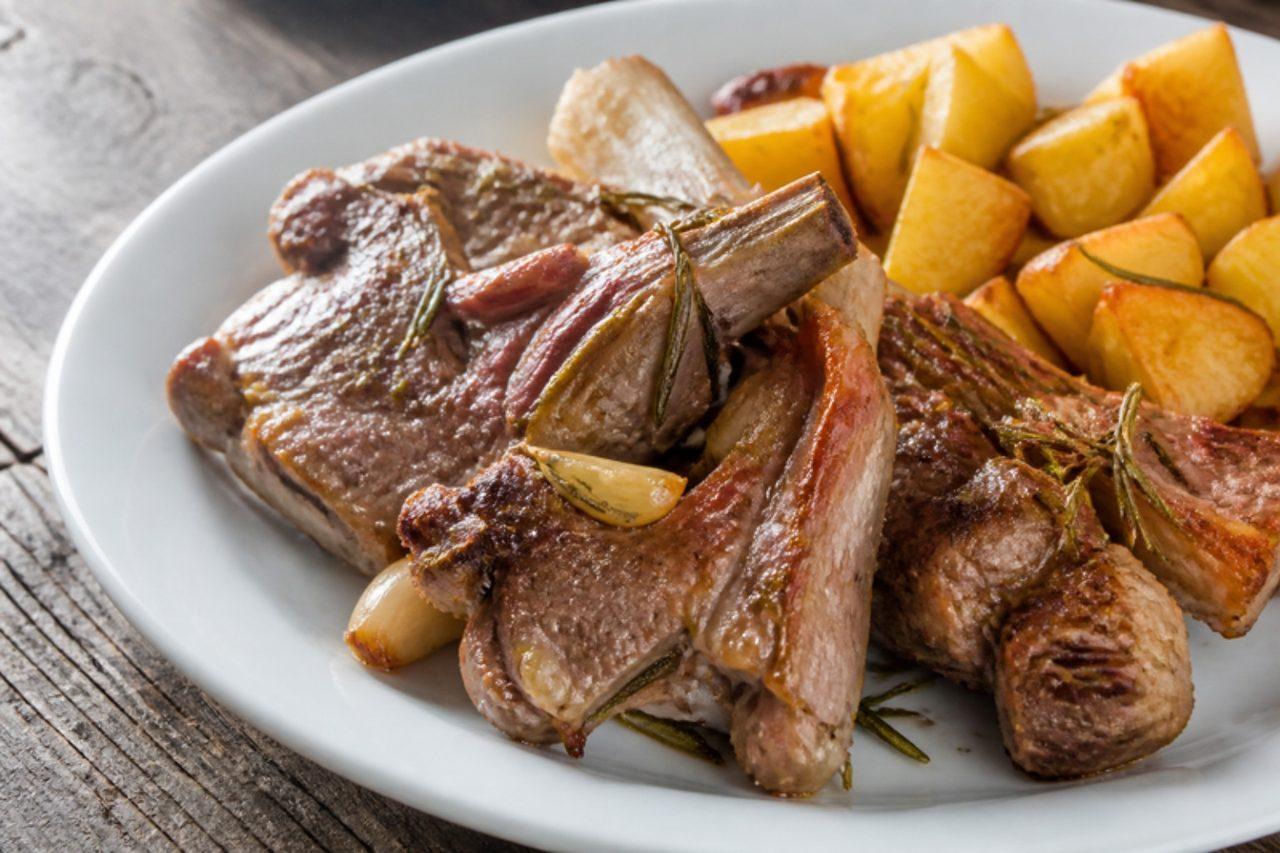
Abbacchio alla romanaRoman Easter lamb

Abbacchio is the Roman name for young milk-fed lamb, and abbacchio alla romana is what Roman families cook for Easter Sunday: small pieces of shoulder and leg browned in a pan, then cooked slowly with garlic, rosemary and sage and finished with a paste of anchovy and vinegar that cuts through the richness. It is served with roast potatoes or puntarelle. Outside Italy, use young spring lamb on the bone. Chef's tip: brown the lamb in batches until really golden before adding anything else; pale lamb gives a pale sauce.

by KrazyBadal 0 views

Scarcella puglieseEaster egg biscuit bread

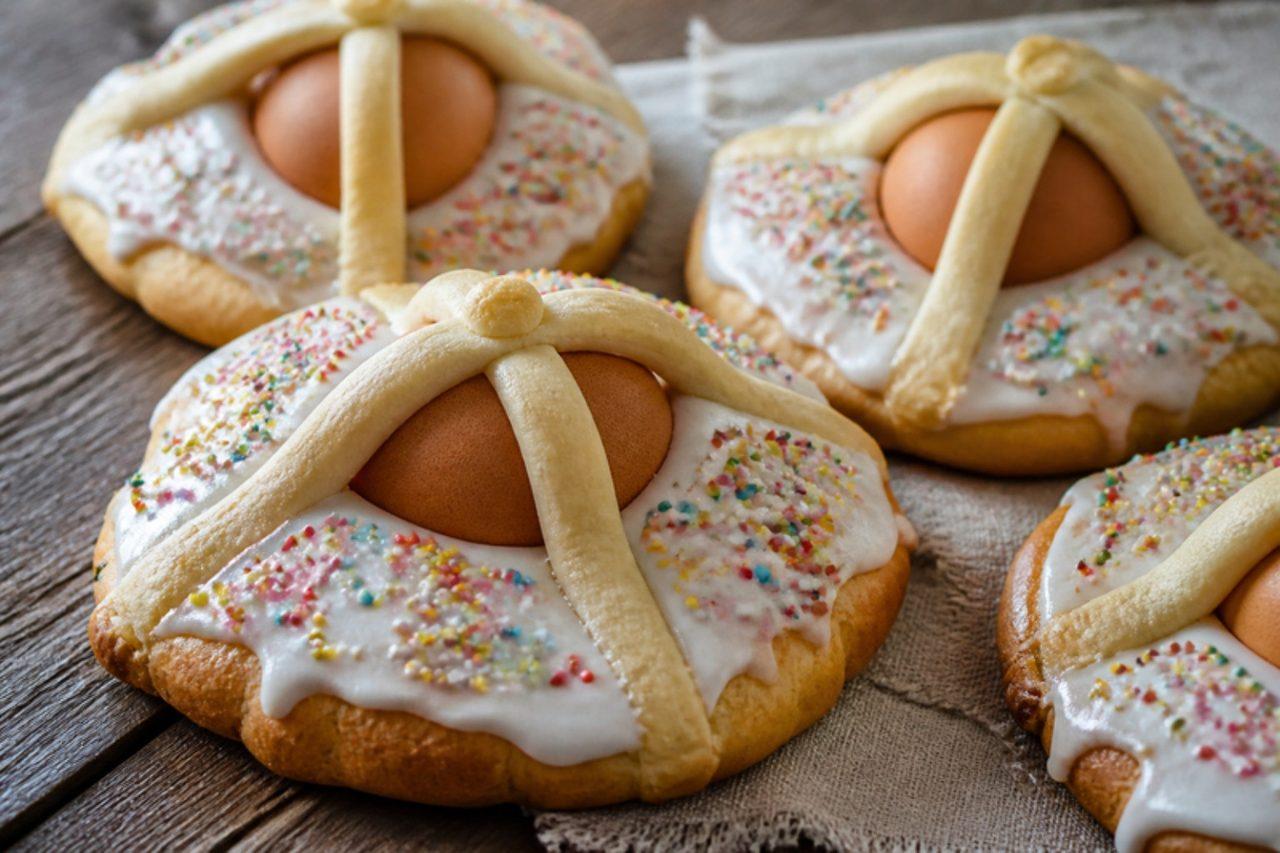
In Bari, Foggia and the Salento, scarcelle are baked in the days before Easter, often by children with their grandmothers: a soft, lemony shortbread-like dough shaped into baskets, doves, hearts or dolls, each holding a whole egg in its shell held down by strips of dough, then iced and covered in sprinkles. They are given as gifts on Easter morning and to children as a sign of new life. Chef's tip: use raw eggs in their shells and wash them first; they cook in the oven while the biscuit bakes. They are decorative, so wash and dry them well.

by KrazyBadal 0 views

Agnello cacio e ovaLamb with egg and pecorino

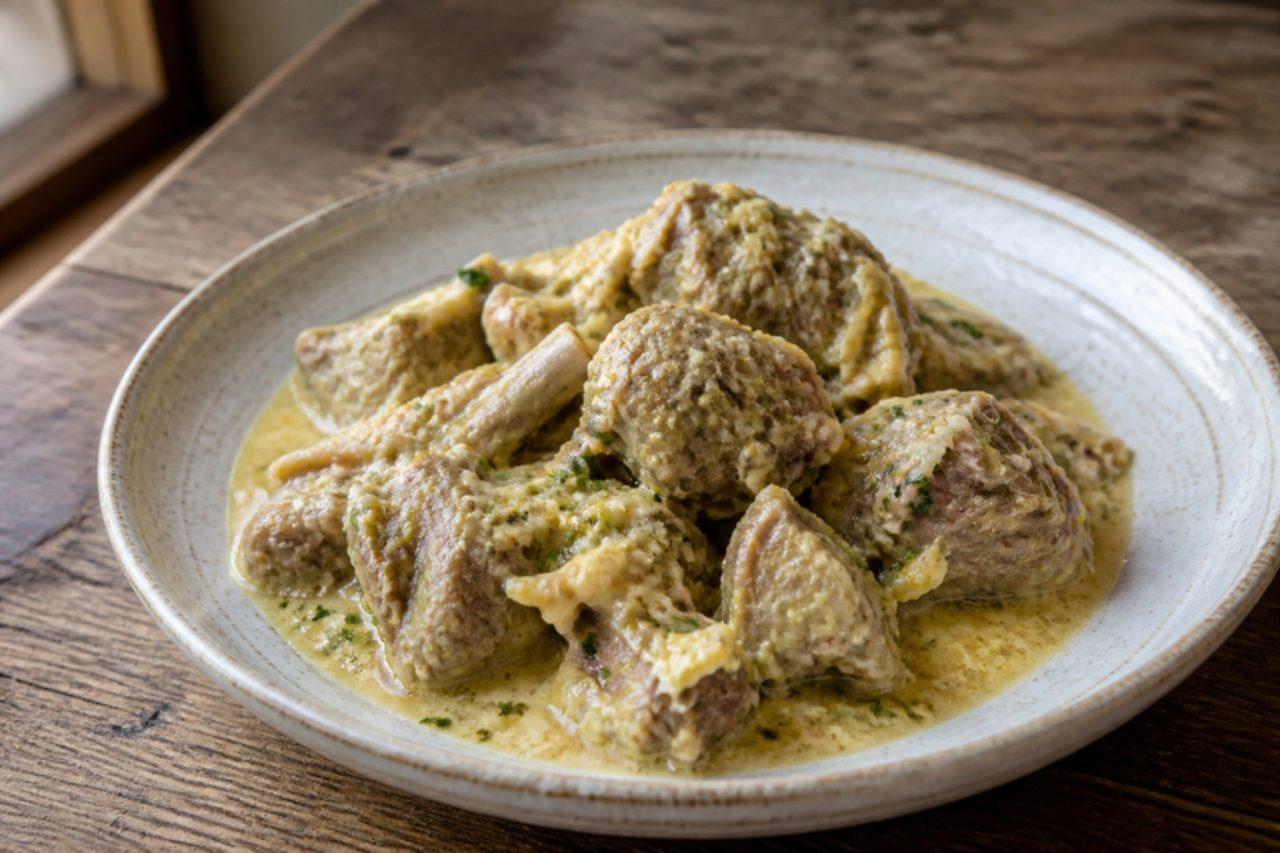
In the mountain villages of Abruzzo and Molise, where sheep farming shapes the whole calendar, Easter lunch means lamb stewed slowly with garlic, rosemary and white wine and finished "cacio e ova", with eggs beaten with pecorino stirred in at the end so they set into a creamy, golden sauce. It is rich and comforting and symbolic: lamb and eggs for spring and new life. Alcohol is used here: you can replace the wine with stock and a squeeze of lemon. Chef's tip: take the pan off the heat before adding the eggs and stir constantly; the heat of the lamb thickens them without scrambling.

by KrazyBadal 0 views

CasatielloEaster bread with salami and eggs

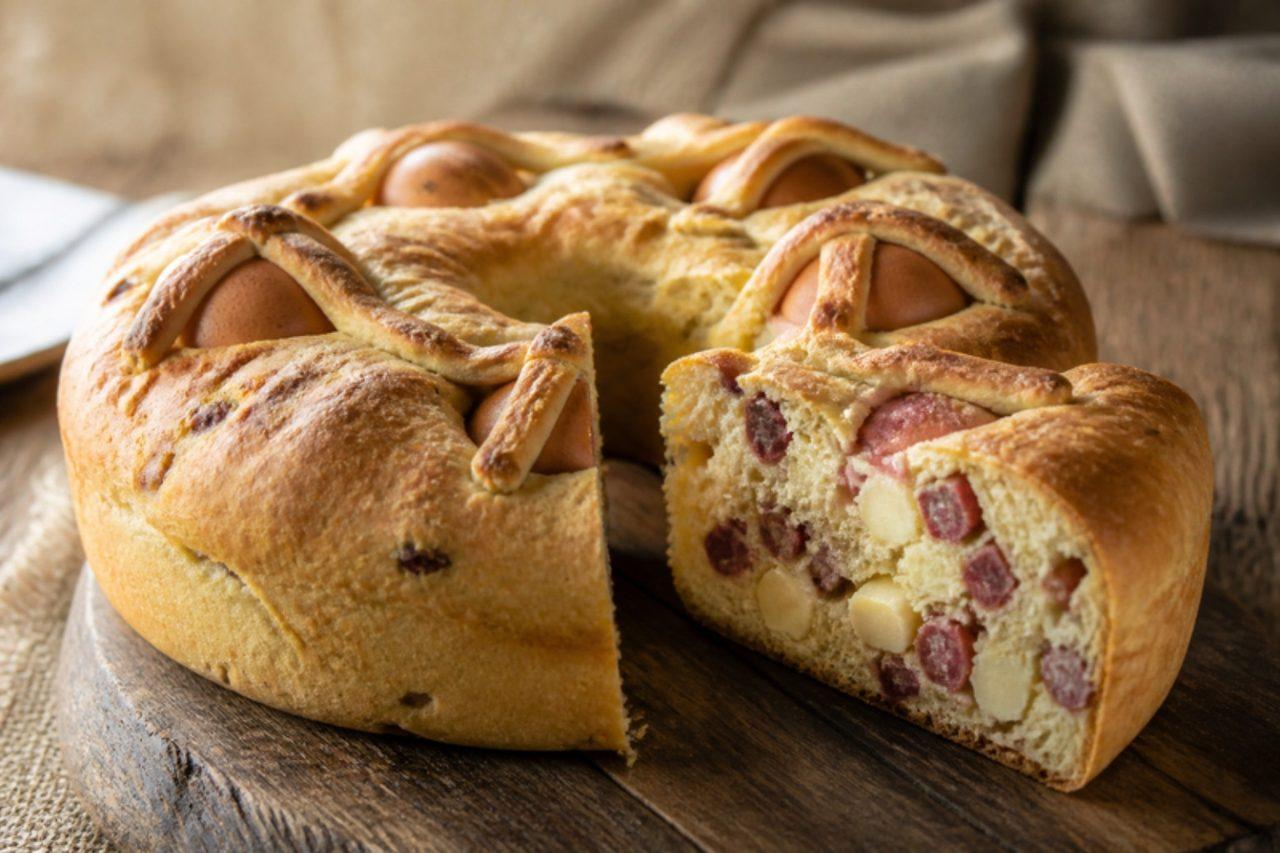
On Easter Monday, Neapolitan families head out of the city for a picnic, called la pasquetta, and they always pack a casatiello: a heavy, rich bread ring made with lard, studded with cubes of salami, cured pork and cheese, with whole eggs in their shells set into the top under crosses of dough. It is baked on Holy Saturday and rises slowly, filling the house with its smell. The fat used is pork lard, with salami and pancetta. Chef's tip: give it the full, slow rise; a casatiello needs time to lift its heavy load of salami and cheese.

by KrazyBadal 0 views

Glazed Christmas ham

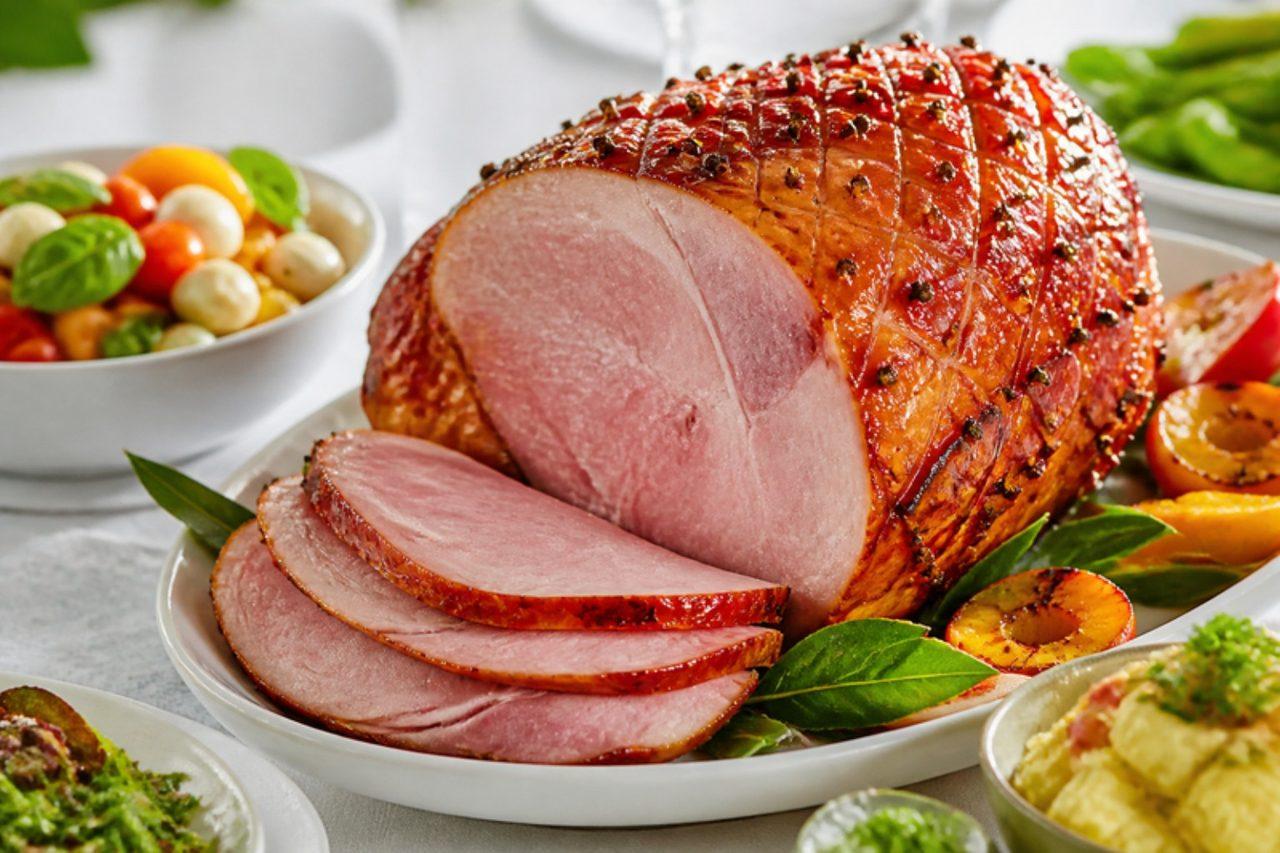
A whole glazed leg ham is the centrepiece of the Australian Christmas table, served cold with salads and mustard on a hot December day and eaten in sandwiches for a week after Boxing Day. It is a cured, smoked leg of pork, already cooked, that is scored, studded with cloves and baked with a sticky orange and honey glaze. A common mistake is cutting the rind off too roughly; ease it away with your fingers so the fat stays smooth. Chef's tip: store the leftover ham in a cotton ham bag soaked in water and vinegar in the fridge to keep it moist.

by KrazyBadal 0 views

KulichEaster yeast bread

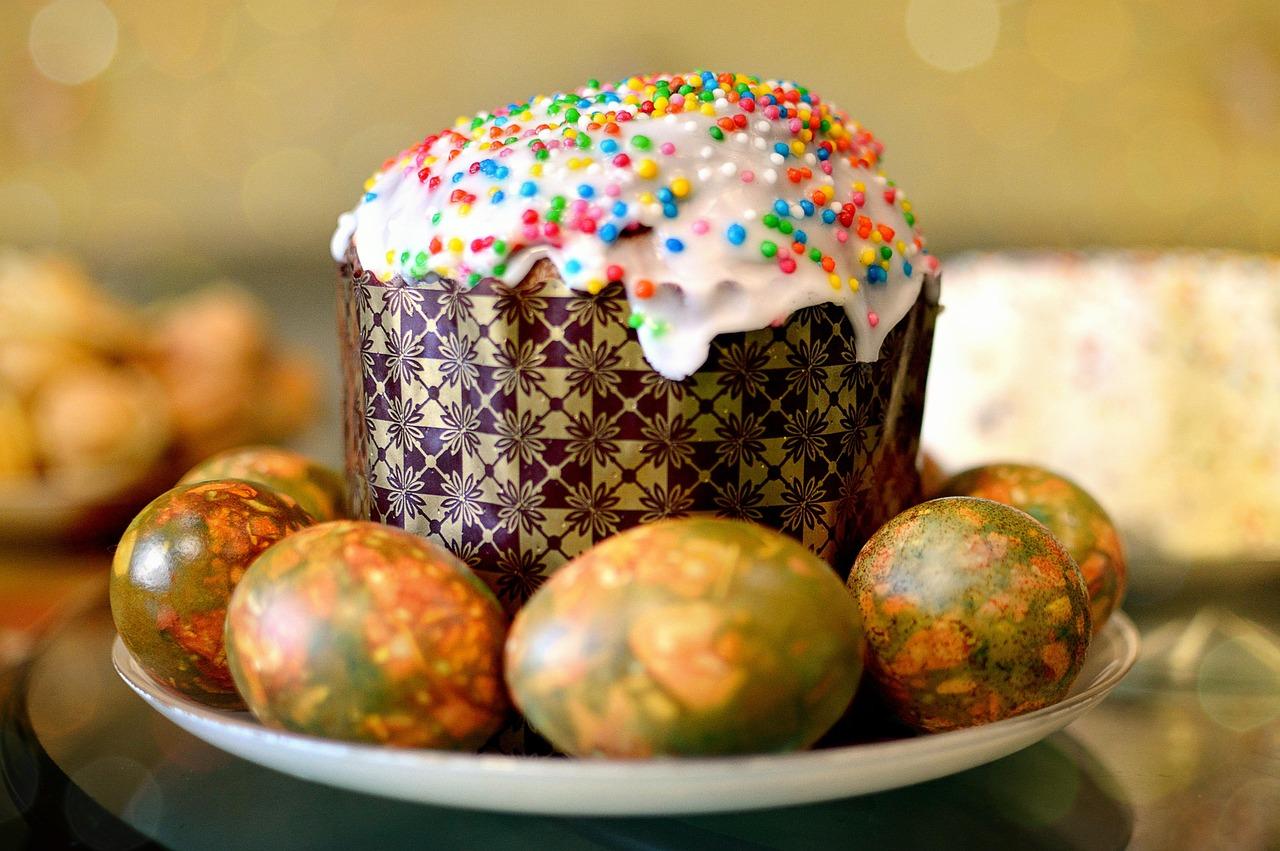
Easter Saturday queues outside Russian churches are full of baskets holding a tall kulich, a few dyed eggs and a pot of paskha, all waiting for the priest's blessing; the bread is then cut in rounds at breakfast after the night service. The crumb is rich with butter and yolks, scented with cardamom, vanilla and lemon zest and dotted with raisins and candied orange, under a white cap of icing and coloured sprinkles. Many families plump the raisins in rum; here they soak in hot tea, so the loaves are alcohol-free. The usual slip is underbaking: the tall tops brown early, so tent them with foil and test with a long skewer. Chef's tip: cool the baked loaves lying on their sides on a folded towel, turning now and then, so the soft crowns do not sink.

by KrazyBadal 0 views

ChoregBraided Easter bread

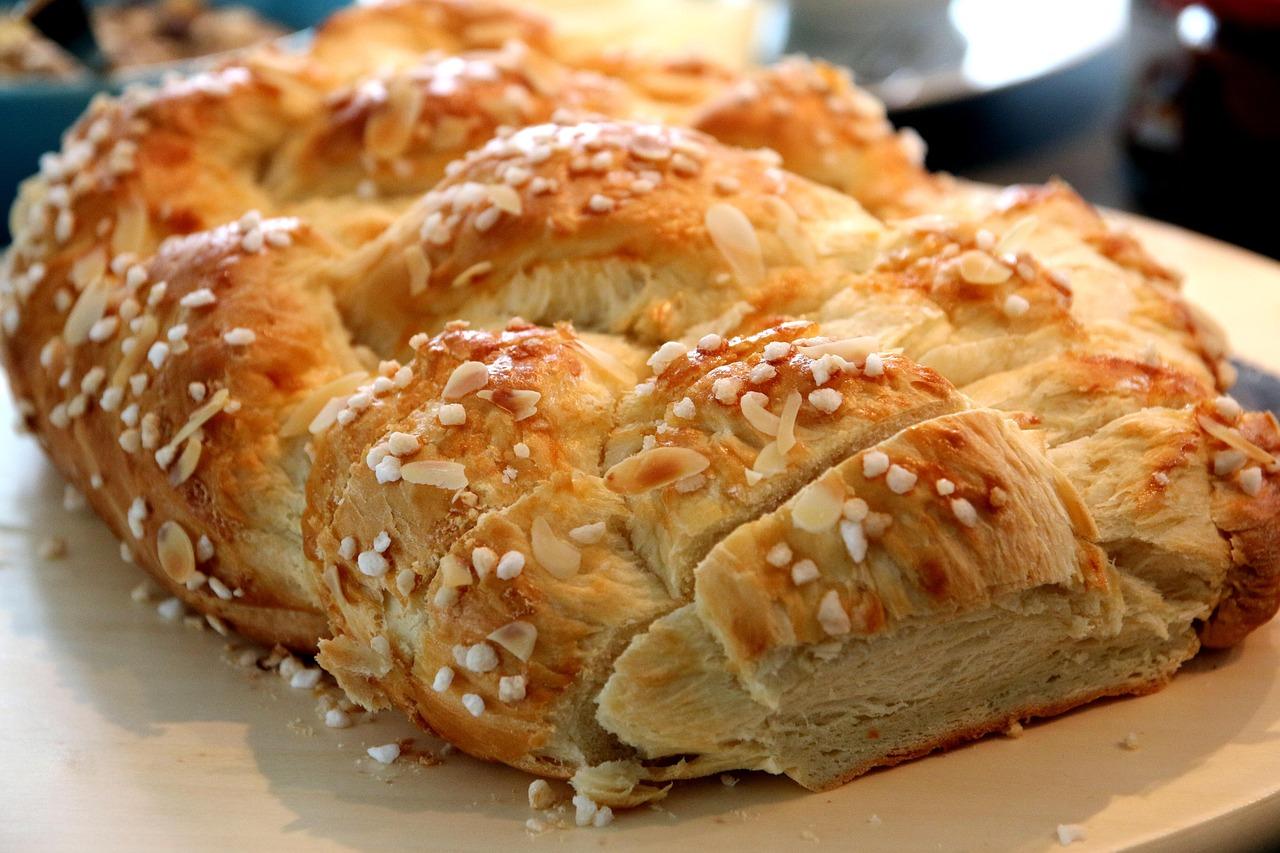
Choreg is baked in Armenian homes for Easter from Yerevan to Beirut, Marseille and Los Angeles: soft, slightly sweet braided loaves scented with mahleb, the ground kernel of a wild cherry, glazed with egg and scattered with nigella or sesame seeds. Families bake big batches on Holy Saturday and share them with neighbours after church. A common mistake is adding too much flour to a sticky dough, which makes dry, heavy bread. Chef's tip: let the dough rise slowly, even overnight in the fridge; the flavour develops and the cold dough is easy to braid.

by KrazyBadal 0 views

Ćwikła z chrzanemBeetroot and horseradish relish

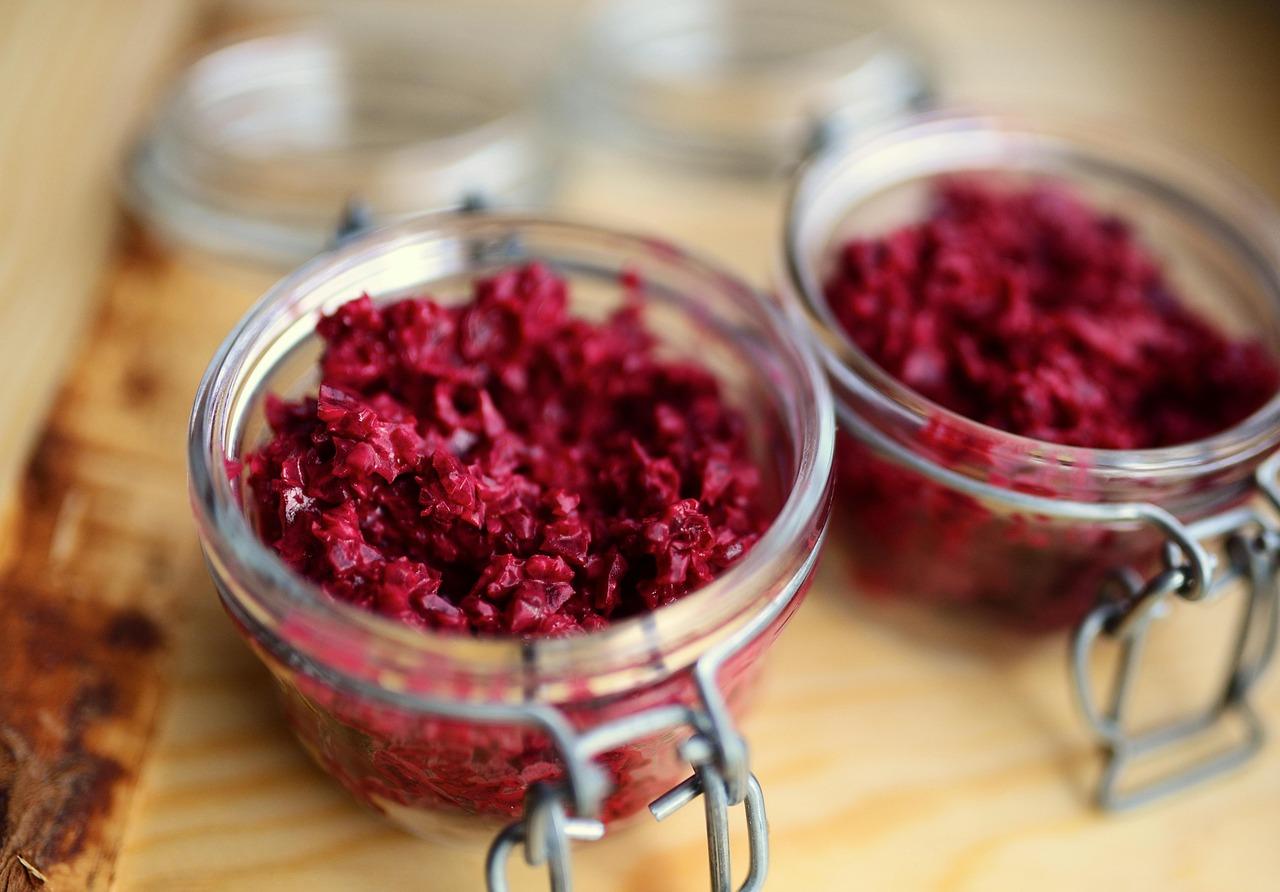
Easter baskets blessed in Polish churches on Holy Saturday always hold a little horseradish, and on Sunday morning it reappears mixed with beetroot as ćwikła, the bright purple relish passed around with eggs, white sausage, ham and rye bread. Here it is meat-free; spoon it beside eggs, cheese or roast vegetables. It is sweet, sour and sharp enough to clear your nose, and the heat fades over a few days in the fridge. A common mistake is using jarred horseradish cream, which makes it milky and mild; use freshly grated root or plain grated horseradish in vinegar. Chef's tip: grate the horseradish near an open window, or in a food processor, and add it last so its heat stays lively.

by KrazyBadal 0 views

Drob de mielLamb offal loaf

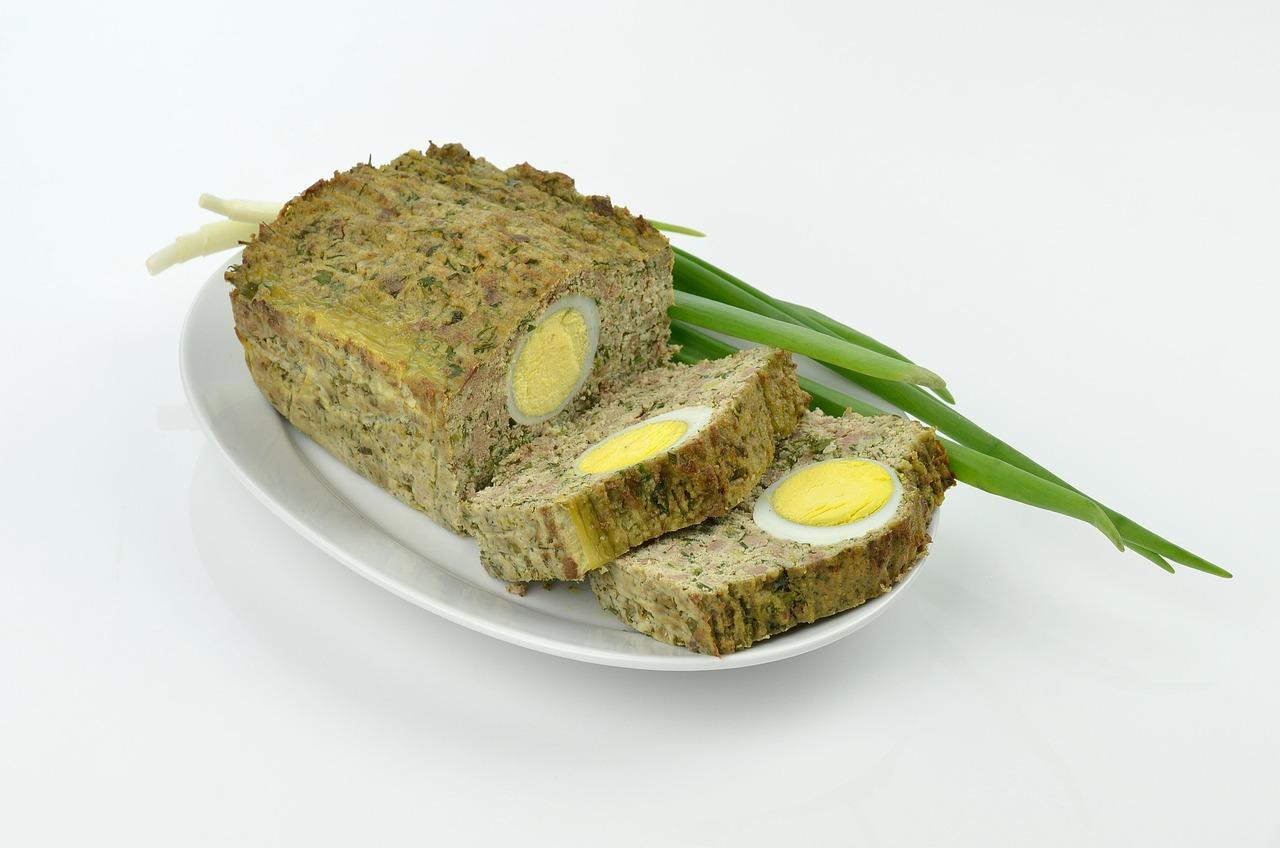
On Easter Sunday a Romanian table holds red-dyed eggs, cozonac and, nearly always, a slab of drob: lamb liver, heart and kidneys poached, chopped and bound with fresh bread, raw egg and a whole bunch of spring onions and dill, then baked with hard-boiled eggs hidden in the middle. Sliced cold, each piece shows a yellow-and-white eye of egg in a green-flecked, earthy loaf that is milder than you might expect. It is served as a starter with radishes, horseradish and green salad, and keeps well for the days of visiting that follow. Butchers often sell a lamb 'pluck'; ask for the lungs to be left out if you prefer, and use a little extra lamb mince instead. The classic mistake is under-seasoning: the loaf is eaten cold, which dulls salt and herbs, so the mix should taste bold. Chef's tip: wrap the loaf in caul fat (prapur) if your butcher has it; it bastes the drob as it bakes and gives a lacy, golden crust.

120 minRomanianMeat
by KrazyBadal 0 views

JidášeEaster honey buns

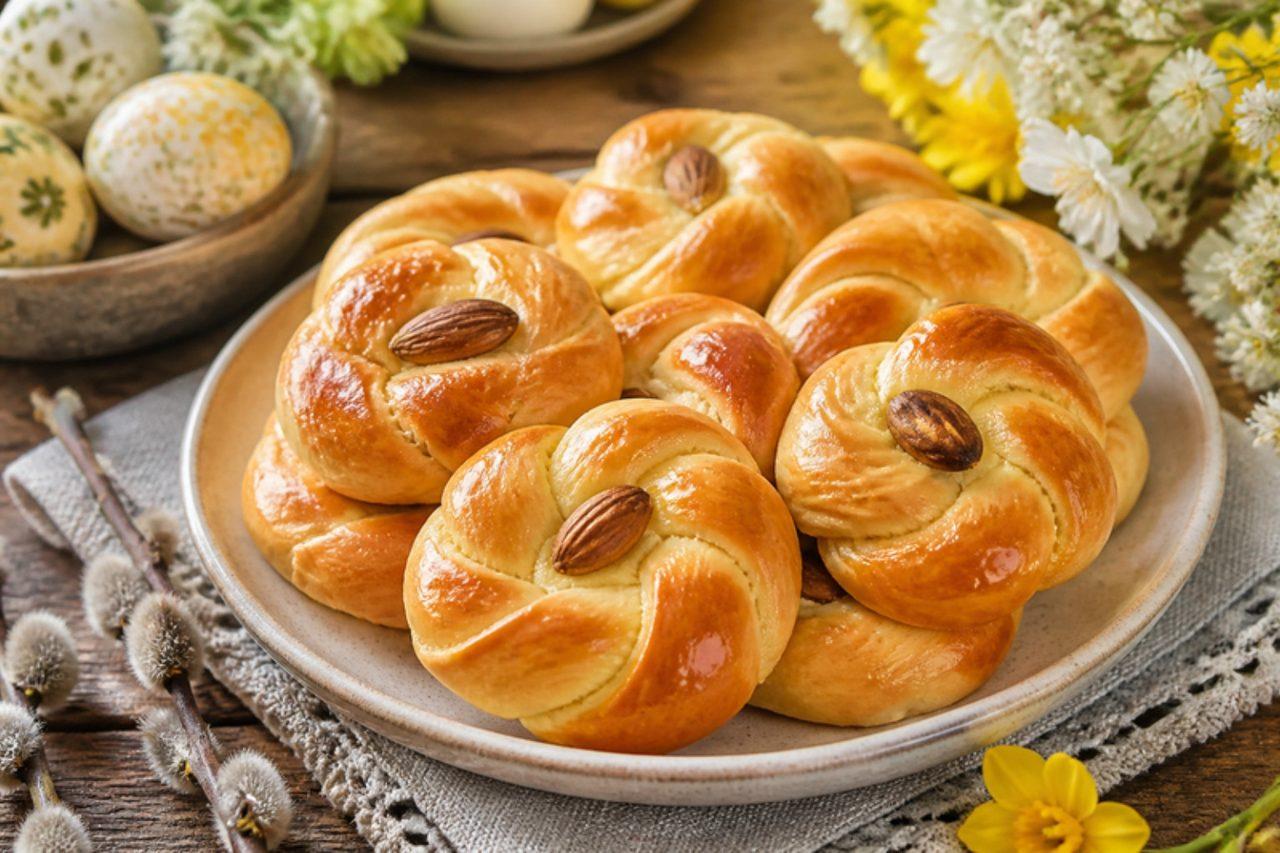
Maundy Thursday, "Green Thursday" in Czech, is the day for jidáše, sweet yeasted buns rolled into ropes and coiled into spirals or loose knots to recall the rope of Judas, which gives them their name. Families in Bohemia and Moravia bake them for breakfast that morning and brush them, still hot, with honey; eating one was once said to bring health for the year. They are soft and fluffy, lightly scented with lemon, with a sticky, shiny top. A common mistake is brushing the honey on cold buns, where it just sits; warm the honey and glaze them straight from the oven so it soaks in. Honey is not suitable for babies under one year old. Chef's tip: roll the ropes thinner than you think, about finger thickness; they double as they prove.

145 minCzechBaking
by KrazyBadal 0 views

Jamaican Easter bunSpiced Easter loaf

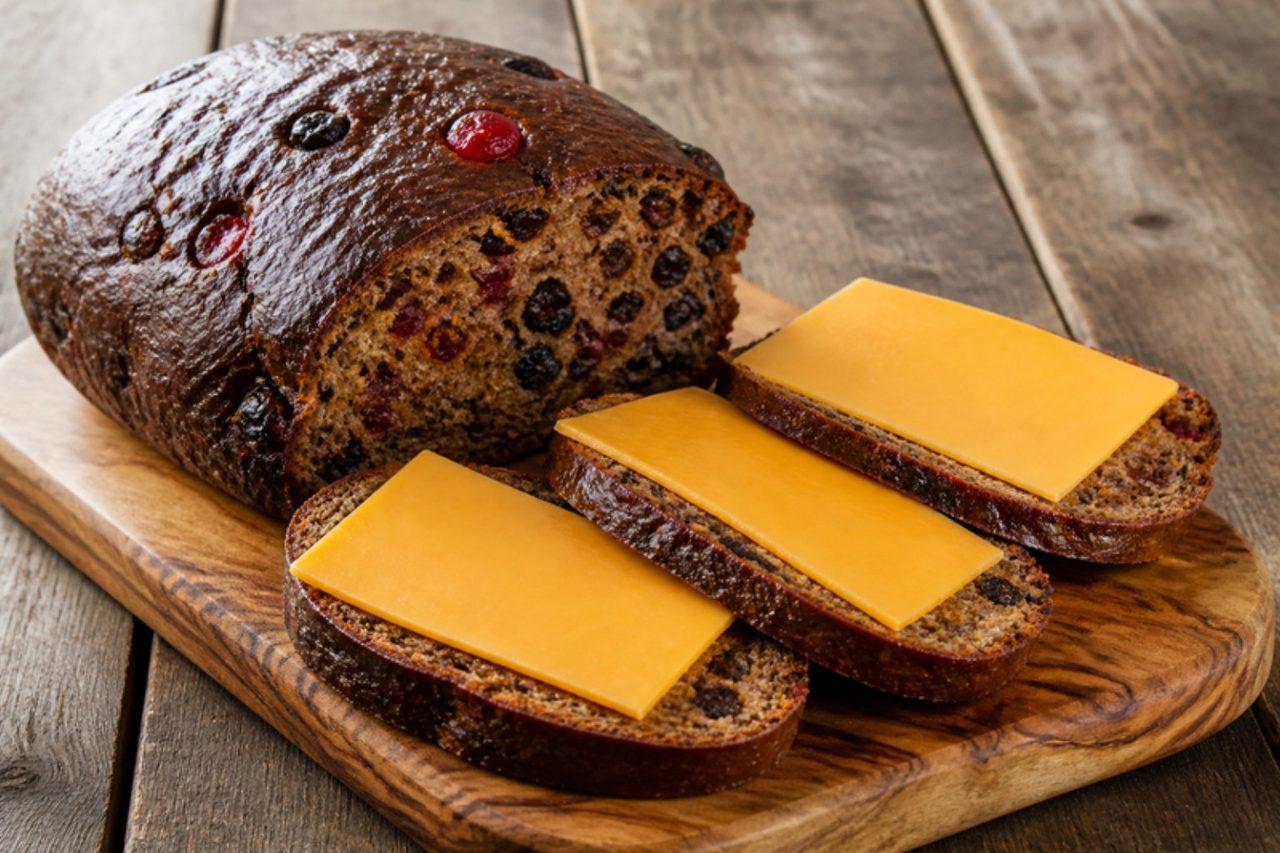
Every Good Friday, Jamaicans from Kingston to London buy or bake a dark, glossy spiced bun to slice and eat with processed cheese, a tradition that grew out of the British hot cross bun. This quick-bread version is moist and dense with dried fruit, molasses and warm spice; it traditionally uses stout, which contains alcohol, so for an alcohol-free bun use the same amount of malt drink. The commonest mistake is slicing the bun warm, when it is still sticky and crumbles; it needs a day to firm and mellow. Chef's tip: brush the hot loaf with a honey or sugar syrup glaze straight from the oven for the shiny top.

by KrazyBadal 0 views

PaskhaPressed Easter cheese dessert

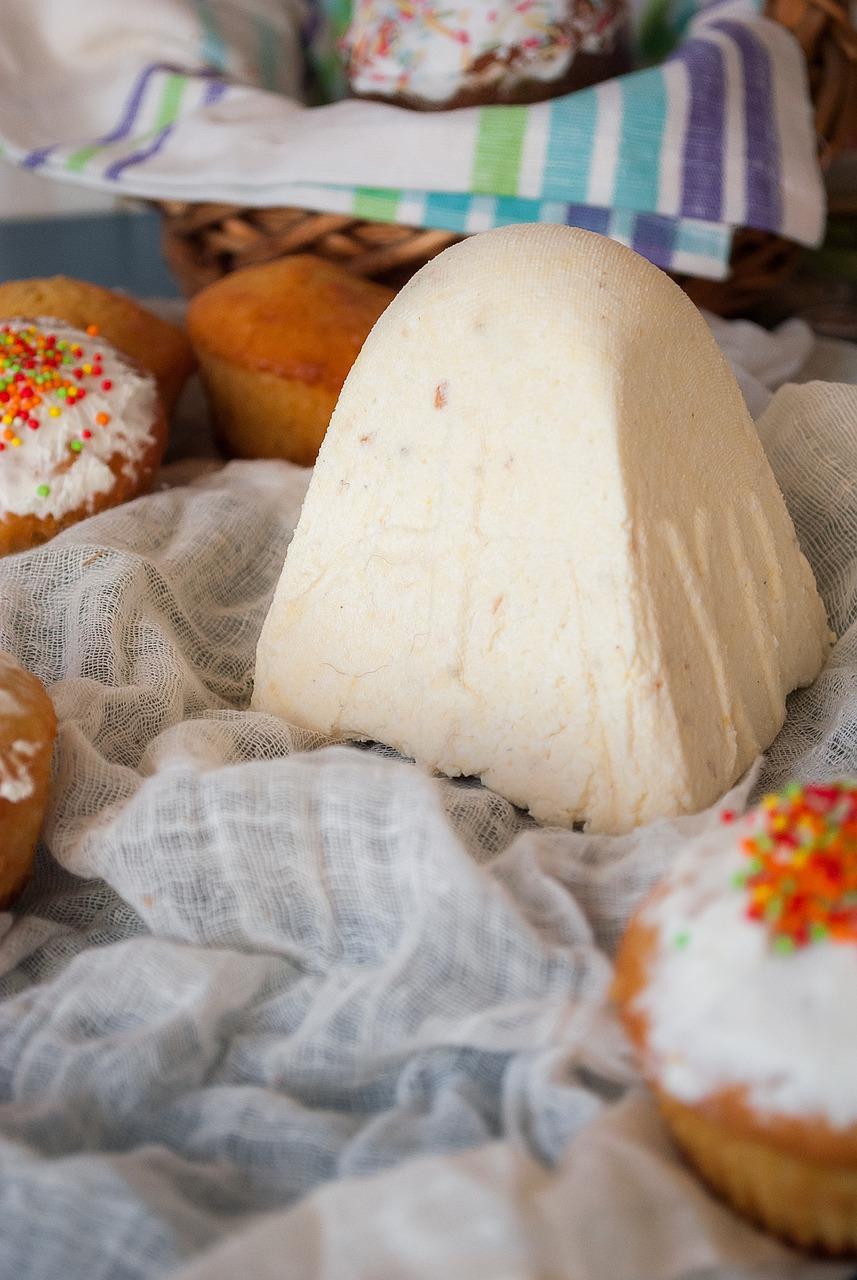
Next to the kulich on every Russian Easter table stands a white pyramid stamped with the letters ХВ, for 'Christ is risen', cut into thin wedges and spread on slices of the sweet bread. Old recipes stir raw yolks and cream straight into the curd; this is a cooked paskha (zavarnaya), where yolks, cream and sugar are first heated into a custard, which is safer and keeps longer. Use pasteurised tvorog, cream and eggs, and check the tvorog label if you want it rennet-free. The texture is dense and smooth like a firm cheesecake filling, sweet with vanilla, raisins, candied peel and almonds. Where most people go wrong is skipping the sieving; unsieved curd stays grainy whatever else you do. Chef's tip: no pyramid mould? A new, clean flowerpot or a sieve lined with muslin works, with a weight on top overnight in the fridge.

by KrazyBadal 0 views

MazurekEaster tart with caramel

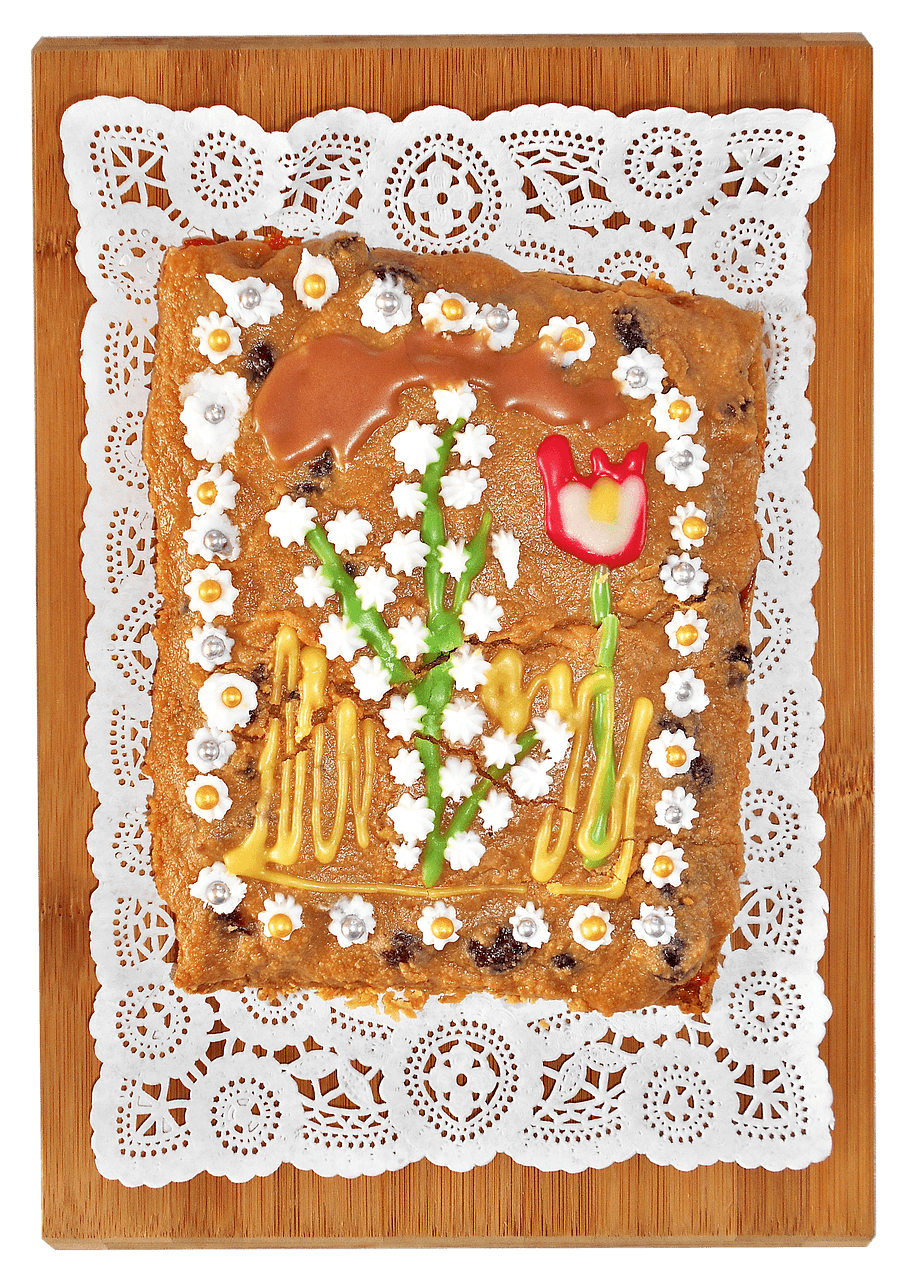
Easter tables in Poland show off several mazurki at once, each decorated like a little picture with almonds, walnuts, dried fruit and sometimes the word ‘Alleluja’ piped across. Beneath the decoration is a thin, crumbly, buttery shortcrust and a thick layer of kajmak, a fudgy milk caramel, here over a thin layer of tart jam for contrast. It is very sweet, so it is cut into small diamonds and served with coffee. A common mistake is spreading the caramel on a warm base, which melts it into a soggy, greasy layer. Chef's tip: cook the condensed milk in a pan rather than boiling an unopened tin, which can burst; it is quicker and safer.

by KrazyBadal 0 views

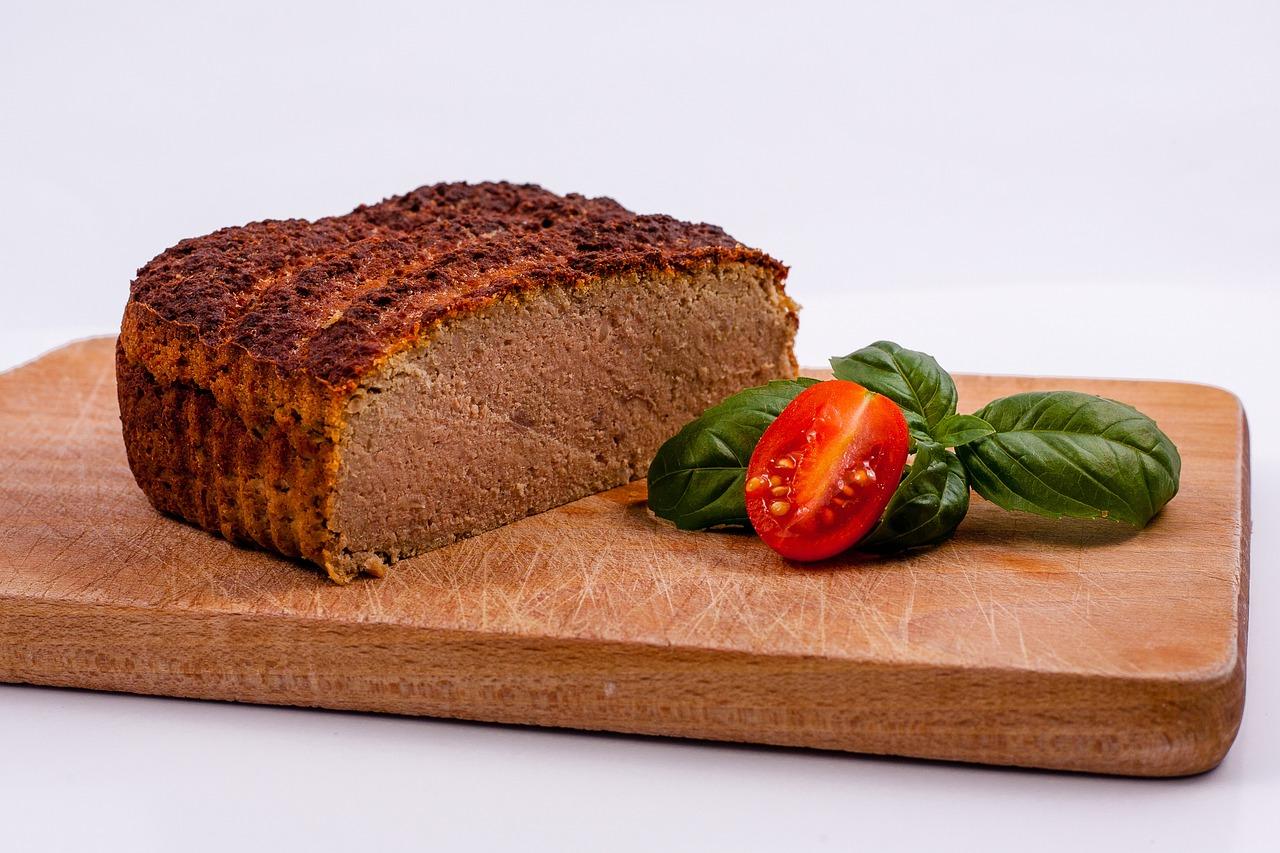
Easter pâté

A thick slice of homemade pasztet belongs on the Easter breakfast table after the blessing of the food basket, next to ham, eggs, ćwikła and white sausage. This baked loaf combines pork shoulder, chicken thighs and pork liver, simmered with root vegetables and allspice, minced twice and baked until firm, so it slices cleanly yet stays moist and spreadable. Marjoram and nutmeg give it the classic Polish flavour; serve it cold with horseradish, beetroot relish and pickles. Overbaking dries it out, but underbaking is the bigger risk with poultry and liver, so always check the centre with a thermometer. Bake it two days ahead: it needs to chill overnight to set, and it keeps for five days in the fridge. Chef's tip: save the cooking stock and add it a ladle at a time as you mix; the mixture should be as soft as thick porridge, which keeps the finished loaf juicy.

180 minPolishMeat
by KrazyBadal 0 views

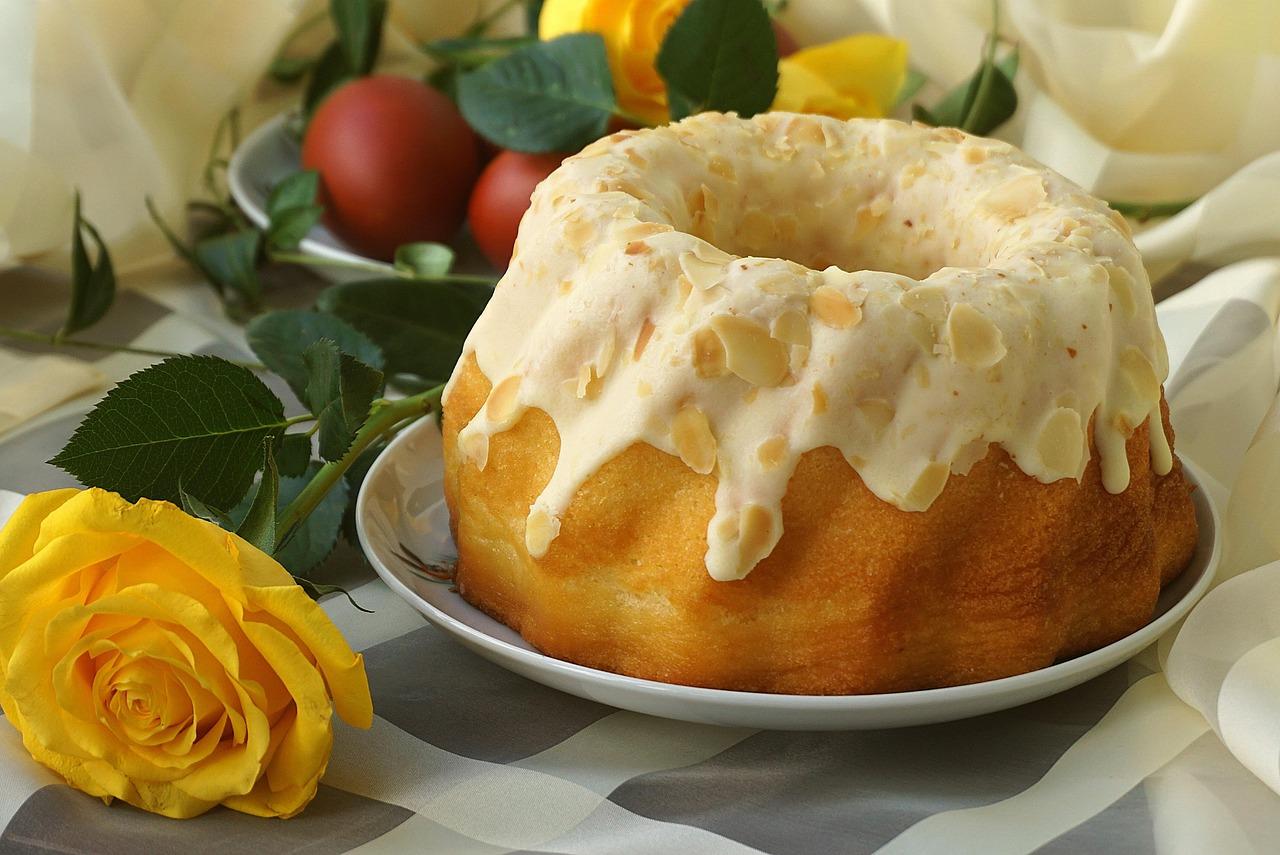
Babka wielkanocnaEaster yeast cake

A golden babka standing tall in the Easter basket used to be a matter of family pride, and old cooks whispered while it baked, convinced a slammed door would make it sink. The dough is soft and rich with egg yolks and butter, beaten until it is elastic, then baked in a fluted ring tin into a cake with a fine, feathery, saffron-yellow crumb. Raisins are often soaked in rum; this version uses orange juice, but a couple of spoons of rum work if you prefer. The usual slip is adding too much flour to a sticky dough, which makes the babka dry; it should stay soft and almost batter-like. Chef's tip: cool the babka on its side, turning it now and then, so the delicate crumb doesn't collapse.

185 minPolishBaking
by KrazyBadal 0 views

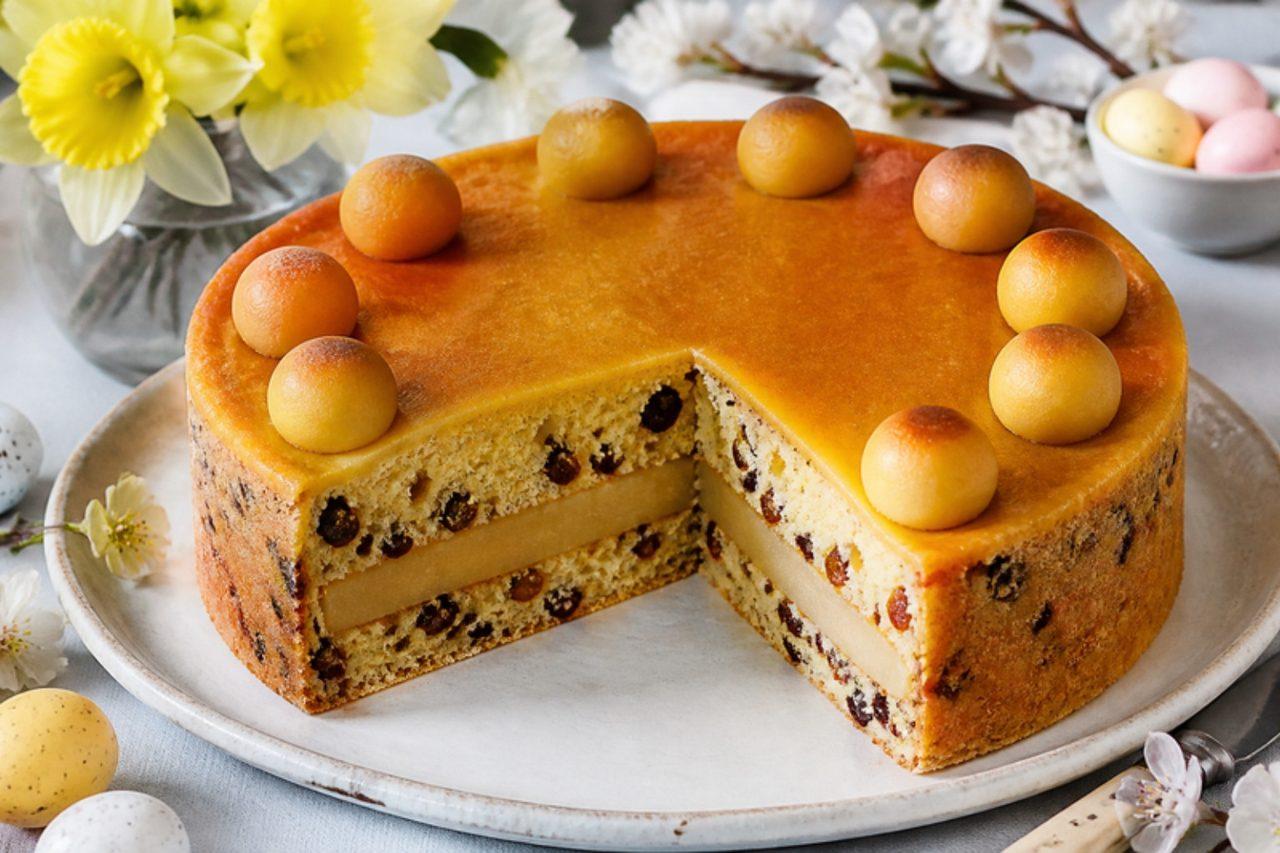
Simnel cake

Simnel cake is England's Easter fruit cake, once baked by girls in service to take home on Mothering Sunday and now the centrepiece of Easter tea. A light fruit cake has a layer of marzipan baked through the middle and more on top, decorated with eleven marzipan balls for the apostles, leaving out Judas. Chef's tip: wrap a band of baking paper round the outside of the tin; it stops the edges drying out during the long, slow bake.

by KrazyBadal 0 views

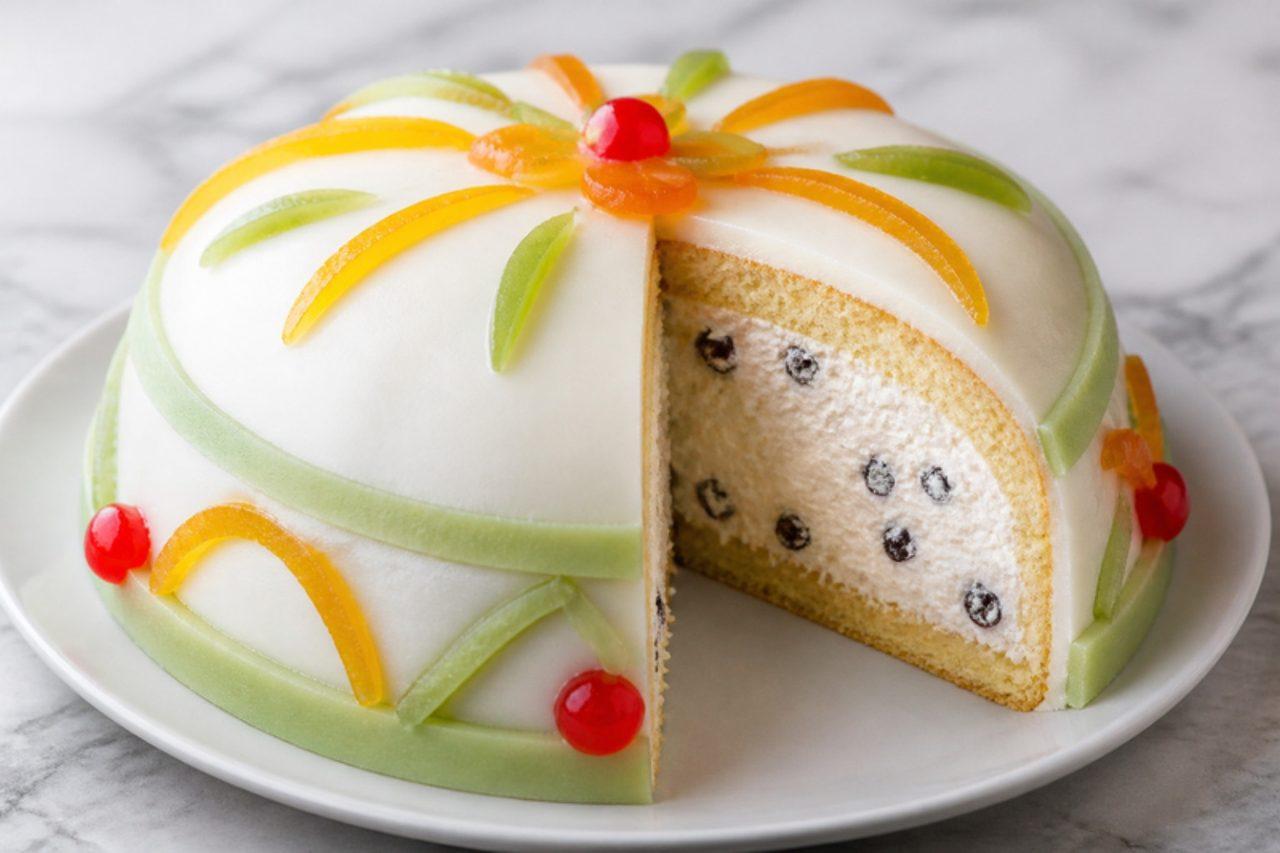
Cassata sicilianaRicotta sponge cake

Cassata is the baroque centrepiece of a Palermo Easter: a dome of sponge lined with pale green marzipan, filled with sweetened sheep's ricotta and chocolate, glazed white and crowned with jewel-like candied fruit. Pastry shops around the city fill their windows with it in Holy Week, and families slice it after Easter lunch. It is rich, cool and creamy under the shell of almond paste, and nothing like the layered Indian-style cassata ice cream. The sponge is often brushed with a liqueur syrup; this version uses orange juice instead. It must chill for at least 4 hours, so make it the day before. Chef's tip: drain the ricotta overnight; that is the secret to a filling that holds its shape when cut.

by KrazyBadal 0 views

Pickled red beet eggs

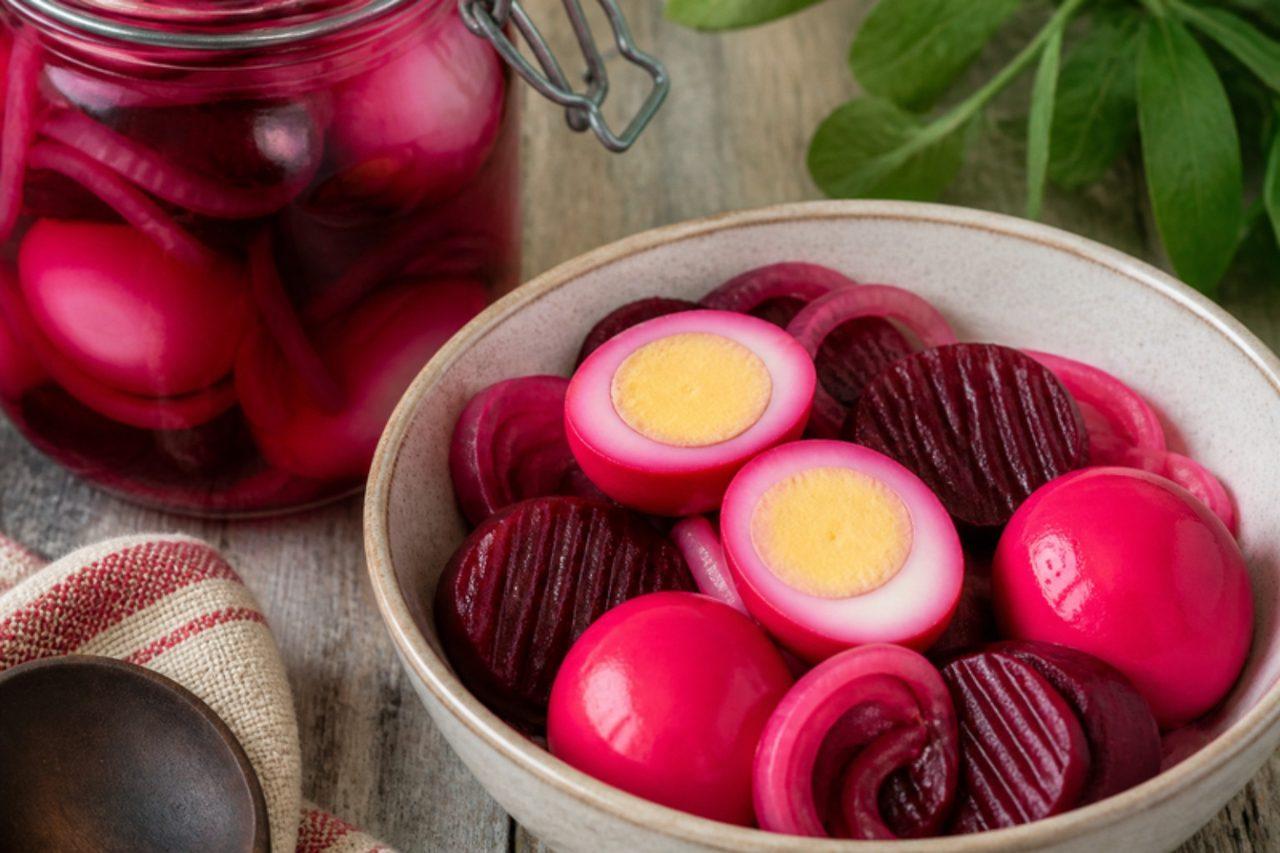
Red beet eggs are on the table at every Pennsylvania Dutch church picnic and Easter lunch, a jar of shocking-pink eggs sitting in the same sweet-sour brine as the pickled beets. The whites take on colour and tang from the outside in, while the yolks stay creamy. Slice them on a salad or eat them whole with a pinch of salt. Chef's tip: two days in the brine gives a thin pink ring; leave them four days for colour almost to the yolk.

by KrazyBadal 0 views

Hot cross buns

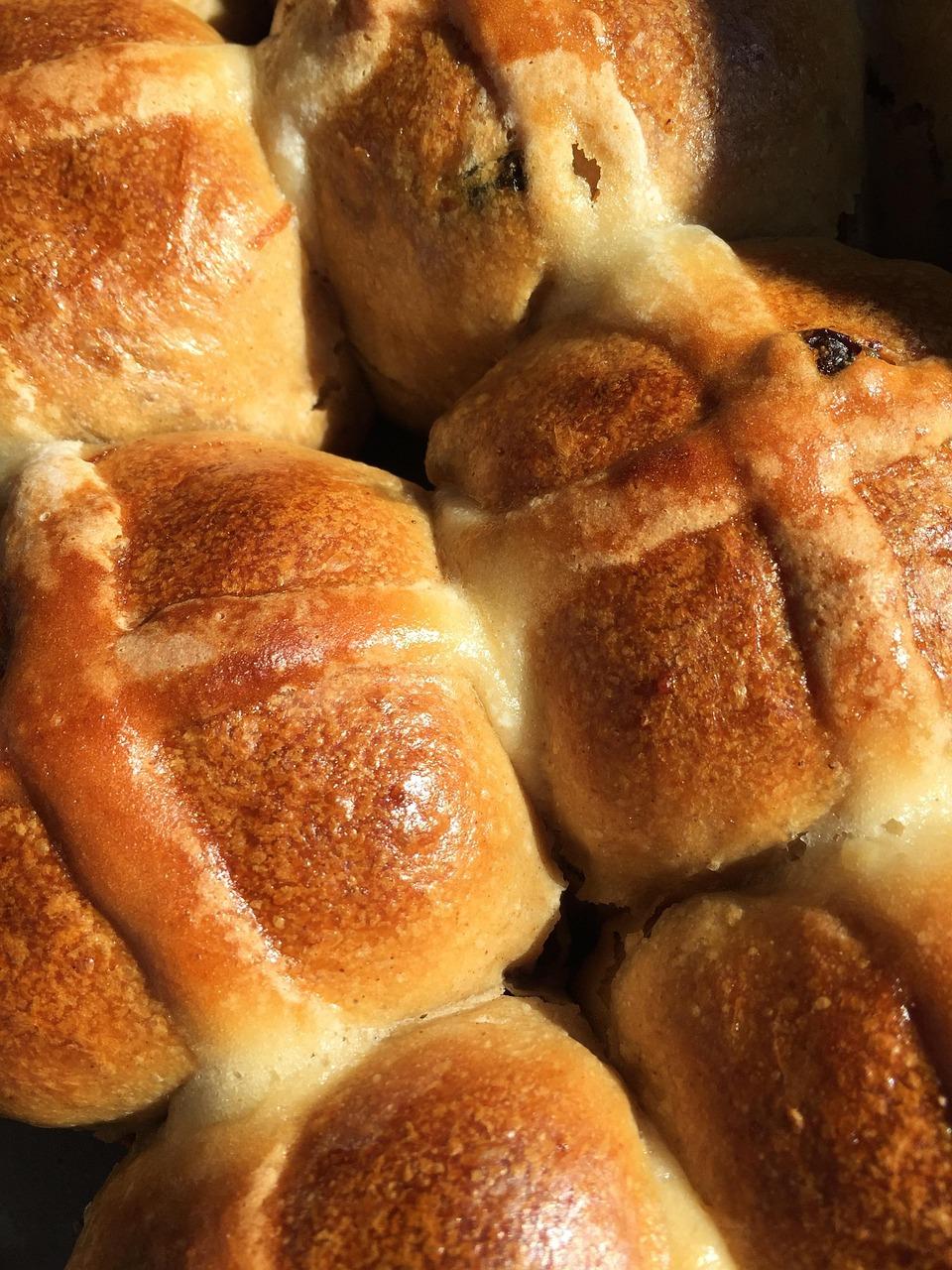
Hot cross buns are eaten toasted with butter on Good Friday across England, and London bakeries have sold them for centuries to the old street cry 'one a penny, two a penny'. The soft, spiced dough is full of currants and orange peel, and the cross on top is piped from a simple flour paste before baking. Chef's tip: let the dough rise somewhere really warm; spiced, fruited dough is slow and needs patience.

by KrazyBadal 0 views

Roast lamb with mint sauce

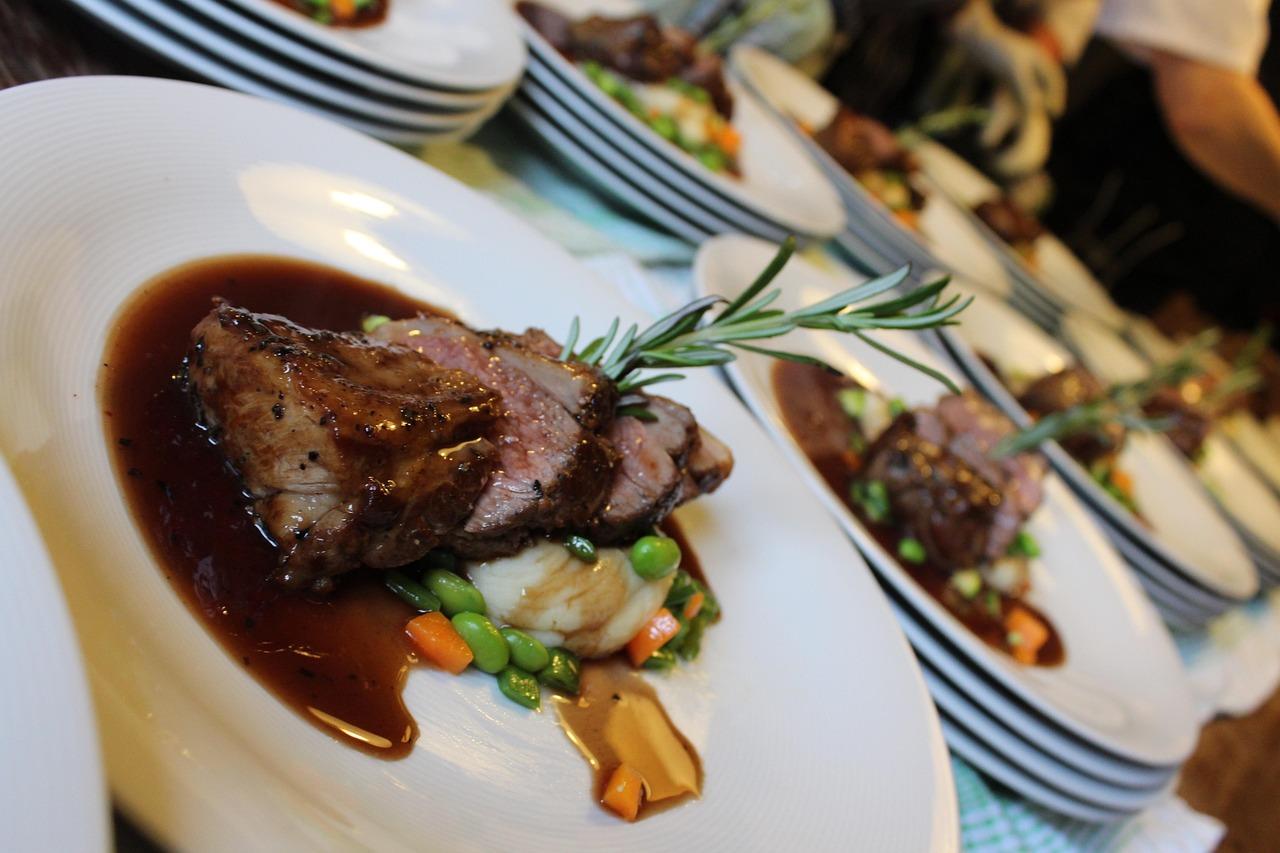
Roast leg of lamb is the Easter Sunday lunch of England, when spring lamb from the South Downs and the West Country comes in, served with roast potatoes, spring greens and a jug of mint sauce. The sauce is the English twist: chopped garden mint steeped in vinegar and a little sugar, sharp enough to cut the richness of the meat. Chef's tip: make the mint sauce an hour ahead so the vinegar mellows and the mint flavour comes out.

120 minBritishMeatGluten free
by KrazyBadal 0 views

Showing 24 of 42 recipes

Show more recipes

Page 1 of 2

More occasions