Skip to content
Festivals

Raksha Bandhan recipes: sweets and festive meals for Rakhi

Ghevar, coconut barfi, rasmalai and other sweets and festive meals to share with your siblings on Rakhi. (9 recipes)

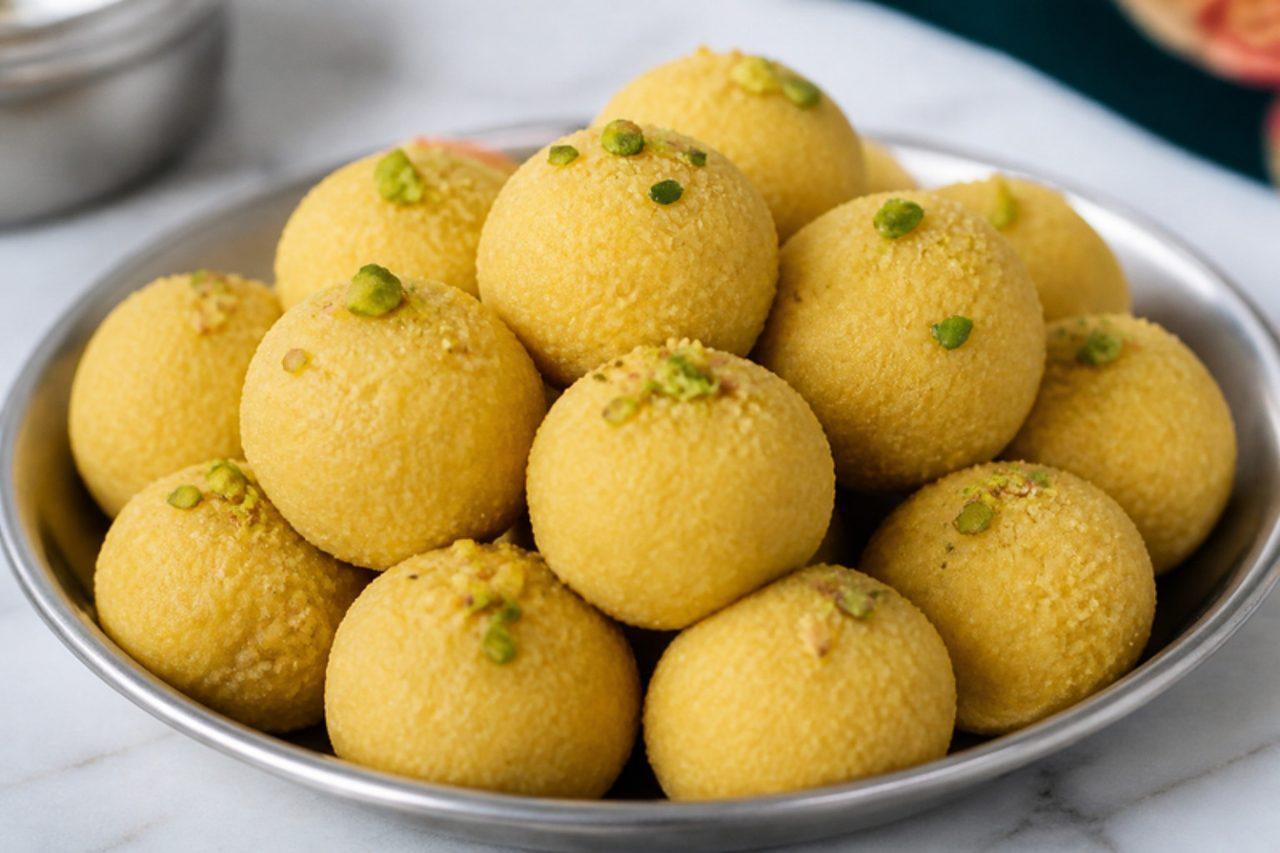
Besan ladooGram flour sweet balls

Every North Indian and Gujarati kitchen has its besan ladoo argument: coarse or fine flour, boora or caster sugar, nuts or not. What nobody argues about is the roasting. The gram flour has to cook in ghee on a low flame for half an hour, going from a stiff lump to a loose, flowing paste the colour of sand, until the raw beany smell is gone and the kitchen smells like roasted peanuts. That patient roast gives a ladoo that is melt-in-the-mouth, faintly grainy and rich, never pasty. They are made for Diwali, offered to Ganesh on Chaturthi and packed for travellers because they keep for weeks. Use besan packed without wheat if you need it gluten-free. Chef's tip: let the roasted besan cool until just warm to the touch before the sugar goes in; hot besan melts the sugar and your ladoos slump into flat discs.

by KrazyBadal 0 views

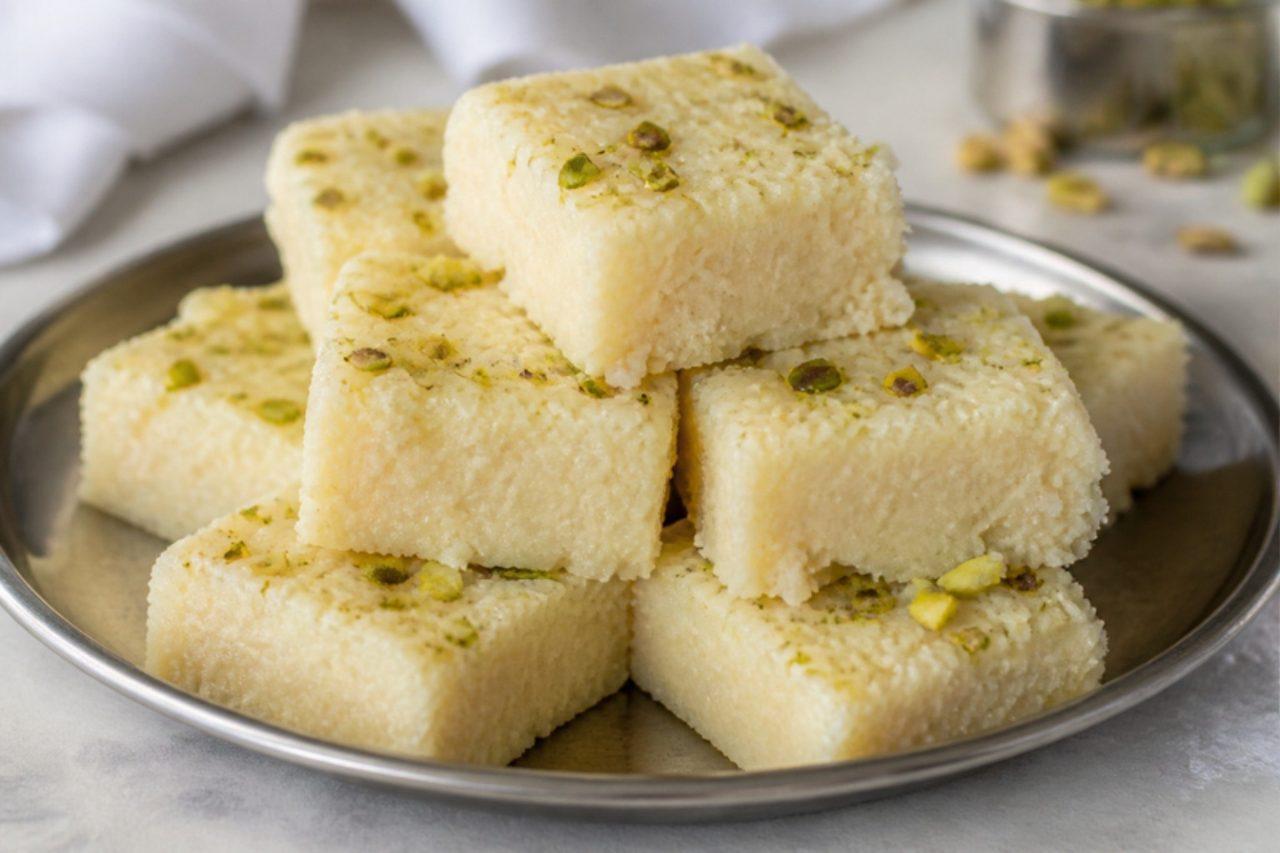
KalakandMilk cake

Alwar in Rajasthan built its reputation on kalakand, and the town's sweet shops still sell it by the slab, moist and crumbly, somewhere between fudge and fresh cheese. The texture comes from two dairy elements cooked together: fresh chhena, curdled with lemon so it stays in fine, soft crumbs, and full-fat milk reduced to a thick cream. Sugar loosens it, then it is cooked down until it just holds together and spread to set. It tastes of sweet milk and cardamom, with tiny grains that melt as you chew. It is a favourite for Diwali, Raksha Bandhan and any good news. Serve it at room temperature, cut into squares. Chef's tip: stop cooking while it still looks a little moist; kalakand firms up a lot as it cools, and overcooking turns it dry and chewy.

by KrazyBadal 0 views

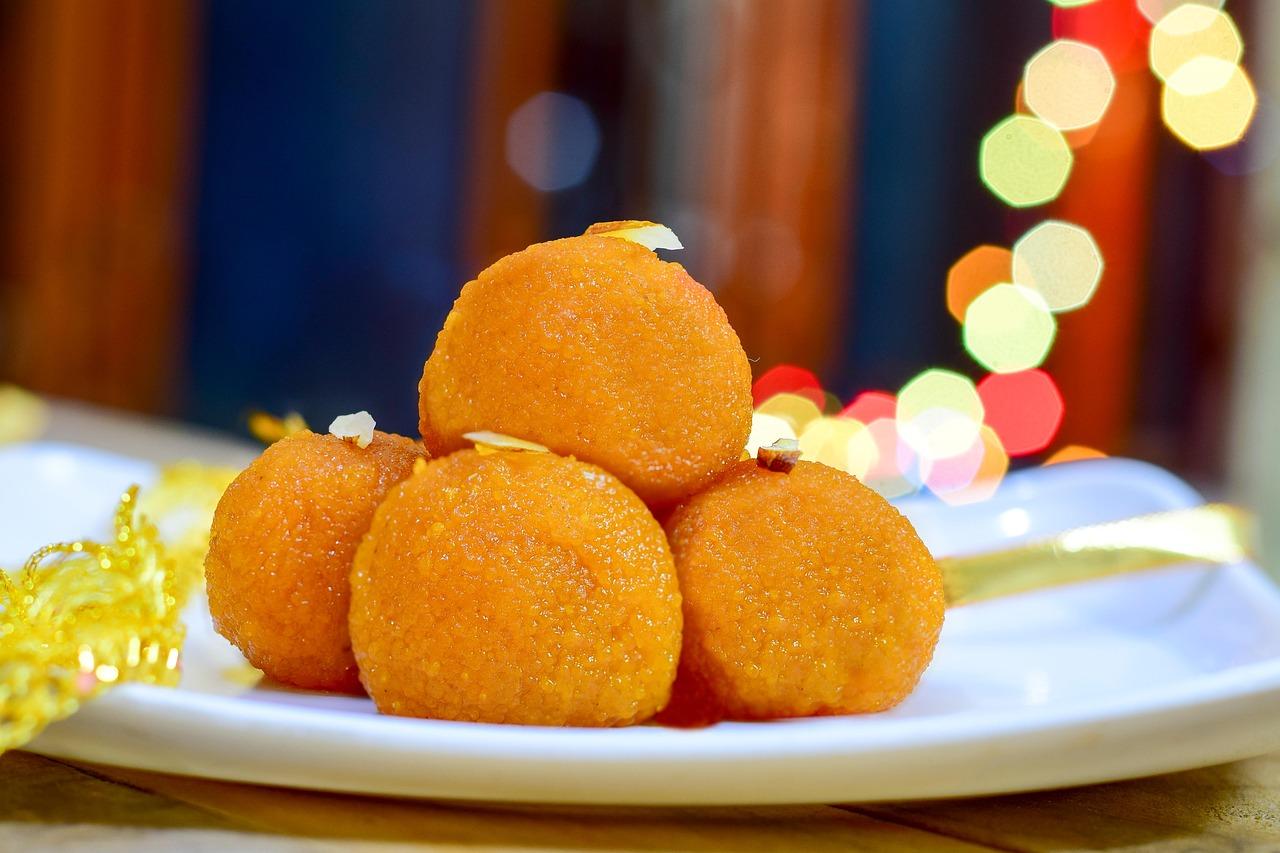
Motichoor ladooBoondi sweet balls

Halwais in Jaipur, Indore and old Delhi sell mountains of these during Ganesh Chaturthi, Diwali and every wedding season, and Ganesha himself is usually shown holding one. The difference from ordinary boondi laddu is size: the gram-flour batter is dropped through the finest jhara, so each pearl is no bigger than a mustard seed and the finished laddu is soft, moist and almost melts on the tongue. A light syrup of one-string consistency, saffron, cardamom and a little melon seed is all it needs. Serve them as prasad, in a festive mithai box, or after a thali. The classic mistake is a batter that is too thick: the drops come out with tails and stay chewy instead of round. Being made only from gram flour, sugar and ghee, these are gluten-free as long as no hing or wheat goes near the batter. Chef's tip: shape the laddus while the boondi is still warm and syrupy; once it cools, the pearls will not stick together and the laddus crumble.

by KrazyBadal 0 views

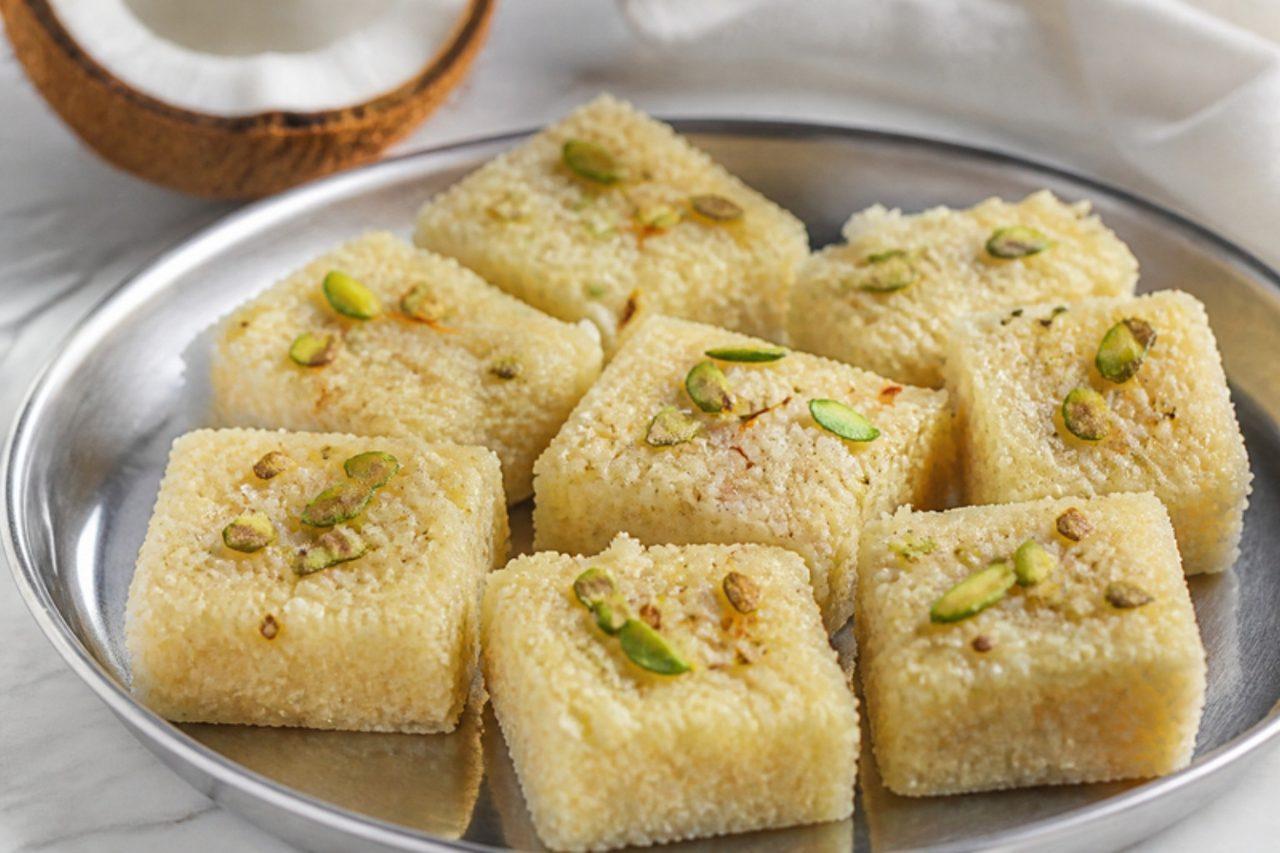
Kopra pakFresh coconut fudge

Kopra pak is the sweet a Gujarati home makes when a coconut has been broken for a puja and there is too much to use. It is ready in under an hour: fresh coconut is cooked with milk until the milk is soaked up, then with sugar until the mixture comes away from the pan, and it is spread in a thali to set. The result is soft and moist, with the clean, milky sweetness of fresh coconut and a little chew, quite different from dry desiccated barfi. It appears at Diwali, Sharad Purnima and on Bestu Varas, and as prasad after Satyanarayan katha. Use only the white part of the coconut for a pale barfi. Chef's tip: grate the coconut finely or pulse it briefly; coarse shreds make a loose barfi that crumbles when you cut it.

by KrazyBadal 0 views

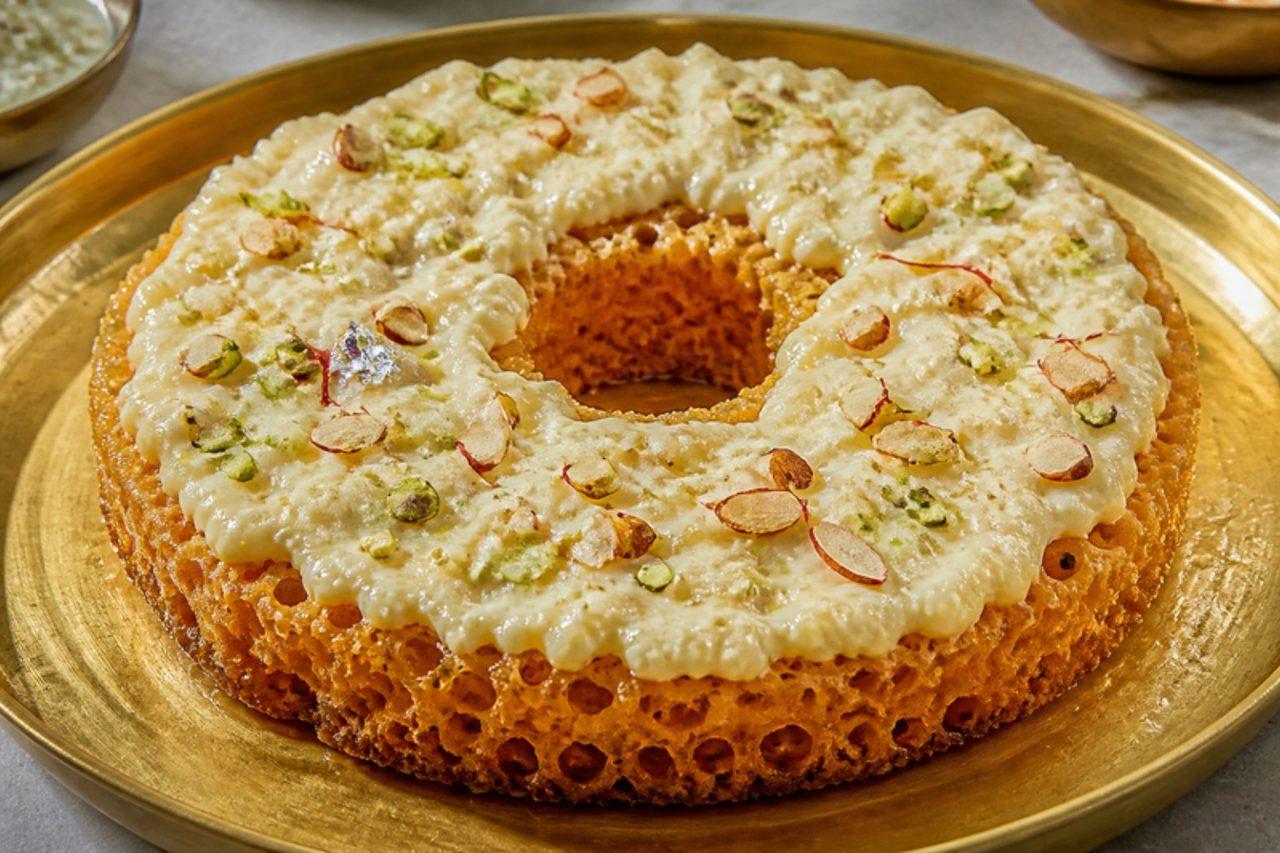
GhevarLacy fried batter sweet in syrup

During the monsoon festival of Teej and through Raksha Bandhan, Jaipur's sweet shops stack golden, honeycomb discs of ghevar in their windows. The batter is little more than flour, chilled ghee and ice-cold water, poured into hot ghee in thin streams so it foams into a lacy round. It is then soaked in syrup and finished with rabri, sliced pistachios and a pinch of saffron. Married daughters traditionally receive it from their mothers' homes during Teej. The most common mistake is batter that is too warm or too thick; it fries into a heavy pancake instead of a web. Chef's tip: whisk the ghee with ice cubes until it is white and fluffy before adding flour, and keep the batter bowl in a tray of ice water while frying. A narrow, deep pan, or a metal ring set in a saucepan, gives the sides that help the batter build up.

by KrazyBadal 0 views

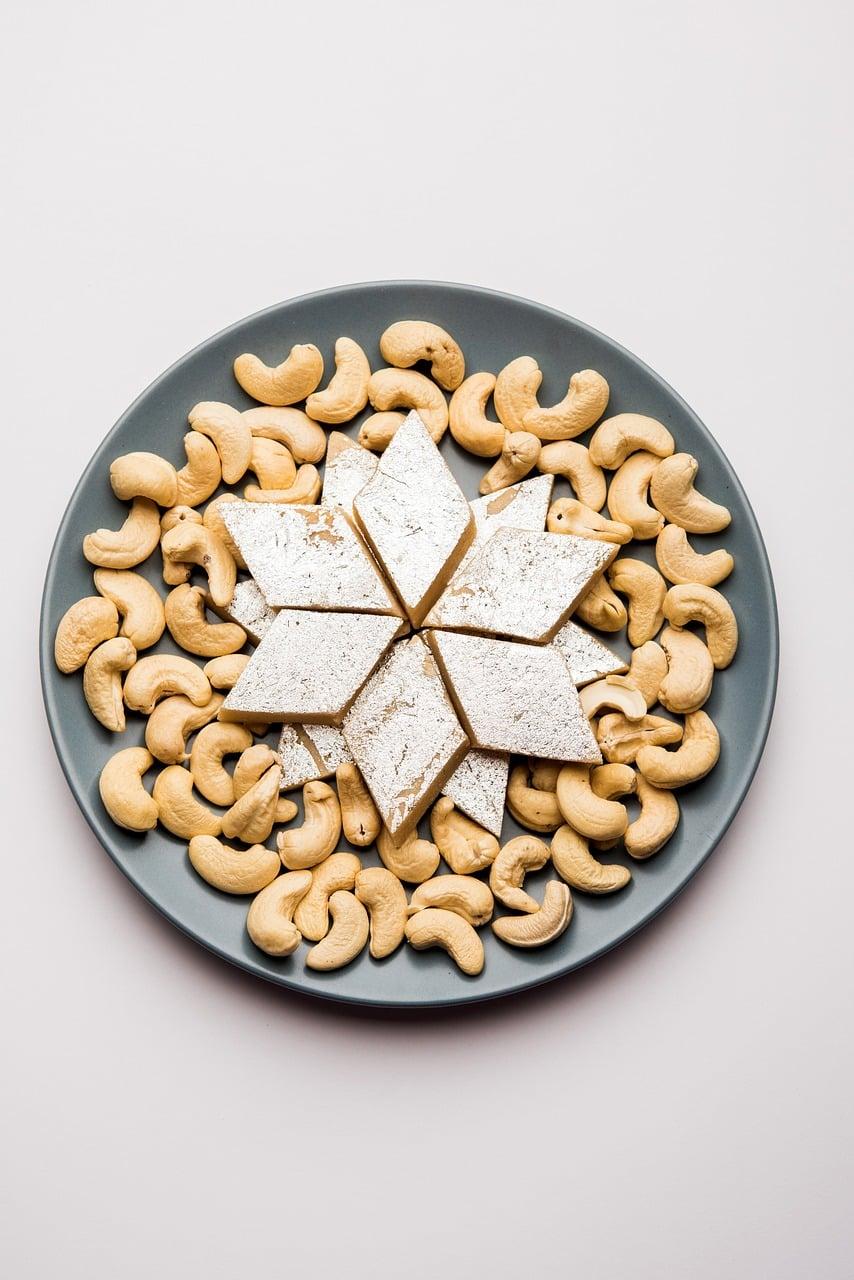
Cashewnut katliCashew fudge diamonds

Kaju katli is one of the best-loved Indian sweets: finely ground cashews bound with a sugar and milk syrup, rolled thin, scattered with nuts and cut into diamonds. It's smooth, dense and delicately sweet with saffron and cardamom. Makes about 40 diamonds; perfect for Diwali boxes and gifts.

by KrazyBadal 0 views

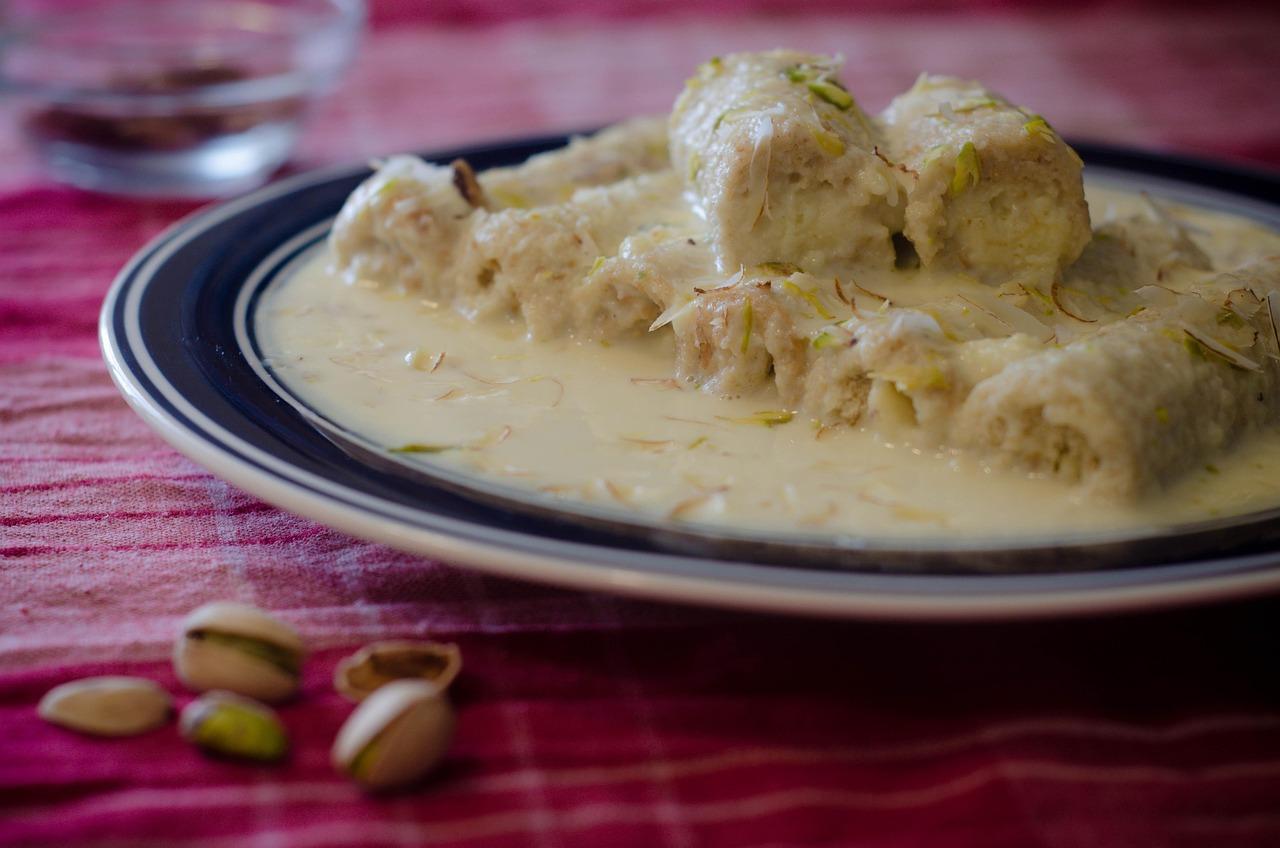
Ricotta cheese ras malaiRicotta squares in scented cream

A quick, modern ras malai: ricotta beaten with sugar and cardamom, baked until just set, cut into squares and soaked overnight in cream scented with kewra (screwpine) essence. It's soft, creamy and delicately perfumed, without the work of making paneer. Serve chilled with almond and pistachio flakes.

by KrazyBadal 0 views

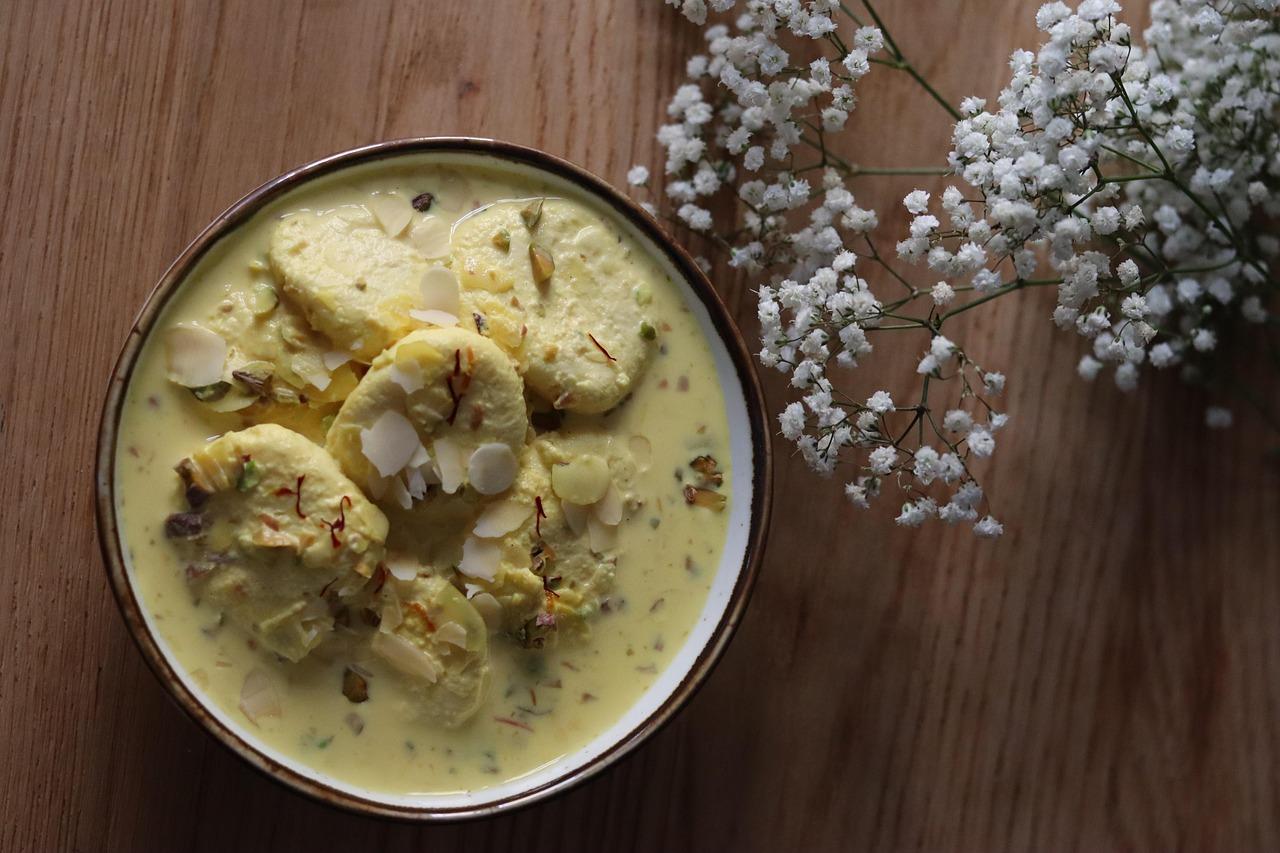
Ras malaiPaneer discs in saffron milk

Ras malai is a much-loved Bengali sweet now made all over India: soft discs of fresh paneer poached in light syrup, then soaked in milk boiled down until rich and creamy and flavoured with saffron. Served chilled, scattered with almonds, pistachios and cardamom. Makes about 50 small pieces.

by KrazyBadal 0 views

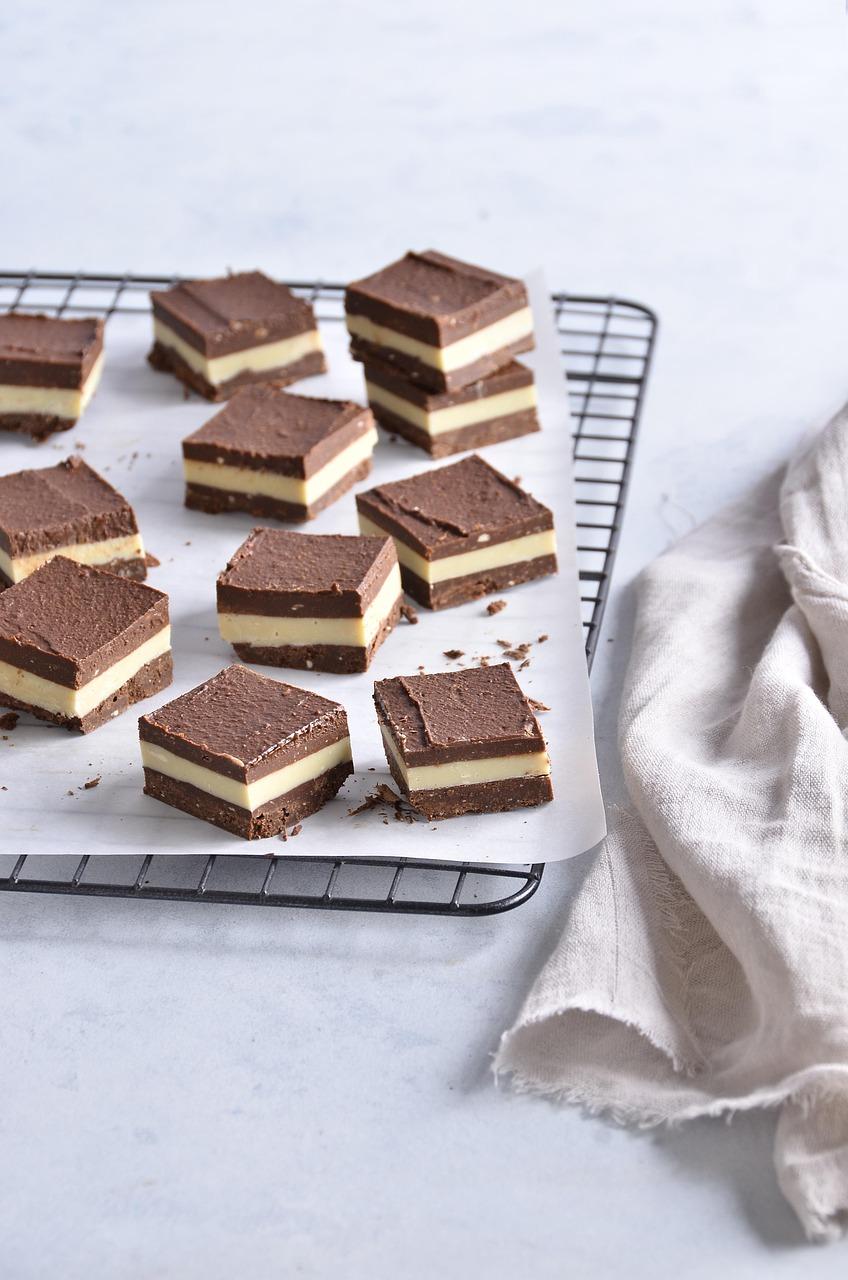
Sandwich barfiLayered coconut and cashew barfi

A striking three-layer barfi: a white layer of milk powder and coconut, a middle of melted chocolate, and a yellow layer of saffron cashew fudge on top. Cut into diamonds, it shows off its stripes and tastes rich, nutty and creamy. Makes 30–35; a showpiece for festive sweet boxes.

by KrazyBadal 0 views

More occasions