Skip to content
Seasons

Summer recipes: cool drinks, kulfi and light food

Sharbats, lassi, kulfi, aam ras, raita, cold salads and soups to keep you cool in the heat. (202 recipes)

AguachilePrawns in lime and chilli water

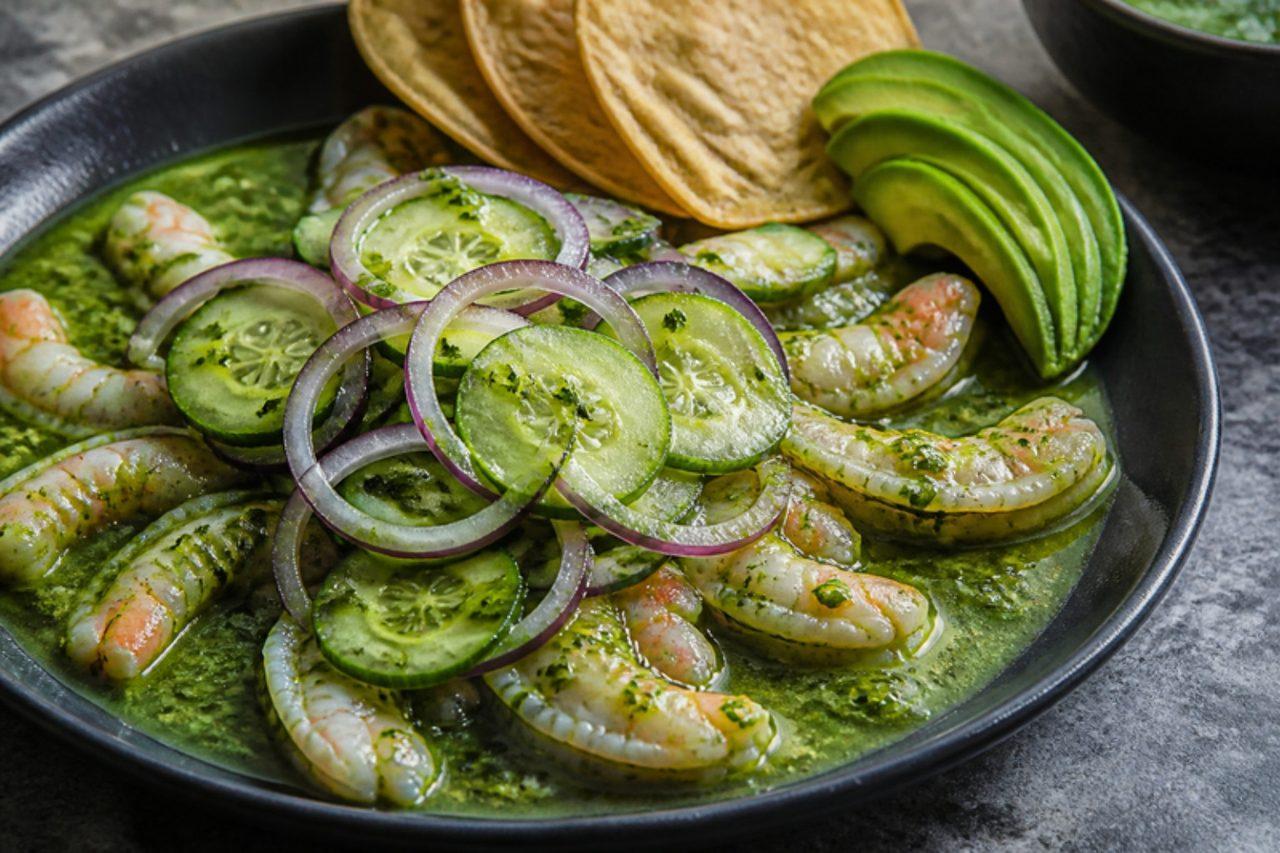
Along the Sinaloa coast, from Mazatlán to Culiacán, aguachile is the cold plate that starts a long seafood lunch at the beachside palapas, eaten straight from a stone molcajete with tostadas and a cold drink. The classic version is raw prawns cured only in lime, and that raw version is the risky one: lime juice does not kill bacteria or parasites the way heat does. This safer version poaches the prawns for a minute or two until just pink and opaque, chills them and then dresses them, so you keep the snap and the fierce, grassy chilli heat. Even so, treat any cold seafood dish with care: the raw classic is not for pregnant women, young children or anyone with a weakened immune system. Serve with crisp corn tostadas and slices of avocado. Chef's tip: blend the chilli water with ice-cold water and pour it on at the last minute, so it stays vivid green and the prawns stay crisp.

by KrazyBadal 0 views

Pipirrana jaeneraTomato pepper salad with egg yolk

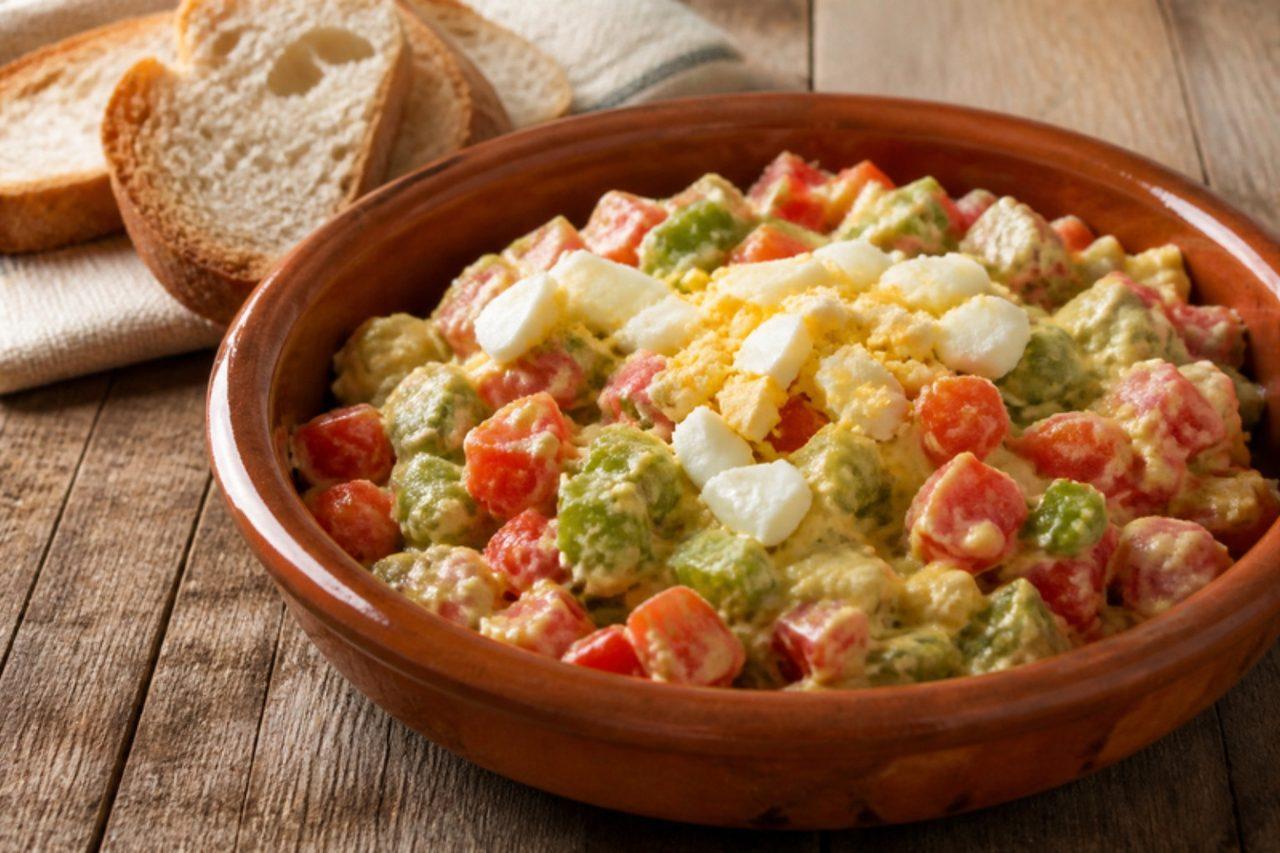
Olive pickers in the province of Jaén used to carry the makings of pipirrana into the groves, and in the city it is still the salad people set out on a hot July evening, with bread for the juices. What sets the Jaén version apart is the dressing: garlic, salt and boiled egg yolk are pounded together, then loosened with the province's own peppery oil until it turns creamy. Some cooks add tinned tuna; this one stays vegetarian. The usual mistake is chopping the vegetables in large chunks; everything should be cut small enough to fit a fork. Chef's tip: peel the tomatoes before dicing, so the dressing clings to soft flesh instead of slipping off tough skin.

by KrazyBadal 0 views

CholadoShaved ice with fruit

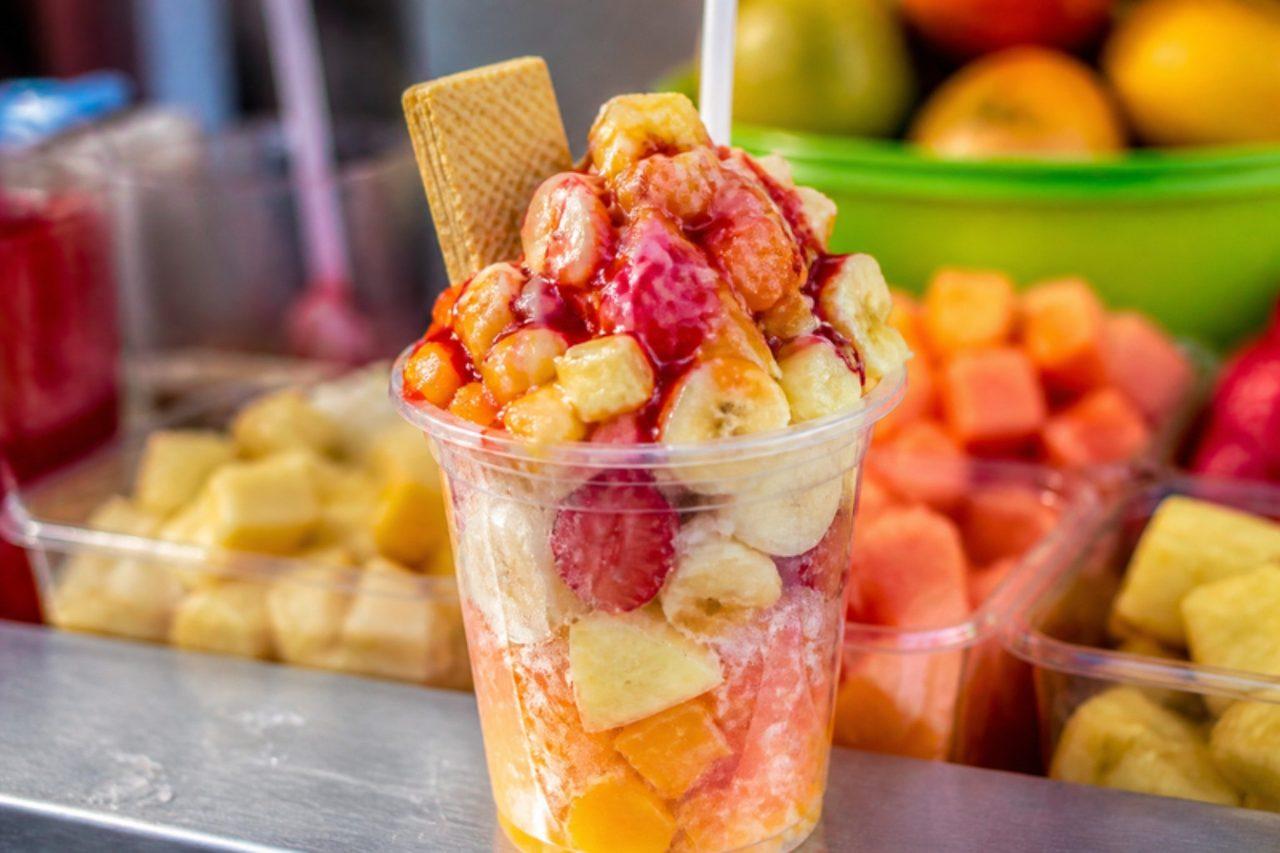
On a hot afternoon in Jamundí, just south of Cali, the stalls along the road to the river build cholados in tall plastic cups: a base of shaved ice drenched in bright fruit syrups, layers of chopped mango, papaya, pineapple, banana and strawberries, then a ribbon of condensed milk and a shower of coconut. It is half drink, half dessert, eaten with a long spoon as the ice melts into fruity, creamy slush. Children love it, and it is quick to build at home. The commonest mistake is shaving the ice too early; it melts into water before you finish assembling, so crush it at the last moment. Chef's tip: chill the fruit and glasses well beforehand and squeeze a little lime over the fruit so it stays bright.

by KrazyBadal 0 views

Porra antequeranaThick chilled tomato and bread soup

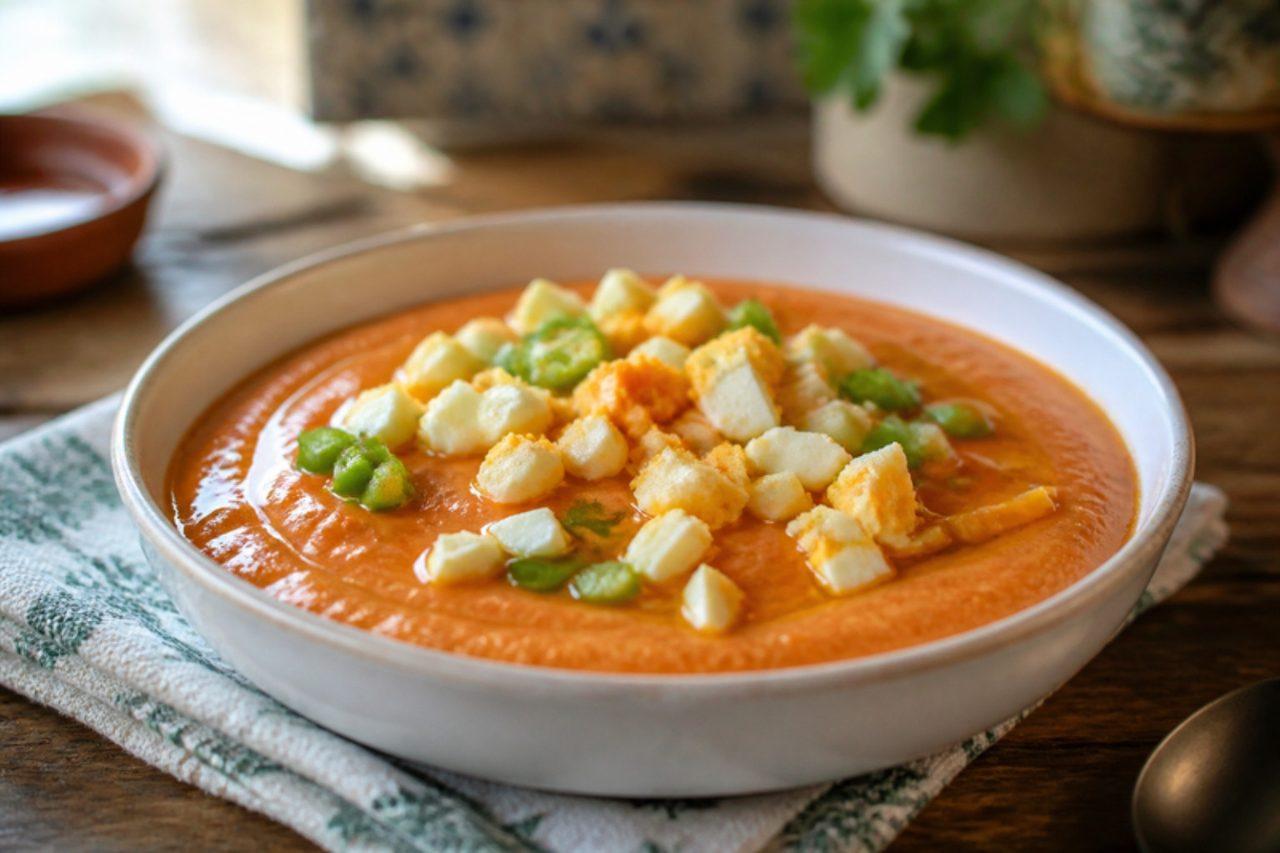
In Antequera, north of Málaga, porra comes to the table so thick that a spoon stands up in it, and bars in the old town serve it from May until the first autumn rains as a starter or a light supper. It is a cousin of salmorejo, but with green pepper and more garlic, and the town tops it with chopped egg and a thread of oil. Locally the garnish also includes tuna and cured ham; this version keeps it vegetarian with egg and diced pepper. A common mistake is thinning it with water to make it go further: porra should be spooned, never sipped. Chef's tip: use only the reddest, softest tomatoes of the summer, because a pale tomato makes a pink, flat-tasting porra however much oil you add.

by KrazyBadal 0 views

Agua de chía con limónLime and chia water

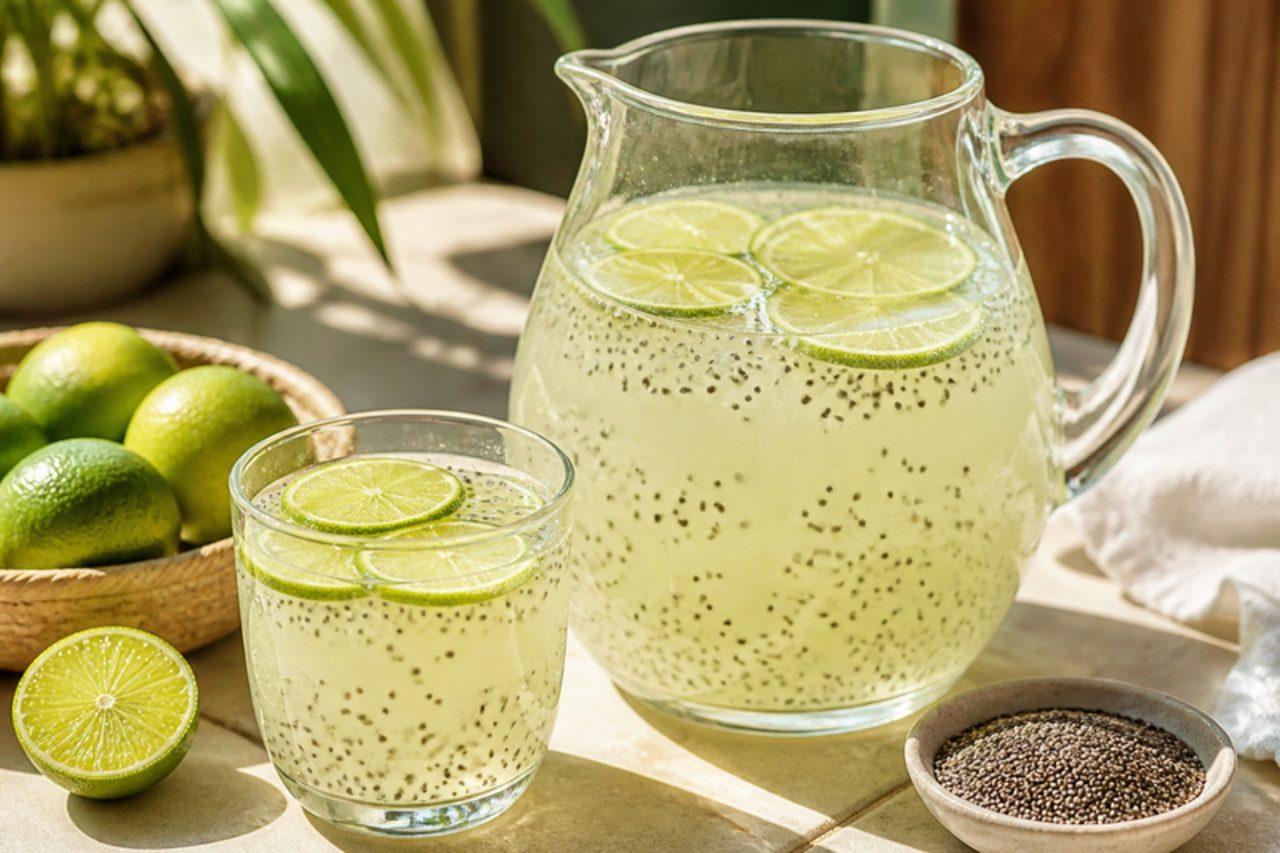
In the markets of Michoacán, especially in Uruapan and Morelia, the glass barrels of agua fresca often include one cloudy, speckled with tiny seeds: agua de chía, limeade with soaked chia seeds that swell into soft little pearls. Chia has been grown in central Mexico since long before the Spanish, and the drink is light, sharp and very refreshing, with a gentle texture from the seeds. It is drunk with lunch or on hot afternoons. Chef's tip: stir the seeds into the water twice in the first ten minutes; otherwise they clump into jelly-like lumps.

by KrazyBadal 0 views

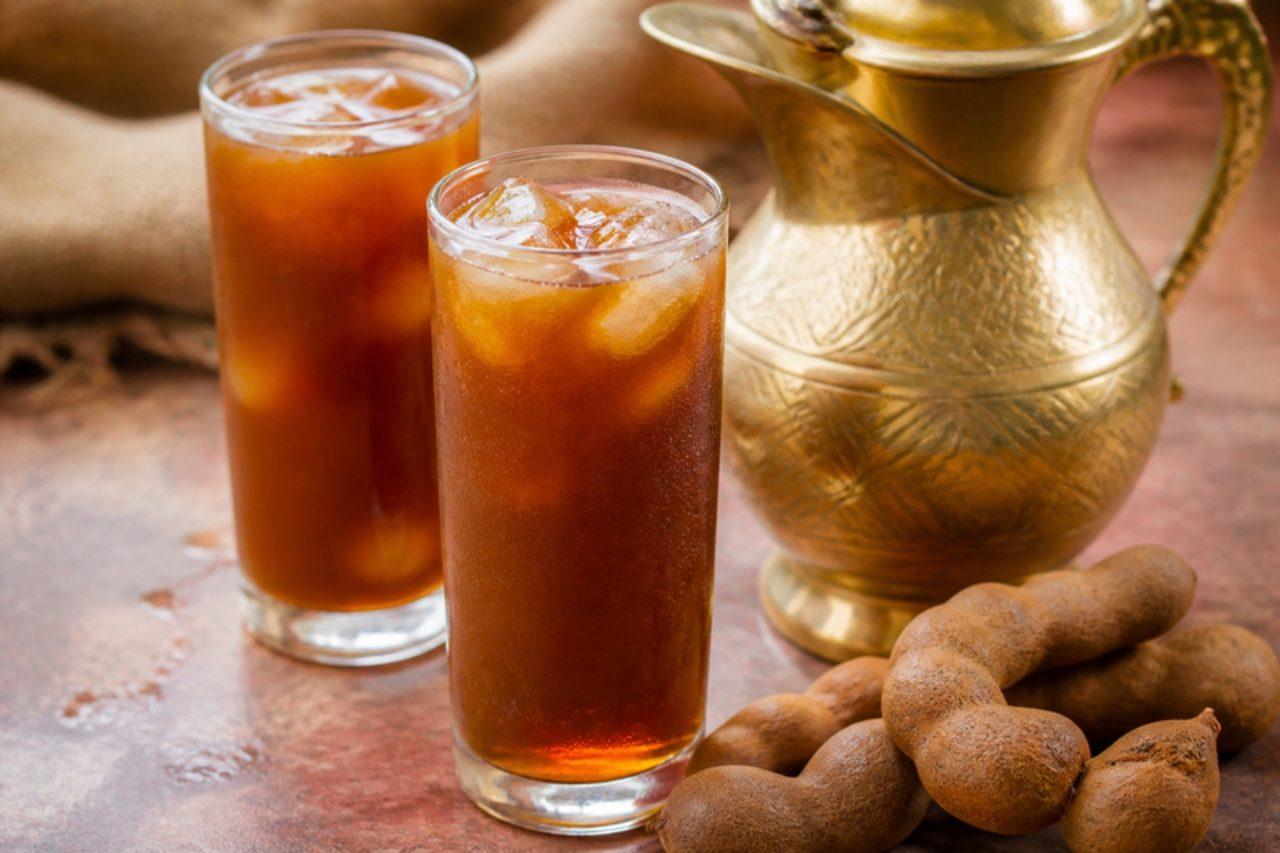
Tamar hindiTamarind drink

During Ramadan in Damascus, street sellers in bright waistcoats pour tamar hindi from tall brass jugs on their backs, clinking cups to call buyers before iftar. The drink is a deep brown infusion of tamarind, sweetened and sharpened with lemon and a touch of rose or orange blossom, served ice cold to quench a day's thirst. It is fruity, tangy and refreshing, and made in a big batch to keep in the fridge. Common mistake: boiling the tamarind hard — gentle soaking gives a clean taste, while boiling makes it muddy. Chef's tip: strain twice, the second time through a cloth, for a clear, glossy drink.

by KrazyBadal 0 views

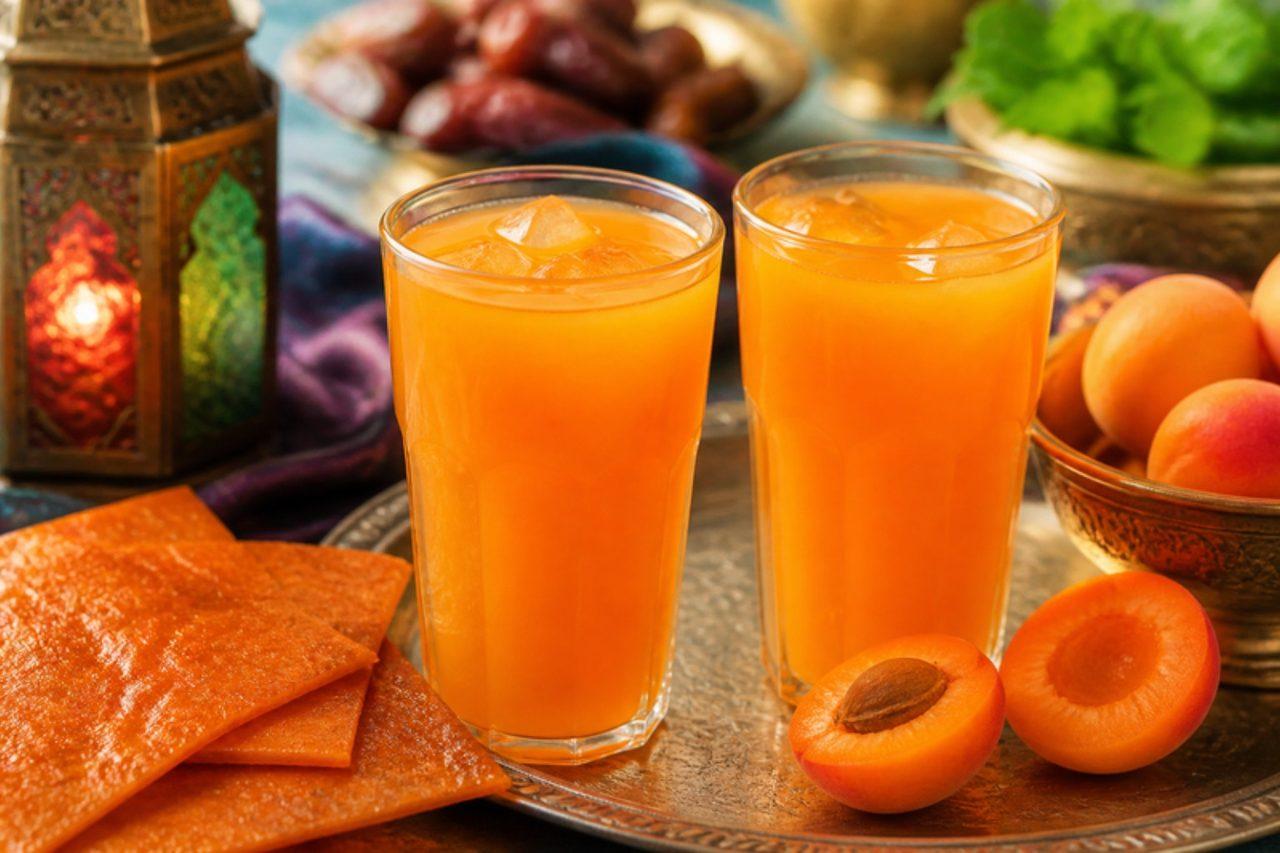
Qamar al-dinApricot drink

Damascus is famous for its apricots, and much of the summer harvest is pressed into thin orange sheets of apricot leather called qamar al-din. In Ramadan, almost every Syrian home soaks a sheet overnight and blends it into a thick, velvety drink to break the fast — it is sweet, slightly tart and full of energy after a long day. Serve it chilled, sometimes with a few soaked pine nuts on top. Common mistake: blending without soaking long enough; the leather needs time to soften or the drink is gritty. Chef's tip: add a splash of orange blossom water and a squeeze of lemon to wake up the apricot flavour.

by KrazyBadal 0 views

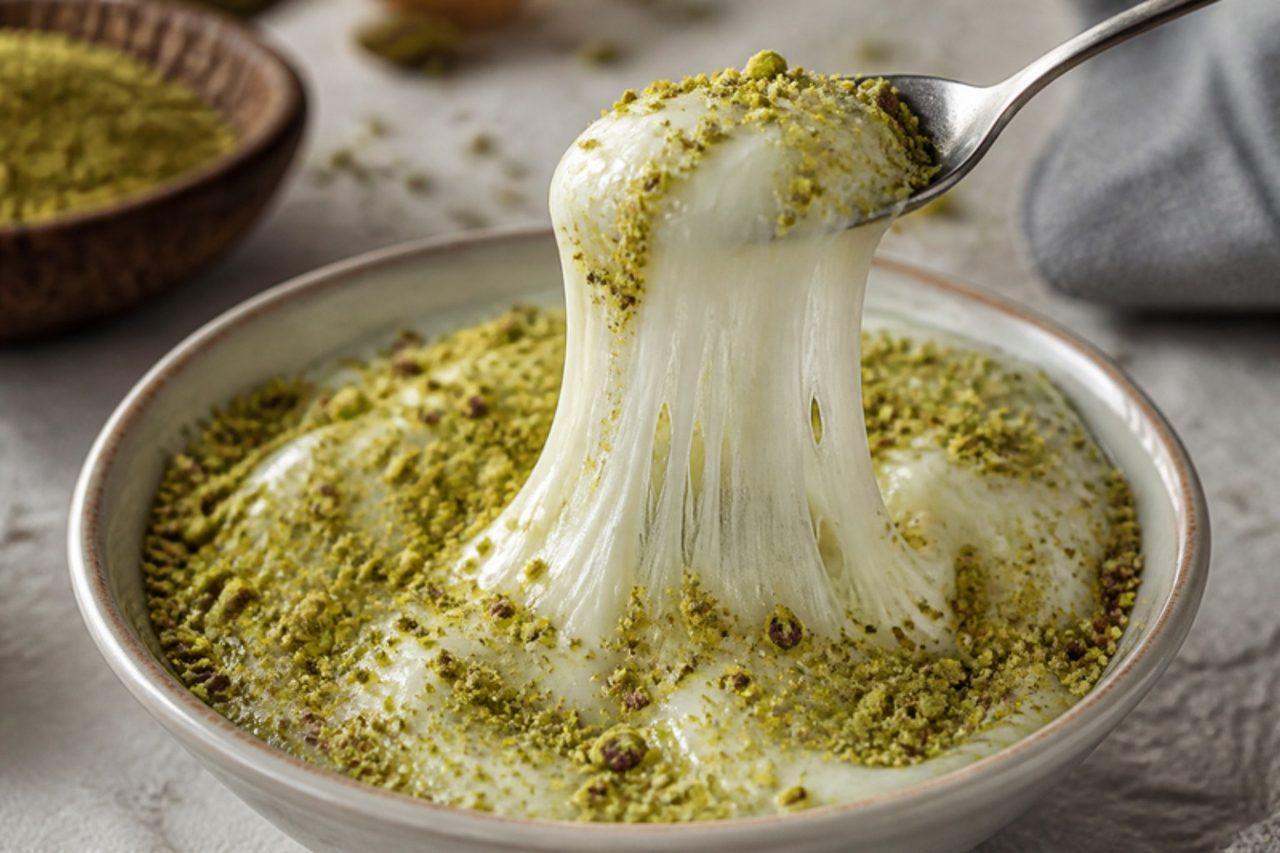
BoozaStretchy mastic ice cream

In the covered Hamidiyeh souk in Damascus, men pound booza in frozen metal drums with long wooden pestles, and the thump of the mallets is part of the show. The ice cream is milky, chewy and elastic, thanks to sahlab (orchid-root flour) and mastic, then rolled in crushed pistachios. This home version thickens the milk with sahlab powder or cornflour and beats it as it freezes to get that stretch. Serve in scoops or slices, plain or with a spoon of rose syrup. Common mistake: grinding the mastic alone, which turns gummy; always pound it with a spoonful of sugar. Chef's tip: real sahlab gives the true chew, but a mix of cornflour and a pinch of guar gum gets very close.

by KrazyBadal 0 views

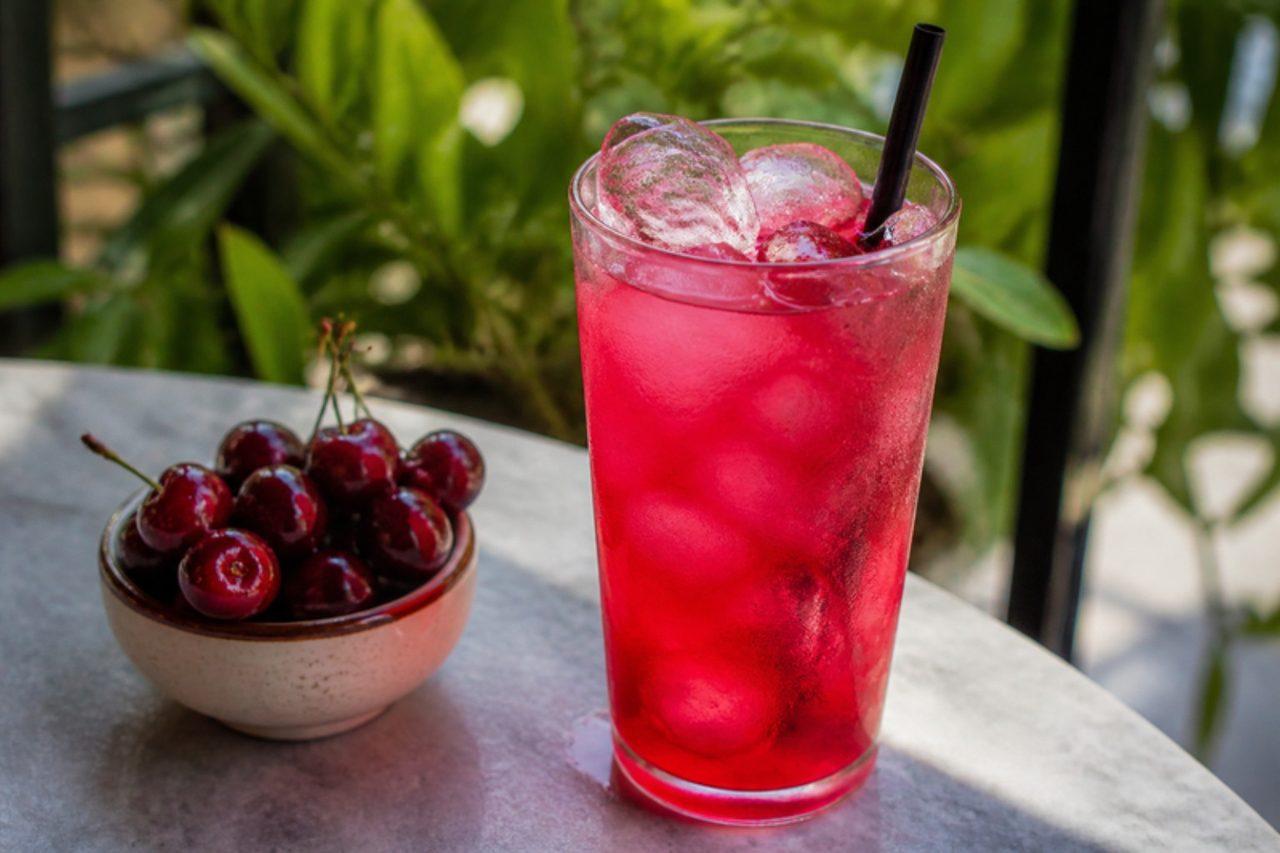
VyssinadaSour cherry drink

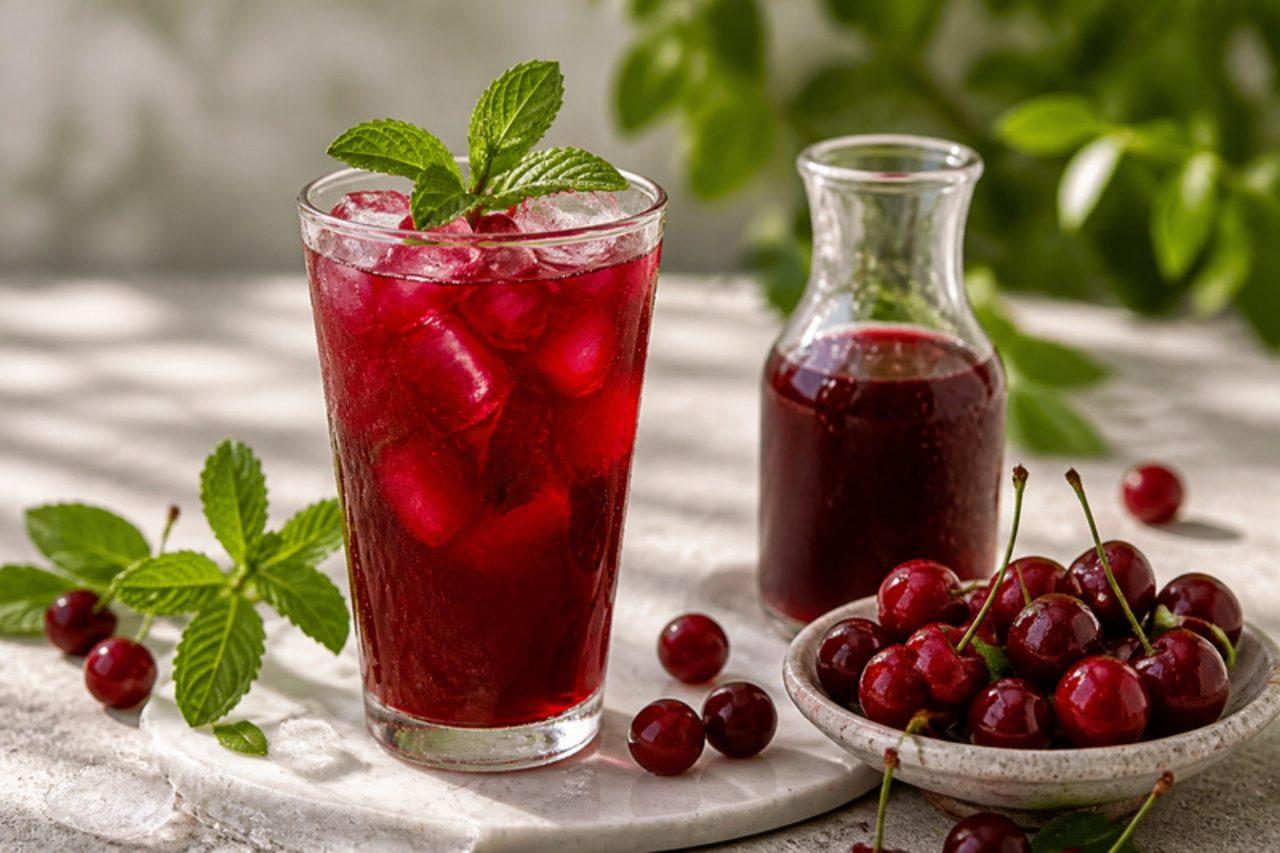
Before fizzy drinks arrived, a tall glass of vyssinada was what you ordered in a Volos or Larissa kafeneio on an August afternoon: sour cherry syrup topped with iced water, sweet and sharp and bright red. Families in Thessaly still make a cordial from the summer cherry crop and keep the bottles in the fridge for weeks. Common mistake: squashing the cherries too hard through the sieve, which clouds the syrup — let the juice drip. Chef's tip: top with sparkling water and a squeeze of lemon for a lighter, livelier glass.

by KrazyBadal 0 views

Erk sousLiquorice root drink

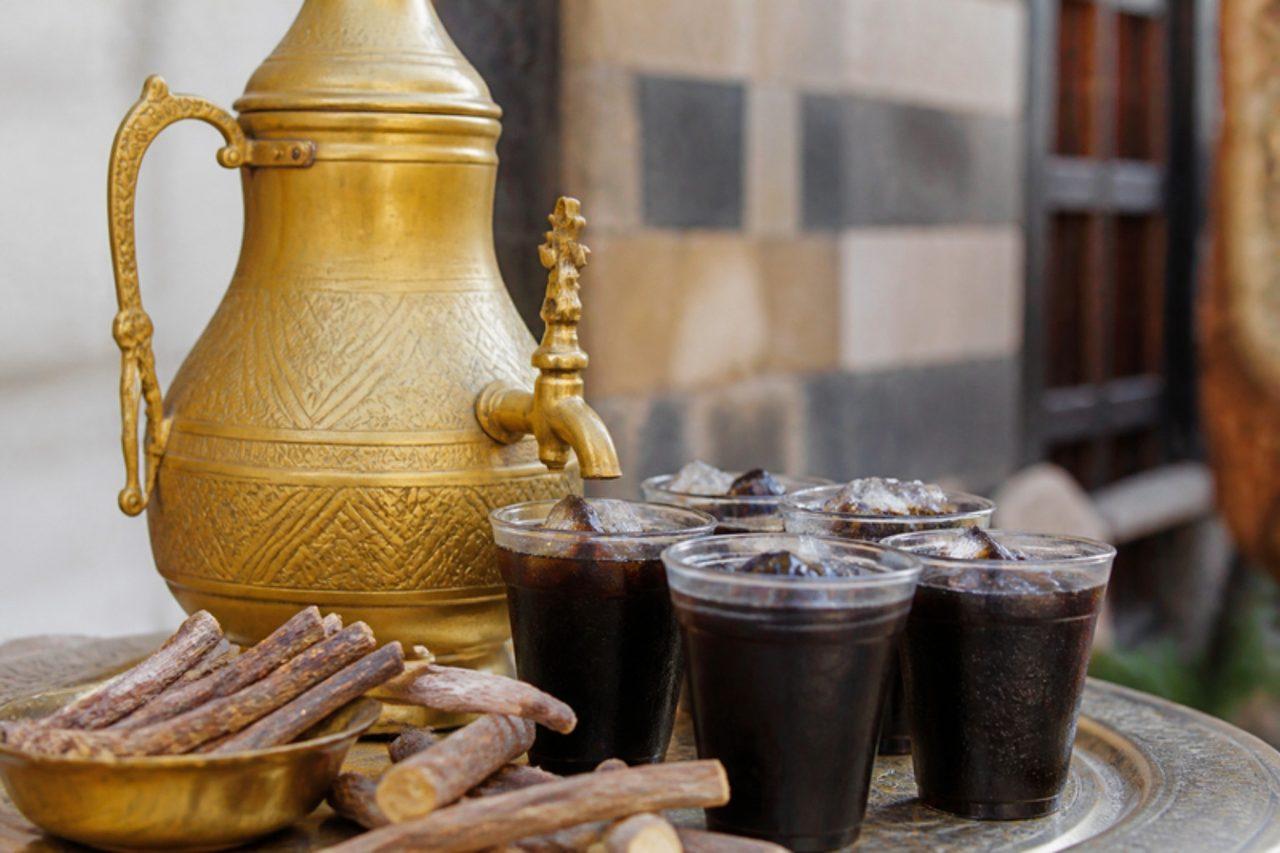
In the lanes of old Damascus and Aleppo, the erk sous seller is heard before he is seen, clacking brass cups as he walks with a great curved jug strapped to his back. His drink is liquorice root, slowly dripped through with cold water, dark, earthy, faintly bitter and naturally sweet, poured with a flourish over the shoulder during Ramadan iftars and hot afternoons. At home a sieve and a cloth do the job. The mistake people make is pouring boiling water over the root, which pulls out harsh bitterness; cold water and patience give a smooth, foamy drink. Liquorice root raises blood pressure if you drink a lot of it, so keep to a glass or two a day and skip it if you are pregnant or have high blood pressure. Chef's tip: a pinch of bicarbonate of soda in the damp root gives the drink its traditional thick, frothy head.

by KrazyBadal 0 views

LemonanaFrozen mint lemonade

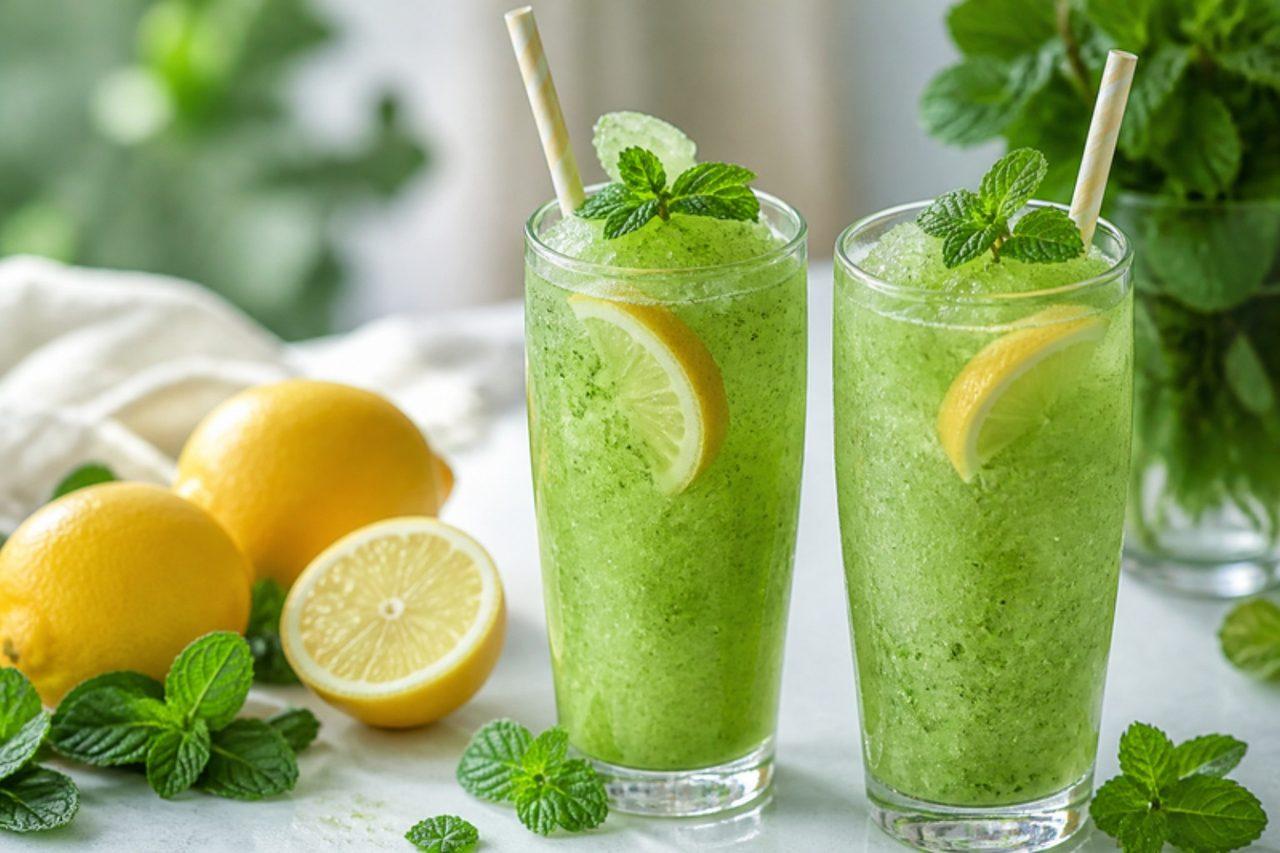
From café terraces in Ramallah and Jaffa to juice bars along Hamra Street in Beirut, summer means tall glasses of lemonana: lemons and fistfuls of fresh mint blended with ice into a sharp, sweet, electric-green slush. It is the drink handed to you after a walk through the market at noon, and it cools a mezze lunch like nothing else. Everything goes in a blender, but the mint must be fresh and plentiful. The common mistake is blending the mint for too long, which bruises it and turns the drink murky and grassy. Chef's tip: make a lemon-sugar syrup first and chill it; dissolved sugar sweetens evenly and lets you blend for only a few seconds.

by KrazyBadal 0 views

Southern sweet tea

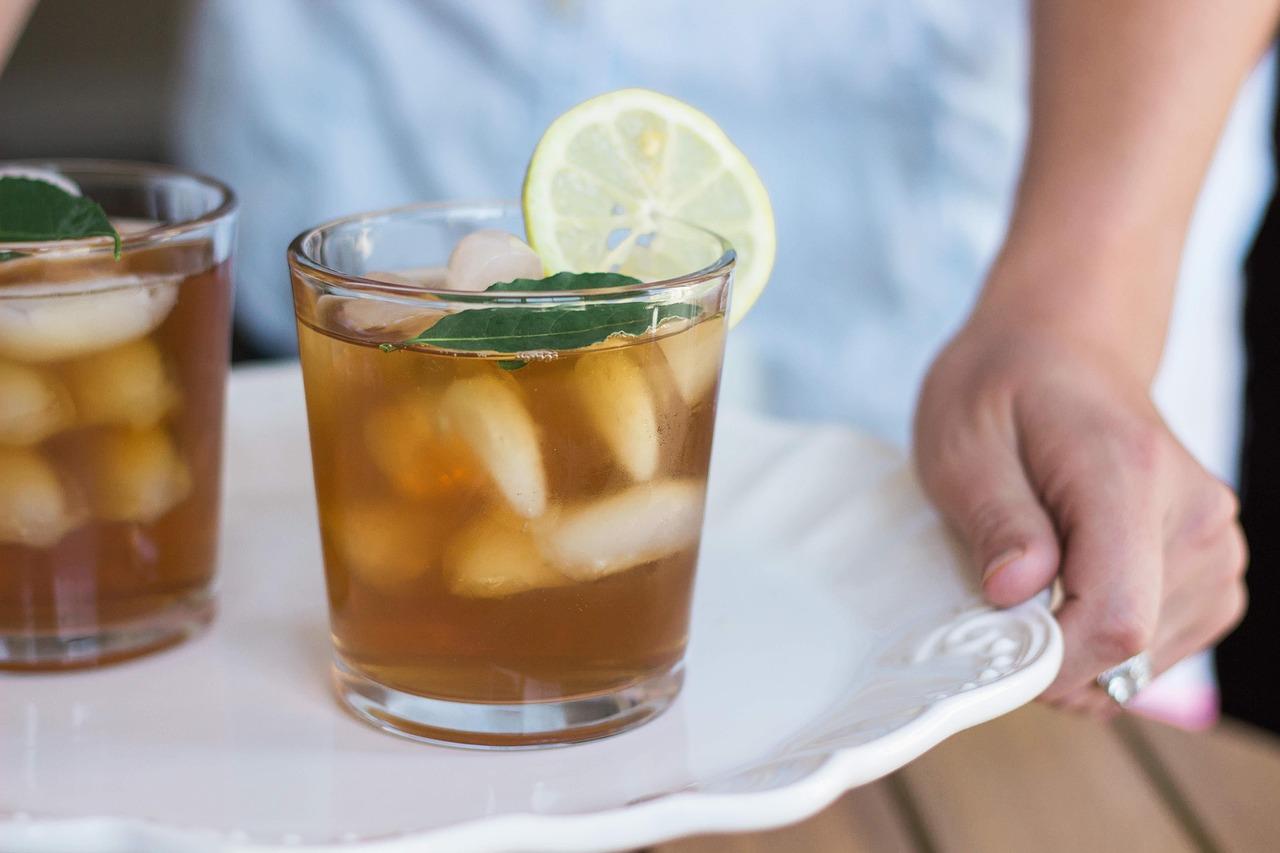
Sweet tea is the house wine of the South, poured by the jug at every barbecue joint, meat-and-three and Sunday lunch from South Carolina to Texas. Strong black tea is sweetened while hot so the sugar dissolves completely, then cooled and poured over plenty of ice with lemon. A pinch of bicarbonate is an old trick that softens bitterness and keeps it clear. Chef's tip: let the tea cool to room temperature before chilling; putting it straight in the fridge hot makes it go cloudy.

by KrazyBadal 0 views

Palm Springs date shake

The Coachella Valley around Palm Springs and Indio grows most of America's dates, and roadside date farms along the desert highway have sold this shake to thirsty drivers since the 1930s. Soft Medjool dates are blended with vanilla ice cream and milk into a thick, caramel-flavoured shake. Chef's tip: soak the chopped dates in a little warm milk for 10 minutes first, so they blend completely smooth instead of leaving chewy bits in the straw.

by KrazyBadal 0 views

Hawaiian shave ice

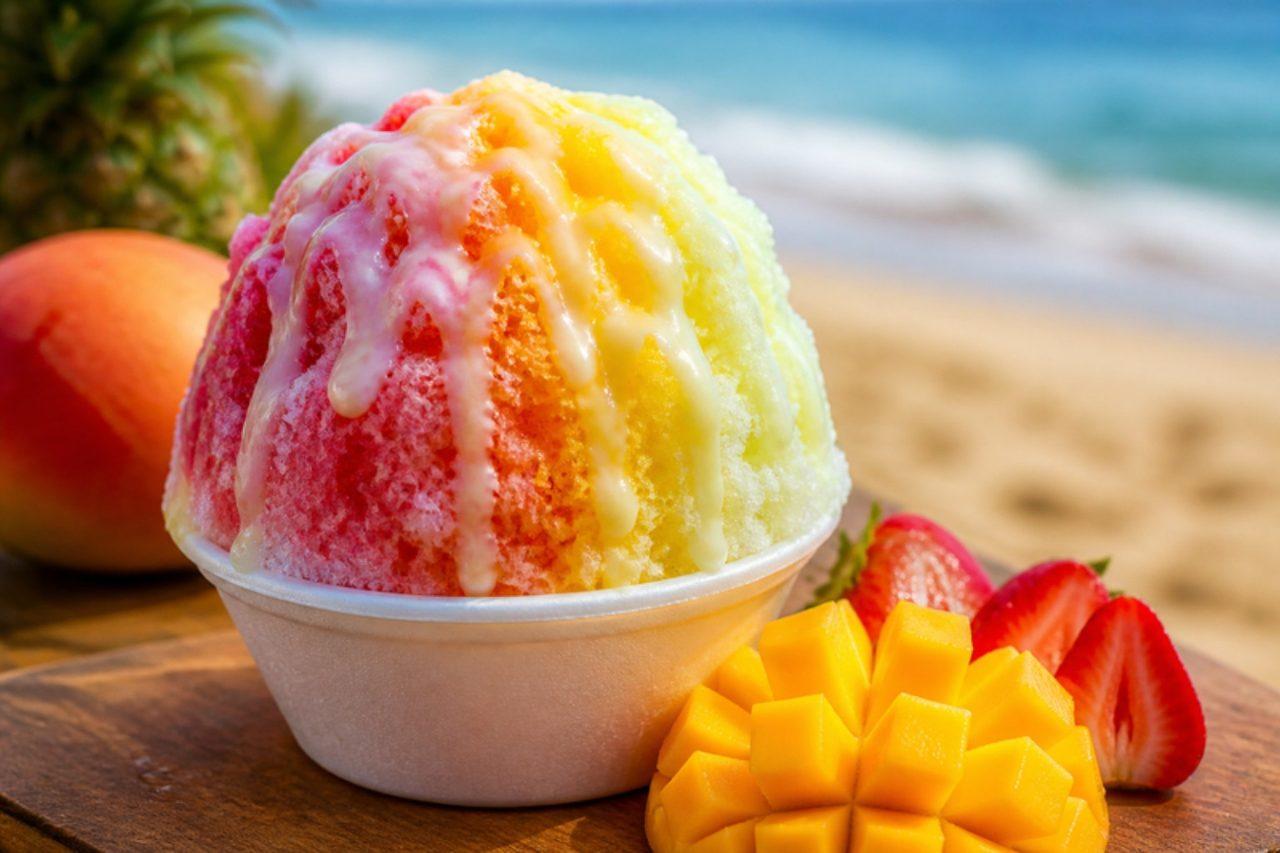
Shave ice came to Hawaii with Japanese plantation workers, and on hot afternoons on Oahu's North Shore families still queue at roadside stands for a towering, soft cone of ice soaked in rainbow syrups. The ice is shaved so fine it is like fresh snow and soaks up the syrup instead of letting it run to the bottom. Without a shaver, freeze ice in a block and scrape it with a fork. Chef's tip: let the ice block sit out for 5 minutes before shaving; slightly tempered ice gives fluffier flakes.

by KrazyBadal 0 views

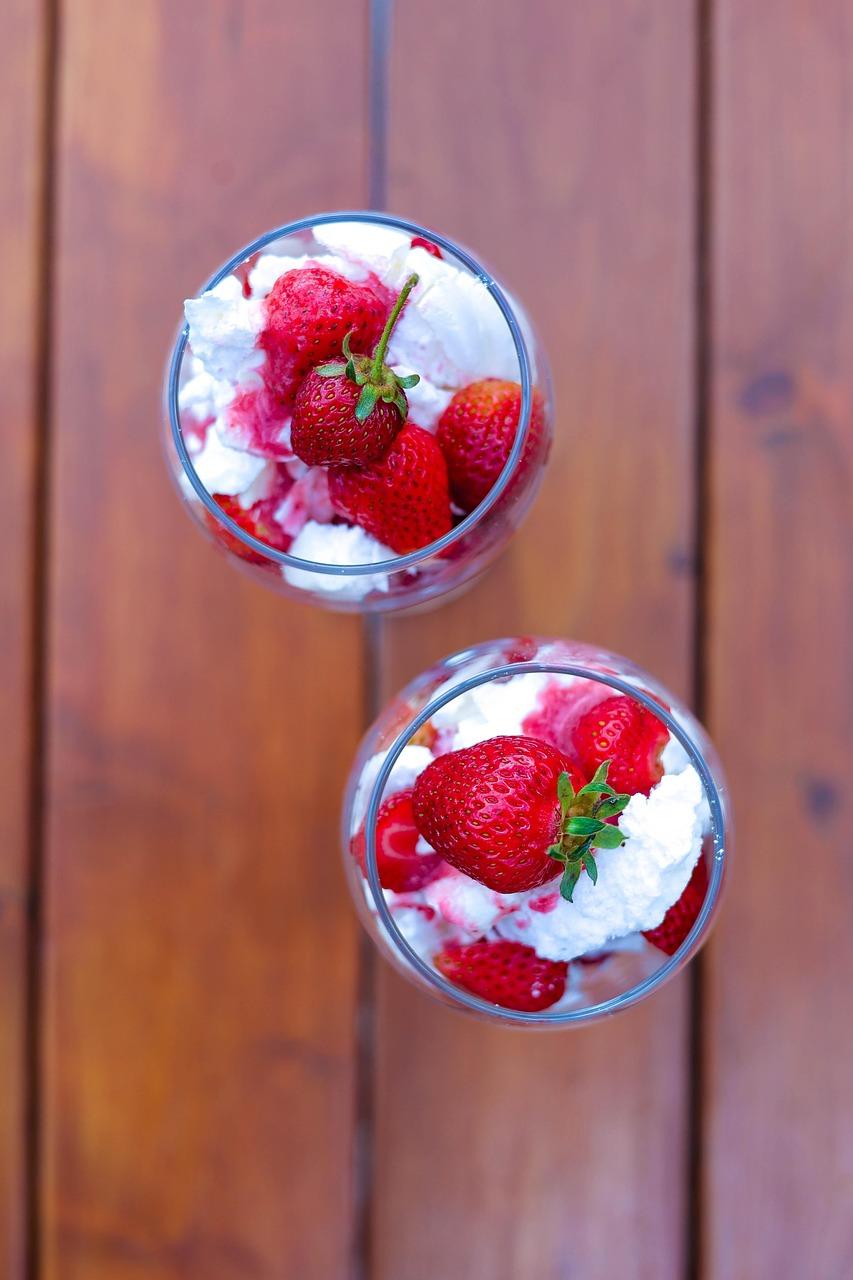
Eton mess

Eton mess is served at Eton College's cricket match against Harrow each June, and it has become the English summer pudding for picnics and garden parties when strawberries are at their best. Crushed meringue, whipped cream and macerated strawberries are folded together at the last moment, so you get crunch, cream and juice in every spoonful. Chef's tip: fold it together just before serving; if it sits, the meringue dissolves into the cream.

by KrazyBadal 0 views

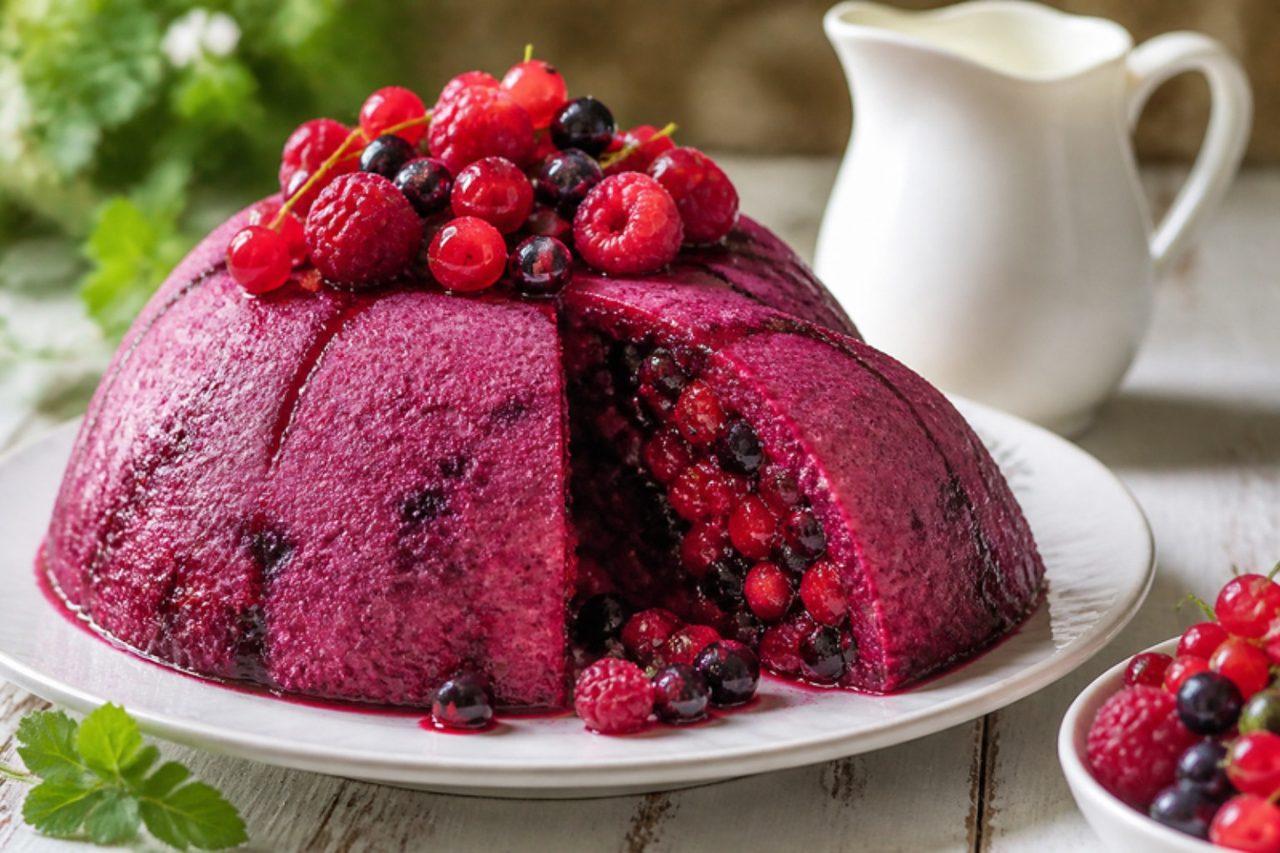
Summer pudding

Summer pudding is the high-summer pudding of English country gardens, made when redcurrants, raspberries and blackcurrants ripen together in July. Slices of day-old white bread line a basin and soak up the juices of lightly cooked berries overnight, turning a deep crimson and setting into a dome. Serve with cream (or a plant cream for a vegan pudding). Chef's tip: keep back a few spoonfuls of juice to paint over any white patches after turning it out.

by KrazyBadal 0 views

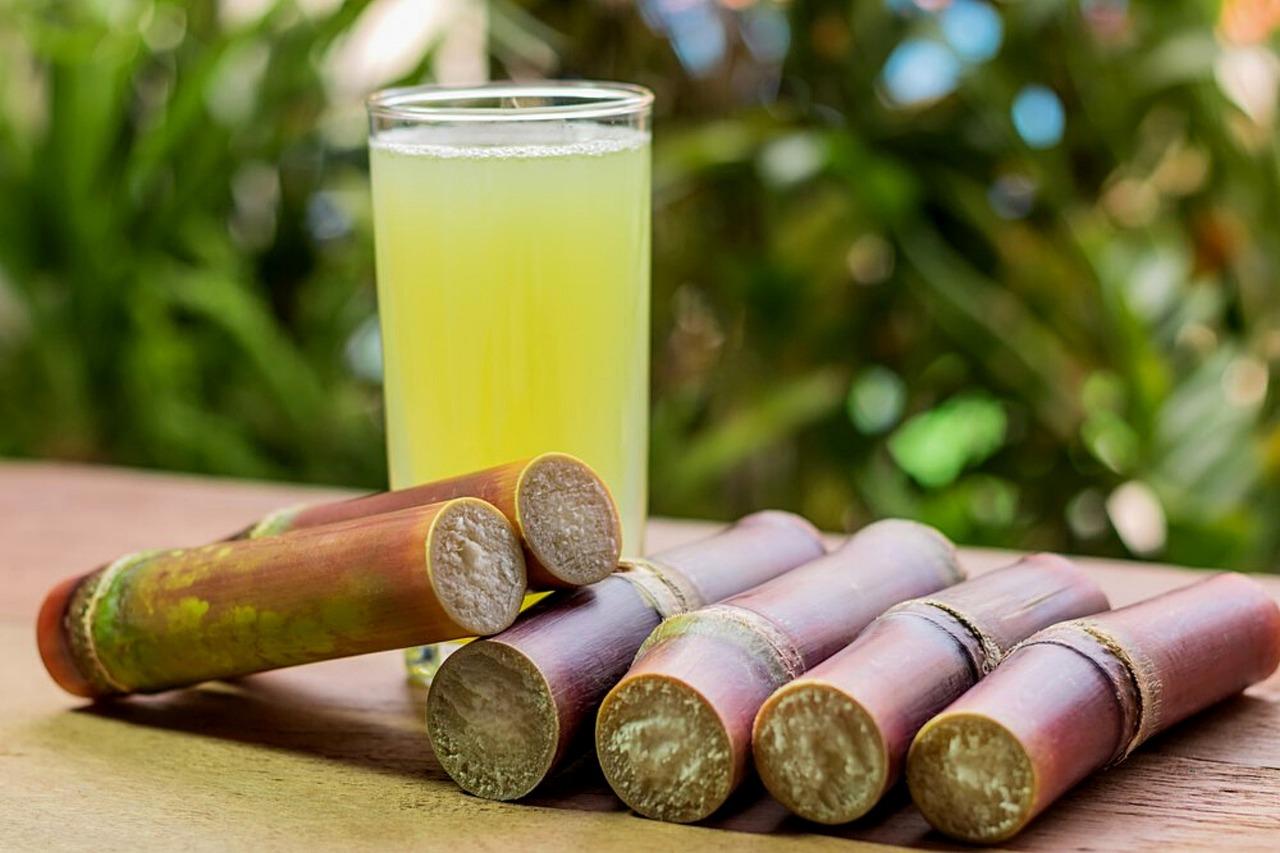
Caldo de canaSugarcane juice

Ice-cold sugarcane juice pressed while you wait is the drink of Brazilian street fairs, poured into tall glasses at the pastel stall so you can wash down a hot, crisp pastel. São Paulo's feiras livres made the pairing famous, and in the Northeast the same juice is called garapa. It is pale green, very sweet, grassy and refreshing, sharpened with lime. Without a cane press, you can make it at home by blending peeled cane with a little water and straining it; buy fresh sugarcane sticks in Asian, Caribbean or Latin shops. It oxidises and darkens fast, so drink it immediately. Using cane that is not fully peeled is a common error, and the woody green rind makes the juice bitter. Chef's tip: chill the cane before peeling and blend it with ice cubes as well as water, so the juice comes out cold without being diluted later.

by KrazyBadal 0 views

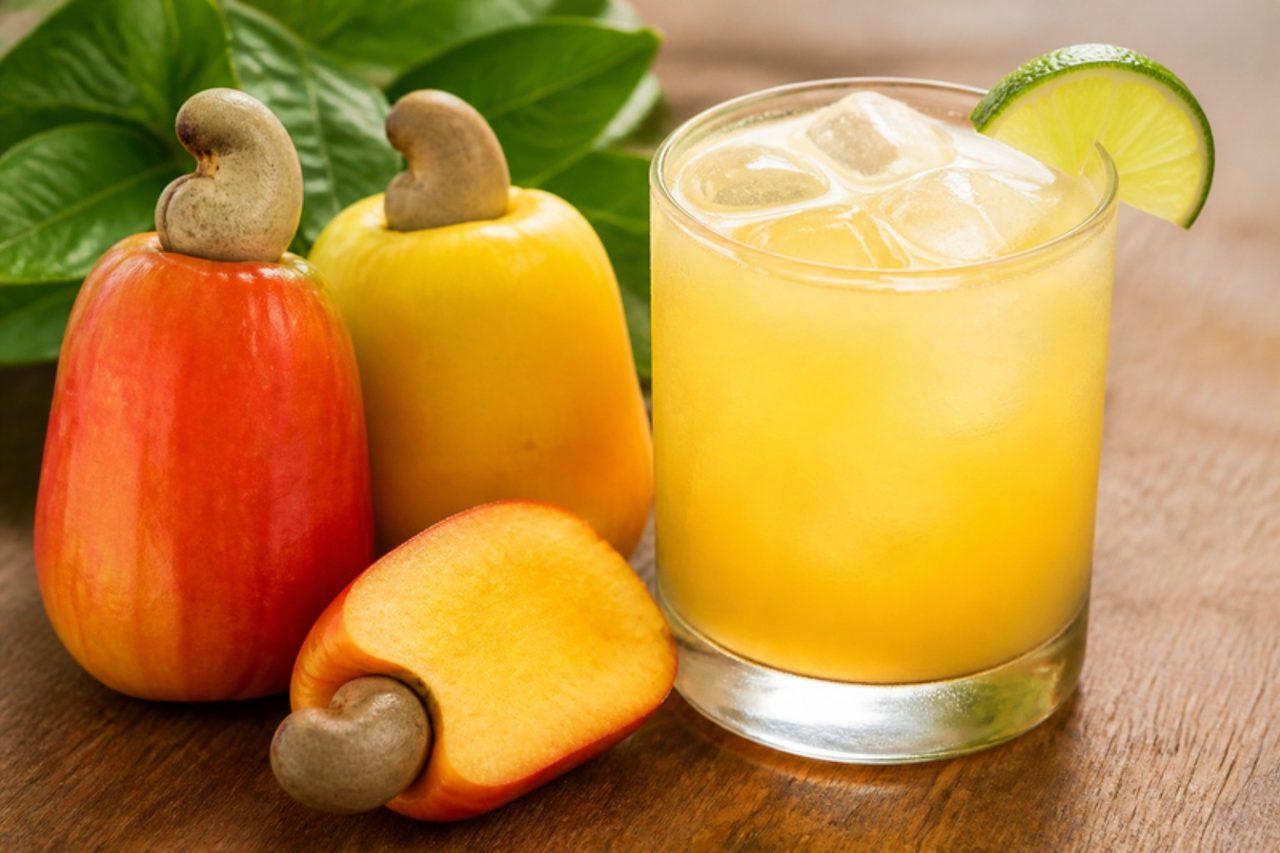
Suco de cajuCashew apple juice

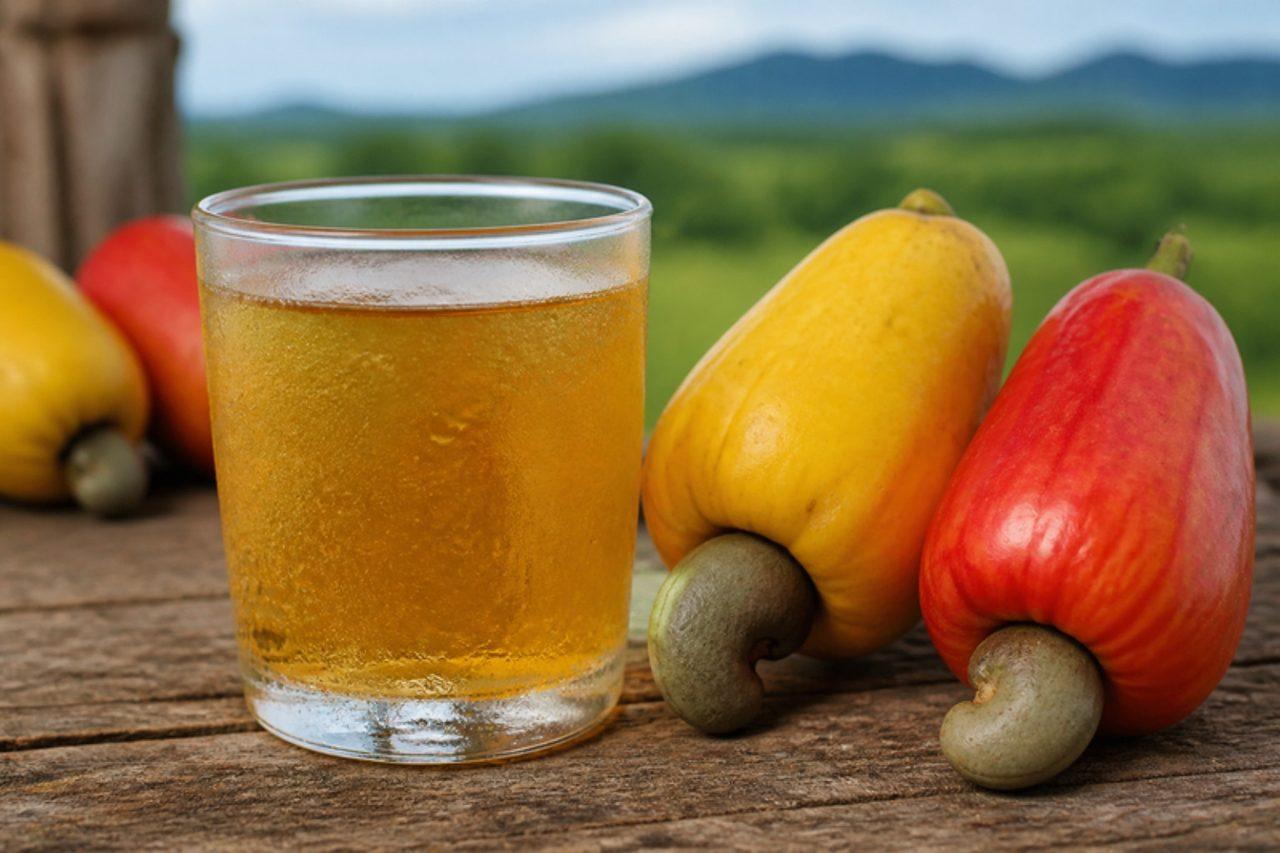
Everyone in Ceará and Rio Grande do Norte has a cashew tree nearby, and in the season, roughly September to December, the fleshy yellow and red cashew apples hang heavily above the nuts. Their juice is the region's everyday drink: pale, cloudy, sweet-tart and faintly astringent, it leaves a slight dryness in the mouth that people love with fried fish or a plate of baião de dois. Fresh cashew apples rarely travel, so outside Brazil use frozen cashew-apple pulp (polpa de caju) from Brazilian shops. This is the fruit, not the nut, but anyone with a cashew allergy should still avoid it. Over-sweetening to hide the astringency is a common mistake, as the juice turns syrupy. Chef's tip: a few drops of lime and plenty of ice soften the dryness far better than extra sugar.

by KrazyBadal 0 views

Suco de cupuaçuCupuaçu juice

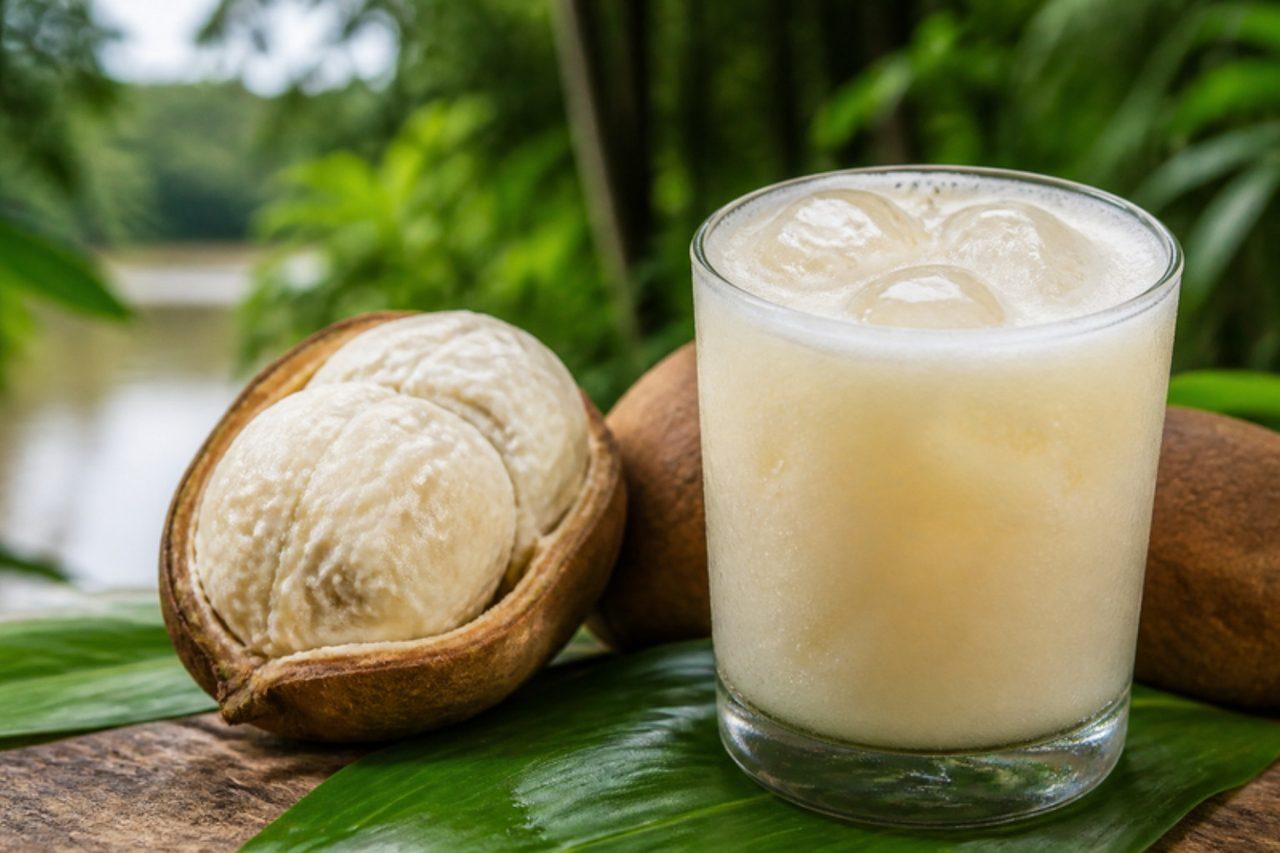
Cupuaçu is a big, brown, furry-skinned fruit from the cacao family, and in Belém and Manaus its white pulp shows up in ice cream, sweets and above all juice, sold in every lanchonete and at the Ver-o-Peso market. The pulp is thick, creamy and intensely aromatic, with a flavour somewhere between pineapple, banana and chocolate, and very tart, so it is blended with water and sugar into a frothy, almost milkshake-like juice. Look for frozen cupuaçu pulp in Brazilian and Latin shops. Many cafés blend it with milk instead of water; that version is no longer vegan or dairy free. Too little blending is the usual problem, because the fibrous pulp stays stringy. Chef's tip: blend the pulp from frozen, in chunks, with the sugar and a little water first until smooth, then add the rest of the water.

by KrazyBadal 0 views

Kahu sekanjabinLettuce with mint vinegar syrup

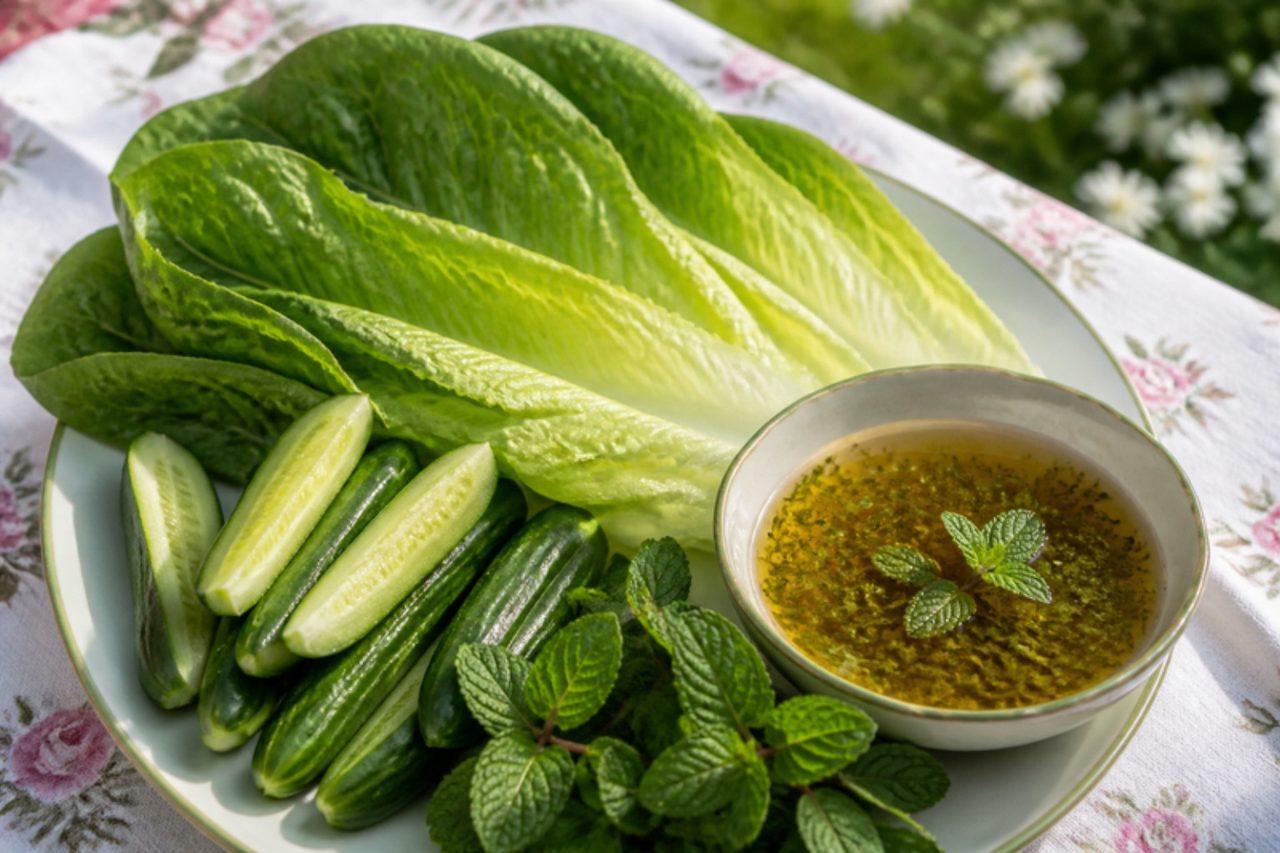
On Sizdah Bedar, the thirteenth day of the new year, Iranian families leave the city for parks and riverbanks around Tehran and Isfahan, and the picnic cloth almost always holds a jar of sekanjabin and a head of crisp romaine. The syrup is an ancient one: sugar and vinegar simmered together and steeped with fresh mint, sweet-sour and cooling. You tear off a lettuce leaf, dip it and crunch. The usual mistake is boiling the syrup too long, which turns it into hard toffee once cold. Chef's tip: keep the lettuce in iced water until the moment you serve; the colder and crisper the leaf, the better the contrast with the syrup.

by KrazyBadal 0 views

Suco de maracujáPassion fruit juice

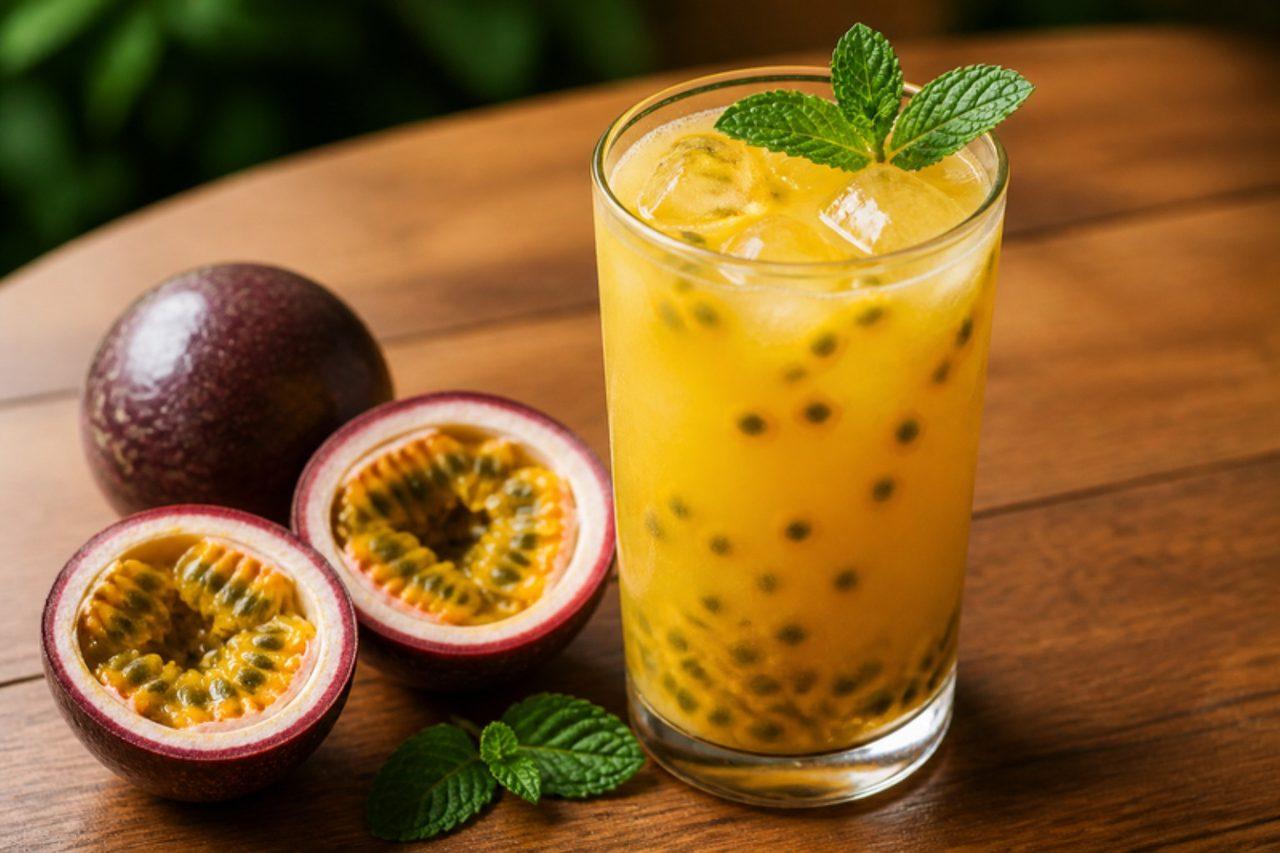
Brazilian lunch counters, the pratos feitos joints known as PFs, list suco de maracujá on every chalkboard, and many people order it for its famously calming effect after a long morning. Yellow passion fruit is blended briefly with cold water, strained and sweetened, which gives a vivid, perfumed, very tart drink that goes with rice, beans and a grilled steak just as well as with a beach snack. Use wrinkled, heavy fruit for the most juice, or frozen unsweetened pulp from Latin shops. Over-blending is the slip people make: crushed seeds turn the juice gritty and bitter. Chef's tip: blend the pulp with only a little of the water first, in a couple of short pulses, strain, then add the rest of the water and the sugar.

by KrazyBadal 0 views

CajuínaClarified cashew apple juice

Teresina, the capital of Piauí, treats cajuína as a matter of local pride, and the drink's traditional craft is officially recognised as part of Brazilian cultural heritage. It is cashew-apple juice that has been clarified until crystal clear, bottled and cooked in a water bath until the natural fruit sugars caramelise and turn it amber-gold. No sugar is added. Served ice-cold, it tastes of baked apple and honey with a hint of cashew, smooth and non-alcoholic. Small producers clarify the juice with gelatin or cashew-tree resin; this vegan home version clears it by settling and filtering instead, which takes patience. Real cajuína is shelf-stable thanks to commercial sterilising; this home batch must be kept in the fridge and drunk within a week. Skipping the slow filtering is the usual error, and cloudy juice turns murky brown instead of gold. Chef's tip: let the juice settle in the fridge overnight before filtering and pour off the clear top, leaving the sediment behind.

by KrazyBadal 0 views

Suco de acerolaAcerola cherry juice

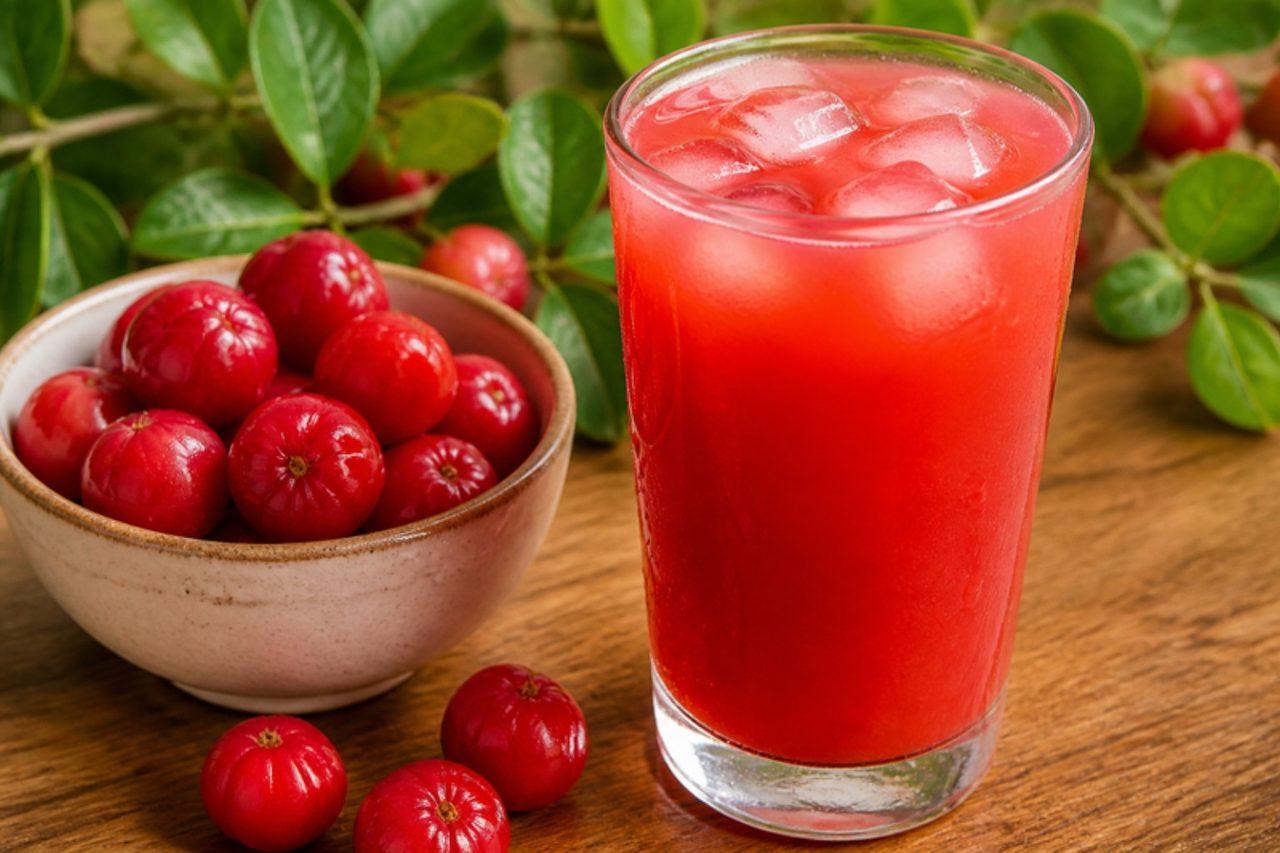
Backyard acerola bushes are everywhere in Pernambuco, Paraíba and the rest of the Northeast, and the small, glossy red cherries fruit several times a year. Blended with water and a little sugar, they make a vivid orange-red juice, tart and cherry-like with a slightly floral finish, famously one of the richest natural sources of vitamin C. Lanchonetes often mix it with orange juice; at home it is the drink kids are handed when they have a cold. Fresh acerolas spoil within days, so outside Brazil use frozen acerola pulp. Letting it stand is the common mistake, since the vitamin C and colour fade quickly once blended. Chef's tip: blend it just before serving, and add the sugar sparingly, about a tablespoon per two glasses, to keep it light.

by KrazyBadal 0 views

Sharbat-e albalooSour cherry syrup drink

In early summer, when sour cherries arrive from the orchards around Karaj and Mashhad, families make a big batch of sharbat-e albaloo, the deep ruby syrup that is mixed with iced water for guests through the hot months. It is sweet, sharp and very refreshing, and the cooked cherries left over are not wasted: they go into albaloo polo, the cherry rice. A splash of the syrup also goes over shaved ice or yogurt. Chef's tip: stop cooking as soon as the syrup coats a spoon thinly; overcooked syrup loses its fresh cherry flavour and tastes of jam.

by KrazyBadal 0 views

Showing 24 of 202 recipes

Show more recipes

Page 5 of 9

More occasions