Skip to content

Filipino recipes

148 Filipino recipes to cook at home, each with photos, step-by-step instructions and cook times. The quickest, Mais con yelo, takes 10 minutes. Most take around 50 minutes.

Filter these by time, diet or cuisine

Kwek-kwekBattered fried quail eggs

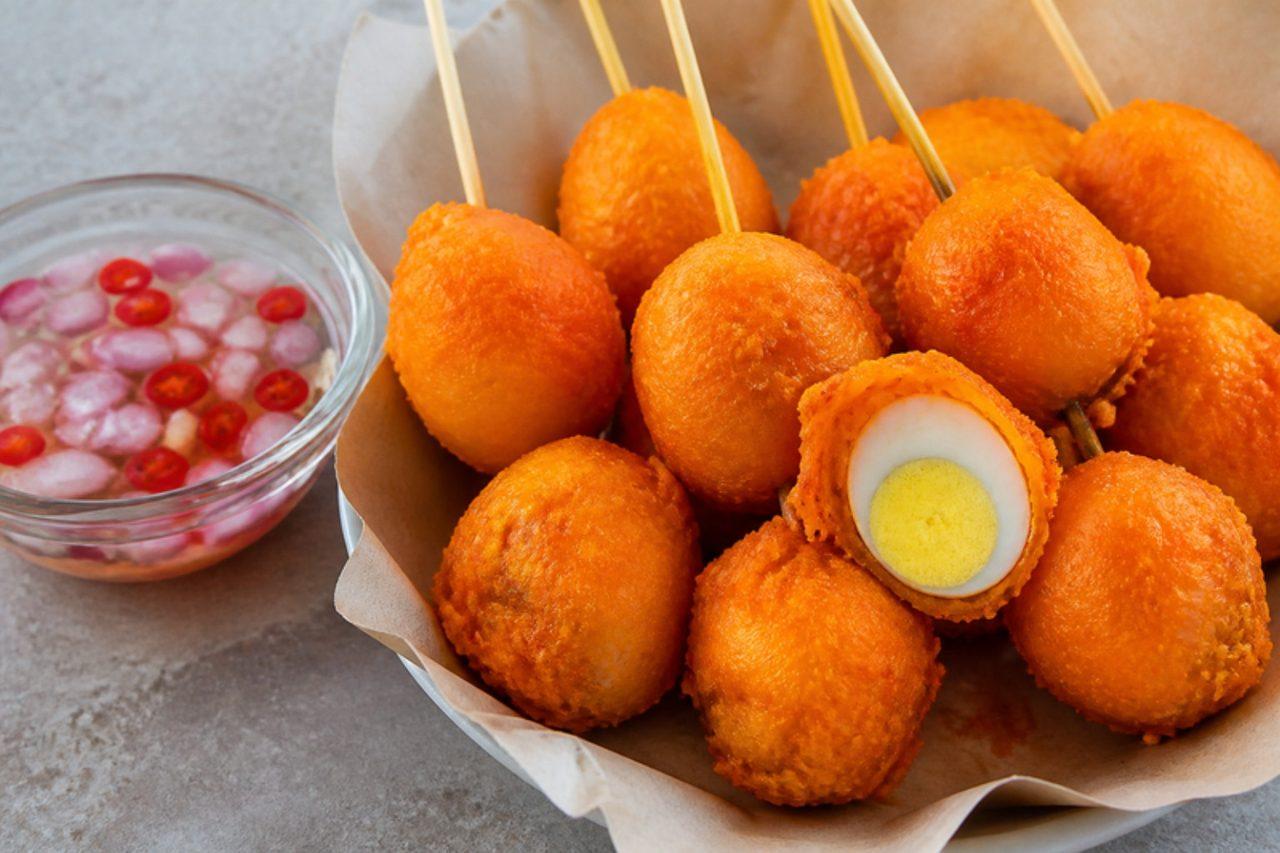
After dark in Quiapo and around university belts in Manila, fishball carts sell kwek-kwek: hard-boiled quail eggs dunked in a bright orange batter and fried until puffed and crunchy, then speared and dipped in sour vinegar with onion and chilli. The orange comes from annatto, not egg yolk or food colouring, and the batter stays thin so you bite straight through to the creamy egg. Chicken eggs done the same way are called tokneneng. Chef's tip: dust the peeled eggs with cornflour before battering; wet, slippery eggs shed their coat in the oil.

by KrazyBadal 0 views
Maja blancaCoconut corn pudding

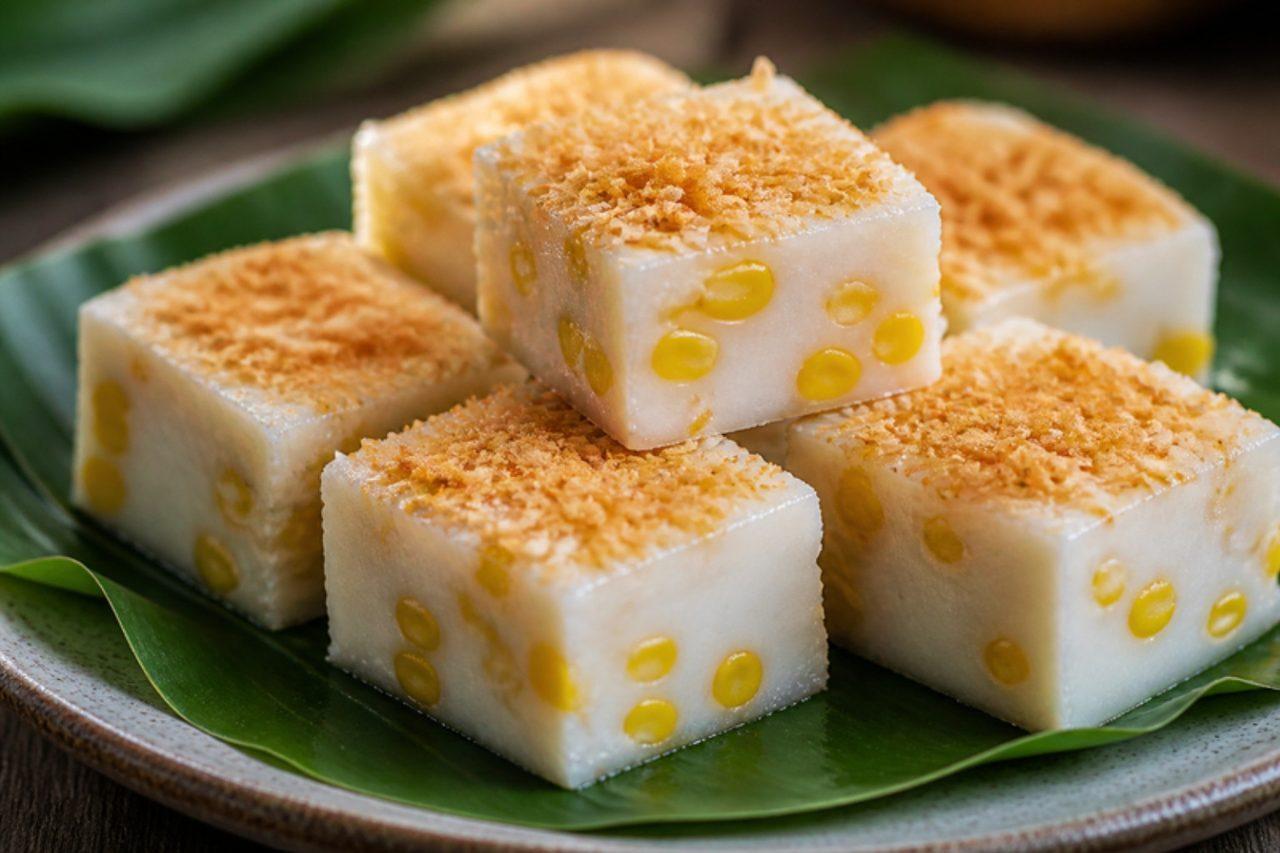
Wobbly squares of maja blanca sit on almost every Filipino Christmas Eve table, beside the leche flan and the fruit salad. Coconut milk and milk are thickened with cornflour into a smooth white pudding studded with sweet corn, poured into a tray and set firm enough to slice, then crowned with latik or toasted coconut. It tastes cool, milky and gently sweet, and kids love it. Chef's tip: whisk the cornflour into cold liquid first and keep stirring as it heats; added to hot milk it seizes into lumps you can't whisk out.

by KrazyBadal 0 views
Mais con yeloSweet corn shaved ice

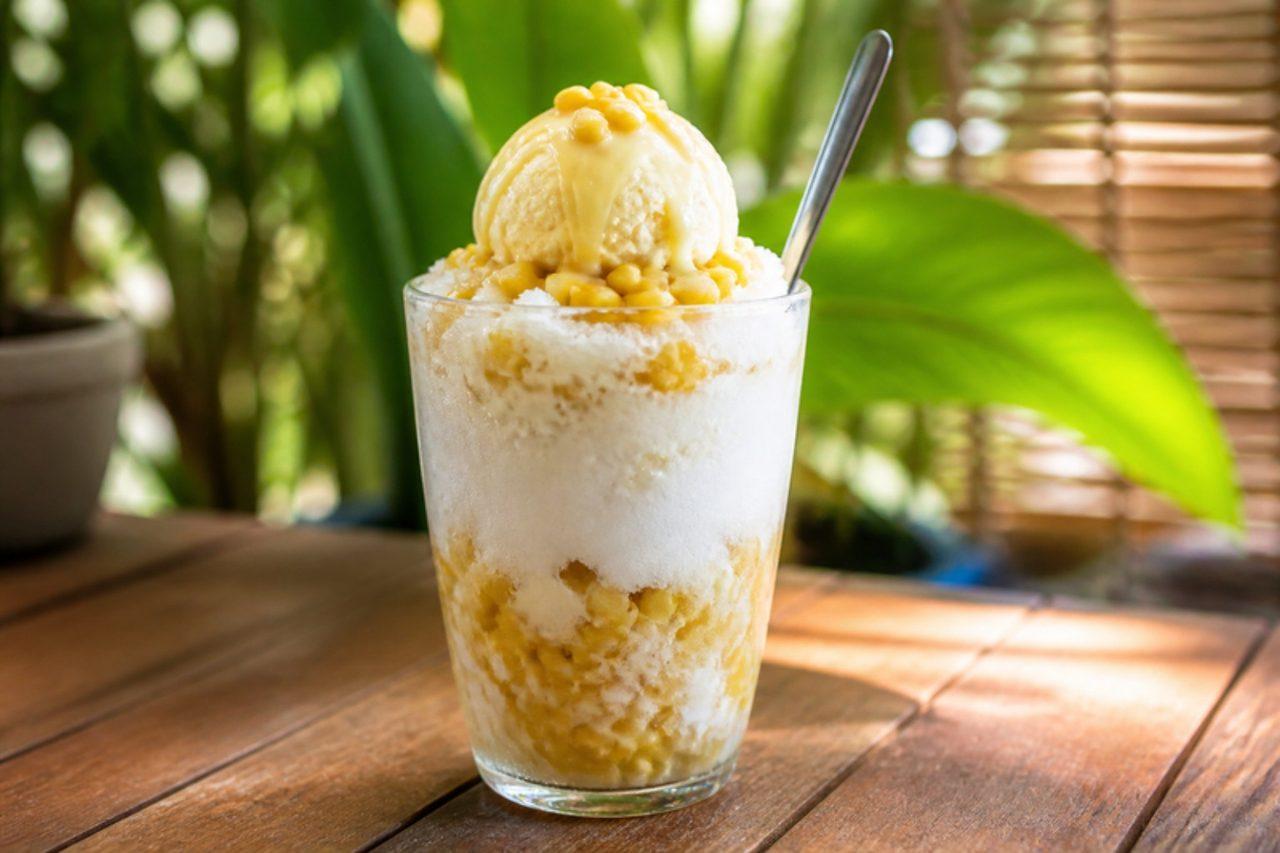
The simplest of the Filipino ice desserts, mais con yelo turns up at carinderias and beach stalls from Batangas to Davao in the dry months of March to May. A tall glass is layered with sweet corn kernels and sugar, buried in finely shaved ice and drowned in evaporated milk, and you stir it all into a cold, milky slush with a long spoon. Some add a scoop of vanilla ice cream or crisp rice cereal on top. Chef's tip: shave or crush the ice as finely as you can; chunky ice cubes leave the milk and corn sitting apart instead of blending into a soft slush.

by KrazyBadal 0 views
Filipino pork barbecue

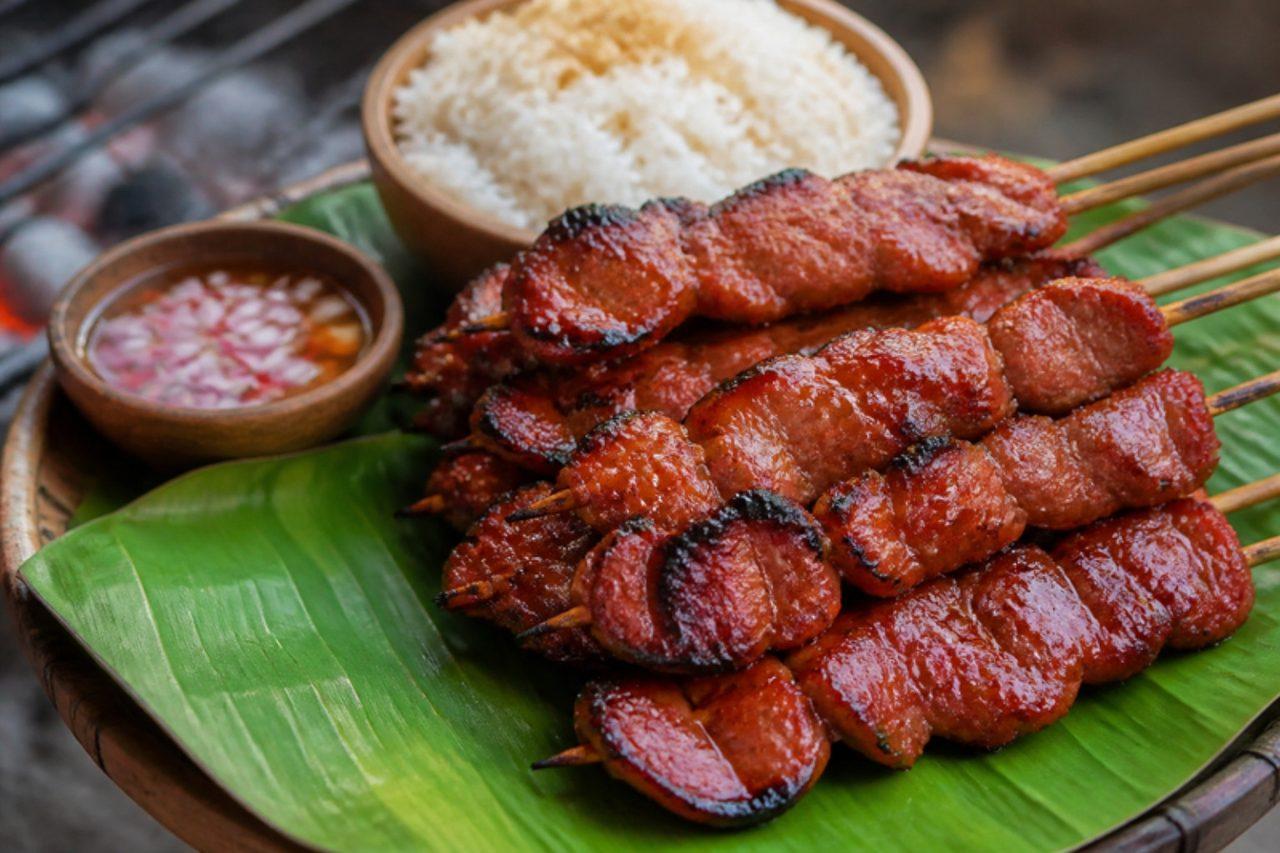
Smoke from charcoal grills drifts down every barangay street at dusk, where sticks of Filipino pork barbecue are fanned over coals and brushed again and again with their sweet marinade until the edges caramelise. Thin slices of pork shoulder soak in soy sauce, calamansi, garlic, brown sugar and banana ketchup, and the result is sticky, sweet-salty and a little charred. Eat them with garlic rice and spiced vinegar, or straight off the stick. Chef's tip: slice the pork thin and thread it in loose ribbons; thick chunks char outside before they reach a safe 71 °C inside.

by KrazyBadal 0 views
BikoSweet sticky rice cake

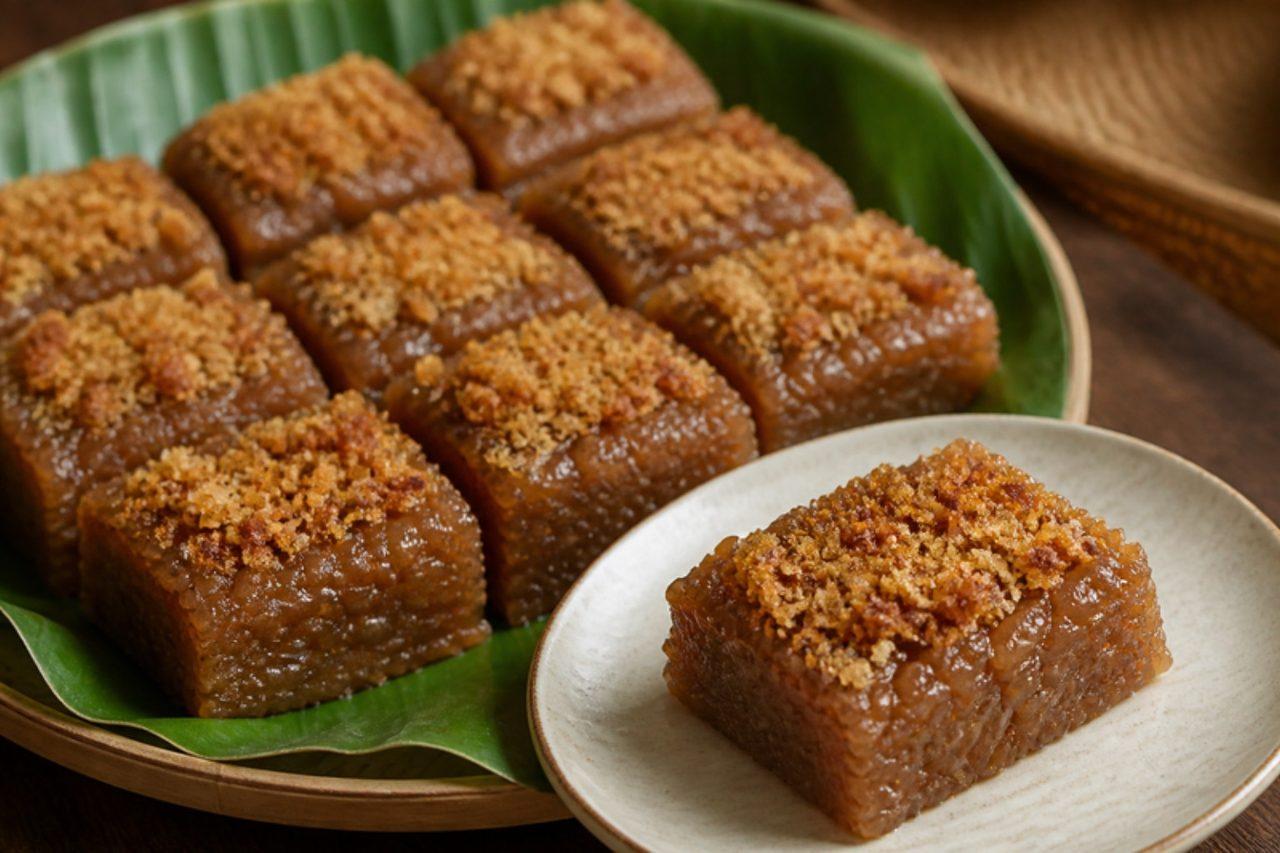
Bring biko to a Tagalog or Visayan gathering, whether a wake, a birthday or a fiesta, and the tray will be scraped clean. Glutinous rice is cooked, then stirred hard in a thick coconut milk and brown-sugar caramel until every grain is coated and the mass is dark, glossy and heavy on the spoon. Pressed into a tray and topped with crisp latik, it is cut into squares that are chewy, sweet and rich. Chef's tip: keep stirring once the rice goes into the caramel; leave it for a minute and the sugar catches and burns on the pan base.

by KrazyBadal 0 views
Ginataang bilo-biloRice balls in coconut milk

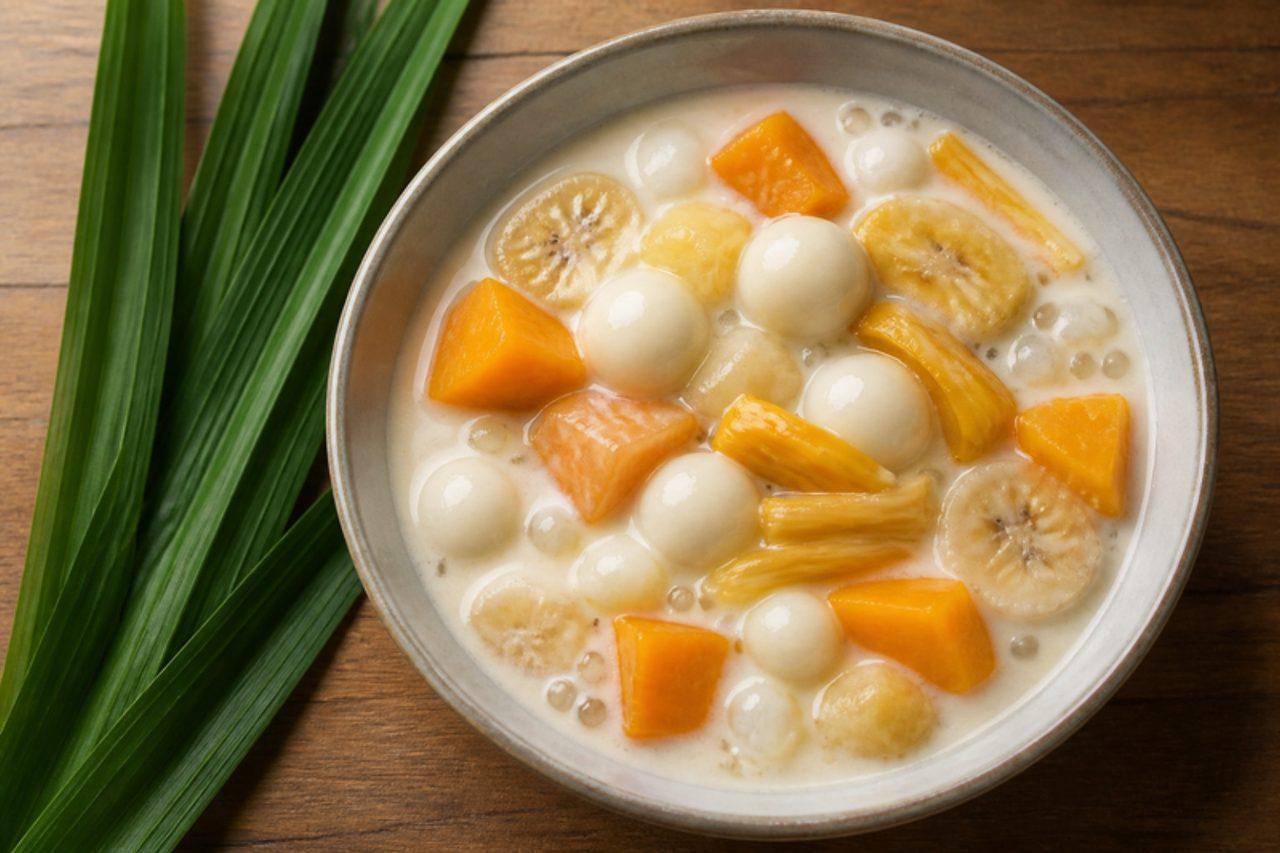
On rainy afternoons across Luzon, a big pot of ginataan bubbles on the stove and the whole street seems to know about it. Little balls of glutinous rice dough, saba banana, purple and orange sweet potato, strips of ripe jackfruit and sago pearls all simmer together in sweet coconut milk until it thickens into a soft, fragrant soup. Serve it hot in bowls, or cold the next day when it sets almost like pudding. Chef's tip: make the rice balls no bigger than a marble; large ones stay raw and gummy in the middle long after the bananas have collapsed.

by KrazyBadal 0 views
Dynamite lumpiaCheese-stuffed chilli rolls

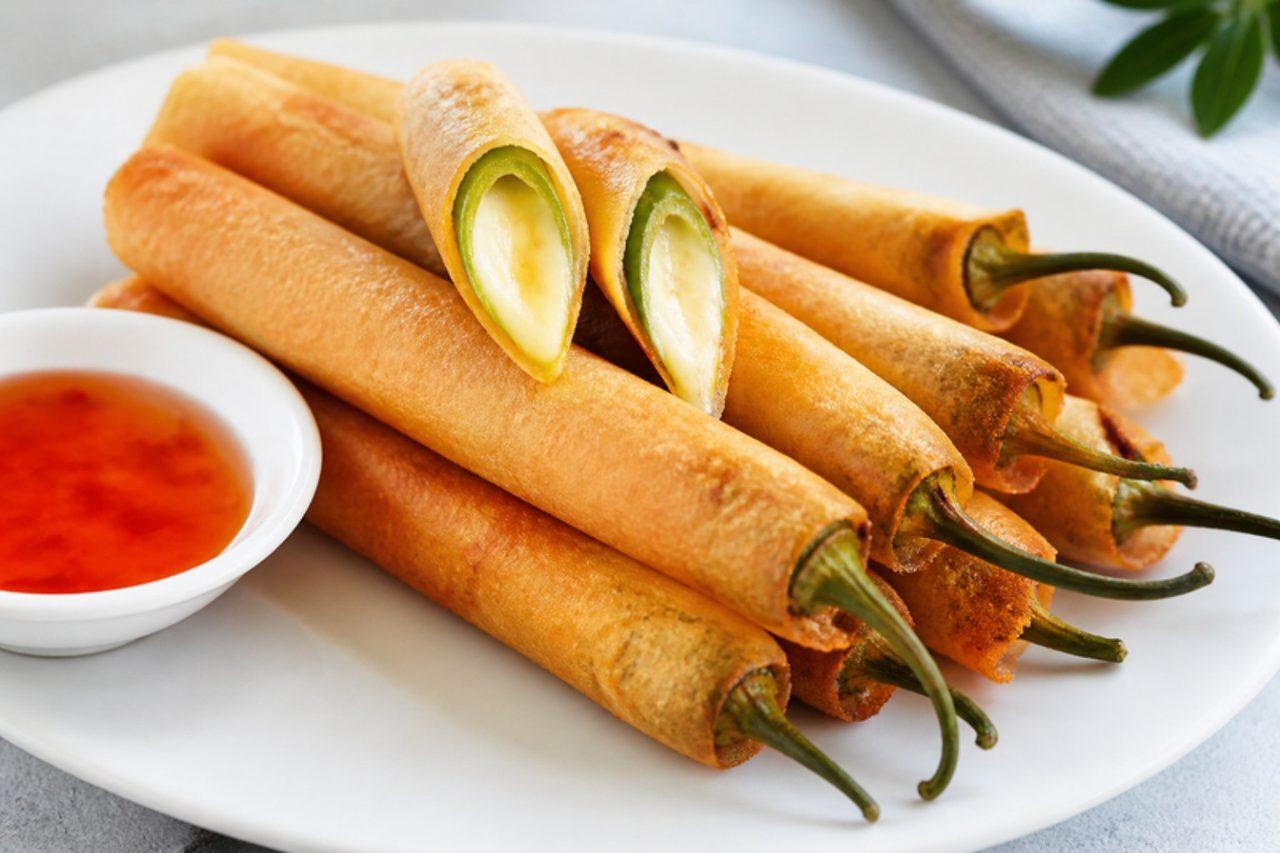
Bar chow menus in Quezon City and roadside stalls in Pampanga both claim dinamita: a whole long green chilli, seeded, stuffed with a stick of cheese and wrapped tightly in lumpia pastry with its stalk poking out like a fuse. Fried until blistered and crisp, the chilli turns sweet and only mildly hot while the cheese melts into it. A sweet chilli or banana ketchup dip is usual. Many versions add seasoned meat; this one keeps it to cheese. Chef's tip: dry the chillies well inside after seeding; trapped water bursts the wrapper in the hot oil.

by KrazyBadal 0 views
Pancit palabokRice noodles with shrimp sauce

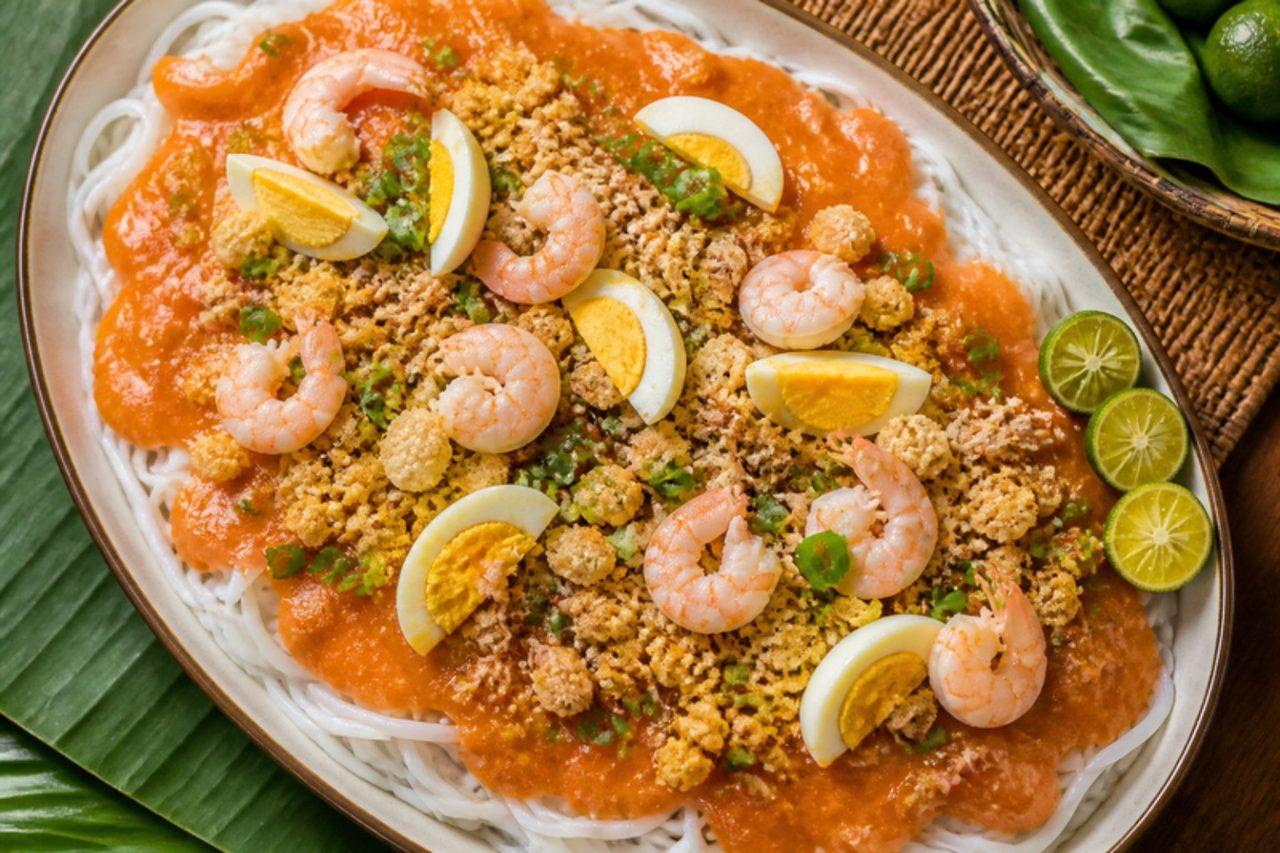
No Manila birthday party or office merienda is complete without a tray of palabok. Soft rice noodles are smothered in a thick, bright orange sauce made from shrimp stock, minced pork and annatto, then scattered with crushed pork crackling (chicharrón), flaked smoked fish, sliced egg, shrimp and spring onion, with calamansi squeezed over at the table. It is rich, savoury and a little smoky. The pork in this recipe is minced pork shoulder, cooked through in the sauce. Chef's tip: simmer the shrimp heads and shells for the stock; sauce made from water and stock cubes tastes flat and dull.

by KrazyBadal 0 views
Puto bumbongPurple sticky rice tubes

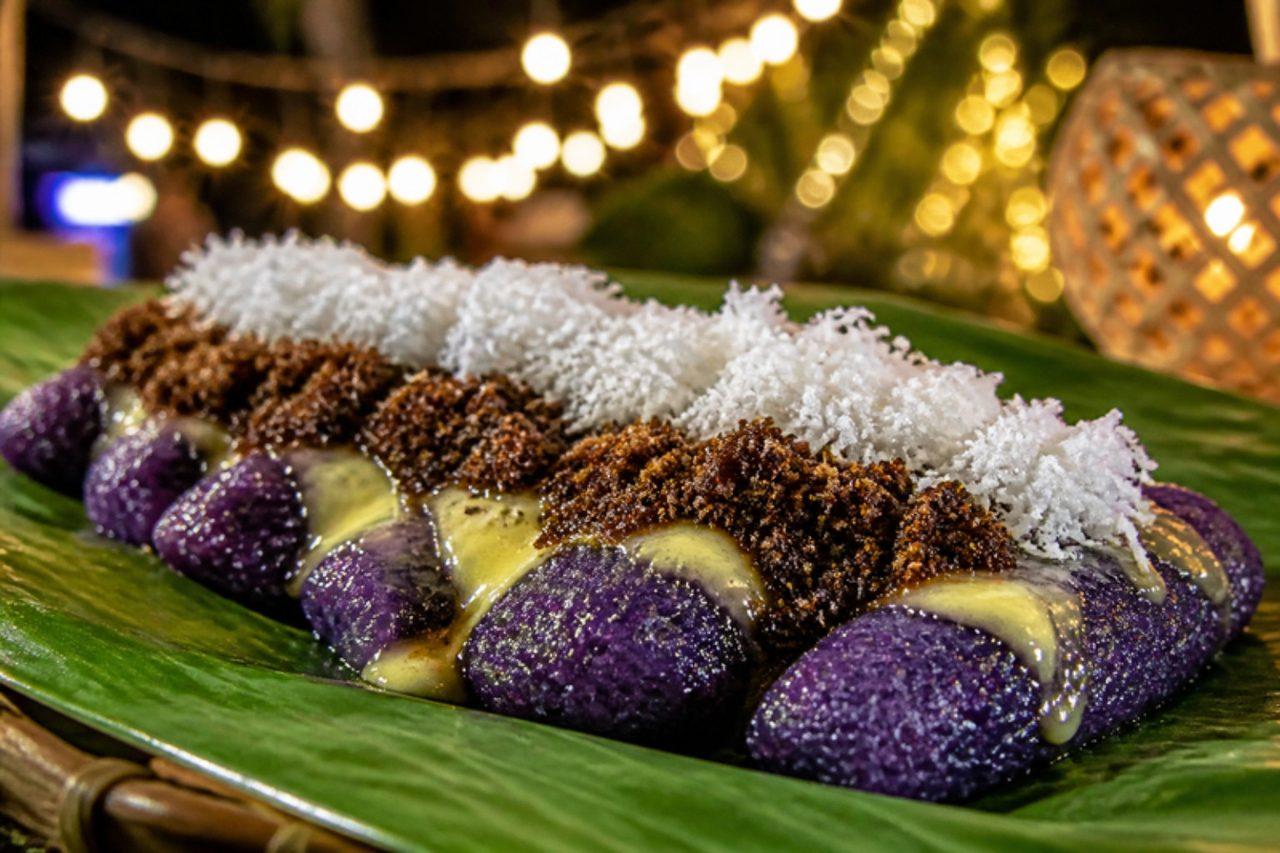
During the nine dawn masses of Simbang Gabi, from 16 to 24 December, vendors outside churches across Luzon steam puto bumbong in bamboo tubes over hissing kettles. The violet logs of ground purple and white glutinous rice are slid onto banana leaf, slathered with butter or margarine and showered with muscovado sugar and grated coconut, then eaten warm in the cold morning air. At home, small heatproof moulds or rolls of banana leaf stand in for the bamboo. Chef's tip: the ground rice must feel like damp sand, not batter; wet dough steams into a heavy paste instead of a loose, fluffy log.

by KrazyBadal 0 views
Filipino spaghetti

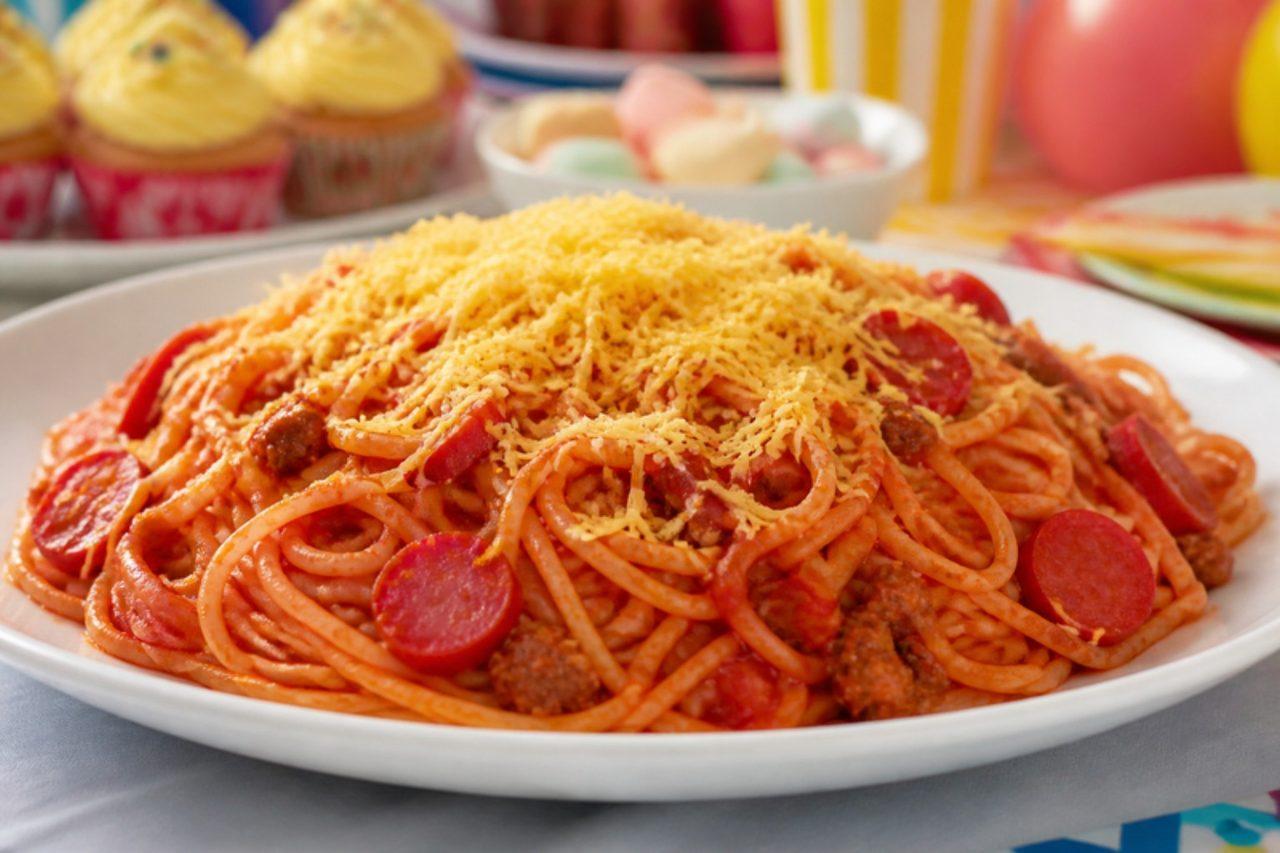
At children's birthday parties and on the Christmas Eve table in the Philippines, spaghetti comes sweet: a tomato sauce sweetened with banana ketchup and sugar, packed with minced pork and coins of red hot dog, and buried under grated cheese. It is pure nostalgia, beloved by kids and adults alike. The pork here is minced pork, simmered until well cooked through. Chef's tip: brown the hot dog slices separately before they go into the sauce; simmered from raw they turn soft and rubbery instead of slightly crisp at the edges.

by KrazyBadal 0 views

Sinamak

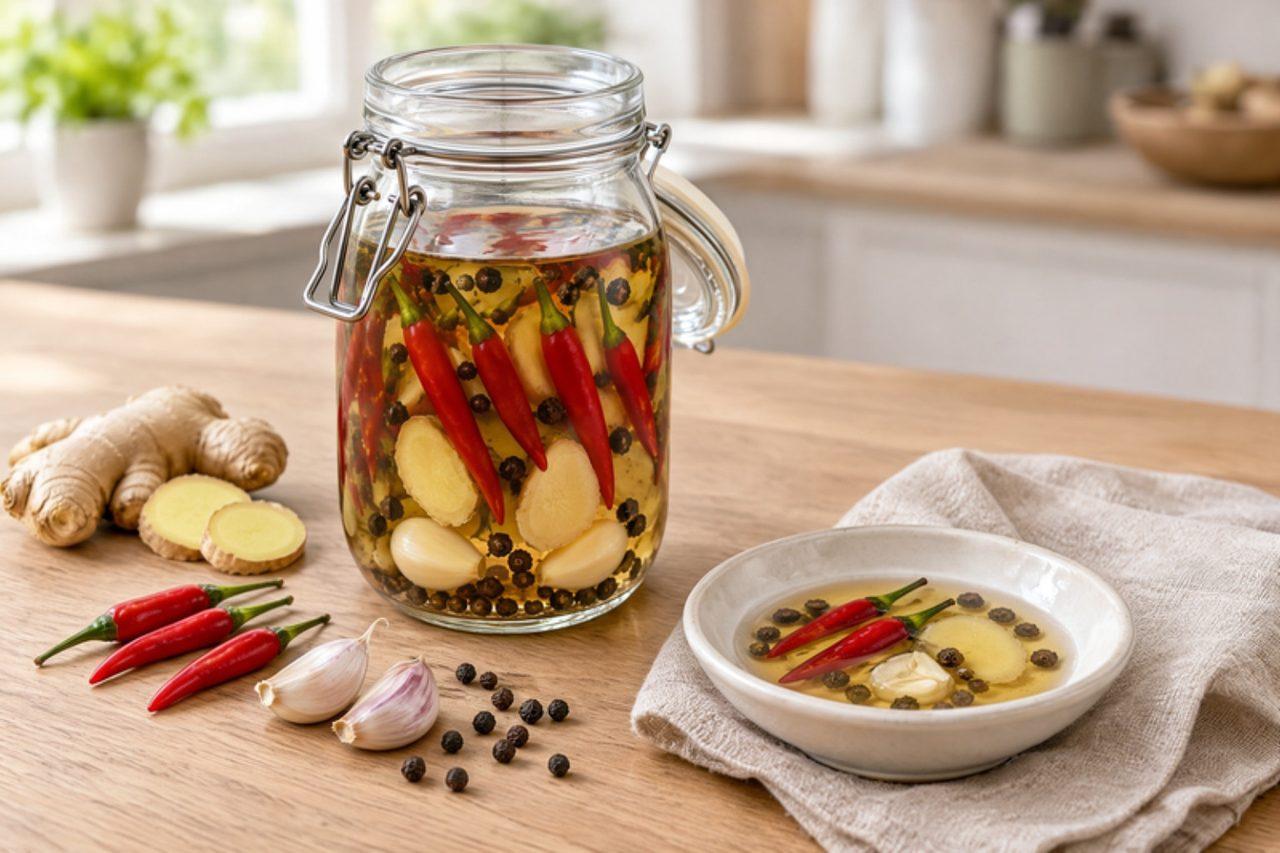
Iloilo is the home of La Paz batchoy and chicken inasal, and on every table there sits a tall bottle of sinamak, cane or coconut vinegar crowded with chillies, garlic and ginger. Visayan families keep a bottle going all year, and the dip turns up with grilled pork belly, crisp lechon kawali, fried fish and longganisa at breakfast. After a few days of steeping it is clean and sour, hot from siling labuyo, warm with ginger and peppery, with a faint sweetness from the cane vinegar. Common mistake: making a huge bottle and leaving it in a warm kitchen for months; fresh garlic and ginger are low-acid, so use full-strength vinegar, keep it in the fridge and make a fresh batch every couple of months. Toasting the garlic is not traditional and is not needed. It is ready when the vinegar has turned faintly golden and smells strongly of chilli and garlic, usually after 3 days. Chef's tip: bruise the chillies with the flat of a knife instead of slicing them; the heat comes out slowly and the vinegar stays clear. Cider vinegar can stand in for cane or coconut vinegar.

by KrazyBadal 0 views

Ginataang sigarilyasWinged beans in coconut milk

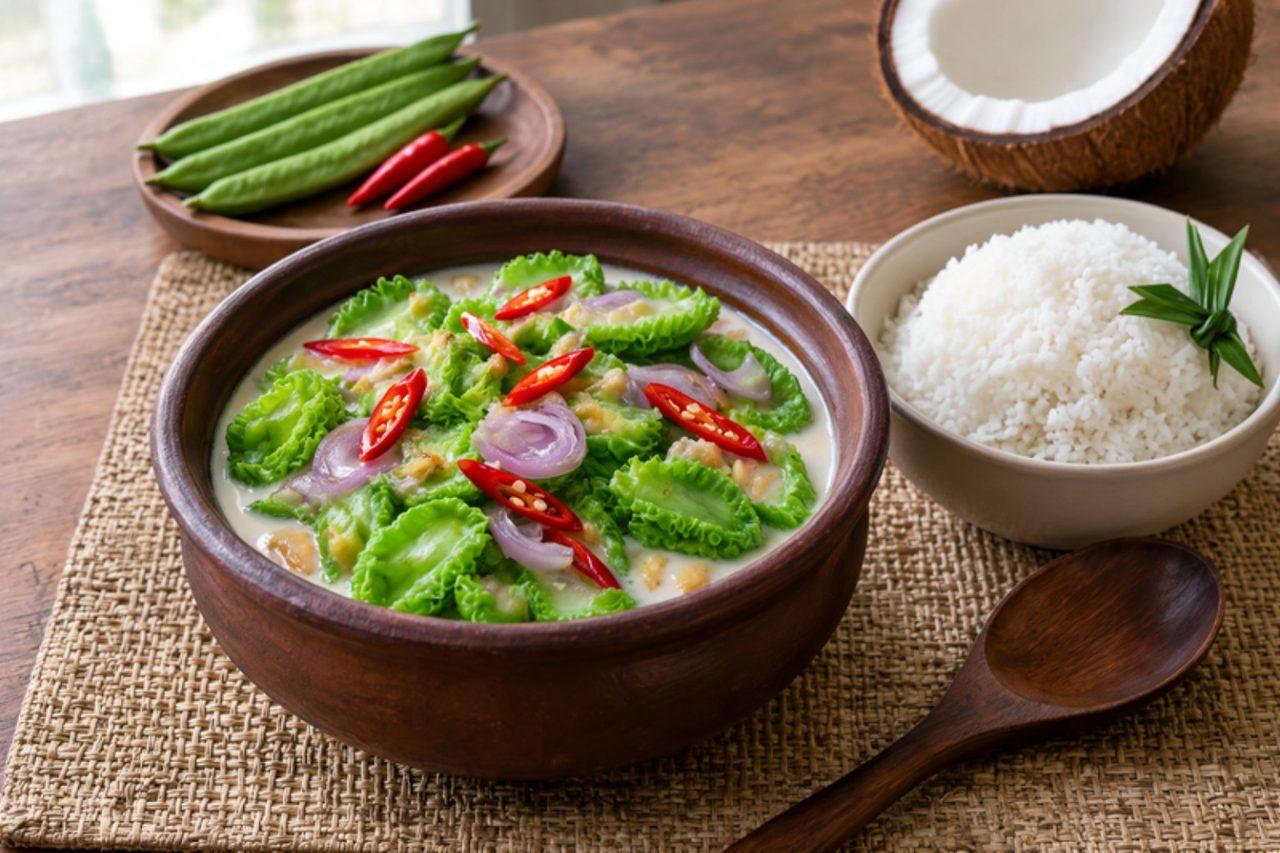
Winged beans, sigarilyas, climb the backyard fences of Luzon and Visayan homes, and on rainy-season weekdays they are sliced and simmered in coconut milk for a quick ulam to go with rice. The frilly beans stay crisp-tender and soak up the garlicky, gently spicy gata. Many cooks add shrimp paste; this version keeps it vegan with a little soy sauce. The usual mistake is overcooking: winged beans lose their crunch and go dull green in minutes, so add them only when the coconut milk has reduced. Chef's tip: cut the beans on a sharp diagonal so each slice shows off the four ruffled wings.

by KrazyBadal 0 views

Ginataang puso ng sagingBanana blossom in coconut milk

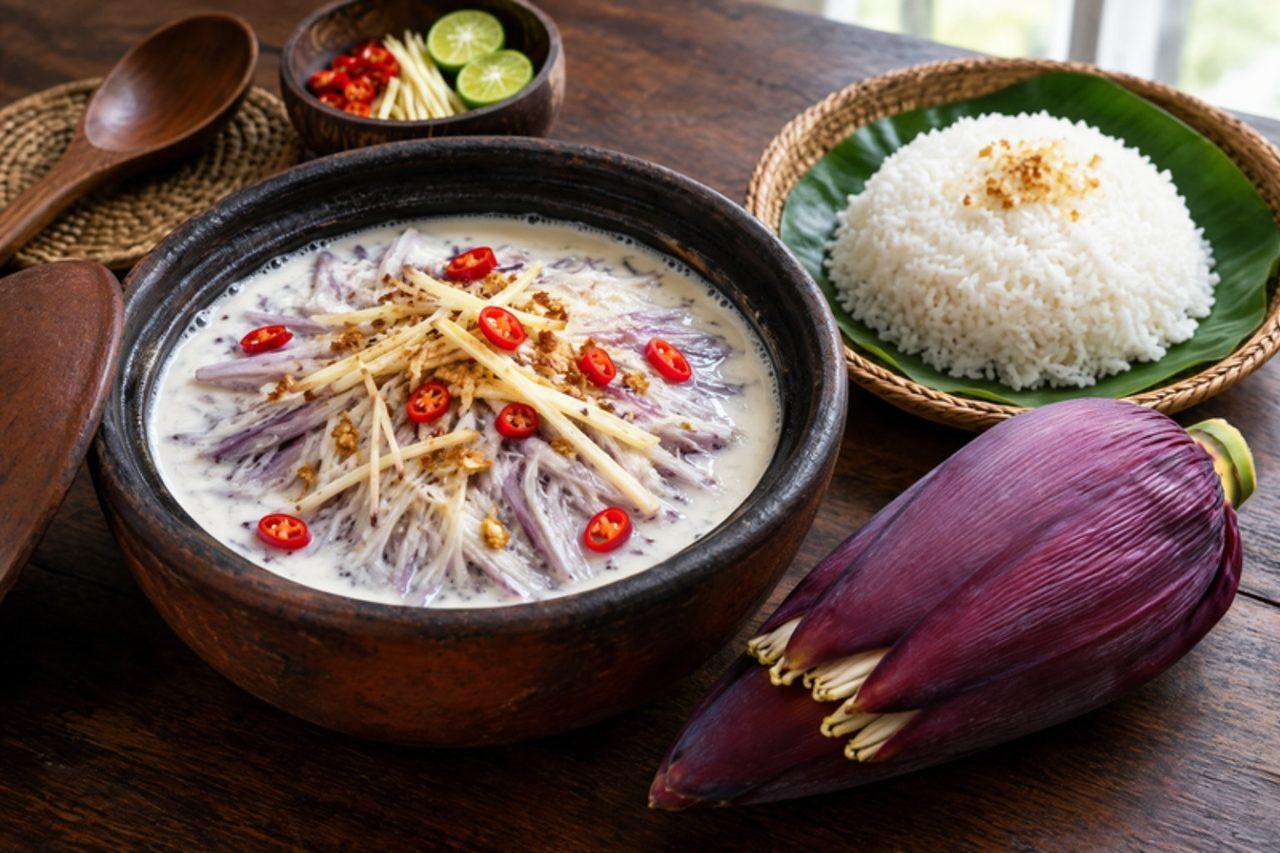
Every banana tree in the Philippine countryside gives a heavy purple flower, and in Bicol, Batangas and the Visayas it is shredded and stewed in coconut milk as an everyday ulam for lunch with rice. The banana blossom has a tender, slightly flaky texture and soaks up the ginger, garlic and chilli. The traditional version includes shrimp or fish; this one is vegan. The usual mistake is skipping the salt rub: unrubbed banana blossom stays bitter and turns the sauce grey, so squeeze out its dark sap first. Chef's tip: keep the shredded blossom in water with a spoon of vinegar while you work, so it stays pale.

by KrazyBadal 0 views

Bagoong alamangFried krill paste

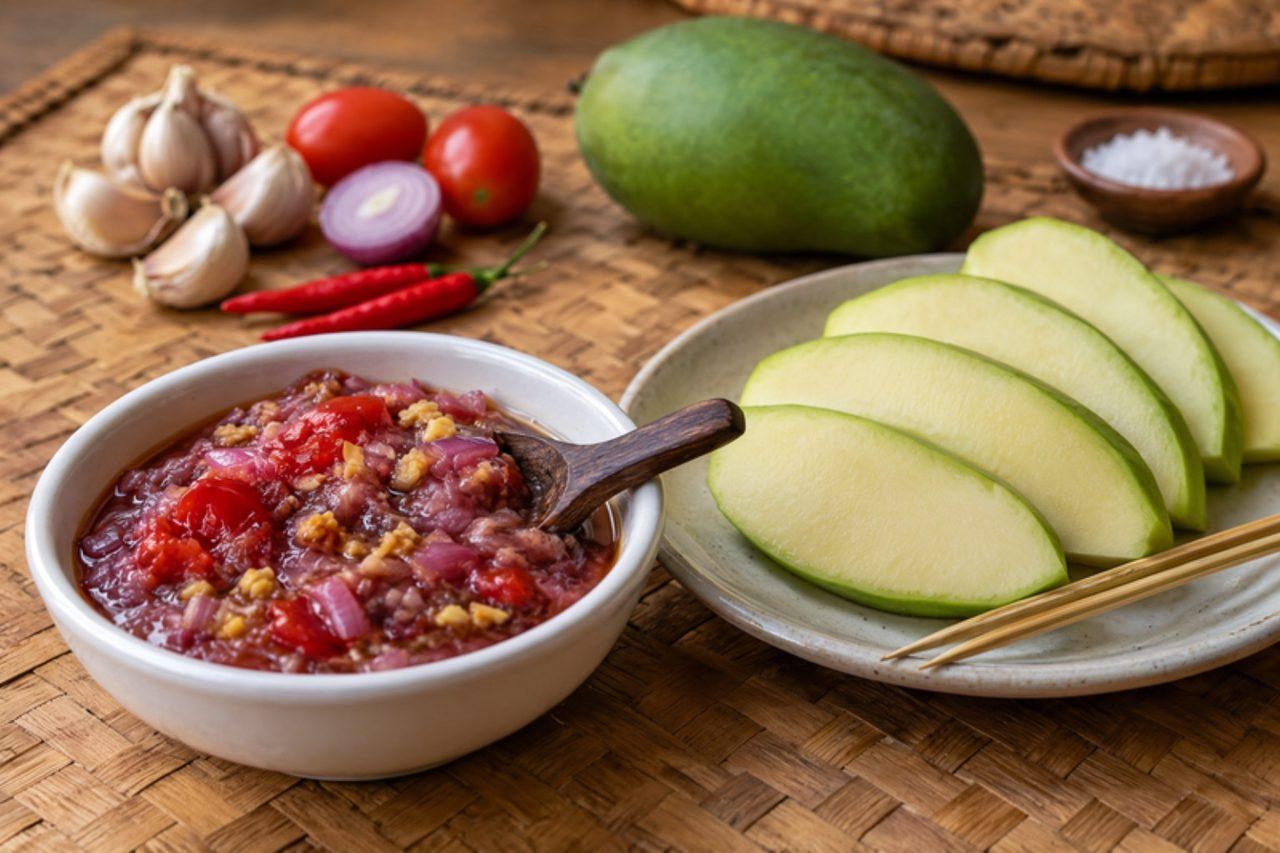
Across Luzon, a jar of ginisang bagoong sits in nearly every kitchen. In the hot months from March to May, when green mangoes are sour and crisp, it becomes the classic merienda: thin slices of unripe mango dragged through sweet, salty, garlicky shrimp paste, often shared on a porch in the afternoon. It is also the essential partner to kare-kare and the base of binagoongang baboy. Raw salted alamang (tiny krill or shrimp) is sold pink and wet; frying it with garlic, onion and tomato, then sugar and cane vinegar, turns it deep reddish brown, thick, glossy and rounded, with the briny punch still there. The raw paste is a raw-cured seafood, so this recipe always cooks it right through; pregnant people, babies, older people and anyone with weak immunity should only eat bagoong that has been fully sautéed and kept cold. Common mistake: high heat after the sugar goes in, which scorches it and turns the bagoong bitter. Keep it at a medium-low simmer. It is ready when the oil separates and shines on top and it smells toasty rather than fishy. Chef's tip: a few slivers of crisp pork belly fried first make it richer.

by KrazyBadal 0 views

LongganisaGarlic pork sausages

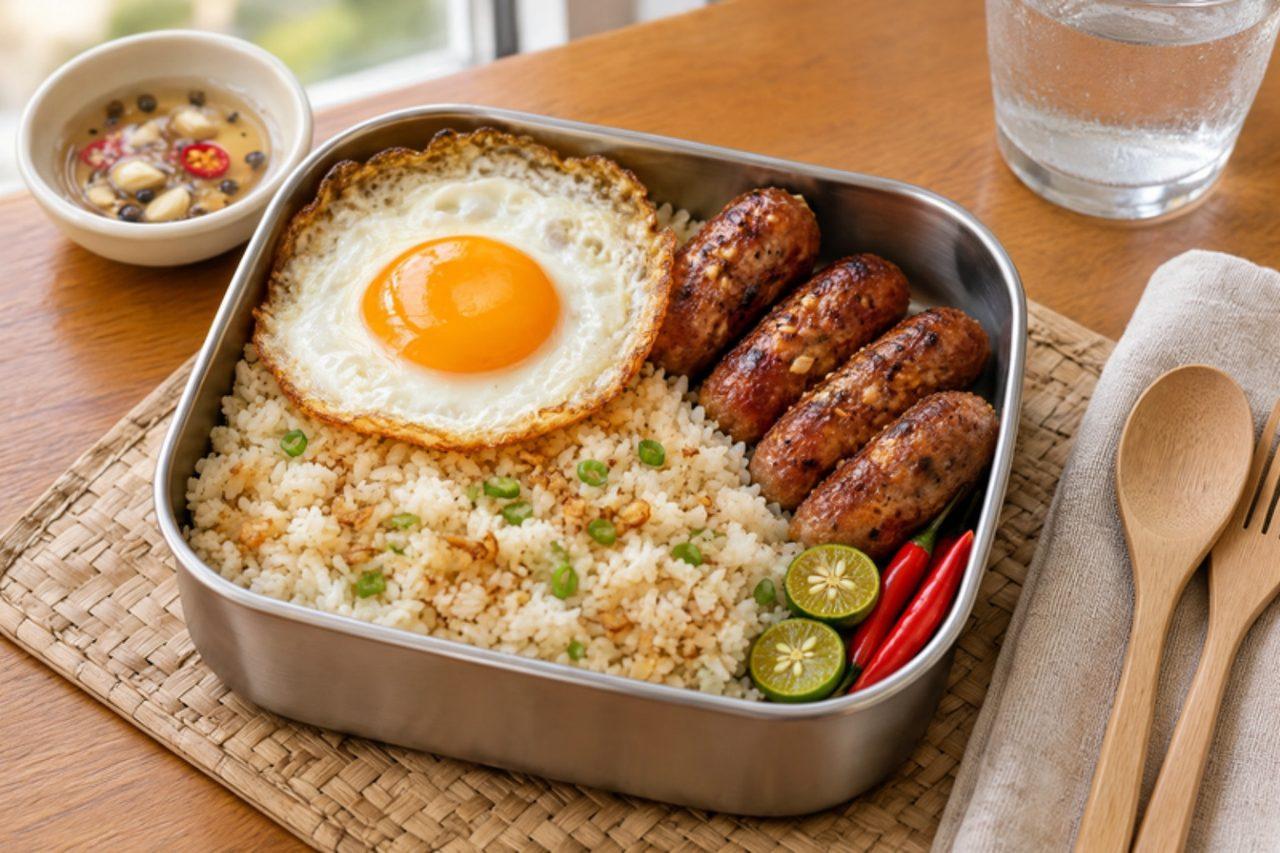
Every Philippine province has its longganisa, from the garlicky, sour sausages of Vigan to the oregano-scented ones of Lucban and the sweet, sticky Pampanga style; this homemade skinless (hubad) version sits between them. These pork sausages are fried until caramelised, then packed into the baon (packed lunch) with sinangag garlic rice and a fried egg. The common mistake is frying them hard from raw, which burns the sugar before the pork is cooked; simmer them in a little water first. Chef's tip: roll the mixture in baking paper and chill overnight, and the sausages slice and fry far more neatly.

by KrazyBadal 0 views

Ensaladang talbos ng kamote (sweet potato leaf salad)

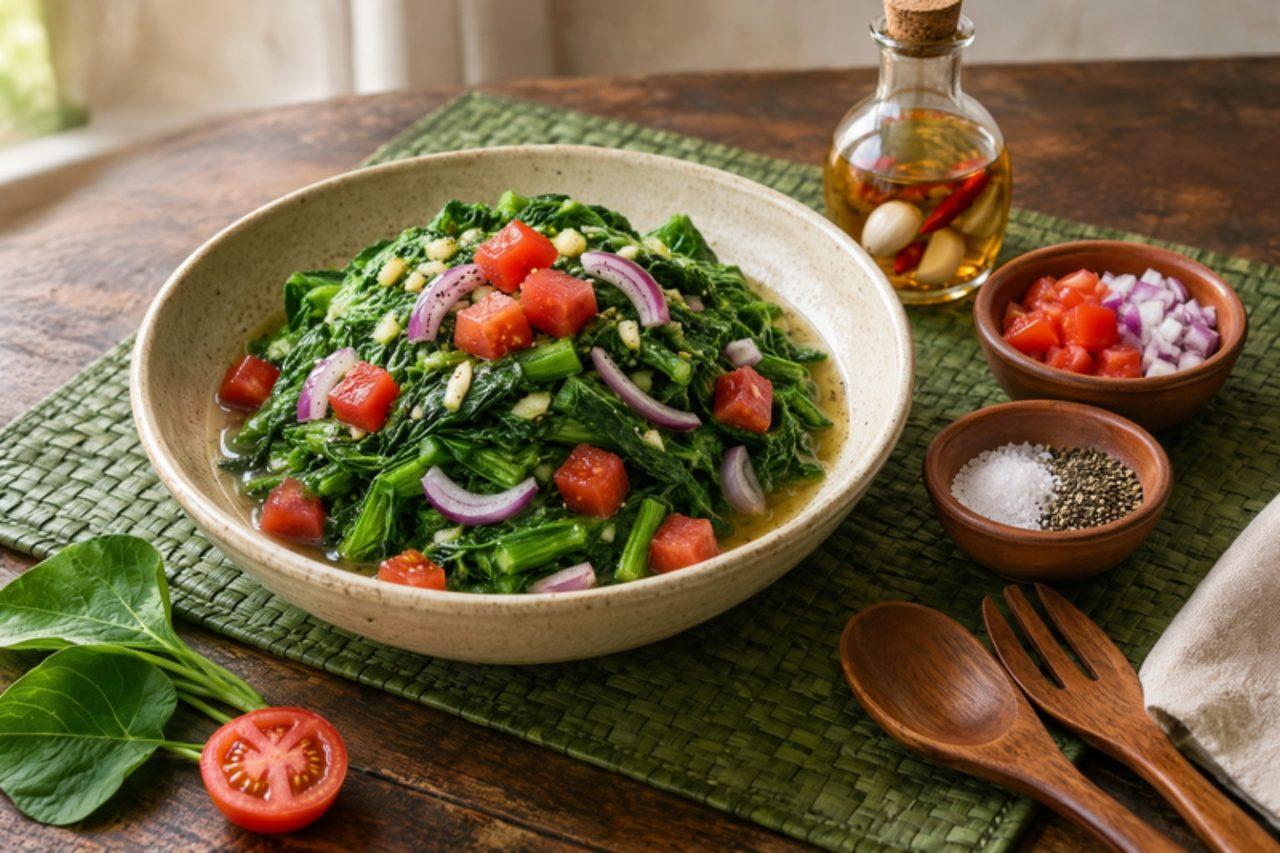
In Filipino provinces from Pampanga to Leyte, the tender tips of sweet potato vines grow by every house, and this quick salad of blanched leaves, ripe tomato and red onion in sukang Iloko vinegar sits beside fried fish or rice in baon and family lunches. The leaves turn silky and mild, and the vinegar keeps it fresh in a closed tub. The mistake is boiling the leaves for minutes until they turn dark and slimy; thirty seconds is enough. Chef's tip: plunge the leaves into iced water straight from the pot, so they stay bright green until lunchtime.

by KrazyBadal 0 views

Nilagang saba mash for babiesBoiled banana mash for babies

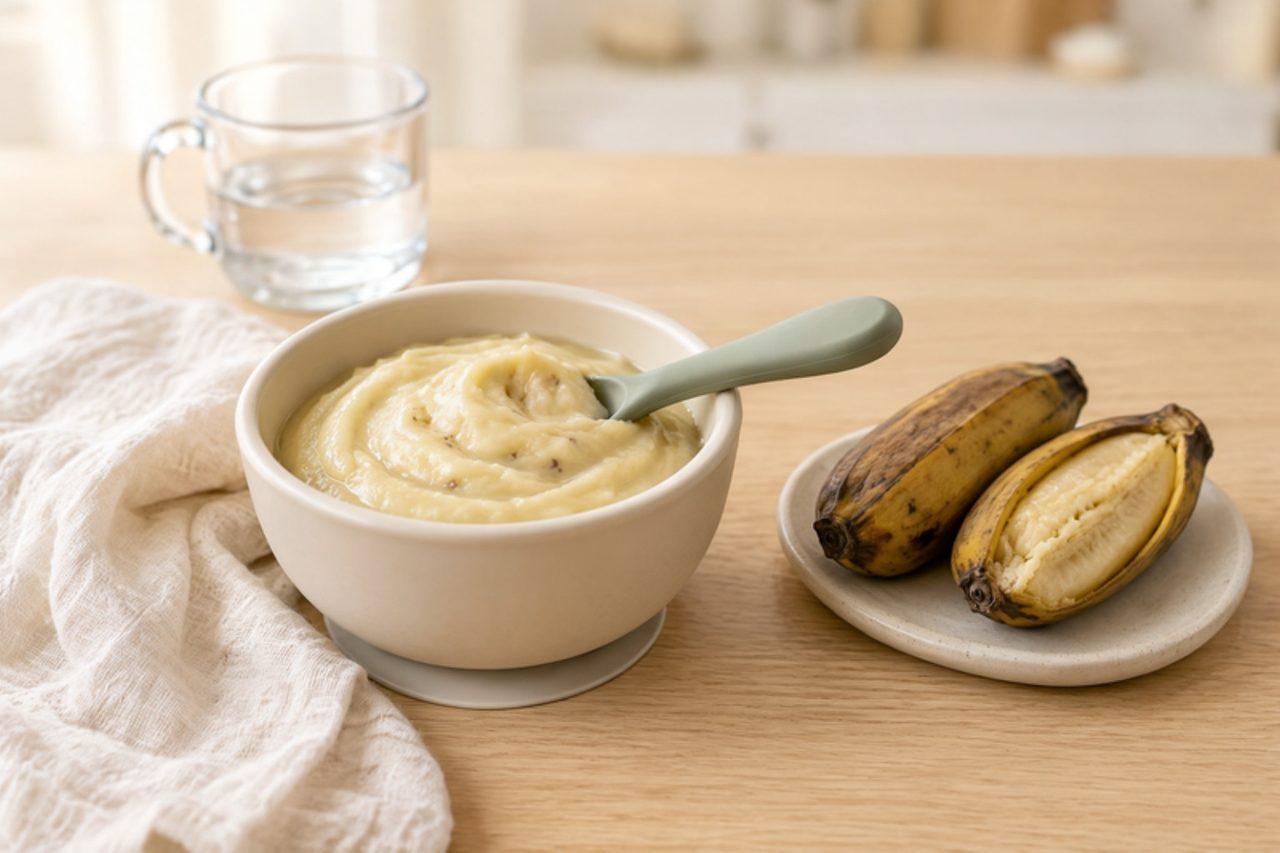
Saba, the short, square-edged cooking banana piled in every palengke from Quezon City to Davao, is boiled in its skin for nilagang saging, a merienda (afternoon snack) eaten with a cup of coffee. For babies, the same boiled saba is peeled and mashed into a soft, peachy, honey-sweet purée, and it is one of the most common first foods in Filipino homes. Saba is firmer and starchier than an eating banana, which is why it is always cooked. Nothing is added: no salt, sugar or condensed milk under one. It is free of the major allergens. Chef's tip: pick saba whose skins are yellow with black spots; green ones are too starchy and can upset small tummies.

by KrazyBadal 0 views

BinatogBoiled hominy with coconut

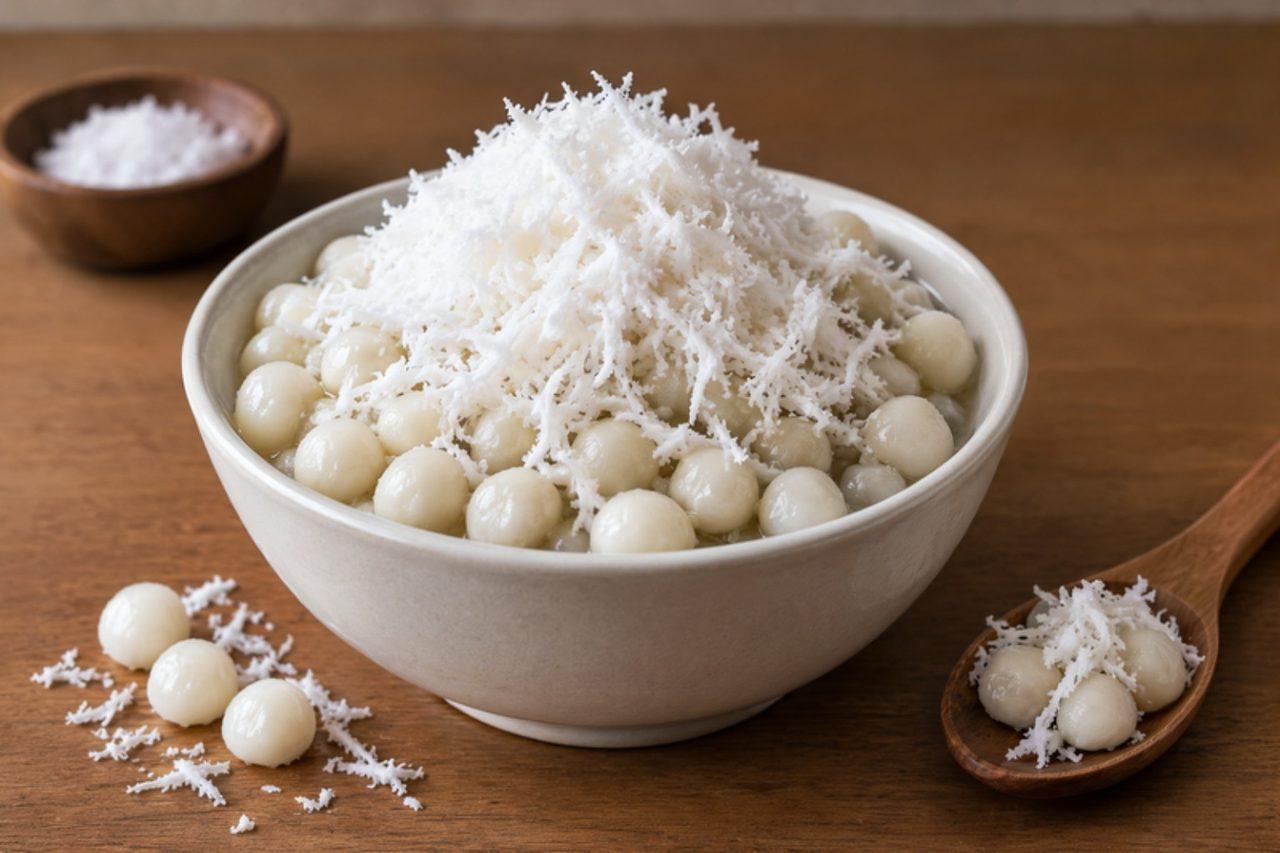
Binatog is an afternoon snack sold from bicycle carts that ring their way through the side streets of Manila, especially around Tondo and Sampaloc, the vendor scooping steaming white corn from a big tin can into small cups. The kernels are plump, chewy and nutty, piled with snowy grated coconut and finished with salt or sugar to taste, so everyone gets it the way they like. It is simple, filling and naturally vegan. Dried white hominy (pozole corn) has already been treated with lime, which gives the chewy, popped kernels; if you can only find canned hominy, rinse it and warm it for 10 minutes instead. Chef's tip: keep the kernels at a gentle simmer; a hard boil splits them before they become tender.

by KrazyBadal 0 views

Cheese pimiento sandwich

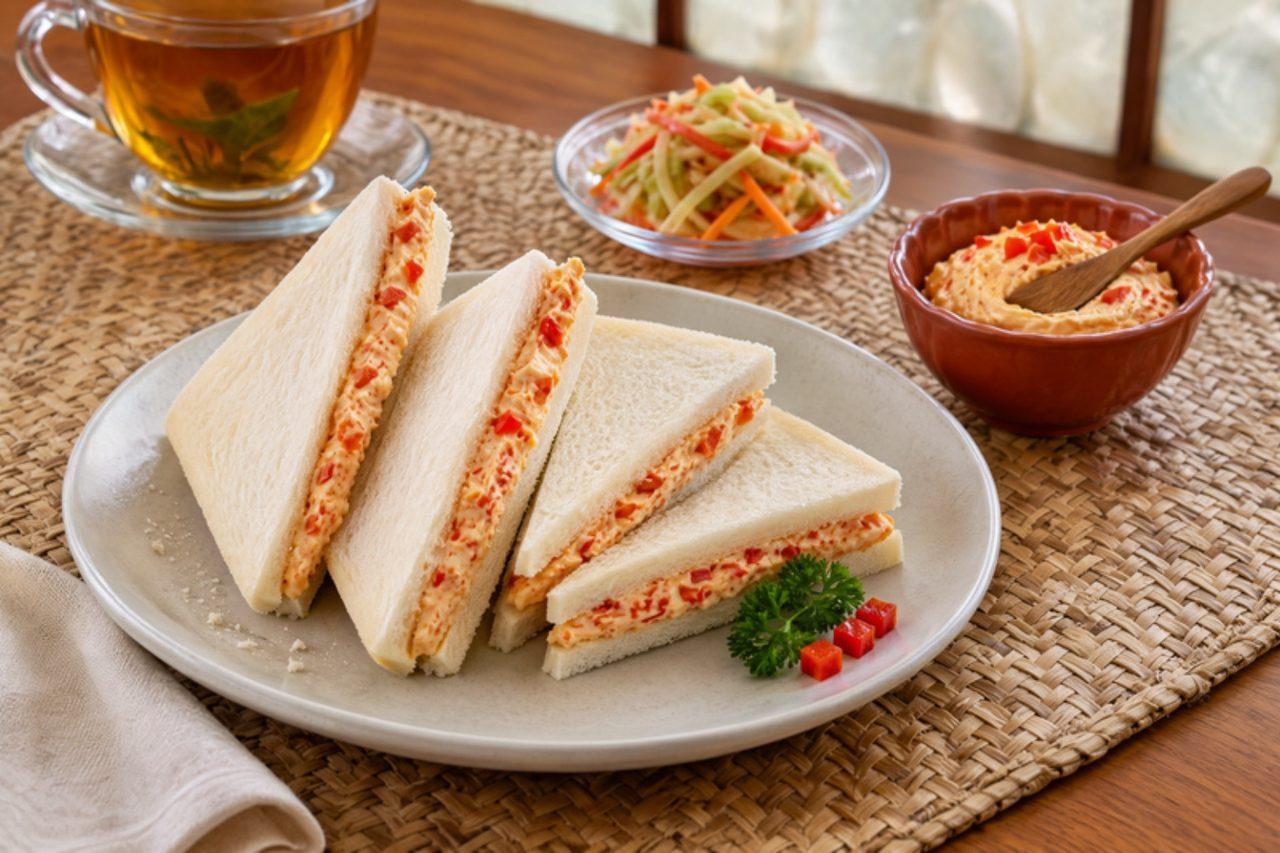
Cheese pimiento is the orange spread every Filipino child knows from school baon, birthday party trays and afternoon merienda in Manila: grated cheese mashed with mayonnaise, chopped pimiento and a little sugar, spread thick on soft white bread with the crusts cut off. The mistake is grating the cheese too coarsely, which gives a lumpy spread that tears the soft bread; grate it finely and let it soften for a few minutes in the mayonnaise. Many processed and cheddar cheeses are made with animal rennet, so choose one labelled vegetarian. Chef's tip: a spoon of evaporated milk makes the spread silkier and easier to spread on soft bread. Contains milk, egg (mayonnaise) and gluten.

by KrazyBadal 0 views

Adobong talong (aubergine adobo)

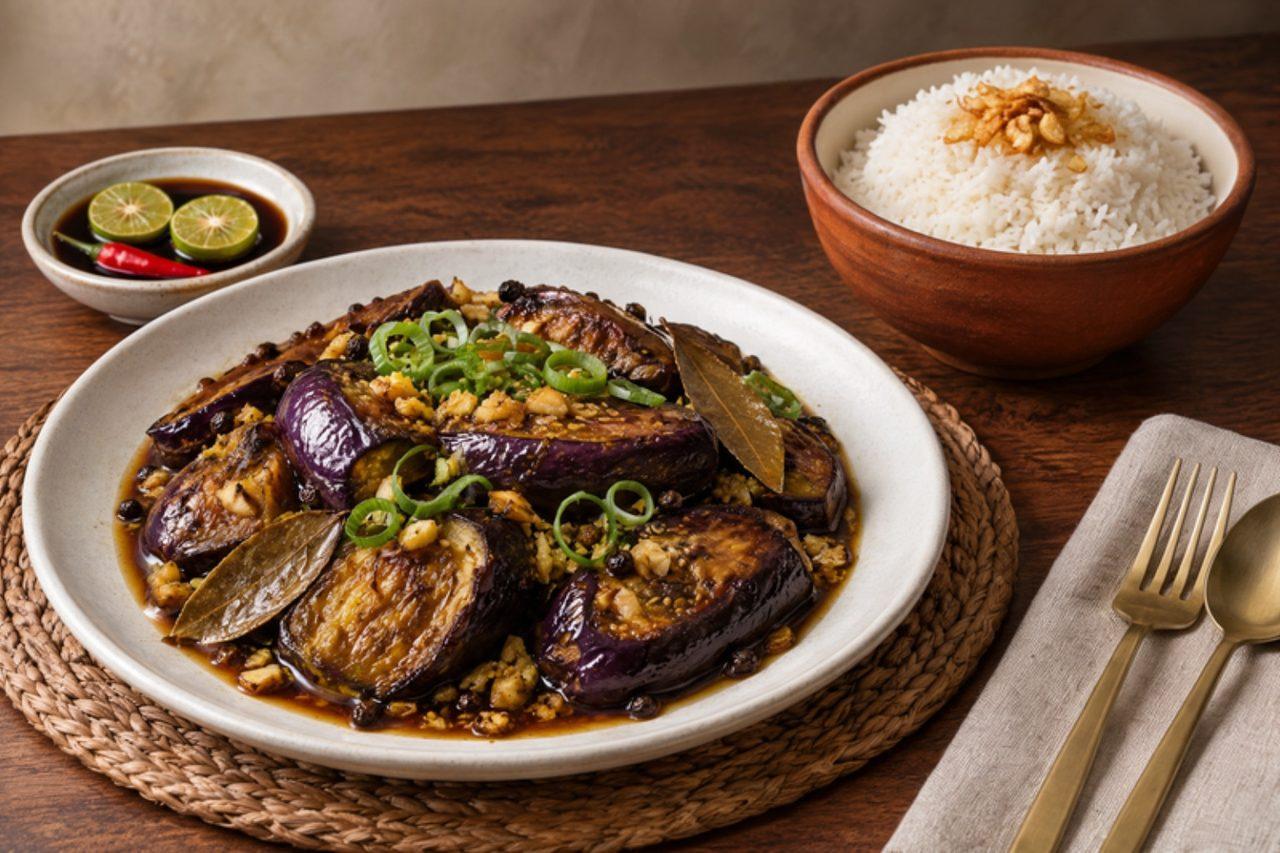
Adobo is a method in the Philippines, not a single dish, and when meat is short or it's Lent, Filipino families make it with long eggplant: fried until soft and browned, then simmered briefly in vinegar, soy sauce, garlic, bay and peppercorns. Like any adobo it tastes better the next day, which makes it a favourite for baon with rice. The common mistake is stirring as soon as the vinegar goes in; let it boil untouched for a minute first, or the sauce keeps a raw, sharp edge. Chef's tip: crush the garlic and fry half of it until golden to scatter on top at the end, for crunch.

by KrazyBadal 0 views

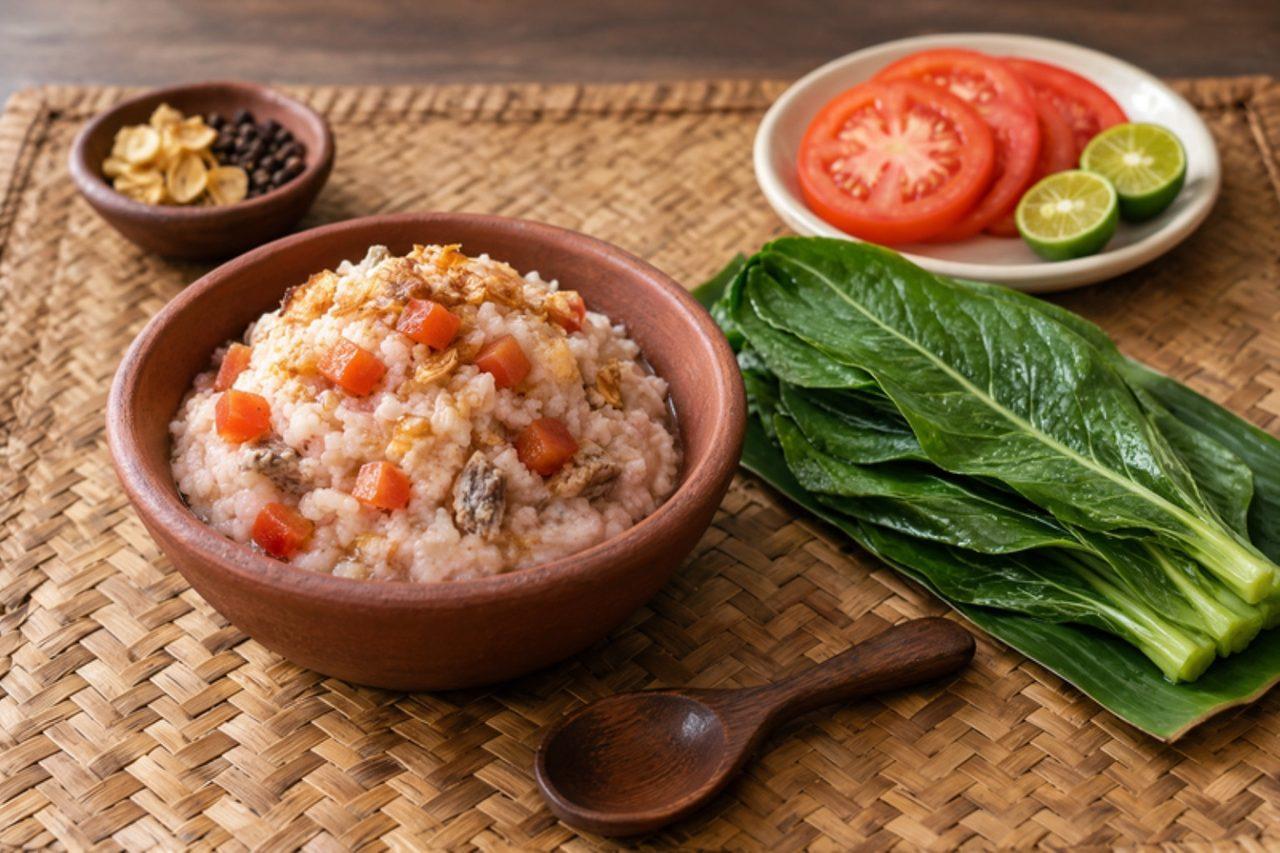
Burong isdaFermented fish and rice

Burong isda is a Kapampangan treasure. In Pampanga, and in neighbouring Bulacan and Tarlac, families make buro in the rainy months when mudfish and tilapia are plentiful, and the sautéed paste is set out at home lunches with fried or grilled fish, steamed okra and eggplant, and blanched mustard leaves (mustasa) to wrap it in. Cooked rice and salted fish ferment together for about a week until the rice has melted into a soft, pinkish porridge and the fish bones soften. Sautéed with garlic, onion and tomato, it becomes creamy, sour, salty and deeply savoury, a little like a cheese spread. Because the fish ferments raw, two rules matter: cure it first in 20% salt, and always cook the buro until bubbling hot before eating; never eat it straight from the jar. Pregnant people, babies, older people and anyone with weak immunity should only eat it freshly cooked, or skip it. Common mistake: packing hot rice, which spoils the ferment; cool it fully. It is ready to cook when it smells pleasantly sour, like sourdough, and the rice is soft. Chef's tip: a teaspoon of angkak (red yeast rice) gives the traditional pink colour.

by KrazyBadal 0 views

Burong manggaPickled green mango

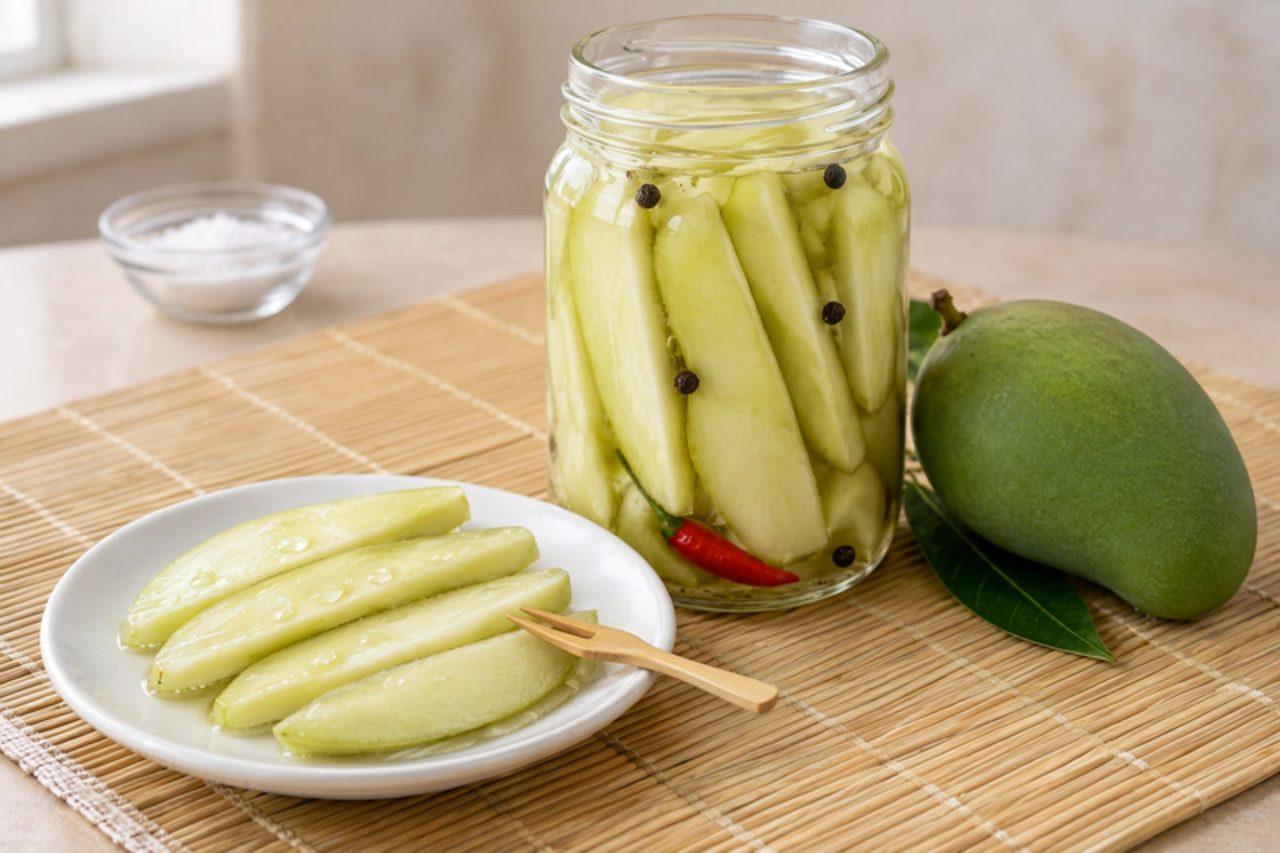
From Pampanga to Pangasinan, the hot months of March to May bring piles of hard green carabao mangoes to every palengke, and many households slice them into a jar of burong mangga. A week in a sweet salt brine turns the mango from mouth-puckering to bright and juicy: still crunchy, sour at the core, salty-sweet on the outside. It is eaten on the side of inihaw na isda and pritong tilapia, with rice and fried pork at lunch, or as an afternoon merienda straight from the jar, and the brine is sometimes sipped too. Common mistake: using mangoes that have started to ripen; a yellow blush makes the slices go soft and slimy, so choose rock-hard, deep-green fruit. Because the brine has no vinegar it keeps only in the fridge. It is ready when the slices have turned from opaque white to a translucent yellow-green and taste evenly seasoned right through. Chef's tip: let the boiled brine cool completely before pouring, and add a few slices of fresh chilli if you like heat. Outside Asia, use firm green Thai or Indian mangoes from an Asian grocer.

by KrazyBadal 0 views

Camote cueCaramelised fried sweet potato

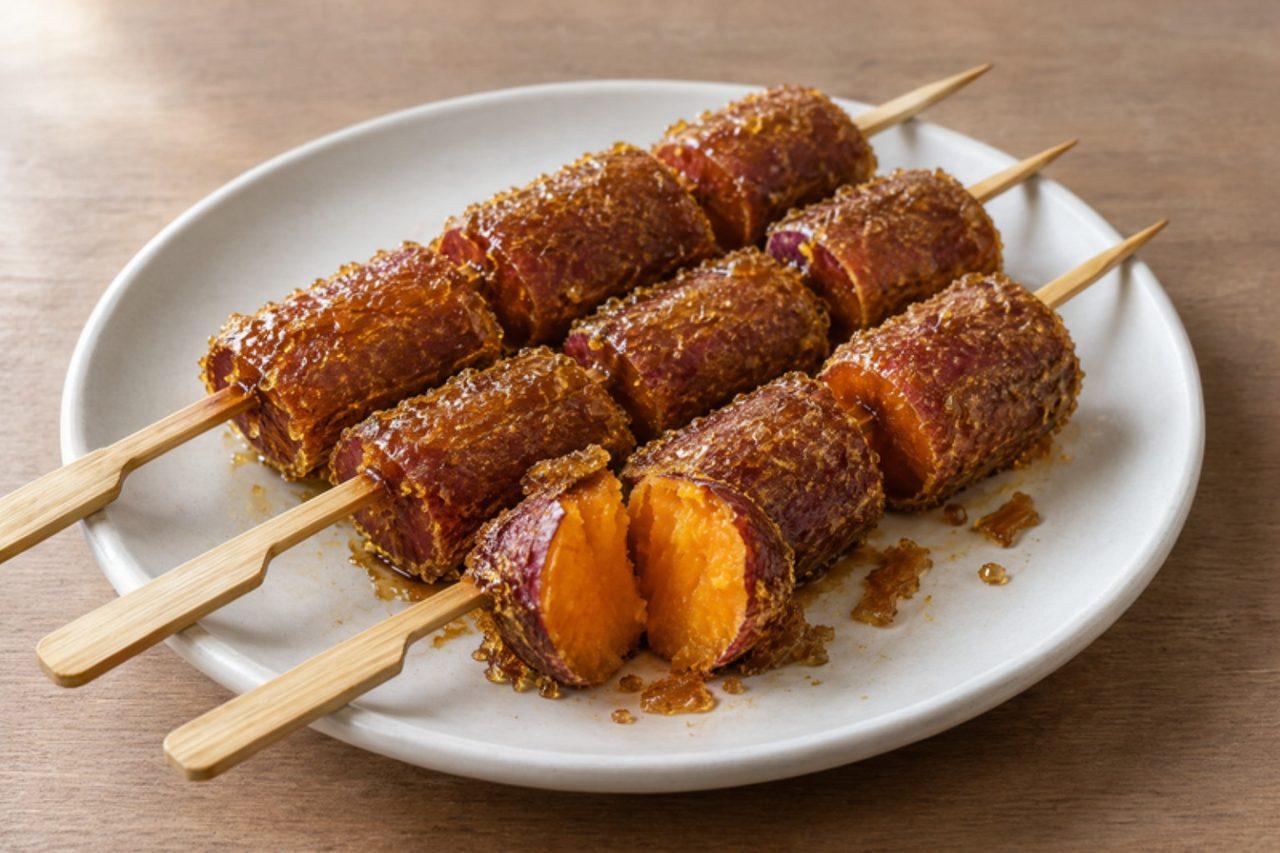
Camote cue is the three-o'clock merienda of Manila, fried in big woks by vendors on the corners of Quiapo, outside university gates on España Boulevard and along every jeepney route, alongside banana cue. Chunks of sweet potato are fried until tender, then brown sugar is scattered into the hot oil, where it melts and wraps each piece in a glassy, crackly caramel coat. They are threaded onto bamboo sticks and eaten warm, with a soft, sweet, chestnut-like centre. Chef's tip: let the oil cool slightly before adding the sugar; sugar dropped into very hot oil burns and turns bitter in seconds.

by KrazyBadal 0 views

Daing na bangusMarinated fried milkfish

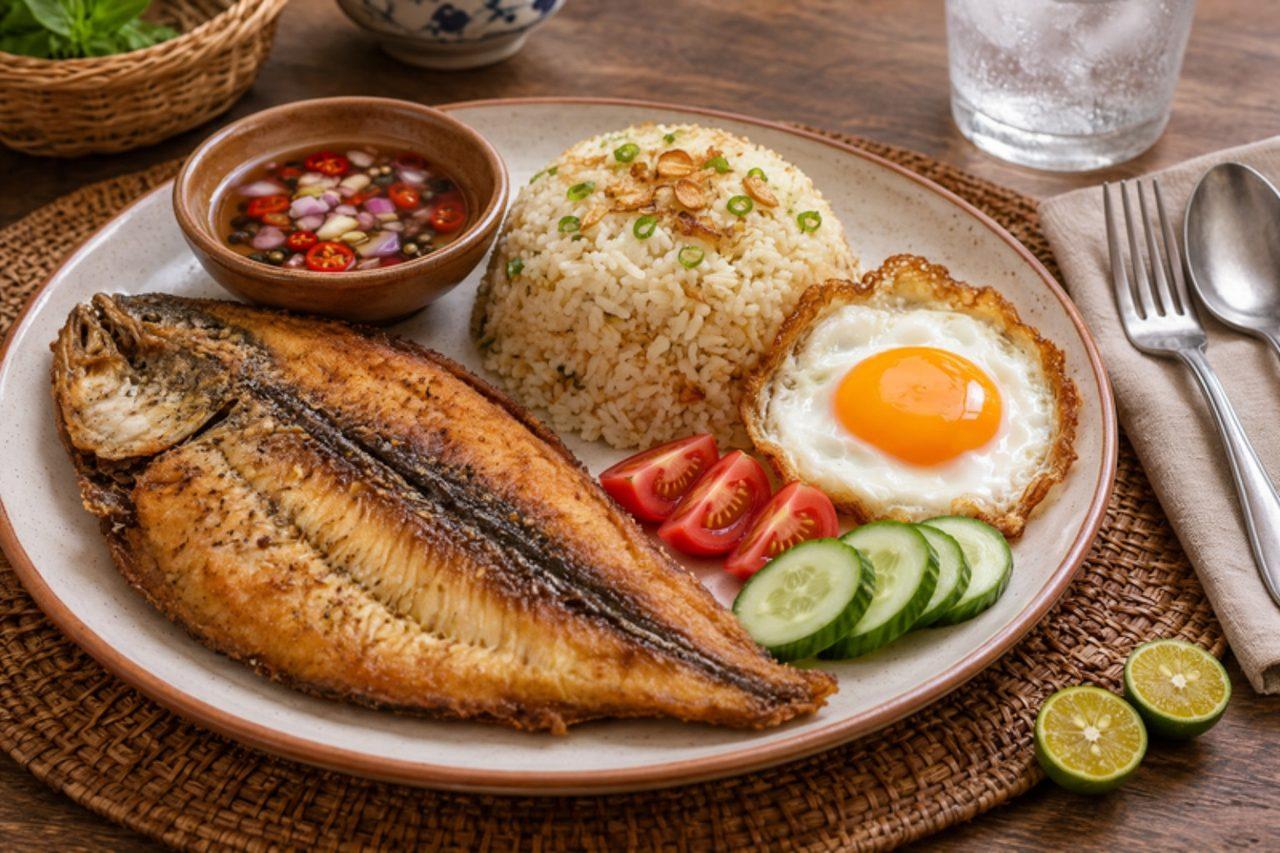
Bangus (milkfish) is the national fish of the Philippines, and daing na bangus, butterflied and soaked overnight in vinegar, garlic and pepper, then fried until the skin shatters, is a favourite morning plate from Pangasinan to Manila. It comes with garlic rice, a fried egg and a dip of spiced vinegar. Buy it boneless (deboned bangus) from Filipino shops, or use mackerel fillets. The usual mistake is putting the wet fish straight into the oil, which spits and stops it crisping. Chef's tip: pat the fish completely dry and fry skin side down first, pressing gently, without moving it for five minutes.

by KrazyBadal 0 views

Showing 24 of 148 recipes

Show more recipes

Page 4 of 7

More Filipino ideas

Other by country