Skip to content

Turkish recipes

152 Turkish recipes to cook at home, each with photos, step-by-step instructions and cook times. The quickest, Tahin pekmez, takes 5 minutes. Most take around 50 minutes.

Filter these by time, diet or cuisine

Levrek buğulama

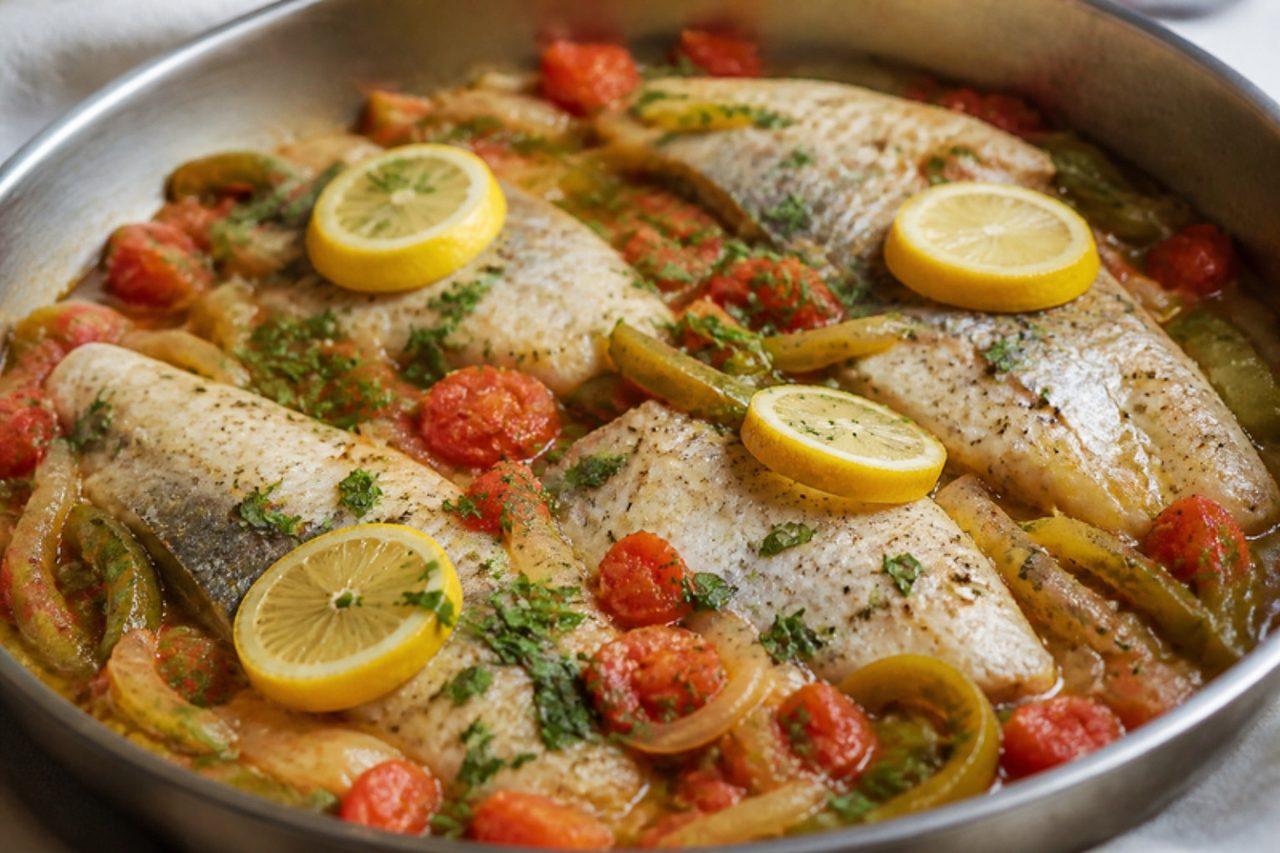
Buğulama means 'steamed', and in the fish restaurants of Urla and Foça it is how gentle white fish like sea bass are cooked when the cook wants them to taste of themselves: laid over onions, tomatoes and peppers, covered and left to steam in their own juices with a little lemon and bay. The result is soft, moist fish in a light, fragrant broth to mop up with bread. Serve with a green salad and boiled potatoes. Chef's tip: keep the heat low once the lid goes on; the fish should barely tremble, not boil.

by KrazyBadal 0 views
Simit kebabı

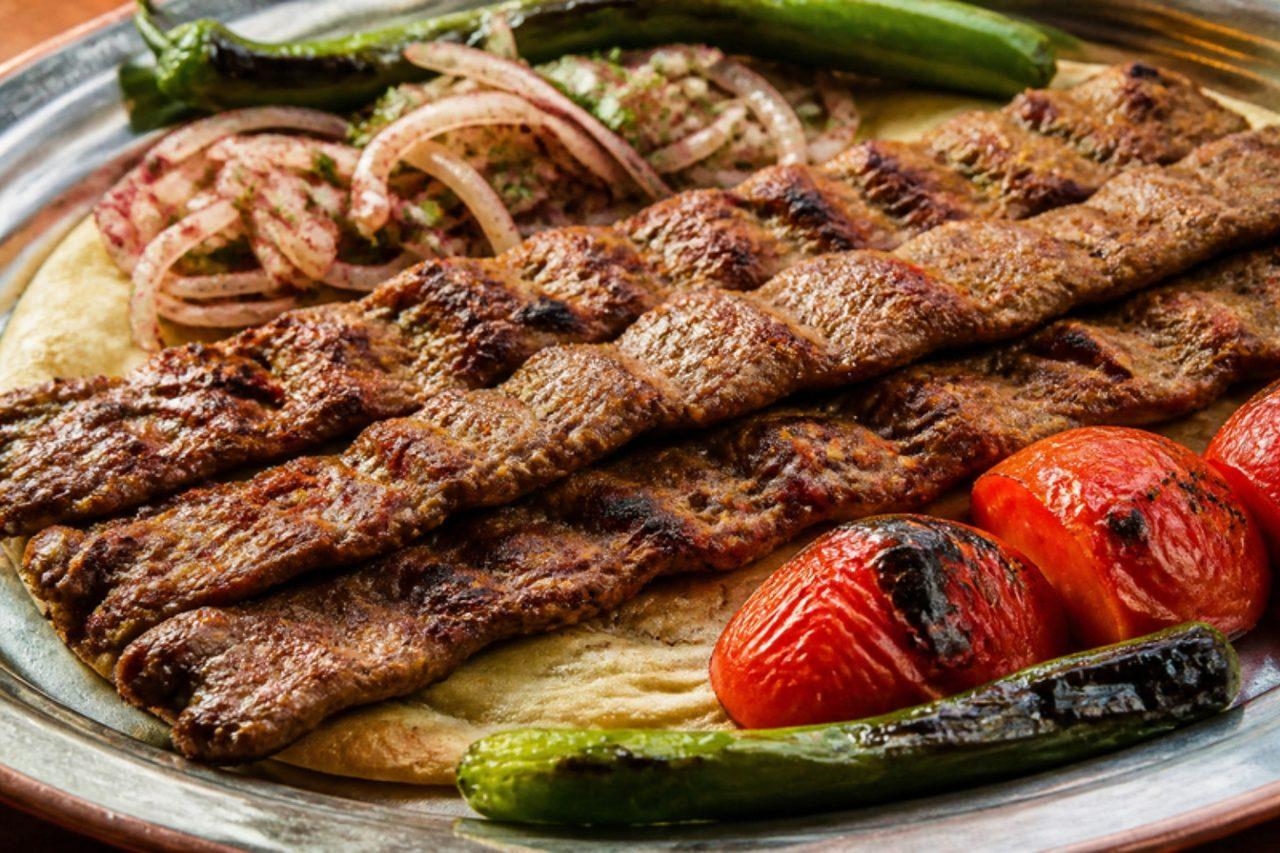
In Gaziantep 'simit' means fine bulgur, not the sesame ring, and the city's kebab grills knead it into spicy lamb mince before shaping long flat skewers over charcoal. The bulgur soaks up the juices, so the kebab is tender inside with a crisp, charred crust. Serve on lavaş or thin flatbread with grilled tomatoes, peppers and a heap of sumac onions. Knead the mixture for a full ten minutes; under-kneaded meat falls off the skewer. Chef's tip: chill the shaped skewers for 30 minutes before grilling so they keep their shape over the heat.

by KrazyBadal 0 views
Tepsi kebabı

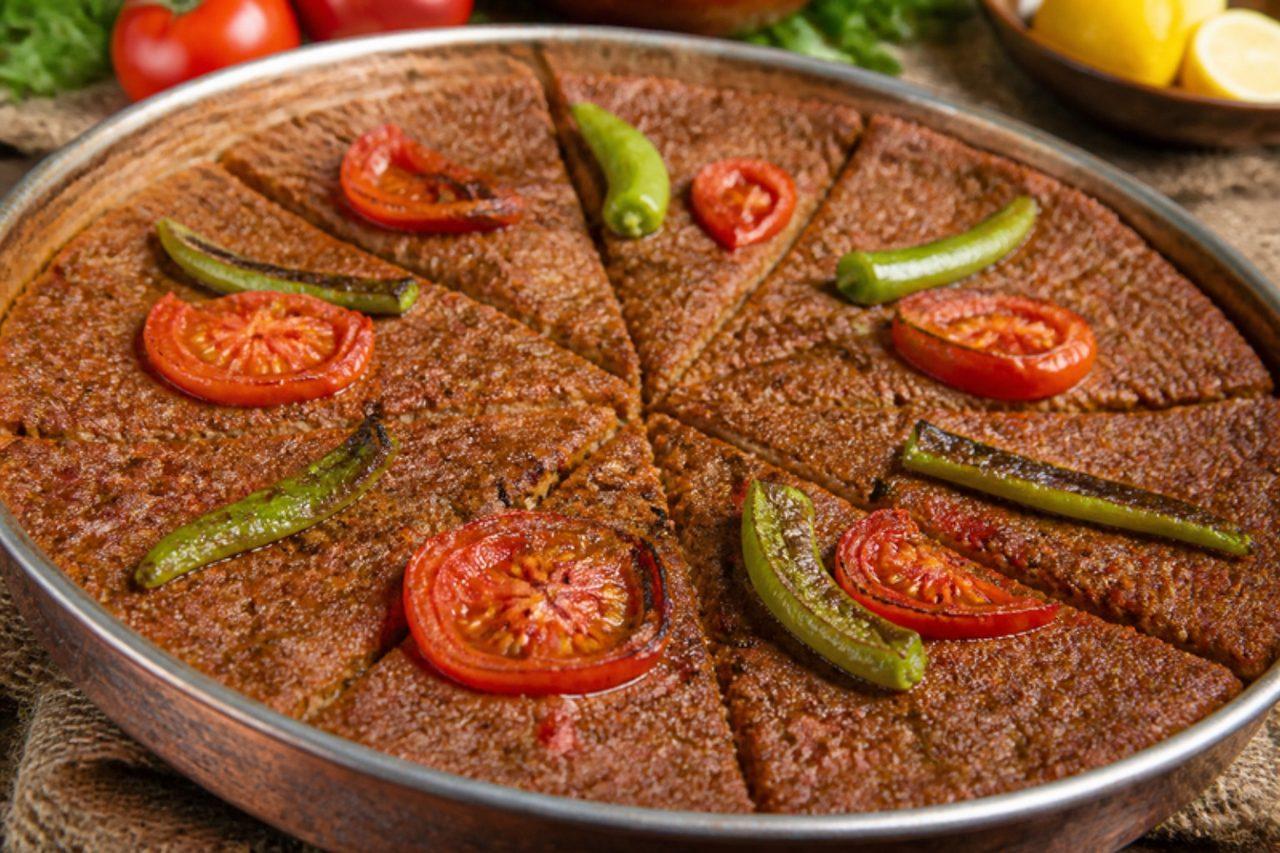
In Antakya people still carry their tepsi kebabı to the neighbourhood bakery: a round copper tray of spiced lamb mince spread thin, scored into wedges and covered with sliced tomatoes, peppers and onions. The bread oven turns it juicy and crusty, and it comes home with a stack of hot flatbread. It is weekend lunch for the family, eaten with a parsley and onion salad and a bowl of yoghurt. Common mistake: pressing the meat more than 2 cm thick; it stews instead of roasting. Chef's tip: add a ladle of tomato water halfway through baking so the juices around the edges turn into a glossy sauce for dipping bread.

by KrazyBadal 0 views
Kuru patlıcan dolması

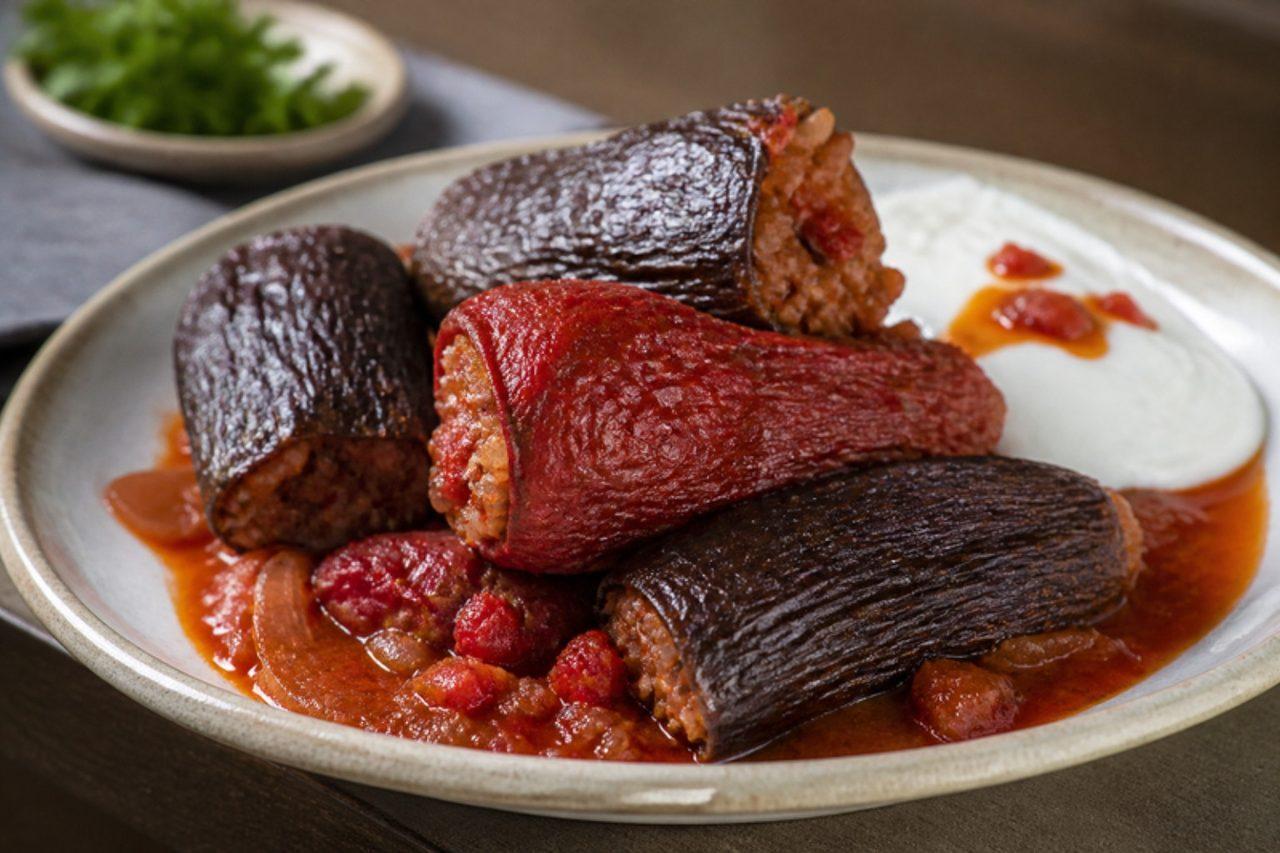
Strings of hollowed, sun-dried aubergines and peppers hang in every Gaziantep market, and in winter they are revived in hot water and stuffed with rice, mince, tomato and pepper paste. Simmered with a sour drizzle of pomegranate molasses and lemon, they become tender, slightly chewy parcels with a deep, almost smoky flavour that fresh vegetables can't match. Serve warm with yoghurt. Look for dried aubergines in Turkish and Middle Eastern shops. Common mistake: overfilling them; the rice swells and splits the delicate skins. Chef's tip: blanch them only until pliable, not soft, so they hold their shape through the long simmer.

by KrazyBadal 0 views
Çiğ köfte

Şanlıurfa is the home of çiğ köfte, and the version sold today from shops all over Turkey is entirely meatless: fine bulgur kneaded for a long time with isot (Urfa's dark, smoky chilli), pepper paste, onion, garlic and pomegranate molasses until it turns soft and dough-like. Squeezed into finger shapes, it is wrapped in lettuce or lavaş with a squeeze of lemon and plenty of parsley, and in Urfa it is often made by a group of friends on a winter evening. Don't add all the water at once; the bulgur should be just moist, never wet. Chef's tip: the kneading is the cooking, so knead for at least 20 minutes until the mixture is glossy and holds a fingerprint.

by KrazyBadal 0 views
Bostana

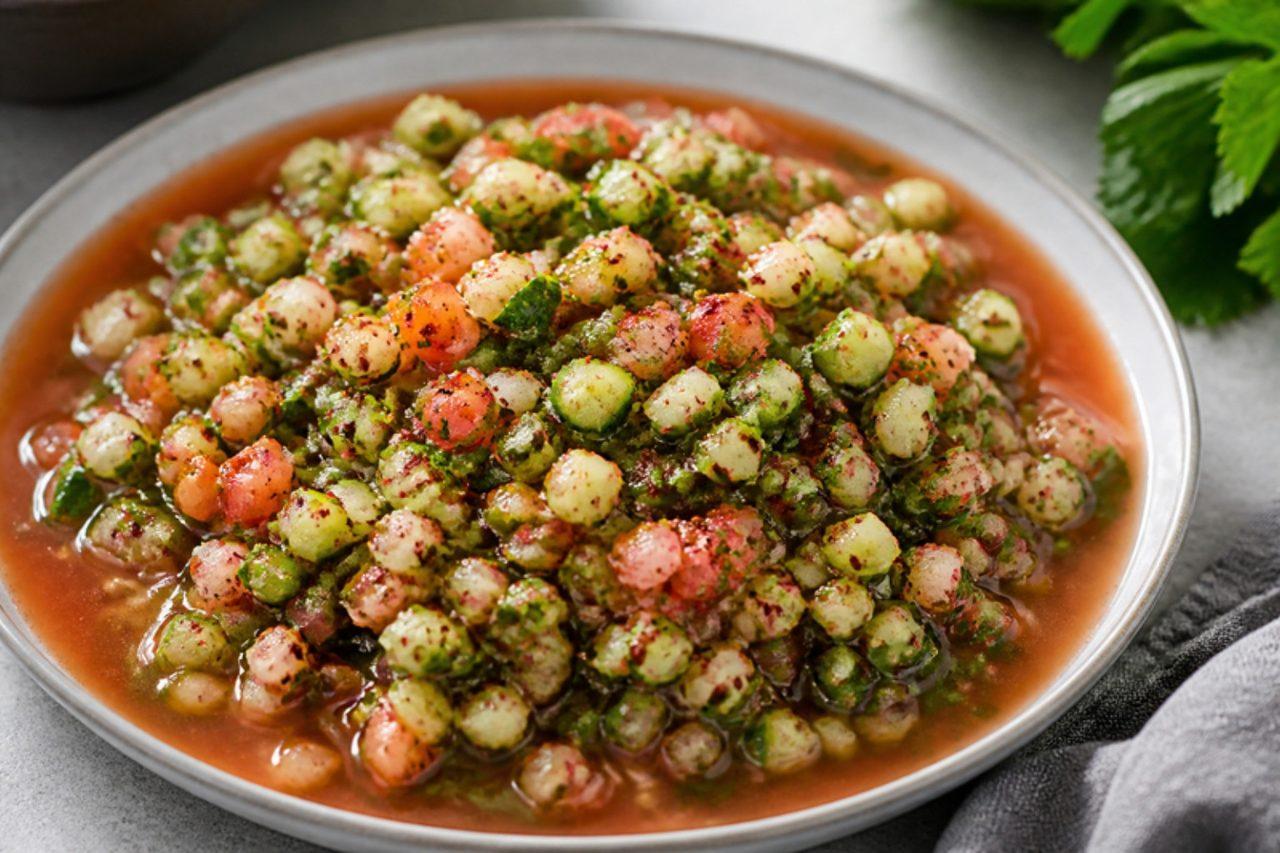
In Şanlıurfa a bowl of bostana goes on the table beside every summer meal of kebab, köfte or bulgur pilaf. Tomatoes, cucumbers, green peppers, onion and fistfuls of parsley and mint are chopped very small, seasoned with isot and drowned in lemon juice and a little water, so you spoon up the juices as well as the vegetables. It is meant to be cold, sour and refreshing in the city's fierce heat. Common mistake: making it hours ahead; the cucumber goes limp. Chef's tip: chill the bowl and add a couple of ice cubes just before serving, as Urfa grandmothers do.

by KrazyBadal 0 views
Şıllık

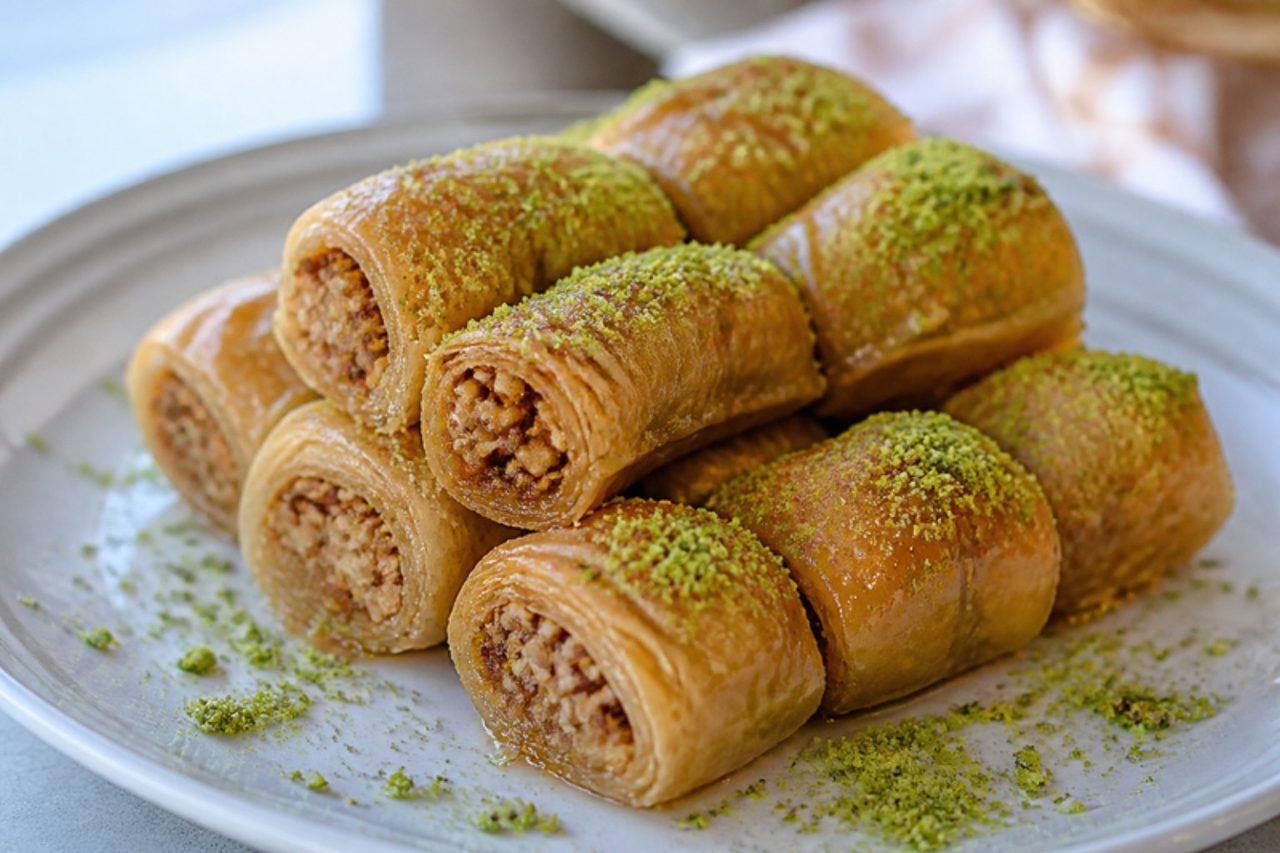
Şıllık is a home sweet of Şanlıurfa, made for guests and special Fridays: lacy crepes cooked on a hot sac or flat pan, filled with sugared walnuts, rolled up and doused in syrup until soft and sticky. Rich with butter and cut into short logs, it is eaten warm with a tiny cup of bitter mırra coffee to balance the sweetness. The batter should be as thin as single cream; thick batter gives rubbery pancakes. Chef's tip: syrup and crepes should be at different temperatures, so pour cooled syrup over the warm rolls, which drink it up without falling apart.

by KrazyBadal 0 views
Mırra

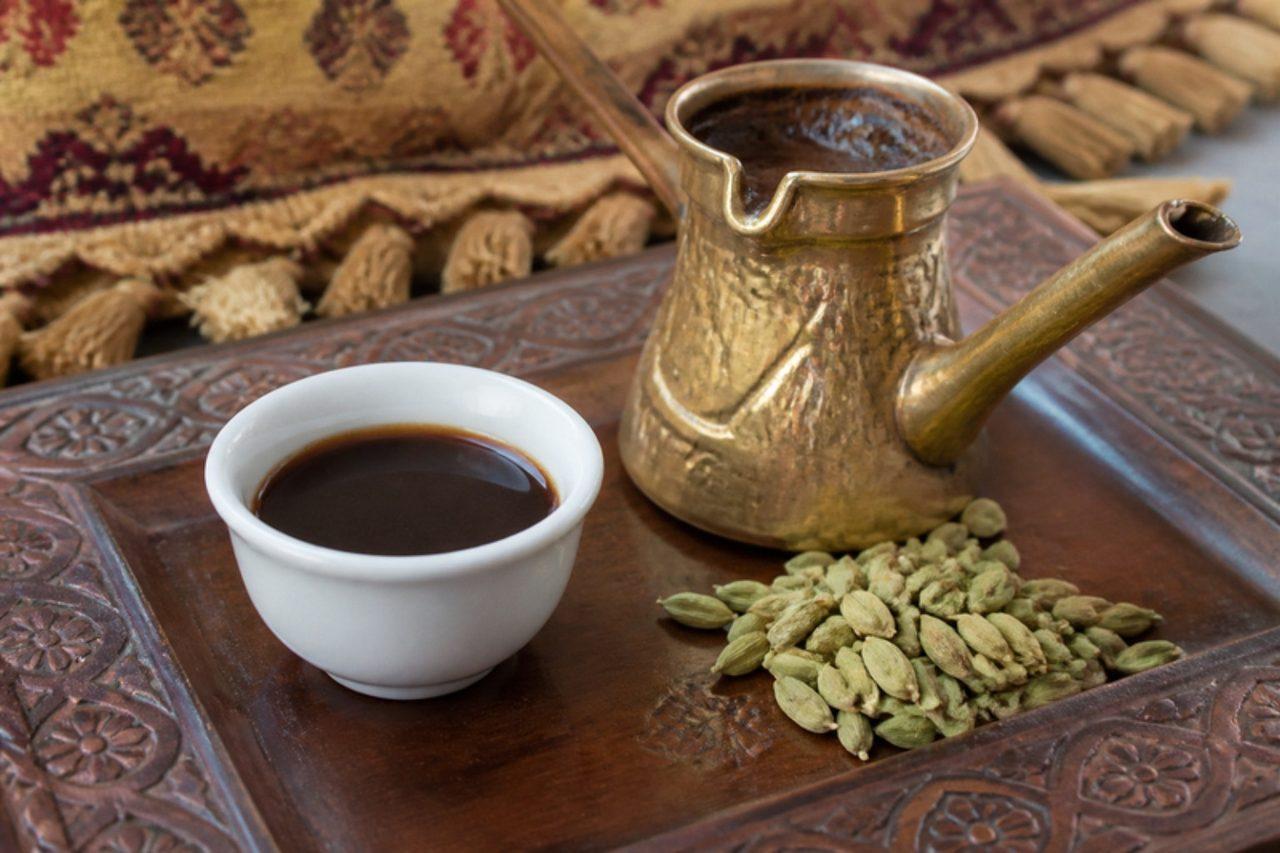
In the courtyard houses of Mardin and the guest rooms of Şanlıurfa, mırra is poured from a long-spouted pot into tiny handleless cups, just a mouthful each, as a sign of welcome. It is made by boiling dark-roasted coffee for a long time until it becomes thick, bitter and concentrated, then boiling it again and again. Tradition says you never put the cup down empty unless you mean to marry the host's family, so hand it back with a small shake. It is never sweetened: serve it with dates or a sweet. Common mistake: using finely ground Turkish coffee; it turns muddy, so use medium-ground dark roast. Chef's tip: the second boil is where the flavour comes from, so don't rush it.

by KrazyBadal 0 views
Urfa kebabı

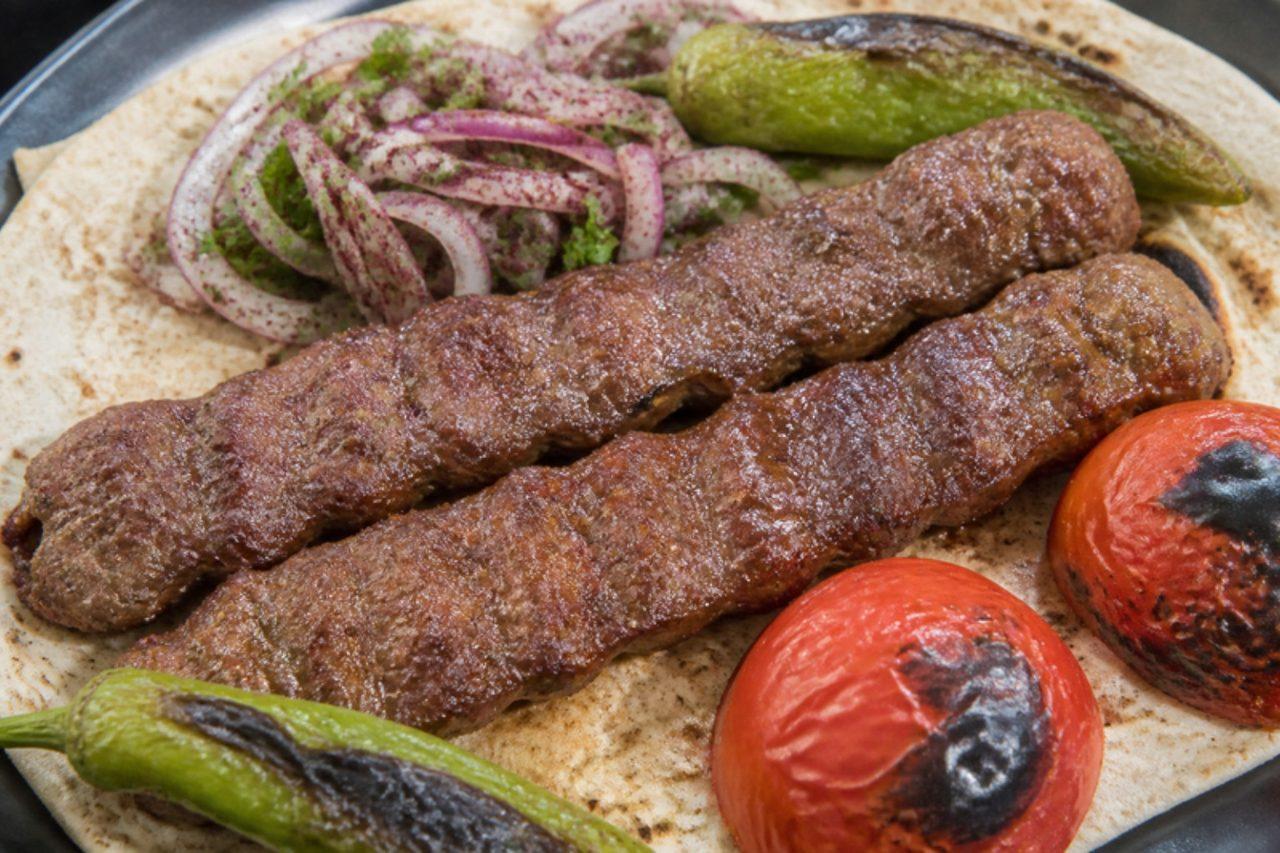
Where Adana's kebab is hot, Şanlıurfa's is gentle: lamb and tail fat chopped by hand with a curved zırh blade, seasoned with salt and a little isot and pressed onto wide skewers. Grill houses around Balıklıgöl serve it on thin lavaş with charred tomatoes, peppers, sumac onions and a bostana salad, and the sweet smoke of the meat is the whole point. Without tail fat, ask your butcher for fatty lamb shoulder mince, around 25% fat, or the kebab will be dry and fall off the skewer. Chef's tip: wet your hands with cold water while shaping; the fat stays firm and the meat clings to the skewer.

by KrazyBadal 0 views

Fasulye turşusu kavurması

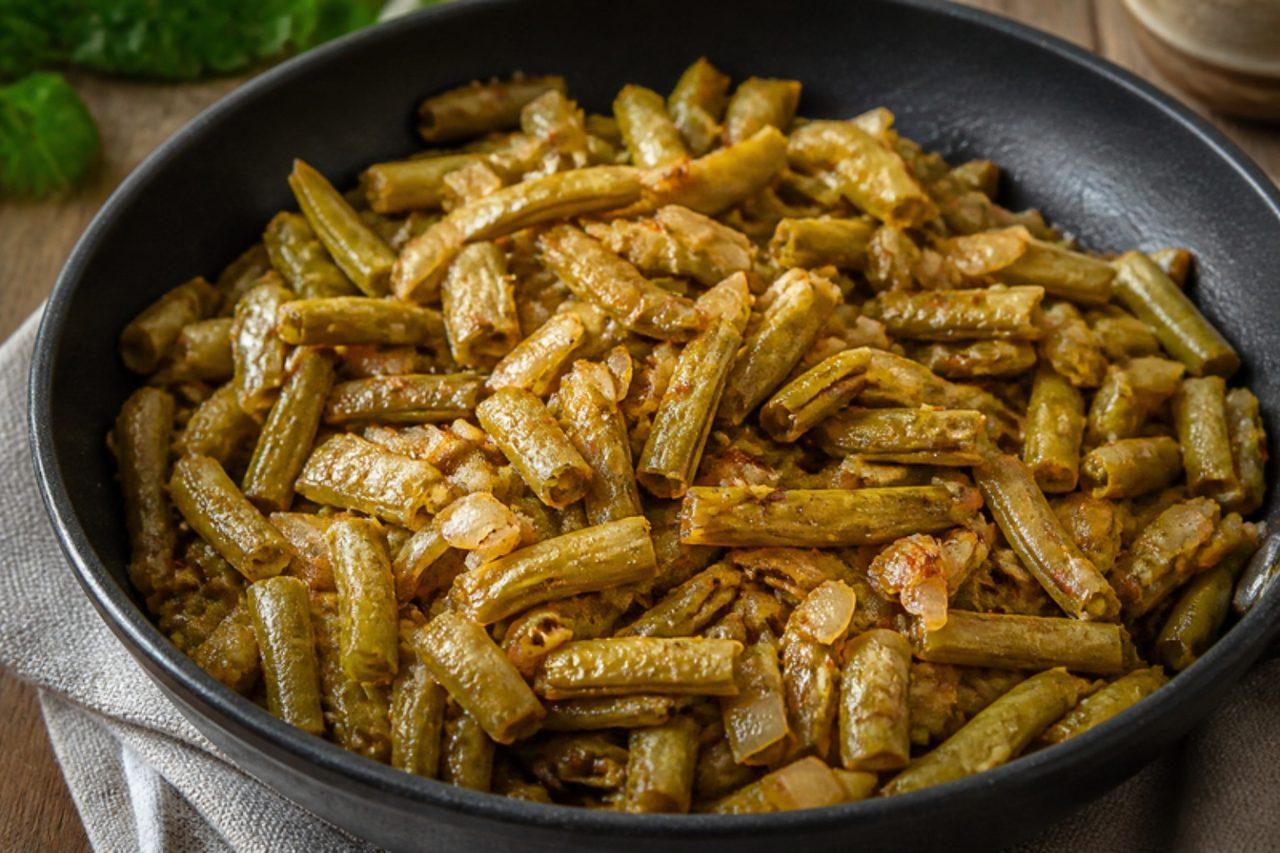
Every autumn, Black Sea households pack crocks with green beans and brine, and through the winter those sour, soft beans are fried with onion and a little butter or oil into one of the region's most loved side dishes. Kavurma means fried, and the beans take on golden edges while keeping their tangy bite; a beaten egg sometimes goes in at the end. Eat it with cornbread, rice pilaf or a bowl of fried anchovies. Common mistake: frying the beans straight from the jar; they spit and taste harshly sour. Chef's tip: soak them in fresh water for half an hour first, tasting as you go, until they are pleasantly sour rather than puckering.

by KrazyBadal 0 views

Hamsi tava

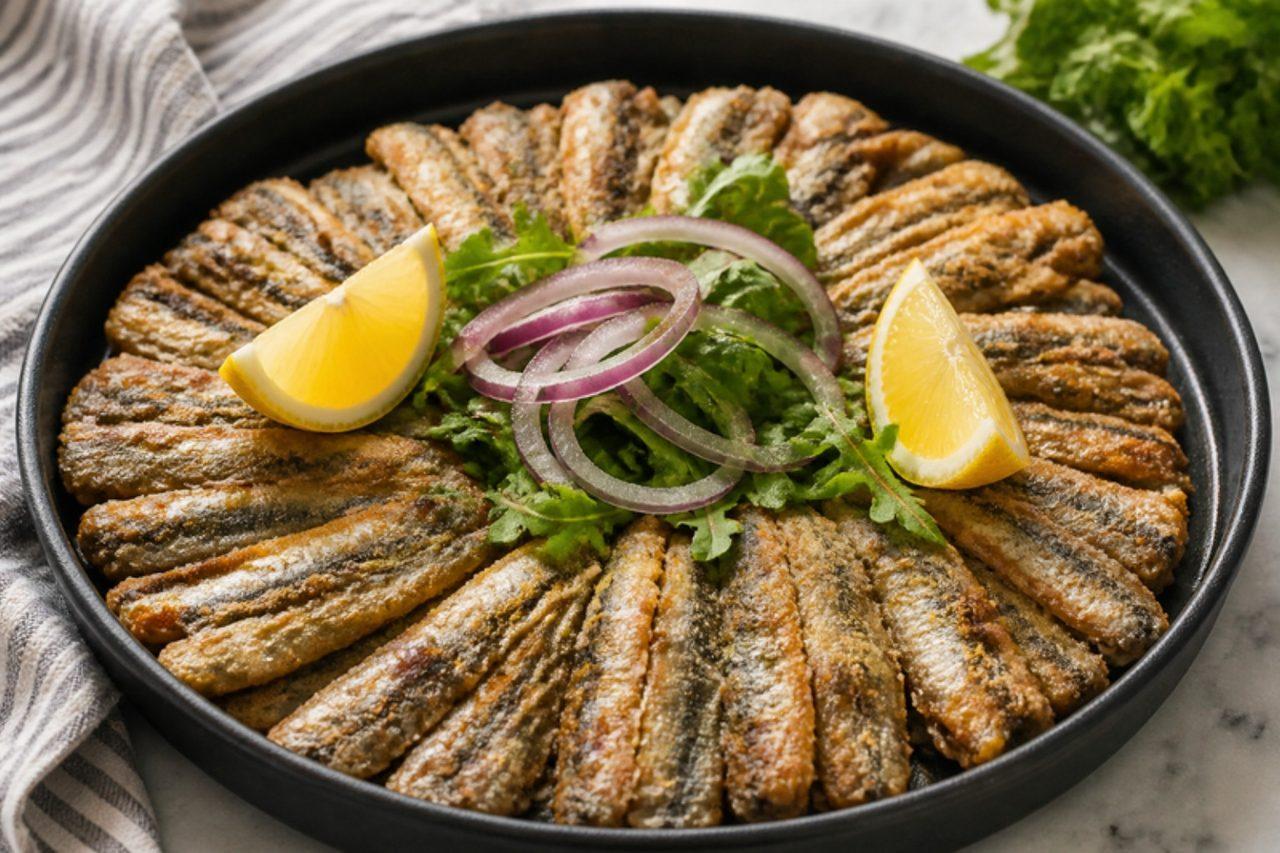
When the first winter storms push shoals of anchovy along the coast, fish markets from Samsun to Hopa are heaped with silver hamsi and the whole region seems to smell of frying. Hamsi tava is the simplest way to eat them: heads off, butterflied, dusted in cornmeal and laid in a hot pan in a neat circle, then flipped like a cake. They come out crisp outside and soft and sweet within, with red onion, rocket, lemon and cornbread alongside. Common mistake: crowding the pan, which steams the fish and leaves the coating soggy. Cook until the flesh is opaque and flakes from the backbone. Chef's tip: shake off every bit of loose cornmeal; a thin coat is what stays crunchy.

by KrazyBadal 0 views

Hamsili pilav

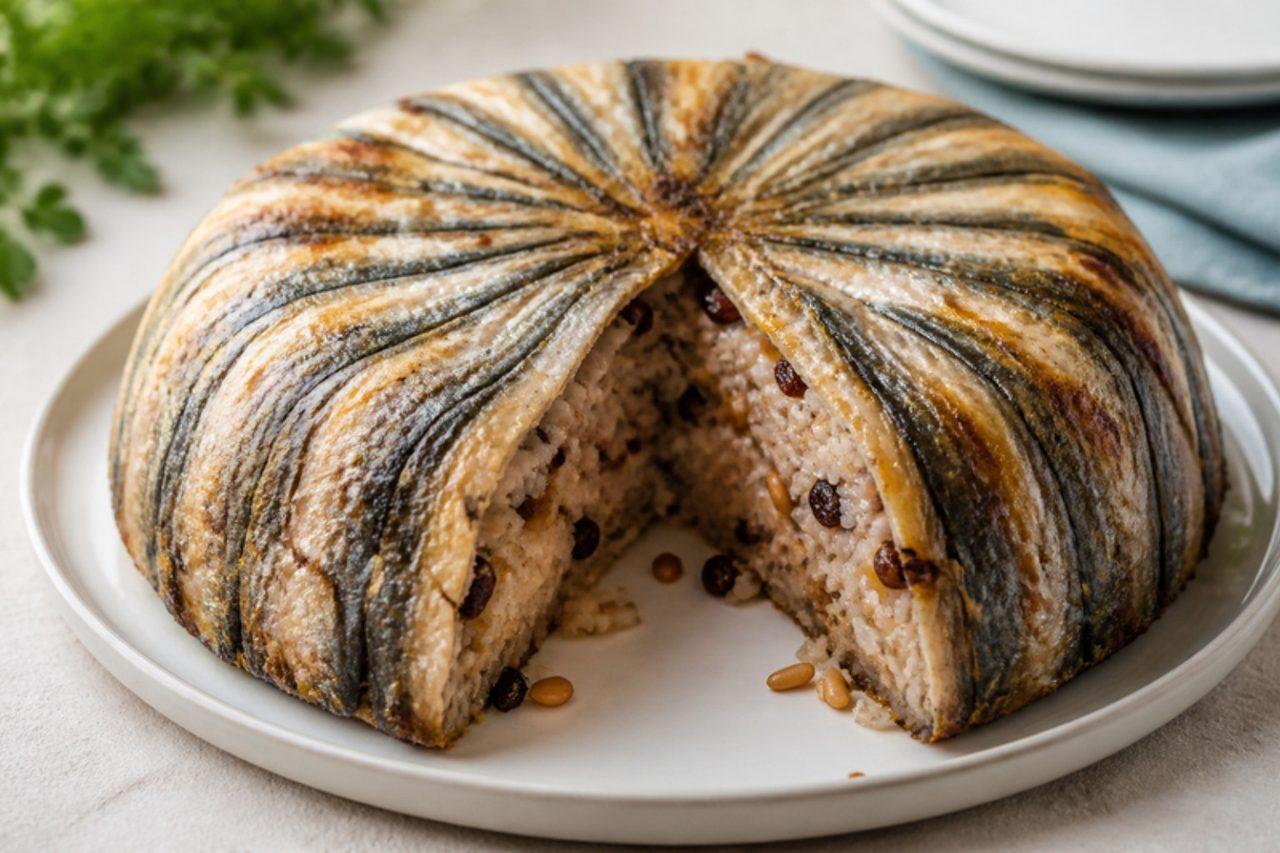
Hamsili pilav is the showpiece of a Trabzon or Rize winter table: a dome of rice cooked with currants, pine nuts, allspice and dill, packed into a tin lined with butterflied anchovies, more fish laid over the top, and baked until the skins turn crisp. Turned out and cut like a cake, it shows silver fish outside and fragrant rice within, and families make it for guests and New Year gatherings. Serve with a sharp salad and lemon. Common mistake: fully cooking the rice before baking, which turns it mushy; it should still have a bite when it goes into the tin. Bake until the fish is opaque and flakes. Chef's tip: lay the anchovies skin side down against the tin, overlapping like roof tiles, so no rice escapes.

100 minTurkishFishGluten free
by KrazyBadal 0 views

Karadeniz kıymalı pide

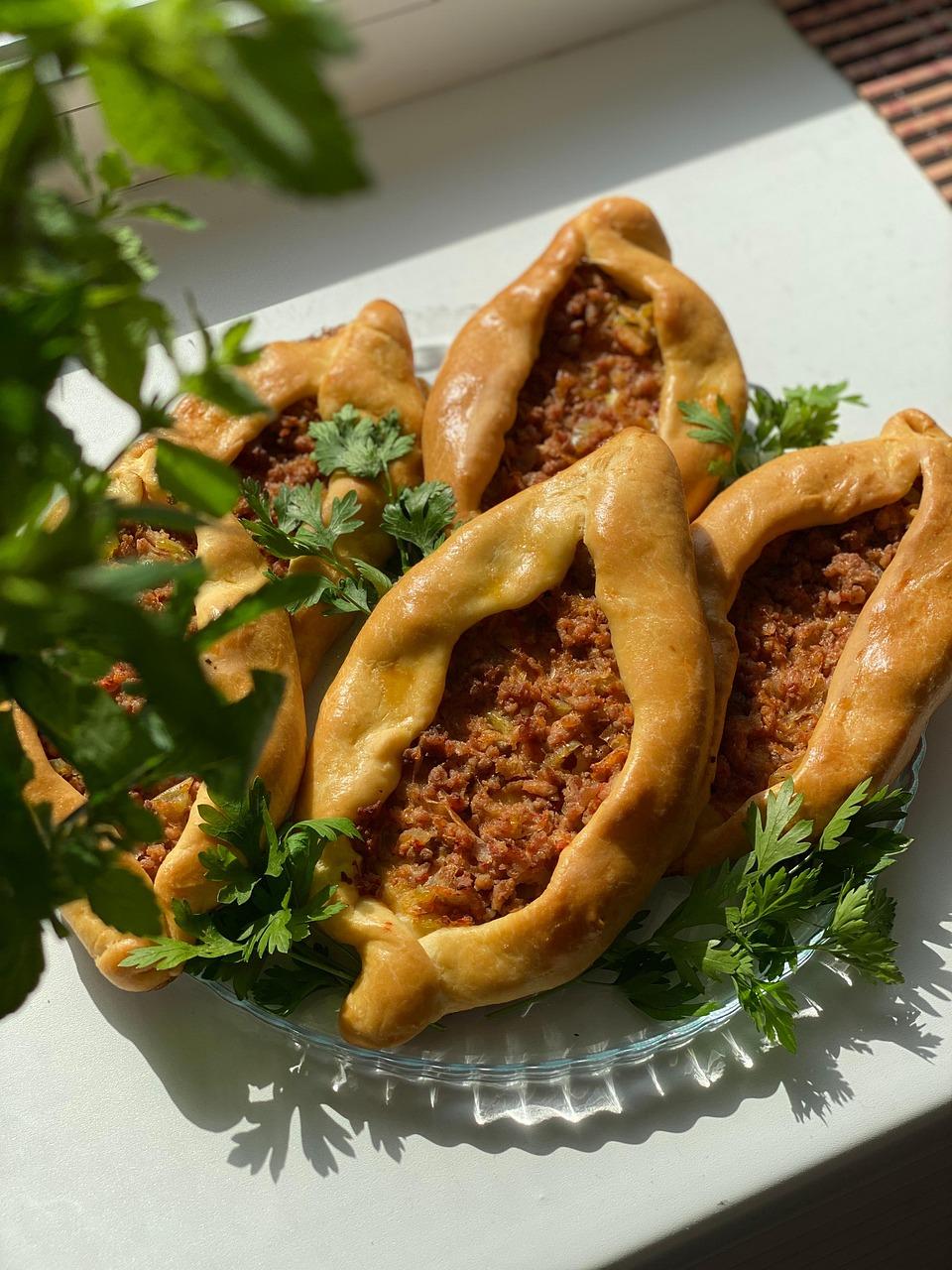
Pide salons in Samsun, Trabzon and Rize stretch their dough into long boats, pinch the ends into points and fill them with minced beef, onion, tomato and peppers, then slide them into a wood oven for a few minutes. At home a very hot oven and a heavy tray get you close: a crisp, chewy rim, a juicy filling and a brush of butter as it comes out. Slice across into strips and eat with ayran and a sharp shepherd's salad. Common mistake: a wet filling, which soaks the base; squeeze the chopped tomato and let the mince sit on the dough raw so its juices cook into the bread. The mince must reach 71 °C. Chef's tip: crack an egg into the middle for the last 3 minutes if you like it the Samsun way.

by KrazyBadal 0 views

Akçaabat köftesi

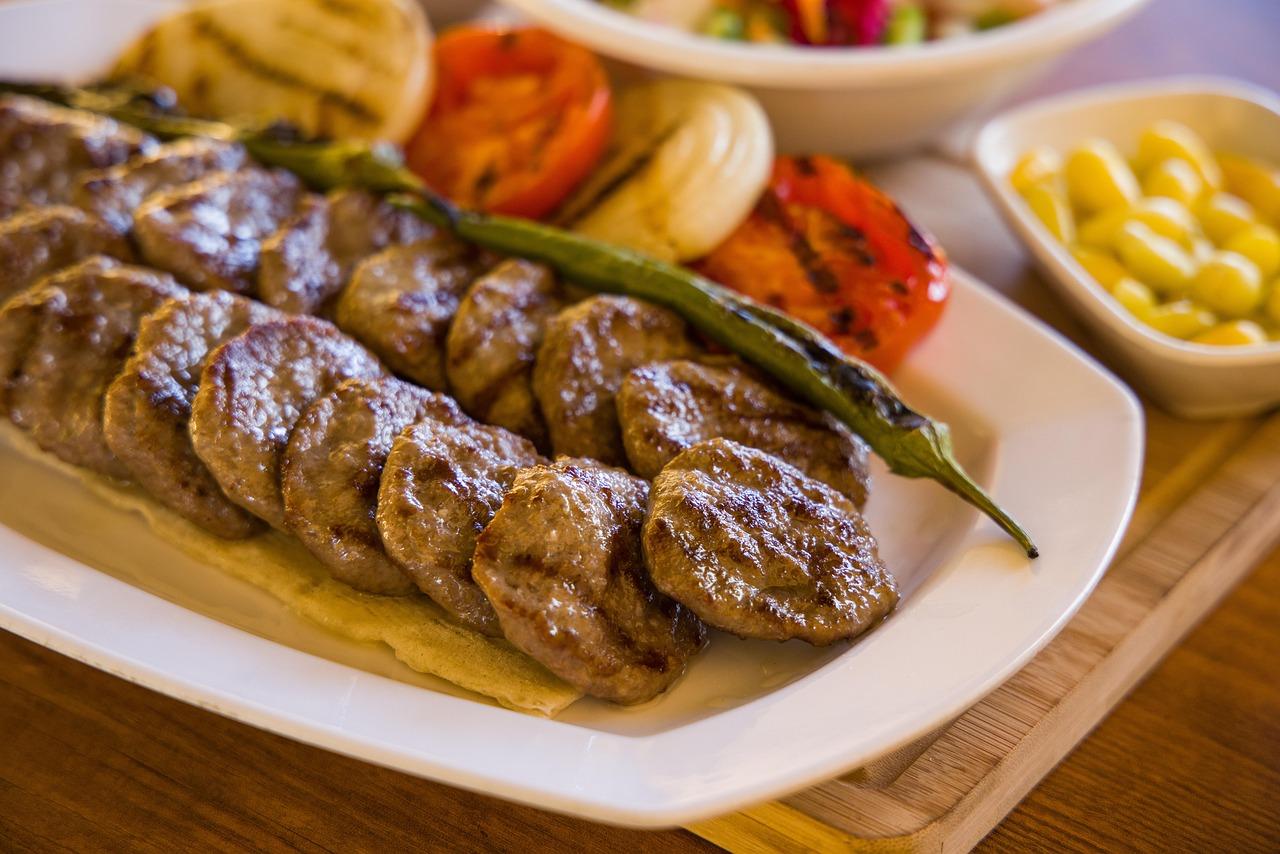
The town of Akçaabat, just west of Trabzon, is lined with köfte houses whose grills turn out small, oblong, firm meatballs that taste strongly of garlic. Made from beef mince bound with soaked stale bread, they are seared fast so the outside chars while the inside stays juicy, then served with grilled peppers, a pile of onion and parsley, and a white bean salad. Common mistake: overworking the meat with wet hands after the bread has gone in, which turns them dense; knead hard before adding bread, then mix gently. Cook until the centre reaches 71 °C. Chef's tip: rest the shaped köfte in the fridge overnight; they hold their shape on the grill and the garlic mellows into the meat.

by KrazyBadal 0 views

Karalahana sarması

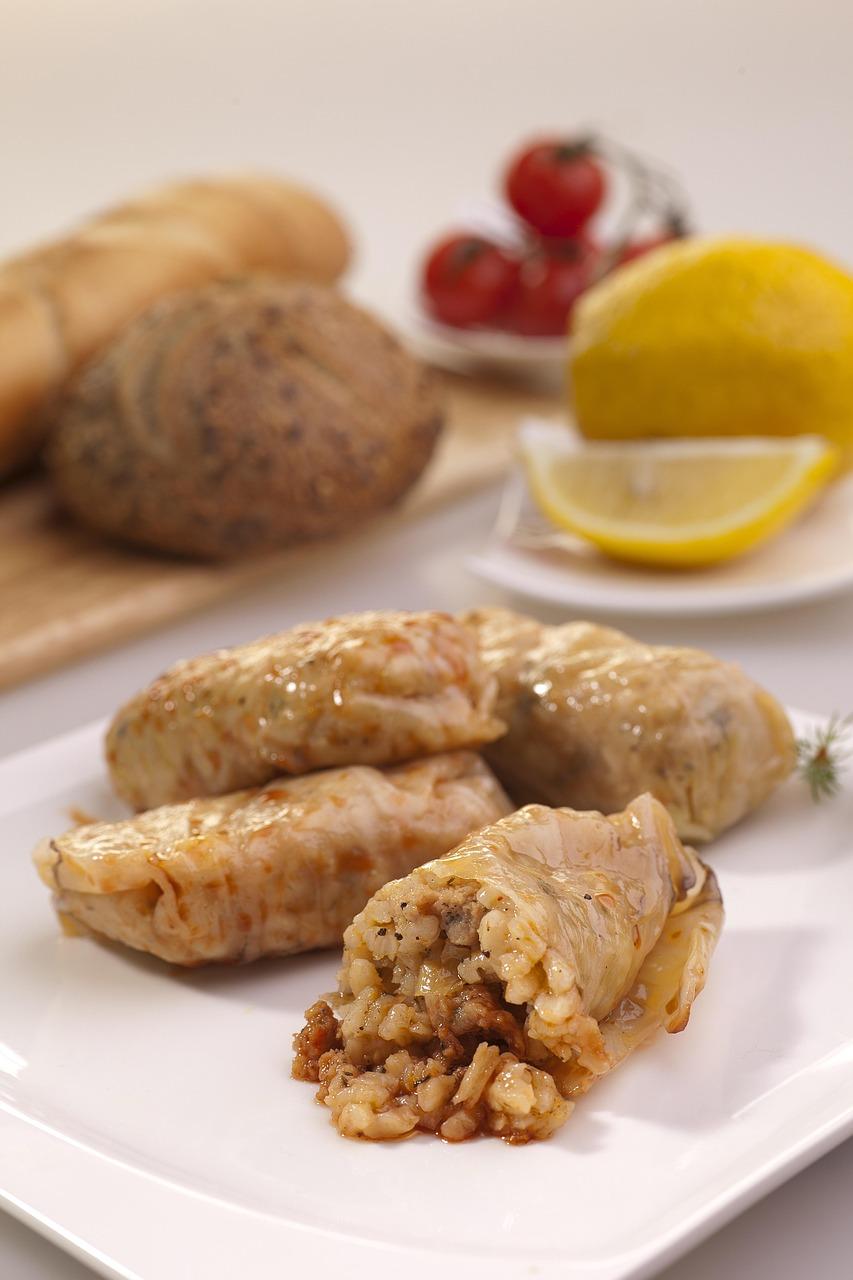
In Trabzon and Artvin kitchens the big dark leaves of karalahana are blanched and wrapped around a filling of minced beef, rice, onion and plenty of mint and dill, then packed into a pot and simmered with a little tomato and butter. The rolls are thicker and chewier than vine-leaf sarma, with an earthy taste that suits cold weather, and they're served with a bowl of garlicky yoghurt. Common mistake: leaving the thick central vein on the leaf; shave it flat with a knife or the rolls split. Simmer until the filling is cooked through to 71 °C and the rice is soft. Chef's tip: lay any torn leaves in the base of the pot so the rolls never touch the bottom and scorch.

100 minTurkishMeatGluten free
by KrazyBadal 0 views

Sinop mantısı

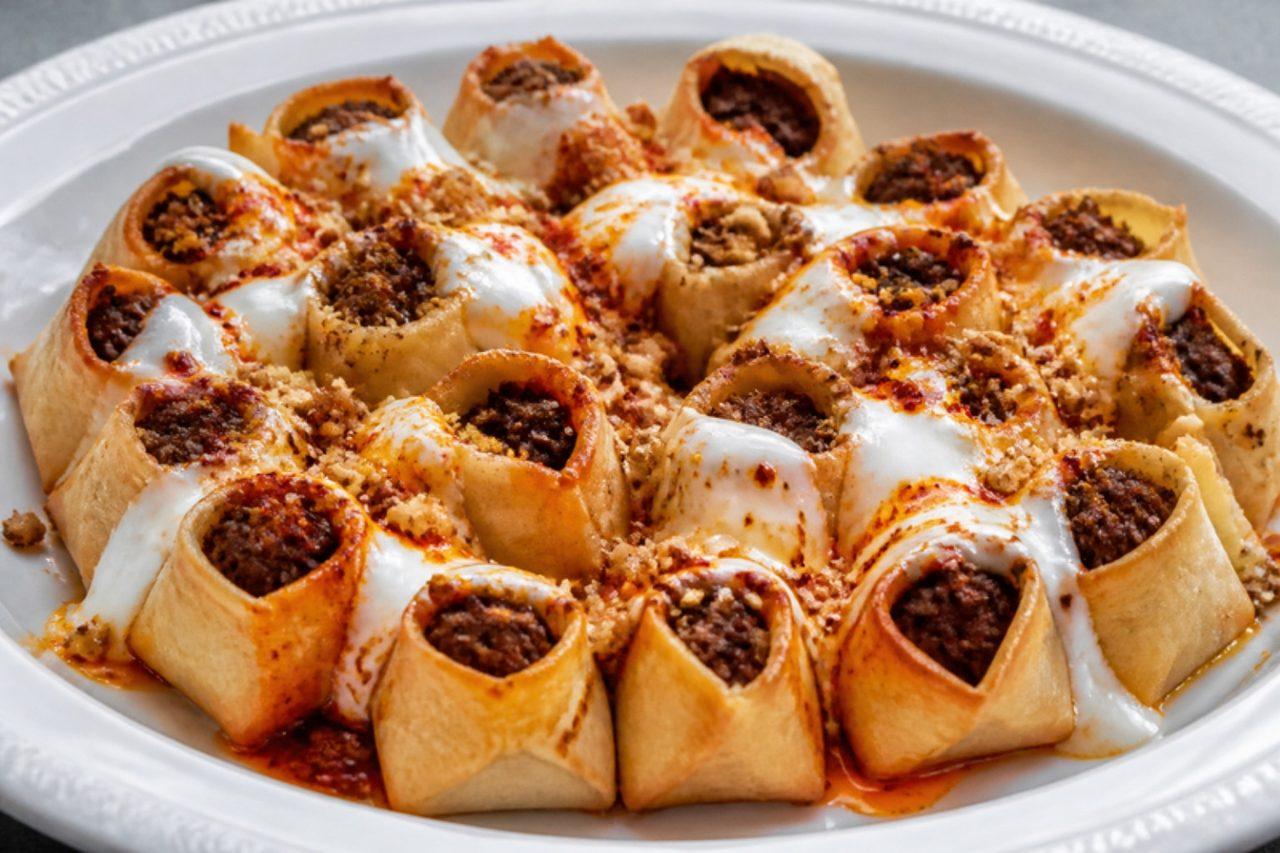
Sinop's mantı are not the tiny sealed parcels of Kayseri but larger squares pinched at the corners, filled with spiced beef mince and served in a deep plate with garlic yoghurt, crushed walnuts and a sizzling spoon of chilli butter. In the port town they are a cold-weather lunch, and the walnuts are what make them Sinop's own. Common mistake: boiling them too hard so they burst; keep the water at a lively simmer and cook until the filling is firm and reaches 71 °C. Chef's tip: let the dough rest a full 30 minutes; a relaxed dough rolls thin without springing back and the dumplings cook evenly.

by KrazyBadal 0 views

Tarhana çorbası

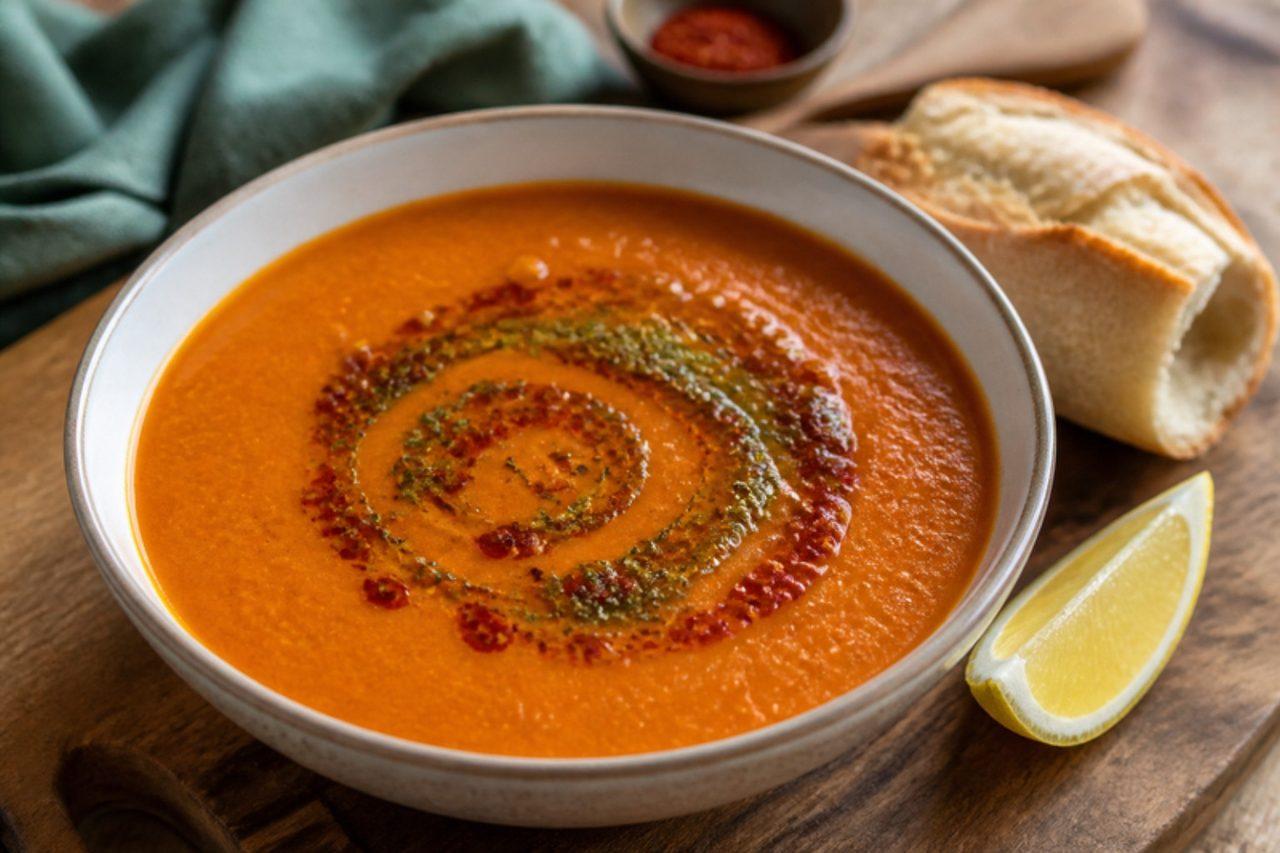
Late every summer, women across Central Anatolia, from Uşak to Konya and Sivas, ferment a dough of yoghurt, flour, tomatoes, peppers and onion, dry it on cloths in the sun and rub it into crumbs. All winter that tarhana becomes a quick, warming soup with a gentle sourness and the sweetness of sun-dried pepper. It is breakfast in villages, a cure for colds in cities, and is eaten with bread and a squeeze of lemon. Common mistake: tipping dry tarhana straight into hot liquid, which forms stubborn lumps; soak it in cold water first. Chef's tip: finish with a spoon of butter sizzled with dried mint and chilli flakes drizzled over each bowl; it lifts the whole soup.

by KrazyBadal 0 views

Yayla çorbası

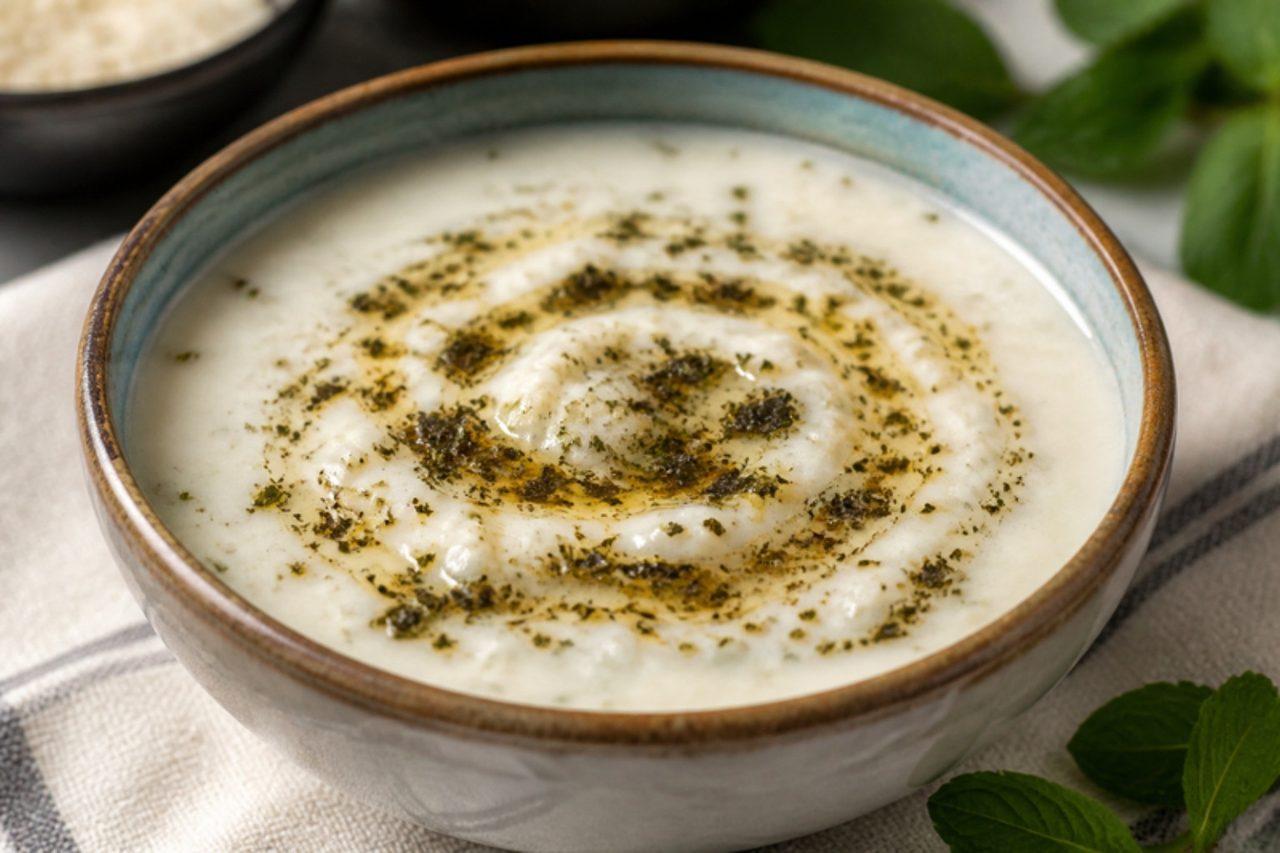
Named for the high summer pastures of Anatolia, yayla çorbası is the soup that tradesmen's restaurants in Ankara and Kayseri ladle out from morning onwards: soft rice in a silky, gently sour yoghurt broth, finished with a slick of mint butter. It is light enough for breakfast yet filling with bread, and many families make it when someone is unwell. Common mistake: pouring cold yoghurt straight into the boiling pot, which splits it into grainy curds; temper it first with hot liquid and keep the soup below a boil afterwards. Chef's tip: whisk an egg yolk and a spoon of flour into the yoghurt; they stabilise it and give a velvety body.

by KrazyBadal 0 views

Bazlama

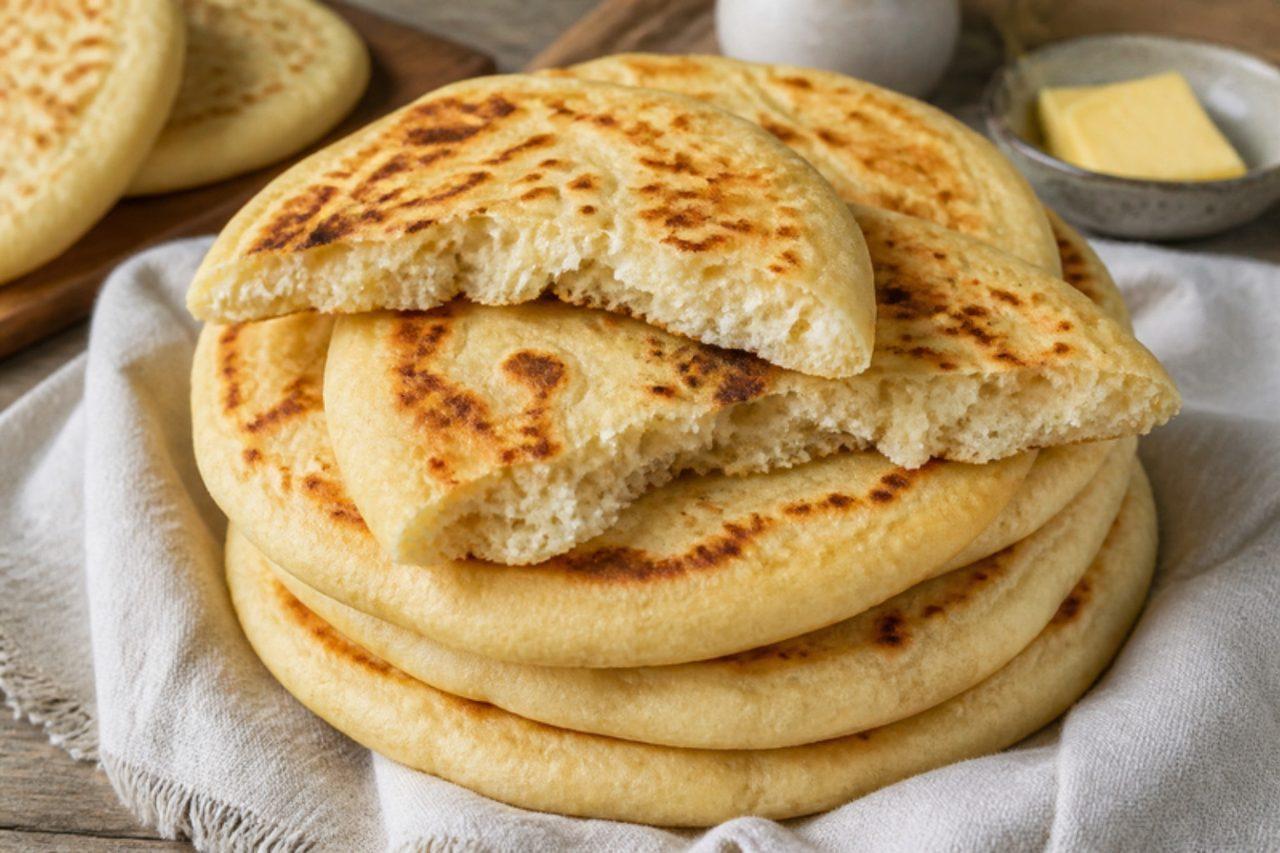
Drive through the villages around Konya or Sivas and you'll see bazlama cooking on a domed sac over a fire: thick rounds of yeasted dough that puff up like pillows and come off freckled brown. A heavy frying pan does the job at home. Warm bazlama is torn and dunked into soups, spread with butter and honey for breakfast, or folded round grilled köfte. Common mistake: rolling the dough too thin; it should be about 1 cm, or it turns into a cracker. Chef's tip: a spoon of yoghurt in the dough keeps the bread soft for a day, and covering the cooked rounds with a cloth traps steam so they stay tender.

by KrazyBadal 0 views

Mercimek köftesi

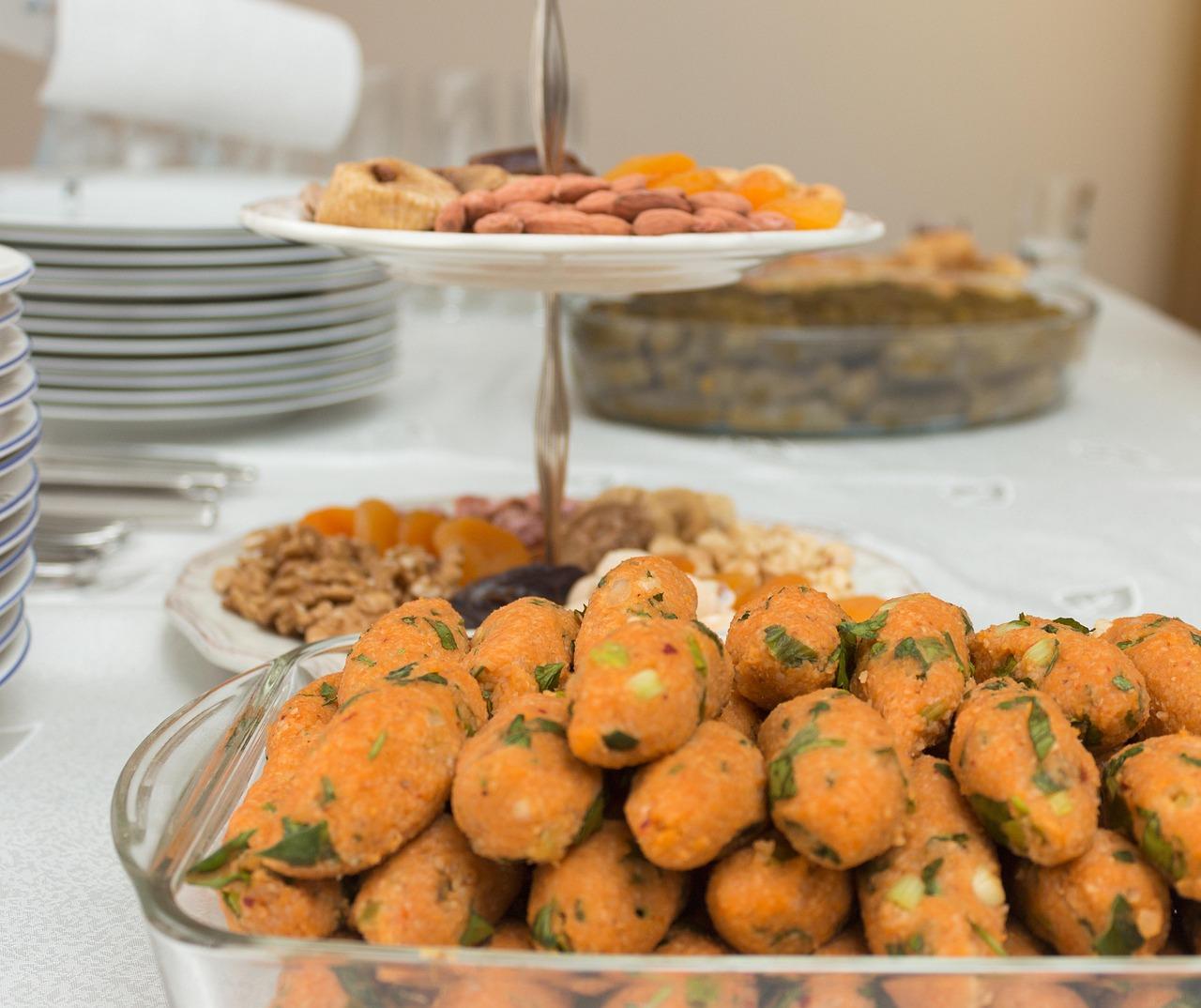
No women's afternoon gathering in Ankara or Kayseri is complete without a platter of mercimek köftesi: little finger-pressed ovals of red lentils and fine bulgur, rich with onion, pepper paste, cumin and a big handful of spring onion and parsley. They're eaten cold, tucked into lettuce leaves with a squeeze of lemon, and they keep well for picnics and lunch boxes. Common mistake: draining the lentils; the bulgur needs all that hot liquid to swell, so cook the lentils until the water is just absorbed. Chef's tip: knead the mixture with wet hands for a few minutes after the bulgur softens; the more you knead, the smoother and less crumbly the köfte.

by KrazyBadal 0 views

Ev eriştesi

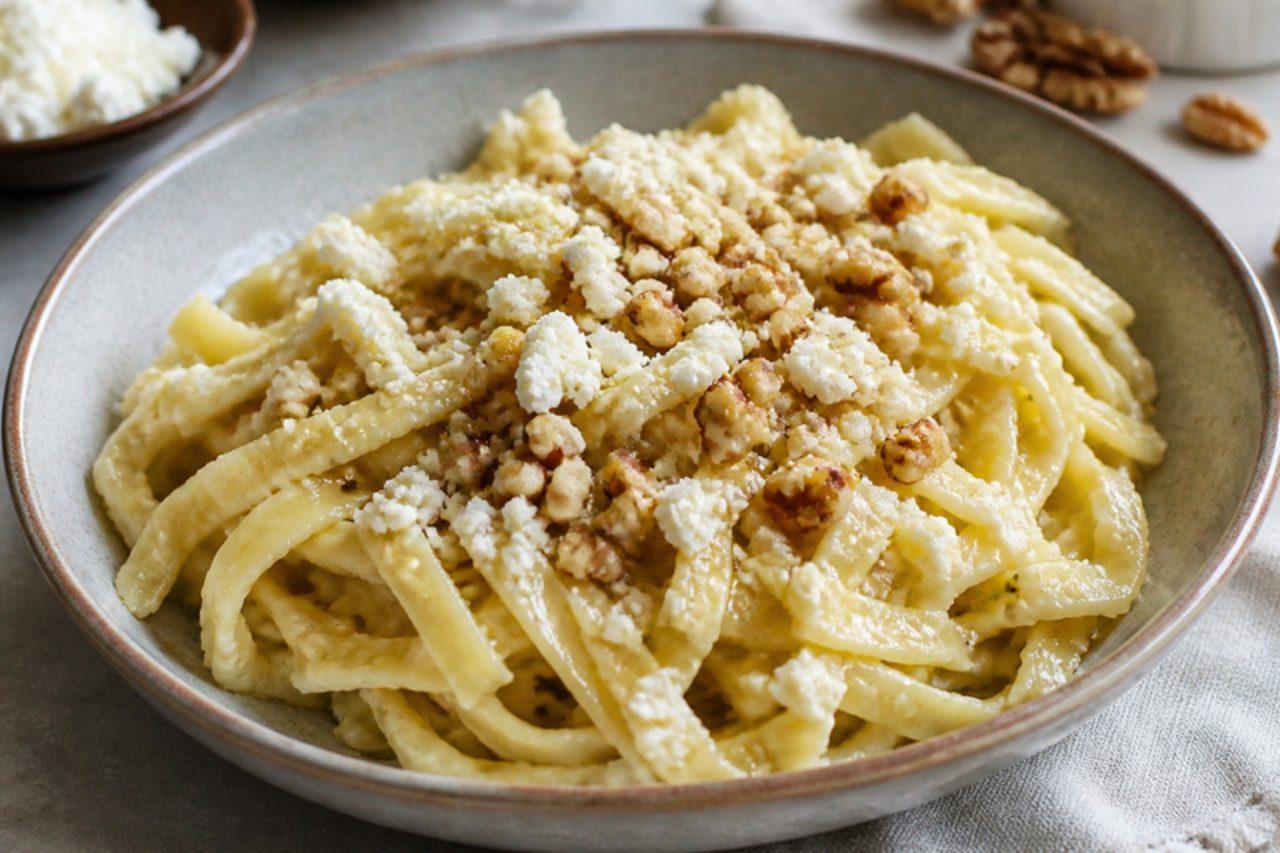
Late summer in Sivas, Tokat and Kayseri villages means erişte days, when neighbours roll out huge sheets of egg dough, cut them into ribbons and dry them on cloths to last the winter. Freshly cut, they cook in minutes and are tossed with browned butter, toasted walnuts and crumbled white cheese, a simple dish that tastes of the farm. Common mistake: cutting the noodles before the rolled sheet has dried a little, so they stick into a clump; let it sit 15–20 minutes until leathery. Feta-style white cheese is often made with animal rennet; use a vegetarian one if needed. Chef's tip: toast a few raw noodles in the butter until golden before the boiled ones go in; they add a lovely crunch.

by KrazyBadal 0 views

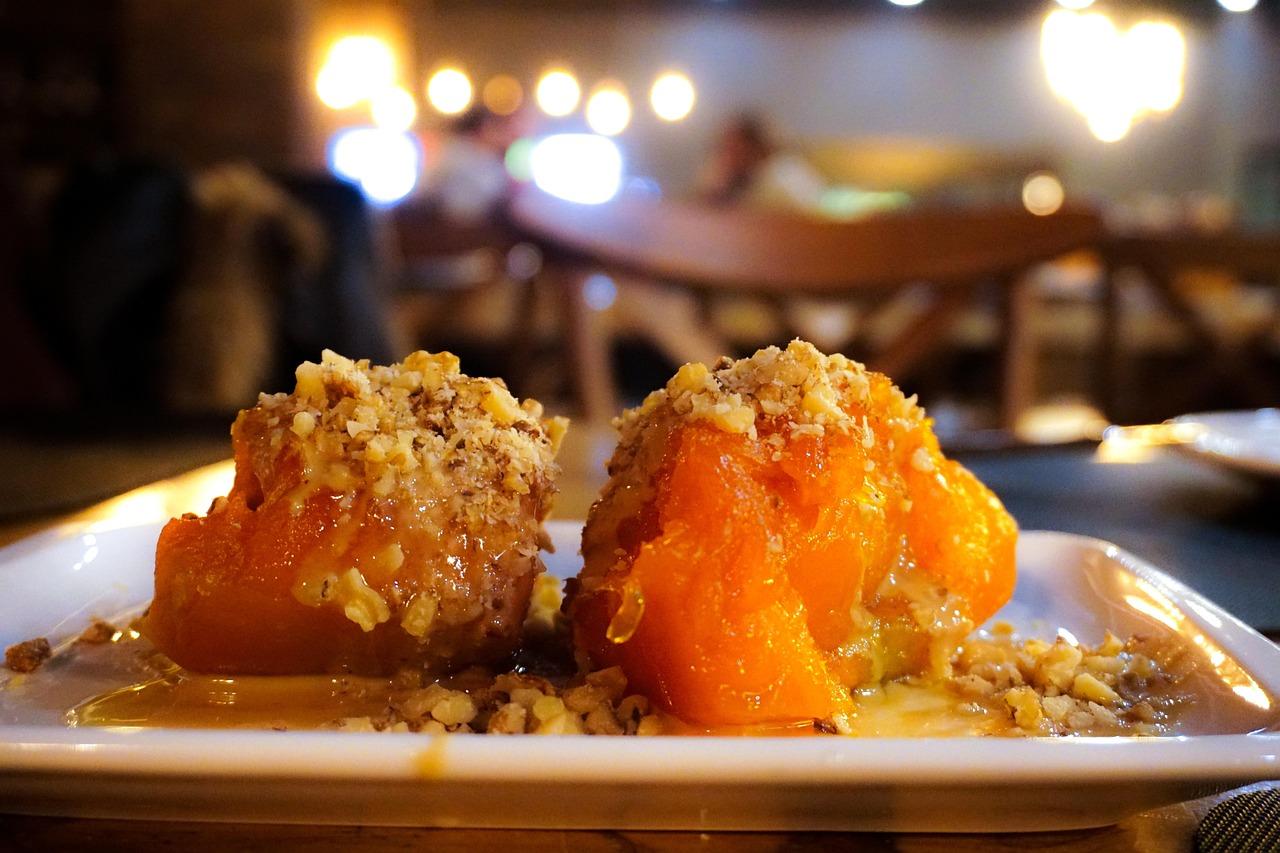
Kabak tatlısı

When the big winter squashes come in from the fields around Konya and Ankara, home cooks cut them into thick wedges, bury them in sugar overnight and let the pumpkin cook slowly in the syrup it releases. The pieces turn glossy, deep orange and tender while holding their shape, and they're served cold with a drizzle of tahini and crushed walnuts. It's one of the few Turkish sweets made without any water at all. Common mistake: stirring the pot, which breaks the wedges; shake the pan gently instead. Chef's tip: cook it lid on for the first half and lid off for the second, so the syrup reduces to a thick glaze.

by KrazyBadal 0 views

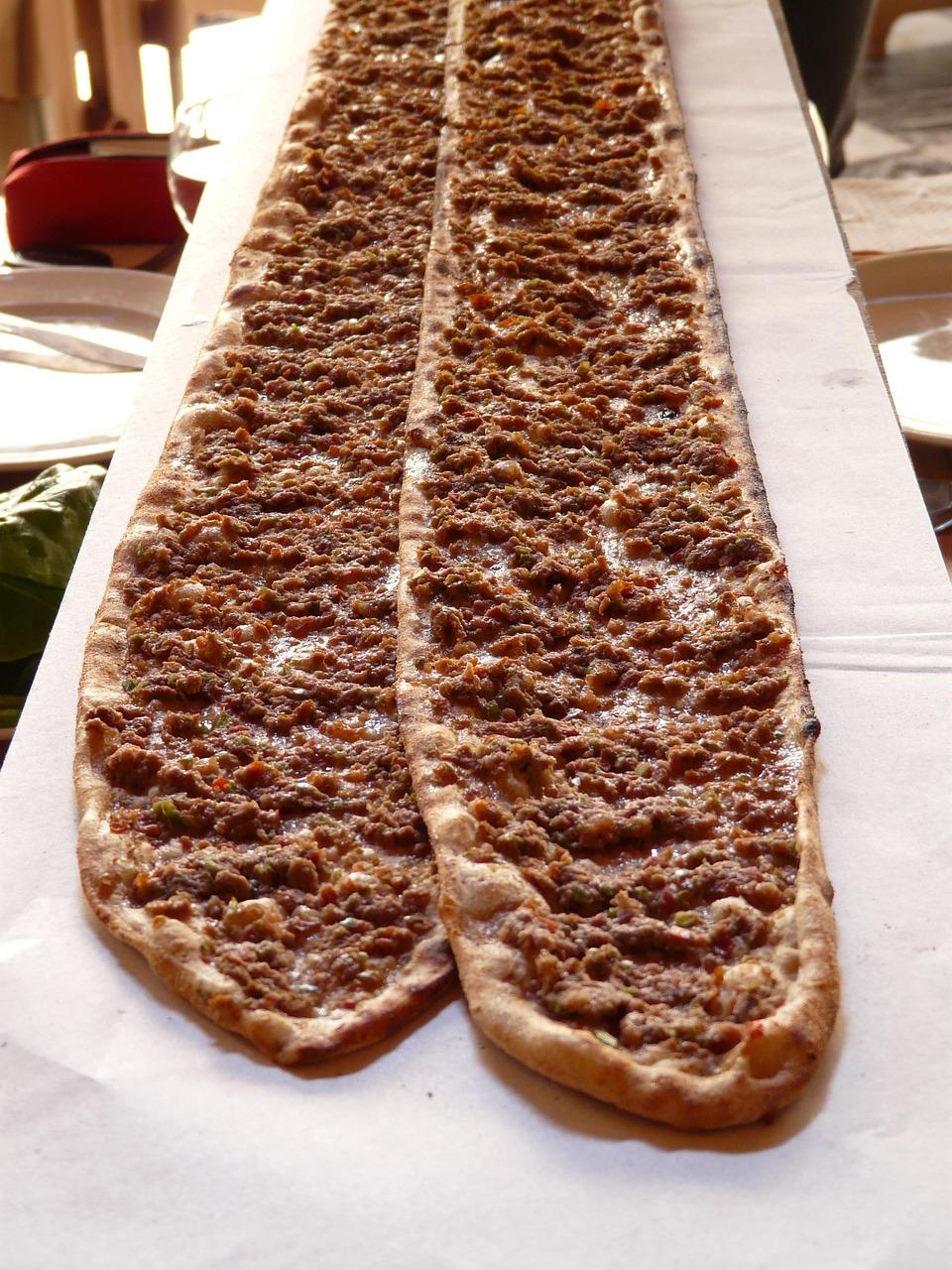
Etli ekmek

In Konya, etli ekmek is the city's own fast food: dough stretched into a strip almost a metre long and thin as card, spread with hand-chopped lamb or beef, onion, tomato and pepper, baked for a few minutes in a stone oven and cut into squares with a pizza wheel. Unlike lahmacun, the topping is generous and the bread is crisp all the way through. At home, make shorter strips on a hot tray and serve with ayran, lemon and a heap of parsley and onion. Common mistake: piling the topping thick, which keeps the base soft; spread it thin right to the edges. The meat must reach 71 °C. Chef's tip: chop the mince again on a board with the onion and peppers; it spreads thinner and cooks faster.

by KrazyBadal 0 views

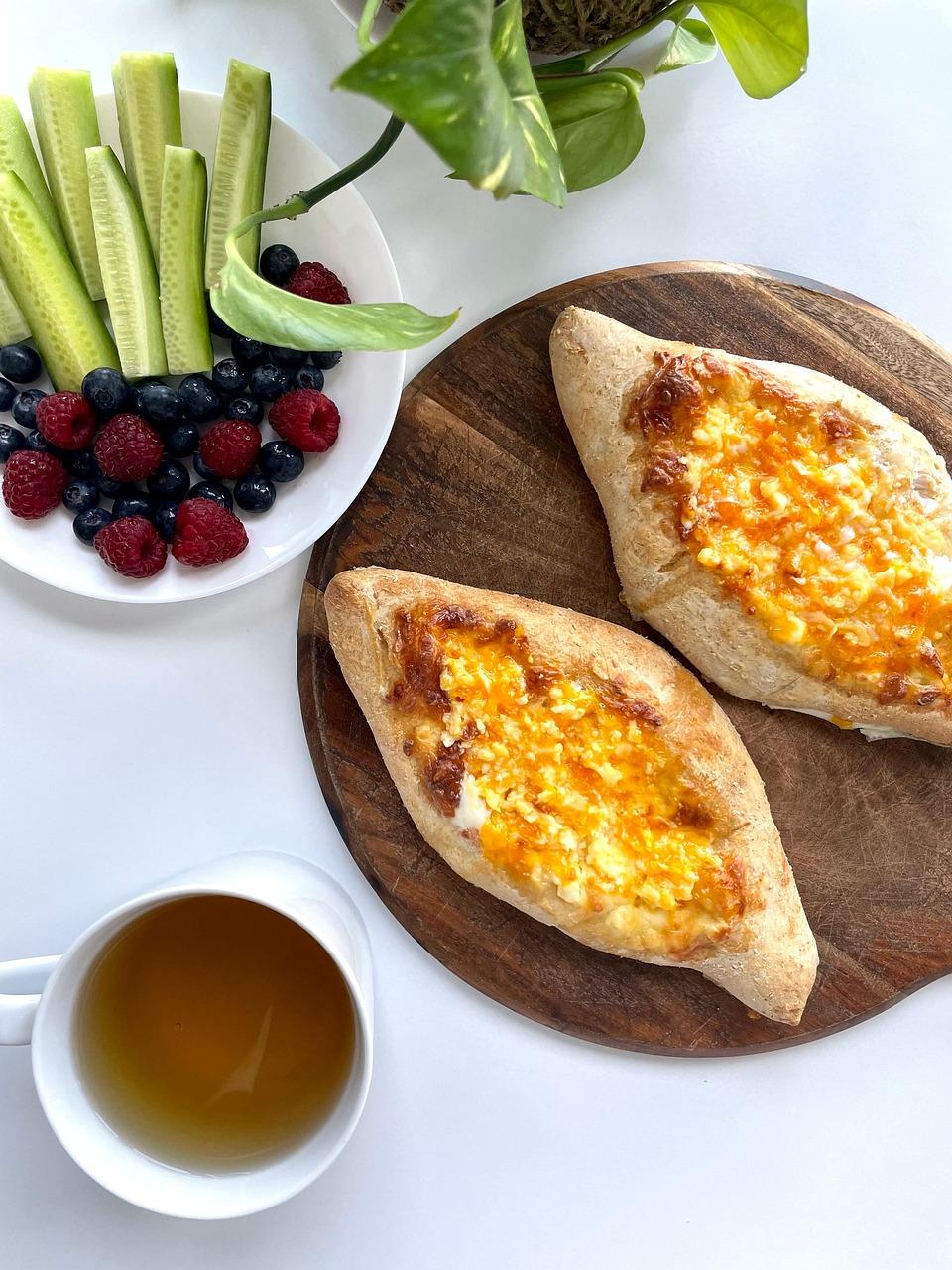
Peynirli pide

Along the Black Sea coast, from Samsun to Trabzon, the pide salon is where families go on a Friday night, and the oven man shapes each boat of dough by hand before sliding it onto the hot stone floor of a wood-fired oven. The Black Sea way is generous: a pool of melted kaşar and white cheese held inside a rim of soft bread, an egg cracked into the middle for the last few minutes and a knob of butter dropped on as it comes out. Children love tearing off the crusty ends to drag through the cheese. Chef's tip: heat a heavy baking tray or pizza stone in the oven for a full 30 minutes; the hot base is what gives a crisp underside rather than a soft one.

120 minTurkishPizza
by KrazyBadal 0 views

Showing 24 of 152 recipes

Show more recipes

Page 5 of 7

More Turkish ideas

Other by country