Skip to content

Spanish recipes

233 Spanish recipes to cook at home, each with photos, step-by-step instructions and cook times. The quickest, Kalimotxo, takes 5 minutes. Most take around 60 minutes.

Filter these by time, diet or cuisine

Pastissets de moniato

As Christmas nears, bakeries and home kitchens from Valencia to Alicante turn out trays of pastissets, little half-moon pies of crumbly olive-oil pastry wrapped around a filling of sweet potato cooked with sugar, lemon and cinnamon, finished with a snowy dusting of sugar. They are eaten with coffee or a glass of mistela after the big family meals, and also for All Saints in November. The pastry traditionally includes a splash of sweet mistela wine; orange juice works just as well for an alcohol-free version. A common mistake is overfilling, which splits the seams in the oven; a heaped teaspoon is enough. Chef's tip: chill the filling until firm before you shape, so it sits neatly in the centre and is easy to seal.

by KrazyBadal 0 views
Coca de tomaca

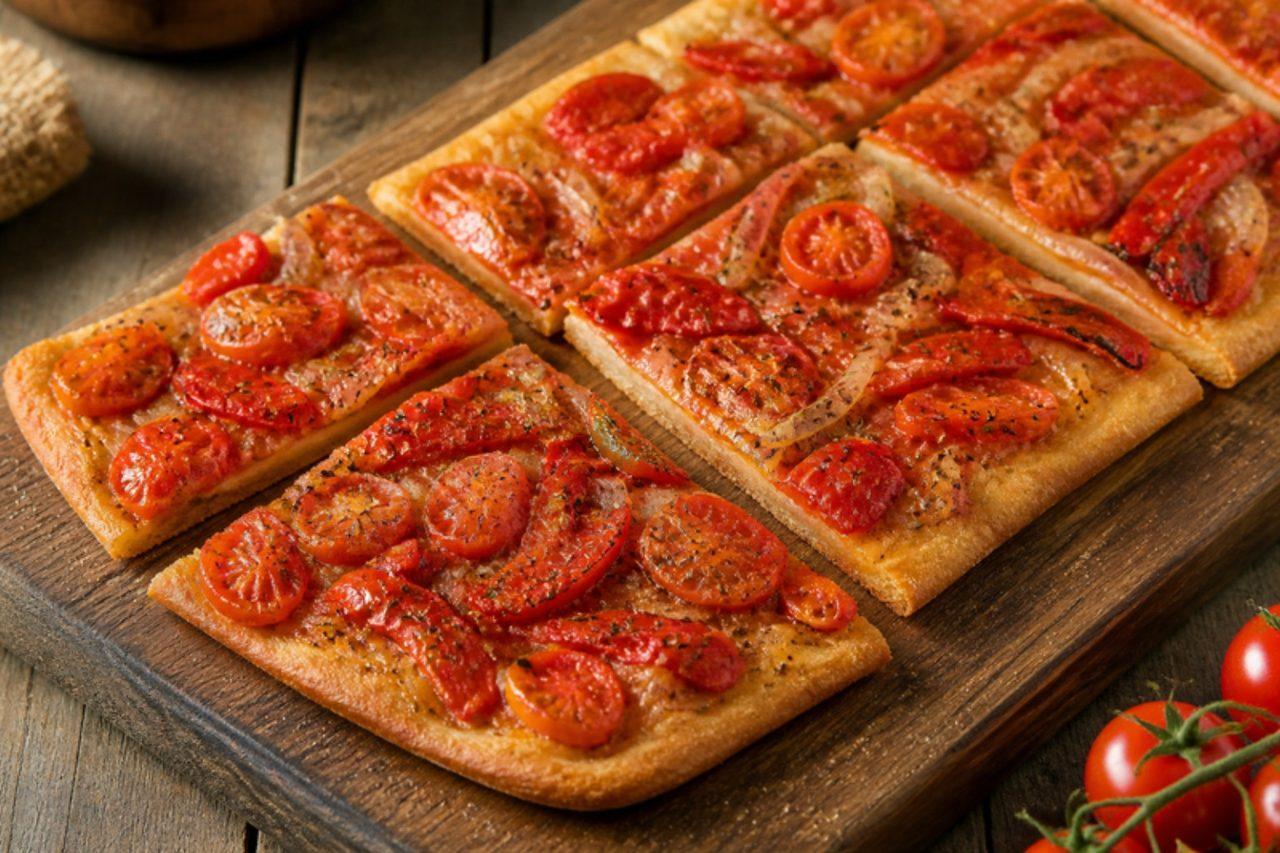
On the night of Sant Joan in late June, Alicante's beaches fill with people eating cocas while the bonfires burn, and coca de tomaca is the plainest and best loved: a thin, olive-oil dough baked under a layer of tomato, red pepper and onion that roasts down to something sweet and jammy. Bakeries in towns like Alcoy and Elche sell it by the slab all year round, and it is just as good cold the next day at a picnic. Many versions add tinned tuna or sardines; this one keeps it vegetable-only, so it is vegan. A common mistake is piling the vegetables on raw and wet, which leaves the base soggy; salt and drain the tomato first. Chef's tip: bake on the lowest shelf so the base crisps before the topping colours.

by KrazyBadal 0 views
Ensalada valenciana

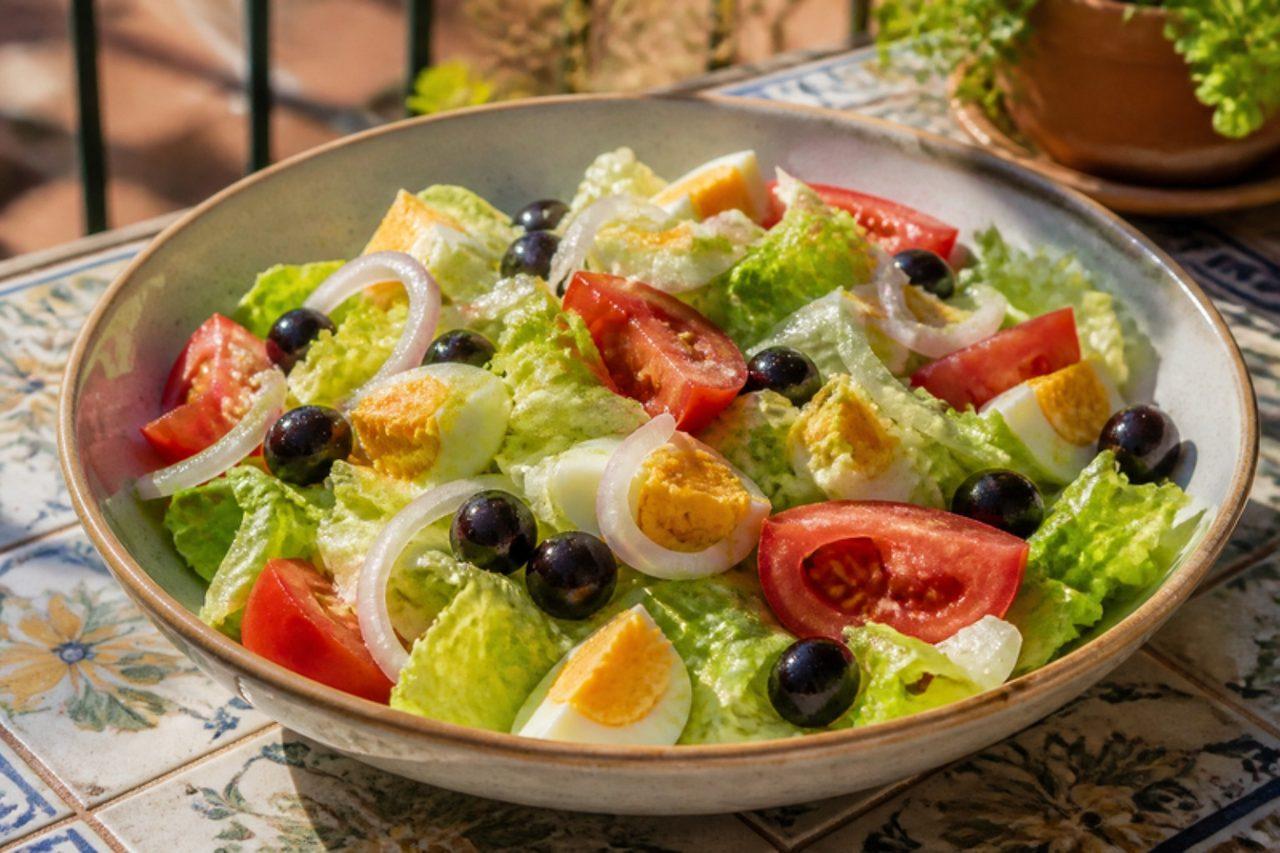
Before the paella pan reaches the table at a Valencian Sunday lunch, a big shared bowl of ensalada valenciana goes round: crisp lettuce, thick wedges of summer tomato, sweet onion and black olives, dressed at the table with olive oil, a little vinegar and salt. Restaurants in the Huerta often add hard-boiled egg and tinned tuna; here the tuna is left out and the egg is optional, so without it the salad is vegan. A common mistake is dressing it in advance; the salt pulls water from the tomatoes and the lettuce goes limp within minutes. Chef's tip: soak the onion slices in iced water for 10 minutes, which takes the sharp edge off and keeps them crunchy.

by KrazyBadal 0 views
Fideuà

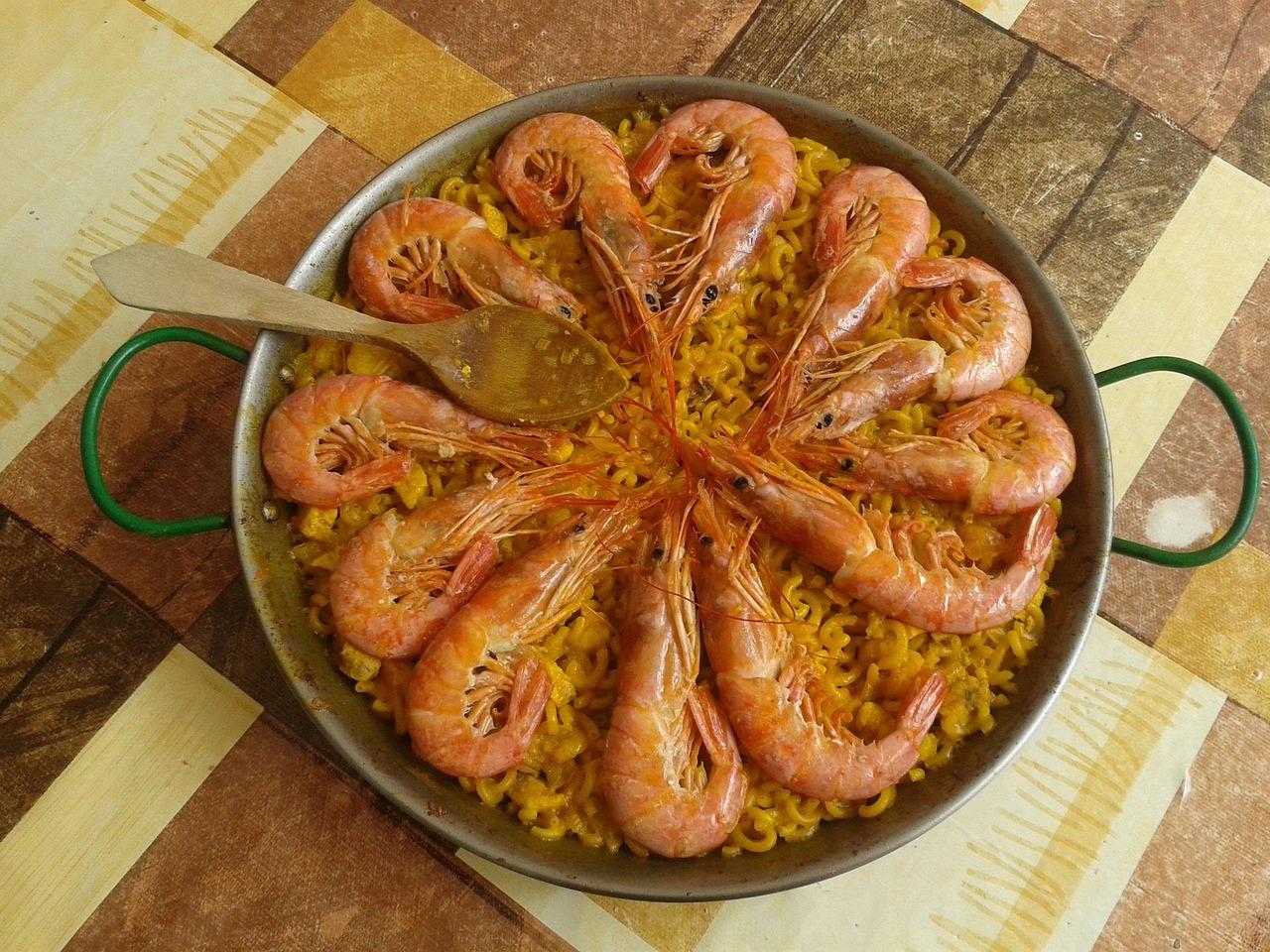
Gandia, on the coast south of Valencia, claims fideuà as its own and holds a contest for it every summer: a paella pan of short, thin noodles toasted in oil and cooked in a deep seafood stock with monkfish, squid and prawns until the liquid has gone and the tips of the noodles curl upwards. It is served straight from the pan with a bowl of allioli to stir in. A common mistake is stirring once the stock is in; the noodles release starch and turn sticky instead of separate and slightly crisp. Use a well-flavoured fish stock, as it is the backbone of the dish. Chef's tip: finish the pan for a few minutes under a hot grill, the trick that makes the noodles stand up like little hooks.

by KrazyBadal 0 views
Arroz a banda

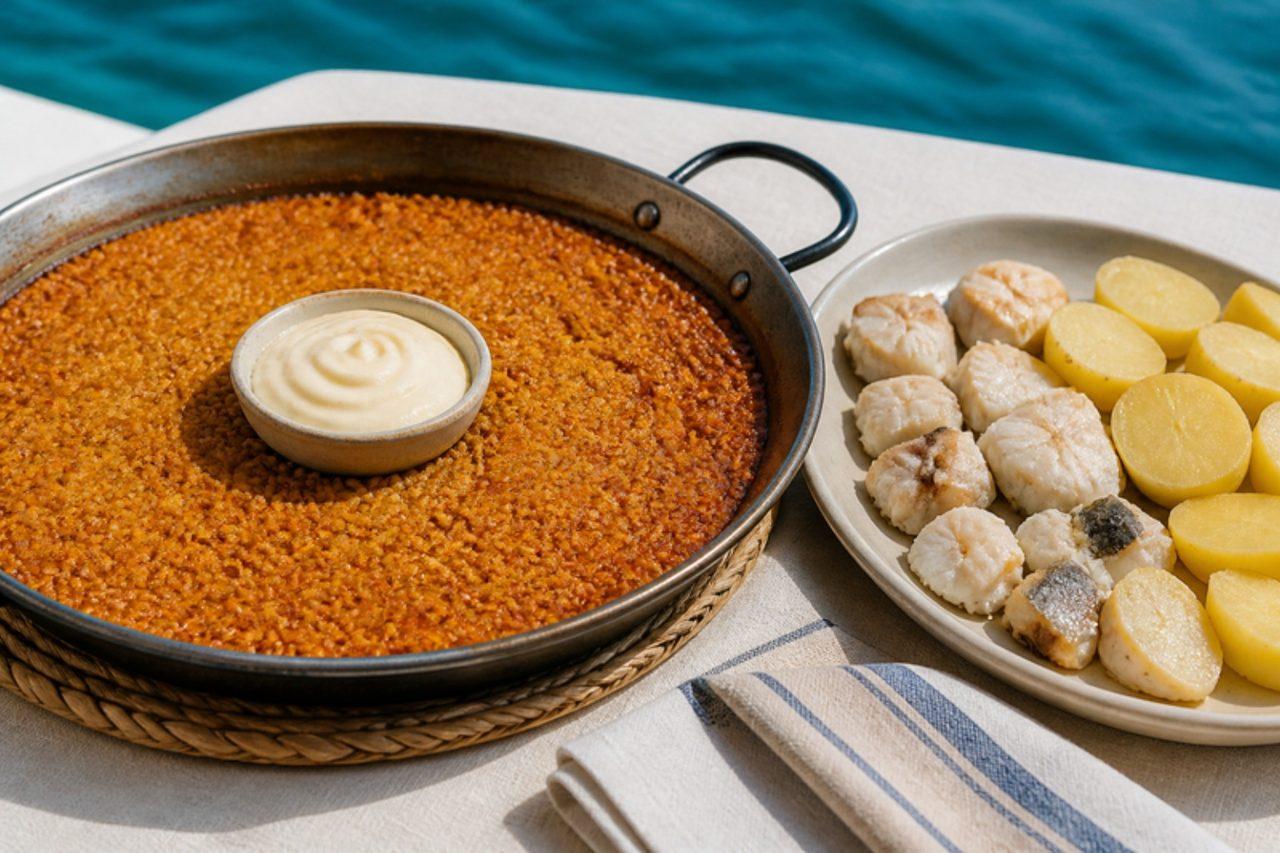
Along the Alicante coast, from Santa Pola to Dénia, arroz a banda began as a fishermen's meal: the small, bony fish that wouldn't sell were simmered into a deep, rust-coloured stock, rice was cooked in it, and the fish was eaten "a banda", on the side. Today the rice comes first, thin, golden and intensely savoury, with a spoonful of allioli, and the poached fish and potatoes follow. A common mistake is a weak stock; the rice tastes of nothing more than what it cooks in, so use plenty of fish and reduce it well. The allioli here uses pasteurised egg; raw-egg allioli is not for pregnant women, young children or anyone with a weakened immune system. Chef's tip: let the rice catch slightly on the base in the last minute to form socarrat, the toasty crust everyone fights over.

115 minSpanishFishGluten free
by KrazyBadal 0 views
Arroz del senyoret

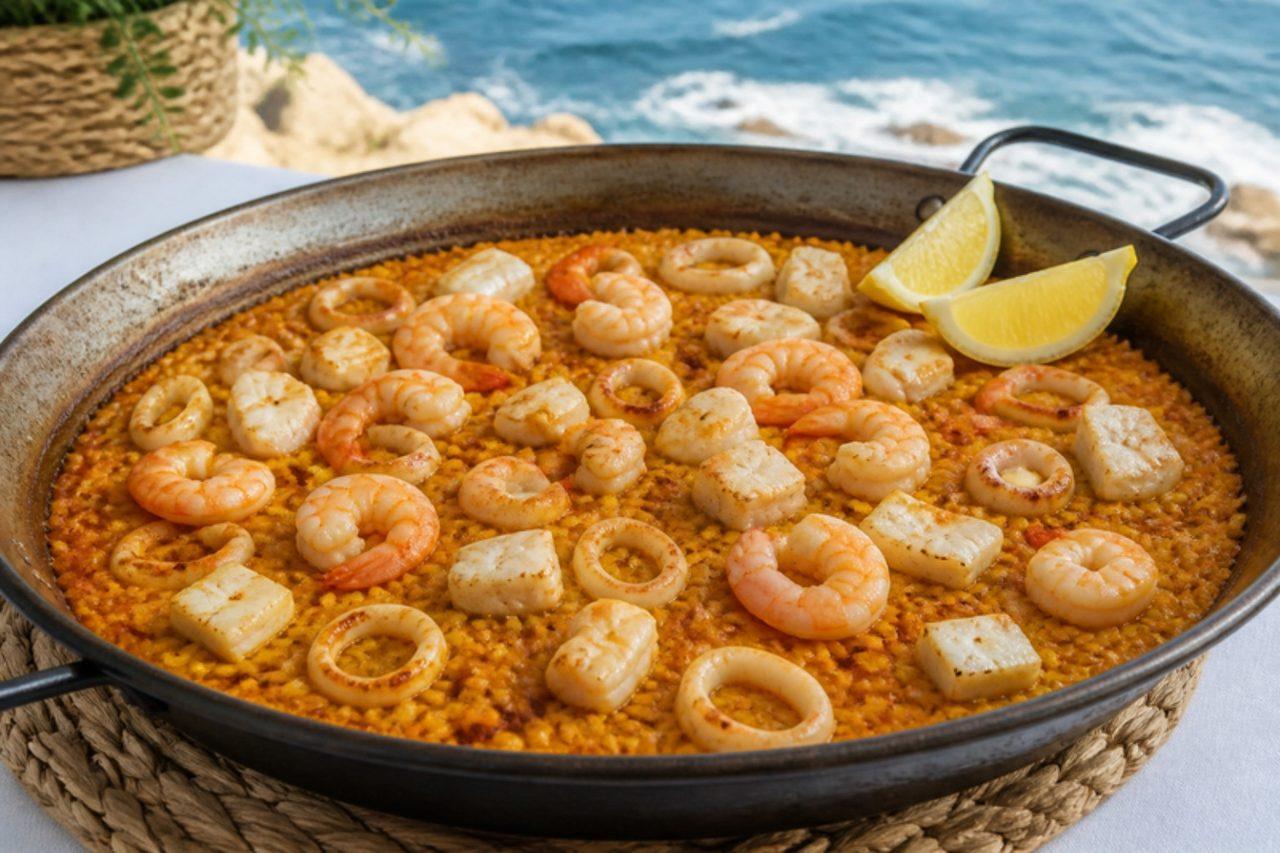
The name means "the little gentleman's rice", after the well-to-do diners at Valencia's beach restaurants in Las Arenas and El Saler who refused to get their hands dirty peeling prawns. So every piece of seafood goes into the pan already peeled and cut to fork size, while the shells are fried into the stock to keep all their flavour. The result is a thin layer of saffron-gold rice dotted with sweet prawn, squid and monkfish, eaten straight from the pan on a summer Sunday. A common mistake is throwing the prawn shells away; they give the stock its depth. Chef's tip: grate the tomato rather than chopping it; the pulp melts into the sofrito and lets it darken quickly.

by KrazyBadal 0 views
All i pebre

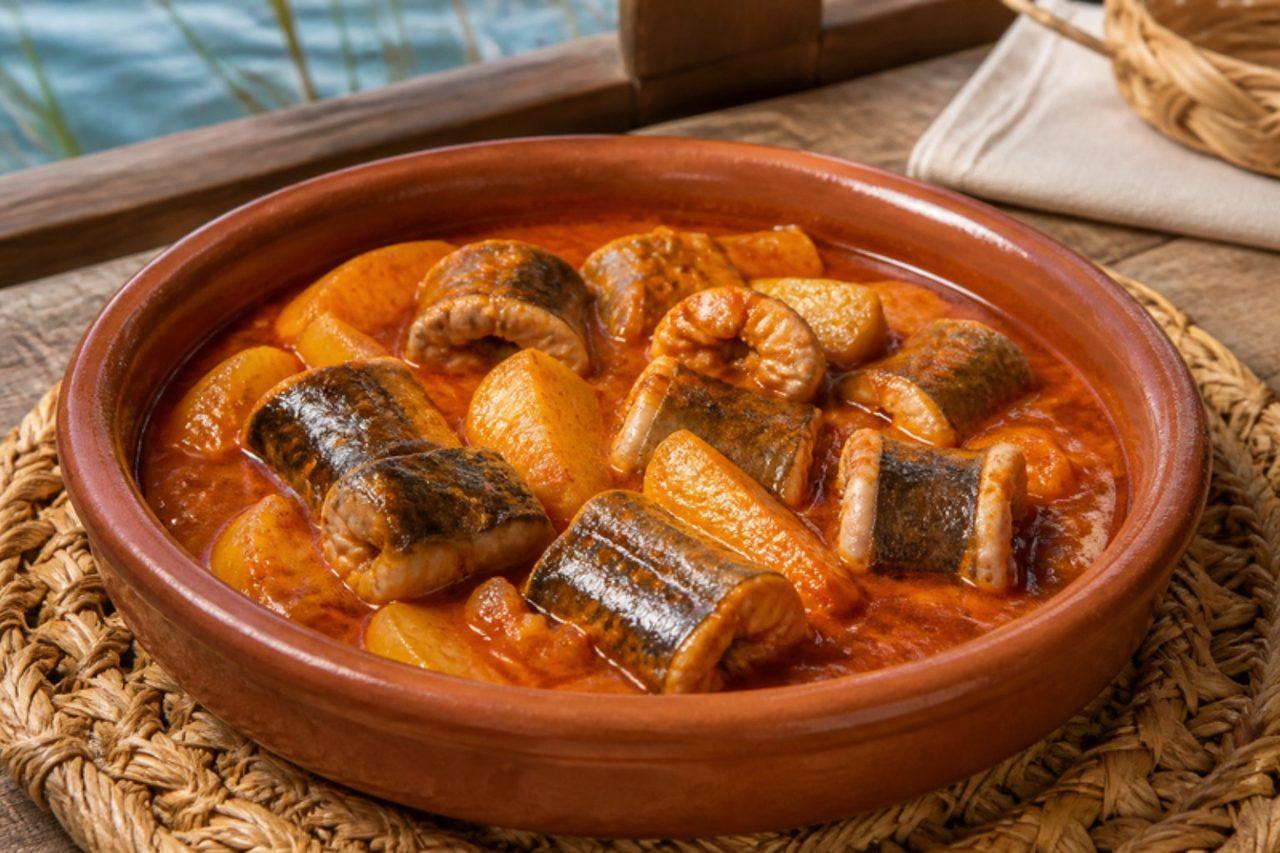
In El Palmar and the other villages around the Albufera lagoon south of Valencia, the restaurants that are famous for paella serve something older first: all i pebre, "garlic and pepper", a brick-red stew of lagoon eel and potatoes thickened with a pounded almond and fried-bread picada. It is rich, garlicky and gently hot, eaten with bread to mop up the sauce. Ask your fishmonger to skin and cut the eel, and handle it with gloves: raw eel blood is irritating, though harmless once cooked. If you can't find eel, monkfish or hake works well. A common mistake is letting the paprika burn; it turns bitter in seconds, so add it off the heat. Chef's tip: break the potatoes with a knife instead of cutting cleanly; the rough edges release starch and thicken the sauce.

by KrazyBadal 0 views
Arròs amb fesols i naps

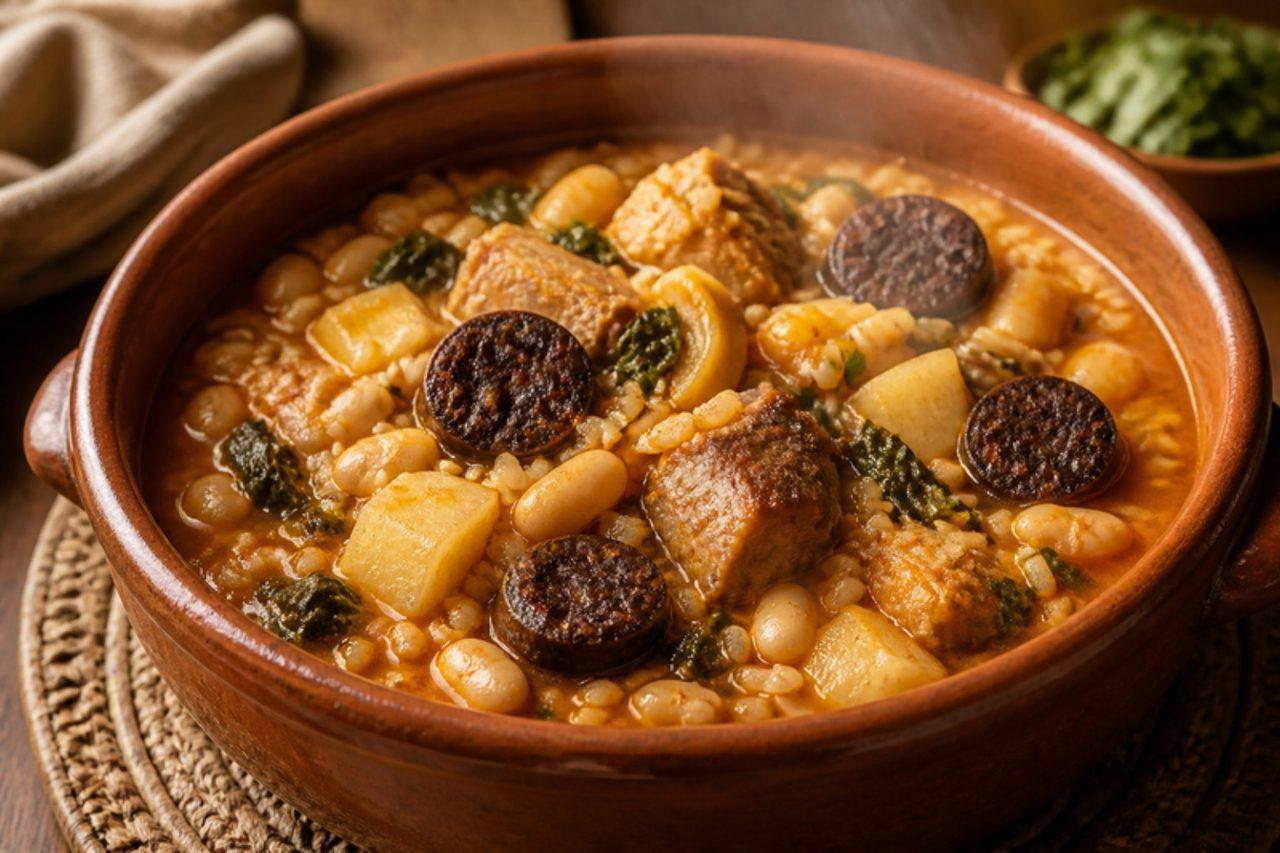
When the Valencian huerta turns cold in January, this brothy rice is what simmers on the stove for Sunday lunch: white beans, sweet turnips, chard and different cuts of pork cooked slowly with saffron, then rice added to the pot at the end, so it is a spoon dish rather than a dry paella. Each family has its own mix of meats; this version uses pork ribs, pork belly and onion morcilla. This contains pork (ribs, belly and black pudding). A common mistake is adding the rice too early; it should go in only once the beans are completely soft, and the pot should be served the moment it is done or the rice swells and drinks up the broth. Chef's tip: soak the beans with a pinch of bicarbonate of soda and start them in cold water; they cook more evenly and their skins stay on.

by KrazyBadal 0 views
Esgarraet

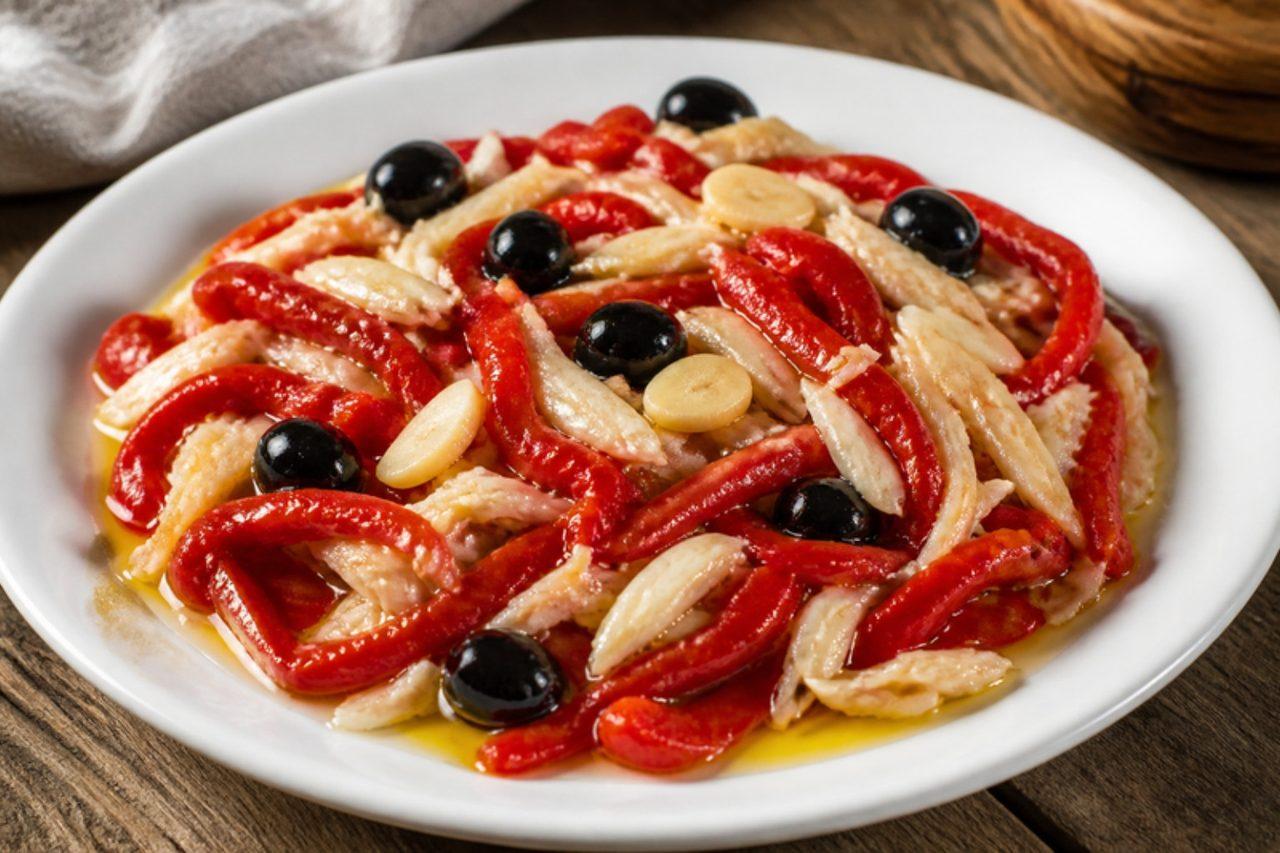
Esgarraet means "torn", and that is the whole technique: red peppers are roasted until soft and sweet, then pulled into strips by hand and layered with shredded salt cod, garlic and plenty of olive oil. Valencia's bars put it out as a tapa with crusty bread, and families make a big dish of it to pick at before a summer paella. Traditionally the cod is only desalted, not cooked, which means it is raw cured fish. That version is not for pregnant women, young children or anyone with a weakened immune system; this recipe gently poaches the cod first, which keeps it tender and makes it safe for everyone. A common mistake is rinsing the roast peppers under the tap to peel them; you wash away the sweet juices. Chef's tip: make it a day ahead; the peppers and cod drink up the garlicky oil overnight.

by KrazyBadal 0 views
Bienmesabe canario

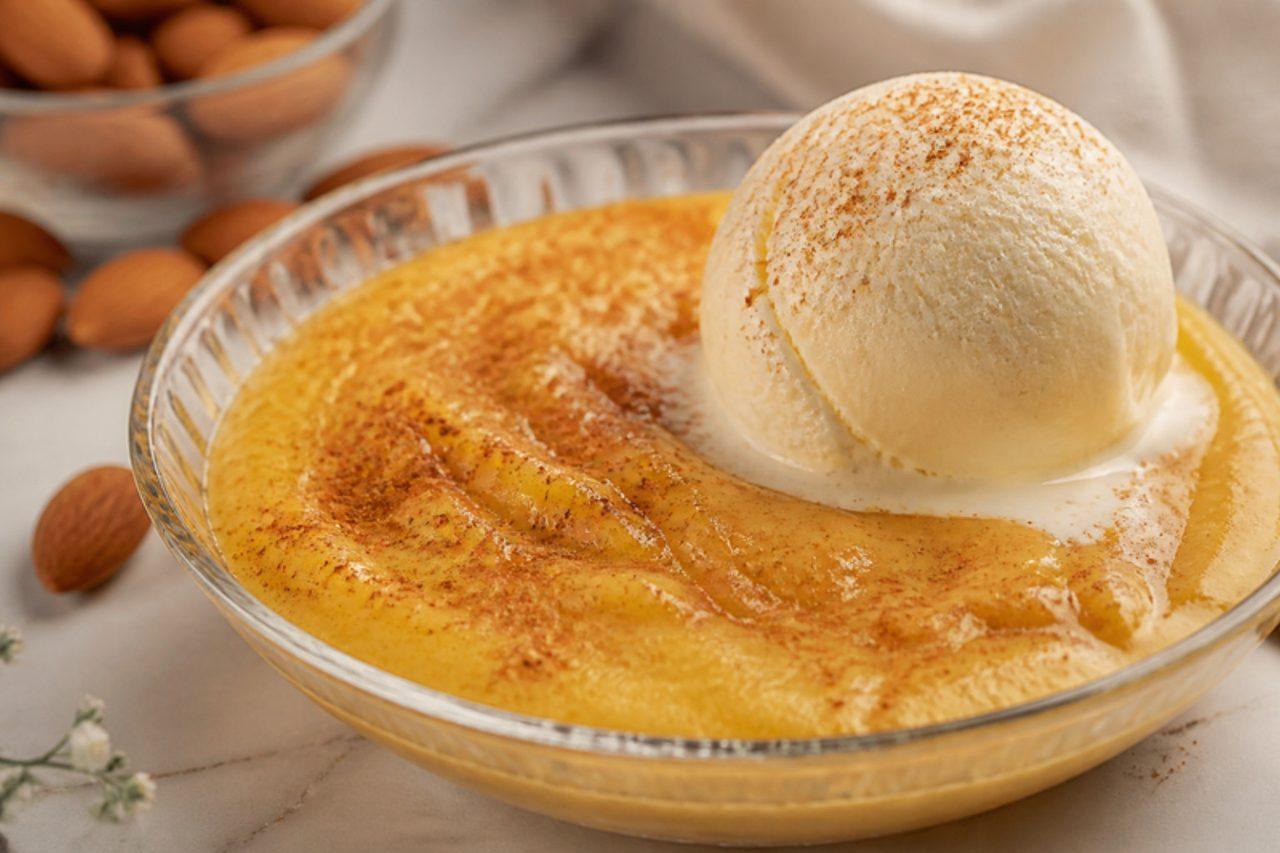
High in the mountains of Gran Canaria, the village of Tejeda is ringed by almond trees, and its pastry shops are famous for bienmesabe, 'it tastes good to me'. Finely ground almonds are cooked in a sugar syrup with lemon zest and cinnamon, then enriched with egg yolks into a thick, golden cream. Islanders eat it by the spoonful, over vanilla ice cream or layered on sponge; it is the dessert brought out in late January and February, when the Almond Blossom Festival fills the village. Chef's tip: temper the yolks with a little hot syrup before adding them, so they thicken the cream smoothly instead of scrambling.

by KrazyBadal 0 views

Frangollo

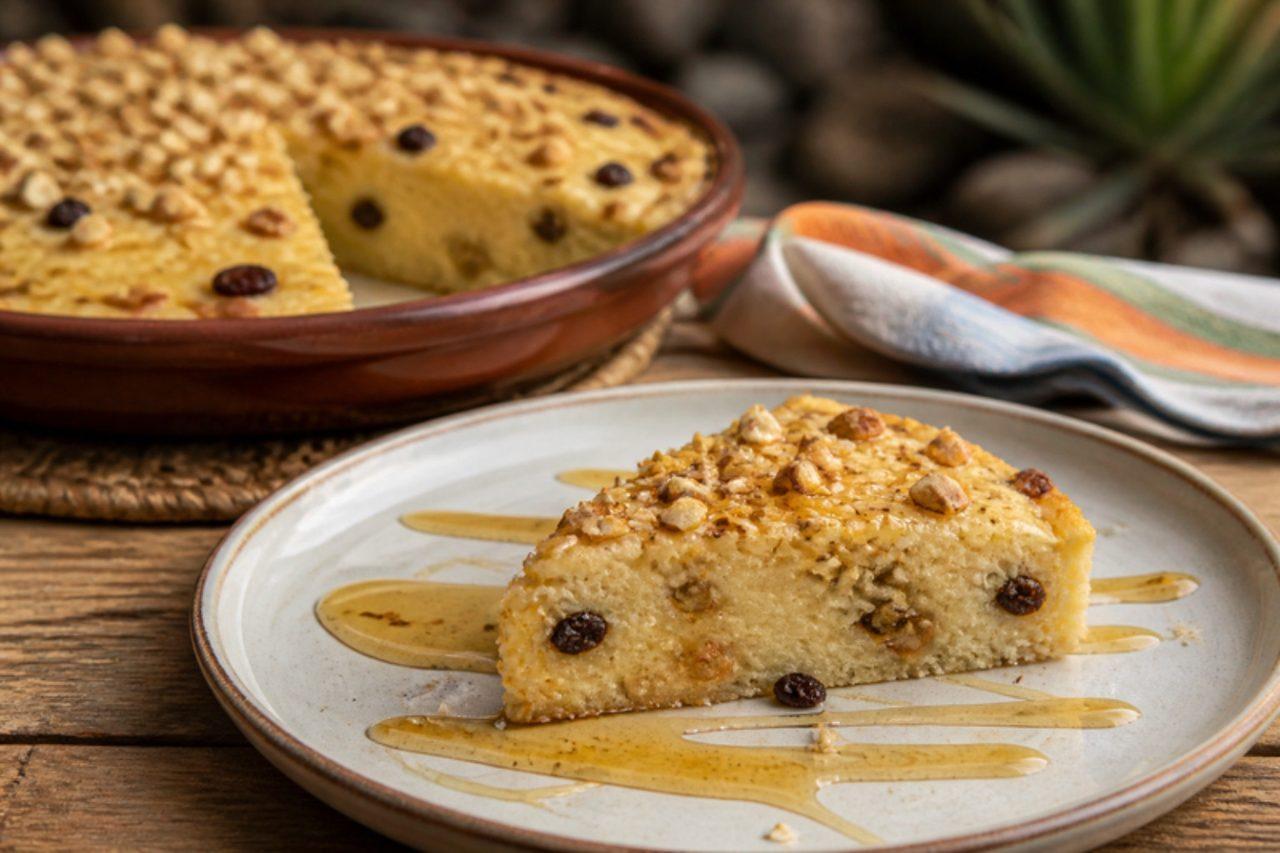
Frangollo was once poor people's food on Lanzarote and La Palma, coarse cornmeal (millo) cooked in milk to stretch a meal; now it is the pudding grandmothers make for Carnival and Christmas, sold in slabs at village fiestas. The cornmeal is cooked slowly with milk, sugar, lemon peel and cinnamon, then enriched with butter, egg, raisins and almonds, left to set and cut into squares. It is often finished with a drizzle of palm honey from La Gomera. Chef's tip: stir constantly and use a heavy pan, because thick cornmeal catches on the bottom in seconds.

by KrazyBadal 0 views

Truchas de batata

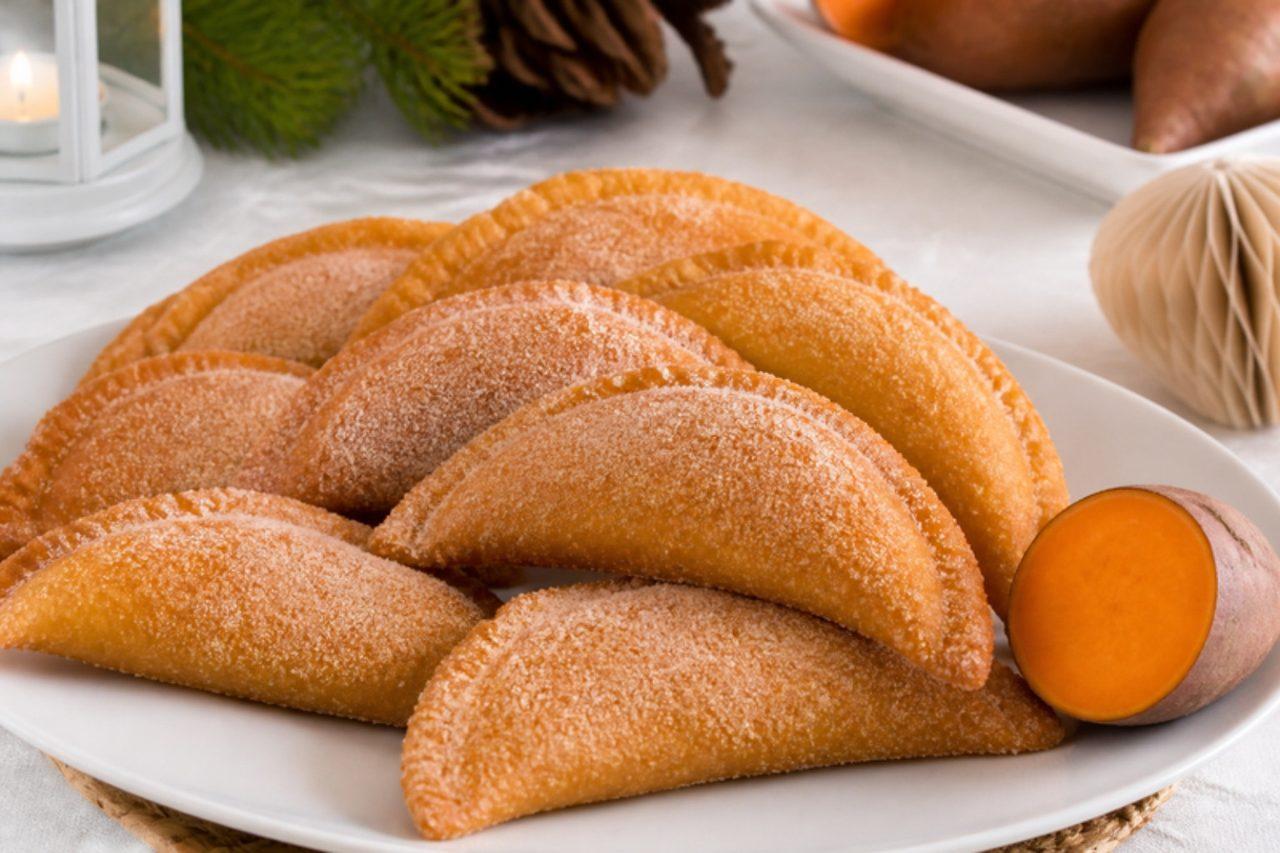
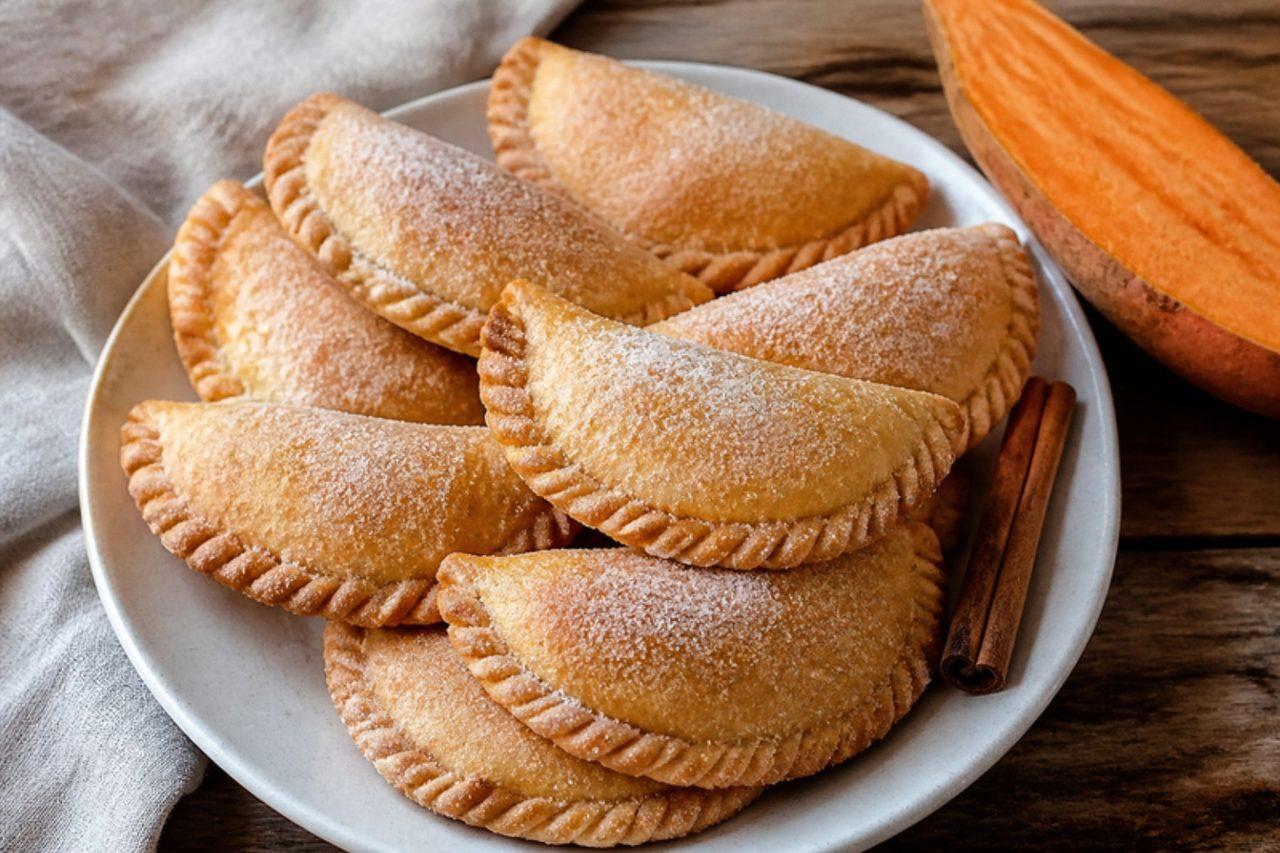
Despite the name, there is no trout in these: truchas are crisp half-moon pastries that Tenerife and Gran Canaria fry by the hundred in the week before Christmas, and they are what neighbours bring each other on Christmas Eve. The filling is mashed sweet potato with ground almonds, sugar, lemon zest, cinnamon and anise, wrapped in a thin olive-oil dough. Some families add a spoon of anise liqueur or sweet wine to the dough; this version uses neither and is vegan. Chef's tip: let the filling cool completely and keep it thick, or the steam softens the dough and it bursts in the oil.

by KrazyBadal 0 views

Barraquito

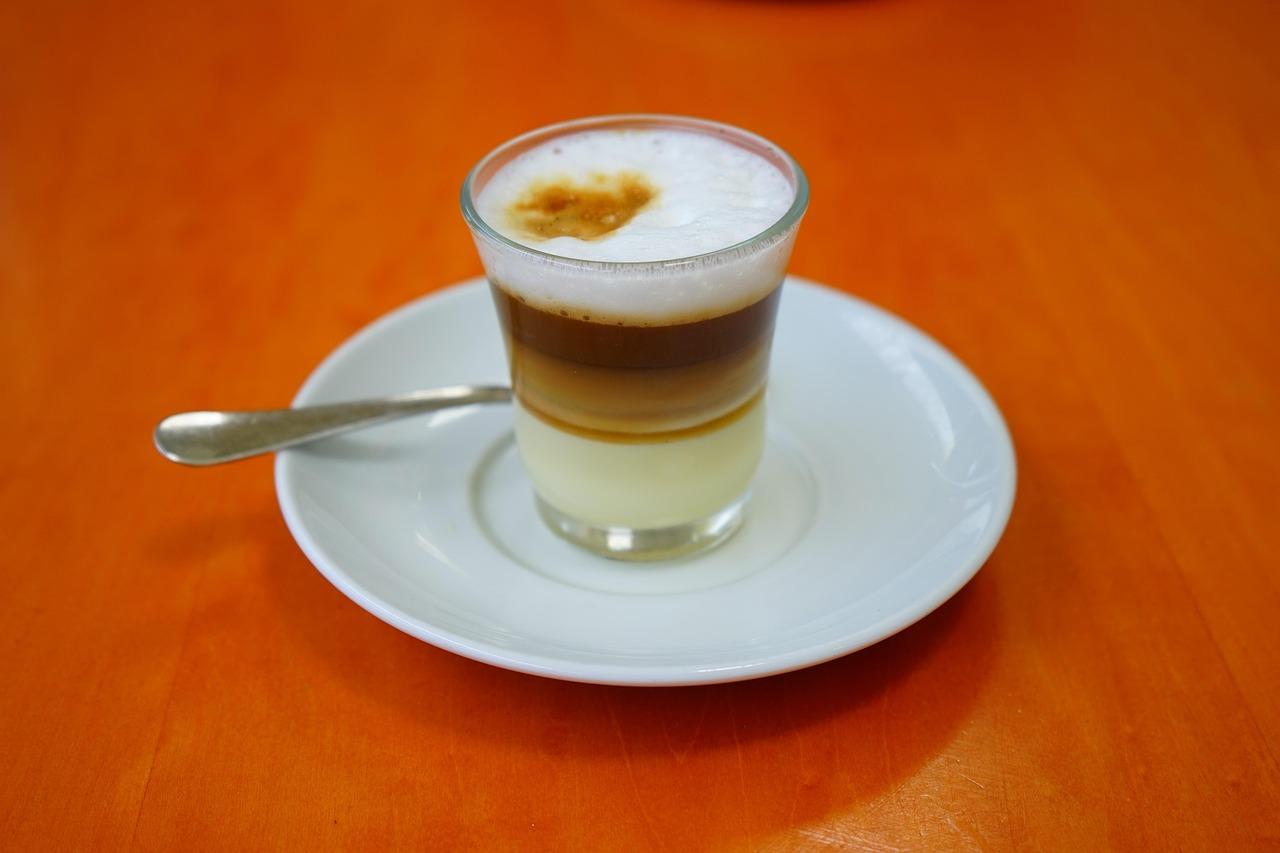
Order a barraquito in any café in Santa Cruz de Tenerife or La Laguna and it comes in a small glass showing neat stripes: sweet condensed milk at the bottom, then espresso, then foamed milk, perfumed with lemon peel and cinnamon. The bar classic adds a measure of a vanilla-citrus Spanish liqueur between the layers, which makes it contain alcohol; this recipe leaves it optional, and without it the drink is often called a zaperoco or barraquito sin licor. Chef's tip: pour each layer slowly over the back of a spoon, so the layers sit on top of each other instead of mixing.

by KrazyBadal 0 views

Conejo en salmorejo

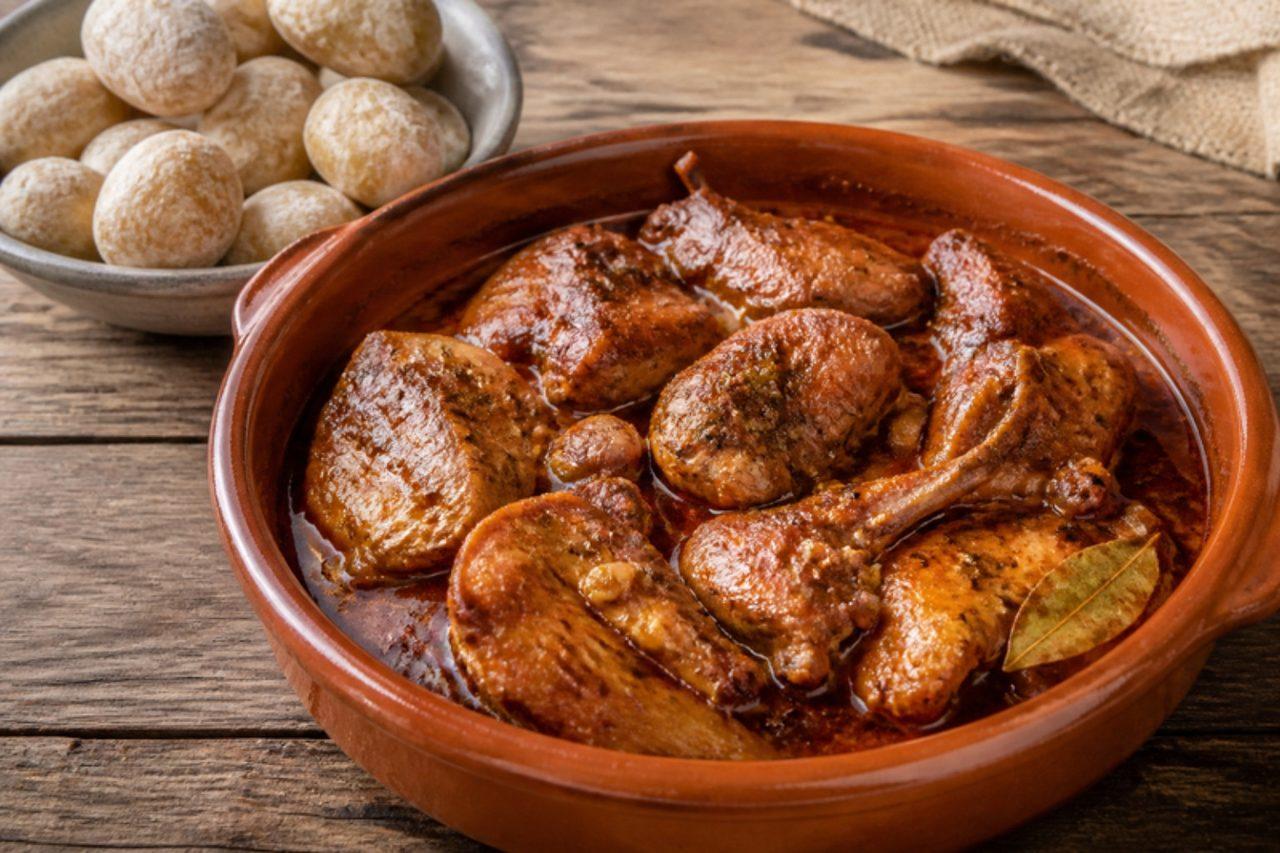
Nothing to do with the cold tomato soup of Córdoba: in the Canaries salmorejo is a punchy marinade of garlic, red pepper, paprika, thyme, oregano, vinegar and wine, and rabbit cooked in it is the star of Tenerife's hillside guachinches and Sunday family lunches. The rabbit soaks overnight, then is fried and simmered in the marinade until tender, and served with papas arrugadas to mop up the sauce. The marinade uses white wine; for an alcohol-free version, swap it for water with an extra spoon of vinegar. Chef's tip: dry the rabbit pieces well before frying, so they brown properly rather than stew grey in the marinade.

by KrazyBadal 0 views

Sancocho canario

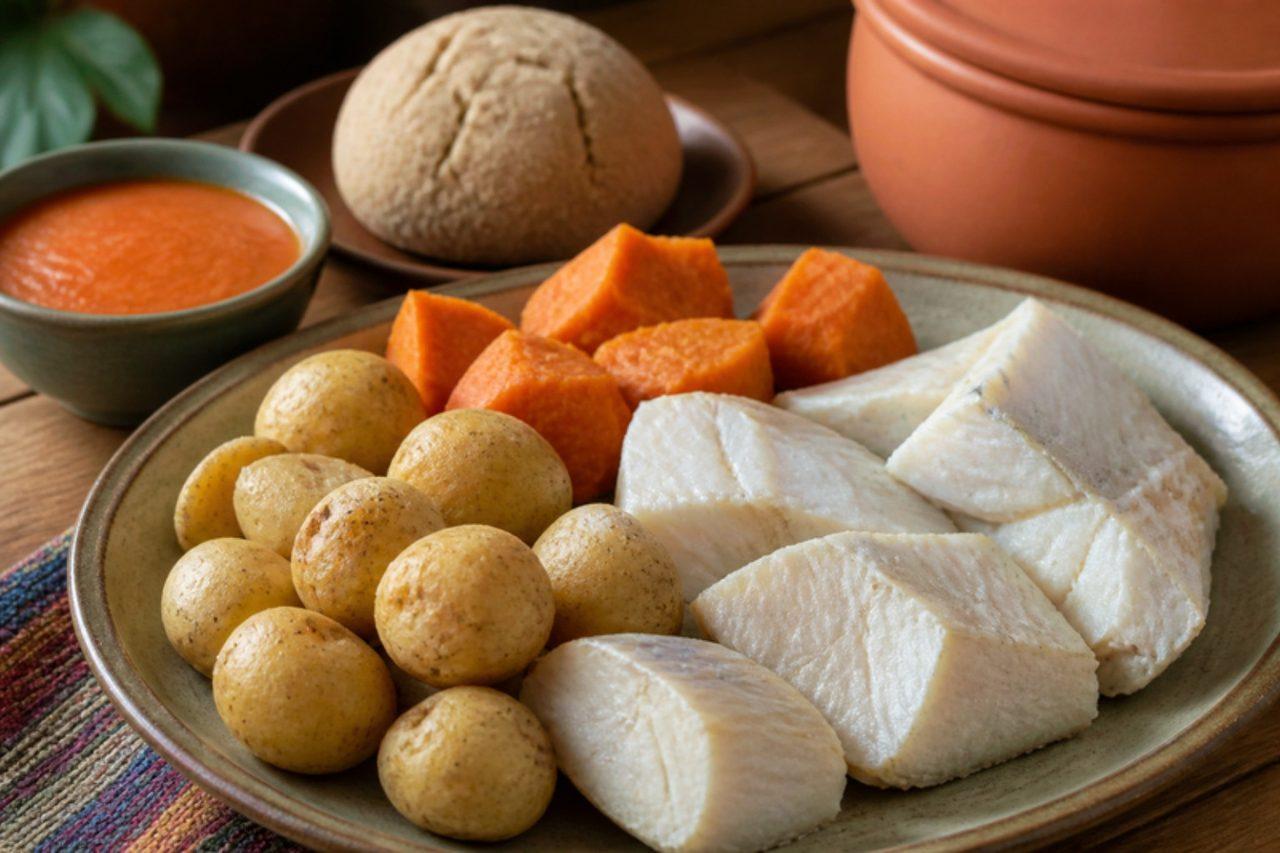
Sancocho is the Canary Islands' Good Friday dish and a Sunday favourite in Gran Canaria, where whole families sit down to a platter of desalted cherne (wreckfish), boiled potatoes and sweet potatoes, red mojo poured over the top and a ball of pella de gofio on the side. Salted cherne is soaked for a day or two in the fridge to draw out the salt, then poached gently. If you cannot find cherne, salt cod or fresh hake works well. Chef's tip: before cooking, poach a small flake in boiling water for a minute and taste it; it should be pleasantly seasoned, like well-salted fresh fish, and if it is still briny, soak a few hours more.

by KrazyBadal 0 views

Carne de fiesta

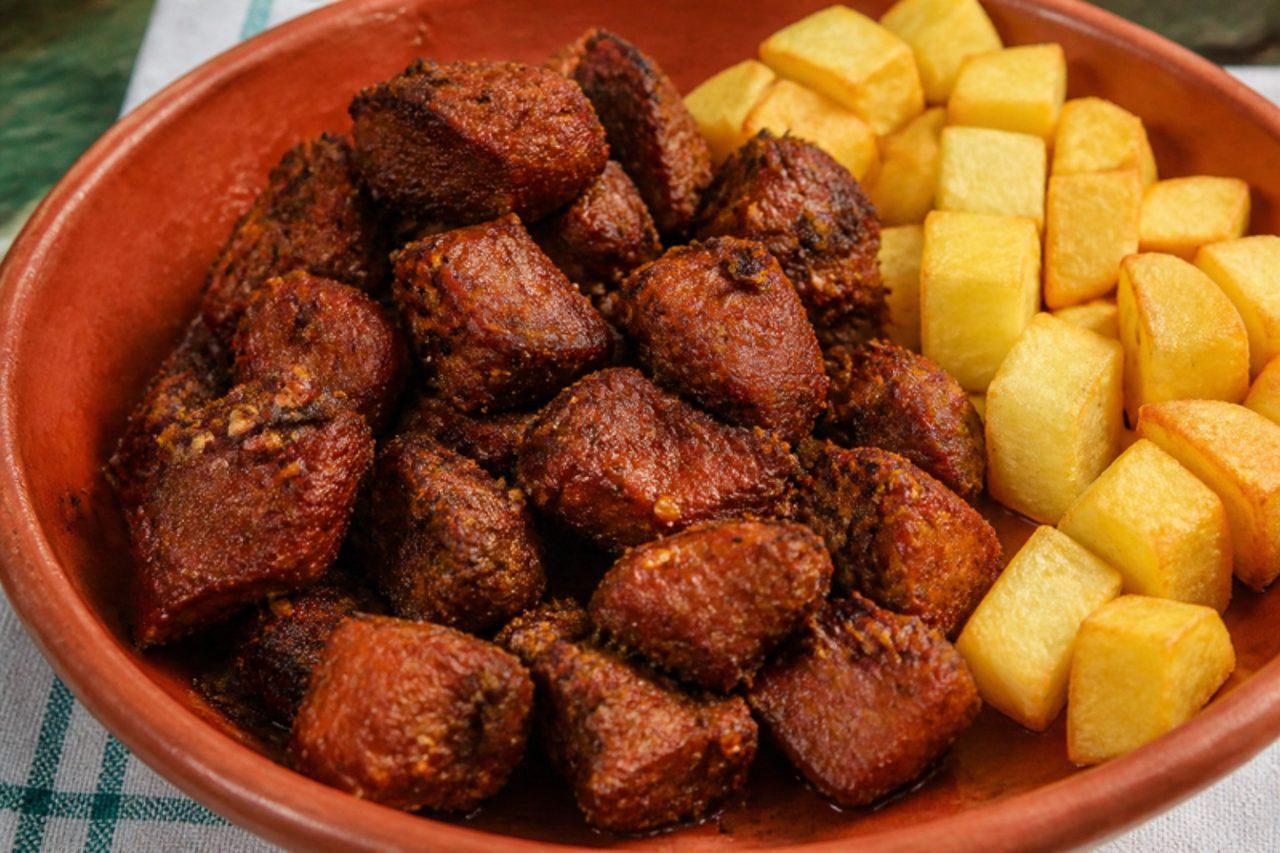
The smell of carne de fiesta, cubes of pork sizzling in a huge pan, drifts over every romería and village saint's day in Tenerife and Gran Canaria, where it is sold piled into bread rolls or with chips. This contains pork. The meat sits for a day in a deep red marinade of garlic, paprika, thyme, oregano, vinegar and white wine before it is fried until crusty. The wine can be swapped for water with an extra spoon of vinegar for an alcohol-free version. Chef's tip: fry in batches with plenty of space, so the meat sizzles and caramelises instead of boiling in its own juices.

by KrazyBadal 0 views

Ropa vieja canaria

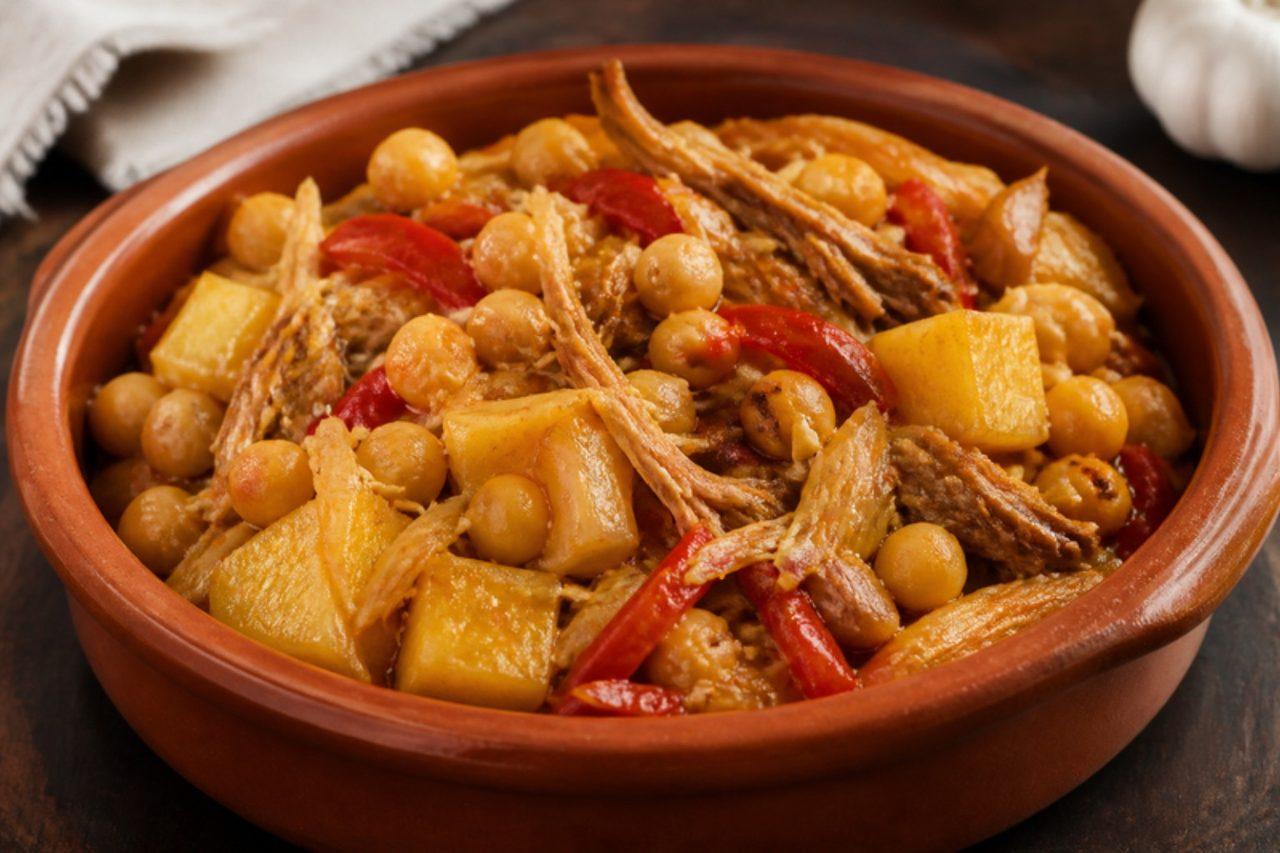
The 'old clothes' of the name are the leftover meats from Sunday's puchero, shredded and fried the next day with chickpeas, potatoes, peppers and tomato; it is a different dish from the Cuban ropa vieja, and on the islands it is Monday lunch and a fixture of bar menus in Las Palmas. Some versions include pork; this one uses beef and chicken, poached from scratch if you have no leftovers. A splash of white wine is common; it is optional and the dish is complete without it. Chef's tip: fry the chickpeas until a few catch and crisp, because those browned bits make the dish.

100 minSpanishMeatGluten free
by KrazyBadal 0 views

Arroz con costra

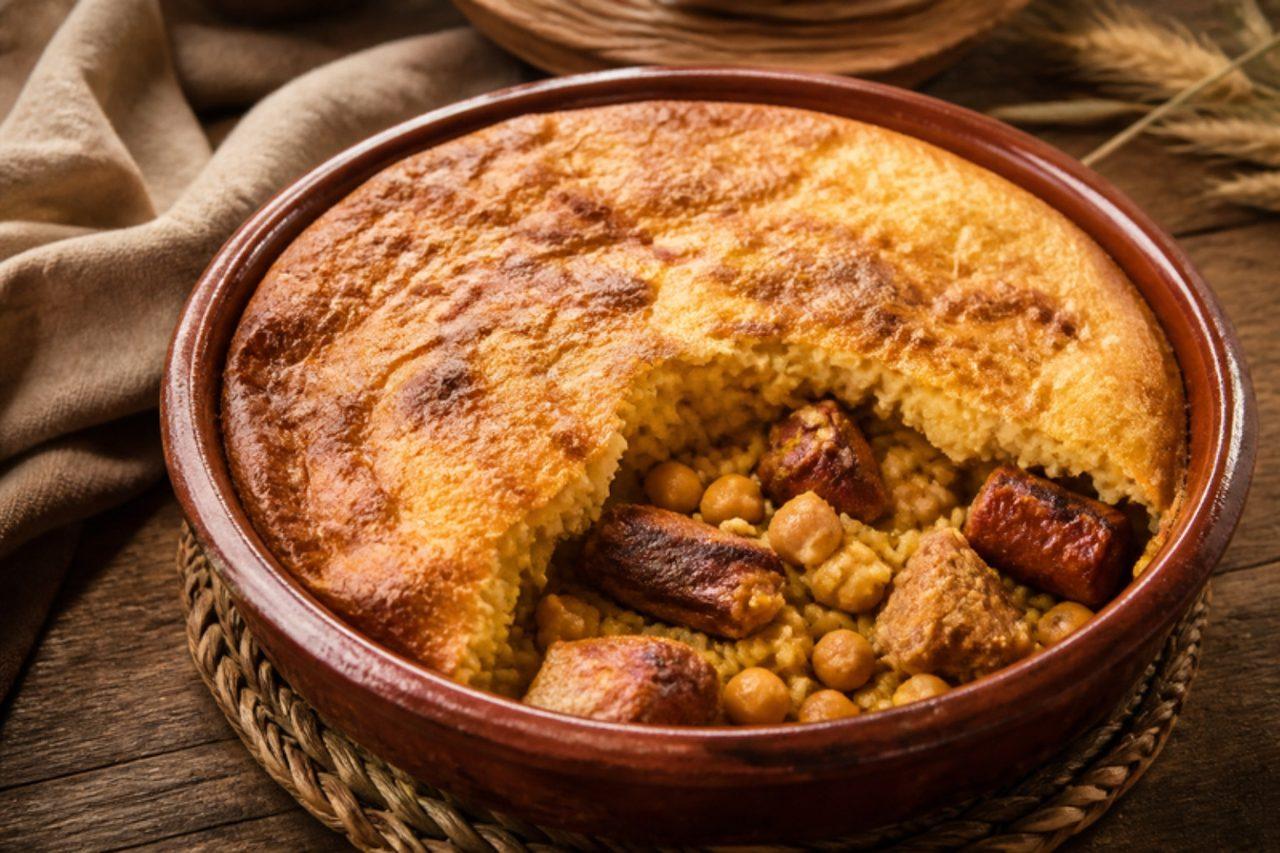
Elche and Orihuela, in the south of Alicante, finish their Sunday rice in a way no other Spanish rice is finished: a thick layer of beaten egg is poured over the cooked rice, chicken, chickpeas and sausages, and the earthenware dish goes into a hot oven until the egg puffs into a golden lid. Families argue about whether the costra should be cracked at the table or cut into wedges. This contains pork (white sausages and morcilla). A common mistake is pouring the egg over rice that is still soupy; the egg sinks in and goes rubbery, so wait until the liquid has almost all gone. Chef's tip: bake it in a wide earthenware cazuela if you have one, which holds the heat and gives the crust its traditional dome.

by KrazyBadal 0 views

Crespillos de borraja

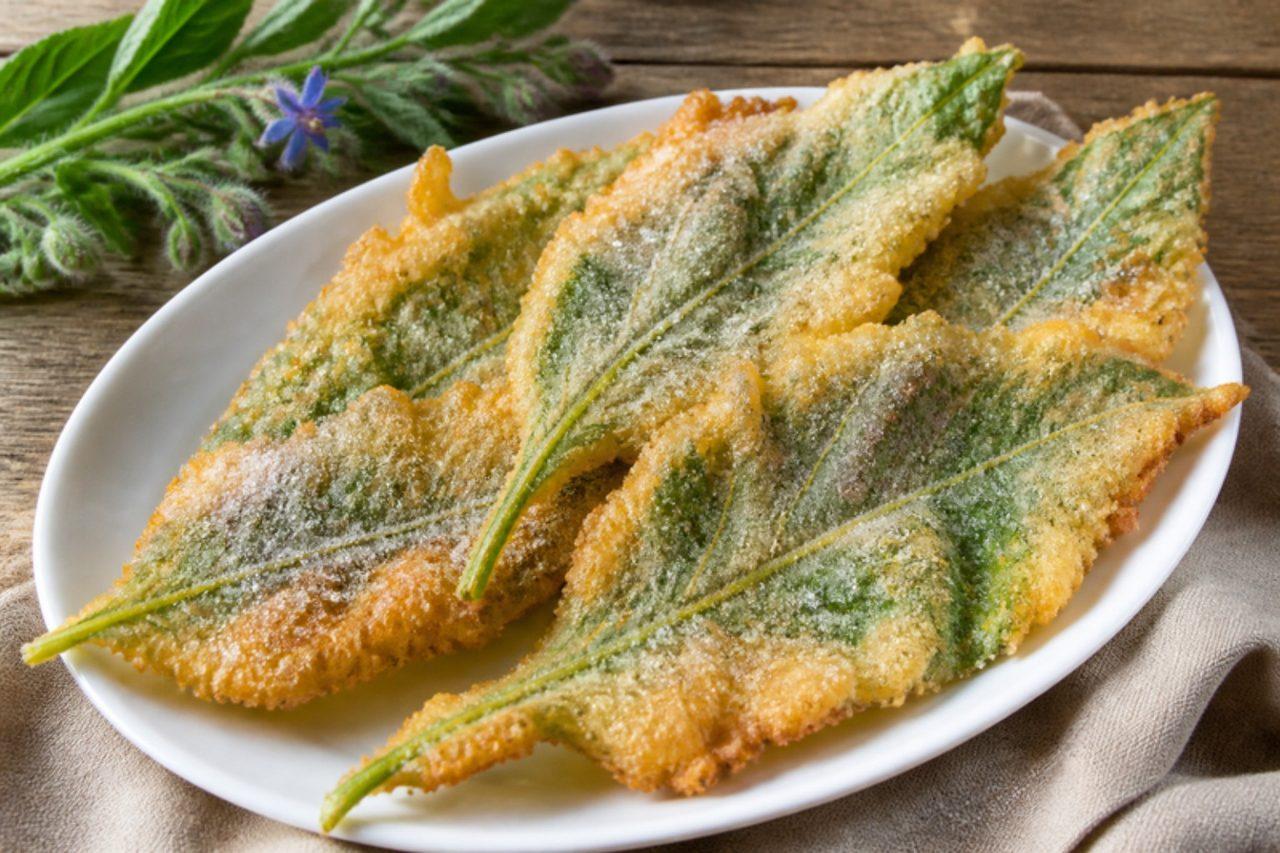
In the villages around Zaragoza and Huesca, the large, soft leaves of the borage plant become a sweet in spring: each leaf is dipped in a light batter, fried until it puffs and crackles, and dusted with sugar and cinnamon. Crespillos are made for Holy Week and for the Easter Monday picnics, and the leaf inside stays green and tender, with a fresh taste that cuts the richness of the frying. Some families add a splash of anise liqueur to the batter; this version leaves it out and uses lemon zest and a pinch of ground anise instead. A common mistake is using wet leaves, which make the oil spit and the batter slide off. Spinach or chard leaves work if borage isn't available. Chef's tip: hold each leaf by its stalk and let the extra batter drip off for a few seconds; a thin coat fries lacier and crisper.

by KrazyBadal 0 views

Guirlache

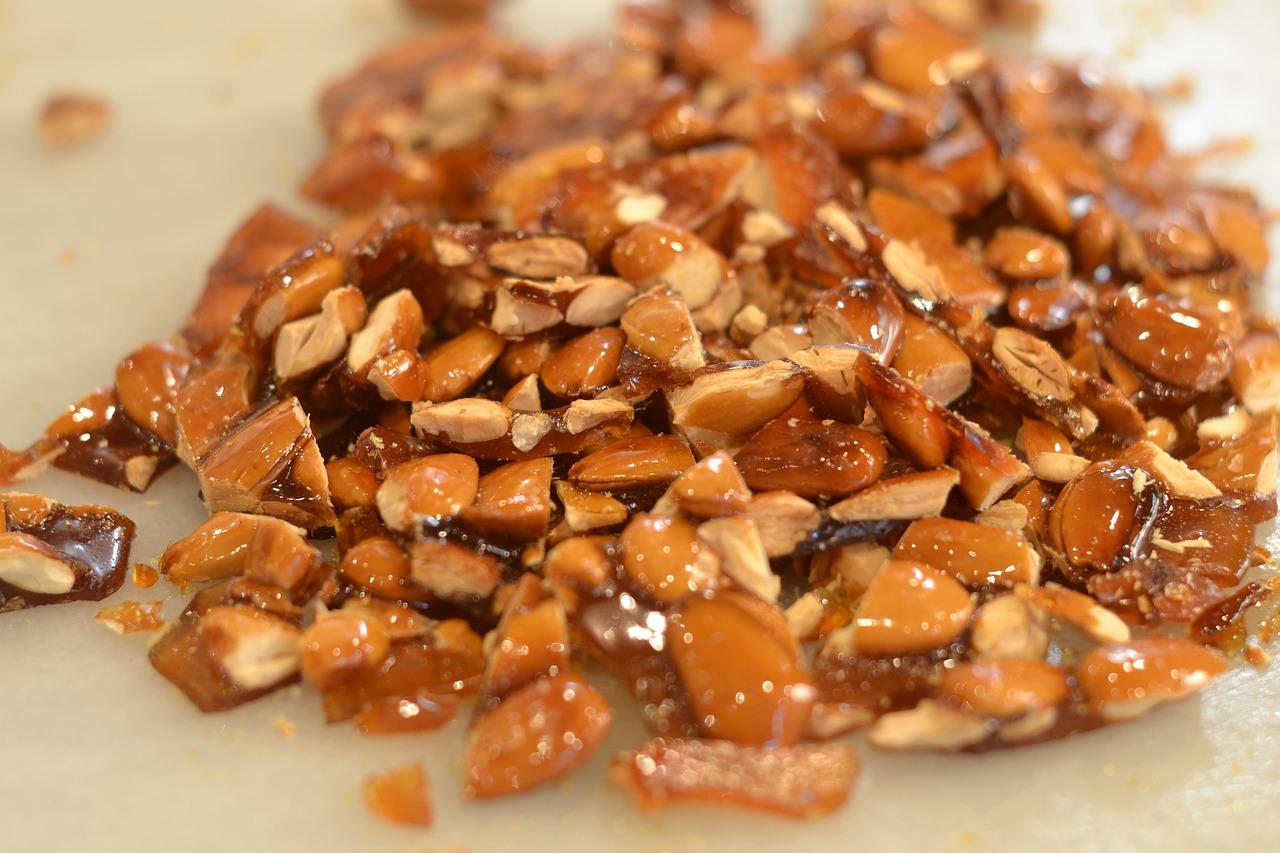
Every December, the old confectioners of Zaragoza stack trays of guirlache in their windows: snapped slabs of toasted almonds held in a dark, glassy caramel, sometimes speckled with tiny coloured sugar sprinkles on top. It is eaten after Christmas dinner alongside turrón and dried fruit, and it keeps for weeks in a tin. Made only from almonds, sugar and a few drops of lemon, it is vegan and gluten free. A common mistake is stirring the caramel while the sugar melts, which makes it crystallise into grainy lumps; swirl the pan instead. Chef's tip: warm the almonds in the oven before they go into the caramel; cold nuts make it seize and set before you can spread it.

by KrazyBadal 0 views

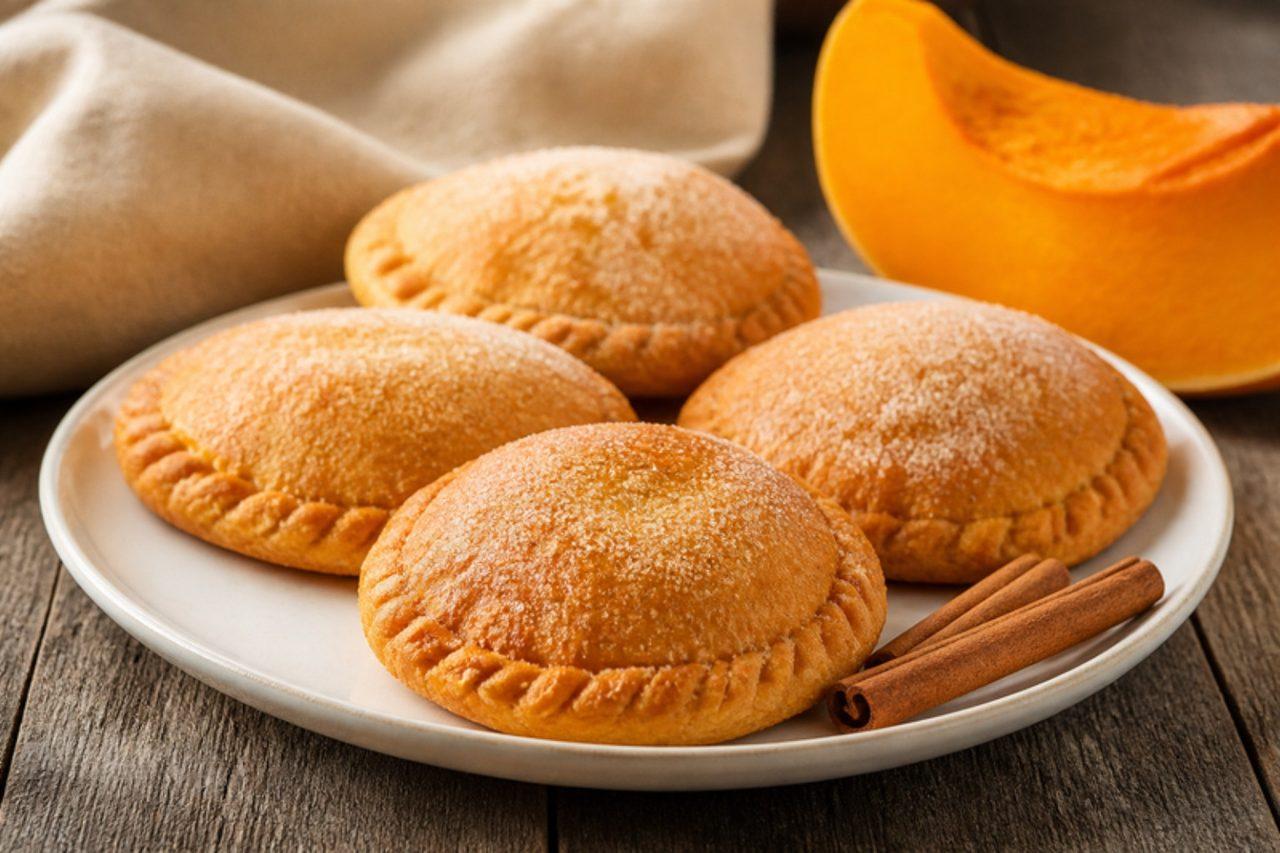
Tortas de alma

In the province of Teruel, especially around Calamocha and the Jiloca valley, tortas de alma are made at the end of autumn when the pumpkins come in: crisp, flaky olive-oil pastry folded over "alma", a sweet filling of pumpkin cooked down with sugar, almond and cinnamon. They are eaten with coffee at the village festivals and given away by the dozen at All Saints and Christmas. Recipes vary from house to house; this one keeps to the simple, widely made version. A common mistake is a runny filling, which leaks and burns on the tray; cook it until it is thick enough to hold a clean line. Chef's tip: make the filling a day ahead and chill it; cold alma is far easier to spoon onto the pastry.

by KrazyBadal 0 views

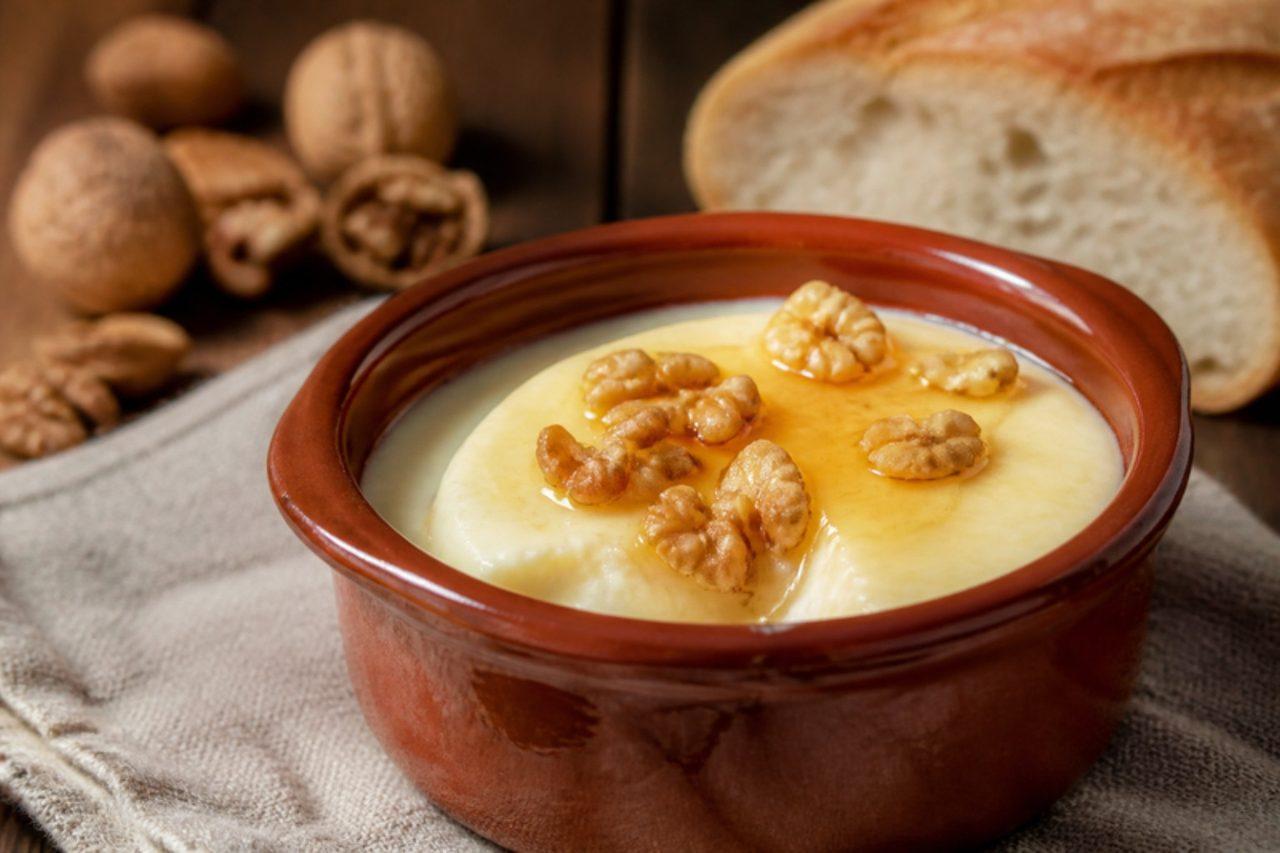
Cuajada

In the green valleys of northern Navarre, Ultzama and Roncal above all, sheep's milk is set into cuajada, a wobbly, faintly tangy junket that is eaten as dessert in village restaurants and sold in little clay pots at Pamplona's markets. Shepherds once warmed the milk by dropping a red-hot stone into a wooden pot, which is why some cuajadas taste lightly smoky. It is always eaten cold, with honey and walnuts. Most rennet is made from calves' stomachs; for a vegetarian cuajada use a microbial or vegetable rennet. Chef's tip: once the rennet is in, don't move the pots at all until they have set, or they turn grainy and weep.

by KrazyBadal 0 views

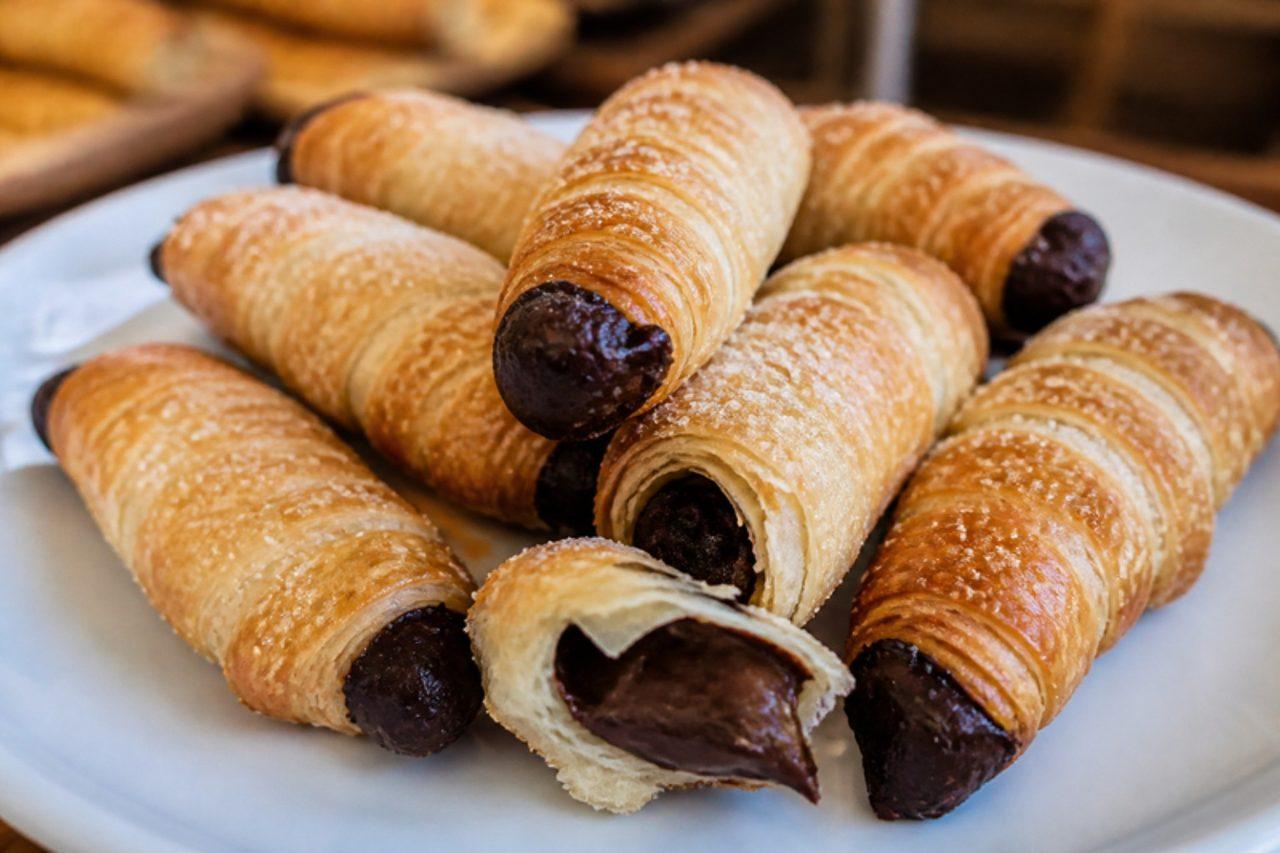
Garroticos de Tudela

Walk past any bakery in Tudela on a weekend morning and the window will be full of garroticos, puff pastry rolls with a bar of dark chocolate baked inside and a crackly sugar top. The name means little sticks, after their shape, and they are eaten warm with coffee or bought by the half-dozen for an afternoon snack. Some bakers add a line of pastry cream next to the chocolate; this home version keeps it simple. Chef's tip: work with the pastry straight from the fridge, because cold butter layers are what make the pastry puff into flaky leaves.

by KrazyBadal 0 views

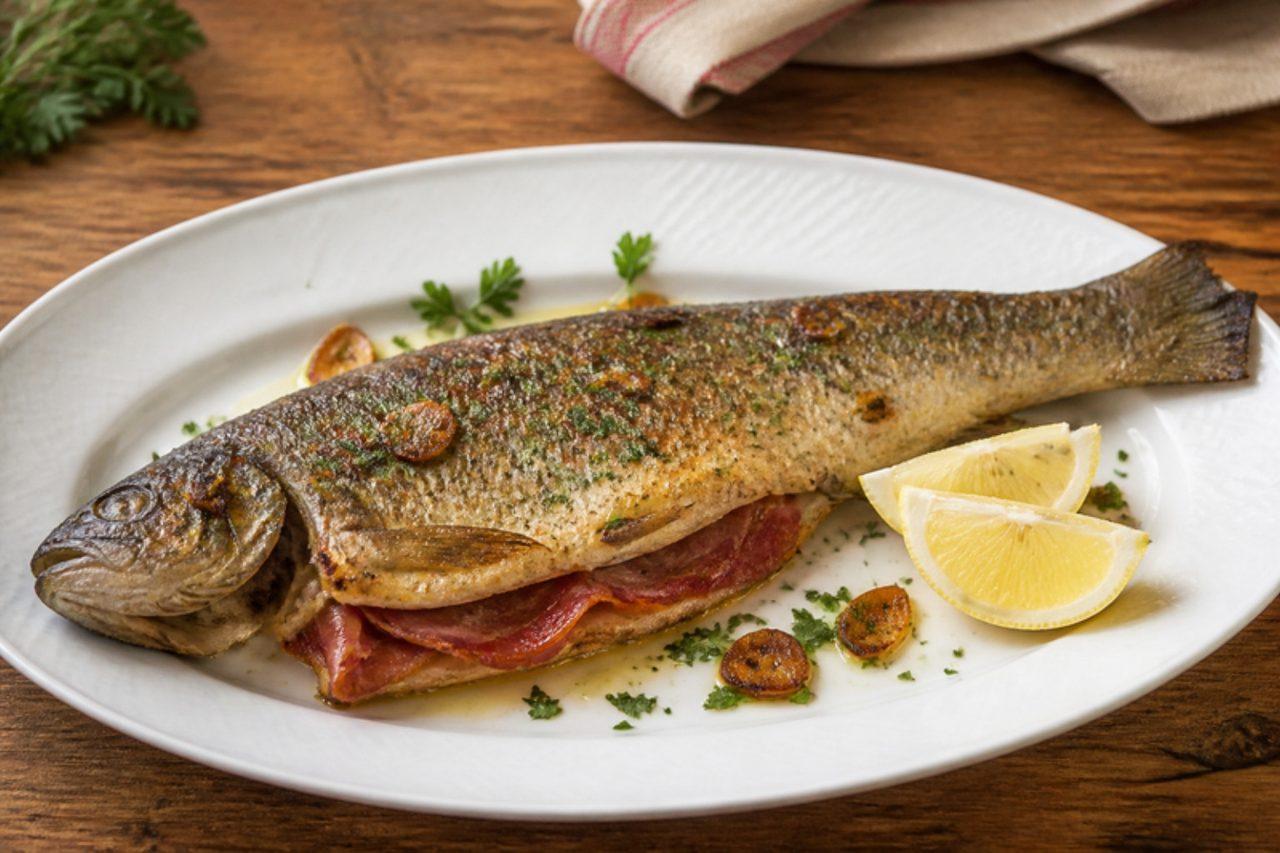
Trucha a la navarra

The trout streams of the Navarrese Pyrenees, the Irati above Burguete and the Bidasoa among them, gave this dish to the whole of Spain, and it is still the summer lunch in the mountain inns where anglers stay. The fish is opened, a slice of cured ham laid inside, then floured and fried in olive oil so the ham's salt seasons the flesh. This contains pork (serrano ham). Serve it with boiled potatoes or a green salad. Chef's tip: cook in two pans or two batches rather than crowding one, so the skin crisps instead of steaming.

by KrazyBadal 0 views

Showing 24 of 233 recipes

Show more recipes

Page 8 of 10

More Spanish ideas

Other by country