Skip to content

Recipes with millet flour

5 recipes that use millet flour, with photos, step-by-step instructions and cook times. The quickest, Tianjin guobacai, takes 50 minutes. It is most often cooked with coriander, instant dried yeast and sesame seeds.

Got a few things in the fridge? Search by everything you have

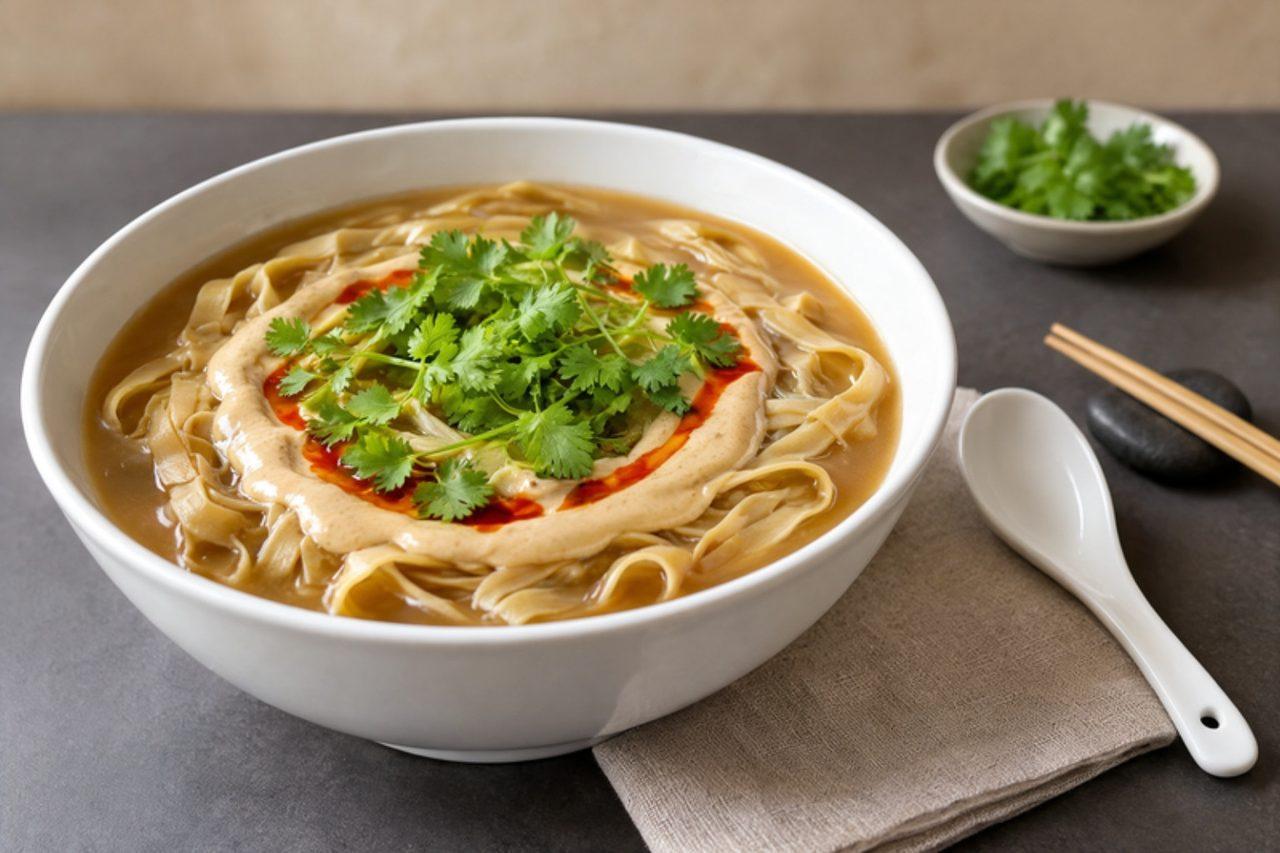
Tianjin guobacai

Guobacai is pure Tianjin: at breakfast stalls in the city, thin crêpes of mung bean and millet are cut into strips and drowned in a thick, glossy gravy scented with star anise, then dressed with sesame paste, fermented bean curd sauce, chilli oil and coriander. It is eaten with a spoon alongside a jianbing or a fried dough stick. The common mistake is a watery gravy; it should be thick enough to cling to the strips like a sauce. Chef's tip: dry the crêpes for an hour, or overnight, before cutting; slightly firm strips keep their bite in the hot gravy.

by KrazyBadal 0 views

Boza

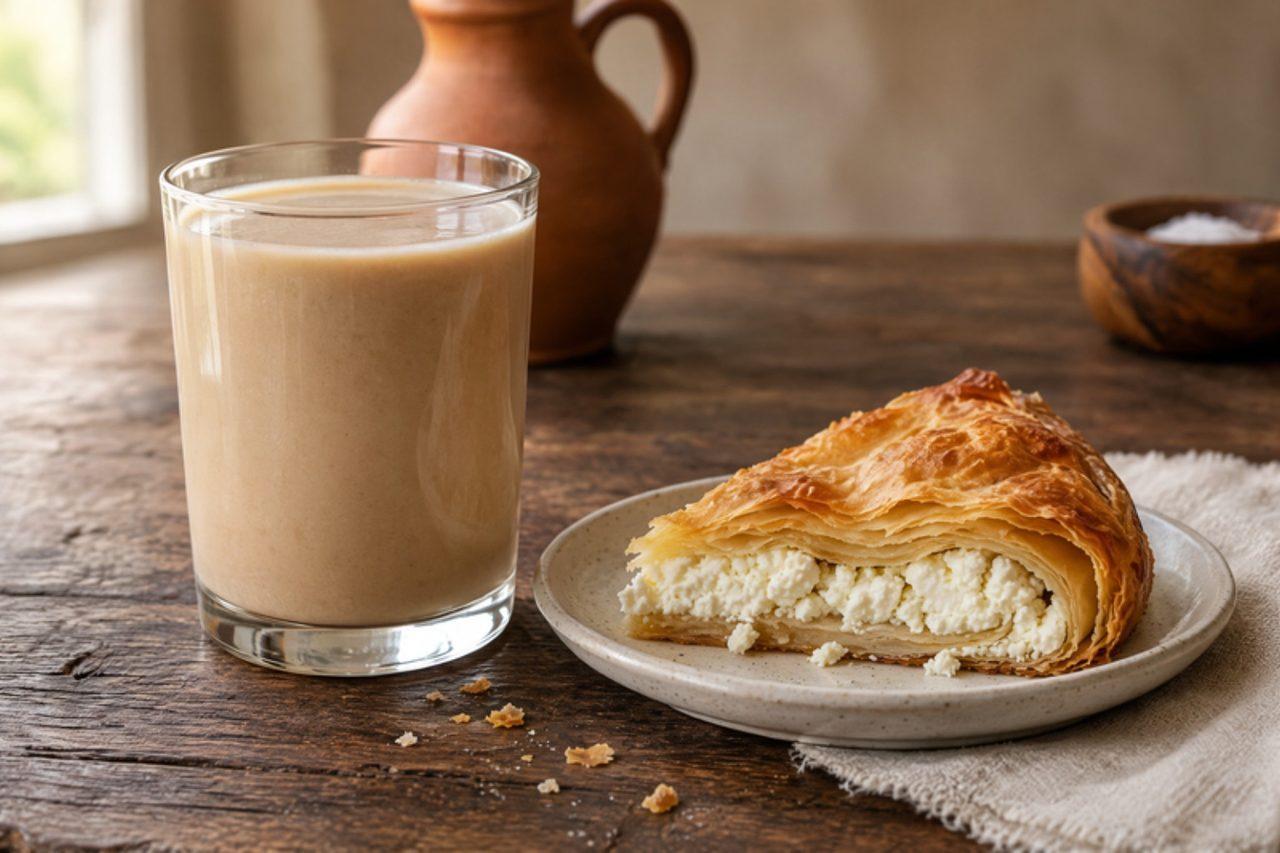
In Bulgaria boza is a breakfast habit: a plastic bottle of it from the corner pastry shop and a slice of hot, flaky banitsa, bought on the way to work or school, especially from autumn through to spring. Towns such as Radomir, Plovdiv and Sofia argue over whose is best. It is the colour of milky coffee, thick enough to coat the glass, sweet up front with a sour, bready finish and a faint prickle. Like every fermented grain drink it makes a trace of alcohol, well under 1% when drunk young. The base is millet flour, toasted for flavour, cooked into a thin porridge, then fermented for about a day before being strained and sweetened. The common mistake is adding the yeast while the porridge is still hot, which kills it and leaves you with sweet gruel; wait until it feels only just warm on your wrist. It is ready when the surface is covered in small bubbles, it smells like fresh bread with a sour edge and tastes pleasantly tangy. Chef's tip: keep back a glass of each batch in the fridge and use it instead of yeast next time; boza made from an old starter is rounder and more sour.

by KrazyBadal 0 views

Mkate wa mofa

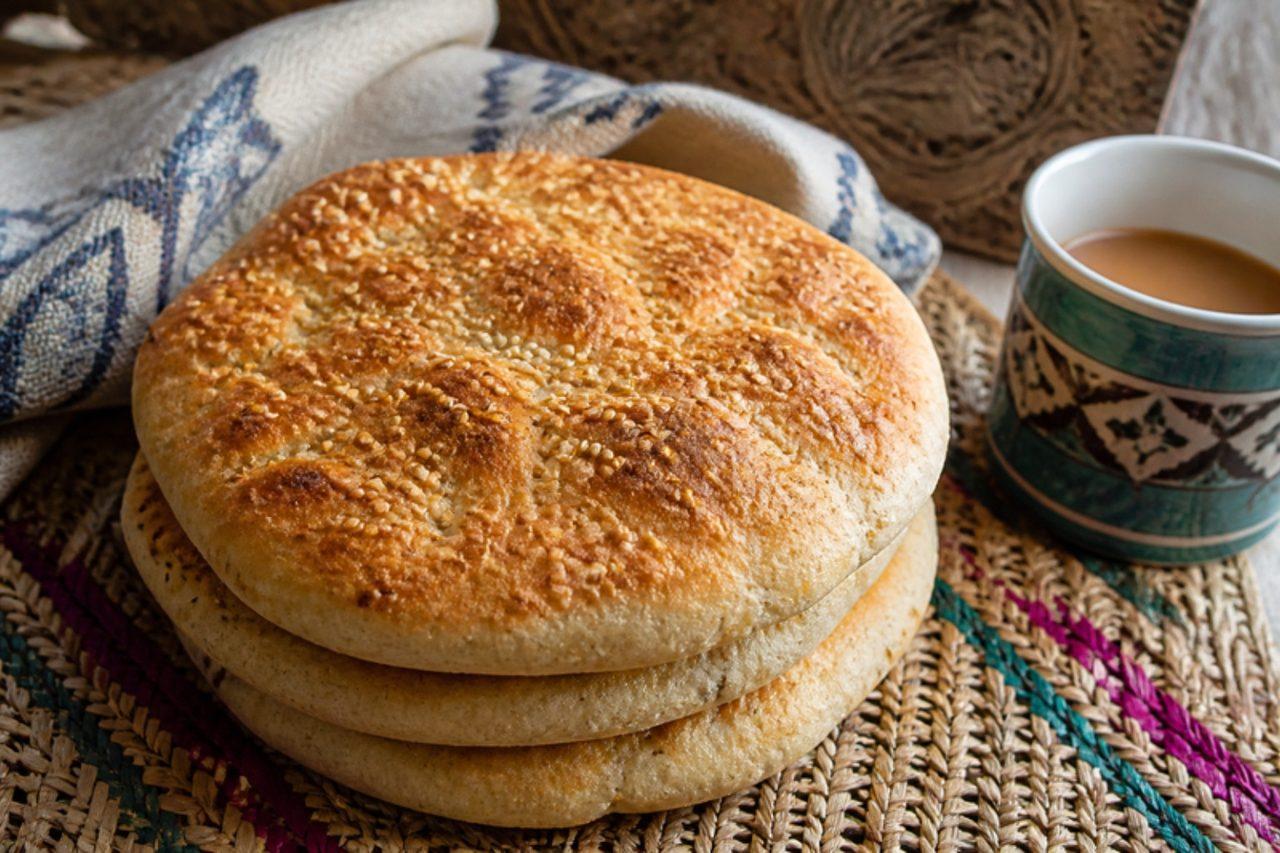
Before dawn in Lamu's narrow lanes, bakers slap rounds of mofa dough onto the hot walls of a clay oven, and by breakfast the breads are stacked in baskets beside glasses of spiced tea. The dough mixes millet and wheat flour with coconut milk, a little sugar and cardamom, then ferments overnight, so each bread comes out soft and slightly chewy with a tangy, nutty taste and a blistered top. Islanders eat them with tea, with fried fish, or split and dipped in a bean or coconut sauce. Without a clay oven, a heavy pan on the hob plus a hot grill gives the same blistering; just don't roll the dough thin like chapati, a common slip, because mofa should be about 1 cm thick and pressed out by hand. Chef's tip: wet your palms before shaping, as islanders do; the dough is soft and the water stops it sticking.

by KrazyBadal 0 views

Burabisko (Borno millet couscous)

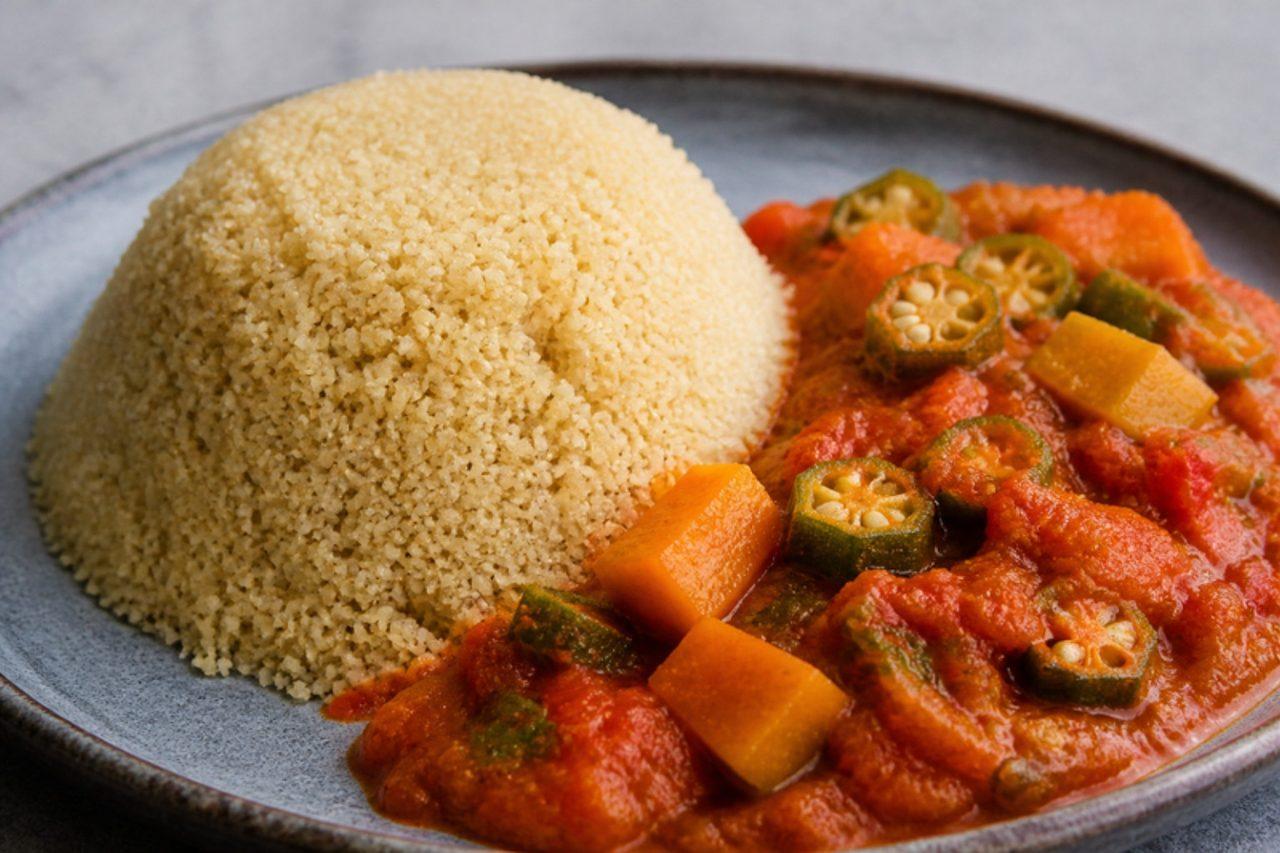
Kanuri cooks in Maiduguri and across Borno make burabisko by rubbing millet flour with water into tiny grains and steaming them twice, much like the couscous of the Sahara, to which it is related. The grains turn fluffy and slightly nutty, and they are heaped beside a tomato and pepper sauce for Sallah, weddings and Friday lunch. The sauce usually holds lamb or beef; this meat-free version uses carrots, green beans and potato, as is common on ordinary days. Too much water at the rubbing stage turns the flour into a paste instead of grains, so sprinkle and rub, never pour. Chef's tip: short of time, steam 300 g wheat couscous over the sauce instead (it will no longer be gluten free).

by KrazyBadal 0 views

Methi-millet rotla

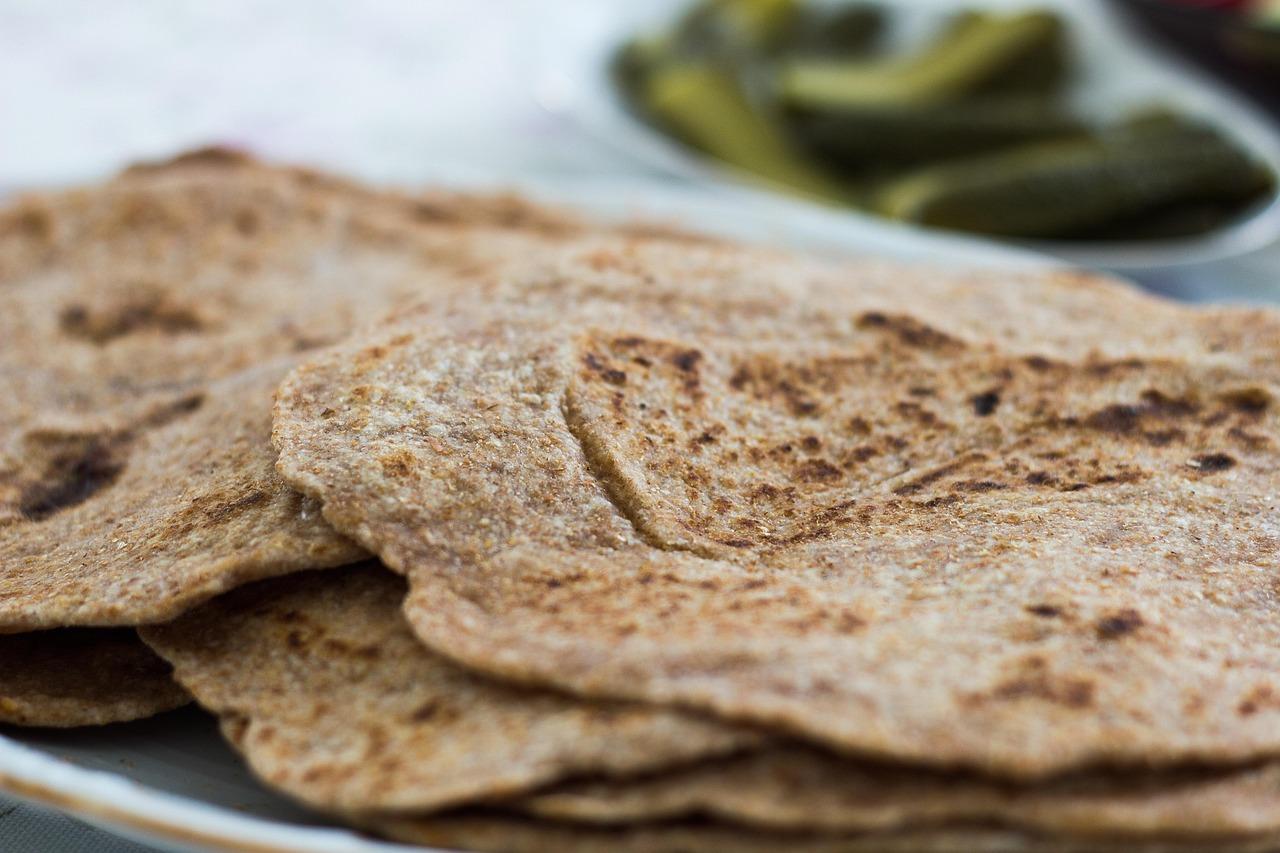
Rotlas are hearty Gujarati flatbreads made with millet (bajra) flour. These are packed with fresh fenugreek and coriander, sesame seeds, ajwain and chilli, bound with yogurt and shallow fried. Serve with green chutney and fresh yogurt.

by KrazyBadal 0 views

Goes well with millet flour