Skip to content

Recipes with salted cherry blossoms

3 recipes that use salted cherry blossoms, with photos, step-by-step instructions and cook times. The quickest, Sakurayu (salted cherry blossom tea), takes 5 minutes. It is most often cooked with black, caster sugar and dōmyōji-ko.

Got a few things in the fridge? Search by everything you have

Sakurayu (salted cherry blossom tea)

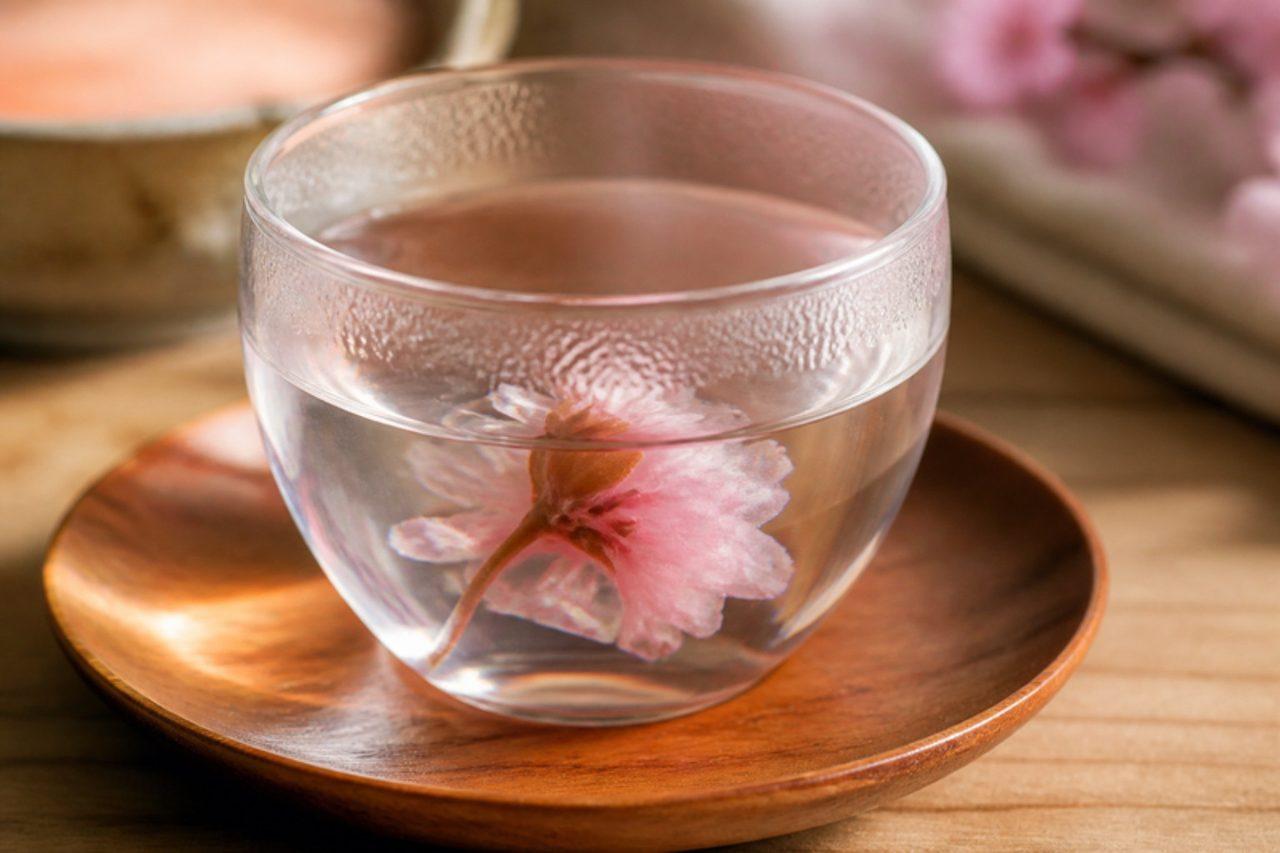
Sakurayu is not really tea at all but salt-pickled cherry blossoms steeped in hot water, and it is served all over Japan at engagements, weddings and other happy occasions, as well as in the hanami season. Green tea is avoided at such moments because "muddying the tea" is a phrase for being evasive, while a blossom opening in a clear cup is a picture of a bright beginning. The drink is pale pink, gently salty and faintly scented of cherry and almond. The blossoms are bought ready-salted (sakura no shiozuke) from Japanese grocers. Serve it with small sweets such as sakura mochi or hanami dango. Chef's tip: use water just off the boil and pour it slowly down the side of the cup, so the petals open without tearing.

by KrazyBadal 0 views

Anpan

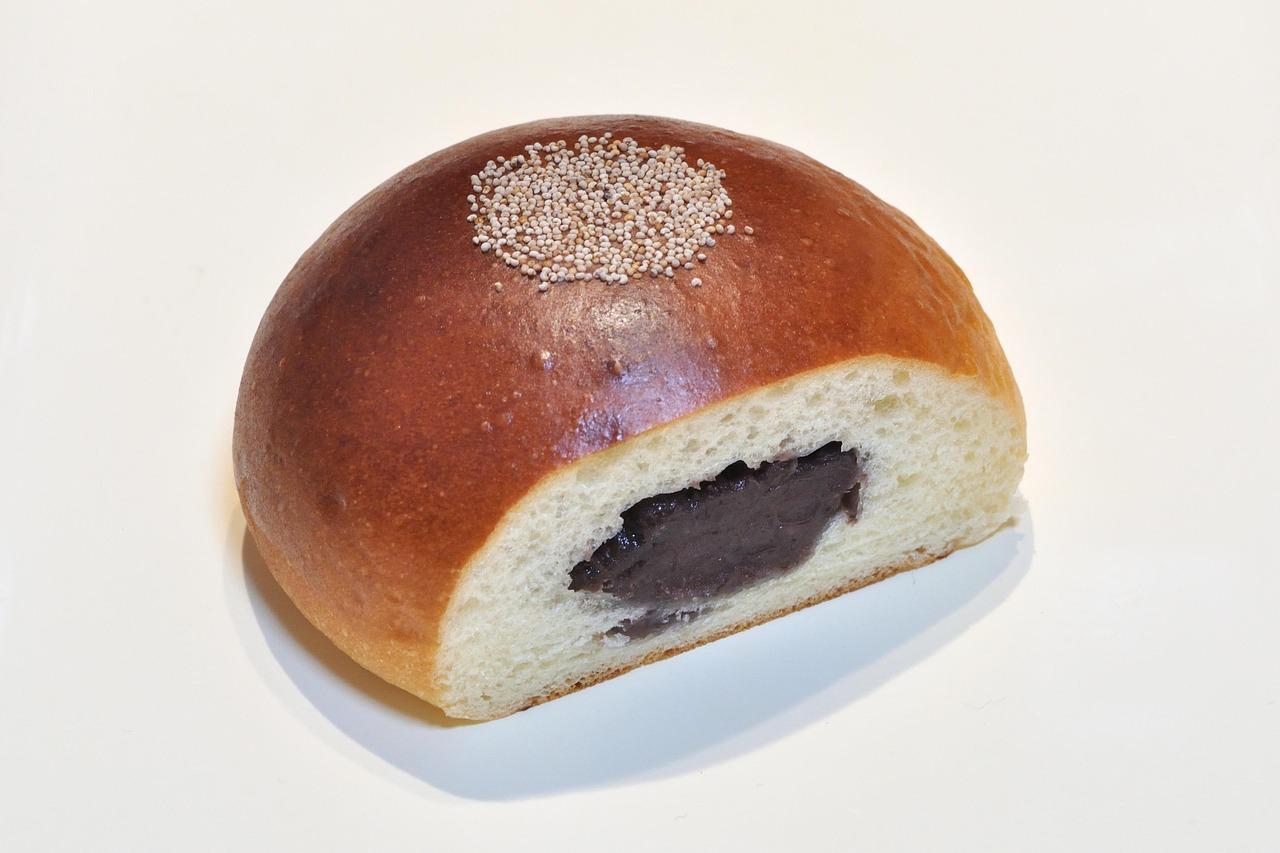
Tokyo's Ginza district gave Japan its first sweet bun in 1874, when a bakery there wrapped Western-style bread dough around azuki bean paste, the filling of traditional wagashi; a version topped with a salted cherry blossom was presented to the Emperor Meiji the following year. Anpan (あんパン) is still sold in every Japanese bakery and convenience store, eaten with green tea or milk as an afternoon snack and packed in school bags. The bread is soft, faintly sweet and shiny brown, wrapped round a thick layer of smooth, earthy-sweet red bean paste, with sesame seeds or a pink blossom pressed into a dimple on top. A paste that is too soft is the usual cause of trouble: it oozes out of the seam and leaves a hollow bun, so use a stiff koshian you can roll into balls. Chef's tip: roll the filling into balls and freeze them for 15 minutes before wrapping; firm balls are far easier to enclose neatly and keep the dough an even thickness all round.

by KrazyBadal 0 views

Sakura mochiCherry leaf rice cakes

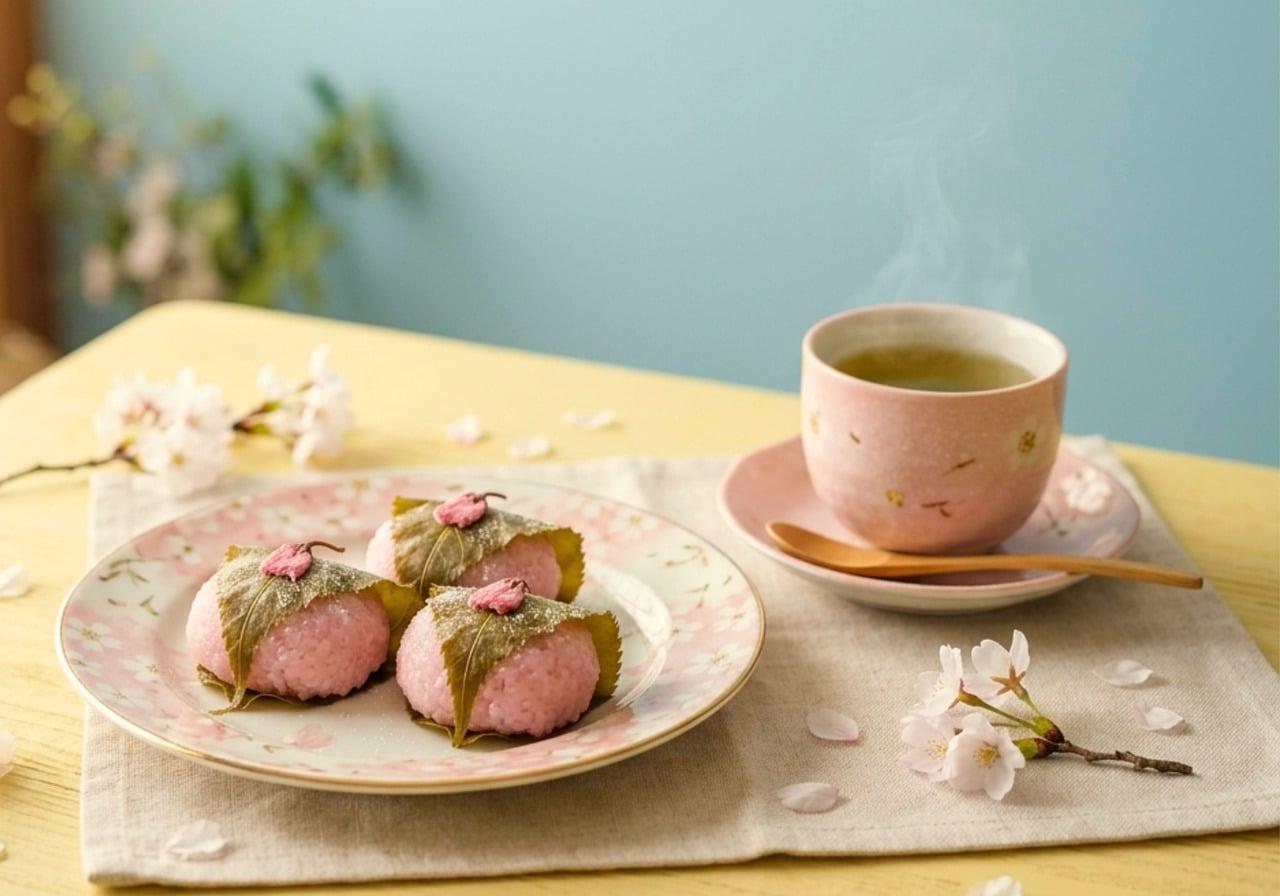
When the cherry trees bloom in late March, every wagashi shop in Japan fills its window with sakura mochi. In the Kansai region around Osaka and Kyoto they are made from coarse dōmyōji-ko, steamed and crushed glutinous rice, tinted soft pink and wrapped around bean paste, then tucked into a salted cherry leaf that perfumes it with an almond-like, floral scent; Tokyo's version is a thin pink crêpe instead. Mochi is very sticky: cut it into small pieces for young children and older people, and make sure they chew well and eat sitting down. The common mistake is not soaking the salted leaves, so the mochi tastes too salty; rinse and soak them for 15 minutes. Chef's tip: the leaf is edible, and eating it with the mochi gives the sweet-salty balance the dish is famous for.

by KrazyBadal 0 views

Goes well with salted cherry blossoms