Skip to content

Recipes with long-grain rice

73 recipes that use long-grain rice, with photos, step-by-step instructions and cook times. The quickest, Korv Stroganoff, takes 25 minutes. It is most often cooked with onion, garlic and carrot.

Run out of long-grain rice? Any long-grain rice, same amount.

Got a few things in the fridge? Search by everything you have

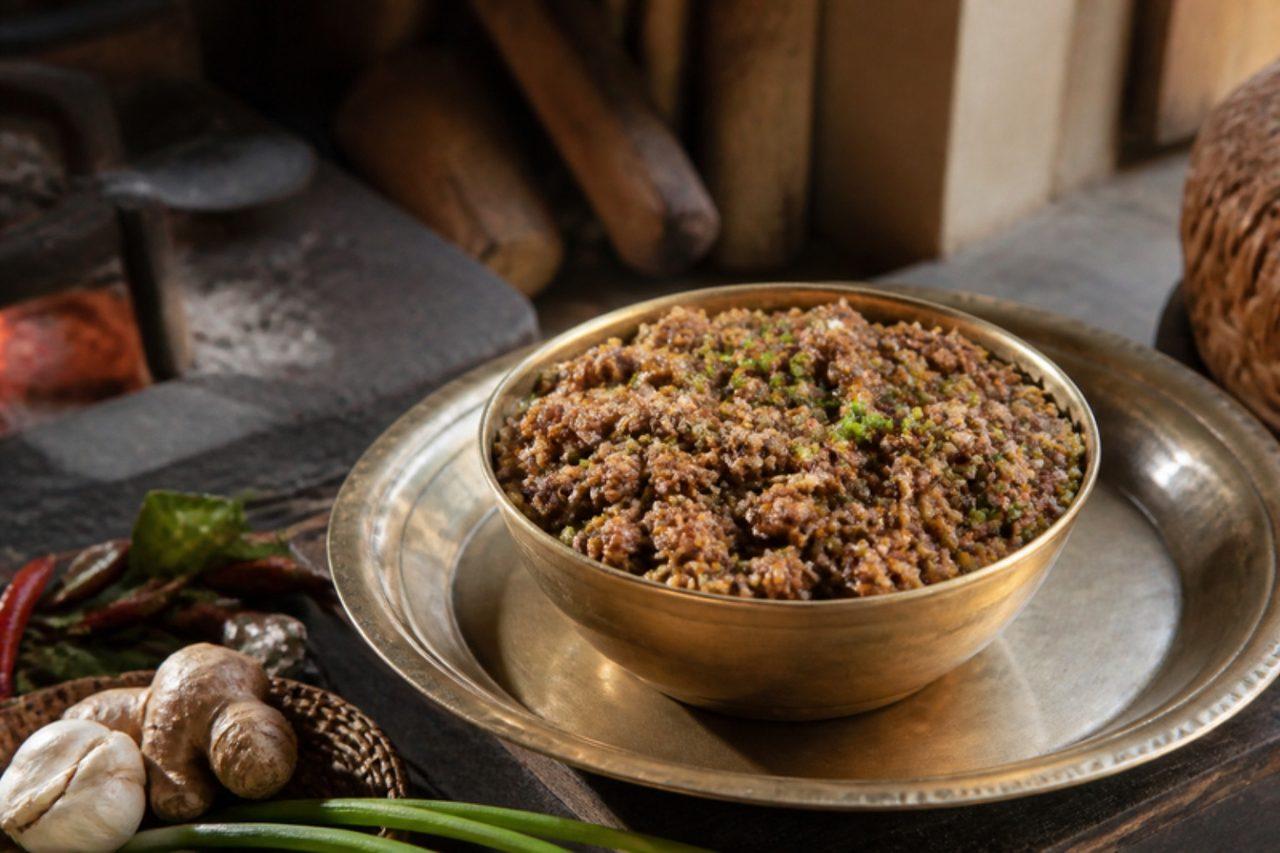
WachipaChicken and toasted rice

Among the Rai people of Khotang, Bhojpur and the eastern hills, wachipa is a dish of honour, cooked at Sakela and other festivals and for a returning family member: rice cooked together with finely chopped chicken, bones and all, and darkened with the ash of the bird's own feathers, which have been singed and ground. The ash gives a grey-black colour and a smoky, bitter edge that Rai elders say is the soul of the dish. Feather ash is not something we can recommend at home: shop-bought birds come without feathers, and burnt feathers are hard to make clean, gritty and not food-safe. This version gets a close smoky, toasty bitterness from rice that is dry-roasted until dark brown and ground, plus charred chicken skin. A common mistake is making it too wet; wachipa should be a sticky, moist rice, not a porridge. Chef's tip: chop the chicken by hand rather than buying mince, for the authentic coarse, chewy texture.

by KrazyBadal 0 views

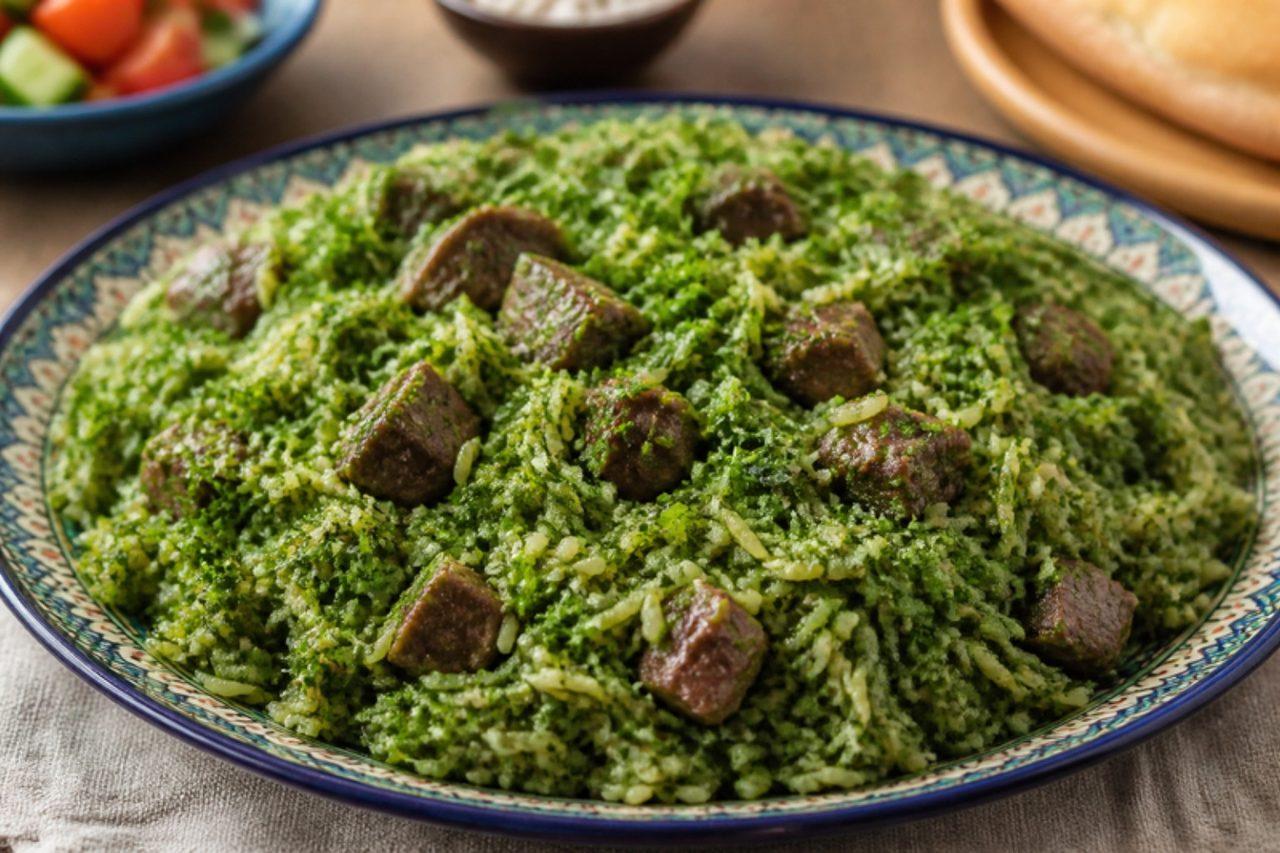
BakhshGreen rice with beef and liver

Bakhsh is the Shabbat and holiday rice of the Bukharan Jews, who lived in Bukhara and Samarkand for centuries before most emigrated to Israel and New York: rice mixed with small cubes of beef and liver and so much chopped coriander that it turns deep green, then cooked slowly in a cloth bag inside a pot of broth (bakhsh khalta) or in a pot sealed on the stove. It is fragrant, rich and moist. This version uses beef and calves' liver and the pot method. A common mistake is chopping the coriander roughly; it should be very fine so the rice turns evenly green. Chef's tip: cut the meat into rice-grain-sized pieces so it cooks in the same time as the rice. The liver and meat should be cooked through, 71 °C.

by KrazyBadal 0 views

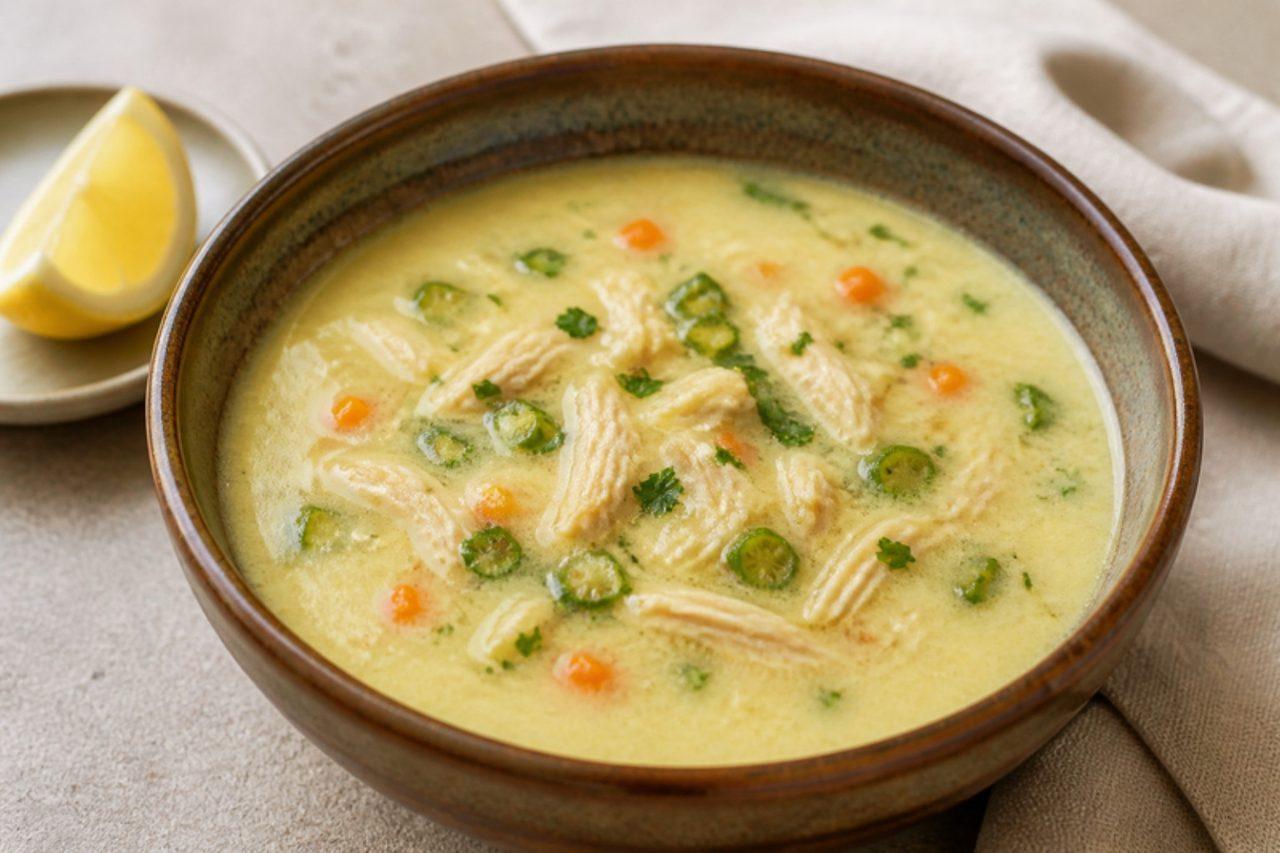
Begova čorbaChicken and okra soup

Fit for an Ottoman bey, this velvety soup is the opening course of special dinners in Sarajevo and across Bosnia and Herzegovina, ladled out at weddings, Bajram tables and in the old aščinice, the canteens of the Baščaršija bazaar. Chicken simmers with carrot, celeriac and parsley root, and small okra pods go in to give a gentle, silky body; at the end, egg yolks and sour cream turn it creamy and pale gold, with a sharp lift from lemon. A common mistake is pouring the yolks straight into boiling soup, where they scramble: warm them with a little broth first. Chef's tip: dried okra, if you can find it in a Turkish shop, is traditional and less slimy; soak it in water with a splash of vinegar.

by KrazyBadal 0 views

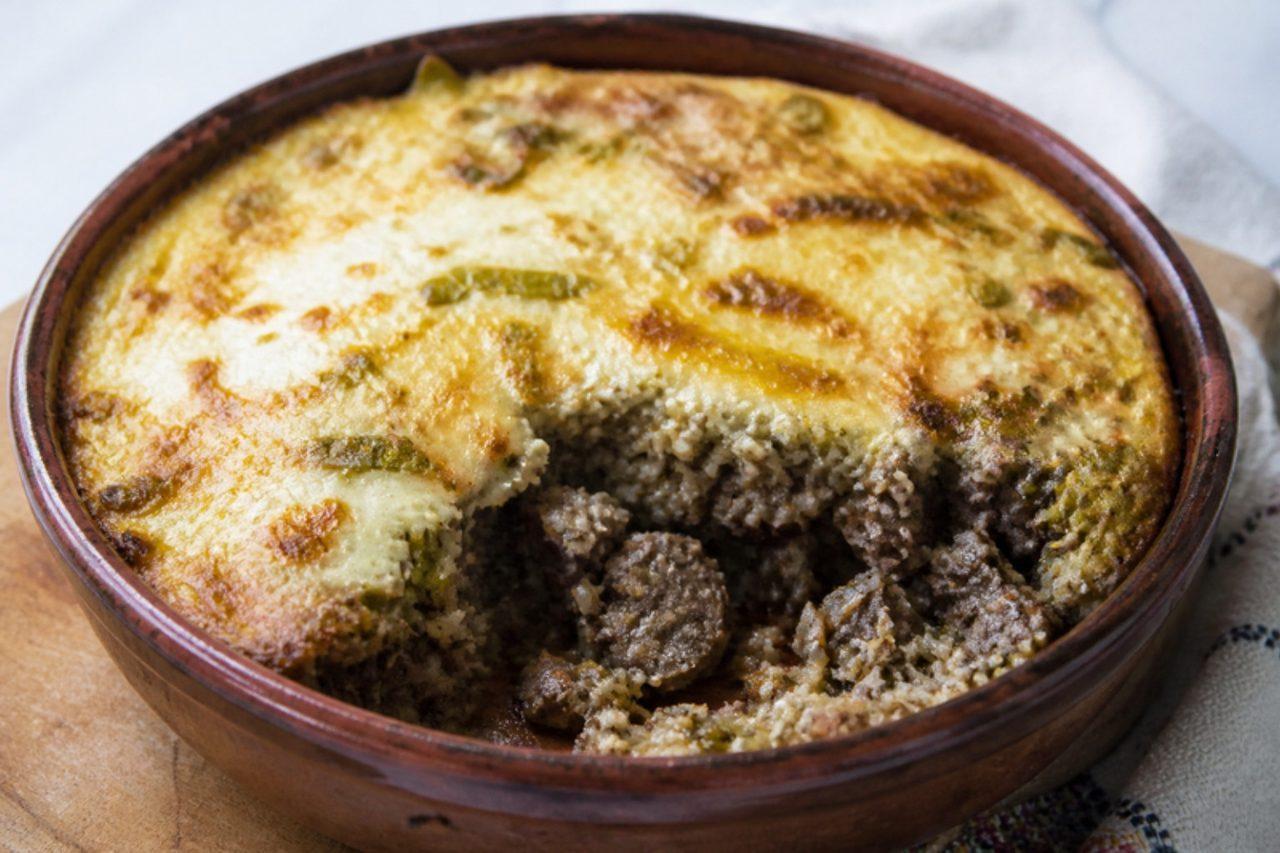
Drob sarmaBaked lamb liver and rice

Gergyovden, St George's Day on 6 May, is the great shepherds' feast in Bulgaria, when families roast spring lamb and make sure nothing goes to waste: the liver and heart go into drob sarma, baked alongside the roast and often eaten first. The offal is blanched, chopped small and fried with plenty of spring onion, then baked with rice in stock with dried mint and paprika until the grains are plump; a topping of yogurt beaten with eggs sets into a soft, golden, faintly tangy custard. Serve hot with a lettuce and radish salad. Liver is very high in vitamin A, so pregnant women are usually advised to avoid it. Where most people go wrong is over-frying the liver, which turns it grainy; it only needs to lose its pink before it goes into the oven to finish cooking. Chef's tip: beat thick, full-fat yogurt with the eggs until completely smooth, so the topping puffs evenly.

by KrazyBadal 0 views

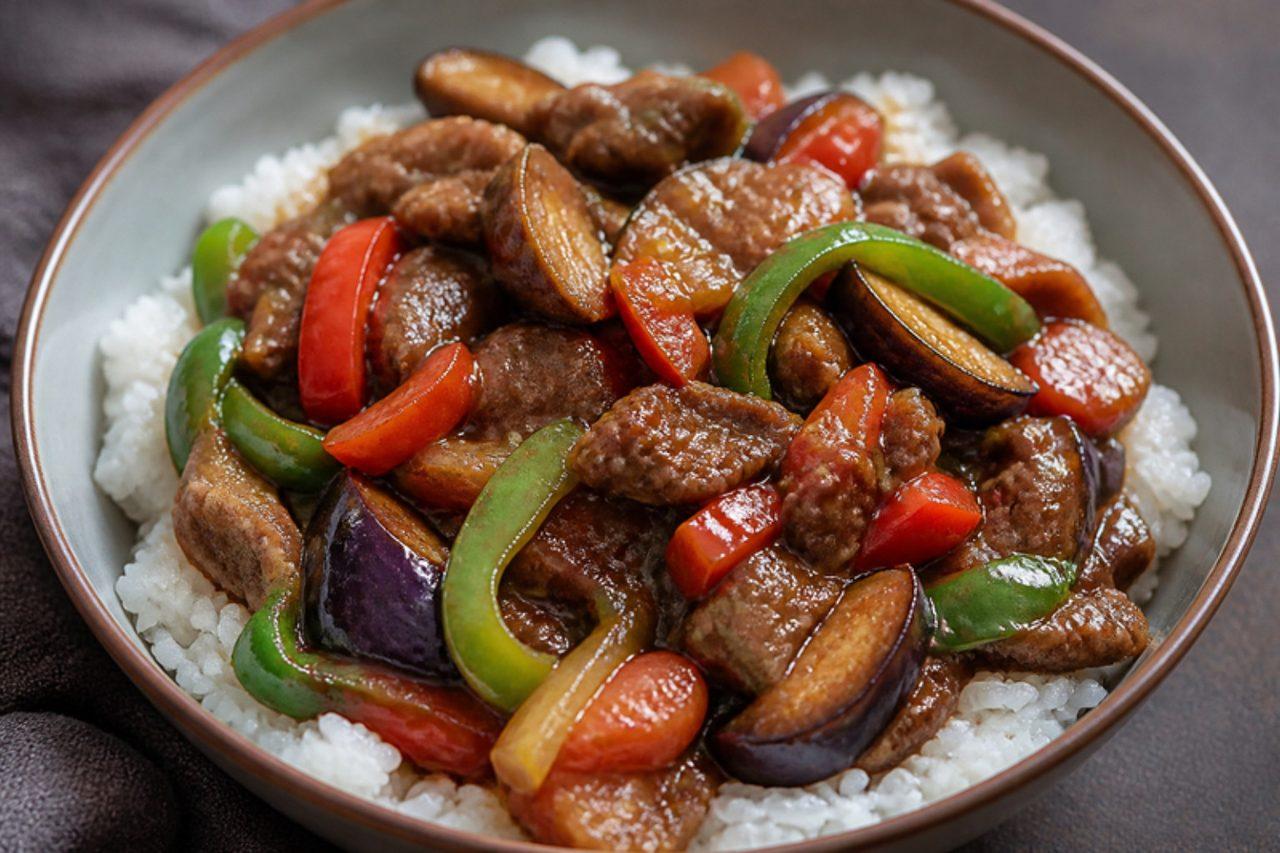
GanfanRice with stir-fried beef and peppers

Ganfan is a dish of the Dungan people, Chinese Muslim communities who settled in Kyrgyzstan and Kazakhstan in the 1870s, and it is ordered in every Dungan café in Bishkek and Karakol: a plate of plain rice with a ladle of stew on top, made by stir-frying thin strips of beef or lamb with peppers, aubergine, celery, tomato and garlic, seasoned with soy sauce and vinegar. A common mistake is crowding the wok, which makes the meat grey and watery. Chef's tip: cut the beef into thin strips against the grain and stir-fry it first in small batches over a fierce heat, then return it at the end. No pork is used in Dungan cooking. Beef strips are done when no pink remains.

by KrazyBadal 0 views

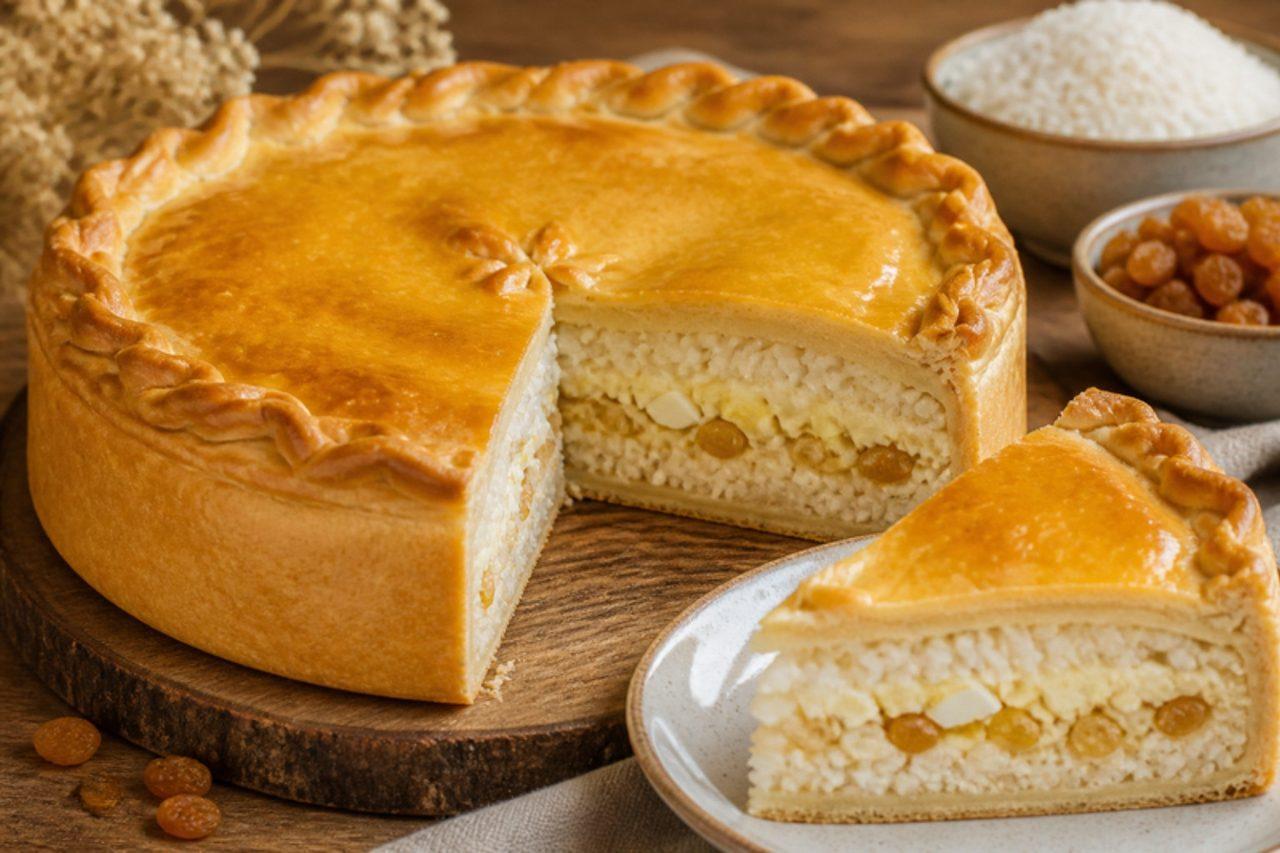
GubadiaLayered rice and curd pie

Weddings, Eid and the arrival of honoured guests in Tatarstan call for gubadia, a high round pie that is cut at the table like a cake and served with tea. Inside sit neat layers of buttery rice, kort – Tatar curd cooked down until rosy and fudge-sweet – raisins and chopped hard-boiled egg, under a domed lid of soft yeast dough. Many families add a layer of minced meat with onion; this is the meat-free version, as many sweet tea-table gubadias are. Kort is hard to buy outside the region, so you make it here from tvorog (check the label if you need it rennet-free). Where most people go wrong is a dry pie: every layer needs its share of melted butter. Chef's tip: let the baked pie stand for twenty minutes before cutting so the layers settle and come away in clean wedges.

by KrazyBadal 0 views

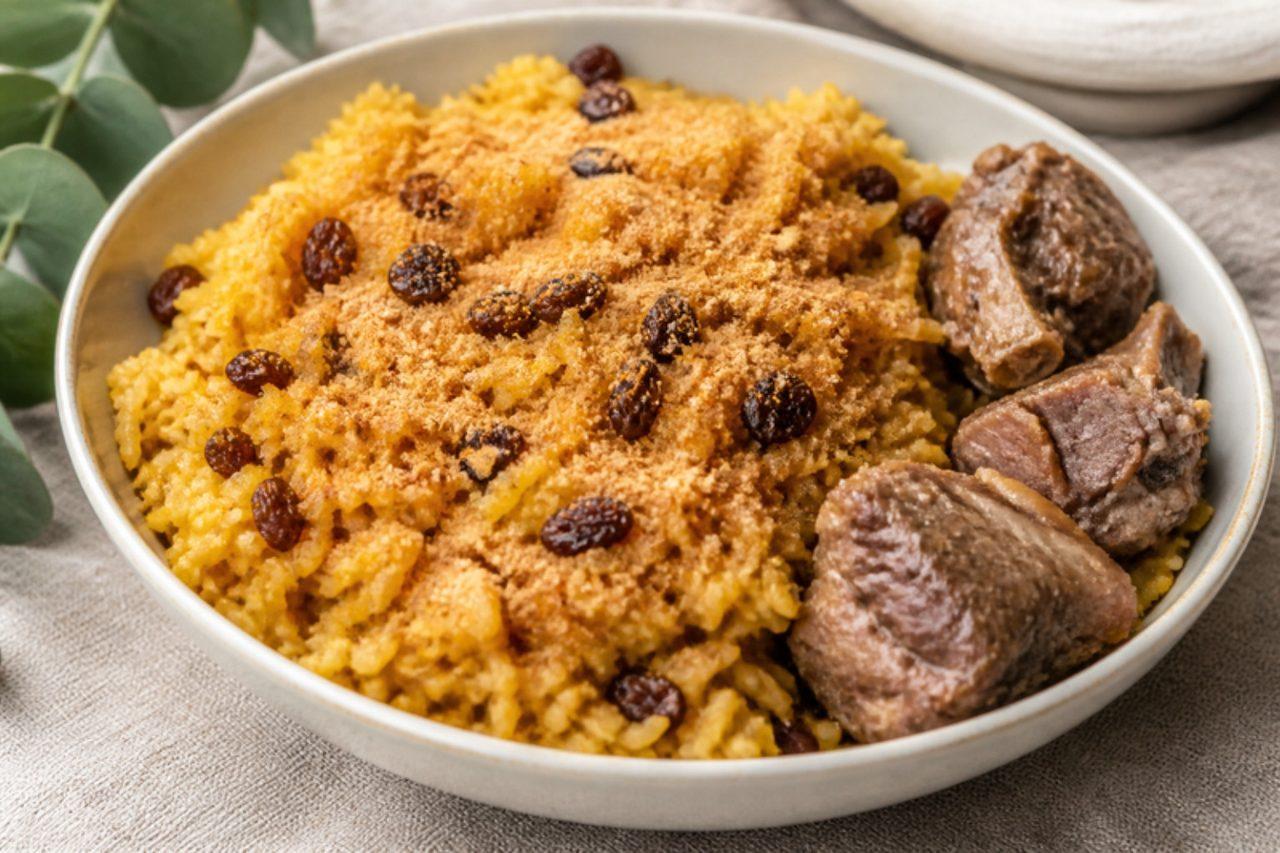
KabuniFestive rice with raisins and cinnamon

Kabuni is one of the oldest dishes of Albania, served in Tirana and the central lowlands at Bajram, weddings and wakes: rice fried in butter, cooked in a savoury lamb broth, then sweetened with sugar and studded with raisins and cinnamon. The result is buttery, gently sweet and fragrant, a sweet course with a savoury soul, eaten warm in small bowls. Because it is cooked in lamb stock it is not vegetarian. Where most people go wrong is skipping the frying of the rice; it is the toasting in butter that gives kabuni its nutty taste. Chef's tip: soak the raisins in hot water while the rice cooks so they swell and stay juicy.

by KrazyBadal 0 views

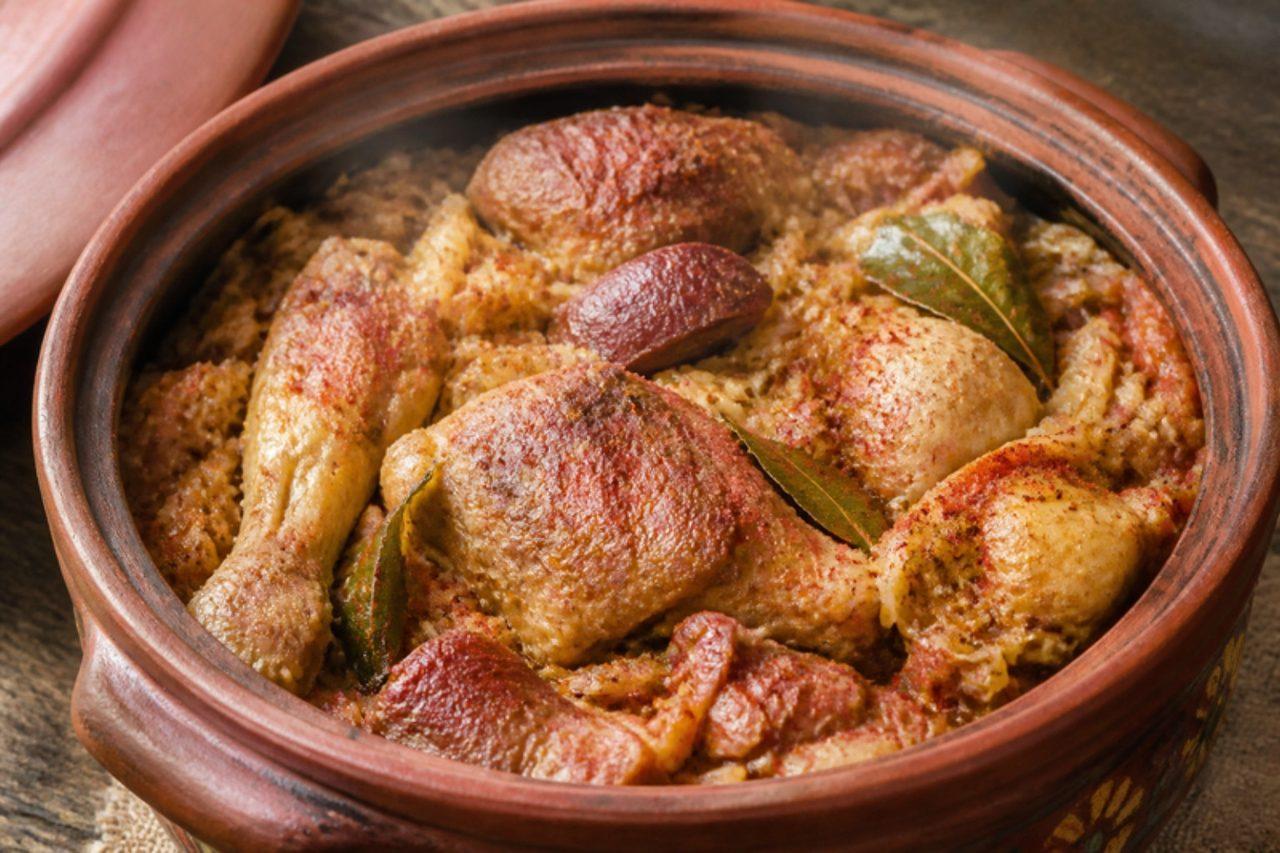
KapamaPork, chicken and sauerkraut feast pot

In the stone houses of Bansko, beneath the Pirin mountains, kapama is the dish of the winter holidays, carried to the table in its clay pot at Christmas, New Year and the masked Kukeri carnival. Pork shoulder, chicken on the bone and fresh pork sausage are layered with sauerkraut, rice and paprika, then sealed and baked for hours until the meat falls apart and the rice has soaked up the tangy, smoky juices. Old cooks seal the lid with a rope of dough; this version uses foil under a tight lid, which keeps it gluten free. Serve with extra sauerkraut and pickled peppers. The usual slip is lifting the lid too often, which lets out the steam and dries the top layer. Chef's tip: taste a strand of the sauerkraut first and rinse it only if it is very salty; its sourness is the backbone of the dish.

by KrazyBadal 0 views

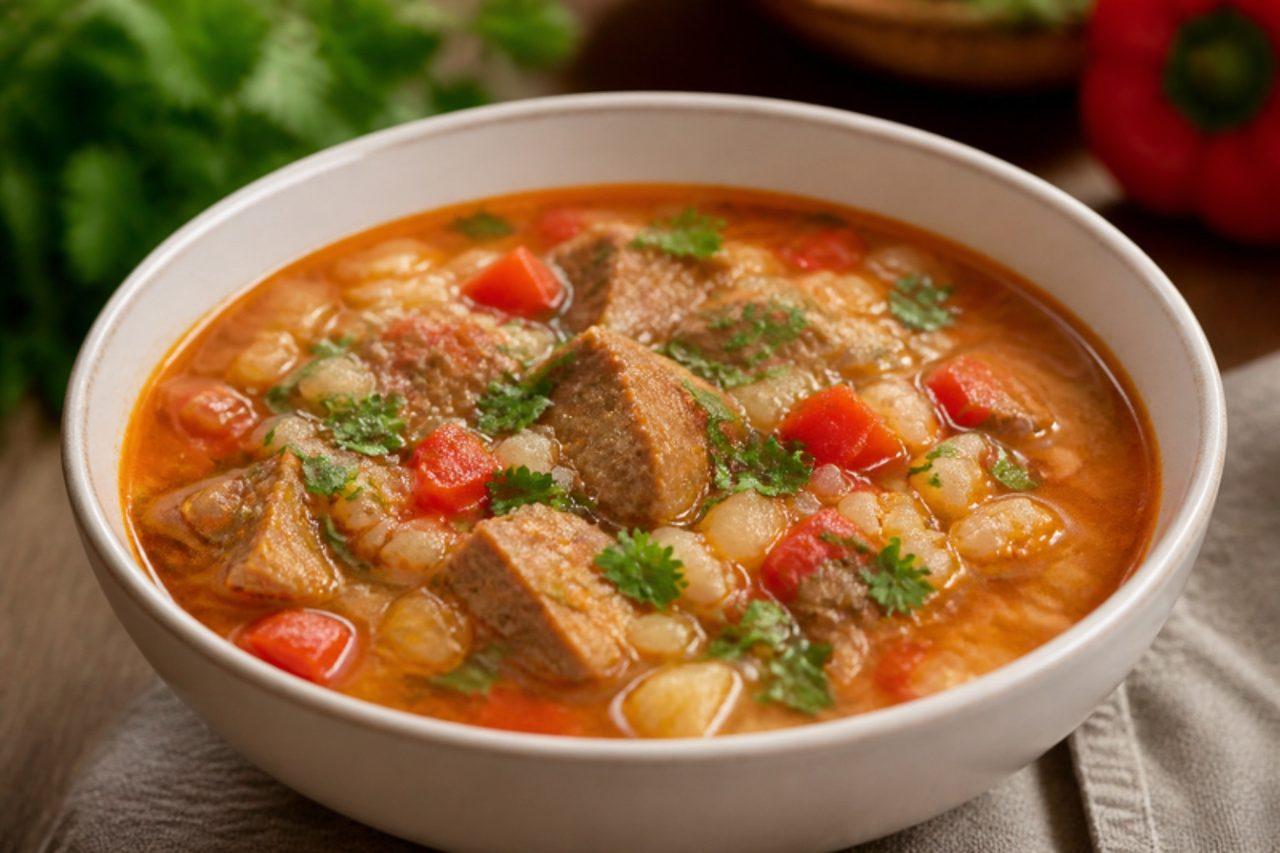
Kurban chorbaLamb and rice feast soup

On saints' days such as St George's in May or St Dimitar's in October, Bulgarian villages set big cauldrons over fires in the churchyard or square, and the kurban, the shared offering, is ladled out as a rich lamb soup to everyone who comes, neighbours and strangers alike. Lamb on the bone simmers gently with onion until tender, then the meat is pulled into pieces and returned to the broth with rice, carrot, red pepper, tomato, paprika, dried mint and plenty of parsley. It tastes deep, meaty and herby, sharpened with a squeeze of lemon, and bread on the side is traditional. The usual slip is skipping the skimming at the start; grey foam left in the pot muddies the broth. Chef's tip: rub the mint and savory between your palms over the pot in the last five minutes, so the herbs stay bright.

by KrazyBadal 0 views

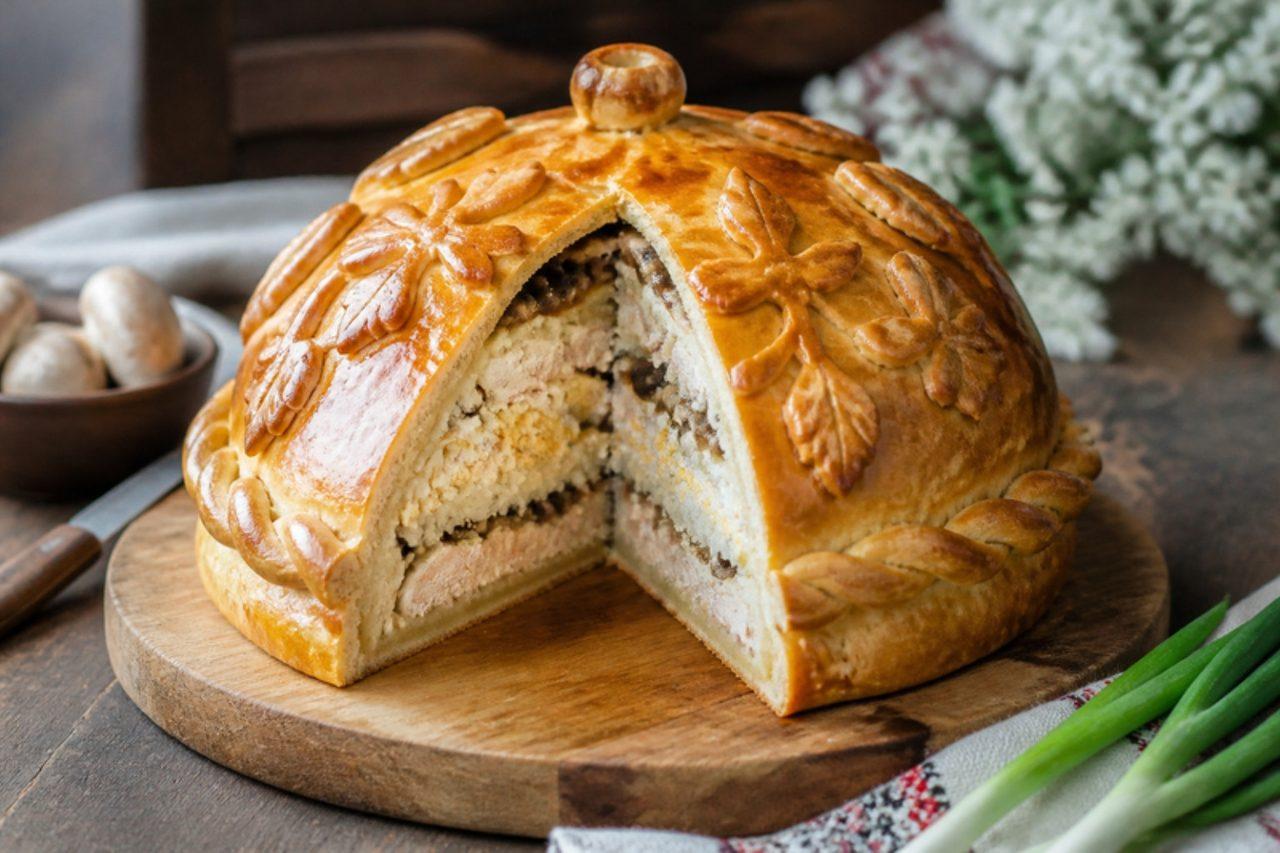
KurnikChicken and rice pancake pie

Cossack weddings along the Don and Kuban were not complete without kurnik, the tall "king of pies": a domed short pastry crust packed with layers of chicken, rice and egg and mushrooms, each separated by a thin pancake so the juices stay put. Bride and groom each had a kurnik baked by their families, and it is still made for big birthdays and holidays. The crust is crumbly and rich from sour cream; the inside moist and savoury. A common mistake is skimping on the broth: spooning some of the chicken poaching liquid over each layer keeps the rice from drying out. Poach the chicken until it reaches 74 °C. Chef's tip: make the pancakes and fillings the day before and chill them; the pie then goes together in half an hour.

by KrazyBadal 0 views

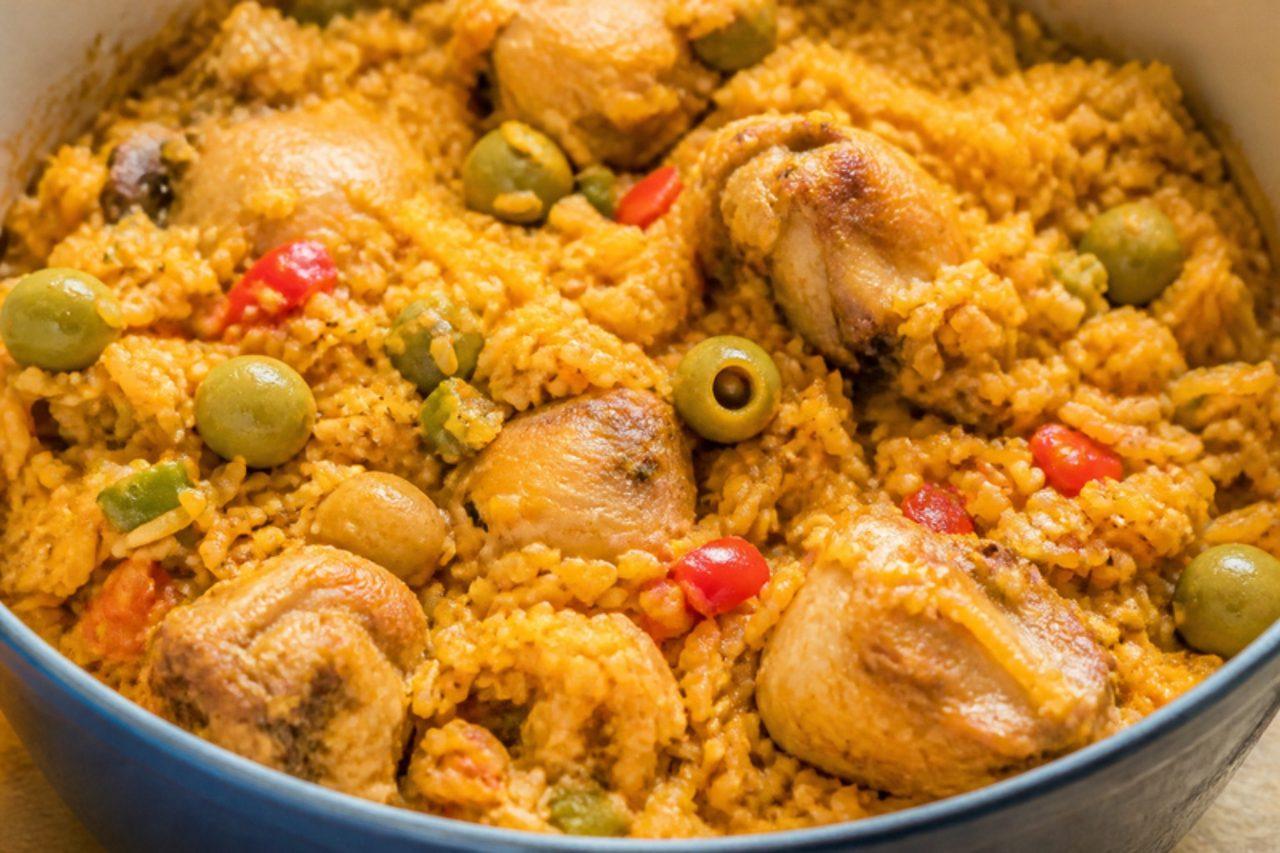
Dominican locrio de polloChicken and rice

Locrio is the Dominican answer to paella, cooked in a heavy caldero on weekdays in Santo Domingo homes and in huge pots for family gatherings in the campo. Chicken seasoned with lime, garlic and oregano is browned, simmered with peppers, tomato paste and olives, and then the rice cooks right in the sauce, turning orange-red; the crisp crust left at the bottom, the concón, is fought over. The common mistake is lifting the lid and stirring while the rice steams, which breaks the grains and stops the concón forming. Chef's tip: once the water has nearly gone, give the rice one gentle turn from the bottom up, then cover and leave it alone.

by KrazyBadal 0 views

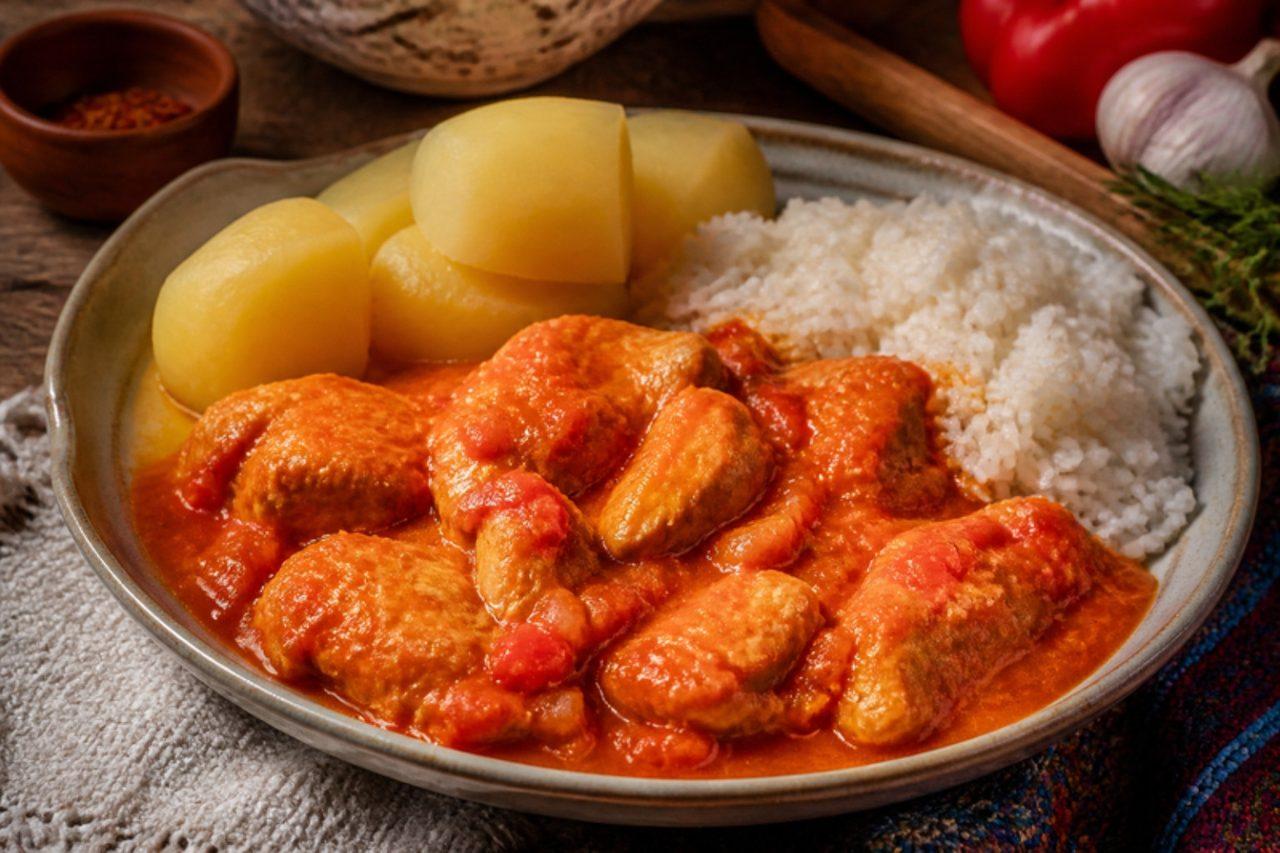
Picante de polloChicken in red chilli sauce

High up in Jujuy, picante de pollo is the dish cooks make for weddings, patronal feast days and Carnival in the Quebrada de Humahuaca, and the small comedores near the markets of San Salvador serve it every Sunday. Chicken pieces are first poached, then finished in a vivid red sauce of ají colorado (ground dried red chilli), lots of onion, tomato and garlic, thickened with the broth; on the plate it goes with white rice, boiled Andean potatoes and often a scattering of crunchy fried potato sticks (papas fritas en bastón) or chopped tomato and onion. It is warming rather than fiery, with a deep earthy chilli flavour. The chicken must reach 74 °C at the bone. Burning the ground chilli is the usual mistake: add it to the pan off the heat or over a gentle flame, or it turns bitter in seconds. Chef's tip: let the stew sit for 15 minutes before serving; the chicken absorbs the red sauce and the colour deepens.

by KrazyBadal 0 views

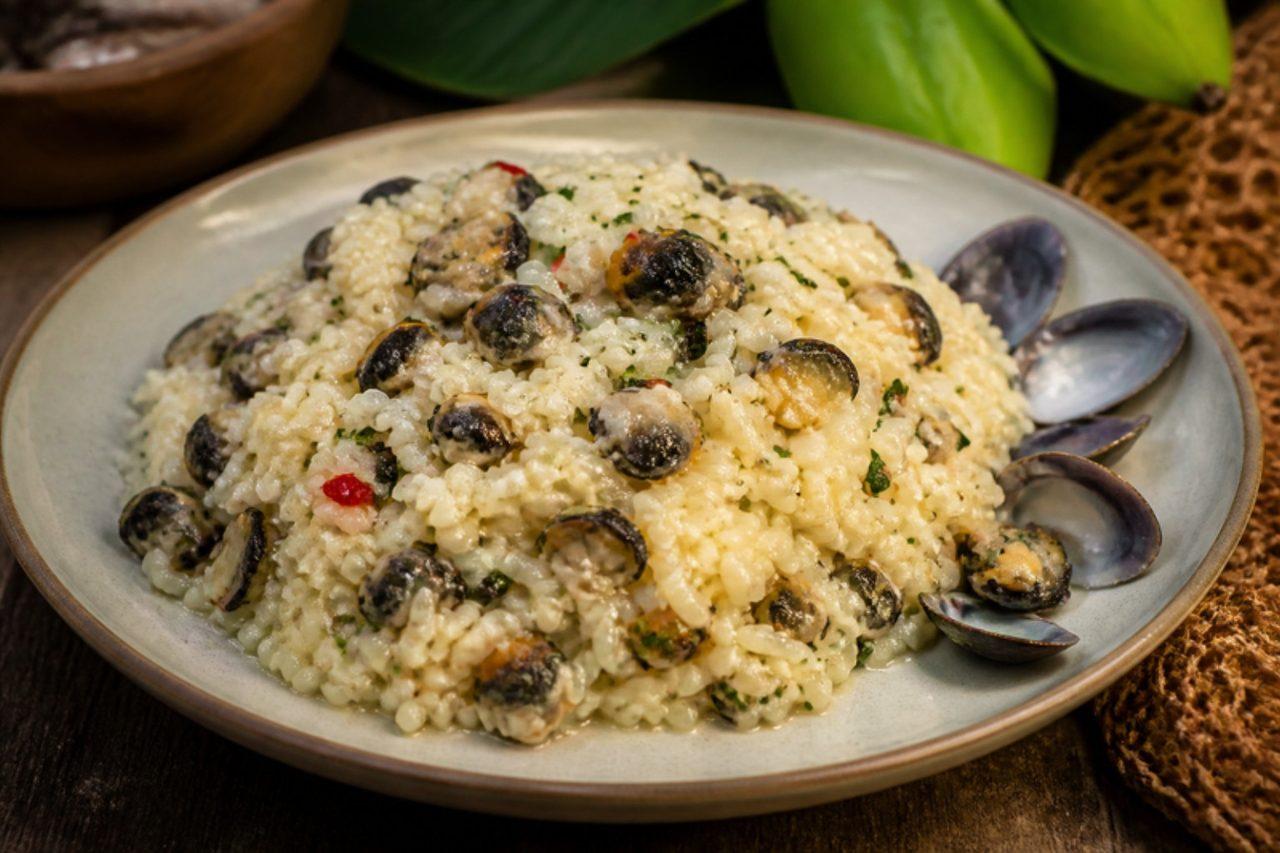
Arroz con pianguaCoconut rice with mangrove clams

The women of Tumaco and the Nariño mangroves wade out at low tide to gather piangua, a dark-shelled ark clam that lives in the roots, and much of the catch ends up in this rice: the clam meat chopped and cooked with coconut milk, a refrito of onion and peppers, and the Pacific's chillangua and oregano. It is rich, briny and creamy, with the clams' strong, almost iron-like sea flavour carrying through every grain. Locals eat it as a lunch main with patacones and a little salad. Outside Colombia, look for frozen piangua meat in Ecuadorian or Colombian shops, or use fresh clams or cockles in the shell. Before cooking, throw away any clam with a cracked shell or one that stays open when tapped; after steaming, discard any that stay shut. Overcooking the clam meat is the usual error, as it turns rubbery, so stir it in only for the last minutes. Chef's tip: strain the clam cooking liquid through a cloth or coffee filter to catch the grit, then use it in the rice; that's where the flavour is.

by KrazyBadal 0 views

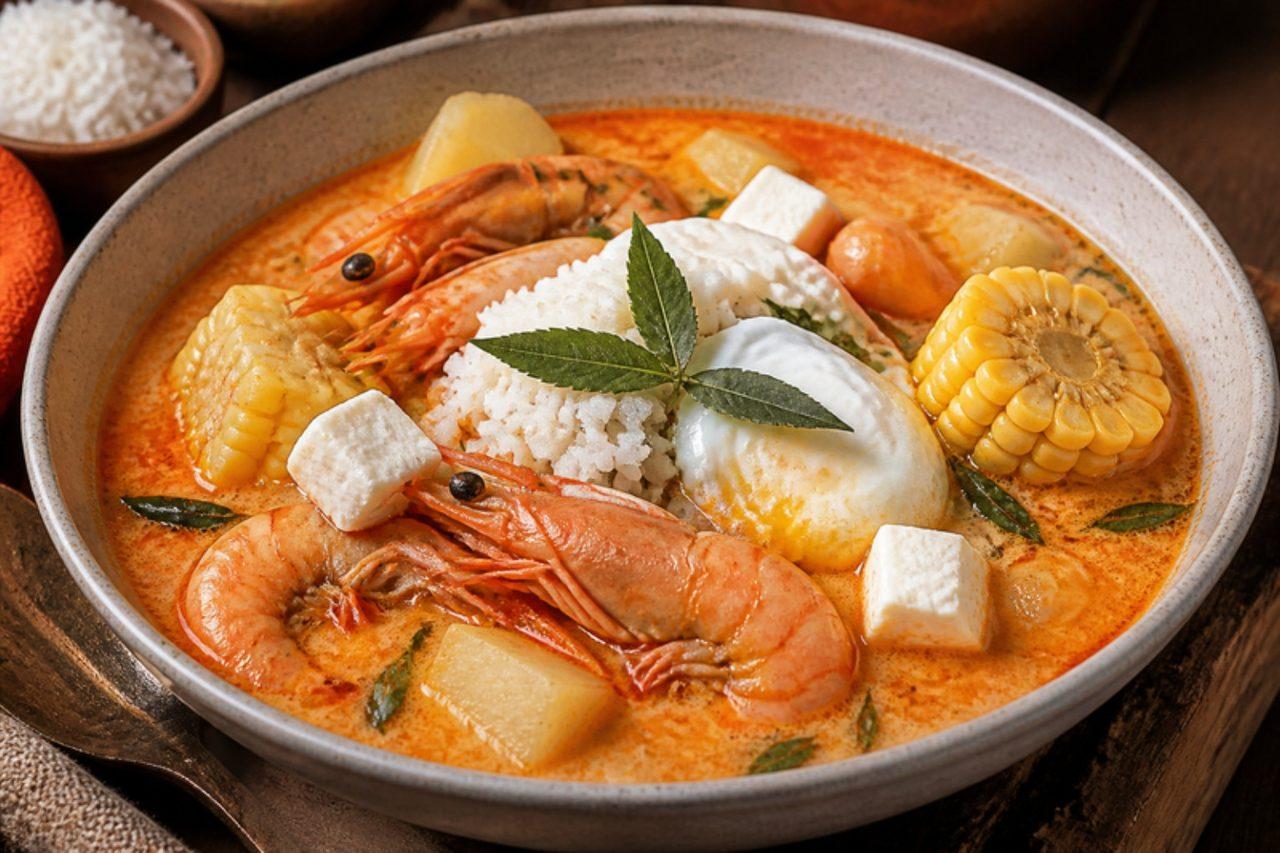
Chupe de camaronesPrawn chowder

Arequipa's picanterías serve one chupe on each day of the week, and the prawn one, made with crayfish-like camarones from the Majes and Ocoña rivers, is the grandest, especially on Fridays in Lent. It is a big orange chowder: a broth made from the prawn shells and heads, coloured with ají panca, filled with potatoes, corn, broad beans and a little rice, then softened with evaporated milk and fresh cheese, with an egg poached in each bowl. Rich, sweet and gently spicy, it needs nothing but bread. Large shell-on prawns stand in well for river prawns. Many cooks boil the prawns from the start and they turn to rubber; add them at the end and cook only until pink and opaque. Chef's tip: fry the heads and shells in the oil first and press them hard; the orange fat that comes out is what gives chupe its colour and depth.

by KrazyBadal 0 views

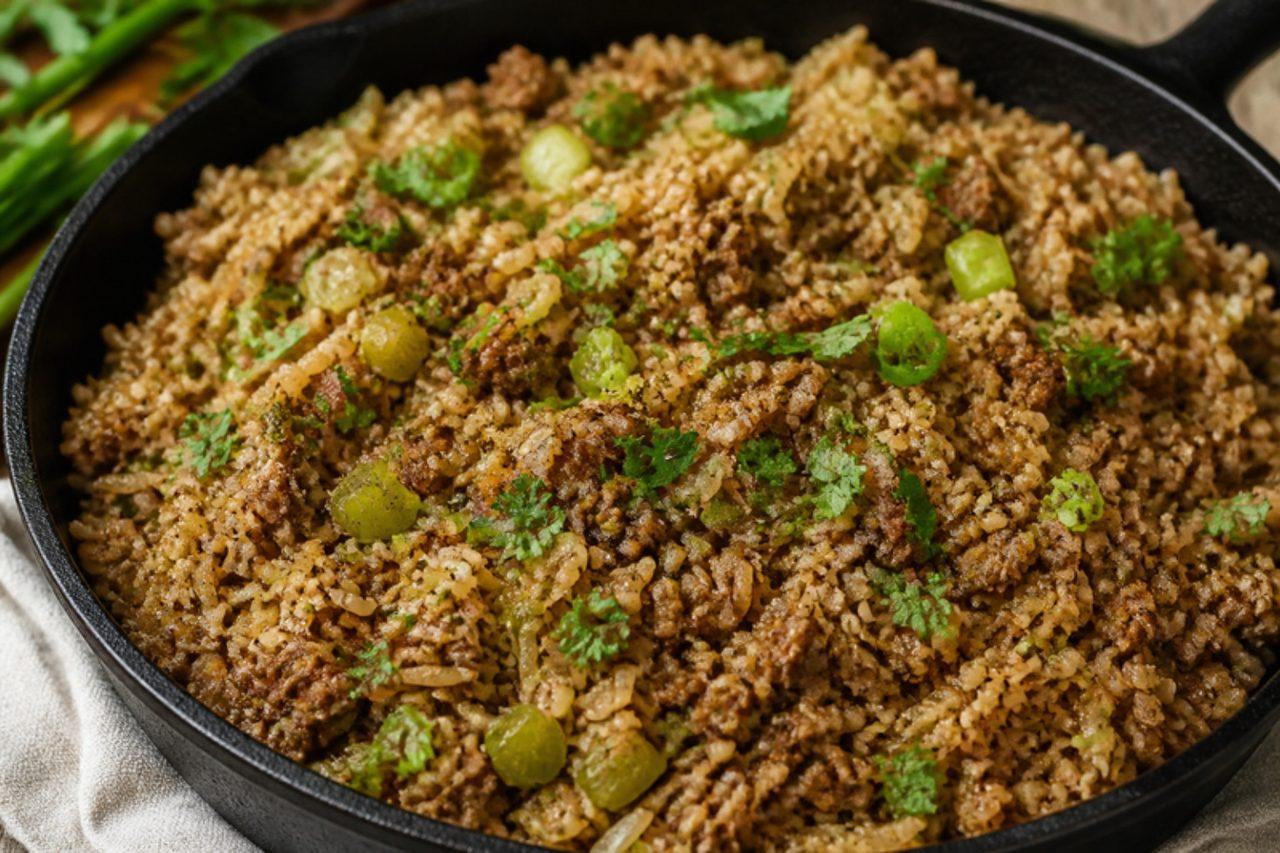
Cajun dirty rice

Dirty rice gets its name from the brown speckles of chicken liver and minced pork that colour it, and it is the side dish of Cajun Thanksgivings, church fairs and plate lunches around Lafayette, often served next to fried chicken. It is deeply savoury, peppery and good enough to eat as a main. This recipe contains pork. Chef's tip: chop the livers very finely, almost to a paste, so they melt into the rice rather than sitting in lumps.

by KrazyBadal 0 views

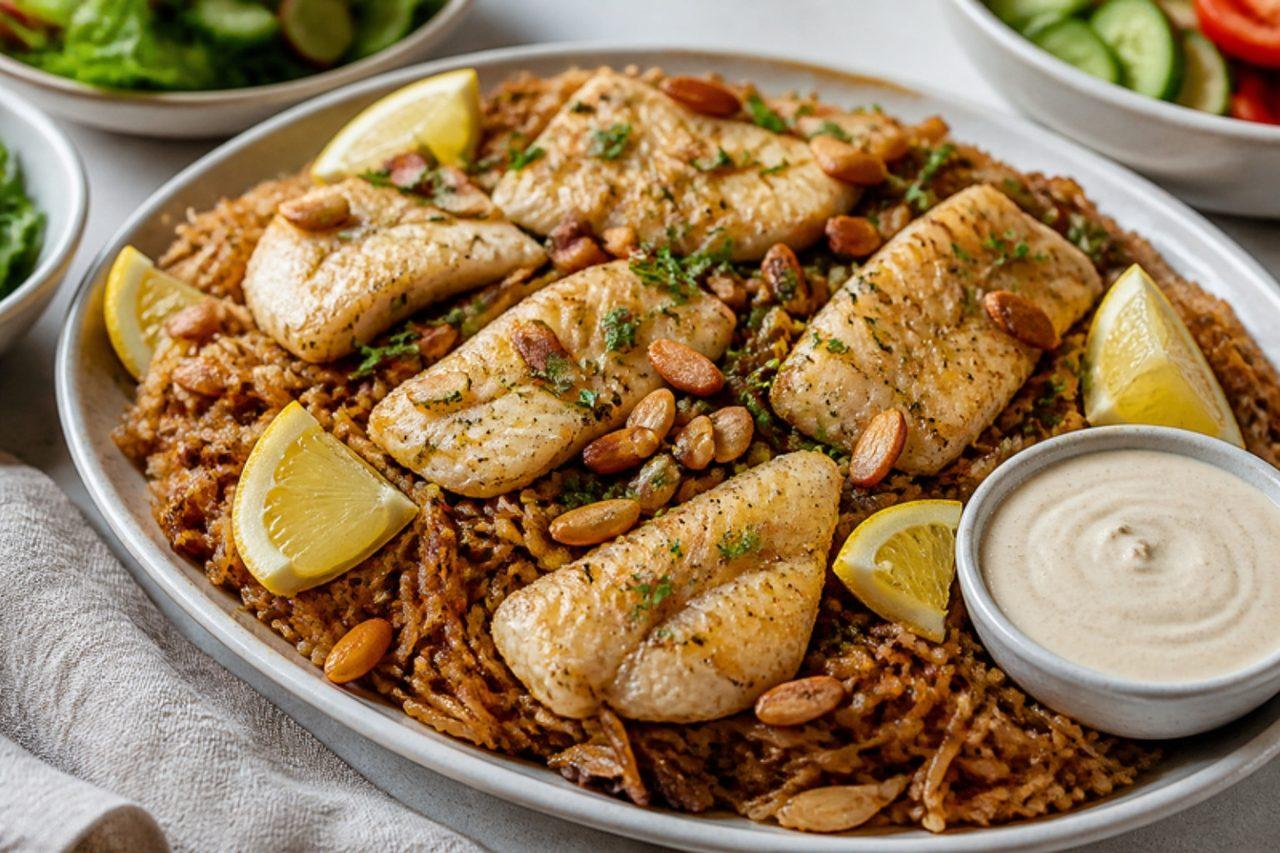
SayadiehFish and caramelised onion rice

In the port towns of Saida, Tyre and Batroun, sayadieh is what fishermen's families cook with the day's white fish: rice simmered in a deep brown stock made from very dark caramelised onions and cumin, topped with flakes of fried fish, toasted almonds and pine nuts. The rice is savoury and faintly sweet from the onions, and it comes with a tahini-lemon sauce (tarator) on the side. Common mistake: stopping the onions too early — they need to be almost mahogany for the right colour and taste. Chef's tip: simmer the fish trimmings in the onion stock for 20 minutes before cooking the rice; it doubles the sea flavour.

by KrazyBadal 0 views

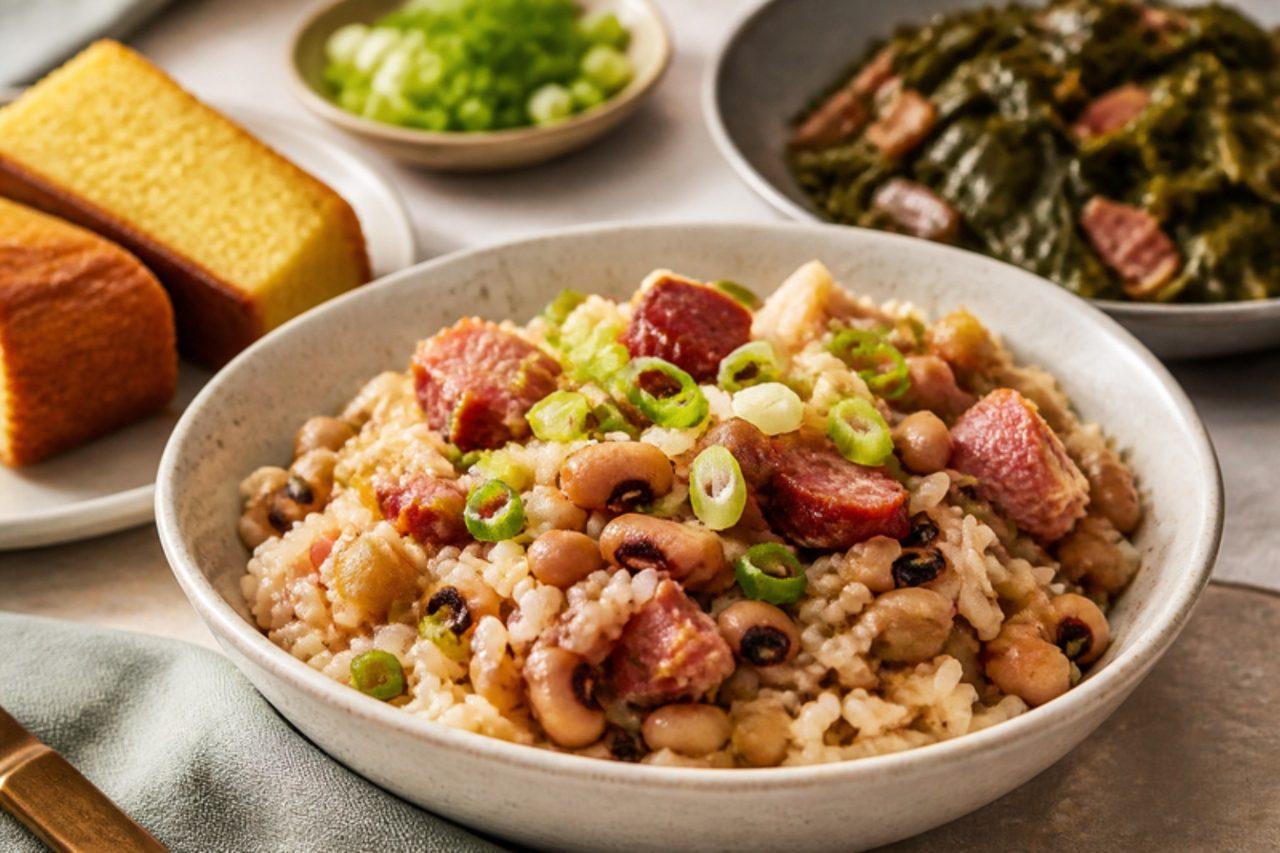
Hoppin' John

Hoppin' John is eaten on New Year's Day across the South for luck, with collard greens for money and cornbread for gold, and its roots run back to the rice plantations of the South Carolina Lowcountry and the West African cooks who worked them. Black-eyed peas are simmered with smoked pork (here a ham hock and bacon), then cooked with rice so every grain takes on the smoky broth. Chef's tip: cook the rice in the bean liquor, not water; that is where all the flavour is.

by KrazyBadal 0 views

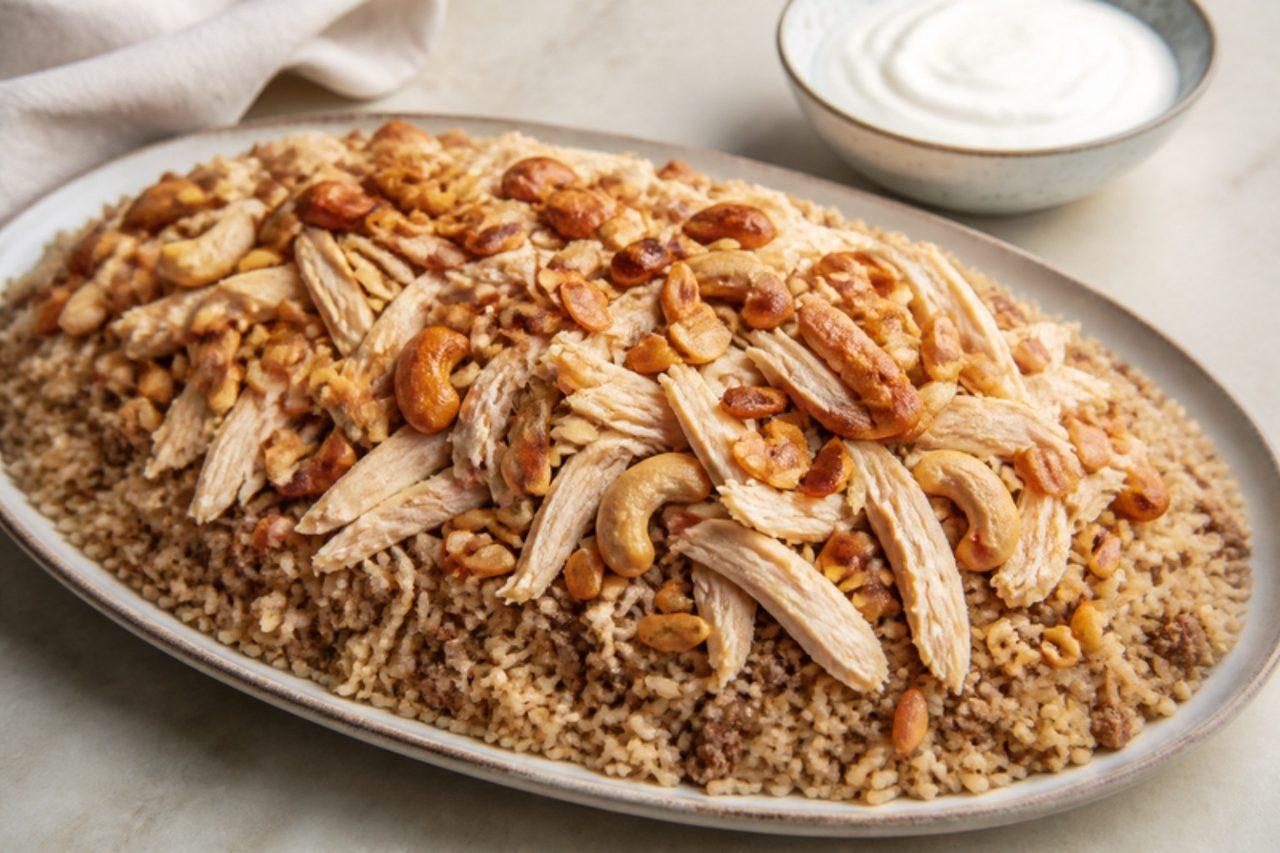
Riz a djejChicken and spiced rice with nuts

Riz a djej is the centrepiece of Lebanese celebrations and Eid lunches, carried to the table on a huge platter: rice cooked in chicken broth with a little spiced minced beef, crowned with pulled poached chicken and a heavy scattering of fried almonds, pine nuts and cashews. The flavours are gentle and warm — cinnamon, allspice, nutmeg — so it is a favourite with children too. Plain yoghurt and a crisp salad go alongside. Common mistake: skipping the rinse; unrinsed rice turns sticky in the rich broth. Chef's tip: poach the chicken the day before and chill the broth so you can lift off the fat; you get a cleaner, more savoury rice.

by KrazyBadal 0 views

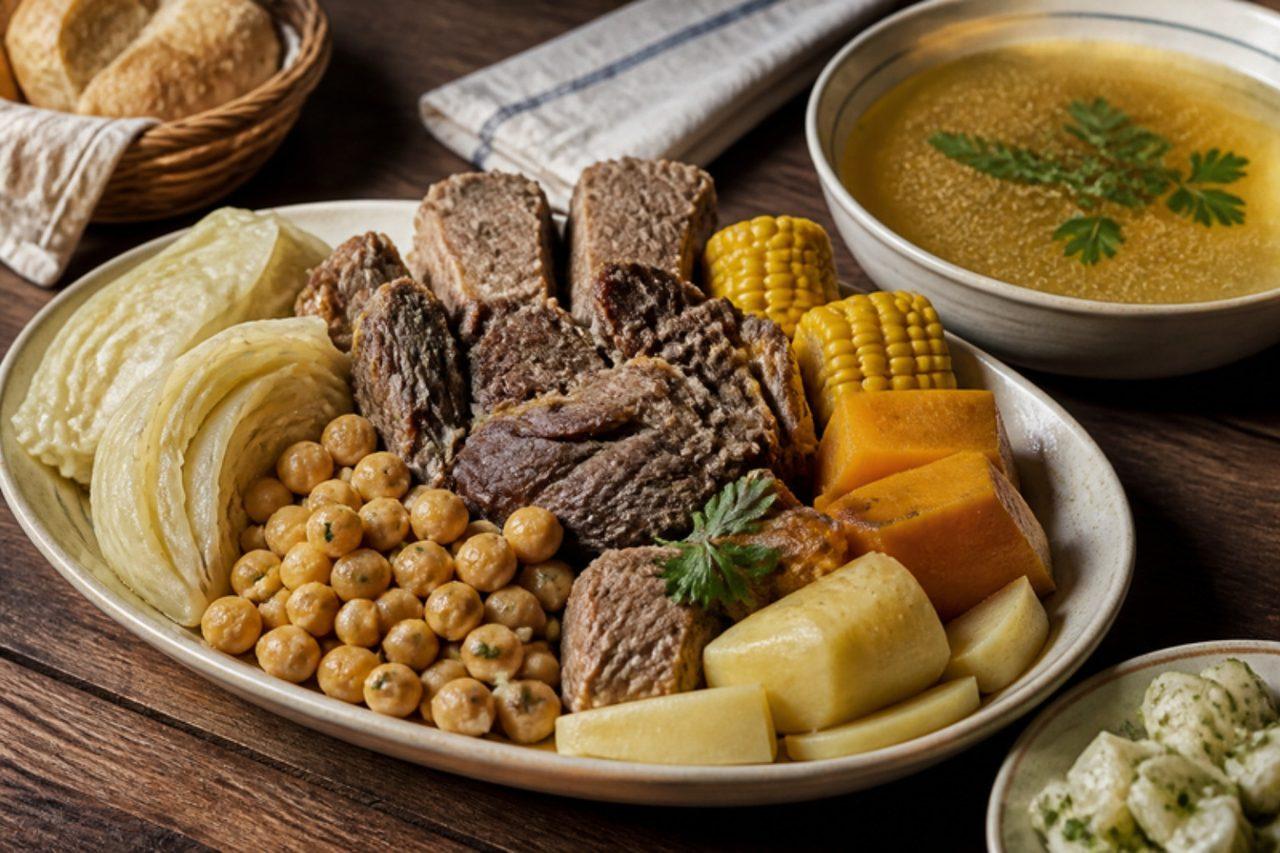
PucheroBoiled beef and vegetable stew

Winter Sundays in the towns of Buenos Aires Province mean a big pot of puchero bubbling from mid-morning: beef shin and brisket on the bone, a marrow bone, chickpeas, corn on the cob, squash, sweet potato, potato, carrots and cabbage, all simmered together. The meal comes in two courses, as in the Spanish cocido it descends from: first the golden broth, often with fine noodles or rice, then a platter of meat and vegetables doused with olive oil, salt and a spoon of salsa criolla. It is gentle and clean-tasting rather than rich. Many families add chorizo colorado or pancetta (pork); this version keeps to beef. Plan for the chickpeas to soak overnight. Boiling it hard is the classic mistake, which clouds the broth and toughens the meat; it should barely shiver. Chef's tip: add the vegetables in stages, longest-cooking first, so the cabbage and squash hold their shape instead of dissolving.

by KrazyBadal 0 views

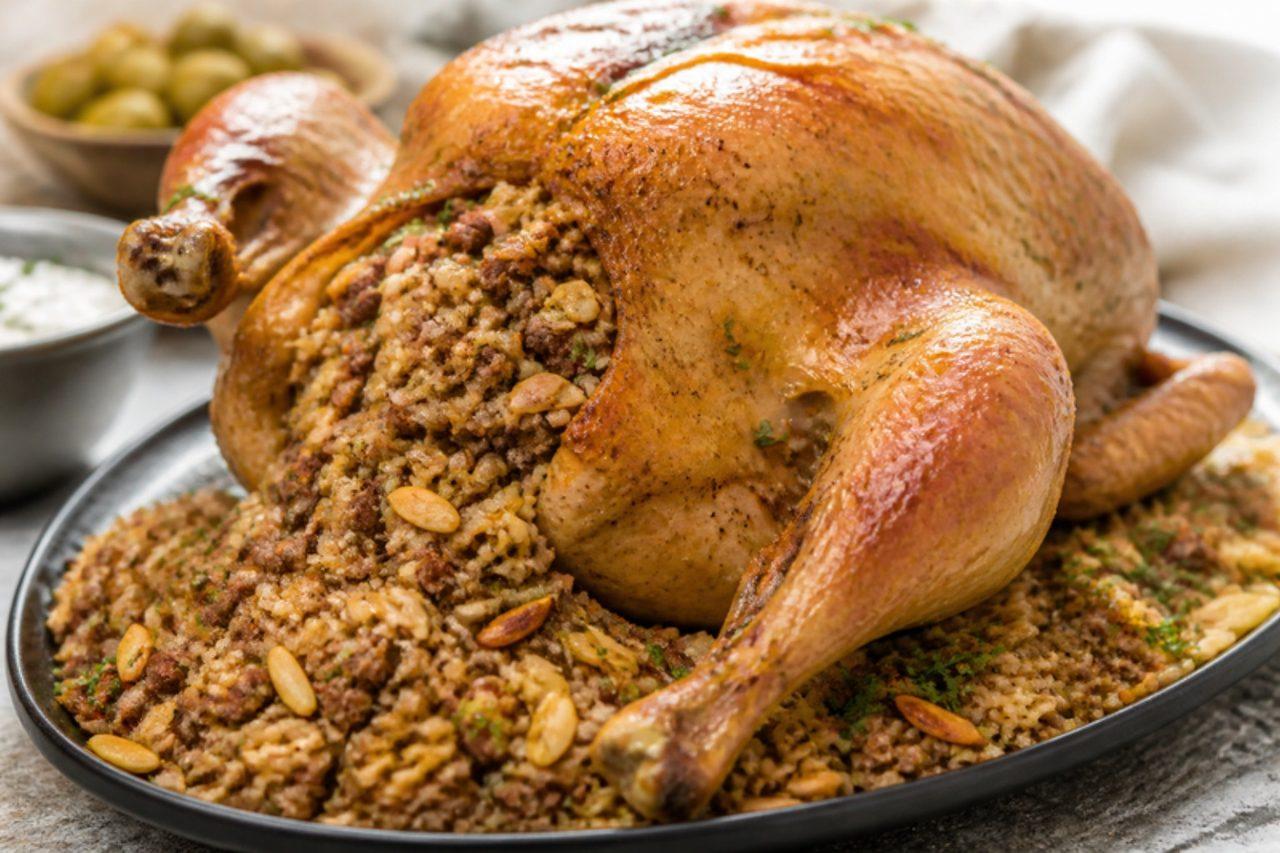
Djaj mahshiRoast chicken stuffed with spiced rice

For Eid, Christmas or a wedding lunch in Palestine, a whole chicken stuffed with spiced rice is the centrepiece: the rice cooked with a little minced lamb, seven-spice and cardamom, packed into the bird and roasted until the skin is lacquered brown, then piled on a platter under handfuls of fried almonds and pine nuts. Serve with yoghurt and a chopped salad. Common mistake: packing the cavity tightly with raw rice, which leaves the centre undercooked; part-cook the rice first and stuff loosely. Chef's tip: simmer the chicken briefly in spiced water before roasting, as many Palestinian cooks do; it seasons the meat and keeps it moist.

by KrazyBadal 0 views

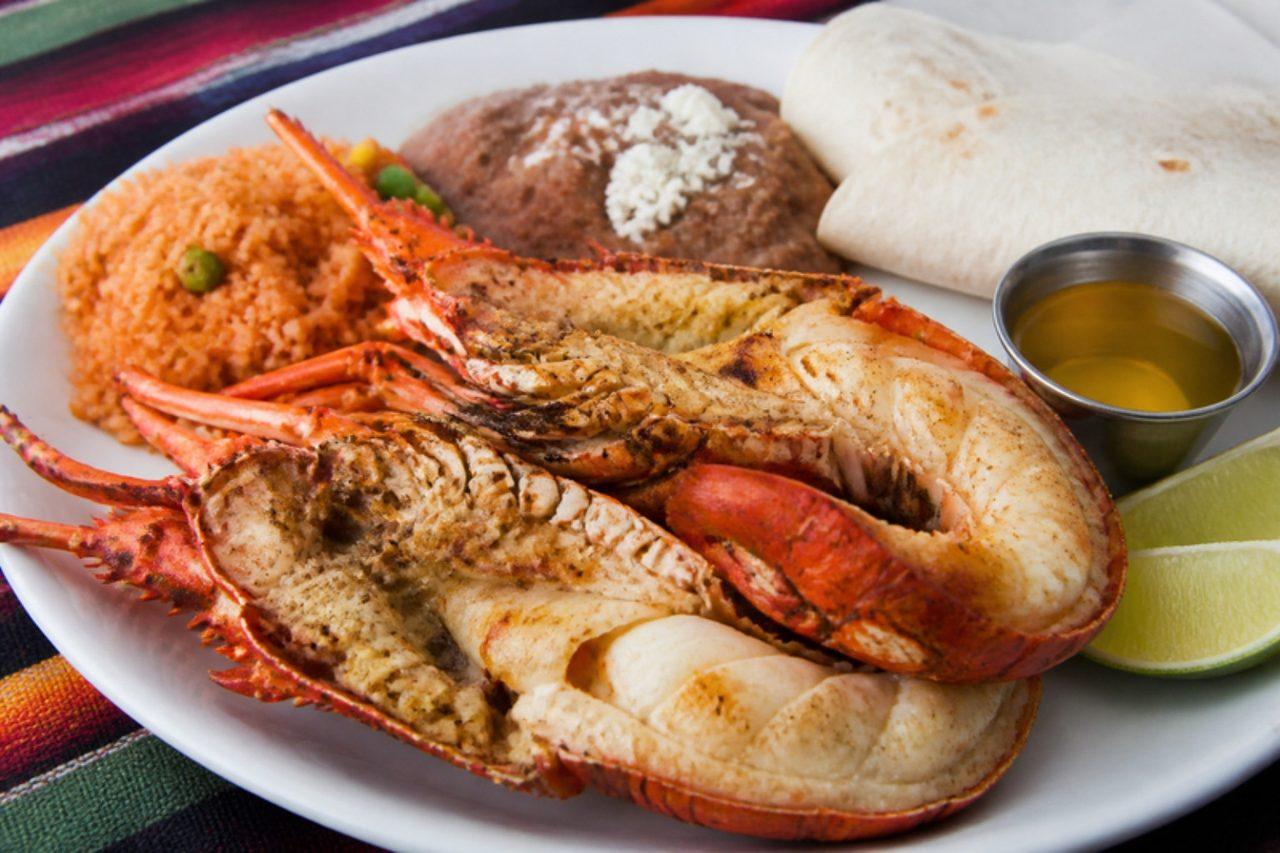
Langosta estilo Puerto NuevoFried split lobster with tortillas

In the fishing village of Puerto Nuevo, south of Rosarito on the Baja coast, dozens of family restaurants serve lobster the same way: split in half, fried in hot pork lard until the shell blisters and the flesh is sweet and just firm, then brought to the table with refried beans, red rice, salsa, melted butter, lime and stacks of soft flour tortillas for making lobster tacos. The local lobster is the clawless spiny kind, but any lobster or raw lobster tails work; frozen raw tails are an easy route. Live lobsters should be bought from a reputable fishmonger, kept cold in the fridge under a damp cloth and cooked the same day. Chef's tip: fry the halves flesh-side down first and don't move them, so the meat gets a light golden crust.

by KrazyBadal 0 views

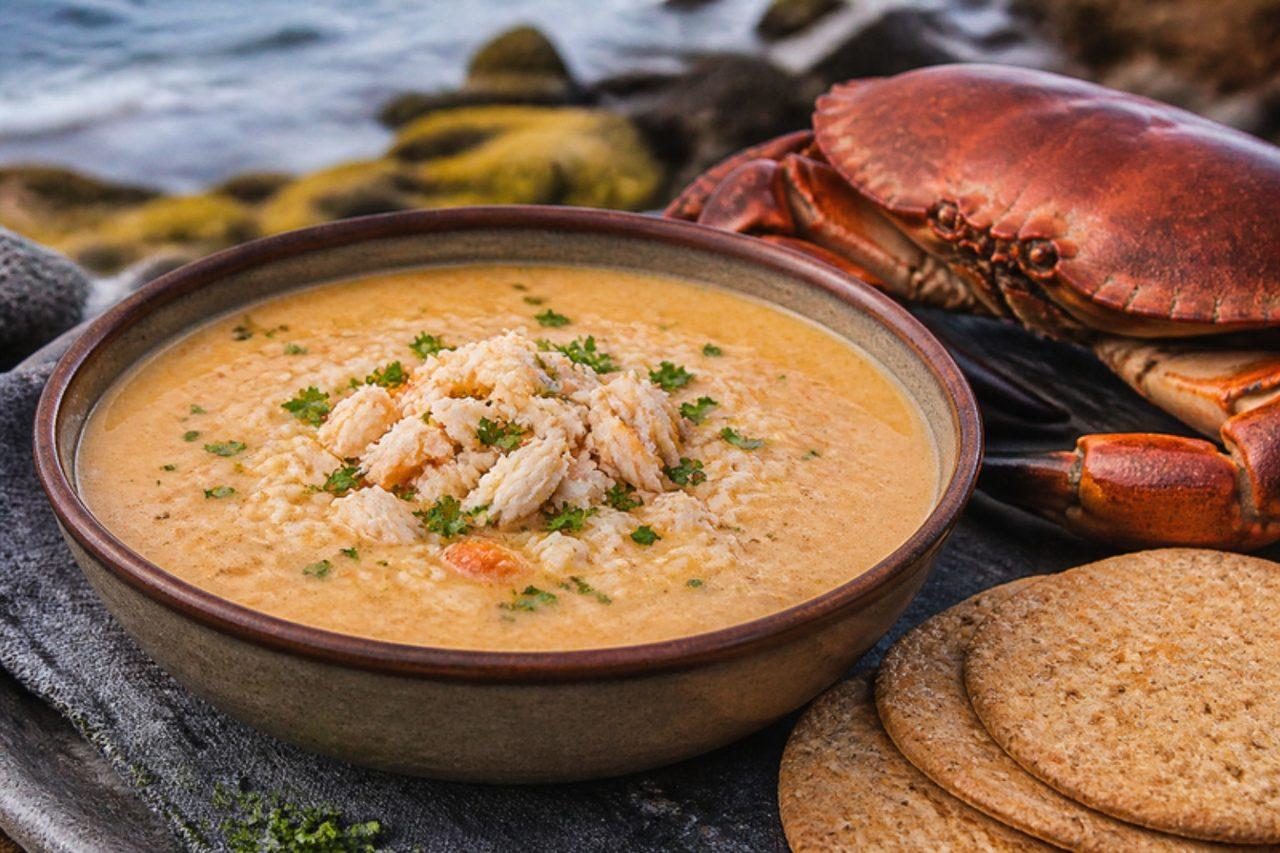
Partan breeCrab and rice soup

Partan bree comes from the fishing villages of the north-east of Scotland, where partan is the Scots word for the brown crab and bree means broth. Rice is simmered in milk and fish stock until soft, blended with the crab's brown meat, and finished with sweet white claw meat and a little cream. It is the coast's answer to a bisque, simpler and milder. Buy ready-cooked crab meat and keep it chilled. Chef's tip: add the white meat right at the end and only warm it through, so it stays in flakes.

by KrazyBadal 0 views

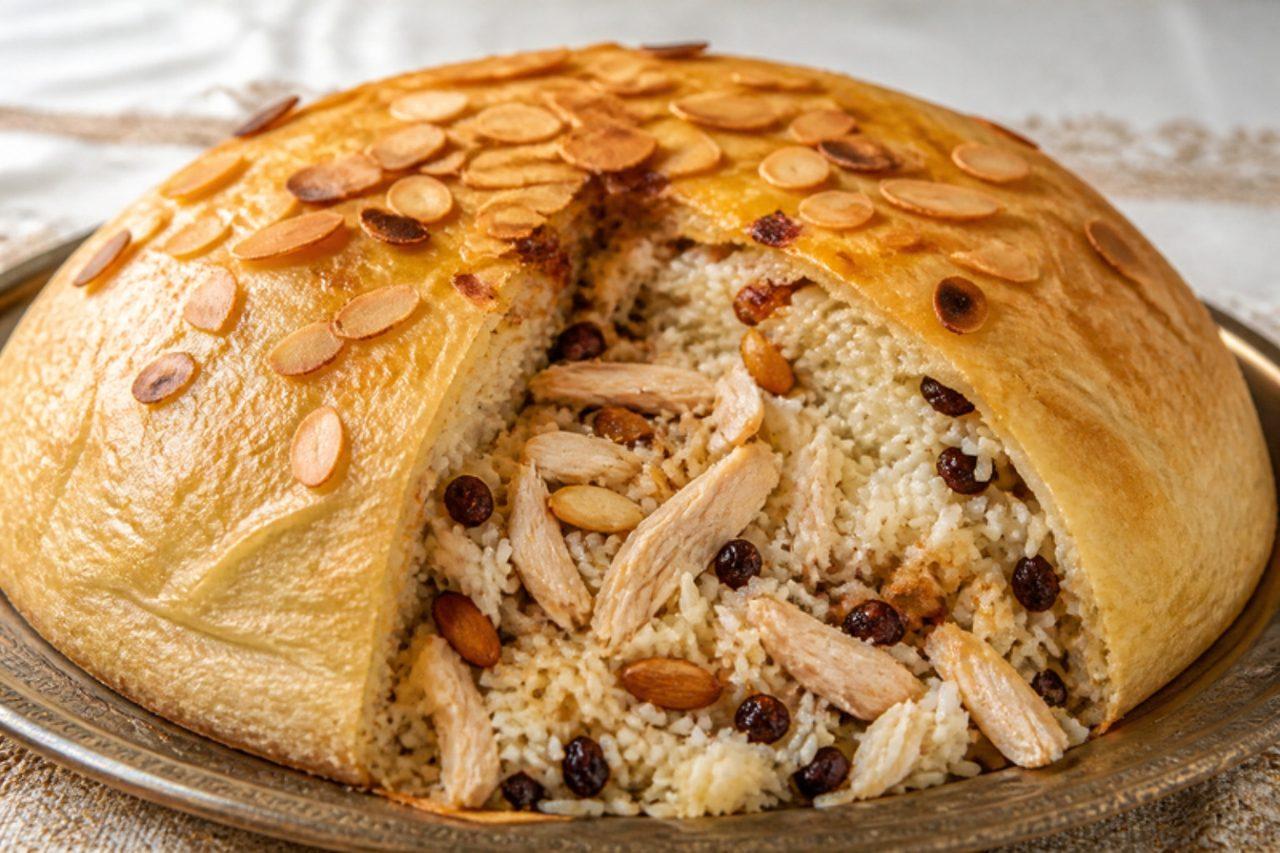
Perde pilavıChicken pilaf in pastry dome

At weddings in Siirt, perde pilavı is carried out whole and cut open at the table: a dome of buttery pastry 'curtain' (perde) hiding rice cooked with shredded chicken, toasted almonds, currants and black pepper. Each part carries a wish for the couple: the rice for plenty, the almonds for children, the pastry for a home that holds together. It makes a spectacular centrepiece for any celebration. Common mistake: a wet filling; the base of the pastry turns soggy, so cook the rice until just dry. Chef's tip: scatter almonds over the buttered tin before the pastry goes in; they become a jewelled top when you turn it out.

by KrazyBadal 0 views

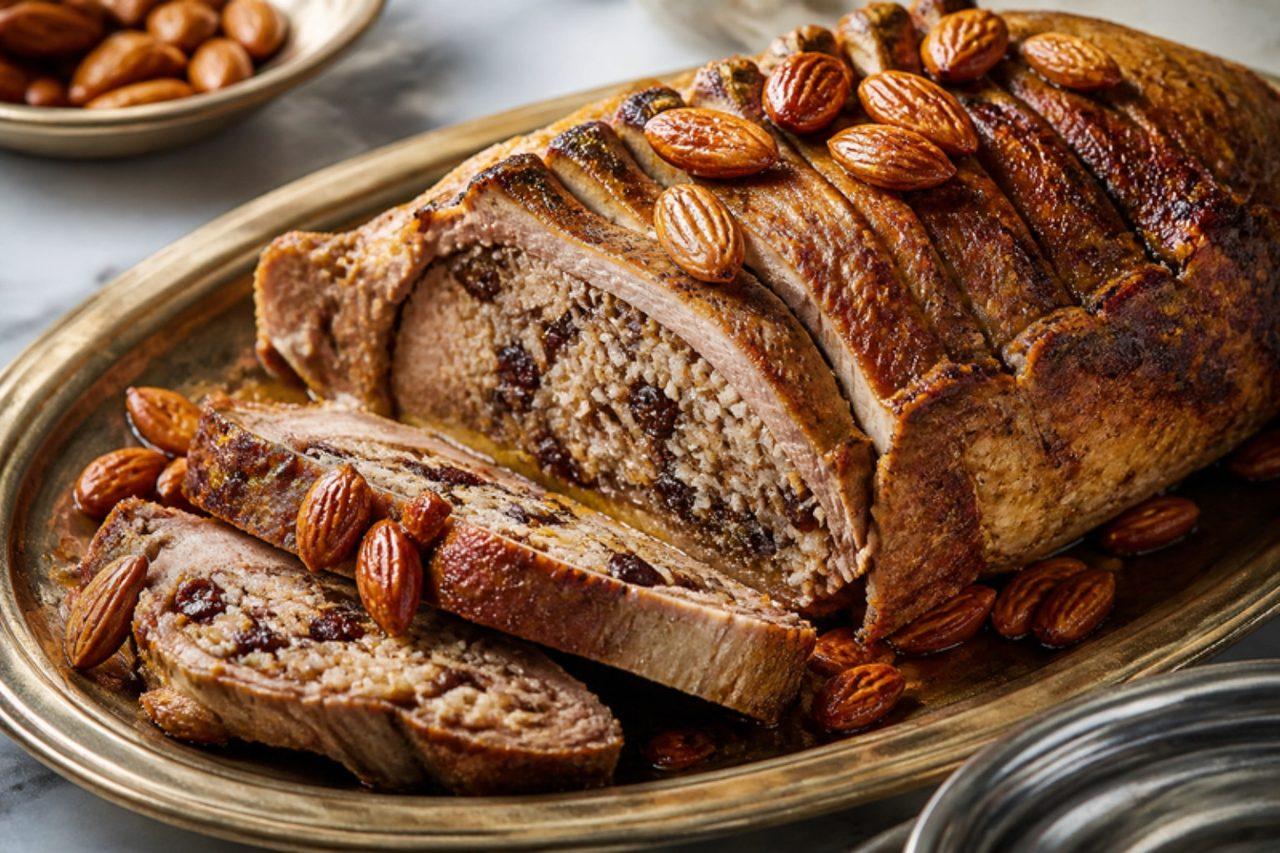
Kaburga dolmasıRice-stuffed lamb breast

In Mardin and Diyarbakır, a stuffed lamb breast is the centrepiece of bayram and wedding tables: the butcher cuts a pocket between the ribs and the meat, which is filled with rice cooked with almonds, currants, allspice and cinnamon, sewn shut and baked slowly until the meat falls from the bones. The rice inside soaks up all the lamb juices. Ask the butcher to open the pocket for you. Common mistake: packing the rice tightly when it is raw; it needs room to swell or the pocket splits. Chef's tip: roast it covered for most of the time, then uncover and turn the heat up at the end for crackling-crisp fat.

250 minTurkishMeatGluten free
by KrazyBadal 0 views

Showing 24 of 73 recipes

Show more recipes

Page 2 of 4

Goes well with long-grain rice