Skip to content

Recipes with konnyaku

4 recipes that use konnyaku, with photos, step-by-step instructions and cook times. The quickest, Negiyaki, takes 30 minutes. It is most often cooked with dashi, spring onion and burdock root.

Got a few things in the fridge? Search by everything you have

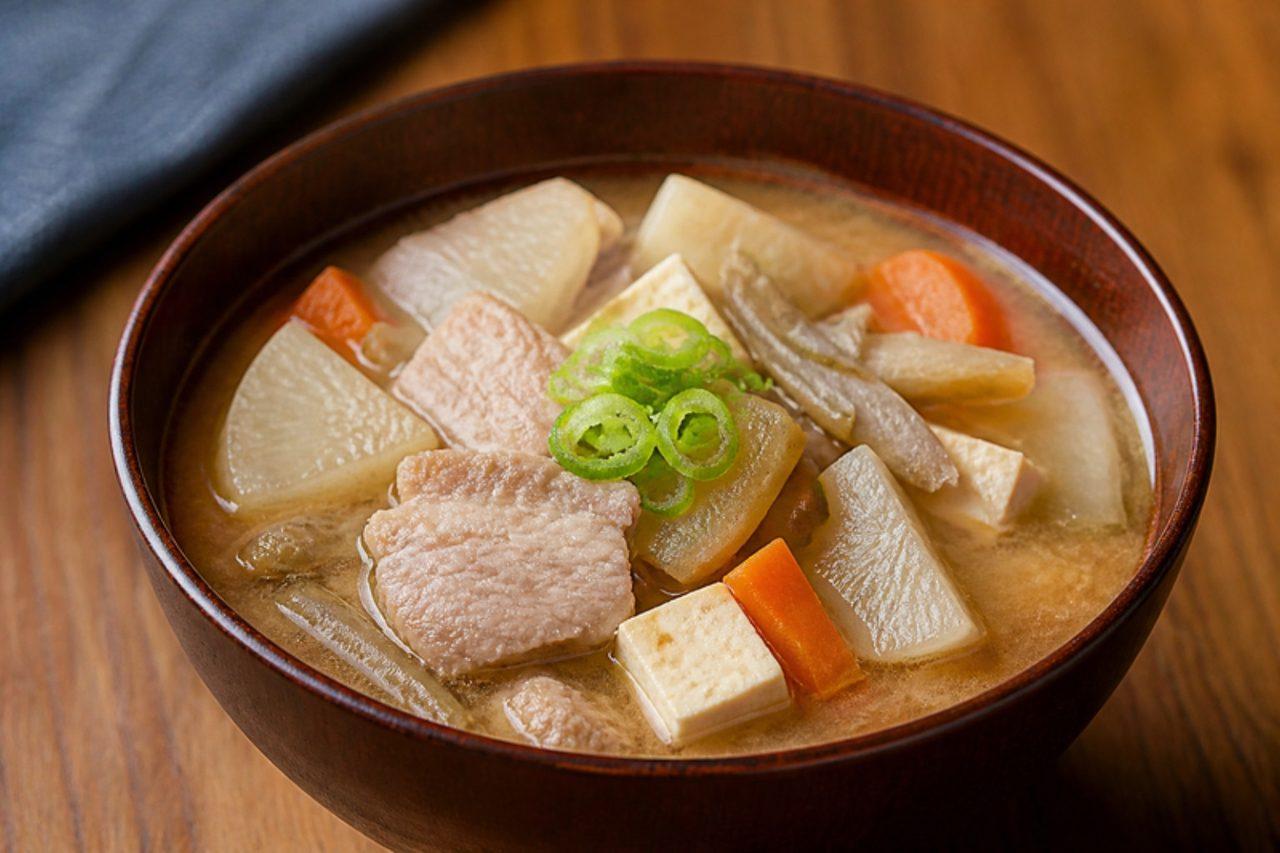
Tonjiru (pork and root vegetable miso soup)

Tonjiru is the big-pot miso soup that gets ladled out at Japanese school festivals, winter fire drills and New Year shrine visits, and at home it is filling enough to make a meal with just rice. Thin slices of pork belly are fried in sesame oil with daikon, carrot, burdock, potato and konnyaku, then simmered in dashi until tender and finished with miso. The common mistake is boiling the soup after the miso goes in, which dulls its aroma; stir it in off the boil. Simmer until the pork is cooked through (71 °C) and the vegetables are soft. Chef's tip: dissolve the miso in a ladle of hot broth first so it melts in smoothly without lumps.

by KrazyBadal 0 views

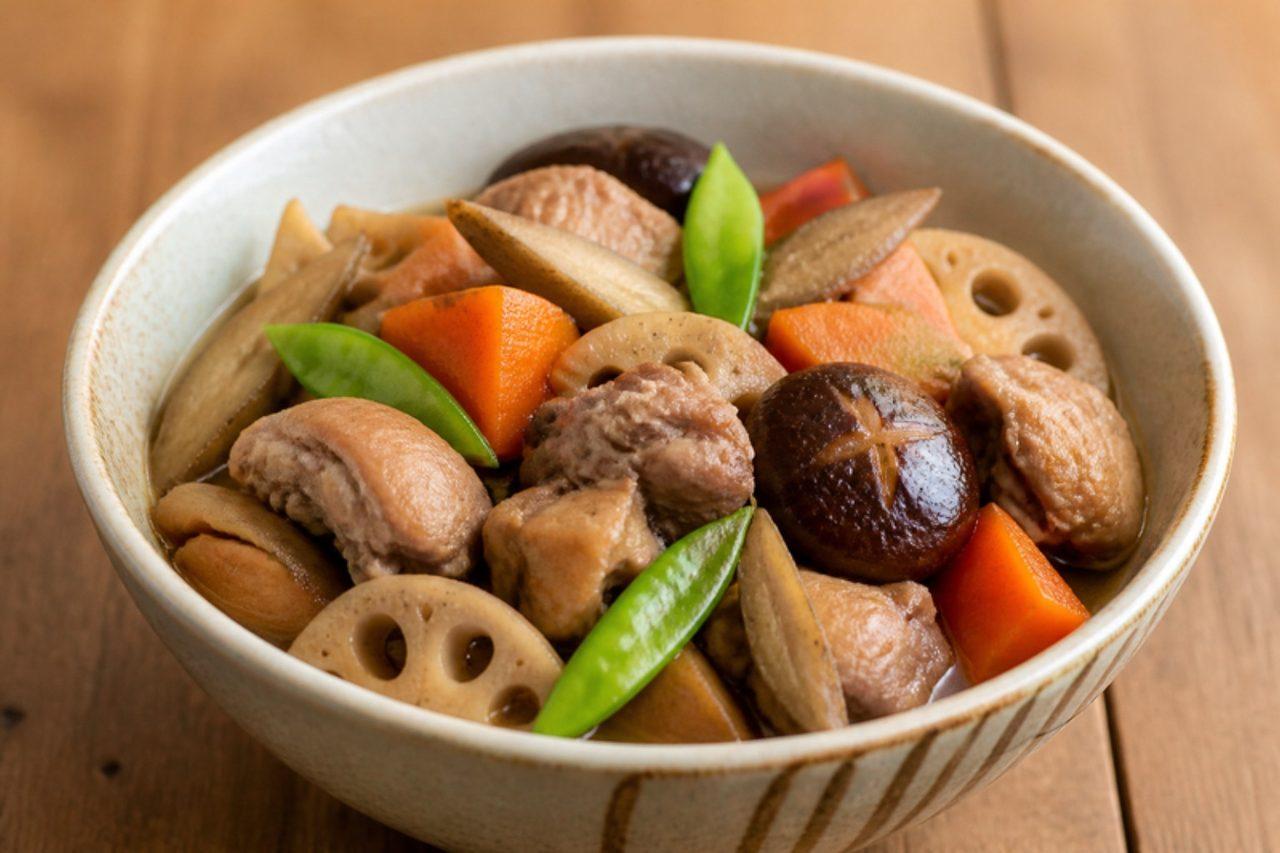
Chikuzenni (Fukuoka simmered chicken and root vegetables)

Chikuzen is the old name for the Fukuoka area of northern Kyushu, where this sweet-savoury simmer of chicken and root vegetables is called gameni and turns up at every family gathering; across Japan it is packed into the New Year osechi boxes and eaten cold. The chicken and vegetables are first stir-fried in oil, then simmered in dashi with soy, sugar, sake and mirin until the liquid reduces to a glaze. The sake and mirin simmer for 20 minutes, so the alcohol cooks off; use water and extra sugar for an alcohol-free version. The common mistake is stirring too much, which breaks the taro and lotus root into mush; shake the pan instead. Chef's tip: let it cool in the pot; the vegetables soak up flavour as it cools, so it is even better the next day.

by KrazyBadal 0 views

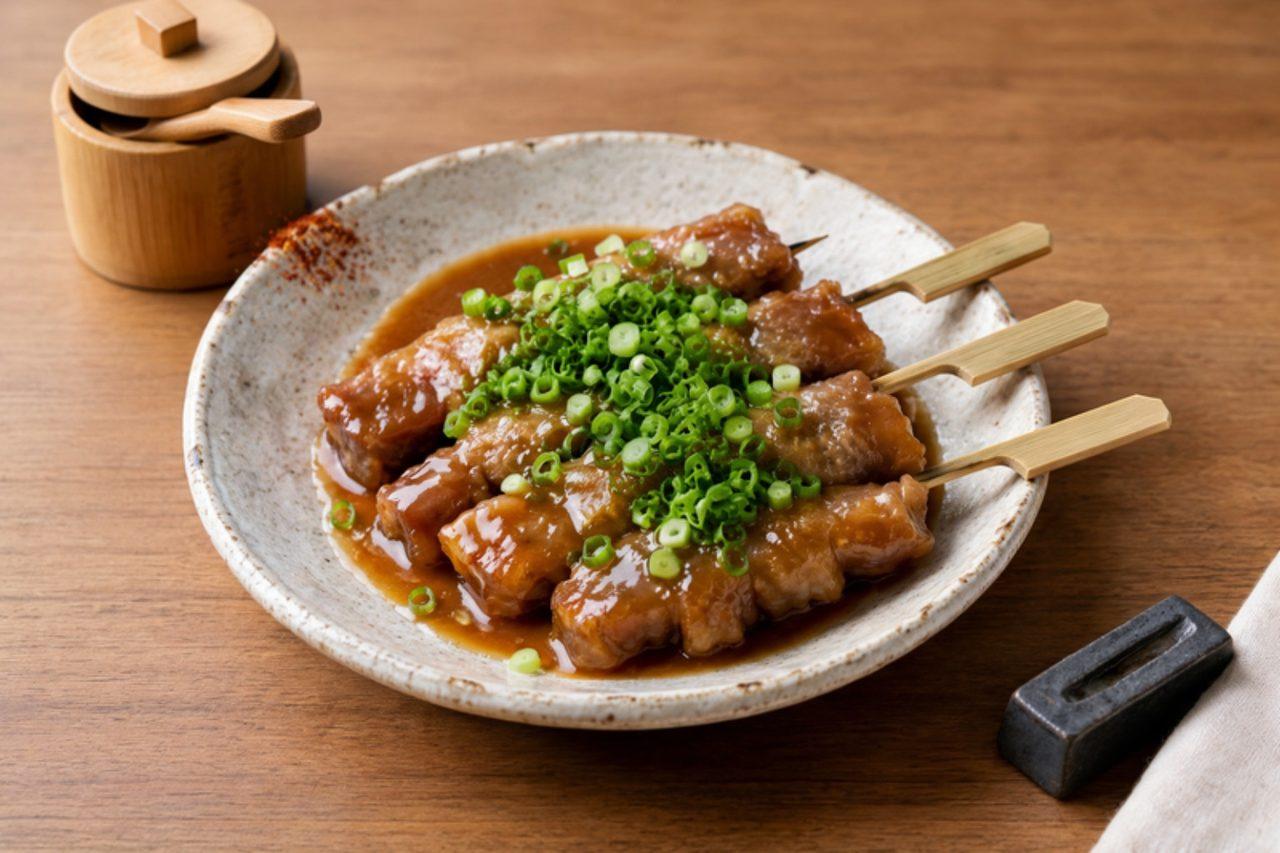
DoteyakiMiso-simmered beef tendon

Walk along the narrow Jan-Jan Yokochō alley in Shinsekai, under the Tsūtenkaku tower, and every kushikatsu counter has a long shallow tray of doteyaki bubbling at the front. Beef tendon is simmered until it wobbles, then stewed slowly in a glossy sauce of white miso, sugar and mirin, and it is eaten from the afternoon on, piled with raw spring onion and a shake of shichimi. The sauce contains mirin, which contains alcohol; for an alcohol-free version use 60 ml water, 1 extra tablespoon of sugar and 1 teaspoon of rice vinegar instead. Chef's tip: blanch the tendon twice and rinse it well, or the sauce turns cloudy and tastes of the butcher's shop.

180 minJapaneseMeat
by KrazyBadal 0 views

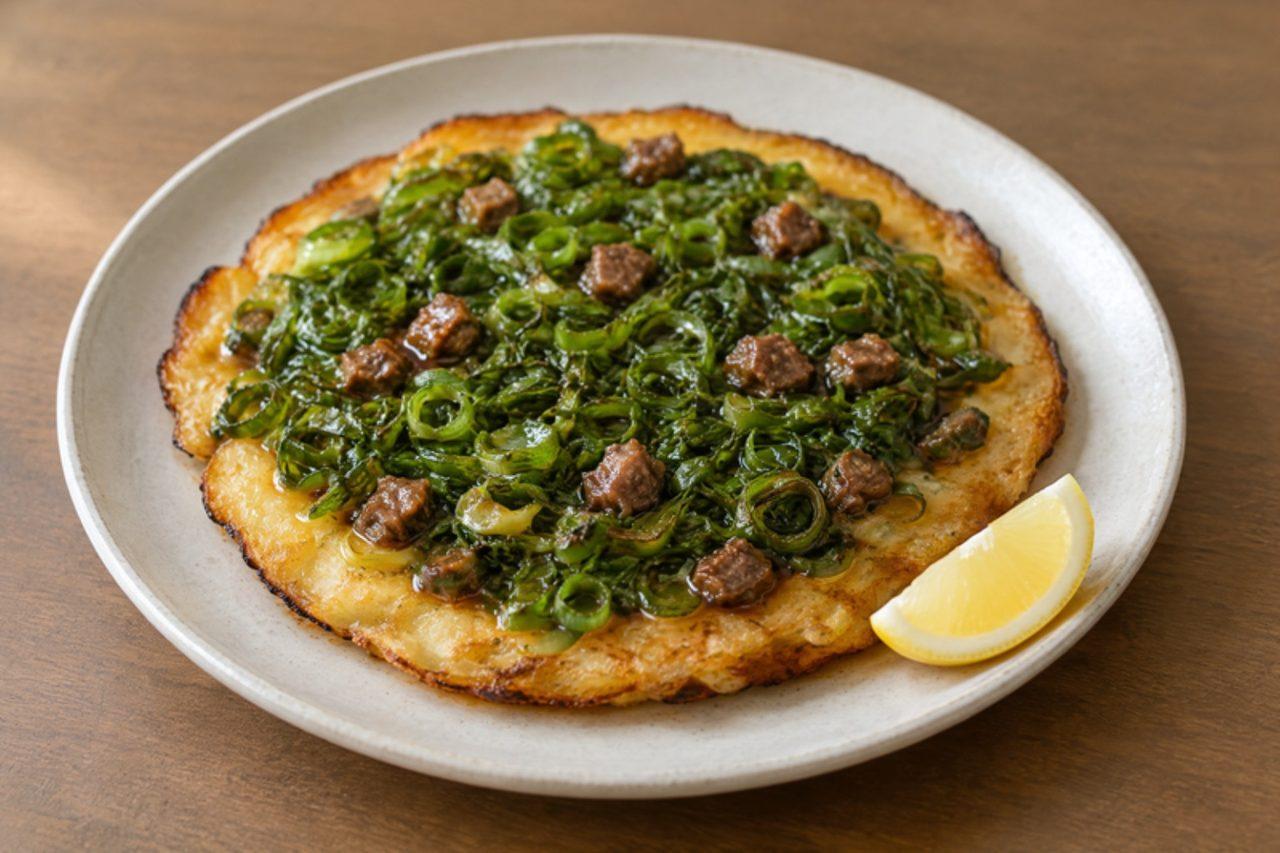
NegiyakiSpring onion pancake

Negiyaki began in the late 1960s at a small teppan counter in Jūsō, the station district just north of the Yodo River, as a cheap staff meal of spring onion folded into thin batter. Office workers still eat it there and around Umeda in the evening, cut into wedges and scraped straight off the hot plate. There is no cabbage and no thick brown sauce: just a pile of green onion held together by a light batter, chewy cubes of slow-cooked beef tendon and konnyaku, a brush of soy sauce and a squeeze of lemon. Chef's tip: dry the sliced onion well on kitchen paper; wet onion stops the batter from clinging.

by KrazyBadal 0 views

Goes well with konnyaku