Skip to content

Recipes with mirin

11 recipes that use mirin, with photos, step-by-step instructions and cook times. The quickest, Tamagoyaki, takes 15 minutes. It is most often cooked with soy sauce, kombu and spring onion.

Run out of mirin? Rice vinegar with ½ tsp sugar per tbsp.

Got a few things in the fridge? Search by everything you have

Vegetable miso ramen

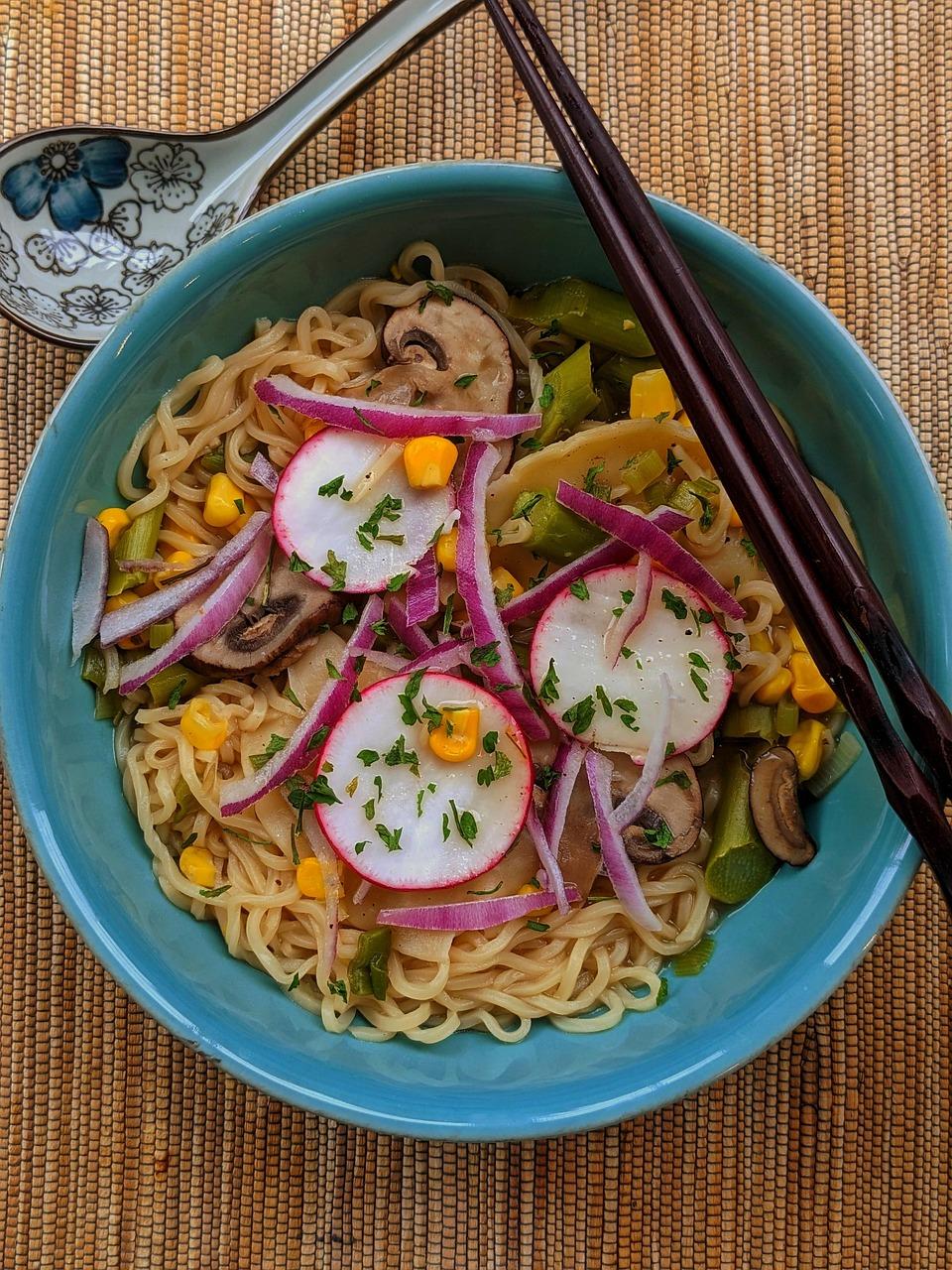
Miso ramen was born in Sapporo, Hokkaido, and is now eaten all over Japan. This vegetarian version builds a deep broth from kombu and dried shiitake instead of pork bones, then thickens it with miso and toasted sesame paste. A pile of quickly stir-fried cabbage, bean sprouts, carrot and sweetcorn goes on top with a soft-boiled egg. Slurp it while it's piping hot on a cold day. Chef's tip: fry the miso paste for a minute in the hot wok with the garlic and ginger before it meets the broth, as Sapporo shops do; the toasted miso gives the soup its deep, roasted flavour.

by KrazyBadal 0 views
Kitsune udon

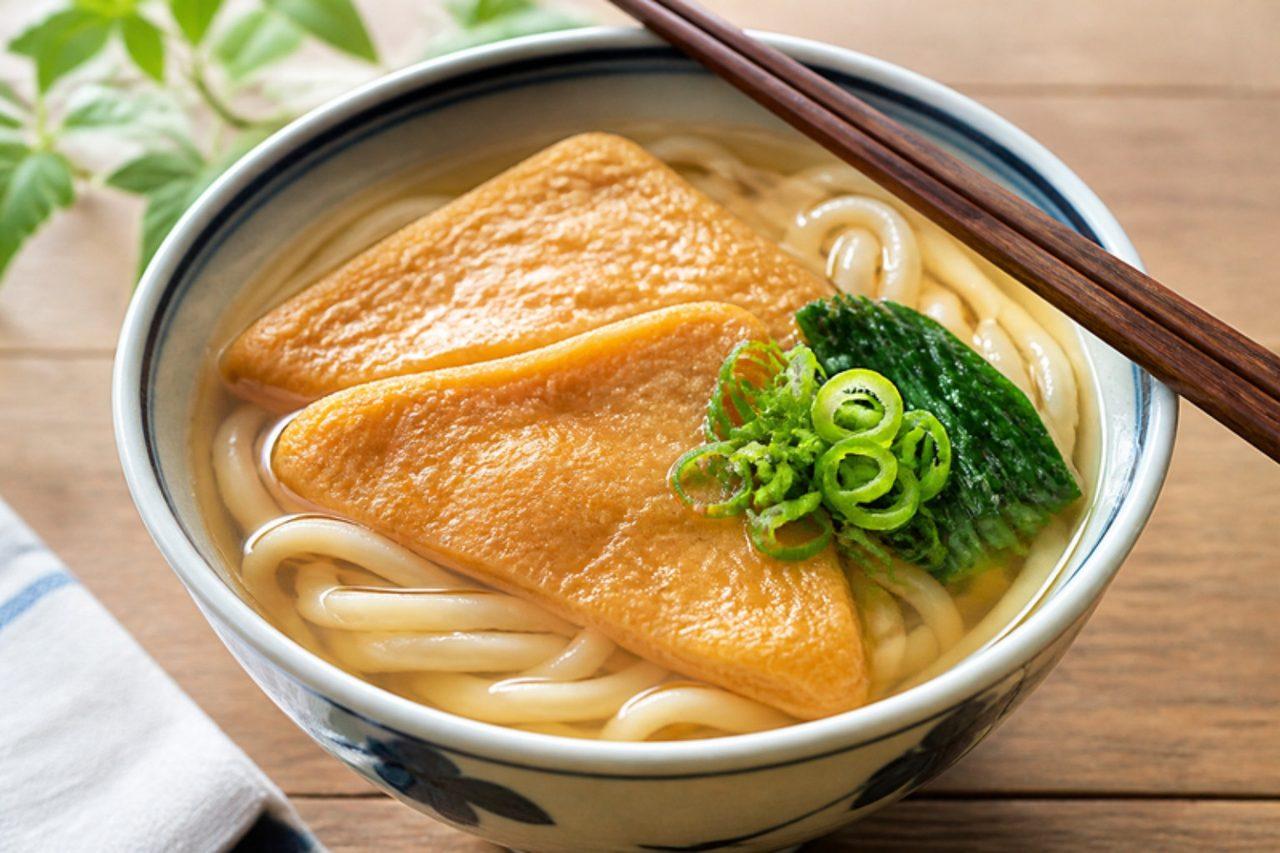
Kitsune udon (きつねうどん, 'fox udon') comes from Osaka, where a noodle shop first floated a sheet of sweet simmered fried tofu on a bowl of udon in the 1890s. The name comes from the folk tale that foxes love fried tofu. Soft, chewy noodles sit in a pale, gently sweet broth, and the tofu soaks up the soup like a sponge. This version uses a kombu and shiitake dashi instead of bonito, so it is fully vegetarian. Chef's tip: let the sweet tofu cool in its simmering liquid if you have time; as it cools it drinks up the sauce, so every bite bursts with sweet soy juice in the hot broth.

by KrazyBadal 0 views

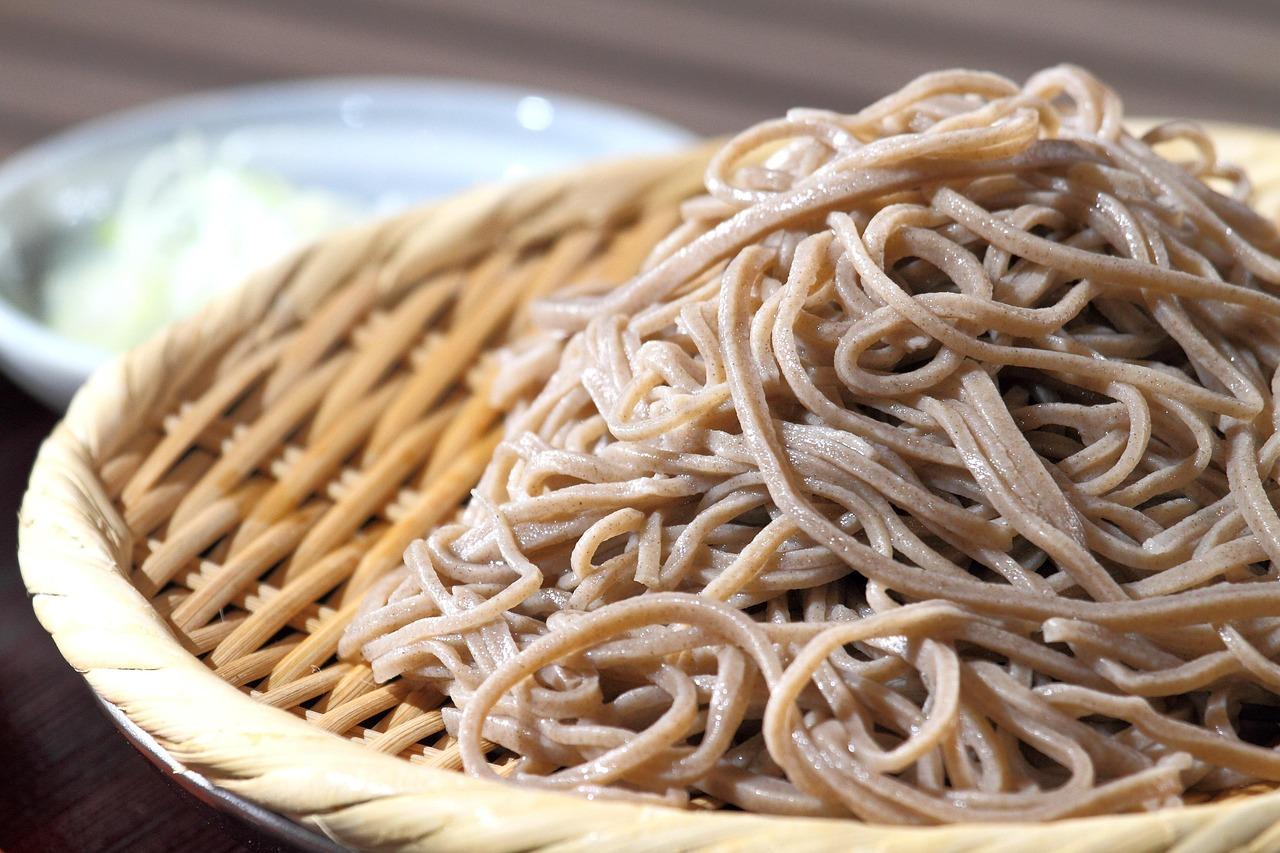
Zaru soba

Zaru soba (ざるそば) is the simplest and most loved way to eat buckwheat noodles in Japan, served chilled on a bamboo tray (zaru) with a small cup of dipping sauce. You pick up a mouthful of noodles, dip them, and slurp. The usual tsuyu sauce is made with bonito; this one gets its savoury depth from kombu and dried shiitake. Refreshing on a hot day, with grated wasabi, spring onion and a little nori. Chef's tip: the ice-water rinse is not optional. It washes off the surface starch and tightens the noodles so they're slippery and firm; soba shops call this 'shime', the finishing chill.

by KrazyBadal 0 views

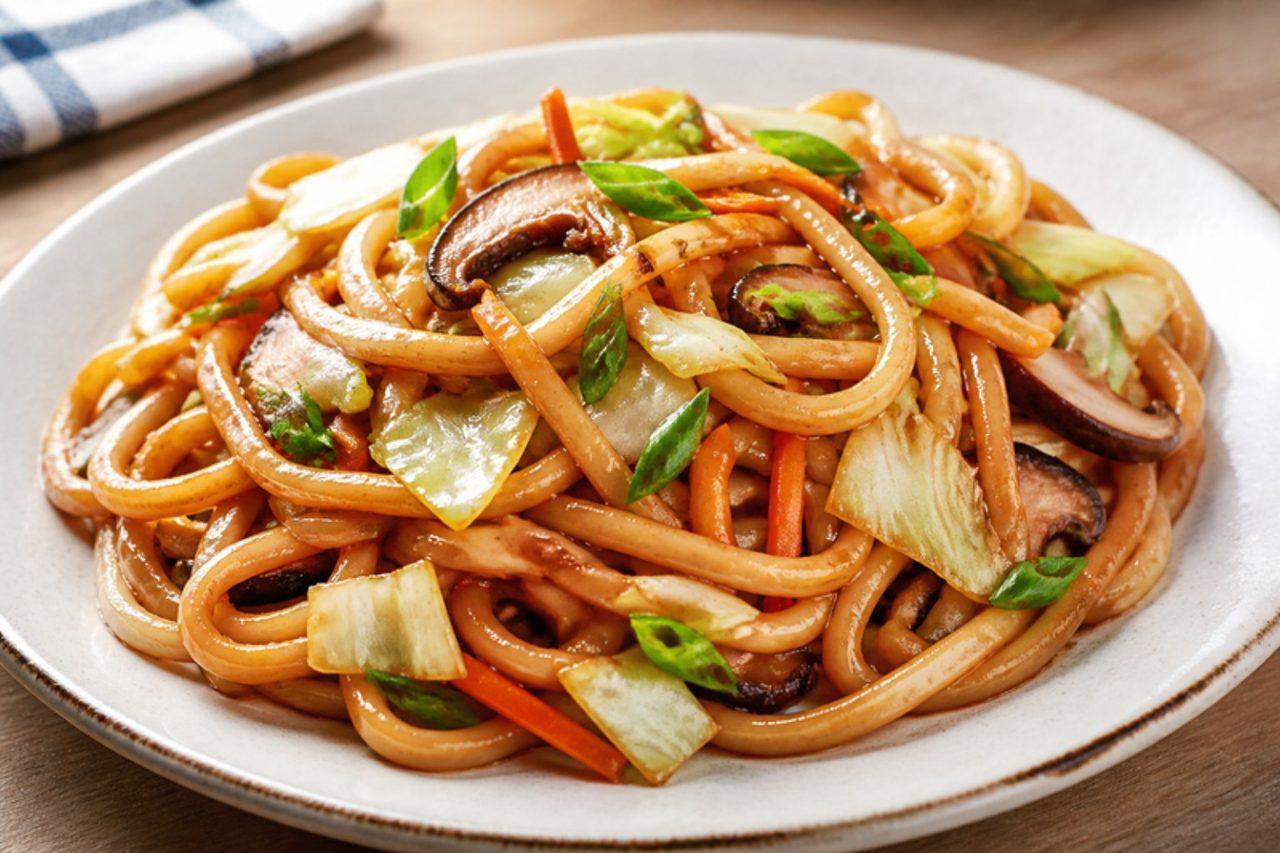
Yaki udon

Yaki udon (焼うどん) was first made in Kitakyushu, in northern Kyushu, just after the war, when a café owner ran out of soba for yakisoba and fried udon instead. The thick, chewy noodles are tossed in a hot pan with cabbage, onion, mushrooms and carrot, then glazed with soy, mirin and a little vegetarian Worcestershire-style sauce. Meat is usual in Japan; this vegetarian version gets its richness from shiitake and a fried egg on top. A fast, filling weeknight supper. Chef's tip: get the pan really hot and leave the noodles alone for 30 seconds at a time, so they pick up slightly charred edges; that smoky 'koge' is what makes yaki udon taste like the street-stall version.

by KrazyBadal 0 views

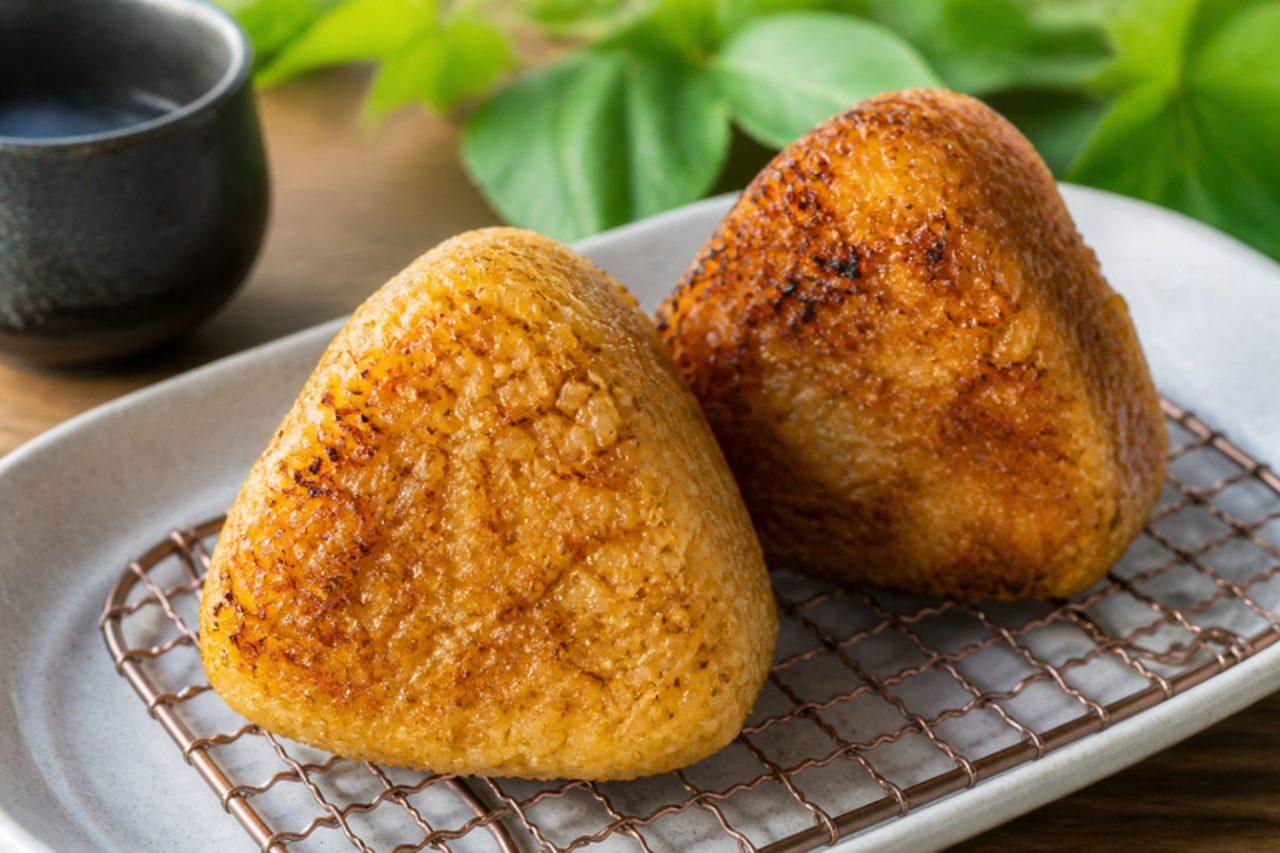
Yaki onigiri

Yaki onigiri (焼きおにぎり) are rice balls grilled until they form a crisp, toasty crust, then brushed with soy sauce glaze. They are eaten all over Japan, at izakaya, at barbecues and from the freezer section, as a snack or with miso soup. The inside stays soft and steamy while the outside crackles. Best eaten hot, straight from the pan. Chef's tip: let the shaped rice balls dry for 10 minutes before they go in the pan. A drier surface forms a better crust and won't stick, and the glaze goes on only at the end so it doesn't burn.

by KrazyBadal 0 views

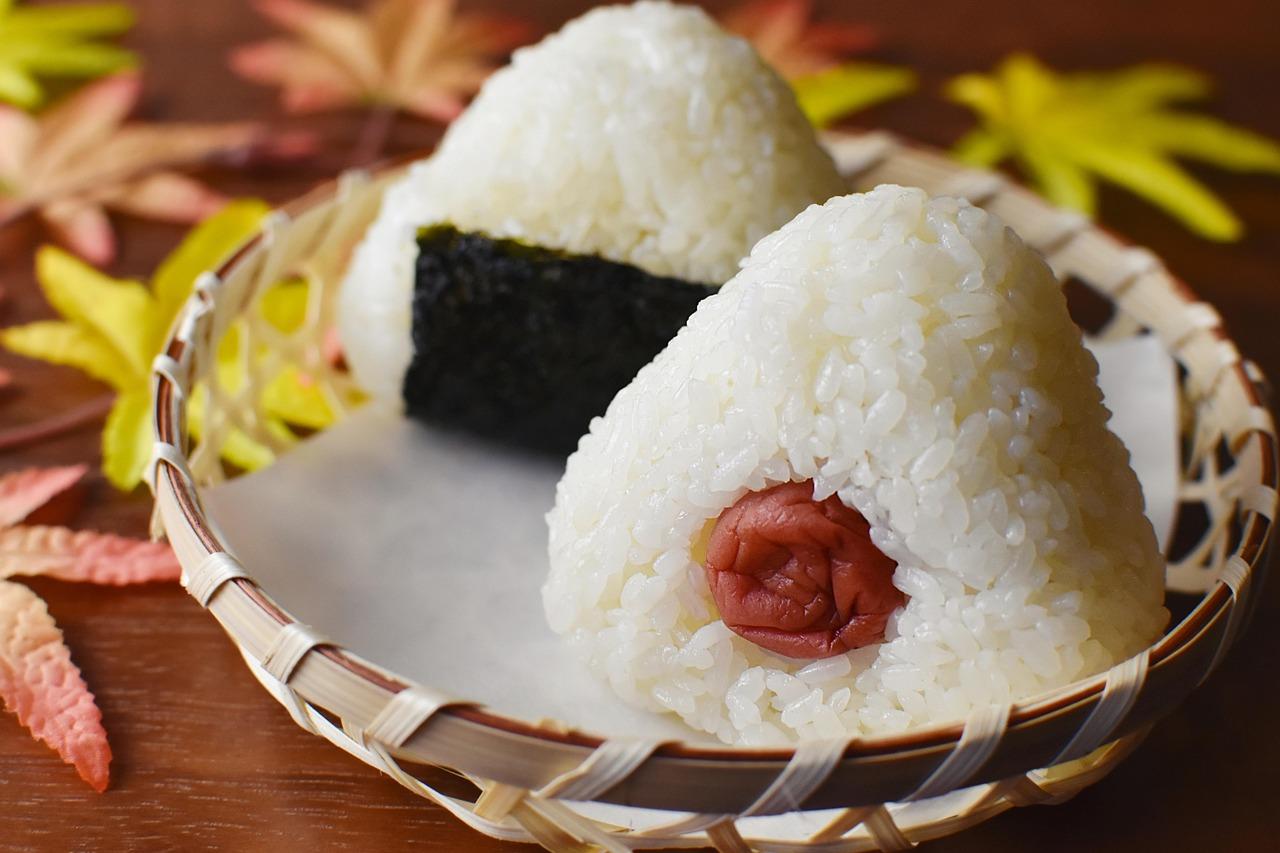
Vegetable onigiri

Onigiri (おにぎり) are Japan's everyday lunchbox and picnic food, sold in every convenience store from Tokyo to Kyushu. Warm rice is pressed around a salty or savoury filling and wrapped in a strip of crisp nori. This recipe gives three vegetarian fillings: sour umeboshi (pickled plum), sweet-salty simmered kombu, and a soy-glazed mushroom and carrot mix. Children love helping to shape them, and they keep well for a packed lunch. Chef's tip: use freshly cooked, still-warm rice and salt your hands, not the rice. The grains stick together only while warm, and the salt on the outside seasons every bite the way a Japanese mother would.

by KrazyBadal 0 views

Takikomi gohan

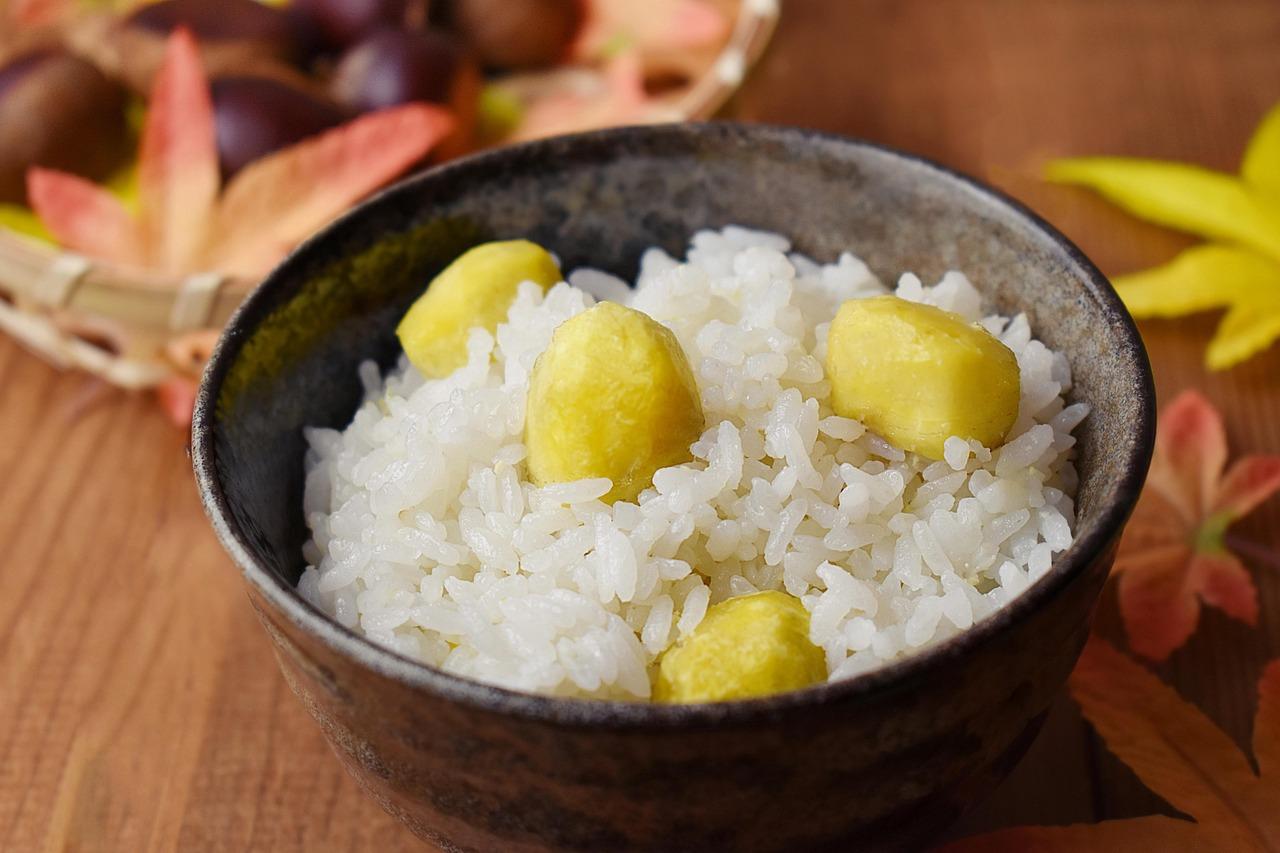
Takikomi gohan (炊き込みご飯) is mixed rice cooked in one pot with seasonal vegetables and a savoury broth, made in homes across Japan, especially in autumn when mushrooms and chestnuts are in season. Every grain soaks up the soy, mirin and mushroom flavour, and the bottom forms a prized toasty crust (okoge). This vegetarian version uses a kombu and shiitake dashi. Serve it with miso soup and pickles, or pack it into onigiri the next day. Chef's tip: never stir once the vegetables are on top, and don't lift the lid while it cooks. The heavy vegetables would sink and the rice cook unevenly; leaving it alone also gives you the toasty okoge crust at the bottom.

by KrazyBadal 0 views

Vegetable tempura

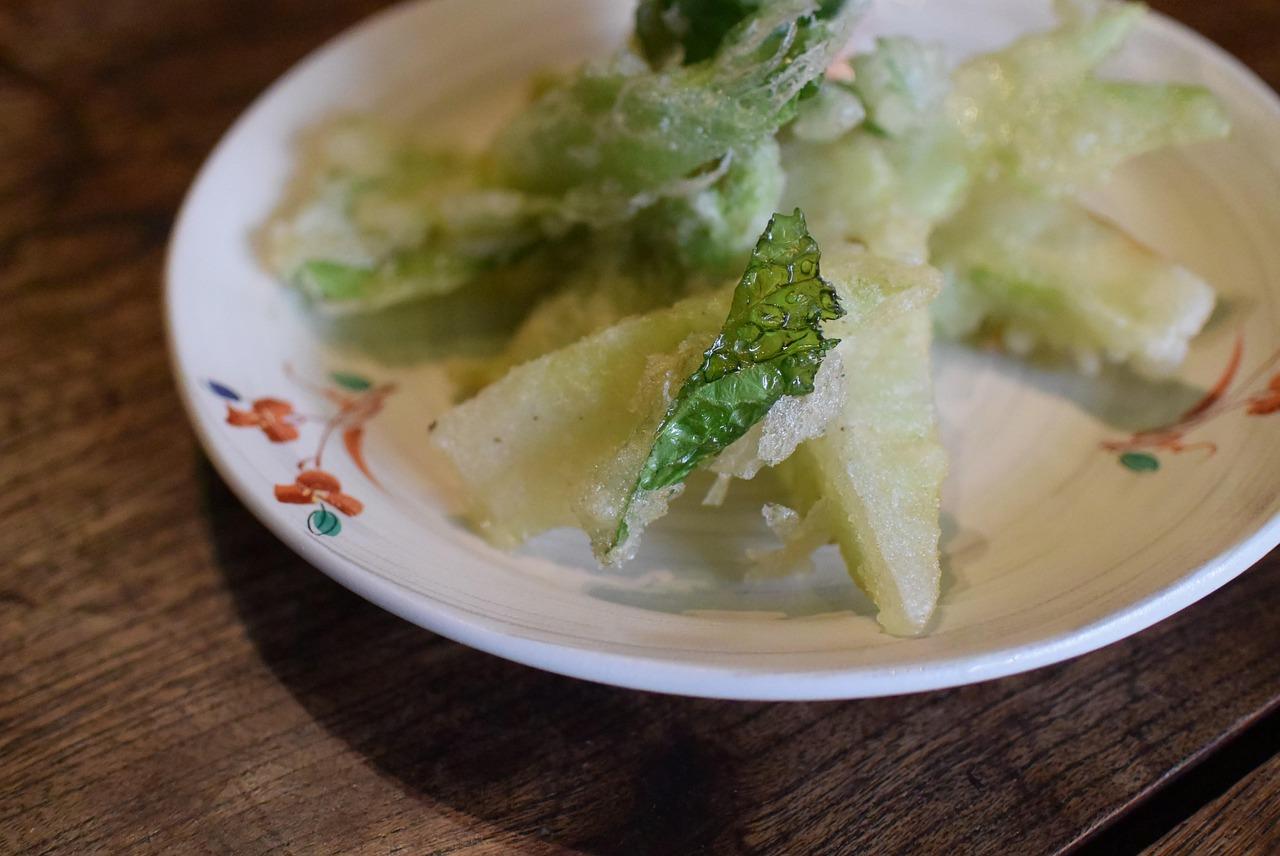
Tempura (天ぷら) became a Tokyo street food in the Edo period, when stalls fried it to order by the city's riverbanks. The secret to the thin, lacy coating is an ice-cold, lumpy batter mixed at the last second and vegetables fried in small batches. Sweet potato, aubergine, pepper, shiitake and green beans all work well. Serve straight from the pan with a light dipping sauce and grated daikon. Chef's tip: keep everything cold. Use ice-cold water, mix the batter only seconds before frying, leave it lumpy, and stand the bowl in a larger bowl of ice. Cold batter hitting hot oil is what makes the lacy, crackly shell that Tokyo tempura masters prize.

by KrazyBadal 0 views

Agedashi tofu

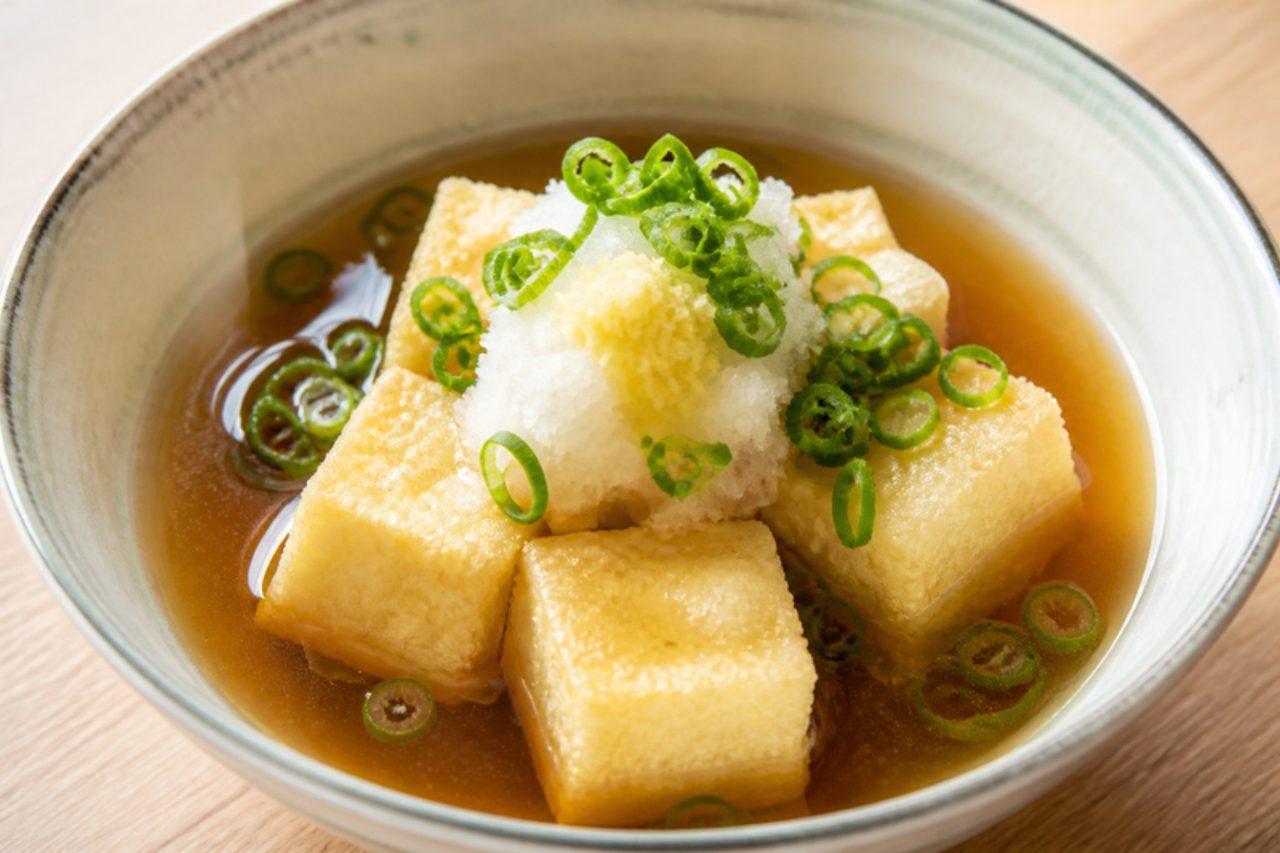
Agedashi tofu (揚げ出し豆腐) is a classic izakaya dish eaten all over Japan: cubes of soft tofu dusted in potato starch, fried until they form a thin, crisp shell, then bathed in a hot, savoury broth. The coating turns silky as it soaks up the sauce while the tofu inside stays creamy. Usually topped with bonito flakes; here it's grated daikon, ginger and spring onion with a kombu-shiitake broth instead. Chef's tip: coat the tofu in starch right before it goes into the oil, not ahead of time; if it sits, the starch turns damp and the coating fries up gummy instead of crisp.

by KrazyBadal 0 views

Tamagoyaki

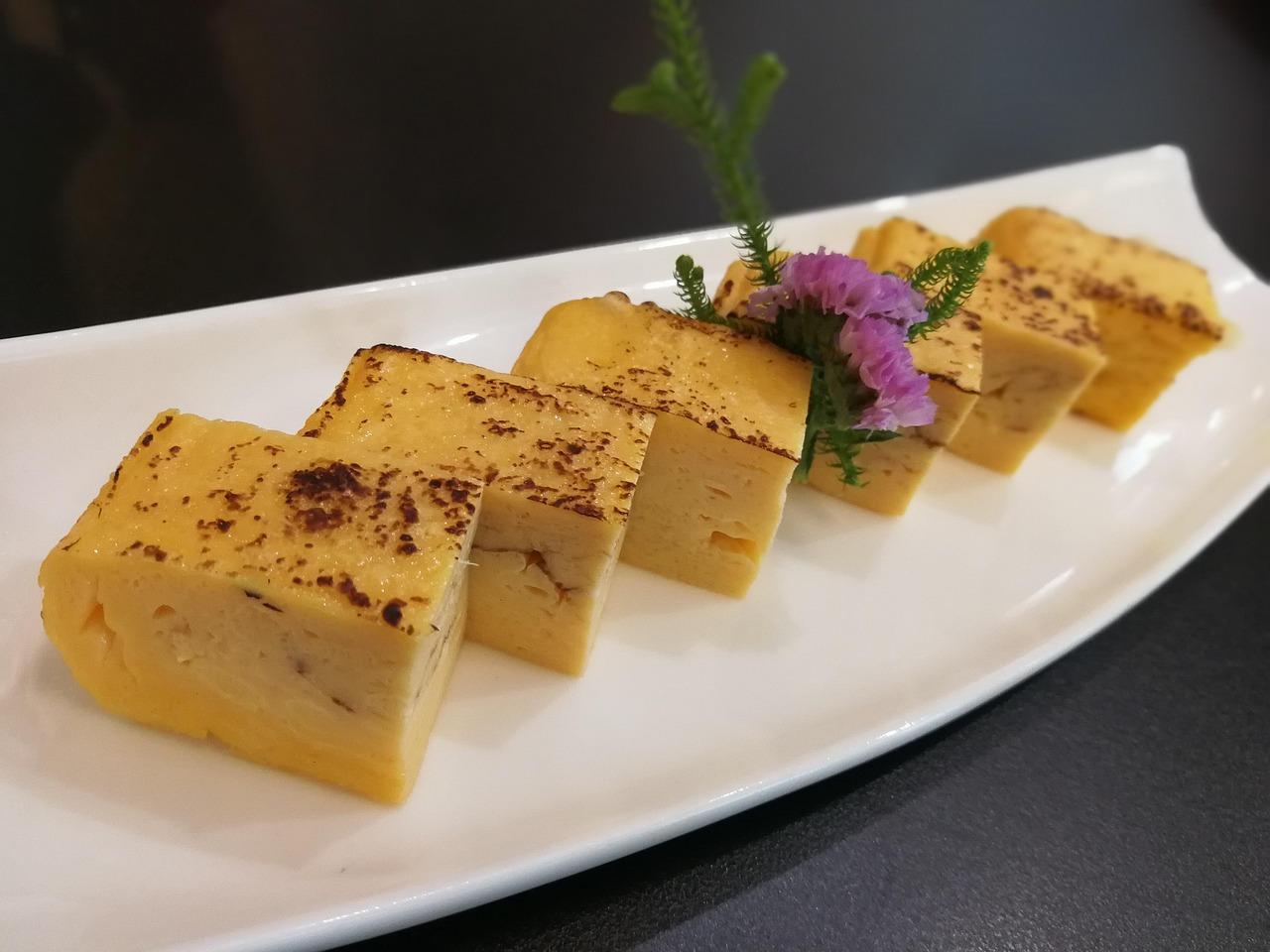
Tamagoyaki (卵焼き) is a rolled omelette made in layers, found in breakfast trays and bento boxes all over Japan. Thin sheets of seasoned egg are cooked one at a time and rolled up around each other, giving soft, springy slices with pretty spiral lines. This is the gently sweet home style; a little soy keeps it savoury. A square tamagoyaki pan helps, but a small round frying pan works too. Chef's tip: keep the heat moderate and the pan well oiled between layers. If the egg browns, the heat is too high; a good tamagoyaki is evenly yellow with just a few golden patches.

by KrazyBadal 0 views

Goya champuru

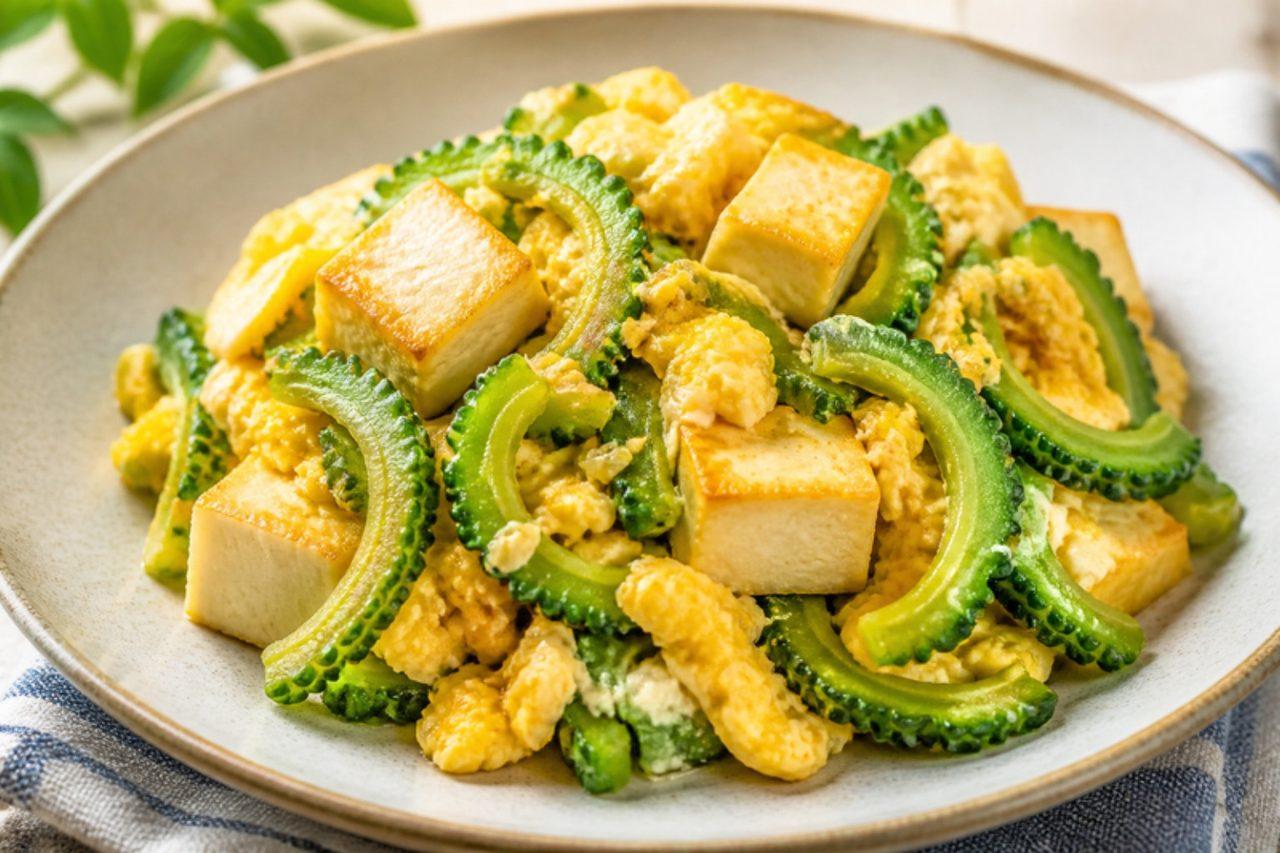
Goya champuru (ゴーヤーチャンプルー) is the best-known dish of Okinawa, Japan's southern islands, where bitter melon (goya) grows on vines in summer. Champuru means 'mixed up' in the Okinawan language: slices of goya are stir-fried with firm tofu and egg, and the bitterness is balanced by soy and the richness of the egg. Pork or Spam is usual; this vegetarian version relies on well-browned tofu. Serve with rice. Chef's tip: scrape out every bit of the white pith from inside the goya. That's where most of the harsh bitterness lives, so a clean scrape gives you the pleasant, refreshing bitterness Okinawans love.

20 minVegetarian
by KrazyBadal 0 views

Goes well with mirin