Skip to content

Recipes with dried hijiki seaweed

3 recipes that use dried hijiki seaweed, with photos, step-by-step instructions and cook times. The quickest, Ganmodoki, takes 45 minutes. It is most often cooked with carrot, soy sauce and aburaage.

Got a few things in the fridge? Search by everything you have

GanmodokiTofu and vegetable fritters

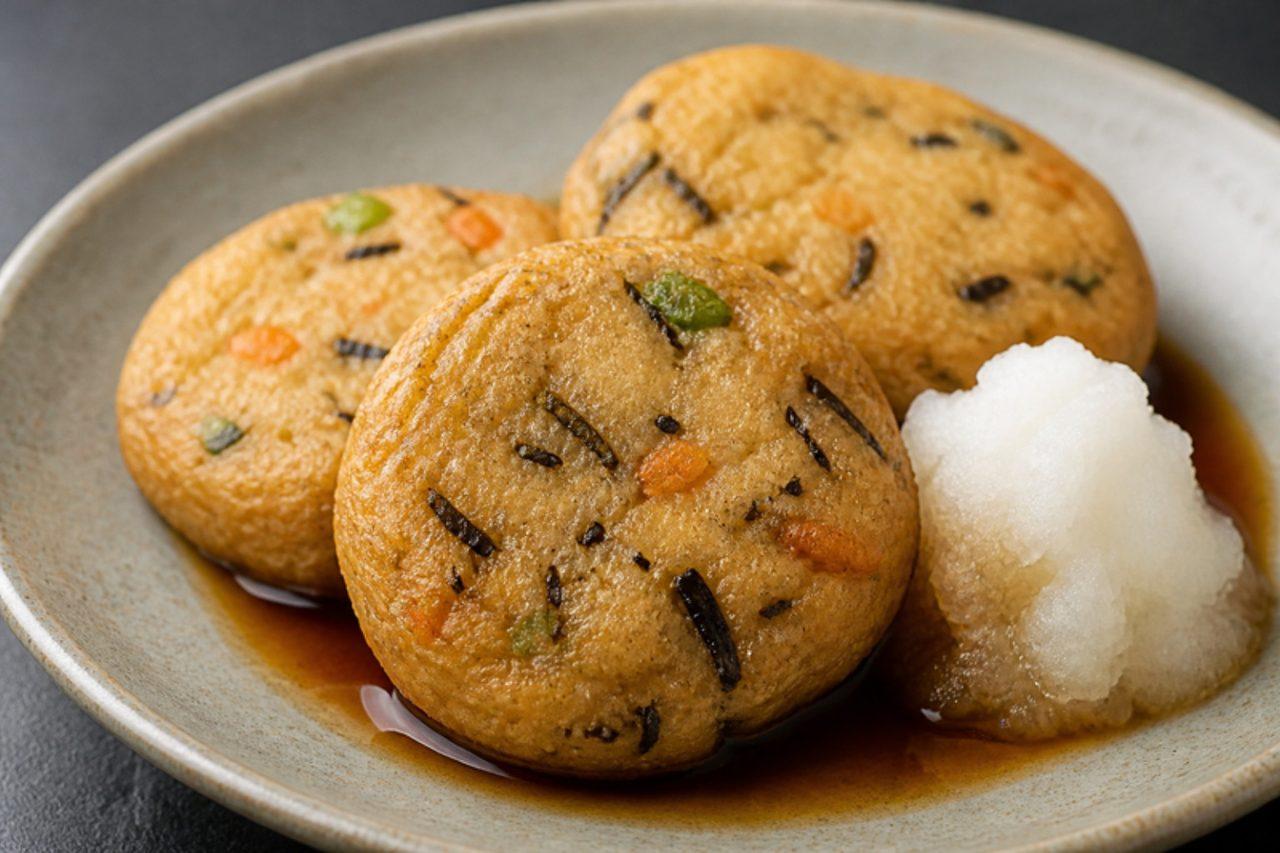
The name means 'mock goose', a hint that these fritters were invented by Buddhist monks who wanted something rich and satisfying without meat; in Kyoto they are called hiryōzu. Firm tofu is pressed, mashed with grated yam, carrot, hijiki and sesame, then fried into golden discs that are crisp outside and soft and springy within. Eat them hot with ginger and soy, or simmer them in oden or sweet dashi on cold days. The common mistake is not pressing the tofu enough; wet tofu makes fritters that split and spit in the oil. Chef's tip: a little grated Japanese mountain yam (nagaimo) binds the mix without egg and makes it fluffier; potato starch alone gives a denser fritter.

by KrazyBadal 0 views

Hijiki no nimonoSimmered hijiki seaweed

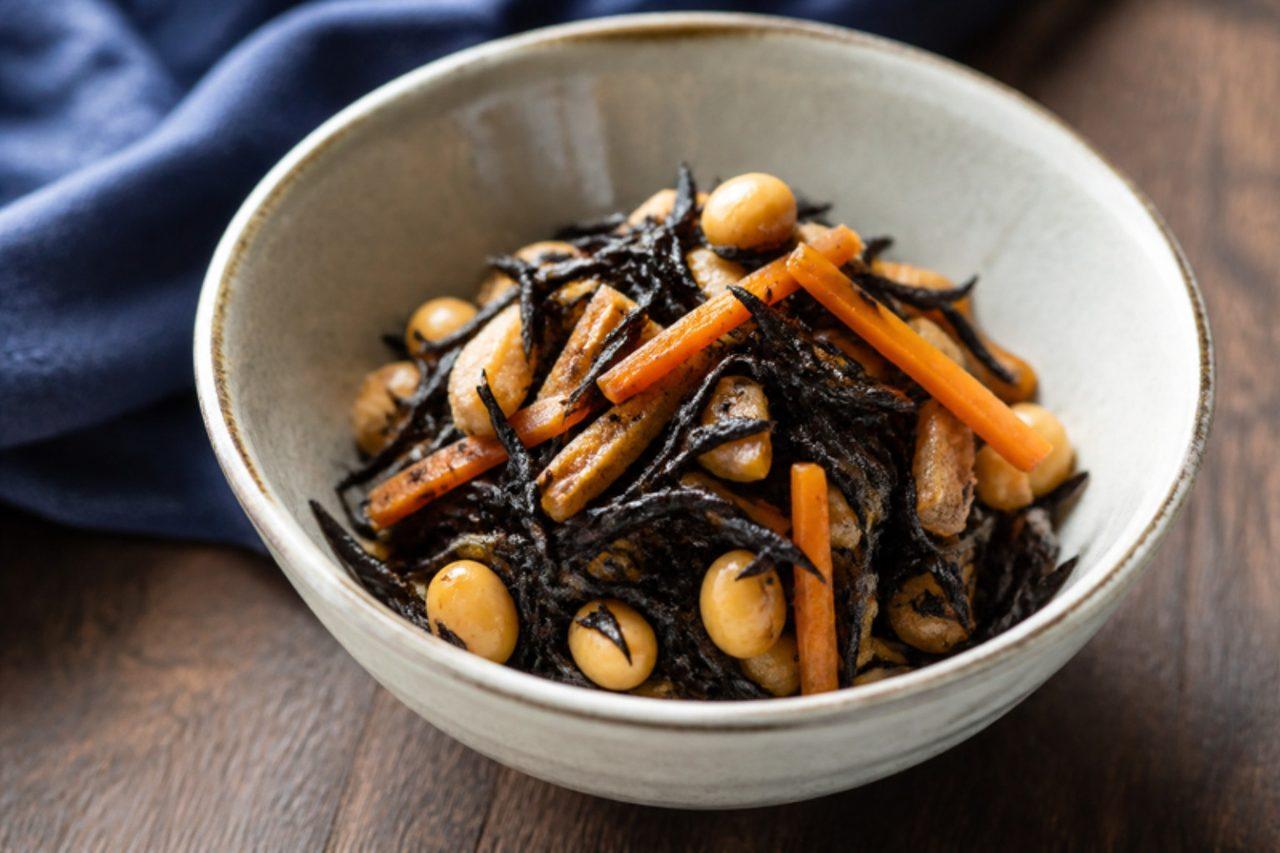
This is the quiet, dark heap of seaweed that turns up next to rice in set lunches all over Japan, and it is a staple of home bento boxes because it tastes just as good cold. Tiny black hijiki strands are simmered with carrot, thin fried tofu (aburaage) and soybeans in a sweet soy broth until the liquid is nearly gone. It is savoury, faintly of the sea and rich in fibre. Mirin contains alcohol; the note gives an alcohol-free swap, and this version uses fish-free kombu–shiitake dashi. A common mistake is skipping the rinse after soaking: dried hijiki carries sand, so swish it in fresh water twice. Because hijiki can hold inorganic arsenic, soak it well, discard the soaking water and eat it as a small side rather than daily in large amounts. Chef's tip: pour boiling water over the aburaage first to remove excess frying oil, so it soaks up the broth.

by KrazyBadal 0 views

Jushi (Okinawan mixed rice)

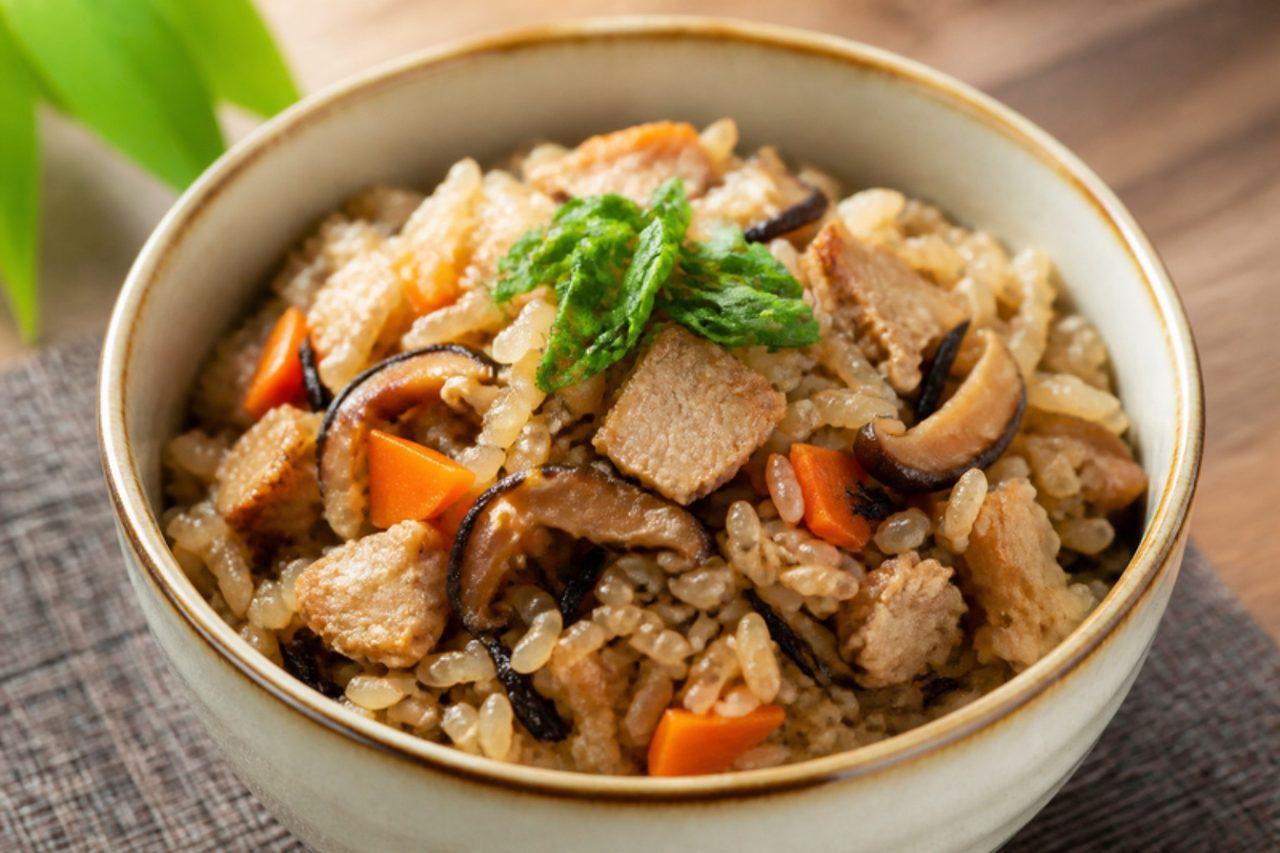
Jushi is Okinawa's seasoned rice, cooked with pork, vegetables and bonito stock. The firm kind, kufa-jushi, is what you find in rice balls at Okinawan supermarkets and alongside soba at lunch counters; a soupy, porridge-like version is cooked as well. On the winter solstice many families make a special jushi with taro root. Pork fat is part of its flavour, so the rice is cooked with a little lard and the belly pork itself. Chef's tip: measure the liquid carefully; the soy and stock replace part of the water, and firm, separate grains are what you want.

by KrazyBadal 0 views

Goes well with dried hijiki seaweed