
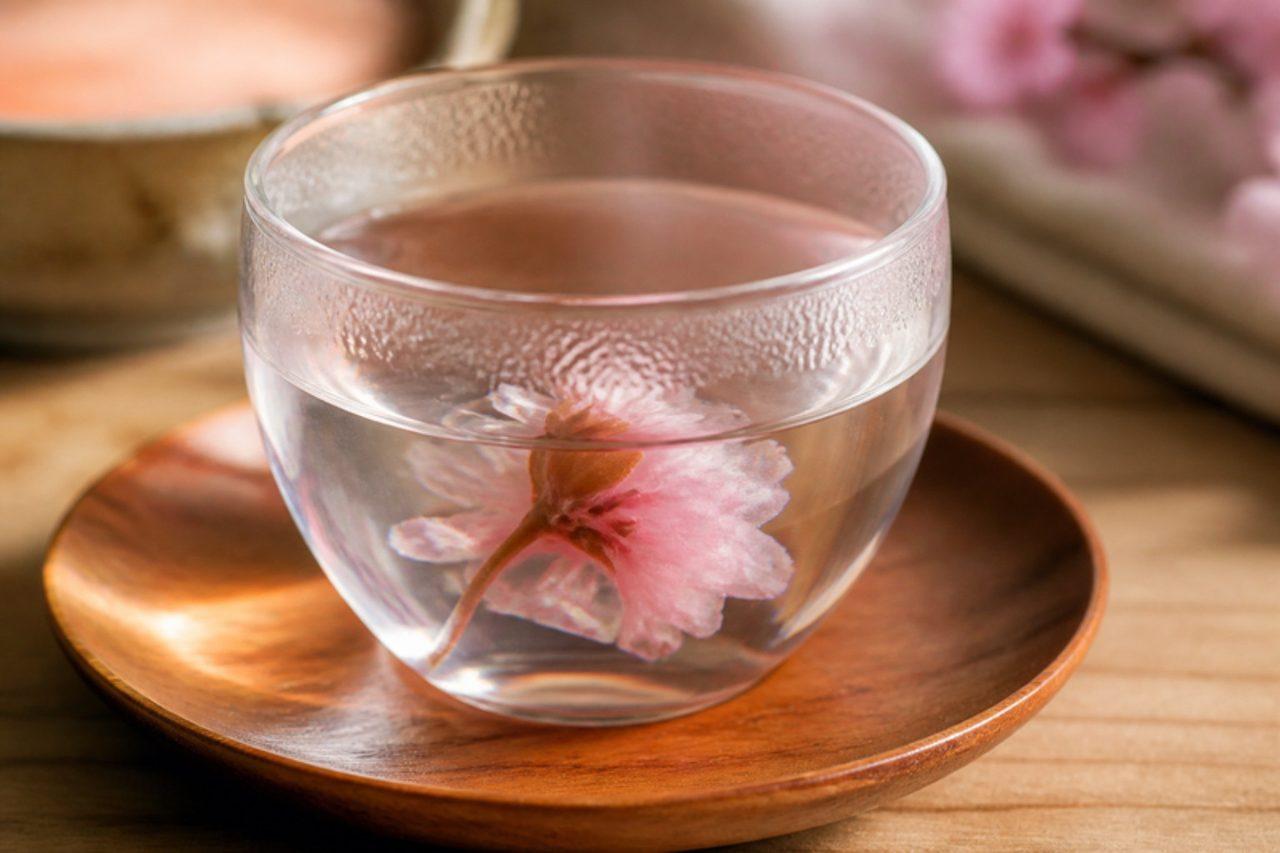
AI-generated image
Sakurayu (salted cherry blossom tea)
Pickled cherry blossoms that unfurl in a cup of hot water


Sakurayu is not really tea at all but salt-pickled cherry blossoms steeped in hot water, and it is served all over Japan at engagements, weddings and other happy occasions, as well as in the hanami season. Green tea is avoided at such moments because "muddying the tea" is a phrase for being evasive, while a blossom opening in a clear cup is a picture of a bright beginning. The drink is pale pink, gently salty and faintly scented of cherry and almond. The blossoms are bought ready-salted (sakura no shiozuke) from Japanese grocers. Serve it with small sweets such as sakura mochi or hanami dango. Chef's tip: use water just off the boil and pour it slowly down the side of the cup, so the petals open without tearing.
- Total time
- 5 min
- Difficulty
- easy
- Serves
- 4
Ingredients
- 8 salted cherry blossoms (sakura no shiozuke)shop-bought
- 1 cup cold waterfor rinsing
- 2 ½ cups hot waterjust off the boil
Shop this recipe on Amazon
Spices & pantry
Links open Amazon in a new tab. As an Amazon Associate, WhatToEat.Today earns from qualifying purchases.
Method
0/3 doneStep 1: Shake the loose salt off 8 salted cherry blossoms (sakura no shiozuke) and soak them in 1 cup cold water for 2–3 minutes to remove the excess salt. Common mistake: soaking them for much longer. The blossoms lose all their scent and colour, and a little saltiness is part of the drink.
3 minStep 2: Lift the blossoms out, gently squeeze them and put two in each cup, stems down.
1 minStep 3: Pour 2 ½ cups hot water slowly down the side of each cup. Wait about a minute, until the petals spread out and the water turns the palest pink, then serve. Taste first, and add a splash of the rinsing water if you like it saltier.
1 min
Nutrition per serving
- Calories
- 2 kcal
- Protein
- 0 g
- Carbs
- 0 g
- Fat
- 0 g
- Fibre
- 0 g
Nutrition values are estimates.
KrazyBadal
Good to know
- How long does sakurayu (salted cherry blossom tea) take?
- About 5 minutes in total.
- How many people does it serve?
- 4 as written. Change the servings above the ingredients and every amount scales to match.
- Is it vegan?
- Yes. It has no meat, fish, dairy or eggs.
- Is it gluten free?
- Yes, as written. Check the labels on stock, sauces and spice mixes, which sometimes contain gluten.
Reviews
No reviews yet. Be the first to cook it.
Rate this recipe
Sign in to rate and review this recipe.
You might also like
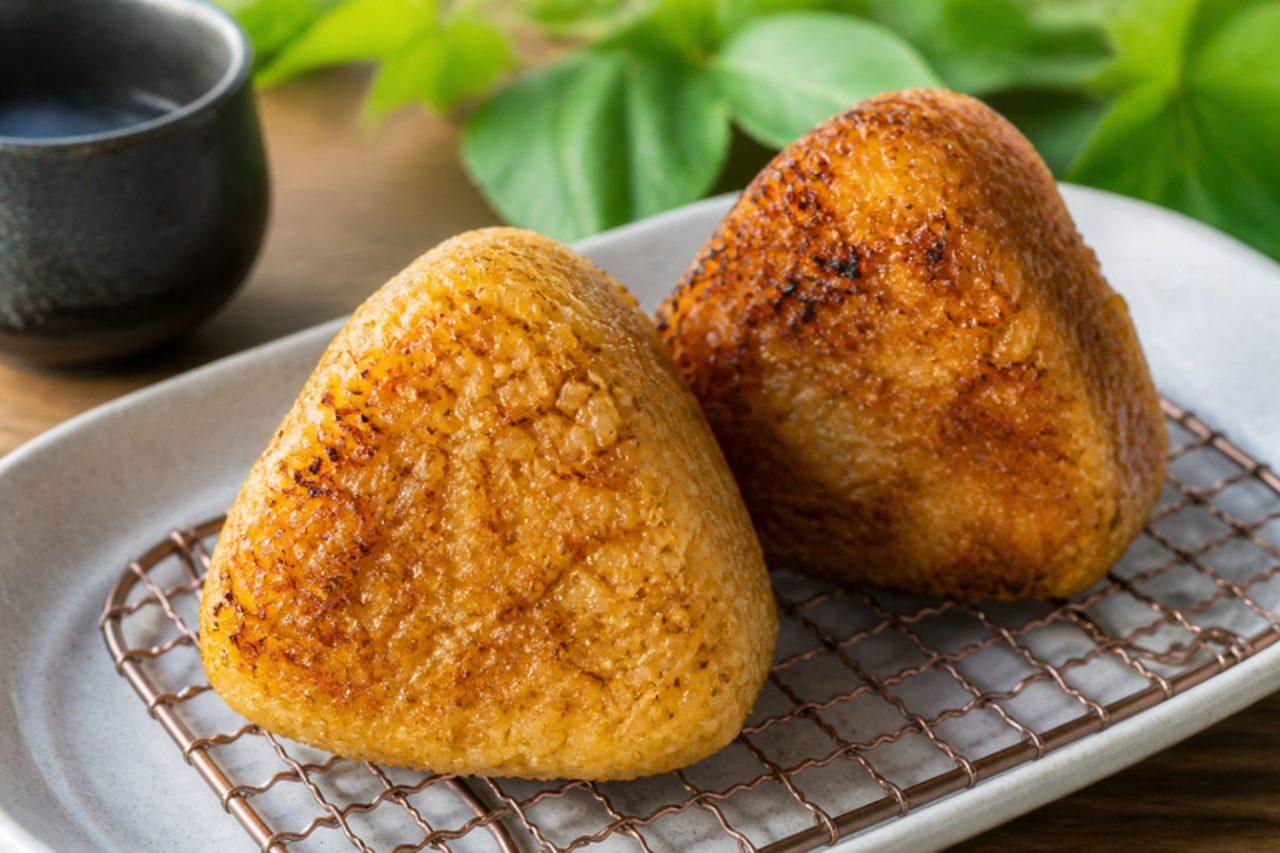
Yaki onigiriGrilled rice balls
Yaki onigiri (焼きおにぎり) are rice balls grilled until they form a crisp, toasty crust, then brushed with soy sauce glaze. They are eaten all over Japan, at izakaya, at barbecues and from the freezer section, as a snack or with miso soup. The inside stays soft and steamy while the outside crackles. Best eaten hot, straight from the pan. Chef's tip: let the shaped rice balls dry for 10 minutes before they go in the pan. A drier surface forms a better crust and won't stick, and the glaze goes on only at the end so it doesn't burn.

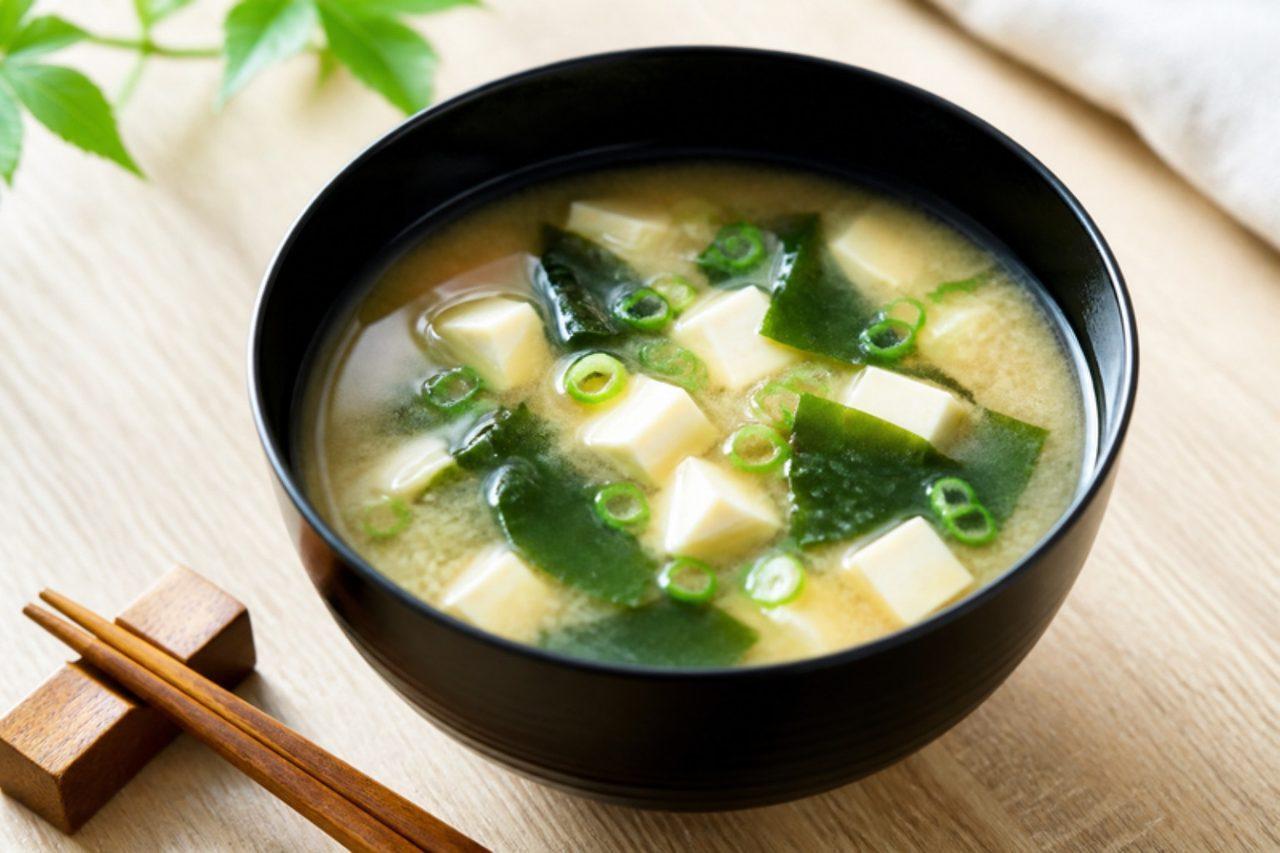
Miso soup
Miso soup (味噌汁) is drunk every day in homes all over Japan, at breakfast as well as dinner, beside a bowl of rice. The base is dashi; this vegan version uses kombu and dried shiitake instead of bonito, which gives it a deep, rounded flavour. Silken tofu and wakame seaweed are the classic fillings. It takes ten minutes; just remember not to boil the miso. Chef's tip: add the miso at the very end and never let it boil. Boiling kills the miso's fresh, fermented aroma; Japanese cooks say the soup should only 'smile', with the surface barely trembling.
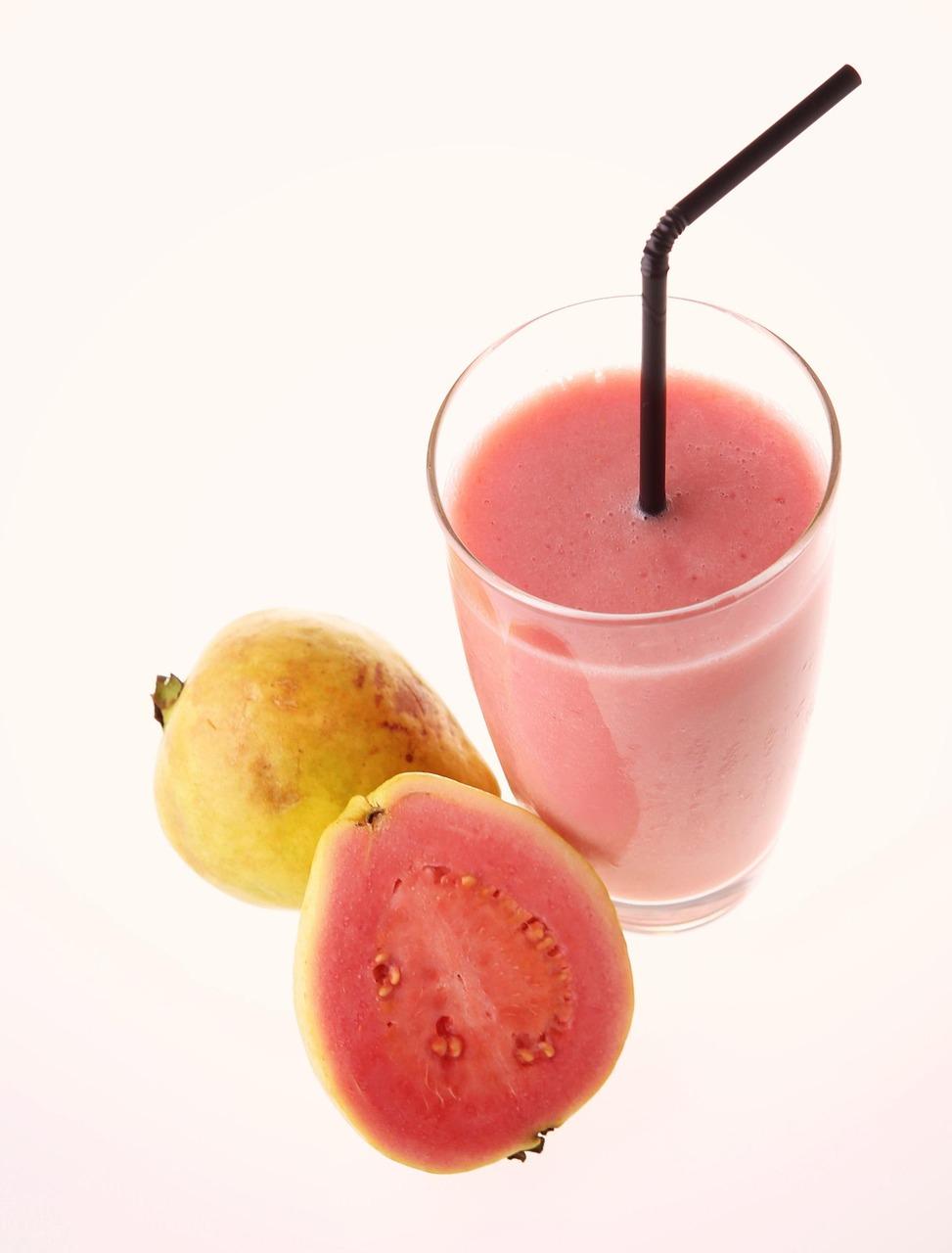
Guava delightGuava, mango and banana drink
A thick, fragrant blend of ripe guava, mango and banana, boosted with a spoonful of guava powder from the health shop. The book calls it a modern-day vitality drink, drawing on guava's long use in traditional Indian medicine. Serve it well chilled; sieve it if you don't like the little guava seeds.
