Skip to content

Recipes with vegetarian bulgarian white cheese

6 recipes that use vegetarian bulgarian white cheese, with photos, step-by-step instructions and cook times. The quickest, Popara, takes 10 minutes. It is most often cooked with butter, egg and milk.

Got a few things in the fridge? Search by everything you have

PoparaBread in hot milk with cheese

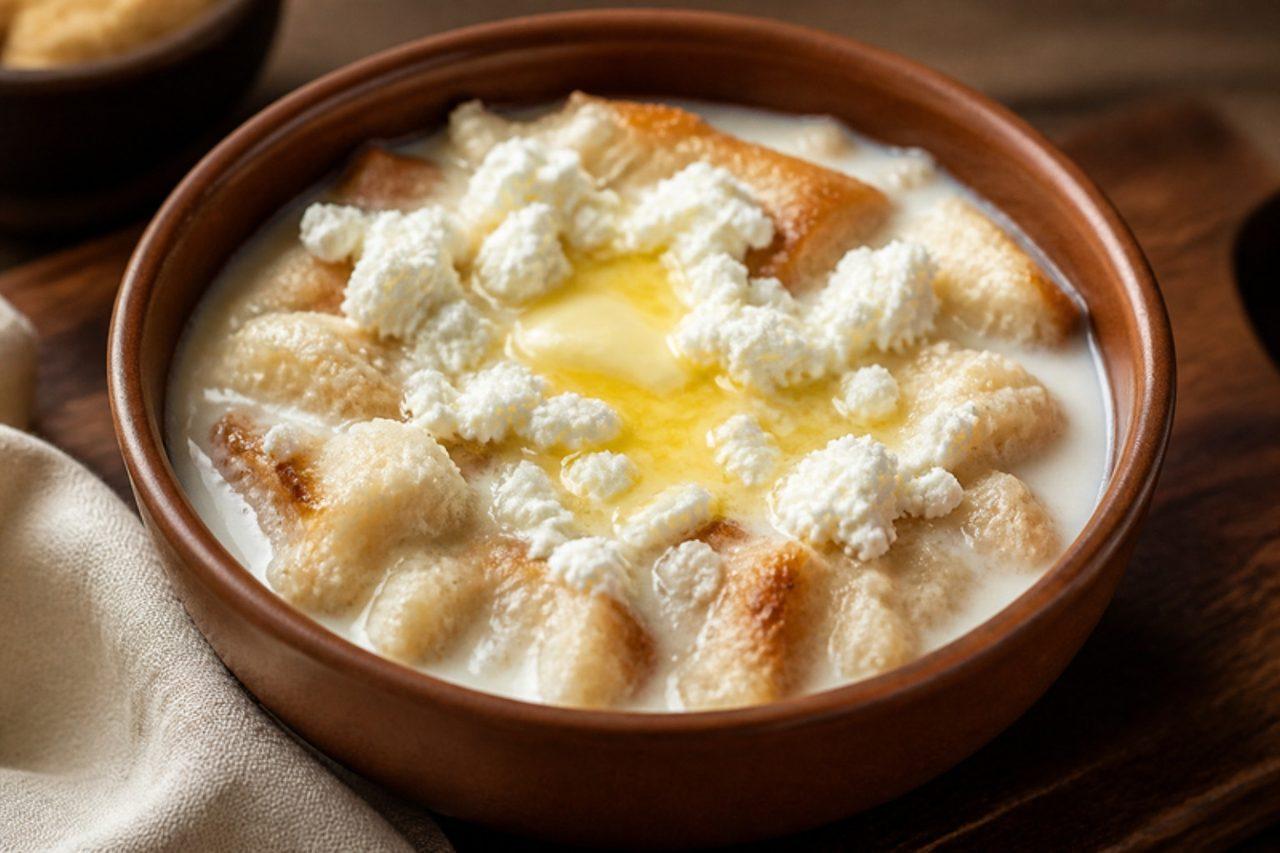
Ask Bulgarians about popara and most will smile about childhood: a bowl of yesterday's bread torn into chunks, scalded with hot milk or sweet tea, then stirred with a knob of butter and a handful of crumbled white cheese. It is what grandmothers in villages from the Balkan Mountains to Sofia made on cold mornings, and what students still cook when the cupboard is empty. Soft, warm, salty and comforting, it should be spoonable but not a soup. Some families make it sweet with sugar instead of cheese. Bulgarian sirene is usually made with animal rennet, so pick a white cheese labelled vegetarian if that matters to you. Where most people go wrong is using soft fresh bread, which dissolves into paste; it must be properly stale and dry. Chef's tip: cover the bowl with a plate for two minutes after pouring the milk, so the bread swells evenly before you stir in the butter.

by KrazyBadal 0 views

Sirene po shopskiBaked white cheese with tomato

Order 'cheese the Shop way' in a Sofia mehana and it arrives sizzling in its own little clay pot, the lid still on: cubes of white brined cheese softened in butter with tomato and roasted red pepper, an egg set on top and a chilli pepper standing upright in the middle. The cheese goes molten at the edges and salty-soft in the centre, the tomato juices bubble around it, and you mop it all up with warm bread. It is a classic of the Shop region around Sofia, eaten as a hot starter with a cold salad. Traditional sirene is made with animal rennet, so look for a vegetarian white cheese or a feta labelled vegetarian. The usual slip is cracking the egg in too early, which turns the yolk chalky; add it only for the last few minutes. Chef's tip: soak very salty cheese in cold water for 30 minutes first, or the dish will be too sharp to eat.

by KrazyBadal 0 views

PatatnikGrated potato and cheese cake

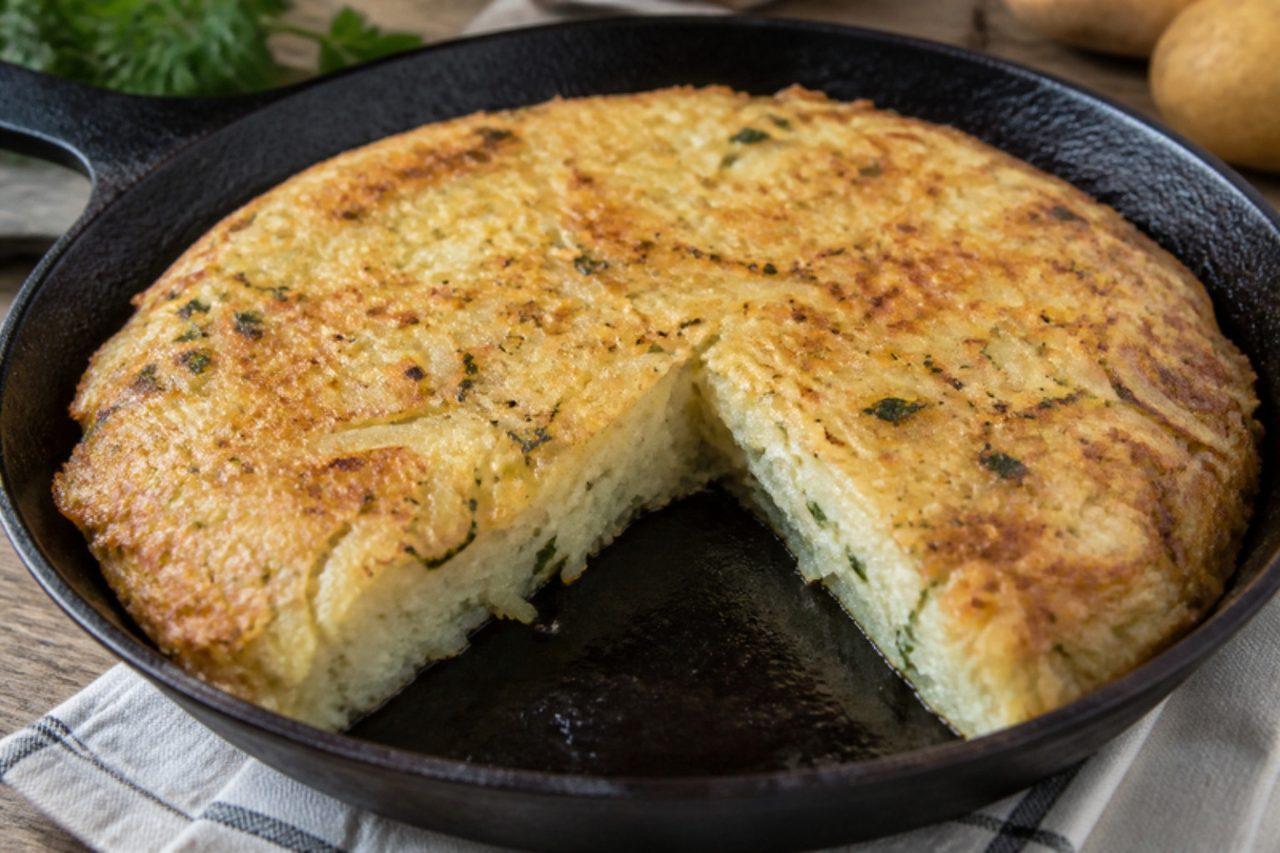
Up in the Rhodope Mountains around Smolyan and Chepelare, where potatoes grow better than almost anything else, patatnik is the dish every mountain inn puts on its menu. Grated potato is salted and squeezed, mixed with onion, crumbled white cheese, egg and plenty of dried spearmint (dzhodzhen), then cooked slowly in a heavy pan like a thick cake and turned once. The outside is a crisp, golden crust, the inside soft, salty and herby. Eat it hot in wedges with a bowl of thick sheep's yogurt and a tomato salad. Sirene is often made with animal rennet, so use a white cheese labelled vegetarian. The classic error is turning the heat up to hurry it, which burns the crust while the middle stays raw; it needs a low flame and patience. Chef's tip: slide the cake onto a plate, cover with a second plate and flip, then slide it back into the pan with a little more butter.

by KrazyBadal 0 views

KlinRice and cheese filo pie

Klin is the festive pie of the Rhodopes, baked for Gergyovden in May, for weddings and for the end of the haymaking, in large round tins that come out to be shared across the village. Thin pastry sheets are layered with a loose, custardy mix of cooked rice, crumbled white cheese, eggs, milk and butter, so it bakes tender and soft inside with a crisp, golden lid. The rice makes it heartier than banitsa and gives every slice a gentle, creamy chew. It is eaten warm or cold with yogurt or ayran. Sirene is often made with animal rennet, so use a vegetarian white cheese. Where most people go wrong is cooking the rice fully; it must stay slightly firm, because it carries on soaking up milk in the oven. Chef's tip: pour any leftover egg and milk over the top just before baking, and the surface puffs into a glossy, golden crust.

by KrazyBadal 0 views

TutmanikCheese and egg yeast bread

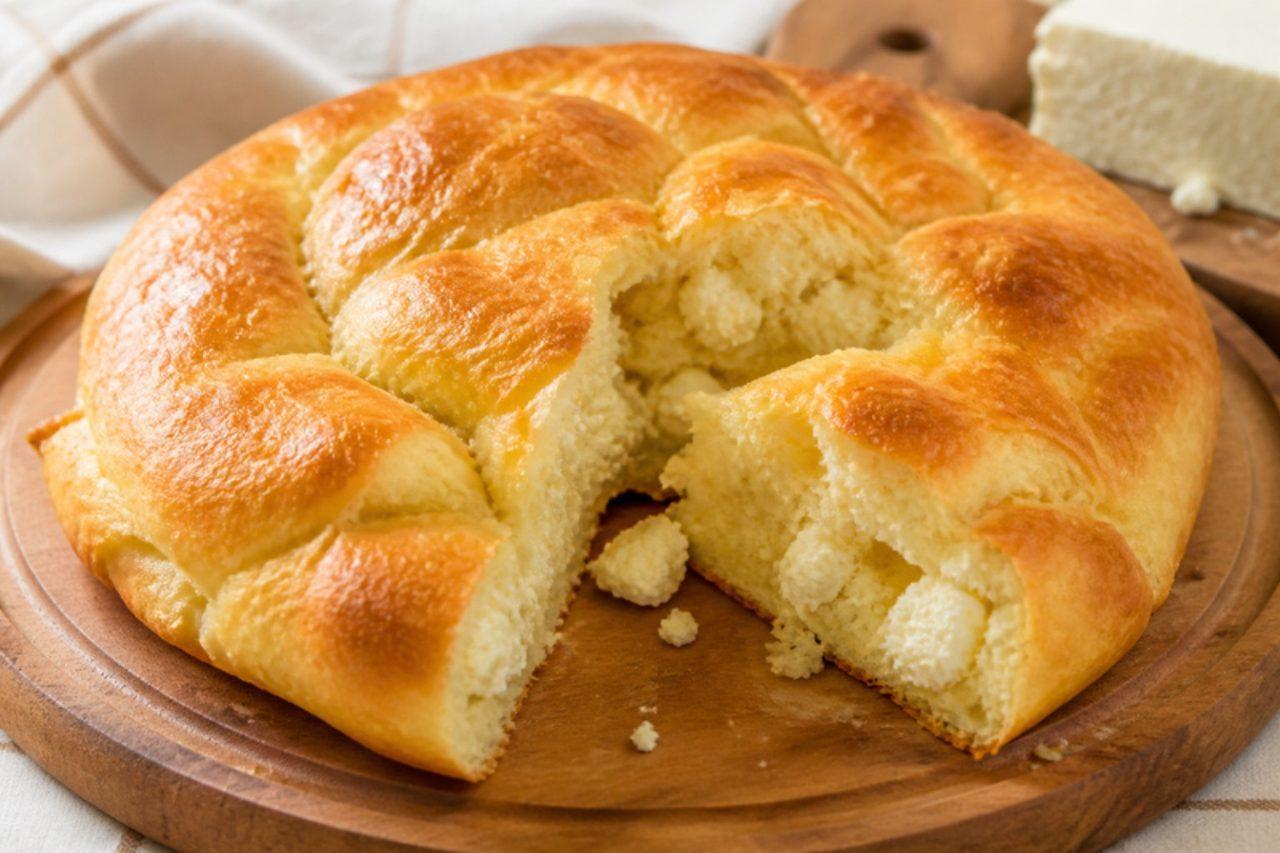
Weddings, christenings and long Sunday lunches in western Bulgaria often begin with a tutmanik on the table, still warm and torn by hand rather than sliced. The yeast dough is enriched with yogurt, eggs and oil, rolled, scattered with crumbled white cheese, folded and baked until it rises tall and golden, with salty pockets of melted cheese running all through the soft crumb. Eat it with a glass of ayran or a bowl of tarator in summer. Sirene is often made with animal rennet, so use a white cheese labelled vegetarian. A common mistake is adding too much flour to a sticky dough; it should stay soft and slightly tacky, or the bread bakes dense. Chef's tip: brush the top with yolk mixed with a spoon of yogurt rather than milk, for the deep, glossy crust Bulgarian bakers aim for.

by KrazyBadal 0 views

ParlenkaGarlic butter flatbread with cheese

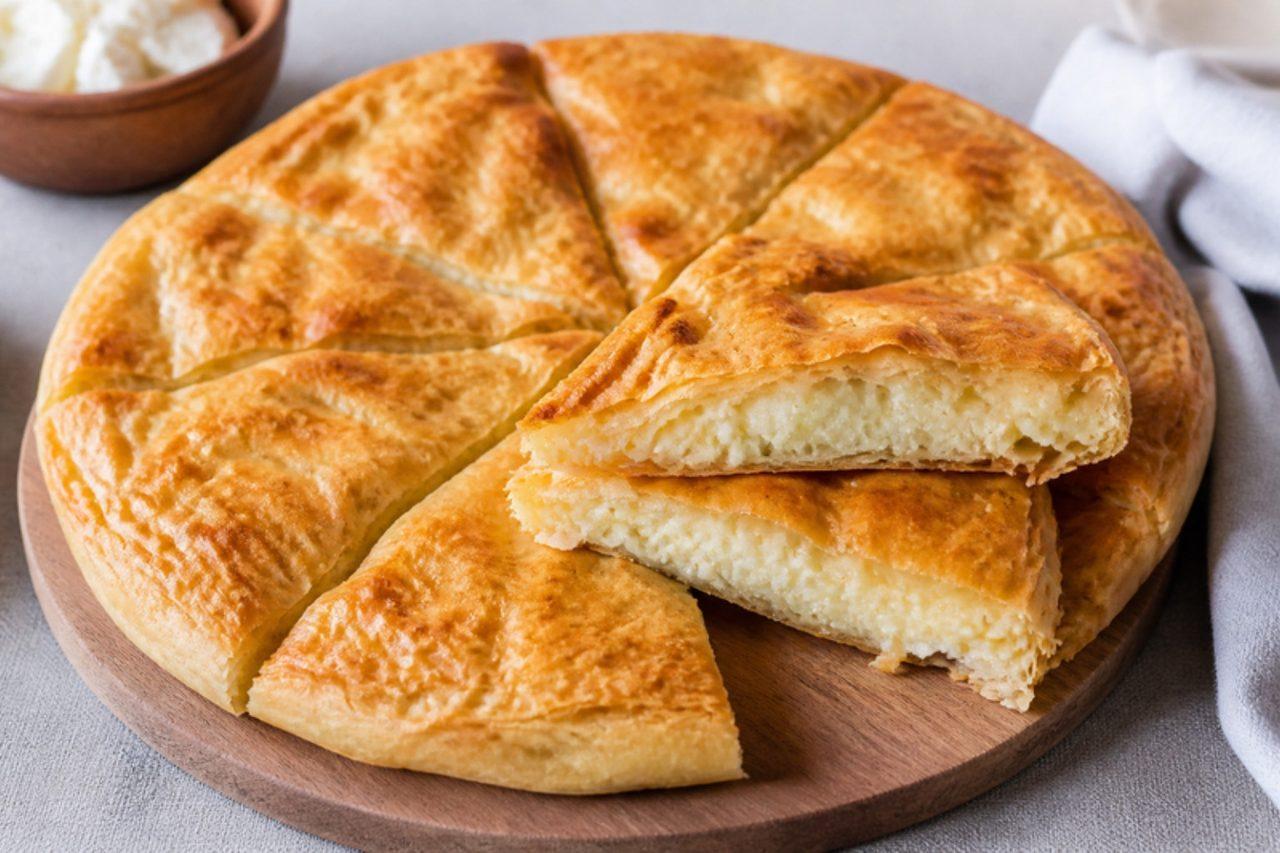
Grill houses all over Bulgaria, and especially the seaside ones at Burgas and Varna, bring parlenka to the table straight off the coals: a puffy, char-marked flatbread brushed with garlic butter, sprinkled with savory and dusted with white cheese or grated kashkaval. It is torn and shared with salads, grilled vegetables or a plate of lyutenitsa. Bakeries use a yeast dough; this quick home version raises it with yogurt and a little bicarbonate, so it is ready in half an hour on a griddle pan. Both sirene and kashkaval are traditionally made with animal rennet, so use vegetarian white or hard cheese. The common pitfall is a pan that is not hot enough: the bread must hit smoking-hot iron to puff and blister rather than dry out. Chef's tip: brush the butter on the moment the bread leaves the pan, while the surface is still crackling, so it soaks right in.

by KrazyBadal 0 views

Goes well with vegetarian bulgarian white cheese