Skip to content

Recipes with dried summer savory

7 recipes that use dried summer savory, with photos, step-by-step instructions and cook times. The quickest, Sharena sol, takes 10 minutes. It is most often cooked with onion, butter and garlic.

Got a few things in the fridge? Search by everything you have

Parlenka

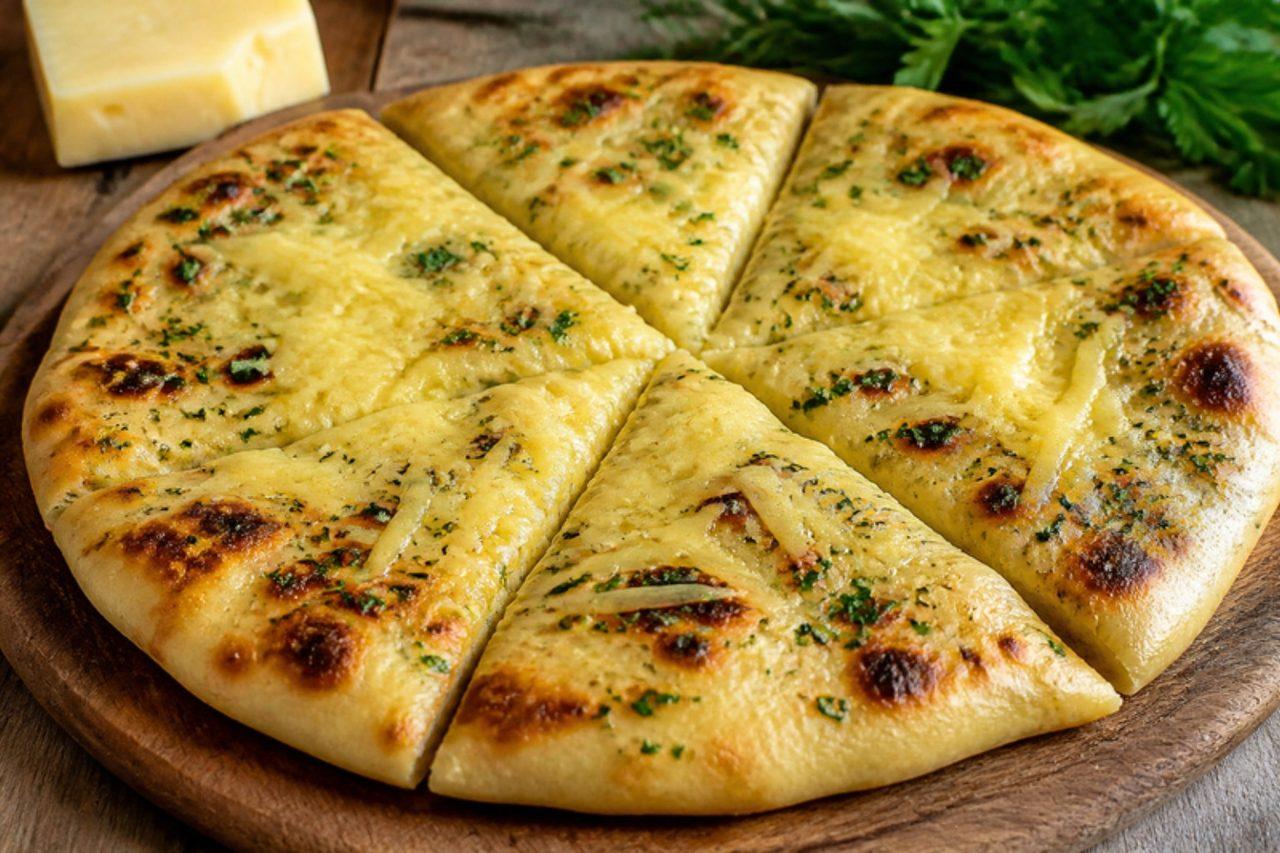
Grill houses all over Bulgaria, and especially the seaside ones at Burgas and Varna, bring parlenka to the table straight off the coals: a puffy, char-marked flatbread brushed with garlic butter, sprinkled with savory and dusted with white cheese or grated kashkaval. It is torn and shared with salads, grilled vegetables or a plate of lyutenitsa. Bakeries use a yeast dough; this quick home version raises it with yogurt and a little bicarbonate, so it is ready in half an hour on a griddle pan. Both sirene and kashkaval are traditionally made with animal rennet, so use vegetarian white or hard cheese. The common pitfall is a pan that is not hot enough: the bread must hit smoking-hot iron to puff and blister rather than dry out. Chef's tip: brush the butter on the moment the bread leaves the pan, while the surface is still crackling, so it soaks right in.

by KrazyBadal 0 views

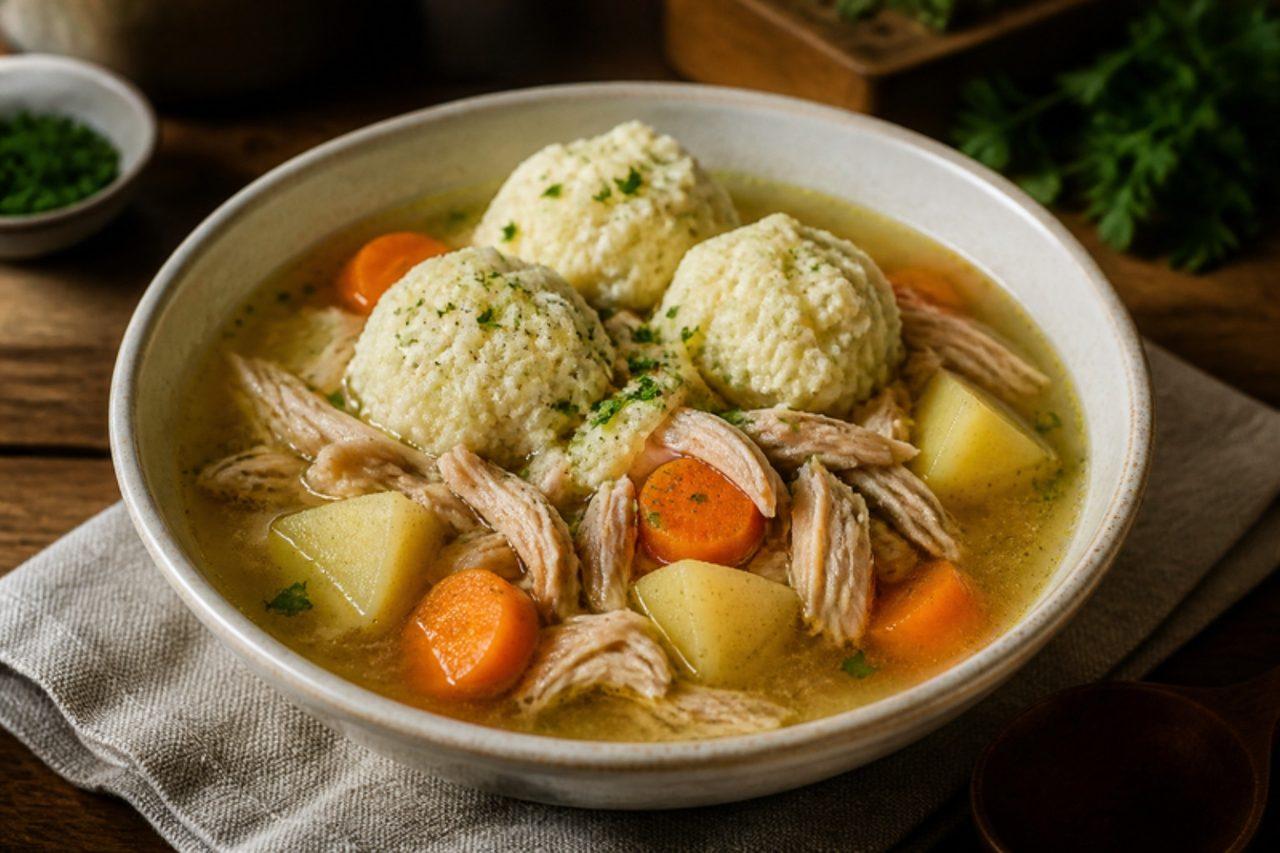
Chicken fricot

Fricot is the everyday stew of Acadian kitchens in New Brunswick, Prince Edward Island and Nova Scotia, and on Chéticamp it is still what grandmothers serve when the family comes home. Chicken simmers with potatoes, onion and plenty of summer savory, and fluffy dumplings called pâte steam on top at the end. It is simple, comforting food for cold evenings. A common mistake is a stew that is boiling hard when the dumplings go in, which breaks them up; keep it at a lively simmer. Chef's tip: summer savory is the defining herb; use thyme only if you really can't find it.

by KrazyBadal 0 views

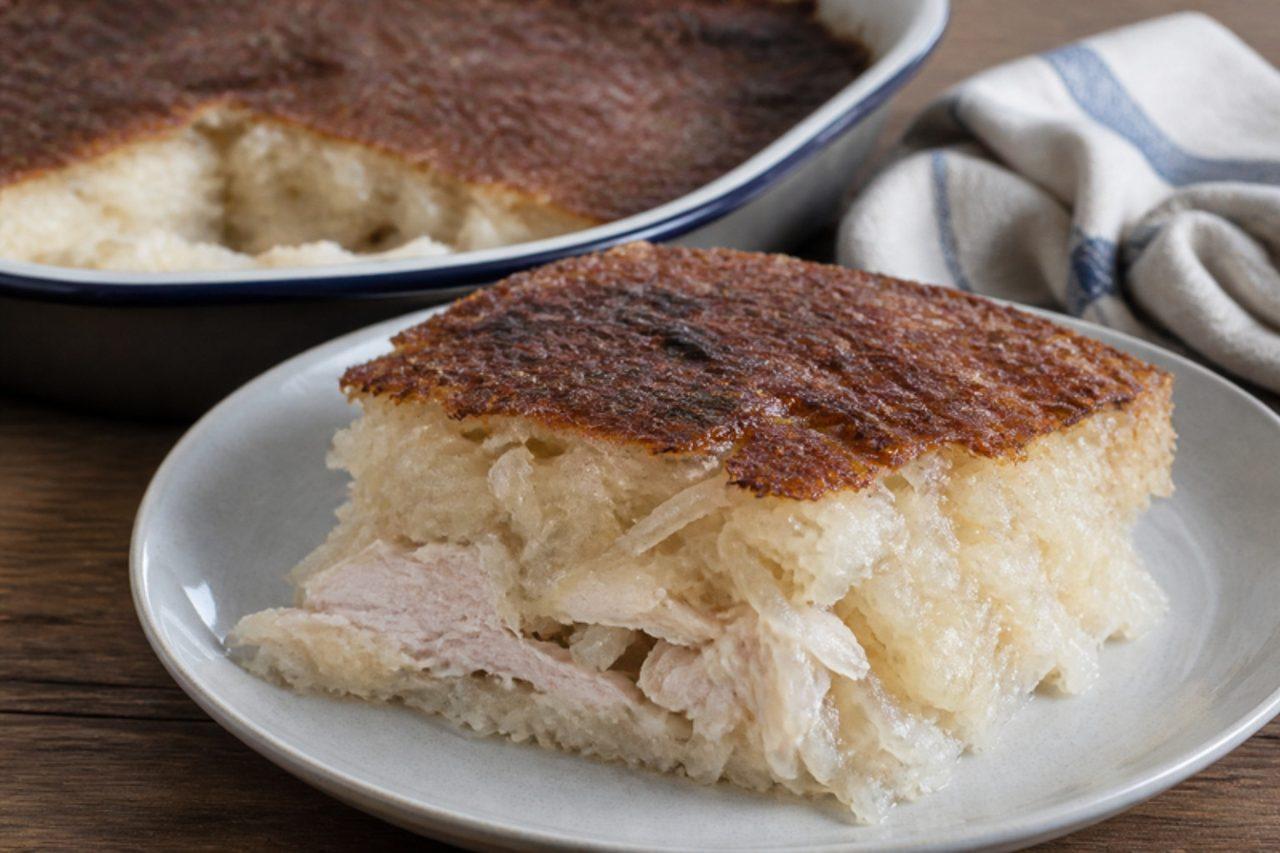
Rappie pie

Rappie pie is the great Acadian dish of south-west Nova Scotia, around Clare and Pubnico, made for big family gatherings, weddings and Christmas. Potatoes are grated, squeezed hard to remove their liquid, then "replaced" with hot chicken broth, which gives the pie its unusual soft, jelly-like texture under a crisp brown crust. Chicken pieces are layered through the middle. It is a labour of love but feeds a crowd. A common mistake is not squeezing the potato dry enough; the broth can't soak in and the pie stays watery. Chef's tip: the broth must be boiling hot when you mix it in, which starts to set the starch.

by KrazyBadal 0 views

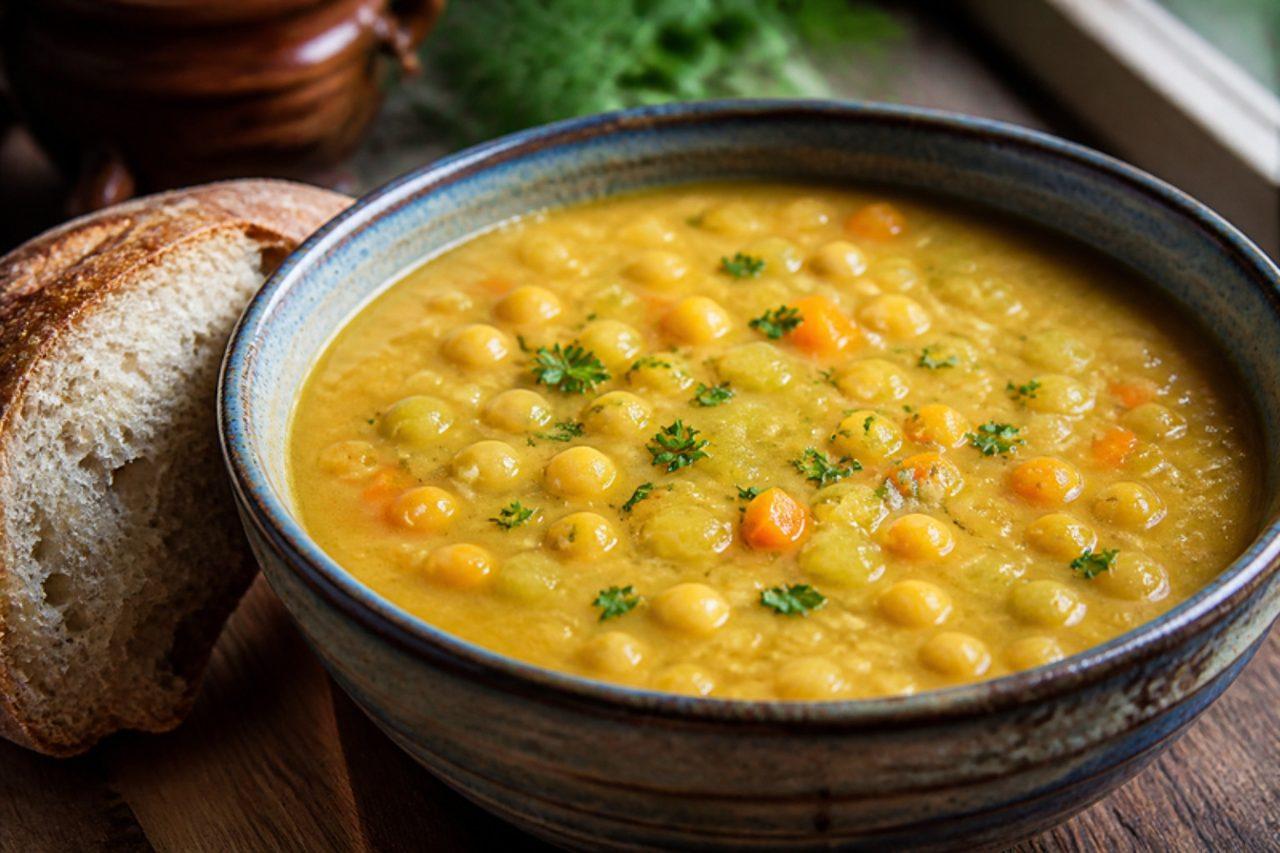
Quebec pea soup

In Quebec farmhouses a pot of soupe aux pois went on the back of the wood stove on Saturday and fed the family through the cold weeks; it is still served at sugar shacks and on chilly Sundays from Gaspé to Gatineau. Whole yellow peas break down over three hours into a thick, golden, earthy soup scented with summer savory. The old version is cooked with a slab of salt pork; this pot leaves it out and builds depth with browned onion and a bay leaf instead, so it is vegan. Serve with crusty bread or a ploye. Chef's tip: use whole yellow peas, not split ones; they hold some bite and give the soup its proper rustic body.

by KrazyBadal 0 views

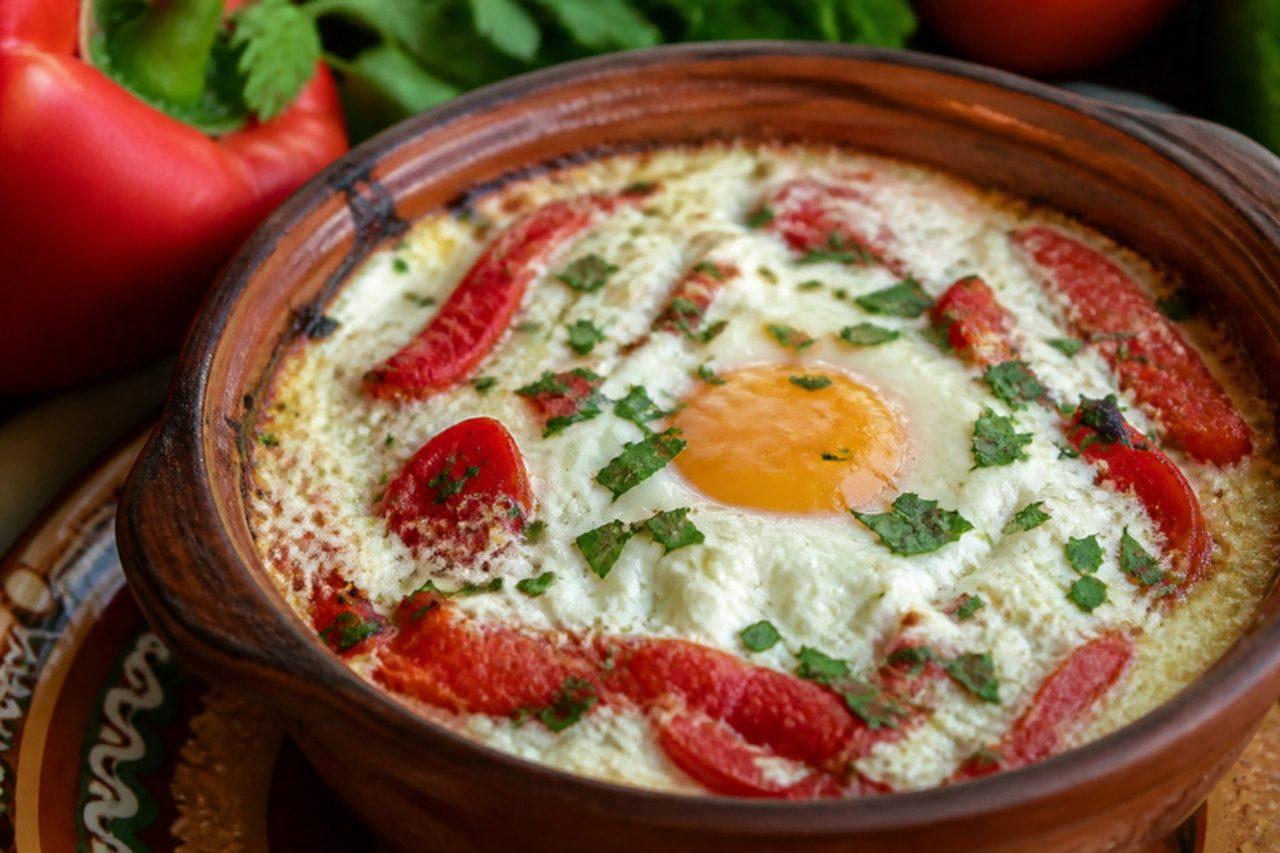
Sirene po shopski

Order 'cheese the Shop way' in a Sofia mehana and it arrives sizzling in its own little clay pot, the lid still on: cubes of white brined cheese softened in butter with tomato and roasted red pepper, an egg set on top and a chilli pepper standing upright in the middle. The cheese goes molten at the edges and salty-soft in the centre, the tomato juices bubble around it, and you mop it all up with warm bread. It is a classic of the Shop region around Sofia, eaten as a hot starter with a cold salad. Traditional sirene is made with animal rennet, so look for a vegetarian white cheese or a feta labelled vegetarian. The usual slip is cracking the egg in too early, which turns the yolk chalky; add it only for the last few minutes. Chef's tip: soak very salty cheese in cold water for 30 minutes first, or the dish will be too sharp to eat.

by KrazyBadal 0 views

Sharena sol

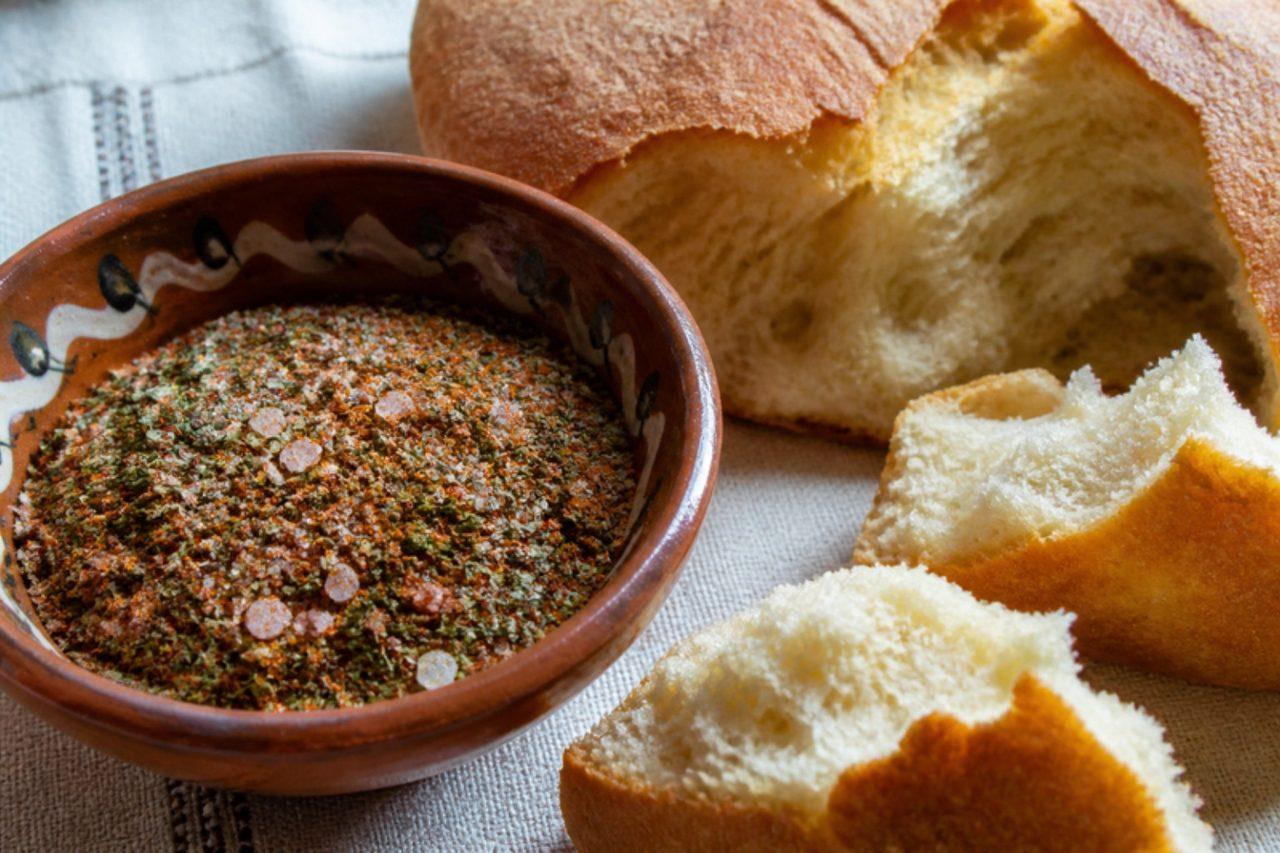
Every Bulgarian kitchen has a jar of sharena sol, 'mottled salt', and every guest knows the ritual: tear a piece of warm bread, dip it in sunflower oil or a dab of butter, then press it into the salt. The blend is earthy and herbal from summer savory (chubritsa), mellow and sweet from paprika, with a faintly maple-like warmth from blue or common fenugreek. It also goes on boiled eggs, grilled vegetables, potatoes and tomato salads. Village grandmothers in the mountains each have their own mix, sometimes with dried thyme or toasted pumpkin seeds. The usual slip is buying ready-ground old paprika, which tastes dusty and turns brown; use fresh, bright red paprika and keep the jar out of the sun. Chef's tip: toast the fenugreek seeds in a dry pan just until they smell of caramel before grinding them; a few seconds too long and they turn bitter.

by KrazyBadal 0 views

Lobio

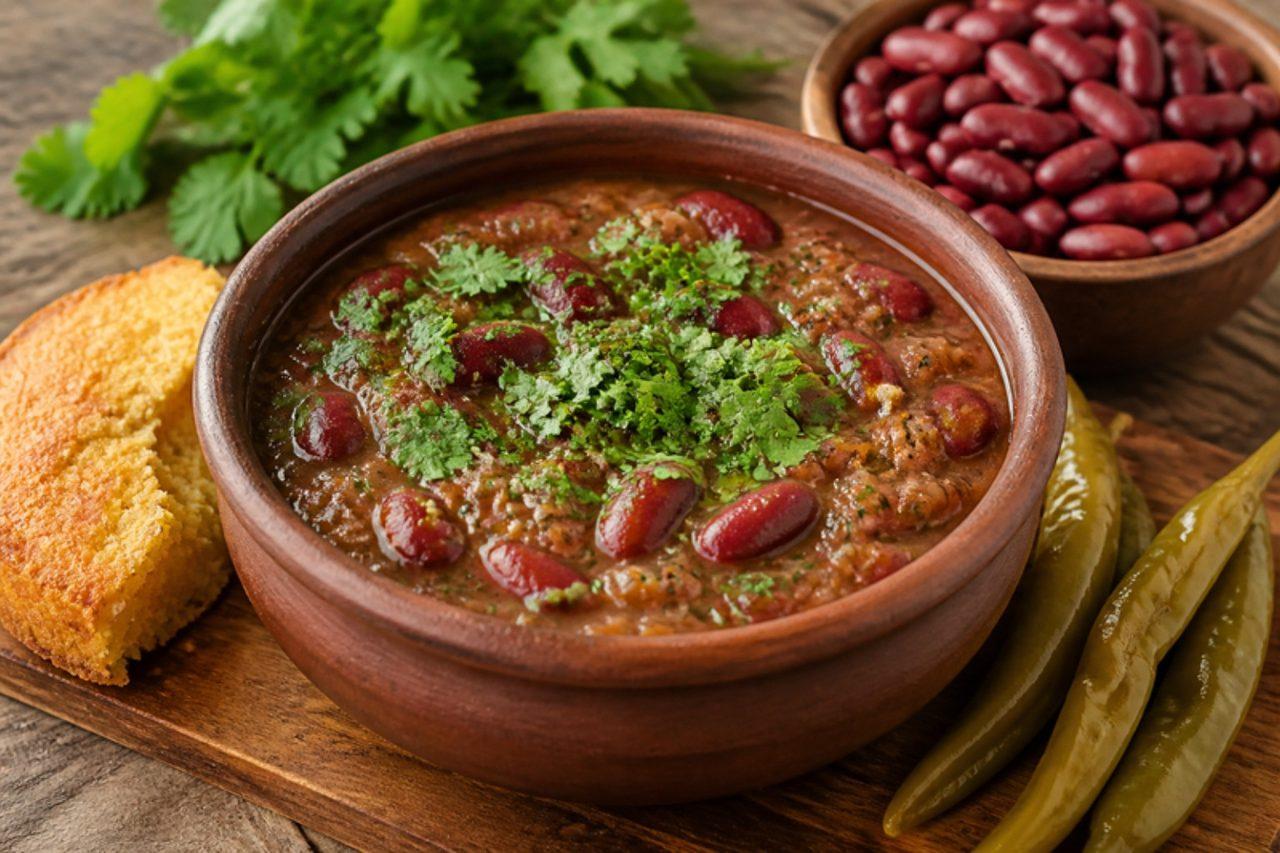
Lobio simply means beans, and in Georgia it means this thick, herb-scented stew of red kidney beans, cooked and served in a clay pot (a ketsi or kotani). In Imereti and Racha it is everyday winter food and a mainstay of the Lenten table, eaten with hot mchadi, pickled cabbage or green chillies and a spoon of tkemali. Some of the beans are crushed so the stew turns creamy while the rest stay whole. A common mistake is mashing everything to a purée; crush only about a third. Raw kidney beans must also boil hard for 10 minutes before simmering, or they can make you ill. Chef's tip: stir in the fresh coriander and garlic only at the end, off the heat, so they stay bright and sharp against the soft beans.

by KrazyBadal 0 views

Goes well with dried summer savory