Skip to content

Recipes with thick tamarind pulp

3 recipes that use thick tamarind pulp, with photos, step-by-step instructions and cook times. The quickest, Jaljeera, takes 13 minutes. It is most often cooked with coriander, black mustard seeds and curry leaves.

Got a few things in the fridge? Search by everything you have

Vangi bathAubergine rice

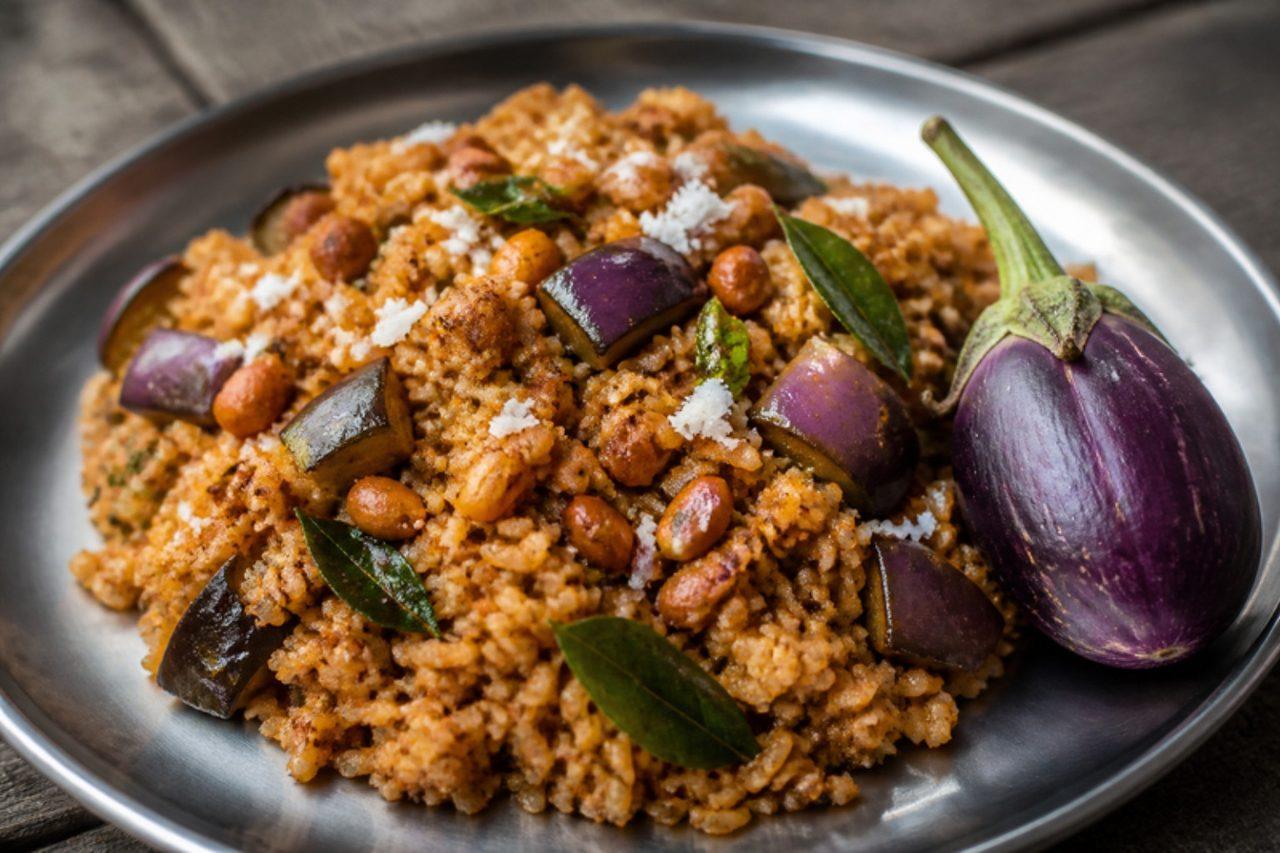
In Bengaluru and Mysuru, vangi bath is weekend breakfast at a darshini and a favourite for office tiffins, and at Kannada weddings it often appears on the banana leaf. Small purple brinjals are cooked with tamarind, jaggery and a fresh vangi bath powder roasted from dals, coriander seed, byadgi chillies, cinnamon and dry coconut, then folded into cooled rice. The flavour is warm, smoky, tangy and slightly sweet, with peanuts for crunch. Serve it with plain curd or a cucumber raita and a papad. The common mistake is cooking the brinjal to mush; cut it into fingers and cook just until tender, so the pieces hold. Chef's tip: grind the powder fresh and roast each ingredient separately on low heat; burnt dal or coriander turns the whole dish bitter.

by KrazyBadal 0 views

JaljeeraTamarind mint cumin drink

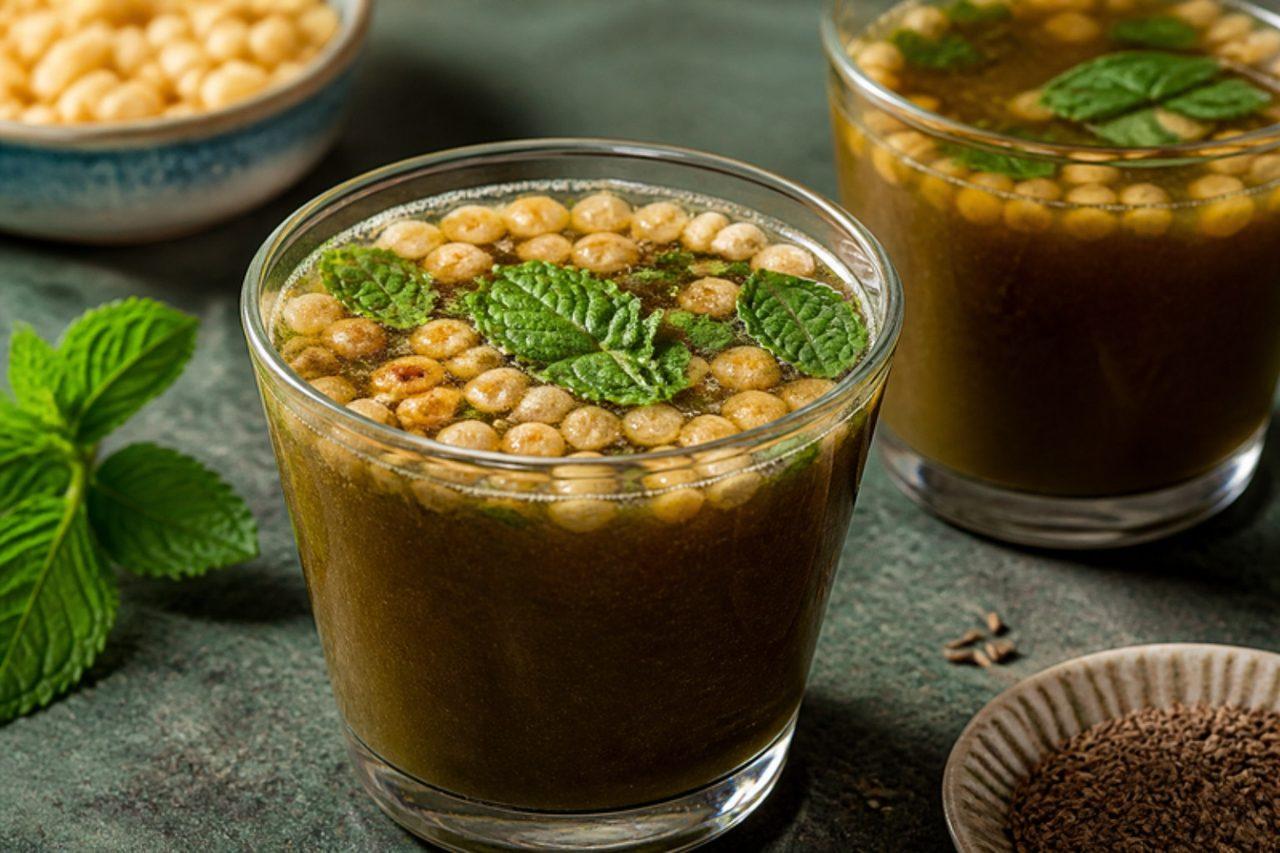
Street vendors in Old Delhi and Varanasi sell jaljeera from big red clay matkas wrapped in wet cloth, ladling it into glasses with a handful of boondi on top. The name simply means cumin water, but the flavour is busier than that: sour tamarind and lemon, a cool rush of mint, the sulphur note of black salt and the warmth of roasted cumin and dry ginger. It is drunk before a heavy Punjabi meal to wake the appetite, at summer weddings, and on long train journeys. Make the masala fresh and the difference shows. The common mistake is using raw cumin powder; it tastes dusty. Dry-roast whole cumin until it darkens a shade and smells toasty, then grind it. Chef's tip: add the boondi only at the table so it stays crunchy for the first sip and softens by the last.

by KrazyBadal 0 views

PatraSteamed colocasia leaf rolls

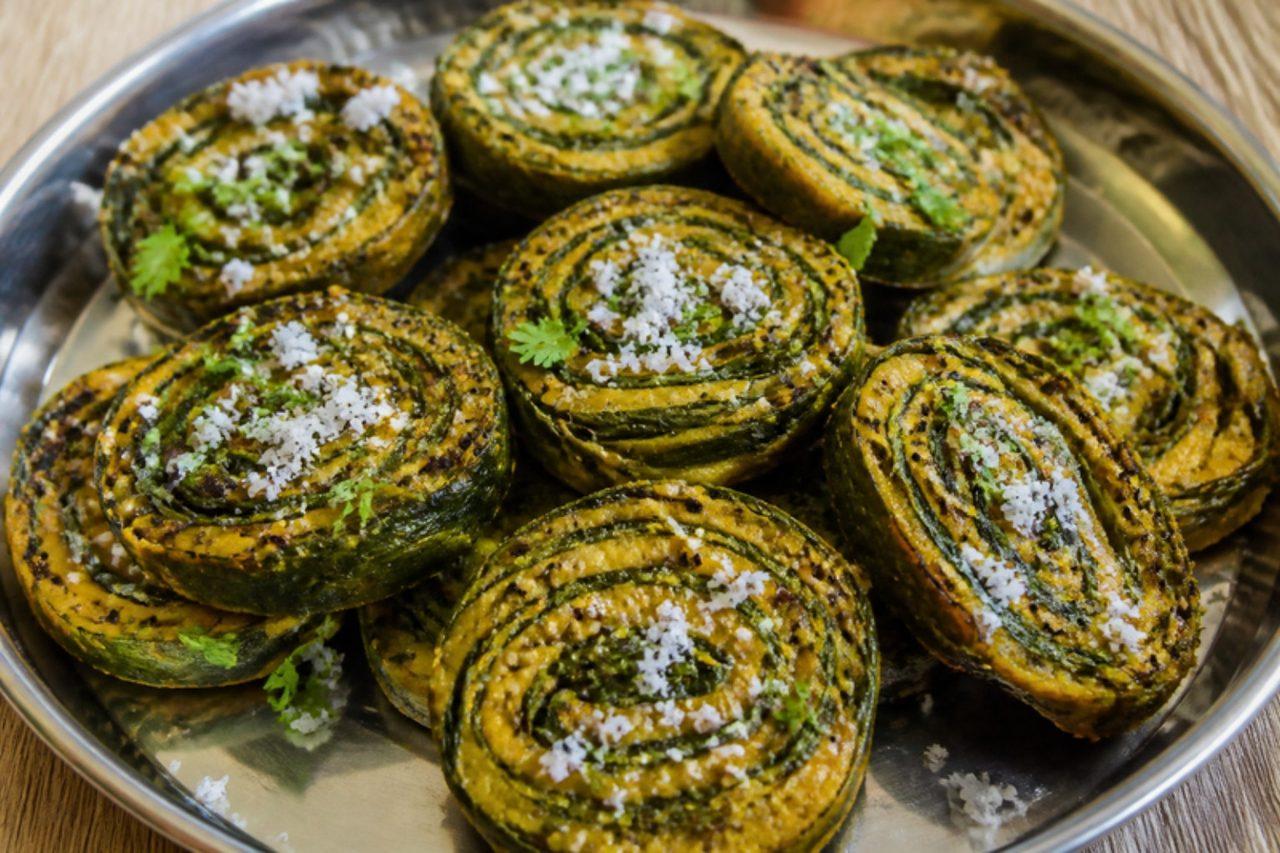
Arbi leaves (colocasia, sold as patra or alu leaves in Indian shops) are on every farsan counter from Surat to Ahmedabad, and steamed patra is the one Gujarati mothers make on a Sunday when the leaves look good at the market. Several leaves are glued together with a thick besan paste that is sour with tamarind, sweet with jaggery and warm with ginger and chilli, then rolled, steamed, cooled and cut into spirals. A final vaghar of mustard, sesame and curry leaves gives a crisp edge. The same dish in Maharashtra is alu vadi, where the slices are usually fried. Patra is a must on a wedding or Diwali farsan plate and is good cold in a dabba too, with green chutney or nothing at all. Tamarind matters for more than taste: raw colocasia makes the throat itch, and the acid in the paste stops it, so never skip it. Common mistake: slicing the rolls while hot, when they crumble; let them cool completely first. Chef's tip: choose medium leaves without holes, and shave the thick back veins flat with a knife so the leaves lie flat and roll tight.

by KrazyBadal 0 views

Goes well with thick tamarind pulp