Skip to content

Recipes with gluten-free asafoetida

52 recipes that use gluten-free asafoetida, with photos, step-by-step instructions and cook times. The quickest, Kosambari, takes 17 minutes. It is most often cooked with coriander, turmeric and cumin seeds.

Run out of gluten-free asafoetida? A pinch each of garlic powder and onion powder.

Got a few things in the fridge? Search by everything you have

Masala dosa

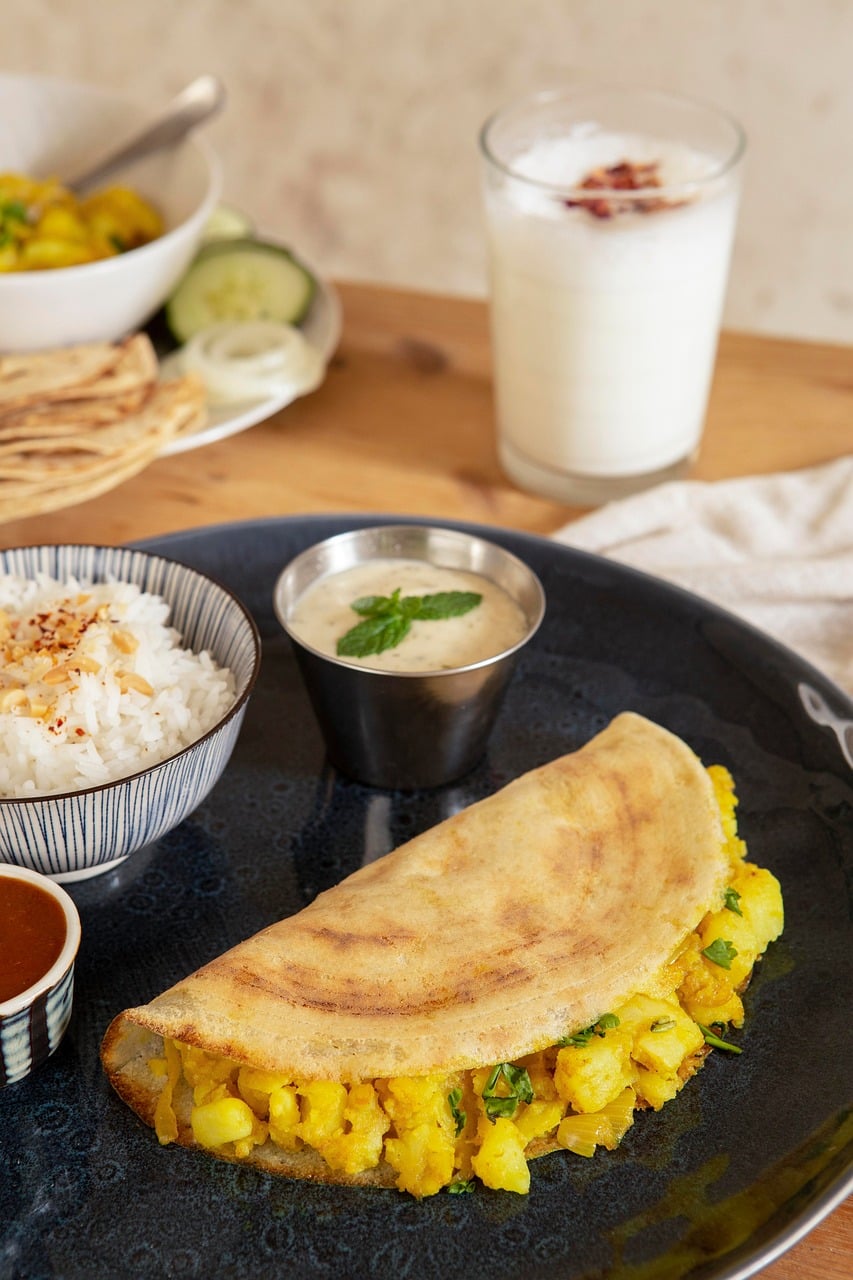
Masala dosa is the breakfast of Tamil Nadu and Karnataka: a huge, thin, golden crêpe of fermented rice and urad dal batter, crisp at the edges and soft in the middle, folded around a turmeric-yellow potato and onion filling tempered with mustard seeds and curry leaves. In Chennai and Bengaluru it's eaten at small tiffin rooms with coconut chutney and a bowl of sambar, torn by hand. The batter takes planning, soaking in the morning and fermenting overnight, but one batch makes dosas for two or three days. Chef's tip: wipe the hot griddle with a cut onion dipped in oil, then sprinkle on water; if it sizzles away in a second the pan is ready, and the batter will spread thin without sticking.

by KrazyBadal 0 views
Mysore masala dosa

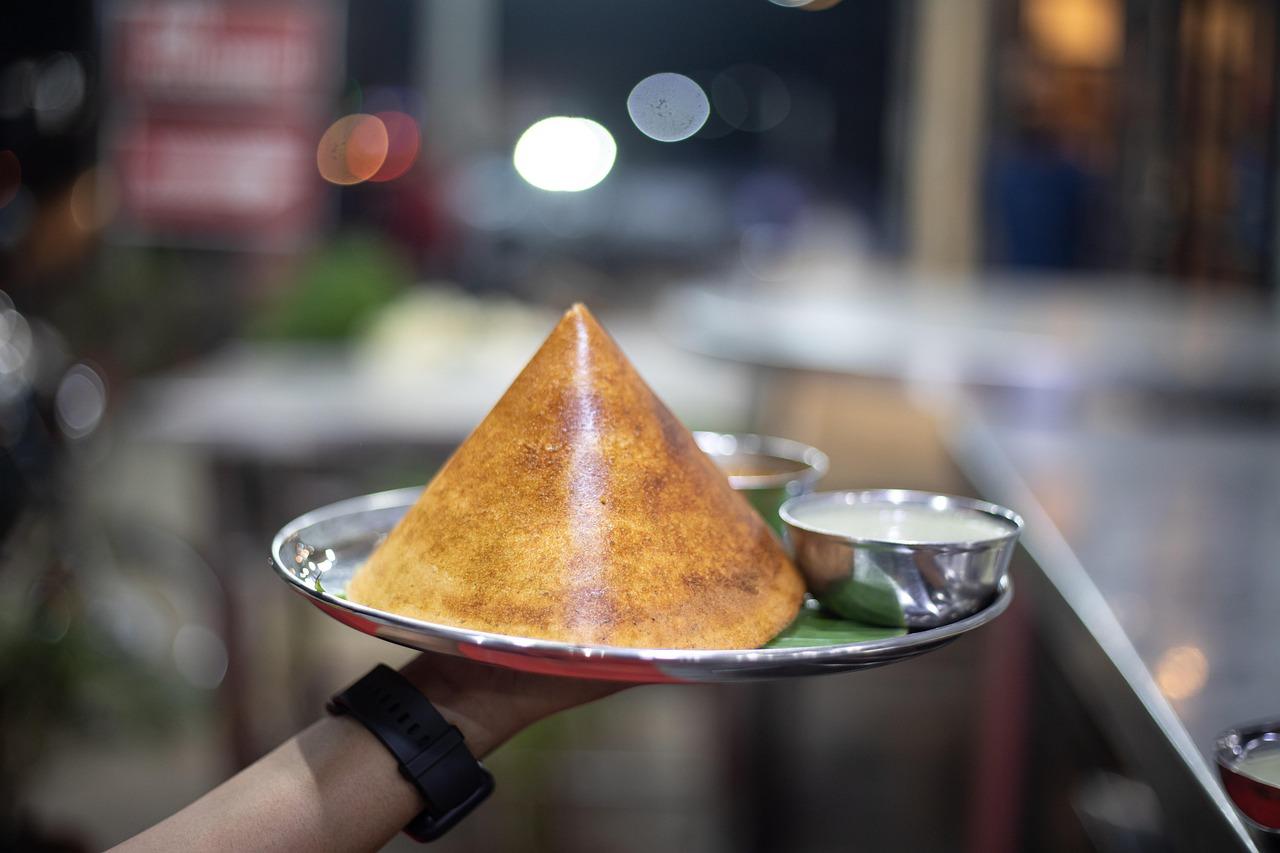
Mysuru in Karnataka gave its name to this bolder dosa: a slightly thicker, golden crêpe that is crisp outside and soft inside, painted with a hot red chutney of dried chillies, garlic and roasted chana dal before the potato palya goes in. The chutney melts into the dosa as it cooks, so every bite has a sweet-spicy, garlicky kick. In Mysuru's old cafés it's served flat and folded, with coconut chutney to cool things down. Chef's tip: use Byadagi or Kashmiri chillies for the chutney; they give a deep red colour without blowing your head off, so you can spread it generously.

by KrazyBadal 0 views

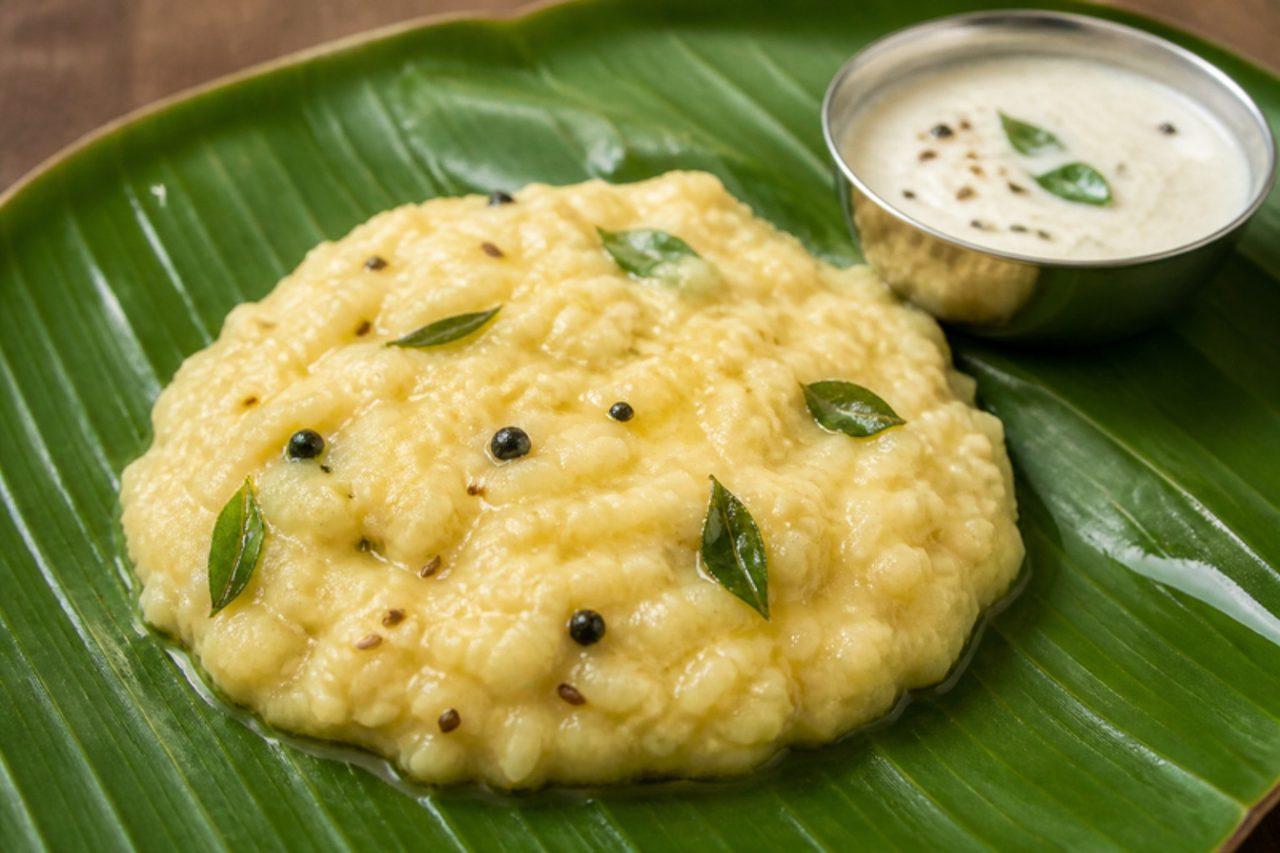
Ven pongal

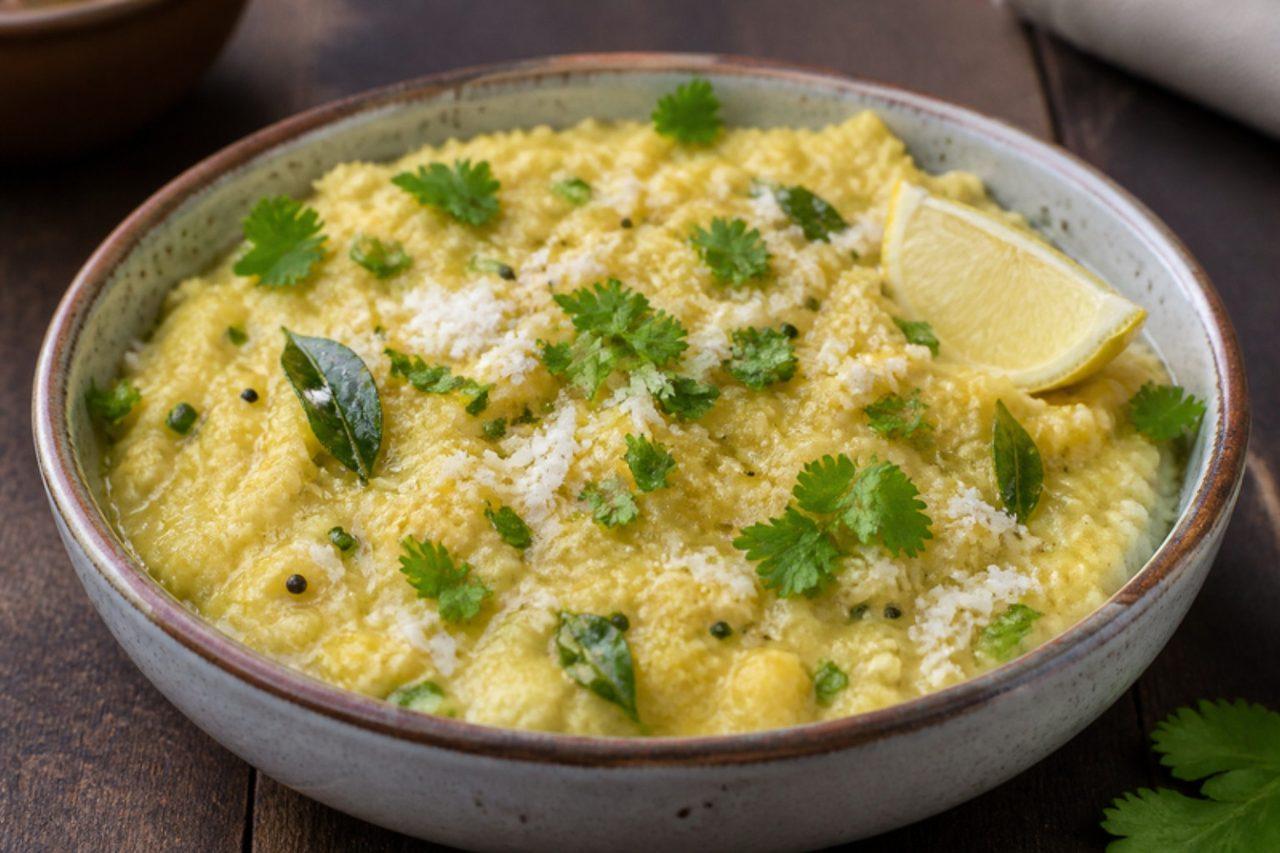
Ven pongal, 'white pongal', is the gentle, savoury breakfast of Tamil Nadu, served in homes, temples and Chennai's tiffin halls. Rice and roasted yellow moong dal are cooked together until soft and creamy, then finished with a ghee tempering of whole black pepper, cumin, ginger, cashews and curry leaves. It's mild and comforting, with little bursts of heat from the peppercorns. Serve it with coconut chutney and sambar, or with medu vada on a Sunday. Chef's tip: dry-roast the moong dal for a few minutes before cooking until it smells nutty; it takes the pongal from plain to deeply savoury.

by KrazyBadal 0 views

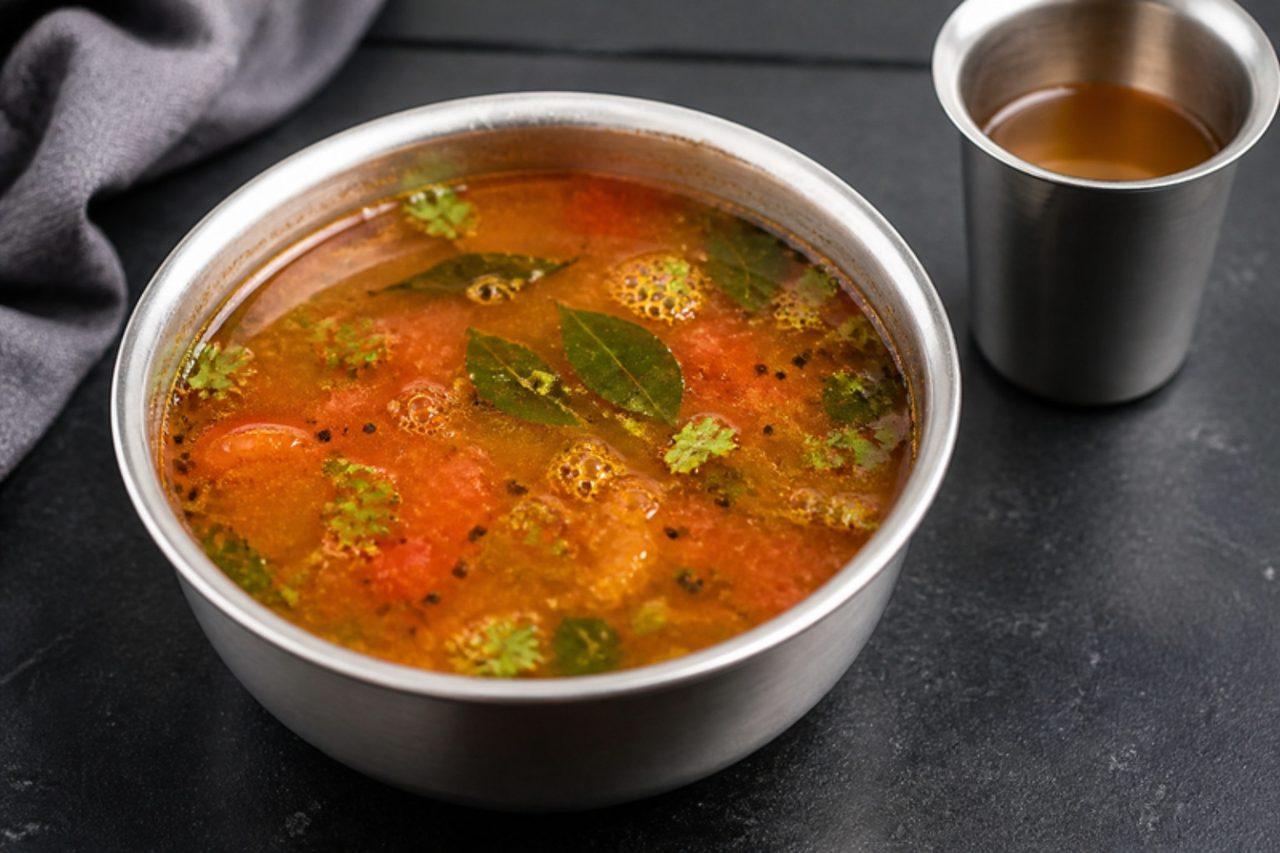
Tomato rasam

Rasam is the thin, sour, peppery broth that runs through every Tamil Nadu meal, poured over rice after sambar or sipped from a tumbler when you have a cold. This tomato version is the everyday kind: ripe tomatoes and tamarind simmered with crushed garlic, black pepper and cumin, then lifted with a tempering of mustard seeds, dried chilli and curry leaves. It's light, warming and ready in 25 minutes. Serve it with plain rice and a dry vegetable, or on its own in a cup. Chef's tip: once you add the spice mix, take the rasam off the heat as soon as it froths up; boiling it hard turns the flavour flat and the pepper harsh.

25 minSoupsVeganGluten freeIndian
by KrazyBadal 0 views

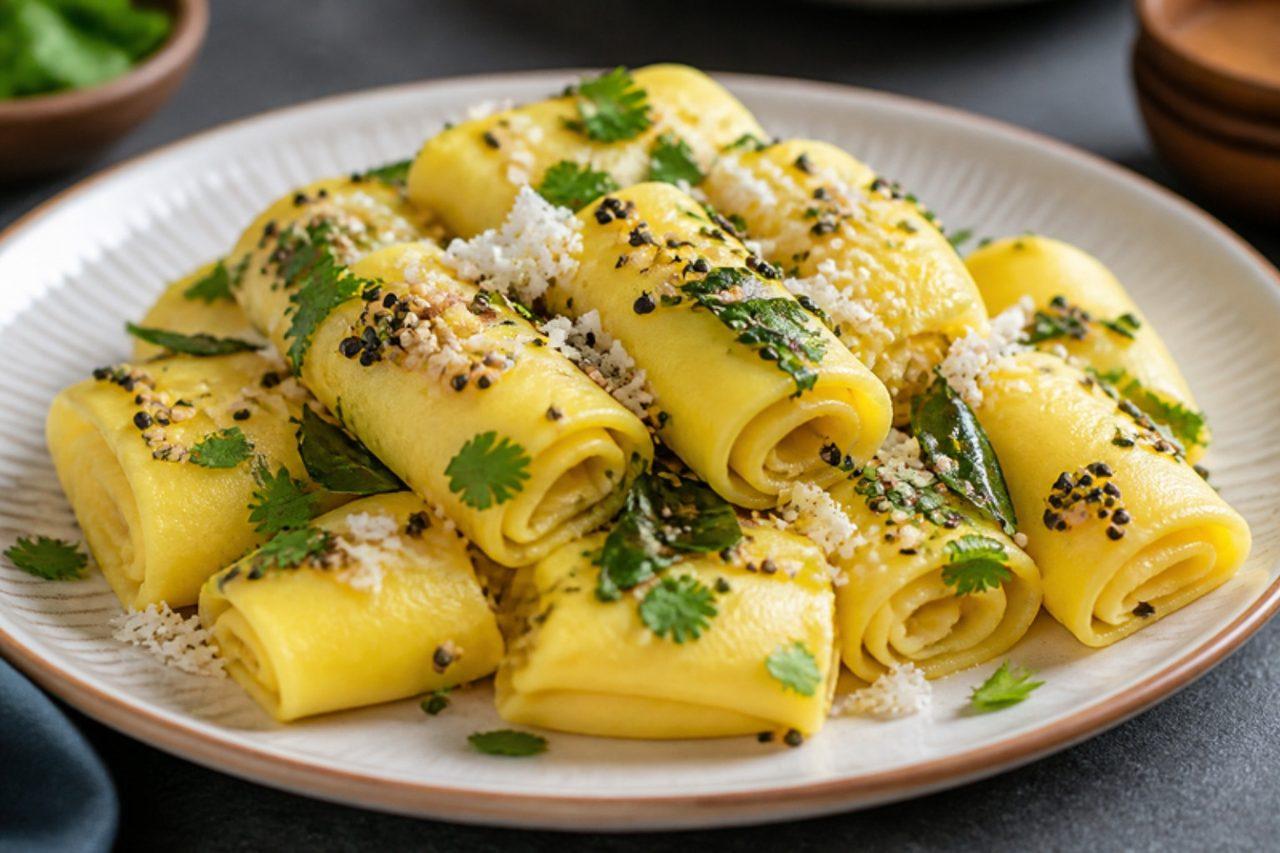
Khandvi

Khandvi are delicate, melt-in-the-mouth rolls from Gujarat, made by cooking gram flour with sour buttermilk until thick, spreading it paper-thin while hot and rolling it up. They're finished with a sizzling tempering of mustard seeds, sesame and curry leaves, plus fresh coconut and coriander. They're soft, tangy and gently spiced, and a favourite at Gujarati weddings and tea-time. They look tricky, but once you know when the batter is cooked, they're quick. Chef's tip: keep a plate by the stove and test the batter often; when a spoonful spread thin on the plate sets in 30 seconds and peels off in one piece, it's ready, and not a minute before.

by KrazyBadal 0 views

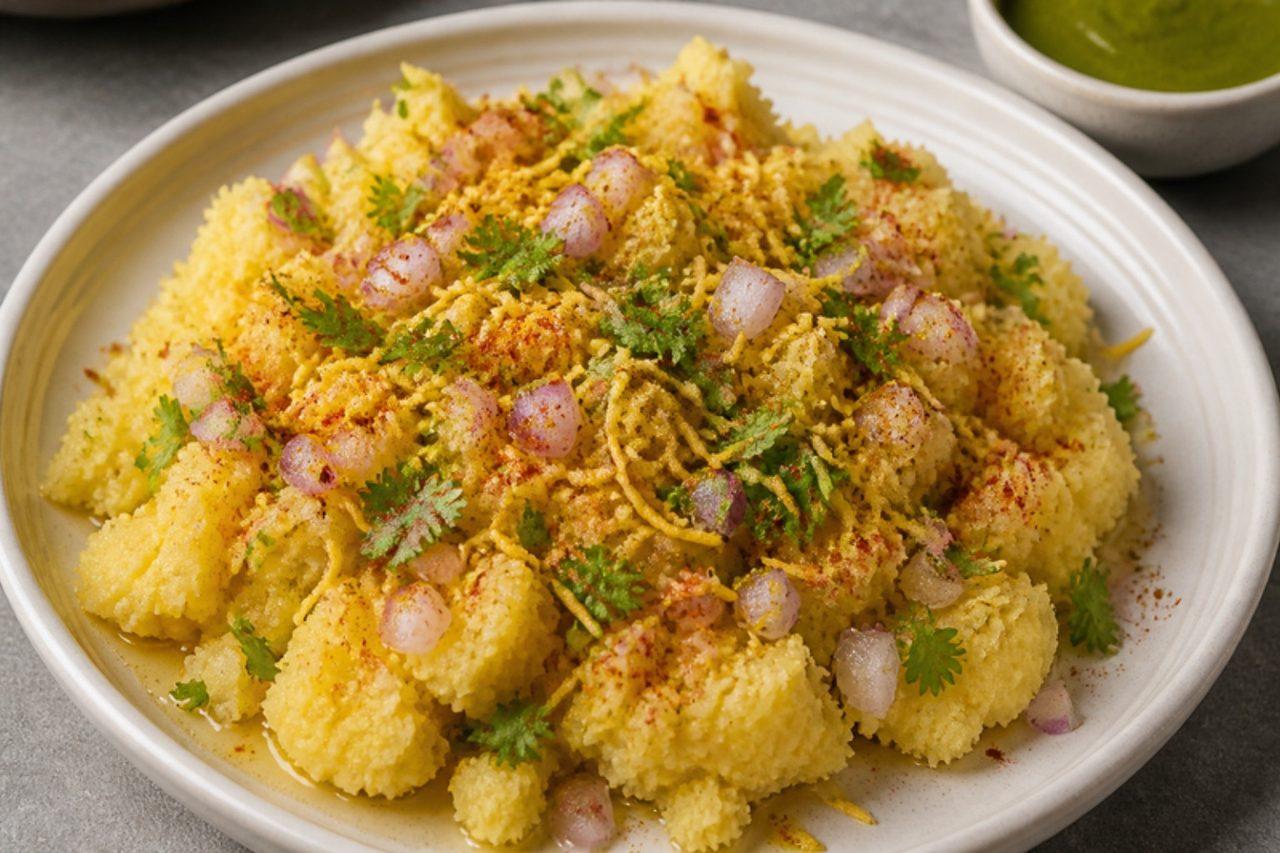
Surti locho

Locho is a breakfast street snack from Surat in Gujarat. The story goes that a batch of khaman went wrong and came out soft and mushy, and people liked it so much it became a dish of its own; 'locho' means a muddle. A fermented batter of chana dal is steamed until just set and scooped out in soft, spoonable heaps, then drizzled with oil and showered with a spicy locho masala, raw onion, coriander and sev. It's eaten hot with green chutney and a sweet-sour tamarind sauce. Chef's tip: steam it in a shallow layer and take it off as soon as a knife comes out sticky but not wet; locho should be just set and wobbly, and over-steamed it turns into a dull khaman.

by KrazyBadal 0 views

Bhutte ka kees

Bhutte ka kees is a monsoon favourite from Indore in Madhya Pradesh, sold at the city's famous night market, Sarafa. Fresh corn is grated and cooked in ghee with mustard seeds and green chilli, then simmered in milk until it turns thick, creamy and gently sweet. A squeeze of lemon, fresh coriander and grated coconut finish it. Eat it hot with a spoon as an evening snack. Chef's tip: grate the corn off the cob on the coarse side of a box grater rather than blending it; you get juicy, starchy pulp that thickens the milk naturally.

by KrazyBadal 0 views

Cholar dal

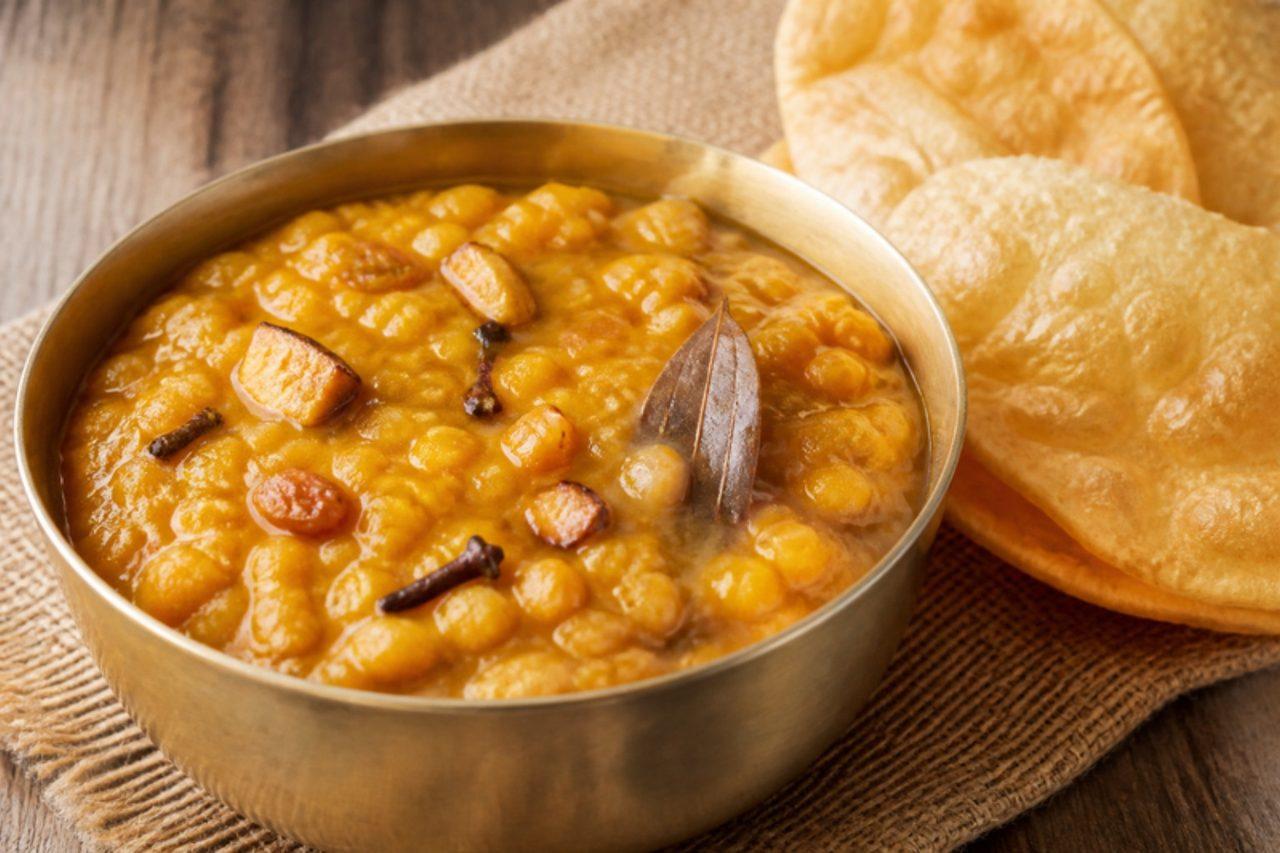
Cholar dal is the festive dal of Bengal, cooked for Durga Puja and weddings and always paired with luchi. Split bengal gram is simmered until soft but whole, then finished with a fragrant tempering of ghee, bay leaf, cinnamon, cardamom and cloves, little fried coconut pieces and plump raisins. It is thick, mildly sweet and warmly spiced rather than hot. Serve with luchi, puri or steamed rice. Chef's tip: fry the coconut slivers until golden before anything else goes in the pan; they stay crisp-chewy and add a toasty sweetness to every spoonful.

45 minCurriesGluten freeIndian
by KrazyBadal 0 views

Dalma

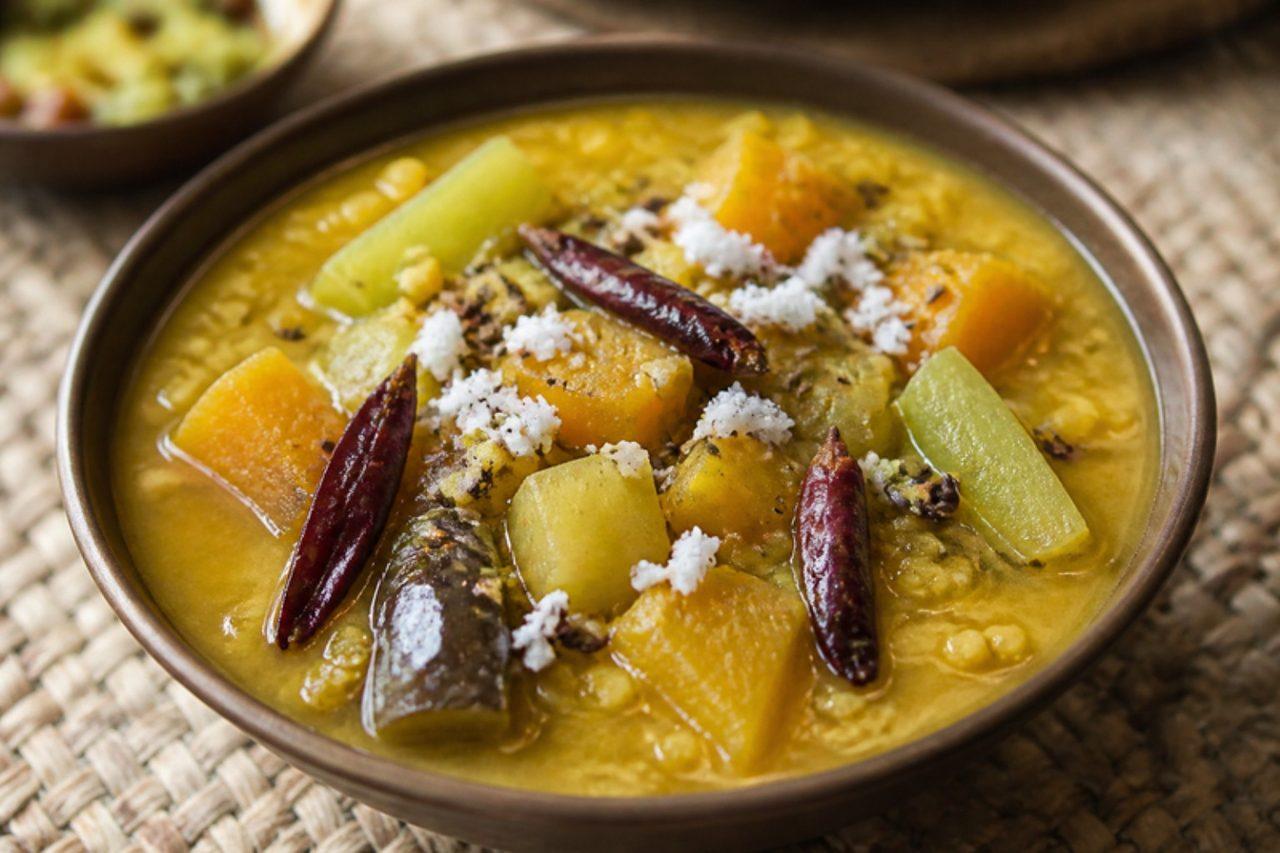
Dalma is the comfort food of Odisha and the dal offered at the Jagannath temple in Puri. Toor dal is cooked together with chunky vegetables, usually raw banana, pumpkin, aubergine and potato, so they soften into it and make it hearty enough to be a meal. A tempering of panch phoron and dried chilli and a sprinkle of roasted cumin-chilli powder give it its smoky warmth; a little grated coconut is often added on top. Odia homes finish it with a spoonful of ghee; this version uses oil so it stays vegan. Serve with plain rice. Chef's tip: add the vegetables halfway through cooking the dal, not at the start, so they keep their shape and the dal stays thick rather than watery.

40 minCurriesVeganGluten freeIndian
by KrazyBadal 0 views

Hyderabadi khatti dal

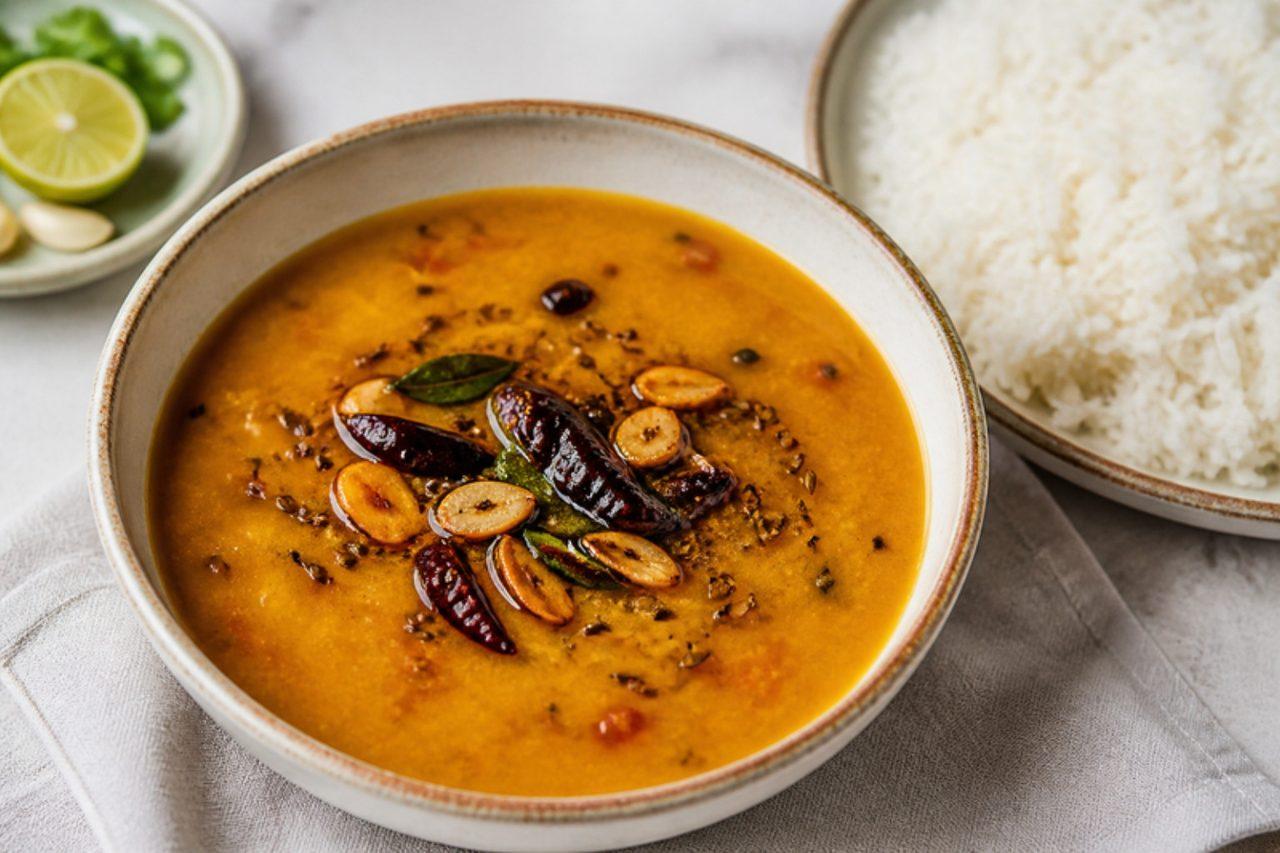
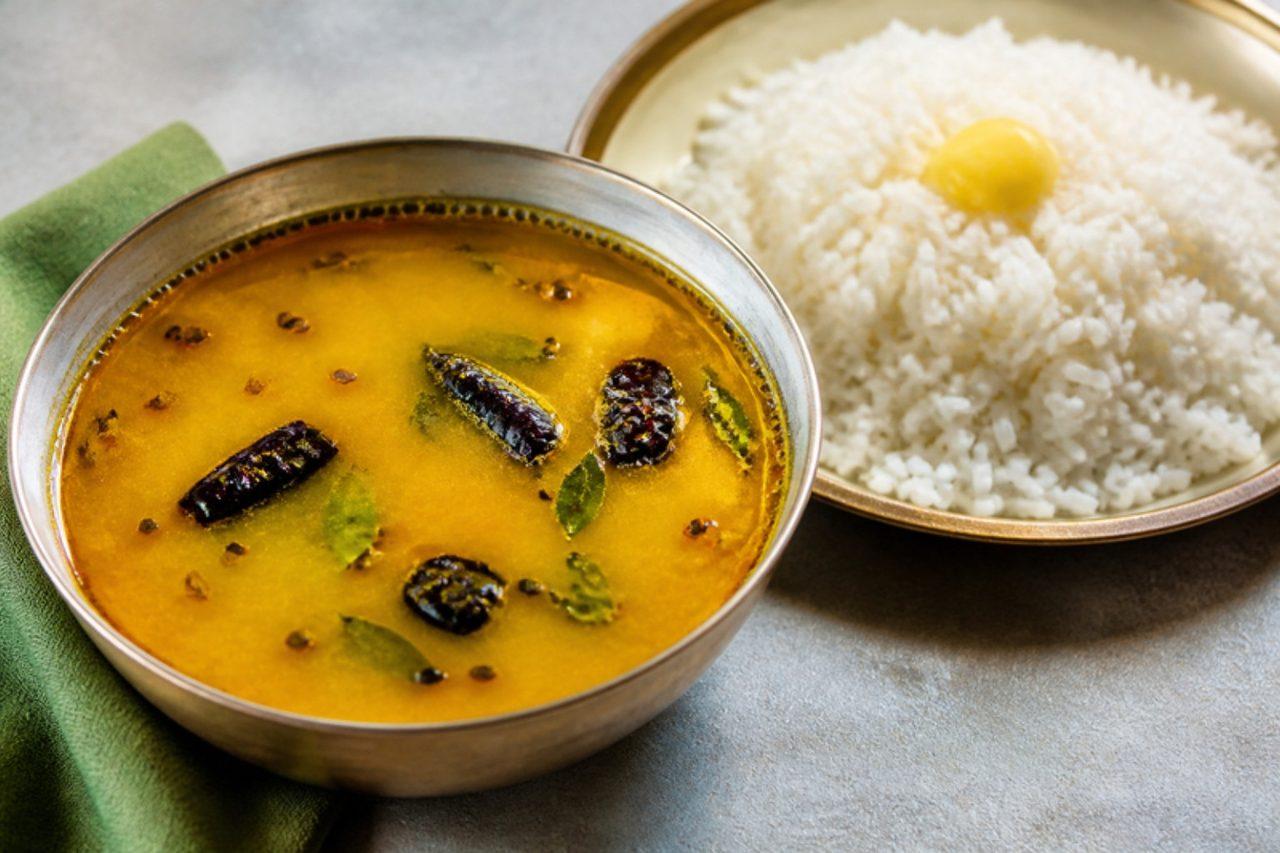
Khatti dal, 'sour dal', is the everyday dal of Hyderabad's old city, cooked in Muslim and Telugu homes alike and ladled over plain rice with a fried papad and a dry vegetable on the side. Toor dal is cooked with tomato and green chilli, mashed smooth, soured with tamarind and finished with a sizzling bagaar of garlic, dried red chillies, cumin and curry leaves. It is thinner and sharper than a north Indian dal, and on Fridays it often sits next to a biryani as the comforting partner. Chef's tip: let the garlic in the bagaar turn properly golden before pouring it over; pale garlic tastes raw and harsh in a sour dal.

45 minCurriesVeganGluten freeIndian
by KrazyBadal 0 views

Kwati

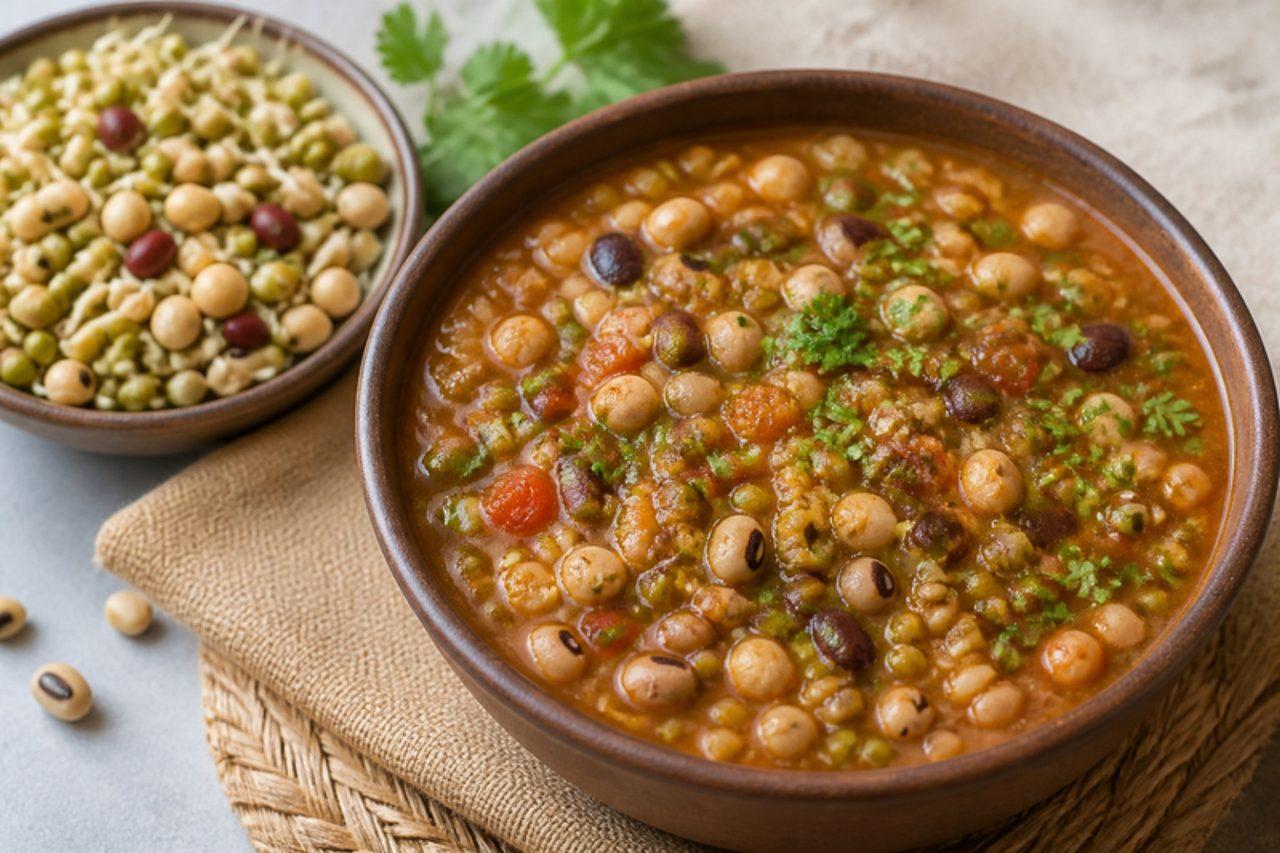
Kwati is a thick, warming soup of nine kinds of sprouted beans that the Newar families of the Kathmandu Valley cook on Janai Purnima, the August full moon also called Kwati Punhi, when the monsoon is at its height and people are said to need strength against the damp. The mix usually includes black gram, green mung, chickpeas, soybeans, field peas, kidney beans, cowpeas, field beans and rice beans, soaked and sprouted for two or three days beforehand, then cooked with ajwain, ginger, garlic, tomato and a pinch of timur. Markets in Asan sell ready-mixed kwati beans in the week before the festival. It is eaten in bowls with beaten rice or simply on its own. The mistake people make is skipping the sprouting, which leaves the soup heavy and the beans hard. Chef's tip: fry the ajwain until it crackles; its thyme-like warmth makes the beans easier to digest and is the flavour of the festival.

60 minSoupsVeganGluten free
by KrazyBadal 0 views

Pachi pulusu

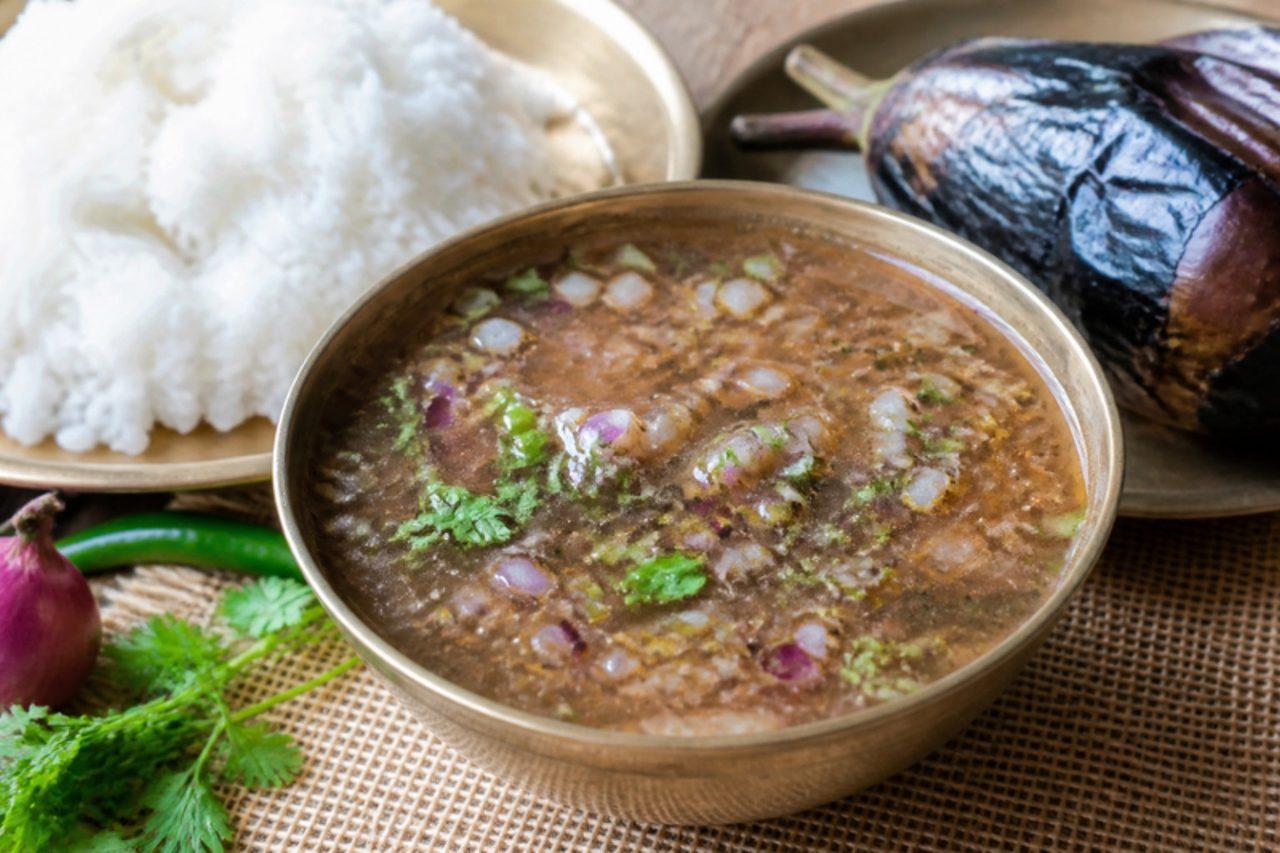
Pachi pulusu, 'raw stew', is Telangana's summer cooler: a no-cook tamarind water stirred with jaggery, finely sliced raw onion and green chilli, finished with a hot mustard-seed tempering. In the heat of April and May in villages around Warangal and Karimnagar, families pour it over hot rice with a spoonful of dal or a spicy fry, and it wakes up appetites dulled by the sun. Some add a smoky roasted brinjal mashed in, which gives it body. Sweet, sour and sharp at once, it takes ten minutes. Chef's tip: rub the onion with salt and a little chilli powder in your fingers before adding the tamarind water, so it softens slightly and flavours the whole bowl.

25 minSoupsVeganGluten freeSpicyIndian
by KrazyBadal 0 views

Kootu

Kootu sits halfway between a dal and a vegetable dish, and in Tamil homes it is the mild, kind side on a lunch plate next to a sharp rasam or a fiery kuzhambu. Chopped vegetables such as chow-chow, snake gourd, cabbage or pumpkin are cooked with moong dal until soft, then thickened with a paste of fresh coconut, cumin and a little green chilli. It's the dish many Tamil grandmothers give children and anyone recovering from a fever. Spoon it over rice with ghee or serve it alongside sambar and poriyal. Chef's tip: grind the coconut paste with the cumin raw, not toasted; the fresh, sweet cumin flavour is what makes kootu taste like kootu.

40 minCurriesVeganGluten freeIndian
by KrazyBadal 0 views

Vatha kuzhambu

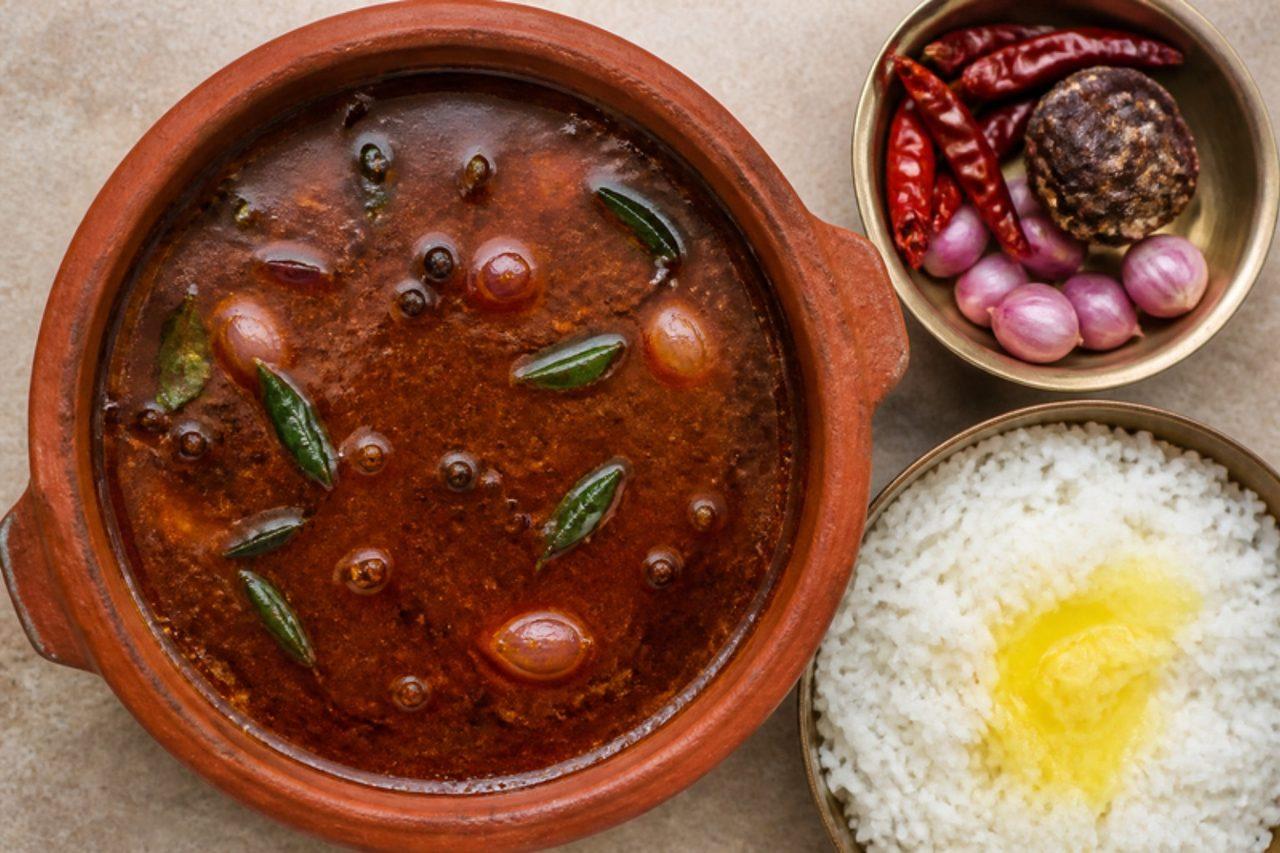
Vatha kuzhambu is what a Tamil kitchen cooks when the vegetable basket is empty: tamarind, sambar powder and a handful of sun-dried sundakkai or manathakkali berries fried crisp in sesame oil. It simmers down to a glossy, almost black gravy that is sour, a little bitter, hot and faintly sweet, and it keeps for days, so it travels in tiffin carriers and turns up at Brahmin home lunches all over Thanjavur and Chennai. Mix a spoonful into hot rice with a little sesame oil, and eat it with a plain poriyal or appalam to calm the heat. Chef's tip: fry the dried berries in the oil first and lift them out the moment they puff and darken; added at the end they stay crisp and bitter-nutty instead of turning leathery.

40 minCurriesVeganGluten freeSpicyIndian
by KrazyBadal 0 views

Nadru yakhni

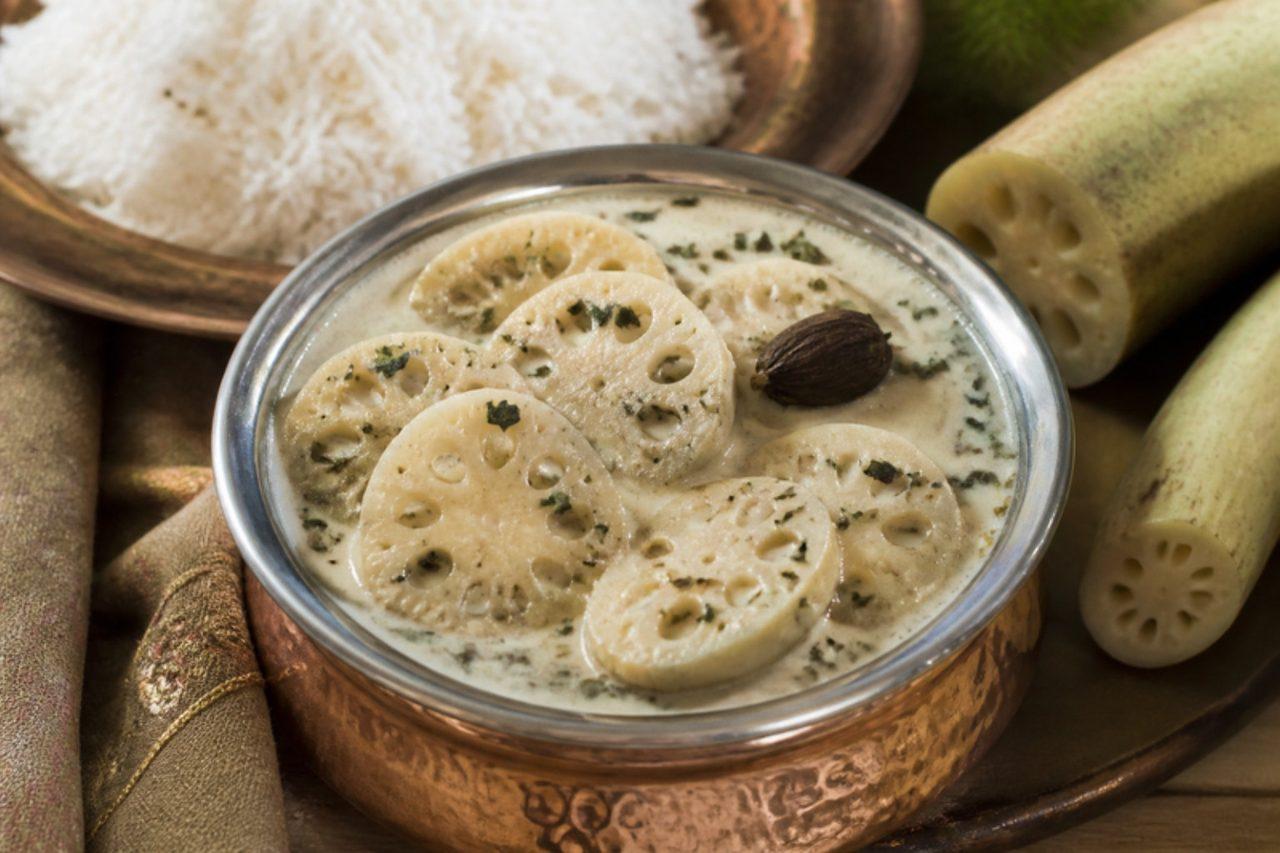
Lotus stem, called nadru in Kashmiri, is pulled from the shallow waters of the Dal and Anchar lakes around Srinagar, and Kashmiri Pandit families treat it as something close to a festive vegetable. Yakhni is their pale, onion-free yogurt gravy, scented with fennel, dry ginger and black cardamom instead of tomato or chilli. The lotus slices stay faintly crunchy and show their lacy holes in a creamy, ivory sauce. It turns up at Herath (Shivratri) meals and at Sunday lunches, always with a mound of plain steamed rice. Chef's tip: pick firm, pale stems with closed ends; the ends keep mud out of the hollow channels, so you rinse far less.

55 minCurriesGluten freeIndian
by KrazyBadal 0 views

Madra

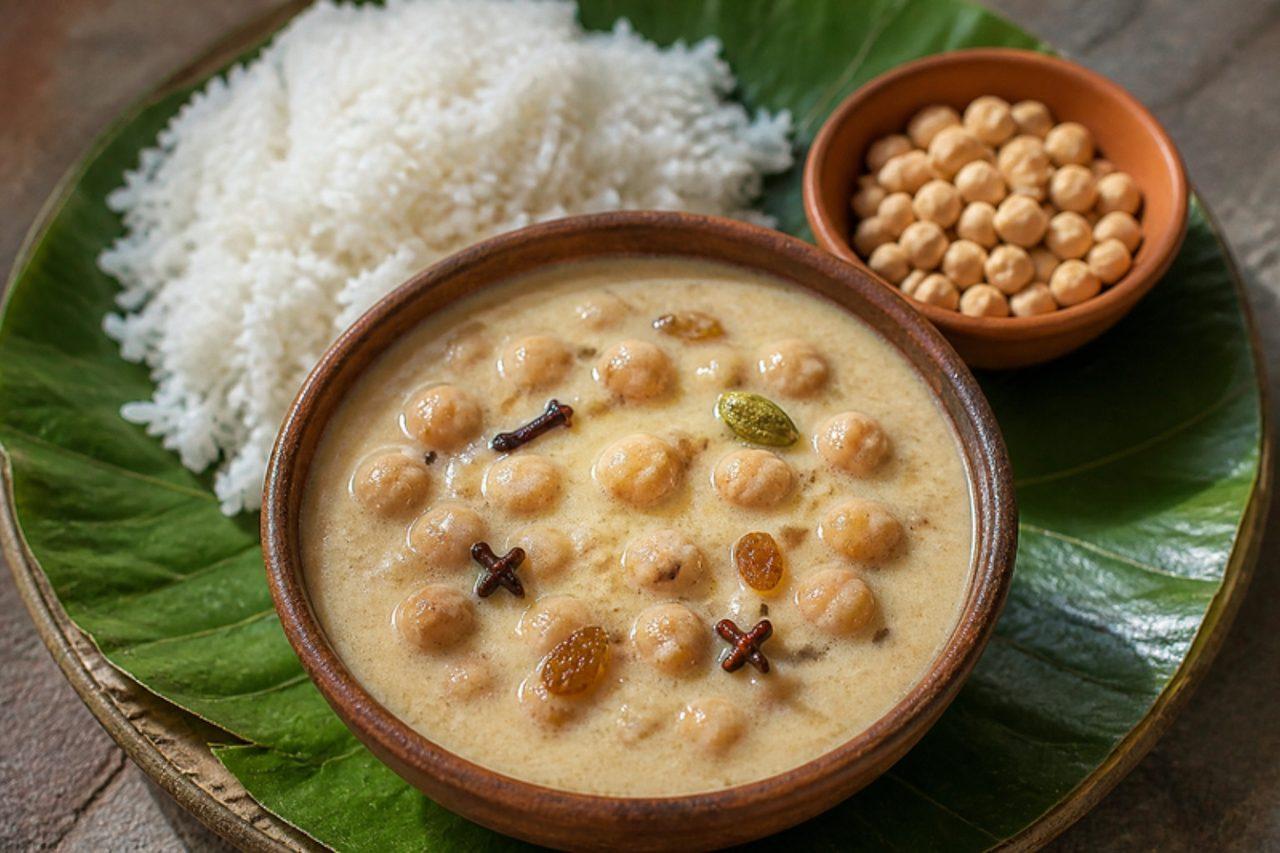
Madra is the pride of the Himachali dham, the communal feast cooked by hereditary cooks called botis at weddings and temple fairs in Chamba and Kangra. Chickpeas are simmered in yogurt with ghee, cloves, cardamom and cinnamon until the sauce turns thick, pale and rich, with no onion or garlic at all. It arrives on a leaf plate beside rice, rajmah and kadhi, and some families add a few raisins or cashews for a festive touch. Chef's tip: cook the chickpeas until they squash easily between two fingers before they go into the yogurt; they won't soften further once the sauce is in.

90 minCurriesGluten freeIndian
by KrazyBadal 0 views

Chaman kaliya

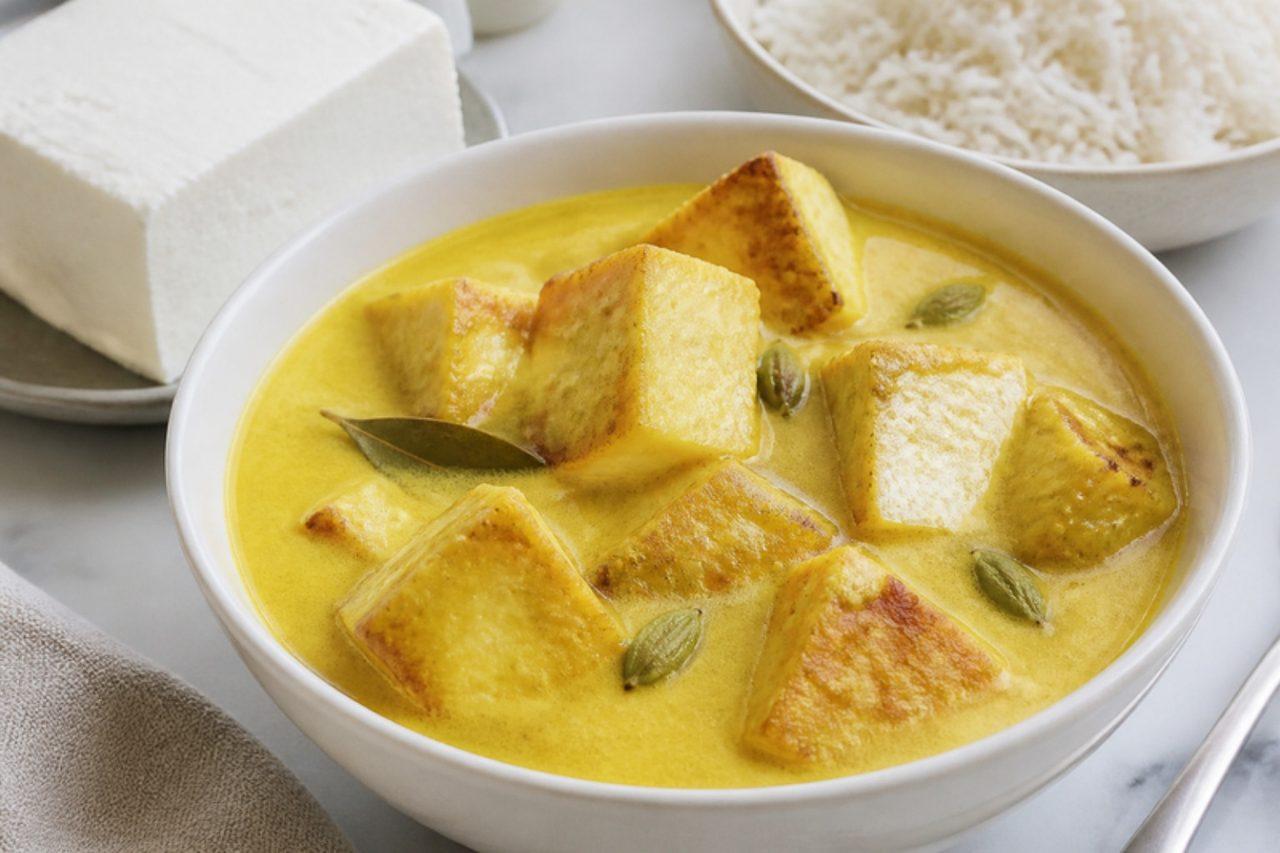
In Kashmir paneer is called chaman, and kaliya is the name for a gravy coloured bright yellow with turmeric rather than red with chilli. Kashmiri Pandit cooks fry thick slabs of paneer, rest them in warm water so they stay spongy, then simmer them in milk with fennel, dry ginger and cardamom. The result is mild, sweet-scented and soothing, a dish that sits beside the fiery ones on a wedding or festival spread and is just as welcome on a weekday with rice. Chef's tip: use a generous spoon of good turmeric; the gravy should glow a deep gold, and the milk mellows any rawness.

40 minCurriesGluten freeIndian
by KrazyBadal 0 views

Monji haak

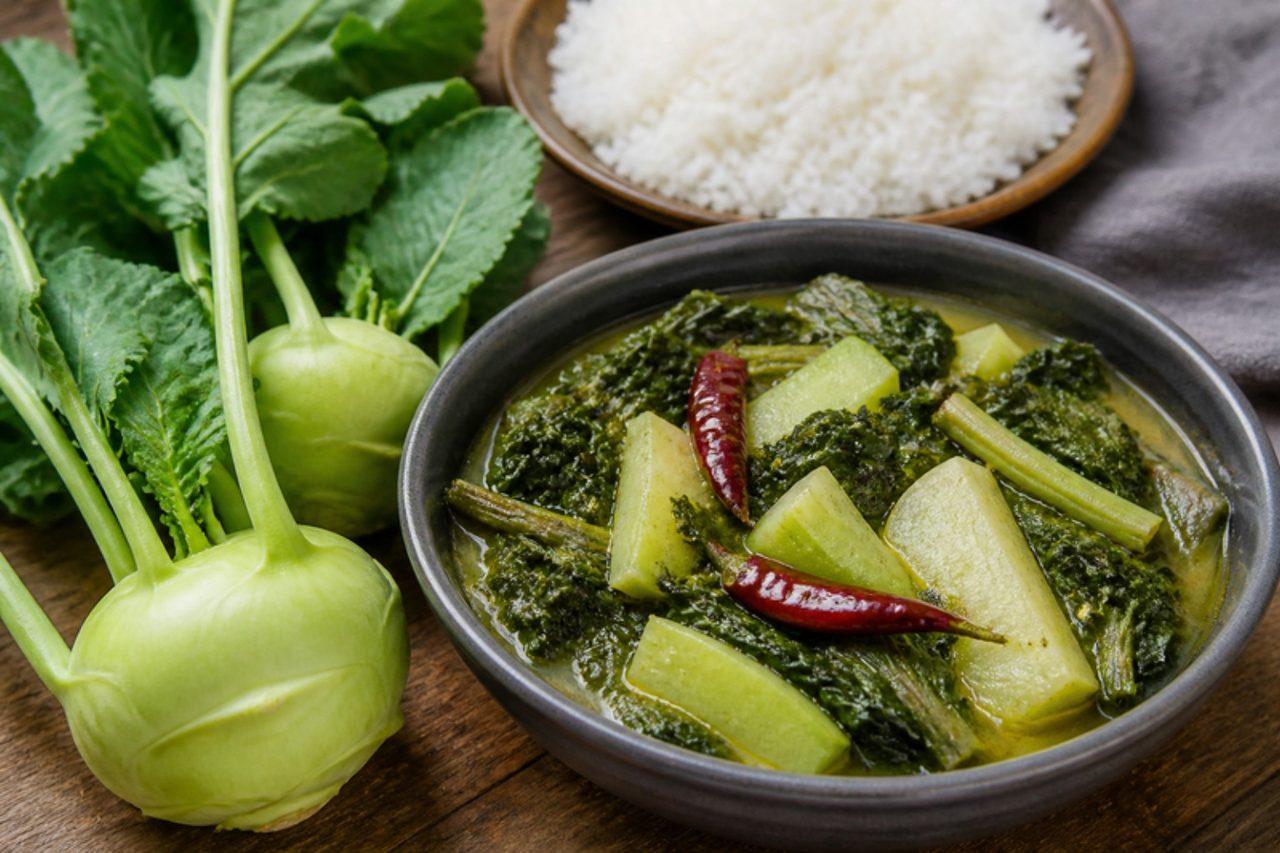
Kohlrabi, monji in Kashmiri, grows in almost every kitchen garden in the Kashmir Valley, and families cook the round bulb and its leaves together in one pot. Like its cousin haak, it is a dish of very few ingredients: mustard oil, dried chilli, a pinch of asafoetida and salt, simmered with a splash of water until the bulb turns sweet and tender. It is eaten through the cold months with plain rice and a bowl of yogurt, and Kashmiris will tell you it tastes best in autumn when the bulbs are young. Chef's tip: buy kohlrabi with fresh, perky leaves attached; if the leaves are tired, add a handful of spinach instead.

35 minSidesVeganGluten freeIndian
by KrazyBadal 0 views

Sepu vadi

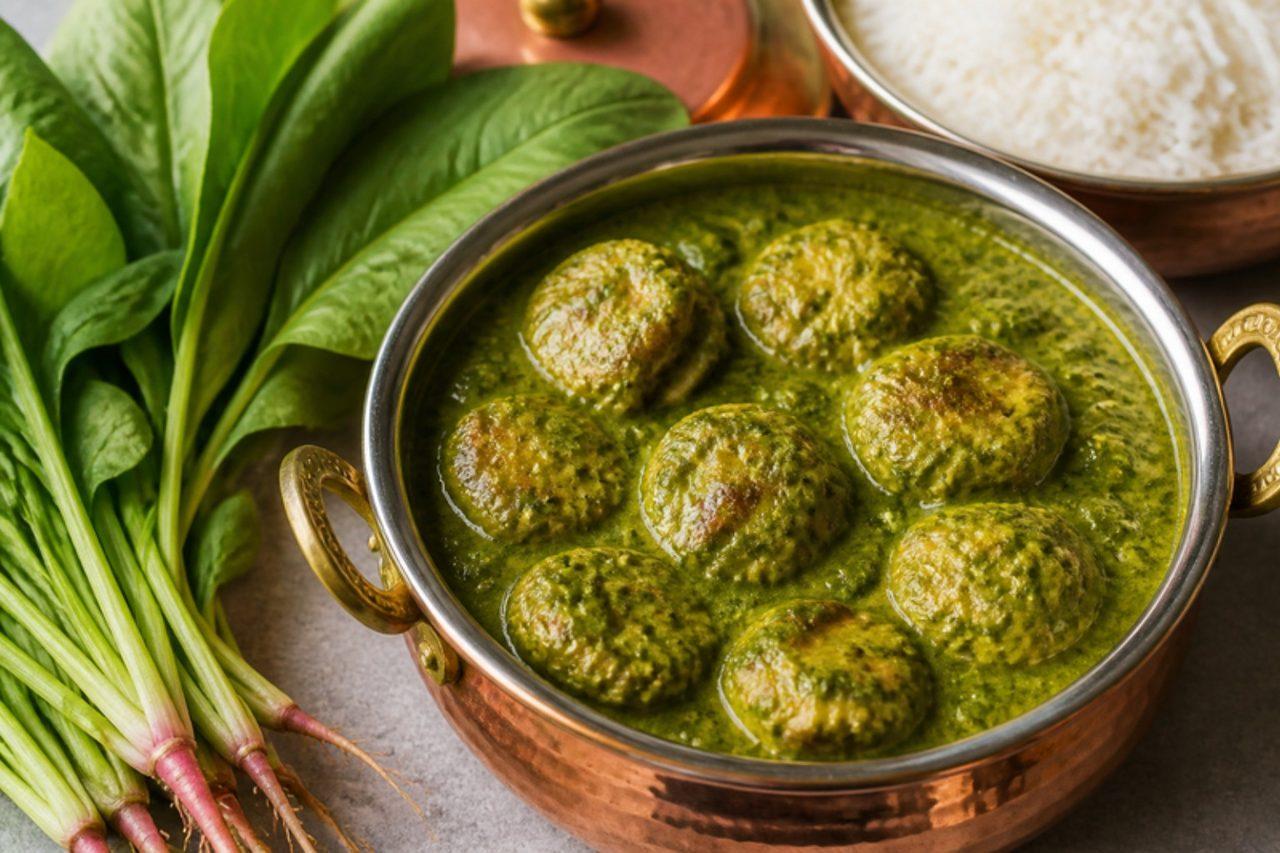
No dham in Mandi district of Himachal Pradesh is complete without sepu vadi. Light urad-dal dumplings are fried, softened in warm water and then simmered in a smooth spinach gravy tangy with yogurt, until they swell up and turn spongy. The botis who cook the feast make huge copper pots of it, served on leaf plates with rice and eaten with the fingers. At home it makes a rich weekend curry with rice or chapati. Chef's tip: beat the ground dal by hand for a few minutes before frying; the air you whip in is what makes the vadi light.

75 minCurriesGluten freeIndian
by KrazyBadal 0 views

Haryanvi bajra khichdi

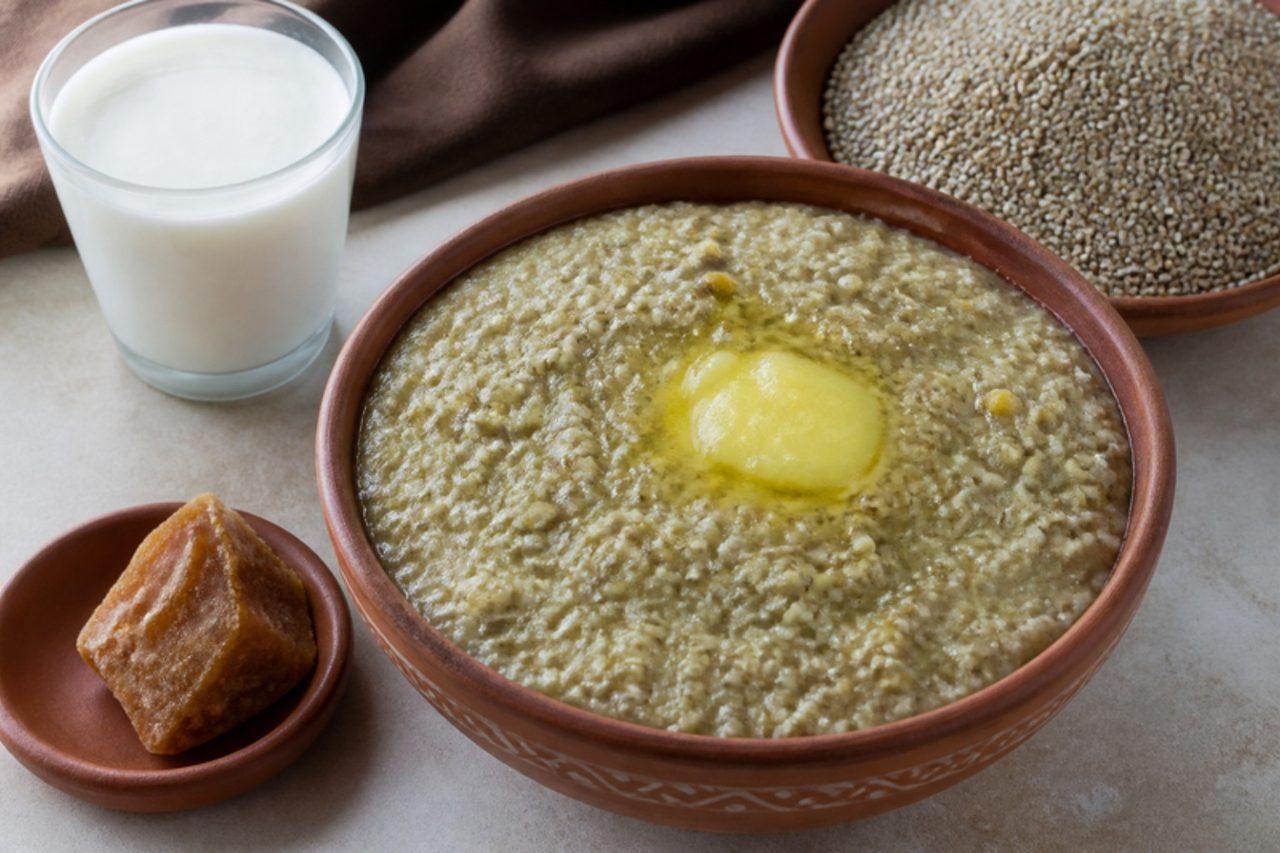
In village homes across Haryana, bajra khichdi is the food of cold winter nights and the days around Makar Sankranti: cracked pearl millet and yellow moong cooked slowly until soft and porridge-like, then eaten with a big spoon of ghee and either jaggery or a glass of lassi. It is plain, nutty and very filling, and grandmothers swear it keeps you warm. The millet was traditionally pounded in a stone mortar to crack it; a quick pulse in a grinder does the same. Chef's tip: soak the bajra overnight; unsoaked millet stays hard and gritty however long you cook it.

by KrazyBadal 0 views

Bhatt ki churkani

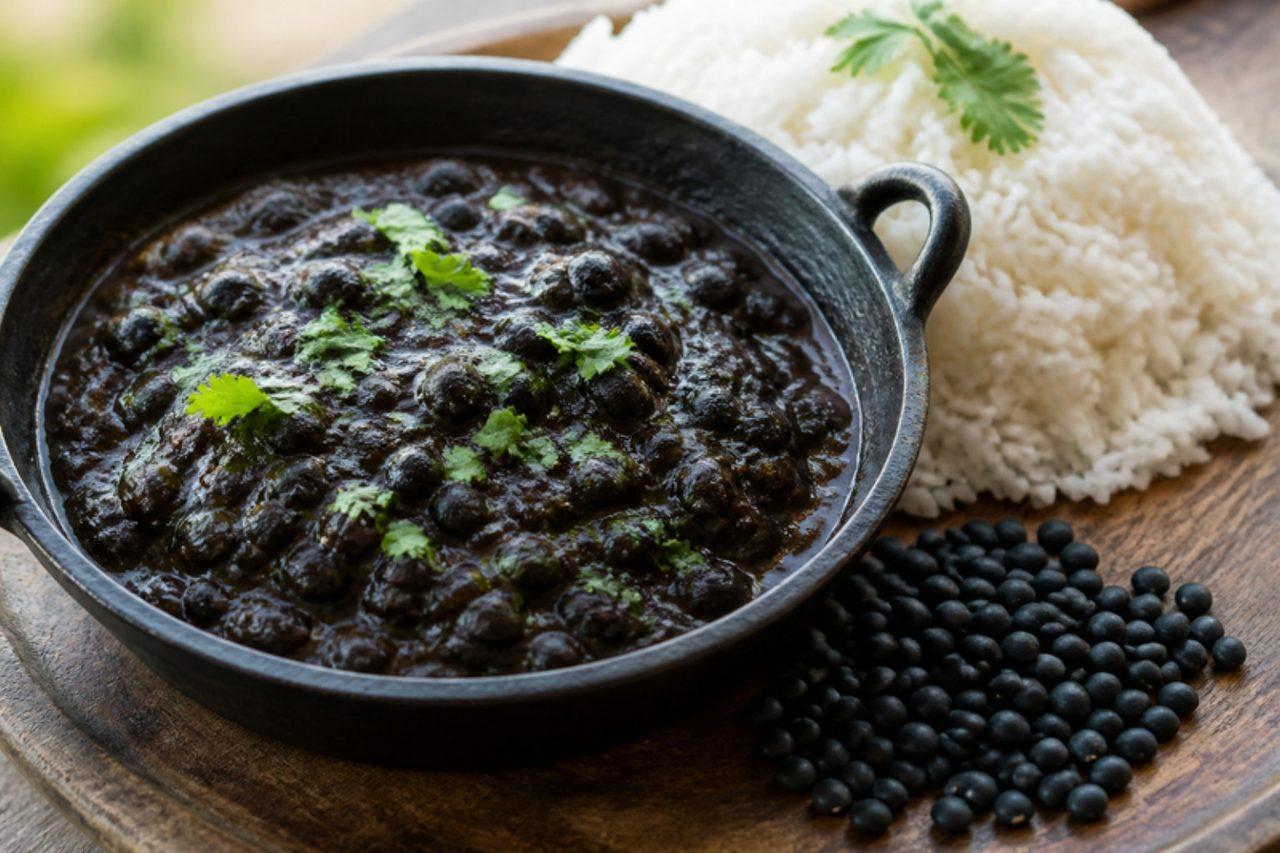
Black soybeans, called bhatt, grow on the slopes around Almora and Pithoragarh, and churkani is the everyday Kumaoni way of eating them: roasted in a dry iron pan until they crack, then simmered with garlic, ginger and a little rice flour into a thick, nearly black gravy. It's the kind of food that keeps people warm through a hill winter, eaten with steamed rice, a spoonful of ghee and a sharp radish raita. The roasting gives a nutty, almost smoky taste you won't get from boiling the beans. Chef's tip: cook it in an iron kadhai if you have one; the metal reacts with the beans and gives churkani its traditional dark colour.

75 minCurriesVeganGluten freeIndian
by KrazyBadal 0 views

Kafuli

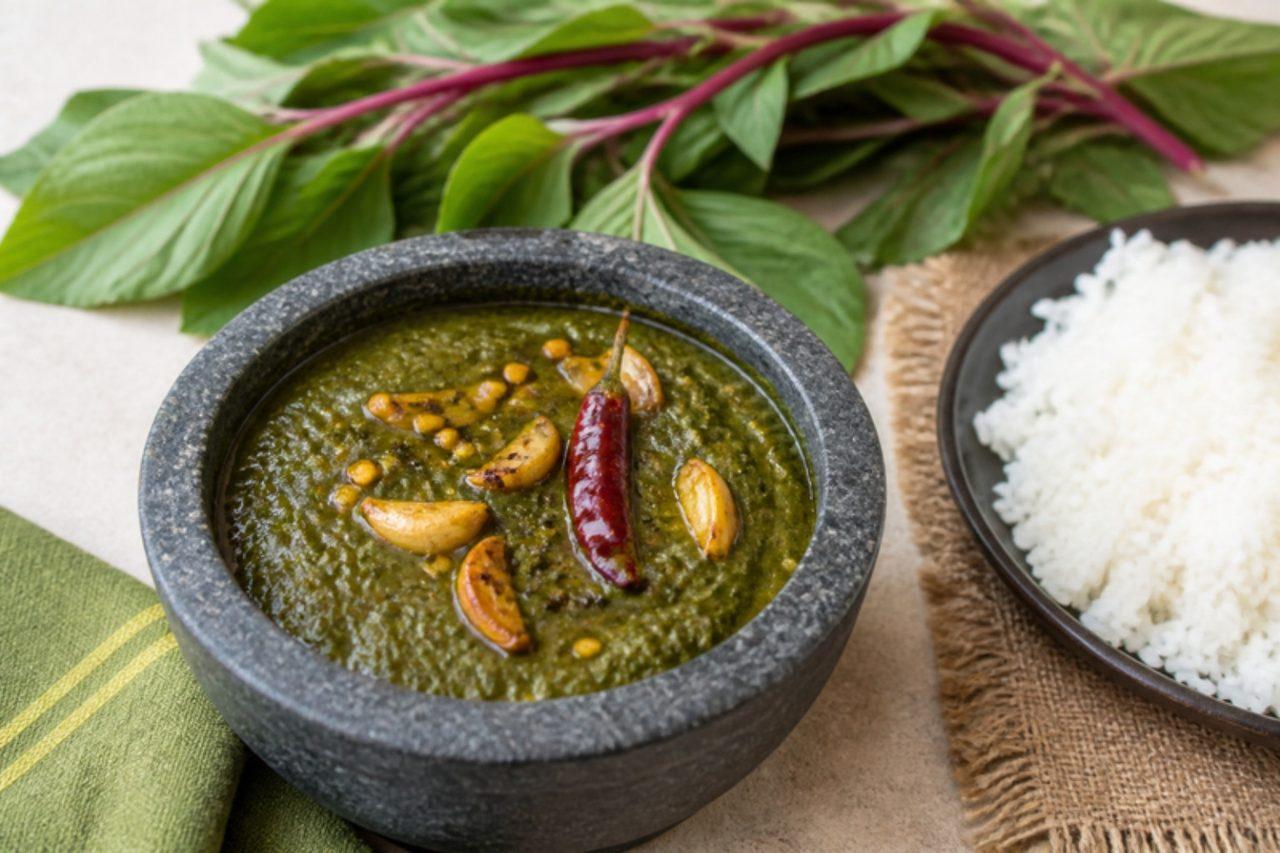
In the villages of Garhwal, kafuli is what goes into the iron kadhai when the terraces are full of palak and methi in late winter. The greens are blanched, ground roughly on a stone and simmered with a spoonful of soaked rice paste, which turns the curry silky without any cream. Mustard oil and a few dried chillies give it a sharp, warm edge, and the iron pan darkens it to a deep forest green. Eat it with mandua ki roti or plain rice and a dab of ghee for those who want it. Chef's tip: grind the greens in short pulses so you can still see flecks of leaf; kafuli should have texture, not look like a smooth soup.

45 minCurriesVeganGluten freeIndian
by KrazyBadal 0 views

Aloo ke gutke

Ask anyone from Kumaon what they miss most from home and aloo ke gutke comes up quickly. Hill potatoes are boiled, cut into rough chunks and tossed in smoking mustard oil with jakhiya, a tiny wild seed that pops and crunches like mustard but tastes more like toasted cumin. It's served at tea time with a mug of chai, on festival plates next to puri, and in local dhabas with cucumber raita. Outside Uttarakhand jakhiya is hard to find, so use cumin seeds with a few black mustard seeds instead; the dish will still taste right. Chef's tip: boil the potatoes a few hours ahead, or the night before, so they firm up and fry into crisp-edged cubes instead of crumbling.

40 minSidesVeganGluten freeIndian
by KrazyBadal 0 views

Chainsoo

Chainsoo comes from the Garhwal hills, where whole black urad is roasted in a dry pan until it smells like toasted bread, ground coarsely on a hand mill and cooked into a thick, smoky dal. It is a winter dish: heavy, warming and full of protein, eaten with plain rice or jhangora and a drizzle of ghee for anyone who isn't keeping it vegan. Village cooks make it in a lohe ki kadhai, the iron pan that turns it almost black. The texture should be grainy and spoonable, somewhere between a dal and a porridge. Chef's tip: roast the urad slowly over a medium-low heat; the moment it turns from golden to dark brown it tastes bitter, so keep stirring and pull it off early.

65 minCurriesVeganGluten freeIndian
by KrazyBadal 0 views

Ram ladoo

Despite the name, ram ladoo aren't sweet. They're small, crisp moong and chana dal fritters, sold from carts across Delhi in winter, when white radish is at its best. The vendor splits a few hot ones, smears them with a sharp coriander chutney and buries them under a heap of grated mooli and its leaves, with lemon and chaat masala over the top. Hot, crunchy fritters against cold, peppery radish is the whole appeal; it's a light snack for a foggy evening. Chef's tip: grind the soaked dal with as little water as possible, then beat the batter by hand for 3–4 minutes; air whipped into it is what makes the ladoos puff up and stay light.

by KrazyBadal 0 views

Papad ki sabzi

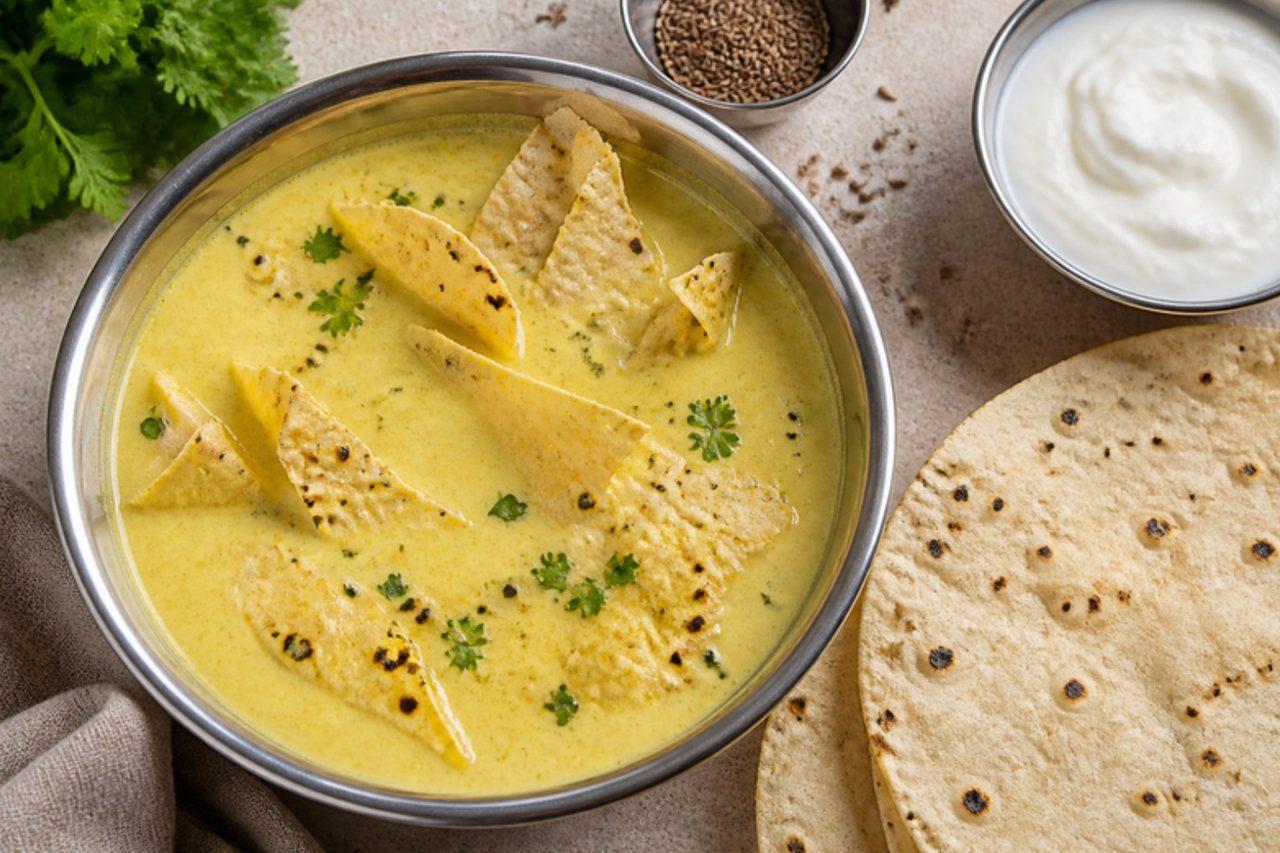
Papad ki sabzi comes from Rajasthan's dry interior, where fresh vegetables were scarce and pantries relied on sun-dried staples. Roasted papads are broken into a hot, spiced yogurt gravy at the last minute, so they soften but keep a little chew. Marwari households still make it on days when the vegetable basket is empty, eating it with bajra roti or phulka and a little ghee. Because it's ready in minutes, it's also a favourite for unexpected guests. The common mistake is adding the papads too early: they swell and turn to mush. Chef's tip: go easy on the salt, because papads are already well salted; season after tasting with the papad in.

20 minCurriesGluten freeIndian
by KrazyBadal 0 views

Nimona

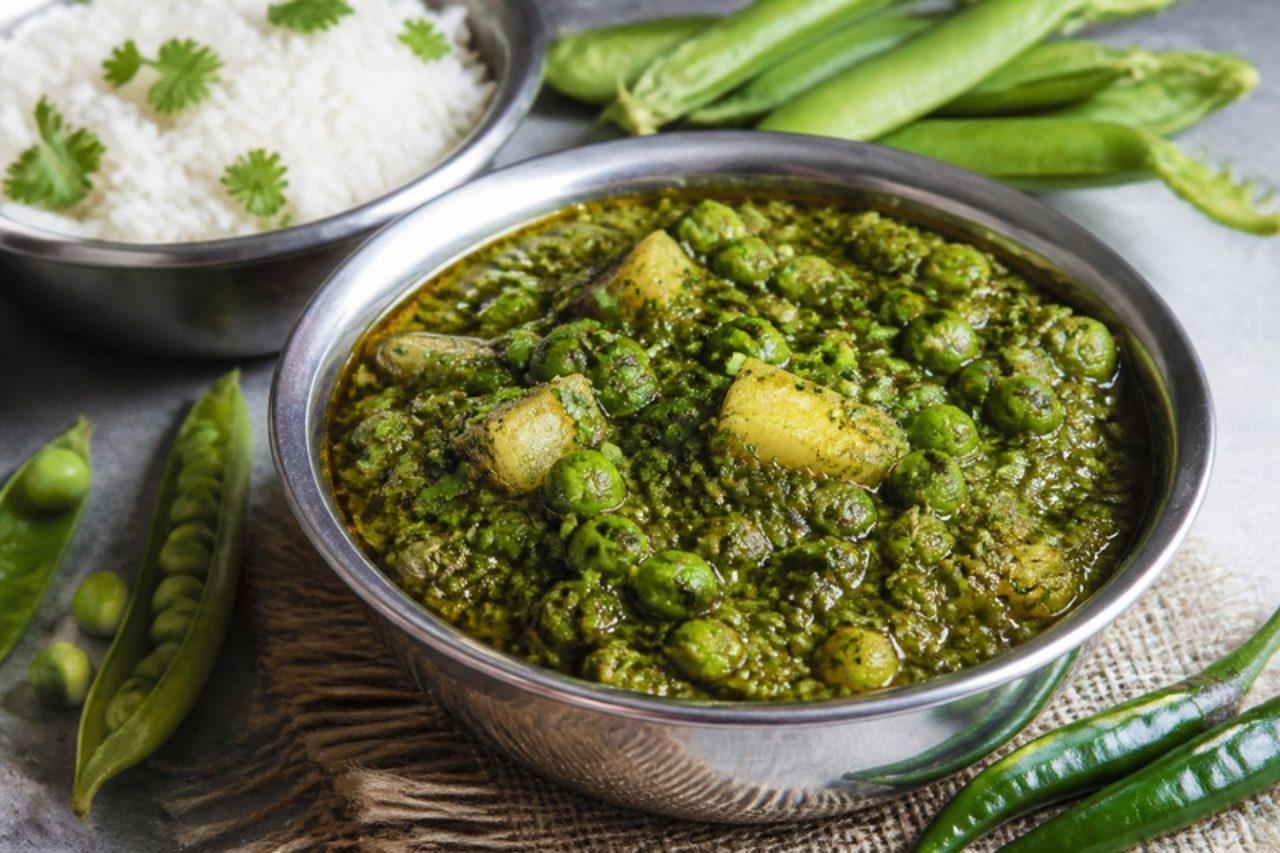
When fresh peas fill the markets of Varanasi and Gorakhpur in December, almost every household makes nimona. The peas are coarsely ground and fried in mustard oil until they lose their raw smell and turn a darker, nutty green. Potatoes are then added and everything simmers in a thin, spicy gravy. It is eaten with plain rice on a winter afternoon, and some families add fried moong dal vadis for extra bite. The most common mistake is grinding the peas into a smooth paste; nimona should have texture, like crushed peas rather than soup. Chef's tip: pulse the peas with the green chillies, ginger and garlic in short bursts, and stop as soon as they look like coarse, wet crumbs.

55 minCurriesVeganGluten freeIndian
by KrazyBadal 0 views

Mirchi vada

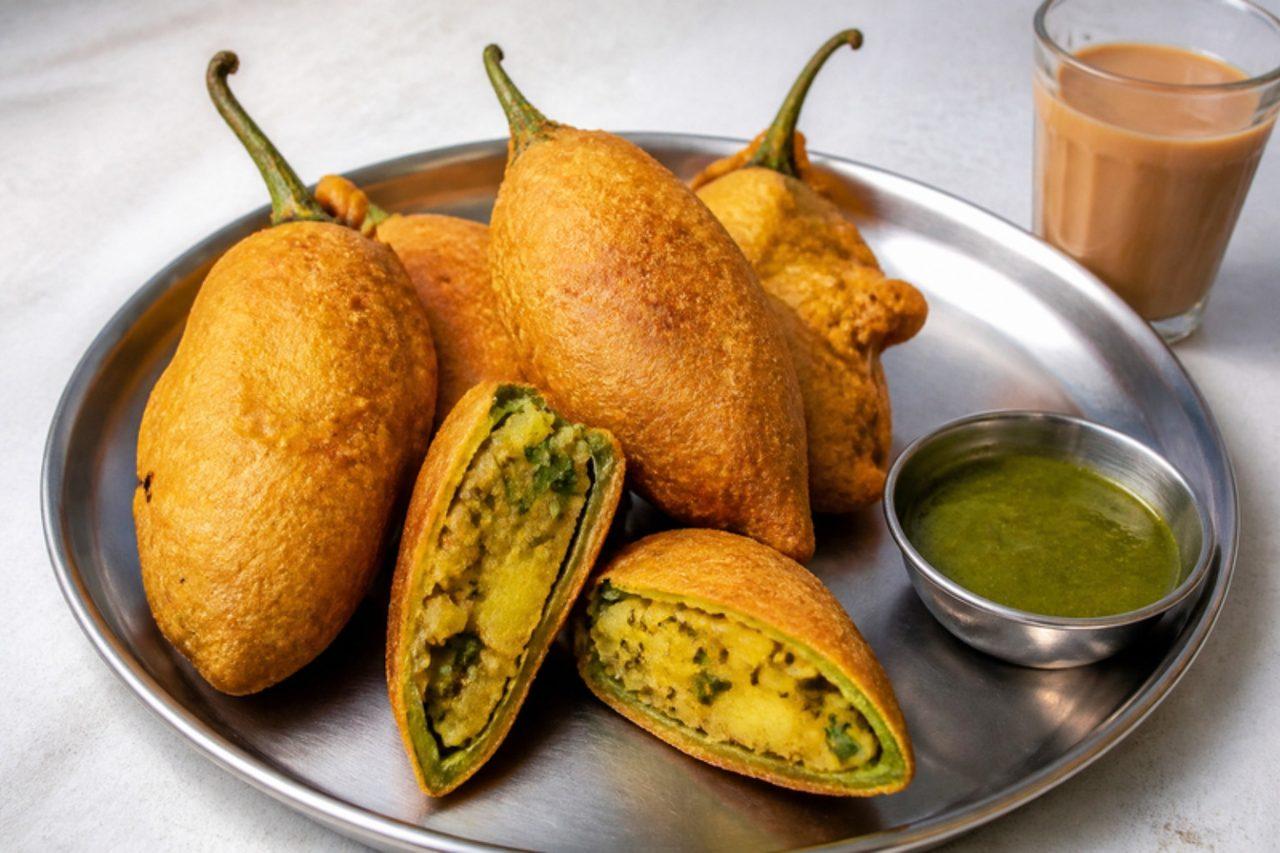
In Jodhpur, the day often begins at a roadside kadhai: huge, mild green chillies stuffed with spiced potato, coated in gram-flour batter and fried until golden and blistered, then eaten hot with sweet milky chai. Stalls near the Clock Tower and Sardar Market make them all day, and during the monsoon the queues grow longer. The chilli adds a fresh, green bite more than heat, and the filling is tangy with amchur and fennel. A common mistake is frying in oil that is not hot enough, which makes the batter heavy and oily. Chef's tip: fry each vada once until pale gold, rest it for a few minutes, then fry it again for 1 minute just before serving—this is the stall trick for a crust that stays crisp.

by KrazyBadal 0 views

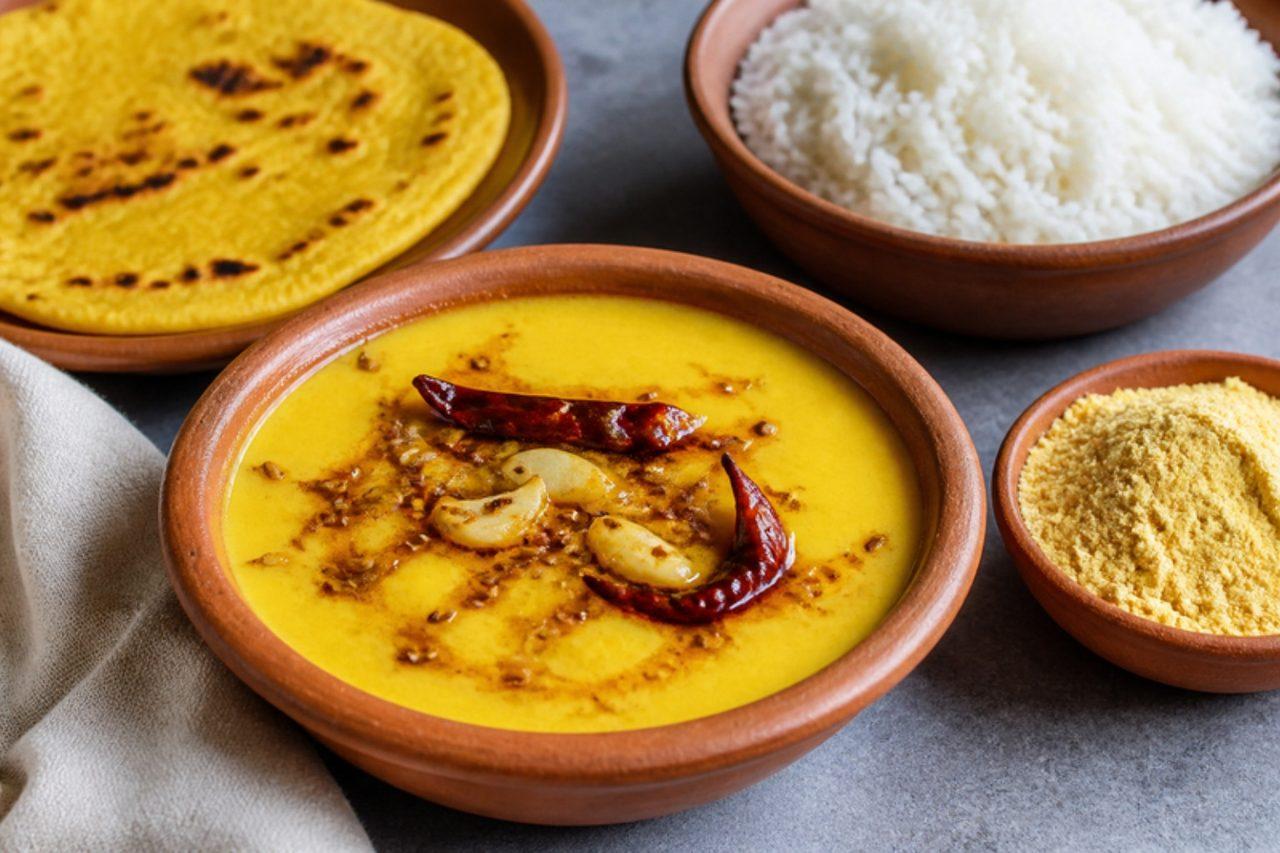
Mewari makki ki kadhi

In the Mewar region around Udaipur, maize is a staple crop, and in winter it even goes into kadhi. Instead of gram flour, cooks thicken sour buttermilk with fine maize flour, which gives a golden, slightly earthy, gently sweet kadhi with no pakoras in it. It is ladled over makki ki roti or bajra roti, or eaten with plain rice and a raw onion on the side. The tadka is simple but bold: ghee, cumin, fenugreek, crushed garlic and whole red chillies. The usual mistake is not stirring until it boils—the yogurt splits into curds and whey. Chef's tip: simmer it longer than you would a besan kadhi, at least 20 minutes, until no raw corn taste remains.

45 minCurriesGluten freeIndian
by KrazyBadal 0 views

Rajasthani kalmi vada

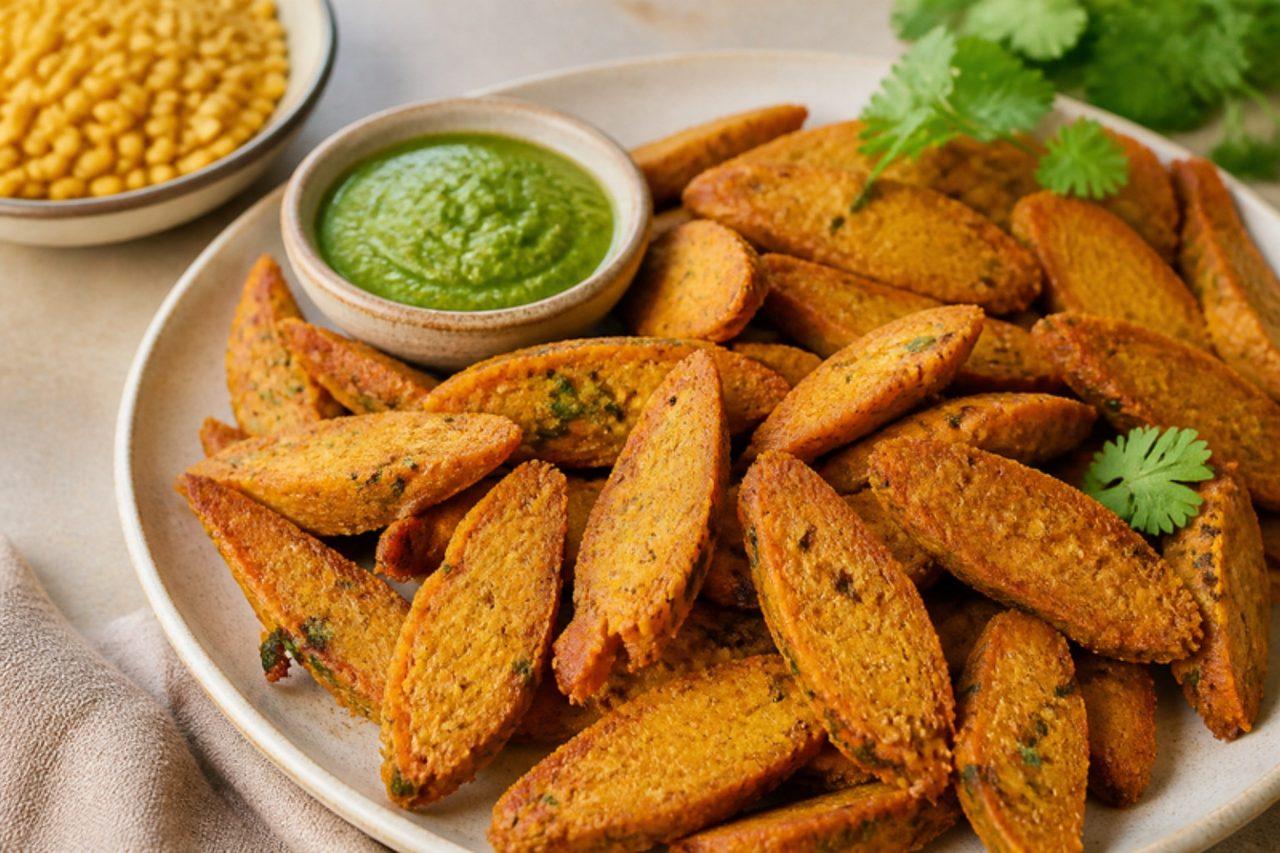
Kalmi vada gets its name from kalam, the Hindi word for pen: the fried chana-dal log is sliced into thin, slanted pieces that resemble pen nibs, then fried again until the slices are crunchy right through. In Jaipur and Ajmer, kalmi vadas are sold by weight from big trays, especially during the monsoon, and served with mint chutney and hot tea. The dal is ground coarse and spiced with whole coriander, fennel and chilli, so every bite crackles. The mistake to avoid is adding water when grinding; a wet mix won't hold its shape and absorbs oil. Chef's tip: let the first-fried logs cool completely before slicing, or they'll crumble under the knife.

by KrazyBadal 0 views

Bikaneri bhujia

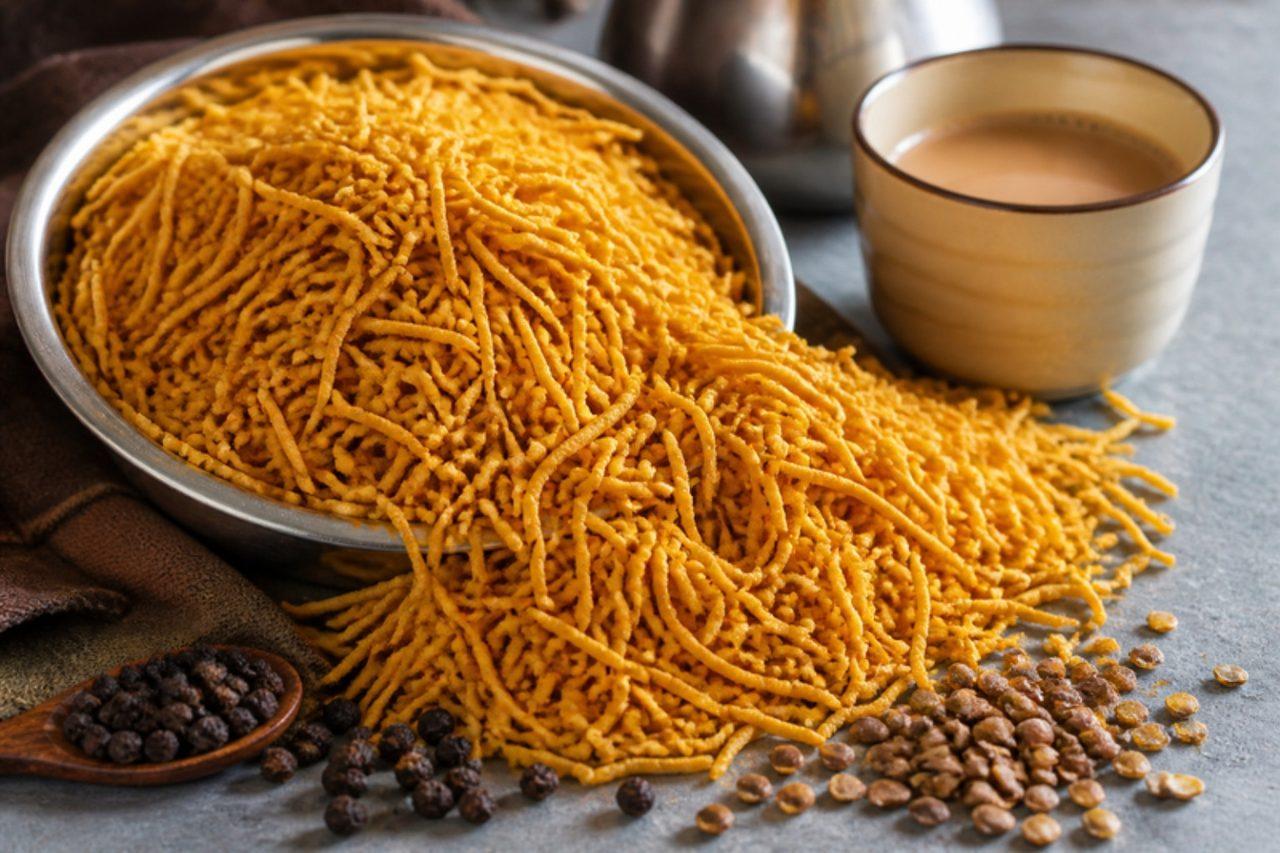
Bikaner in the Thar desert has made bhujia for well over a century, and the city's version stands apart for its use of moth-bean flour mixed with gram flour. Moth beans, hardy little desert pulses, give the sev an earthy flavour and a brittle, short crunch, while black pepper, black cardamom and a touch of clove add a peppery warmth. Families keep a tin of bhujia for tea time, sprinkle it over poha and chaat, and take boxes home after Diwali visits. A common mistake is making the dough too stiff; it is hard to press and the strands snap. Chef's tip: the dough should feel softer than chapati dough—so soft that a fingertip leaves a smooth dent. Use a sev press with the finest plate.

by KrazyBadal 0 views

Beans poriyal

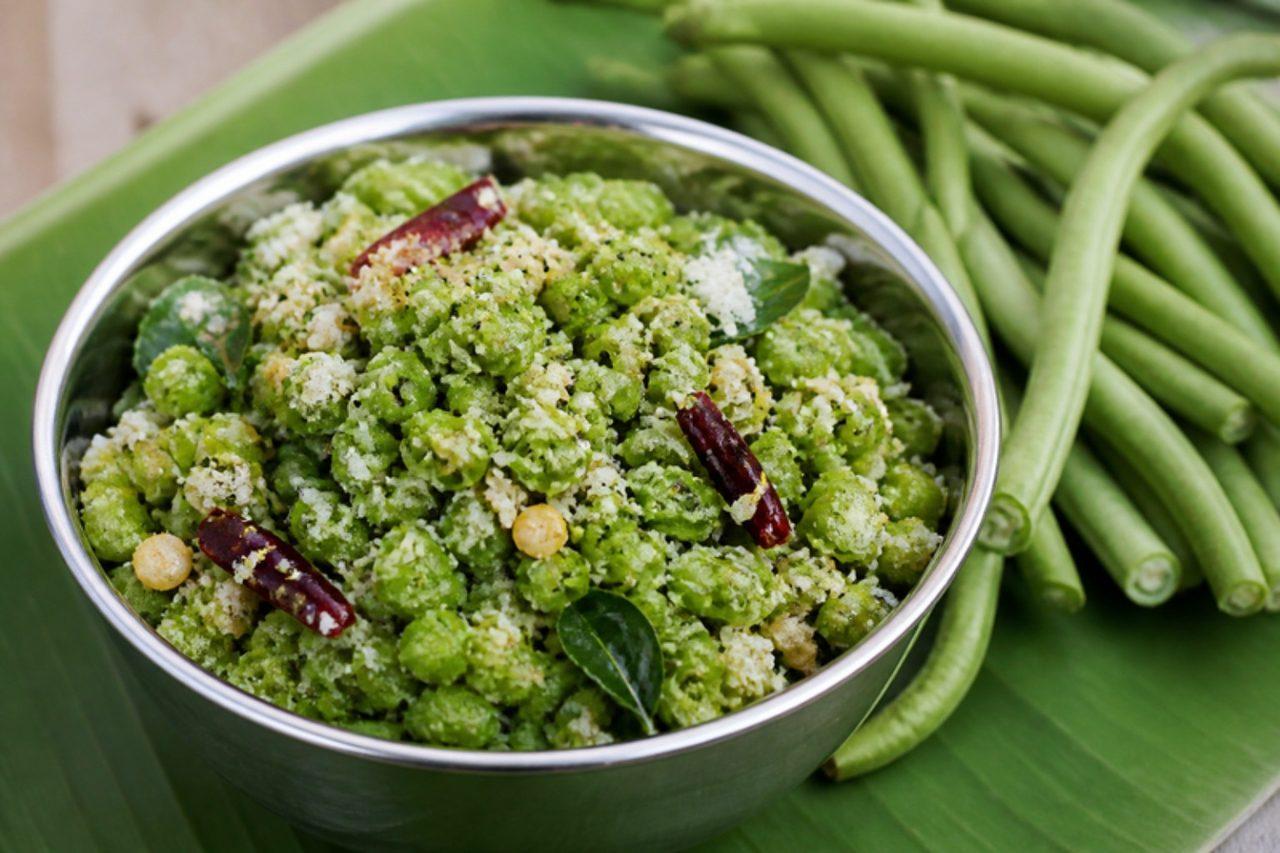
Poriyal is the everyday dry vegetable of Tamil Nadu, and beans poriyal is the one that appears on banana-leaf meals at weddings, temple annadhanam and Monday-to-Friday lunch boxes alike. The beans are chopped very small, steamed in their own moisture with a mustard and urad dal tempering, and finished with a shower of fresh coconut, so each spoonful is bright green, a little crunchy and nutty. It sits next to sambar or kuzhambu with rice, and it also makes a good filling rolled into a chapati. Chef's tip: chop the beans into tiny 5 mm pieces; they cook in minutes, stay green and soak up the tempering far better than long pieces.

25 minSidesVeganGluten freeIndian
by KrazyBadal 0 views

Kuzhi paniyaram

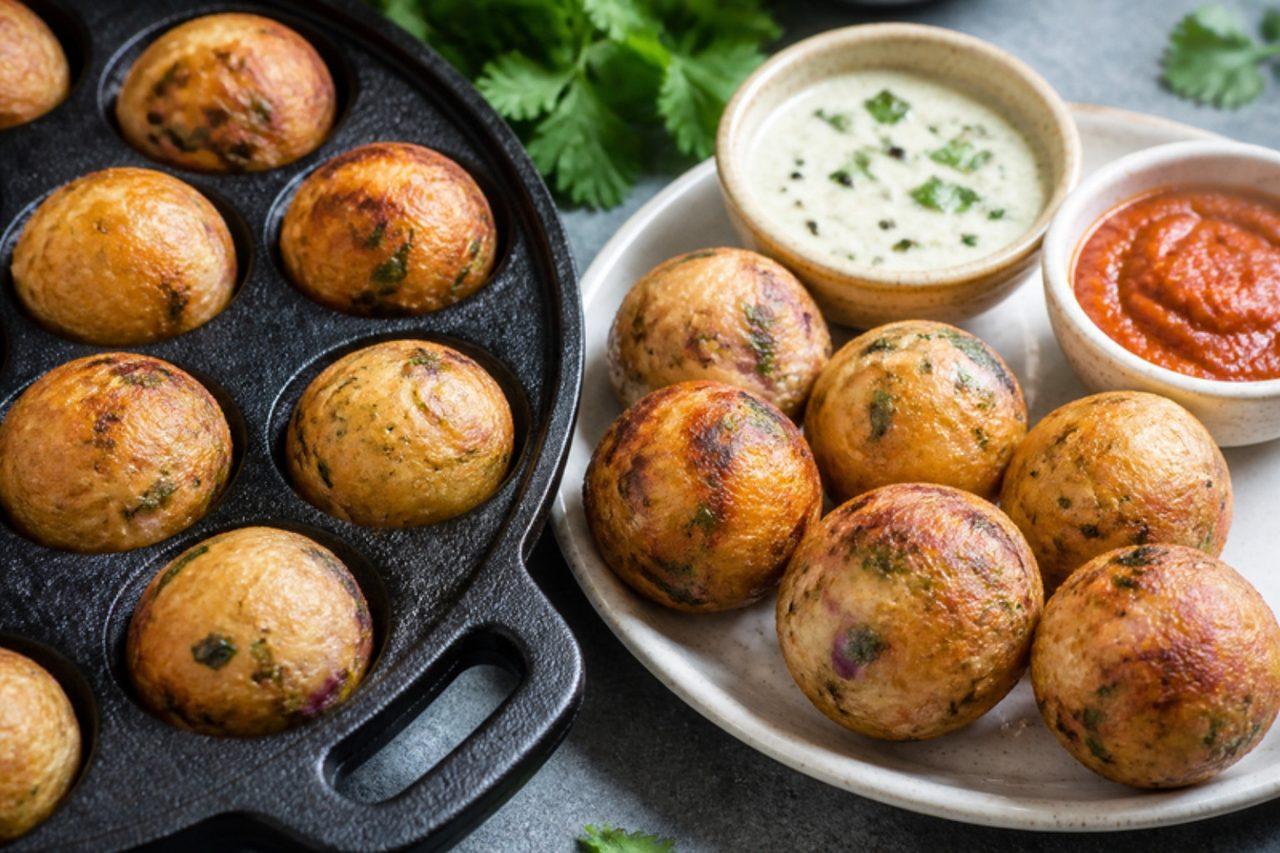
In Chettinad, kuzhi paniyaram is what happens to the last of the idli and dosa batter: it's mixed with shallots, chilli and curry leaves and cooked in a cast-iron pan full of round hollows until each ball is crisp and golden outside and soft as idli inside. Karaikudi households make them for evening tiffin and they're sold hot from street griddles in Madurai. Eat them straight from the pan with coconut chutney or a red tomato-onion kara chutney. Chef's tip: use batter that's a day or two old and slightly sour; it gives lighter, puffier paniyarams than fresh batter.

by KrazyBadal 0 views

Keerai masiyal

Keerai masiyal is the plain, green, buttery-soft mash Tamil mothers make with whatever keerai the market has that morning: arai keerai, siru keerai, amaranth or plain spinach. The leaves are cooked with shallots, garlic and green chilli and then mashed, traditionally with a wooden mathu, until smooth but still a little textured, then finished with a cumin tempering. It's eaten mixed into hot rice with a spoon of ghee or sesame oil, next to sambar or rasam, and it's a favourite first food for toddlers. Chef's tip: cook the greens uncovered; covering them traps the gases that turn the leaves dull olive instead of bright green.

22 minSidesVeganGluten freeIndian
by KrazyBadal 0 views

Fara

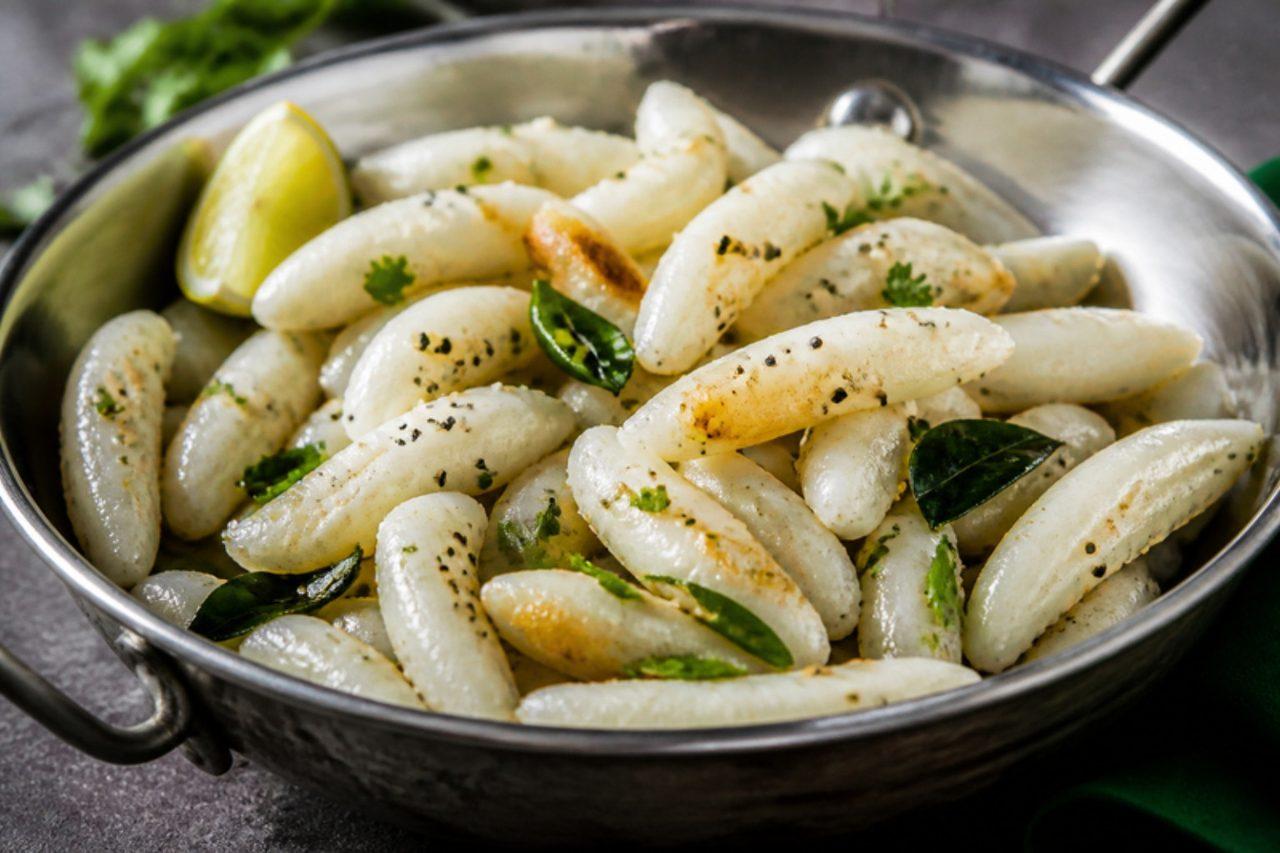
Fara is what a Chhattisgarhi kitchen does with yesterday's rice: it is kneaded with rice flour and hot water into a soft dough, rolled into little fingers, steamed and then tossed in a crackling tadka. Served at teatime or packed for long bus journeys, it is soft and chewy inside with spots of crispness from the pan. Some families spoon it into a thin, tangy curry instead, but the dry tempered version is the one sold in Raipur's snack corners. Chef's tip: knead the dough while it is still hot from the water; cold rice dough cracks and the fara split as they steam.

by KrazyBadal 0 views

Dakor na gota

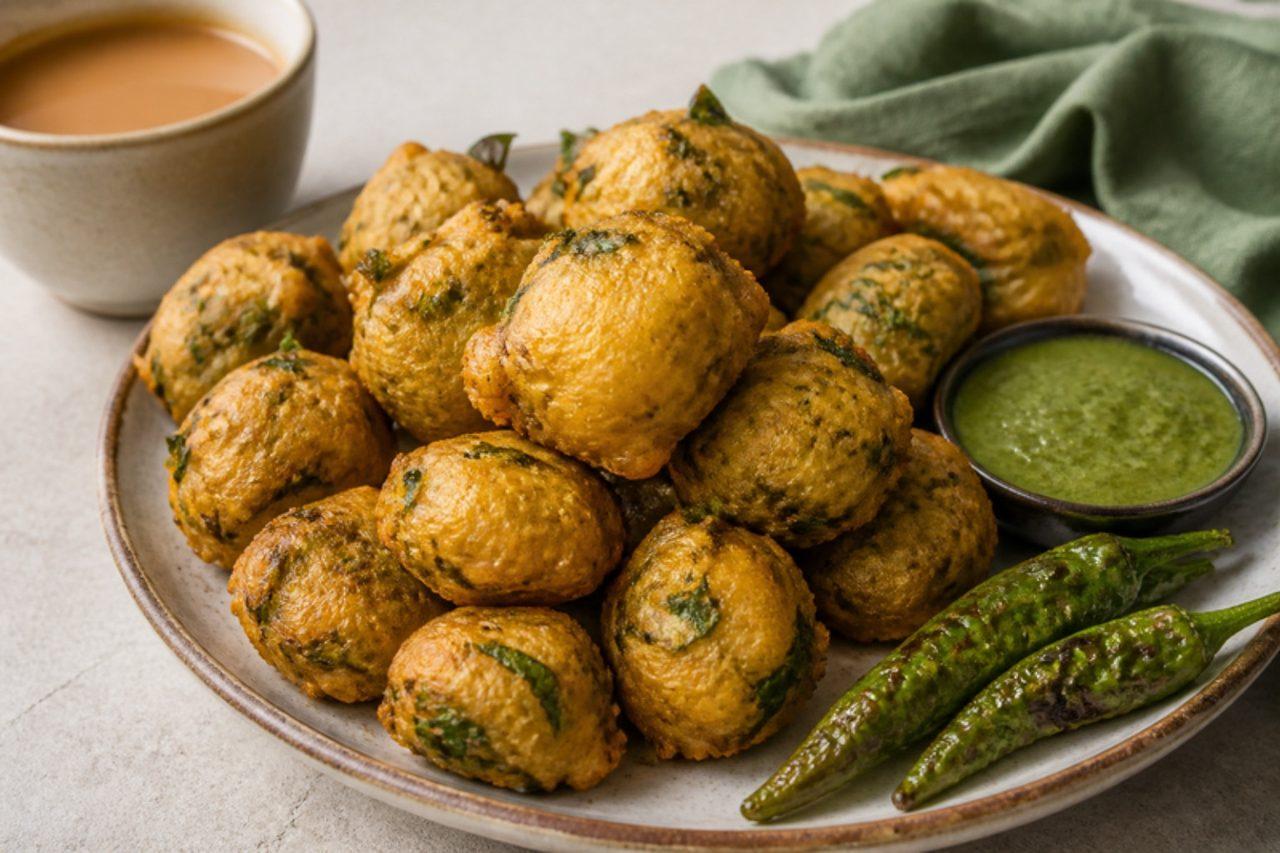
Pilgrims who come to the Ranchhodraiji temple at Dakor, in the Charotar belt of central Gujarat, rarely leave without a paper cone of gota from the shops around the temple square. These fritters are different from ordinary bhajia: the batter uses coarse gram flour, crushed black pepper and coriander seeds and plenty of fresh methi, and it is whipped light so the gota come out round, craggy and soft inside. Families buy the ready-mixed flour to take home and fry them on the first rainy evening of the monsoon. Serve them with green chutney, fried green chillies and a cup of masala chai. Chef's tip: beat the batter by hand in one direction for a full 3 minutes before frying; the air you whip in matters as much as the baking soda.

by KrazyBadal 0 views

Lasaniya bataka

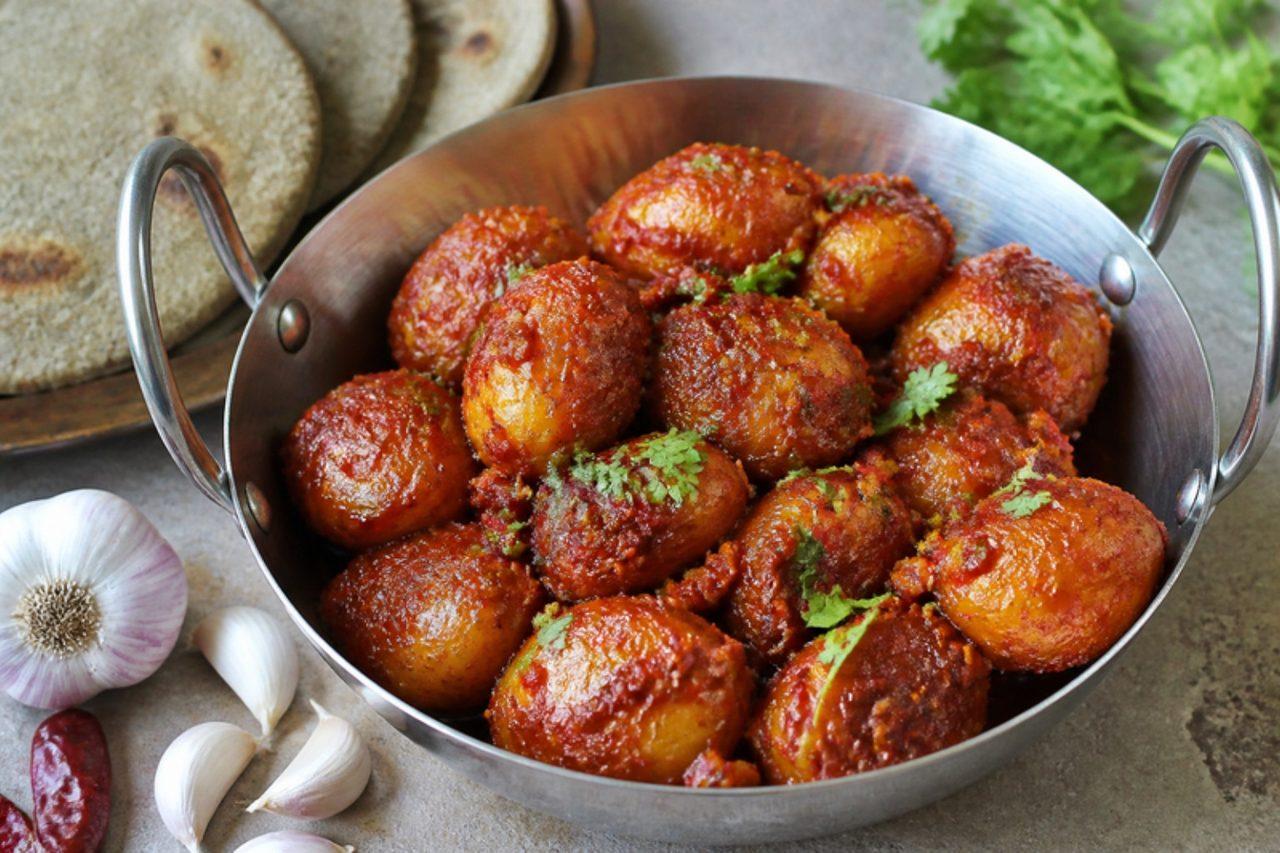
Lasaniya bataka is a dhaba favourite along the highways of Kathiawad, where it lands on the table next to bajra rotla, a lump of white butter, raw onion and a glass of chaas. Baby potatoes are boiled, lightly fried, then coated in a thick paste of pounded garlic and red chilli that has been cooked down until it smells sweet rather than sharp. It is hot, garlicky and a little tangy, the kind of side dish that turns plain flatbread into a meal. Make it for a winter lunch with Kathiawadi kadhi and khichdi. Chef's tip: pound the garlic and chilli in a mortar instead of blending; a slightly coarse paste clings to the potatoes and gives you little bursts of garlic.

40 minSidesVeganGluten freeSpicyIndian
by KrazyBadal 0 views

Maharashtrian aamti

Aamti is the everyday dal of Maharashtrian homes from Pune to Kolhapur: toor dal cooked soft, soured with kokum, sweetened with a little jaggery and seasoned with goda masala, the dark, aromatic spice blend of the state. It's thinner than a Punjabi dal and has a gentle sweet-sour-hot balance. Before the tempering goes in, many cooks scoop out a bowl of the plain cooked dal for varan bhaat, the simple turmeric-yellow dal with rice, ghee and lemon that every Maharashtrian child grows up on and that starts every festive thali. Chef's tip: add the kokum near the end and taste after 5 minutes; it keeps releasing sourness, and it's easy to overshoot.

45 minCurriesGluten freeIndian
by KrazyBadal 0 views

Pithla with jowar bhakri

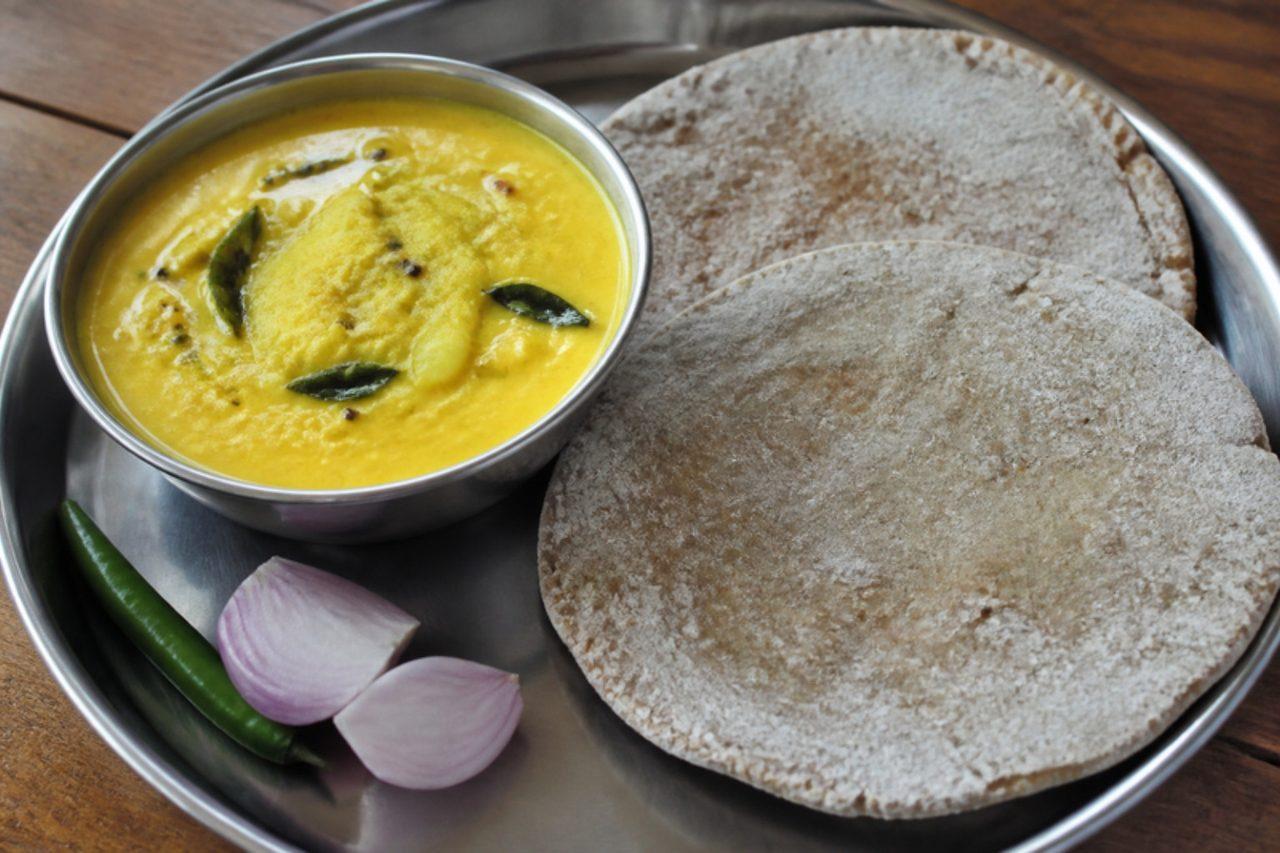
In villages across the Deccan plateau of Maharashtra, pithla bhakri is what a farmer's family eats when the pantry is low and the day is long: a pan of gram flour simmered with garlic, green chilli and onion until it sets to a soft, spoonable curry, with thick jowar bhakri patted out by hand and a raw onion on the side. It became a symbol of rural Maharashtra, served at roadside stalls near Sinhagad fort to trekkers and at political rallies alike. Zunka, the dry version, uses the same flavours but is stirred until crumbly. Serve with thecha or a wedge of lemon. Chef's tip: whisk the gram flour into cold water before it meets the pan; that one step is the whole secret to a lump-free pithla.

50 minCurriesVeganGluten freeIndian
by KrazyBadal 0 views

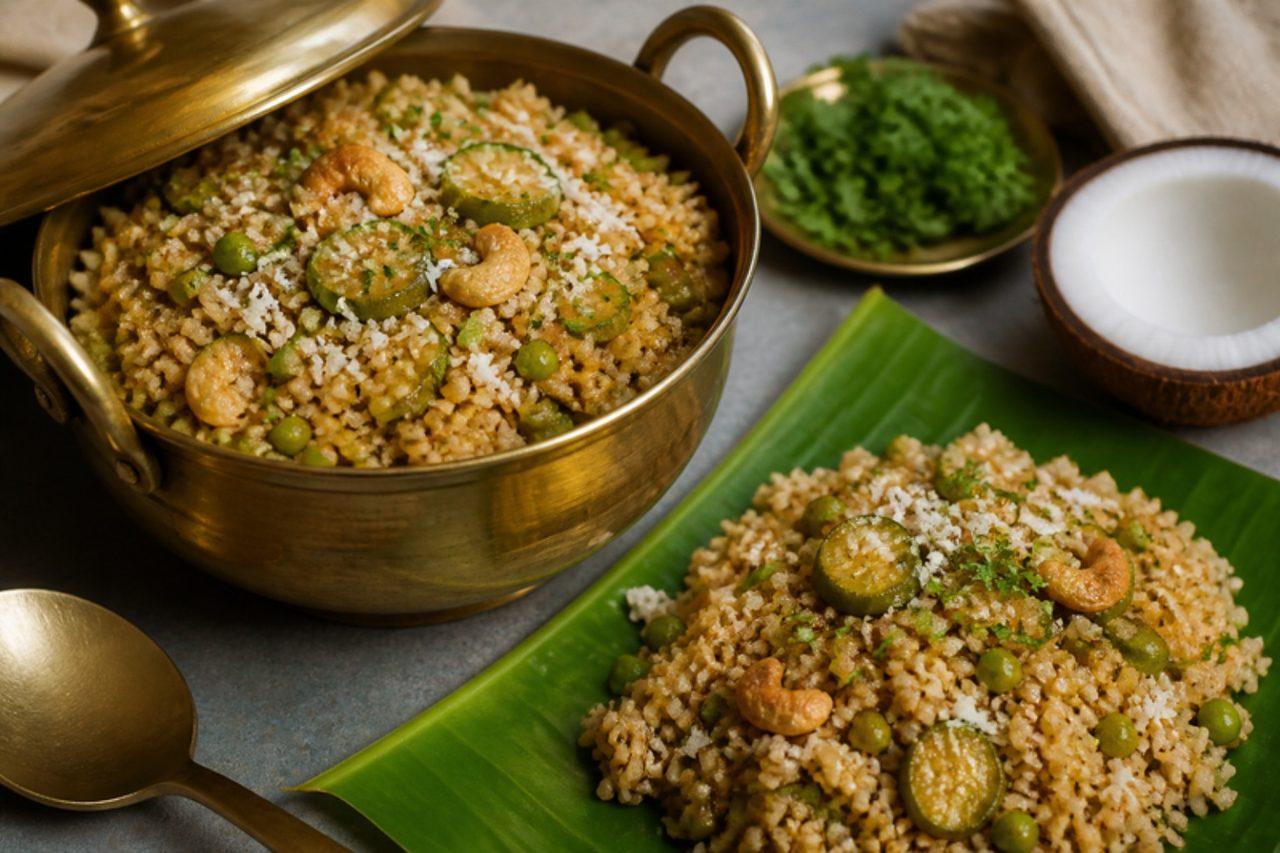
Masale bhaat

At a traditional Maharashtrian wedding lunch in Pune, the masale bhaat arrives in a steel bucket, deep brown-gold with goda masala, studded with tondli, peas and cashews and topped with fresh coconut and coriander. Unlike a pulao it is not delicate: it's spiced, a touch sweet from jaggery, and made with short-grain ambemohor or indrayani rice that turns soft and fragrant. A squeeze of lemon, a spoon of ghee and a bowl of kadhi or mattha (spiced buttermilk) on the side make it a meal. Chef's tip: slice the ivy gourd lengthways into quarters, not rounds, so it holds its shape and stays crunchy through the steaming.

by KrazyBadal 0 views
Ragi mudde with bassaru

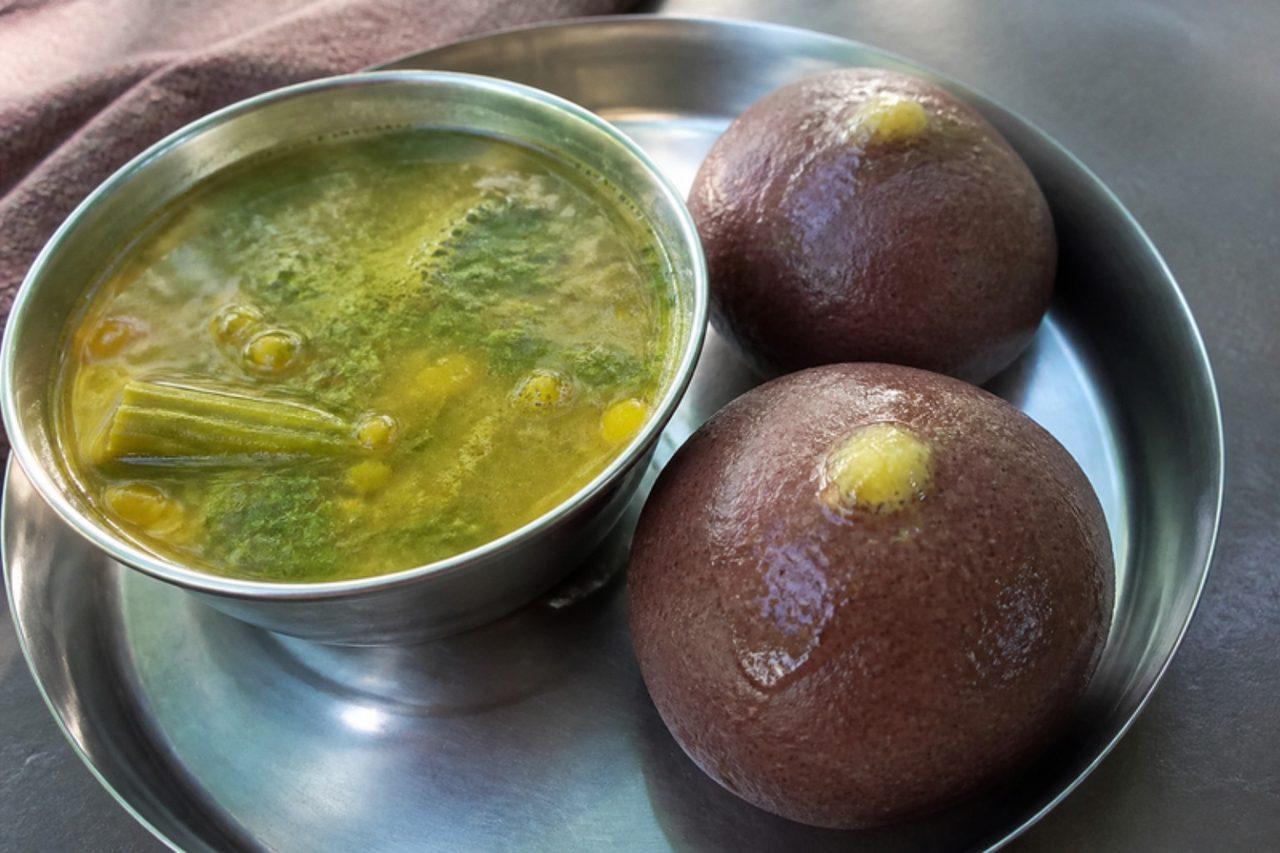
In the villages around Mandya, Mysuru and Hassan, the farmers' lunch is ragi mudde: steaming balls of finger millet cooked into a firm, smooth dough, eaten with a thin, spicy bassaru. Bassaru literally means 'drained water': greens and dal are cooked together, the liquid is poured off and spiced into a peppery broth (the saaru), and the solids become a dry palya on the side. You pinch off a piece of mudde, roll it in the saaru and swallow it without chewing. It is filling, very nourishing and naturally gluten-free. Chef's tip: the wooden stick (mudde kolu) matters; stirring with the handle of a wooden spoon pushes the flour into the water and gets rid of lumps far better than a whisk.

by KrazyBadal 0 views
Kosambari

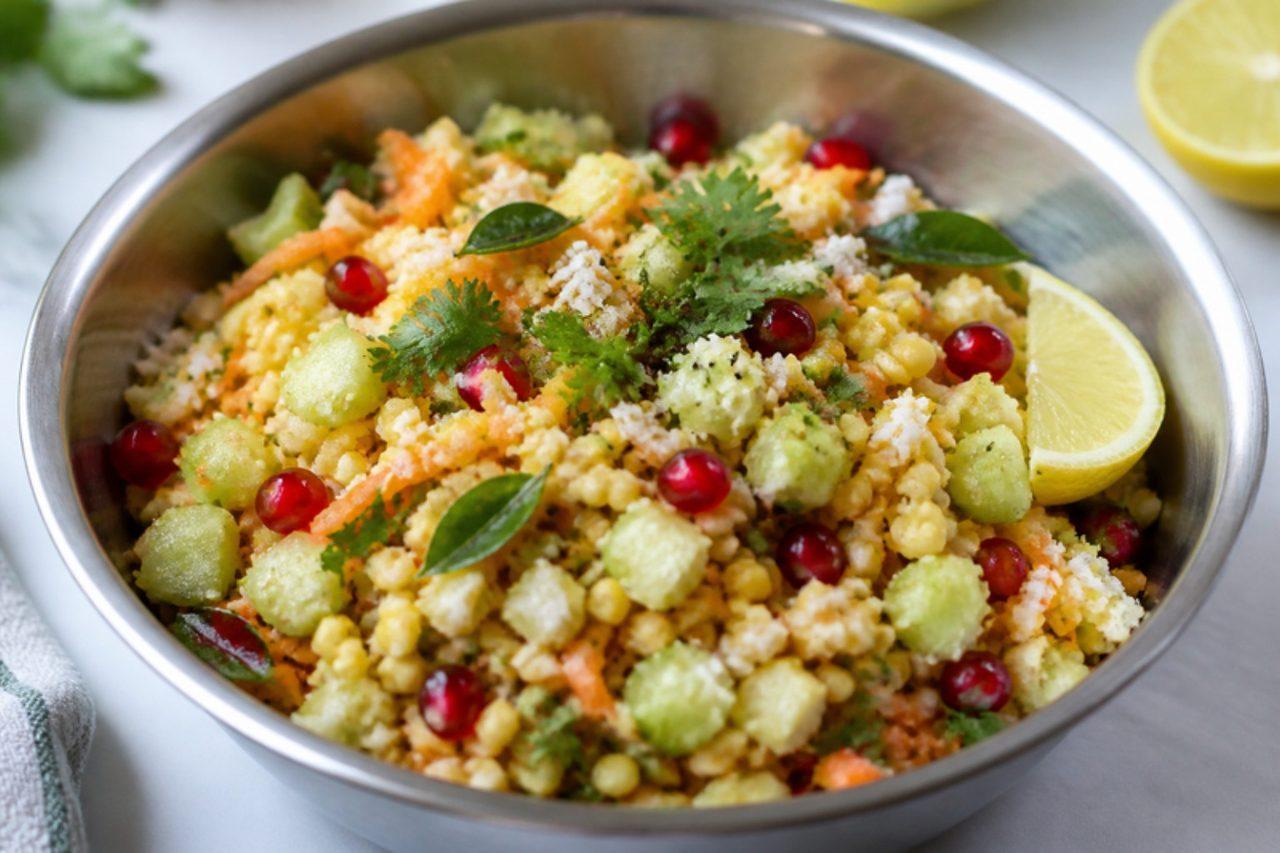
No Karnataka festival lunch on a banana leaf is complete without a spoonful of kosambari at the top left corner. This raw salad of soaked split moong dal, cucumber, carrot and fresh coconut, sharpened with lemon and finished with a mustard-seed tempering, is especially made for Ram Navami, when it is offered in temples with panaka (jaggery water), and for Ugadi and weddings. It is crunchy, cool and refreshing, and packed with protein. Chef's tip: add the salt and lemon only just before serving; salted cucumber weeps water and turns the salad soggy within half an hour.

17 minSaladsVeganGluten freeIndian
by KrazyBadal 0 views
Thayir sadam

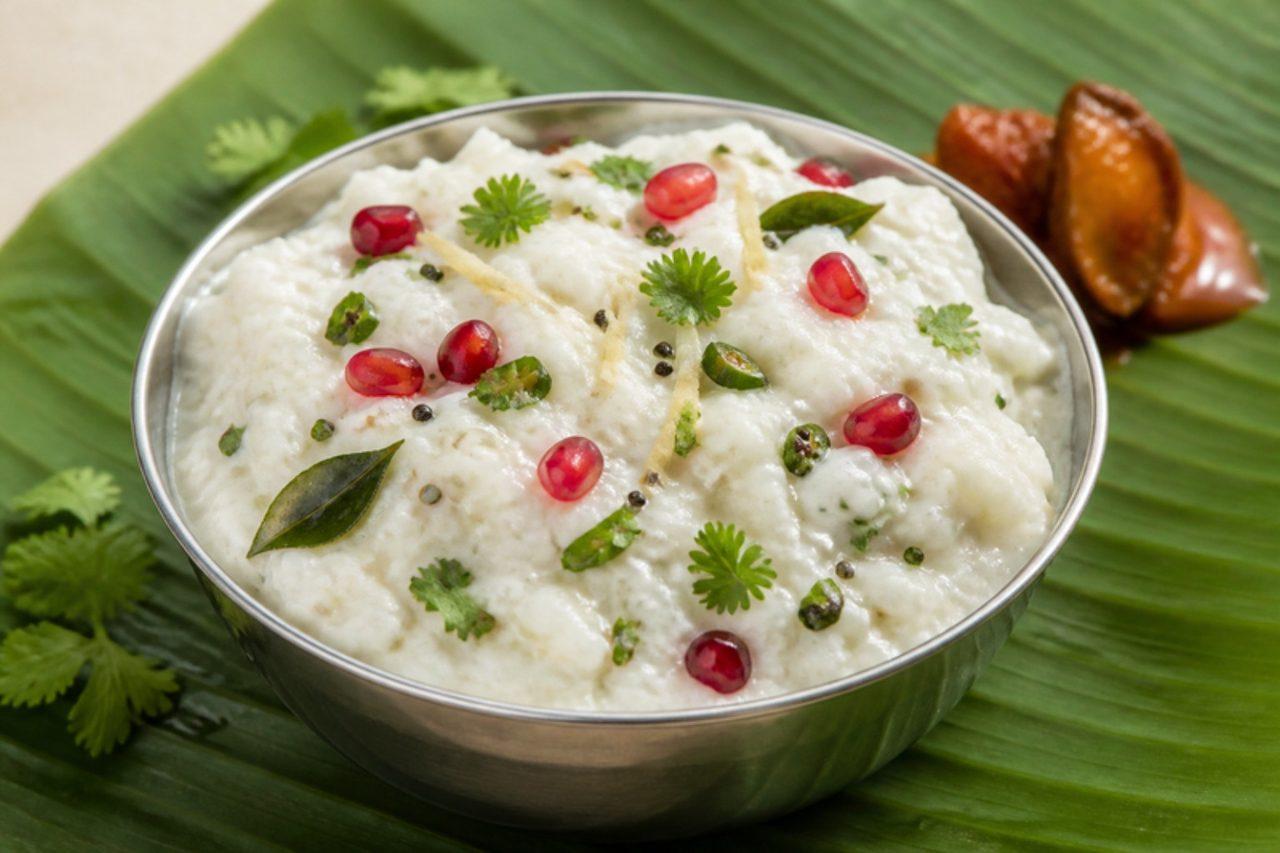
No Tamil meal is really finished without thayir sadam. It's the last course on a banana-leaf lunch, the comfort food packed for train journeys and school tiffins, and the prasadam handed out in some Tamil Nadu temples. Soft, mashed rice is mixed with cool yogurt and a splash of milk, seasoned with ginger, green chilli and curry leaves popped in hot oil, then dotted with pomegranate, grated carrot or green grapes. It's eaten slightly cool with a spoonful of pickle or a fried vathal on the side. Chef's tip: mix a little milk in with the yogurt; it keeps the rice creamy and stops it turning sour if you pack it for lunch several hours ahead.

by KrazyBadal 0 views
Adai

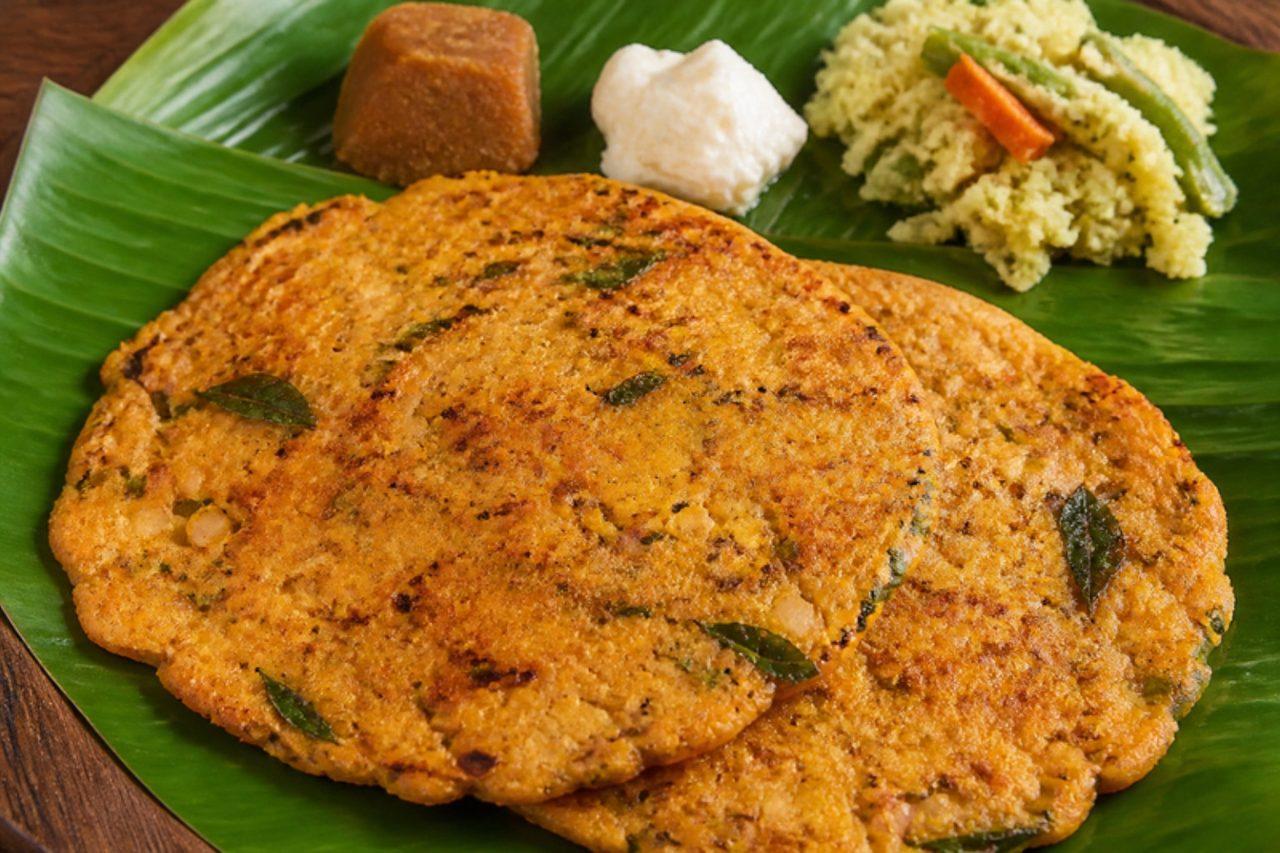
Adai is the hearty cousin of the dosa, made in Tamil homes for a weekend breakfast or an early dinner, and in Tamil Brahmin families traditionally served with avial and a lump of jaggery and white butter. Rice and a mix of toor, chana, urad and moong dal are soaked and ground coarsely with red chillies, ginger and hing, so the batter needs no fermenting at all. The pancakes are thicker than dosa, crunchy at the edges and soft and gritty in the middle, with a deep, spicy, lentil flavour and plenty of protein. Chef's tip: grind the batter like coarse semolina, not silky; that texture is what gives adai its crisp, lacy rim.

by KrazyBadal 0 views
Chitranna

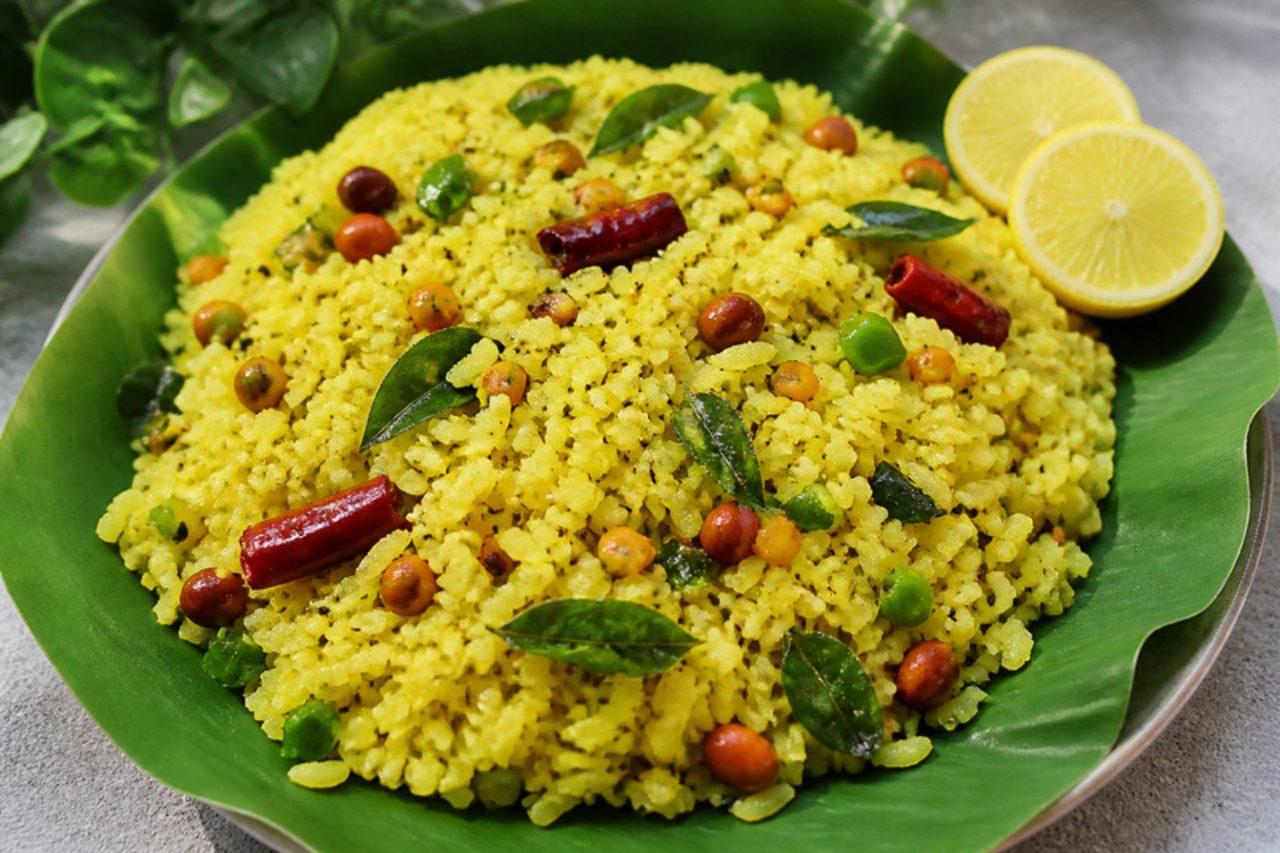
Chitranna, 'colourful rice', is the dish Karnataka mothers make when there is leftover rice and a school tiffin box to fill: cooked rice tossed in a yellow turmeric tempering with roasted peanuts, crunchy dals, green chilli, curry leaves and plenty of lemon. It appears at temple festivals as prasada, on train journeys wrapped in banana leaf, and on every Bengaluru darshini breakfast counter. It tastes even better an hour after it's made, when the lemon has soaked in. Tamil Nadu's elumichai sadam is a close cousin. Chef's tip: spread the rice out on a plate to cool before mixing; warm, steamy rice turns sticky and breaks when you toss it.

by KrazyBadal 0 views
Pulihora

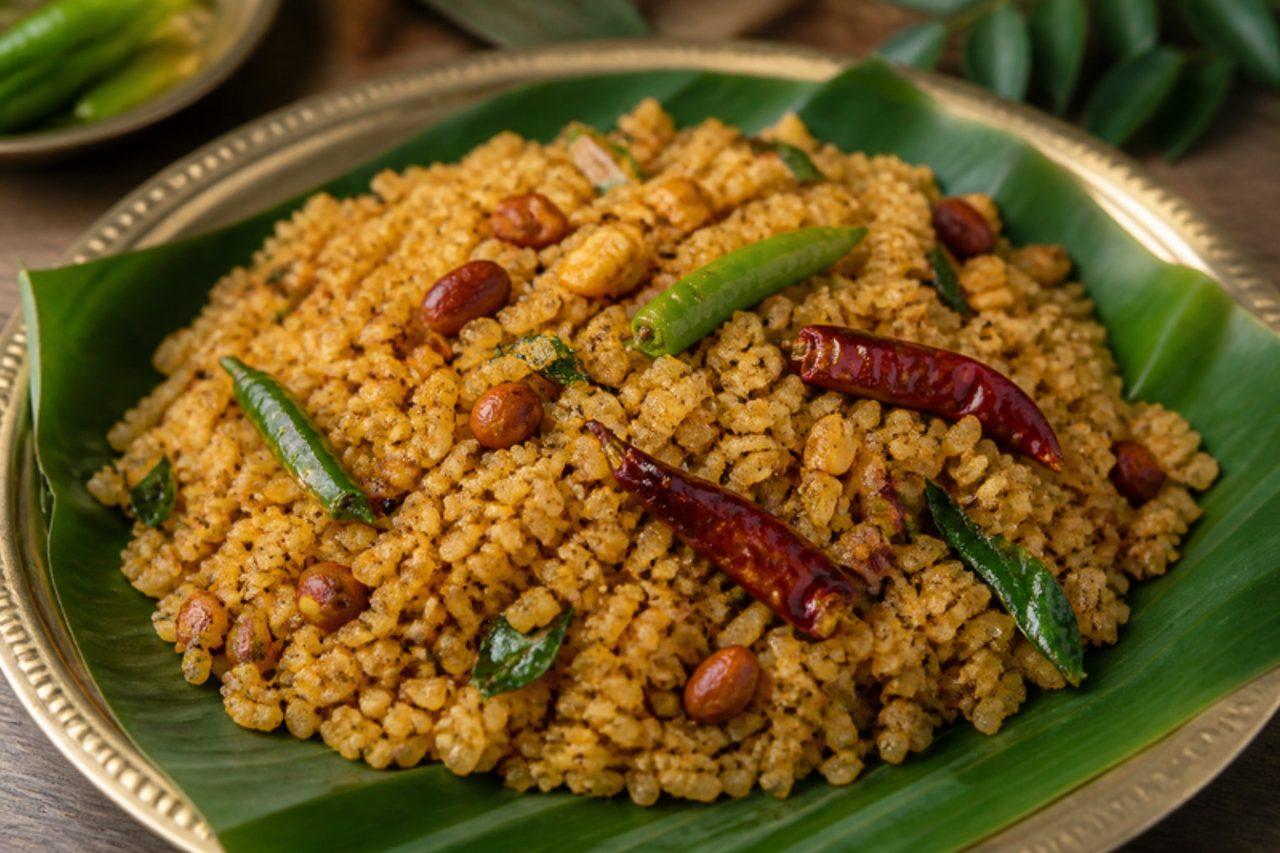
Pulihora is the rice Andhra families cook for Ugadi, Sankranti and every temple festival in between, and it's also the dish wrapped in banana leaves for long train trips because it keeps all day. The Telugu version is sharper and hotter than Tamil puliyodarai or Karnataka puliyogare: cooked rice is tossed with a thick tamarind paste, turmeric, mustard and a hefty tempering of peanuts, chana dal, green and red chillies and curry leaves, with no sweet spice powder. It's sour, hot, nutty and fragrant with sesame oil. Eat it at room temperature with curd or a crisp papad. Chef's tip: cook the tamarind paste until oil separates at the edges; under-cooked tamarind gives the rice a raw, puckery sourness.

by KrazyBadal 0 views
Gongura pachadi

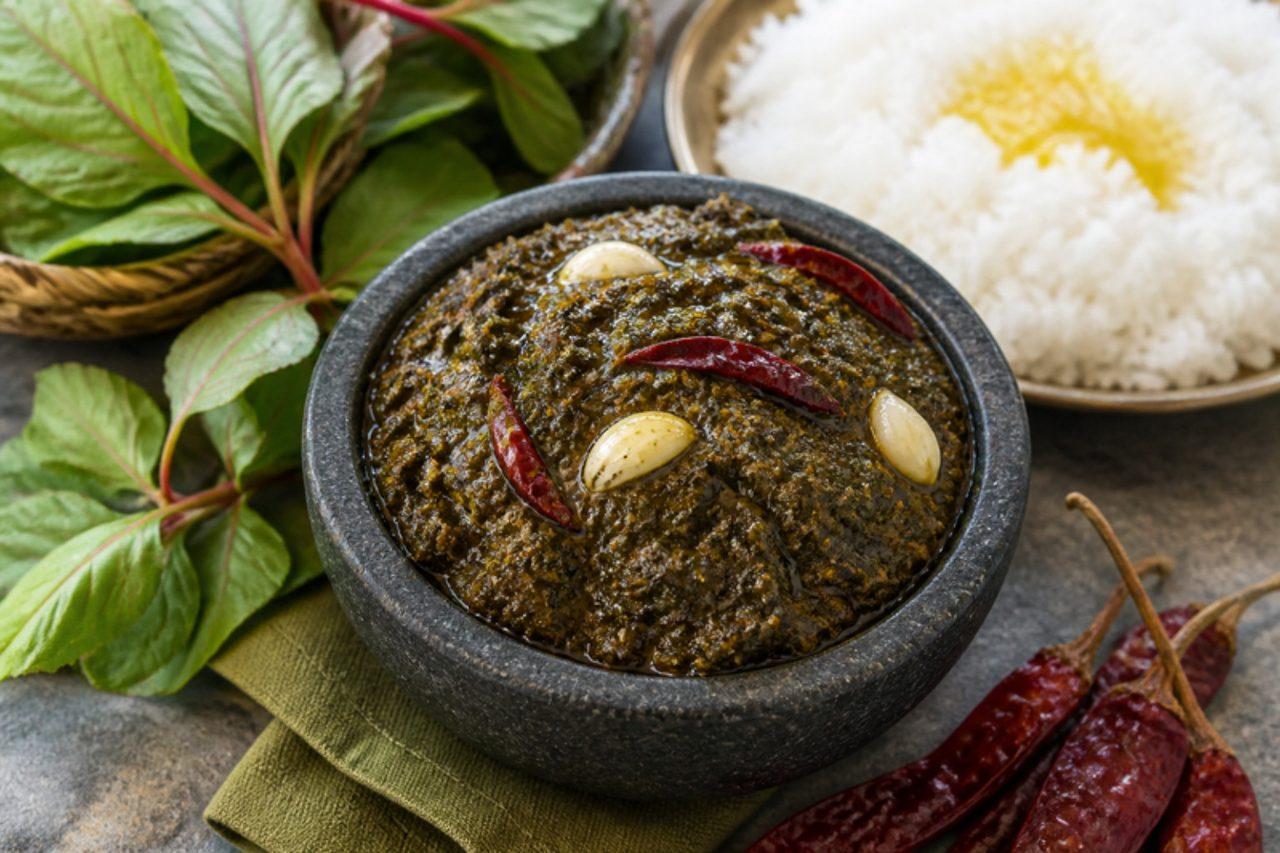
Gongura, the sour leaf of the roselle plant, is so central to Andhra cooking that it's called the state's own vegetable, and gongura pachadi is its best-known form. The leaves are fried in oil until they melt, then pounded with roasted red chillies, garlic, coriander seeds and fenugreek, and finished with a mustard tempering. It's intensely tangy, hot and garlicky, and in Guntur and Vijayawada homes a spoonful is mixed into hot rice with ghee or eaten with jowar rotte. It keeps in the fridge for a couple of weeks. Chef's tip: fry the leaves until all their water cooks off and they turn dark olive; any moisture left shortens how long the pachadi keeps.

by KrazyBadal 0 views
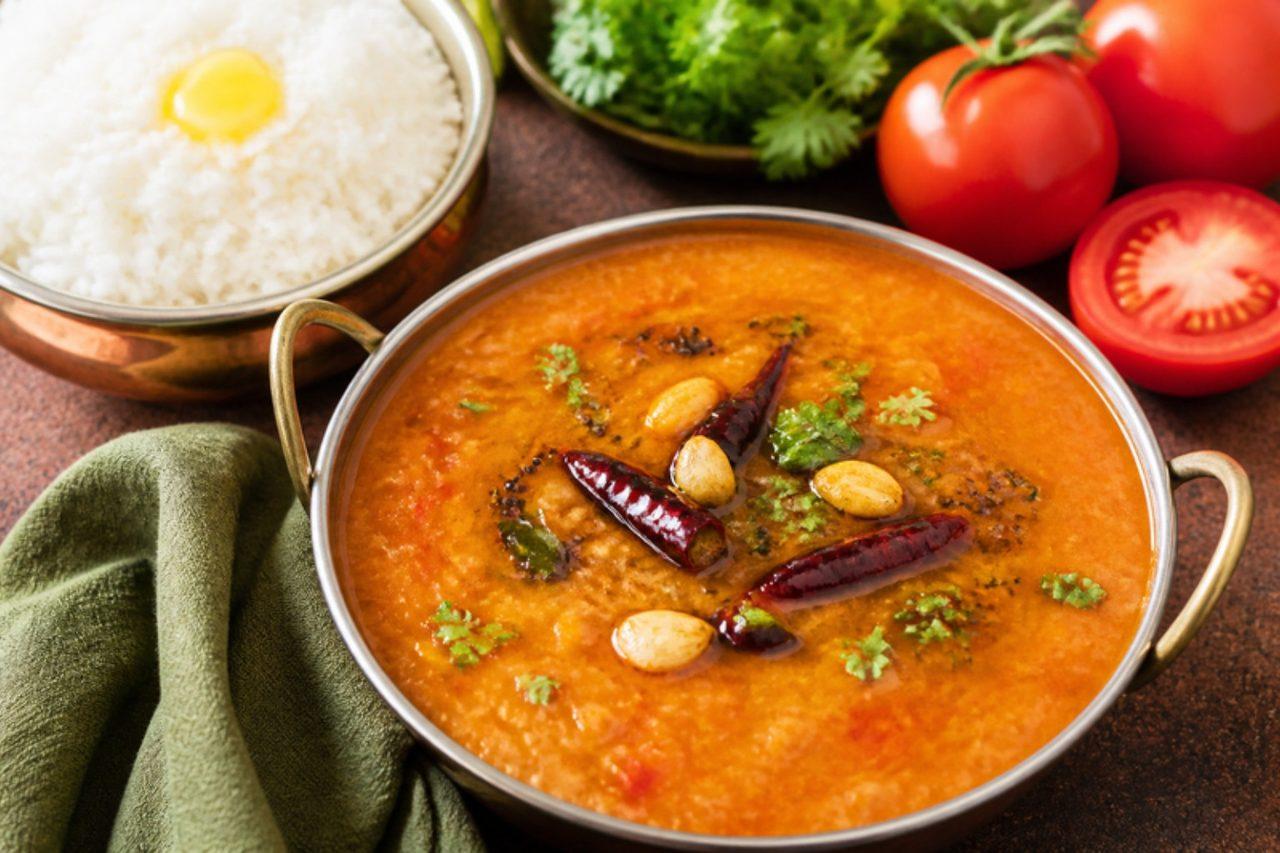
Tomato pappu

Pappu (dal) is the backbone of an Andhra meal, and tomato pappu is the one most Telugu households cook on an ordinary weekday. Toor dal is cooked with plenty of ripe tomatoes, onion, green chillies and a little tamarind, then mashed to a thick, rustic consistency and finished with a fierce garlic and red chilli popu (tempering). It's tangier and hotter than a North Indian dal, and it's mixed into hot rice with a spoon of ghee and eaten with avakaya pickle and a crisp fried vegetable. Chef's tip: mash the dal and tomatoes together with a whisk or a wooden mathu while hot; it gives the creamy, slightly rough texture that blending never does.

40 minCurriesVeganGluten freeIndian
by KrazyBadal 0 views
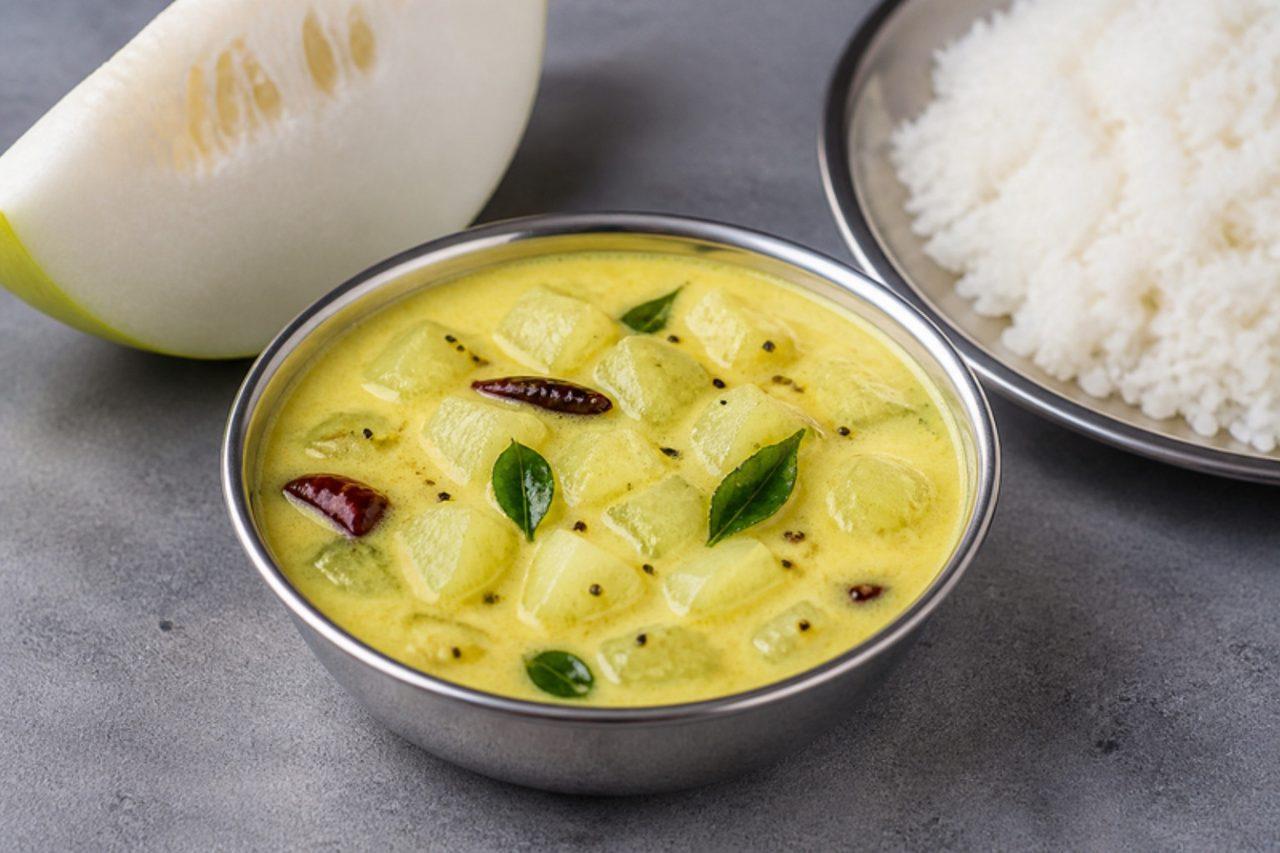
Majjiga pulusu

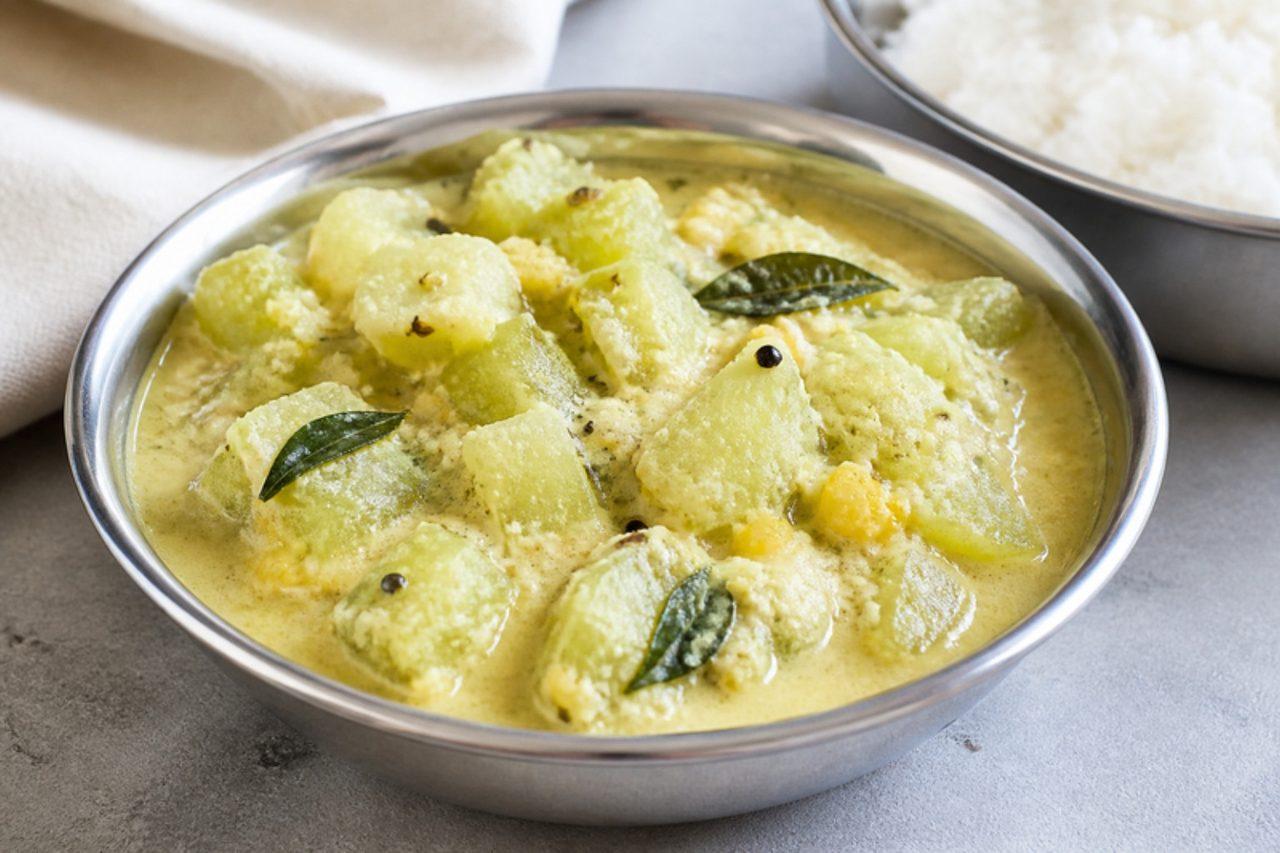
Majjiga pulusu is the cooling yogurt curry of Andhra Pradesh, cooked in summer when the buttermilk at home turns a little sour. Unlike Gujarati kadhi, it isn't thickened with gram flour: soaked chana dal is ground with coconut, ginger, green chillies and cumin, stirred into the curd, and simmered gently with soft pieces of ash gourd (or okra, or chayote). It's mild, tangy and creamy, and eaten mixed into rice with a fried vegetable or fritter on the side, especially at Telugu wedding meals. Chef's tip: whisk the yogurt until completely smooth before it goes near the heat; lumpy yogurt splits much more easily.

30 minCurriesGluten freeIndian
by KrazyBadal 0 views
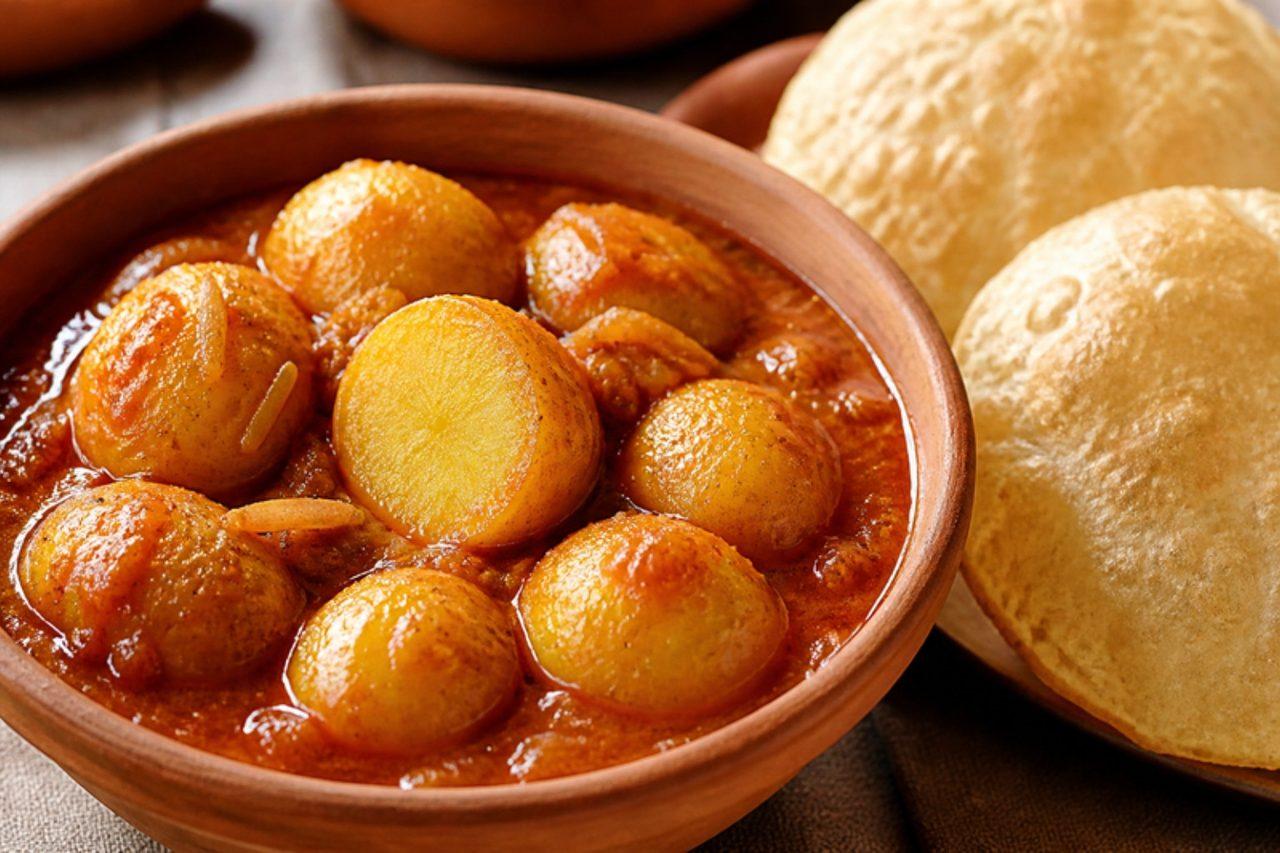
Kolkata aloo dum

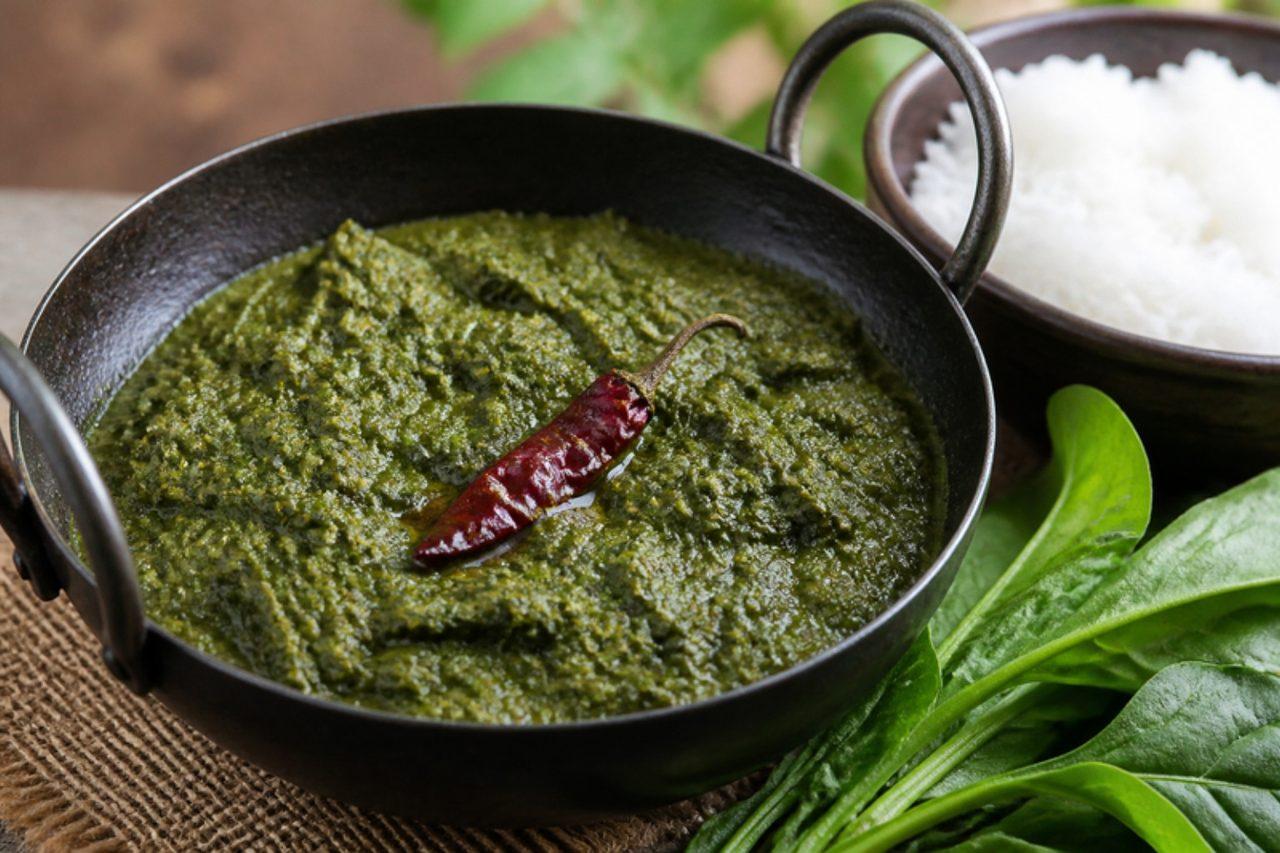
In Kolkata, aloo dum is the partner of luchi: hot puffed puris at a Sunday breakfast, or at the sweet shops and roadside stalls that sell 'luchi-alur dom' as a plate. Bengali aloo dum is thicker, sweeter and more gingery than its Kashmiri cousin, with no yogurt or fennel, and the potatoes are fried until their skins crinkle before they go into the gravy. A little sugar balances the chilli, and a final pinch of roasted cumin-coriander powder gives it the smell of a Bengali kitchen. Chef's tip: prick each boiled potato with a fork so the gravy gets inside.

45 minCurriesVeganGluten freeIndian
by KrazyBadal 0 views
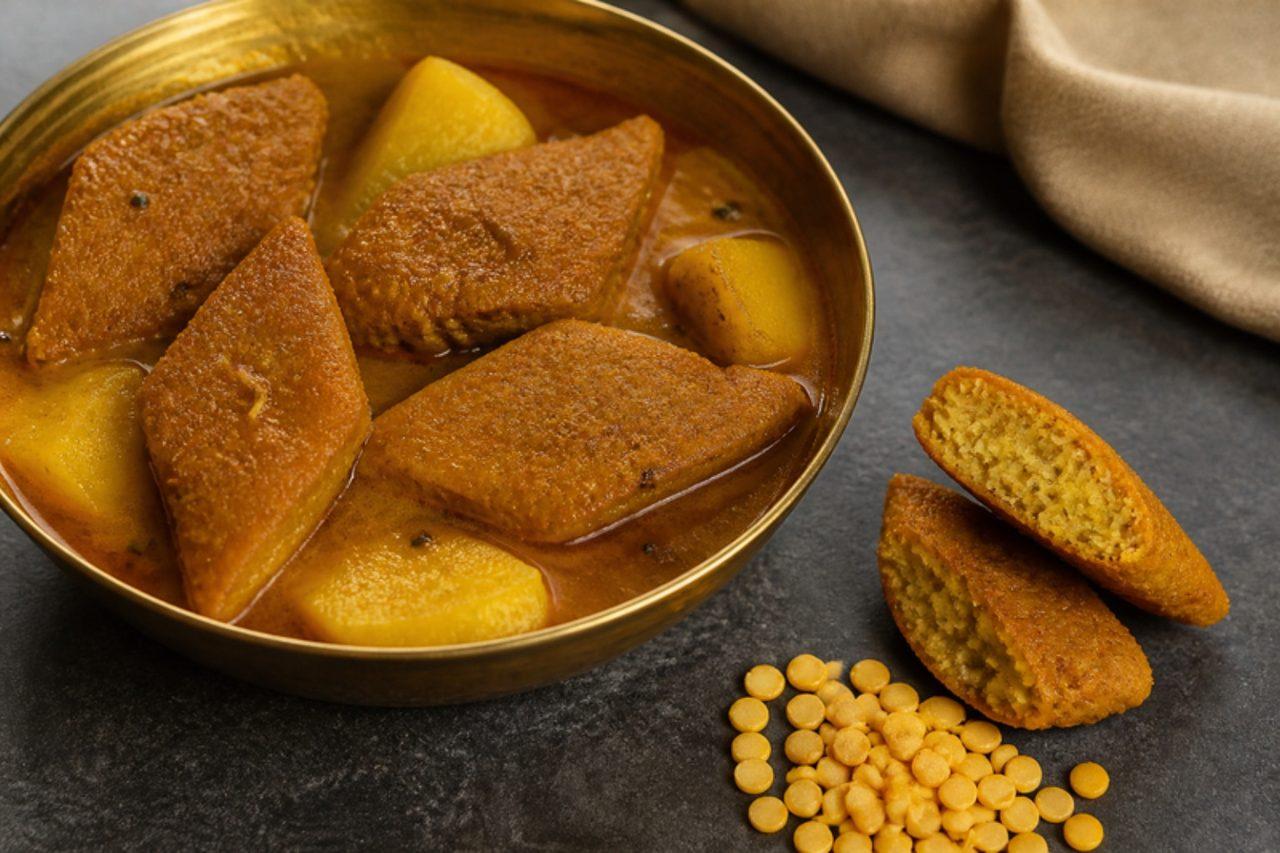
Dhokar dalna

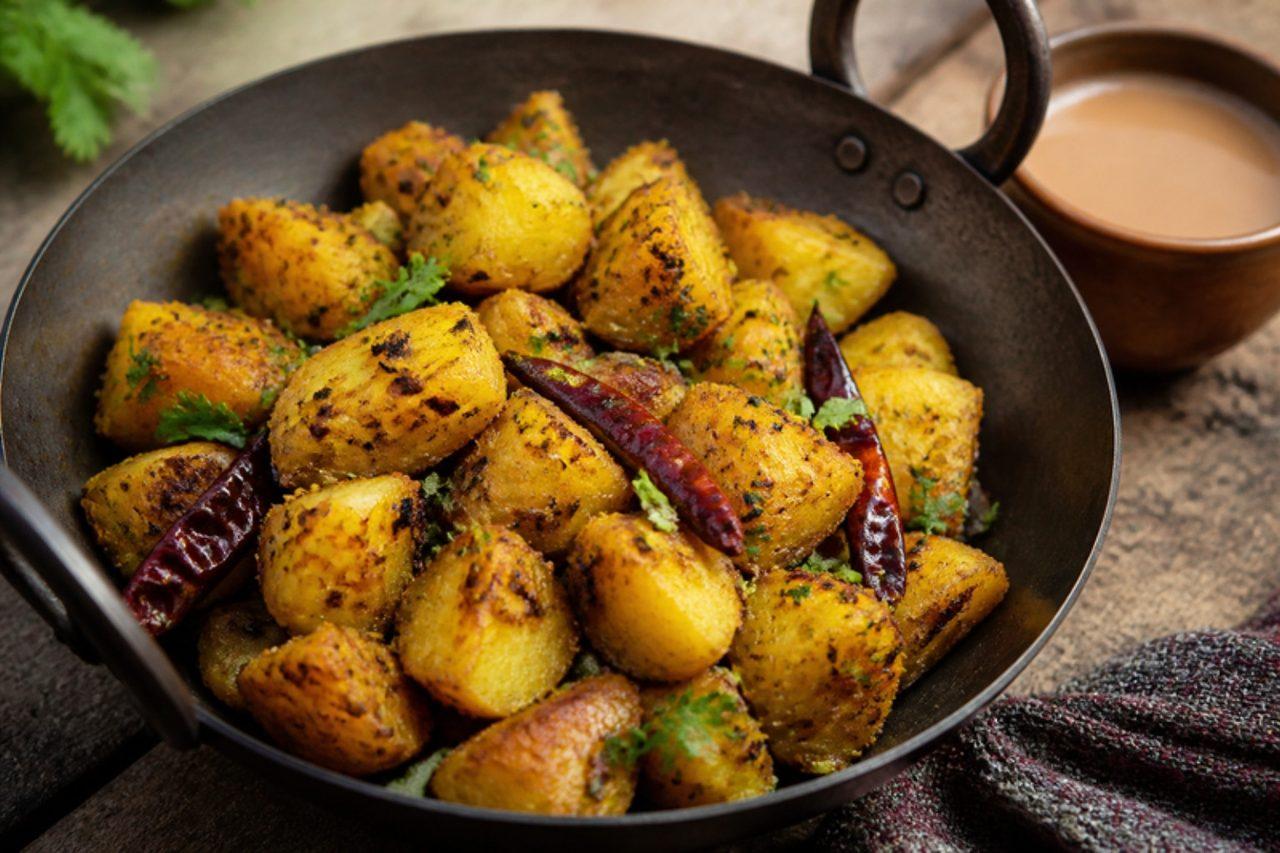
Dhokar dalna comes from the Bengali niramish (vegetarian) kitchen of widows and temple cooks, and it is still cooked in Kolkata homes for festive lunches and Saraswati Puja. Soaked chana dal is ground, cooked with ginger and asafoetida into a thick paste, set in a tray and cut into diamonds, which are fried and then dropped into a thin, fragrant gravy just before serving. The dhoka soak up the sauce like a sponge. Chef's tip: cook the dal paste until it leaves the sides of the pan in one mass; if it is too soft, the diamonds break in the gravy.

65 minCurriesVeganGluten freeIndian
by KrazyBadal 0 views
Beguni

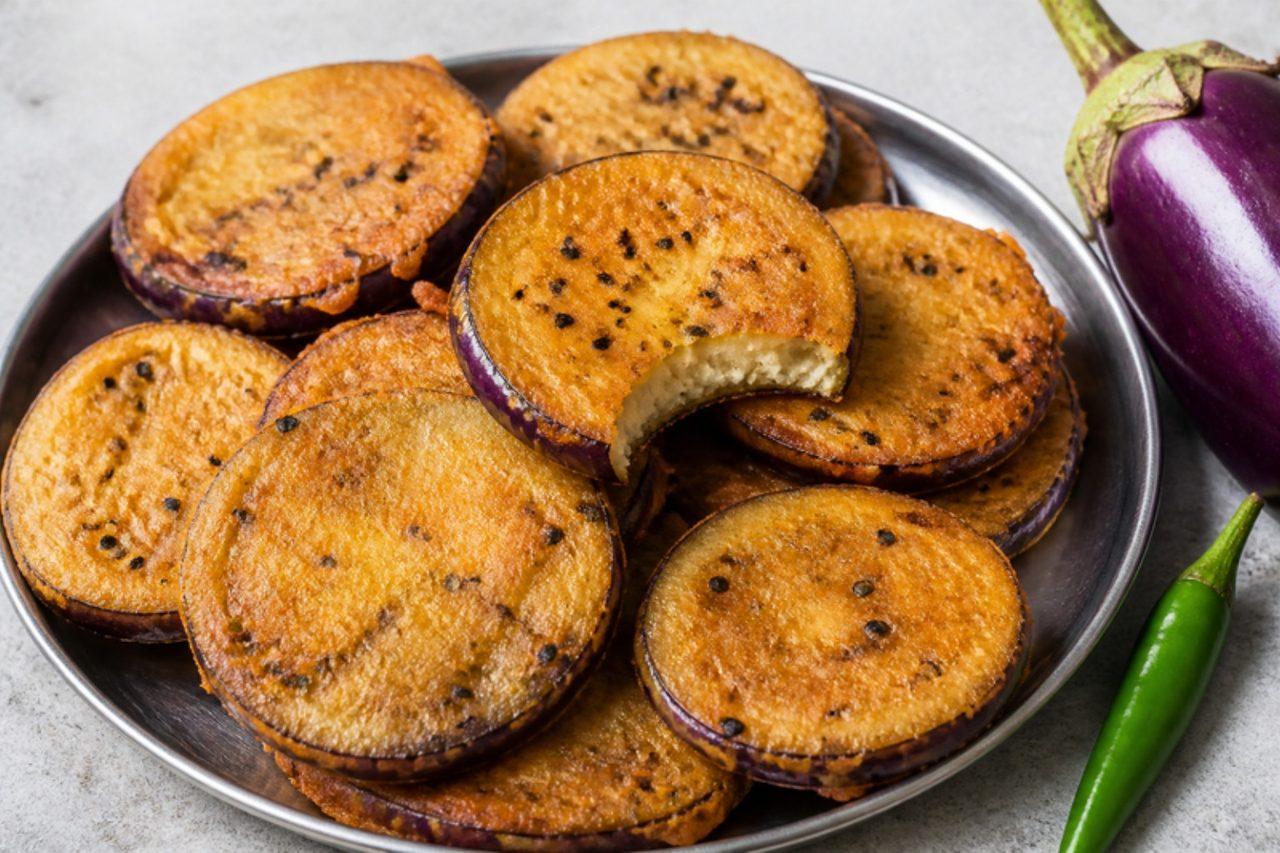
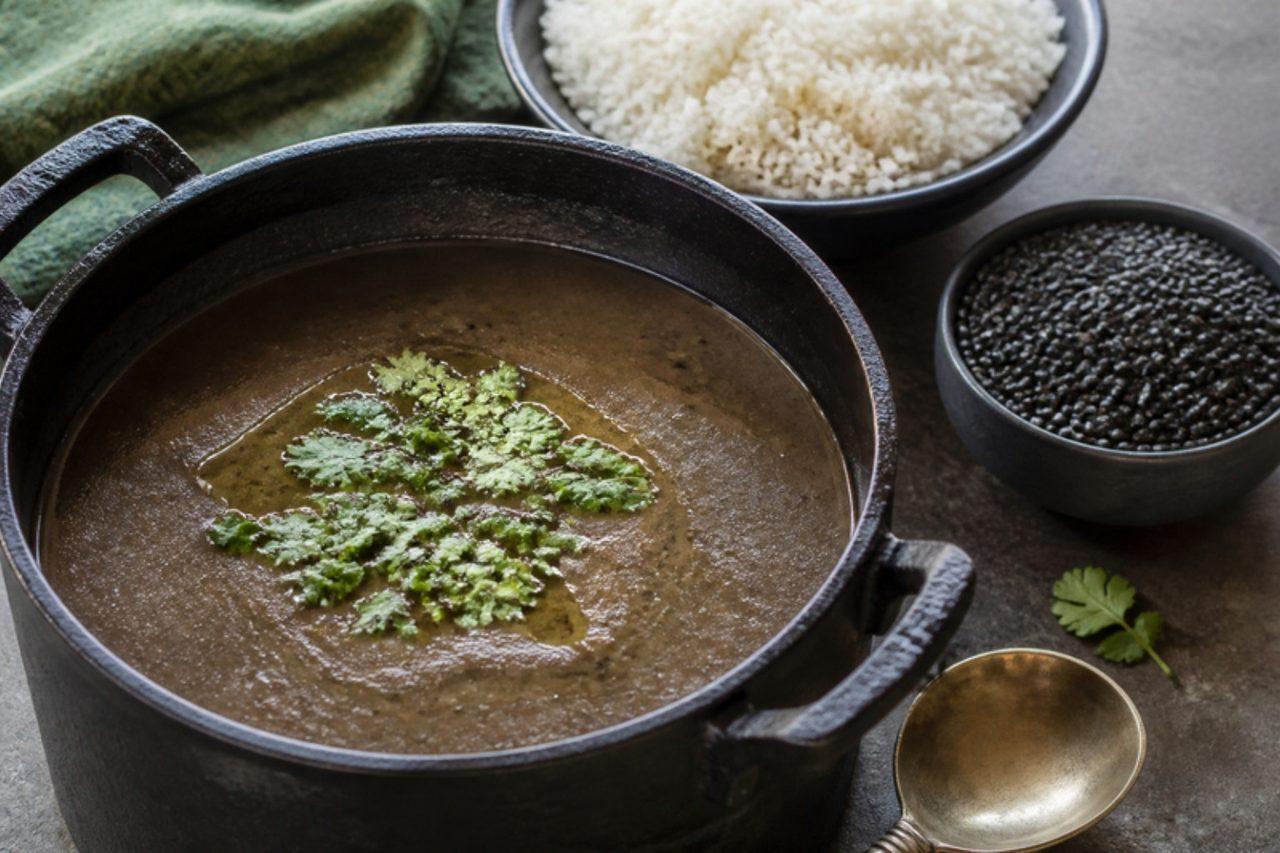
When the monsoon arrives in Kolkata, the telebhaja shops at every para corner start frying beguni: long, thin slices of aubergine dipped in a spiced gram-flour batter and fried until the coat puffs and turns golden. It is eaten with muri and a cup of tea, or alongside khichuri on a wet Saturday. The inside should be soft and creamy, the shell thin and crackly. Chef's tip: a spoonful of rice flour and a pinch of nigella in the batter keep it crisp long after frying. This is a different dish from begun bhaja, where the slices are fried bare with turmeric and salt.

by KrazyBadal 0 views
Goes well with gluten-free asafoetida