Skip to content

Recipes with strong black tea

5 recipes that use strong black tea, with photos, step-by-step instructions and cook times. The quickest, Seven-layer tea, takes 35 minutes. It is most often cooked with plain flour, egg and sugar.

Got a few things in the fridge? Search by everything you have

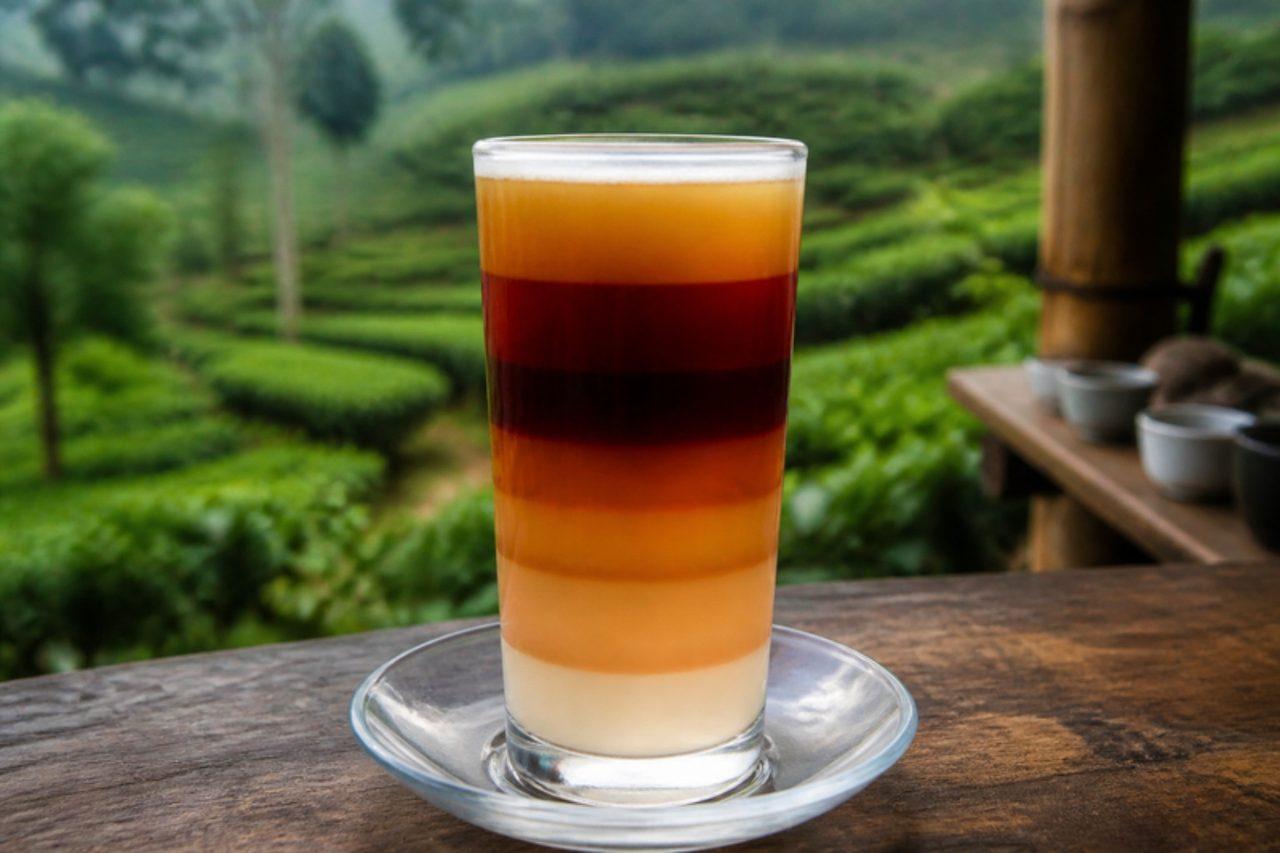
Seven-layer tea

Visitors to the tea gardens of Srimangal, in Sylhet's Moulvibazar district, queue at small tea cabins to see a glass of tea striped in seven distinct bands, from creamy white at the bottom to pale green-gold at the top. The original recipe is a closely guarded secret of the tea-maker who made it famous, but the principle is simple physics: each layer carries a different amount of sugar, so the heaviest sits at the bottom and the lightest floats on top. This home version uses condensed milk, green tea, strong black tea, milk tea, lemon tea, spiced tea and plain tea, and it is drunk slowly, layer by layer, with a long spoon. Pouring too fast is what ruins it; each layer should trickle down the inside of the glass over the back of a spoon. Chef's tip: let all the brews cool to warm, about 50 °C, so temperature differences don't stir the layers.

by KrazyBadal 0 views

Wuzetka

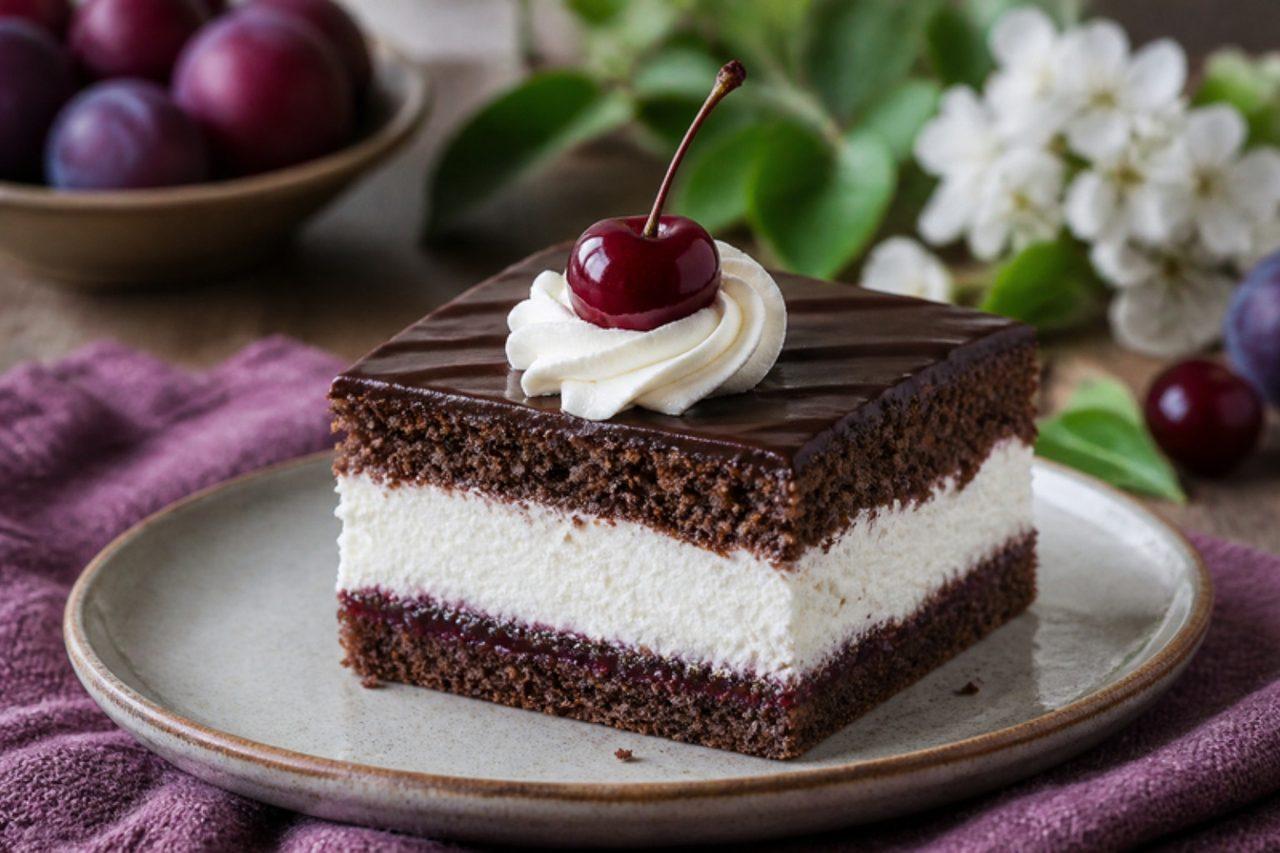
Warsaw's own cake took its name from the W-Z route, the east–west road rebuilt through the ruined city in 1949, and the cake shop beside it that sold the first slices. It is still the cream cake of the capital's patisseries: two dark cocoa sponges, a tart layer of plum jam, a thick band of whipped cream and a shiny chocolate glaze, topped with a swirl of cream. A common mistake is assembling while the sponge is warm, so the cream slumps and slides. Chef's tip: brush the sponge with a little cooled tea before adding the jam so the slices stay moist.

by KrazyBadal 0 views

Matnakash

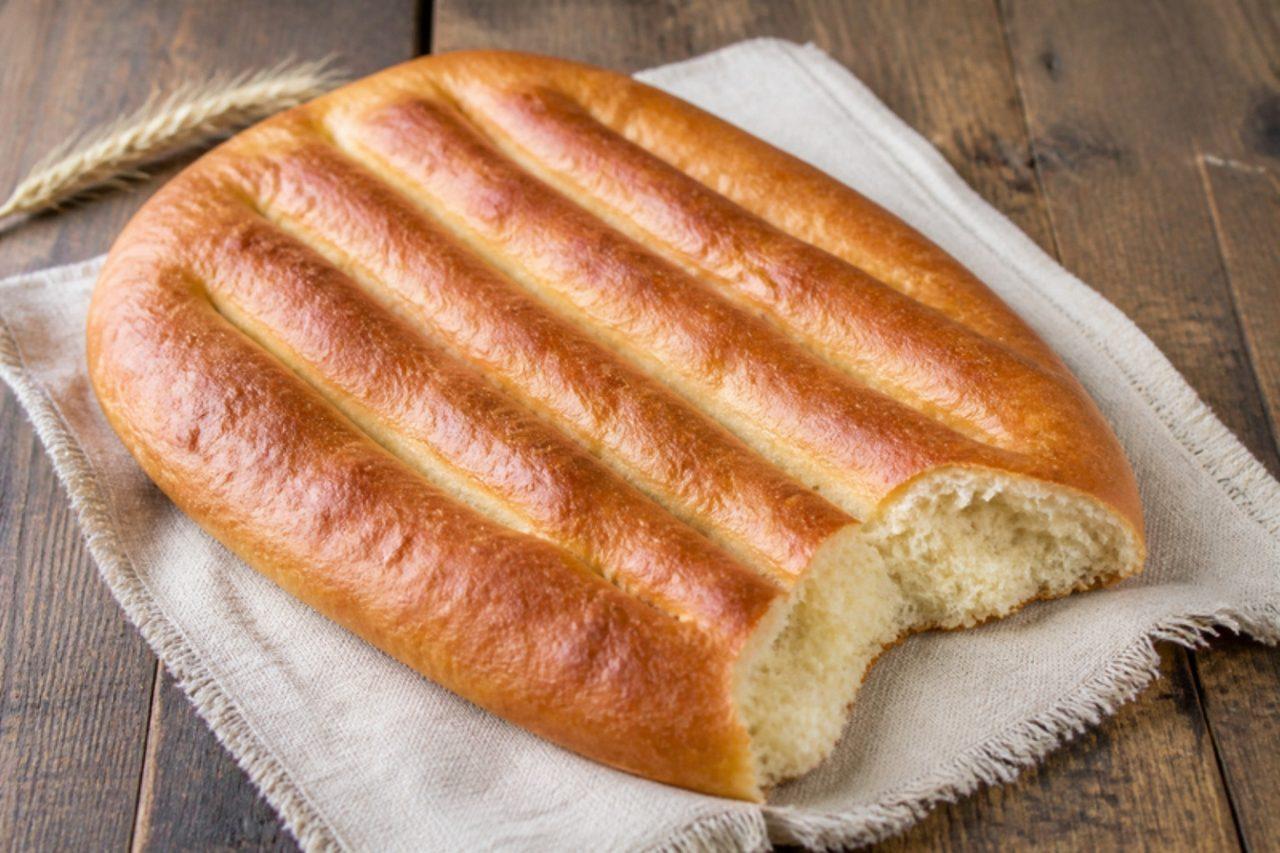
Matnakash means 'finger-pulled', and that is how the Yerevan bakeries shape it: a big oval of soft, leavened dough pressed with the fingertips into long grooves, brushed with a glaze and baked until shiny and golden. It is the everyday table bread of the capital, thicker and softer than lavash, torn at breakfast with cheese and herbs. The glaze, traditionally made from a little flour cooked with water and sugar or simply brushed with sweet tea, gives the crackled, glossy crust. A common mistake is pressing the grooves too lightly; they vanish as the bread rises in the oven. Chef's tip: press right down to the tray with four fingers, then pull outward to stretch the loaf; the deep channels are what make it matnakash.

by KrazyBadal 0 views

Punschkrapfen

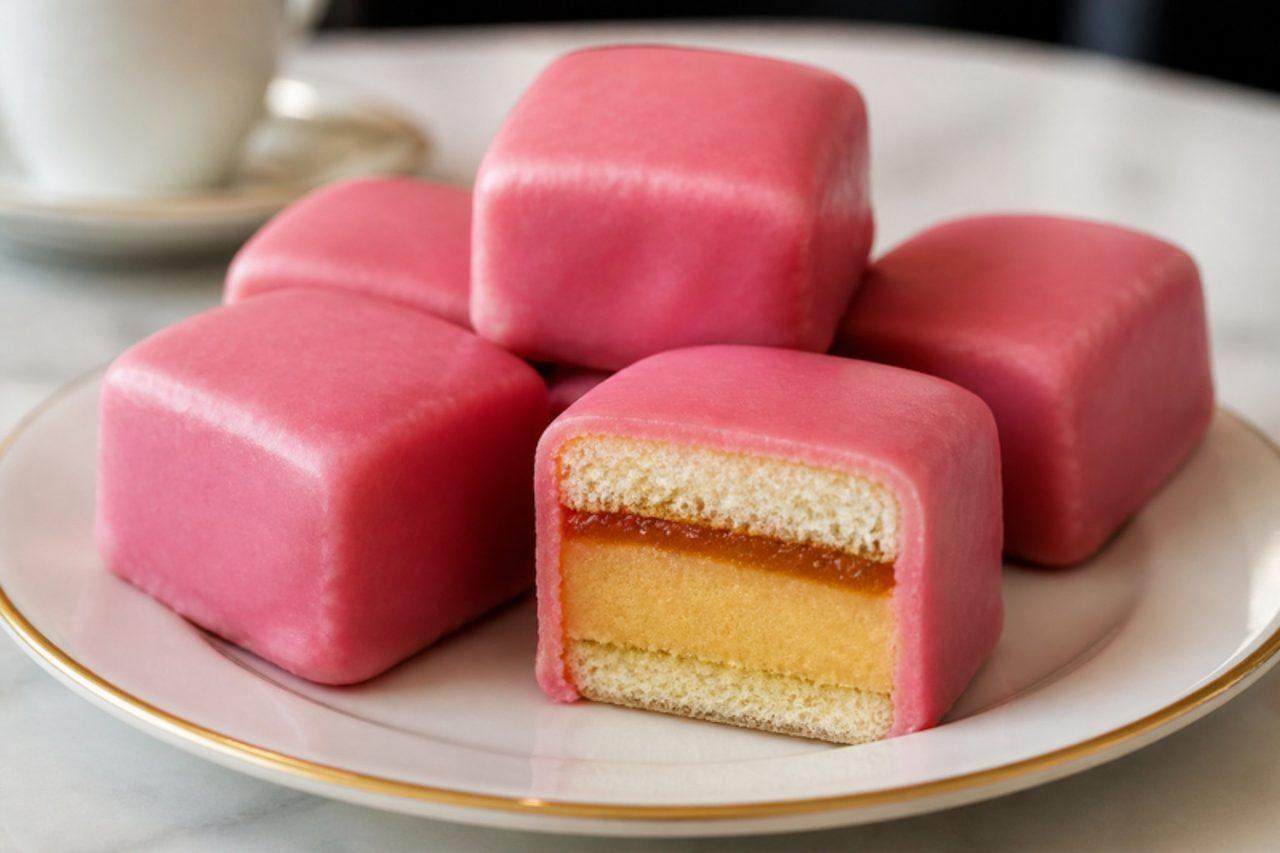
Punschkrapfen are the bright pink cubes that glow from every Viennese Konditorei counter, especially in winter. Traditionally the filling of sponge crumbs, jam and chocolate is soaked in rum punch, which gives the cake its name, so the classic version contains alcohol. This recipe makes the alcohol-free version with orange juice and strong black tea, which keeps the fruity, warming flavour that children can eat too; to make the traditional one, swap 40 ml of the orange juice for dark rum. The sponge is moist and dense, the icing sweet and crackly. A common mistake is skipping the overnight press; the cubes fall apart when cut. Many pink colourings use carmine, made from insects, so choose a plant-based one such as beetroot red. Chef's tip: cut with a knife dipped in hot water and wiped between each cut for clean edges.

by KrazyBadal 0 views

Dublin gur cake

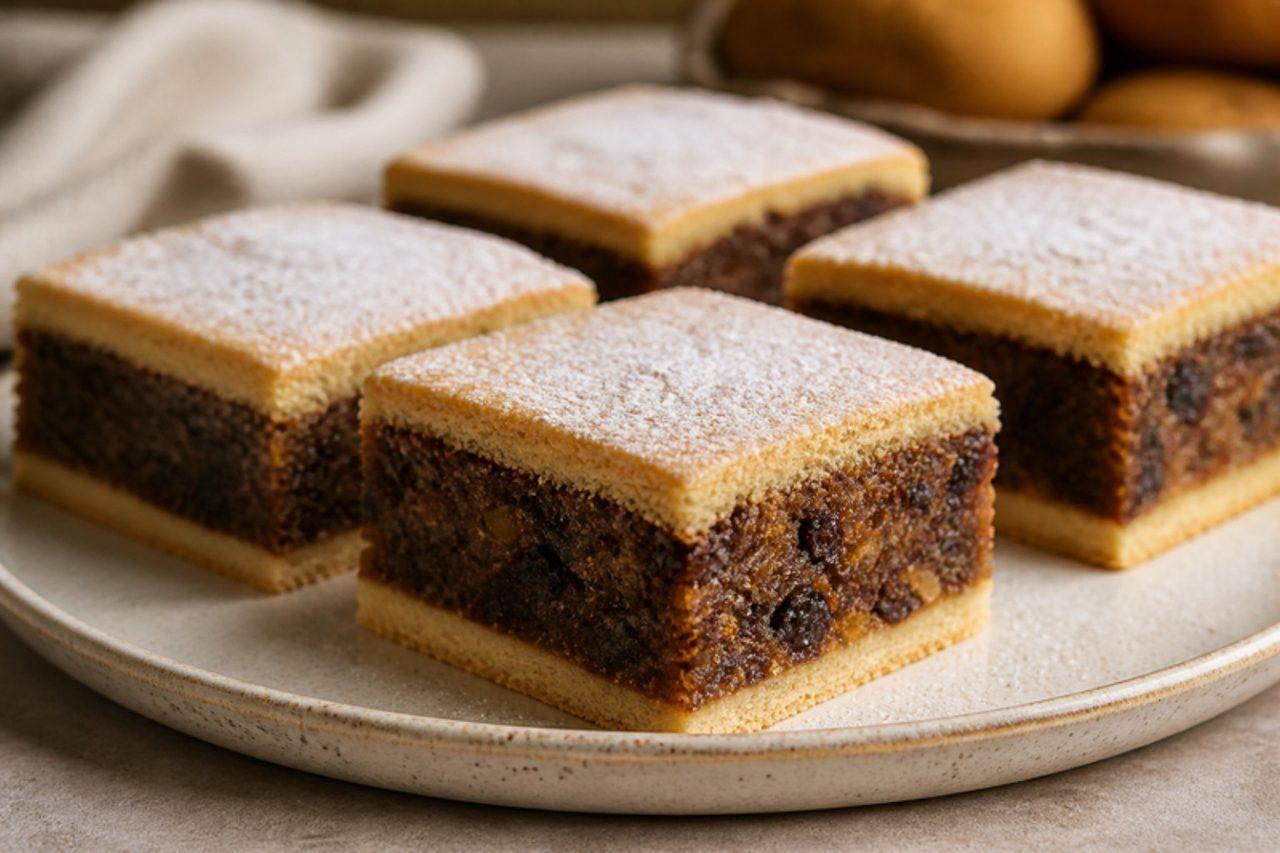
Gur cake was the cheapest treat in Dublin bakeries, made from the day's leftover bread and cake soaked with tea, dried fruit and spice and baked between two sheets of pastry. It gave its name to the 'gurriers', the kids who mitched school and bought slices for a ha'penny, and you still find it in the bakeries of the inner city, where it is also called Chester cake. It is dense, sticky and spiced. Chef's tip: let the filling soak for a good half hour so the bread breaks down completely into a smooth paste.

by KrazyBadal 0 views

Goes well with strong black tea